BUTT-LIFTING SILHOUETTE DEVELOPMENT

Butt Lifting Leggings Manufacturer for Defined Sculpting Silhouettes

MOVEVOX supports activewear, fitness and yoga brands that need a buyer-defined butt-lifting or sculpting silhouette translated into a physical legging, reviewed through controlled samples and protected through bulk production.

Development can begin from a Tech Pack, legally usable reference garment, sketch, images or a clearly defined target silhouette. The key task is to connect waistband position, rise, waist-to-hip balance, material response and back-body construction to one physical result that the buyer can approve.

MOVEVOX supports both Seamless and Cut & Sew routes. The route is selected according to the approved construction logic, while standard samples are typically completed within approximately 5–10 working days after the required development information has been confirmed.
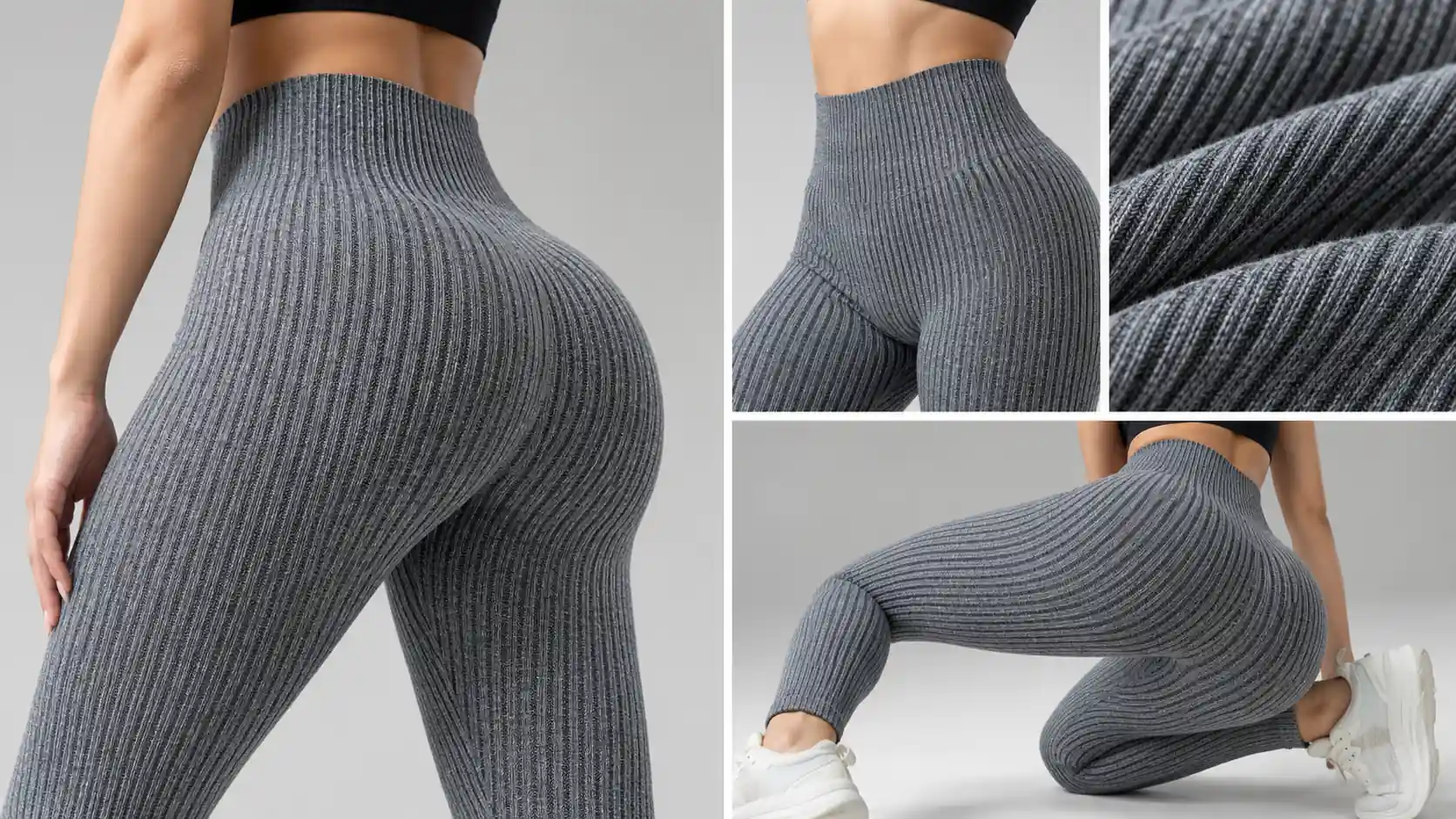
MOVEVOX butt lifting leggings development
Seamless + Cut & Sew

Two routes used to reproduce different sculpting constructions.

28 Santoni

Italian Seamless machines supporting controlled knitted shaping and repeat production.

≈8-Person Team

Development resources supporting sample, fit and silhouette revisions.

≈40K–50K pcs/month

Core stable finished release after the approved standard is transferred into production.

≈150K–200K pcs/month

Controlled-network stable managed delivery under centralized product and QC control.

VALIDATION PROGRAM FIT

Which Sculpting-Leggings Programs Need Controlled Silhouette Validation?

MOVEVOX is best aligned with buyers that need an intended lifting or sculpting result to be defined, sampled, revised and reproduced as a controlled physical standard rather than treated as a vague styling instruction.

01

Existing Sculpting-Leggings Brands

You already sell sculpting or contour leggings and need another manufacturer to reproduce an existing physical standard without silently changing fit, material or back-body construction.

02

Brands Developing a New Sculpting Result

You have a target silhouette, reference garment or visual direction and need it converted into controllable measurements, material choices, construction variables and physical samples.

03

Brands Refining a Validated Bestseller

Your current product is commercially proven, but the lifting silhouette needs better size-range control, clearer revision records or a stronger sample-to-bulk baseline before volume increases.

04

Brands Expanding Colors or Sizes

You need the approved sculpting result to remain recognizable when adding sizes, colors, materials or related legging variants, with revalidation where the physical result can change.

PRODUCT DEFINITION

Treat “Butt Lifting” as a Buyer-Defined Garment Silhouette, Not a Standalone Claim

Silhouette Direction

In manufacturing terms, the buyer should define the intended visual back-body shape through an approved garment, technical reference or clearly communicated product direction.

Connected Product Variables

The finished silhouette can be influenced by waistband position, front and back rise, waist-to-hip Fit, material stretch and recovery, pattern or knitted construction, and the physical garment.

Physical Approval

MOVEVOX does not treat terms such as “lifting,” “sculpting” or “contour” as universal technical specifications. The intended result should be reviewed against a physical sample and buyer-approved requirements.

Where a buyer requests a specific scrunch, contour, back-seam, knitted shaping or related construction, the requirement should first be reviewed for technical feasibility within the selected Seamless or Cut & Sew route.

The objective is not to promise a physiological body-changing effect. It is to manufacture a garment against a buyer-approved silhouette, Fit and construction standard.

VALIDATION CONTROL RESOURCES

Use Manufacturing Resources to Close, Transfer and Recheck the Approved Result

≈6,000 m²

Yiwu Core Base

Six floors with approximately 1,000 m² per floor in Yiwu, linking development, core production and quality activities to one released product reference.

28

Italian Santoni Machines

Supports Seamless programs where knitted geometry or localized zones are part of the buyer-approved result.

≈24

Principal Garment Machines

Supports Cut & Sew programs where pattern geometry, seams, panels or waistband construction influence the back-body result.

≈8

Development Team

Approximately two design personnel, two pattern makers and four sample-development personnel supporting sample comparison, variable-specific revision and physical recheck.

5

QC Personnel

Checks released measurements, material, construction and workmanship after the target result has already been accepted in development.

5–10 Working Days

Standard Sampling

Typical after the required product inputs and comparison target are clear enough to build a controlled sample.
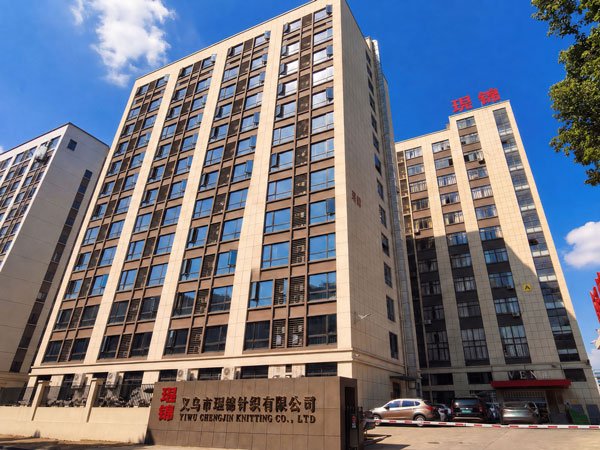
MOVEVOX Yiwu core manufacturing facility
MOVEVOX Santoni Seamless production area
MOVEVOX activewear sample room
MOVEVOX Cut and Sew production
SCULPTING EFFECT ENGINEERING

Build the Approved Silhouette From Product Fundamentals Upward

A sculpting legging should be developed from controllable product variables rather than from an undefined instruction to make the garment look “more lifting.”

LEVEL 01

Material & Base Geometry

The physical fabric or yarn and the base pattern or knitted garment geometry create the foundation of the product.

LEVEL 02

Waist · Rise · Hip Relationship

Waistband position, rise and waist-to-hip measurements establish the underlying Fit relationship.

LEVEL 03

Back-Body Construction

Buyer-defined seams, pattern lines, knitted zones or other construction features can influence the intended visual contour.

LEVEL 04

Physical Garment Silhouette

The intended effect should be reviewed on the actual garment rather than inferred only from measurements or digital references.

LEVEL 05

Repeatable Bulk Standard

Once accepted, the physical sample, material, measurements and construction need to become controlled production references.

Branding can be added later, but Logo, labels and packaging cannot compensate for unresolved Fit, material or construction decisions.
BACK-BODY CONSTRUCTION MAP

Define Which Product Variables Are Intended to Create the Sculpting Silhouette

01

Target Back Silhouette

Define the visual back-body contour the buyer wants the physical garment to represent.

02

Waistband Position

Waistband height, position and construction affect the relationship between the upper garment, waist and hip.

03

Back Rise & Body Balance

Front rise, back rise, waist and hip need to work together rather than being treated as isolated measurements.

04

Buyer-Defined Back Construction

Where the design uses a scrunch, contour seam, knitted zone or other back-body feature, it should be reviewed as a defined construction requirement.

05

Material Response

Stretch, recovery, structure and surface can change how the same geometry behaves in the finished garment.

06

Size-Range Preservation

The approved base-size silhouette should not be assumed to reproduce automatically across the entire size range.
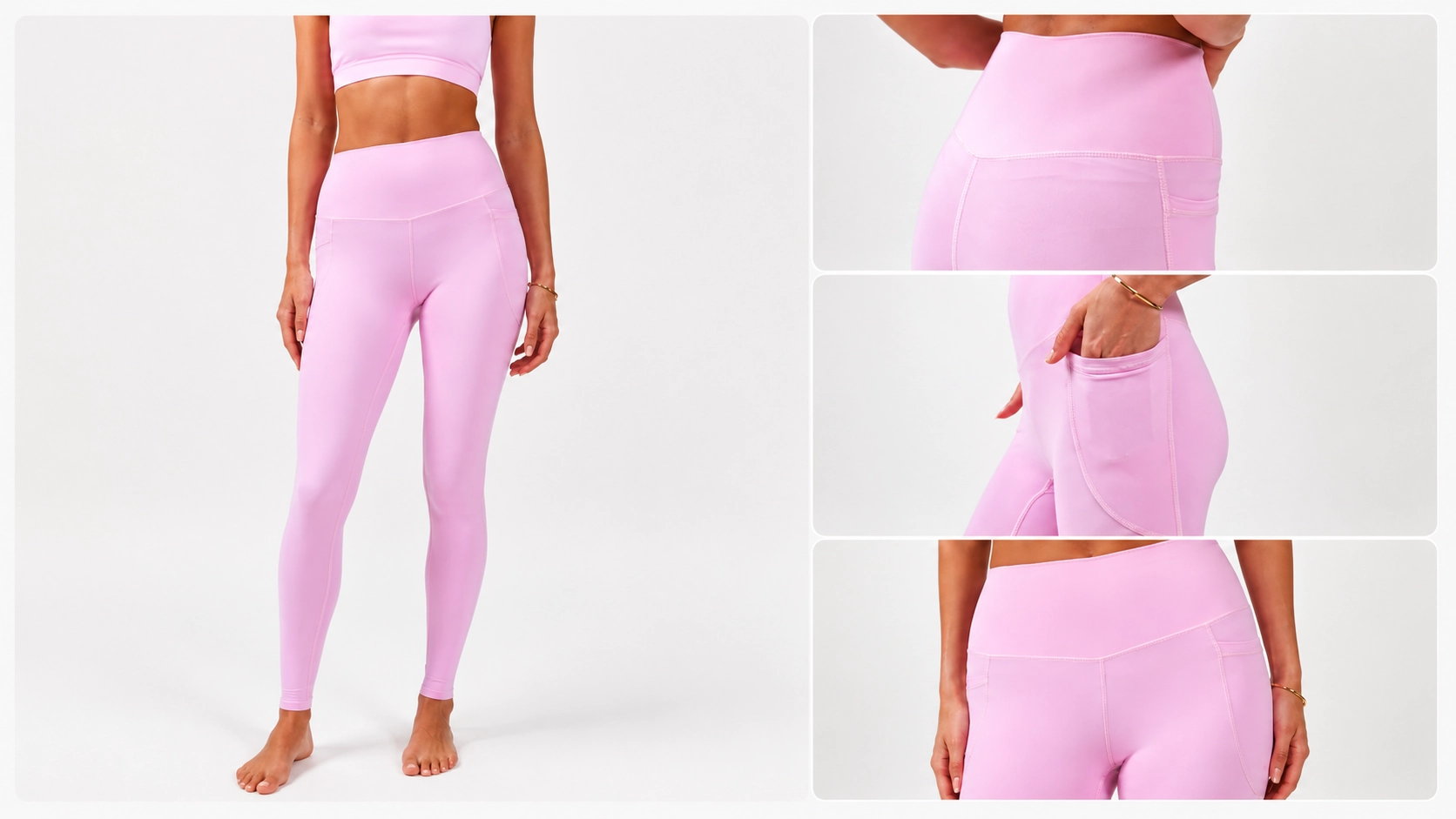
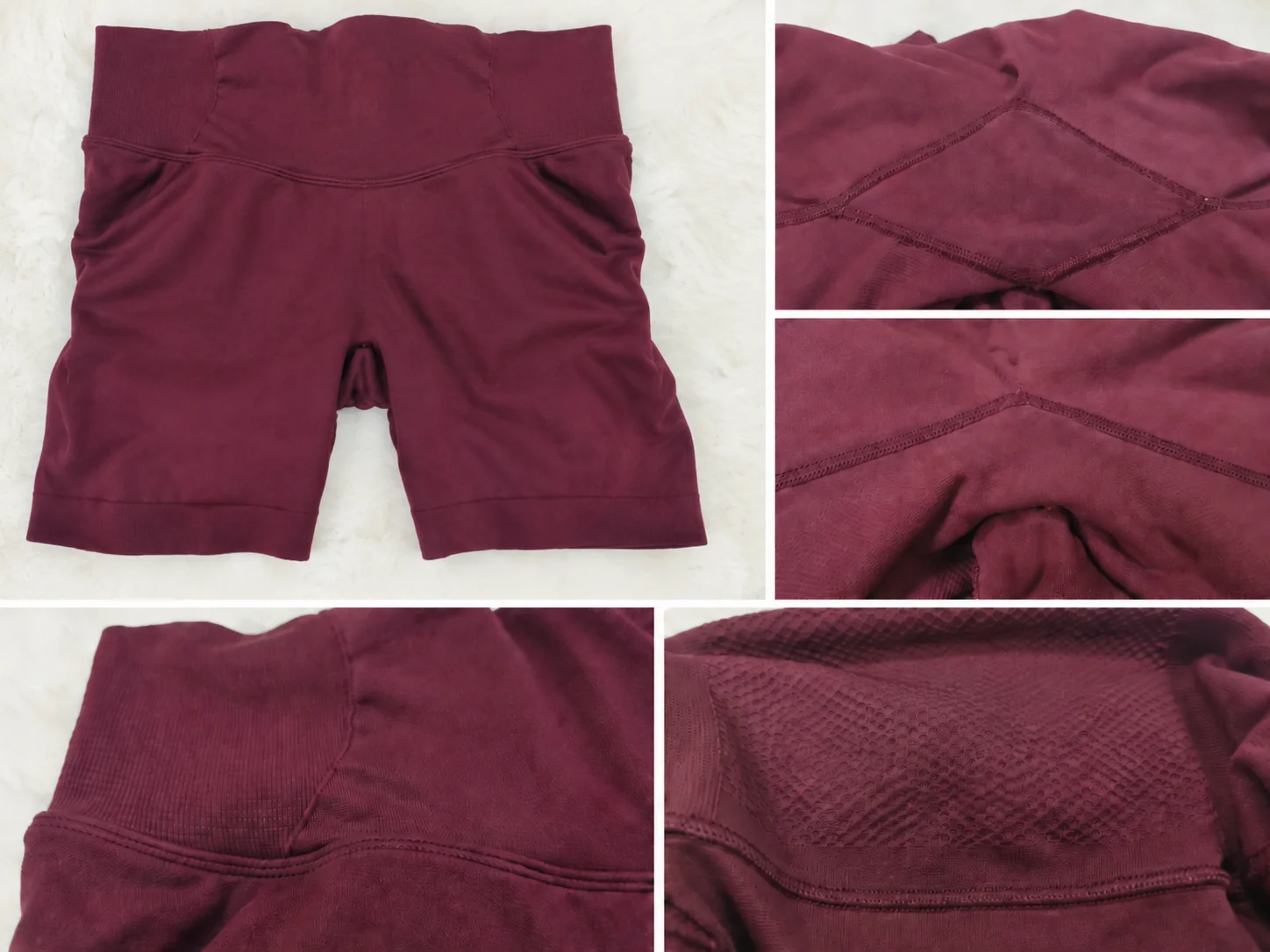
Butt lifting leggings back construction reference
Leggings waistband rise and back body development
Sculpting leggings size range development
SILHOUETTE DIAGNOSIS

When the Physical Silhouette Changes, Identify the Variable Before Revising the Product

Silhouette Looks Too Weak

The physical garment does not reproduce the buyer-approved contour direction.

Review: back construction · waist-to-hip relationship · material recovery · physical Fit

Silhouette Looks Overstated

The construction creates a visual result stronger than the buyer-approved product direction.

Review: construction intensity · seam or knit placement · pattern balance · material response

Waist-to-Hip Balance Changes

The upper garment no longer sits in the intended relationship to the hip and back body.

Review: waistband · front rise · back rise · waist · hip

Same Pattern, Different Result

A replacement fabric or yarn behaves differently even though nominal measurements remain unchanged.

Review: stretch · recovery · weight · structure · physical material

Base Size Works but Other Sizes Drift

The approved silhouette relationship changes disproportionately through grading.

Review: grade rules · waistband progression · rise progression · hip progression

Sample Is Correct but Bulk Changes

Production no longer reproduces the approved combination of material, dimensions or construction.

Review: approved reference · First Article · inline QC · material identity
SILHOUETTE ROUTE DECISION

Choose the Route by Which Variable Must Create the Sculpting Result

Neither route is inherently more “lifting.” The route should be chosen according to which controllable variable is expected to create the approved silhouette and how that variable will be reproduced in bulk.
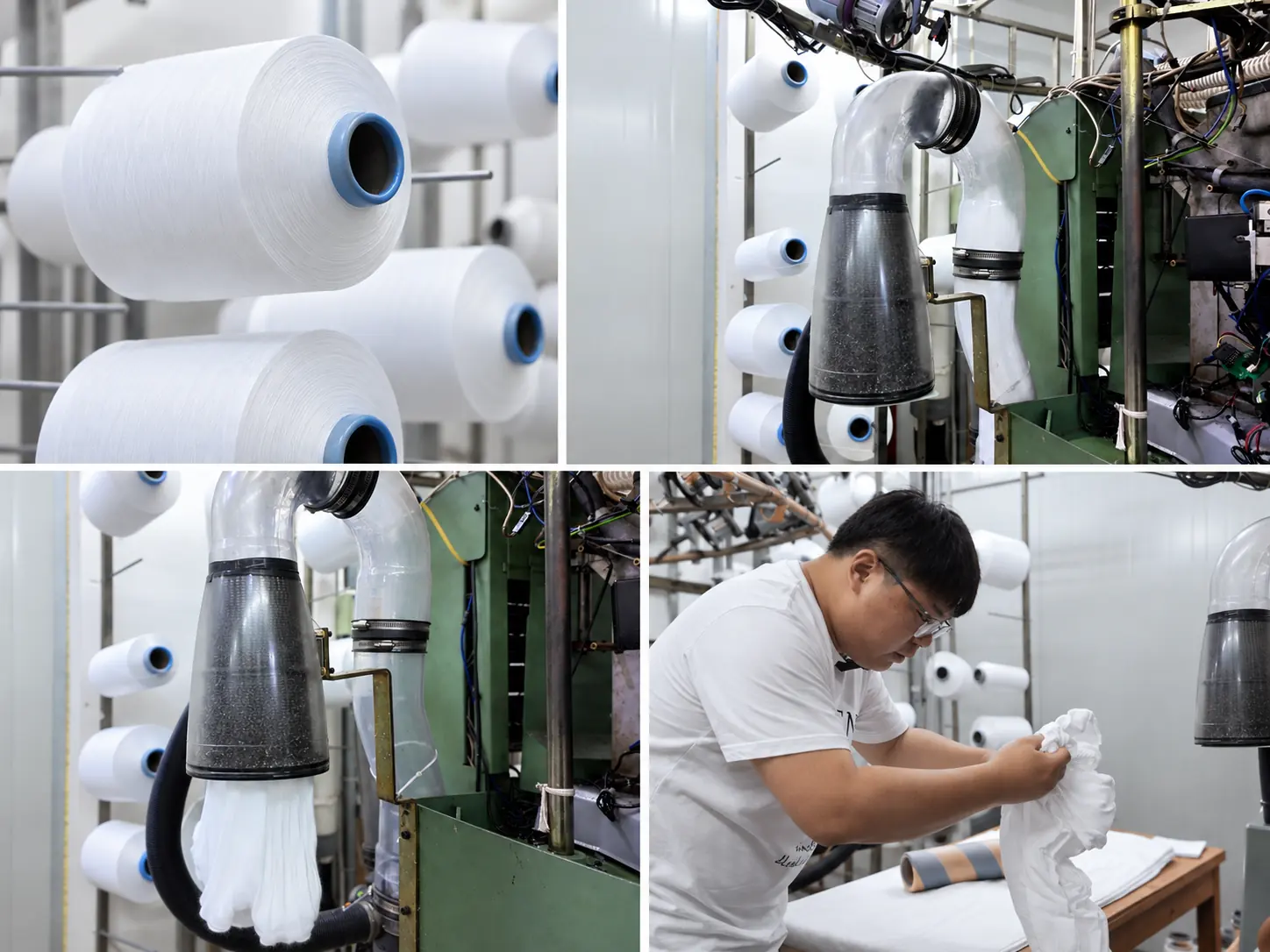
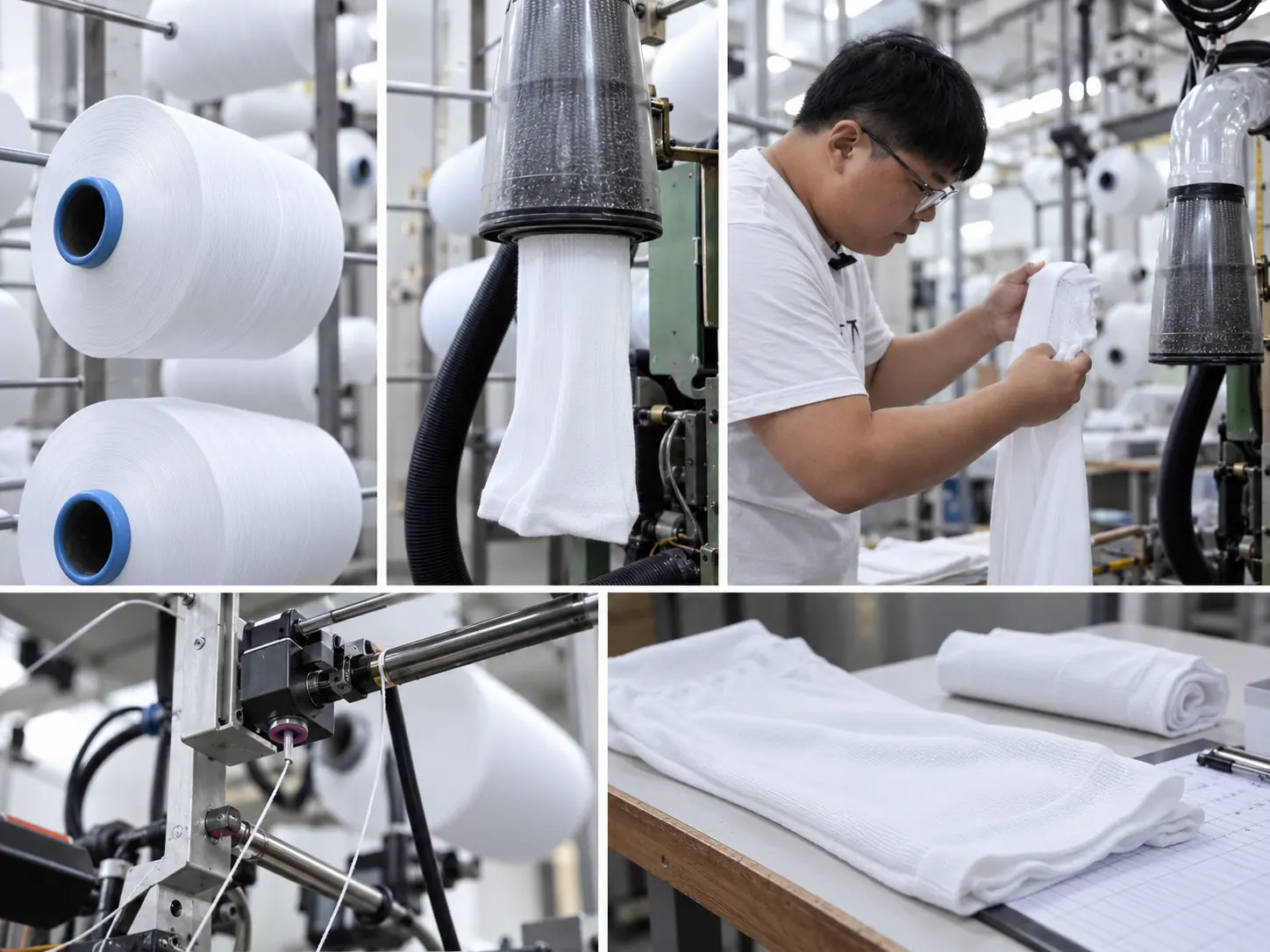
Tubular Seamless garment during Santoni circular knitting
SEAMLESS

Knitted-Structure Control

Use Seamless where the intended result depends on machine-programmed knit structures, localized tension, rib zones, knitted waistband geometry or other repeatable knitted features.

MOVEVOX operates 28 Italian Santoni Seamless machines at the Yiwu core base.

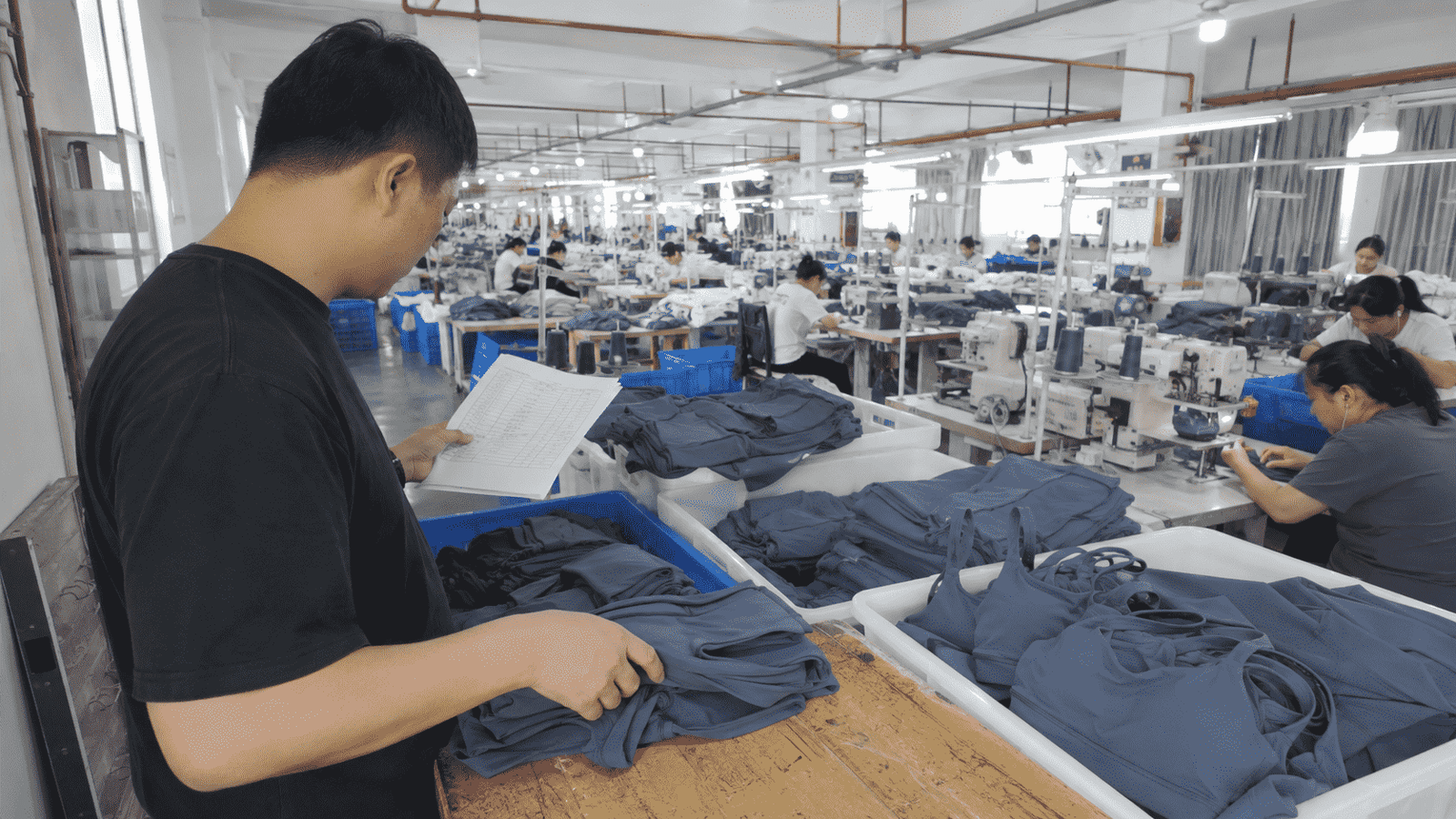
MOVEVOX Cut and Sew activewear production
CUT & SEW

Pattern-and-Seam Control

Use Cut & Sew where the intended result depends on pattern geometry, sewn waistband shape, rear seam position, contour panels or other sewn construction variables.

MOVEVOX maintains core Cut & Sew capability in Yiwu.

Buyer-defined sculpting or shaping construction still requires technical review and physical sample approval regardless of route.
MATERIAL-CHANGE REVALIDATION

Treat a Material Change as a New Validation Question, Not a Simple Substitution

A fabric or yarn can preserve nominal measurements while changing how the garment sits, recovers and presents the back-body result. Material replacement should therefore be assessed against the released garment, not composition alone.
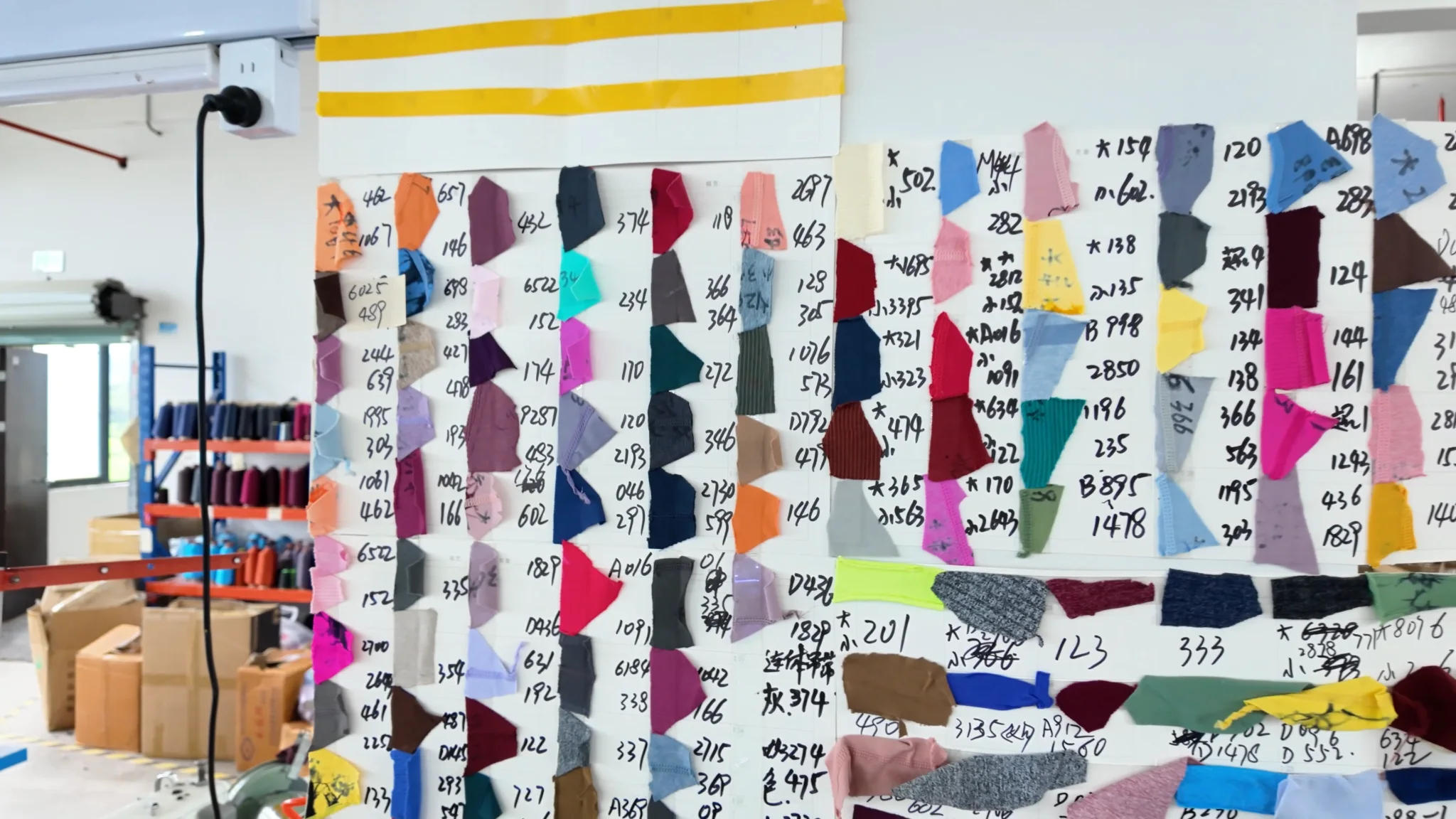
MOVEVOX activewear material swatches and physical garments

Stretch

Changes how far the garment extends around waist, hip and seat under the same geometry.

Recovery

Changes how strongly the garment returns after extension and can alter the held shape.

Weight

Can change drape, structure and how firmly the garment maintains the released geometry.

Handfeel

May be commercially acceptable while still changing perceived hold or comfort; confirm it separately from the visual target.

Surface

Texture and finish can change the perceived contour even when measurements remain unchanged.

Physical Approval

If material source, yarn, dye route or finish changes, decide whether a comparison sample is required before repeat production.

BACK-BODY MEASUREMENT ARCHITECTURE

Control the Silhouette Through Measurements That Work as a System

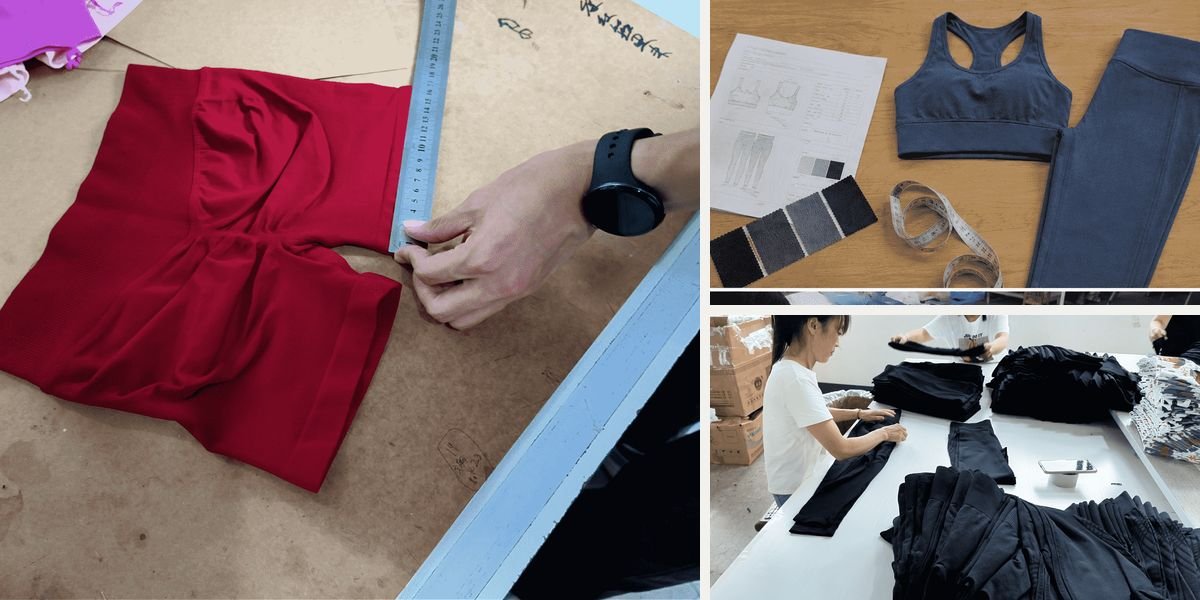
MOVEVOX does not treat one generic XS–XL chart as a universal leggings Fit standard. Applicable measurements, POM, tolerances and grading should follow the buyer's approved product specification.
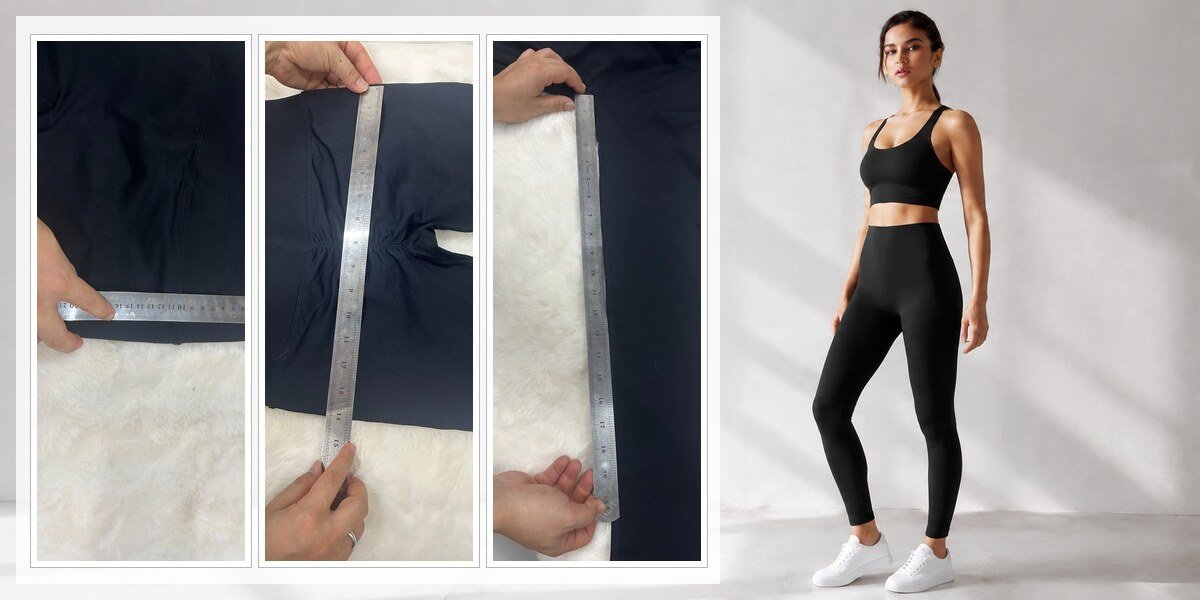
Physical Seamless garment waistband circumference and length measurement
Control Point What Must Be Defined
Waist Approved measurement method and intended Fit relationship.
Waistband Height Applicable waistband dimension for the specific product.
Front Rise Buyer-defined measurement influencing front garment position.
Back Rise Approved relationship between back waist, hip and garment balance.
Hip Approved hip measurement connected to material and intended Fit.
Back-Body Construction Applicable construction position or technical reference for buyer-defined shaping features.
POM & Tolerance Defined measurement locations and acceptable production variation.
Grade Rules Controlled size-to-size changes and physical validation where required.
DEFINE THE EFFECT

Translate Sculpting Language Into Buyer-Approveable Product Requirements

Terms such as “butt lifting,” “sculpting,” “contour,” “compression” or “second skin” can mean different things to different brands. Before development begins, each term should be converted into a physical product direction and an approval reference.

Product Language
Buyer Intent
Approval Reference
01 · SILHOUETTE

Silhouette Direction

A defined visual back-body contour that the buyer wants the physical garment to represent.

Physical reference

Review against an approved physical sample or legally usable reference garment rather than the word “lifting” alone.

02 · SUPPORT

Support Direction

A buyer-defined level of hold or structural support in the finished garment.

Physical Fit reference

Evaluate the garment against the buyer's physical Fit requirement. Support should not be inferred from fiber composition alone.

03 · COMPRESSION

Compression Direction

More or less garment pressure in defined areas according to the buyer's product direction.

Material + Fit + construction

Review these variables together. Where quantitative compression performance is required, the applicable test requirement should be defined by the project.

04 · HANDFEEL

Second-Skin Direction

A close Fit combined with a specific softness, surface and tactile expectation.

Approved material + garment

Use an approved physical fabric, yarn or finished garment as the reference rather than treating “second skin” as a universal material specification.

05 · COVERAGE

Coverage Requirement

The buyer-defined level of opacity or coverage under an agreed evaluation condition.

Physical garment or defined test

Review the actual garment or use a project-specific test method where formal validation is required.

Development Principle: MOVEVOX should not convert subjective terms directly into production claims. The buyer's language should first be connected to a physical reference, defined construction, material direction or measurable evaluation method.
SCULPTING PRODUCT DEFINITION BRIEF

Define the Intended Silhouette Before Sampling or Formal Quotation

A complete Tech Pack is helpful but is not required for the first technical review. Critical missing inputs should be identified before they become unintended product decisions.

01 · SILHOUETTE

Describe the Target Physical Result

  • Intended back-body visual direction
  • Reference images or legally usable garment
  • Applicable contour or construction direction
  • Buyer-defined physical evaluation requirement
02 · FIT

Define the Fit Foundation

  • Waistband direction or target height
  • Front and back rise
  • Waist and hip measurements
  • Inseam
  • POM and tolerances where available
  • Target size range
03 · MATERIAL

Define the Material Response

  • Fabric or yarn reference
  • Composition direction
  • Weight
  • Stretch and recovery
  • Surface and handfeel
  • Coverage expectation
04 · COMMERCIAL

Define the Program Around the Product

  • Estimated quantity
  • Colors
  • Size breakdown
  • Logo / labels / packaging
  • Target sample date
  • Target delivery date
CONTROLLED SAMPLE COMPARISON

Compare Each Physical Sample Against the Same Sculpting Target
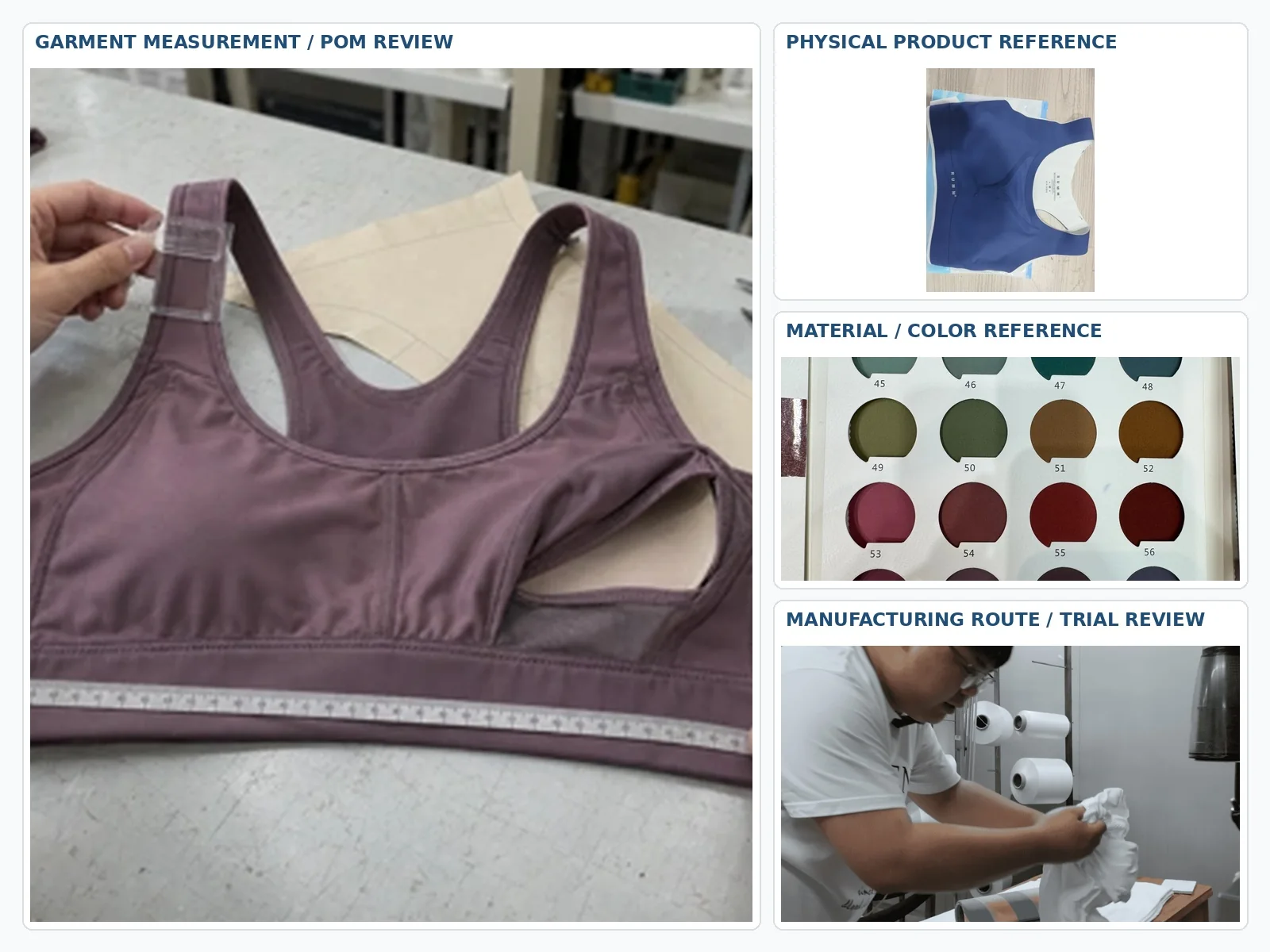
Activewear technical and manufacturability review
First activewear development sample
Seamless sample development and approval
01

Freeze the Review Target

Use one agreed physical or visual target so each revision is evaluated against the same outcome.

02

Confirm the Controlling Variables

Identify whether fit, material, knitted structure, pattern geometry or back construction is expected to create the result.

03

Hold Material Constant Where Possible

Avoid changing material and construction simultaneously unless the project deliberately requires both, so the effect of each revision can be understood.

04

Establish the Fit Baseline

Record waistband, rise, waist, hip, inseam and the approved relationship between them before judging visual changes.

05

Produce the Review Sample

Convert the current revision into one physical garment that represents the documented variables.

06

Record the Difference

Compare the sample with the target and record which physical difference must be corrected before the next revision.

VARIABLE-BASED REVISION GATE

Revise the Variable That Is Actually Changing the Physical Result

The purpose of a revision is not simply to make the garment look “more lifting.” It is to identify which defined product variable is preventing the physical sample from matching the approved direction.

GATE A

Is the Problem Primarily Fit?

Review waistband, rise, waist, hip and physical garment balance before changing unrelated construction.

GATE B

Is the Problem Primarily Material?

Review stretch, recovery, weight and structure before assuming the pattern or construction is incorrect.

GATE C

Is the Problem Primarily Back Construction?

Review the buyer-defined seam, knitted zone, contour line or other applicable construction reference.

GATE D

Is the Problem the Target Definition?

Confirm whether the buyer's visual expectation is clear enough to evaluate consistently against the physical garment.

REVISION OUTPUT

Record the Defined Change Before the Next Sample

The revised measurement, construction, material or target requirement should be recorded before the next physical sample becomes the new review reference.

Standard samples are typically completed within approximately 5–10 working days after the necessary information is confirmed. Additional revisions can extend the overall development timeline.
GRADE-RISK VALIDATION

Validate the Back-Body Relationship at the Sizes Most Likely to Drift

The base size defines the starting reference, but grading can change waistband position, rise balance, seat capacity and the proportion of rear construction. Validation should therefore be risk-based across the intended range rather than assuming geometric scaling preserves the same visual result.
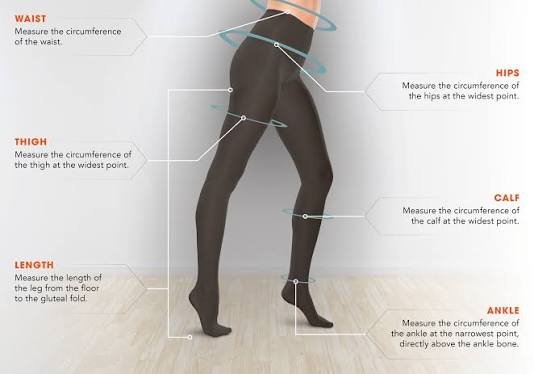
Butt lifting leggings size set review
01

Approve the Base Size

Freeze the reference measurements, material, rear construction and accepted on-body result.

02

Define Grade Rules

Specify how waist, hip, front/back rise and any rear feature progress by size.

03

Select Priority Sizes

Choose boundary or high-risk sizes where proportional changes are most likely to alter the accepted result.

04

Verify the Physical Garment

Check released POM first so a measurement error is not mistaken for a grading-design issue.

05

Review the Silhouette

Compare waistband-to-seat balance and rear construction against the approved design intent, not against the base size alone.

06

Release the Size Range

Record accepted grade decisions and any size-specific exceptions before commercial production.

SILHOUETTE RELEASE MATRIX

Release the Product Only When Four Different Standards Agree

01

Silhouette Release

The physical garment represents the buyer-approved visual back-body direction.

Reference

Approved physical garment.

02

Fit Release

Waistband, rise, waist, hip, inseam and overall garment balance are accepted.

Reference

Current measurement specification plus physical sample.

03

Material Release

The actual fabric or yarn, surface, handfeel and response are accepted.

Reference

Approved physical material or garment.

04

Construction Release

Applicable back-body construction, waistband, seams or knitted structures are confirmed.

Reference

Approved physical sample and current technical information.

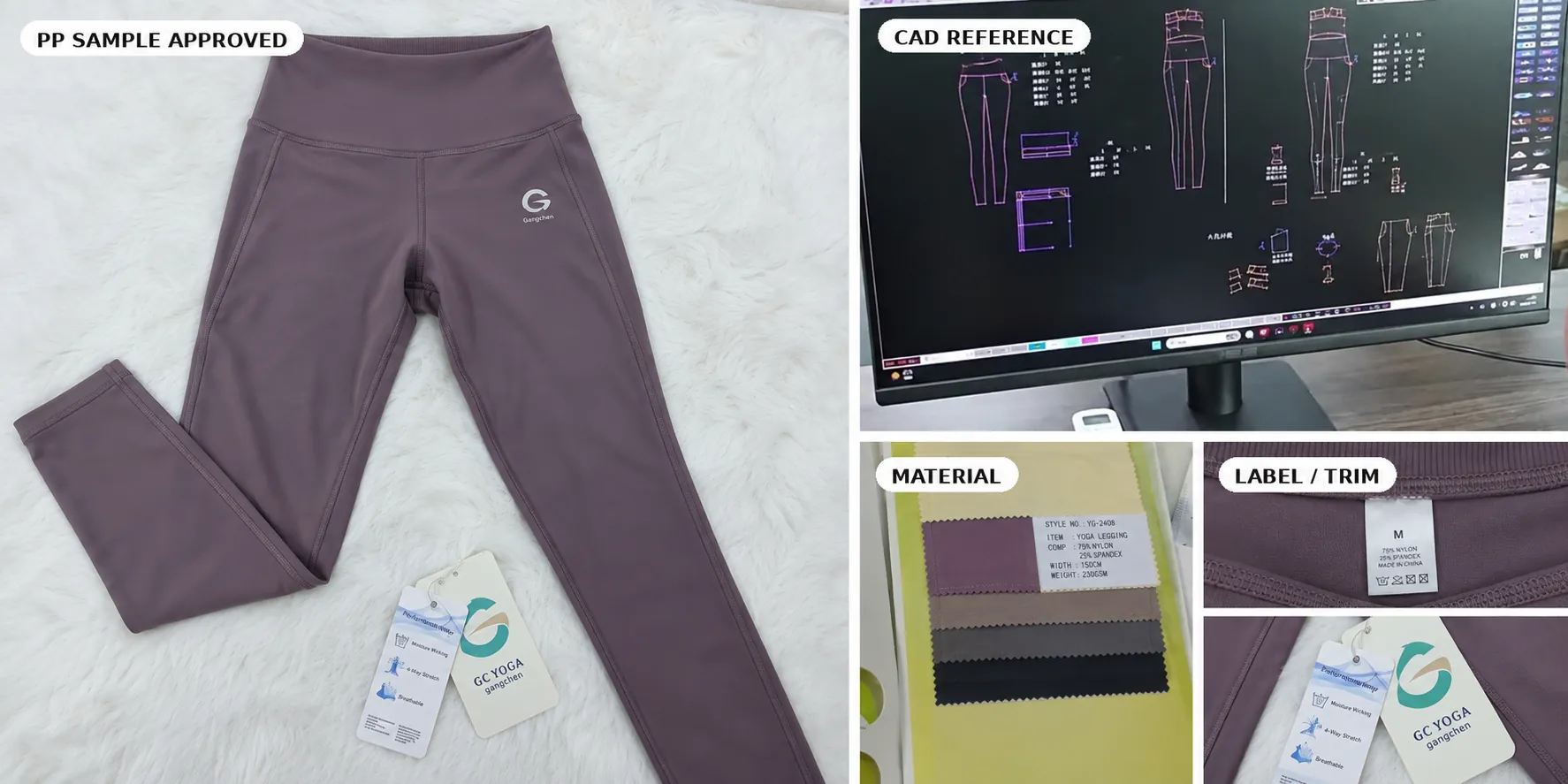
Approved pre-production activewear sample used as bulk reference
FINAL RELEASE

Convert the Accepted Product Into the Bulk Reference

Once the relevant silhouette, Fit, material and construction decisions are accepted, the current sample and specification can become the basis for First Article and normal bulk control.

SILHOUETTE TRANSFER RULES

Know What Can Be Reused—and What Must Be Revalidated—When the Product Expands

An approved sculpting result can provide a useful starting reference, but a new size, material, color or related SKU should not inherit the result automatically when the variables controlling the silhouette have changed.
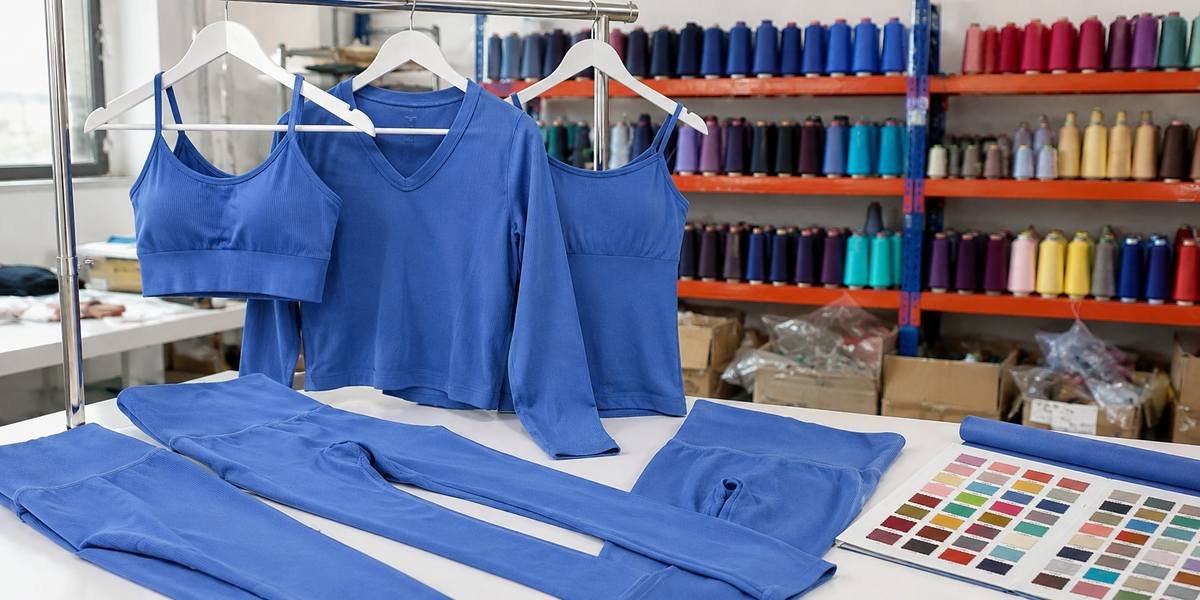
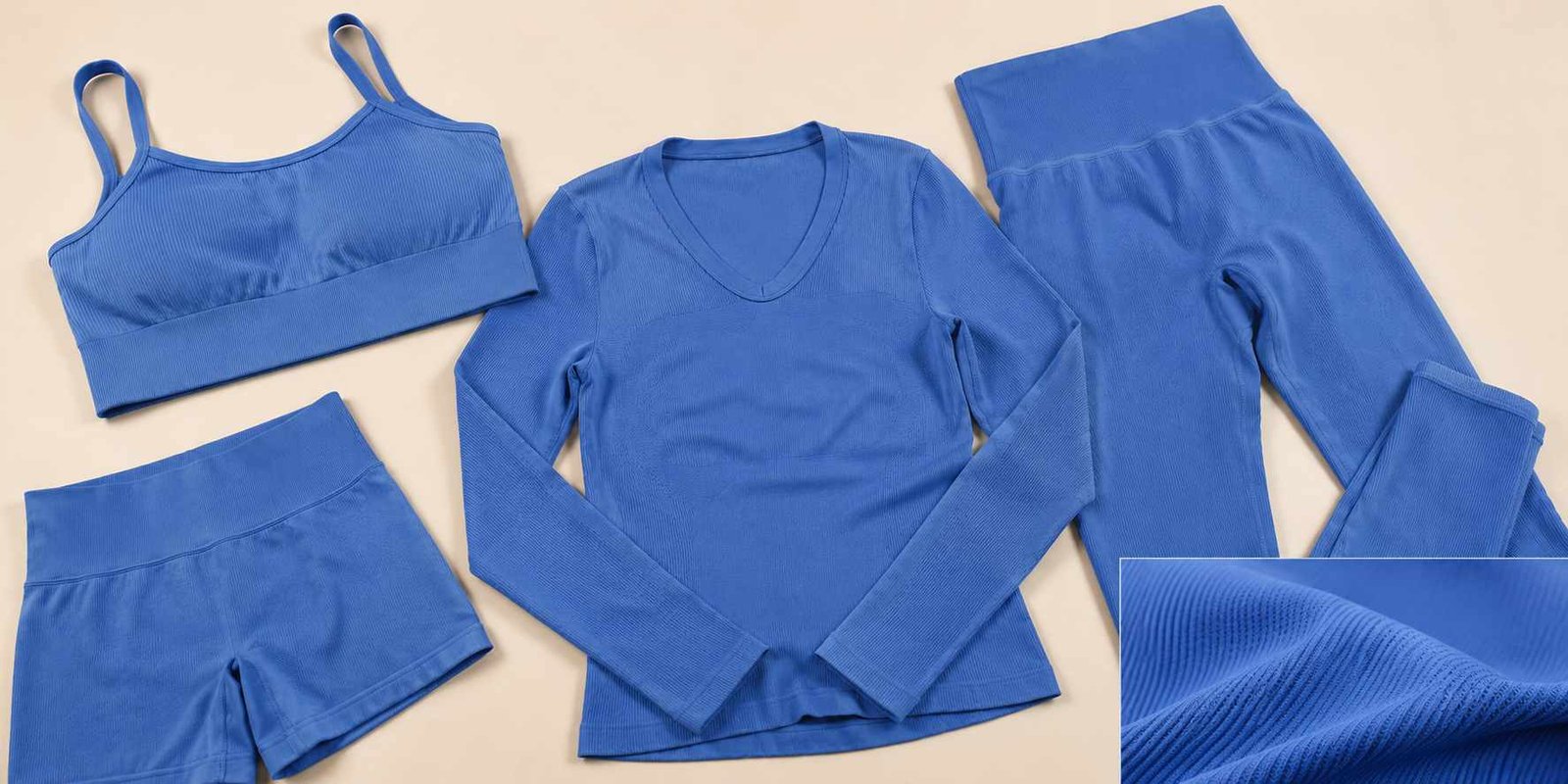
MOVEVOX women's activewear collection and manufacturing context
Coordinated MOVEVOX Seamless activewear products
SHARED

Standards That May Be Reused

  • Approved color standards
  • Brand artwork and label system
  • Documented approval language
  • Existing measurement method
  • Documented approval language
SKU-SPECIFIC

Items That Need Product-Level Confirmation

  • Waistband / rise relationship
  • Material stretch and recovery
  • Back-body construction
  • Grade rules where applicable
  • Physical silhouette approval
RESULT OWNERSHIP & CHANGE AUTHORITY

Choose the Working Model by Who Defines the Result—and Who May Change It

PRIVATE LABEL

Approved Product Is the Authority

Use when an accepted product already exists and the task is primarily brand execution or limited changes. Any change to material, fit or rear construction should be treated as a deviation from the current result baseline.

Private Label Activewear
OEM

Buyer Owns the Acceptance Criteria

Use when buyer-controlled Tech Pack, measurements, material, construction or legally usable reference defines both what may change and what must be reproduced.

OEM Activewear
ODM

Factory Helps Convert Outcome Into Variables

Use when the buyer can identify the desired result but needs development support to determine which controllable variables should be sampled, compared and frozen.

ODM Activewear
VALIDATION COST VS PRODUCTION MOQ

Separate Sample-and-Revalidation Work From the Commercial Production Minimum

Result validation affects sample rounds, development time and sometimes material consumption; it does not automatically create a higher bulk garment MOQ. Production minimums remain driven mainly by manufacturing route, material, color, dyeing, size allocation and components.

≈100 pcs/style

Seamless Base MOQ

Commercial production reference after a Seamless result has been approved; development samples are a separate activity.

≈150 pcs/style

Cut & Sew Base MOQ

Commercial production reference after a Cut & Sew result has been approved; development samples are a separate activity.

≈50 pcs/color

Stock / Supply-Chain Colors

Where an existing supply route is available; this does not remove the need to recheck if the material differs from the released reference.

≈400–600 pcs

Custom Dye

Typical finished-garment-equivalent pieces per dye lot; if a new dye or material route changes physical behavior, a comparison sample may be required.

≈20 pcs/size

Seamless Size Allocation

Commercial size-allocation reference, not proof that every size has been physically validated.

≈10 pcs/size

Cut & Sew Size Allocation

Commercial size-allocation reference, not proof that every size has been physically validated.

Treat three questions separately: how many samples are needed to approve the result, what material or component minimum applies, and what garment MOQ applies. Custom fabric, trims, Logo methods, labels and packaging can create separate supplier minimums.
SILHOUETTE BASELINE FREEZE

Freeze the Variables That Define the Approved Silhouette Before Bulk Release

Bulk production should receive one controlled baseline that identifies which fit, material and back-body variables created the buyer-approved silhouette, together with the normal branding and packing requirements.
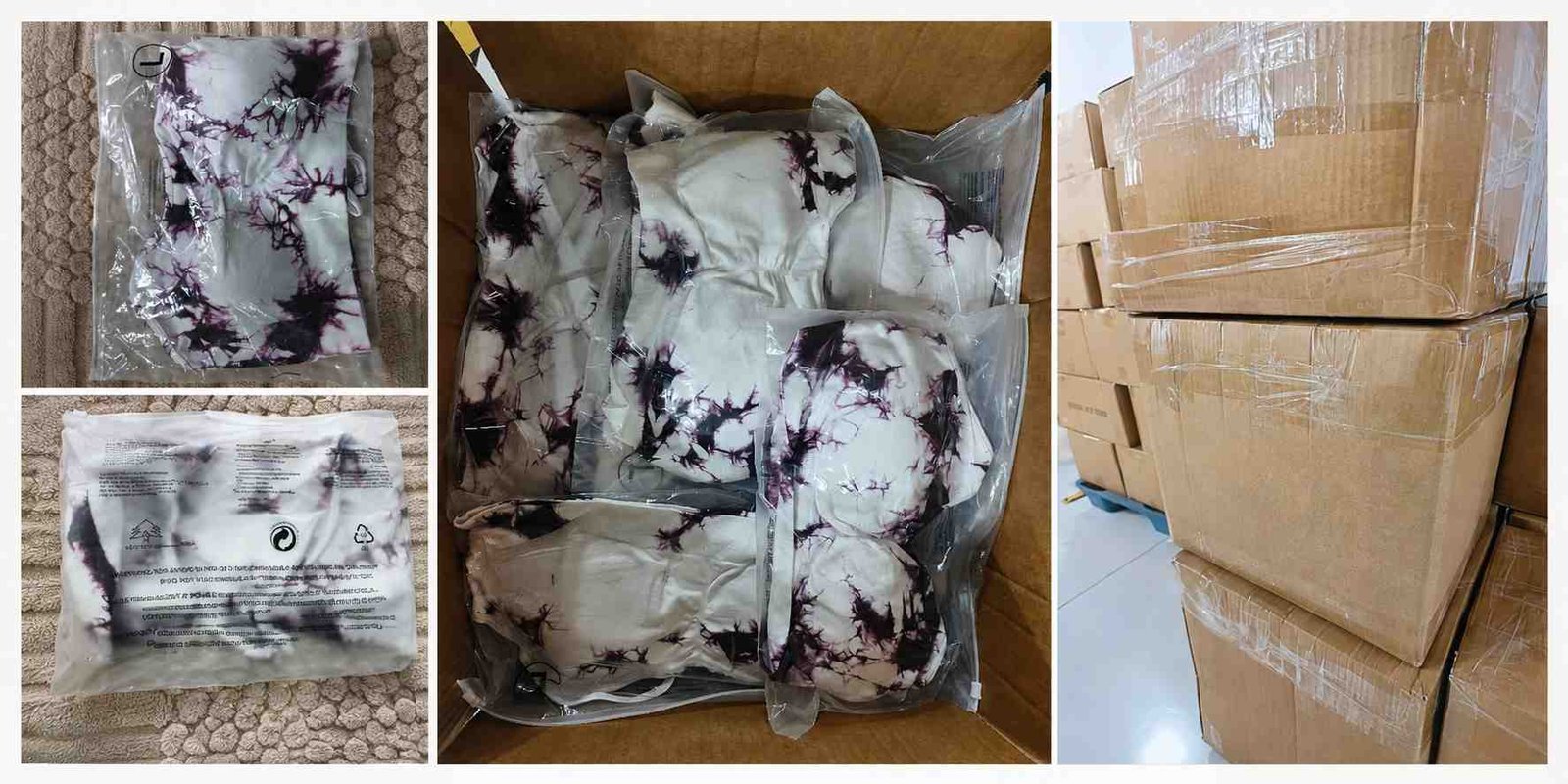
Approved activewear pre-production sample with specification reference
Private label packing checklist with size color barcode and packaging match

Primary Silhouette Reference

Retain the accepted garment as the primary visual and physical reference for the approved sculpting result.

Fit Geometry Standard

Release waistband, rise, waist, hip, POM, grade rules and tolerances that support the approved waist-to-seat relationship.

Material Response Standard

Connect the approved fabric or yarn, stretch and recovery direction to the style because substitutions can change the physical result.

Rear Construction Standard

Release the approved rear seam, pattern geometry, knitted structure or other back-body construction variable.

Identity Standard

Confirm logo, labels, size, color, barcode and SKU data without allowing branding changes to overwrite the product baseline.

Release & Packing Standard

Confirm final packing and shipment requirements after the approved product baseline has been frozen.

Regular bulk production is typically approximately 20–35 days depending on Style, material readiness, quantity, customization and current production loading.
SILHOUETTE CTQ CONTROL

Inspect the Variables Most Likely to Cause Silhouette Drift in Bulk

QC cannot prove an undefined “lifting” claim. It can verify the measurable and observable variables that were already accepted as part of the buyer-approved silhouette.

First Article activewear quality inspection
Inline activewear quality control
Finished activewear garment inspection

Waistband Position & Height

Check the applicable waistband dimensions and construction that influence the upper-body balance of the legging.

Rise & Waist-to-Seat Balance

Verify front rise, back rise, waist and hip together so the released geometry is not altered by isolated measurement drift.

Rear Construction Placement

Verify rear seams, knitted zones, contour lines or other approved shaping details against the released reference.

Material Identity & Response

Check the production fabric or yarn against the approved physical reference where stretch, recovery or structure influences the result.

Critical Geometry Measurements

Verify the POM and tolerances that materially affect waistband, rise, hip and back-body balance.

Construction Consistency

Review seam execution and garment construction for variation that can visibly change the approved rear silhouette.

REPEAT-ORDER REVALIDATION

A Repeat Order Is Only “Repeat” If the Silhouette-Critical Variables Are Unchanged
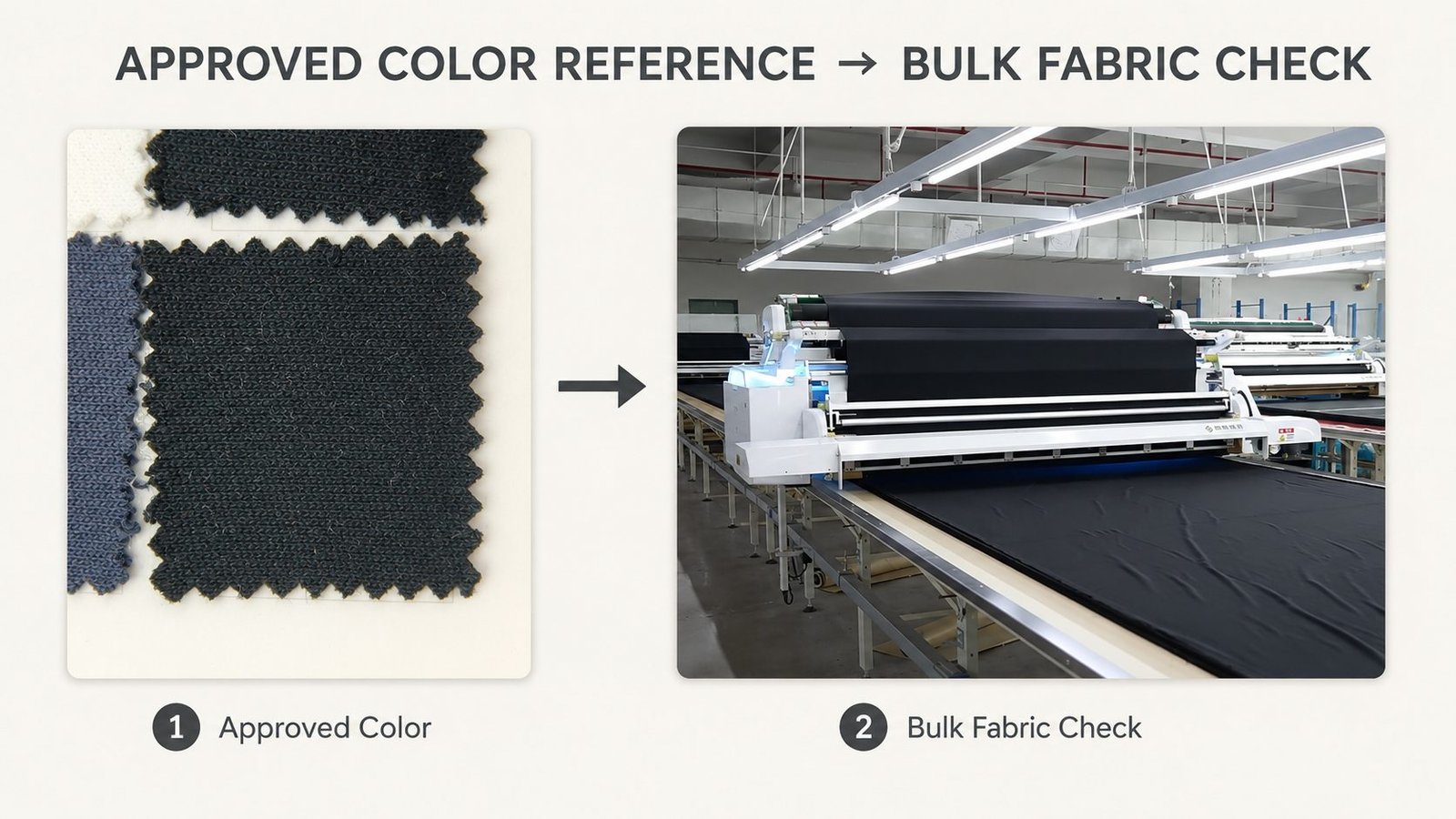
Incoming activewear material inspection against approved reference
Anonymized First Article inspection record
Production planning and WIP control
01

Retrieve the Approved Silhouette Baseline

Retrieve the latest approved sample plus the fit, material and rear-construction variables that created the accepted result.

02

Check for Material Substitution

Confirm whether the approved fabric or yarn remains the same; a substitution can require physical revalidation even when measurements are unchanged.

03

Separate Commercial Changes From Product Changes

A packaging or PO change may remain a repeat; a new material, fit, size structure or rear-construction change may create a new validation condition.

04

Transfer the Released Baseline

Ensure the approved sample, measurements, material identity and construction references follow the order to the applicable production site.

05

Compare First Article to the Baseline

Compare the First Article against the released silhouette-critical references before normal production expands.

06

Continue Drift Control

Continue in-line and finished checks on the variables most likely to move the product away from the approved result.

Controlled satellite factories do not independently redefine product standards, materials or processes. Where a buyer specifies Approved Factory Only, written approval is required before a restricted production-site change.
CHANGE-GATED SCALE-UP

Scale Only After Classifying Whether the Next Order Is an Exact Repeat or a Changed Product

≈40K–50K pcs/month

Core Stable Finished Release

Normal stable finished release from the Yiwu core factory under appropriate operating conditions.

≈150K–200K pcs/month

Controlled-Network Stable Managed Delivery

Normal stable managed delivery level across the controlled MOVEVOX production network.

Exact Repeat: Increase Volume

If product, material, size set and production route are unchanged, scale against the current released baseline and PO-level capacity.

Changed Color: Check the Material Route

Classify whether the color change uses the same material construction and finish; recheck when dyeing or surface changes can alter physical behavior.

New Sizes: Treat as Product Expansion

Apply current grade rules and physically review selected sizes when the waistband-to-seat relationship is at risk of changing.

New Rear Construction: Create a New Approval

A new scrunch depth, seam position, waistband or rear-construction feature is a new product variant and should receive its own approval.

Changed Production Site: Transfer and Verify

MOVEVOX works with eight long-term controlled satellite factories—six in Yiwu and two in Guangzhou—for standardized replicated bulk or overflow production where appropriate. If allocation changes, transfer the released standard and verify initial output before normal bulk continues.

Maintain One Current Release Package

Keep one current sample/specification package and record every approved deviation so higher volume does not create competing product standards.

MOVEVOX production planning and WIP management
SILHOUETTE REPRODUCTION EVIDENCE

See Where the Approved Silhouette Can Be Preserved—or Lost—During Production
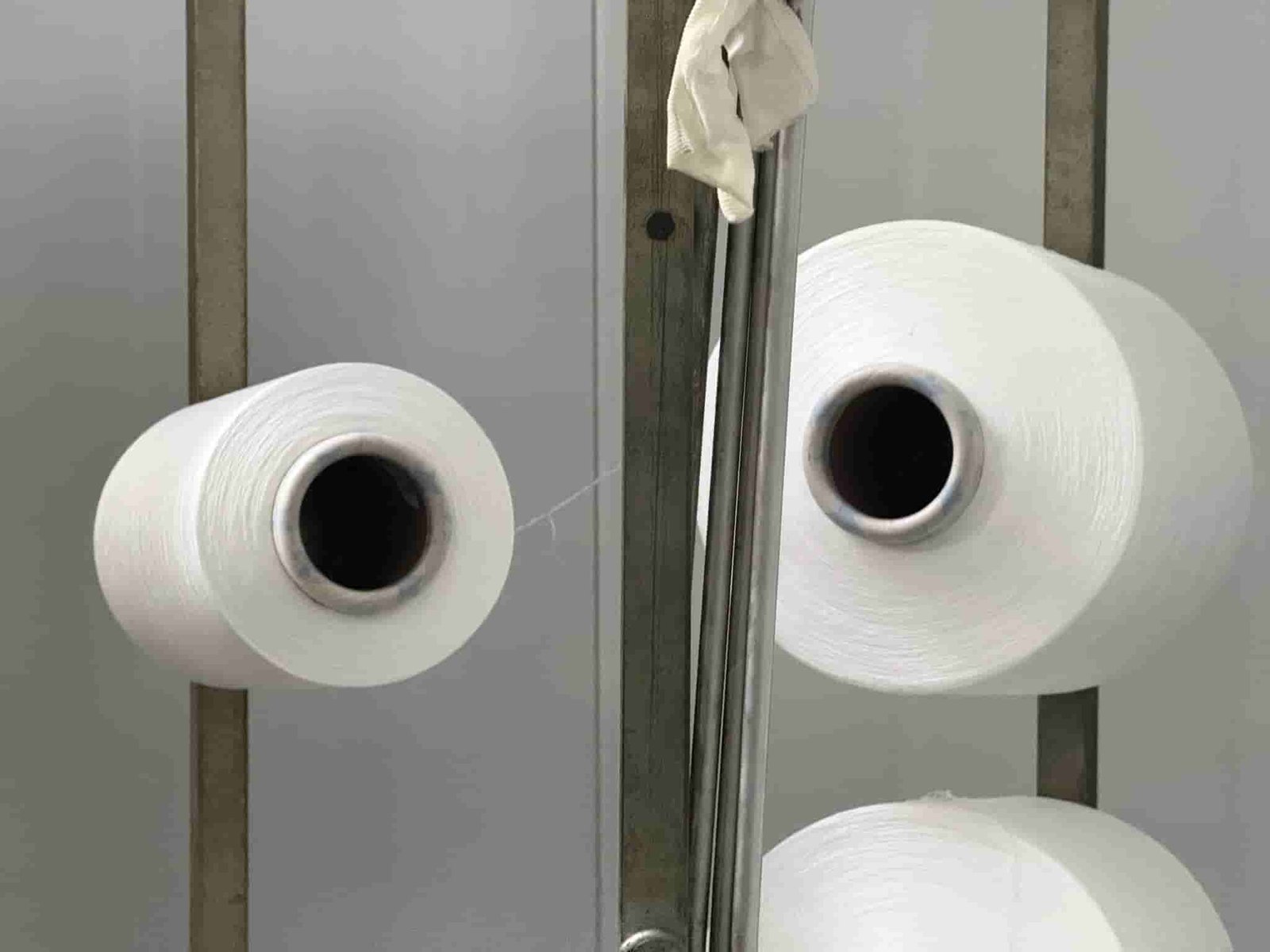
Activewear yarn and raw materials
01

Material Baseline

The approved yarn or fabric establishes the material response used during silhouette validation.
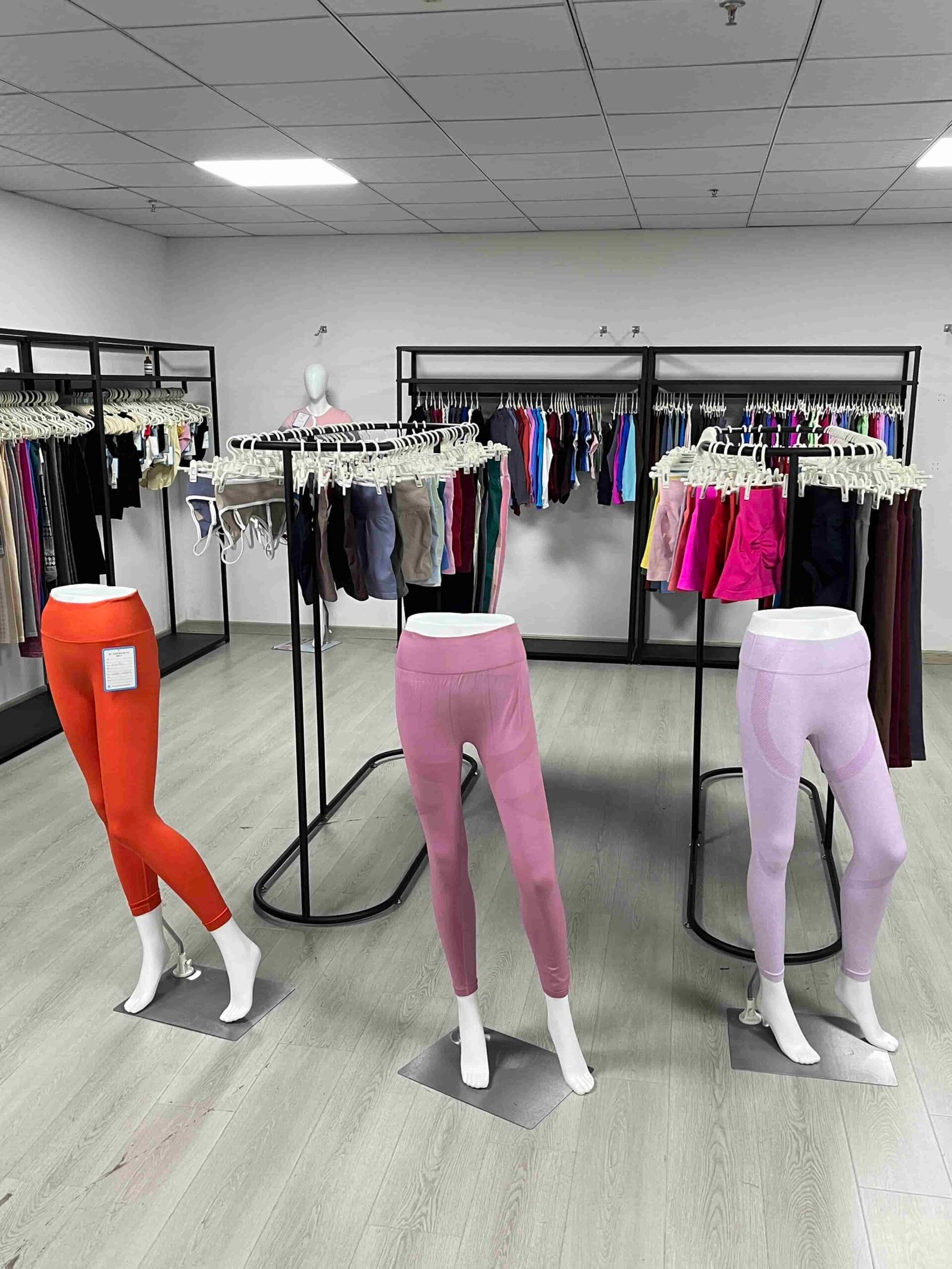
MOVEVOX activewear sample room
02

Physical Validation

The target silhouette is converted into samples, compared, revised and approved before bulk.
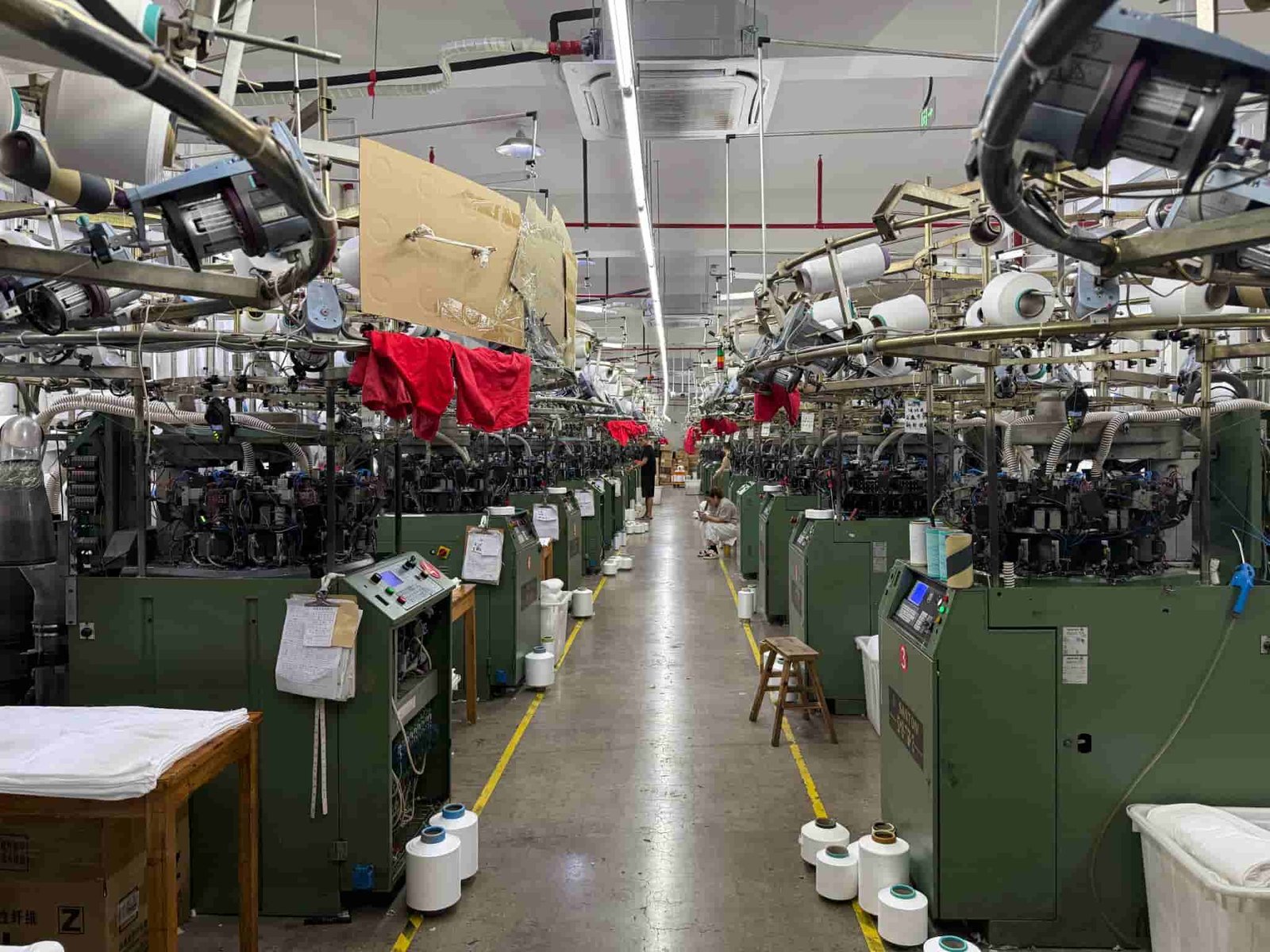
MOVEVOX Santoni Seamless manufacturing
03

Programmed Knit Reproduction

MOVEVOX operates 28 Italian Santoni machines that reproduce approved knitted structures where Seamless is the selected route.

MOVEVOX Cut and Sew production
04

Pattern & Seam Reproduction

Pattern geometry, waistband and rear seam construction move into sewing according to the released product baseline.

First Article inspection
05

First Bulk Comparison

Initial production garments are compared with the current approved silhouette-critical references before unrestricted production continues.

Inline quality control
06

Drift Monitoring

Measurements, construction placement and workmanship are monitored while production remains active.
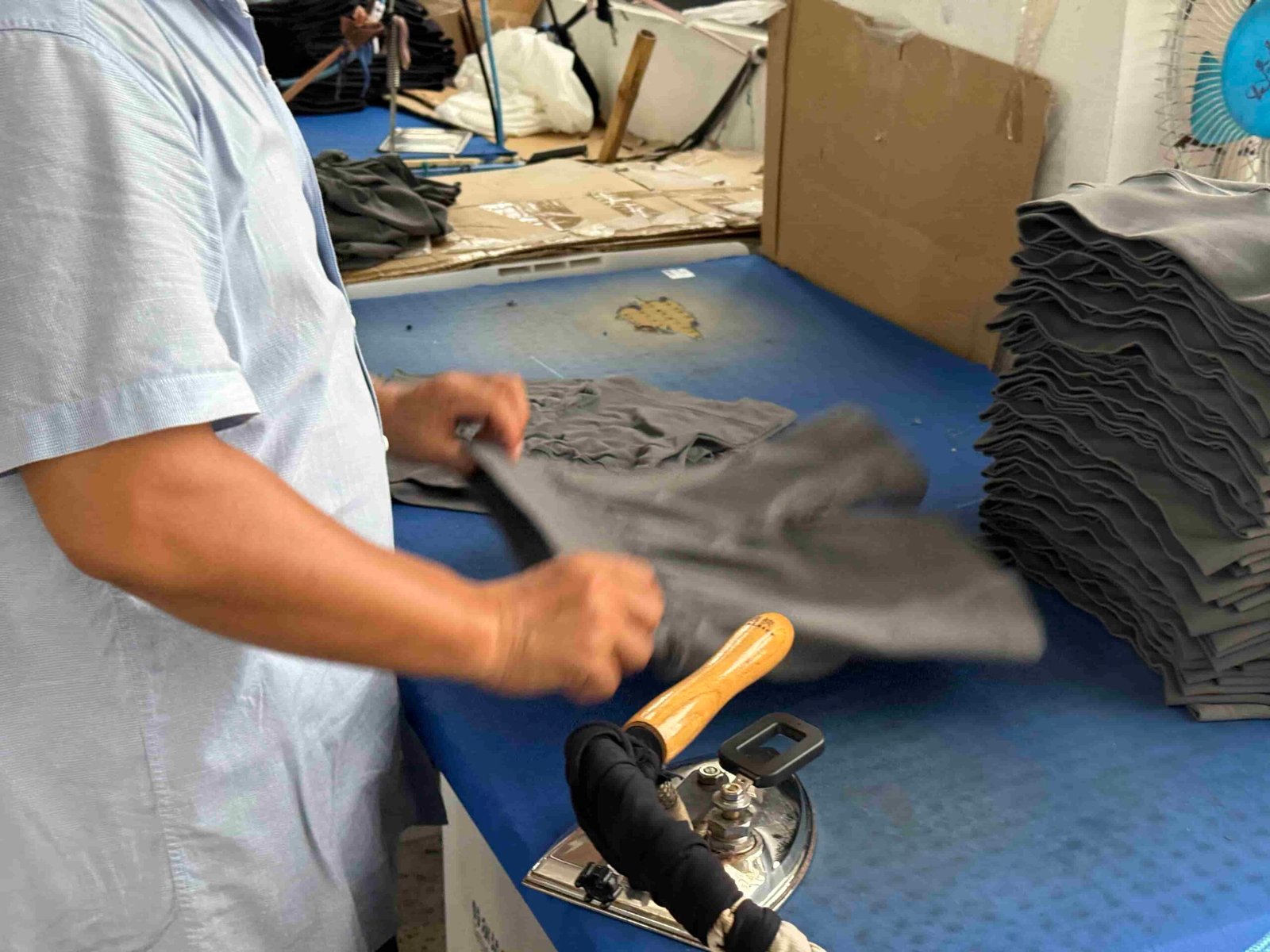
Finished activewear garment inspection
07

Final Product Check

Finished garments are checked against the released product and workmanship requirements before packing.
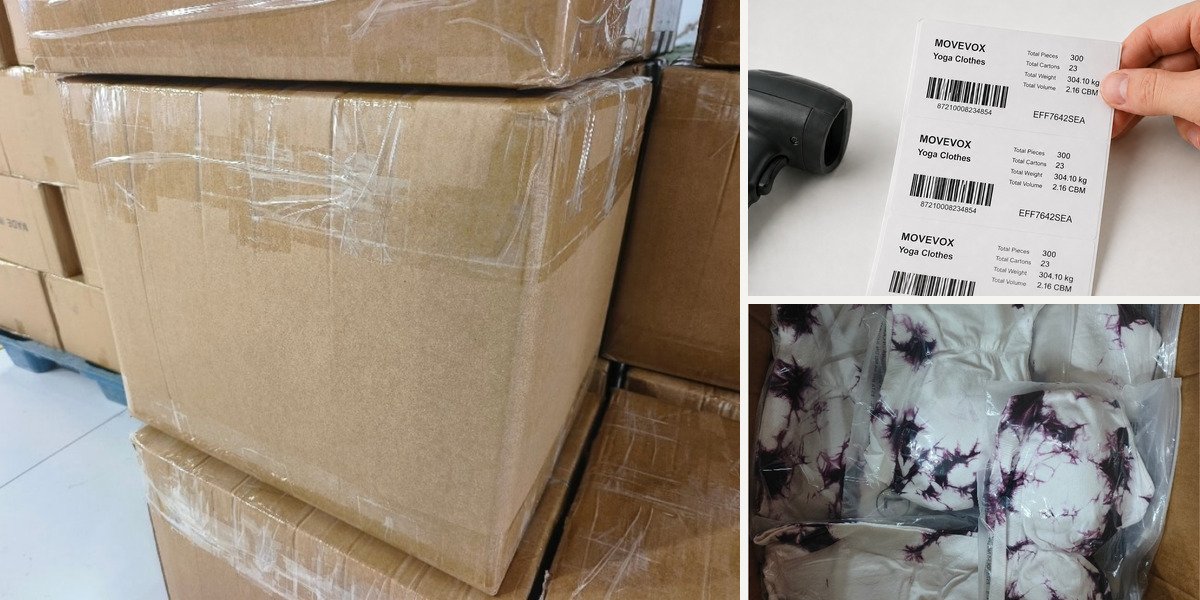
Finished activewear cartons before shipment
08

Identity & Release

Size, color, SKU and packing information are checked so the approved product is released under the correct commercial identity.

EVIDENCE TYPE SEPARATION

Use Chemical Reports for Chemical Scope—and Physical Approval for the Sculpting Result
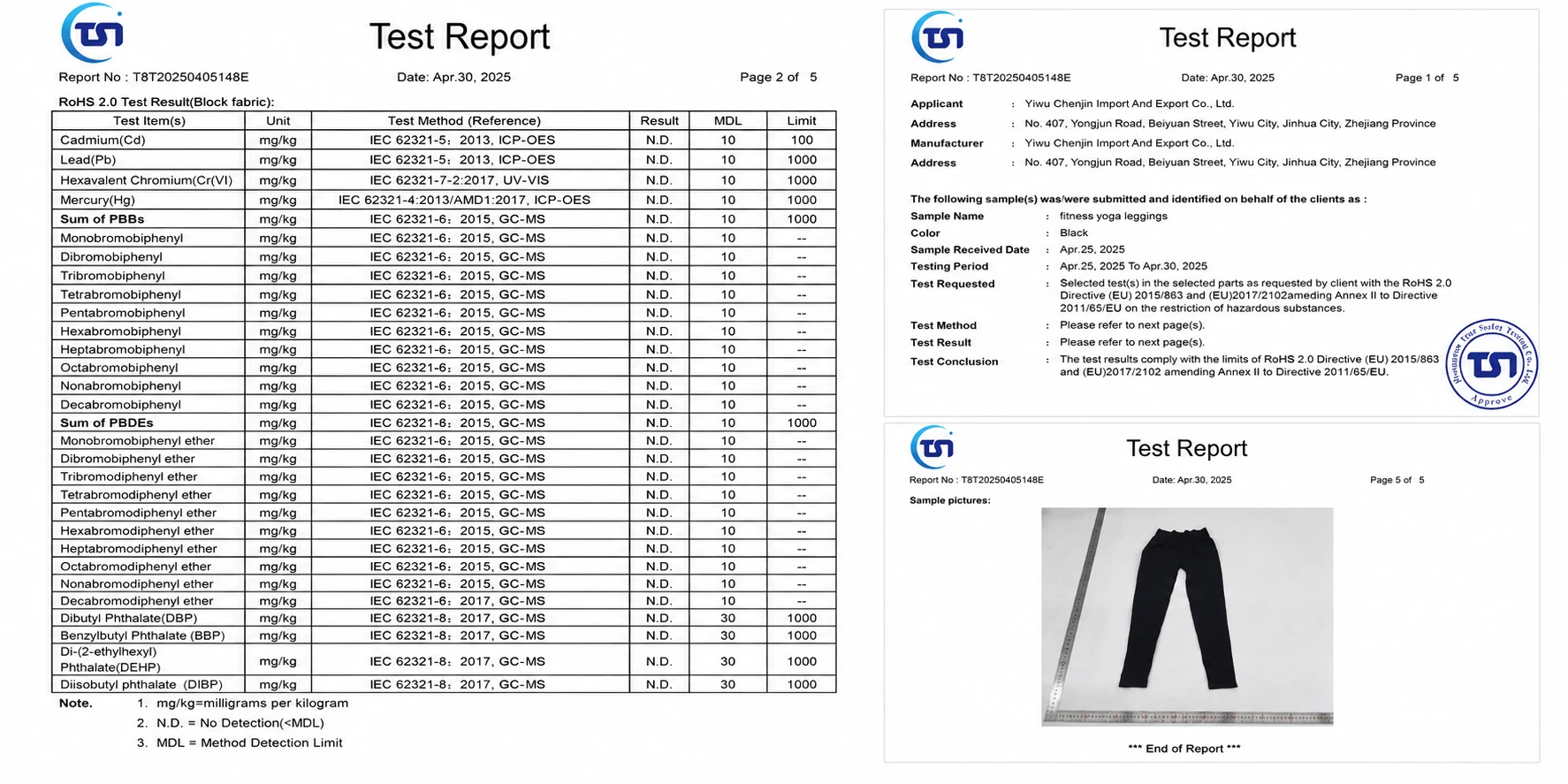
RoHS report for submitted black fitness yoga leggings sample

RoHS Evidence for the Tested Sample

Certificate: TST20250405148EC

Test Report: TST20250405148E

Date: April 30, 2025

Applicant / Manufacturer: Yiwu Chenjin Import And Export Co., Ltd.

Submitted Sample: Black fitness yoga leggings
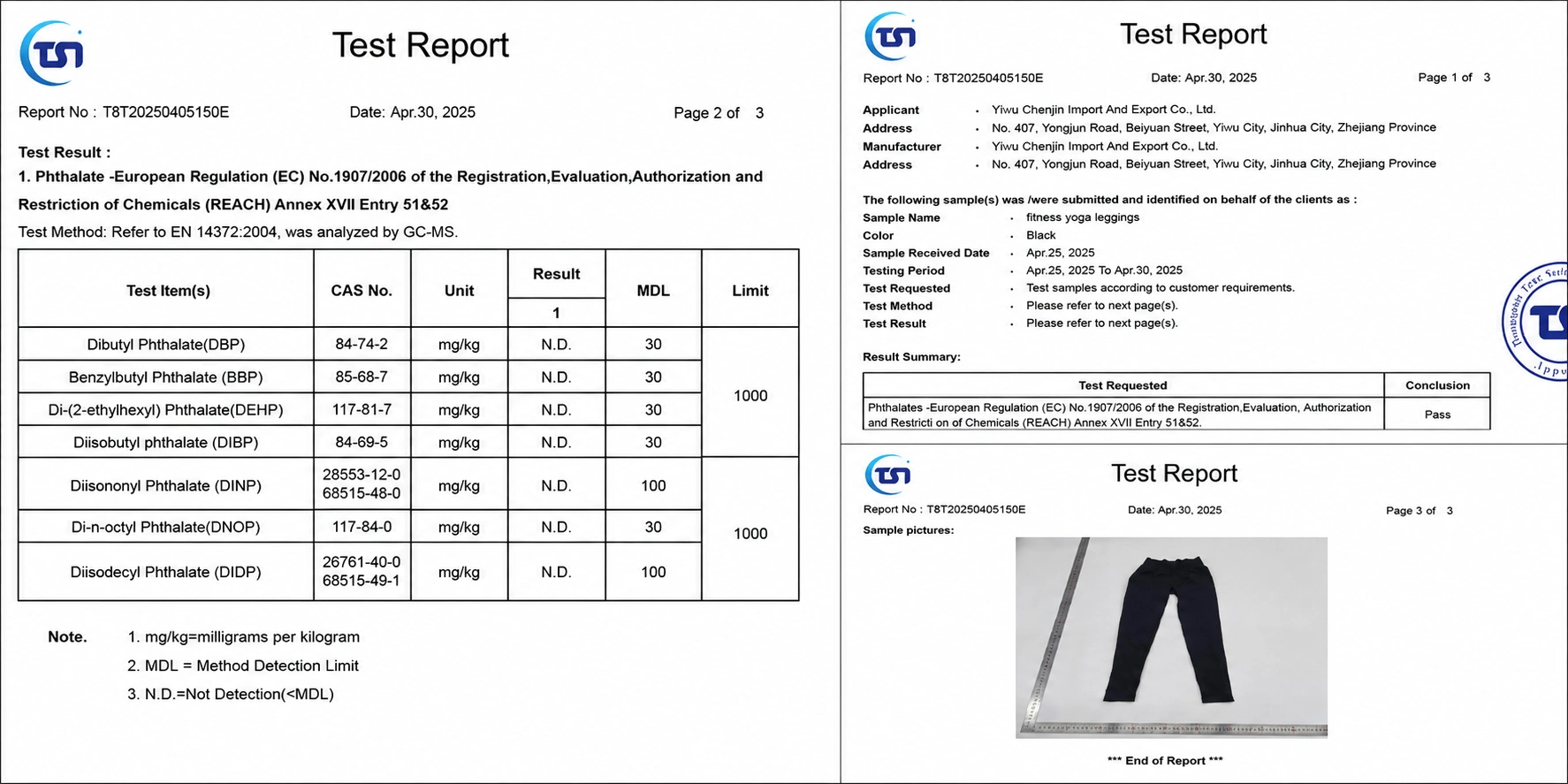
REACH phthalates report for fitness yoga leggings fabric sample

REACH Evidence for the Tested Fabric

Test Report: TST20250405150E

Date: April 30, 2025

Sample: Black fabric from the submitted fitness yoga leggings

The cited phthalates were reported as not detected within the stated method limits, and the report records a Pass conclusion for the submitted sample.

These documents answer only the identified chemical test questions for the submitted samples. The rear-shaping result is a product-development acceptance question and must be controlled through the approved garment, fit/material/construction references or a buyer-defined test—not inferred from RoHS or REACH.
SCULPTING DEVELOPMENT RESPONSIBILITY

Compare Suppliers by Who Defines and Validates the Sculpting Result

MODEL 01

Existing Product Reproducer

  • Existing approved product
  • Branding execution
  • Limited silhouette redevelopment
  • Shorter validation path

Useful when the buyer already owns a product whose silhouette is physically approved and only limited changes are required.

MODEL 02

Silhouette Development Supplier

  • Target-silhouette review
  • Fit and material diagnosis
  • Variable-based sample revision
  • Physical silhouette comparison
  • Size-range validation where required

Useful when the buyer knows the desired physical result but the controlling fit, material or construction variables are not fully defined.

MODEL 03

Development-to-Bulk Control Partner

  • Silhouette definition
  • Material and sample validation
  • Route-specific reproduction
  • Silhouette-critical QC
  • Change control
  • Repeat-order revalidation

Useful when the buyer needs the same approved sculpting baseline controlled from sample revision through bulk and repeat orders.

MOVEVOX operates as an own-core-factory plus controlled-supply-chain manufacturing system. The core factory functions as a technical, sampling, core-production and QC center, while controlled long-term satellite factories support standardized replicated bulk or overflow production where appropriate.

SCULPTING-SUPPLIER QUALIFICATION

Can the Supplier Explain, Validate and Reproduce the Sculpting Result?
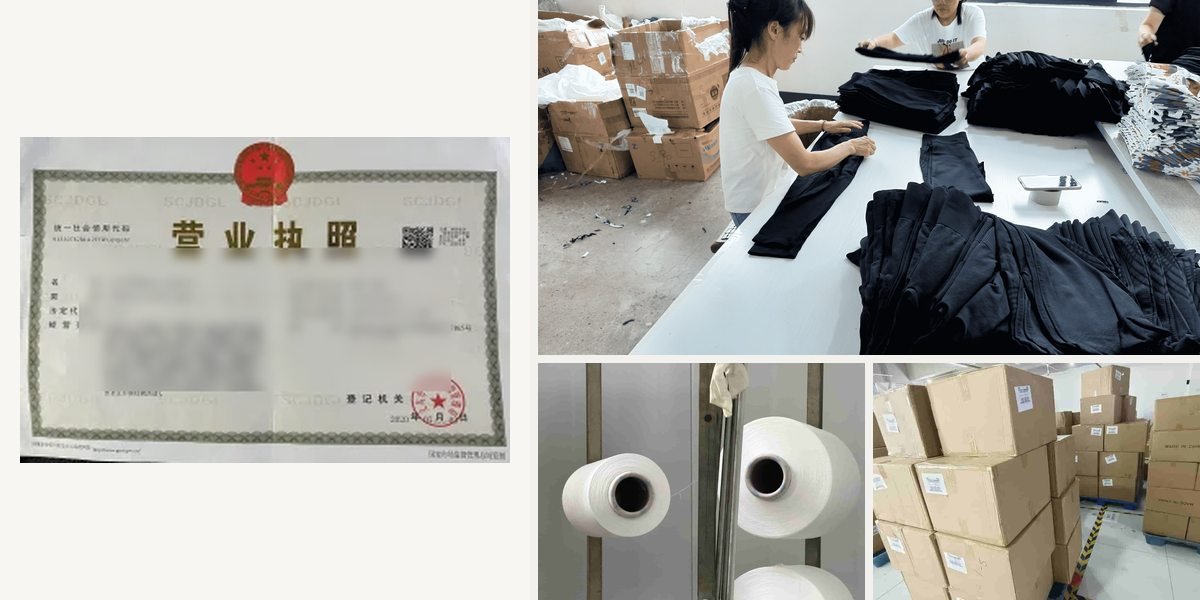
MOVEVOX supplier qualification evidence
MOVEVOX live factory verification
MOVEVOX Yiwu manufacturing facility

Target Definition

Can the supplier convert “lifting” or “sculpting” language into a physical target and controllable variables?

Variable Diagnosis

Can the supplier identify whether the problem sits in fit, material, pattern geometry, knitted structure or rear construction before revising the sample?

Size-Range Validation

Can the supplier preserve the approved waist-to-seat relationship through grading and identify sizes that need physical review?

Controlled Sample Comparison

Is each sample compared against the same target with the revision variable recorded before the next version?

Material-Change Revalidation

Does the supplier recognize when a new fabric, yarn or dye route can change the silhouette and require another physical check?

Bulk Drift Control

Are First Article and in-line checks focused on the variables that can move production away from the approved silhouette?

Commercial Feasibility

Are validation rounds separated clearly from MOQ, material minimums and production lead time?

Standard Transfer

Can the supplier show how the approved baseline follows the product when production allocation changes?

TRANSFERABLE PROCESS EVIDENCE

What This U.S. Case Demonstrates About Version Control—And What It Does Not

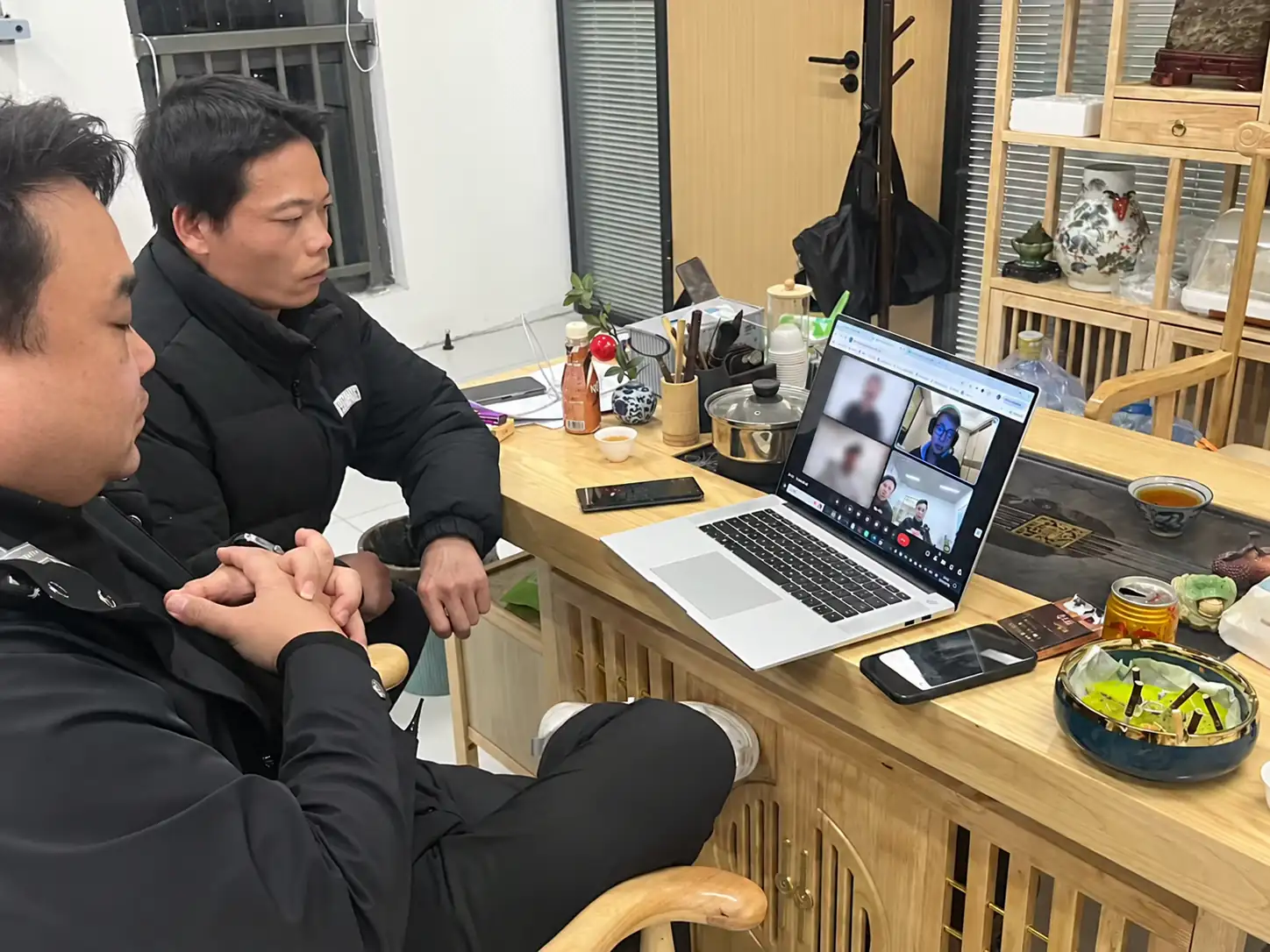
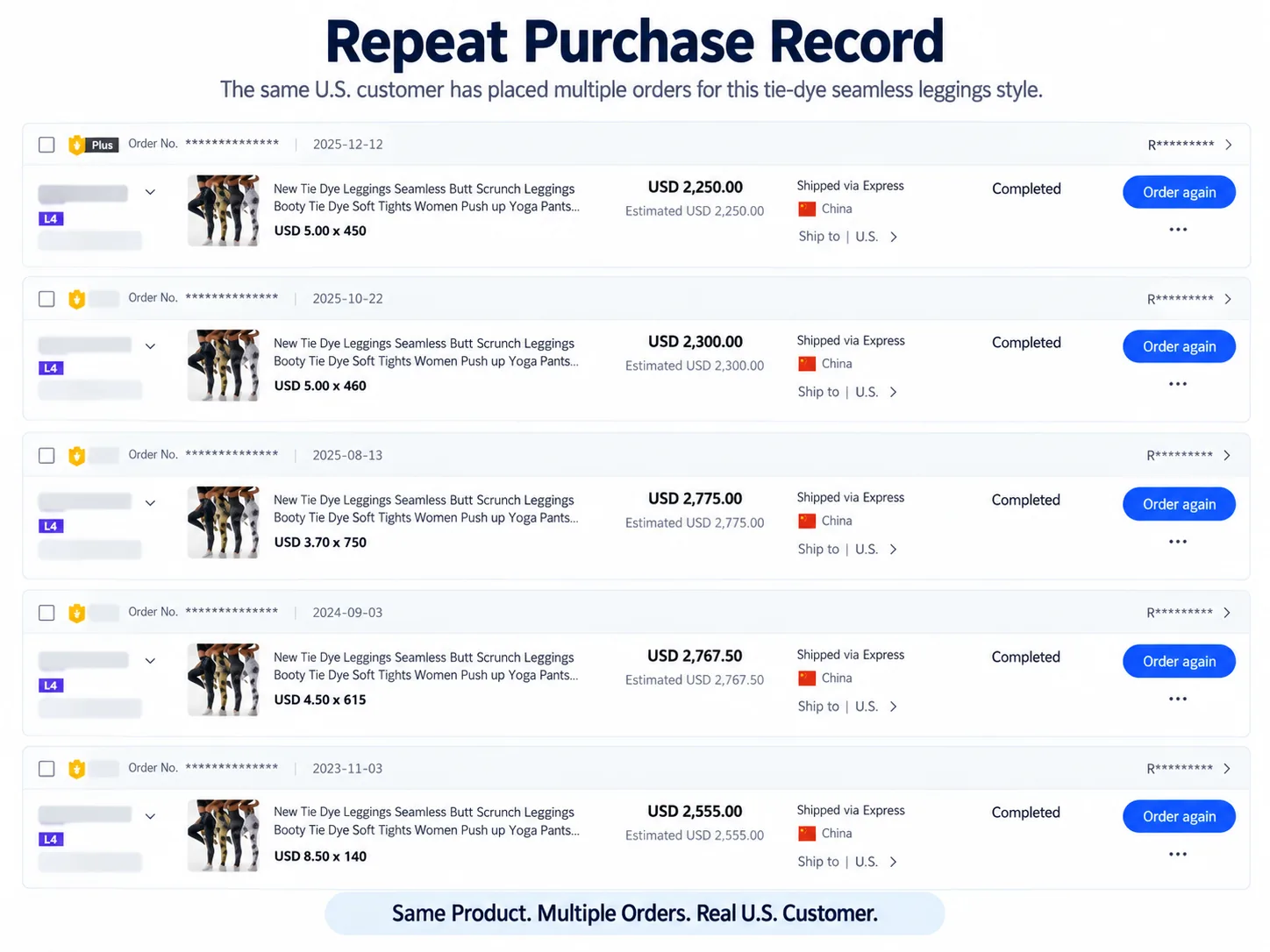
This anonymous case is not proof of a butt-lifting result. Its value is procedural: the buyer used versioned samples, user evaluation, identified material directions and repeat ordering before bulk was treated as stable.
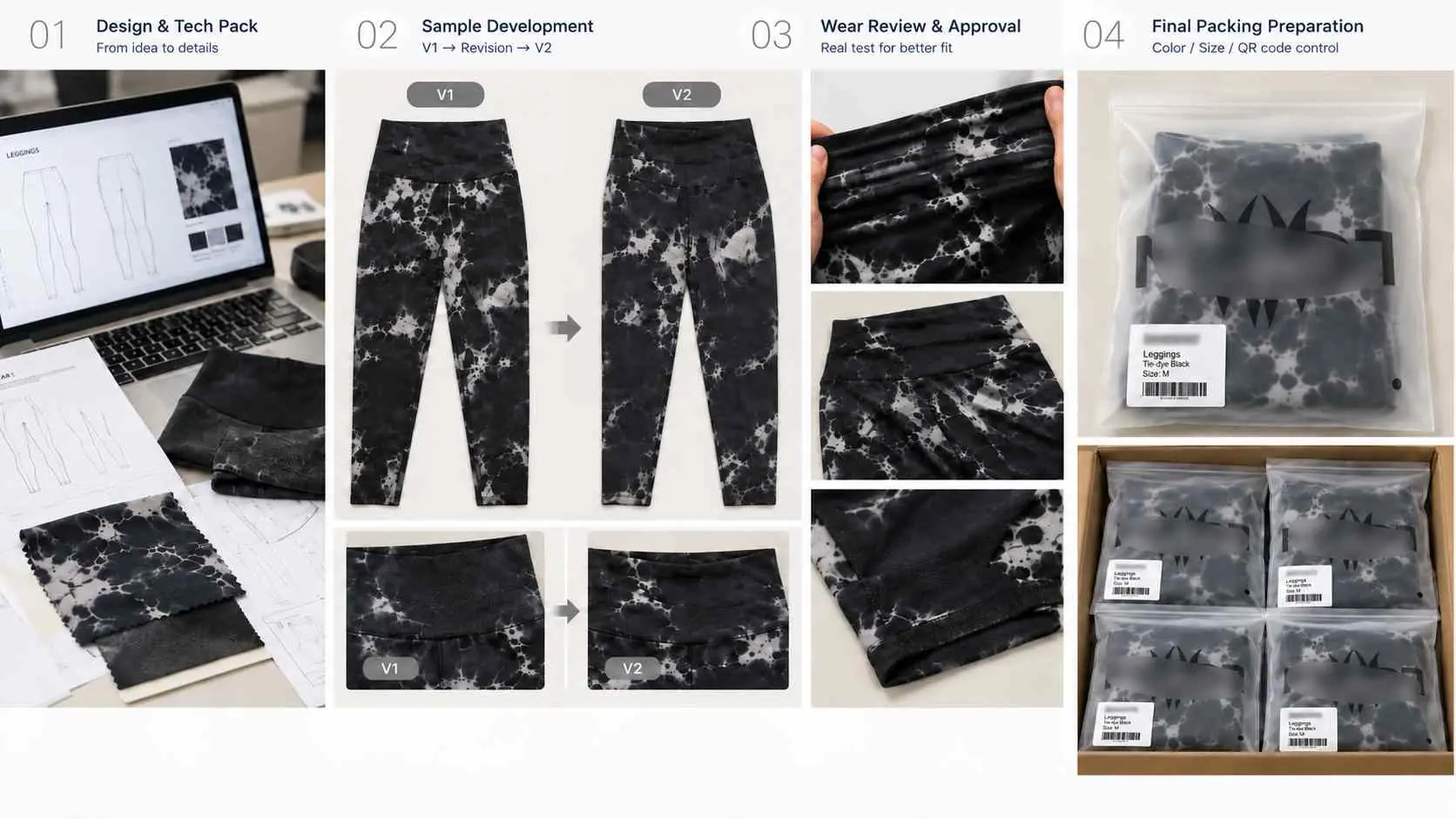
Anonymized U.S. activewear development evidence
Anonymized U.S. activewear repeat-order evidence

Buyer Relationship

Long-term cooperation provides evidence that controlled references can support repeat work; it does not identify a specific sculpting construction.

Multi-Category Scope

The documented scope spans several categories, so the case should not be used to attribute one special legging feature to the whole relationship.

Documented Material Directions

The recorded compositions show specific material directions used in the relationship; composition alone does not prove lifting or contour performance.

Buyer-Defined Product Requirements

Elasticity, support, opacity, plus-size requirements, softness and seasonal fleece directions were buyer requirements that had to be translated into physical product decisions.

Versioned Development Process

The important evidence is the revision loop: Tech Pack → V1 → adjustment → V2 → user evaluation → bulk, with each stage narrowing uncertainty before scale.

Repeat Manufacturing Pattern

Repeat orders show that approved references can be reused operationally; they do not prove why consumers bought the product or which feature drove demand.

Use the case as evidence of version control and repeat-manufacturing discipline only; it does not establish that the customer is a butt-lifting leggings brand or that a specific lifting construction was used.
SCULPTING VALIDATION FAQ

FAQ: Defining, Diagnosing and Releasing a Butt-Lifting Result

Target Definition & Evidence

What is the minimum information needed before the first sculpting sample?

A clear target physical result plus enough fit, material and construction information to identify the first controllable variables. Unknowns should be listed explicitly rather than allowed to become hidden sample assumptions.

Can a legally usable reference garment define the starting acceptance target?

Yes. It can anchor fit and physical-result review, provided the buyer has the right to use it and identifies which features must remain unchanged versus which variables may be revised.

Does a deeper scrunch automatically create a stronger lifting result?

No. Scrunch depth is one construction variable. The final result also depends on fit balance, rear geometry, material response and the actual garment, so increasing one feature can create an overstated or unstable outcome.

What should be frozen before the target result is called approved?

Freeze the accepted physical garment together with the controlling fit measurements, material, rear-construction reference and any size or evaluation requirements needed to reproduce it.

Diagnosing a Failed Sample

If the rear result looks too flat, what should be checked first?

Start with the released target and identify whether the mismatch comes from fit balance, material recovery, knitted/pattern geometry or rear construction. Do not change several variables at once unless the diagnosis requires it.

If the garment feels tighter but the rear result is unchanged, is that an improvement?

Not necessarily. More pressure or a tighter fit is a different variable from the visual target. The buyer should decide whether comfort, fit and the rear result all meet the intended product standard.

Change Triggers & Revalidation

When does a material change require revalidation?

When a new fabric, yarn, dye route or finish can change stretch, recovery, weight, structure or surface enough to affect fit or the back-body result, compare it against the released reference before treating the order as unchanged.

Which sizes should be physically rechecked after grading?

Select boundary or high-risk sizes based on grade changes, waistband-to-seat balance and the buyer's size strategy. Not every size must be treated identically, but the base size alone should not be assumed to prove the full range.

Commercialization

Does additional result validation automatically increase garment MOQ?

No. Extra validation primarily affects sample work and timing. Standard base MOQ is approximately 100 pcs/style for Seamless and approximately 150 pcs/style for Cut & Sew, while material, color, dyeing and component minimums can also apply.

How long does one standard sample-and-review round take?

Typically approximately 5–10 working days after the necessary inputs are confirmed. Buyer review, variable-specific revision and any required recheck extend the total development timeline.

When can the result be released into bulk production?

After the accepted garment and controlling fit, material and construction references are released as one current baseline. Regular bulk production is typically approximately 20–35 days depending on style, material readiness, quantity, customization and loading.

Bulk Control & Evidence

What should the First Article prove before normal bulk continues?

It should show that the released material, measurements, rear construction and workmanship can be reproduced under real production conditions before volume expands.

What happens if production moves to another approved manufacturing site?

The same current sample/specification package should move with the product, and initial output at the new site should be verified before the order is treated as a normal repeat.

Do RoHS or REACH reports prove the rear-shaping result?

No. Those reports address identified chemical scopes for tested samples. The rear-shaping result must be accepted through the physical garment, controlling product references or a buyer-defined performance method.

SCULPTING LEGGINGS BUYER GUIDES

Continue Evaluating the Variables Behind a Reproducible Sculpting Result

Material Response Guides

Review stretch, recovery, structure and material-change risks that can alter an approved silhouette.

Explore Fabric Guides

Sample-to-Bulk Control Guides

Review sample comparison, First Article and in-line controls for keeping the released product from drifting in bulk.

Explore Quality Guides

MOQ & Validation Planning

Separate development and validation rounds from garment, material, color and component minimums.

Explore MOQ & Cost Guides

Supplier Qualification Guides

Review how to qualify a supplier for sample revision, size validation, standard transfer and repeat production.

Explore Sourcing Guides

Technical Preparation Guides

Prepare the target silhouette, fit data, material direction and construction references before formal development.

Explore Manufacturing Guides

Brand Execution After Product Approval

Review logo, labels and packaging after the sculpting product itself has been physically approved.

Explore Private Label Activewear

Send Us an Inquiry

Tell us your needs, and our team will get back to you within 24 hours.

START YOUR PROJECT

Ready to Develop Your Private Label Activewear Line?

Tell us what you want to develop, your estimated quantity and customization needs. We will review the details and suggest the next practical step for sampling, quotation or production.

Helpful details to include:

Request MOQ & Sample Details