Custom Activewear Packaging From Approved Specification to Controlled Shipment
Custom packaging for established activewear, yoga, Pilates and fitness brands should do more than improve presentation. It must connect the correct garment, SKU, barcode, packaging material and carton data before products enter a warehouse, retail network, 3PL or e-commerce fulfillment system.
MOVEVOX supports packaging execution for Seamless and Cut & Sew activewear programs, from standard OPP/PE bags to custom printed bags, zipper bags, paper-based options, color boxes and project-specific environmental packaging.
A Packaging Error Can Turn a Correct Garment Into a Delivery Failure
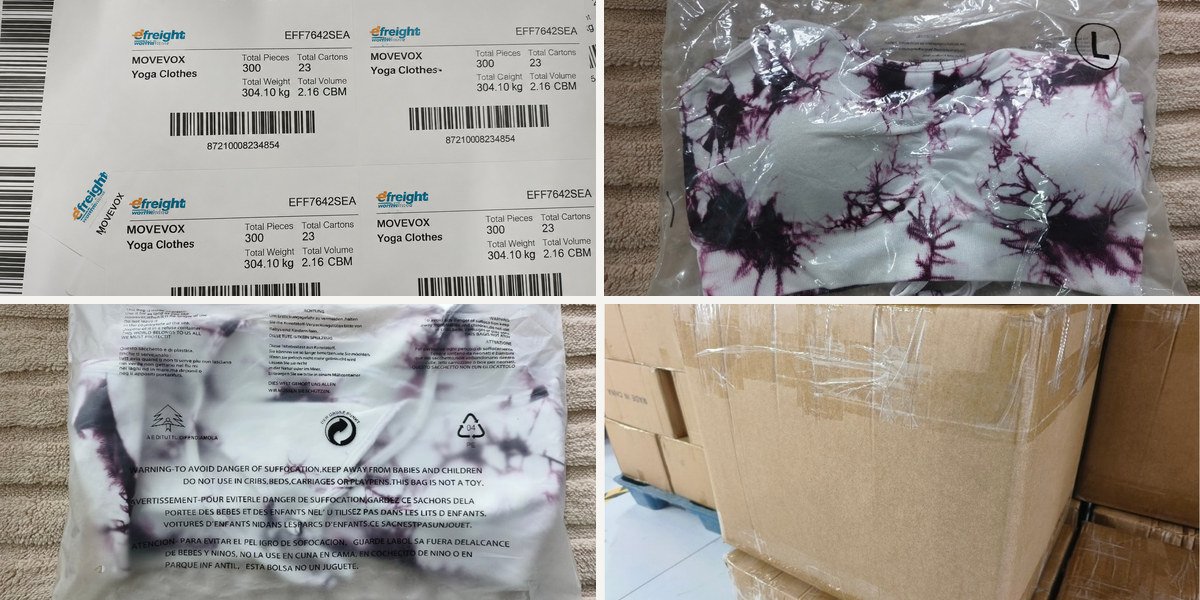
Wrong Product Data
A garment may be correctly manufactured but still become a receiving problem when the SKU, size sticker, barcode, FNSKU or other identification data does not match the physical product.
Wrong Packaging Version
Old artwork, an outdated barcode file, an obsolete warning statement or a previous carton mark can enter production when documents are not controlled by released version.
Wrong Unit Packing
Incorrect folding, bag dimensions, label placement or pack configuration can affect presentation, scanning and downstream handling.
Wrong Carton Data
Carton quantity, SKU ratio, carton number, shipping mark and Packing List need to reconcile before shipment.
Build the Packaging Around the Garment and Brand Requirement
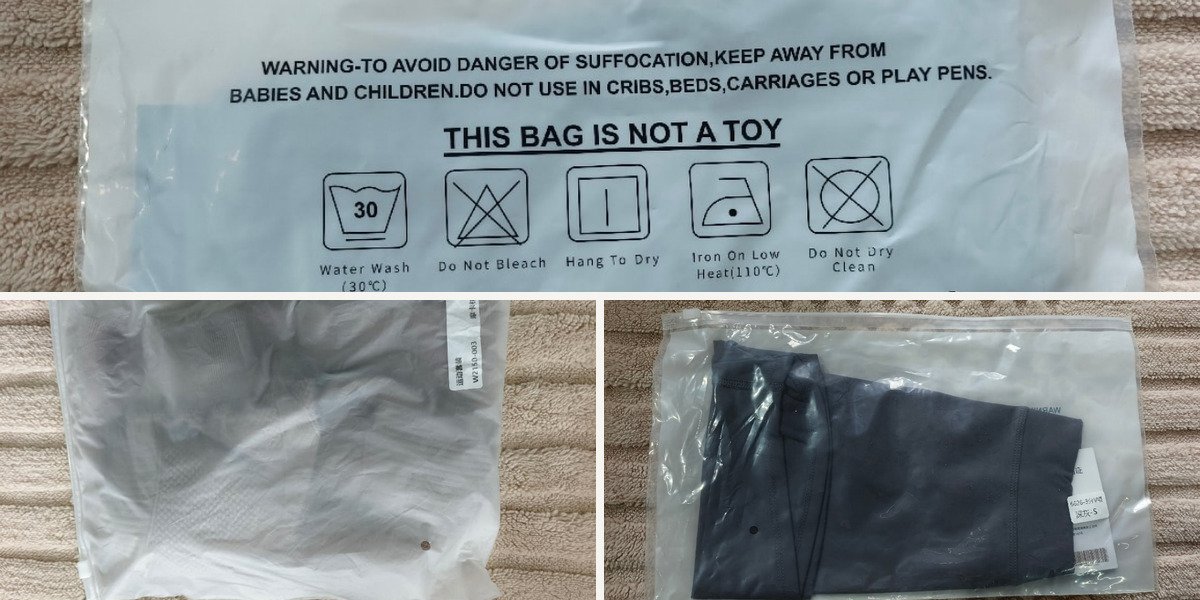
Standard OPP / PE Bag
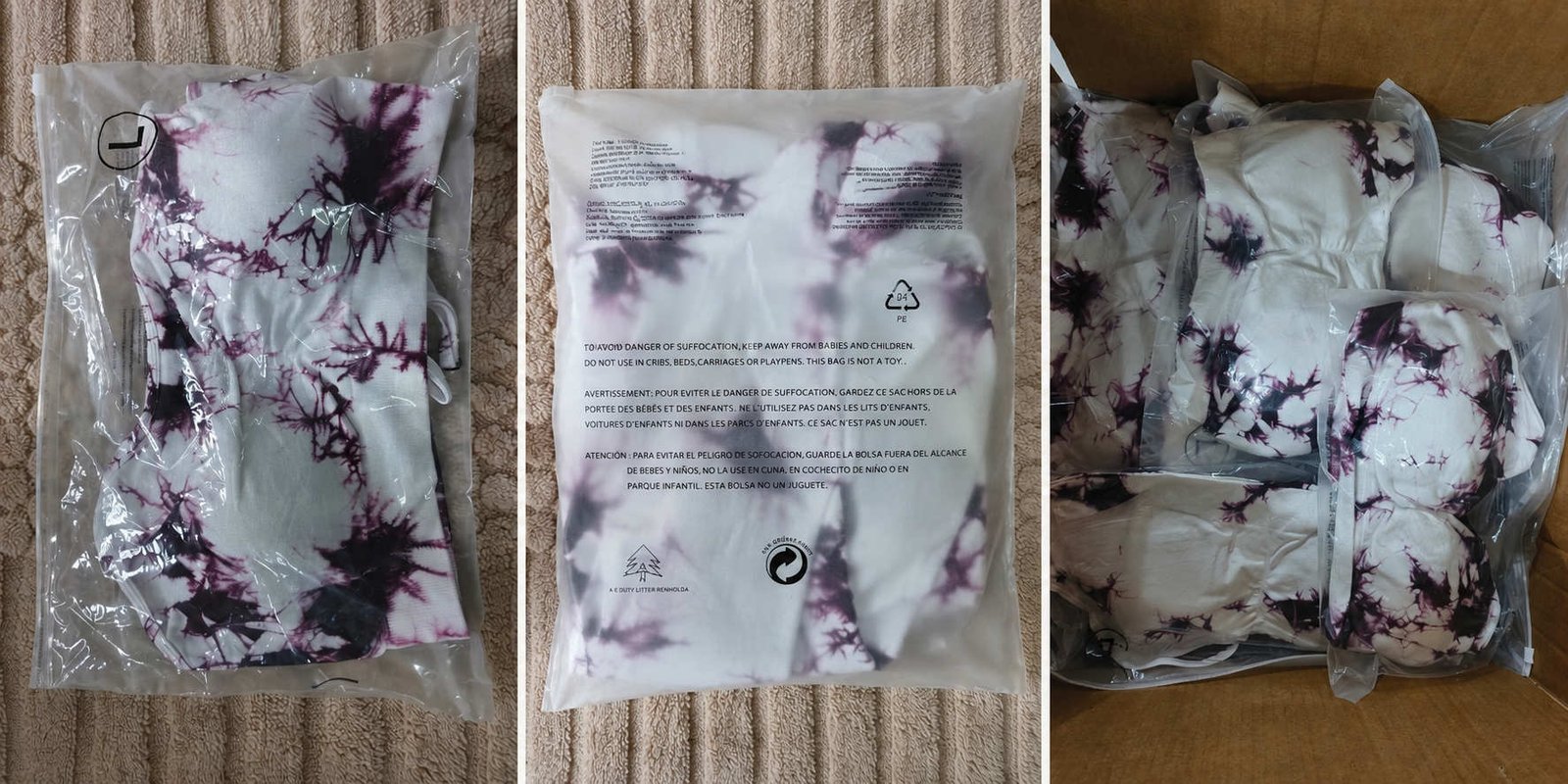
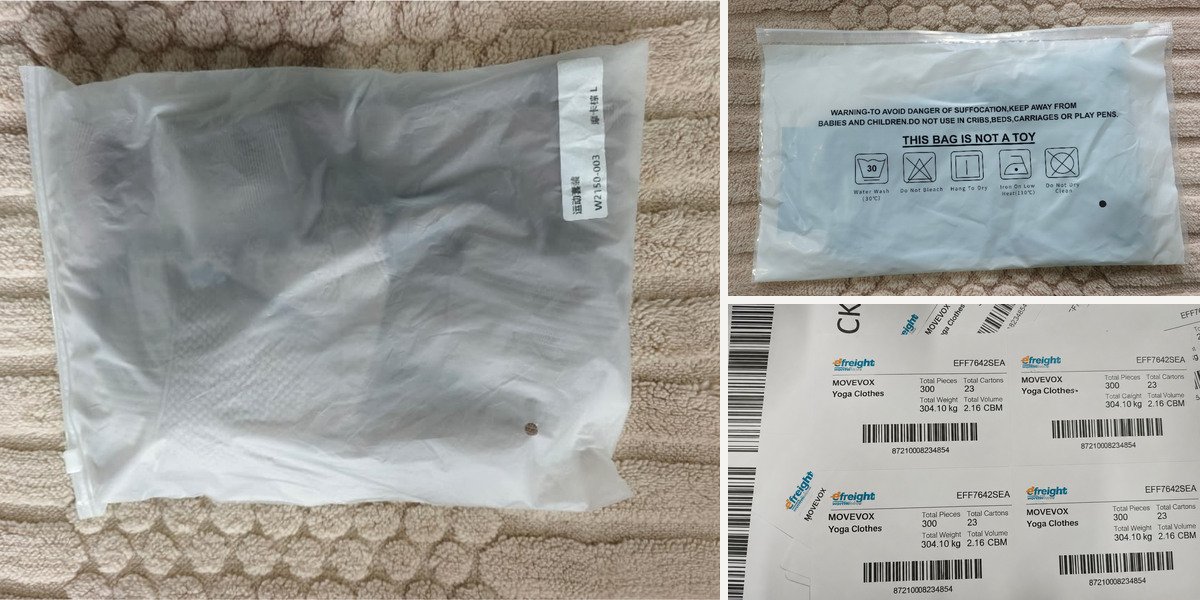
MOVEVOX can use transparent OPP/PE-type bags for normal unit packing. Projects can define bag dimensions, thickness, transparent or frosted appearance, self-adhesive closure, ventilation holes, warning information and the position of SKU, size or barcode stickers.
Bag dimensions should follow the actual folded garment. Leggings, sports bras, tops and sets do not need to share one universal bag size.
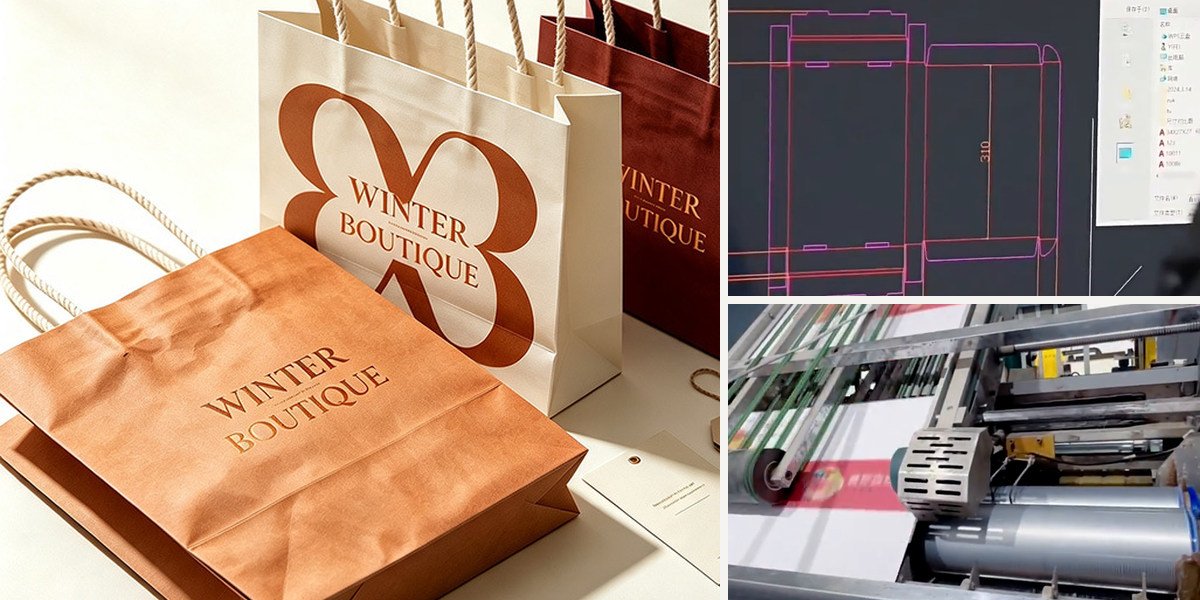
Custom Printed Bag
Printed packaging can incorporate approved brand artwork, logo, product information, warnings, QR information and designated barcode or SKU areas.
Artwork and bag structure are approved before bulk packaging production.
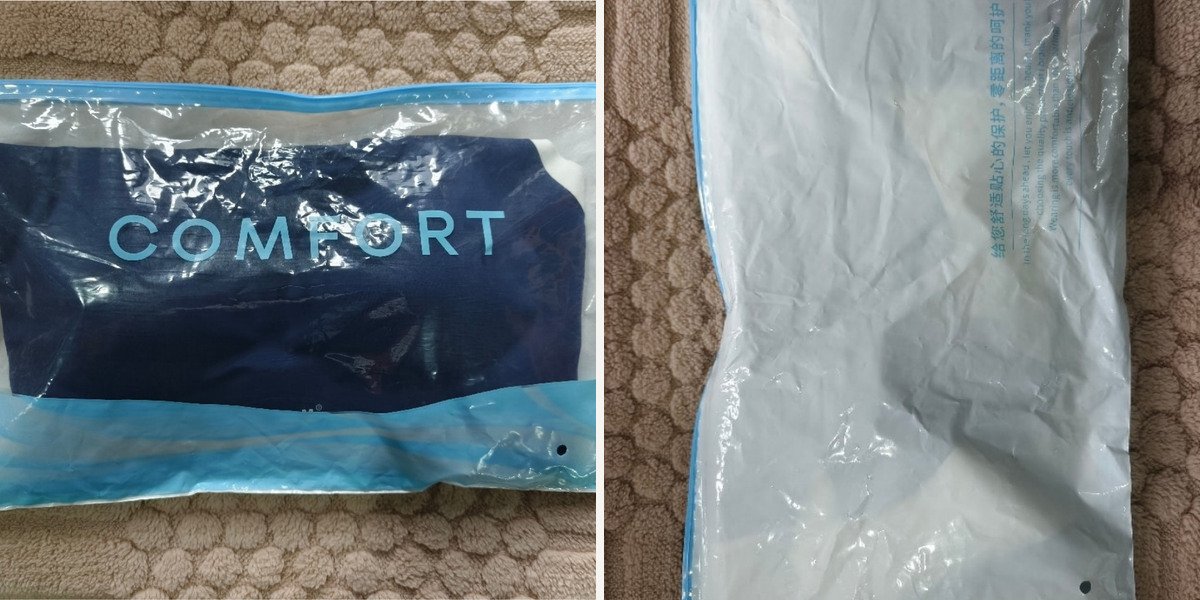
Zipper Bag
PE/EVA-type zipper packaging can be evaluated for projects requiring a more reusable or brand-facing presentation, including transparent, semi-transparent or frosted effects and project-specific branded details.
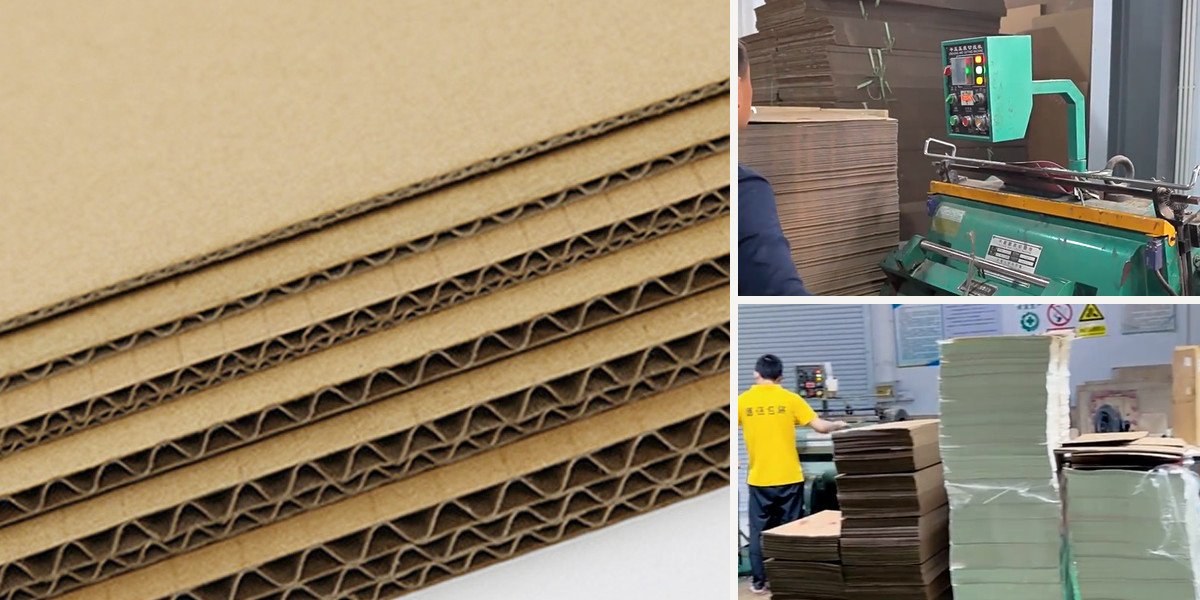
Paper and Box Routes
Paper packaging, packaging paper and color boxes can also be evaluated according to product size, brand requirement, supplier capability, MOQ and shipping needs.
Environmental Packaging Claims Must Follow the Actual Material Evidence
Project-Specific Material Routes
Where suitable for the project, MOVEVOX can evaluate packaging routes according to the required material, supplier capability and target-market requirements.
Biodegradable or compostable routes may also be evaluated when the actual material, market requirement and supplier evidence support the project.
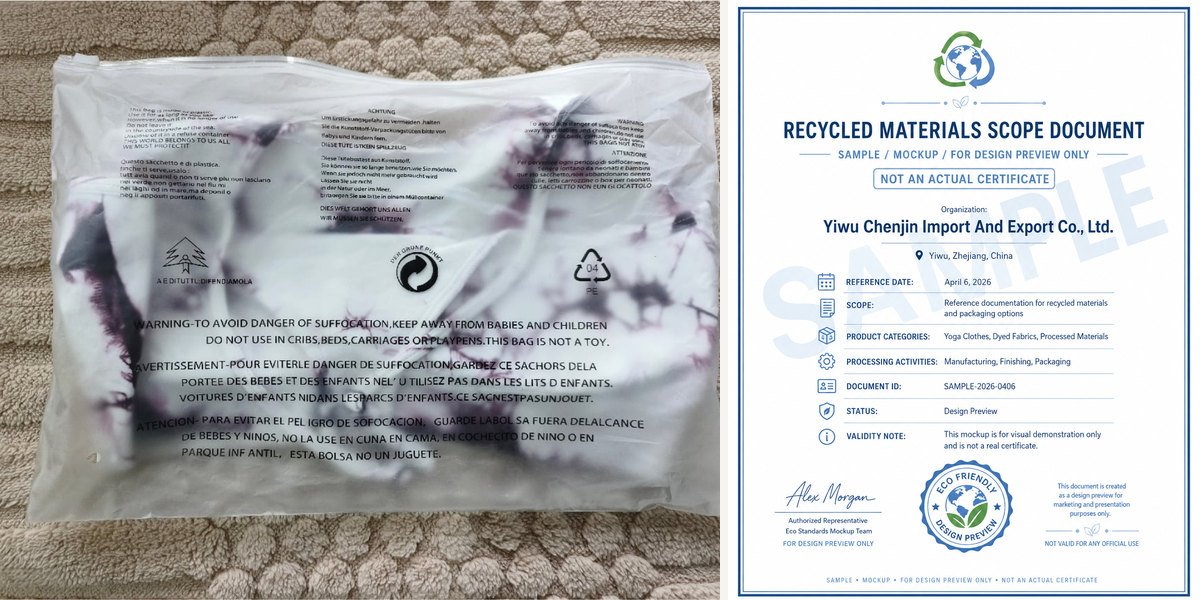
Evidence Before Claim
Terms such as recycled, recyclable, compostable, biodegradable and FSC should only be used when the claim matches the actual packaging material and the available supporting evidence.
Target-market requirements and buyer-approved artwork remain the final execution reference.
Release One Packaging Version Before Bulk Production
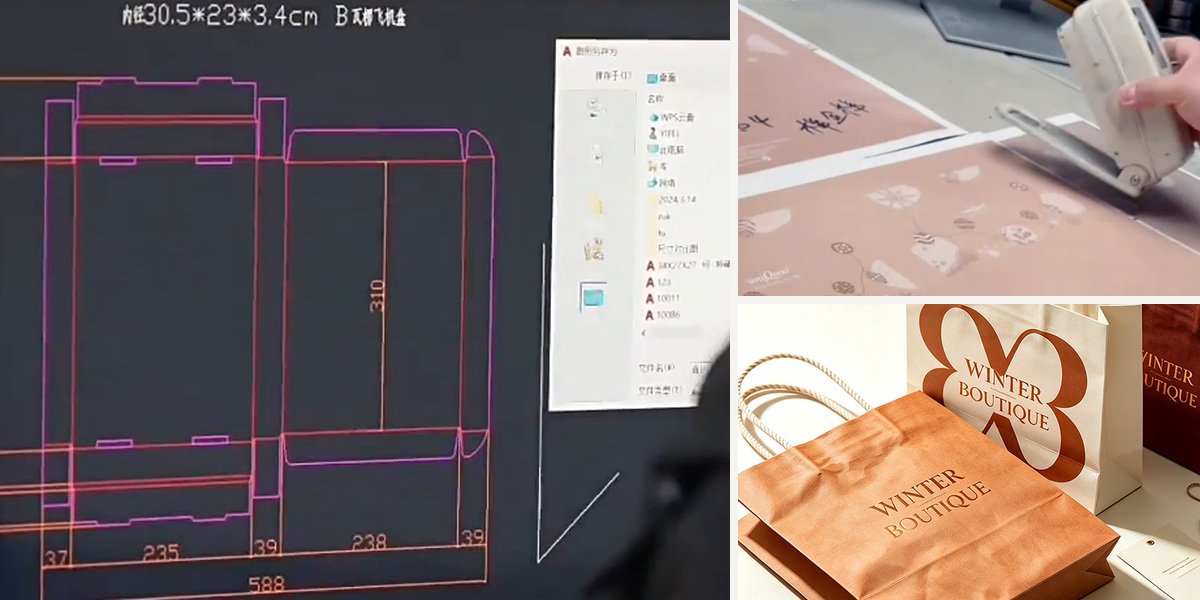
Packaging artwork, dielines, SKU data, barcode files and carton marks need a clear released version before materials enter bulk production.
Build the Production File
Prepare or coordinate the packaging artwork, structure, dieline, warning information, SKU areas and relevant production data.
Review Changes
Buyer comments and revisions are incorporated before the packaging version becomes a production reference.
Release the Approved Version
The approved Packaging Specification, barcode file, carton mark or related document becomes the current production reference.
Withdraw Old Versions
Previous versions should no longer remain valid instructions for purchasing, packing or QC.
Control Changes After Approval
Changes made after packaging approval should be identified, reviewed and communicated to the relevant purchasing, production, QC and packing functions before implementation.
Formal projects can maintain separate controlled versions for Packaging Specification, SKU Mapping, Barcode File, Carton Mark and Packing List.
Turn Packaging Instructions Into a Production-Ready Specification
Make the Data Correct, Scannable and Assigned to the Correct Product
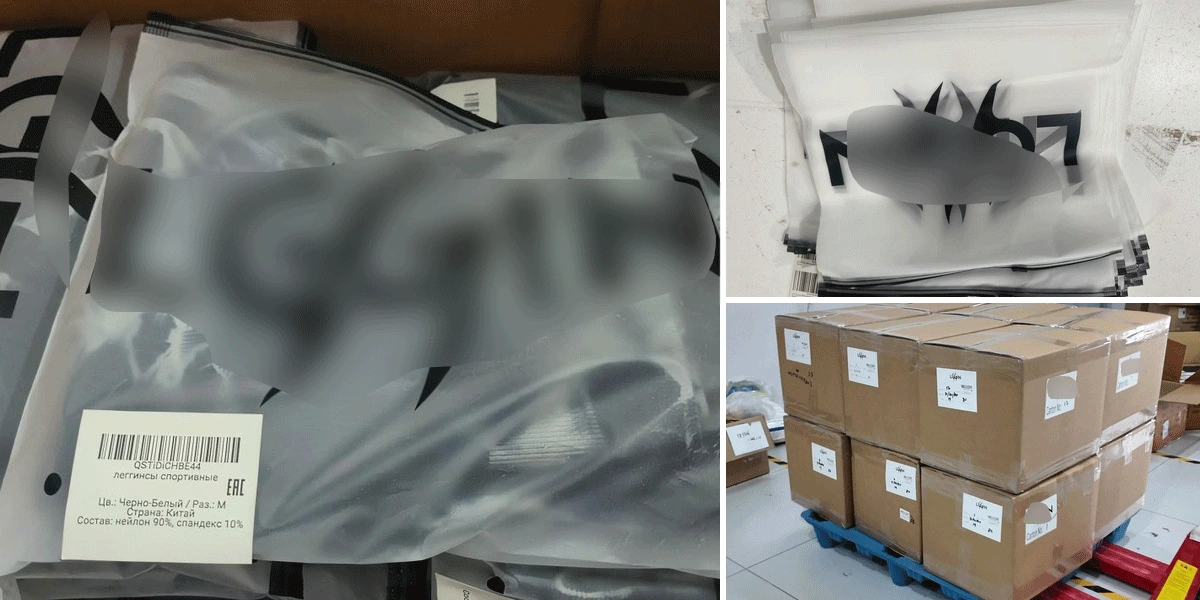
Barcode Execution
MOVEVOX can execute project requirements involving UPC, EAN, Code 128, buyer-internal barcodes and retailer-specified barcode systems.
FNSKU
For Amazon projects, the final FNSKU should be generated and confirmed from the buyer's Amazon system. MOVEVOX does not independently assign FNSKU data.
RFID
RFID label execution can be supported when specified by the customer and confirmed for the applicable project.
Packaging Lead Time Starts After Final Approval
Production timing begins after the required artwork or sample approval and packaging order confirmation.
Standard stock OPP / PE bag
Standard SKU / size / barcode sticker
Custom printed packaging bag
Custom zipper bag
Hangtag / custom packaging paper
Color box
RFID label
Special material, special die or complex gift box
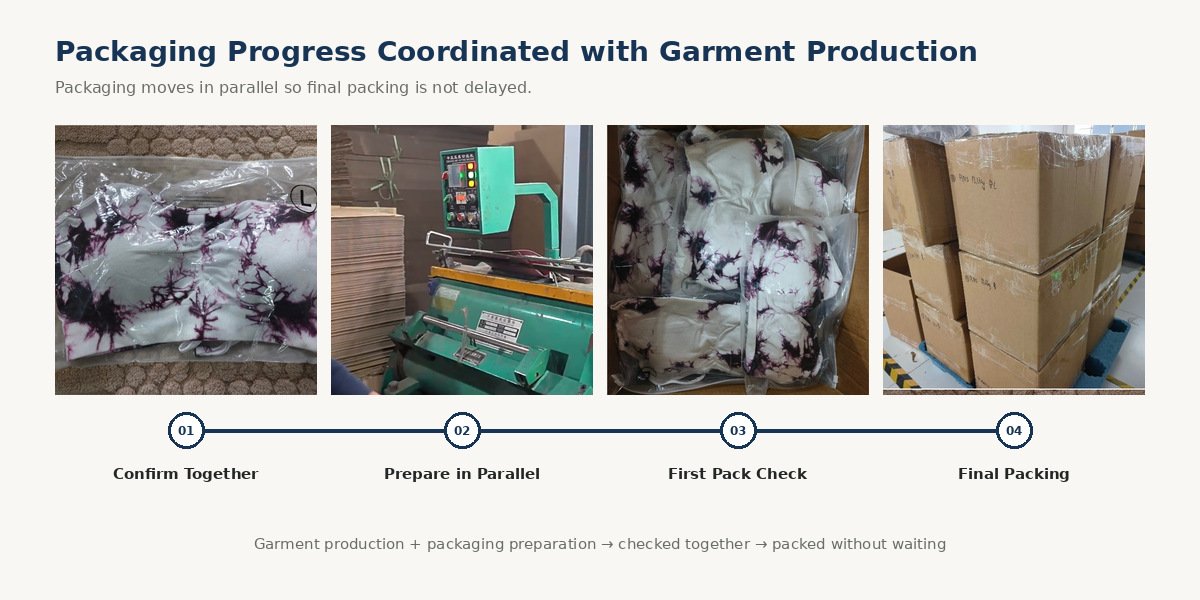
Coordinate Packaging With Garment Production
Packaging procurement is planned against the garment T&A so approved packaging materials can arrive and be checked before garments enter final packing.
The objective is to avoid a completed garment order waiting for unfinished or unapproved packaging.
Use the Outer Carton as the Final Data Layer Before Shipment
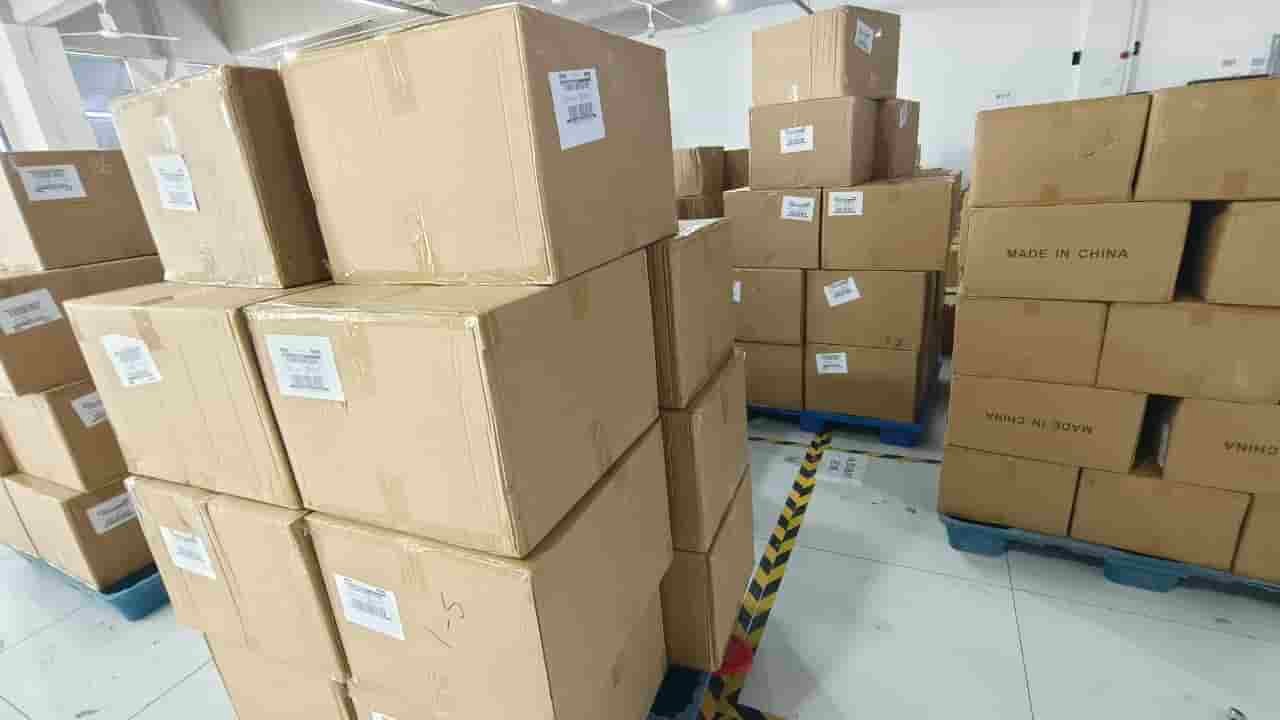
Carton Specification
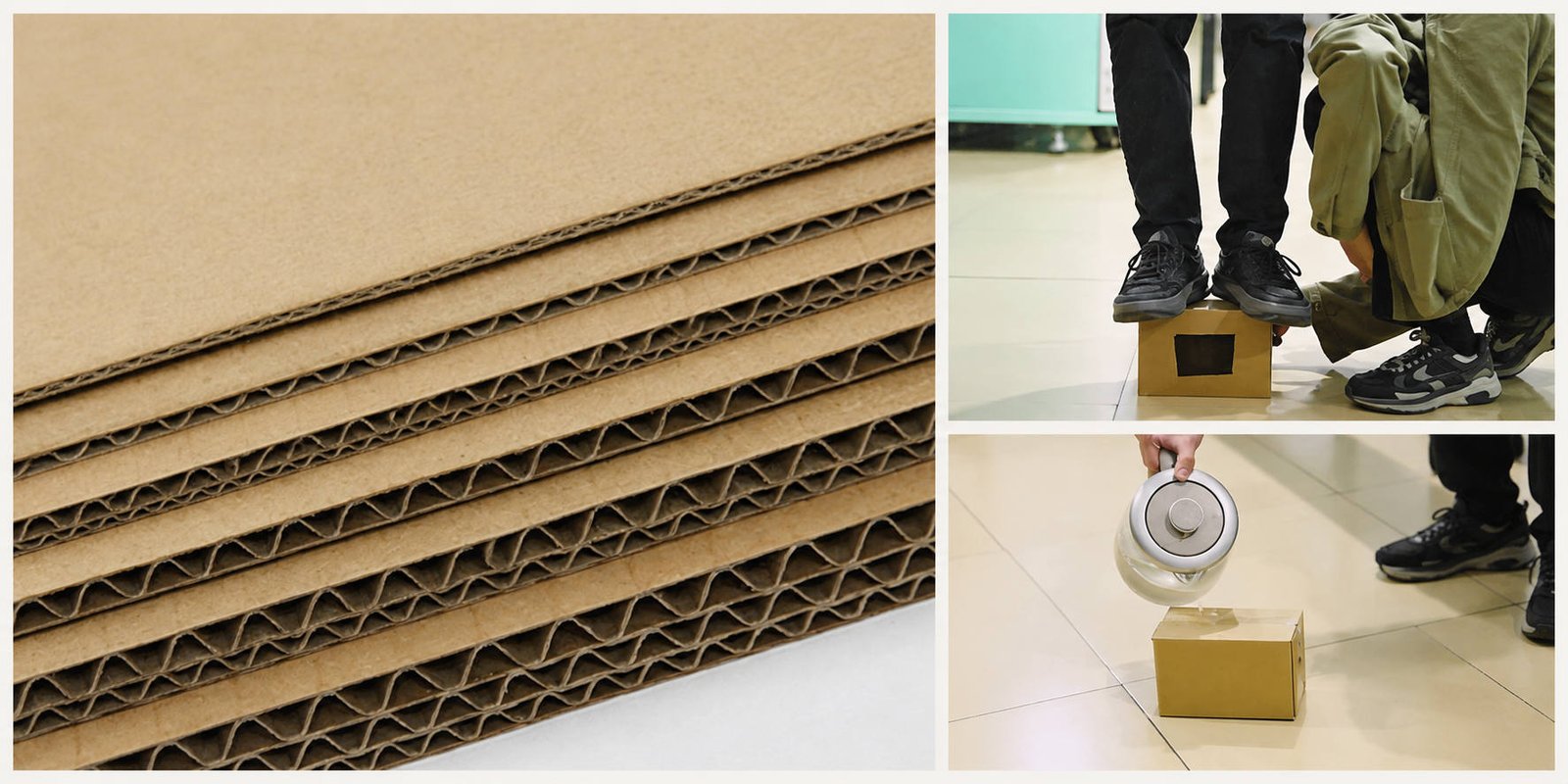
Confirm dimensions, packing quantity, Solid Pack or Assorted Pack, size/color ratios and applicable buyer requirements.
Shipping Mark Data
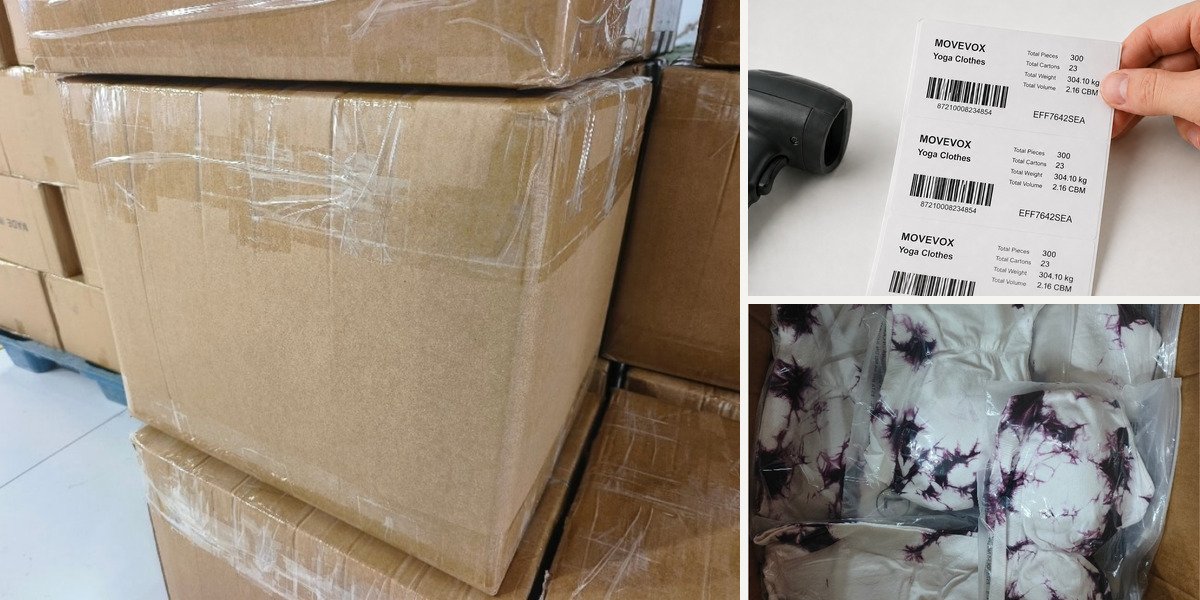
Approved fields can include PO, Style, SKU, Color, Size, Quantity, Carton X of Y, weight, dimensions, destination and barcode where required.
First Carton Verification
Check the first carton against the packing instruction before full carton packing continues.
Reconcile Before Handover
Carton Mark → Carton Breakdown → Packing List should use consistent order data.
Approve the First Complete Pack Before Bulk Packing Continues
The first complete pack provides a practical checkpoint before the same product, data or packaging error is repeated across bulk packing.
 01 — GARMENT
Style / Color / Size
01 — GARMENT
Style / Color / Size
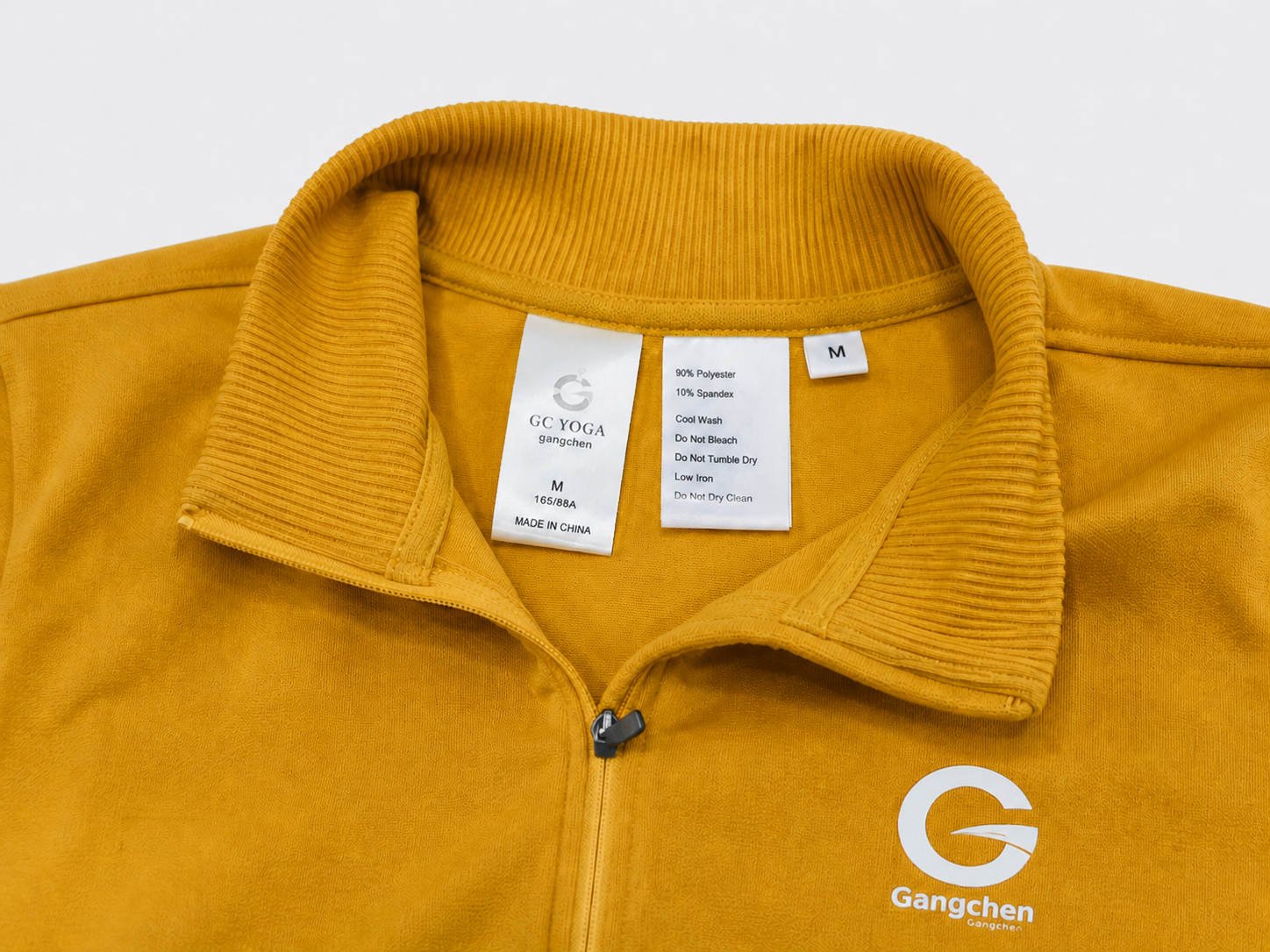 02 — LABELS
Main / Care / Size
02 — LABELS
Main / Care / Size
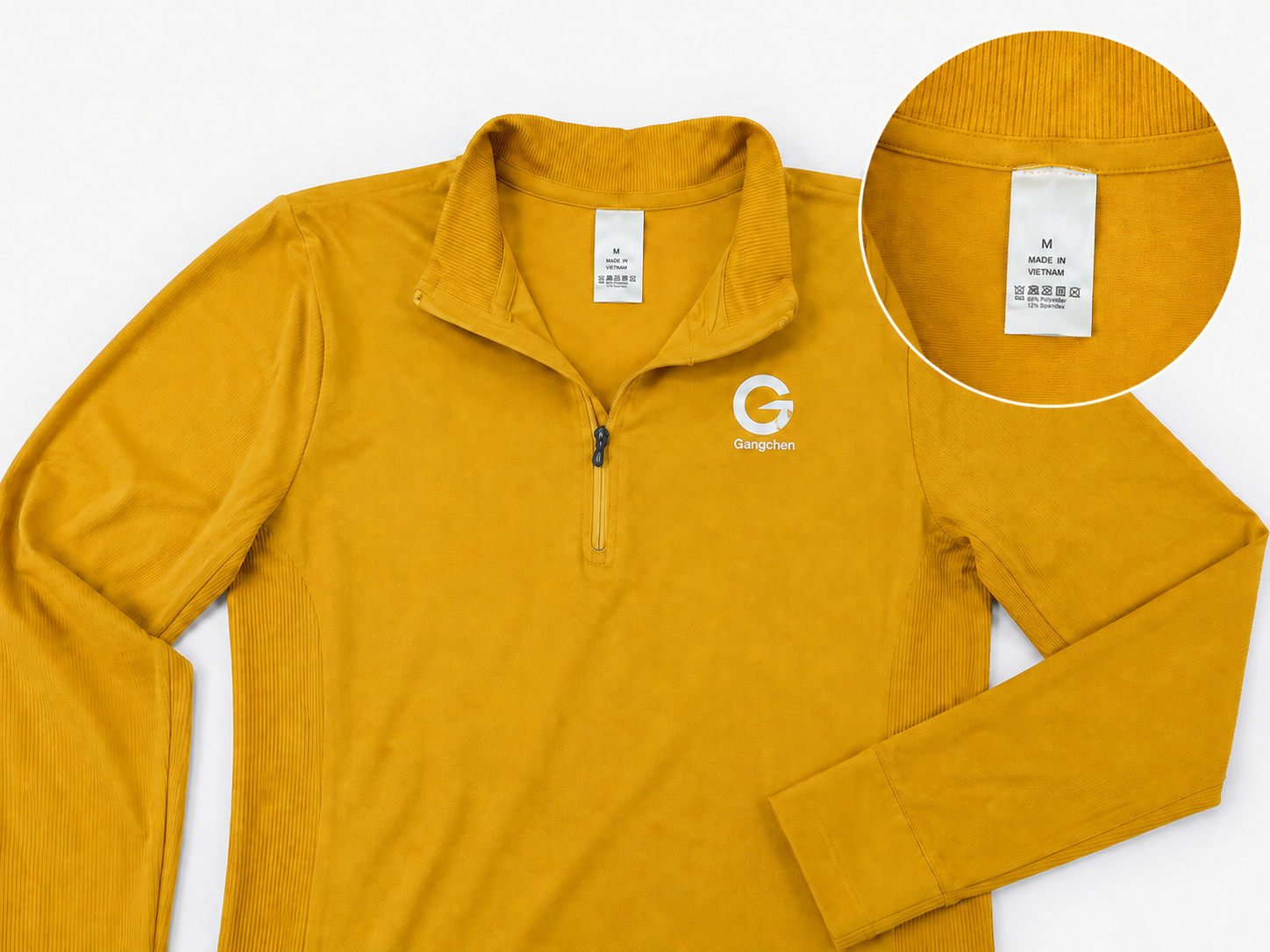 03 — HANGTAG
Approved version
03 — HANGTAG
Approved version
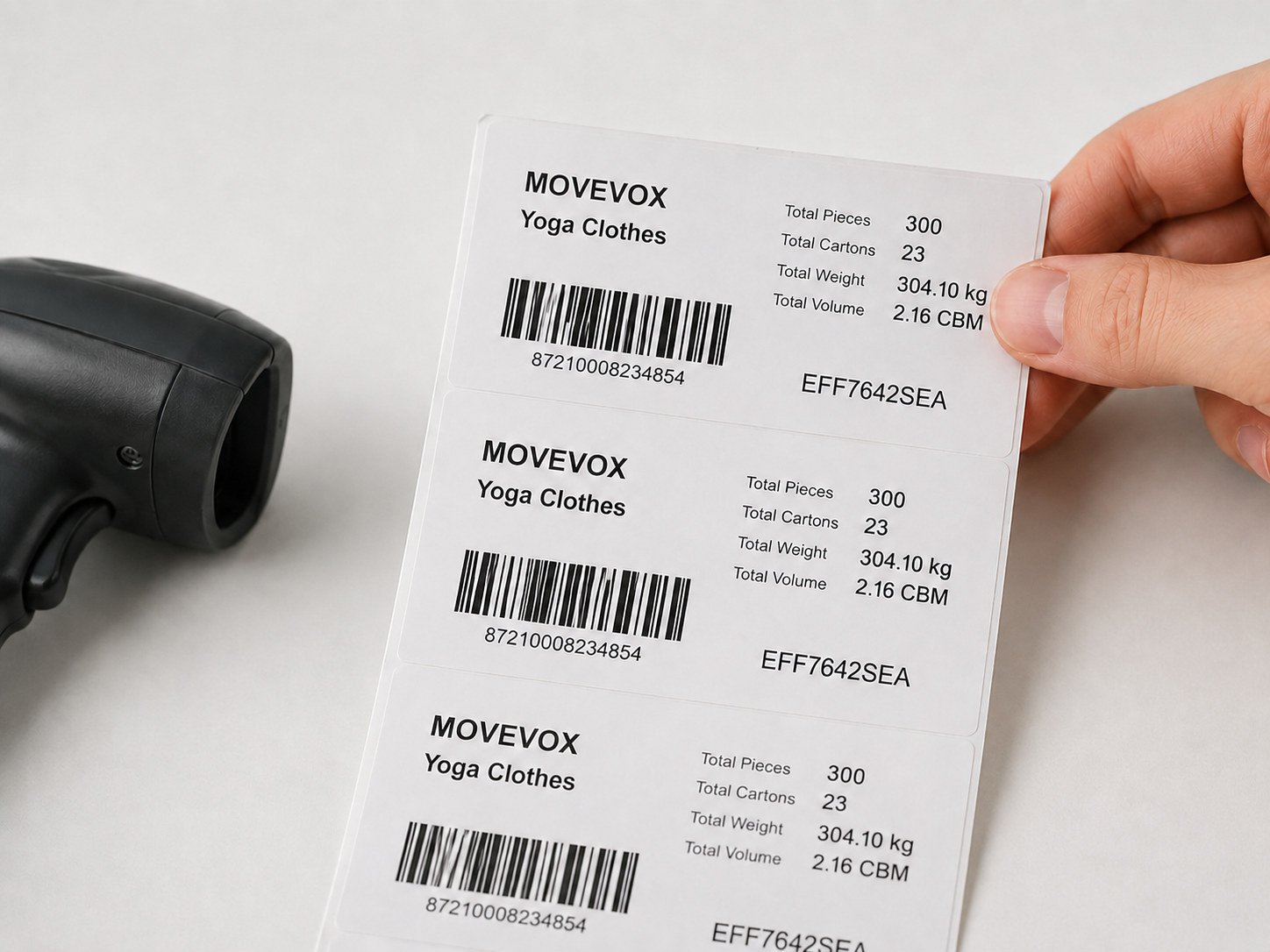 04 — BARCODE
SKU / Scan
04 — BARCODE
SKU / Scan
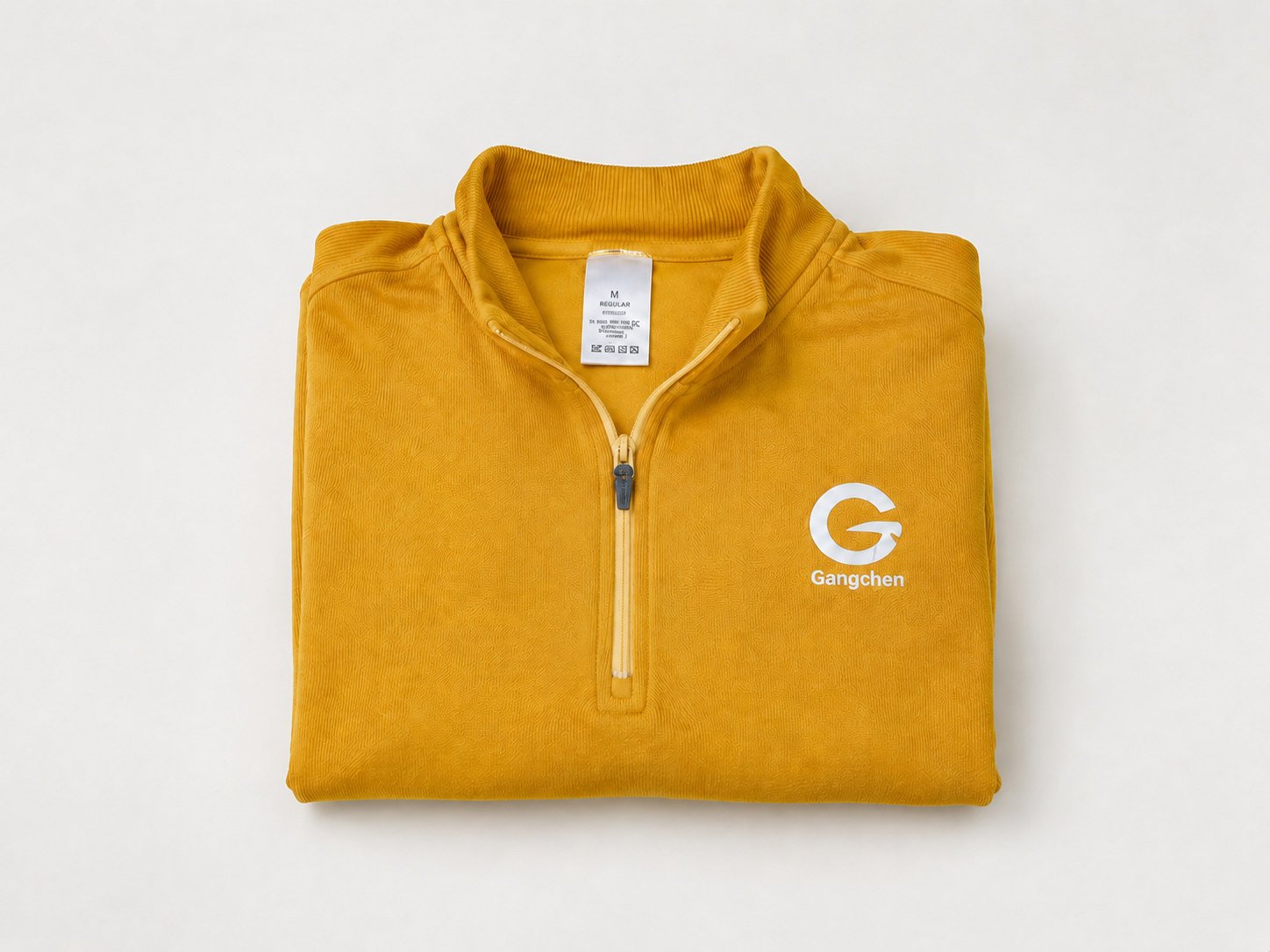 05 — FOLD
Approved method
05 — FOLD
Approved method
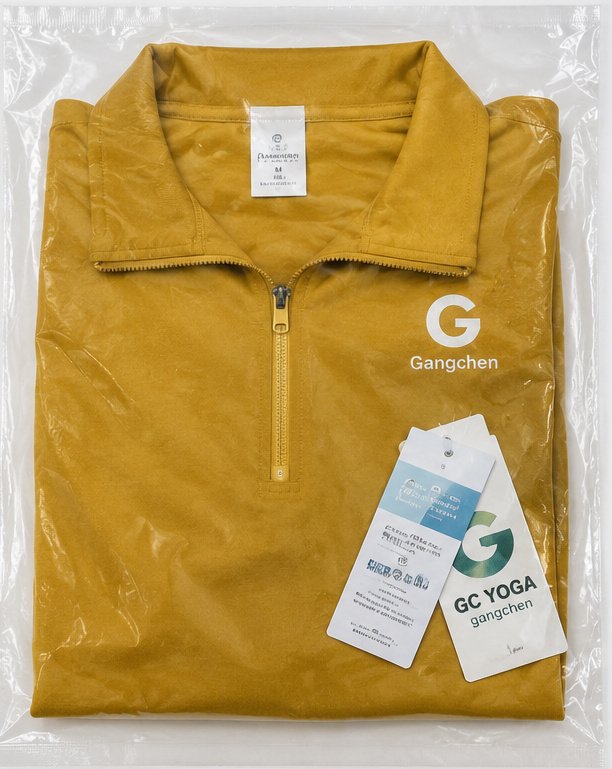 06 — PACK
Bag / Box / Sticker
06 — PACK
Bag / Box / Sticker
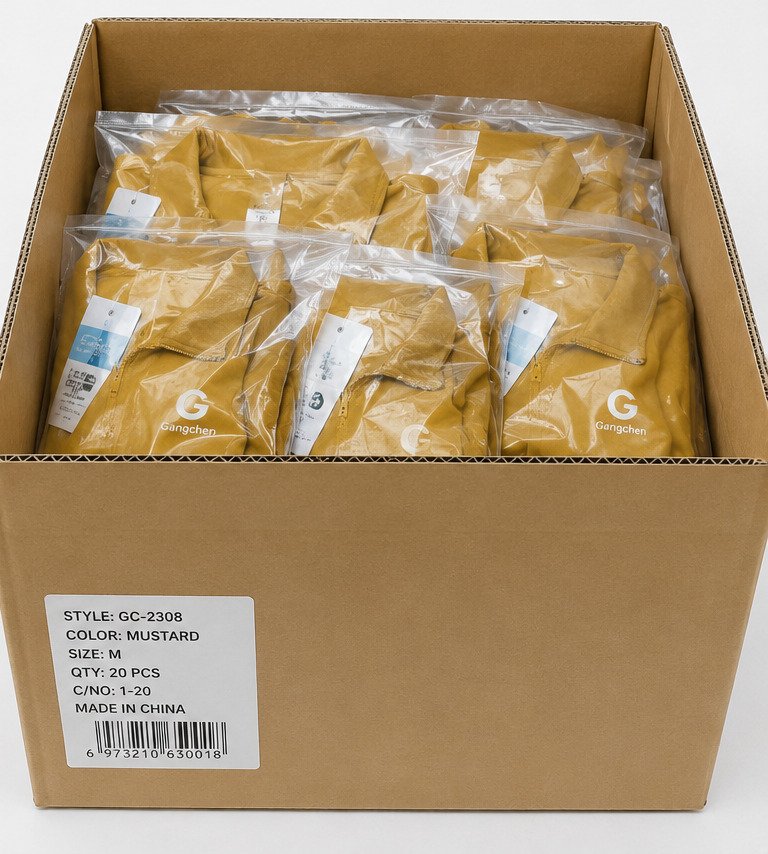 07 — CARTON
Correct assignment
07 — CARTON
Correct assignment
If the first pack does not match the approved requirement, the issue should be corrected and rechecked before bulk packing continues.
Keep Packaging Under QC After First Pack Approval
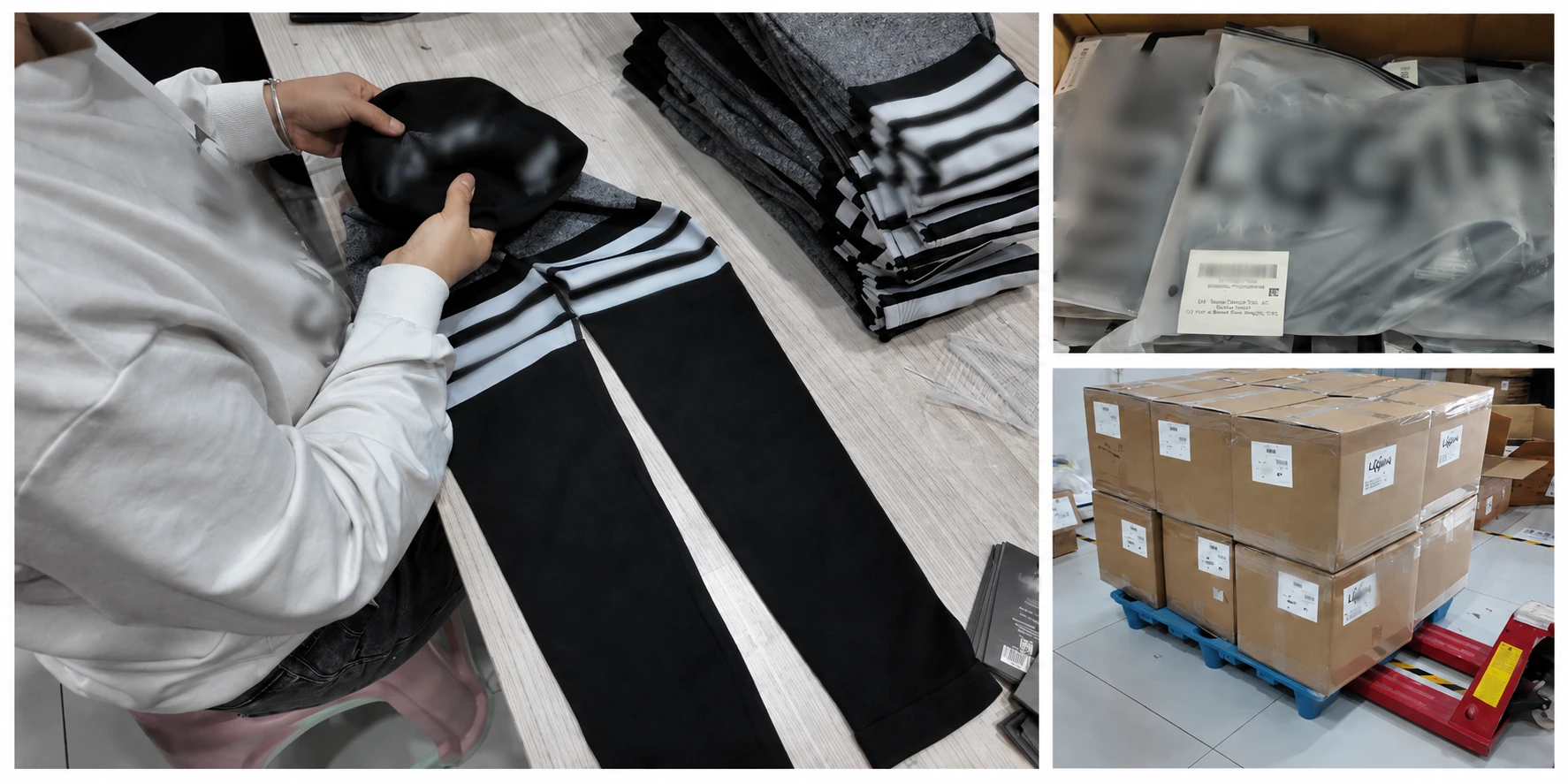
Unit Packing Checks
Bulk inspection can cover Style/SKU, Color, Size, labels, hangtags, barcode, bag or box, folding, quantity and cleanliness.
Carton Checks
Carton verification can cover PO, SKU or size ratio, quantity per carton, carton mark, gross/net weight and carton dimensions according to the project requirement.
Data and Physical Product Must Agree
The correct physical product, identification data and packing route should continue to match during bulk execution.
Buyer Standards Take Priority
Buyer QC manuals, approved packaging standards and written project requirements override generic internal defaults where provided.
Reconcile the Product Data From Garment to Shipment
Unit-Level Chain
Garment Style / Color / Size → Size Label → SKU → Barcode → Hangtag → Polybag Sticker
Each identification layer should point to the same physical product.
Carton-Level Chain
Packed Units → Carton Quantity → Carton Number → Carton Mark → Carton Breakdown → Packing List
Carton-level information should reconcile with the packed SKU structure.
Shipment-Level Handover
Finished Cartons → Shipment Documents → Loading / Forwarder Handover
The objective is the controlled transfer of product information from production into the buyer's warehouse and logistics system.
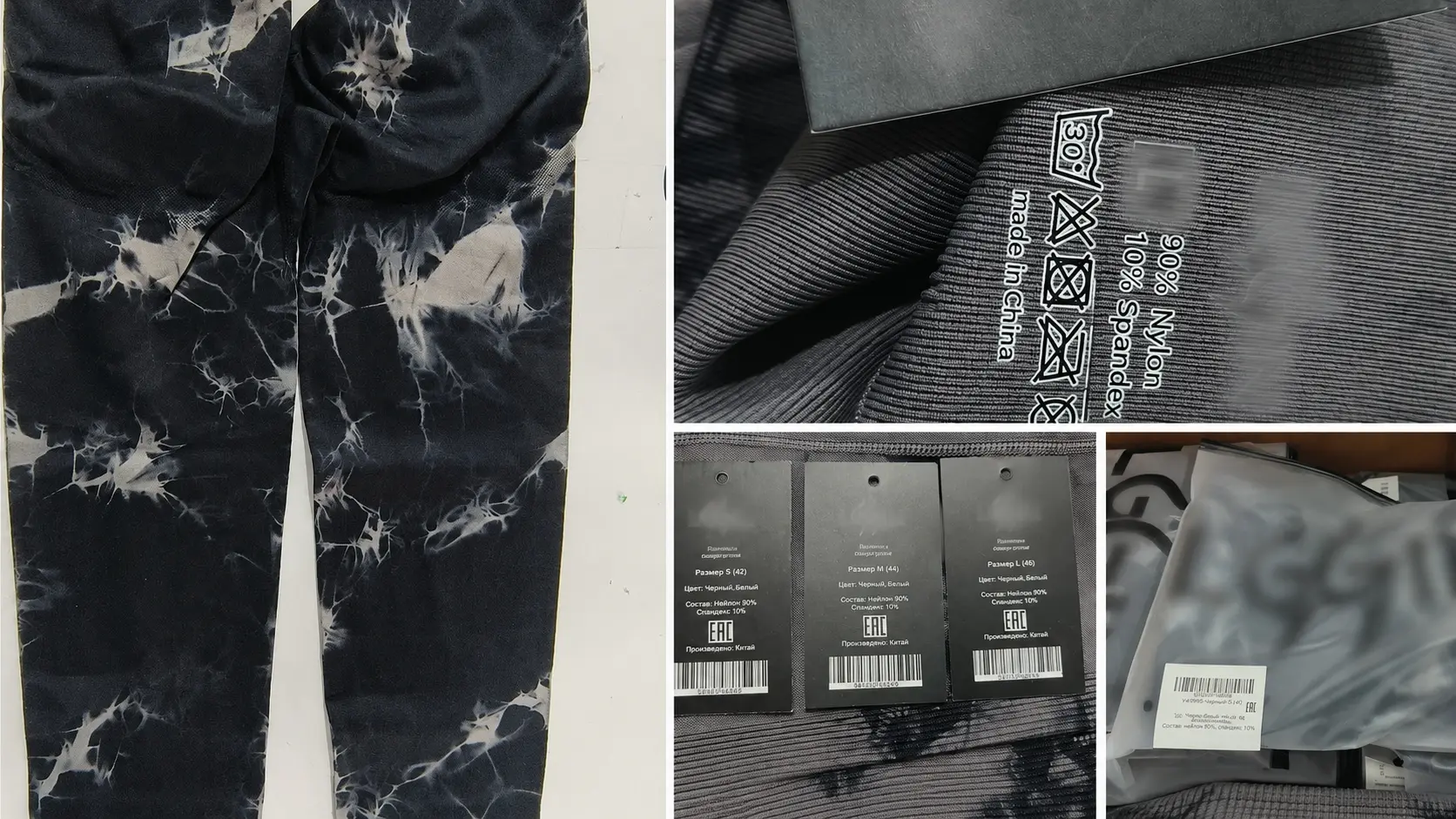
Packaging Should Work as Part of the Whole Private Label System
Packaging becomes significantly more reliable when it is managed together with the product and brand-data system rather than treated as an isolated purchase at the end of manufacturing.
One Connected Execution Chain
MOVEVOX can coordinate branding, labels, packaging and shipment execution around both Seamless and Cut & Sew activewear programs while maintaining the relevant PO, SKU and approved-version relationships.
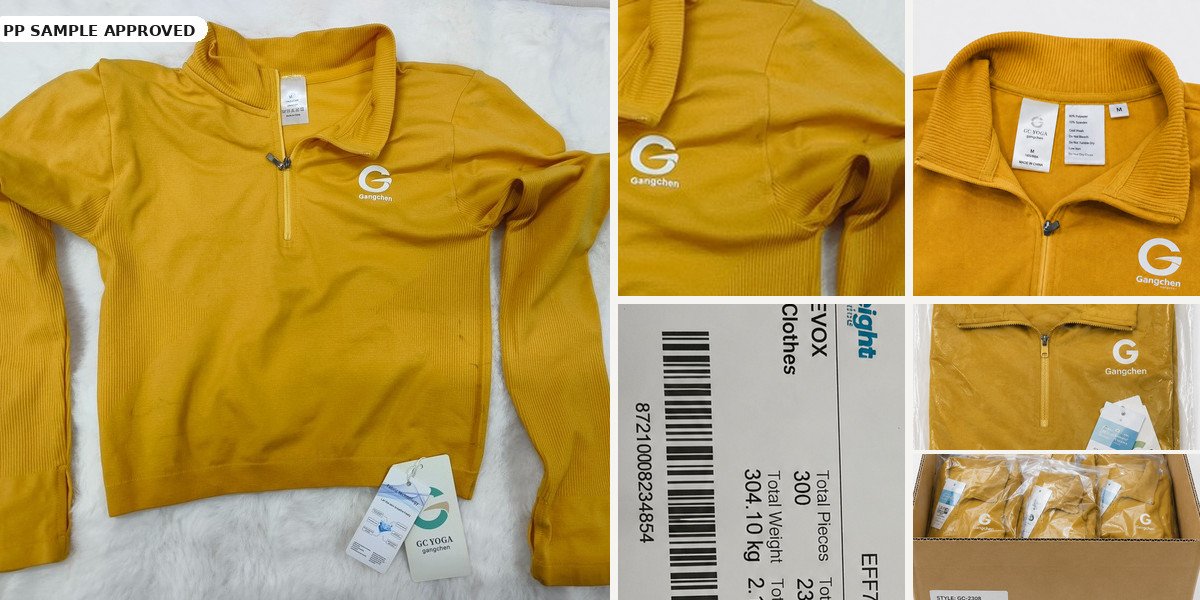
Why MOVEVOX for Custom Activewear Packaging Execution
Packaging remains connected to the garment manufacturing, data and quality-control process rather than operating as a separate final-stage task.
Product → Branding → Packaging → QC → Shipment
Packaging Specification, SKU Mapping, barcode files, carton marks and Packing Lists can be managed around released project information.
Logo, labels, hangtags, SKU/barcodes, packaging and cartons can be coordinated as one brand-execution system.
Controlled Supply-Chain Responsibility
Specialist packaging suppliers may be used where required. MOVEVOX coordinates the approved specification, supplier route, incoming material, packing execution and QC within the agreed project scope.
This does not mean every packaging item is manufactured inside the MOVEVOX core garment factory.