Private Label Activewear Tops Manufacturing for Established Brands
MOVEVOX develops private label activewear tops across Tank Tops, T-Shirts and Long Sleeve Tops through both Seamless and Cut & Sew manufacturing routes.
Projects can move from technical review and fit development through material approval, sampling, branding, quality control and bulk production within one manufacturing and development interface.
The manufacturing route is selected around the actual product architecture, including fit, garment length, neckline, armhole, sleeve, material, seam construction and intended use rather than forcing every top into one production method.
*Project-dependent. Material availability, construction complexity, branding, revisions and buyer feedback can change the overall approval schedule.
Built for Activewear Tops Programs That Require More Than Basic Garment Production
Established activewear brands normally evaluate a tops supplier across product range, fit, materials, manufacturing route, sample approval, branding and bulk consistency rather than appearance or unit price alone.
Established Activewear Brands
Brands with defined product standards need a supplier capable of translating design, fit, material and brand requirements into approved production specifications.
MOVEVOX can review available technical information and coordinate development through sampling, approval and applicable bulk-production controls.
Second-Supplier Programs
Supplier-transfer projects require careful comparison against the approved product rather than informal visual copying.
Existing Tech Packs, measurement charts, legitimate reference samples and material information can be reviewed before a transfer-development sample is produced.
Category Expansion Programs
A brand may already source leggings or sports bras but need to add Tank Tops, T-Shirts or Long Sleeve Tops without fragmenting its supply chain.
MOVEVOX can support relevant category expansion while maintaining style-specific fit and manufacturing requirements.
Multi-SKU Collection Programs
Tops often need to coordinate with leggings, shorts, sports bras and sets.
Material, color and branding can be aligned at collection level while each SKU retains its own approved construction and fit standard.
Develop Tank Tops Around Fit, Coverage and Construction
Tank-top development should begin with fit, length, neckline, armhole, strap or shoulder construction, material and manufacturing route rather than selecting a visual reference alone.
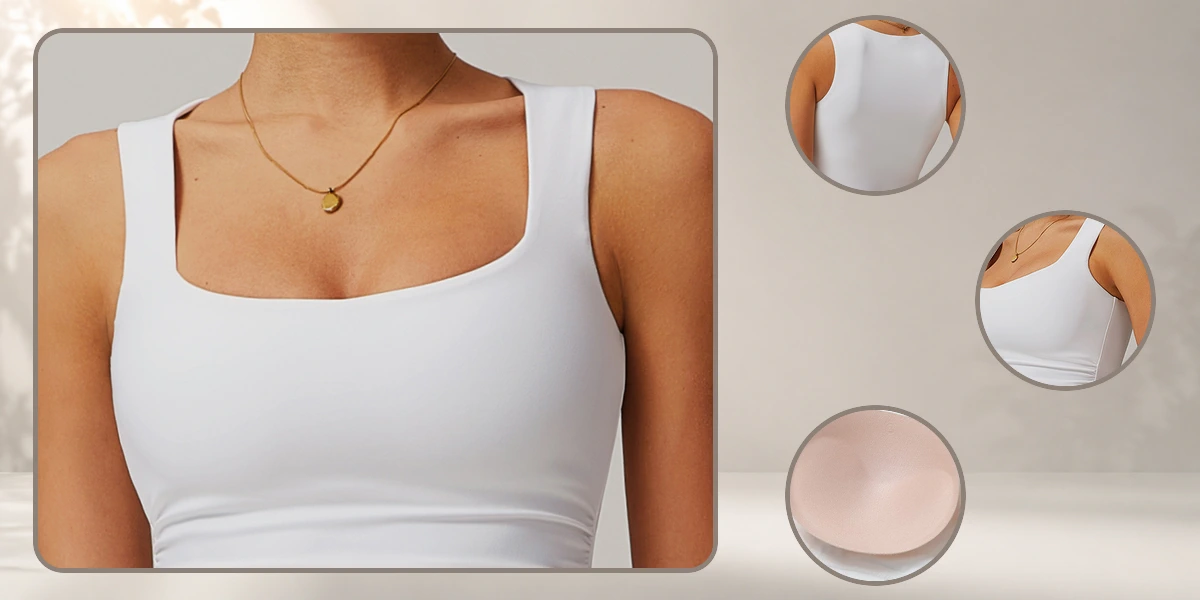
Fitted Activewear Tanks
Closer-fitting tanks require controlled chest, waist, hem and armhole relationships so the garment follows the intended body fit without unnecessary gaping or restriction.
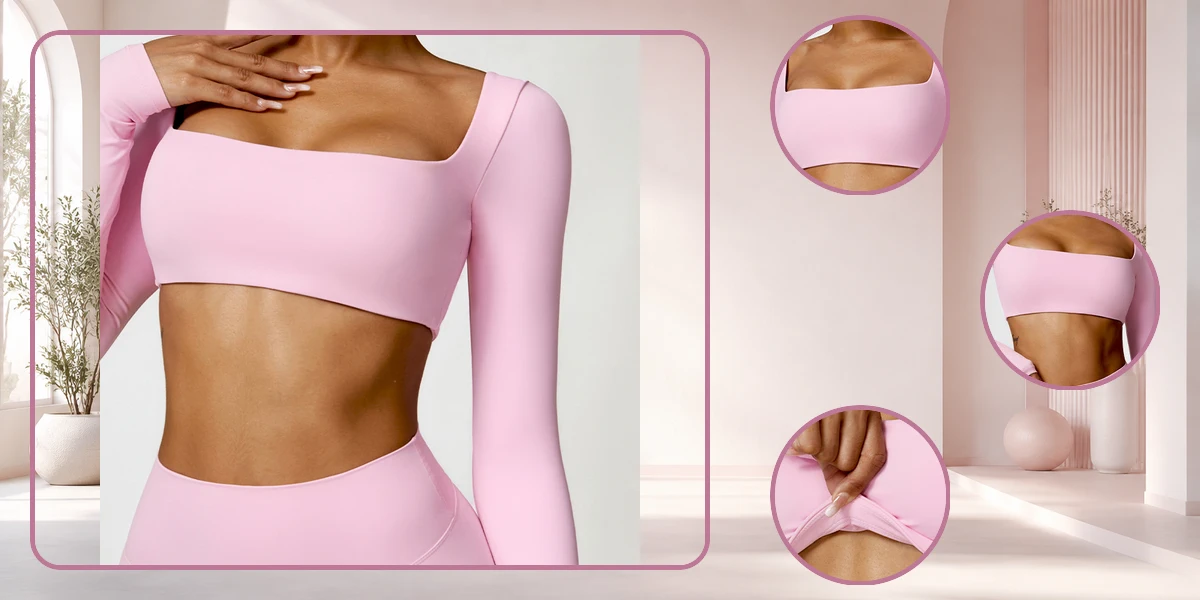
Cropped Tanks
Crop length should be defined through actual garment POM and target body proportion rather than a universal visual label.
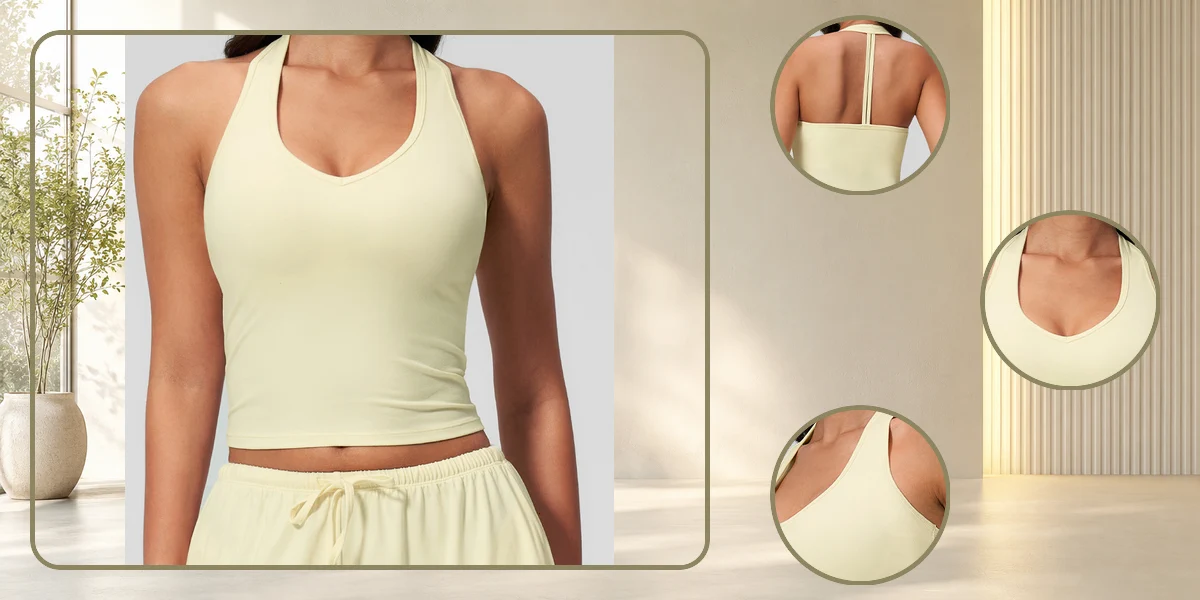
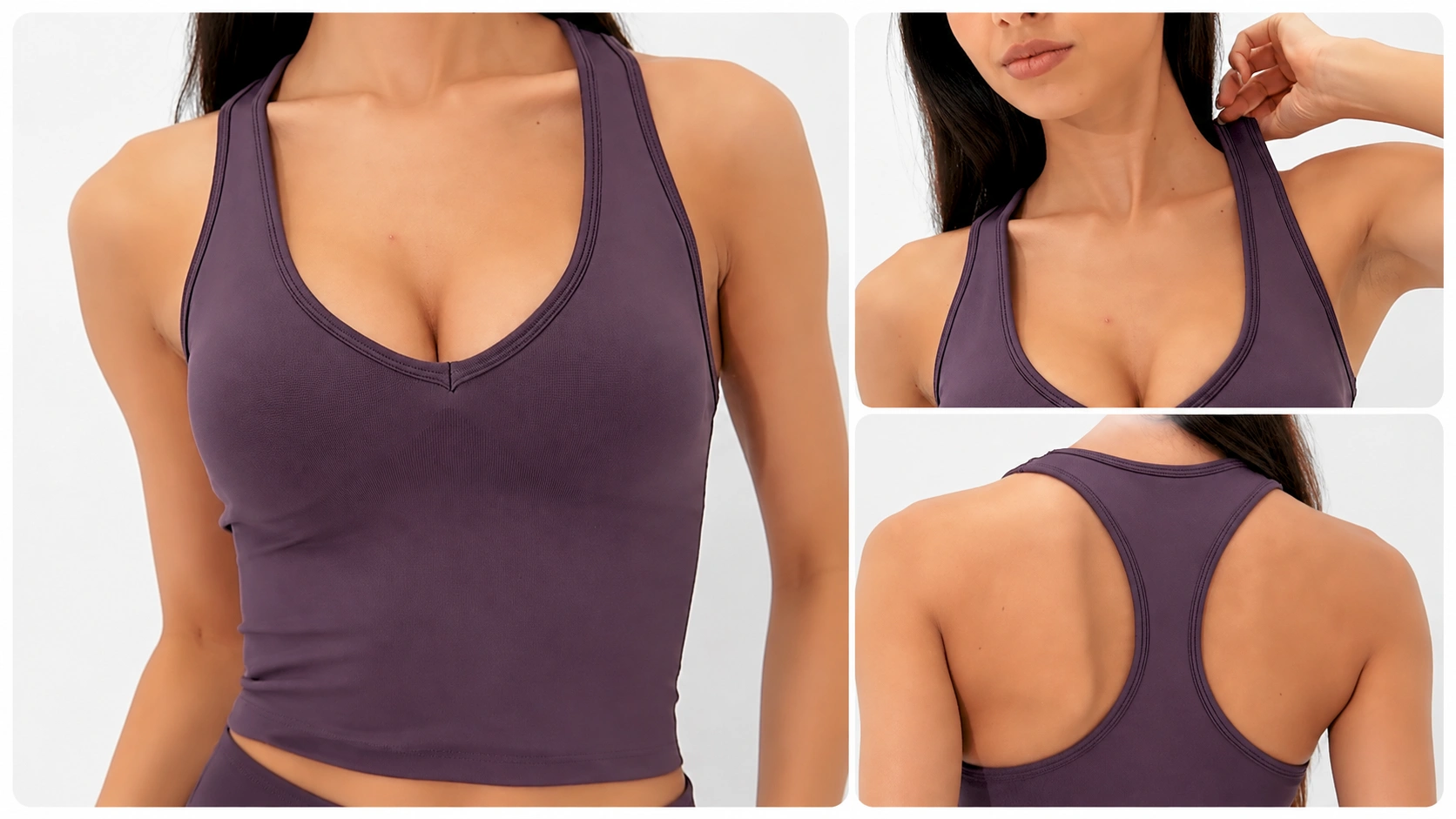
Racerback Tanks
Racerback construction changes shoulder coverage, armhole geometry and back opening.
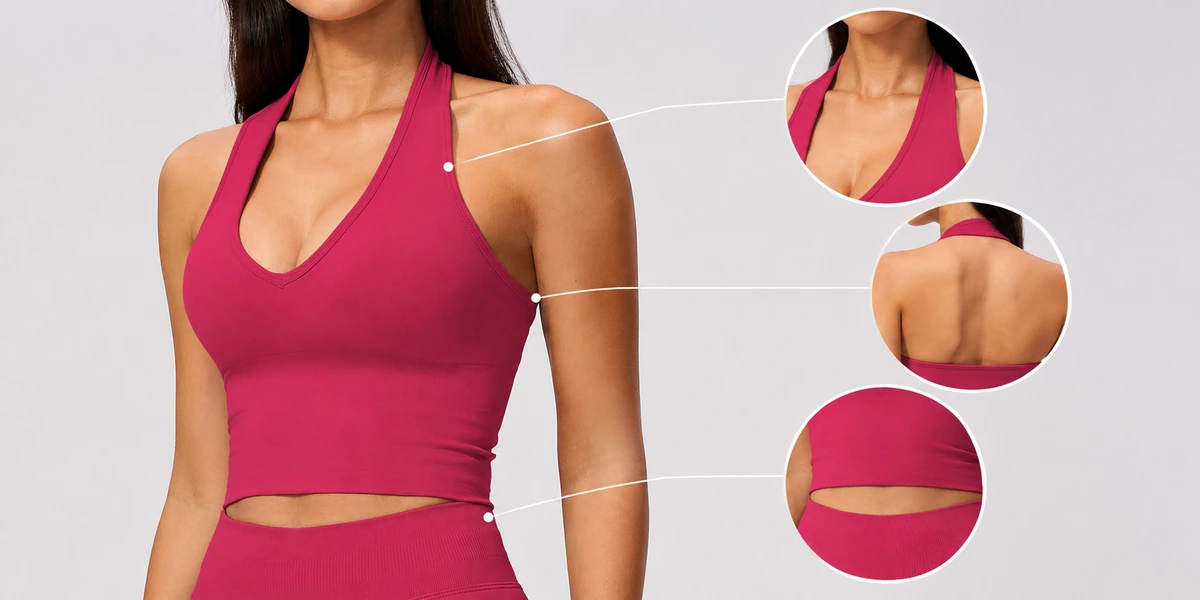
Wide-Shoulder Tanks
Wider shoulder structures can provide greater coverage and a different visual balance.
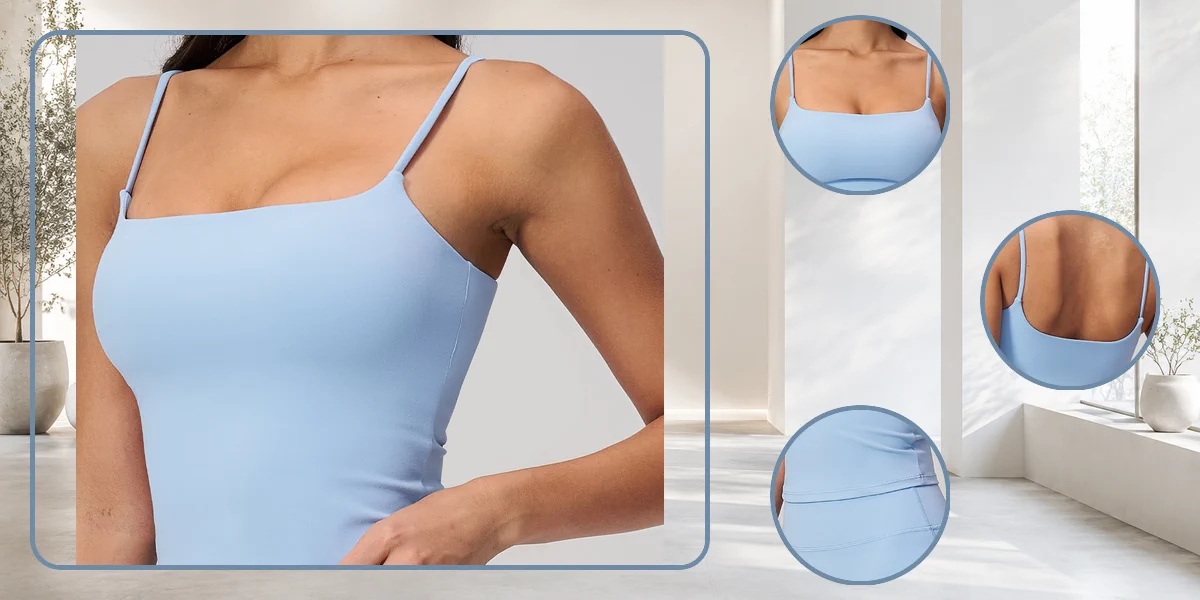
Narrow-Strap or Reduced-Coverage Directions
Where technically suitable, reduced shoulder or strap structures require additional attention to attachment, stretch and upper-body fit.
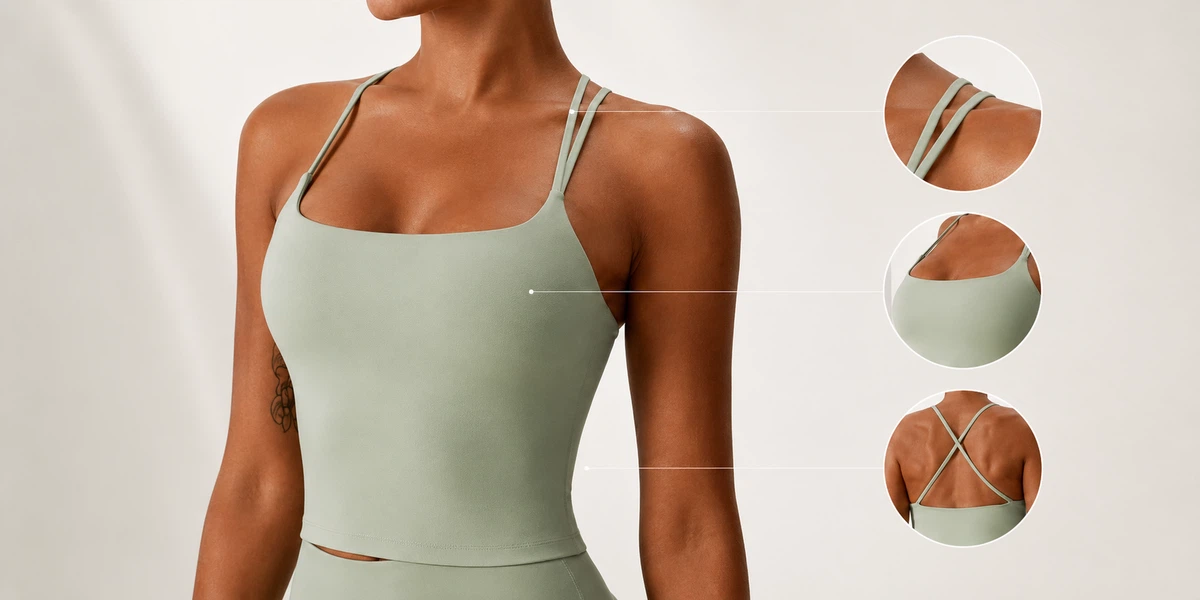
Integrated Support or Layered Directions
Where a project includes internal layers, pad pockets or related support structures, the internal construction should be defined as part of the product specification rather than treated as a styling note.
Seamless Tank Tops
Seamless tanks can use engineered rib, texture, mesh or density changes where technically appropriate.
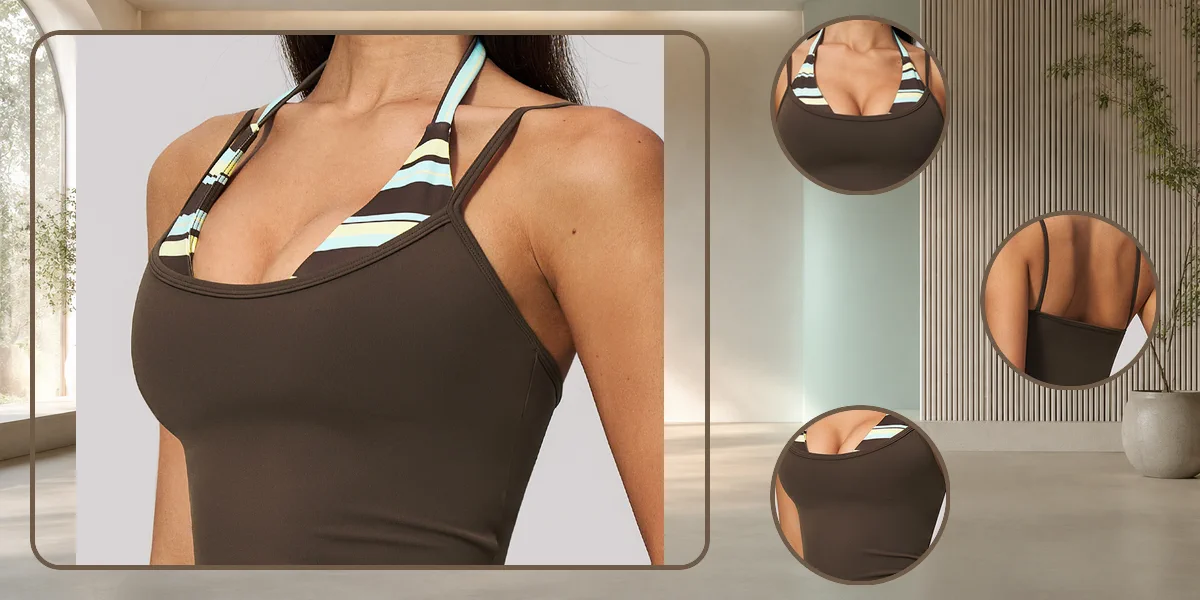
Cut & Sew Tank Tops
Cut & Sew provides greater freedom for pattern shaping, bindings, panels, layered constructions and material combinations.
Build Activewear T-Shirts Around Fit, Weight and Intended Use
An activewear T-shirt can range from a close-fitting training layer to a more relaxed athleisure product. Fit, fabric weight, sleeve structure, ventilation direction and manufacturing route should therefore be defined before material and construction are finalized.
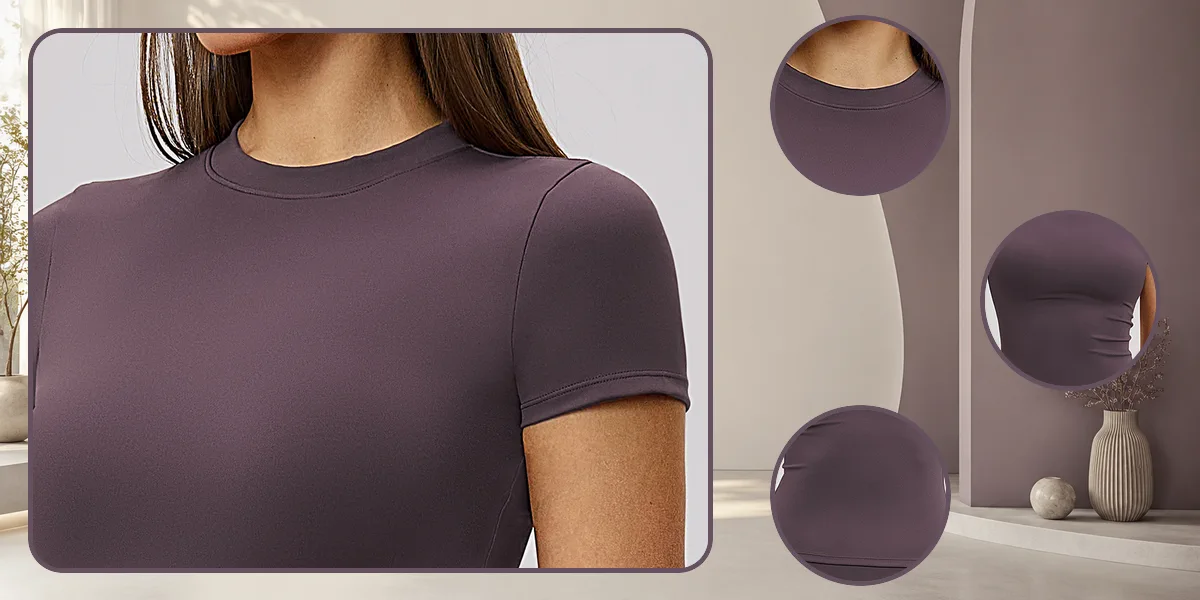
Fitted Training T-Shirts
Closer-fitting tees require controlled chest, shoulder, sleeve and body measurements together with suitable material extension.
Key Review: Chest / Shoulder / Sleeve / Body Length / Movement
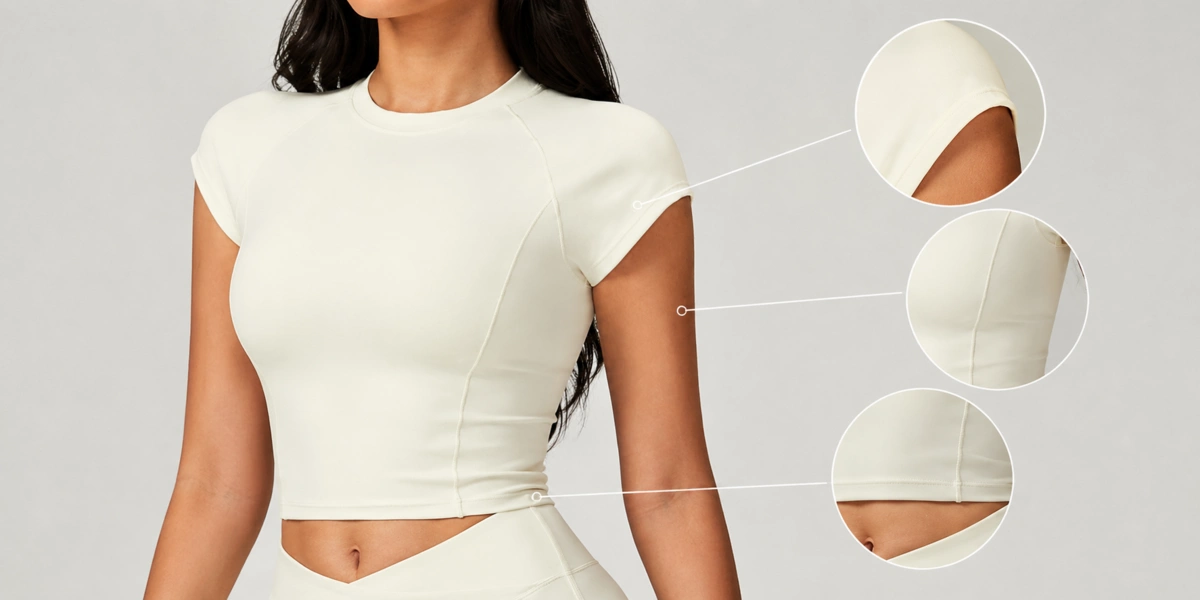
Regular-Fit Activewear T-Shirts
A regular fit provides more body ease but still needs stable neckline, shoulder, sleeve and hem relationships.
Key Review: Ease / Silhouette / Neckline / Symmetry
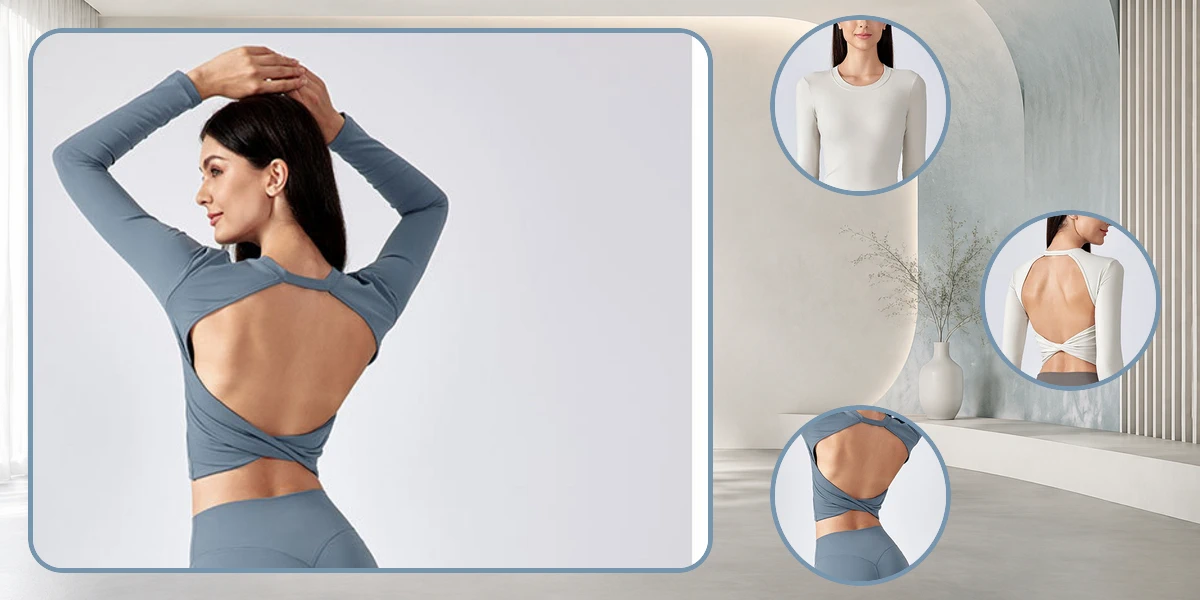
Cropped T-Shirts
Cropped tees require a defined finished length and review under arm movement so the intended proportion remains acceptable during use.
Key Review: Length / Hem / Arm Raise / Bottom Pairing
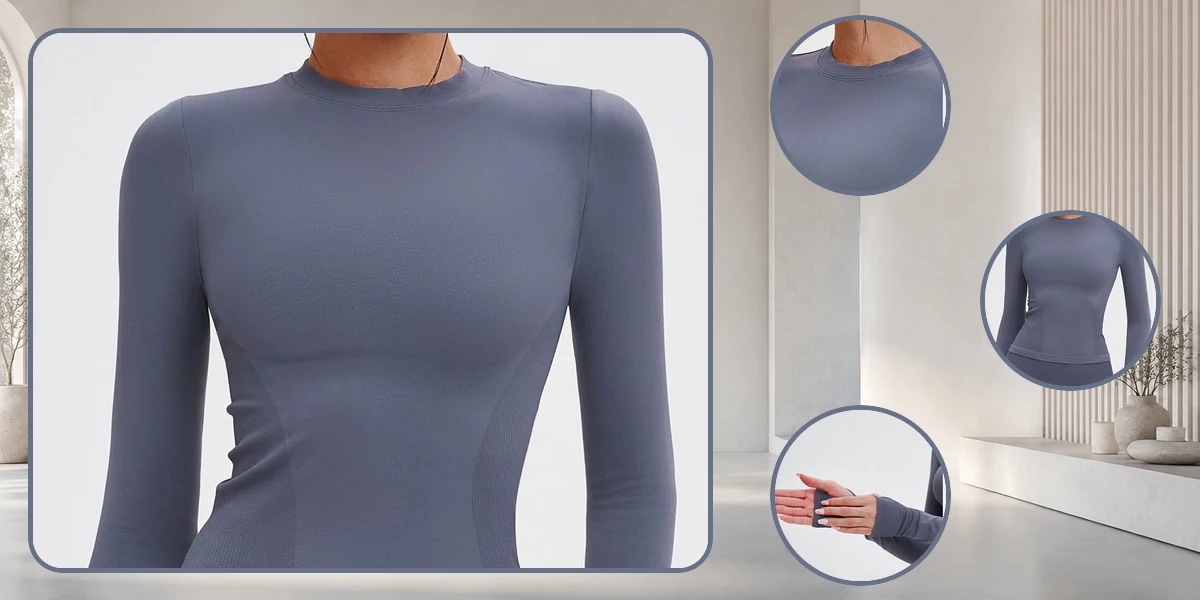
Seamless T-Shirt Directions
Relevant Seamless T-shirts can use engineered knit structures, texture or ventilation zones.
Key Review: Knitting Program / Yarn / Body Structure / Openings
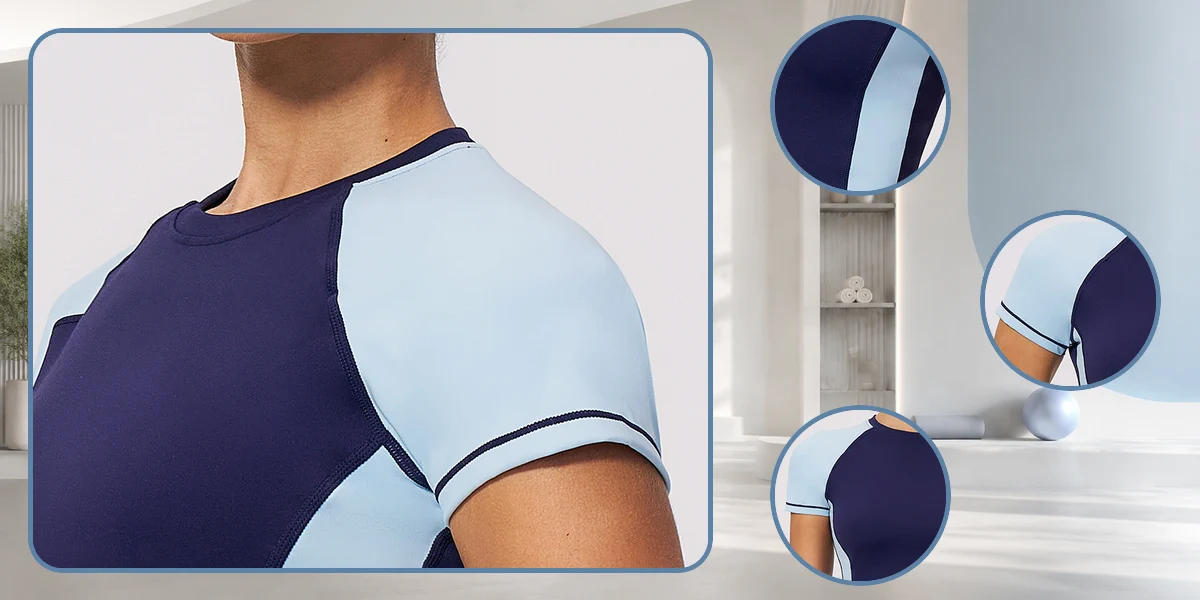
Athleisure Directions
Athleisure-oriented tees may prioritize silhouette and handfeel differently from technical training styles.
Key Review: Fit / Drape / Surface / Brand Positioning
Terms such as moisture-wicking, quick-dry or other quantified performance claims should only be published when the actual material or finished product has appropriate supporting evidence.
Develop Long Sleeve Tops Around Shoulder Mobility, Sleeve Fit and Product Use
Long Sleeve activewear adds sleeve length, shoulder movement and underarm fit to the technical requirements already present in Tank Tops and T-Shirts.
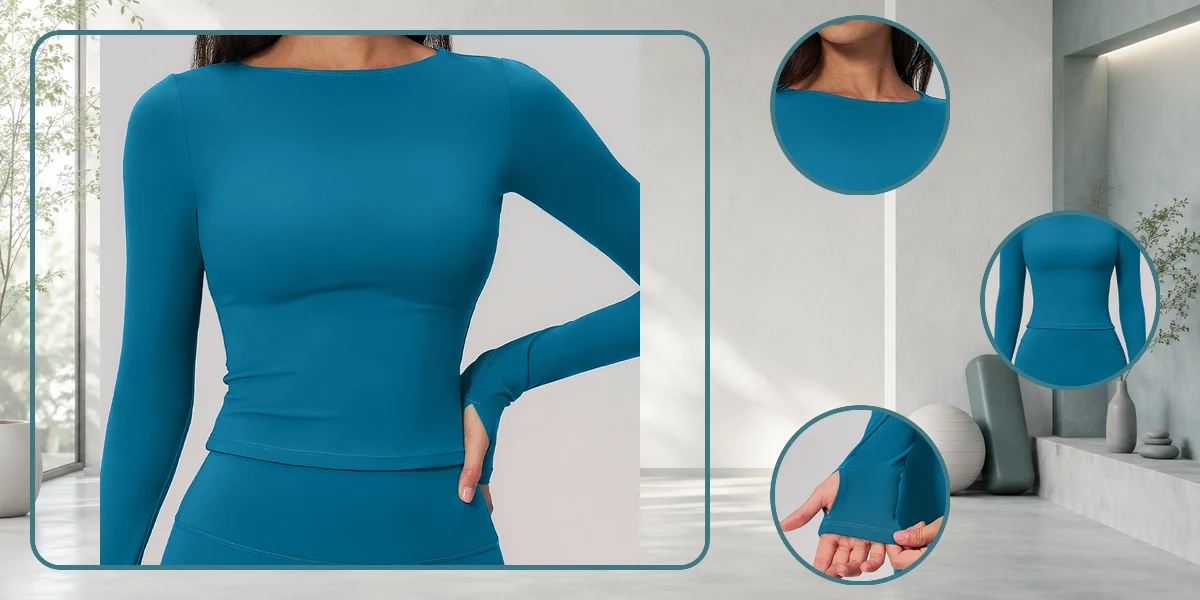
Fitted Long Sleeve Tops
Close-fitting long sleeves require coordinated chest, shoulder, armhole, sleeve and cuff dimensions.
Development Focus: Mobility / Sleeve Fit / Stretch

Cropped Long Sleeve Tops
Cropped long sleeves combine torso length control with full upper-body movement.
Development Focus: Length / Sleeve / Hem / Arm Raise
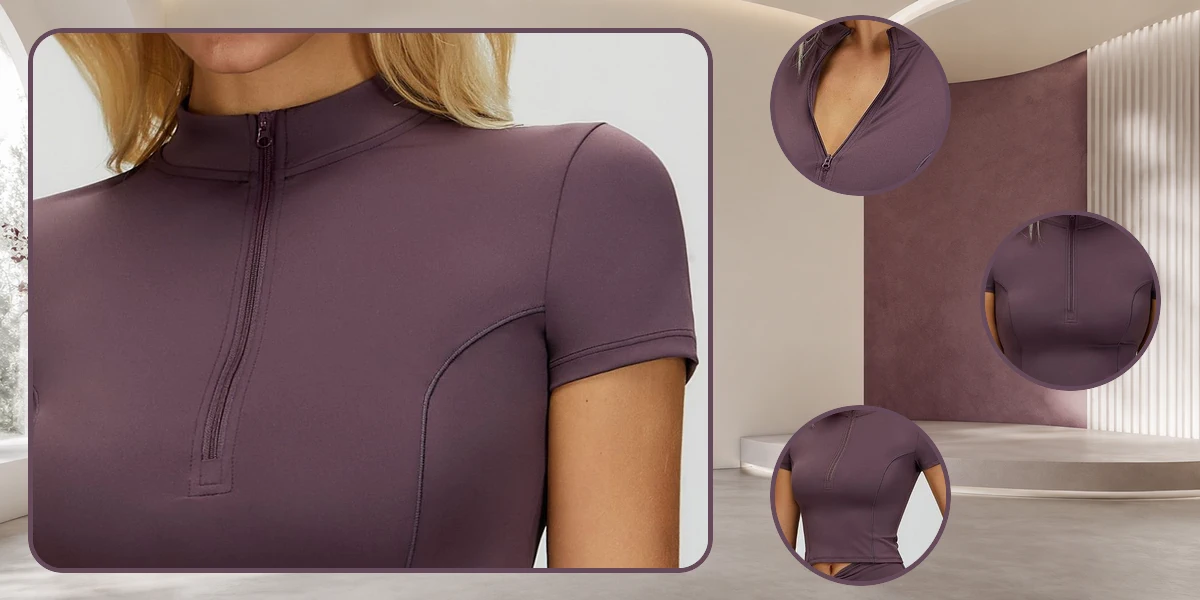
Half-Zip Directions
Where a project uses a zipper, neckline construction, zipper length, seam allowance, reinforcement and surrounding material need to be confirmed.
Development Focus: Zipper / Neck / Construction

Thumbhole Directions
Thumbholes require controlled cuff and sleeve-length relationships so the feature remains usable without creating unnecessary pulling through the sleeve.
Development Focus: Sleeve Length / Cuff / Thumbhole Position
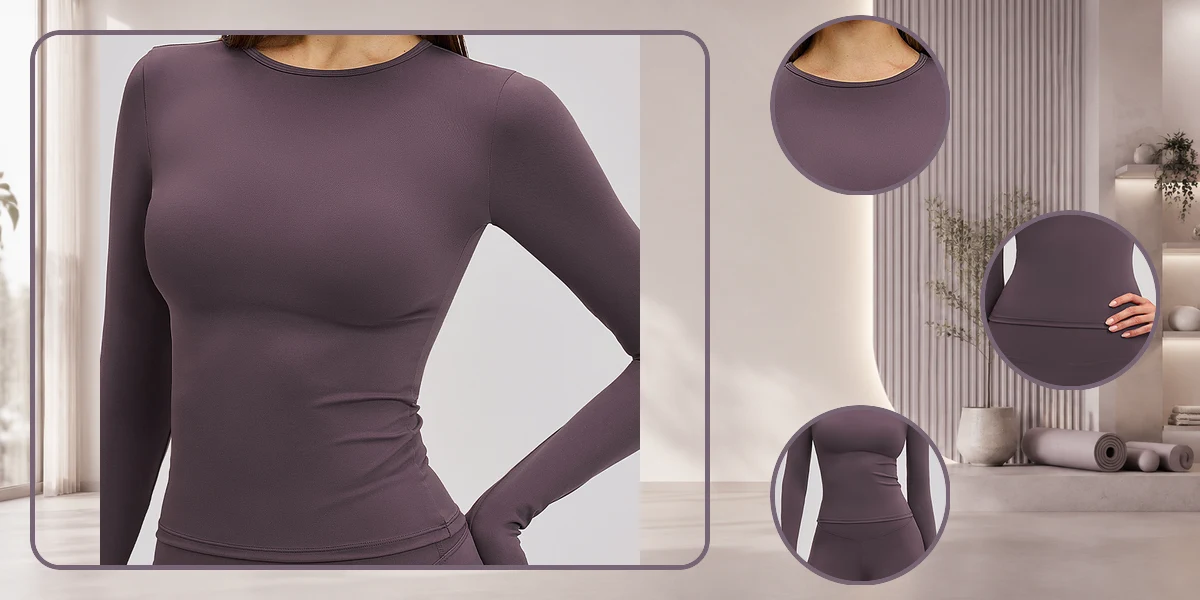
Seamless Long Sleeves
Seamless development can integrate selected rib, mesh, texture or engineered zones into the knitted body.
Development Focus: Yarn / Knit Program / Body Zones
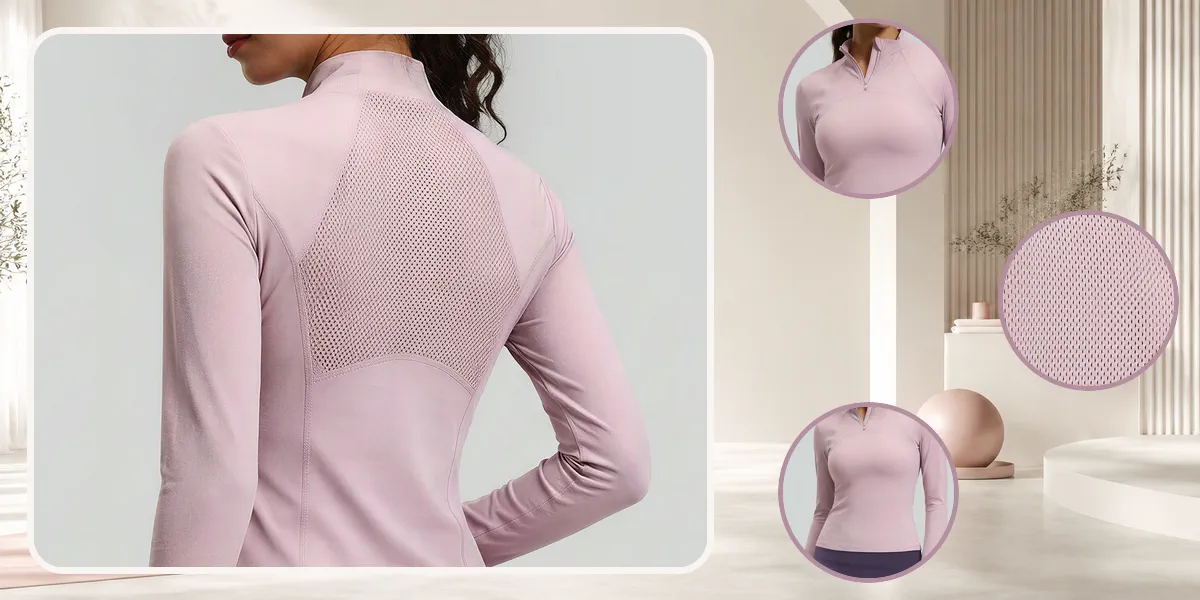
Mesh or Ventilation Directions
Ventilation structures can be considered at relevant zones where product requirements allow.
Development Focus: Placement / Structure / Coverage / Evidence
Choose Seamless or Cut & Sew Around the Product Architecture
MOVEVOX supports both Seamless and Cut & Sew activewear development. The correct route depends on the product structure rather than a general assumption that one process is better for every top.
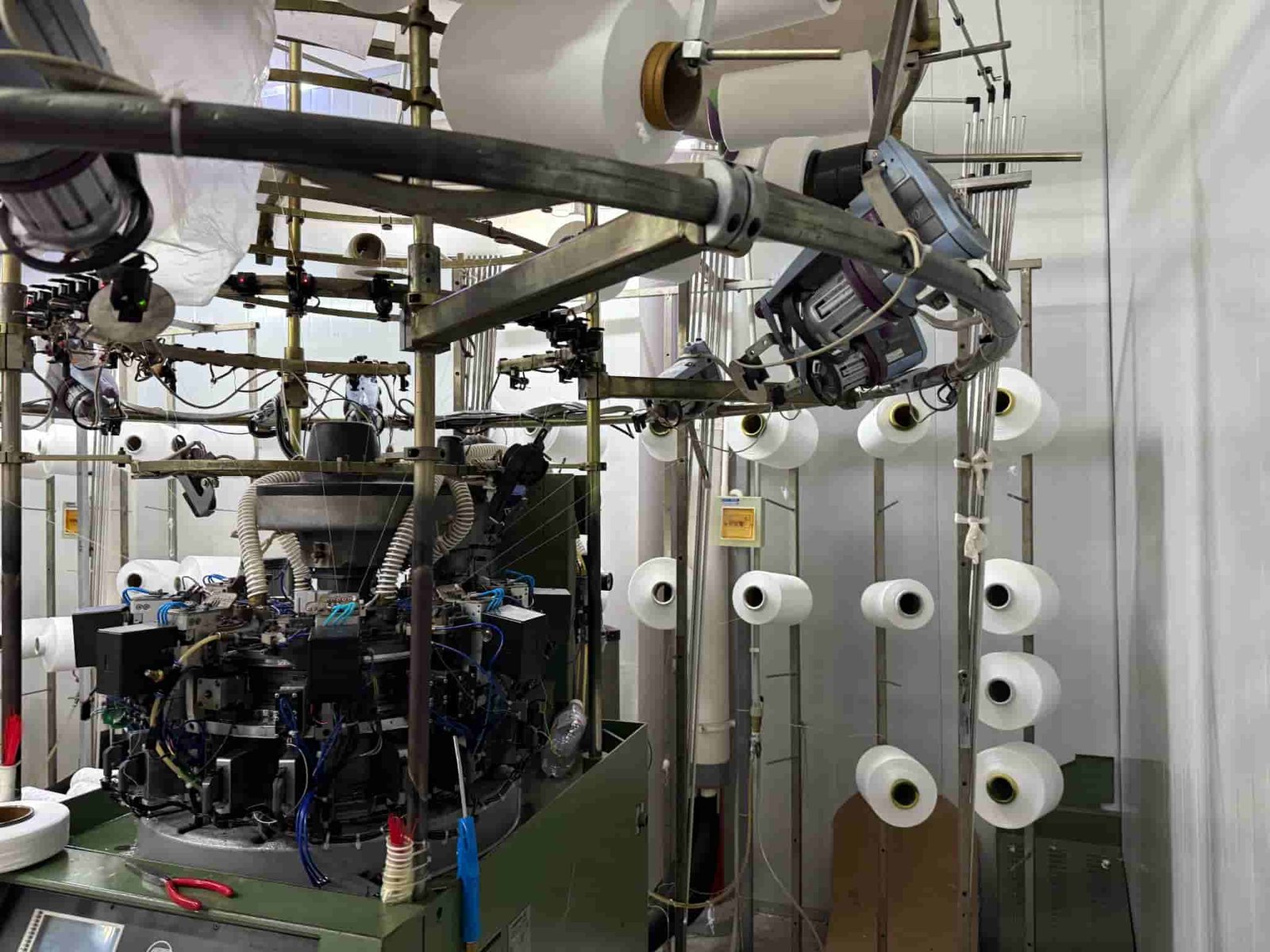
Seamless Route
MOVEVOX’s owned core manufacturing base includes 28 Italian Santoni Seamless knitting machines.
Relevant Tops can use engineered knit structures such as rib, texture, mesh or density changes where technically appropriate.
Seamless does not mean the garment contains no sewing. Necklines, shoulder areas, labels, openings or finishing can still require sewn operations.

Cut & Sew Route
MOVEVOX’s core manufacturing base also supports Cut & Sew production with approximately 24 principal sewing and garment-production machines.
This route offers flexibility for pattern shaping, panels, bindings, zippers, material combinations and other sewing-dependent constructions.
One Technical Interface
Both routes can remain connected to the same project-development process, including specifications, materials, samples, branding, applicable QC and bulk-production preparation.
Build Tops as Part of a Coordinated Activewear Collection
Many activewear sourcing programs require more than one top. MOVEVOX can support relevant multi-SKU programs while keeping each product’s technical requirements separate from shared collection standards.
Tank + Legging
A Tank and Legging may share color and material direction while following different fit and construction requirements.
Long Sleeve + Legging
A Long Sleeve can extend an existing bottom program into a cooler-season or layered product direction.
T-Shirt + Shorts
Training or athleisure tops can be coordinated with activewear shorts through color, branding and collection language.
Sports Bra + Tank
A sports bra and tank may form a layered product story while maintaining separate fit and support requirements.
Collection-Level Controls
Shared collection direction does not mean every SKU should use identical material or manufacturing construction.
Define Crop, Regular and Longer Tops Through Actual Measurements
Product names such as cropped, regular or longline are useful design directions but are not universal measurement standards. Finished length should be defined against the target body, product type and intended bottom pairing.
Cropped Length
Crop length changes how much torso remains covered and how the top interacts with leggings or shorts. The final length should be confirmed through actual POM and Fit Sample review.
Regular Length
A regular-length top should maintain the intended torso coverage without excessive ride-up or unwanted excess fabric during relevant movement.
Longer-Length Direction
Longer tops may provide additional coverage but need appropriate hem opening, stretch and body proportion.
Movement Relationship
Arm raise, reaching and torso rotation can change the apparent garment length. A top that looks correct when standing may expose substantially more torso during movement.
Engineering Chain
Use Seam Placement as a Fit and Construction Decision
Seam position affects more than visual appearance. In activewear Tops, it can influence stretch distribution, movement, friction, symmetry and how the garment retains its shape.
Shoulder Seams
Shoulder seam position should follow the intended fit and shoulder geometry rather than drifting forward or backward through incorrect pattern balance.
Side Seams
Side seams provide a useful reference for garment balance. Unexpected twisting can indicate interaction between pattern, grain, material behavior or sewing.
Underarm Seams
Underarm construction must allow shoulder and arm movement while maintaining acceptable seam quality and comfort.
Panel Seams
Panels can be used for fit, visual design or material combinations but create additional seam alignment and stretch-balance requirements.
Flatlock / Coverstitch / Applicable Seam Finishing
The appropriate sewing process depends on product construction and material. A particular seam type should not be treated as universally superior without considering the actual use point.
Seamless Construction
Where Seamless knitting removes selected body seams, other sewing operations may still remain.
Place Ventilation Structures Around Product Architecture and Movement
Mesh or lower-density structures can be incorporated where technically appropriate, but visible mesh alone does not prove a quantified moisture-management or cooling result.
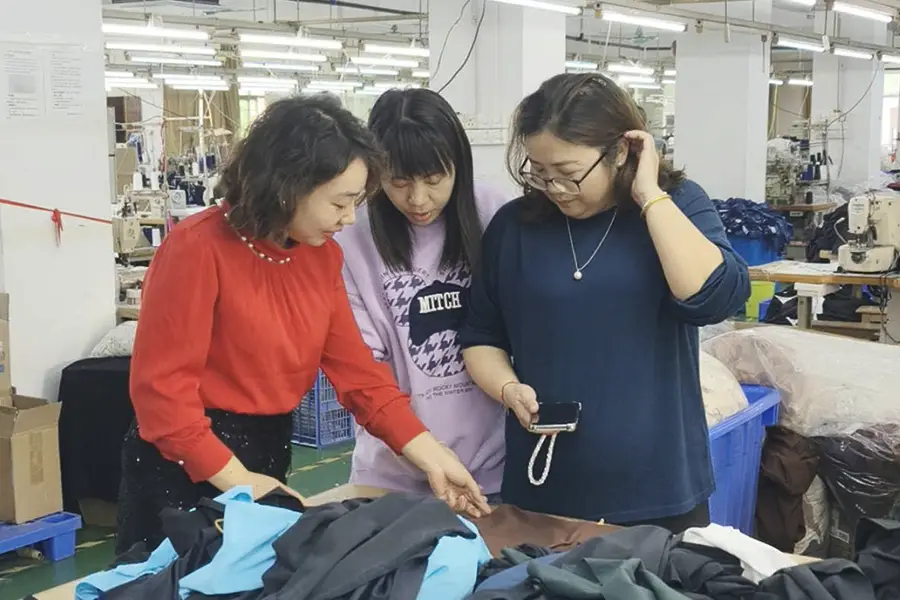
Underarm Zone
Underarm areas experience repeated movement and can be considered for ventilation structures if durability, coverage and construction remain suitable.
Upper Back
Upper-back zones can use mesh or engineered knit structures according to the product design.
Side Body
Side-body ventilation can be combined with visual paneling or Seamless density changes where technically appropriate.
Seamless Engineered Mesh
Santoni knitting can support selected engineered structures within the knitted body. The final program depends on yarn, machine capability and approved design.
Cut & Sew Mesh Panels
Cut & Sew products can incorporate separate mesh materials where the selected material and seam construction are compatible.
A mesh structure may provide an open construction, but claims such as “X% more breathable,” “guaranteed cooling” or quantified moisture-wicking require actual test evidence.
Validate Activewear Tops in Movement, Not Only on a Flat Table
Static measurements are necessary, but activewear Tops also need to remain acceptable through the movements expected from the target activity.
Arm Raise
Arm raise can expose excessive body ride-up, armhole restriction or neckline movement.
Review: armhole / shoulder / body length / hem.
Forward Reach
Forward reaching can increase load across the upper back and shoulder area.
Review: shoulder width / back width / sleeve / material extension.
Torso Rotation
Rotation can reveal twisting, uneven stretch distribution or side-seam movement.
Review: body balance / seams / material behavior.
Overhead Movement
Long Sleeve and fitted training Tops may need additional evaluation where both arms move overhead.
Review: sleeve / underarm / shoulder / torso ride-up.
Movement evaluation should match the intended product and buyer requirement; it is not a substitute for any formal performance test required by the brand.
Match Tops Fit and Construction to the Intended Activity
Different activities create different priorities for fit, coverage, movement and material behavior. Product direction should therefore begin with the intended use rather than applying one standard fit to every top.
Yoga
Yoga Tops may prioritize shoulder freedom, torso movement, stable coverage and soft-handfeel material directions.
Development Focus: mobility / armhole / length / stretch.
Pilates
Pilates may involve controlled torso positions where neckline, armhole and body coverage become particularly visible.
Development Focus: coverage / body fit / ride-up / movement.
Gym / Training
Training Tops may require frequent arm movement and changes in torso position.
Development Focus: shoulder / underarm / sleeve / material recovery.
Running Direction
Running-oriented Tops may prioritize lower garment weight and movement comfort depending on the project.
Any quick-dry, moisture-management or related performance claim should be tied to appropriate evidence.
Athleisure
Athleisure Tops may place greater emphasis on silhouette, surface feel and styling while still requiring controlled garment measurements and repeatability.
Identify Common Tops Failure Before Bulk Production
Activewear Tops can fail even when the fabric and styling appear correct. Pattern balance, garment measurements, seam construction, material recovery and movement need to work together.
Neckline Gaping
Likely Causes
Incorrect neckline geometry, material recovery, shoulder balance or chest fit.
Development Response
Review surrounding pattern or knit structure rather than reducing the opening without considering adjacent measurements.
Armhole Gaping
Likely Causes
Incorrect chest-to-armhole relationship, shoulder position, grading or insufficient material recovery.
Development Response
Review chest, armhole and shoulder as one fit relationship.
Side-Seam Twist
Likely Causes
Pattern balance, material behavior, grain direction or sewing interaction.
Development Response
Identify whether the issue originates from material, pattern or assembly before correction.
Hem Rolling
Likely Causes
Material recovery, hem construction, garment tension or unsuitable finishing.
Development Response
Review material and hem structure together.
Garment Ride-Up
Likely Causes
Incorrect body length, hem opening, torso fit or armhole / shoulder restriction.
Development Response
Review the full upper-body fit rather than simply extending the garment length.
Sleeve Twist or Pulling
Likely Causes
Sleeve geometry, armhole, shoulder relationship or material behavior.
Development Response
Evaluate sleeve and body pattern together through movement.
Shoulder Restriction
Likely Causes
Insufficient shoulder or back capacity, armhole shape or unsuitable material extension.
Development Response
Use Fit Sample and relevant movement review.
Logo Distortion
Likely Causes
Artwork placement, material stretch, application process or logo dimensions.
Development Response
Validate logo process on the actual material and intended placement before bulk.
From Tops Concept to Approved Production Specification
MOVEVOX can begin from complete or incomplete technical information and progressively convert a Tops concept into a controlled development and production reference.
01. Requirement Input
A project can begin from a Tech Pack, legitimate physical reference, product image, sketch, written concept or relevant fabric swatch.
02. Technical Review
Product type, fit, length, neckline, armhole, sleeve, seams, manufacturing route, materials and branding requirements are reviewed.
03. Route and Specification
MOVEVOX evaluates Seamless or Cut & Sew suitability and identifies the measurements and structural information required for development.
04. Material Review
The intended handfeel, stretch, recovery, weight and product structure are considered against available or project-specific material directions.
05. Development Sample
The current technical version is converted into a physical garment for fit, measurement, construction and appearance review.
06. Fit & Movement Review
Relevant body position and movement are reviewed according to the product.
07. Revision & Approval
Comments are translated into controlled measurement, pattern, knit-program, construction or material changes.
08. Bulk Handover
The approved sample and current technical information become references for production preparation together with confirmed commercial and quality requirements.
Select Tops Materials From Fit, Handfeel and Product Architecture
Material selection should follow the product’s fit, weight, stretch, recovery, handfeel, coverage and manufacturing route. Composition alone does not establish how the finished Top will behave.
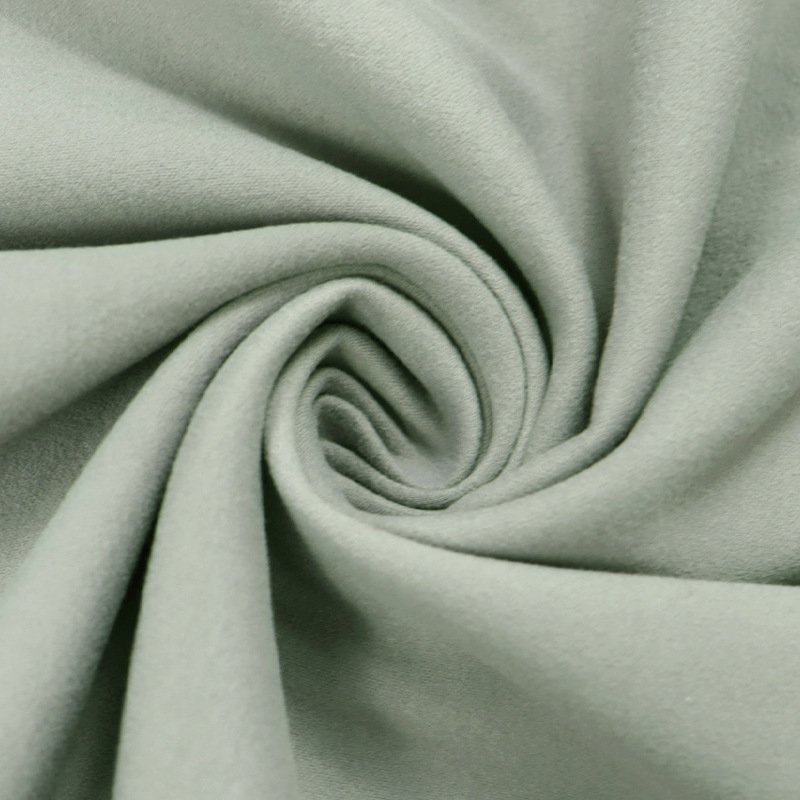
Lightweight Direction
Composition: Project-specific
GSM / Structure: Project-specific
Lower-weight materials may be considered for selected training or running directions, but opacity, durability, recovery and construction remain project-specific.

Soft-Handfeel Direction
Composition: Project-specific
GSM / Structure: Project-specific
Soft-handfeel directions may suit selected yoga, Pilates or athleisure products. Actual stretch, recovery and surface behavior should be evaluated on the relevant garment.

Higher-Stretch Direction
Composition: Project-specific
GSM / Structure: Project-specific
High-stretch material can support closer fit and movement but does not automatically guarantee recovery, stability or durability.

Seamless Yarn Direction
Composition: Project-specific
GSM / Structure: Project-specific
Seamless Tops combine yarn with the approved knitting structure. Rib, mesh, texture or density zones should therefore be linked to the actual knitting program.

Rib / Texture Direction
Composition: Project-specific
GSM / Structure: Project-specific
Rib and texture may be produced through relevant knit or fabric structures. Their influence on fit and recovery needs to be evaluated on the actual product.
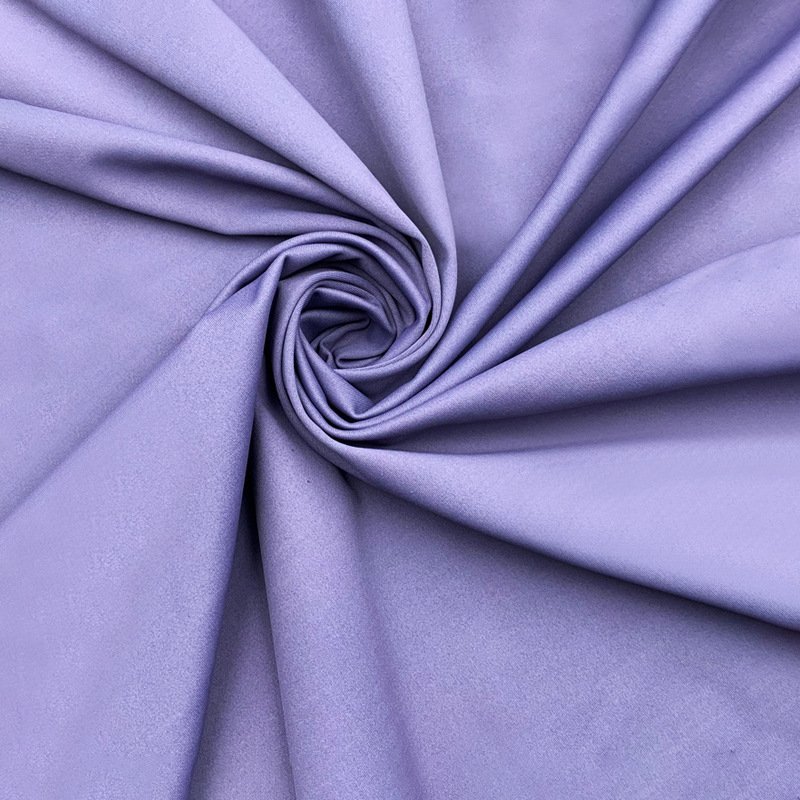
Recycled-Material Direction
Composition: Project-specific
GSM / Structure: Project-specific
Where a project requires recycled-content materials, supporting documentation should correspond to the actual material and valid certification scope. No recycled-content claim should be published without appropriate documentation.
Turn the Approved Top Into a Controlled Private Label SKU
Private label execution connects the approved garment with the correct branding, labels, variable product data and packing specification.
Logo
MOVEVOX supports relevant processes including screen print, heat transfer, silicone, embroidery, jacquard and woven branding where appropriate. Stretch-sensitive placements should be validated on the actual material.
Main / Neck Label
Label material, position and attachment method should correspond to the approved product specification.
Care Label
Fiber, care and relevant market information should correspond to the actual product and buyer-approved requirements.
Size Label
Displayed size must map to the correct SKU and approved size system.
Hangtag
Hangtags can follow buyer-approved artwork and product information.
Barcode / SKU
Variable information should map accurately to style, color and size.
Individual Packaging
Approved packaging can be coordinated according to project requirements and relevant minimums.
Carton Marks
Outer-carton information should correspond to the confirmed packing and shipment structure.
Approve Tops Fit and Construction Before Bulk Production
Sampling is an approval process rather than one isolated sample. A typical development sample takes approximately 5–10 working days after required project details are confirmed.
01. Development Sample
The first sample translates the current measurements, material and construction requirements into a physical product.
02. Measurement & Fit Review
Chest, shoulder, armhole, garment length, sleeve and other applicable POM are reviewed.
03. Movement Review
Relevant movements can reveal ride-up, restriction, gaping or twisting not visible in static measurements.
04. Revised Sample
Technical comments are converted into controlled changes.
05. Size Set Where Required
Selected or full sizes can be reviewed where the project requires additional grading confirmation.
06. PP / Approved Sample
The final approved version and current technical information become references for bulk-production preparation.
The 5–10 working-day reference applies to a typical development sample after required information is confirmed, not to the entire multi-round approval process.
Understand the Effective MOQ of an Activewear Tops Program
Base garment MOQ is only one component of commercial feasibility. Material, custom color, logo, labels and packaging can introduce separate minimums.
Seamless Tops
Typical starting reference: approximately 100 pcs/style.
Under suitable stock or standard conditions, allocation by color and size may be discussed based on the applicable yarn and production requirements.
Cut & Sew Tops
Typical starting reference: approximately 150 pcs/style.
Material availability, construction, logo and related components can affect final feasibility.
Custom Color
Custom material color commonly introduces a higher batch requirement, often around 400–600 garments per batch depending on material and dyeing conditions.
Effective MOQ
These are normal starting references rather than fixed commitments for every project.
Measure Tops Against Approved POM and Defined Methods
Measurement inspection compares production garments with the current approved specification rather than relying on visual judgment alone.
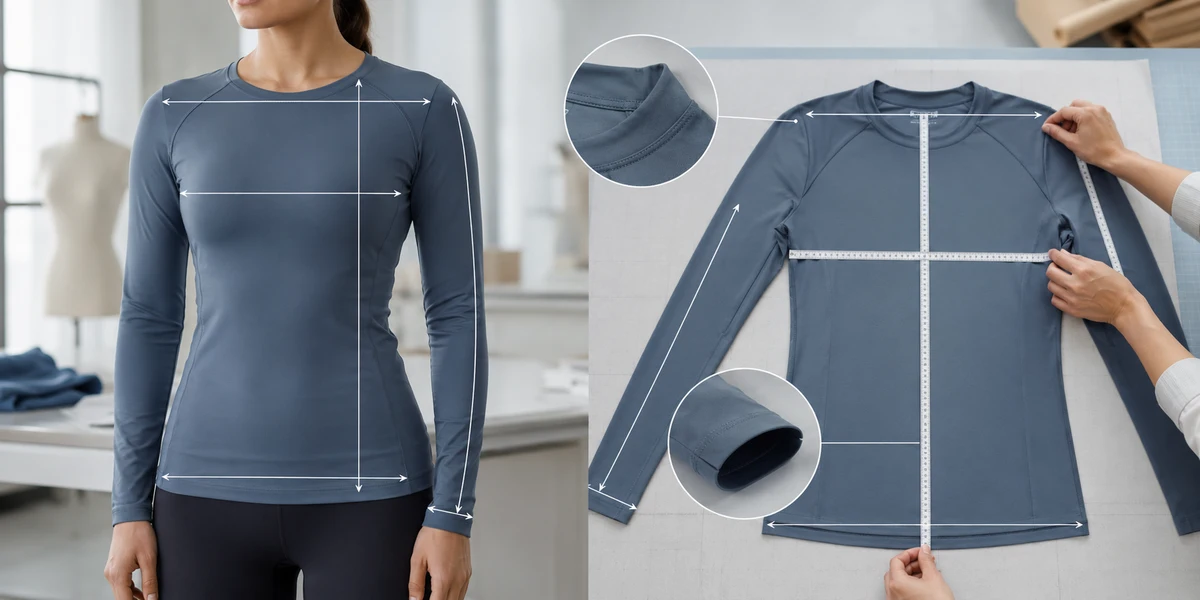
Chest
Chest dimensions influence overall ease and upper-body fit.
Shoulder
Shoulder width and position influence sleeve balance, armhole and upper-body movement.
Body Length
Finished length defines the intended crop, regular or longer product direction.
Armhole
Armhole dimensions influence upper-body coverage and movement.
Sleeve
Applicable sleeve length and opening dimensions should correspond to the approved style.
Neckline
Neck opening and shape should remain consistent with the approved garment.
Hem
Hem width or opening should remain aligned with the intended silhouette and construction.
Buyer Tech Pack and agreed project requirements take priority over any generic measurement tolerance. Where meaningful trends appear, the inspection scope can be increased according to project risk.
Reconfirm the Complete Top Against the Approved Product Standard
Finished-garment inspection brings measurement, workmanship, appearance, branding and packing requirements back together before product release.
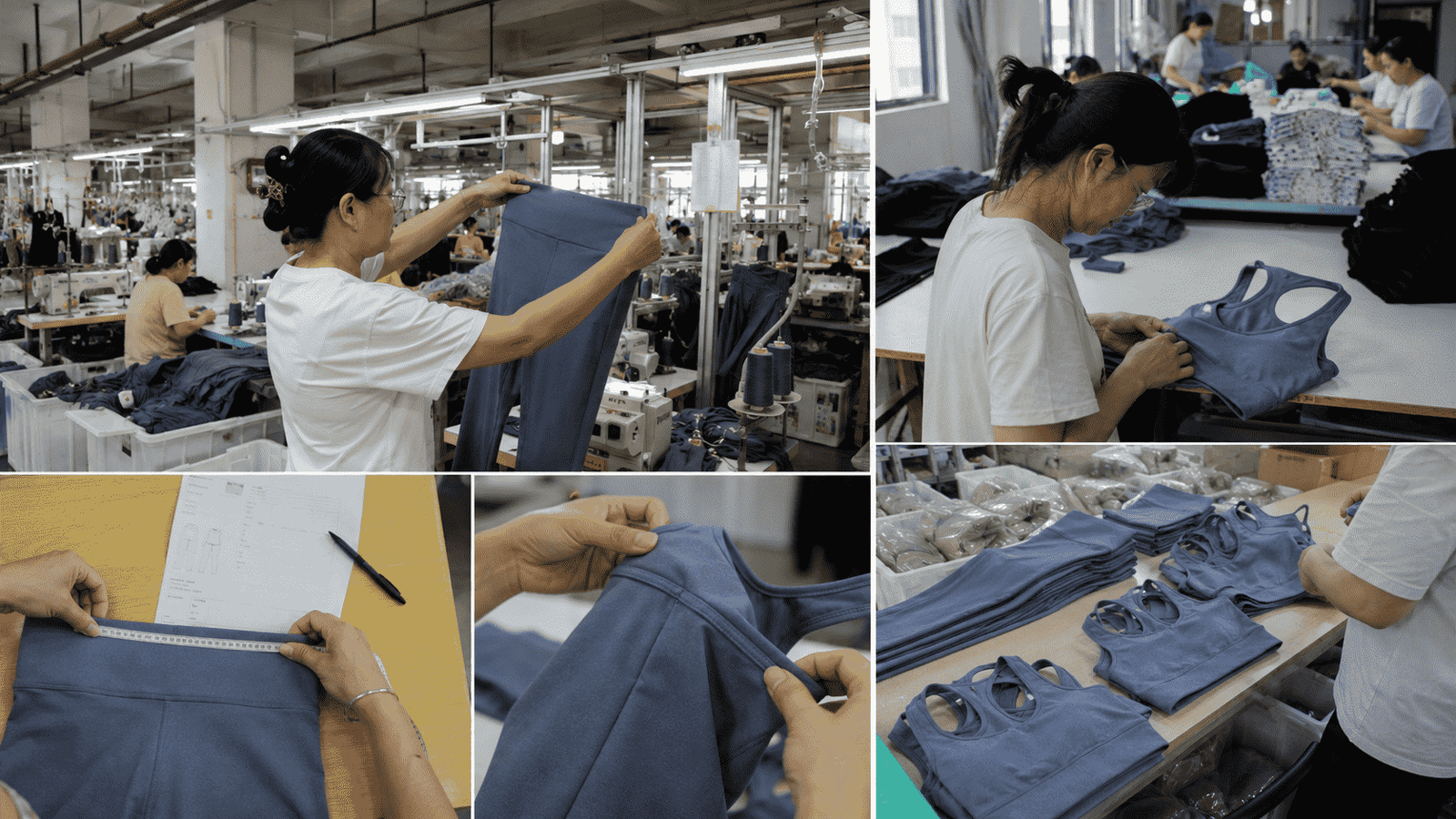
Measurements
Applicable POM are checked against the current approved specification.
Symmetry
Neckline, shoulders, sleeves, armholes, panels and relevant construction should remain appropriately balanced.
Workmanship
Seams, hems, bindings, zippers and other applicable construction points are reviewed.
Surface Condition
Visible fabric, knitted structure and finishing defects are checked against the approved product requirement.
Garment Balance
Twisting, uneven seams or visible product distortion should be identified before packing.
Branding & Product Identity
Logo, labels, size, SKU and packaging should correspond to the correct approved version.
Keep the Approved Top Connected to the Bulk Production Version
An approved sample is only useful as a bulk reference when it remains connected to the technical and commercial information defining what the buyer approved.
Sample ID
Formal samples should carry an identifiable project or sample reference.
Sample Type / Version
Development, Fit, Size Set and PP samples should remain distinguishable.
Approval Status
Current status should indicate whether the garment is under review, revised or approved.
Tech Pack Version
Production should follow the current controlled technical file.
Measurement Version
Approved POM and applicable comments should correspond to the correct sample version.
Material / Yarn
The approved material or Seamless yarn / program should remain identifiable.
Color Standard
Bulk color should follow the applicable approved physical reference where custom color is involved.
Branding
Approved logo, labels and variable SKU requirements should remain linked to the product.
Packing
Packing instructions need to correspond to the confirmed SKU and order.
Bulk Release
Approved sample, technical information and confirmed production requirements come together before bulk release.
See How Activewear Tops Move From Approved Specification to Production
MOVEVOX’s approximately 6,000 m² owned Yiwu core manufacturing base supports both Seamless and Cut & Sew activewear production. The exact Tops process depends on the approved construction.
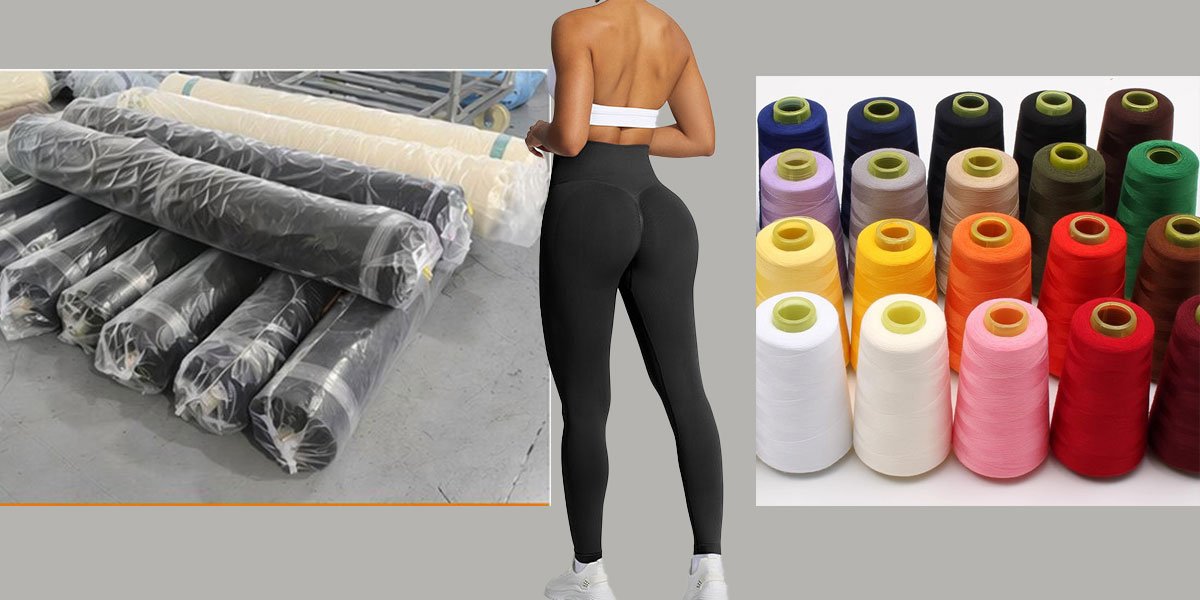
01. Material / Yarn Preparation
Approved fabric, yarn and applicable components are prepared for the production route.
Control Point: Correct input identity
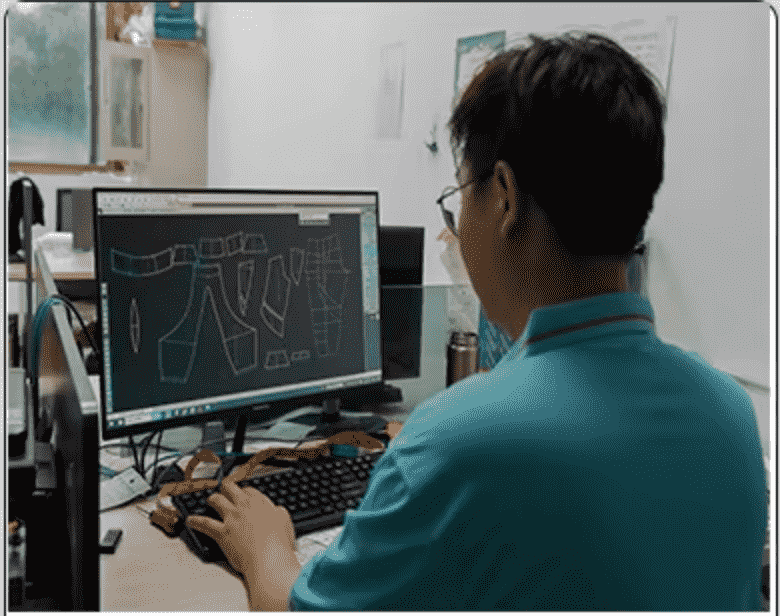
02. Pre-Production Review
Current sample, technical documents, materials, branding and quality requirements are aligned before production.
Control Point: Version control

03. Seamless Knitting or Cutting
Seamless products follow the approved knitting program; Cut & Sew Tops follow relevant pattern and cutting requirements.
Control Point: Correct program or pattern
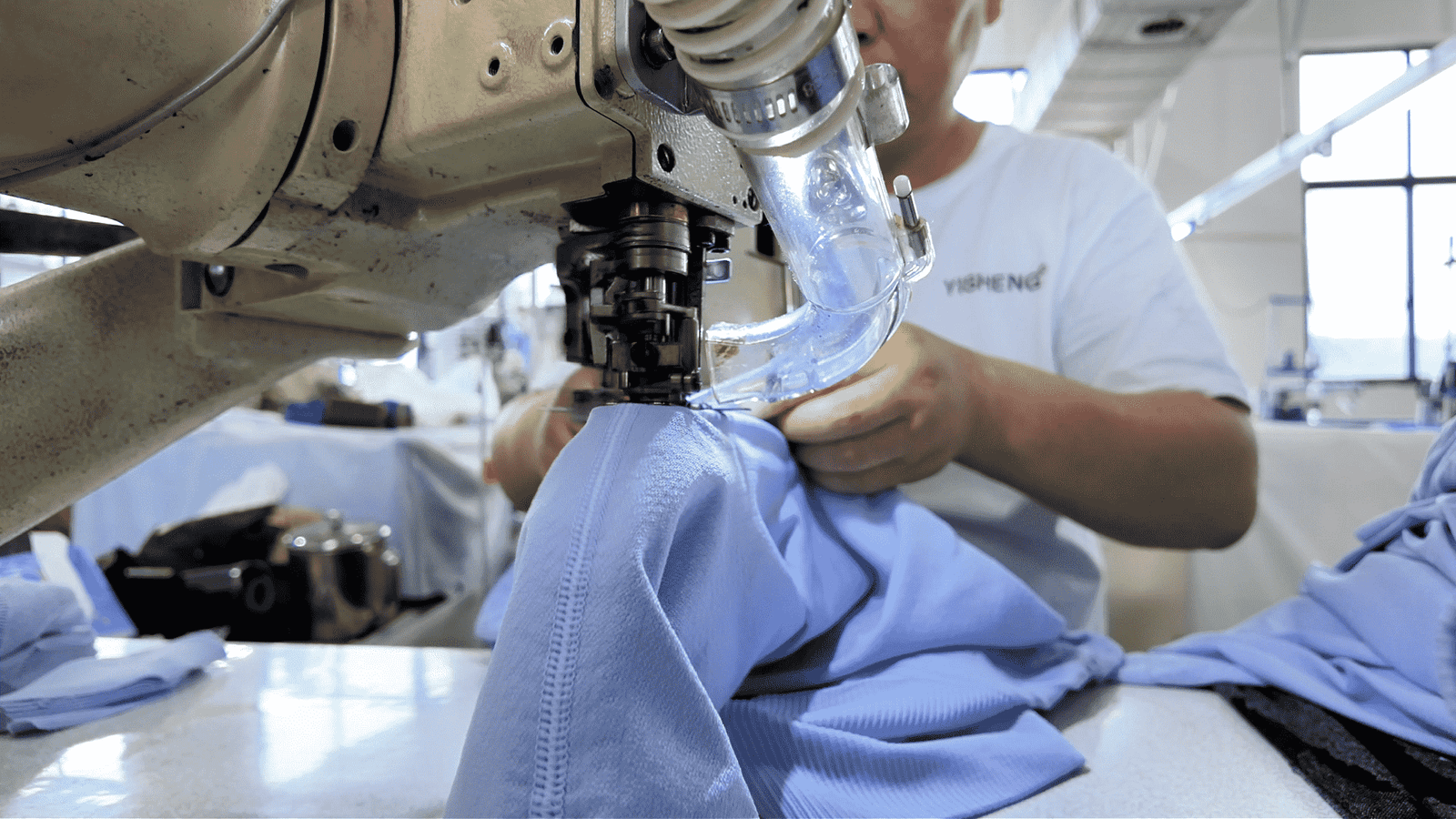
04. Sewing / Assembly
Shoulders, sleeves, side seams, bindings, panels or other applicable components are assembled according to the approved construction.
Control Point: Workmanship

05. Special Construction
Where the product uses zippers, thumbholes, mesh panels or other specific details, the relevant operation should follow the approved sample and technical requirement.
Control Point: Detail execution

06. Branding
Approved logos and labels are applied using the confirmed method and location.
Control Point: Brand accuracy

07. First Article / Inline Control
Early production can be reviewed for measurements, construction and visible production trends.
Control Point: Early issue detection
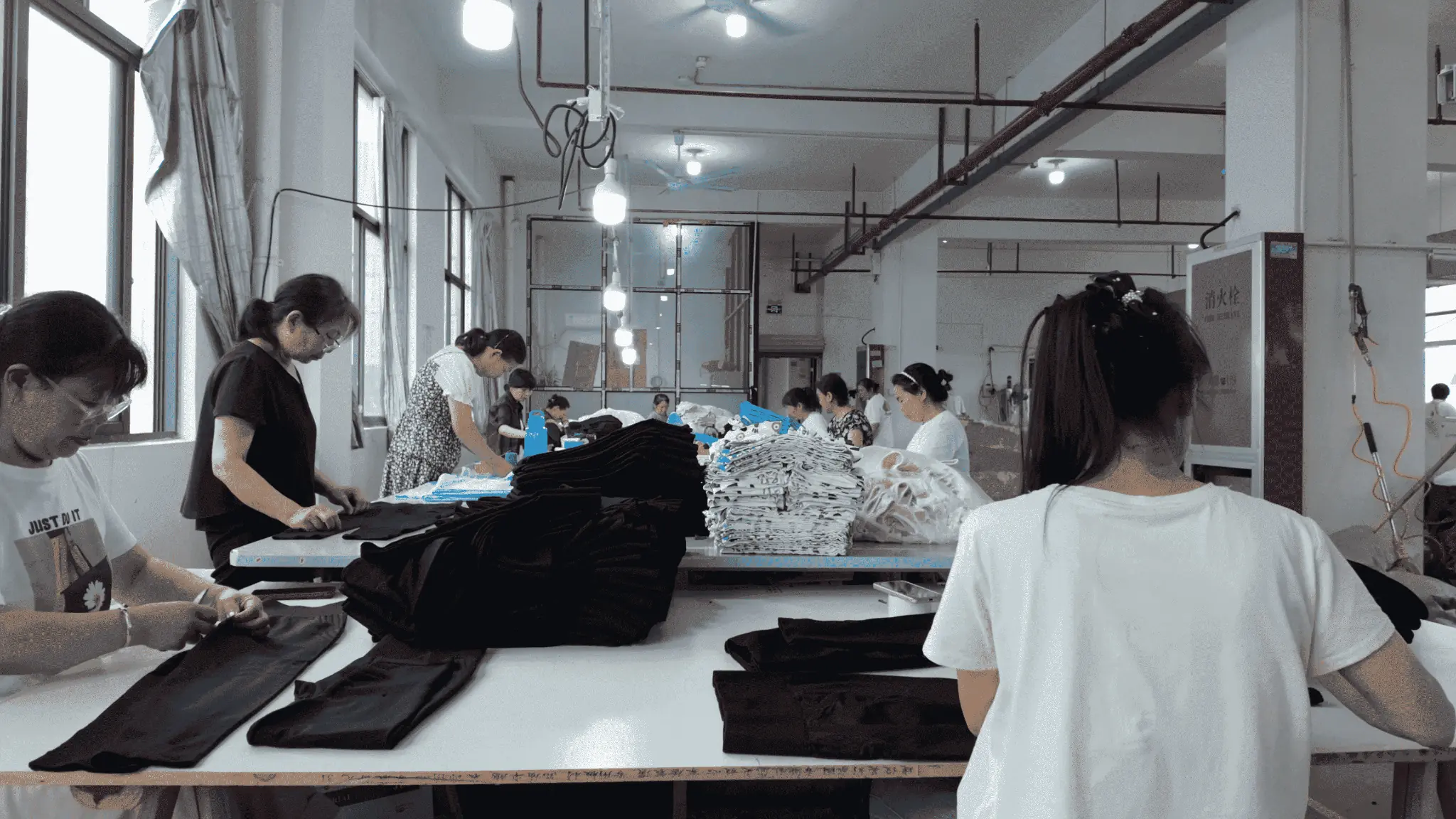
08. Finished QC
Finished Tops are checked against applicable product requirements.
Control Point: Product conformity
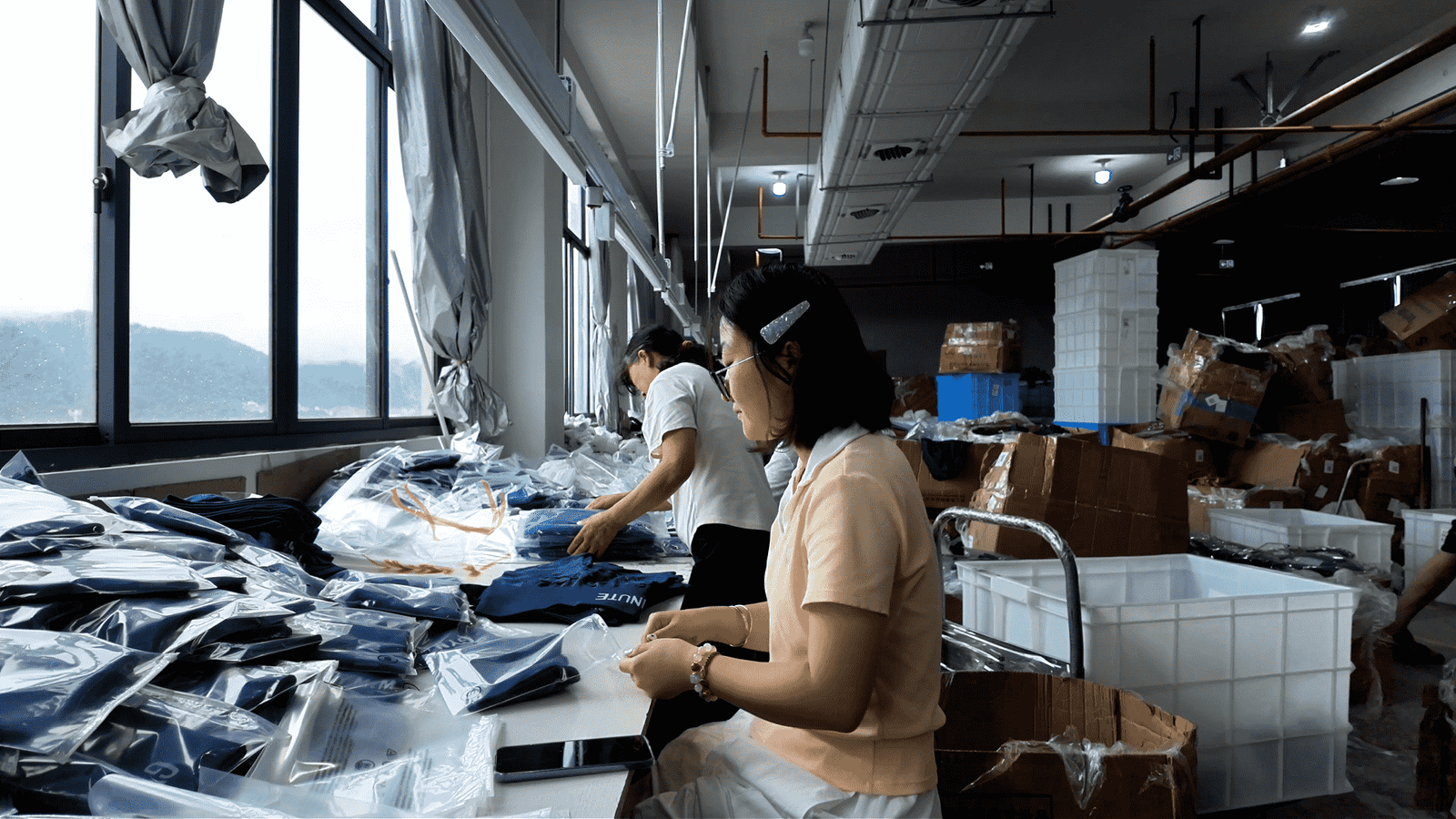
09. Packing
Approved SKU and packing instructions are applied before shipment preparation.
Control Point: Correct product / packing relationship
Have an Activewear Tops Project Ready for Technical Review?
Share the product information you already have—Tech Pack, measurement chart, legitimate reference sample, product image, sketch or material direction.
MOVEVOX can review the Top type, fit, length, manufacturing route, materials, construction, branding, quantity and sample requirements before defining the next development step.
A complete Tech Pack is useful but not required to begin the first technical discussion.
Continue Your Activewear Tops Supplier Evaluation
Tops development often connects to broader activewear collection planning, Seamless manufacturing, materials, private label execution and quality control.
Seamless Activewear
Review how engineered knitting, yarn and Seamless structures can support relevant activewear products.
Explore Seamless Activewear →Women's Activewear
Review MOVEVOX’s wider women’s activewear product system.
Explore Women's Activewear →Sports Bras
Review sports bra-specific fit, support, strap and construction development.
Explore Sports Bras →Yoga Sets
Review coordinated tops-and-bottoms private-label collection directions.
Explore Yoga Sets →Product Development
Review how product requirements move through technical review, sampling and approval.
Explore Product Development →Custom Fabric
Review material-development and selection requirements.
Explore Custom Fabric →Private Label Activewear
Review branding, labels and packaging execution.
Explore Private Label →Quality & Compliance
Review MOVEVOX’s broader quality-control and evidence approach.
Explore Quality & Compliance →Private Label Activewear Tops Manufacturing Frequently Asked Questions
These questions cover common technical and commercial points sourcing teams review before beginning Tank Top, T-Shirt or Long Sleeve development.
What types of activewear Tops can MOVEVOX develop?
MOVEVOX supports relevant Tank Tops, T-Shirts and Long Sleeve Tops for activewear, yoga, training and athleisure programs. Product direction can include different fits, garment lengths, necklines, armholes, sleeves, Seamless structures and Cut & Sew constructions depending on the project.
Can MOVEVOX manufacture both Seamless and Cut & Sew Tops?
Yes. MOVEVOX’s owned core manufacturing base includes 28 Italian Santoni Seamless knitting machines and approximately 24 principal sewing and garment-production machines. The appropriate route depends on the product architecture rather than a universal preference for one method.
Can MOVEVOX develop cropped activewear Tops?
Yes, subject to the product specification. Crop length should be defined through the buyer’s target body, finished-garment measurement and intended product proportion rather than assuming one universal crop length.
Can MOVEVOX develop Tops with mesh or ventilation zones?
Relevant Seamless engineered structures or Cut & Sew mesh panels can be evaluated depending on the product. A visible mesh structure does not by itself establish a quantified breathability, moisture-management or cooling claim.
What materials can MOVEVOX use for activewear Tops?
Material direction is selected according to the product’s fit, handfeel, stretch, recovery, weight, coverage and manufacturing route. Exact composition, GSM or yarn information should be confirmed against the actual project material rather than published as a generic standard.
Does MOVEVOX guarantee quick-dry or moisture-wicking performance?
No universal performance claim should be made without evidence tied to the actual material or product. If a buyer requires specific moisture-management or quick-dry performance, the applicable material, test method and project requirement should be defined.
How does MOVEVOX control Tops fit?
Fit control can include chest, shoulder, armhole, body length, neckline, sleeve and hem measurements together with Fit Sample and relevant movement review. The exact POM depends on the product structure.
How long does Tops sample development usually take?
A typical development sample takes approximately 5–10 working days after the required project details are confirmed. This is not a guaranteed complete approval cycle; materials, construction, branding, revisions and buyer feedback can extend the total schedule.
What is the typical MOQ for custom Tops?
Typical Seamless custom-development MOQ starts around 100 pieces per style, while Cut & Sew generally starts around 150 pieces per style. Effective MOQ can increase because of custom materials, colors, branding, labels, packaging or other project-specific requirements.
How is the approved Top transferred into bulk production?
The approved sample should remain connected to the current technical specification, measurements, material, color, branding and packing requirements. Bulk production should follow the released approved version rather than an earlier development sample.
Start Your Activewear Tops Project With the Information You Already Have
MOVEVOX can begin the first review from a complete Tech Pack, incomplete technical file, legitimate reference sample, product image, sketch, written concept or material reference.
The initial review should clarify Top type, fit, manufacturing route, materials, size range, quantity and branding before formal sample, MOQ, pricing or production conditions are confirmed.
START YOUR PROJECT
Ready to Develop Your Private Label Activewear Line?
Tell us what you want to develop, your estimated quantity and customization needs. We will review the details and suggest the next practical step for sampling, quotation or production.
Helpful details to include:
- Product type or reference image
- Estimated quantity
- Logo, label or packaging needs
- Target market or size range
- Expected timeline