Product Development

Activewear Product Development From Product Input to Bulk-Ready Specification

MOVEVOX supports established activewear brands through a managed development process covering Seamless and Cut & Sew products, from the first usable product input through engineering review, sampling, approval and preparation of a manufacturable bulk standard.

  • Start from a complete or incomplete Tech Pack, physical reference, image, sketch, concept or fabric direction.
  • Review construction, material, size and fit, branding, commercial conditions and manufacturing risk before bulk release.
  • Use approved samples and specifications as controlled references for the next production stage.
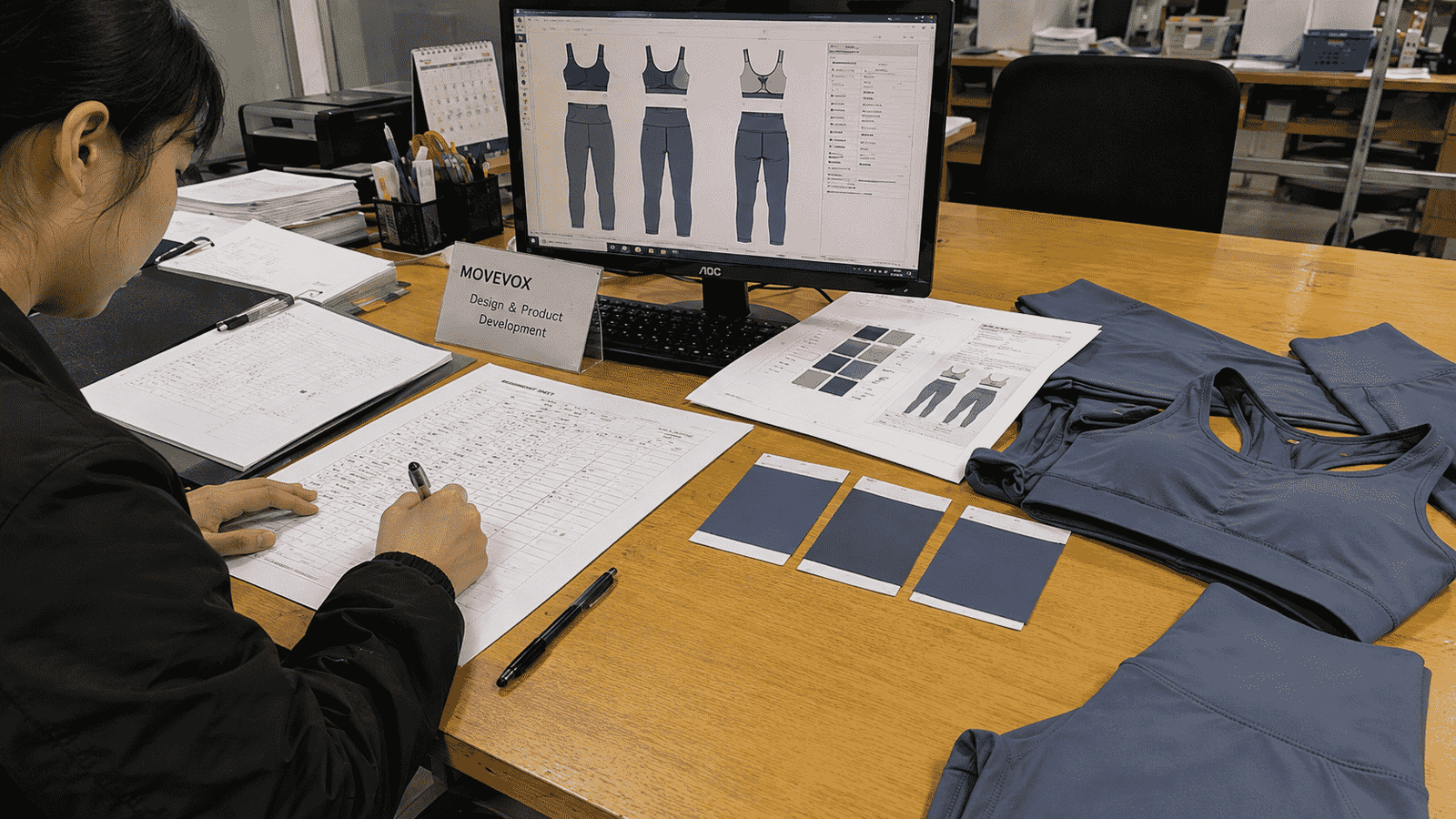
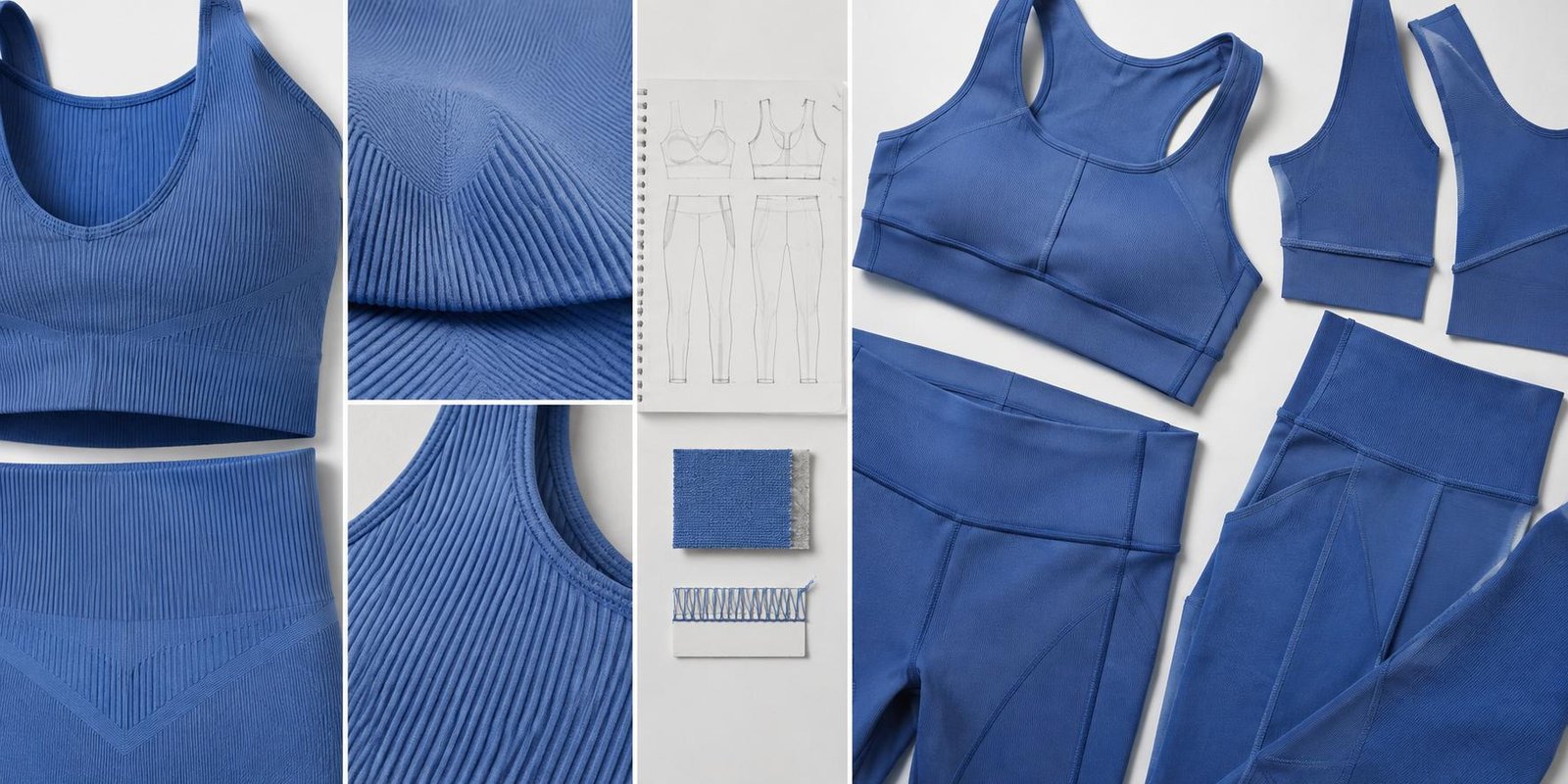
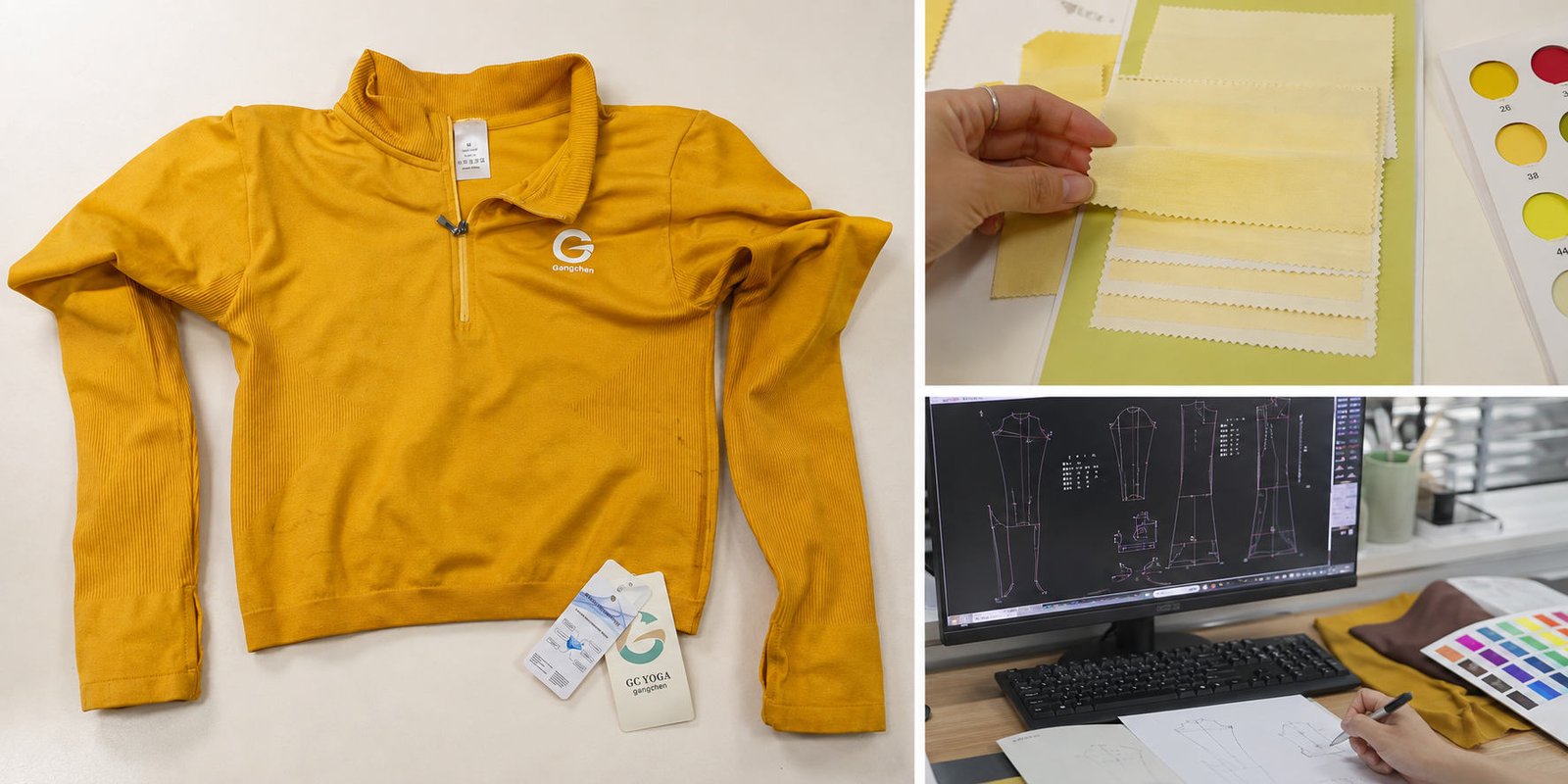
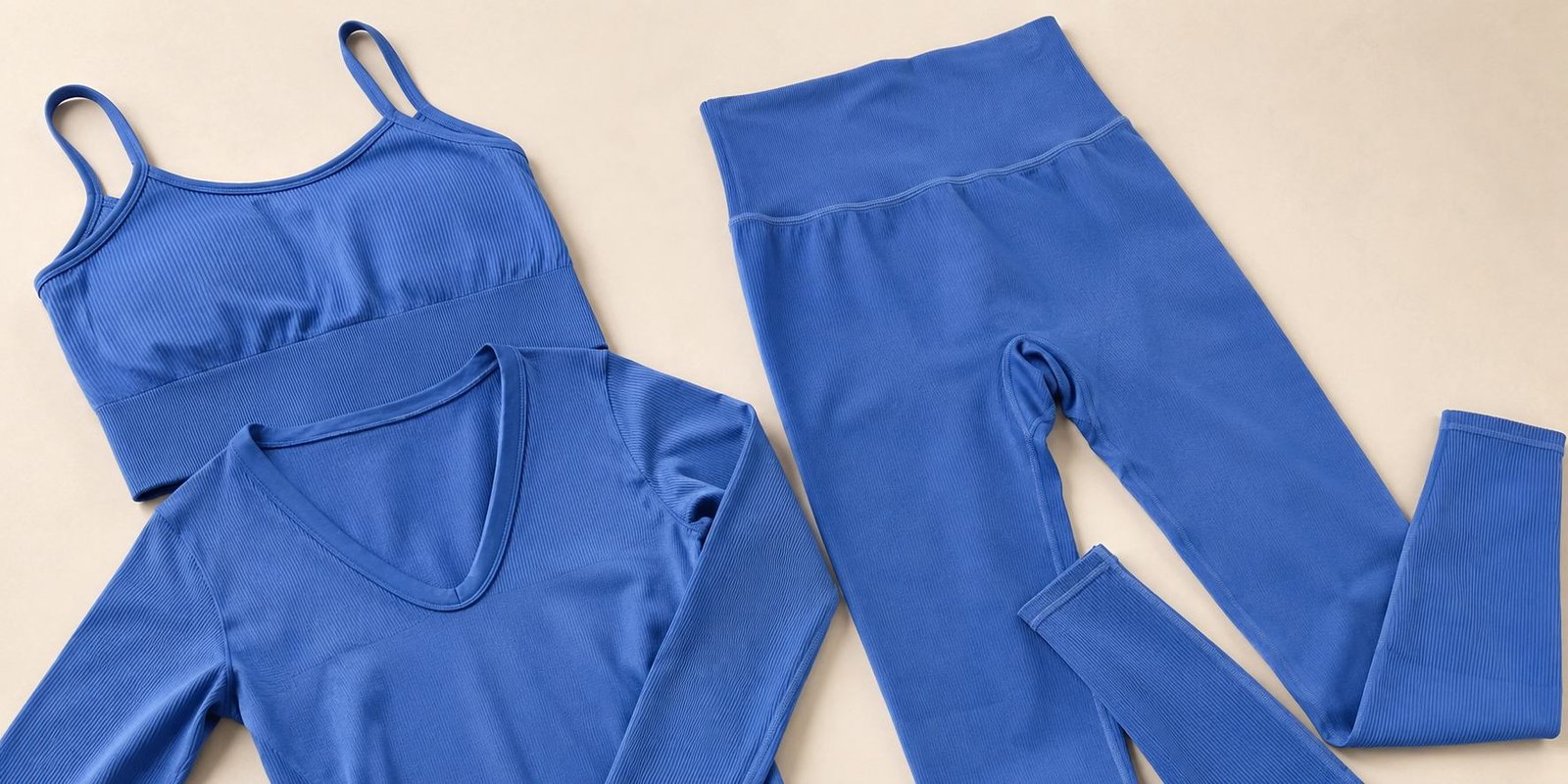
MOVEVOX activewear product development samples with technical documents and fabric references
≈8 Development team covering design, pattern and sample development
2 Routes

Seamless + Cut & Sew development.

Multiple Inputs

Tech Pack, sample, image, sketch, concept or fabric reference.

≈5–10 Days

Typical standard sample timing after relevant development details are sufficiently confirmed.

Bulk-Oriented

Development decisions are prepared for repeatable manufacturing, not sample appearance alone.

Development Risk

A Successful Sample Is Not Automatically a Bulk-Ready Product

A development sample can look acceptable while unresolved specifications, materials, construction decisions or version changes remain hidden. The purpose of controlled development is to expose these issues before they become repeated production problems.

Problem

Design Interpretation Risk

Images, sketches and incomplete specifications may leave construction, measurement or functional details open to interpretation. If these decisions are made informally during sampling, the buyer and factory may approve different versions of the same design intent.

Impact

Repeated revisions, unclear approvals and inconsistent production references.

Response

Convert open questions into defined specifications and recorded buyer decisions before release.

Problem

Material Construction Risk

Fabric stretch, recovery, weight, coverage and surface behavior interact with pattern, compression, seam construction and garment dimensions. A visually correct sample does not prove that every material and construction combination will remain stable in repeated manufacturing.

Impact

Fit drift, construction instability or unexpected sample-to-bulk differences.

Response

Review product requirement, material route and construction together before approval.

Problem

Version Control Risk

Measurements, artwork, material selections and sample comments can change during development. When an old specification remains in use after a newer version is approved, the correct sample can still be reproduced from the wrong data.

Impact

Wrong specifications, branding or measurements can re-enter sampling or production.

Response

Maintain the approved version as the active reference for subsequent work.

Problem

Sample-to-Bulk Risk

Making one sample is different from repeating the same product across operators, machines, material lots, sizes and production quantities. Before bulk release, the product needs a defined manufacturing route and measurable approval standard.

Impact

A good sample may not translate into stable bulk production.

Response

Move through specification freeze, approved sample, pre-production review and first article control.

Development objective: Approved Design Intent → Defined Specification → Validated Sample → Controlled Bulk Standard.
PRODUCT DEVELOPMENT SYSTEM

Move From Product Input to a Controlled Bulk-Ready Standard

MOVEVOX uses a staged development process to convert buyer inputs into clearer engineering decisions, validated samples and an approved production reference before the product moves toward bulk manufacturing.

01

Development Input

Start from the available Tech Pack, incomplete specification, physical reference sample, product image, sketch, concept or material direction. The starting input determines how much technical clarification is needed before physical development begins.

Project Input
02

Technical Review

Review product structure, measurements, material direction, construction, branding, MOQ, timing and open technical questions. Missing or conflicting information is identified before it becomes an uncontrolled sample decision.

Review Items
03

Engineering Translation

Convert the approved product intent into a practical development route, including Cut & Sew pattern or Seamless program direction, material requirements, construction details, size logic and other measurable specifications.

Development Spec
04

Sample Validation

Build the physical sample and review appearance, measurements, fit, material behavior, construction, branding and relevant functional areas. Buyer comments are converted into specific technical revision actions.

Sample Review
05

Approval & Freeze

Resolve required revisions and confirm the accepted physical result. Approved measurements, materials, construction, branding and other applicable specifications are then aligned to the controlled development version used for production preparation.

Approved Version
06

Bulk-Ready Release

Transfer the approved development standard into pre-production review, PP or applicable production reference, First Article verification and subsequent bulk controls so manufacturing uses the same released standard.

Production Reference
Risk-Control Line: Technical Review → Specification Freeze → Pre-Production Review → First Article → Corrective Action When Required → Bulk Release.
Development Inputs

Start With the Development Information You Already Have

A project does not need to begin with a perfect Tech Pack. MOVEVOX can first review the available information, then distinguish what is sufficient to start, what improves development accuracy and what must be approved before bulk production.

Information Area Minimum to Start Better for Accurate Development Required Before Bulk
Product Product category plus one usable reference. Tech Pack, sketch, physical sample or detailed product images. Final approved style specification and product version.
Size & Fit Target market and basic fit direction. Measurement chart, reference size and intended fit. Approved measurements, method, tolerance and fit reference.
Fabric & Color Target feel, use case or material reference. Fabric swatch, composition direction, weight, stretch and color reference. Approved material, color standard and applicable lot requirements.
Logo & Branding Brand direction and approximate logo position. Editable vector artwork and desired application method. Approved artwork, size, placement, color and application standard.
Packaging & Compliance Target market and basic packaging expectation. Label, barcode, packaging and buyer manual where applicable. Final buyer-approved labeling, packaging and applicable compliance requirements.
Commercial Approximate quantity and project objective. SKU structure, color plan, target timing and commercial priorities. Confirmed PO/specification scope and production release conditions.
Missing information does not automatically prevent an initial review. However, any item affecting product appearance, fit, function, cost, MOQ or production execution needs to be resolved before the relevant approval stage.
Full Tech Pack

Review the Tech Pack Before Executing It

A complete Tech Pack provides a strong development starting point, but execution should still begin with a technical consistency review. The objective is to identify conflicts or open questions without silently changing the buyer's approved design intent.

Required

Style Information

Style number, product views and the active development version should clearly identify the product being reviewed.

Required

Measurement Specification

Key POM, measurement method and applicable tolerances should provide a measurable fit and production reference.

Required

Material Requirements

Fabric composition, structure, weight, stretch or approved material references should be defined where relevant.

Required

Construction Details

Panels, seams, elastic, binding, pockets, padding or engineered zones should be clear enough for manufacturing review.

Project Specific

Color Standard

Pantone, approved swatch, Lab Dip or another buyer-approved reference should be defined when color control is required.

Project Specific

Logo Artwork

Editable AI or SVG artwork is preferred, with size, placement, color and requested application method identified.

Project Specific

Labels and Trims

Main labels, care labels, size labels, elastic, hardware or other trims should follow the approved buyer specification.

Project Specific

Packaging Information

Polybag, barcode, SKU label, hangtag, carton or retailer-specific packing requirements should be included where applicable.

Buyer Requirement

Testing Requirements

Buyer QC manuals, required testing, inspection criteria or market-specific requirements should be identified before relevant validation.

Commercial

Quantity and Timing

Estimated volume, color and size structure, target timing and special material routes help identify commercial constraints early.

Technical query chain: Requirement → Question or Risk → Manufacturing Impact → Proposed Route → Buyer Confirmation → Updated Controlled Version.
Incomplete Tech Pack

Identify Missing Information Before It Becomes a Sample Decision

An incomplete Tech Pack can still be reviewed. The key is to turn every important gap into a visible technical question, understand its impact and decide who must confirm the answer before sampling or bulk approval.

Missing Information
Development Impact
Resolution Route
Fabric Specification
Changes stretch, handfeel, coverage, fit behavior, cost and possible MOQ.
Review target use and recommend candidate material routes for buyer evaluation.
Measurements
Leaves fit, proportion and key POM open to interpretation.
Use buyer chart where available or establish an agreed development base before sampling.
Construction
May affect appearance, stretch, strength, comfort and production repeatability.
Translate design intent into reviewable construction options and confirm the selected route.
Logo Details
Logo method, size or placement may conflict with stretch zones or garment structure.
Request editable artwork and define method, position, size and physical approval requirements.
Trims
Undefined elastic, hardware or accessories can alter function, cost and lead time.
Identify performance and appearance requirements, then confirm suitable specifications.
Color Standard
Screen color alone is not a controlled physical bulk standard.
Establish Pantone, swatch, Lab Dip or another buyer-approved physical reference as applicable.
Labels and Packaging
Can create SKU, artwork, packing or retail execution errors later.
Collect final buyer data before the relevant pre-production and packing approval stage.
Testing Requirements
Unidentified buyer requirements can change material or validation decisions late.
Confirm applicable buyer manual, test scope and acceptance requirement before validation.
Decision ownership: some information must be confirmed by the buyer, some by the relevant material or process supplier, and some can be optimized through MOVEVOX development review. Changes affecting brand appearance, fit, function, cost or MOQ are not treated as silent factory decisions.
Physical Reference

Convert a Physical Reference Into Measurable Development Information

A legitimate buyer-owned or authorized reference sample can provide useful information, but it still needs to be converted into measurements, construction observations, material behavior and an agreed difference list before it becomes a development standard.

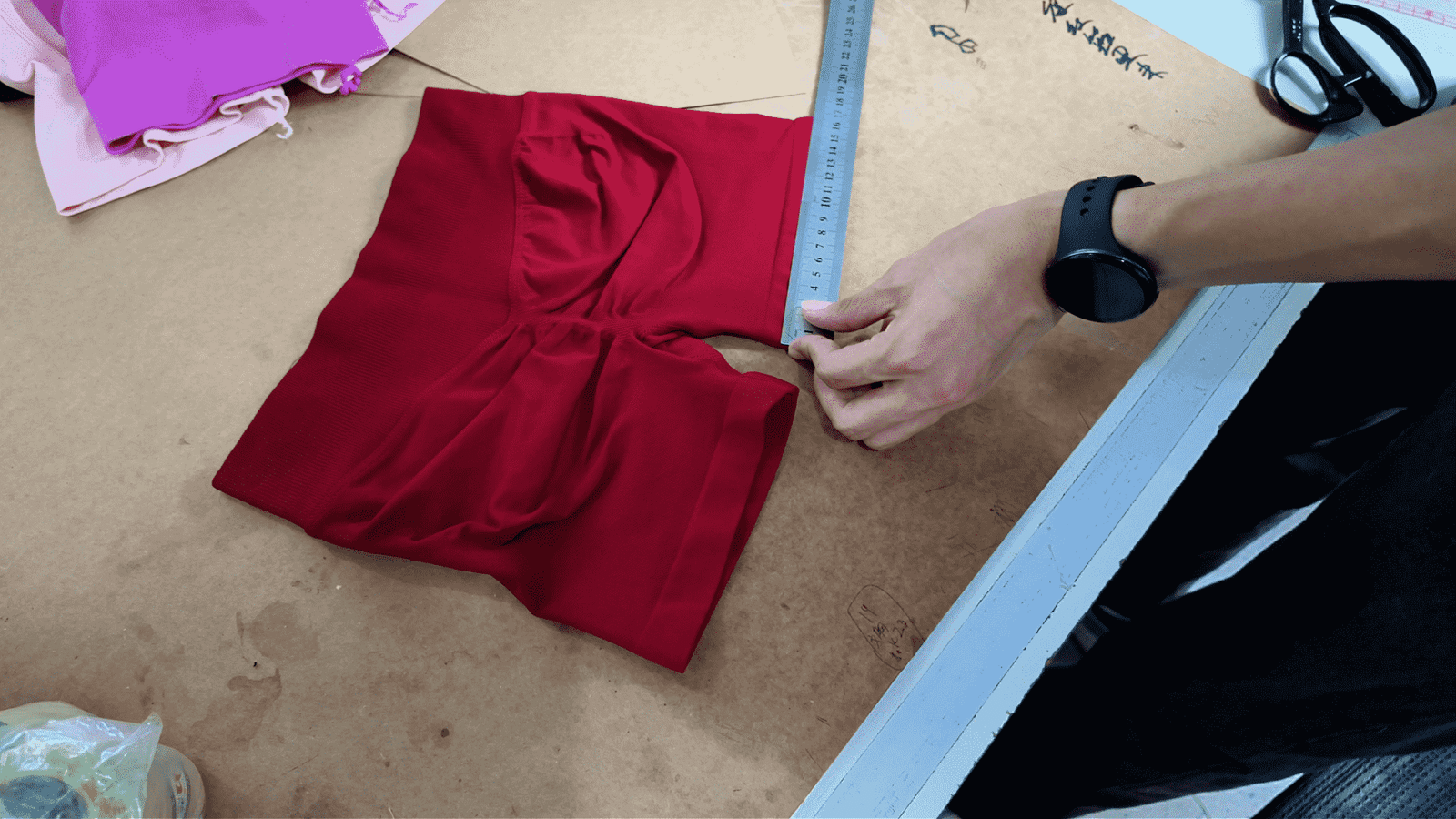
Measurement Mapping

The reference is measured through relevant points rather than treated as a visual template. Key dimensions, proportions and measurement methods are recorded so the buyer can distinguish original reference information from requested changes.

  • Identify base reference size.
  • Record relevant POM and measurement methods.
  • Separate measured facts from development assumptions.
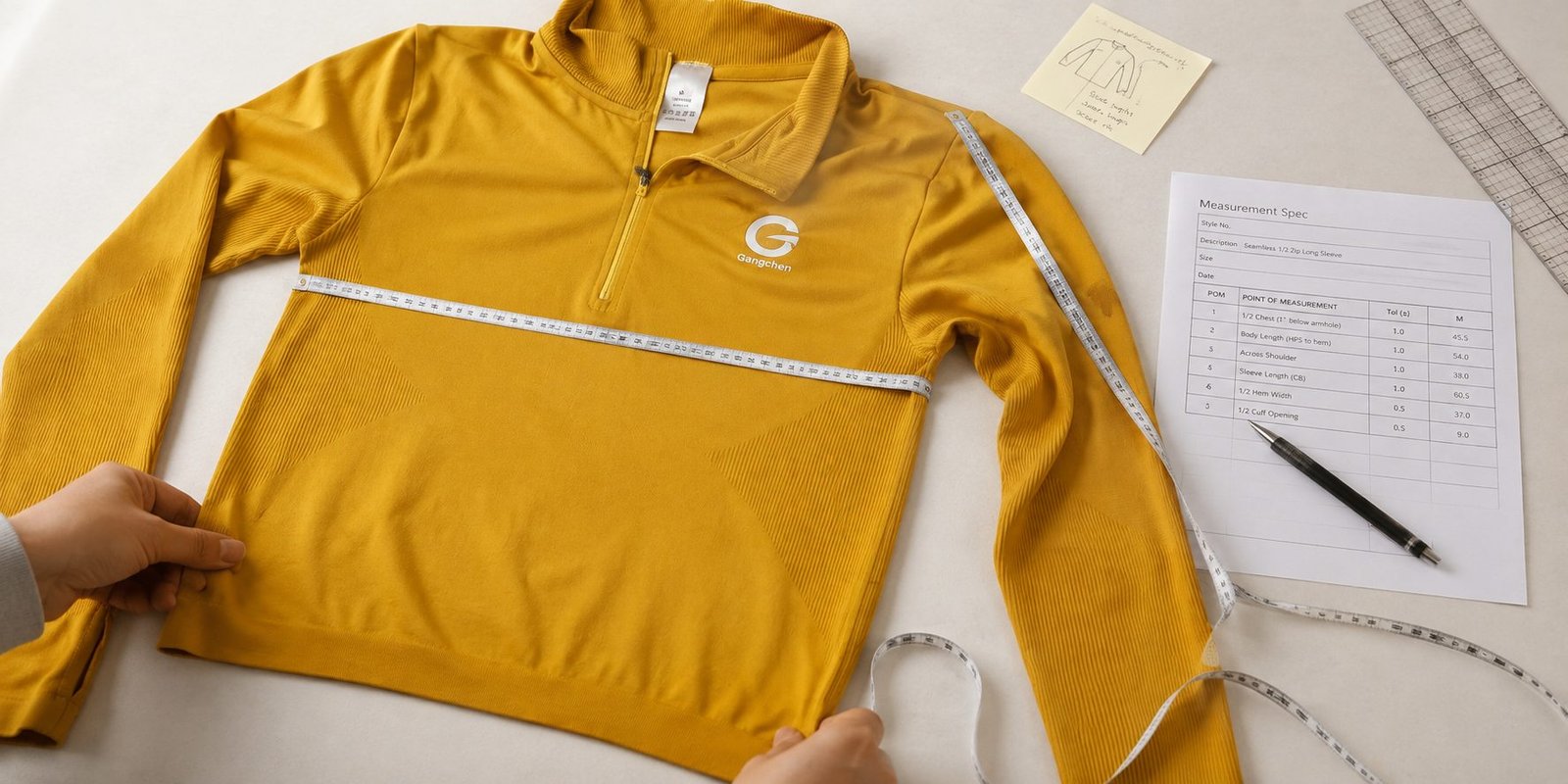
Activewear reference sample being measured during product development

Construction Mapping

Panels, waistbands, straps, pockets, elastic, padding, binding and other relevant structures are reviewed according to the actual product. For Seamless products, engineered zones and later assembly points are considered separately from conventional Cut & Sew construction.

  • Understand how visible design features are physically created.
  • Identify areas requiring clarification or engineering change.
  • Record differences requested by the buyer.
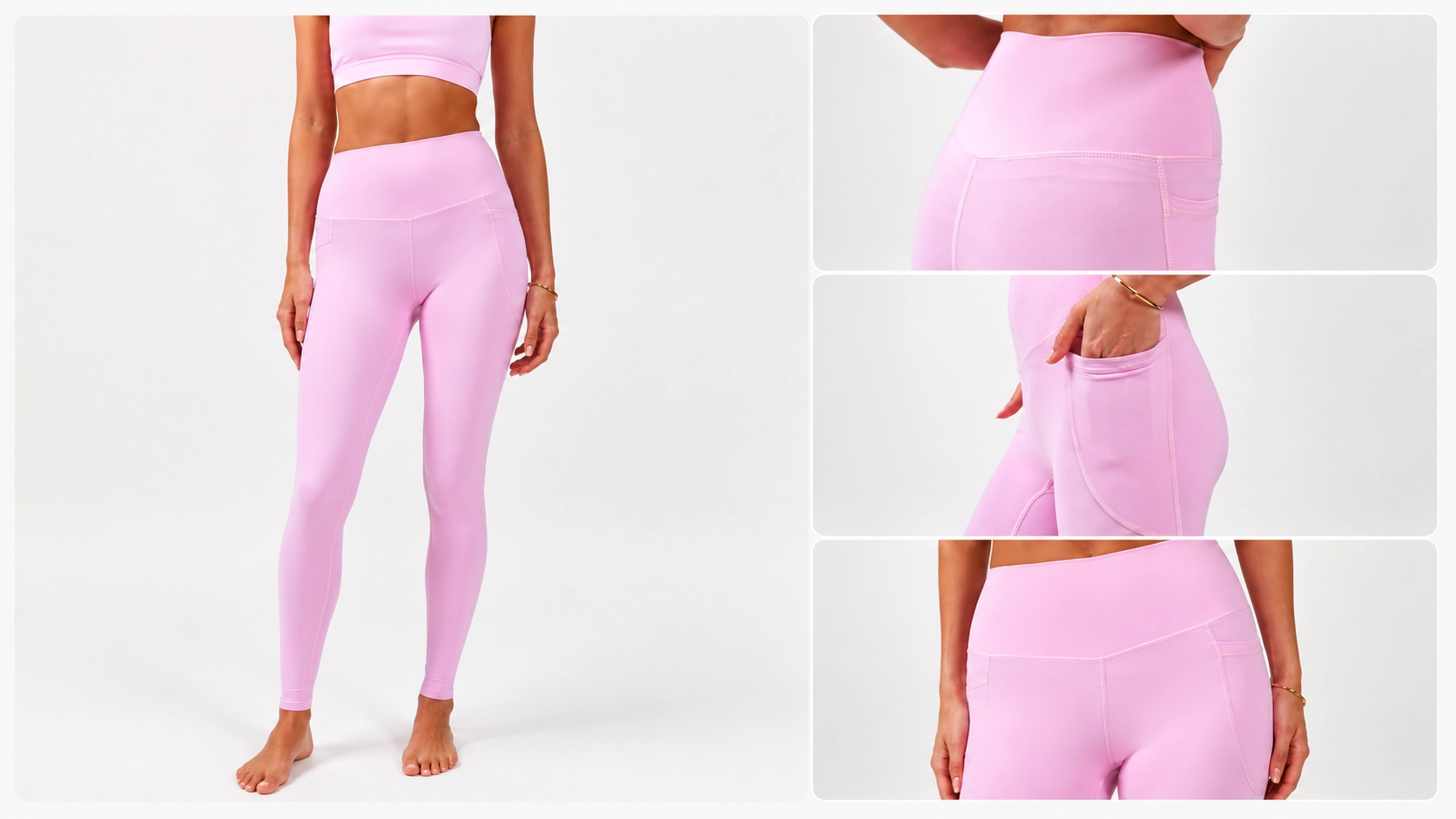
Activewear reference sample construction details under technical review

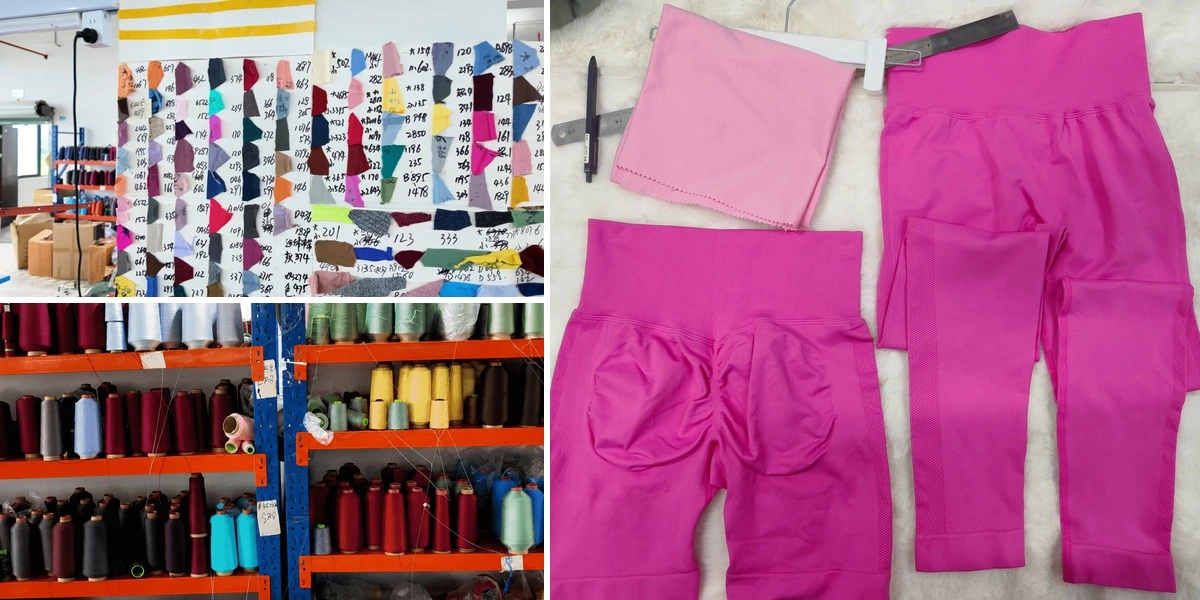
Material and Difference Review

Fabric handfeel, stretch, recovery, weight and surface characteristics are reviewed as development references rather than assumed to be identical without verification. The project then records what should remain, what should change and which characteristics still require buyer approval or material confirmation.
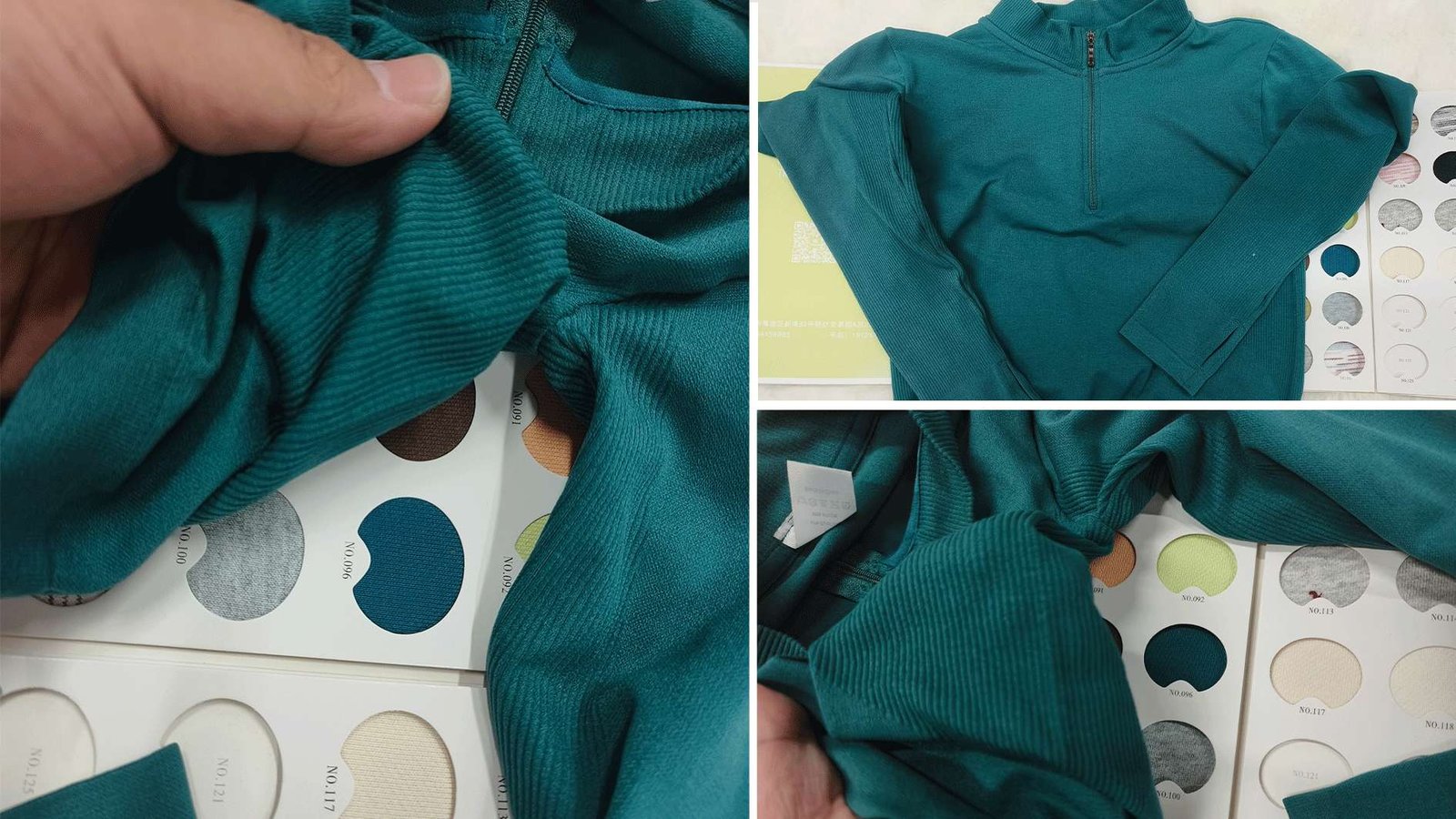
Physical-reference development should only use samples the buyer is entitled to provide or authorize. MOVEVOX does not treat third-party intellectual property as an unrestricted copying instruction.
Reference garment compared with material swatches and development notes
Technical Review

Resolve the Main Technical Questions Before the First Sample

MOVEVOX reviews the areas that can materially change fit, construction, manufacturability, cost or timing before treating the project as ready for sampling. Review outputs are classified so open decisions remain visible.

Product Structure

The review checks whether panels, waistbands, straps, pockets, elastic, padding or Seamless engineered zones are sufficiently defined for the intended product. Conflicting views or unclear functional areas are raised before sampling rather than resolved informally by the sample maker.

  • Panel and assembly logic
  • Functional structure
  • Open construction questions
Activewear product structure under technical development review

Size and Fit

Measurements are checked for internal consistency, target fit and material behavior. Where a buyer measurement chart exists, the buyer standard takes priority. Missing or conflicting key dimensions are treated as confirmation items rather than automatically replaced by a generic factory size chart.

  • Key POM consistency
  • Target fit direction
  • Measurement and tolerance questions
Activewear measurement chart and POM review during development

Fabric and Material

Material direction is reviewed against the product use case, desired handfeel, stretch and recovery, weight, coverage and construction. If a specified material is unavailable or commercially unsuitable, the issue is raised for an alternative route rather than substituted without approval.

  • Material availability
  • Product-material compatibility
  • Custom material or color implications
Activewear fabric swatches reviewed against product requirements

Construction and Process

The manufacturing route is reviewed for stretch areas, load-bearing points, assembly complexity and repeatability. MOVEVOX can suggest adjustments when a construction is possible for one sample but may create unnecessary instability or complexity in repeated manufacturing.

  • Seam and assembly route
  • Elastic, binding and reinforcement
  • Cut & Sew or Seamless compatibility
Activewear construction detail evaluated for manufacturing feasibility

Branding and Trims

Logo method, size, position, labels and trims are checked against fabric stretch, garment construction and buyer artwork. Supplier-specific components or tooling can introduce separate MOQ or lead-time conditions, which should be visible before the final sample route is approved.

  • Logo placement compatibility
  • Artwork and label readiness
  • Trim or component constraints
Logo artwork and garment branding components under technical review

Commercial Conditions

Quantity, color structure, size range, material route and special components are considered together because they can change MOQ and cost feasibility. The review does not replace a formal quotation, but it helps prevent technically attractive options from being developed without understanding their commercial implications.

  • Estimated order structure
  • Material and component MOQ
  • Target-cost compatibility questions
Anonymized activewear development planning sheet for SKU and material review

Timing and Risk

Standard sample development is typically about 5–10 working days after relevant details are sufficiently confirmed. Custom fabric, custom color, special components or complex development may require additional supplier preparation, so timing should be reviewed according to the actual project route.

  • Material readiness
  • Supplier-dependent preparation
  • Development and approval dependencies
Anonymized activewear development schedule showing sample and approval milestones
Review status: Executable · Buyer Confirmation Required · Supplier Confirmation Required · Risk / Validation Required. Development may pause when a critical dimension is missing, a required material is unavailable, the original process is not feasible, commercial assumptions conflict materially, or an intellectual-property concern requires clarification.
Construction Review

Review How the Product Will Actually Be Built

Construction review translates visible product design into manufacturing structure and functional load. Each important area should answer three questions: what function does it serve, what could fail, and how will the result be validated?
Activewear sample showing construction areas for technical review
Cut & Sew and Seamless products follow different engineering routes. Construction decisions are ultimately translated into pattern or knitting-program information, BOM requirements, process instructions, key measurements and QC attention points.
Fabric Recommendation

Select Fabric Through Product Requirements, Not Handfeel Alone

Fabric selection starts with how the product should be used and experienced. Handfeel matters, but it must be considered together with stretch, recovery, weight, coverage, construction, color requirements, commercial feasibility and required validation.

1. What Is the Use Case?

Define whether the product is primarily intended for yoga, Pilates, gym training, running, athleisure or another activewear application.

Low-Impact Training Running Athleisure

2. What Should It Feel Like?

Clarify softness, brushed or smooth surface, naked-feel direction, compression level, support and the intended balance between comfort and structure.

Soft Brushed Naked-Feel Compression

3. What Performance Matters?

Review stretch direction, recovery, weight, opacity or coverage, abrasion exposure and other project-specific functional requirements before selecting candidate materials.

4. Which Material Route Fits?

Stable routes may include Nylon + Spandex, Polyester + Spandex, Seamless knit, recycled sports fabrics, brushed or soft fabrics, and ribbed or textured structures depending on the project.

5. What Are the Trade-Offs?

Lighter weight can reduce coverage; stronger compression can change handfeel; special textures, recycled routes, custom color or custom material development can affect MOQ, supplier preparation and timing.

Soft Stretch Route

Consider when comfort, stretch and a softer consumer handfeel are central to the product brief.

Support Route

Consider when fit stability, recovery and a more structured performance feel are higher priorities.

Seamless Route

Consider yarn, knit structure and engineered zones together rather than selecting fabric independently from the garment program.

Custom Material Route

Use when stable available materials cannot meet the required handfeel, structure, color or project-specific functional target.

Candidate materials should be confirmed through physical swatches, garment samples and any project-required testing. Marketing names alone are not treated as technical evidence.
Process Engineering

Protect Design Intent While Improving the Manufacturing Route

Construction recommendations are not made simply to change a buyer's design. The objective is to preserve intended appearance and function while identifying manufacturing routes that can be sampled, evaluated and repeated more consistently.
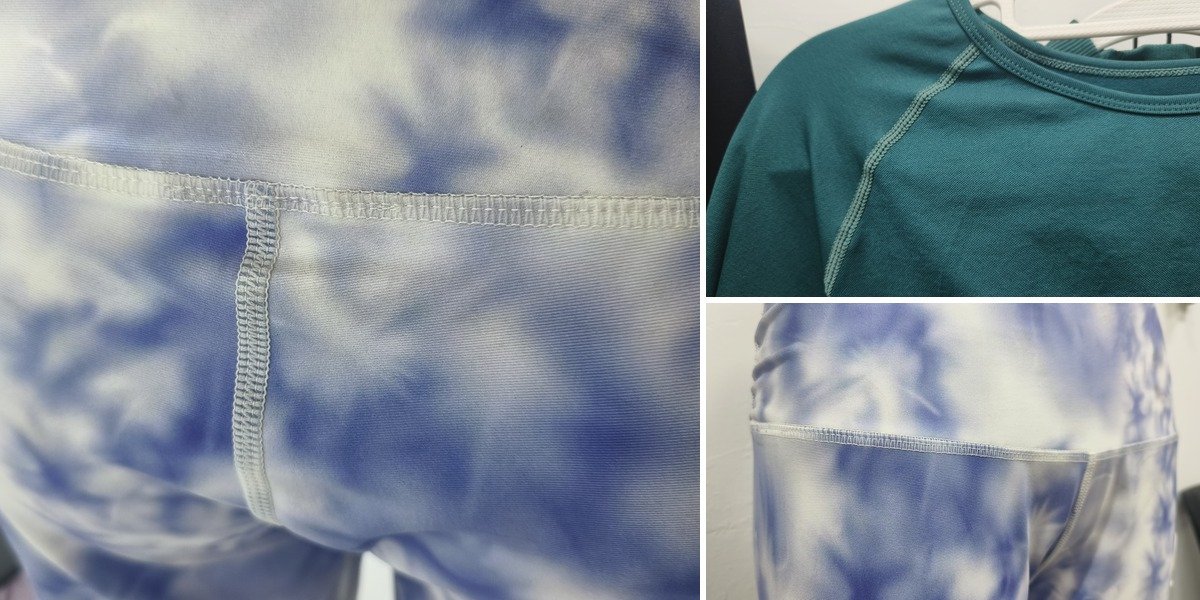
Activewear seam route under manufacturing review

Seam Route Review

Review seam location, stretch direction, bulk and loading so the selected construction supports the intended silhouette and movement without unnecessarily increasing assembly complexity.

Best for: Panel junctions and movement areas.

Check: Stretch, comfort, appearance and production repeatability.
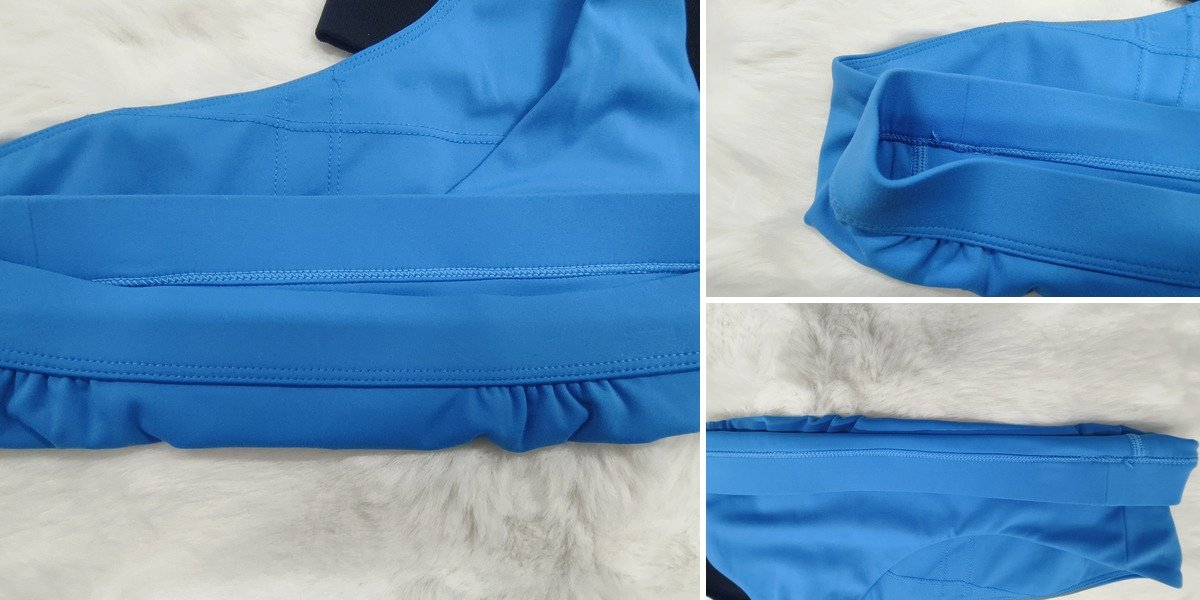
Elastic attachment detail in activewear development sample

Elastic Integration

Elastic width, tension, enclosure and connection to surrounding fabric can affect fit and appearance. Development review checks whether the elastic route matches the approved support requirement.

Best for: Waistbands, underbands and openings.

Check: Tension balance, recovery and comfort.
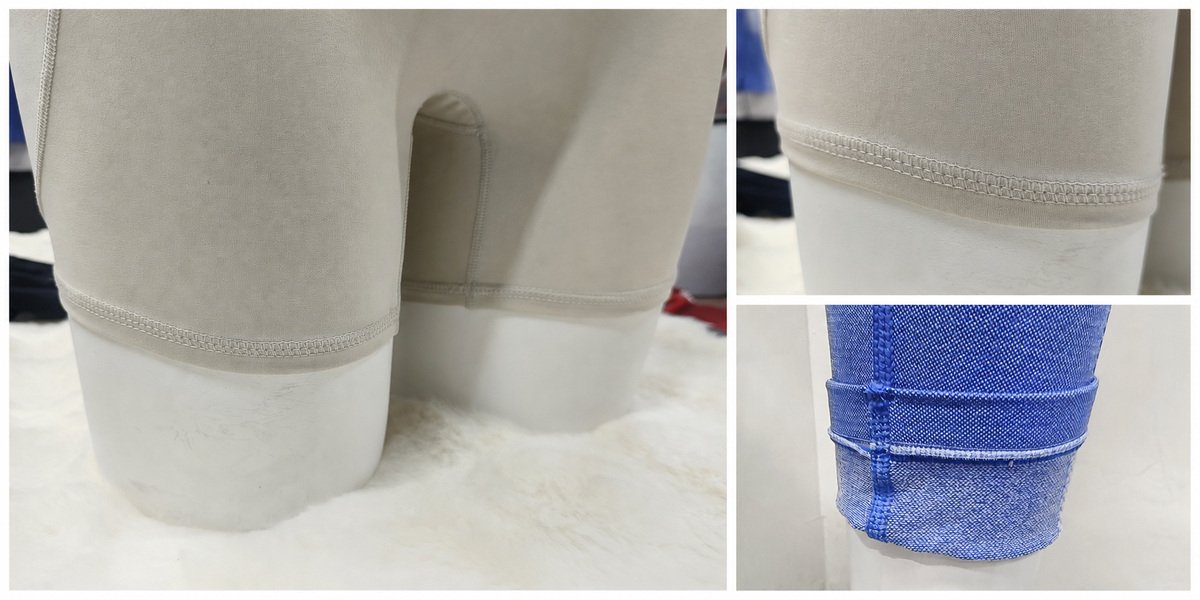
Activewear edge and binding construction detail

Edge Construction

Necklines, armholes and garment openings need enough stretch and recovery while maintaining the approved shape. Edge construction is reviewed together with material behavior and fit.

Best for: Necklines, armholes and leg openings.

Check: Recovery, shape and wearer comfort.
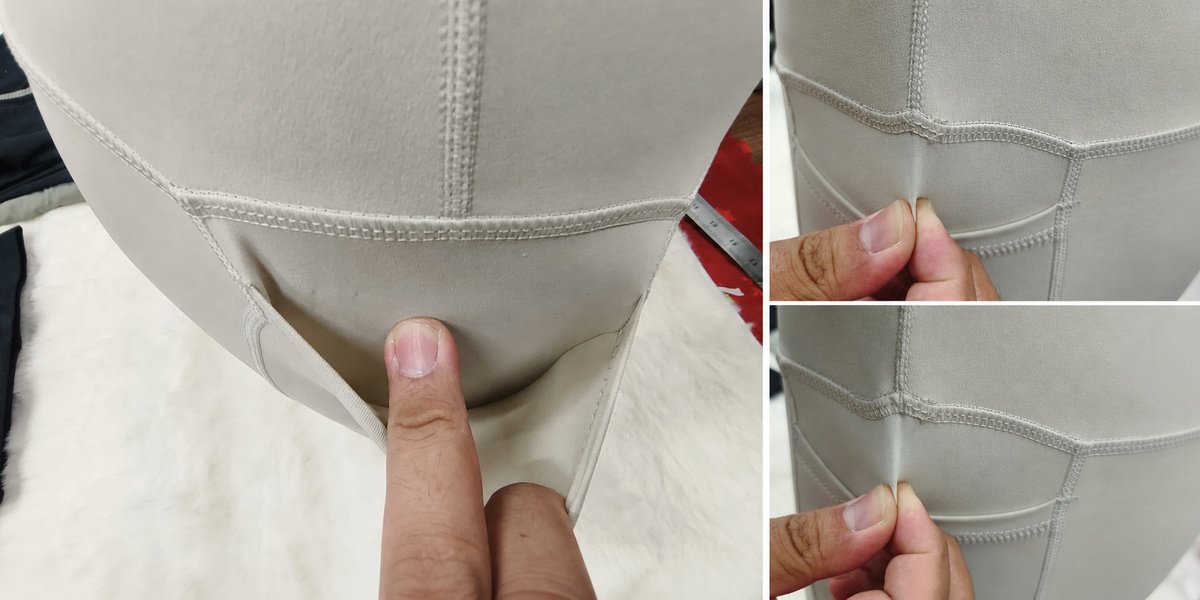
Reinforced stress point on activewear garment

Local Reinforcement

Selected load-bearing areas may require additional structural attention. Reinforcement is considered where necessary without automatically adding unnecessary thickness or visible construction.

Best for: Pockets, straps and stress junctions.

Check: Load behavior and visual effect.
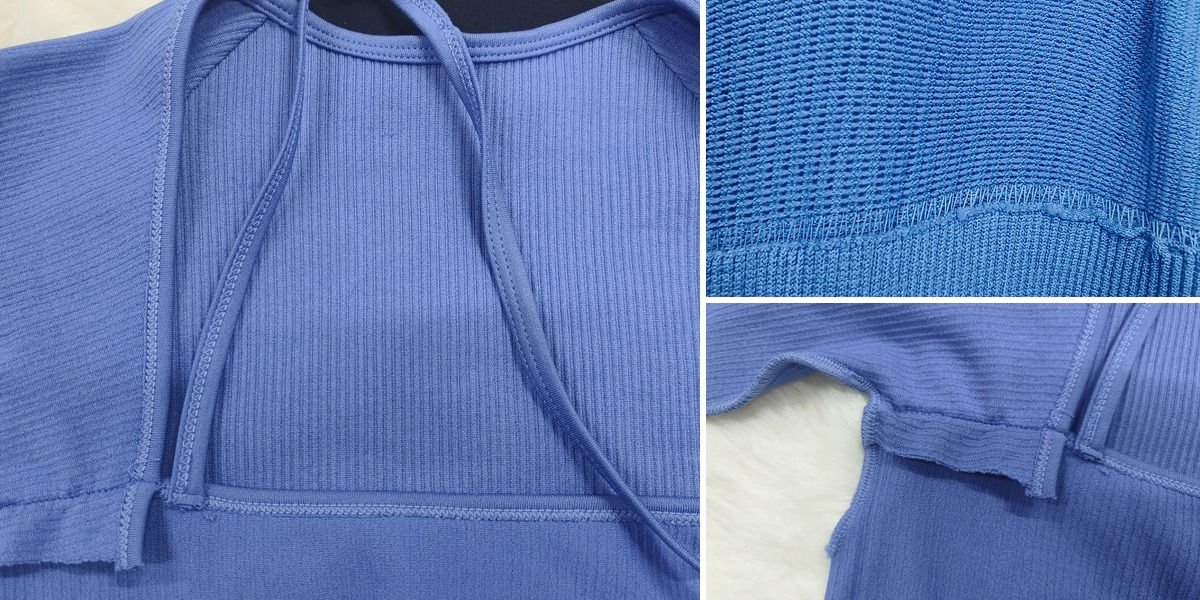
Multiple activewear panels meeting at a construction junction

Panel Junction

Complex panel intersections can create alignment, thickness or handling challenges. Engineering review considers whether the original design should remain unchanged or whether a validated alternative route is appropriate.

Best for: Multi-panel performance garments.

Check: Alignment, bulk and assembly stability.
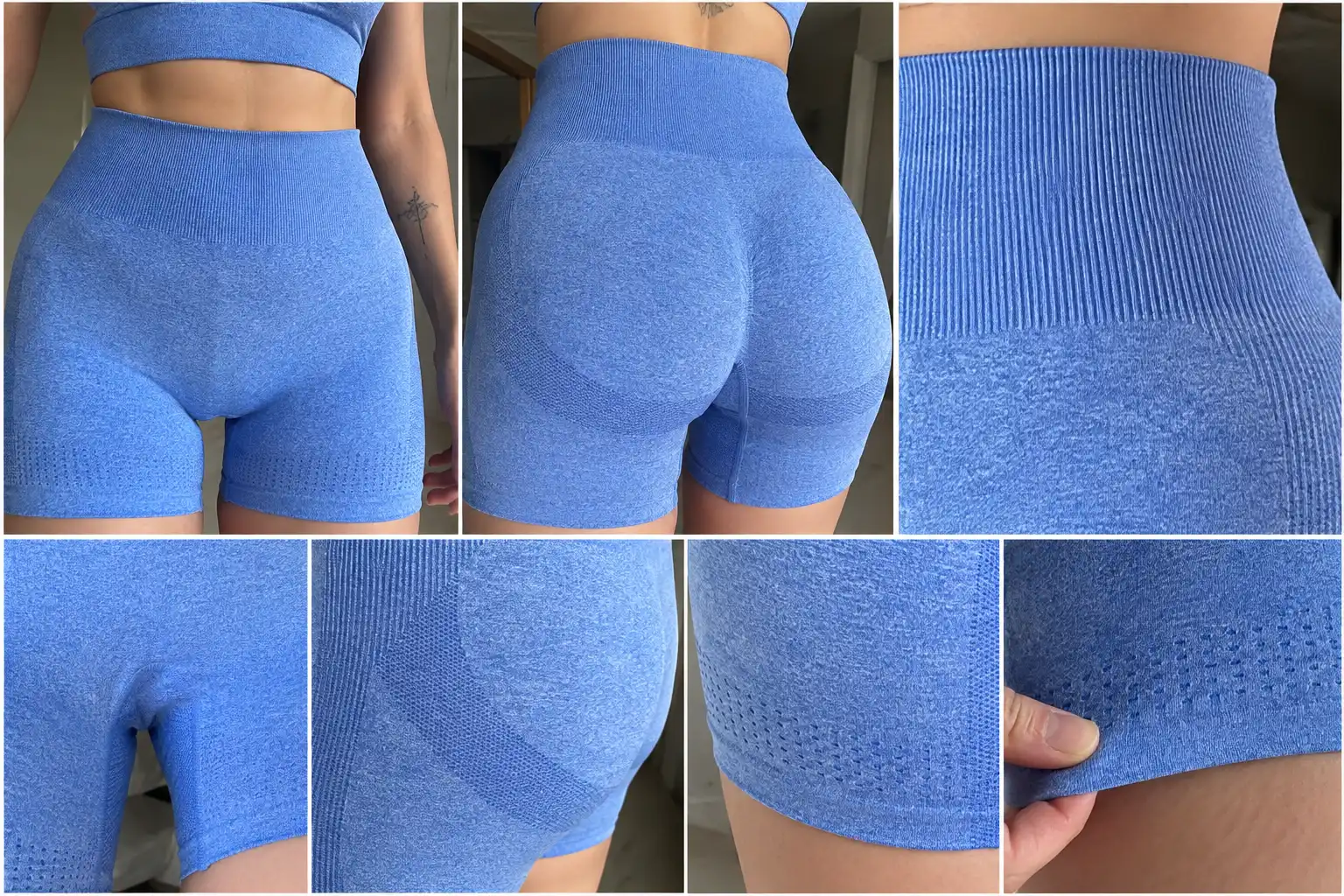
Engineered Seamless knit zone and assembly detail

Seamless Assembly

Seamless products combine knitting-program decisions with later assembly and finishing. Engineered zones, openings and joining points are therefore reviewed as part of one garment system.

Best for: Seamless activewear structures.

Check: Program, stretch zones and assembly interaction.

Engineering sequence: Original Design Intent → Manufacturing Risk → Option A / Option B When Needed → Trade-Off Review → Sample Validation → Buyer Approval.
Size & Fit

Define Target Fit Before Freezing the Production Size Standard

MOVEVOX does not replace a buyer's sizing system with one universal factory chart. Where a customer size standard exists, it takes priority. When it is incomplete, the development process must establish an agreed base size and fit direction before grading.

Size Position Development Role Key Verification
XS* Small-end size when included in buyer range Proportion, openings and functional-zone placement
S* Small representative size where applicable Fit progression and relevant POM
M* Possible base size only when buyer specification defines it Full fit, measurement and construction review
L* Large representative size where applicable Grade progression and functional proportion
XL* Large-end validation point when included Support, stretch and placement of key structures
2XL* Extended size when part of buyer-approved range Re-validation rather than automatic linear scaling
*Size names are examples only. The buyer-approved size system controls the project.
Product Engineering

Use the Engineering Route That Matches Product Construction

Cut & Sew and Seamless products reach an approved physical sample through different engineering methods. The development route should therefore match the actual manufacturing structure instead of forcing both product types through one pattern process.
Cut and Sew activewear pattern development with measurement notes and sample

Cut & Sew Engineering

Tech Pack, measurement information or a legitimate physical reference is translated into a base pattern and construction route. The sample is measured and reviewed against intended fit, then pattern or specification changes are recorded before the next version. MOVEVOX's development team includes two professional pattern roles supporting this process.

  • Measurement and structure analysis
  • Base pattern development or revision
  • Sample measurement and fit review
  • Approved pattern transferred toward production
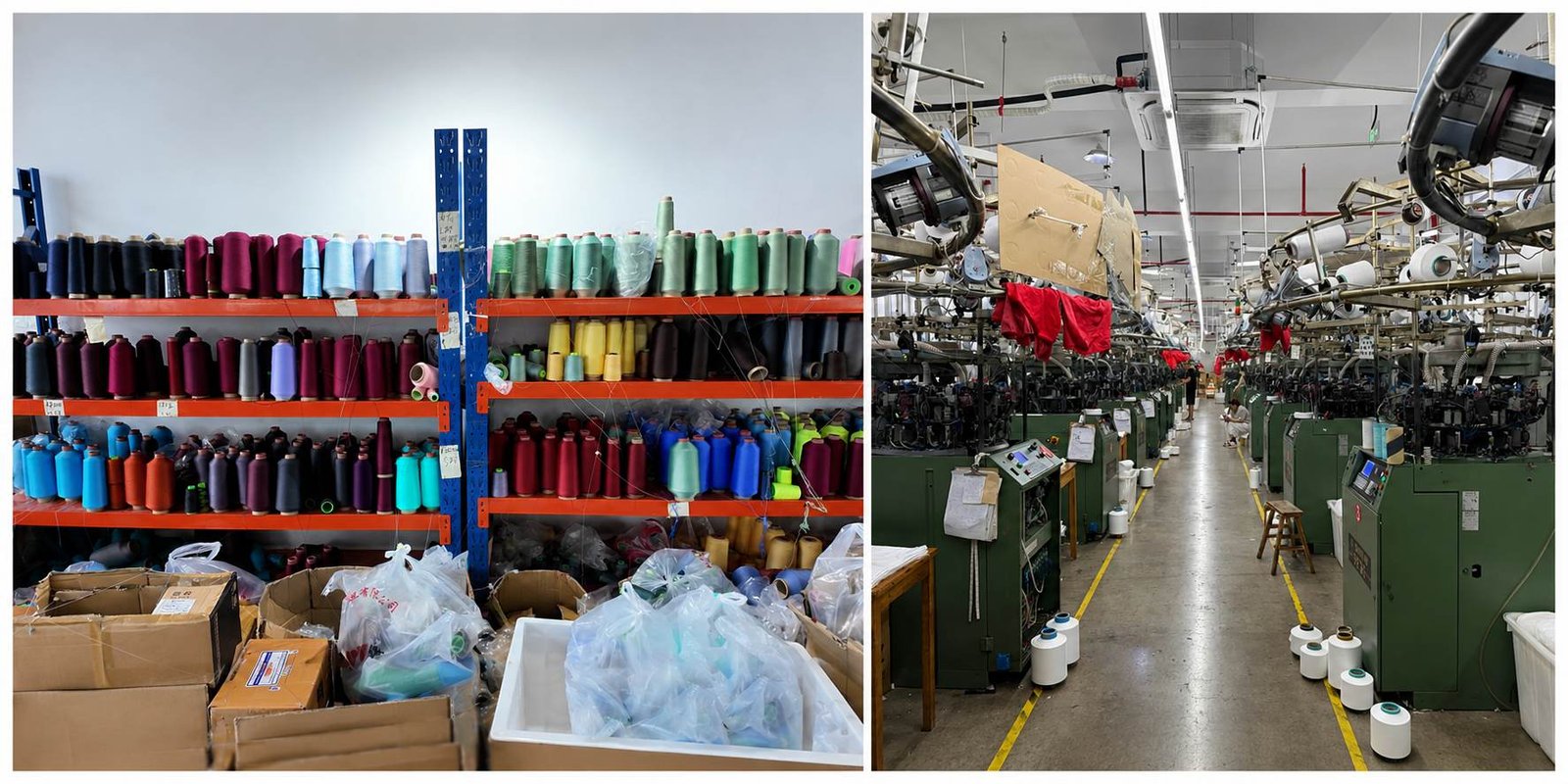
MOVEVOX Seamless activewear development using Santoni knitting and trial garment review

Seamless Engineering

Seamless development begins from product and size intent, then considers yarn, knitted structure and engineered zones as part of the garment program. Trial knitting is evaluated for measurements, stretch, fit and structure before program revisions are frozen. MOVEVOX's core Seamless equipment includes 28 Italian Santoni knitting machines.

  • Yarn and knit-structure direction
  • Engineered zones and product program
  • Trial knit and physical fit review
  • Approved program transferred toward production
One approval logic: Development Version → Physical Sample → Buyer Review → Approved Version → Production Reference.
Fit Sample

Use the Sample to Validate the Product, Not Present It

A Fit Sample is a technical validation point for the current development size. It connects measurements, material, construction and the human fit result, then converts buyer comments into controlled pattern, program or specification revisions.

Define Sample Objective

Buyer input: target fit, relevant measurements, product requirement and current specification.

MOVEVOX output: confirmed development objective and sample scope.

Pass condition: the sample has a clear technical purpose before execution.

Build First Sample

Buyer input: approved development direction and any required reference materials.

MOVEVOX output: physical development sample built through the applicable Cut & Sew or Seamless route.

Pass condition: sample is ready for structured review, not automatic approval.

Measure and Review

Review: appearance, key POM, fit, fabric behavior, construction, branding, trims and relevant functional areas.

MOVEVOX output: measurement and technical observations.

Pass condition: discrepancies and open issues are identified.

Receive Buyer Comments

Buyer input: consolidated comments identifying required changes and accepted elements.

MOVEVOX output: comments translated into technical actions.

Pass condition: each important comment has a defined response.

Revise Technical Standard

Action: update pattern, Seamless program, measurement, construction or related development information according to the approved change.

MOVEVOX output: revised controlled version.

Pass condition: revised sample direction is traceable to the latest comments.

Re-Sample or Approve

Action: make another sample where physical re-validation is required, or approve the current fit result when the buyer accepts it.

Boundary: Fit approval covers the approved development fit and does not automatically approve every size, color or final bulk process.

Standard samples are typically about 5–10 working days after the relevant development details are sufficiently confirmed. Custom materials, colors, specialist components or complex development can require additional project-specific preparation.
Manufacturability Review

Confirm the Product Can Be Repeated in Bulk

Manufacturability review asks a different question from sampling: not only whether one garment can be made, but whether the approved design, material and construction can be repeated through a controlled bulk manufacturing route.

GREEN

Suitable Development Route

The proposed material, structure and manufacturing route are sufficiently understood to continue through normal development validation. The design can still require sample approval, but no major manufacturing conflict has been identified at the current review stage.

  • Material route appears workable.
  • Construction is compatible with intended manufacturing.
  • Inspection points can be defined.
YELLOW

Validation Required

The original direction may be workable, but an important variable should be physically validated before bulk release. Typical triggers can include unusual material behavior, high-stress construction, special branding, difficult fit or another condition that cannot be responsibly approved from documents alone.

  • Sample or testing confirmation required.
  • Buyer decision may remain open.
  • Bulk release waits for validation result.
RED

Adjustment Required

The original route presents a material, construction or production risk that should be changed before it becomes the approved standard. The preferred response is to preserve the intended appearance and function while adjusting the technical route rather than forcing an unstable solution into bulk.

  • Identify the specific manufacturing conflict.
  • Propose an alternative technical route.
  • Re-validate before production approval.
Bulk release chain: Specification Freeze → Approved Sample → Pre-Production Review → First Article → Corrective Action When Required → Bulk Release. A sample being possible does not by itself prove bulk stability.
Risk Assessment

Identify Development Risk Before It Becomes the Approved Standard

Risk assessment does not assume every project has the same problem. It identifies the conditions that could affect quality, cost, MOQ or timing, then records what triggers the risk, how it should be validated and what control is required.

M1

Material — Coverage

Risk: insufficient opacity or coverage for the intended product and color.

Trigger: light colors, lower fabric weight, high stretch or demanding garment areas.

Impact: physical appearance may differ from the buyer's expectation during wear.

Validation: evaluate the selected material in the actual garment and required use condition.

Control: approve the material-product combination before bulk.

M2

Material — Stability

Risk: shrinkage, recovery, pilling or color behavior can alter the approved result.

Trigger: material-specific behavior, special finishes or project requirements.

Impact: dimensions or appearance can move outside the intended standard.

Validation: use supplier information, sampling and required project testing.

Control: connect the approved material standard to incoming and production checks.

C1

Construction — Stress Areas

Risk: seams, openings or high-load structures may not remain stable under intended movement.

Trigger: high stretch, compression, pockets, straps, reinforcement areas or complex panel junctions.

Impact: seam failure, distortion or discomfort may appear during validation or production.

Validation: review the physical sample and relevant functional areas.

Control: adjust construction before freezing the bulk route when required.

C2

Construction — Dimension Drift

Risk: material stretch or construction interaction can make dimensions difficult to reproduce.

Trigger: high-elastic materials, complex Seamless zones or sensitive garment measurements.

Impact: fit can differ between sample, size set and bulk.

Validation: measure samples through the agreed POM and method.

Control: define realistic tolerances and production measurement checkpoints.

B1

Branding and Trims

Risk: logo, label or trim may be incompatible with fabric stretch, wearer contact or garment construction.

Trigger: special logo materials, high-stretch placement, custom components or sensitive label positions.

Impact: cracking, peeling, irritation, color transfer or application inconsistency can occur depending on the project.

Validation: approve the physical application.

Control: freeze artwork, method, size and placement.

CO

Commercial Feasibility

Risk: a technically attractive solution may not fit the project's quantity, target cost or required timing.

Trigger: custom color, special fabric, complex process, supplier-made components or small SKU quantities.

Impact: MOQ, preparation time or cost can change after development has already progressed.

Validation: review commercial constraints before final route approval.

Control: align the technical solution with the actual order structure.

PP Sample

Convert Approved Development Into a Pre-Production Reference

A PP Sample is not another open-ended design sample. Its role is to confirm that the approved product combination can be represented with the final or approved production inputs before the product becomes a manufacturing reference.

01

Final Specification

Confirm the active Tech Pack or approved specification, measurements and development version.

Owner: Development Gate: Spec Check
02

Approved Inputs

Confirm applicable material, color, construction, logo, trims and other relevant product components.

Owner: Project Team Gate: Material Match
03

PP Build

Create the pre-production sample using the approved combination intended to represent manufacturing execution.

Owner: Sample Team Gate: Build Review
04

Measurement Fit

Review relevant POM and fit against the approved development standard before production release.

Owner: Development Gate: Fit Review
05

Branding Construction

Confirm product construction, logo, labels, key trims and applicable packaging direction against approved information.

Owner: Project Team Gate: Detail Check
06

Buyer Approval

Obtain approval according to the buyer's project process before treating the PP result as the production reference.

Owner: Buyer Gate: Approval
07

Reference Control

Identify the approved sample and corresponding version so production and QC use the same reference.

Owner: MOVEVOX Gate: Version Lock
08

Production Release

Connect the approved standard to pre-production review, first article and subsequent production controls.

Owner: Production Gate: Bulk Release
Fit Sample validates the development fit of the relevant size; Size Set can verify grading where required; PP Sample locks the approved production combination. These approvals are related but not interchangeable.
Multi-SKU Development

Manage a Development Pipeline, Not One Sample at a Time

When product inputs and material paths are sufficiently clear, MOVEVOX can manage multiple SKUs at different development stages. The objective is controlled prioritization and independent version approval rather than forcing every SKU through the same milestone simultaneously.

Portfolio Level

Development Portfolio

Approximately 10–20 SKUs can be managed at different development stages when their inputs and material routes are sufficiently clear. This is a project-management range rather than a promise that every SKU will be sampled or approved on the same day.

  • Style and SKU identification
  • Individual development status
  • Shared dependencies made visible
SKU Level

Individual SKU Control

Shared platforms do not erase individual SKU approval. Each style should retain its own version, BOM or material reference, size information, logo direction, sample status and buyer approval record so changes remain traceable.

  • Independent version control
  • Independent sample status
  • Independent approval record
Project Setup → SKU Matrix → Shared Material / Fit Platform → Priority Wave Planning → Individual Version Control → Milestone Review.
Collection Platform

Build a Shared Platform Before Repeating Development Across Every SKU

Collection development can standardize selected background variables while keeping consumer-facing products distinct. Shared materials, fit logic, construction modules, color systems, branding and packaging rules can reduce unnecessary repetition without merging separate SKU specifications.

Collection Platform

The shared development foundation connects approved material, fit, construction, color, branding and packaging decisions before the collection expands into multiple products and variants.

Material Platform

Define stable core material routes that can serve relevant products without assuming every garment requires identical fabric.

Fit Platform

Use an approved fit philosophy and sizing logic while retaining product-specific POM, structure and functional requirements.

Construction Modules

Reuse validated waistband, strap, pocket or other structural logic where appropriate instead of re-solving identical engineering questions.

Color System

Coordinate shared color references and material routes while preserving physical approval requirements for each applicable material or yarn base.

Branding System

Standardize approved logo placement logic, label data and recurring brand components where they remain technically suitable.

Packaging System

Coordinate recurring packaging, SKU and labeling rules so collection expansion does not create avoidable packing-version complexity.

Hero Product

Use a priority product to validate critical fit, material and construction decisions before expanding dependent development.

Core Basics

Develop repeatable core styles from the platform while maintaining an individual approved specification for every style.

Seasonal Variants

Expand colorways or selected design details without automatically reopening every already-approved background decision.

Platform development does not mean making every product the same. It standardizes variables the consumer does not need to experience as different, while concentrating visible differentiation in silhouette, function, color and key product details. Each SKU still keeps its own approved specification.
Product Differentiation

Create Product Difference Through Controlled Development Decisions

Differentiation should remain connected to manufacturability. MOVEVOX can help review construction, material, fit, color and branding alternatives, but development recommendations remain subject to feasibility, MOQ, cost and physical validation rather than sales-result promises.

01

Brand Goal

Clarify the product experience, consumer problem or collection role that the new development should address.

Execution: Start from a defined product objective.
02

Current Baseline

Identify what already works in the existing product, reference sample, Tech Pack or established collection platform.

Execution: Protect approved strengths before changing details.
03

Must Keep

Separate non-negotiable brand, fit and functional requirements from elements that can reasonably be optimized.

Execution: Record protected design intent.
04

Differentiation Levers

Explore controlled changes in silhouette, waistband, pocket, strap, material, texture, color, branding or other feasible product details.

Execution: Develop a limited number of practical directions.
05

Feasibility Check

Review the selected direction against manufacturing route, material availability, MOQ, expected cost impact and development timing.

Execution: Remove directions that do not fit the project.
06

Development Direction

Select two or three feasible directions for physical development and validation instead of continuing open-ended brainstorming.

Execution: Move the chosen route into sample development.
MOVEVOX contributes manufacturing-oriented product development rather than full brand strategy or guaranteed market outcomes. A differentiated idea still needs to pass material, construction, fit, commercial and sample validation before it becomes an approved product.
Why MOVEVOX

Development Capability Connected Directly to Manufacturing and Quality Control

MOVEVOX combines product development, Seamless and Cut & Sew manufacturing routes, sample execution and production QC within one managed supplier system so approved development information can continue into bulk preparation.

≈8 Development Team

Design, pattern and sample-development roles.

2 Engineering Routes

Seamless and Cut & Sew.

28 Santoni Machines

Italian Seamless knitting machines in the core operation.

5 QC Team

Quality-control personnel within the managed operation.

≈5–10 Working Days

Typical standard sample timing after relevant details are confirmed.

Development → Sample → Buyer Approval → Specification Control → Quality Control → Bulk Execution. Project-specific material, color, complexity and buyer requirements can change the actual development route and timing.
Start With What You Have

Have a Tech Pack, Sample or Product Concept Ready?

Send the development information already available. MOVEVOX can first review the starting point, identify important information gaps, outline the appropriate development route and clarify the next technical step before sampling.

FAQ

Activewear Product Development Frequently Asked Questions

These answers explain how MOVEVOX approaches product inputs, technical review, sampling, fit, engineering, multi-SKU development and the transition from approved sample to bulk preparation.

What product development inputs can MOVEVOX work from?

MOVEVOX can begin from a complete Tech Pack, incomplete Tech Pack, legitimate physical reference sample, product images, sketch, written product concept or fabric swatch/material direction. An initial review does not require every field to be complete. The project team first identifies what information is usable, what remains unclear and what must be confirmed before the relevant sample or bulk approval stage.

Can MOVEVOX develop directly from a full Tech Pack?

Yes. For a complete Tech Pack, MOVEVOX first reviews measurements, materials, construction, branding, trims, packaging and applicable buyer requirements for execution consistency. Important conflicts or questions are raised rather than silently changed. This route is especially suitable for established brands using a formal OEM vendor workflow.

Learn about OEM Activewear Manufacturing →

What if our Tech Pack is incomplete?

An incomplete Tech Pack can still be reviewed. Missing fabric, measurements, construction, logo, trim, color, label, packaging or testing information is converted into a visible gap list. MOVEVOX can recommend suitable development routes where appropriate, while brand-defining decisions and changes affecting fit, appearance, function or commercial assumptions remain subject to buyer confirmation.

Learn about ODM Activewear Development →

Can MOVEVOX develop from a physical sample?

Yes, when the buyer is entitled to provide or authorize the reference. The garment can be measured and reviewed for construction, material behavior and relevant functional details. A difference list should then define what the buyer wants to keep or change. A physical sample is treated as development information rather than permission to reproduce protected third-party intellectual property without authorization.

Can you develop activewear from images or sketches?

Yes. Images and sketches can establish silhouette, design direction and visible construction intent, but they often leave measurements, fabric, hidden structure and manufacturing details undefined. Technical review therefore identifies these gaps first, then converts them into explicit development decisions before the physical sample becomes the approved interpretation of the design.

Can we start from a product concept?

Yes. A concept can start with the product category, target consumer or market, use case, target fit, material feel, visual references, estimated quantity and brand objective. MOVEVOX can help translate the concept into a limited number of manufacturable development directions. This is manufacturing-oriented product development rather than a guarantee of commercial or sales performance.

Can MOVEVOX develop from a fabric swatch?

Yes. A fabric swatch can provide useful handfeel, stretch, surface and color direction. MOVEVOX then considers how that reference relates to the intended garment construction and fit. When an exact material is unavailable, candidate alternatives or a custom material route can be reviewed, subject to supplier availability, MOQ and project-specific development conditions.

Review Custom Fabric Development →

How does Technical Review work before sampling?

Technical Review considers product structure, measurements and fit, material, construction, branding, trims, commercial conditions, timing and identified risks. Outputs can be classified as executable, buyer confirmation required, supplier confirmation required or validation/risk required. Critical unresolved information can pause execution until the responsible party confirms the correct route.

Can MOVEVOX recommend fabrics and construction methods?

Yes. Fabric recommendations consider use case, target feel, stretch and recovery, weight, coverage, construction and commercial requirements. Construction recommendations consider design intent, manufacturing risk and possible alternatives. Recommendations are subject to physical sampling and any applicable testing rather than being treated as guaranteed performance claims based only on material names.

How are fit and measurement revisions handled?

The project uses the buyer's measurement chart where available. The Fit Sample is measured and reviewed against the agreed base-size standard, and buyer comments are translated into pattern, Seamless program or specification changes. If physical re-validation is required, another sample is made. Approval of one base size does not automatically approve every graded size.

What is normal activewear sample lead time?

A standard sample is typically about 5–10 working days after the relevant development details are sufficiently confirmed. This is not an unconditional delivery promise. Custom fabric, custom color, special logo components, specialist trims or complex construction can require additional material or supplier preparation, so actual timing is confirmed according to the project route.

Can MOVEVOX develop both Seamless and Cut & Sew products?

Yes. MOVEVOX manages both routes. Cut & Sew development uses pattern, measurement and garment-construction engineering. Seamless development uses yarn, knitting structure, engineered zones and garment-program logic before later assembly and finishing. Both routes ultimately require a physical approved sample and controlled production reference.

Explore Seamless Activewear →

What does manufacturability review mean?

Manufacturability review checks whether a product can be repeated reliably in bulk rather than merely made once as a sample. MOVEVOX considers material availability, manufacturing-route compatibility, construction stability, size consistency, branding and trim compatibility, inspection feasibility and production complexity. Issues can be classified as suitable, requiring validation or requiring adjustment.

Can MOVEVOX manage multiple SKUs at the same time?

When product inputs and material paths are sufficiently clear, approximately 10–20 SKUs can be managed at different development stages. Larger programs are commonly divided into priority waves of approximately 5–10 SKUs so shared fabric, fit and construction decisions can be stabilized before dependent products expand. Every SKU still retains its own version and approval record.

What happens after the sample is approved?

The approved development is converted into the controlled specification used for pre-production preparation. Depending on the project, this can include Size Set or PP Sample review, specification freeze, pre-production review and first article verification before bulk release. Production and QC then work from the approved sample, buyer standard and applicable project documents.

Review Quality & Compliance →

PRODUCT DEVELOPMENT PROJECT INQUIRY

Start Your Activewear Development Project

Share the product information currently available. MOVEVOX will review the starting input, identify the main technical and commercial questions, and determine the next practical development step before sampling.

What to Send

  • Product type
  • Development starting point
  • Tech Pack or product reference
  • Target fit / size range
  • Fabric direction if available
  • Color requirement
  • Logo / branding requirement
  • Estimated quantity
  • Number of SKUs
  • Target market
  • Target launch timing

You do not need every development detail finalized before contacting MOVEVOX.

What Happens Next

1. Input Review

We review the available files, references and project objectives.

2. Technical Review

Measurement, construction, material, manufacturing route and branding requirements are reviewed.

3. Gap & Risk Review

Missing decisions and project-specific development risks are identified.

4. Development Route

The appropriate Seamless or Cut & Sew development route is confirmed.

5. Sample Plan

Sample scope, required inputs and applicable timing are clarified before development begins.

START YOUR PROJECT

Ready to Develop Your Private Label Activewear Line?

Tell us what you want to develop, your estimated quantity and customization needs. We will review the details and suggest the next practical step for sampling, quotation or production.

Helpful details to include:

Request MOQ & Sample Details