
Butt Lifting Leggings Manufacturer for Defined Sculpting Silhouettes
MOVEVOX supports activewear, fitness and yoga brands that need a buyer-defined butt-lifting or sculpting silhouette translated into a physical legging, reviewed through controlled samples and protected through bulk production.
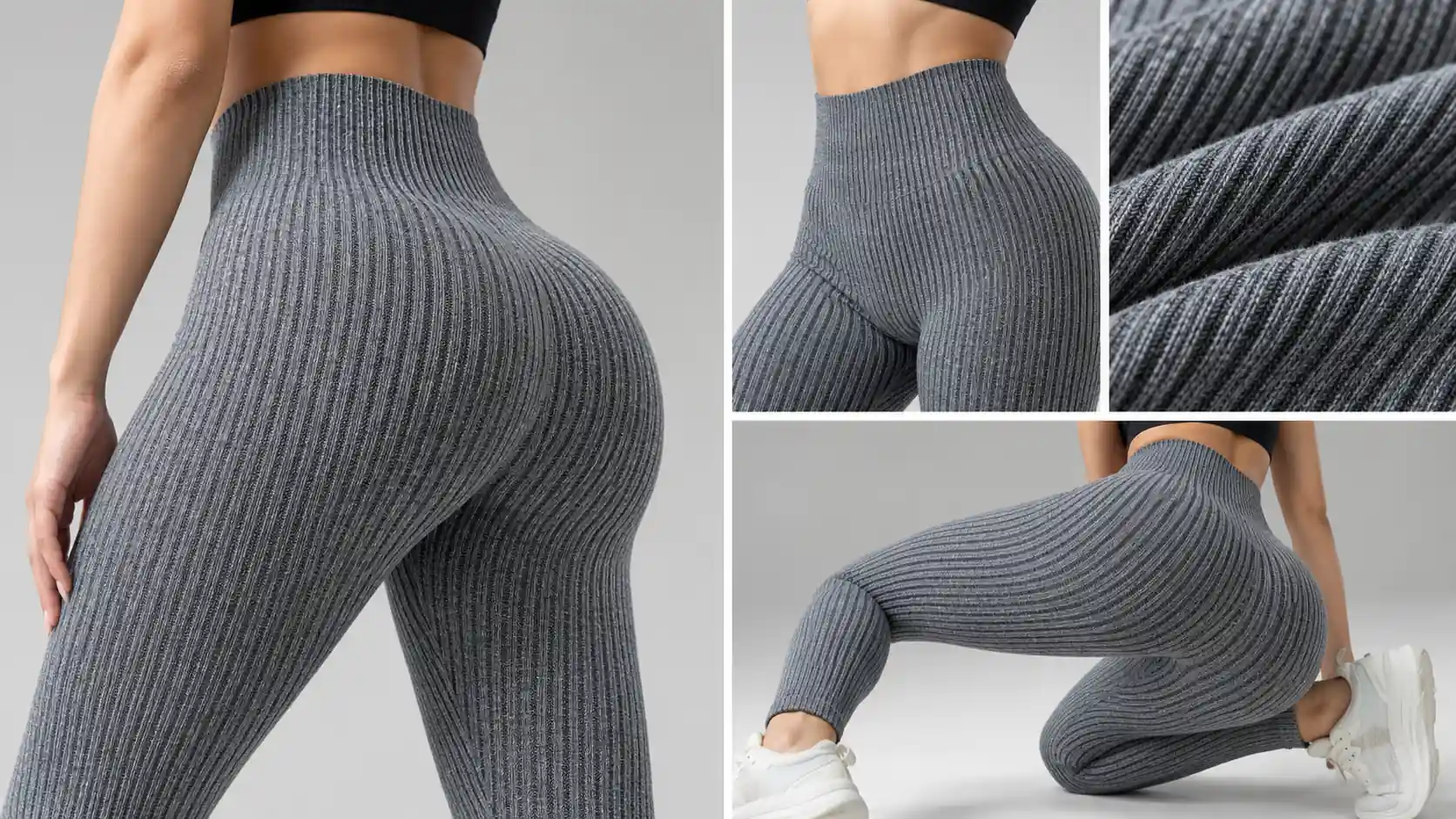
Development can begin from a Tech Pack, legally usable reference garment, sketch, images or a clearly defined target silhouette. The key task is to connect waistband position, rise, waist-to-hip balance, material response and back-body construction to one physical result that the buyer can approve.
MOVEVOX supports both Seamless and Cut & Sew routes. The route is selected according to the approved construction logic, while standard samples are typically completed within approximately 5–10 working days after the required development information has been confirmed.
Two routes used to reproduce different sculpting constructions.
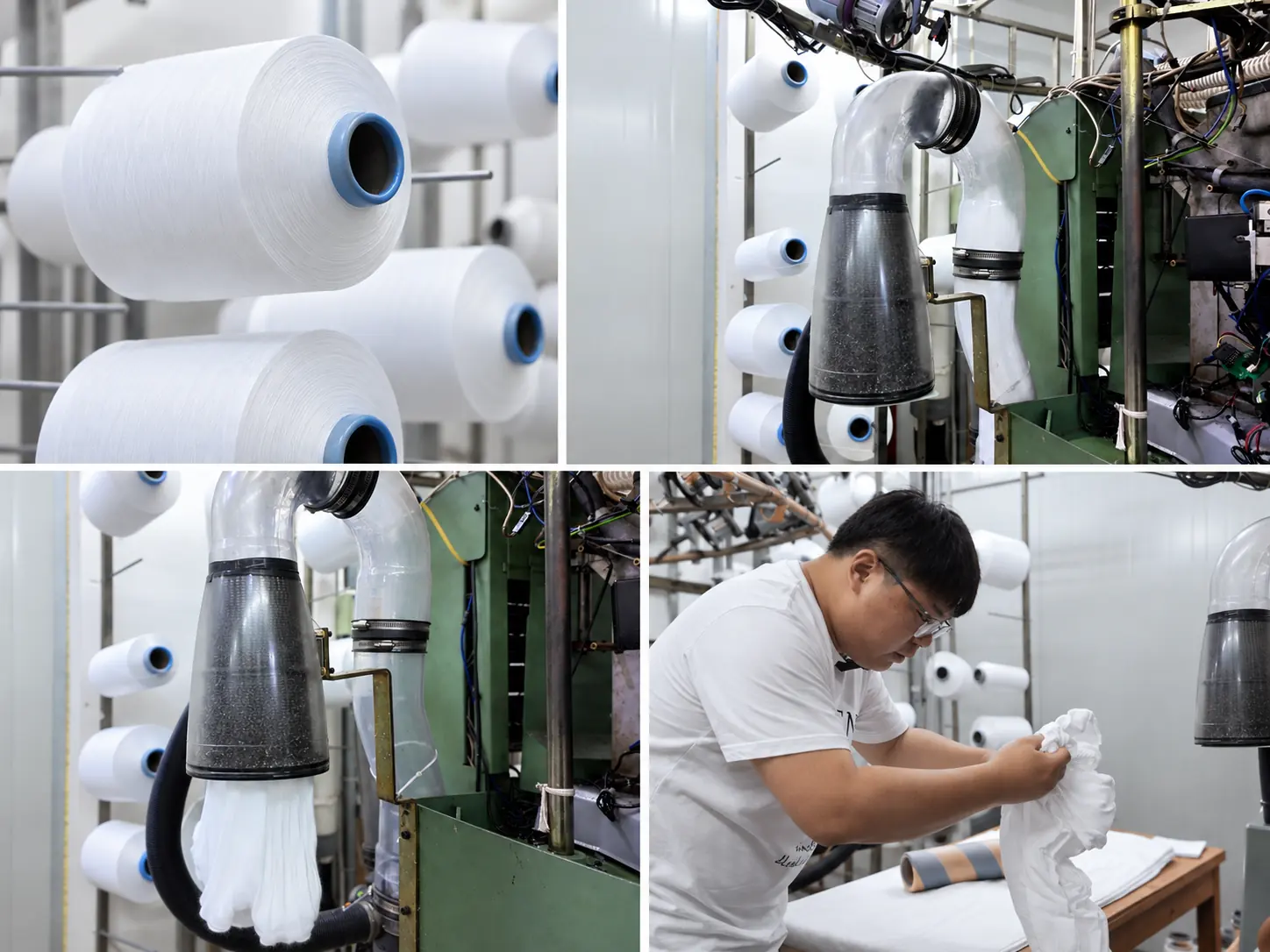
Italian Seamless machines supporting controlled knitted shaping and repeat production.
Development resources supporting sample, fit and silhouette revisions.
Core stable finished release after the approved standard is transferred into production.
Controlled-network stable managed delivery under centralized product and QC control.
Use Manufacturing Resources to Close, Transfer and Recheck the Approved Result
Yiwu Core Base
Six floors with approximately 1,000 m² per floor in Yiwu, linking development, core production and quality activities to one released product reference.
Italian Santoni Machines
Supports Seamless programs where knitted geometry or localized zones are part of the buyer-approved result.
Principal Garment Machines
Supports Cut & Sew programs where pattern geometry, seams, panels or waistband construction influence the back-body result.
Development Team
Approximately two design personnel, two pattern makers and four sample-development personnel supporting sample comparison, variable-specific revision and physical recheck.
QC Personnel
Checks released measurements, material, construction and workmanship after the target result has already been accepted in development.
Standard Sampling
Typical after the required product inputs and comparison target are clear enough to build a controlled sample.

Define Which Product Variables Are Intended to Create the Sculpting Silhouette
Target Back Silhouette
Define the visual back-body contour the buyer wants the physical garment to represent.
Waistband Position
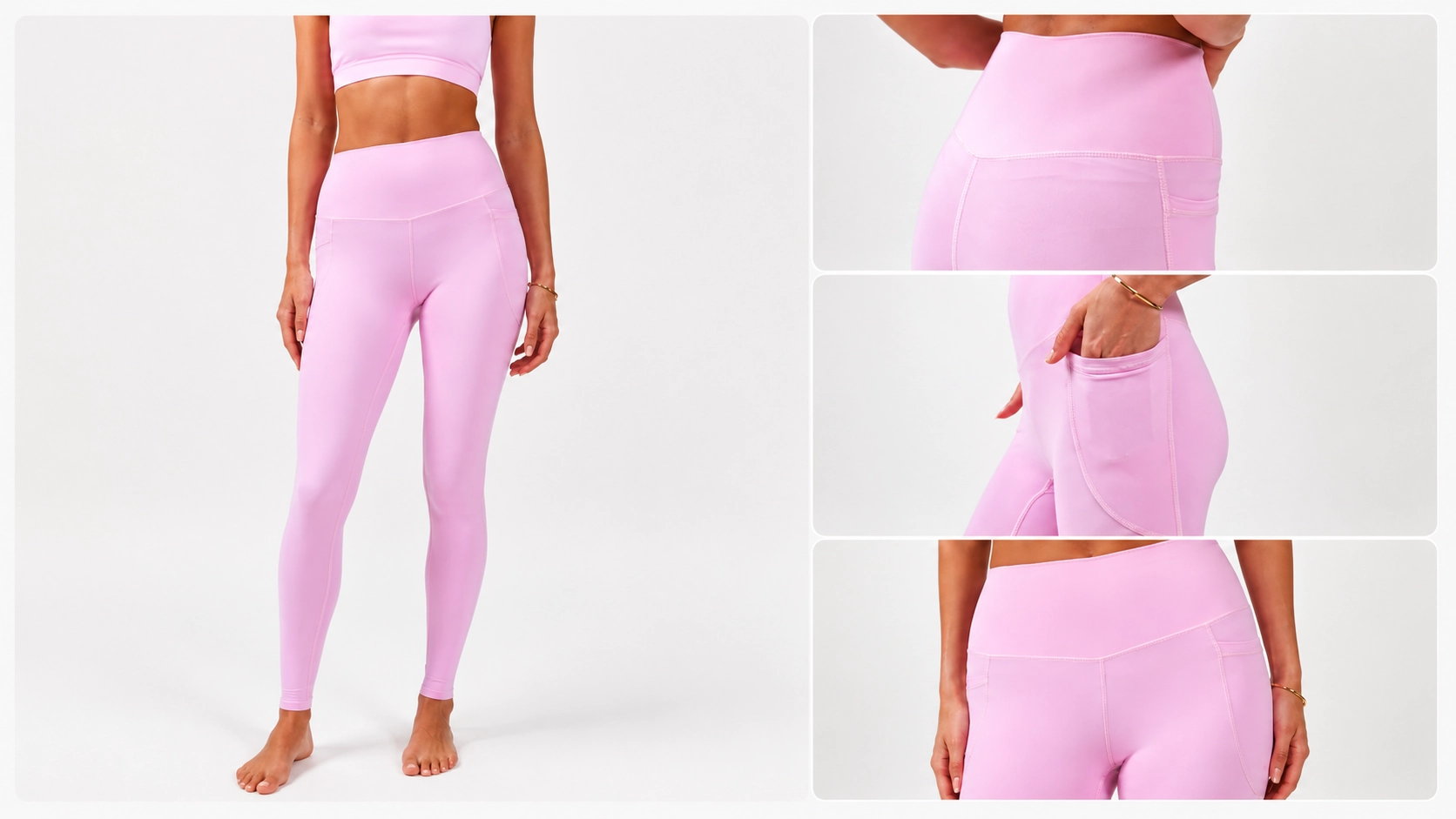
Waistband height, position and construction affect the relationship between the upper garment, waist and hip.
Back Rise & Body Balance
Front rise, back rise, waist and hip need to work together rather than being treated as isolated measurements.
Buyer-Defined Back Construction
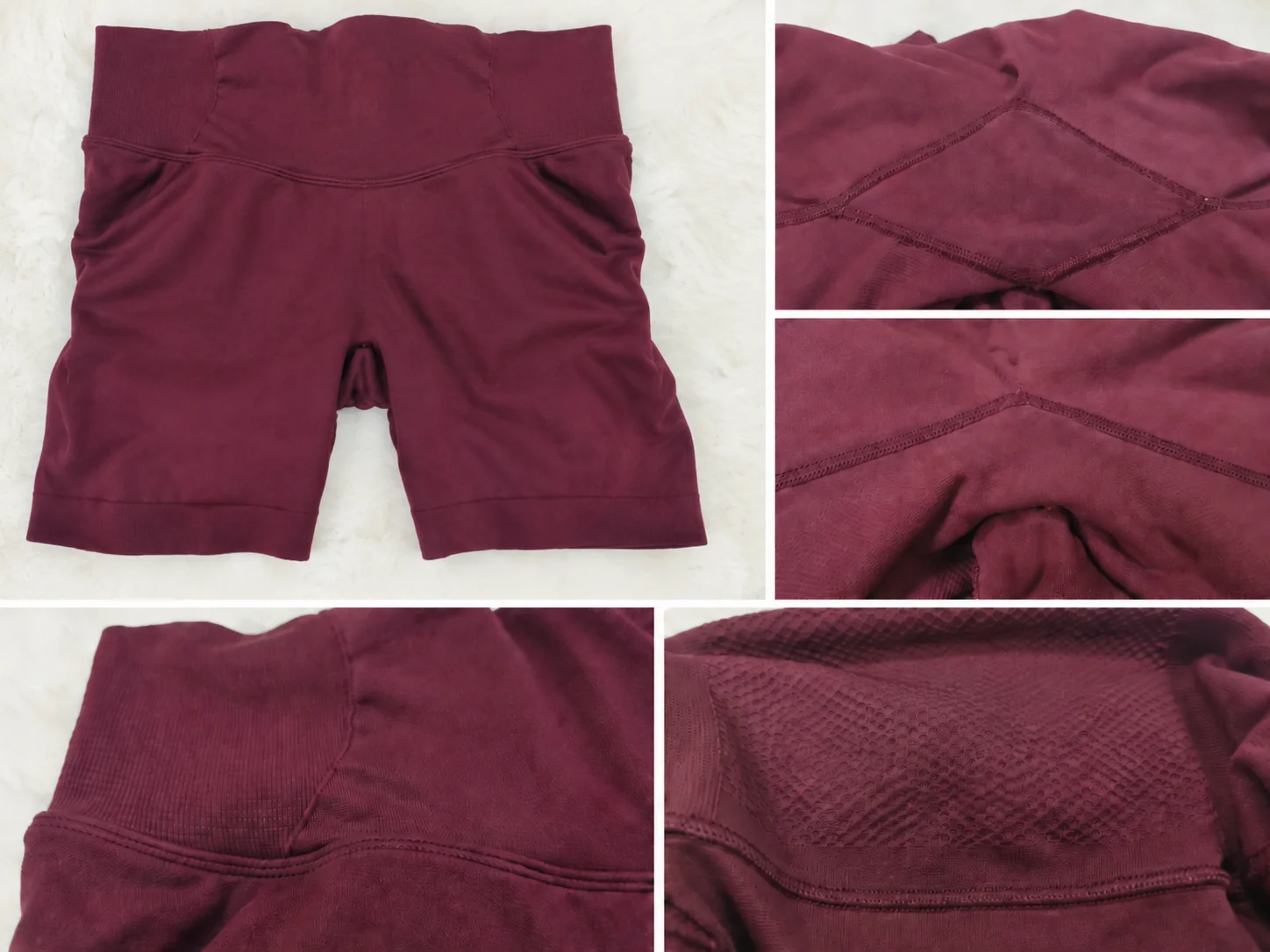
Where the design uses a scrunch, contour seam, knitted zone or other back-body feature, it should be reviewed as a defined construction requirement.
Material Response
Stretch, recovery, structure and surface can change how the same geometry behaves in the finished garment.
Size-Range Preservation
The approved base-size silhouette should not be assumed to reproduce automatically across the entire size range.
Choose the Route by Which Variable Must Create the Sculpting Result
Neither route is inherently more “lifting.” The route should be chosen according to which controllable variable is expected to create the approved silhouette and how that variable will be reproduced in bulk.
Knitted-Structure Control
Use Seamless where the intended result depends on machine-programmed knit structures, localized tension, rib zones, knitted waistband geometry or other repeatable knitted features.
MOVEVOX operates 28 Italian Santoni Seamless machines at the Yiwu core base.
Pattern-and-Seam Control
Use Cut & Sew where the intended result depends on pattern geometry, sewn waistband shape, rear seam position, contour panels or other sewn construction variables.
MOVEVOX maintains core Cut & Sew capability in Yiwu.
Treat a Material Change as a New Validation Question, Not a Simple Substitution
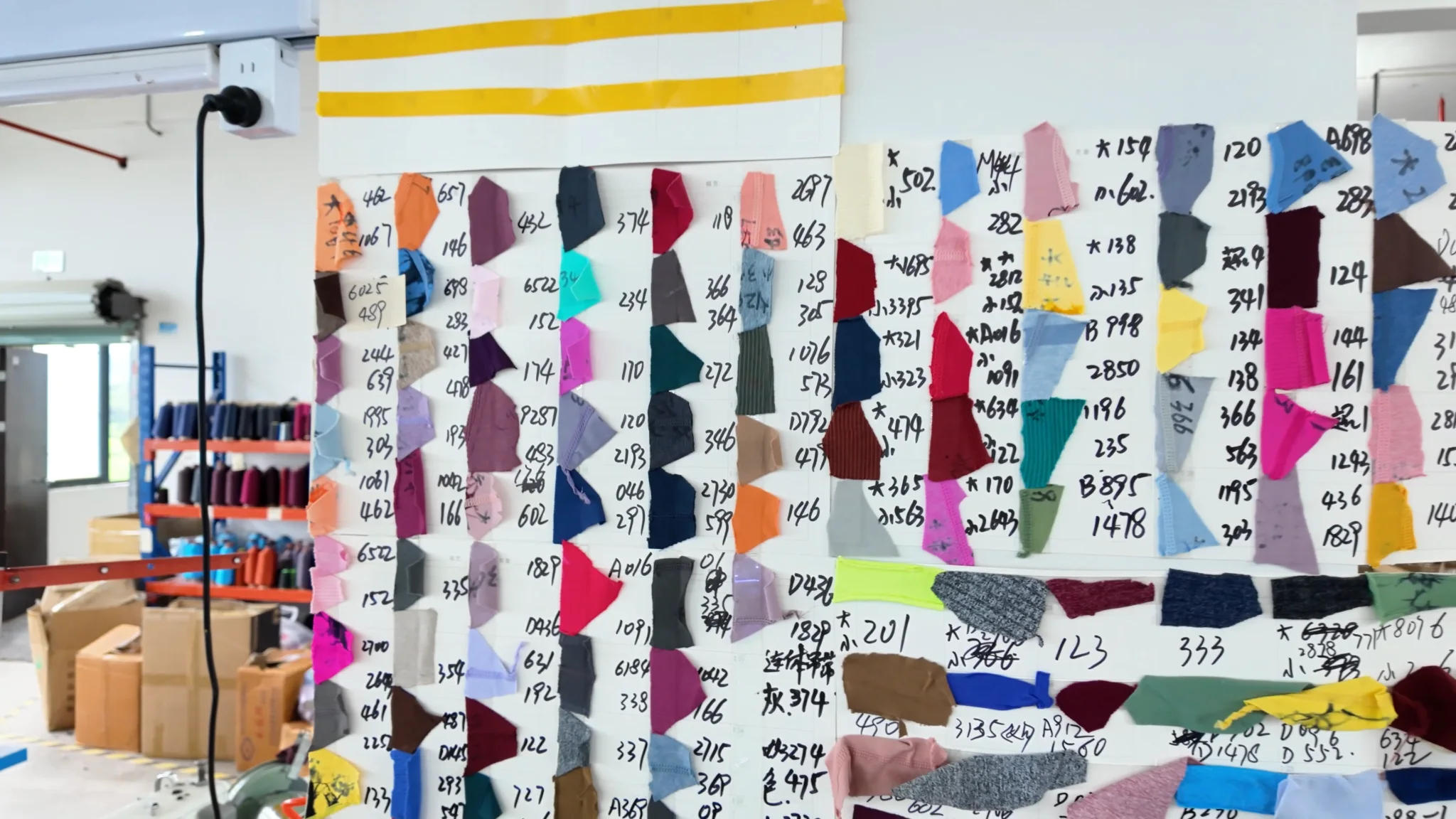
A fabric or yarn can preserve nominal measurements while changing how the garment sits, recovers and presents the back-body result. Material replacement should therefore be assessed against the released garment, not composition alone.
Stretch
Changes how far the garment extends around waist, hip and seat under the same geometry.
Recovery
Changes how strongly the garment returns after extension and can alter the held shape.
Weight
Can change drape, structure and how firmly the garment maintains the released geometry.
Handfeel
May be commercially acceptable while still changing perceived hold or comfort; confirm it separately from the visual target.
Surface
Texture and finish can change the perceived contour even when measurements remain unchanged.
Physical Approval
If material source, yarn, dye route or finish changes, decide whether a comparison sample is required before repeat production.
Control the Silhouette Through Measurements That Work as a System
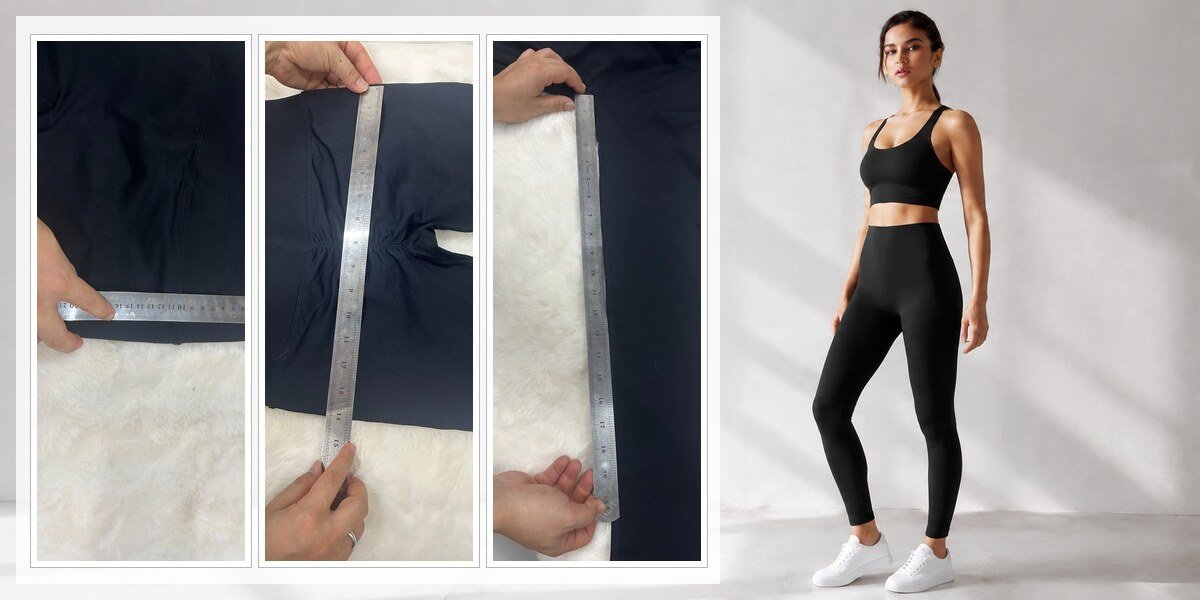
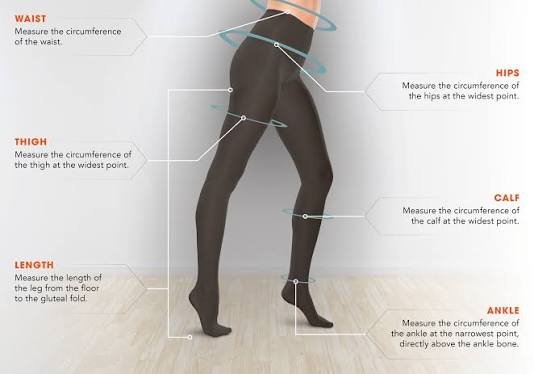
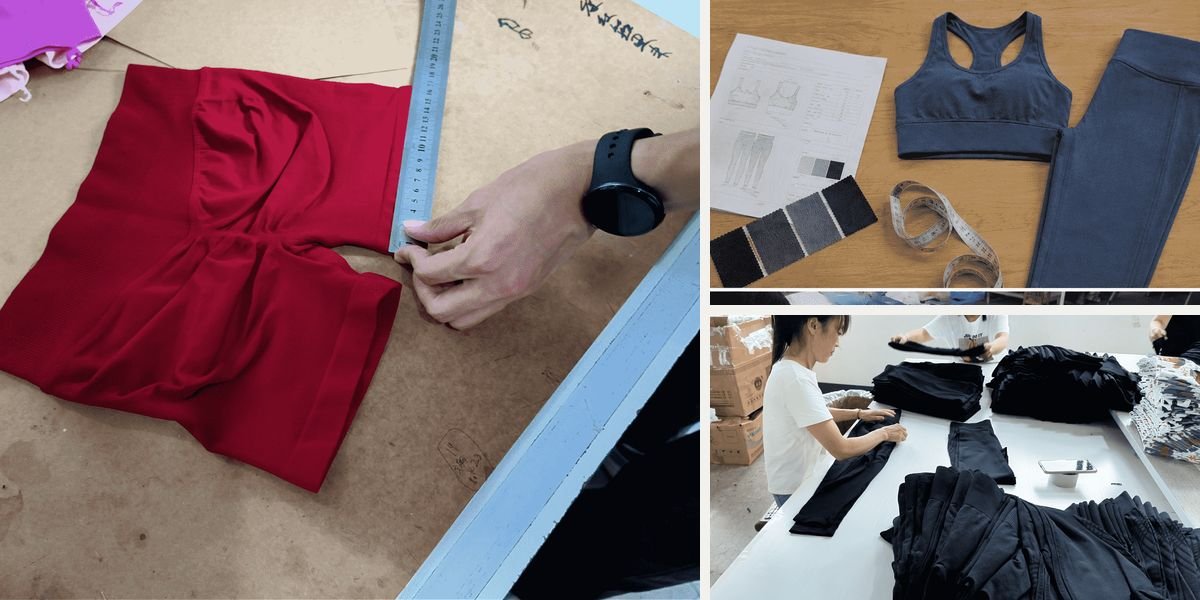
MOVEVOX does not treat one generic XS–XL chart as a universal leggings Fit standard. Applicable measurements, POM, tolerances and grading should follow the buyer's approved product specification.
| Control Point | What Must Be Defined |
|---|---|
| Waist | Approved measurement method and intended Fit relationship. |
| Waistband Height | Applicable waistband dimension for the specific product. |
| Front Rise | Buyer-defined measurement influencing front garment position. |
| Back Rise | Approved relationship between back waist, hip and garment balance. |
| Hip | Approved hip measurement connected to material and intended Fit. |
| Back-Body Construction | Applicable construction position or technical reference for buyer-defined shaping features. |
| POM & Tolerance | Defined measurement locations and acceptable production variation. |
| Grade Rules | Controlled size-to-size changes and physical validation where required. |
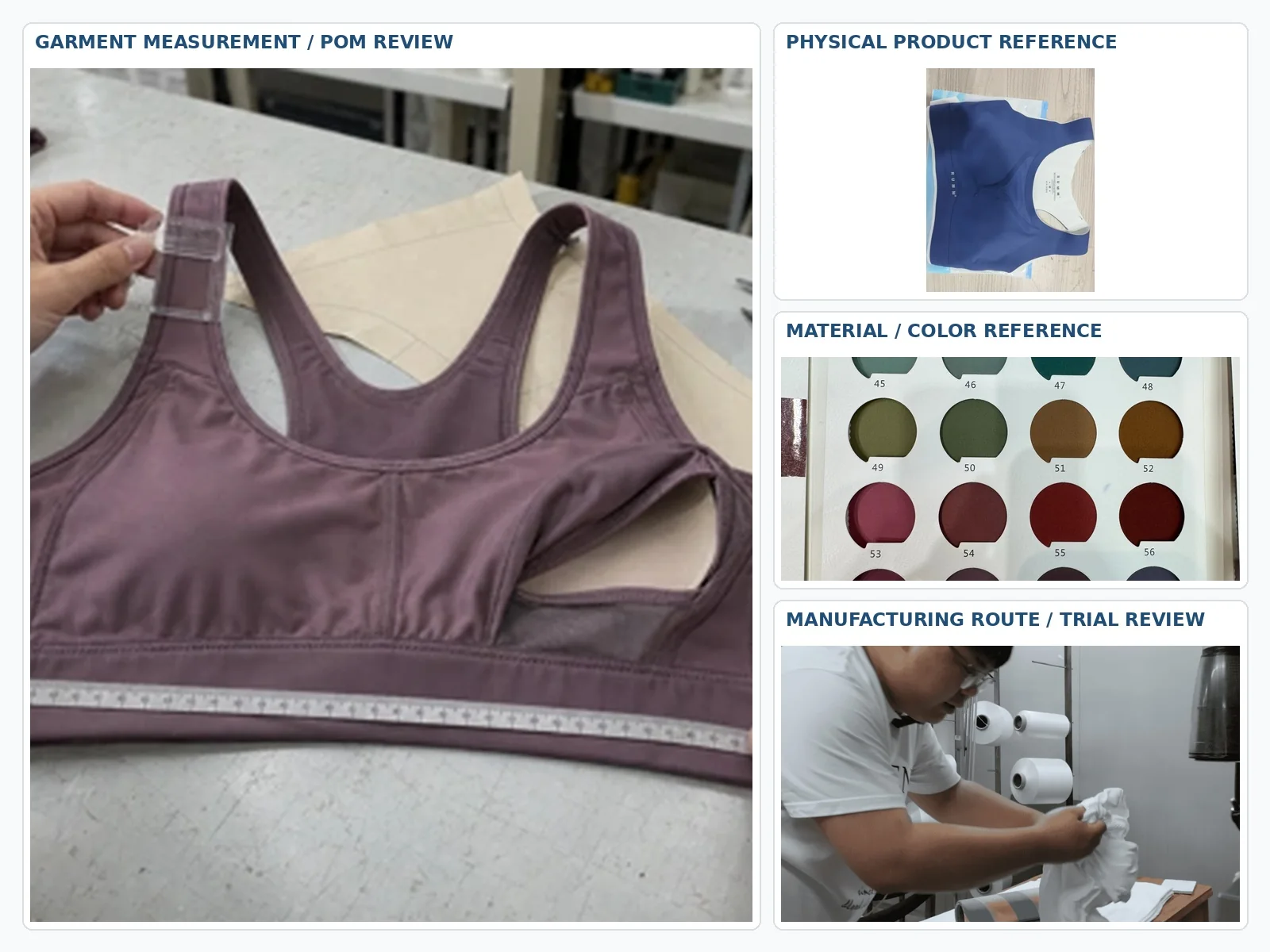
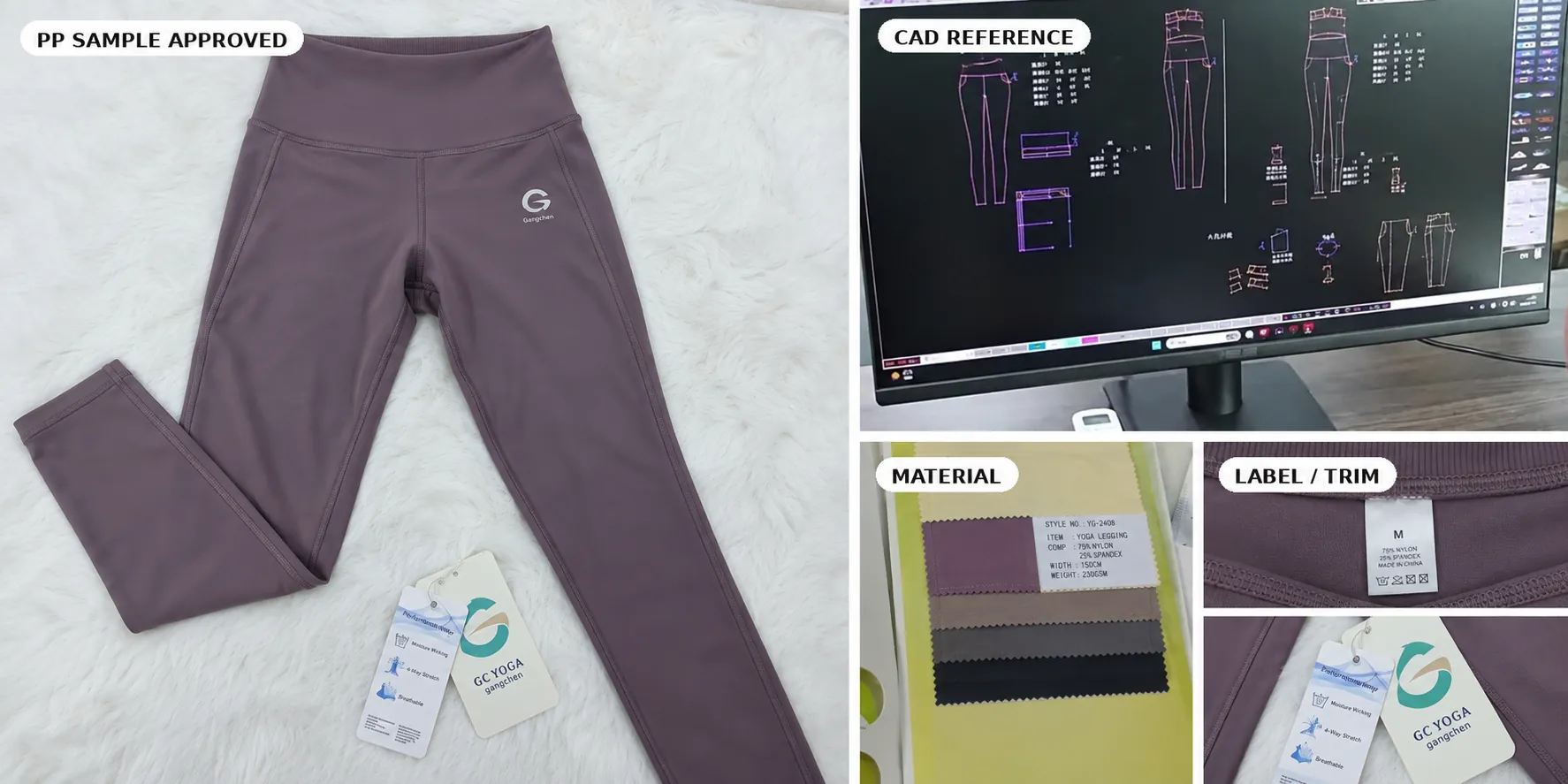
Compare Each Physical Sample Against the Same Sculpting Target
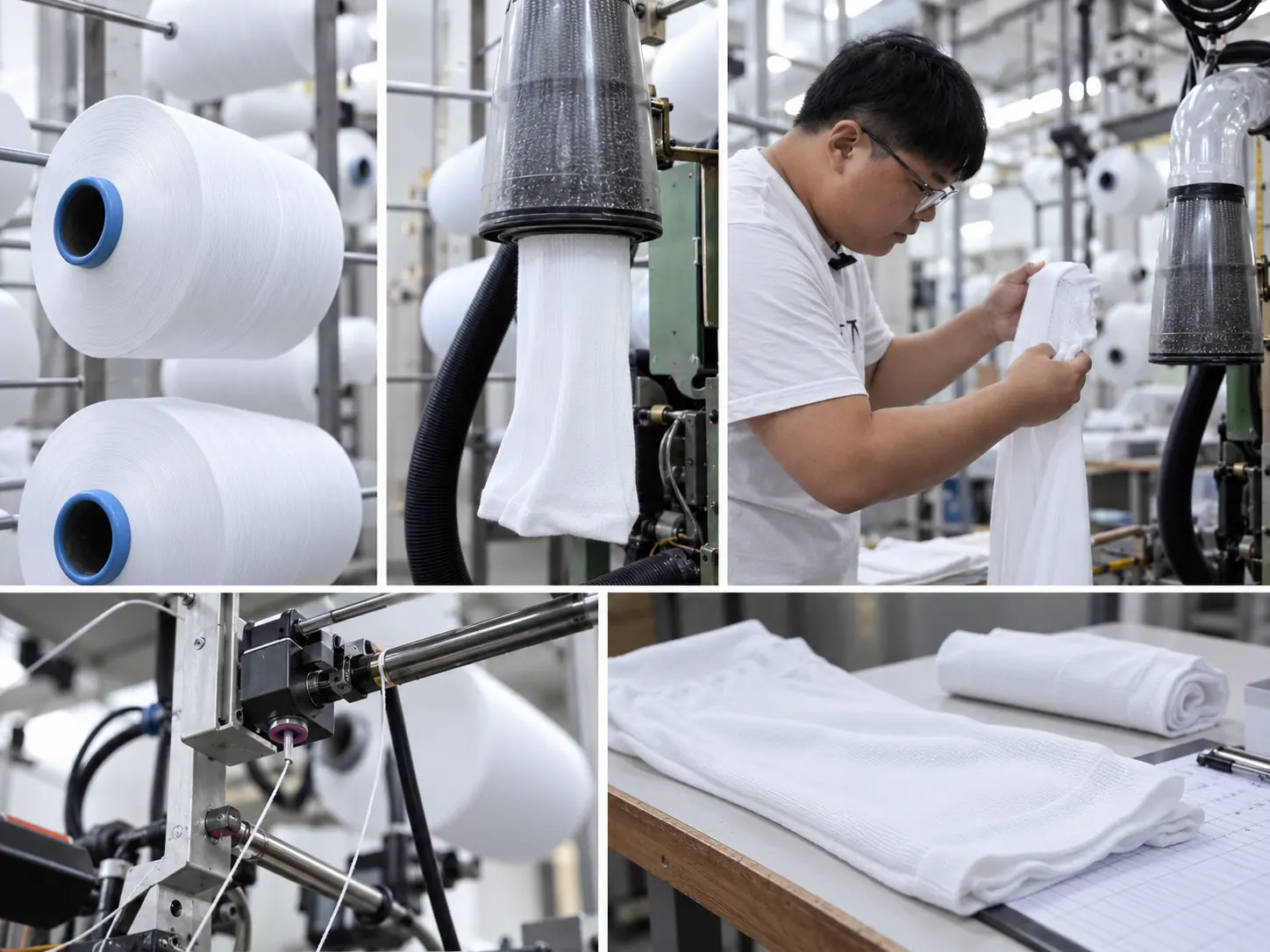
Freeze the Review Target
Use one agreed physical or visual target so each revision is evaluated against the same outcome.
Confirm the Controlling Variables
Identify whether fit, material, knitted structure, pattern geometry or back construction is expected to create the result.
Hold Material Constant Where Possible
Avoid changing material and construction simultaneously unless the project deliberately requires both, so the effect of each revision can be understood.
Establish the Fit Baseline
Record waistband, rise, waist, hip, inseam and the approved relationship between them before judging visual changes.
Produce the Review Sample
Convert the current revision into one physical garment that represents the documented variables.
Record the Difference
Compare the sample with the target and record which physical difference must be corrected before the next revision.
Validate the Back-Body Relationship at the Sizes Most Likely to Drift
The base size defines the starting reference, but grading can change waistband position, rise balance, seat capacity and the proportion of rear construction. Validation should therefore be risk-based across the intended range rather than assuming geometric scaling preserves the same visual result.
Approve the Base Size
Freeze the reference measurements, material, rear construction and accepted on-body result.
Define Grade Rules
Specify how waist, hip, front/back rise and any rear feature progress by size.
Select Priority Sizes
Choose boundary or high-risk sizes where proportional changes are most likely to alter the accepted result.
Verify the Physical Garment
Check released POM first so a measurement error is not mistaken for a grading-design issue.
Review the Silhouette
Compare waistband-to-seat balance and rear construction against the approved design intent, not against the base size alone.
Release the Size Range
Record accepted grade decisions and any size-specific exceptions before commercial production.
Release the Product Only When Four Different Standards Agree
Silhouette Release
The physical garment represents the buyer-approved visual back-body direction.
Approved physical garment.
Fit Release
Waistband, rise, waist, hip, inseam and overall garment balance are accepted.
Current measurement specification plus physical sample.
Material Release
The actual fabric or yarn, surface, handfeel and response are accepted.
Approved physical material or garment.
Construction Release
Applicable back-body construction, waistband, seams or knitted structures are confirmed.
Approved physical sample and current technical information.
Convert the Accepted Product Into the Bulk Reference
Once the relevant silhouette, Fit, material and construction decisions are accepted, the current sample and specification can become the basis for First Article and normal bulk control.
Know What Can Be Reused—and What Must Be Revalidated—When the Product Expands
An approved sculpting result can provide a useful starting reference, but a new size, material, color or related SKU should not inherit the result automatically when the variables controlling the silhouette have changed.
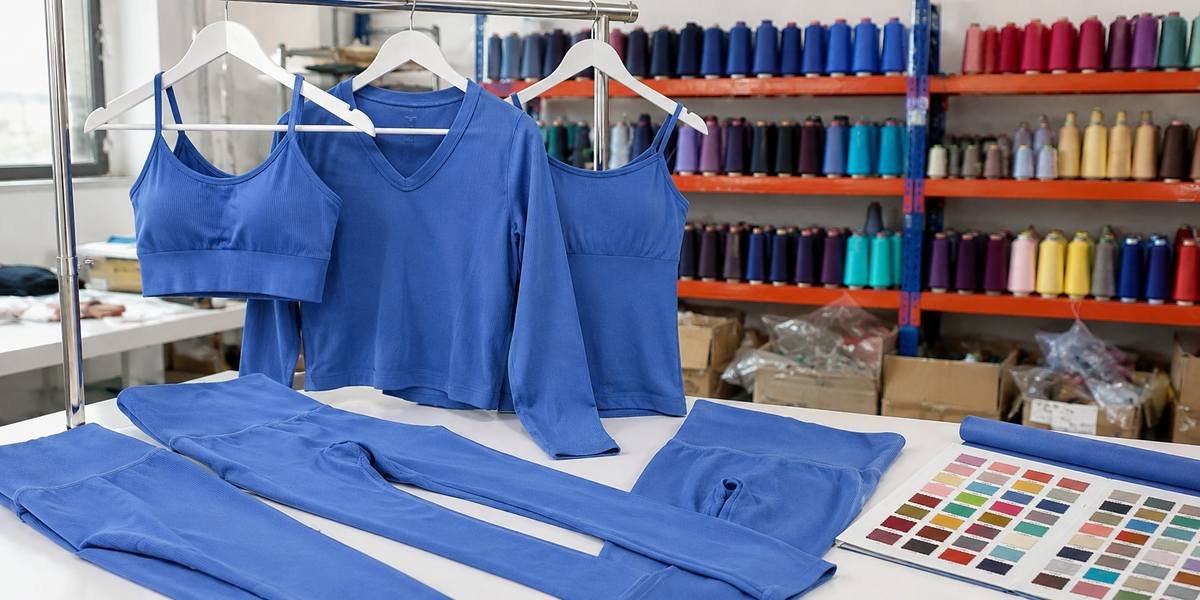
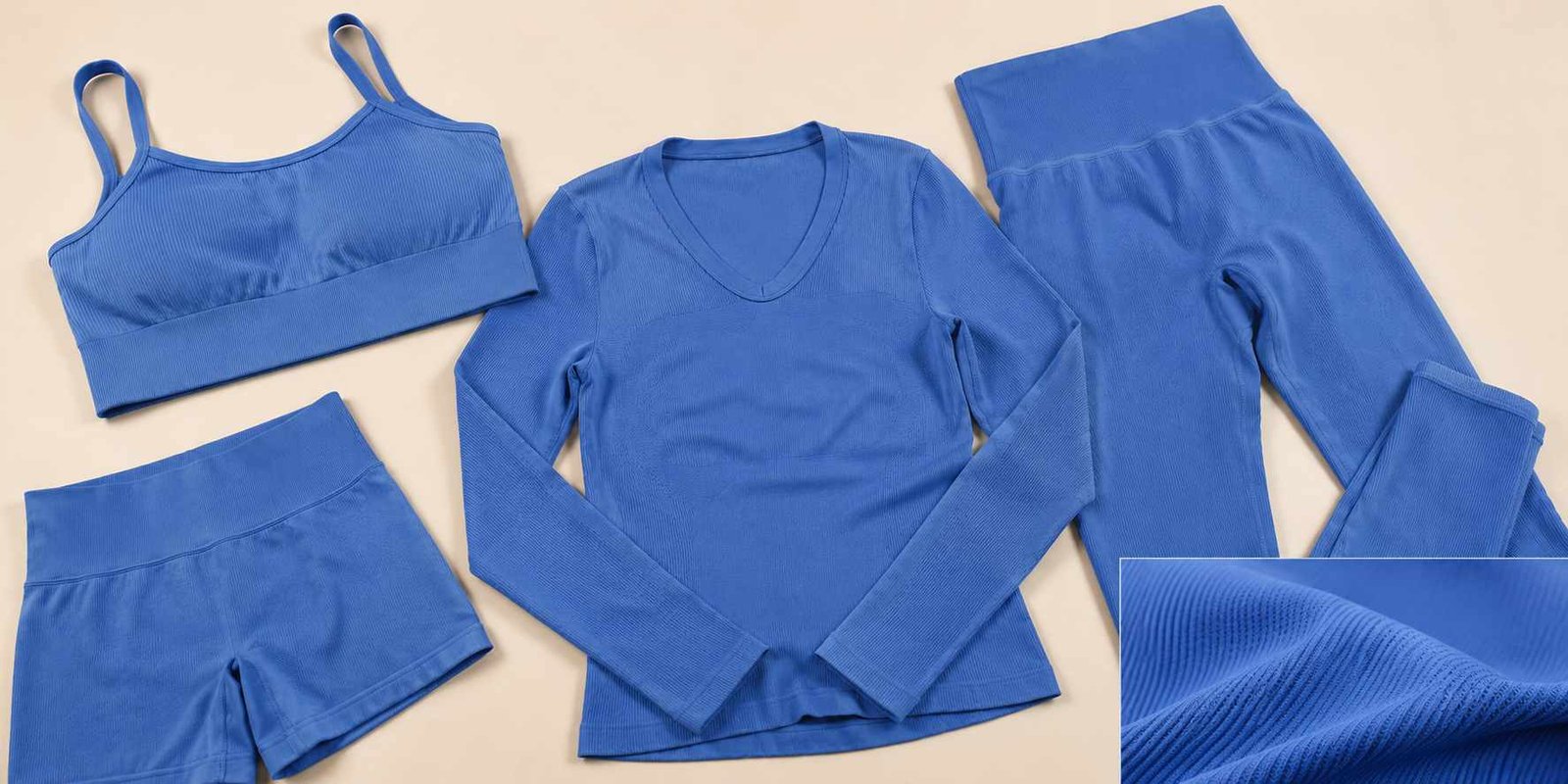
Standards That May Be Reused
- Approved color standards
- Brand artwork and label system
- Documented approval language
- Existing measurement method
- Documented approval language
Items That Need Product-Level Confirmation
- Waistband / rise relationship
- Material stretch and recovery
- Back-body construction
- Grade rules where applicable
- Physical silhouette approval
Freeze the Variables That Define the Approved Silhouette Before Bulk Release
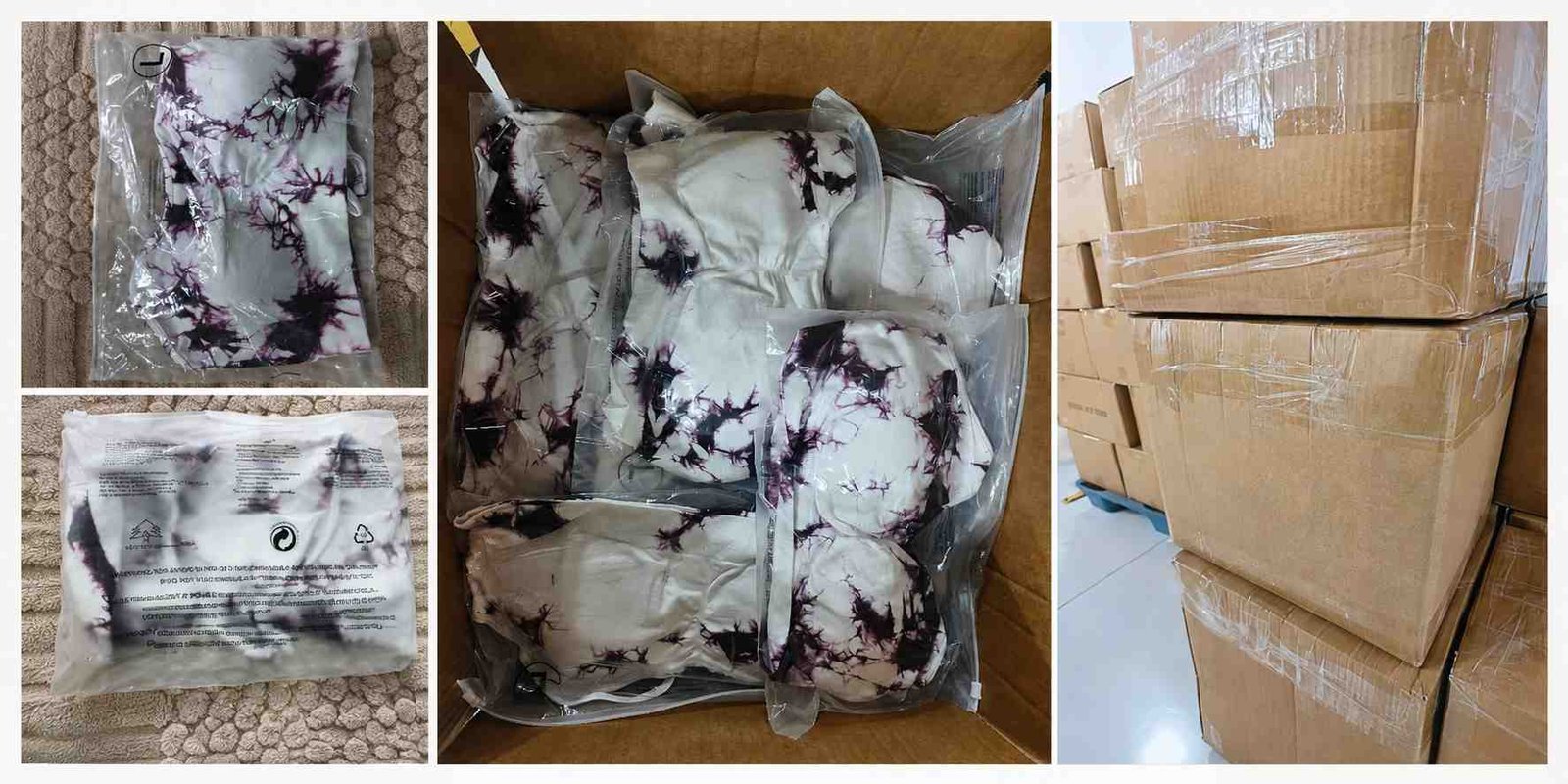
Bulk production should receive one controlled baseline that identifies which fit, material and back-body variables created the buyer-approved silhouette, together with the normal branding and packing requirements.
Primary Silhouette Reference
Retain the accepted garment as the primary visual and physical reference for the approved sculpting result.
Fit Geometry Standard
Release waistband, rise, waist, hip, POM, grade rules and tolerances that support the approved waist-to-seat relationship.
Material Response Standard
Connect the approved fabric or yarn, stretch and recovery direction to the style because substitutions can change the physical result.
Rear Construction Standard
Release the approved rear seam, pattern geometry, knitted structure or other back-body construction variable.
Identity Standard
Confirm logo, labels, size, color, barcode and SKU data without allowing branding changes to overwrite the product baseline.
Release & Packing Standard
Confirm final packing and shipment requirements after the approved product baseline has been frozen.
Inspect the Variables Most Likely to Cause Silhouette Drift in Bulk
QC cannot prove an undefined “lifting” claim. It can verify the measurable and observable variables that were already accepted as part of the buyer-approved silhouette.
Waistband Position & Height
Check the applicable waistband dimensions and construction that influence the upper-body balance of the legging.
Rise & Waist-to-Seat Balance
Verify front rise, back rise, waist and hip together so the released geometry is not altered by isolated measurement drift.
Rear Construction Placement
Verify rear seams, knitted zones, contour lines or other approved shaping details against the released reference.
Material Identity & Response
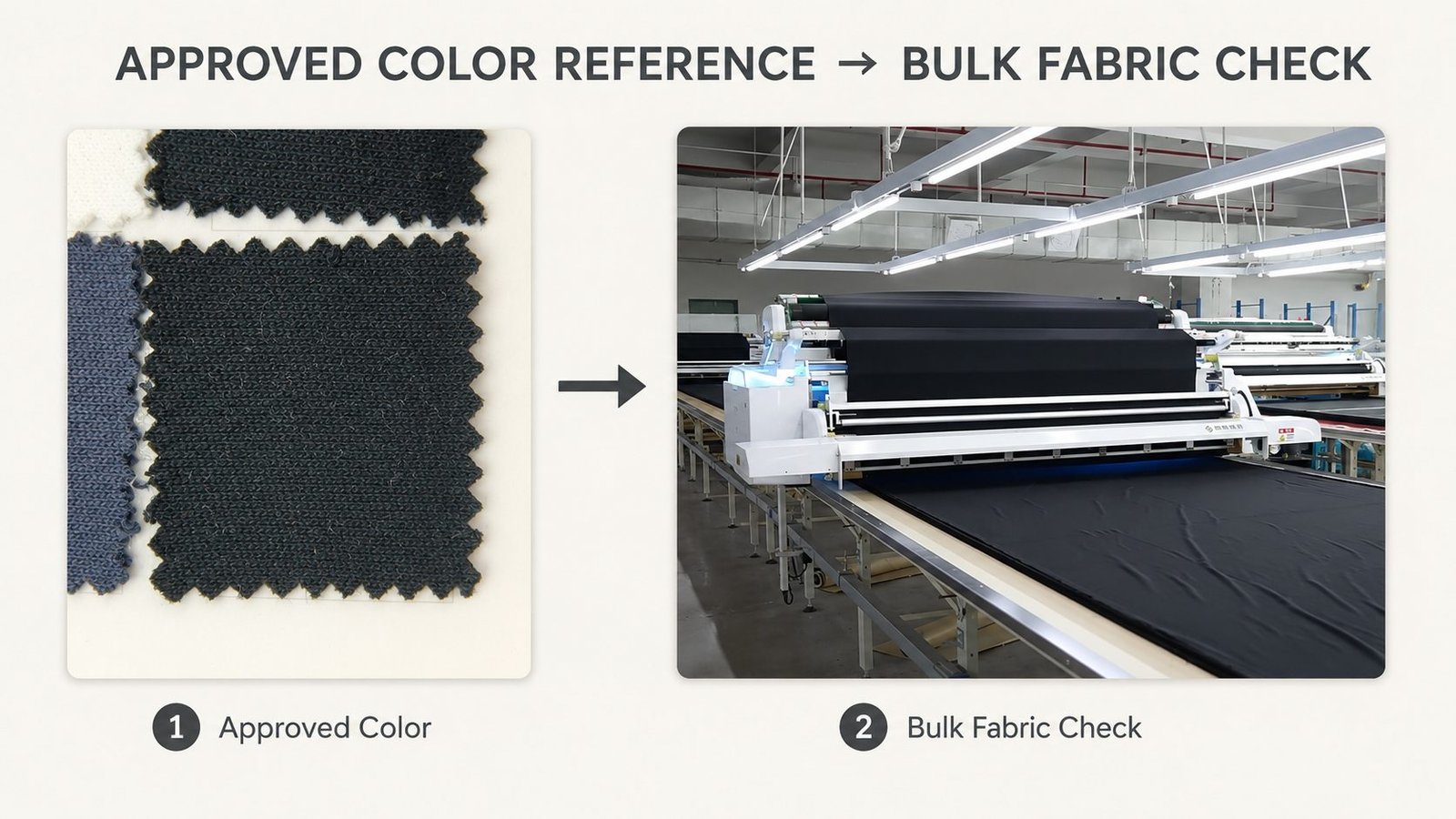
Check the production fabric or yarn against the approved physical reference where stretch, recovery or structure influences the result.
Critical Geometry Measurements
Verify the POM and tolerances that materially affect waistband, rise, hip and back-body balance.
Construction Consistency
Review seam execution and garment construction for variation that can visibly change the approved rear silhouette.
A Repeat Order Is Only “Repeat” If the Silhouette-Critical Variables Are Unchanged
Retrieve the Approved Silhouette Baseline
Retrieve the latest approved sample plus the fit, material and rear-construction variables that created the accepted result.
Check for Material Substitution
Confirm whether the approved fabric or yarn remains the same; a substitution can require physical revalidation even when measurements are unchanged.
Separate Commercial Changes From Product Changes
A packaging or PO change may remain a repeat; a new material, fit, size structure or rear-construction change may create a new validation condition.
Transfer the Released Baseline
Ensure the approved sample, measurements, material identity and construction references follow the order to the applicable production site.
Compare First Article to the Baseline
Compare the First Article against the released silhouette-critical references before normal production expands.
Continue Drift Control
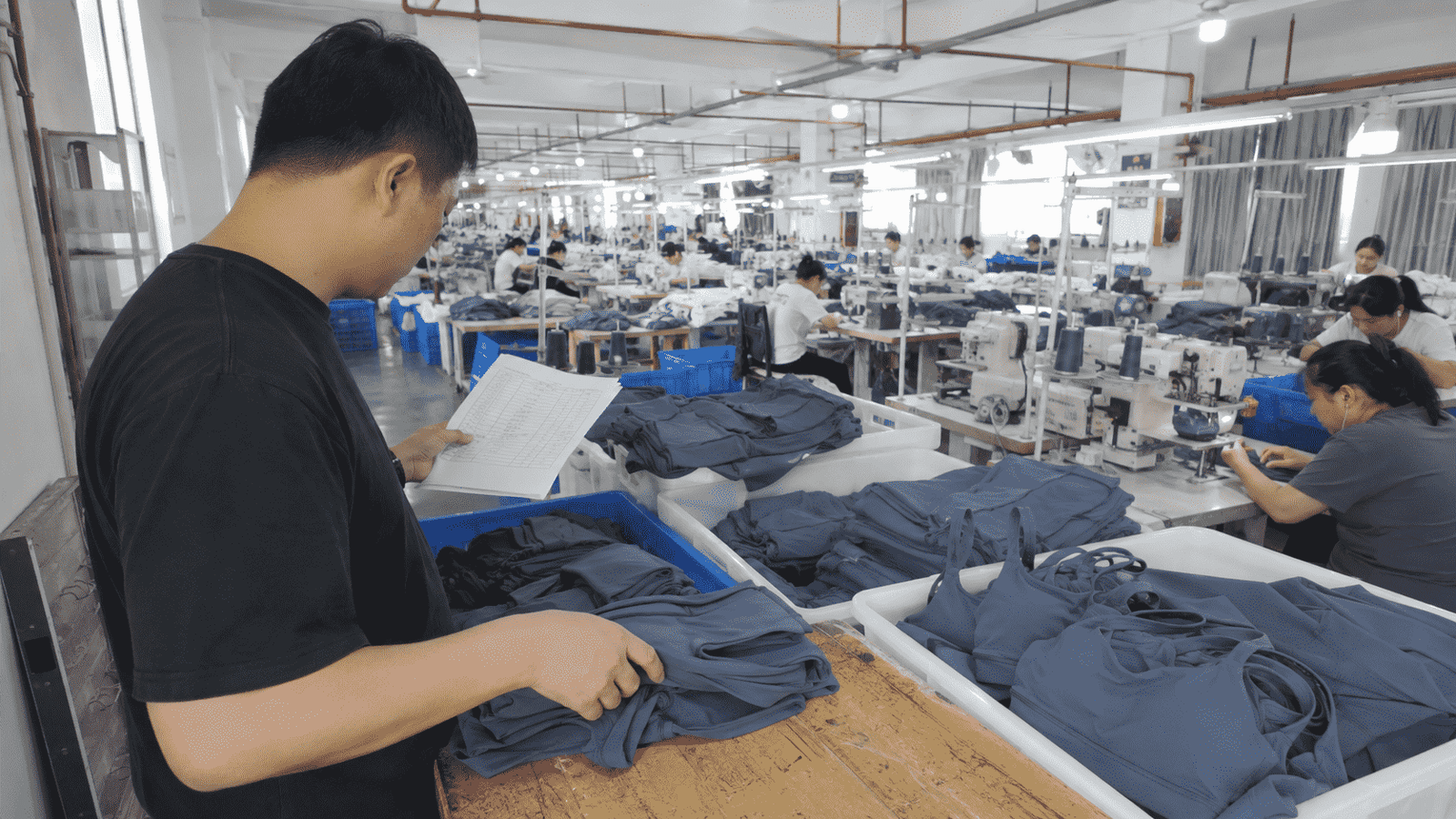
Continue in-line and finished checks on the variables most likely to move the product away from the approved result.
Scale Only After Classifying Whether the Next Order Is an Exact Repeat or a Changed Product
Core Stable Finished Release
Normal stable finished release from the Yiwu core factory under appropriate operating conditions.
Controlled-Network Stable Managed Delivery
Normal stable managed delivery level across the controlled MOVEVOX production network.
Exact Repeat: Increase Volume
If product, material, size set and production route are unchanged, scale against the current released baseline and PO-level capacity.
Changed Color: Check the Material Route
Classify whether the color change uses the same material construction and finish; recheck when dyeing or surface changes can alter physical behavior.
New Sizes: Treat as Product Expansion
Apply current grade rules and physically review selected sizes when the waistband-to-seat relationship is at risk of changing.
New Rear Construction: Create a New Approval
A new scrunch depth, seam position, waistband or rear-construction feature is a new product variant and should receive its own approval.
Changed Production Site: Transfer and Verify
MOVEVOX works with eight long-term controlled satellite factories—six in Yiwu and two in Guangzhou—for standardized replicated bulk or overflow production where appropriate. If allocation changes, transfer the released standard and verify initial output before normal bulk continues.
Maintain One Current Release Package
Keep one current sample/specification package and record every approved deviation so higher volume does not create competing product standards.
See Where the Approved Silhouette Can Be Preserved—or Lost—During Production
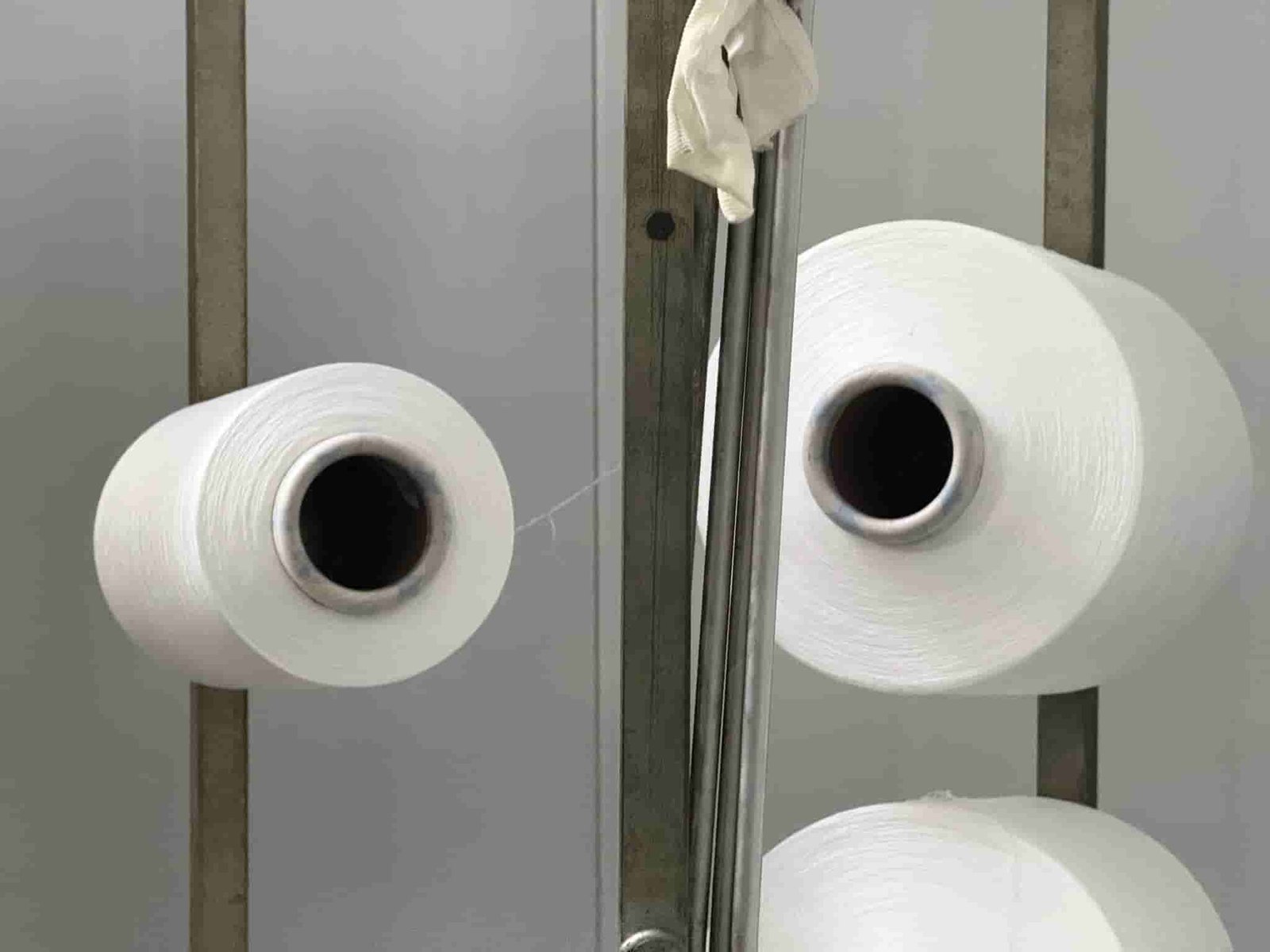
Material Baseline
The approved yarn or fabric establishes the material response used during silhouette validation.
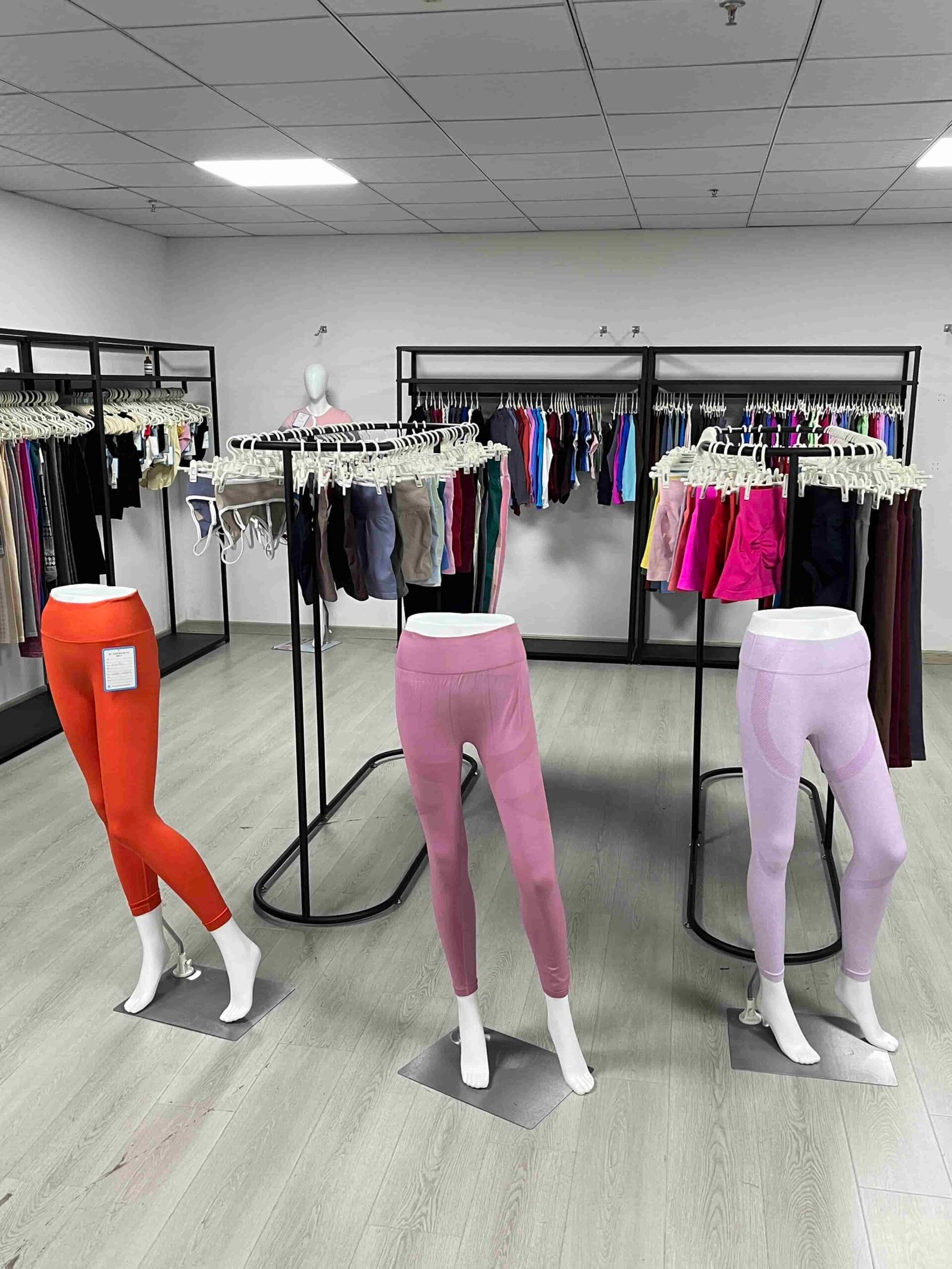
Physical Validation
The target silhouette is converted into samples, compared, revised and approved before bulk.
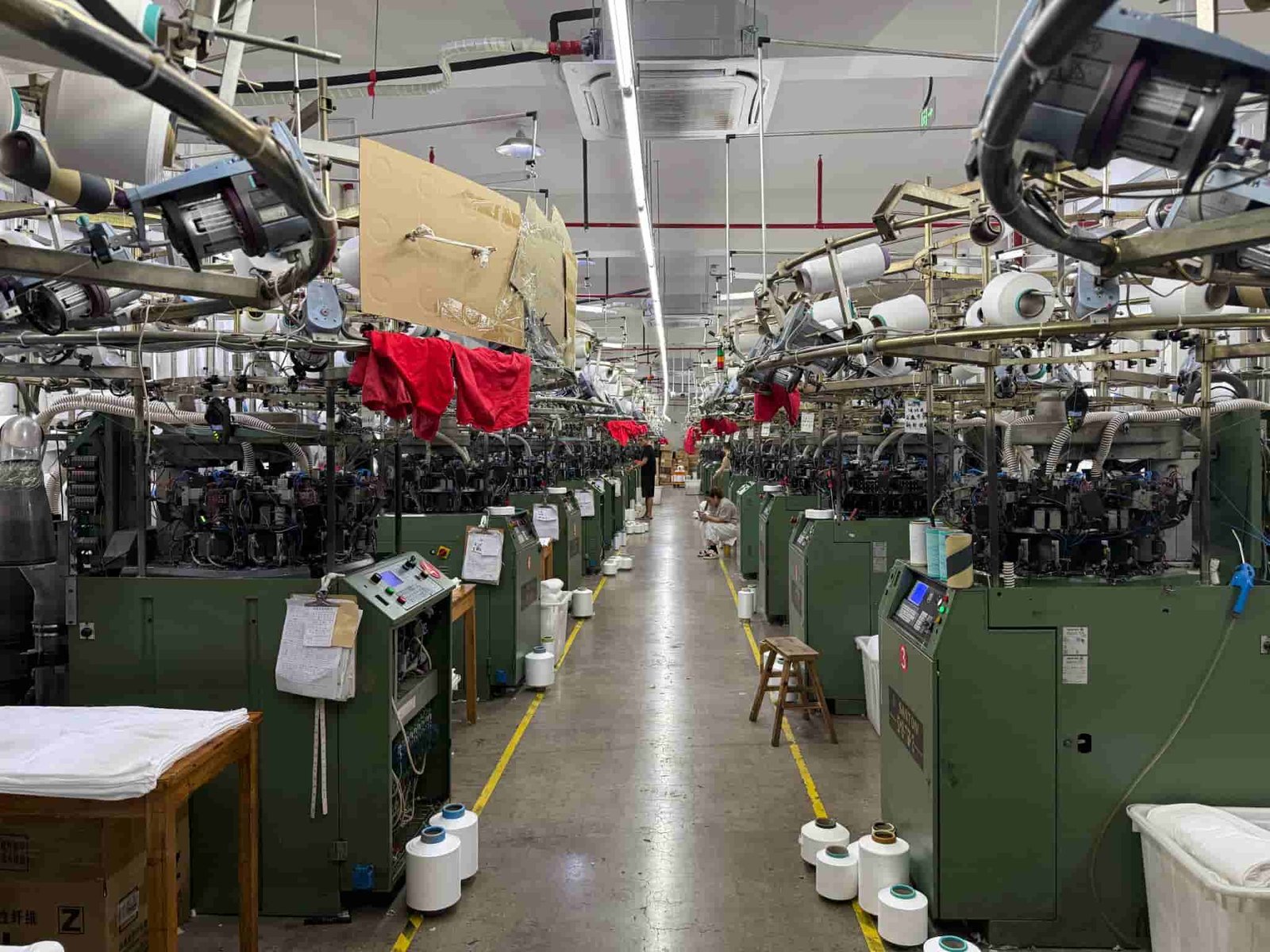
Programmed Knit Reproduction
MOVEVOX operates 28 Italian Santoni machines that reproduce approved knitted structures where Seamless is the selected route.

Pattern & Seam Reproduction
Pattern geometry, waistband and rear seam construction move into sewing according to the released product baseline.

First Bulk Comparison
Initial production garments are compared with the current approved silhouette-critical references before unrestricted production continues.

Drift Monitoring
Measurements, construction placement and workmanship are monitored while production remains active.
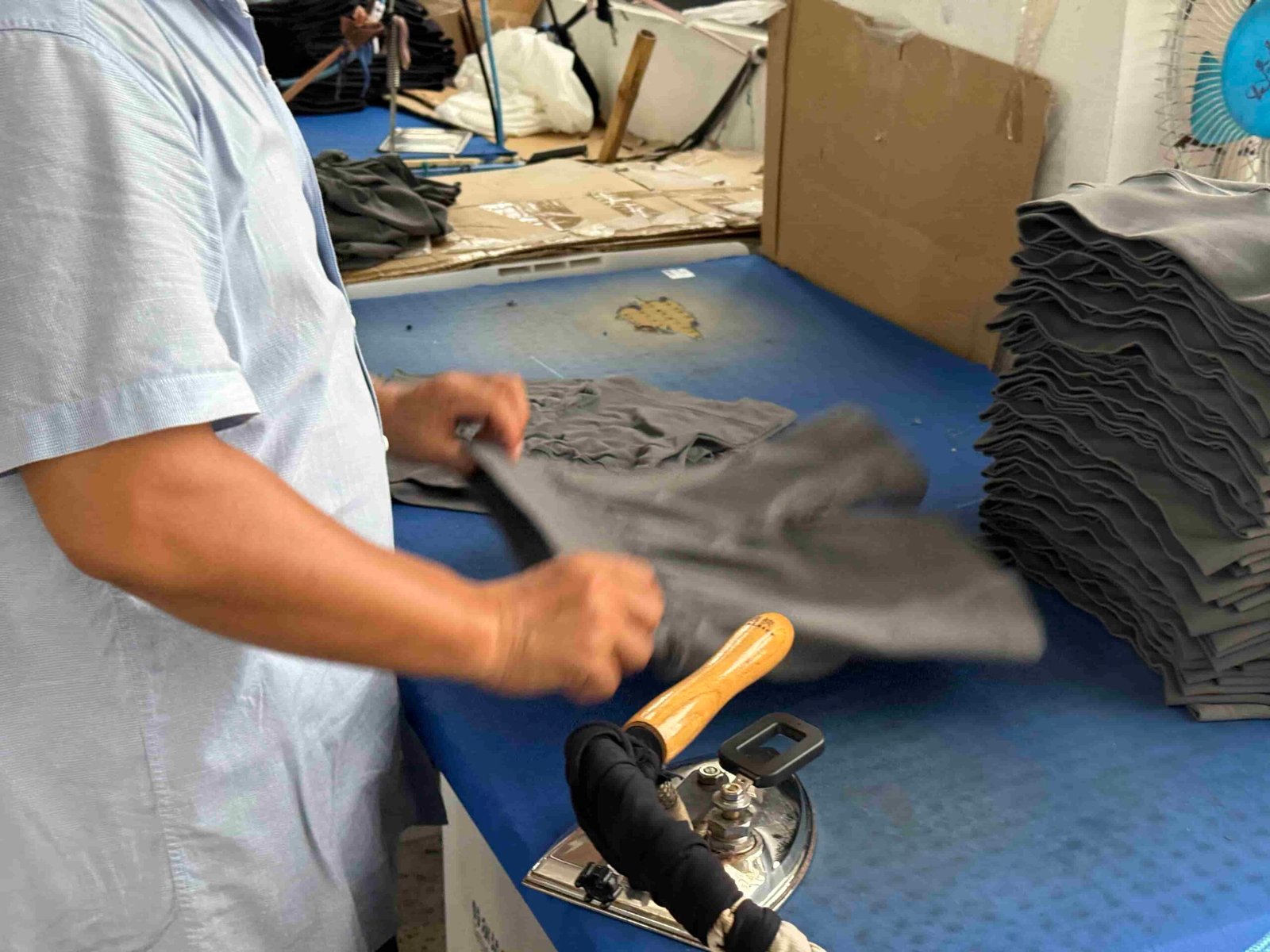
Final Product Check
Finished garments are checked against the released product and workmanship requirements before packing.
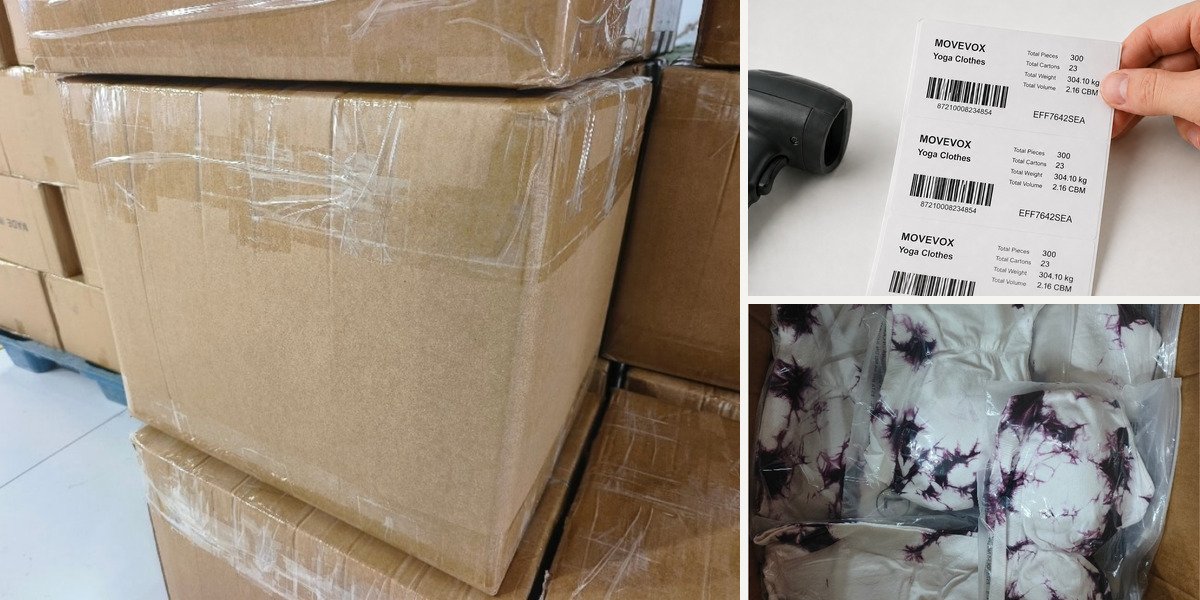
Identity & Release
Size, color, SKU and packing information are checked so the approved product is released under the correct commercial identity.
Use Chemical Reports for Chemical Scope—and Physical Approval for the Sculpting Result
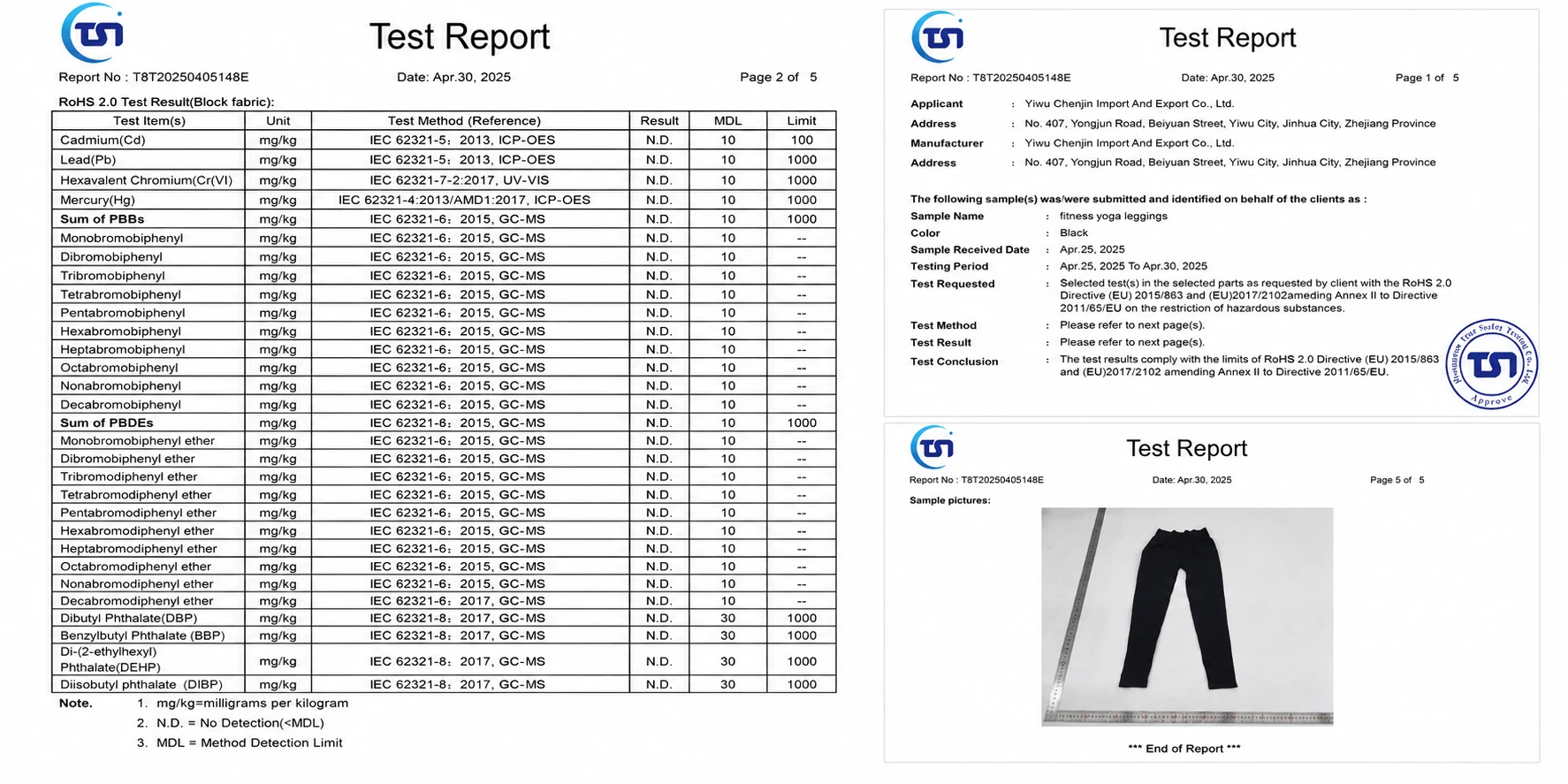
RoHS Evidence for the Tested Sample
Certificate: TST20250405148EC
Test Report: TST20250405148E
Date: April 30, 2025
Applicant / Manufacturer: Yiwu Chenjin Import And Export Co., Ltd.
Submitted Sample: Black fitness yoga leggings
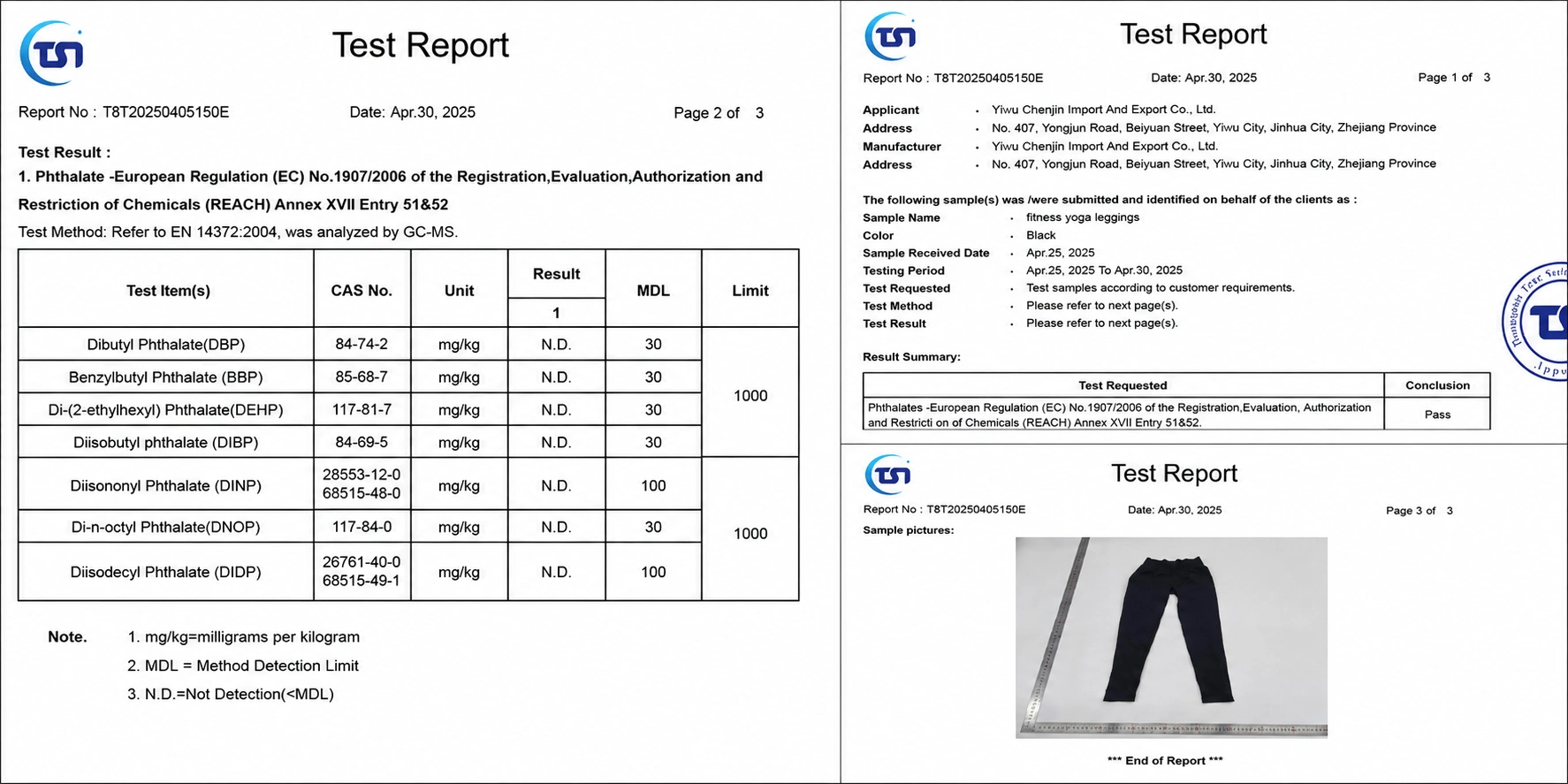
REACH Evidence for the Tested Fabric
Test Report: TST20250405150E
Date: April 30, 2025
Sample: Black fabric from the submitted fitness yoga leggings
The cited phthalates were reported as not detected within the stated method limits, and the report records a Pass conclusion for the submitted sample.
Can the Supplier Explain, Validate and Reproduce the Sculpting Result?
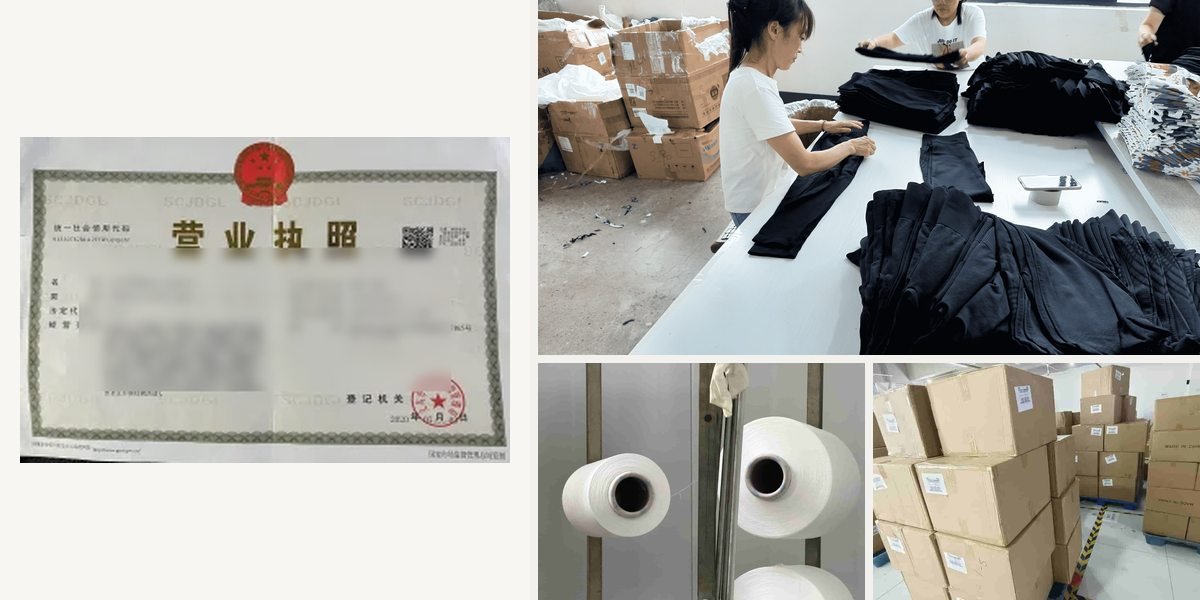
Target Definition
Can the supplier convert “lifting” or “sculpting” language into a physical target and controllable variables?
Variable Diagnosis
Can the supplier identify whether the problem sits in fit, material, pattern geometry, knitted structure or rear construction before revising the sample?
Size-Range Validation
Can the supplier preserve the approved waist-to-seat relationship through grading and identify sizes that need physical review?
Controlled Sample Comparison
Is each sample compared against the same target with the revision variable recorded before the next version?
Material-Change Revalidation
Does the supplier recognize when a new fabric, yarn or dye route can change the silhouette and require another physical check?
Bulk Drift Control
Are First Article and in-line checks focused on the variables that can move production away from the approved silhouette?
Commercial Feasibility
Are validation rounds separated clearly from MOQ, material minimums and production lead time?
Standard Transfer
Can the supplier show how the approved baseline follows the product when production allocation changes?
What This U.S. Case Demonstrates About Version Control—And What It Does Not
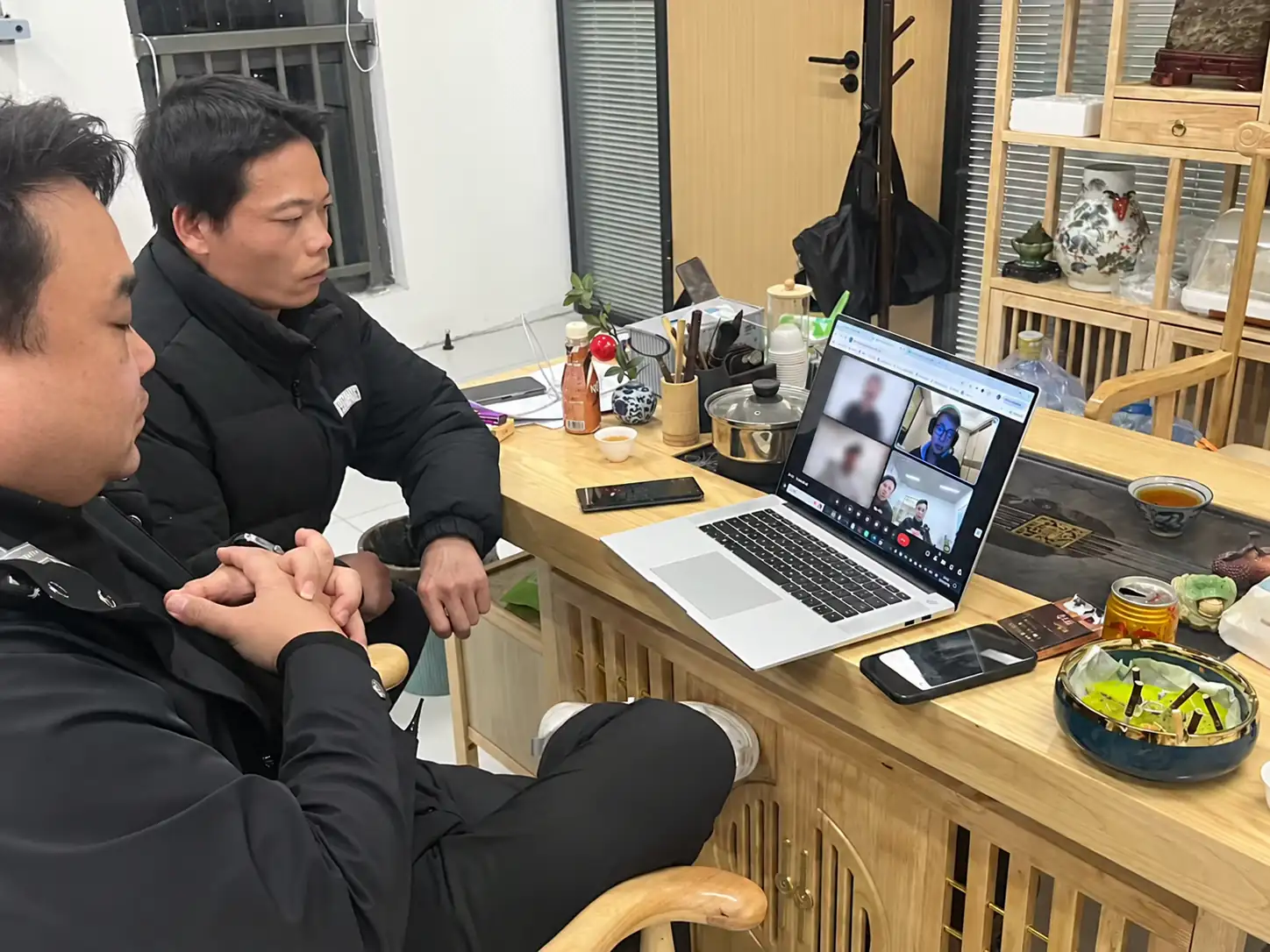
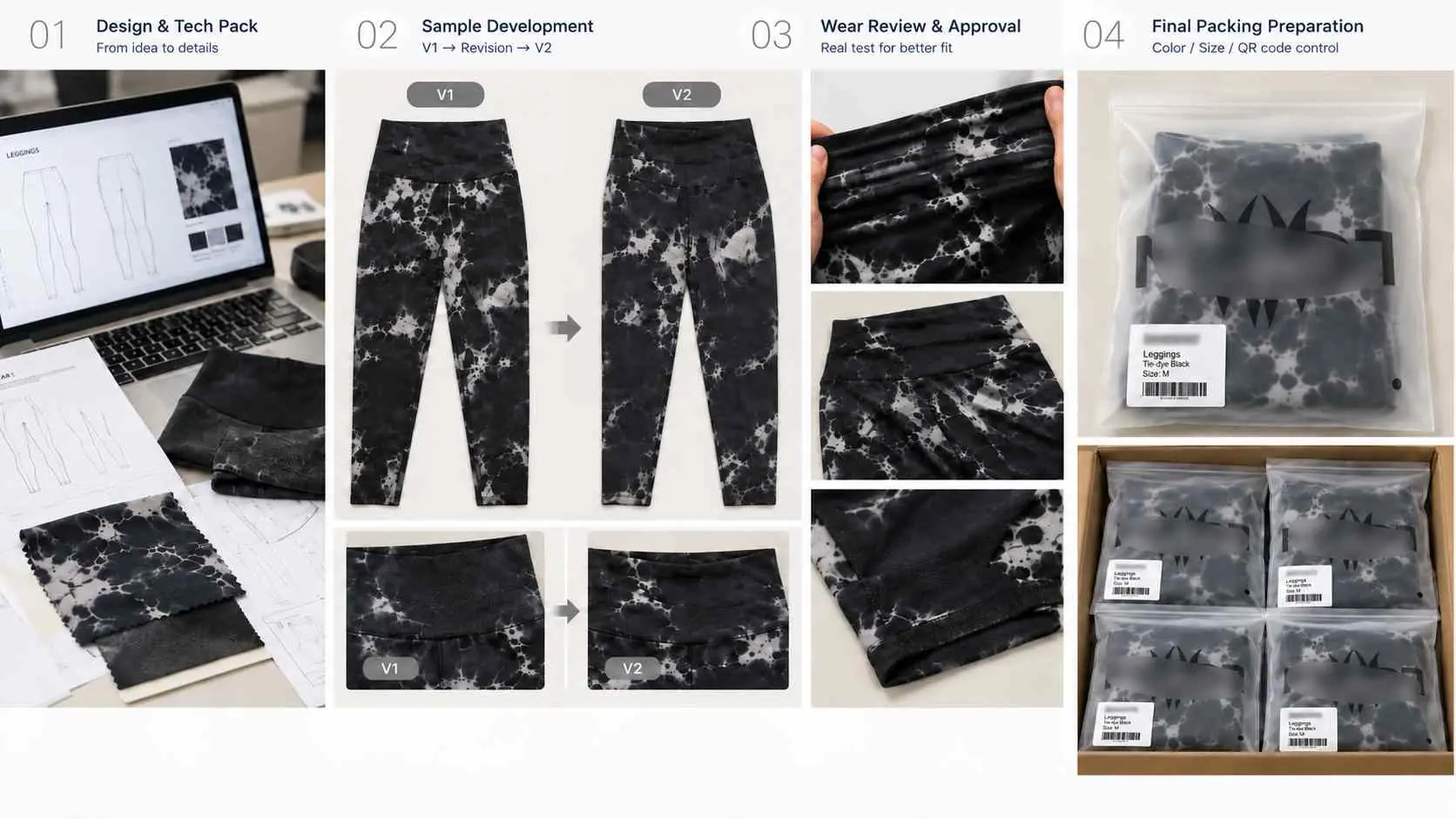
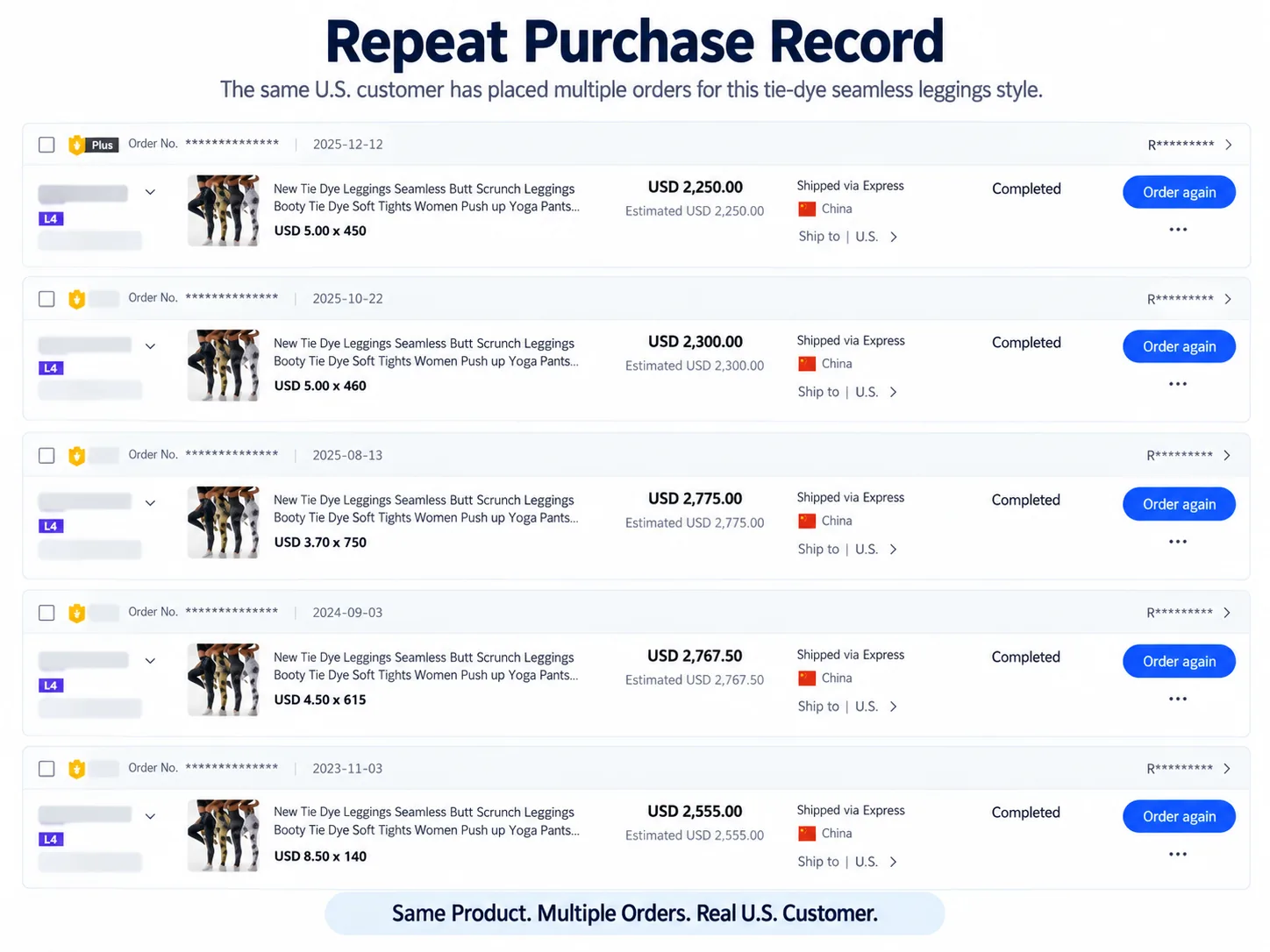
This anonymous case is not proof of a butt-lifting result. Its value is procedural: the buyer used versioned samples, user evaluation, identified material directions and repeat ordering before bulk was treated as stable.
Buyer Relationship
Long-term cooperation provides evidence that controlled references can support repeat work; it does not identify a specific sculpting construction.
Multi-Category Scope
The documented scope spans several categories, so the case should not be used to attribute one special legging feature to the whole relationship.
Documented Material Directions
The recorded compositions show specific material directions used in the relationship; composition alone does not prove lifting or contour performance.
Buyer-Defined Product Requirements
Elasticity, support, opacity, plus-size requirements, softness and seasonal fleece directions were buyer requirements that had to be translated into physical product decisions.
Versioned Development Process
The important evidence is the revision loop: Tech Pack → V1 → adjustment → V2 → user evaluation → bulk, with each stage narrowing uncertainty before scale.
Repeat Manufacturing Pattern
Repeat orders show that approved references can be reused operationally; they do not prove why consumers bought the product or which feature drove demand.