
Sports Bra and Leggings Set Manufacturer for Established Brands
Custom Activewear Set Manufacturing for Established Brands
MOVEVOX supports custom sports bra and leggings development with Santoni seamless knitting, Cut & Sew production resources, product development and quality management. For brands extending an approved core set into fitted shorts, the technical task is to identify which specifications can remain unchanged and which construction, fit, materials and commercial conditions require separate review before production.
What Buyers Need
- Preserve valid sports bra specifications without automatically restarting an approved development program.
- Introduce fitted shorts without treating shortened leggings as an automatically approved new product.
- Coordinate three garment SKUs while distinguishing individual approvals from complete-set purchasing quantities.
What We Can Review
- Identify reusable technical references and proposed changes across the three garment specifications.
- Evaluate shorts-specific pattern geometry, leg openings and the appropriate manufacturing route.
- Discuss sample requirements, production responsibilities and separate MOQ conditions for each garment.
Engineering Note
An approved bra and leggings set provides useful reference information, but does not automatically qualify a new shorts design. MOVEVOX's existing manufacturing resources support technical development discussions; specific three-SKU feasibility and approvals depend on actual project requirements.
Two Matching Sets, One Three-SKU Product Platform
A coordinated collection may use one approved sports bra design with separate leggings and fitted shorts products. This creates two commercial set options, while the three garments retain independent specifications, production requirements and approval references.
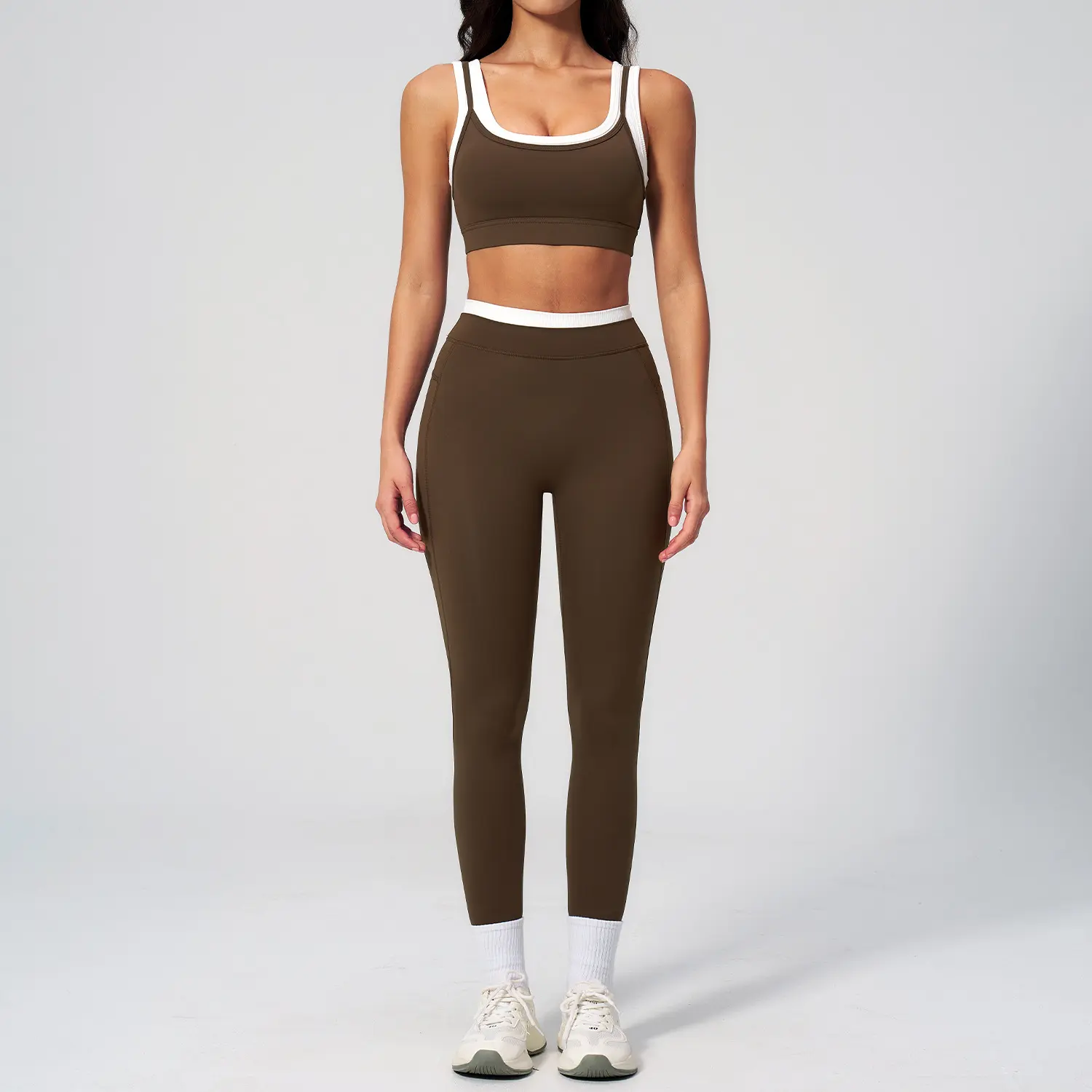
Bra A + Leggings B
The core set combines a sports bra with full-length or 7/8 leggings. Buyers should approve the bra's construction separately from the leggings' rise, inseam, waistband, opacity and relevant movement fit. Matching colors and branding create collection continuity, but they do not replace individual garment acceptance. A clearly identified core reference also helps define what should remain unchanged when additional bottom styles are introduced.
Garment Components
- Sports Bra A
- Core Leggings B
- Approved Color Reference
- Individual Size Specifications
Material / Color Direction: Buyer-approved collection references, subject to product-specific suitability.
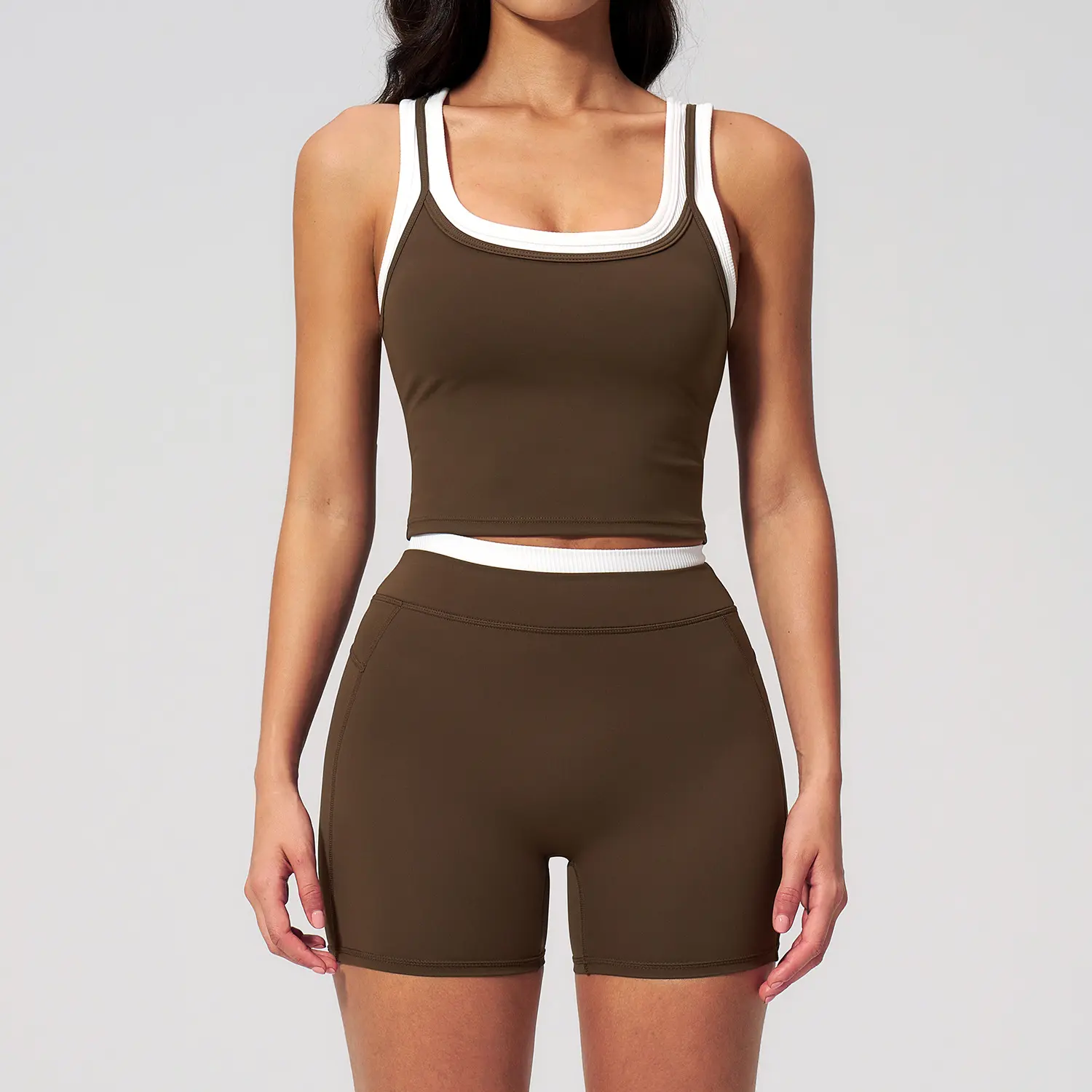
Bra A + Shorts C
A fitted shorts extension may share the sports bra, collection color and selected material references while introducing different inseam, gusset, thigh and leg-opening requirements. The new garment must be evaluated on its own construction and intended activity. An unchanged bra specification may remain valid, but the shorts should not inherit leggings approval simply because both products belong to one activewear collection.
Garment Components
- Sports Bra A
- Fitted Shorts C
- Leg-Opening Reference
- Shorts Size Specifications
Material / Color Direction: Evaluate whether the approved material platform suits the shorter garment.
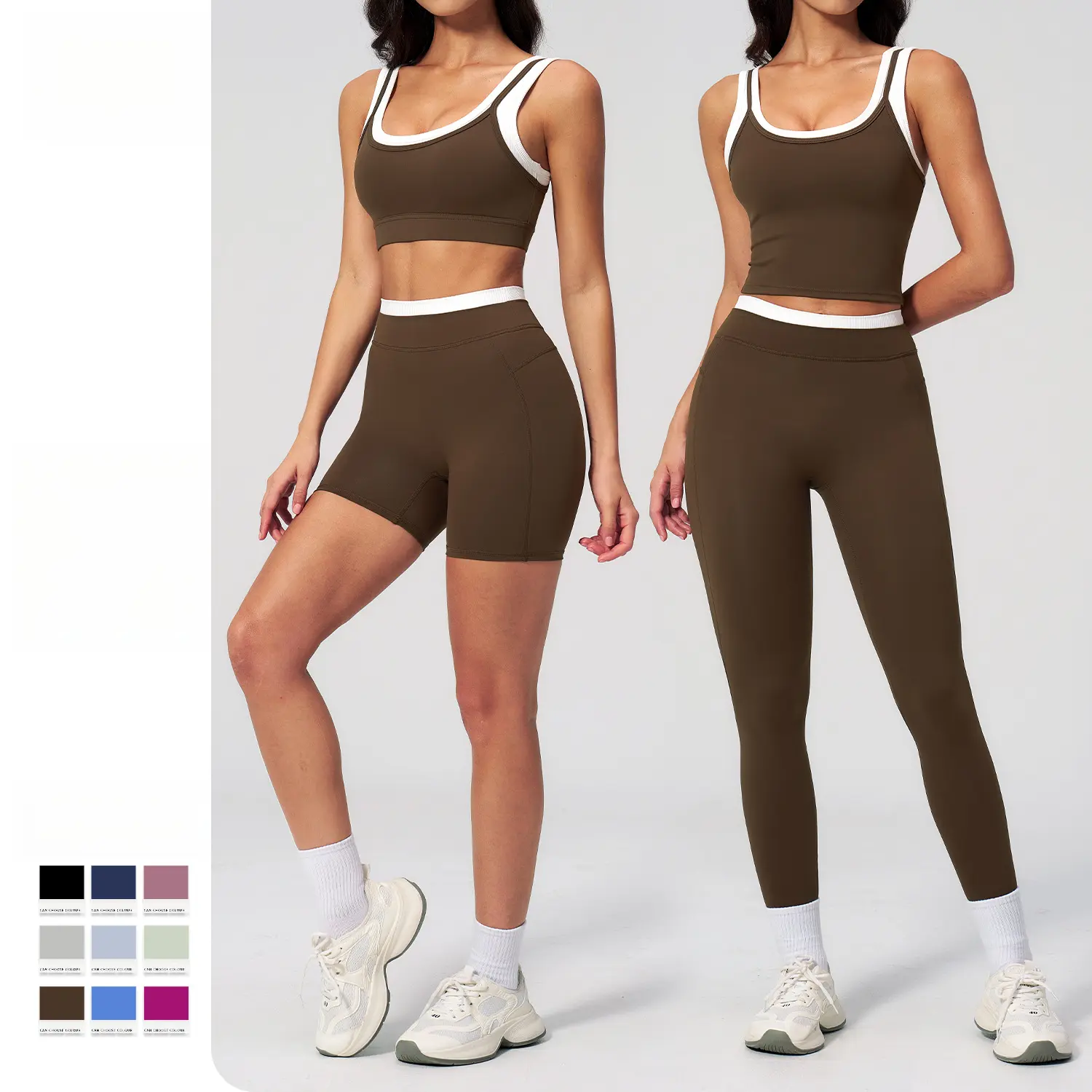
Bra A + Leggings B + Shorts C
A three-garment collection supports two different two-piece selling combinations. Commercial planning must identify separate garment quantities, permitted size pairings and the use of shared sports bra inventory. Manufacturing approval should remain traceable to each SKU, while the buyer decides whether additional complete-set requirements apply. This structure can support seasonal assortment planning without assuming that every garment shares the same manufacturing route.
Garment Components
- Sports Bra A
- Core Leggings B
- Fitted Shorts C
- Two Set Combinations
- Three SKU References
Material / Color Direction: Coordinated brand appearance with separately confirmed garment requirements.
Which Approved Specifications Can Transfer Into Shorts?
An approved bra and leggings set may provide useful technical references for a fitted shorts extension. However, transferring a specification requires checking whether its original purpose and acceptance conditions remain applicable to the new garment.
Technical Reuse and Change Decision Matrix
| Specification / Problem | Buyer Impact | Proposed Review Decision |
|---|---|---|
| Sports Bra Specification — The existing bra has approved construction and fit requirements. Adding shorts does not automatically change its neckline, underband, straps or material specification. | Unnecessary bra redevelopment may create new sampling work, version confusion and additional approval decisions. Conversely, a changed activity or material could make an unchanged bra reference insufficient. | Retain the approved bra reference when its construction, materials and intended use remain within the accepted scope. Identify any actual changes and agree whether they require targeted sample review rather than automatic full redevelopment. |
| Shared Fabric Reference — A fabric approved for leggings may be considered for fitted shorts, but the garments have different lengths, openings and localized wearing conditions. | Assuming direct material transfer can leave shorts-specific fit or leg-opening requirements unresolved. Rejecting all shared material references may also create unnecessary sourcing work or new material minimums. | Compare actual composition, knit or woven construction, extension, recovery, opacity, thickness and finishing against the shorts design. Reuse the material reference only where the buyer confirms its suitability for the new garment. |
| Brand Color and Trim — An approved collection color and brand specification can provide continuity, but the new shorts may introduce different material surfaces or Logo locations. | A shared color name does not guarantee identical garment appearance. Incorrect trim placement or an unsuitable decoration method may require corrections after development has progressed. | Retain the relevant brand specification as a reference. Review actual shorts material, physical color and proposed artwork position. Confirm whether any garment-specific appearance or production changes require separate buyer approval. |
| Waistband Construction — The leggings waistband offers an established design reference, but shorts may create different local tension and garment-position conditions. | Directly copying a waistband without checking the new garment geometry can cause fit concerns or require additional pattern revisions. An unchanged appearance does not prove identical mechanical behavior. | Review waistband height, finished circumference, elastic or knit construction, rise and intended wearer fit. Identify reusable attributes and assess the waistband on the actual shorts sample before accepting the new specification. |
| Rise and Gusset — Approved leggings geometry may inform the initial shorts pattern, but garment length and upper-thigh fit can change the relevant construction relationships. | Copying rise, gusset and grading assumptions without checking their interaction with the shorts body can create unwanted fit or coverage findings during movement and delay technical approval. | Compare front rise, back rise, gusset shape, crotch extension and the shorts' intended body coverage. Establish revised pattern and grading references where necessary, then review actual samples under agreed fit conditions. |
| Hem and Leg Opening — A fitted shorts leg opening occupies a different body region from a full-length leggings hem and may need a different construction. | Incorrect opening circumference, elastic behavior or finishing can influence local comfort, rolling and garment position. These issues are not resolved merely by approving the leggings inseam or fabric. | Treat the new leg opening as an independent development area. Define its position, finished circumference, hem construction and relevant movement observations, with approval based on actual shorts samples and brand requirements. |
Approval Boundary
A specification can remain valid when the relevant garment design, material and approved conditions remain unchanged. A new bottom product nevertheless requires its own construction and fit decisions. These recommendations form a possible technical review framework; they are not evidence that MOVEVOX has already completed this exact three-SKU development process.
Eight Construction Details Requiring Separate Shorts Approval
A fitted shorts design cannot be qualified only by shortening an approved leggings pattern. The hem now occupies a different part of the leg, while inseam, opening circumference, rise and local fit may require new decisions.
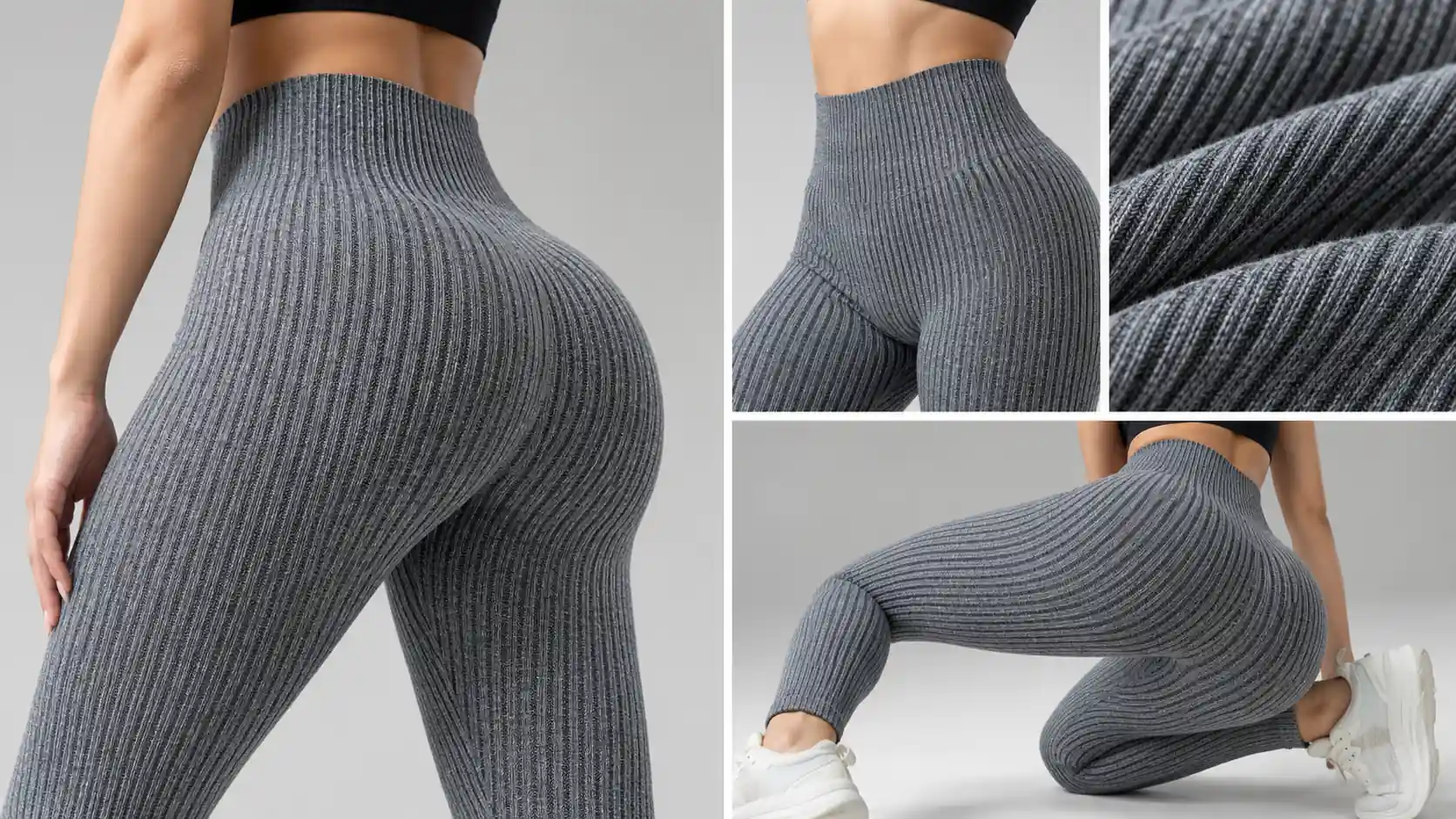
01 Inseam Length
The shorts inseam determines garment coverage and the position of the finished leg opening. Select the target length and relevant grading rules before approving the garment's fit or commercial size range.
02 Leg Opening Position
The opening may sit across different thigh regions depending on style and size. Its position affects the applicable circumference, material extension and movement observations required during sample evaluation.
03 Hem Construction
A folded hem, bonded construction or other suitable finish should be selected according to actual materials and manufacturing feasibility. Appearance alone cannot establish resistance to rolling or displacement.
04 Waistband
The leggings waistband may provide a useful reference, but its dimensions and structure must be assessed on the new shorts garment. Retain only those characteristics meeting the proposed fit requirements.
05 Front and Back Rise
Front and back rise influence how the shorts fit around the waist, hips and crotch. Approved leggings dimensions should be reviewed against the shorter garment's construction and intended activity.
06 Gusset Construction
The gusset shape and joining method should suit the shorts geometry and relevant body movement. Seamless products may still require assembly operations, depending on their actual construction.
07 Upper-Thigh Fit
Shorts fabric contacts a different section of the thigh than full-length leggings. Finished dimensions and material behavior should be checked against the target wearer, size and fit intention.
08 Local Coverage
A shorter garment has different coverage boundaries. Evaluate its intended leg length, crotch region and activity-related appearance using clearly defined sample conditions, not assumptions transferred from leggings.
Overall Construction Decision
The eight features should be evaluated as interacting parts of one garment. Changing the shorts inseam may relocate the leg opening and affect the circumference required at that position. Material extension, hem construction, waistband fit and gusset geometry should therefore be reviewed together. A technically valid shorts approval requires the actual product reference, relevant size information and agreed acceptance criteria.
Preserving Sports Bra Approval During Bottom Extension
Introducing fitted shorts does not automatically invalidate an existing sports bra design. Buyers should distinguish unchanged approved references from changes to material, construction or intended use that may require further evaluation.
Underband Fit
Functional Requirement: Retain the approved underband specification where its relevant conditions remain unchanged.
Evidence Explanation: The sports bra underband has its own fit and construction requirements. A new shorts waistband does not inherently alter these requirements. However, changes to the bra's material, finished circumference or intended activity should be assessed against the original approval scope before deciding whether the existing reference remains applicable.
Evidence Basis: Approved underband measurements, material reference, physical bra sample and relevant fit observations.
Strap Position
Functional Requirement: Maintain appropriate strap geometry and intended movement compatibility.
Evidence Explanation: A change to the bottom garment normally does not require adjusting bra strap width or position. If the collection's intended activity changes, the buyer may reconsider movement conditions, strap behavior or overall fit. Approval should be based on actual bra construction rather than assumptions about the newly introduced shorts.
Evidence Basis: Strap specifications, approved garment reference and relevant activity-related fitting information.
Bust Coverage
Functional Requirement: Preserve accepted coverage without assuming every new activity has already been qualified.
Evidence Explanation: The existing bra neckline and chest construction may remain suitable when the shorts extension uses the same target activity and approved product. If the brand expands into different training conditions, coverage requirements may need additional review. A shared collection appearance is not a substitute for bra-specific fit or coverage evidence.
Evidence Basis: Approved neckline and chest specifications, identified sample, agreed coverage conditions.
Cup and Lining
Functional Requirement: Control actual cup, pad and lining construction separately from the bottom design.
Evidence Explanation: Where the bra uses removable pads, lining or a particular cup structure, those components should remain tied to the approved bra specification. A shorts extension does not automatically justify changing their materials or assembly. Any proposed substitution must be evaluated for fit, construction and relevant buyer requirements.
Evidence Basis: Actual cup or lining BOM, approved construction reference and applicable sample evaluation.
Back Structure
Functional Requirement: Retain approved back geometry unless garment requirements materially change.
Evidence Explanation: Back straps, panel shapes or knit regions influence the bra's fit and construction. They should not be redesigned simply to match the new bottom style. Where the brand requests a different back appearance, the change becomes a separate bra development decision requiring suitable samples and revised specifications.
Evidence Basis: Back-construction photograph, pattern or knit reference, approved garment version.
Material or Activity Change
Functional Requirement: Reconsider previous approval when relevant inputs or intended wearing conditions change.
Evidence Explanation: A new material platform, altered support objective or different target activity may affect the applicability of the existing bra approval. The buyer should identify the changed attributes and request only the assessments relevant to those changes. Unaffected specifications need not automatically enter a complete new development cycle.
Evidence Basis: Material change record, revised product brief, identified approval and fitting conditions.
Choosing Seamless or Cut and Sew Per Garment
Three coordinated garments do not need identical manufacturing processes. The appropriate route depends on knit architecture, cut panels, lining, trims, finishing and the construction needed to reproduce the approved fit.
Manufacturing Decision Questions
Q1. Does the garment require engineered knit zones? Options: Yes / No / Review
Q2. Does the bra require special lining or cups? Options: Integrated / Assembled / Review
Q3. Do leggings require pockets or complex panels? Options: Yes / No / Optional
Q4. Does the shorts hem need specialized construction? Options: Folded / Other / Review
Q5. Which route suits the approved physical sample? Options: Seamless / Cut & Sew / Mixed
Seamless-Dominant Set
A seamless-dominant approach may suit garments designed around circular knitting, engineered ribs and selected knit zones. Each product still needs an appropriate program, yarn specification and finishing route. A sports bra may require additional assembly despite its seamless body. The manufacturing decision should follow actual construction and physical sample requirements rather than a preference for the word seamless.
Parameter Tags: Engineered Knit / Garment Fit / Finishing
Cut-and-Sew Set
Cut & Sew may be appropriate when the set requires controlled pattern panels, particular seams, lining, pads, pockets or construction details. The bra and bottoms should still use their own specifications and approved fit. Matching appearance does not mean identical fabric behavior. Material selection, stitching, edge finishing and workmanship should be assessed against each actual garment.
Parameter Tags: Pattern Panels / Assembly / Workmanship
Mixed-Route Three-SKU Program
A mixed manufacturing approach may be appropriate if one garment is better suited to circular knitting while another requires conventional panel construction. The brand must still manage color, material references, approval versions and production responsibility across the SKUs. MOVEVOX has both seamless and Cut & Sew resources, but project allocation and compatibility should be confirmed before accepting this route.
Parameter Tags: Multi-Process / Coordination / Traceability
Further Feasibility Review
Some designs cannot be assigned a reliable manufacturing route from a marketing sketch or product name alone. Specialized bra structures, unusual shorts openings or complex finishing may require physical samples, material trials and manufacturing review. Where the current information is insufficient, the appropriate answer is to define the missing details rather than guarantee production feasibility or invent a proven construction process.
Parameter Tags: Technical Review / Physical Sample / Approval
Comparing Materials Across Bra Leggings and Shorts
A common material direction may simplify collection development, but each garment has different fit and construction needs. This matrix identifies possible material candidates and the questions requiring confirmation before a shared platform is approved.
Candidate Material Comparison
| Parameter | Stretch Interlock | Performance Jersey | Seamless Rib Knit | Bra Lining | Structured Stretch Knit |
|---|---|---|---|---|---|
| Composition | Confirm actual fiber blend | Confirm actual fiber blend | Confirm applicable yarn | Confirm lining material | Confirm actual fiber blend |
| GSM | Supplier test required | Supplier test required | Construction-specific | Supplier test required | Supplier test required |
| Stretch | Evaluate by direction | Evaluate by direction | Knit-zone dependent | Evaluate by intended use | Evaluate by direction |
| Recovery | Confirm by suitable method | Confirm by suitable method | Program and yarn dependent | Confirm if relevant | Confirm by suitable method |
| Opacity | Review finished garment | Review finished garment | Review knit and extension | Coverage context dependent | Review finished garment |
| Pilling | Test if required | Test if required | Test if required | Test if required | Test if required |
| Drying | Method and result needed | Method and result needed | Method and result needed | Method and result needed | Method and result needed |
| Hand Feel | Buyer physical approval | Buyer physical approval | Knit-specific approval | Skin-contact reference | Buyer physical approval |
| Manufacturing Route | Often Cut & Sew | Often Cut & Sew | Circular knitting where suitable | Depends on assembly | Construction-dependent |
| Best Use | Product-specific decision | Product-specific decision | Engineered-knit designs | Appropriate bra designs | Structured fitted garments |
Material Selection Guidance
The same fiber composition does not establish identical opacity, support, recovery or garment fit. A material approved for leggings may be a useful shorts candidate, but the new leg opening and upper-thigh requirements still need review. Sports bras may require different lining, structural support or finishing. Buyers should compare real material specifications with finished samples and clearly defined evaluation conditions. MOVEVOX can coordinate material and manufacturing discussions, but product-specific performance should not be claimed without appropriate evidence.
Comparing Leggings and Shorts During Relevant Training Movements
The same sports bra may be combined with leggings or fitted shorts, but the bottom garments can behave differently during movement. Brands should establish relevant activities and acceptance conditions for each style rather than transfer all leggings observations to the shorts.

Squat and Hip Flexion
Squatting can create extension around the hips and upper legs. Leggings evaluation may focus on relevant fabric coverage, rise position and lower-body fit. Fitted shorts introduce a thigh-level opening that may move or change local pressure as the wearer bends. Both garments should be judged against their intended use, size and construction, while the shared bra remains subject to its own approved fit requirements.
Product Requirements
- Review leggings hip extension and opacity under an agreed movement condition.
- Observe the shorts opening position and thigh fit during selected hip flexion.
- Separate bottom-garment findings from unchanged, previously approved sports bra specifications.
Related Product: Gym Sets Manufacturer
Forward and Lateral Lunges
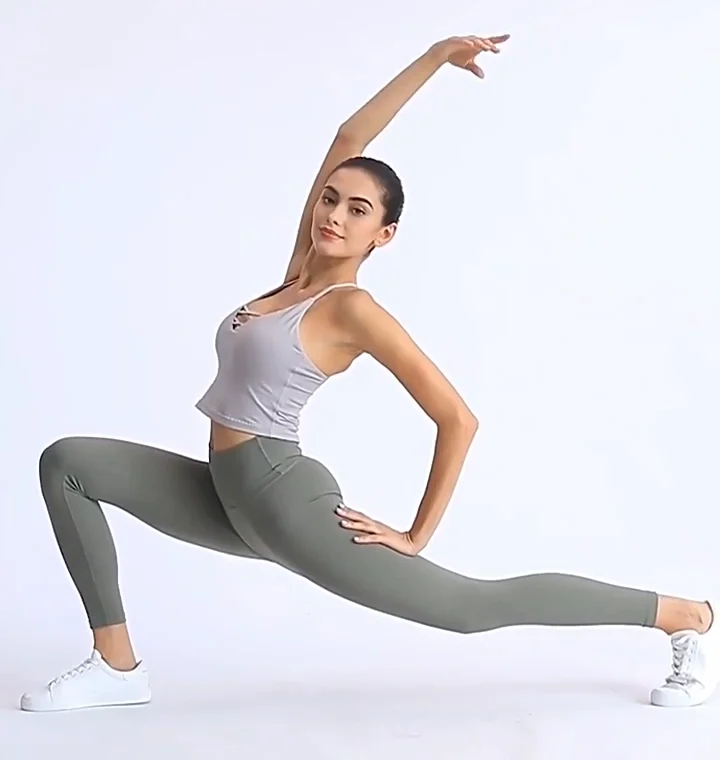
Lunging changes leg positioning and may create different localized extension around the hips, knees and upper thighs. Leggings have longer leg coverage and require the relevant knee and leg fit to remain suitable. Shorts have a shorter inseam and different hem placement. The buyer should document any unacceptable leg-opening movement, local coverage change or garment adjustment without assuming that every small positional change constitutes a technical failure.
Product Requirements
- Evaluate leggings hip, knee and leg movement against approved garment requirements.
- Examine fitted shorts hem placement and local fit during defined lunge positions.
- Record sample size and any movement observations requiring separate buyer disposition.
Related Product: Custom Activewear Sets
Repeated Training Transitions
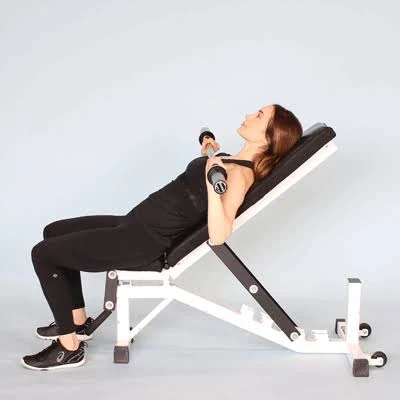
An individual garment may appear suitable during one pose but behave differently across repeated transitions. For leggings, the buyer may focus on waistband position, fabric recovery-related observations and overall fit. For fitted shorts, the opening and hem may introduce additional positioning concerns. These physical garment observations should not be treated as direct substitutes for laboratory stretch-recovery data. The movement sequence and acceptable findings must be agreed before comparing designs.
Product Requirements
- Define movement repetitions and the garment positions requiring actual observation.
- Review shorts ride-up or hem rolling against the intended product acceptance criteria.
- Distinguish material recovery measurements from finished-garment fit and position changes.
Related Product: Matching Activewear Sets Manufacturer

Studio Mobility and Stretch
Studio activities may involve bending, rotation and sustained postures that differ from dynamic gym training. A shorts set intended for studio use should therefore have its own relevant coverage and fit objectives. The same fabric or bra does not make leggings and shorts interchangeable across every activity. Buyers should identify the product's actual studio or training application and choose the observations that matter, avoiding claims of universal comfort or movement freedom.
Product Requirements
- Specify the relevant studio or training activities for each bottom style.
- Compare waist, hip and leg-opening requirements under the selected wearing conditions.
- Document which fit observations need new shorts approval rather than inherited references.
Related Product: Women's Activewear Product Range
Six Shorts Engineering Risks Worth Investigating Early
A fitted shorts extension introduces fit and construction risks that may not appear in the approved leggings. These are potential development concerns, not recorded MOVEVOX customer defects or verified corrective-action outcomes.
Excessive Leg Opening Tightness
Buyer Impact: An overly restrictive leg opening may create unacceptable local pressure, visible distortion or fit complaints. The issue can vary by size, garment length and fabric, so one sample does not establish a universal outcome.
Proposed MOVEVOX Review: Examine opening position, finished circumference, material extension and intended thigh fit. Discuss possible construction changes and request suitable physical samples before determining whether the proposed shorts specification meets the buyer's requirements.
Evidence Tag: Opening Fit
Hem Rolling
Buyer Impact: A rolling or turning shorts hem may disrupt the intended appearance and change the garment's position during movement. The commercial effect depends on the design, customer expectations and whether the observed change is unacceptable.
Proposed MOVEVOX Review: Review actual hem geometry, finishing method, material behavior and movement conditions. Compare any proposed revision on finished shorts samples rather than assuming that one hem construction prevents rolling across every wearer and activity.
Evidence Tag: Hem Review
Shorts Riding Up
Buyer Impact: Unwanted upward movement can alter perceived coverage and fit. A design may behave differently across inseam lengths, sizes and movements, making a single static appearance insufficient for technical acceptance.
Proposed MOVEVOX Review: Identify the intended hem position and relevant training activities. Examine shorts dimensions, upper-thigh fit and fabric behavior, then determine which actual sample observations the buyer considers acceptable or requires revising.
Evidence Tag: Movement Fit
Gusset Fit Concerns
Buyer Impact: Inappropriate crotch geometry or joining details may create unwanted tension or fitting issues. A shorts design cannot automatically inherit leggings gusset dimensions without evaluating the changed leg length and construction.
Proposed MOVEVOX Review: Compare actual rise, gusset, inseam and adjoining panels or knit regions. Identify possible pattern adjustments and confirm that the proposed assembly and fit meet the project-specific requirements before approval.
Evidence Tag: Gusset Geometry
Unbalanced Waist and Hip
Buyer Impact: Shorts may fit acceptably around the waist while producing unsuitable tension or displacement around the hip and upper thigh. Matching size labels do not guarantee matching fit across different bottom constructions.
Proposed MOVEVOX Review: Review waist, hip and rise measurements together with intended fabric extension. Use the garment's own size chart and sample fit observations to determine whether revised dimensions or grading are necessary.
Evidence Tag: Size Balance
Coverage During Movement
Buyer Impact: Coverage concerns may arise around the seat, crotch or leg opening during selected activities. Their significance depends on actual color, material, garment dimensions and the brand's intended use.
Proposed MOVEVOX Review: Define the relevant wearing positions and visual evaluation conditions. Compare identified shorts samples against buyer-approved coverage requirements without treating generalized squat-proof claims as proof of suitability for every movement.
Evidence Tag: Coverage Review
Developing Fitted Shorts From Approved Leggings References
An existing leggings specification can help establish the starting point for fitted shorts development. The buyer must still define new garment geometry and determine which existing approvals remain applicable.
Identify Reusable References
Begin by identifying the approved leggings specification, material, waistband, relevant hip measurements and existing brand standards. These references may inform shorts development, but should not automatically govern the new garment. Any reusable element must be considered against its original approval scope and the shorts' intended use.
Buyer Inputs
- Supply the approved leggings Tech Pack and physical reference sample.
- Identify material, branding and fit requirements intended for reuse.
Proposed MOVEVOX Outputs
- Review available approved specifications for potential technical reuse.
- Identify missing garment information and initial shorts development questions.
Pass Criterion: Relevant approved references are identified, and their possible reuse is distinguished from new shorts requirements.
Define Shorts Changes
Specify the intended shorts length, opening position, hem, rise, gusset and upper-thigh fit. Consider which parts of the leggings reference remain useful and which need a new pattern or knit construction. The development brief should also identify the planned activity, target sizes and relevant covering requirements.
Buyer Inputs
- Confirm shorts silhouette, inseam and intended leg-opening position.
- Provide target activity and garment-specific fit acceptance requirements.
Proposed MOVEVOX Outputs
- Discuss proposed shorts pattern or knit construction adjustments.
- Identify relevant material, finishing and manufacturing feasibility questions.
Pass Criterion: The shorts design scope clearly separates approved carryover references from features requiring new development.
Develop Initial Shorts
An initial sample should reflect the agreed shorts construction rather than a purely shortened image of the leggings. Material selection, hem position and crotch geometry need to correspond to the actual design. Development feasibility and sample timing depend on confirmed details, available materials and chosen manufacturing route.
Buyer Inputs
- Approve the proposed sample direction and relevant technical inputs.
- Identify target sample size, color and available reference materials.
Proposed MOVEVOX Outputs
- Coordinate proposed sample construction using suitable development resources.
- Clarify unresolved material or manufacturing questions for buyer review.
Pass Criterion: An identifiable physical shorts sample is available for review against the agreed initial specifications.
Review Fit Construction
Evaluate the physical shorts sample for measurements, waist and hip fit, leg opening and relevant activity behavior. Findings should be tied to the actual size and wearing conditions. Changes may affect individual pattern dimensions or material choices without requiring modifications to the previously approved sports bra.
Buyer Inputs
- Record the sample's actual fit and construction observations.
- Identify unacceptable findings and proposed revision priorities clearly.
Proposed MOVEVOX Outputs
- Discuss feasible modifications to the affected shorts specifications.
- Clarify required repeat samples or additional technical verification.
Pass Criterion: The buyer has dispositioned relevant fit findings and specified necessary revisions or approval conditions.
Confirm Revised Specifications
After revisions, the accepted shorts specification should identify the physical sample, material, construction and applicable size references. Any valid bra and leggings approvals can remain associated with their own garment versions. The buyer should separately confirm two-piece selling combinations and related packaging or merchandising requirements.
Buyer Inputs
- Confirm accepted shorts sample, technical version and garment requirements.
- Specify the intended Bra + Shorts commercial combination rules.
Proposed MOVEVOX Outputs
- Review confirmed technical references for manufacturing planning discussion.
- Identify outstanding material, quantity or approval conditions before release.
Pass Criterion: The new shorts version and applicable inherited references are clearly identified for buyer approval.
Grading Three Garments Under Separate Technical Specifications
Sports bras, leggings and fitted shorts need their own size and measurement requirements. One retail size label does not establish identical garment geometry or eliminate the need to approve separate grading rules for each SKU.
Proposed Technical Size Matrix
| Size | Bra Bust / Underband | Leggings Waist / Hip | Leggings Rise / Inseam | Shorts Waist / Hip | Shorts Inseam | Shorts Leg Opening | Approval Reference |
|---|---|---|---|---|---|---|---|
| XS | Buyer-defined | Buyer-defined | Buyer-defined | Buyer-defined | Buyer-defined | Buyer-defined | Size-specific |
| S | Buyer-defined | Buyer-defined | Buyer-defined | Buyer-defined | Buyer-defined | Buyer-defined | Size-specific |
| M | Buyer-defined | Buyer-defined | Buyer-defined | Buyer-defined | Buyer-defined | Buyer-defined | Size-specific |
| L | Buyer-defined | Buyer-defined | Buyer-defined | Buyer-defined | Buyer-defined | Buyer-defined | Size-specific |
| XL | Buyer-defined | Buyer-defined | Buyer-defined | Buyer-defined | Buyer-defined | Buyer-defined | Size-specific |
| XXL | Buyer-defined | Buyer-defined | Buyer-defined | Buyer-defined | Buyer-defined | Buyer-defined | Size-specific |
Measurement Units: cm / in
Grading and Tolerance Guidance
The sports bra's underband and bust dimensions, the leggings' inseam and rise, and the shorts' thigh opening may follow different grading relationships. These must come from the approved product specifications rather than a universal activewear measurement chart. Size-related fit observations may require reviewing more than one physical garment size. Manufacturing tolerances should also reflect the actual construction and buyer requirements; no fixed three-SKU tolerance is established by this example.
Three Important Considerations
- Approve critical measurement points independently for each garment and manufacturing route.
- Confirm whether mixed-size retail combinations require additional buyer fitting or merchandising decisions.
- Use identified product-specific size charts rather than transferring leggings grading into shorts automatically.
Extending an Approved Collection Color Into Shorts
An existing bra and leggings color reference may support shorts development, but the new material, knit surface and finishing conditions still require examination. A shared color code should not be treated as a zero-difference guarantee.
Core Color Reference
Identify the approved color used for Bra A and Leggings B, including the relevant physical standards. Confirm which material and viewing conditions formed the original approval before applying the same reference to Shorts C.
Shorts Material Check
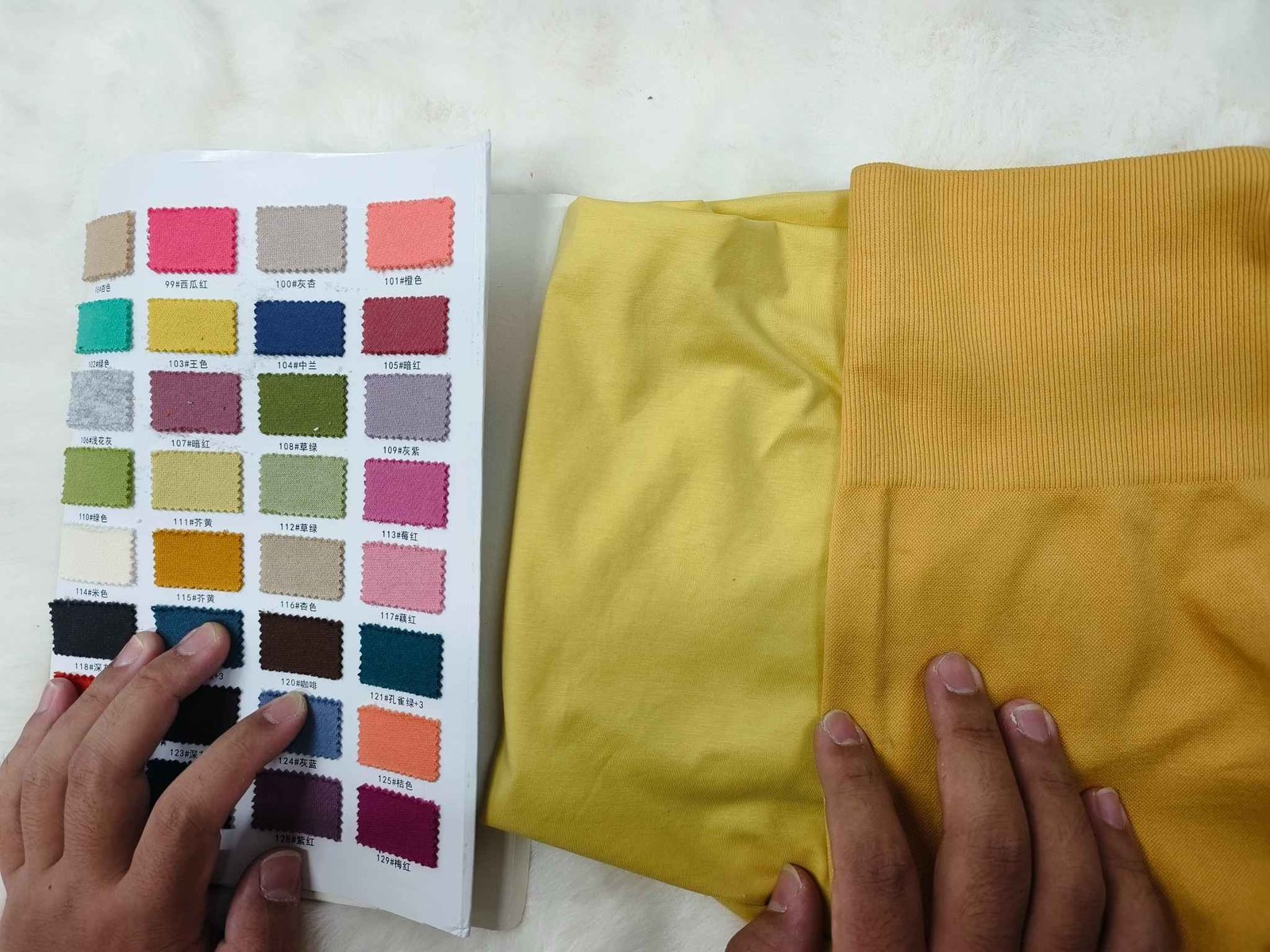
Examine the material proposed for Shorts C and determine whether it shares the approved fiber, construction and finishing conditions. Different materials may produce different visible appearances even when a supplier uses the same color designation.
New Color Sample
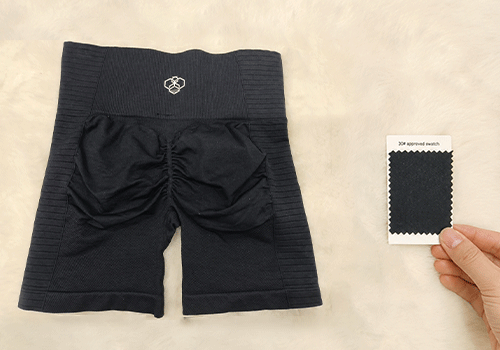
Request an appropriate physical color sample of the proposed shorts material. Its purpose is to evaluate the new component against accepted references, not to assume that an existing leggings approval also covers every subsequent material.
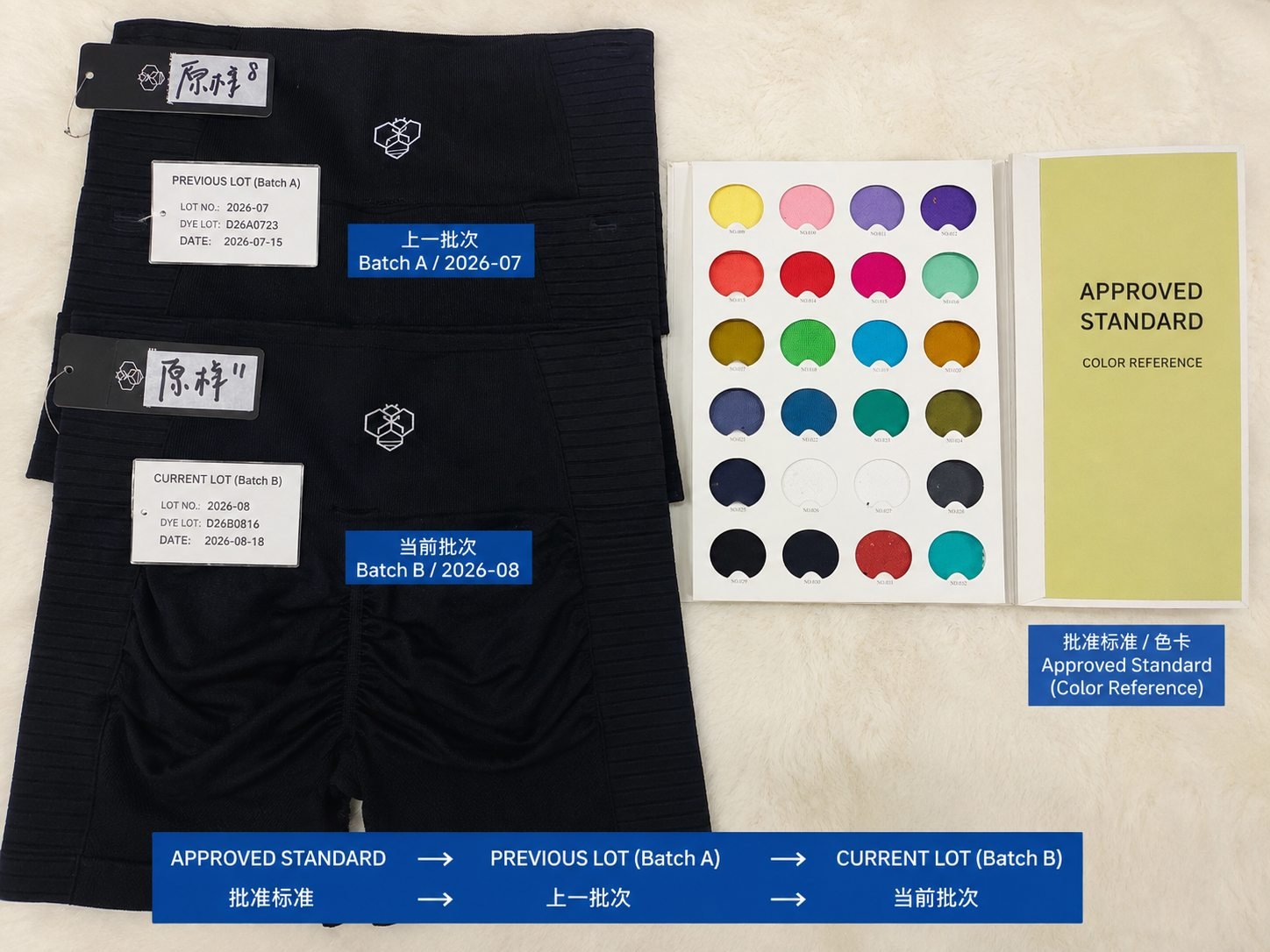
Three-Garment Comparison
Compare the sports bra, leggings and proposed shorts as identifiable physical garments. Consider the actual knit or fabric surfaces and approved viewing conditions. Differences should be reviewed against the buyer's appearance requirements.
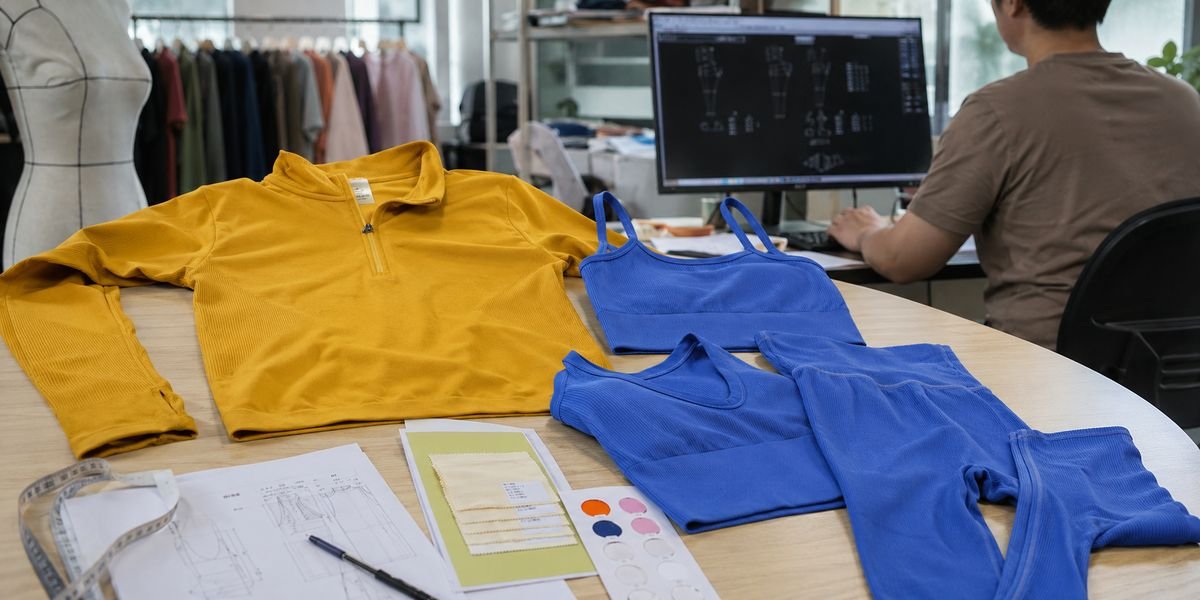
Appearance and Care Review
Determine whether any colorfastness, laundering or extension-related appearance requirement applies to the new shorts material. These evaluations address separate properties and must not be collapsed into a single unsupported claim of matching color performance.

Revised Color Approval
Record the buyer's accepted shorts color reference and any additional conditions for the three-garment collection. The original bra and leggings specifications should remain separately identifiable, including their previously approved material and garment versions.
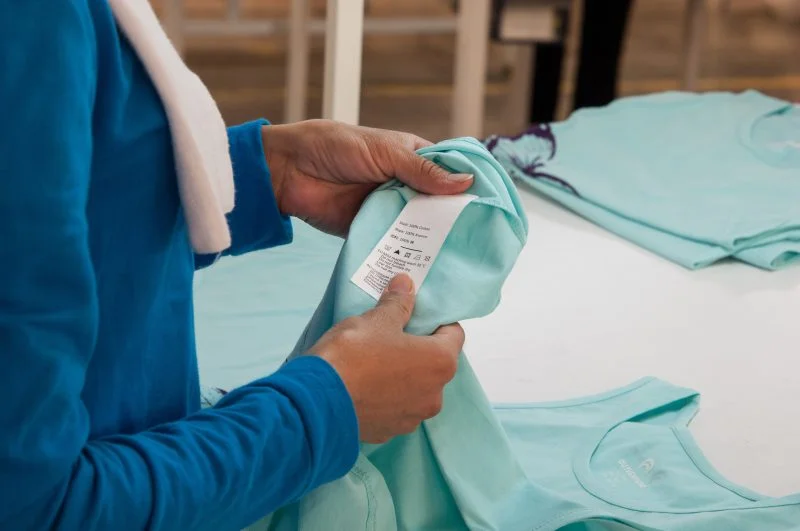
Color Approval Boundary
Different fabrics, knit densities and finishing processes can affect color appearance. Buyers should distinguish visual matching, instrumental color measurement and colorfastness because these are not interchangeable tests. The applicable approval conditions must identify the sample and intended use. Any new shorts material should be evaluated against those conditions before the colorway is released.
Controlling Approved Versions Across Three Garment SKUs
Introducing a fitted shorts style should not obscure valid approvals for the existing bra and leggings. A proposed version-control framework can help buyers identify unchanged references, new technical requirements and the exact samples released for commercial manufacturing.
Tab 01 — Bra Baseline
Sports Bra A begins with its accepted garment reference. The buyer should identify the approved material, fit, construction, size specifications and intended activities. Adding Shorts C does not automatically alter those requirements. If a new material, design change or significantly different intended use affects the bra, the relevant approval conditions should be reconsidered. The purpose is to protect existing valid decisions while avoiding unsupported claims that the unchanged garment qualifies for every future collection application.
Buyer Inputs
- Provide approved sports bra specification and actual sample identity.
- Identify any requested material, construction or intended activity changes.
- Confirm the existing garment fit and approval scope clearly.
Proposed MOVEVOX Outputs
- Discuss applicability of current approved bra technical references.
- Identify changes potentially requiring revised samples or evidence.
- Clarify production inputs relevant to the unchanged garment design.
Tab 02 — Leggings Baseline
Leggings B provides the accepted core bottom reference. Its waist, hip, rise, inseam, fabric, color and relevant performance requirements should be clearly identified. These documents can inform Shorts C development but do not automatically qualify the new hem or thigh opening. The existing leggings version can remain valid for its own production if material and construction conditions remain within approval. Any requested changes should be assessed against the garment's specific requirements rather than combined with unrelated shorts findings.
Buyer Inputs
- Supply the approved leggings Tech Pack and measurement chart.
- Confirm accepted material, color and actual garment reference.
- Identify any leggings design or quantity changes for production.
Proposed MOVEVOX Outputs
- Review baseline leggings requirements and relevant manufacturing route.
- Identify suitable references for proposed shorts development consideration.
- Clarify unchanged and modified specifications for buyer review.
Tab 03 — Shorts Development
Shorts C requires an independent technical development reference. The buyer should define intended length, leg-opening position, hem construction, gusset, waist and hip fit, material and relevant activity requirements. Existing leggings specifications may provide inputs where suitable, but the new garment must undergo its own appropriate review. Technical changes should be recorded against the shorts version rather than silently altering Bra A or Leggings B. Physical sample approval remains the buyer's decision under the agreed project criteria.
Buyer Inputs
- Provide shorts concept, target dimensions and intended wearer requirements.
- Define relevant material references and garment activity conditions.
- Identify leg-opening, hem and fit criteria requiring approval.
Proposed MOVEVOX Outputs
- Discuss shorts-specific construction and development feasibility.
- Coordinate relevant sample questions and proposed pattern revisions.
- Clarify technical evidence required before accepting the new version.
Tab 04 — Set Pairing
Once individual garment references are identified, the buyer can review Bra A + Leggings B and Bra A + Shorts C as separate commercial set combinations. Some projects require additional matching appearance, mixed-size or activity-related acceptance conditions; others may rely primarily on the approved individual products. The brand should decide which apply. Inventory allocation must also be distinguished from garment fit approval. One physical Bra A cannot be counted simultaneously in two separate packed sets.
Buyer Inputs
- Define approved A+B and A+C retail combination rules.
- Identify permitted size pairs, colors and relevant set-level requirements.
- Provide expected quantities for each garment and sales combination.
Proposed MOVEVOX Outputs
- Discuss matching product identities and necessary appearance references.
- Clarify packing or pairing information needed for commercial planning.
- Identify new set-level conditions requiring explicit buyer approval.
Tab 05 — Production Release
The final manufacturing reference should identify the effective versions of Bra A, Leggings B and Shorts C. Material specifications, relevant measurements, workmanship requirements and buyer approvals should be accessible to the responsible operations. A proposed release checklist can help prevent obsolete sample information from being used for new production, but it is not evidence of a proprietary software system or previously completed three-SKU project. Final capacity, material readiness and order timing require actual project confirmation.
Buyer Inputs
- Approve current garment references and any authorized technical deviations.
- Confirm order quantities, colors, size allocations and packing instructions.
- Identify final technical conditions governing commercial production release.
Proposed MOVEVOX Outputs
- Review effective product specifications for proposed production arrangements.
- Clarify material readiness and applicable manufacturing responsibilities.
- Discuss inspection references and unresolved requirements before bulk confirmation.
Review Your Core Set and Shorts Extension
Share your approved sports bra and leggings references, proposed fitted shorts design, material direction and target quantities. MOVEVOX can discuss suitable seamless or Cut & Sew development resources and identify questions requiring further technical review. Actual feasibility, sample scope, approval requirements and commercial conditions depend on your confirmed product specifications.
Trust Note: Technical discussions can begin from authorized Tech Packs, physical samples or sufficiently clear product briefs, with project conditions confirmed separately.
Evidence Needed Before Approving Three Garment SKUs
Different garments require different evidence. Material tests, product measurements and physical fit observations should be selected according to the actual construction, intended use and buyer acceptance criteria, not repeated indiscriminately across all three SKUs.
Bra Fit and Support
Purpose: Evaluate the sports bra's intended fit, coverage and any relevant support objective. A garment's material composition alone cannot establish a specified support level or suitability for every activity.
Method: Review identified physical bra samples, approved garment dimensions, relevant construction and defined fitting conditions. Where a quantified performance requirement exists, agree on a suitable assessment method before testing.
Acceptance / Report: Approved bra reference, test or fitting conditions, and buyer-defined support or coverage criteria.
Leggings Opacity
Purpose: Assess coverage under relevant fabric extension or wearing positions. The conclusion should be tied to actual leggings material, color, size and the specified activity conditions.
Method: Establish the sample, background or wearer reference, lighting and extension condition as appropriate. Evaluate appearance against agreed criteria without assuming that a generic squat-proof label defines the required result.
Acceptance / Report: Identified color and garment sample, observation method and approved opacity requirement.
Shorts Opening Fit
Purpose: Determine whether the new thigh-level opening meets the intended fit and movement requirements. The shorts hem cannot be considered approved solely because the leggings fabric or waist fits appropriately.
Method: Measure opening dimensions and examine finished shorts samples under selected movements. Record relevant hem rolling, garment-position changes or fit observations according to the buyer's actual acceptance requirements.
Acceptance / Report: Approved shorts size, opening specification, wearing conditions and relevant evaluation record.
Fabric Extension
Purpose: Assess how the selected material extends under an appropriate test condition. The result may inform garment design but cannot directly establish bra support or finished-shorts position during activity.
Method: Select a method applicable to the actual textile construction. Record specimen identity, direction, conditioning and test procedure, and interpret results within the stated method scope.
Acceptance / Report: Actual material reference, relevant extension data and project-specific technical requirement.
Elastic Recovery
Purpose: Examine recovery or remaining deformation after defined extension. Fabric-level recovery should be distinguished from garment-position changes observed during real movement and fit assessment.
Method: Use a suitable method for the fabric type, extension direction and required property. Compare results only where specimen preparation and testing conditions permit meaningful evaluation.
Acceptance / Report: Identified specimen, appropriate method, result and agreed recovery criterion.
Garment Measurements
Purpose: Verify bra, leggings and shorts dimensions against their individual approved POMs. Identical retail size labels do not establish identical measurement rules or grading requirements.
Method: Measure relevant conditioned garments according to actual specifications. Check sports bra dimensions, leggings rise and inseam, and shorts leg-opening measurements using appropriate size-specific references.
Acceptance / Report: Approved product charts, tolerances, measurement method and identified inspected garments.
Seam and Assembly Integrity
Purpose: Evaluate relevant garment joining and finishing where stitching or assembly is present. Seamless construction should not be assumed to eliminate every finished-garment seam or attachment.
Method: Inspect actual seams, hems, lining attachments and assembly details. Select any physical strength or durability test according to the fabric and construction; woven-only methods must not automatically be used for knitted products.
Acceptance / Report: Applicable construction reference, actual findings and appropriately scoped inspection or test method.
Washing and Dimensional Behavior
Purpose: Review dimensional and appearance changes after suitable laundering conditions where required. A washing procedure alone does not establish that the finished garment meets every performance criterion.
Method: Define care conditions, specimen identity and the relevant measurements or observations before and after laundering. Use applicable testing procedures and buyer-accepted limits for each product.
Acceptance / Report: Approved care or laundering method, actual garment data and corresponding acceptance criteria.
Translating Three Approved Garments Into Production References
MOVEVOX has an existing garment quality management organization. The following proposed three-SKU handover identifies how individually approved bra, leggings and shorts specifications could guide material, production and inspection decisions for a particular project.
Approved Bra Reference
Identify the effective Sports Bra A sample, material, construction and relevant technical specifications. The approved bra reference should remain distinct from leggings or shorts requirements, even where the products share a collection color.
Inspection Standards
- Match the actual bra against its identified approved sample.
- Verify relevant bra-specific dimensions and construction requirements.
- Escalate any unapproved material or version changes.
Approved Leggings Reference
Identify the effective Leggings B version, including rise, inseam, waistband and applicable material or appearance references. A previously approved garment should not be changed silently during the shorts extension program.
Inspection Standards
- Verify the approved leggings construction and material reference.
- Check size-specific POMs against the correct leggings chart.
- Identify deviations from the released production specification.
Approved Shorts Reference
Identify the accepted Shorts C sample, pattern or knit construction, target inseam, gusset and leg-opening requirements. The new garment needs its own approval reference rather than an abbreviated copy of the leggings specification.
Inspection Standards
- Check shorts opening position, construction and relevant dimensions.
- Compare actual samples with the approved shorts garment reference.
- Record unresolved workmanship or fit-related specification differences.
Material Construction Identity
Match actual material and construction inputs to the corresponding product specifications. Some material references may be shared across SKUs, while others are specific to the bra lining, leggings body or shorts hem.
Inspection Standards
- Identify applicable material and trim specifications per garment.
- Check approved substitutions and relevant color references.
- Clarify product-specific knitting or sewing construction requirements.
Product Measurements
Use separate garment POMs and appropriate size charts rather than one generalized set measurement standard. Factory checks should cover critical approved dimensions without implying that dimensions alone establish dynamic fit or support.
Inspection Standards
- Measure garment-specific POMs using approved procedures.
- Apply actual size-dependent tolerances and inspection requirements.
- Distinguish the bra, leggings and shorts measurement records.
First Article Review
Compare initial production outputs with the appropriate approved samples and technical references. Where the three SKUs use different manufacturing operations, their first-article checks should reflect the actual product construction and production arrangement.
Inspection Standards
- Match the first article to its released garment version.
- Confirm applicable construction and workmanship before continued production.
- Escalate significant deviations for technical or buyer disposition.
Workmanship Appearance Check
Review finished seams, knit structure, hems, labels and color appearance where applicable. Any specialized activity fit or support evaluation should remain linked to its own agreed method rather than be presumed completed by factory appearance inspection.
Inspection Standards
- Evaluate applicable workmanship against the correct approved sample.
- Confirm relevant branding, garment color and finish requirements.
- Identify findings requiring separate product or buyer approval.
Release Exception Handling
Production release should consider material readiness, approved technical references and unresolved quality exceptions. A separate decision may be necessary when material substitutions or changes affect previously accepted garment requirements or two-piece commercial combinations.
Inspection Standards
- Confirm effective SKU references and applicable inspection decisions.
- Record material or construction exceptions requiring authorized disposition.
- Check packing identity against the confirmed commercial quantities.
Handling Nonconforming Findings
A nonconforming garment or material should be assessed against the relevant SKU's approved requirements. Where appropriate, affected items may require segregation, further inspection, technical clarification, rework assessment or buyer authorization. A shorts leg-opening concern should not automatically invalidate the unchanged sports bra, while a shared material defect may affect several garments. Any corrective action must follow the actual finding and available evidence, not an invented universal three-SKU quality guarantee.
Comparing Development Costs Across Three SKU Strategies
A lower quoted unit price does not always represent the lowest total cost of adding fitted shorts to a bra and leggings collection. Buyers should compare technical work, materials, manufacturing operations, inventory and approval requirements.
Proposed Commercial Approaches
| Cost Factor | Separate SKU Development | Shared Reference Development | Mixed Manufacturing Route |
|---|---|---|---|
| Development Work | Each garment's design and technical inputs are prepared independently, potentially duplicating reviews of standards that already exist within the collection. | Relevant approved references can be considered for reuse, while shorts-specific geometry and other changed requirements remain independent development decisions. | Technical work must also determine whether each garment's actual structure is suitable for its proposed knitting or sewing process. |
| Sampling | Separate programs may create additional sample coordination work, depending on actual garment complexity and the buyer's accepted reference availability. | Previously approved products may reduce unnecessary repeat development, but the new shorts still need suitable physical samples and evaluation. | Distinct manufacturing routes may require different sample preparation, materials and technical review before the complete program can be evaluated. |
| Material Lot | Independent garment programs may have separate sourcing and color requirements, potentially affecting minimum purchases and available material quantities. | Shared materials may be considered where they genuinely satisfy each garment's requirements; a common color alone cannot prove material interchangeability. | Seamless yarn and Cut & Sew fabric may involve different sourcing, dyeing, finishing and minimum-lot conditions. |
| Fabric Consumption | Material usage depends on actual pattern, size range, fabric width, construction and approved garment dimensions rather than product names alone. | An existing approved material provides a possible purchasing reference, but new shorts consumption must reflect the actual shorter pattern. | Consumption and waste assumptions may differ when circular-knitted components and cut fabric panels are used in one program. |
| Construction | Separate development allows independent design decisions, but may duplicate documentation or material approval where requirements genuinely overlap. | Shared specifications can simplify some decisions, yet shorts hems, openings and gussets may introduce new construction and quality costs. | Each route should be evaluated for suitable assembly, equipment, finishing and production responsibilities without assuming a universal cost advantage. |
| Trims and Branding | Independent garment sourcing may duplicate label, artwork, packaging or trim preparation, depending on the actual product and vendor arrangements. | Existing brand references may remain useful, but application positions and the new shorts' relevant trims still require confirmation. | Different construction routes may require separate trim application processes or material compatibility checks before finalizing brand presentation. |
| Inspection | Each SKU needs relevant inspection criteria, with additional work where material, construction or approval conditions differ across garments. | Previously approved criteria can be retained where applicable; new shorts-specific findings still require separate review and disposition. | Inspection scope should reflect the actual knit or sewn structure and the responsible production operation for each garment. |
| Inventory and Replenishment | Independently developed garments can create separate stock, color and quantity decisions that require coordinated merchandising and order planning. | A shared bra may support two selling combinations, but available physical inventory cannot be allocated twice to completed sets. | Different production routes or material lots may change reorder flexibility and require separate commercial lead-time confirmation. |
Why Total Cost Matters
This comparison is a qualitative purchasing framework, not a MOVEVOX historical cost-saving study. No price, savings percentage or development-time reduction is assumed. The best approach depends on the garments' approved specifications, actual sourcing conditions, available equipment and order quantities. Reusing an existing reference may avoid unnecessary redevelopment, but can be counterproductive if it conceals genuine shorts-specific fit or construction needs. A mixed Seamless and Cut & Sew program may provide suitable technical options while introducing its own coordination requirements. Brands should compare written commercial offers and project evidence rather than select a supplier from a single nominal unit price.
Calculating MOQ Across Two Sets and Three SKUs
MOVEVOX's ordinary customization references start around 100 garment pieces for suitable Seamless projects and around 150 pieces for suitable Cut & Sew projects. These are conditional manufacturing references, not guaranteed complete-set minimums.
Core Bra Leggings Order
A core Bra A + Leggings B purchase should identify the quantity required for each garment separately. Even where products will be packed as fixed-size two-piece sets, the manufacturing requirements can differ by garment, color or material. The number of complete sets also depends on matching quantities by permitted size and color. A combined piece count must not be presented as the number of saleable pairs or as proof that every material purchasing minimum is satisfied.
Quantity Basis: Garment-piece MOQ by applicable manufacturing route; actual order conditions to be confirmed.
Color / Size Split: Separate bra and leggings quantities, sizes and approved matching colorways.
Price Impact: Material, construction, size allocation, branding, sampling and packing arrangements.
Fitted Shorts Extension
Adding Shorts C introduces a new garment SKU with its own construction and purchase requirements. The existing sports bra order does not automatically satisfy shorts manufacturing or material minimums. If the shorts use Cut & Sew while the core products use Seamless, different production preparations may apply. Requested new colors or special trims can further influence minimum purchases. Buyers should therefore provide a written shorts specification and target quantity rather than relying on the earlier leggings quotation.
Quantity Basis: Shorts-specific garment MOQ, material lot and relevant color or trim conditions.
Color / Size Split: Shorts quantities defined independently from the existing bra and leggings.
Price Impact: Pattern development, new hem construction, materials, finishing and actual manufacturing allocation.
Three SKU Replenishment
A three-SKU reorder should begin with actual available inventory and projected demand for each garment. If the brand sells Bra A + Leggings B and Bra A + Shorts C as separate packaged sets, the same physical sports bra cannot be committed to both. Color and size restrictions may further limit available set quantities. Replenishment MOQ and timing should be assessed using current material readiness, product versions and production conditions, not an assumption that the original order structure remains unchanged.
Quantity Basis: Individual reorder SKU quantities and applicable material or color purchasing requirements.
Color / Size Split: Existing inventory, compatible pairings and new size/color allocation.
Price Impact: Batch availability, smaller orders, changed materials, reapproval and packaging needs.
Planning Production Dependencies Across Three Garment SKUs
A bra, leggings and fitted shorts collection may share some materials and commercial requirements while having different development and manufacturing dependencies. The following seven-stage timeline is proposed for buyer planning; dates must be confirmed for the actual order.
Proposed Production Dependency Timeline
| Stage | Planning Window | Key Preconditions | Buyer Confirmation |
|---|---|---|---|
| Confirm SKU Specs | Scope-dependent; confirm at project start | Separate garment specifications and current approval status | Confirm Bra A, Leggings B and Shorts C requirements |
| Check Material Readiness | Based on actual sourcing and color conditions | Confirmed yarn, fabric, trim and material references | Approve substitutions or unresolved material choices |
| Develop Shorts C | Project-specific sampling estimate required | Shorts design, inseam, hem, gusset and development inputs | Review the proposed shorts sample and changes |
| Approve Relevant Samples | Depends on number and complexity of revisions | Identified garment samples and defined evaluation requirements | Release applicable individual and paired-set approvals |
| Allocate Production | Confirm after specifications and resource review | Material availability, manufacturing route and agreed quantities | Confirm production allocation and commercial conditions |
| Inspect Released Production | Within confirmed bulk manufacturing arrangement | Approved samples, inspection scope and production readiness | Resolve relevant deviations requiring buyer disposition |
| Confirm Packing Shipment | Based on actual shipping and order arrangements | Finished garments, packing rules and final release decisions | Confirm shipment information and set SKU allocation |
What Changes the Schedule?
Material availability, special yarn or color requirements, different manufacturing routes and the number of sample revisions can alter the critical path. A shorts extension with unresolved leg-opening fit should not be scheduled as though it were already approved. MOVEVOX's ordinary sampling reference applies after necessary development specifications have been confirmed; it does not guarantee completion of three complex styles within a single standard sample window. Actual bulk timing requires project and resource confirmation.
Real MOVEVOX Resources Supporting Multi-SKU Activewear Development
MOVEVOX operates a manufacturing and development organization in Yiwu, China. These figures support initial supplier qualification; the actual construction, equipment suitability and production allocation for each garment require project confirmation.
28 Santoni Machines
Resource: Italian seamless knitting equipment.
MOVEVOX's existing seamless knitting machines provide a manufacturing foundation for suitable engineered-knit garment structures, subject to actual program and product feasibility.
Approximately 24 Production Machines
Resource: Principal garment-making and sewing equipment.
Existing Cut & Sew resources support relevant assembled garment construction. They do not establish that every requested style or specialized operation is already qualified.
Approximately 8 Developers
Resource: Product development personnel.
The development organization includes design, patternmaking and sampling functions. Actual project staffing and three-SKU development responsibility must be confirmed for the order.
5 QC Personnel
Resource: Quality inspection organization.
The QC team supports garment quality management. Its existence does not prove that all specialized bra, leggings and shorts performance evaluations have been completed.
Data Scope: Operational resource figures describe existing MOVEVOX capabilities, not capacity reserved exclusively for one three-garment customer program.
Tracing Approved References Through Partial Set Reorders
When only leggings or shorts require replenishment, buyers should connect the new order to relevant garment, material and approval references. The proposed eight-node framework supports specification review without claiming a proprietary MOVEVOX traceability platform.
Approved Bra A
Identify the accepted sports bra version, relevant materials, garment specifications and approval status. If unchanged, this reference may continue to govern its own manufacturing without automatically requiring new development.
Document Tag: Bra Approval
Approved Leggings B
Retain the effective leggings reference with relevant waist, rise, inseam, material and applicable fit requirements. A partial reorder should identify changes rather than silently reuse obsolete specifications.
Document Tag: Leggings Spec
Approved Shorts C
Identify the approved shorts construction, leg-opening dimensions, hem, gusset and size requirements. This reference remains separate from leggings approval despite shared brand or material characteristics.
Document Tag: Shorts Spec
New Order SKU
Specify which garment requires additional production, including its current version, color and size quantities. The reorder may concern only one bottom rather than the complete collection.
Document Tag: Purchase Order
Material Color Check
Compare current yarn, fabric and color availability with the applicable approved references. New material lots or substitutions may need appropriate review, depending on actual changes and buyer requirements.
Document Tag: Material Record
Change Impact Review
Determine whether the reorder changes construction, fit, appearance or any accepted commercial pairing condition. Reapproval should address affected requirements rather than automatically repeat every previous technical assessment.
Document Tag: Change Record
Quantity Allocation
Compare existing bra inventory with available or reordered leggings and shorts by relevant color and size. One physical bra cannot be assigned to two separate finished set quantities simultaneously.
Document Tag: SKU Allocation
Reorder Release
Confirm effective garment references, approved changes, applicable inspection requirements and commercial quantities before the new order is released under agreed production conditions.
Document Tag: Release Record
Technical Audit Checklist for Three-SKU Activewear Manufacturers
A mature sourcing team should assess manufacturing responsibilities, actual garment specifications, evidence quality and commercial arrangements before supplier qualification. This checklist is a proposed buyer evaluation resource, not a completed MOVEVOX audit or certification.
A — Manufacturing Responsibility
- [ ] Confirm the legal manufacturing entity and actual facility responsible for each garment.
- [ ] Verify relevant Santoni knitting and Cut & Sew equipment against proposed production routes.
- [ ] Identify in-house and externally coordinated manufacturing or finishing operations accurately.
- [ ] Request suitable production evidence linked to the proposed bra, leggings and shorts constructions.
B — Garment Engineering
- [ ] Review approved Sports Bra A specifications, construction and applicable support or fit requirements.
- [ ] Confirm Leggings B rise, inseam, waistband, fabric and relevant performance conditions.
- [ ] Verify Shorts C leg-opening, hem, gusset, grading and movement-related fit requirements.
- [ ] Determine which technical references may be reused and which require new development approval.
C — Quality and Approval
- [ ] Identify the approved physical sample and effective technical version of each garment.
- [ ] Review appropriate inspection and testing evidence within the actual specimen and method scope.
- [ ] Confirm first-article and garment-specific quality criteria for relevant manufacturing operations.
- [ ] Clarify buyer authority for product changes, exceptions and any additional paired-set approval.
D — Commercial Repeatability
- [ ] Distinguish manufacturing MOQ for garments, styles, materials, colors and packed complete sets.
- [ ] Check sourcing readiness and production conditions for three different garment SKUs.
- [ ] Confirm size and color allocation across both commercial two-piece set combinations.
- [ ] Review partial reorder requirements, material changes and applicable production planning responsibilities.
Interpreting the Audit
Response Options: Yes / No / Further Evidence Required
The checklist should not be converted into an automatic supplier approval score. An unverified production facility, an incomplete shorts specification and an unclear packaging rule represent different types of risk. Buyers should prioritize critical issues according to their own program, obtain suitable evidence and document unresolved findings. MOVEVOX's disclosed manufacturing resources provide a starting point for evaluation; certification status, project capacity and specialized performance requirements must be checked independently.
Technical RFQ Inputs for Bra Leggings and Shorts
An accurate quotation depends on more than an overall set quantity. The buyer should identify each garment, its current approval status and the technical differences between the core leggings product and proposed fitted shorts.
Sports Bra Specification
Status: Required
Submit the bra drawing, Tech Pack or authorized physical reference. Include relevant neckline, underband, straps, lining, pad, fit and material requirements. Identify whether this specification is already approved or still under development, since the existing status affects proposed review and sampling needs.
Core Leggings Specification
Status: Required
Provide the approved or proposed leggings construction, rise, inseam, waistband, hip fit and material details. Identify full-length or 7/8 requirements and any relevant opacity or movement-fit acceptance conditions. The manufacturer should not assume the leggings specifications also qualify the new shorts.
Shorts Design Requirements
Status: Required
Define the intended fitted shorts or biker shorts style, length, leg-opening position, hem construction, gusset and relevant fit requirements. State which references are taken from the leggings and which represent new design decisions needing sample evaluation.
Approved Reference Samples
Status: Project-Dependent
Provide actual garment samples or identifiable sample versions where available. Specify which products and materials have received prior buyer approval. If only images or concepts exist, clarify that they are development inputs rather than approved manufacturing standards.
Fabric and Yarn
Status: Required
Identify known composition, yarn or fabric construction, intended hand feel, color and any critical functional requirements. If the same material is proposed for all three garments, state which product-specific performance conditions still need evaluation before confirming suitability.
Bra Construction Details
Status: Required
Describe important sports bra features such as underband, strap geometry, neckline, back structure, lining or cup requirements. These attributes should be considered separately from the leggings and shorts to avoid unapproved changes during collection expansion.
Bottom Geometry
Status: Required
Provide the leggings rise and inseam references alongside the proposed shorts inseam, thigh opening, hem and gusset information. Identify which measurements are intended for reuse and which require new pattern or knitting development.
Garment Size Charts
Status: Required
Supply separate size charts and critical measurement points for Bra A, Leggings B and Shorts C. Specify relevant tolerances, size range and any important mixed-size selling combinations. A generic matching set size chart is not sufficient for every garment.
Fit and Testing
Status: Project-Dependent
Identify actual movement-fit, bra coverage, leggings opacity, shorts opening or material testing requirements. Include methods, applicable sample conditions and buyer acceptance limits where established. Generic performance claims should not substitute for product-specific evidence.
Colors and Branding
Status: Required
Provide collection color references, Logo artwork, label details and relevant placement specifications. Clarify whether the shorts use the same materials as approved products or require new color samples. Package artwork should correspond to the actual commercial set structure.
Quantities and Pairing
Status: Required
List garment quantities by style, color and size. Define whether the buyer will sell fixed Bra + Leggings and Bra + Shorts bundles or separately selectable products. This information affects MOQ interpretation, available complete-set quantities and packing requirements.
Schedule and Approval
Status: Required
State the intended launch timing, current sample status and any outstanding technical approval decisions. Separate the already approved bra and leggings references from Shorts C development needs. Sample, material and bulk timing can only be confirmed against the actual project.
When Information Is Incomplete
MOVEVOX can discuss custom projects using Tech Packs, physical reference samples or sufficiently clear product concepts. Missing technical information should be identified before assigning final manufacturing routes, committing sample scope or issuing firm production terms. The priority is to establish which garment references already exist, which specifications require further development and what the buyer must approve before commercial production.
Frequently Asked Questions About Sports Bra and Leggings Sets
These answers clarify which specifications can be shared across a coordinated collection and which requirements need separate technical, manufacturing or purchasing review. Actual feasibility depends on the approved garments, materials and order conditions.
1. Can one sports bra be matched with leggings and fitted shorts?
Yes, one sports bra style may be used with both bottom products when its approved design and intended use remain applicable. Each bottom still requires independent construction, size and fit specifications. The brand should identify which commercial pairing and appearance requirements apply. Using one bra platform does not prove that the new shorts have already passed their technical review or that the same bra inventory can be allocated twice to different packed sets.
2. Which leggings specifications can be reused for shorts development?
Approved material references, selected waistband specifications, brand colors and certain hip or rise dimensions may provide useful starting points. However, their suitability must be checked against the new shorts design. Leg-opening position, hem construction, short inseam and upper-thigh fit require garment-specific decisions. Reuse means applying relevant existing information where valid, not transferring the entire leggings approval to a different bottom product.
3. Why do fitted shorts need a separate leg-opening review?
A fitted shorts opening sits at a different location on the leg from a full-length leggings hem. The applicable circumference, material extension and fit may therefore differ. Depending on garment length and construction, the buyer may need to review hem rolling, upward movement or local fit during relevant activities. Actual samples and agreed acceptance conditions are needed; no hem design can be assumed suitable for every wearer or activity.
4. Can all three garments use the same fabric?
They may share a material platform if the actual fabric or yarn satisfies the requirements of each garment. Sports bras may need specific lining, coverage or structural support; leggings may have opacity and recovery requirements; shorts add leg-opening and hem considerations. Matching composition does not establish identical function. Each product should be evaluated against its construction, relevant material properties and approved physical sample.
5. Can Seamless and Cut and Sew be combined in one collection?
Yes, a coordinated collection can include products made using different manufacturing routes if the actual designs and production arrangements permit. MOVEVOX has Santoni seamless knitting equipment and Cut & Sew resources. The suitable route for each bra, leggings or shorts style still depends on its knit structure, pattern, assembly and finishing needs. Manufacturing responsibility, material references and approvals should be clear for each SKU.
6. Which sports bra details require separate approval?
Important requirements may include neckline coverage, underband dimensions, strap position, cup or lining construction, back design and the intended fit or support objective. An unchanged bra may retain valid approval when a new bottom is introduced, but a different material, construction or intended activity may require review. No quantified support performance should be assumed without relevant product-specific evidence.
7. How should leggings and shorts sizes be graded differently?
Leggings may require grading across waist, hip, rise, long inseam and lower-leg dimensions. Fitted shorts add short inseam, upper-thigh circumference and leg-opening placement. The garments may share selected reference dimensions but should not automatically use identical grade rules. Brands should approve separate measurement charts and relevant fit samples rather than rely solely on shared retail size labels.
8. Is MOQ calculated per garment or complete set?
MOVEVOX's ordinary seamless and Cut & Sew customization references are stated in garment pieces and depend on actual project conditions. They are not unconditional minimums for complete sets. Buyers should identify quantities by garment, style, color and size, while also considering materials and trims. The number of complete sellable sets is calculated from compatible garment inventory and approved pairing rules.
9. What changes when only one bottom SKU is reordered?
A partial reorder should identify the approved bottom reference, current material and color requirements, size allocation and any construction changes. The sports bra may retain its prior approval if unaffected. The new order may nevertheless require review of yarn or fabric availability, color continuity, MOQ or fit-related changes. Only the requirements relevant to the actual modifications should be reconsidered.
10. What should our team send for a three-SKU manufacturing RFQ?
Submit separate Bra A, Leggings B and Shorts C specifications or lawful physical references, current approval status, material and color requirements, size charts and relevant fit criteria. Identify quantities by garment and explain whether the products will be sold as fixed or flexible two-piece sets. Include any buyer testing, packaging and timing conditions. These inputs help establish meaningful development, manufacturing and commercial feasibility discussions.
Start Your Sports Bra and Leggings Set Manufacturing Review
MOVEVOX supports custom activewear development using existing Santoni seamless knitting, Cut & Sew production, product development and quality management resources. If your brand is developing a new Sports Bra + Leggings set or introducing matching fitted shorts, share the garment specifications and current approval status. The next discussion can identify which references may remain valid, which shorts-specific requirements need further work, and how the proposed products relate to available manufacturing options. Sampling, testing, MOQ, production responsibilities and commercial schedules must be confirmed for the actual project; no unverified performance or approval outcome is implied.
Send Us an Inquiry
Tell us your needs, and our team will get back to you within 24 hours.