
Matching Activewear Sets Manufacturer for Performance and Activewear Brands
Develop coordinated tops and bottoms through seamless and cut-and-sew manufacturing, with controlled material, color, fit, branding and bulk-production standards.
MOVEVOX supports activewear brands developing sports bras, leggings, shorts, tanks and related products as coordinated commercial collections. Each garment keeps its own technical requirements while selected material, color, brand language, SKU information and packaging are managed across the set from sampling through bulk and repeat production.
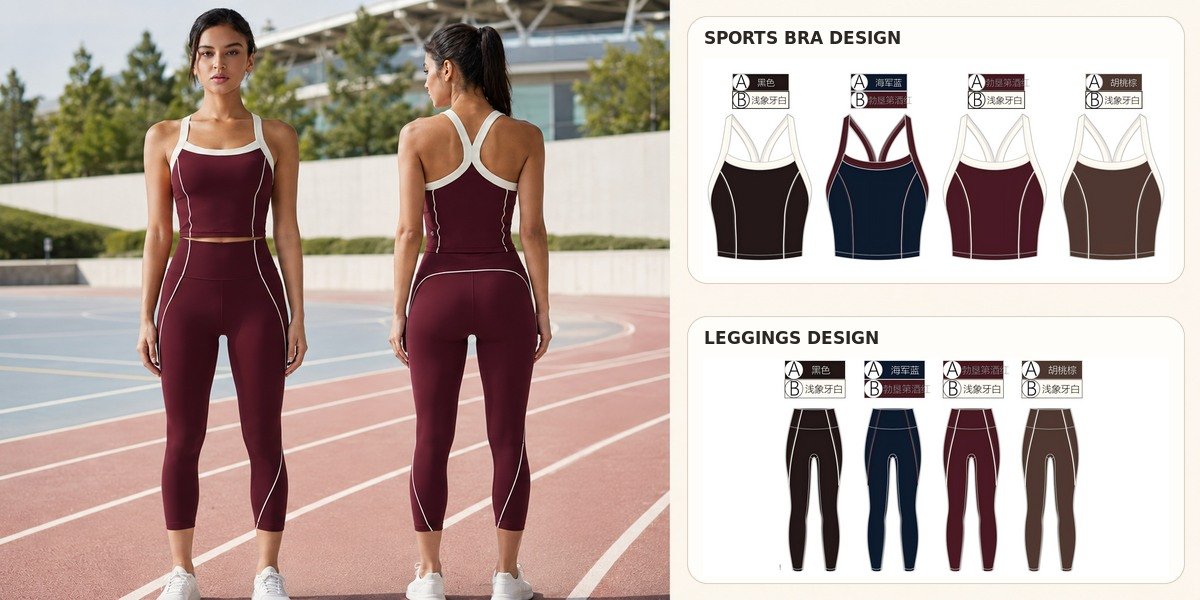
Matching-set manufacturing combines product-specific engineering with collection-level coordination.
What Makes an Activewear Set Truly Matching?
A matching activewear set is not simply two garments produced in the same nominal color. The top and bottom should remain technically correct as individual products while selected collection-level variables are deliberately coordinated across the program.
Product Architecture
A sports bra, tank, legging or short has different construction requirements. Matching should coordinate the products commercially without forcing technically different garments into identical specifications.
Material Relationship
Products may use the same material, related materials or deliberately different materials. The important requirement is an approved relationship in hand feel, stretch, appearance and intended performance.
Color Coordination
One Pantone target can behave differently on different substrates. Matching color therefore requires physical review of the actual materials or garments intended to appear together.
Fit & SKU Logic
Top and bottom fit should be approved separately. Commercial sizing, barcode, pairing and packaging rules must then connect those independently engineered garments correctly.
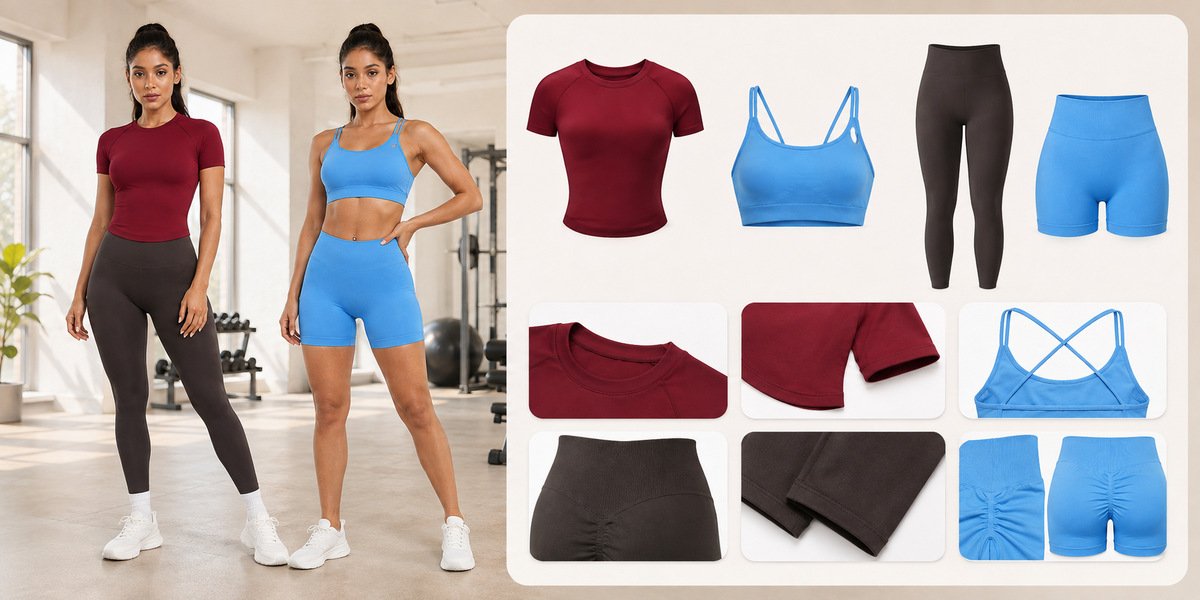
Individual SKU Correctness + Collection-Level Consistency
Those two standards must coexist. Matching should not erase the technical differences between products.
Manufacturing Foundations for Coordinated Multi-SKU Activewear Programs
MOVEVOX combines product development, seamless and cut-and-sew manufacturing, centralized quality control and controlled supplementary capacity so related products can be managed under one collection-level supplier system.
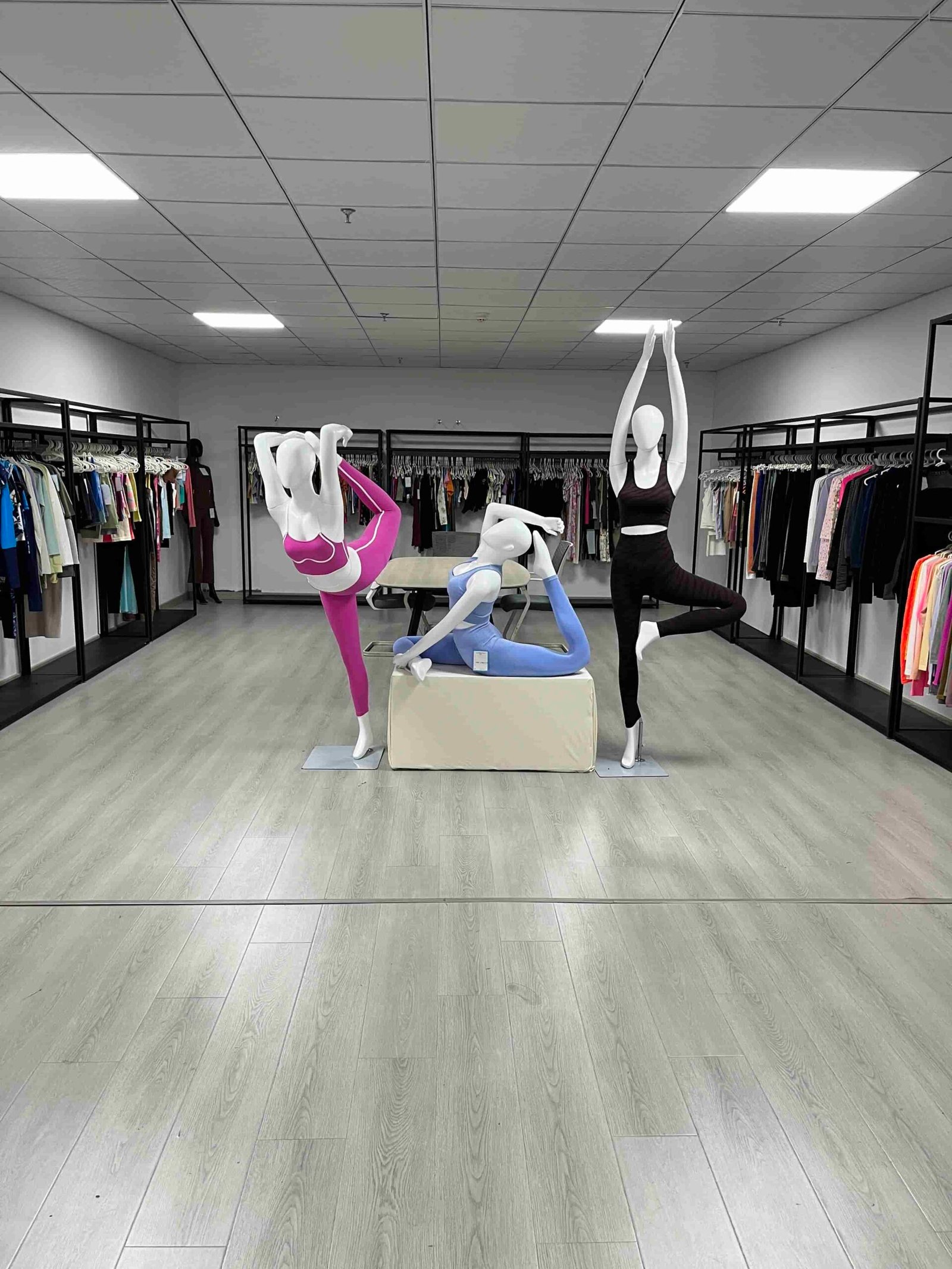
Product Development Connects Different Products Before Production
The normal development organization includes approximately eight people: two design, two pattern and four sample-development personnel.
- Project Inputs: Tech Packs, authorized samples, sketches, images or defined concepts
- SKU Development: each bra, top, legging or short receives product-specific technical review
- Standard Sampling: approximately 5–10 working days after required details are sufficiently confirmed
- Collection Review: related products can be physically compared before bulk standards are locked
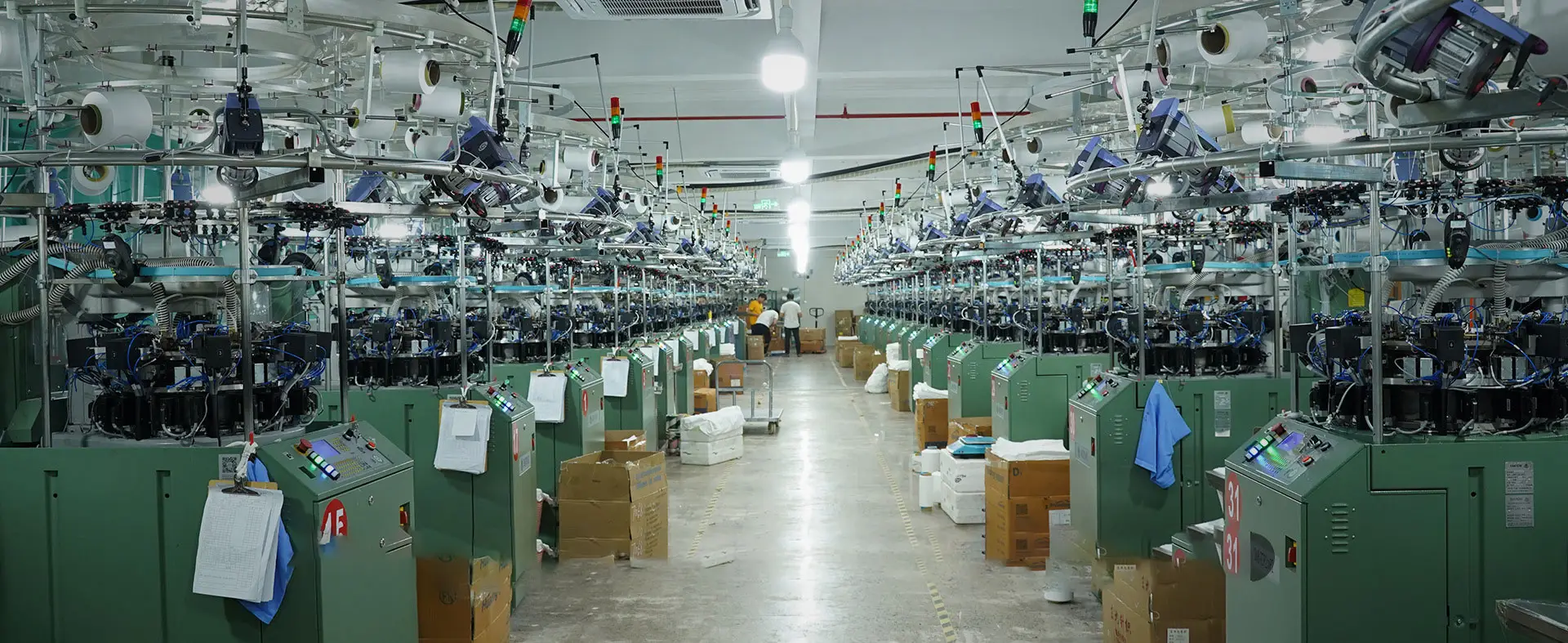
Seamless Manufacturing Supports Engineered Matching Products
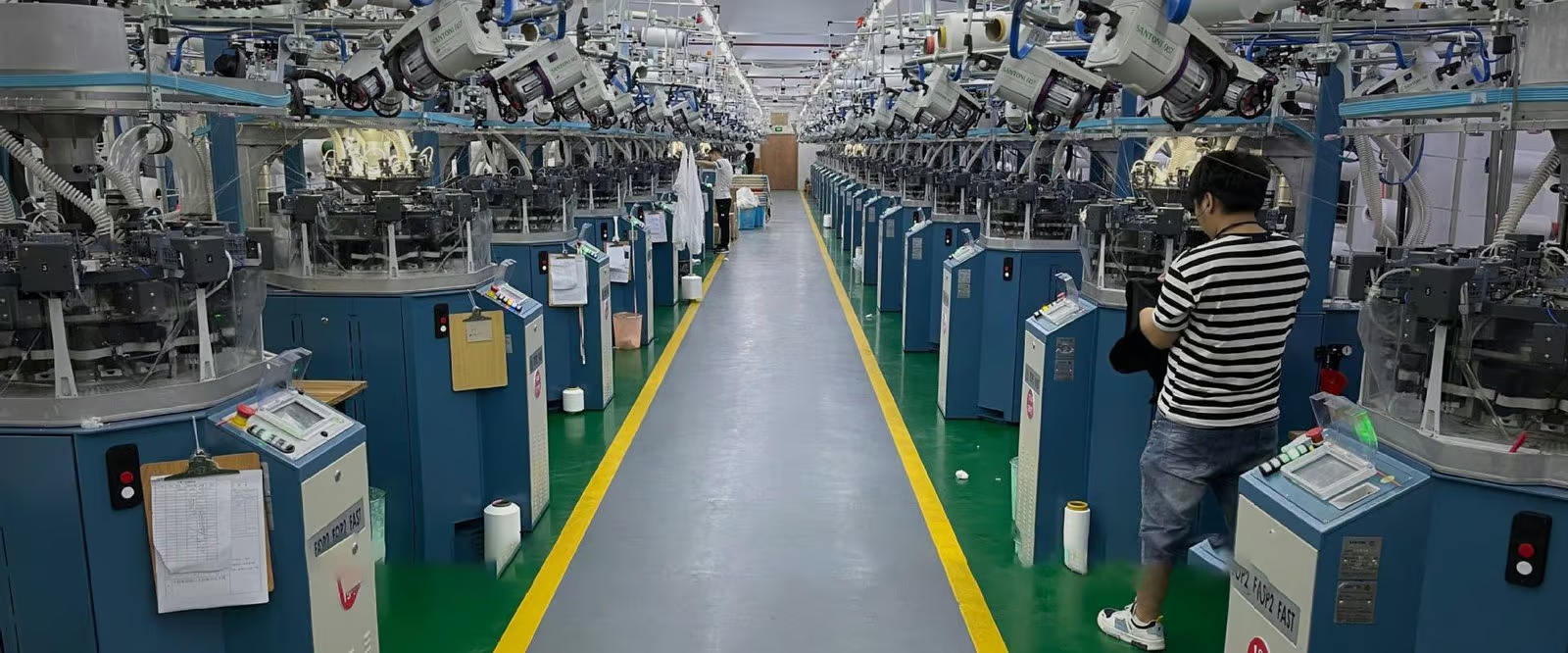
MOVEVOX's own factory operates 28 Italian Santoni seamless machines.
- Applicable Products: selected bras, leggings, shorts, tanks and long sleeves
- Structural Options: rib, texture, mesh, jacquard and differentiated knitted zones where appropriate
- Collection Value: related products can share a knitted visual language without identical garment structures
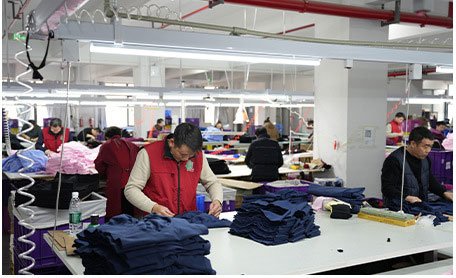
Cut-and-Sew Adds Pattern and Construction Freedom
The own production system includes approximately 24 principal sewing and garment-production machines.
- Applicable Products: leggings, shorts, bras, tanks, tees and selected layering products
- Construction Freedom: panels, pockets, bindings, gussets, straps and mixed materials
- Collection Value: product architecture can change while color, branding and assortment remain coordinated
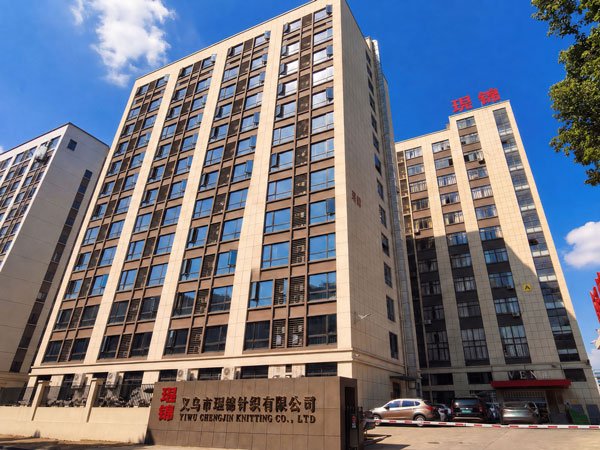
Centralized Quality Supports Repeatable Collection Execution
MOVEVOX currently maintains five QC personnel and uses its own factory as the technical and quality-control center.
- Controlled Network: eight long-term satellite facilities supplement suitable capacity
- Central Control: customer requirements, materials, production allocation, PMC, QC and shipment release
- Managed Delivery: approximately 150,000–200,000 pieces per month under normal managed stable conditions
Build Matching Sets Around Real Product Functions
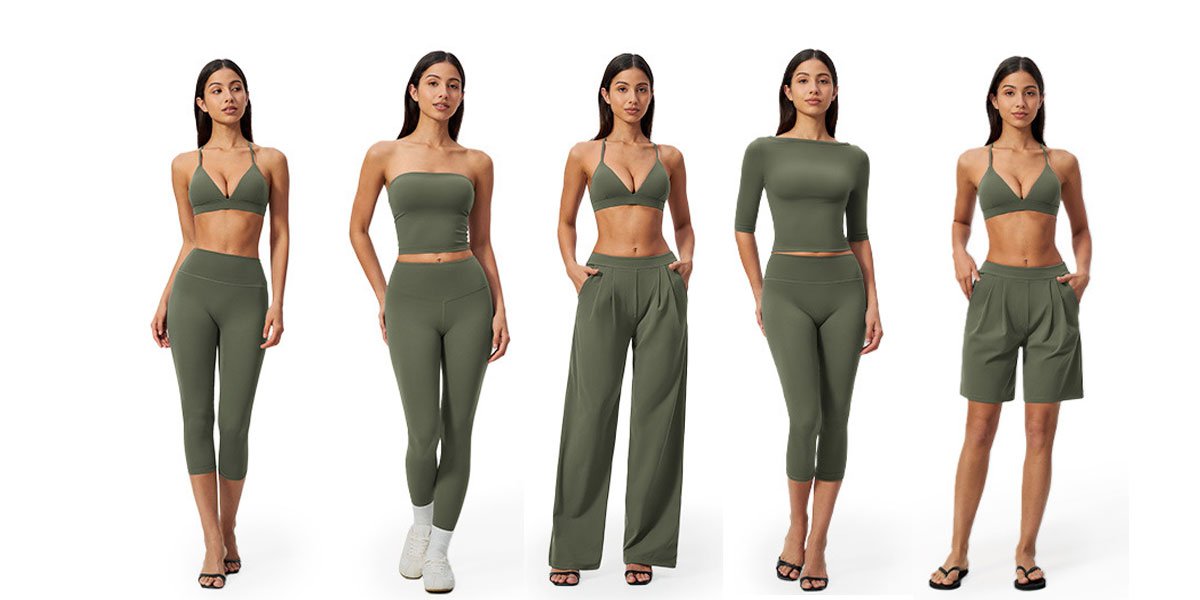
A coordinated collection can combine several top and bottom structures. The products should share deliberate collection-level decisions while retaining the independent technical specifications needed for their different body areas and use conditions.

Sports Bra + Leggings
A core activewear and studio combination. The products may share one fabric platform or related materials, while the bra requires independent band, strap and coverage development and the leggings require their own waist, hip, rise and inseam control.

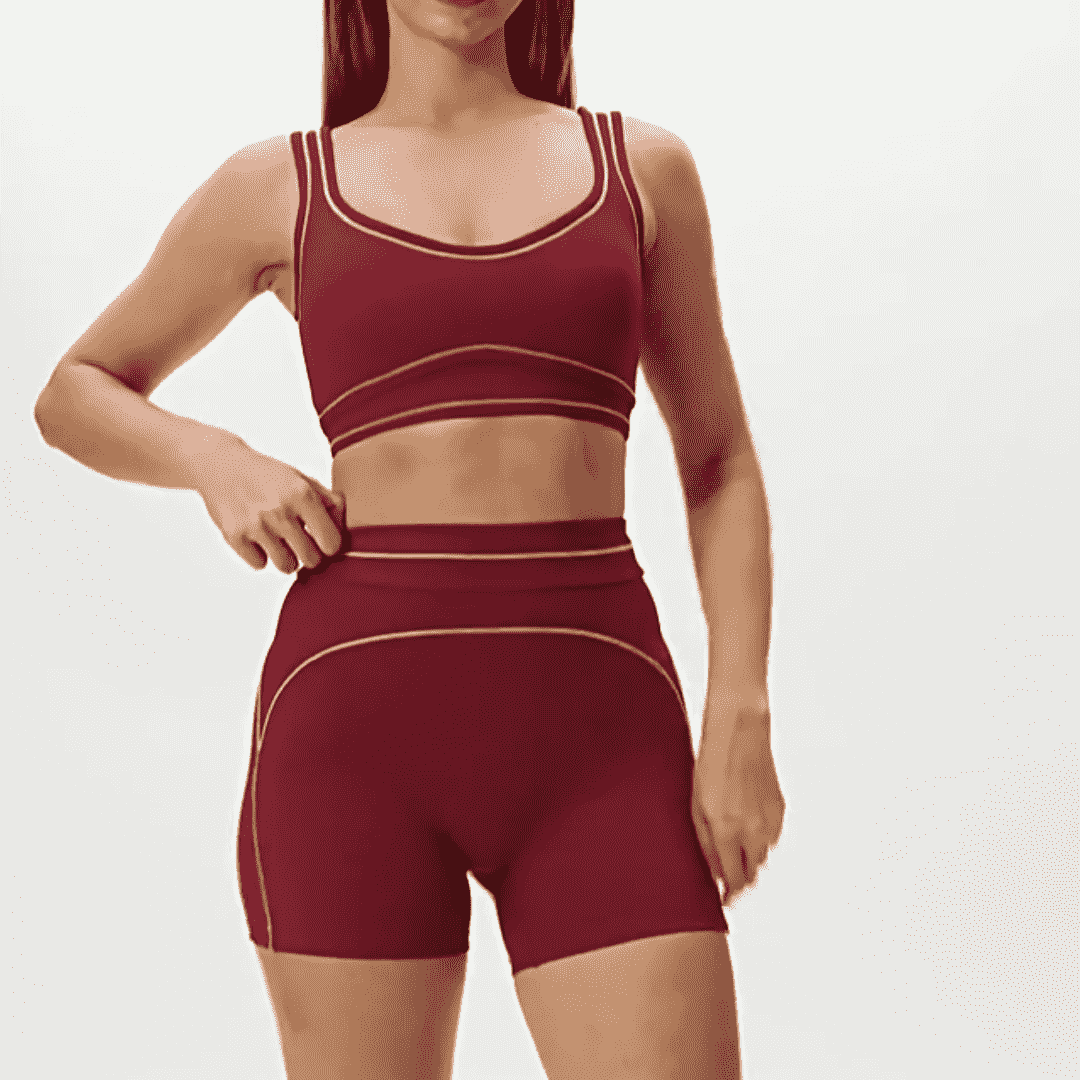
Sports Bra + Shorts
Suitable for gym, studio, warm-weather and broader activewear programs. The set can maintain one visual and brand direction while shorts require independent inseam and leg-opening decisions and the bra retains its own support and coverage requirements.
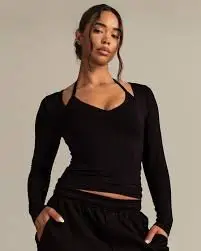
Tank + Leggings
A useful structure for brands that want greater upper-body coverage. Material weight may differ between the top and bottom while hand feel, color direction and brand language remain intentionally coordinated.

Long Sleeve + Bottom
A seasonal or studio-to-athleisure direction. Sleeve and torso fit can be developed independently from a legging or short while the collection maintains one approved palette, visual language and packaging architecture.
Three-Piece Activewear Capsule
A bra, bottom and layering product can create a broader commercial capsule. Each product remains a separate technical SKU while collection-level decisions connect color, material direction, logo language, labels and retail presentation.
Explore related categories: Sports Bras · Leggings · Shorts · Tops
Expand Matching Collections Across Core Activewear Categories
MOVEVOX's main women's activewear range covers the products most frequently used to build matching tops, bottoms and multi-piece capsules, with additional categories available for selected collection-extension projects.
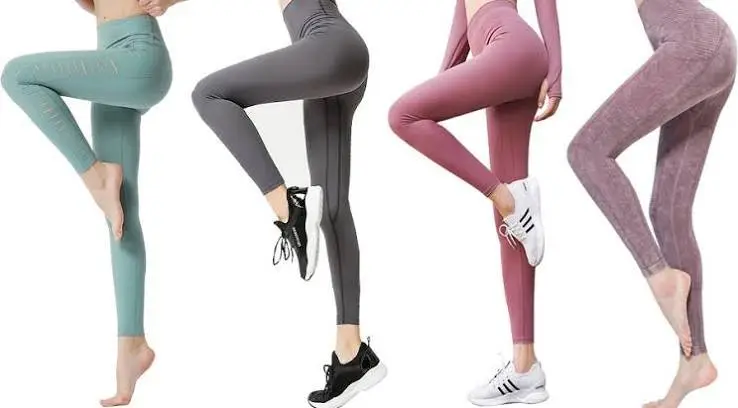
Yoga Leggings
A core bottom category available through seamless or cut-and-sew development depending on waistband, pocket, panel, material and fit requirements.
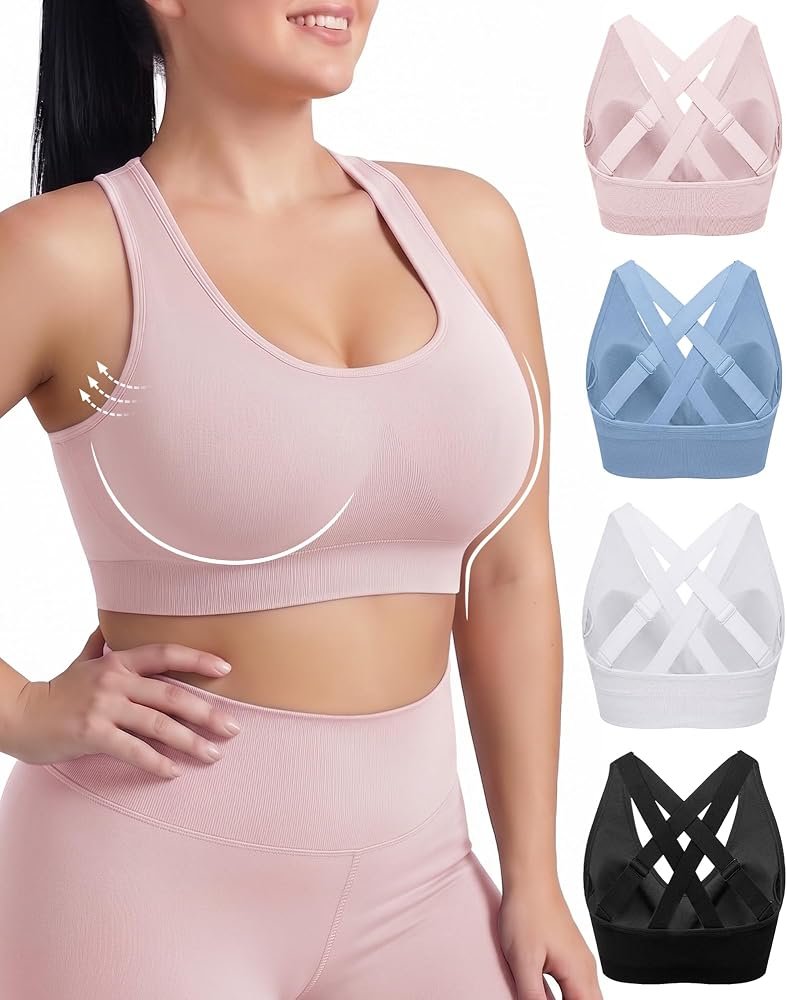
Sports Bras
A core top category requiring product-specific band, coverage, strap, material and support-direction development while remaining coordinated with related bottoms.
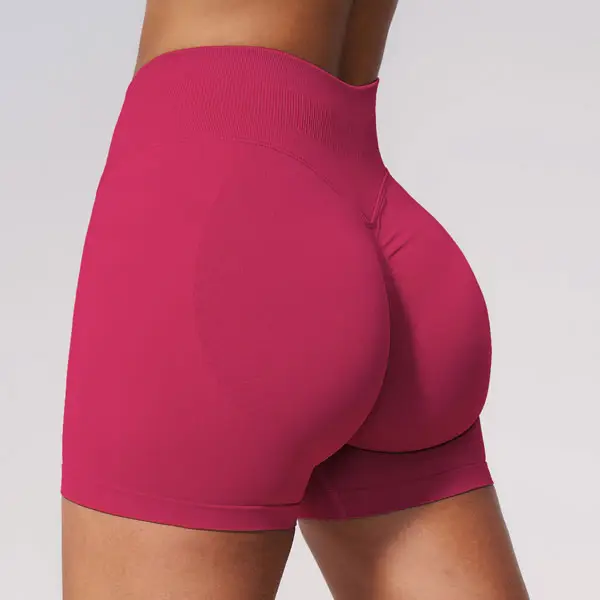
Yoga Shorts
Suitable for studio and activewear sets requiring independent waistband, inseam, leg-opening and opacity review.
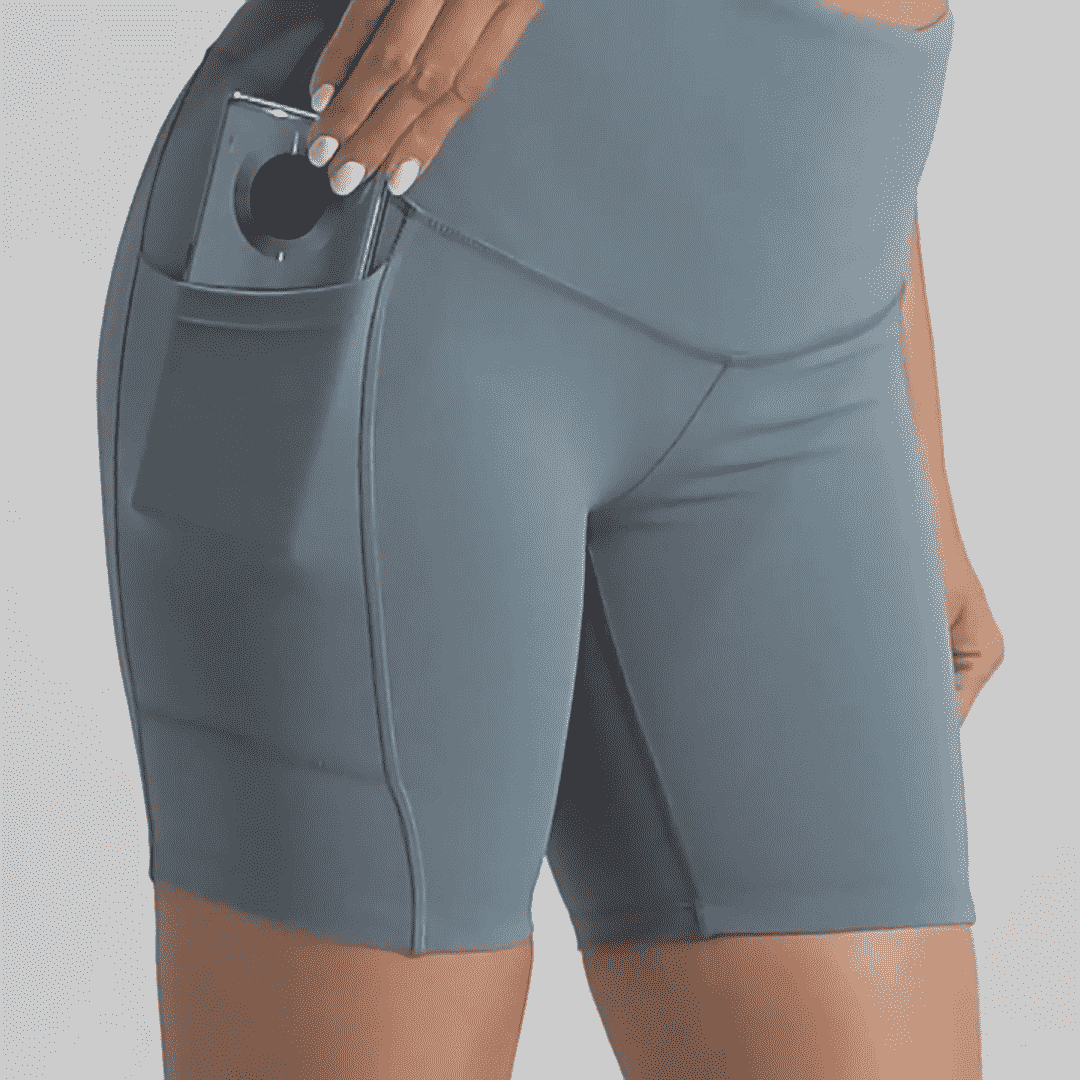
Biker Shorts
A regular activewear category that can extend an established legging material or color platform into another commercial bottom.
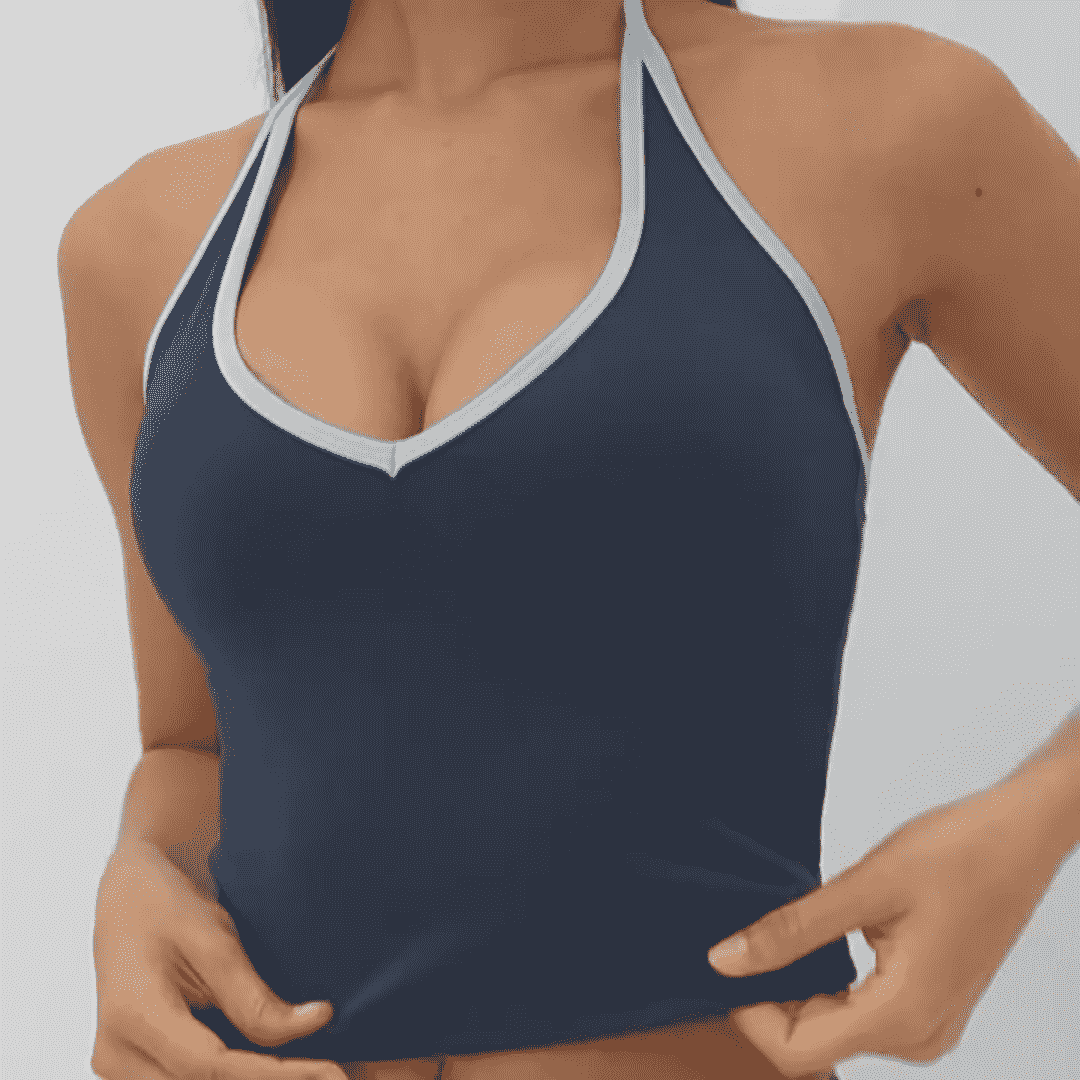
Tank Tops
Useful as fitted tops or layers in yoga, Pilates, gym and athleisure sets, with independent neckline, armhole and length control.
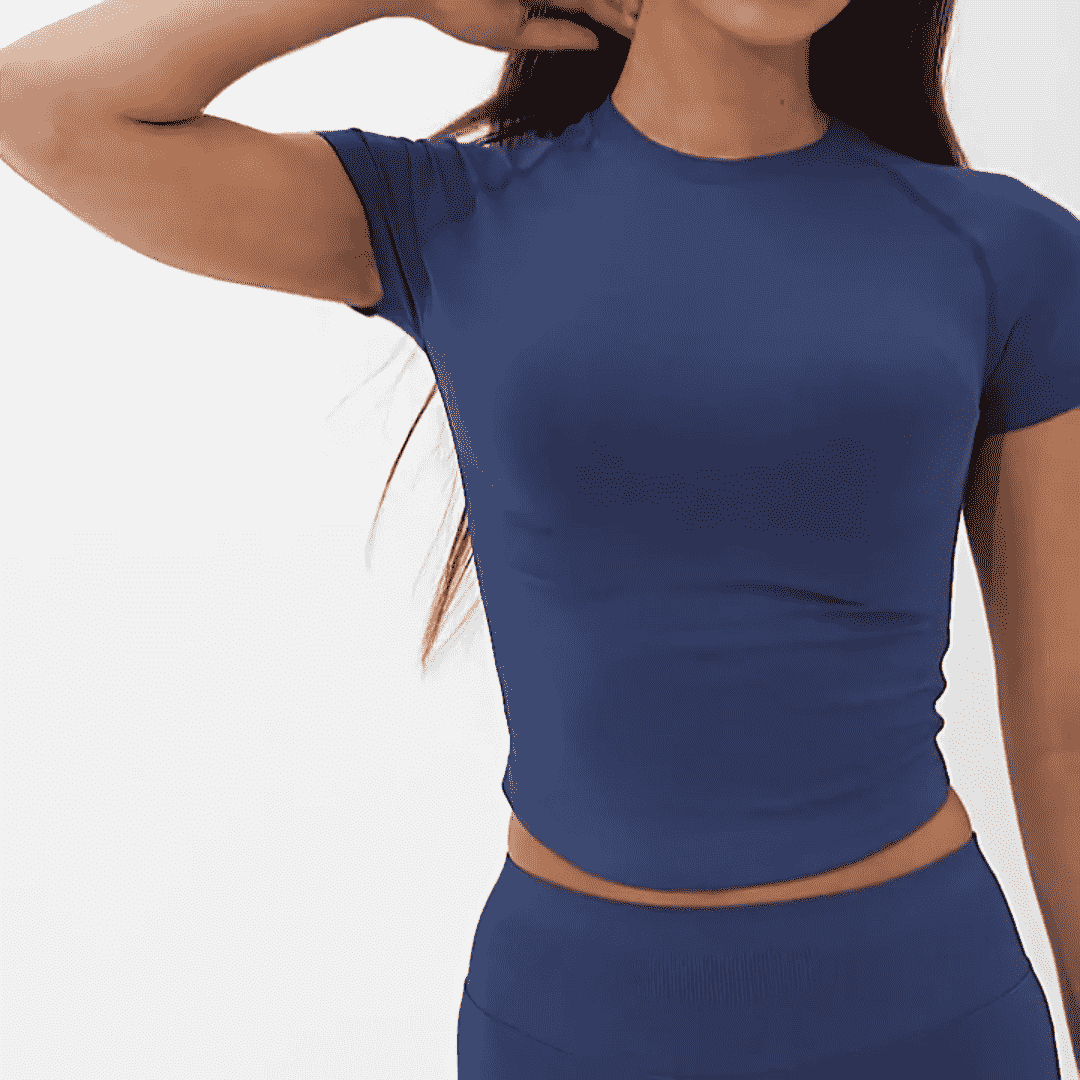
T-Shirts
A broader top option for activewear capsules requiring conventional silhouettes and coordinated color, logo and packaging execution.
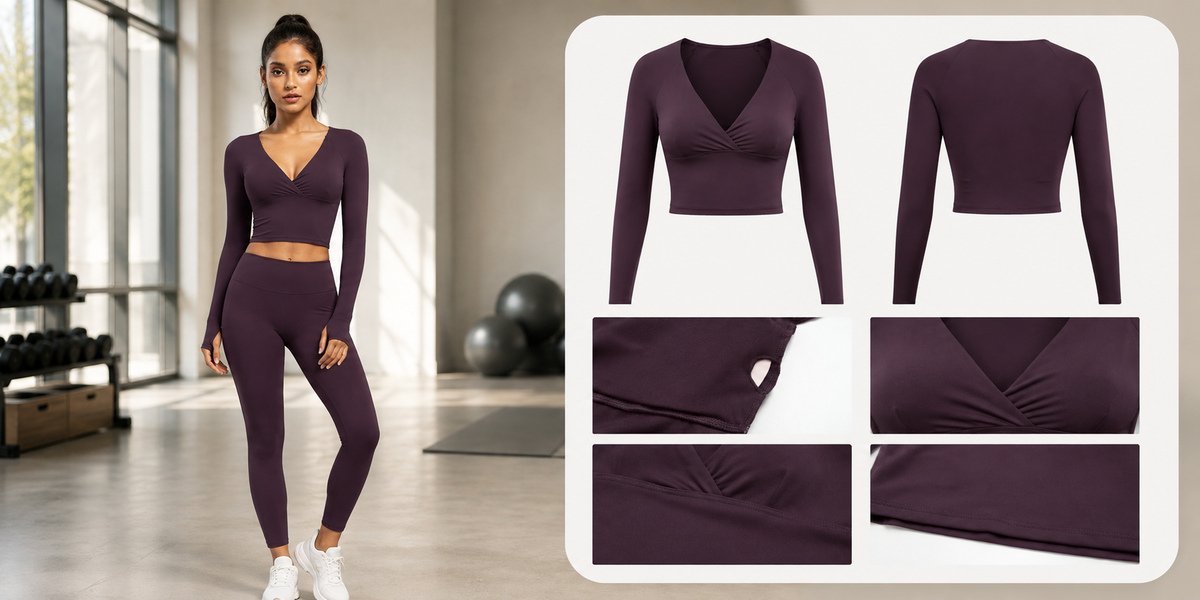
Long Sleeves
Suitable for seasonal collection extensions where brands want an additional studio or layering product around an established bottom platform.
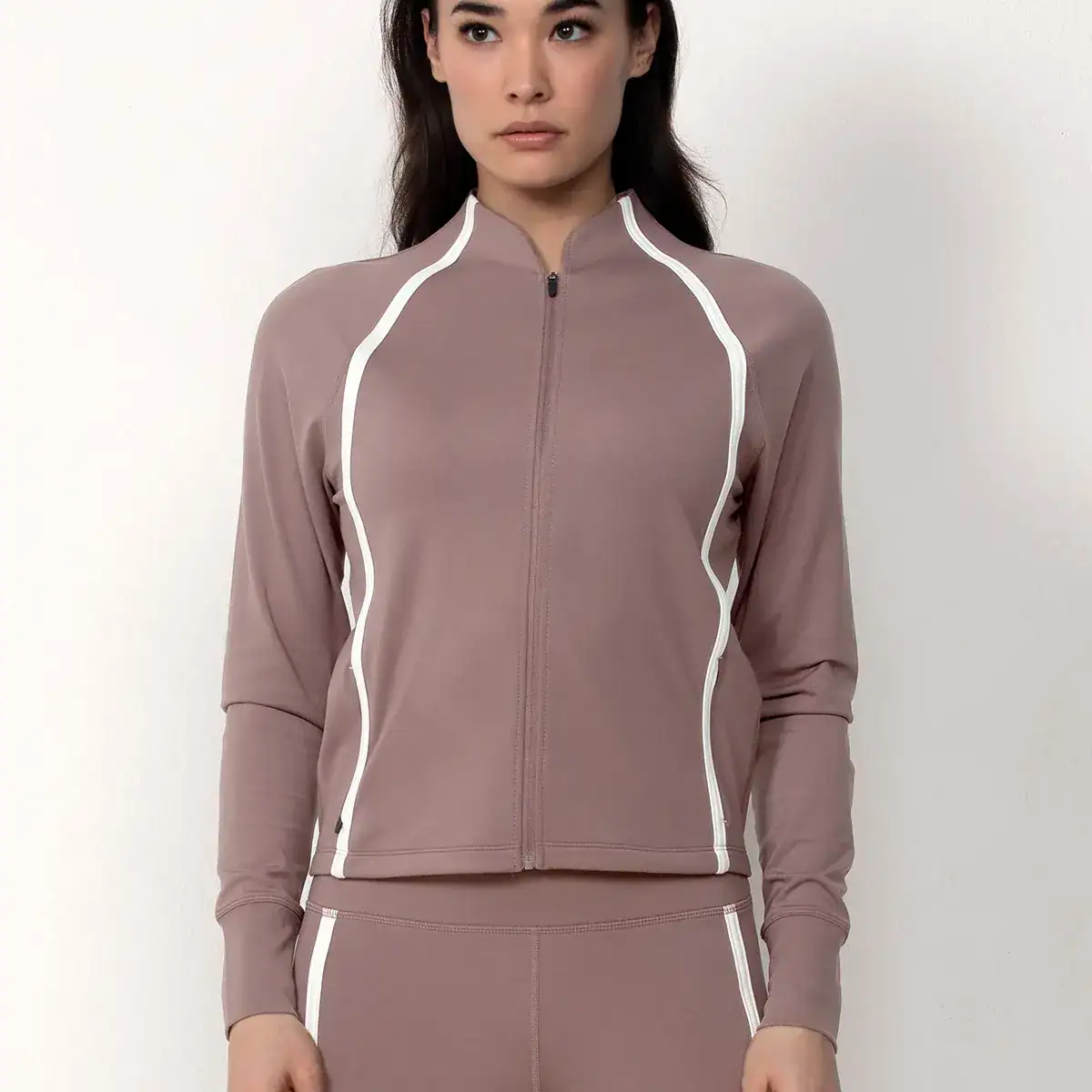
Yoga Sets
Two-piece and multi-piece combinations coordinated through selected material, color, fit-language, branding and packaging decisions.
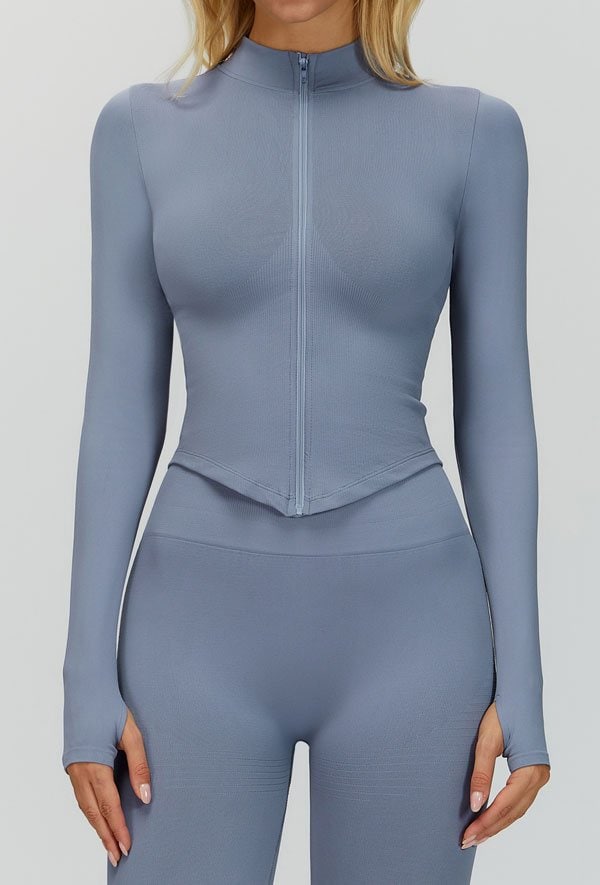
Light Jackets
An extended layering category for selected programs involving zippers, panels or more complex cut-and-sew construction.
Expand One Proven Product Into a Coordinated Collection
A matching collection can grow progressively instead of launching every possible SKU at once. Each new product should inherit only the collection decisions that remain relevant while receiving its own technical development and approval.
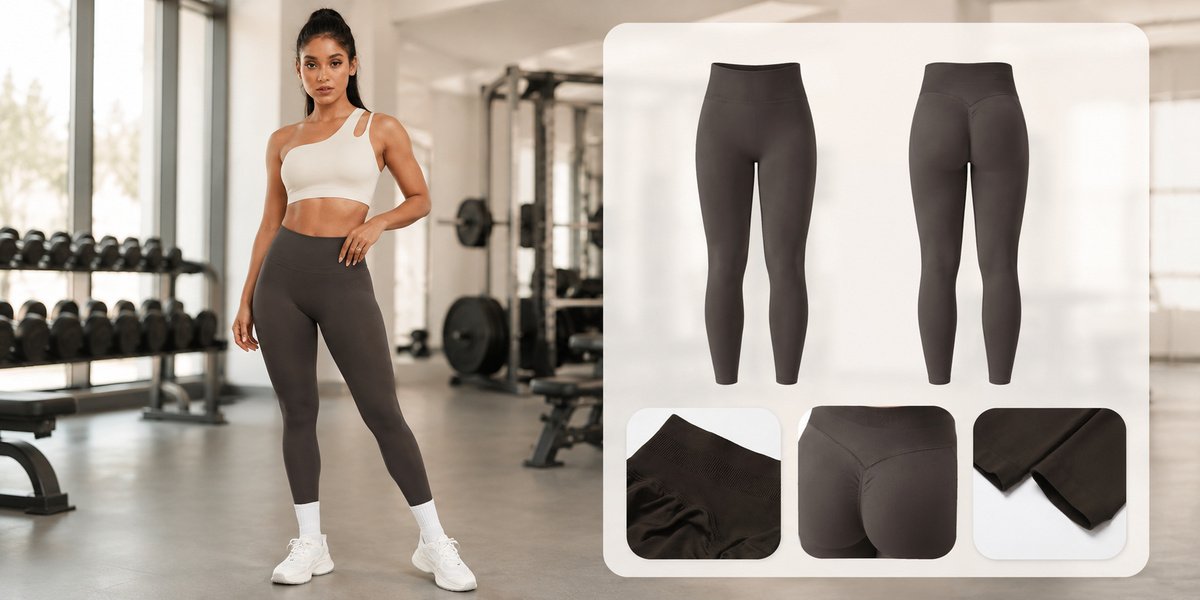
Start With Hero Leggings
An established legging can define the first material, color, waistband and brand direction. Those decisions become reference points for later products, but the legging specification itself should not automatically become the specification for a new top.
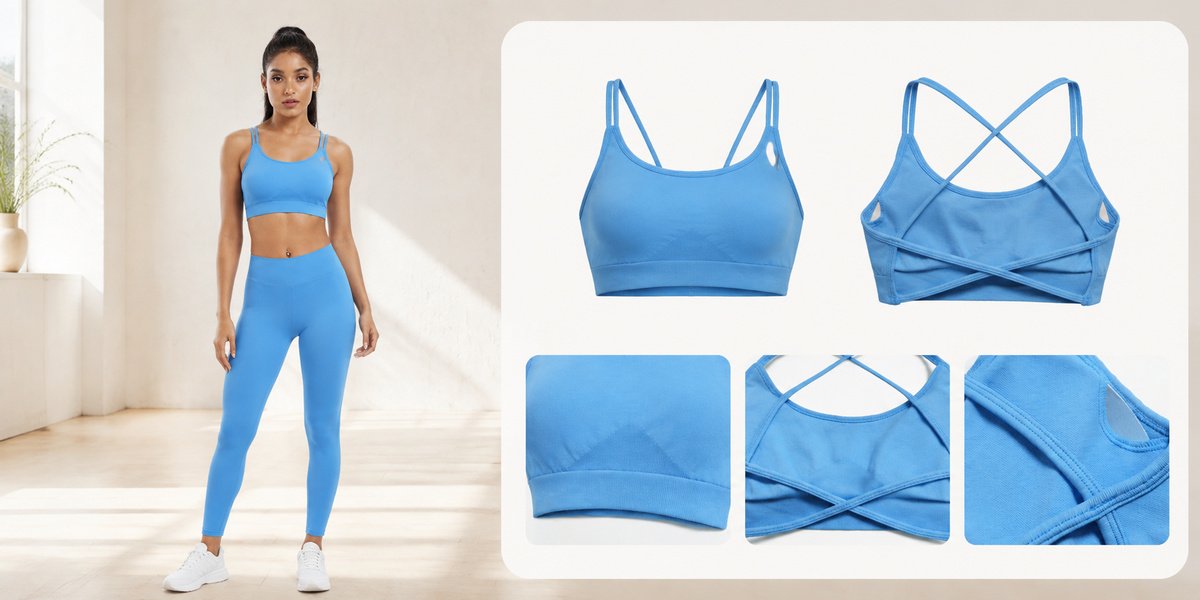
Add the Sports Bra
Develop the upper-body product around the collection’s visual direction while independently resolving band, straps, coverage and support. Shared material can be used where suitable, or a related material can be approved for better top performance.
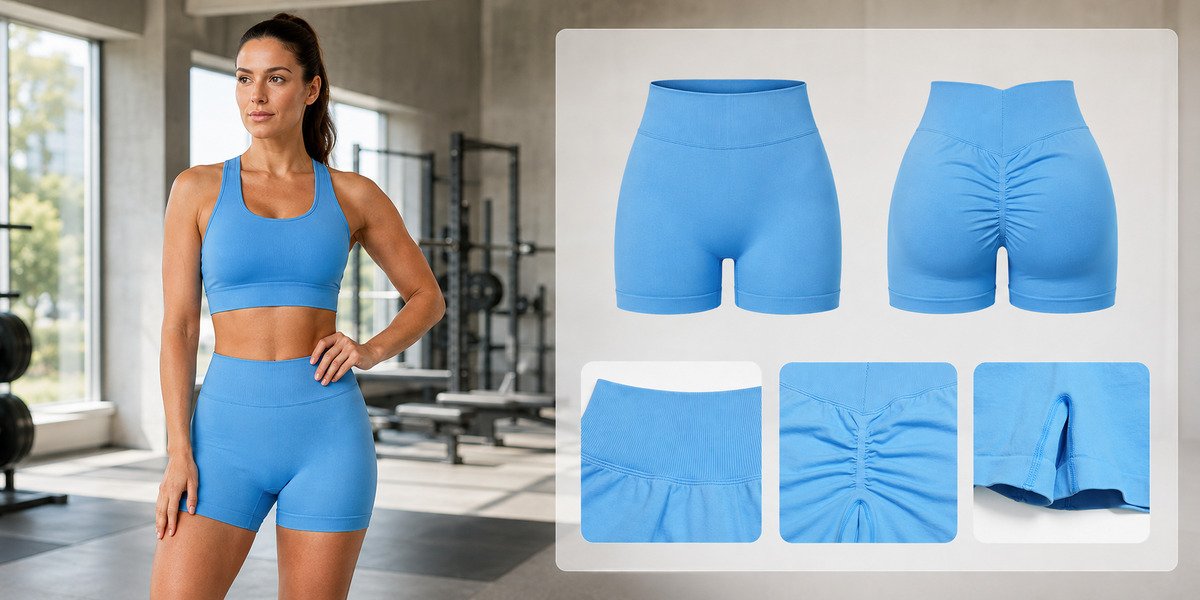
Add a Short
The collection can reuse an approved material or color direction while developing the short’s own rise, inseam, leg opening and compression. This expands assortment without treating the new product as a shortened legging automatically.
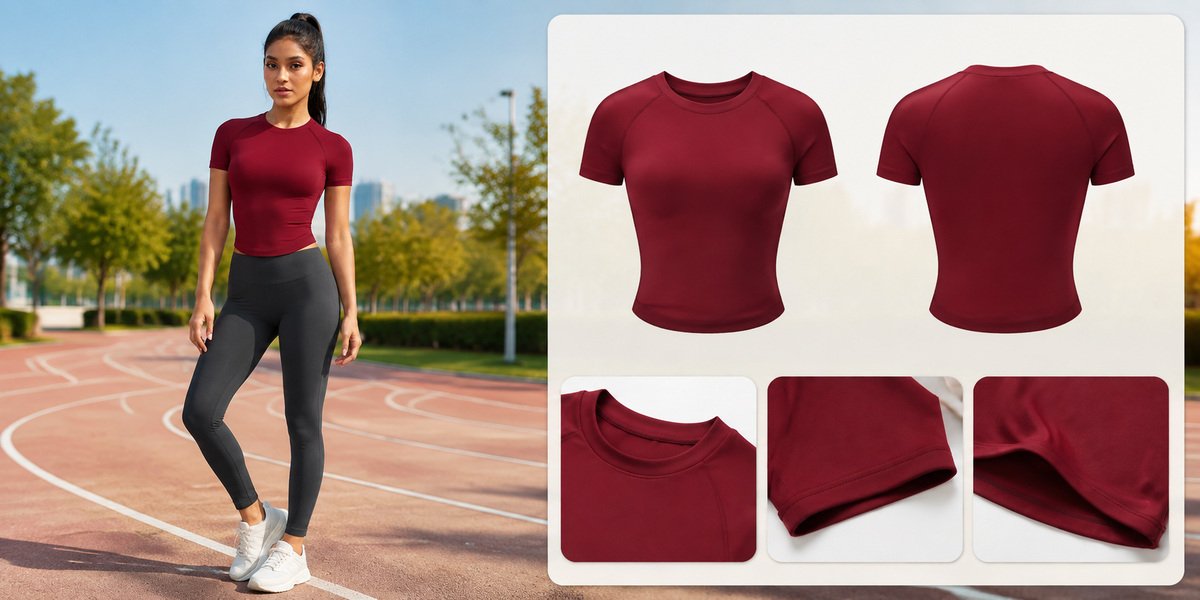
Add a Tank
A fitted tank adds greater coverage and another merchandising option. Neckline, armhole, body width and length remain SKU-specific while color, hand feel and branding connect the product to the existing collection.
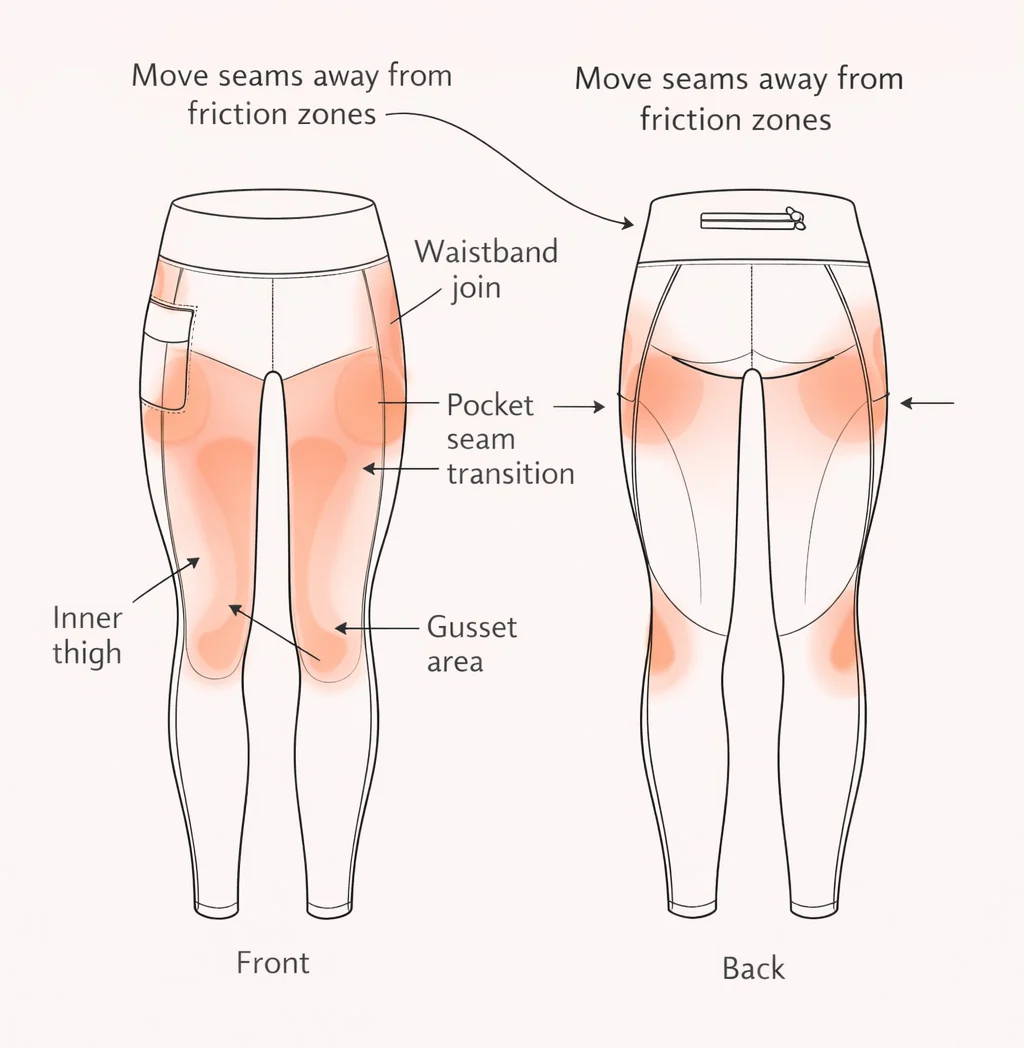
Add Long Sleeves
A long-sleeve product can extend the collection into cooler seasons or studio-to-street use. It may require a lighter or different material while continuing the same palette, label system and visual brand language.
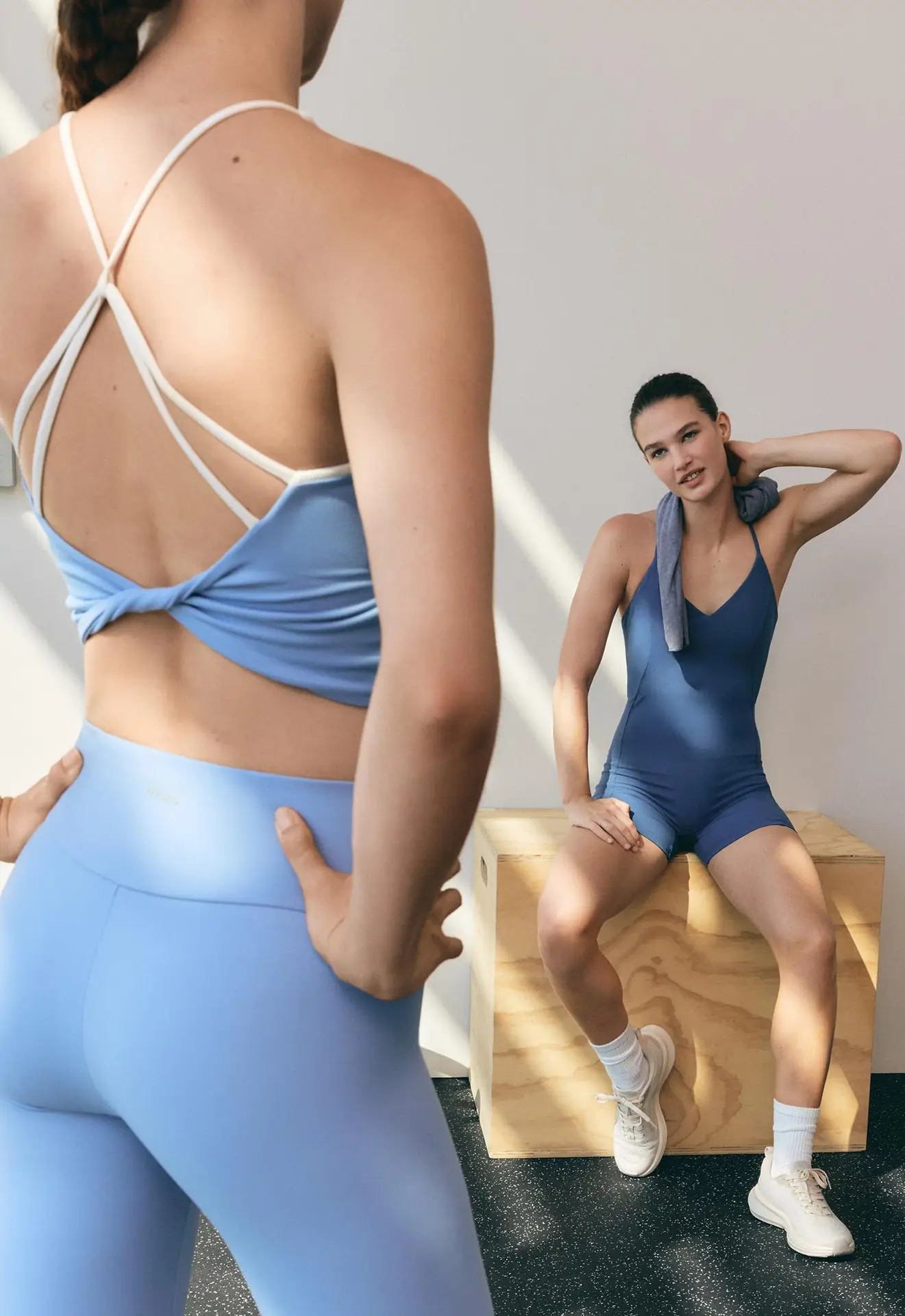
Launch New Colors
After products are approved, later drops may extend the collection through new colors. New color development still requires substrate-specific review because one approved color result cannot automatically transfer identically to every material.
Choose Materials by Collection Function, Not Sameness
Matching products do not always require identical fabric. The right strategy depends on product structure, desired hand feel, compression, opacity, weight and whether tops and bottoms need to perform differently.
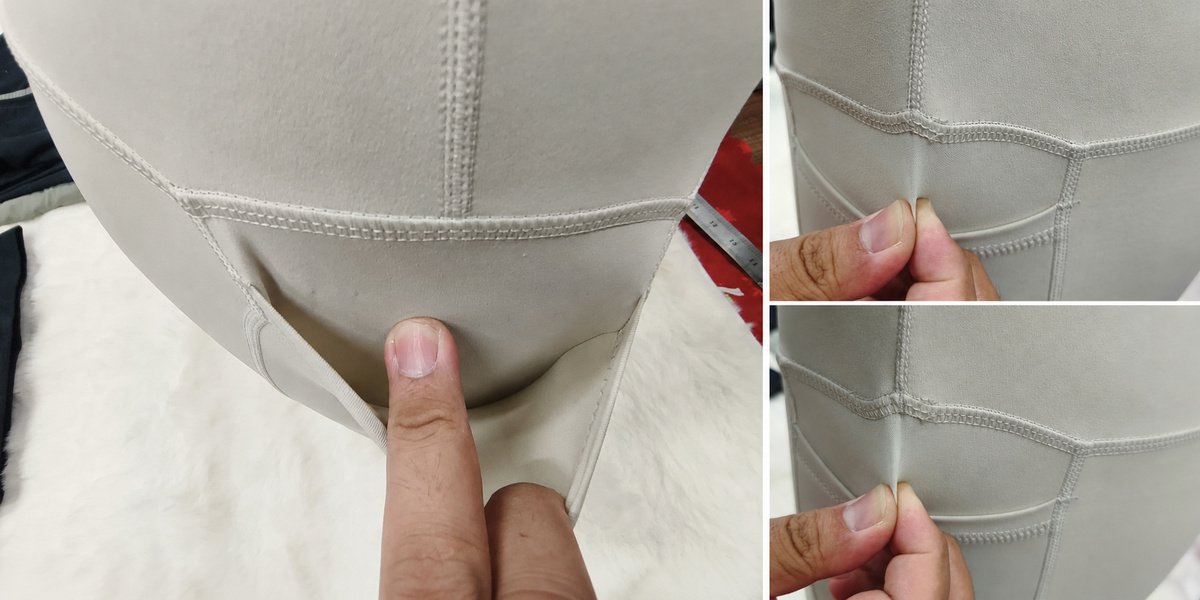
Same Material Platform
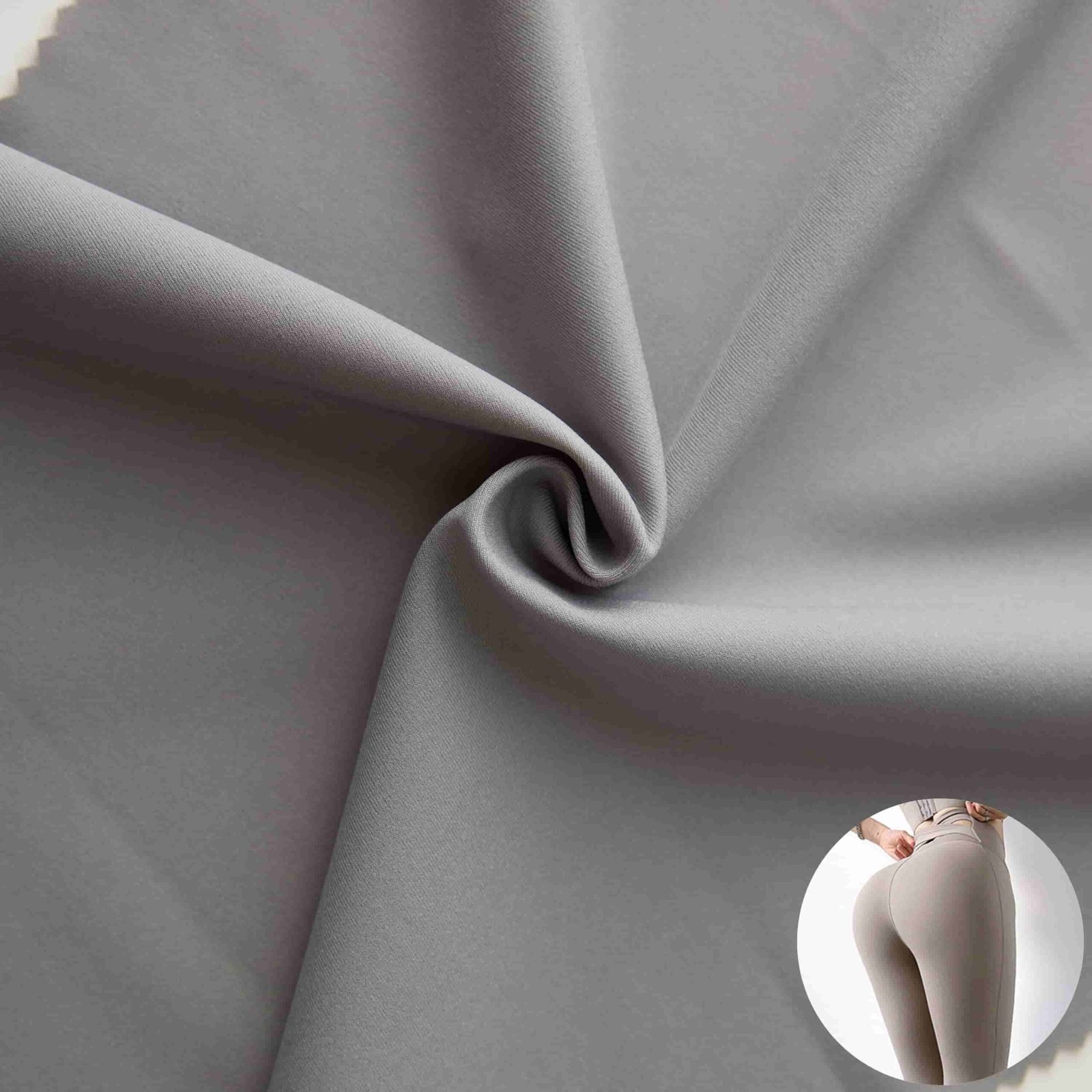
Use one approved fabric across several products when its hand feel, stretch, opacity, recovery and weight are suitable for every intended garment. This can simplify material continuity and visual coordination, but each SKU must still be independently fitted because identical fabric does not create identical garment behavior.
Related Material Platform
Use related materials with similar surface and wearing character when different products require different weight, stretch or support. This is often appropriate when a bra needs firmer containment while a legging or top requires a different balance of movement, opacity or comfort.

Coordinated Mixed Materials
Use deliberately different materials when product functions differ significantly—for example, a fitted bottom paired with a lighter tank or layering piece. Coordination then depends more heavily on color, surface relationship, silhouette and branding rather than requiring identical physical material performance.

Seamless Yarn Platform
For suitable seamless products, coordination can come from related yarns, knit structures, rib language and color direction. A seamless bra and legging may share a knitted visual system while still using different densities, dimensions or engineered zones for their individual functions.
Keep Approved Materials Connected to Every Matching SKU
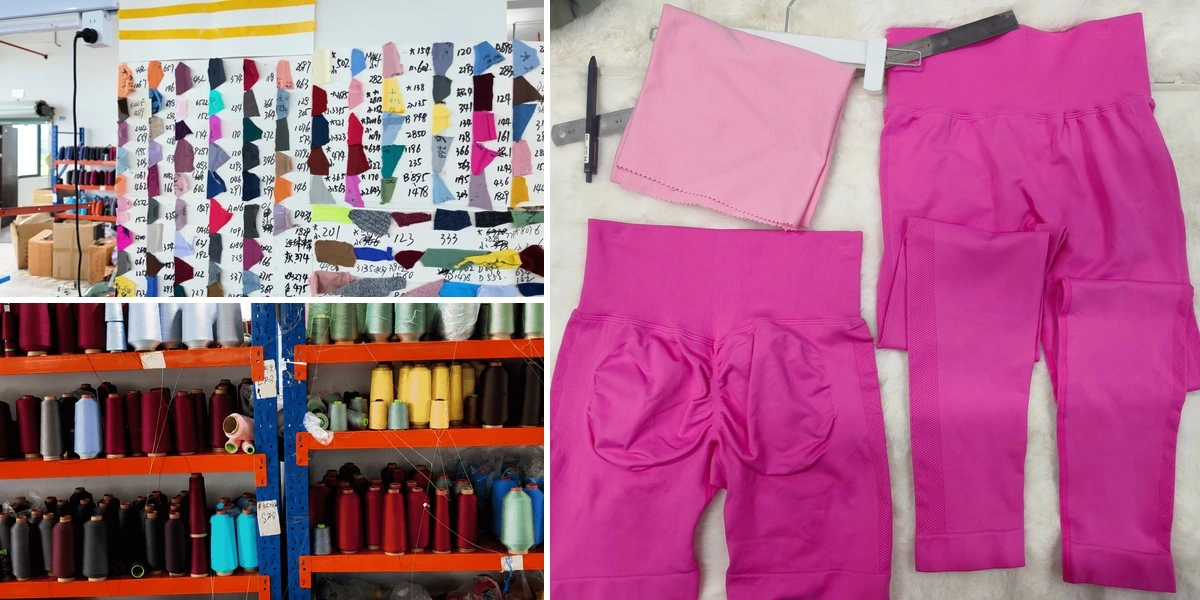
Matching sets depend on controlling the material relationship approved during development. MOVEVOX centrally coordinates key project materials so assigned production facilities do not independently replace an approved fabric or yarn with an unapproved “similar” option.
Material Approval
The applicable composition, GSM, hand feel, stretch, color and project-specific requirements are linked to the approved product reference.
Record: Material SpecSupplier Order
Purchasing is coordinated against the approved project requirement rather than leaving each production facility to select its own alternative material.
Record: Purchase OrderLot Identification
Applicable fabric, yarn or dye-lot information remains identifiable where needed through the relevant production cycle.
Record: Batch RecordIncoming Check
Project-relevant characteristics can be reviewed before material is released into production, according to actual buyer and product requirements.
Record: InspectionSKU Allocation
Approved materials are allocated to the applicable bras, tops, leggings, shorts or other products according to the confirmed collection plan.
Record: SKU PlanProduction Use
Assigned facilities work from issued material and product requirements rather than independently changing the approved specification for production convenience.
Record: Production FileOrder Link
PO and SKU information help connect material usage with the applicable order during manufacturing, inspection and later investigation.
Record: Order RecordRepeat Reference
Repeat orders should return to the approved material reference and confirm continued availability or formally address any required material change.
Record: Repeat PORelated: Custom Fabric · Quality Guides
Control Matching Color on the Actual Product Materials
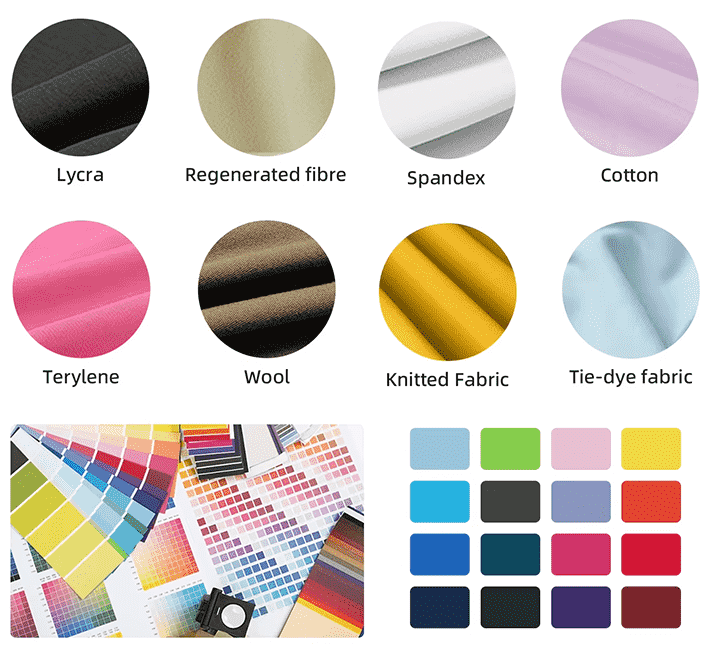
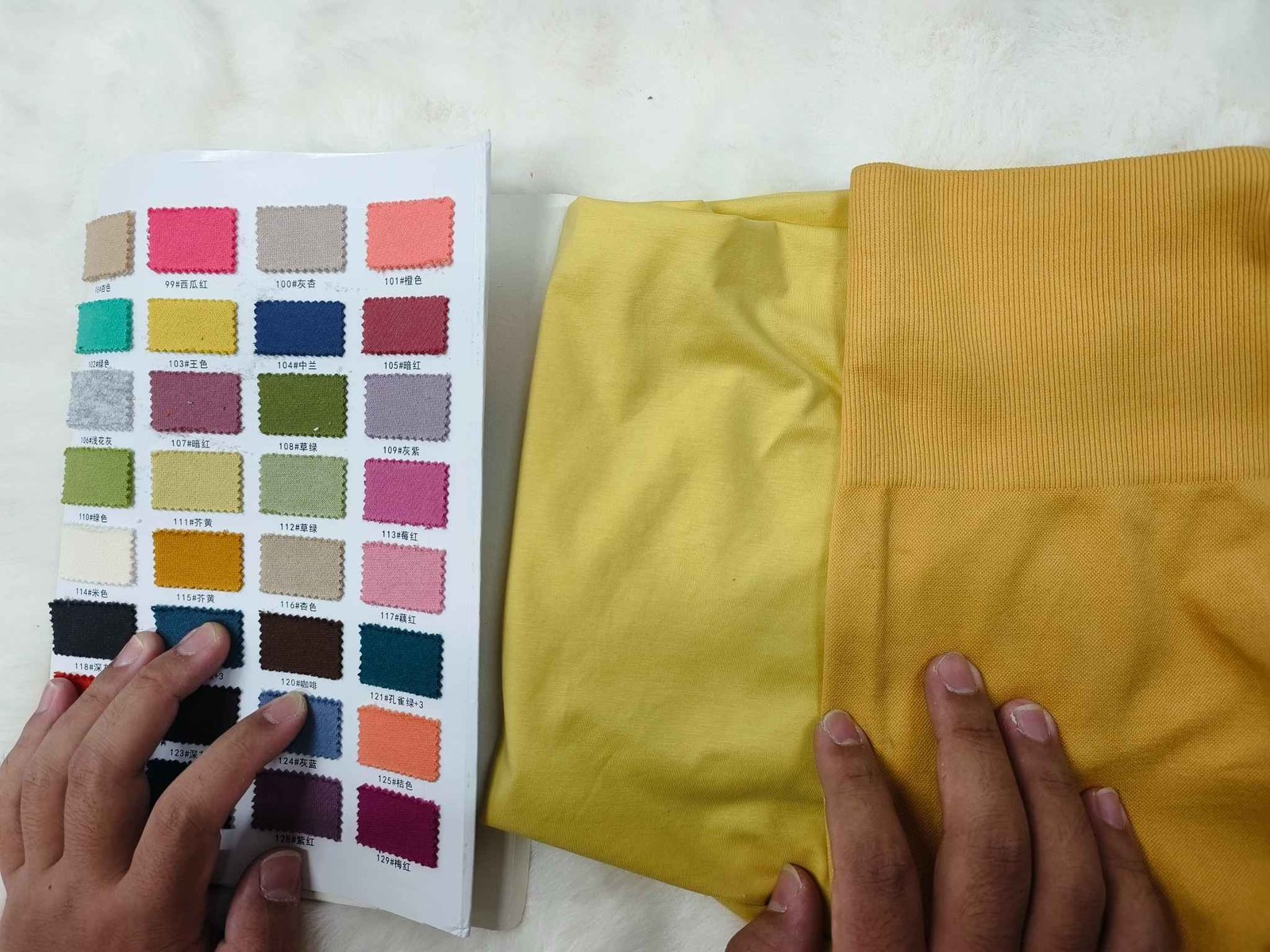
Color should be reviewed on the substrates that will appear together. Pantone provides a target direction, but fiber, knit structure, fabric weight, surface and finishing can influence the final visual result.
Color Reference
Begin from a Pantone reference, physical swatch or another buyer-approved color standard appropriate to the project.
Material Route
Confirm the actual fabric or yarn because different substrates can absorb, reflect or display the target color differently.
Lab Dip
Custom-dyed materials may require physical Lab Dip development and buyer review where the applicable material route supports it.
Light Review
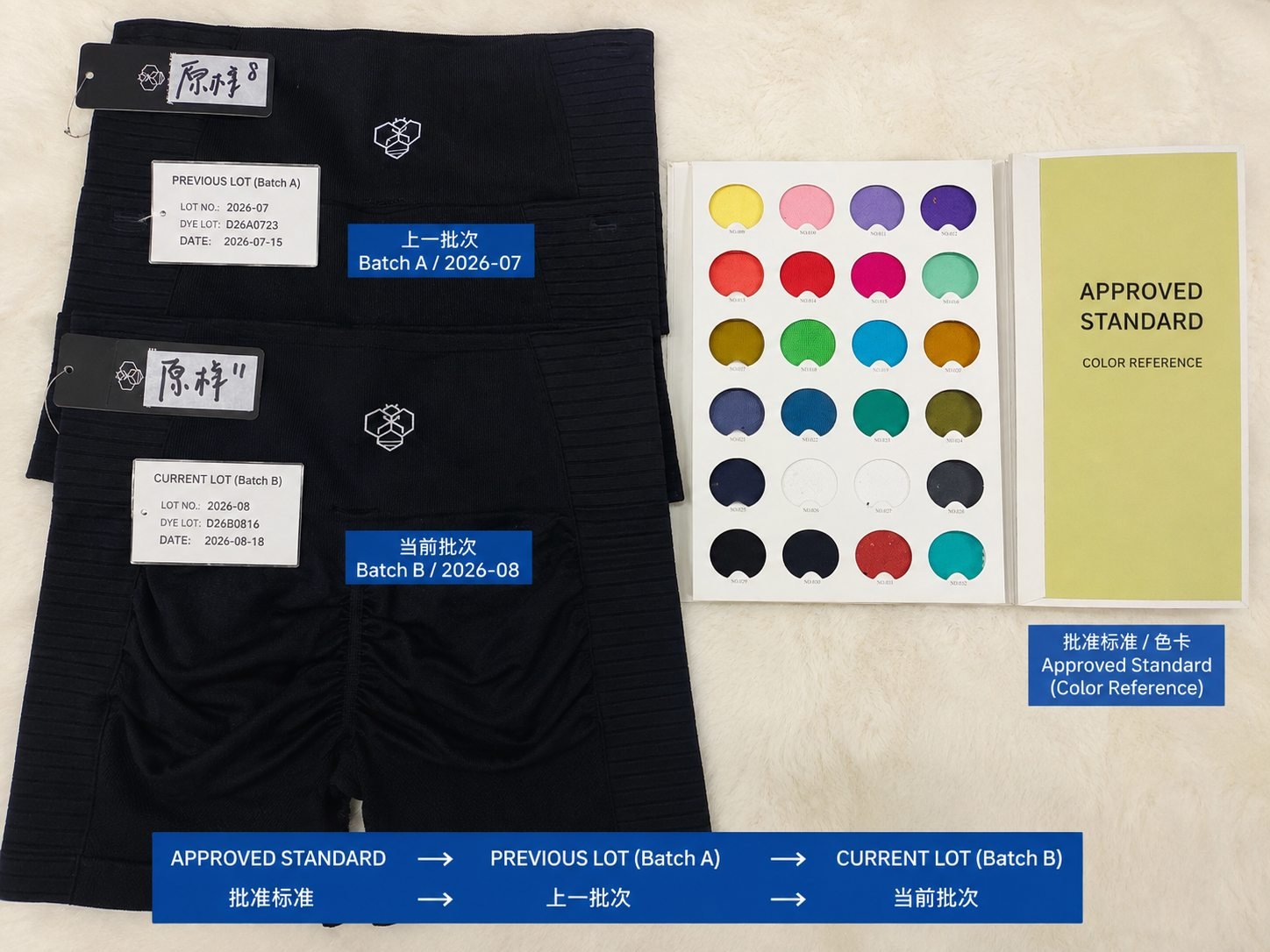
Relevant color samples should be compared under agreed viewing conditions instead of relying only on digital screens or photographs.
Color Approval
The buyer-approved physical result becomes connected to the actual substrate and applicable SKU rather than only a color code.
Bulk Shade
Production lots are reviewed against the approved reference, and related top and bottom materials can be physically compared where matching appearance is commercially important.



Coordinate Wearing Experience Without Forcing Identical Stretch
A matching bra, top and bottom may require different stretch and containment levels. The relevant question is whether those materials deliver an intentional, commercially coherent wearing experience while supporting each garment's actual technical function.
Soft Legging Direction
A softer legging platform may prioritize mobility, hand feel and recovery while still requiring enough density and garment control for the intended fit. It can coordinate with a related top without requiring that top to use exactly the same compression or GSM.
Supportive Bra Direction
A sports-bra material may need firmer recovery or additional structure around the underband and body. Matching should therefore come from approved color, surface and wearing relationship rather than forcing the bra into the exact bottom-material performance profile.
Light Top Direction
A tank or fitted top may use lighter material where breathability, drape or comfort is more important than lower-body opacity and containment. Its surface, hand feel and color can still be deliberately coordinated with the collection bottom.
Seamless Direction
Seamless products achieve elasticity through yarn, knit structure, density, garment dimensions and finishing. A seamless bra and legging may use different engineered zones while sharing a coherent knitted language and approved collection color direction.

Radar Dimensions
Stretch / Recovery / Softness / Compression / Opacity / Shape Retention
需要真实素材替换: numerical radar data must come from actual selected-material data or an agreed evaluation method.
Related: Fabric Guides
Match Products Commercially and Engineer Each SKU Technically
A collection can remain visually and commercially coordinated even when its individual products use different manufacturing technologies. The route should follow product architecture rather than forcing the collection into one factory process.
| Decision Area | Seamless | Cut-and-Sew |
|---|---|---|
| Engineering Basis | Yarn, knit structure, program and garment dimensions | Finished fabric, pattern, cutting and sewing |
| Rib / Texture | Strong engineered potential | Driven by fabric and construction choice |
| Mesh Zones | Can be integrated into knitted structure | Usually achieved with material or panel changes |
| Compression | Density, yarn and knitted zones | Fabric recovery and negative ease |
| Pockets | Structure-dependent | Flexible pocket options |
| Panels | More constrained | High pattern freedom |
| Straps / Binding | Program-dependent | Broad construction flexibility |
| Gussets | Product-dependent | Flexible pattern structure |
| Fit Control | Yarn + knit + dimensions | Pattern + grade + fabric behavior |
| Typical Products | Bras, leggings, shorts, seamless tops | Bras, leggings, shorts, tanks, layers |
| Starting Reference | Approx. 100 pcs/style | Approx. 150 pcs/style |
Selection Guidance
A seamless bra and legging can belong to the same commercial collection as a cut-and-sew tank or light layer. MOVEVOX should recommend manufacturing technology according to the actual product requirement while collection-level material direction, color, branding and packaging provide the commercial connection.
Coordinate Seamless Sets Through a Shared Knitted Language
MOVEVOX's own seamless manufacturing system includes 28 Italian Santoni machines. Related products can share selected rib, texture, jacquard and color directions while each garment still uses knitted structures appropriate to its body area and function.
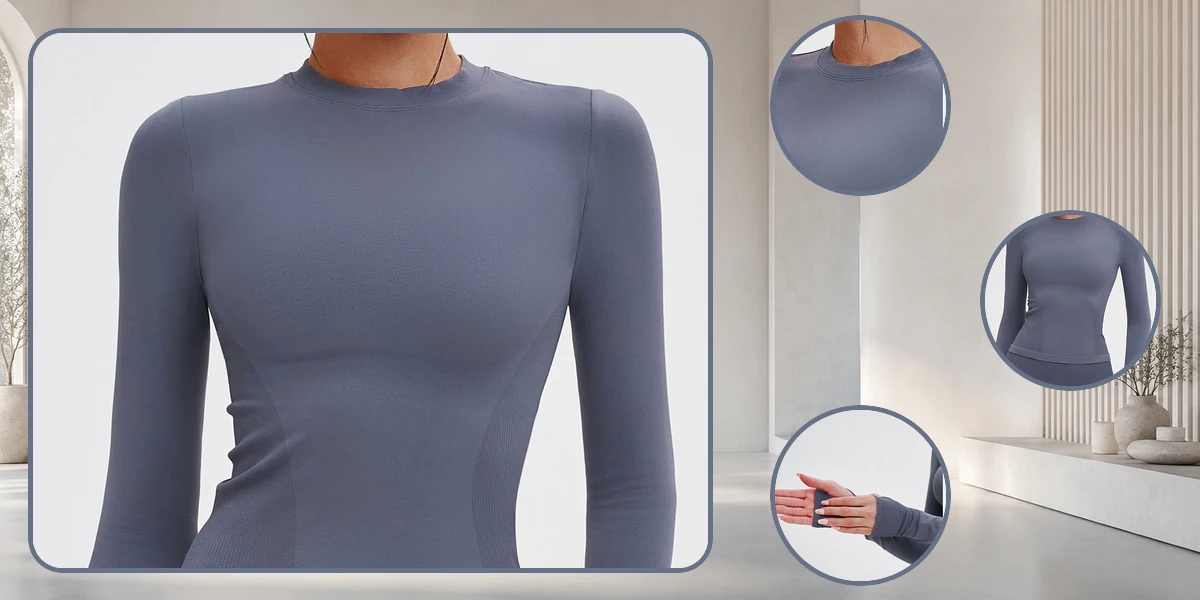
Rib Language
Related rib structures can visually connect a bra, legging or short while density and dimensions change according to local containment and fit requirements.
Mesh Zones
Engineered mesh can create differentiated visual and openness zones. Matching products may repeat a related motif without requiring identical mesh placement.
Surface Texture
Knitted textures can help establish one collection identity across several seamless products while still allowing structure to respond to different body areas.
Jacquard Detail
Suitable jacquard motifs or brand structures can be developed into knitting programs when product architecture and project requirements support the technique.
Compression Zones
Localized knitted density can change containment. Zone design must be evaluated with yarn, garment dimensions and wearer fit.
Support Bands
Denser knitted regions can support selected bra, top or waistband areas while other zones remain more flexible for movement and comfort.
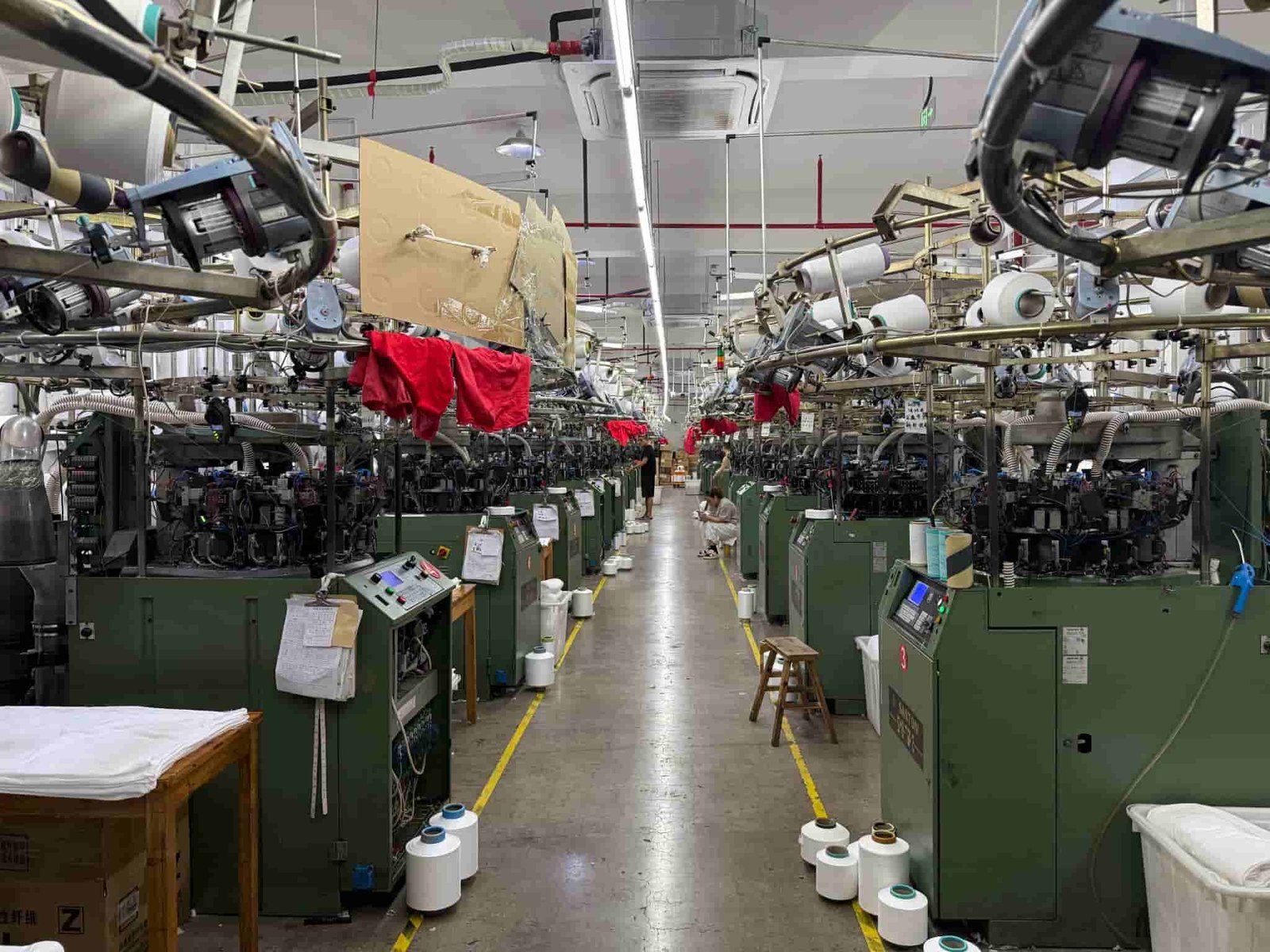
Technical Explanation
Seamless performance is created through yarn composition, elastane, stitch structure, density, machine programming, garment dimensions and finishing. Matching products can share a recognizable knitted design language without copying the same structure onto every SKU. “Seamless” does not mean the finished garment necessarily contains absolutely no seam after assembly or finishing.
Build Coordinated Sets With Product-Specific Construction Freedom
Cut-and-sew manufacturing allows related tops and bottoms to use different patterns, panels, pockets, bindings and bra structures while remaining coordinated through material direction, color, branding and overall collection design.
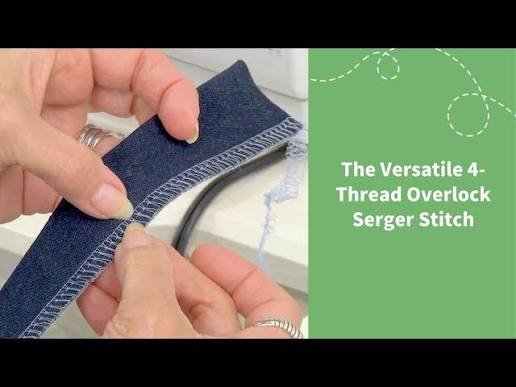
Overlock
Overlock joins suitable stretch panels efficiently and is commonly used on internal activewear seams. Stitch balance should support expected extension without excessive tension, seam opening or unnecessary bulk.
Typical Use: Internal seams on leggings, shorts, bras and fitted tops
Control Focus: Extension, seam balance and thread tension
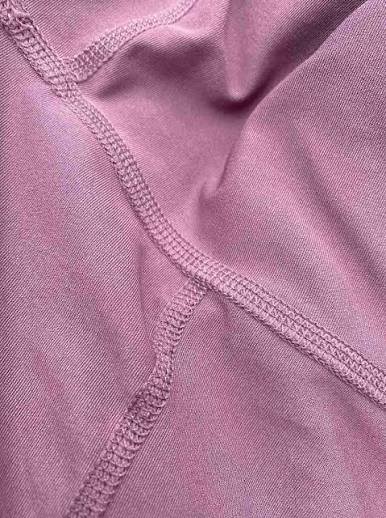
Flatlock
Flatlock can create flatter seam structures in selected fitted activewear applications. Its suitability depends on material, seam location and design intent rather than using it automatically on every product.
Typical Use: Selected legging, short, bra and fitted-top seams
Control Focus: Seam width, coverage, extension and comfort
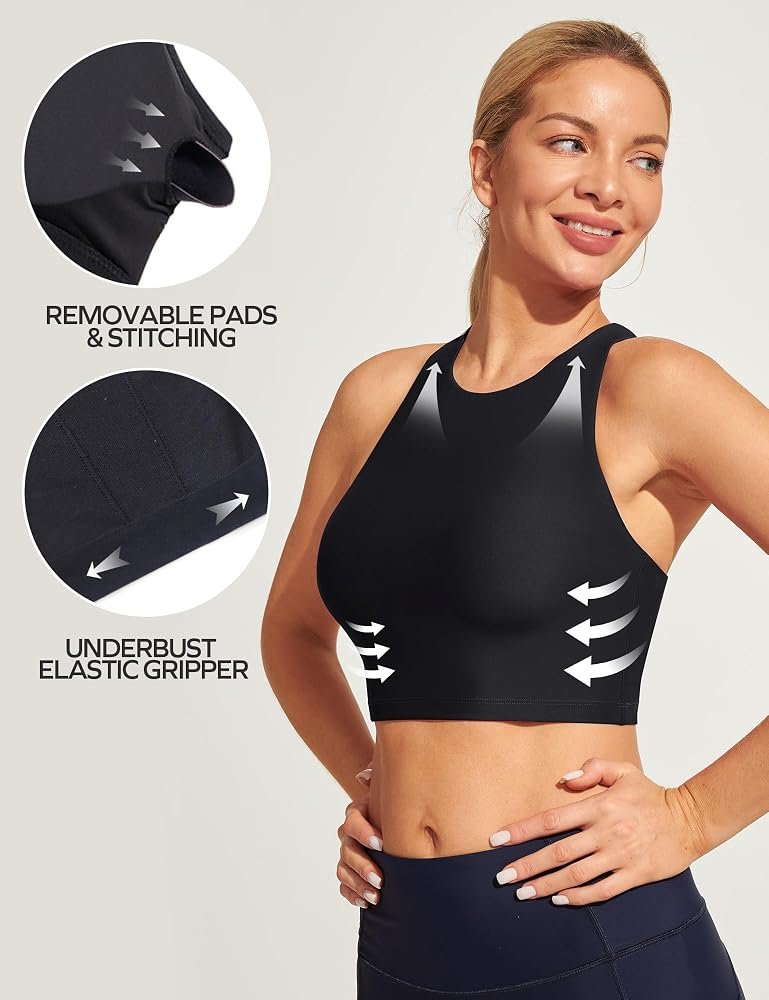
Coverstitch
Coverstitch is used for selected stretch hems and openings where the edge must extend with the garment while maintaining a controlled finished appearance.
Typical Use: Top hems, sleeves and selected bottom openings
Control Focus: Hem width, stitch extension and recovery
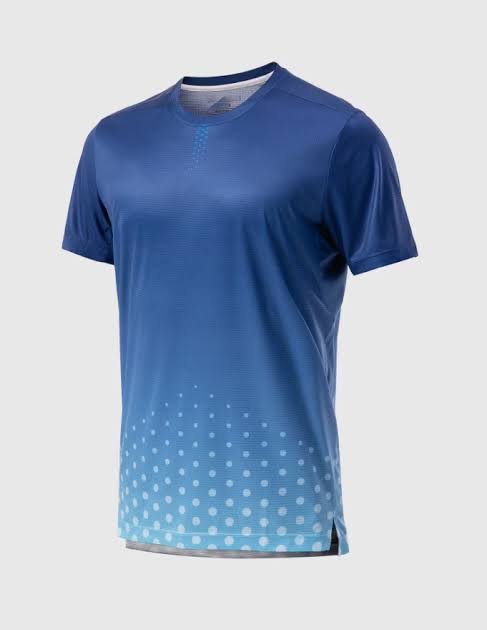
Binding
Binding can finish necklines, armholes, bra edges or straps while introducing another potential collection design detail. Material, width and tension must suit the opening and body contact.
Typical Use: Sports bras, tanks, fitted tops and selected straps
Control Focus: Width, tension and edge comfort
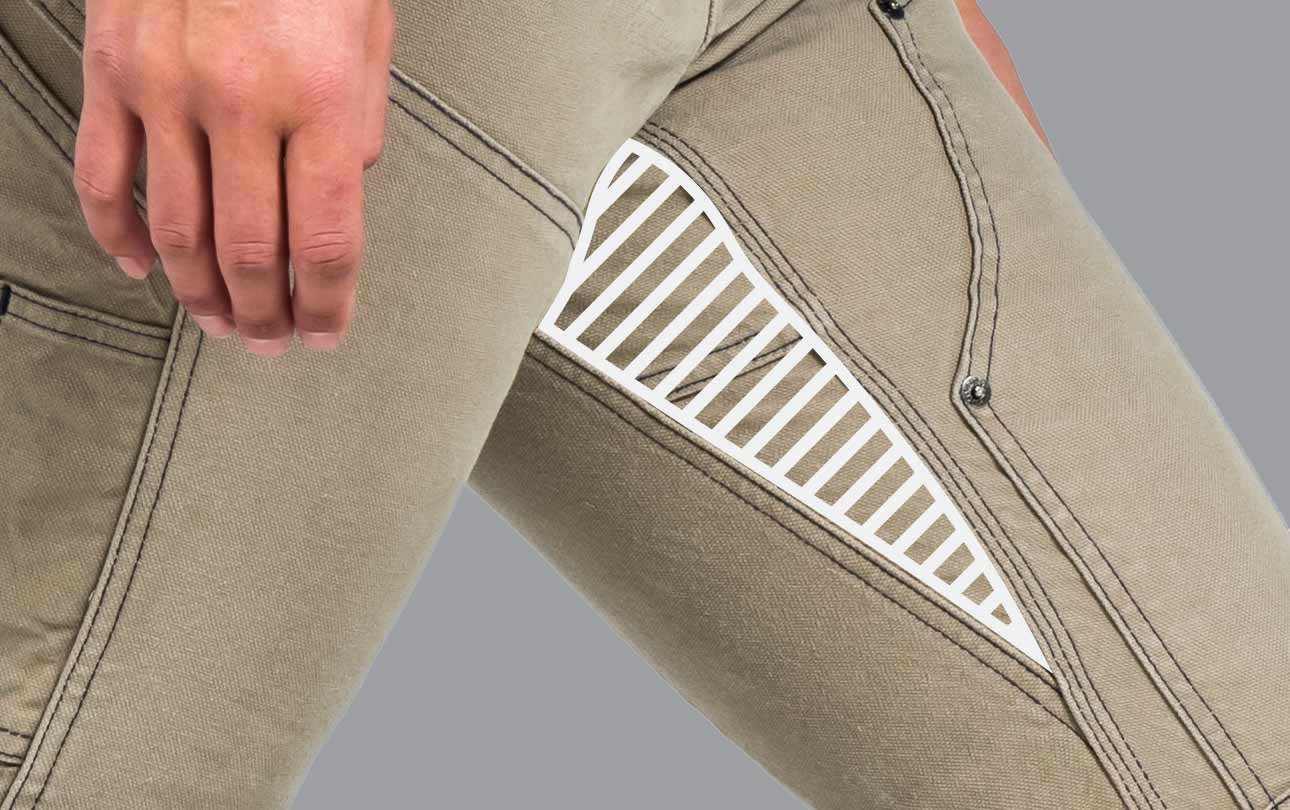
Panel Construction
Pattern panels provide freedom for contour, shaping, color blocking and product-specific seam placement. A related panel language can connect several garments without identical patterns.
Typical Use: Leggings, shorts, bras, tanks and layers
Control Focus: Pattern alignment, symmetry and seam placement
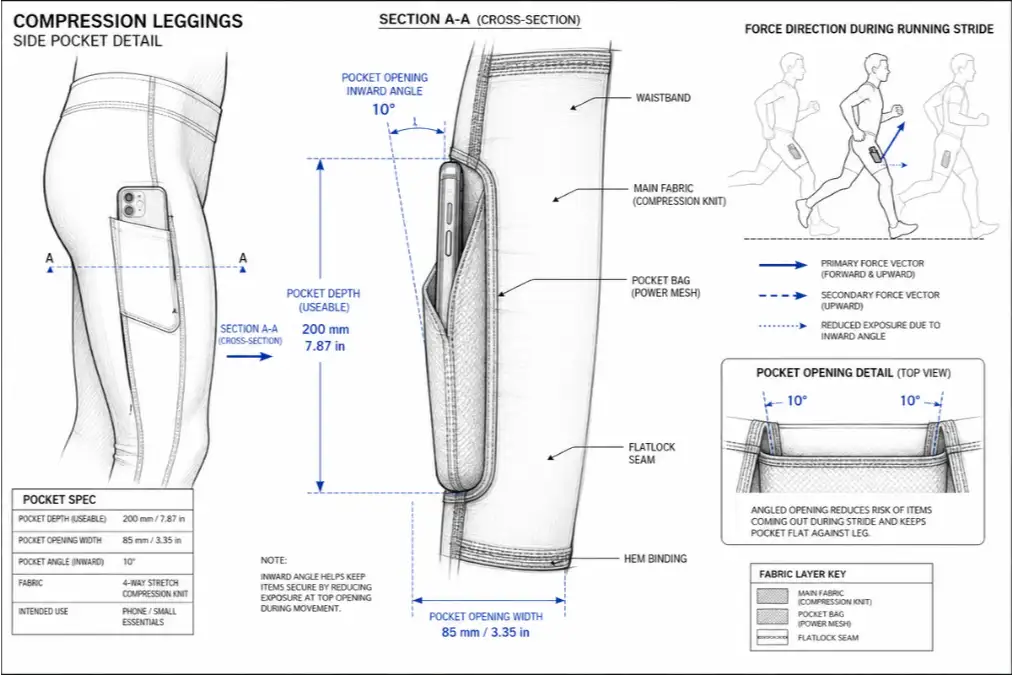
Pocket Construction
Side or waistband pockets can be added where product architecture supports them. Storage details should remain subordinate to fit, recovery and appearance.
Typical Use: Leggings, shorts and training-oriented bottoms
Control Focus: Pocket opening stability, position and local bulk
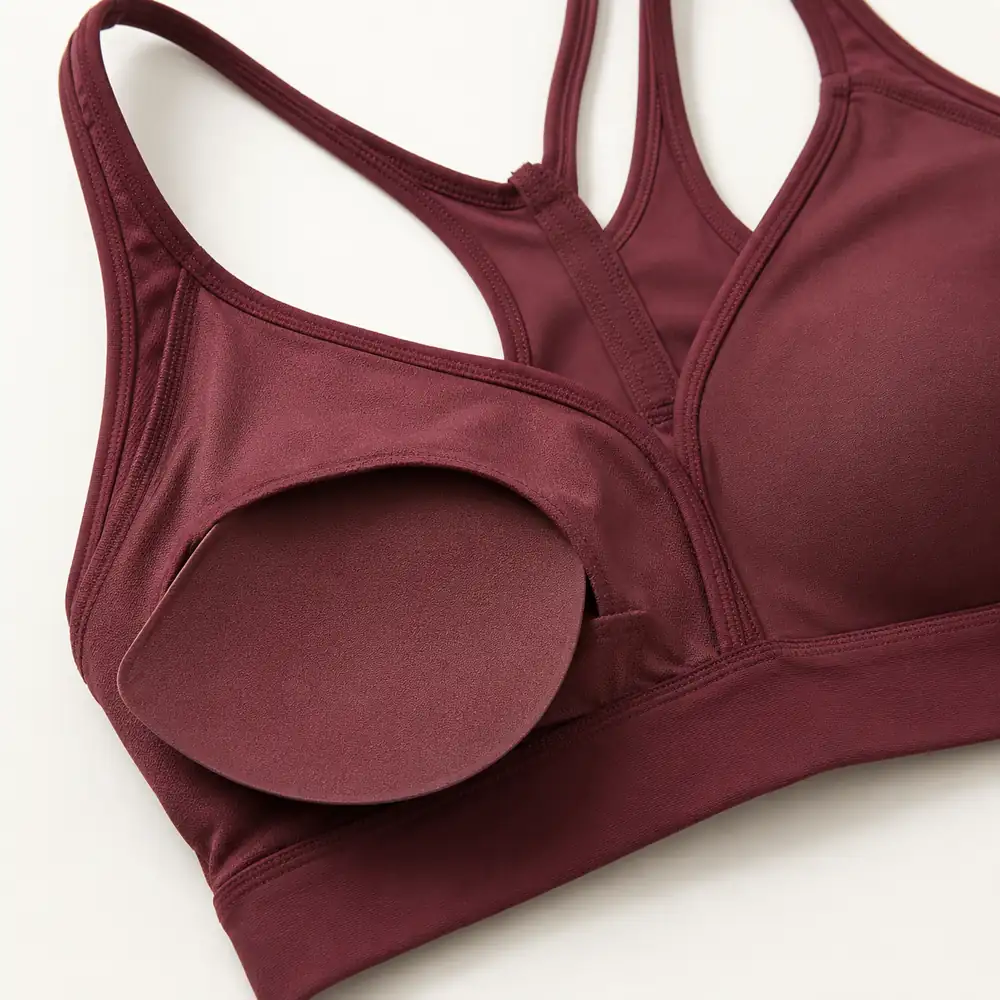
Bra Construction
Cut-and-sew sports bras can combine body panels, elastics, binding, padding and strap structures according to buyer product requirements and support direction.
Typical Use: Structured sports bras in matching programs
Control Focus: Band fit, strap symmetry, coverage and component consistency
Carry One Brand Language Across Different Activewear Products
A matching private-label collection should connect product, material, color, fit, branding and packaging decisions while respecting the technical differences between bras, tops, leggings, shorts and layers.
Product
Start by defining which individual SKUs belong to the commercial collection and how customers will buy them. A two-piece set, separate mix-and-match products and a three-piece capsule require different SKU and packaging logic. Each product remains independently specified and approved even when several items are presented or sold together.
- Bra and legging two-piece commercial program
- Bra and short seasonal set
- Tank with coordinated bottom
- Three-piece studio or training capsule
Fabric
The collection can use the same fabric, related materials or deliberately different substrates according to product function. Buyer approval should define which characteristics need consistency—such as surface, softness or color—and which may differ, such as GSM, opacity or support.
- One shared material platform across suitable SKUs
- Related materials with different weights
- Coordinated top and bottom substrates
- Seamless yarn platform for knitted products
Color
MOVEVOX can work with existing suitable material colors or custom color development where material and order structure allow. Different substrates require physical comparison because the same target reference can appear differently after dyeing and finishing.
- Existing approved material colors
- Pantone-referenced custom development
- Cross-material physical shade review
- Bulk-lot comparison against approved references
Fit
Matching should connect a brand’s commercial size system while allowing each product to keep its own appropriate measurements. Buyer Tech Packs and measurement standards take priority where provided.
- Buyer measurement charts and tolerances
- SKU-specific fit sample review
- Size-set validation where required
- Separate top and bottom size logic
Logo
MOVEVOX supports screen print, heat transfer, silicone, embroidery, jacquard and woven-label applications where technically appropriate. One collection can share the same identity without placing one logo at identical size or location on every garment.
- Heat-transfer logo on selected products
- Silicone branding where suitable
- Embroidery on compatible constructions
- Seamless jacquard brand elements where feasible
Labels
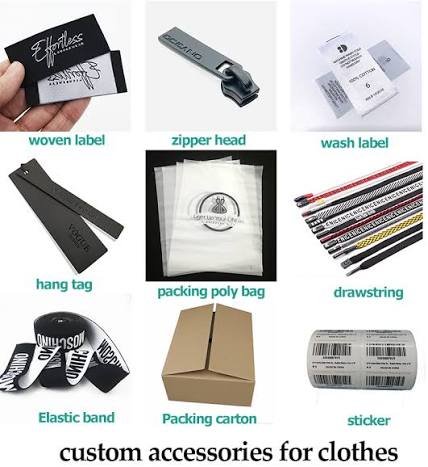
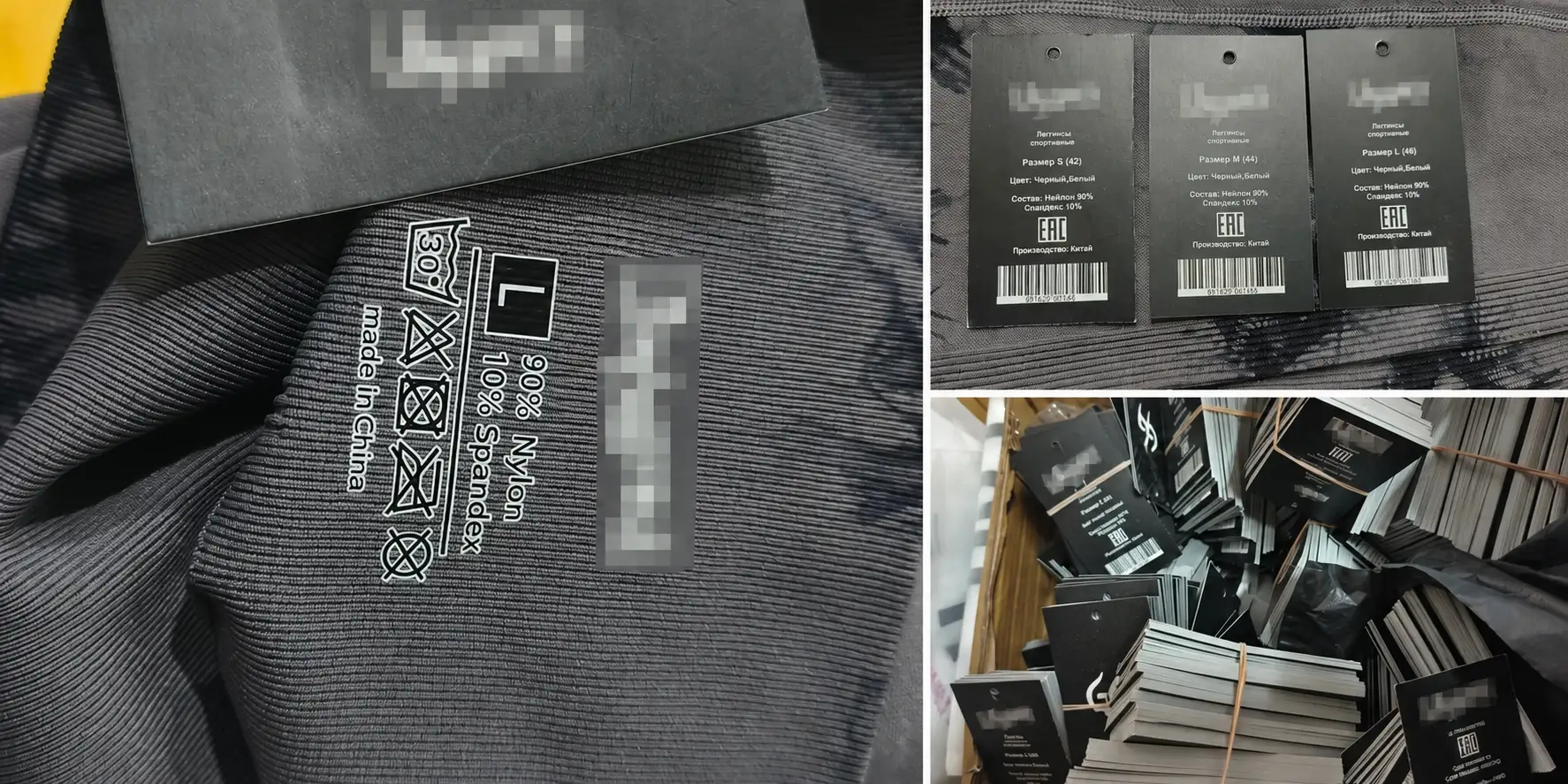
Main labels, care labels, size labels, woven labels and hangtags can be coordinated across the collection from approved buyer artwork.
- Main brand label architecture
- Product-specific care and composition labels
- Size identification by individual garment
- Shared hangtag design across the collection
Packaging
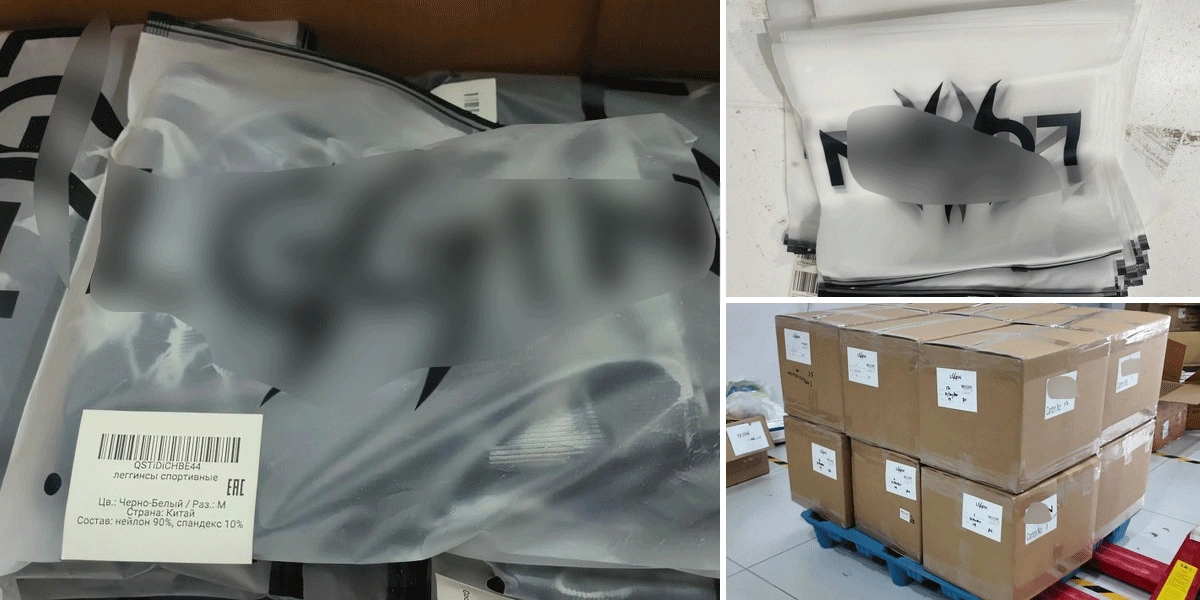
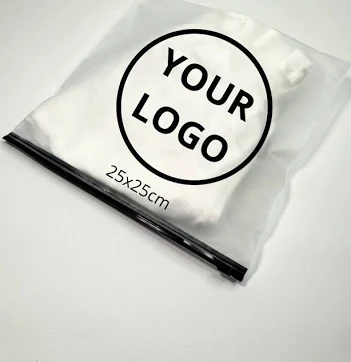
Packing strategy depends on whether products are sold as individual SKUs, fixed bundles or both. MOVEVOX can coordinate individual bags, stickers, barcode identification, inserts and cartons according to approved instructions.
- Independent top and bottom packages
- Fixed bundled-set packaging
- Barcode and QR identification
- Custom inserts and carton requirements
Testing
Testing requirements depend on the actual material, product, buyer standard, destination market and intended claims. Existing MOVEVOX test evidence should only be applied within its documented scope.
- Buyer-defined chemical testing requirements
- Project-specific material or garment tests
- Third-party testing where commercially required
- Report scope linked to actual tested sample
Turn a Collection Brief Into Approved Production Standards
A multi-SKU program needs both individual product development and collection-level review. MOVEVOX organizes the process so material, color, fit, branding and packaging decisions remain traceable as separate products move toward bulk.
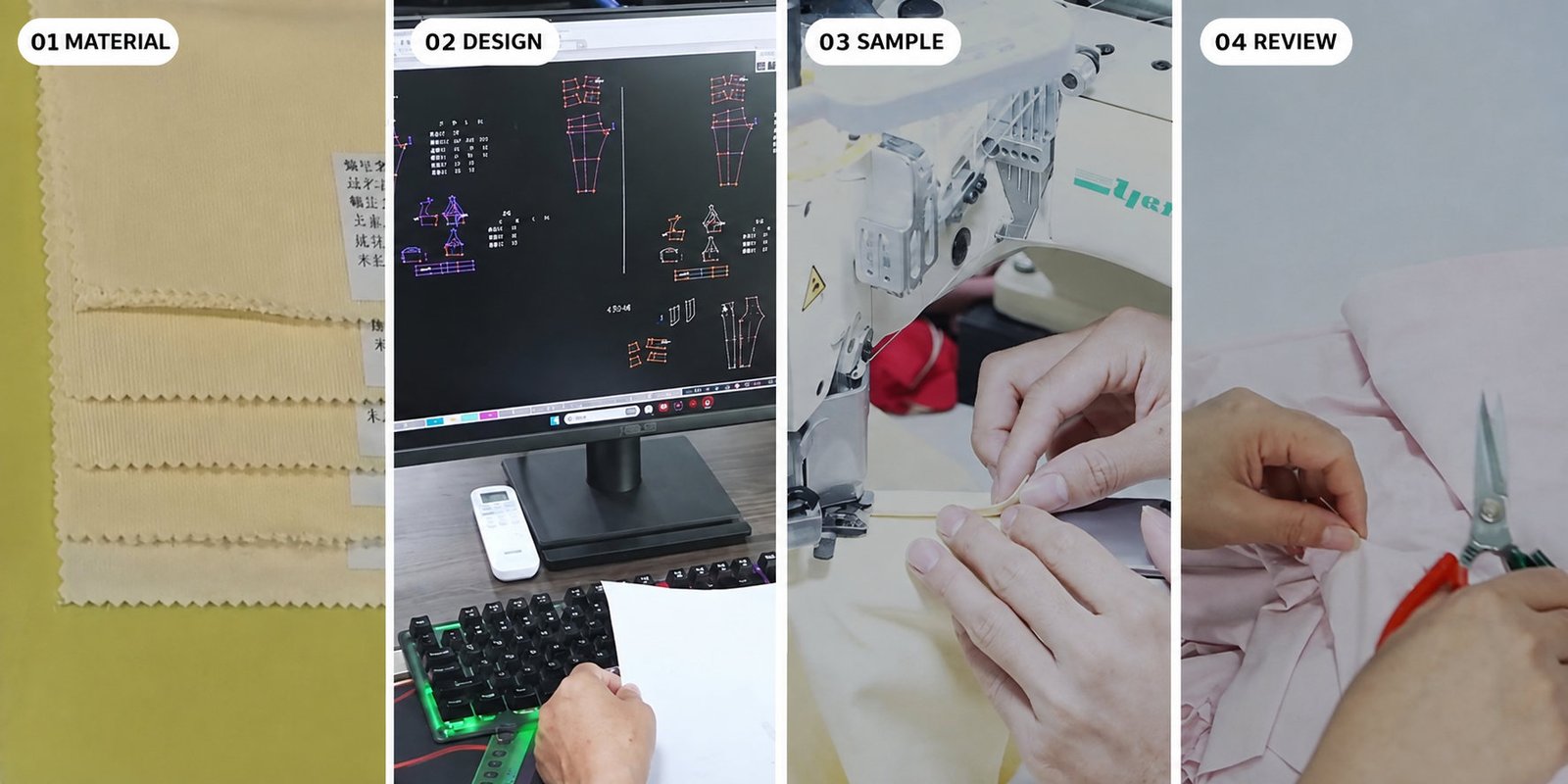
01 — Collection Brief
Review intended bras, tops, bottoms, colors, sizes, quantities and how products will be sold. Identify which collection variables must match and which can intentionally differ by SKU.
Deliverable: Collection Brief
Timing: Project-specific02 — Technical Review
Review available Tech Packs, measurement charts, authorized reference samples and product open points. Determine which information applies across the collection and which remains product-specific.
Deliverable: Open-Point List
Timing: Project-specific03 — Material Direction
Confirm whether products will use the same material, related materials or coordinated different substrates. Review hand feel, stretch, recovery, opacity, color and manufacturing route.
Deliverable: Material Direction
Timing: Project-specific04 — SKU Development
Develop patterns or seamless programs for each applicable product. A sports bra and legging may share collection inputs while remaining separate technical development projects.
Deliverable: Development Versions
Timing: Project-specific05 — Sample Review
Produce physical samples and evaluate product structure, measurements and workmanship. Standard samples generally require approximately 5–10 working days after necessary development details are sufficiently confirmed.
Deliverable: Samples
Timing: 5–10 days*06 — Fit Approval
Review each SKU independently for fit, support, coverage, waistband, rise, length or other relevant measurements. Buyer feedback is converted into controlled revision instructions.
Deliverable: Fit Approval
Timing: Buyer-dependent07 — Set Review
Physically review related products together for color relationship, material experience, proportion, branding, sizing logic and retail presentation after individual products are sufficiently developed.
Deliverable: Set Approval
Timing: Buyer-dependent08 — Bulk Standard
Consolidate approved measurements, materials, colors, construction, branding, labels and packaging into the applicable production references before commercial manufacturing begins.
Deliverable: Production Standard
Timing: Before bulk09 — Bulk Release
Move the approved program through material control, first article, bulk production, QC, packing and shipment release. Normal bulk production is approximately 20–35 days depending on project conditions.
Deliverable: Bulk Order
Timing: 20–35 days*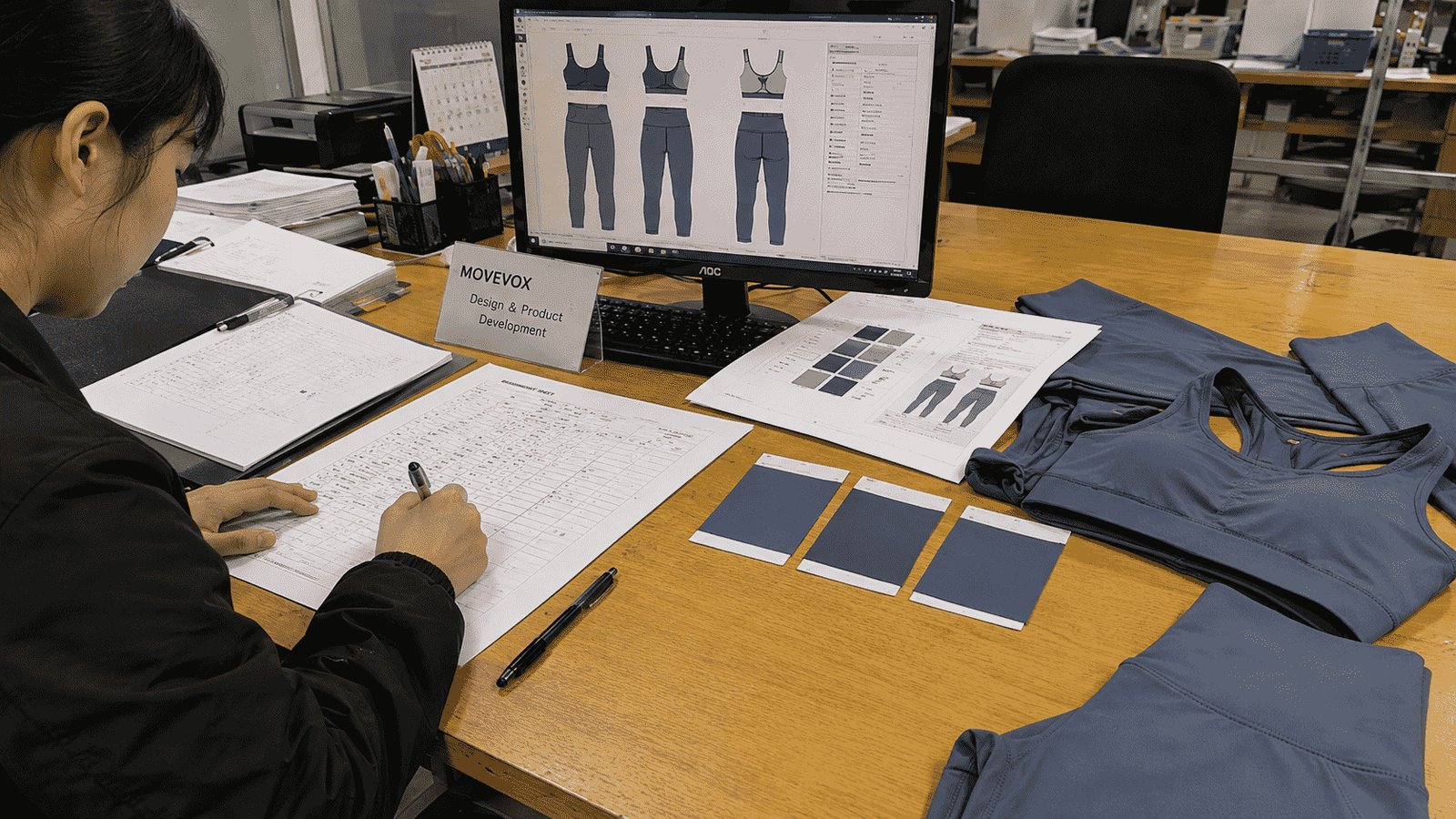
* Timing references are project-dependent and begin after the required inputs are sufficiently confirmed.
Approve Individual Products Before Approving the Complete Set
A matching collection needs more than one attractive first sample. Sampling should progressively close product-specific fit risks and then verify how the approved products work together as a commercial set.
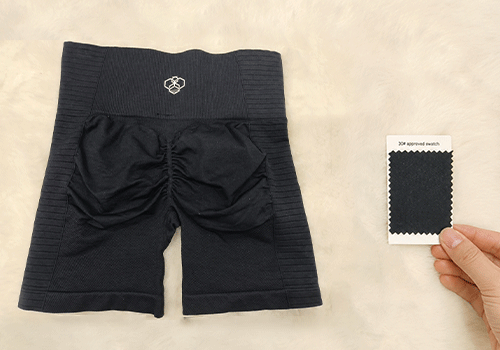
Development Sample
The first physical version translates confirmed technical input into a garment and identifies unresolved material, construction, measurement or visual issues before the program advances.
Buyer Inputs: Product requirements and current files; Material and color direction
MOVEVOX Outputs: First physical sample version; Initial technical review notes
Pass Criterion: Major product architecture is viable and critical open points are clearly identified for revision.
Fit Sample
This stage evaluates each garment against its body-specific requirements, such as bra coverage, waistband, rise, inseam, top length or movement.
Buyer Inputs: Consolidated fit comments; Brand size and wearing target
MOVEVOX Outputs: Updated measurements or pattern; Revised technical version
Pass Criterion: Base fit is sufficiently aligned with the intended wearer and brand specification to continue.
Revised Sample
The revised version incorporates confirmed changes without allowing unrelated variables to move silently. Revision history should remain clear as several products develop in parallel.
Buyer Inputs: Confirmed revision comments; Outstanding technical decisions
MOVEVOX Outputs: Controlled revised sample; Updated technical information
Pass Criterion: Critical revisions are closed and the new version does not introduce unacceptable new deviations.
Publish a real MOVEVOX Size Set image from the same or clearly documented development program.
Size Set
Where required, selected sizes validate whether approved fit logic transfers through the intended commercial size range for each applicable product.
Buyer Inputs: Grade rules and critical sizes; Product-specific tolerances
MOVEVOX Outputs: Representative size samples; Size-development review
Pass Criterion: Size progression remains consistent with the buyer’s intended commercial sizing system.
 需要真实素材替换
Publish a real MOVEVOX Complete Set Review image from the same or clearly documented development program.
Complete Set Review
After individual products are sufficiently developed, related garments are reviewed together for color, material relationship, proportion, branding and top/bottom sizing logic.
Buyer Inputs: Matching rules; Final collection priorities
MOVEVOX Outputs: Cross-SKU physical comparison; Outstanding set-level actions
Pass Criterion: Individually approved products also work together as the intended matching commercial collection.
PP Reference
Final pre-production references connect approved product and collection variables to commercial production, including applicable branding, labels and packaging requirements.
Buyer Inputs: Final written approvals; Final packaging and SKU data
MOVEVOX Outputs: PP reference set; Bulk-ready production information
Pass Criterion: Required individual and set-level variables are ready to become controlled commercial-production standards.
Keep the Approved Set Matching When Bulk Production Starts
The development result should become a controlled production standard. MOVEVOX connects individual SKU specifications with the collection variables that must remain coordinated when products move into commercial manufacturing.
Material
Production material is checked against the applicable approved requirement and the correct SKU rather than substituted informally.
Color
Bulk materials or garments are reviewed against the approved physical reference and applicable cross-SKU color relationship.
Measurements
Every bra, top, legging or short continues to follow its own current measurement specification and buyer tolerance.
Construction
Waistbands, straps, pockets, panels, seams and seamless structures return to the current approved product version.
Branding
Logo method, size and location remain connected to the correct SKU-specific artwork and approved collection identity.
SKU Logic
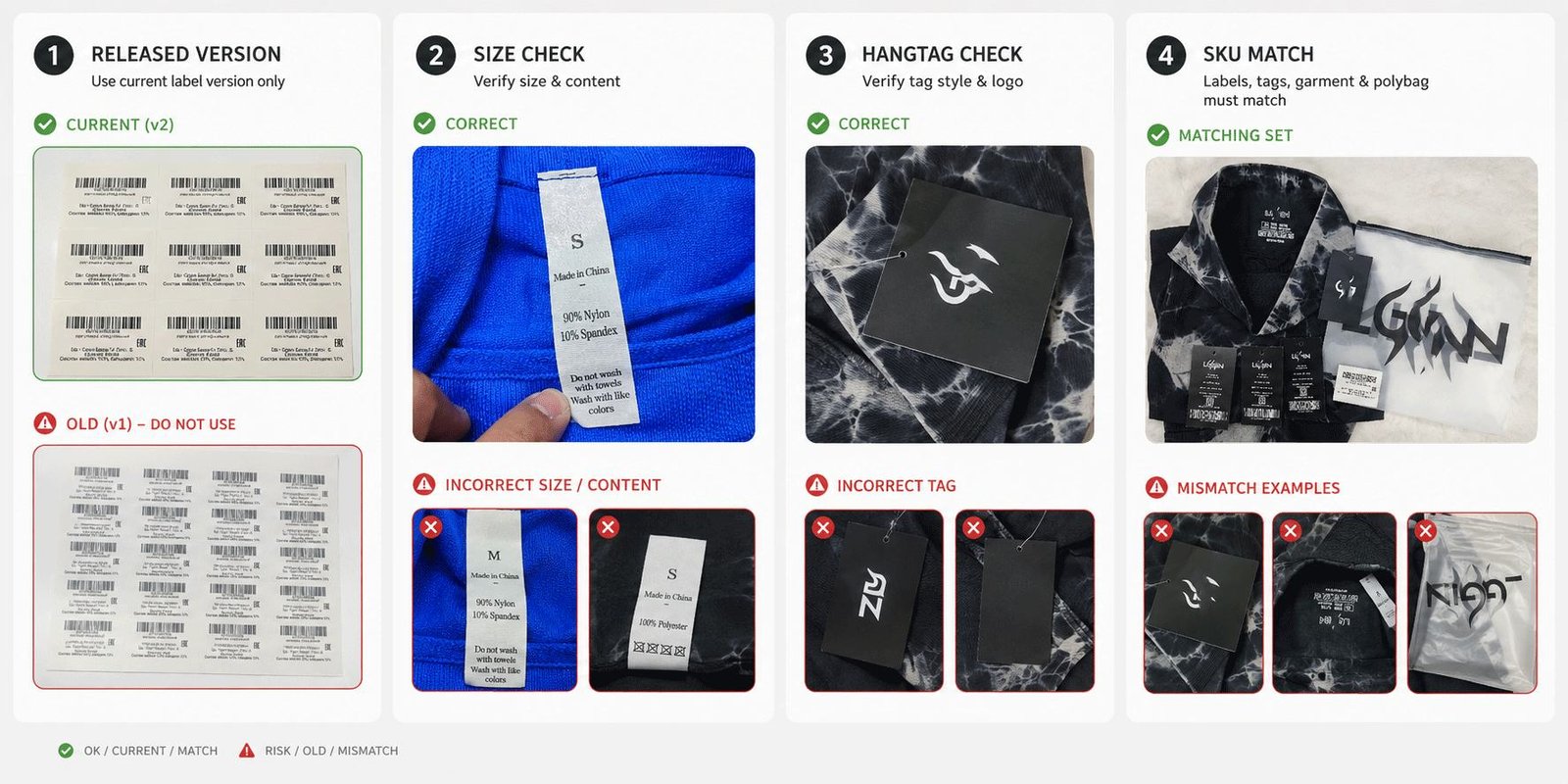
Color, size, barcode and top/bottom commercial relationships follow the confirmed assortment and packing rules.
Packaging
Individual bags, set packaging, labels, inserts and cartons follow the applicable approved retail and shipment standard.

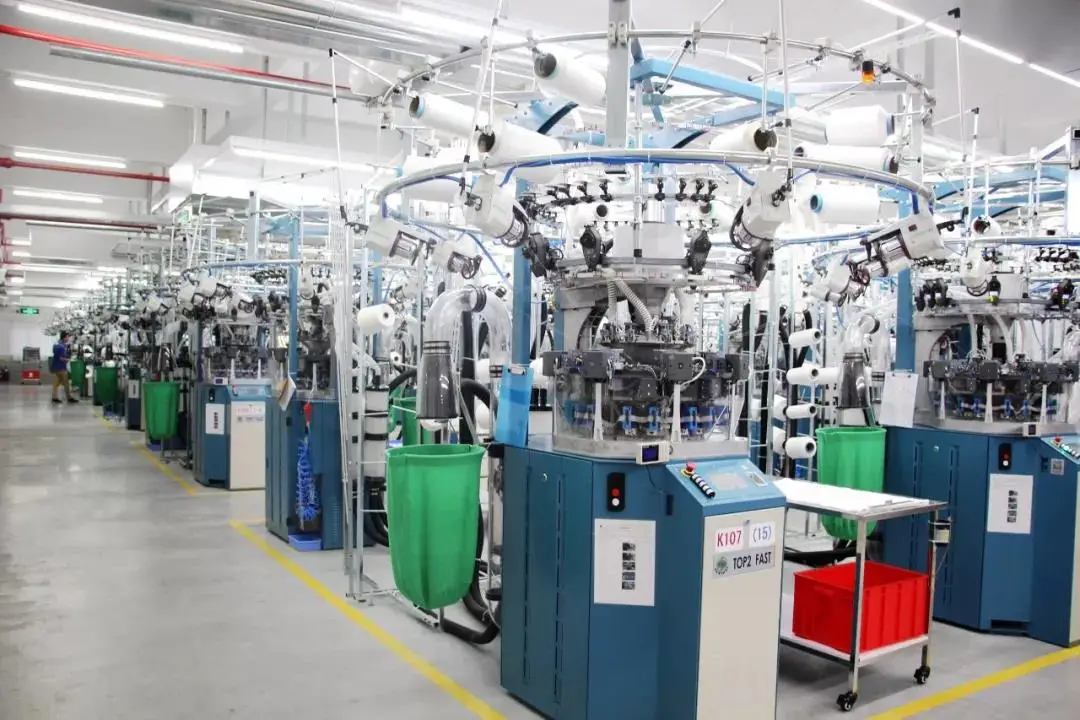
Scale Successful Matching Collections Through Managed Production Capacity
Capacity matters after a set proves commercially successful. MOVEVOX combines an own manufacturing base with controlled supplementary resources so repeat orders, additional colors and related SKUs can be planned through one production-management system.
Santoni Machines
Own seamless equipment supporting suitable bras, leggings, shorts and tops that may form part of matching knitted collections.

Garment Machines
Principal own-factory cut-and-sew machines supporting pattern-based bras, bottoms, tops and selected collection-extension products.
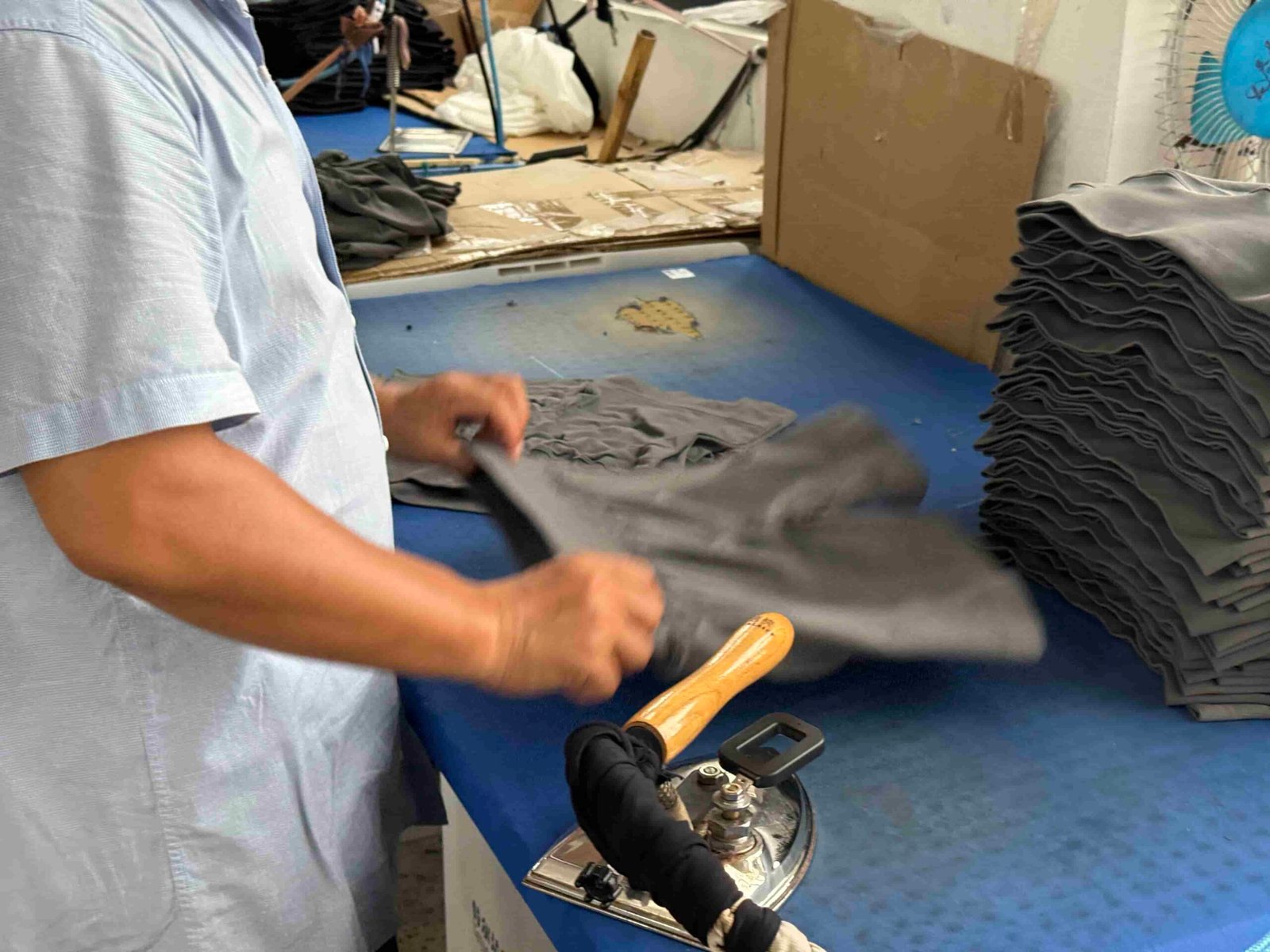
Long-Term Satellites
Six in Yiwu and two in Guangzhou provide controlled supplementary production capacity where appropriate.
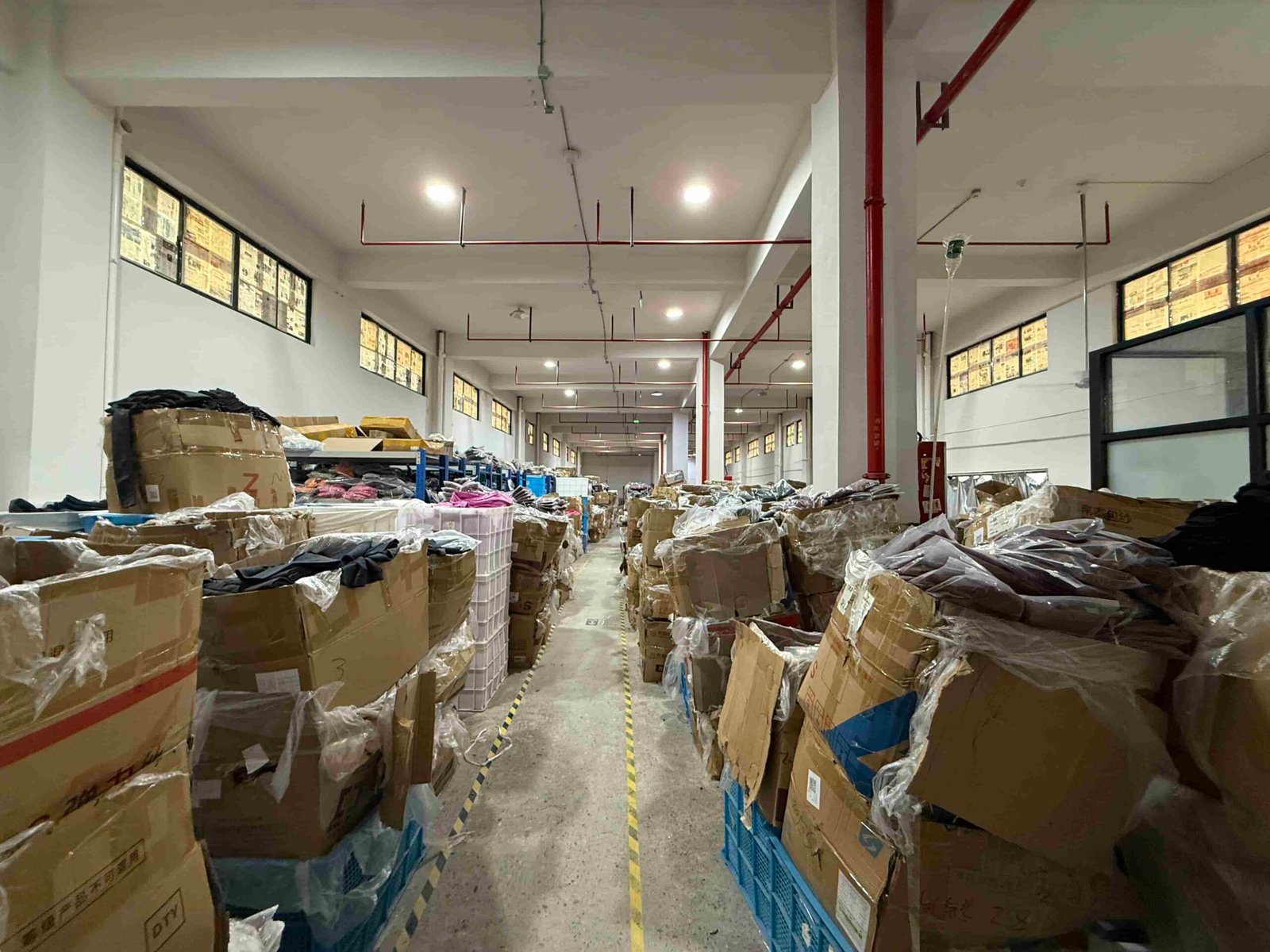
Core Factory Base
Approximate production-space scale of MOVEVOX’s own Yiwu manufacturing base, which also functions as a technical and QC control center.
Coordinate Multiple Production Resources Through One Accountable System
MOVEVOX uses its own Yiwu factory as a development, technical, sample, key-production and QC center while long-term satellite facilities and specialist suppliers provide controlled support for suitable product, material and delivery requirements.


Core Factory
The own factory supports development, samples, technical standards, key manufacturing work, first-article review and QC while acting as the operational control center for customer projects.
Yiwu Satellites
Six long-term Yiwu satellite facilities provide supplementary production capacity. Their involvement is coordinated through MOVEVOX rather than presented as additional MOVEVOX-owned factories.
Guangzhou Satellites
Two long-term Guangzhou satellite facilities can support selected cut-and-sew or specialist requirements according to actual product architecture and production planning.
Fabric and Yarn
Major project materials are centrally coordinated against approved specifications so individual production sites do not independently select unapproved alternatives.
Dyeing and Color
Custom color, Lab Dip and applicable dye-lot requirements are coordinated with relevant material suppliers and connected to project approvals.
Branding and Trims
Logo processes, labels, hangtags, elastic, zippers, bra pads and other applicable components enter the centralized project-purchasing and approval system.
Packaging
Bags, stickers, barcode, inserts and cartons are managed against the confirmed SKU and order structure rather than treated as unrelated finishing items.
Logistics
Shipment details and customer-appointed forwarder coordination are managed according to confirmed commercial terms and final order-release status.
Control Individual Garments and the Complete Commercial Set
Matching-set quality requires both conventional garment inspection and cross-SKU controls. MOVEVOX uses approved technical standards, product references and packing information from material receipt through final shipment release.
Specification Freeze
Confirm current measurements, material, color, construction, branding, labels and packing information before production begins.
- Current technical version identified
- Open critical points closed
- Collection matching rules confirmed
Incoming Material
Review project-relevant material characteristics before release into production.
- Correct material identification
- Applicable color and appearance
- Abnormal materials remain controlled
Pre-Production Review
Align technical, purchasing, production, PMC and quality teams around the current approved requirements.
- Production instructions match approvals
- Shared dependencies identified
- Facility allocation confirmed
First Article
Compare initial production output with approved product requirements before larger quantities proceed.
- Measurements
- Construction and workmanship
- Branding and appearance
Inline Inspection
Review production while corrective action can still prevent repeated defects across larger quantities.
- Measurement trends
- Repeated workmanship issues
- Current version compliance
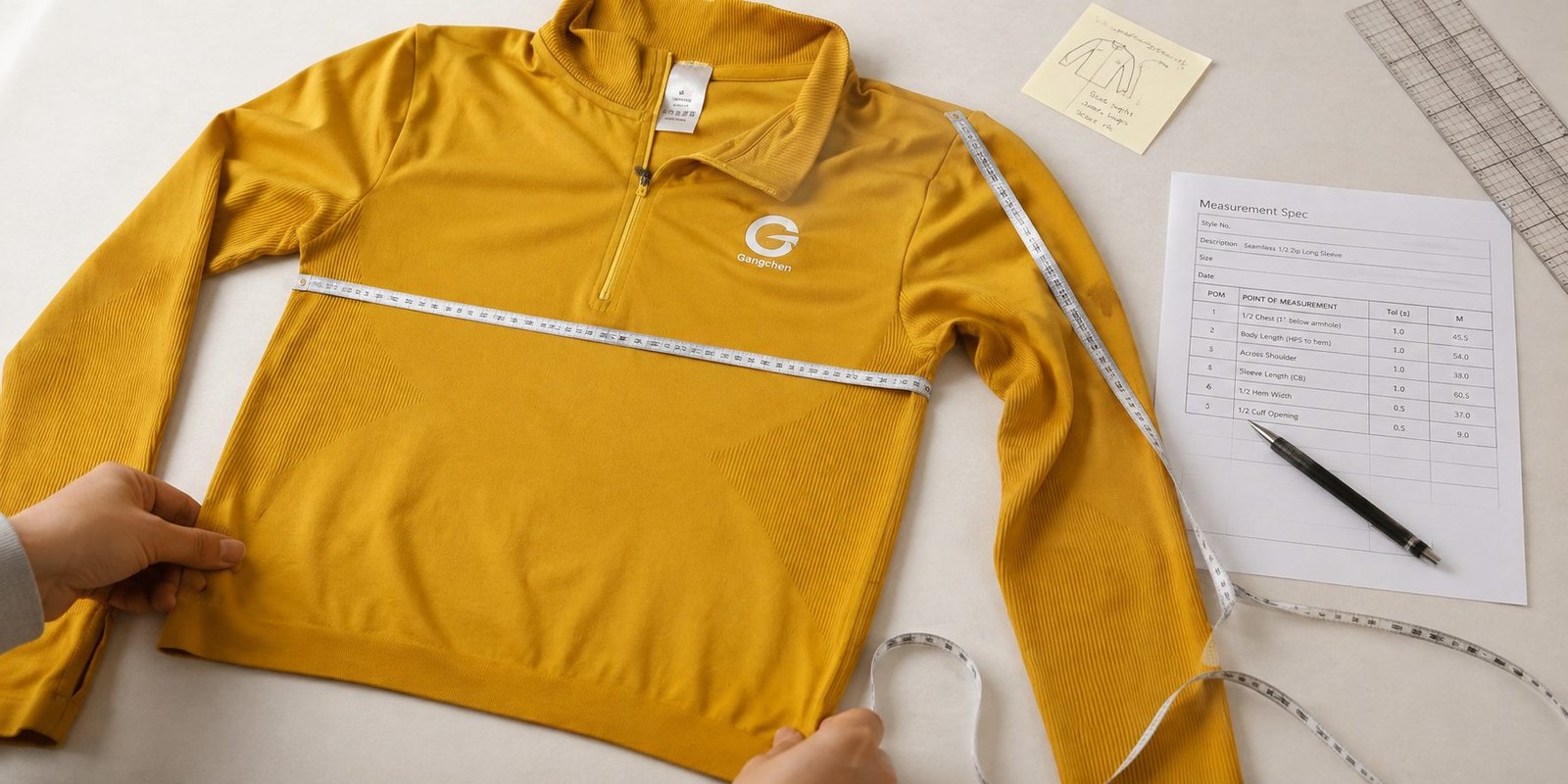
Measurement Control
Check bras, tops, leggings and shorts against their own applicable POM and tolerances.
- Correct measurement method
- Buyer tolerance where provided
- SKU-specific specification
Finished Garments
Review completed pieces for workmanship, appearance, construction, branding and correct SKU identity.
- Product details
- Color / size identification
- Applicable visual standard
Set and Packing
Review relevant cross-SKU relationships and final packing information before commercial release.
- Color and pairing
- Barcode / QR information
- Labels and package identity
Final Release
Complete the applicable final inspection and shipment-release process according to confirmed buyer standards.
- Order status
- Packing and carton requirements
- Release authorization


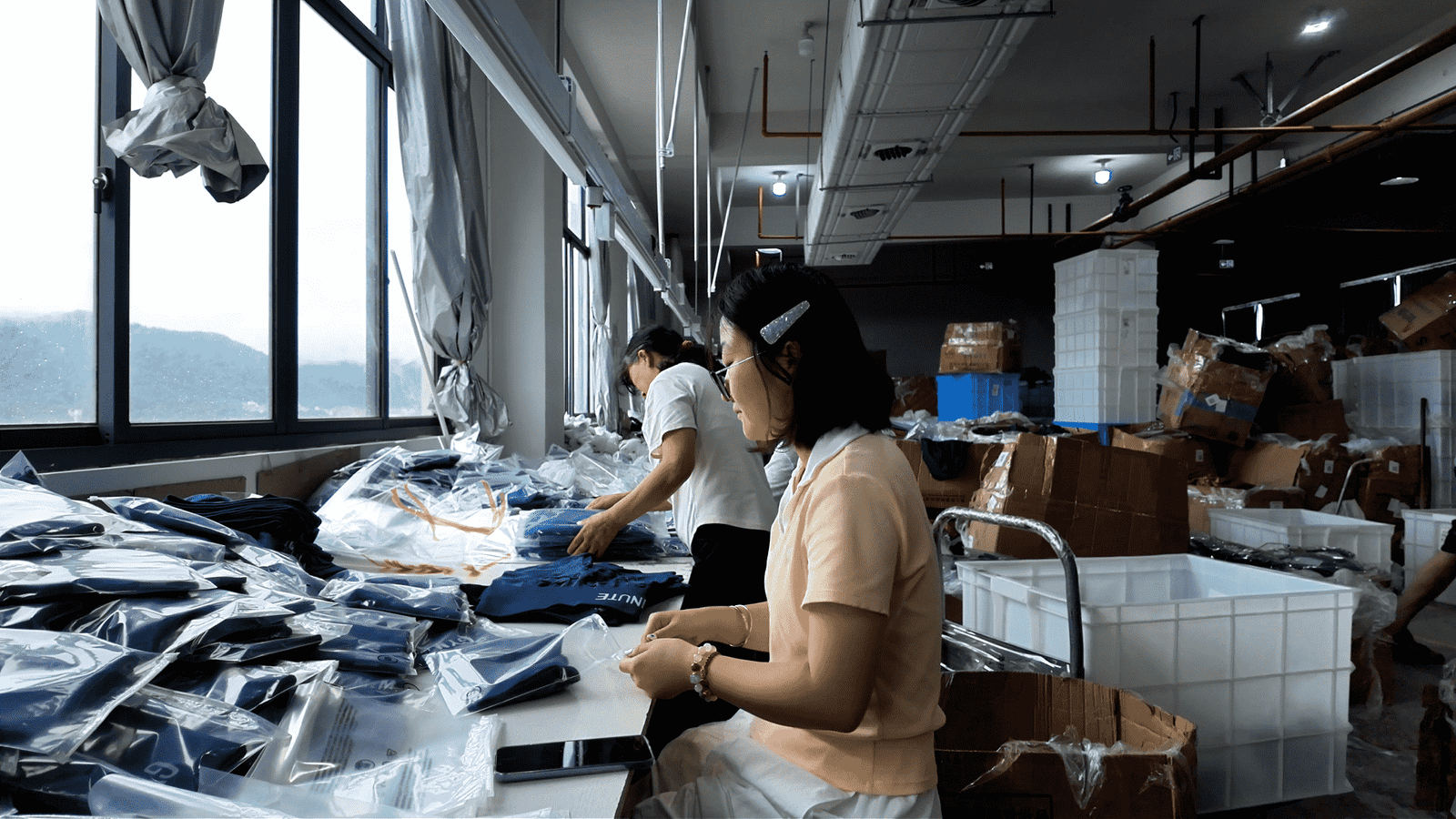
Prevent Commercial Set Errors During Final Packing
Correct garments can still become an incorrect retail set when color, size, barcode, labels or product pairing are wrong. Matching-set quality therefore extends beyond stitching and measurements into SKU-level packing accuracy.
| Defect | Likely Cause | Prevention | Inspection Point | Corrective Action |
|---|---|---|---|---|
| Wrong Color Pairing | Similar colorways or shades mixed during finishing and packing | Segregate products by confirmed SKU and color identification before pairing | Compare both garments with packing instruction and color code | Hold affected packages, separate colors, rebuild correct sets and recheck |
| Wrong Size Pairing | Top and bottom assumed to use the same size without confirmed commercial rule | Define whether set uses fixed sizes, independent sizes or separate SKUs | Check sewn size labels and package data before sealing | Reopen, correct pairing and reconcile affected quantity |
| Wrong Barcode | Outdated or incorrect barcode file used for a color-size combination | Freeze current barcode data and connect codes to SKU matrix | Reconcile product, size, color and barcode | Replace incorrect labels and perform expanded verification |
| Wrong QR Data | Different size or color QR information applied to the wrong product | Issue clear SKU-specific QR reference during packing preparation | Compare QR reference with garment style, color and size | Remove incorrect QR, apply correct information and re-inspect |
| Missing Label | Packing stage misses a required main, care, size or hangtag component | Reconcile required labels and tags against approved packing specification | Check garment and package before final closure | Apply missing approved item and repeat packing check |
| Wrong Bundle | Two individually correct garments packed into an unintended commercial combination | Define permitted top/bottom combinations and packing rules before production | Inspect complete set against bundle or SKU plan | Open package, correct garments and reconcile inventory |
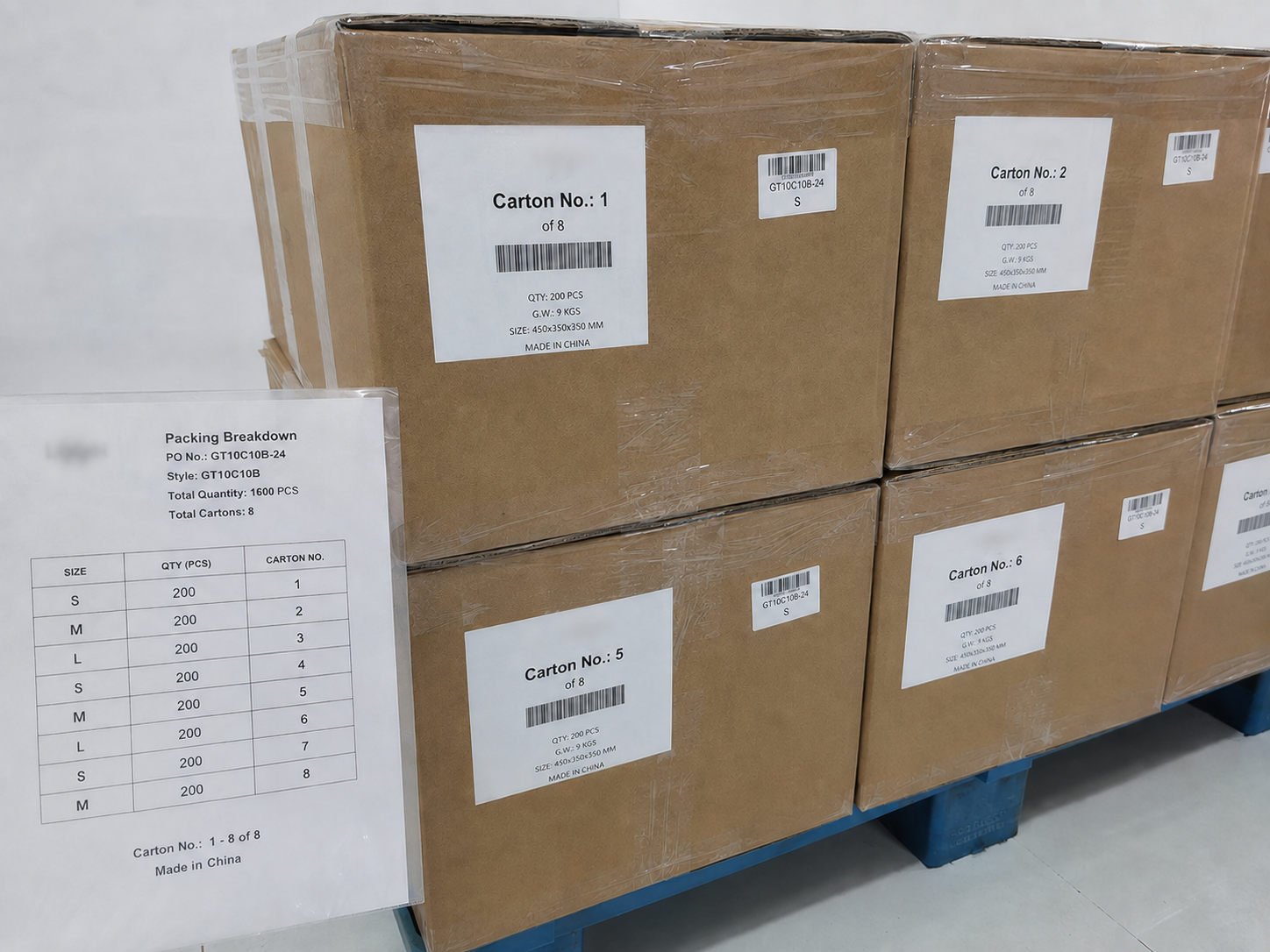
| Carton Ratio Error | Incorrect assortment or PO ratio used during carton preparation | Issue order-specific carton and ratio plan | Verify carton contents, marks and total quantities | Repack cartons and correct associated records |
| Wrong Insert | Incorrect campaign card, instruction or branded insert used | Maintain current approved insert version by PO | Check insert against packing specification | Replace affected inserts and repeat final packing review |
Related: Custom Packaging · Custom Labels · Quality & Compliance
Verify the Manufacturing System Behind Your Matching Collection
MOVEVOX supports customer Factory Audits, Technical Audits, live video factory tours, pre-production visits, inline inspections and pre-shipment inspections, subject to reasonable scheduling, production status and confidentiality requirements.
Product Development Area
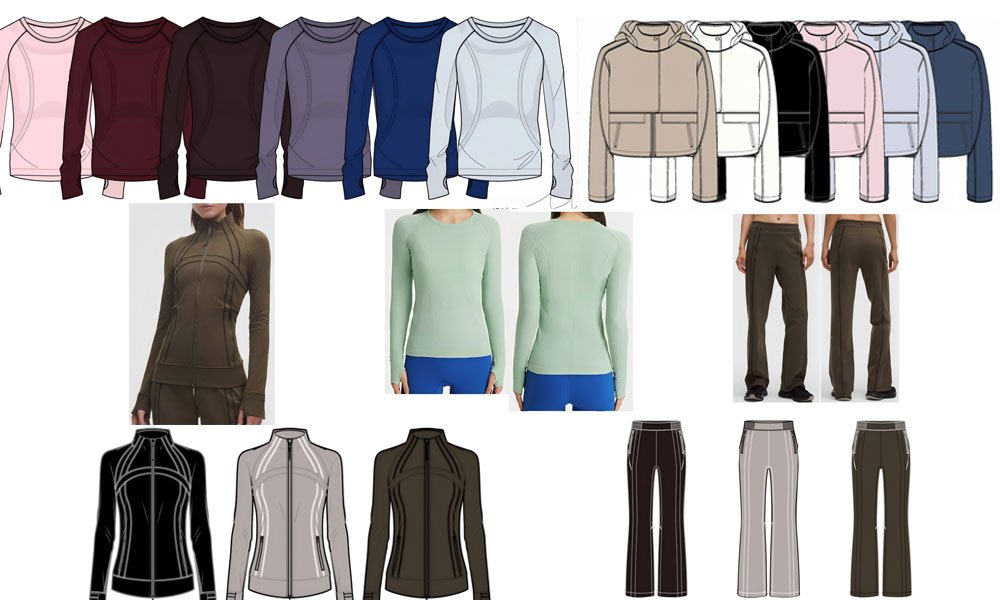
The normal development organization includes approximately eight people across design, pattern and sample-development functions. Buyers can review how Tech Packs, measurement files, authorized samples, revisions and physical samples move toward an approved manufacturing standard.
Seamless Production Area
MOVEVOX’s own seamless manufacturing system includes 28 Italian Santoni machines. A technical review can confirm actual equipment and suitable seamless activewear production.
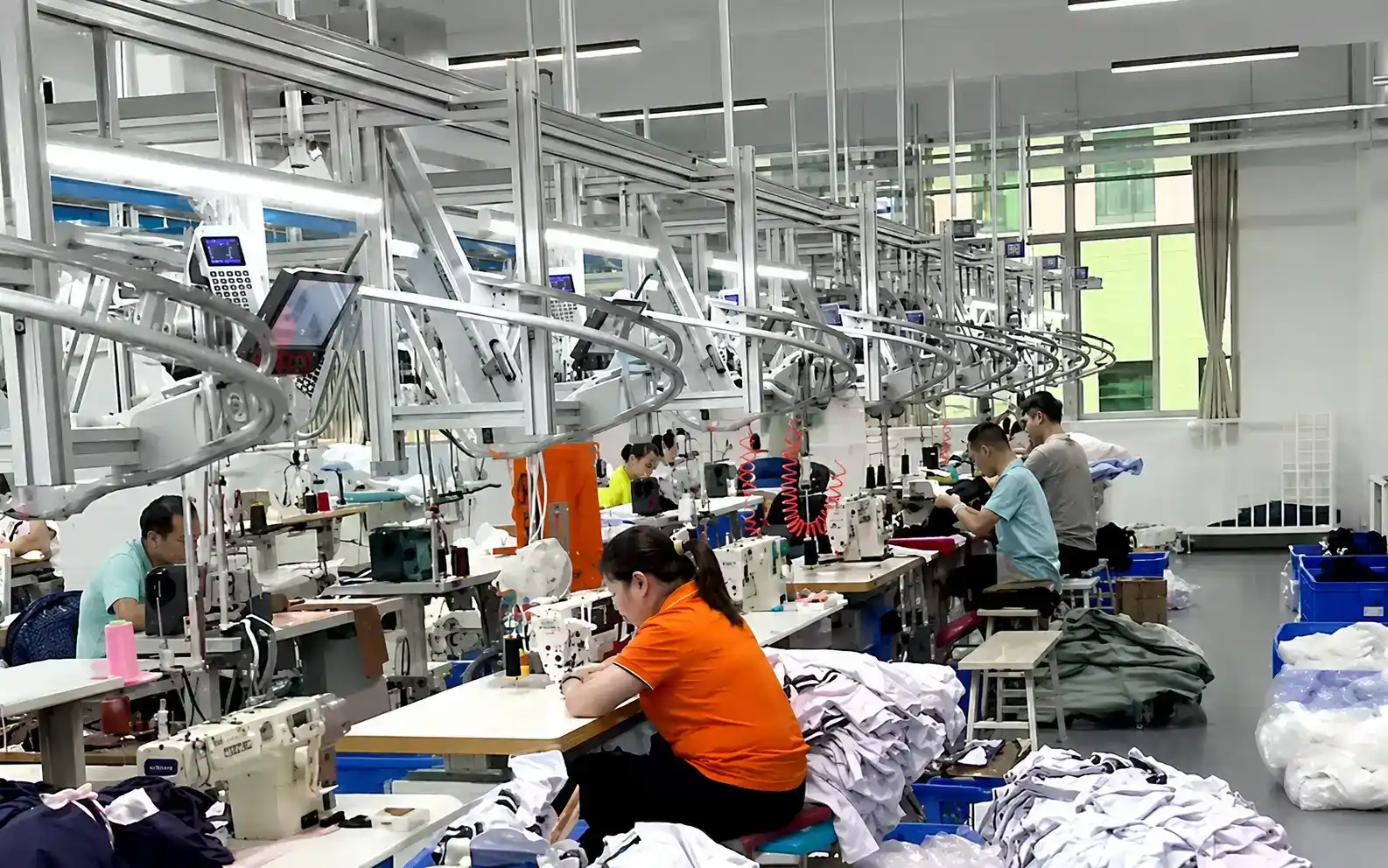
Cut-and-Sew Area
The own production system includes approximately 24 principal sewing and garment-production machines. Buyers can review actual pattern-based activewear processes.
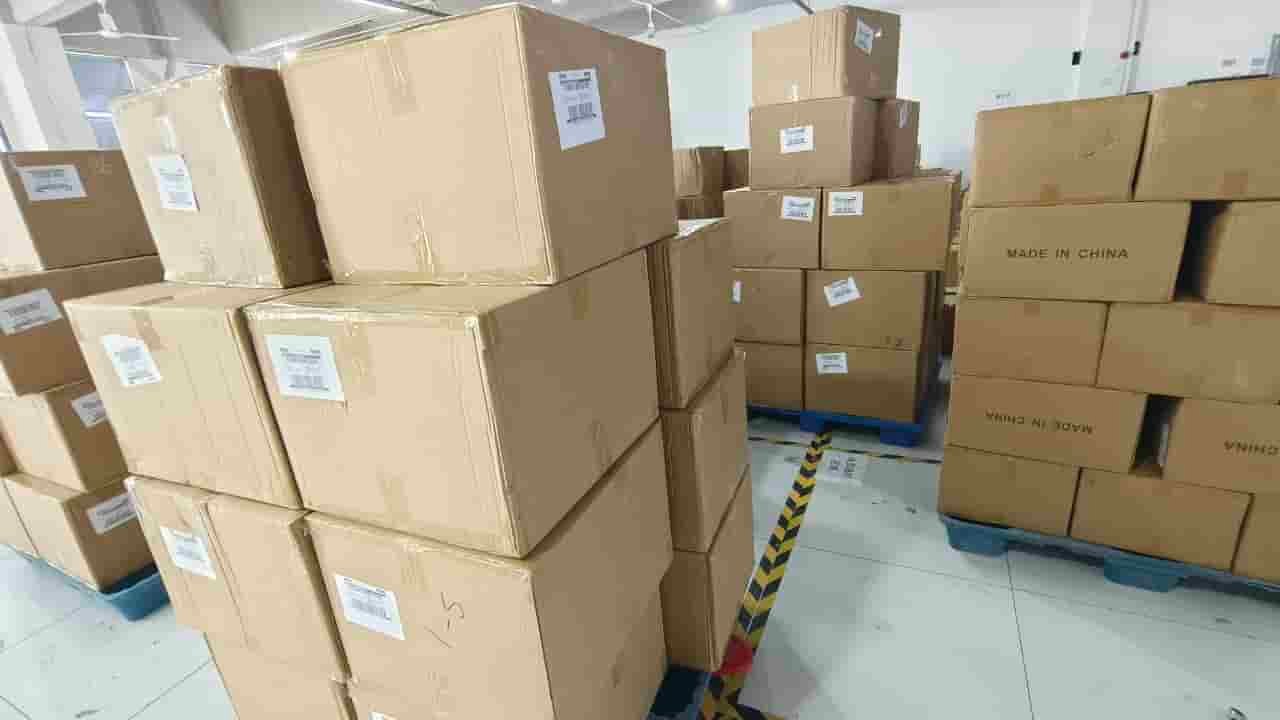
Packing Area
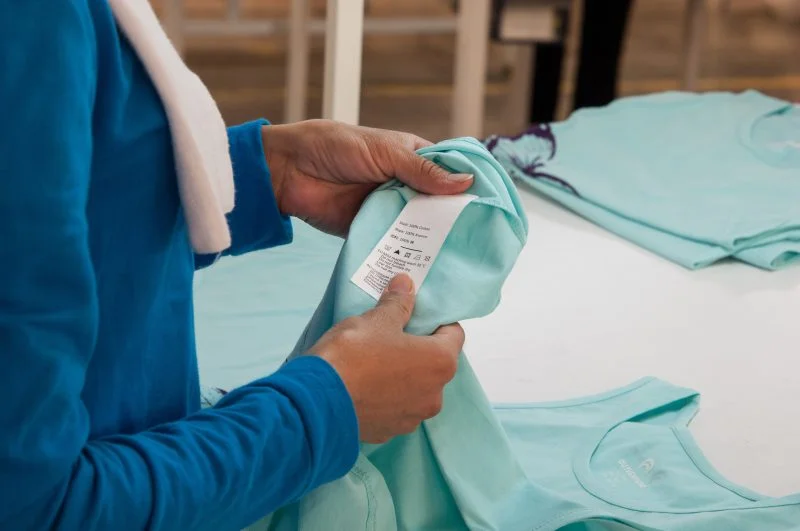
Packing operations manage size, color, barcode or QR identification, labels, individual bags, inserts and cartons according to confirmed order requirements.
Understand What MOVEVOX Test Evidence Actually Proves
Third-party test evidence should be interpreted according to the exact tested sample, material, method and reporting scope. MOVEVOX does not treat one yoga-legging test report as blanket proof for every product, material, color or production lot.
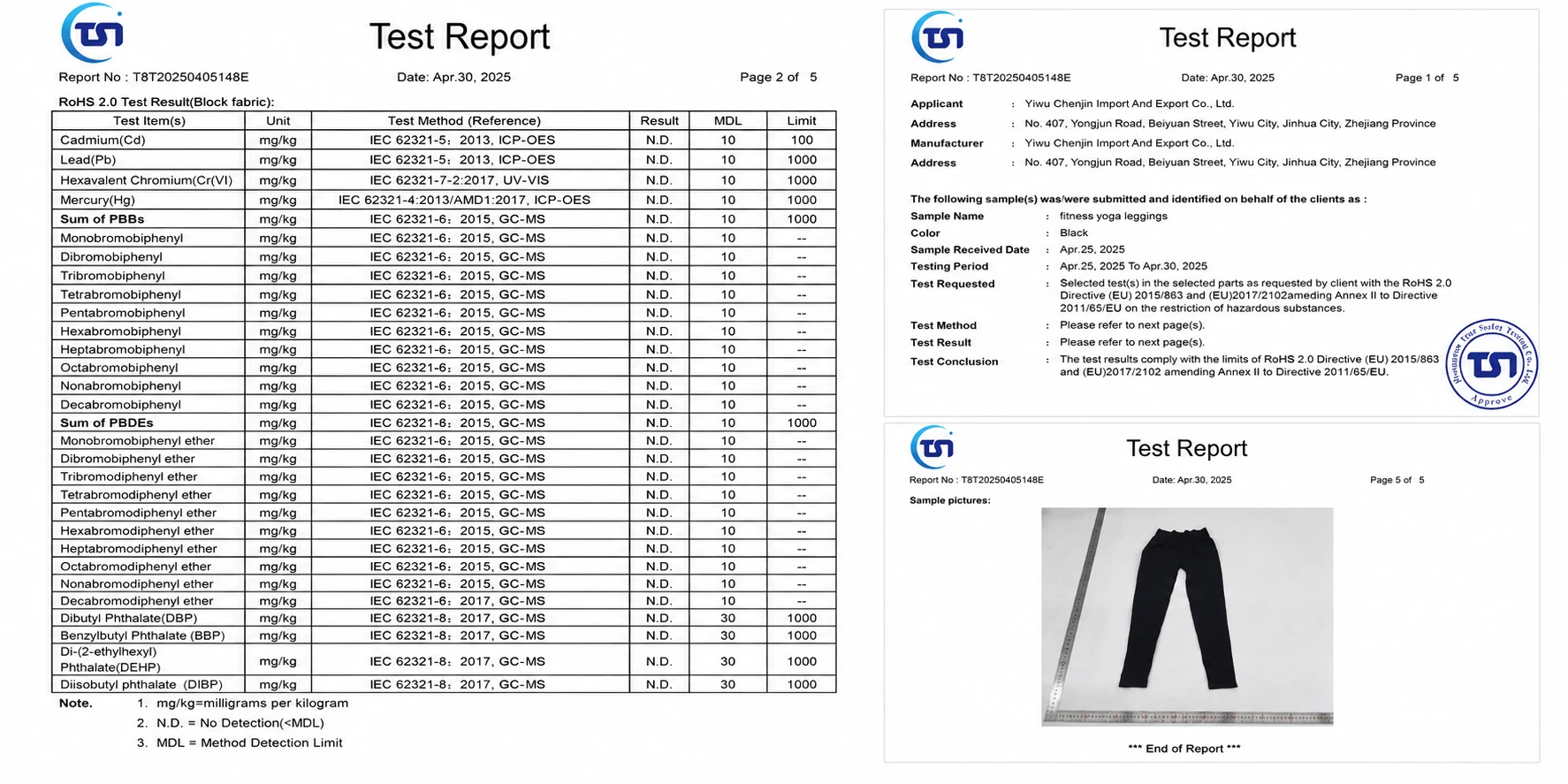
RoHS Tested Sample
A third-party report dated April 30, 2025 identifies Yiwu Chenjin Import And Export Co., Ltd. as applicant and manufacturer and describes the submitted sample as black “fitness yoga leggings.” The report records that the submitted sample complied with the referenced RoHS 2.0 limits.
Applicable Scope: Black fitness yoga leggings sample identified in report TST20250405148E.
MOVEVOX Response: Use the report as sample-specific evidence and review whether new materials or products require separate buyer-requested testing.
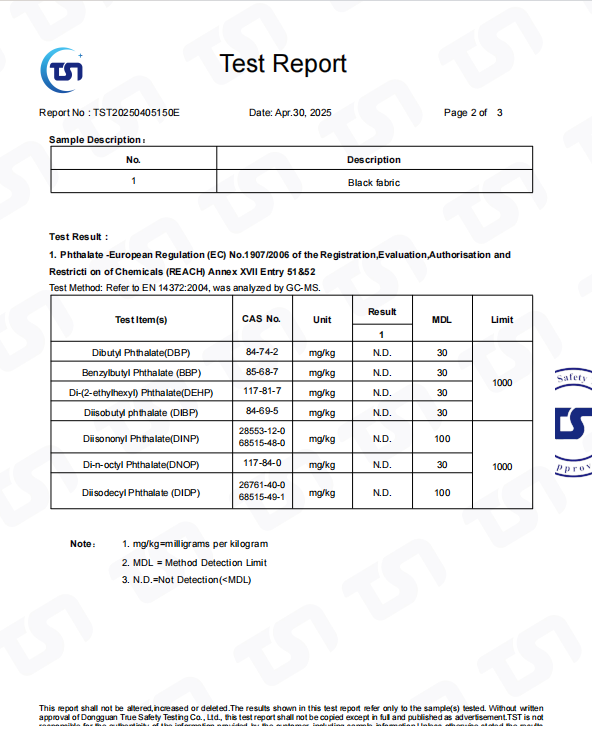
REACH Phthalate Test
A separate report dated April 30, 2025 covers black fabric taken from the submitted fitness yoga leggings. The report records a Pass against the referenced REACH Annex XVII Entry 51 and Entry 52 phthalate requirements.
Applicable Scope: Tested black fabric identified in report TST20250405150E.
MOVEVOX Response: Confirm actual project material and testing requirements instead of transferring this result automatically to different substrates, colors or products.
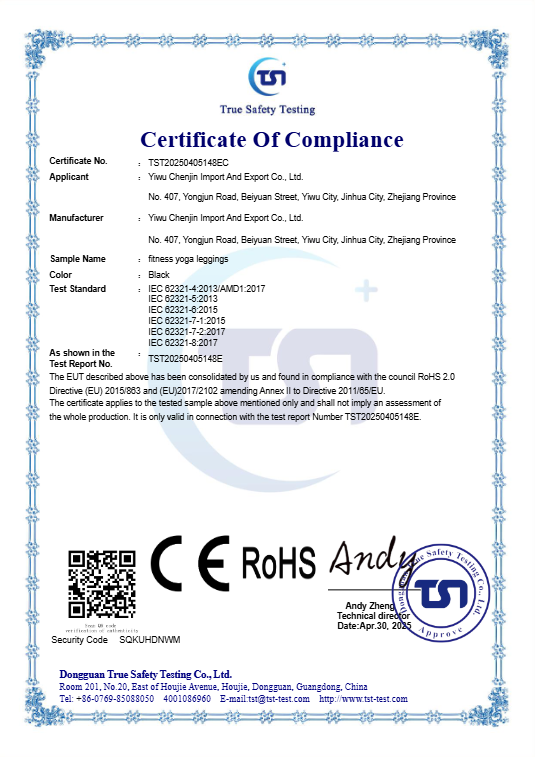
Certificate Limitation
Certificate TST20250405148EC is associated with the RoHS test evidence and explicitly states that it applies only to the tested sample. It does not represent an assessment of the complete manufacturing system or all production.
Applicable Scope: Associated tested sample described by the certificate and report only.
MOVEVOX Response: Present the certificate with its limitation visible and do not describe the complete factory as “RoHS certified.”
Buyer-Specific Testing
Large brands may require their own restricted-substance, chemical, physical-performance or finished-garment testing based on internal standards, destination market and product claims. MOVEVOX can cooperate with customer-specified or suitable third-party laboratories according to the actual program.
Applicable Scope: Actual buyer program, selected material or garment, test method and submitted sample.
MOVEVOX Response: Review the buyer testing specification early enough to align sampling, materials, cost and production release with the required evidence.
Spain Case From Product Validation to Repeat and Scale
This European customer relationship illustrates how product qualification can progress into private-label execution, early reorder, recurring purchasing and later capacity planning. Each result remains specific to the documented case rather than a universal MOVEVOX service promise.
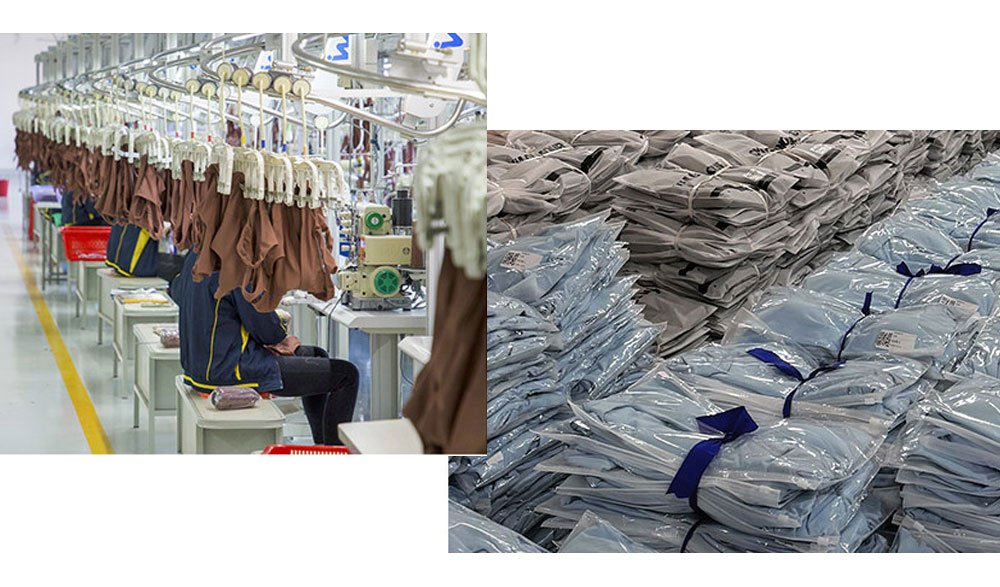
Sample Evaluation
The customer first purchased and reviewed available samples, evaluating material, workmanship, product details and overall quality before committing to customized commercial production.
Sample validation
Brand Setup
After accepting the samples, the buyer added customized care labels, tags, packaging and logo requirements. MOVEVOX recommended silicone-logo execution and matte zipper bags for this specific project.
Custom brand execution
1,200-Piece Launch
The first customized commercial order contained 1,200 pieces. The source case records that this production batch was completed within 15 days, with part shipped by air and the remainder by sea.
1,200 pcsSecond 1,200 Pieces
Before receiving the first bulk shipment, the buyer placed another 1,200-piece order using the confirmed product, customization and packaging direction.
+1,200 pcsRecurring Purchases
The relationship subsequently developed into approximately two orders per month according to the documented case.
≈2 orders/monthApproximately Triple Volume
During one May order, required volume increased to approximately three times the customer’s normal quantity. MOVEVOX added temporary production-line resources to support the increased requirement.
≈3× normal volumeSelected Stock Planning
Later in the relationship, MOVEVOX began holding selected products for this specific customer, with the source case describing approximately 1,500 pieces per color.
≈1,500 pcs/color