
CUSTOM SEAMLESS TANK DEVELOPMENT

Seamless Tank Top Manufacturer for Custom Activewear Brand Programs

MOVEVOX supports custom seamless tank top development for activewear brands through its established Santoni knitting resources and garment development team. From tubular knit structure and racerback geometry to neckline stability, armhole coverage and size compatibility, each design requires technical review. Choose the path that matches your sourcing stage before confirming sampling or production requirements.

PATH A / PRODUCT DEVELOPMENT

Develop Your Tank Design

Bring an existing Tech Pack, authorized reference garment or detailed concept. Review the proposed yarn, knit structures, neckline, armhole, fit, grading and finishing requirements before establishing a sampling scope and project-specific manufacturing assumptions.

  • Identify critical neckline and armhole requirements before sampling.
  • Review yarn, knit program and target-size compatibility together.
  • Clarify approval criteria for finished garments and revisions.
PATH B / SUPPLIER QUALIFICATION

Qualify a Manufacturing Supplier

Evaluate MOVEVOX's manufacturing resources, production responsibilities and tank-specific engineering knowledge before adding a new supplier. Request relevant factory information and available product evidence, distinguishing established capabilities from project-specific requirements that still need verification.

  • Verify manufacturing identity, equipment and production responsibilities.
  • Examine product-relevant construction and quality evidence before approval.
  • Compare conditional MOQ, sourcing requirements and commercial feasibility.
CONSTRUCTION-BASED PRODUCT SELECTION

Explore Seamless Tank Styles by Construction and Fit

A seamless tank collection may include different necklines, back shapes, body lengths and engineered knit structures. These eight design directions help buyers identify what needs technical assessment. They are product development categories, not a claim that every combination has already been sampled or approved by MOVEVOX.
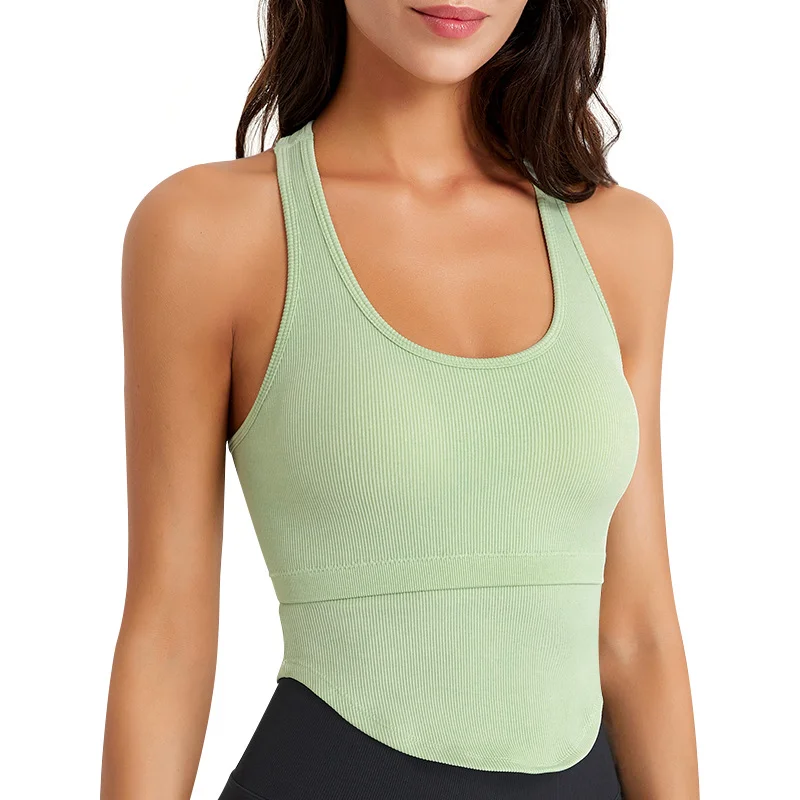
Ribbed seamless training tank showing its fitted body, neckline and knitted surface

Ribbed Training Tank

A fitted ribbed tank uses knitted surface structure to establish its appearance and extension behavior. Review chest coverage, side-body shaping, neckline position and post-stretch recovery before selecting yarn or approving production dimensions.

Rib Knit · Fitted · Training
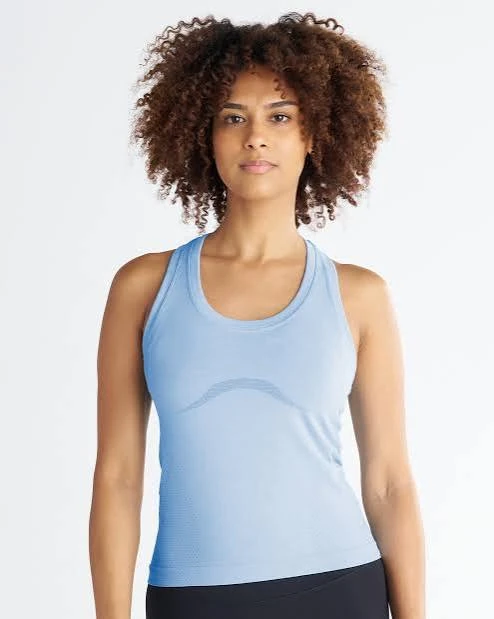
Seamless racerback tank showing its back opening, shoulder shape and fitted athletic silhouette

Seamless Racerback Tank

A racerback changes the relationship between shoulder coverage, back opening and armhole position. Review the back geometry and chest-side coverage on the intended wearer before assuming an existing knitting program can accommodate the silhouette.

Racerback · Shoulder Fit · Gym
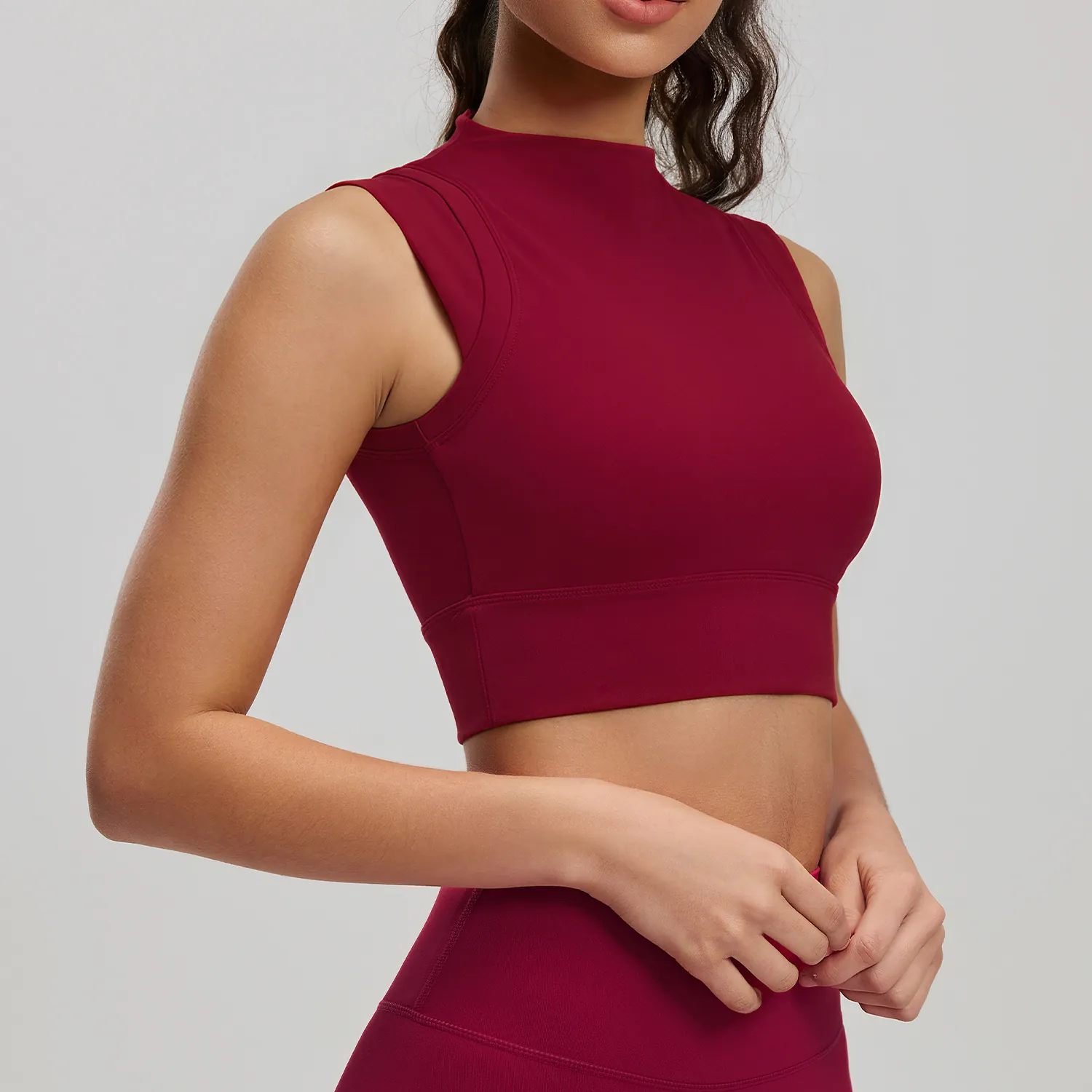
High-neck seamless tank with full front neckline coverage and shaped shoulders

High-Neck Seamless Tank

A high-neck silhouette requires controlled front-neck coverage, opening dimensions and shoulder balance. Different knit structures can change how the neckline sits after extension, washing or finishing, making physical sample approval important.

High Neck · Coverage · Studio
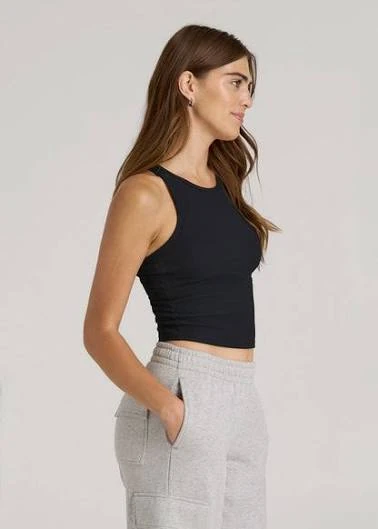
Cropped seamless tank with a short body length, fitted knit and finished hem

Cropped Seamless Tank

A cropped seamless tank coordinates torso fit with its shortened body length. Hem circumference, lower-body knit structure and arm movement affect the intended position, especially when worn with high-waisted leggings.

Cropped · Hem Fit · Pilates
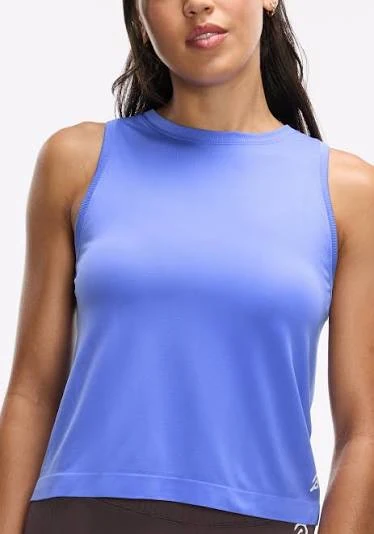
Full-length seamless tank showing its extended torso, armholes and lower hem

Full-Length Seamless Tank

A longer body provides a different fit and layering arrangement. Buyers should define finished length, waist and hem circumference, fabric recovery and expected drape, rather than extending a cropped knitting program without verification.

Full Length · Layering · Activewear
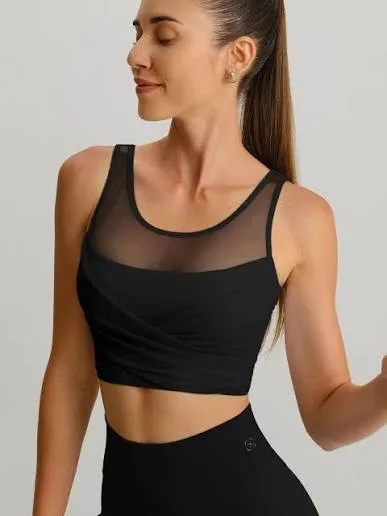
Seamless training tank with distinct engineered open-knit mesh zones

Engineered Mesh Tank

Selected knit zones may incorporate a more open structure where compatible with the machine and garment design. Mesh position should balance visual appearance, local extension and coverage, particularly near the bust and armhole.

Mesh Zone · Knit Engineering · Training

Textured seamless tank showing a knitted jacquard-style pattern and surface definition

Jacquard Texture Tank

A compatible jacquard or textured construction may create distinctive patterns within the knitted garment. Programming, yarn selection, dimensional behavior and finishing should be reviewed before treating the design as a repeatable production specification.

Jacquard · Texture · Custom
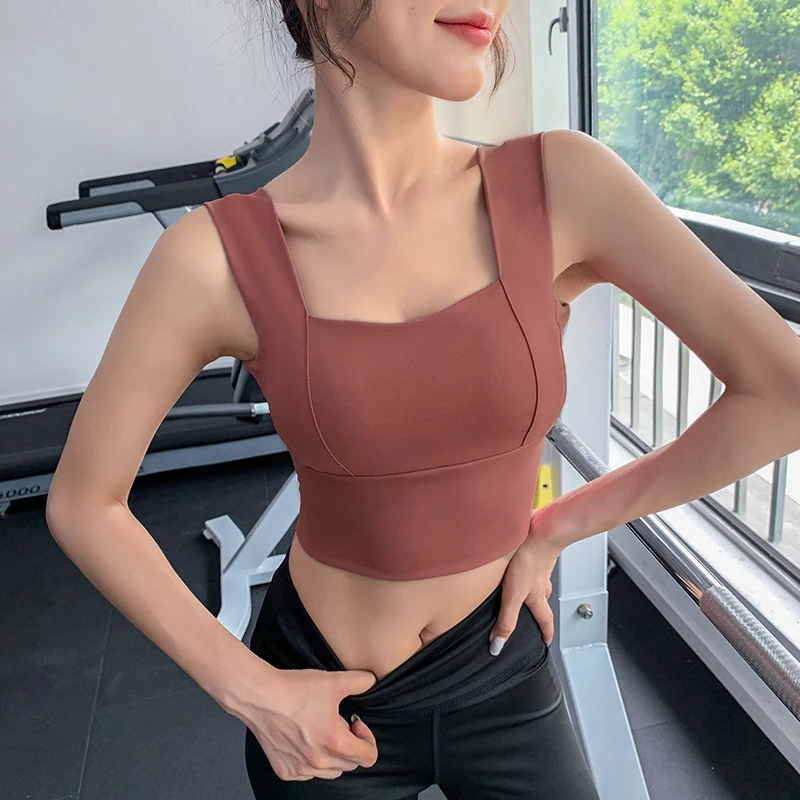
Close-fit seamless base tank showing its narrow-body silhouette, neckline and armholes

Close-Fit Base Tank

A close-fitting sleeveless base garment needs controlled circumference, appropriate extension and low-profile contact surfaces. The approved brief should distinguish ordinary close fit from compression or support claims requiring separate substantiation.

Base Layer · Close Fit · Comfort

SEAMLESS TANK STRUCTURAL ANATOMY

Understand the Construction Behind a Seamless Tank Top

A seamless tank is not simply a conventional top with fewer visible seams. Circular knitting can create an integrated fabric body, while selected openings and edges may require additional processing. Buyers should understand both the knitted structure and the completed garment.
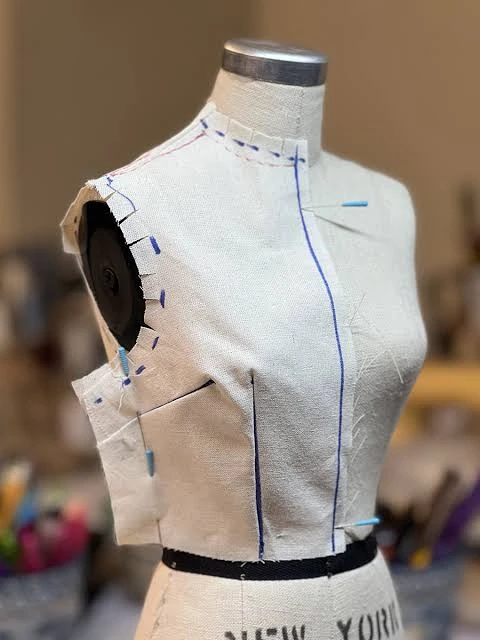
Technical cross-section illustrating tubular seamless tank body, neckline, armhole and shoulder construction interfaces

Cross-Section A — Tubular Body and Openings

Tubular Knit Body

A circular knitting machine can form a tubular knitted structure whose width and extension depend on yarn, machine configuration and programmed stitches. The relaxed tube must still meet the intended finished-garment dimensions.

Neck Opening

The neckline may require a specific shaping, cutting, edge-finishing or joining approach. Its visible appearance alone does not establish how the opening was manufactured or whether it will retain its shape.

Armhole Interface

The armhole interrupts the knitted body and creates a critical contact edge. Construction feasibility should consider opening geometry, edge security, stretch response and the intended chest-side coverage during movement.

Shoulder Connection

Depending on the approved architecture, shoulder regions can require shaping or joining. A seamless body must not be represented as completely stitch-free when the finished design includes necessary attachment operations.
Technical cross-section illustrating base yarn, elastic yarn, engineered rib and knit zone transitions in a seamless tank

Cross-Section B — Yarn and Knit Transitions

Base Yarn System

The base yarn combination influences surface feel, dimensional behavior and compatible knitting settings. Fiber composition alone cannot determine comfort, coverage or recovery without considering yarn formation and knit structure.

Elastic Yarn

Elastane-containing yarns may contribute extensibility, but suitable fit depends on how elastic components interact with stitch density, garment circumference, finishing and the intended wearer.

Engineered Rib Zone

Rib structures can provide a different surface appearance and extension response from adjacent knitted regions. A visually defined rib zone does not independently establish compression or bust-support performance.

Knit Zone Transition

A transition between different stitch constructions can change thickness, local extension and appearance. Placement should be assessed where the tank bends, stretches or contacts the wearer.

Overall Construction Interpretation

The finished tank should be evaluated as one connected product rather than as independent fabric zones. Yarn, stitch structure, tubular dimensions, neckline and armhole operations, relaxation and finishing may all alter the result. A suitable approval process identifies which properties are established through knitting, which depend on later manufacturing and which require physical garment evaluation. Machine ownership alone does not prove that a particular proposed opening or fit has been validated.

SUPPLIER QUALIFICATION RED FLAGS

Identify Supplier Risks Before Approving Seamless Tank Development

A credible seamless supplier should explain how its proposed production route matches the product. The following warning signs are reasons to investigate, not proof that a particular factory is unreliable. Each question should be answered with evidence appropriate to the buyer's design and order.

01 / CAPABILITY

Unclear Knitting Capability

A supplier may advertise seamless products without identifying whether knitting is performed internally or through a partner. This distinction affects technical communication, production accountability and change control. A general factory photograph is insufficient to establish which machinery will execute the proposed tank style.

Verification: Request the responsible factory, relevant machine information and evidence linking equipment capability to the intended product.

02 / PRODUCT EVIDENCE

No Tank-Specific Samples

A factory may show seamless leggings or sports bras while lacking identifiable tank-top construction evidence. Related knitting experience is useful, but different openings, shoulder geometry and body proportions create additional engineering demands. Similar-looking photographs do not establish identical technical competence.

Verification: Request actual tank samples showing front, back, neckline, armhole, shoulder and finishing details.

03 / CONSTRUCTION

Unexplained Opening Construction

Descriptions such as “fully seamless” can conceal necessary cutting, binding, joining or other finishing operations. If a supplier cannot explain these steps, buyers may underestimate workmanship requirements, quality risks or the difference between a tubular garment body and the completed tank.

Verification: Ask which opening operations are knitted, cut, sewn or otherwise finished, with matching construction references.

04 / SIZE GRADING

Universal Size Promises

A supplier that promises every size from one unchanged knitting program may be ignoring machine configuration, tubular dimensions or changes in garment proportions. Small and extended sizes can require separate engineering decisions, especially where the neckline and armhole must maintain consistent coverage.

Verification: Request size-set measurements, knitting-program assumptions and the plan for checking extreme sizes.

05 / PERFORMANCE

Unsupported Performance Claims

Terms such as compression, antibacterial, quick-drying or guaranteed opacity may appear without identifiable methods or product-specific results. A yarn supplier's general information is not necessarily evidence that the finished tank meets the same performance requirement.

Verification: Identify each claim, its applicable garment or material, the evaluation method and the relevant report.

06 / CHANGE CONTROL

Uncontrolled Production Changes

Changes to yarn supplier, knitting settings, color lot, finishing route or production location can affect the approved garment. If these changes are not recorded and authorized, apparently similar tanks may differ in dimensions, appearance or handling across orders.

Verification: Ask for the specification revision procedure, production responsibility and the rules governing buyer approval.

ENGINEERED KNIT PROGRAMMING

Review Engineered Knit Zones Across a Seamless Tank

Compatible seamless tanks can combine different knitted structures within a single garment. The location and behavior of each zone depend on yarn, machine configuration, program design and finishing. This proposed zone map identifies areas requiring technical review; it does not represent an approved customer program.
Front and back technical seamless tank map showing chest, upper back, shoulder, armhole, side body, waist and hem knit zones

Front Chest

The chest region should satisfy the intended coverage, extension and visible appearance. Changes in stitch structure must be evaluated under the garment's expected wearing conditions, particularly for fitted or light-colored tanks.

Upper Back

The upper-back zone can have different extension and surface requirements from the chest. Its structure should be considered together with racerback geometry, shoulder positioning and the intended movement range.

Shoulder Area

A narrow shoulder section concentrates garment support and contact through a smaller region. Local knitting structure and any joining method should be reviewed for dimensional stability and the approved fit.

Armhole Edge

The armhole defines a sensitive boundary between the garment body and surrounding skin. Any programmed edge characteristics must be compatible with the actual cutting or finishing construction.

Side Body

Side-body zones may change visual texture or fit behavior without introducing a conventional side seam. However, different stitch densities can influence the body's shape and must remain compatible with the approved dimensions.

Waist Region

A waist zone may use a selected rib or other structure to modify visual appearance and local extension. A firmer knit must not automatically be marketed as measurable compression.

Lower Hem

The hem must balance the intended body length, opening circumference and edge finish. Relaxation or finishing can affect its position and tendency to roll or distort.

Feasibility and Dimensional Control

MOVEVOX's core manufacturing base operates 28 Italian Santoni seamless knitting machines. These resources provide a manufacturing foundation for compatible knit-zone development, but any particular pattern requires review of machine capability, yarn specification, knitting program and garment size. Engineered structures should be evaluated in finished samples after the applicable relaxation, dyeing or finishing processes. A change in one region may alter adjacent extension and dimensions; therefore, approval should cover the complete garment rather than isolated knit swatches.

TANK OPENING AND SHOULDER FIT

Review Critical Tank Openings Under Intended Movement

The neckline, armhole and shoulder form an interconnected fit system. A tank that looks balanced when laid flat may respond differently to reaching, twisting or layering. These proposed checks connect functional requirements with physical evidence instead of promising unrestricted movement or guaranteed coverage.

Neckline Stability

Functional Claim: Maintain the intended neckline shape during relevant movement.

Engineering and Evidence: Neckline width, depth, edge finishing, knit recovery and chest ease influence the opening's appearance. Review the tank in relaxed and worn conditions, then repeat selected movements. Distinguish ordinary fabric movement from unacceptable gaping, distortion or loss of coverage against the approved standard.

Seamless tank neckline fit comparison in relaxed and worn positions

Evidence Basis: Identified garment sample, agreed fit positions, neckline measurement points and observations.

Armhole Coverage

Functional Claim: Keep the approved chest-side coverage during activity.

Engineering and Evidence: Armhole depth and width interact with upper-body movement, side-bust coverage and garment circumference. A larger opening is not automatically more comfortable. Review forward reach and overhead movement using the intended fit model, noting whether exposure, pulling or edge movement exceeds the brand's requirements.
Seamless tank armhole fit review showing chest-side coverage during overhead reaching

Evidence Basis: Actual wear-position comparison and buyer-approved coverage criteria.

Shoulder Balance

Functional Claim: Maintain the intended shoulder placement without localized restriction.

Engineering and Evidence: Shoulder width, neckline geometry, back shape and garment stretch influence where the tank rests on the body. Narrow sections may behave differently from broad shoulder coverage. The construction should be examined in standing and movement conditions, including any finishing or joining operations that affect contact.
Seamless tank front and back shoulder geometry and strap-position review

Evidence Basis: Front and back garment views, shoulder dimensions and relevant fit observations.

Racerback Geometry

Functional Claim: Preserve the intended back shape and upper-body mobility.

Engineering and Evidence: A racerback opening changes shoulder coverage and the distribution of fabric across the back. Its geometry must be reviewed alongside chest circumference and armhole shape. An attractive back silhouette is insufficient evidence of functional fit across all sizes.
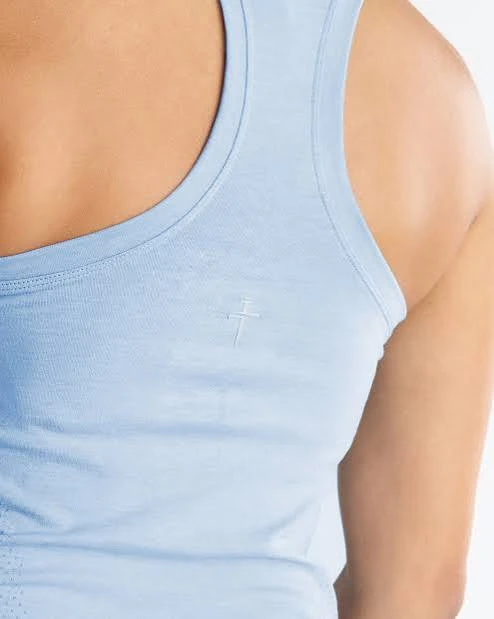
Actual racerback seamless tank shape showing rear shoulder opening and upper back fit

Evidence Basis: Approved racerback outline, intended movements and size-set review.

Post-Movement Recovery

Functional Claim: Evaluate whether critical openings return toward the approved shape.

Engineering and Evidence: Initial stretch and recovery are different properties. Repeated movement, fabric relaxation and the selected care procedure can influence edge appearance. The evaluation should compare an identifiable sample before and after agreed conditions without treating a single demonstration as a universal durability guarantee.
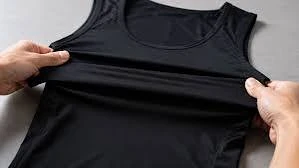
Seamless tank neckline and armhole shape evaluated before and after repeated extension

Evidence Basis: Defined recovery observations, measurement method and relevant sample records.

COVERAGE VERSUS SUPPORT

Separate Tank Coverage, Shaping and Genuine Bust Support

Seamless tanks may use close-fitting knit structures, but visual tightness does not establish mechanical support. These distinctions help buyers define the correct product category and avoid transferring sports-bra claims to a single-layer sleeveless top without suitable construction or testing.

Myth 01 — Every Seamless Tank Includes Bust Support

Fact: A seamless tank can provide coverage without incorporating a dedicated support system. Bust support depends on the actual garment architecture, including relevant underbust structure, elastic components, layers and fit. Buyers should identify whether the product is a standalone top, a base layer or a deliberately supportive garment.

Basis / Exception: Evaluate actual construction; do not infer support level from the word seamless.

Myth 02 — Tight Knitting Automatically Means Compression

Fact: Close fit and compression are not interchangeable descriptions. A tighter knit region may create a different wearing sensation, but a quantified compression claim requires defined conditions and evidence. Knit density, garment circumference and body variation can produce different pressure responses across sizes and wearers.

Basis / Exception: Pressure performance requires appropriate methods and accepted product-specific criteria.

Myth 03 — A Ribbed Underbust Zone Is a Built-In Bra

Fact: Rib structure can change local extension and appearance, but it does not automatically create a separate bra layer or meaningful bust stabilization. Where a brand requires an integrated bra, the design must address support architecture, coverage, fit and the applicable assembly requirements.

Basis / Exception: A genuine built-in bra requires a separately approved structural specification.

Myth 04 — Seamless Garments Contain No Stitching Whatsoever

Fact: Circular knitting can reduce certain conventional panel seams, but neckline, armhole, shoulder or finishing operations may still require cutting, sewing or joining. The finished construction depends on the approved design and production route, not the marketing name alone.

Basis / Exception: Confirm actual knitted and post-knitting operations for each proposed style.

Myth 05 — Greater Stretch Guarantees Better Tank Coverage

Fact: Stretch can accommodate body movement while simultaneously changing fabric thickness or opening position. Chest-side coverage, neckline behavior and opacity should be examined in the actual garment. A highly extensible material does not remove the need for suitable shape, dimensions and approved fit.

Basis / Exception: Assess coverage and extension under the intended wearing conditions.

Myth 06 — One Fitted Size Proves the Complete Size Range

Fact: Seamless grading can require changes to tubular dimensions, programmed structures and opening geometry. A base-size tank may fit correctly while an extended size behaves differently at the armhole or shoulder. The size range should be reviewed under an agreed size-set strategy.

Basis / Exception: Machine compatibility and target wearer proportions can differ by size.

Myth 07 — A Mesh Zone Always Improves Wearing Comfort

Fact: A more open knit may change local air movement, thickness, extension and coverage. Whether it improves perceived comfort depends on the actual fabric and use conditions. Near the bust or armhole, increased openness can also create unacceptable transparency or structural differences.

Basis / Exception: Validate relevant performance or comfort claims on the specified product.

TUBULAR SIZE AND FIT APPROVAL

Define Seamless Tank Fit Across the Size Range

Seamless grading must account for tubular circumference, yarn, knitting structure, machine compatibility and garment finishing. A conventional body-measurement chart cannot independently establish that every size can be produced with the same program or that the neckline and armhole will retain their intended proportions.
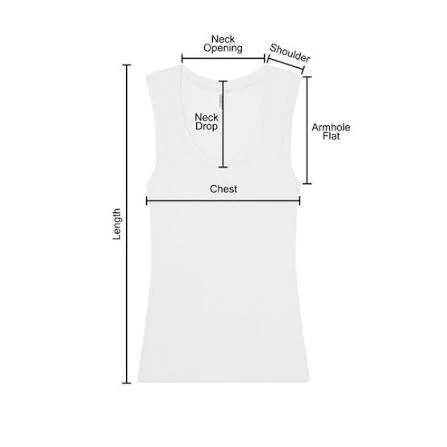
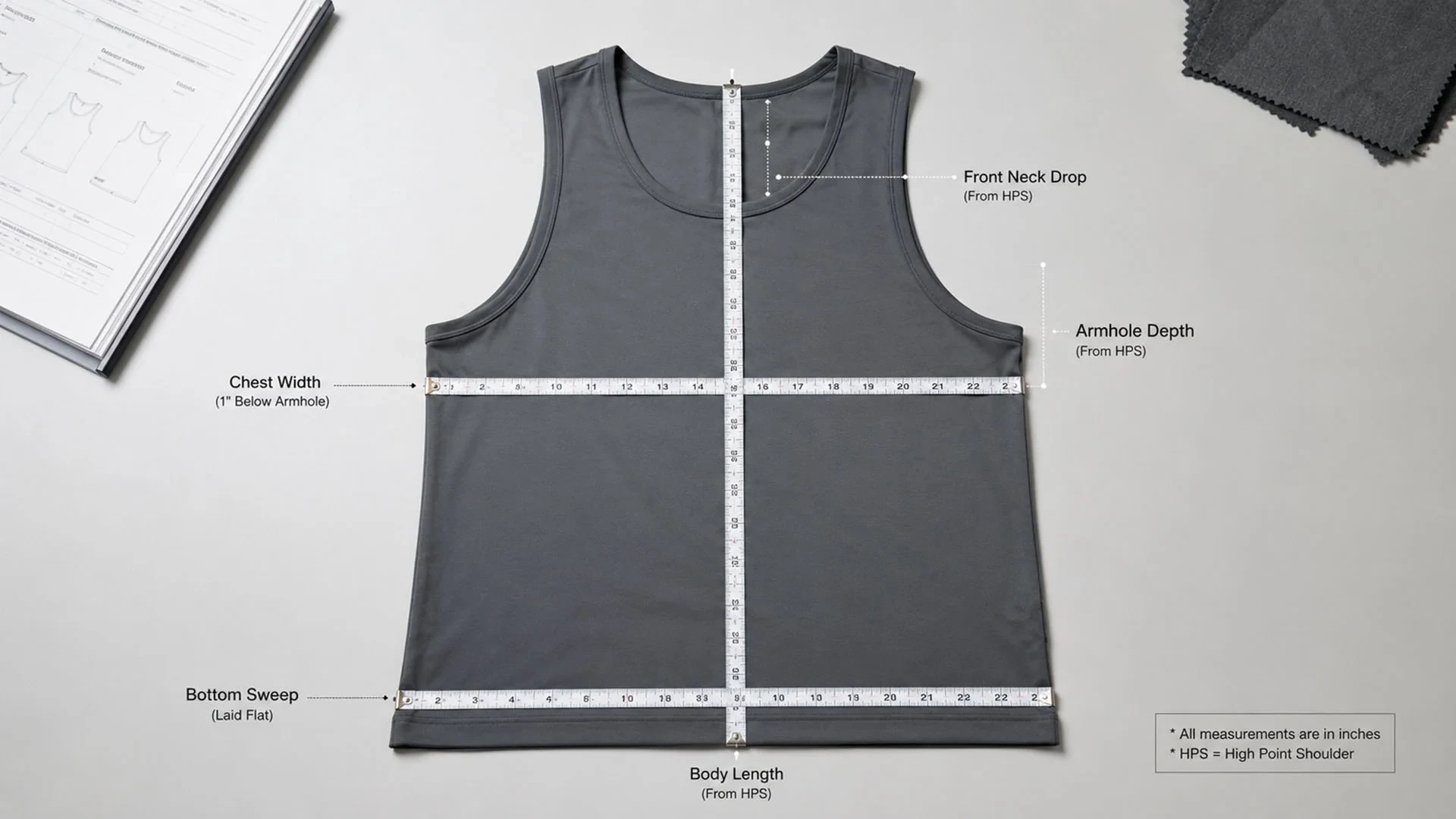
Seamless tank technical flat showing measurement points for chest, waist, body length, shoulder, neckline, armhole and lower opening

Size-Set Approval Matrix

SizePrimary Review
XSTubular fit, neckline and shoulder proportions
SArmhole shape and chest-side coverage
MBase-size dimensions and movement reference
LBody circumference and opening position
XLKnit extension, recovery and hem dimensions
XXLMachine/program feasibility and complete fit

The entries describe recommended review priorities, not approved commercial size specifications. All critical measurements apply to each size as relevant.

Body Measurements

Bust circumference, waist circumference, finished body length and hem opening.

Opening Measurements

Neckline width and depth, armhole opening, shoulder width and relevant racerback dimensions.

Manufacturing References

Yarn, knit program version, measurement condition, relaxation procedure and any finishing-related dimensional change.

Grading and Tolerance Interpretation

A buyer-approved size chart should define the garment's measurement points, target values, tolerances and assessment method. Knit elasticity does not eliminate dimensional variation. Different sizes may need changes to stitch counts, tubular construction or compatible machine settings. Physical size-set garments should be evaluated in relaxed and worn conditions, particularly where neckline and armhole proportions are critical. This matrix is a planning reference only; no unprovided numeric size specifications have been invented.

Three Critical Considerations

  • Define whether dimensions are measured flat, relaxed, after conditioning or under specified extension.
  • Assess neckline, armhole and shoulder proportions separately from overall bust circumference.
  • Confirm knitting-program and machine compatibility before promising an extended size range.
DESIGN-FOR-MANUFACTURING

Resolve Seamless Tank Design Risks Before Sampling Begins

A design should be evaluated for repeatable manufacturing, not merely for whether one attractive sample can be produced. These six feasibility questions connect proposed tank details with potential commercial consequences and the technical responses that should be considered before approval.

Design Problem Buyer Impact Proposed Technical Response
Complex Neckline

A deep, square or unusual opening may require cutting, finishing or construction choices that differ from the original knitting concept.

Additional operations can affect sample iterations, edge appearance and costing. The supplier may need to revise the design before giving a reliable production commitment. Define the required opening and edge finish; review tubular construction and post-knitting feasibility. Produce a relevant construction sample before approving the final method.
Narrow Shoulder Geometry

Shoulder sections may be too narrow for the intended structure, local knit behavior or finishing operation.

The result may involve distortion, excessive contact pressure or an opening that changes its position during movement, creating fit complaints. Examine shoulder dimensions, racerback geometry and stitch structures together. Evaluate physical samples using approved movement and size requirements before freezing the design.
Complex Mesh Transitions

An open knit may sit next to denser rib or smooth regions with a different extension response.

Uncontrolled transitions can alter appearance, local coverage and garment dimensions. Corrections may require programming changes and new sample approval. Review transition locations, yarn selection and knit program feasibility. Assess finished-sample appearance, extension and coverage under the intended wearing conditions.
Built-In Support Request

A proposed tank may include support expectations that exceed ordinary single-layer coverage.

Additional layers, elastics or joining operations can change fit, cost, production route and the evidence needed to support product claims. Establish whether the buyer needs simple coverage or a separate bra construction. Review support-specific requirements and consider an appropriate hybrid construction where necessary.
Extended Size Range

A proposed size chart may exceed the comfortable dimensional range of one machine or knitting configuration.

Production may require additional settings, programs or construction changes. Assuming universal size feasibility can increase development time and risk. Confirm target body and garment dimensions, available machine compatibility and size-specific technical requirements before committing to the complete range.
Special Decoration

A logo may cross textured, elastic or high-movement regions of the tank.

Decoration can affect surface feel, appearance, local extension and commercial minimums. A suitable process for one fabric may not suit another. Review actual yarn and knitted surface, artwork, placement and application method. Approve the decorated sample and clarify any external processing responsibilities.
YARN SELECTION LOGIC

Select Seamless Tank Yarns Based on Product Requirements

Yarn selection should start with the garment's fit, coverage and care requirements rather than a preferred fiber name alone. The following decision path helps structure a sourcing discussion. Candidate materials remain subject to actual availability, technical compatibility and buyer-approved testing.

Question 1: What is the primary wearing application?

Gym Training · Studio Wear · Everyday Layer · Base Layer

Question 2: Which hand feel is preferred?

Smooth Feel · Rib Texture · Structured Feel

Question 3: What extension behavior is required?

Close Fit · Moderate Ease · Greater Extension

Question 4: Which coverage condition matters most?

Light Colors · Chest Coverage · Layered Wear

Question 5: Are special sourcing conditions required?

Standard Yarn · Custom Color · Recycled Content

Candidate A — Polyamide/Elastane Knit

A compatible polyamide-and-elastane yarn system may be considered for a fitted seamless tank requiring controlled extension and a smooth surface. Actual results depend on yarn specifications, knit structure and finishing. The buyer should assess recovery, opacity and dimensional behavior on the chosen garment rather than relying on composition alone. Color options and minimum purchases must be reviewed with the selected supplier.

Parameter Tags: Yarn Composition · Recovery · Coverage

Candidate B — Polyester/Elastane Knit

A compatible polyester-and-elastane construction may be reviewed where a particular surface appearance, cost structure or intended performance brief supports it. Moisture behavior and drying properties should not be inferred automatically from the fiber name. Machine compatibility, stitch structure, dyeing, care requirements and the intended neckline or armhole finish must also be considered before the yarn is approved.

Parameter Tags: Yarn Compatibility · Surface Finish · Care

Candidate C — Structured Rib System

A rib-focused yarn and stitch arrangement may suit a tank that needs a visible textured identity or distinctive close-fitting appearance. The rib structure can change local extension and relaxed dimensions. A suitable design should evaluate chest coverage, shoulder stability, body proportions and the transition between rib and other knitted regions before confirming the final program.

Parameter Tags: Rib Structure · Elongation · Fit

Candidate D — Engineered Mesh Combination

A construction combining denser regions with selected open-knit zones may help create visual separation or different local fabric behavior. However, mesh positioning must be assessed against chest-side coverage, extension and the stability of adjoining structures. The selected yarns and program settings should be validated through real knitting and finished-sample review rather than assumed feasible from a sketch.

Parameter Tags: Mesh Placement · Knit Transition · Opacity

Candidate E — Recycled Yarn Option

Recycled-content yarn may be considered when the brand has defined sourcing requirements. Any recycled-content claim needs documentation that identifies the relevant yarn, transaction or applicable certified scope. The material must still satisfy the same knitting compatibility, fit and quality requirements as a conventional alternative. Recycled content alone does not guarantee lower environmental impact or specific finished-garment performance.

Parameter Tags: Traceability · Certification Scope · Availability

KNIT SURFACE DEVELOPMENT

Compare Knit Textures for Custom Seamless Tank Collections

Rib, mesh and textured constructions affect more than appearance. They can change extension, thickness, relaxed dimensions and how the garment fits around openings. The following eight swatches are proposed design references, not a representation of current MOVEVOX stock colors or approved production programs.
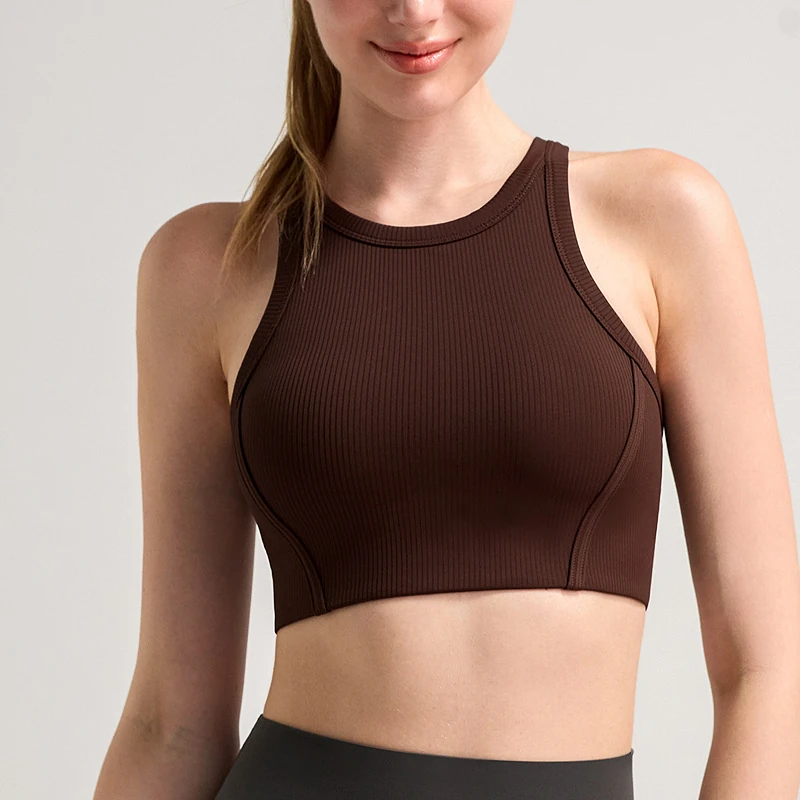
Close-up of fine rib seamless tank knit texture

Swatch 01 — Fine Rib

A fine rib direction may create a relatively restrained texture for fitted or studio-oriented tanks. Evaluate the selected yarn, wale appearance, extension and chest coverage. The commercial minimum depends on whether the required yarn and compatible program can be supplied.

Close-up of wide rib knit structure for seamless tank tops

Swatch 02 — Wide Rib

A more prominent rib may produce a stronger visual identity and a different relaxed circumference. Confirm whether the resulting extension supports the neckline, shoulder and body fit. Technical approval must cover the entire garment, not texture photographs alone.

Close-up of smooth knitted seamless tank fabric surface

Swatch 03 — Smooth Knit

A smooth-surface direction can provide a simpler visual base for logos or coordinated product ranges. Its actual hand feel and opacity depend on yarn and stitch parameters. Review decoration compatibility and the resulting garment dimensions before committing to production.

Close-up of micro mesh knit structure for a seamless tank zone

Swatch 04 — Micro Mesh

A fine open-knit structure may be considered for selected tank zones. Local openness can affect visual coverage and extension. Placement near the bust or armhole should be evaluated cautiously, and any breathability claim requires suitable supporting evidence.

Close-up of textured jacquard knit pattern used in a seamless tank fabric

Swatch 05 — Textured Jacquard

A jacquard-inspired pattern can incorporate a knitted visual design where program and machine capability permit. The buyer should approve artwork scale, pattern repeat, stretch behavior and visual consistency. Custom program development may alter sampling and setup costs.
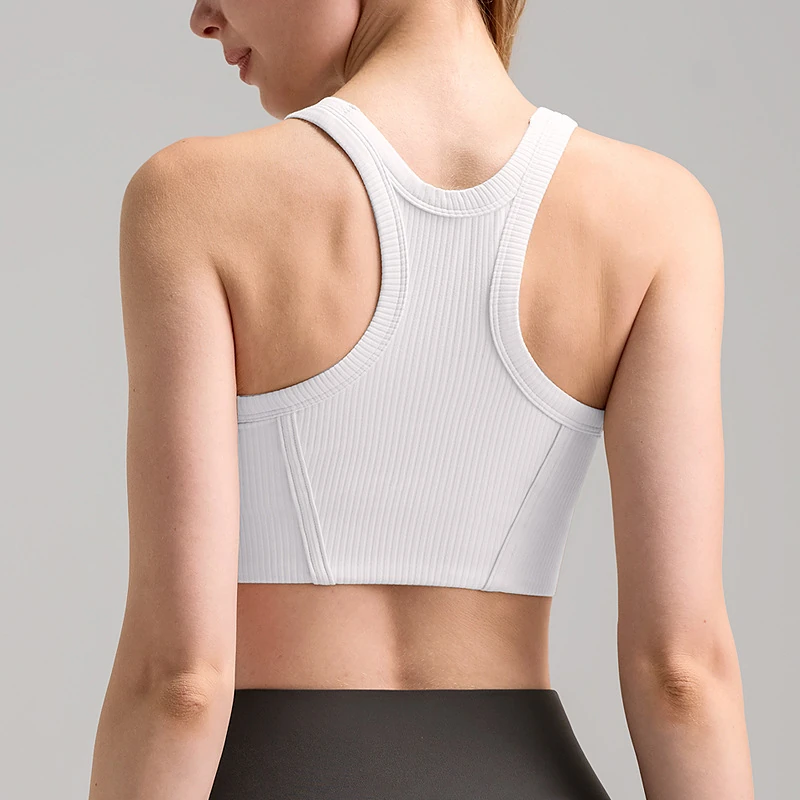
Close-up of adjoining rib-knit zones on a seamless garment

Swatch 06 — Zoned Rib

A tank may combine more than one rib structure to establish visual zones or different local extension. The transition between structures is a critical review point. A firm-looking region must not automatically be marketed as a tested compression feature.

Close-up of contrasting knit textures in a seamless tank construction

Swatch 07 — Contrast Texture

Contrasting knit surfaces can distinguish a chest panel, side region or lower body without relying on a separate sewn fabric. The design should consider appearance after stretching, dimensional balance and yarn compatibility. The proposed combination requires knitting feasibility review.
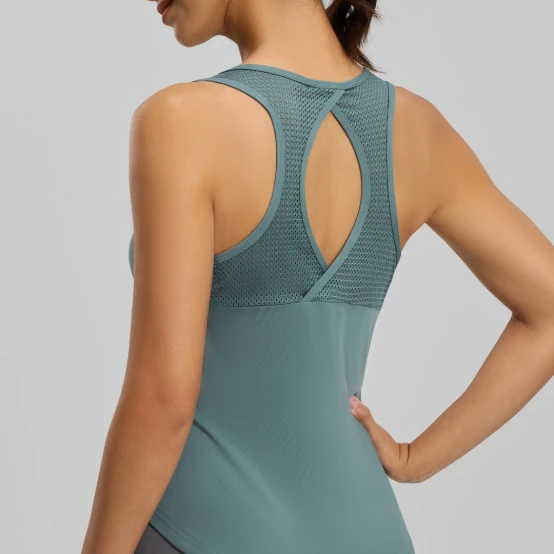
Close-up of mixed smooth, rib and mesh knitted regions in seamless activewear

Swatch 08 — Mixed Surface

A mixed structure may combine smooth, ribbed and selected open-knit regions within one design. This approach increases the importance of transition placement, size grading and program version control. The final texture arrangement should be approved on a finished garment sample.

Color and Swatch Approval Note

Digital renders and screen colors cannot reliably establish final yarn shade or knitted surface appearance. The buyer should approve applicable physical color standards, material samples and finished-garment references. Custom colors or structures may have separate sourcing minimums.

MESH PLACEMENT AND ZONE TRANSITIONS

Plan Mesh Placement Without Compromising Seamless Tank Coverage

Engineered mesh can change a tank's appearance and local extension, but each zone interacts with adjacent knitted structures. These six design locations require separate review. The recommendations describe potential engineering decisions, not completed MOVEVOX performance tests or approved customer garments.

Close-up of dense knit coverage across the front chest area of a seamless tank

Front Chest Coverage

A seamless tank should establish its intended chest coverage before introducing open-knit details. Dense and open structures can behave differently under extension, especially in light colors. If the design includes a mesh region near the bust, its position and visibility should be assessed on the intended wearer. A good-looking flat swatch does not establish acceptable worn opacity. The brand should specify both the desired appearance and the conditions used to approve it.
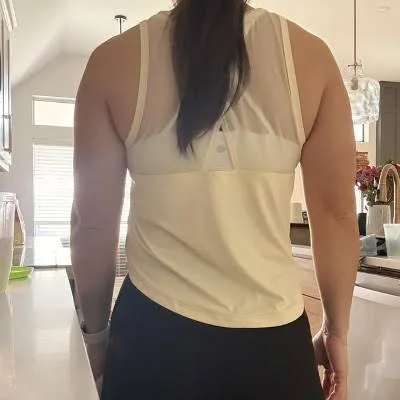
Rear view of a racerback seamless tank showing engineered mesh knit placement

Upper Back Mesh

The upper back may offer opportunities for engineered texture or more open knitted sections, depending on the proposed architecture. However, a racerback already removes fabric from parts of the back, so an additional mesh region may affect visible proportions or local behavior. The reviewer should consider shoulder positioning, back width, stitch transitions and the required appearance during reaching or twisting. Claims about ventilation or comfort must be supported separately if they will appear in marketing.
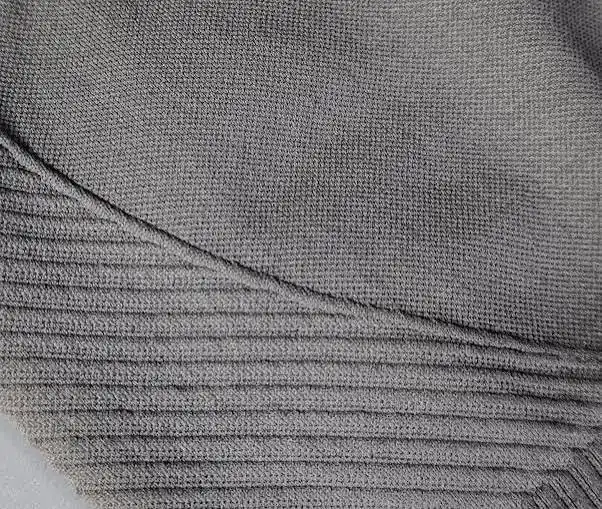
Side-body area of a seamless tank showing a transition between two knitted structures

Side Body Transition

A side-body texture can connect front and back knitted regions without relying on a conventional side seam. This may create a useful visual feature, but different stitch structures can change local extension or the apparent shape of the waist. The transition should be reviewed in both relaxed and worn conditions. Any asymmetry or visual distortion must be judged against the approved technical standard rather than dismissed as a normal consequence of seamless knitting.
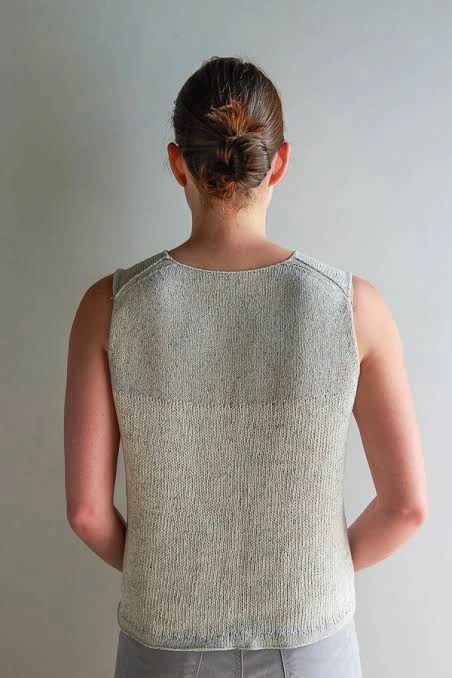
Lower torso knit texture on a seamless tank showing a structural transition toward the hem

Lower Torso Texture

A selected lower-torso knit may alter the tank's surface appearance and local response to extension. Its placement should correspond to the intended crop length, waist position and hem construction. A denser-looking region does not establish measurable shaping or compression. The buyer should review whether the knitted transition remains visually consistent across different sizes and whether the finished garment retains the approved lower-body dimensions after the specified care procedure.
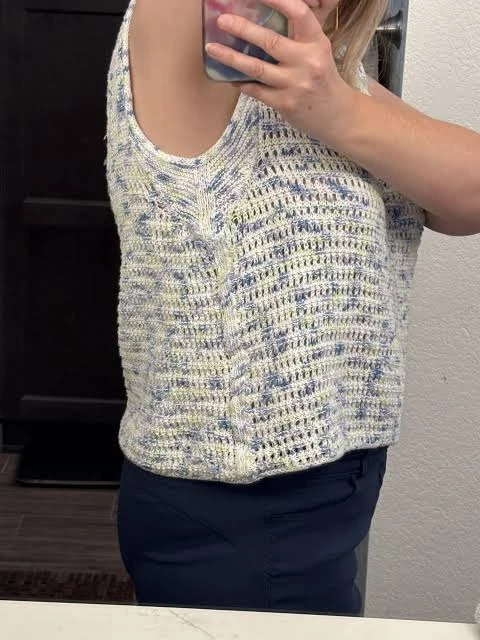
Seamless tank armhole edge close-up showing adjoining open and dense knitted structures

Near-Armhole Structure

The armhole is a critical boundary for coverage and skin contact. Placing a more open structure too close to this edge may complicate the intended silhouette or finishing method. The designer should consider the distance from the opening, the amount of material available for edge construction and the garment's behavior during upper-body movement. Open-knit details should be retained only when they remain compatible with the approved fit and workmanship requirements.

Seamless tank hem edge and adjacent mesh-to-rib knitting transition in close-up

Hem Zone Transition

The final lower edge may require a stable construction that accommodates the intended wearing fit. Mesh or texture changes immediately above the hem can influence rolling, waviness, fabric relaxation and finished length. A program-based design should consider the transition together with any later cutting or edge treatment. Physical sample review should compare the expected hem appearance and dimensions before and after the agreed care or conditioning procedure.

TANK COVERAGE AND TEST DEFINITION

Define Appropriate Coverage Tests for Seamless Tank Tops

Opacity depends on more than garment color or nominal fabric weight. Extension, stitch structure, lighting, background and finishing may affect appearance. The following evaluation methods are proposed for technical specification development; they are not claims that the corresponding MOVEVOX tank samples have already passed testing.

01 — Relaxed Opacity

Purpose: Establish the material's visible coverage before deliberate extension using consistent observation conditions and an identifiable fabric or garment reference.

Method: Place the fabric or garment over an agreed contrast background under defined lighting. Record yarn, color and sample identity. Compare the observation with the approved appearance reference, avoiding arbitrary photographic exposure adjustments.

Acceptance / Report: Buyer-defined visibility criteria, conditions and sample reference; no invented pass result.

02 — Extended Opacity

Purpose: Understand whether the knitted construction becomes more transparent when stretched toward representative wearing dimensions.

Method: Define the direction and extent of extension relevant to the tank. Examine the selected material or finished garment over a consistent background. Record the conditions and evaluate coverage separately at the chest and torso.

Acceptance / Report: Approved extension condition and visible coverage requirement for the actual style.

03 — Light-Color Coverage

Purpose: Identify coverage concerns that may become more apparent in pale or low-contrast knitted colors under specific lighting and backgrounds.

Method: Compare the approved light-colored sample under identified illumination conditions. Evaluate relaxed and relevant extended states, using the same background and camera settings where images form part of the review.

Acceptance / Report: Brand-approved visual references and observation method; no universal opacity guarantee.

04 — Post-Care Dimensions

Purpose: Determine whether the chosen care procedure changes garment dimensions in ways that affect fit, neckline shape or visible fabric coverage.

Method: Record specified measurements before care, apply the approved washing and drying procedure, condition the garment and remeasure using the same defined points and handling conditions.

Acceptance / Report: Buyer-approved dimensional tolerances, care procedure and sample identification.

05 — Stretch Recovery

Purpose: Assess the material's return toward its original dimensions after extension, distinguishing recovery from the maximum extension the knit can accommodate.

Method: Select a relevant test or controlled internal comparison appropriate to the fabric. Record the extension conditions, recovery interval and resulting dimensions. Correlate the observations with finished-tank fit where needed.

Acceptance / Report: Agreed method and acceptance values; report scope must match the claim.

06 — Knit Surface Uniformity

Purpose: Check whether knitted texture, density and surface appearance remain acceptable across the intended tank zones and available color versions.

Method: Inspect identifiable garments in consistent lighting, paying attention to visible bars, unwanted holes, irregular texture and transitions between knitted structures. Compare findings against approved physical samples.

Acceptance / Report: Documented visual standards, defect classification and applicable lot information.

KNIT-TO-FINISH TECHNICAL HANDOFF

Understand the Knit-to-Finish Route for Custom Tank Production

Circular knitting is only part of producing an approved seamless tank. Yarn preparation, program selection, material relaxation, opening construction and finished-garment checks can all influence the result. This proposed technical handoff illustrates decision gates; actual order routing and dates require confirmation.

01 / TECHNICAL INPUT

Specification Review

The buyer's current style, technical drawings, size requirements, colors and expected quantity should be examined before production assumptions are accepted. The review should identify missing specifications, unusual openings, special yarns and areas where machine compatibility requires further assessment.

Responsible: Development Team

QC Gate: Current Specification

02 / MATERIAL

Yarn Confirmation

The applicable yarn type, supplier reference, color and required material characteristics should be confirmed. Custom shades or specialized yarns may require additional purchasing lead time. Substitutions affecting coverage, recovery or knit appearance should be reviewed before implementation.

Responsible: Sourcing Team

QC Gate: Material Reference

03 / PROGRAM

Program Feasibility

The proposed tank structure should be checked against compatible knitting equipment, program parameters, size requirements and local knit-zone design. Critical changes must be reflected in the appropriate program version before trial knitting or production preparation.

Responsible: Seamless Technical

QC Gate: Program Version

04 / KNITTING

Trial Knitting

A representative knitted body should be evaluated for relevant dimensions, appearance and structural consistency. The sample does not yet establish final garment performance, because subsequent relaxation, finishing and opening operations may change its dimensions or visible shape.

Responsible: Knitting Operations

QC Gate: Knit Inspection

05 / FINISHING

Relaxation and Finishing

The knitted material or garment body should undergo the approved conditioning or finishing route. Relevant dimensions and surface appearance should be reassessed, particularly where yarn behavior and knit structure influence the neckline, armhole and body circumference.

Responsible: Finishing Team

QC Gate: Dimensional Review

06 / OPENINGS

Opening Construction

Neckline, armhole and shoulder operations should follow the accepted construction reference. Depending on the design, cutting, sewing, binding or other finishing may be necessary. The resulting edges should meet approved appearance, extension and contact requirements.

Responsible: Garment Assembly

QC Gate: Edge Workmanship

07 / BRANDING

Branding and Identification

Logo application, labels and other approved components should be applied using methods compatible with the garment surface and specification. Product identity, version and size information should remain consistent across the relevant development or production records.

Responsible: Finishing Team

QC Gate: Branding Approval

08 / RELEASE

Final Garment Review

The finished tank should be checked against its current approved dimensions, construction and appearance standards. Relevant nonconformities must be identified and addressed before release. Bulk production authorization requires the applicable customer and internal approvals.

Responsible: Quality Team

QC Gate: Release Decision

MANUFACTURING ROUTE COMPARISON

Compare Seamless and Cut-and-Sew Routes for Tank Designs

Neither construction route is universally superior. An appropriate decision depends on the intended silhouette, yarn or fabric, openings, support requirements and finishing. MOVEVOX has both seamless knitting and cut-and-sew resources, subject to project-specific feasibility review.
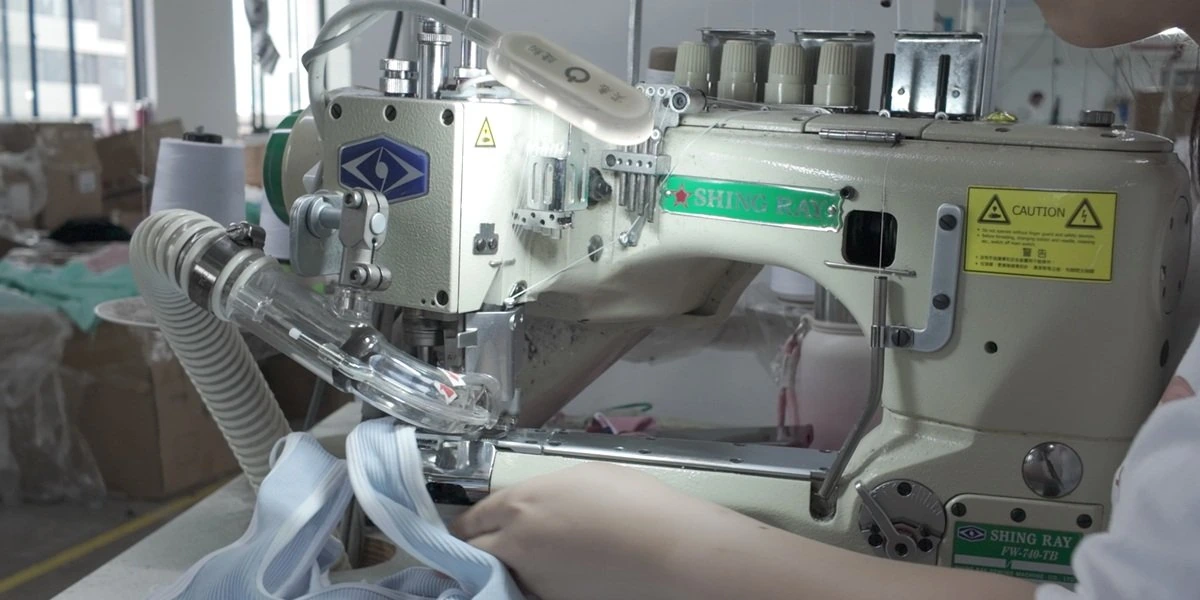
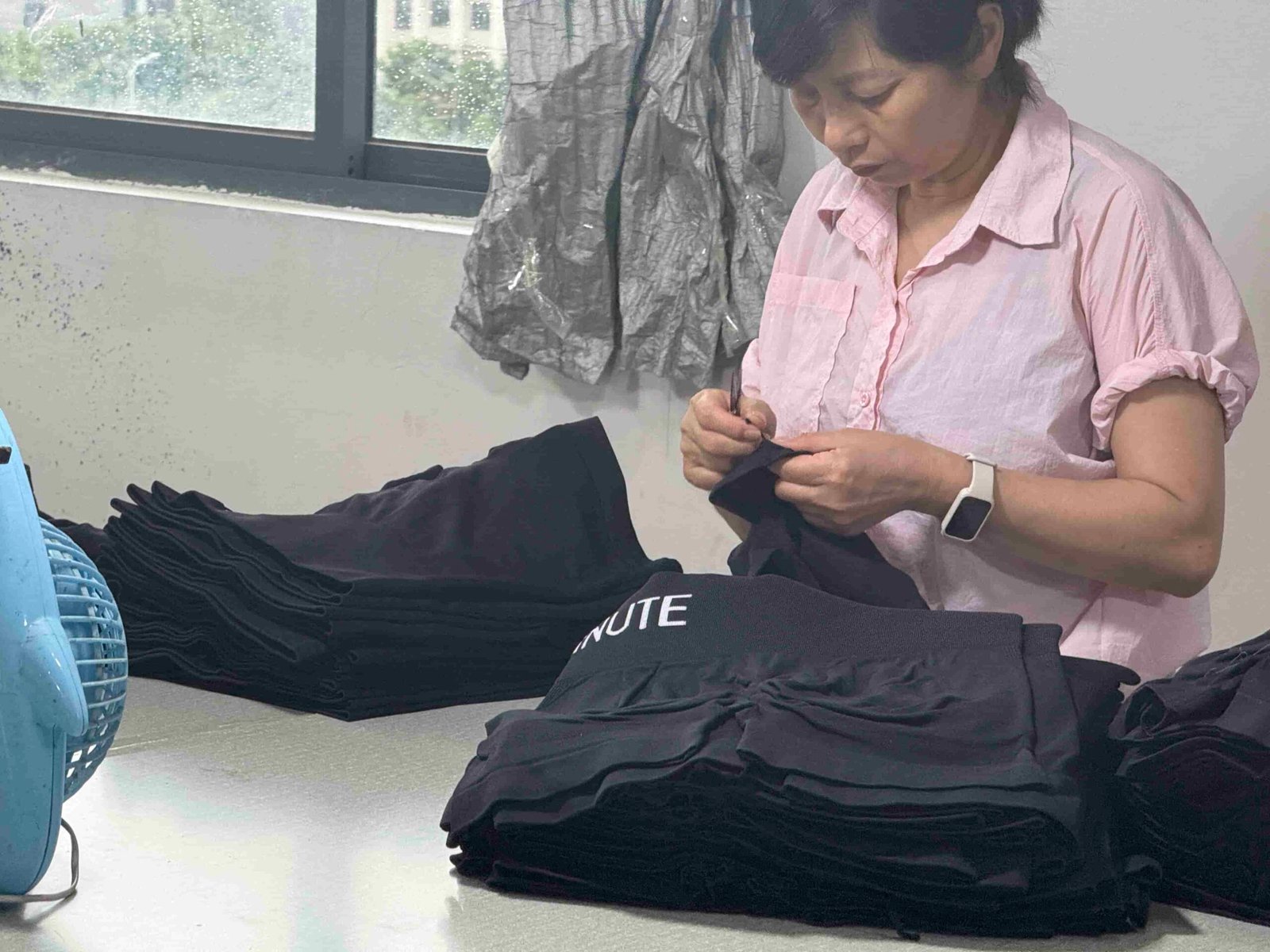
Actual circular seamless knitting equipment and compatible knitted tank garment structure
Cut-and-sew tank construction with identified fabric panels and garment assembly details
Decision FactorSeamless Knit RouteCut-and-Sew RouteBuyer Decision
Body ConstructionA compatible tubular structure can reduce reliance on conventional side panels.Individual fabric panels offer flexibility in silhouette and material placement.Which architecture meets the intended fit?
Rib and TextureCompatible knitted regions can be programmed into the garment structure.Similar appearances may require selecting and cutting suitable textured fabrics.Is an integrated knitted structure necessary?
Complex NecklineRequires evaluation of knitted body geometry and post-knitting edge operations.May allow more conventional pattern and binding methods.Which route can reproduce the approved opening?
Racerback ShapeFeasibility depends on tubular construction, opening formation and shoulder finishing.Cut panels can offer alternative control of back and shoulder geometry.What is the best route for coverage and appearance?
Built-In BraMay require additional layers, joining or an alternative construction strategy.May accommodate separately developed inner support components.Is genuine support required or only coverage?
Size RangeProgram, yarn, machine compatibility and finished dimensions constrain feasible grading.Grading follows pattern and fabric constraints, with sample approval still required.Can all intended sizes meet the approved fit?
Special MaterialsYarn and knitting-machine suitability are central considerations.Fabric width, stretch direction and assembly compatibility govern options.Which sourcing route is executable?
Development ChangesKnit-program revisions may affect structure, dimensions and trial requirements.Pattern or assembly revisions may affect fit and construction samples.What approvals are needed after changes?
Reorder ConsistencyYarn references, program versions and finishing conditions must remain controlled.Fabric, pattern, cutting and sewing specifications require equivalent control.How will the approved version be reproduced?
SEAMLESS TANK TECH PACK

Prepare Technical Inputs for Seamless Tank Development Review

A strong Seamless Tank Tech Pack connects the proposed garment to an executable knitting and finishing route. Not every initial inquiry needs a completed technical package, but unresolved dimensions, materials and construction details must be identified before reliable manufacturing commitments are made.

01 — Technical Flat Sketch Required

Provide front and back views showing neckline, armholes, shoulder width, back shape, body length, knit zones and relevant finishing. Include additional close-up drawings for nonstandard openings or knitted details that cannot be interpreted reliably from a product photograph.

02 — Intended Use Required

Identify the target activity, wearer, selling market, wearing conditions and whether the tank is a standalone top or base layer. Explain the desired coverage, fit and movement requirements so that the supplier can assess relevant technical trade-offs.

03 — Yarn Specification Required or To Be Developed

State the intended yarn composition, relevant yarn characteristics, color and any required sourcing restrictions. Where yarn has not been selected, define the desired garment properties and agree which options need sampling and buyer approval.

04 — Knit Structure Map Required for Zoned Designs

Identify intended rib, mesh, jacquard or other distinct knit regions on front and back drawings. Specify important transitions and clarify whether visual differences are essential. The technical review should establish which programmed structures can be executed on compatible equipment.

05 — Tank Measurements Required

Supply relevant bust, waist, body length, hem, neckline, shoulder and armhole measurement points. State the measuring method and applicable tolerances. Sizes must be reviewed against seamless machine and program constraints rather than accepted solely from a conventional chart.

06 — Opening Construction Required

Describe neckline and armhole finishing requirements, shoulder or racerback construction and intended visible edge appearance. If a special finish is requested, provide an approved reference or indicate that a construction trial is needed before confirming the method.

07 — Fit and Coverage Required

Specify target ease, chest-side coverage, desired neckline behavior and relevant movement conditions. Where the brand intends to make compression, support or other performance claims, identify the actual acceptance criteria and required supporting evidence.

08 — Color Standards Required or To Be Developed

Provide Pantone references, physical swatches, approved lab dips or other applicable color targets. Indicate whether several colors share a yarn platform. The supplier should clarify which physical standard controls final approval and whether custom dyeing introduces separate minimums.

09 — Logo and Labels Required if Applicable

Supply vector artwork, expected dimensions, placement, label text and preferred application method. Review the design against knit texture and stretch, especially near chest, shoulder or side-body zones where decoration could affect appearance or flexibility.

10 — Quality and Commercial Brief Required

List relevant care, dimensional, colorfastness, chemical or performance requirements alongside projected quantities, colors, sizes, target market, delivery window and applicable packaging. Separate mandatory tests from desirable features, and identify the authority responsible for final approvals.

When the Tech Pack Is Incomplete

MOVEVOX can begin an initial technical discussion from an authorized reference garment, product concept or available specification. Open points should be documented rather than filled with assumed values. The next review can identify which questions require material sourcing, knit-program assessment, physical sampling or a buyer decision before a reliable quotation and production plan is established.

SIZE-SET DEVELOPMENT GATES

Approve Seamless Tank Sizes Through Defined Development Gates

An approved base-size garment does not establish acceptable fit across the full size range. The following milestones illustrate a proposed size-set development sequence. They are approval gates, not guaranteed calendar days; sampling duration depends on technical completeness, yarn availability, revisions and buyer response.

GATE 01

Base Sample

Confirm the initial target size, selected yarn, relevant knit structure and current technical version. Evaluate the relaxed dimensions and intended fit before treating the first knitted sample as a basis for grading.

GATE 02

Opening Review

Examine neckline, armhole and shoulder positions on the actual wearer. Record any pulling, gaping or coverage concerns. A change to opening geometry may require the knitting program or finishing specification to be revised.

GATE 03

Size Plan

Review proposed grade rules and target dimensions for the selected size range. Confirm whether compatible machine settings and knitting programs can accommodate the intended garment circumferences, lengths and proportions.

GATE 04

Size Samples

Produce or evaluate the agreed size-set samples under the confirmed development scope. Compare chest, body, opening and shoulder dimensions using the same measurement methods rather than assuming the approved base-size appearance scales proportionately.

GATE 05

Fit Decisions

Consolidate size-specific observations, technical corrections and any unresolved compatibility limitations. Distinguish product design changes from production deviations and obtain buyer approval before changing critical specifications or fit objectives.

GATE 06

Release Reference

Identify the current approved sample and the corresponding yarn, knitting program, finished dimensions, construction and artwork. Clarify which changes would require a new size-set review before a purchase order is released.

Timeline Qualification

MOVEVOX's general sampling reference is approximately 5–10 working days after technical details are confirmed, but complex seamless tank development, special yarns and multiple size revisions may require different scheduling. This illustrative sequence does not guarantee that a complete six-gate program will finish within the standard sample window. International shipping and buyer approval time should be reviewed separately.

PRE-PRODUCTION APPROVAL

Lock Eight Seamless Tank Requirements Before Production Release

A production sample should represent the current approved product, not an unresolved development concept. Before bulk release, these eight technical references should be confirmed against the intended tank design. Each requirement is conditional on the applicable garment structure and buyer specifications.

Approved Yarn System

Identify the applicable yarn supplier reference, composition, color and relevant characteristics. Yarn changes can influence garment recovery, coverage, surface appearance and machine behavior. The project should record which material was used for the accepted sample and require authorization for any material substitution that affects the approved specification.

Approval Reference: Buyer-approved yarn and color standard.

Knit Program Version

Connect the accepted garment to the program and machine assumptions used to produce its structure. Rib zones, mesh transitions and tubular dimensions should not be changed silently between the approved sample and bulk production. Relevant program revisions must be documented and reviewed.

Approval Reference: Identified technical program revision.

Tubular Garment Dimensions

Define the finished chest, waist, body length and hem dimensions under the agreed measurement conditions. Knitted bodies can relax or change during finishing. Actual garment measurements, rather than program parameters alone, should determine compliance with the accepted standard.

Approval Reference: Measurement specification and finished sample.

Neckline Construction

Confirm neckline dimensions, visible shape, edge finishing and applicable comfort or coverage requirements. A change to yarn or opening method may alter its final behavior. The production reference should represent the actual approved construction, not only a drawing of the intended appearance.

Approval Reference: Neckline detail and accepted workmanship sample.

Armhole Geometry

Establish armhole position, dimensions, edge construction and chest-side coverage. These criteria should reflect the chosen silhouette and agreed fit movements. A change to opening dimensions or processing method should be reviewed for effects on both visual appearance and garment use.

Approval Reference: Approved armhole specification and fit review.

Shoulder and Back Shape

Record shoulder width, attachment or finishing details and applicable racerback measurements. The relationship between front neckline, armholes and back shape must remain consistent with the approved garment. Separate sizes may require their own proportion checks.

Approval Reference: Front/back technical views and authorized fit comments.

Finishing and Branding

Confirm the finishing route, logo placement, label identity and any special decoration. Pressing, treatment, stitching or external processing should not change the accepted dimensions or surface appearance. Critical substitutions or revised processing conditions require appropriate review.

Approval Reference: Approved finishing details and branded sample.

Final Production Authorization

The accepted sample must correspond to the current specification and approved order requirements. Open technical deviations should be closed or formally dispositioned before release. Producing a pre-production sample does not automatically authorize unrestricted bulk manufacture.

Approval Reference: Identified PP Sample, approval status and production release record.

TECHNICAL PROJECT REVIEW

Turn Your Seamless Tank Concept Into a Technical Review

Share your current Tech Pack, authorized reference garment or clearly defined seamless tank concept. Include the desired neckline, armhole, knit structure, target sizes, colors and estimated quantities where available. MOVEVOX can assess relevant manufacturing resources and development requirements before the proposed construction, sampling scope, price or delivery terms are confirmed.

Trust Note: Technical files should be handled according to agreed confidentiality and project authorization requirements.

PRODUCT-SPECIFIC QUALITY CHECKPOINTS

Control Seamless Tank Quality at Product-Specific Checkpoints

MOVEVOX has an established quality-control organization, including a core team of five QC personnel. For a seamless tank project, the approved standard should translate into checks covering yarn, knitting, openings, dimensions and finished identity. The checkpoints below define an appropriate review scope, not pre-completed inspection results.

01 — Yarn and Lot

The applicable yarn reference, color and supplier lot should correspond to the current approved product specification. Materials that differ from the accepted sample require review when they may influence knit appearance, recovery, dimensions or other critical garment properties.

Inspection Standards:

  • Match received yarn identification with approved purchasing documents.
  • Compare applicable color references before production allocation.
  • Escalate substitutions affecting approved garment performance or appearance.

Status: Check Against Approved Specification

02 — Knitting Program

The selected knitting program should correspond to the approved style and applicable size. Incorrect revision or machine assumptions can alter tubular dimensions and local structures. The responsible team should confirm identity before production proceeds under a revised technical reference.

Inspection Standards:

  • Confirm the current program and applicable size reference.
  • Identify approved structural zones and critical knitting settings.
  • Record any authorized program changes before further execution.

Status: Check Against Approved Specification

03 — Knitted Surface

The knitted body should be checked for visible irregularities, including unintended holes, yarn defects, unwanted texture differences or conspicuous bars. The agreed defect classification and appearance standard should determine whether an observation requires correction or containment.

Inspection Standards:

  • Check visible defects against the approved appearance reference.
  • Examine designated rib and mesh transitions for irregularities.
  • Identify recurring defects requiring machine or yarn investigation.

Status: Check Against Approved Specification

04 — Tubular Dimensions

The relaxed knitted body and finished garment may have different dimensions. Measurements should therefore be associated with a defined production stage and conditioning method. Critical chest, waist and length measurements must ultimately correspond to the accepted finished-garment specification.

Inspection Standards:

  • Use the correct measurement stage and defined conditioning procedure.
  • Apply current point-of-measure definitions and agreed tolerances.
  • Compare actual garment dimensions with the correct size specification.

Status: Check Against Approved Specification

05 — Neckline and Armhole

Opening position, shape, edge finish and left-right consistency should be checked on the completed tank. Depending on the design, the review may include visible waviness, uneven finishing, excessive deformation or an unacceptable difference from the approved physical sample.

Inspection Standards:

  • Confirm neckline and armhole dimensions against approved references.
  • Review edge appearance, alignment and relevant joining workmanship.
  • Escalate construction changes affecting intended fit or coverage.

Status: Check Against Approved Specification

06 — Shoulder and Back

The shoulder and back areas should match the approved silhouette and dimensions. Racerback shape, shoulder placement and applicable attachment details require consistent workmanship. Visual or dimensional deviations should be assessed using relevant garment positioning and measurement conditions.

Inspection Standards:

  • Check shoulder dimensions and applicable left-right symmetry.
  • Compare racerback or back-opening geometry with approved drawings.
  • Examine any required joining or finishing for visible deviations.

Status: Check Against Approved Specification

07 — Finishing and Decoration

Post-knitting processing, labels and decoration must correspond to the approved garment. Applicable checks may include surface appearance, logo alignment, correct care labels and any dimensional effects resulting from the selected finishing method.

Inspection Standards:

  • Compare the finished garment with its approved appearance reference.
  • Verify logo, label and size identity against the order.
  • Inspect relevant post-finishing dimensions and visible workmanship.

Status: Check Against Approved Specification

08 — Final Product Identity

Finished garments should be checked against the correct style, color, size and current approval version before packing. Similar tank designs may use different yarns or knit programs, making accurate product identification essential to a controlled purchasing program.

Inspection Standards:

  • Confirm approved style, size, color and applicable SKU identifiers.
  • Verify packing and labeling against the current purchase order.
  • Identify mixed versions or nonconforming garments before release.

Status: Check Against Approved Specification

Nonconformity and Corrective Action

Where an inspection identifies a deviation, affected materials or garments should be contained under the applicable quality procedure. The cause may involve yarn supply, program settings, machine condition, finishing or assembly. Any corrective action should be checked against the current approved product standard. An inspection finding does not authorize the factory to relax specifications, substitute material or change the agreed design without appropriate buyer approval.

SEAMLESS TANK DEFECT PREVENTION

Prevent Critical Seamless Tank Defects Before Final Inspection

Seamless tank defects may originate in yarn, knitting, relaxation, opening construction or finishing. This proposed engineering matrix explains how to investigate common risks before and during bulk production. It is not a record of faults, complaints or failures found in MOVEVOX customer orders.

Defect Likely Cause Prevention Inspection Point Corrective Action
Neckline Distortion Incorrect opening dimensions, edge tension, relaxation or an unsuitable relationship between the knit and finishing method may change the neckline shape. Approve opening geometry and finishing using actual garment material. Review the selected construction after conditioning and, where required, the approved care procedure. Compare the neckline with the accepted sample, relevant dimensions and appearance standards under the defined garment positioning conditions. Identify whether the issue originates from knitting, cutting, attachment or finishing. Contain affected units and verify corrections before release.
Armhole Gaping Excessive opening dimensions, unsuitable garment ease or poor recovery may create an unintended chest-side gap during wearing. Validate armhole geometry and fit on the intended wearer. Review opening position alongside shoulder and bust dimensions before approving the specification. Examine representative samples in relevant standing and movement positions, comparing visible coverage against the approved design requirement. Determine whether a design revision or production correction is necessary. Do not change approved fit dimensions without authorization.
Visible Knit Bars Yarn differences, machine settings or uneven knitting conditions may create unintended horizontal or vertical appearance changes. Control yarn references, machine condition and relevant knitting parameters. Confirm the visual standard before producing a commercial batch. Examine knitted bodies in consistent light, paying attention to conspicuous bars outside approved texture or pattern zones. Trace the affected yarn or machine conditions, isolate relevant production and confirm that the corrected process meets the accepted reference.
Unintended Holes Damaged knitting components, yarn problems or unsuitable program conditions may create openings not specified in the intended structure. Maintain relevant knitting components and monitor the produced structure. Distinguish approved engineered mesh from unintended holes or dropped stitches. Check knitted bodies and finished tanks for unauthorized openings, especially near critical edges and structure transitions. Identify the equipment, yarn or programming cause. Contain affected units and assess whether reknitting or other approved action is necessary.
Side-Body Twisting Yarn torque, knitting conditions, relaxation or finishing can alter the apparent orientation of the tubular garment body. Review yarn behavior, structure orientation and conditioning requirements. Evaluate relevant finished-sample appearance before confirming the production standard. Compare front and back orientation, texture alignment and side-body geometry in relaxed and specified post-care conditions. Investigate material and process causes, evaluate the affected lot and obtain approval for corrective changes affecting the original design.
Texture Transition Adjacent stitch structures can extend or relax differently, creating unexpected lines, localized distortion or an uneven surface. Assess proposed zone transitions during program development. Confirm that the selected yarn and finishing process produce an acceptable result. Examine rib-to-mesh and other zone boundaries for visible deviation, inconsistent width or unacceptable extension under the agreed conditions. Review the program, yarn and finishing parameters. Test proposed revisions and compare them with the current approved garment.
Hem Rolling Local knit structure, insufficient edge stability, finishing effects or unsuitable garment dimensions may cause the lower edge to curl. Review hem construction and body circumference through physical garment samples. Establish acceptable appearance before large-scale production. Observe hem profile in relaxed and worn positions, including after care when dimensional change is part of the specification. Identify structural or finishing causes and validate a suitable correction. Changes to the accepted hem method require authorization.
Size Variation Incorrect program selection, knitting variability, relaxation differences or inconsistent measurement methods may affect finished tank dimensions. Maintain correct size and program identification, define conditioning and apply consistent approved point-of-measure methods. Measure critical body and opening dimensions using the current size specification and agreed tolerances at defined checkpoints. Separate affected sizes or batches, investigate the cause and verify the correction before accepting or releasing the garments.
SAMPLE AND PROGRAM CHANGE CONTROL

Keep Seamless Tank Sample Revisions Under Technical Control

A change to yarn, knitting program, neckline or finishing can affect specifications beyond the visible feature being modified. The following proposed review sequence keeps technical decisions traceable. It should be adapted to the actual project rather than represented as a completed customer development history.

Step 01 — Register Development Inputs

Identify the incoming Tech Pack, authorized reference, target sizes, yarn direction and intended product characteristics. Establish the current document revision and list unresolved decisions before the initial technical review. This prevents later sample comments from being applied to the wrong garment design or material version.

Customer Inputs:

  • Current design, intended use and product reference information.
  • Target size range, forecast quantities and technical priorities.

Proposed MOVEVOX Outputs:

  • Development reference with identified documents and open questions.
  • Preliminary review of material and knitting feasibility requirements.

Approval Standard: Confirm the correct technical starting point and resolve questions that prevent the agreed sample scope from being defined.

Step 02 — Review First Sample

Examine the initial tank against its intended dimensions, knit zones, neckline, armhole and surface appearance. Record where the sample differs from the brief, and distinguish manufacturing deviations from requested design changes. The first piece should support learning, not authorize unrestricted bulk production.

Customer Inputs:

  • Consolidated fit, construction and appearance comments.
  • Approved priorities for the next development revision.

Proposed MOVEVOX Outputs:

  • Identified sample findings linked to its yarn and program.
  • Proposed corrections requiring buyer evaluation or authorization.

Approval Standard: Document critical discrepancies and agree which changes should enter the next sample rather than leaving informal comments unresolved.

Step 03 — Control Program Changes

A proposed knit-program revision should identify the relevant garment regions, size settings or structure changes. The team should assess possible effects on adjacent zones and finished dimensions. Any simultaneous yarn, color or finishing change should be recorded so the cause of an observed result remains identifiable.

Customer Inputs:

  • Approved changes to appearance, knit zones or fit requirements.
  • Confirmation of material and construction specifications to retain.

Proposed MOVEVOX Outputs:

  • Updated knitting-program reference and technical change summary.
  • Revised sample or trial scope based on the changed requirements.

Approval Standard: Confirm that all critical changes are documented and the next sample can be evaluated against a clear revised specification.

Step 04 — Validate Size Set

Review agreed representative sizes against the current garment standard. Pay particular attention to body circumference, neckline, armhole and shoulder relationships. A satisfactory base-size revision should not be assumed to validate every extended size or machine setting without appropriate checks.

Customer Inputs:

  • Current approved size chart and tolerance requirements.
  • Size-specific fit comments and target wearer information.

Proposed MOVEVOX Outputs:

  • Size-set observations linked to the current technical version.
  • Open issues and recommended corrections for affected sizes.

Approval Standard: Resolve critical size-related concerns and obtain approval for the applicable grading and finished-garment specifications before production preparation.

Step 05 — Freeze Approved Reference

Consolidate the current approved yarn, color, program, construction, branding and finished-garment dimensions. The corresponding physical sample should be clearly identified. Later changes to critical requirements should enter a controlled approval process, including any additional sampling that the actual change warrants.

Customer Inputs:

  • Final authorized technical comments and approvals.
  • Confirmed order details and relevant release requirements.

Proposed MOVEVOX Outputs:

  • Current specification and identified approved sample version.
  • Record of remaining obligations before manufacturing release.

Approval Standard: Establish a single authorized production reference with clear change responsibility and no unresolved critical technical deviations.

BULK TRACEABILITY

Link Approved Seamless Tank Specifications to Production Records

A long-term purchasing program should be able to distinguish the current approved tank from earlier development versions. The following traceability structure connects commercial, yarn, knitting, inspection and packing references. It illustrates records that should remain identifiable throughout the order, without claiming that a specific sample file is already available for public disclosure.

01 / COMMERCIAL

Purchase Order

Identify the legal customer, style, quantities, colors, delivery requirements and applicable commercial documents. The purchase order should reference the correct approved technical specification, not only a product name or previously circulated image.

Record Label: Approved PO

02 / PRODUCT IDENTITY

Style and Size

Establish the relevant Style/SKU identifiers, colorways and size breakdown. Similar seamless tanks may require different yarns, programs or finishing, so product identification should remain precise across the order.

Record Label: Style Specification

03 / MATERIAL

Yarn Reference

Associate the production order with the accepted yarn specification, supplier reference and relevant purchasing lot information. Any material substitution requiring approval should remain distinguishable from the originally approved source.

Record Label: Yarn Lot

04 / COLOR

Color Reference

Record the applicable physical shade standard and relevant dye or color lot. When several yarn batches or colors are involved, the production plan should account for the agreed matching and appearance requirements.

Record Label: Color Approval

05 / PROGRAM

Knit Program

Identify the applicable knitting-program revision and size or machine settings relevant to the garment. A program changed after sample approval should be reviewed before being treated as the current production standard.

Record Label: Program Revision

06 / APPROVAL

Approved Sample

Link the current production specification to the accepted physical sample and customer approval decision. The sample should establish the relevant garment appearance, construction and measurable acceptance conditions.

Record Label: Sample Approval

07 / INSPECTION

Production and QC

Associate relevant manufactured units with their production batch and applicable inspection status. Deviations, containment or approved corrective actions should be traceable to the affected garments, rather than treated as undocumented adjustments.

Record Label: QC Record

08 / DELIVERY

Packing and Shipment

Confirm that finished cartons contain the intended styles, sizes, quantities and current labeling versions. Applicable packing and shipping records should connect the commercial order with the released product identity.

Record Label: Packing List

MOVEVOX FACTORY RESOURCES

Examine Manufacturing Resources Relevant to Seamless Tank Development

MOVEVOX operates a core activewear manufacturing base in Yiwu, Zhejiang, China, with 28 Italian Santoni seamless knitting machines and approximately 24 principal cut-and-sew machines. The following equipment and work areas have different responsibilities. Their presence does not guarantee compatibility with every proposed tank design.
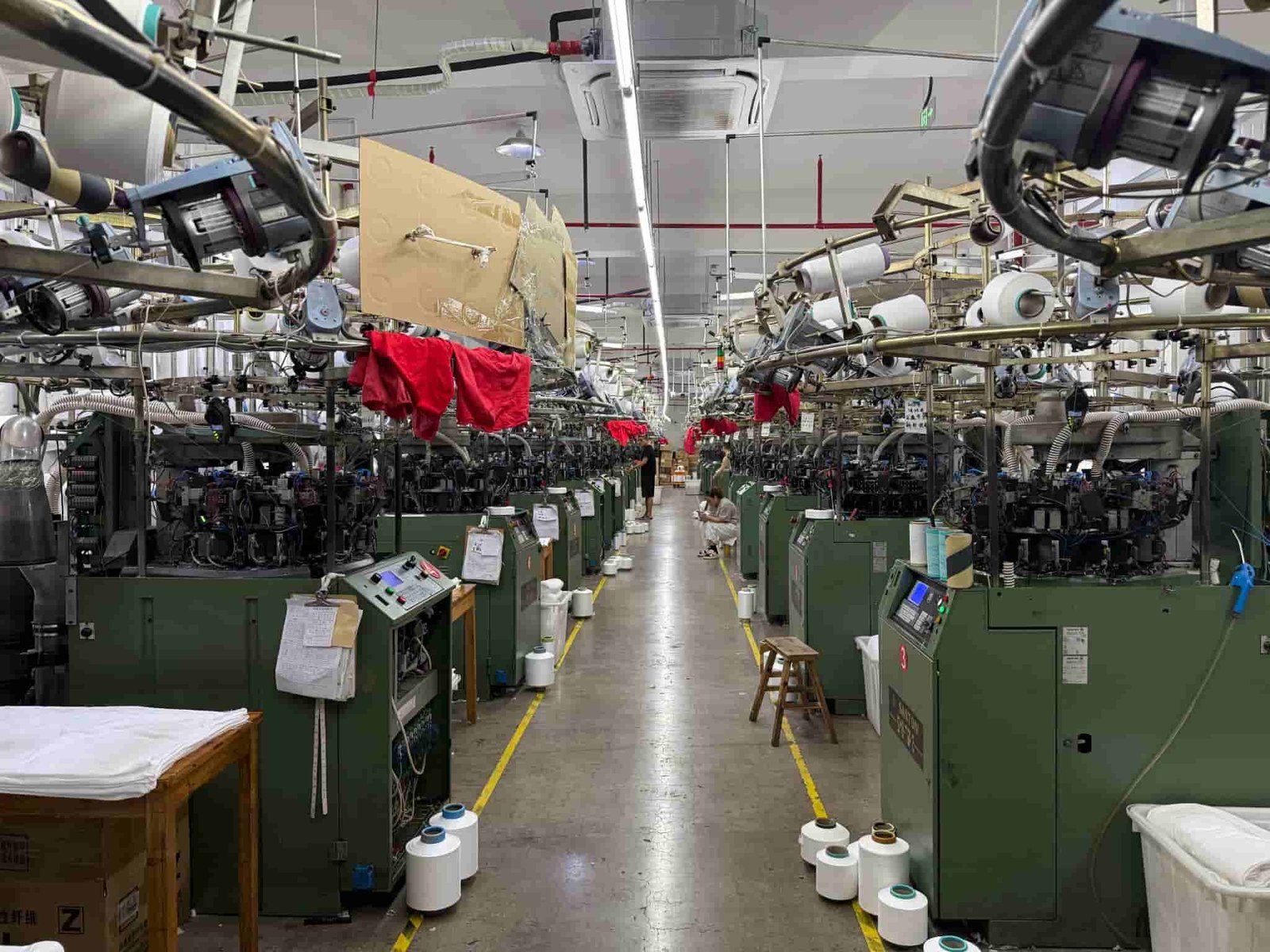
MOVEVOX Santoni seamless knitting machines located in the core production facility

Santoni Knitting Machines

The core factory's 28 Italian Santoni machines support MOVEVOX's seamless manufacturing operations. For a particular tank, compatibility depends on the intended tubular construction, yarn, dimensions and program. Buyers should request machine-relevant evidence rather than treat the total equipment count as dedicated tank capacity.

Equipment Information: 28 Santoni seamless machines in the core manufacturing system.

MOVEVOX seamless knitting programming or machine control workstation without customer-confidential information

Seamless Programming Workstation

MOVEVOX's seamless development uses the corresponding Santoni programming and control environment. Relevant technical work can involve knit structure, size settings and program revision management. Sensitive customer designs and source files should not appear in public photographs or demonstrations without authorization.

Equipment Information: Seamless programming environment; exact software/version to verify if disclosed.

Principal garment sewing machines within the MOVEVOX core manufacturing facility

Garment Sewing Equipment

MOVEVOX's core manufacturing resources include approximately 24 principal garment sewing machines covering different operations. Compatible finishing or joining requirements may use appropriate equipment, but a specific tank's actual assembly route must be technically confirmed before assigning those operations.

Equipment Information: Approximately 24 principal cut-and-sew garment machines.
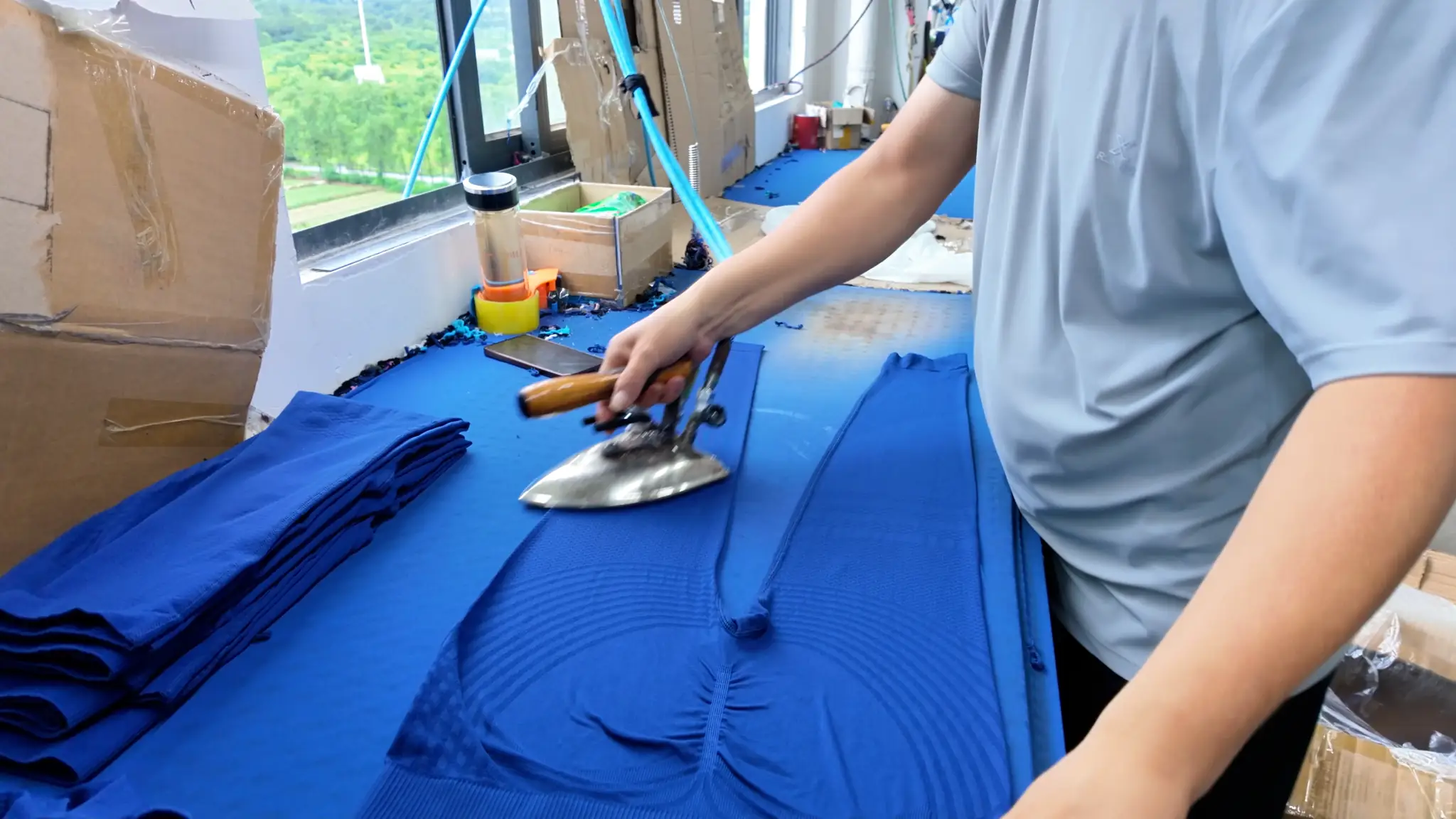
MOVEVOX garment steam pressing and finishing work area with actual production equipment

Steam Finishing Stations

The company's production facilities include garment pressing and finishing resources. Where appropriate to the selected material, finishing supports preparation and appearance control. The process must follow the approved instructions because excessive treatment may change knitted dimensions or surface characteristics.

Equipment Information: Existing steam pressing/finishing resources; tank-specific use to confirm.
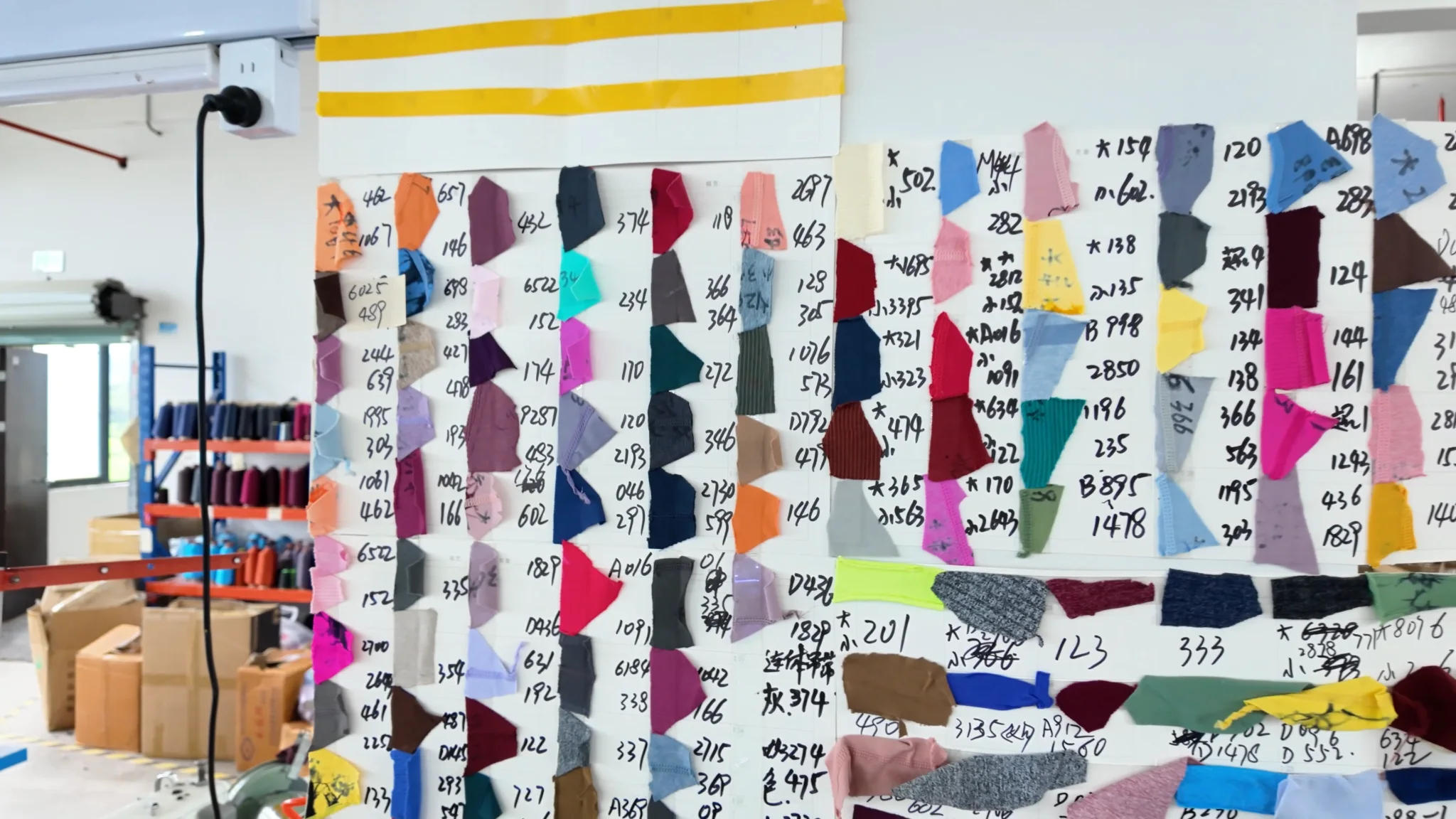
Actual multi-light-source color comparison cabinet used for evaluating textile shade references

Color Comparison Equipment

The factory's standard light-source color evaluation equipment supports comparison of materials, yarns and finished components against approved physical references. Lighting conditions and acceptance criteria should be defined for the project rather than relying on screen colors or uncontrolled photographs.

Equipment Information: Multi-light-source color comparison facility.
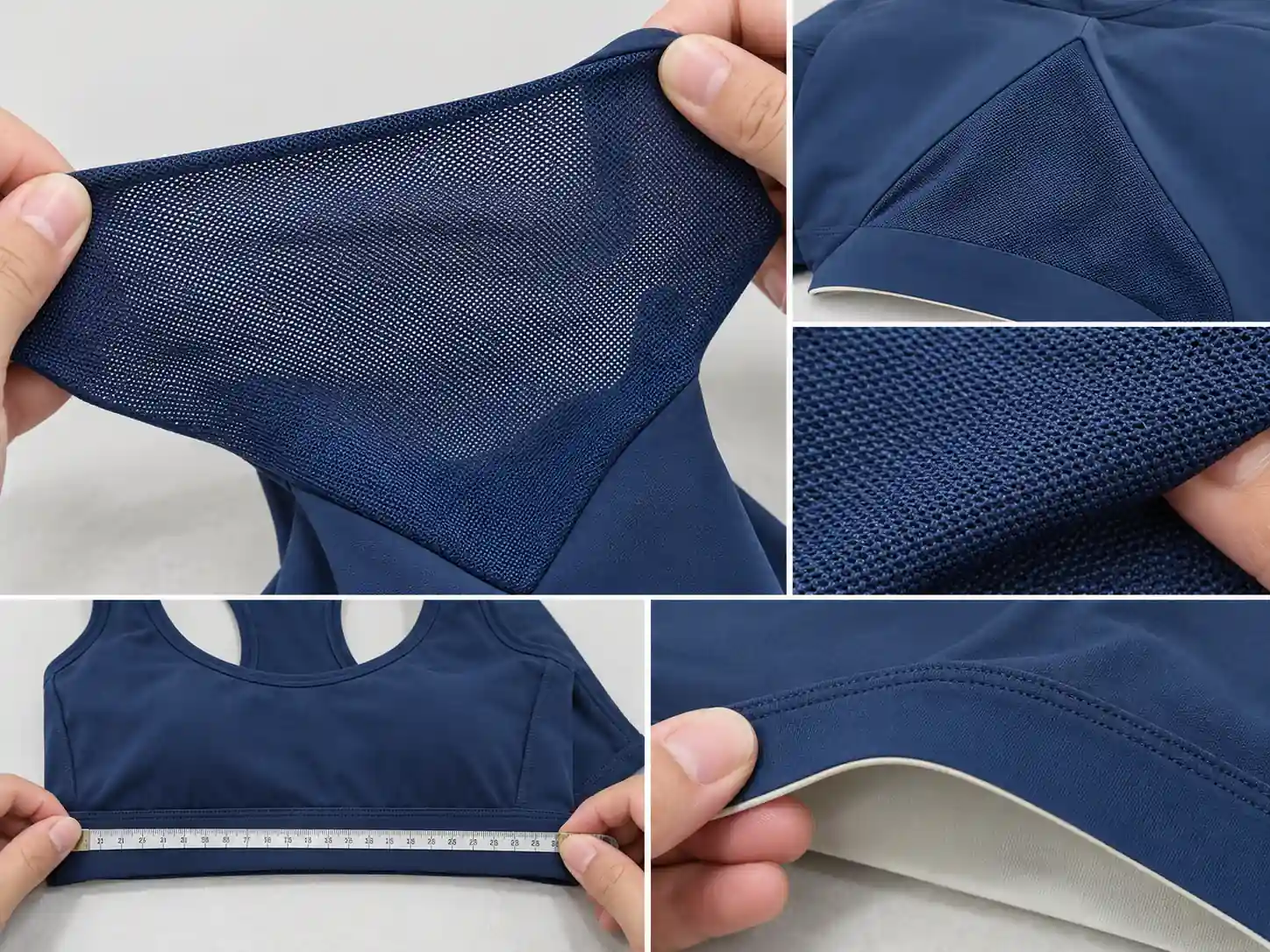
Actual garment measurement tools and quality-control workspace in the MOVEVOX production facility

Garment Measurement Tools

MOVEVOX's inspection and sampling areas use garment measuring instruments and defined methods for dimensional review. For a seamless tank, relevant points may include body circumference, length, neckline and armhole. A photographed measuring tool is evidence of inspection resources, not proof of a particular passing result.

Equipment Information: Garment measurement instruments and quality-control work area.

COMMERCIAL ORDER STRUCTURE

Review Seamless Tank MOQ by Actual Order Requirements

MOVEVOX's general seamless customization reference starts at approximately 100 pieces per style under suitable conditions. This is not a universal minimum for every seamless tank color, yarn or knit program. The practical MOQ should be confirmed after reviewing materials, size requirements, decoration and the proposed manufacturing route.

01 — Standard Yarn Program

A relatively straightforward seamless tank using a compatible knitting structure and ordinarily obtainable yarn may qualify for discussion under the general seamless MOQ framework. The buyer should identify the target size range, color quantities, branding and garment specification. Material suppliers may still impose requirements above the garment reference minimum, and the available machine configuration must suit the design. An initial quantity reference does not constitute automatic production acceptance.

Quantity Reference: Approximately 100 pieces per style, conditional.

Color / Size Split: Confirm by yarn availability, color and approved size plan.

Cost Drivers: Yarn, program setup, finishing, quantity and decoration.

02 — Custom Color and Structure

A tank requiring specially colored yarn, unfamiliar knit structures, engineered mesh or new decorative details may have additional purchasing or development commitments. The nominal assembly MOQ cannot override supplier dyeing or yarn minimums. New program work, technical sampling and specialized finishing may also affect the executable order structure. Buyers should compare the cost of dedicated development with available approved alternatives before confirming colors and quantities.

Quantity Reference: Project-dependent; written quotation required.

Color / Size Split: Subject to custom yarn and dyeing commitments.

Cost Drivers: Sourcing minimums, program development, sampling and setup.

03 — Multi-SKU Repeat Program

A brand developing several tank silhouettes or repeated seasonal colors may benefit from coordinating suitable yarns, structures or components. However, combining forecast demand does not automatically eliminate separate program, dyeing or color commitments. Each SKU should retain a clear technical identity. Repeat orders must also account for material continuity, current production availability and any approved specification changes rather than assuming previous commercial conditions remain unchanged.

Quantity Reference: Confirm by SKU, style, material and repeat-order scope.

Color / Size Split: Review shared inputs and separate supplier constraints.

Cost Drivers: SKU count, lot size, inventory exposure and revalidation.

SEAMLESS TANK TOTAL COST

Understand Total Cost Differences Between Seamless Tank Designs

Two visually similar seamless tanks may require different yarns, knitting programs, finishing operations and purchasing commitments. The comparison below uses qualitative design scenarios rather than MOVEVOX customer quotations. Actual costs depend on approved specifications, order quantities and current sourcing conditions.

Scenario A — Basic Rib Tank

Compatible standard yarn, comparatively straightforward rib structure and conventional approved finishing.

Scenario B — Engineered Knit Tank

Multiple knit zones, customized texture transitions and more complex program review.

Scenario C — Specialized Opening Tank

Unusual neckline or racerback geometry with additional construction, finishing or fit approval requirements.

Cost FactorProcurement Impact
Yarn SourcingSpecialized yarns, colors or materials can introduce purchasing minimums and inventory commitments beyond the garment assembly quantity.
Program DevelopmentNew stitch structures or size configurations may require additional technical preparation, knitting trials and sample revisions before approval.
Knitting OperationsProduction complexity depends on the actual machine, yarn, structure, program changes and manufacturing setup rather than the product name alone.
Opening ConstructionNeckline, armhole and shoulder operations may add processing requirements, specialized workmanship and corresponding quality checks.
Sampling and RevisionAdditional prototypes, size-set evaluations and revised approvals affect development costs and may change the planned schedule.
Quality EvaluationSpecial texture, fit, opacity or dimensional requirements can increase inspection scope or require externally priced testing.
SKU ComplexityMultiple sizes, colors and patterns divide purchase quantities and increase identification, materials handling and change-control requirements.
Repeat-Order ContinuityYarn continuity, program availability, supplier conditions and approved substitutions influence replenishment planning and potential revalidation costs.

Why Unit Price Alone Is Not Enough

The lowest quoted piece price is not necessarily the lowest total purchasing cost. A manufacturer may offer an attractive garment price while leaving special yarn purchases, development revisions, external testing, decoration, excess materials or changes in delivery conditions outside the initial scope. Basic rib, engineered knit and specialized-opening tanks should therefore be compared using equivalent technical standards, quantities, colors, packing requirements and commercial terms. A mature buyer should also consider the cost of delayed approval, inconsistent reorders and unusable inventory. No savings percentage or historical MOVEVOX pricing is implied by this qualitative comparison.

MANUFACTURING RESPONSIBILITY

Clarify Manufacturing Responsibility Across Seamless Tank Supply Chains

MOVEVOX operates a core manufacturing base in Yiwu and coordinates with eight long-term satellite factories. These cooperating facilities are not all owned by MOVEVOX. Buyers should understand which operations will be performed by the core factory, which may involve approved partners and who controls technical requirements and production decisions.

01 — MOVEVOX Core Base

MOVEVOX's Yiwu core production system supports seamless knitting, product development, relevant finishing, quality control and order coordination. It provides an identifiable manufacturing base for reviewing proposed tank programs and their technical requirements.

02 — Yarn Suppliers

Approved yarn sources provide materials according to the relevant project specification. Yarn composition, lot identity, color and purchasing conditions can affect the final tank and should be controlled through the agreed sourcing requirements.

03 — Seamless Knitting

The core manufacturing base operates 28 Italian Santoni seamless knitting machines. Actual machine allocation and product compatibility depend on the approved tank design, required dimensions, knit program and current production conditions.

04 — Dyeing and Finishing

Some material processing and specialized finishing may involve qualified external resources according to the project requirements. The responsible production arrangement, applicable color standards and any buyer approval requirements should be clarified before implementation.

05 — Garment Assembly

A seamless tank may still need selected neckline, armhole, shoulder, label or finishing operations. The location and responsibility for these processes should be identified in the relevant production plan and technical documents.

06 — Quality Control

MOVEVOX's core QC organization supports quality requirements across its manufacturing system. For a particular tank order, inspection locations, approved standards and reporting responsibilities should be aligned with the actual production arrangement.

07 — Packaging and Logistics

Finished garments require correct identification, labeling, packing and shipment documentation. Where logistics or other external services are involved, their responsibilities should remain distinguishable from the manufacturing and product-approval obligations.

Unified Production Responsibility

MOVEVOX's eight principal cooperating satellite factories include six in Yiwu and two in Guangzhou. Their availability does not mean that every seamless tank order will be transferred to external production. Project-specific factory selection should reflect manufacturing capability, approved product requirements and buyer restrictions. Where subcontracting or production-location approval is required, the relevant parties should confirm the arrangement before the affected operation proceeds. The core commercial and technical responsibilities should remain clear throughout the order.

BUYER SUPPLIER SCORECARD

Evaluate Seamless Tank Suppliers Using Product-Specific Evidence

An attractive product photograph or impressive machine count should not be the only basis for supplier approval. This screening checklist helps procurement teams compare design competence, actual manufacturing responsibility, quality evidence and commercial conditions. Select Yes or No only when the corresponding evidence has been reviewed.

Category 01 — Product Engineering

Buyer Qualification CriterionAssessment
Can the supplier show genuine seamless tank samples relevant to our intended design?
Can the team explain neckline, armhole, shoulder and chest-side coverage requirements?
Are knitted structures distinguished from necessary cutting, joining and edge-finishing operations?
Are tubular size grading and machine compatibility limitations explained before quotation?

Category 02 — Manufacturing Capability

Buyer Qualification CriterionAssessment
Is the responsible seamless knitting factory clearly identified with relevant production evidence?
Can proposed yarn and knit-zone structures be linked to compatible manufacturing resources?
Are program revisions and approved garment versions controlled during development and production?
Are external finishing or cooperating manufacturing operations disclosed when applicable?

Category 03 — Quality Evidence

Buyer Qualification CriterionAssessment
Are neckline, armhole, shoulder and finished-tank dimensions included in relevant inspection plans?
Can yarn, knitting-program and approved-sample references be associated with production records?
Are coverage, recovery or other performance claims supported by appropriately scoped evidence?
Is there a defined response to critical knit defects and unauthorized specification changes?

Category 04 — Commercial Responsibility

Buyer Qualification CriterionAssessment
Are garment MOQ, yarn minimums and color or size restrictions explained separately?
Are sample revisions, special components and external testing included or separately quoted?
Are production timing and capacity commitments based on the actual approved order requirements?
Are the contracting entity, payment terms and order-change responsibilities clearly documented?

Supplier Screening Result

0 / 16 criteria confirmed.

0 of 16 criteria assessed.

How to Interpret the Result

A high number of confirmed answers means that more screening criteria have been addressed; it does not independently prove production reliability. Some issues, such as undisclosed subcontracting, unsupported testing claims or lack of genuine tank construction evidence, may require follow-up regardless of the score. Unassessed criteria should remain unassessed rather than being assumed positive. Use the checklist to guide technical questions, document requests, physical sampling and formal supplier qualification.

TECHNICAL AND PROCUREMENT FAQ

Seamless Tank Top Manufacturing Frequently Asked Questions

These answers address common technical and purchasing decisions for custom seamless tanks. They distinguish established MOVEVOX resources from design-specific feasibility and performance requirements. Actual MOQ, production routes, test evidence and delivery arrangements should be confirmed for each approved project.

Category 01 — Product and Knit Engineering

What makes a tank top genuinely seamless?

A seamless tank typically uses a circular or otherwise compatible knitting route to form an integrated garment body rather than assembling the entire body from conventional cut fabric panels. However, the term does not mean that the finished garment necessarily contains no stitching. Necklines, armholes, shoulders and other features may require cutting, joining or finishing. Buyers should ask which components are formed during knitting and which operations take place afterward. The answer should correspond to the actual proposed construction, not a general marketing definition.

Can MOVEVOX manufacture custom seamless tank tops?

Seamless Tank Tops are within MOVEVOX's established activewear product range. Its core manufacturing base operates 28 Italian Santoni seamless knitting machines and supports relevant product development and finishing operations. This provides a foundation for evaluating compatible tank designs, including suitable rib, texture and engineered knit directions. The feasibility of a particular racerback, neckline, size range or special construction must still be reviewed against yarn, machine, knitting-program and garment requirements. Ownership of the machines is not a guarantee that every submitted design can be manufactured unchanged.

Can seamless tank tops include engineered mesh zones?

Compatible seamless knitting programs may incorporate selected mesh or more open knitted regions. Their location depends on the garment architecture, yarn, knitting settings and desired appearance. Mesh near the upper back or side body presents different considerations from mesh near the bust or armhole, where coverage may be critical. A zone described as breathable does not automatically satisfy a particular air-permeability or comfort claim. The intended knit structure should be reviewed through suitable samples, and any quantified performance requirement should use an appropriate evaluation method.

Can a seamless tank include a built-in bra?

Some tank designs may combine a seamless outer body with additional support-oriented construction, but a built-in bra cannot be assumed from a ribbed or close-fitting fabric alone. The product brief must identify whether the buyer requires simple chest coverage, a shaped fit or an actual integrated support system. Additional layers, elastics, assembly operations and fit evaluations may be necessary. The manufacturing route depends on the submitted design. Where a genuine built-in bra is required, the buyer should review its support-specific technical specification separately from the basic seamless tank.

Category 02 — Fit and Performance

How should neckline and armhole fit be evaluated?

Neckline and armhole approval should combine defined garment dimensions with relevant wearing conditions. Flat measurements help establish construction consistency, but they cannot independently show whether the opening will gape, pull or expose more than intended during activity. Reviewers should consider chest circumference, shoulder position, racerback geometry, knit recovery and the selected edge finish. Evaluation can include standing, reaching and other appropriate movements on the intended fit model. The buyer should define what appearance and coverage are acceptable rather than relying on vague claims of perfect fit.

How does seamless knitting affect tank sizing?

Seamless sizing depends on more than conventional pattern grading. Yarn, knitting structure, tubular dimensions, machine configuration, program settings, relaxation and finishing can affect the completed garment. A change in size may require a different technical adjustment rather than a simple proportional increase. Buyers should provide approved garment measurement points and target wearer requirements, then review representative sizes through an agreed size-set process. MOVEVOX's Santoni resources support relevant feasibility assessment, but no particular extended size range should be guaranteed without machine and physical-sample review.

Does high stretch guarantee good recovery or opacity?

No. Stretch describes extension under certain conditions, while recovery describes the material's behavior after that extension is reduced or removed. A knitted fabric can extend easily and still retain unwanted deformation. Opacity is another separate characteristic influenced by yarn, stitch structure, color, background and the extent of extension. A pale seamless tank may need specific coverage review at the chest or torso. Buyers should establish applicable material and garment criteria rather than treating elastane content or a high-stretch label as evidence of recovery or coverage performance.

Can seamless tank tops provide compression?

A close-fitting seamless tank may produce local pressure or a firmer wearing sensation, but that does not establish a defined compression rating. Compression depends on the actual garment dimensions, knitted structure, material behavior and wearer. A claim about pressure distribution or compression performance requires relevant testing and a clear intended use. MOVEVOX can discuss compatible knit-zone designs within its manufacturing resources, subject to technical review. Medical or therapeutic compression claims should not be made using ordinary activewear evidence or without the appropriate regulatory and technical basis.

Category 03 — OEM and Commercial Terms

What is the MOQ for custom seamless tank tops?

MOVEVOX's general seamless customization reference is approximately 100 pieces per style under suitable conditions. This figure is not a permanent or unconditional minimum for every seamless tank. Custom yarn colors, special materials, program complexity, size distribution and branding requirements may introduce separate purchasing minimums. The actual executable quantity should be reviewed with the technical specification and proposed order breakdown. Buyers should specify expected pieces per style, color and size so that material commitments and production assumptions can be clarified before a formal quotation is issued.

How long does seamless tank sampling take?

MOVEVOX's normal reference for sampling is approximately five to ten working days after the required technical details have been confirmed. Complex projects may follow a different development schedule. An unusual neckline, custom yarn, engineered knit structure, extended size range or several revision rounds can affect the sampling scope and timing. Material procurement, customer feedback and international shipping should be considered separately. The general sampling reference does not mean that a new multi-size or multi-color seamless tank program will always be completed in the same period.

Can brands supply their own Tech Pack or reference garment?

Yes. MOVEVOX can begin discussion from a Tech Pack, an authorized reference garment or a sufficiently clear product concept. The buyer should provide legally usable design materials and specify which features are required. Important seamless tank information includes yarn direction, neckline and armhole details, intended knit zones, measurements, colors, branding and order quantities. Where data is missing, the technical team can identify matters requiring clarification or development review. Submission of reference material does not automatically confirm feasibility, price, ownership rights or production authorization.

What affects the price of a custom seamless tank?

Pricing depends on the actual yarn, color, knitting structure, program requirements, garment size, finishing operations, branding, quantity and applicable packaging. Special yarns or colors can create separate material purchasing commitments. Complex openings and engineered knit zones may require additional development or quality assessment. Buyers should also distinguish unit price from sampling, external testing, shipping and inventory exposure. MOVEVOX quotations should be based on the project-specific commercial and technical inputs, rather than a generic website figure presented as suitable for every tank design.

Category 04 — Quality and Supplier Verification

What factory information can buyers request from MOVEVOX?

MOVEVOX is operated by Yiwu Chenjin Import And Export Co., Ltd., with a core activewear manufacturing base in Yiwu, Zhejiang, China. The core manufacturing system includes 28 Italian Santoni seamless knitting machines and relevant garment development and quality-control resources. Buyers can request appropriate company and factory information for supplier qualification. The scope of disclosure may depend on confidentiality and the requested audit. The company also coordinates with cooperating satellite factories; their existence should not be represented as proof that every facility is wholly owned or that every order uses the same production location.

Which quality checks matter for seamless tank tops?

Relevant controls may include yarn and color identity, knitting-program reference, visible knit defects, tubular and finished-garment dimensions, neckline and armhole construction, shoulder alignment, decoration and final product identification. Inspection standards should correspond to the buyer-approved product rather than a generic activewear checklist. Where the garment carries performance claims, appropriate supporting material or product evidence is needed. MOVEVOX has an established core quality-control team, but this company-level fact does not prove that a new tank design has already passed a particular laboratory test or final inspection.

Can buyers request certifications or testing evidence?

Buyers may request documents relevant to their target market, supplier approval and product requirements. A certification should be checked for the holder, issuing organization, validity, applicable facility and scope. A yarn supplier's certificate does not automatically certify every finished garment. Similarly, a report obtained for another product or material may not substantiate a new seamless tank claim. MOVEVOX should provide only applicable and verifiable documents, and project-specific third-party testing may need separate arrangements. Unavailable evidence should be disclosed as a pending requirement rather than implied to exist.

How can seamless tank reorders remain consistent?

Repeat orders should begin from the identified approved style, yarn, color standard, knitting-program version, size specification, finishing method and physical sample. If any of these inputs has changed, the impact on garment dimensions, appearance and performance should be reviewed. A previous shipment does not prove that the same yarn lot or machine allocation remains available. Buyers should communicate forecasts and requested changes in advance, while the supplier confirms actual sourcing and production conditions. Version control and clear acceptance criteria help reduce ambiguity between the first order and subsequent replenishment.

Send Us an Inquiry

Tell us your needs, and our team will get back to you within 24 hours.

START YOUR PROJECT

Ready to Develop Your Private Label Activewear Line?

Tell us what you want to develop, your estimated quantity and customization needs. We will review the details and suggest the next practical step for sampling, quotation or production.

Helpful details to include:

Request MOQ & Sample Details