INTEGRATED-SUPPORT ACTIVEWEAR

Built In Bra Tank Manufacturer for Custom Activewear and Studio Collections

MOVEVOX supports activewear brands developing tank tops with integrated bra construction, combining experience in tank top manufacturing, sports bra development, and cut-and-sew production. We help translate approved product requirements into practical manufacturing specifications, from inner support layers and removable pads to straps, fabric selection, sizing, and bulk-production preparation.

What Buyers Face

  • An attractive tank design does not guarantee that the integrated bra fits correctly.
  • Outer fabric and inner support layers may behave differently during movement and washing.
  • A successful base-size sample may not translate consistently across a complete size range.

How We Address It

  • Review the outer garment, inner bra structure, padding and fit requirements together.
  • Evaluate material compatibility, construction options and the intended use before sampling.
  • Establish approved specifications and relevant checkpoints before releasing the design for bulk production.

For established yoga, Pilates, fitness and athleisure brands, choosing a built-in bra tank manufacturer means evaluating more than sewing capability. The supplier must understand how support construction, garment fit, material behavior and production consistency interact.

MOVEVOX combines product development with seamless and cut-and-sew manufacturing resources. Each design still requires project-specific technical review, sample approval and confirmation of its manufacturing requirements before commercial commitments are finalized.

PRODUCT ARCHITECTURE

Understand Every Component of an Integrated Bra Tank

A built-in bra tank combines an outer garment with an internal support construction. Each component influences coverage, comfort, movement and manufacturability. The following structural review identifies the decisions that should be clarified before development begins.
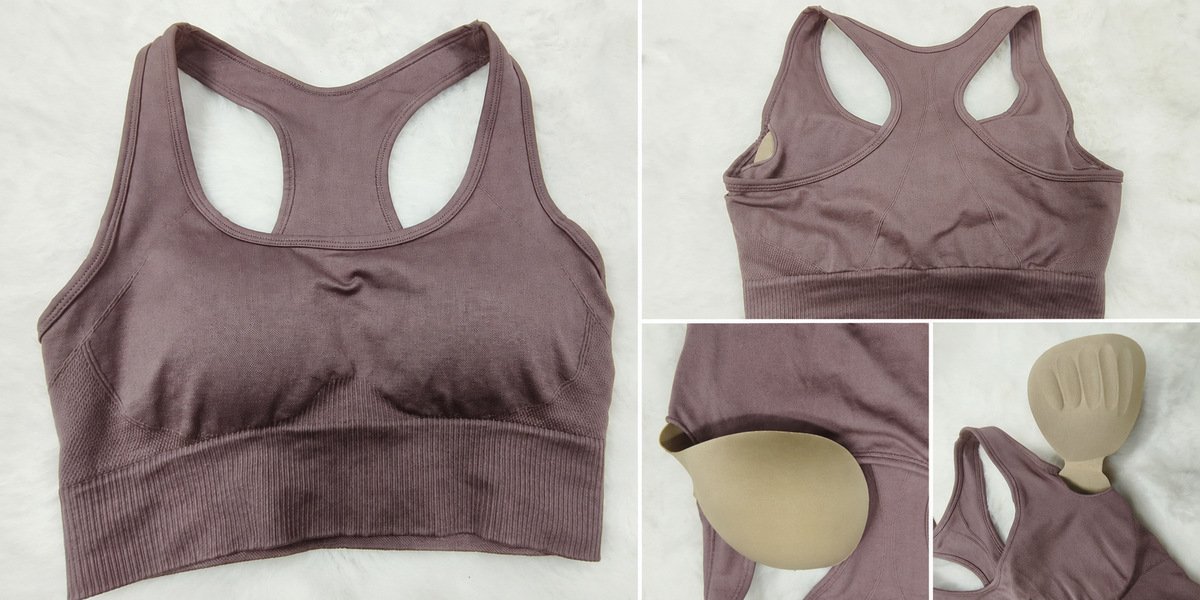
Built-in bra tank showing outer shell, internal support structure and component positions

Outer Tank Shell

The outer shell defines the visible silhouette, including neckline, armhole, body fit and garment length. Its stretch and weight must be considered alongside the internal structure to avoid unwanted pulling or distortion.

Inner Support Layer

The inner layer may provide coverage, accommodate padding or contribute to bust support. Its pattern, elasticity and attachment points should be developed for the intended wearer and activity rather than copied automatically from the outer shell.

Underbust Elastic

An underbust band may help stabilize the inner structure. Band width, elongation, tension and attachment method must be assessed together to avoid rolling, excessive pressure or inconsistent support across sizes.

Pad Pocket Opening

For removable padding, the pocket opening must permit insertion and removal without allowing excessive movement during wear. Opening position, reinforcement and the surrounding seam construction should be included in the technical specification.

Shoulder Straps

Strap width, length, elasticity and back configuration influence load distribution and upper-body movement. A visually minimal strap may require different structural consideration from a wider training or studio-wear strap.

Layer Attachment

The connection between outer shell and inner bra determines how the two structures move together. Attachment placement should be evaluated to avoid visible tension lines, twisting or restriction during normal garment stretch.

Bust Coverage

Neckline depth, side coverage and the relationship between the outer and inner layers affect fit security. These dimensions should be reviewed on the intended size range and not judged solely from flat garment measurements.

Overall Design Logic

A reliable construction begins with the complete garment, not isolated components. Outer-shell dimensions, inner support, padding, elasticity and seam placement must be considered as one design system. The appropriate solution depends on the target wearer, intended activity, material behavior and approved fit requirements.

TWO-LAYER ENGINEERING

How Outer and Inner Layers Work Together

Built-in bra tanks often combine materials with different structural responsibilities. Understanding the interaction between the visible shell, support lining, padding and attachment seams helps technical teams evaluate comfort, fit, durability and production feasibility before approving a sample.
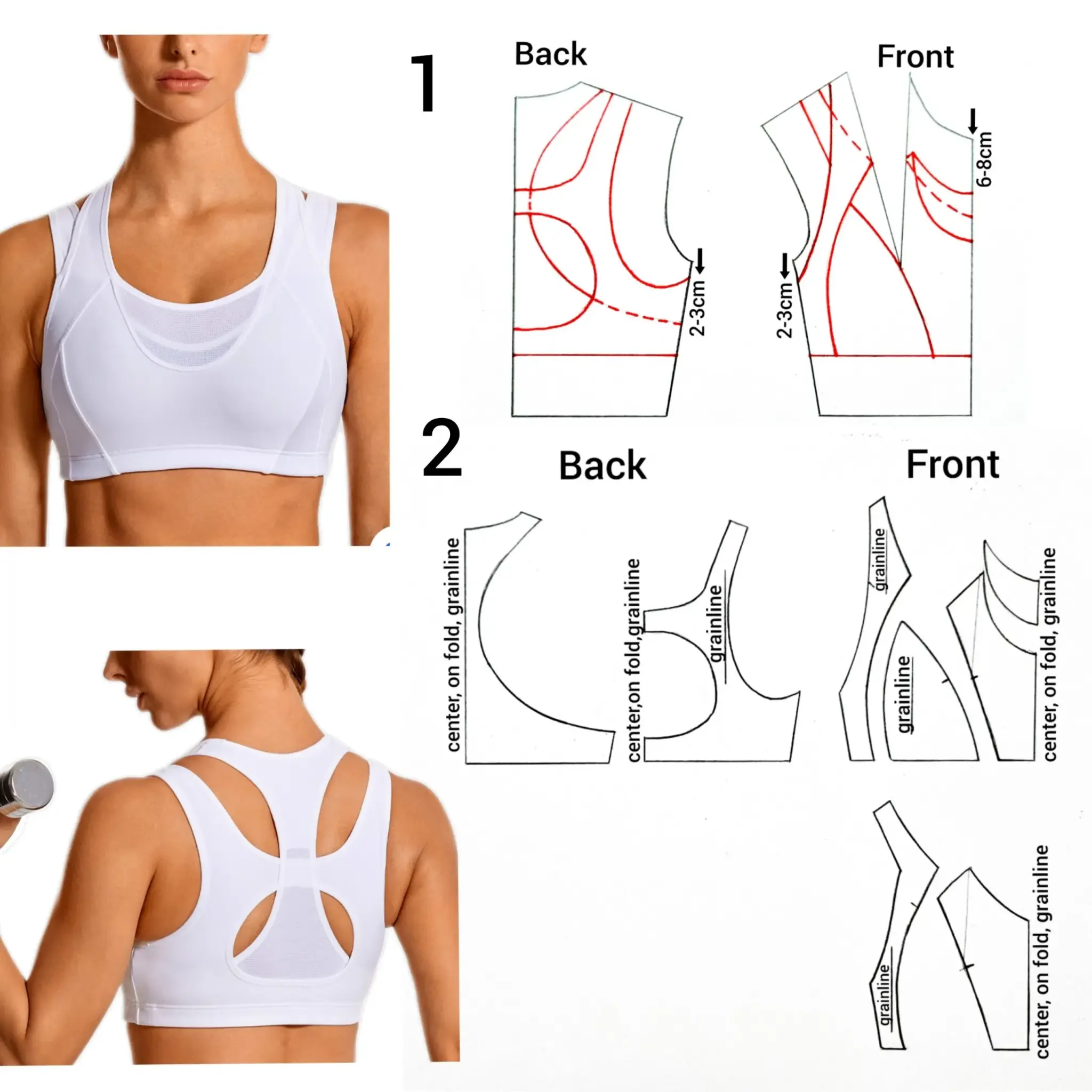
Conceptual layered construction diagram showing outer fabric, support lining, padding, elastic foundation and connection seams

Layered Construction Diagram — Conceptual Engineering Illustration

Outer Fabric

The outer fabric establishes appearance, hand feel and garment drape. Its stretch direction, recovery and opacity must be considered when selecting the inner layer, particularly in close-fitting or light-colored designs.

Support Lining

A support lining can provide additional coverage or contribute to the support system. Its material properties and pattern dimensions should be selected according to the required tension, comfort and intended activity.

Padding Interface

A removable or fixed pad introduces thickness and changes local fabric behavior. The surrounding construction must account for pad shape, edge visibility, placement and any movement permitted within the pocket.

Elastic Foundation

An elastic underbust component may help maintain the position of the internal structure. Its behavior depends on material selection, the pattern circumference, seam construction and the way tension is distributed during wear.

Connection Seams

Connection seams join or stabilize the layers but may also restrict stretch. Their location, stitch type and seam allowance should be evaluated to prevent local discomfort or unexpected changes to garment fit.

Overall Performance Explanation

These layers should be evaluated as an integrated system. A soft outer fabric does not automatically produce a comfortable garment if the lining creates excessive tension. Likewise, a stable inner structure may distort the external silhouette if attachment points are poorly positioned.

Material specifications, sample measurements, fit feedback and relevant performance evaluations should be used together to establish an approved construction.

SUPPORT CLAIMS & EVIDENCE

Define Support Requirements Before Selecting Bra Construction

Support descriptions should reflect an intended activity and agreed evaluation criteria. Fabric composition, pad thickness or the presence of an elastic band cannot independently establish whether a built-in bra tank provides the appropriate support.

Underbust Stability

Claim: Underbust construction should help keep the inner bra correctly positioned.

Evidence Explanation: A stable underbust design depends on band dimensions, elastic behavior, pattern circumference and attachment method. Excessive tension can create discomfort, while insufficient tension can allow the internal layer to move during activity. The selected design should be evaluated through fit and movement review, including relevant sizes beyond the initial base sample.

Required Basis

Approved elastic specifications, underbust measurements, construction details and documented fit observations.

Strap Load Distribution

Claim: Shoulder straps should contribute to stable fit without unnecessary pressure.

Evidence Explanation: Strap position, width and elasticity influence how the garment distributes tension around the shoulders and back. Racerback and crossback configurations can behave differently from conventional straps. An approved design should consider the neckline, underbust structure and wearer movement together instead of treating strap appearance as an isolated decision.

Required Basis

Strap specifications, fit samples and agreed movement-evaluation criteria.

Bust Coverage

Claim: Coverage should remain appropriate during the intended range of movement.

Evidence Explanation: Front neckline depth, armhole shape, side coverage and inner-layer height affect how the garment contains and covers the bust. A design that appears secure while standing may require modification after bending, stretching or raising the arms. Coverage expectations should be defined by the brand and reviewed across the approved size range.

Required Basis

Approved pattern measurements, wearer assessment and size-specific fit records.

Pad Position Control

Claim: Padding should remain correctly positioned for the approved design.

Evidence Explanation: Pad-pocket dimensions, opening position, lining stretch and wash-care requirements can influence whether padding shifts or rotates. Removable pads introduce different maintenance requirements from fixed pads. The appropriate construction should be evaluated through handling, fit and care-related assessments relevant to the final product specification.

Required Basis

Pad dimensions, pocket specifications, construction sample and agreed care evaluation.

PADDING CONFIGURATIONS

Compare Three Padding Directions for Built-In Bra Tanks

Padding decisions affect appearance, garment handling, washing instructions and manufacturing complexity. Brands should confirm whether padding is intended primarily for coverage, shaping or another defined function before selecting a construction.

Close-up of removable bra pad and internal pad pocket construction

Removable Pad Construction

Removable pads allow the wearer to change the garment configuration and may simplify some product variations. However, pad pockets require careful opening placement, pocket sizing and seam finishing. Pads that are too small may shift, while oversized pads can create unwanted folds or visible edges.

The development review should include pad dimensions, pocket access, movement, reinsertion and the agreed care instructions. The brand should also define whether spare pads or specific pad orientations are required.
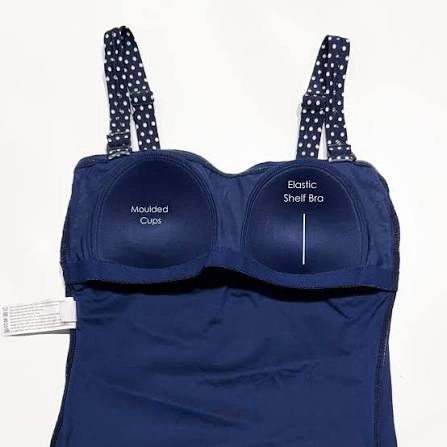
Close-up of fixed bra padding and its attachment to an internal support lining

Fixed Pad Construction

Fixed padding removes the routine need for consumers to reposition removable inserts, but requires greater attention to symmetry, attachment and surface appearance. Pad thickness, shape and the selected fixing method can change how the front garment looks on different body sizes.

Technical review should consider whether the attachment restricts fabric stretch, creates visible marks or complicates washing and drying. Fixed padding must be approved together with the inner support construction, not as a separate decorative component.
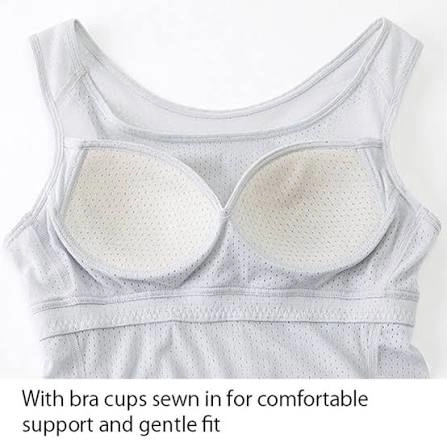
Inside view of an unpadded built-in bra support layer in a tank top

No-Pad Support Layer

A built-in bra tank does not necessarily require foam padding. A properly developed inner layer may provide coverage and a defined level of support without removable or fixed cups, depending on materials and the product's intended use.

A no-pad option may reduce certain padding-related issues but does not eliminate fit or coverage risks. Fabric opacity, neckline design, underbust tension and lining behavior still require review. The final configuration should reflect the brand's wearer expectations and approved specifications.

DUAL-FIT VALIDATION

Evaluate the Inner Bra and Outer Tank Fit

A built-in bra tank requires two related but distinct fit evaluations. The outer shell defines the visible silhouette, while the internal bra structure must meet separate requirements for positioning, coverage, comfort and movement.
Technical fit review showing outer tank and internal built-in bra construction

Why Correct Tank Measurements Do Not Guarantee Correct Bra Fit

An outer tank can match the approved bust width, body length and armhole dimensions while the internal support structure remains unsuitable for the wearer. This is because the inner layer may use different materials, stretch allowances, underbust dimensions and construction points.

Outer-shell fit: The garment should be reviewed for neckline position, body balance, armhole shape, side-seam alignment and hem behavior. Its intended silhouette—fitted, relaxed, cropped or longline—must be established before evaluating the interaction with the support layer.

Internal fit: The inner construction should be checked for underbust position, side coverage, pad placement, elastic pressure and the relationship between the straps and support panel. These checks should reflect the product's intended activity and fit expectations.

Layer interaction: A support lining may pull against the outer fabric during movement. Conversely, excess material in the shell can obscure fit issues until the wearer stretches or bends. Connection seams, lining height and relative fabric recovery should therefore be considered during technical review.

Size progression: A base-size approval is not a substitute for a size-set evaluation. Bust volume, underbust circumference, strap placement and pad position may require different adjustments as the garment is graded. Not every design can be validated by applying one uniform percentage increase.

MOVEVOX has established sports bra and tank top development capabilities. For an individual built-in bra tank project, the fit acceptance points, sample sizes and required validation should be agreed with the customer before approval.

FAILURE MODE REVIEW

Identify Failure Risks Before They Reach Bulk Production

Integrated-support garments introduce failure points that ordinary single-layer tanks may not have. Reviewing these risks before development approval helps buyers define meaningful specifications, inspection checkpoints and corrective actions.

Problem

Potential Buyer Impact

Recommended Control

Pad Migration: A removable pad rotates, folds or moves outside its intended position because the pocket dimensions, opening or surrounding tension have not been adequately defined.

Consumers may need to reposition pads after wearing or washing. Repeated complaints can create product returns, extra customer service work and unnecessary pressure on the brand's quality team.

Establish pad dimensions, pocket geometry and opening requirements in the technical specification. Evaluate movement and care behavior on relevant samples, and include pad position and insertion checks in the approved inspection criteria.

Underbust Roll-Up: The internal elastic band turns or moves during wear because band width, construction tension, pattern dimensions or attachment placement do not work together.

The garment can feel uncomfortable, lose its intended support position or show unwanted distortion through the outer shell. Problems may become more apparent across different body sizes.

Review elastic behavior, inner-layer circumference and seam attachment together. Use fit and movement observations to identify necessary corrections before approving the construction and relevant size specifications.

Layer Distortion: The outer shell and support lining stretch or recover differently, or their connection seams restrict movement between layers.

The finished product may show pulling, twisting, surface wrinkles or changed fit after washing. Even when individual materials meet specifications, the assembled garment can behave unexpectedly.

Compare both materials for relevant stretch, recovery and dimensional behavior. Confirm layer attachment, seam placement and garment fit using actual samples, then retain approved material and construction requirements for production.

Size-Set Drift: A construction performs acceptably in the development size but produces inconsistent coverage, pad position or underbust tension in smaller or larger sizes.

Additional revisions may delay approval, and undetected differences can increase size-specific complaints after launch. A single approved sample cannot demonstrate full size-range suitability.

Establish separate grading considerations for the shell and internal structure. Review relevant size-set samples, record fit deviations and close outstanding issues before applying the approved size and production specifications.

PROJECT FIT CHECK

Choose the Right Starting Point for Your Project

MOVEVOX can begin product discussions from an established Tech Pack, a legally usable reference sample or clearly defined design requirements. Select the project situation that best matches your development readiness and procurement priorities.

Develop a New Bra Tank

You have a product concept but still need to resolve the inner support construction, materials, padding configuration or initial fit. A technical review should first identify design decisions, unresolved specifications and the samples required to move toward an approvable product standard.

Suitable When:

  • Your brand controls the concept and required design rights.
  • Target use, wearer profile and support requirements are defined.
  • Construction details remain open for technical evaluation.

Execute an Approved Tech Pack

Your technical team already has drawings, measurements, construction details and material requirements. MOVEVOX can review the available information to determine manufacturing feasibility, identify unclear specifications and establish the sample and approval steps required before a quotation or production commitment is finalized.

Suitable When:

  • Technical drawings and measurement specifications are available.
  • Required materials and construction details have been identified.
  • Your team can review samples and approve revisions.

Evaluate a Replacement Supplier

You already manufacture a built-in bra tank but want to assess another supplier for future orders. Provide legally shareable product specifications, an approved reference and known quality concerns. A comparison should focus on construction equivalence, sample performance, quality requirements and the practical manufacturing arrangement.

Suitable When:

  • Existing specifications are available for authorized technical review.
  • Quality or supply requirements are clearly documented.
  • A structured sample comparison is commercially appropriate.

Expand a Coordinated Collection

Your brand intends to develop built-in bra tanks alongside sports bras, leggings or other activewear items. The sourcing review should consider product-specific requirements, shared material or branding standards and the coordination needed across multiple styles without compromising individual fit and construction approvals.

Suitable When:

  • Several related SKUs are planned for the collection.
  • Shared branding or material standards require coordination.
  • Each product can receive its own technical approval.
BACK & STRAP ENGINEERING

Choose Back and Strap Designs by Function

Back construction affects appearance, shoulder mobility, fit stability and the way tension transfers through the garment. The following design directions should be assessed as complete tank-and-bra structures rather than interchangeable visual details.
Racerback tank construction with internal bra support connection

Racerback Construction

A racerback can create a distinct athletic appearance while changing how the shoulder straps meet the back panel. Its geometry may affect shoulder movement, neckline tension and the distribution of force around the upper torso.

When used with an internal bra, the outer racerback and support-layer geometry must be coordinated. Strap tension, underarm coverage and the location of internal attachment points should be assessed together during fit review.
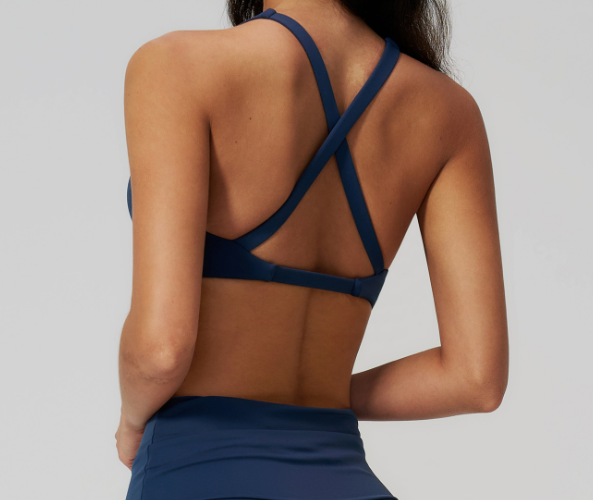
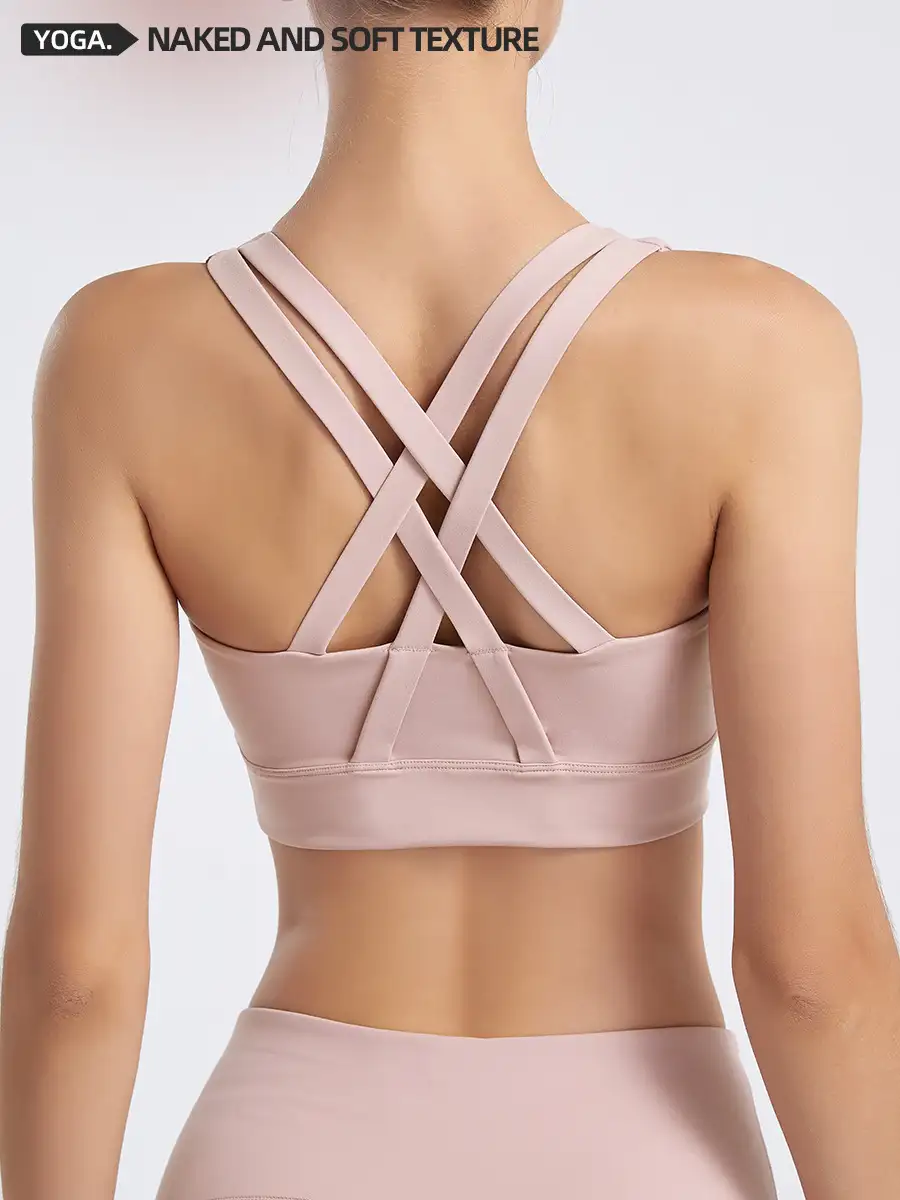
Crossback tank strap geometry and connection to the inner support layer

Crossback Construction

Crossback straps introduce crossing points that may influence local pressure, strap movement and manufacturing complexity. The visual arrangement alone does not determine support performance.

Development should consider strap length, elasticity, crossing position and how the internal bra structure connects to the straps. Potential twisting, unequal tension and difficult dressing should be assessed on physical samples before the construction is approved.
Wide shoulder strap tank showing neckline and support-layer attachment

Wide-Strap Construction

Wider straps can offer a larger contact area and may suit designs prioritizing coverage and everyday comfort. However, actual comfort depends on the material, shape, strap length and the combined tension of the garment.

A wide-strap tank should be reviewed for armhole clearance, neckline balance and the way the inner support layer responds to movement. Its construction must still be approved against the intended wearer and activity.
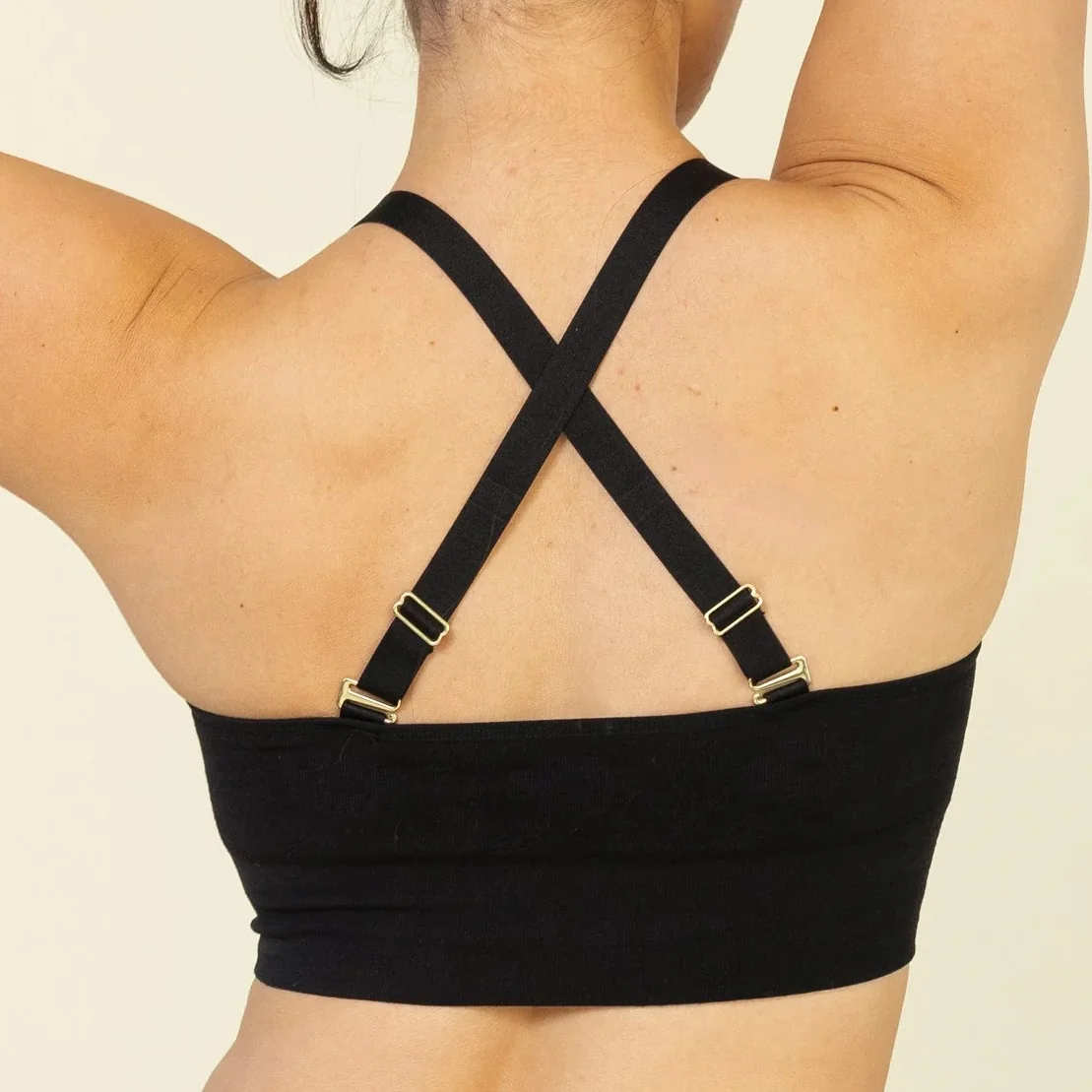
Narrow shoulder strap tank and its internal bra attachment details

Narrow-Strap Construction

Narrow straps can support a minimal visual direction for studio wear or athleisure, but provide less contact area for distributing load. Their attachment and adjustment requirements may therefore differ from wider athletic designs.

Technical assessment should include strap elasticity, attachment reinforcement, back geometry and wearer comfort. A narrow-strap appearance must not be treated as proof of a particular support level without suitable validation.

UNDERBUST BAND ENGINEERING

Engineer the Underbust Band for Fit and Stability

An underbust band may form an important part of the internal support system. Its material properties, pattern relationship and attachment method should be evaluated together before the construction is approved for manufacturing.

Match Elastic Behavior with the Inner Support Construction

An underbust band does not work independently from the rest of the garment. Its behavior depends on elastic width, thickness, elongation, recovery, surrounding fabric properties, pattern circumference and the way the band is attached to the inner layer.

Material selection: The development team should compare candidate elastic materials for stretch behavior, recovery, surface feel and suitability for the intended care conditions. A soft material may feel comfortable during handling but still require further assessment when stretched and attached to a fitted garment.

Tension and circumference: The relationship between band length and the intended underbust measurement must be determined through pattern engineering and fit evaluation. Excessive tension can create pressure or rolling, while insufficient tension may allow the internal structure to move away from its intended position.

Attachment method: Stitch type, seam allowance, folding method and the amount of elastic captured in the seam can affect the final behavior of the band. Construction decisions must also consider whether the seam creates unwanted thickness or restricts the surrounding fabric.

Interaction with the outer tank: The band may become visible through thin or tightly fitted outer materials. Its location can also influence how the outer shell drapes around the underbust. The garment should therefore be assessed as an assembled product, not as isolated fabric and elastic components.

For a new built-in bra tank, a practical development approach is to specify the elastic, prepare construction samples, evaluate fit and movement, and record the approved band dimensions and attachment method.

MOVEVOX's existing cut-and-sew and sports bra development capabilities provide a basis for reviewing this construction. Final suitability must be confirmed for the individual design.
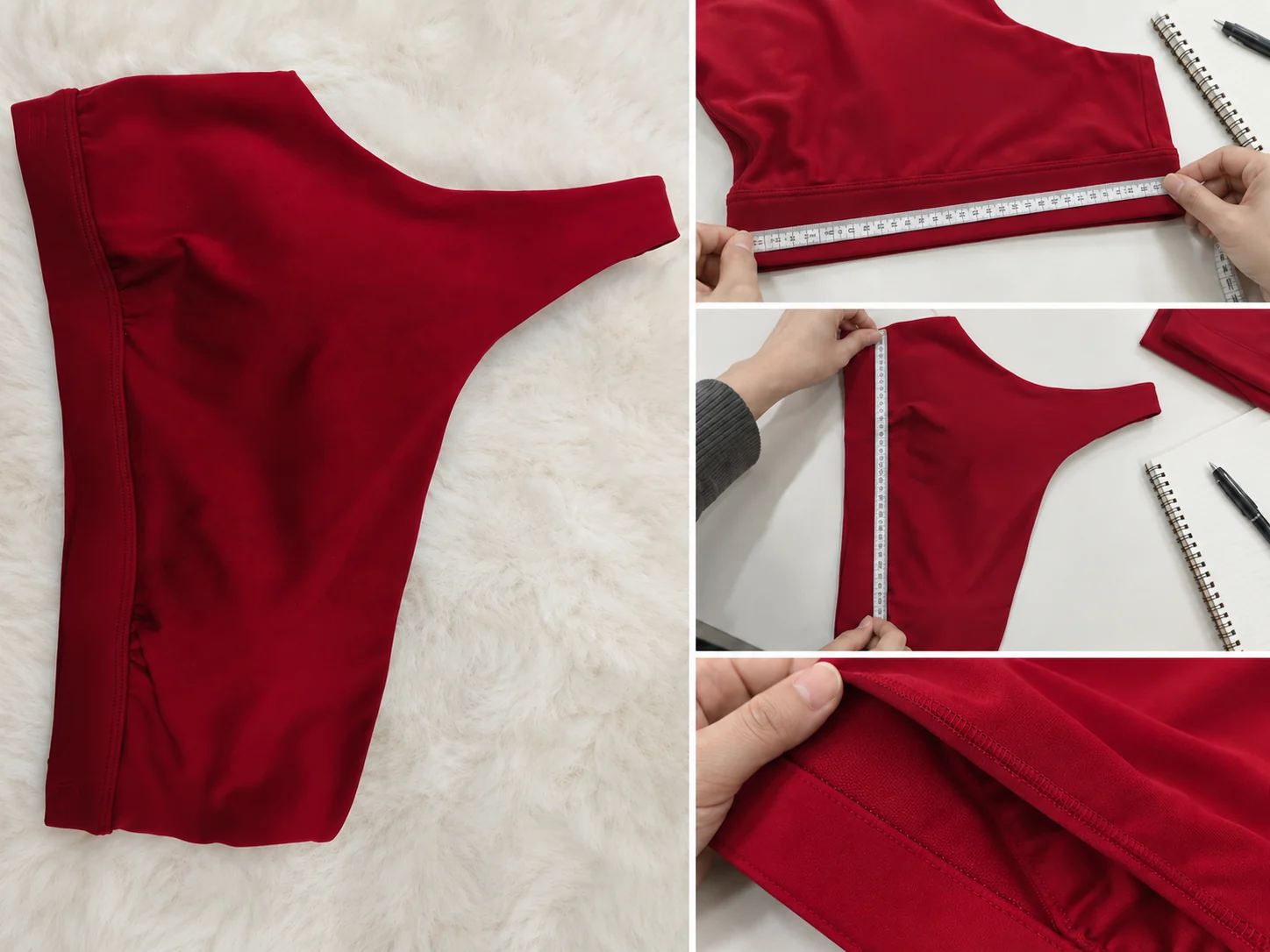
Internal underbust elastic band showing width, seam attachment and lining construction
PADDING & STITCH CONSTRUCTION

Review the Workmanship Behind Bra Pad Construction

Pad pockets and supporting seams require accurate assembly because small construction differences can affect comfort, appearance and usability. The following details should be evaluated as workmanship options, subject to material suitability and sample approval.

Detailed stitching and opening of a removable bra pad pocket

Pad Pocket Opening

The opening must allow the intended pad to be inserted or removed without damaging the lining. Its position, dimensions and edge finish should be specified so that normal handling does not create unnecessary stretching or an exposed opening.

Applicable Area: Inner bra lining at the approved pad-access location.

Comfort / Durability Consideration: Reduce local bulk and avoid unfinished or abrasive edges contacting skin.
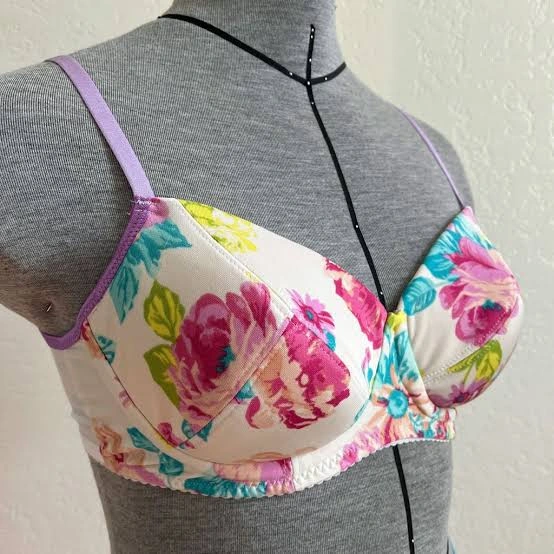
Close-up of a finished pad pocket edge and reinforcement stitching

Pocket Edge Finishing

Pocket edges should be finished according to fabric behavior and the location of the opening. Appropriate edge control helps maintain a defined shape and reduces the risk of curling, fraying or deformation during pad handling and care.

Applicable Area: Removable-pad pockets, lining openings and associated reinforcement points.

Comfort / Durability Consideration: Protect the opening while retaining the intended fabric flexibility.
Detailed bra pad retention stitching and attachment position

Pad Retention Stitching

Where the design requires stitching to limit pad movement, placement must balance retention against visible surface marks and restricted stretch. The stitch specification should identify attachment points and avoid unintentionally changing the intended pad shape.

Applicable Area: Fixed or partially retained padding constructions requiring technical evaluation.

Comfort / Durability Consideration: Control pad movement without creating excessive localized pressure or distortion.
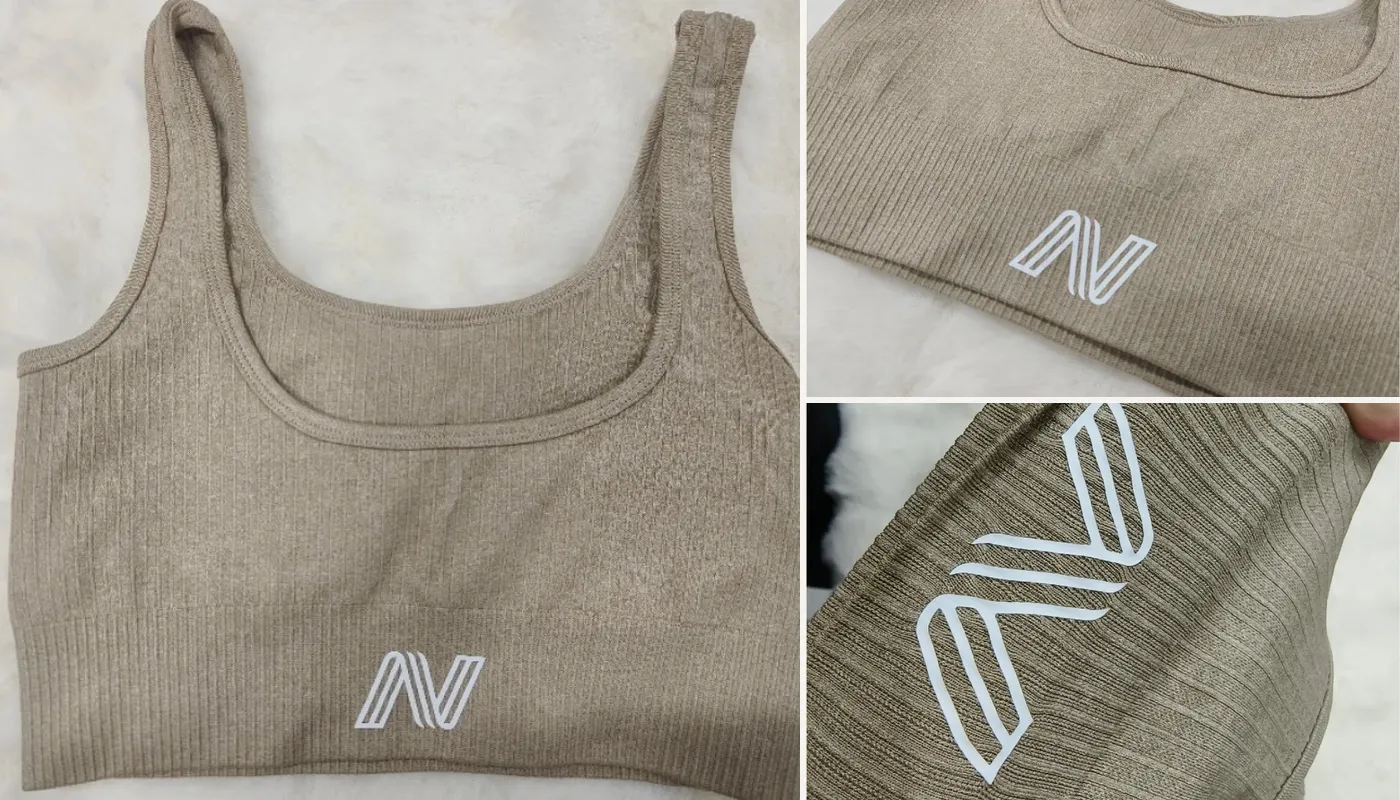
Close-up of connection seams between tank shell and inner bra lining

Layer Connection Seams

Seams connecting the outer tank with the internal bra can influence stretch, movement and garment appearance. Seam type and position should be reviewed against the selected fabrics and the intended construction rather than copied from unrelated garment styles.

Applicable Area: Shell-to-lining connections at approved structural attachment points.

Comfort / Durability Consideration: Preserve necessary movement while limiting seam bulk and discomfort.
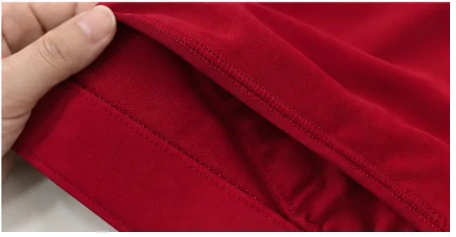
Underbust elastic edge assembly and stitching detail inside a sports tank

Underbust Edge Assembly

The underbust finishing method should be considered together with elastic width, surrounding lining and target tension. Folding, stitching and seam placement may change band behavior and should be evaluated through physical samples.

Applicable Area: Lower edge of the integrated bra's internal support panel.

Comfort / Durability Consideration: Minimize rolling, abrasive contact and unintended restriction of stretch.
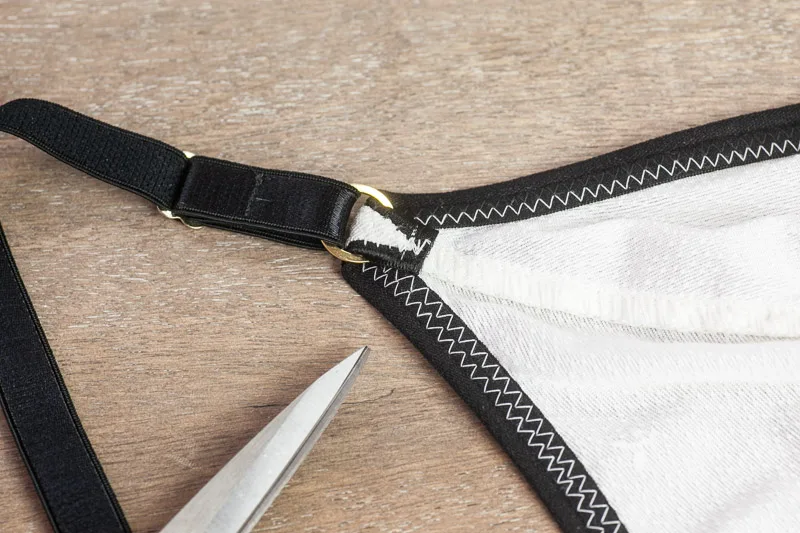
Strap junction reinforcement and seam detail in an integrated support tank

Strap Junction Reinforcement

Strap junctions can concentrate tension, particularly where narrow straps connect to the inner bra or outer shell. Reinforcement decisions should reflect the actual fabric, attachment geometry and required durability without creating unnecessary stiffness.

Applicable Area: Approved shoulder and back attachment points carrying structural tension.

Comfort / Durability Consideration: Maintain secure construction without introducing hard or bulky contact points.

MANUFACTURING ROUTE REVIEW

Select Manufacturing Methods Based on Bra Tank Construction

Seamless and cut-and-sew manufacturing offer different structural possibilities. The appropriate route for a built-in bra tank depends on the actual design, internal support requirements, materials, finishing details and approved production specifications.

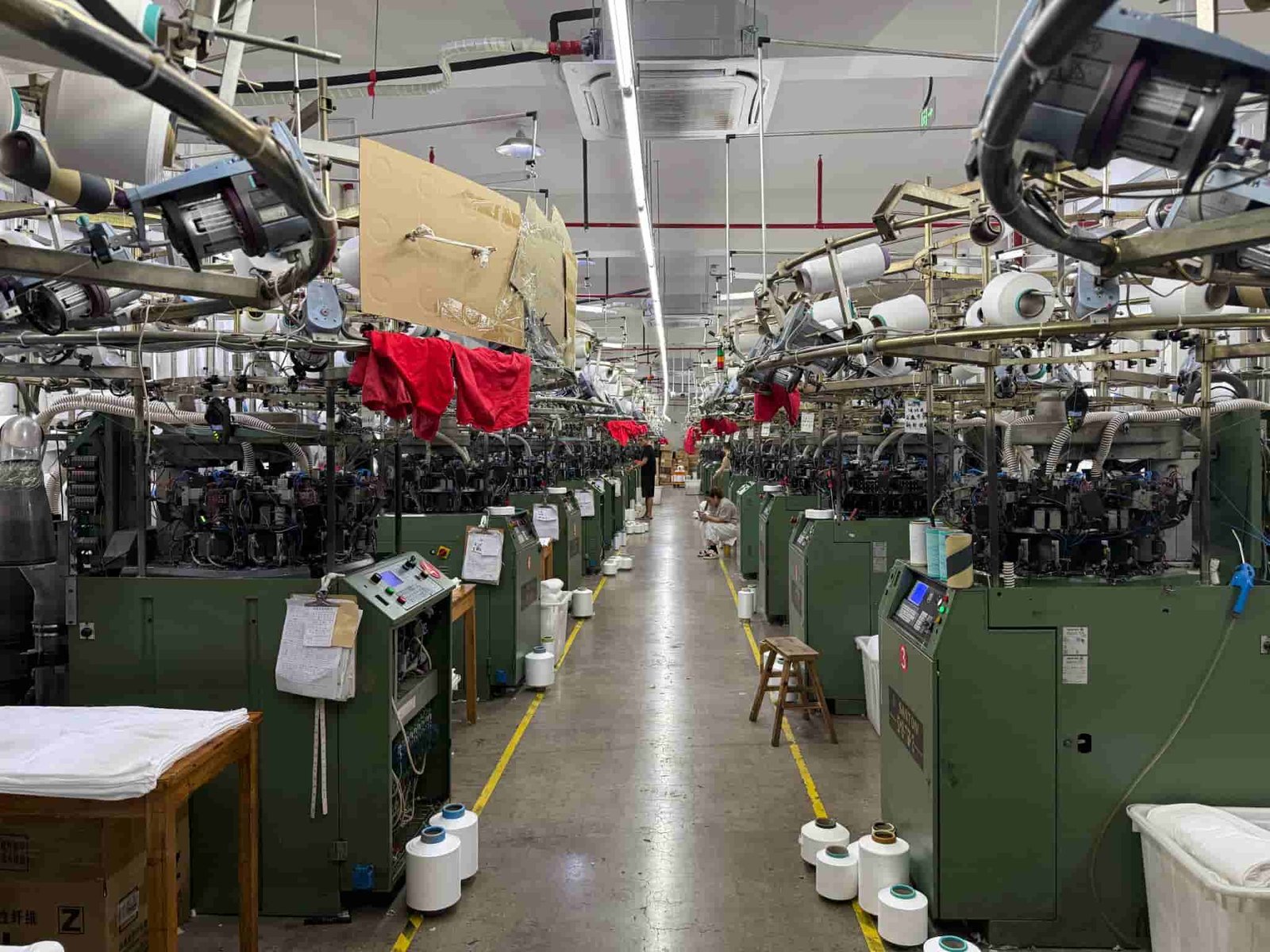
MOVEVOX cut and sew garment production equipment and sewing process
MOVEVOX Santoni seamless knitting machine and knitted sportswear production
Manufacturing ConsiderationCut & SewSeamlessCombined Construction
Outer body structureSuitable for shaped panels, cut fabric and conventional garment assembly.Suitable for compatible tubular or engineered knitted structures.May combine a knitted outer component with separately assembled features.
Inner support layerAllows separately patterned linings and internal panels.Possible only where the programmed structure and equipment can support the required design.Requires assessment of how the inner structure is joined to the outer component.
Removable padsPocket construction can be integrated through pattern and sewing operations.Pad access and retention still require suitable structural or finishing solutions.Pad pockets and attachment operations must be assessed independently.
Underbust elasticAllows defined elastic attachment and related assembly operations.Band function depends on knitted construction and any finishing requirements.Elastic and knitted structure must be evaluated together.
Complex back designsOffers flexibility for separate straps, panels and connection points.Design freedom is governed by knitting capabilities and construction constraints.May require added sewing or attachment processes.
Pattern and fit revisionsPattern pieces and assembly specifications can be revised.Knitting-program changes may be needed for structural revisions.Revision control must cover both production methods.
Main manufacturing riskIncorrect cutting, sewing or assembly may alter fit and support.Knitted construction may not accommodate every proposed internal support feature.Interface complexity and production coordination require additional control.

Recommended Manufacturing Decision

For complex built-in bra structures involving separate support linings, pad pockets, elastic bands and multiple attachment points, cut-and-sew is an appropriate manufacturing route to evaluate first.

MOVEVOX also has Santoni seamless knitting capability. Where a project involves engineered knitted outer structures, the possibility of combining knitting and conventional assembly can be technically reviewed. No combined manufacturing route should be promised without confirming feasibility and the relevant sample.

SIZE & GRADING CONTROL

Grade the Outer Shell and Inner Support Separately

Integrated-support tanks require size rules for both the visible garment and the internal bra construction. Applying one uniform grading increment to every component can produce unintended changes in support position, coverage or fabric tension.

Size-Set Approval Matrix

This matrix defines the review requirements rather than inventing product measurements. The brand-approved size chart and actual measurements must be inserted for a specific project.

SizeOuter Bust POMInner Underbust POMPad PositionStrap LengthApproval Status
XSProject-specificProject-specificFit review requiredSize-specificPending review
SProject-specificProject-specificFit review requiredSize-specificPending review
MProject-specificProject-specificFit review requiredSize-specificPending review
LProject-specificProject-specificFit review requiredSize-specificPending review
XLProject-specificProject-specificFit review requiredSize-specificPending review
XXLProject-specificProject-specificFit review requiredSize-specificPending review
Technical garment measurement points for outer shell and inner bra fit grading

Grading and Tolerance Considerations

Outer-shell dimensions influence garment appearance, while inner-bra dimensions influence coverage, positioning and tension. The two systems may require different grade rules. Cup or pad placement, elastic circumference and strap length should be reviewed relative to the approved fit expectations.

Measurement tolerances must be agreed for the actual product rather than assumed from a generic activewear specification. An approved size chart should record the applicable measurement method and any exceptions for specific construction points.

Three Critical Checks

  • Confirm the correct relationship between shell and inner-bra measurements for each size.
  • Review pad positioning and underbust stability beyond the initial base size.
  • Approve size-specific tolerances and methods before bulk production.
MATERIAL COMPATIBILITY

Compare Materials for the Outer and Inner Layers

The outer tank and internal bra may require different fabric characteristics. Material selection should account for appearance, support, stretch, recovery, opacity, dimensional stability and compatibility after garment assembly and care.
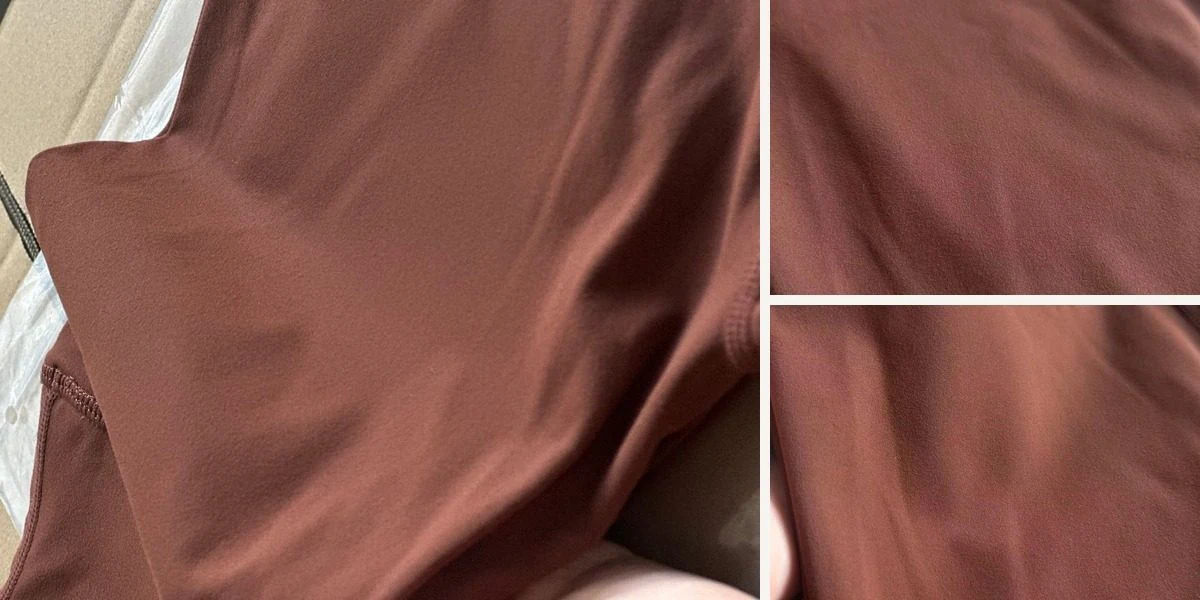
Close-up of stretch activewear jersey material and fabric structure
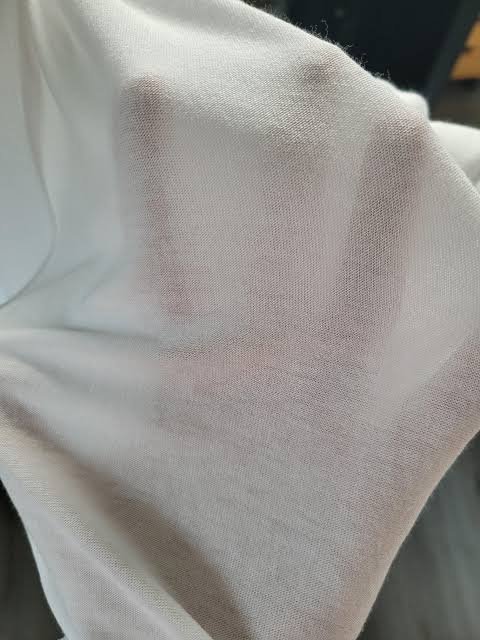
Lining and support mesh fabric swatches for built-in bra tank material comparison

Candidate Material Comparison — Engineering Reference Only

The categories below are illustrative material directions, not a list of independently tested MOVEVOX fabric specifications.

ParameterNylon / Elastane JerseyPolyester / Elastane InterlockSupport LiningPower Mesh Candidate
Potential RoleClose-fitting outer shellOuter shell or structured panelInner bra or coverage layerSelected internal support panel
CompositionConfirm exact blendConfirm exact blendConfirm exact blendConfirm exact blend
GSMProject-specificProject-specificProject-specificProject-specific
StretchTest in both directionsTest in both directionsMatch required support behaviorVerify controlled elongation
RecoveryCompare after extensionCompare after extensionAssess tension retentionAssess repeated extension
OpacityEvaluate stretched coverageEvaluate stretched coverageCheck coverage with outer layerCheck appearance through shell
Hand FeelEvaluate against skinEvaluate softness and structureCheck contact comfortCheck skin-contact suitability
Wash StabilityVerify dimensional changeVerify dimensional changeCompare with outer layerVerify shape retention
Seam CompatibilityEvaluate stitch responseEvaluate seam performanceEvaluate attachment flexibilityEvaluate seam reinforcement
Approval BasisApproved swatch and testsApproved swatch and testsApproved support requirementApproved construction trial

Material Selection Guidance

A material may perform acceptably in isolation yet create problems when assembled with another fabric. For example, different dimensional changes can distort the neckline or internal bra position after washing. Different recovery behavior can alter the relative tension of the two layers.

Brands should define the target appearance, comfort and support requirements before selecting final materials. Relevant fabric and assembled-garment evaluations should inform the approval. Custom color, special materials and supplier minimums may affect quotation and development timing.

TEST METHODS & APPROVAL CRITERIA

Define the Evaluations Required for Product Approval

A built-in bra tank may require several different forms of verification. Laboratory measurements, garment inspections and wearer-based fit assessments answer different questions and should be selected according to the brand's approved product requirements.

Fabric Stretch Recovery

Purpose: Evaluate whether selected materials recover appropriately after extension and whether the outer shell and support lining maintain their intended relationship during use.

Method: Select an applicable test procedure and conditions for each material. Compare directional stretch and recovery results with the approved specification and, where necessary, assess the assembled garment separately.

Acceptance Basis: Buyer-approved limits, identifiable material batches and the relevant test report.

Dimensional Stability

Purpose: Assess dimensional changes after specified care conditions and identify whether differences between fabric layers could affect garment appearance, internal positioning or fit.

Method: Measure defined points before and after the agreed laundering procedure. Evaluate outer and inner construction changes according to the test method and product specification.

Acceptance Basis: Approved tolerances, specified care procedure and recorded before-and-after measurements.

Pad Position Stability

Purpose: Determine whether the selected padding construction retains acceptable positioning during handling, intended movement and agreed care conditions.

Method: Examine pad orientation and movement in relevant samples. For removable systems, review pocket opening, removal and reinsertion before approving the final construction.

Acceptance Basis: Brand-defined pad position criteria and documented evaluation observations.

Underbust Band Behavior

Purpose: Examine whether the band maintains its intended position and comfort characteristics without unacceptable rolling, pressure or visible distortion.

Method: Combine relevant elastic material information with fit observations and garment assessment under the agreed activity conditions. Review different sizes where required.

Acceptance Basis: Approved elastic specification, fit criteria and recorded technical review.

Seam Performance

Purpose: Assess whether selected seams and attachment points can accommodate the movement and loading expected from the intended garment design.

Method: Identify relevant seam types, locations and loading conditions. Use suitable examination or testing procedures, including evaluation of seam appearance and integrity after specified use or care.

Acceptance Basis: Approved construction specification and applicable inspection or test criteria.

Coverage and Opacity

Purpose: Evaluate whether the garment provides the agreed level of coverage across selected colors, sizes and relevant degrees of fabric extension.

Method: Review the complete garment under controlled, documented conditions. Consider outer-shell stretch, lining coverage, pad visibility and lighting where relevant.

Acceptance Basis: Buyer-approved coverage standard and recorded sample assessment.

TECH PACK INPUTS

Prepare a Technical Pack for Integrated Support Development

An effective built-in bra tank Tech Pack must describe the outer garment and inner support system together. Clear technical inputs reduce unresolved development questions and establish the basis for sample review, quotation and eventual production approval.

Flat Technical Sketch Required

Provide front, back and relevant internal views. Identify neckline, armholes, straps, garment length, support-panel boundaries and attachment points. A separate inner-layer drawing is useful where the support structure cannot be understood from the external view.

Measurement Specification Required

Include the base-size measurement chart, measurement methods and intended grade rules. Specify key points for both outer and inner constructions, including underbust dimensions, pad position and strap measurements where applicable.

Support Construction Required

Describe whether the product requires a shelf bra, separate support panel, elastic foundation or another approved design. Identify the intended wearer, activity and performance expectations so the construction can be technically evaluated.

Padding Configuration Required

Define removable, fixed or no-pad requirements, including pad dimensions, shape, pocket opening and positioning. If a special pad or exclusive component is required, include supplier information or sufficient details for sourcing review.

Material Specification Required

Provide composition, intended fabric structure, weight, stretch, recovery, color standards and approved alternatives where available. The outer and inner materials should be specified separately if their functions or requirements differ.

Workmanship Requirements Required

Document seam types, stitch or finishing requirements, elastic attachment, pocket finishing and any critical assembly details. Specify visual and functional standards that will be reviewed during sample approval.

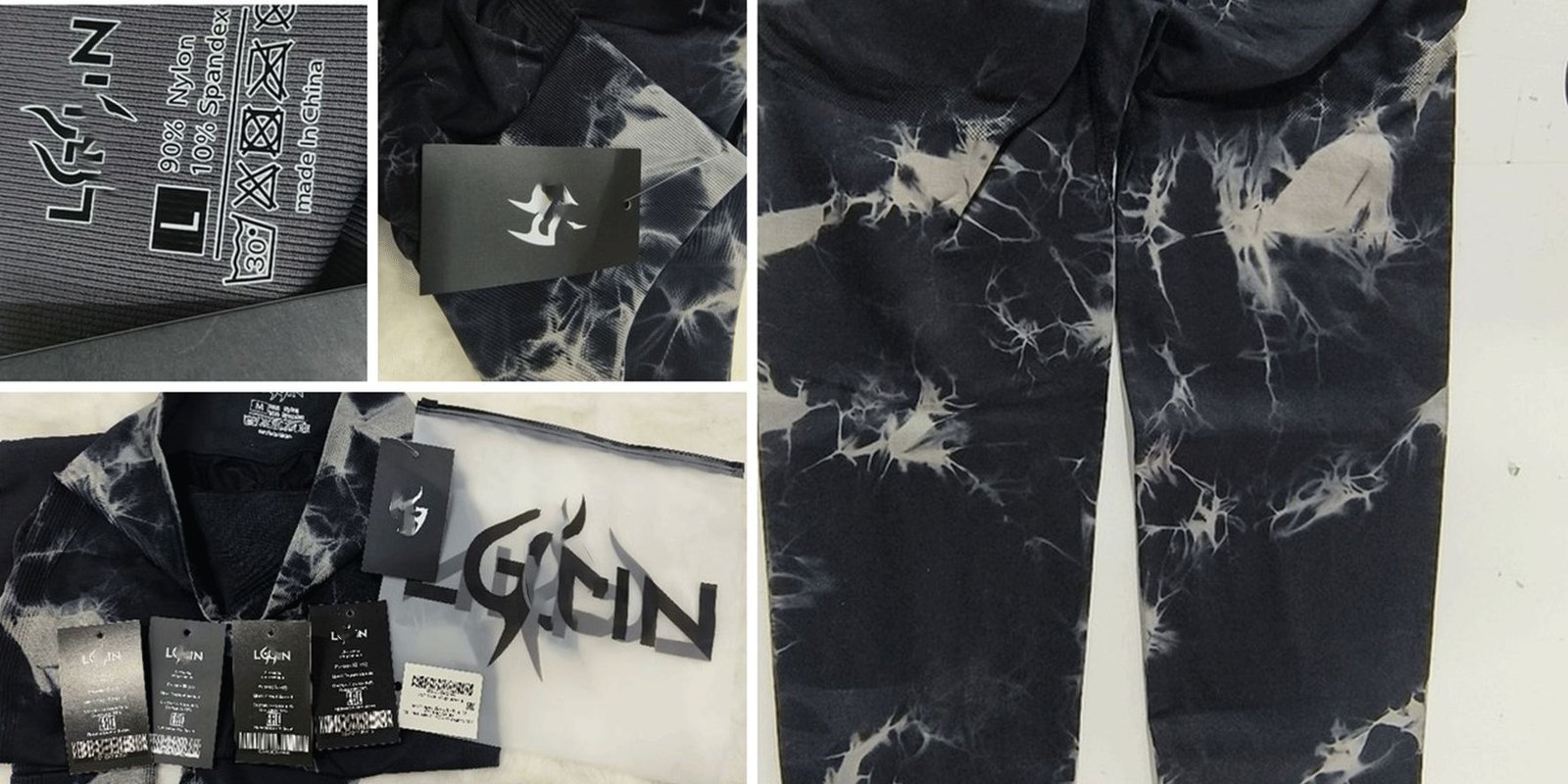
Branding and Packaging Required

Include Logo artwork, labels, care information, hangtags, packaging configuration and product identification requirements. Confirm whether special accessories or branding processes require separate material approval.

Testing and Approval Required

Identify required evaluations, target markets, fit-review expectations and the responsible approval team. State which documents or samples must be approved before the product proceeds toward bulk-production authorization.

Reference Samples Optional

A legally usable reference sample can clarify construction and fit expectations. It should be accompanied by a written explanation of which elements may be reproduced, modified or used only as technical references.

Commercial Parameters Required

Provide target quantity, color and size breakdown, target delivery window, intended launch market and relevant cost requirements. These inputs help determine feasibility, materials procurement and quotation assumptions.

When Your Tech Pack Is Incomplete

MOVEVOX can begin a technical discussion from a clear concept or legally usable reference sample, not only a finalized Tech Pack. Missing information should be recorded as open points and resolved through technical review and sample development before the production specification is approved.

SIZE-SET DEVELOPMENT

Validate the Size Set Before Bulk Production

A satisfactory development sample is not sufficient to establish fit across every intended size. The following proposed approval sequence separates base-size construction, fit correction, size-set evaluation and final production readiness.

Establish Base Construction

Create or review the initial sample against the intended outer-shell and internal-bra specifications. Identify differences between the technical requirements and the physical sample, including neckline position, underbust tension, pad placement and attachment behavior.

Customer Inputs

  • Approved target silhouette and initial measurement specification.
  • Intended wearer profile and activity-related fit expectations.

MOVEVOX Outputs

  • Physical development sample and identified construction questions.
  • Documented measurements and proposed technical revisions where necessary.

Approval Standard: The base construction can proceed when agreed measurements, structural details and essential fit issues have been reviewed.

Resolve Fit Deviations

Evaluate the sample through the customer's fit-review process. Group comments by pattern, material, padding, elasticity or workmanship so that each required change has a clear technical reason and responsible approval point.

Customer Inputs

  • Consolidated fit feedback with prioritized revision requests.
  • Clarified acceptance criteria for each unresolved construction issue.

MOVEVOX Outputs

  • Revised sample or technical modification proposal for review.
  • Updated construction documentation identifying the changes made.

Approval Standard: The revision can close when the buyer accepts the changed construction and outstanding issues are documented.

Review Size Set

Prepare the agreed size-set samples or review units according to project requirements. Confirm whether the internal support structure follows the intended grading behavior and whether pad position, coverage and strap relationships remain suitable.

Customer Inputs

  • Approved size range and grading or measurement chart.
  • Defined fitting procedure and size-set acceptance requirements.

MOVEVOX Outputs

  • Size-set samples subject to agreed development arrangements.
  • Measurement and fit records for the submitted sizes.

Approval Standard: The size set is accepted only after the designated buyer reviewers approve the required sizes and deviations.

Freeze Production Standard

Consolidate the approved pattern or knitting information, inner-bra construction, fabric, padding, elastic, size specifications and relevant workmanship into the production reference. Outstanding technical changes must be resolved before bulk release.

Customer Inputs

  • Final approval of samples and outstanding technical decisions.
  • Authorization to proceed under the accepted commercial agreement.

MOVEVOX Outputs

  • Confirmed production specifications and approved sample reference.
  • Documented technical handover requirements for production preparation.

Approval Standard: Bulk production may proceed only after the required technical, quality and commercial approvals are completed.

PRE-PRODUCTION APPROVAL

Six Technical Approvals That Protect Bulk Production

Before a built-in bra tank enters bulk manufacturing, the approved sample must be supported by clear technical records. These six approval areas establish what production should reproduce and what must be escalated if conditions change.

Construction Approval

Confirm the external silhouette, internal support system, pad-pocket configuration, elastic positioning and all relevant connection points. Technical drawings and the physical sample should agree, including areas hidden from external inspection.

Approval must be linked to a specific specification version. Any later change to the support system or attachment method should be reviewed before being introduced into production.

Fit and Grading Approval

Confirm the approved fit standard, measurement chart, grading requirements and designated size-set results. Different sizes may require separate review of underbust tension, strap placement and pad position.

The acceptance criteria must distinguish dimensional measurements from wearer-fit observations. A pass against a measurement table alone should not be interpreted as complete functional validation.

Fabric and Material Approval

Identify approved outer fabric, lining, elastic, padding and other accessories. Material descriptions should include the properties necessary for production and relevant buyer requirements.

Substitution should not occur solely because a replacement has similar composition or appearance. Differences in stretch, recovery, thickness or care behavior may affect the finished construction.

Padding System Approval

Confirm the pad design, dimensions, pocket structure, fixing method and expected handling behavior. The approval should indicate whether pads are removable, fixed or excluded from the final product.

Where padding performance is important, document the agreed evaluation method and results before approving the system. The approved sample should make pad positioning and appearance clear.

Workmanship Approval

Define the critical seams, stitch types, elastic attachment and finishing details that production must follow. The specification should identify defects that could affect comfort, durability or the appearance of the integrated layers.

Where practical, reference photographs or an approved sample should demonstrate the acceptable workmanship, supported by written criteria.

Branding and Packaging Approval

Confirm Logo placement, label content, size identification, packaging configuration and any market-specific requirements. Approved artwork and product identification must correspond to the correct product and size.

Packaging and labeling approval is separate from garment fit approval. Both are necessary for a complete production reference.

TECHNICAL PROJECT REVIEW

Ready to Review Your Built-In Bra Tank Design?

If your team has defined the outer garment, inner support concept or an initial Tech Pack, MOVEVOX can review the available requirements and discuss manufacturing feasibility, sampling inputs and unresolved technical decisions. Share your drawings, relevant specifications and proposed order structure to begin a focused project discussion.

Technical discussions can begin with an existing specification, a legally usable reference sample or clearly defined development requirements.

APPROVED SAMPLE TO BULK

Transfer Approved Bra Tank Construction into Bulk Production

A physical sample becomes a production reference only when its approved specifications are communicated to the responsible manufacturing team. The following handover sequence illustrates how construction, materials, fit requirements and quality criteria should be controlled before bulk execution.

Confirm Approved Design

Identify the final approved garment and corresponding technical version. Confirm that the outer tank, inner bra, padding, elastic, labels and construction details match the customer's accepted requirements. Unresolved changes should remain open rather than being silently incorporated into production.

Deliverable: Approved Design Reference

Timing: Project-dependent

Freeze Technical Specifications

Consolidate approved measurements, materials, construction diagrams, workmanship criteria and relevant performance requirements. The production team must know which documents control the order and which earlier versions are obsolete or no longer authorized for use.

Deliverable: Frozen Specification

Timing: Project-dependent

Verify Material Readiness

Confirm that the intended production materials and accessories correspond to the approved specification. Review critical properties, sourcing conditions, color requirements and applicable approvals. Material substitutions should be escalated before use if they could change fit, support or appearance.

Deliverable: Material Readiness Record

Timing: Material-dependent

Prepare Production Instructions

Translate technical requirements into practical production instructions, including critical construction points, assembly methods and inspection criteria. The responsible team should understand which features are essential to the approved support system and cannot be modified without authorization.

Deliverable: Production Instruction Set

Timing: Project-dependent

Review First Article

Compare the initial production unit against the frozen specifications and approved sample. Confirm critical construction, dimensions and workmanship before unrestricted production proceeds. Any significant deviation should be investigated and resolved through the agreed release procedure.

Deliverable: First Article Review

Timing: Approval-dependent

Release and Monitor Bulk

Following the required approvals, conduct production using the established technical standards. Material identity, critical assembly points, quality observations and authorized revisions should remain controlled throughout manufacturing and final shipment preparation.

Deliverable: Bulk Control Records

Timing: Order-dependent

FIRST ARTICLE INSPECTION

Inspect the First Article Before Releasing Bulk Production

The first production unit should be evaluated against the approved sample and frozen technical requirements. For an integrated-support tank, acceptance must consider both external appearance and the internal features that determine fit, coverage and construction consistency.

Outer Shell Dimensions

Review the approved measurement points, garment balance, neckline, armholes and body length. A visually acceptable first article may still contain dimensional differences that affect the relationship between the outer shell and inner support system.

Inspection Criteria

  • Compare measurements with the approved POM and tolerance table.
  • Confirm garment balance and relevant left-right construction symmetry.

Status: Requires documented review.

Inner Support Position

Verify that the internal bra is positioned according to the approved design. Check attachment locations, lining height and the relationship between the support structure and the garment's external neckline and armholes.

Inspection Criteria

  • Confirm support-layer placement against the approved physical reference.
  • Check alignment of critical internal attachment and construction points.

Status: Requires documented review.

Underbust Band Assembly

Examine elastic identification, assembly method and band placement. Review whether stitching, folding or joining has changed the intended dimensions or introduced visible distortion compared with the approved construction.

Inspection Criteria

  • Verify correct elastic material and approved assembly specifications.
  • Check band placement, seam finish and visible construction defects.

Status: Requires documented review.

Padding and Pocket Position

For padded designs, check the approved pad type, symmetry, positioning and pocket construction. Confirm that removable openings or fixed-pad attachments correspond to the final technical specification and physical sample.

Inspection Criteria

  • Confirm pad identity, dimensions and relevant placement requirements.
  • Inspect pocket opening, attachment and left-right pad symmetry.

Status: Requires documented review.

Strap and Back Construction

Review strap geometry, attachment positions and the finished back structure. Differences in strap length or joining can alter garment balance and must be compared with the approved reference before production release.

Inspection Criteria

  • Verify strap dimensions and approved connection or reinforcement details.
  • Check visible symmetry and specified back construction requirements.

Status: Requires documented review.

Critical Seam Workmanship

Inspect relevant seams for construction accuracy, visible defects and compliance with the approved workmanship reference. Particular attention should be given to areas where multiple fabric layers, elastic or padding components intersect.

Inspection Criteria

  • Compare stitch construction and finishing against approved requirements.
  • Check critical joins for distortion, missed operations or damage.

Status: Requires documented review.

Branding and Identification

Confirm that the first article uses the correct artwork, labels and product identification for the approved style. This review should include relevant size, color and care information and any special brand requirements.

Inspection Criteria

  • Confirm correct labels, logo placement and approved artwork version.
  • Match sample identification with the current production specifications.

Status: Requires documented review.

Nonconformity and Corrective Action

If the first article does not satisfy a critical requirement, the affected production activity should not be released without an agreed disposition. The deviation should be recorded, its cause investigated and the necessary correction evaluated. Where a change affects the approved construction or performance requirement, customer authorization may be necessary before proceeding.

First Article approval must represent a defined release decision, not merely the completion of the first garment.

DEFECT PREVENTION

Prevent Integrated-Support Workmanship Defects During Production

Quality requirements should address the failure modes of the actual product, not only general garment appearance. This matrix provides proposed prevention and inspection considerations for built-in bra tank manufacturing.

Defect Likely Cause Prevention Inspection Point Corrective Action
Pad Misalignment Pocket dimensions, pad orientation or assembly positioning may differ from the approved design, allowing uneven or visibly incorrect pad placement. Specify pad dimensions and pocket construction. Provide an approved reference showing the required position and acceptable finished appearance. Inspect the inner construction and completed garment for correct pad identity, positioning and symmetry against the approved sample. Identify whether the problem comes from material, cutting or assembly. Correct the affected operation and recheck the resulting garment.
Underbust Rolling Elastic properties, pattern circumference, seam attachment or local garment tension may combine to make the band turn or shift. Approve elastic specifications, band dimensions and assembly methods. Evaluate the construction in relevant fit and movement conditions before release. Review band position and seam construction on representative production units according to the approved inspection procedure. Contain affected units, investigate elastic and assembly conditions, and validate any proposed correction before resuming the affected operation.
Inner-Layer Twisting Differences in cutting direction, material recovery, layer dimensions or attachment placement may cause the inner structure to rotate or distort. Control fabric orientation, pattern identification and construction points. Establish approved alignment references for the internal support panel. Examine the assembled garment for layer alignment, unexpected tension lines and twisting at designated inspection stages. Determine whether the variation originates in cutting, material or sewing. Correct the process and verify alignment against the approved reference.
Strap Asymmetry Inaccurate cutting, inconsistent joining, uneven tension or incorrect attachment positions can create left-right differences in the upper garment. Define strap measurements, attachment positions and acceptable symmetry criteria. Make the approved construction available to the relevant production team. Compare both straps, attachment points and the final back structure with the approved workmanship and measurement requirements. Separate affected garments, correct the relevant construction issue where permitted and reinspect the resulting strap measurements and appearance.
Visible Pad Edges Outer fabric properties, pad thickness, cup shape or internal positioning may cause the pad boundary to remain visible through the shell. Evaluate material opacity, padding dimensions and sample appearance before bulk approval. Avoid unapproved substitutions to critical materials or padding. Review the garment under agreed inspection conditions, including relevant colors and fit states where required by the buyer. Investigate material and construction compatibility. Escalate changes that alter the approved pad, fabric or support design for technical approval.
Restricted Seam Stretch Inappropriate stitch construction or tension at key joints may prevent the garment from extending as intended during wearing or movement. Specify appropriate seam methods for the actual fabrics and assembly locations. Review critical seams as part of sample approval. Inspect seam appearance and relevant stretch behavior according to the agreed garment and workmanship standards. Identify the stitch or assembly cause, correct the production settings or method and verify the revised seam before further release.
TECHNICAL TRACEABILITY

Link Approved Samples to Production and Shipment Records

Traceability helps buyers understand whether production used the intended specifications, materials and quality references. For built-in bra tanks, records should connect critical internal components with the approved garment and the relevant production order.

Approved Sample Reference

The approved physical sample and its identification establish the intended garment standard. The record should connect to the correct technical version, construction details and customer authorization rather than an unverified earlier development sample.

Document: Sample Approval

Frozen Technical Specification

The production reference should identify the approved outer garment, inner support construction, materials, measurements and relevant workmanship. Document control should make it clear which version production is authorized to use.

Document: Technical Specification

Material and Accessory Identification

Relevant production materials should be linked to their approved specifications and supply records. For built-in bra tanks, internal linings, padding and elastic components may require separate identification from the outer fabric.

Document: Material Record

Production Order Allocation

The production order should identify the applicable product version, quantity, color, size breakdown and responsible manufacturing arrangement. Changes in production allocation must not undermine the approved quality and technical requirements.

Document: Production Order

Inspection and Release Records

Inspection records should refer to the actual production order and approved standard. Critical findings, corrective actions and release decisions must be documented according to the established project requirements.

Document: Inspection Record

Packing and Shipment Identification

Finished garments should be identified by the correct style, color, size and packing requirements. The final shipment information should connect to the corresponding order and approved product identification.

Document: Packing List

MANUFACTURING EVIDENCE

Examine the Manufacturing Processes Behind Your Bra Tank

Manufacturing evidence should correspond to the garment's actual construction requirements. The following six areas are useful for evaluating whether a supplier can develop, assemble, inspect and manage an integrated-support tank design.
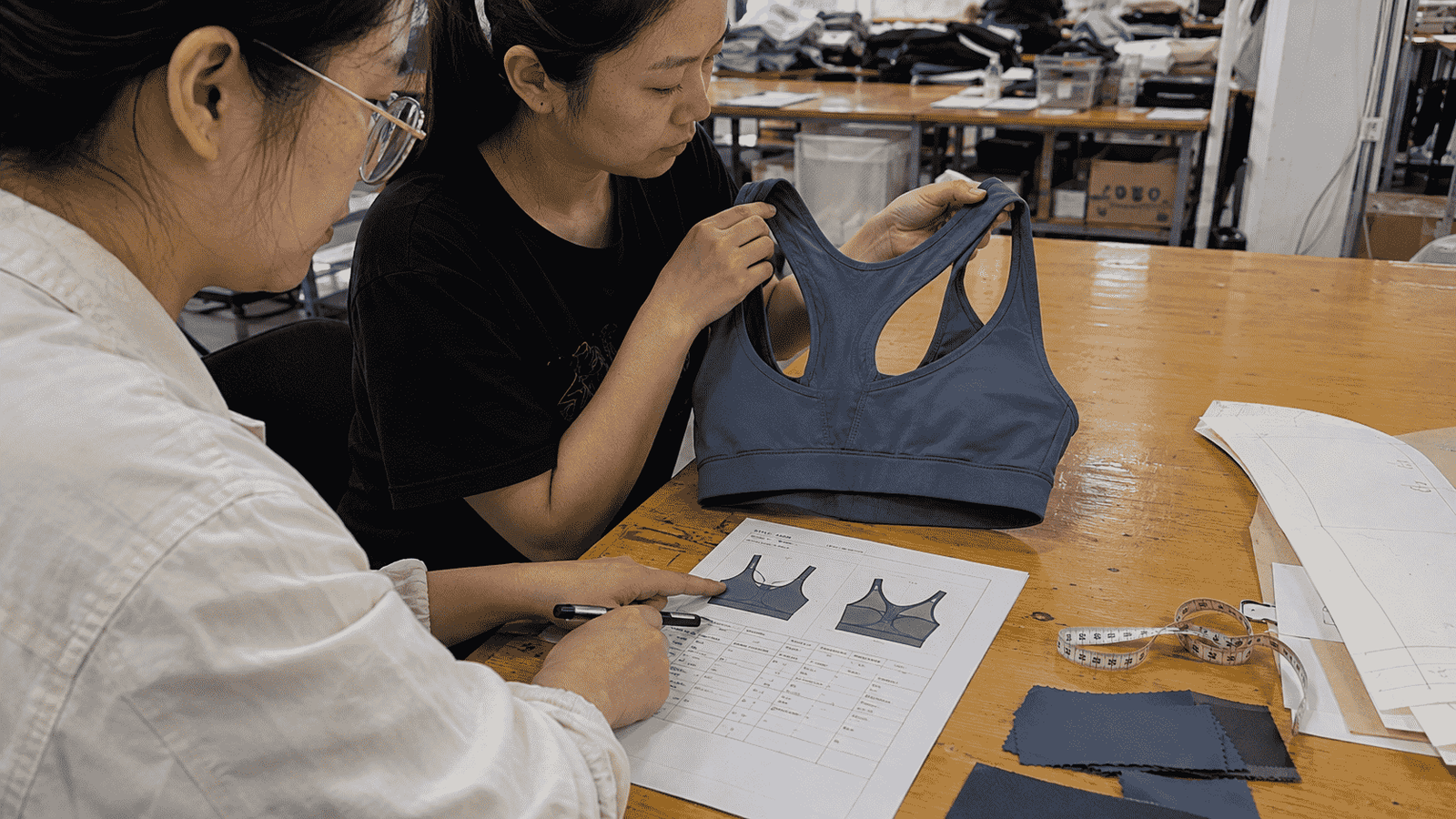
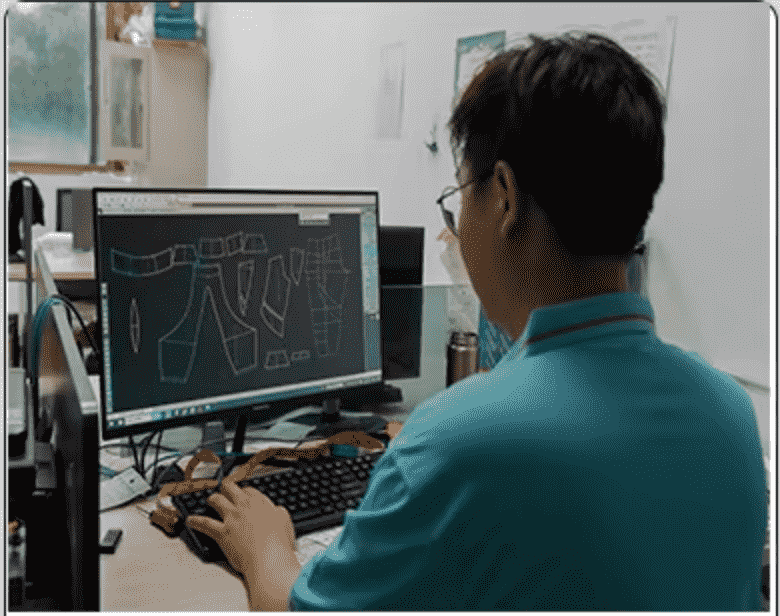
MOVEVOX sample development process with technical garment pattern and sample

Product Development and Sampling

Sample-development evidence should show relevant patterns, sample garments, technical discussions or construction revisions. For integrated-support tanks, photographs are most useful when they identify the outer shell and internal bra requirements rather than only the finished appearance.

The record should help the buyer understand which product is being developed and how technical questions are reviewed before sample approval.

Actual garment fabrics, lining, padding and elastic accessories prepared for production

Fabric and Accessory Preparation

Material-preparation evidence should distinguish the outer fabric from inner lining, padding, elastic and other components when these materials are part of the design.

A genuine sourcing or preparation image can support a material-control discussion, but photographs alone cannot prove material performance. Buyer-approved specifications, lot identity or relevant material records are needed for more demanding qualification requirements.

Garment cutting and identification of fabric components used in cut and sew activewear

Cutting and Component Identification

Cutting evidence should demonstrate how pattern pieces are identified and prepared for assembly. Multiple components may require separate controls for fabric direction, symmetry, size and internal lining placement.

The exact cutting requirements depend on the selected manufacturing route. A supplier should not use unrelated cutting photographs as proof that a particular built-in bra tank construction has already been executed.

Actual sewing assembly of an inner bra support layer and pad pocket in a tank top

Inner Support Assembly

Assembly evidence is especially valuable when it shows how the internal support layer, pocket, elastic or strap connection is constructed. These are the operations most likely to distinguish an integrated-support tank from an ordinary single-layer top.

Images should show the relevant components clearly enough to support a technical explanation. Where proprietary client designs are involved, authorized anonymization is necessary.

MOVEVOX quality inspector checking garment measurements and sewing workmanship

Garment Quality Inspection

Inspection evidence should connect visible quality checks with the approved specifications. Relevant observations may include dimensions, stitching, internal construction alignment, padding, labels and the finished appearance.

Photographs of inspectors at work establish only the existence of an inspection activity. Inspection records and accepted criteria are needed to substantiate a specific product's conformance.

Comparison of an approved garment sample with technical production requirements

Production Standard Verification

A meaningful verification record should show the relationship between the approved sample and the production standard. The objective is to demonstrate that manufacturing instructions, materials and critical construction requirements are aligned before unrestricted bulk execution.

Where the project uses different production resources, the responsible supplier should clarify how technical standards and quality requirements remain controlled across those resources.

PRIVATE LABEL DEVELOPMENT

Coordinate Private Label Details with the Product Construction

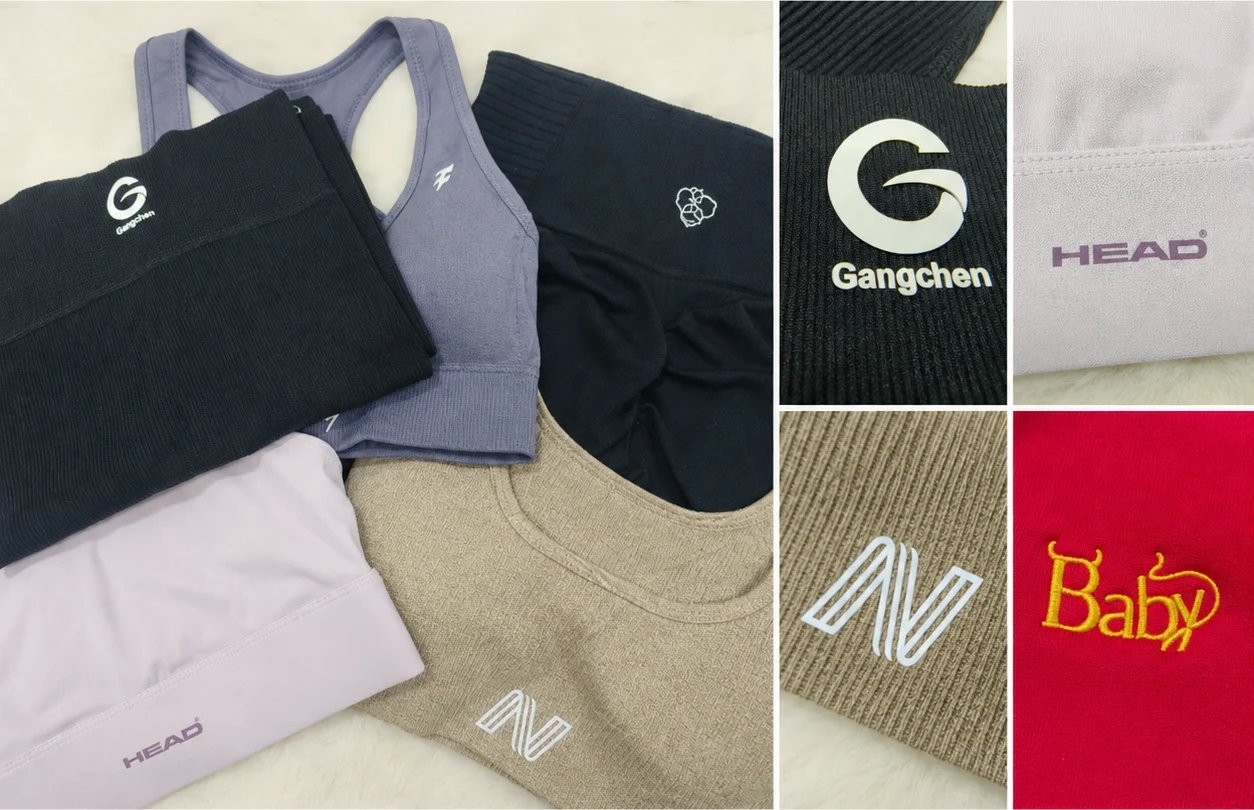
Private Label development extends beyond applying a logo. For built-in bra tanks, brand specifications must remain compatible with outer fabrics, inner support construction, garment stretch, labels, product identification and retail packaging.

Fabric and Color

Outer and inner materials may use different constructions, weights or elastic behavior. The brand should define the intended appearance and performance separately for each relevant component.

Existing material options can be considered during development, while special colors, exclusive materials or additional finishes require sourcing and MOQ evaluation. Color standards should identify the approved reference, and any relevant difference between outer and inner fabric colors should be resolved before production.

Options

  • Existing material and color options subject to confirmation.
  • Buyer-specified color references requiring feasibility and MOQ review.
  • Different approved materials for shell and support lining.
Paired activewear outer shell and inner support lining fabric swatches
CONSTRUCTION COST COMPARISON

Compare the Total Cost of Different Bra Tank Constructions

Two built-in bra tanks can look similar while requiring different materials, labor, development work and quality controls. A useful sourcing comparison should consider the construction's total commercial implications, not unit sewing price alone.

Comparison Scenarios

Cost Factor Basic Shelf-Bra Construction Removable-Pad Construction Complex Integrated Support
Outer Fabric Cost depends on approved fabric, weight, color and procurement quantity. Similar shell requirements, but the design may require additional alignment or finishing. Outer materials may require additional compatibility review with the internal structure.
Inner Lining Requires an approved lining and appropriate assembly. Pocket construction may require additional fabric or separate lining components. Multiple support panels or different material specifications may be required.
Padding No separate foam pad cost if the approved design excludes padding. Pad supply, pocket construction and pad-handling requirements affect cost. Specialized pad or fixing systems may create additional development and sourcing requirements.
Elastic Components Cost depends on selected band specification and assembly method. Elastic design must remain compatible with the pad-pocket construction. More complex elastic or support configurations may increase component and assembly complexity.
Sewing Operations Work content depends on inner-layer and shell assembly. Pocket preparation, seam finishing and pad handling can add operations. Additional attachment points and specialized assembly may increase labor requirements.
Sampling Revisions Changes may focus on basic fit and support positioning. Revisions may also address pad migration and pocket usability. Multiple interacting components can require more technical iterations.
Quality Control Includes shell and internal construction checks. Adds pad presence, orientation and pocket-related inspection points. Requires more detailed checks of critical support and attachment features.
Inventory Exposure Depends on material and size-color assortment. Additional pad specifications may increase component inventory complexity. Specialized materials and accessories may increase purchasing commitments or obsolescence risk.

Why Lowest Unit Price Is Not Always Lowest Cost

A lower initial unit price does not necessarily represent the lowest cost of an approved commercial program. Material purchasing minimums, sampling revisions, manufacturing complexity, defect prevention, packaging and inventory commitments should also be considered.

For example, a design with removable pads introduces component and assembly requirements absent from an otherwise comparable no-pad construction. The additional cost may be justified by the brand's product concept, but it should be evaluated deliberately.

The comparison above is qualitative. It does not represent actual MOVEVOX quotations, competitor prices or calculated customer savings.

ORDER STRUCTURE & MOQ

Understand MOQ Across Different Bra Tank Order Structures

Built-in bra tank MOQ depends on more than the garment quantity. Material availability, padding, elastic, custom color, size breakdown and assembly complexity can each create different sourcing requirements.

Standard Material Development

A project using available materials and an achievable construction may be suitable for evaluation under MOVEVOX's normal cut-and-sew order framework. The company's published general cut-and-sew MOQ reference is approximately 150 pieces per style, subject to the applicable commercial and manufacturing conditions.

That figure is not an unconditional MOQ for every built-in bra tank. Required pads, support linings or other components may impose different constraints.

Quantity: Project confirmation required.

Color / Size Split: Based on the agreed order and material availability.

Price Factors: Construction complexity, approved materials and production preparation.

Custom Material Program

An exclusive color, special lining, customized elastic or nonstandard padding component may require separate supplier minimums. Even when garment assembly is feasible at a lower quantity, material procurement can determine the commercially practical order structure.

The brand should provide its intended color range, fabric requirements and approximate demand so that purchasing conditions can be evaluated before an MOQ or price is confirmed.

Quantity: Material-dependent; confirm by RFQ.

Color / Size Split: Defined after material minimums and shade requirements.

Price Factors: Dye lots, special accessories and development commitments.

Repeat Collection Program

A mature product with stable specifications and planned repeat demand creates a different sourcing situation from a one-time development order. Material planning, component identification, approved samples and consistent product specifications become important to the commercial discussion.

A repeat program may support more coordinated purchasing, but it still requires order-specific review. Forecast quantities are not equivalent to confirmed purchase commitments.

Quantity: Based on actual purchase plan and capacity allocation.

Color / Size Split: SKU forecast and confirmed purchase orders.

Price Factors: Material planning, production continuity and order structure.

SUPPLIER QUALIFICATION

Review MOVEVOX Manufacturing Capability and Supplier Evidence

Established brands need information that can be verified during supplier qualification. MOVEVOX's manufacturing model combines its own production resources with coordinated external capacity where appropriate. The scope of any audit or supporting documentation should be clearly defined.

Business and Site Identity

MOVEVOX is the international B2B brand operated by Yiwu Chenjin Import And Export Co., Ltd., based in Yiwu, Zhejiang, China. The legal contracting entity and relevant manufacturing arrangements should be made clear during supplier onboarding.

Buyers may request appropriate company identification and discuss the scope of a site visit or video-based factory review.

Manufacturing Capability

MOVEVOX has established seamless and cut-and-sew manufacturing capabilities, including 28 Italian Santoni seamless knitting machines and cut-and-sew garment production resources.

These resources support different activewear construction requirements. Their existence does not automatically establish the feasibility of every specialized built-in bra design; the manufacturing route must be assessed against the actual specifications.

Quality Control Organization

MOVEVOX's established quality management activities include sample approval, material checks, production-stage inspection and finished-garment review.

For a built-in bra tank, the project-specific inspection plan should identify critical internal construction details and the supporting records required for buyer review. Existing general QC capabilities must not be misrepresented as completed testing of a particular design.

Product Compliance Evidence

Product compliance depends on the relevant market, materials, intended use and buyer requirements. Any report offered for review must correspond to its tested sample, report holder, scope and validity.

MOVEVOX's available leggings-specific chemical testing documents cannot establish blanket compliance for all built-in bra tank products. Additional testing may need to be arranged for an actual project.

Production and Audit Transparency

MOVEVOX supports scheduled buyer visits and video-based factory review, subject to production arrangements and customer confidentiality requirements.

When coordinated manufacturing resources are involved, the production location, responsible parties and scope of quality control should be clarified. An audit discussion does not imply that any unverified certification or customer-specific approval has already been obtained.

BUYER SUPPLIER SCORECARD

Evaluate Manufacturers Using Product-Specific Procurement Criteria

Compare potential built-in bra tank suppliers using evidence relevant to the actual product. This checklist helps buyers evaluate development suitability, manufacturing control, quality and commercial readiness instead of relying on generic supplier descriptions.

Product Engineering

The supplier can explain the complete outer-shell and inner-bra construction.
Padding, elastic, strap and attachment requirements can be specified individually.
Support claims are linked to defined use cases and evaluation methods.
Fit and size grading address the inner structure separately.

Manufacturing Control

The manufacturing route is appropriate for the proposed construction complexity.
Actual production responsibility and any subcontracting arrangements are transparent.
Approved materials and construction versions can be identified during production.
Critical internal assembly and workmanship points have inspection requirements.

Quality and Evidence

Sample approval criteria cover fit, padding, support and appearance.
Test reports are relevant to the actual product and declared scope.
The supplier can explain First Article review and deviation management.
Supporting manufacturing and quality evidence can be appropriately verified.

Commercial Suitability

MOQ is evaluated against actual garment and accessory requirements.
The quotation separates critical assumptions and special material commitments.
Development responsibilities and customer approval requirements are clear.
The proposed supplier relationship fits ongoing SKU and repeat-order requirements.

Interpret Your Assessment

A positive evaluation should be supported by documents, sample observations and technical discussion, not only verbal assurances. Some criteria may require further evidence before a final decision.

An unanswered item should be recorded as an open qualification question rather than automatically treated as a failure. Buyers should prioritize construction suitability, verifiable quality controls, manufacturing transparency and commercial feasibility when deciding which suppliers should advance to sample development or formal qualification.

MANUFACTURING FAQ

Built-In Bra Tank Manufacturing Frequently Asked Questions

These answers address common product-development, manufacturing and sourcing questions from activewear brands evaluating built-in bra tank production. Final specifications and commercial conditions should be confirmed for the actual project.

Can MOVEVOX manufacture built-in bra tank tops?

MOVEVOX's established Tank Tops product range includes built-in bra tanks, alongside conventional and seamless tank styles. The company's relevant capabilities include sports bra development, padding-related structures, cut-and-sew production and technical sampling.

A specific built-in bra design must still undergo manufacturing feasibility review. Complex internal support features, specialized materials or unusual construction requirements should be confirmed before any commitment to a finished product or order quantity.

What is the difference between a shelf bra and a separate sports bra?

A shelf bra is an internal support construction incorporated into another garment, such as a tank top. A separate sports bra is an independent garment designed and worn as its own product.

Both can involve support panels, elastic and padding, but a built-in system must also account for its relationship with the outer shell. Their support performance should not be assumed equivalent.

Can removable padding be included in a custom bra tank?

Removable padding is a development option that can be evaluated using an appropriate lining, pocket structure and pad specification. Pocket opening, pad size, movement and care requirements must be considered before approval.

MOVEVOX has relevant padding and sports bra construction capabilities, but the final pad system and any special components require project-specific confirmation.

Can built-in bra tanks be produced using seamless manufacturing?

Seamless knitting can support appropriate tank or sportswear structures, depending on machine capabilities and the required design. However, a built-in bra tank with separate lining, pad pockets, elastic or complex attachments may require additional assembly operations.

MOVEVOX has both Santoni seamless knitting and cut-and-sew capabilities. The manufacturing method should be selected after reviewing the actual construction rather than assuming that every integrated-support design can be fully knitted as one piece.

How do you evaluate support requirements for a built-in bra tank?

Support requirements should begin with the intended activity, wearer and approved product specification. Underbust construction, straps, fabric recovery, coverage and fit can all contribute to the result.

Suitable evaluation may include physical samples, fit reviews and relevant testing. A particular support category should not be claimed without agreed criteria and evidence for that design.

How are different sizes developed for an integrated-support tank?

The outer tank and internal bra may require different grading considerations. Bust coverage, underbust tension, pad position and strap geometry should be reviewed alongside the standard garment dimensions.

A development program can include a base-size sample, fit revisions and a size-set review. The required sizes, measurements and approval criteria should be established with the buyer before bulk production.

What information is needed to start sampling?

A complete Tech Pack is useful, particularly when it contains construction drawings, measurement charts, fabric specifications, padding details, artwork and fit requirements.

MOVEVOX can also begin discussion from a legally usable reference garment or clearly defined design requirements. Missing specifications should be identified during technical review before final sample requirements and timing are confirmed.

What is the MOQ for a custom built-in bra tank?

MOVEVOX's established cut-and-sew business has a general MOQ reference of approximately 150 pieces per style, but this is not a guaranteed minimum for every built-in bra tank.

Actual MOQ depends on fabric, color, padding, elastic, customization and production requirements. Exclusive materials or special accessories may require higher purchasing commitments. A project-specific RFQ is needed.

How long does sample development take?

MOVEVOX's general standard sample-development period is typically 5–10 working days after the relevant details have been confirmed.

For complex built-in bra tanks, sampling requirements can vary with internal construction, material availability, fit revisions, special components and customer approval timing. The actual schedule should be agreed after technical review.

Can MOVEVOX support supplier qualification for mature brands?

MOVEVOX supports buyer discussions involving manufacturing capabilities, product development, quality control and scheduled factory reviews.

Available evidence must be assessed by its actual scope. Existing factory resources and company-level quality procedures do not automatically confirm product-specific testing, customer approvals or third-party certifications. Qualification requirements should be discussed individually, with supporting records supplied only where they are verified and authorized.

Send Us an Inquiry

Tell us your needs, and our team will get back to you within 24 hours.

START YOUR PROJECT

Ready to Develop Your Private Label Activewear Line?

Tell us what you want to develop, your estimated quantity and customization needs. We will review the details and suggest the next practical step for sampling, quotation or production.

Helpful details to include:

Request MOQ & Sample Details