
Build Gym Shorts Around the Intended Training Use
“Gym shorts” is not one universal performance specification. The intended movement pattern changes which fit, waistband, coverage, recovery and structural variables deserve the closest development review.
Strength Training
Deep hip flexion, squats, hinges and loaded movements increase the importance of waistband stability, crotch balance, opacity under stretch and recovery after repeated extension.
HIIT & Circuits
Repeated direction changes and faster movement make garment stability, leg-opening behavior, fit retention and local structure important validation points during physical sampling.
Studio Training
Lower-impact movement can prioritize comfort, mobility and handfeel while still requiring controlled fit, coverage and recovery across the intended commercial size range.
General Gym Use
A versatile training short may need a balanced combination of coverage, stretch, stability and comfort rather than maximizing one variable at the expense of the others.
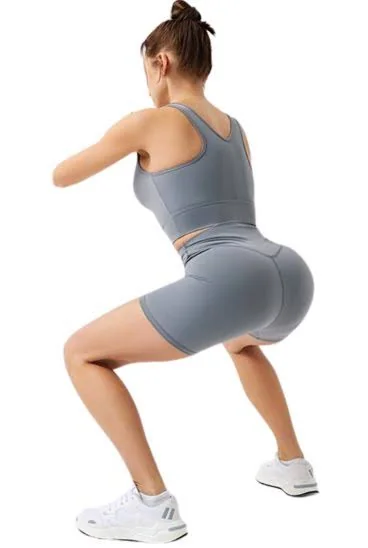
Define the Seamless Gym Shorts Collection by Use
A brand can build several shorts directions from the same Seamless manufacturing platform, but each commercial style still requires its own approved fit, structure, yarn, program and quality reference.
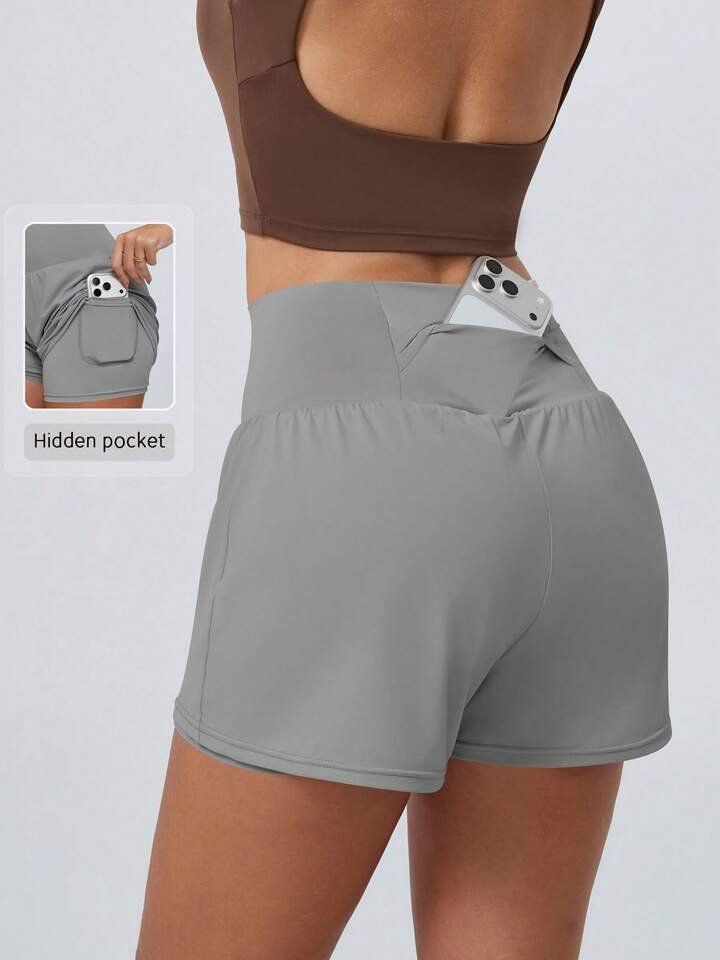
Short Training
Shorter inseam products where leg opening, rise, coverage and waistband stability need to be balanced for training use.
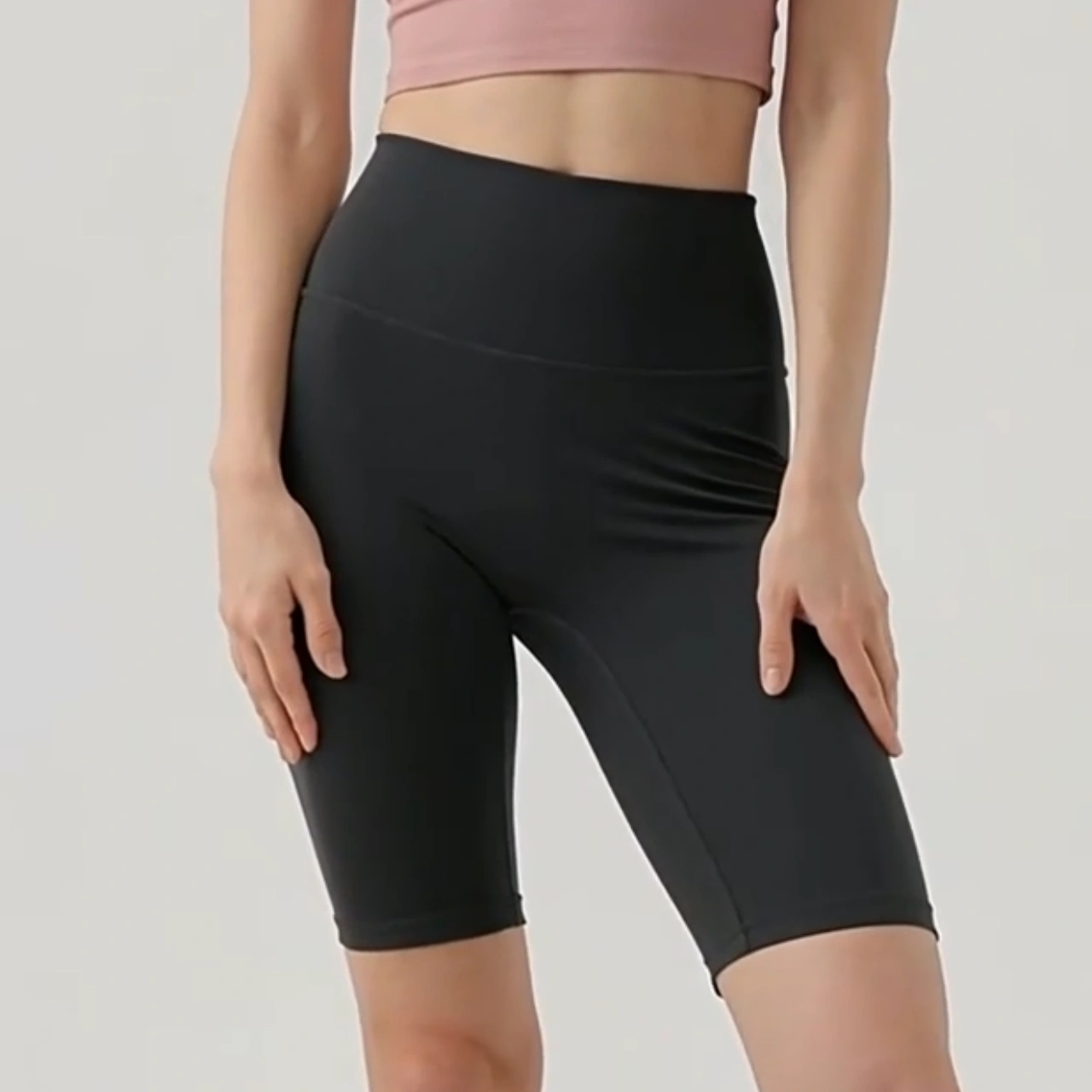
Biker Length
Longer fitted shorts where thigh fit, leg opening, ride-up behavior, waistband and opacity require physical validation.
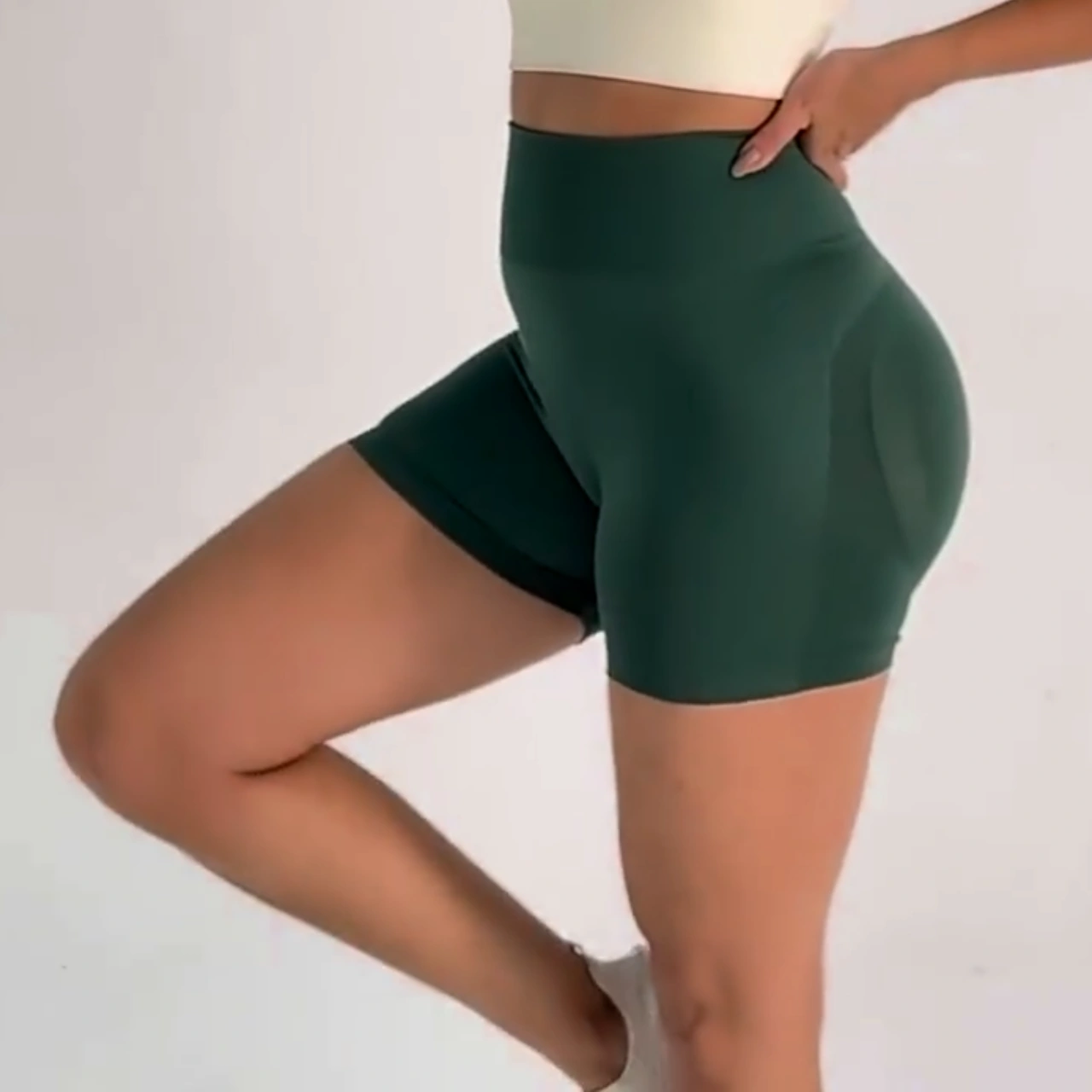
Contour Structure
Programs using rib, texture, density or visual zones where placement and repeatability matter across sizes and bulk production.
Coordinated Set
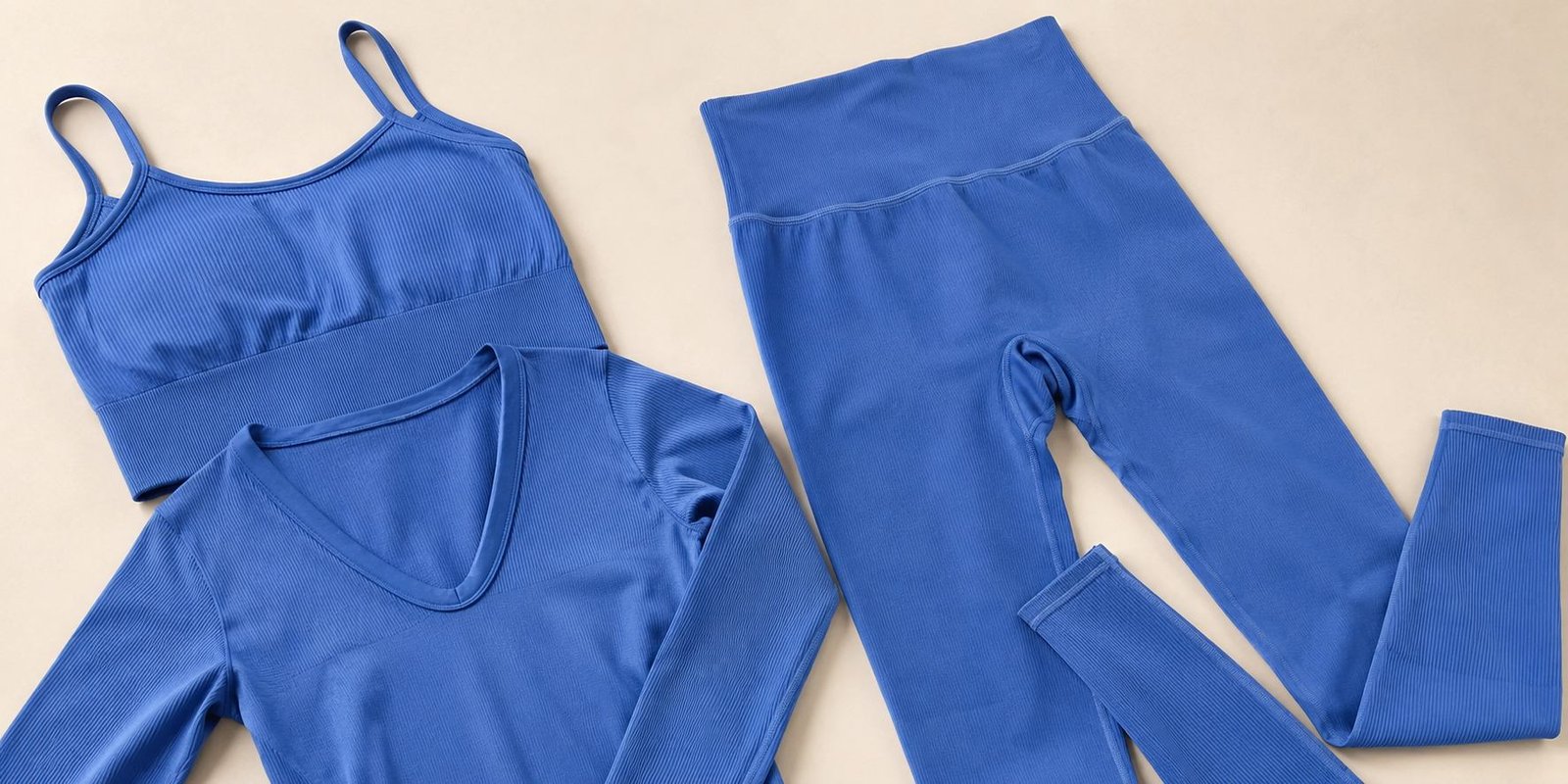
Shorts developed with matching bras or tops while retaining independent fit, structure and approval requirements for each SKU.
Is MOVEVOX a Fit for Your Gym Shorts Program?
Use these questions as an initial sourcing screen. A qualified supplier should be able to connect product requirements with manufacturing reality, development control, physical evidence and commercially workable production conditions.
Manufacturing Reality
Development Control
Quality Evidence
Commercial Fit
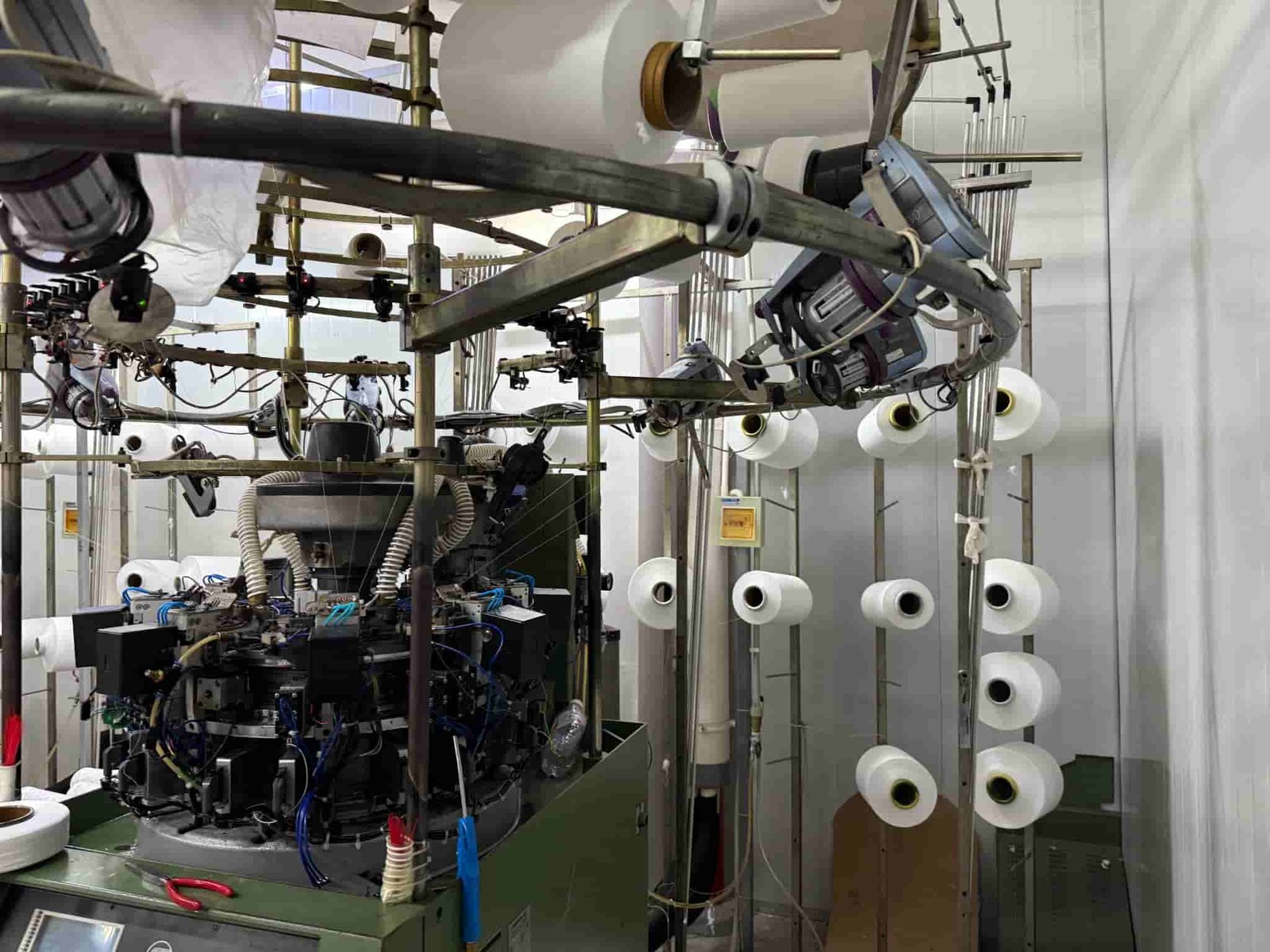
Where Seamless Gym Shorts Commonly Lose Performance
Most training failures are not caused by one isolated detail. They appear when yarn, knit structure, dimensions, size, color, fit or finishing interact differently from the approved physical product.
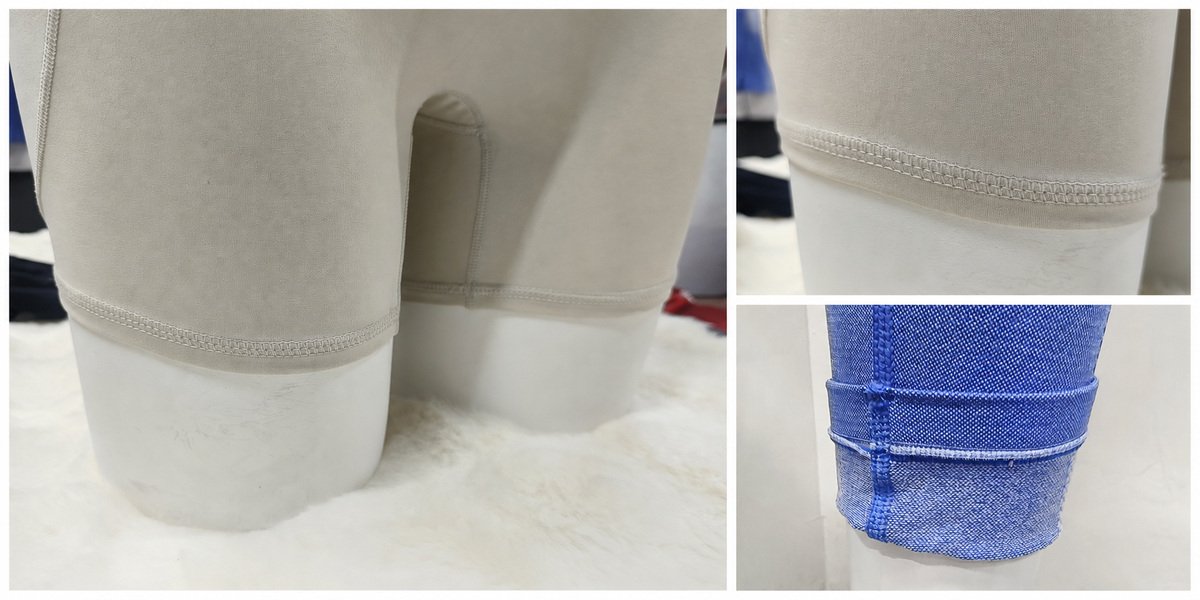
Waistband Slip
Can result from the interaction of circumference, waistband structure, density, elastic response and the wearer’s actual fit.
Waistband Roll
Can appear when height, density, fit or local structure does not remain stable through bending and repeated movement.
Crotch Pulling
Rise, hip fit, crotch structure and size relationship can create visible or uncomfortable tension during squats and lunges.
Opacity Loss
Color, stretch, yarn, knit density and oversizing or undersizing can change coverage under extension.
Ride-Up
Leg-opening circumference, short length, body fit and material recovery can influence movement during training.
Zone Misalignment
Rib, mesh, contour or density zones need to remain in the intended location relative to the garment and size.
Evaluate Coverage Under Squat and Real Stretch
Coverage should be validated on the actual product. Fiber percentages or a high-density appearance alone do not prove that a finished gym short will remain acceptably opaque through the buyer’s intended movement conditions.
Material & Yarn
Yarn type and knitted construction influence how the surface opens under extension.
Color
Light and dark colors can behave differently at the same nominal structure.
Stretch Level
Coverage changes when the garment is extended across the hip and seat.
Size & Fit
An undersized garment can create more extension than the intended fit standard.
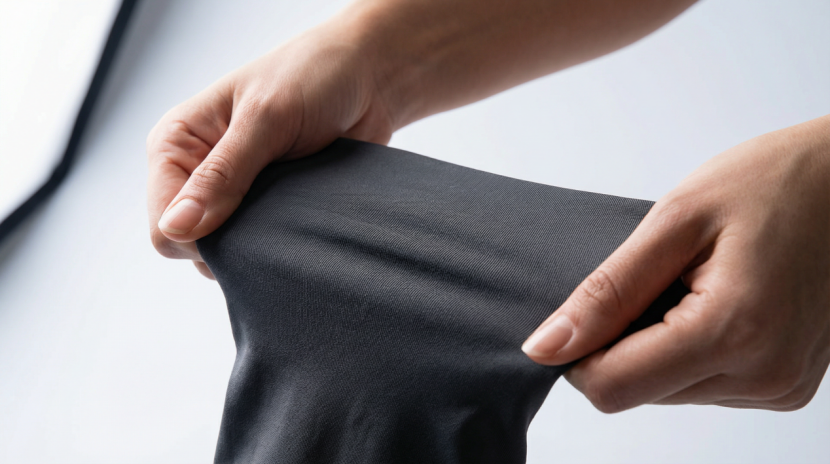

MOVEVOX does not use “squat-proof” as an automatic blanket claim. Acceptance should follow the buyer’s agreed product, color, size and validation method.
Engineer Waistband Stability for Training Movement
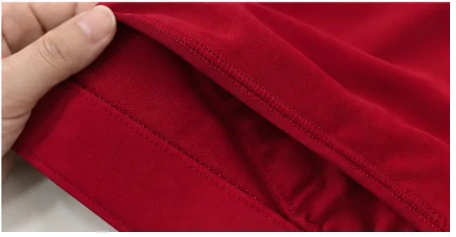
A stable waistband is not created by making the waist tighter. Height, circumference, knit structure, density, recovery, rise and the full waist-to-hip relationship need to work together on the approved garment.
Waistband Height
Defines the vertical contact area and interacts with rise, torso position and bending movement.
Knit Density
Can change local structure, but higher density does not automatically create better comfort or stability.
Upper Circumference
Needs to hold the intended position without turning a tighter number into a substitute for fit development.
Lower Circumference
Connects the waistband to the hip area and can influence rolling, folding or local tension.
Recovery
Influences how the waistband returns after repeated extension through training movement.
Rise Balance
Front and back rise affect where the waistband sits when the wearer squats, hinges or lunges.
Validate Fit Through Real Training Movements
Flat measurements establish a starting point. Movement review shows whether the approved dimensions, yarn response and knit structure remain workable when the garment is worn through the positions that matter to the intended gym use.
| Movement | What to Watch | Possible Revision Direction |
|---|---|---|
| Deep Squat | Waistband position, crotch tension, seat coverage, leg opening. | Rise, circumference, structure, size or yarn/knit response. |
| Forward Hinge | Back rise, waistband roll, seat extension and recovery. | Back-rise balance, waistband geometry or structure. |
| Lunge | Hip extension, crotch balance, thigh fit and ride-up. | Hip/thigh relationship, inseam or leg opening. |
| Leg Raise | Crotch mobility, leg opening and local restriction. | Garment length, opening circumference or knit structure. |
| Repeated Cycle | Recovery, waistband retention and visible deformation. | Yarn, structure, dimensions or approved fit direction. |
Engineer Local Support Without Overclaiming Compression
Seamless programming can change local structure, density, rib and visual zones. Their purpose should be defined by the product brief and validated on the actual garment rather than marketed as a medical or universal compression level.
Waist Zone
Can use localized structure or density to support the approved waistband direction and physical fit.
Upper Hip Zone
Can be engineered to manage transition between waistband and body without assuming that denser always means better.
Seat Structure
Can use contour, texture or density changes for visual and structural objectives subject to fit validation.
Body Zone
Needs enough stretch and recovery for the intended garment dimensions, movement and size range.
Crotch Zone
Needs to support movement, durability and garment completion without creating excessive localized tension.
Leg Opening
Needs to balance hold, mobility and ride-up behavior according to the approved short length and fit.
MOVEVOX treats compression terminology as activewear fit and support language unless a buyer supplies a defined test method. No medical-grade or mmHg claim is made for these products.
Use Rib and Texture With a Defined Purpose
Rib and texture should not be added only because they look “technical.” Their location, density, stretch, recovery and visual effect need to remain compatible with the approved fit and the intended training use.
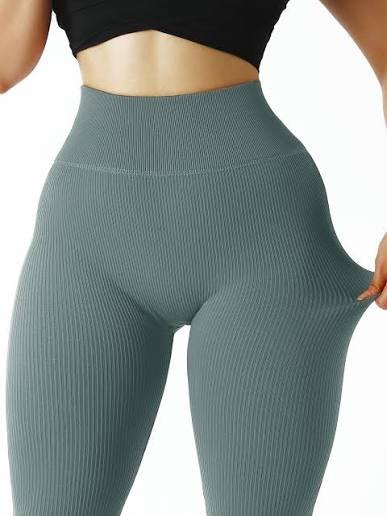
Rib Structure
Useful where a more structured local knit direction is required, subject to physical fit and stretch review.
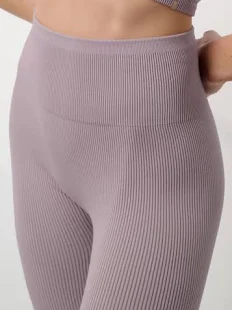
Surface Texture
Can create a distinct visual and tactile direction while changing local density and extension behavior.
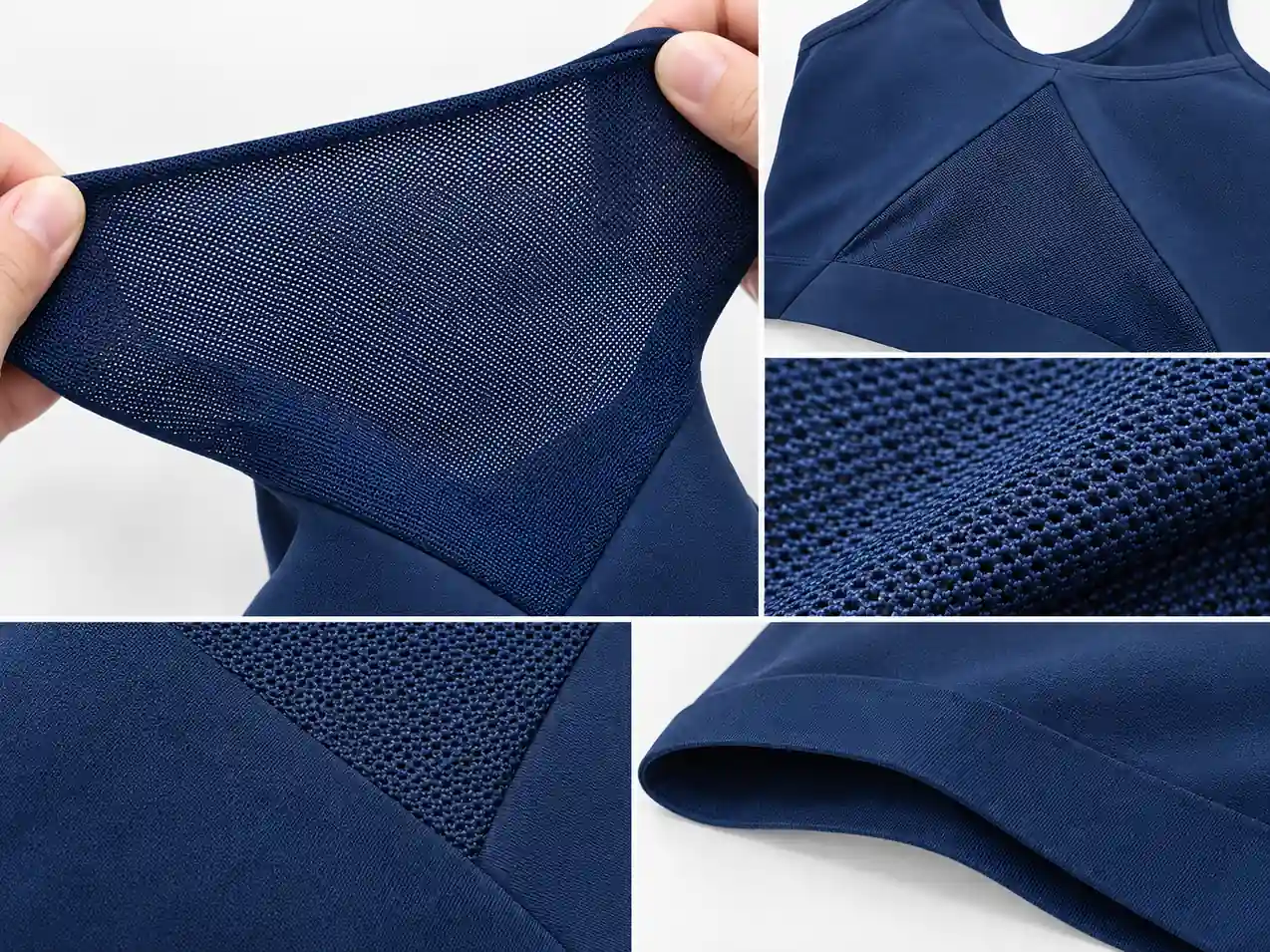
Mesh Zone
Can reduce local density or change ventilation appearance, but larger openings are not automatically better.
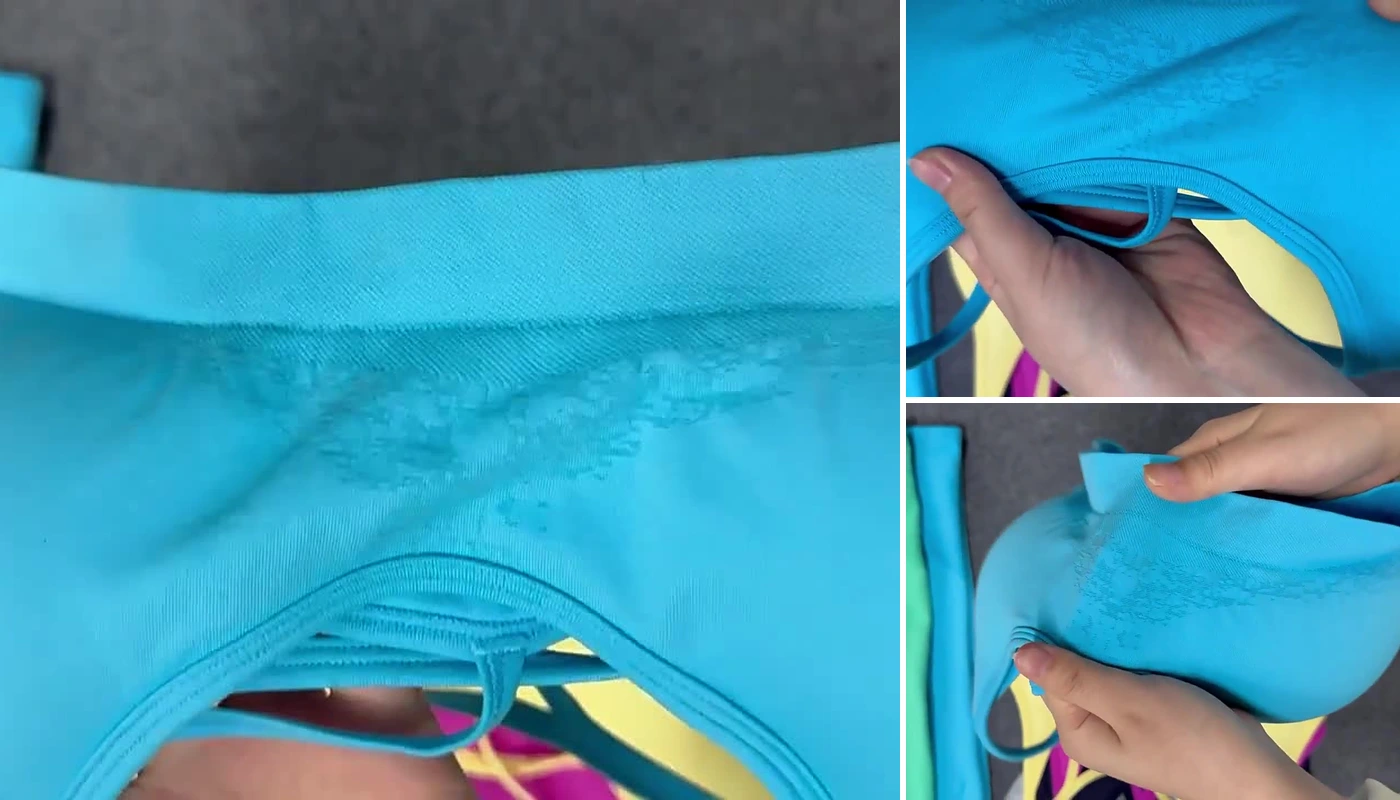
Contour Detail
Can be programmed for a buyer-defined visual direction if placement and size behavior remain manufacturable.
Evaluate Opacity on the Finished Gym Short
Opacity is a product-level result. Color, yarn, structure, density, size and garment extension can change what the buyer sees even when two products share a similar composition statement.
Validate the Actual Color
Dark colors may provide a different visual result from light colors, but the finished garment still needs physical review under the agreed stretch and fit condition.
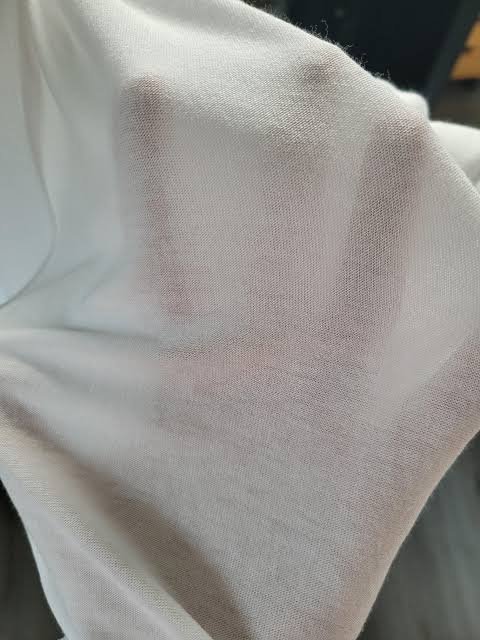
Do Not Generalize
A light commercial color can reveal changes in surface opening or underlying contrast that were less visible in a darker development color.
01 — Color
Use the actual commercial or buyer-approved reference.
02 — Size
Review the garment in the approved size and intended fit.
03 — Movement
Apply the buyer-agreed squat or extension condition.
04 — Approval
Record the accepted physical result before bulk release.
Convert Gym Performance Requirements Into Production Evidence
The manufacturing story should show how a buyer requirement travels through yarn, programming, physical sampling, approved standards and production controls instead of stopping at a machine-count claim.
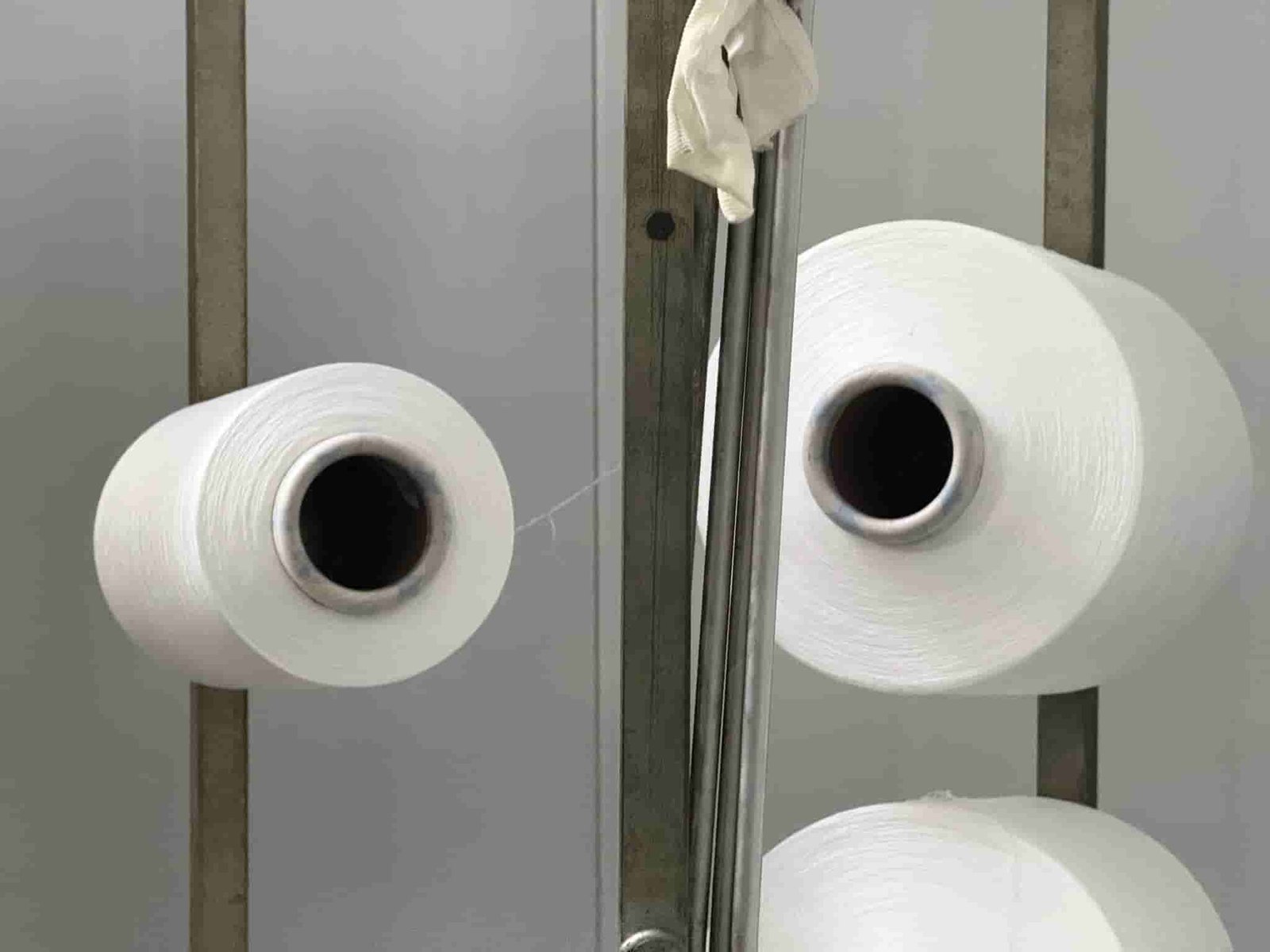
Yarn Input
Confirm applicable yarn direction, color and lot references before the development or bulk stage.
CONTROL: MATERIAL
Program Setup
Translate the approved product direction into the applicable machine program and structure for the current size and revision.
CONTROL: VERSION
Trial Knit
Create a physical garment that can be reviewed for dimensions, structure, appearance and manufacturing feasibility.
CONTROL: SAMPLE
Movement Review
Evaluate waistband, rise, crotch, coverage, recovery and leg-opening behavior under relevant movement.
CONTROL: FIT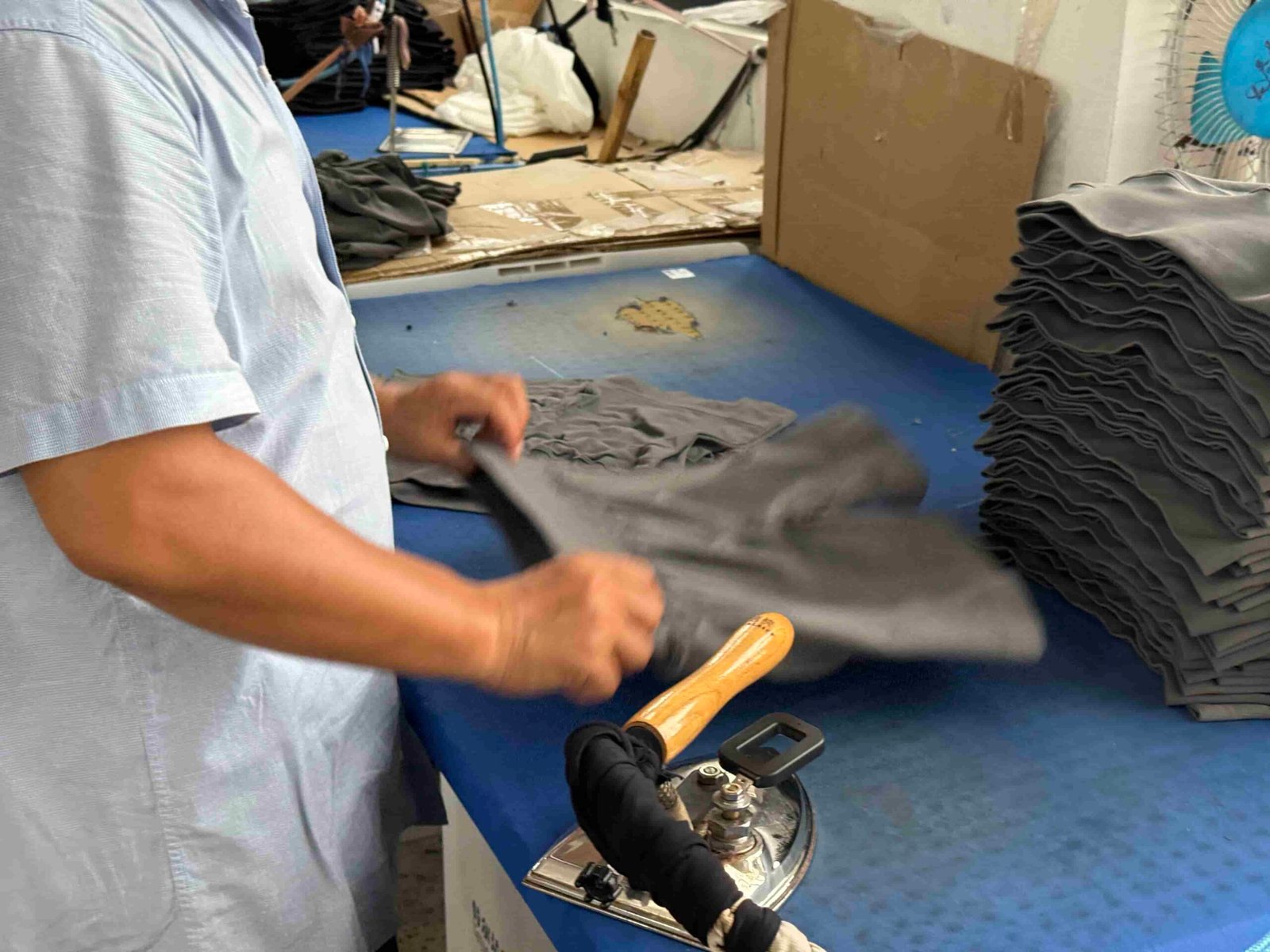
Approved Standard
Freeze the applicable product version, measurements, yarn, structure, color and brand requirements.
CONTROL: RELEASE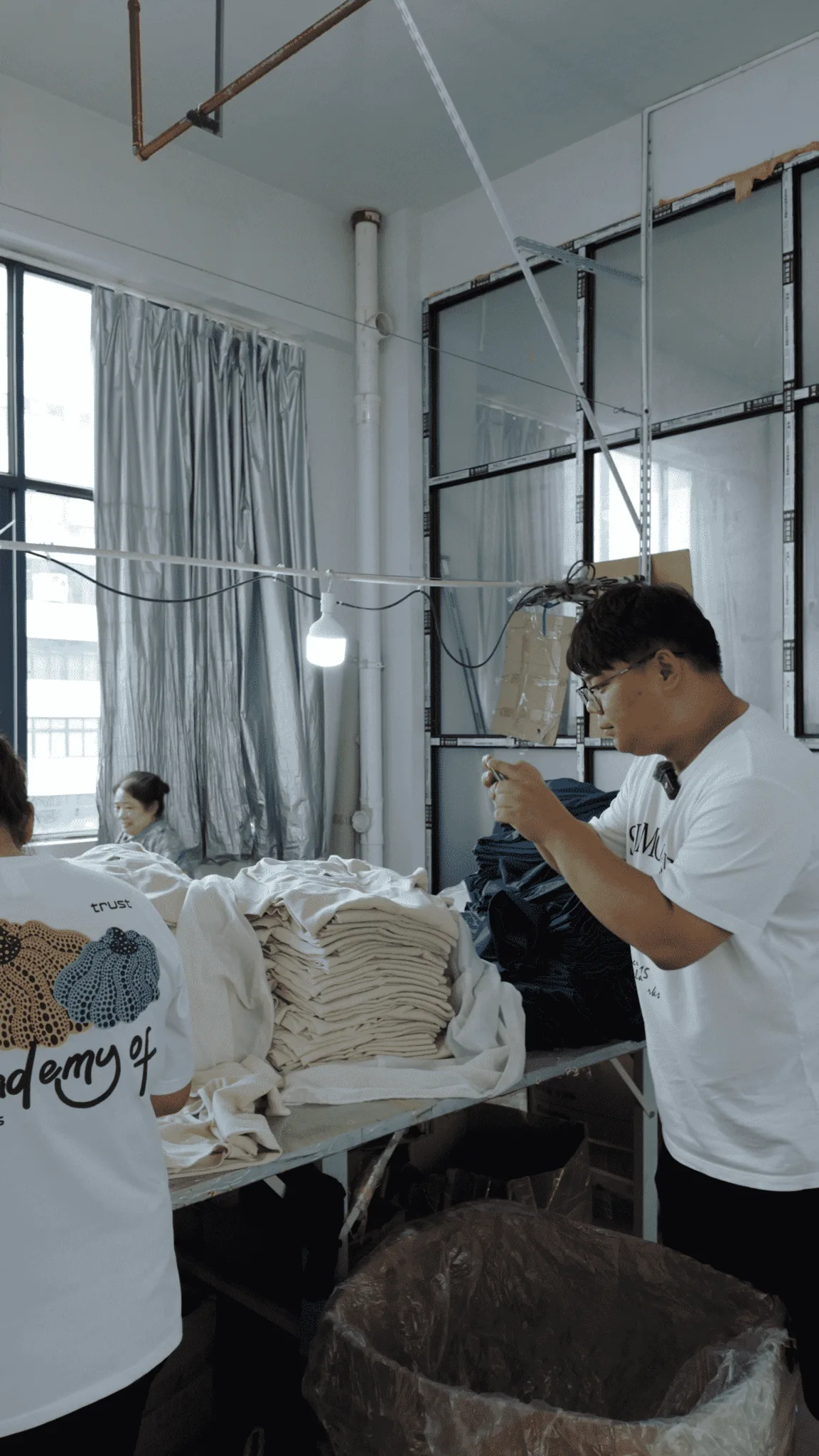
Bulk Evidence
Use First Article, inline checks and final inspection to verify production against the released standard.
CONTROL: BULKReview Material Risk Before Approving the Gym Short
Material approval should start from the intended use and known risk rather than from fiber percentage alone. The same nominal composition can behave differently after yarn, knit structure, color, density and finishing change.
1. Is light-color coverage critical?
YES Validate the actual color under garment stretch. NO Still confirm the approved product visually.
2. Is waistband retention critical?
YES Prioritize recovery, local structure and physical wear review. NO Use the approved fit standard.
3. Is abrasion exposure high?
YES Add applicable surface or durability validation. NO Keep workmanship and appearance checks.
4. Is a soft handfeel required?
YES Compare physical samples, not composition descriptions. NO Balance handfeel against structure and recovery.
5. Is custom color required?
YES Review dye-lot MOQ, lead time and shade approval. NO Consider available supply-chain colors where suitable.
Coverage Priority
Use actual color, size and extension conditions before approval.
OpacityColorFitRecovery Priority
Use physical stretch/recovery review and keep the approved yarn or material direction linked to bulk.
RecoveryWaistBulk LotDurability Priority
Add appropriate abrasion, pilling or snag-related validation when required by the buyer or use case.
SurfaceRiskTestingColor Priority
Plan custom shade approval and material lead time before the sampling or launch calendar is treated as fixed.
ShadeMOQLead Time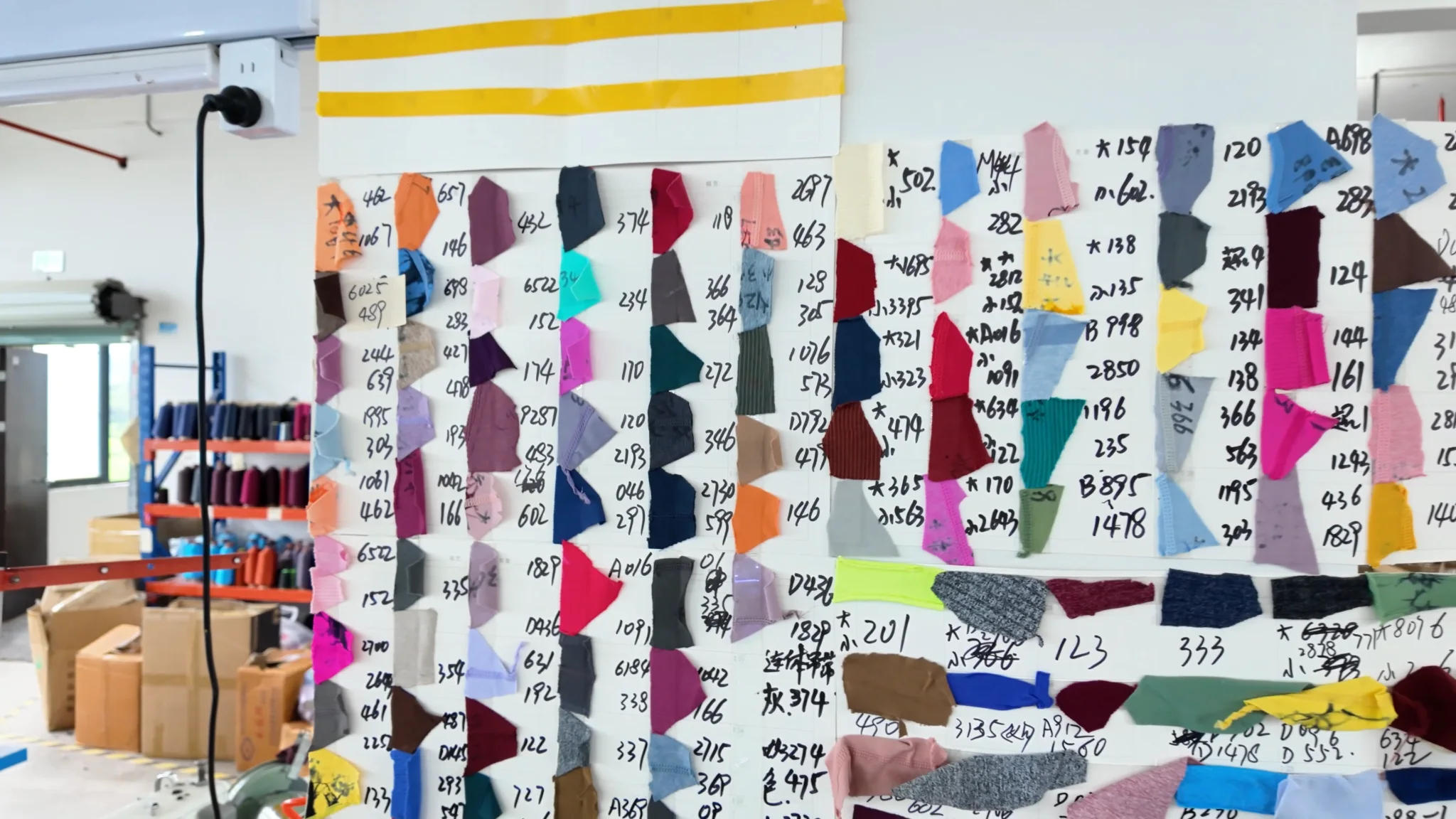
Revise the Program Through Physical Gym Shorts Samples
Seamless sampling is partly a machine-programming process. Fit, movement and structural comments should become controlled program or specification revisions until the physical product is accepted as the current manufacturing reference.
Technical Input
Review Tech Pack, reference garment, measurements, training use, yarn direction and open requirements.
InputProgram V1
Build the initial machine program and define the relevant waistband, body and local knit structures.
ProgramSample V1
Produce the first physical garment for measurement, structure, workmanship and movement review.
Physical SampleBuyer Review
Record measurable comments around fit, squat coverage, waistband, crotch, leg opening and appearance.
CommentsProgram Revision
Convert approved comments into the relevant program, dimensions, yarn or structural changes.
RevisionSample V2+
Repeat physical review where required until the current sample and specification are approved.
ApprovalVersion Freeze
Identify the released program, product version, measurements, yarn, color and private-label requirements.
ReleaseBulk Handover
Transfer the approved standard into material preparation, production planning and quality control.
Bulk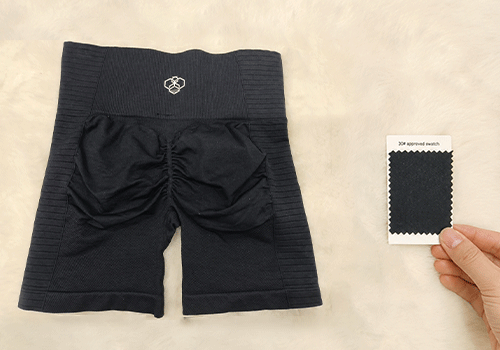
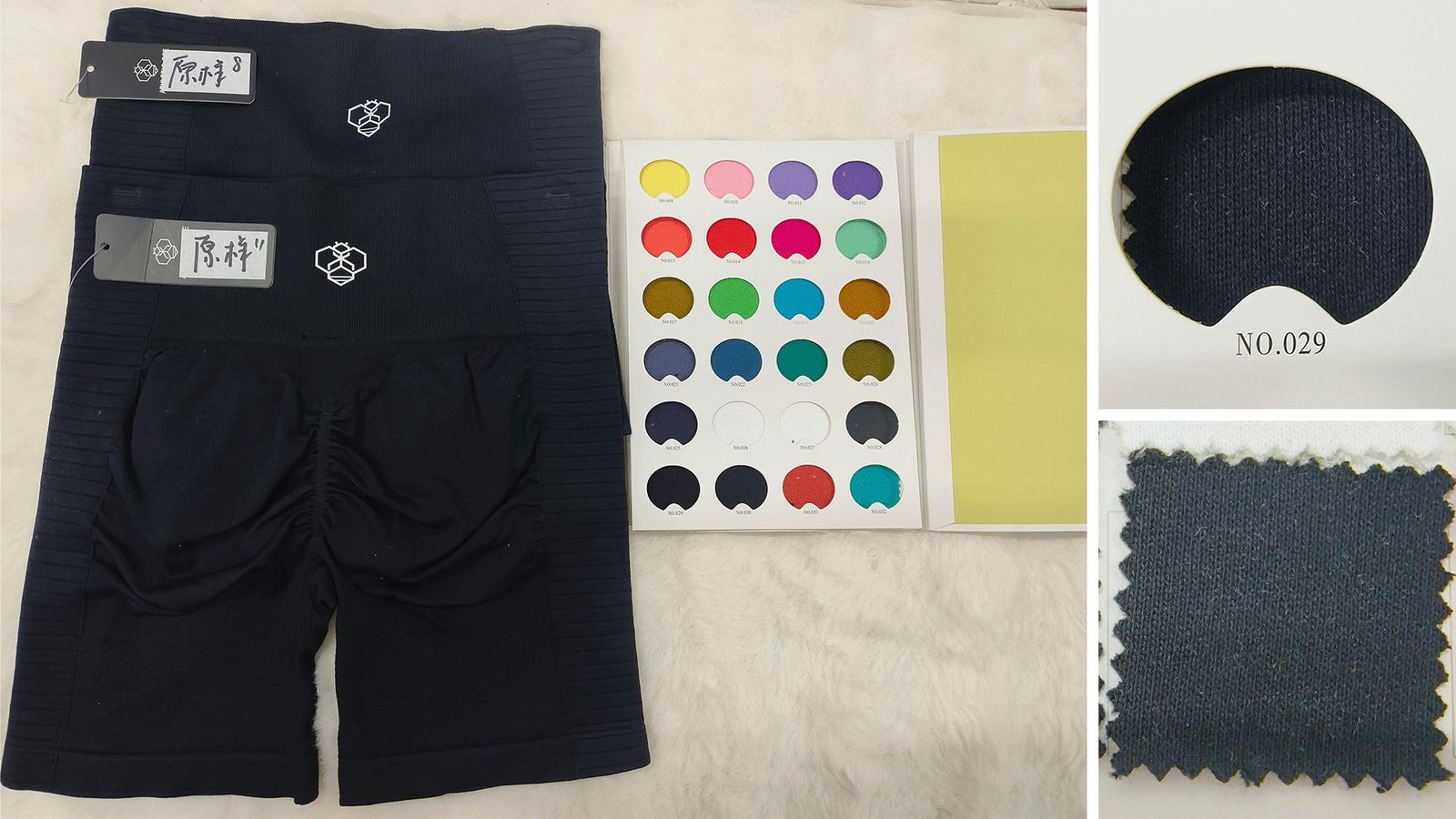
Standard sample development is typically approximately 5–10 working days after the required development details are confirmed. Complex structures, custom materials and revision rounds can extend the full development calendar.
Control Seamless Sizing Around Gym Movement
Seamless sizing is not traditional paper-pattern scaling. Finished dimensions are influenced by yarn, knit structure, cylinder or machine specification, program, density, finishing and the target body fit.
Base Size
Use the buyer’s development size and POM as the physical starting point for program and fit validation.
Waist-to-Hip Relationship
Review the complete relationship rather than tightening the waist independently from the rest of the garment.
Rise & Crotch
Check the garment during squat, hinge and lunge positions because flat measurements alone do not reveal movement imbalance.
Thigh & Leg Opening
Review circumference and opening behavior for mobility, hold and ride-up risk in the intended short length.
Size Set
Develop and review applicable additional sizes before assuming one program simply scales every proportion correctly.
Bulk Tolerance
Buyer-defined measurement method and tolerance take priority. A general internal reference should not replace the buyer’s specification.
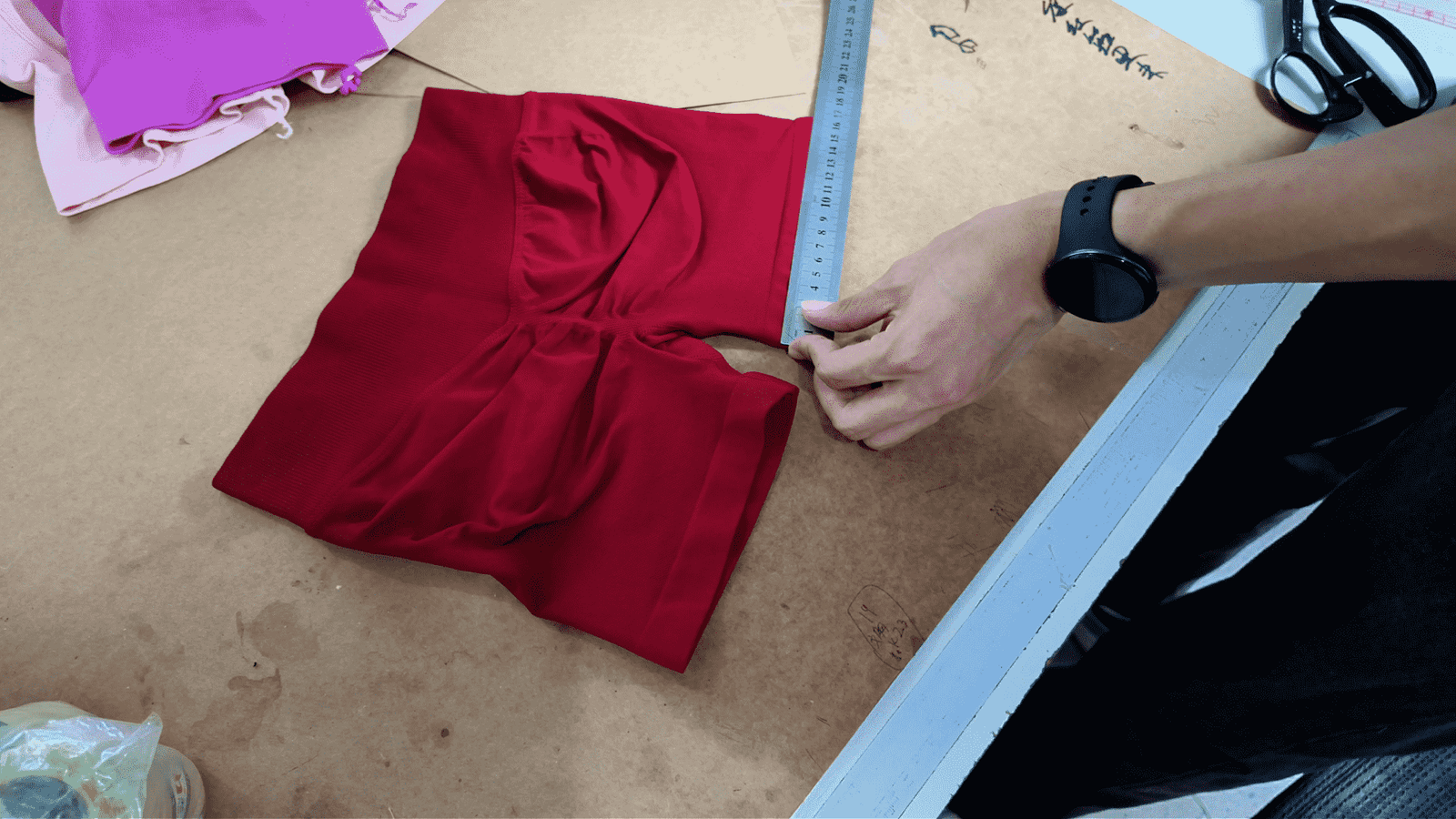
Move From Technical Input to Approved Sample
Sampling is the stage where the buyer’s product intent becomes a physical, measurable garment. Seamless programs may require several controlled program or fit revisions before the product is ready for production release.
01 — Project Input
Collect Tech Pack, reference garment, images, measurements, yarn direction, branding and commercial requirements.
02 — Technical Review
Identify conflicts or missing information affecting program development, material preparation, sizing or commercial feasibility.
03 — Program Preparation
Prepare the applicable machine program, structure and development inputs for the current sample version.
04 — Sample Development
Produce the physical Seamless Gym Shorts sample for measurement, structure, movement and workmanship review.
05 — Buyer Review
Evaluate fit, waistband, crotch, inseam, leg opening, coverage, color, branding and intended movement performance.
06 — Revision
Translate agreed comments into measurable program, dimension, structure, yarn or branding changes.
07 — Approval
Identify the current approved product, measurements, yarn, structure, color and commercial details.
08 — Production Handover
Transfer the approved standard into material preparation, First Article, bulk production and QC.

Standard sample development is typically approximately 5–10 working days after the required information is confirmed. Material preparation, custom color, complexity and revision rounds can extend the total calendar.
Plan Custom Color Before It Delays the Launch
A custom shade changes more than appearance. Yarn sourcing, dye-lot MOQ, shade approval and material lead time need to be integrated with the sample and bulk calendar before a launch date is treated as fixed.
Color Reference
Provide Pantone, physical swatch or approved garment reference.
Yarn Review
Confirm whether the required yarn and structure can follow the intended color route.
MOQ Check
Review the applicable supplier dye-lot or custom-yarn minimum.
Color Sample
Prepare the relevant shade or material approval reference.
Buyer Approval
Confirm the accepted color before bulk material release.
Bulk Lot
Keep production linked to the approved project color reference.
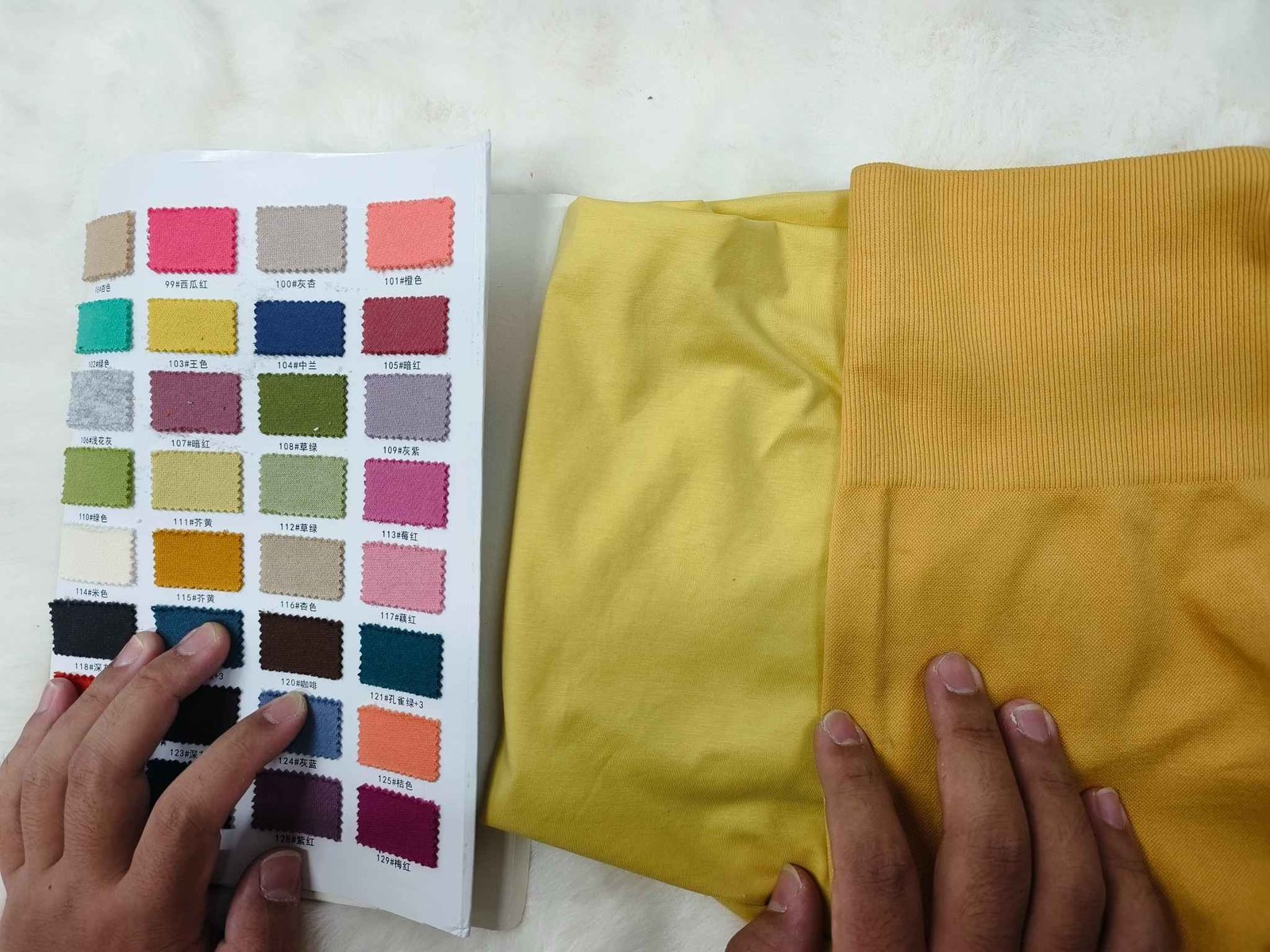
Custom color is commonly evaluated around approximately 400–600 garment-equivalent pieces per color depending on the material and dye-lot requirement. Actual MOQ and timing are confirmed against the selected yarn and supplier conditions.
Protect SKU Accuracy Through Packing and Carton Control
A correctly manufactured gym short can still create commercial problems if the wrong size label, barcode, bag or carton information is applied. Multi-color and multi-size programs need identification control through packing.
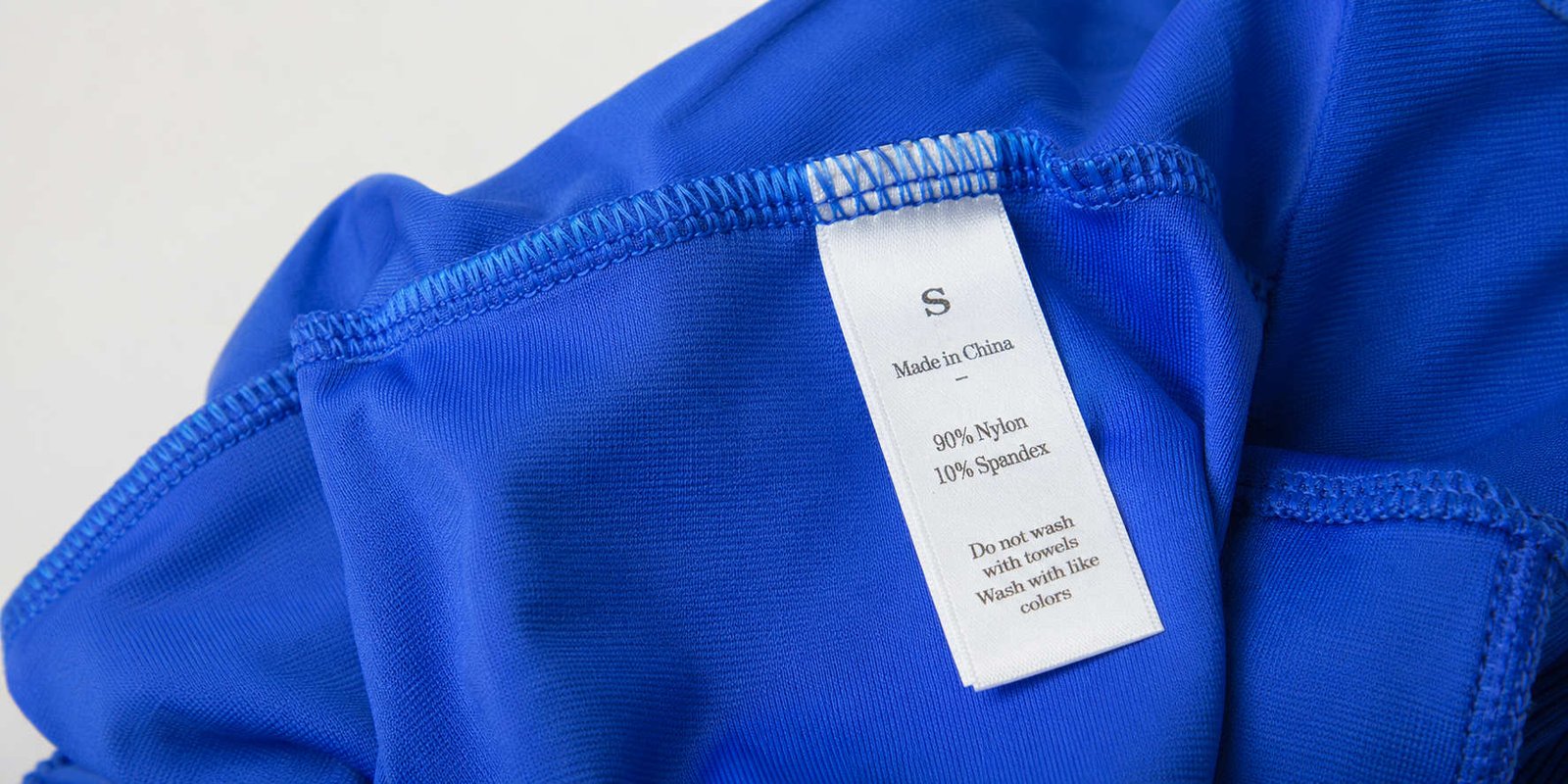
Garment Labels
Use the correct main, care and size-label information for the released SKU.

SKU & Barcode
Match commercial identification to the correct style, color and size combination.
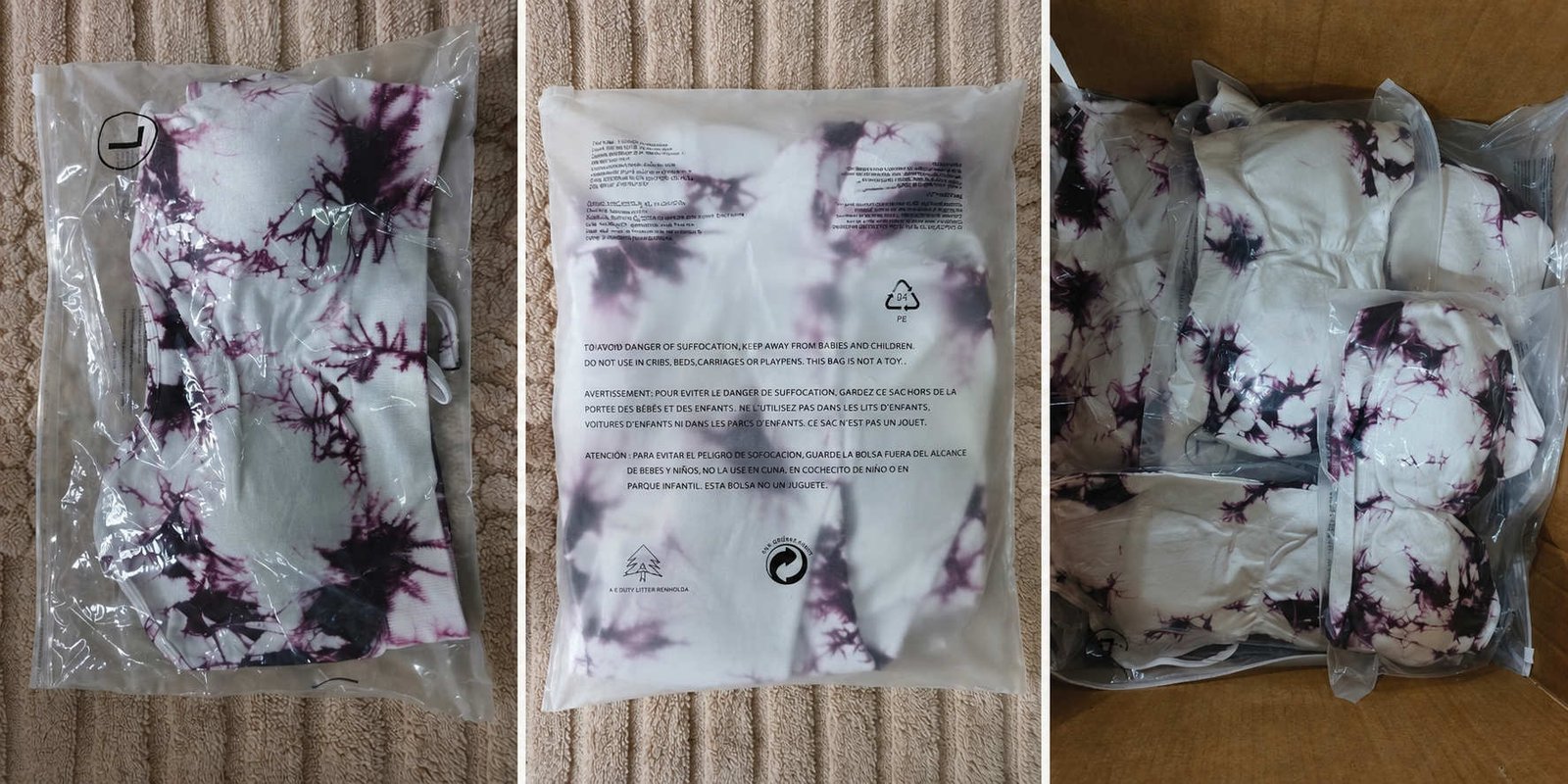
Individual Packaging
Apply the approved polybag, branded packaging and any variable product identification.
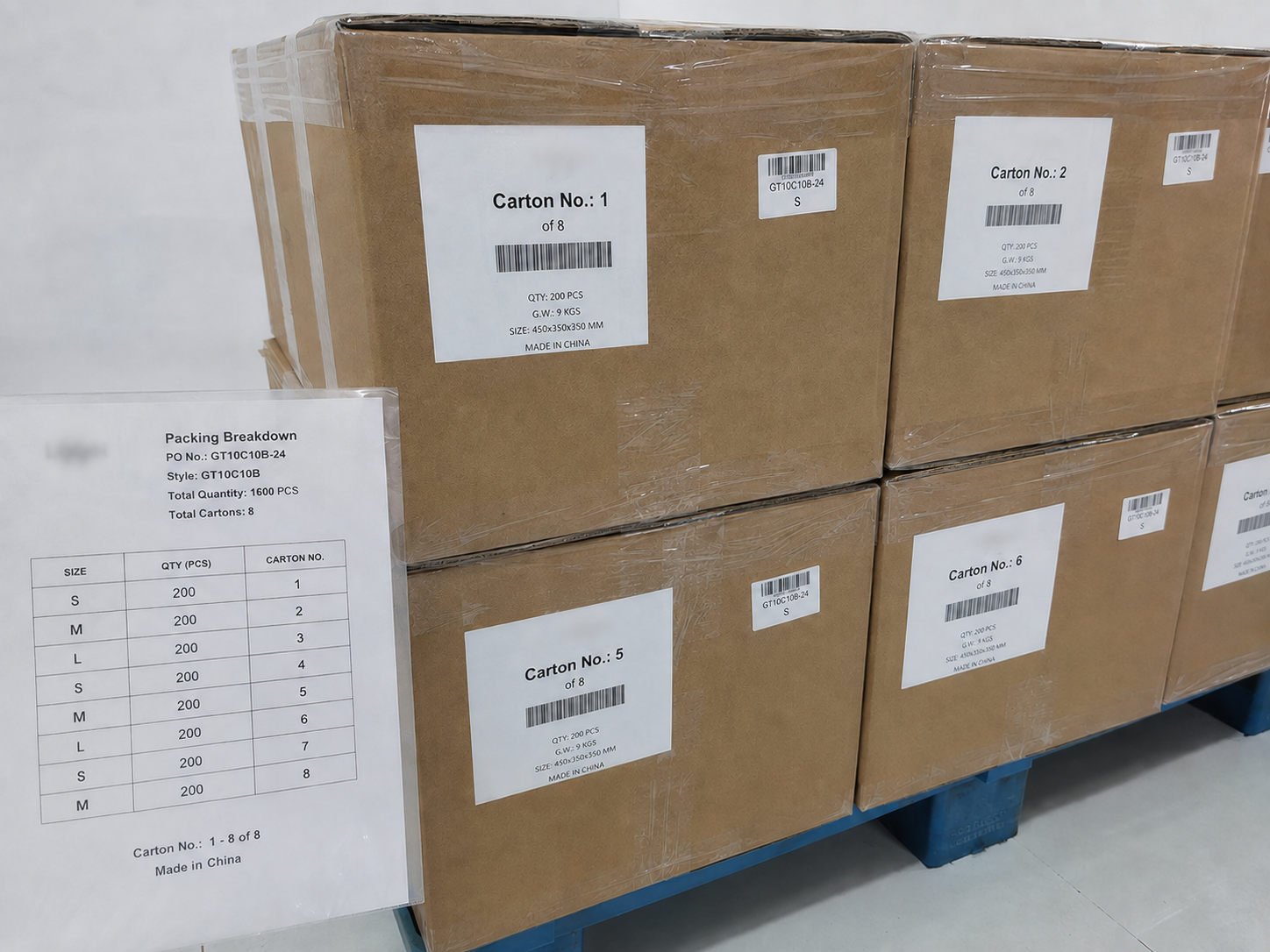
Carton Information
Connect packed units to carton number, SKU breakdown and shipment information where required.
For larger or multi-SKU orders, the detailed traceability structure can be adapted to the buyer’s packing, warehouse and shipment requirements.
Send Your Seamless Gym Shorts Project for Technical Review
Share the information you already have. MOVEVOX can review a complete Tech Pack or start from a legally usable sample, sketch, image or defined concept and identify the technical and commercial open points.
- Product type, training use and target market
- Tech Pack, sample, sketch or current reference
- Yarn, color, fit and Seamless structure direction
- Estimated quantity, size/color split and target date
- Branding, packaging, testing or audit requirements
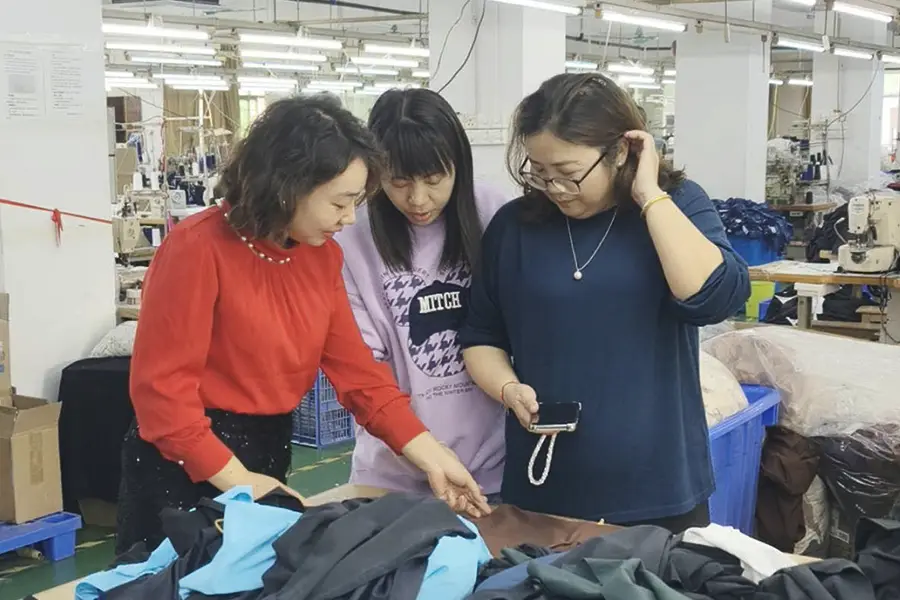
Carry the Approved Gym Shorts Standard Into Bulk
Buyer approval only protects the product when the approved sample, current program, measurements, yarn, color, branding and production release all point to the same current version.
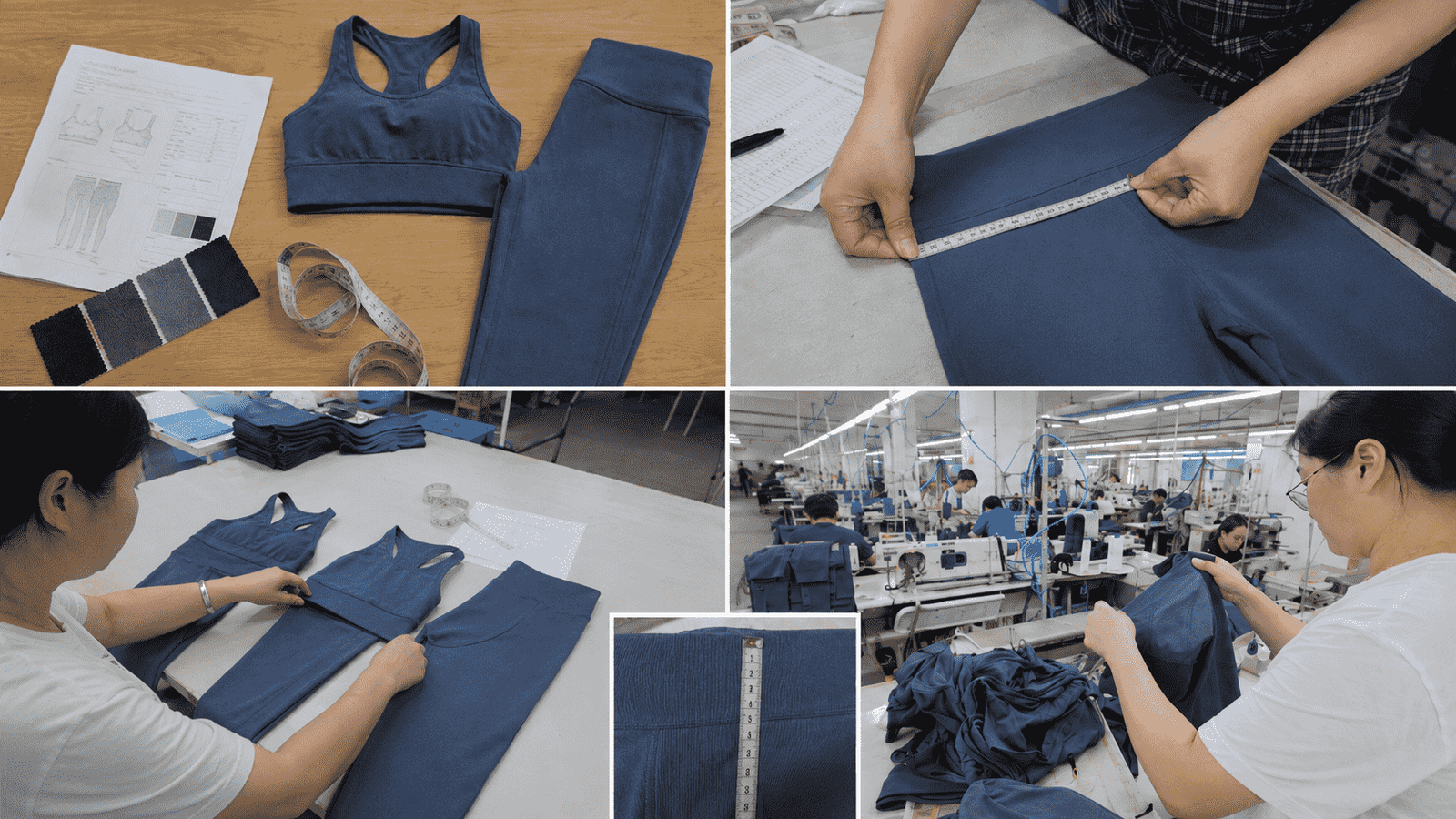
Buyer-Approved Product
Physical sample, measurements, yarn, structure, color and applicable brand details form the released product reference.
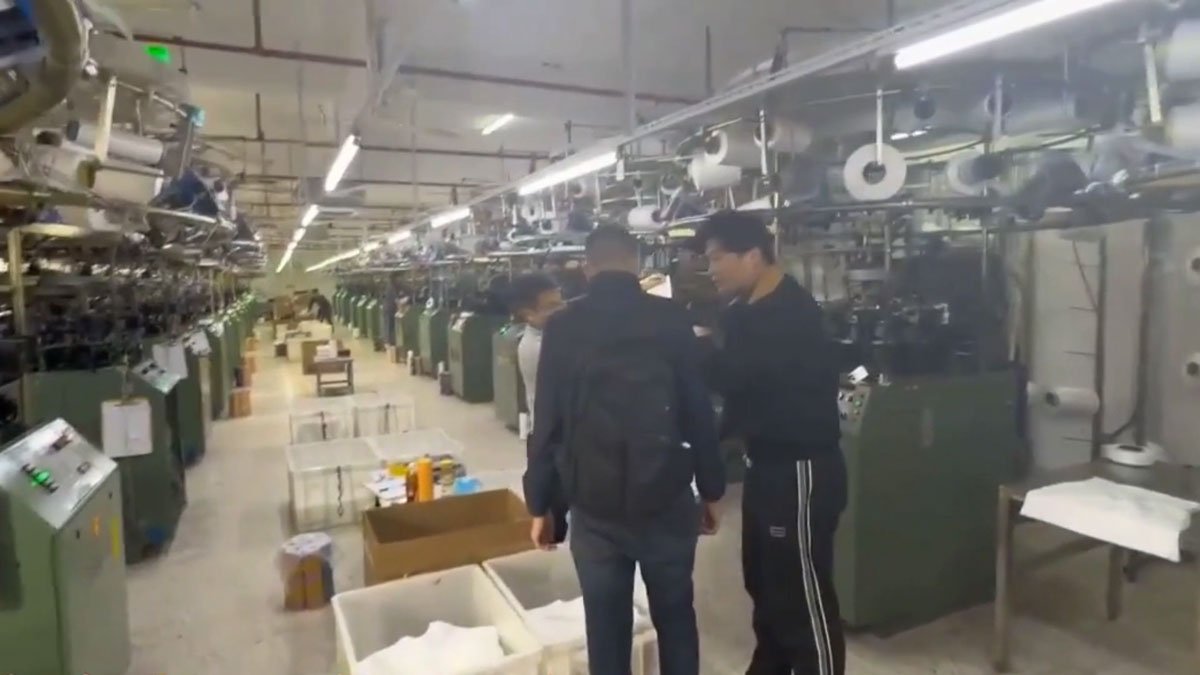
Controlled Reproduction
First Article, production checks and final inspection verify whether current bulk remains aligned with the released standard and tolerances.
Sample ID
Identify the physical reference and approval status.
Program Version
Use the released Seamless program for the relevant size and revision.
Yarn & Color
Link production to the applicable material and color reference.
Measurements
Use current POM, measurement method and tolerance.
Movement Result
Retain the approved product result where movement acceptance is part of the buyer standard.
Branding
Confirm logo, labels, SKU data and packaging for the correct product.
First Article
Compare early production against the released standard before wider output continues.
QC Records
Keep applicable inspection evidence linked to the correct production scope.
Validate the First Article Under Bulk Conditions
The First Article verifies whether the approved product can be reproduced using the actual bulk yarn, machine, program, finishing and production conditions before the order expands into normal output.
Bulk Inputs
Confirm actual yarn lot, color, machine assignment and released program version.
Key Measurements
Check waistband, rise, inseam, hip/thigh and leg-opening POM against the released standard.
Knit Structure
Verify rib, texture, mesh, contour and local-density zones against the approved product.
Appearance
Review color, surface defects, holes, snags, drop stitches and garment completion.
Branding
Confirm logo, labels, SKU details and applicable packaging references.
Release Decision
Pass, correct and recheck, or hold production expansion until the required issue is closed.
Track WIP Before Production Drift Becomes a Delivery Problem
A useful production update shows where the order actually is, what remains open and whether a quality hold, rework, material constraint or packing bottleneck can affect the cargo-ready date.
Planned Quantity
Released PO and SKU quantity used as the production baseline.
Knitted
Units completed through Seamless knitting and available for the next stage.
Finishing
Units moving through necessary sewing, finishing or garment completion.
QC Hold
Units isolated while a defect, measurement or other quality issue is reviewed.
Rework
Units being corrected and waiting for re-inspection where correction is permitted.
Final Passed
Quality-released units available for approved packing.
Packed
Units packed against the correct SKU, label and carton requirements.
Balance & Risk
Remaining quantity, forecast completion and current owner of any open risk.
What QA and QC Should Verify on Seamless Gym Shorts
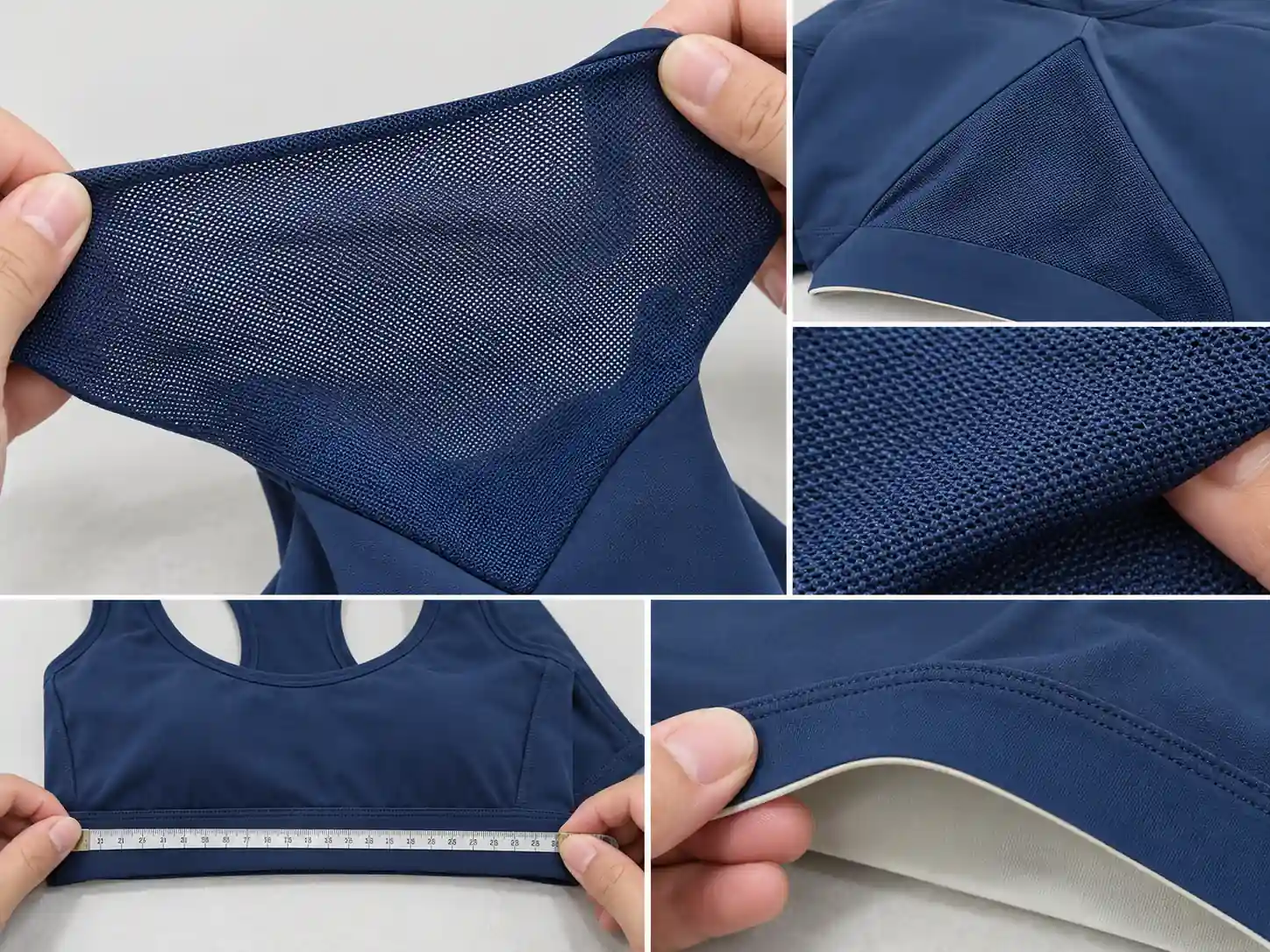
Quality control should be connected to the product risks already defined during development. The goal is not to repeat a generic garment checklist, but to inspect the variables most capable of changing the approved gym-short result.
Released Standard
Current sample, program version, measurement method, yarn and color reference are identifiable.
Waistband
Height, circumference, structure and physical appearance remain aligned with the approved product.
Key Measurements
Rise, inseam, hip/thigh, leg opening and other buyer-defined POM are checked consistently.
Knit Defects
Holes, snags, dropped stitches, local elastic differences and visible structural defects are identified.
Zone Placement
Rib, mesh, contour or density zones appear in the intended position for the relevant size.
Color & Lot
Applicable yarn/color lot and visible shade result are connected to the current production scope.
Brand Execution
Logo, labels, size, SKU and packaging correspond to the correct product.
Hold & Recheck
Nonconforming goods are isolated and re-inspected after permitted correction before release.
Recordability
Important inspection results can be linked to the correct order, style or production batch.
MOVEVOX currently has five QC personnel. Buyer Tech Pack, QC Manual, approved sample and written acceptance standards take priority over internal defaults.
Review Records Behind Gym Shorts Quality Control
A quality statement tells a buyer what a supplier intends to do. A controlled record can show what was actually checked, when it was checked and which production scope the evidence belongs to.
Incoming Record
Shows applicable input checks before production use.
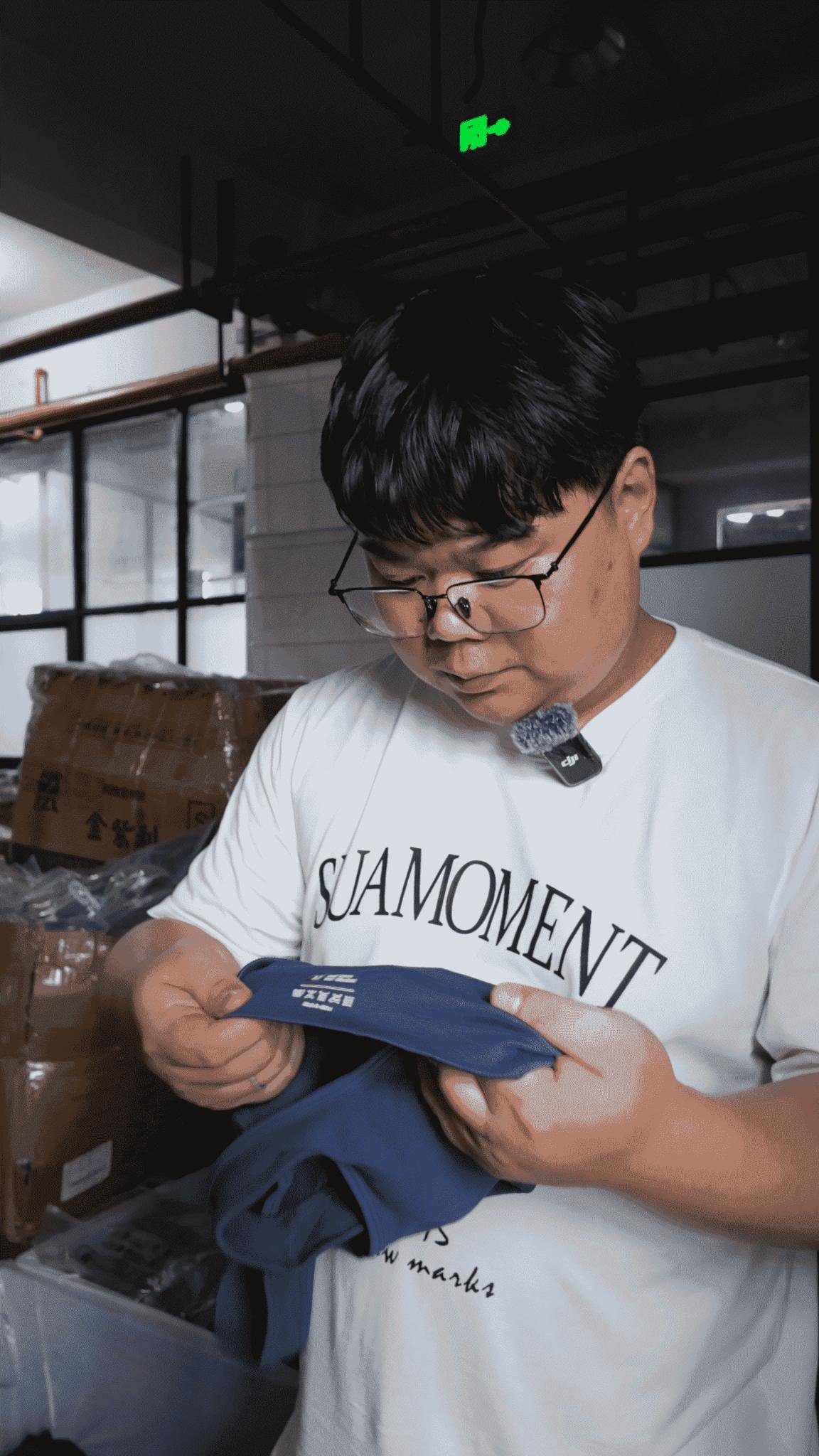
First Article
Connects early production to the current released product.
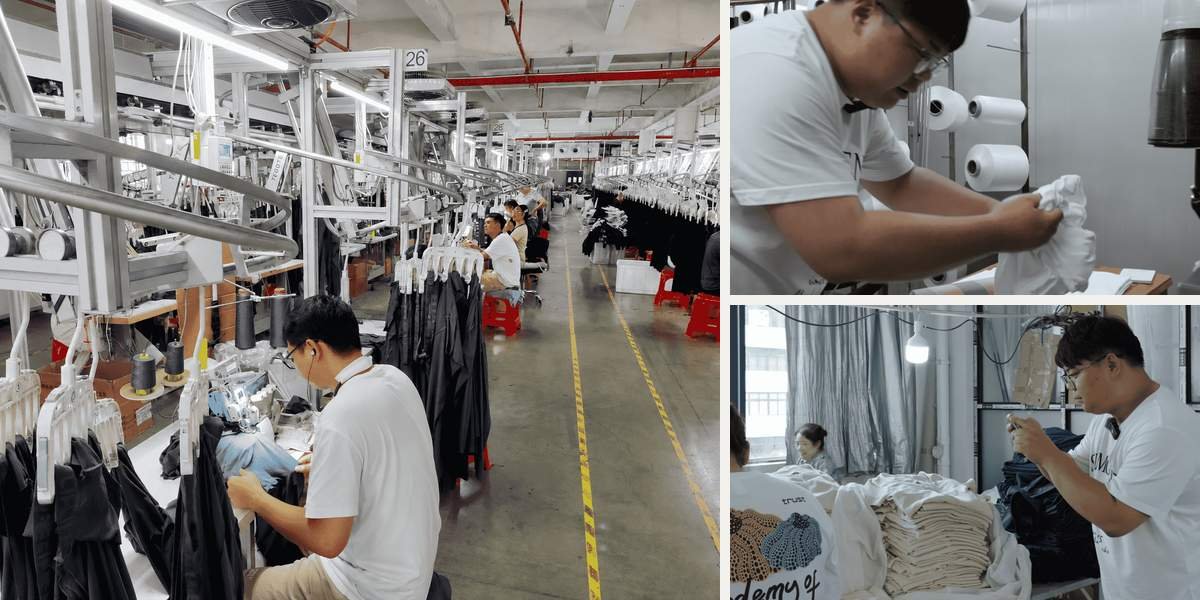
Inline Inspection
Documents checks while correction remains practical.
Measurement Record
Links physical dimensions to the current measurement standard.
Final Inspection
Shows the final garment and packing checks before release.
Correction & Recheck
Shows how a held issue is corrected, re-inspected and closed where applicable.
Allocate Production Without Losing the Approved Standard
Production scale matters only when the same released specification, material reference, First Article logic, WIP visibility and QC expectations remain connected to the facility actually making the goods.
Core Standard
Development, technical control and core Seamless production are anchored at the Yiwu manufacturing base.
PO Review
Confirm style, quantity, material, target date, customer site restrictions and audit requirements.
Facility Decision
Select the appropriate owned or managed production resource for the actual program.
Version Release
Use the current product, material, program and quality references for the assigned production scope.
WIP & QC
Keep production progress, holds, inspection and corrective actions inside the same management system.
Shipment Release
Release only the quality-approved product and packing scope for shipment.

MOVEVOX operates one owned core manufacturing base and works with eight major managed satellite factories. Satellite factories are managed production resources and must not be described as MOVEVOX-owned factories.
Verify Gym Shorts Claims With Product-Specific Evidence
Supplier claims should be translated into a physical product, a defined condition and reviewable evidence. The same marketing phrase can describe very different products if the acceptance method is never defined.
Myth: “Seamless” Means Zero Seams
Fact: Seamless circular knitting can reduce conventional panel seams, but crotch, finishing, labels and other garment operations can still require sewing.
Basis: actual garment construction.Myth: High GSM Guarantees Coverage
Fact: Opacity depends on yarn, structure, color, stretch, fit and the finished garment, not GSM alone.
Basis: physical product validation.Myth: More Spandex Means Better Support
Fact: Fiber percentage does not independently define support, recovery or fit. Yarn, structure, density and garment dimensions interact.
Basis: material + garment review.Myth: Tight Waist Means Stable Waist
Fact: Stability depends on waistband height, circumference, structure, rise, recovery and the wearer’s approved fit.
Basis: fit and movement review.Myth: One Program Scales Every Size
Fact: Size-set validation is needed because dimensions, proportions and zone placement can change through the commercial size range.
Basis: physical size review.Myth: One Test Covers All Products
Fact: Test results apply to the tested sample and defined method or scope. They are not automatic evidence for every future gym short.
Basis: report scope.
From Sample Validation to Repeat Activewear Supply
This anonymized Spanish activewear case is broader than one Seamless Gym Shorts SKU, but it shows how MOVEVOX has supported a buyer from sample evaluation into customized bulk, repeat purchasing and a later demand increase.
Initial Product Review
The customer first purchased available samples and reviewed material, workmanship, style and product details before moving into customization.
Brand Execution
The program added customized logo, care label, hangtag and packaging requirements before commercial production.
First Bulk
The first recorded customized bulk order was approximately 1,200 pieces and was completed in approximately 15 days for that specific order.
Early Reorder
A further approximately 1,200-piece order was placed before the first shipment had physically arrived.
Ongoing Purchasing
The relationship later developed into a recorded purchasing pattern of approximately two orders per month.
Scale-Up Response
One recorded May order increased to approximately three times the customer’s normal volume, requiring additional production allocation.
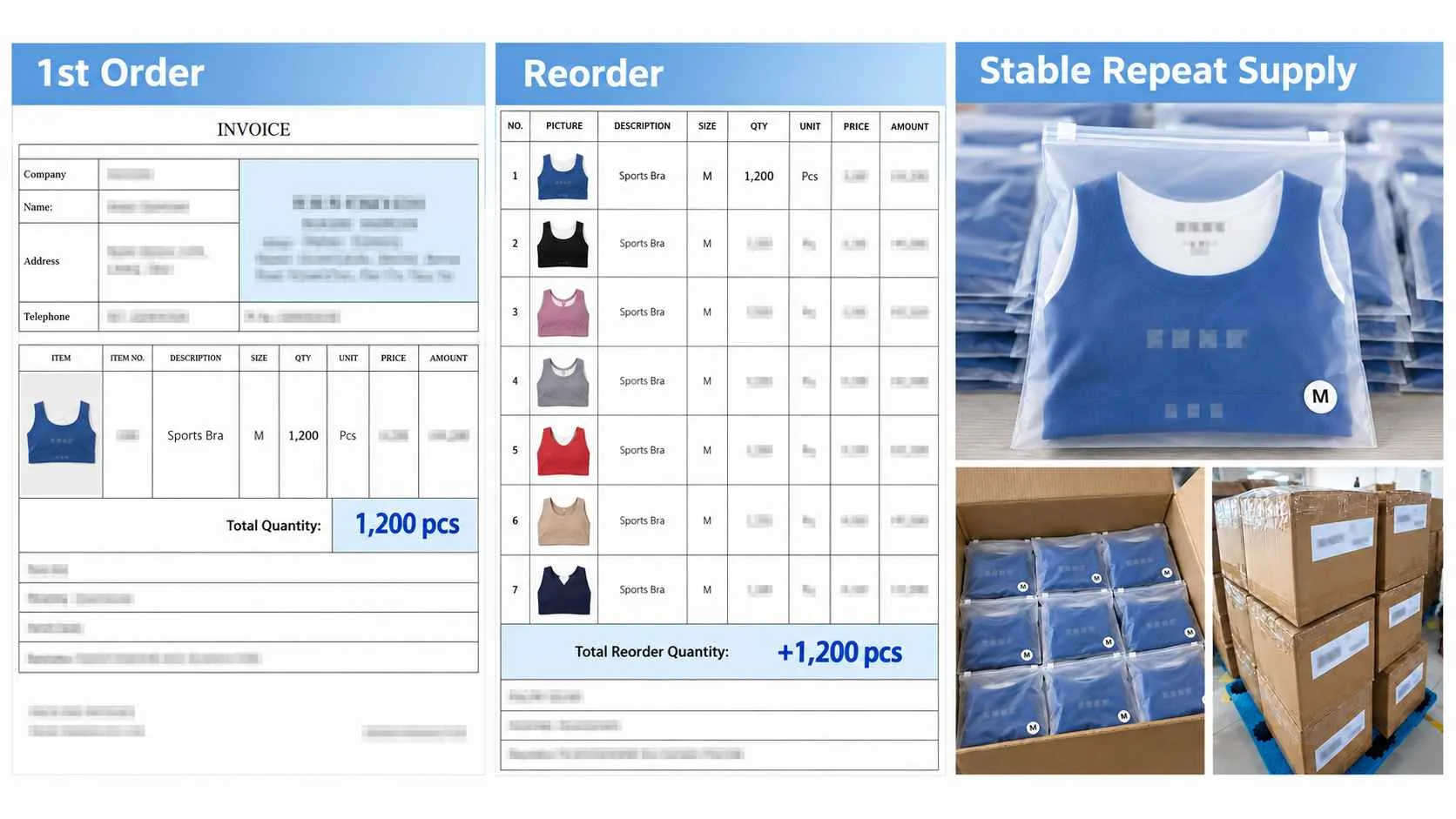
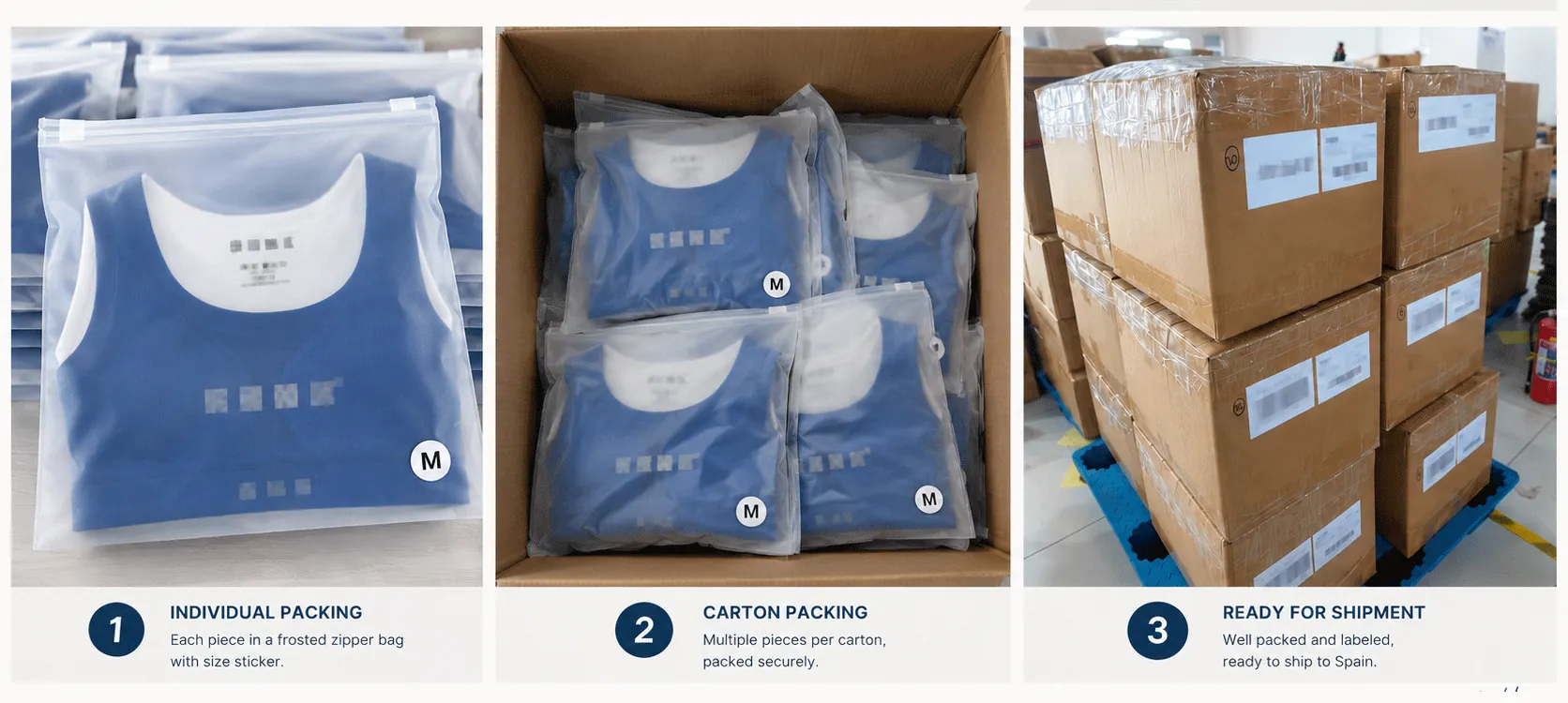
This case demonstrates a repeat-supply path, not a promise that every project will follow the same volume, timing or reorder frequency. Public evidence should remain anonymized and authorized.