
Scrunch Shorts Manufacturer for Private Label Activewear Brands
MOVEVOX develops Scrunch Shorts through Seamless and Cut & Sew manufacturing, translating rear silhouette, fit, material, size, construction and private-label requirements into physical samples and controlled production standards for activewear brands.
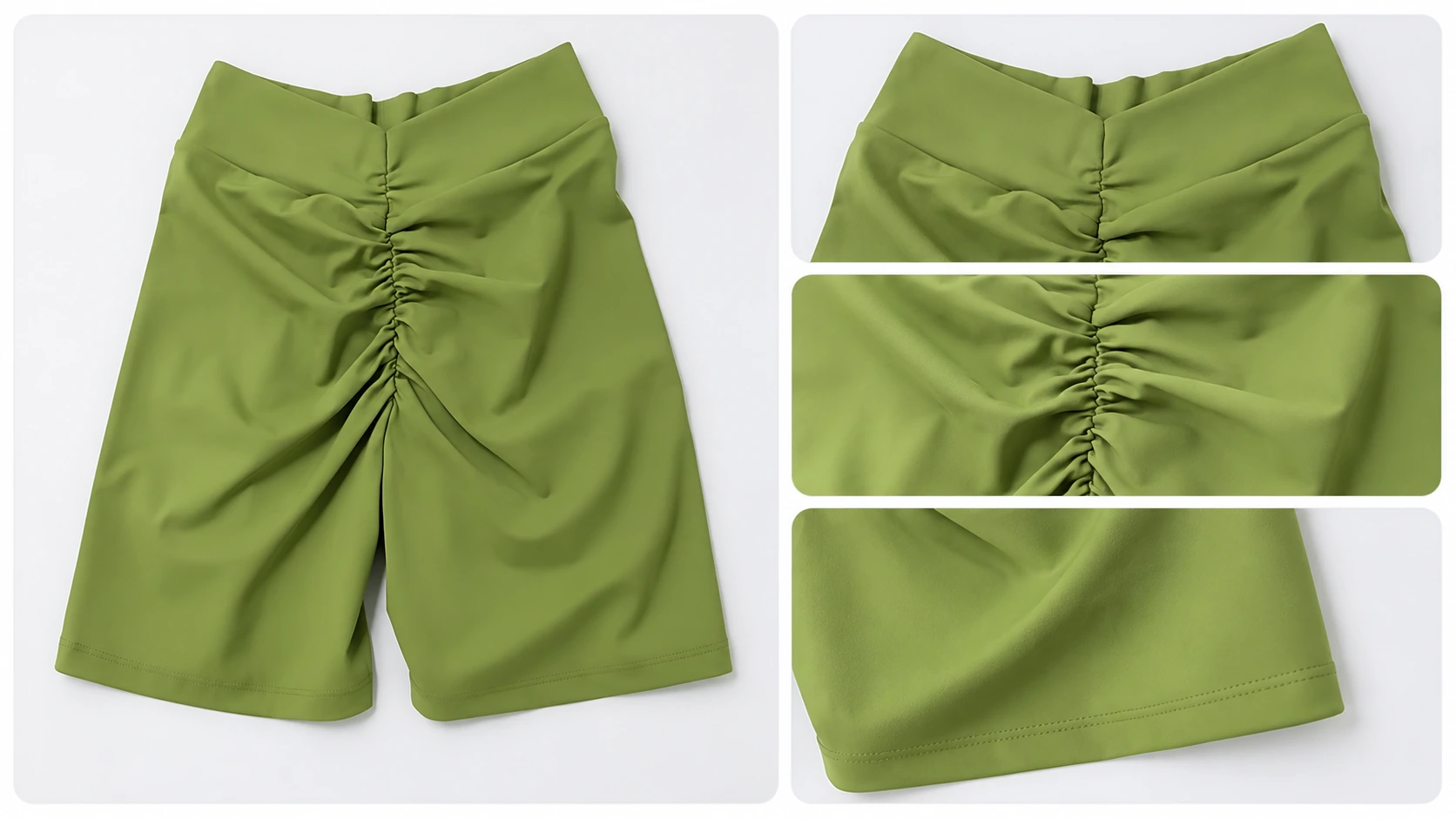
Rear Construction
Review the Scrunch feature as part of the complete physical garment rather than as an isolated visual detail.
Read Scrunch Shorts as a Complete Rear System
The rear visual result is connected to waistband position, rise, hip capacity, center-back construction, crotch geometry and leg balance. Each zone should be reviewed against the physical sample.
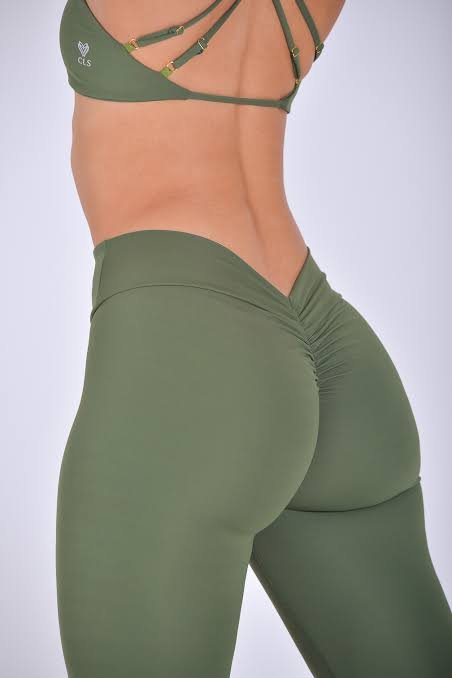
Waistband
The waistband establishes the upper garment position and influences how the rear body is loaded during movement.
Center Back
The Scrunch construction must remain related to the buyer-approved position, depth and physical appearance.
Hip Capacity
Insufficient rear capacity can pull on the waistband, crotch and Scrunch zone even when individual measurements appear acceptable.
Crotch
Crotch geometry connects front and rear fit and can change pressure or pull through the center-back construction.
Inseam
Inseam balance influences leg rotation, ride-up and how movement loads the upper garment.
Leg Opening
The approved opening needs to stretch and recover without creating unnecessary pressure or pulling the garment upward.
Scrunch placement should be approved as part of the complete garment Fit. A visually correct rear detail cannot compensate for an incorrect waistband, rise, hip or leg relationship.
Walk Through the Scrunch Manufacturing System
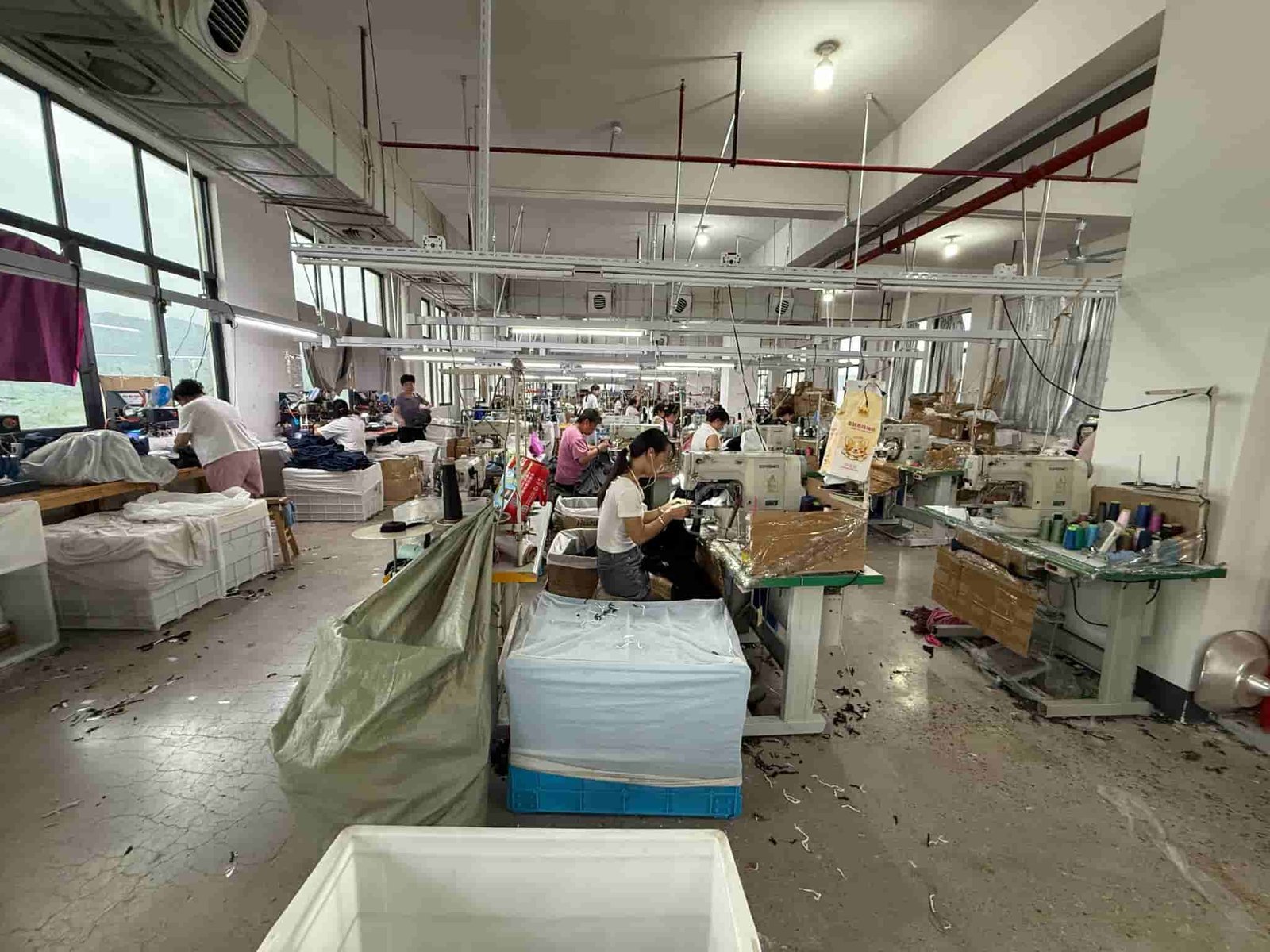
A Scrunch Shorts supplier should be evaluated through the manufacturing resources and controls behind the product. This walkthrough connects development, Seamless, Cut & Sew, quality and execution to the MOVEVOX operating system.
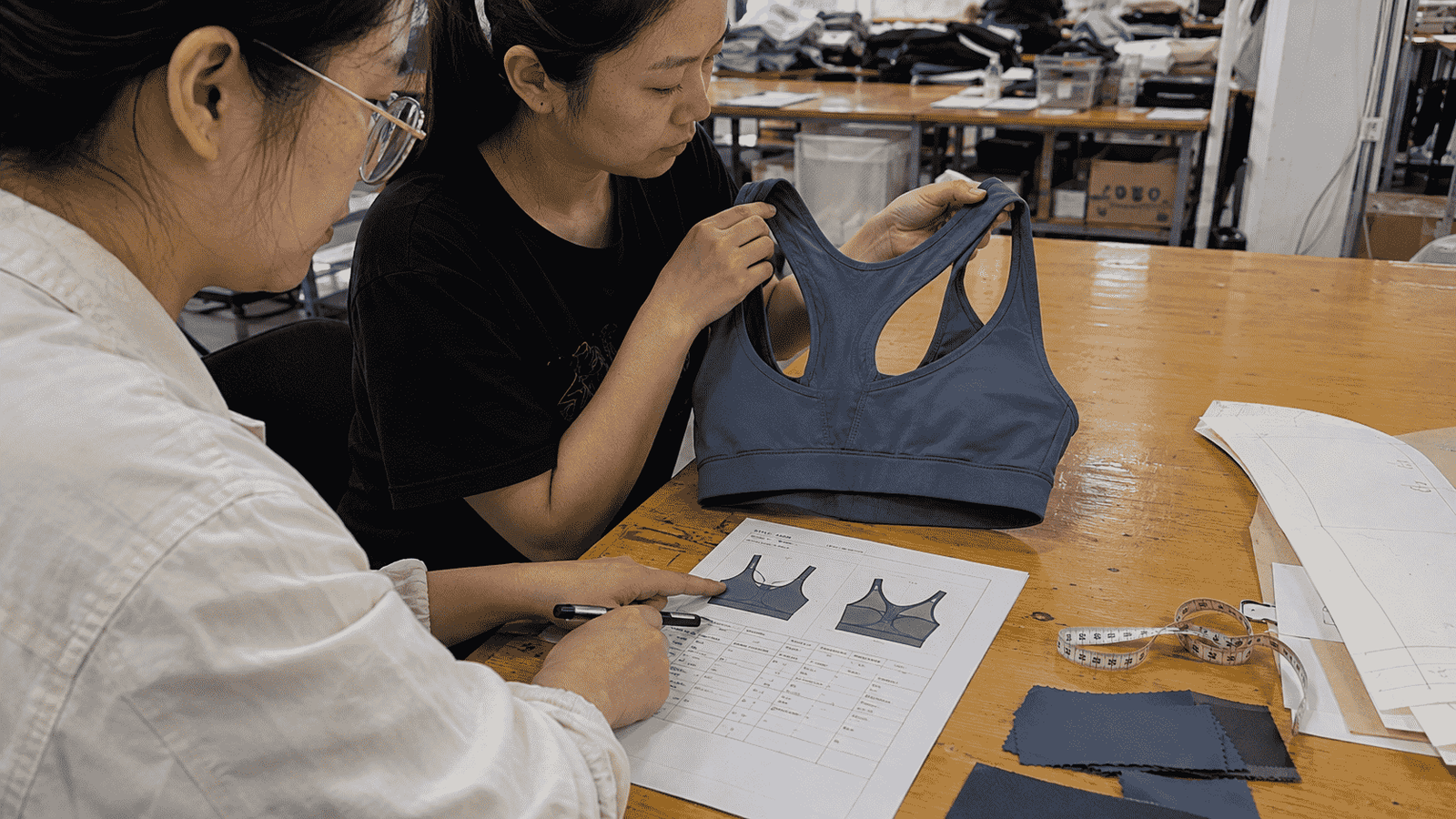
Development Review
Before production equipment becomes relevant, the product needs a defined technical direction. MOVEVOX can begin from a Tech Pack, measurement chart, authorized physical reference or sufficiently defined concept. The team reviews construction, fit, material, size and open technical points so Seamless or Cut & Sew is selected from the required product architecture rather than supplier convenience.
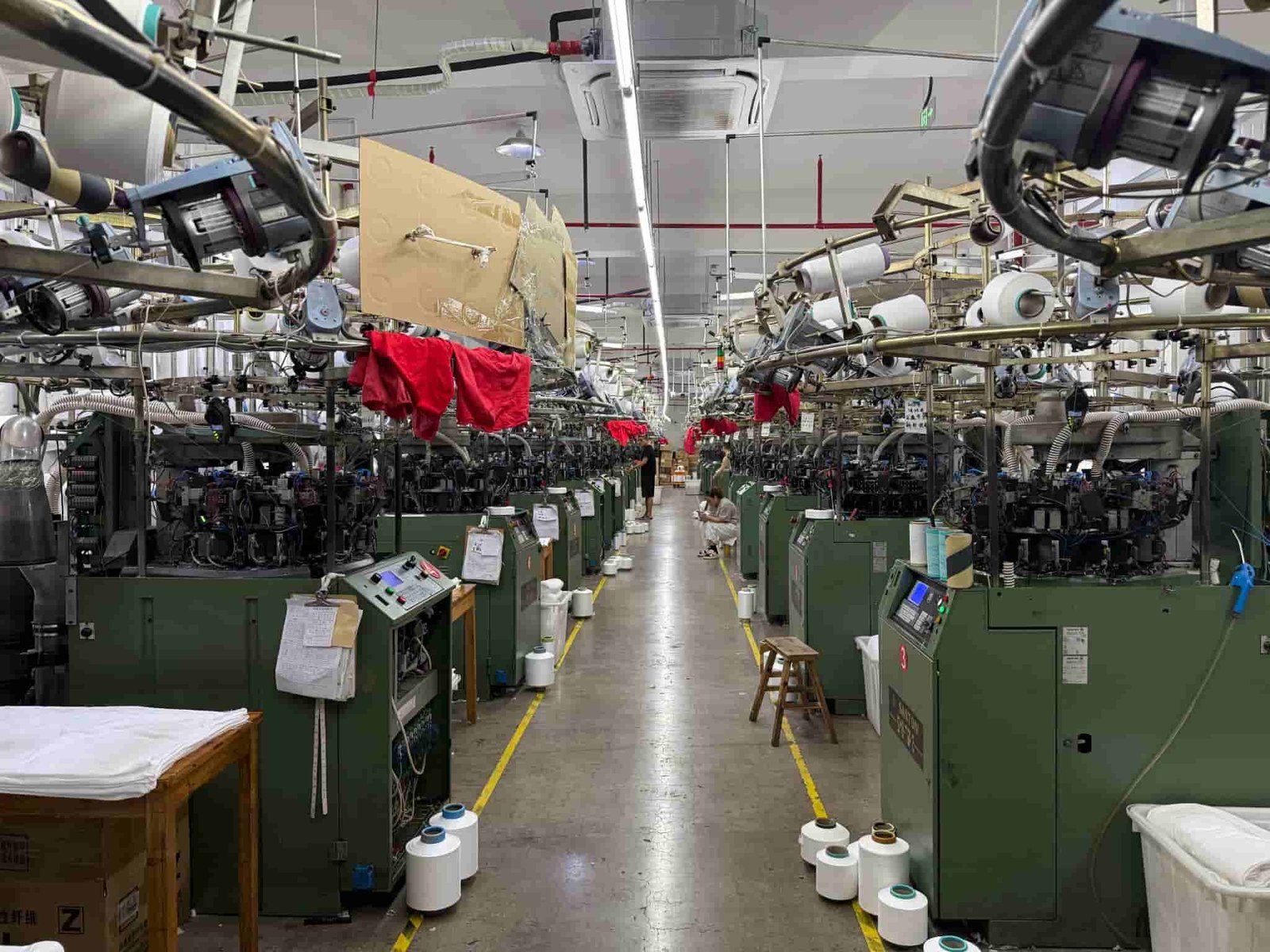
Santoni Production
MOVEVOX’s core production system includes 28 Italian Santoni Seamless knitting machines. For a Seamless Scrunch direction, machine capability is only one part of the decision: yarn, circumference, size, programmed structure and finishing also influence whether the intended rear construction can be developed and reproduced.

Cut & Sew Production
The core manufacturing base also includes approximately 24 principal sewing and garment-production machines. Cut & Sew Scrunch Shorts may rely on stretch fabric, pattern geometry, center-back construction, gathering, crotch assembly and other sewing details. Final construction follows the Tech Pack and approved sample rather than one fixed Scrunch sewing method.
Quality Control
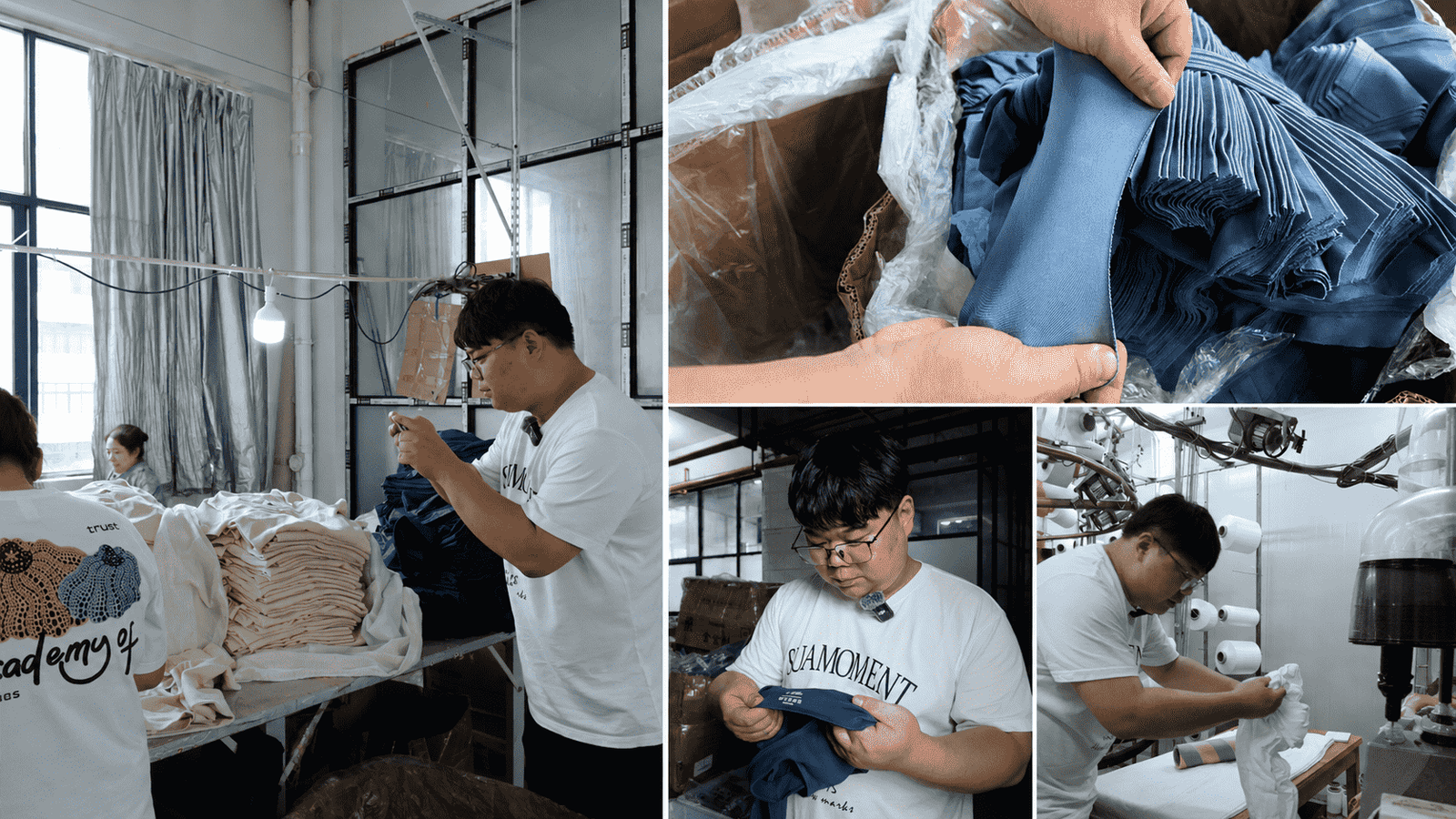
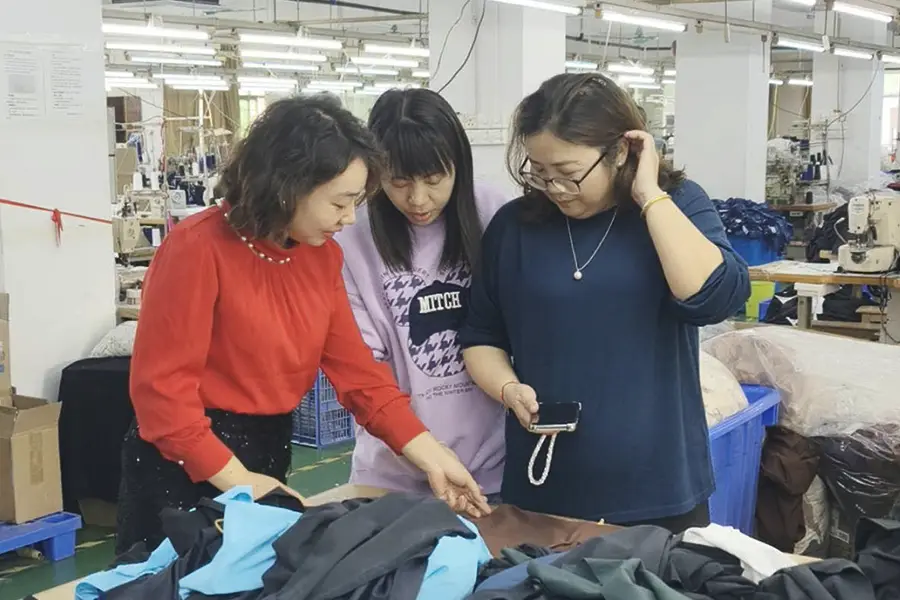
MOVEVOX currently has five dedicated QC personnel supporting the defined quality-control chain. For a Scrunch Shorts project, relevant checks can include material, measurements, rear position, symmetry, stitching or Seamless structure, branding and packing according to the project standard and buyer requirements.
Packing Control
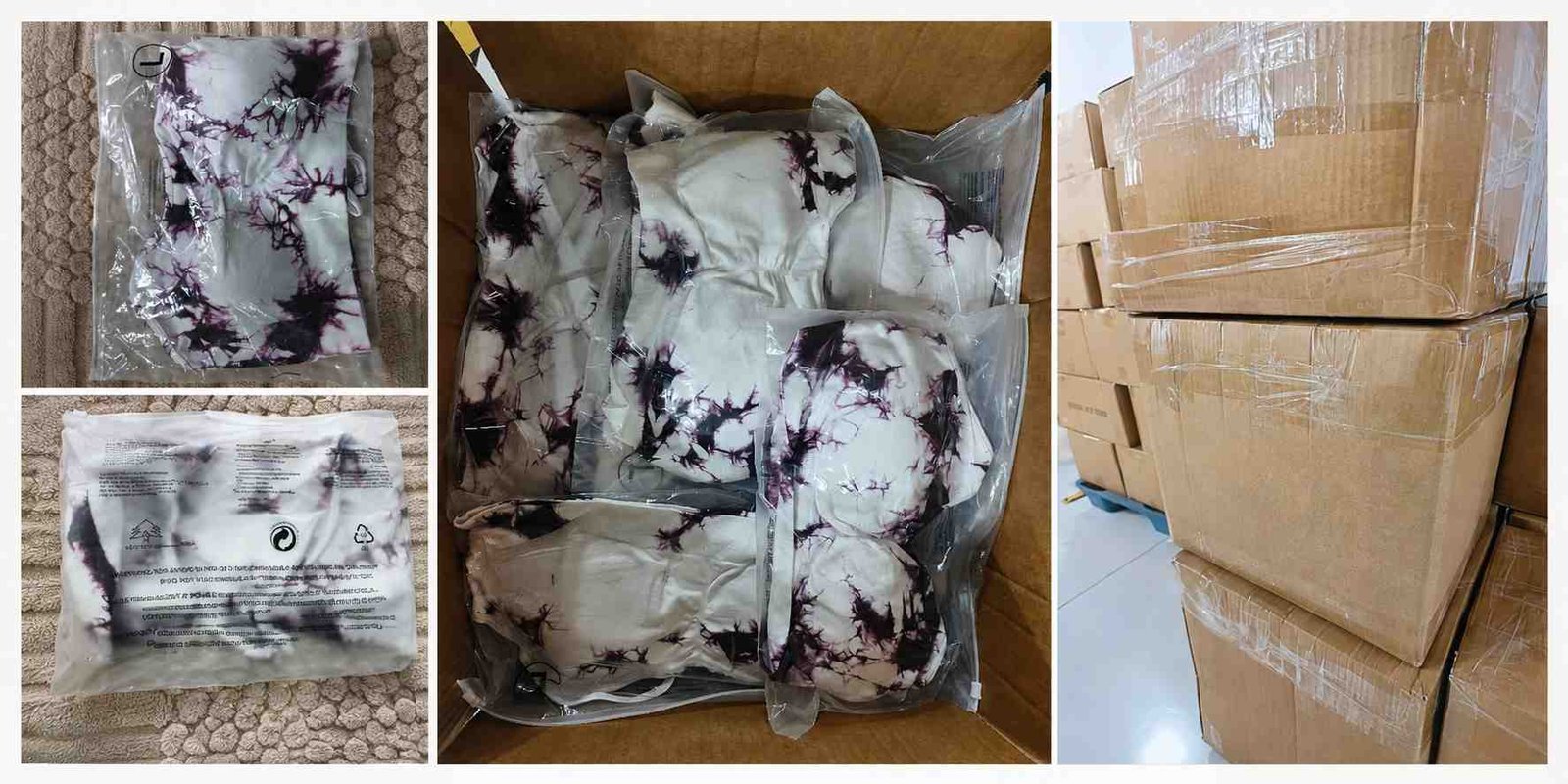
Private-label execution continues after garment construction. Size, color, labels, Logo, barcode or SKU information and buyer-defined packaging need to remain connected to the correct product version, especially where a Scrunch program expands into several colors, sizes or coordinated activewear SKUs.
Production Coordination
MOVEVOX combines the core Yiwu base with a managed network of long-term satellite facilities when additional controlled production support is required. External facilities should not be presented as owned factory space. Project allocation, documents, quality requirements and release conditions remain part of the coordinated manufacturing system.
What Becomes the Approved Scrunch Fit Standard?
A successful fitting should end as a controlled technical reference, not only as a garment that “looks right.” MOVEVOX links physical approval with measurable fit and current production information.
Approved Fit Inputs
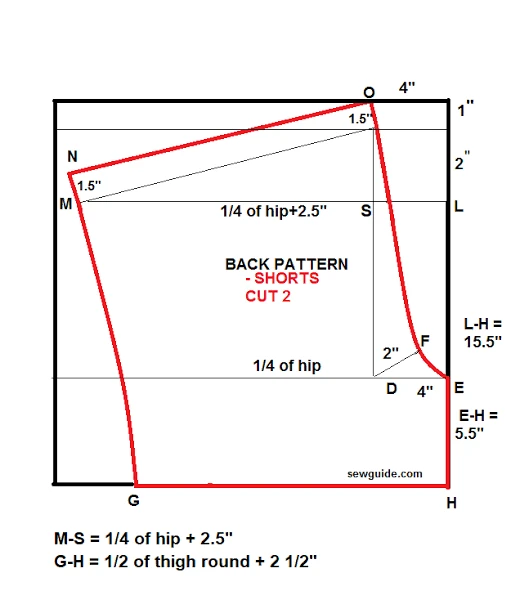
The buyer-approved fit should identify the applicable Style, Version, Size and Material together with the relevant measurement chart, measuring method and agreed tolerance. For Scrunch Shorts, the fit record should also make the important rear relationships clear: waist and hip balance, front and back rise, crotch, inseam, leg opening and buyer-approved Scrunch position. Approval of one base size does not automatically approve the complete size range.
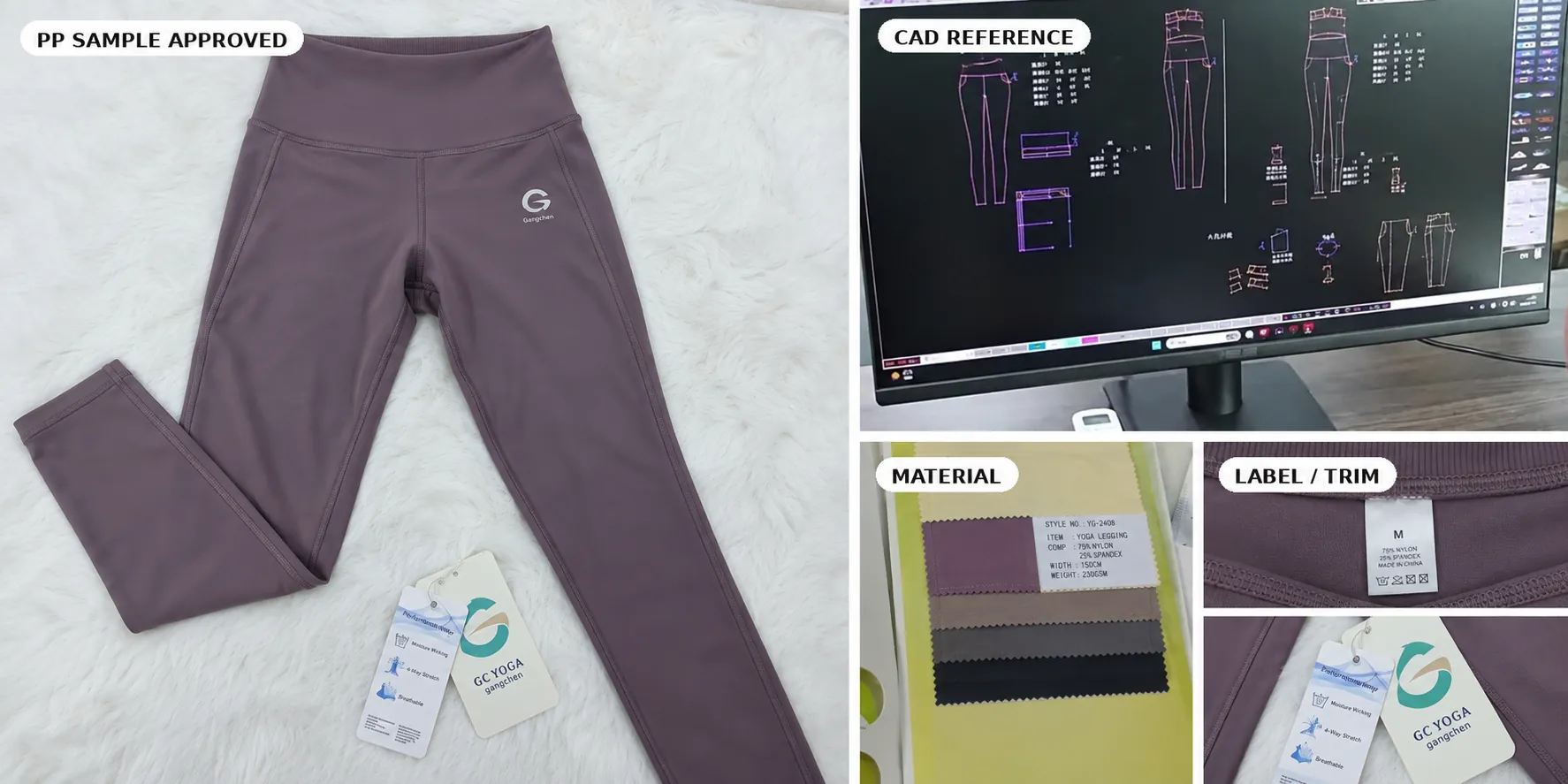
Production Fit Package
The approved physical sample should remain connected to the current pattern or Seamless program, final fit comments, applicable grade rules and any Size Set or PP approval required by the project. Production and QC then receive a controlled reference rather than a verbal description such as “make the rear a little deeper.” Material or major structural changes may require renewed fit validation before the same standard is reused.
Review the Measurement Chart Before Scrunch Sampling
A measurement chart can contain technically valid numbers that still conflict with the intended Scrunch fit. Pre-sample review identifies missing, ambiguous or inconsistent POM before those issues become physical sample revisions.
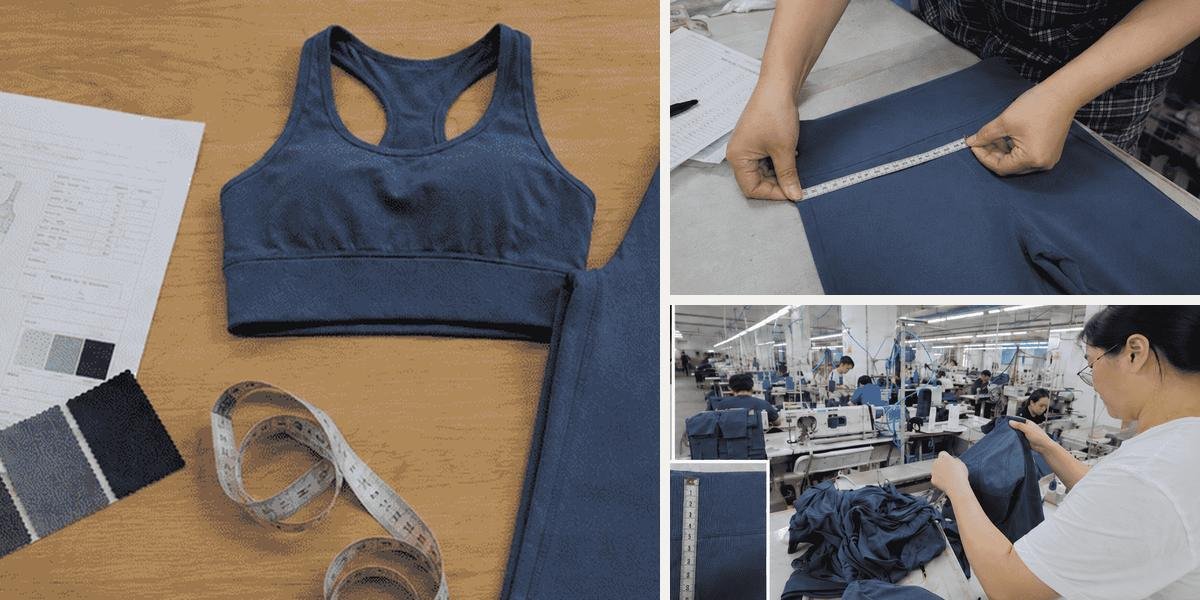
Missing Rear POM
Impact: Different developers can interpret the same visual reference differently, producing a sample whose general dimensions are correct but whose rear construction sits too high, too low or over a different length.
Response: Identify the missing measurement or physical-reference requirement, issue a technical query and obtain buyer confirmation before it enters the current pattern or Seamless development version.
Measurement ReviewConflicting Geometry
Impact: Waist, hip, front rise, back rise and crotch values can look reasonable individually while their combined relationship does not provide the intended garment capacity.
Response: Review related dimensions as one system, compare them with the approved fit objective and resolve the conflict with the buyer instead of silently altering the specification.
POM LogicUndefined Measurement Method
Impact: Buyer, sample room and bulk QC can record different numbers on the same garment when the measuring state, start points or curve methods are unclear.
Response: Agree the measurement method before approval and carry the same method into sample records, First Article and production measurement controls.
Method NoteIrregular Grade Change
Impact: One size may fit correctly while another shifts Scrunch position, rear coverage or leg-opening pressure despite following the written chart exactly.
Response: Flag abnormal increments before size development, confirm the intended Grade Rule and validate representative sizes where project risk requires physical Size Set review.
Grade ReviewMap the Sewing Construction Around Scrunch Stress
For Cut & Sew Scrunch Shorts, different garment zones perform different structural jobs. Stitch and seam choices should follow material stretch, load direction, wearer comfort and the buyer-approved construction.
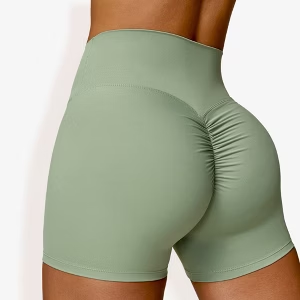
Center Back
The center-back construction carries the most visible Scrunch requirement and can also experience strong extension during movement. Seam type, gathering method, thread, tension and seam allowance should follow the approved design and material rather than being made “as tight as possible.”
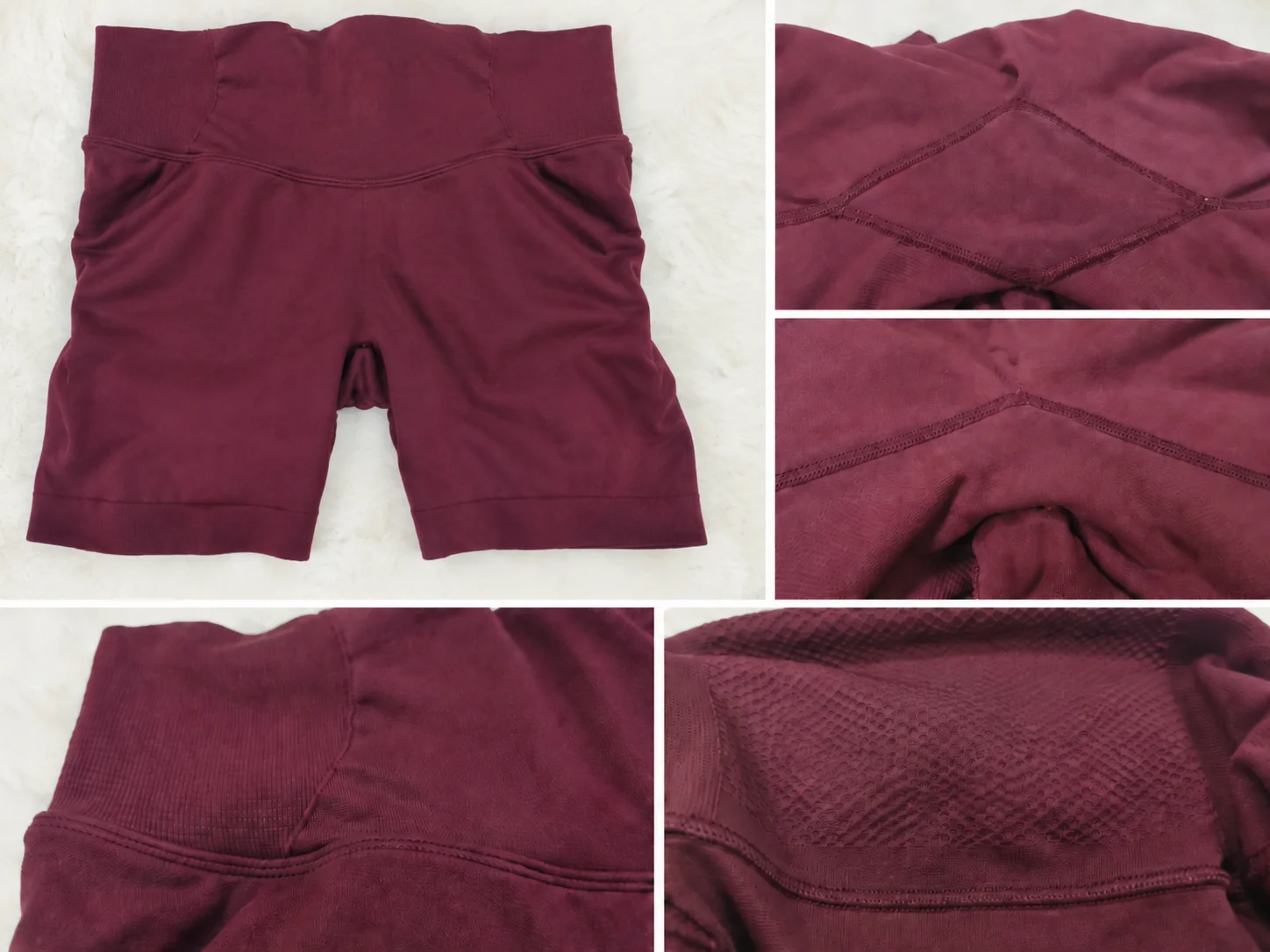
Crotch Join
The crotch connects front, rear and inner-leg structures in a high-movement area. Incorrect assembly can transfer tension into the Scrunch seam, change rise balance or create uncomfortable local bulk.
Rear Yoke
Where the buyer design includes a curved rear yoke or contour seam, its curve, seam allowance, symmetry and intersection with center-back construction need to remain aligned with the approved pattern.
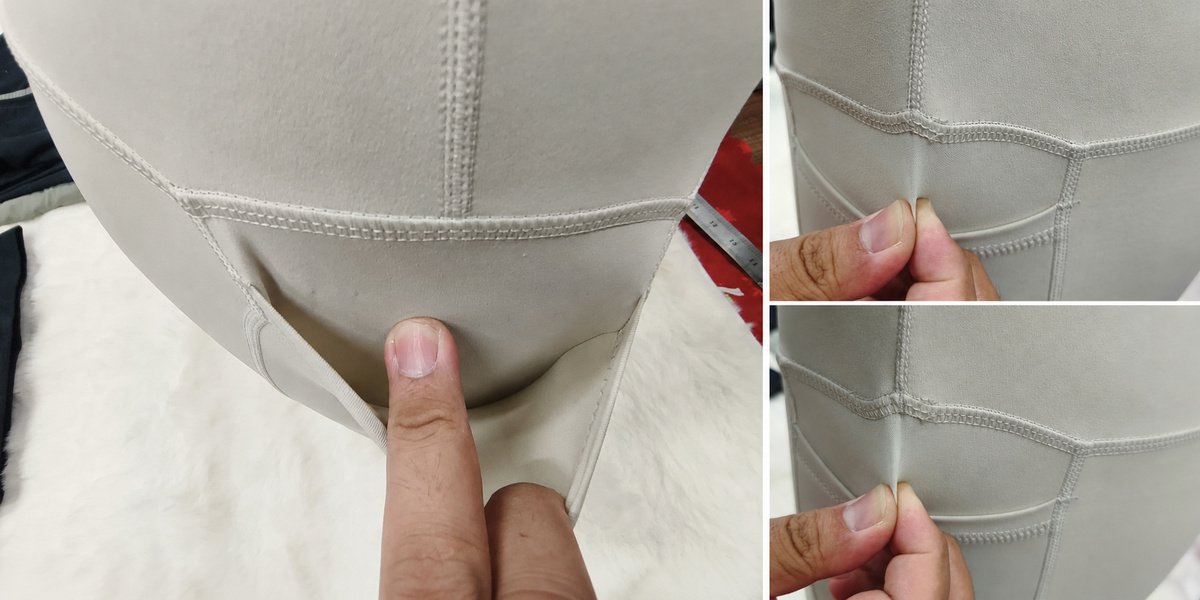
Inner Leg
The inner-leg seam is exposed to repeated stretch through walking, lunging and training movement. Thread, stitch formation, differential feed and seam stability should remain appropriate for the approved fabric.
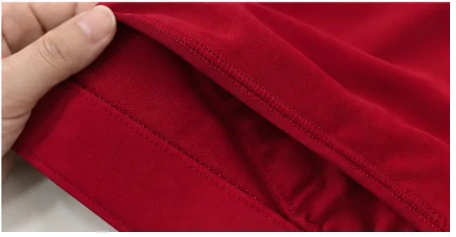
Waistband Join
The waistband anchors the garment while the hip and rear body extend below it. Excessive local stiffness or uneven attachment can change garment position and indirectly shift the Scrunch area during wear.
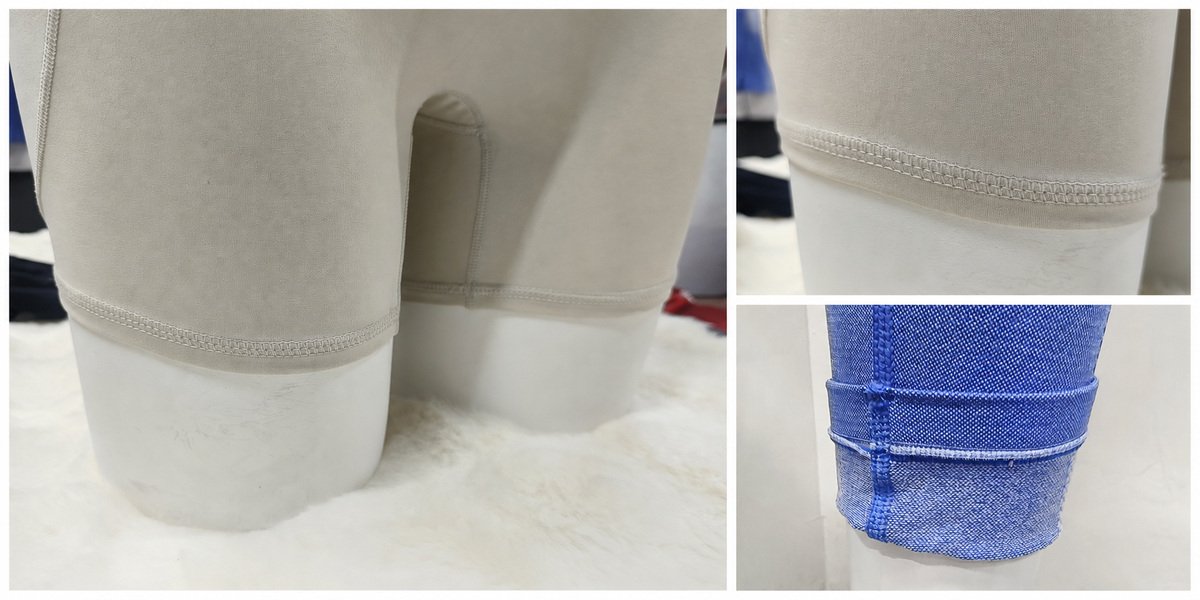
Leg Hem
The leg hem should allow the approved opening circumference to stretch and recover without unnecessary restriction, wave or stitch damage. The final behavior should be reviewed together with inseam, thigh fit and movement.
Reinforce Scrunch Areas Only Where Structure Requires It
Reinforcement should respond to real load direction and failure risk. Adding more stitches or more material everywhere can increase bulk, stiffness and local pressure without solving the actual problem.
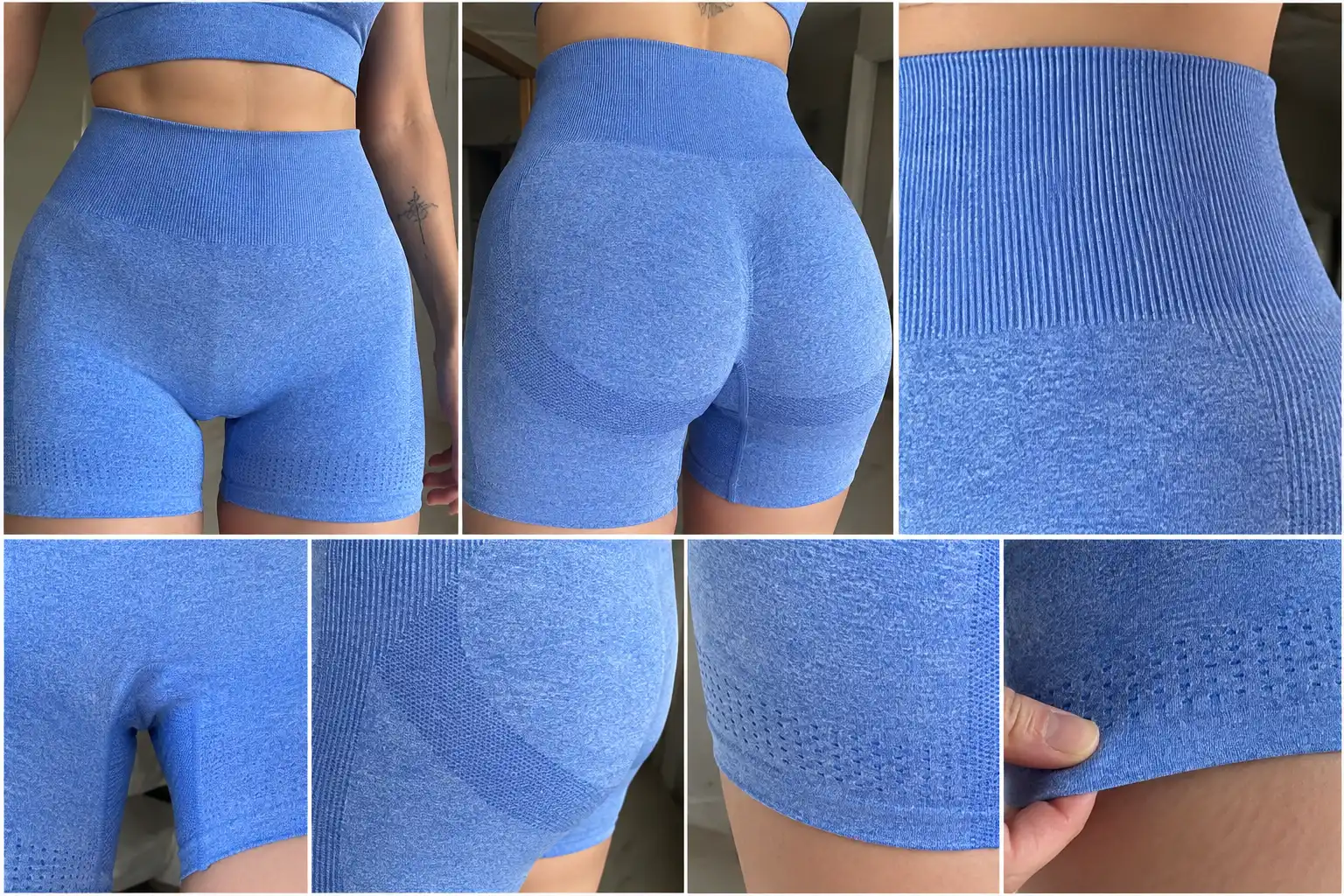
Center-Back Load
Claim: Reinforce only where required.
The rear seam or Scrunch construction can experience repeated extension. The approved reinforcement method should follow material behavior and the actual construction rather than a universal stitch count.
Sample + Stress ReviewCrotch Intersection
Claim: Control concentrated load.
Several structural lines can meet near the crotch. Reinforcement should improve stability without creating unnecessary thickness, hard points or distortion in a sensitive movement zone.
Construction ReviewWaist Transition
Claim: Keep upper fit stable.
Where the waistband connects to the body, reinforcement or attachment should remain compatible with stretch and recovery so the garment is not locally restricted.
Fit ValidationSeam Intersections
Claim: Prevent stacked bulk.
Rear yoke, contour seams or other design lines can create multiple seam intersections. Construction should be reviewed for alignment, stability and wearer comfort before bulk production.
First ArticleValidate Scrunch Fit Through Real Movement Conditions
Standing appearance alone cannot establish whether a Scrunch Shorts fit remains stable during movement. Relevant physical review should reflect the intended activity and the buyer’s approved product requirements.
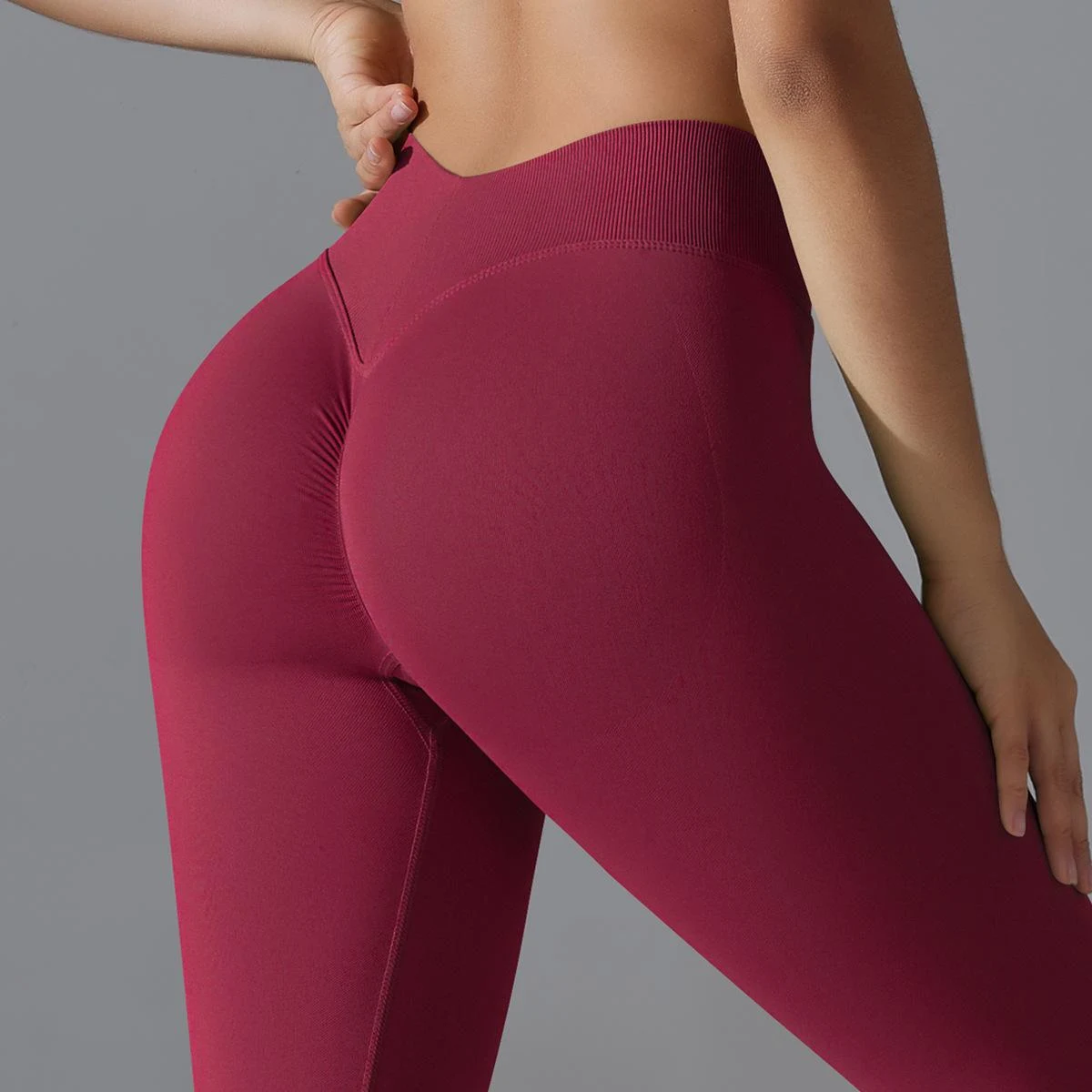
Standing Baseline
Begin with the approved neutral position. Review waistband level, front and back rise, rear construction, leg opening and overall symmetry before movement introduces additional extension.
- Waistband position
- Rear construction alignment
- Left-right symmetry
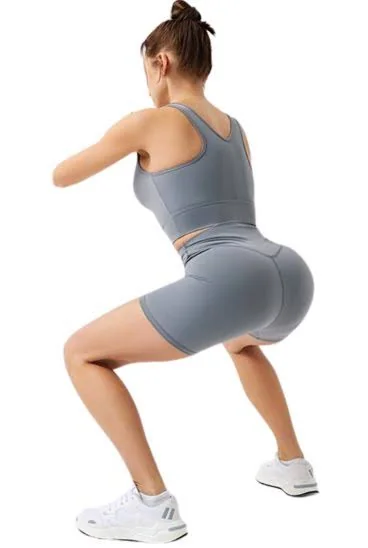
Squat Review
A squat increases extension through the seat, crotch and upper leg. Review whether the Scrunch zone stays appropriately positioned and whether material coverage, waistband behavior or seam loading changes beyond the approved direction.
- Seat extension
- Waistband migration
- Rear seam loading

Lunge Review
Lunging creates asymmetric extension and can reveal pulling through the crotch, rear seam, inner leg or leg opening that may not appear during a static fitting.
- Crotch balance
- Inner-leg stability
- Leg opening pressure
Repeated Movement
Where relevant, repeated movement can help reveal ride-up, waistband shift or material recovery concerns. Acceptance should follow the buyer’s defined product standard instead of a universal exercise test.
- Ride-up observation
- Recovery after extension
- Return to baseline

Compare Material Recovery Before Approving Scrunch Fit
Stretch determines how far a material can extend; recovery determines how it behaves after that extension. For fitted Scrunch Shorts, both should be reviewed against the actual construction and target fit.
| Material Direction | Composition | GSM | Stretch | Recovery | Rear Stability | Opacity | Surface | Best Use |
|---|---|---|---|---|---|---|---|---|
| Smooth Nylon / Spandex | Project-specific | Project-specific | Verify by sample | Verify by sample | Fit-dependent | Verify under stretch | Smooth | Fitted performance styles |
| Brushed Nylon / Spandex | Project-specific | Project-specific | Verify by sample | Verify by sample | Fit-dependent | Verify under stretch | Brushed | Softer-handfeel programs |
| Ribbed Direction | Project-specific | Project-specific | Structure-dependent | Structure-dependent | Structure-dependent | Verify when extended | Ribbed | Textured Scrunch styles |
| Seamless Yarn Route | Yarn-specific | Knit-specific | Program-dependent | Program-dependent | Program / size dependent | Verify by garment | Engineered knit | Seamless Scrunch direction |
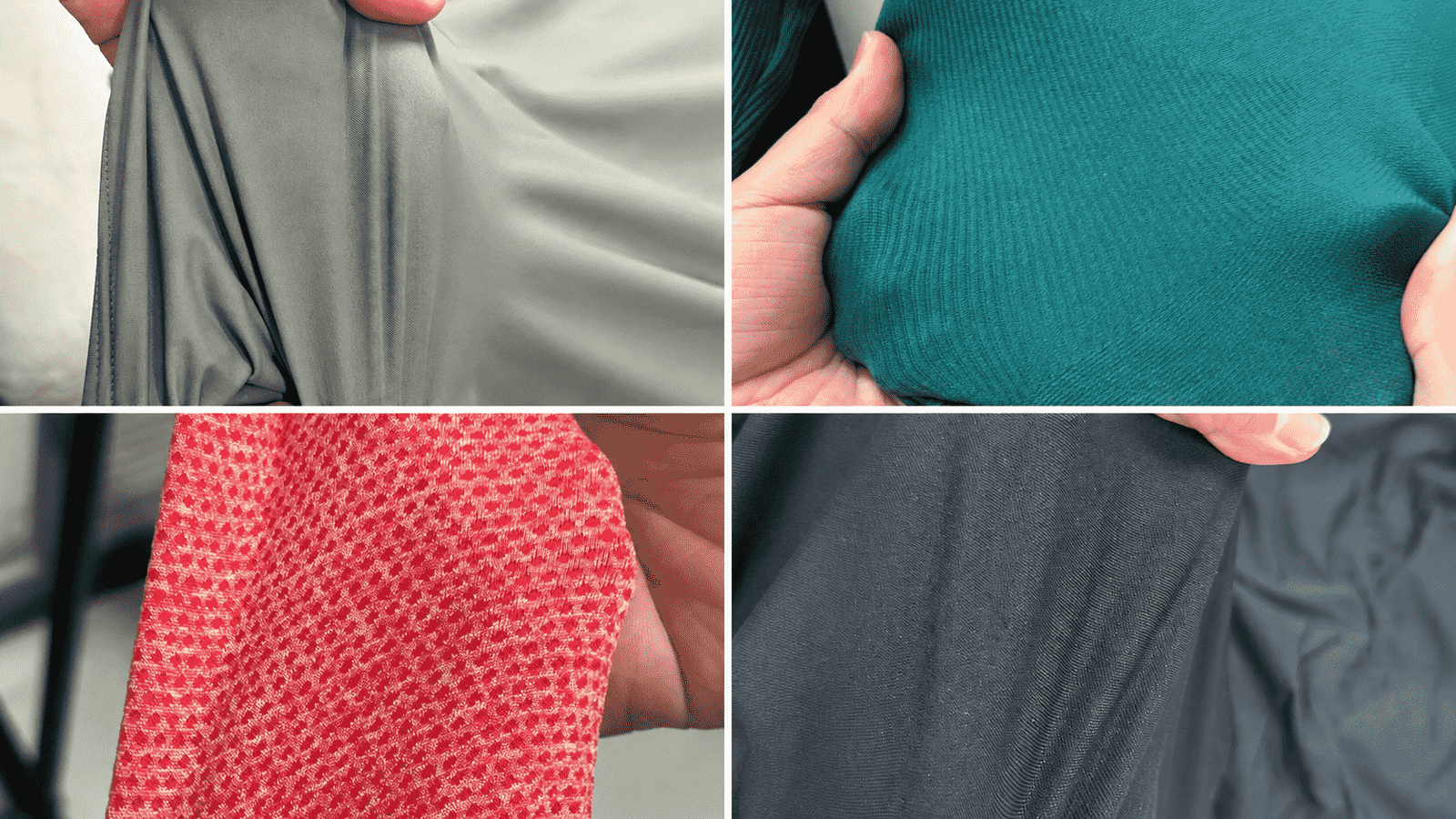
Selection Guidance
MOVEVOX should not infer recovery from Spandex percentage alone. Material structure, finishing, stretch amplitude, repeated extension and garment fit all influence how the finished Short behaves. A material that stretches easily but does not recover adequately can change waist stability or rear appearance; excessively strong recovery can also increase wearer pressure. Final material approval should remain linked to the actual Scrunch sample and target Fit.
Common Scrunch Shorts Failure Points Before Bulk
The most useful quality system identifies likely failure modes before they become repeated bulk defects. Scrunch Shorts need controls specific to rear construction, fit, material and the selected manufacturing route.
| Defect | Likely Cause | Prevention | Inspection Point | Corrective Action |
|---|---|---|---|---|
| Scrunch shifted | Pattern/program or assembly position differs from approved version. | Lock current construction reference before bulk. | First Article rear comparison. | Hold affected production and correct source condition. |
| Uneven rear symmetry | Assembly, knit structure or left-right balance varies. | Define symmetry reference on approved sample. | Rear visual and measurement check. | Segregate, rework where appropriate and recheck. |
| Rear seam opening | Local load, stitch formation or material compatibility issue. | Validate construction under expected extension. | Seam and movement review. | Correct process and reverify before release. |
| Crotch pulling | Rise, hip capacity or crotch geometry is unbalanced. | Review connected fit measurements before approval. | Fit sample and movement check. | Revise pattern/spec rather than only sewing operation. |
| Waistband migration | Recovery, waist-to-hip balance or attachment is unsuitable. | Approve waistband with complete garment fit. | Movement and recovery review. | Reassess material, fit or structure. |
| Leg ride-up | Inseam, thigh fit, opening pressure or material recovery issue. | Review leg geometry under movement. | Lunge and repeated-use review. | Adjust approved fit variables and resample. |
| Opacity change | Color, material, size or local extension differs. | Validate applicable garment condition before claims. | Physical stretch/opacity review. | Change material, fit or claim scope as appropriate. |
| Bulk size drift | Measurement method, pattern/program or production variation. | Use released POM and consistent measuring method. | First Article and inline measurement. | Hold trend, correct cause and remeasure. |
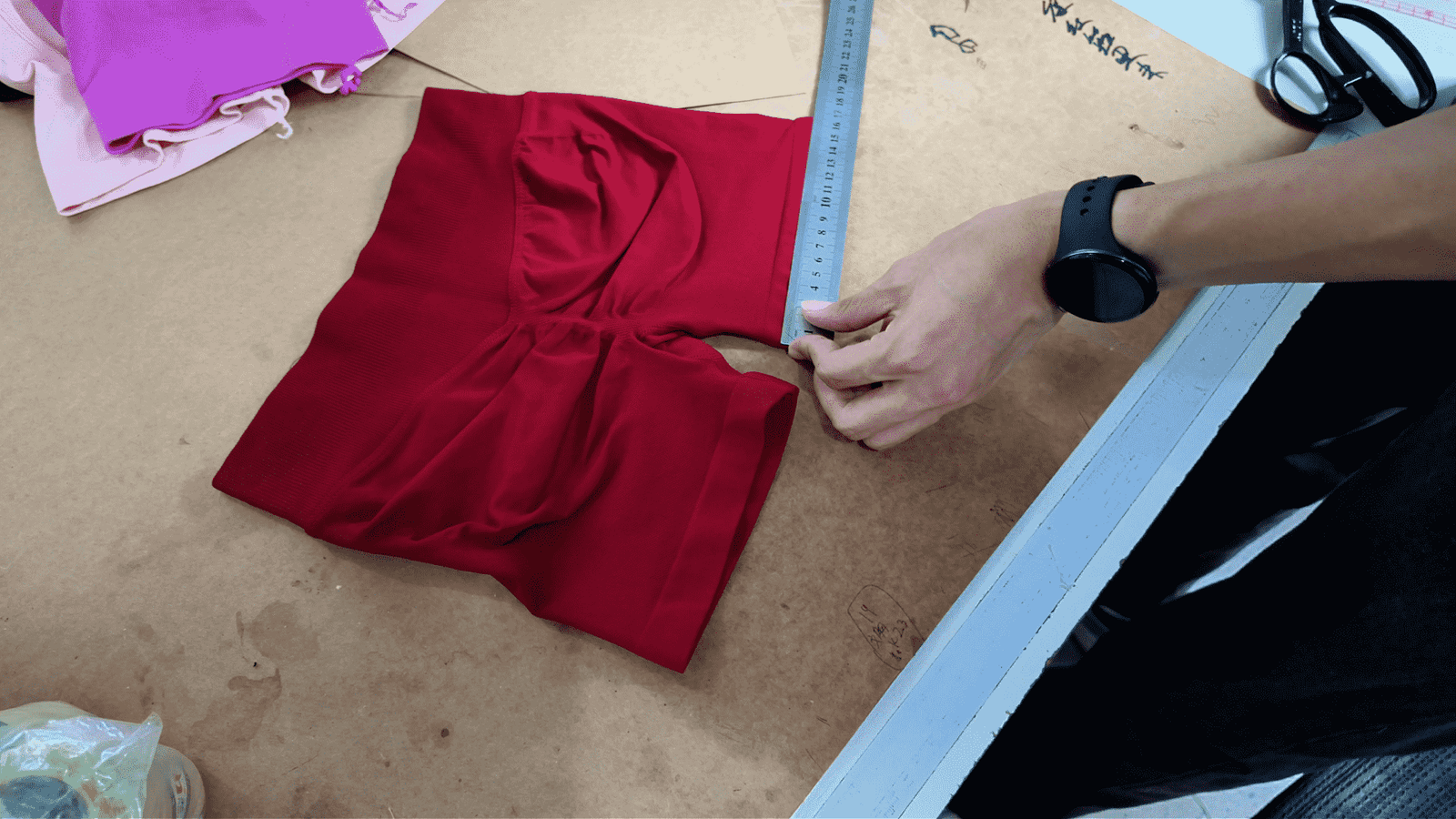
Build Scrunch Shorts From Input to Bulk Standard
MOVEVOX treats product development as the conversion of buyer input into an approved, measurable and reproducible production standard rather than only the creation of one acceptable sample.
Project Brief
Confirm product direction, intended wearer, manufacturing route questions, target quantity and available technical references.
Deliverable: Development BriefTechnical Review
Review construction, material, sizing, Scrunch direction, branding, commercial constraints and unresolved technical questions.
Deliverable: Open PointsRoute Definition
Determine whether Seamless or Cut & Sew is the more appropriate route for the intended product architecture.
Deliverable: Manufacturing RouteSample Build
Convert the confirmed development direction into a physical garment using the applicable pattern or Seamless program.
Deliverable: Physical SampleFit Review
Review measurements, rear construction, movement, material behavior and other relevant buyer comments.
Deliverable: Revision ListRevision
Translate approved comments into the next controlled technical version and reverify the affected product areas.
Deliverable: Revised SampleApproval
Record what Style, Version, Size, Material, construction and other elements the buyer has approved.
Deliverable: Approved StandardBulk Handover
Release the frozen files, approved sample reference and critical quality points into pre-production and First Article control.
Deliverable: Bulk-Ready Spec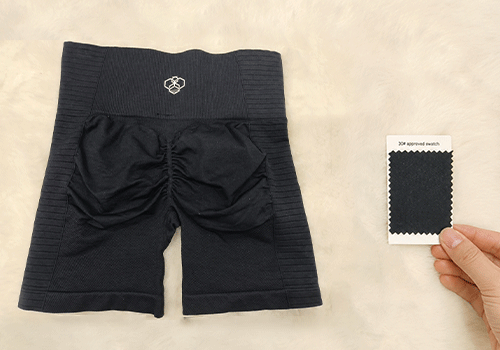
Transfer an Existing Scrunch Standard Into Development
A legally usable reference garment can shorten the definition stage, but a physical sample still needs to be translated into measurable material, fit, construction and approval criteria before repeatable manufacturing begins.
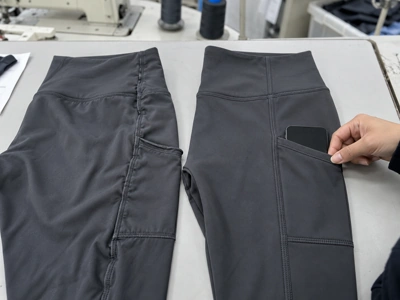
Before — Visual Reference
The reference garment shows the physical target, but important manufacturing information may still be unknown: exact material specification, POM, tolerance, pattern logic, internal seam construction, program version, Logo process or production method.
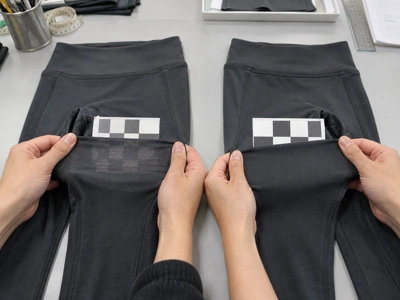
After — Controlled Standard
MOVEVOX converts the reference into a development brief, measurable fit criteria, material direction, applicable construction and sample version. The buyer then approves the new physical result rather than assuming the factory can duplicate every hidden characteristic from appearance alone.
Before — Unmeasured Fit
A garment can feel correct while the actual measurement method, negative ease or size relationship remains undocumented.
After — Defined POM
Relevant POM, measuring methods and buyer-approved fit comments become part of the current technical reference.
Before — Unknown Material
Touch and appearance alone cannot identify every material property or finishing condition.
After — Approved Direction
Candidate material or yarn is developed and physically approved against the intended garment rather than guessed from appearance.
Reference-sample development works best when the buyer has the legal right to use the product as a development reference and clearly identifies which characteristics must be matched, changed or improved.
Break the Scrunch Construction Into Reviewable Layers
Rear appearance is created by several connected product variables. Construction review separates those variables so fit, material and manufacturing decisions can be tested and approved instead of being hidden inside one visual request.
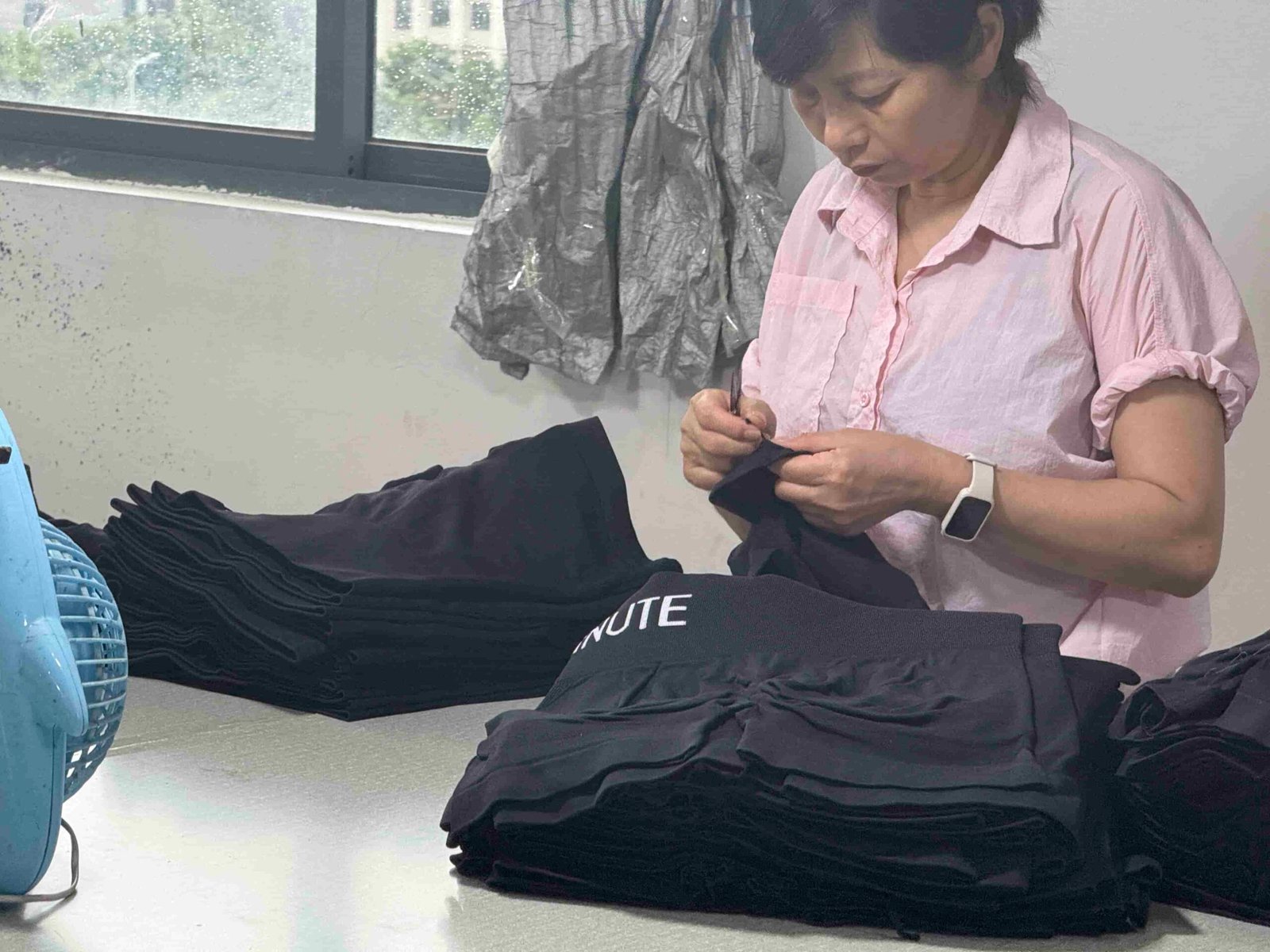
Cut & Sew Layer
Base Fabric
Stretch, recovery, surface, color and weight affect how the finished garment responds to local rear construction.
Pattern Geometry
Waist, hip, rise, crotch and rear pattern geometry determine the physical capacity available around the Scrunch area.
Center Back
Gathering, seam shape or approved rear treatment needs a repeatable position and construction method.
Assembly
Seam allowance, stitch formation, tension and intersections can change the final physical appearance and stability.

Seamless Layer
Yarn System
Yarn selection affects stretch, recovery, handfeel, dimensions and how the programmed structure behaves.
Knit Program
The programmed structure defines the intended knitted zones and must remain connected to the approved physical sample.
Garment Size
Cylinder, size and structure interact; the same visual idea cannot be assumed to scale identically across all sizes.
Finishing
Necessary sewing, branding and finishing remain part of the completed Seamless garment where the approved product requires them.
The correct construction is the one that produces the buyer-approved physical product with a controllable bulk process. Seamless and Cut & Sew should therefore be evaluated as engineering routes, not as marketing labels.
Scrunch Sample Approval Checklist Before Production Release
Sample approval should confirm exactly what has been accepted and what remains open. A visually acceptable rear view is only one part of a complete Scrunch Shorts approval.
Sample Identity
Confirm Style, Sample Type, Version, Color and Size before comments are recorded. Fit feedback on the wrong version can create conflicting revision instructions.
Measurements
Review required POM against the current Measurement Chart and method, including the relationships between waist, hip, rise, inseam and leg opening.
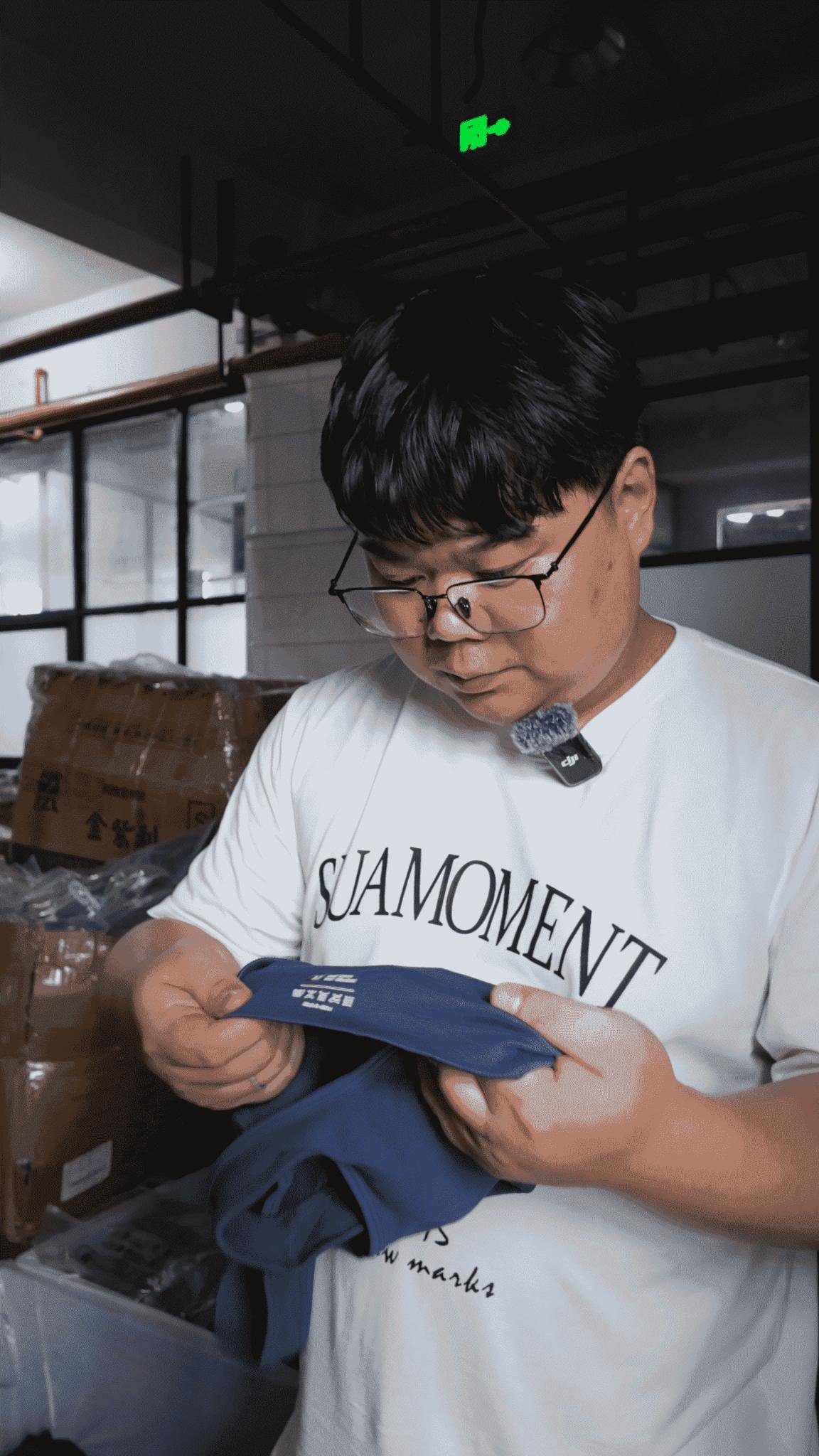
Rear Position
Check the approved location, symmetry and visual result of the center-back Scrunch construction and distinguish design change from production variation.

Fit and Movement
Review relevant movement where required. Standing appearance alone may not reveal waistband migration, rear pulling or leg ride-up.
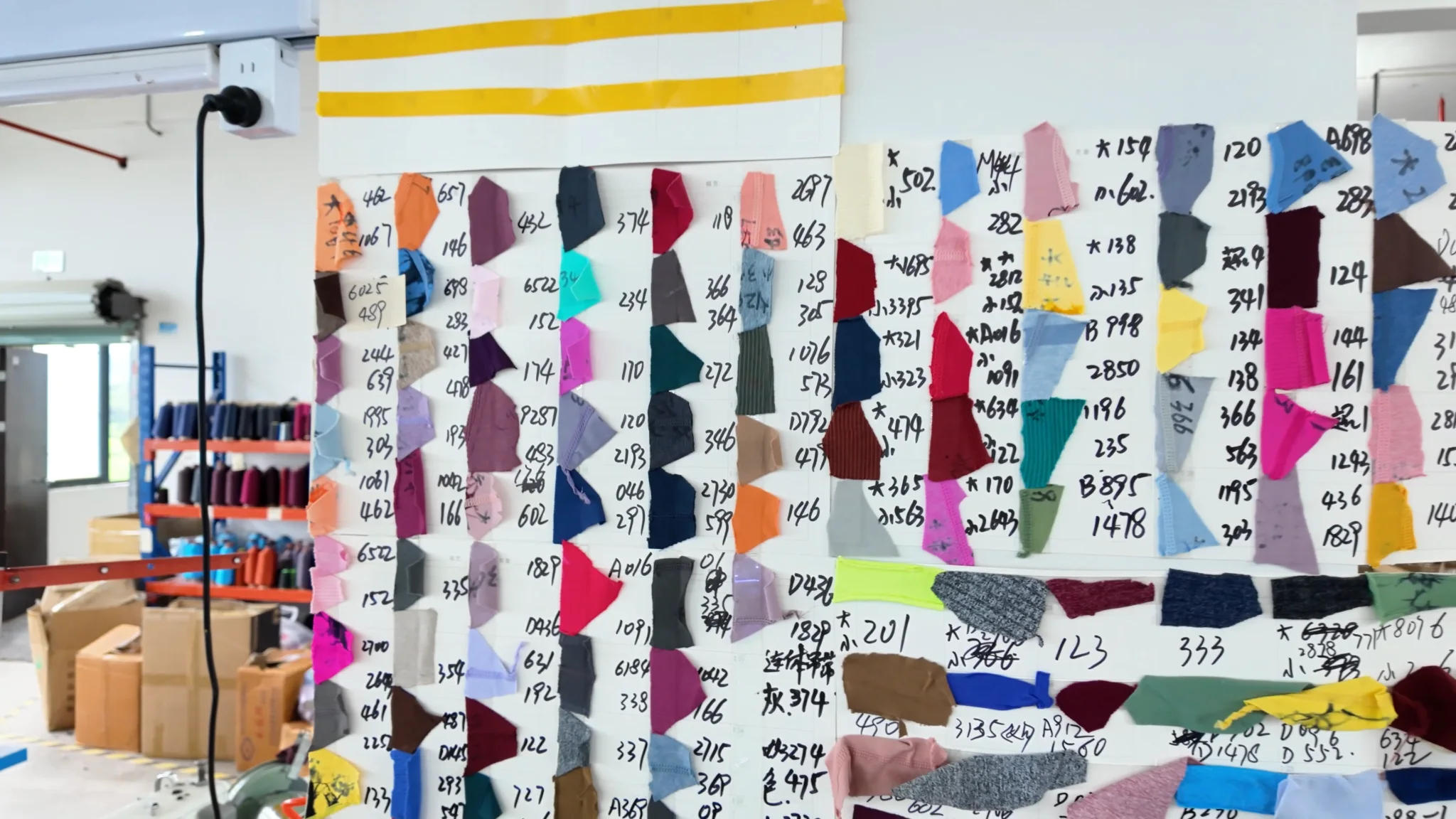
Material and Color
Confirm the material and color intended for the current approval stage. Fit approval on provisional material does not automatically approve future materials.
Construction
Check the applicable Seamless structure or Cut & Sew construction, including relevant seams, crotch, waistband and finishing.
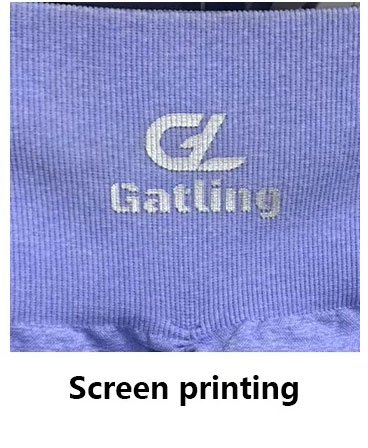
Brand Elements
Confirm the Logo, label and private-label items included in the current sample scope. Items not yet represented remain later approval points.
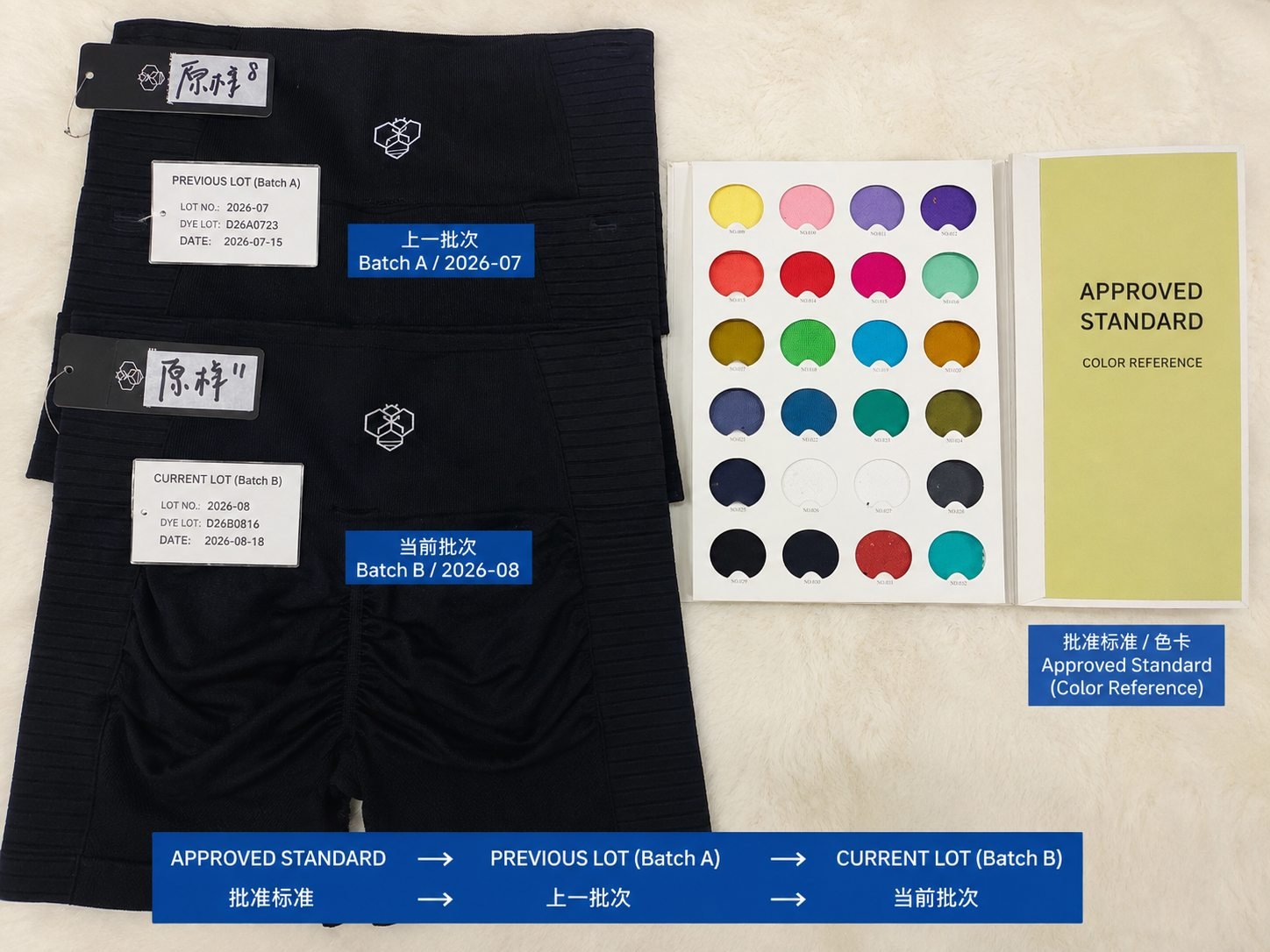
Approval Scope
Record whether the sample is Approved, Approved with Comments or Requires Revision and state what the approval actually covers.
Control Every Scrunch Sample Version Before Approval
V1, V2, Fit Sample, Size Set and PP Sample should never circulate as competing “latest” references. Each physical sample needs a clear identity and relationship to current technical files.
Development Sample
First physical interpretation of the confirmed development input. Review fit, rear construction, material direction and major technical gaps rather than treating it as the final production standard.
Status: ReviewRevised Sample
Implement the consolidated revision list and identify exactly what changed from the prior version. Old specifications should not remain active after a new version is released.
Status: CompareFit Approval
Confirm the applicable base-size physical fit, measurement relationship and rear construction. The approval scope should state what is and is not included.
Status: ApproveSize Set
Where required, verify graded sizes and confirm that important garment zones and Scrunch placement remain appropriately related across the intended size range.
Status: ValidatePP Sample
Use final or approved bulk-intent material, construction, branding and relevant commercial details to confirm the production standard before normal bulk release.
Status: Release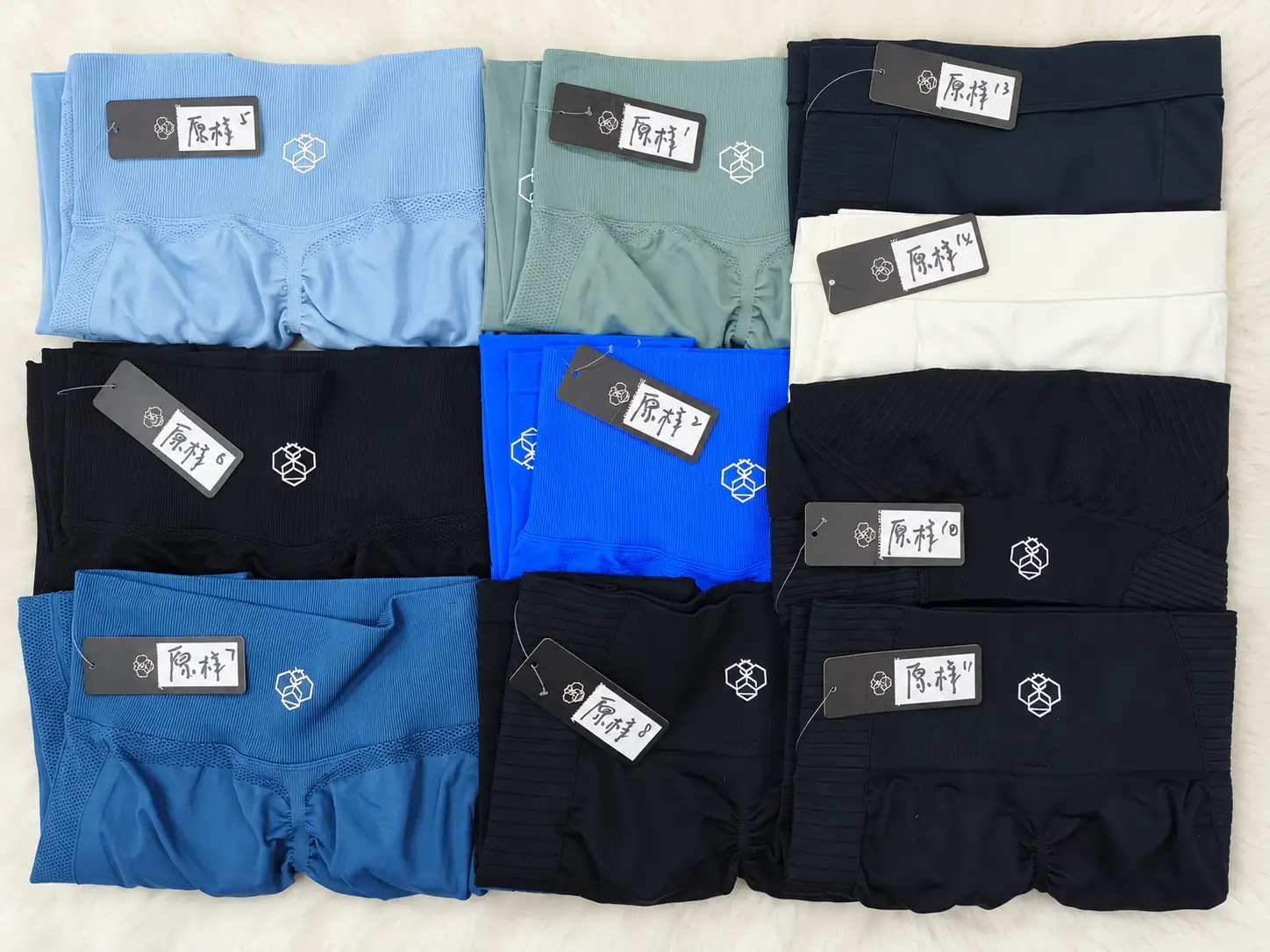
Close Repeated Scrunch Risks Before Bulk
When a significant or repeated issue appears during development, correcting one sample is not enough. The cause and prevention method should be closed before the same failure can repeat through bulk production.
| Problem | Potential Impact | Corrective / Preventive Control |
|---|---|---|
| Repeated Scrunch Misalignment A revised sample looks acceptable but the underlying pattern, program or assembly condition remains uncontrolled. | The same center-back shift can return during bulk even though one corrected sample passed. | Contain the affected version, identify whether the cause is pattern/program, marking, assembly or measurement, update the controlled standard and reverify through the next relevant sample or First Article. |
| Rear Seam Failure One opened seam is repaired without reviewing local tension, stitch construction or material extension. | The same failure mode can continue through production and become a repeated workmanship defect. | Review root cause, adjust applicable construction or process, update the quality checkpoint and reverify the approved method before unrestricted production. |
| Recurring Size Drift Waist, hip or rise repeatedly deviates from the released specification. | The approved rear silhouette can shift even when Scrunch workmanship itself appears consistent. | Verify Measurement Method, pattern/program version and production conditions, then update the released control before re-measurement and approval. |
| Material / Opacity Risk A changed material or color introduces different recovery, coverage or fit behavior. | A change that solves one issue can create a new performance or approval risk. | Hold the changed input, assess affected performance and approval scope, complete required sample or test verification and formally release the new input after review. |
| Obsolete Version Use An old Tech Pack, pattern, program or sample reference remains available in production. | A previously corrected Scrunch detail can return because production follows superseded information. | Withdraw the obsolete version, release the current standard, confirm production and QC acknowledgment and convert the historical issue into a First Article or inline checkpoint. |
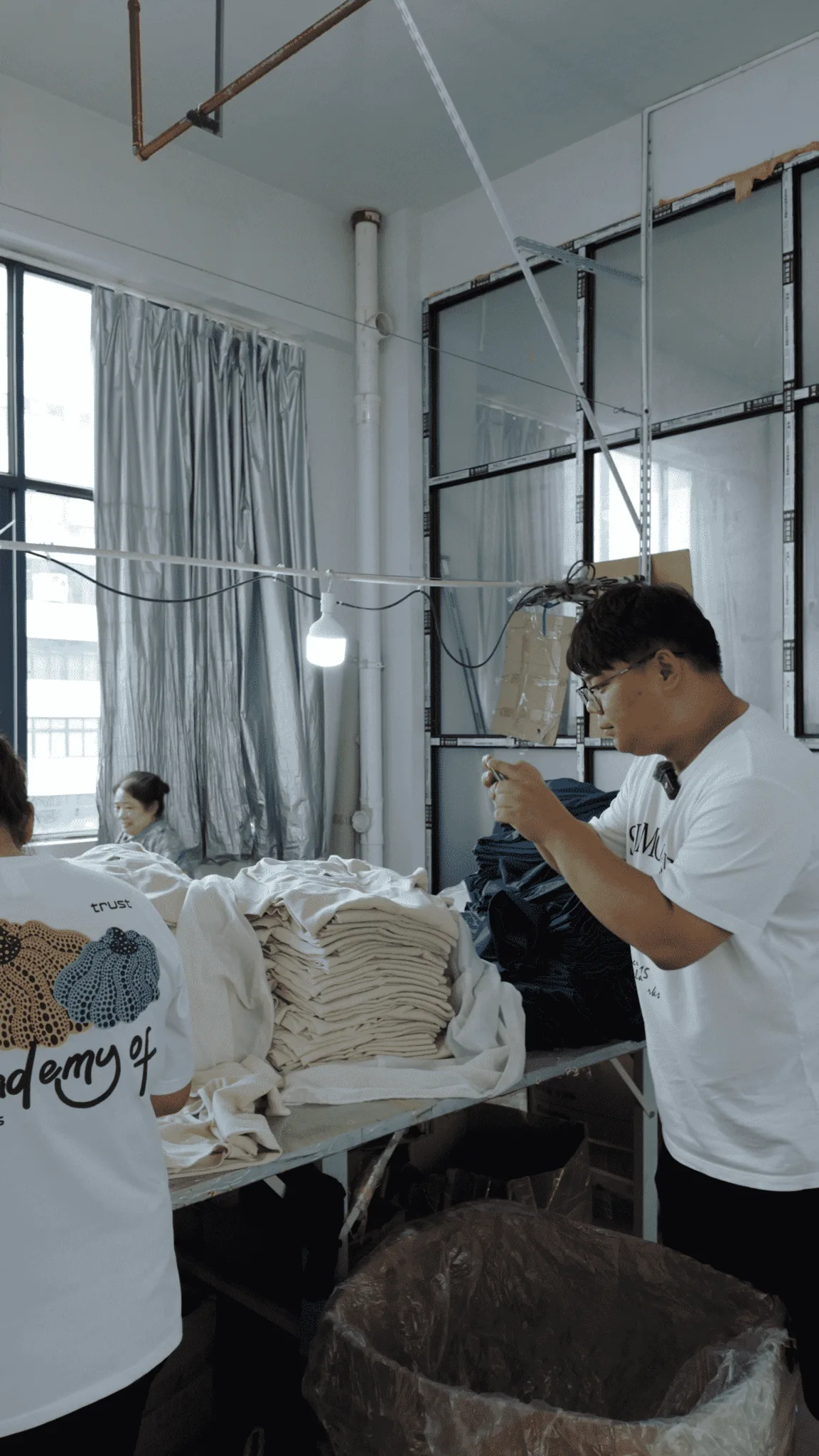
Place Branding Without Destabilizing High-Stretch Scrunch Areas
Logo selection should consider material stretch, placement, surface, production method and the visual importance of the Scrunch zone. Branding needs physical approval on the actual product.
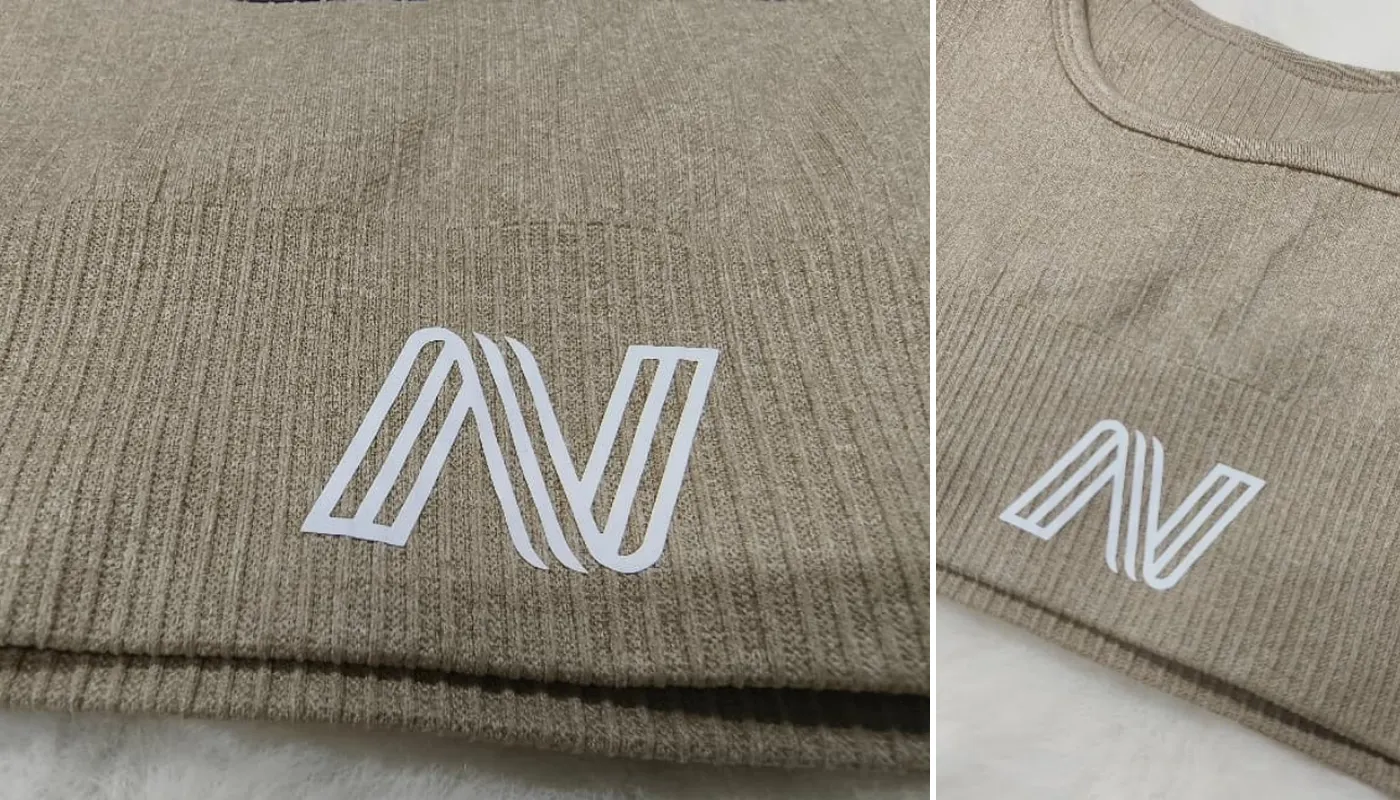
Heat Transfer
Useful for clean graphic branding when artwork, film and material are compatible. Highly stretched locations should be reviewed for appearance and adhesion through the actual sample.
- Durability: Project-specific
- MOQ: Supplier-dependent
- Best For: Clean graphic marks
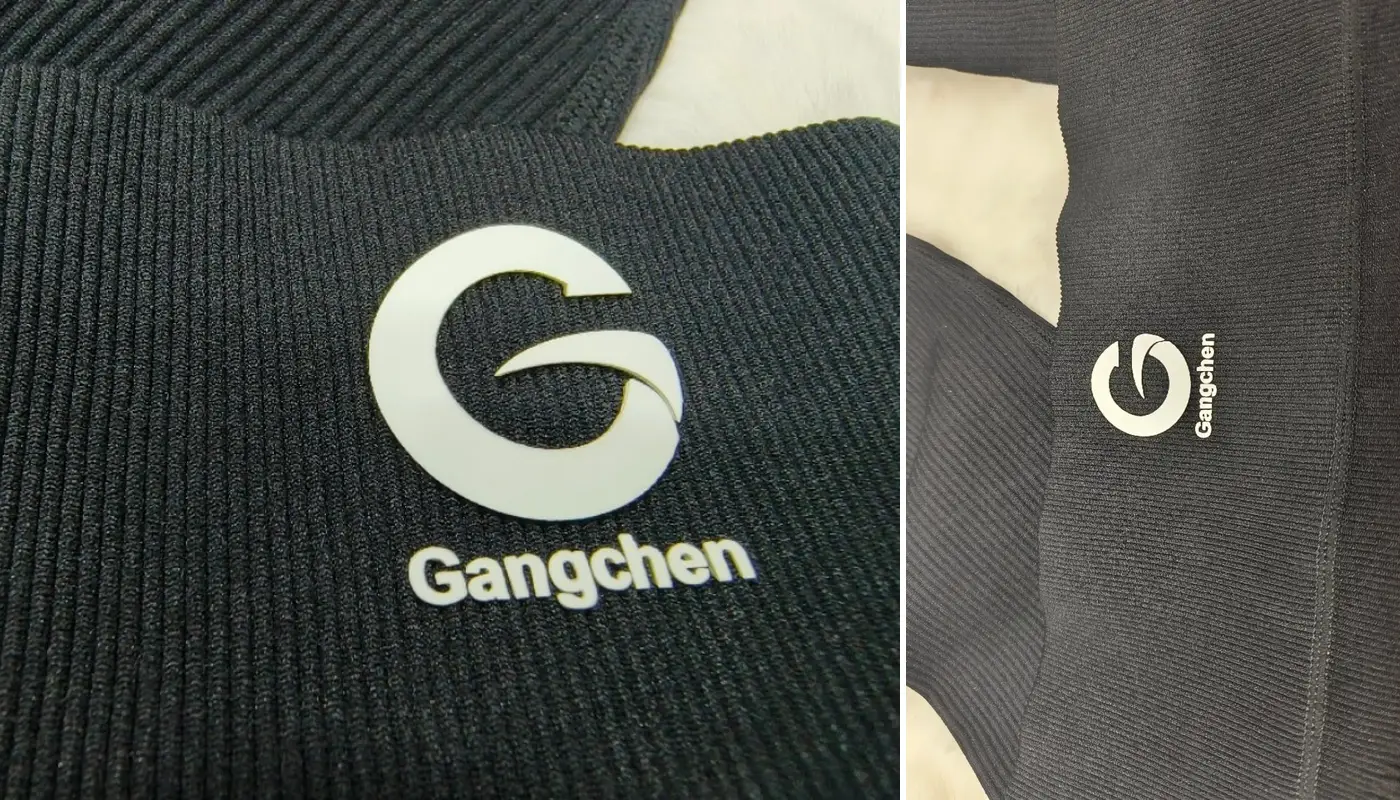
Silicone Logo
Can provide a dimensional branded effect. Thickness, flexibility, placement and interaction with garment extension need physical review before the method is approved.
- Durability: Validate
- MOQ: Component-dependent
- Best For: Dimensional branding
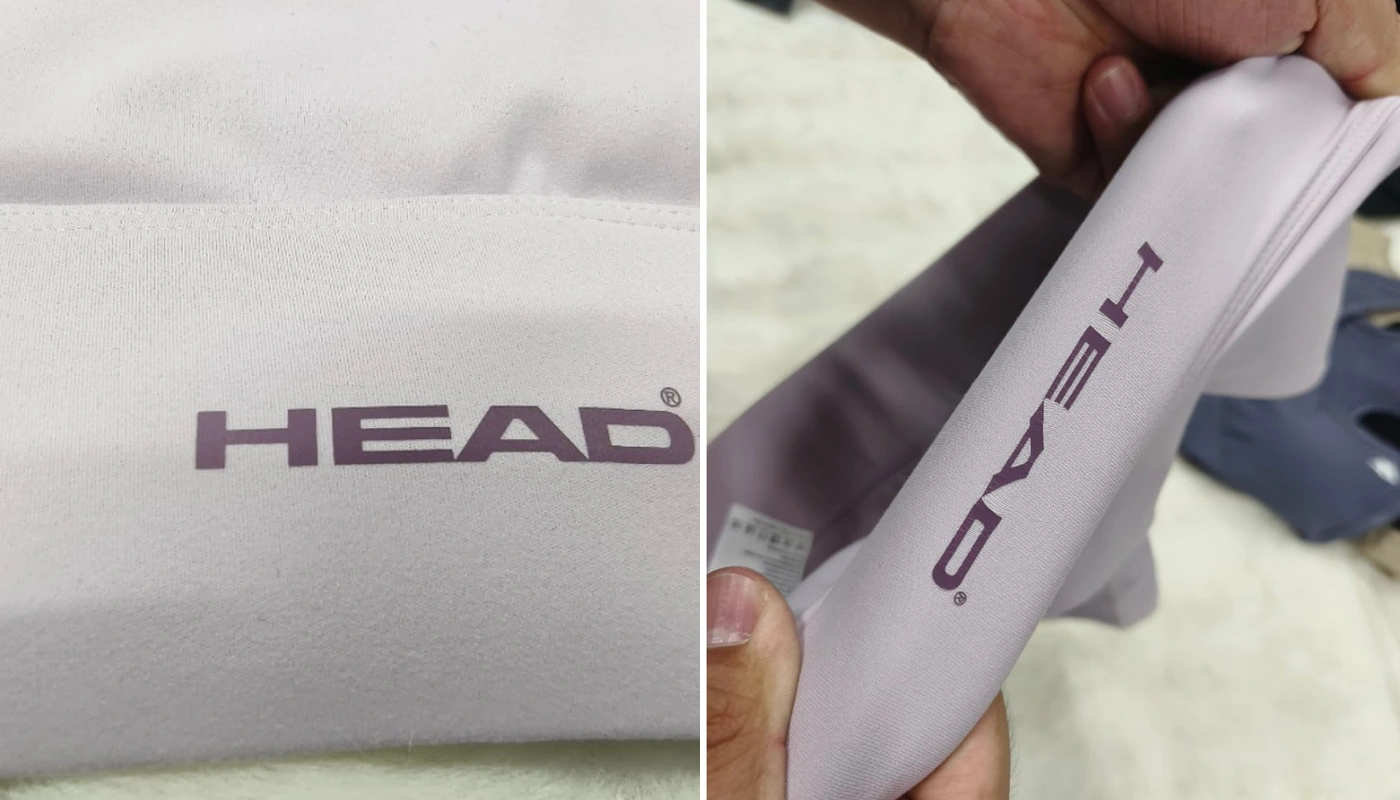
Screen Print
Suitable for selected artwork and material combinations. Ink system, stretch compatibility, coverage and placement should be confirmed on the intended garment construction.
- Durability: Process-dependent
- MOQ: Project-specific
- Best For: Selected graphic areas
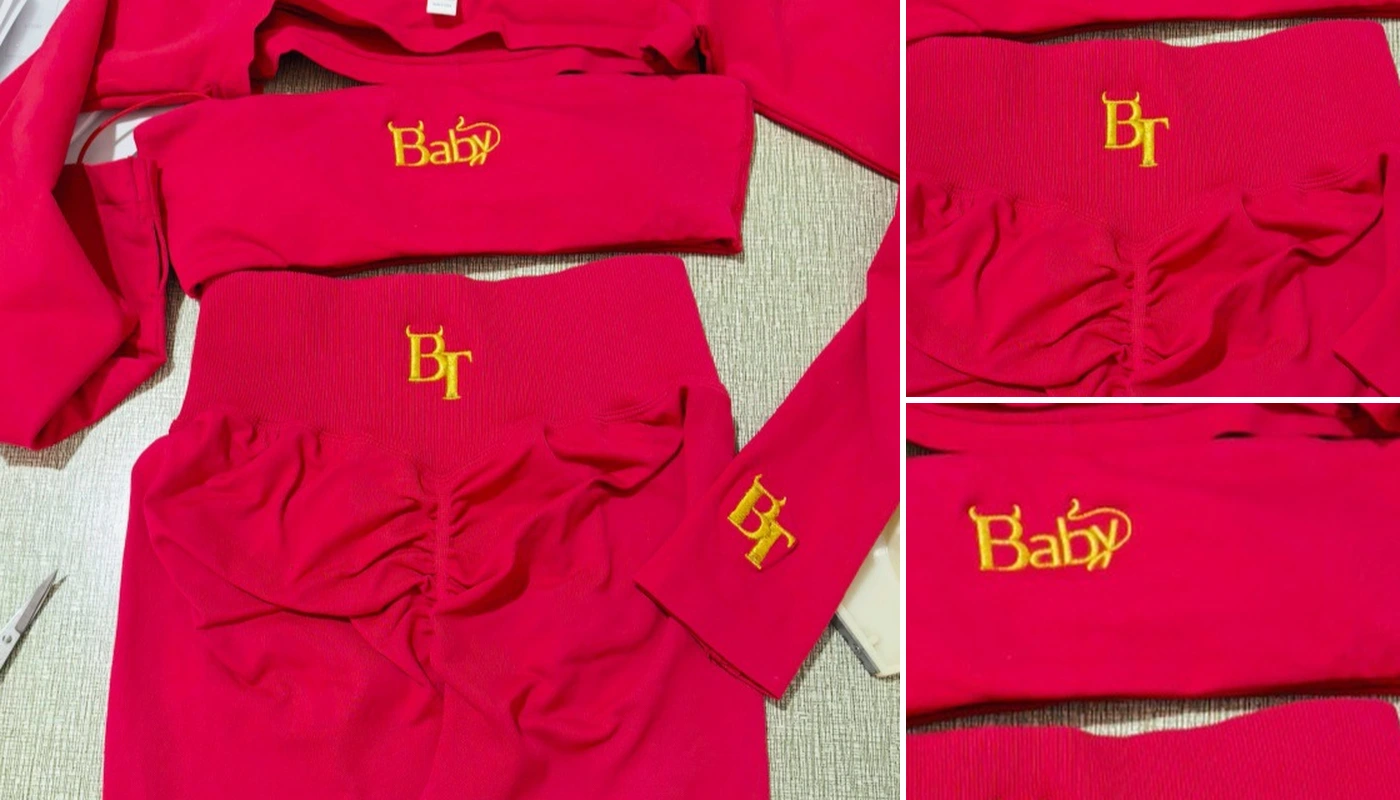
Embroidery
Embroidery can add texture but also adds local thread density and stiffness. It should be positioned away from sensitive high-extension areas unless sample validation supports the location.
- Durability: Construction-dependent
- MOQ: Supplier-dependent
- Best For: Lower-stretch zones
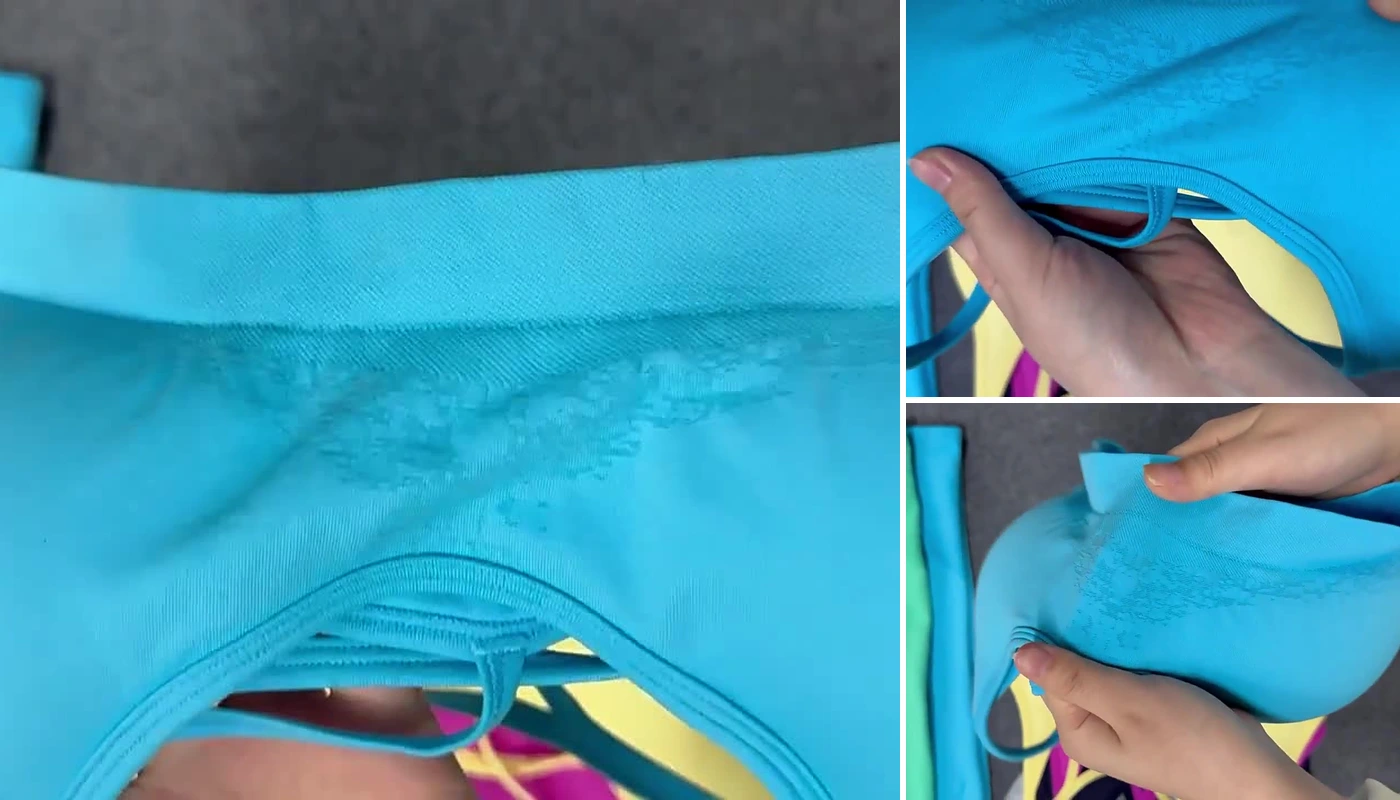
Jacquard
For Seamless programs, branding can sometimes be engineered into the knitted structure. Artwork needs translation into the available machine, gauge, yarn and stretch architecture.
- Durability: Knit-integrated
- MOQ: Program-dependent
- Best For: Seamless programs
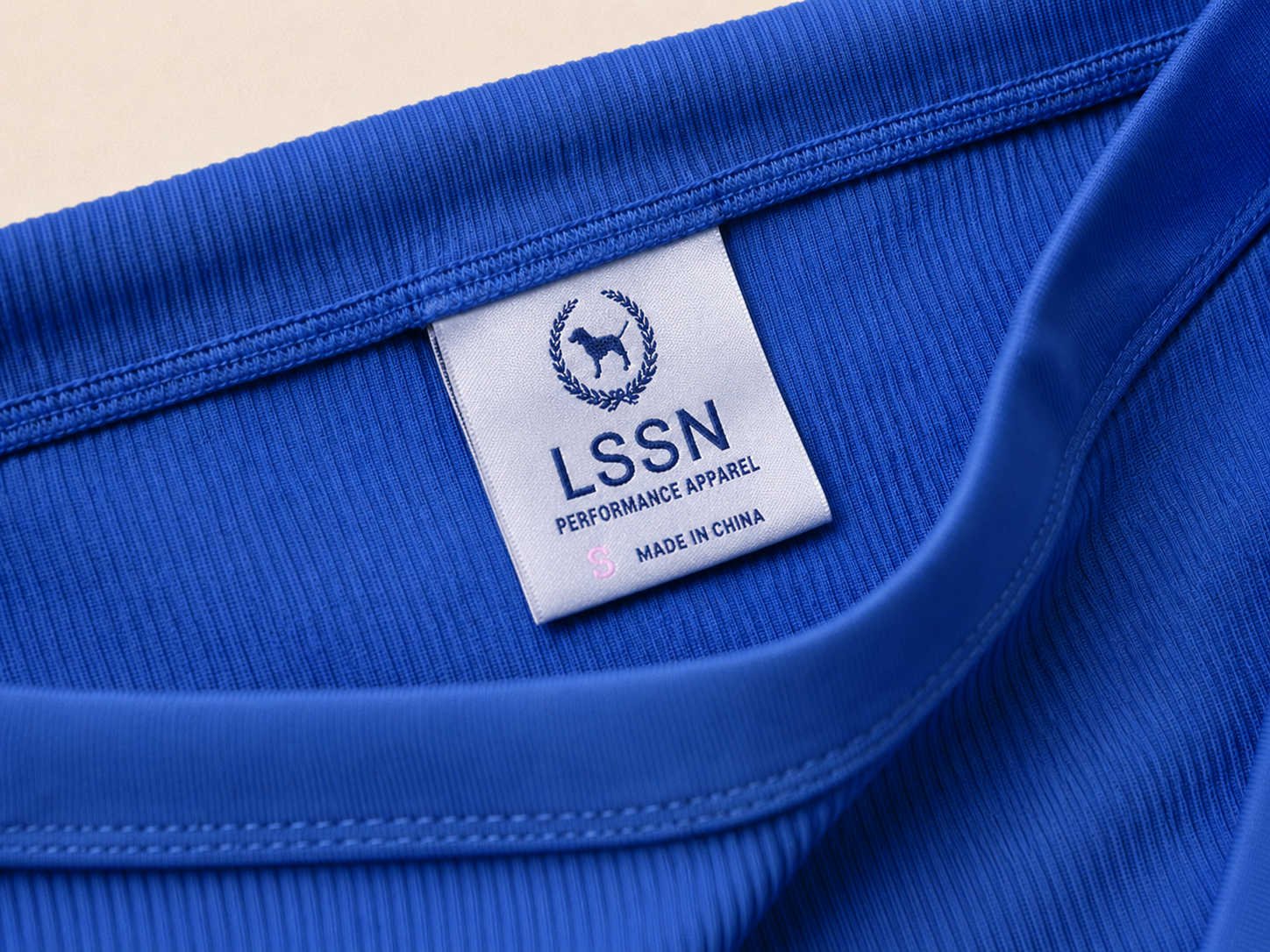
Woven Label
A woven label can support brand identity without placing a large graphic onto the main high-stretch body. Label material, edge, size and attachment location still require approval.
- Durability: Attachment-dependent
- MOQ: Label-dependent
- Best For: Brand identification
Check Real Capacity Before Accepting a Scrunch PO
Capacity depends on the selected manufacturing route, actual cycle time, material readiness, SKU structure and production schedule. Equipment counts should therefore support planning rather than be converted into an unconditional shipment promise.
Yiwu Core Base
MOVEVOX operates a core manufacturing base in Yiwu with approximately 6,000 square meters of production space.
Santoni Machines
Italian Santoni equipment supports the core Seamless manufacturing route.
Garment Machines
Principal sewing and garment equipment supports the core Cut & Sew route.
QC Personnel
A dedicated five-person QC team supports the defined quality-control chain.
Seamless Planning
Regular Seamless scheduling reference under current brand-project planning conditions, not a guaranteed single-SKU allocation.
Managed Delivery
Stable managed monthly delivery reference across the combined Seamless and Cut & Sew operating system.
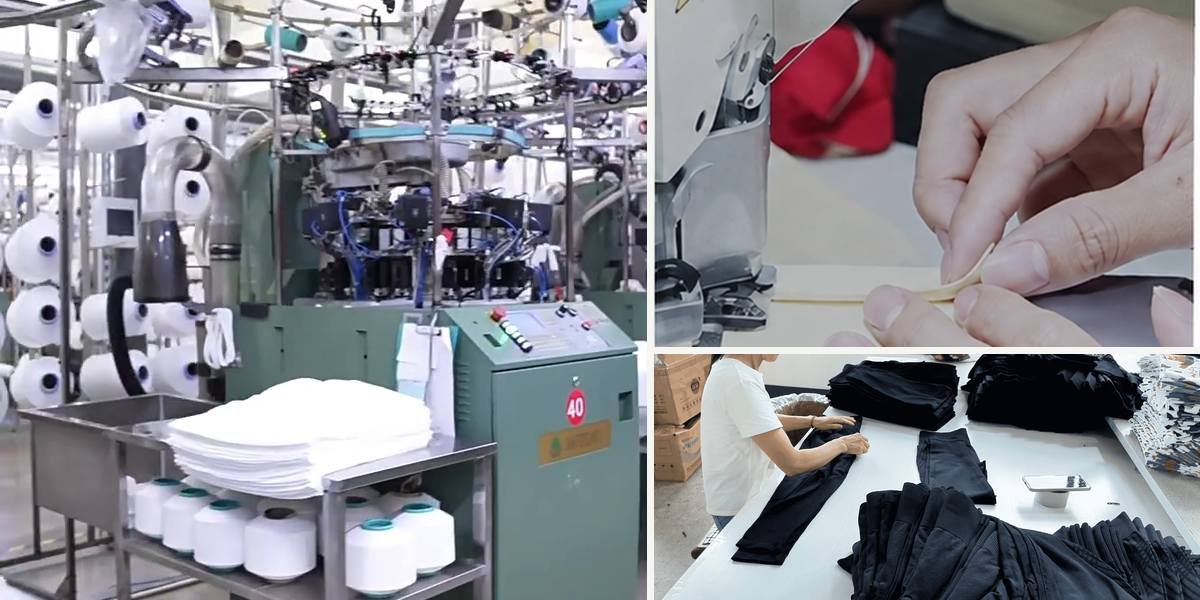
Capacity references describe the managed operating system and do not guarantee that the full amount is available to one Scrunch Shorts SKU in a specific month. Final allocation requires style-specific capacity review.
Control Scrunch Shorts Through the Bulk Production Flow
Bulk production begins only after the required product and commercial inputs are sufficiently released. Each stage should preserve the approved sample, current specification and project-specific quality checkpoints.
Order Review
Confirm PO, Style, SKU, quantity, commercial terms and released technical information before materials and capacity are committed.
Owner: ProjectQC: Release CheckMaterial Release
Confirm applicable fabric or yarn, color, trims and supplier conditions against the approved production requirement.
Owner: SourcingQC: Input StatusPre-Production
Align current Tech Pack, measurements, approved sample, construction, Logo, labels, packing and critical risks with production and QC.
Owner: ProjectQC: PPM GateFirst Article
Build representative initial production using actual bulk inputs and verify it against the frozen product standard.
Owner: ProductionQC: FA CheckBulk Release
Allow normal scale-up only after First Article conditions and critical open items are resolved or formally dispositioned.
Owner: QA/QCQC: ReleaseProduction
Run the assigned Seamless program or Cut & Sew process under the released product and material conditions.
Owner: FactoryQC: Process ControlInline QC
Check production trends in measurements, rear construction, workmanship, color and applicable brand elements before defects repeat at scale.
Owner: QCQC: Trend CheckFinal Release
Complete applicable finished-garment, packing and shipment checks before the affected production quantity is released.
Owner: QCQC: Final Gate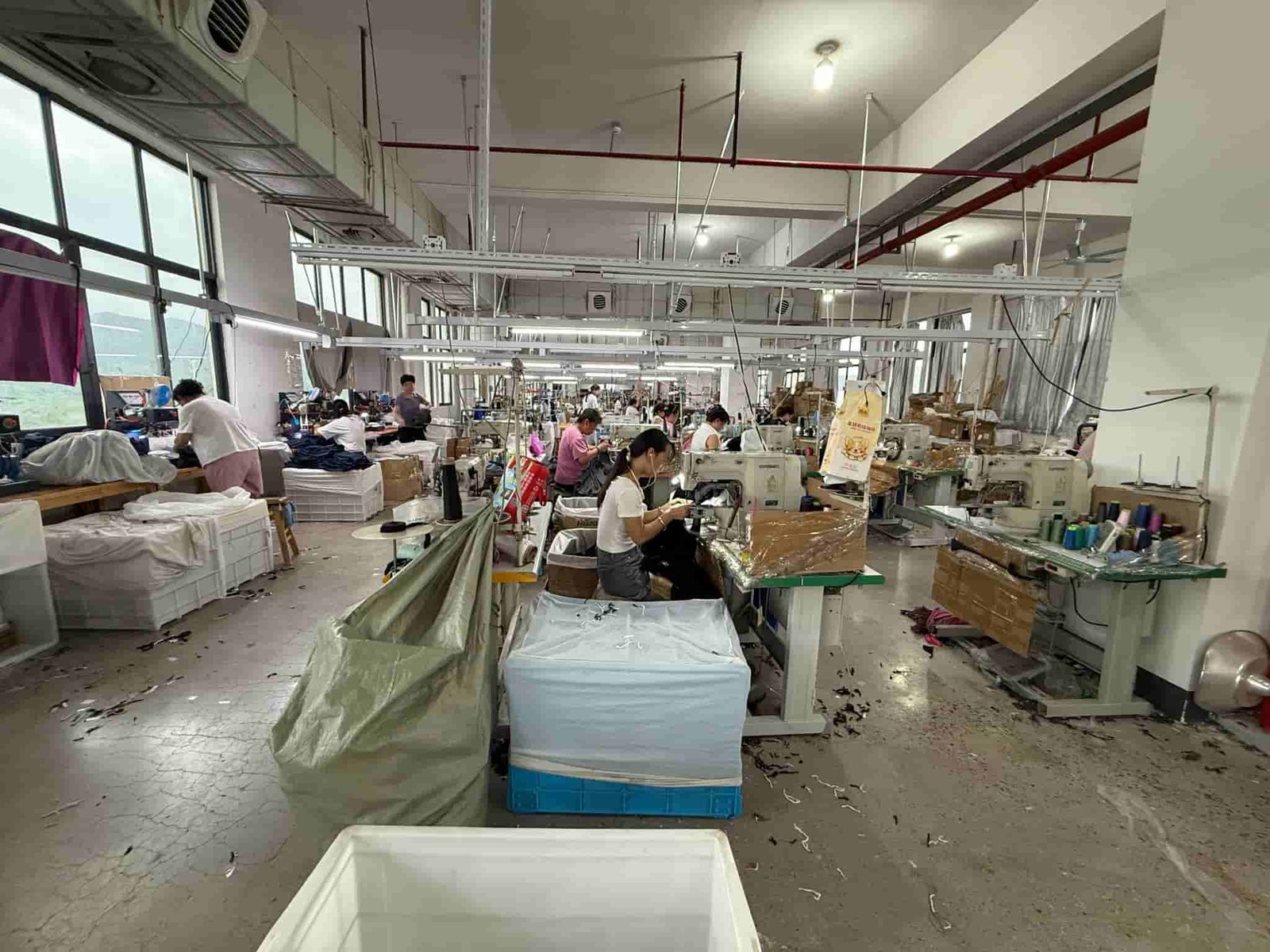
Approve the First Article Before Production Expands
The First Article should prove that the frozen product standard can be reproduced under real bulk conditions. Approval is the release gate; producing the first piece alone does not authorize unrestricted production.
Order Identity
The record should identify Style, Color, Size and production version so the First Article remains connected to the bulk quantity it releases.
Bulk Inputs
The First Article should use the relevant actual bulk material, assigned pattern or Seamless program and appropriate production conditions.
Measurements
Required POM should be checked against the current released Measurement Chart, agreed method and applicable tolerance.
Rear Construction
Scrunch position, symmetry and approved rear appearance should be compared with the current physical and technical reference.
Workmanship
Relevant seams, knit structure, crotch assembly, waistband, leg opening and finishing should be reviewed for the actual manufacturing route.
Brand Elements
Where branding is included, the correct Logo or label version, position and appearance should be confirmed before release.
Release Result
The record should clearly state Approved, Hold, Correct and Recheck, or another buyer-agreed disposition.
The purpose of this record is to connect real bulk inputs with a documented release decision. A failed First Article should not be treated as permission to continue unrestricted volume while corrections remain open.
Trace Materials and Batches Through Scrunch Production
Material traceability helps identify which PO, Style, SKU or production batch used a specific fabric, yarn, dye lot or branded component when a quality or compliance question needs investigation.
Supplier
Identify the approved or recorded source for the relevant fabric, yarn, trim, Logo or packaging material.
Supplier RecordMaterial Lot
Record the applicable fabric, yarn, dye or delivery batch used for the affected production requirement.
Batch RecordPO / Style
Connect the material lot to the relevant customer order and product style rather than storing material evidence separately.
POSKU
Map color and size where the material, identification or packing requirement differs across commercial variants.
SKU RecordProduction Batch
Identify the facility, line or Seamless machine/program relationship required for the actual production batch.
Production LogInspection
Link First Article, inline or final quality evidence to the affected production identity where records are required.
InspectionPacking
Preserve the correct product-color-size relationship through packing and carton identification for multi-SKU programs.
Packing ListShipment
Connect the released goods to the shipment identity so affected scope can be investigated after dispatch if necessary.
ShipmentKeep Testing and Certificate Claims Within Their Scope
Supplier qualification should distinguish a capability statement from an audit, certificate or product test. Historical test evidence only supports the sample, material and requirement actually covered by the relevant report.
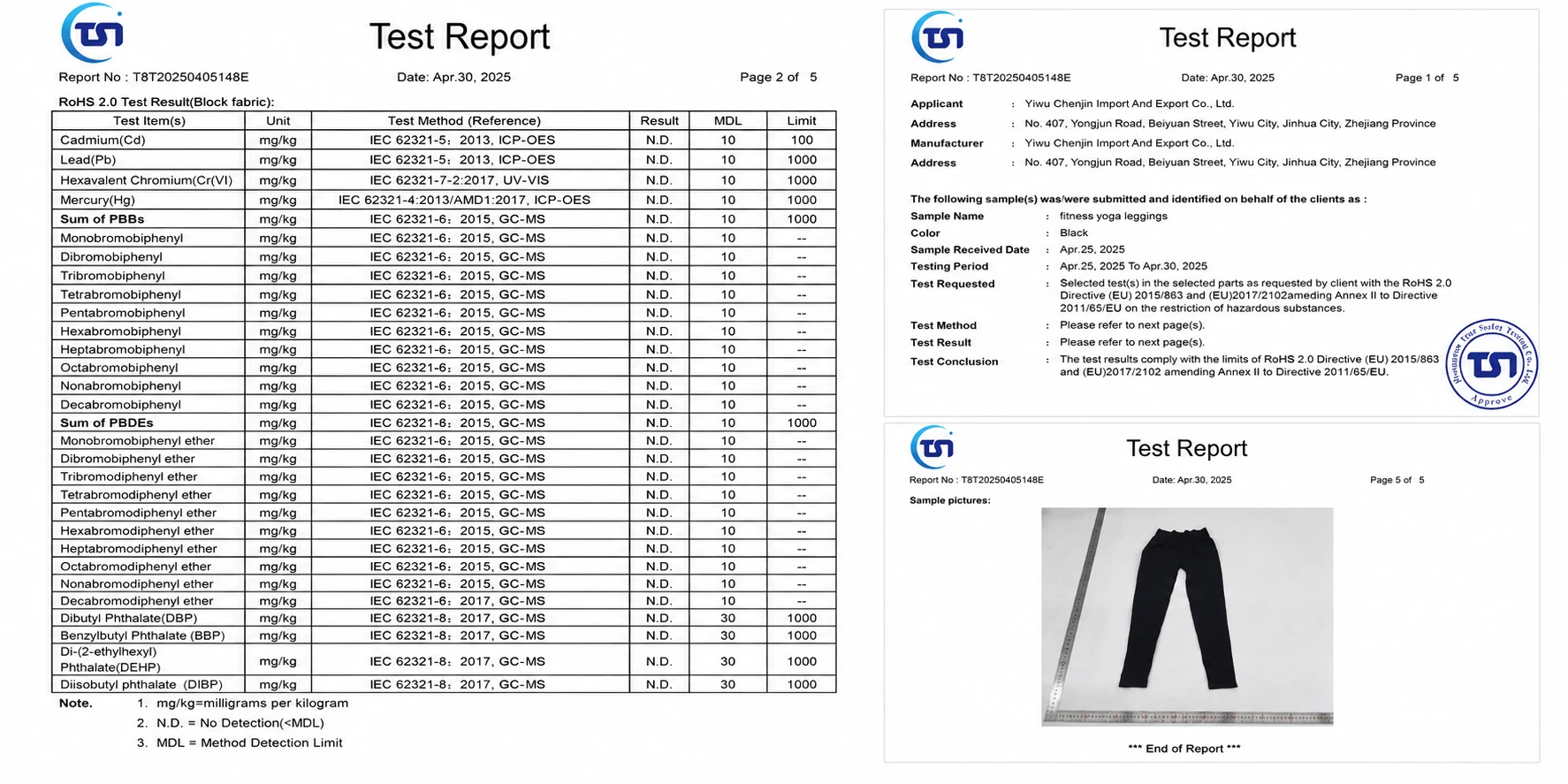
RoHS 2.0 Sample Evidence
Report: TST20250405148E
Date: April 30, 2025
Sample: Black fitness yoga leggings.
The report records compliance with the stated RoHS 2.0 limits for the submitted sample. The report itself states that its results refer only to the sample or samples tested.
Applicable Scope: The identified tested sample and reported substances.
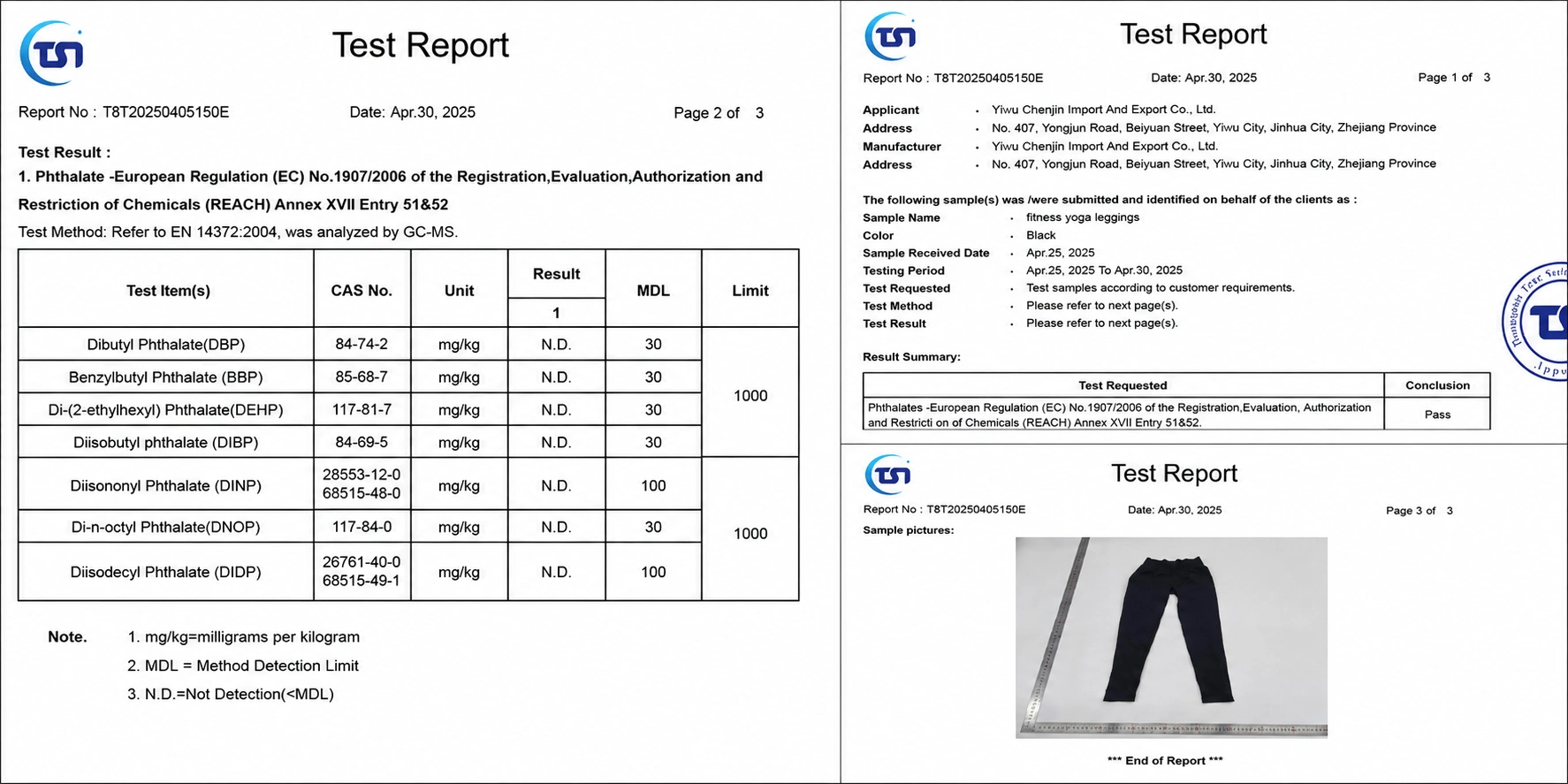
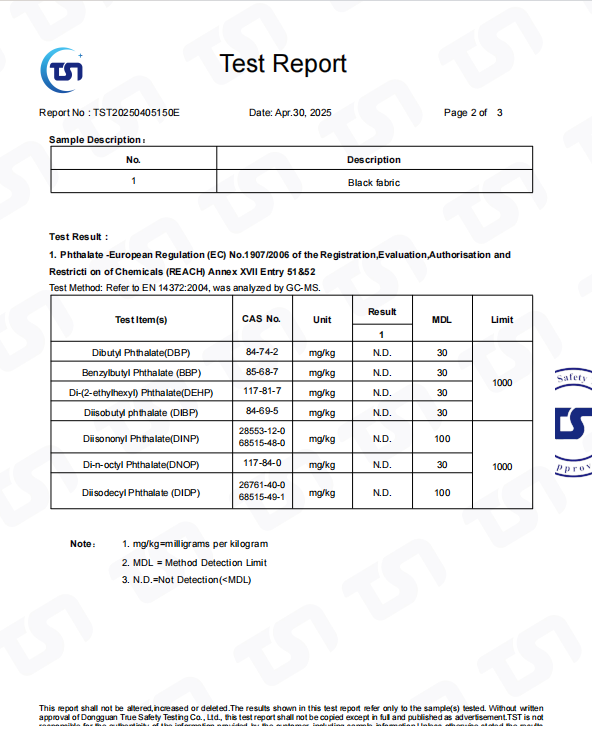
REACH Phthalates Evidence
Report: TST20250405150E
Date: April 30, 2025
Sample: Black fabric from the submitted fitness yoga leggings.
The report covers the cited phthalate scope under REACH Annex XVII Entries 51 and 52 and records a Pass conclusion for the submitted sample.
Applicable Scope: The submitted sample and specified phthalate scope.
Scrunch Shorts Testing
A historical test on another activewear product should not be presented as proof that a Scrunch Shorts style, material, color or future production lot has been tested.
Applicable Scope: Testing must correspond to the actual buyer project when required.
MOVEVOX Response: Review the target market, buyer standard, BOM and actual product risk before defining the evidence requirement.
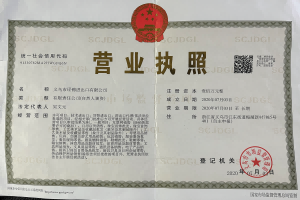
Factory Certification Scope
Audit readiness, testing support or the ability to cooperate with buyer qualification should not be rewritten as a certification claim without a verified document.
Applicable Scope: Holder, site, activity, validity and relevant product or process coverage.
MOVEVOX Response: Provide verified evidence according to the actual buyer onboarding requirement.
Documented Activewear Development Evidence by Numbers
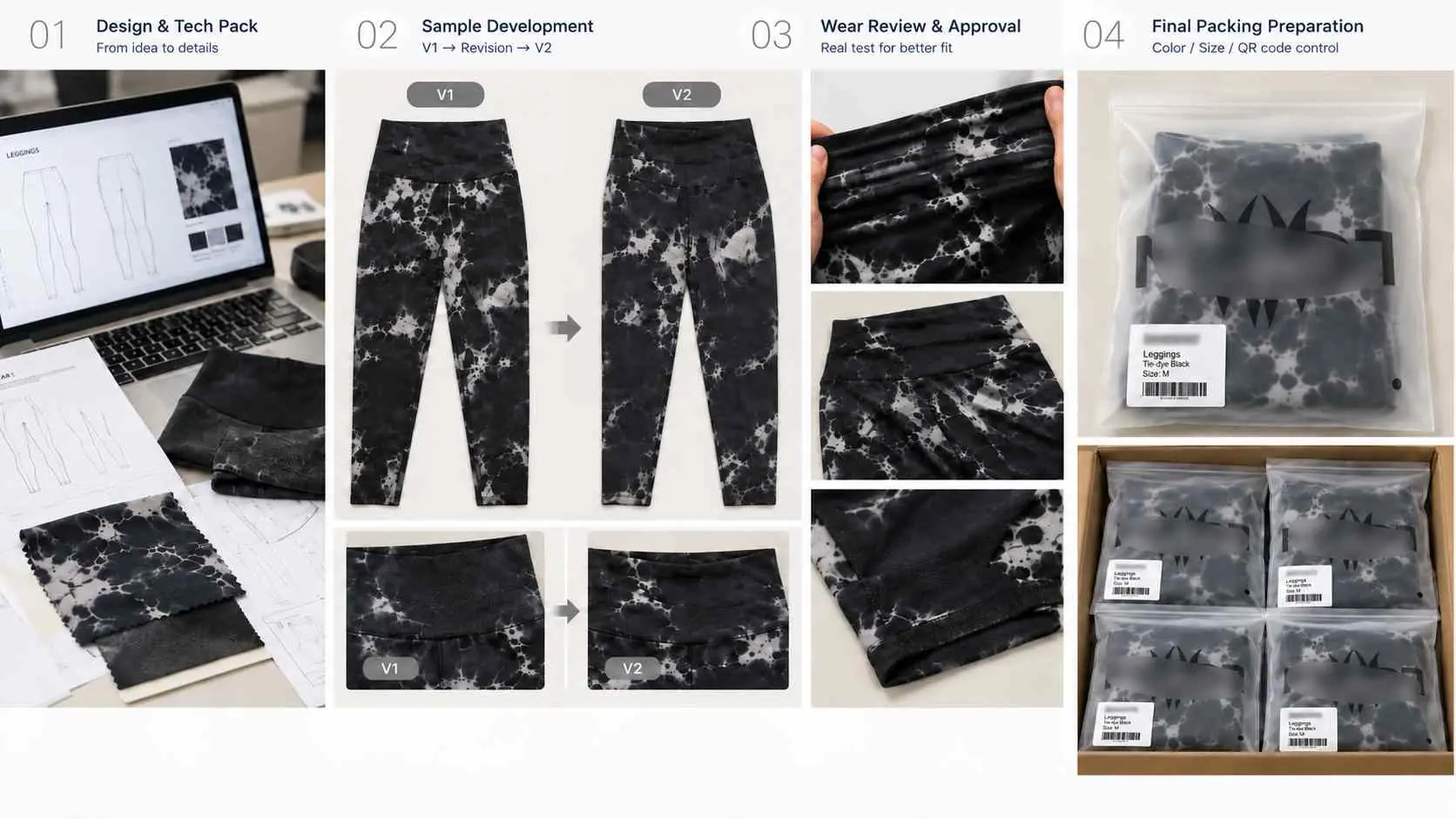
This anonymous U.S. project is used only as evidence of MOVEVOX’s broader activewear development and private-label process. It is not presented as a Scrunch Shorts-specific customer case.
Sample Versions
The documented development moved from an initial sample to a revised second version after customer fitness-use feedback.
Test Samples
Additional samples were produced after the revised version for wider practical wearer evaluation before bulk customization.
Sizes per Color
The documented QR packing structure used four sizes within each relevant color in the recorded project.
Packing QC Time
QR-related identification and packing control required approximately twice the time of a normal order in the documented case.
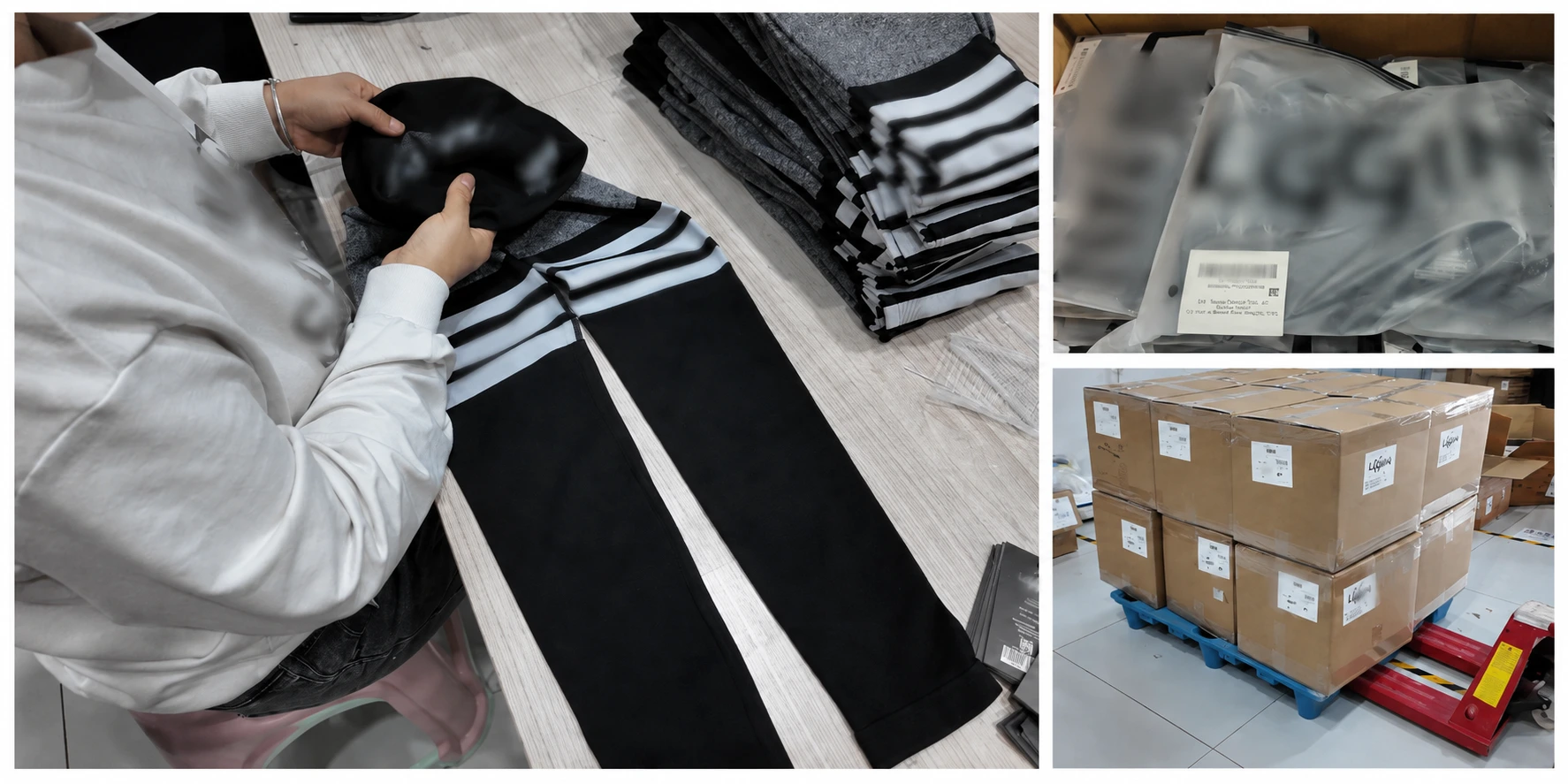
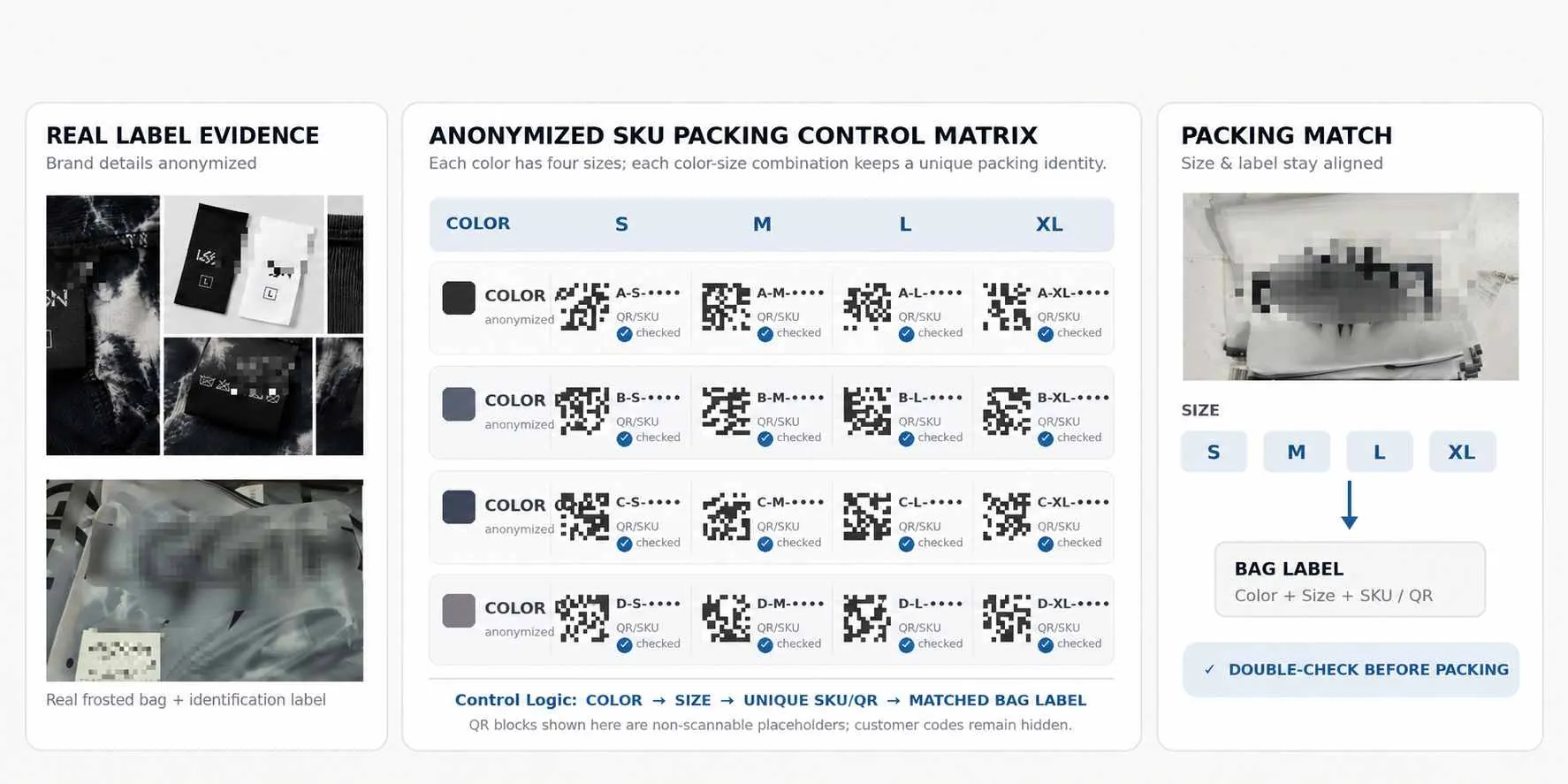
What the Case Demonstrates
The project began from customer-owned Tech Pack information, moved through physical V1 development, wearer feedback and a revised V2, then added approximately five to ten additional samples for practical evaluation. Once the product direction was confirmed, execution expanded into private-label Logo, labels, care information and packaging. Different color and size combinations used corresponding QR identification, so packing required additional checking before completion. The useful lesson for a Scrunch program is not that this customer purchased Scrunch Shorts—the records do not establish that. The evidence demonstrates a repeatable MOVEVOX workflow for sample revision, wearer feedback, branded bulk execution and SKU-level packing control.
Source Scope: Anonymous documented U.S. activewear project. Product Scope: Multi-category activewear; not verified as Scrunch Shorts. Commercial Result: No sales-growth or consumer-performance claim is inferred.