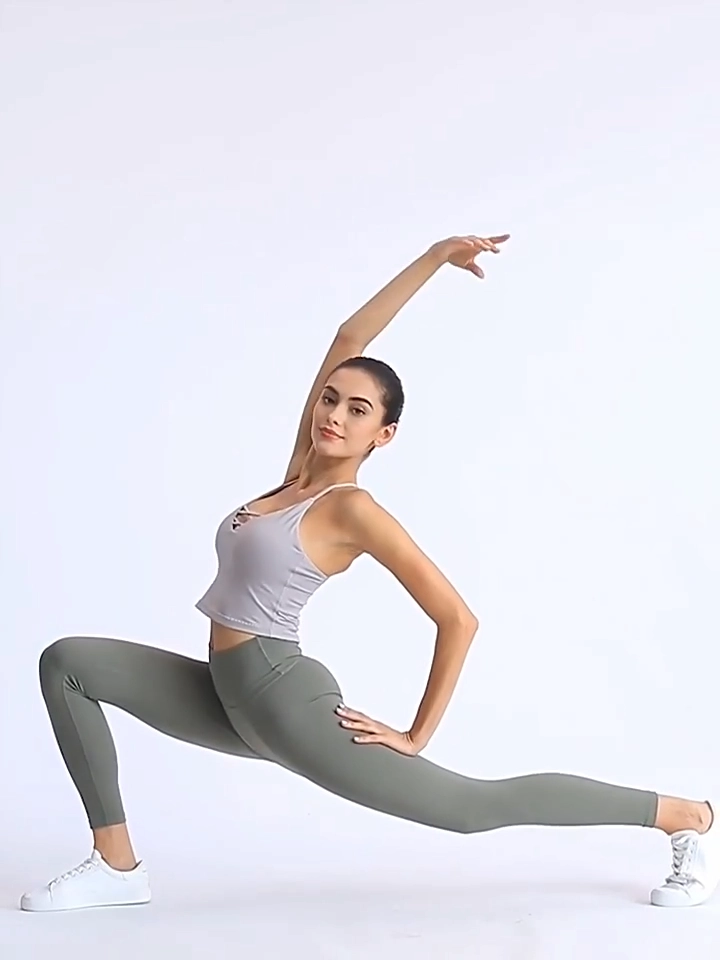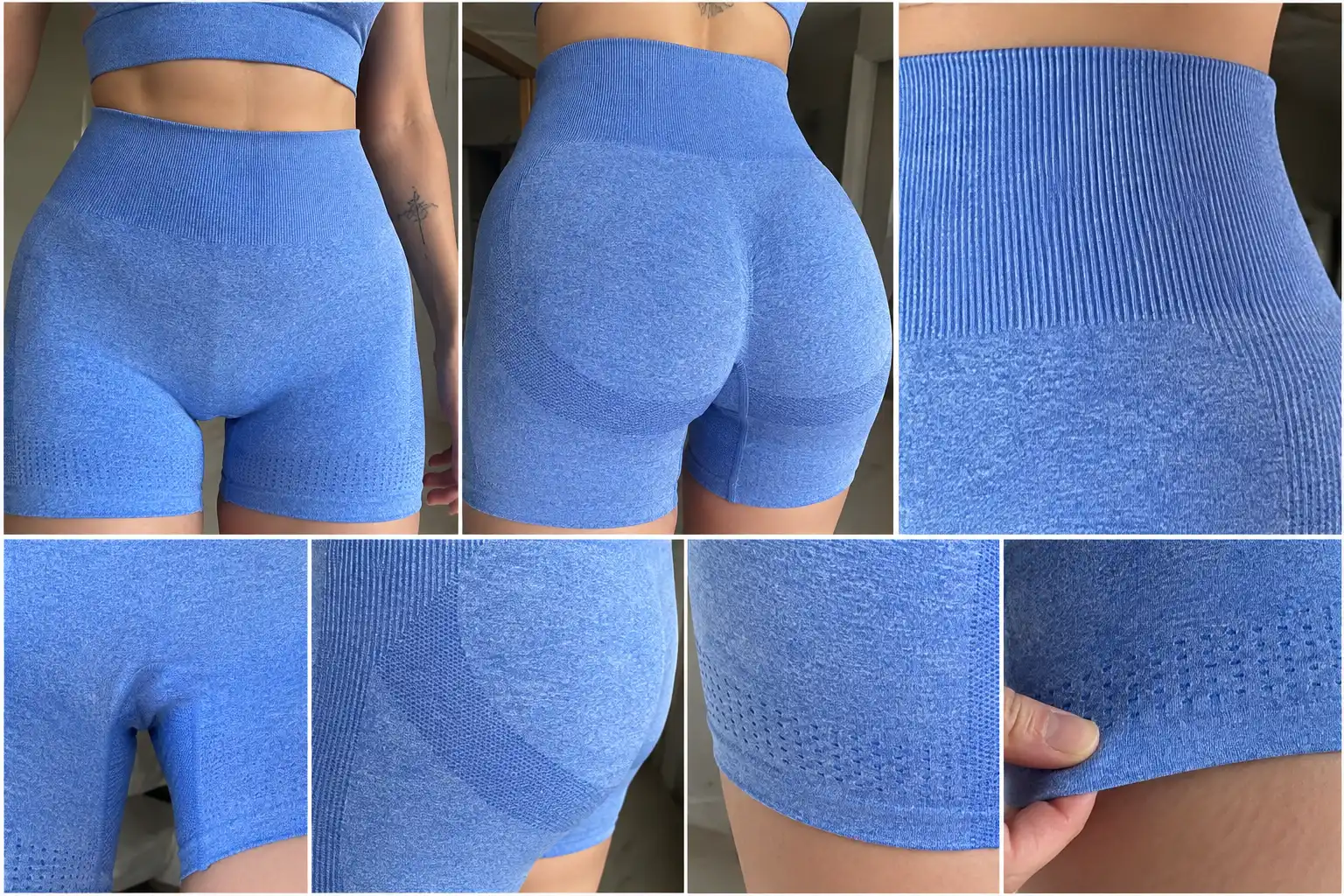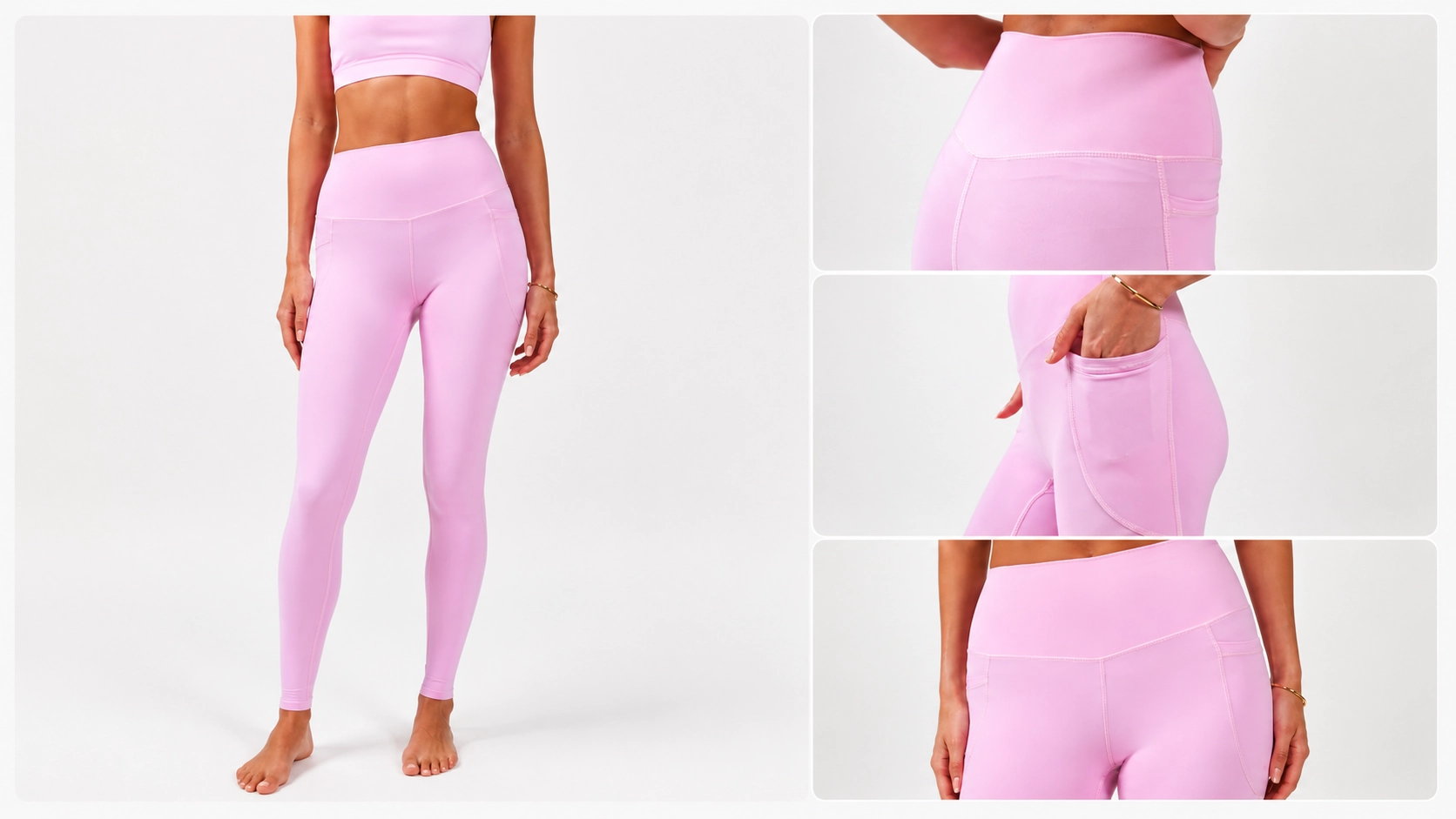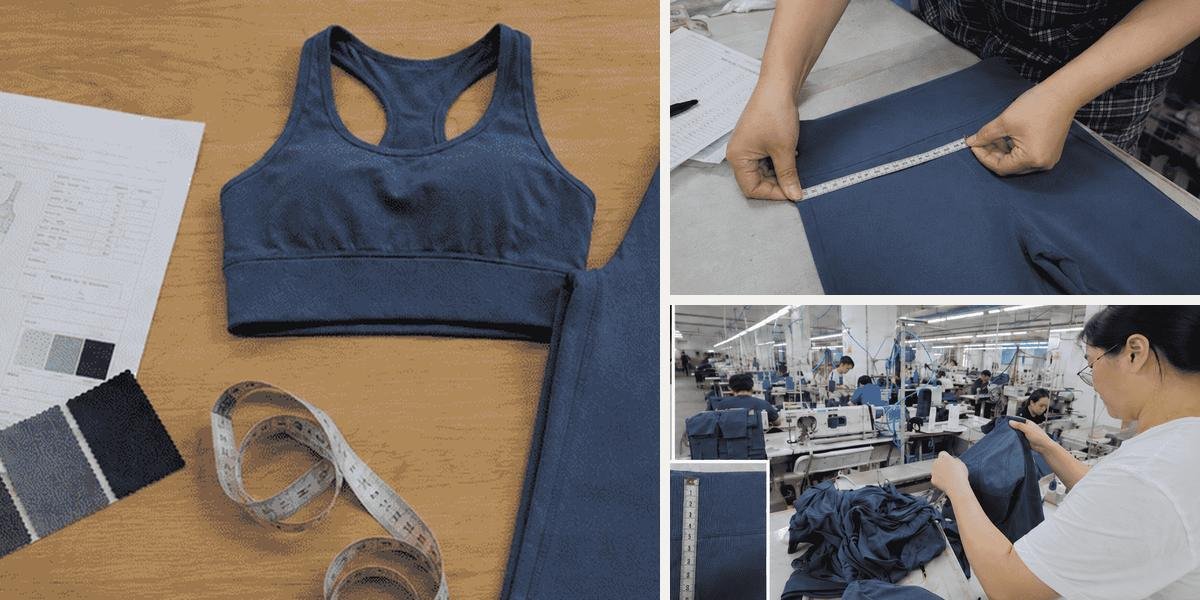
HIGH-WAISTED LEGGINGS MANUFACTURER

High Waisted Leggings Manufacturer for Activewear Brands

MOVEVOX develops and manufactures high-waisted leggings for activewear, yoga and fitness brands that need more than a generic garment supplier.

The development process connects buyer-defined waistband direction, rise, Fit, material behavior, measurements and construction requirements with the appropriate Seamless or Cut & Sew manufacturing route.

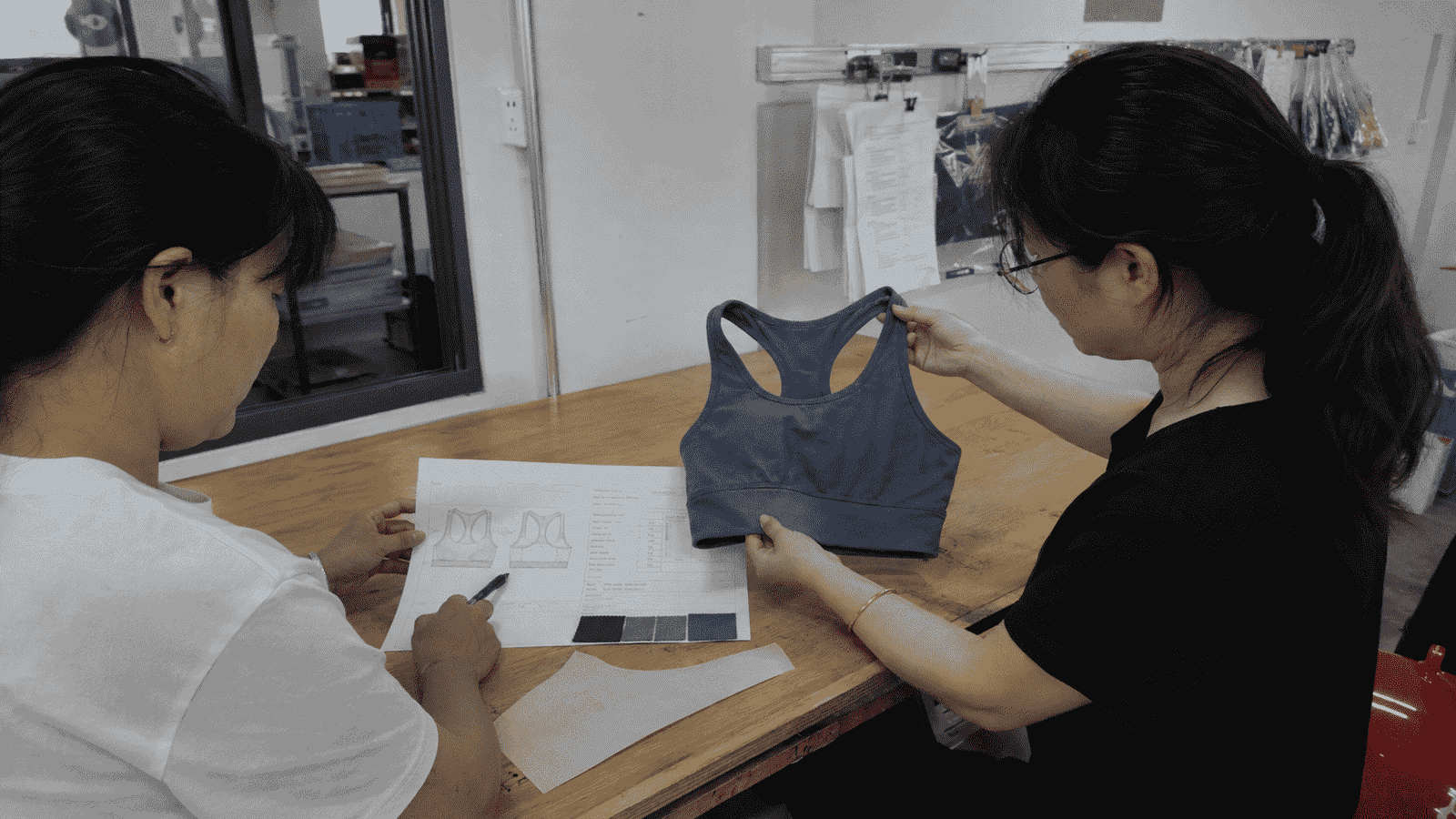
Projects can begin from a Tech Pack, legal reference sample, sketch or clearly defined product direction. Standard samples are typically completed within approximately 5–10 working days after the necessary development information has been confirmed.
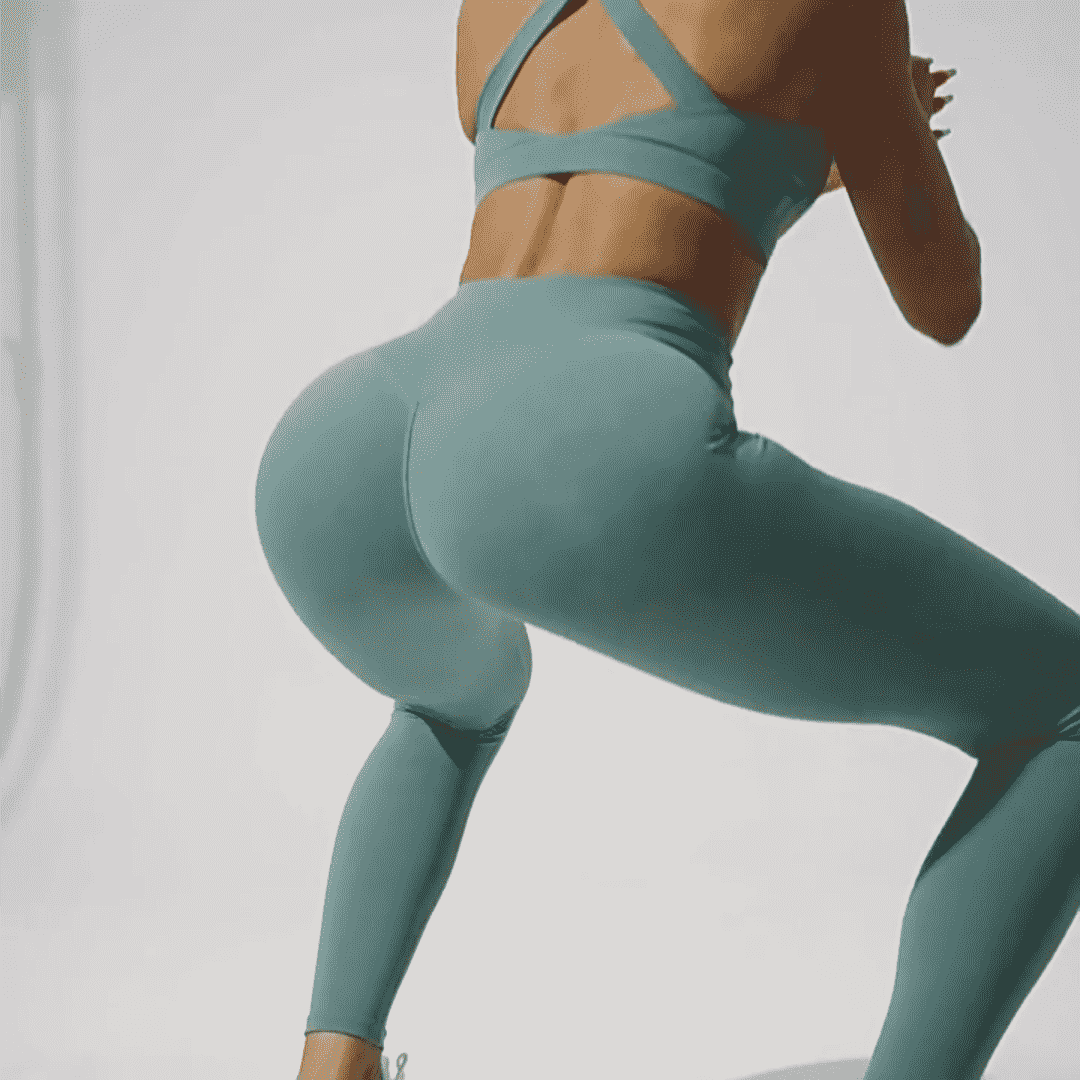
High-waisted leggings developed and manufactured for activewear brands
Seamless + Cut & Sew

Two manufacturing routes for different leggings constructions.

28 Santoni

Italian Seamless machines at the Yiwu core base.

≈8-Person Team

Normal product-development team.

≈40K–50K pcs/month

Core stable finished release.

≈150K–200K pcs/month

Controlled-network stable managed delivery.

BUYER FIT

Which High-Waisted Leggings Programs Fit MOVEVOX Best?

MOVEVOX is best aligned with buyers that treat high-waisted leggings as a controlled product-development and manufacturing program rather than as a generic stock garment with a Logo added at the end.

Established Activewear Brands

You already sell leggings or performance apparel and need a manufacturer that can work against defined product, Fit, quality and repeat-order requirements.

Yoga & Pilates Brands

You need leggings development that considers waistband structure, rise, material behavior, coverage, Fit and coordinated collection requirements.

Growing DTC Activewear Brands

Your first products have been commercially validated and you now need stronger development, quality control and production planning as order volume increases.

Multi-SKU Apparel Brands

You need leggings, sports bras, shorts or tops to share selected materials, colors and branding while keeping SKU-specific Fit and construction under control.

HIGH-WAIST PRODUCT DEFINITION

A High-Waisted Legging Is More Than a Higher Waistline

Waistband

The waistband height, dimensions, construction and material behavior need to work together with the intended Fit.

Rise

Front and back rise affect where the waistband sits and how the garment balances around the waist and hip.

Material

Stretch and recovery influence how the approved measurements behave on the body and whether the garment maintains its intended shape.

Fit & Grading

A successful base size does not automatically guarantee the same Fit relationship across the full size range.

Production Repeatability

Approved waistband, rise, measurements, material and construction need to remain connected to bulk-production standards.

For a B2B buyer, “high waisted” should therefore be treated as a group of connected product variables rather than as a single styling description.
MANUFACTURING FACTS

Manufacturing Facts Behind the Leggings Program

≈6,000 m²

Yiwu Core Base

Six floors with approximately 1,000 m² per floor in Yiwu, Zhejiang.

28

Italian Santoni Machines

Core Seamless manufacturing capability.

≈24

Principal Garment Machines

Supporting core Cut & Sew manufacturing.

≈8

Development Team

Approximately two design personnel, two pattern makers and four sample-development personnel.

5

QC Personnel

Supporting applicable material, production and finished-product quality checks.

5–10 Working Days

Standard Sampling

Typical after the necessary development information is confirmed.
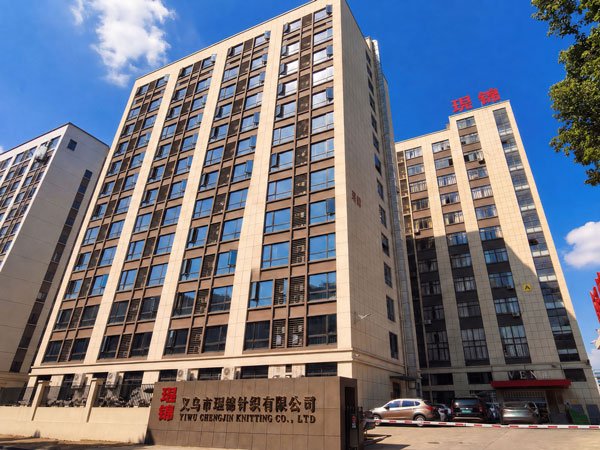
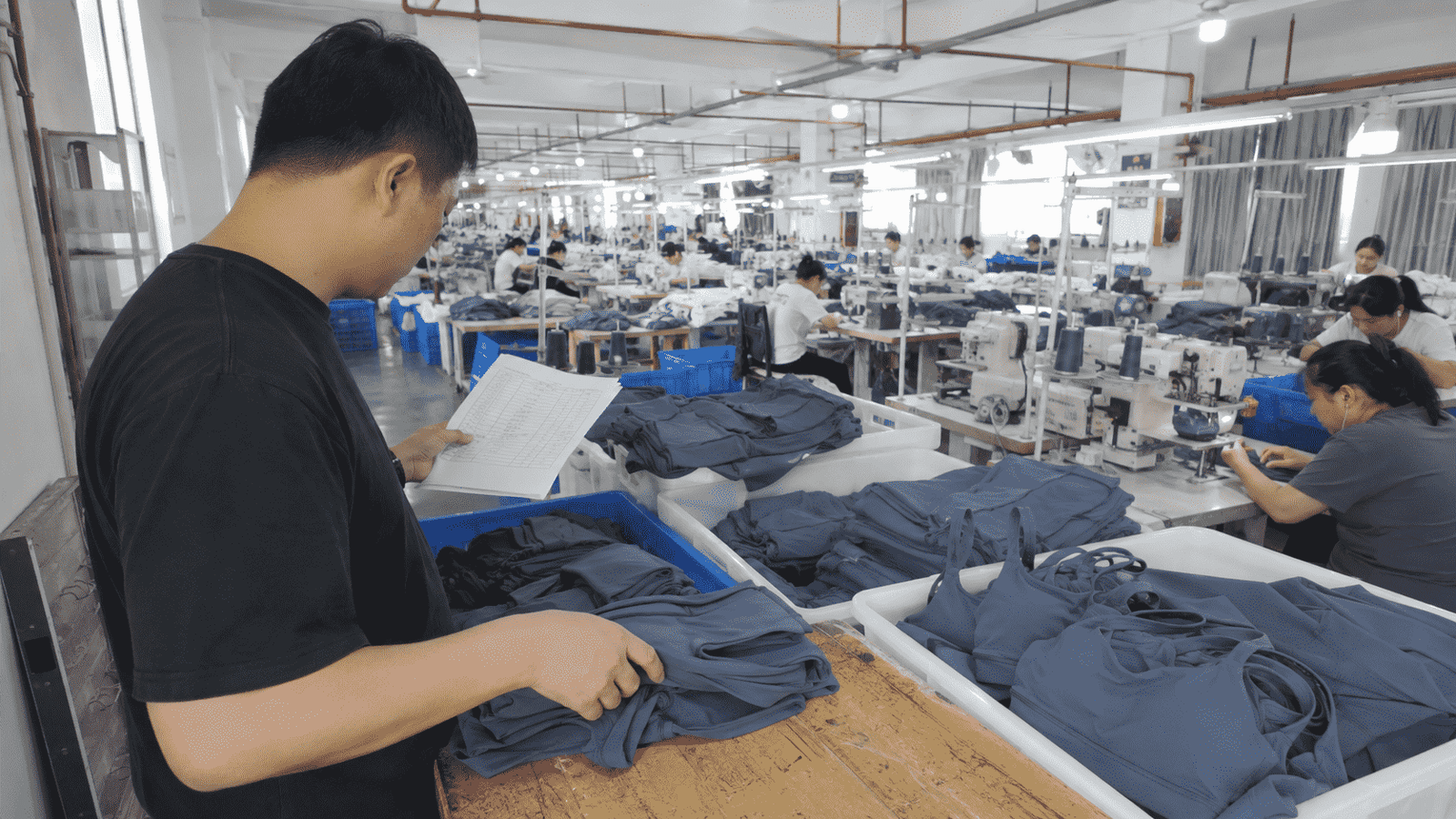
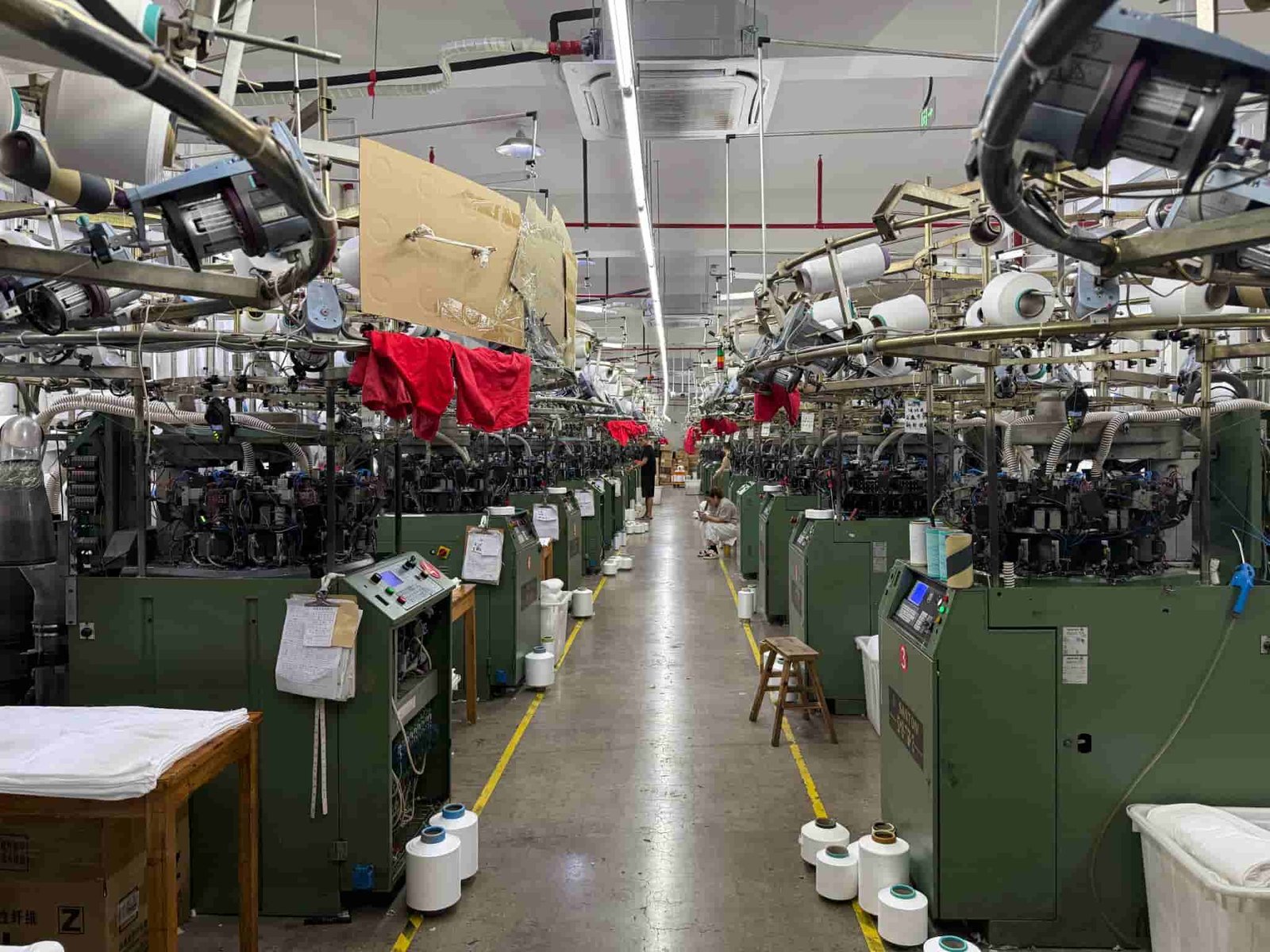
MOVEVOX Yiwu manufacturing facility
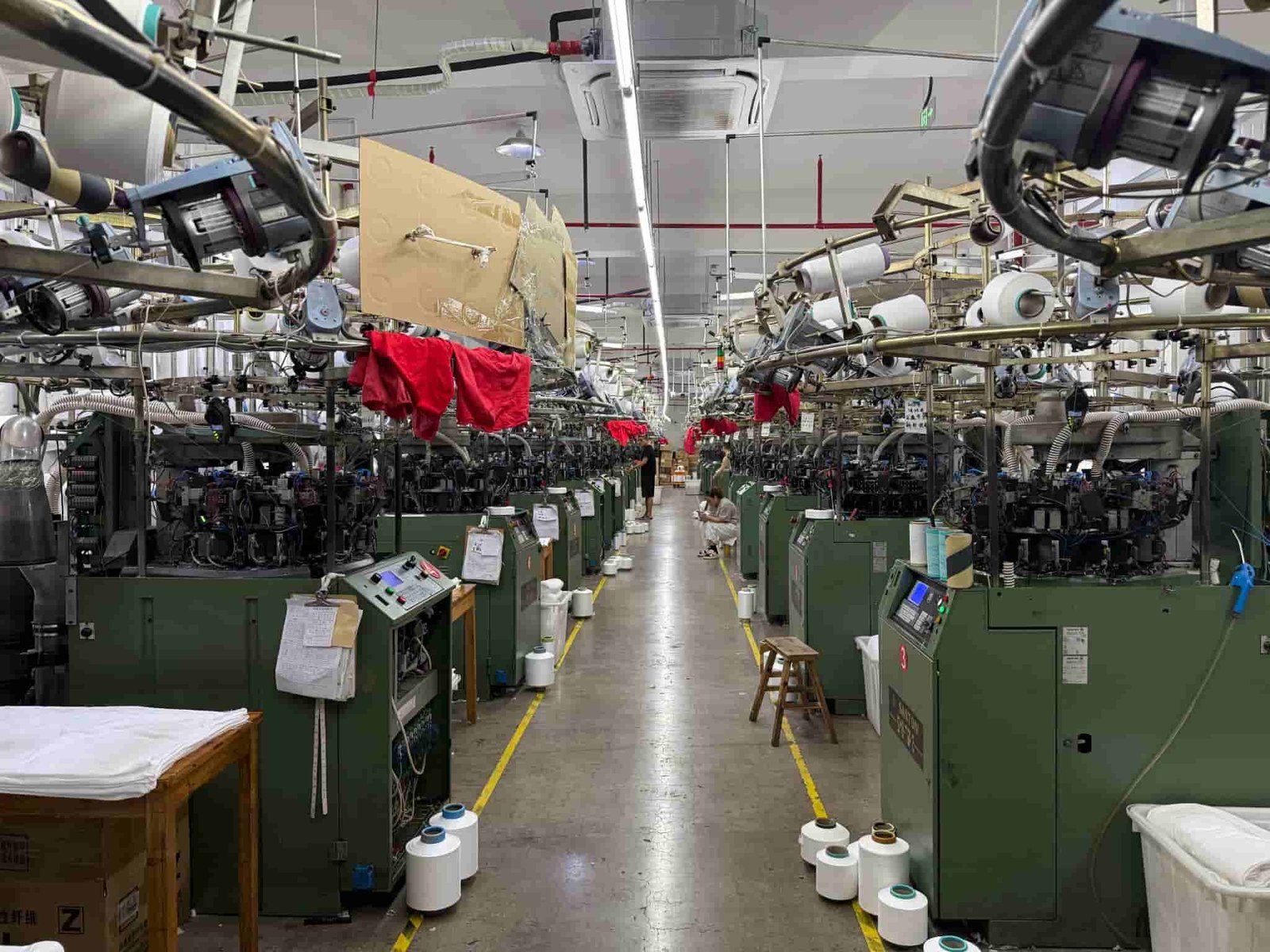
MOVEVOX Santoni Seamless knitting area
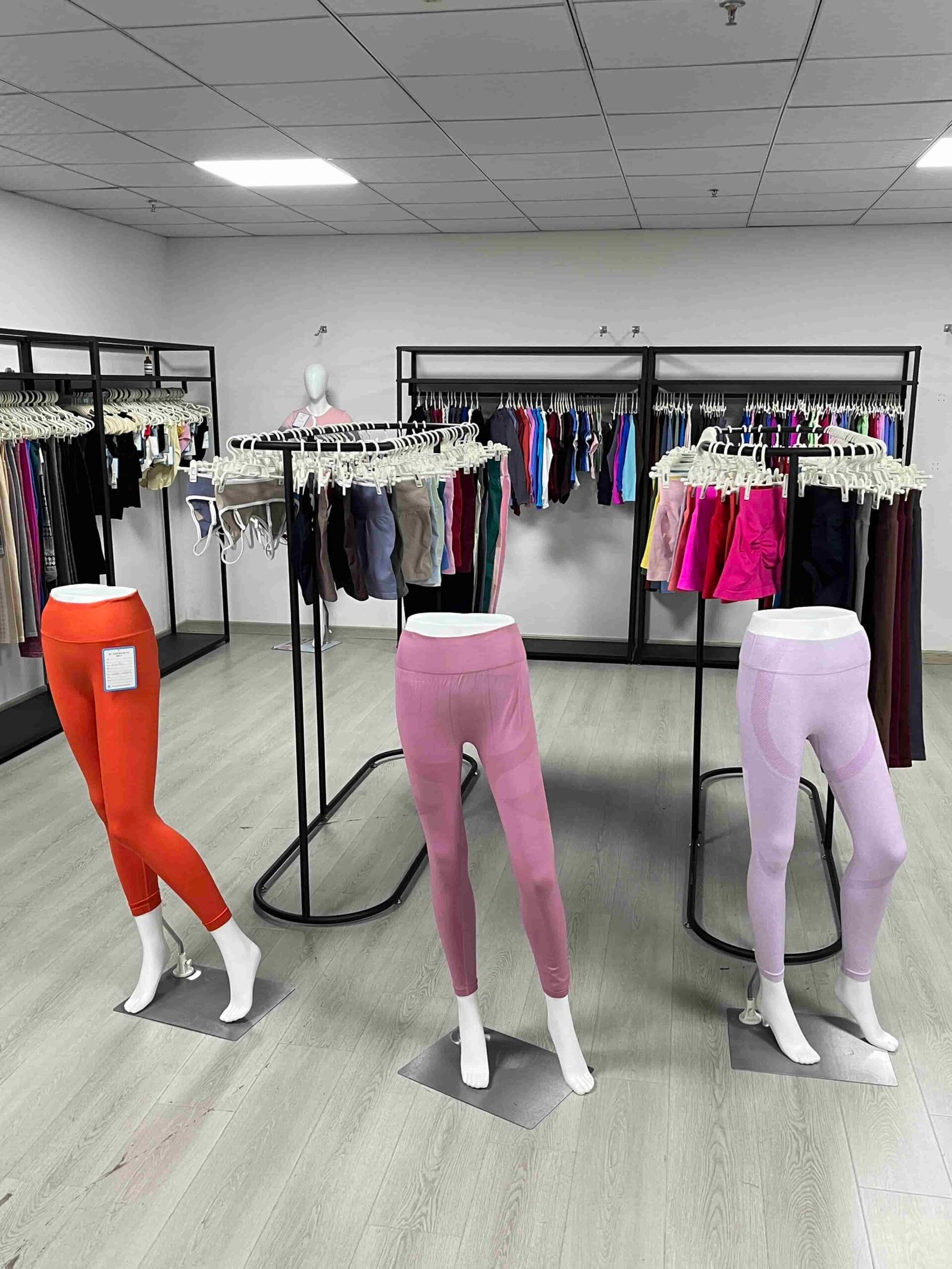
MOVEVOX activewear sample room
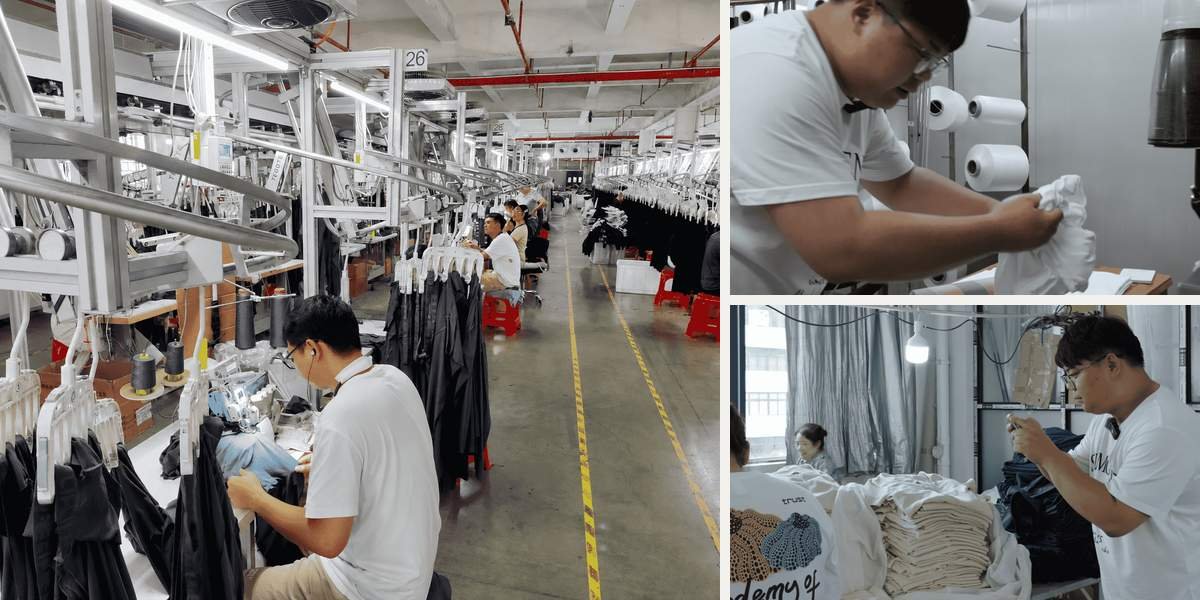
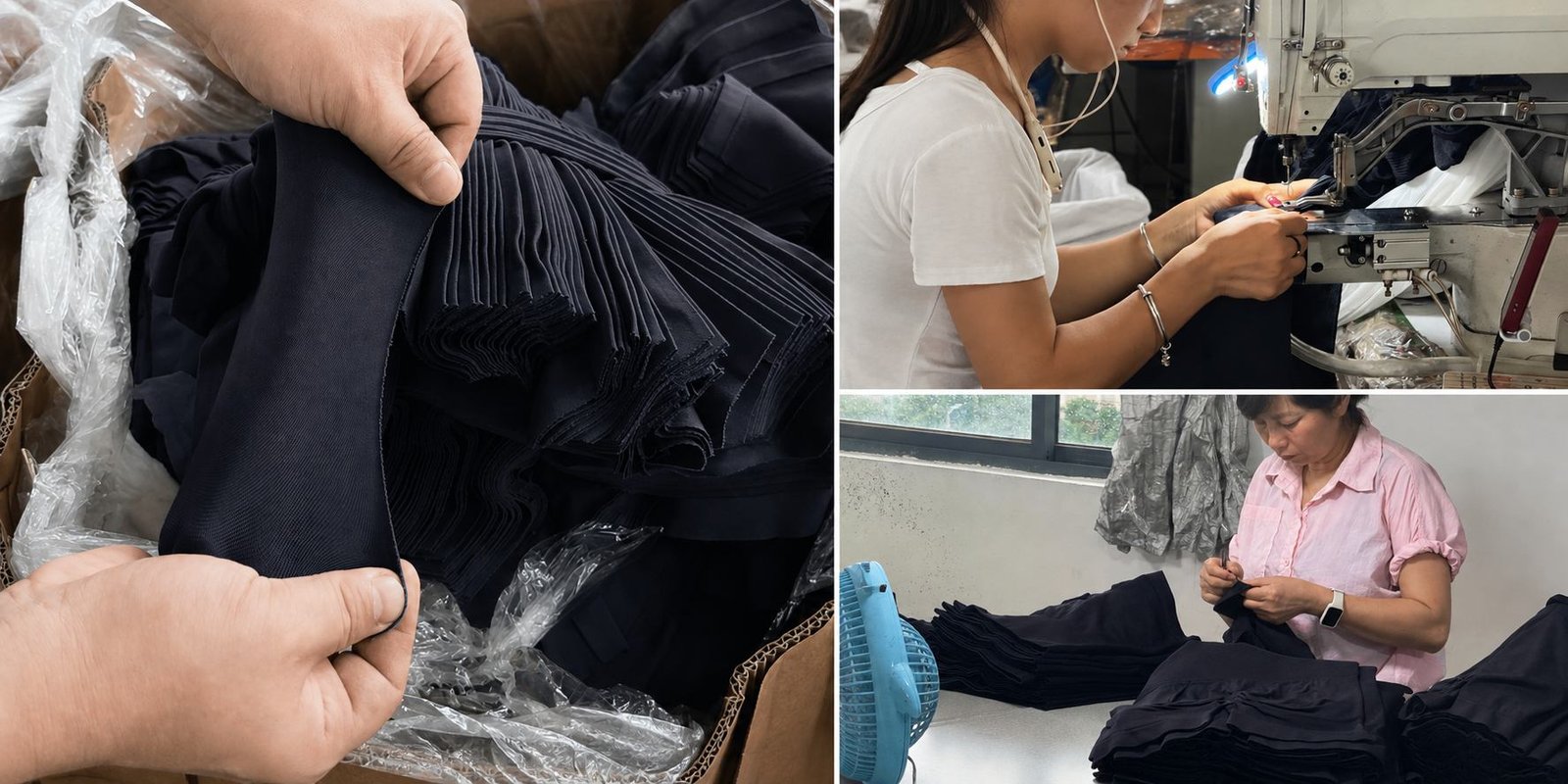
MOVEVOX Cut and Sew activewear production
HIGH-WAIST PRODUCT ARCHITECTURE

Control the Product Variables That Define a High-Waisted Legging

No single waistband dimension defines a successful high-waisted legging. The finished result depends on how the waistband, rise, material, measurements and manufacturing construction work together.

Yoga leggings waistband and movement fit evaluation
01 · WAISTBAND

Waistband Height

The required waistband position and height should be defined against the intended product rather than assumed from the term “high waist.”

Seamless leggings sample showing waistband rib mesh and knitted structure zones
02 · CONSTRUCTION

Waistband Construction

The product may use a knitted or pattern-based waistband depending on the selected manufacturing route and approved construction.

Yoga leggings development sample showing waistband crotch contour and construction details
03 · RISE

Front & Back Rise

Rise measurements need to work with the waist, hip and overall garment balance.

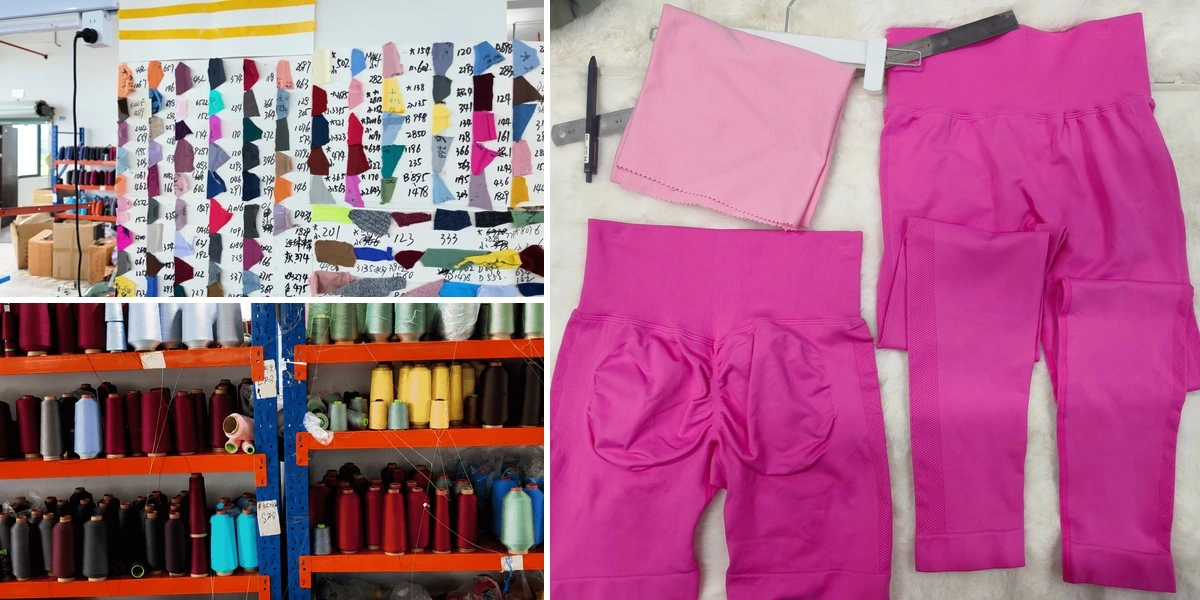
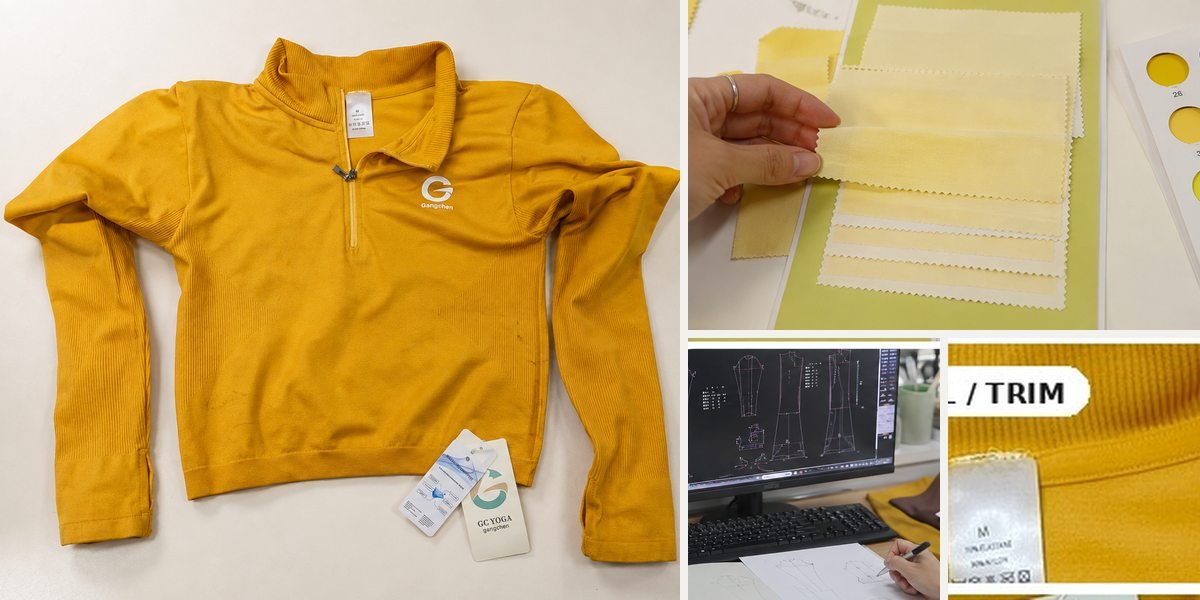
Activewear material development with fabric swatches yarn and finished garments
04 · MATERIAL

Material Behavior

Stretch, recovery, weight and surface behavior influence how the waistband and body of the garment perform against the approved Fit.

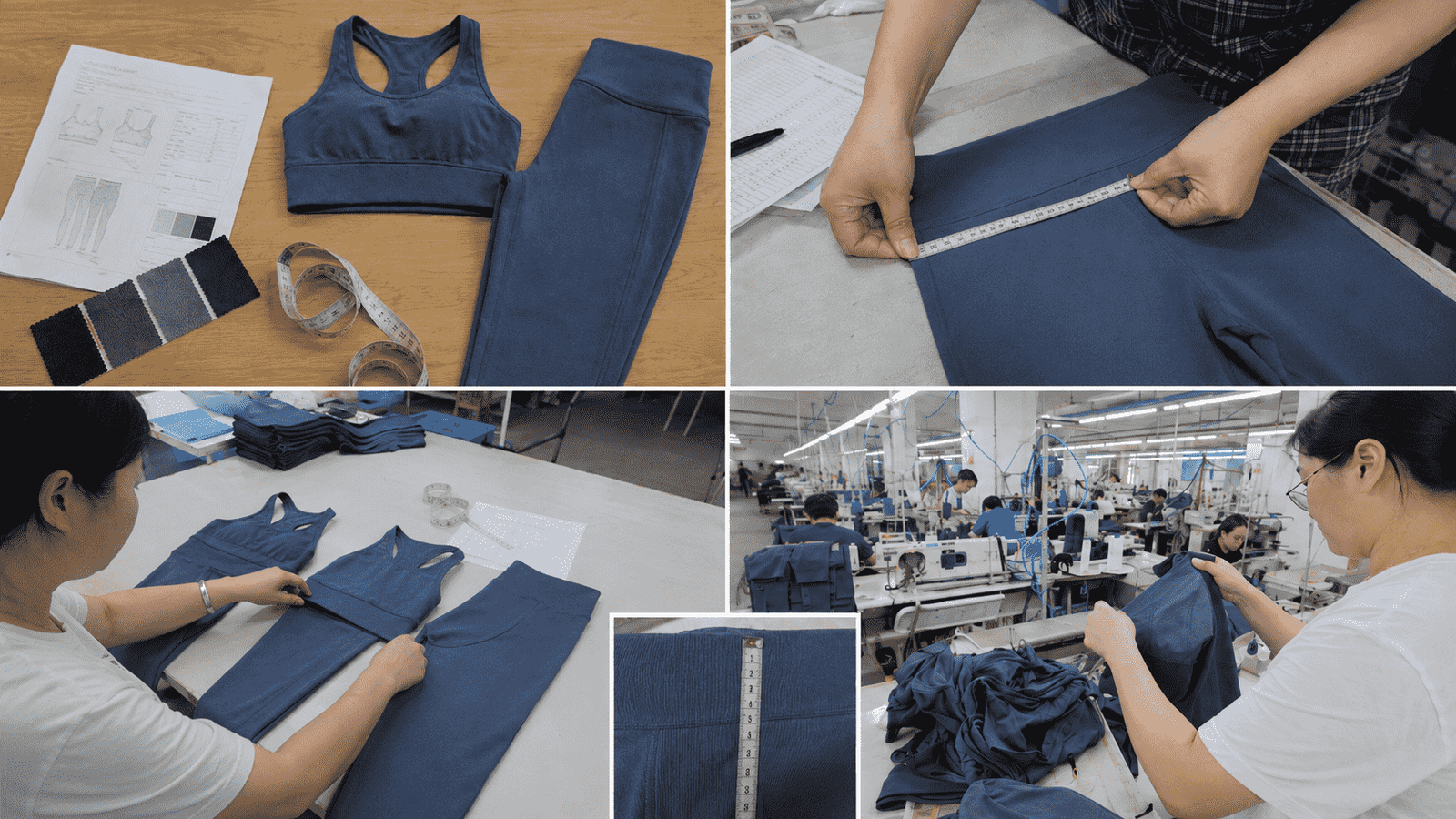
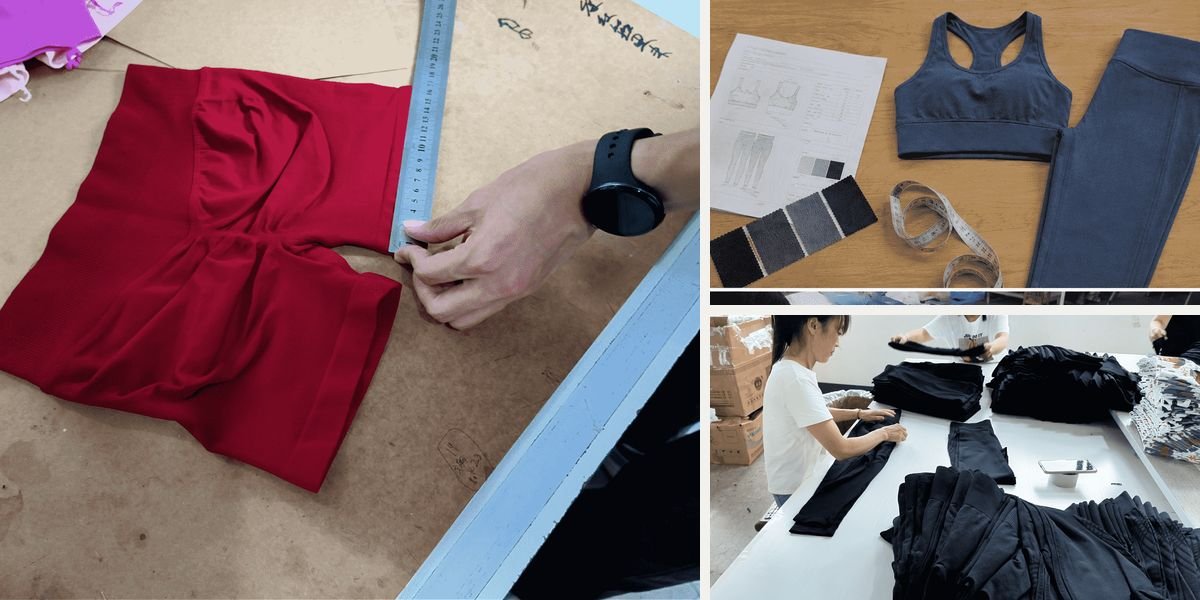
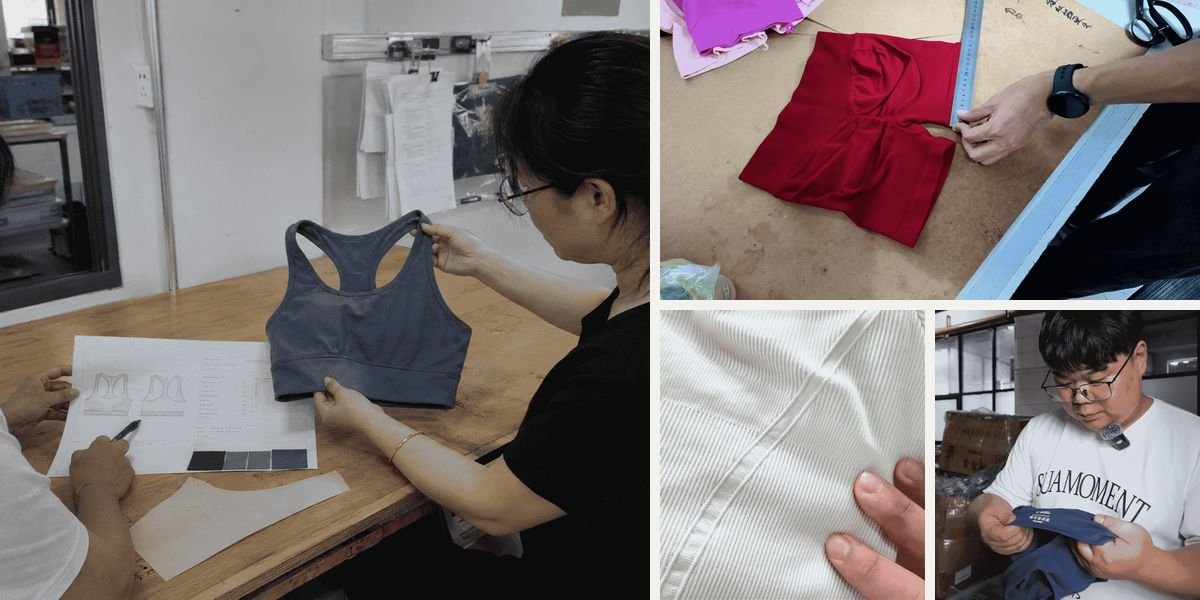
Activewear sample approval checklist and measurement sheet
05 · FIT

Fit & Grading

The base size, POM, tolerance and grade rules need to remain connected across the intended size range.

Approved sample measurement reference First Article and inline QC comparison
06 · BULK

Bulk Repeatability

Approved product decisions should continue into First Article, in-line measurement and finished-product control.

HIGH-WAIST FAILURE MODES

Control the Failure Modes That Can Change High-Waist Fit

01 · WAISTBAND

Waistband Stability Risk

The waistband construction, measurements and material behavior do not work together as intended.

Control Direction: Connect the approved waistband construction, measurements, material and physical Fit reference.
02 · FIT

Waist-to-Hip Fit Imbalance

Waist, hip and rise proportions do not maintain the intended Fit relationship.

Control Direction: Use defined POM, measurement methods, tolerances and grading rules.
03 · MATERIAL

Material Recovery Risk

A visually similar material behaves differently after stretch and changes the approved product Fit or appearance.

Control Direction: Approve the actual material and reassess the product if the material changes.
04 · COVERAGE

Coverage Expectation Risk

Coverage or opacity expectations are assumed instead of being defined against a physical product or buyer-specific requirement.

Control Direction: Approve the actual garment and define project-specific testing where required.
05 · GRADING

Grading Risk

A successful base size is expanded without sufficient control of size-to-size measurement changes.

Control Direction: Use defined grade rules and applicable size-set review.
06 · BULK

Sample-to-Bulk Risk

The development sample is approved but material, measurements or workmanship drift during bulk production.

Control Direction: Use the approved reference, First Article, in-line checks and finished inspection.
RISE · POM · FIT CONTROL

Control High-Waist Fit Through Defined Measurements and Grading

MOVEVOX does not treat one generic XS–XL chart as a universal Fit standard. Measurements and grading should follow the buyer's approved product specification.

Control Point What Must Be Defined
Waist Approved measurement method and intended Fit relationship.
Waistband Height Applicable waistband dimension for the specific product.
Front Rise Buyer-defined measurement influencing front body position.
Back Rise Approved relationship between back waist, hip and garment balance.
Hip Approved hip measurement connected to material and intended Fit.
Inseam Required product length using a consistent measurement method.
POM & Tolerance Defined measurement location and acceptable production variation.
Grade Rules & Size Set Controlled size-to-size changes and physical validation where required.
Activewear fit sample measurement review
Women's activewear size-range development
FABRIC BEHAVIOR

Match the Fabric to the Intended Waistband and Fit Behavior

Changing the material can change Fit even if the measurement chart remains unchanged. Material substitution should therefore be treated as a product decision rather than only a sourcing decision.

Activewear custom fabric development

Stretch

The material needs to provide the required extension for the intended garment and size range.

Recovery

Recovery influences whether the product returns toward its intended shape after stretch.

Weight & Coverage

Material weight and construction contribute to the buyer's required level of coverage and garment structure.

Handfeel & Surface

Softness, smoothness and surface appearance should be reviewed against the intended brand and product direction.

Support Intent

The material, Fit and construction should be reviewed together where the buyer requires a particular level of hold or support.

Material Approval

Fiber composition alone does not define garment behavior. The applicable physical material should be reviewed and approved before bulk use.

PERFORMANCE REQUIREMENTS

Convert Leggings Performance Language Into Approveable Requirements

Terms such as “high compression,” “premium stretch” or “squat-proof” can mean different things to different buyers. Where such performance matters, it should be connected to a physical reference or defined test requirement rather than used as an unsupported blanket claim.

Coverage / Opacity

The garment should provide the buyer-defined level of coverage during its intended use.

Evidence Direction

Review the actual material and physical garment; define buyer-specific testing where formal validation is required.

Support Intent

The leggings should provide the intended level of hold or support.

Evidence Direction

Review material, construction and Fit together rather than assuming performance from fabric composition.

Stretch & Recovery

The material should extend appropriately and retain the intended garment shape.

Evidence Direction

Approve the physical material and define quantitative testing when required by the project.

Handfeel & Surface

The finished product should match the approved softness, structure and visual direction.

Evidence Direction

Use an approved physical material or garment reference.

Yoga activewear fabric swatches
Yoga leggings movement and waistband fit evaluation
WAISTBAND CONSTRUCTION ROUTE

Choose Seamless or Cut & Sew Around the Waistband Architecture

The manufacturing route should follow the intended high-waist construction rather than being selected only from a general preference for Seamless or Cut & Sew.

MOVEVOX Santoni Seamless production for engineered knitted activewear
SEAMLESS

Engineer the Waistband Into the Knitted Structure

Seamless can be appropriate when the product direction relies on engineered knitted structures, rib areas, a knitted waistband or reduced-seam construction.

  • Waistband structure is developed with the knitted garment.
  • Material behavior depends on yarn and knitted construction.
  • Fit review remains necessary after the physical sample is produced.

MOVEVOX operates 28 Italian Santoni Seamless machines at the Yiwu core factory.

MOVEVOX Cut and Sew activewear manufacturing
CUT & SEW

Define the Waistband Through Pattern and Construction

Cut & Sew can be appropriate when the product relies on buyer-selected fabric, pattern-defined rise, a sewn waistband, panel construction, pockets or other sewn details.

  • Waistband and rise are controlled through pattern and measurements.
  • Fabric behavior remains part of Fit approval.
  • Construction details can be reviewed directly in the physical sample.
Neither route is automatically better for high-waisted leggings. The correct choice depends on the buyer's waistband concept, material, Fit, construction and commercial requirements.
PRE-SAMPLE TECHNICAL GATE

Resolve the High-Waist Variables That Should Not Be Left to Assumption

Before the first physical sample is made, the available buyer information should be reviewed to identify which Fit, material and construction decisions are already defined and which still require confirmation.

Activewear manufacturability review before physical sample development
01

Confirm the Product Reference

Review the Tech Pack, legal reference sample, sketch or clearly defined product direction available from the buyer.

02

Define the Waistband Direction

Confirm the intended waistband height, construction direction and relationship to the garment body.

03

Review Rise & Base Measurements

Identify the applicable waist, front rise, back rise, hip, inseam and other relevant POM.

04

Review Material Behavior

Confirm the available information around stretch, recovery, weight, coverage, surface and handfeel.

05

Identify the Grading Requirement

Determine the intended size range and whether grade rules or additional physical size review will be required.

06

Release the First Sample Brief

Use the confirmed information as the current reference for the first physical development sample.

A complete Tech Pack is useful but is not required for the first technical review. Critical gaps should be identified before they become unintentional sample decisions.
WAIST · RISE · FIT REVISION LOOP

Use the Physical Sample to Resolve High-Waist Fit Before Production Approval

The first sample converts the current specification into a physical garment. The purpose of revision is to determine whether the waistband, rise, material and measurements work together as intended.

Activewear sample development from input through fitting revision and pre-production approval
V1

First Physical Sample

Review the garment produced from the current material, measurements and construction direction.

WAIST

Waistband Review

Confirm the intended height, dimensions, structure and relationship between the waistband and garment body.

RISE

Rise & Balance Review

Review front rise, back rise, waist-to-hip relationship and overall garment balance.

MATERIAL

Material Behavior Review

Check whether the selected material behaves as expected in the physical garment.

REV

Controlled Revision

Consolidate confirmed buyer comments rather than allowing separate informal changes to accumulate.

APPROVED

Approved Fit Reference

Confirm the physical garment and applicable technical information that represent the accepted product direction.

Standard samples are typically completed within approximately 5–10 working days after the necessary development information is confirmed. Further revisions can extend the total development timeline.
APPROVED FIT RELEASE STANDARD

Freeze the High-Waist Acceptance Standard Before Normal Bulk Output

Once the buyer approves the physical garment, the important task is to preserve the accepted waistband, rise, material and Fit decisions in the information used by production and quality control.

01

Physical Fit Reference

Retain the approved garment as the physical reference for the accepted product.

02

Measurement Reference

Confirm the current POM, measurements and applicable tolerances.

03

Material Reference

Keep the approved material connected to the product because a material change can also change Fit.

04

Construction Reference

Confirm the approved waistband and other applicable construction details.

05

First Article Check

Compare initial production against the released standard before normal output continues.

06

Bulk Verification

Continue applicable measurement, workmanship and finished-product checks against the current approved requirements.

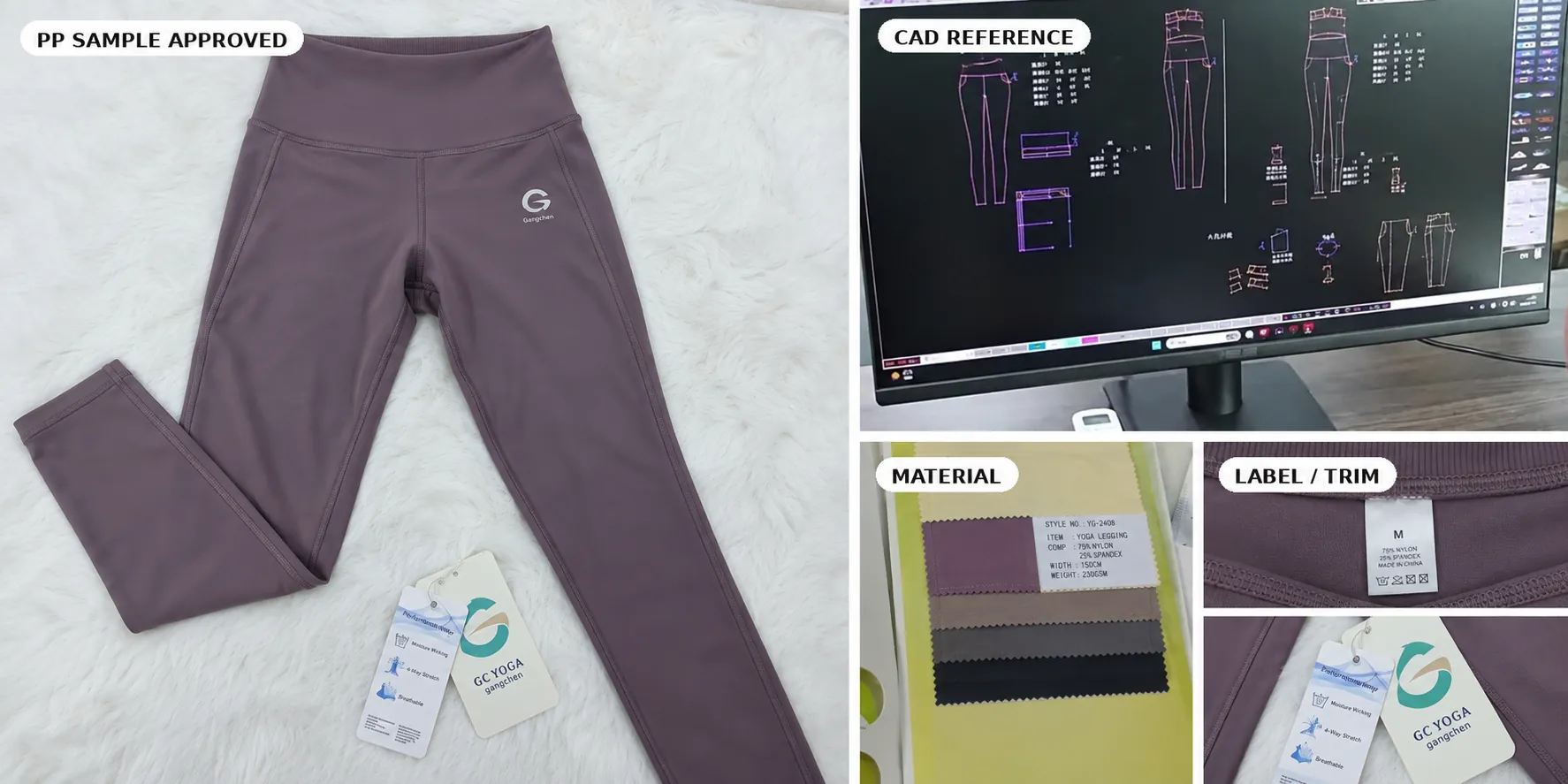
Approved pre-production activewear sample
Activewear First Article inspection
Activewear inline quality control
SIZE-RANGE VALIDATION

Do Not Treat High-Waist Grading as Automatic Size Multiplication

A high-waisted legging can look correct in one base size while the waist-to-hip relationship or rise changes differently across the wider size range. Grade rules therefore need to remain connected to the approved Fit direction.

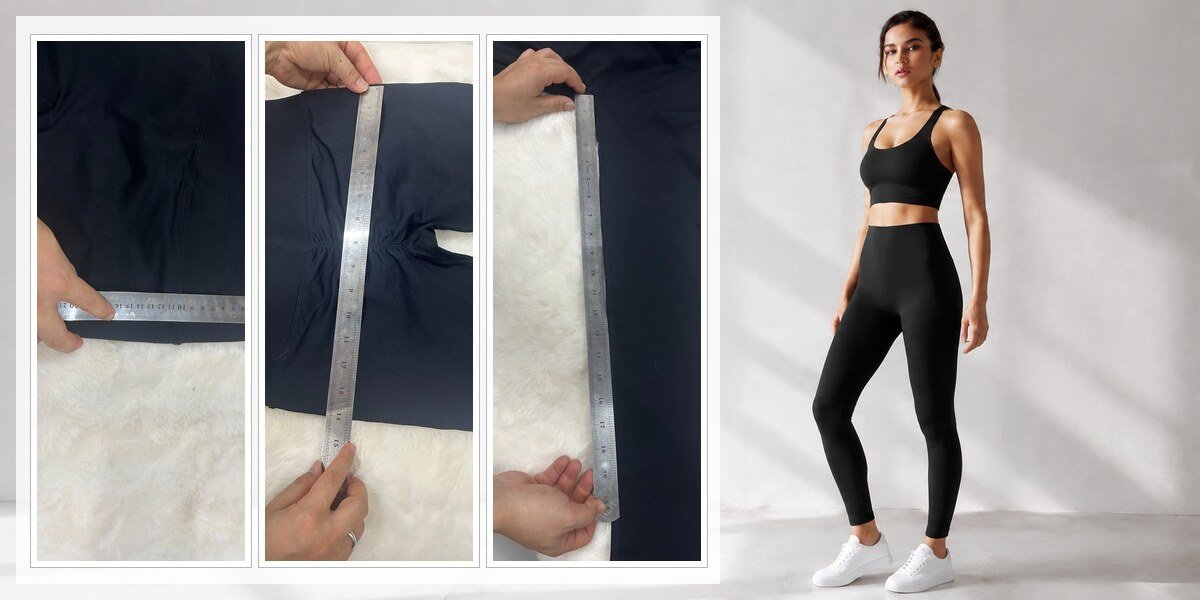
Physical Seamless garment waistband circumference and length measurement
01 · BASE SIZE

Approve the Base Size

Establish the accepted waistband, rise, hip, inseam and overall Fit relationship.

02 · GRADING

Define Grade Rules

Confirm how the applicable measurements should change between sizes.

03 · PRIORITY SIZES

Review Priority Sizes

Determine which additional sizes require physical review based on the buyer's program.

04 · SIZE SET

Validate the Size Set Where Required

Review physical graded garments when the project requires additional size validation.

05 · SPECIFICATION

Update the Current Specification

Transfer confirmed grading decisions into the current size specification.

06 · RELEASE

Release the Approved Size Range

Use the confirmed grading information as part of the bulk-production standard.

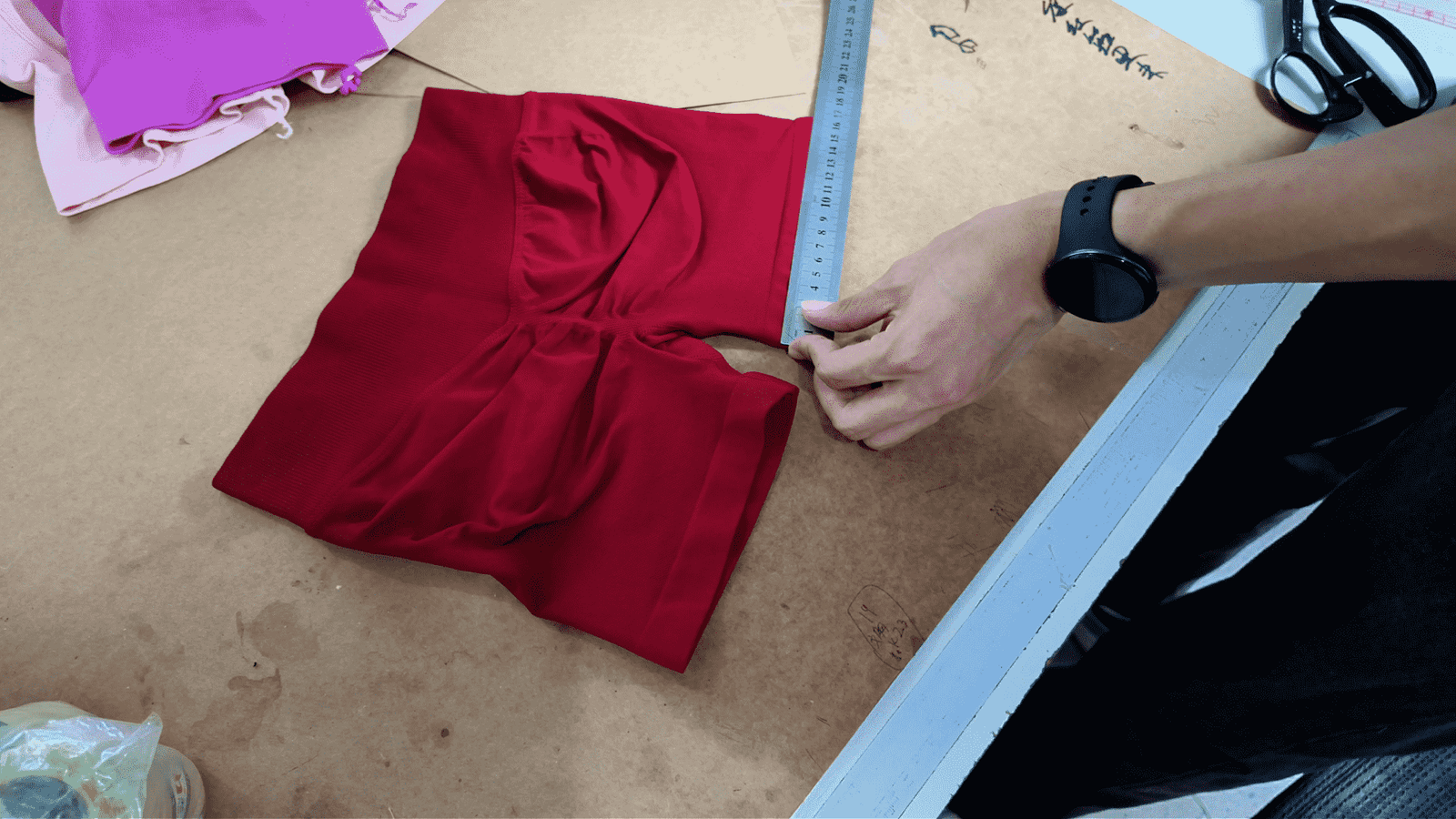
Activewear garment physical measurement with tools and inspection record
PHYSICAL VALIDATION

Grade Rules Still Need a Physical Product Reference

Size progression is first defined through measurements and grade rules. Where the project requires additional validation, physical garments provide the reference for reviewing whether those changes remain aligned with the intended Fit.

Bulk measurement should then follow the current released specification rather than relying on the size label alone.

HIGH-WAIST STYLE FAMILY

Reuse a Validated Fit Foundation Without Assuming Every New SKU Is Identical

Once a high-waisted legging has been validated, selected product decisions can support related styles. The important distinction is deciding what can be reused and what still needs independent approval.

Activewear product family showing leggings shorts bras tops and manufacturing routes
CAN SOMETIMES BE SHARED

Validated Collection Foundations

  • Selected material direction
  • Brand color direction
  • Logo and label system
  • Packaging structure
  • Commercial SKU logic
REQUIRES SKU CONTROL

Product-Specific Decisions

  • Waistband construction
  • Rise and measurements
  • Fit and grading
  • Construction details
  • Approved physical sample
A related short, legging or coordinated product can benefit from an existing collection foundation, but it should not automatically inherit the Fit standard of another SKU.
MATERIAL-CHANGE REVALIDATION

Recheck High-Waist Fit When the Material or Color Route Changes

A material change can alter stretch, recovery, weight, surface and garment behavior even when the nominal measurements remain unchanged. Color development should therefore stay connected to the selected material route.

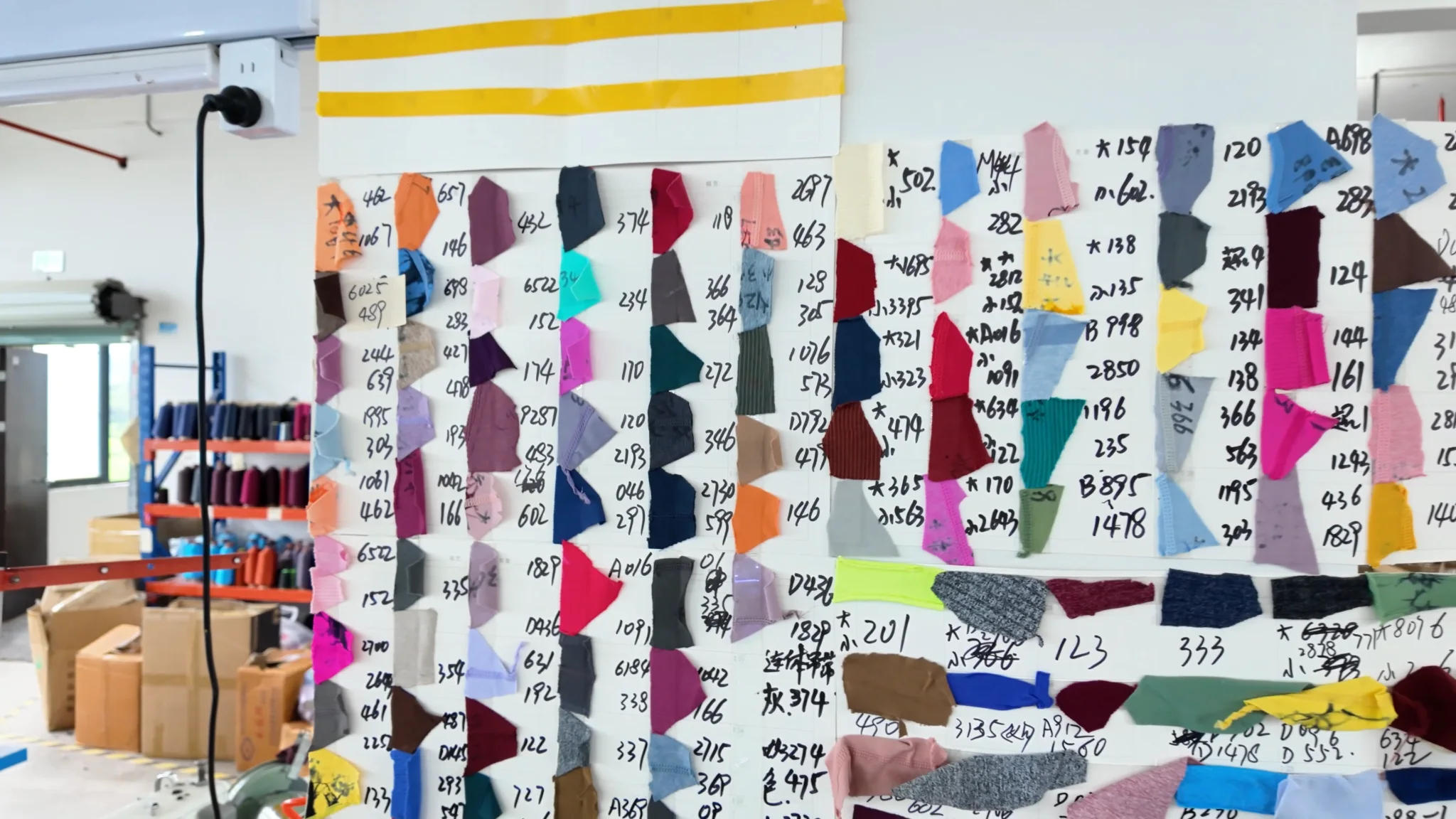
Pantone references swatches and approved garment color
Cut and Sew color development from Lab Dip to finished garment
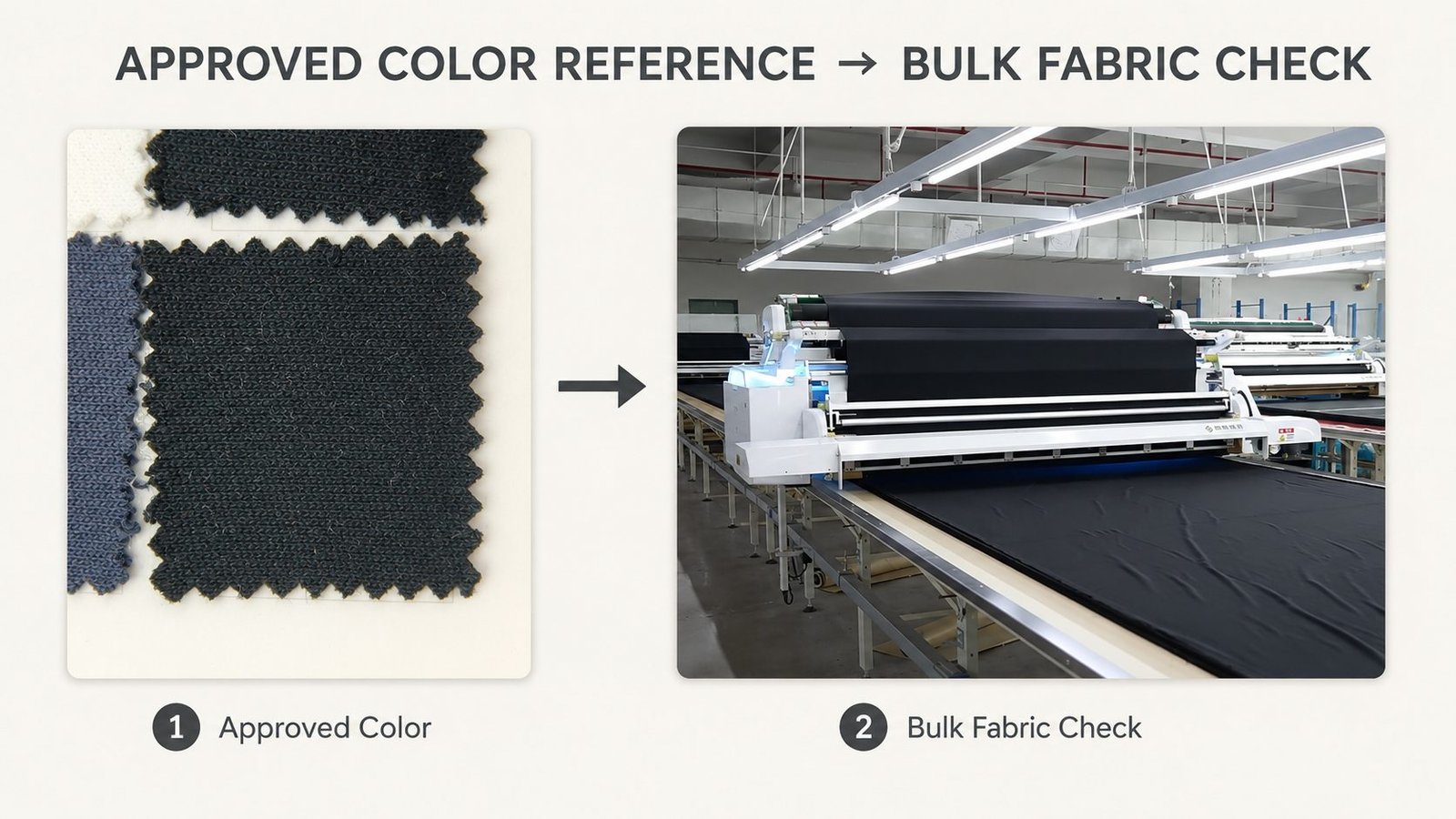
Incoming activewear fabric color inspection
01

Identify the Change

Confirm whether the project is changing color only, material source, fabric construction, yarn or another Fit-relevant input.

02

Approve the Physical Material

Review the applicable physical swatch, yarn, fabric, Lab Dip or garment reference.

03

Review Fit Impact

Recheck the garment where the changed material can affect stretch, recovery, waistband behavior or overall Fit.

04

Identify the Approved Lot

Keep applicable production material connected to the current approved project requirement.

05

Verify Incoming Material

Compare incoming production material with the approved reference where applicable.

06

Release for Production

Use the approved material and color route as part of the current production standard.

Custom dyeing typically requires approximately 400–600 finished-garment-equivalent pieces per dye lot, depending on material and Style.
CUSTOMIZATION PRIORITY

Separate Fit-Critical Customization From Brand-Level Customization

Not every customization request has the same product impact. For high-waisted leggings, Fit-critical decisions should be resolved before branding and packaging are treated as the primary definition of the product.

FIT-CRITICAL

Product Decisions

  • Waistband direction
  • Rise and measurements
  • Material
  • Fit and grading
  • Construction
  • Approved sample

These decisions influence how the leggings physically fit, behave and reproduce in bulk.

BRAND EXECUTION

Commercial Brand Components

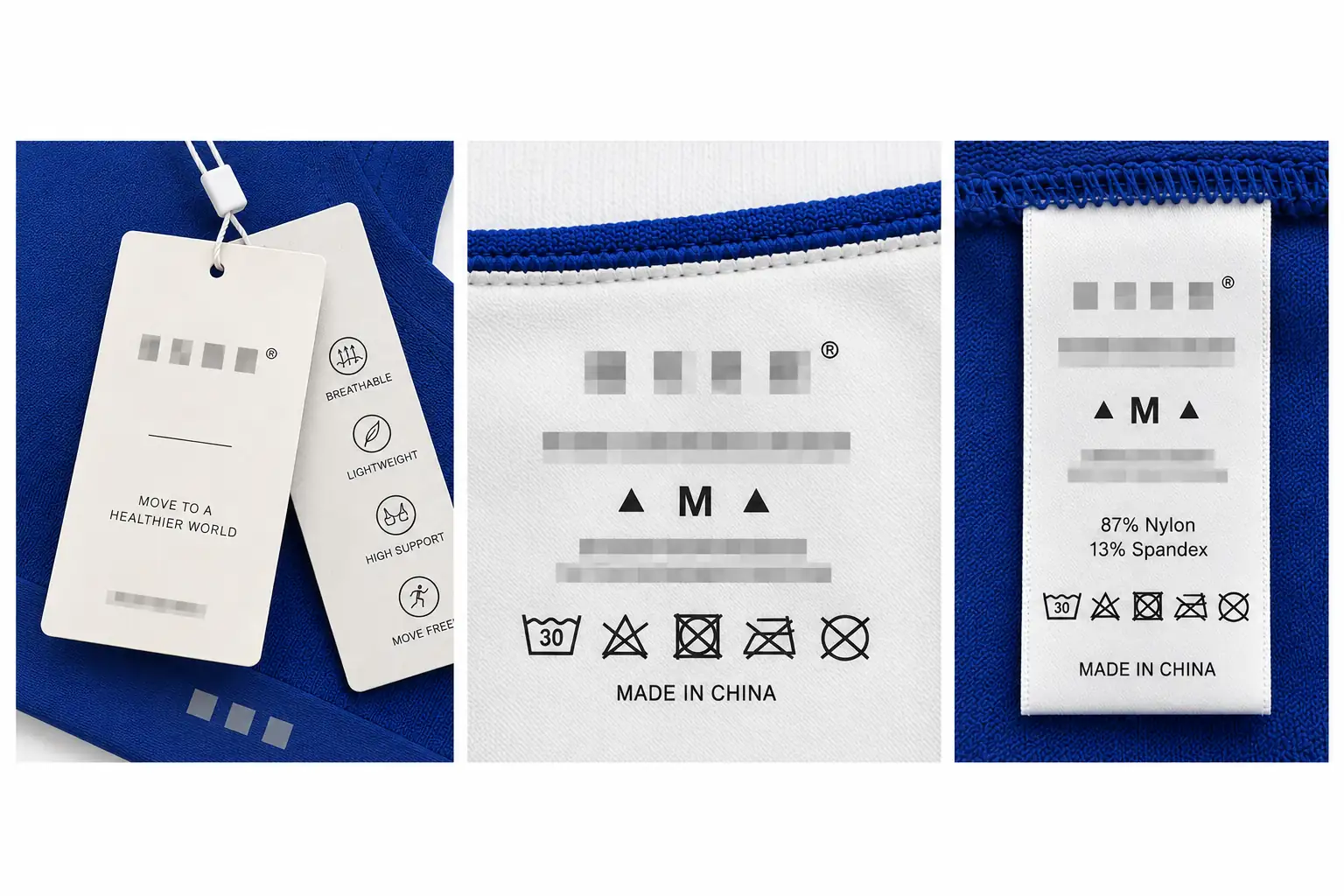
  • Logo
  • Woven / Care / Size Labels
  • Hangtags
  • Barcode / SKU information
  • Unit packaging
  • Shipment packaging

These components should follow the buyer-approved artwork, identification and packing requirements.

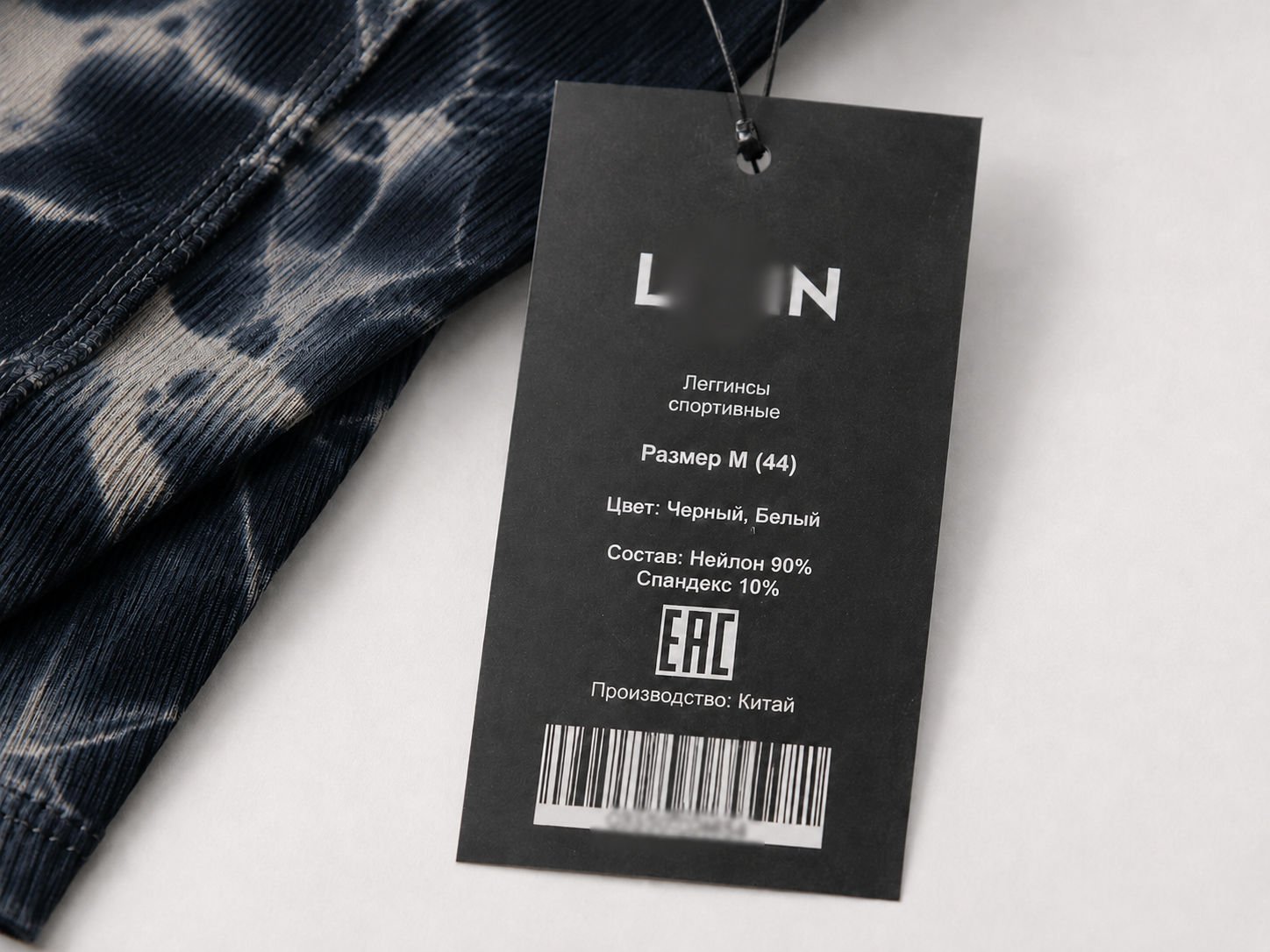
Activewear wash label and Hangtag execution
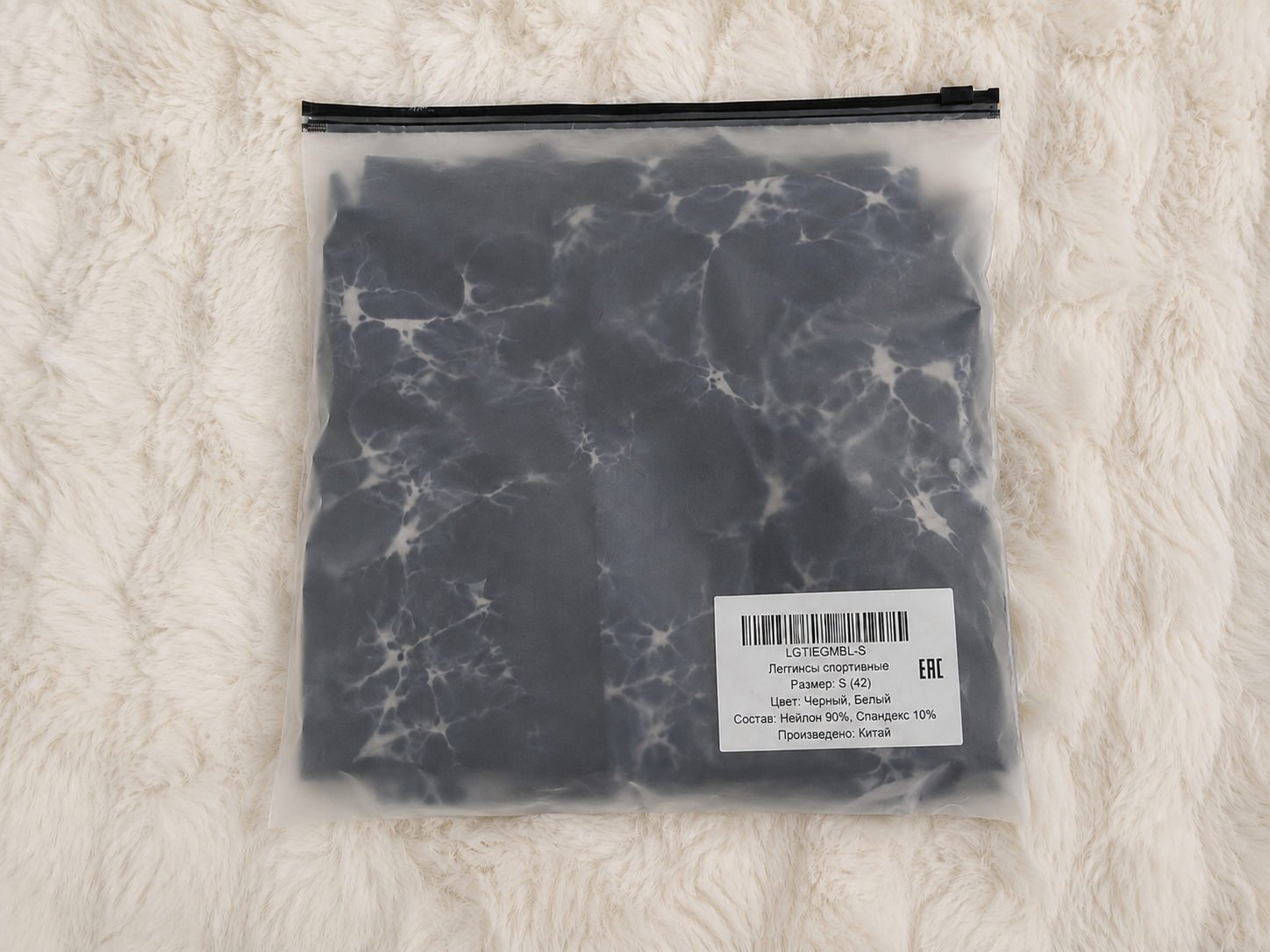
Individual activewear unit packaging
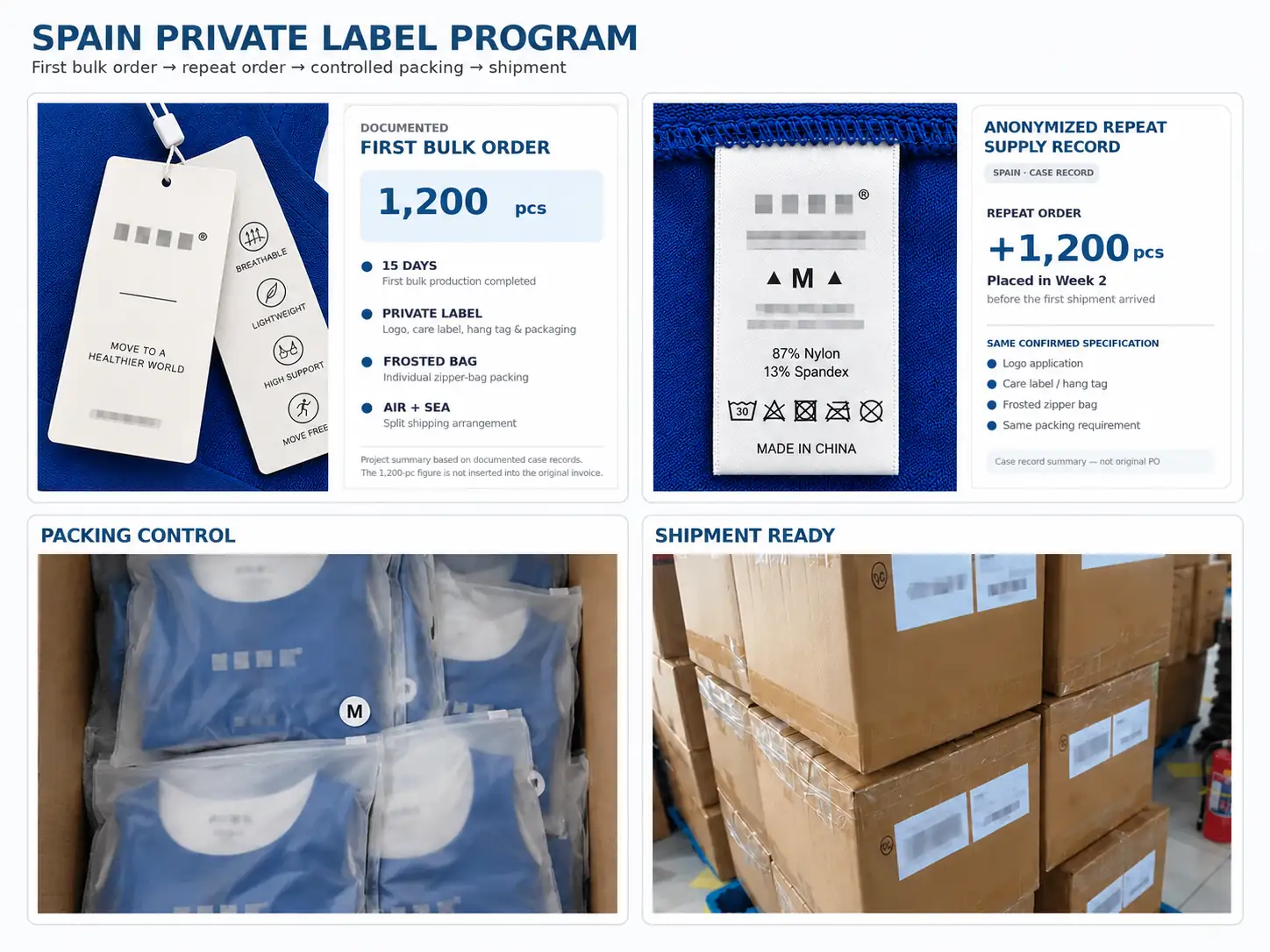
Complete private-label activewear packaging system
PRODUCT MATURITY

Choose the Working Model Based on How Defined the High-Waist Product Already Is

PRIVATE LABEL

Start From an Existing Product Foundation

Appropriate when the product base is already established and the buyer's main requirement is approved branding, labels and packaging.

OEM

Execute a Buyer-Defined High-Waist Product

Appropriate when the buyer already defines substantial product details through measurements, Tech Pack, material, Fit or an approved reference.

ODM / DEVELOPMENT SUPPORT

Convert Product Direction Into a Sample-Ready Specification

Appropriate when the high-waist concept is commercially clear but important Fit, material or construction information still requires development.

The working model does not change the need to define the physical product clearly before repeat bulk production.
HIGH-WAIST MOQ DRIVERS

A High-Waisted Leggings MOQ Is Built From More Than One Minimum

The garment-level MOQ is only one part of commercial feasibility. Manufacturing route, color, size allocation, custom dyeing and branded components can introduce separate minimums.

MANUFACTURING ROUTE ≈100 pcs/style

Seamless Base MOQ

Typical standard base MOQ for applicable Seamless styles.

MANUFACTURING ROUTE ≈150 pcs/style

Cut & Sew Base MOQ

Typical standard base MOQ for applicable Cut & Sew styles.

COLOR ROUTE ≈400–600 pcs

Custom Dye Lot

Typical finished-garment-equivalent quantity depending on material and Style.

COLOR ALLOCATION 50 pcs/color

Stock / Supply-Chain Color

Typical standard minimum allocation where applicable.

SIZE ALLOCATION 20 pcs/size

Seamless

Typical minimum subject to total and color MOQ.

SIZE ALLOCATION 10 pcs/size

Cut & Sew

Typical minimum subject to total and color MOQ.

Custom fabric, trims, Logo methods, labels and packaging can also have independent supplier minimums. Final MOQ should be reviewed against the actual product specification and SKU plan.
HIGH-WAIST TECHNICAL BRIEF

Give the Manufacturer Enough Information to Understand the Product Before Quoting It

A quotation becomes more useful when the buyer's high-waist Fit direction and material requirements are visible before price, MOQ and delivery are finalized.

Tech Pack pattern and sample review for activewear manufacturing
Activewear SKU and commercial planning
PRIORITY 01

High-Waist Fit Inputs

  • Waistband direction or height
  • Front and back rise
  • Waist and hip measurements
  • Inseam
  • POM / tolerances if available
  • Target size range
PRIORITY 02

Material & Construction Inputs

  • Fabric or yarn reference
  • Stretch / recovery direction
  • Weight / coverage expectation
  • Seamless or Cut & Sew preference
  • Waistband construction
  • Relevant product details
PRIORITY 03

Commercial Inputs

  • Quantity by Style
  • Color breakdown
  • Size breakdown
  • Logo / labels / packaging
  • Target sample date
  • Target delivery date
A complete Tech Pack is helpful but not required for the initial review. MOVEVOX can identify critical missing inputs before sample development or formal costing proceeds.
PRODUCTION RELEASE PACKAGE

Give Bulk Production One Current Definition of the High-Waist Product

The handover from development to production should keep the accepted Fit, material and waistband decisions together rather than distributing them across disconnected sample comments and files.

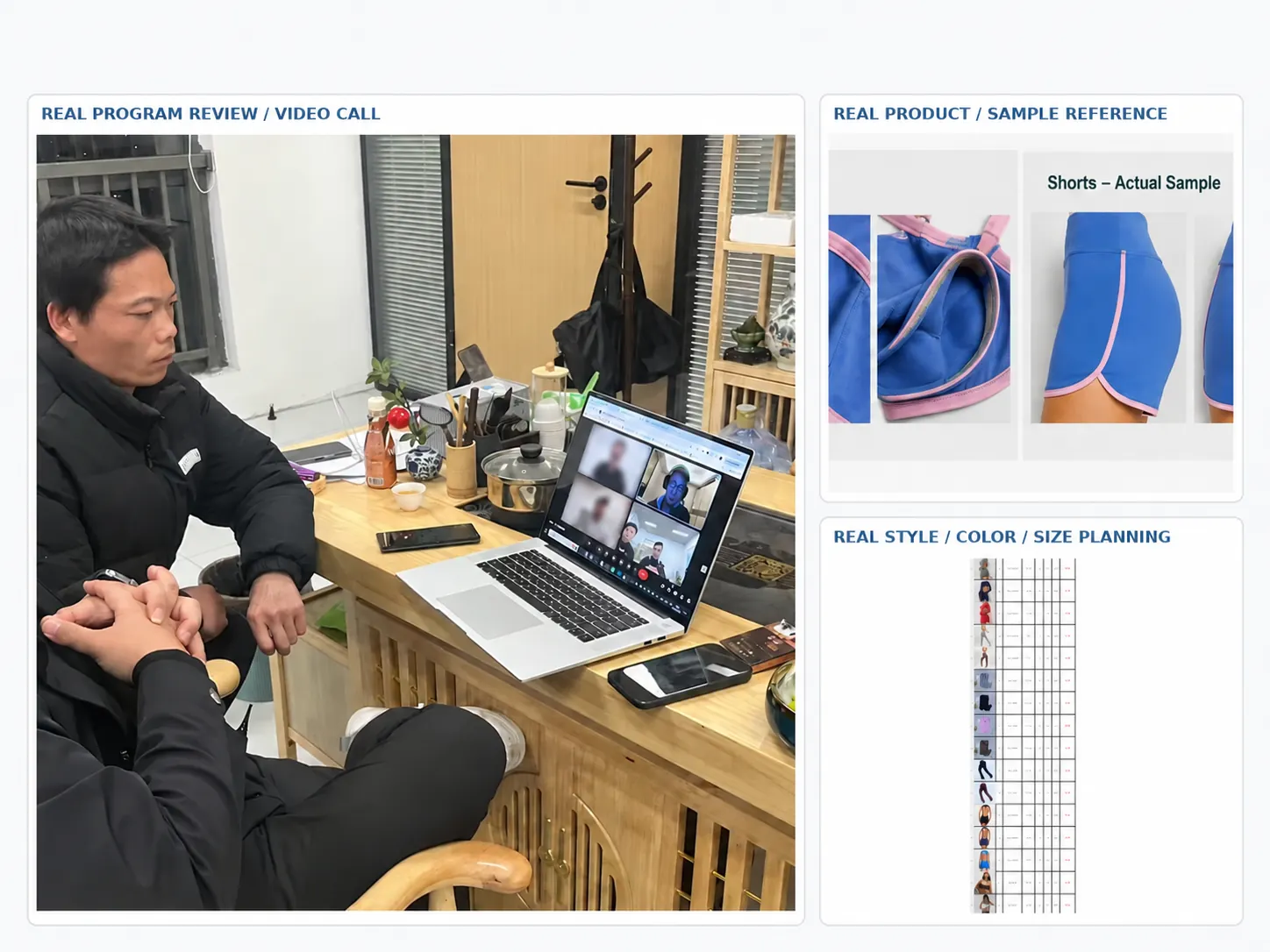
Activewear Tech Pack sample approval and packaging project review
01

Approved Physical Sample

The accepted garment remains the physical product reference.

02

Fit & Measurement Standard

Release the current waist, waistband, rise, hip, inseam, POM, grading and applicable tolerances.

03

Approved Material

Connect the selected fabric or yarn and applicable color reference to the product.

04

Construction Standard

Confirm the applicable waistband, seam, knitted or other product construction details.

05

Brand & SKU Standard

Release current Logo, labels, barcode, SKU and product-identification requirements.

06

Packing Standard

Confirm approved unit packaging, carton and relevant shipment requirements.

Regular bulk production is typically approximately 20–35 days, depending on Style, material readiness, quantity, customization and current production loading.
HIGH-WAIST CTQ CONTROL PLAN

Control the Product Characteristics Most Likely to Change the Approved High-Waist Fit

Quality control is more useful when it checks defined Critical-to-Quality characteristics rather than treating every finished garment as a generic leggings inspection.

Incoming activewear material inspection evidence
Activewear garment measurement review
Activewear First Article inspection
Activewear inline quality control
Finished activewear garment inspection

Waistband CTQ

Review the applicable waistband dimensions and approved construction.

Rise CTQ

Check applicable front and back rise measurements against the current specification.

Waist / Hip / Inseam CTQ

Maintain the defined relationship between critical garment measurements.

Material CTQ

Verify the applicable production material against the approved reference.

Construction CTQ

Check applicable seams, knitted structures and workmanship against the approved product.

Identification CTQ

Verify Logo, labels, size, color, barcode and SKU information where applicable.

These controls can be applied across incoming inspection, First Article, in-line review, finished inspection and packing verification according to the requirements of the actual order.
REPEAT-ORDER FIT PRESERVATION

Treat a Repeat High-Waist Order as Controlled Reproduction, Not an Automatic Reorder

Repeat orders are most reliable when the latest approved product standard is actively reviewed rather than assumed to be unchanged from a previous production run.

01

Retrieve the Current Approved Standard

Confirm the latest approved sample, measurements, material, color, branding and packing requirements.

02

Identify Requested Changes

Separate true repeat requirements from new color, material, Fit, size or branding changes.

03

Review Material Availability

Confirm whether the same approved material route remains available or whether a proposed substitution requires review.

04

Confirm Production Allocation

MOVEVOX centrally manages production allocation and applicable site restrictions.

05

Verify Initial Production

Compare the applicable First Article with the current released standard before normal output continues.

06

Release the Repeat Order

Complete applicable in-line, finished and packing checks against the current approved requirements.

Controlled satellite factories do not independently redefine materials or product standards. Where a buyer requires Approved Factory Only, written approval is required before a restricted production-site change.
CONTROLLED FIT TRANSFER

Scale Only After the High-Waist Standard Can Be Reproduced Outside the Development Sample

Additional capacity is useful only when the approved product can move with a clear physical and technical standard. MOVEVOX therefore separates product approval from capacity allocation.

Activewear production planning and work-in-progress control
MOVEVOX Seamless production capacity
≈40K–50K pcs/month

Core Stable Finished Release

Normal stable finished release from the Yiwu core factory under appropriate operating conditions.

≈150K–200K pcs/month

Controlled-Network Stable Managed Delivery

Normal stable managed delivery level across the controlled production network.

01

Fit Standard Portable

Confirm that the approved physical sample, measurements, material and construction are clearly defined.

02

Capacity Review Complete

Review order quantity, Style mix, material readiness, timing and current production loading.

03

Production Route Assigned

Allocate the appropriate core or controlled production capacity according to the approved requirements.

04

Initial Output Verified

Use First Article review to compare initial production with the current product standard.

05

Bulk Fit Monitored

Continue applicable measurement, workmanship and finished-product checks during scaled production.

06

Central Release Maintained

MOVEVOX remains responsible for project coordination, production control and applicable final release.

Eight long-term controlled satellite factories—six in Yiwu and two in Guangzhou—can support standardized replicated bulk and overflow production after the applicable product standard is established.
REAL MANUFACTURING EVIDENCE

Follow the Leggings Program Through the Real Manufacturing Process

01

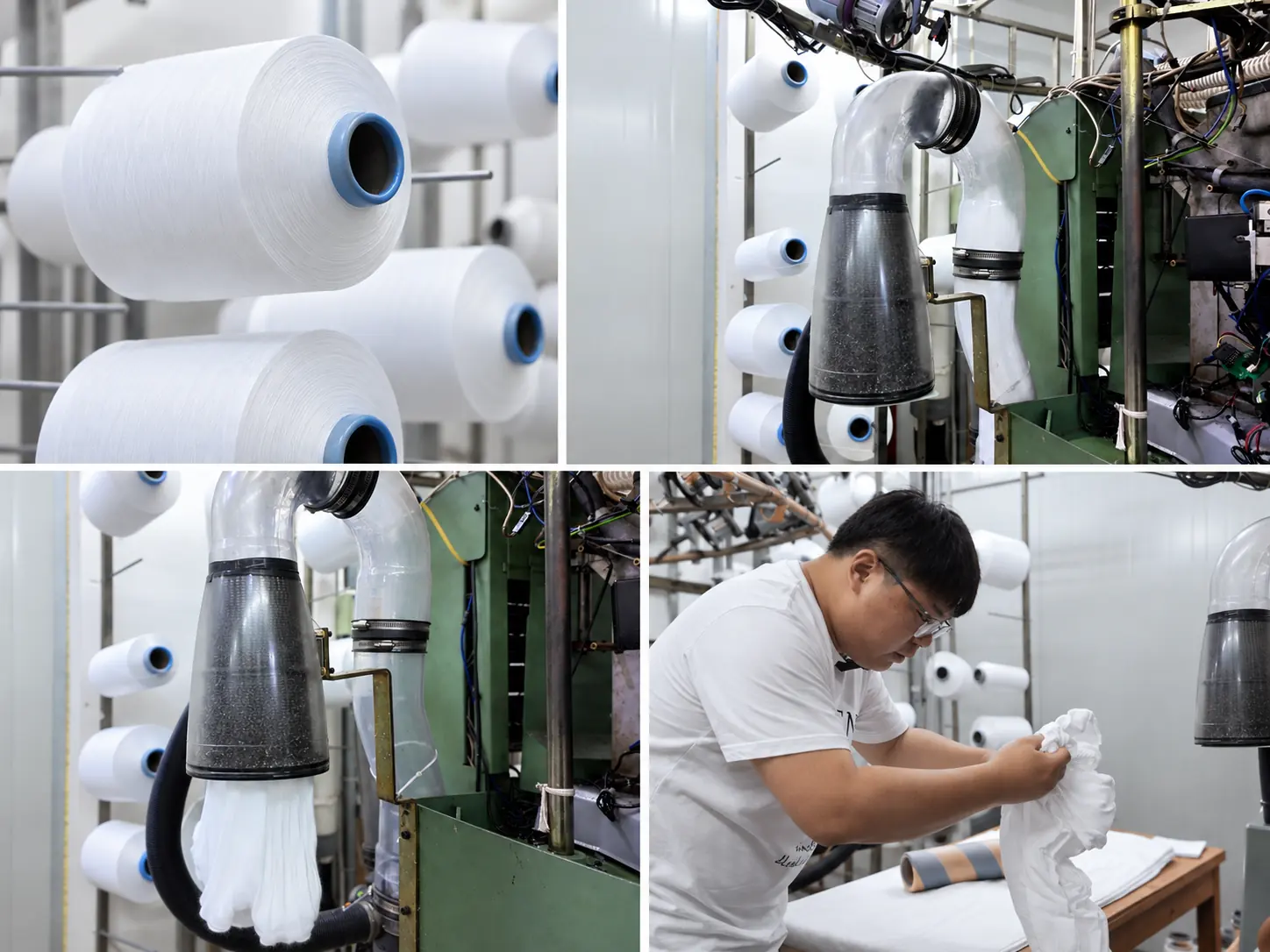
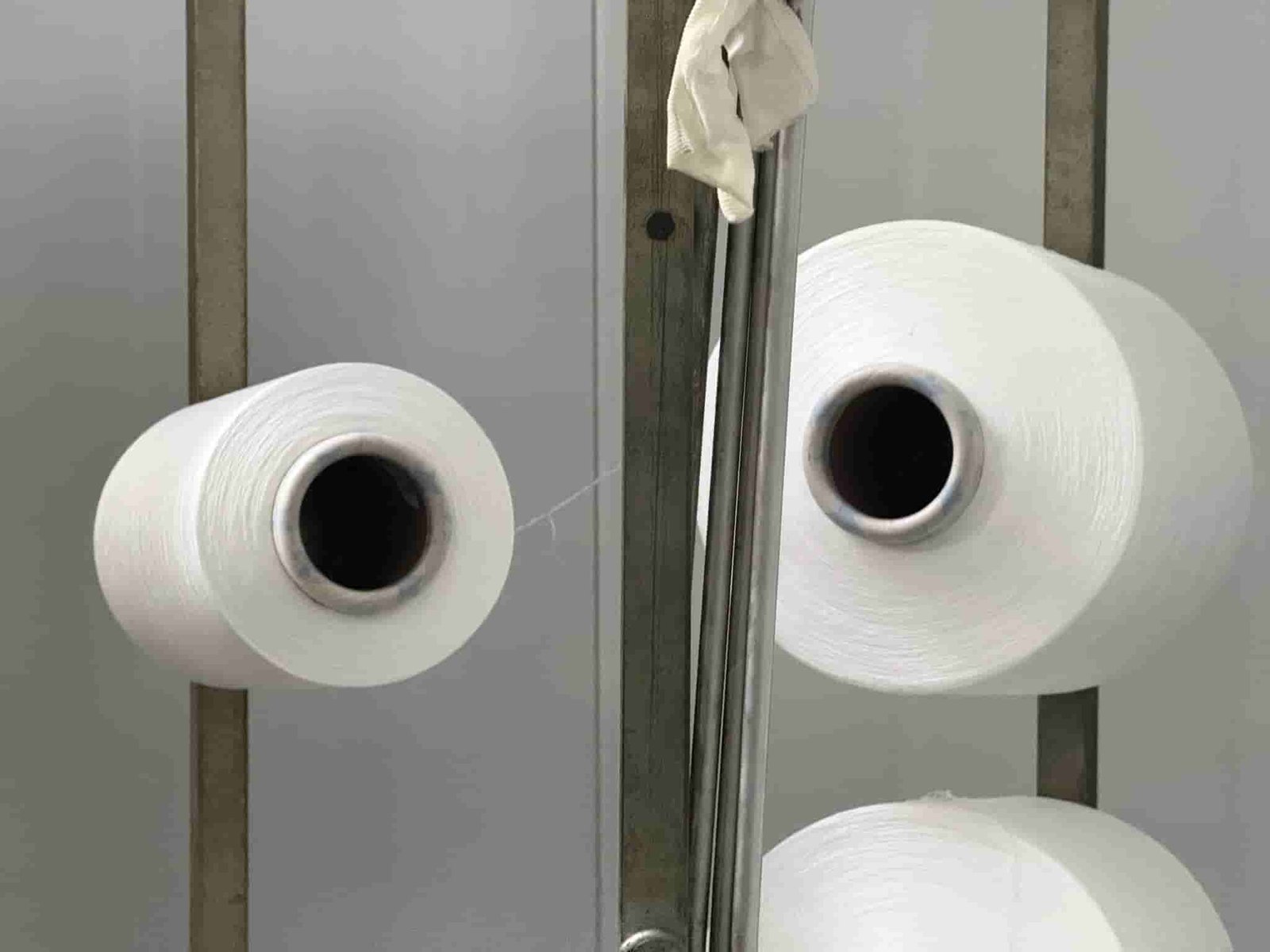
Yarn / Material

Applicable yarn and fabric provide the physical starting point for activewear development and manufacturing.

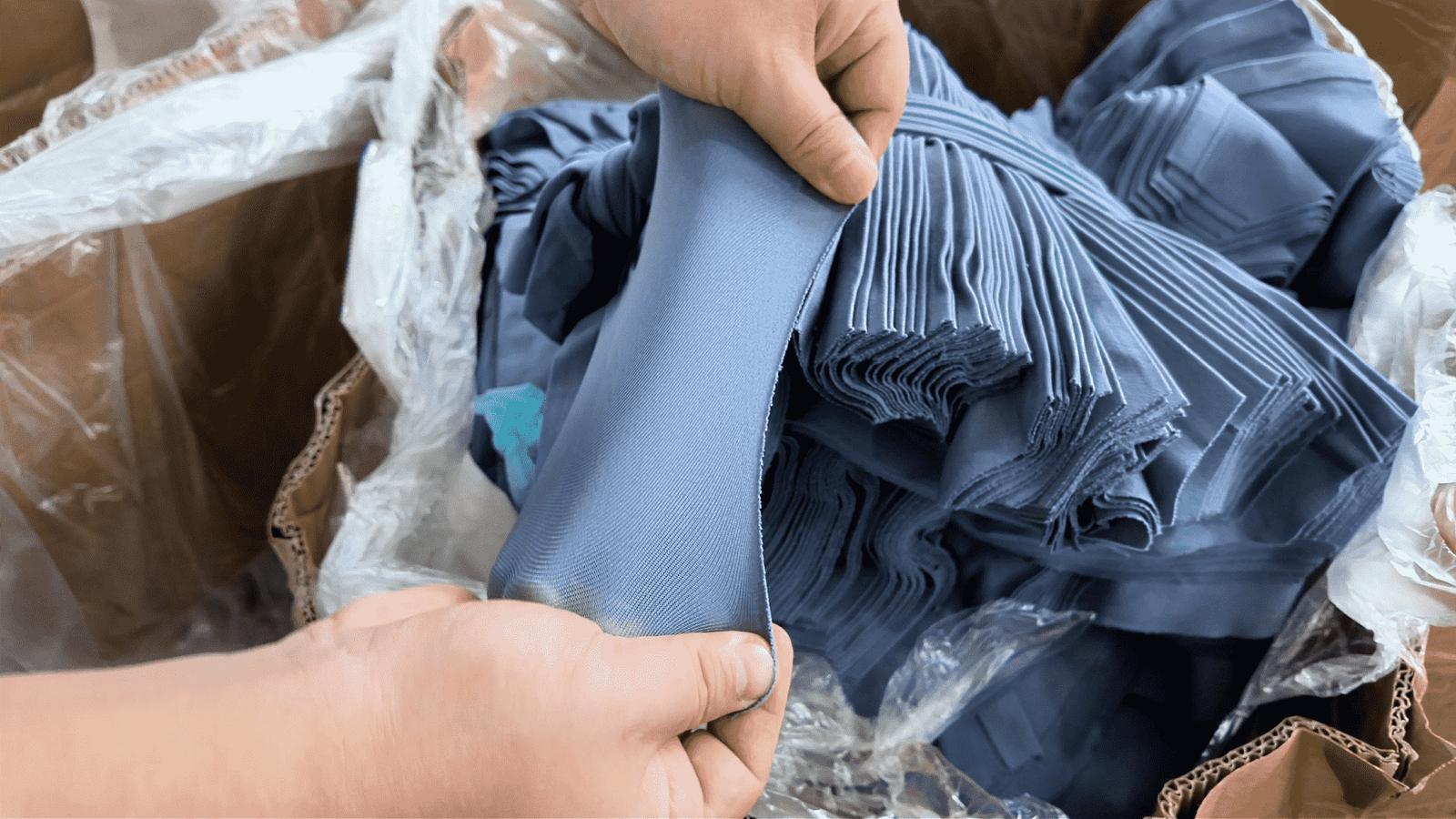
Activewear yarn and raw materials
02

Sample Room

Technical information and buyer feedback are converted into physical development samples.

MOVEVOX activewear sample room
03

Seamless Manufacturing

MOVEVOX operates 28 Italian Santoni Seamless machines at the Yiwu core base.

MOVEVOX Santoni Seamless knitting production
04

Cut & Sew

Pattern-based products move through cutting, sewing and garment assembly according to the released requirements.

MOVEVOX Cut and Sew activewear production
05

First Article

Initial production garments are checked before normal bulk output continues.

Activewear First Article inspection
06

In-Line QC

Measurements and workmanship are reviewed while production remains active.

Activewear inline quality-control review
07

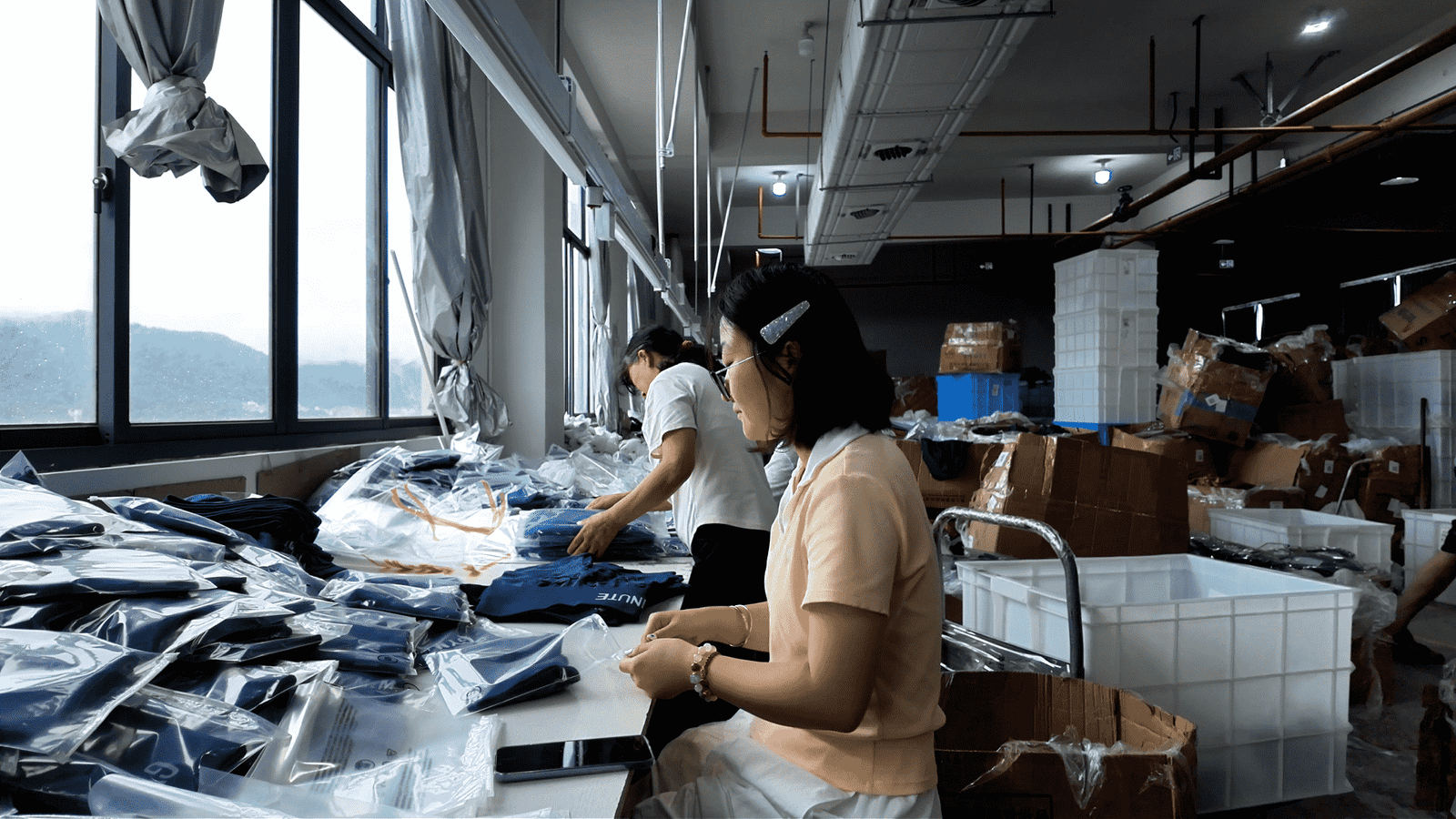
Packing

Approved packaging and order-identification requirements are checked before shipment release.

Activewear private-label packaging execution
08

Shipment

Finished cartons enter the agreed logistics process after the applicable release checks.

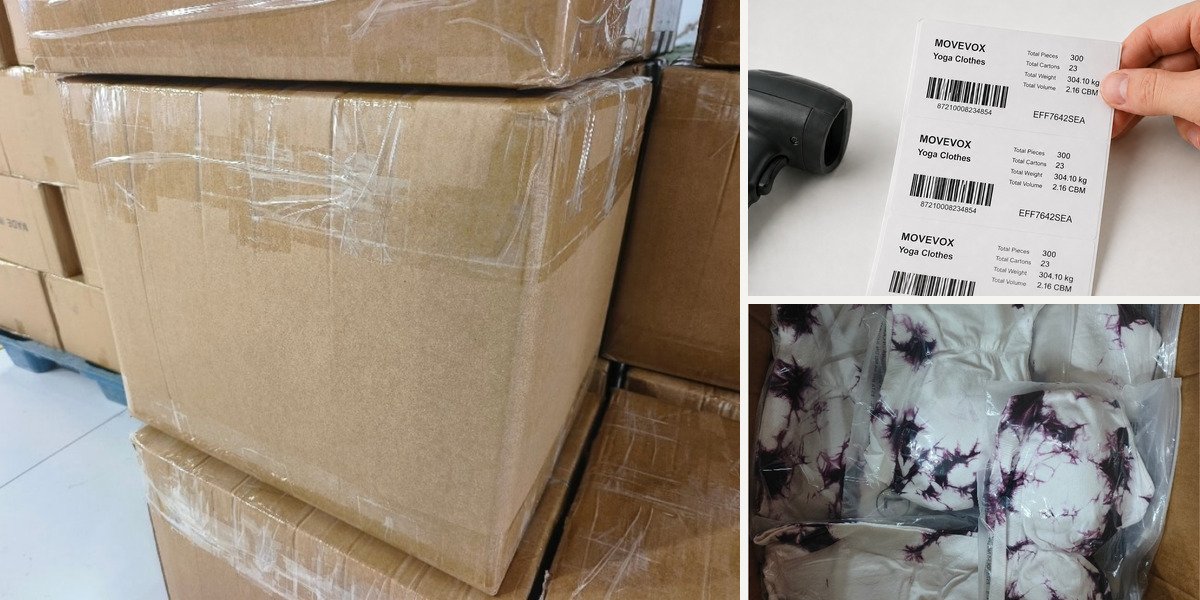
Finished activewear shipment cartons
COMPLIANCE EVIDENCE

Read Compliance Evidence by Legal Entity, Tested Sample and Scope

BRAND

MOVEVOX

MOVEVOX is the external international B2B manufacturing and supply-chain brand.

LEGAL ENTITY

Yiwu Chenjin Import And Export Co., Ltd.

Applicable legal and commercial activities are conducted through this legal entity.

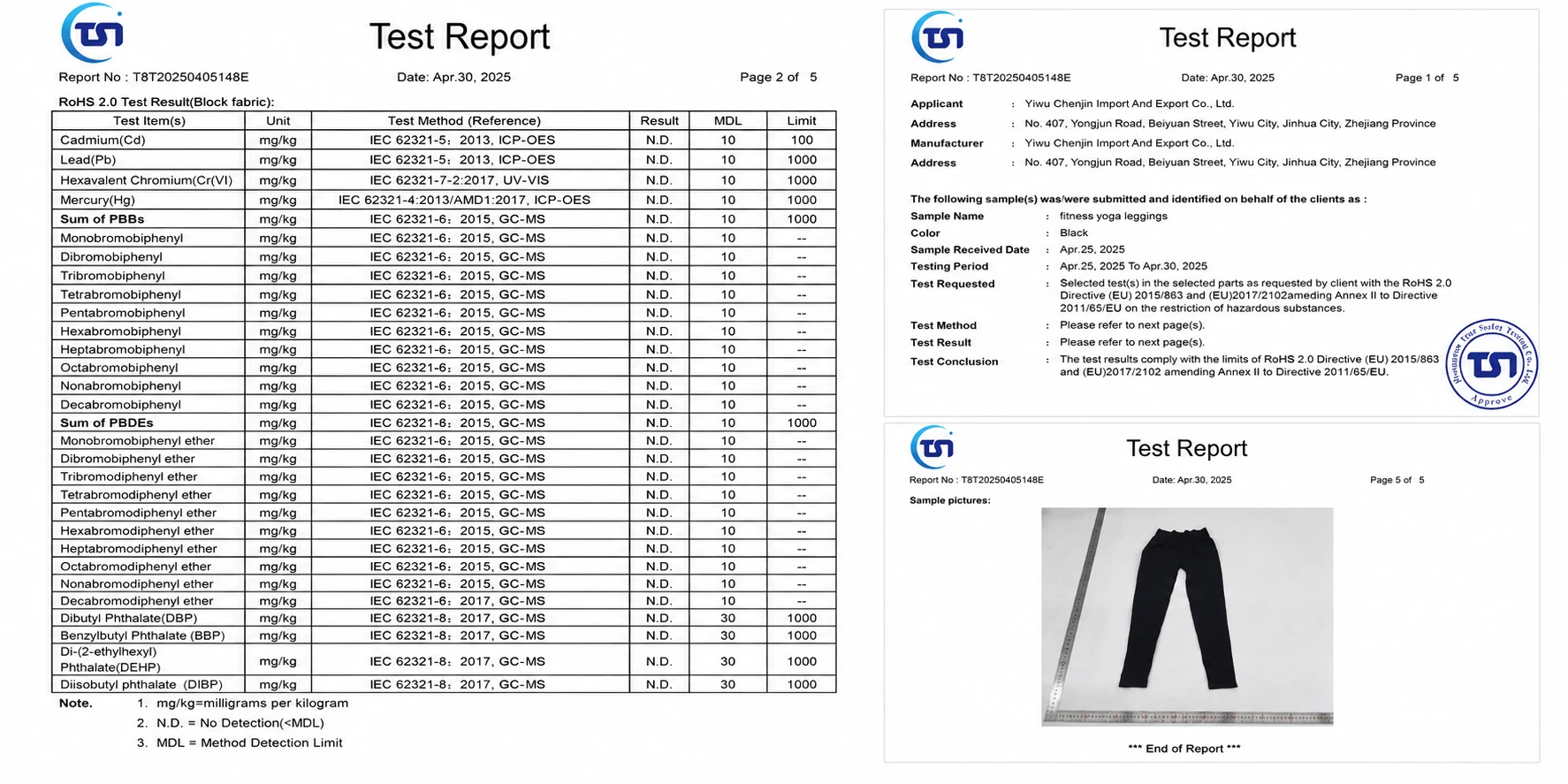
RoHS report for submitted black fitness yoga leggings sample
TESTED SAMPLE

RoHS Sample Evidence

Certificate: TST20250405148EC

Test Report: TST20250405148E

Date: April 30, 2025

Applicant / Manufacturer: Yiwu Chenjin Import And Export Co., Ltd.

Submitted Sample: Black fitness yoga leggings

The report covers the listed substances under the cited RoHS-related requirements, with the reported results within the stated limits.

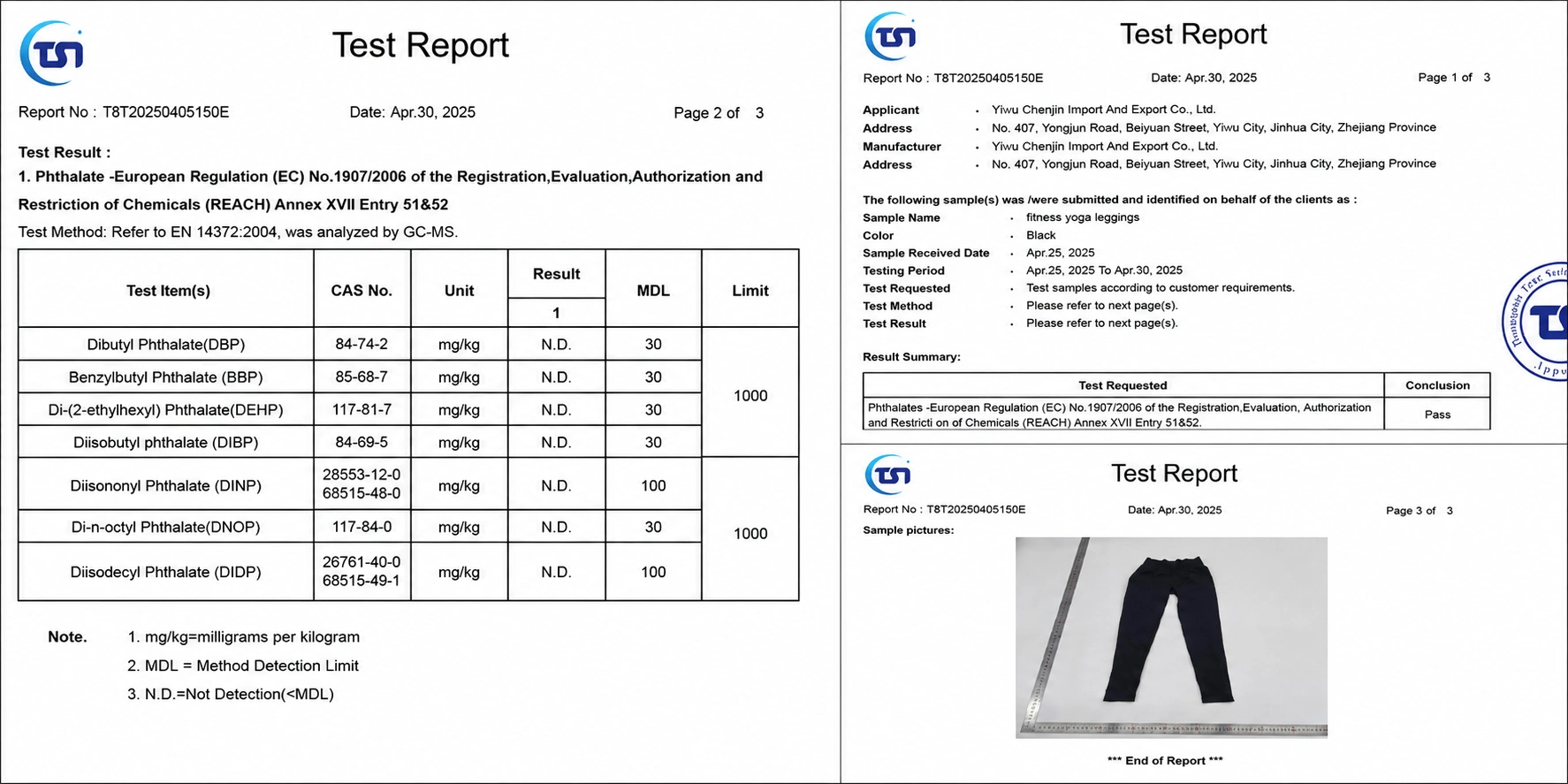
TESTED SAMPLE

REACH Phthalates Sample Evidence

Test Report: TST20250405150E

Date: April 30, 2025

Sample: Black fabric from the submitted fitness yoga leggings

The report covers the cited phthalates under REACH Annex XVII Entry 51 and Entry 52. The listed substances were reported as not detected within the stated method limits, and the report records a Pass conclusion for the submitted sample.

REACH phthalates report for fitness yoga leggings fabric sample
These documents apply only to the identified tested samples. They do not represent assessment of every MOVEVOX product, material, color or future production lot. Buyer-specific regulatory, RSL or market testing requirements should be reviewed against the actual project.
VENDOR QUALIFICATION

What Should Buyers Verify Before Approving a High-Waisted Leggings Manufacturer?

01 · PRODUCT ENGINEERING

Can the Supplier Define the Product Before Manufacturing It?

High-Waist Definition

Can the supplier distinguish waistband height from the wider Fit and construction system?

Development Input

Can it review Tech Packs, legal reference samples, measurements or incomplete product direction?

Sample Revision

Can development comments be linked to controlled sample versions?

Manufacturing Route

Can it explain when Seamless or Cut & Sew is more appropriate?

02 · FIT & MATERIAL CONTROL

Can the Supplier Keep Fit Connected to the Approved Material?

POM & Tolerance

Are measurements and tolerances defined rather than assumed?

Grading

Can size-to-size changes be controlled?

Material Approval

Is the physical material approved rather than relying on composition alone?

Material Change Control

Is product impact reviewed if the fabric changes?

03 · MANUFACTURING & QUALITY

Does Quality Control Follow the Product Through Bulk?

First Article

Is initial production reviewed before normal bulk continues?

In-Line Measurement

Are critical product measurements checked during production?

Finished Inspection

Is final product quality reviewed before packing release?

Branding / Packing Control

Are labels, SKU information and packaging included in QC?

04 · CAPACITY & TRANSPARENCY

Can Buyers Verify How Production Is Actually Managed?

Factory Evidence

Can the buyer verify the real production environment?

Own vs Managed Capacity

Can the supplier explain how its delivery network is structured?

PO-Level Capacity Review

Is capacity evaluated against the actual order?

Factory Verification

Can the supplier support visits, video audits or third-party inspection?

05 · COMMERCIAL EXECUTION

Can the Supplier Support a Repeat Program?

MOQ Transparency

Are garment, color, material and branding minimums explained separately?

Sample Lead Time

Is the development timeline stated with appropriate conditions?

Account Ownership

Is one accountable contact responsible for coordination?

Repeatability

Can the supplier preserve the approved product standard on repeat orders?

ANONYMOUS U.S. BRAND CASE

How a U.S. Fitness Brand Built a Repeat Activewear Program

This case describes one documented customer relationship. It does not establish that every legging in this customer program is specifically a high-waisted style.

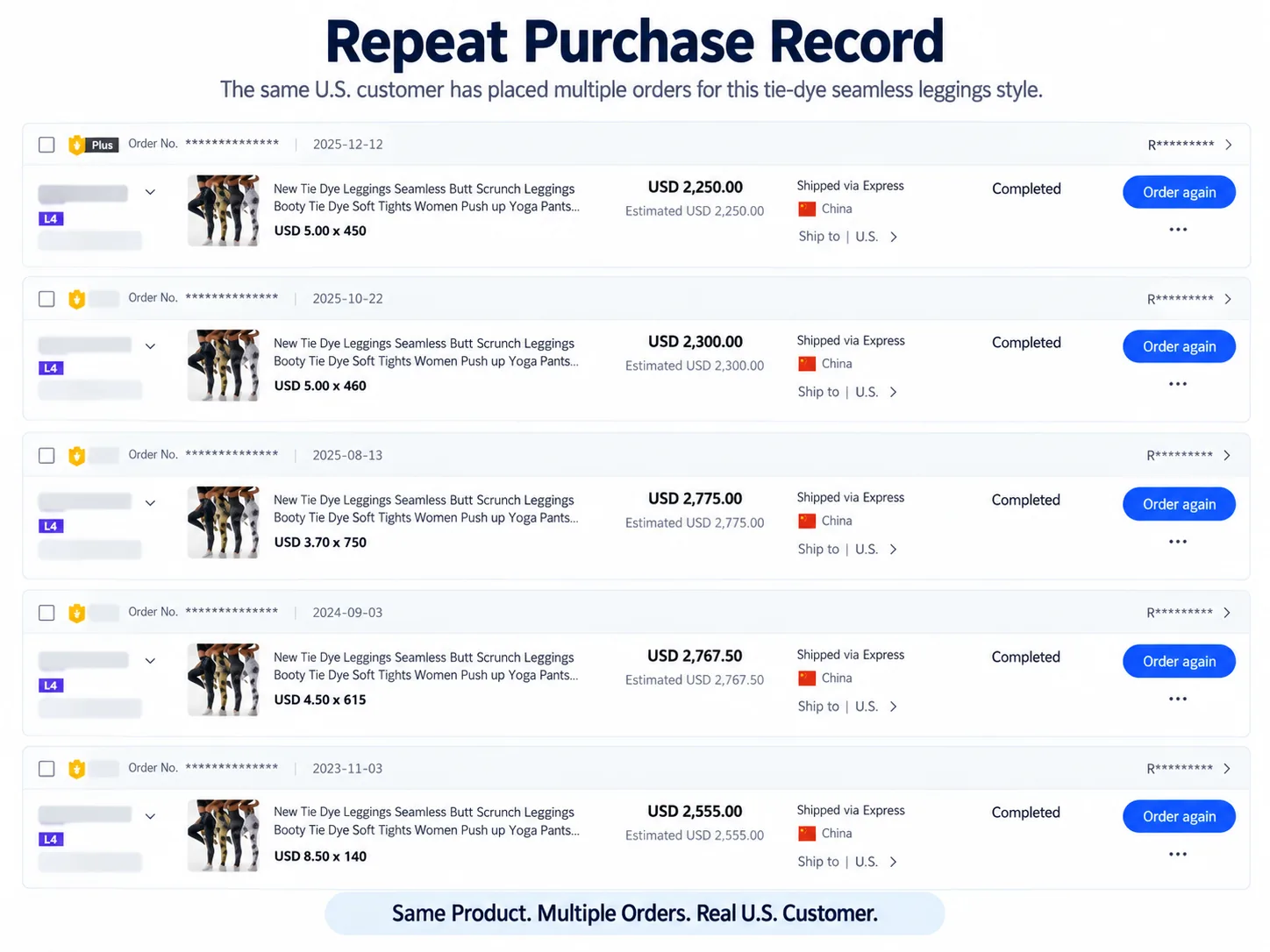
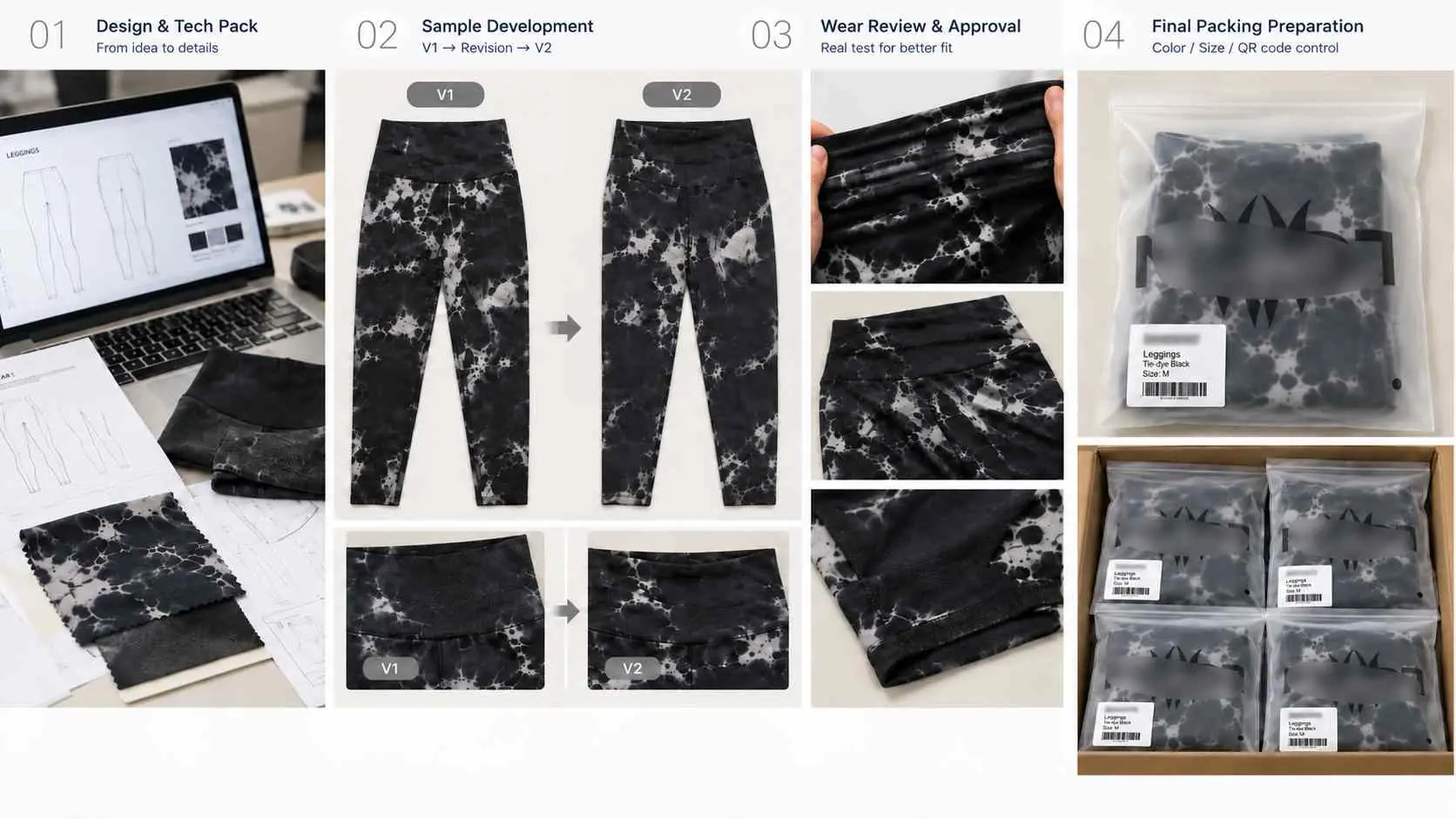
Anonymized activewear evidence from a U.S. repeat customer program
Anonymized U.S. activewear repeat-order and QR label evidence

Buyer Context

A U.S. fitness content creator with more than 30,000 followers developed an activewear business and has worked with MOVEVOX for approximately three years.

Product Scope

The cooperation has included leggings, shorts, sports bras, tanks, bodysuits and coordinated activewear products.

Fabric Directions

Documented fabric directions have included 88% Nylon / 12% Spandex, 75% Nylon / 25% Spandex and 78% Nylon / 22% Spandex.

Development Process

Tech Pack → V1 Sample → Adjustment → V2 Sample → approximately 5–10 samples for follower fitness testing → Bulk Production.

Product Requirements

The customer has placed importance on elasticity, support, opacity, softness, plus-size requirements and seasonal fleece products.

Repeat Order Pattern

Typical documented orders have been approximately 2,000 pieces, with approximately two orders per month during the described cooperation period.

≈3 Years

Documented cooperation period.

≈2,000 pcs/order

Typical documented order scale.

≈2 Orders/Month

Documented repeat-order rhythm.

The program has included custom packaging, instructions, labels, Logo, wash labels and QR-coded labels by color and size. Because of the SKU and labeling detail, inspection and packing have required approximately twice the normal effort for relevant orders.
SUPPLIER MODEL COMPARISON

Different Supplier Models Fit Different Leggings Programs

No supplier model is universally superior. The correct choice depends on product complexity, volume, internal buyer capability, required flexibility and supply-chain strategy.

Supplier Model Typical Strength Typical Trade-Off Best Alignment
Ordinary Trader Broad supplier access and commercial coordination. Technical product control can depend heavily on third-party factories. Buyers that prioritize broad sourcing access.
Small Factory Direct communication and flexibility within an established process. Development breadth, process range or scaling options can be limited by the factory's own equipment and organization. Focused products that fit the factory's existing process.
Specialized Process Factory Deep experience in one manufacturing process. The buyer may need additional partners for other development, material or manufacturing requirements. Buyers with strong internal supply-chain coordination.
Large Traditional Manufacturing Group Extensive capacity, systems and execution resources. Smaller development programs or frequent revisions may not always fit the operating model. Large and stable programs with mature buyer systems.
MOVEVOX Own Yiwu core factory, Seamless + Cut & Sew capability, product-development support and a controlled satellite production network. MOVEVOX is not positioned as the world's largest manufacturing group or as the lowest-price supplier. Brands that need more manufacturing and technical control than a trader, broader development and capacity coordination than a small single-process factory, and more flexibility than some large traditional groups.
BUYER FAQ

Frequently Asked Questions About High-Waisted Leggings Manufacturing

Product Development

Can MOVEVOX develop high-waisted leggings from an incomplete Tech Pack?

Yes, when enough information exists to establish a controlled product direction. Critical missing measurements, material or construction requirements should be confirmed before sampling or formal costing.

Do you use one standard waistband height for every brand?

No. Waistband height, rise and Fit should be defined against the buyer's specific product requirements.

Can you develop both Seamless and Cut & Sew high-waisted leggings?

Yes. MOVEVOX supports both manufacturing routes, and the appropriate route depends on the product construction and material requirements.

How long does standard sample development take?

Typically approximately 5–10 working days after the necessary development information is confirmed.
Fit & Material

How do you control high-waist Fit?

The applicable measurements, POM, tolerance, grading, material and approved physical sample should remain connected through development and production.

Can changing the fabric change the Fit?

Yes. Material stretch, recovery, weight and construction can affect how a garment behaves even when the nominal measurements remain unchanged.

Can you guarantee that every legging is squat-proof?

No blanket claim should be made across every product. Coverage requirements should be defined against the actual material, garment and any buyer-specific testing requirement.

Can we request custom colors?

Yes. Custom color is supported, although custom dyeing typically introduces separate minimum quantities depending on material and Style.

MOQ & Production

What is the MOQ for high-waisted leggings?

Typical standard base MOQ is approximately 100 pcs per Style for Seamless and approximately 150 pcs per Style for Cut & Sew. Project-specific material, color, Logo or packaging minimums may also apply.

What is the standard bulk-production lead time?

Regular bulk production is typically approximately 20–35 days depending on Style, material readiness, quantity, customization and production loading.

Can MOVEVOX support repeat larger orders?

Yes, subject to PO-level capacity review. The Yiwu core factory normally releases approximately 40,000–50,000 finished pieces per month, while the controlled production network normally manages approximately 150,000–200,000 pieces per month of stable delivery capacity.

Can one order contain multiple colors and sizes?

Yes, subject to total MOQ, color allocation, size allocation and any material-specific minimums.

Vendor Control

How do you control sample-to-bulk consistency?

Approved samples and applicable technical requirements are translated into production references followed by First Article, in-line, finished-garment and packing checks where relevant.

Can our team visit the factory?

Yes. MOVEVOX supports scheduled factory visits, video audits, technical audits and reasonable third-party inspection.

What if our sourcing policy requires Approved Factory Only?

The restriction should be documented before production allocation. Written buyer approval is required before a restricted manufacturing-site change.

Do all MOVEVOX leggings have RoHS or REACH reports?

No. Existing reports apply only to the identified tested samples and cannot automatically be extended to unrelated products, materials, colors or future production lots.

LEGGINGS BUYING GUIDES

Continue Your Leggings Supplier Evaluation With Practical Buying Guides
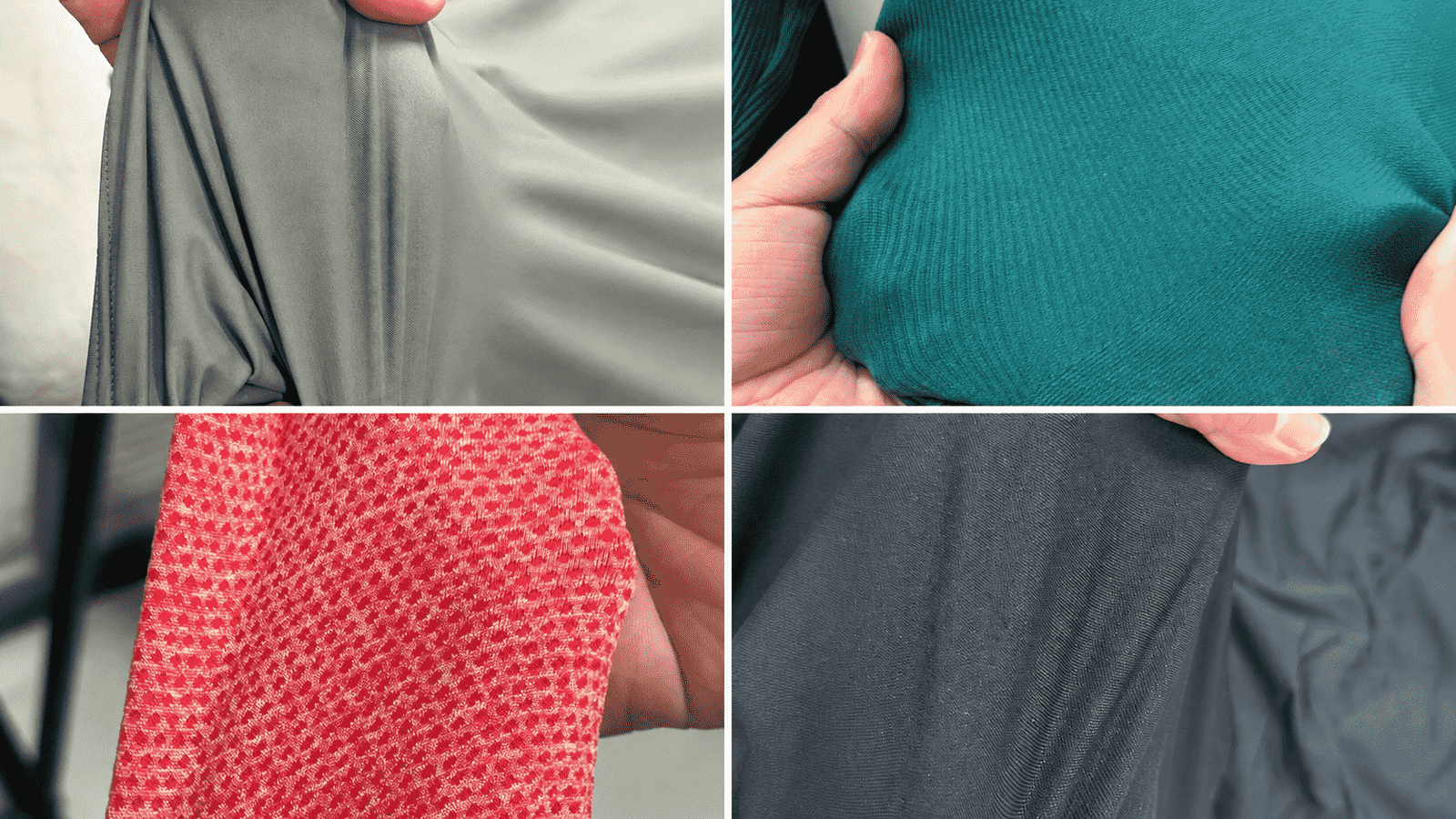
MOVEVOX activewear fabric sourcing guide

Fabric Guides

Review material selection, stretch, recovery and activewear product considerations.

Explore Fabric Guides
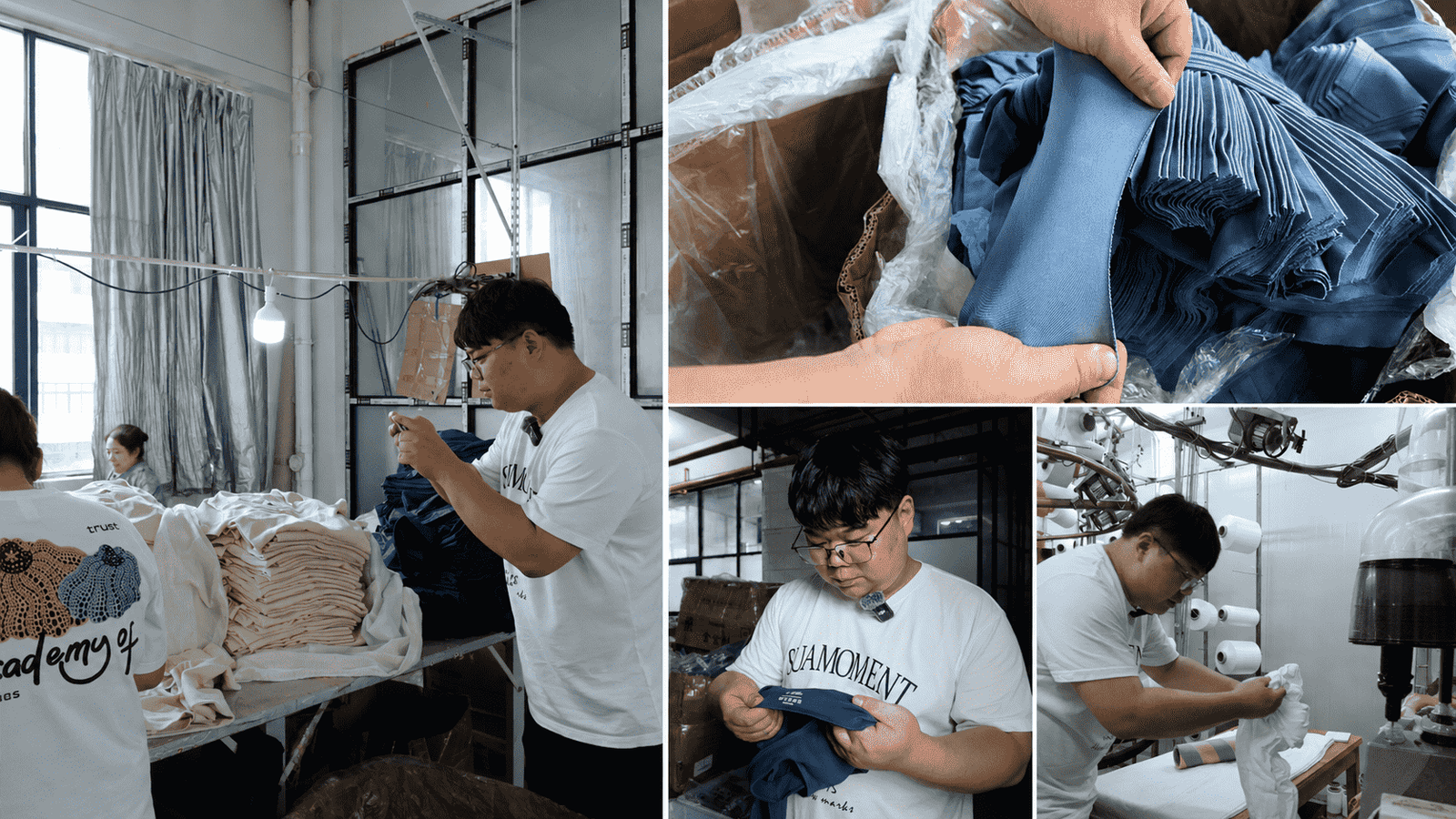
MOVEVOX activewear quality-control guide

Quality Guides

Understand sample approval, measurement control, First Article, in-line inspection and sample-to-bulk consistency.

Explore Quality Guides
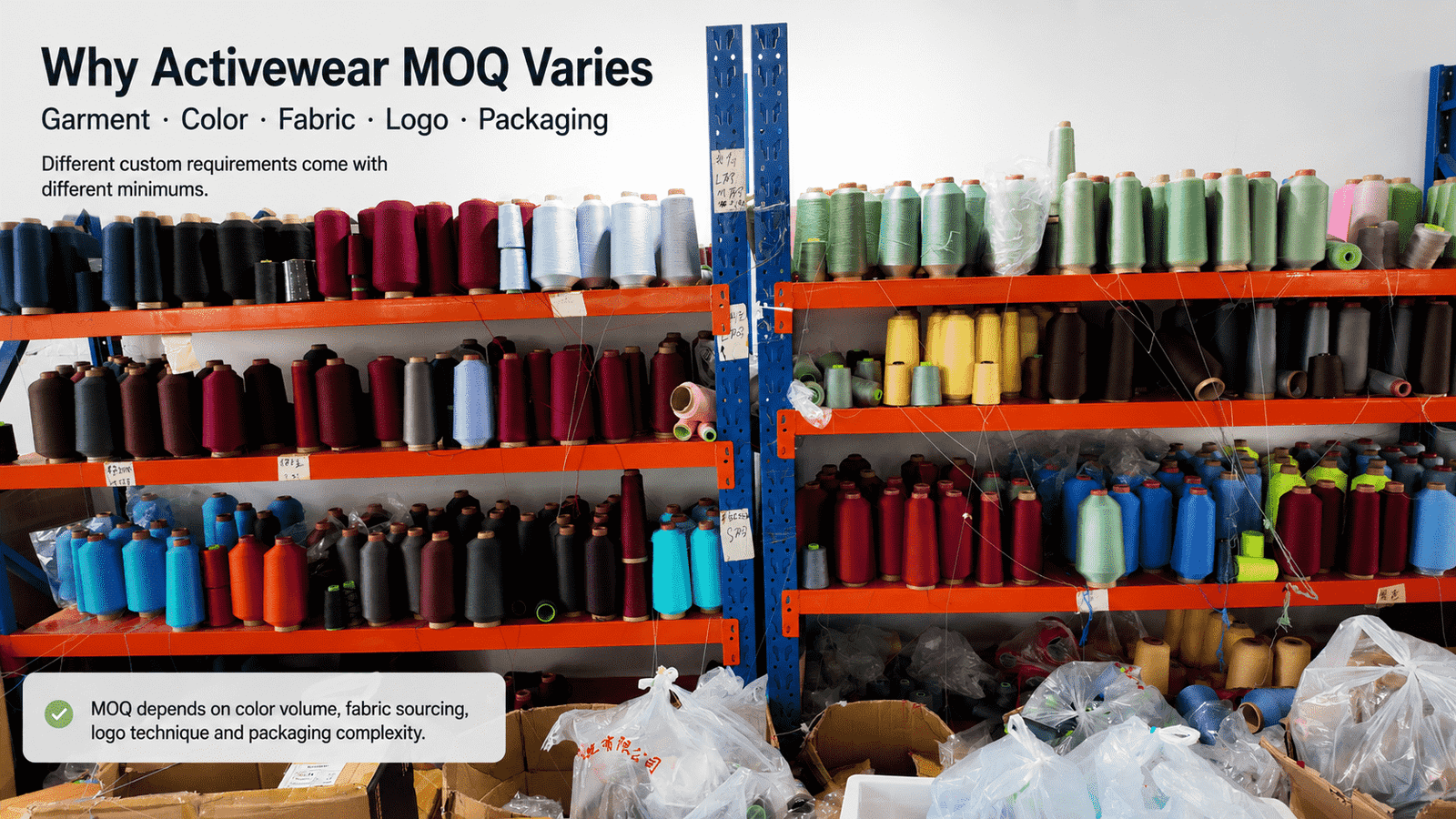
MOVEVOX activewear MOQ and cost guide

MOQ & Cost Guides

Understand how garment, material, custom dye and branded-component minimums affect order planning.

Explore MOQ & Cost Guides
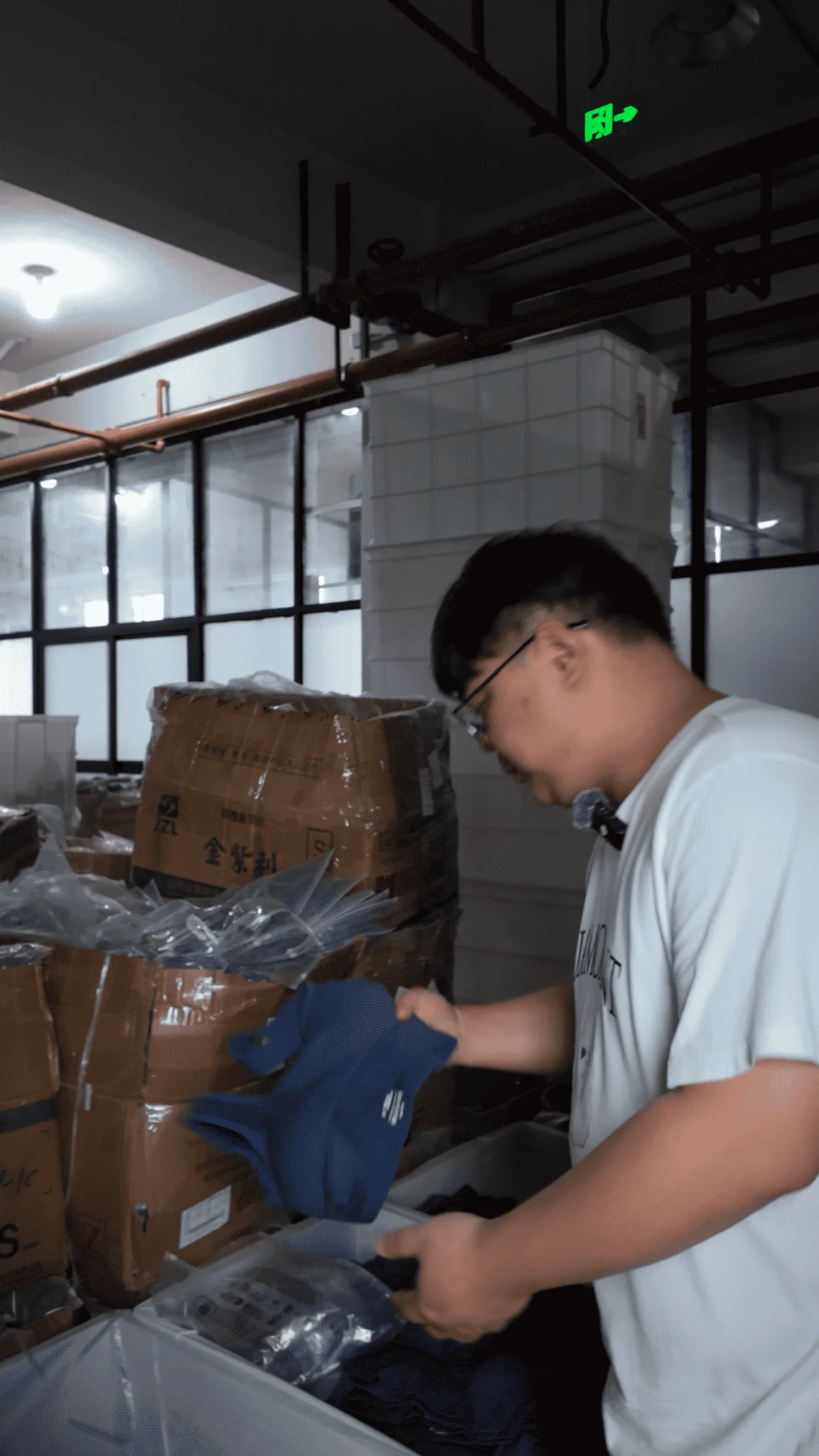
MOVEVOX Tech Pack and activewear manufacturing guide

Manufacturing Guides

Prepare product information, Tech Packs and manufacturing requirements before supplier development.

Explore Manufacturing Guides

Send Us an Inquiry

Tell us your needs, and our team will get back to you within 24 hours.

START YOUR PROJECT

Ready to Develop Your Private Label Activewear Line?

Tell us what you want to develop, your estimated quantity and customization needs. We will review the details and suggest the next practical step for sampling, quotation or production.

Helpful details to include:

Request MOQ & Sample Details