GYM-SPECIFIC TRAINING APPAREL ENGINEERING

Gym Clothing Manufacturer

Manufacturing for brands developing gym clothing around real training demands—strength work, lower-body movement, HIIT, and general gym use—with product engineering, Seamless and Cut & Sew execution, controlled validation, and repeat production.

  • Start from a Tech Pack, approved sample, sketch, image, or defined concept and translate intended training use into measurable product requirements.
  • Choose Seamless or Cut & Sew according to the garment architecture, movement demands, support needs, pocket or panel construction, and fit priorities.
  • Engineer gym leggings, bras, shorts, tops, and sets around training-specific issues such as waistband stability, mobility, coverage, support, ride-up, and seam placement.
  • Validate the physical product before bulk production, then preserve the approved fit, construction, material, branding, and QC references across repeat orders.
28 Italian Santoni seamless knitting machines
2 Manufacturing routes: Seamless + Cut & Sew
5-10 Working days for standard sampling after details are confirmed
150K-200K Pieces/month current normal managed delivery capacity
Buyer Relevance

Built for Brands That Treat Gymwear as Performance

Gym apparel must manage repeated stretch, body body motion, support, stability and construction stress. MOVEVOX works with different gymwear buyer profiles by translating product use, collection structure and brand requirements into a controlled development and manufacturing route.

Established Gymwear Brands

Mature gymwear brands usually arrive with defined silhouettes, existing fit standards, technical expectations and ongoing seasonal development. Their supplier decision is less about whether a factory can make one pair of leggings and more about whether approved specifications can remain controlled across colors, sizes, repeat orders and multiple SKUs. MOVEVOX can work from client Tech Packs or approved references, select Seamless or Cut & Sew according to construction, coordinate private-label elements and manage production through one accountable project window.

  • Maintain approved fit and construction across repeat production programs.
  • Coordinate leggings, bras, shorts and tops under shared standards.
  • Reduce separate supplier interfaces for different manufacturing structures.
  • Preserve technical versions when collections expand across additional SKUs.
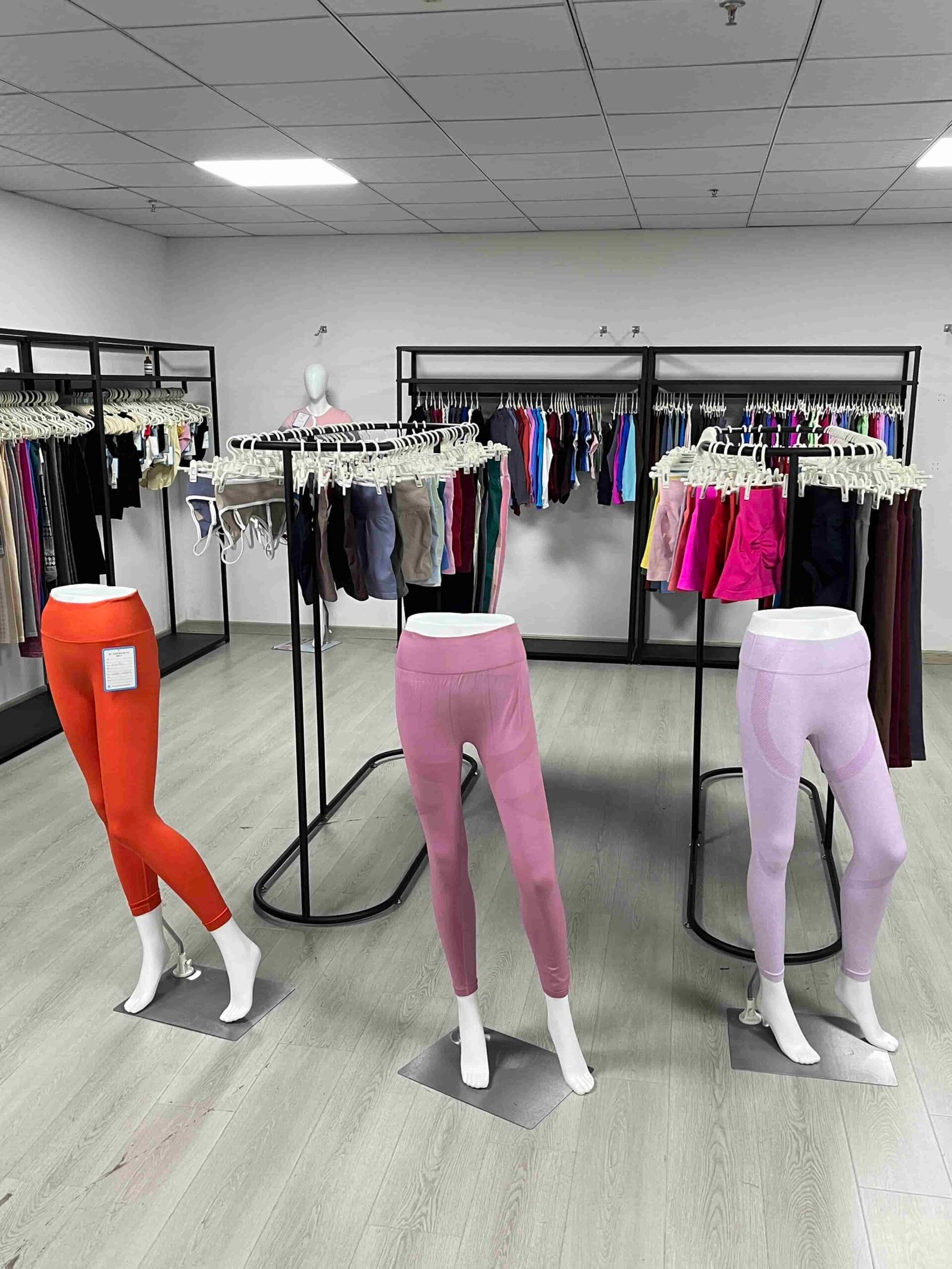
Coordinated gymwear collection prepared for a mature activewear brand

Multi-Category Activewear Brands

Brands expanding from Yoga, Pilates or general Activewear into Gym and Training products often need stronger differentiation between activities. A soft studio legging and a training legging may share a similar silhouette but require different decisions around waistband stability, material recovery, construction stress, pockets, support or engineered knit zones. MOVEVOX combines Seamless and Cut & Sew capabilities so each SKU can be reviewed on its own product architecture instead of forcing an entire collection into one manufacturing process.

  • Match manufacturing route to each product's real construction requirements.
  • Develop mixed collections without fragmenting all manufacturing responsibility.
  • Coordinate shared colors, branding and packaging across multiple categories.
  • Review performance requirements before making product claims or test commitments.
Mixed activewear collection showing different gym and training product structures

Private Label Programs

Retailers, distributors and established private-label programs generally require more than a garment with a logo. Product, labels, size identification, care information, hangtags, SKU or barcode mapping, individual packaging and carton information must correspond to the correct style, color and size. MOVEVOX can manage these components as one controlled brand-execution process, with client approval governing artwork and final specifications before bulk production. Specialized materials, colors, logos or packaging may create independent MOQ and lead-time requirements.

  • Keep product and retail identification aligned by SKU.
  • Control approved artwork before labels and packaging enter bulk production.
  • Evaluate separate MOQ requirements for garments and customized components.
  • Maintain clear responsibility from product development through packed shipment.
Private-label activewear with approved labels hangtags and retail packaging
TECHNICAL DEVELOPMENT STAGE

Where Is Your Gym Product in the Engineering Process?

The right starting point depends on how much of the training use, fit behavior, construction, material, and physical validation has already been defined. MOVEVOX can enter before the first sample, during technical revision, or after a gym product has already been approved.

Use-Case Definition

A new gym product may begin with a concept, sketch, image, legal reference sample, or incomplete Tech Pack. The first task is to define the intended training use and identify what the garment must control during movement before choosing fabric, structure, or manufacturing route.

You Provide

  • Target gym product and intended training use.
  • Reference images, sketches, sample, or available specifications.
  • Known fit, support, movement, coverage, or construction priorities.

MOVEVOX Provides

  • Initial manufacturability and training-use review.
  • Open-point list for fit, structure, materials, and route selection.
  • Defined sample-development objective.

Movement Validation

When enough technical information exists, sampling becomes a movement-and-fit validation stage. The product should be reviewed for the issues relevant to its use case—such as waistband security, shoulder or hip mobility, support, coverage, ride-up, seam loading, and construction stability.

You Provide

  • Current Tech Pack or confirmed product brief.
  • Target materials, colors, and intended training behavior.
  • Written comments from movement, fit, or wear review.

MOVEVOX Provides

  • Current sample version and measurement review.
  • Technical feedback against the intended training use.
  • Revision actions for confirmed fit and construction comments.

Pilot Production

Pilot production is appropriate after the gym product has been technically approved but the brand wants to verify commercial execution. Base MOQ references remain approximately 100 pieces per Seamless style and 150 pieces per Cut & Sew style under normal conditions.

You Provide

  • Approved technical standard and final sample status.
  • Color, size, and quantity breakdown.
  • Branding, packaging, and required delivery information.

MOVEVOX Provides

  • Commercial MOQ and feasibility review.
  • Production planning against the approved gymwear standard.
  • Defined first-article, measurement, workmanship, and packing checks.

Repeat Product

Repeat production should reuse the current approved gymwear standard rather than rebuild the product from memory. Any change to fit, material, structure, support level, branding, or packaging should be confirmed before the next run.

You Provide

  • Repeat forecast and updated quantities.
  • Confirmed technical changes since the previous order.
  • Required delivery window and SKU plan.

MOVEVOX Provides

  • Current-version and change review.
  • Material and production-capacity planning.
  • Repeat-order quality controls tied to the approved gymwear baseline.

Scale-Up

For larger or expanding programs, scaling starts from the validated product standard. Capacity, site allocation, materials, QC, and delivery planning are reviewed only after the current gymwear construction and approval baseline is clear.

You Provide

  • SKU forecast and expected volume growth.
  • Delivery windows and market priorities.
  • Approved-site or sourcing-policy requirements.

MOVEVOX Provides

  • Project-specific capacity review.
  • Proposed production-facility allocation.
  • Quality-control plan preserving the validated product standard.
KEY NUMBERS

MOVEVOX Gymwear Manufacturing at a Glance

Six operating figures give sourcing teams a quick view of MOVEVOX's manufacturing history, equipment, quality resources, sample-development speed and current managed production scale.

2019 Manufacturing &
Supply-Chain Operations
28 Italian Santoni
Seamless Knitting Machines
~24 Primary Sewing &
Garment-Production Machines
5 QC Personnel Supporting
Production Quality Control
5–10 Working Days for
Standard Sample Development
150K–200K Pieces / Month Normal
Managed Delivery Capacity
Figures are current MOVEVOX operating references. Sample timing applies after required development details are confirmed, and production-capacity figures should not be interpreted as guaranteed allocation for every product, customer or production month.
TRAINING PRODUCT ENGINEERING

Six Controls Behind a Gym Clothing Product That Performs as Intended

Gym clothing development is strongest when manufacturing decisions follow the training problem the garment needs to solve. MOVEVOX combines product review, Seamless and Cut & Sew capability, physical validation, QC, and controlled production so engineering choices can remain connected from concept to bulk.

Training-Use Definition

Development can begin from a Tech Pack, physical sample, image, sketch, or defined concept. The review should translate intended training use into concrete product questions: where the garment must stay stable, where mobility is needed, what areas carry stress, and which details require physical validation.

Seamless Structure Engineering

MOVEVOX operates 28 Italian Santoni seamless knitting machines. Seamless gymwear can use engineered rib, mesh, jacquard, texture, and localized knit zones where appropriate, but the useful result depends on yarn, density, structure, size programming, finishing, and the approved garment.

Cut & Sew Construction Engineering

MOVEVOX's core system includes approximately 24 primary sewing and garment-production machines. Cut & Sew is relevant when gym products require shaped panels, pockets, zippers, gussets, multiple materials, controlled seam placement, or other construction better built from cut components.

Brand Execution After Product Approval

Brand execution should follow the approved product rather than lead it. Logos, labels, SKU data, hangtags, and packaging can be coordinated after fit, construction, material, and product identity are sufficiently controlled.

Movement-Critical Quality Control

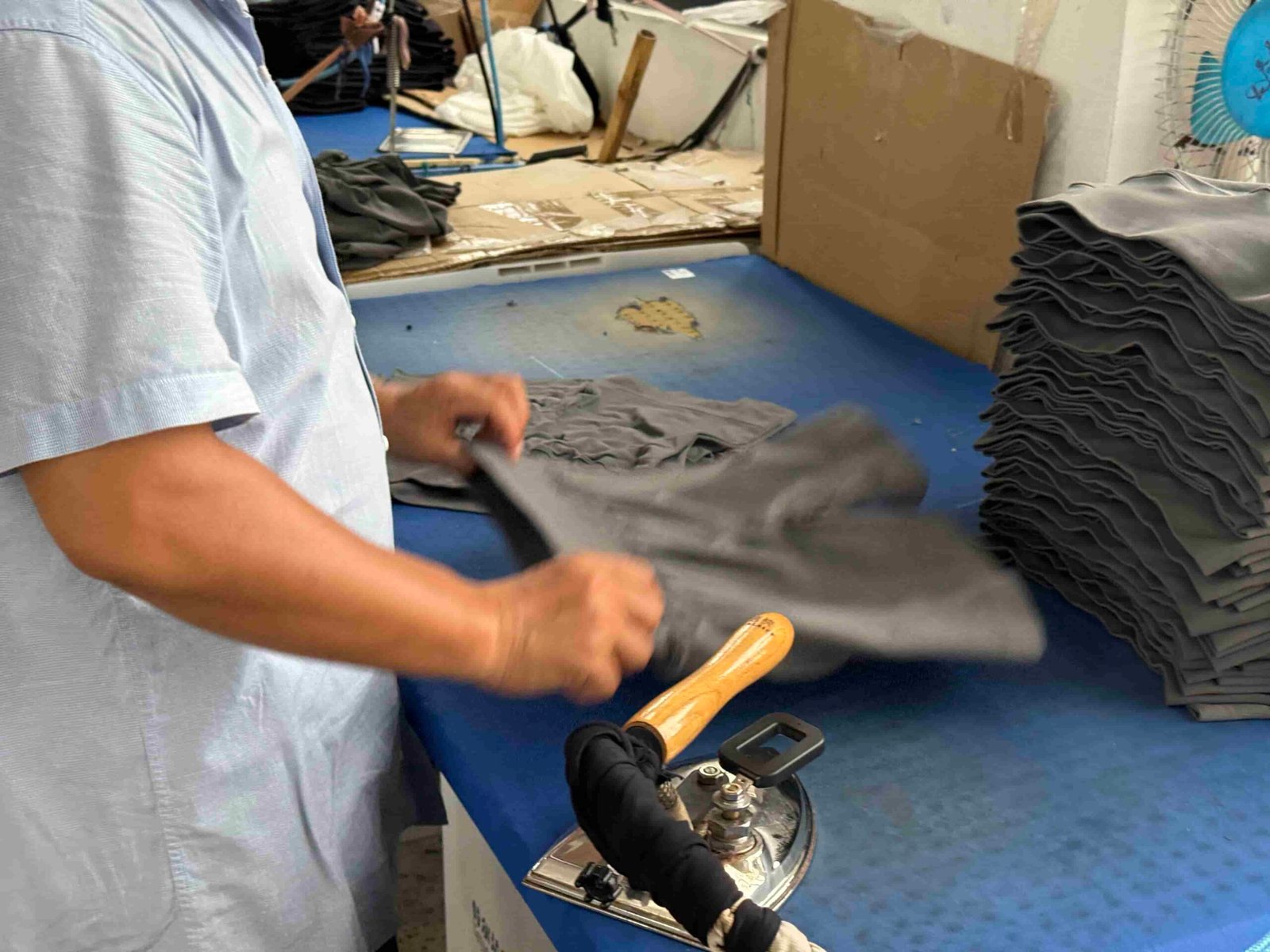
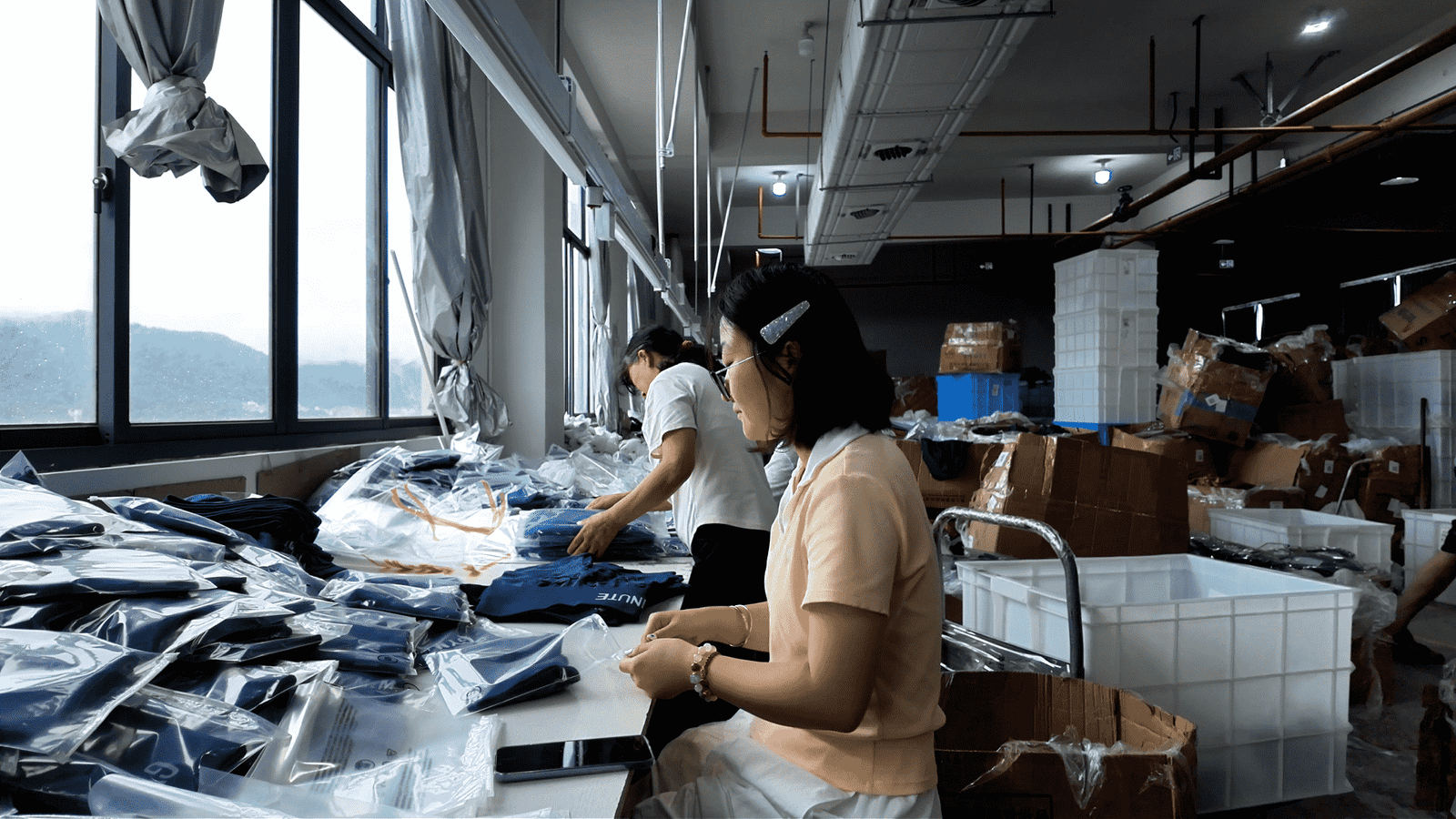
MOVEVOX currently has five QC personnel supporting incoming, pre-production, first-article, in-line, finished-garment, measurement, branding, packing, and pre-shipment activities. Gymwear QC can additionally focus on the measurements and construction points most relevant to garment stability during dynamic use.

Scale-Up From a Validated Standard

MOVEVOX uses its Yiwu core base and eight long-term satellite factories for controlled capacity extension. Scale-up should preserve the approved gymwear specification, material direction, construction, sample reference, and quality requirements rather than simply add output.

GYM PRODUCT FAILURE RISKS

Where Gym Clothing Can Fail Even When the Sample Looks Acceptable

Gymwear problems often appear under movement rather than on a hanger. Supplier review should therefore look beyond general workmanship and ask whether the product controls the training-specific risks that matter for the intended exercise.

Problem

Waistband or Garment Migration

A legging or short can fit correctly while standing but allow the waistband, hem, or garment body to shift during squats, lunges, jumps, or repeated flexion.

Business Impact

Garment movement can reduce confidence, expose coverage problems, distract the wearer, and create inconsistent fit feedback across sizes.

MOVEVOX Response

MOVEVOX can connect waistband structure, rise, pattern or knit dimensions, material recovery, fit comments, and approved sample references to the intended lower-body movement before bulk release.

Problem

Restricted Movement

A top, bra, short, or legging can restrict movement when armholes, straps, gussets, inseams, panels, or seams are placed without considering the actual exercise range.

Business Impact

Restriction or friction can turn an otherwise correct-looking garment into a poor training product and can drive unnecessary sample revisions after launch.

MOVEVOX Response

The product is reviewed against the movement it is intended to support. Seamless zoning or Cut & Sew pattern and seam architecture can then be chosen around mobility rather than around factory process preference.

Problem

Support Mismatch

Support can be over- or under-specified when the same bra, waistband, or compression direction is applied across different training uses without product-level review.

Business Impact

The result can feel unstable, excessively restrictive, or inconsistent with the brand's intended product positioning.

MOVEVOX Response

Support direction, underband or waistband structure, material recovery, pattern or knit construction, and the approved physical sample can be reviewed together before production scale-up.

Problem

Detail Interference

Pockets, zippers, drawcords, labels, seams, or decorative elements can interfere with movement or create pressure points when placed only for visual reasons.

Business Impact

Details that look acceptable in a static sample can become distracting during benches, floor work, repeated bending, or equipment contact.

MOVEVOX Response

MOVEVOX can review detail placement against the intended training use and keep the approved construction and component position visible during bulk production.

Gymwear Collection

Develop Gymwear Around Real Training Use Cases

A Gymwear collection should not be planned only by garment names. Different training environments create different priorities for waistband stability, support, body motion, seam loading, stretch, recovery, coverage and product construction.

Squat and Lower Body

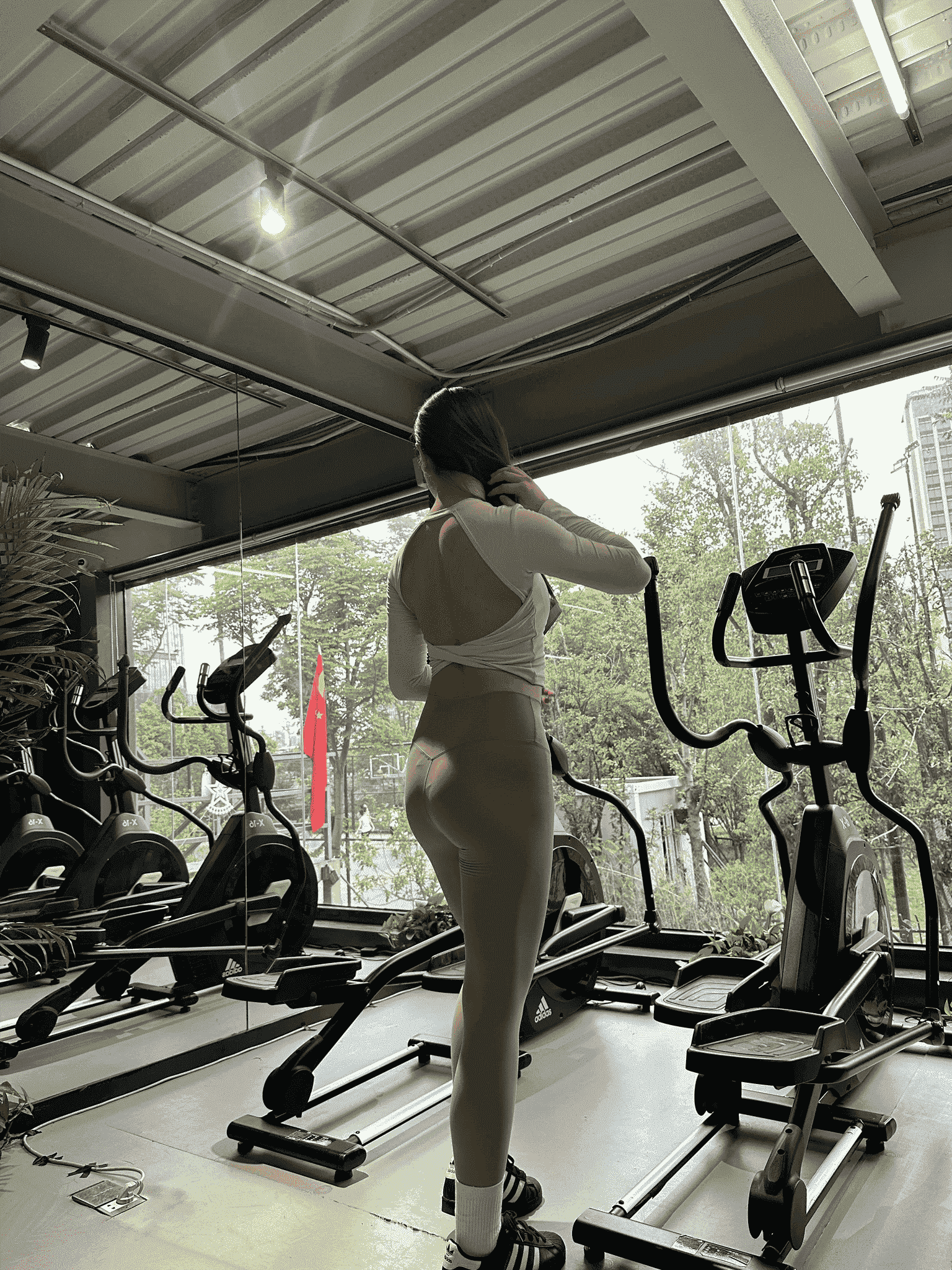
Leggings and biker shorts used for squat-focused or lower-body training place repeated stress on the waistband, hip, seat, crotch and inner-leg areas. Product development should consider fit stability, stretch and recovery, coverage under extension, seam placement and the interaction between fabric or seamless structure and the intended compression level. Specific squat-proof or opacity claims should only be made after the selected color, material and construction have been validated.

  • Stable waistband construction through repeated bending and extension.
  • Stretch and recovery appropriate to the selected material route.
  • Coverage validation under the intended color and size configuration.

Related products: Leggings / Biker Shorts
Gym leggings and biker shorts shown during lower-body training movement

Strength Training

Strength-training apparel often needs secure fit, controlled movement and durable construction where garments repeatedly contact benches, bars or equipment. Sports bras, fitted tops, leggings and shorts should be reviewed around support, panel or knit-zone placement, seam loading, waist or hem stability and ease of movement.

  • Construction appropriate to repeated loading and body movement.
  • Fit stability without unnecessary restriction during compound exercises.
  • Support requirements defined before material and structure are finalized.

Related products: Sports Bras / Leggings / Training Tops

Activewear products shown during strength training with stable fit and support

HIIT Training

HIIT combines rapid movement, flexion, jumping and repeated direction changes, so product stability becomes as important as initial fit. Development may focus on secure waist or underband construction, freedom around shoulders and hips, reduced unwanted movement and materials suitable for the intended workout environment.

  • Secure garment position during repeated high-movement training.
  • Construction allowing full shoulder, hip and leg movement.
  • Performance claims supported by selected material or test evidence.

Related products: Shorts / Bras / Tops / Leggings

Gymwear worn during high-intensity interval training movement

General Training

General training collections often need the broadest commercial balance: wearable fit, reliable stretch, practical silhouettes, coordinated colors and consistent branding across multiple SKUs. This may include leggings, shorts, bras, tanks, T-shirts and sets.

  • Consistent fit language across connected collection products.
  • Shared color and branding logic across multiple silhouettes.
  • Performance priorities matched to actual consumer use conditions.

Related products: Gym Sets / Tops / Bottoms
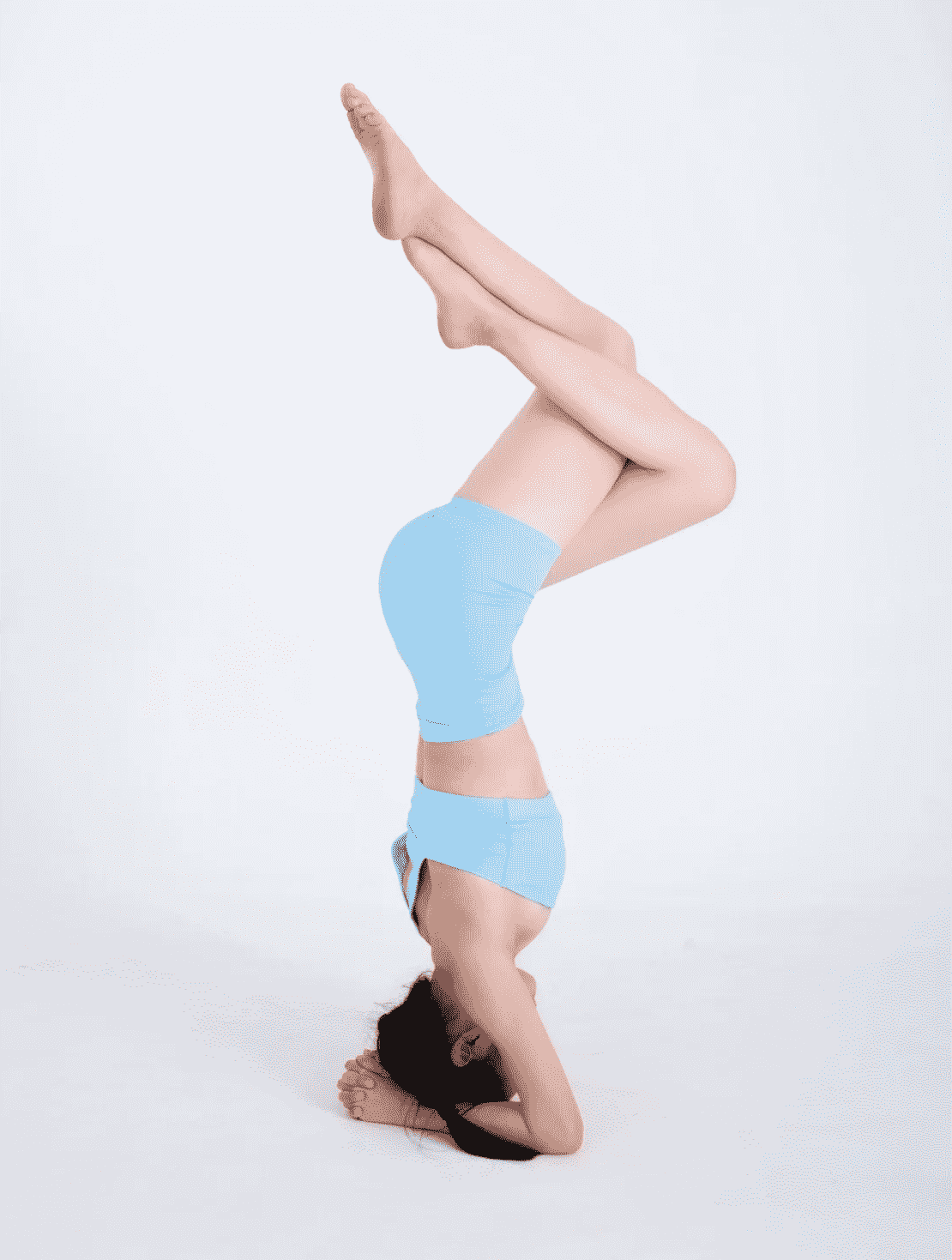
Coordinated gymwear set for general fitness and training use
GYM PRODUCT ENGINEERING

Engineer Each Gym Clothing Category Around Its Main Training Risks

The same fabric and fit logic should not be copied across an entire gym collection. Each product category has different body motion, support, stability, coverage, and construction risks that should be resolved through the appropriate manufacturing route.
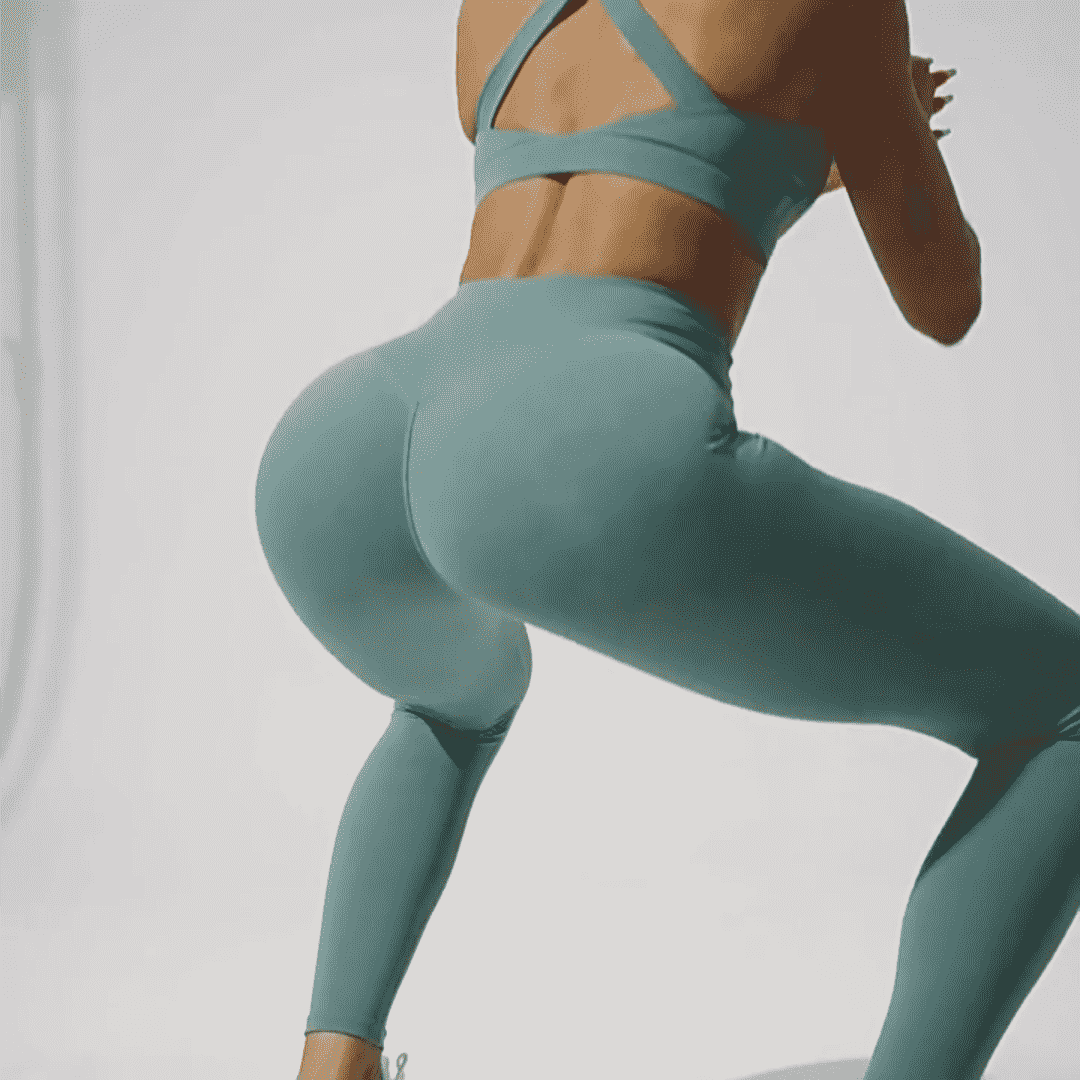
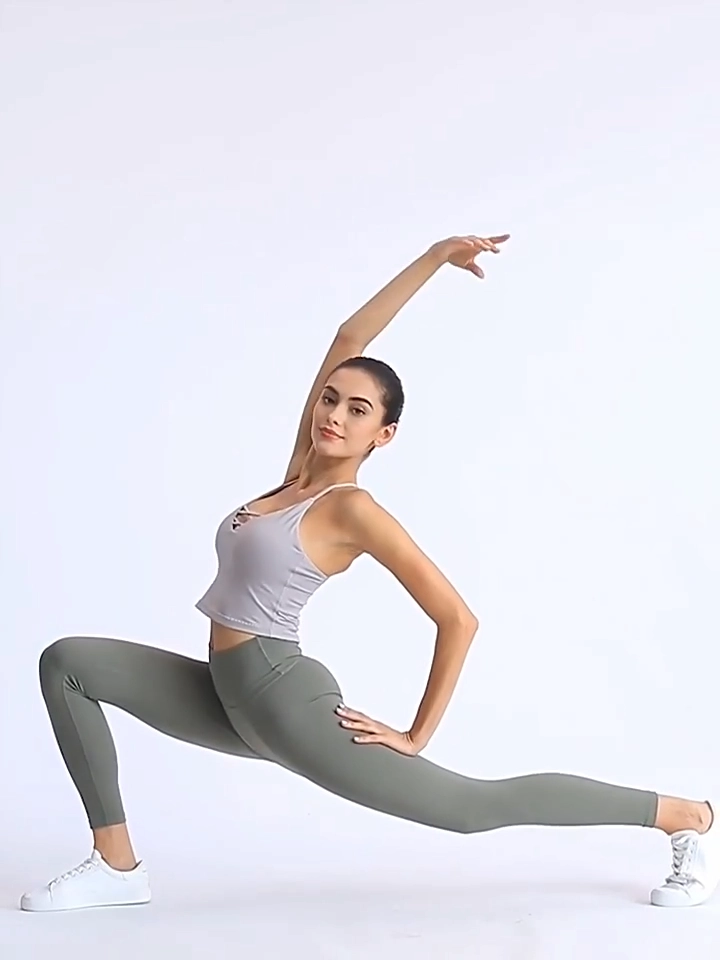
Custom gym leggings developed for private-label activewear production

Gym Leggings

Gym leggings should be reviewed around waistband stability, rise balance, hip and knee mobility, crotch and gusset construction, seam placement, stretch and recovery, coverage under extension, and any pocket position that may affect movement.

View Leggings
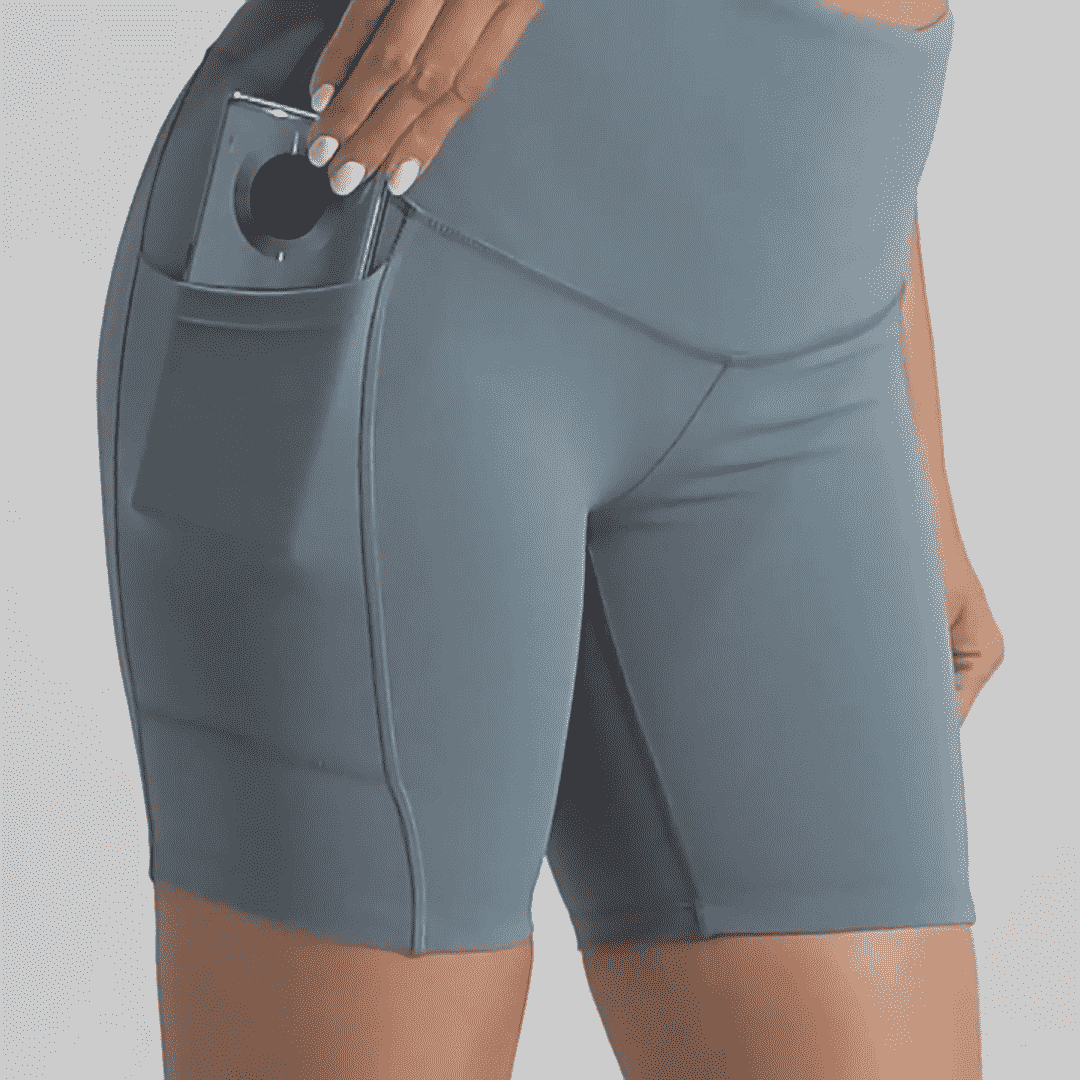
Biker shorts developed for gym and fitness training collections

Biker Shorts

Biker shorts add ride-up, inseam length, thigh opening, pocket security, and waistband behavior to the lower-body fit problem. Close-fitting Seamless or Cut & Sew routes can be assessed according to the intended structure.

View Shorts
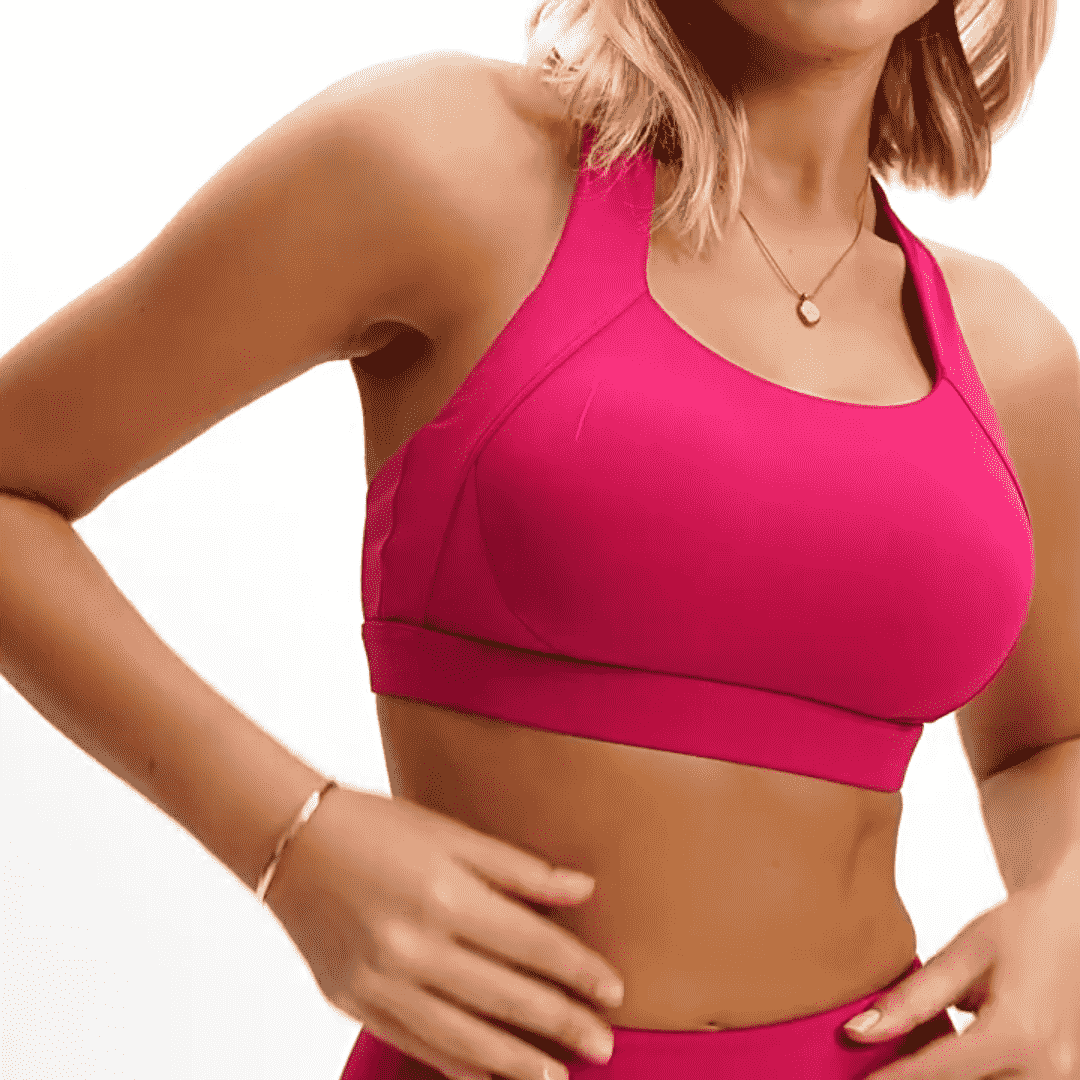
Private-label sports bras with different strap and support constructions

Sports Bras

Sports bra engineering should connect support direction, underband stability, strap and back architecture, neckline, pad or cup construction, material recovery, and the movement level expected from the product.

View Sports Bras
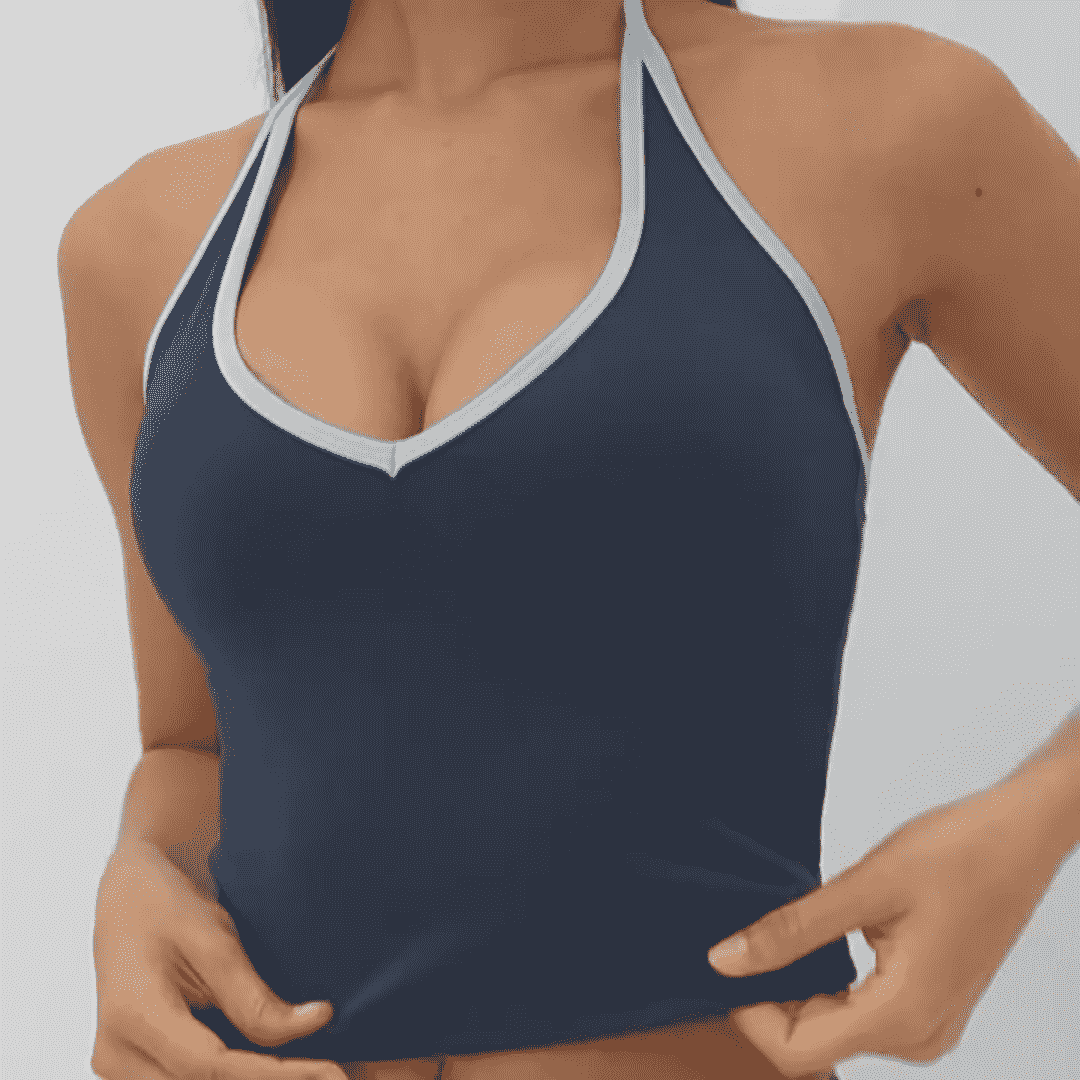
Custom gym tank tops and fitted training tops for activewear brands

Training Tanks

Tank and cropped training tops should preserve shoulder and arm mobility while controlling neckline, armhole, hem, body fit, and branding placement through repeated upper-body movement.

View Tops
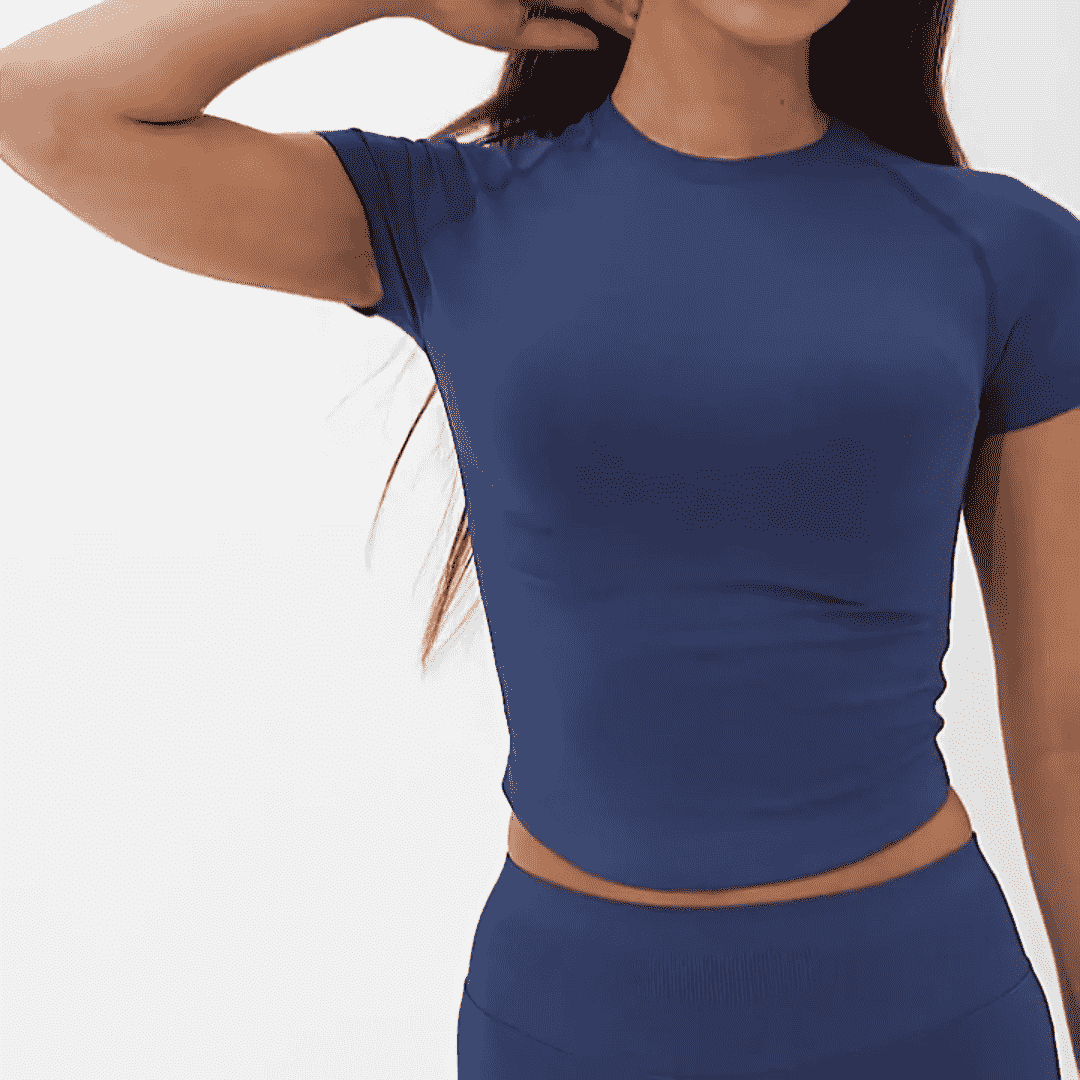
Performance T-shirts developed for gym training and activewear programs

Performance T-Shirts

Training T-shirts should be reviewed for shoulder clearance, sleeve mobility, body length, hem movement, fabric behavior, seam placement, and whether the silhouette stays practical during lifting or general gym use.

View Tops
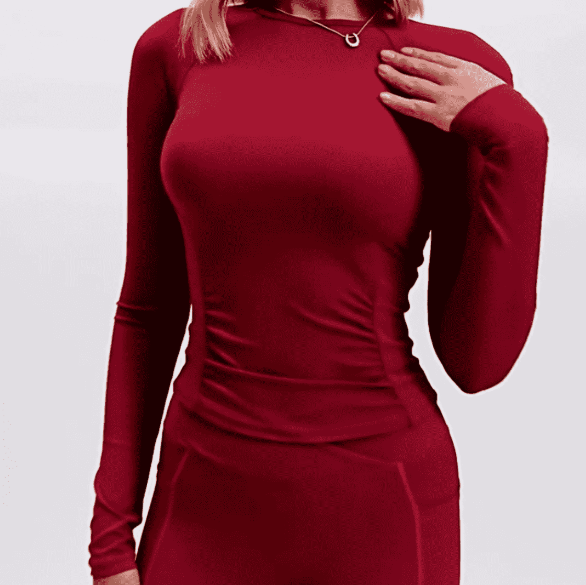
Long sleeve activewear tops developed for fitness and training use

Long Sleeve Gym Tops

Long-sleeve gym tops add sleeve rotation, cuff stability, shoulder movement, body fit, and material recovery. These points should be checked together rather than treating the garment as a longer version of a short-sleeve top.

View Tops
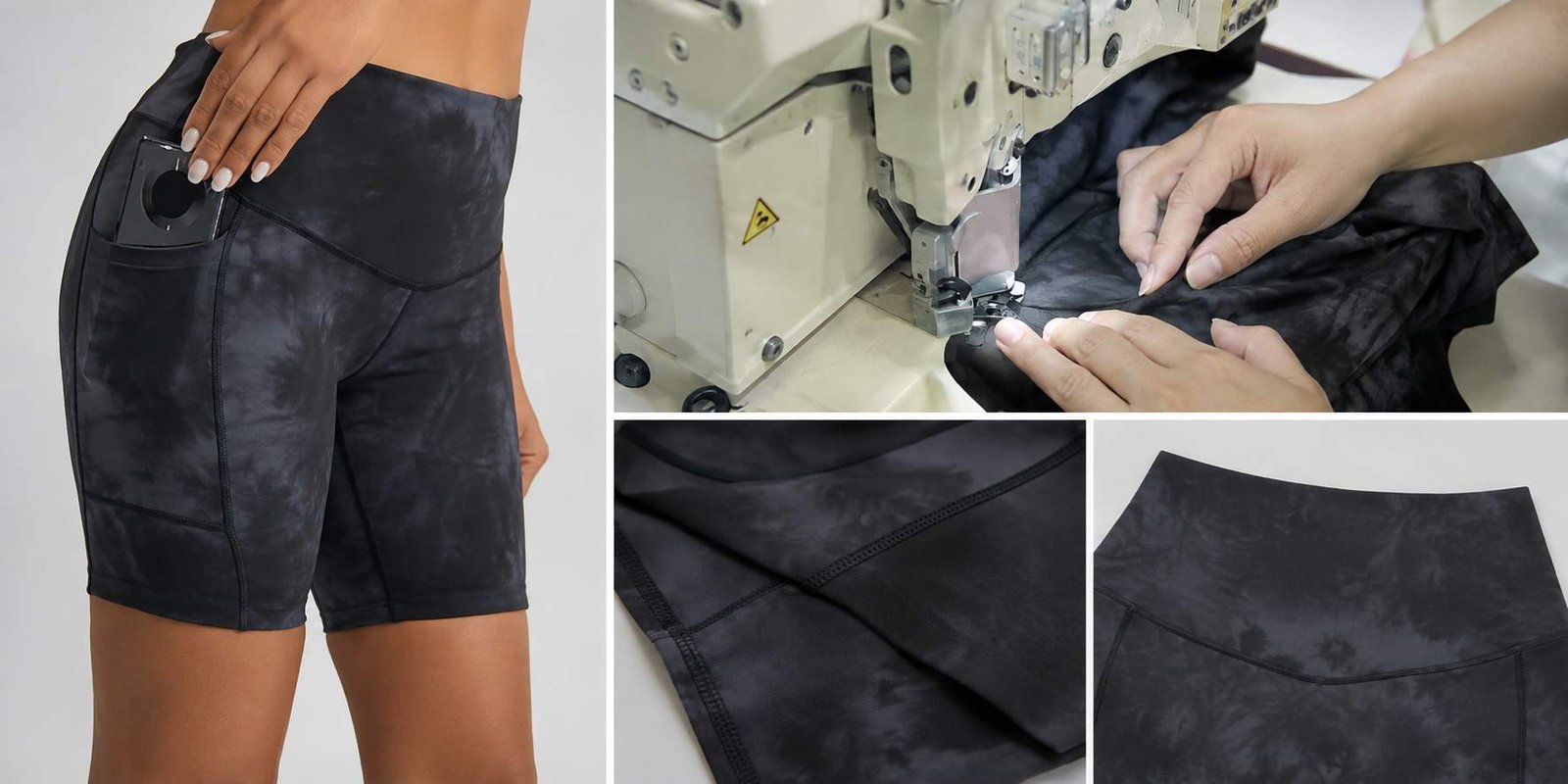
Cut and sew training shorts with waistband and pocket construction

Training Shorts

Training shorts can require secure waist systems, adequate squat and stride mobility, pocket stability, controlled ride-up, liner or no-liner decisions, and seam or panel placement that does not interfere with movement.

View Shorts
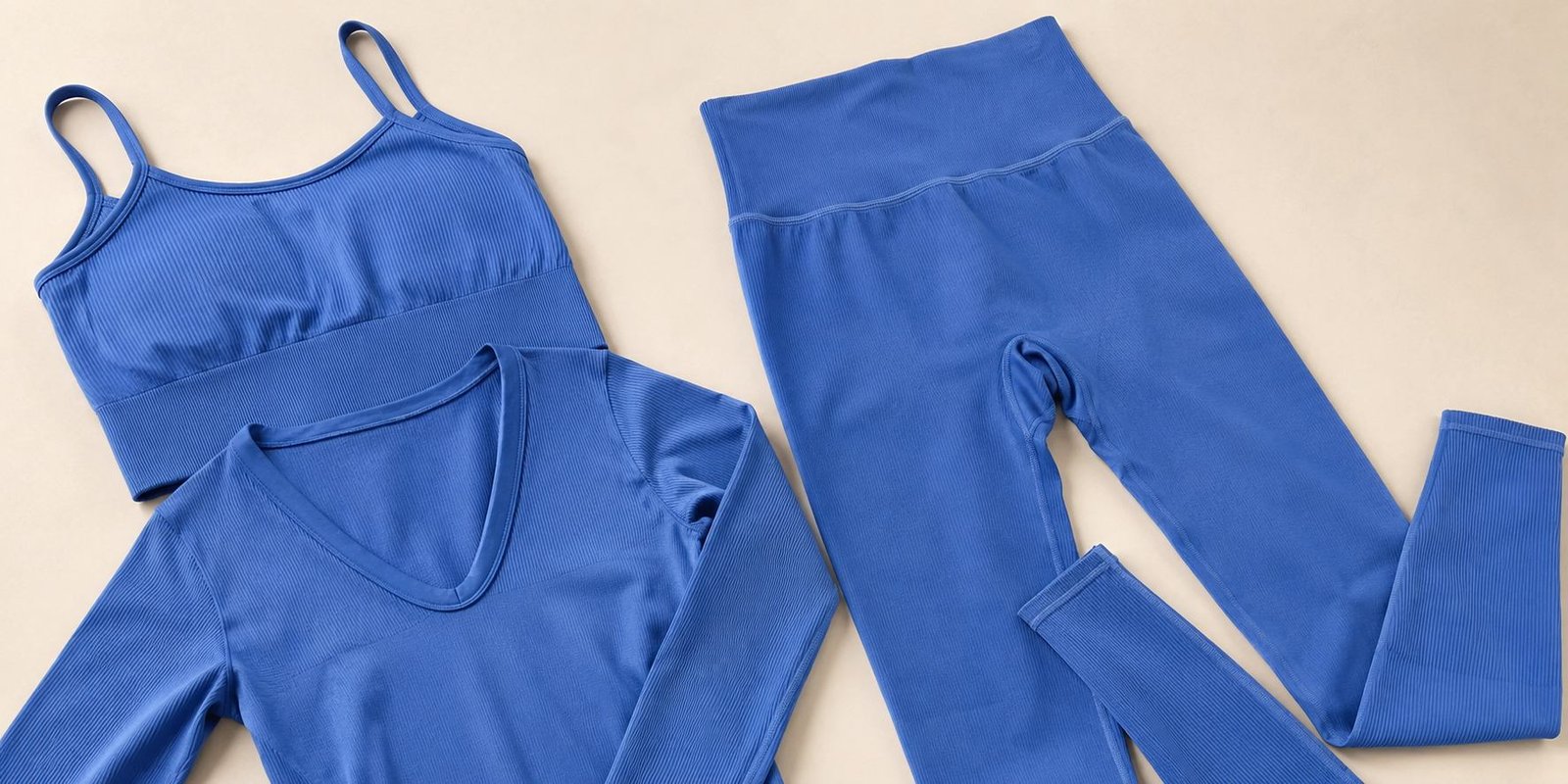
Coordinated private-label gymwear set including leggings sports bra and top

Gym Sets

Gym sets should share color and brand language without forcing identical technical decisions across bras, tops, leggings, and shorts. Each SKU keeps its own fit, support, movement, material, and approval baseline.

View Collection
GYM PRODUCT ARCHITECTURE

Choose Seamless or Cut & Sew by the Training Problem You Need to Solve

Manufacturing route should follow the product architecture required for body motion, support, zoning, pockets, panels, gussets, zippers, seam placement, and fit. For gymwear, the useful question is not which process is more fashionable—it is which route gives the intended training behavior the clearest technical control.

Evaluation Seamless Cut & Sew
Core construction Engineered tubular knitting with limited finishing seams Fabric pieces cut from approved patterns and assembled
Gymwear strength Integrated rib, mesh, texture, density changes and body-mapped knit zones Shaped panels, pockets, gussets, zippers, layered or multi-material construction
Primary material input Yarn specification, knit program and finishing route Finished fabric specification, pattern pieces and seam construction
Movement control Program, yarn, density, structure, dimensions and size interact closely Pattern balance, fabric stretch, gusset, seam position and grading interact closely
Best use case Products where engineered knit structure should be built into the garment Products where shaped components or precise feature placement drive performance
Approval baseline Current program version + yarn direction + dimensions + approved sample Current pattern version + fabric + construction + approved sample
MOQ reference Approx. 100 pcs/style under normal conditions Approx. 150 pcs/style under normal conditions
Main decision question Can the required support, mobility or zoning be engineered effectively through knitting? Does the gym product need shaped components, pockets, panels or controlled seam architecture?

MOVEVOX operates both systems, so route selection can begin with the gym product's movement and construction requirements. The final choice should be validated through technical review and a physical sample rather than treated as a marketing claim.

TRAINING-USE DEVELOPMENT

Turn Gym Movement Requirements Into a Bulk-Ready Product Standard

Gym clothing development should translate intended exercises into measurable product decisions. MOVEVOX can move from training-use definition through engineering, physical validation, revision, and production release without separating fit from construction.

01

Training-Use Brief

Input can include a Tech Pack, approved or legal reference sample, image, sketch, fabric reference, or product concept. The first review identifies the intended training use, key movement positions, support or coverage priorities, and missing technical information.

Deliverable: Development Brief

02

Movement & Risk Review

Construction, dimensions, materials, route, waistband or underband behavior, mobility zones, pockets, panels, seams, and other use-critical details are reviewed before the first engineering direction is frozen.

Deliverable: Open Point List

03

Engineering Setup

Depending on route, development proceeds through pattern and construction work or Seamless programming and knit-structure preparation. The engineering setup should reflect where the garment must stretch, stay stable, support, cover, or avoid interference.

Deliverable: Development Specification

04

Physical Validation Sample

A physical sample is used to assess the garment in the positions relevant to the intended gym use—not only its appearance on a table. Standard sample timing remains approximately 5–10 working days after required development details are confirmed.

Deliverable: Sample Version

05

Fit & Movement Revision

Buyer feedback should describe observed fit or movement behavior as specifically as possible. Revisions are then tied to the current sample version so waistband, support, mobility, construction, and measurement changes remain traceable.

Deliverable: Revision Record

06

Technical Freeze

Before bulk, the current technical specification, measurement requirements, material and color direction, branding, packaging, and approved or PP sample status are consolidated into one identifiable production baseline.

Deliverable: Approved Standard

07

Bulk Handover

The approved gymwear baseline is transferred into production planning, material preparation, first-article review, in-line control, and final release so fit-critical decisions are not lost after sampling.

Deliverable: Bulk Release Pack

Performance Engineering

Define Gymwear Performance by Product and Intended Use

Performance requirements should be assigned to individual products instead of copied across a collection. MOVEVOX separates desired product experience from claims that require specific material, garment or third-party test evidence.

Training Leggings

Claim direction: Prioritize stretch, recovery, fit stability and coverage.

Leggings experience repeated extension across the hip, seat, knee and crotch. Material behavior, seamless structure or pattern, waistband construction and color can all affect the user experience. Claims such as guaranteed squat-proof performance require validation on the actual material, color, size and construction.

Evidence Basis

Selected fabric or yarn, approved fit sample, on-body review and project-specific testing where required.

Sports Bras

Claim direction: Define support and fit before selecting construction.

Sports-bra requirements vary by intended activity, body range, underband, strap configuration, material recovery, cup or pad construction and overall silhouette. Low, medium or high-support positioning should be validated against the actual approved design.

Evidence Basis

Approved construction, fit review, material recovery and buyer-defined support validation where required.

Training Tops

Claim direction: Balance mobility, fit, handfeel and training environment.

Training tops should be reviewed around shoulder and arm movement, body fit, hem stability, fabric behavior and seam placement. Moisture-wicking, quick-dry, breathability or UV claims require relevant supplier or laboratory evidence.

Evidence Basis

Material specification, approved sample and applicable performance report when a measurable claim is required.

Gym Shorts

Claim direction: Control waist stability, movement and construction stress.

Gym shorts can range from close-fitting biker silhouettes to structured Cut & Sew training shorts. Development should identify whether the priority is compression feel, pocket security, range of motion, coverage, waistband stability or lightweight construction.

Evidence Basis

Approved pattern or knit structure, fit sample, materials and project-specific wear or test requirements.

BRANDING WITHOUT COMPROMISING FUNCTION

Keep Private Label Details Compatible With Gym Product Construction

Private-label execution should follow the approved gym product rather than force branding onto it. Logo method and placement, labels, identification, and packaging should be reviewed against the garment structure, material behavior, high-stretch areas, seams, engineered knit zones, and the approved product reference.

Approved Product Baseline

Construction, fit, size range, material, color, and manufacturing route should be sufficiently approved before branding components are released. The technical product remains the controlling reference.

  • Approved Seamless or Cut & Sew product architecture.
  • Current Tech Pack, approved sample, or controlled development reference.
  • Brand-defined sizing, fit, material, and construction details.
  • SKU-specific product standards before brand assets are released.

Material & Color Compatibility

Available or custom materials and Pantone-referenced colors should be approved with the actual gym product. Material surface, stretch, recovery, and color can affect both product behavior and the suitability of a branding method. Custom dyeing still requires project-specific MOQ review.

  • Available material and existing color selections.
  • Pantone-referenced custom color development where required.
  • Material surface and stretch reviewed against the intended branding method.
  • Project-specific material sourcing and approval.

Custom Fabric · Custom Color

Labels & Body-Contact Areas

Main, care, size, and woven labels should match approved client content and the correct SKU. On close-fitting gym products, label type and placement should also be reviewed against waistband, neckline, or other body-contact locations rather than treated only as a graphic decision.

  • Main brand labels positioned for the approved garment construction.
  • Care labels using buyer-approved information.
  • Size labels aligned with product size mapping.
  • Woven labels where the construction and body-contact position are suitable.

Custom Labels

Retail Data & SKU Identity

Hangtags, SKU references, stickers, barcode or QR information connect the approved garment to the buyer's retail and warehouse system. Style, color, size, and package data should remain matched to the correct product version.

  • Brand hangtags and approved product information.
  • SKU labels by style, color, and size.
  • Barcode or QR information supplied by the client.
  • Packing data aligned with the final order breakdown.

Packaging After Product Approval

Individual packaging may use standard polybags, stickers, or project-specific branded packaging followed by approved carton marks and packing configurations. Packaging should preserve correct SKU identity and follow the approved order breakdown; customized packaging can carry an MOQ separate from the garment.

  • Standard individual polybag and SKU sticker.
  • Custom branded bag subject to supplier MOQ.
  • Approved carton mark and carton breakdown.
  • Solid or assorted packing by project requirement.

Custom Packaging

GYMWEAR VALIDATION

Use Sampling to Validate Fit and Movement Before Bulk Production

A gymwear sample should answer a defined technical question. Sample stages can be used to confirm product direction, movement behavior, fit revisions, size logic, and final production readiness rather than treating the first physical garment as automatic approval.

Development Prototype

Converts the current technical input into a first physical product so the buyer can review construction, proportion, fit direction, material behavior, and the intended training use.

Pass criterion: Product direction is sufficiently understood for targeted revision work.

Movement & Fit Revision

Addresses movement and fit comments from the current version. Waistband or underband stability, mobility, coverage, seam position, measurements, and material-related issues can be converted into documented revisions.

Pass criterion: Critical fit and construction comments are closed or documented.

Size-Range Validation

Where required, selected sizes verify whether the approved base-size logic preserves the intended fit, mobility, support, and garment stability across the proposed size range.

Pass criterion: Selected sizes meet agreed measurement and fit-review requirements.

PP Sample

The pre-production sample should represent the product intended to guide bulk production and align with the current specifications, approved material, construction, branding, and relevant packing requirements.

Pass criterion: Written production approval or defined remaining closure items.

Bulk Handover

Current Tech Pack, measurements, approved sample status, material, branding, packing, and fit-critical QC points are transferred into production as one identifiable standard.

Pass criterion: Production receives one identifiable current standard.

GYM PRODUCT MOQ

How Gym Product Complexity Changes Effective MOQ

MOVEVOX's base MOQ remains a useful starting reference, but gym products do not consume materials, components, tooling, or production resources in the same way. Effective MOQ can change with manufacturing route, custom yarn or fabric, color, size split, pockets, liners, zippers, logo processes, labels, packaging, and other product-specific requirements.

Pilot

Base-MOQ Product

Under normal commercial conditions, the current base reference is approximately 100 pieces per Seamless style and 150 pieces per Cut & Sew style.

A relatively straightforward gym product using available materials and normal branding is more likely to stay close to the base garment MOQ. The final quantity still depends on the actual style, color, size split, and material conditions.

Quantity: From applicable base MOQ

Core

Complex Gym Product

MOVEVOX commonly manages individual orders across approximately 300-50,000 pieces, depending on style count, SKU structure, materials and delivery requirements.

Pocket systems, liners, zippers, complex strap structures, custom yarn or dyeing, special logo tooling, labels, or packaging can create separate supplier minimums. Effective MOQ should therefore be reviewed from the full bill of requirements, not only the garment count.

Quantity: Approx. 300-50,000 pcs/order

Scale

Scaled Product Mix

Projects above approximately 50,000 pieces require independent capacity and production-planning review rather than automatic acceptance.

At higher volume, the real planning question is the mix of Seamless and Cut & Sew styles, product complexity, materials, colors, production sites, QC workload, packing, and timing. Equal garment counts can create very different resource requirements.

Quantity: Above 50,000 pcs requires review

GYMWEAR DEVELOPMENT TIMELINE

Plan Delivery Around Technical Validation, Not Just Sewing Time

Gymwear timing depends on when training-use requirements, fit, materials, physical validation, buyer approval, production capacity, and quality release become ready. MOVEVOX therefore treats delivery as a sequence of technical and commercial gates rather than one universal promise.

Training Requirements Ready

Timing: Project dependent

The intended training use, current product input, movement priorities, material direction, and unresolved technical questions need to be clear enough before sample timing becomes meaningful.

Engineering Sample

Timing: Approx. 5-10 working days

Standard samples normally require approximately 5–10 working days after required development information is confirmed. Additional on-body review or revisions can extend the full development cycle.

Movement Approval

Timing: Customer dependent

Bulk planning should not convert a visually acceptable but technically unresolved sample into the final standard merely to protect a target date.

Material Planning

Timing: Project dependent

Yarns, fabrics, trims, logos, labels, and packaging are reviewed against the approved product and required in-house dates. Custom materials or specialized components can add lead time.

Bulk Production

Timing: Approx. 20-35 days

Regular bulk production currently uses approximately 20–35 days as a normal reference under standard conditions after the relevant approvals and material conditions are in place.

Inspection & Release

Timing: Project dependent

Before cargo-ready status, finished goods complete the applicable measurement, workmanship, branding, packing, and release checks tied to the approved gymwear standard.

The 5-10-day sampling and 20-35-day regular bulk figures are operating references, not fixed promises for every project.
GYM PRODUCT MIX & CAPACITY

Why Gym Product Mix Changes Real Production Capacity

Production capacity cannot be judged from garment count alone. A Seamless legging, a multi-panel training short, a complex sports bra, and a basic top can require different knitting, sewing, quality, and packing resources. MOVEVOX reviews capacity against the actual gym product mix, approved construction, materials, production allocation, QC workload, and delivery window.

28

Santoni Machines

28 Italian Santoni machines support suitable engineered-knit gym products. Capacity depends on the actual knit program, yarn, sizes, colors, finishing, and order mix rather than machine count alone.

Approx. 24

Garment Machines

Approximately 24 primary sewing and garment-production machines support Cut & Sew development and core production. Panel count, pockets, liners, zippers, seam architecture, and assembly complexity affect workload.

5

QC Personnel

Five QC personnel support quality activities across incoming materials, first article, in-line production, finished garments, measurements, branding, and packing. More complex product mixes can require more inspection attention.

8

Satellite Factories

Eight long-term controlled satellite factories can extend capacity where appropriate. Allocation should follow the approved product standard and any buyer production-site requirements.

150K-200K

Pcs / Month

150,000–200,000 pieces per month is the current normal combined managed delivery reference across the system, not a guaranteed allocation for one product mix or delivery window.

Approx. 6,000 m²

Core Base

The approximately 6,000 m² Yiwu core base remains the center for development, technical control, core manufacturing, quality activities, and production coordination.
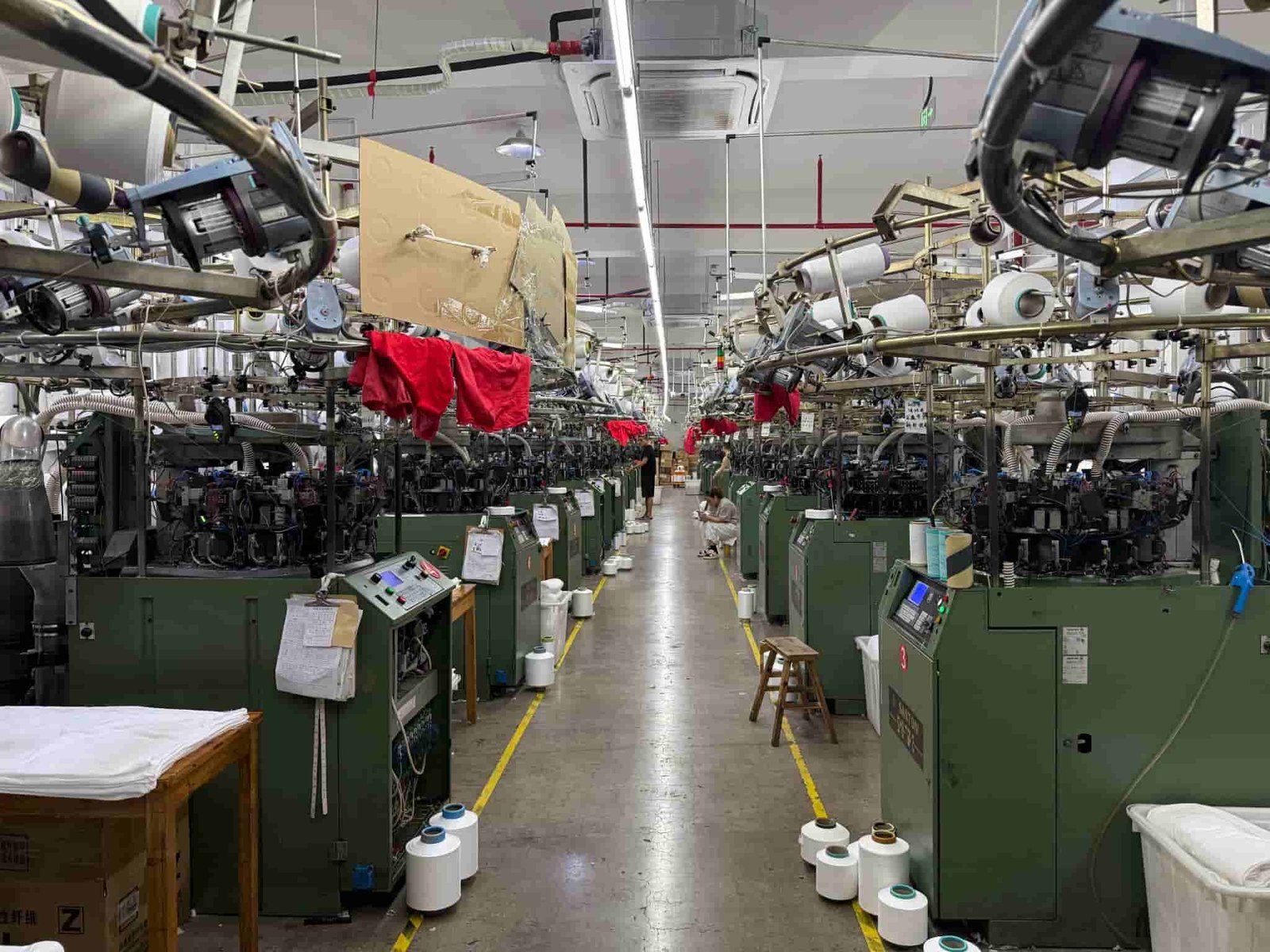
Capacity review for gym clothing should answer a product-mix question: what construction, route, material, QC, and packing resources are required to release the actual order on time?
VALIDATED GYMWEAR SCALE-UP

Scale Gym Clothing Only After Fit and Movement Standards Are Frozen

Scaling a gym product is not simply adding machines. The product should first have an identifiable fit, movement, material, construction, and approval baseline; forecast, material supply, capacity, site allocation, and quality controls are then reviewed around that standard.

First Commercial Review

Review the first commercial run for fit consistency, fit-critical issues, workmanship, packing, and buyer feedback.

Owner: Account Team · QC Point: Delivery Review

Gymwear Standard Freeze

Confirm the current Tech Pack, approved sample, measurements, material, waistband or support structure, branding, and packing requirements.

Owner: Development · QC Point: Version Check

Repeat Forecast

Review repeat quantities, size/color mix, product changes, target dates, and any expansion into adjacent gymwear SKUs.

Owner: Account Team · QC Point: Requirement Review

Material Planning

Plan yarns, fabrics, trims, elastic, labels, and packaging against the approved product and forecast demand.

Owner: Purchasing · QC Point: Material Approval

Capacity Check

Evaluate the actual gymwear mix against available Seamless, Cut & Sew, QC, and packing capacity.

Owner: PMC · QC Point: Capacity Gate

Site Allocation

Assign production to the core base or suitable controlled satellite resources without changing the approved product standard.

Owner: Production · QC Point: Site Approval

First Article

Check first output against the current approved gymwear reference before repetitive production expands.

Owner: Production · QC Point: First Article

In-Line Product Control

Monitor measurements, construction, workmanship, branding, and the product-specific points most likely to affect movement or fit.

Owner: QC Team · QC Point: In-Line Check

Final Release

Review finished product and packing against the current standard before shipment release.

Owner: Quality · QC Point: Final Release

Next Technical Review

Review shipment performance, buyer feedback, and forecast before the next scale step or technical change.

Owner: Account Team · QC Point: Program Review
TECHNICAL FEEDBACK CONTROL

Turn Wear-Test Feedback Into Clear Factory Actions

Gymwear feedback is often described in movement language—waist rolls, hem lifts, strap shifts, fabric feels too firm, pocket interferes, or the garment restricts a lift. MOVEVOX uses one primary customer interface with specialist internal support so those observations can be converted into traceable technical actions.

Primary Technical Window

Each formal customer has a primary account owner who keeps the product history, current sample version, open points, approvals, and commercial context connected.

Role-Matched Specialist Support

Development, purchasing, PMC, production, QC, or logistics specialists can enter when a movement, construction, material, capacity, or delivery issue needs technical input.

Written Change Control

Changes to fit, measurements, structure, materials, colors, branding, packaging, quantity, or delivery expectations should be confirmed in a traceable format rather than relying on conversation memory.

WIP Visibility

PMC connects materials, production sites, and order progress. Daily or weekly WIP visibility can be used depending on the project requirements.

Technical Risk Escalation

When a fit issue, material delay, production problem, quality finding, or capacity conflict can affect a critical milestone, the issue should be escalated before shipment rather than hidden.

Backup Continuity

Important customers can be assigned an internal backup owner with access to current project history, reducing dependence on one person during a technical or production issue.

GYMWEAR QUALITY GATES

Control the Measurements and Construction Points That Matter During Training

MOVEVOX treats gymwear quality as a sequence of gates tied to the current approved product. In addition to general workmanship, the inspection plan can emphasize the measurements, seams, waist or underband structures, product details, and identification points most likely to affect fit and movement.

Gymwear Standard Freeze

  • Current Tech Pack, measurements and approved sample status.
  • Training-use priorities and product-specific fit risks.
  • Approved material, branding and packing requirements.

Incoming Material / Yarn

  • Fabric or yarn matched to the correct product and color.
  • Elastic, trims and components checked against approved requirements.
  • Material changes held for review before use where they affect the standard.

Pre-Production Movement Risk Review

  • Critical waistband, underband, gusset, panel, pocket or seam points identified.
  • Current fit and movement comments visible to production and QC.
  • Buyer-specific inspection requirements confirmed before bulk.

First Article

  • Key measurements and overall product appearance.
  • Fit-critical construction points and workmanship.
  • Branding position and product details.

In-Line Construction Control

  • Measurements and workmanship during production.
  • Seamless or sewing construction consistency against the current version.
  • Identified fit, construction or workmanship deviations and corrective action.

Finished Garment

  • Finished dimensions against current tolerance.
  • Visual workmanship and approved construction details.
  • Logo, label, trim and product identity execution.

Packing Check

  • Correct garment, size, color and packaging combination.
  • Approved SKU, barcode or sticker information.
  • Packing quantity and carton requirements.

Final Release

  • Final product and packing inspection status.
  • Customer AQL or buyer standard where specified.
  • Release decision recorded before shipment.
When a defect or requirement failure is identified, affected goods or work should be held or separated, corrective work completed and the result re-inspected before release.
GYMWEAR QC EVIDENCE

A Useful Gymwear QC Record Should Show the Product Risk It Checked

An inspection record is more useful when it shows not only that a garment was checked, but which approved standard and gymwear risk the check was intended to control.
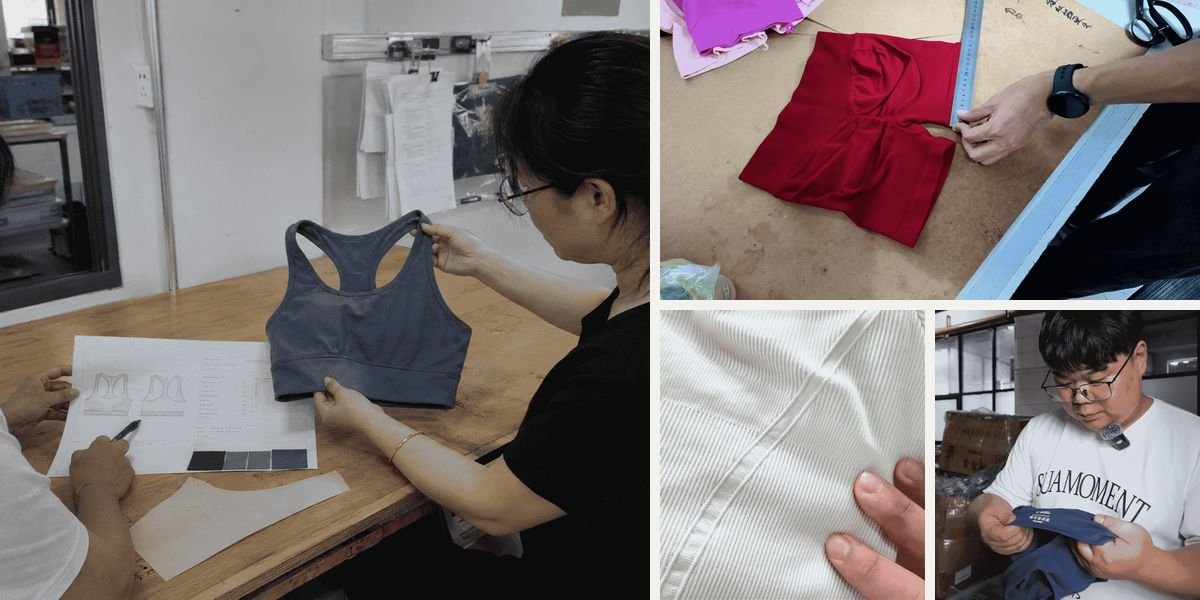
Anonymized MOVEVOX garment inspection and measurement record

Inspection Scope

Identify production stage, style or internal reference, inspected quantity, and the buyer or internal inspection basis.

Movement-Critical Measurements

Compare key POM measurements with the current approved specification and tolerance, with attention to dimensions that affect waist, underband, rise, inseam, armhole, or movement.

Construction Findings

Workmanship findings should use the customer's defect definitions or agreed inspection method and identify the construction area affected.

Branding by Product Version

Logo position, label version, and other branding components should be verified against the correct approved product rather than checked independently from garment identity.

Packing Verification

Confirm the correct garment, size, color, SKU information, packaging, and carton requirements after technical approval has been preserved through production.

Corrective Closure

Failed findings should show hold, rework or corrective action followed by re-inspection so the record demonstrates closure rather than only detection.

Replace this placeholder with a real anonymized MOVEVOX inspection record before publication. Do not present a manufactured example as evidence from a real order.
GYMWEAR SUPPLIER QUALIFICATION

Audit the Technical Capability Behind the Gym Clothing, Not Just the Facility

MOVEVOX supports customer factory audits, technical audits, scheduled production visits, live video verification, and project inspection. For gymwear buyers, qualification can focus on whether development, Seamless or Cut & Sew execution, sample control, QC, and production allocation actually support the training products being sourced.

What a Gymwear Buyer Can Verify

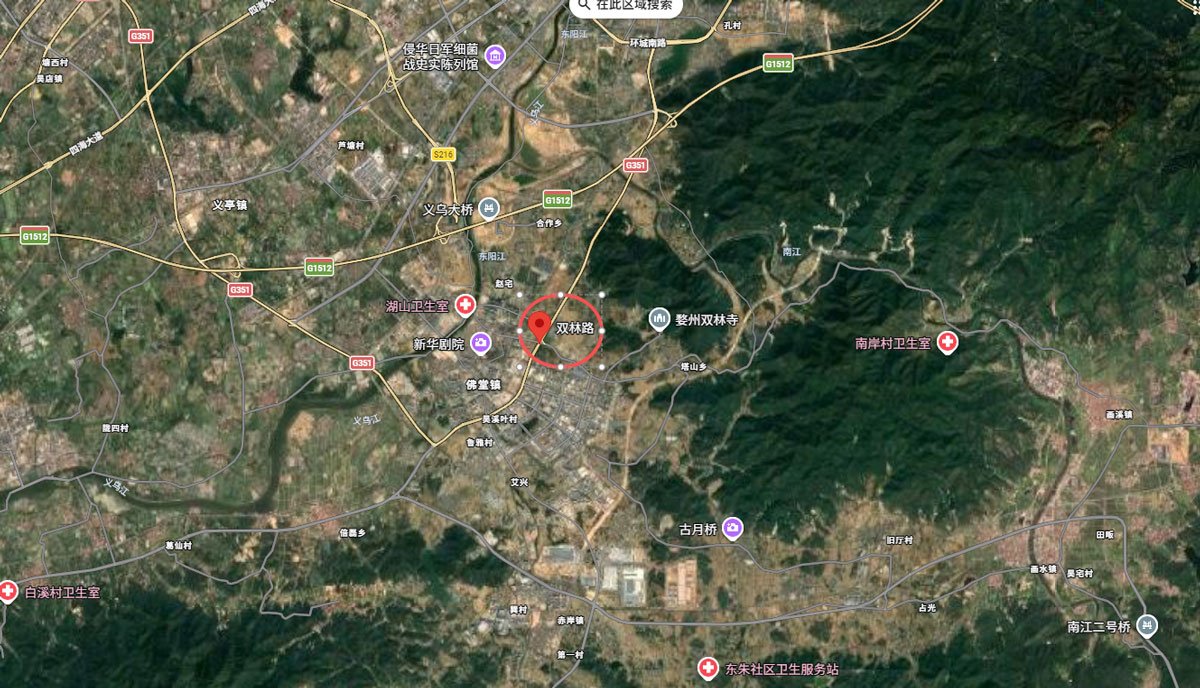
MOVEVOX operates internationally under the MOVEVOX brand, while the legal entity is Yiwu Chenjin Import And Export Co., Ltd. The Yiwu core manufacturing base can be reviewed as the center for development, core production, technical control, and quality activities.

A technical audit can review actual equipment, sample-development activity, pattern or Seamless preparation, production areas, measurement and QC processes, packing, and the records used to keep the approved gym product identifiable.

Areas containing other customers' confidential information, unreleased products, Tech Packs, or commercial documents remain protected during any buyer visit or video review.

“Audit ready” means MOVEVOX is prepared to be reviewed. It does not mean the company has already passed every global buyer audit framework or holds every certification a customer may require.
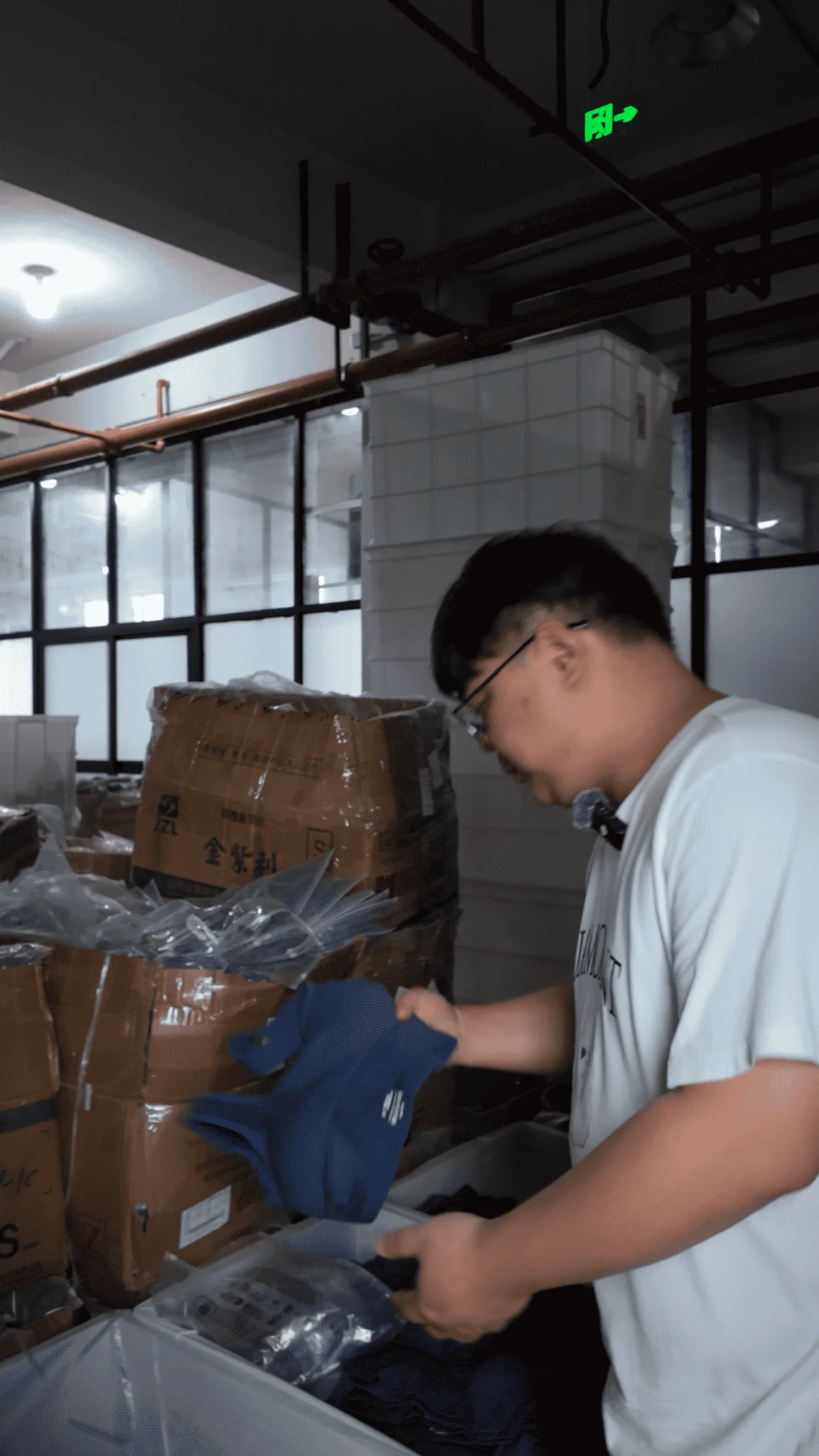
Customer factory audit and technical review at MOVEVOX manufacturing base

How Technical Findings Are Closed

A useful technical audit should convert findings into actions. For gymwear, findings may concern version control, measurement practice, construction consistency, material traceability, production location, or first-article release.

MOVEVOX's quality and project-management logic supports a sequence of finding, responsible owner, corrective action, evidence, and closure.

If a buyer finds that a fit-critical measurement or product version is not clearly controlled, the corrective action should identify the production master and how that standard will be checked going forward.

If a production-location change requires customer approval, written approval should be obtained before execution.
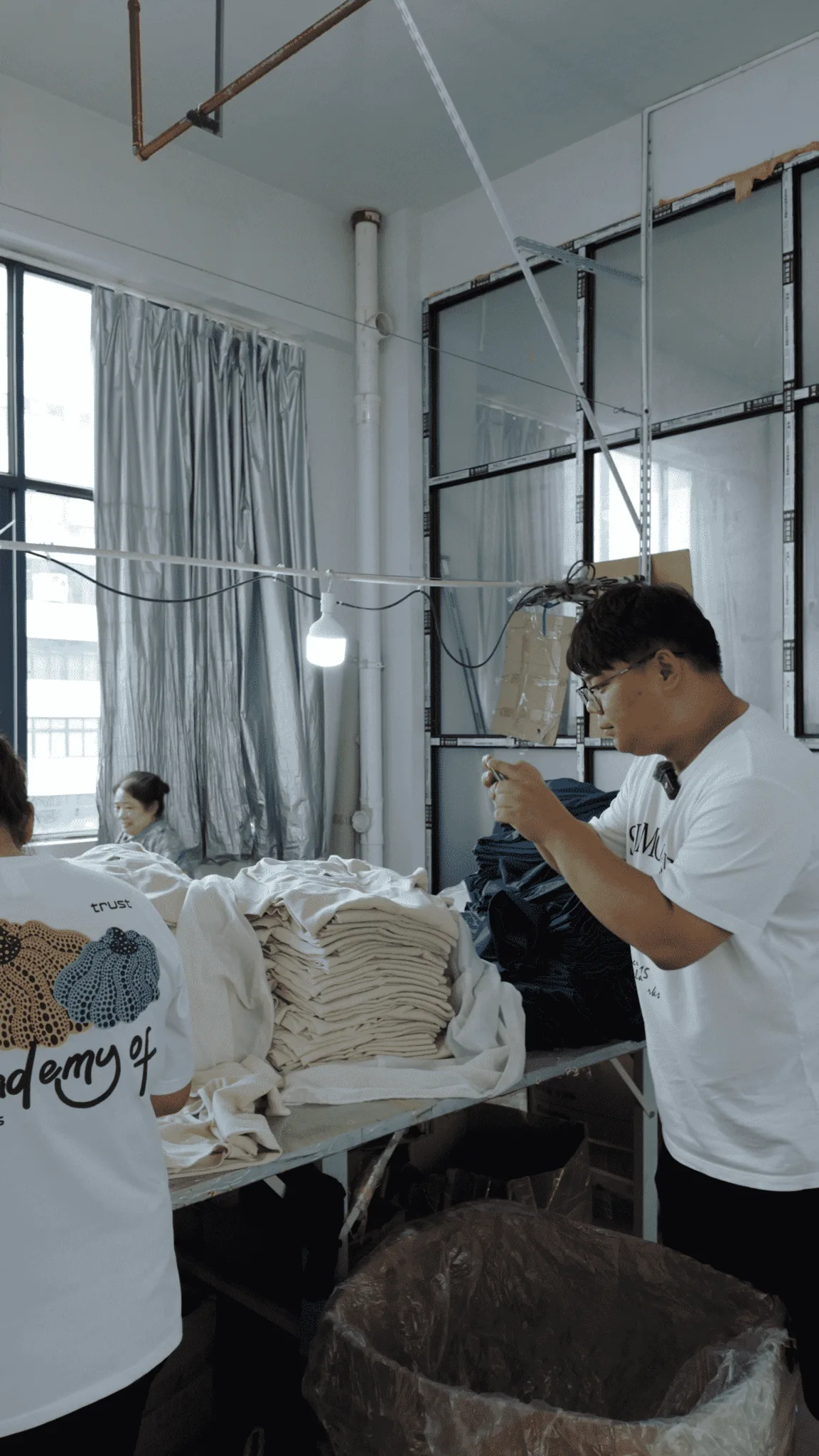
Anonymized corrective action and audit closure documentation
PRODUCT-ROUTE TRANSPARENCY

Know Where Each Gymwear Product Is Made and Which Standard Follows It

MOVEVOX combines its Yiwu core manufacturing base with eight long-term satellite factories and selected specialized resources. For gymwear, production allocation should stay connected to the product route, approved fit and construction, buyer site rules, and the quality standard that was validated during development.

01

Gymwear Requirement

Product, training-use, quality, commercial, and approved-factory sourcing requirements are identified before allocation.

File: Client Requirement
02

Yiwu Core Base

The Yiwu owned base acts as the development, technical, Seamless, core Cut & Sew, and control center for the managed production system.

File: Facility Record
03

Controlled Satellite Capacity

Long-term satellite factories can support developed and repeatable production where the product route, approved standard, workload, and buyer requirements make the allocation appropriate.

File: Allocation Plan
04

Specialist Process Resource

Selected specialists may support specific logo, embroidery, printing, finishing, or approved non-core processes without redefining the underlying gymwear product standard.

File: Supplier Record
05

Approved Product Baseline

The current Tech Pack, approved sample, material, measurements, branding, packaging, and product-specific QC points remain controlled by MOVEVOX.

File: Production Pack
06

Site Disclosure

Where a buyer requires production-site transparency or approved-factory production, actual manufacturing location should follow the written approval requirement.

File: Site Approval
07

Product-Specific Quality Records

Inspection activity and quality records should remain tied to the actual product and production location rather than becoming generic documents detached from the order.

File: Inspection Record
08

Shipment Release

Packing, final inspection, and shipment release return through one accountable MOVEVOX project interface.

File: Packing List
CHEMICAL EVIDENCE VS PERFORMANCE CLAIMS

Separate Chemical Compliance Evidence From Gym Clothing Performance Claims

Chemical compliance evidence and gym-performance evidence answer different questions. MOVEVOX's currently available RoHS and REACH-related documents apply to specific submitted samples; they should not be used to prove squat-proof, compression, quick-dry, support, abrasion, stretch/recovery, or other performance claims for unrelated products.

Who the Existing Evidence Belongs To

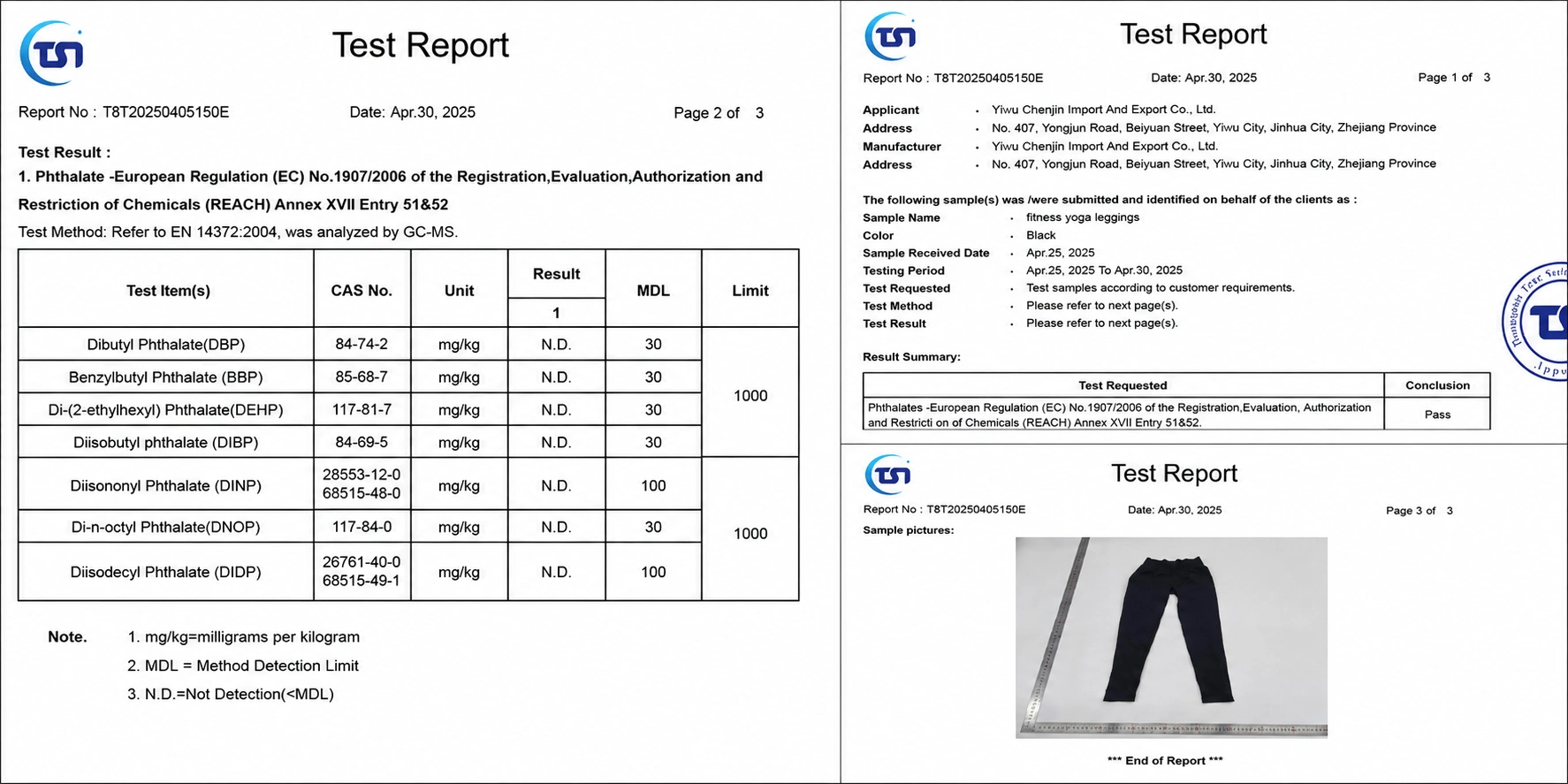
The currently provided testing documents name Yiwu Chenjin Import And Export Co., Ltd. Evidence should be read together with the named applicant or holder, tested sample, method, date, and stated scope.

What the Existing Reports Actually Cover

Existing RoHS documentation applies to the specific submitted sample identified as black fitness yoga leggings. A separate phthalates report covers submitted black fabric against the specified REACH Annex XVII Entry 51 and Entry 52 requirements.

What These Reports Do Not Validate

The available reports are dated April 30, 2025 and reference the standards and methods stated in the original documents. They do not establish garment-level performance for every gym style, material, color, size, or future order.

When New Product-Specific Evidence Is Needed

If a buyer requires RSL, chemical, composition, moisture-management, quick-dry, support, opacity, stretch/recovery, abrasion, or other measurable claims, the required standard and test scope should be defined for the actual product or material. MOVEVOX can cooperate with buyer-appointed testing and inspection requirements.
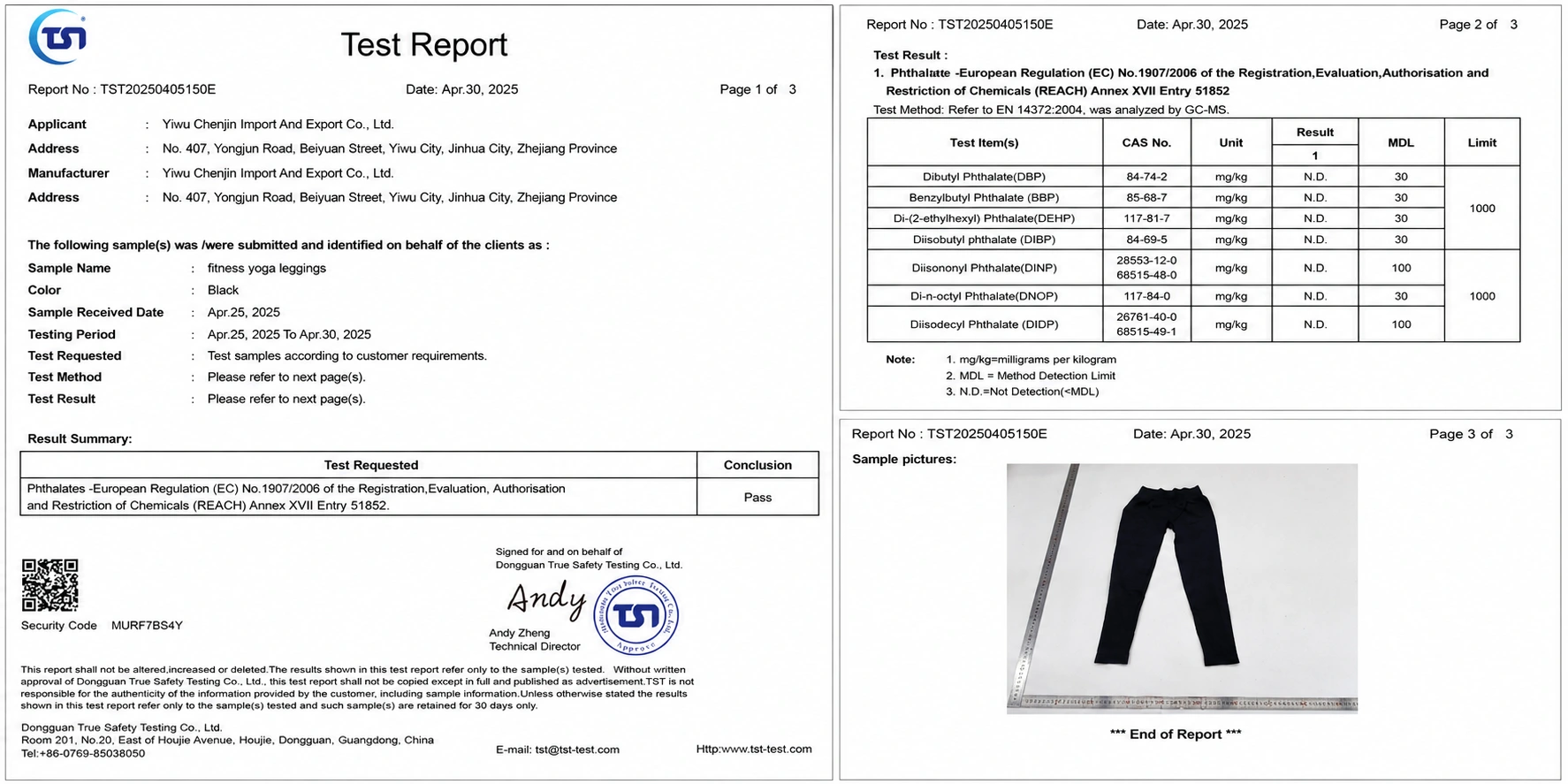
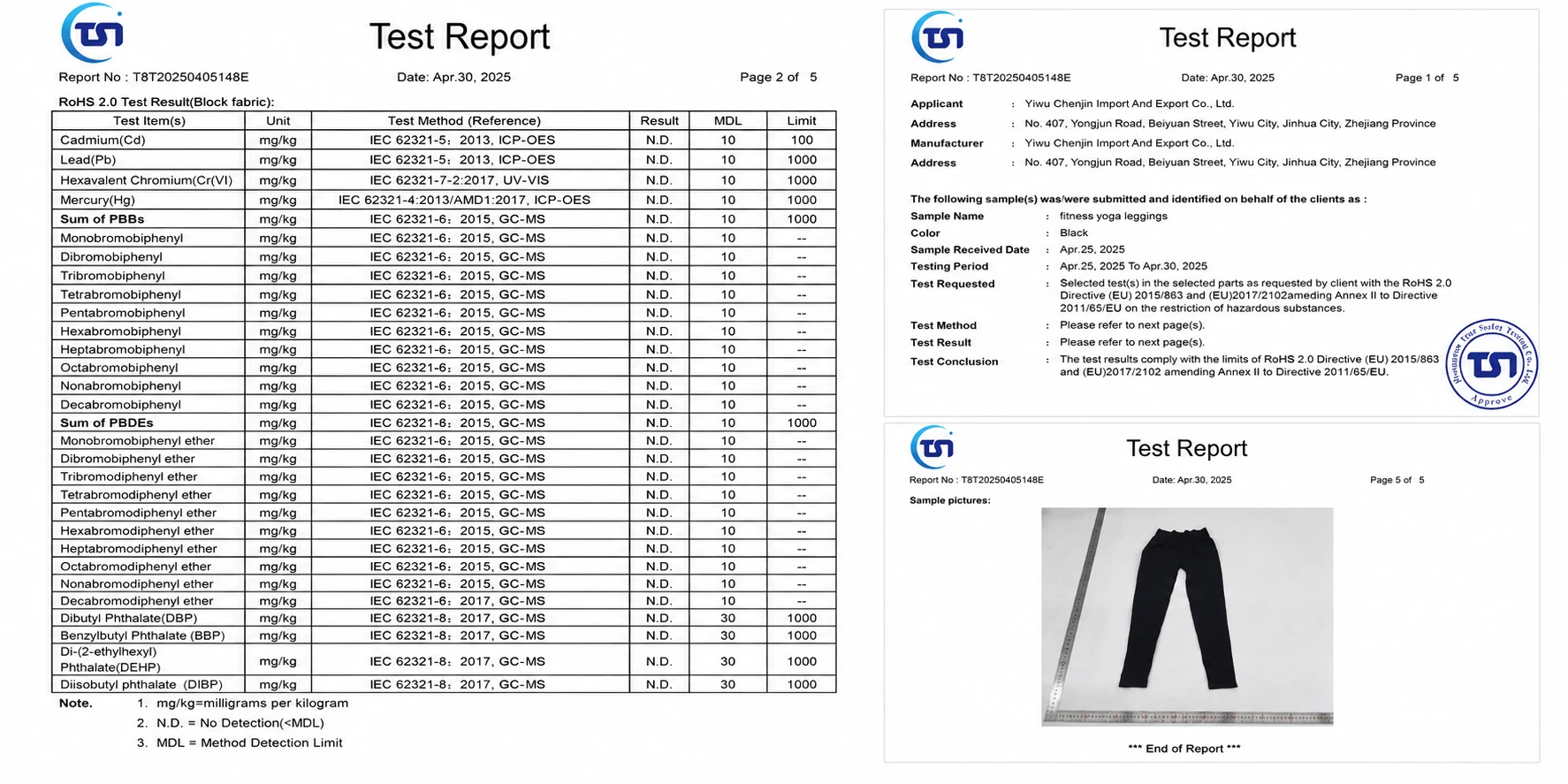
RoHS Certificate of Compliance for tested black fitness yoga leggings
RoHS laboratory test report for tested black fitness yoga leggings
REACH Annex XVII phthalates test report for tested black fabric
These reports apply only to the specific tested samples and scopes shown in the original documents. They must not be represented as blanket certification for all MOVEVOX products.
IP & Confidentiality

Protecting Unreleased Products and Commercial Information

Established brands may share unreleased designs, Tech Packs, pricing, forecasts and launch plans months before market release. MOVEVOX supports reasonable NDA requirements and limits public use of customer information to authorized content.

Unreleased Designs

Impact:

Premature disclosure of a new silhouette, color system or collection can damage launch timing and expose product-development strategy.

MOVEVOX Response:

Unreleased customer designs and development information should not be used as public marketing content without authorization.

Tech Packs and Specs

Impact:

Tech Packs may contain proprietary dimensions, construction, material requirements, artwork and fit information.

MOVEVOX Response:

Technical information is used by relevant development, sourcing, production and quality functions. Public evidence should use anonymized or internally owned examples.

Customer Identity

Impact:

Publishing a brand name, Logo, PO, pricing or unreleased relationship without approval can breach confidentiality expectations.

MOVEVOX Response:

Customer identity or project material should be used publicly only when disclosure is authorized or legitimately public.

Production Information

Impact:

A factory audit for one customer should not expose another customer's Tech Pack, sample, packaging, production schedule or commercial information.

MOVEVOX Response:

Factory and video audits can demonstrate equipment and process while protecting areas and documents containing other customers' confidential information.

GYM PRODUCT VALIDATION CASE

A U.S. Buyer Used User Feedback to Close Product Risk Before Bulk

An anonymized U.S. fitness customer used its own Tech Pack, multiple sample versions, and additional user testing before moving into a customized bulk program. The case shows a useful gym-product development principle: feedback from actual use should become a documented revision before the product standard is released into repeatable commercial production.

Feedback-to-Revision Control

The client supplied its own Tech Pack. MOVEVOX produced an initial sample, received usage-related design comments, and created a second revised version rather than treating the first sample as final.

User Validation Before Bulk

After the revised sample was accepted in principle, approximately 5–10 additional samples were produced for the customer's own real-user testing before the bulk order was released.

Commercial Details After Technical Validation

Once the product standard was sufficiently validated, the commercial order added customized logo, labels, care information, and branded packing requirements.

QR Mapping After Product Approval

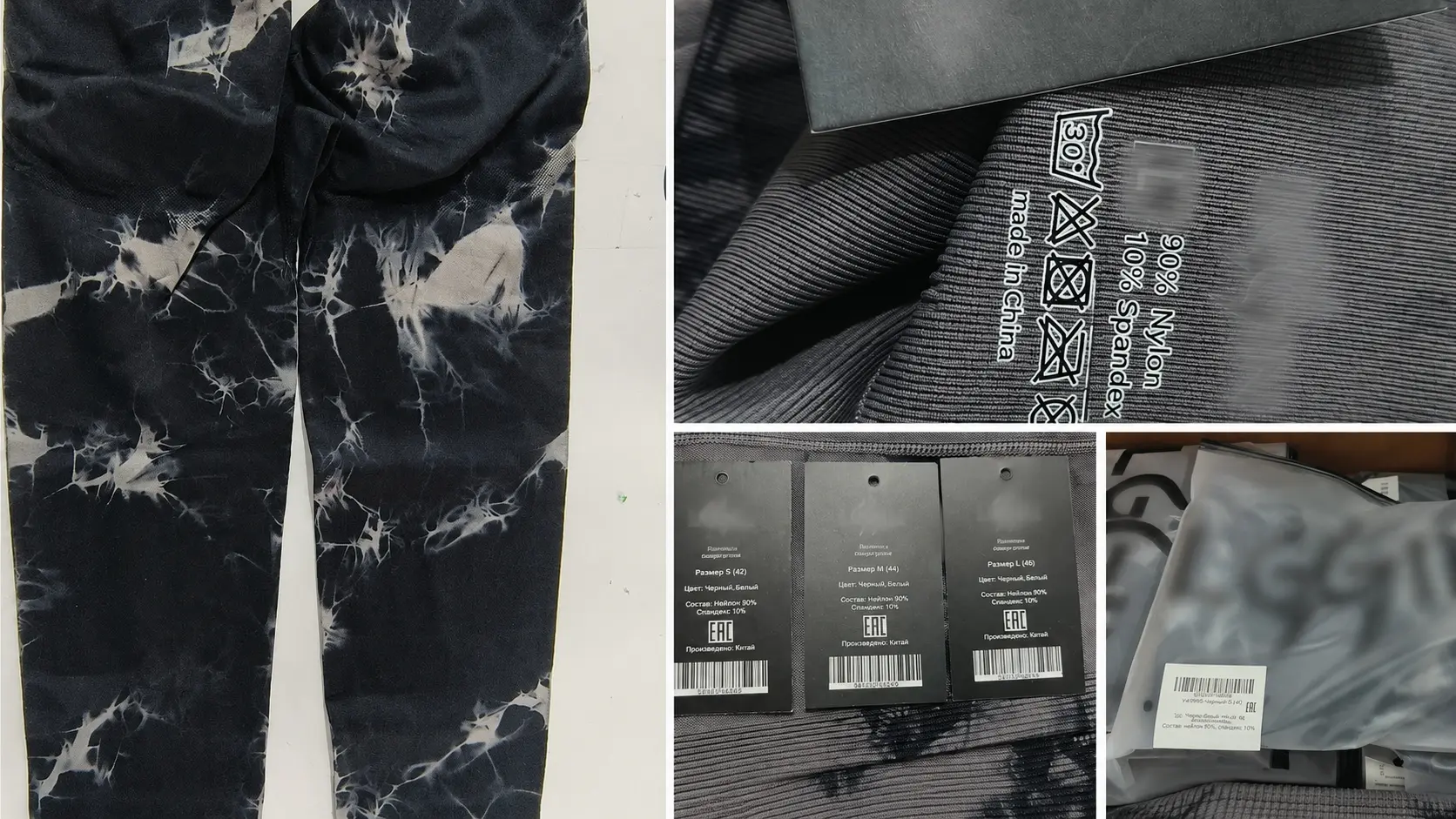
Individual package QR identification varied by color and size, creating a separate packing-control risk after the garment itself had already been technically approved.

Color & Size Identity Control

Each color included four sizes, so product identity, size, color, and package information had to remain matched through packing.

Packing Verification

The case record states that quality and packing required approximately twice the time of ordinary orders because QR and product matching were double-checked. The lesson is that product validation and commercial identification remain separate control tasks.
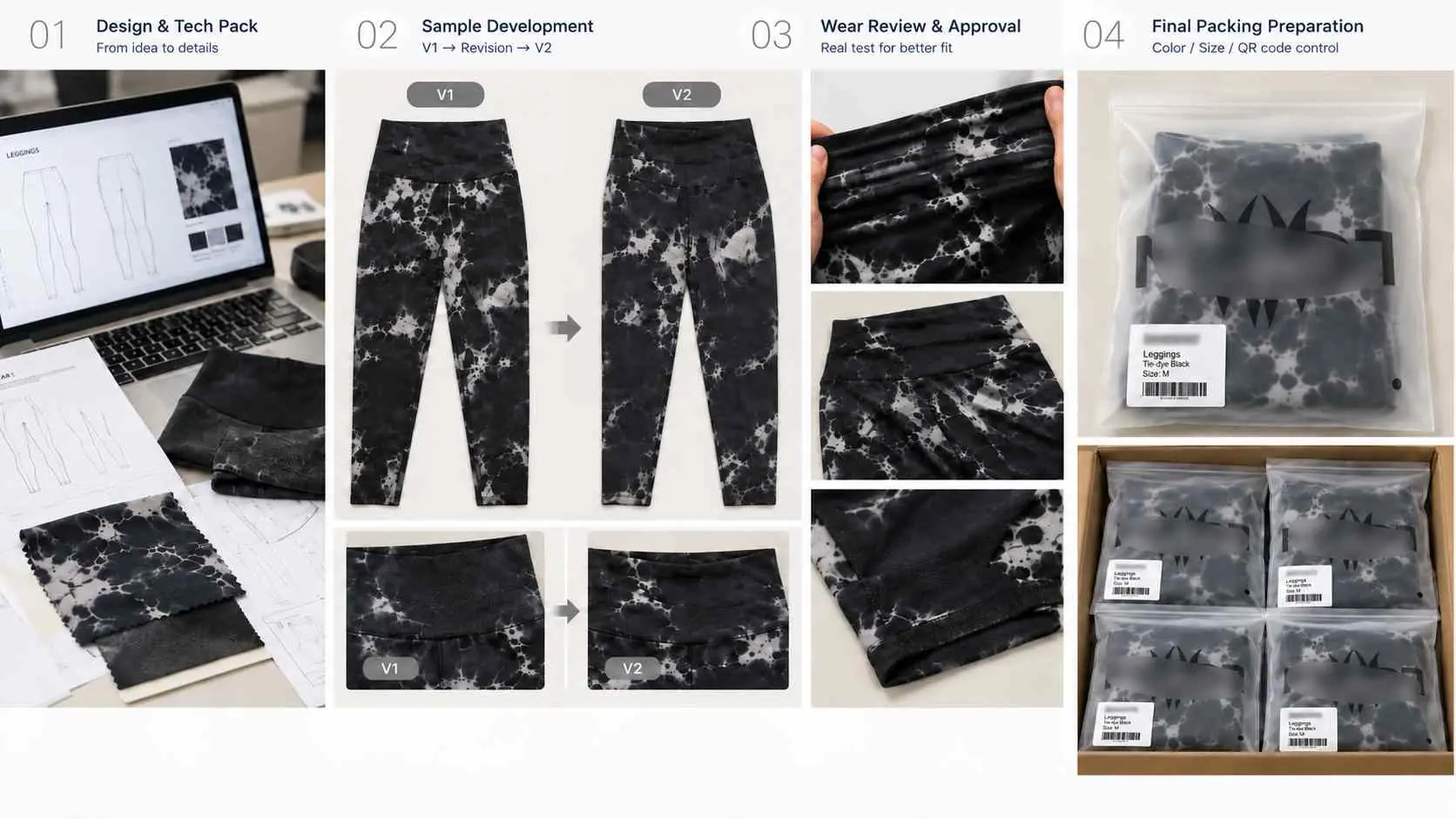
Anonymized sample revision bulk production and QR packing evidence from U.S. fitness customer project
Replace this image with real anonymized project evidence before publication. Do not invent approved-sample or bulk measurement results.
REPEAT-ORDER BASELINE CASE

What Rapid Reorders Required From an Approved Product Baseline

This anonymized Spanish customer moved from sample review into a customized 1,200-piece order, reordered before receiving the first bulk shipment, and later increased purchasing frequency and volume. The case does not establish why market demand increased; it does show why a repeatable product, branding, packing, and production baseline matters when reorder speed rises.

Baseline Definition

Initial Product Review

The customer first purchased available samples and evaluated fabric, workmanship, style, and product details before sending customization requirements. This established the product direction that later commercial orders needed to preserve.

Commercial Configuration

Brand & Packing Baseline

The project added a customized logo, revised care label, hangtag, and packaging. MOVEVOX recommended a silicone-logo process and matte zipper-bag packaging, creating a commercial configuration that needed to remain identifiable on later orders.

1,200 pcs

First Production Baseline

After customized sample details were confirmed, the first commercial order was 1,200 pieces. The recorded project states that this first batch was completed within approximately 15 days, creating the initial repeat-production reference.

Repeat 1,200

Reuse the Approved Baseline

Before receiving the first bulk shipment, the customer placed an additional 1,200-piece order using the same production and packaging requirements. A fast reorder increases the importance of reusing current approved information rather than rebuilding the product from memory.

Repeat Cycle

Repeat-Order Discipline

After the products reached market, the customer continued ordering and the relationship developed into approximately two orders per month. Each cycle needed the current product, branding, packing, quantity, and timing requirements to remain clear.

3× Volume

Capacity Under Higher Demand

One recorded order increased to approximately three times the customer's normal volume. MOVEVOX temporarily increased production-line allocation and completed the order, showing that scale-up must preserve the same approved product baseline while capacity changes.

Buffer Stock

Continuity Planning

After the larger-volume event, MOVEVOX began holding inventory for selected customer styles, with the case recording approximately 1,500 pieces per color for chosen items. This was a project-specific continuity measure, not a universal stocking policy.
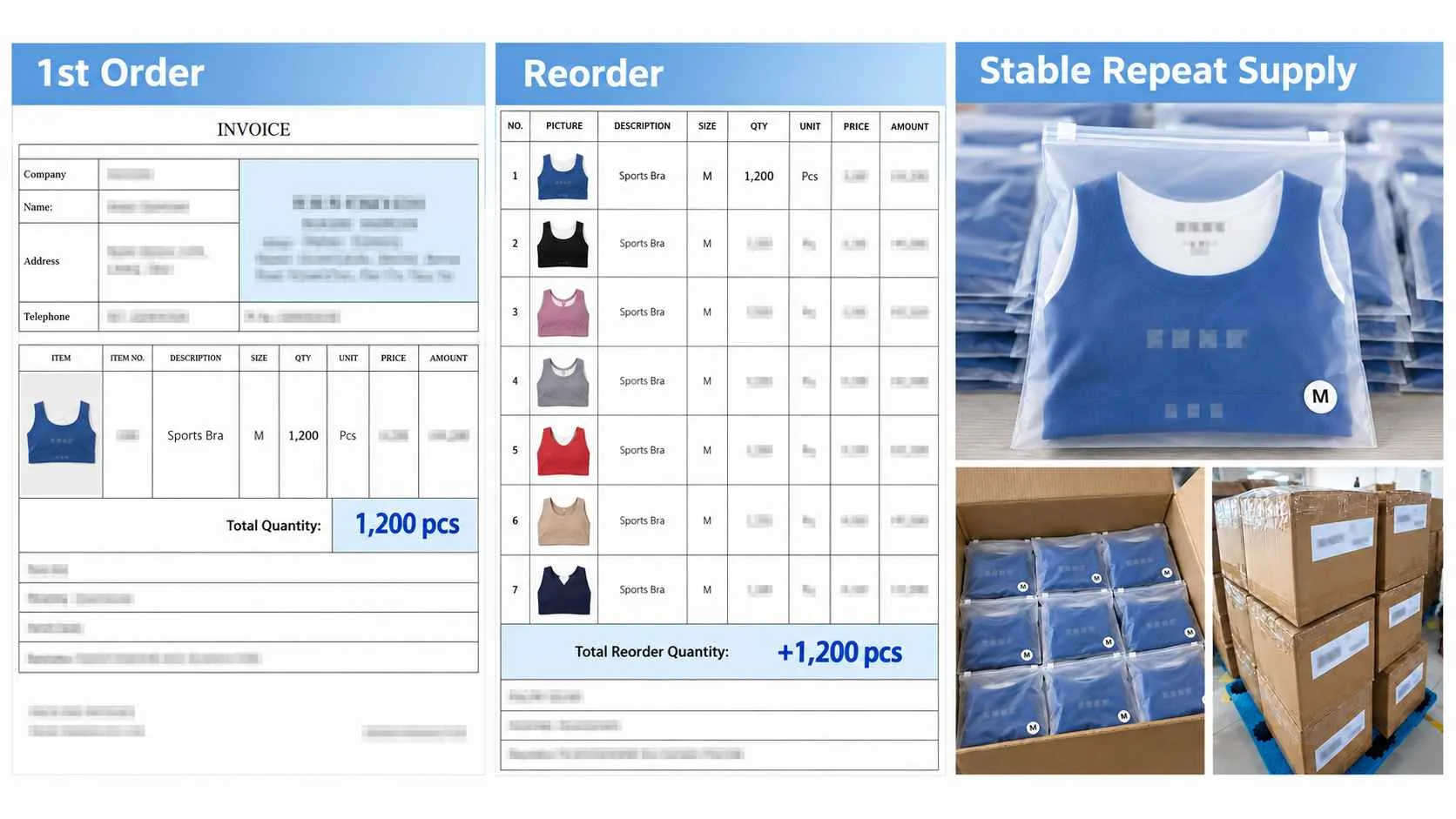
Anonymized purchase order repeat order production and shipment evidence from European customer program
Replace this placeholder with real anonymized PO, production and shipment evidence before publication.
POST-DELIVERY TECHNICAL FEEDBACK

Use Field Feedback to Improve the Next Gymwear Production Run

A gymwear supplier relationship should not stop at shipment. Fit complaints, waistband body motion, seam issues, material behavior, branding problems, or packing errors can become useful technical evidence when they are traced back to the product version and production batch.

Issue Intake by Product Version

The customer reports the issue through the primary order-management window with available product, batch, size, color, quantity, images, or supporting detail.

Owner: Order Manager · QC Point: Issue Logged

Immediate Containment

Where the same product or material is still in production, inventory, or pending shipment, relevant goods can be held while the possible scope is checked.

Owner: Quality · QC Point: Product Hold

Batch & Technical Trace

PO, production facility, material lot, product version, approved measurements, inspection, and shipment records are reviewed where available.

Owner: Quality · QC Point: Trace Review

Root Cause

Repeated problems are investigated for fit, material, technical, construction, production, handling, packaging, or process causes rather than treated only as isolated complaints.

Owner: Quality Lead · QC Point: Cause Review

Corrective Action

Corrective action can involve technical adjustment, rework, additional inspection, supplier action, or modification to the control requirements for the next run.

Owner: Assigned Team · QC Point: CAPA Action

Commercial Resolution

The commercial response is discussed according to actual facts, affected scope, contract terms, customer impact, and available remedy.

Owner: Account Lead · QC Point: Resolution Review

Verification

Corrective work or process changes are checked to confirm that the intended technical or production action was implemented.

Owner: Quality · QC Point: Closure Check

Next-Order Prevention

Important findings can become explicit risk flags or additional inspection points for the next gymwear production run.

Owner: Project Team · QC Point: Prevention Gate
GYMWEAR TECHNICAL REVIEW

Have a Gym Product Ready for Engineering Review?

Send the product category, intended training use, Tech Pack or reference, known fit or movement concerns, material direction, quantity, and target timing. MOVEVOX can review the technical route and identify the practical next step for sampling, validation, or production.

Factory visits, live video review and customer-defined project confidentiality can be supported when required.

GYMWEAR SUPPLIER COMPARISON

Compare Suppliers on Training-Product Control, Not Only Factory Size

Different supplier structures can work for different projects. For gymwear, the comparison should include whether a supplier can translate training use into technical requirements, choose the appropriate manufacturing route, preserve the approved fit through scale-up, and provide evidence around quality and production responsibility.

Dimension MOVEVOX Trading Company Small Single-Process Factory Large Traditional Factory
Technical proximity to product Own manufacturing base plus controlled network Depends on sourced factory and partner depth Usually direct to one focused factory Direct, often highly structured
Gymwear engineering Development team can translate use, fit and construction requirements Depends on sourcing partner and technical staff Often owner or technician led Usually formal and process driven
Seamless + Cut & Sew Both routes managed within one system May source both externally Often specializes in one process Depends on group capability
Low-volume development Approx. 100 Seamless / 150 Cut & Sew base references Depends on sourced factory Can be flexible on selected products Often optimized for larger programs
Scale-up after validation Owned base plus eight controlled satellites Depends on external supplier access May face capacity limits Strong for large standardized volume
Fit-critical QC Five QC plus approved product and project standards Depends on inspection arrangement Often simpler internal control Usually mature formal systems
Production transparency Owned, satellite and specialist roles can be disclosed Transparency varies substantially Production site usually clear Typically formal approved-site structure
Best buyer fit Brands needing gym-specific development plus repeat supply Buyers prioritizing sourcing convenience Small focused single-process gym products Very large stable standardized programs
No supplier type is universally better. Large manufacturing groups can outperform MOVEVOX on extreme-scale standardized programs, while very small factories may be more practical for highly localized micro-orders.
GYMWEAR TECHNICAL CHECKLIST

Gym Clothing Manufacturer Checklist for Training-Focused Brands

Use the same technical questions for every supplier. The strongest gymwear partner should be able to explain not only where the garment is made, but how intended training use is translated into fit, construction, material, validation, and production controls.

Training Product Definition

  1. Can the supplier explain which movement or training requirements drive the product specification?
  2. Can it distinguish gym leggings, bras, shorts and tops by their different stability, mobility, support and construction risks?
  3. Can the supplier identify where a product claim requires physical or test evidence?
GYM CLOTHING ENGINEERING FAQ

Gym Clothing Manufacturer Questions for Training-Focused Product Teams

These answers focus on technical questions that distinguish gym-product development from broader fitness-apparel sourcing. Final MOQ, timing, material, testing, and production decisions still depend on the actual product and buyer requirements.

Manufacturing

What makes gym clothing development different from a general apparel brief?

Gym clothing should be defined around the intended training environment and product-specific risks such as dynamic fit, waistband or hem stability, support, body extension, pocket security, seam loading, and material recovery. Those priorities then guide construction and validation.

What gym clothing categories can MOVEVOX engineer and manufacture?

MOVEVOX can manufacture leggings, biker and training shorts, sports bras, tanks, T-shirts, long-sleeve tops, sets, and Seamless activewear. Each category is reviewed according to intended use, construction, material, fit, and buyer requirements.

When should a gym product use Seamless versus Cut & Sew?

MOVEVOX supports both routes. Seamless can support engineered knit structures and integrated zones, while Cut & Sew is suitable for shaped panels, pockets, gussets, zippers, multiple materials, and controlled seam architecture. The product requirement should guide the route.

Where can my gym clothing order be manufactured?

Projects can be produced in the Yiwu core base or, where appropriate, through long-term controlled satellite resources. Buyer production-site, disclosure, or approved-factory requirements should be confirmed before allocation.

Development and Sampling

Can MOVEVOX work from our Tech Pack and intended training use?

Yes. MOVEVOX can review complete or incomplete Tech Packs together with construction, materials, measurements, route, branding, packaging, and the dynamic-fit or functional priorities that matter for the specific gym product.

Can you develop a gym product without a complete Tech Pack?

Yes, provided the buyer can define enough product direction for controlled development. A physical sample, image, sketch, or clear concept can be used to identify open technical points before sampling.

What should a gymwear development sample validate beyond appearance?

The sample can be reviewed for construction, measurements, fit, garment stability, body extension, support, seam or knit-zone behavior, material response, and any product-specific risk identified in the brief. The exact review depends on the product.

Do we need fit, revision, size-set, and PP samples?

Not every product needs every sample type. Depending on product complexity and buyer requirements, development may use a prototype, fit or revision sample, size set, and PP sample before bulk release.

MOQ and Production

How does product complexity affect MOQ for custom gym clothing?

The current base reference is approximately 100 pieces per Seamless style and 150 pieces per Cut & Sew style under normal commercial conditions. Effective MOQ can rise when custom yarn or fabric, colors, pockets, liners, zippers, trims, logos, labels, or packaging create separate minimums.

What MOQ applies to custom colors?

Custom dyeing commonly requires evaluation around approximately 400–600 garment-equivalent pieces depending on product structure, yarn or fabric conditions, and supplier requirements.

How does gym product mix affect scale-up capacity?

A validated order can scale subject to project-specific capacity review. Seamless programs, multi-panel Cut & Sew styles, complex bras, lined shorts, and simpler tops can consume different production and QC resources, so product mix matters alongside total quantity.

What is the normal bulk production lead-time reference?

MOVEVOX's current reference for regular bulk production is approximately 20–35 days under normal conditions after the applicable approvals and material conditions are in place.

Quality and Supplier Qualification

What gym-specific points can be included in bulk quality control?

MOVEVOX currently has five QC personnel. Depending on the approved product standard, checks can include materials, first article, measurements, waistband or hem stability, critical seam positions, pocket placement, branding, packing, and other buyer-defined construction points.

Can our sourcing team audit the factory and production controls?

Yes. MOVEVOX supports scheduled factory audits, technical audits, pre-production visits, inline inspections, pre-shipment inspections, and live video verification.

Can MOVEVOX cooperate with product-specific testing or inspection?

Yes. MOVEVOX can cooperate with buyer-appointed third-party inspection and testing requirements when the buyer defines the required standard, claim, test method, and applicable product or material scope.

How do you manage production-site transparency when orders scale?

MOVEVOX combines its Yiwu core base, eight long-term satellite factories, and selected specialist resources. Approved technical standards, buyer site requirements, material information, and QC expectations remain connected to the managed order.

GYM CLOTHING TECHNICAL RFQ

Send Your Gym Product for Engineering Review

Share the intended training use, current product reference, known fit or movement priorities, technical files, quantity, and target timing. MOVEVOX can review the manufacturing route, development risks, validation needs, and practical next step for your gym clothing project.

Training Use and Product Information

Provide enough product and training-use information for an initial technical review.

  • Company Name
  • Work Email
  • Contact Name
  • Country / Market
  • WhatsApp — optional
  • Gym Product Category
  • Intended Training Use
  • Key Fit / Movement Priority
  • Number of SKUs
  • Seamless / Cut & Sew / Unsure
  • Existing Sample — Yes / No
  • Estimated Quantity
  • Quantity per SKU
  • Target Order Date
  • Target Delivery Date

Technical Files and Customization

Include the technical references, product concerns, and customization requirements currently available.

  • Upload Tech Pack
  • Upload Reference Images
  • Upload Product Specification
  • Fit / Wear-Test Comments
  • Custom Fabric / Yarn
  • Custom Color
  • Logo Requirement
  • Labels / Hangtags
  • Custom Packaging
  • Audit / Compliance Requirements
Project Summary

Before submission, review the product category, intended training use, known fit or movement issues, quantity, timing, and uploaded technical information so obvious gaps can be identified before the RFQ enters review.

Your project files are used for requirement review and quotation. Confidentiality or NDA requirements can be discussed before sensitive development information is exchanged.

START YOUR PROJECT

Ready to Develop Your Private Label Activewear Line?

Tell us what you want to develop, your estimated quantity and customization needs. We will review the details and suggest the next practical step for sampling, quotation or production.

Helpful details to include:

Request MOQ & Sample Details