Cut and Sew Sportswear Manufacturer for Performance Brand Programs
MOVEVOX helps sportswear and activewear brands translate buyer-owned Tech Packs, product specifications and approved requirements into controlled fabrics, patterns, cut-and-sew construction, branding, samples and bulk production. Our manufacturing system combines product development, Cut & Sew and Seamless capabilities, quality control and managed production resources for repeat B2B programs.
What Buyers Face
- Approved samples can drift when bulk teams use different specifications.
- Fabric, fit, branding and construction changes can create hidden production risk.
- Multi-SKU programs become difficult when suppliers lack centralized project control.
How We Solve
- Approved specifications, samples and production information stay connected through release controls.
- Material, construction and branding decisions are reviewed before commercial manufacturing.
- Development, PMC, production and QC work through one MOVEVOX project system.
What Sportswear Does MOVEVOX Actually Manufacture?
MOVEVOX’s verified sportswear scope is centered on Activewear, Yoga, Pilates, Gym, Fitness and Athleisure apparel. The company supports both Cut & Sew and Seamless manufacturing, with particular experience in leggings, shorts, sports bras, tanks, T-shirts, long-sleeve tops, sets and related performance-oriented garments.
Performance Activewear Focus
MOVEVOX’s strongest verified product base is stretch and performance-oriented apparel for fitness, studio, gym and athleisure use rather than every possible sports uniform or technical outdoor category.
Two Manufacturing Routes
Cut & Sew supports pattern-based panels, pockets, linings, bras, zippers and mixed constructions, while the 28-machine Santoni system supports appropriate engineered Seamless products.
Custom Brand Execution
Projects can incorporate buyer-approved fabrics, colors, fit, patterns, logos, woven labels, care labels, size labels, hangtags and custom packaging according to actual project requirements.
Clear Capability Boundaries
Current facts do not justify presenting MOVEVOX as a specialist football-uniform, basketball-uniform or full-sublimation teamwear manufacturer. Any such project must be evaluated individually before capability is claimed.
Sportswear Programs MOVEVOX Is Built to Support
MOVEVOX’s verified range is strongest where stretch materials, body fit, functional construction, brand customization and repeat production matter together across Activewear, Gym, Fitness, Yoga, Pilates and Athleisure collections.
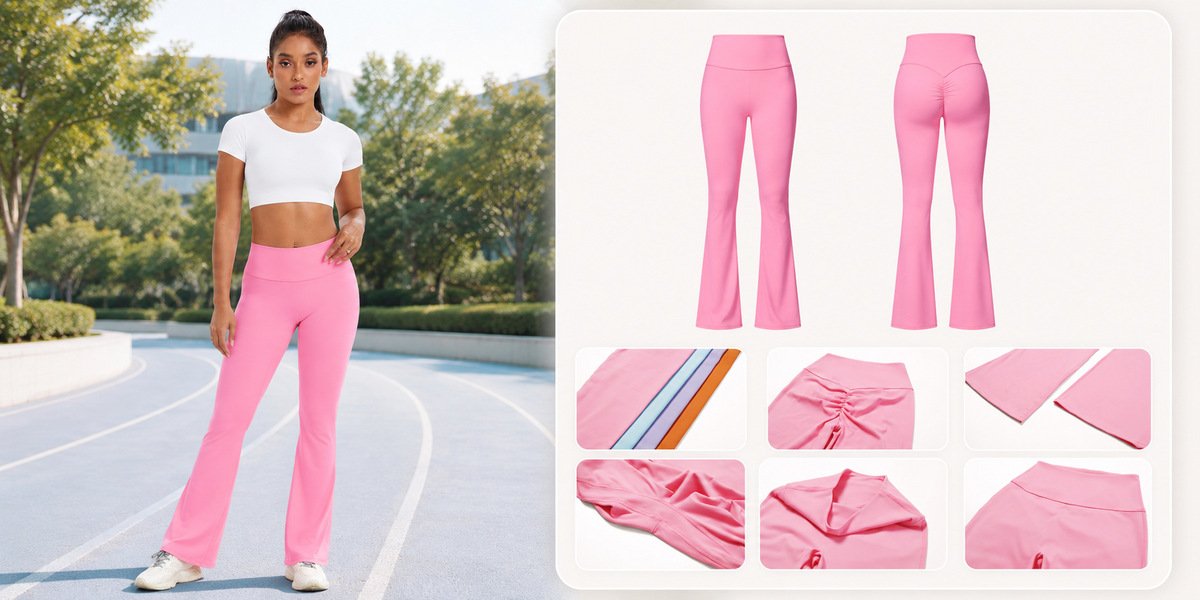
Yoga and Pilates
Yoga and Pilates programs often require soft stretch materials, controlled opacity, waistband stability, coordinated bras and bottoms, and a consistent fit language across several SKUs. MOVEVOX can combine Cut & Sew products with Seamless styles where the product architecture supports it, while keeping each SKU’s approved material, measurements, construction, color and branding independently controlled.
- Soft stretch fabrics with project-specific opacity validation
- Stable waist and fit across selected sizes
- Coordinated branding across tops and bottoms
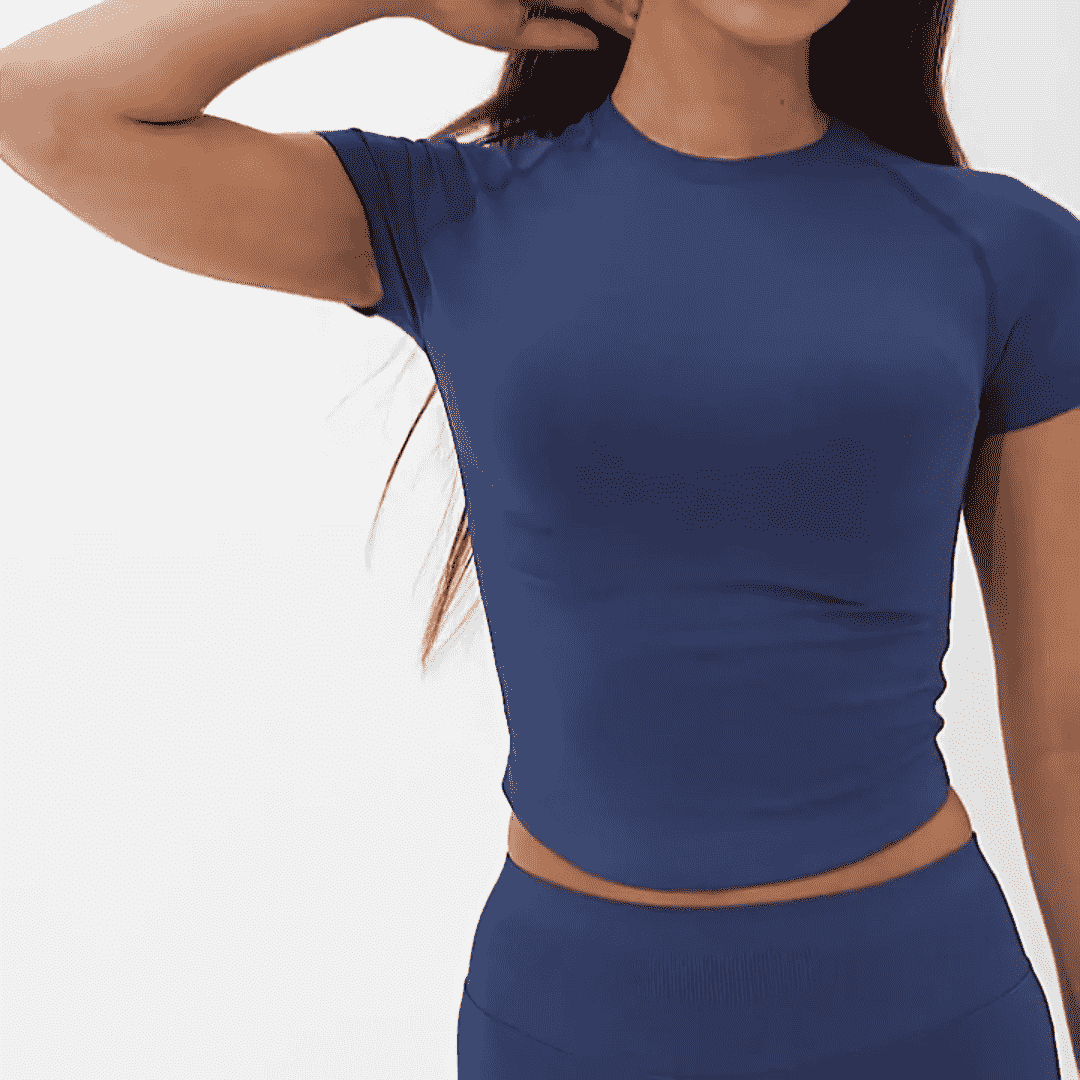
Gym and Training
Gym and training apparel can require firmer fabrics, pockets, gussets, fitted tops, sports bras, shorts and products intended for repeated movement. Cut & Sew allows multiple pattern pieces and construction details to be developed around the intended use. MOVEVOX evaluates material, fit and workmanship together rather than treating “training wear” as a generic visual style.
- Stretch and recovery matched with garment fit
- Reinforced construction at relevant stress areas
- Practical pockets, bands and support structures
Fitness Collections
Fitness brands frequently need a broader assortment rather than one hero SKU. MOVEVOX can coordinate leggings, shorts, bras, tanks, long sleeves, bodysuits and sets using shared materials, colors, labels or packaging where commercially practical. Individual products still retain separate technical versions, sample approvals and QC points.
- Multi-SKU technical and commercial coordination
- Repeatable color and branding execution
- Controlled sample-to-bulk handover by product
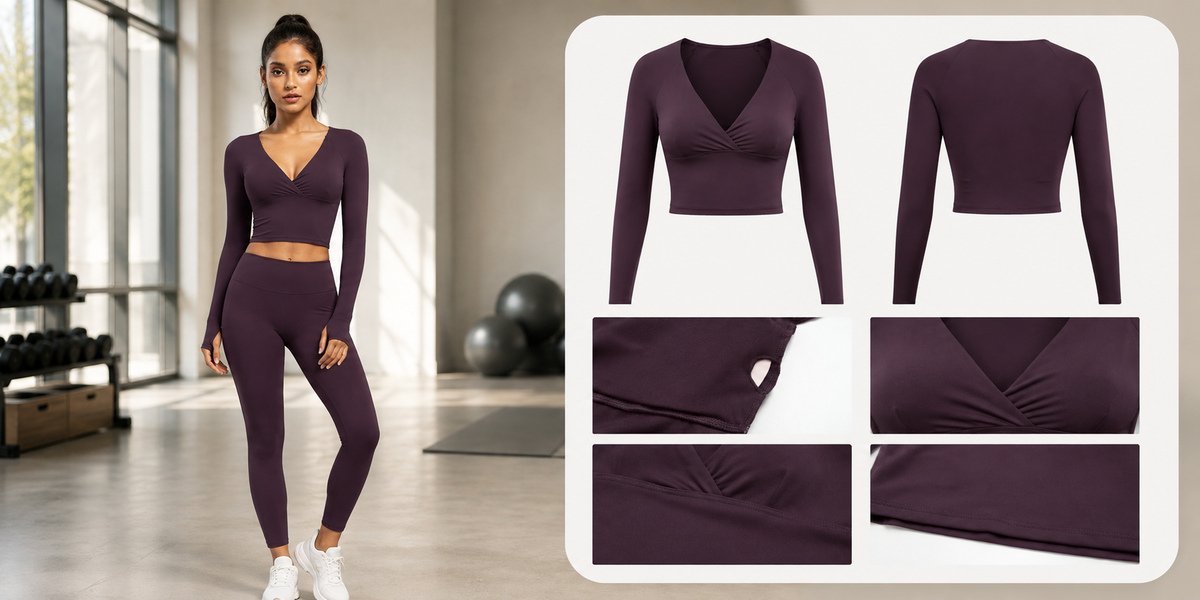
Athleisure Programs
Athleisure collections may combine fitted performance garments with relaxed tops, jackets or lifestyle-oriented layers. Cut & Sew is particularly useful where products require zippers, pockets, structured panels or mixed materials. MOVEVOX can support the manufacturing side while the buyer controls the collection’s consumer positioning, fashion direction and final product approvals.
- Consistent brand identity across different constructions
- Fabric choices appropriate to intended product use
- Labels and packaging coordinated across the collection
Mixed-Route Collections
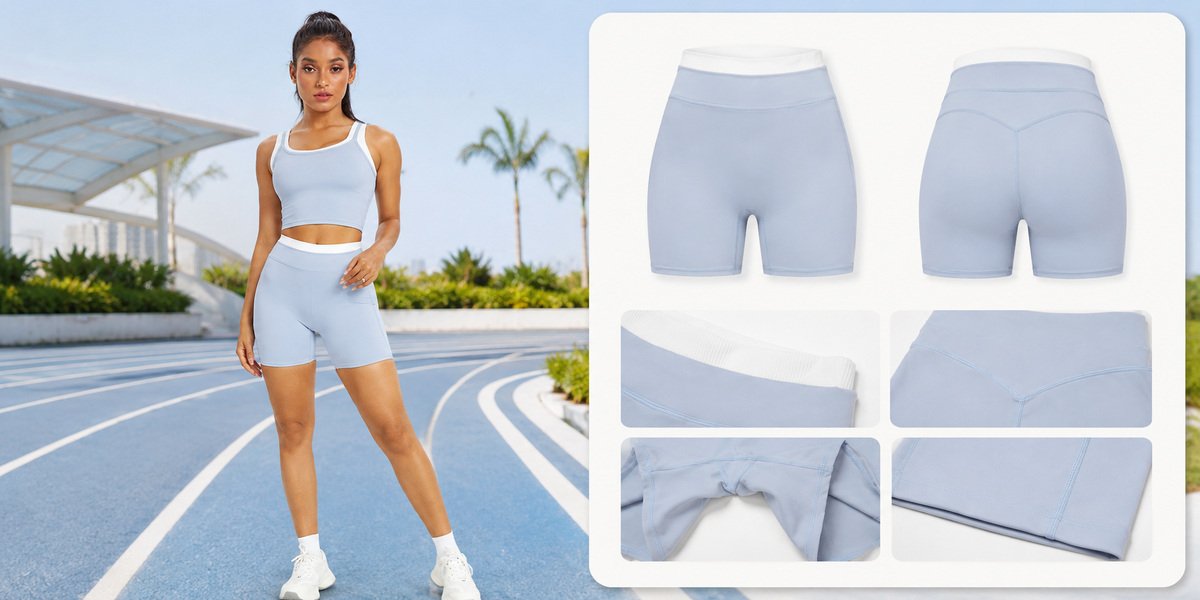
A mature sportswear collection does not need every garment to use the same manufacturing technology. A brand may use Seamless for selected engineered leggings or tops and Cut & Sew for pocketed bottoms, structured bras, jackets or multi-material styles. MOVEVOX can coordinate both routes within one supply-chain system.
- Product-by-product manufacturing-route selection
- Shared commercial and branding standards
- Centralized project, material and QC coordination
Choose Cut & Sew or Seamless by Product Architecture
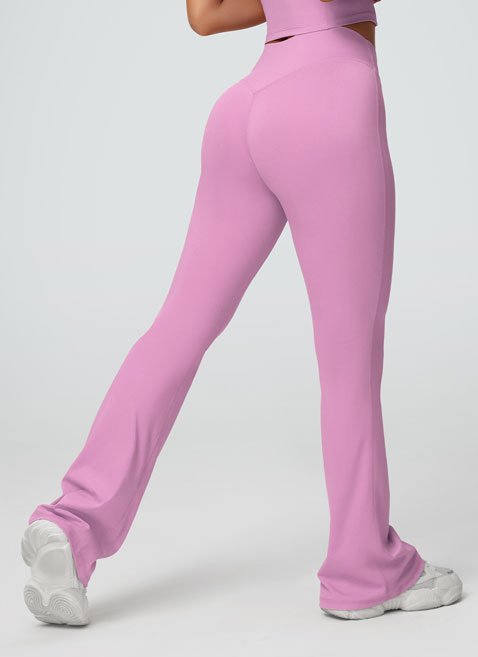
MOVEVOX operates both manufacturing routes. The better option depends on fit, panels, pockets, engineered zones, materials, construction, development economics and the product experience the buyer intends to approve.
| Decision Area | Cut & Sew | Seamless |
|---|---|---|
| Product Basis | Flat fabric is cut from controlled patterns and assembled into the garment. | Yarn is knitted into engineered tubular structures on Santoni machines. |
| Pattern Control | Conventional pattern pieces, POMs and grade rules strongly influence fit. | Machine program, yarn, knitting structure and size parameters strongly influence fit. |
| Panels & Pockets | Well suited to separate panels, conventional pockets, linings and complex assembly. | Integrated zones are possible, but conventional component structures may require additional operations. |
| Material Mixing | Supports multiple fabrics, mesh, lining, elastics and separate components. | Primarily driven by yarn and programmed knitted structures. |
| Texture & Zones | Created through panels, fabric choice, seams and added components. | Rib, mesh, texture and compression zones can be engineered during knitting. |
| Product Examples | Pocket leggings, structured bras, jackets, shorts and multi-panel tops. | Engineered leggings, bras, shorts and tops where seamless architecture fits the design. |
| MOQ Reference | Normal baseline approximately 150 pcs/style under workable conditions. | Normal baseline approximately 100 pcs/style under workable conditions. |
| Best Decision Basis | Choose when pattern-based structure provides greater design or functional control. | Choose when engineered knitted structure supports the intended product more effectively. |
Qualify MOVEVOX Through the Full Supplier Journey
Sportswear sourcing should verify technical capability, sample execution, real manufacturing, quality controls and commercial repeatability before a supplier becomes part of a long-term production program.
Technical Fit
The first qualification stage confirms whether the product falls inside MOVEVOX’s real manufacturing scope and whether the available input is sufficient for technical review. The buyer can begin with a full Tech Pack, incomplete specifications, a lawful reference sample or other clear development information. MOVEVOX identifies manufacturing route, major technical questions and conditions that require buyer approval before sampling.
- Current product specifications or development files
- Target product category and intended use
- Initial quantity and commercial requirements
- Product and manufacturing-route review
- Initial technical questions and risk points
- Recommended next development stage
Sampling
Sampling converts the current specification into a physical product that can be measured, worn, reviewed and revised. Different sample stages may focus on structure, fit, size or production readiness. Buyer comments should be consolidated into controlled revisions, while material and construction decisions remain linked with the current sample version.
- Consolidated sample feedback
- Fit and appearance decisions
- Required approval procedure
- Physical sample against current specifications
- Measurement and workmanship review
- Controlled revision for the next stage
Factory Review
Once technical relevance is established, sourcing teams can verify whether MOVEVOX has real manufacturing resources. The Yiwu core operation combines product development, approximately 24 principal sewing/garment machines and 28 Santoni seamless machines, supported by controlled satellite production resources where appropriate.
- Vendor questionnaire or audit scope
- Approved-factory requirements
- Project production-route expectations
- Factory and manufacturing information
- On-site or live video review support
- Explanation of core and satellite responsibilities
Trial Order
The first commercial order tests whether approved product standards can survive real production. Material, current technical files, first article, inline QC, branding, packaging and delivery requirements must work together. Production deviations that affect an approved requirement should be reviewed rather than silently absorbed into the bulk order.
- Final PO and quantities
- Approved product standards
- Inspection and packing requirements
- Production-readiness review
- Manufacturing and WIP coordination
- Quality and shipment-release controls
Repeat Program
A repeat order should reuse approved knowledge while still reviewing material availability, changed specifications, current capacity and commercial timing. The objective is to reduce unnecessary redevelopment without treating a previous PO as permanent permission to ignore new material lots, buyer revisions or updated packaging requirements.
- Repeat PO or forecast
- Confirmed changes from previous order
- Current delivery and compliance requirements
- Version and material review
- Capacity and production scheduling
- Repeat-order QC and change control
What MOVEVOX Reviews in Your Tech Pack
A mature Tech Pack reduces interpretation risk, but its drawings, measurements, materials, construction, branding and packaging still need to form one executable manufacturing standard before sampling or bulk release.
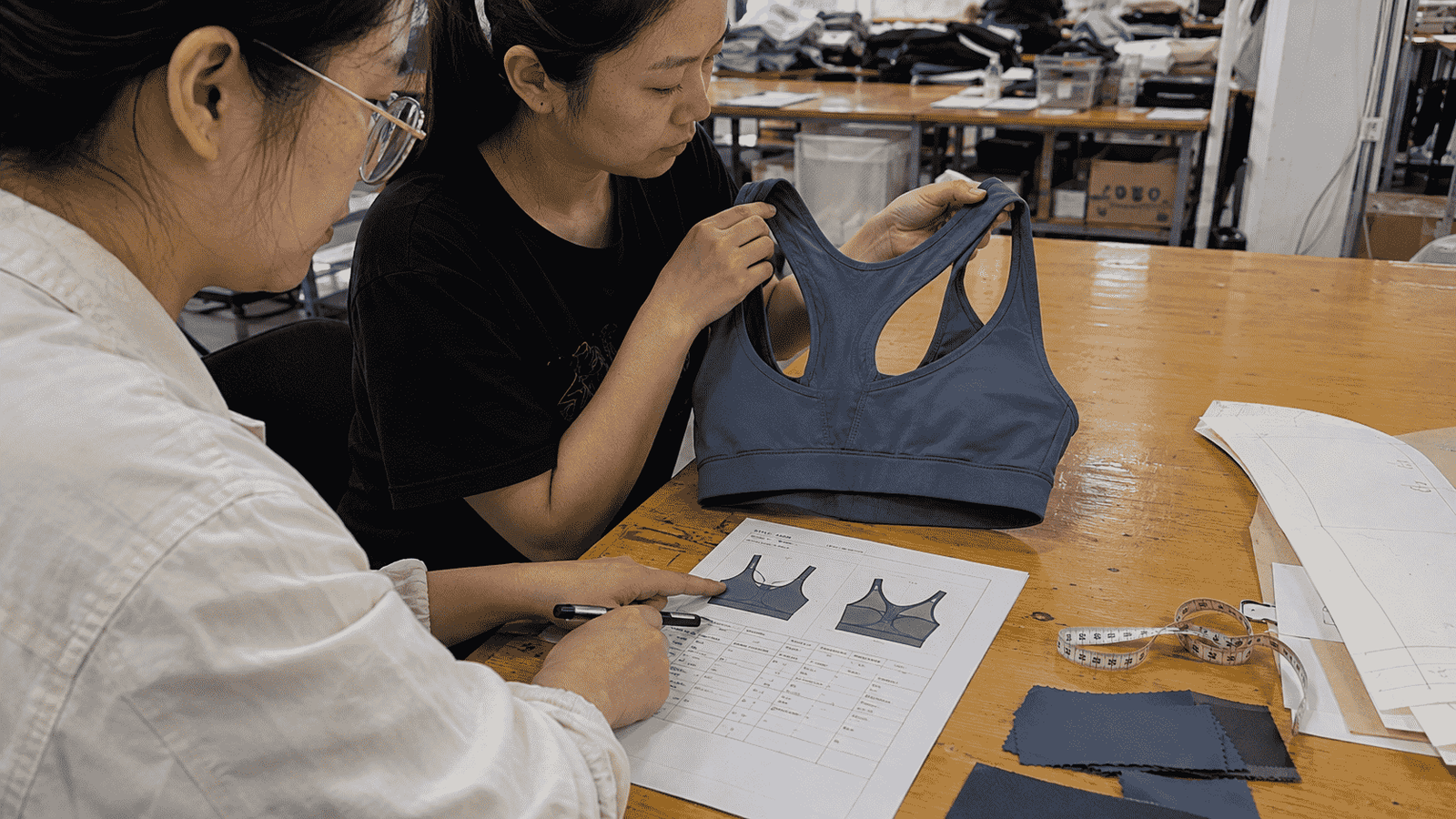
Flat Sketch
Front, back and relevant detail drawings should identify the product silhouette, panels, seams, pockets and other construction features clearly enough for technical review and pattern development.
Measurement Chart
The file should define key POMs, target values, measurement methods, sizes and buyer tolerances where available. Unclear points should be resolved before they become pattern assumptions.
Fabric Specification
Composition, GSM, color, stretch, surface, hand feel or nominated supplier requirements should be provided when defined. Physical swatches or approved reference materials improve accuracy.
Construction Details
Specify seams, panels, gussets, linings, pads, elastics, pockets, zippers, bindings or other structural requirements that materially affect manufacturing and product performance.
Grade Rules
For multi-size programs, buyer-owned grade rules should be provided where available. If no grading system exists, project-level grading requires confirmation before commercial production.
Logo Artwork
Final artwork, color, size, position and preferred application method help prevent branding discrepancies and allow the selected process to be reviewed against actual garment material.
Labels and Trims
Main labels, care labels, size labels, hangtags, elastics, pads, zippers and other components should be defined before they become production and purchasing standards.
Packaging
Provide barcode, sticker, polybag, folding, carton and other retail packaging requirements when available so product identity remains connected with commercial packing.
Testing Requirements
Buyer QC manuals, RSL requirements, nominated laboratory protocols or specific performance tests should be shared early enough to affect development and material decisions.
Technical Review Before Sportswear Sampling Begins
MOVEVOX reviews fit, fabric, construction, branding, manufacturing route and commercial constraints before sampling so unresolved decisions are visible while changes remain easier to manage than after bulk production begins.
Fit Review
Identify measurement conflicts before pattern release.Measurement charts, target size, intended fit and available reference products are reviewed for contradictions or missing definitions that could create an unintended physical sample.
Evidence basis: Buyer POM chart, reference sample and current technical file.Fabric Review
Connect material behavior with the intended garment.Composition, GSM, stretch, recovery, opacity, surface, color and sourcing conditions are considered together rather than selecting performance material solely by fiber percentage.
Evidence basis: Physical swatches, supplier specifications and approved material direction.Construction Review
Turn visual design into executable sewing structures.Panels, seams, waistbands, gussets, pockets, linings, bras, elastics and trims are reviewed for manufacturing feasibility, workmanship risk and the appropriate production route.
Evidence basis: Tech Pack, pattern information, sample and construction references.Branding Review
Match branding process with garment material and location.Logo size, position and application method are reviewed because high-stretch, brushed or heat-sensitive materials can behave differently during printing, heat transfer, silicone application or embroidery.
Evidence basis: Final artwork, actual fabric and approved branding sample.Commercial Review
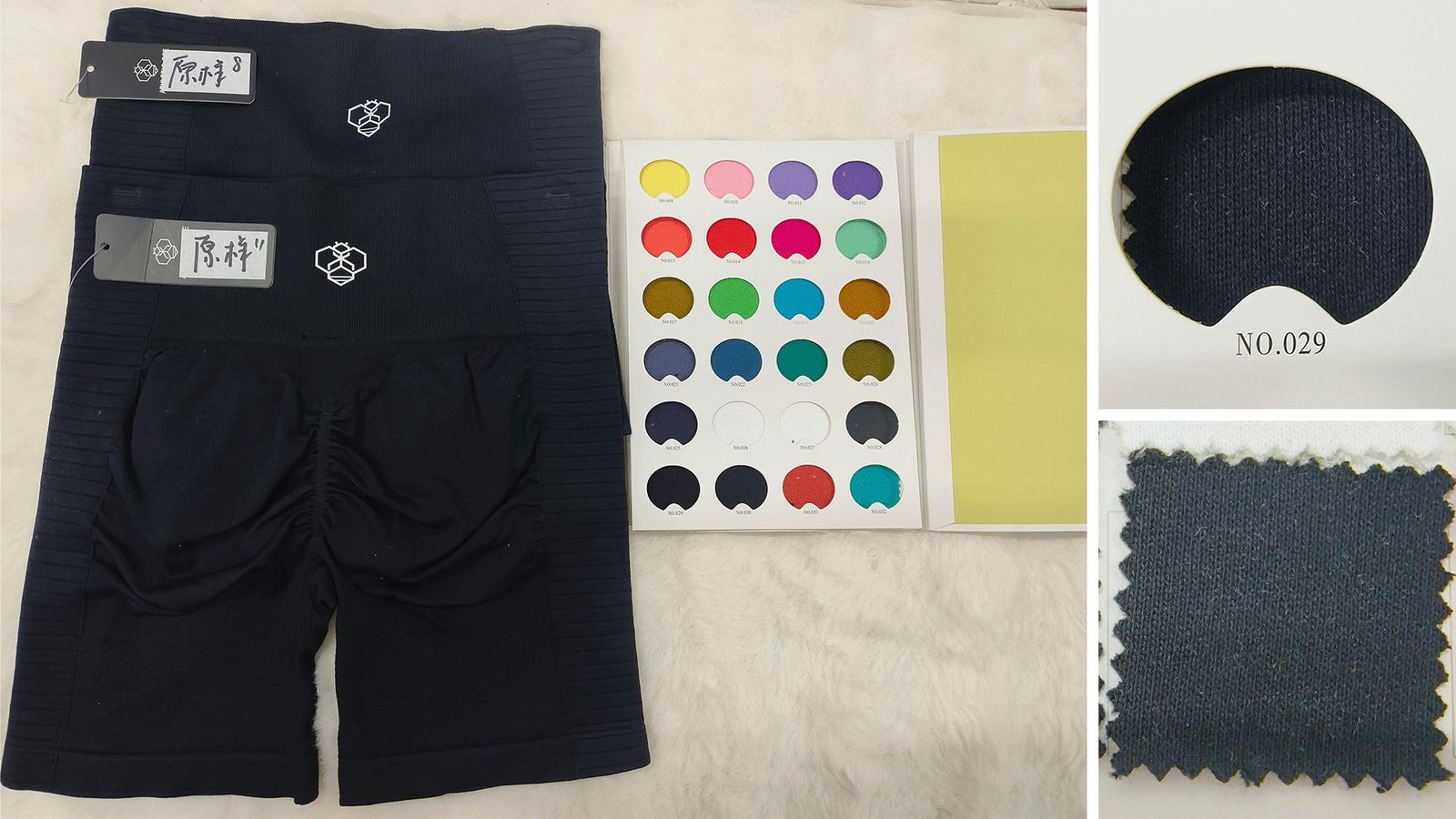
Keep technical choices compatible with planned order economics.Custom colors, fabrics, trims, tooling and complex processes can influence effective MOQ, cost and timing. These conditions should be visible before a sample is treated as commercially finalized.
Evidence basis: Target quantity, material MOQ and required launch timing.Risk Review
Separate approved decisions from unresolved production risk.Open issues are recorded according to whether they require buyer approval, material confirmation, additional sampling or a manufacturable alternative before commercial production can proceed.
Evidence basis: Technical Review Sheet and controlled open-point record.
Select Sportswear Fabric by Product Requirement
MOVEVOX starts material selection from intended product use, fit, hand feel and commercial conditions, then evaluates stretch, recovery, opacity, GSM, surface and sourcing feasibility before a fabric becomes the approved project standard.
Yoga Pilates Gym Training Athleisure
Soft Fit Medium Support Firmer Fit Relaxed
Smooth Matte Naked Feel Brushed Textured
Dark Color Light Color High Stretch Layered
Standard Custom Color Recycled Buyer-Nominated
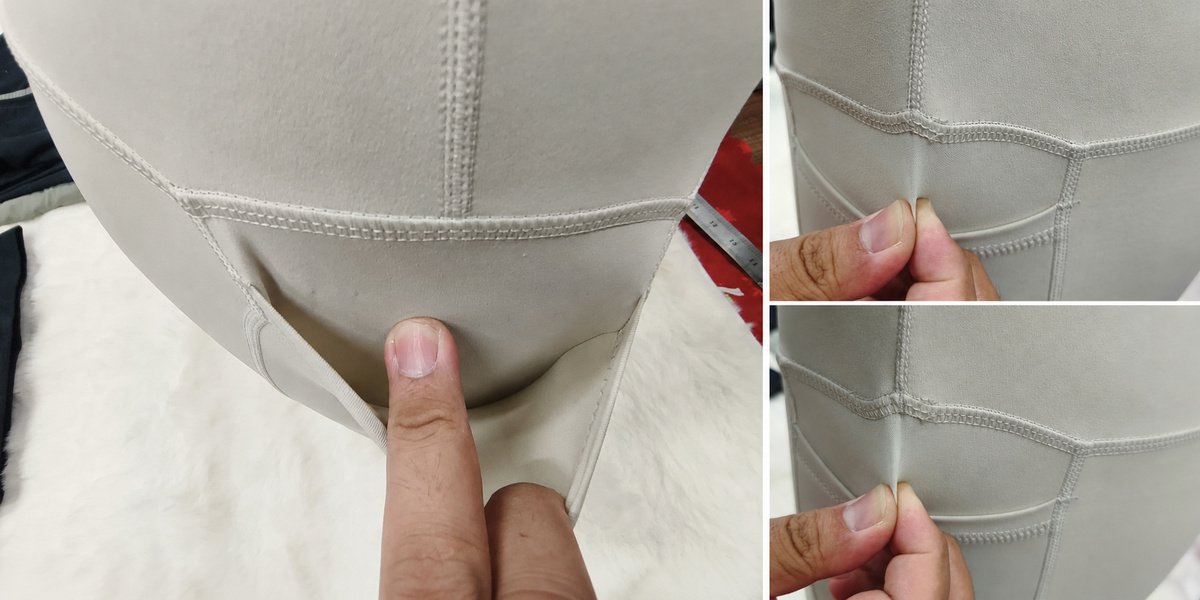
Nylon Spandex
Nylon/Polyamide with Spandex is a core MOVEVOX activewear material direction for fitted bottoms, sports bras, shorts and tops. Selection should balance hand feel, stretch, recovery, opacity and intended support. Similar fiber percentages can still behave differently because of yarn, GSM, knitting, dyeing and finishing, so the actual approved material remains the production reference.
Soft Hand High Stretch Fitted Sportswear
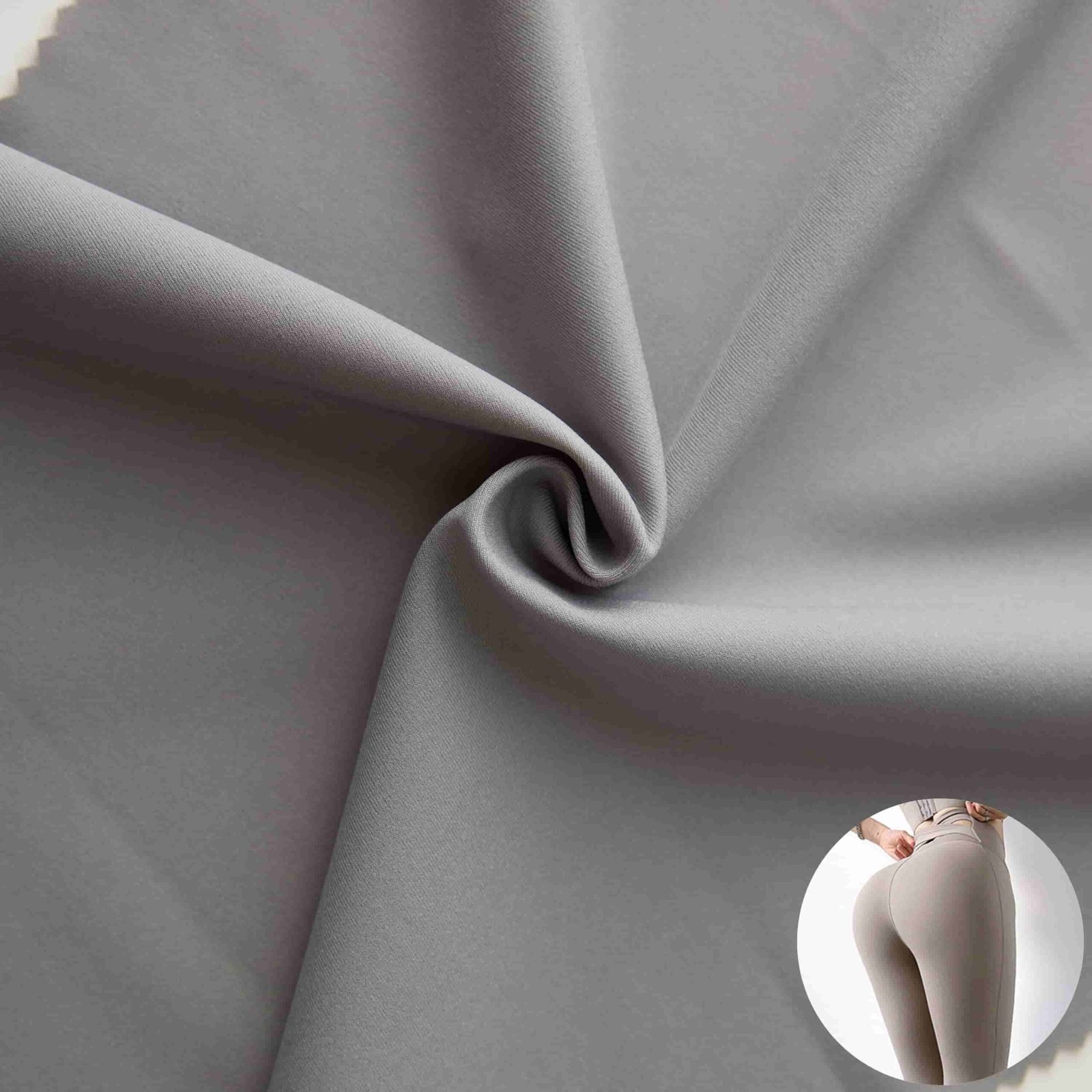
Polyester Spandex
Polyester with Spandex can support training tops, shorts and selected fitted products where weight, surface, print requirements or commercial conditions differ from typical nylon-based yoga fabrics. The final route should still be evaluated for hand feel, opacity, recovery and fit because composition alone does not establish finished-garment performance.
Training Use Flexible Weight Project Validated

Naked-Feel Direction
Soft naked-feel projects can use fine Nylon + Spandex systems when a buyer prioritizes smooth or low-friction hand feel. MOVEVOX treats “naked feel” as a product direction rather than a measurable certification. Physical swatches and samples should validate opacity, support, surface behavior and recovery before the material is locked.
Soft Matte Yoga-Pilates

Brushed Direction
Brushed or peach-finish materials can support softer seasonal activewear and athleisure products. The surface treatment influences friction, appearance and possible pilling behavior, so physical evaluation and buyer-specified testing are important. The approved swatch and bulk material specification should remain linked when repeat orders are placed.
Soft Surface Seasonal Physical Validation
Control Fabric Consistency Across Sportswear Production
MOVEVOX evaluates fabric by project-specific material characteristics and batch information rather than assuming two fabrics with similar composition will create the same fit, feel or production result.
| Parameter | Nylon + Spandex | Polyester + Spandex | Naked Feel | Brushed / Peach | Firmer Support |
|---|---|---|---|---|---|
| Composition | Nylon + Spandex | Polyester + Spandex | Fine Nylon + Spandex | Nylon/Poly + Spandex | Nylon/Poly + Spandex |
| Typical GSM | 190–280 | 160–250 | 200–240 | 190–270 | 230–320 |
| Stretch | High four-way | Medium-high to high | High four-way | Medium-high to high | High |
| Recovery | Project validated | Project validated | Project validated | Project validated | Higher-recovery direction |
| Opacity | Color/GSM dependent | Color/GSM dependent | Light colors need review | Project validation | Density helps; still validate |
| Surface | Smooth / soft | Finish dependent | Fine / soft / matte | Brushed / peach | Firmer |
| Hand Feel | Supplier/sample specific | Supplier/sample specific | Soft direction | Soft textured | Supportive direction |
| Fit Effect | Recovery changes tension | Stretch changes garment behavior | Softness can reduce support | Finish can alter feel | Higher tension affects sizing |
| Main Use | Yoga / fitted activewear | Training / tops / shorts | Yoga / Pilates | Seasonal activewear | Fitted training |
| Main Risk | Lot/color variation | Hand-feel variation | Opacity / pilling balance | Surface pilling | Comfort / size pressure |


Match Sewing Construction With Sportswear Function
MOVEVOX’s Cut & Sew system supports the main sewing methods used in stretch sportswear. The correct operation depends on material, seam location, intended stretch, product construction and buyer-approved appearance.
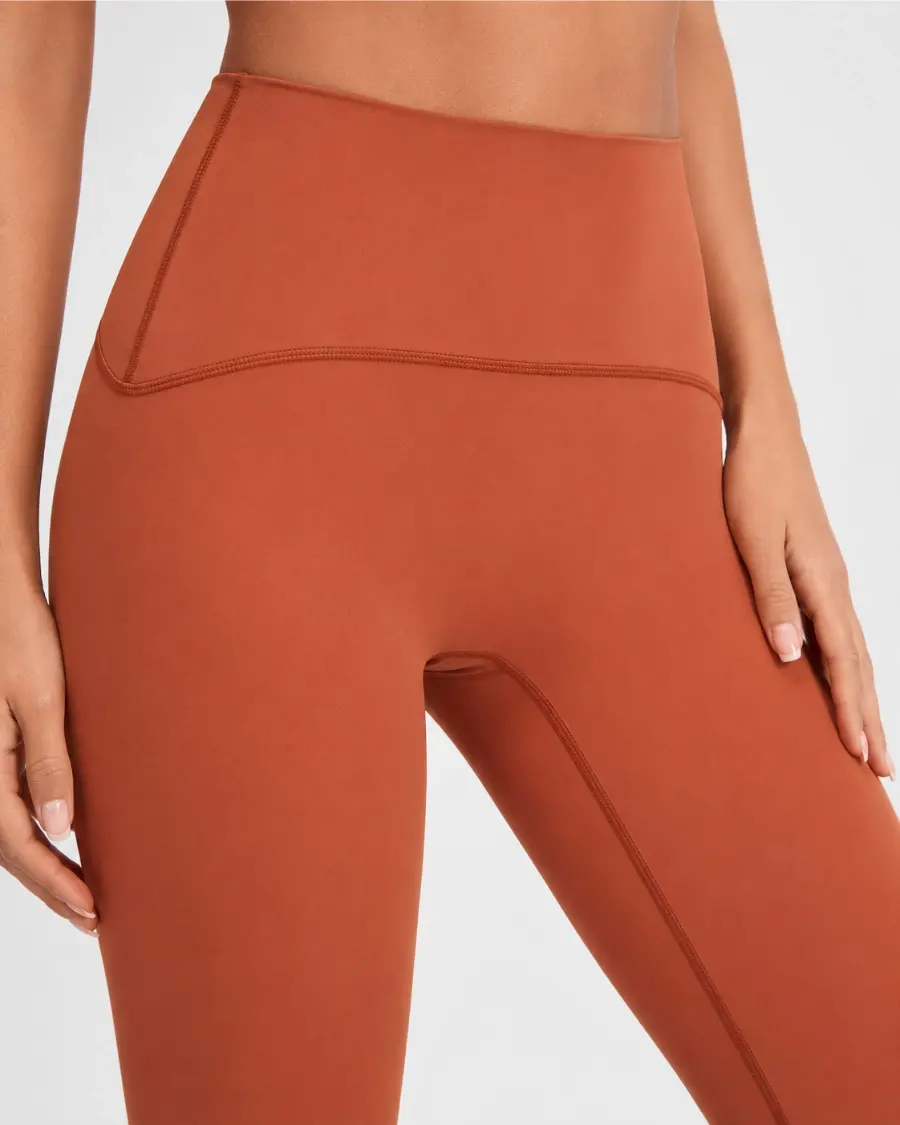
Single Needle
Selected straight seams and detail construction require stable seam allowance and material handling.
Control focus: Straightness, seam allowance and local stretch compatibility.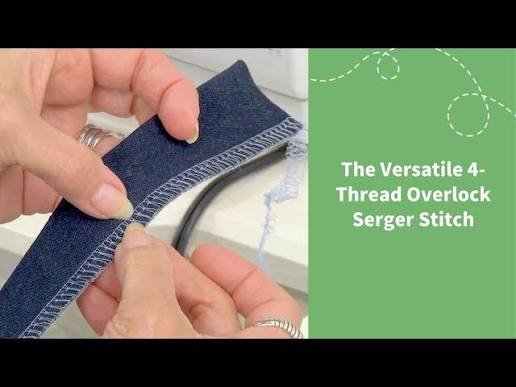
Overlock
Overlock joins and finishes stretch-knit edges while controlling raw-edge handling.
Control focus: Stable tension, complete stitches and recovery after stretching.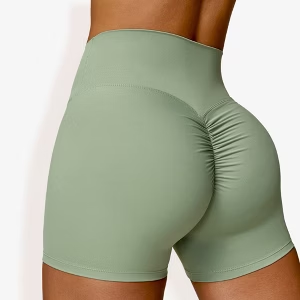
Coverstitch
Coverstitch supports hems and selected stretch finishes where appearance and elasticity work together.
Control focus: Clean appearance and uninterrupted stitching through normal garment stretch.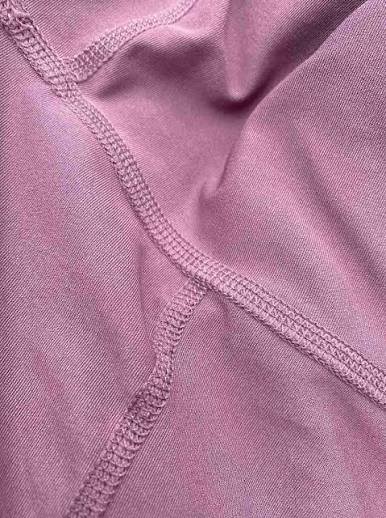
Flatlock
Flatlock can reduce raised seam allowance and suit close-fitting performance garments.
Control focus: Flat profile, balanced tension and stability under repeated stretch.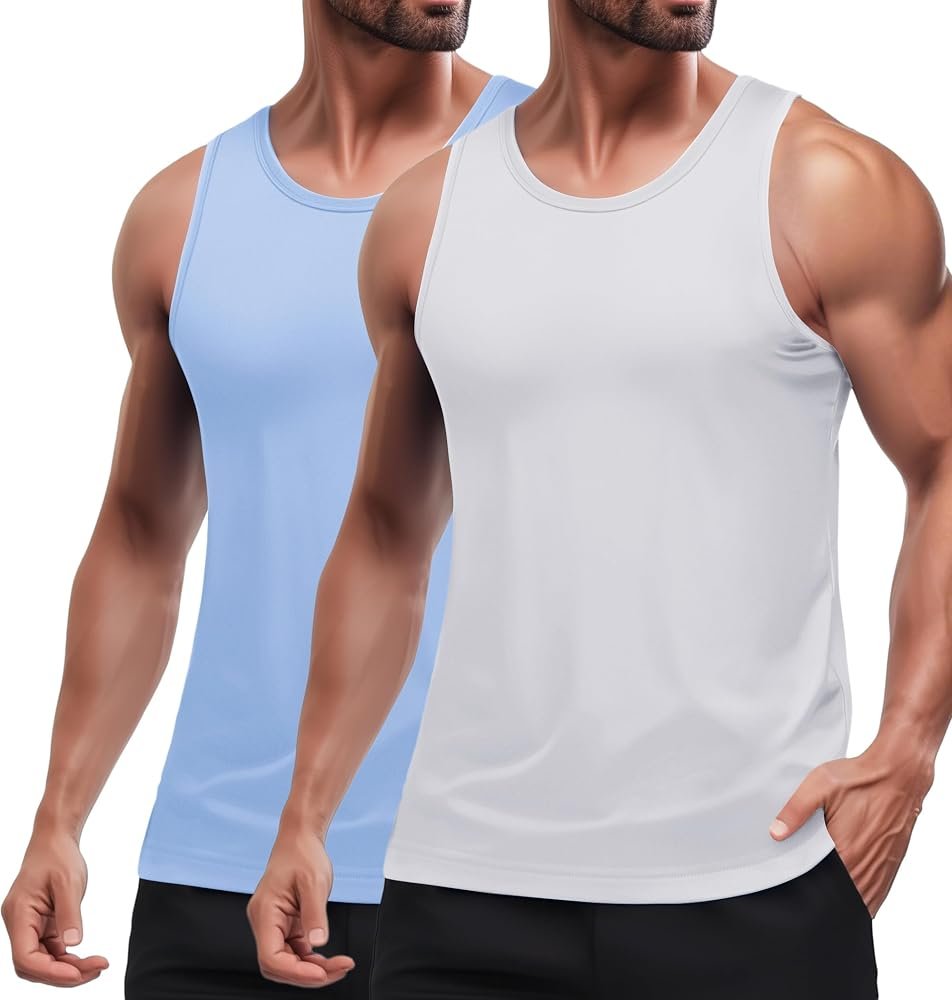
Binding
Binding finishes necklines, armholes and other stretch edges with controlled application tension.
Control focus: Consistent width, tension, symmetry and recovery after movement.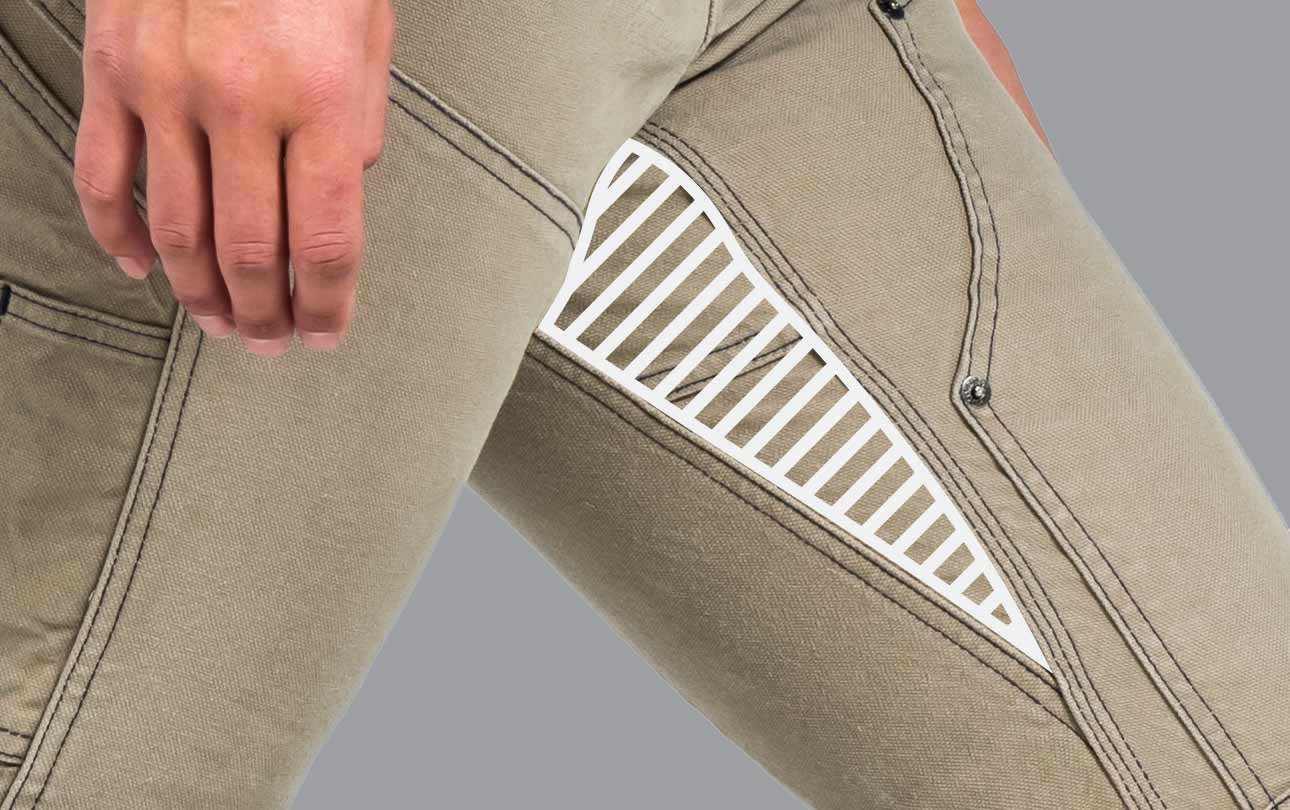
Waistband Assembly
Waistband layers, elastic and body panels must remain aligned to create the intended fit.
Control focus: Symmetry, tension, seam alignment and approved waist measurements.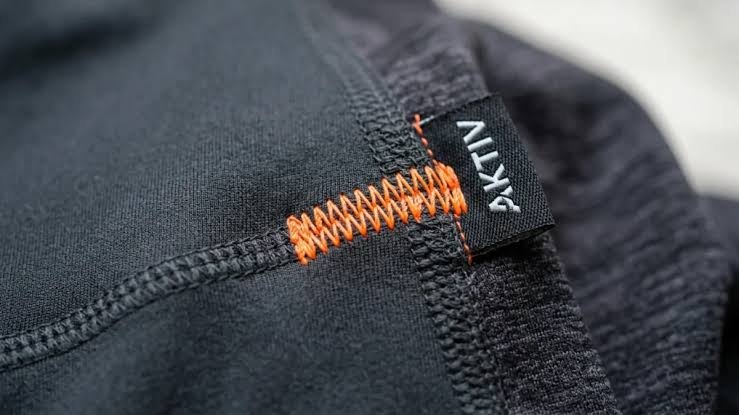
Pocket Assembly
Pocket openings and bags must remain functional without distorting the surrounding stretch garment.
Control focus: Position, symmetry, opening stability and seam strength in use.
Bra Construction
Shell fabric, lining, elastics, straps, pad pockets and bindings interact with fit and support.
Control focus: Symmetry, band tension, pad position and stable strap construction.Choose Branding Methods That Suit the Garment
MOVEVOX supports several verified logo and brand-identification methods. Process selection should consider fabric stretch, surface, placement, artwork, MOQ and physical sample approval rather than selecting by appearance alone.
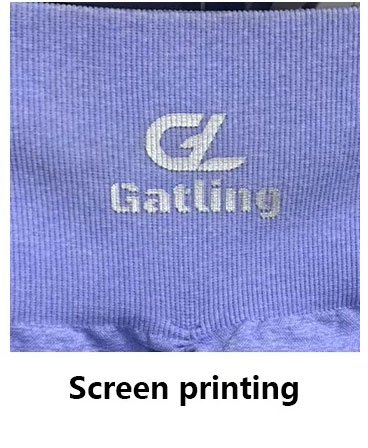
Screen Print
Screen printing can support suitable sportswear logos and graphics when the fabric, artwork and stretch area are compatible with the selected ink and process. A physical sample helps verify color, registration, surface appearance and behavior before the final process becomes part of the production standard.
Graphic Sample Approval Fabric Match
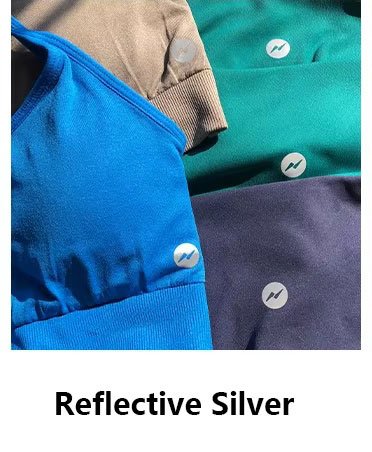
Heat Transfer
Heat transfer can create clean logos and graphic details on many activewear materials when temperature, pressure, film and fabric are compatible. MOVEVOX reviews placement and actual material because excessive heat or unsuitable transfer products can affect stretch, hand feel or garment appearance.
Logo Heat Control Stretch Area
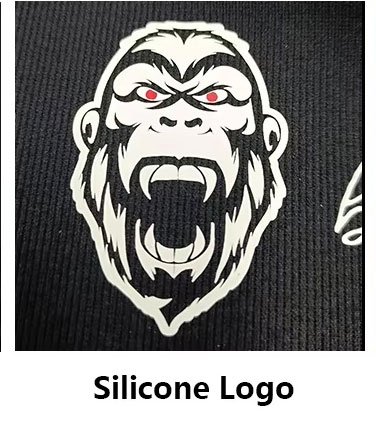
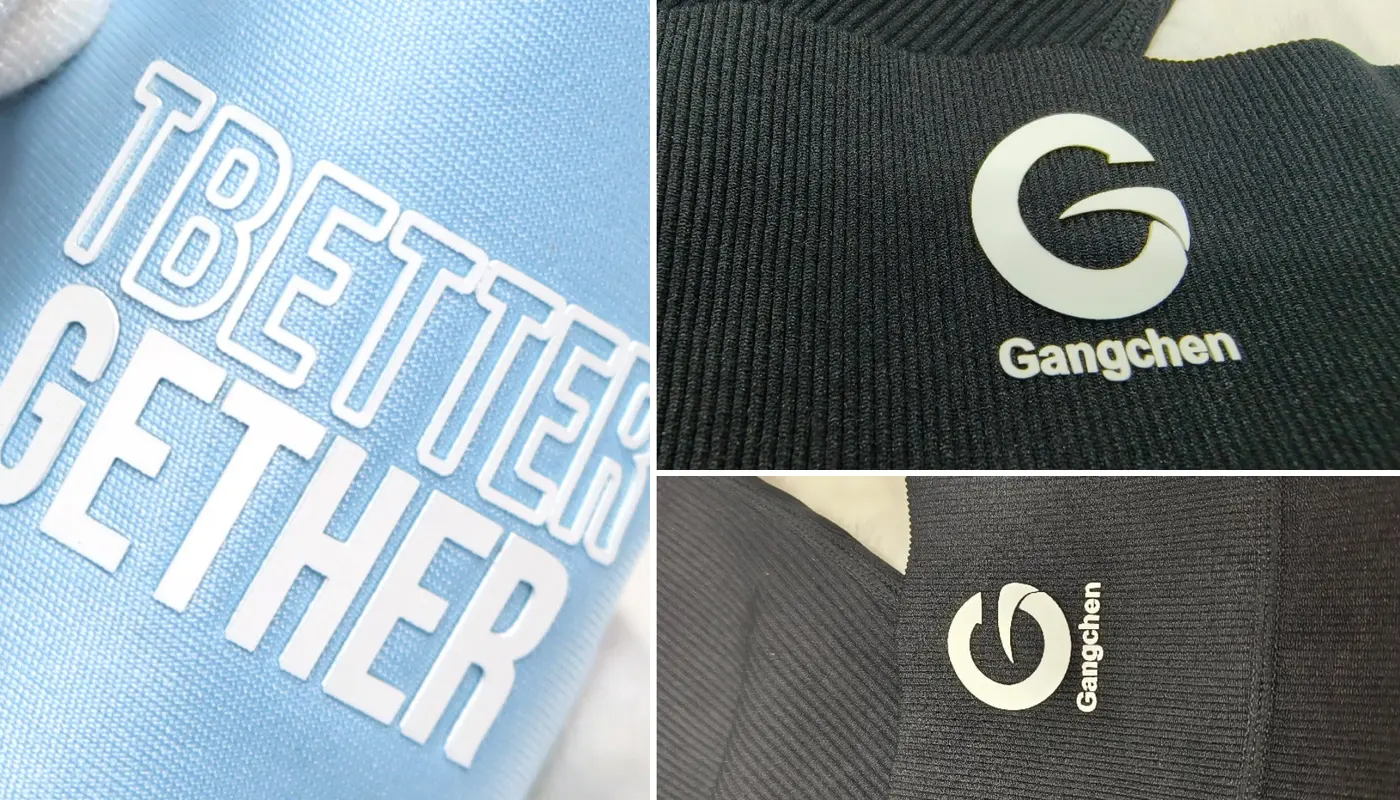
Silicone Print
Silicone logo applications can provide dimensional or tactile branding on appropriate sportswear materials. The design, thickness, garment stretch and surface need to be evaluated together, particularly where the logo sits on a fitted area that repeatedly elongates during use.
Tactile Adhesion Stretch Test
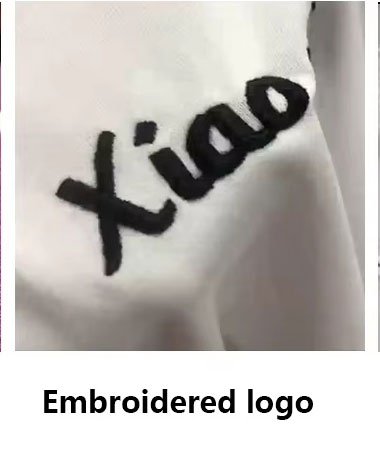
Embroidery
Embroidery can support selected brand marks where the fabric and garment structure can tolerate concentrated stitch density. It is better suited to appropriate stable areas than extremely light or highly stretched zones where a dense embroidery could distort the surrounding material.
Stitch Density Stable Area Brand Mark
Jacquard Branding
Jacquard can integrate brand identity into suitable woven or knitted trims and selected product structures. It can create a durable brand element without relying only on surface printing, but project feasibility depends on material, supplier MOQ, tooling and the intended component.
Trim MOQ Tooling
Woven Labels
Woven labels provide a durable physical brand identifier for appropriate internal or external garment locations. Size, fold type, artwork, placement and attachment method should be approved and linked to the correct SKU before bulk production and packaging begins.
Main Label Artwork Placement
Identify Bulk Risks Before Sportswear Production Begins
A design can be possible as one sample but unstable at commercial scale. MOVEVOX reviews material, construction, branding, measurement and supply-chain risks before treating a product as production-ready.
Unstable Material Combination
Two stretch fabrics can have different recovery, shrinkage or thickness. When joined in one fitted product, that mismatch can pull seams, distort panels or change fit behavior.
Verify: Sample the actual material combination and review stretch, seam stability and post-conditioning dimensions.Unsupported Tight Tolerance
A buyer tolerance may conflict with highly elastic material behavior or the actual construction process, creating repeated inspection failure even when workmanship is otherwise controlled.
Verify: Compare tolerance with material behavior, measurement method and the approved physical sample before bulk release.High-Risk Logo Location
A logo across a high-stretch, brushed or heat-sensitive area may crack, distort, peel or change visually during wear even when initial application looks acceptable.
Verify: Apply the proposed branding process to the actual fabric and evaluate the intended stretch condition.Excessive Process Complexity
Many special operations, trims, mixed materials and difficult seam intersections can increase operator variation, handling time and quality risk.
Verify: Review operation sequence, first-article controls and whether a simpler structure preserves the buyer’s intent.Uncontrolled Material Change
Switching fabric, elastic, trim or another component after sample approval can change fit, appearance, hand feel or function.
Verify: Require buyer approval for material changes that affect an approved product requirement.Supplier MOQ Conflict
A garment quantity may meet MOVEVOX’s normal Cut & Sew baseline while a custom dye, jacquard component, special trim or packaging item requires more upstream quantity.
Verify: Check material and component minimums before the complete commercial program is approved.Use Sampling to Close Different Product Risks
MOVEVOX treats samples as controlled approval stages. Each sample should answer a defined question about product structure, fit, revision, size or production readiness before bulk manufacturing is released.

Development Sample
The first sample converts the current Tech Pack or confirmed development direction into a physical garment. It helps determine whether material, silhouette, basic construction and manufacturing interpretation are aligned closely enough to continue development.
- Current Tech Pack or confirmed product brief
- Material and visual direction
- Priority product requirements
- First physical development sample
- Initial measurement review
- Open technical-point list
Pass Standard: The product direction is sufficiently aligned for controlled fit review or revision.
Fit Sample
The Fit Sample focuses on the relationship between measurements, pattern, fabric and the intended wearer rather than reopening every packaging or branding decision. Relevant movement and support requirements can also be reviewed.
- Target POM chart
- Fit expectations
- Consolidated wearing feedback
- Fit-focused physical sample
- Measurement check
- Pattern-adjustment recommendations
Pass Standard: The core fit direction is sufficiently stable for grading or the next approved stage.
Revised Sample
A revised sample verifies previously agreed changes. Comments should be consolidated into one current revision rather than allowing old and new instructions to remain active at the same time.
- Consolidated revision comments
- Approved design changes
- Updated technical files where needed
- New controlled sample version
- Updated technical information
- Revision-status confirmation
Pass Standard: Required changes are closed or clearly identified for another controlled revision.
Size Validation
Selected sizes can be sampled once the base fit is sufficiently stable. This stage checks whether grading and material behavior maintain the intended proportions across relevant buyer sizes.
- Approved grade rules
- Required size range
- Priority risk sizes
- Selected size samples
- Key POM checks
- Size-specific adjustment findings
Pass Standard: Applicable sizes follow the approved measurement and fit logic closely enough to proceed.
PP Sample
The Pre-Production Sample represents the current production-ready combination of product structure, material, construction, branding and applicable trims before normal bulk release.
- Final technical approvals
- Final artwork and trims
- Applicable packaging requirements
- Production-representative sample
- Final technical review
- Physical bulk reference
Pass Standard: Required product elements are approved for production according to the buyer’s process.
Production Release
Formal approval is transferred into the current pattern, Tech Pack, measurements, material, artwork and production information so the production and QC teams work from the same standard.
- Final applicable approval
- Commercial PO
- Buyer QC requirements
- Released production version
- Approved reference package
- QC execution basis
Pass Standard: One current approved product standard is available to production and quality functions.
Keep One Current Sample Version in Control
Sample revisions become risky when old comments, artwork or technical files remain active. MOVEVOX links each physical sample with its current version, supporting files and approval status before production release.
Sample V1
The first controlled sample records the current interpretation of the buyer’s technical requirements and remains identifiable by style, size, color and sample type.
Buyer Comments
Buyer feedback is consolidated into a current comment list that distinguishes required changes from observations before another version is produced.
Revision Log
Each significant change is linked to the affected pattern, measurement, material, construction or artwork so one correction does not hide another.
Sample V2
The revised physical sample is created against updated instructions and becomes a new controlled version rather than an undocumented replacement.
Updated Files
Relevant Tech Pack pages, POM charts, patterns or artwork are updated so the physical sample and digital information stay aligned.
Buyer Approval
The buyer confirms what is accepted; approval should not automatically extend to unrelated colors, materials, sizes or packaging.
Production Release
Obsolete development files leave active execution and the released standard is distributed to the functions that need it.
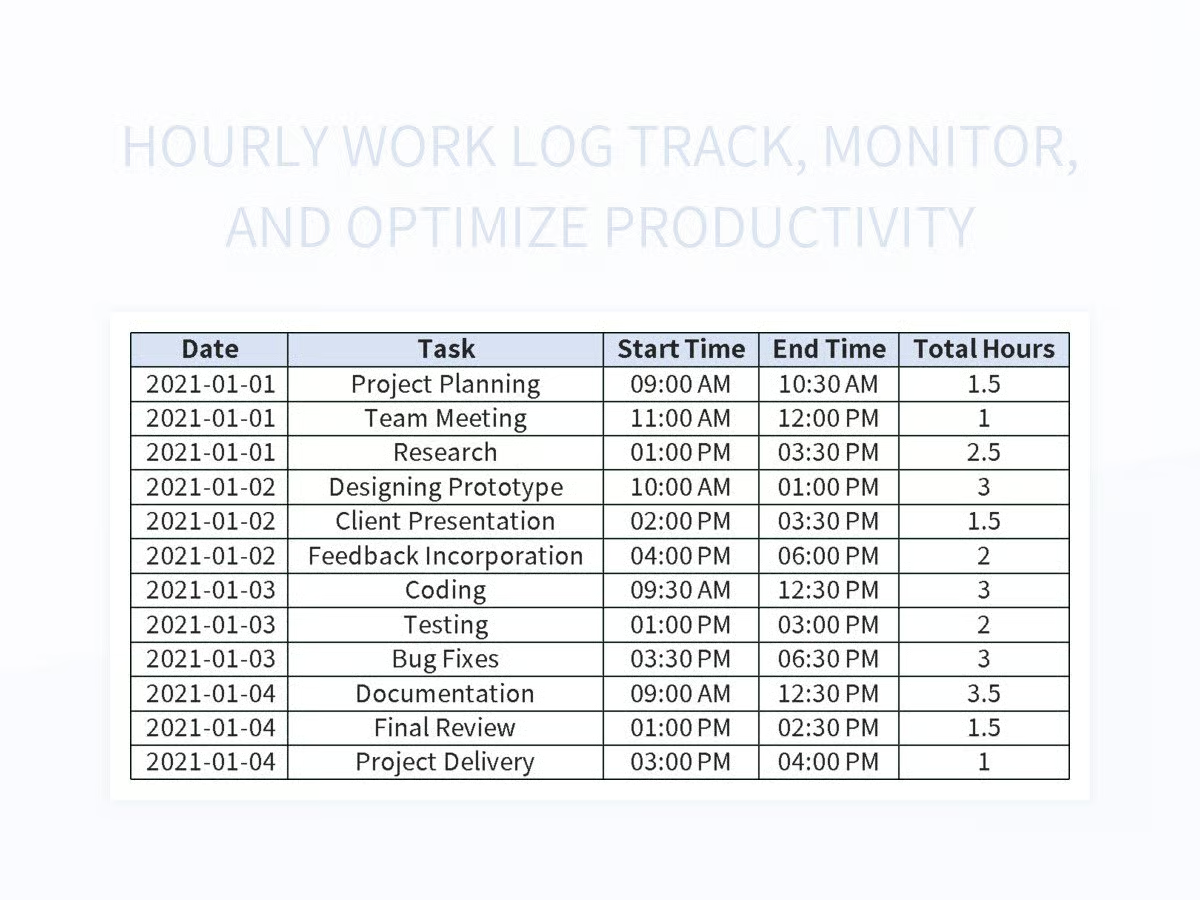
Control Sportswear Fit Across the Size Range
MOVEVOX follows buyer-approved measurements and grade logic rather than applying one universal size chart to every product, market or fabric. Physical validation is used where the project requires it.
| Size | Measurement Basis | Grade Basis | Validation | Bulk Control |
|---|---|---|---|---|
| XS | Buyer-approved POM | Buyer / project rule | Selected validation | POM + tolerance |
| S | Buyer-approved POM | Buyer / project rule | Selected validation | POM + tolerance |
| M | Buyer-approved POM | Buyer / project rule | Base Fit / Size Set | POM + tolerance |
| L | Buyer-approved POM | Buyer / project rule | Size Set if required | POM + tolerance |
| XL | Buyer-approved POM | Buyer / project rule | Target validation | POM + tolerance |
| 2XL | Project-specific POM | Independent review | Target validation | POM + tolerance |
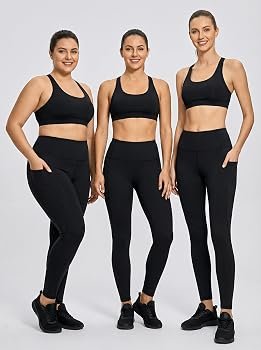
Carry the Approved Sample Into Bulk Production
MOVEVOX connects the buyer-approved sample with current technical files, materials and production controls so bulk is manufactured against the same approved requirements rather than visual memory or outdated development information.
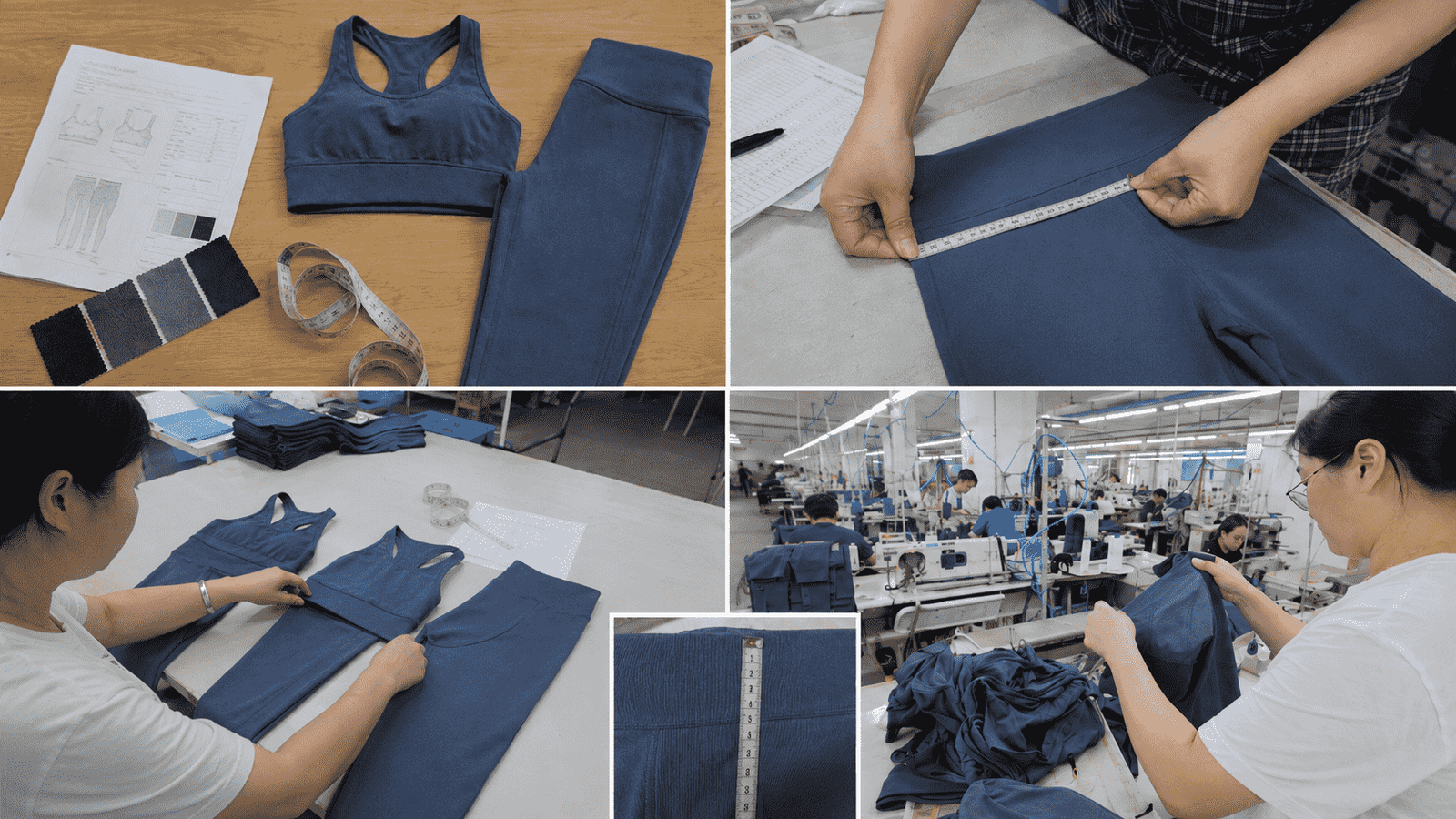
Fabric
The bulk material should follow the approved source, specification, color and applicable physical reference used during product confirmation.
Measurements
Current POM values, measurement methods and approved tolerances guide first-article and bulk dimensional checks throughout commercial production.
Construction
Sewing methods, panel structure, gussets, pockets, bra details and other approved construction remain linked with the released version.
Stitching
Applicable stitch type, seam allowance, tension and workmanship expectations should remain consistent with the approved product and technical requirement.
Branding
Approved artwork, process, color, size and position guide bulk logo and branded-component execution rather than an earlier development version.
Packaging
Labels, SKU identification, barcode, polybag and applicable carton requirements stay connected with the correct product and commercial order.
Have a Sportswear Tech Pack or Sample?
Send your Tech Pack, measurement chart, lawful reference sample or current product specifications. MOVEVOX can review product fit, materials, Cut & Sew construction, branding requirements, MOQ considerations and the next controlled sampling step before commercial production begins.
NDA-supported discussions are available before confidential patterns, designs or unreleased product information is shared.

Industrialize Approved Sportswear Through Controlled Production
Bulk production begins only after the applicable product, material, commercial and approval conditions are ready. Each stage should keep current specifications connected with the actual order, manufacturing work and quality-release decision.
Production Readiness
Current PO, specifications, approved sample reference, materials, artwork, packaging requirements and unresolved open points are reviewed before normal production release.
Owner: Project TeamQC Gate: Readiness Review
Material Release
Approved fabric, trims and branded components are coordinated against the current order, including source, color, applicable lot and key requirements.
Owner: PurchasingQC Gate: Incoming Check
Cutting Preparation
For Cut & Sew products, the correct released pattern, material, color and applicable production information are confirmed before fabric enters cutting.
Owner: ProductionQC Gate: Version Check
Sewing Production
Cut panels move through the approved sewing and assembly sequence. Waistbands, pockets, linings, bras, bindings, zippers and other structures follow current product information.
Owner: ProductionQC Gate: Process Control
First Article
Initial production output is reviewed for key measurements, material, construction, branding and workmanship before normal quantity continues.
Owner: Production / QCQC Gate: First Article
Inline Inspection
QC checks production while sewing continues so repeated workmanship, measurement, branding or process issues can be identified before full completion.
Owner: QCQC Gate: Inline QC
Finishing
Finished garments move through applicable thread cleaning, garment preparation, labels and other final operations while product identity remains controlled.
Owner: ProductionQC Gate: Garment Check
Packing
Approved labels, barcode, SKU, polybag, folding, carton marks and related instructions are applied to the correct products after quality requirements are closed.
Owner: PackingQC Gate: Packing Check
Final Release
Shipment proceeds only after required production, QC and packing conditions are satisfied. Significant unresolved issues can remain on hold.
Owner: Order TeamQC Gate: Release Approval


Control Sportswear Quality at Multiple Production Gates
MOVEVOX currently has five QC personnel. Product quality is managed against buyer-approved specifications, samples and project requirements through incoming, production, finished-garment, packing and final-release controls.
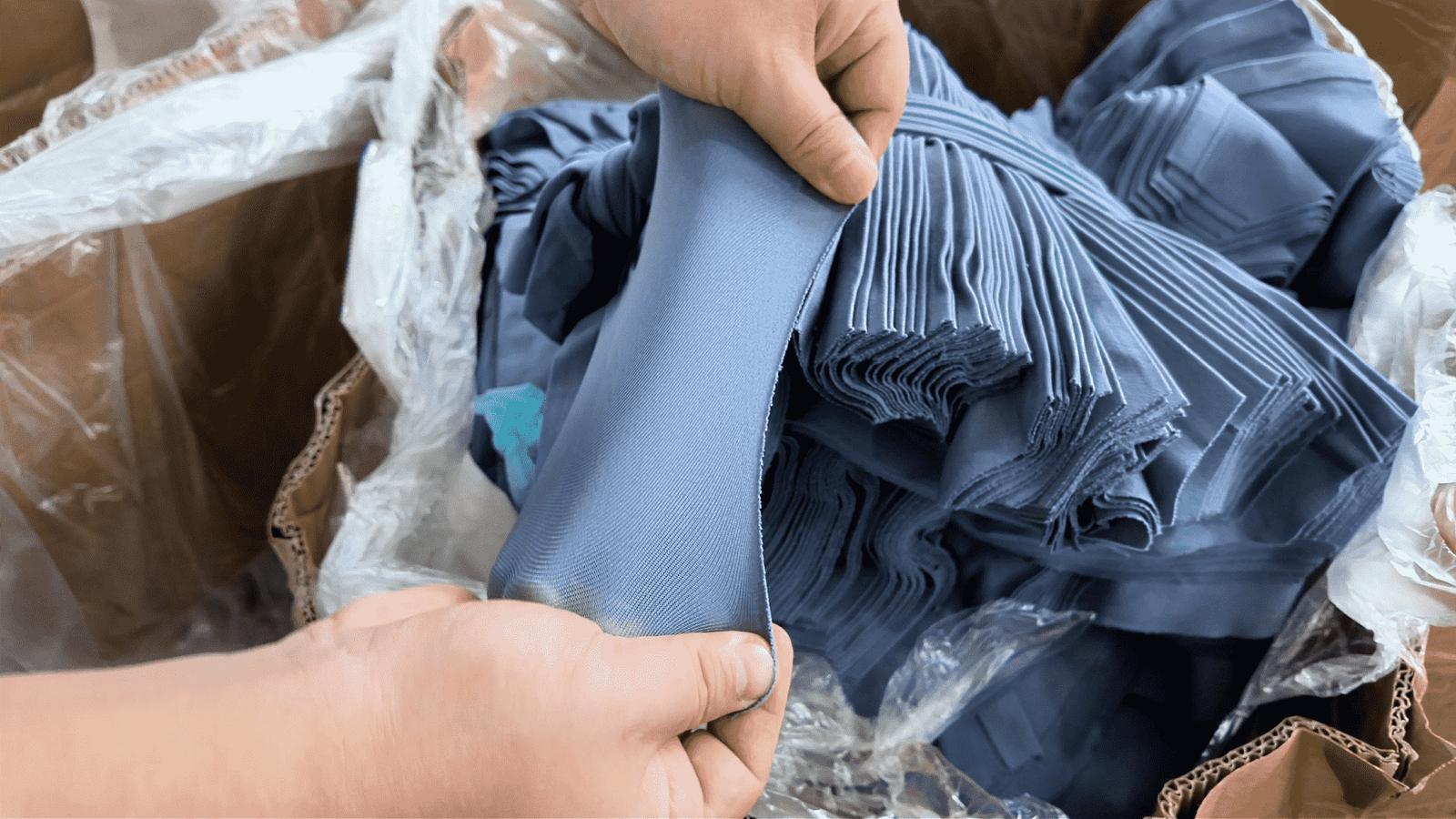

Buyer Standard
The buyer’s current Tech Pack, Approved Sample, measurement chart, artwork, packaging instructions and QC manual establish the project standard. MOVEVOX internal references do not override a stricter customer-approved requirement.
- Current buyer specification is available
- Approved sample identified where applicable
- Buyer QC manual takes priority
Incoming Material
Fabric, color and important components are reviewed before normal use. Depending on project risk, checks may include GSM, color, stretch, shrinkage, opacity or other relevant material characteristics.
- Material matches approved requirement
- Correct color and applicable lot
- Project-relevant physical checks completed
Specification Freeze
The active pattern, measurement, material, construction, logo and packaging versions are confirmed before bulk execution so different functions are not working from conflicting development information.
- One current released version
- Applicable approvals recorded
- Critical open points closed
First Article
Initial production garments are checked against the approved standard before normal quantity proceeds. Measurements, construction, stitches, appearance and branding can be reviewed according to the actual product.
- Key POM values reviewed
- Construction matches current standard
- Significant deviation triggers correction
Inline Inspection
QC personnel inspect during production to identify repeated workmanship or dimensional problems while corrective action is still practical. Reworked or corrected product should be rechecked before acceptance.
- WIP checked during manufacturing
- Repeated defects escalated
- Corrected work re-inspected
Garment Measurement
Cut & Sew dimensions are checked against the buyer-approved measurement chart and method. MOVEVOX’s normal internal reference is generally within approximately ±1.5 cm where applicable.
- Buyer tolerance applied first
- Correct measurement method used
- Out-of-range product identified
Final Inspection
Final inspection follows the applicable buyer standard where provided. MOVEVOX’s internal default reference, where appropriate, is Critical zero tolerance, Major AQL 2.5 and Minor AQL 4.0.
- Critical defects require resolution
- Buyer AQL overrides internal default
- Failed lot corrected and rechecked
Packing Release
Finished products are matched with the correct labels, size, SKU, barcode, polybag and carton information before shipment release.
- Correct garment-to-SKU matching
- Packing information is current
- Critical packing mismatch triggers hold
Keep One Current Specification in Production
Sportswear programs generate revisions across patterns, measurements, materials, artwork, BOM and packaging. MOVEVOX uses current-version control so approved changes can reach development, purchasing, production and QC without leaving obsolete instructions active.
A real anonymized Version Log should replace this placeholder before publication.
Current Version
The control record should identify which Tech Pack, pattern, measurement chart or artwork version is currently valid for execution. Draft and superseded files should not look equally authoritative.
Approval Status
A document can be technically current but not yet buyer-approved for production. Approval status helps distinguish internal development material from information formally released to the applicable production stage.
Effective Date
An effective date clarifies when a revision becomes executable and helps determine whether material already purchased or production already started requires a formal change review.
Change Summary
The record should state what changed—such as fabric, measurements, logo, construction or packaging—so affected functions can understand whether purchasing, pattern, sewing or QC action is required.
Obsolete Control
Superseded patterns, artwork and technical files should leave the active production chain once a new approved version is released, reducing accidental execution of historical instructions.
Distribution Record
Important changes should reach the functions that actually need them, including development, purchasing, PMC, production, QC and packing, instead of remaining only in customer-service messages.
Release Conclusion
A production release should show whether the current information is ready for execution, still conditional on buyer approval or blocked by an unresolved technical or commercial issue.
Trace Sportswear From Material Lot to Shipment
Traceability helps sourcing and quality teams connect the finished product with relevant material, production, inspection and packing records when investigating repeat orders, batch differences or quality issues.
Supplier
Approved material or component source enters the purchasing record.
Material Lot
Fabric or component delivery information is linked with the applicable project and lot where batch-level control is required.
PO / SKU
Material requirement is connected with the correct style, color, size program and commercial order.
Production Allocation
MOVEVOX records which production route or approved facility is assigned to the applicable order.
Cutting Bundle
For applicable Cut & Sew production, panels can be identified by style, color, size and relevant grouping.
Inspection
Quality findings connect with the appropriate PO, SKU or production group for investigation.
Packing
Finished garments are linked with current size, SKU, barcode, carton and packing information.
Shipment
Shipment records connect the released quantity and logistics handover with the relevant customer order.
Test the Actual Sportswear Requirement, Not Assumptions
MOVEVOX can coordinate project-specific material and garment testing according to buyer requirements. Any result remains tied to the tested material, color, sample, method and stated scope.
GSM Check
Purpose: Confirm that actual material weight remains aligned with the approved fabric specification because GSM can affect hand feel, opacity, structure and garment behavior.
Method: Material is measured or verified through the applicable internal or supplier/laboratory process against the project’s approved GSM requirement.
Decision: Acceptance follows the buyer-approved material specification and applicable project tolerance.
Shrinkage
Purpose: Evaluate dimensional change that could alter garment measurements, Fit or repeat-order consistency after laundering or other agreed conditioning.
Method: MOVEVOX can coordinate the buyer-specified internal or third-party protocol appropriate to the actual material, garment and target-market requirement.
Decision: Acceptance threshold must be defined by the actual project or buyer method.
Colorfastness
Purpose: Evaluate color change or transfer where washing, rubbing, perspiration or other relevant use conditions can affect sportswear appearance.
Method: Testing should follow the buyer manual, target-market requirement or qualified third-party laboratory procedure specified for the actual material and color.
Decision: Results apply to the tested color, material and stated test conditions.
Stretch Recovery
Purpose: Evaluate elastic behavior that can affect garment Fit, support, dimensional stability and the relationship between pattern and body tension.
Method: The applicable test method should be agreed according to buyer requirements or a project-qualified laboratory protocol and performed on the relevant material.
Decision: A changed fabric or supplier lot cannot automatically inherit the previous result.
Opacity Review
Purpose: Evaluate transparency risk in fitted products, especially light-color leggings, shorts or high-stretch garments.
Method: Physical stretch-state review and buyer-specified laboratory testing can be used according to product risk and the required approval procedure.
Decision: MOVEVOX does not claim universal opacity under every size and stretch condition.
Pilling Review
Purpose: Evaluate surface durability, particularly for soft, brushed, peach-finish or fine-hand materials where repeated friction can affect appearance.
Method: Testing should follow the relevant buyer method or qualified laboratory procedure on the actual material intended for the project.
Decision: A material is not presented as permanently “no pilling” without supporting evidence.
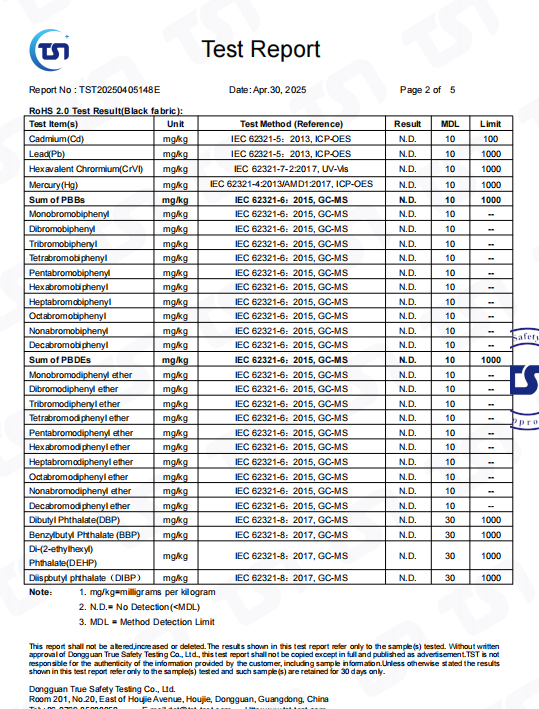
RoHS Sample Test
Purpose: Existing third-party evidence covers one submitted black fitness yoga leggings sample for the restricted substances listed in Report TST20250405148E.
Method: The report identifies the applicable IEC 62321 test methods and laboratory scope used for the submitted sample.
Decision: The conclusion applies to the tested sample only, not all MOVEVOX production.
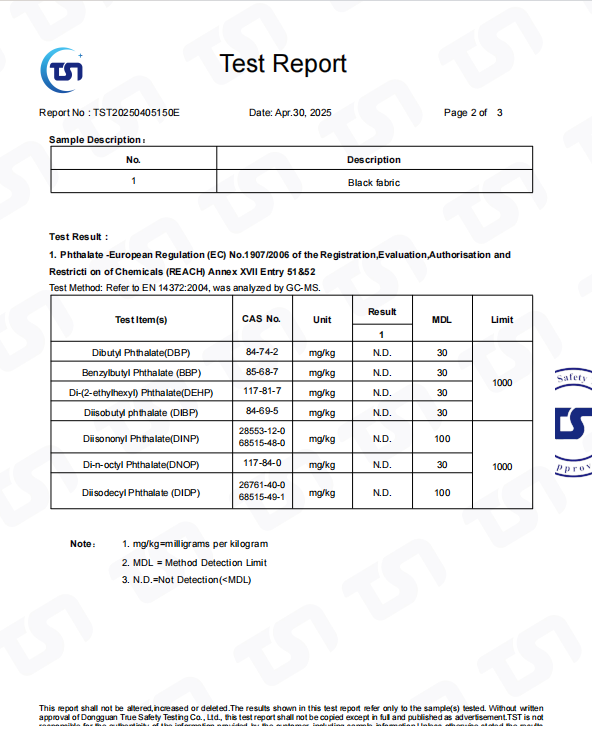
REACH Phthalates
Purpose: Existing third-party evidence covers the tested black fabric from a submitted fitness yoga leggings sample for the stated REACH Annex XVII phthalate scope.
Method: Report TST20250405150E identifies EN 14372:2004 and GC-MS for the tested substances and submitted material.
Decision: The Pass conclusion applies only to the tested sample and stated scope.
Scale Sportswear Through Managed Manufacturing Capacity
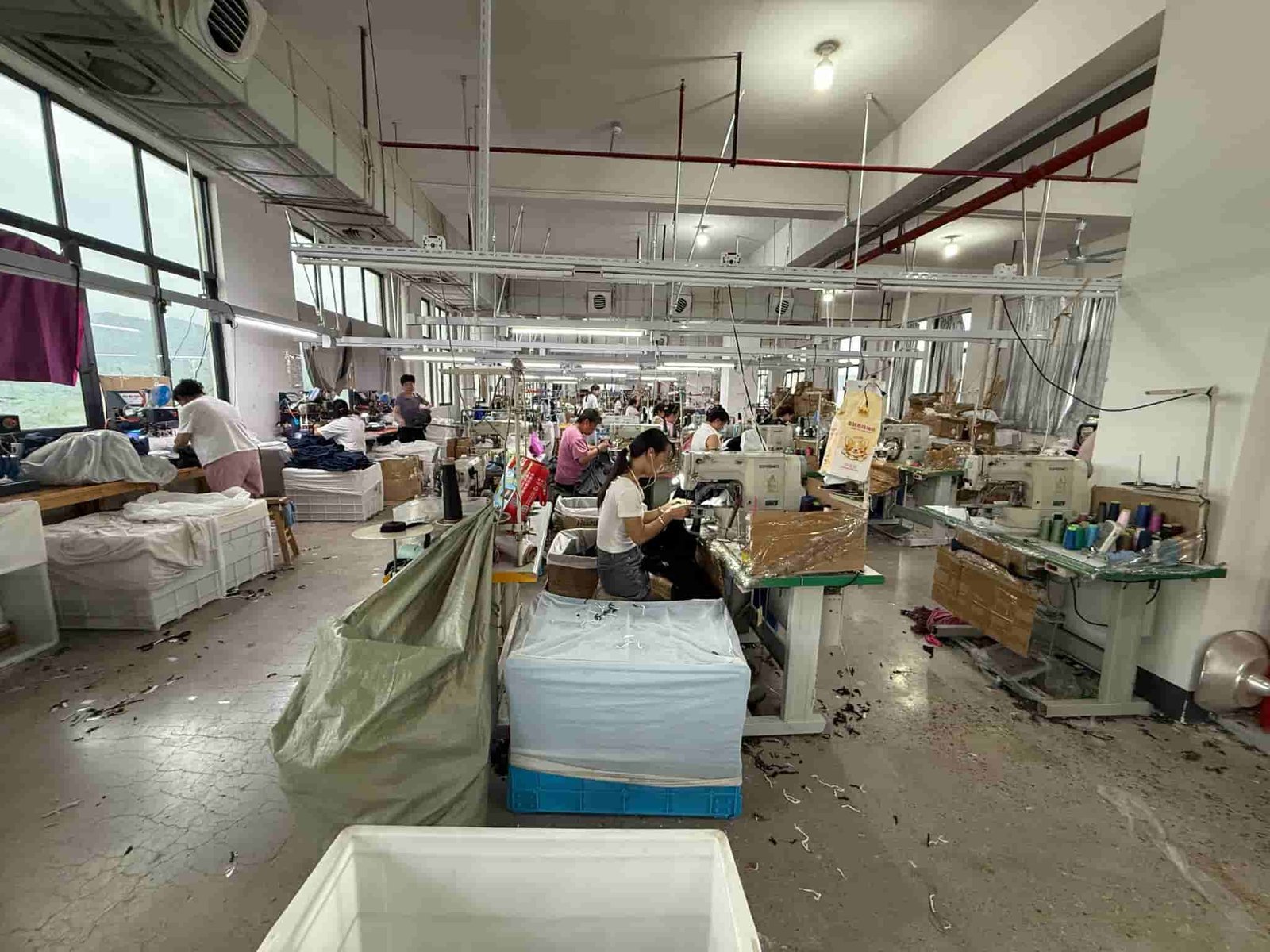
MOVEVOX reports normal managed delivery capability rather than theoretical machine maximums. Actual available capacity depends on product route, construction complexity, SKU mix, materials, quality requirements and the production window.
Garment Machines
Approximately 24 principal sewing and garment-production machines support the core Cut & Sew system.
Santoni Machines
Twenty-eight Italian Santoni seamless knitting machines support compatible engineered Seamless products.
Core Operating Area
Approximate Yiwu operating area supports production, development, quality, packing and storage.
Satellite Facilities
Six long-term collaborative facilities in Yiwu and two in Guangzhou provide controlled additional resources.
QC Personnel
Current QC personnel support material, production, finished-garment and release quality work.
pcs/month
Current normal combined managed monthly delivery capacity across core and controlled collaborative resources.

Scale Through One Controlled Supply-Chain System
MOVEVOX combines its Yiwu core operation with eight long-term satellite facilities. Development standards, product files, materials, production allocation, QC and delivery remain centrally coordinated instead of becoming uncontrolled subcontracting.

Product Development
The core development system translates buyer Tech Packs, samples and approved product directions into current technical information, patterns, samples and manufacturing standards before commercial production expands.
Fabric
MOVEVOX coordinates approved material sources, colors and project requirements so production facilities do not independently select substitute fabrics without required review and buyer approval.
Cut & Sew
Core Cut & Sew resources support development and garment production, while suitable controlled facilities can provide additional sewing or specialized capacity for approved projects.
Seamless
The core production system contains 28 Italian Santoni seamless knitting machines, supporting engineered Seamless products where that route fits the buyer’s product architecture.
Branding
Screen print, heat transfer, silicone, jacquard, embroidery, woven labels and other approved brand components are coordinated against current artwork and garment requirements.
Packaging
Labels, hangtags, barcodes, polybags, carton information and other packing requirements remain linked to the correct SKU and commercial order.
Logistics
Packing, shipment preparation and coordination with customer-nominated or appropriate logistics providers remain part of the overall MOVEVOX project-management responsibility.
Turn Scattered Changes Into Controlled Project Decisions
Multi-SKU sportswear projects generate frequent comments on samples, fabrics, colors, logos and packaging. MOVEVOX aims to convert those discussions into current technical decisions before production execution.
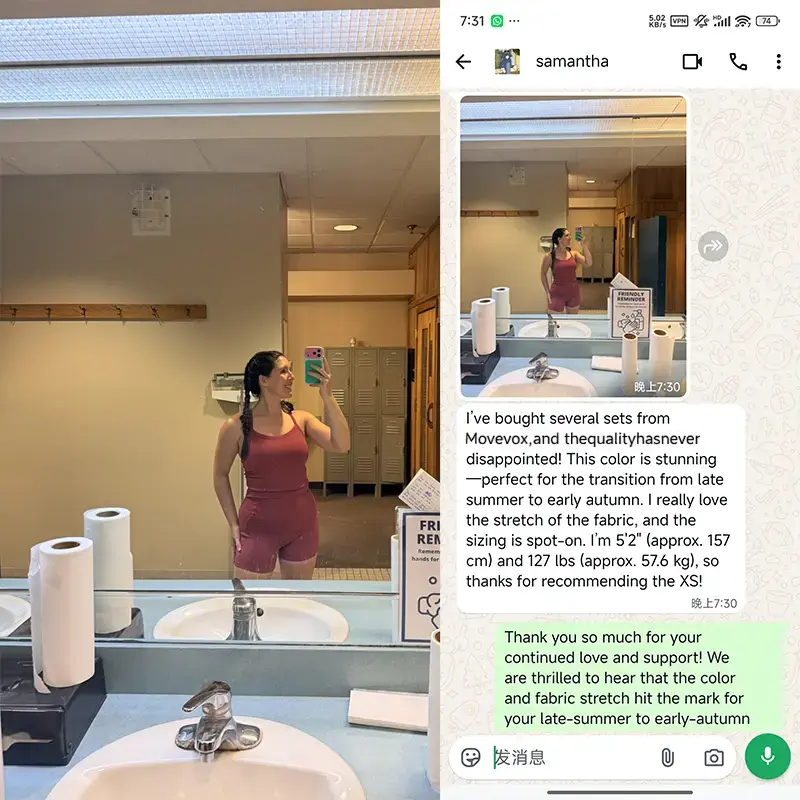
Keep Brand Identity Accurate Through Final Packing
Sportswear manufacturing does not end when sewing finishes. Labels, hangtags, barcodes, SKU data, polybags and cartons must remain connected with the correct product, color and size.
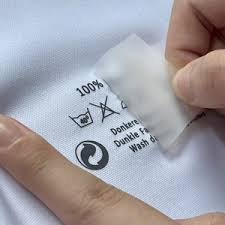
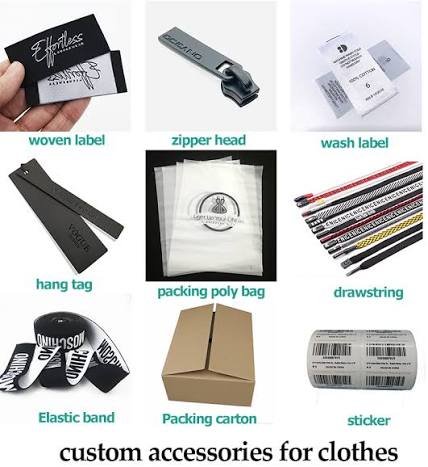
Main Label
Main labels identify the buyer’s brand and need approved artwork, dimensions, construction and attachment location. They should be treated as controlled branded components rather than selected or repositioned informally during production.
Brand Artwork Placement Approval
Care Label
Care labels can contain fiber, care, origin or buyer-required information according to the actual product and destination requirements. The buyer should supply or approve applicable content before commercial production and release.
Care Data Product Info Approved File
Size Label
Size labels must match the actual garment size and applicable brand naming system. They are especially important in multi-size programs where visually similar products can be packed incorrectly.
Size SKU Verification
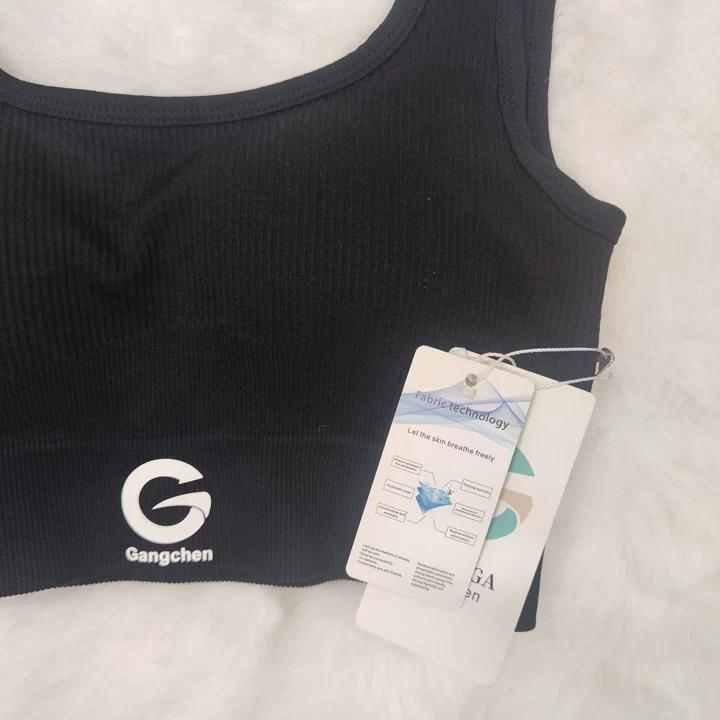
Hangtag
Hangtags can carry branding, product information, barcode or other approved commercial details. Artwork and attachment location should remain linked with the correct product rather than applied from an outdated general tag file.
Artwork Barcode Brand
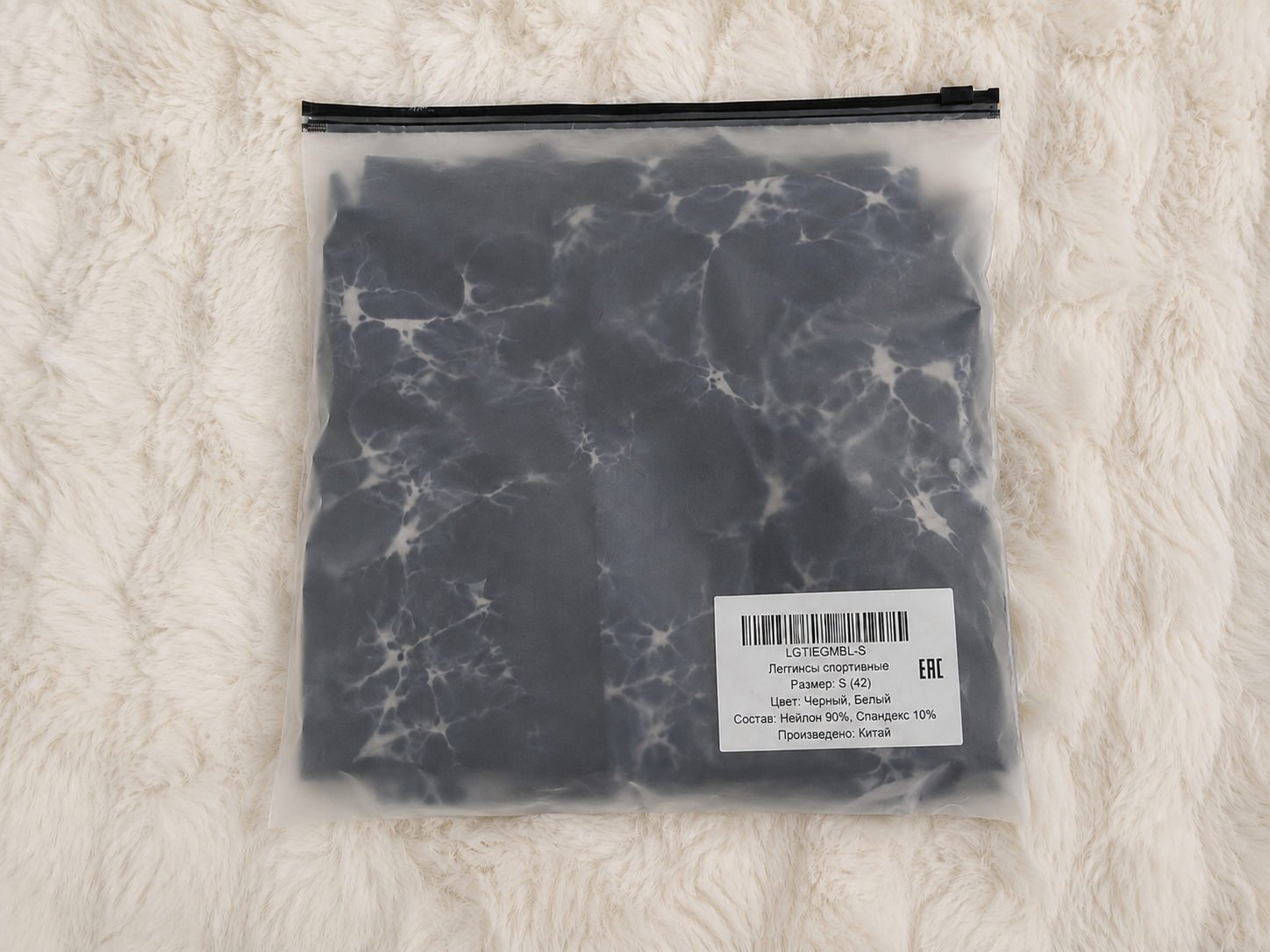
Barcode / QR
Barcode and QR information can vary by SKU, size or color. In the documented U.S. activewear project, different colors and sizes required different QR information and MOVEVOX used grouped processing plus double verification.
SKU Data QR Double Check
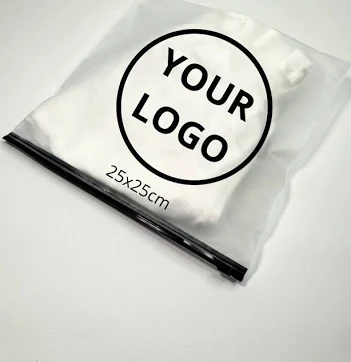
Polybag
Polybags can include size stickers, warning text, barcode or buyer-specific specifications. The bag and label combination should match the exact product and current packing requirement.
Size Sticker Warning SKU
Carton
Carton quantity, marks, PO information and packing-list data need to correspond with the actual packed goods before shipment release and logistics handover.
Carton Mark Quantity PO
Verify the Sportswear Manufacturing System in Person
MOVEVOX supports on-site factory visits, live video review, technical audits, pre-production visits, inline inspection and pre-shipment inspection so sourcing teams can verify actual development, manufacturing and quality processes.
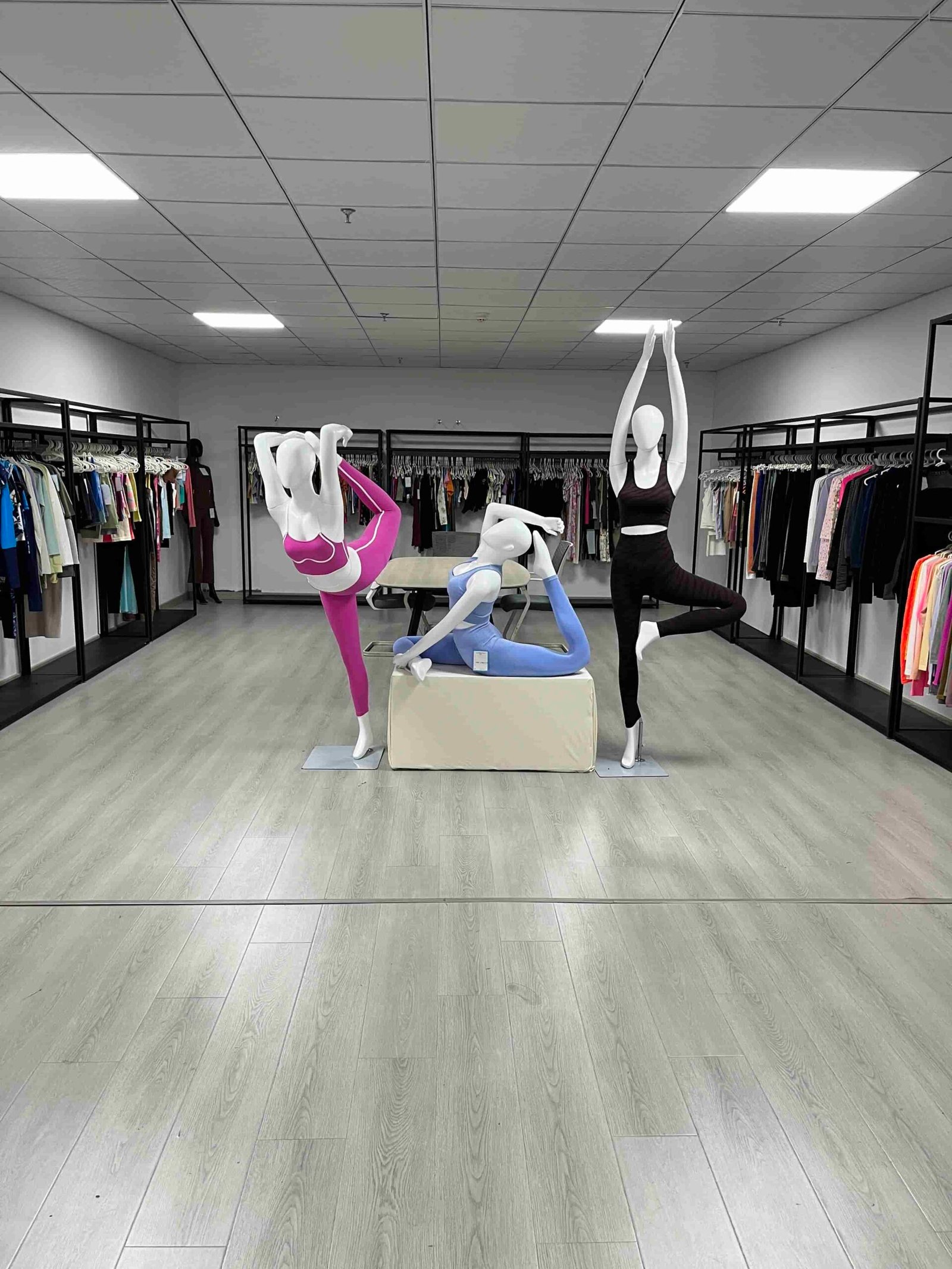
Development Area
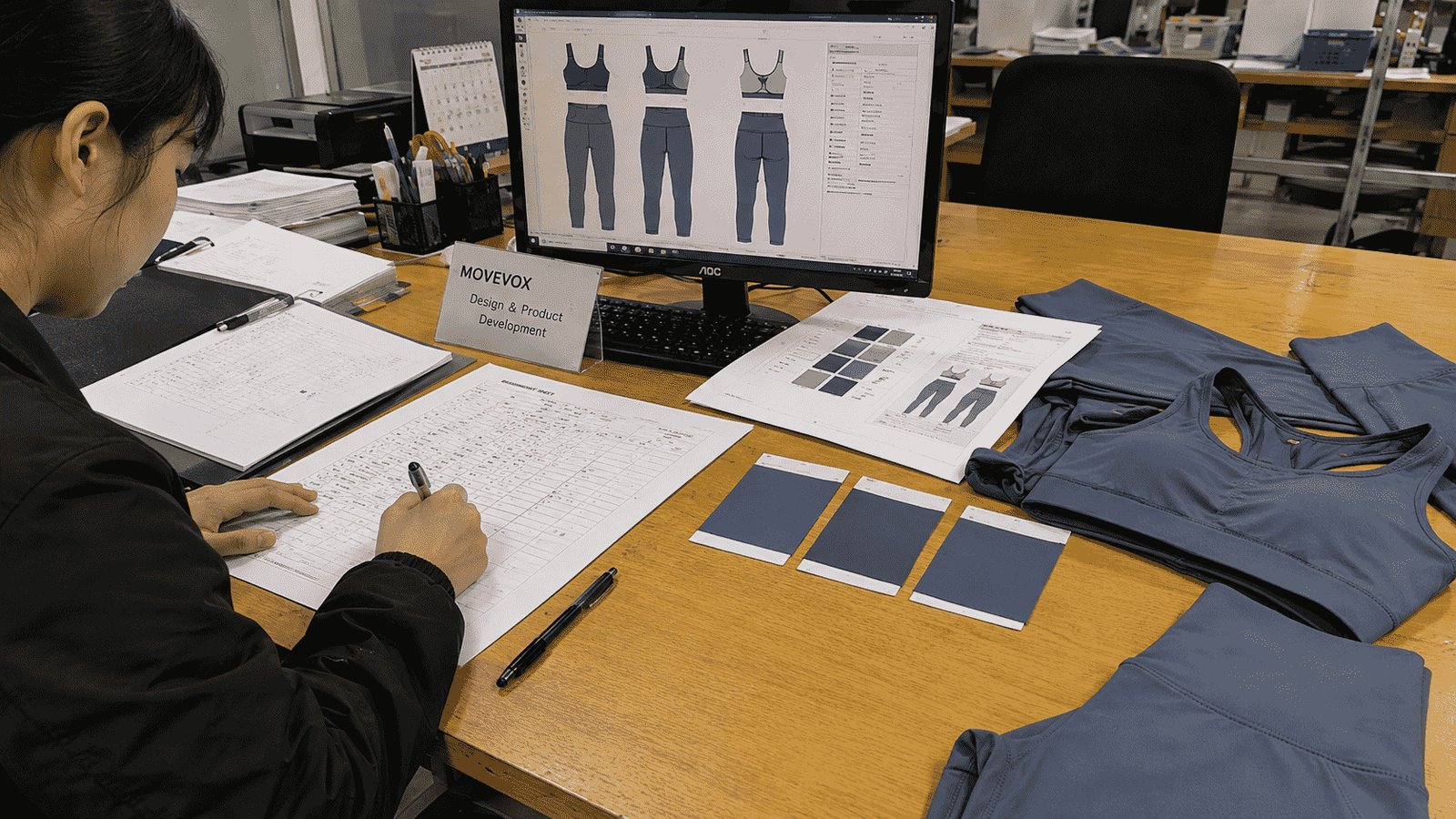
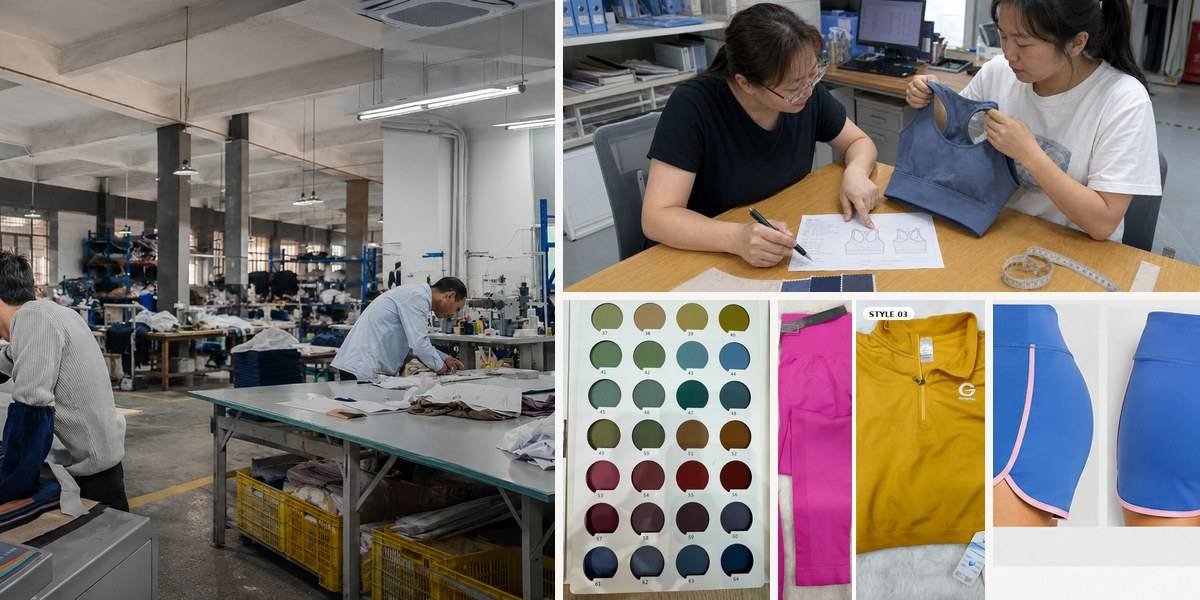
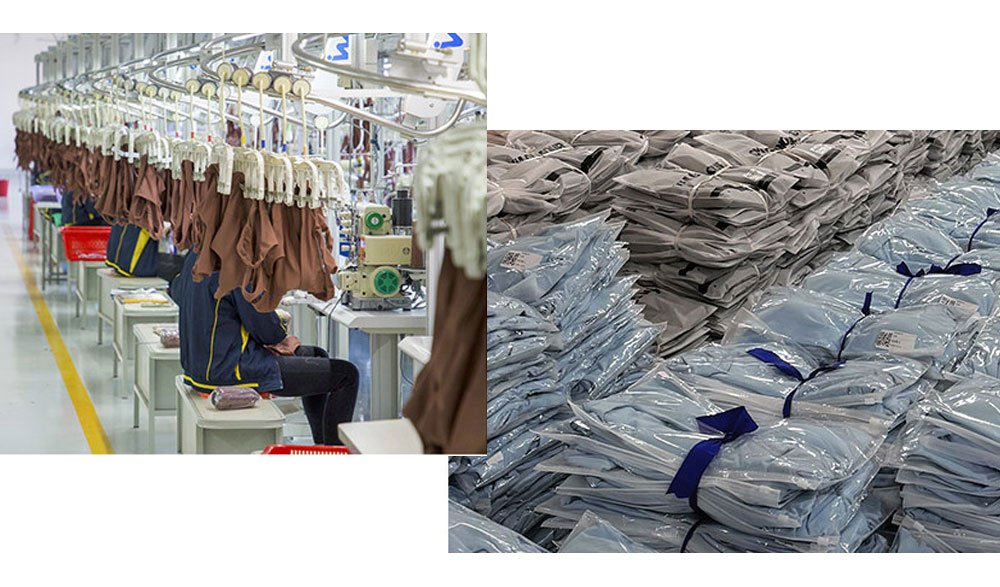
MOVEVOX’s product-development system includes design, pattern and sample functions that translate buyer Tech Packs, legal reference samples, images, sketches and confirmed concepts into physical samples and production-ready requirements. An audit can review how open product questions move from customer communication into material, pattern and sample decisions rather than relying only on finished-product displays.
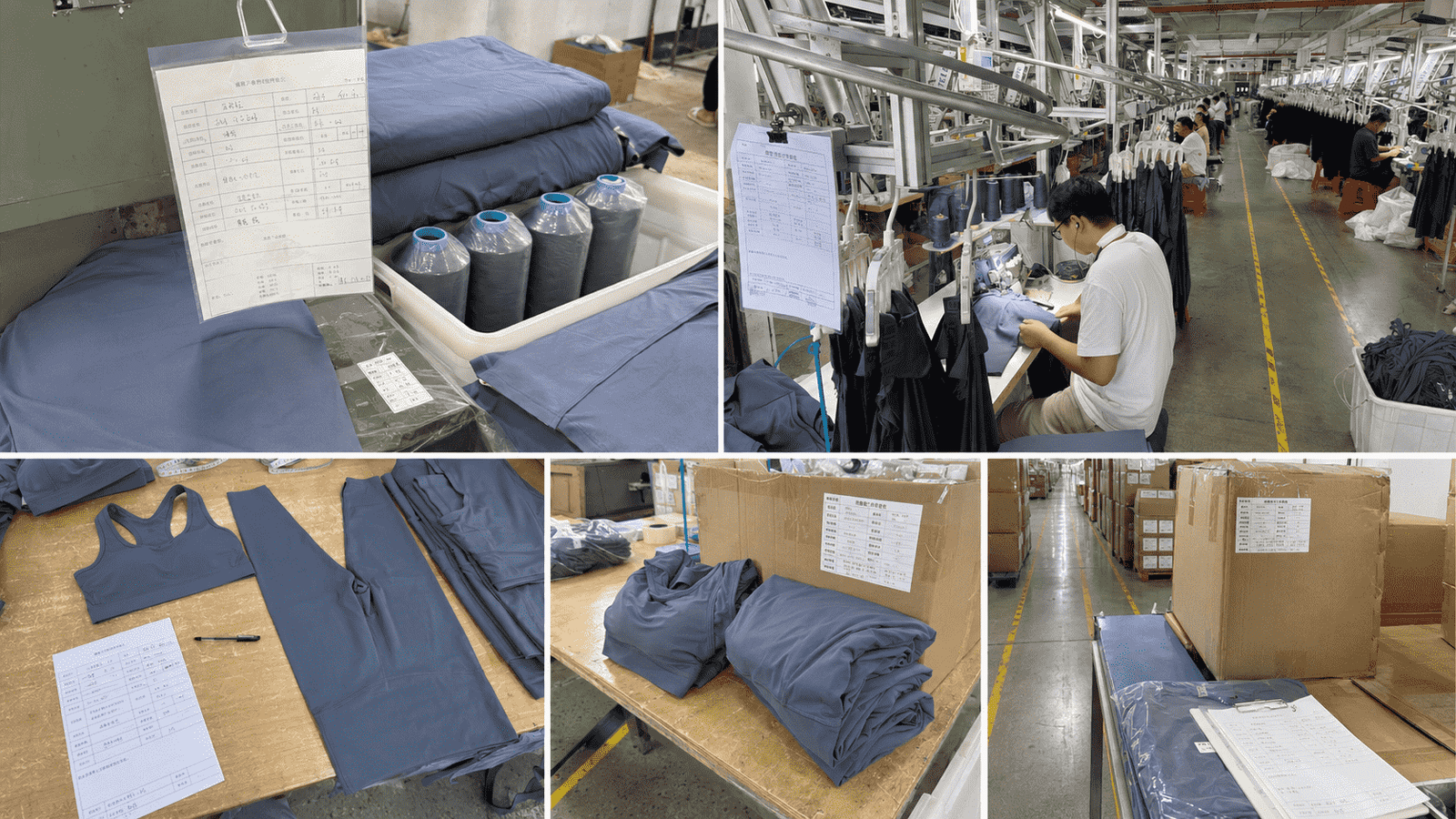
MOVEVOX product-development and sample-review operations in Yiwu.

Pattern and Sample
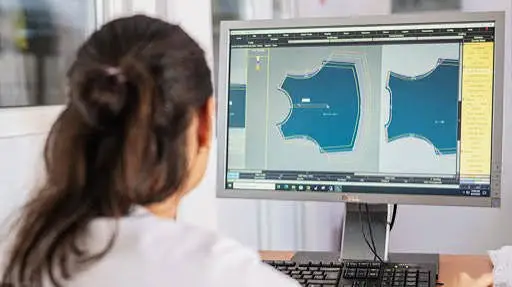
Cut & Sew projects can be reviewed from technical input through pattern and sample development. The pattern function addresses fit, measurements and garment construction, while the sample function creates physical versions for buyer evaluation before the final production standard is released.
Real pattern, material and sample-development activity for stretch sportswear.
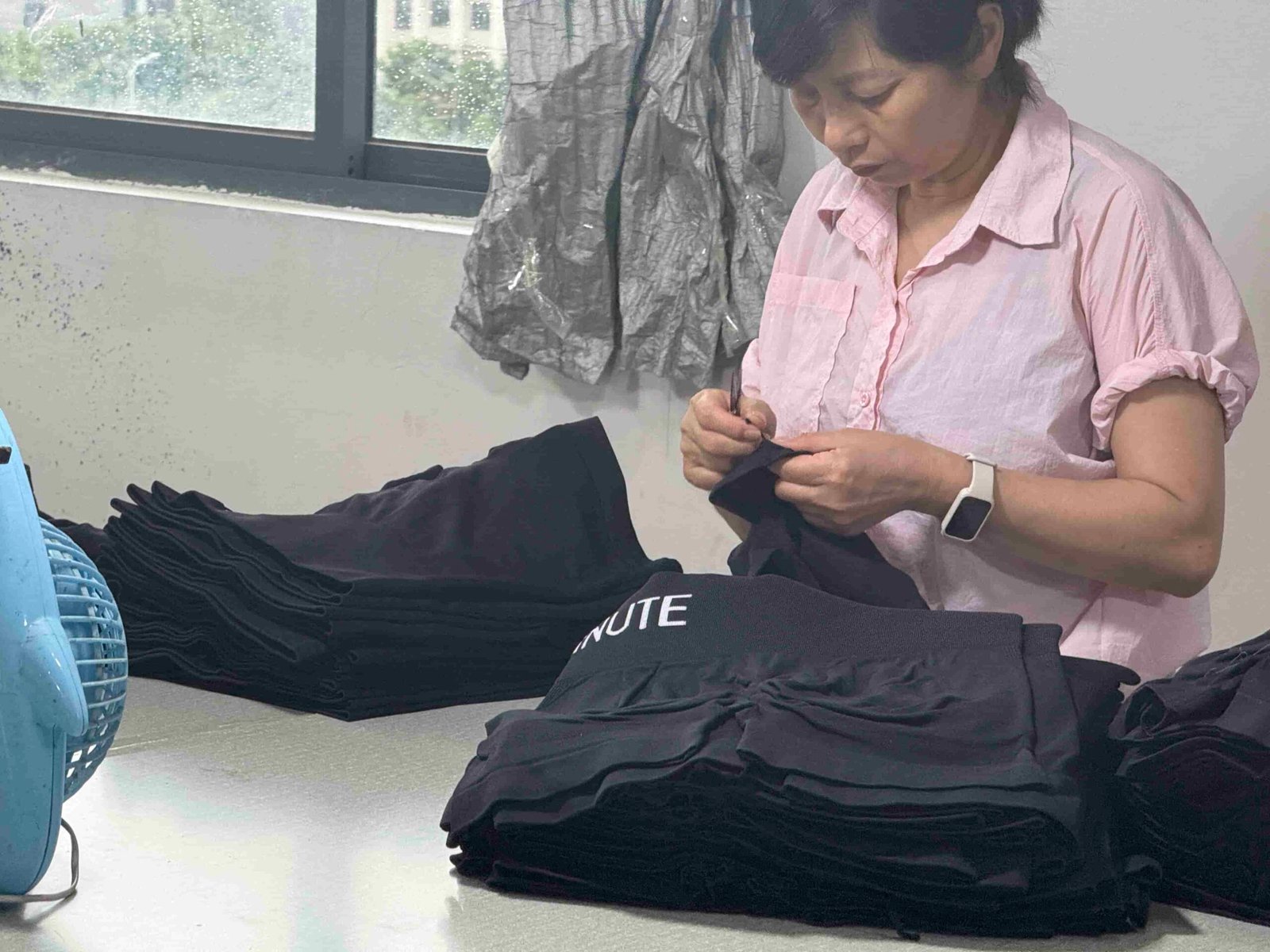
Cut & Sew
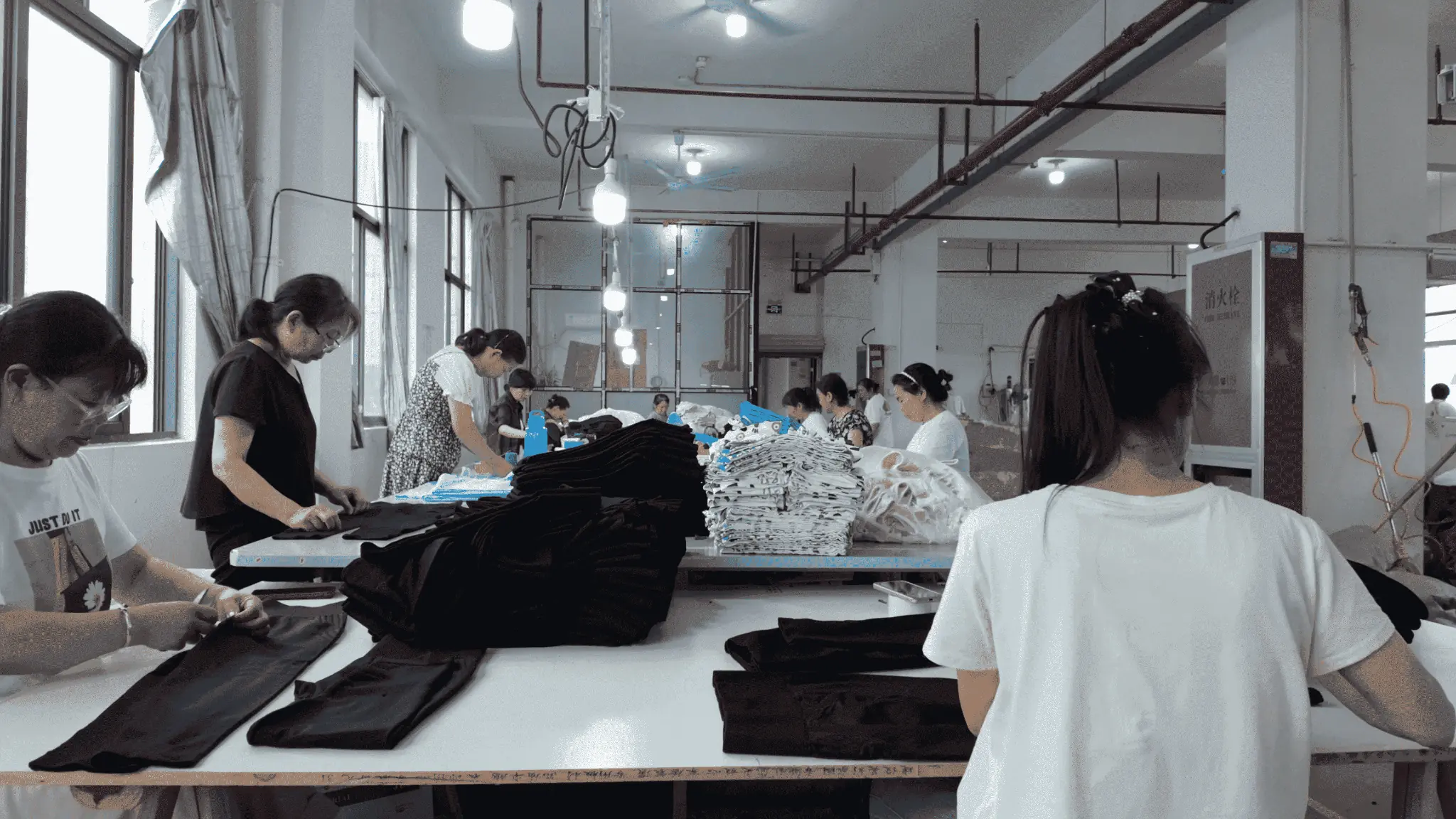
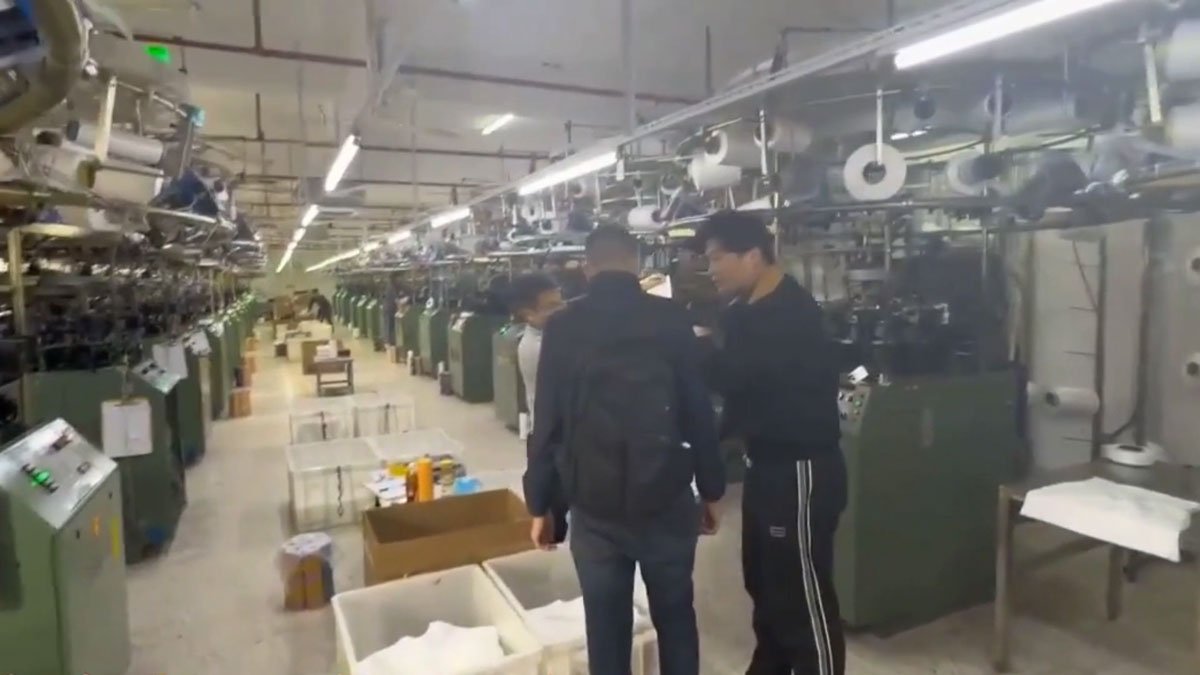
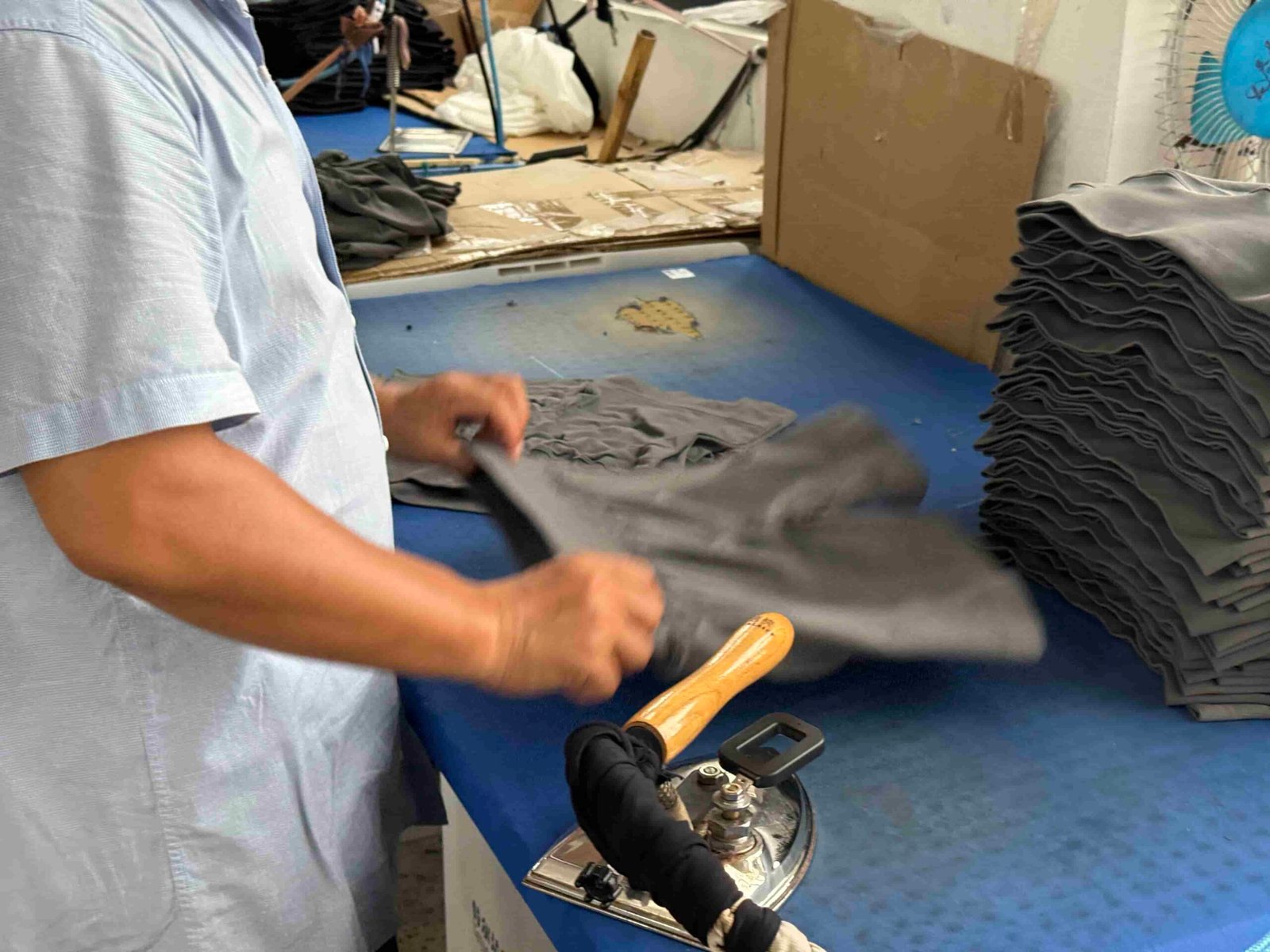
The core MOVEVOX system includes approximately 24 principal sewing and garment-production machines. The verified equipment scope covers major sportswear sewing types including single needle, overlock, coverstitch, flatlock and supporting garment equipment. Buyers can inspect actual machine labels and process suitability during a technical audit instead of relying on unverified equipment-brand claims.
MOVEVOX Cut & Sew preparation and production for stretch activewear garments.
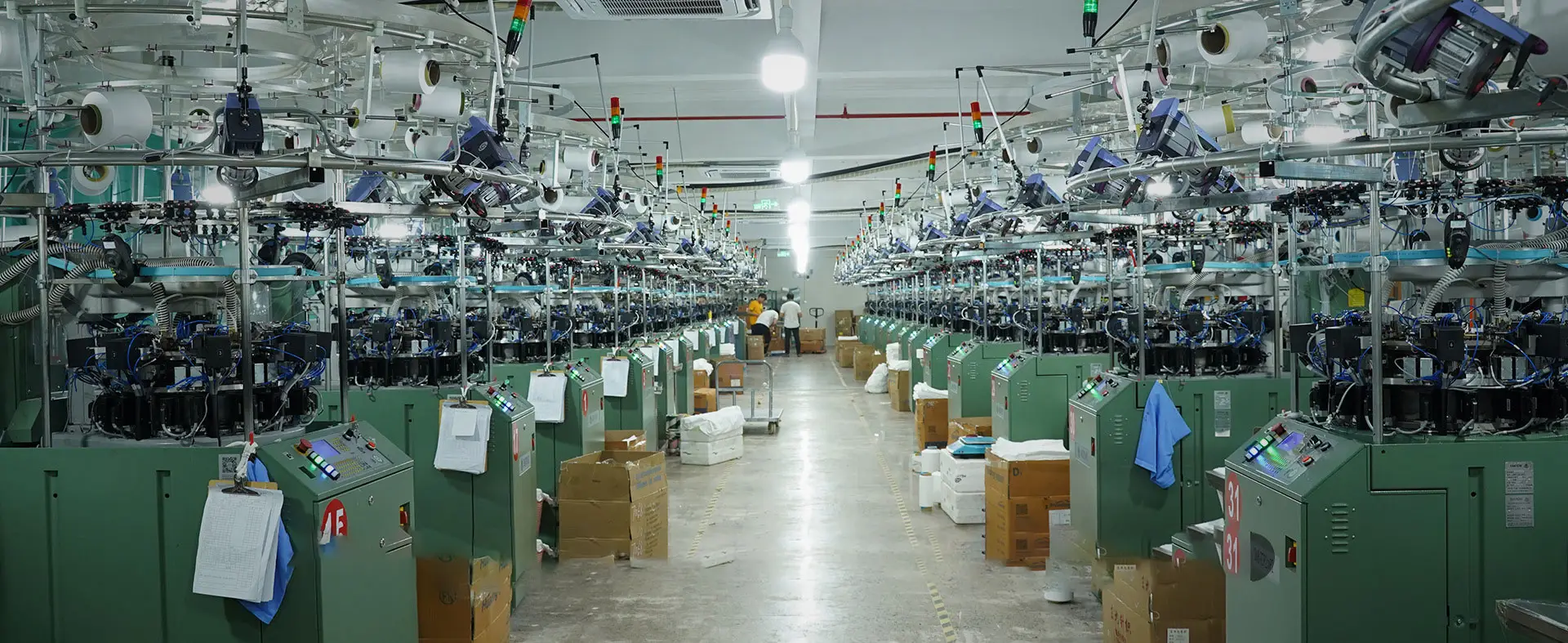
Seamless Production
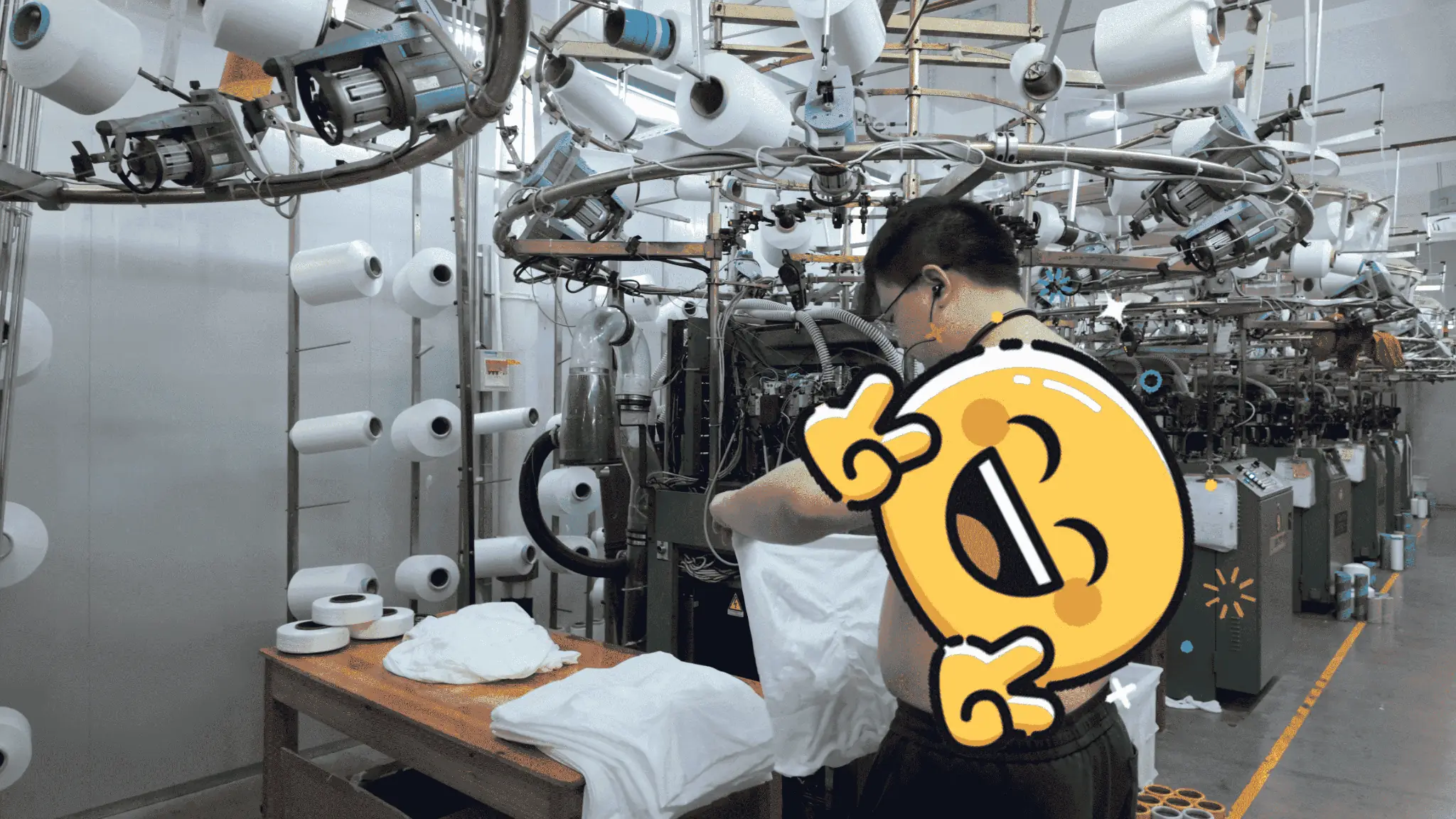
The core manufacturing system also includes 28 Italian Santoni seamless knitting machines. These support engineered Seamless products where the product architecture is suitable, allowing brands to evaluate both Cut & Sew and Seamless routes through the same supplier relationship.
Santoni seamless knitting equipment inside the MOVEVOX core production system.
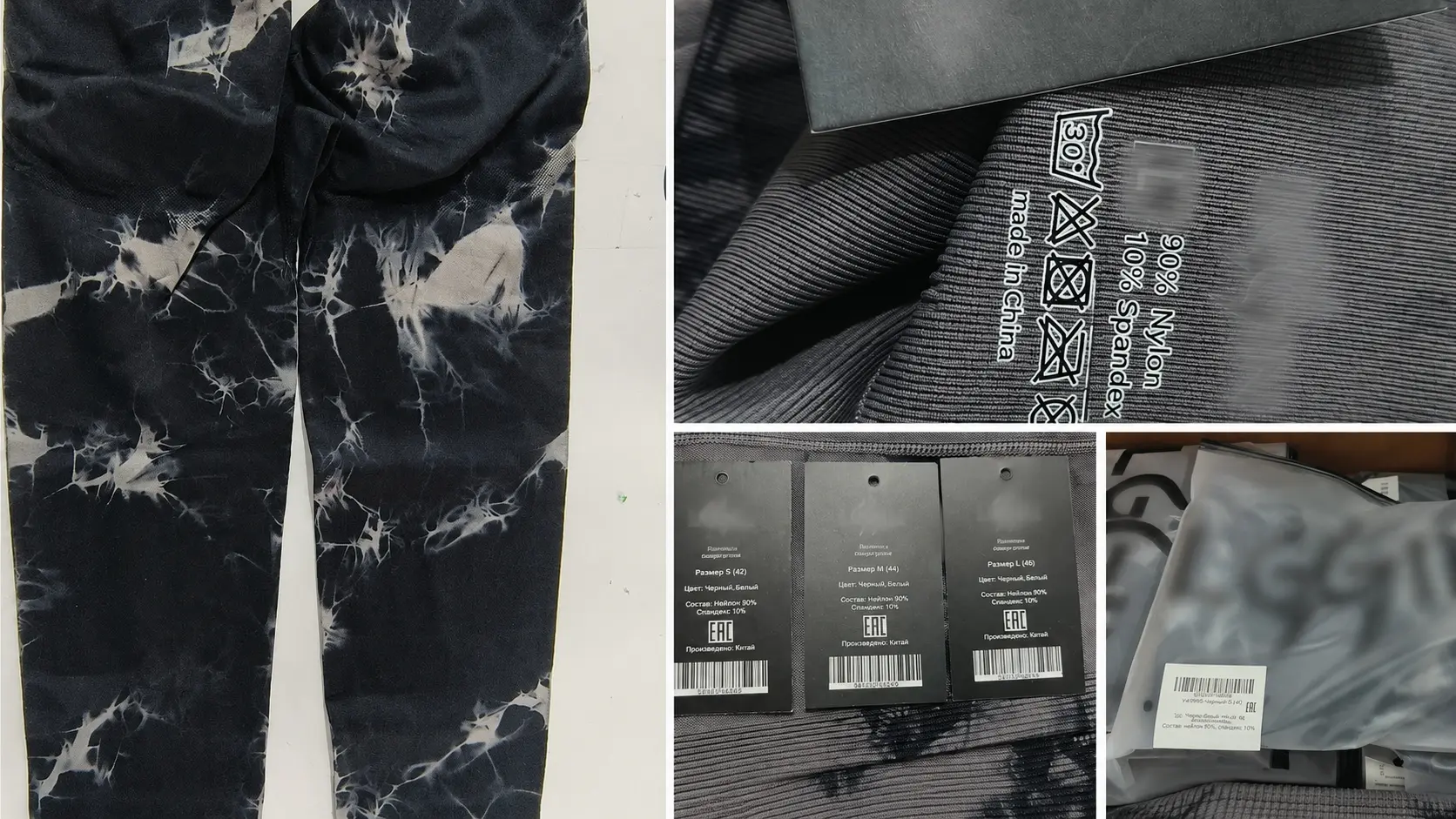
Quality Control
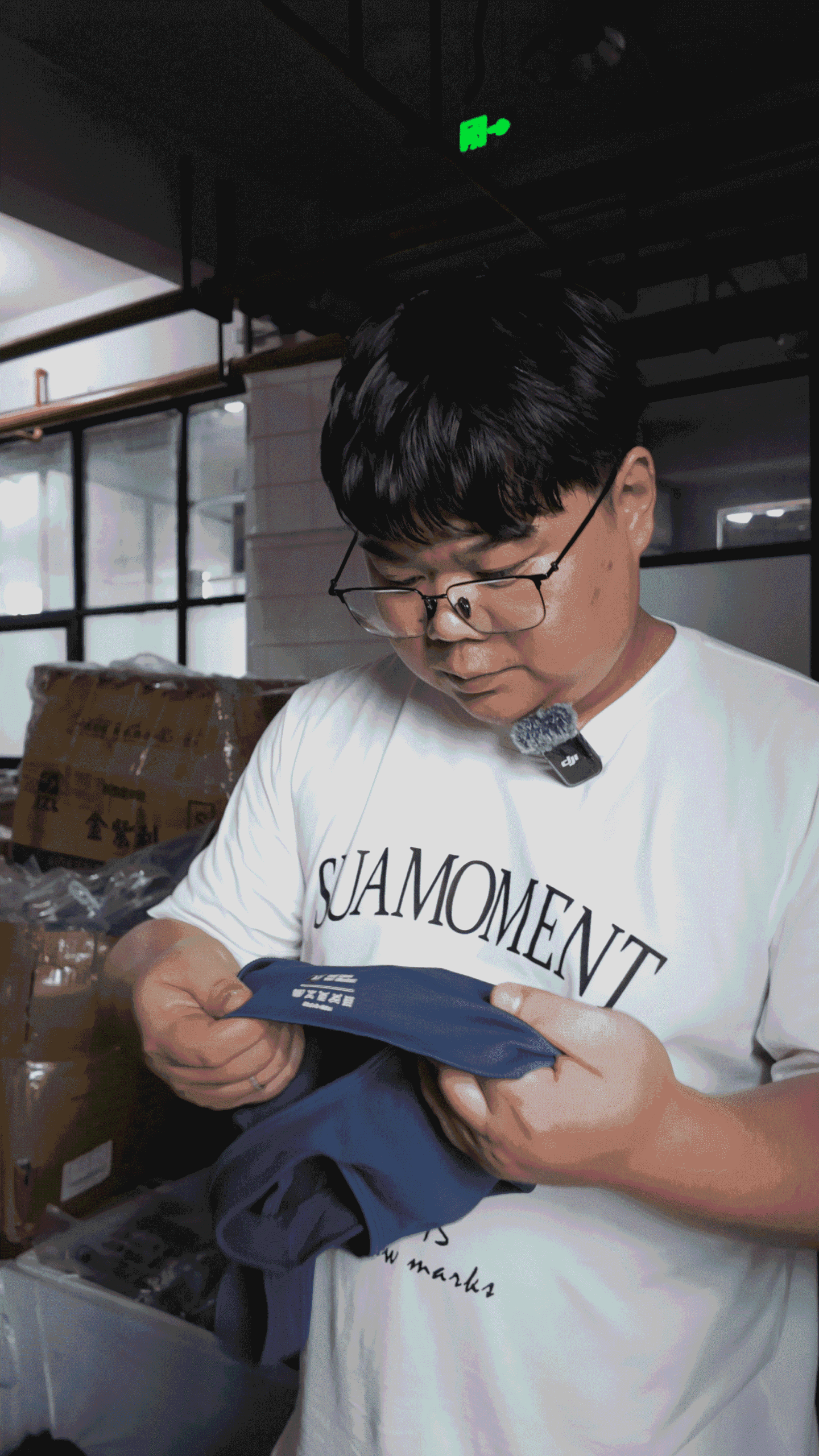
MOVEVOX currently has five QC personnel. An audit can review how buyer specifications, Approved Samples, measurements and quality requirements become inspection references across incoming material, first article, inline, finished garment and final release rather than treating QC as only a final visual check.
MOVEVOX quality inspection against current approved product standards.
Packing Area
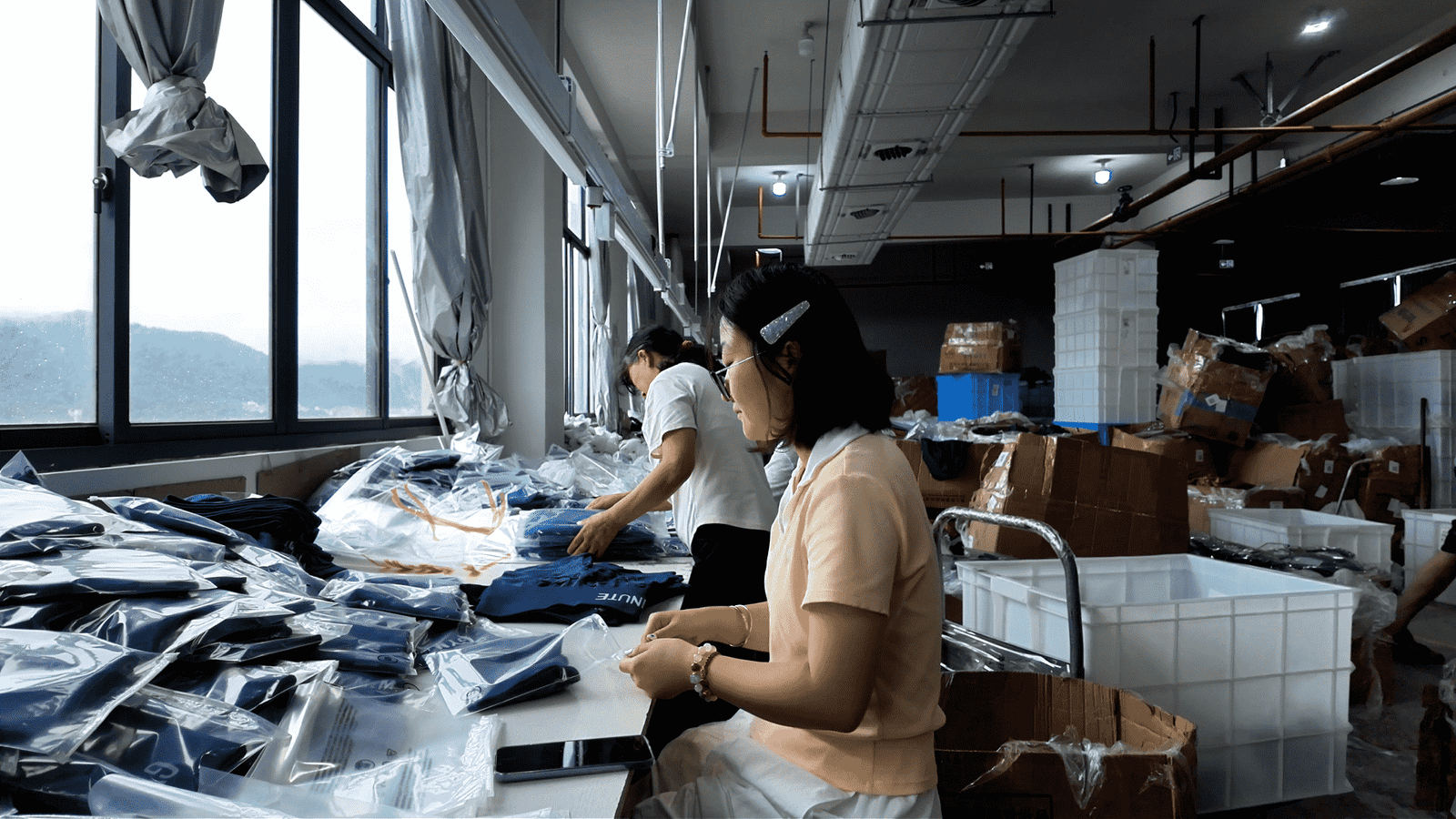
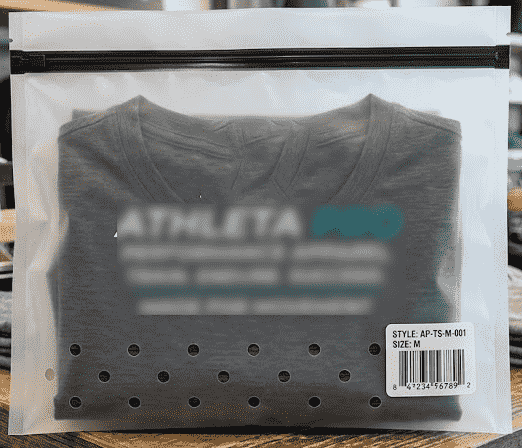
Packing is part of product execution for branded B2B programs. Buyers can review how labels, size information, barcodes, polybags, carton marks and packing lists are connected with the corresponding SKU and commercial order before shipment.
Branded activewear packing and SKU verification before shipment release.

Storage and Release
Material and finished-goods areas support the separation and identification required for different styles, colors, sizes and orders. Shipment release should correspond with completed QC, packing information and the agreed logistics arrangement rather than only production completion.
MOVEVOX order storage and shipment-preparation area in Yiwu.
From Tech Pack to Repeat Activewear Production
This anonymized U.S. activewear project demonstrates MOVEVOX’s Tech-Pack-led development, sample revision, practical product validation, branded packaging and repeat-order discipline. Available evidence does not confirm that every style used Cut & Sew.
Customer Background
The customer is a U.S.-based fitness content creator with an activewear business and an established audience. Her documented product range includes bodysuits, workout and yoga sets, leggings, shorts, sports bras and tank tops. The products focus on stretch, support, opacity, soft hand feel, inclusive sizing and ongoing new-product development.
Challenge
The customer already owned her product Tech Pack, but the technical file did not eliminate the need for physical validation. After receiving the first sample, she identified design details that did not fully match the intended fitness-use experience. The project therefore required a controlled second version and additional wear-testing samples before commercial production. The bulk program also included custom labels, logos, instructions, packaging and different QR information for different color and size combinations.
MOVEVOX Solution
MOVEVOX reviewed the customer’s Tech Pack and first evaluated manufacturability before preparing the first sample. The customer then used the garment in her actual fitness context and provided adjustment requirements. MOVEVOX incorporated those changes into a second version. After V2 substantially met the requirement, approximately 5–10 additional samples were produced so the customer and her audience could perform real wearing tests. Following product approval, the program moved into bulk manufacturing with customized logo, care information, labels, instructions and packaging. Each color included several sizes, and QR information had to match the correct garment combination. MOVEVOX therefore processed the products by style and color groups and used double verification to reduce packaging-data mismatch.

Technical Input
The buyer provided her own Tech Pack, which gave MOVEVOX the starting specifications for manufacturability review and the first physical development sample.
Sample V1
MOVEVOX created the first version so the customer could evaluate the product against her intended fitness use, feel, support and other requirements.
Revision
Customer feedback from physical use was converted into requested changes, and MOVEVOX produced a second sample version against the updated product direction.
Wear Testing
After V2 was substantially accepted, approximately 5–10 additional samples were made for practical fitness testing before the customer committed to bulk production.
Bulk and Packing
The approved program entered commercial production with customized branding and packaging, including QR identification that required color- and size-specific verification during packing.
Customer quote: 需要真实素材替换. A verified publishable direct customer quotation is not currently available and should not be invented.
Scale Repeat Orders When Demand Changes Quickly
This anonymized Spanish customer case demonstrates how MOVEVOX coordinated additional production resources when a recurring customer’s order volume increased significantly beyond its normal purchasing pattern.
Execution Summary
MOVEVOX responded to the larger requirement by organizing additional production-line capacity rather than treating the order as a normal repeat PO with no capacity adjustment. The documented relationship also included holding selected stock for the customer, which supported ongoing replenishment requirements. The value of this case is not a claim that every future demand spike can be accepted automatically. It demonstrates that repeat customers can be supported through capacity planning, production-resource coordination and inventory decisions when the actual product, materials and timing allow.
Why One European Buyer Continued the Relationship
This anonymized Netherlands case shows how sample selection, repeat purchasing, broader product support and supplier continuity can matter alongside unit price in a long-term activewear sourcing relationship.
Initial Samples
The customer initially reviewed ten samples and selected five after product evaluation and an overseas visit, creating a structured entry point before larger commercial purchasing began.
Commercial Orders
Yoga-related orders developed into commercial programs typically recorded around approximately US$30,000–50,000 per order, depending on the specific purchasing cycle documented.
Repeat Purchasing
The customer developed an approximate two-to-three-month repurchase rhythm, showing that the supplier relationship moved beyond one sample or isolated purchase.
Annual Volume
The documented annual purchasing level reached approximately US$200,000–250,000 across the relationship and supported continued collaboration across multiple product requirements.
Category Support
Additional product categories could be organized through MOVEVOX’s broader manufacturing and controlled satellite-factory system rather than requiring the customer to rebuild every sourcing relationship independently.
Supplier Comparison
The customer encountered a competing supplier offering approximately US$0.50 lower pricing on a comparable opportunity but continued working with MOVEVOX.
Protect Product Files Before Supplier Qualification Deepens
Mature sportswear programs may involve unreleased Tech Packs, patterns, artwork, samples and packaging. MOVEVOX supports NDA requirements and controlled project use of buyer-owned confidential information.
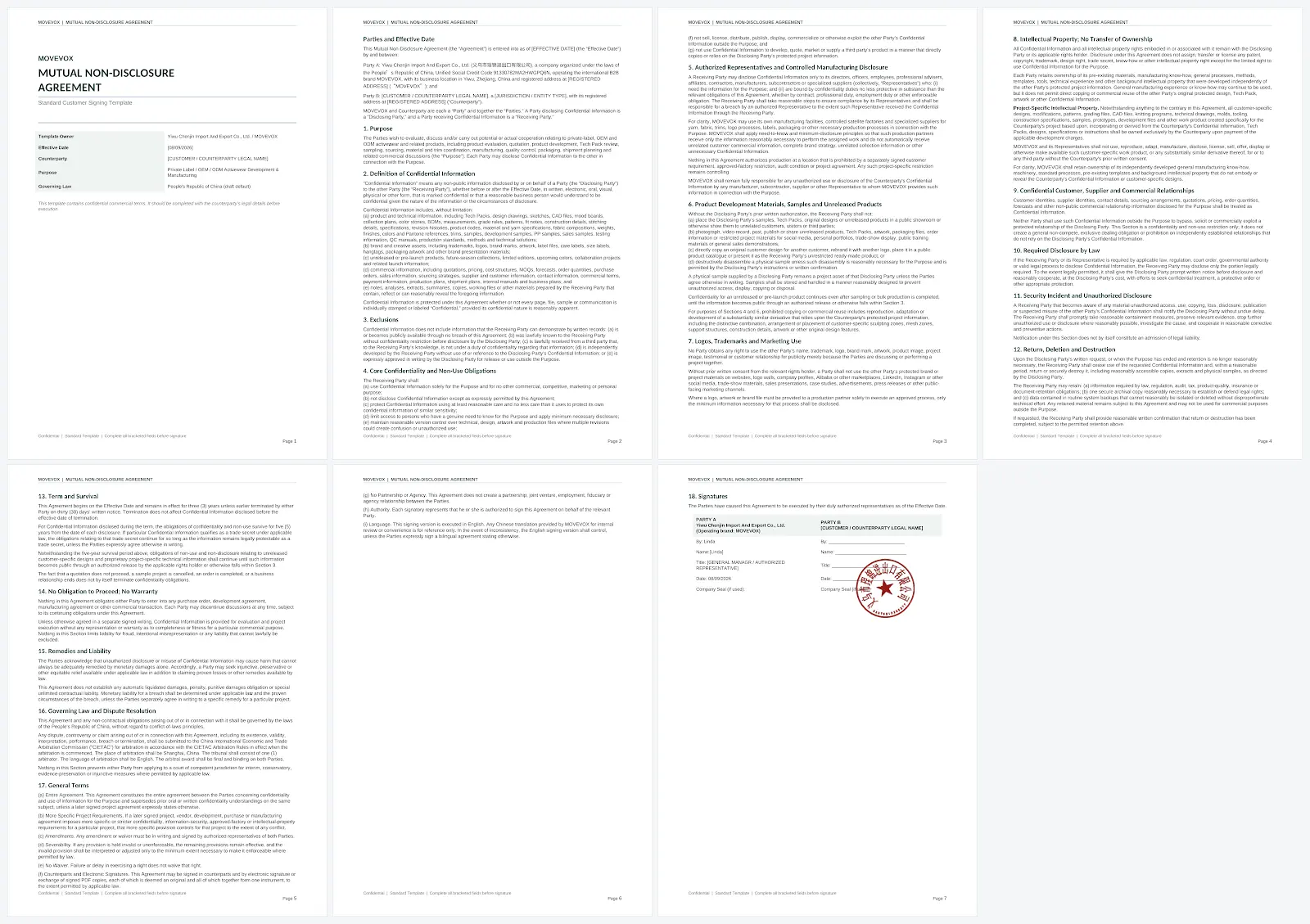
Can we sign an NDA first?
Yes. MOVEVOX supports NDAs and reasonable customer confidentiality requirements before sensitive product information is fully distributed. The agreement can define project-use boundaries, permitted disclosure and other customer-specific requirements. Confidentiality should be established before unreleased Tech Packs, patterns, product samples, logos or commercially sensitive information enter the broader project workflow when the buyer requires that protection.
Who can use our Tech Pack?
Buyer-owned Tech Packs and technical files are treated as project information for the relevant development, purchasing, production and quality requirements. They are not intended to become unrestricted product-development references or general sales material for unrelated buyers. Internal access should follow actual project needs rather than allowing confidential information to circulate without a manufacturing purpose.
Can satellite factories see files?
When a controlled satellite facility is used, it can receive the released technical information necessary to perform its approved production role. This does not require unrestricted access to the buyer’s wider commercial strategy, unrelated collections or other confidential files. Buyers with specific data-access or approved-facility restrictions should establish those requirements before production allocation.
Can samples be shown publicly?
Customer-owned unreleased products, logos, Tech Packs or identifiable samples should not automatically become public marketing content because MOVEVOX participated in development or manufacturing. Public evidence should use authorized material, non-confidential production areas or properly anonymized information when customer permission for identifiable project content has not been obtained.
Are customer designs reused?
MOVEVOX’s stated IP principle is that buyer-owned confidential designs, Tech Packs, samples and unreleased product information are controlled for the relevant project rather than freely redistributed across unrelated customers. Where a buyer needs specific contractual exclusivity around a jointly developed technical solution, those commercial terms should be clarified rather than assumed.
Do you accept copied brands?
MOVEVOX does not treat obvious counterfeit or infringement-driven work as a normal project route. Buyers providing third-party reference products, artwork or protected designs should have the right or authority to use that material. Product references can support lawful engineering analysis, but they do not automatically create permission to copy protected brand assets.
Choose the Right Starting Point for Your Sportswear Project
MOVEVOX can begin from a complete Tech Pack, an existing lawful sample, partial specifications or a formal supplier-qualification requirement. Send the most relevant information you currently have together with your product category, estimated quantity, number of SKUs and target launch timing. The first objective is to determine technical fit, material and manufacturing requirements, commercial MOQ and the next controlled development step. NDA requirements can be discussed before confidential patterns, designs or unreleased product files are shared.
I Have Tech Pack
Your team already controls drawings, measurements, materials or construction and needs a manufacturer to review sampling, branding, MOQ, production feasibility and bulk readiness.
I Have Samples
You have a lawful buyer-owned or authorized product sample, partial specification or current garment and need technical review before controlled development or production.
I Need Qualification
Your sourcing, QA or vendor-management team wants to evaluate MOVEVOX’s factory, product-development system, manufacturing resources, quality controls and commercial fit.
Project Information
Project files can include confidential Tech Packs, patterns or unreleased products. NDA requirements can be addressed before sensitive technical information enters full project review.