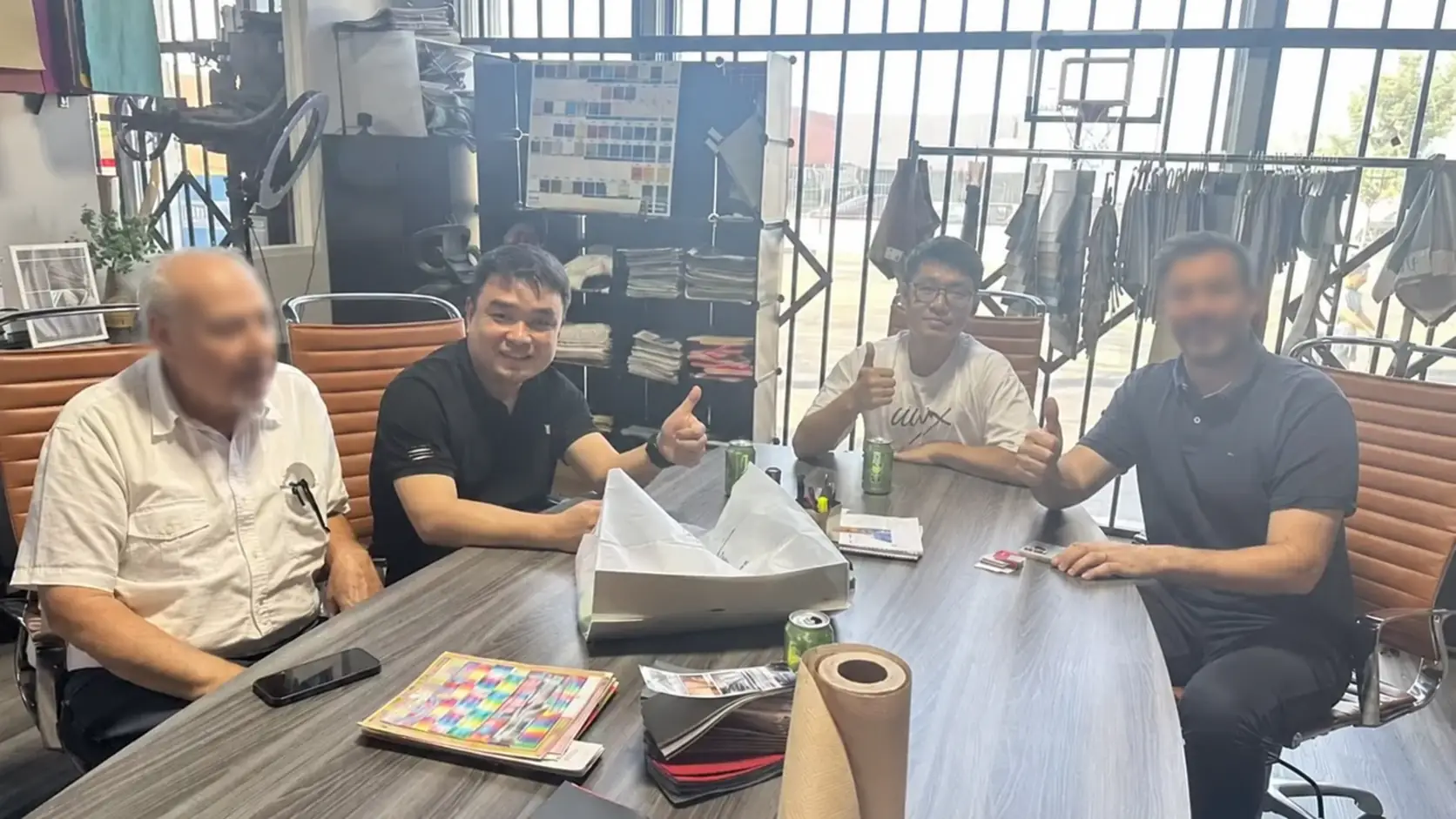
Custom Workout Sets Manufacturer for Established Activewear Brands
MOVEVOX develops and manufactures coordinated workout sets for established activewear brands and growing B2B programs. Our manufacturing system combines Seamless and Cut & Sew capabilities with product development, material sourcing, private-label execution, controlled sampling, quality management and scalable production.
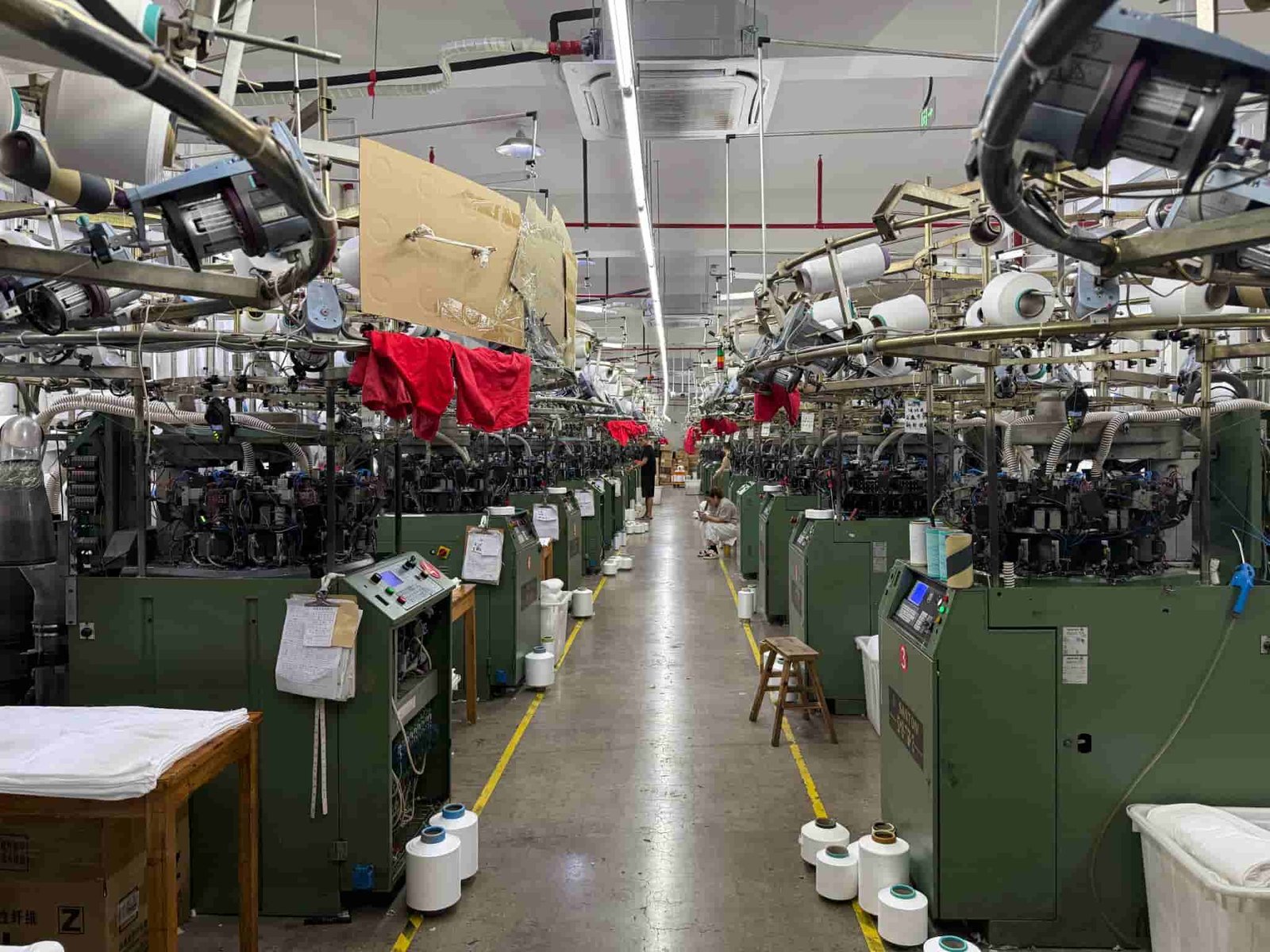
Italian Santoni seamless knitting equipment within MOVEVOX's own production system.
Two activewear manufacturing routes managed through one product-development and quality system.
Typical standard sample development after required development details are confirmed.
Normal stable managed delivery capacity across the controlled production system.
Built for Brands Managing More Than One SKU
This manufacturing model is designed for buyers who need more than a one-time garment order. The strongest fit is with brands managing ongoing product development, multiple styles, repeat orders and formal sample-to-bulk approval.
Established Activewear Brands
You already have defined products, technical expectations and an established customer base. Your challenge is less about finding someone who can make one pair of leggings and more about finding a supplier that can manage different constructions, materials, colors, branding requirements and repeat orders without losing the approved standard. MOVEVOX supports structured Tech Pack review, sampling, version control, Seamless and Cut & Sew manufacturing, unified quality management and continued production planning as the program develops.
- Managing several activewear styles within the same collection
- Requires approved samples before formal bulk production release
- Plans seasonal launches, repeat orders or color extensions
- Expects clear supplier responsibility across production and quality
Growing DTC Brands
You have validated demand and are moving beyond very small test orders. New product development, additional colors, new sizes and faster replenishment now create more supply-chain complexity. MOVEVOX can support relatively flexible initial quantities while maintaining a development and production structure that can continue into larger repeat orders. The objective is not to keep every order at minimum MOQ, but to create a supplier relationship that can grow with commercially proven products.
- Moving from initial validation into repeat production
- Adding new workout-set combinations and colorways
- Needs more formal sampling and quality documentation
- Wants a supplier that can scale without rebuilding the supply chain
Multi-SKU B2B Buyers
Importers, distributors and multi-SKU purchasing organizations often manage different product constructions, multiple color and size combinations, labels, barcodes, packaging and shipment requirements in the same program. MOVEVOX uses one commercial and project-management interface while coordinating product development, material purchasing, production allocation, QC and final release. This reduces the need for the buyer to separately manage independent seamless, cut-and-sew, branding and packaging suppliers.
- Purchasing multiple styles within one order program
- Requires SKU, color, size and packaging coordination
- Needs production visibility across different product constructions
- Values one accountable commercial and quality-management interface
Second-Source Programs
Brands developing an additional manufacturing source are usually comparing more than unit price. They need to verify technical capability, sample repeatability, quality controls, production transparency and the ability to work within an existing specification system. MOVEVOX can receive customer Tech Packs, approved standards and project-specific QC requirements, then progress through technical review, samples and controlled production without requiring the buyer to abandon its established development process.
- Existing specifications and incumbent product standards already exist
- Supplier qualification matters before production volume increases
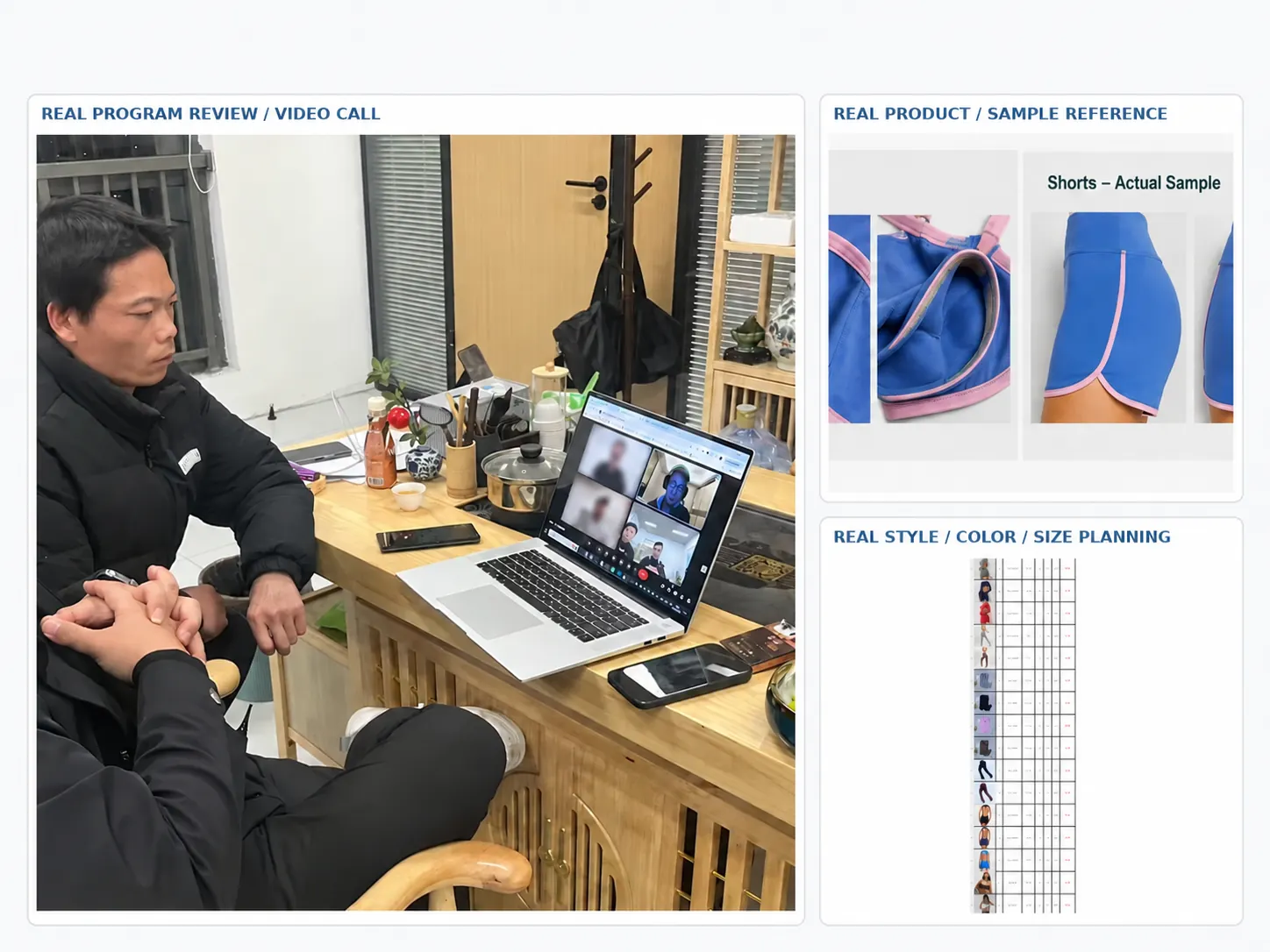
- Factory verification or video review may be required
- Production-location and subcontracting transparency are important
What Is a Custom Workout Sets Manufacturer?
A custom workout sets manufacturer turns coordinated activewear concepts, Tech Packs or approved product directions into branded, production-ready tops and bottoms. For established buyers, the job includes more than matching colors: fabric, fit, construction, sizing, branding, packaging, sampling and bulk standards must be managed together.
A Set Is More Than One Color
Each SKU requires its own technical specification while still following a coordinated collection language for material, color, branding and presentation.
Custom Means More Than Logo
Projects may involve fabric, yarn, Fit, pattern or knitting structure, Pantone direction, trims, labels and packaging—not only applying a Logo to an existing garment.
Different SKUs Need Different Routes
MOVEVOX can use Seamless manufacturing where knitted structure is appropriate and Cut & Sew where patterns, panels or sewn constructions are required.
Approval Must Reach Bulk
Technical files, measurements, materials, colors, artwork and packaging need controlled versions before bulk production is released.
Manufacturing Facts Behind Your Workout Set Program
These figures provide an initial view of MOVEVOX's manufacturing, development and quality-control structure. Each number uses the operating definition recorded in the company's current factual documentation.
Production Space
Approximate operating production space at the Yiwu core production base.
Santoni Machines
Italian Santoni seamless knitting machines within MOVEVOX's own production system.
Garment Machines
Principal sewing and garment-production machines supporting Cut & Sew manufacturing.
Development Team
Normal development structure across design, pattern making and sample development.
QC Personnel
QC personnel supporting material, process, finished-garment, packing and pre-shipment control.
Standard Sampling
Typical standard sample development after required development details have been confirmed.
Build Workout Sets as Coordinated Product Collections
A workout-set program should be managed at both SKU and collection level. MOVEVOX can coordinate fabric direction, color, Fit language, branding and packaging while maintaining separate technical standards for each garment.
Sports Bra + Leggings
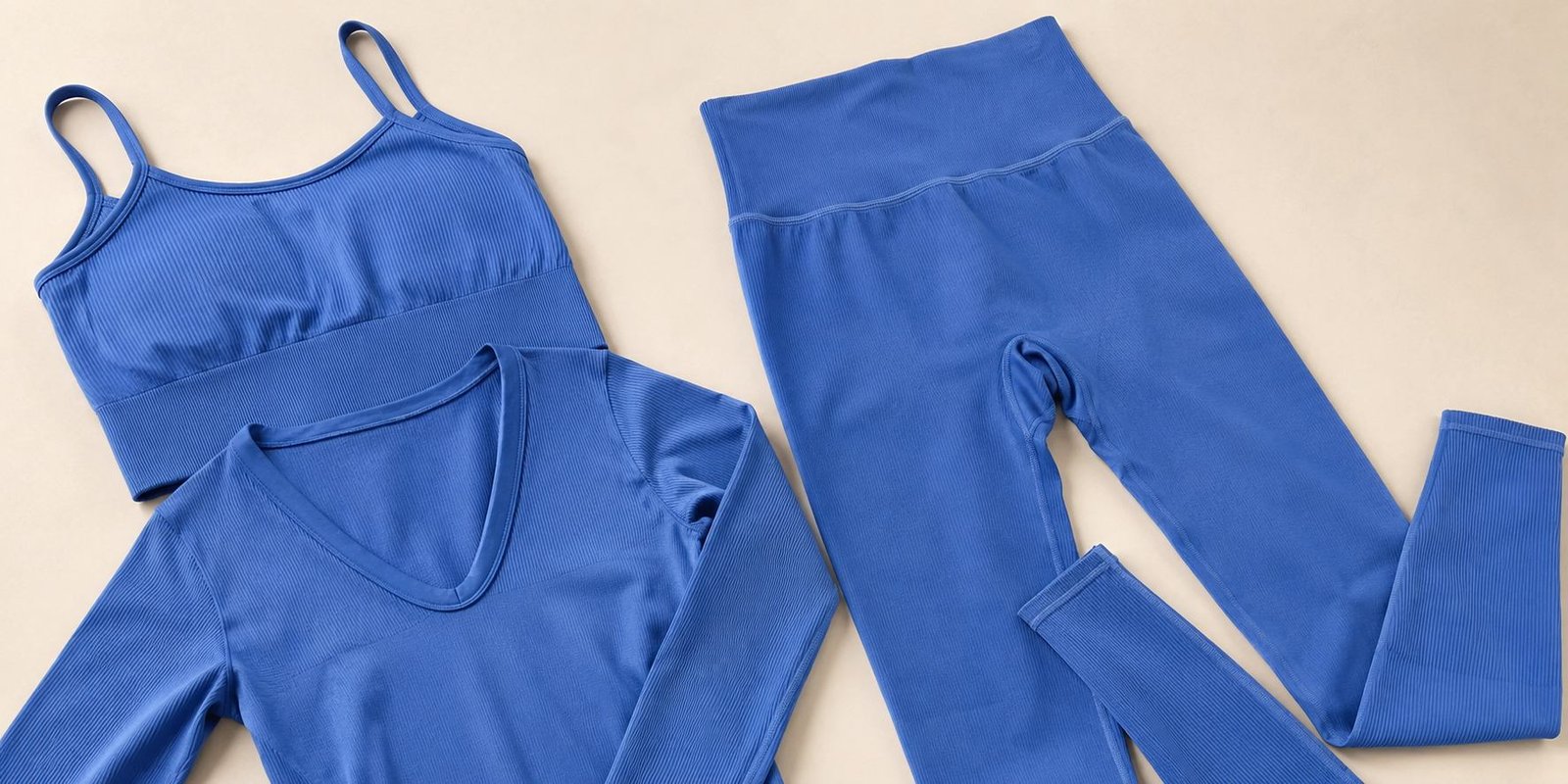
This combination requires independent control of bra support and Fit while maintaining the leggings' stretch, recovery, coverage and lower-body Fit requirements. Shared color, branding and material direction can create collection consistency, but each garment still needs its own measurements, construction requirements and approval process.
Crop Top + Shorts
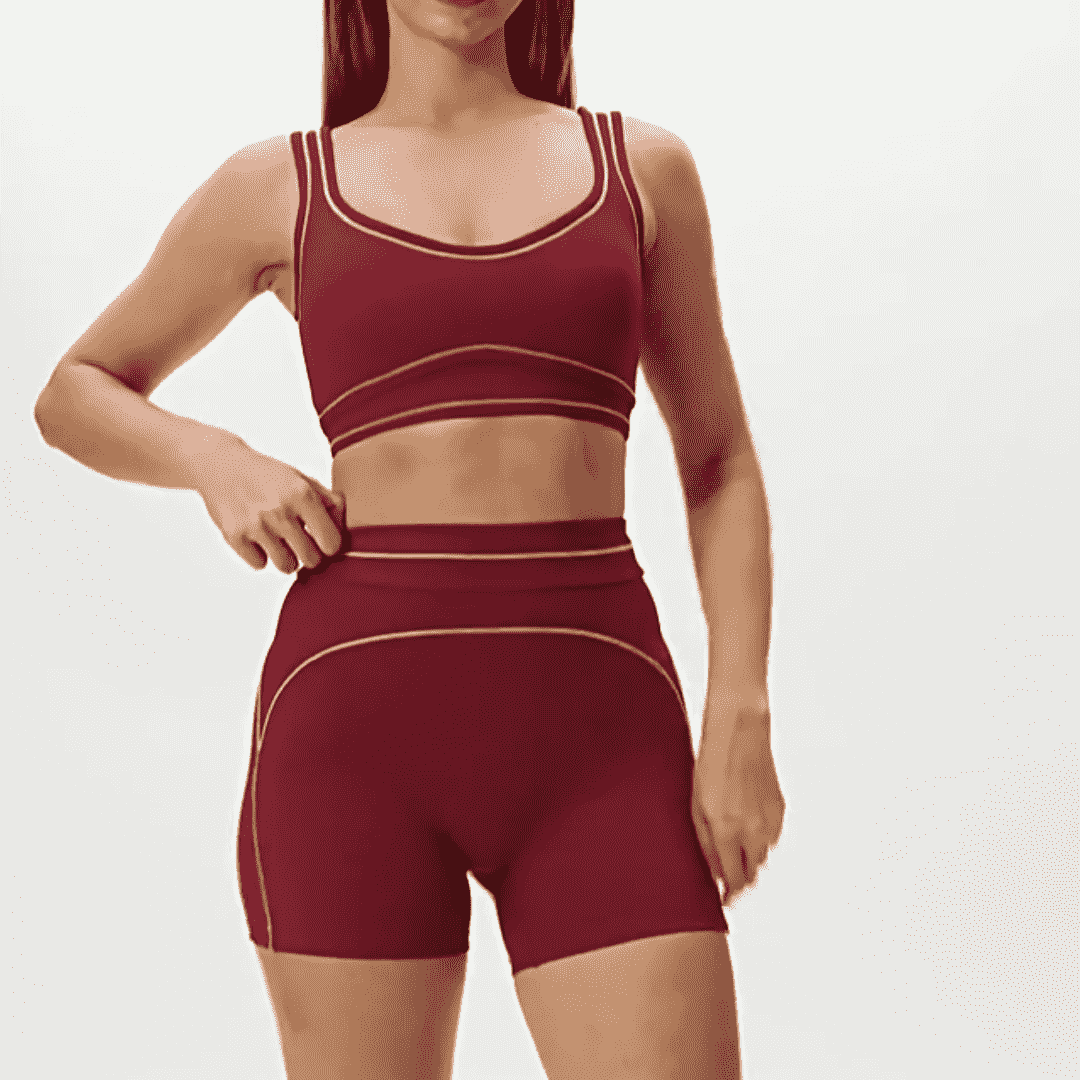
A top-and-shorts program can share brand language, color direction and packaging while using product-specific patterns and Fit standards. Development should separately confirm upper-body mobility, lower-body Fit, waistband structure, garment length, Logo placement and final size grading before bulk production.
Long Sleeve + Leggings
Long-sleeve activewear and leggings can be developed within one collection even when their construction and fabric requirements differ. MOVEVOX can coordinate the material platform, color approval, branding and production schedule while maintaining independent measurements, Fit approval and QC checkpoints for each SKU.
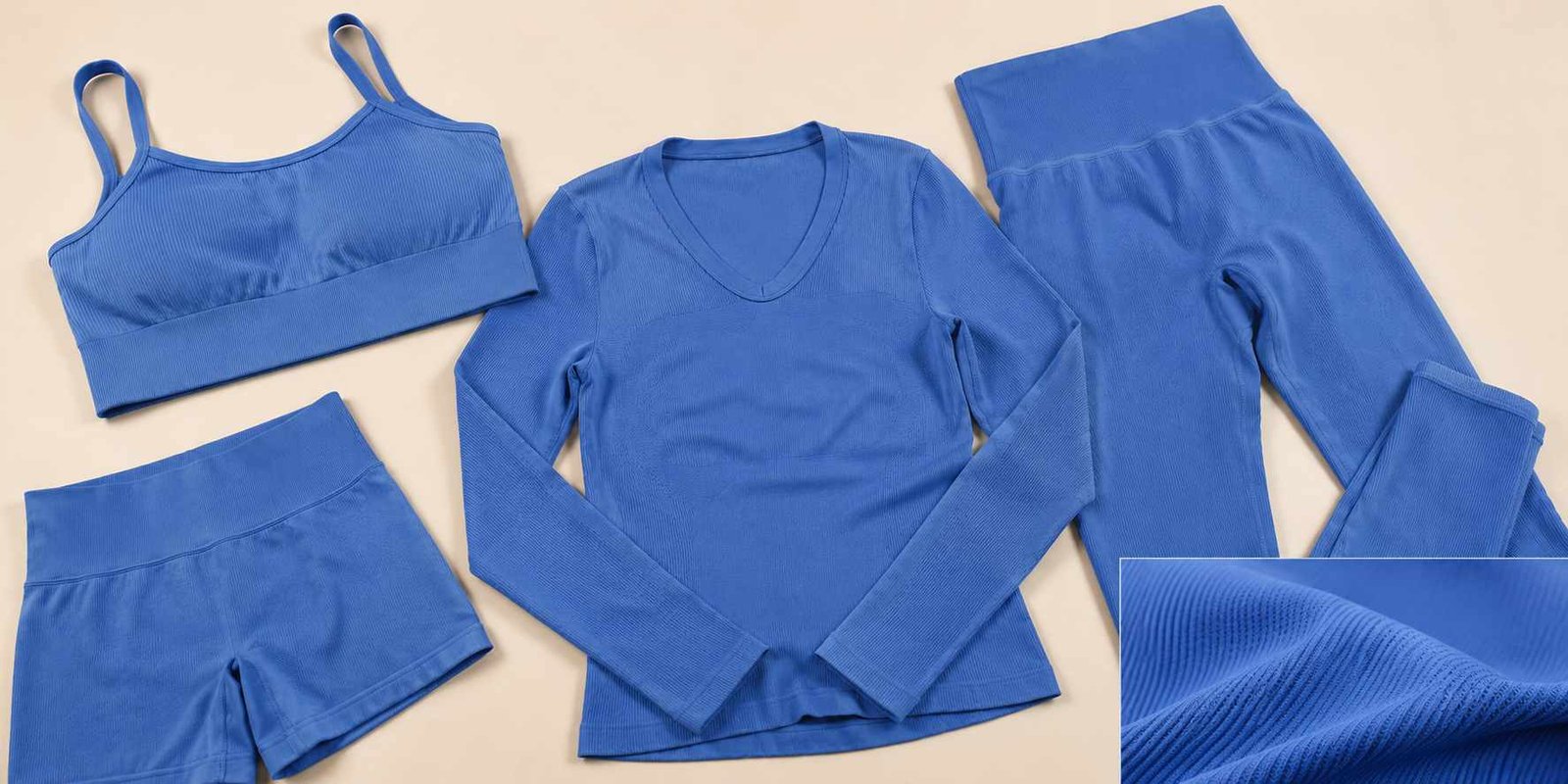
Three-Piece Training Set
A three-piece program may combine a bra, top and bottom under one coordinated branding and color system. The advantage is not making every item technically identical; it is controlling shared variables while allowing each SKU to use the construction, Fit and performance priorities appropriate to its function.
Choose the Right Manufacturing Route for Each SKU
Workout sets do not need one manufacturing method. MOVEVOX evaluates structure, material, Fit and design requirements before assigning Seamless, Cut & Sew or a mixed manufacturing route.
| Decision Area | Seamless | Cut & Sew |
|---|---|---|
| Product formation | Garment structure is created largely through programmed knitting. | Fabric is sourced, cut to patterns and assembled through sewing. |
| Core engineering | Yarn, knitting program, cylinder, density and knitted structure. | Fabric, pattern, grain direction, cutting and seam construction. |
| Design strengths | Rib, mesh, jacquard, texture and engineered compression zones. | Panels, pockets, shaped seams, zippers and conventional garment structures. |
| Fit control | Size program, yarn behavior, knitting structure and finishing. | Pattern, Measurement Chart, grading, fabric behavior and sewing. |
| Material input | Primarily yarn-based development and knitting parameters. | Fabric-based sourcing with defined composition, GSM and stretch. |
| Production proof | Program version, yarn lot, size and knitting parameters. | Pattern version, fabric lot, cutting and sewing specifications. |
| Best use | Products designed around integrated knitted structure. | Products requiring conventional panels, complex cut shapes or sewn construction. |
| Collection use | Can coexist with Cut & Sew styles in one collection. | Can coexist with Seamless styles in one collection. |
Six Capabilities Behind a Scalable Workout Set Program
These six capabilities answer the practical supplier questions behind development, manufacturing, private-label execution, quality control and future production growth.
Seamless Manufacturing
MOVEVOX's own production system includes 28 Italian Santoni seamless knitting machines. Seamless projects can be managed through yarn selection, knitting structure, program version, size, trial knitting, measurement and approved-sample control. This capability is relevant to leggings, sports bras, shorts, tops and other designs where engineered knitted structure is an appropriate manufacturing route.
Cut & Sew Manufacturing
The own manufacturing system includes approximately 24 principal sewing and garment-production machines. Cut & Sew development is managed through fabric selection, pattern and measurement work, cutting, sewing construction, trims, branding and finished-garment inspection. This route supports products requiring conventional fabric panels, shaped patterns, pockets or sewn structural details.
Product Development
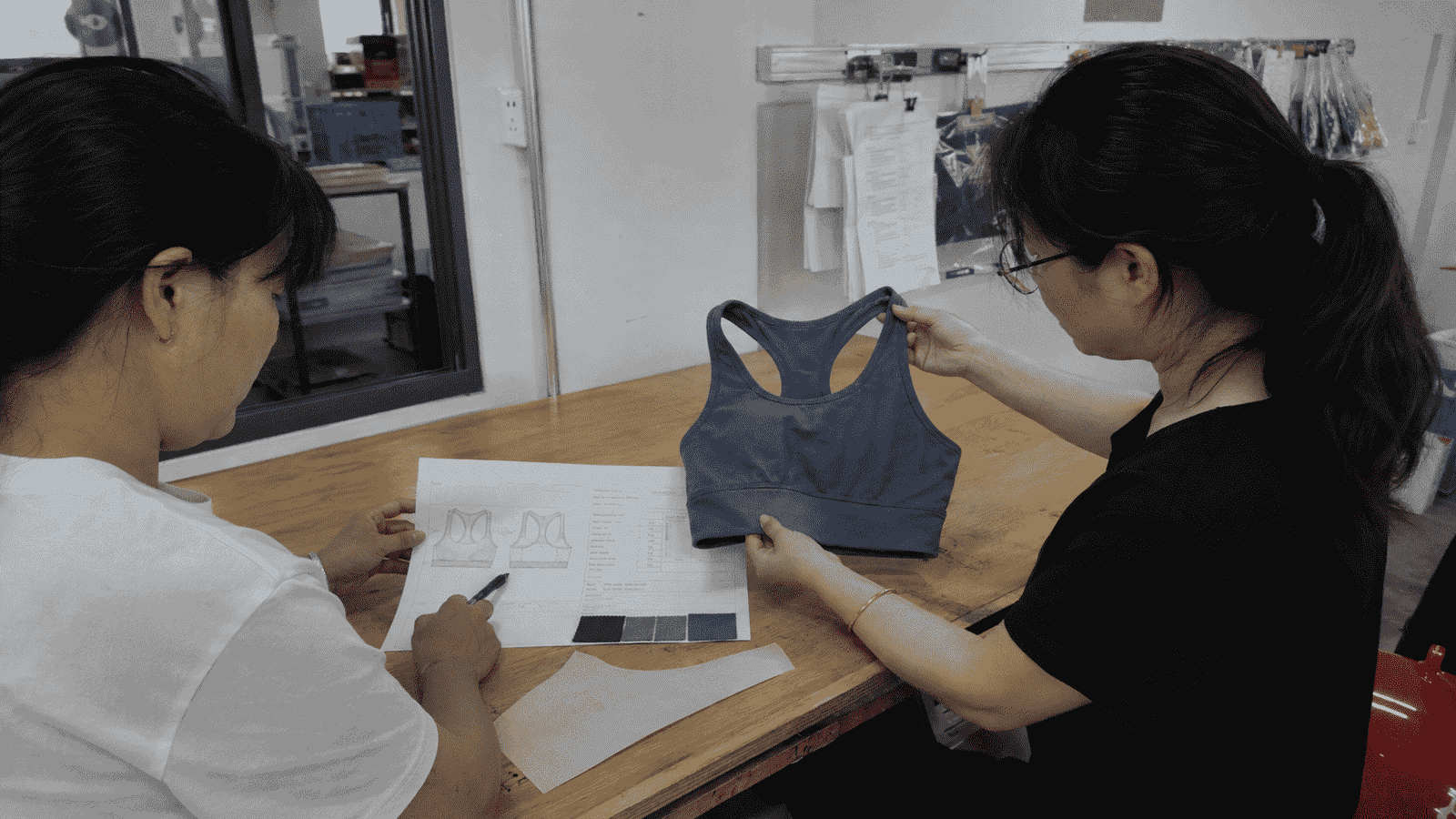
MOVEVOX's normal product-development structure includes approximately eight people across design, professional pattern making and sample development. Projects can start from a complete Tech Pack, legal reference sample, sketch, image or clearly defined product concept. The purpose is to convert design intent into controlled specifications, physical samples and a production-ready standard.
Materials and Branding
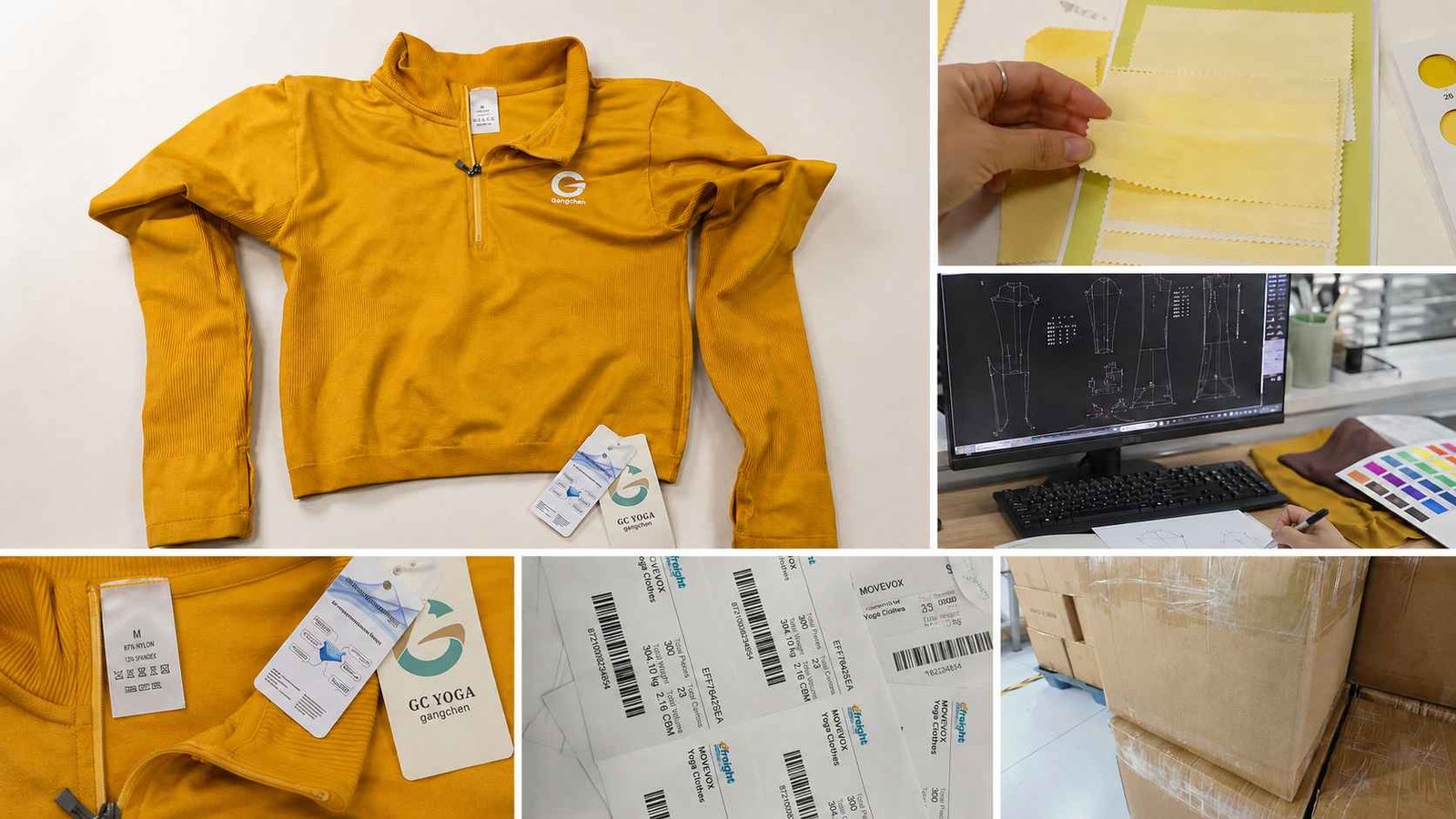
MOVEVOX coordinates major yarns, fabrics, custom colors and key trims through its sourcing function. Private-label execution can include Logo processes, Main Labels, Care Labels, Size Labels, Woven Labels, Hangtags, Polybags, Stickers, Barcodes and cartons. Approved branding and packaging versions are incorporated into procurement and order-control documentation before bulk execution.
Quality Control
MOVEVOX currently has five QC personnel. Quality control covers material and trim inspection, specification freeze, approved samples, pre-production review, First Article checks, process inspection, finished-garment measurements and appearance, branding verification, packaging checks and final inspection. Customer-specific standards take precedence when formally provided.
Scalable Production
The manufacturing model combines MOVEVOX's Yiwu core factory with eight long-term satellite factories and selected specialist partners when project needs require additional capability. MOVEVOX centrally manages technical files, material requirements, production allocation, progress, QC and final release as orders move from initial production into repeat and larger-volume programs.
One System From Product Development to Repeat Production
The value is not simply having two manufacturing processes. It is connecting product development, production, quality and scale through one accountable system.
Manufacturing Foundation
MOVEVOX operates a Yiwu core production base with Seamless and Cut & Sew capabilities. This gives development and production teams direct access to the manufacturing methods required to establish initial product standards before approved work is repeated or expanded.
Evidence: 28 Santoni machines and approximately 24 principal sewing and garment-production machines.
Development Control
Customer requirements are translated into samples, measurements, material specifications, branding details and approved versions. This creates a defined reference for production teams and QC rather than relying only on verbal instructions or one physical sample.
Evidence: Approximately eight-person development structure and standard sampling typically 5–10 working days after details confirmation.
Controlled Scale
When demand grows, MOVEVOX can allocate production across its core factory and controlled capacity network. Technical information, materials, PMC coordination, quality requirements and final accountability remain under MOVEVOX rather than being independently defined by each production location.
Evidence: Eight long-term satellite factories support controlled capacity expansion.
Long-Term Brand Value
The buyer gains one accountable supplier interface for coordinated workout sets that may involve different manufacturing processes, materials, branding elements and order sizes. This reduces repeated supplier onboarding and helps preserve approved standards across launches, repeats and SKU extensions.
Control the Risks That Break Coordinated Workout Sets
Workout-set programs create cross-SKU risks that are easy to miss during sampling. Mature sourcing teams evaluate how the supplier identifies, controls and documents these risks before volume increases.
Top-to-Bottom Color Drift
Two products may use different materials or structures even when the target Pantone is the same, creating visible shade differences.
A set can appear inconsistent at retail, forcing rework, discounting or delayed launch even when each garment is technically acceptable.
MOVEVOX coordinates color standards, Lab Dip or swatch approval where applicable, material lots and incoming color checks before final bulk comparison.
Fit Language Inconsistency
Matching products may be developed separately without a shared Fit direction, measurement logic or controlled approved version.
The collection may look coordinated visually but feel inconsistent in use, increasing returns, Fit complaints and redevelopment work.
Each SKU keeps its own measurement and approval standard while shared collection-level Fit direction is managed through development, samples and version control.
Sample-to-Bulk Drift
Materials, measurements, construction or branding can change when an approved sample is transferred into production without controlled specifications.
Buyers may receive commercially unusable bulk even though the development sample looked correct.
Final files, Approved/PP Samples, material requirements, artwork and packaging are frozen before production; First Article and in-line checks compare production against the approved standard.
Capacity Failure After Growth
A supplier may support development or a small first order but lack a controlled mechanism for repeat and larger-volume production.
Successful products can become difficult to replenish, forcing emergency supplier changes when consistency and timing matter most.
MOVEVOX combines a core factory with controlled satellite capacity while PMC, specification control, QC and final release remain centrally managed during scale-up.
From Development Input to Bulk-Ready Product Standard
MOVEVOX treats product development as an engineering and approval process. Each stage converts buyer input into clearer specifications, physical validation and a controlled standard that production and QC can execute.
Project Input
MOVEVOX receives available development material, which may include a Tech Pack, legal reference sample, sketch, image or clearly defined concept. Product goals, target construction, quantity, colors, branding and unresolved questions are identified before development moves forward.
Deliverable: Development Brief
Technical Review
The development team reviews structure, measurements, material direction, Seamless or Cut & Sew feasibility, branding requirements and production considerations. Conflicting, missing or unclear details should be resolved before they become sample or bulk-production errors.
Deliverable: Technical Review
Material Direction
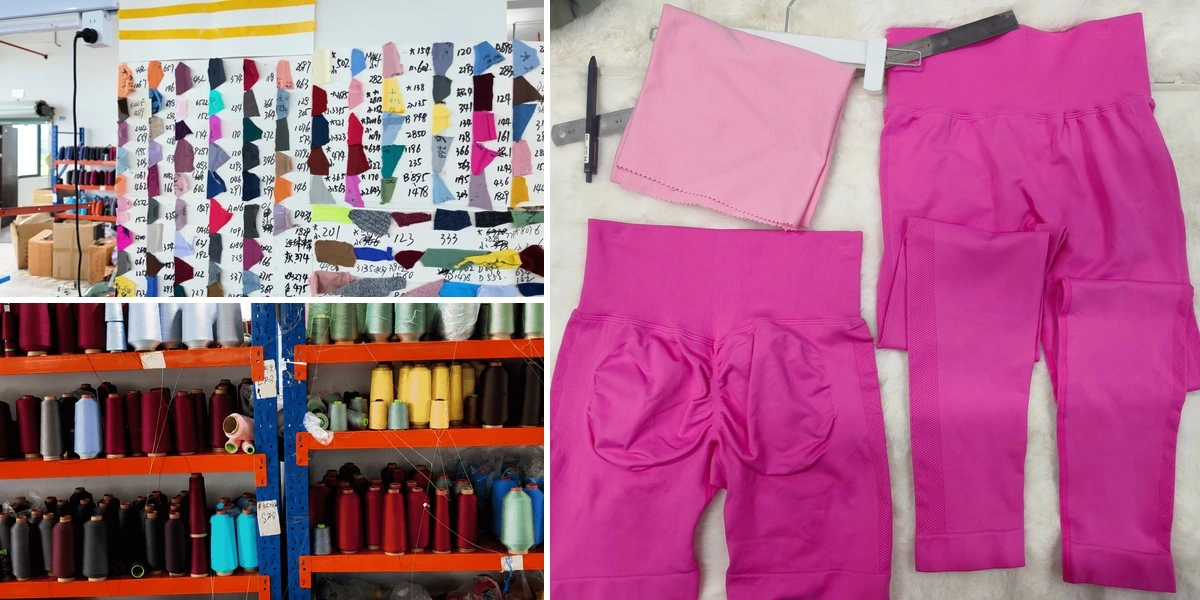
Yarn or fabric requirements are matched to product use, target hand feel, structure, stretch, color and commercial requirements. Existing supply options, custom colors and special materials may create different MOQ and lead-time conditions.
Deliverable: Material Direction
Pattern or Program
Cut & Sew products move into pattern and construction development; Seamless products require knitting-structure and program work. Measurements, proportions, Fit intent and structural details are converted into an executable first development version.
Deliverable: Development Version
Development Sample
A physical sample is produced for technical and buyer review. Under normal conditions, MOVEVOX standard sample development is approximately 5–10 working days after all required development details have been confirmed.
Deliverable: Development Sample
Fit and Revision
The sample is measured and reviewed against the intended Fit, structure, material and visual requirements. Buyer comments are consolidated into controlled revisions rather than being distributed as untracked messages across different production departments.
Deliverable: Revision Record
Approval Freeze
Approved measurements, material, color, Logo, label and packaging requirements are written back into the applicable project documentation. The Approved or PP Sample becomes one part of a wider controlled production standard.
Deliverable: Approved Standard
Bulk Handover
The production team receives final approved information, material and branding requirements, retained reference sample and defined QC points. Pre-production review and First Article checks create the bridge between development and repeatable bulk execution.
Deliverable: Bulk Release
Choose the Right Development Path for Your Brand
OEM, development-led ODM and Private Label begin with different levels of product definition. MOVEVOX adjusts its development role to the buyer's starting information while keeping final product decisions under buyer approval.
| Decision Area | OEM | Development-Led ODM | Private Label |
|---|---|---|---|
| Starting input | Detailed Tech Pack, measurements and product specifications. | Concept, sketch, image or legal reference direction. | Existing product direction and brand requirements. |
| MOVEVOX role | Review feasibility, sample, execute approved specifications and produce bulk. | Translate concept into material, structure, sample and production specifications. | Coordinate product selection or adaptation with private-label execution. |
| Design ownership | Buyer controls original direction and approves technical deviations. | Buyer controls brand direction and approves developed product decisions. | Buyer controls brand identity, artwork and final commercial presentation. |
| Development work | Technical review, sampling, production engineering and controlled execution. | Greater material, pattern, structure and iterative sample-development support. | Product Fit plus Logo, labels, packaging and SKU execution. |
| MOQ logic | Depends on route, materials, color and order structure. | Development choices may change material, process and effective MOQ. | Garment, Logo, label and packaging MOQs may differ. |
| Best fit | Brands with mature technical specifications. | Brands with clear product goals but incomplete production-ready documentation. | Buyers prioritizing brand execution around an existing product direction. |
Develop Multiple Workout SKUs From Shared Platforms
Collection platform development standardizes the variables customers do not need to repeatedly redefine while protecting the technical differences that make each SKU functional.
Material Platform
A collection can use one or several approved material platforms across compatible products. Shared material standards can simplify sourcing, color coordination and repeat orders, while different products remain free to use different materials when support, structure, hand feel or manufacturing requirements make that necessary.
Fit Platform
A shared Fit language can define how the collection should feel and present across products, but every garment retains its own measurements, grading and approval standard. Leggings, sports bras, shorts and tops should not be forced into one universal measurement logic.
Construction Modules
Recurring design elements—such as waistband direction, bra-back concepts, pocket approaches or Seamless knitted structures—can be documented and reused when technically appropriate while preserving product-specific construction requirements.
Color System
A collection-level color system establishes target standards and approval logic across multiple SKUs. Because different yarns, fabrics and structures can display the same target differently, each material route still requires appropriate approval and lot control.
Branding System
Logo size, position logic, label formats, Hangtags and other brand materials can follow shared rules across the collection. Each Style/SKU retains its own approved artwork and placement record.
Packaging System
Shared packaging architecture can standardize Polybags, stickers, barcodes, cartons and shipping marks while preserving SKU-, color- and size-specific data.
Select Materials From Product Requirements, Not Fabric Names
MOVEVOX approaches material selection from the required product experience, construction and commercial conditions. Composition alone does not prove performance; each candidate material must be evaluated through sampling and appropriate project-specific checks.
1. What Product Are You Developing?
Leggings · Sports Bra · Workout Shorts · Training Top · Seamless Set
2. What Fit Experience Is Required?
Soft and flexible · Supportive · Higher compression · Lightweight mobility
3. What Construction Is Planned?
Seamless knitting · Cut & Sew · Mixed collection
4. Is the Color Standard Custom?
Stock color · Pantone direction · Physical reference
5. Which Commercial Constraint Matters Most?
Lower entry MOQ · Material consistency · Custom color · Repeat availability
Nylon + Spandex
Nylon/polyamide and spandex combinations are established material directions within MOVEVOX's activewear sourcing scope. The final choice should be based on required hand feel, GSM, stretch and recovery, coverage, Fit and product construction rather than composition alone.
Cut & Sew Stretch Review Bulk Lot ControlPolyester + Spandex
Polyester and spandex materials are another available activewear direction. Suitability depends on the intended product, surface, stretch behavior, weight, hand feel, color and customer-required performance rather than a universal formula.
Cut & Sew Product-Specific Evidence RequiredSeamless Yarn Platform
Seamless products require a yarn-based development approach rather than simply selecting a finished fabric. Yarn composition, color, knitting program, density, knitted structure, size and finishing interact to determine Fit and product behavior.
Seamless Yarn-Based Program-ControlledRib or Texture Direction
Ribbed and textured surfaces may be developed through suitable materials or Seamless knitting structures depending on the design. Visual appearance alone is not enough to approve the material: stretch, recovery, Fit, dimensional behavior and repeat production should still be confirmed.
Texture Sample Validation SKU-SpecificDefine Performance Requirements for Each Workout Set SKU
A collection should not apply the same performance claims to every garment. MOVEVOX defines priorities by product and use case, then connects those priorities to material, structure, sampling, inspection and evidence.
Leggings Performance
Claim: Prioritize stretch, recovery and coverage.
Leggings require material and Fit to work together through repeated movement. Exact performance claims should remain linked to the specific material, color, product and applicable validation.
Evidence Basis
Material review, stretch/recovery checks, Fit evaluation and opacity assessment.
Sports Bra Performance
Claim: Prioritize support, recovery and Fit.
Sports bra requirements depend on intended support level, underbust Fit, coverage, strap structure, material elasticity and construction.
Evidence Basis
Fit sample, material behavior, construction and support evaluation.
Shorts Performance
Claim: Balance mobility, coverage and Fit stability.
Workout shorts must maintain mobility without losing control around the waist, hip, rise and leg opening.
Evidence Basis
Measurement, movement review, stretch and coverage checks.
Training Top Performance
Claim: Match movement needs with material and construction.
Fabric composition alone does not justify moisture, quick-dry or other functional claims. Where these claims are required, evidence should be applicable to the selected material and product.
Evidence Basis
Material specification, Fit review and required test evidence.
Seamless Set Performance
Claim: Validate knitted structure as a system.
Seamless performance depends on yarn, program, density, rib, mesh, jacquard or compression structures, size and finishing rather than only fiber composition.
Evidence Basis
Santoni program, yarn lot, structure and sample validation.
Control Fit From Base Size Through Bulk Production
Size consistency does not come from applying one universal XS–XL chart. Each workout-set SKU needs its own approved measurements, grading logic, material behavior, tolerances and production references before bulk Fit can be controlled.
| Fit Control Point | What Must Be Controlled | Production Reference |
|---|---|---|
| Base Size | Core garment measurements, proportions and intended Fit are confirmed on the selected development size. | Measurement Chart + approved Fit Sample |
| Points of Measurement | Measurement positions and methods are defined so development, QC and production measure the garment consistently. | POM specification |
| Measurement Tolerance | Acceptable production variation is defined for relevant garment measurements instead of judging bulk with undefined expectations. | Approved tolerance standard |
| Grade Rules | Size-to-size measurement changes are defined according to the product, target market and approved Fit direction. | Grading specification |
| Size Set | Where required, graded sizes are physically reviewed to verify that the Fit direction remains consistent beyond the base size. | Size Set Sample |
| Material & Construction | Fabric stretch, Seamless structure, recovery and garment construction are considered because they can change Fit even when measurements remain similar. | Approved material + construction standard |
| First Article | Initial production garments are measured against the approved standard before normal bulk production continues. | First Article inspection |
| Bulk Measurement | In-process and finished garments are checked against the applicable Measurement Chart and tolerance during production. | In-line QC + final inspection |
Fit Control Principles
- One size name does not represent one universal activewear measurement.
- Approval of a base size does not automatically validate every graded size.
- Leggings, sports bras, tops and shorts require different Points of Measurement.
- Changes to material or construction may require renewed Fit validation.
- Approved measurements must remain connected to the correct sample and technical version.
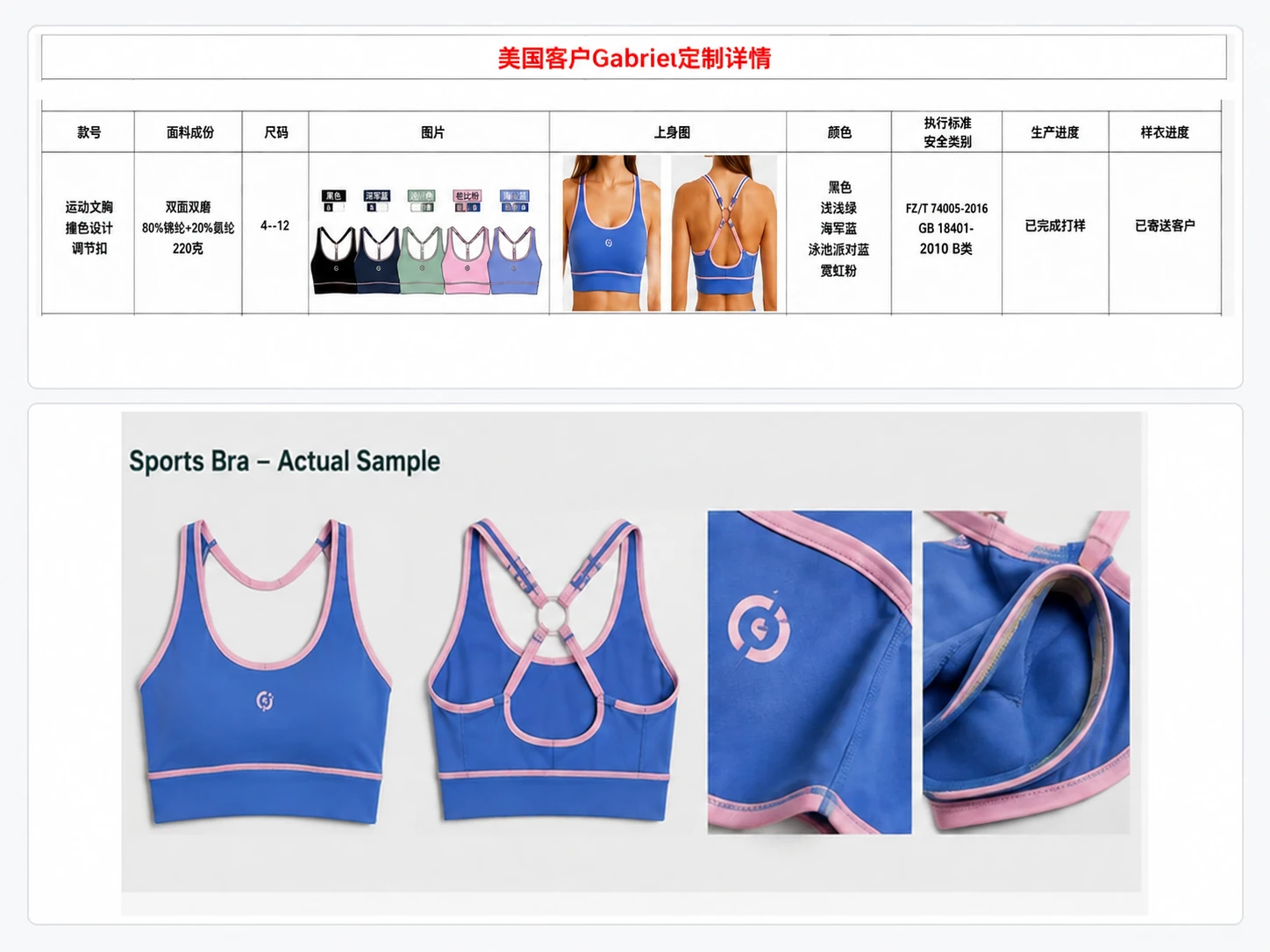
How We Control Color Across Workout Set SKUs
Matching a workout set requires more than assigning one Pantone reference. Different yarns, fabrics, textures and production lots can display color differently, so each material route needs a controlled approval process.
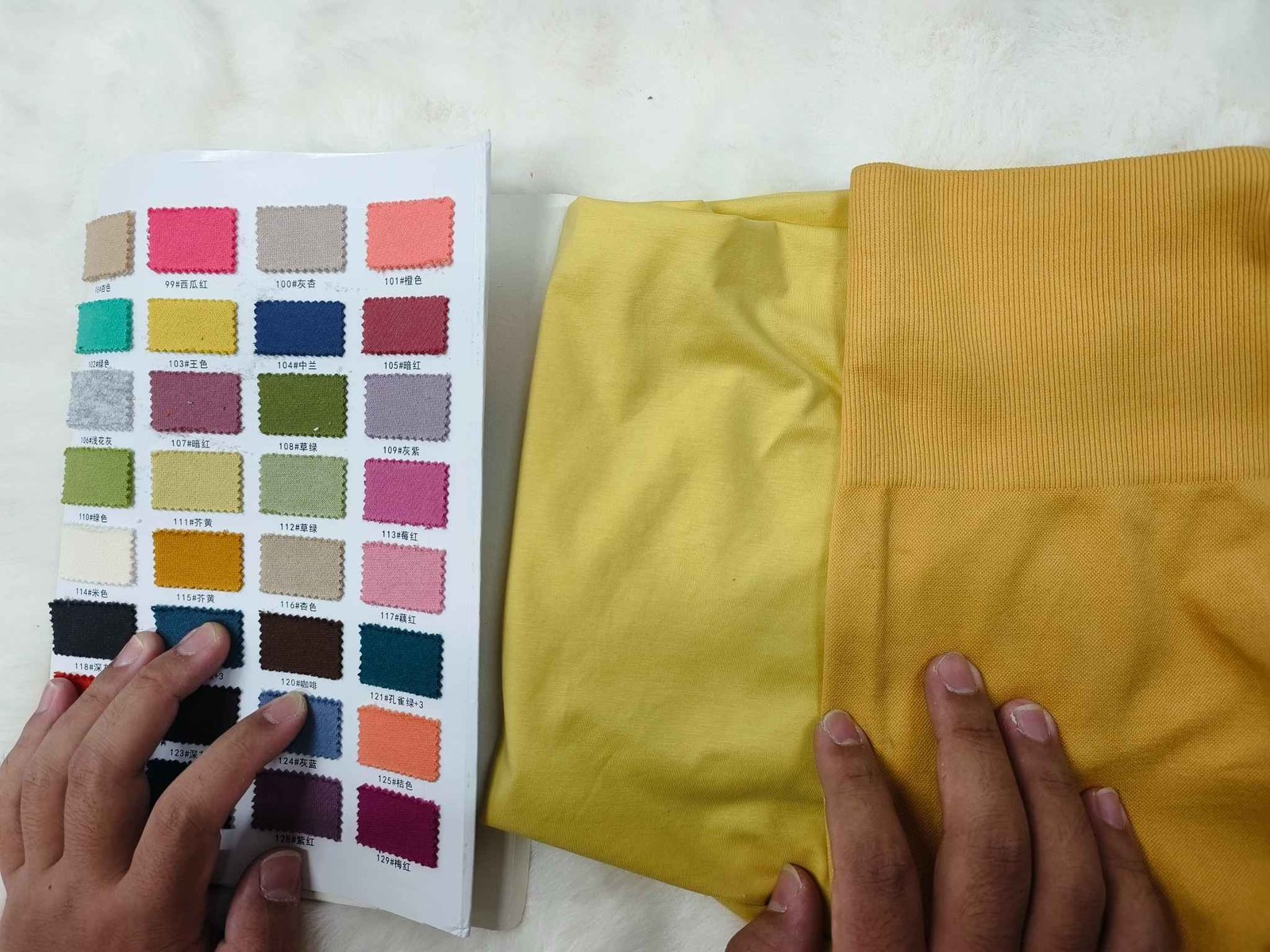
Color Standard
The project begins with the buyer's approved Pantone direction, physical color reference or other agreed standard.
Material Route
MOVEVOX identifies whether color will be achieved through stock yarn, stock fabric, custom dyeing or another approved route.
Lab Dip Approval
Where custom dyeing requires a Lab Dip or swatch process, samples are coordinated for buyer review before bulk material is committed.
Lot Identification
Bulk yarn or fabric is connected to its applicable dye or material batch so different lots can be identified and controlled.
Incoming Check
Incoming material is checked against approved project requirements before it becomes part of normal bulk production.
Bulk Comparison
Finished products are compared with applicable approved color and product standards, including top-and-bottom visual coordination.
Turn Workout Sets Into Fully Controlled Brand Products
Private Label execution connects the garment, artwork, labels, SKU data, packaging and shipment presentation. Each element should be approved and version-controlled against the correct Style, color and size before bulk packing.
Product Identity
The garment is the foundation of the private-label system. Product Style, color, size range, material, construction and approved sample must first be clearly identified so branding does not become detached from the physical SKU.
- Style and SKU identification for each garment
- Color and size mapping against the purchase order
- Approved sample reference for production and QC
- Current technical version distributed before production
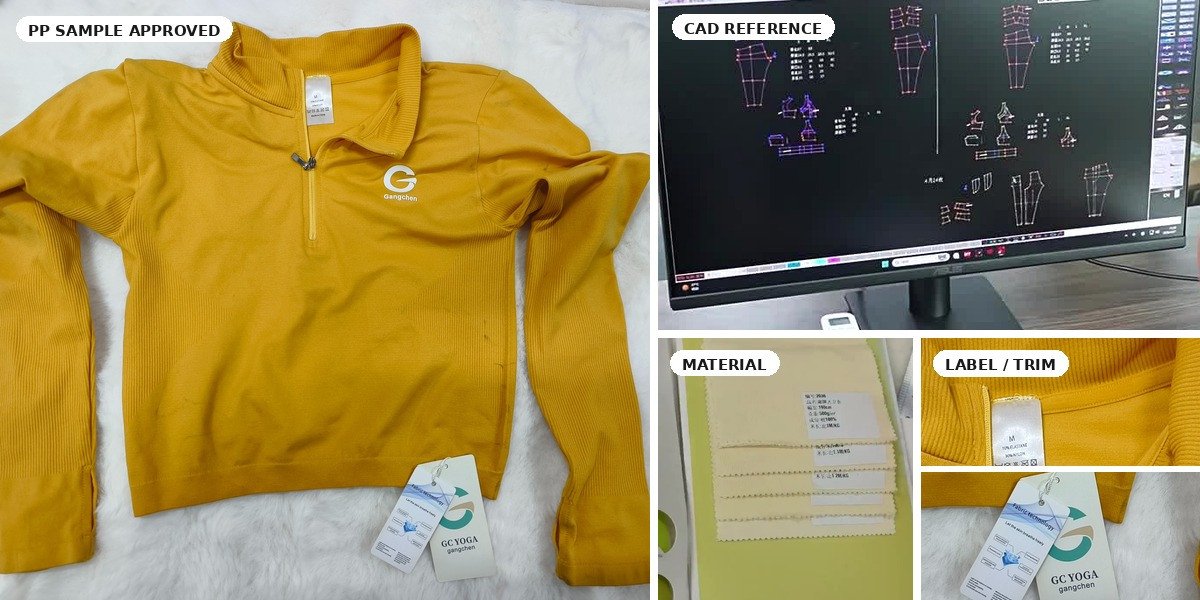
Logo Execution
MOVEVOX can coordinate Logo processes including screen printing, heat transfer, silicone Logo, embroidery, jacquard and woven-label applications where technically suitable. Artwork, color, size, position and application method need buyer approval.
- Screen printing
- Heat-transfer Logo
- Silicone Logo
- Embroidery or jacquard where appropriate
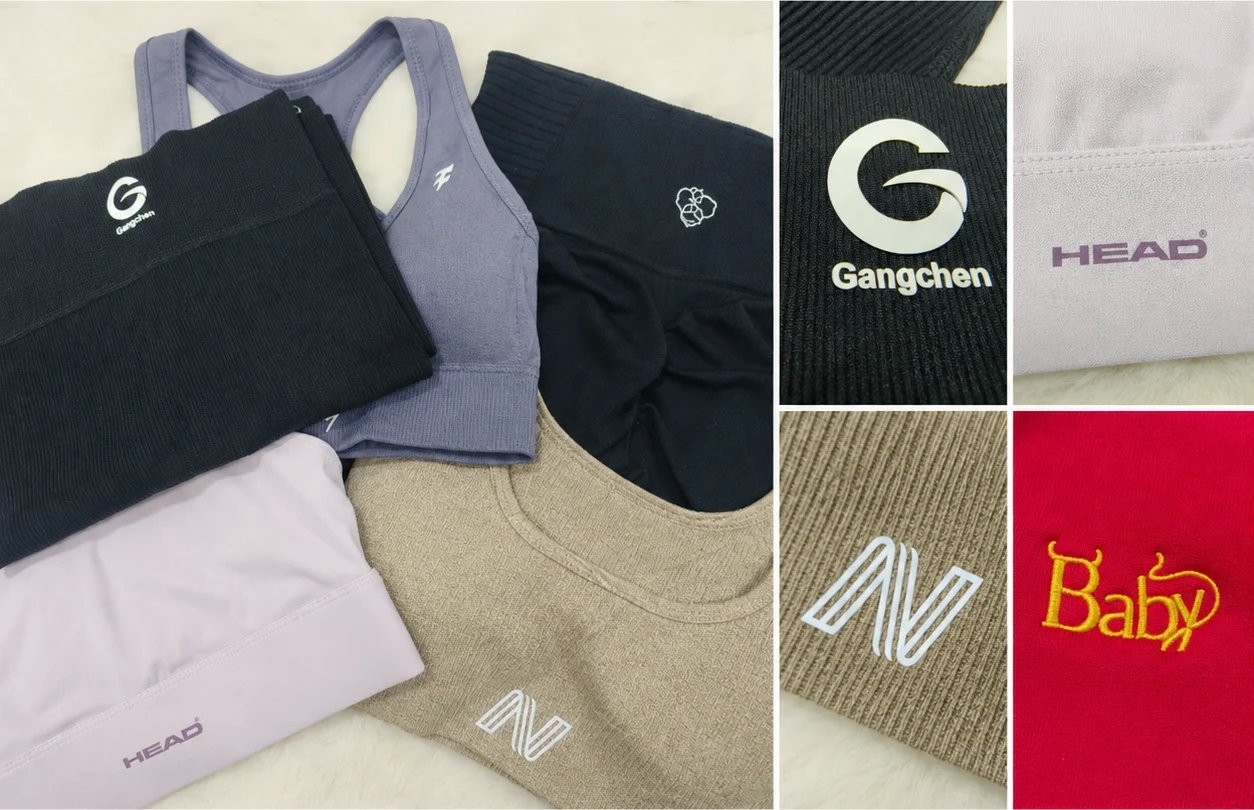
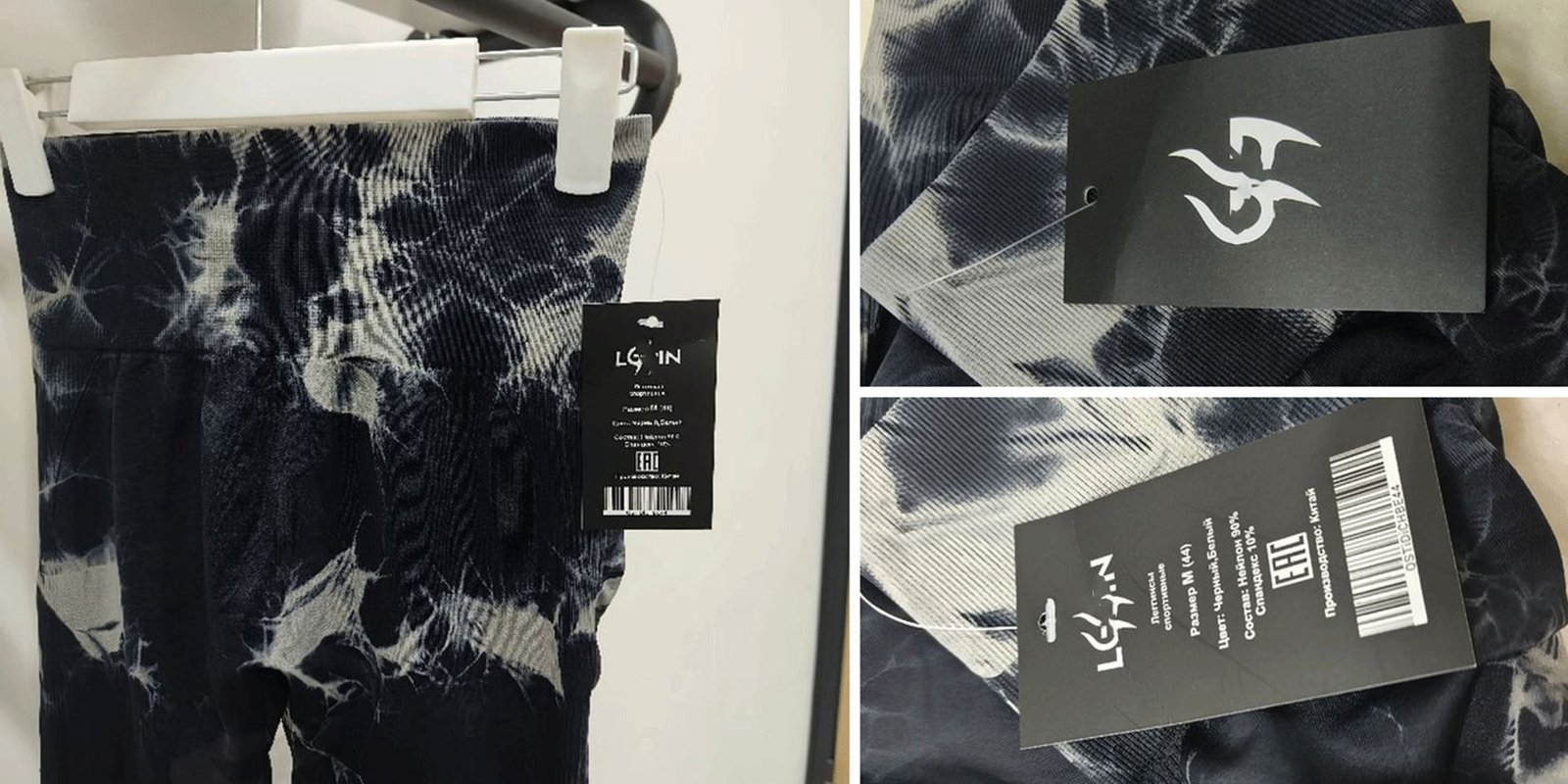
Label System
Private-label garments can include Main Labels, Care Labels, Size Labels and Woven Labels according to product and buyer requirements. Label content, construction, location and version should be approved before bulk production.
- Main brand label
- Care label
- Size label
- Woven label
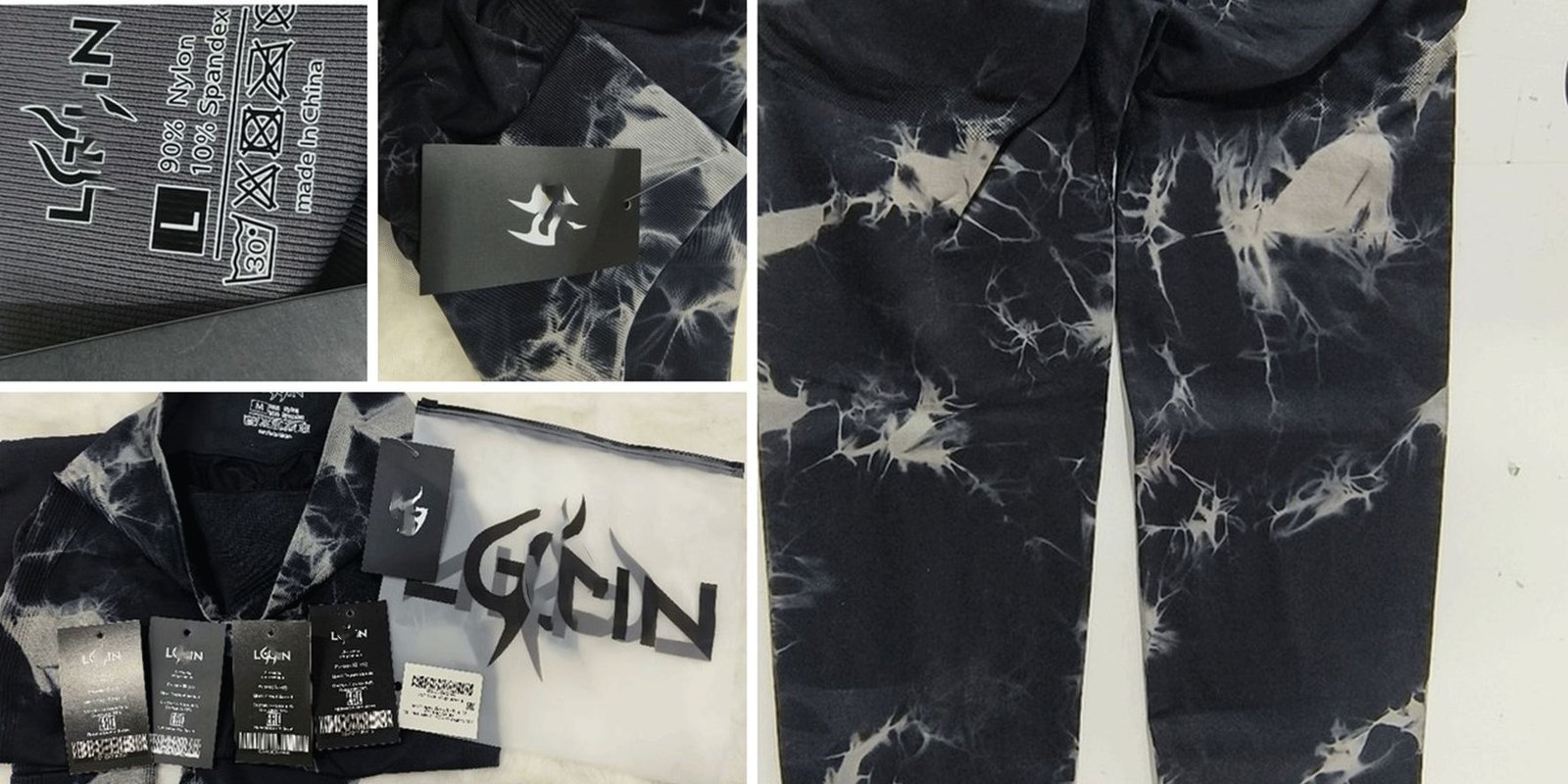
Hangtag and Data
Hangtags may combine brand presentation with SKU, price, material, barcode or other buyer-required information. The data should be linked to the correct product rather than treated as generic packaging.
- Custom Hangtag
- SKU and product information
- Buyer-approved barcode data
- Color- and size-specific information
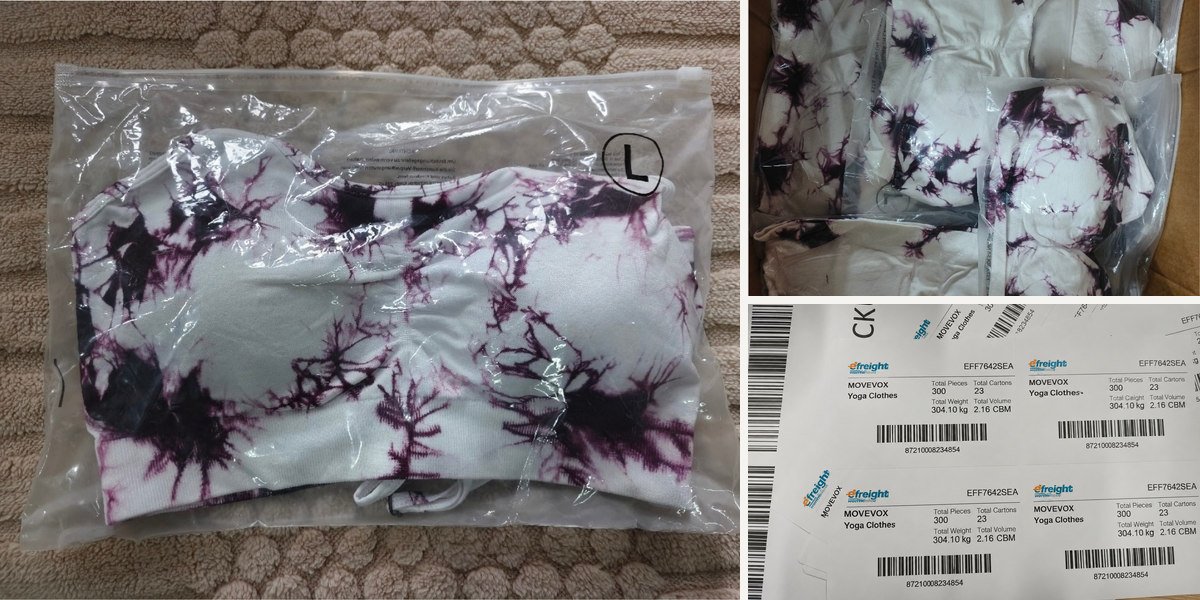
Unit Packaging
MOVEVOX can coordinate Polybags, stickers, barcodes and other individual packaging requirements. Custom packaging may have independent supplier MOQ, tooling, printing or lead-time conditions.
- Standard or custom Polybag
- Sticker and barcode
- Buyer-approved packing method
- Customized packaging subject to supplier MOQ
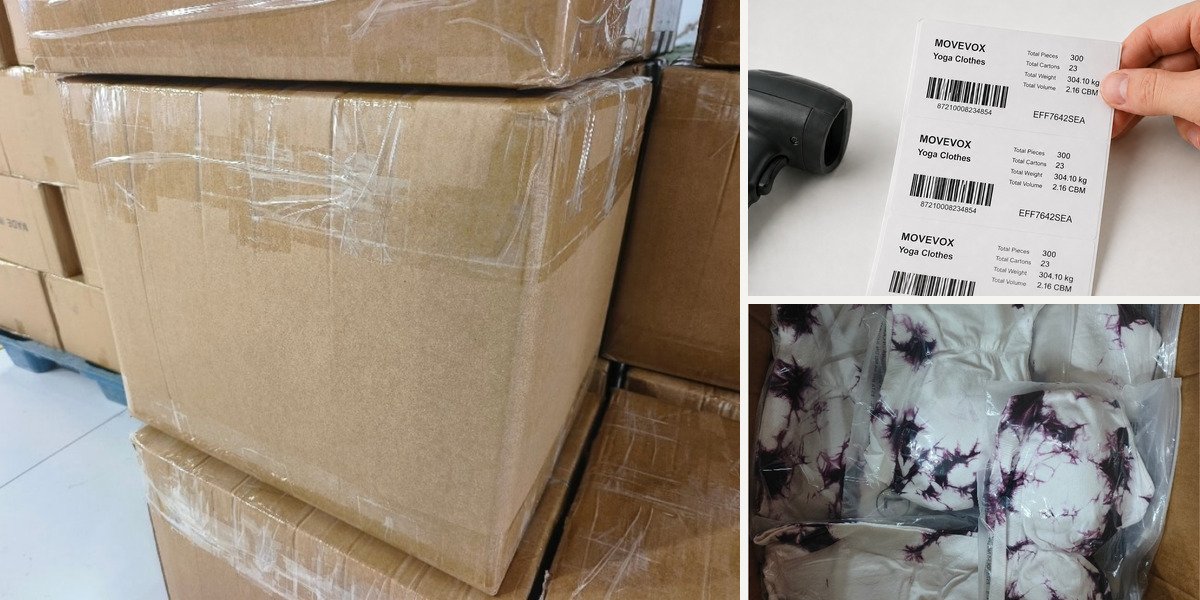
Carton and Shipment
Outer-carton execution connects individual product packing to the final shipment. Carton marks, quantity, SKU breakdown and packing information should remain consistent with the approved Packing List and order requirements.
- Approved carton marking
- SKU and size quantity verification
- Packing List alignment
- Final packaging check before shipment release
Use Sampling as a Controlled Approval Process
Different samples answer different technical questions. MOVEVOX uses sampling to progressively confirm product structure, Fit, measurements, materials and production readiness rather than treating one early sample as automatic approval for everything.
Development Brief
Available inputs, open questions, product goals and development responsibilities are clarified before the first physical sample. This reduces the risk of producing a sample from incomplete information.
Development Sample
The first development sample converts the available specification, concept or approved reference into a physical garment for structure, proportion, material and construction review.
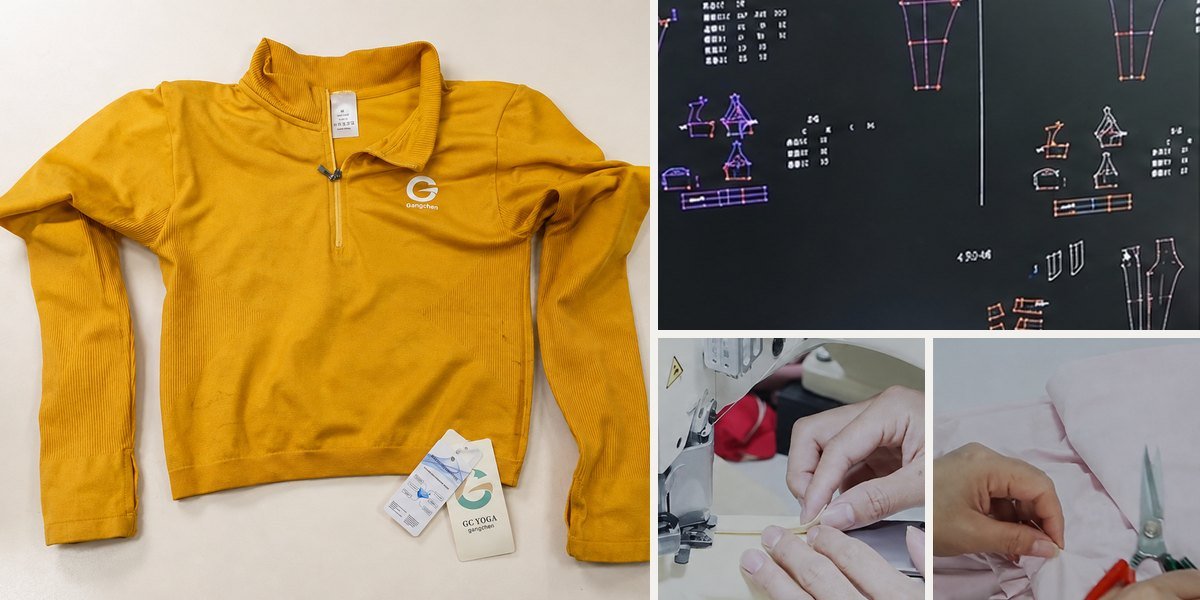
Fit Review
Relevant measurements, proportions and garment Fit are reviewed against project requirements. Buyer comments should be consolidated into one controlled revision record.
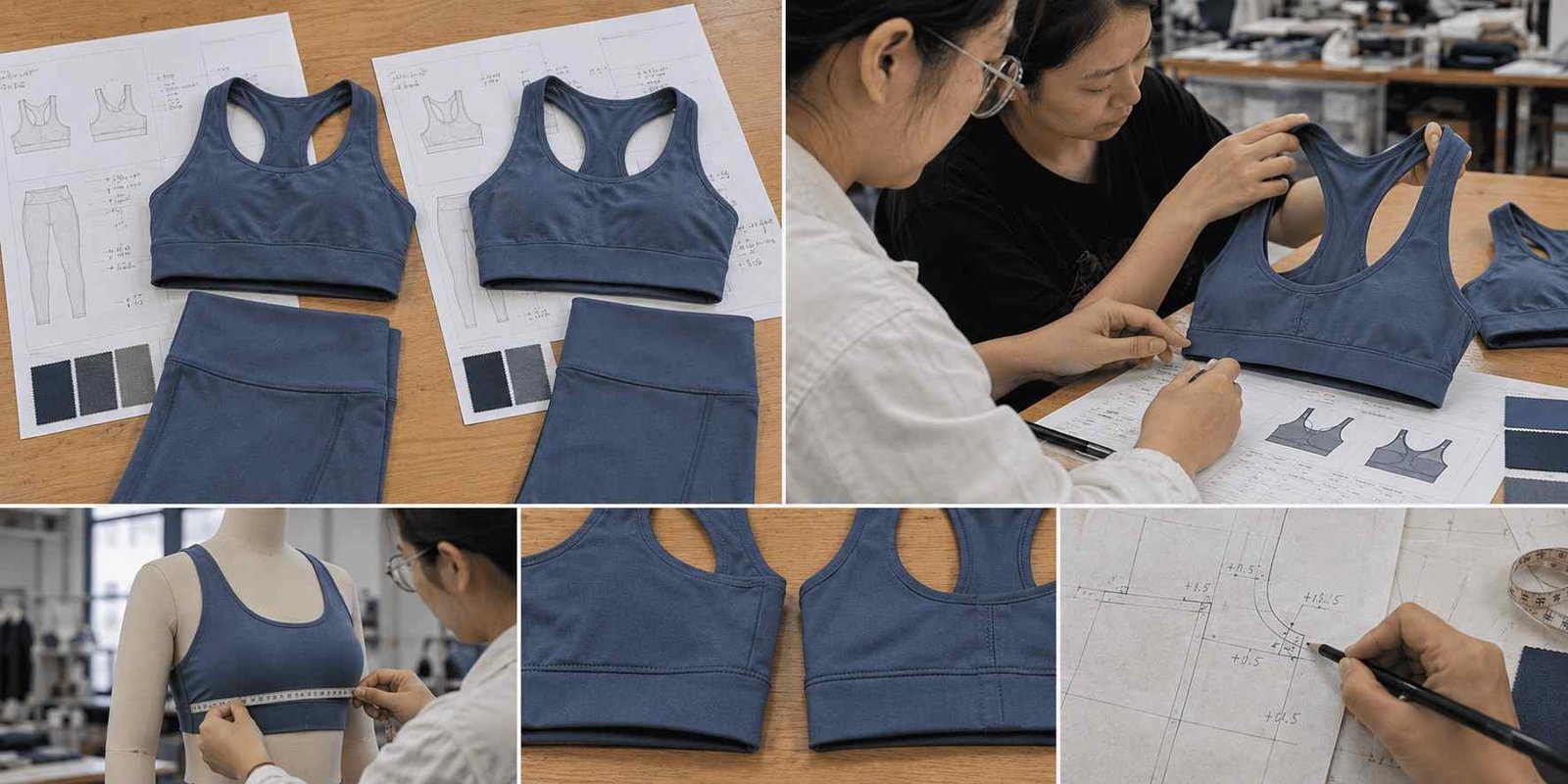
Revised Sample
Required technical changes are incorporated into the next controlled sample version while checking that a correction in one area has not created unintended changes elsewhere.
Size or PP Validation
Depending on the project, Size Set or PP validation may be required before bulk production to confirm grading, production materials, branding and final manufacturing conditions.
Formal Approval
Final approval identifies the product version, material, color, size, Logo and packaging elements that are approved. The result is written into production information and retained sample controls before bulk handover.
Keep Approved Samples Connected to Bulk Production
An approved sample becomes useful only when its decisions are transferred into production documents, material controls and QC checkpoints. MOVEVOX uses the handover stage to prevent development and bulk from operating on different standards.
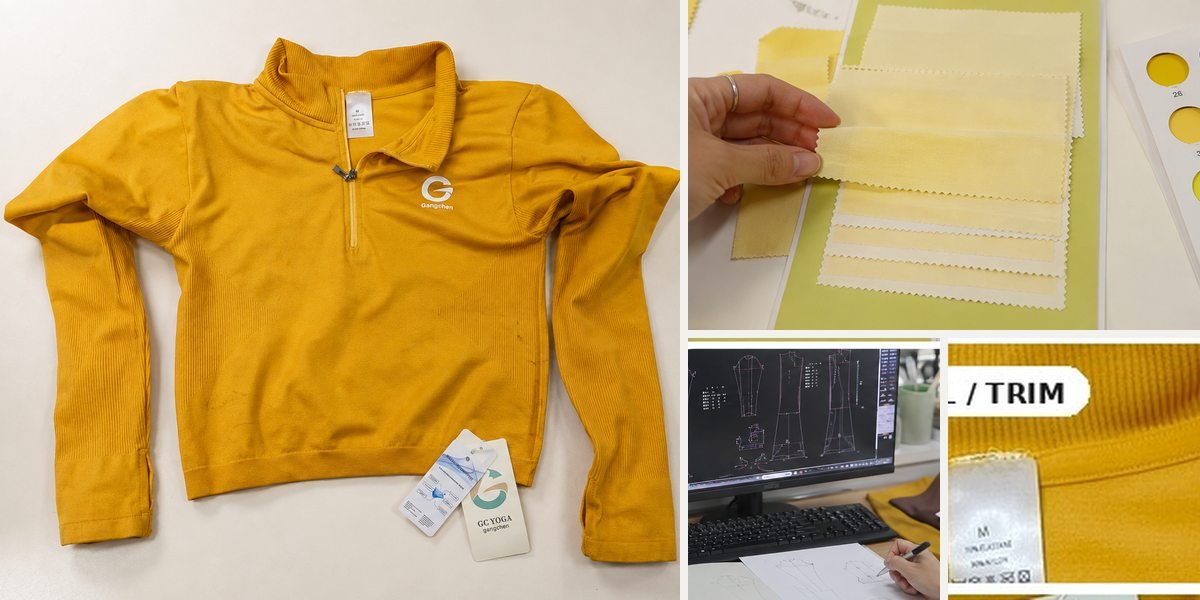
Approved Sample
The physical sample is retained together with applicable technical files, material information, measurements, artwork and packaging requirements.
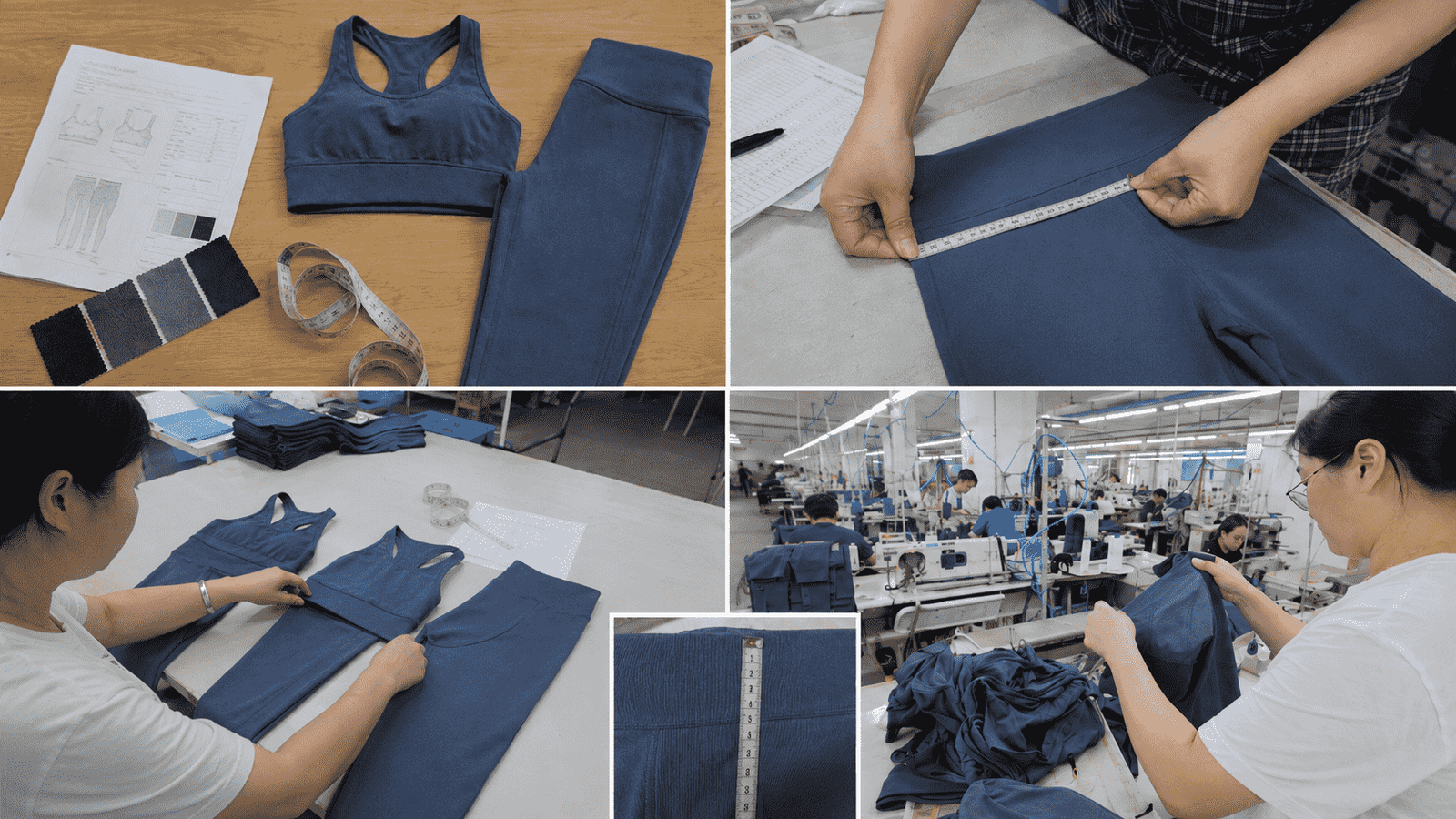
Bulk Production
First Article and production output are checked against the released standard before approved decisions are repeated across larger quantities.
Color
Production material and garments are compared with the applicable approved color reference and identified material lot.
Measurements
First Article and production measurements are checked against the current Measurement Chart, tolerance and approved reference.
Material
Bulk yarn, fabric and key materials follow the approved material specification and purchasing or batch records.
Logo Position
Artwork, size, application method and location are checked against the approved branding version.
Construction
Seamless program or Cut & Sew construction requirements are transferred into production instructions.
Packaging
Labels, barcodes, Polybags, packing method and carton information are verified against the current approved specification.
Understand the Effective MOQ Behind Your Workout Set
Garment MOQ is only the first commercial threshold. Fabric, yarn, custom color, Logo, label, packaging and SKU allocation can create independent minimums that change the effective order quantity.
Entry Development Program
MOVEVOX's current base MOQ is approximately 100 pieces per style for standard Seamless customization and approximately 150 pieces per style for standard Cut & Sew customization. These starting points assume normal material and process conditions.
- Seamless: ≈100 pcs/style
- Cut & Sew: ≈150 pcs/style
- Stock colors normally require ≥50 pcs per ordered color
Core Repeat Program
MOVEVOX's ideal established-brand order profile is normally larger than minimum MOQ. Current documented typical PO volume for ideal customers is approximately 3,000–30,000 pieces, with a core range around 5,000–20,000 pieces per PO.
- Typical: ≈3,000–30,000 pcs
- Core range: ≈5,000–20,000 pcs/PO
- Planning becomes increasingly SKU- and material-driven
Scale Program
MOVEVOX's documented order system can support individual order structures from approximately 300 to 50,000 pieces, subject to actual product, material, SKU, color, process and delivery conditions.
- Current individual-order range: ≈300–50,000 pcs
- Projects above ≈50,000 pcs require separate capacity review
- No automatic peak-capacity claim
Send the Inputs Needed for Accurate Project Costing
The clearer the RFQ, the closer initial costing can be to the final production structure. Missing information does not prevent discussion, but it should be identified as an assumption rather than hidden inside the quotation.
Product or Style
Identify the products you want to develop and provide a simple Style list when several SKUs are included.
Tech Pack
Send the current Tech Pack when one exists, including sketches, construction, measurements, tolerances, BOM, material requirements and artwork.
Reference Material
A legal physical reference sample, sketch, product image or clearly defined concept can help explain intended silhouette and construction.
Quantity Plan
Provide expected total quantity and, where possible, quantity by Style so material, MOQ, costing and production allocation can be reviewed.
Color and Size
State planned colors and sizes and whether colors are existing supply-chain colors, Pantone targets or physical references.
Fabric Requirement
Provide the fabric or yarn specification when defined, or describe hand feel, support, stretch, weight and other target objectives.
Construction Details
Identify Seamless knitting, Cut & Sew panels, pockets, waistband construction, straps, bra pads, zippers or other important structures.
Branding Details
Provide Logo artwork, intended application method, label requirements and approximate Logo positions when available.
Packaging Details
State requirements for Main Labels, Care Labels, Size Labels, Hangtags, Polybags, stickers, barcodes and carton marks.
Testing Requirements
Tell MOVEVOX about market, brand, RSL, performance or third-party testing requirements as early as possible.
Target Date
Provide intended sample date, launch window or Cargo Ready target where available.
Commercial Context
Destination, preferred Incoterm, target commercial range and forecast can improve costing discussions.
How Approved Workout Sets Move Into Bulk Production
Bulk production begins only after the project is technically ready. MOVEVOX manages production through defined inputs, control points, responsible teams and release decisions rather than treating manufacturing as one uninterrupted production line.
Order Review
Confirmed PO, SKU quantities, colors, sizes, materials, approved specifications, branding and delivery requirements are reviewed.
Owner: Project Team
QC Gate: Document Check
Material Readiness
Yarn, fabric, trims, Logo materials, labels and packaging are coordinated against the approved order.
Owner: Sourcing
QC Gate: Incoming Check
Pre-Production Review
Production, development, PMC and quality requirements are aligned before volume starts.
Owner: Project Team
QC Gate: Spec Release
First Article
Initial production garments are checked against measurements, construction, material, Logo and Approved/PP standards.
Owner: Production
QC Gate: First Article
Bulk Production
Approved manufacturing proceeds through Seamless knitting or Cut & Sew according to the confirmed production route.
Owner: Production
QC Gate: Process Control
In-Line QC
QC checks continue during production so measurement, construction, appearance or branding issues can be corrected early.
Owner: QC Team
QC Gate: In-Line Check
Final Inspection
Finished garments are checked against order, specifications and applicable quality requirements before packing.
Owner: QC Team
QC Gate: Final Inspection
Packing Release
Approved garments are packed according to current SKU, barcode, carton and shipment requirements.
Owner: Shipping Team
QC Gate: Final Release
Scale Proven Workout Sets Without Losing the Approved Standard
Scale-up should begin only after product, material, Fit, branding and quality standards are sufficiently stable. MOVEVOX expands capacity through controlled production allocation rather than changing suppliers, materials or technical requirements without a managed handover.
Controlled Satellite Factories
Long-term satellite capacity supports standardized bulk and overflow production after product requirements and quality standards have been defined.
Managed Stable Delivery Capacity
Normal combined stable delivery level across the controlled production system under managed operating conditions.
Capacity Check
Before a larger PO is accepted, MOVEVOX reviews Style mix, quantity, material readiness, production route, delivery target and current factory loading.
Standard Lock
Approved technical files, materials, measurements, artwork, packaging requirements and retained samples are confirmed before production is distributed.
Production Allocation
The Yiwu core factory remains the technical and control center. Approved satellite capacity may support standardized bulk or overflow production when project conditions require additional output.
Unified Execution
Technical documentation, approved materials, production requirements, scheduling, project follow-up and change control remain centrally managed by MOVEVOX.
Unified QC
First Article, in-process checks, finished-garment inspection and corrective actions follow the applicable approved standards regardless of the allocated production site.
Final Release
Production is not treated as complete until required quality, packing and shipment-release checks have been completed under MOVEVOX accountability.
Quality Is Controlled Before, During and After Production
MOVEVOX's quality process translates customer specifications and approved samples into inspection checkpoints. The purpose is to find deviations early, isolate nonconforming products and release only goods that meet the applicable order standard.
Incoming Materials
Yarn, fabric and critical trims are checked against applicable project requirements before normal production use.
- Approved material specification
- Color and batch identification
- Relevant incoming-quality requirements
Specification Freeze
Current Tech Pack, Measurement Chart, material, approved sample, artwork and packaging requirements are identified before production.
- Current technical version
- Approved sample reference
- Current artwork and packaging files
First Article
Initial production output is reviewed before a defect can be repeated across the full order.
- Measurement against approved chart
- Construction and workmanship
- Branding and visual details
In-Line Inspection
QC checks continue while garments are being produced so issues can be identified before the remaining order reaches the same stage.
- Production workmanship
- Critical measurements
- Identified project risks
Measurement Control
Bulk garments are measured against the applicable Measurement Chart and tolerance.
- Defined Points of Measurement
- Applicable tolerance
- First Article and bulk comparison
Branding Check
Logo, labels, Hangtags, barcodes and brand elements are compared with the current approved project version.
- Correct artwork version
- Position and application
- SKU and label matching
Finished Garment
Finished garments are checked for relevant appearance, workmanship, measurements and product-specific requirements before packing.
Packing and Release
Packaging, SKU, quantity, barcode and carton requirements are checked before final shipment release.
Nonconformance Control
Affected goods are identified and segregated, causes are reviewed, corrective action or repair is evaluated, and affected output is re-inspected before release.
Trace Your Order Across a Controlled Supply Network
MOVEVOX combines its own Yiwu factory with long-term satellite and approved specialist capacity. Traceability connects materials, technical versions, production location, inspection and final packing under one accountable order-management system.
Material Source
Major yarns, fabrics and key trims are centrally purchased or sourced under approved project requirements.
Material RecordBatch Record
Relevant fabric, yarn, color or material batches are identified where batch control affects consistency.
Batch RecordPO and SKU
Production is managed by PO, Style/SKU, color, size and delivery requirements.
Purchase OrderTechnical Version
Tech Packs, measurements, materials, artwork and packaging use the current approved version.
Current SpecProduction Site
Allocation may use MOVEVOX's own factory, satellite capacity or approved specialist resources according to project needs.
Site RecordQC Records
First Article, process, finished-garment and packing inspection information connects quality decisions to production.
Inspection RecordPacking Mapping
SKU, color, size, barcode, packing quantity and carton information are checked against the order.
Packing ListShipment Release
Final goods are released after required production and quality checks are completed.
Release RecordRead Compliance Evidence by Entity, Sample and Scope
Compliance evidence is useful only when the legal holder, product, tested sample and document scope are clear. MOVEVOX does not present a supplier certificate, material document or single laboratory sample as universal proof for every factory, material or finished garment.
MOVEVOX
MOVEVOX is the external B2B manufacturing and supply-chain brand used for international activewear development, manufacturing and customer service.
Yiwu Chenjin Import And Export Co., Ltd.
Commercial contracts, invoices and applicable legal acts are conducted under the operating legal entity behind MOVEVOX.
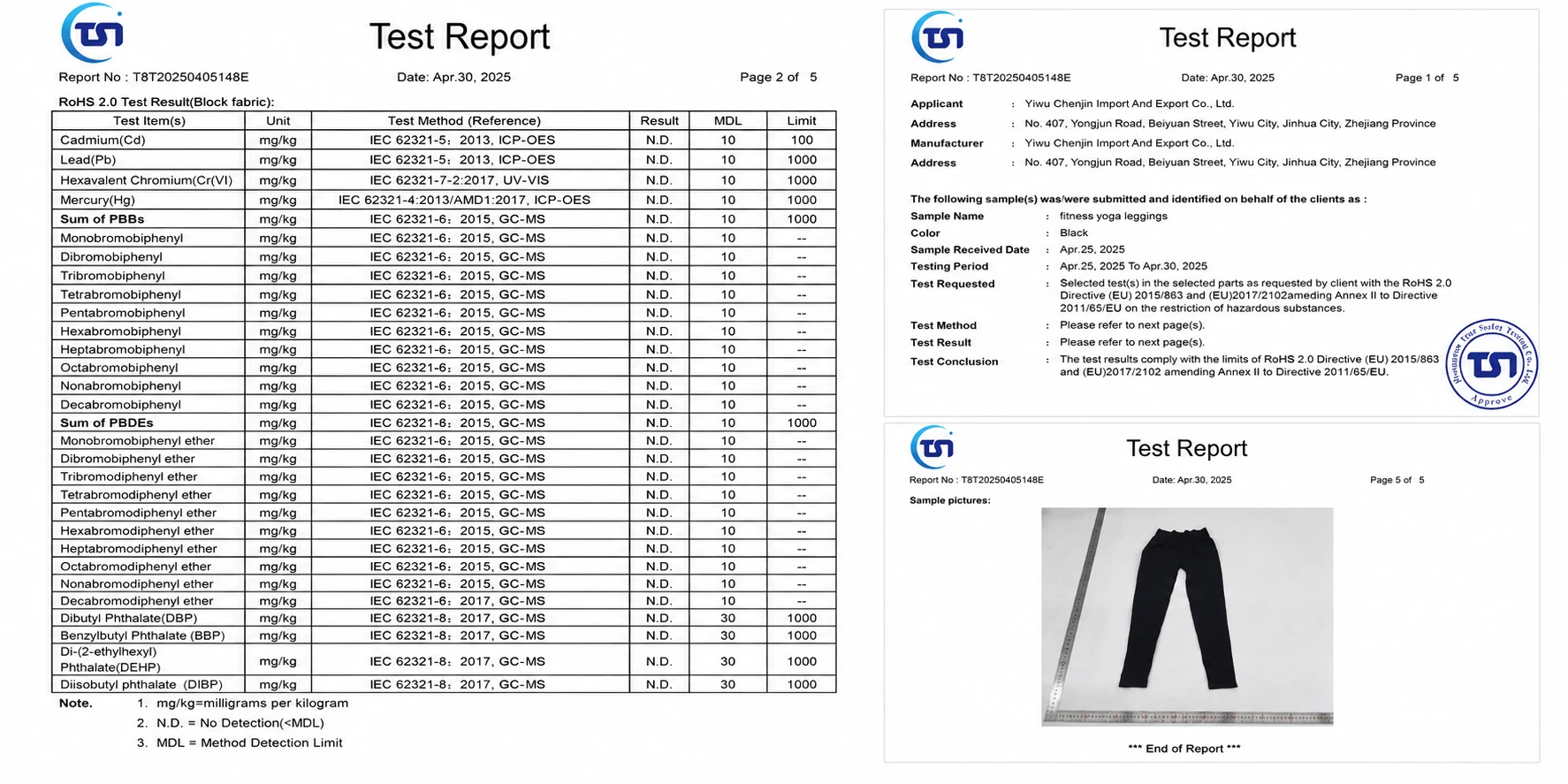
RoHS 2.0 — Specific Tested Sample
The 2025 RoHS test documentation identifies Yiwu Chenjin Import And Export Co., Ltd. as the applicant and manufacturer for the submitted black “fitness yoga leggings” sample.
The listed substances were tested against the applicable limits stated in the report, and the submitted sample met the listed requirements.
Test Report: TST20250405148E
Certificate: TST20250405148EC
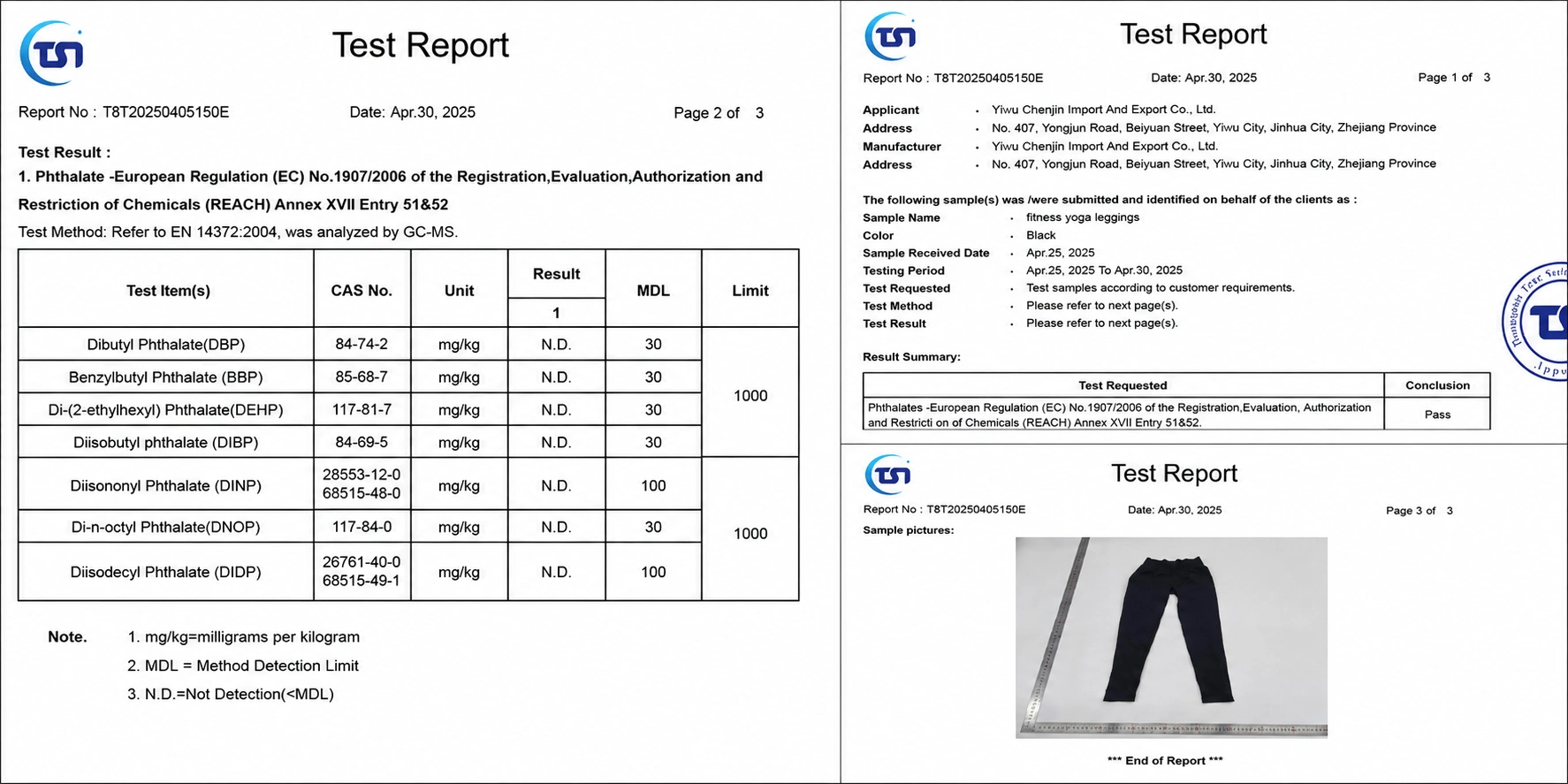
REACH Phthalates — Specific Tested Sample
A separate 2025 laboratory report covers black fabric from the submitted fitness yoga leggings sample and evaluates the listed phthalates under the cited REACH Annex XVII Entry 51 and Entry 52 requirements.
The listed substances were reported as not detected below the respective method detection limits, and the report records a Pass conclusion for the submitted sample.
Test Report: TST20250405150E
What Buyers Should Verify
- Named legal entity
- Specific factory or site where applicable
- Product or material covered
- Submitted sample identification
- Applicable test standard or requirement
- Report date and document validity
How MOVEVOX Handles New Requirements
When a buyer has specific RSL, market, material or product-testing requirements, the applicable scope should be reviewed against the actual product before testing or compliance claims are made.
See How Workout Sets Move Through Manufacturing
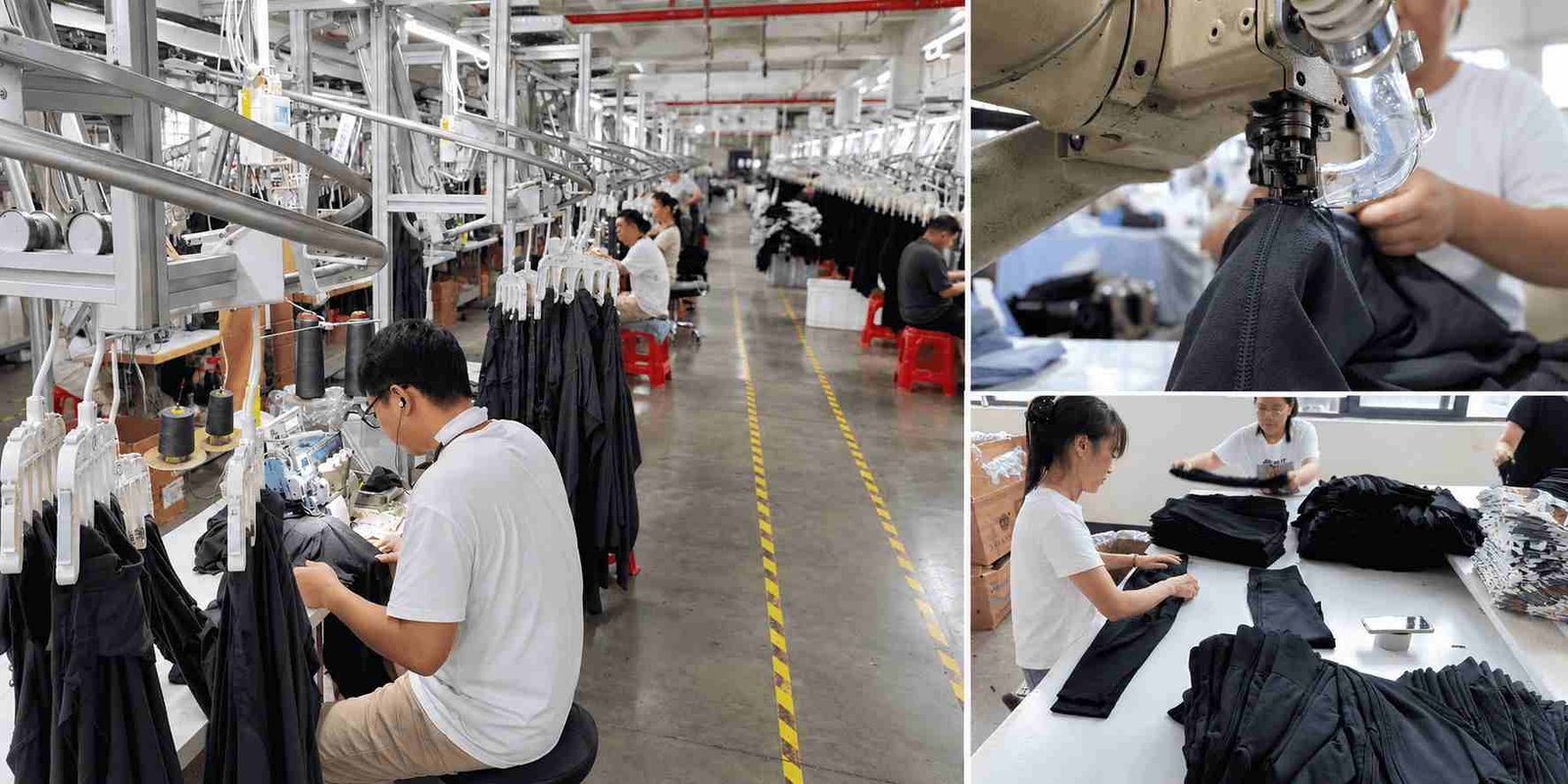
A factory gallery should show more than machines. Each production stage explains what happens, what is being controlled and how the stage connects to the approved product standard.
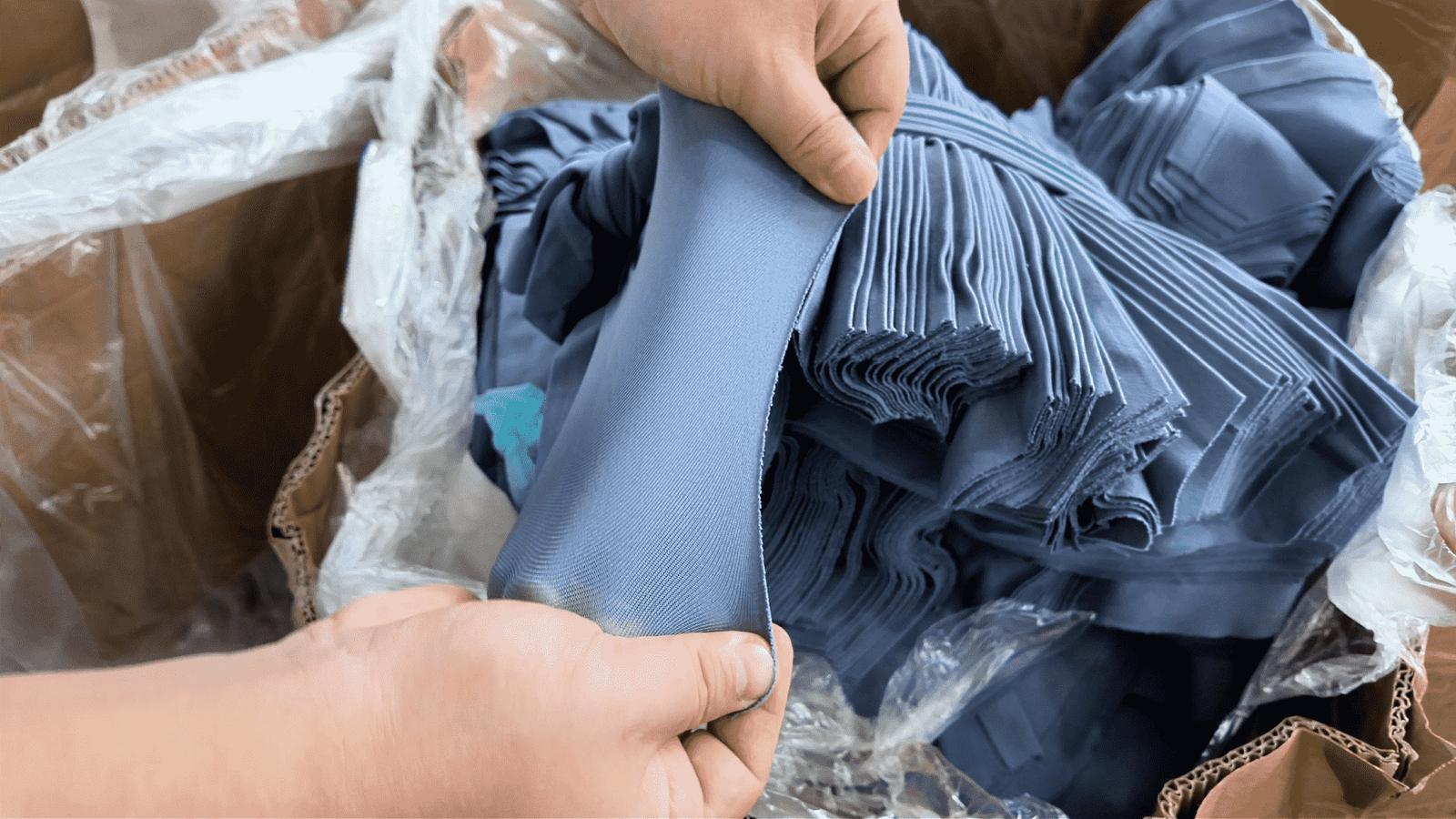
Material and Yarn Coordination
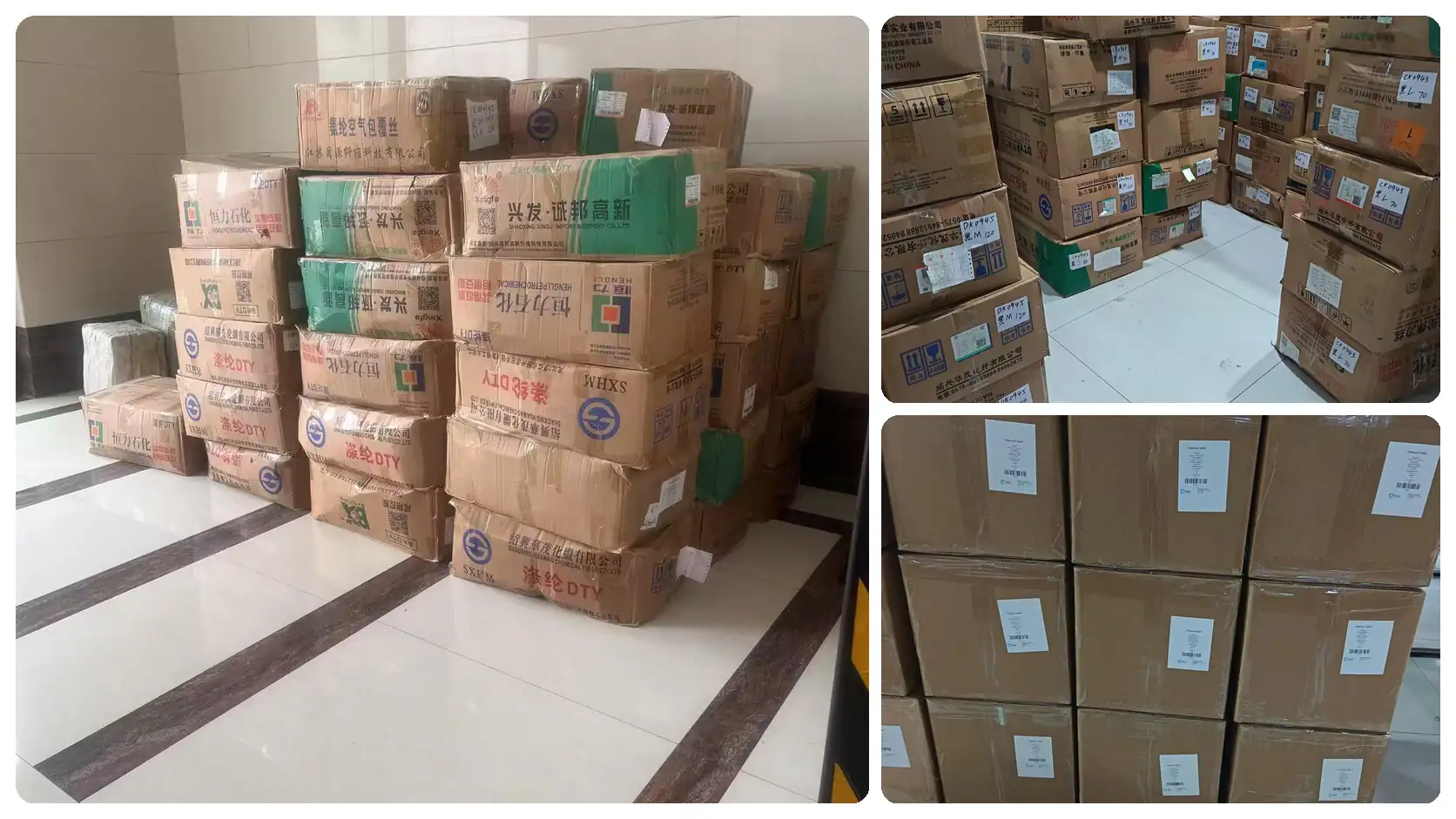
Before production, MOVEVOX coordinates the principal yarn, fabric and trims required by the approved product. Material information, color, batch, arrival timing and project requirements are reviewed so manufacturing does not begin from an uncontrolled substitute chosen independently by the production location.
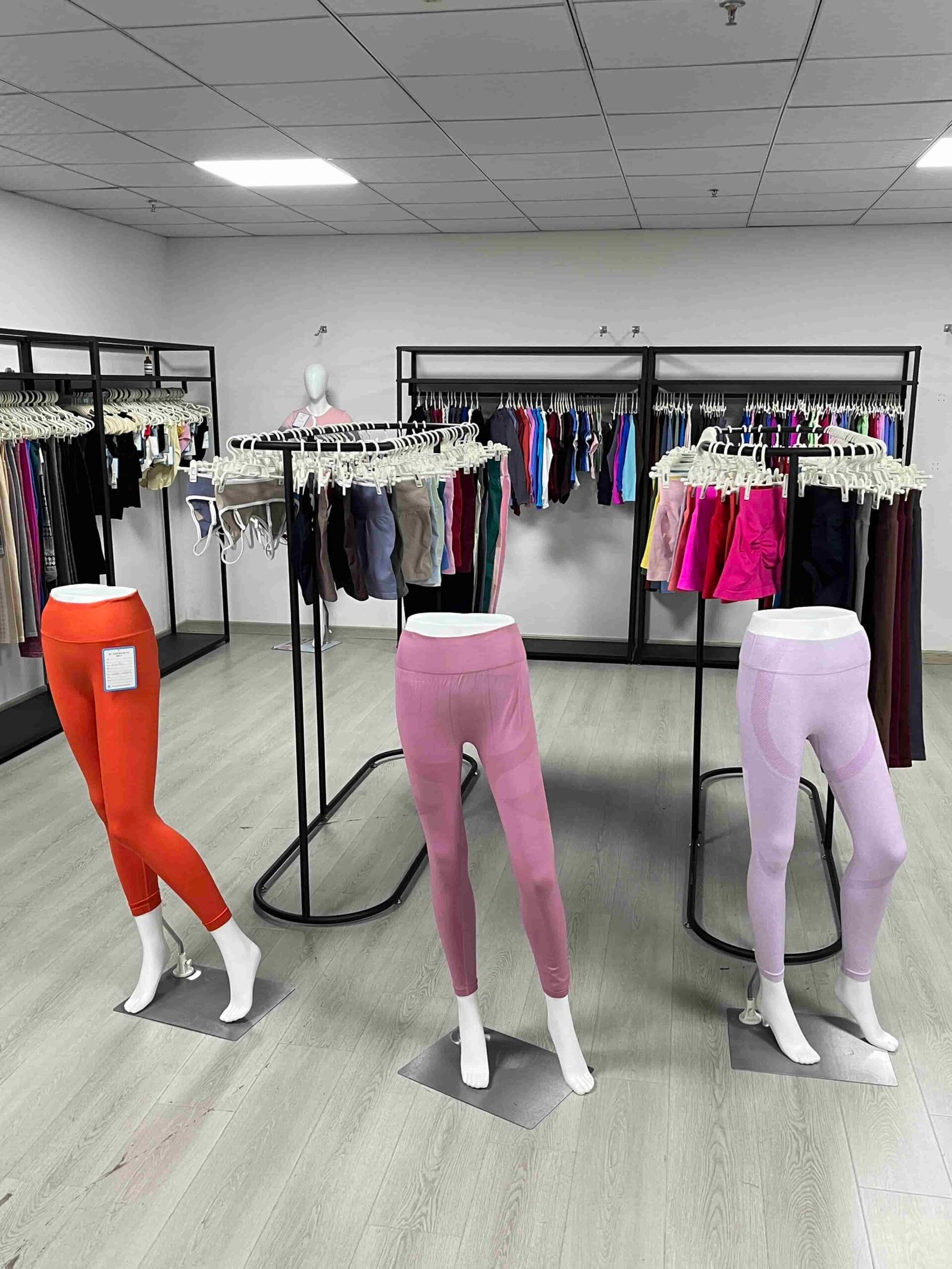
Product Development Room
The development team converts Tech Packs, legal reference samples, sketches or concepts into patterns, Seamless programs and physical samples. Product structure, measurements, material, Logo and Fit are reviewed before approved development information is transferred into bulk preparation.
Santoni Seamless Knitting
MOVEVOX's own manufacturing system includes 28 Italian Santoni seamless knitting machines. Seamless production is organized according to product Style, size, yarn and program requirements, with knitted structures potentially including rib, mesh, jacquard, texture and engineered compression areas where appropriate.
Cut and Sew Production
Cut & Sew products move through pattern-based fabric preparation, cutting, sewing construction and garment finishing. MOVEVOX's own production system includes approximately 24 principal sewing and garment-production machines, supplemented by controlled capacity when order structure requires additional resources.
First Article Check
Initial production garments are compared with the current technical specification and applicable Approved/PP Sample. Measurements, workmanship, Logo and other critical requirements are checked before the same production decision is repeated across larger quantities.
In-Line Quality Control
MOVEVOX's five-person QC team conducts checks through production rather than relying only on final inspection. Measurements, appearance, construction and identified risks can be reviewed while correction is still possible.
Private Label Packing
Approved garments are combined with the correct labels, Hangtags, barcodes, Polybags and other packaging requirements. SKU, color and size information must remain connected to the correct garment, especially when a collection contains many visually similar variants.
Final Shipment Preparation
Finished cartons, quantity information, Packing Lists, carton breakdown and shipment details are checked before final release. MOVEVOX can coordinate customer-designated freight forwarders or support logistics arrangements according to agreed commercial terms.
What Should Buyers Verify Before Approving an Activewear Supplier?
Supplier qualification should go beyond price and product appearance. Buyers should verify how development, manufacturing, quality, capacity, transparency and commercial execution are actually controlled before moving a supplier into sampling, audit or long-term production.
Can the Supplier Turn Product Direction Into a Controlled Standard?
Check whether technical questions, missing measurements, construction details and material requirements are identified before sampling begins.
Look for a structured process that can convert sketches, legal reference samples, images or concepts into material, pattern or Seamless development.
Development samples, revised samples and final approvals should remain clearly distinguishable rather than being managed through untracked messages.
A collection supplier should coordinate shared materials, colors and branding while keeping Fit, measurements and construction controlled by SKU.
Is the Real Manufacturing Route Clear and Controlled?
Buyers should be able to identify whether each product is made through Seamless knitting, Cut & Sew or another defined manufacturing route.
Where a collection requires both Seamless and Cut & Sew, technical responsibility and production coordination should remain clearly assigned.
Core factory, satellite capacity and specialist processing should be disclosed rather than hidden behind a single generic factory claim.
Initial production output should be checked against measurements, material, construction, branding and the approved sample before normal bulk continues.
Does Quality Control Extend Across the Whole Order?
Yarn, fabric and critical trims should be checked against approved project requirements before normal production use.
Measurements, workmanship and project-specific risks should be checked during production rather than only after garments are complete.
Logo, labels, Hangtags, barcodes, Polybags and carton requirements should remain part of the quality-control process.
Affected goods should be identified, corrected where appropriate and re-inspected before final shipment release.
Can the Supplier Scale Without Losing Control?
Buyers should understand which capacity is self-operated, which is controlled satellite capacity and which activities use specialist partners.
Real capacity should be reviewed against Style mix, quantity, production route, material readiness, current loading and delivery date.
Technical files, Approved Samples, materials, QC requirements and packaging standards should remain consistent across allocated production sites.
A qualified supplier should support reasonable factory visits, live video review, technical audits or third-party inspection where required.
Can the Supplier Support Repeat Business, Not Just the First Order?
Garment MOQ should be separated from additional minimums created by custom materials, dyeing, Logo processes, labels or packaging.
Branding and packaging requirements should be planned alongside the garment rather than added only after production has started.
A primary project or account owner should coordinate requirements, progress, changes, internal follow-up and issue escalation.
Repeat orders should continue from the same approved product, material, branding and quality standards rather than restarting from uncontrolled assumptions.
Good Candidate for the Next Stage
The supplier can explain its development, manufacturing, quality, capacity and commercial controls with specific evidence rather than relying only on sales claims.
Further Verification Is Needed
If production location, sample control, quality records, capacity or commercial responsibilities remain unclear, buyers should request additional evidence before awarding larger programs.
From Supplier Qualification to Repeat European Brand Orders
This anonymized case shows how a larger Netherlands-based apparel brand moved from cautious supplier evaluation into repeat yoga-wear orders and broader category cooperation with MOVEVOX.
Established Netherlands Apparel Brand
The customer operates as a larger local apparel brand with both online and offline sales channels. At the beginning of the relationship, the primary challenge was not simply finding products; it was establishing enough trust to qualify a new overseas manufacturing partner.
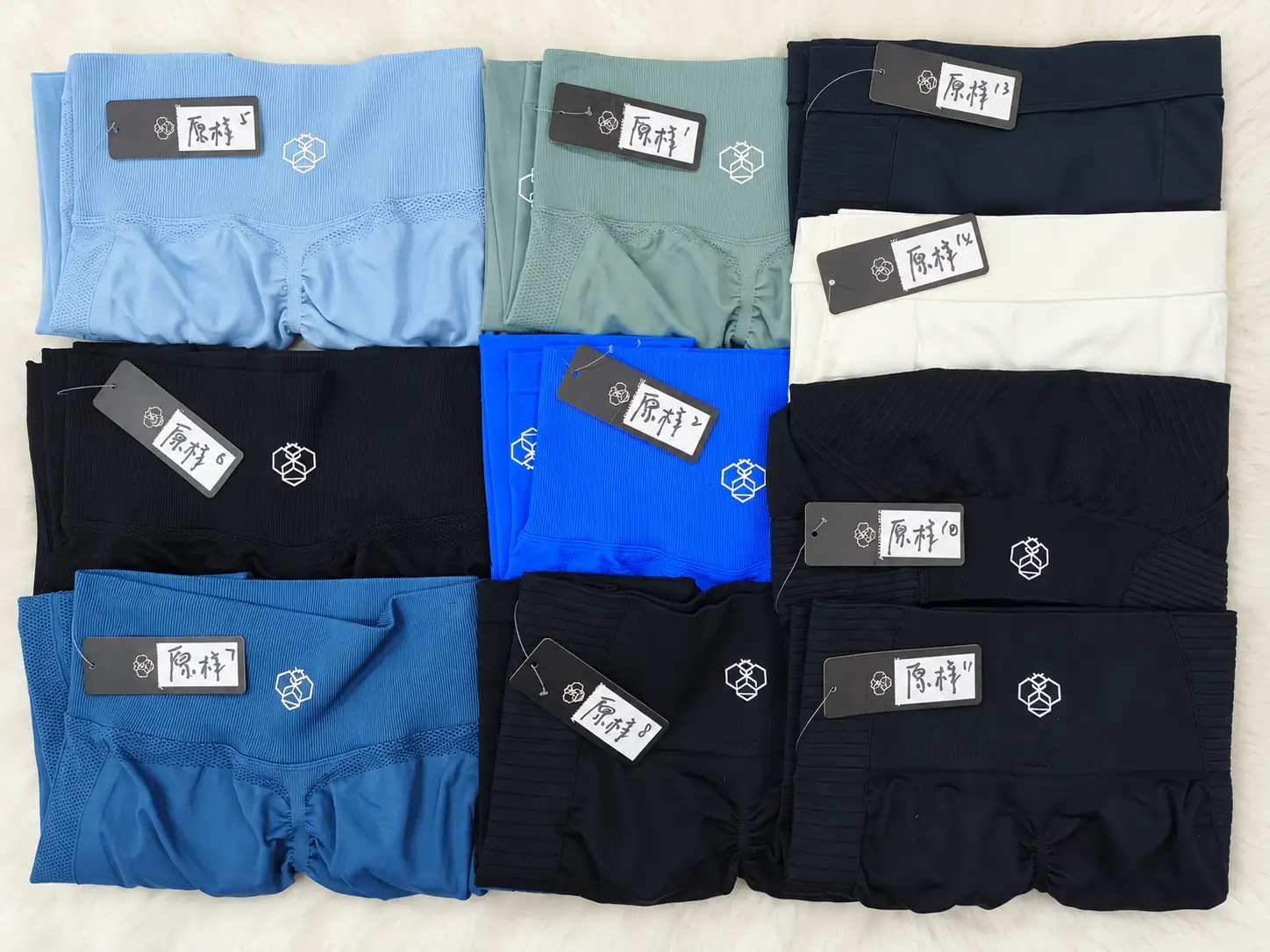
The first development stage began with approximately ten samples rather than an immediate large bulk order.
Trust Had to Be Earned Before Scale
The customer did not initially have enough confidence to commit significant volume. The customer's overseas team subsequently visited the manufacturing operation to review the supplier and production environment directly.
Of the original ten samples, approximately five styles progressed into commercial cooperation.
MOVEVOX Execution
Product development was followed by private-label execution including Logo and packaging requirements. Once products and cooperation procedures were sufficiently validated, bulk yoga-wear orders moved into repeat production.
On one order, the customer requested approximately one-third of the goods to ship earlier than originally planned. The production and shipment schedule was reorganized, adding approximately one week to accommodate the split requirement.
Commercial Relationship
Typical yoga-wear orders developed into approximately USD 30,000–50,000 per order, with repeat purchasing approximately every two to three months.
Documented annual cooperation was approximately USD 200,000–250,000. The relationship later expanded beyond the initial yoga category with additional supply-chain support.
Initial supplier-evaluation and development stage.
Approximately five of the original samples progressed into cooperation.
Approximate documented value per yoga-wear order.
Documented repeat-order rhythm for the yoga-wear program.
Approximate annual cooperation recorded in the supplied case material.
Compare Supplier Models Before Choosing Your Manufacturing Partner
Different supplier models are strong in different situations. The right choice depends on development depth, manufacturing process, order size, quality requirements, transparency and how much supply-chain coordination the buyer wants to manage internally.
| Evaluation | MOVEVOX | Trading Company | Small Single Factory | Single-Process Specialist | Traditional Large Factory |
|---|---|---|---|---|---|
| Manufacturing proximity | Own core factory plus controlled manufacturing network | Varies by sourcing model | Usually directly connected to own workshop | Strong within one specialized process | Strong direct manufacturing structure |
| Product development | Structured design, pattern/sample and technical review capability | Depends on partner factories | Often owner/team dependent | Strong inside specialist process | Usually formal and standardized |
| Seamless + Cut & Sew | Both routes within one managed supply system | Possible through multiple sources | Usually limited by equipment | Usually strongest in one route | Depends on group capability |
| MOQ flexibility | Approx. 100 Seamless / 150 Cut & Sew base MOQ | Varies widely | May be flexible for very small runs | Depends on production economics | Often better suited to larger programs |
| Scale-up | Own factory plus eight controlled satellite factories | Depends on external supplier network | May become constrained by workshop scale | Strong within specialist capacity | Typically strongest at very large scale |
| Quality control | Central specification, QC and final release responsibility | Depends on trading-company system | Often simpler internal QC structure | Strong process-specific QC possible | Usually formal enterprise-grade systems |
| Supply transparency | Own, satellite and approved partner model disclosed by project need | Depends on individual provider | Production site usually straightforward | Process scope usually clear | Formal site allocation generally structured |
| Best fit | Brands balancing development flexibility and future scale | Buyers prioritizing sourcing convenience | Small, simple or highly focused orders | Buyers needing deep expertise in one process | Very large, standardized strategic programs |
Frequently Asked Questions About Custom Workout Set Manufacturing
These questions cover the commercial, development, production and vendor-control issues buyers commonly need to clarify before moving from supplier evaluation into sampling or bulk production.
What is the MOQ for custom workout sets?
Typical base MOQ is approximately 100 pieces per style for standard Seamless customization and approximately 150 pieces per style for standard Cut & Sew customization. These figures do not automatically include every custom material, color, Logo or packaging requirement. Effective MOQ can increase when a project requires custom dyeing, special fabrics, specialist trims or branded packaging with separate supplier minimums.
Can we start with a smaller trial order?
Smaller initial programs may be possible when material, color, size and customization requirements remain within workable production conditions. Trial orders are normally evaluated by Style rather than only by total order quantity. The purpose is to create enough volume to produce and evaluate the product properly without forcing a buyer into unnecessary volume before the Style has been commercially validated.
Do custom colors have a different MOQ?
Yes. Custom dyeing often creates a material-level minimum that is higher than the garment MOQ. A typical custom color may require approximately 400–600 finished-garment-equivalent pieces per dye lot, depending on material and product structure. Stock colors or available material colors may support a lower entry quantity, while special yarns or fabrics can create their own minimums.
Do labels and custom packaging have separate MOQs?
They can. Main Labels, Care Labels, Woven Labels, Hangtags, printed Polybags, stickers, cartons and other branded packaging are sourced through different production processes, so supplier minimums may apply independently from the garment MOQ. MOVEVOX reviews these requirements during project planning so packaging minimums are visible before the buyer commits to a final order structure.
How long does standard sample development take?
Standard sample development is normally approximately 5–10 working days after the required development details have been confirmed. Total project time can be longer when the product requires custom material development, special trims, new Logo processes, multiple revision rounds or buyer approval delays. Sampling time should therefore be evaluated separately from the complete development and approval timeline.
Can you develop from an incomplete Tech Pack?
Yes, when enough information exists to define a controlled development direction. MOVEVOX can work from a complete Tech Pack, legal reference sample, sketch, product image or clearly described concept. Missing measurements, material decisions, construction details and branding requirements should be identified during technical review instead of being silently assumed and carried into the sample.
Can one collection include Seamless and Cut & Sew?
Yes. MOVEVOX supports both production routes within one managed collection program. Each SKU is assigned the appropriate manufacturing method according to its structure and material requirements. Shared variables such as color direction, branding and packaging can still be coordinated while measurements, Fit, construction and QC standards remain specific to the individual garment.
How are sample revisions controlled?
Buyer feedback should be consolidated into a controlled revision rather than being distributed through unrelated messages. Updated measurements, materials, construction details, artwork or packaging decisions are connected to the applicable sample version. Once the product is approved, the final information is written back into the production standard before bulk handover.
How do you control sample-to-bulk consistency?
Approved measurements, materials, colors, construction, Logo, labels and packaging requirements are transferred into production documentation and retained sample references. First Article inspection creates the initial bulk checkpoint, followed by in-line measurement and workmanship checks and finished-garment inspection. The purpose is to keep bulk production connected to the approved development standard.
Can buyers arrange third-party inspection?
Yes. MOVEVOX supports reasonable third-party inspection requirements when agreed as part of the project. The inspection scope, timing, sampling method and responsible party should be confirmed before shipment so the production and packing schedule can accommodate the inspection. Third-party inspection does not replace MOVEVOX's own production and quality-control responsibilities.
What if production must stay at an approved factory?
If the buyer's contract, audit program or sourcing policy requires an Approved Factory Only arrangement, production-site restrictions must be documented before allocation. MOVEVOX does not treat satellite capacity as permission to move restricted production without approval. Where a production-site change is required, the applicable buyer authorization should be obtained before the change is implemented.
Do all products have RoHS or REACH test reports?
No. Current RoHS and REACH phthalate evidence applies only to the specific samples identified in the corresponding laboratory reports. A test performed on one black fitness yoga leggings sample cannot automatically be extended to other materials, colors, products or future batches. Buyer-specific testing should therefore be reviewed against the actual product and market requirement.
Can we use our nominated freight forwarder?
Yes. MOVEVOX can coordinate shipment handover with a buyer-nominated forwarder when the commercial and shipping responsibilities are defined. Carton information, Packing List requirements, Cargo Ready timing and required shipping documents should be aligned before pickup. The final freight arrangement depends on the applicable commercial terms and buyer instructions.
How are confidential Tech Packs and designs handled?
Product files and commercially sensitive information should be used only for the applicable development and production project. MOVEVOX supports confidentiality requirements and does not position counterfeit or unauthorized use of customer intellectual property as part of its business model. Where a buyer requires a formal NDA or specific confidentiality procedure, this should be confirmed during project setup.
Can buyers visit or review production remotely?
Yes. MOVEVOX supports scheduled factory visits, online meetings, video-based production review and relevant audit coordination. For supplier qualification, buyers may also request appropriate manufacturing, QC or documentation evidence. The exact access and review method should be arranged in advance so the relevant production area, team and project information can be prepared.
What information should we send to start?
Send the product or Style list, available Tech Pack or legal reference, estimated quantity, colors, size range, material direction, branding and packaging requirements and target timing. It is not necessary to have every detail finalized before contacting MOVEVOX. Missing technical inputs can be identified during the initial project review.
Continue Your Workout Set Sourcing Research
These buyer resources address the next technical and commercial questions that usually appear after a brand identifies a potential custom workout-set manufacturing partner.
Activewear Sourcing Guide
Compare supplier types, production capability, development support and supplier-fit factors before building a shortlist or moving into samples and vendor qualification.
Read Sourcing Guide
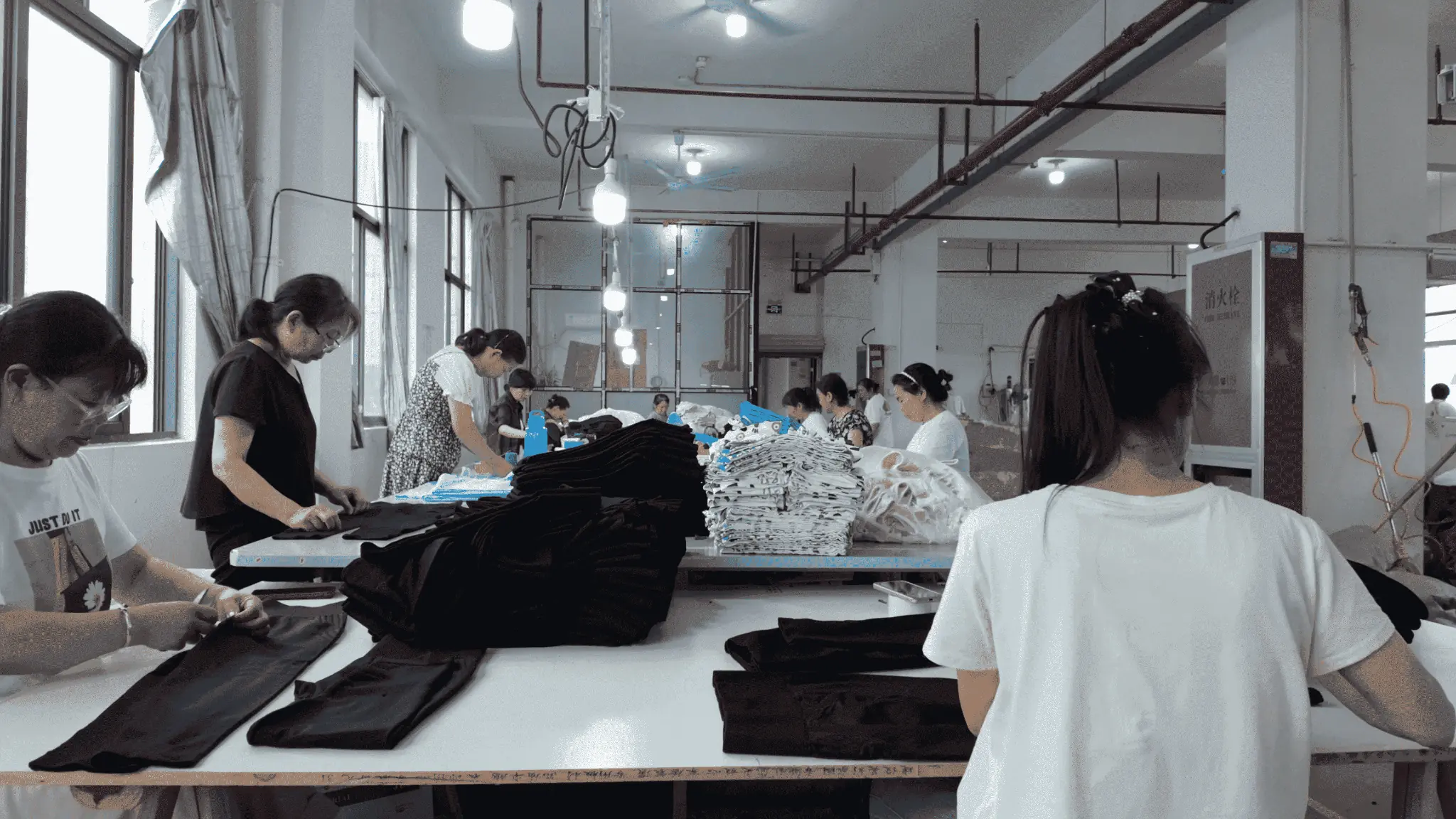
Manufacturing Process Guide
Review how Seamless and Cut & Sew products move from approved development information into materials, First Article, bulk production, QC and packing.
Read Manufacturing Guide
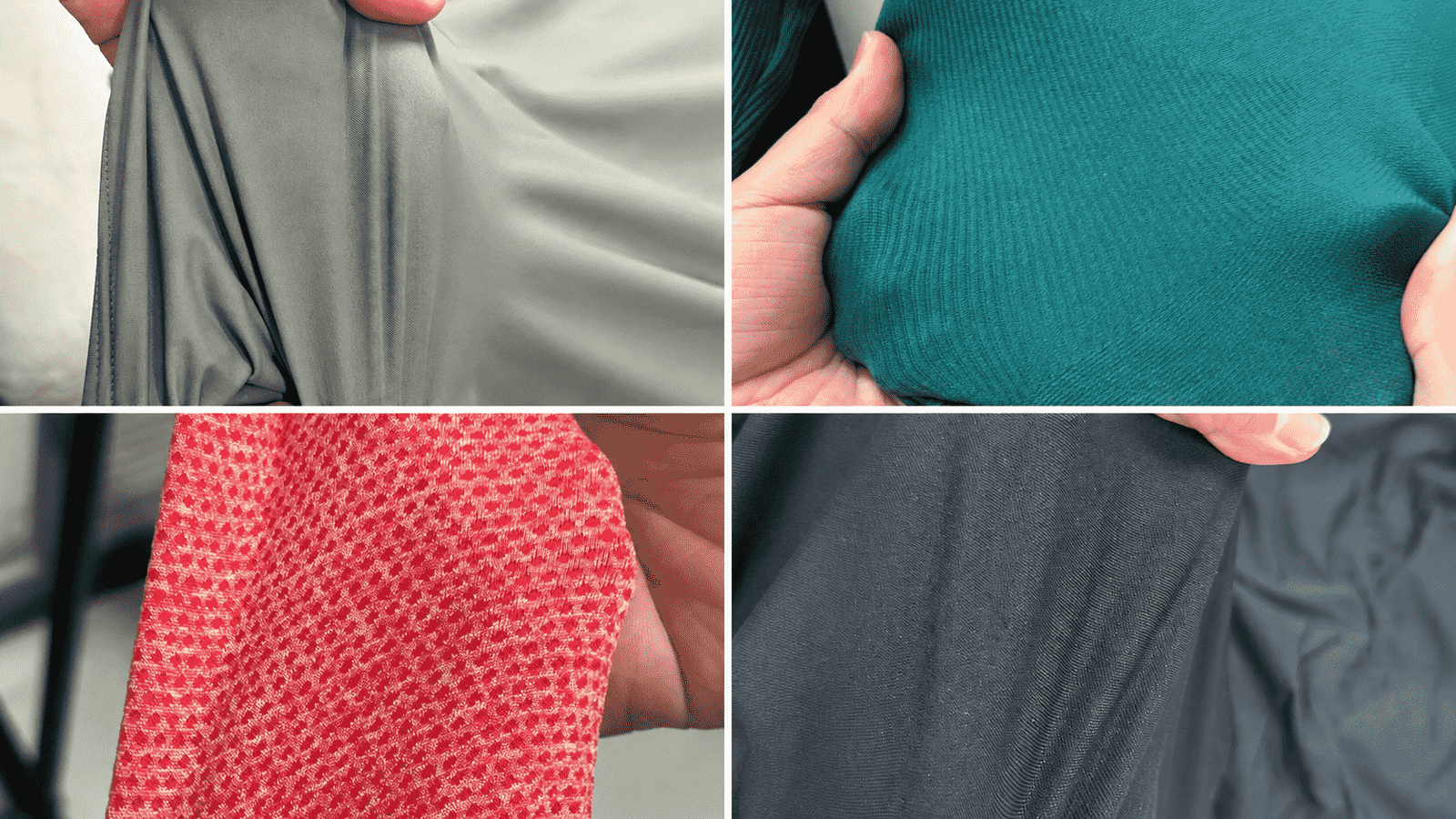
Activewear Fabric Guide
Explore how composition, GSM, hand feel, stretch, recovery, color, surface and construction influence material selection.
Read Fabric Guide
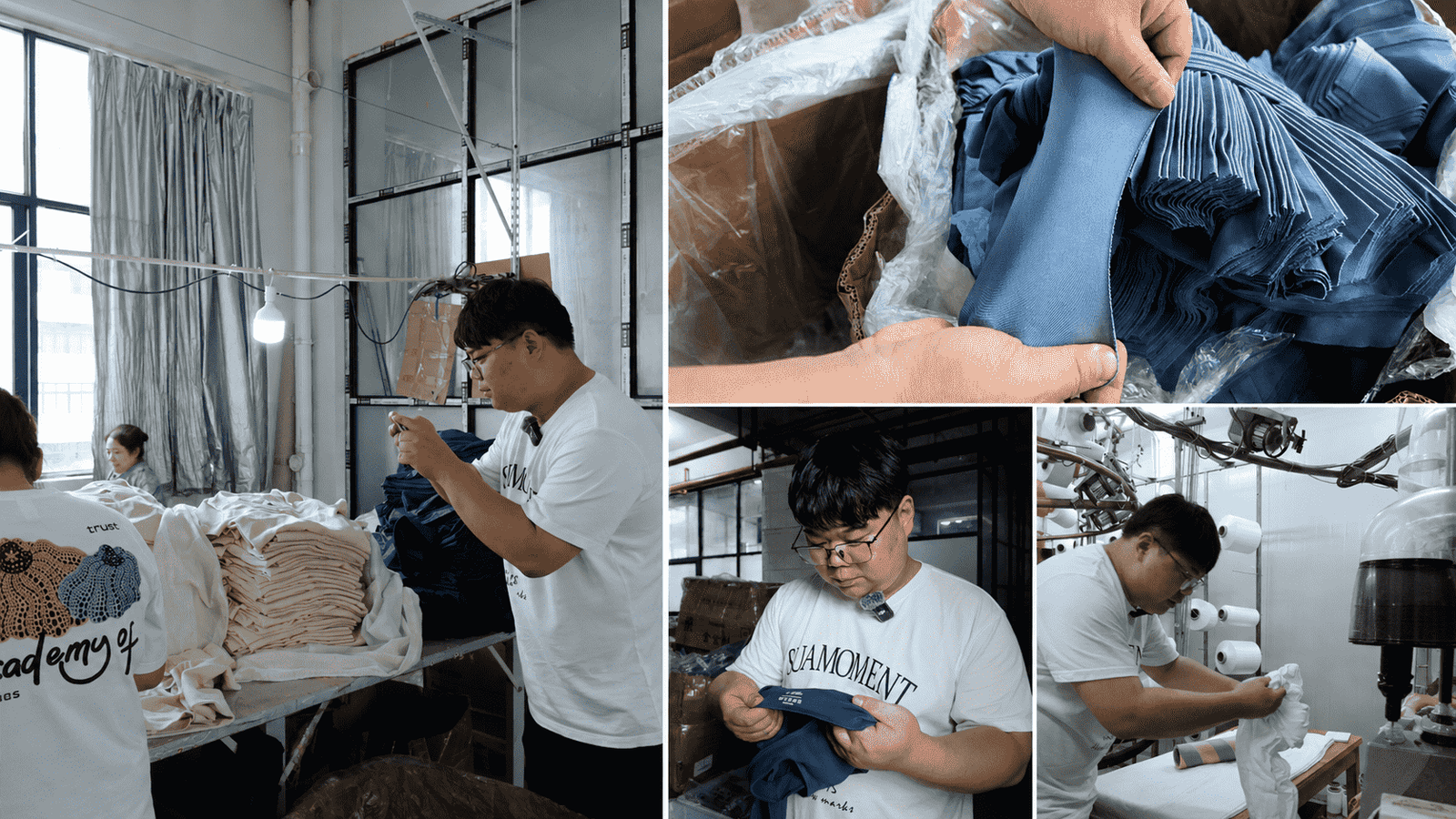
Activewear Quality Guide
Understand Specification Freeze, Approved Samples, First Article, measurement control, in-line QC, nonconformance and final release.
Read Quality Guide
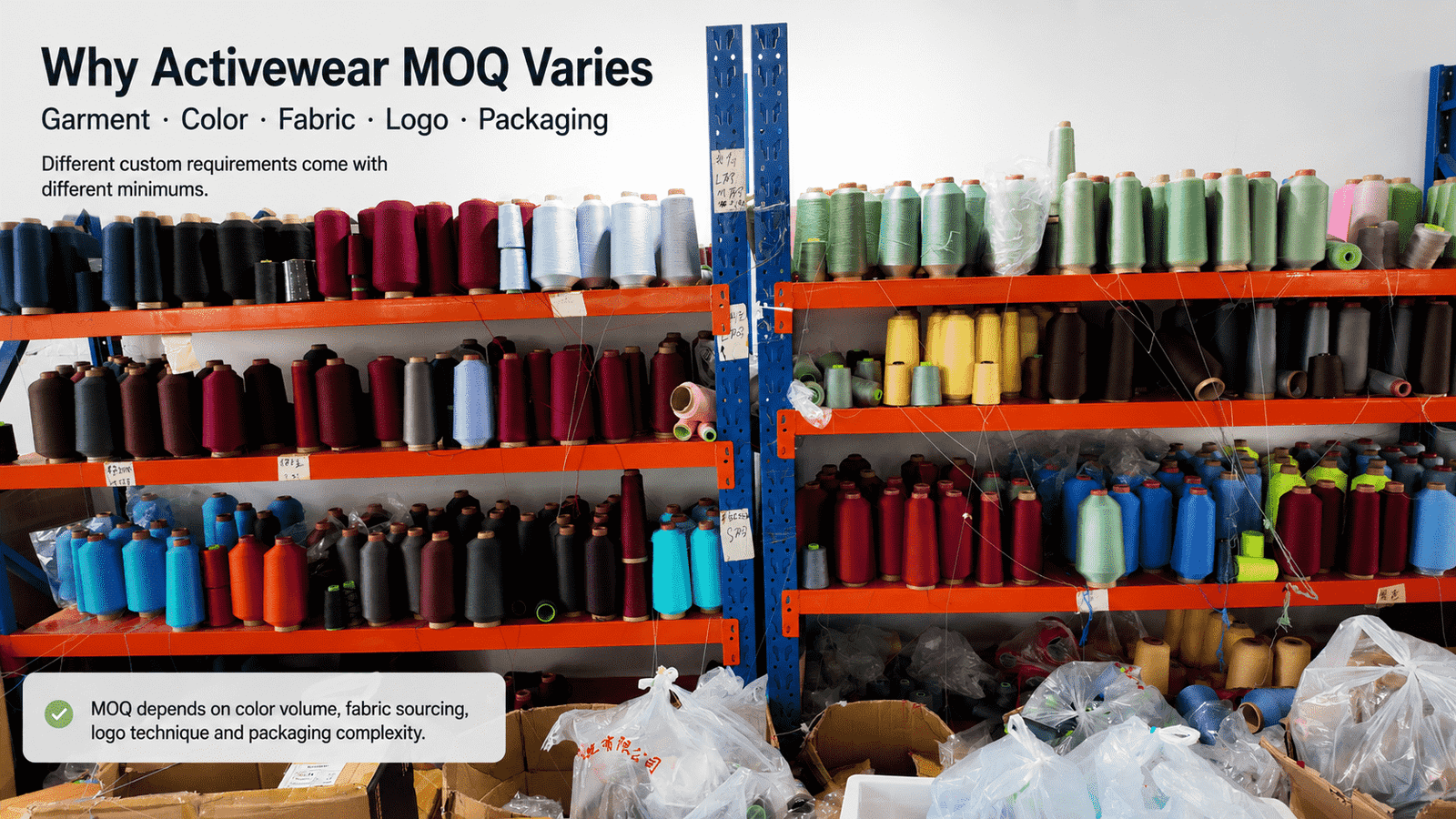
MOQ and Cost Guide
Understand why garment MOQ, colors, material minimums, Logo, labels, packaging, SKU complexity and production method affect effective MOQ and cost.
Read MOQ Guide
Product Development Guide
Follow the development path from Tech Pack, legal reference sample, sketch or concept through review, materials, samples, Fit approval and bulk handover.
Read Development GuideStart Your Workout Set Project
Send the information you already have. MOVEVOX will review your product, quantity, customization and technical inputs before identifying the appropriate next step for costing, sampling or supplier qualification.
Contact Details
Prepare the basic information MOVEVOX needs to understand who is responsible for the project and which market the program serves.
- Company Name
- Contact Name
- Business Email
- Country / Market
- WhatsApp or Phone — Optional
Product Requirements
Provide the current product structure and approximate commercial scale, even if the final specification is not yet complete.
- Product Type
- Number of Styles
- Estimated Quantity
- Color Count
- Size Range
- Seamless / Cut & Sew / Unsure
Customization Details
Identify the custom components that may affect development, material sourcing, MOQ, costing and sample preparation.
- Fabric or Yarn Requirement
- Custom Color Requirement
- Logo Method
- Labels and Hangtags
- Packaging Requirement
- Testing or Compliance Requirements
Timeline and Files
Technical files and commercial timing allow MOVEVOX to determine whether the correct next step is costing, material review, sample development or formal supplier qualification.
- Target Sample Date
- Target Bulk Date
- Tech Pack
- Reference Images
- Additional Project Notes
Send Us an Inquiry
Tell us your needs, and our team will get back to you within 24 hours.