
Custom Athletic Wear Manufacturer
Develop custom athletic activewear from your Tech Pack, reference product or defined concept through controlled sampling, private-label execution and bulk production.
- MOVEVOX supports established athletic and activewear brands developing leggings, sports bras, shorts, tops and coordinated performance-oriented collections.
- Select Seamless or Cut-and-Sew manufacturing according to the actual structure, fit, material and construction requirements of each product.
- Standard samples typically take about 5–10 working days after the required development details are confirmed.
- Product development, material, fit, branding, production and quality requirements remain connected from initial review through approved bulk manufacturing.

Where Athletic Manufacturing Programs Commonly Lose Control
Custom athletic apparel creates linked technical and sourcing risks. A supplier must control materials, fit, revisions, production references and manufacturing allocation rather than treating each decision as an isolated instruction.
Wrong Category Fit
Impact: A supplier may accept a product because it looks similar to something previously made, while the actual construction, material or performance requirement falls outside its repeatable manufacturing strength.
MOVEVOX response: Products outside established activewear strengths are reviewed for structure, manufacturing route and feasibility before being represented as normal production capability.
Evidence: Capability ReviewMaterial Changes
Impact: Changing fabric or yarn after development can alter stretch, recovery, handfeel, appearance, opacity, measurements or sewing behavior and may invalidate earlier product approval.
MOVEVOX response: Material references and significant proposed substitutions should be reviewed before production so the approved product standard remains linked to the actual bulk material.
Evidence: Material ApprovalVersion Drift
Impact: An old Tech Pack, measurement chart, pattern or Seamless program can reintroduce problems that were already corrected during sample development.
MOVEVOX response: Approved revisions should be incorporated into the current production version before subsequent sampling, First Article or bulk release.
Evidence: Revision RecordSample-Bulk Gap
Impact: A good development sample does not automatically guarantee identical execution when actual bulk materials, operators, equipment and production lots enter the process.
MOVEVOX response: Approved information transfers into pre-production review, First Article and production inspection rather than remaining only with the sample team.
Evidence: First ArticleHidden Production Changes
Impact: Uncontrolled subcontracting or an unapproved production-site change can introduce different equipment, operators, quality systems and accountability after the buyer has qualified another facility.
MOVEVOX response: MOVEVOX distinguishes its own core factory from long-term satellite capacity and can follow customer production-site approval requirements where specified.
Evidence: Site Control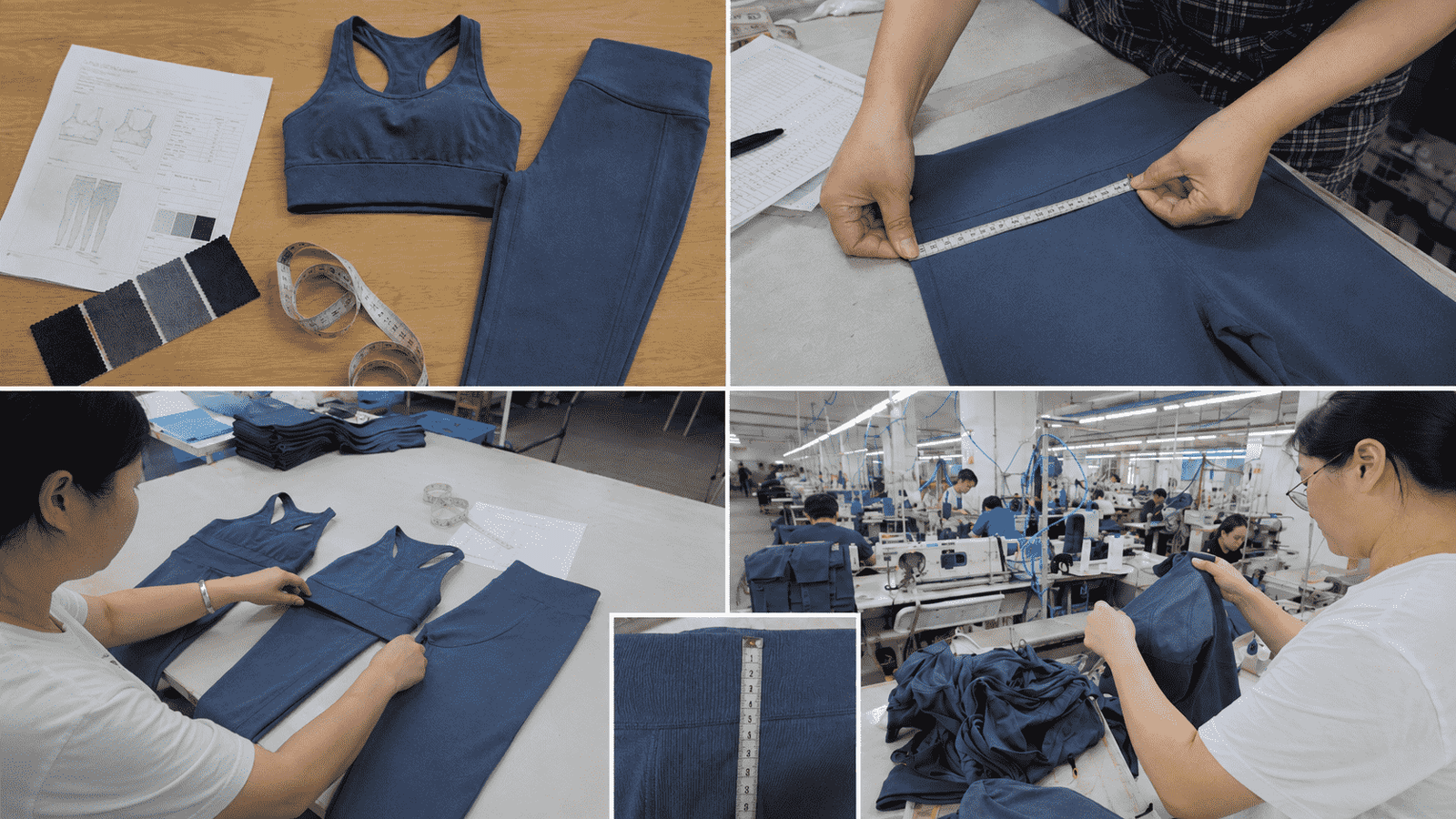
Core Athletic Activewear Categories From MOVEVOX
MOVEVOX’s strongest athletic-wear relevance is concentrated in activewear, yoga, gym and training products. Manufacturing route and technical feasibility depend on the actual garment construction.
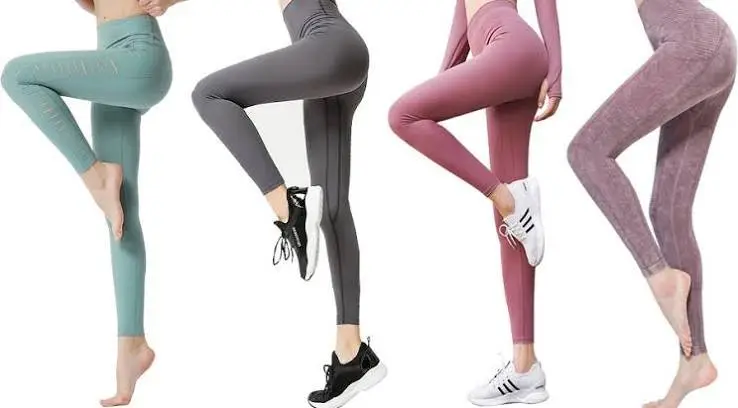
Athletic Leggings
Core activewear category available through appropriate Seamless or Cut-and-Sew development, depending on waistband, fit, fabric, knitted structure, panels, pockets and styling.
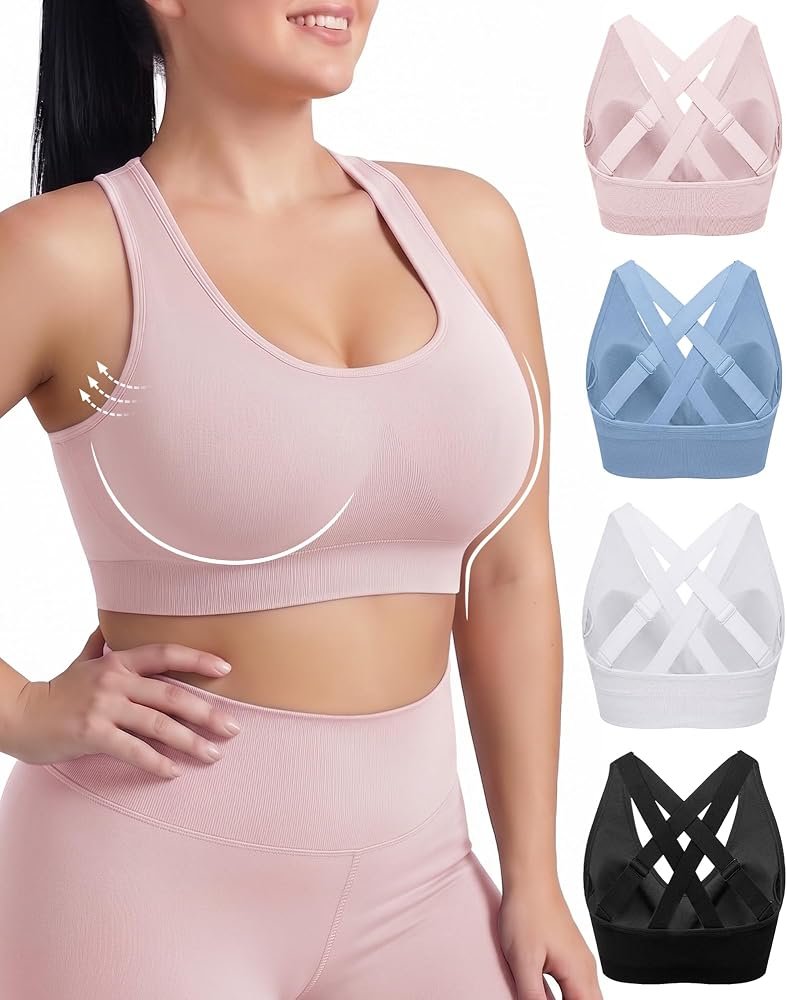
Sports Bras
Sports bras can use Seamless knitted structures or sewn construction according to straps, coverage, pads, underbust structure, material and intended product design.
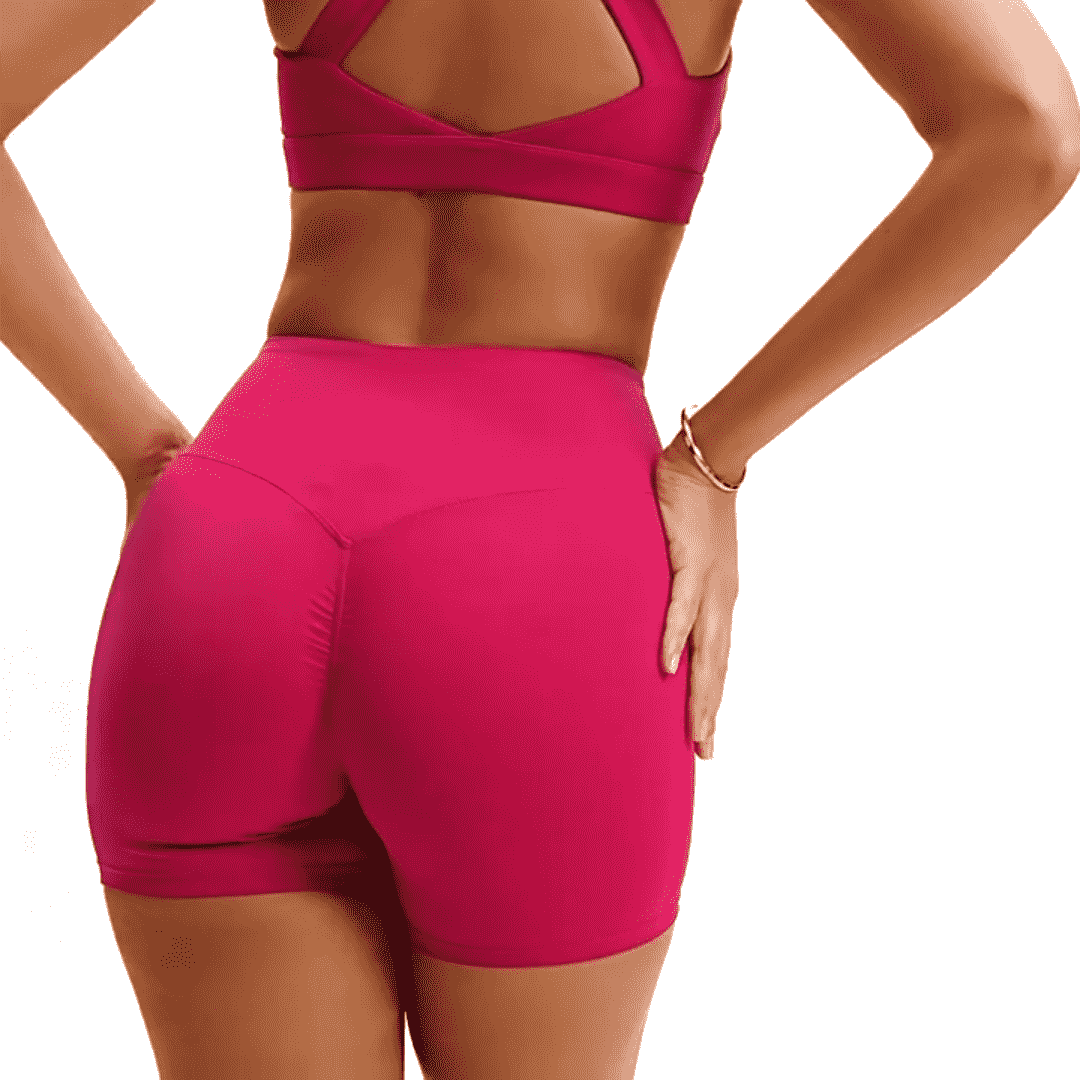
Training Shorts
Training and activewear shorts can be developed around material, waistband, inseam, pockets, fit, panels and branding according to the approved structure.
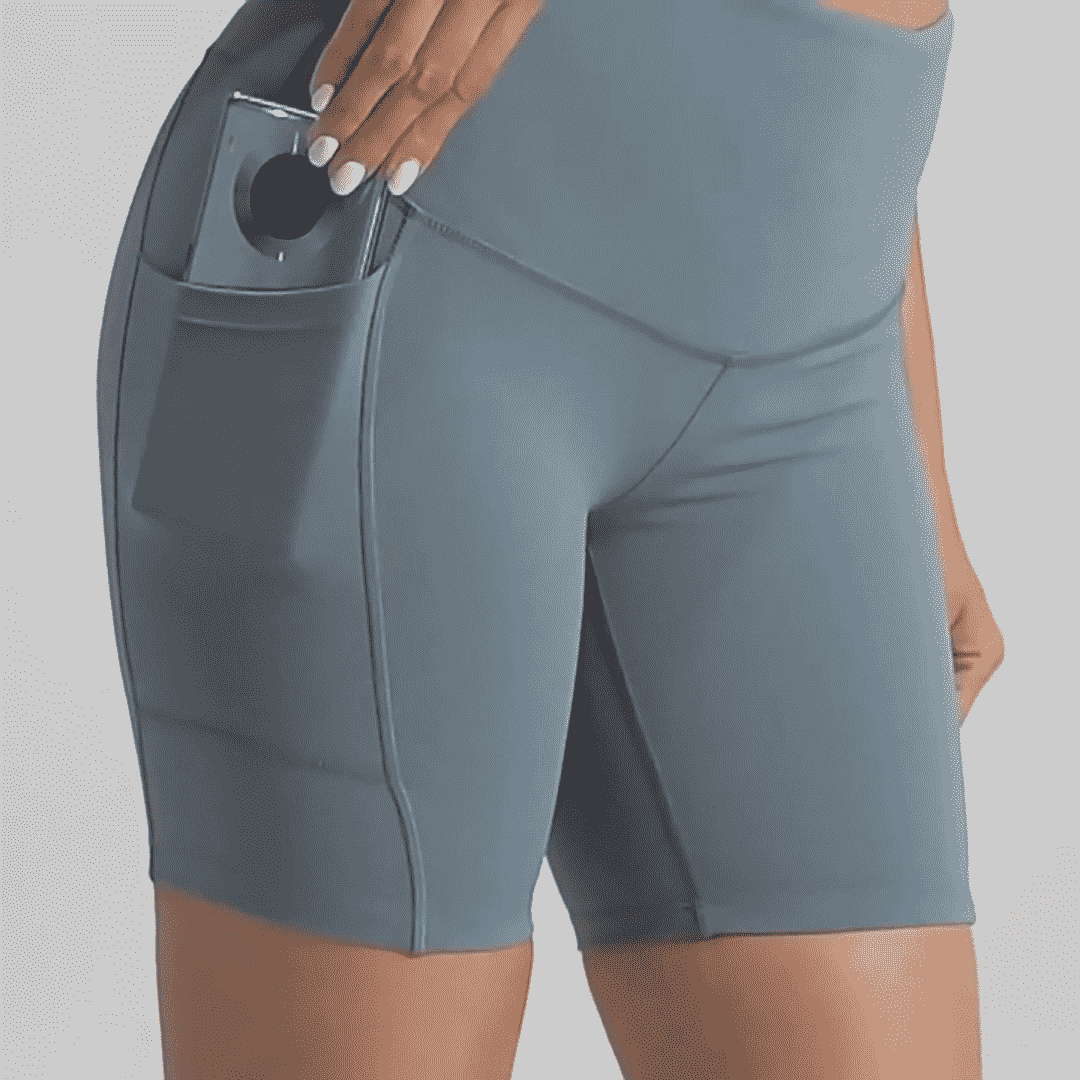
Biker Shorts
Biker shorts can support gym, studio and activewear collections through Seamless or sewn manufacturing, depending on length, waistband and construction requirements.
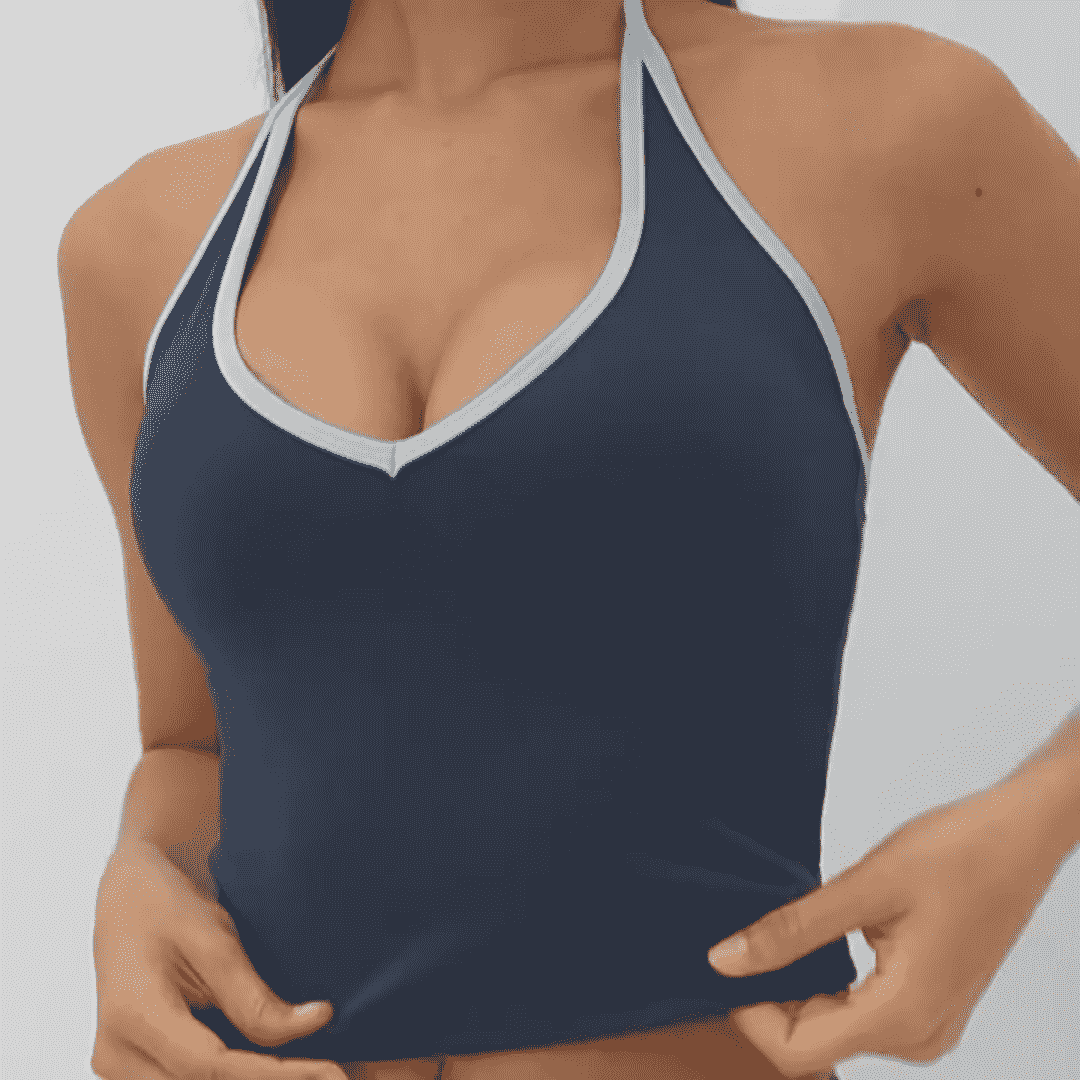
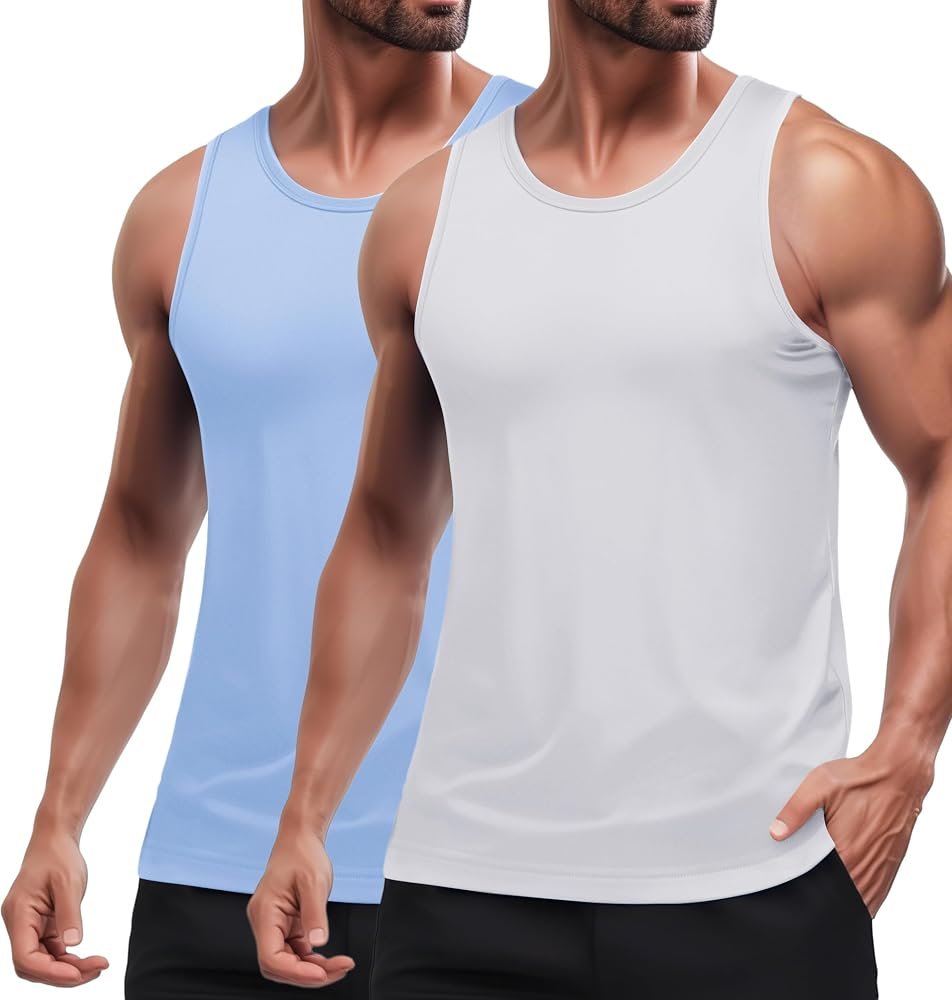
Athletic Tanks
Tanks can be reviewed for Seamless or Cut-and-Sew manufacturing according to neckline, armhole, body fit, material, structure and required finishing.
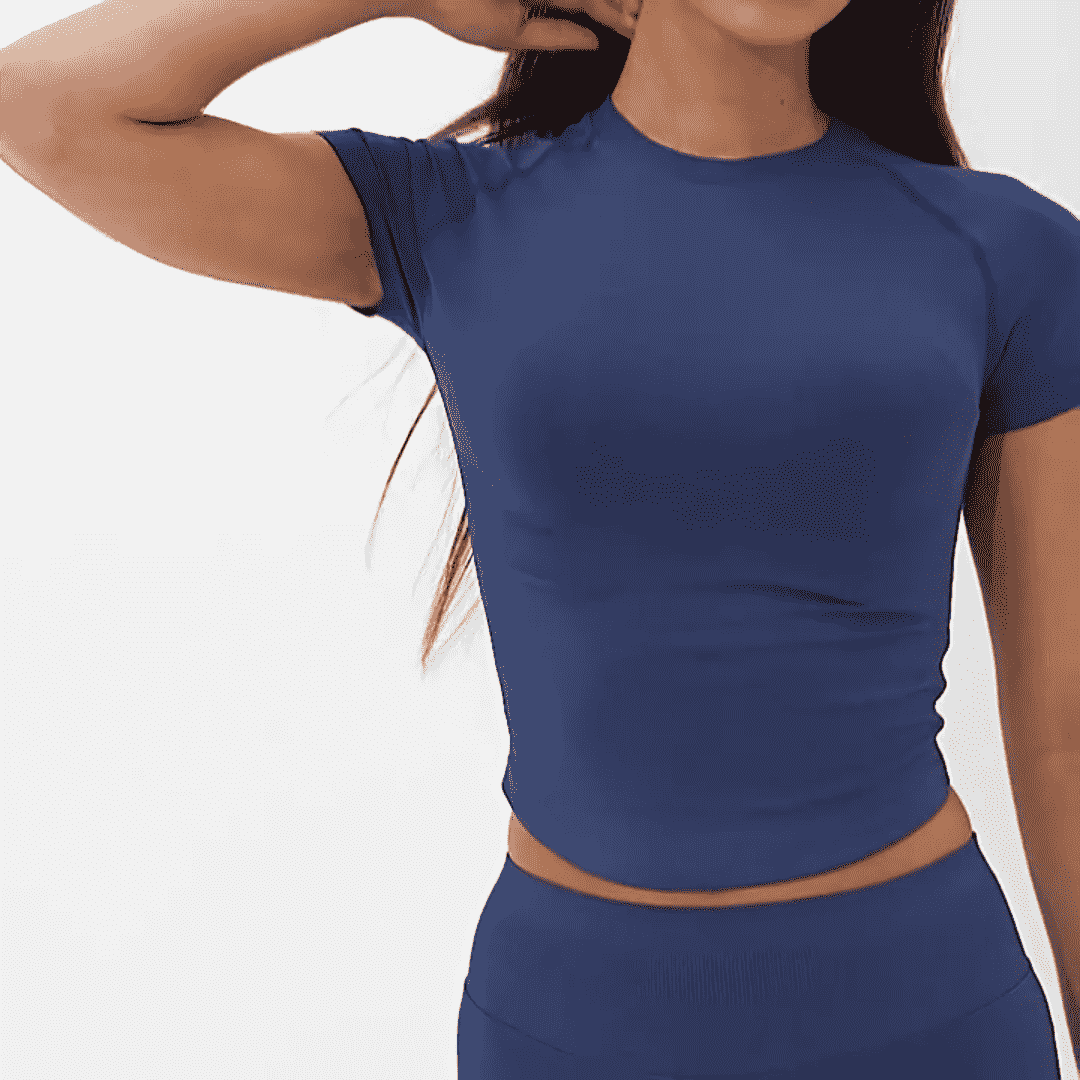
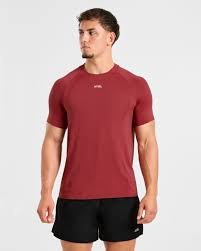
Training T-Shirts
Athletic T-shirts can be developed around material, body fit, neckline, sleeve proportion, construction, logo, labeling and related private-label requirements.
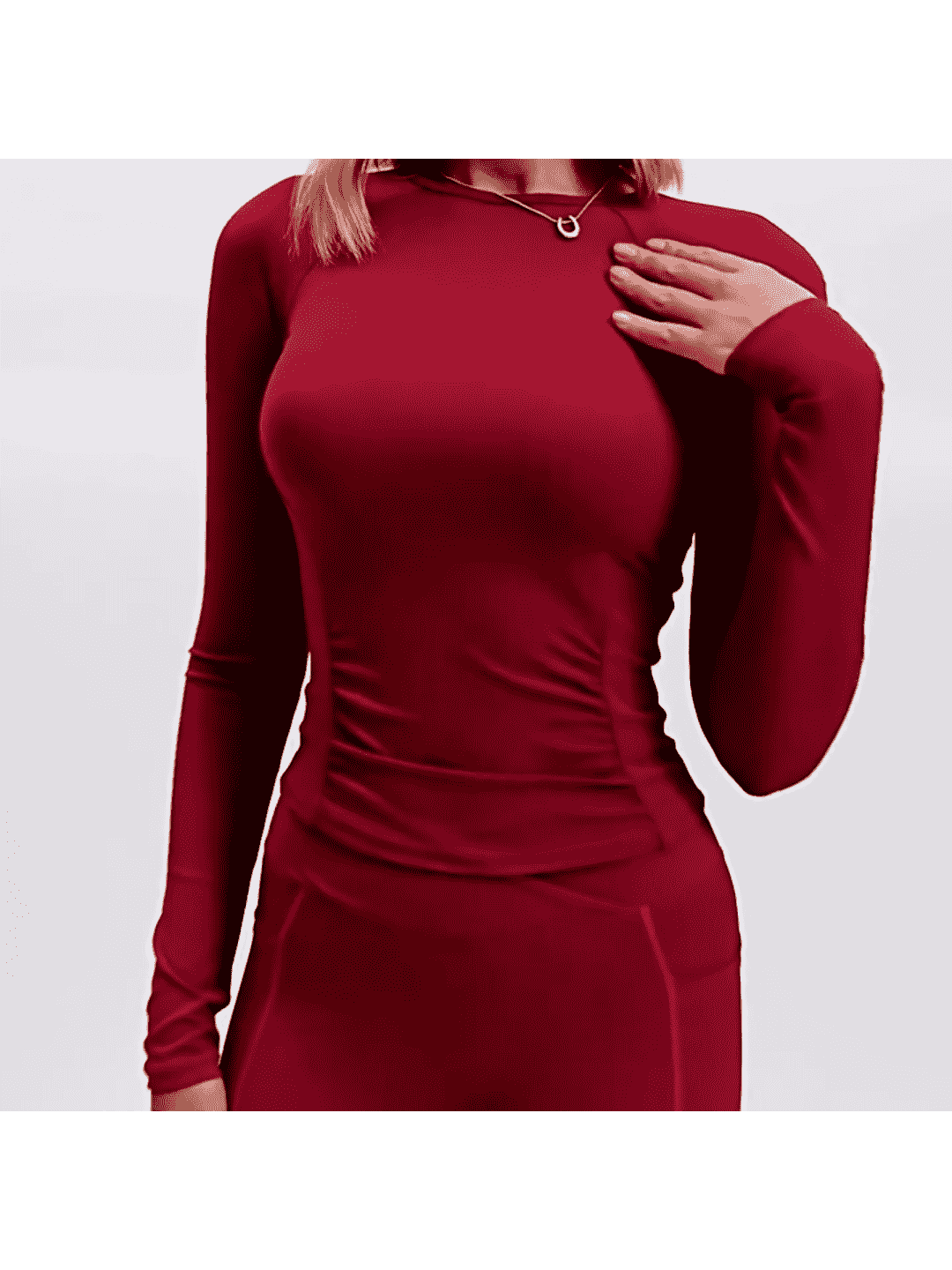
Long-Sleeve Tops
Long-sleeve activewear tops extend seasonal or training collections while retaining product-specific controls for body length, sleeves, neckline, material and branding.
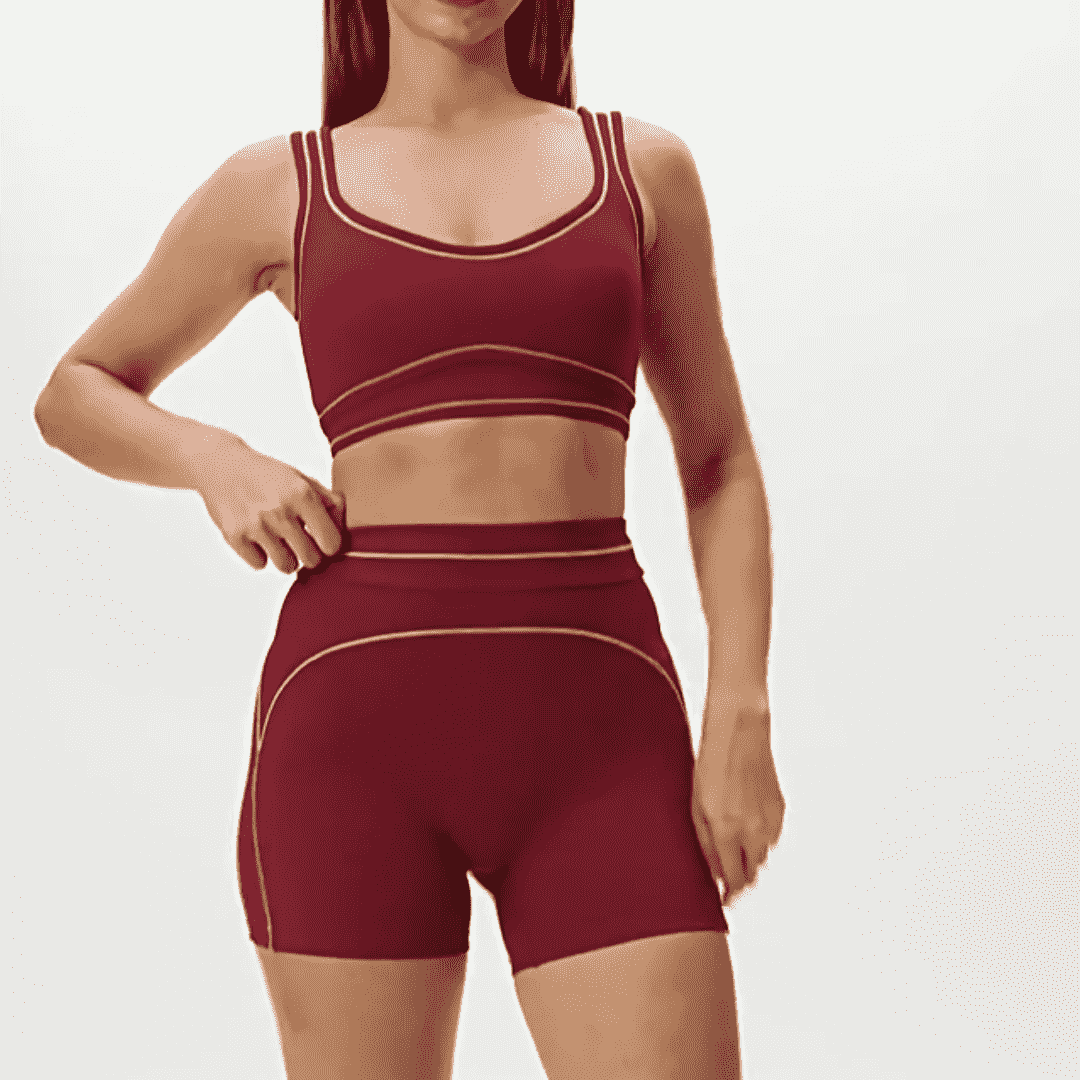
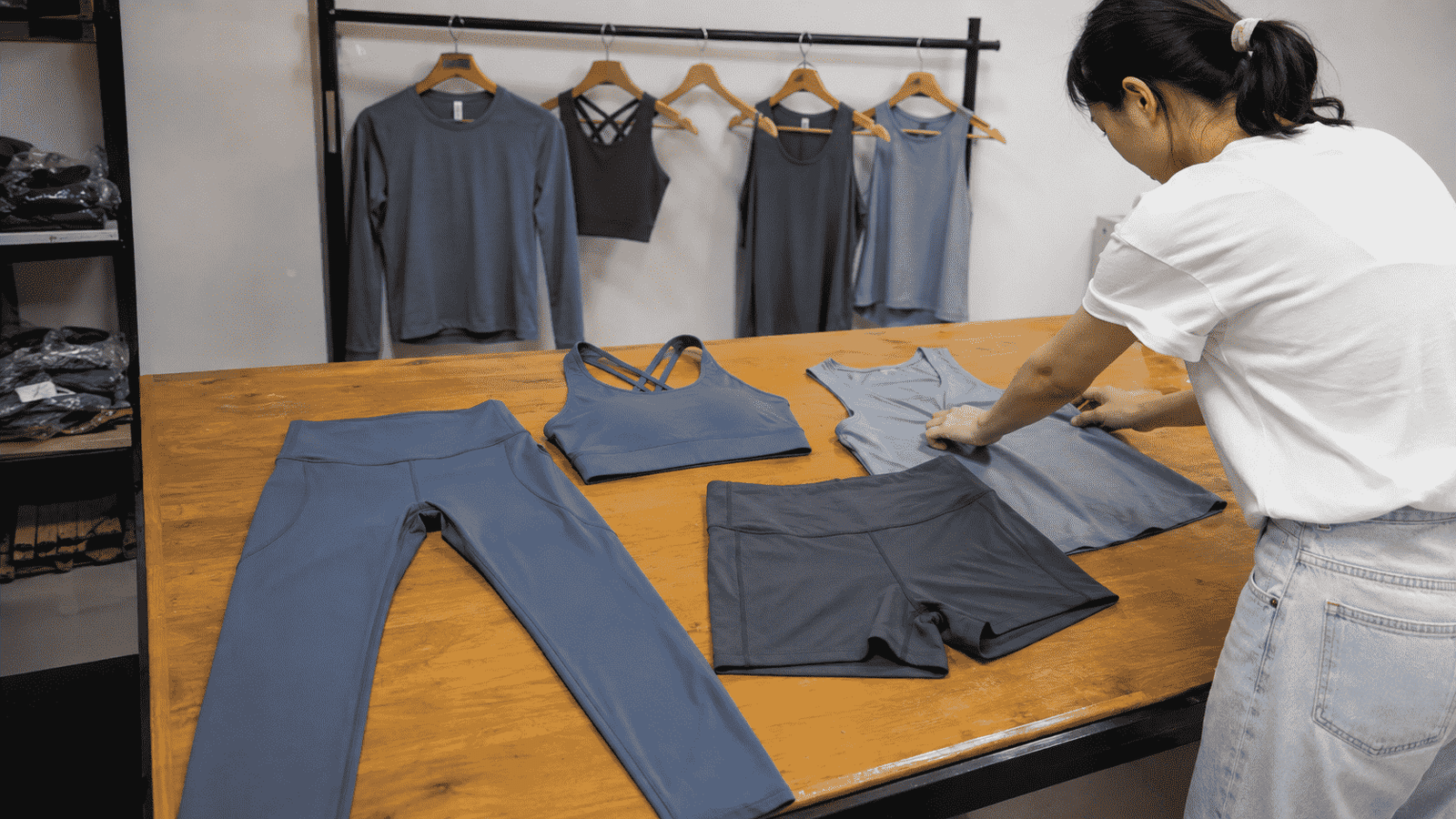
Athletic Sets
Coordinated sets allow multiple activewear products to share selected material, colors and branding while retaining separate technical specifications for every SKU.
Choose the Right Custom Development Starting Point
MOVEVOX can enter a project from different levels of technical maturity. The starting information determines how much review and development work is required before sampling.
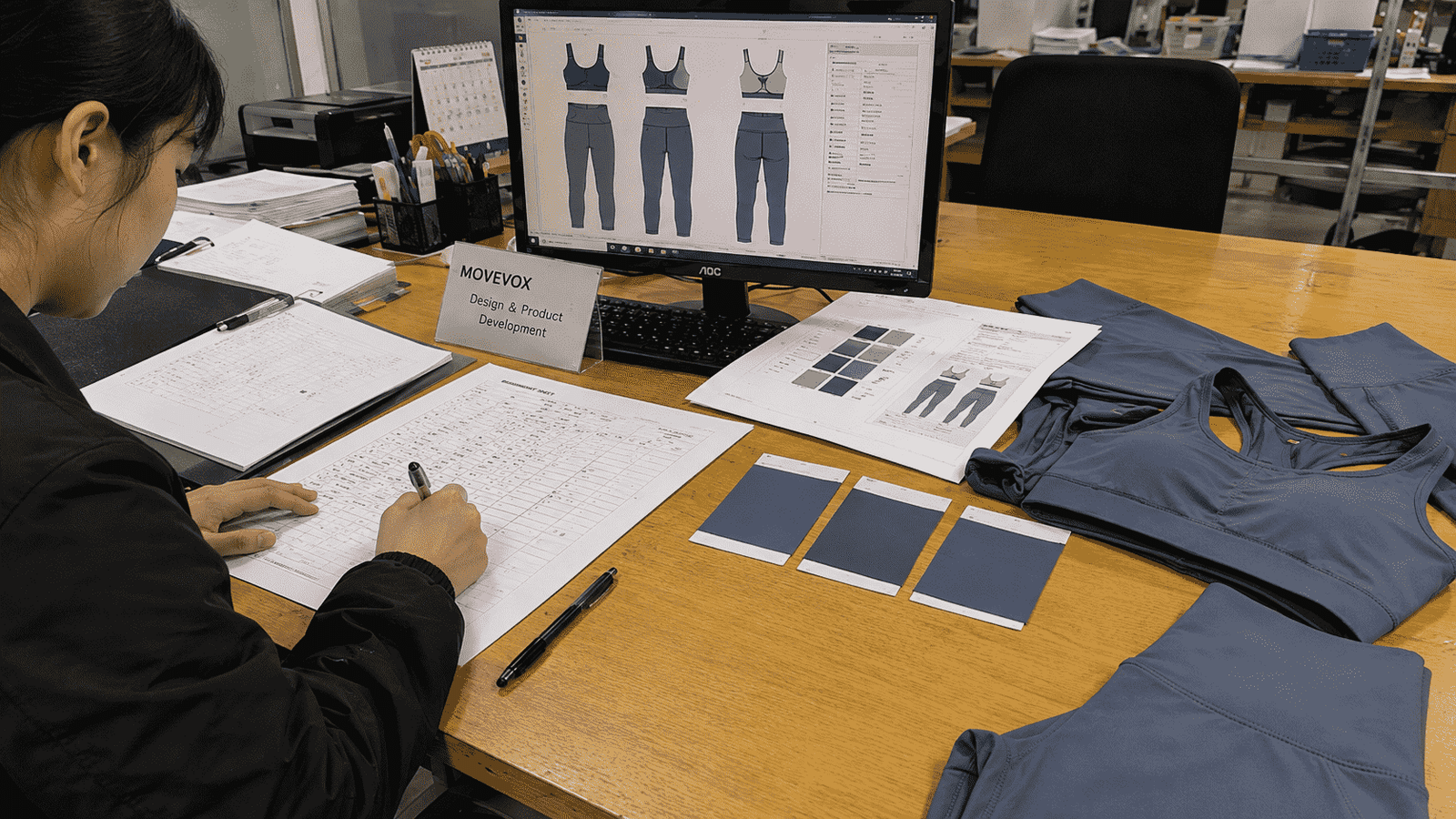
OEM From Tech Pack
When your brand already controls a complete or largely complete Tech Pack, MOVEVOX reviews the available drawings, measurements, material requirements, construction, color, branding and packaging before sampling. Missing or conflicting information is raised for confirmation rather than silently interpreted. Pattern or Seamless-program work then follows the approved technical direction. Samples verify execution, fit and manufacturability before the project moves toward approval and bulk production. The brand retains ownership of its product direction and final decision; MOVEVOX focuses on translating those requirements into controlled manufacturing.
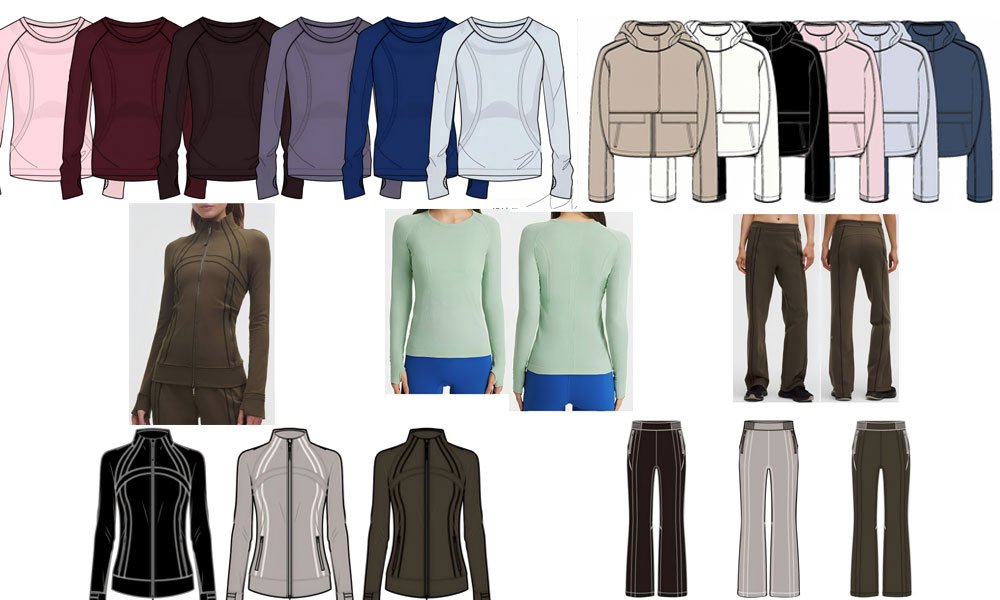
Development-Led Support
When a project begins from an incomplete Tech Pack, legal reference garment, sketch, images or defined concept, additional manufacturing translation is required. MOVEVOX can help clarify measurements, material direction, manufacturing route, construction, branding and sample objectives before development proceeds. This is collaborative technical development rather than unlimited free design: the customer remains responsible for the commercial and brand direction, while MOVEVOX helps convert that direction into an executable and reviewable product before bulk approval.
Custom Athletic Wear Beyond Basic Logo Application
A serious custom program connects product specifications, brand identity and retail execution. Each layer should be approved and linked to the correct SKU before commercial production.
Product Definition
The garment itself comes first. Fabric or yarn, color, fit, measurements, pattern or Seamless structure and construction create the technical base that branding and packaging must follow.
- Fabric or Yarn
- Fit and Measurements
- Product Construction
- Color Standard
- Approved Sample
Brand Identity
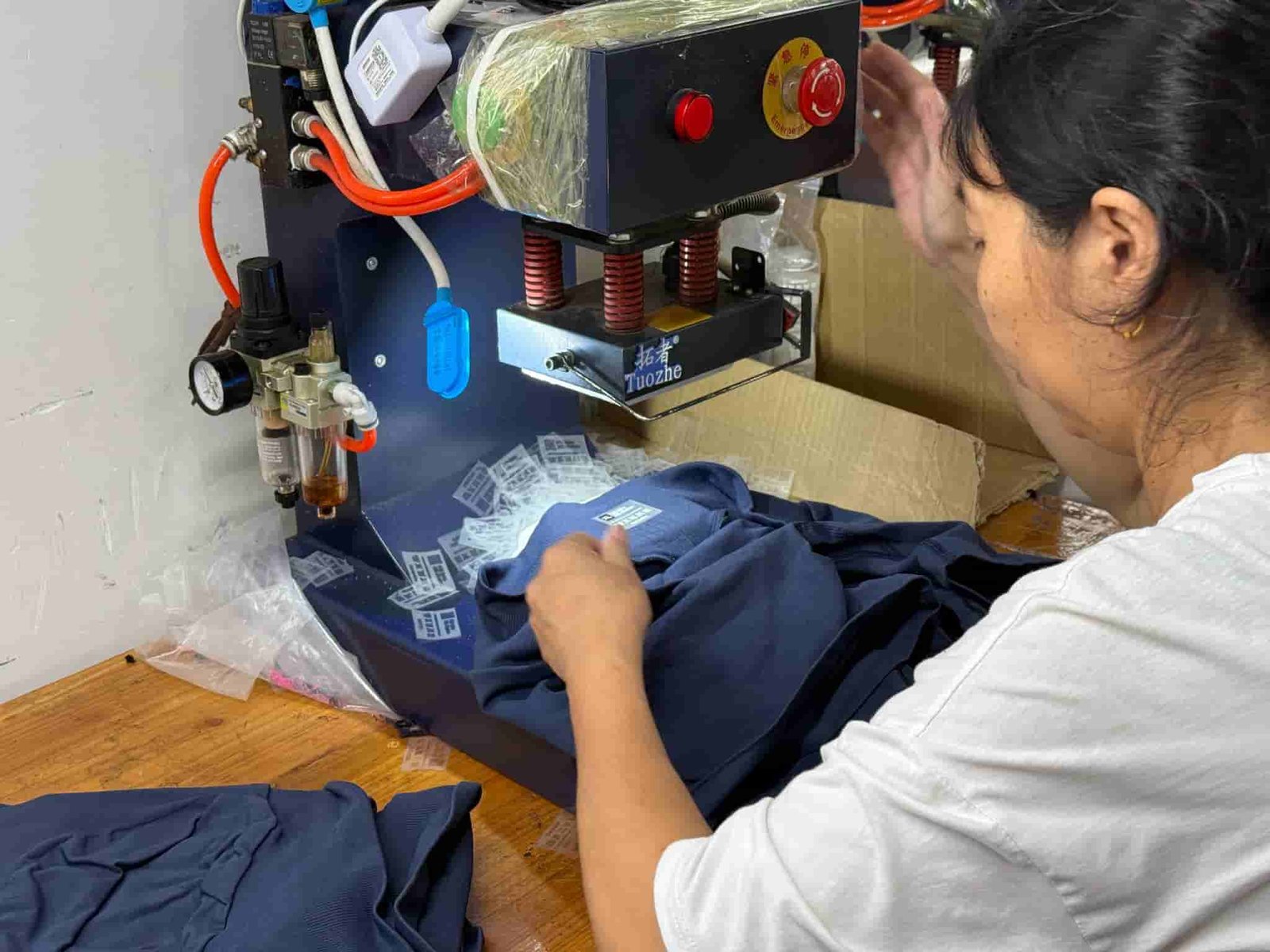
MOVEVOX can coordinate common private-label elements according to actual project requirements. Artwork, size, position, color and application method should be confirmed before they become production references.
- Custom Logo
- Main Label
- Size Label
- Care Label
- Hangtag
Retail Execution
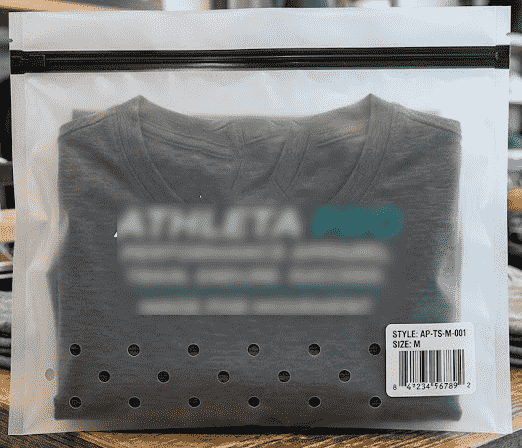
Packaging becomes part of manufacturing control when multiple sizes, colors and SKUs require different stickers, barcodes or packs. Those requirements should be linked to the correct product specification.
- Custom Packaging
- Polybag
- SKU Sticker
- Barcode
- Carton Mark
Six Controls Behind Custom Athletic Product Development
Product development should convert buyer intent into a specification that manufacturing and QC can repeat. Each stage resolves a different source of production uncertainty.
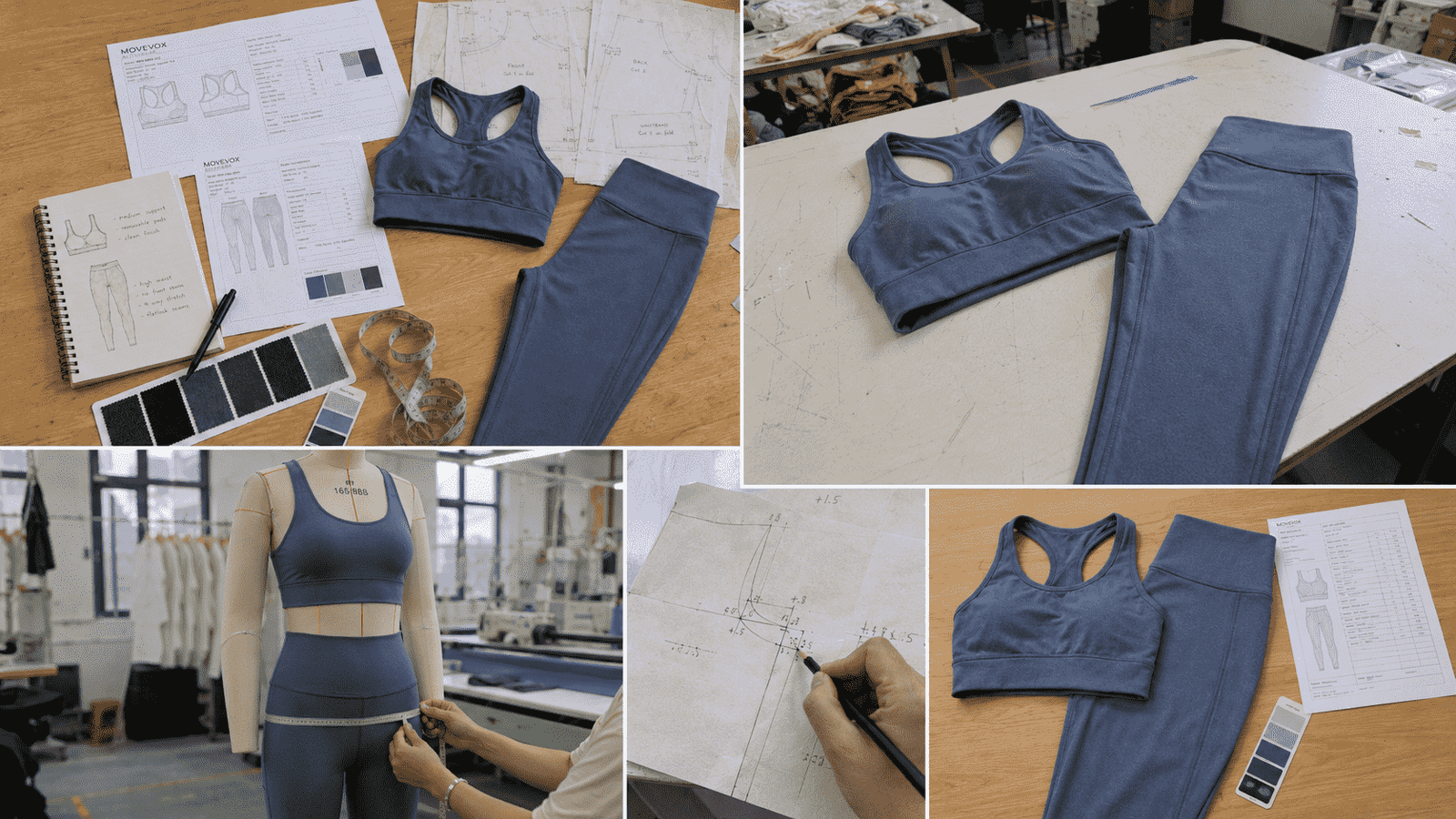
Input Review
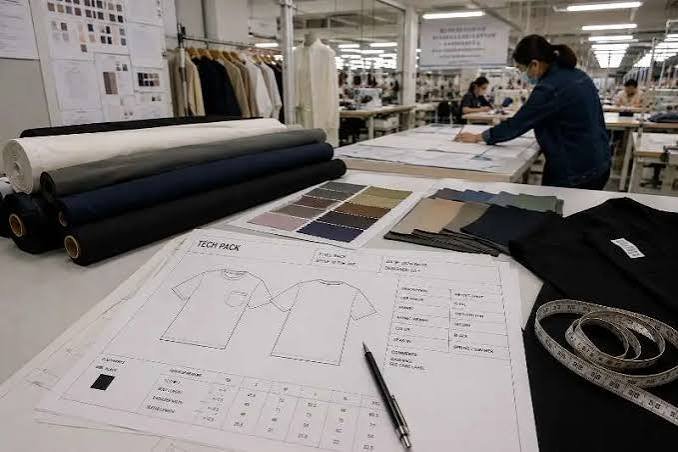
MOVEVOX reviews the buyer’s current Tech Pack, reference, sketch, images or product brief to identify what is already defined and what still requires technical confirmation before sampling resources are committed.
Application: Best when project information exists but technical completeness varies between styles.
Control: Do not convert unclear assumptions directly into production instructions.
Technical Clarification
Measurements, material direction, construction, color, branding and unresolved details are converted into questions that can be confirmed by the buyer before they become hidden development assumptions.
Application: Useful when Tech Packs contain missing, conflicting or incomplete specifications.
Control: Current confirmed information should replace earlier contradictory requirements.
Product Engineering
Approved product direction is translated into pattern or Seamless-program decisions, material references, measurements and construction information appropriate to the actual manufacturing route.
Application: Required before a concept can become a repeatable physical product.
Control: Engineering choices remain linked to the intended product structure.
Sample Development
The appropriate sample is created around the current development objective, whether the buyer needs product structure, fit, size or pre-production confirmation.
Application: Used after sufficient technical information has been confirmed for sampling.
Control: Each sample should answer defined questions rather than replace specifications.
Controlled Revision
Buyer comments are converted into updated measurements, pattern, Seamless program or construction instructions so the next physical sample reflects the current agreed changes.
Application: Required when Version One needs fit, construction or detail corrections.
Control: Superseded versions should not remain active for later production.
Production Handover
Approved product information, materials, color, branding and applicable physical references are transferred into pre-production and QC so production uses the current standard.
Application: Used when the product is moving from development into commercial manufacture.
Control: Approval must be transferable, measurable and available to production teams.
Six Questions We Review Before Sampling
Technical review reduces hidden assumptions before sample development. Each review area can affect manufacturability, commercial MOQ, product consistency or timing.
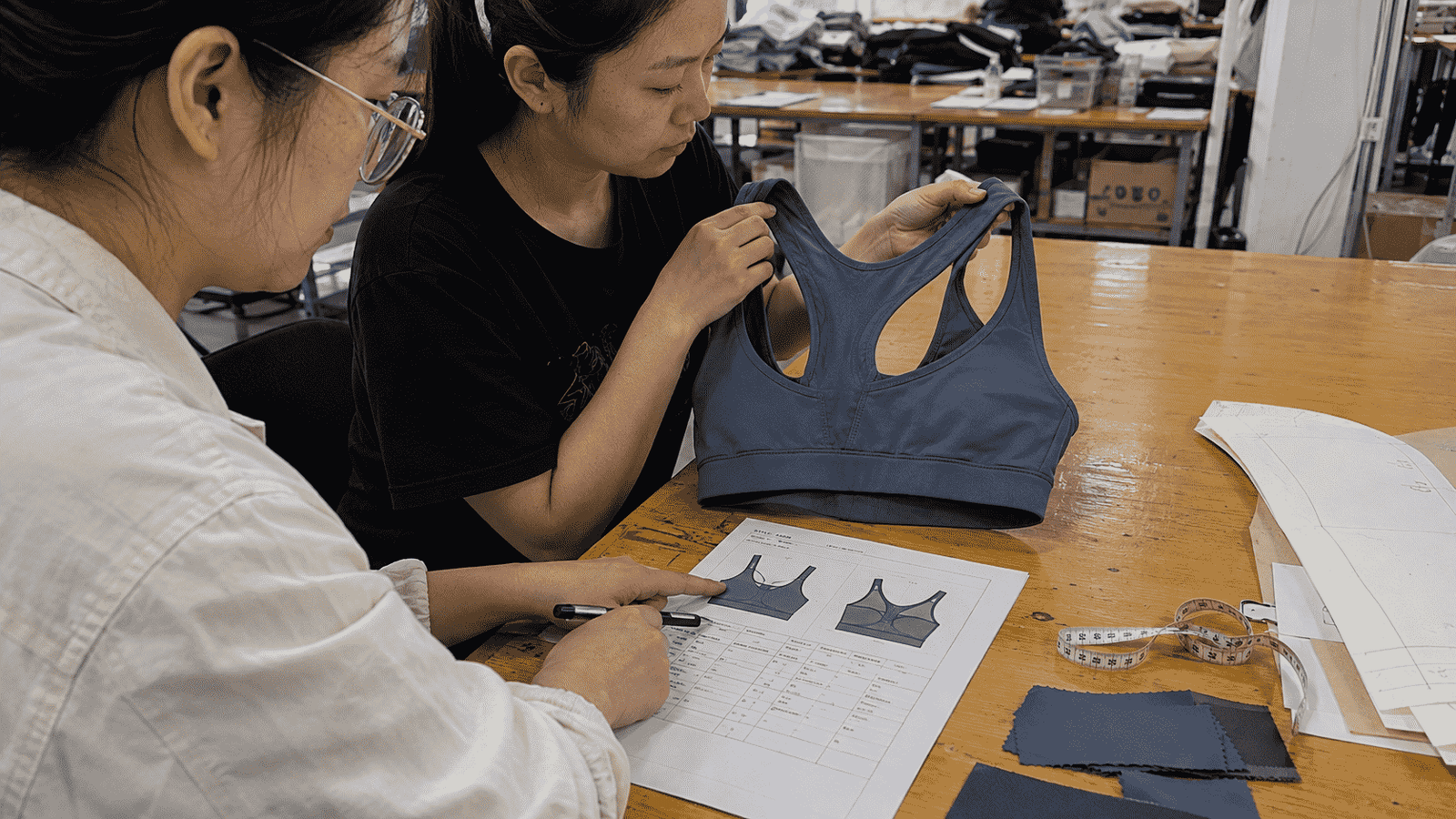
Product Structure
MOVEVOX reviews panels, waist structures, pockets, straps, pad requirements, seams, knitted areas and other relevant construction details. The objective is to identify whether the proposed structure is sufficiently defined, compatible with the intended product and appropriate for available manufacturing routes before physical development begins.
Fabric or Yarn
Material direction is considered together with garment structure, fit, appearance and manufacturing process. Availability, supplier minimums and potential substitution issues may affect development. A fabric or yarn should not be treated as fully approved only because its fiber composition appears suitable on paper.
Fit and Measurements
Available measurements, POM definitions, reference garments and intended silhouette are reviewed before pattern or Seamless sizing progresses. Where information is incomplete, the relevant questions should be clarified before measurements become uncontrolled assumptions that later affect grading or bulk inspection.
Manufacturing Route
MOVEVOX evaluates whether the product is more appropriately developed through Seamless knitting or Cut-and-Sew construction. Panels, pockets, bra structure, knitted zones, fabrics and product geometry can make one route more suitable than the other for a specific style.
Branding and Packaging
Logo method, labels, hangtags, packaging and barcodes are reviewed with the actual garment and SKU structure. These elements may introduce separate artwork approvals, production steps, supplier minimums or packing controls that should be known before final commercial confirmation.
Commercial Risk
Quantity, color allocation, material MOQ, sample complexity and production window are reviewed alongside the technical specification. A product can be technically possible but commercially impractical at a particular order structure, so feasibility and sourcing conditions need to be considered together.
Select Athletic Fabrics Around Product Requirements
Fiber content alone does not define suitability. Fabric or yarn should be evaluated together with construction, weight, handfeel, stretch behavior, appearance, fit and commercial availability.

Nylon Spandex Knit
Composition: Project-specific
GSM: Project-specific
A common material direction for leggings, sports bras, shorts and tops. The actual composition, knit structure, weight and finish need physical approval for the intended product rather than relying on a generic nylon-spandex description.

Polyester Spandex Knit
Composition: Project-specific
GSM: Project-specific
Can be reviewed for selected athletic and training products according to the required structure, weight, stretch, surface and commercial target. Suitability is confirmed at material and product level.
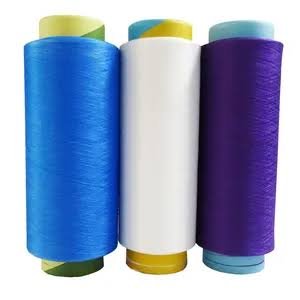
Seamless Yarn System
Composition: Project-specific
GSM: Garment-structure dependent
Seamless yarn works together with machine programming, knitted density, garment size and local structures. It should therefore be assessed within the actual knitted garment rather than as an isolated fiber specification.

Brushed Stretch Fabric
Composition: Project-specific
GSM: Project-specific
Brushing changes the surface and may influence handfeel, thickness, appearance and stretch behavior. Pattern, fit, sewing and branding decisions should be verified with the actual approved fabric.
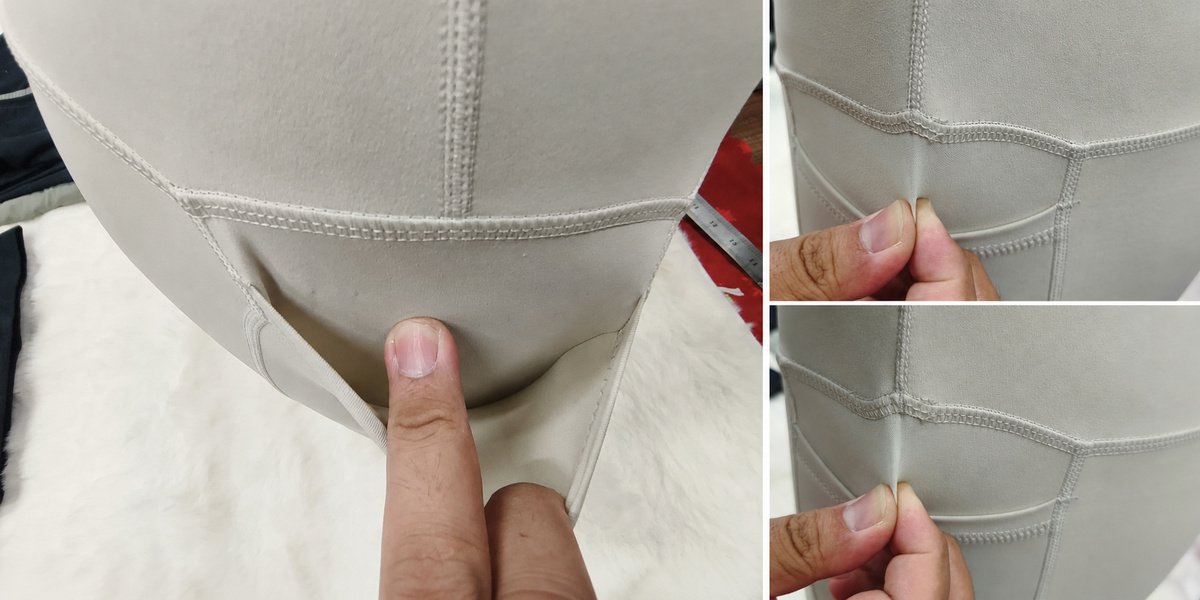
Rib Knit Structure
Composition: Project-specific
GSM: Project-specific
Rib can appear in Cut-and-Sew fabric or be engineered through Seamless knitting. Direction, density, elasticity and appearance should be evaluated within the intended garment construction.
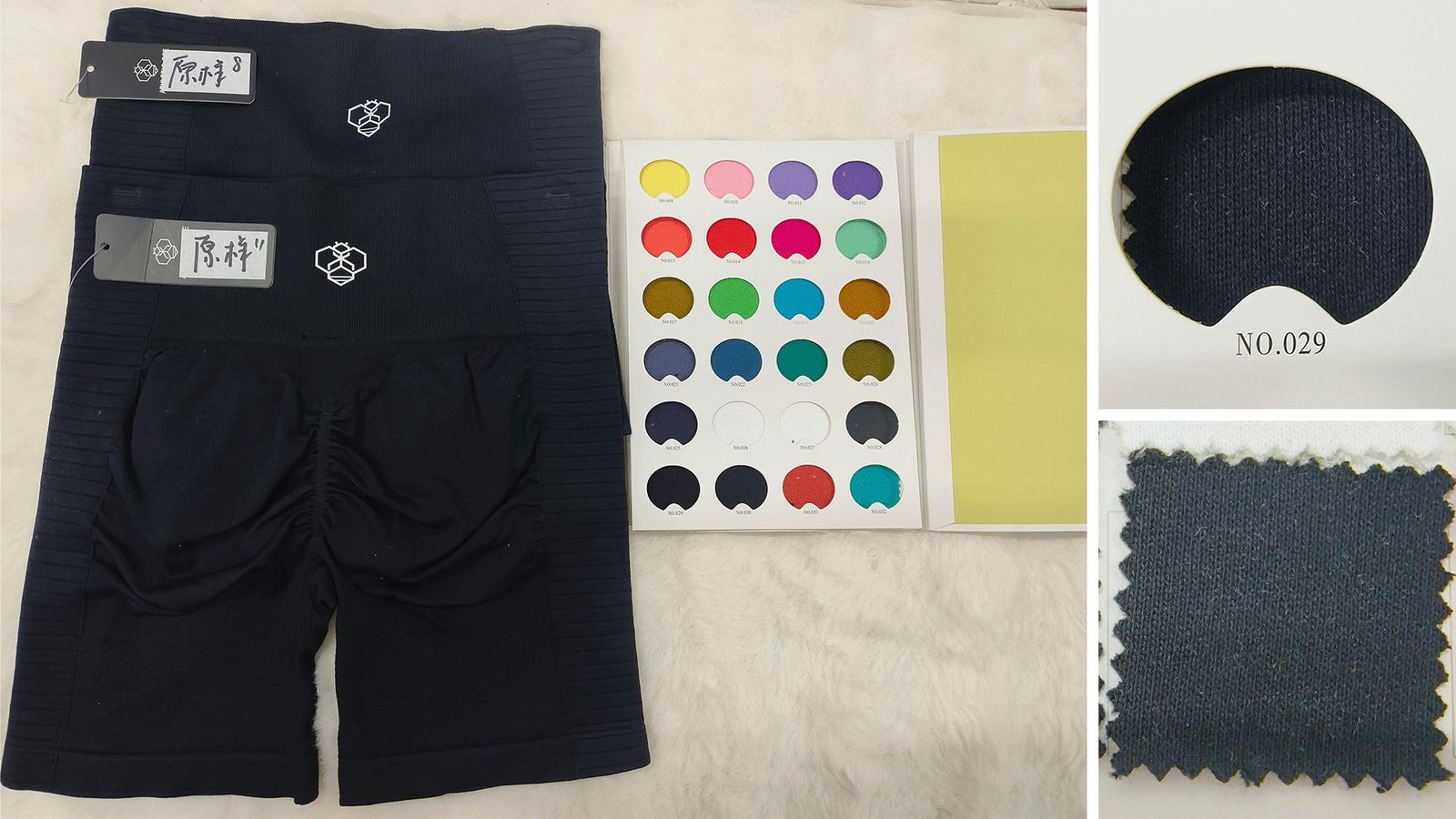
Textured Knit
Composition: Project-specific
GSM: Project-specific
Textured material or knitted structures can create product differentiation but may also influence garment dimensions, color appearance, stretch and logo execution. Physical development is needed before final approval.

High-Stretch Knit
Composition: Project-specific
GSM: Project-specific
High stretch is not, by itself, proof of suitable athletic performance. The material still needs evaluation together with recovery, intended fit, garment structure and measurement standard.
Customer-Nominated Fabric
Composition: Buyer specification
GSM: Buyer specification
When a brand specifies a material, mill or physical reference, MOVEVOX can review availability, manufacturability, MOQ and production implications. Proposed alternatives should be disclosed for approval.
Turn Athletic Fit Into a Production Standard
Fit approval becomes useful for manufacturing only when subjective product feedback is converted into measurable, current and transferable technical references.

| Stage | Purpose | Controlled Output |
|---|---|---|
| Target Size | Define intended silhouette and base-size direction | Initial size framework |
| POM Setup | Define where and how dimensions are measured | Measurement chart |
| Pattern / Program | Convert measurement intent into product geometry | Current pattern or Seamless program |
| Fit Sample | Evaluate base-size fit and structure | Fit comments |
| Revision | Convert feedback into controlled technical changes | Updated technical version |
| Grade Rules | Define progression between sizes | Grading logic |
| Size Set | Verify selected or complete size range | Size-level approval |
| PP Sample | Confirm production reference where applicable | Approved physical standard |
| Bulk Measurement | Compare finished garments to specification | Inspection record |
Engineer Athletic Products Through Seamless Knitting
MOVEVOX operates 28 Italian Santoni machines at its Yiwu core facility. Seamless products combine yarn, machine program, density, size and engineered knitted structures.
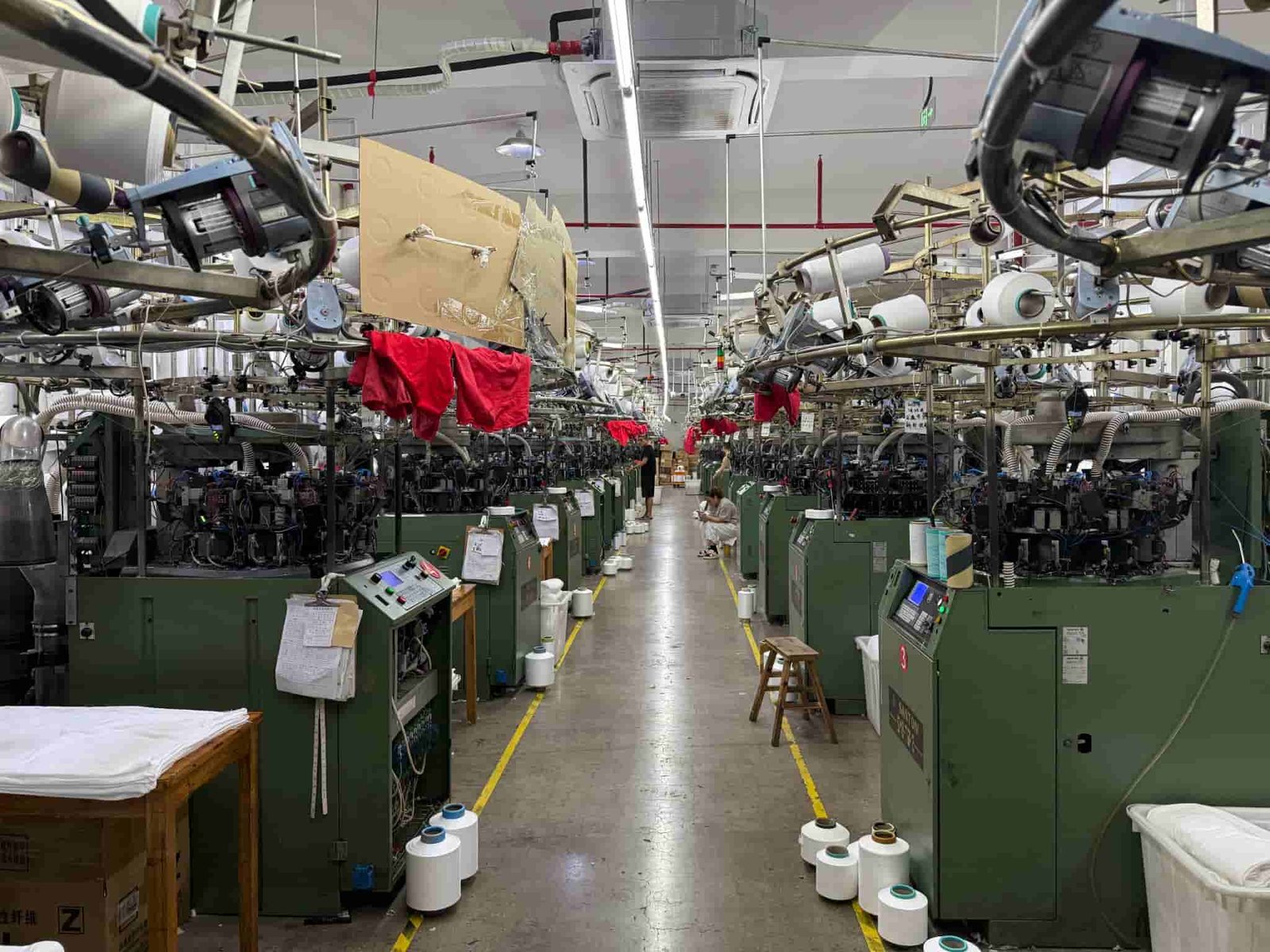
Waistband Rib
Rib density and structure can be engineered into the waistband according to the approved product design, yarn system and intended garment dimensions.
Main Body Knit
The primary knitted body establishes the garment foundation and must remain linked to the correct yarn, program, size and approved product reference.
Mesh Area
Selected mesh structures can be integrated where the product design requires them. Placement and openness should be physically approved without unsupported performance guarantees.
Texture Zone
Knitted texture can create visual and structural differentiation. More complex zones require tighter control of program version, yarn and finished garment dimensions.
Transition Zone
Changes between rib, mesh, texture and main structures require controlled transitions so the finished knitted form follows the intended product construction.
Sewn Finishing
Seamless construction may still require sewing at selected crotch, shoulder, neckline, label, pad-opening or finishing points depending on the product.
Seamless performance cannot be separated into one variable. Yarn characteristics, machine programming, knitted density, local structure and garment size interact during development. When one element changes, dimensions or appearance may also change. For repeat production, the approved yarn reference, current program and product measurement standard therefore need to remain connected through bulk knitting and finishing rather than being managed as unrelated production inputs.
Build Structured Athletic Products Through Cut-and-Sew
Approximately 24 main sewing and garment-production machines at MOVEVOX’s Yiwu core facility support activewear requiring patterns, panels, pockets and sewn construction.
Pattern Engineering
Patterns convert approved measurements and fit decisions into cuttable garment geometry. Revision control is important because an outdated pattern can reproduce the same error across a production lot.
Application: Pattern-based leggings, shorts, bras, tanks, T-shirts and related tops.
Control: Pattern version must match the current released measurement specification.
Controlled Cutting
Fabric direction, stretch and cutting accuracy can affect later assembly and garment dimensions. Cutting should use the current approved material and released pattern information.
Application: Panel-based activewear and other products using cut fabric components.
Control: Material and pattern identity must remain consistent before assembly begins.
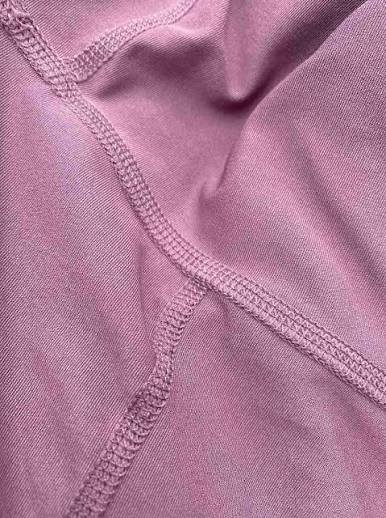
Overlock Construction
Overlock is used where the approved garment structure requires suitable joining or edge construction. Execution depends on material behavior, seam requirement and finished product specification.
Application: Selected joining and edge-construction points in sewn athletic products.
Control: Seam appearance and stretch should match the approved product reference.
Flatlock Construction
Flatlock can be applied to selected activewear construction points where the design and material require it. Alignment and seam appearance need physical development and production control.
Application: Selected activewear seams requiring a flat joined construction appearance.
Control: Stitch execution must remain consistent with the approved construction standard.
Coverstitch Finishing
Coverstitch or related finishing methods may be used at hems and selected construction areas according to the approved product design and material behavior.
Application: Hems and finishing points specified in Cut-and-Sew activewear products.
Control: Finished stretch and appearance should follow the approved physical reference.
Complex Assembly
Panels, pockets, straps, elastics, pads or multiple fabrics create additional assembly and QC points. Clearer construction and BOM information is required as complexity increases.
Application: Multi-component athletic products requiring several sewn construction operations.
Control: Each added component should have a defined production and inspection reference.
Build Multiple Athletic SKUs Around Shared Standards
A collection becomes easier to develop and repeat when selected products share controlled materials, fit language, colors and branding without erasing SKU-specific technical requirements.
Shared Material Platform
A collection may use one approved fabric across leggings, shorts or selected tops, or use a limited family of related materials. Sharing material can simplify sourcing and strengthen collection consistency, but it should not be forced where different products require different structures. MOVEVOX can review which products can realistically use the same material reference while preserving each style’s approved fit and construction.
Shared Fit Language
A brand may maintain common principles such as rise direction, waistband depth, body proportion or silhouette across related products. Those principles help create a coherent assortment, but each SKU still needs its own measurable specification. An approved legging cannot automatically substitute for the technical development required by a sports bra, short or top.
Shared Color System
Common Pantone or physical color targets can support a coordinated collection. However, different yarns, fabric constructions and surface finishes may display nominally identical colors differently. Physical approval should therefore confirm actual production materials rather than assuming a digital color reference will look identical across every product and manufacturing route.
Shared Brand System
Logo rules, labels, hangtags, packaging structures and barcode logic can be reused across multiple styles where appropriate. Product-specific size, color and SKU information still needs controlled mapping. The result is a repeatable brand system without turning different products into one generic production instruction.
Turn Approved Athletic Products Into Your Brand
Private-label execution should remain connected to the approved garment and SKU. Product standards, brand identity and retail packaging form one controlled commercial product.
Product Standard
Fabric or yarn, fit, measurements, color, construction and the applicable approved physical sample form the technical product definition that later branding must follow.
- Approved Material
- Fit Standard
- Product Color
- Construction
- Approved Sample
Brand Identity
Logos, main labels, size labels, care labels and hangtags can be coordinated according to the buyer’s approved artwork and actual product requirements.
- Custom Logo
- Main Label
- Size Label
- Care Label
- Hangtag
Retail Packaging
Polybag, sticker, barcode, custom packaging and carton-mark requirements should be linked to the correct style, size and color information before packing begins.
- Polybag
- SKU Sticker
- Barcode
- Custom Packaging
- Carton Mark
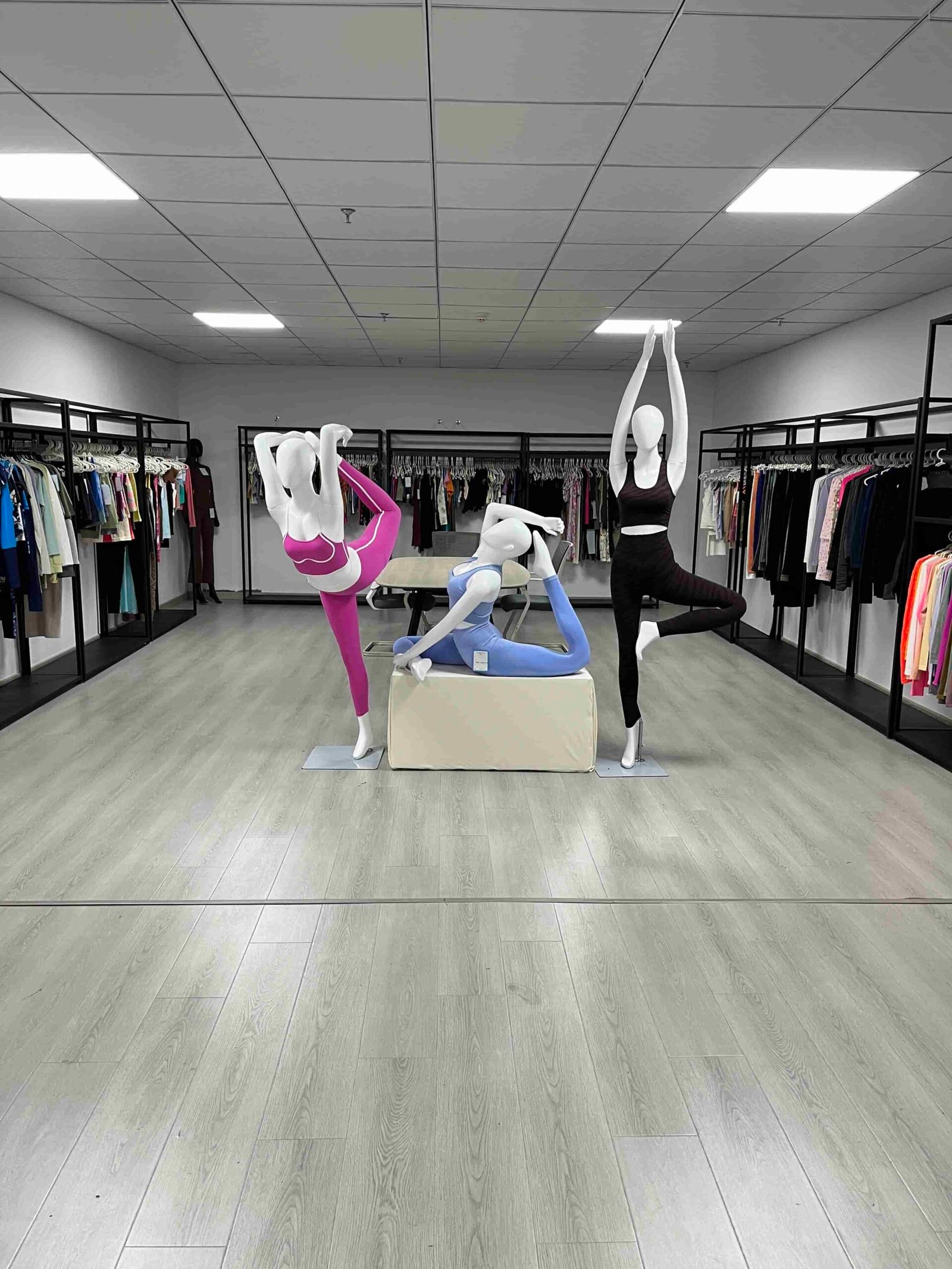
Sampling Is an Athletic Product Approval Process
The purpose of sampling is to answer defined development questions and create approved product information that can later guide commercial production.
Input Review
Confirm the current product direction, measurements, material, color, manufacturing route, branding requirements and unresolved questions before the sample objective is finalized.
Technical Setup
Pattern, Seamless program, fabric or yarn references and relevant construction information are prepared according to the current confirmed product direction.
Sample Build
The required development sample is produced using the appropriate Seamless or Cut-and-Sew route and checked before customer evaluation.
Buyer Review
The customer evaluates fit, measurements, material, construction, appearance, branding and other relevant requirements and consolidates the requested revisions.
Controlled Revision
Agreed changes are incorporated into the current product information, pattern or Seamless program before the next sample is produced.
Approval Stage
Development continues until the applicable fit, Size Set, PP or other agreed approval stage establishes a suitable reference for production.
Standard sample development typically takes about 5–10 working days after the required development details are confirmed. Complex structures, custom materials, special colors, customer feedback time and additional revision rounds can extend the overall calendar.
Transfer Athletic Sample Approval Into Bulk Production
An approved sample becomes valuable only when the product decisions behind it are transferred into current technical, material, branding and inspection references.
Color
Bulk material and finished garment color should be evaluated against the applicable approved material or color reference rather than only a screen value.
Measurements
Finished production measurements should be checked against the current released specification and agreed tolerance appropriate to the project.
Material Reference
The fabric or yarn used for production should remain linked to the material approved during development unless a change receives appropriate review.
Logo Position
Logo method, artwork, position and relevant dimensions should follow the current approved branding reference for the correct product and size.
Construction
Seams, knitted structures, panels and other workmanship requirements should be compared with the current technical and applicable physical product references.
Packaging
Labels, SKU information, barcode, polybag and carton execution should remain linked to the correct product, size and color.
MOVEVOX does not describe bulk production as mathematically identical to one development sample. The professional target is controlled manufacturing against released specifications, approved material and color references, applicable physical samples and agreed quality criteria. Pre-production review and First Article verification help confirm that actual bulk materials and production conditions are aligned before wider output, while in-line and finished-product checks monitor production after release.
Tour the MOVEVOX Core Factory in Yiwu
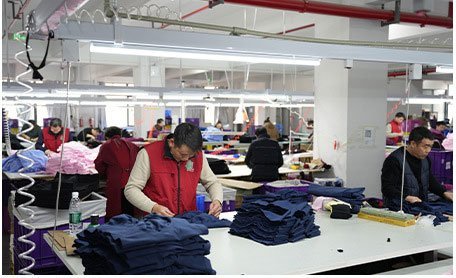
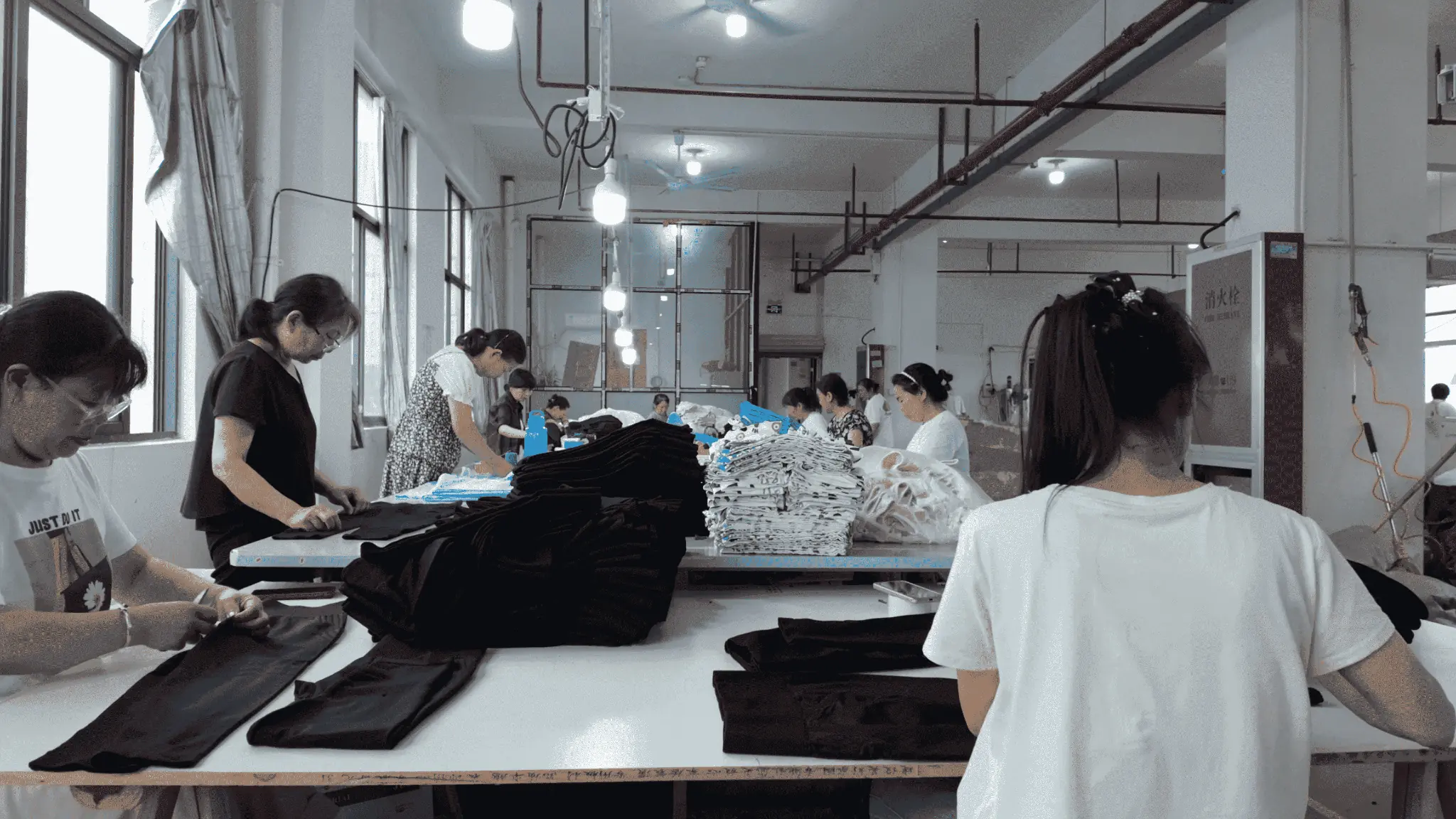
The approximately 6,000-square-meter core production operation functions as the technical, sample, core-production and quality-control center behind MOVEVOX’s manufacturing system.
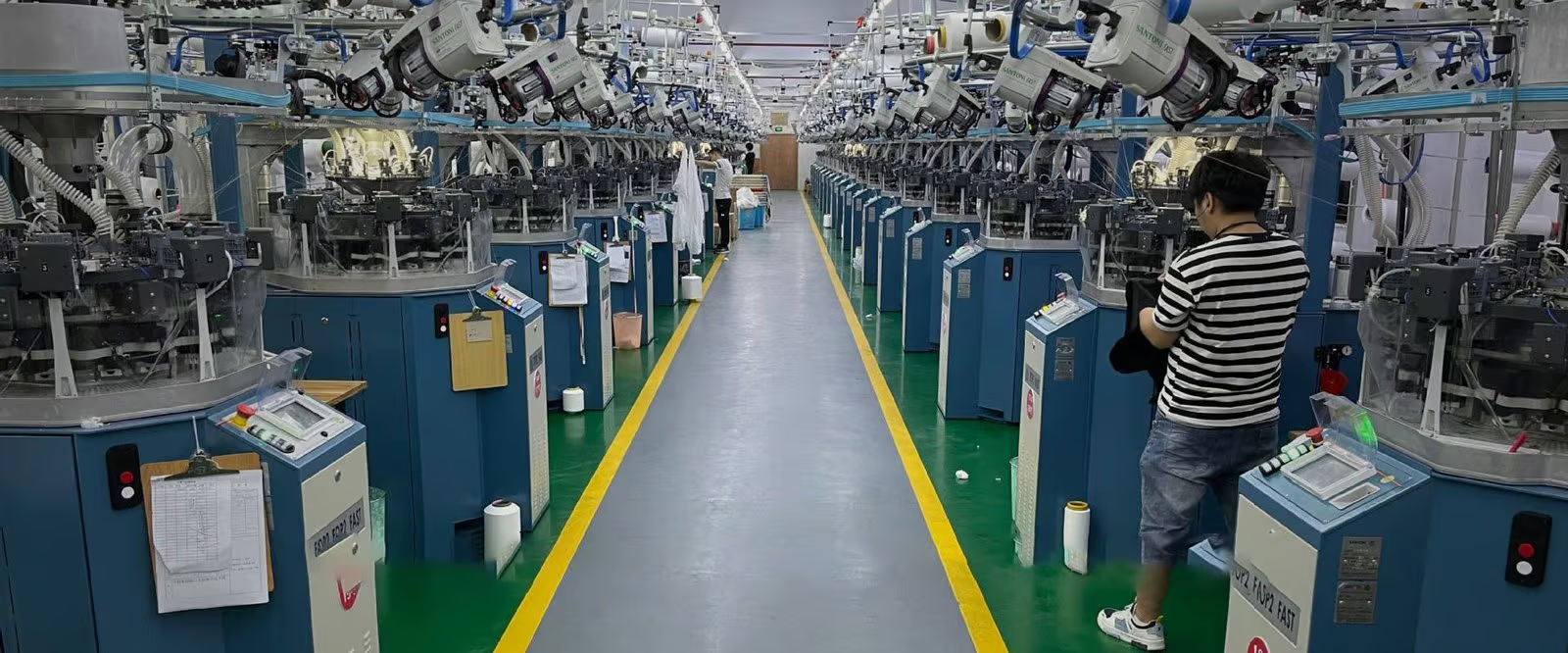
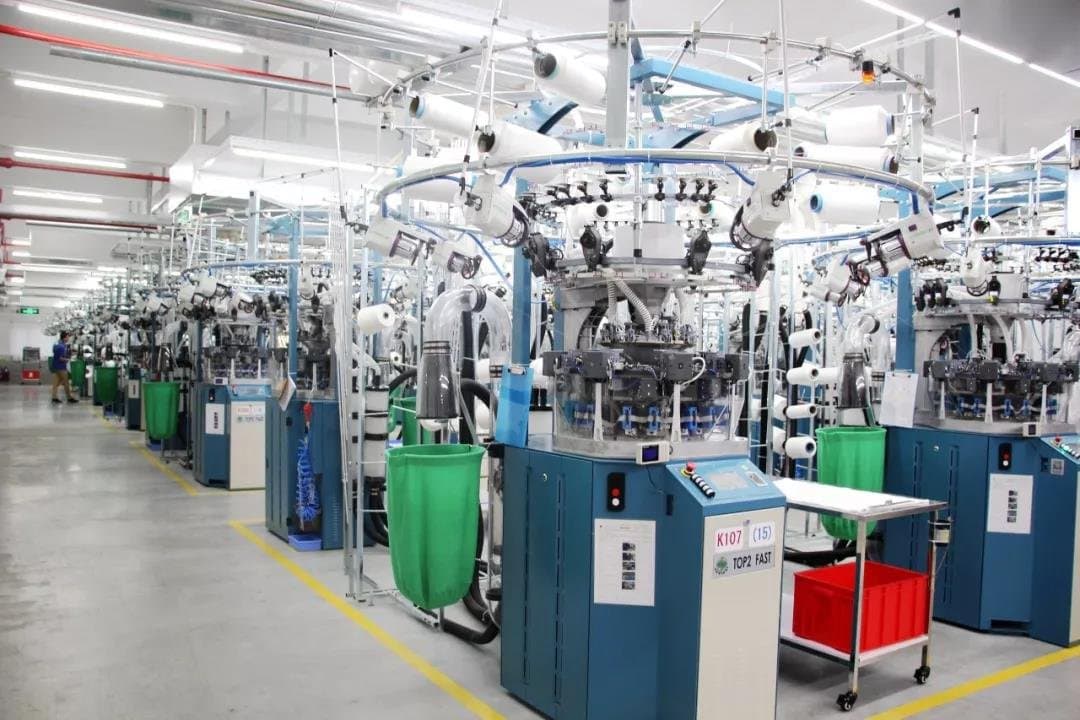
Seamless Production Area
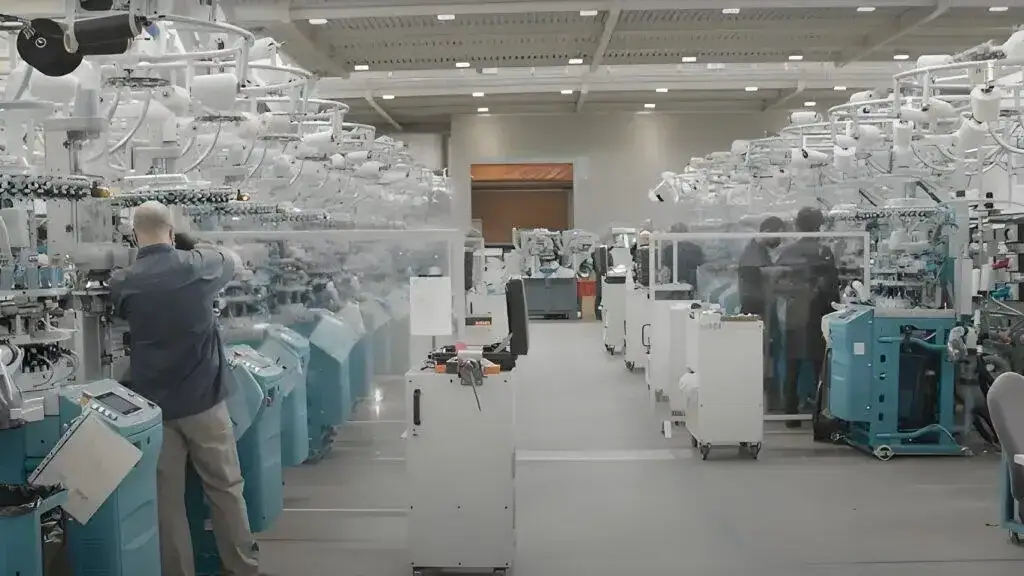
The Yiwu core facility operates 28 Italian Santoni Seamless knitting machines. This area supports appropriate activewear leggings, bras, shorts, tops and engineered knitted structures. Product execution depends on the approved yarn, program, size and knitted construction rather than the machine count alone. Program and product information should remain controlled so development changes are correctly transferred into repeat knitting.
Santoni Seamless production inside the MOVEVOX Yiwu core facility.
Cut-and-Sew Area
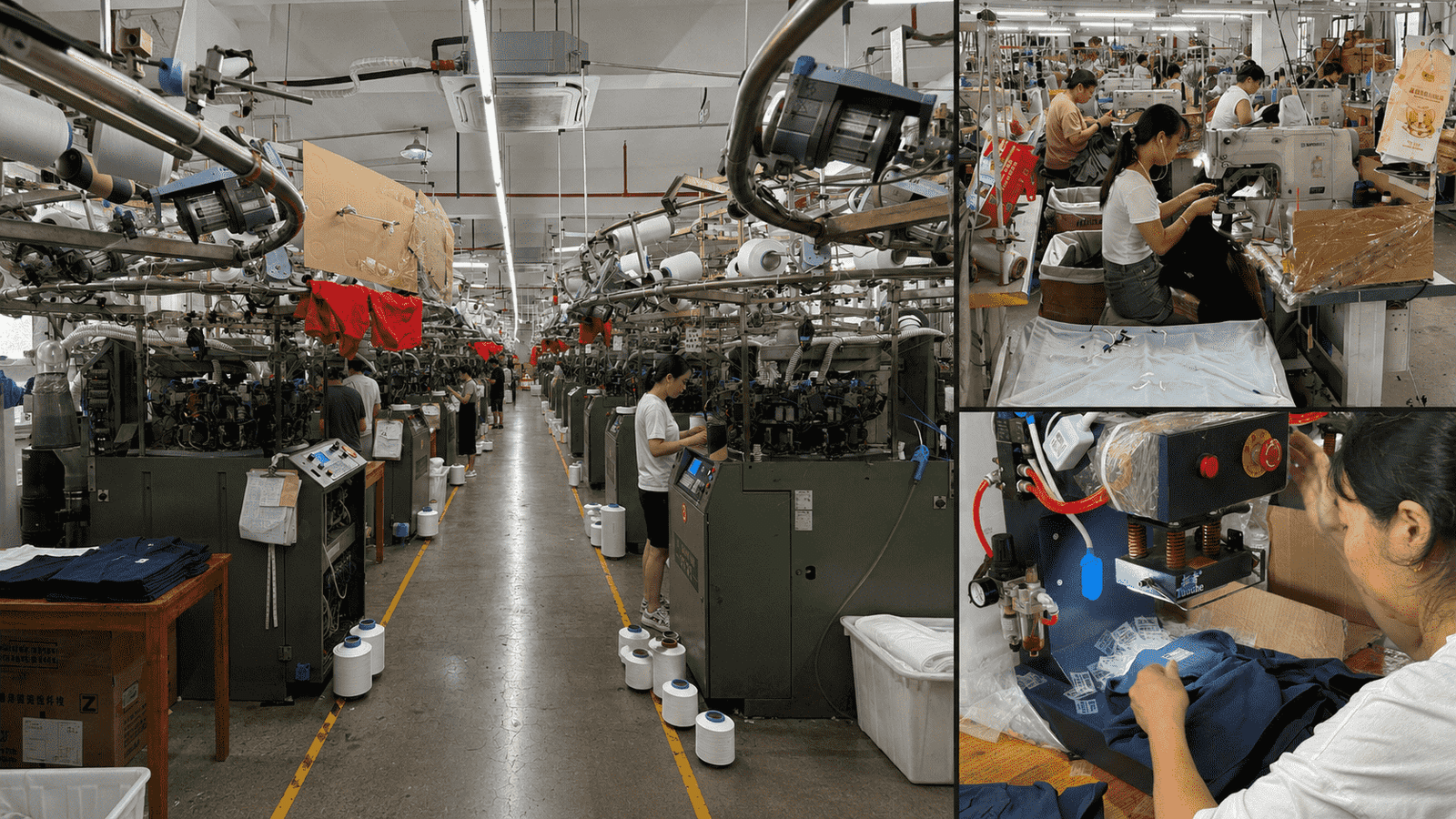
Approximately 24 main sewing and garment-production machines support pattern-based activewear requiring panels, pockets, sports-bra construction, multiple fabric pieces and sewn assembly. Sewing processes work from released product and pattern information established during development. The purpose of the core area is not only production volume but also establishing repeatable technical and workmanship standards for approved products.
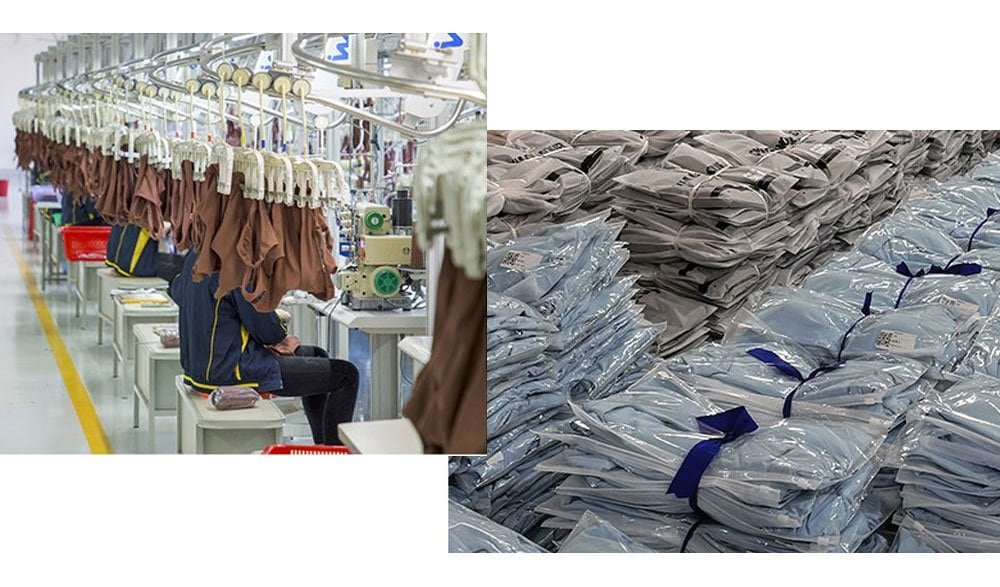
Cut-and-Sew production for approved athletic-activewear styles in Yiwu.
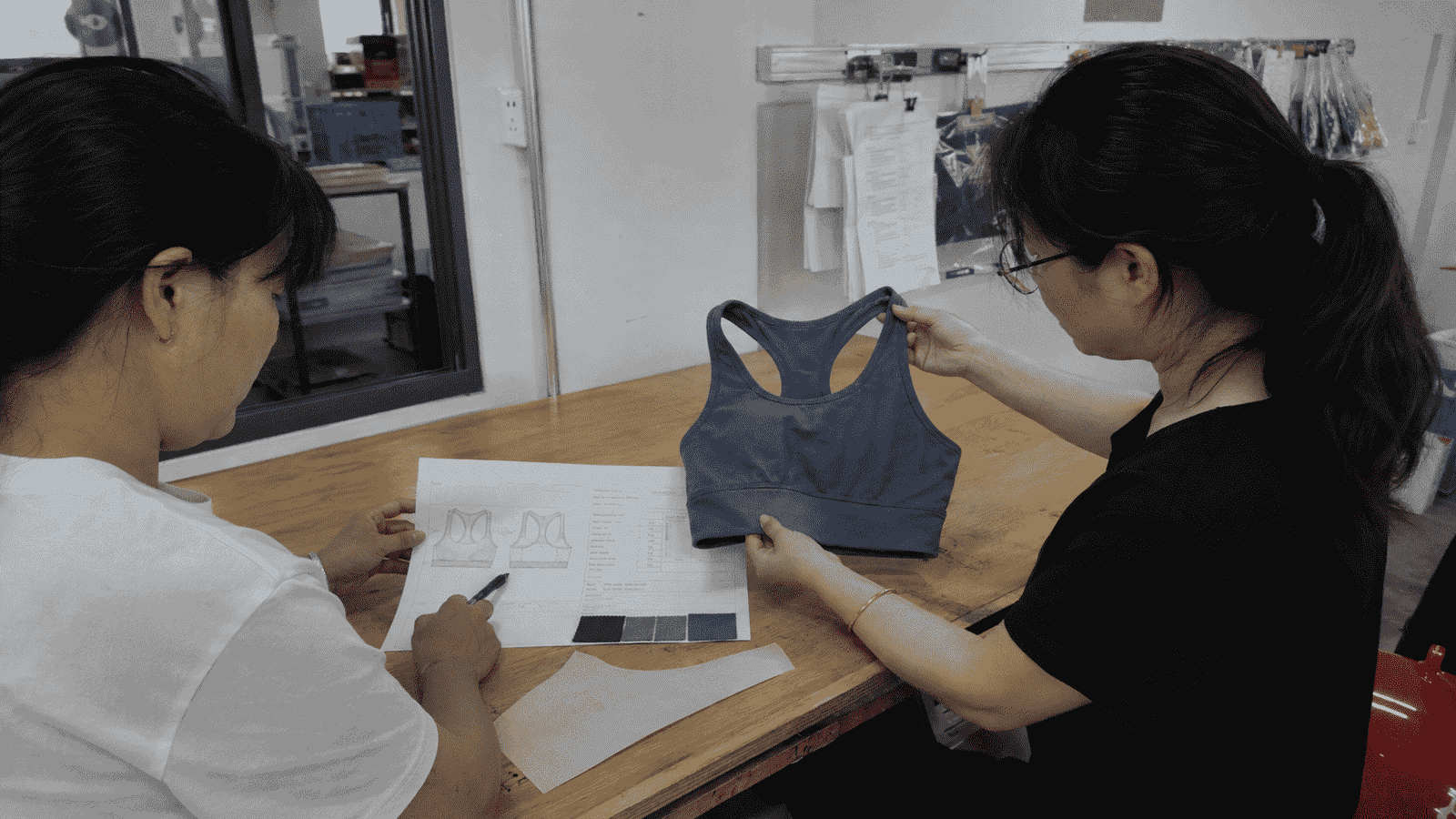
Development and Sampling
The current development organization includes approximately eight people across design, pattern and sample/development functions. This area converts buyer inputs into physical product development through pattern or Seamless-program work, material decisions, sample execution and revision. Standard samples typically require about 5–10 working days once required development details have been confirmed.
Real MOVEVOX product-development and sample activity at the core facility.
Material Preparation
Fabric, yarn, trims and related product inputs need to remain connected to the relevant style and approved requirement before production use. Material availability and upstream supplier conditions also influence MOQ and timing. This area should visually demonstrate actual manufacturing inputs rather than imply that every upstream fabric or yarn process is owned by MOVEVOX.
Project materials prepared for development or production at the Yiwu operation.
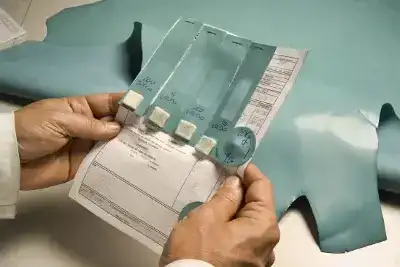
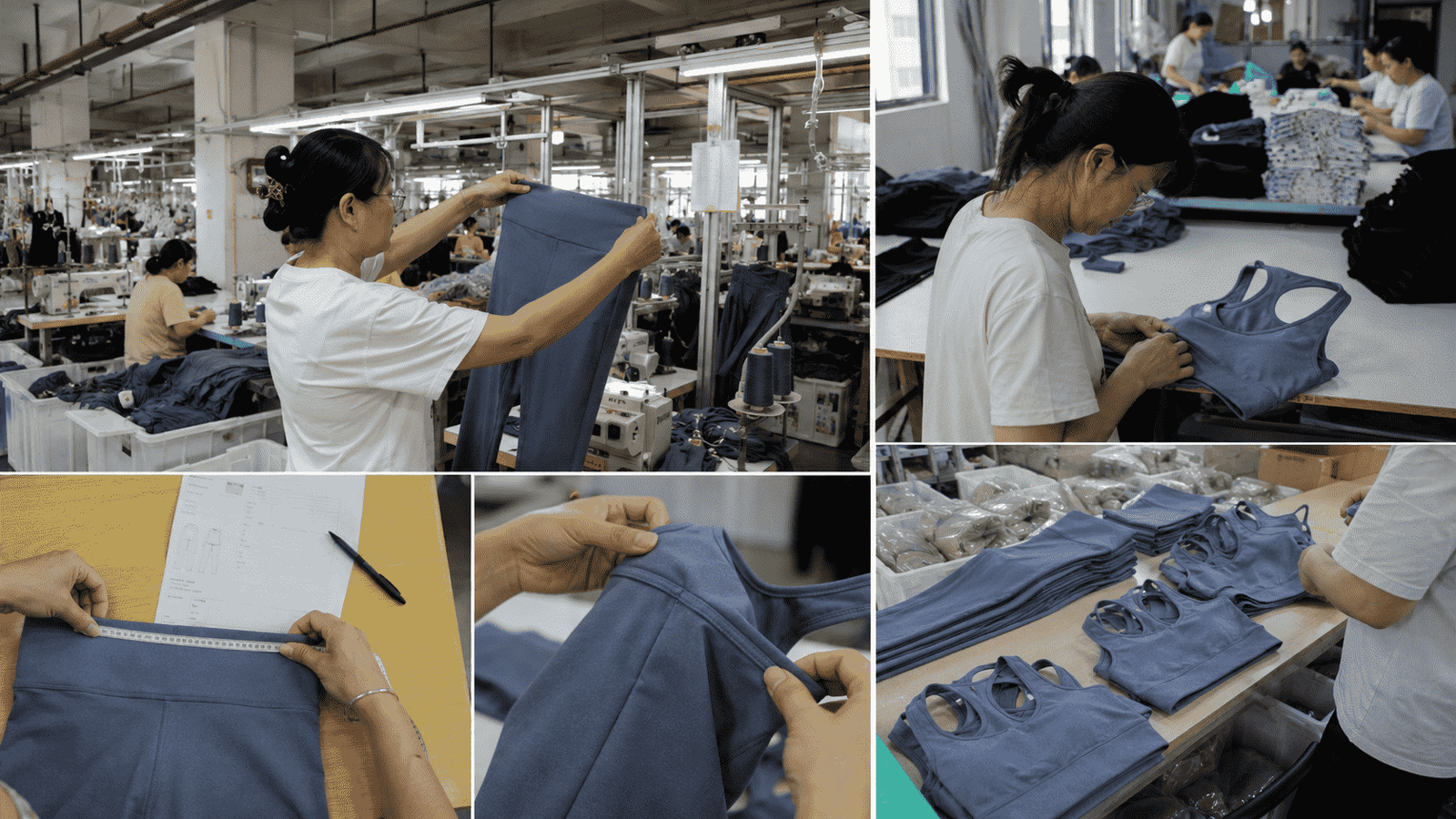
Quality-Control Area
Five dedicated QC staff currently support the quality function. Relevant checks can include material, First Article, measurement, in-line, finished-product, branding and packaging controls according to the project requirement. Quality evidence should show real inspection activity and applicable records rather than only finished garments or inspectors posing for photographs.
MOVEVOX QC checking actual athletic-activewear production requirements.
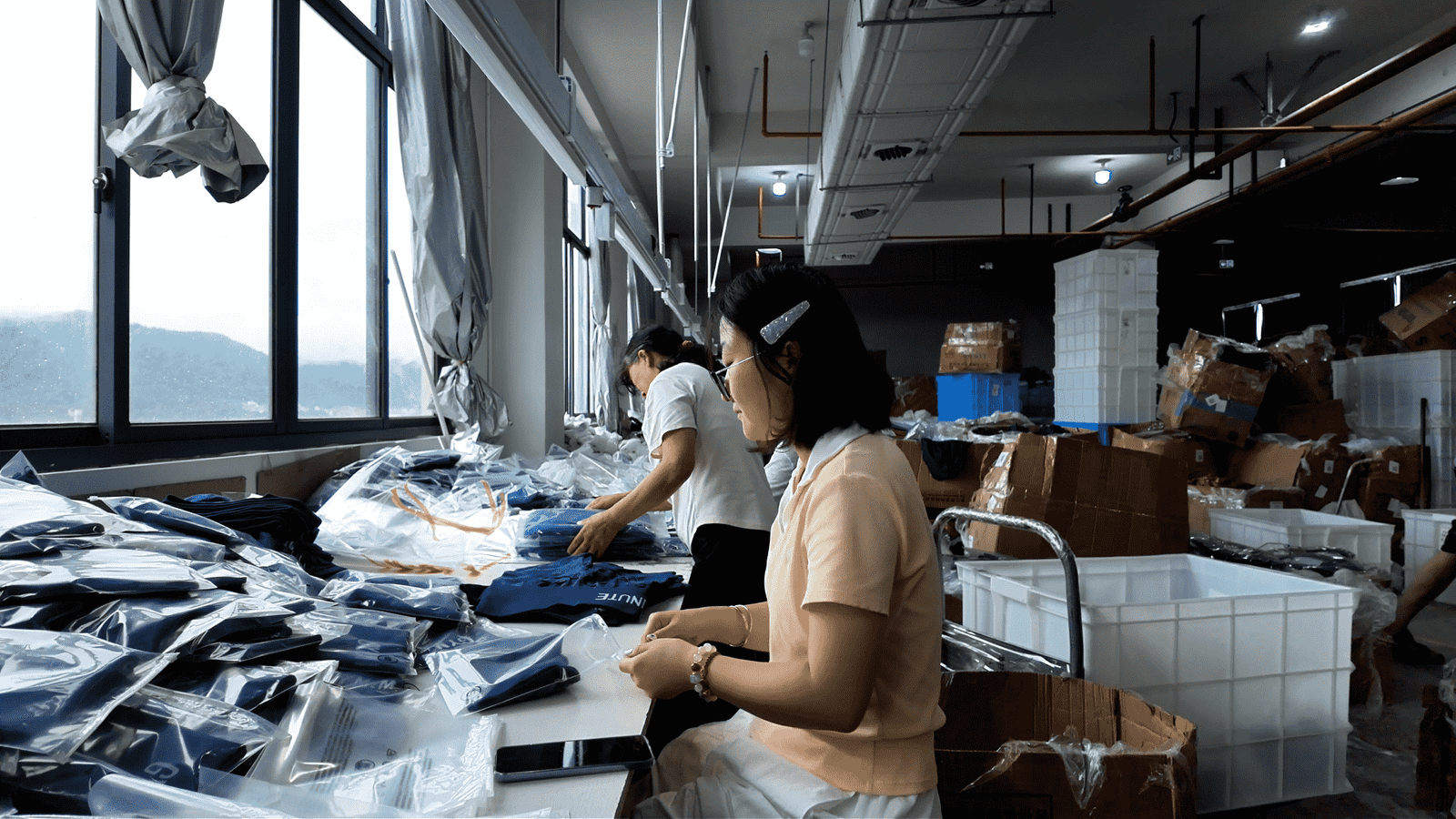
Packing and Release
Finished product control continues into labeling, SKU identification and packaging where applicable. Private-label orders may include logos, labels, hangtags, barcodes, bags and carton requirements, all of which need to remain mapped to the correct style, color and size. Packing therefore functions as part of order accuracy rather than a purely logistical last step.
Finished-product packing and release preparation for branded customer orders.
See Quality Control Through Real Inspection Evidence
Useful quality evidence should show what was inspected, which product requirement applied and how the result was recorded—not simply finished products beside a QC employee.

Material Inspection
Real material or yarn check linked to an active MOVEVOX development or production requirement before manufacturing use.
This evidence identifies an incoming or material-control action rather than using a generic fabric photograph as proof.
First Article Review
Representative First Article reviewed using actual production inputs before wider commercial manufacturing continues.
The record demonstrates the transition from approved development into actual production conditions.
Measurement Check
Finished or in-process garment measured at a defined POM against the applicable current measurement specification.
The strongest evidence connects the garment, measuring method and anonymized measurement record.

In-Line Inspection
QC activity taking place while real production remains in progress.
Inspection before the complete order is finished helps identify recurring deviations while correction is still possible.
Workmanship Review
Close inspection of a real seam, knitted zone or construction detail against the approved product requirement.
The evidence shows a defined workmanship point rather than a staged factory pose.

Branding Verification
Actual logo or label checked for position, execution and correspondence with the applicable approved branding reference.
Private-label errors can affect an otherwise acceptable garment, so branding remains part of QC.
Packaging Verification
SKU, barcode, polybag or carton information verified against the correct style, color and size before shipment.
This evidence is particularly relevant for multi-SKU programs requiring controlled product-to-package mapping.
Final Release Evidence
Anonymized inspection or quality-gate evidence supporting the shipment-release decision for a real order.
The evidence should demonstrate a recorded quality decision and not invent third-party pass rates or AQL results.
Support Buyer-Appointed Third-Party Product Inspection
Where the buyer requires independent inspection or testing, the project can be prepared around the customer’s nominated provider and defined inspection scope rather than presenting third-party involvement as a blanket MOVEVOX certification.
Inspection Scope
The buyer should define which order, style, quantity, production site and inspection stage the third-party activity covers before the visit or testing begins.
Sampling Method
Sampling quantity and methodology should follow the agreed inspection instruction or the appointed inspection provider’s approved process rather than an invented website standard.
Measurement Criteria
Measurement checks should reference the current released specification and agreed tolerance applicable to the specific customer product and inspection instruction.
Defect Classification
If defects are categorized during inspection, the applicable definitions and acceptance criteria should come from the customer or appointed inspection protocol.
Corrective Action
Where inspection identifies issues requiring correction, affected goods can be held, reworked or re-inspected according to the agreed response and release decision.
Final Release
Third-party inspection does not replace the buyer’s contractual release requirements. Shipment status should follow the applicable inspection result and agreed customer approval process.
This module should display only a genuine anonymized inspection report when one is available and permitted for public use. MOVEVOX should not fabricate AQL values, inspection quantities, inspector names or pass rates for demonstration. If a customer requires SGS, BV or another appointed inspection provider, the actual scope, site, order and release conditions should be agreed for that project.
Read Compliance Evidence According to Its Real Scope
MOVEVOX does not treat one certificate, one fabric test or one customer requirement as blanket proof for every factory and product. Available evidence should identify the applicant, tested sample, material or product, test scope, date and applicable production or customer context.
Tested-Sample Principle
A laboratory report proves the result obtained for the sample and test scope identified in that document. It should not automatically be extended to different colors, fabrics, materials, suppliers, styles or future production lots. Customer-specific compliance requirements therefore need review against the actual product and destination before testing or documentation is confirmed.
Applicable scope: Specific test report, identified sample and stated analytical scope.
MOVEVOX response: Match each public compliance statement to the document that actually supports it.
RoHS Sample Evidence
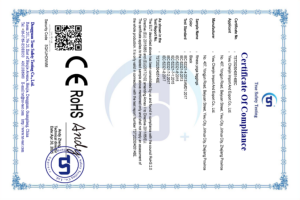
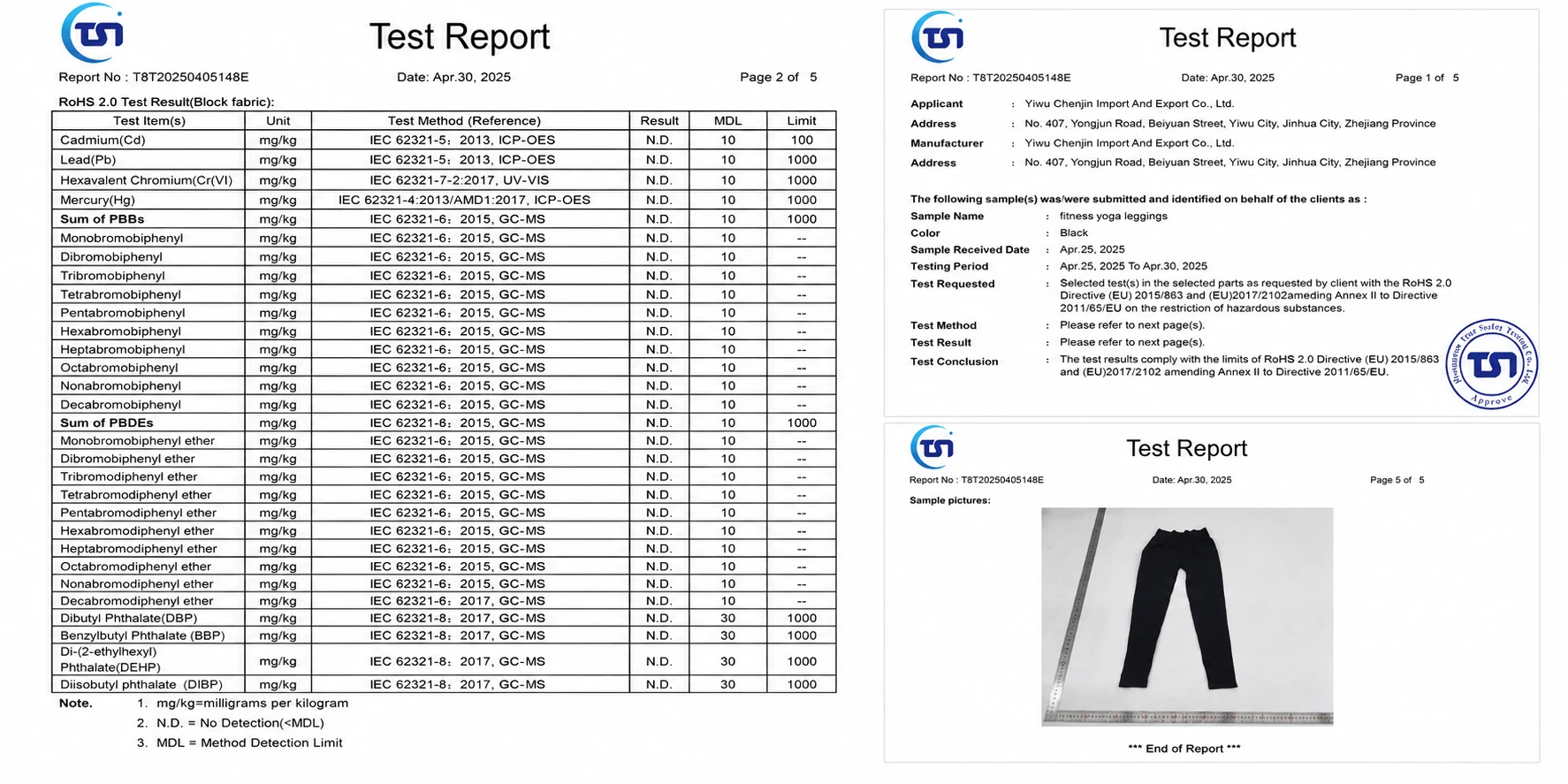
Report TST20250405148E, dated April 30, 2025, covers a black fitness yoga leggings sample submitted by Yiwu Chenjin Import And Export Co., Ltd. The connected Certificate of Compliance states that the tested sample was found in compliance with the referenced RoHS 2.0 requirements and explicitly states that the certificate applies only to the tested sample.
Applicable scope: The identified black fitness yoga leggings sample covered by TST20250405148E.
MOVEVOX response: Do not describe MOVEVOX’s full product range or factory as “RoHS certified.”
REACH Phthalate Evidence
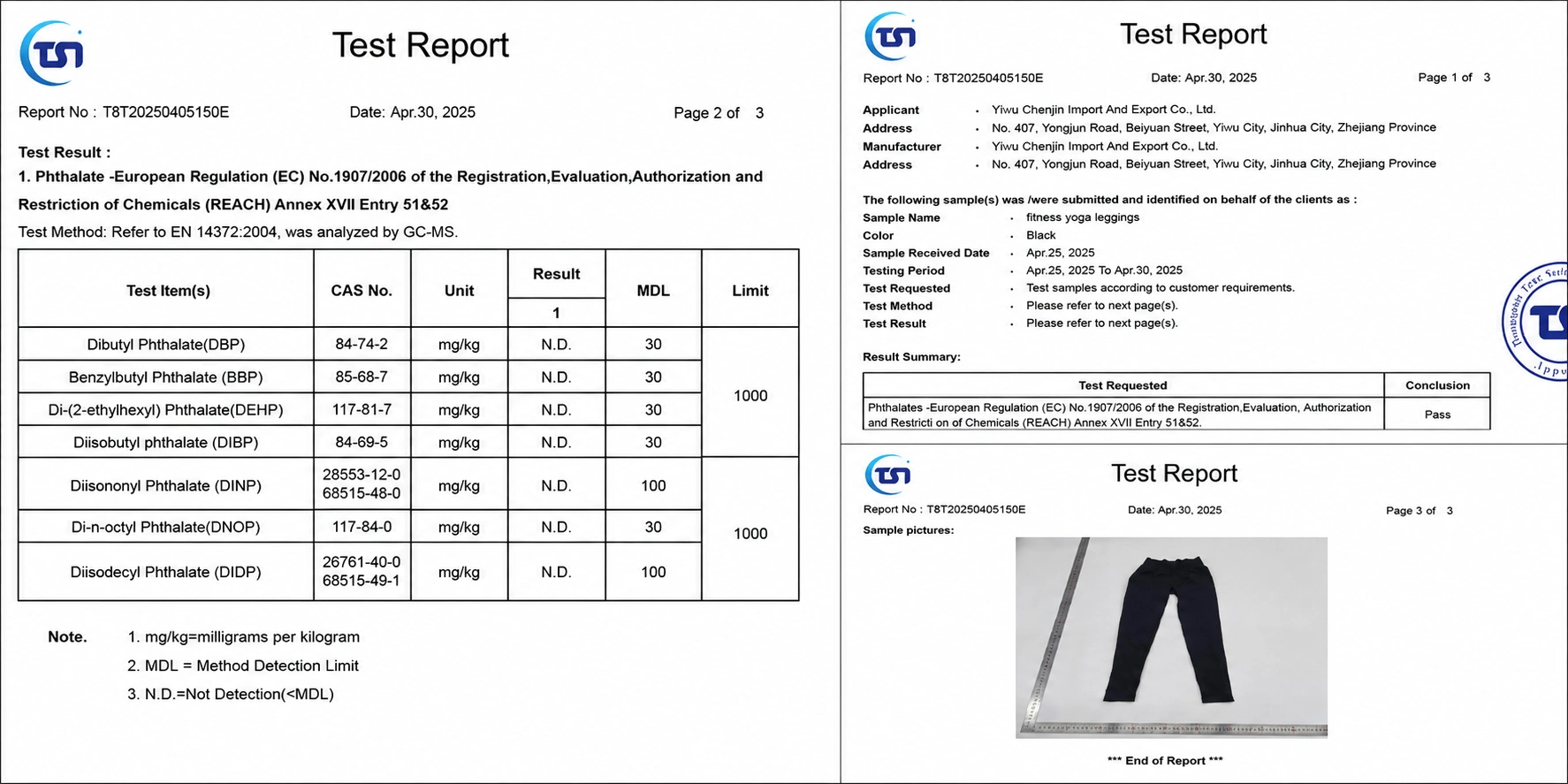
Report TST20250405150E, dated April 30, 2025, covers a black fitness yoga leggings sample. The report records a Pass conclusion for the requested phthalate testing under REACH Annex XVII Entries 51 and 52. The laboratory statement also specifies that the test results refer only to the tested sample.
Applicable scope: The tested black fabric/sample and stated phthalate test items only.
MOVEVOX response: Present the report as sample-specific evidence, not blanket REACH compliance.
Certificate Scope
The Certificate of Compliance linked to TST20250405148E identifies Yiwu Chenjin Import And Export Co., Ltd. as applicant and manufacturer and identifies the fitness yoga leggings sample and black color. Its own wording states that it does not imply assessment of the whole production, which must remain visible when the certificate is used.
Applicable scope: Certificate-linked tested sample and associated report only.
MOVEVOX response: Keep report number, sample identity and scope disclaimer visible with the certificate.
Customer Requirements
Different brands and markets may require different material, product, restricted-substance, performance or factory documentation. Requirements should therefore be reviewed at project level before quotation or production commitment. Where additional testing is needed, the relevant sample, laboratory, standard, timing and responsibility should be confirmed for that specific program.
Applicable scope: Customer- and product-specific requirements defined during supplier qualification.
MOVEVOX response: Review required evidence before representing a product as meeting a customer requirement.
Prepare the Core Factory for Buyer Review
MOVEVOX can support supplier-qualification discussions around its Yiwu core factory, while audit scope, audit body and reporting requirements should be defined by the individual customer.
Buyer-appointed or customer-defined; no generic third-party audit body is being claimed in this draft.
Project-specific and confirmed only when an actual buyer or third-party audit is scheduled.
97 Xiazhang Village, Fotang Town, Yiwu City, Zhejiang, China.
Customer vendor qualification, production review or other agreed factory-assessment scope.
Audit readiness is described; no unsupported generic “audit passed” statement is being made.
A brand audit may review factory identity, production areas, equipment, product flow, quality records, traceability, worker or management information, document control and production-site allocation according to the buyer’s own protocol. MOVEVOX should prepare factual facility and process evidence for the relevant scope while protecting other customers’ confidential information. If a formal third-party audit report later becomes publicly usable, its body, date, site, scope and current validity should be displayed without expanding the result beyond that report.
See How MOVEVOX Extends Controlled Manufacturing Capacity
MOVEVOX combines its owned Yiwu core factory with long-term satellite production resources and selected upstream or service partners. Ownership and operational roles should remain clearly distinguished.
Core Factory
The owned Yiwu core factory acts as the technical, sample, core-production and quality-control center where product standards are established and validated.
Yiwu Satellites
Six long-term satellite factories around Yiwu can support suitable approved bulk requirements under MOVEVOX’s project and quality-management responsibility.
Guangzhou Satellites
Two long-term satellite factories in Guangzhou provide additional controlled manufacturing options for relevant products and capacity requirements.
Material Resources
Yarn, fabric, dyeing and related upstream material requirements may involve external suppliers appropriate to the actual product and customer specification.
Brand Resources
Logos, labels, hangtags and packaging can involve specialized external resources while remaining coordinated within the customer’s approved private-label specification.
Logistics Resources
Shipment and logistics activities are coordinated according to the agreed customer delivery plan after applicable production and quality-release requirements are completed.
MOVEVOX does not represent all extended capacity or upstream processes as company-owned. The core factory establishes development and production standards, while approved external resources are coordinated according to product capability, quality needs, capacity and customer requirements. Where a buyer restricts subcontracting or requires production at a specifically approved site, the applicable site and any required changes should be addressed before manufacturing allocation.
Build Supplier Confidence From Traceable Evidence
The strongest supplier claims can be connected to specific factory, equipment, staffing or laboratory evidence. These examples show how MOVEVOX facts should remain traceable.
Owned Core Factory
MOVEVOX operates its own core manufacturing facility in Yiwu, which functions as a technical, sampling, core-production and quality-control base rather than only a commercial office.
Source: MOVEVOX Fact Book
Date: Current operating fact
Santoni Machines
The Yiwu core factory has 28 Italian Santoni Seamless knitting machines supporting the company’s established Seamless activewear manufacturing route.
Source: MOVEVOX Fact Book
Date: Current operating fact
Garment Machines
Approximately 24 main sewing and garment-production machines at the core facility support MOVEVOX’s Cut-and-Sew activewear manufacturing capability.
Source: MOVEVOX Fact Book
Date: Current operating fact
QC Staff
MOVEVOX currently has five dedicated QC staff supporting quality-control activities across development and bulk manufacturing.
Source: MOVEVOX Fact Book
Date: Current operating fact
Long-Term Satellites
The current controlled network includes six long-term satellite factories in Yiwu and two in Guangzhou; they are not represented as MOVEVOX-owned facilities.
Source: MOVEVOX Fact Book
Date: Current operating fact
Scoped Test Reports
Two April 30, 2025 laboratory reports cover specified testing of an identified black fitness yoga leggings sample: RoHS-related testing and REACH phthalates testing.
Source: TST Test Reports
Date: April 30, 2025
Case: Tech Pack to Repeat Athletic Production
An anonymized U.S. fitness customer shows how Tech-Pack-led activewear development progressed through revisions, limited user testing, private-label execution, SKU-sensitive packaging and repeat commercial orders.
Customer Background
The customer operates a U.S. fitness-focused personal brand with an audience of more than 30,000 followers. The product direction included activewear for curvier and plus-size consumers and covered multiple categories such as leggings, shorts, sports bras and tops. The relationship required new-product development rather than only selecting stock garments and adding a logo.
Challenge
The customer already had Tech Packs and a defined brand direction, but product approval still required physical development and feedback before larger production. Fit and product suitability were important because the target customer base differed from standard generic sizing assumptions. At the same time, private-label execution included logos, labels, care information, packaging and QR codes that needed to stay matched to the correct style, color and size. This created both product-development and packing-control requirements.
MOVEVOX Solution
MOVEVOX used the customer’s Tech Packs as the starting technical input and produced a first development version for review. Customer feedback was converted into a revised second version rather than treating the first sample as automatically production-ready. After the revised direction was accepted, approximately 5–10 units were prepared for the customer’s follower testing before larger commercial production. Branding and packaging requirements were coordinated with the garment program, including custom logo, labels, care labels and packaging. The QR-code requirement increased SKU-control complexity because different product variations needed the correct information assigned during packing. Additional product-by-product and color-by-color checking was therefore used during QC and packaging.
Tech Pack Review
Customer-owned Tech Packs defined the initial product direction. MOVEVOX translated the available specification into the first physical development sample.
Version One
The first sample allowed the customer to evaluate actual fit, product structure and execution rather than approving only technical drawings.
Version Two
Customer feedback from the first sample was incorporated into a revised sample before the project progressed toward user testing and commercial production.
User Testing
Approximately 5–10 units were produced for follower testing, giving the customer another product-evaluation stage before committing to larger quantities.
Brand Execution
Logos, labels, care information, packaging instructions and QR-code requirements were incorporated into the commercial product and packing-control process.
Repeat Production
The documented relationship progressed into recurring commercial orders while new products continued to use the customer’s development and evaluation process.
Customer’s documented social audience context.
Limited revised-product follower test stage.
Documented typical order scale.
Documented repeat-purchase pattern during the relationship.
Documented duration of the ongoing customer relationship.
Case disclaimer: The process, quantities, frequency and relationship duration above are specific to this documented anonymized customer and are not guarantees for another project.
Start Your Athletic Manufacturing Supplier Review
Send the information you already have so MOVEVOX can determine whether the project fits our athletic-activewear development and manufacturing capabilities. A complete Tech Pack is useful, but it is not mandatory for the first review. You may begin with a legal reference product, product images, sketch or sufficiently defined concept.
For a more useful initial assessment, include your company and target market, product categories, approximate quantities, expected colors and sizes, development stage, preferred manufacturing route if known, fabric or yarn direction, fit requirements, logo and private-label requirements, packaging expectations and target timing.
Established brands may also include supplier-qualification requirements such as NDA, approved production-site restrictions, buyer audit expectations, third-party inspection requirements or specific product testing needs. These details help separate technical feasibility from commercial feasibility before a sample or production commitment is made.
MOVEVOX will review the available information and identify the next appropriate step. Depending on the project, that may involve technical clarification, manufacturability review, fabric discussion, MOQ confirmation, sample planning, capacity checking, NDA review or factory-qualification discussion.
Providing clearer project information at the beginning reduces unsupported assumptions and helps both teams determine whether MOVEVOX is an appropriate supplier before investing further time in development.
Useful Project Information
- Name
- Company
- Business Email
- Tel / WhatsApp — Optional
- Target Market
- Product Categories
- Expected Quantity
- Development Stage
- Project Requirements / Message
- Upload Tech Pack / Reference Files