
Compression Leggings Manufacturer for Performance Activewear Brands
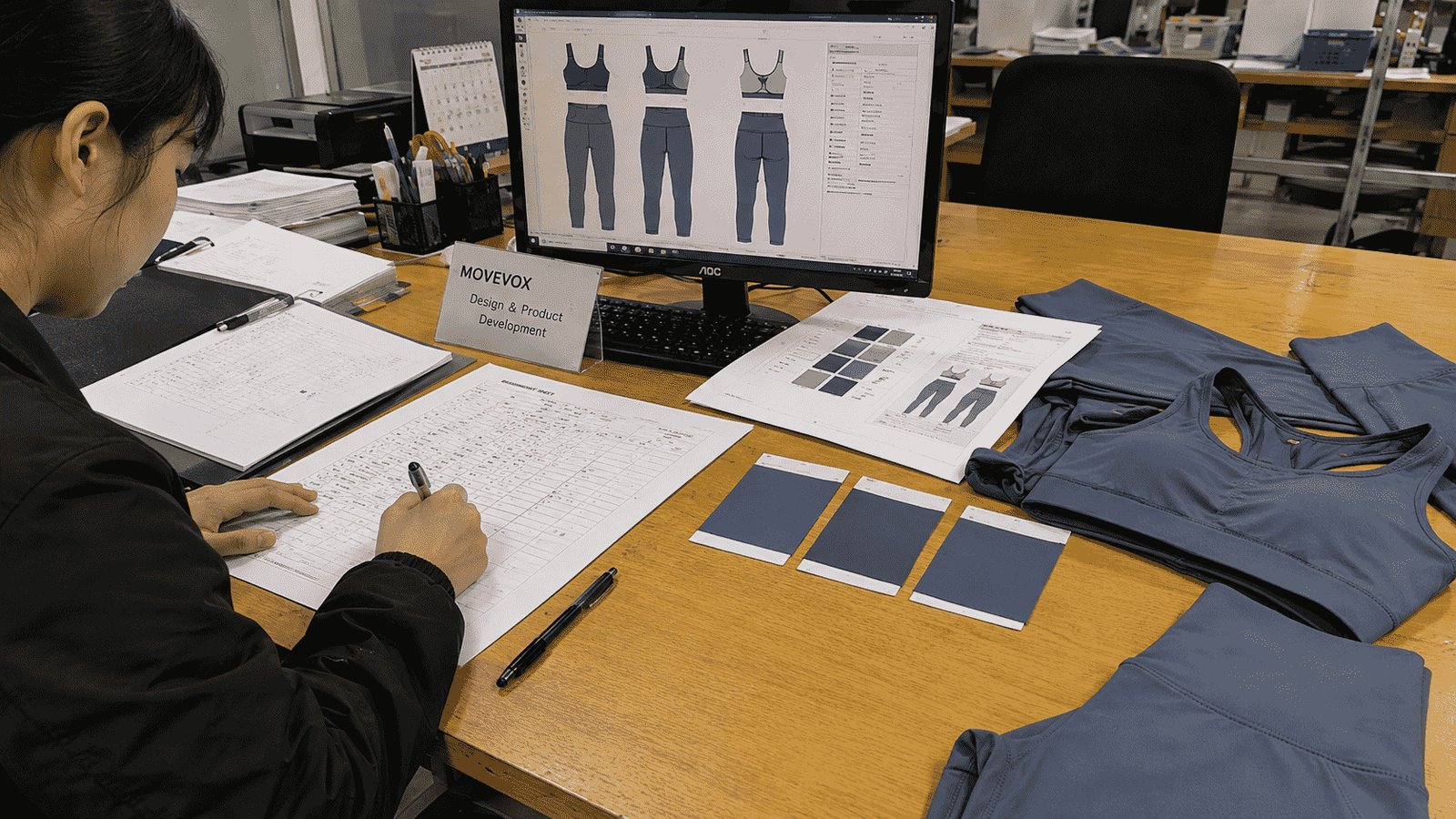
MOVEVOX develops performance compression leggings by connecting the buyer's intended support direction with physical material behavior, garment Fit and the appropriate Seamless or Cut & Sew construction route.
The objective is not simply to make a tighter legging. It is to establish a physical product that the buyer can review, approve and reproduce through bulk production.
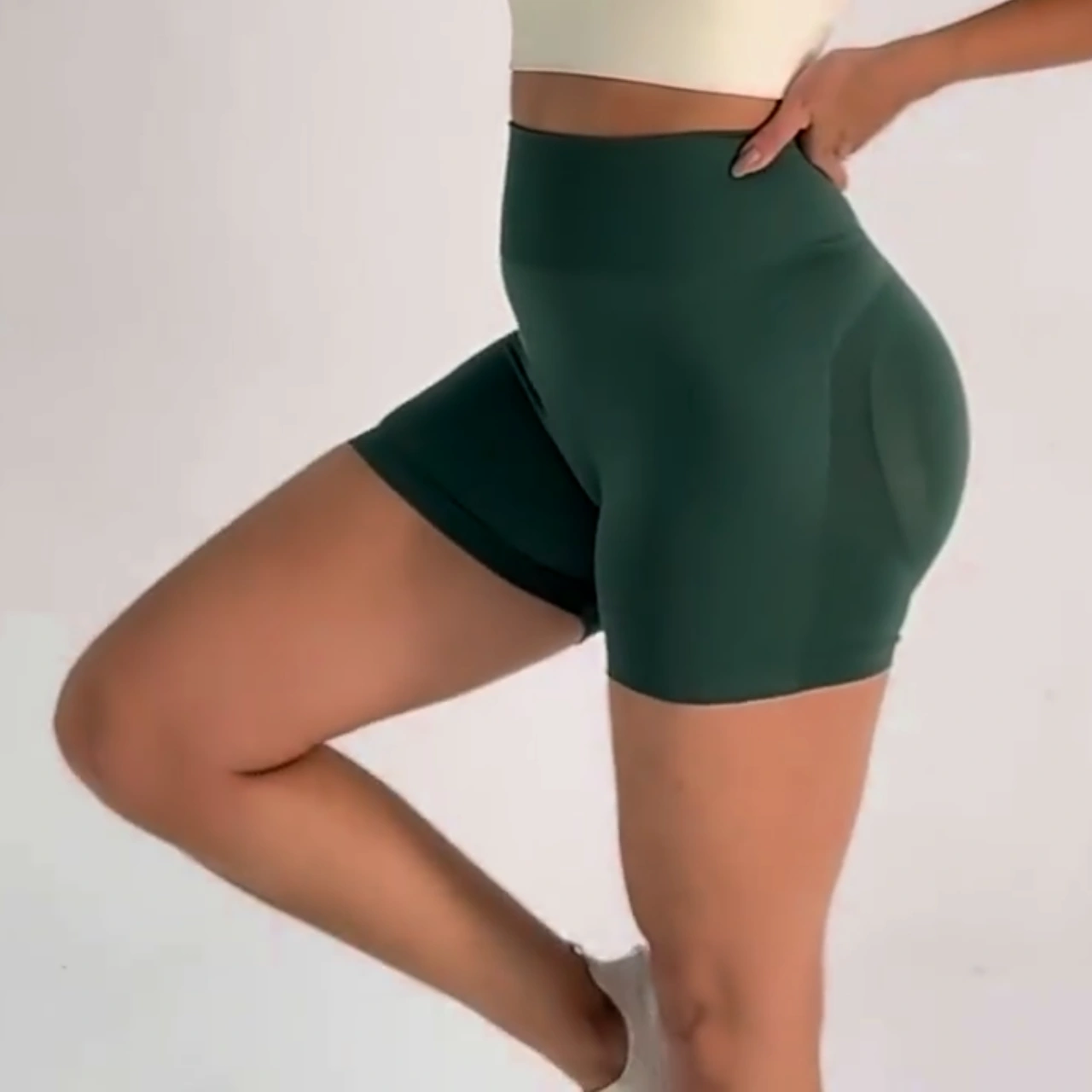
Define Where the Garment Is Intended to Feel More or Less Supportive
Different products can require different support directions. Before selecting a construction solution, the buyer and manufacturer should establish which garment areas matter and how they should be evaluated physically.
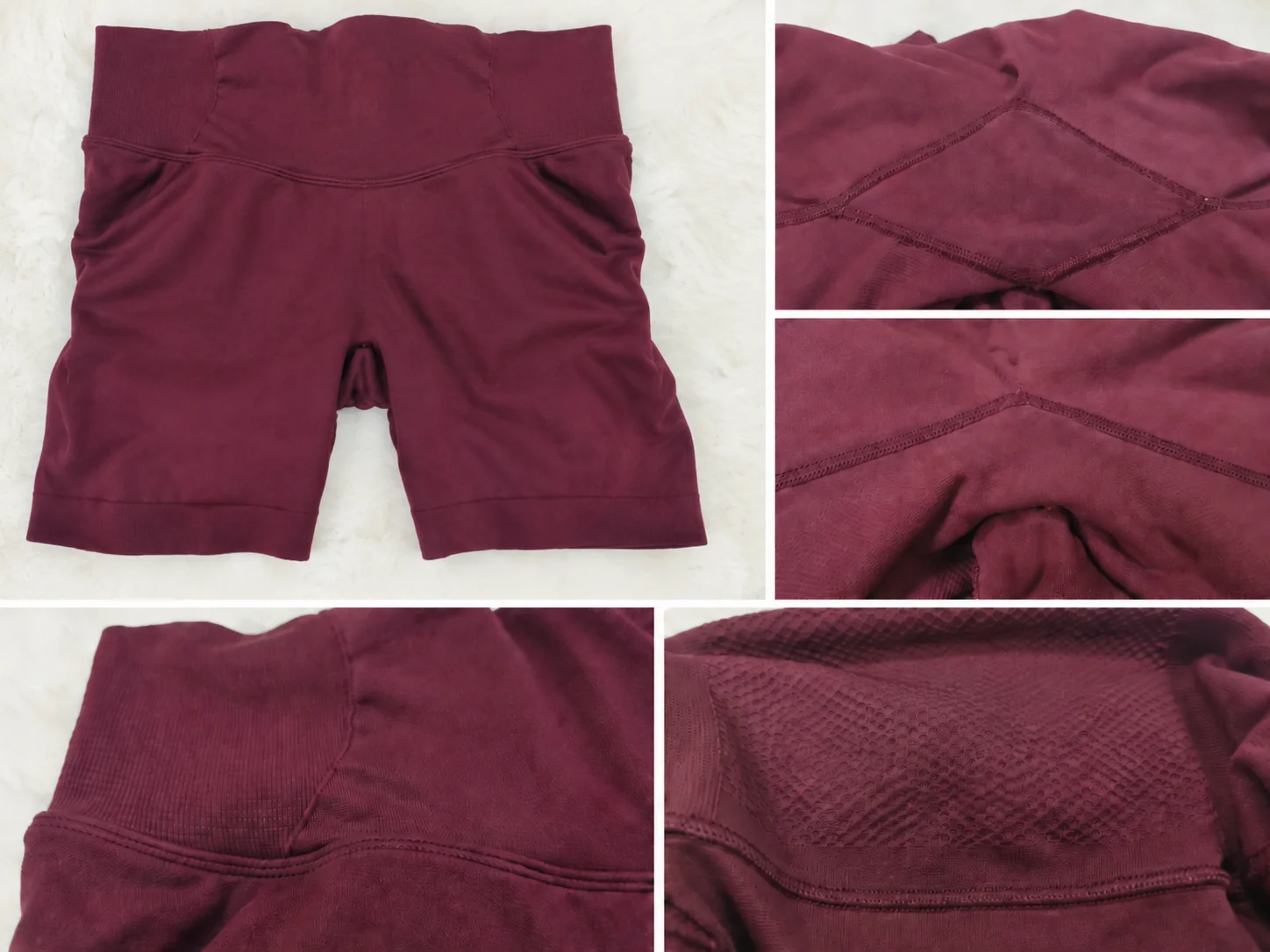
Waistband
Review height, circumference / Fit, material or knitted construction and physical stability.
Upper Hip / Body
Review how material and garment geometry interact through the transition from waistband to hip.
Hip / Seat
Define the buyer-required Fit and physical support direction without assuming a proprietary compression formula.
Thigh
Review the applicable material, pattern, panel or knitted structure.
Lower Leg
Confirm the intended Fit and physical garment behavior for the actual Style.
Validate Stretch and Recovery Before Treating a Material as Compression-Ready
Can the Material Extend Enough?
The material must provide sufficient extension for the intended garment Fit, movement and required size range.
Does It Recover?
Review how the actual material returns toward its intended physical dimensions after extension.
What Happens in the Finished Garment?
Material behavior should be evaluated again after it is converted into the actual waistband, rise, hip and leg geometry.
Has the Material Changed?
A new fabric, yarn, weight, finishing route or material source should not automatically inherit the previous sample's Fit or support approval.
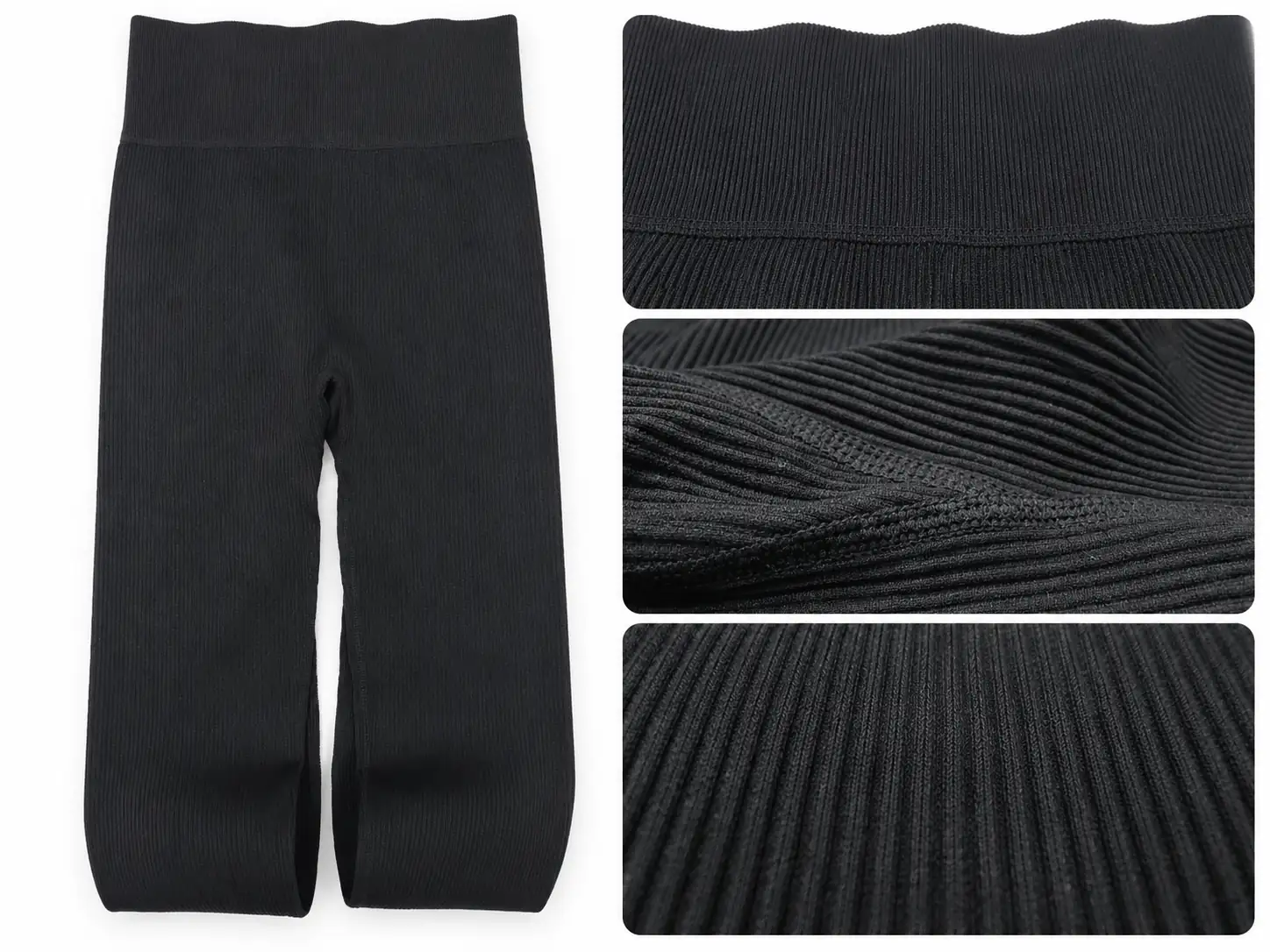
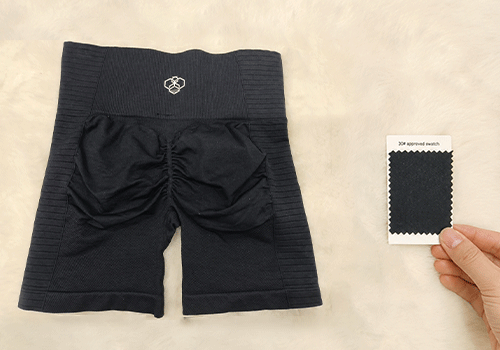
Choose the Manufacturing Route After the Compression Target Is Defined
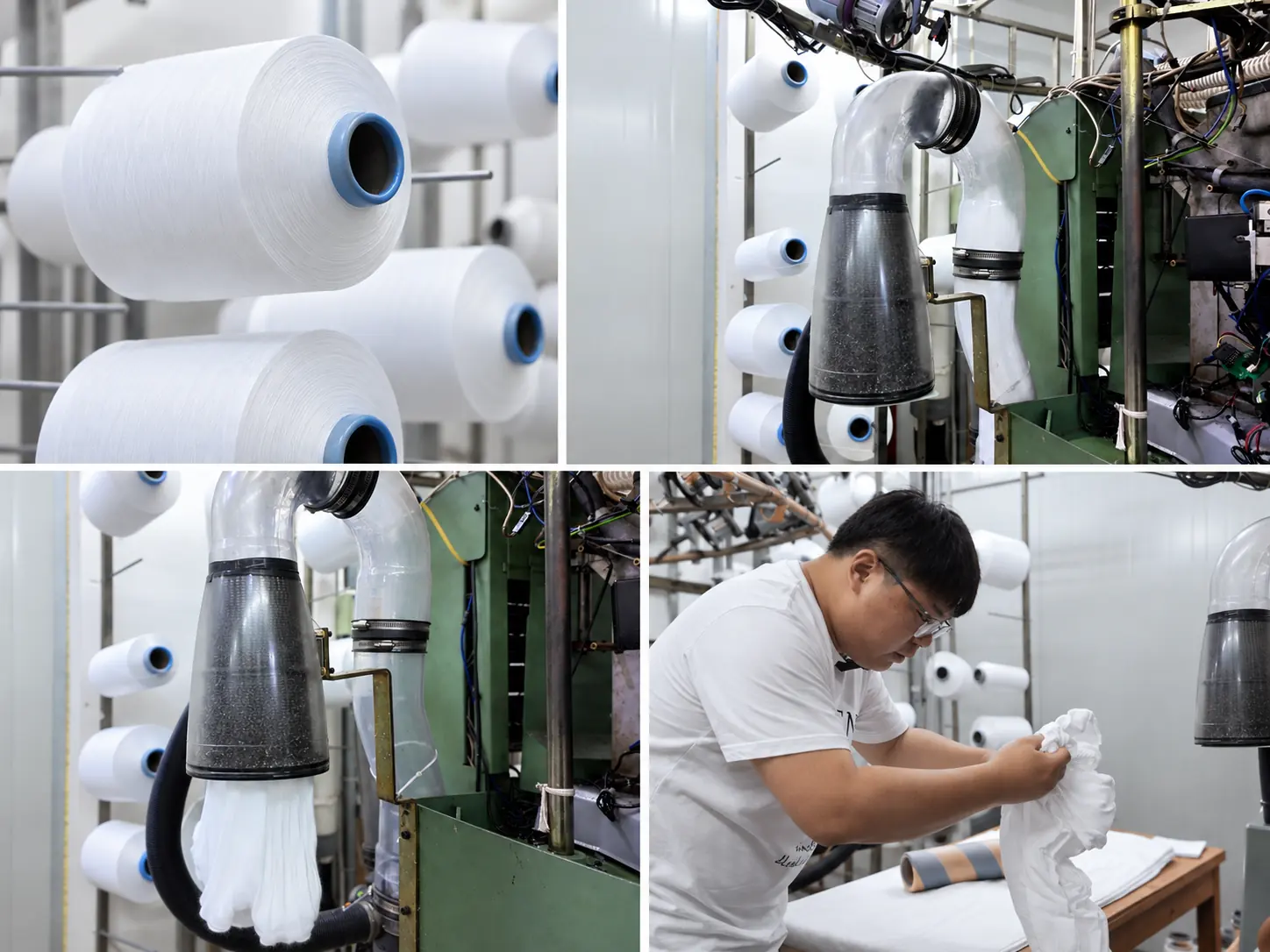
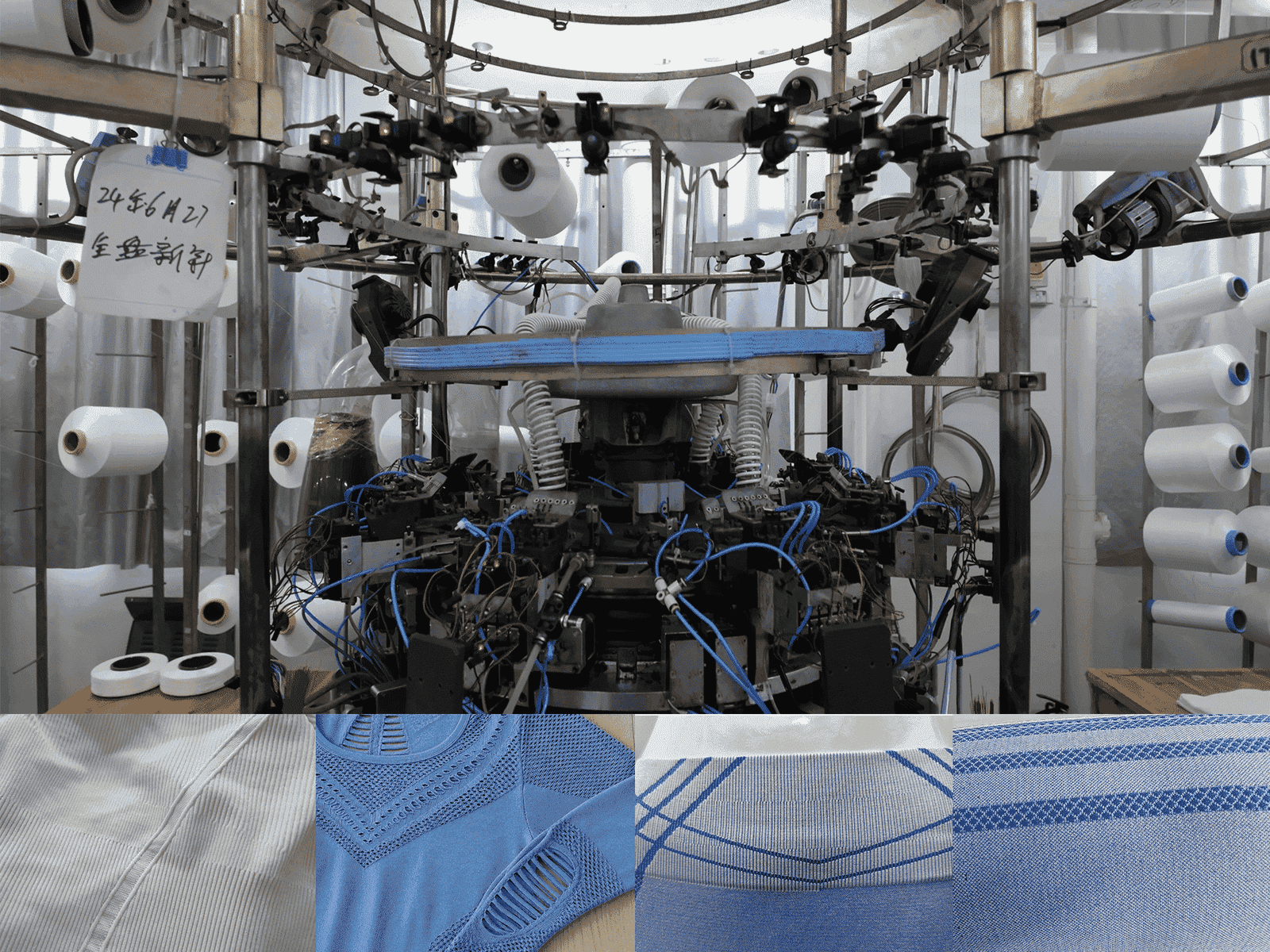
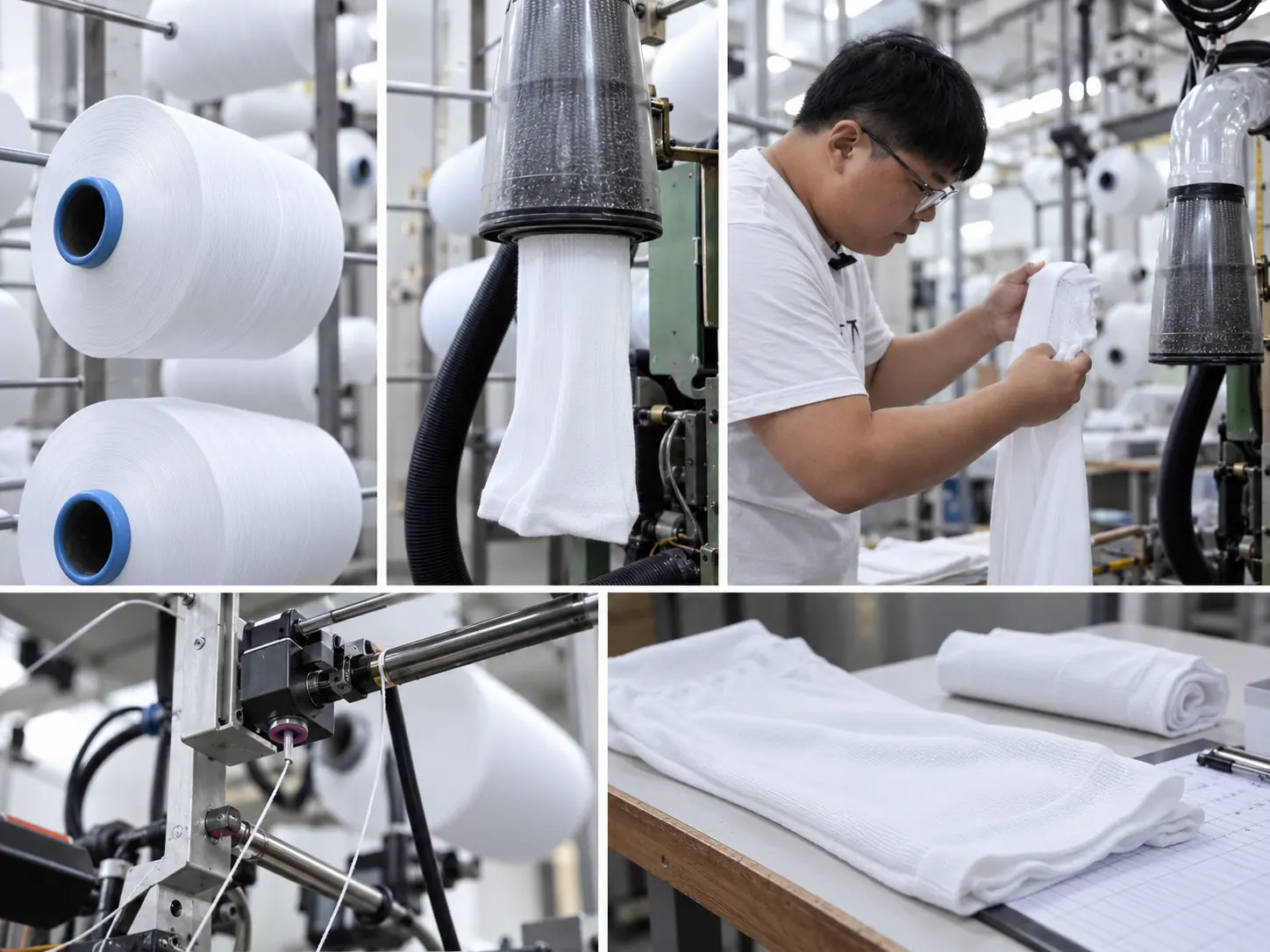
Yarn → Machine Program → Knit Structure → Physical Garment
Seamless manufacturing can be appropriate where the product uses engineered knitted structures, rib areas, mesh structures, knitted waistbands or reduced-seam construction.
MOVEVOX operates 28 Italian Santoni Seamless machines at its Yiwu core base.
The actual support result still requires physical sample approval.
Physical Fabric → Pattern Geometry → Panels / Seams → Physical Garment
Cut & Sew can be appropriate where the product relies on a selected fabric, pattern geometry, sewn waistband, panels, gussets, seams or other sewn structures.
MOVEVOX maintains core Cut & Sew capability in Yiwu.
The Manufacturing System Behind the Development Process
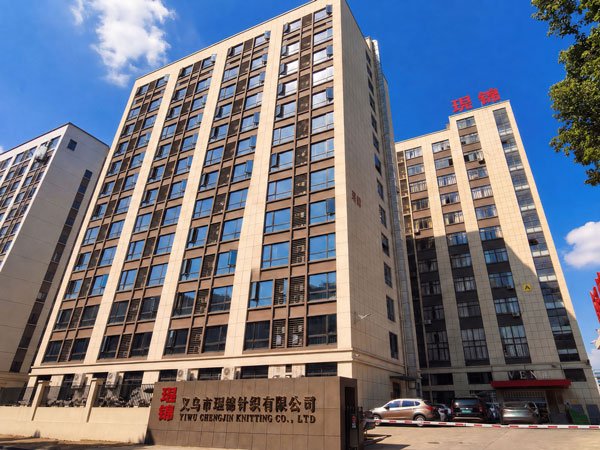
Once the compression product direction is defined, MOVEVOX can connect development, physical sampling, Seamless or Cut & Sew manufacturing and production control through one managed supply system.
Italian Santoni Seamless Machines
Supporting applicable Seamless development and production.
Principal Garment Machines
Supporting core Cut & Sew garment production.
Development Team
Approximately two design personnel, two pattern makers and four sample-development personnel.
QC Personnel
Supporting applicable incoming, production and finished-product checks.
Yiwu Core Base
Six floors of approximately 1,000 m² each.
Standard Sample Timing
Typical after required information is confirmed.
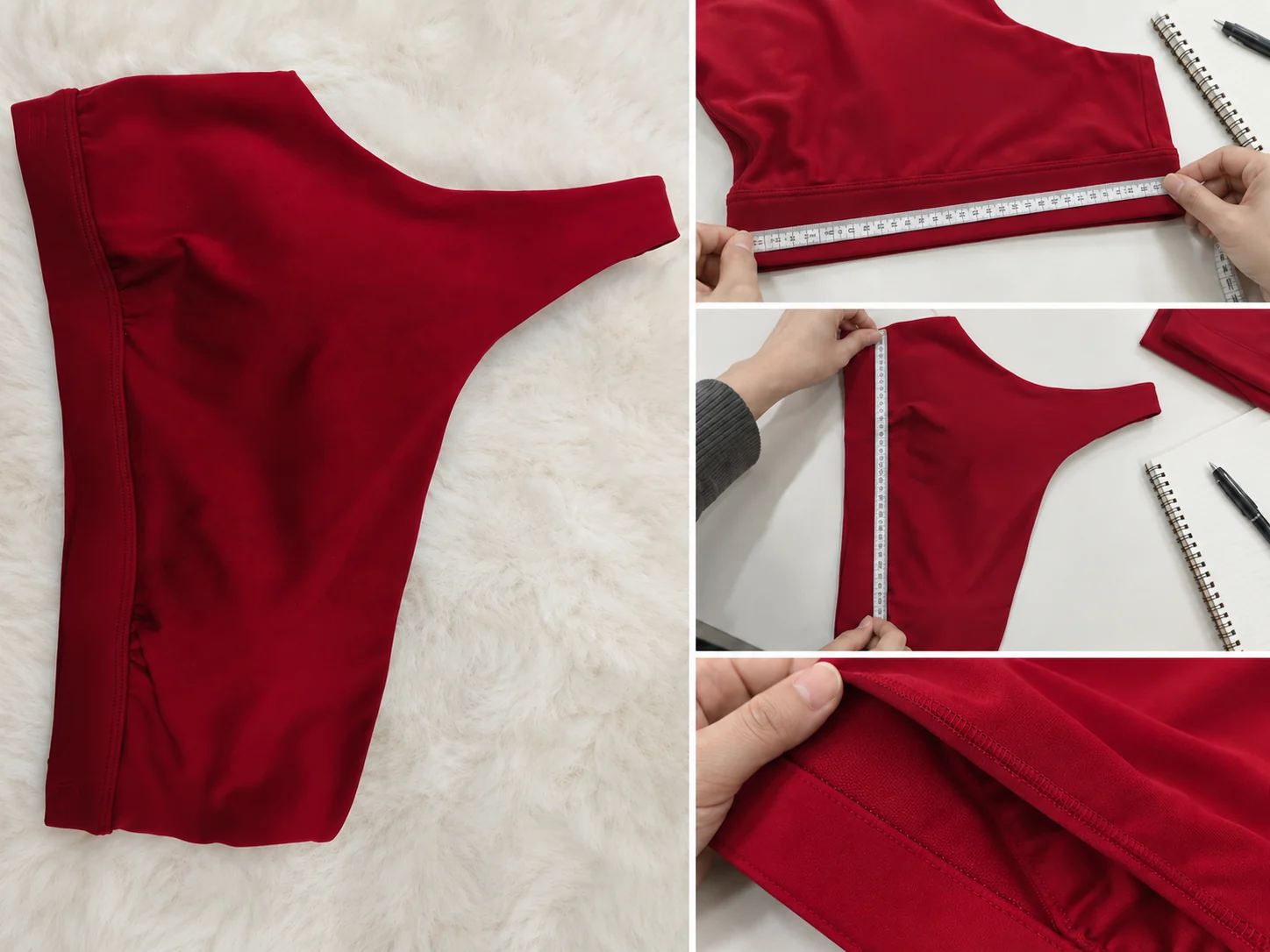
Control Compression Fit Through Defined Measurements and Grading
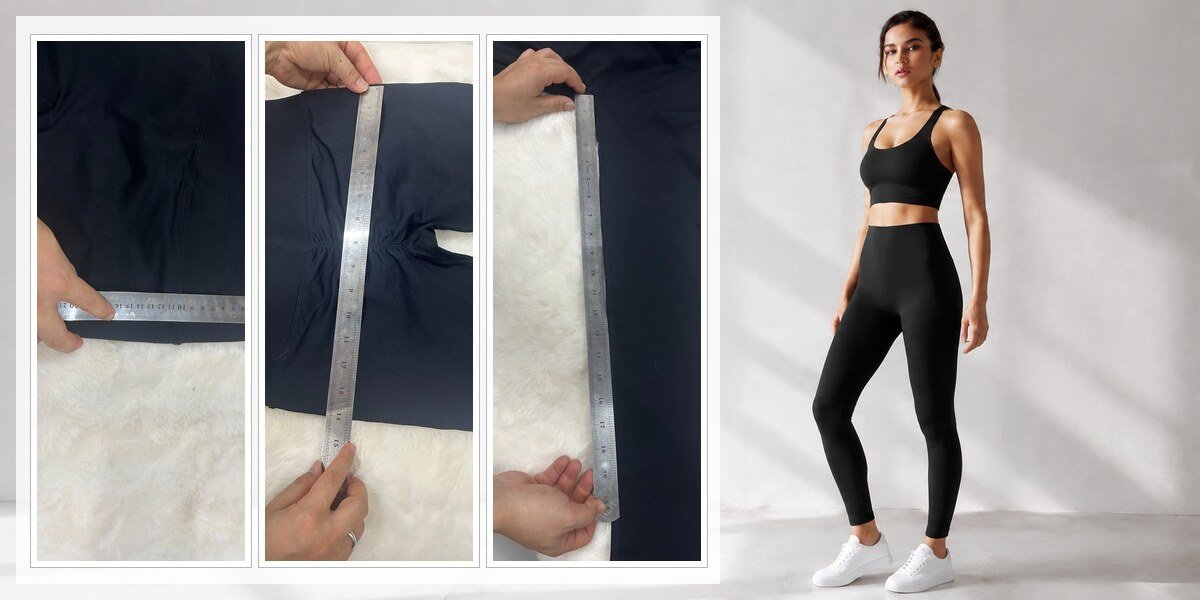
Compression should not be created by applying an undefined size reduction to a standard legging. The relevant POM, Fit relationships, physical material and grading should follow the buyer's approved product specification.
| Control Point | What Must Be Defined |
|---|---|
| Waist | Approved measurement method and intended Fit relationship. |
| Waistband Height | Applicable waistband dimension and position. |
| Front Rise | Buyer-defined rise measurement influencing front garment position. |
| Back Rise | Approved relationship between waistband, hip and back-body Fit. |
| Hip | Applicable hip measurement connected to material and product Fit. |
| Inseam | Required product length using a consistent measurement method. |
| Gusset / Panel / Construction | Where applicable, define the position and dimensions of construction features relevant to the product. |
| POM & Tolerance | Define measurement points and acceptable production variation. |
| Grade Rules | Control size-to-size measurement changes instead of relying on a generic size chart. |
Evaluate the Waistband as a Stability Component, Not Only a Measurement
Waistband Height
Confirm the buyer-approved physical height and position.
Waistband Fit
Review the waistband circumference and its relationship to the waist and hip.
Material or Knit Structure
The waistband material or knitted construction should be evaluated as part of the actual garment.
Rise Relationship
Front and back rise can affect how the waistband sits on the body.
Physical Stability
The buyer should review whether the waistband maintains the intended position during the agreed physical evaluation.
Separate Static Fit Approval From Movement Fit Approval
Static Measurement
Confirm the physical garment against the applicable POM, dimensions and tolerances.
Static Physical Fit
Review the garment in its normal worn position against the buyer-approved Fit direction.
Buyer-Defined Movement Review
Evaluate the garment under the activity or movement condition specified by the buyer or project.
Post-Movement Review
Reassess waistband position, overall Fit, garment condition and any buyer-defined support requirement.
Record the Decision
Accept the current sample, define a revision or clarify the evaluation requirement before proceeding.
Let the Buyer Define the Movement Condition
MOVEVOX should not invent a universal squat, running-time or movement protocol. The applicable condition should come from the buyer or project specification.
Review the Physical Garment Against the Compression Target, Not Against a Marketing Term
Material Response
Does the approved physical material behave as expected in the completed garment?
Physical Fit
Does the garment follow the current waistband, rise, waist, hip and other applicable Fit requirements?
Support Direction
Does the buyer accept the physical garment against the defined support or compression target?
Construction
Do the applicable knitted structures, panels, seams, gusset or waistband follow the approved direction?
Current product can proceed.
A defined product variable needs adjustment.
The buyer's intended target is not yet clear enough to approve consistently.
When a Compression Sample Misses the Target, Change the Right Variable
Is the Garment Too Restrictive or Too Weak?
Is the physical garment too restrictive or too weak relative to the buyer target?
Identify the actual source before revising the product.
Is the Material Producing the Required Response?
Is the fabric or yarn producing the required physical response?
Review stretch, recovery, weight and structure.
Are the Garment Dimensions Correct?
If material is acceptable, are the garment dimensions correct?
Review waistband, rise, waist, hip and other applicable POM.
Is Construction Creating the Intended Result?
If Fit is acceptable, is the construction creating the intended result?
Review knitted zones, panels, seams, gusset or other buyer-defined structures.
Can the Result Be Evaluated Consistently?
Can the result still not be evaluated consistently?
Reconfirm the buyer's support target or evaluation method.
What Exactly Changes in the Next Sample?
What exactly changes in the next sample?
Record the specific variable before the next sample is produced.
Diagnose First. Change One Controlled Variable.
The purpose of the revision loop is to avoid correcting one problem by unintentionally changing an unrelated product variable.
Preserve the Intended Support Direction Without Assuming Every Size Behaves Identically
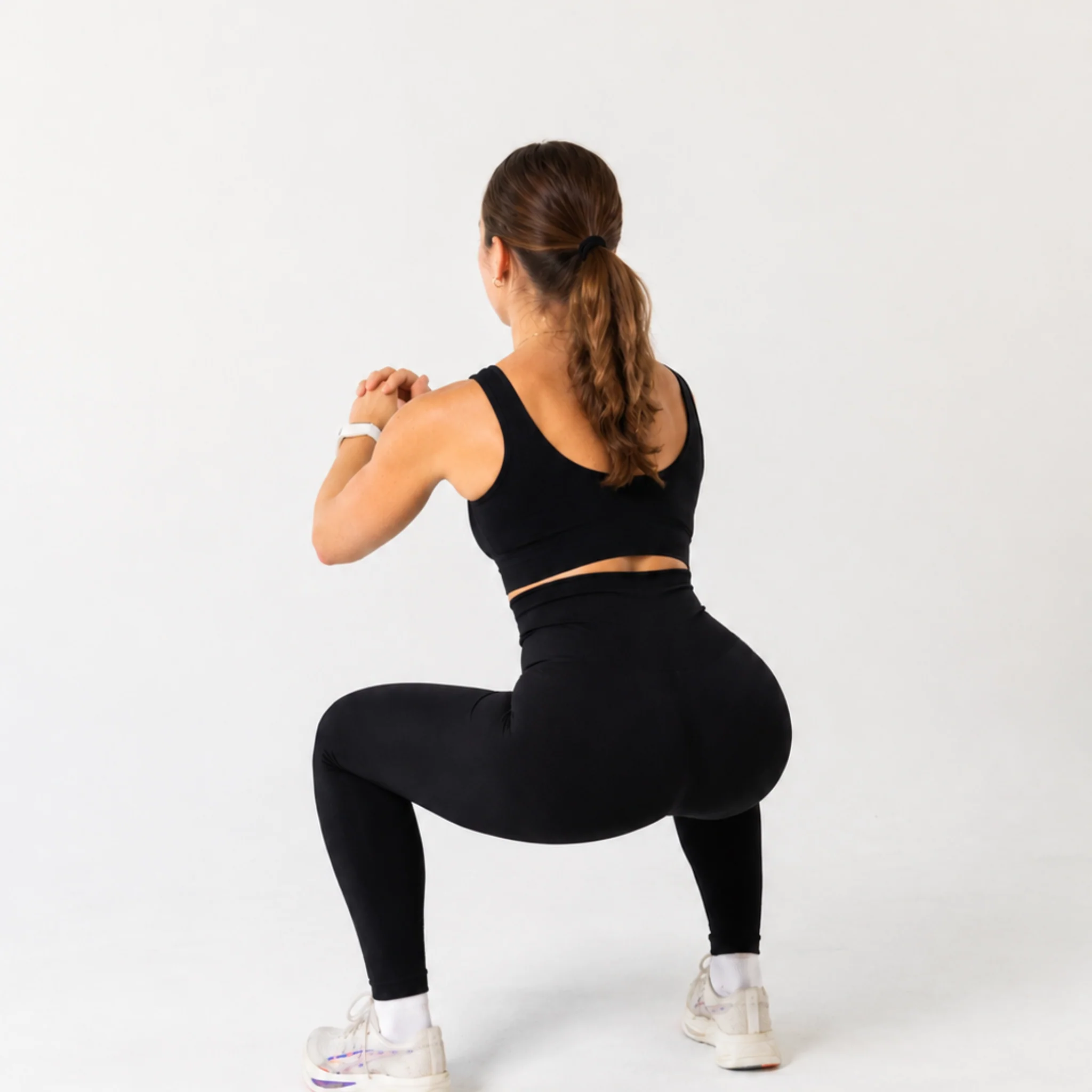
Base Size Accepted
Confirm material, Fit, waistband and support direction in the approved base size.
Grade the Measurements
Apply the buyer-approved grade rules to the required size range.
Select Review Sizes
Identify additional sizes that require physical review according to the buyer's program.
Check the Fit Relationship
Review waistband, rise, waist, hip and other relevant dimensions.
Check Physical Support Direction
Where required, compare selected sizes against the buyer-defined physical support target.
Release the Size Range
Transfer accepted grade rules and size-specific decisions into the production standard.
Release the Product Only After the Applicable Compression Gates Are Closed
Material Approved
The physical fabric or yarn used for the approved garment is confirmed.
Approved material or approved physical garment.
Physical Fit Approved
Applicable waistband, rise, waist, hip, inseam and overall garment Fit are accepted.
Current specification and physical garment.
Support Direction Approved
The buyer accepts the physical garment against the defined support or compression requirement.
Buyer-approved physical garment or defined evaluation method.
Construction Approved
Applicable knitted structures, panels, seams, waistband or other construction details are accepted.
Approved physical sample and current technical information.
Convert the Accepted Product Into the Production Reference
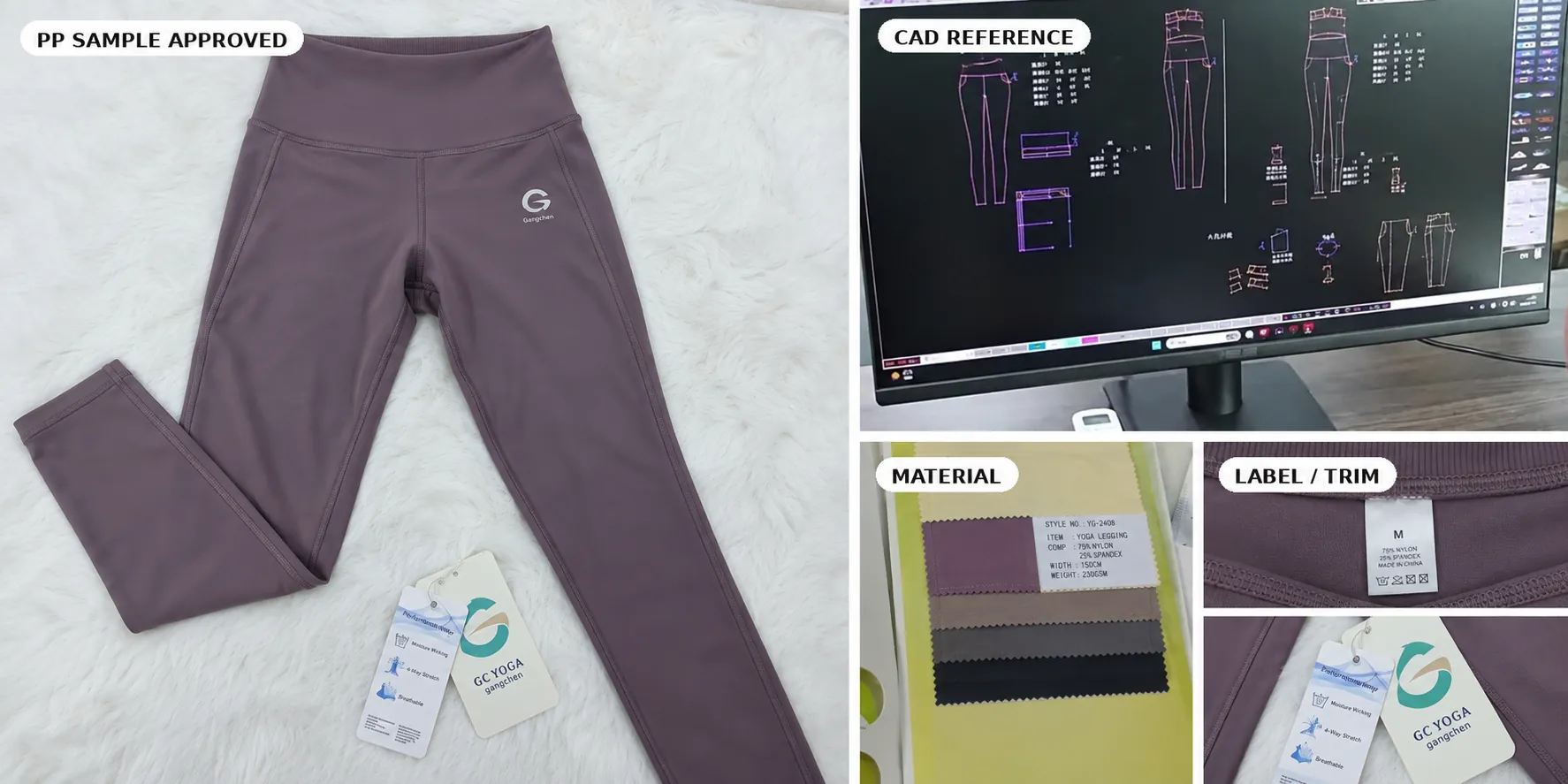
Once the applicable gates are closed, the approved garment and current technical information become the production reference.
Know Which Changes Require the Compression Product to Be Reviewed Again
| Product Change | Review Direction |
|---|---|
| Same Style / True Repeat | Confirm the current approved standard. |
| New Color on Same Material Route | Confirm applicable color and material condition. |
| New Fabric | Re-review material response, physical Fit and support direction. |
| New Yarn or Seamless Program | Re-review the physical garment. |
| Expanded Size Range | Re-review grading and selected physical sizes. |
| Construction Change | New physical product approval required. |
| Buyer Changes Support Target | Treat as a product-development change. |
| Production-Site Change | Follow MOVEVOX allocation control and applicable buyer approval requirements. |
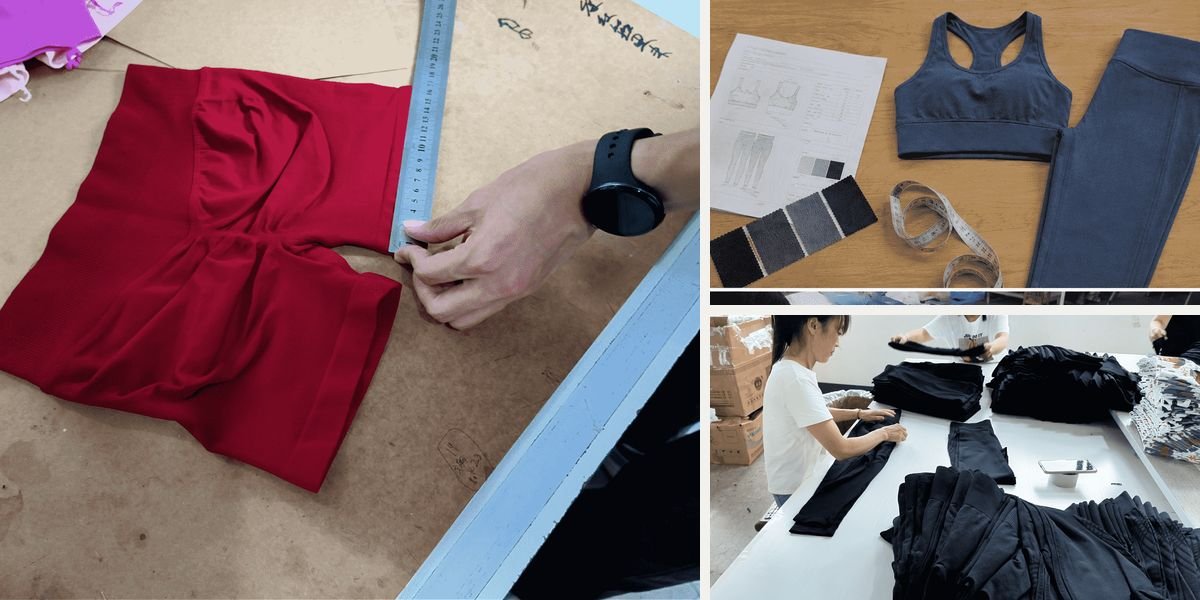
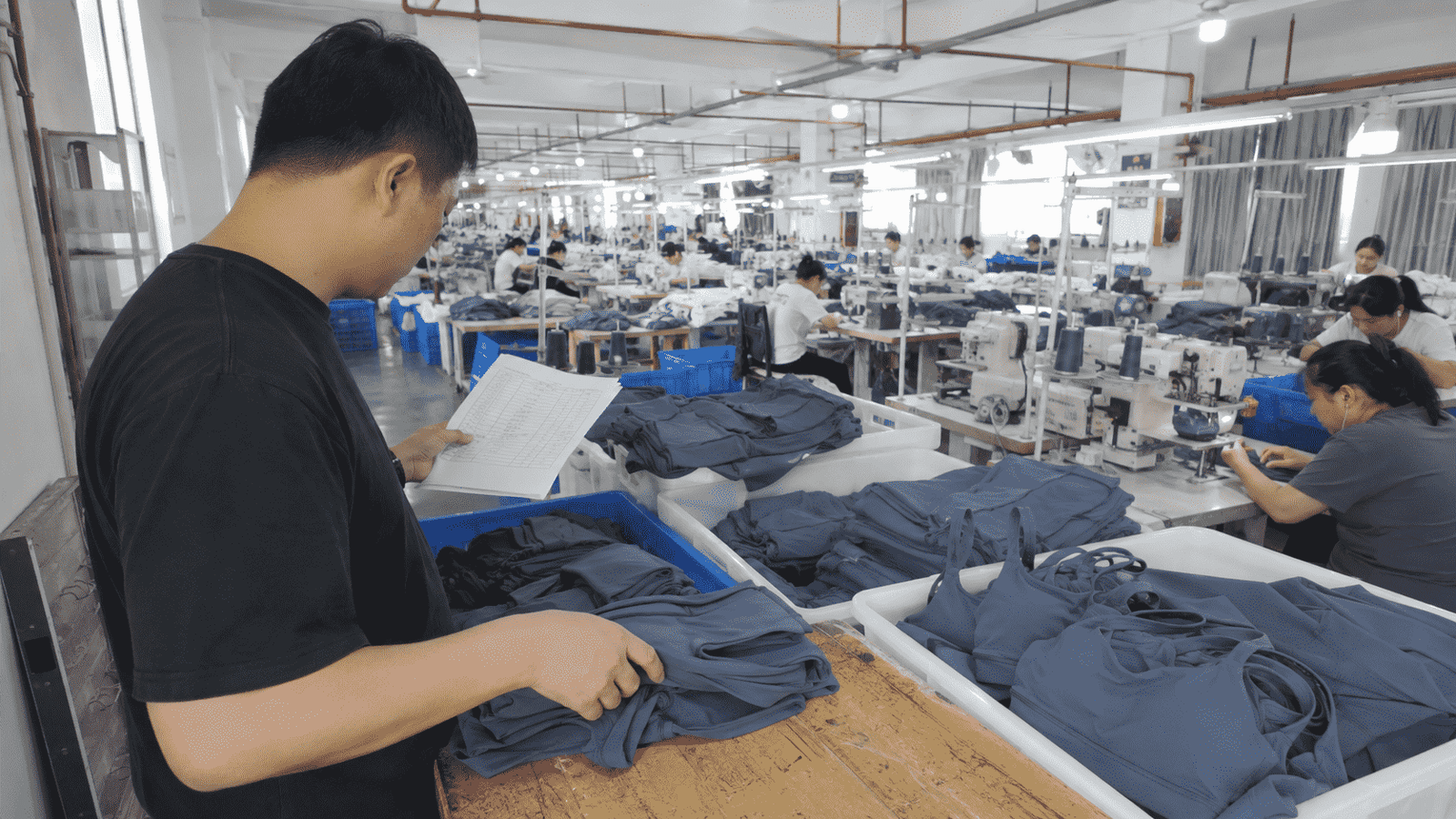
Release One Current Compression Product Definition Into Bulk Production
Production should receive one controlled product definition that links the accepted physical garment with the material, Fit, construction, branding and packing decisions made during development.
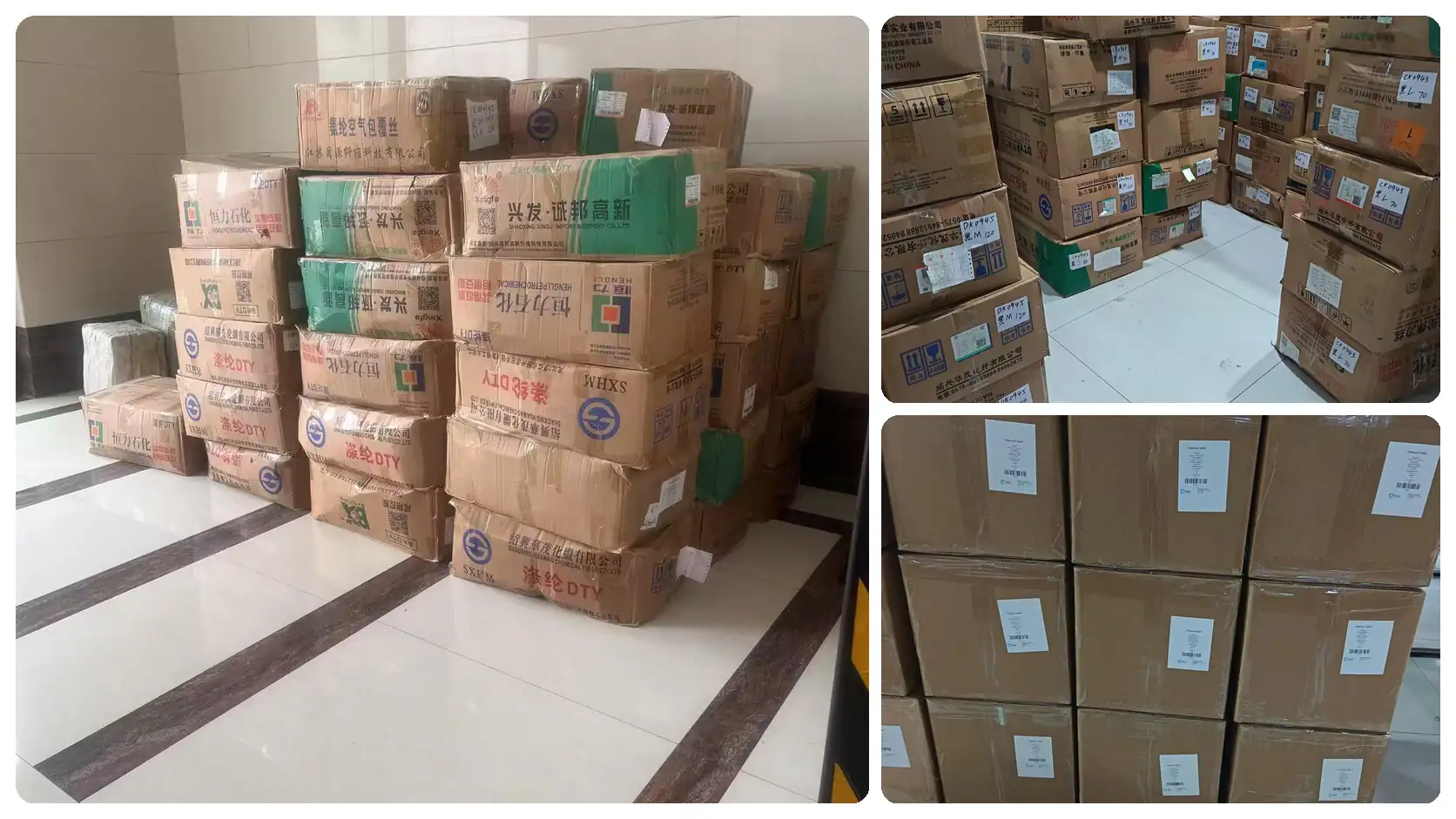
Approved Physical Sample
Retain the accepted garment as the principal physical product reference.
Material Standard
Connect the approved fabric or yarn and physical material direction to the released Style.
Fit & Grading Standard
Release the current waistband, rise, waist, hip, inseam, POM, grade rules and applicable tolerances.
Support Requirement
Record the buyer-defined physical support or compression direction and the applicable evaluation reference.
Construction Standard
Release relevant panels, seams, knitted structures, waistband and other approved construction details.
Brand & Packing Standard
Confirm current Logo, labels, SKU identification and packaging requirements.
Control the Characteristics Most Likely to Change the Approved Compression Product
Quality control does not create the compression requirement. It verifies that production continues to follow the material, Fit, construction and physical references already accepted during development.
Material Identity CTQ
Check applicable production material against the approved physical reference.
Waistband CTQ
Verify applicable waistband dimensions and approved construction.
Rise & Waist-to-Hip CTQ
Check front rise, back rise, waist and hip against the released specification.
Construction CTQ
Verify applicable panels, seams, knitted structures or other buyer-approved construction features.
Critical Measurements
Check applicable POM and tolerances.
Workmanship
Review relevant seam quality, garment assembly and finished workmanship.
Identification & Packing
Verify Logo, labels, size, color, barcode, SKU and packing information where applicable.
MOVEVOX can apply applicable incoming, First Article, in-line, finished-product and pre-shipment checks according to the requirements of the actual order.
Confirm What Changed Before Treating a Compression Order as a True Repeat
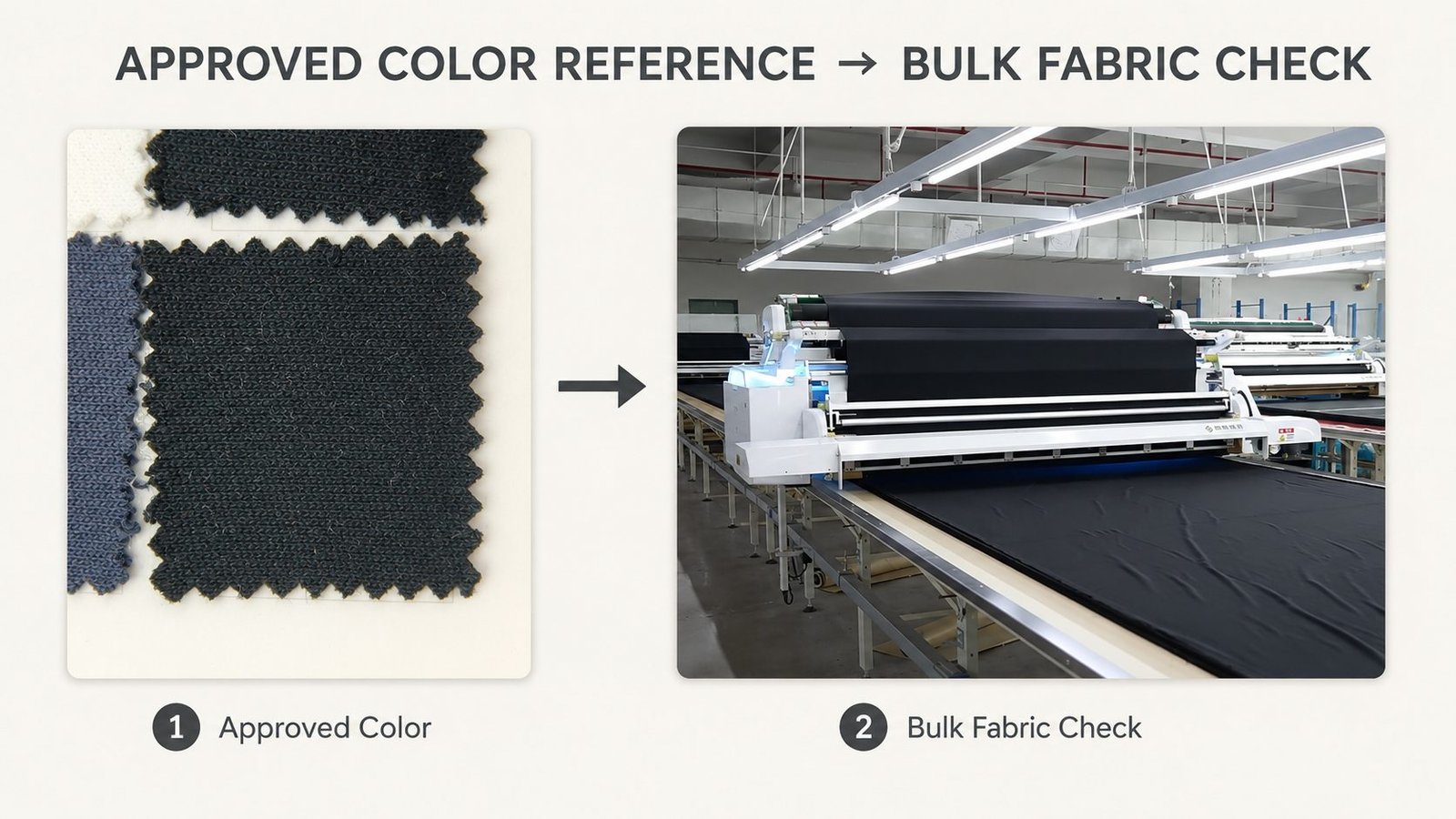
Retrieve the Current Approved Standard
Confirm the latest physical sample, material, measurements, construction, branding and packing requirements.
Confirm Material Continuity
Check whether the same approved fabric or yarn route remains available.
Identify Product Changes
Separate a true repeat from a new color, material, Fit, size range or construction revision.
Review Production Allocation
MOVEVOX centrally manages applicable production allocation and production-site restrictions.
Verify Initial Production
Compare the applicable First Article against the current released standard.
Release the Repeat Order
Continue applicable in-line, finished-product and packing checks against the current reference.
Scale a Validated Compression Program Without Losing the Approved Product Standard
Core Stable Finished Release
The Yiwu core factory normally releases approximately 40,000–50,000 finished pieces per month under stable operating conditions.
Controlled-Network Stable Managed Delivery
Across the controlled production network, MOVEVOX normally manages approximately 150,000–200,000 pieces per month of stable delivery capacity.
Increase Quantity
Review material readiness, manufacturing route, current loading and delivery requirements at PO level.
Add Colors
Keep additional colors connected to the approved physical material route.
Expand the Size Range
Use current grade rules and any required additional size validation.
Add Related SKUs
Reuse suitable collection standards while retaining independent product-level Fit and construction approval.
Allocate Additional Capacity
MOVEVOX works with eight long-term controlled satellite factories—six in Yiwu and two in Guangzhou—for standardized replicated bulk or overflow production where appropriate.
Maintain Central Control
Requirements, allocation, change control, applicable QC, packaging and final release remain centrally managed by MOVEVOX.
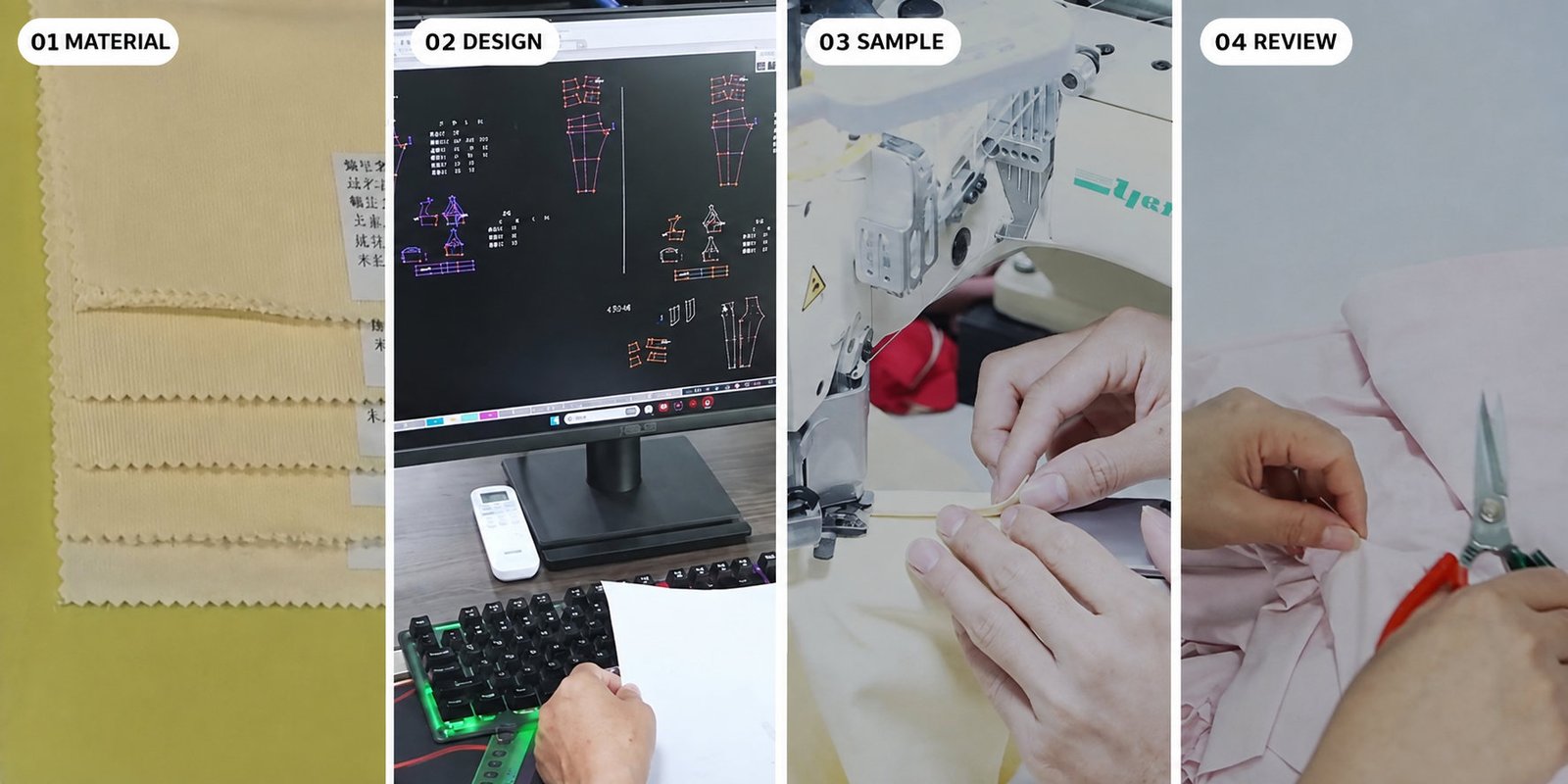
Follow the Performance Leggings Program Through the Real Manufacturing Process
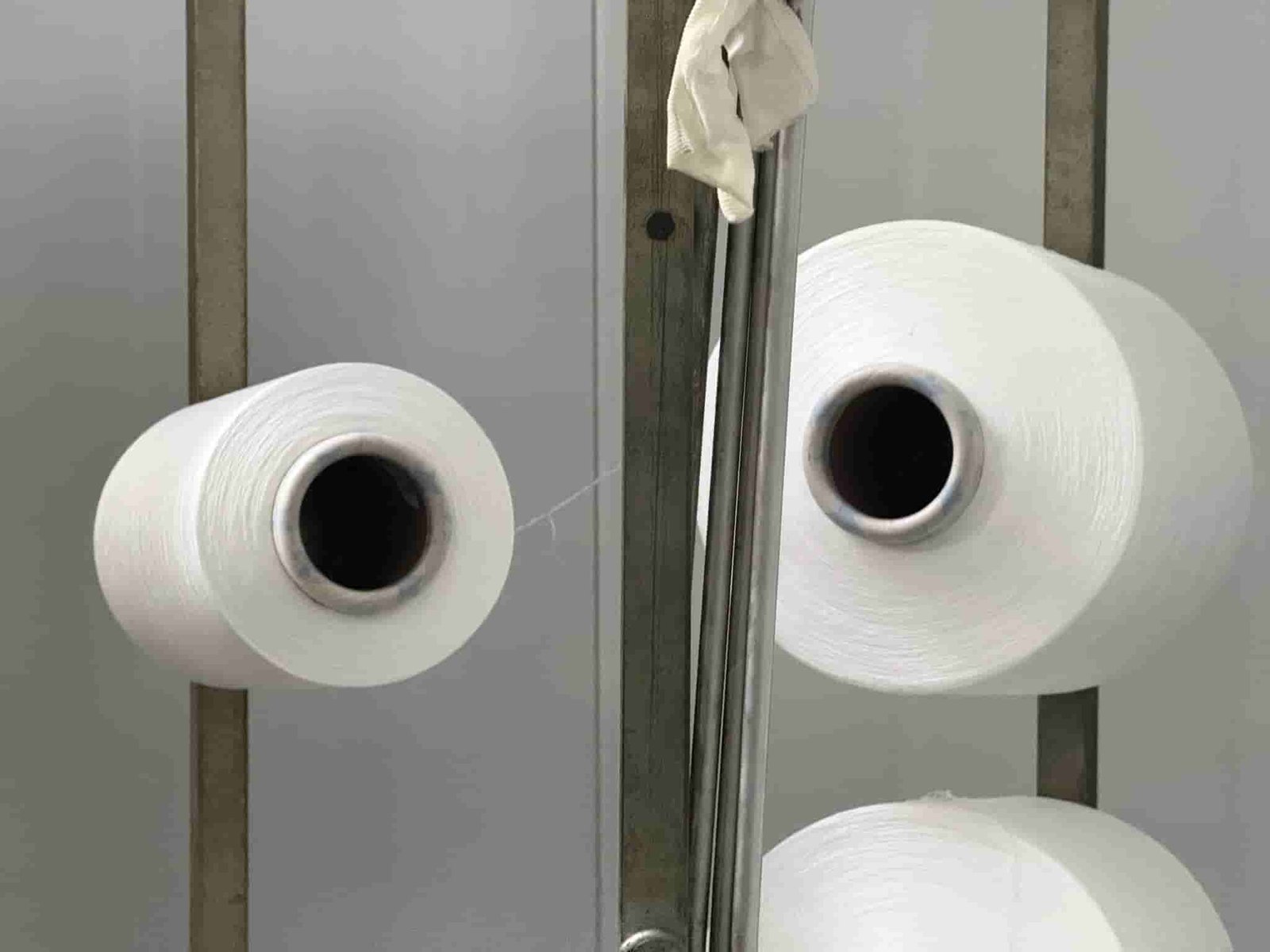
Yarn / Material
Applicable yarn and fabric provide the physical foundation for development and production.
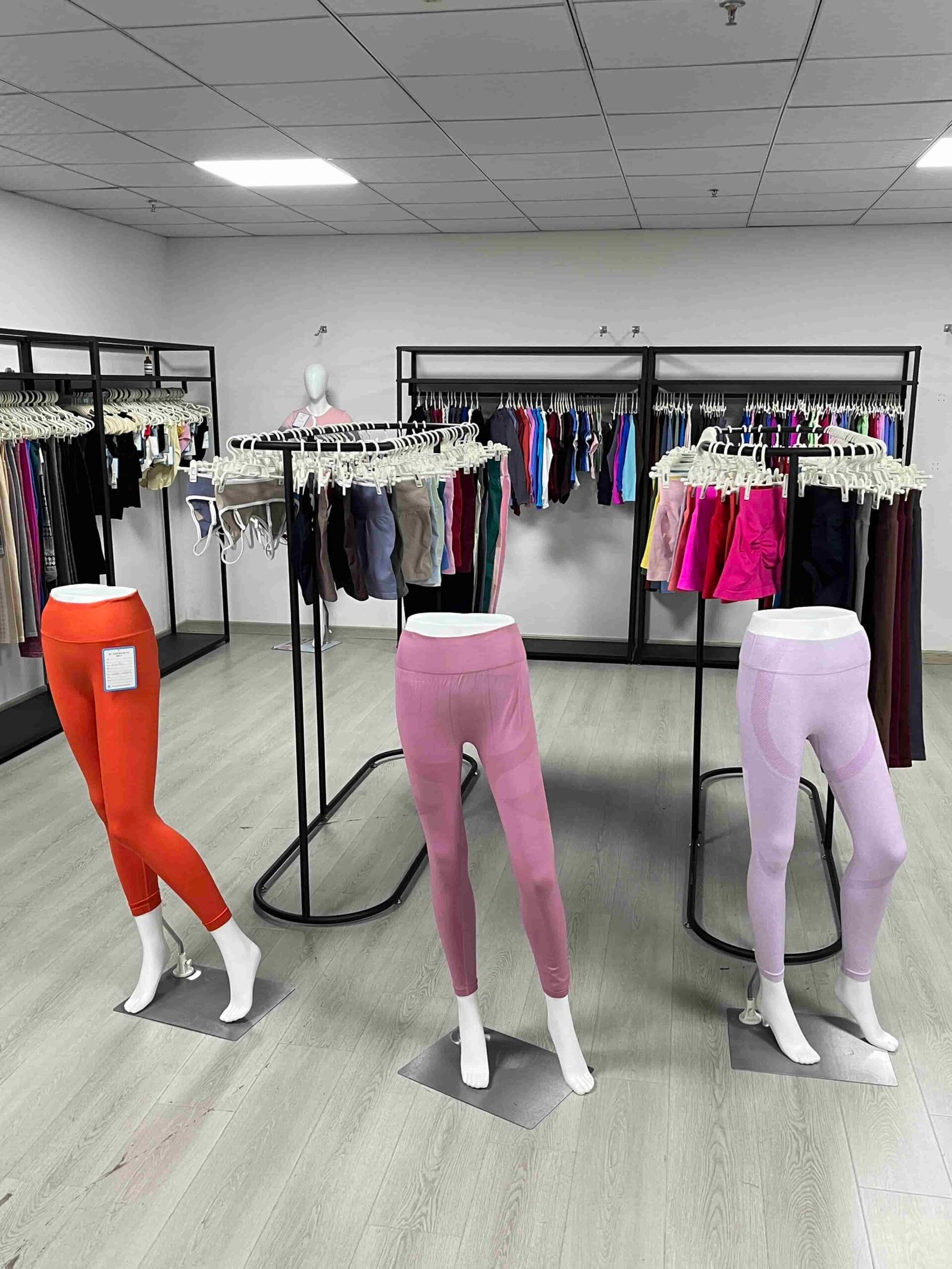
Sample Development
Buyer requirements are converted into physical samples for Fit, material and construction review.
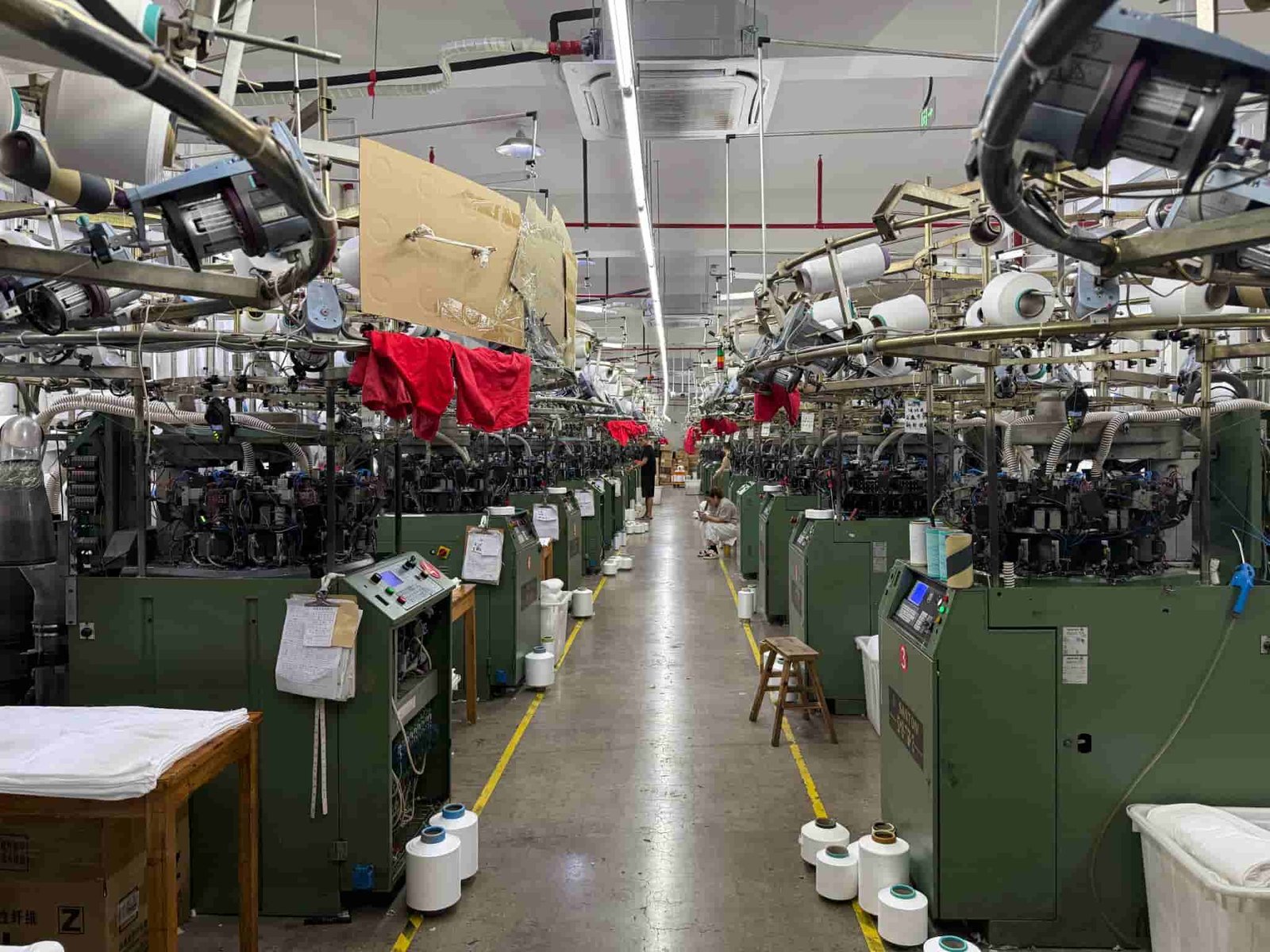
Seamless Manufacturing
MOVEVOX operates 28 Italian Santoni Seamless machines at the Yiwu core base.

Cut & Sew Manufacturing
Pattern-based products move through cutting, sewing and garment assembly according to released requirements.

First Article
Initial production garments are checked against the applicable released reference.

In-Line QC
Relevant measurements and workmanship are reviewed while production remains active.
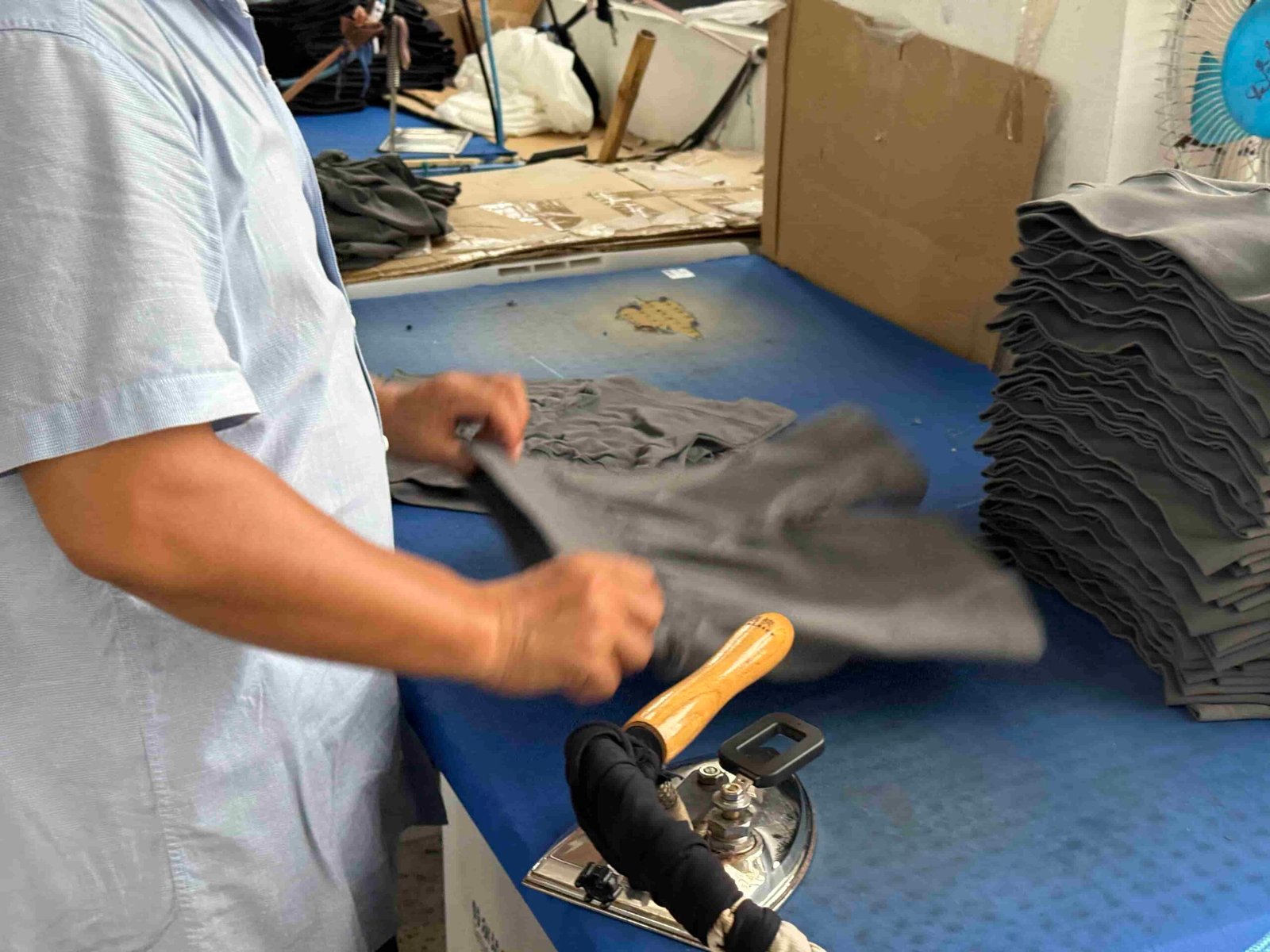
Finished Inspection
Applicable finished-product requirements are checked before packing release.
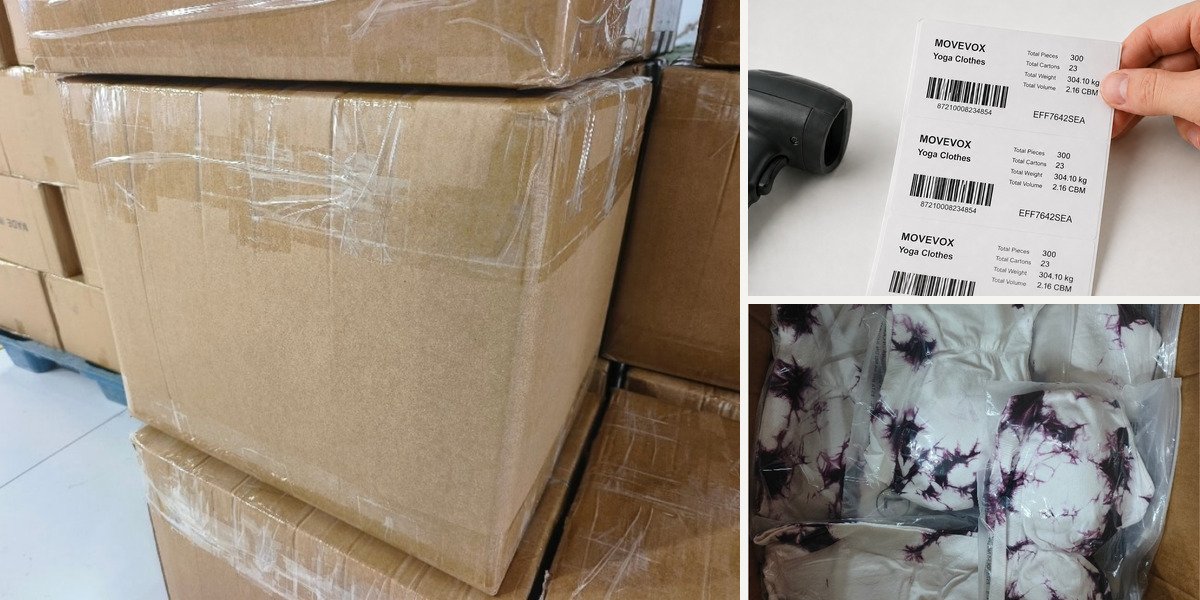
Packing & Shipment
Approved identification and packing requirements are verified before shipment release.
Read Compliance Evidence by Legal Entity, Tested Sample and Test Scope
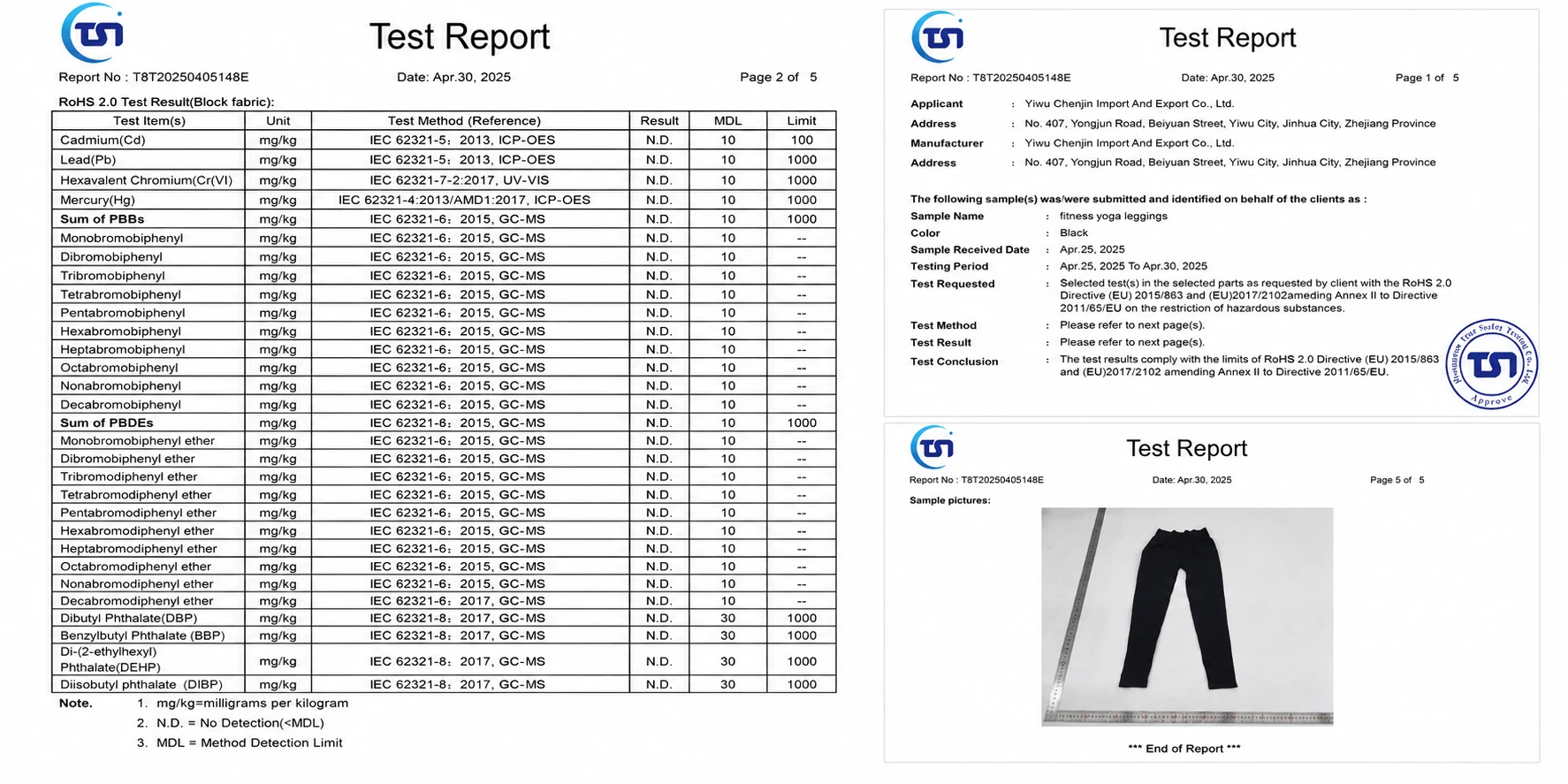
RoHS Sample Evidence
Certificate: TST20250405148EC
Test Report: TST20250405148E
Date: April 30, 2025
Applicant / Manufacturer: Yiwu Chenjin Import And Export Co., Ltd.
Submitted Sample: Black fitness yoga leggings
The report covers the listed restricted substances under the cited RoHS-related requirements, with the reported results within the stated limits.
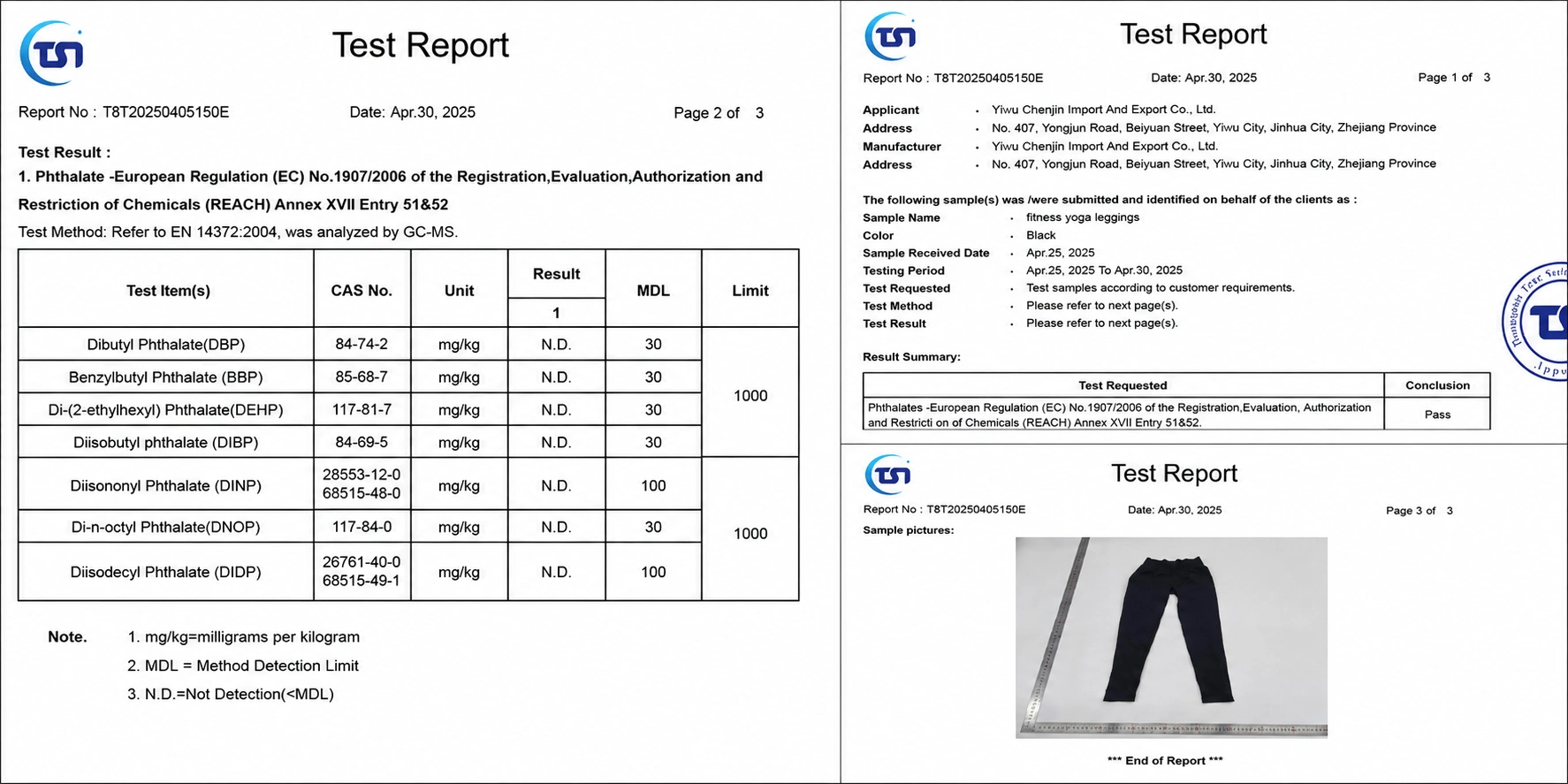
REACH Phthalates Sample Evidence
Test Report: TST20250405150E
Date: April 30, 2025
Sample: Black fabric from the submitted fitness yoga leggings
The report covers the cited phthalates under REACH Annex XVII Entry 51 and Entry 52. The listed substances were reported as not detected within the stated method limits, and the report records a Pass conclusion for the submitted sample.
What Should a Buyer Verify Before Approving a Compression Leggings Manufacturer?
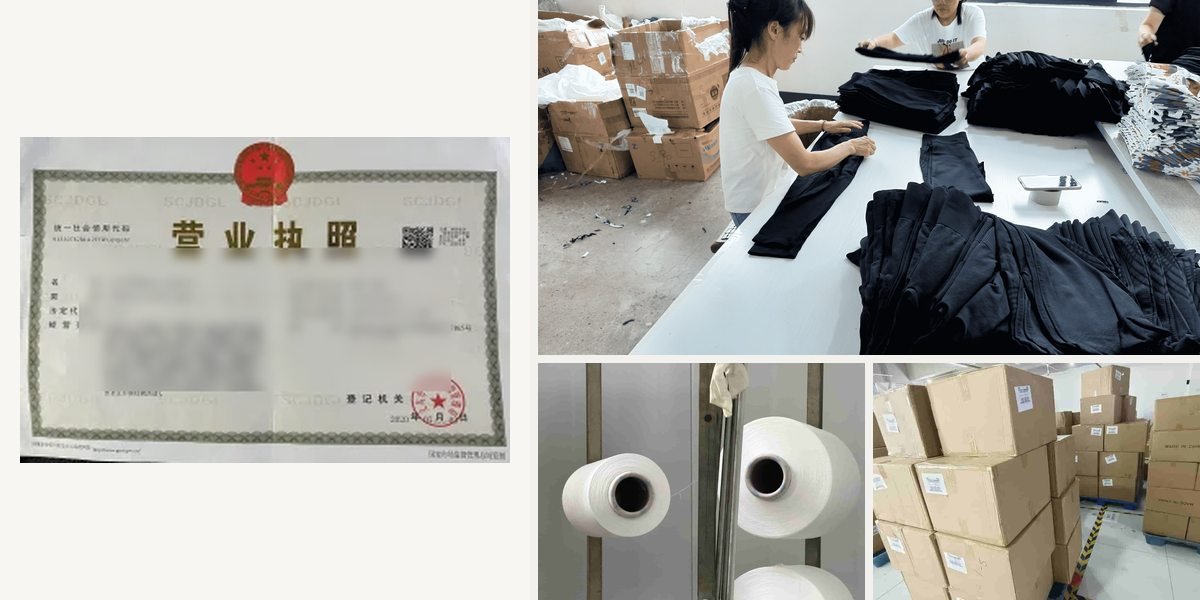
Compression Definition
Can the supplier translate a subjective compression requirement into material, Fit, construction and physical approval references?
Material Engineering
Can the supplier work with actual fabric or yarn behavior rather than relying only on fiber composition?
Manufacturing Route
Can the supplier explain when Seamless or Cut & Sew is appropriate for the actual product?
Fit & Grading
Can the supplier work with waistband, rise, POM, tolerances and size grading?
Sample Approval
Is there a defined path from buyer input to physical sample, revision and approved reference?
Quality Control
Are material, First Article, in-line, finished-product and packing checks connected to released requirements?
Commercial Feasibility
Are MOQ, sample timing, bulk lead time and independent component minimums explained clearly?
Capacity & Allocation
Can the buyer distinguish own core capacity from managed production-network capacity?
Repeat-Order Control
Can changes in material, color, size mix or production allocation be controlled before repeat bulk release?
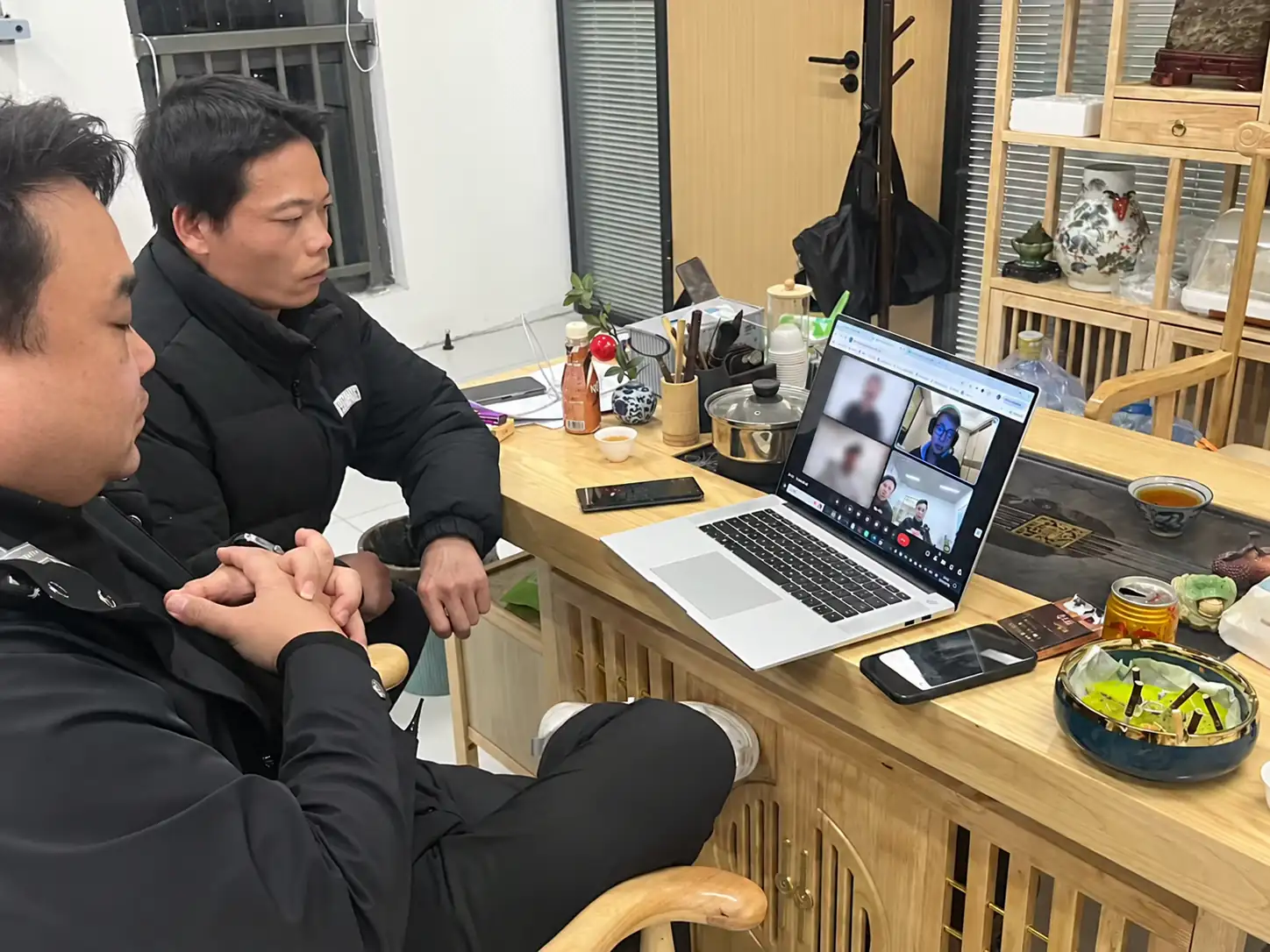
Auditability
Can the supplier support factory visits, video audits, technical audits and reasonable third-party inspection?