
Activewear Long Sleeve Manufacturer for Custom Performance Collections
MOVEVOX develops custom long-sleeve activewear for established fitness and performance apparel brands. From shoulder and armhole mobility to thumbhole cuffs, half-zip openings and hem stability, each construction requires its own technical review. Our cut-and-sew and Santoni seamless resources provide different manufacturing options, subject to design feasibility. Share your Tech Pack or authorized reference garment to discuss development, sampling and production requirements.
- Develop long-sleeve fit around shoulder, elbow and wrist movement.
- Evaluate cuff, thumbhole, placket and hem construction before production.
- Compare suitable manufacturing routes using approved technical specifications.
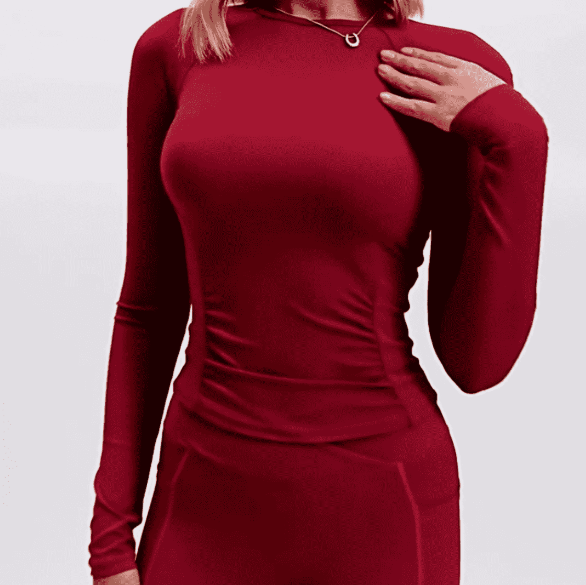
Fitted Training Long Sleeve
A close-fitting training silhouette requiring coordinated chest ease, armhole shaping, sleeve recovery and appropriate freedom during overhead movement.
Thumbhole Performance Top
An extended sleeve construction combining wrist coverage, thumbhole placement and controlled tension between the hand and garment body.
Half-Zip Training Layer
A long-sleeve construction requiring coordinated zipper selection, placket stabilization, neckline geometry and fabric compatibility.
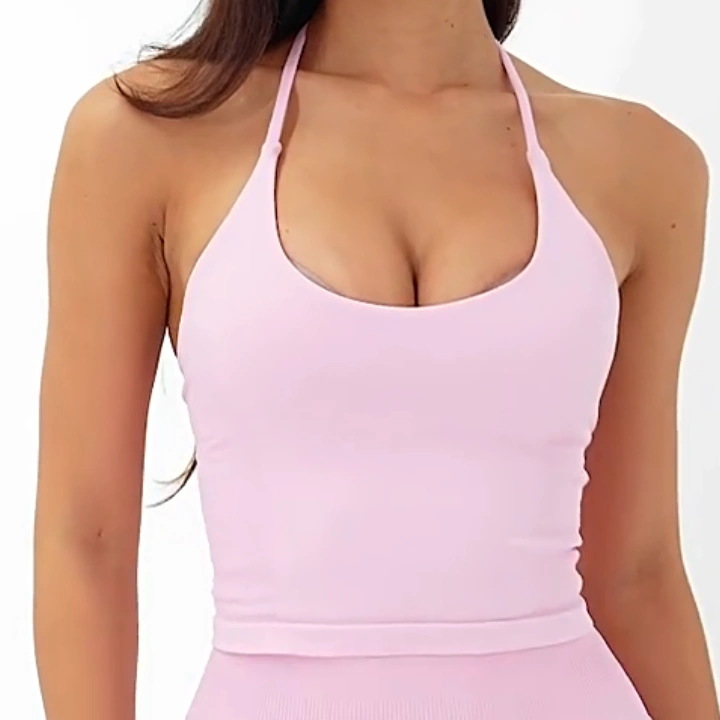
Seamless Long Sleeve
A machine-compatible knitted construction that may incorporate rib, mesh or textured regions, subject to yarn, programming and finishing feasibility.
Understand the Critical Construction Zones of Long Sleeves
A long-sleeve performance top combines multiple connected fit and construction decisions. Changes at the shoulder, elbow or wrist can influence the entire garment. Review these critical zones before approving materials, patterns or manufacturing methods.
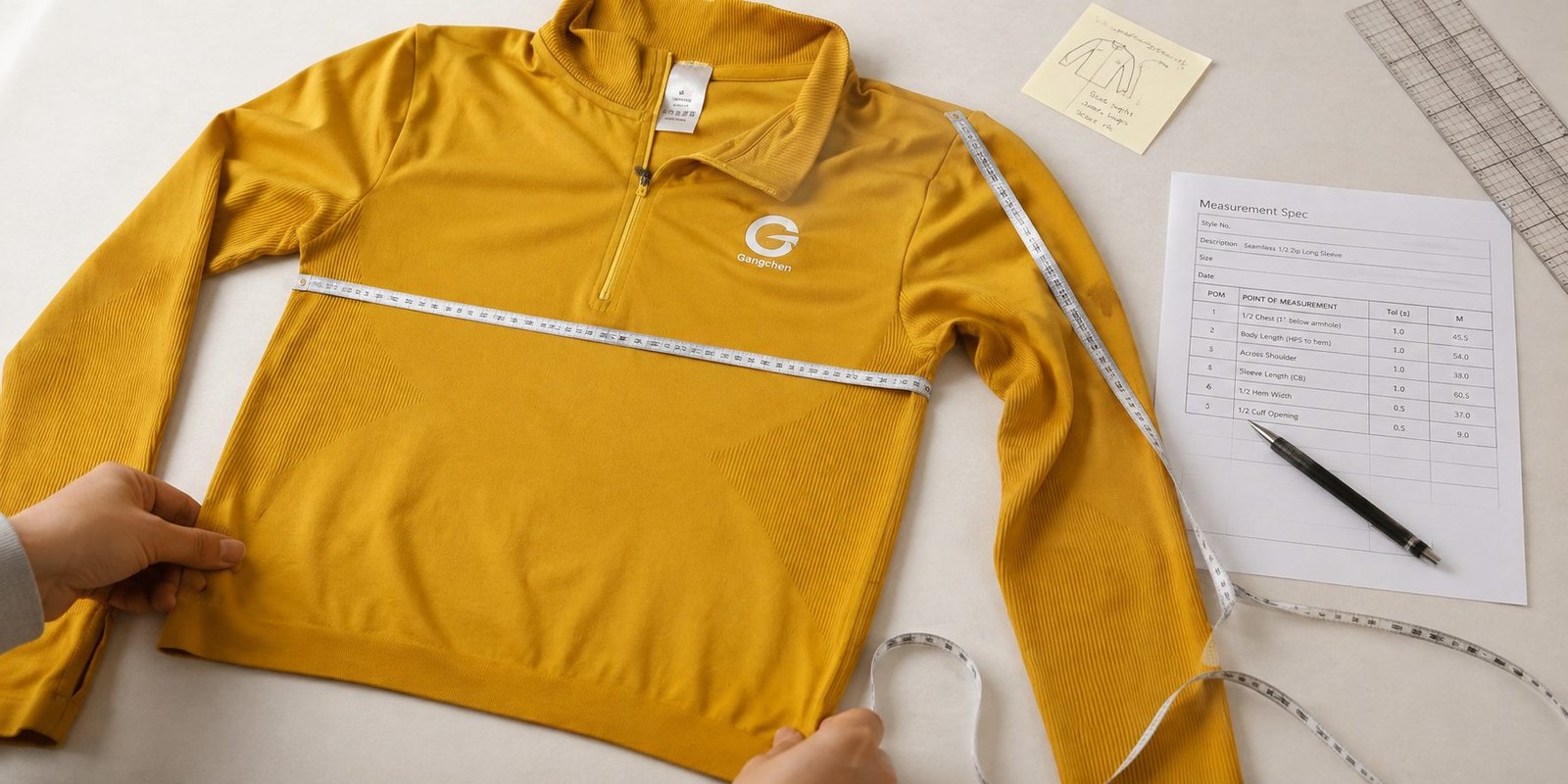
Shoulder Balance
The shoulder line influences garment balance and sleeve positioning. Shoulder slope, pattern ease and the approved silhouette should be considered together rather than corrected through chest-width adjustments alone.
Armhole Geometry
Armhole shape and depth influence forward reach, overhead movement and underarm contact. Extra depth does not automatically improve mobility; sleeve construction and fabric response also matter.
Elbow Movement
The elbow requires sufficient usable length and appropriate ease during flexion. A sleeve that appears correct while the arm is straight may pull at the wrist during bending.
Forearm Recovery
Forearm dimensions and fabric recovery influence whether a fitted sleeve returns toward its intended shape after extension. Persistent deformation should be assessed against the approved material and fit requirements.
Cuff Stability
The cuff must balance wrist comfort, opening circumference, recovery and edge construction. Excessive tension can restrict movement, while insufficient recovery may cause loosening or unstable positioning.
Thumbhole Placement
Thumbhole position should correspond to sleeve length, wrist circumference and hand movement. Incorrect alignment can transfer tension to the opening, forearm or garment body during normal wear.
Placket Interface
For half-zip designs, zipper tape, reinforcement and stretch fabric must work together. A poorly balanced construction can distort the opening or create uncomfortable contact near the neckline.
Hem Position
Body length and hem construction determine the intended coverage. Overhead reach, bending and fabric recovery should be reviewed before deciding whether a cropped, regular or longer silhouette is acceptable.
Overall Design Logic
These zones should not be approved independently when they influence one another. Extending a sleeve may change thumbhole position; altering armhole geometry may affect hem movement. A useful development review identifies the intended activity, critical measurements, fabric behavior and construction details before freezing the technical specification. Actual acceptance criteria should be agreed for each design.
Evaluate Armhole Extension Through Real Movement Requirements
A stretch fabric does not guarantee unrestricted arm movement. Sleeve pitch, armhole geometry, underarm construction and body balance work together. These five engineering checks help define what a brand should evaluate before approving a long-sleeve fit.
Overhead Reach
Functional Claim: Maintain the intended coverage during overhead movement.
Engineering Explanation: Raising the arms changes the relationship between the sleeve, shoulder and garment body. An unsuitable armhole or sleeve angle may pull the hem upward even when the fabric stretches. Fit review should consider the intended coverage, acceptable garment displacement and whether the pattern requires revision.
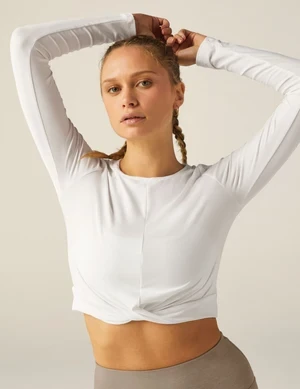
Forward Reach
Functional Claim: Support forward arm movement without excessive upper-body pulling.
Engineering Explanation: Forward reach introduces tension through the back, shoulder and sleeve assembly. A shirt can meet chest-width measurements yet restrict the intended movement. The reviewer should examine back ease, sleeve pitch, seam position and stretch direction before deciding which technical adjustment is appropriate.
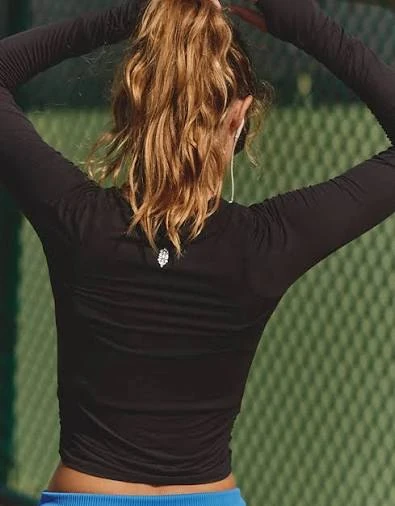
Elbow Flexion
Functional Claim: Maintain appropriate sleeve positioning during elbow bending.
Engineering Explanation: Bending the elbow redistributes fabric along the sleeve and may draw the cuff toward the forearm. Sleeve length, elbow ease, wrist fit and fabric recovery should be evaluated together. An extended sleeve or thumbhole design can make these relationships more sensitive to incorrect grading.
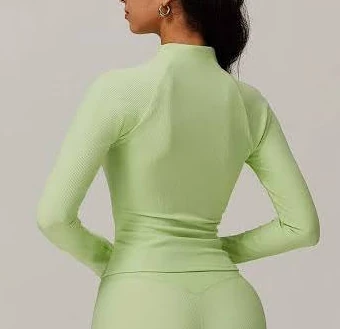
Sleeve Recovery
Functional Claim: Assess sleeve shape after repeated extension.
Engineering Explanation: Fabric elongation describes how readily material stretches; recovery concerns its behavior after the force is reduced or removed. A fitted sleeve may extend during movement but retain unwanted distortion around the elbow or forearm. Yarn, knit structure, finishing and garment dimensions influence the outcome.
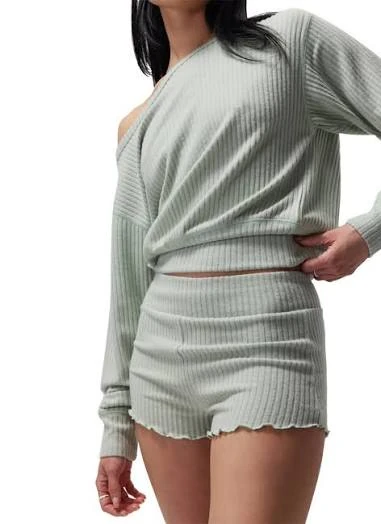
Hem Displacement
Functional Claim: Control body movement caused by upper-limb activity.
Engineering Explanation: Hem displacement is influenced by armhole shape, body ease, garment length and fabric friction. Eliminating all movement is not necessarily realistic or desirable. The product specification should define the acceptable appearance and coverage for the intended activity, including when the wearer reaches overhead.
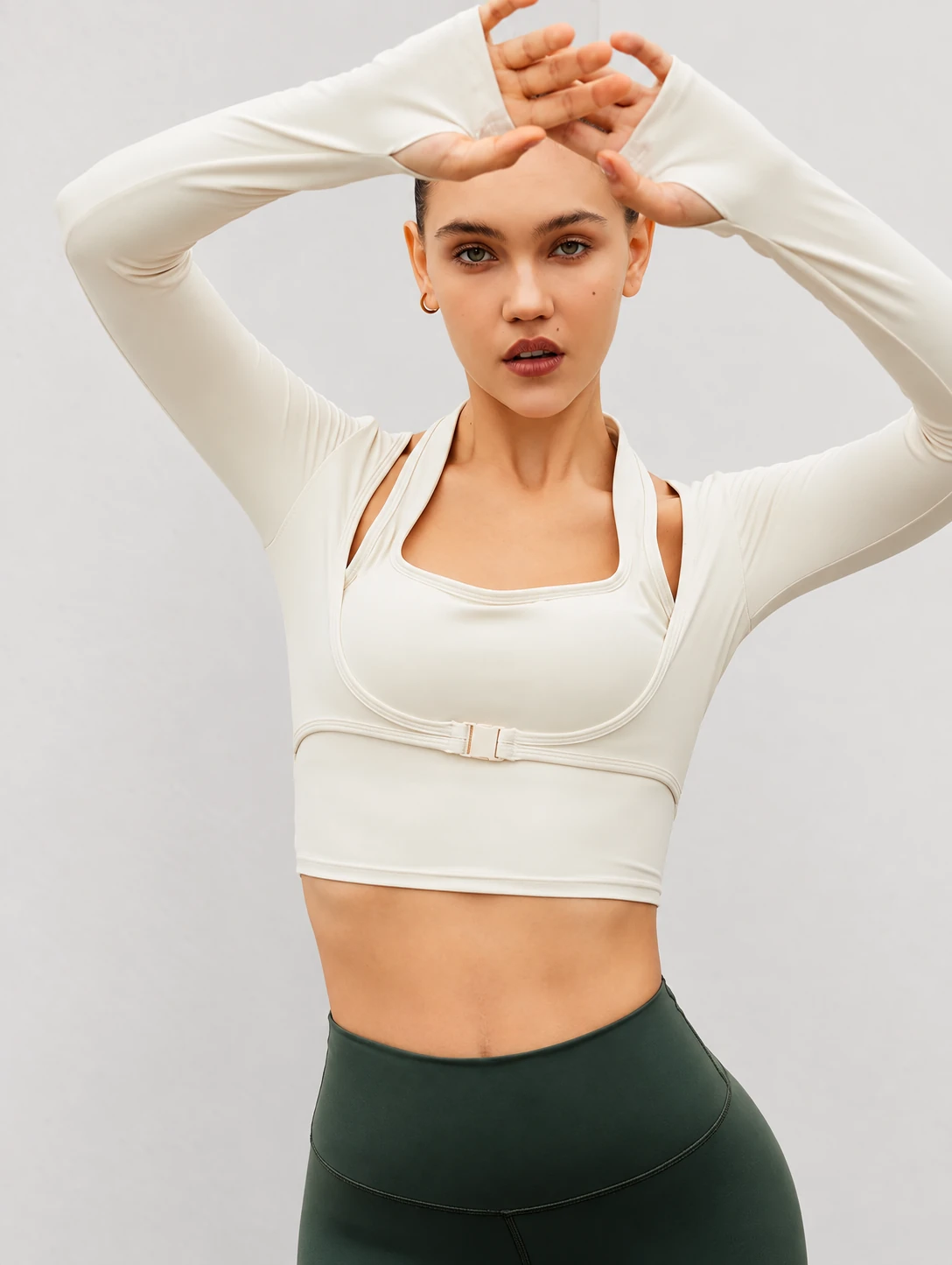
Control Half-Zip Placket Stability on Stretch Performance Tops
A half-zip opening introduces a relatively structured component into a flexible garment. Its appearance and comfort depend on the zipper, surrounding fabric, reinforcement, neckline and assembly method working together.
Balance Zipper Components With Stretch Fabric and Placket Geometry
A half-zip long-sleeve top combines materials that may behave differently during movement and washing. The zipper assembly can be relatively stable in length, while the surrounding knit fabric may stretch, relax or recover. If these components are joined without considering their behavior, the finished opening may appear wavy, twisted or uneven.
Zipper and Fabric Compatibility: Zipper tape, tooth or coil construction, length and weight should be selected for the intended garment. A zipper appropriate for a structured jacket may create unnecessary stiffness in a lightweight training top. The brand should identify the intended appearance, opening function and material requirements before choosing hardware.
Placket Dimensions: The opening length, finished width, seam allowance and alignment must be defined consistently. Small differences between left and right sides can become obvious because the zipper creates a strong visual line down the front of the garment. Pattern and cutting instructions should identify the intended center-front relationship.
Stabilization Requirements: Reinforcement may help manage local stretching, but excessive stabilization can create a rigid area that differs from the surrounding fabric. The appropriate approach depends on material behavior, placement and the selected assembly method. It should be evaluated through a construction sample rather than assumed to work universally.
Stretch and Movement Review: Raising the arms or bending forward can place tension around the chest and placket. The relevant question is whether the opening maintains the approved appearance and comfort during intended use, not whether the fabric remains completely motionless.
Approval Standard: A proposed pre-production review should identify the zipper specification, attachment method, placket symmetry, appearance and acceptable deviation. The buyer should approve the actual combination of garment material and zipper system before bulk production.
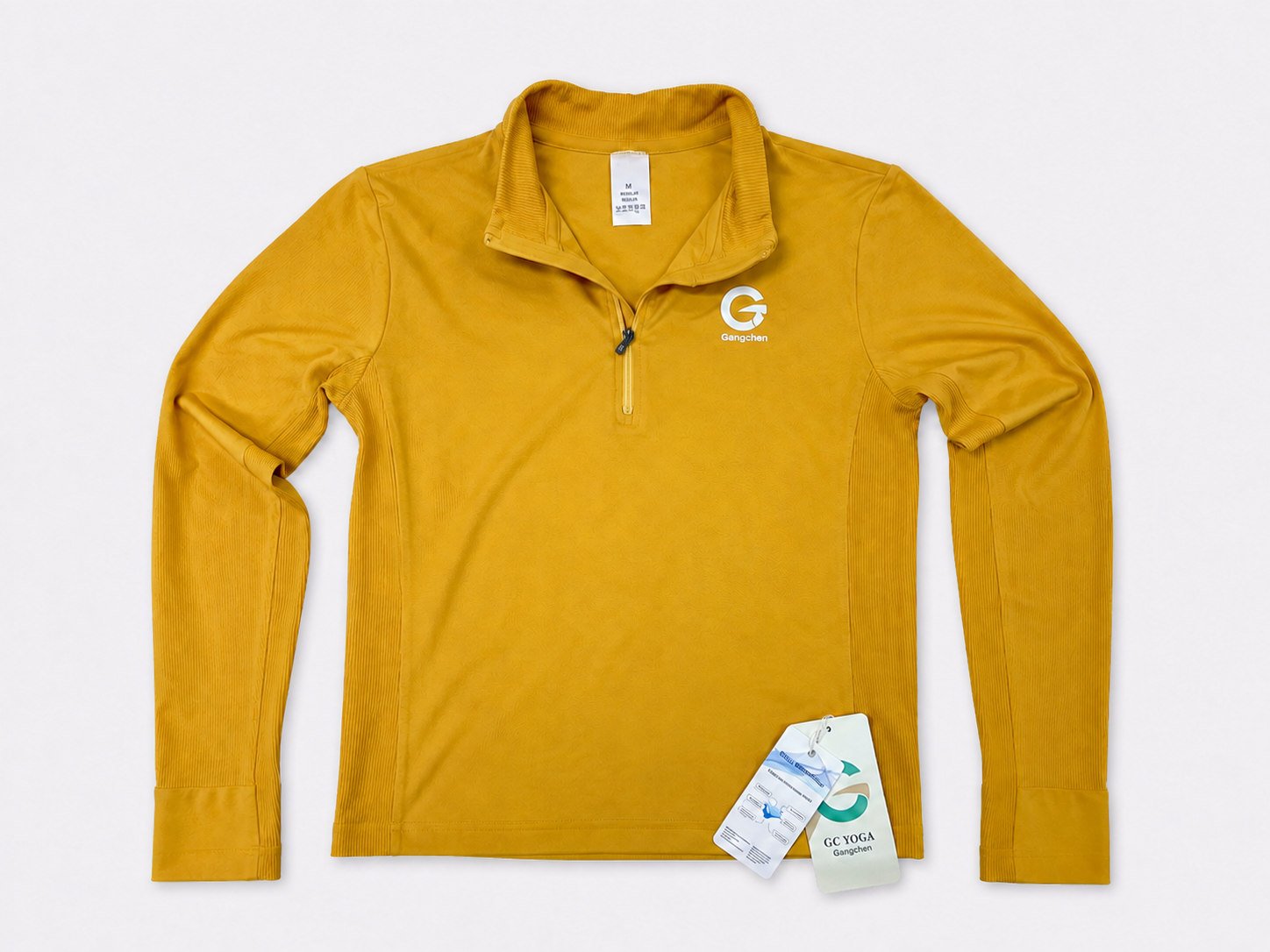
Protect the Neckline Interface and Prevent Localized Zipper Friction
A successful half-zip design also requires careful attention to the upper opening, collar and zipper termination. These areas may contact the chin, upper chest or neck during exercise. The shape and position of the surrounding material therefore matter alongside the visual appearance of the zipper.
Collar Geometry: A standing collar, low neckline or another approved opening shape creates different contact conditions. Collar height, circumference and the relationship between the front opening and back neckline should be evaluated on the intended wearer. A collar that appears balanced on a table may sit differently when the garment is worn.
Zipper Termination: The upper zipper end and slider may create localized pressure or rubbing. The design can be reviewed for a suitable protective finish, guard or other approved construction where required. Such features should not be described as eliminating all possible irritation.
Lower Opening Stress: The lower zipper end may concentrate force where the opening meets the stretch fabric. Construction should consider local distortion, seam strength and visual stability when the garment is pulled on, taken off or worn during movement.
Care and Dimensional Changes: Washing and drying can affect the surrounding fabric differently from the zipper tape. The approved care procedure and relevant dimensional requirements should therefore be considered when evaluating post-care placket appearance.
Manufacturing Responsibility: MOVEVOX's cut-and-sew capabilities provide a basis for reviewing half-zip constructions, but zipper sourcing, specialized hardware, reinforcement and approval conditions remain project-specific. A proposed assembly should be sampled and confirmed before it is treated as an executable production standard.
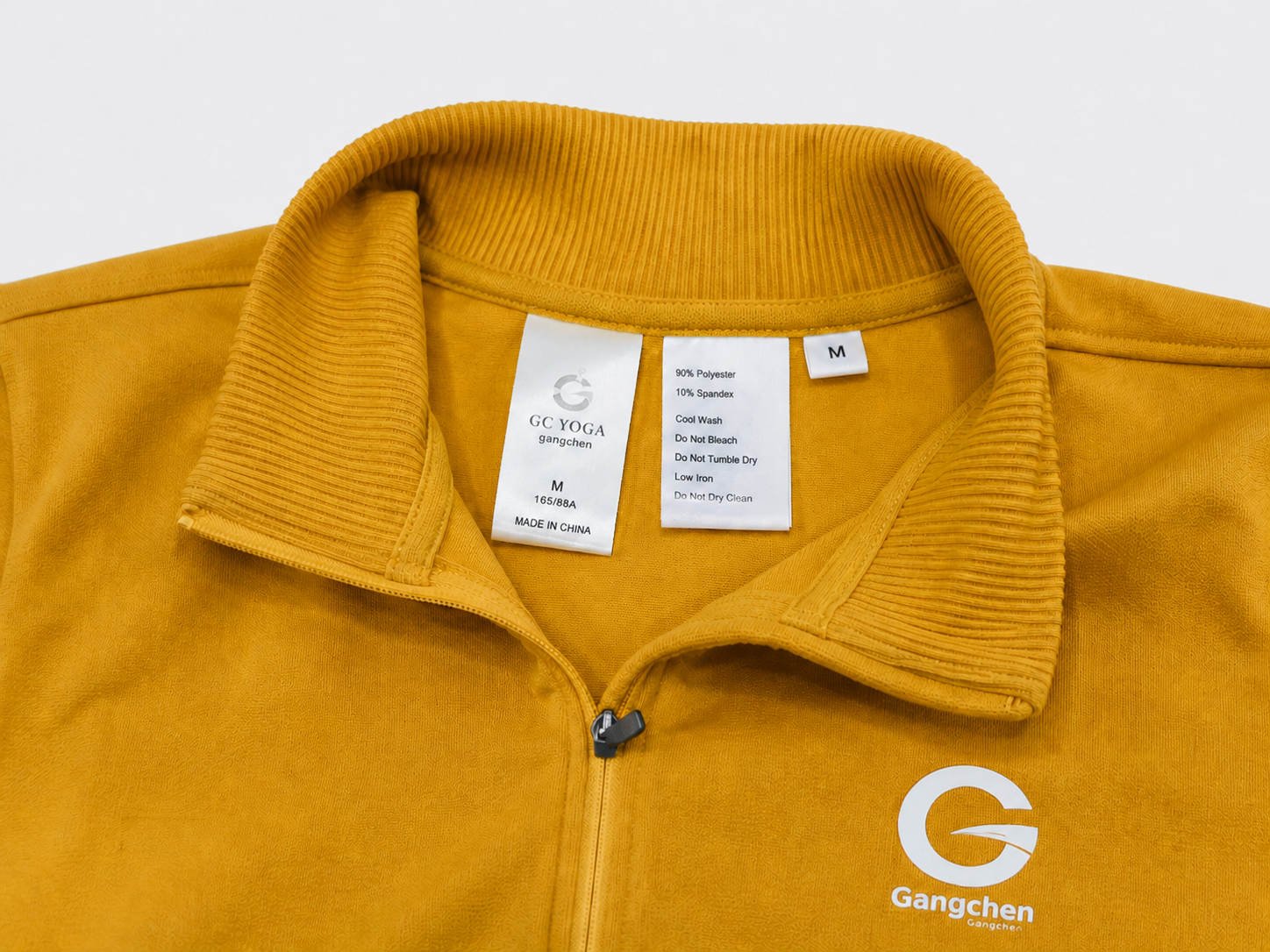
Engineer Thumbhole Cuffs Around Wrist Movement and Fit
Thumbholes extend the relationship between sleeve length and hand movement. Correct placement, sufficient wrist ease, suitable edge construction and left-right consistency should be reviewed together before the detail is approved for manufacturing.
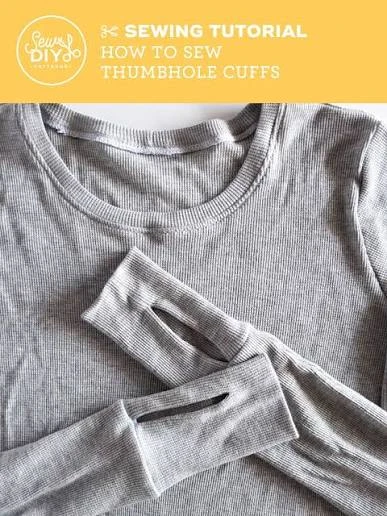
Opening Position
The opening should align with the intended thumb position when the garment is worn naturally. Its location depends on sleeve length, wrist fit and the amount of hand coverage required. If the opening sits too far forward or backward, the wearer may experience pulling through the cuff or forearm. The position should be assessed on selected fit sizes, not determined from a flat sketch alone.
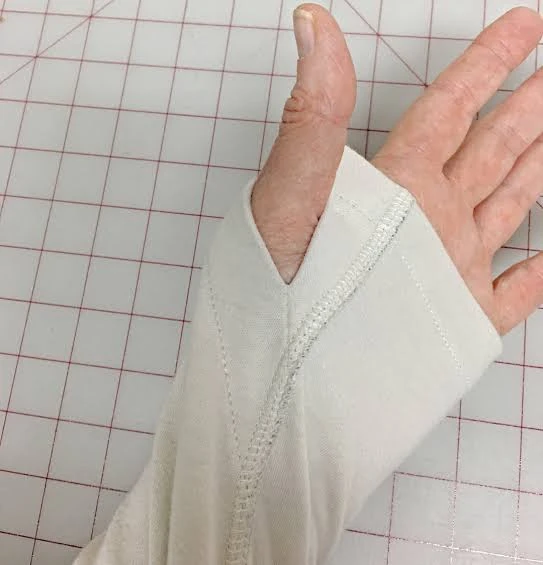
Wrist and Hand Ease
Thumbhole sleeves may extend beyond a conventional wrist opening. The additional coverage should not create uncontrolled tension when the hand moves or the elbow bends. Review the distance between the cuff edge, thumb opening and approved sleeve length. A tight wrist opening can become more restrictive when the thumbhole is used, even if the sleeve fits comfortably without it.
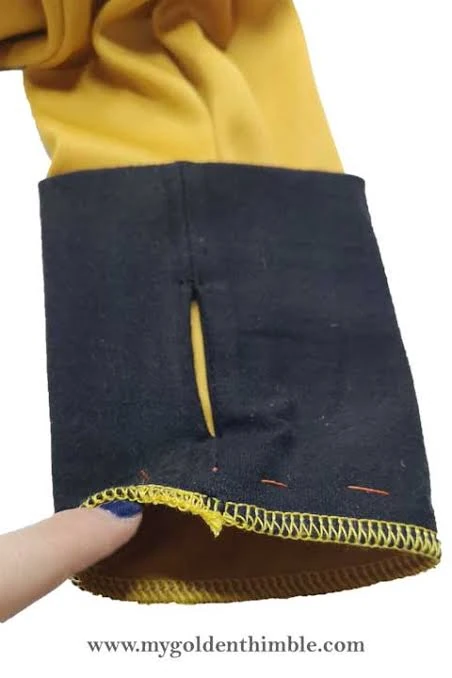
Edge Reinforcement
A thumbhole creates an opening in a high-contact region. Stitching, binding or another approved edge treatment should be selected according to fabric structure and expected movement. Reinforcement needs to control edge deformation without making the opening excessively rigid. For a project requiring specific durability performance, the method and acceptance criteria must be agreed and evaluated on the actual construction.
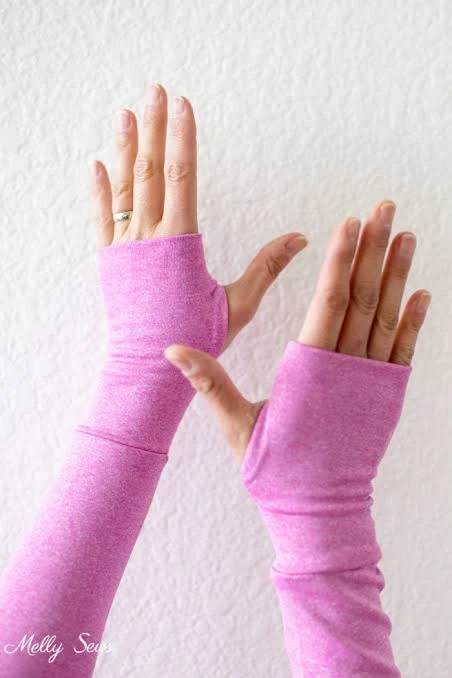
Left-Right Consistency
Matching sleeve lengths do not automatically ensure matching thumbhole positions. The orientation, distance from the wrist edge, opening dimensions and assembly method should remain consistent between sides. Sample and production reviews can compare these features against agreed measurements and workmanship references. Deviations should be assessed against the intended fit before the construction is approved.
Identify Friction Risks Across Long Sleeve Contact Zones
Long sleeves introduce additional contact surfaces beyond those of a short-sleeve top. Seams, cuff edges, placket components and fabric movement can affect comfort. These risks should be evaluated for the intended activity and wearer.
Underarm Seam Contact
Problem / Impact: Repeated arm movement may bring underarm seams into contact with adjacent fabric or skin. Excessive seam bulk, unsuitable alignment or localized tension can create discomfort during sustained activity.
Proposed Response: Review sleeve geometry, seam allowance, assembly method and fabric behavior together. A lower-profile construction may be considered where suitable, followed by movement-based sample assessment.
Evidence: Underarm construction detail.
Inner-Arm Friction
Problem / Impact: Fitted sleeves can place continuous contact along the inner arm. A seam positioned in a high-contact area may become more noticeable during running, lifting or repeated elbow flexion.
Proposed Response: Evaluate seam location, stitch profile, sleeve circumference and movement requirements. Compare realistic construction options rather than assuming any particular seam type eliminates friction.
Evidence: Sleeve seam position.
Thumbhole Edge Pressure
Problem / Impact: An incorrectly positioned or reinforced thumbhole may transfer force to the thumb web or wrist. Discomfort may increase when the sleeve moves upward as the elbow bends.
Proposed Response: Assess opening position, wrist ease, edge treatment and sleeve length on the intended fit sizes. Determine whether the opening remains suitable during hand movement.
Evidence: Thumbhole wear-position review.
Zipper-End Contact
Problem / Impact: On half-zip styles, the slider or zipper termination can contact the neck or chest. Local rigidity may also alter how the adjacent stretch fabric moves.
Proposed Response: Review collar height, zipper placement, suitable protective construction and opening geometry. Evaluate the actual assembly on a garment sample under agreed wearing conditions.
Evidence: Placket reverse-side detail.
Hem Edge Irritation
Problem / Impact: A close-fitting hem may move against the waist or layering garment during repeated bending and reaching. A rigid edge or uneven seam finish can increase localized contact.
Proposed Response: Consider hem opening dimensions, stitch extension, garment length and fabric recovery. Confirm the intended balance between coverage, stability and flexibility during fit review.
Evidence: Hem movement and stitch detail.
Develop Long Sleeves for Different Seasonal Wearing Needs
Seasonal suitability depends on the activity, fit, layering arrangement and actual fabric properties. A long-sleeve garment offers additional coverage, but coverage alone cannot establish a thermal, moisture-management or UV-protection performance rating.
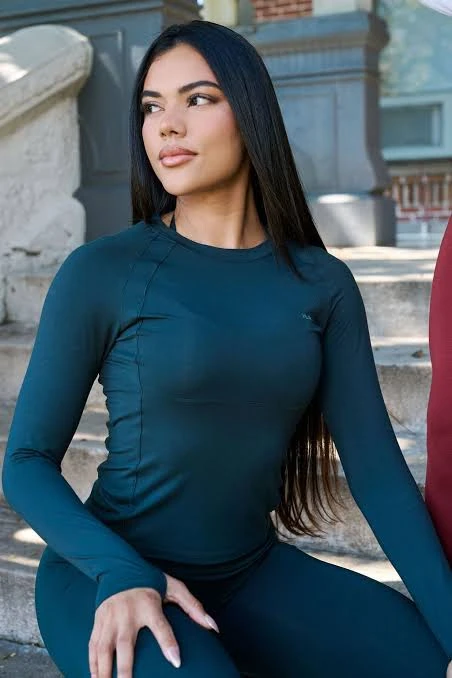
Lightweight Running Coverage
A running long sleeve may prioritize manageable fabric mass, arm mobility and appropriate coverage during repeated movement. The brand should define its intended climate and whether the garment will be worn alone or as part of a layering system. Fabric thickness, airflow behavior and moisture handling should be evaluated as separate characteristics. Sleeve length, wrist opening and seam contact become especially important when the wearer maintains repetitive arm movement over an extended period.
Product Requirements
- Evaluate shoulder freedom during sustained forward and backward arm movement.
- Specify fabric weight and coverage without assuming a performance result.
- Review sleeve contact areas and cuff positioning during repeated movement.

Studio Layering
Studio-oriented long sleeves may be worn over training bras or close-fitting base garments. The intended drape, neckline, cropped length and sleeve ease should be evaluated with those layers in place. A soft fabric may provide desirable hand feel while requiring additional review of recovery, coverage and hem behavior. The buyer should specify which layer combinations matter rather than approving the top only as a standalone sample.
Product Requirements
- Test the planned layering arrangement during bending and overhead movement.
- Confirm chest ease, sleeve coverage and acceptable fabric contact with layers.
- Review neckline, cropped hem and wrist proportions on selected sizes.
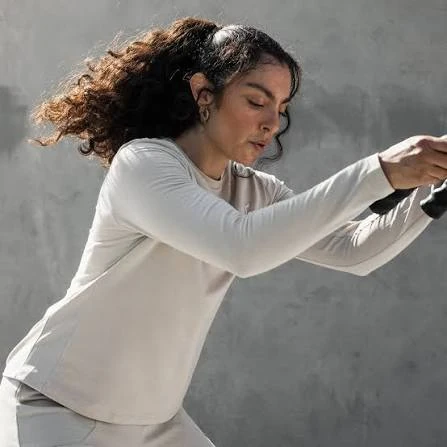
Gym Training Long Sleeve
Gym training can combine reaching, lifting, pressing and periods of rest. A fitted training long sleeve should allow the required upper-body movement without an unintended pulling sensation at the shoulders, elbows or wrists. Fabric recovery, armhole construction and stitch extension must be considered as connected design characteristics. The desired coverage and fit should be established during development rather than inferred from a nominally stretchy material.
Product Requirements
- Assess overhead reach, elbow flexion and garment-body displacement together.
- Define intended chest, upper-arm and wrist ease before pattern approval.
- Confirm relevant construction and recovery expectations using approved samples.
Everyday Athleisure Coverage
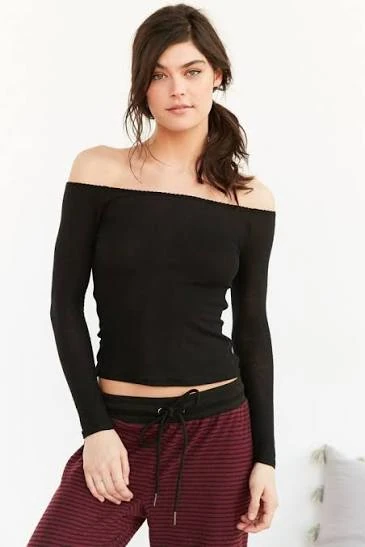
An athleisure long sleeve may prioritize silhouette, drape, visual stability and everyday care rather than a narrowly defined training function. Oversized sleeves, dropped shoulders and longer hems can create different proportion and movement requirements. The material should be assessed for surface appearance and dimensional behavior after the specified care procedure. A comfortable everyday fit still requires consistent neckline, cuff and garment-length specifications across the selected size range.
Product Requirements
- Define the intended shoulder drop, sleeve length and body proportions.
- Evaluate post-care appearance using the brand's approved care procedure.
- Confirm branding placement without compromising garment drape or hand feel.
Check Whether Your Long Sleeve Project Fits MOVEVOX
The right manufacturing discussion depends on whether your brand is developing a new style, modifying an existing product or planning repeat supply. Choose the situation that best describes your current technical and purchasing requirements.
New Long Sleeve Design
Your brand has a defined product direction but needs to confirm fabric, fit, sleeve construction and manufacturing feasibility. MOVEVOX can begin discussions from a Tech Pack, an authorized reference garment or sufficiently clear design requirements. The project should identify essential specifications before a suitable development route and commercial conditions are agreed.
Suitable Conditions
- Brand owns or may legally use submitted design references.
- Intended garment category and activity are sufficiently defined.
- Target quantity and market are available for review.
Existing Fit Revision
You already have a sample or approved product that requires improvement. The concerns may involve shoulder restriction, sleeve length, wrist tension, hem movement or care-related dimensional change. The review should distinguish manufacturing deviations from new design requirements before proposing pattern or material changes. Revised specifications require buyer approval.
Suitable Conditions
- Current sample and measurement references can be supplied.
- Fit concerns are described with locations and observations.
- Buyer can approve revised technical specifications before production.
Specialized Construction Development
Your project includes a thumbhole, half-zip opening, engineered knit structure or other nonstandard detail. These features can introduce special materials, hardware, process requirements or approval steps. MOVEVOX can assess relevant manufacturing resources, but feasibility, component sourcing and costs must be confirmed for the submitted design.
Suitable Conditions
- Specialized construction details are shown or clearly described.
- Required materials and performance expectations are separately identified.
- Sampling and technical approval are included in planning.
Seasonal Repeat Program
Your brand needs repeat supply or coordinated long-sleeve styles across different materials, colors and launch periods. Existing approvals may provide a starting point, but material substitutions, fit changes and new components should be evaluated. Production timing and purchasing commitments must be confirmed against current resources and order conditions.
Suitable Conditions
- Approved style or historical specification versions are available.
- Future quantities, colors and launch windows can be estimated.
- Material continuity and substitutions have defined approval responsibilities.
Compare Material Structures for Different Long Sleeve Uses
Fabric construction, weight and surface behavior should reflect how a long sleeve will be worn. These three material directions illustrate different design priorities. They are engineering concepts, not tested specifications or guaranteed performance categories.

Lightweight Single Layer
Cross-section A: Single knitted fabric with an intended skin-contact surface.
Knit Structure
A lightweight jersey may offer a flexible drape, but yarn selection, knitting density and finishing influence its actual behavior. Fabric mass alone does not define breathability or drying performance.
Stretch Direction
A fabric may extend differently across its width and length. Sleeve and body patterns should account for those differences, particularly in fitted garments or styles requiring repeated reaching.
Coverage
Lower fabric mass does not automatically provide sufficient opacity or coverage. The buyer should review the actual fabric under appropriate lighting and extension conditions for the intended use.
Surface Contact
A smooth-looking fabric can still produce different tactile behavior after finishing, washing or decoration. Assess the real contact surface and any seam or layering interaction in the approved garment.

Structured Training Layer
Cross-section B: More structured knit with defined fabric thickness and a selected surface finish.
Fabric Stability
A structured material may help establish a defined silhouette, but its recovery and dimensional behavior depend on the chosen construction. Increased structure does not automatically establish better durability.
Movement Response
The material should accommodate the approved pattern and movement requirements. Greater thickness or reduced extension may change the feel around the shoulder, elbow and wrist during exercise.
Dimensional Behavior
Shrinkage and relaxation should be evaluated under the intended care conditions. These properties can affect sleeve length, neckline shape, cuff positioning and overall garment proportions.
Decoration Compatibility
Printing, heat transfer and other decoration methods introduce additional material interactions. The actual fabric and proposed application should be reviewed together before the logo becomes a production specification.

Close-Fitting Base Layer
Cross-section C: Skin-contact knit used beneath another garment where specified.
Layering Friction
The outer surface of a base layer contacts another garment. Fabric texture, fit and seam position can influence how the layers move together during activity.
Close Fit
A close-fitting layer may require careful control of garment ease, seam bulk and stretch recovery. It should not be described as compression apparel without defined and supported compression requirements.
Moisture Behavior
Liquid transport, drying and fiber moisture absorption are distinct properties. Testing should target the characteristics relevant to the intended claim rather than treating composition as proof of overall comfort.
Sleeve Interface
Sleeve circumference, cuff thickness and garment length can affect layering. The design should be reviewed with the intended outer garment to assess bunching, restriction and acceptable coverage.
Overall Performance Interpretation
Material selection should begin with the intended activity, layering arrangement and fit. Lightweight, structured and close-fitting constructions each involve trade-offs among drape, recovery, coverage, air permeability and dimensional behavior. No single fiber composition or GSM value guarantees comfort across different climates. MOVEVOX can review candidate materials through its existing activewear development and sourcing capabilities; any specific performance requirement needs a defined material reference and appropriate verification.
How Does Fabric Recovery Affect Long Sleeve Fit?
Fabric recovery influences how a sleeve returns toward its original dimensions after stretching. A material may extend easily during movement but retain deformation around the elbow, forearm or cuff afterward. Recovery depends on fiber and yarn properties, knit construction, finishing, extension conditions and care history. It should be evaluated separately from initial stretch and considered together with the approved garment pattern.
Elongation
Elongation describes the extension produced under defined conditions. High elongation does not necessarily indicate suitable shape retention, comfort or durability in the finished long-sleeve garment.
Recovery
Recovery describes the extent to which a stretched material returns toward its initial dimensions. The result depends on the method, duration, applied force and recovery period.
Residual Extension
Residual extension describes deformation remaining after the material has been stretched and allowed to recover. It may influence visible bagging around an elbow or wrist.
Post-Care Change
Washing and drying can change dimensions through mechanisms other than immediate stretch recovery. Sleeve length and cuff behavior should therefore also be evaluated under specified care conditions.
Why It Matters
A fitted long sleeve should be approved using both fabric behavior and actual garment fit. Stretch alone cannot establish stable sleeve performance.
Control Sleeve Grading Across the Complete Size Range
Long-sleeve grading must preserve the intended relationship among the shoulder, upper arm, elbow, forearm, wrist and body. This specification template identifies key measurements without inventing universal values or assuming one grading rule fits every design.
Body & Shoulder
- Chest Width
- Shoulder Width*
- Body Length
Full-Sleeve Geometry
- Sleeve Length
- Upper Arm Circumference
- Elbow Circumference
- Forearm Circumference
Wrist & Thumbhole
- Wrist / Cuff Opening
- Thumbhole Position*
*Apply only where relevant to the approved garment construction. TBD means the buyer-approved value is not yet provided.
Grading and Tolerance Interpretation
A grading rule should preserve the design's fit intention rather than apply identical increments to every body area. Sleeve length, elbow circumference and cuff opening may need separate consideration, especially when a thumbhole changes how the garment interacts with the hand. Measurement methods, garment conditioning, units and tolerances must be agreed before inspection. Selected size-set samples should be reviewed to confirm whether the proposed grading creates acceptable movement and coverage.
Three Critical Considerations
- Define whether measurements are taken flat, relaxed or under another specified condition.
- Review thumbhole alignment separately where the approved style includes extended cuffs.
- Do not reuse grading rules across different patterns without technical review.
Review Coverstitch Details for Stable Cuffs and Hems
Elastic edge finishes must balance visual stability, usable extension and fabric compatibility. The proposed stitch construction should be reviewed on the selected long-sleeve material before it is approved for production.

Fold Width Control
The folded edge should maintain the intended width around the garment opening. Inconsistent folding can change the finished appearance and create uneven tension. The specification should identify the relevant fold dimensions, stitch position and inspection method for the approved cuff or hem.
Applicable Area: Bottom hems and sleeve openings using an approved folded-edge construction method.
Comfort / Durability: Maintain an even edge without excessive bulk or localized restriction during movement.
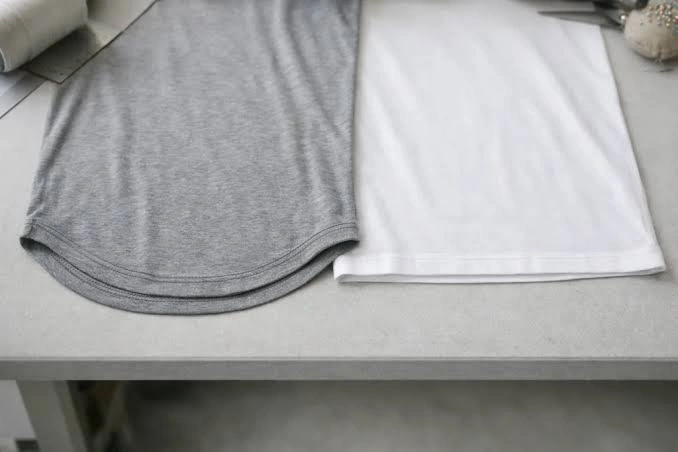
Topside Stitch Appearance
Visible stitches should correspond to the approved construction reference. Irregular spacing, excessive thread tension or poor alignment may create an unacceptable appearance. Stitch selection and machine settings should be reviewed for the actual knit fabric rather than transferred unchanged from a different material.
Applicable Area: Visible sleeve hems, bottom hems and other approved coverstitch finishing positions.
Comfort / Durability: Preserve the intended appearance while allowing suitable extension at the finished edge.

Underside Thread Formation
The underside of a coverstitch contributes to its construction and can influence contact feel. Thread coverage, consistency and stitch formation should be assessed against the selected fabric and approved specification. The underside should not be ignored merely because it is not visible when the garment is worn.
Applicable Area: Inner surfaces of approved coverstitched sleeve or body hems and relevant bindings.
Comfort / Durability: Avoid unacceptable thread irregularities and excessive localized bulk at skin-contact regions.
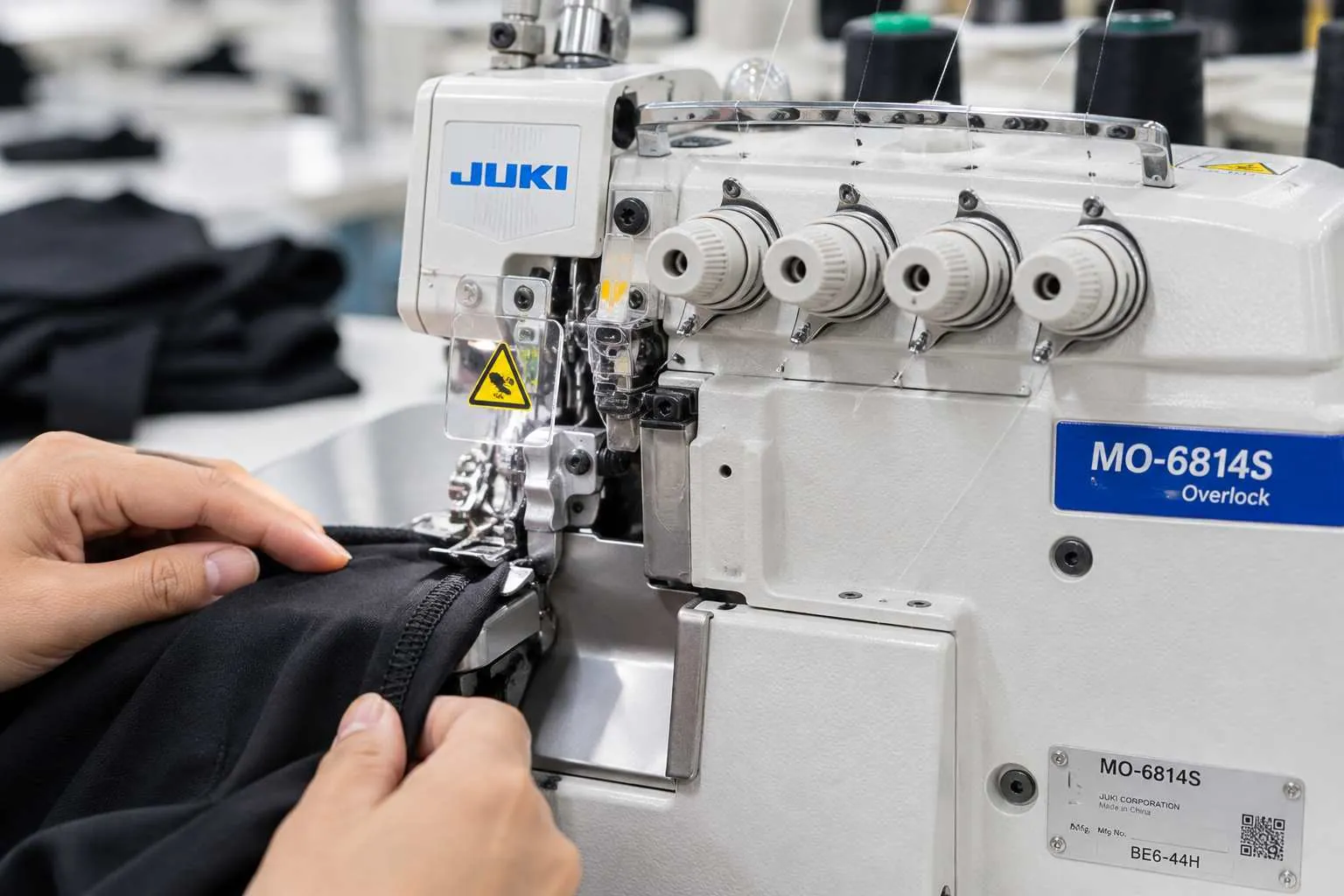
Differential Feed Response
Feeding conditions influence how knitted fabric enters and leaves the sewing operation. An unsuitable relationship between feeding and stitch formation can contribute to waviness or distortion. Settings should be evaluated through practical sewing trials and judged against the approved finished appearance.
Applicable Area: Stretch fabrics with a tendency to extend or distort during edge finishing.
Comfort / Durability: Reduce visible waviness while retaining the required flexibility of the finished opening.

Stitch Extension
A hem may appear flat while relaxed yet restrict movement when the material stretches. The selected thread, stitch formation and fabric should therefore be considered together. Extension requirements should reflect actual garment use and should not be inferred from the stitch name alone.
Applicable Area: Fitted cuffs, stretch hems and other garment openings requiring controlled extension.
Comfort / Durability: Allow the intended movement without unacceptable thread failure or rigid edge behavior.
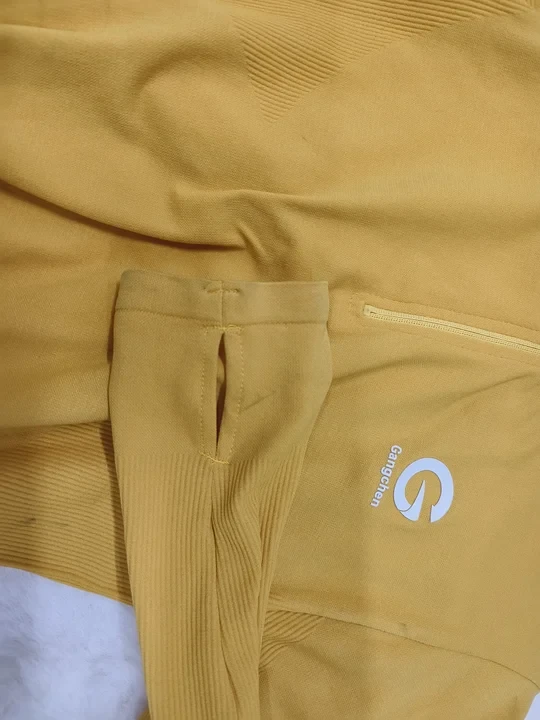
Edge Waviness Assessment
Waviness can result from fabric relaxation, improper feeding, unsuitable stitching or dimensional changes during care. The cause should be investigated before adjusting the accepted standard. A smooth appearance achieved only by excessive pressing does not necessarily represent a stable construction.
Applicable Area: Finished cuffs and hems where edge appearance changes during manufacturing or care.
Comfort / Durability: Maintain the approved edge profile without masking underlying construction or dimensional problems.
Compare Hem Behavior Across Long Sleeve Silhouettes
Body length changes the relationship between garment coverage, movement and proportion. Cropped, regular and longer long-sleeve styles should each have their own approved measurements, hem construction and movement expectations.

Cropped Studio Long Sleeve
A cropped long sleeve may coordinate with high-waisted leggings or shorts, but the intended pairing does not eliminate fit requirements. The shorter body length makes hem movement more noticeable when the arms are raised. Review front and back balance, hem opening dimensions and the garment's position during reaching or bending. The approved sample should represent the actual coverage expected by the brand, not simply the shortest possible design.

Regular Training Long Sleeve
A regular-length training top should balance everyday coverage with upper-body freedom. Hem displacement may be influenced by shoulder geometry, fabric friction, body ease and sleeve construction. A relatively close-fitting garment may move differently from a relaxed version using the same nominal material. Sample approval should identify the acceptable hem position and finished dimensions, including changes that may occur after the approved care procedure.
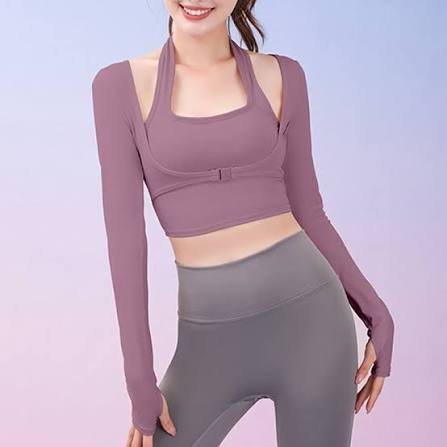
Longline Layer
A longer long-sleeve silhouette can change garment drape, fabric contact and the amount of material around the hips. Extra length does not automatically increase stability; it may introduce additional movement or friction against another clothing layer. Review the lower-body fit, hem circumference and front-back length relationship. The final design should meet the intended layering and appearance requirements during standing, reaching and seated movement.
Map Engineered Knit Zones Across Seamless Long Sleeves
Compatible seamless long sleeves may use different knitted structures across the garment. The actual options depend on yarn, machine capability, garment architecture and finishing. Zoned construction should be evaluated for manufacturability before any performance benefit is claimed.
Chest Structure
The front-body region may use a suitable knitted structure to meet the intended stretch, coverage and appearance. Its behavior should be evaluated against the approved fit and material specification.
Back Structure
Selected knit textures may influence drape, stretch or airflow behavior. A different back structure should be reviewed for directional extension, appearance and compatibility with the surrounding garment.
Underarm Zone
An engineered underarm area may alter local knit structure or texture. The feasibility and usefulness of this approach depend on the program and intended garment, including any required joining operations.
Elbow Region
The elbow experiences repeated bending and may benefit from an appropriately designed extension pattern. A special knit zone should not be assumed to improve recovery without relevant material evaluation.
Forearm Structure
The forearm may use a selected rib or textured knit where technically suitable. The approved design should consider its circumference, visible appearance and behavior following movement and relaxation.
Wrist Opening
A compatible knitted cuff can influence the wrist opening's fit and recovery. The finished circumference and transition to the sleeve must be controlled for the intended size range.
Feasibility and Dimensional Control
MOVEVOX's core manufacturing resources include 28 Italian Santoni seamless knitting machines. Their presence supports review of compatible seamless designs, but does not guarantee that every zone, sleeve construction or size range can be knitted as initially drawn.
Yarn type, machine parameters, programmed stitch structure, garment dimensions and finishing can change the result. Proposed zones should be reviewed through relevant knitting trials and finished-sample measurements. Where a design cannot be achieved through the selected seamless route, a revised knit structure or suitable cut-and-sew alternative should be considered before commercial approval.
Choose Manufacturing Routes Based on Long Sleeve Construction
Cut-and-sew and seamless knitting involve different technical constraints. The appropriate route should be selected according to the approved sleeve design, fabric requirements, opening construction, fit and finishing rather than a general preference.

Cut-and-Sew Construction
Cut-and-sew manufacturing is an appropriate route to evaluate for long sleeves requiring defined pattern pieces, half-zip openings, complex panel placement or multiple fabric types. The process allows technical attention to sleeve geometry, armhole assembly, cuff finishing and placket construction. However, feasibility still depends on available materials, equipment, specialized operations and approved workmanship requirements. A new zipper or thumbhole design may require a construction trial before cost and timing are confirmed. MOVEVOX has established cut-and-sew activewear resources for suitable projects.
Technical Review Points: Pattern geometry, seam construction, zipper compatibility, cuff details, fabric direction and grading.
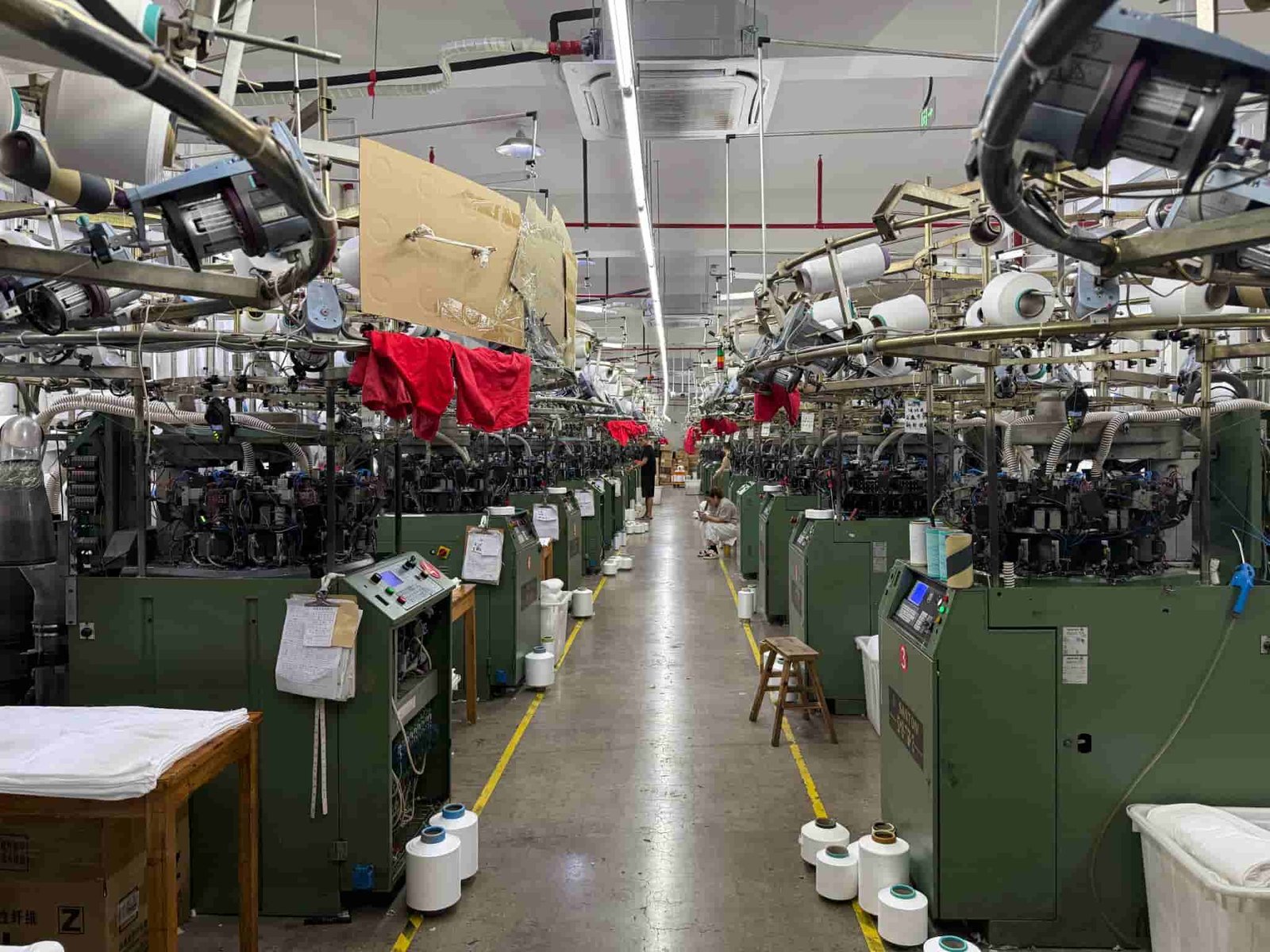
Seamless Knit Construction
Seamless knitting may suit compatible long sleeves requiring programmed textures, rib structures or selected engineered knit regions. The manufacturing route depends on machine capability, yarn selection, garment dimensions, knitting program and finishing. Seamless does not necessarily mean a garment without any subsequent sewing or joining operations. A complex sleeve, half-zip or nonstandard opening may require another construction approach. MOVEVOX operates 28 Italian Santoni machines, but a specific design must be technically assessed before seamless production is confirmed.
Technical Review Points: Machine compatibility, yarn supply, knit programming, size feasibility, finishing and physical sample results.
Prioritize Long Sleeve Requirements Before Manufacturing Approval
A long-sleeve design may satisfy its visual brief while retaining unresolved manufacturing risks. This proposed decision ladder helps brands establish which product requirements must be clarified before sampling, quotation and production assumptions become reliable.
Movement Requirements
Define the intended activity, essential arm movements and acceptable garment displacement. Shoulder freedom, elbow bending and wrist coverage may require different fit decisions rather than one general stretch specification.
Execution Evidence: Approved product brief, target movements and selected fit-review requirements recorded before sampling.
Sleeve and Cuff Geometry
Confirm armhole dimensions, sleeve length, elbow and forearm ease, cuff opening and thumbhole location where applicable. These measurements should correspond to the intended size range and sample-review procedure.
Execution Evidence: Draft pattern, clear measurement points and documented sleeve or cuff technical questions.
Placket and Hem Construction
Review applicable zipper specifications, stabilization, collar contact and hem finishing. Determine whether any proposed detail requires a separate construction trial or specialist material before production feasibility can be accepted.
Execution Evidence: Construction drawings, approved component references and practical assembly review where technically necessary.
Material Compatibility
Assess candidate fabric properties against the chosen fit, stitching, openings and layering requirements. A material change may reopen previously agreed assumptions about sleeve length, recovery or decoration.
Execution Evidence: Identified fabric specifications and required sample or test criteria linked to the proposed design.
Commercial Feasibility
Review material minimums, component availability, size and color breakdown, technical approvals and production allocation. Commercial commitments should reflect the executable garment standard rather than an unverified concept.
Execution Evidence: Project-specific sourcing assumptions, approval responsibilities and commercially reviewed RFQ information.
Balancing the Priorities
MOVEVOX's development, cut-and-sew, seamless knitting and sourcing resources provide a foundation for discussing these priorities. The appropriate decision order may vary by project: an established pattern with a new material has different risks from a new half-zip construction. Technical feasibility, the approved product standard and commercial conditions should be considered together before the buyer authorizes production.
Ready to Review Your Custom Long Sleeve Design?
Share your Tech Pack, authorized reference garment or current development specifications with MOVEVOX. Include the intended activity, fabric, sleeve fit, cuff details, placket construction and expected order structure where available. Our team can discuss technical feasibility and sampling requirements before project-specific pricing, capacity and delivery commitments are confirmed.
Initial review can identify missing specifications and proposed next steps; it does not constitute automatic production approval.
Prepare Complete Technical Specifications for Long Sleeve Development
A useful Tech Pack describes the finished garment and the standards used to approve it. Long sleeves need additional attention to armhole geometry, sleeve measurements, cuff construction, body length and optional front openings.
Technical Flat Sketch Required
Provide front and back views showing garment silhouette, sleeves, neckline, seams, body length and construction details. Add specific drawings for thumbholes, half-zip openings or unusual panels. Each design feature should be identifiable without relying on a general reference photograph.
Activity and Layering Required
State the intended activity, wearing conditions and whether the long sleeve will be worn alone or with other garments. Explain whether the product prioritizes close fit, layering ease, coverage, mobility or particular performance characteristics. These requirements influence subsequent technical decisions.
Fabric Specification Required
Identify the intended composition, fabric structure, weight, color and relevant stretch or recovery requirements. When the material is not yet selected, specify performance priorities and acceptable trade-offs. Any fabric substitution affecting critical dimensions or appearance should require appropriate approval.
Armhole and Shoulder Required
Provide the desired sleeve type, shoulder position, armhole construction and applicable dimensions. Set-in, raglan and other designs may require different measurement methods. If movement restrictions are a major concern, identify the relevant fit-review actions before sampling.
Sleeve Measurement Points Required
Define sleeve length and applicable upper-arm, elbow, forearm and wrist measurements. Explain how each point is measured on the garment. Include the intended size range and grading rules. Avoid using undefined expressions such as standard sleeve length without a reference.
Cuff and Thumbhole Required if applicable
Specify cuff circumference, height, finishing method and any thumbhole position, opening dimensions or orientation. Include a drawing that identifies left and right construction. The selected edge method should be compatible with the actual material and approved fit.
Placket Construction Required if applicable
For half-zip or another front-opening design, identify the zipper reference, opening length, collar shape, attachment details and required protective finish. Distinguish approved hardware from optional alternatives. Special components may affect sampling, MOQ and production timing.
Hem and Body Length Required
Document body length, hem circumference, front-back differences and the selected finishing method. State any coverage or movement requirements relevant to the silhouette. Cropped and longline garments should not inherit a generic body-length tolerance without technical review.
Grading and Testing Required
Provide the size chart, approved tolerances, relevant care procedure and required performance or chemical tests. Identify the target market and whether claims such as quick drying, UV protection or compression require specific support. Test results must correspond to identifiable materials or products.
Commercial Project Brief Required
Share the proposed quantity, color and size breakdown, branding, packaging, target market and intended delivery period. A budget or target price may help clarify sourcing options. Initial estimates should not be treated as confirmed purchase-order quantities or delivery commitments.
When Specifications Are Incomplete
MOVEVOX can begin technical discussions using a Tech Pack, authorized reference garment or sufficiently defined product concept. Missing information should be recorded as open questions. A proposed review can identify which details require drawings, material samples, fit evaluation or sourcing confirmation before a reliable quotation and development schedule can be established.
Validate Full-Sleeve Fit Through Defined Sample Review Stages
Long-sleeve fit approval should connect garment measurements with actual movement. The following proposed review sequence identifies different decision stages so that a change to one area does not unintentionally alter another approved requirement.
Base Fit Review
The first fitting establishes whether the silhouette, chest dimensions, shoulder balance and sleeve proportions correspond to the development brief. Reviewers should identify whether any visible issue comes from pattern geometry, material behavior or assembly. The initial sample is a development reference, not automatic bulk authorization.
Customer Inputs
- Current fit specification and intended wearer profile.
- Approved material direction and reference garment information.
- Consolidated base-size fit comments and measurements.
Proposed MOVEVOX Outputs
- Development sample with identified pattern and fabric versions.
- Measurement observations against the current technical specification.
- Proposed revision points requiring customer review or approval.
Approval Standard: Proceed when critical base-fit issues are documented and the next pattern or construction revision is agreed.
Dynamic Arm Review
Assess selected overhead, forward-reaching and elbow-bending movements to understand the relationship among the armhole, sleeve and garment body. Review observations should identify where pulling, twisting or unintended hem movement occurs. Any proposed correction must be evaluated against the intended silhouette.
Customer Inputs
- Agreed activities and movements relevant to product use.
- Acceptable sleeve and garment coverage expectations.
- Fit photographs or review notes where available.
Proposed MOVEVOX Outputs
- Structured record of observed arm-movement concerns.
- Proposed pattern or construction changes for approval.
- Updated sample reference where changes are required.
Approval Standard: Approve the reviewed movement conditions and resolve critical restrictions against the agreed product criteria.
Wrist and Cuff Review
Review the final sleeve length, wrist opening and cuff stability. Where a thumbhole is included, assess its position relative to the intended hand coverage and elbow movement. A cuff may require adjustment even when the overall sleeve measurement appears correct.
Customer Inputs
- Approved cuff and thumbhole dimensional requirements.
- Selected fit sizes and intended wearing conditions.
- Comments identifying pressure, displacement or appearance issues.
Proposed MOVEVOX Outputs
- Cuff or thumbhole construction observations and measurements.
- Proposed changes to position, circumference or edge finish.
- Updated sample details for customer approval where necessary.
Approval Standard: Confirm the intended wrist fit, edge appearance and thumbhole behavior for the agreed review scope.
Placket and Hem Review
For applicable designs, assess the half-zip opening, collar contact and hem behavior during movement. Confirm that the selected hardware and edge construction are compatible with the approved fabric. If the garment uses no placket, that part of the review should be marked not applicable.
Customer Inputs
- Approved zipper and hem requirements where applicable.
- Intended layering arrangement and garment-length expectations.
- Consolidated feedback on appearance, movement and comfort.
Proposed MOVEVOX Outputs
- Construction findings linked to approved component references.
- Proposed correction options and effects on existing approvals.
- Revised sample or technical detail where modification is needed.
Approval Standard: Close applicable placket and hem deviations before accepting the corresponding construction for production preparation.
Revision and Size Approval
After resolving critical fit and construction questions, consolidate the approved versions of patterns, materials, grading and workmanship. The buyer should determine the selected size-set review scope. Changes introduced after approval must be evaluated rather than silently incorporated into production.
Customer Inputs
- Consolidated final comments and authorized design decisions.
- Current measurement chart and size-set requirements.
- Confirmed material, branding and construction references.
Proposed MOVEVOX Outputs
- Updated technical reference and identified sample versions.
- Size-set review findings for the agreed scope.
- List of remaining questions before pre-production approval.
Approval Standard: The required sizes and critical technical details are accepted, with outstanding changes clearly controlled.
Lock Eight Long Sleeve Requirements Before Bulk Production
A Pre-Production Sample should represent the agreed product standard rather than a new design proposal. These eight approval points identify the material, fit, construction and release information that a long-sleeve program should resolve before bulk manufacturing.
Approved Fabric Reference
The production reference should identify the approved material, color and relevant specifications. Changes in stretch, recovery, thickness or finish may alter fit and construction behavior. If production material differs from the development sample, the implications should be assessed and approved rather than treated as a routine substitution.
Approval Reference: Identified fabric specification, approved color standard and associated sample version.
Final Pattern Version
The approved pattern should correspond to the intended silhouette and current measurement chart. Changes to armhole geometry, body balance or garment length must be reflected in the technical documents. A physical sample and the associated pattern version should be traceable to the same approved construction.
Approval Reference: Final pattern, applicable size chart, measurement methods and buyer fit approval.
Armhole and Sleeve
Shoulder, armhole and full-sleeve geometry should meet the approved construction and movement requirements. Relevant controls may include sleeve pitch, upper-arm dimensions, elbow ease and left-right symmetry. Critical differences should be identified before manufacturing expands beyond the agreed pre-production scope.
Approval Reference: Sleeve construction standard, approved dimensions and selected fit-review findings.
Cuff Construction
The production sample should represent the selected cuff fabric, opening circumference, edge finish and relevant stitch method. If a fitted cuff requires stretch recovery, the acceptable result and method should be defined. An alternative cuff construction should not replace an approved version without authorization.
Approval Reference: Cuff measurements, material identification, workmanship details and corresponding approved sample.
Thumbhole Details
Where a thumbhole is part of the design, the production reference should identify its position, dimensions, orientation and edge construction. Left-right consistency and intended hand coverage should be considered. The buyer should distinguish the approved thumbhole from an untested alternative opening method.
Approval Reference: Thumbhole technical drawing, sample detail and agreed dimensional or workmanship criteria.
Placket and Hardware
For half-zip garments, the selected zipper and placket construction should correspond to the approved sample. Relevant details include opening length, zipper attachment, collar relationship, stabilization and any required protective finish. Hardware substitutions may affect appearance, comfort or sourcing conditions.
Approval Reference: Zipper reference, approved assembly details, construction sample and relevant authorization.
Hem and Body Length
The pre-production reference should show the approved garment length, hem finish and acceptable appearance. Cropped and longer silhouettes may require different inspection criteria. Any body-length changes after pattern approval should be reviewed alongside armhole, sleeve and movement considerations.
Approval Reference: Body-length specifications, hem workmanship standard and accepted garment sample.
Final Production Release
A completed pre-production review should identify the sample, specification version, remaining deviations and authorized release decision. Producing a sample is not the same as granting unrestricted bulk approval. The agreed technical and commercial prerequisites should be fulfilled before the corresponding production authorization is issued.
Approval Reference: Identified PP Sample, technical approval record and documented release decision.
Prevent Critical Defects in Long Sleeve Activewear Production
Long-sleeve defects may originate in materials, patterns, cutting, knitting, assembly or finishing. This matrix identifies common technical risks and appropriate controls. It is an engineering guide, not a record of defects found in MOVEVOX customer orders.
| Defect | Likely Cause | Prevention | Inspection Point | Corrective Action |
|---|---|---|---|---|
| Sleeve Twisting | Fabric orientation, structural torque, cutting alignment or assembly conditions may shift the sleeve's intended position. | Control material direction, pattern references and appropriate relaxation; review relevant fabric behavior before production. | Check sleeve seam or knit alignment in the relaxed garment and after care where specified. | Identify material, cutting or assembly causes; contain affected units and verify corrections against the approved standard. |
| Armhole Pulling | Sleeve pitch, armhole depth, body balance or restricted material extension may create excessive tension during movement. | Review the approved pattern and movement requirements before releasing critical construction dimensions. | Observe the selected fit movements and compare garment measurements with approved technical references. | Determine whether pattern or construction needs revision; obtain authorization for changes affecting the approved design. |
| Cuff Waviness | Incorrect edge feeding, material recovery, attachment tension or dimensional change may distort the finished opening. | Approve suitable cuff material, stitch method and construction settings using actual sample fabric. | Examine cuff edge appearance, opening dimensions and relevant post-care behavior. | Review material and sewing conditions; correct the process and reinspect affected production. |
| Thumbhole Edge Damage | Unsuitable edge treatment, opening placement or concentrated tension may contribute to distortion or stitch failure. | Define opening geometry, finishing details and any required durability evaluation before bulk approval. | Inspect the opening, symmetry, visible edge condition and agreed functional requirements. | Segregate affected garments, identify the cause and approve any change to reinforcement or construction. |
| Placket Distortion | Zipper tape and garment fabric may respond differently to tension, assembly or care, causing waviness. | Review hardware, placket dimensions, attachment and stabilization through an approved construction sample. | Check zipper alignment, opening dimensions and appearance in the garment's relevant wearing conditions. | Investigate component compatibility and assembly; obtain approval before using alternative zipper or reinforcement materials. |
| Hem Tunneling | Stitch tension, folded-edge geometry or feeding conditions can create raised channels along the hem. | Select suitable thread, stitch formation and fabric handling using the approved garment material. | Inspect visible hem profile and extension against the accepted sample. | Reassess sewing settings, identify affected units and confirm that corrections preserve required flexibility. |
| Sleeve Length Variation | Pattern identification, cutting inconsistency, knit relaxation or measurement method may affect final sleeve dimensions. | Establish clear POM definitions, grading instructions, material handling and accepted tolerances. | Measure both sleeves using the approved method, including after care where required. | Identify the variation source, isolate nonconforming units and verify any pattern or process correction. |
| Post-Care Shape Change | Fabric shrinkage, residual deformation or different component behavior may change sleeve and garment proportions. | Specify relevant care conditions and dimensional requirements; evaluate the approved material and construction. | Compare defined dimensions and appearance before and after the selected care procedure. | Investigate the material or construction issue; do not relax acceptance limits without buyer approval. |
Check Critical Long Sleeve Details During Production Stages
Inline quality checks should be linked to the approved product version and actual manufacturing process. The following checkpoints focus on long-sleeve construction rather than applying the same inspection list to every activewear garment.
Fabric Readiness
Confirm that the material entering production corresponds to the approved fabric and color references. Its identity, condition and any relevant dimensional behavior should be considered before cutting or knitting. A material change should be escalated when it affects critical product specifications.
Inspection Standards
- Identify the approved fabric and material reference correctly.
- Confirm applicable color and construction requirements before release.
- Record substitutions requiring authorization under project rules.
Status: Check against approved specifications.
Cutting or Knitting Reference
Verify that the responsible operation uses the correct pattern, size or knitting program. Material direction, relaxation and size information can influence sleeve dimensions and garment balance. The checks should reflect whether the style is cut-and-sew or seamless.
Inspection Standards
- Confirm current technical version and designated production route.
- Check relevant material orientation or knitting program identity.
- Review applicable cutting or finished-knit dimensional conditions.
Status: Check against approved specifications.
Armhole Assembly
The armhole and sleeve join should correspond to the approved garment structure. In cut-and-sew styles, sewing alignment, seam profile and sleeve positioning may affect appearance and movement. For a different manufacturing route, equivalent critical points should be defined.
Inspection Standards
- Confirm construction against the approved physical sample.
- Check relevant sleeve positioning and left-right balance.
- Inspect visible irregularities at shoulder and underarm joins.
Status: Check against approved specifications.
Sleeve Symmetry
Sleeve length, width and placement should be compared using agreed methods. Left-right differences may be caused by cutting, assembly, knitting or material behavior. The inspection should distinguish measurable deviations from visual effects resulting from garment positioning.
Inspection Standards
- Apply the defined sleeve POM and measurement conditions.
- Compare left-right dimensions against approved tolerances.
- Record visible twisting or unacceptable attachment differences.
Status: Check against approved specifications.
Thumbhole and Cuff
Where relevant, inspect the cuff opening, edge construction and thumbhole location. The selected garment design determines which details require dimensional checks or functional evaluation. A style without thumbholes should not receive a fictional thumbhole inspection result.
Inspection Standards
- Verify cuff circumference and approved finishing method.
- Check thumbhole location and symmetry where applicable.
- Inspect edge appearance and specified workmanship requirements.
Status: Check against approved specifications.
Placket Alignment
For half-zip styles, verify the selected zipper and opening assembly against the approved reference. Relevant concerns include alignment, localized waviness, zipper termination and any agreed protective construction. Inspection criteria must reflect the actual hardware and fabric combination.
Inspection Standards
- Confirm zipper and applicable component identification.
- Compare opening dimensions and placket symmetry with references.
- Check visible workmanship and specified hardware operation.
Status: Check against approved specifications.
Hem and Body Stability
Review body length, hem finish, garment balance and relevant visual conditions. A hem may pass a flat appearance check yet behave differently after handling or care. Where the buyer requires additional evaluation, the method should be documented.
Inspection Standards
- Measure garment length using the approved reference points.
- Inspect hem alignment, stitching and visible fabric distortion.
- Assess additional movement or care requirements where specified.
Status: Check against approved specifications.
Final Product Identification
Verify that the inspected garment matches the correct style, color, size and approved labeling requirements. Similar long-sleeve styles may use different materials or cuff structures, making accurate identification important for quality and packing control.
Inspection Standards
- Confirm style and size identification against the order.
- Review applicable branding, labels and packaging requirements.
- Identify mixed versions or incorrect components before packing.
Status: Check against approved specifications.
Nonconformity and Corrective Action
When an inspection reveals a deviation, affected materials or garments should be identified and handled under the agreed quality procedure. The responsible team should examine whether the cause involves material, pattern, knitting, sewing or finishing. Any corrective action should be verified against the current approved standard. Altering a specification or acceptance tolerance requires the appropriate authorization; inspection findings alone do not justify changing the buyer's requirements.
Review Manufacturing Evidence Behind Custom Long Sleeve Development
A credible manufacturing presentation should connect each image with a specific product or process claim. These six evidence categories help buyers distinguish garment samples, construction details, manufacturing resources and actual quality records.
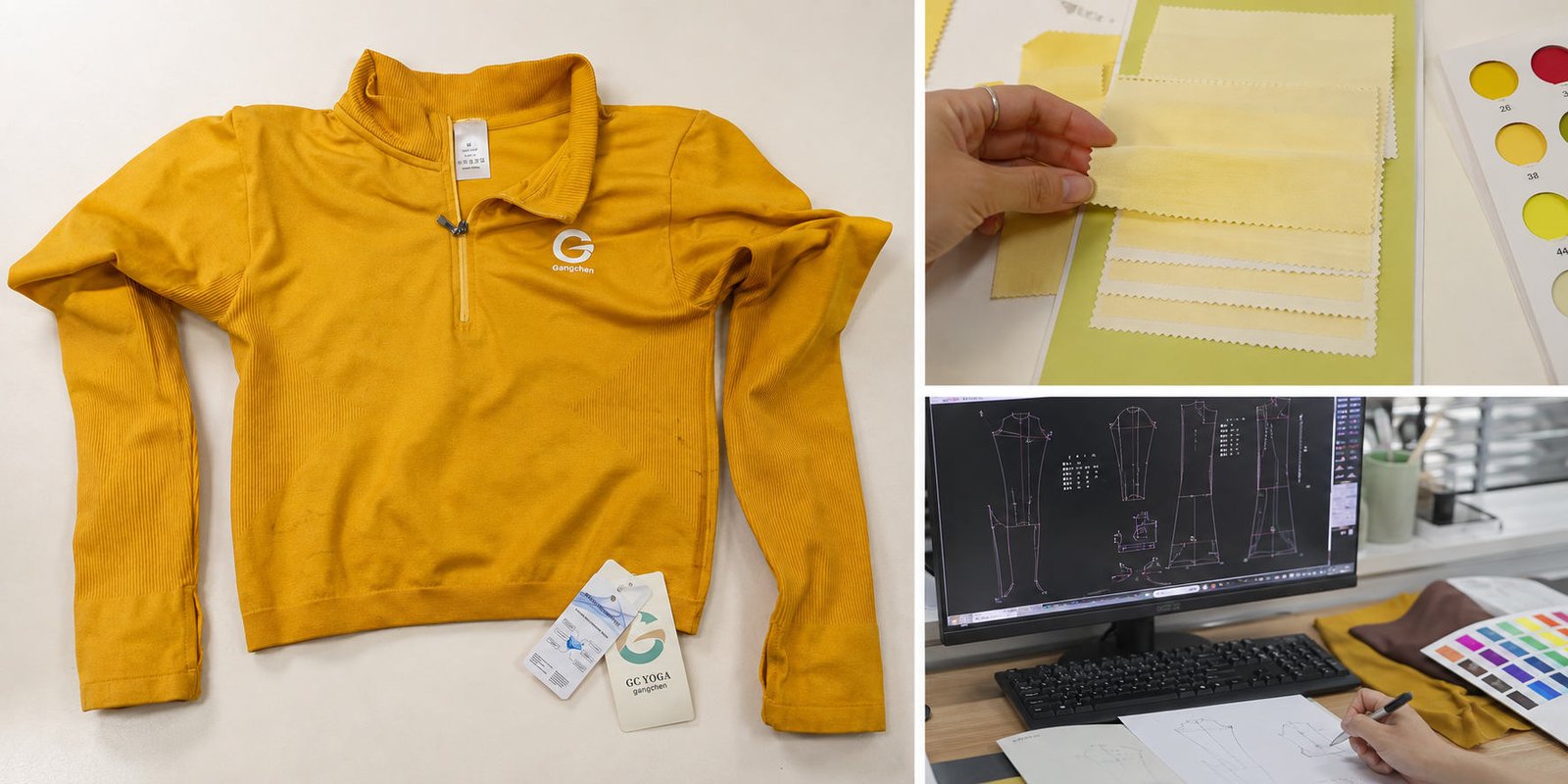
Long Sleeve Garment
A genuine long-sleeve sample should show the approved silhouette, sleeve length, neckline and body proportions. Front and back views can provide evidence of product scope, but they do not independently establish material performance or bulk production consistency. Where the garment is only a development reference, its approval status should be stated accurately.

Sleeve Pattern Detail
A relevant technical image should reveal the sleeve and armhole construction, measurement points or pattern-development references. A flat sketch can explain the intended geometry but cannot by itself prove movement performance. For a genuine development record, the version and associated product should remain identifiable after appropriate confidentiality protection.

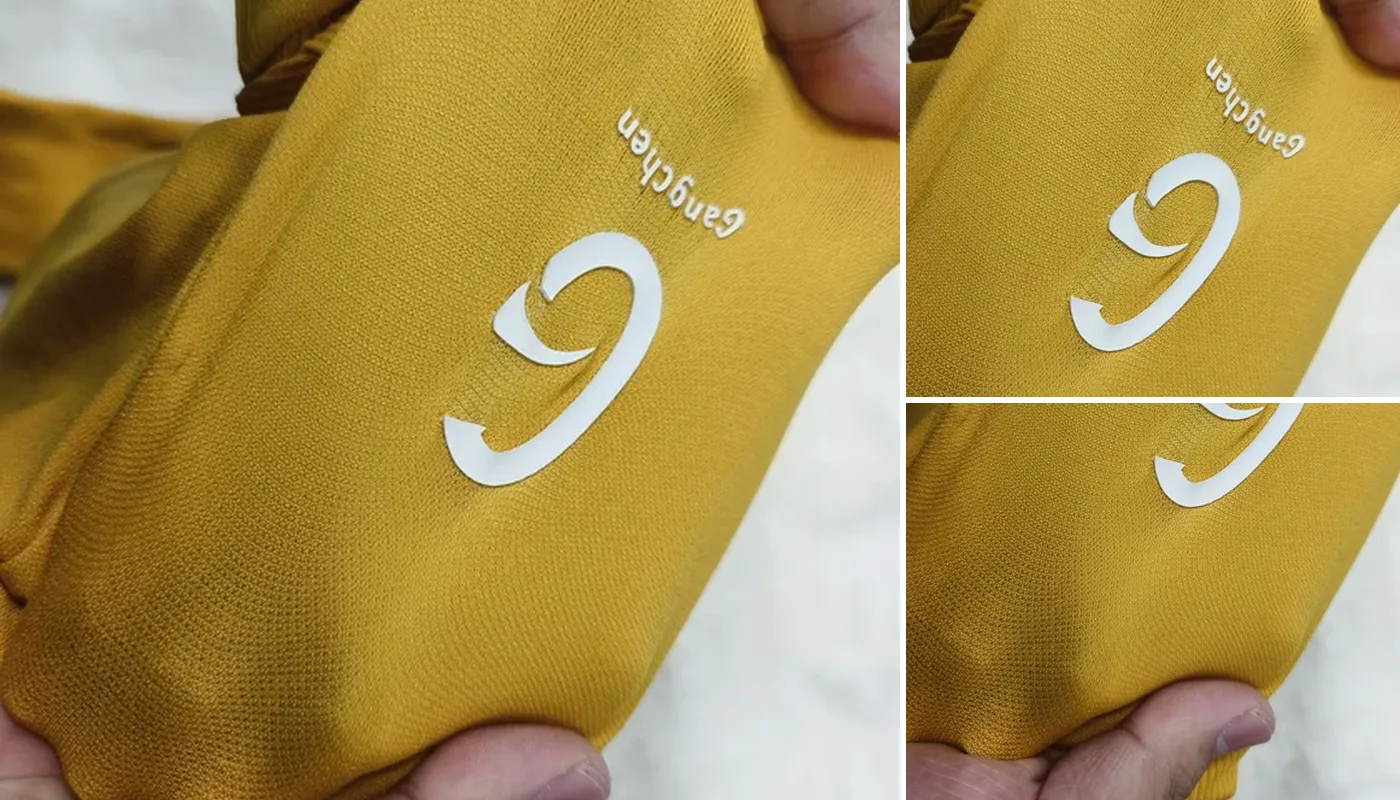
Cuff and Thumbhole
A close-up should show the actual opening, finishing method, edge construction and relevant alignment details. The image must correspond to the material and garment being discussed. General branding imagery or an unrelated sewn seam does not provide equivalent evidence for thumbhole workmanship or wrist-fit approval.

Half-Zip Placket
A useful placket image should reveal zipper attachment, opening alignment and the relevant collar or termination details. Reverse-side photographs may be needed to explain reinforcement or protective construction. If the supplier does not have a verified long-sleeve placket sample, the space should remain unfilled rather than using an unrelated jacket assembly as proof.
Manufacturing Operation
Actual factory photographs can establish the presence of cut-and-sew operations or Santoni knitting resources. However, a machine photograph does not prove that a specific proposed long sleeve has been successfully manufactured. The page should distinguish general equipment capability from identifiable product-specific production evidence.
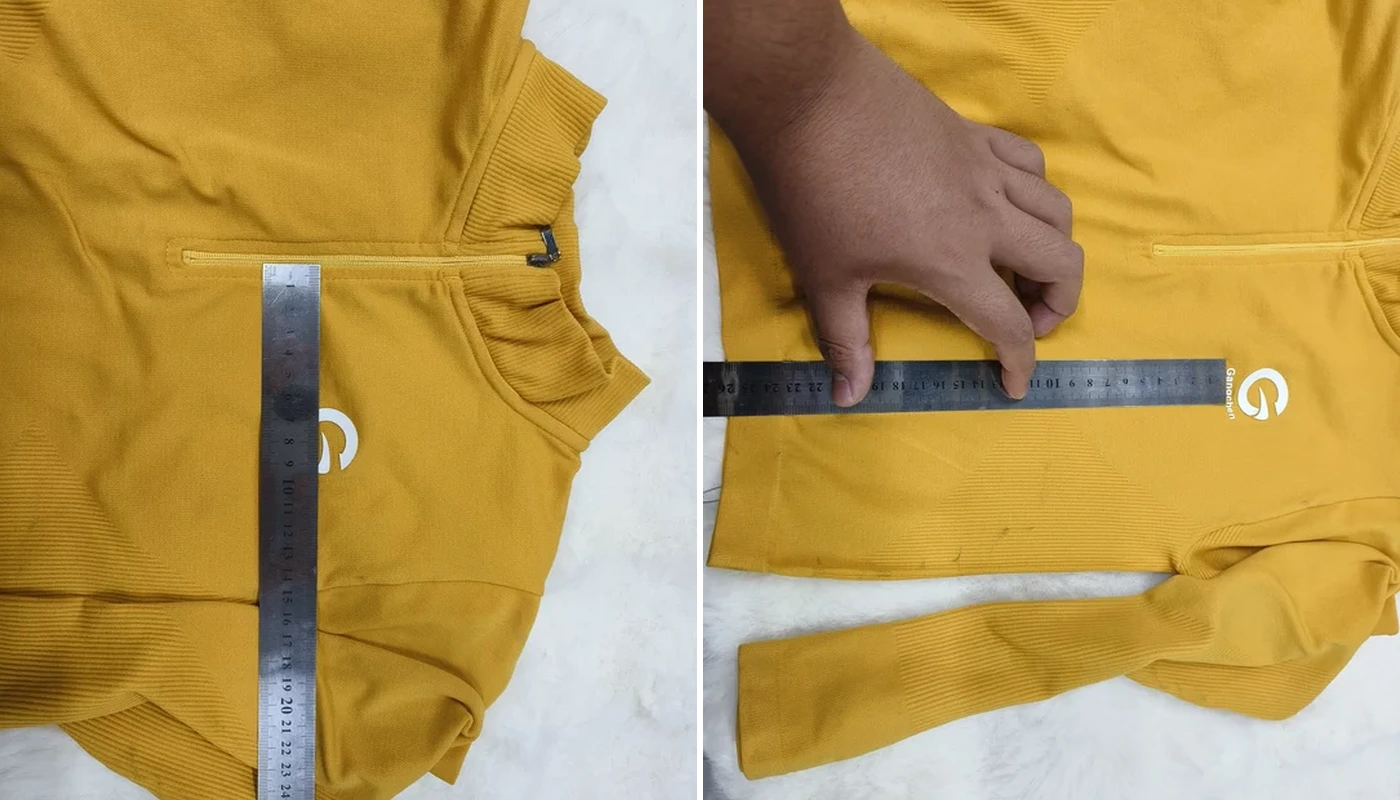
Measurement and QC
An authorized inspection image or anonymized record should show which garment was checked, which specification applied and what was examined. An unlabeled quality photograph has limited value. Where a real long-sleeve inspection record is unavailable, use a clearly identified educational template without representing it as a completed production document.
Verify MOVEVOX Manufacturing Identity and Supplier Evidence
Supplier qualification requires more than attractive product photographs. Procurement teams should be able to distinguish the contracting company, owned manufacturing resources, cooperating facilities and the evidence supporting quality or compliance statements.
Legal Business Entity
MOVEVOX is the activewear manufacturing and sourcing brand operated by Yiwu Chenjin Import And Export Co., Ltd., based in Yiwu, Zhejiang, China. Buyers should confirm the legal entity appearing on quotations, contracts and other commercial documents before supplier approval. A brand name and registered contracting entity are not necessarily identical, and neither should be represented as the other without explanation.
Owned Manufacturing Resources
MOVEVOX's core production system includes a facility of approximately 6,000 square meters, 28 Italian Santoni seamless knitting machines and around 24 principal cut-and-sew garment machines. These are company-level manufacturing resources. Their existence does not prove that all long-sleeve configurations, special components or production quantities can be executed without further technical and capacity review.
Coordinated Manufacturing Partners
MOVEVOX also coordinates production through eight principal cooperating satellite factories. These facilities should not be described as wholly owned MOVEVOX factories. Project-specific production responsibility, the location of relevant operations, external processing and approval of critical changes should be clarified when buyers evaluate a proposed manufacturing arrangement.
Quality Organization
MOVEVOX has a core quality-control team of five personnel and an established quality management structure. For a long-sleeve order, the buyer should verify how approved technical requirements are translated into material, construction and finished-garment checks. Team size is an organizational fact, not evidence that every proposed product has passed a specific inspection or laboratory test.
Certification and Test Scope
A certification, factory audit or laboratory test report should be assessed according to its holder, applicable site, validity, material or product scope and issuing authority. MOVEVOX should provide only records that can be substantiated for the relevant inquiry. An unrelated garment's test report or a material supplier's certificate must not automatically be presented as certification of a new long-sleeve product.
Plan Seasonal Long Sleeve Programs Around Purchasing Decisions
Seasonal collections may combine different long-sleeve materials, colors and launch dates. A structured purchasing plan should identify approval dependencies and sourcing commitments without treating an illustrative calendar as a guaranteed production schedule.
Define the Seasonal Range
Start by identifying which long-sleeve styles the brand intends to launch and how their requirements differ. Lightweight running tops, studio layers and half-zip garments may share visual branding while requiring separate materials and technical approvals. The assortment should distinguish new designs from approved repeat styles. A seasonal launch date is useful only when the required development, material and production milestones are defined. Early decisions should also clarify which styles depend on exclusive components or fabrics.
Customer Inputs
- Planned styles and intended seasonal wearing conditions.
- Forecast colors, size ranges and target market requirements.
- Proposed launch windows and commercial product priorities.
Proposed MOVEVOX Outputs
- Preliminary product and sourcing feasibility review for planned styles.
- Identification of shared materials and construction-specific purchasing constraints.
- List of critical decisions before detailed development begins.
Confirm Seasonal Material Requirements
Material planning should connect each style with its intended properties, colors and purchasing conditions. A heavier long-sleeve fabric and a lightweight studio material may require different sources, minimums and delivery assumptions. Where several styles share an approved fabric, sourcing coordination may be possible, but it does not automatically eliminate color, yarn or dyeing minimums. The buyer should identify acceptable alternatives in advance and define whether substitutions require renewed fit or appearance approval.
Customer Inputs
- Approved or proposed fabric composition and construction references.
- Color standards and estimated demand by material group.
- Required tests, acceptable substitutes and sourcing restrictions.
Proposed MOVEVOX Outputs
- Supplier review of proposed fabric availability and purchasing conditions.
- Identification of material minimums and potential sourcing dependencies.
- Proposed material approval points before order commitment is finalized.
Close Critical Technical Decisions
A seasonal production schedule depends on the status of the approved product, not merely on the date a sample was requested. Long-sleeve development may require separate attention to full-arm mobility, cuff position, placket stability and size grading. The buyer should identify which styles are technically approved and which still have unresolved fit or material questions. A design change after approval may affect pattern references, components, inspection standards and manufacturing preparation.
Customer Inputs
- Current sample versions and consolidated technical comments.
- Approved measurements, materials, artwork and construction requirements.
- Required fit, size-set and pre-production authorization decisions.
Proposed MOVEVOX Outputs
- Consolidated technical status and open-point review by style.
- Identification of changes requiring additional sampling or confirmation.
- Proposed release references for subsequent manufacturing preparation stages.
Align Orders With Manufacturing Resources
Production allocation should consider the selected manufacturing route, component readiness, order quantity and available resources. Half-zip products may depend on hardware procurement or specialized assembly, while seamless styles depend on suitable yarn and knitting programs. MOVEVOX's owned resources and cooperating production network provide organizational options, but the actual allocation and production dates require order-specific confirmation. A seasonal program should include time for necessary approvals and inspections rather than assume production can begin immediately.
Customer Inputs
- Confirmed order structure and approved manufacturing specifications.
- Required shipment windows and relevant logistics arrangements.
- Critical material, component and inspection deadlines.
Proposed MOVEVOX Outputs
- Proposed production allocation based on available order conditions.
- Identification of unresolved material or component scheduling risks.
- Project-specific milestone plan requiring commercial confirmation before release.
Prepare Approved Styles for Reorders
A repeat order should start from an identifiable approved product version. The brand should confirm whether fabrics, colors, trim components, patterns and artwork remain unchanged. Seasonal demand may require replenishment of successful colors or introduction of additional size ranges. Those changes can reopen material purchasing or technical approval requirements. An earlier shipment does not establish current raw-material availability or guarantee the same production allocation, so replenishment conditions should be reviewed before confirming dates.
Customer Inputs
- Previous approved style and production reference information.
- Updated forecasts, colors, sizes and order quantities.
- List of intended specification or component changes.
Proposed MOVEVOX Outputs
- Comparison of current requests with existing approved specifications.
- Review of material continuity and proposed sourcing conditions.
- Updated project requirements for production and quality release.
Coordinate Custom Long Sleeve Styles Within One Collection
A cohesive long-sleeve range can share a brand identity without forcing every garment to use the same fabric, fit or construction. Each shared component must be technically and commercially suitable for the intended styles.
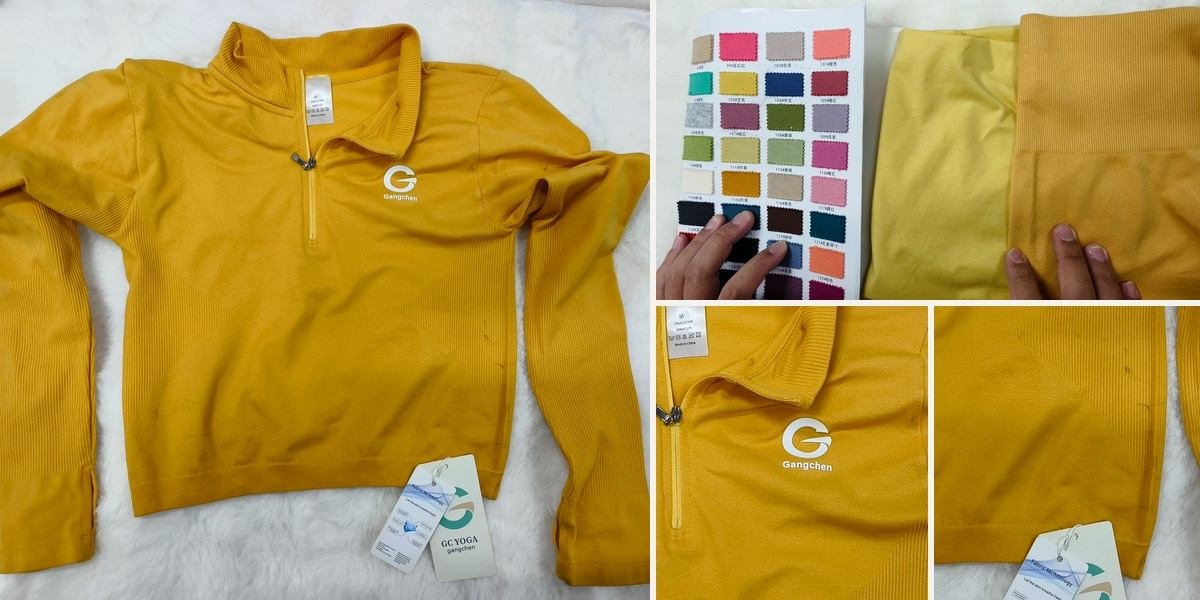
Coordinate Compatible Material Platforms
Several long-sleeve styles may use the same approved fabric when their fit and wearing requirements are compatible. A cropped studio top and a regular training top could share color and hand feel while requiring different patterns. However, a half-zip or close-fitting seamless style may impose different construction demands. A shared fabric should be approved for each relevant garment architecture rather than treated as universally interchangeable. Material sourcing, dye lots and forecast quantities should be reviewed before common purchasing assumptions are established.
Customization Options
- Shared fabric specification across technically compatible long-sleeve silhouettes.
- Distinct approved fabrics for different seasonal wearing requirements.
- Coordinated surface appearance with independently reviewed knit constructions.

Establish Consistent Fit Language
A brand may define fitted, regular and relaxed long-sleeve categories using different pattern blocks. Consistency does not require identical garment ease. Instead, each style should follow approved measurement conventions and recognizable silhouette objectives. Changes in shoulder position, sleeve length or cuff design can require a separate fit assessment. A collection platform can reduce unnecessary ambiguity when the buyer specifies which pattern references may be shared and which products require independent grading or movement approval.
Customization Options
- Fitted training block with defined sleeve and wrist proportions.
- Regular-fit block for standalone long-sleeve training or layering.
- Relaxed athleisure block with separately approved shoulder and hem balance.

Modularize Approved Sleeve Details
Related long-sleeve styles may use coordinated cuff widths, thumbhole treatments or stitch finishes. However, modular design does not mean a detail can be transferred between fabrics without review. Thumbhole location, wrist circumference and sleeve length remain linked to the complete garment fit. Half-zip styles may also require different sleeve and body proportions. A useful product platform records each approved construction variant and identifies changes that require additional sampling, sourcing or technical approval.
Customization Options
- Conventional cuff openings with an approved stretch-compatible edge.
- Extended cuffs with specified thumbhole position and construction.
- Alternate sleeve panels where fabric and production methods permit.

Control Color Across Material Types
A collection color standard should account for differences among yarns, knit structures, finishes and production batches. Identical color references do not guarantee that separate fabrics will appear identical when assembled or worn. The buyer should define acceptable matching conditions and approve relevant material or garment standards. Shared color purchasing may improve coordination where sourcing conditions permit, but each material or dyeing process can have its own minimum quantity and lead-time constraints.
Customization Options
- Approved seasonal color references with defined evaluation conditions.
- Separate material color approvals for different fabric structures.
- Buyer-authorized shade matching and substitution controls for reorders.

Standardize Branding Without Restricting Movement
Consistent branding can be achieved through approved artwork, placement rules and selected decoration methods. However, the same logo may behave differently on a structured half-zip front, a lightweight running sleeve or a textured seamless knit. Large decoration areas can influence local flexibility and surface feel. The application should be reviewed for each fabric and construction, including the effect of placement near an armhole, elbow, cuff or placket.
Customization Options
- Chest graphics positioned clear of critical placket construction areas.
- Sleeve logos reviewed for stretch and movement compatibility.
- Neck or care-label applications suited to the approved fabric.
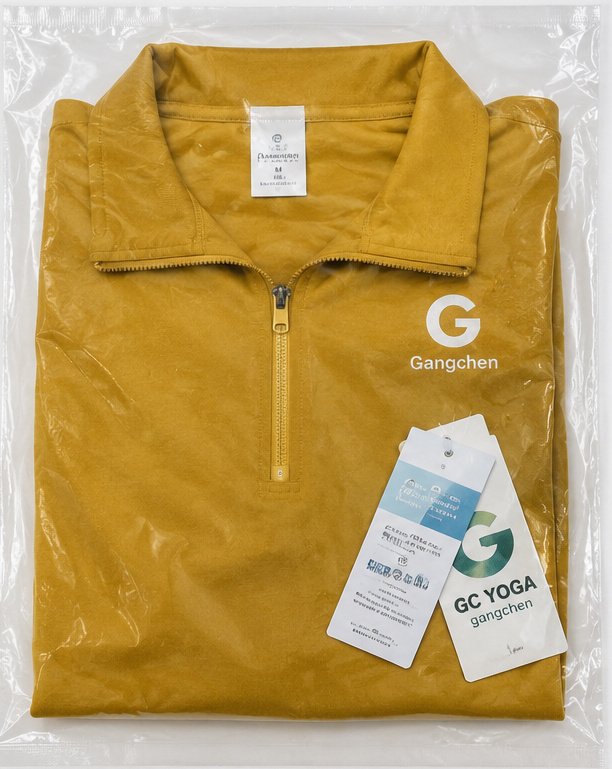
Keep Product Versions Clearly Identified
Multiple long-sleeve styles may share labels, packaging formats or collection artwork, but their technical identities must remain separate. The correct style, size, color and material version should be associated with the relevant order and packing specification. Changes to a cuff or placket may create a new technical version even when the commercial style name remains similar. Shared packaging components should therefore be coordinated without obscuring product-specific labeling and traceability requirements.
Customization Options
- Coordinated brand, size and care labels for approved garments.
- Individual SKU identification for different long-sleeve constructions.
- Shared packaging components where regulatory and sourcing requirements permit.
Confirm Long Sleeve MOQ by Manufacturing and Material Requirements
MOQ is influenced by garment construction, material supply, color commitments and specialized components. MOVEVOX's general customization references are useful starting points, but a Long Sleeve RFQ is needed to confirm the executable order minimum.
Standard Cut-and-Sew
A conventional cut-and-sew long sleeve using suitable available materials may be reviewed under MOVEVOX's general customization framework. Its reference MOQ begins at approximately 150 pieces per style, subject to project conditions. This does not establish a guaranteed minimum for each color or fabric. The buyer should confirm sleeve construction, approved pattern, branding, size breakdown and actual material availability. A half-zip or specialized cuff detail can introduce additional component commitments.
Quantity Reference: Approximately 150 pieces per style, conditional.
Color / Size Split: Subject to actual sourcing requirements and approved order structure.
Cost Factors: Fabric usage, pattern development, sewing operations, labels and order quantity.
Compatible Seamless Development
MOVEVOX's general seamless customization reference starts at approximately 100 pieces, but feasibility must first be established for the proposed long-sleeve knitting architecture. Specialized yarns, custom colors, size settings and finishing requirements can create purchasing commitments beyond the nominal garment minimum. The presence of Santoni equipment does not guarantee that every design or order structure qualifies. The buyer should submit technical information before expecting a confirmed commercial quantity or sampling schedule.
Quantity Reference: Approximately 100 pieces as a conditional seamless reference.
Color / Size Split: Depends on yarn, material supply and approved program feasibility.
Cost Factors: Yarn sourcing, knitting program, setup, finishing and approved quantities.
Half-Zip and Special Materials
A long sleeve with a specialized zipper, custom rib, exclusive fabric or unusual decoration may require different minimum purchasing commitments. Component suppliers and fabric sources can impose limits that do not match the garment assembly MOQ. The brand should separate garment quantity from fabric, color and trim requirements. Several related SKUs may share certain components where feasible, but combined demand does not automatically eliminate individual supplier minimums or confirm a lower unit cost.
Quantity Reference: Project-dependent; confirm through detailed RFQ.
Color / Size Split: Determined after material, trim and style requirements are reviewed.
Cost Factors: Hardware, material minimums, special assembly, sampling and excess inventory exposure.
Compare Long Sleeve Sourcing Costs Beyond Unit Price
Different long-sleeve constructions create different material, process and inventory requirements. This comparison illustrates qualitative cost drivers, not actual MOVEVOX quotations or customer savings. Confirmed pricing requires an approved design and commercial order information.
| Cost Factor | Basic Training Long Sleeve | Thumbhole Construction | Half-Zip Long Sleeve |
|---|---|---|---|
| Fabric Consumption | Long sleeves increase fabric requirements compared with shorter styles; actual usage depends on pattern dimensions, fabric width and cutting efficiency. | Extended cuffs or additional fabric coverage may affect material consumption, depending on the approved construction. | Collar, placket and reinforcement pieces may add material requirements beyond the main body fabric. |
| Pattern Development | Conventional sleeve and body patterns still require fit approval and relevant size grading. | Thumbhole placement and wrist coverage introduce additional fit and grading questions. | Placket length, collar relationship and front-body balance require coordinated development. |
| Components | Standard labels and specified trims contribute to purchasing cost according to supplier conditions. | Special edge treatment or reinforcement may introduce extra materials or construction operations. | Zippers, pullers and applicable stabilization materials may require separate sourcing commitments. |
| Assembly Complexity | Cost depends on the approved seam structure and available production route. | Opening formation and edge finishing can add work and inspection requirements. | Zipper installation and placket stabilization introduce construction-specific operations and controls. |
| Sampling Revisions | Fit or material changes can require additional sampling before approval. | Cuff position, thumbhole behavior and sleeve length may require extra technical revisions. | Hardware compatibility, zipper alignment and localized fabric distortion may require construction trials. |
| Quality Inspection | Standard sleeve dimensions, workmanship and garment identification still require inspection. | Additional checks may be needed for opening position, symmetry and edge workmanship. | Hardware, alignment and placket appearance introduce further inspection points. |
| Material Commitments | Available approved materials may simplify sourcing, subject to actual supplier terms. | Special cuffs or materials can create separate component minimums. | Custom zippers, colors or hardware may introduce additional supplier quantities and timing requirements. |
| Repeat-Order Risk | Stable approved patterns and fabric references support consistent repeat-order planning. | Cuff versions and specialized finishing should remain identifiable across reorders. | Zipper continuity and approved component substitutions require particular attention. |
Why Unit Price Alone Is Insufficient
The lowest garment quotation may not represent the lowest total purchasing cost. Additional fabric commitments, specialized trims, sampling revisions, rework, quality deviations, unused materials and delayed release can change the commercial outcome. A basic long sleeve, thumbhole design and half-zip garment may also use different manufacturing routes, making simple piece-price comparisons misleading. Mature buyers should compare quotations using equivalent specifications, quantities, decoration, packaging and delivery assumptions. The scenarios shown above are qualitative purchasing models only; they do not represent actual MOVEVOX cost data or guaranteed savings. A project-specific RFQ is required to compare executable alternatives.
Evaluate Long Sleeve Manufacturers With Product-Specific Evidence
A supplier should be evaluated on its ability to execute the actual product, not only on company size or general activewear claims. Use this checklist to identify evidence gaps before sampling or purchase approval.
Product Engineering
| Buyer Qualification Question | Assessment |
|---|---|
| Can the supplier show genuine long-sleeve products relevant to our target design? | |
| Can the team explain armhole, elbow and wrist fit requirements? | |
| Are thumbhole, cuff and placket construction limitations clearly identified? | |
| Can fit and grading decisions be linked to approved technical references? |
Manufacturing Feasibility
| Buyer Qualification Question | Assessment |
|---|---|
| Is the intended cut-and-sew or seamless route technically appropriate? | |
| Are critical fabric, yarn, zipper and trim sources identified? | |
| Are owned facilities distinguished from cooperating external manufacturing resources? | |
| Can production changes be controlled against current product specifications? |
Quality Evidence
| Buyer Qualification Question | Assessment |
|---|---|
| Are relevant sleeve, cuff, placket and hem checkpoints defined? | |
| Can actual quality records be linked to identifiable products and orders? | |
| Are material and finished-garment test claims supported by relevant evidence? | |
| Does the supplier have a clear process for handling critical deviations? |
Commercial Responsibility
| Buyer Qualification Question | Assessment |
|---|---|
| Are MOQ and color minimums explained using actual sourcing conditions? | |
| Are sample, approval and bulk timing assumptions stated conditionally? | |
| Can the supplier support clear product identification for repeat orders? | |
| Are communication, authorization and production responsibilities clearly assigned? |
Supplier Screening Result
0 / 16 criteria confirmed.
0 of 16 criteria assessed.
How to Interpret the Evaluation
A high number of positive responses indicates that the supplier has addressed more of the screening questions, but it does not automatically prove manufacturing reliability. Each positive answer should be supported by evidence appropriate to the claim. Missing long-sleeve samples, unclear production ownership or unsupported testing statements may require follow-up regardless of the total. The checklist is a buyer evaluation tool, not a completed MOVEVOX supplier score or third-party audit.
Long Sleeve Manufacturing Frequently Asked Questions
These answers cover technical and commercial questions from established activewear brands. Actual manufacturing feasibility, material availability, performance evidence, MOQ and delivery conditions must be evaluated for the proposed long-sleeve design.
Can MOVEVOX manufacture custom long sleeve activewear?
Yes. Long Sleeve Tops are part of MOVEVOX's established activewear product range. The company has cut-and-sew manufacturing resources and 28 Italian Santoni seamless knitting machines. Relevant development directions include fitted, cropped, half-zip, thumbhole and compatible seamless long sleeves. However, the manufacturability of any particular design depends on its construction, materials, components, dimensions and production requirements. A Tech Pack or authorized sample helps establish what can be developed and what requires further technical review.
Can you develop custom thumbhole cuffs?
MOVEVOX's Long Sleeve product scope includes thumbhole cuff designs. Opening position, wrist circumference, sleeve length, edge finishing and material recovery should be reviewed together. A thumbhole that appears suitable in a flat drawing may create tension when the garment is worn or the elbow bends. The buyer should provide the intended design, sizes and construction requirements. Specialized durability or strength requirements need agreed methods and acceptance criteria before corresponding performance claims can be made.
Do you support half-zip long sleeve tops?
Half-zip training tops are within MOVEVOX's existing product development range. They are generally appropriate for cut-and-sew feasibility review because the zipper, placket, collar and surrounding fabric require coordinated construction. The final manufacturing approach depends on zipper availability, reinforcement, assembly requirements and the selected fabric. The opening should be reviewed for alignment, appearance, operation and relevant contact conditions. Particular hardware, protective details and production timing must be confirmed for the submitted design.
How do you evaluate armhole mobility?
Armhole mobility is influenced by pattern geometry, sleeve pitch, material behavior and garment balance. A proposed long-sleeve fit review may include forward reach, overhead movement and elbow bending. The appropriate movements should reflect the intended activity and wearer. Results need to be considered against the approved fit specification and observations from actual samples. The use of a stretch fabric alone does not prove that a completed garment has unrestricted movement or meets any particular ergonomic standard.
How can cuff and hem distortion be reduced?
Cuff and hem distortion may arise from fabric recovery, stitch tension, differential feeding, pattern dimensions or dimensional changes during care. The proposed construction should use an appropriate material, finishing method and agreed workmanship standard. Sampling can help identify waviness, tunneling or unsuitable tension before the product is released for manufacturing. Any specific durability, extension or post-care requirement should be supported by relevant inspection or testing rather than a general claim that the garment will never deform.
Which fabrics suit different seasonal requirements?
Fabric selection depends on intended activity, wearing climate, desired coverage, layering and garment fit. Lightweight jersey, structured knits and compatible seamless structures may serve different design objectives. GSM does not independently determine breathability or thermal comfort, while fiber composition alone cannot establish moisture-management results. MOVEVOX can review relevant material options through its existing sourcing and development resources. Claims involving drying, UV protection or other performance properties require suitable supporting evidence for the specified product or material.
Can long sleeves be made with seamless knitting?
Compatible long-sleeve styles may be evaluated through MOVEVOX's Santoni seamless knitting resources. Yarn selection, machine capability, knit programming, sleeve architecture, dimensions and finishing requirements determine feasibility. Seamless knitting may incorporate textured or rib structures, but it does not necessarily eliminate all sewing or joining operations. A design containing complex front openings or specialized components may be more appropriate for cut-and-sew evaluation. The manufacturing route should be confirmed only after reviewing the actual technical requirements.
What is the MOQ for custom long sleeves?
MOVEVOX's general customization references are approximately 100 pieces for suitable seamless styles and 150 pieces for cut-and-sew styles, subject to product and sourcing conditions. These figures are not guaranteed minimums for every long-sleeve design, color or material. Custom dyeing, specialized yarns, zippers, trims, branding and size breakdowns may introduce different commercial requirements. The buyer should provide a project-specific RFQ to confirm the executable MOQ, material commitments and quotation.
How long does long sleeve sampling take?
MOVEVOX's standard sampling reference is approximately five to ten working days after the required development information and technical details have been confirmed. This is a general reference, not a guaranteed completion date for every Long Sleeve project. New materials, half-zip hardware, complex thumbhole construction, size-set requirements and additional fit revisions may affect the schedule. The actual sampling scope and timing should be reviewed after receiving the buyer's specifications.
What quality evidence can buyers request?
Buyers can request information relevant to the supplier's established QC organization and the proposed product. For long sleeves, particularly useful evidence includes identifiable garment specifications, approved construction references, sleeve measurement methods and actual inspection records where available and authorized for disclosure. Certifications and test reports must be evaluated according to their holder, validity and applicable scope. General company quality capability does not establish that a new long-sleeve design has already passed product-specific testing or inspection.
Send Us an Inquiry
Tell us your needs, and our team will get back to you within 24 hours.