
Biker Shorts Manufacturer for Custom Activewear Brands
MOVEVOX supports activewear, yoga, gym, fitness and athleisure brands developing custom biker shorts through product review, sampling, Seamless and Cut & Sew manufacturing, private-label execution, quality control and managed bulk production.
Start a Custom Biker Shorts Project
Already have a Tech Pack, measurement chart, approved sample or legally usable reference garment? MOVEVOX can review fit, material, construction, branding, quantity and manufacturing route before development begins.
- Tech Pack or physical reference review
- Seamless or Cut & Sew evaluation
- Sample and bulk-production planning
Evaluate MOVEVOX as a Supplier
If your sourcing team is qualifying a new or second supplier, review MOVEVOX through product engineering, manufacturing route, sampling control, production organization, quality evidence, traceability and commercial fit.
- Real manufacturing capability
- Brand-level development workflow
- Scalable production accountability
Build Biker Shorts Around the Intended Use
Length alone does not define the product. The intended activity, fit direction, waistband, compression, pockets, surface structure and collection positioning should be reviewed together.
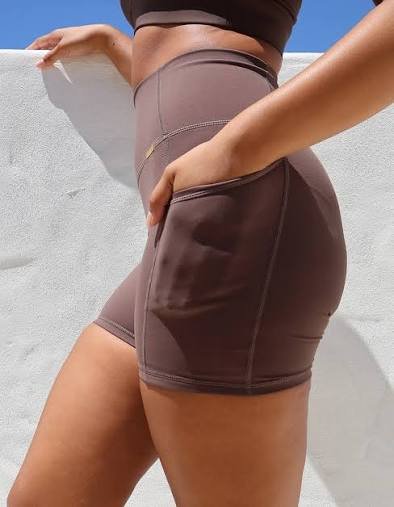
Yoga Biker Shorts
Prioritize controlled fit, mobility, waistband comfort, opacity and stable leg-opening behavior for studio and low-to-moderate impact use.
YOGA
Training Biker Shorts
Review higher movement demand, supportive material direction, waistband stability, thigh fit and construction points exposed to repeated training.
GYM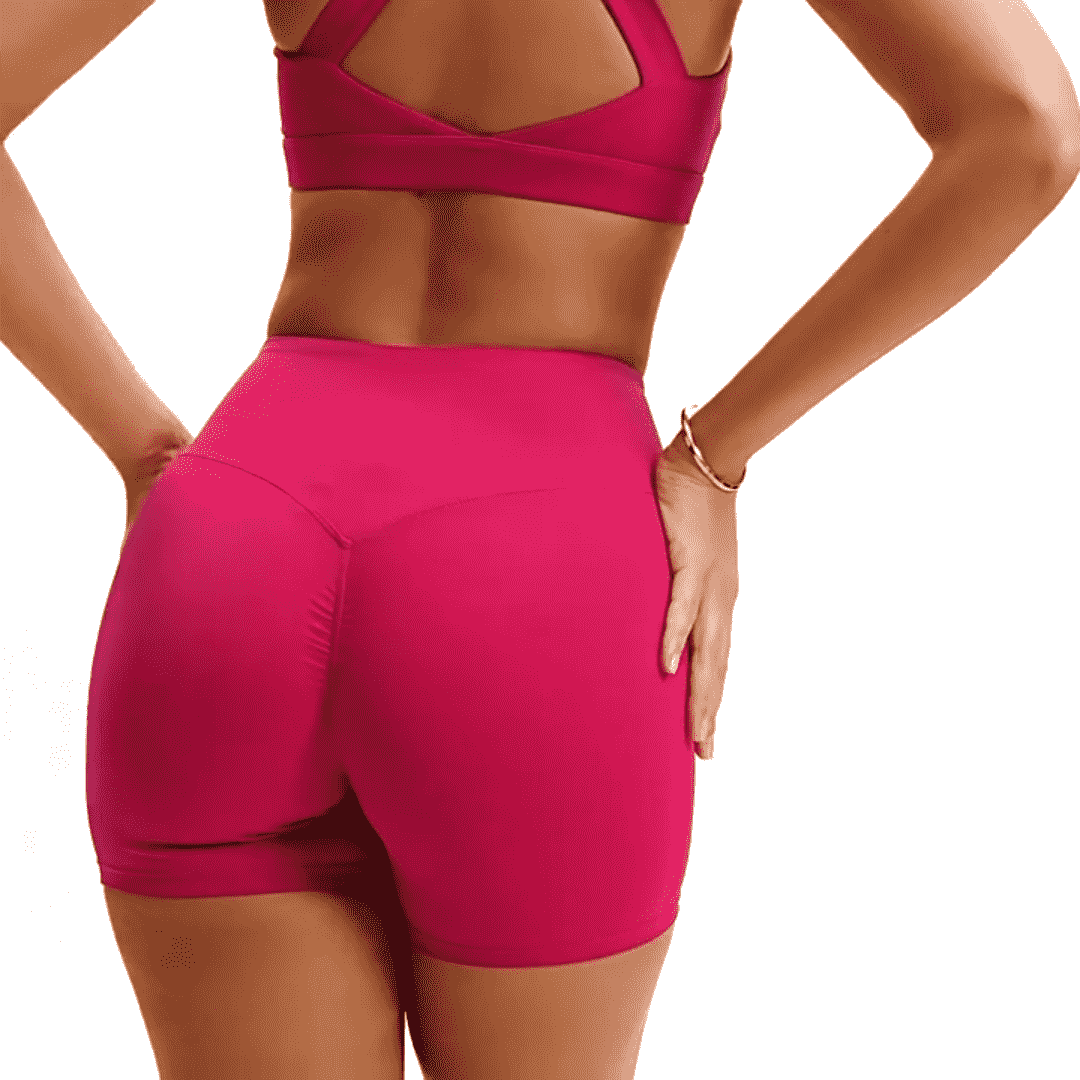
Running-Inspired Shorts
Longer fitted silhouettes can incorporate pocket structures and stable leg openings where the product brief requires movement-oriented use.
TRAINING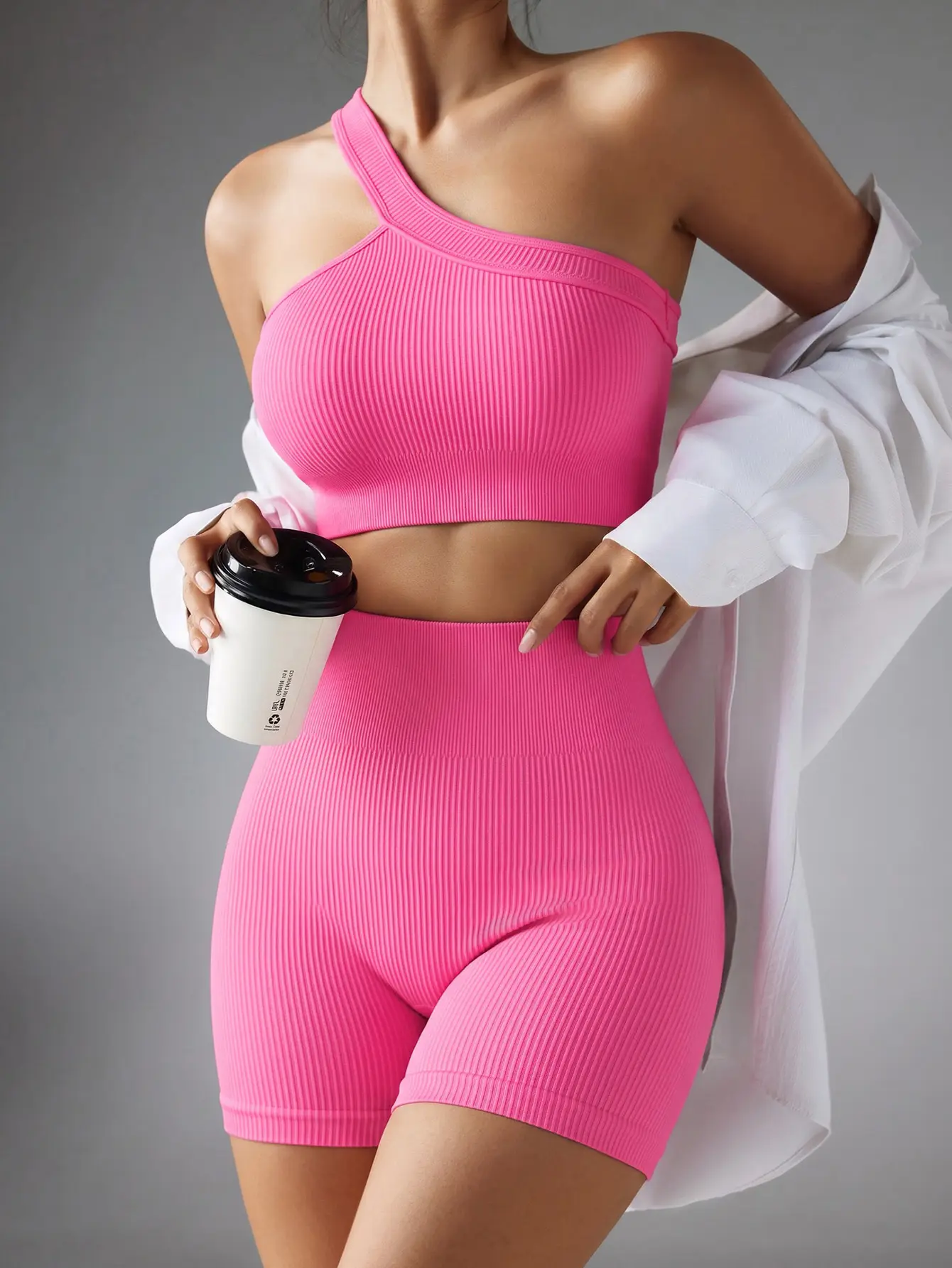
Athleisure Shorts
Balance body-contoured fit with visual simplicity, surface finish, color direction and coordination with bras, tanks, T-shirts or outer layers.
ATHLEISUREBiker Shorts Fit Should Follow the Activity
The same silhouette can require different fit, support, mobility and pocket decisions depending on where and how the brand expects the garment to be worn.
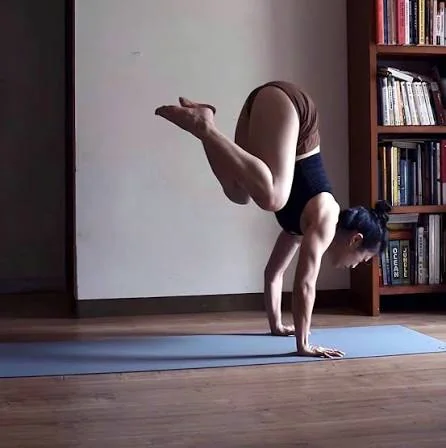
Mobility and Controlled Coverage
Studio-oriented shorts typically need stable waist placement, sufficient front and back rise, controlled opacity under stretch and a leg opening that stays comfortable during flexion without unnecessary pressure.
Support Under Repeated Movement
Training programs may place greater emphasis on recovery, supportive fit, waistband stability and workmanship at the crotch, inseam and pocket areas where repeated movement increases mechanical demand.
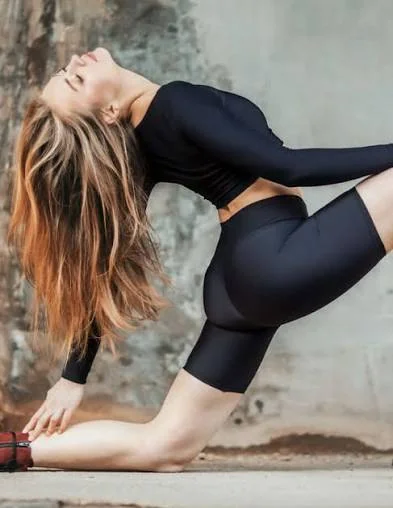
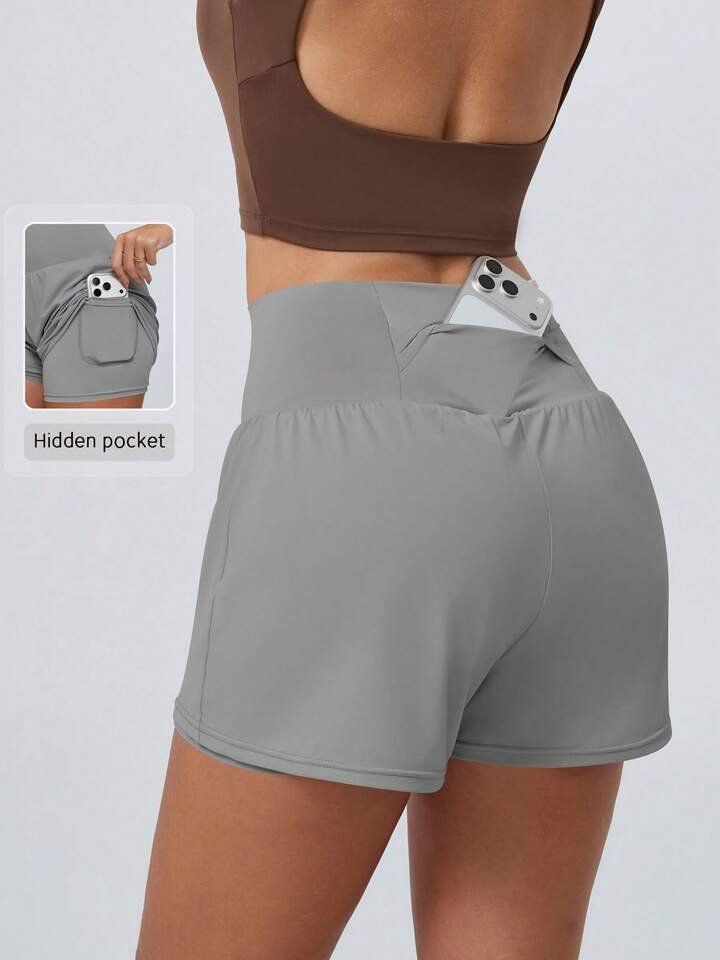
Pocket and Leg Stability
Where pockets or higher-movement use are required, the product should be evaluated with the intended carried load, inseam length and thigh opening rather than assuming a static fitting is sufficient.
Fit Plus Collection Coordination
Lifestyle-focused biker shorts still require technical approval, but the brand may prioritize surface finish, clean construction, coordinated colors and compatibility with related tops or layering pieces.
MOVEVOX Manufacturing Capability at a Glance
Biker shorts programs can be evaluated through both Seamless and Cut & Sew production routes, supported by development, quality-control and managed production resources.
Production Base
Operating space supporting product development, manufacturing coordination and quality-control activities.
Santoni Machines
Italian Santoni Seamless machines support qualified engineered-knit programs.
Garment Machines
Principal sewing and garment equipment supports Cut & Sew construction and finishing.
QC Personnel
Quality-control personnel support inspection and production release activities.
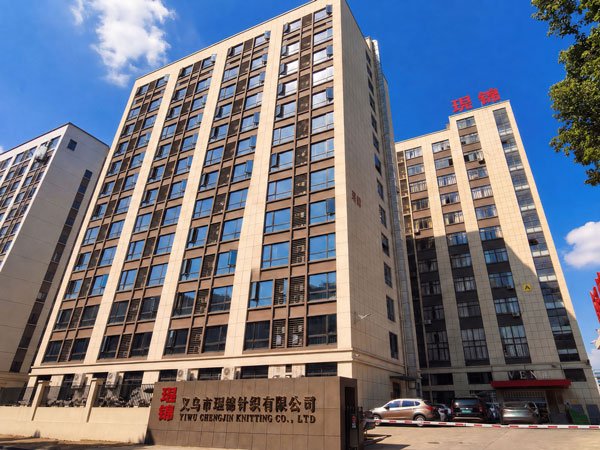
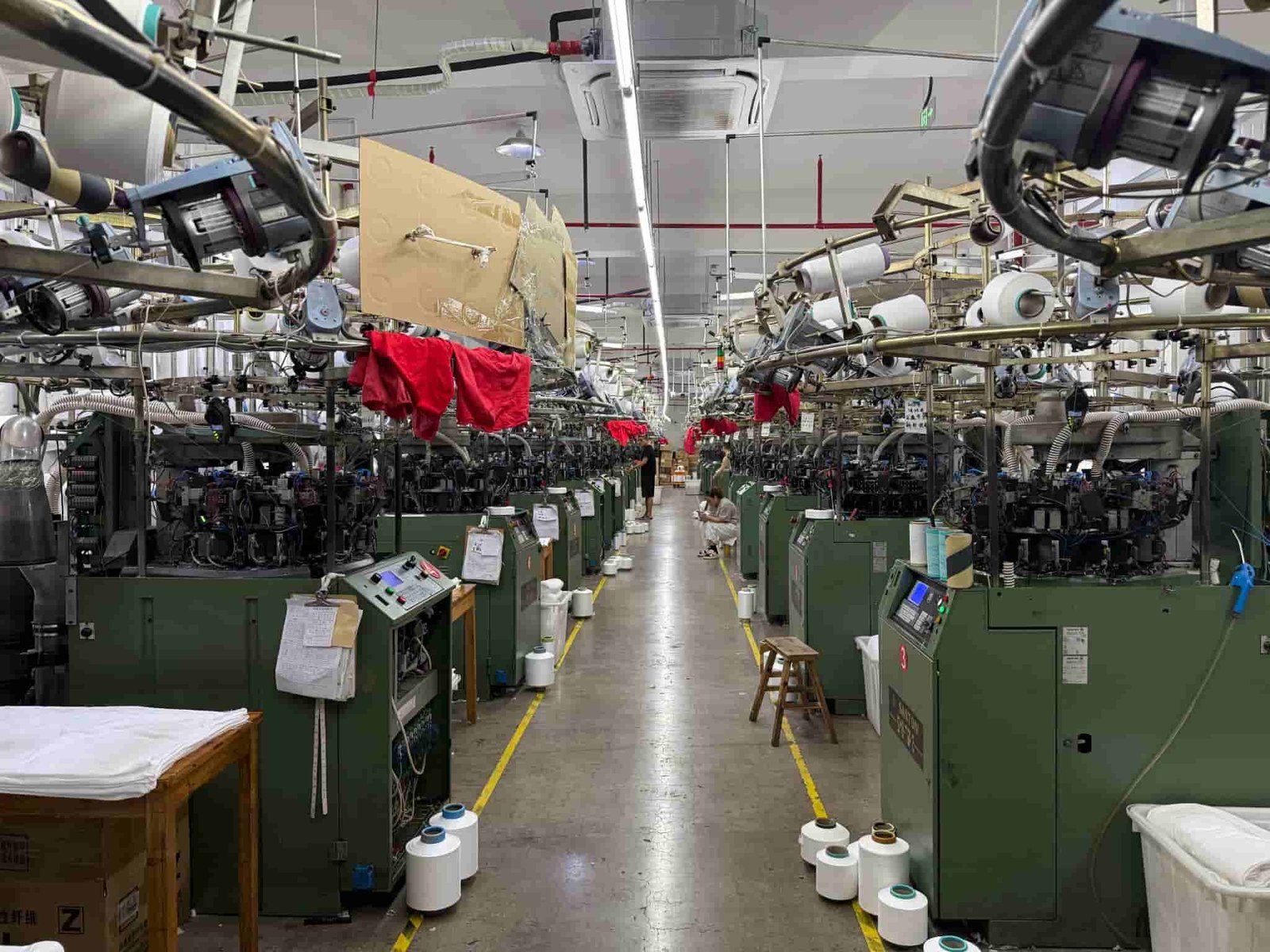

Capacity, equipment and timing still require project-level confirmation according to product complexity, materials, quantities and the requested delivery window.
Engineer the Waistband as Part of the Fit System
Waistband height alone does not determine stability. Width, stretch, recovery, waist-to-hip balance, construction and the target body profile all affect how the garment stays in position.
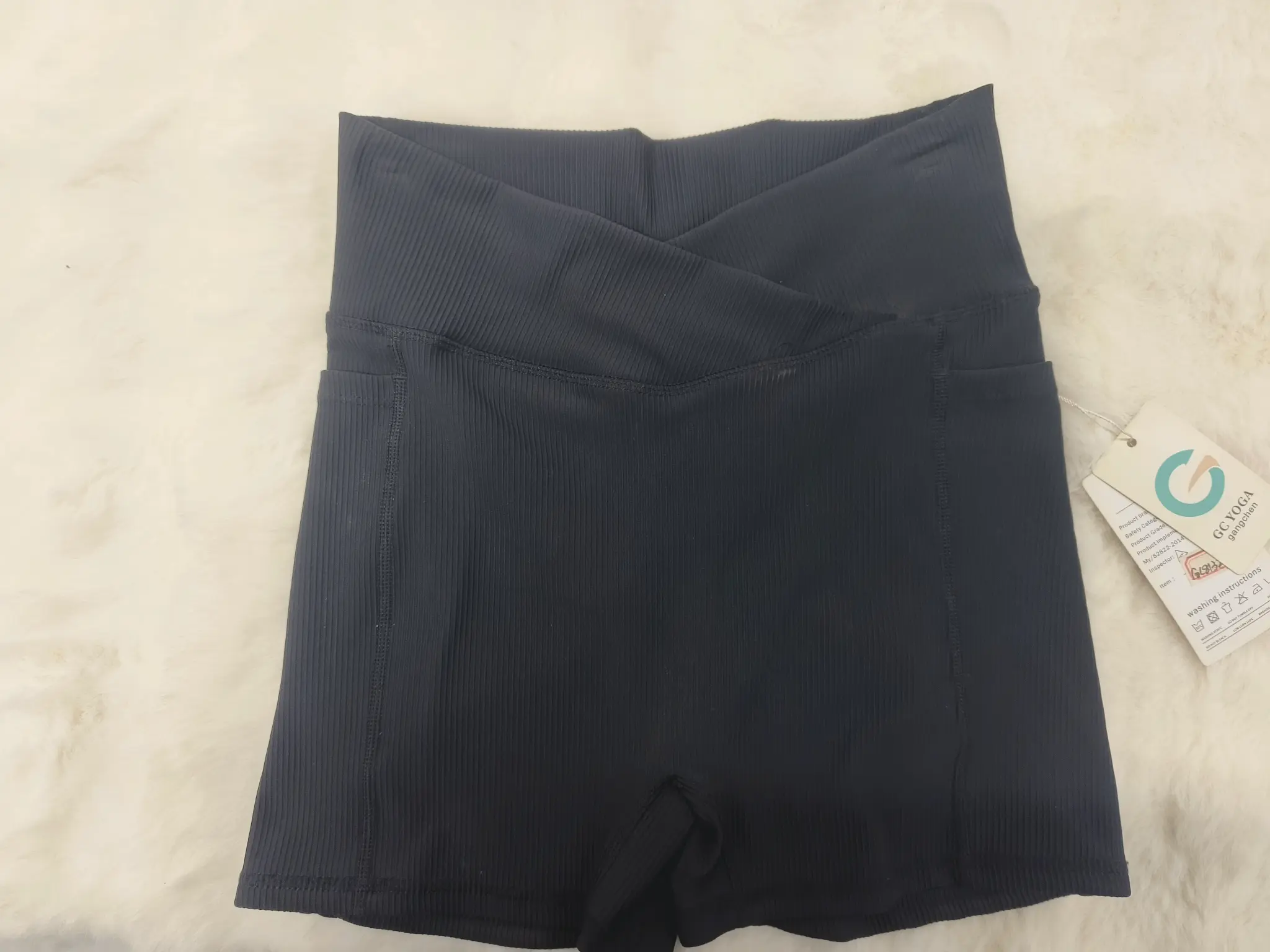
Waistband Height
High-rise and other waistband directions should be connected to the target coverage, rise and body proportion rather than chosen from appearance alone.
Waist Stability
Waist stability depends on recovery and garment balance. Making the waistband simply smaller can create excessive pressure without solving the underlying fit issue.
Construction Route
Seamless knit zoning, folded structures, inserted elastic or Cut & Sew panels produce different behavior and require route-specific development.
Back Waist
Back-waist height and shaping should be reviewed together with back rise, hip volume and movement so the garment remains balanced.
Pocket Integration
Rear-waist pockets add material and load. Their construction should not unintentionally distort the waistband or create excessive bulk.
Approved Standard
Final waistband dimensions, material behavior and fit comments should become part of the approved product standard used for bulk comparison.
Define Rise and Inseam Before Bulk Production
Biker shorts length should be controlled through agreed measurement points. Front rise, back rise, inseam and leg opening work together to determine coverage, mobility and visual proportion.
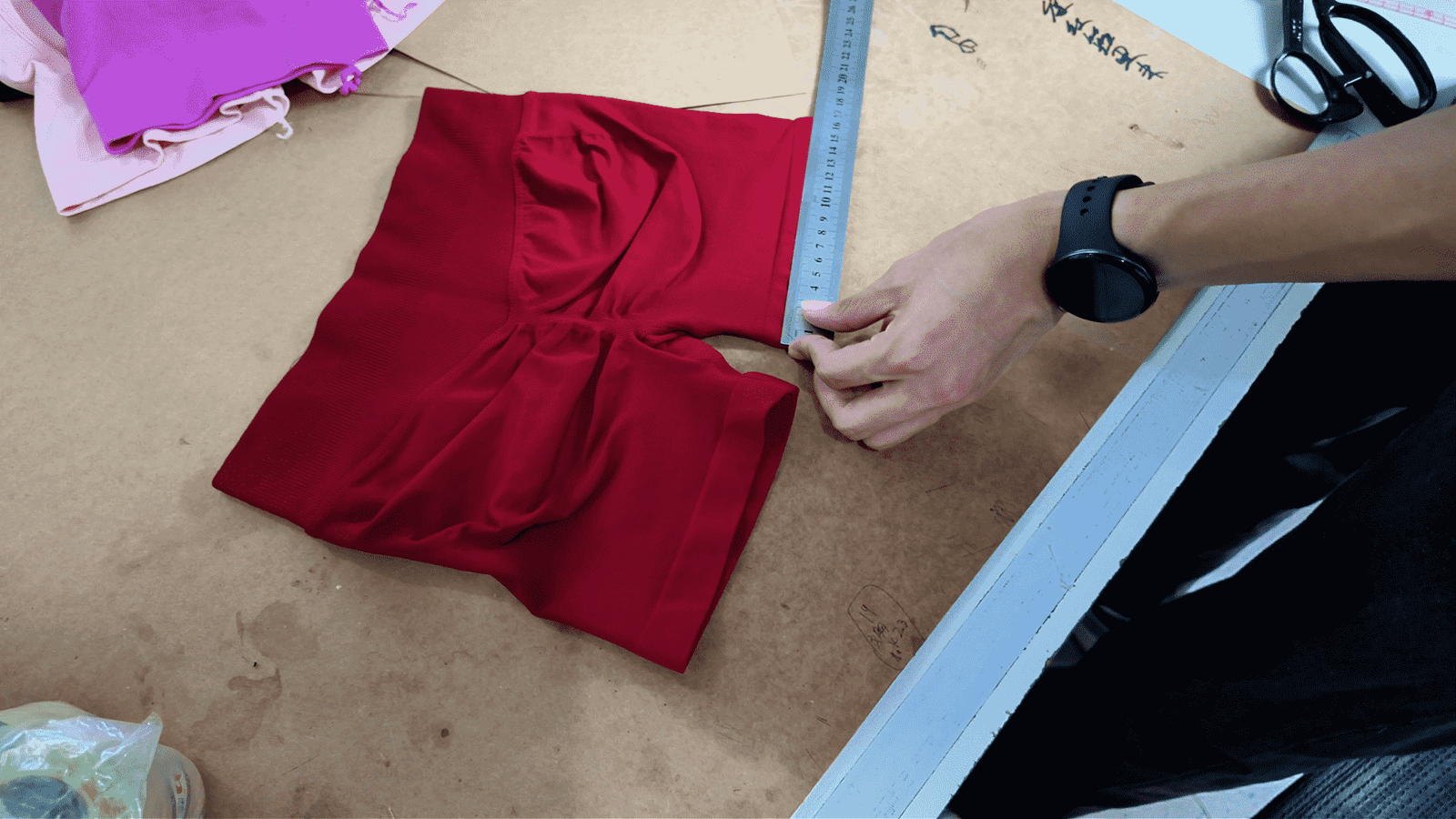
| Measurement | Why It Matters |
|---|---|
| Waist | Controls top opening and relationship with hip volume. |
| Hip | Influences contour, compression and crotch balance. |
| Front Rise | Affects front coverage and crotch positioning. |
| Back Rise | Supports rear coverage and waist stability. |
| Inseam | Controls intended biker-short length and thigh position. |
| Leg Opening | Influences thigh pressure, visual fit and ride-up behavior. |
Measurement method must be agreed together with the specification. Stretch garments can produce different numbers when buyer and factory use different starting points, garment states or measuring paths.
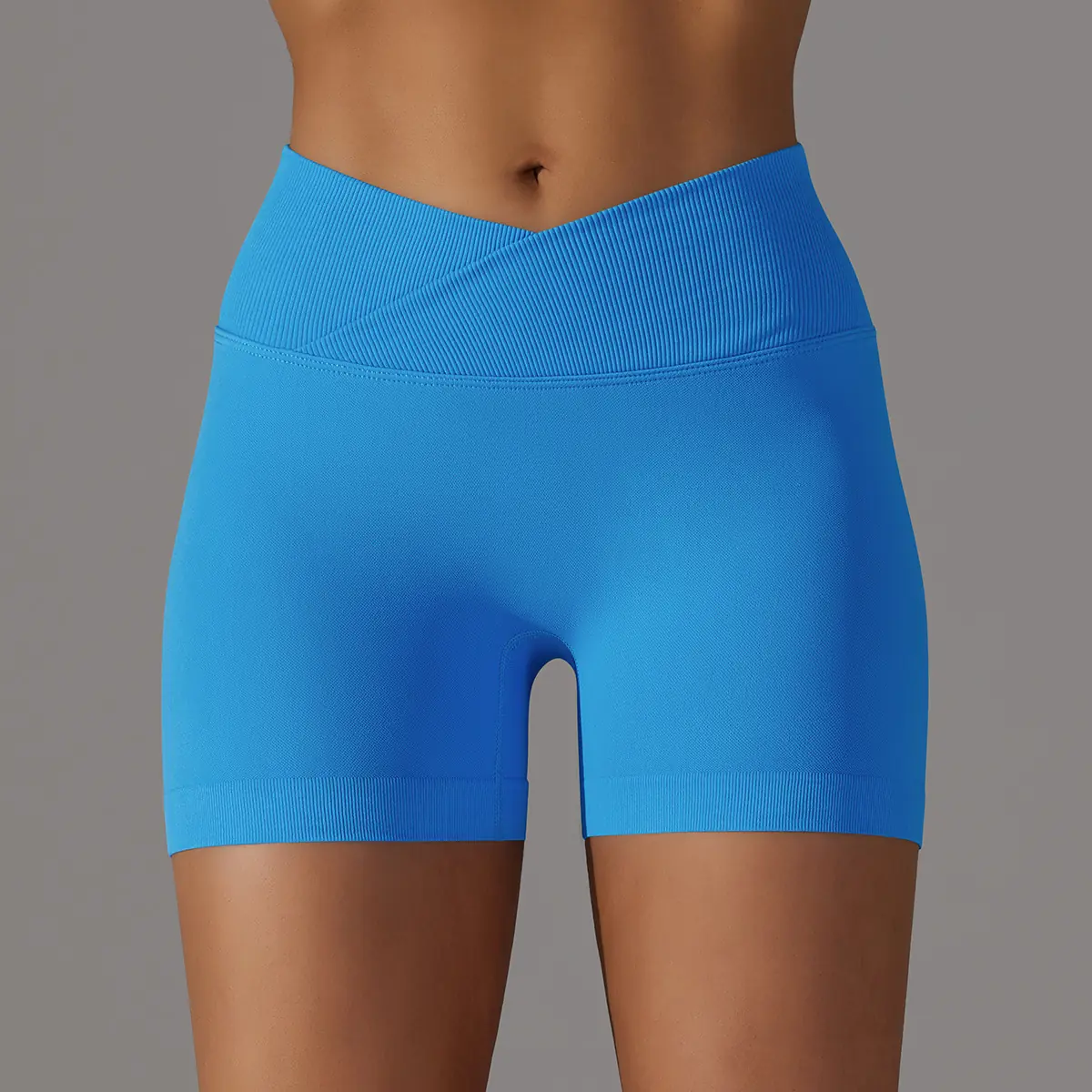
No Front Seam Changes Construction, Not Fit Physics
Removing a visible front-centre seam can create a cleaner front appearance, but rise, crotch geometry, material extension and body movement still require product-specific development and approval.
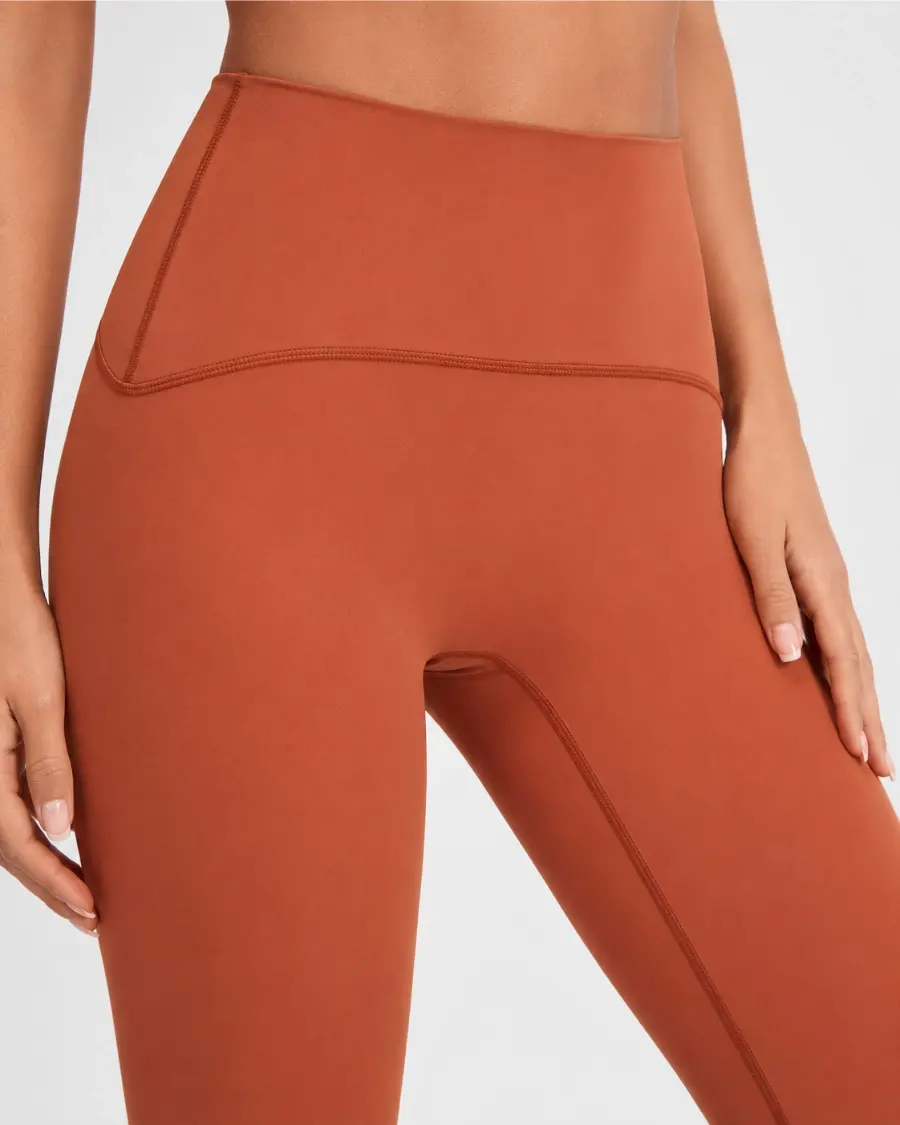
No Front Seam
A Seamless program may engineer the front through knitted construction, while Cut & Sew can use alternative panel architecture. The route must still provide sufficient front rise, crotch balance and coverage.
What Still Requires Approval
- Front and back rise relationship
- Crotch depth and position
- Fabric extension and recovery
- Movement and squat evaluation
- Opacity in the front and seat areas
- Bulk measurement consistency
Biker Shorts Fit Depends on Waist-to-Hip Balance
A fitted bottom must transition from a smaller waist into larger hip and seat volume without uncontrolled gaping, excessive compression, crotch displacement or waistband roll.
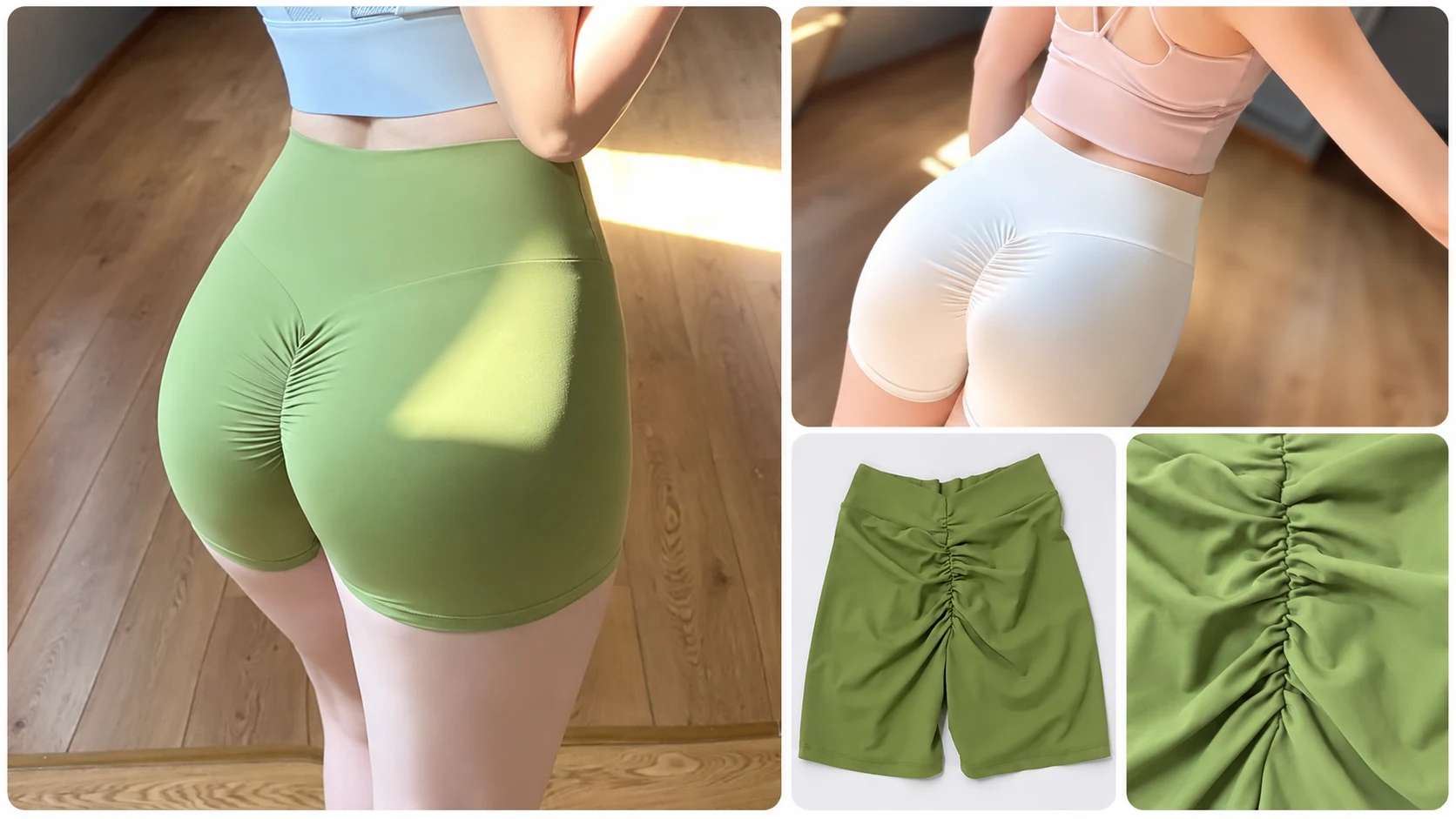
Waist
Confirm the garment opening and recovery against the intended wearer profile.
High Hip
Review how the garment transitions through the upper hip without pulling the waistband down.
Full Hip
Provide sufficient extension and shape for seat volume while maintaining intended support.
Thigh
Balance compression with comfort so the leg opening does not become the dominant fit constraint.
Choose Contour Structures by Brand Aesthetic and Fit
Contouring can be created through seam architecture, knitted zones, rib structures and visual paneling. The objective should be a controlled garment shape rather than unsupported body-transformation claims.
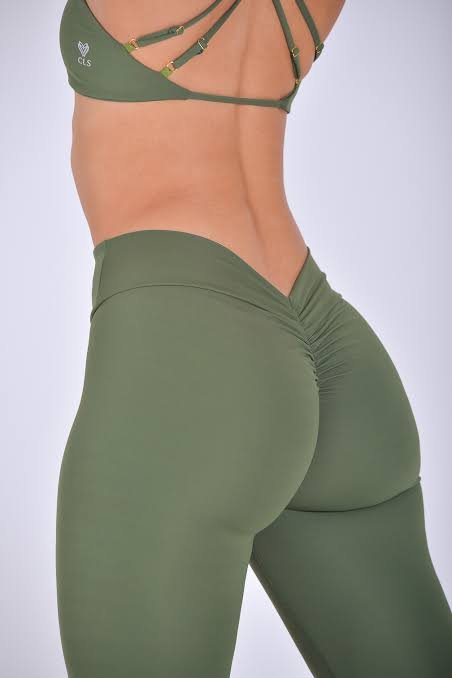
Clean Back
Minimal rear construction for brands prioritizing a clean studio or athleisure appearance.
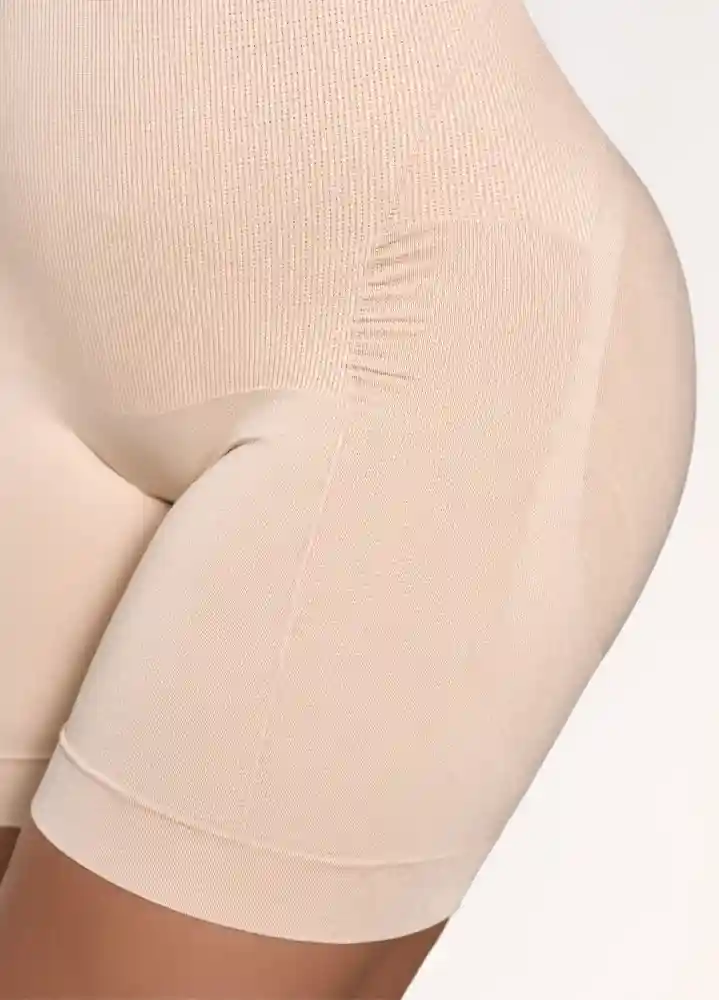
Curved Seam
Cut & Sew seam shaping can change visual contour while also affecting stretch distribution and workmanship.
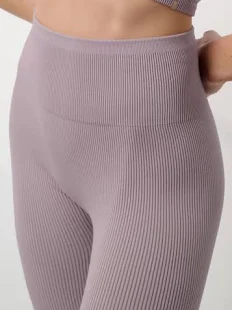
Knit Contour
Seamless programs can use engineered knit density or texture to create visual and structural zones.
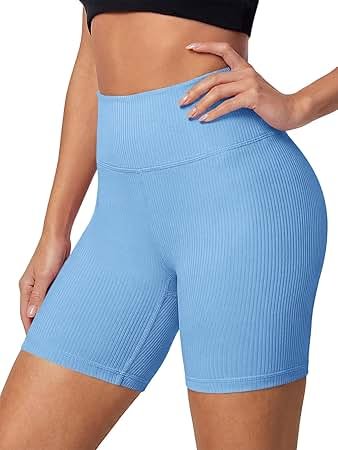
Texture Direction
Rib or texture can contribute to visual shaping but must be assessed for stretch, recovery, opacity and consistency.
Integrate Pockets Without Losing the Intended Fit
Pocket size, position, opening, carried load and construction should be reviewed as part of the garment architecture because pockets can influence bulk, stretch and fit.
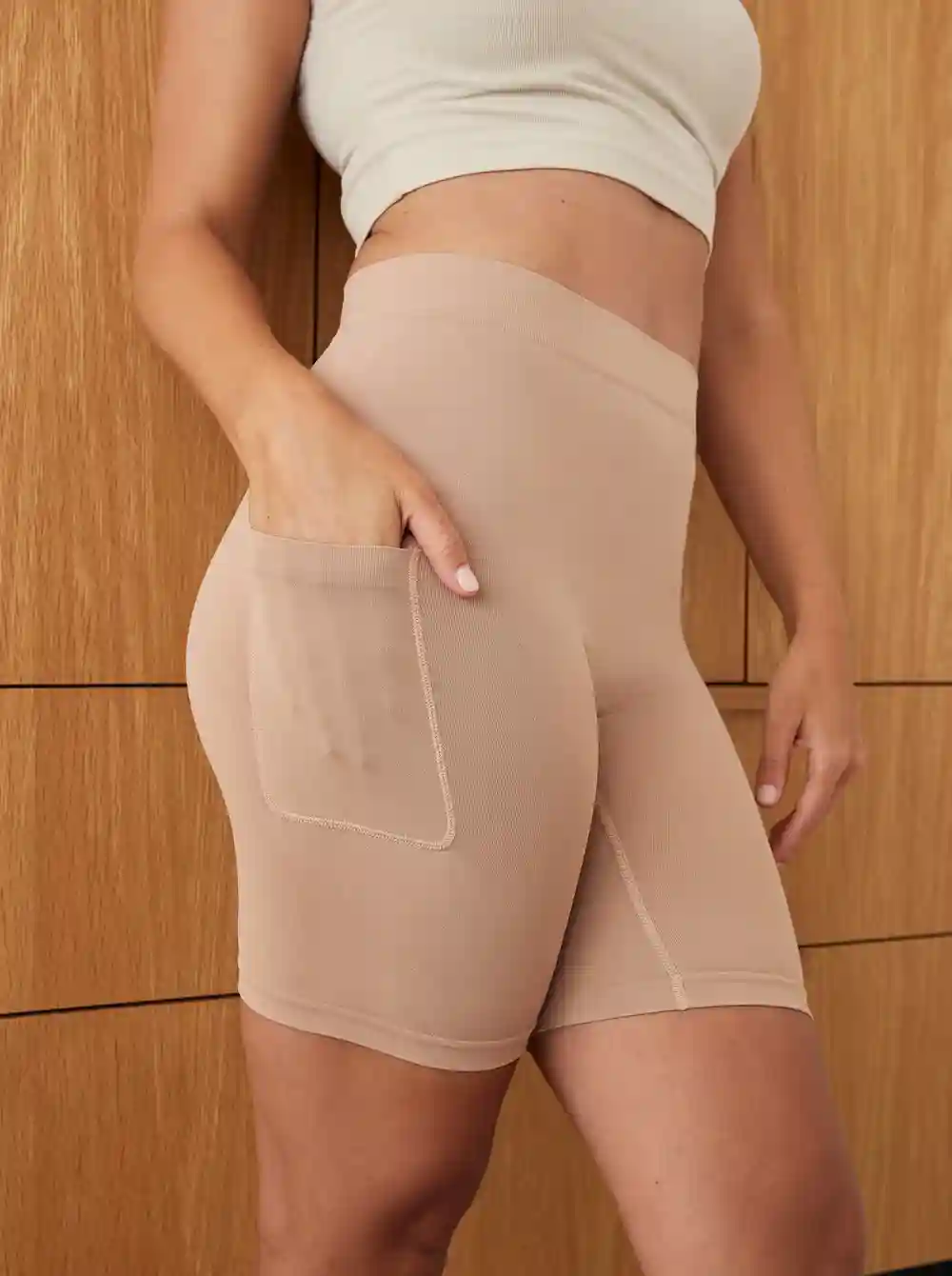
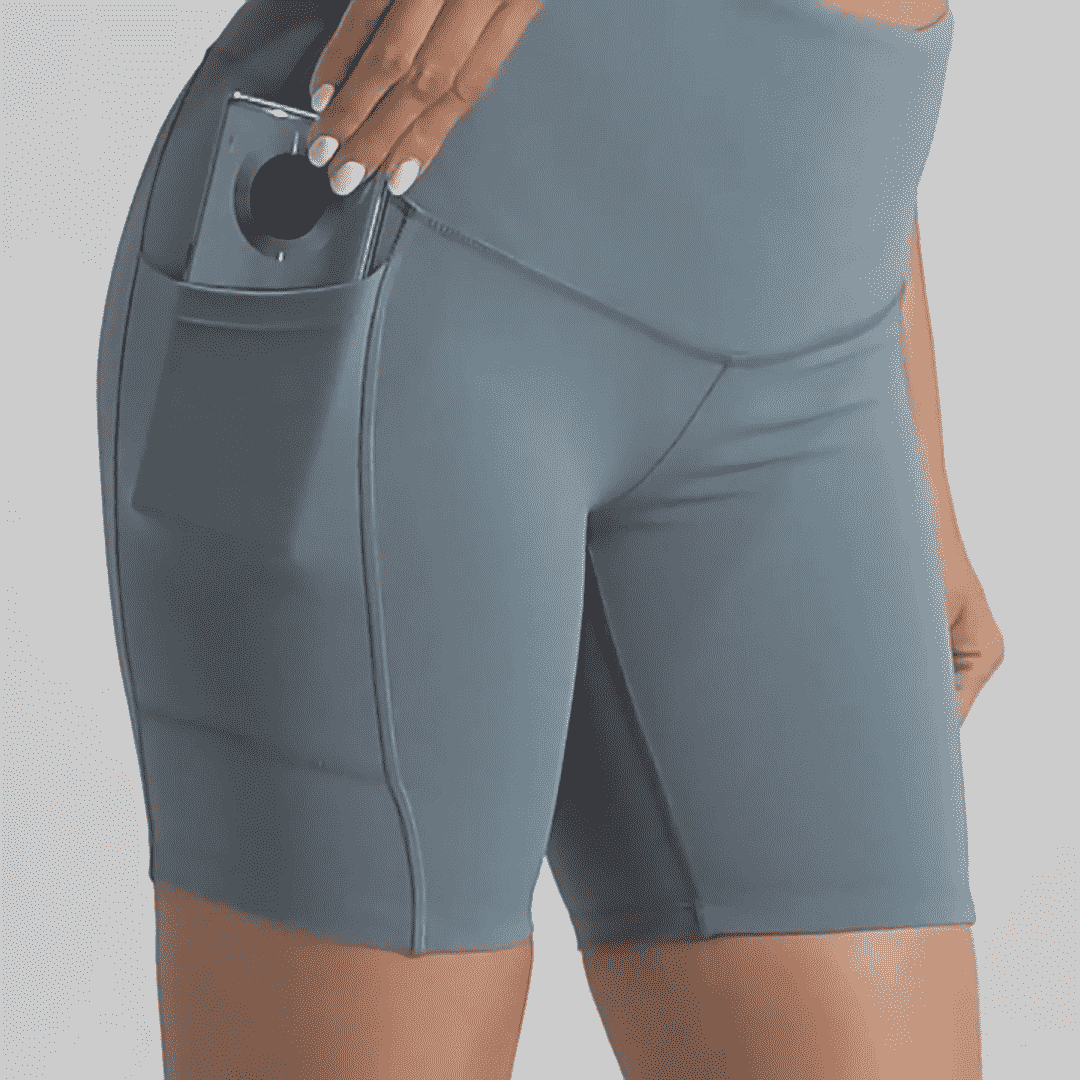
Side Pocket
Useful for phone-oriented products, but pocket depth, opening stability and seam reinforcement should match the intended load.
Waist Pocket
Can maintain a cleaner leg profile, but the waistband structure must absorb the additional material and carried item without excessive distortion.
No Pocket
Suitable when the brand prioritizes minimal construction, clean styling or a studio-focused product without storage requirements.
Squat-Proof Performance Requires More Than Fabric Weight
Opacity should be assessed at the intended color, garment size and extension level. Fabric weight alone does not guarantee coverage when the garment is stretched over the hip and seat.
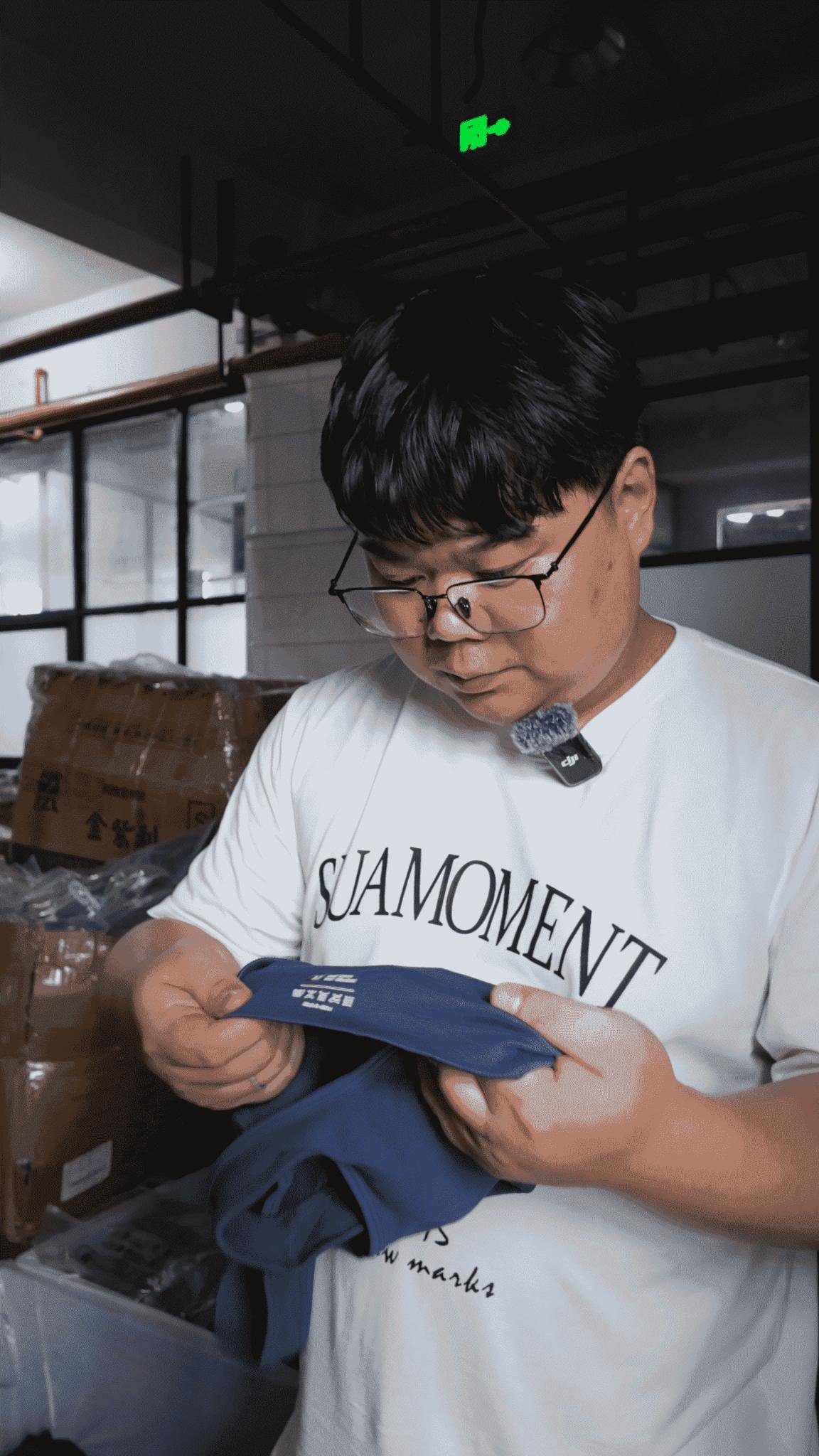
Claim
Target: controlled opacity during intended movement.
Evidence Direction
Evaluate the actual approved material, color and garment fit under representative extension. Dark and light colors, fabric structures and sizing can behave differently.
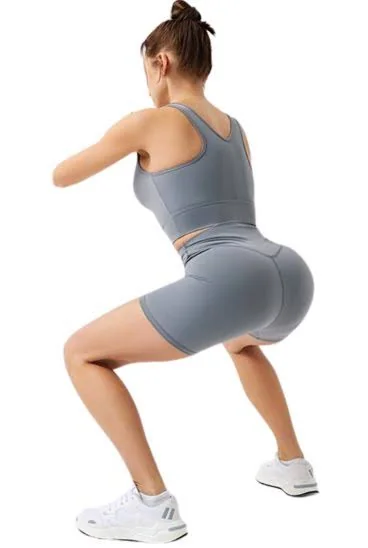
Variables to Control
- Material construction
- Color and dye direction
- Garment extension
- Hip and thigh fit
- Size selection
- Movement condition
MOVEVOX does not treat “squat-proof” as an absolute claim applying automatically to every color, material or future production batch.
Engineer Support by Zone, Not by Making Shorts Smaller
Biker shorts can use different support directions through the waist, abdomen, hip, seat and thigh. Compression should remain connected to fit, material behavior and intended activity.
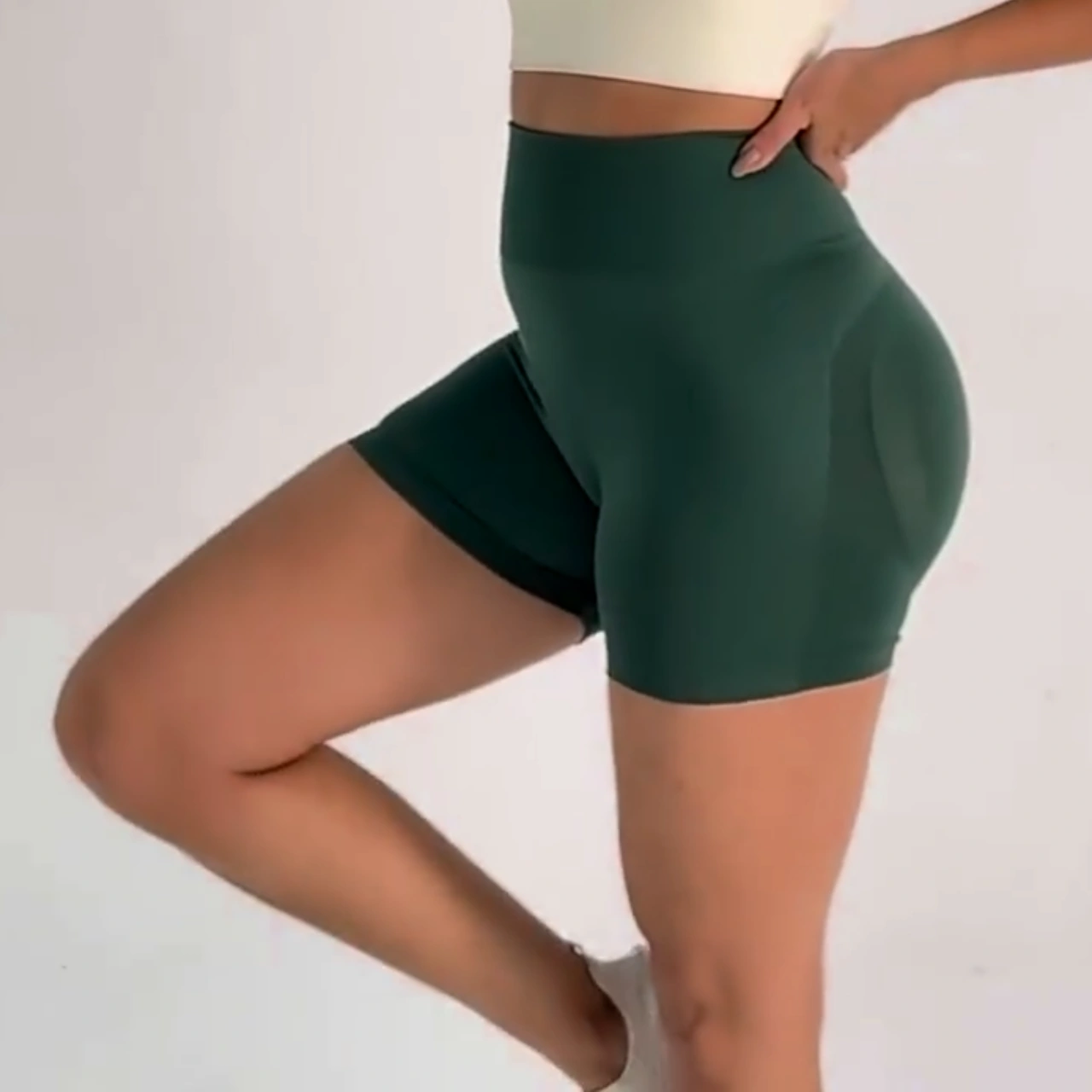
Waist Zone
Support the top opening without relying on excessive negative ease.
Front Core
Where required, use structure and material direction to manage front-body support.
Hip Transition
Allow the garment to move from waist into hip volume without pulling or distortion.
Glute Zone
Use approved contour structures without making unsupported body-shaping claims.
Thigh Zone
Balance supportive fit with mobility, comfort and stable leg-opening behavior.
Seamless programs can use knit structure and density changes, while Cut & Sew programs can use material selection, paneling or layered construction where appropriate.
Select Fabric Against the Biker Shorts Product Brief
Material selection should begin with the required fit, support, hand feel, opacity, surface appearance, manufacturing route and commercial conditions rather than a generic “best activewear fabric.”
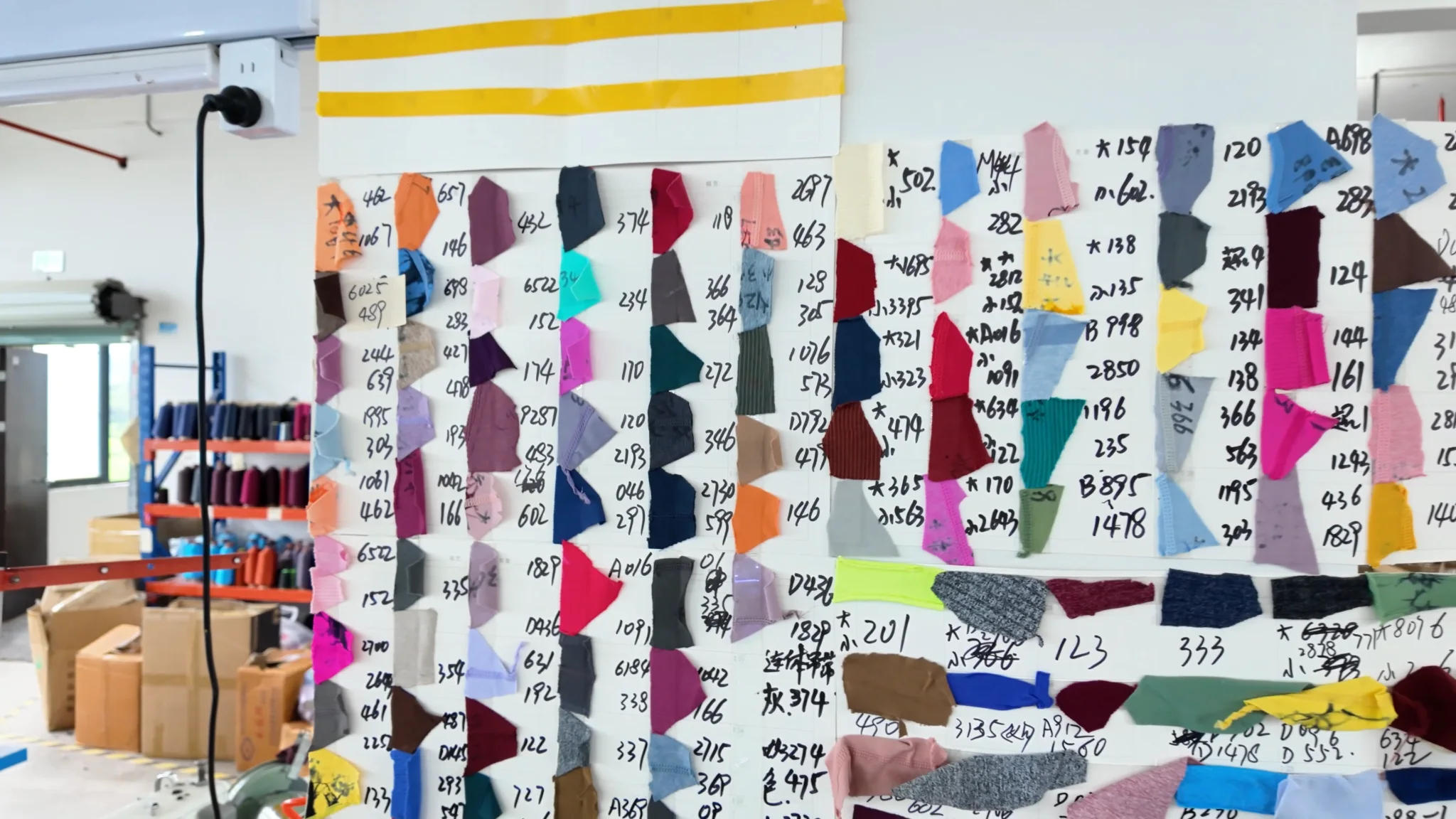
Soft Studio Direction
Review hand feel, four-way stretch, recovery, opacity and comfortable compression for yoga or studio-oriented products.
Training Direction
Greater structural support may be required where the product is intended for repeated gym or fitness movement.
Seamless Direction
Yarn selection, knitted structure, density and program parameters become part of the actual garment architecture.
Choose Seamless or Cut & Sew by Product Architecture
MOVEVOX supports both production routes. The correct route depends on the desired structure, fabric or yarn direction, seams, pockets, contouring, branding and approved appearance.
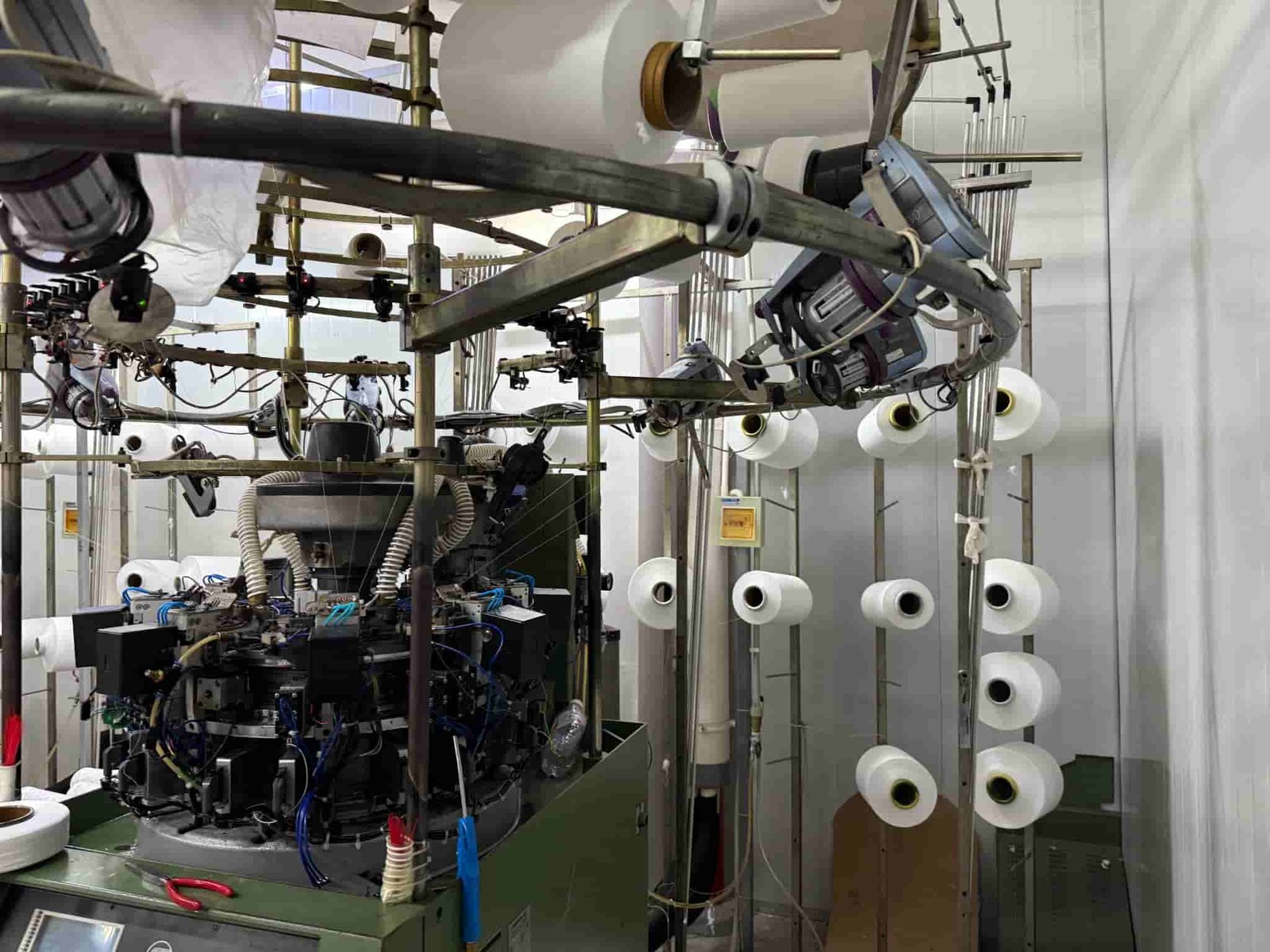
Seamless
- Engineered knit zones
- Rib and texture structures
- Reduced traditional panel seams
- Program-based size and shape development
- Secondary sewing may still be required
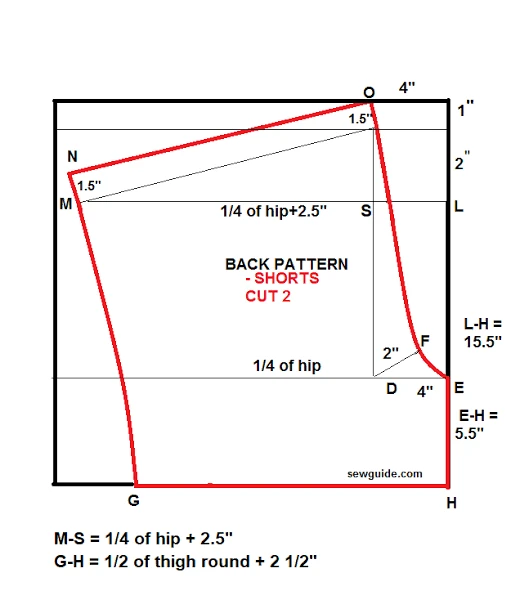
Cut & Sew
- Pattern-controlled panels
- Side and rear seam architecture
- Pocket integration
- Multiple material combinations where feasible
- Traditional garment construction flexibility
Engineer Seamless Biker Shorts Through Knit Zones
Seamless construction can combine waistband structure, contour zones, rib, texture and different knit densities within the garment architecture, but each program still requires sample and bulk validation.
Waist Structure
Knitted waistband zones can be engineered separately from the body area according to intended stability and stretch.
Contour Zones
Density and structure can change around selected areas for visual or supportive effects when technically appropriate.
Texture Zones
Rib, mesh-like structures or other knit effects may change appearance, extension, thickness and coverage.
Crotch Structure
Front and crotch architecture still need fit, movement and coverage evaluation even where a traditional front seam is removed.
Thigh Structure
Local density can influence support and leg-opening behavior, requiring wearer and measurement approval.
Finishing
Seamless does not mean zero sewing. Labels, finishing, hems or other secondary operations may remain part of production.
Control Biker Shorts Through the Cut & Sew Route
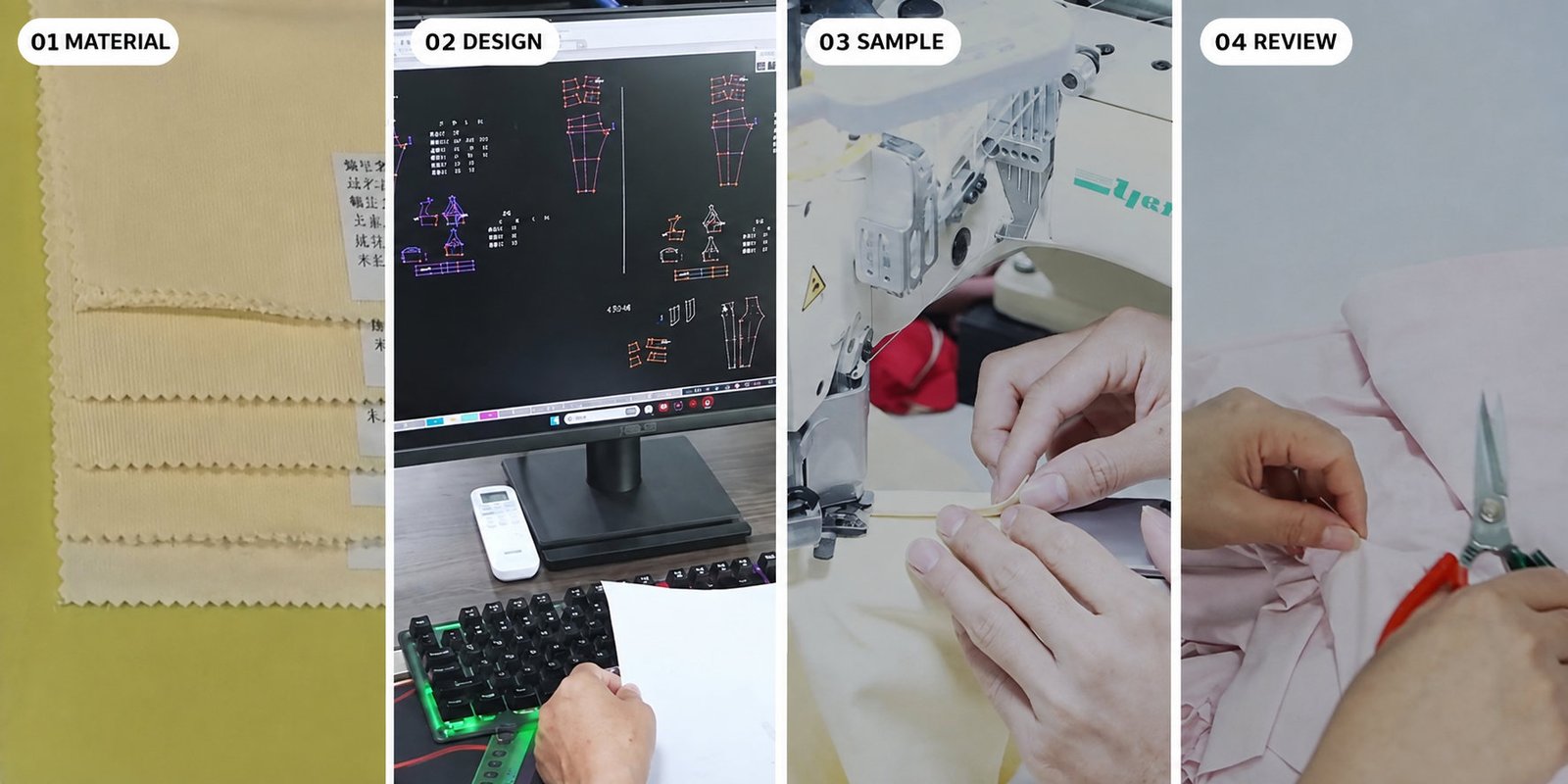
Cut & Sew biker shorts move from approved technical requirements through material preparation, pattern execution, cutting, assembly, first-article review, production and inspection.
Specification
Freeze approved measurements, construction, material and branding requirements.
Pattern
Translate the intended fit into production pattern pieces and seam architecture.
Material
Confirm approved fabric, color direction and applicable trims before production release.
Cutting
Prepare panels according to approved pattern, fabric direction and production requirements.
Assembly
Control seams, pockets, waistband and hems according to the production specification.
First Article
Verify representative bulk conditions before unrestricted quantity production.
Bulk
Produce against the approved standard with in-process quality monitoring.
Release
Complete final inspection and packing checks before shipment release.
Where Seams Sit Changes Fit, Comfort and Workmanship
Seam placement should be reviewed by location and function. Each seam changes stretch distribution, visual contour, potential friction and the inspection points required during production.

Front Seam
Where used, front-centre construction must align with crotch fit, stretch direction and approved appearance.
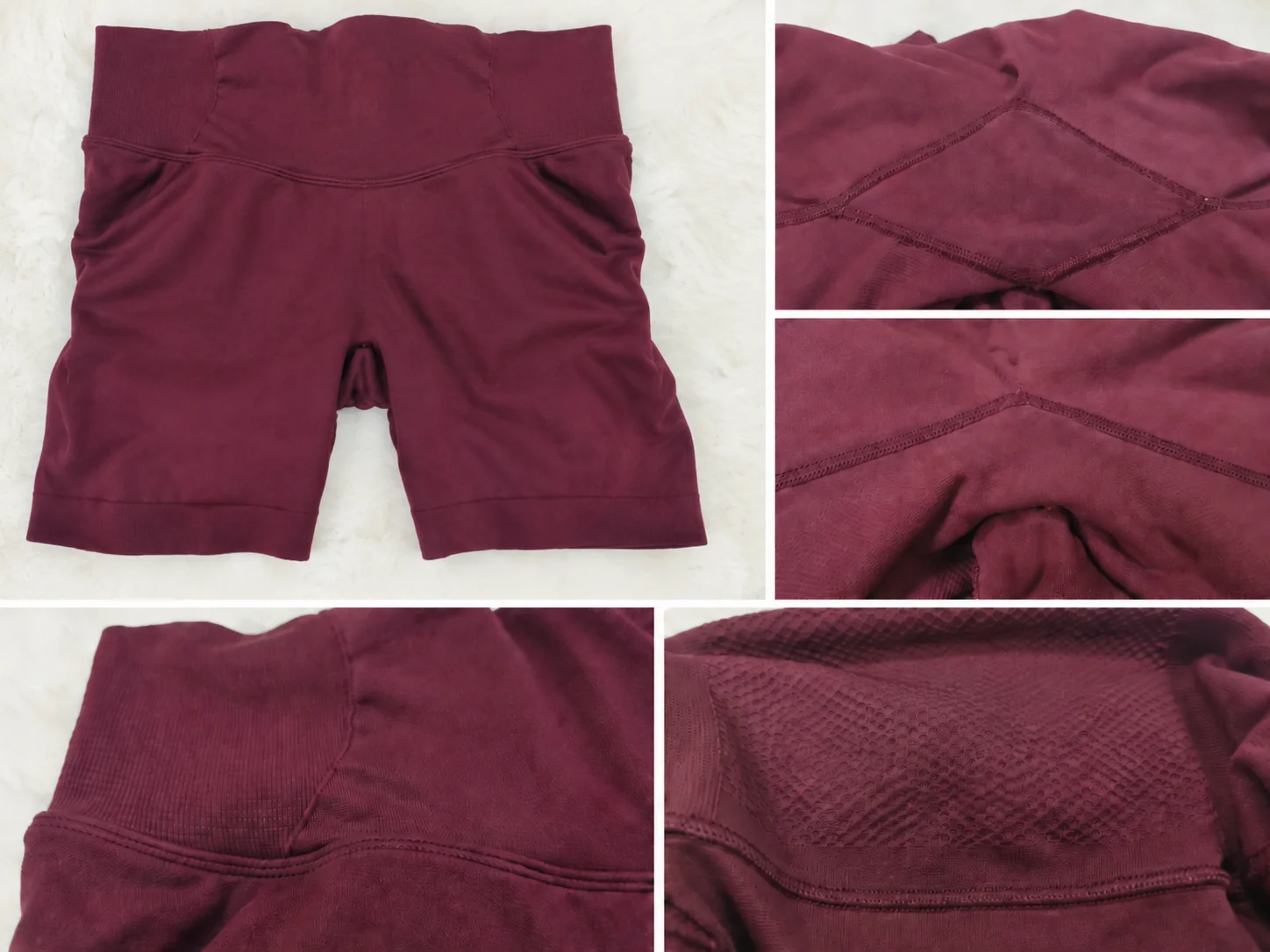
Gusset Seam
Gusset geometry and joining seams influence crotch movement, load distribution and wearer comfort.
Inner Leg
Inner-leg stitching should support extension without creating uncontrolled puckering, twisting or local weakness.
Side & Pocket
Side seams and pockets combine fit and storage requirements, so reinforcement and alignment need joint review.
Rear Contour
Curved rear seams can influence visual shaping and must remain symmetrical and stable under extension.
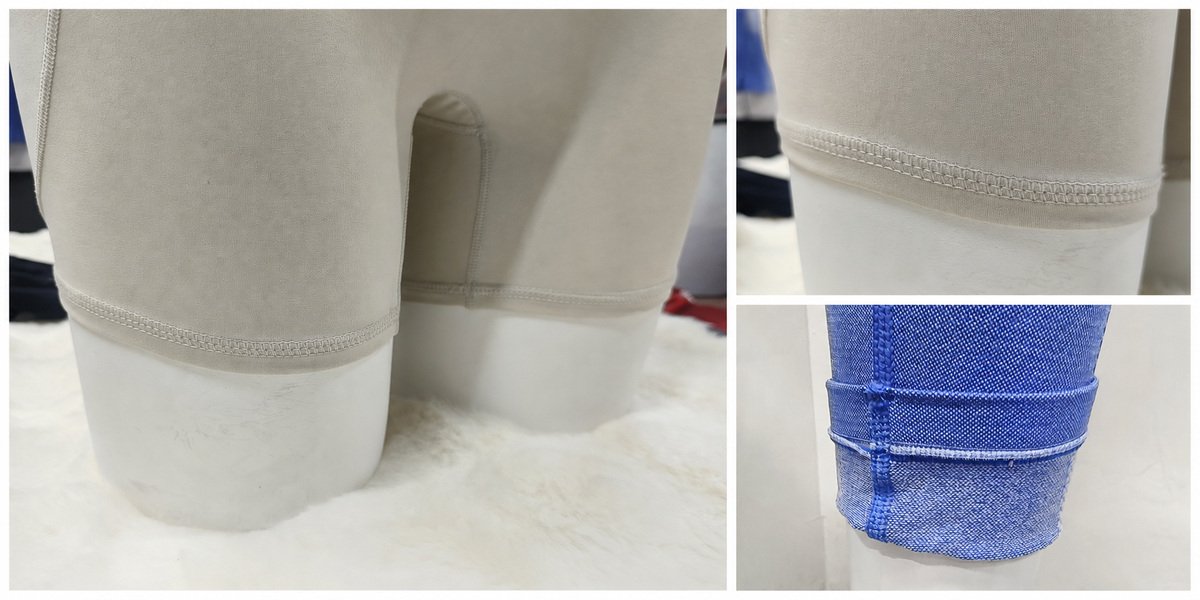
Leg Opening
Hem or leg-opening construction must remain consistent while allowing the approved thigh stretch and fit.
What Information Is Needed at Each Project Stage?
A project does not require every document on day one. The required level of detail increases as the program moves from concept through sampling, approval, bulk production and repeat orders.
Concept
Minimum useful inputs can include product type, legally usable reference, target market and estimated quantity.
- Product direction
- Reference image/sample
- Target market
Sampling
Add information needed to convert the concept into a reviewable physical sample.
- Measurement direction
- Fabric requirement
- Construction and color
Approval
Fit, material, construction and branding decisions need to become increasingly controlled before release.
- Final POM
- Approved material/color
- Fit comments
Bulk
Bulk requires a usable production standard rather than a collection of informal comments.
- Tolerance and method
- Labels and packaging
- Testing requirements
Reorder
Previous standards should be reviewed against any changed material, color, packaging, quantity or SKU requirement.
- Previous approval
- Change list
- New order conditions
Identify Technical Conflicts Before the First Sample
Development review is used to expose fit, construction, material and commercial conflicts before time and cost are committed to physical sampling.
| Review Point | Possible Impact | Review Direction |
|---|---|---|
| Fit & Measurements | Waist slip, ride-up, pressure or crotch imbalance | Check POM, rise, inseam, waist/hip/thigh relationship |
| Material | Opacity, recovery or hand-feel mismatch | Confirm actual material direction against product use |
| Construction | Seams or pockets conflict with stretch or appearance | Review route and workmanship before sampling |
| Branding | Logo method may affect stretch, MOQ or lead time | Confirm artwork, process and location |
| Commercial | Custom elements may change effective MOQ | Check material, color, trims and packaging together |
Convert Approved Fit Into a Bulk Inspection Standard
A successful sample is not the end of development. Its measurements, material, workmanship, color and appearance need to be transferred into production references that can be checked repeatedly.
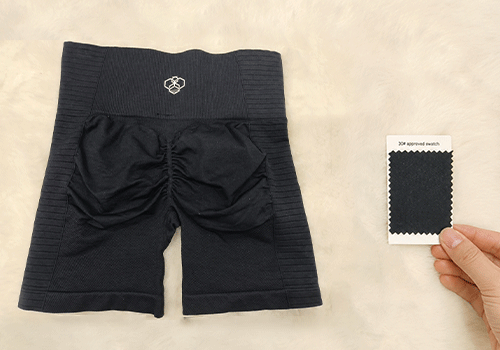
Approved Sample
- Approved measurements and POM
- Approved material and color
- Approved construction
- Approved branding
- Final fit comments
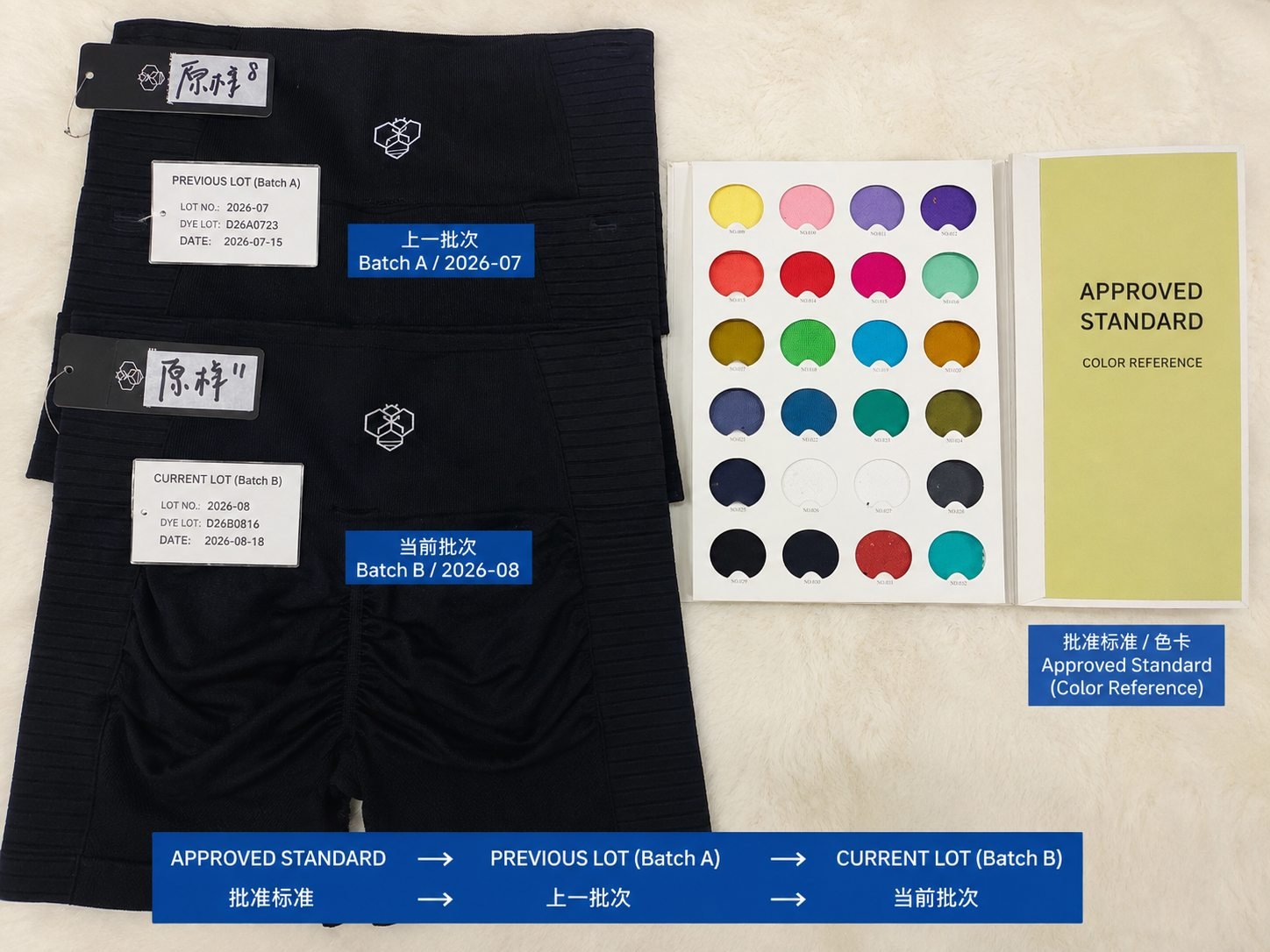
Bulk Comparison
- Measurement checks
- Fabric and color confirmation
- Seam and pocket workmanship
- Logo and label position
- Packing execution
General tolerance references used by MOVEVOX may be approximately ±2 cm for Seamless and ±1.5 cm for Cut & Sew unless a buyer specification defines a different approved standard.
Send Your Biker Shorts Project for Sample Review
Share the information already available. A complete Tech Pack is preferred for detailed evaluation, but a legally usable reference garment, sketch, image or sufficiently defined product concept can also support an initial discussion.
Fit Direction
Waist, hip, rise, inseam, thigh and leg-opening requirements.
Material Direction
Fabric, yarn, hand feel, compression, opacity and color expectations.
Construction
Seamless or Cut & Sew, pockets, seams, contour structures and finishing.
Commercial
Estimated quantity, target market, target date and branding requirements.
Connect the Biker Shorts Order From PO to Shipment
Traceability helps a sourcing or quality team identify which specification, SKU, material lot, production record, inspection and packing information belong to the relevant finished goods.
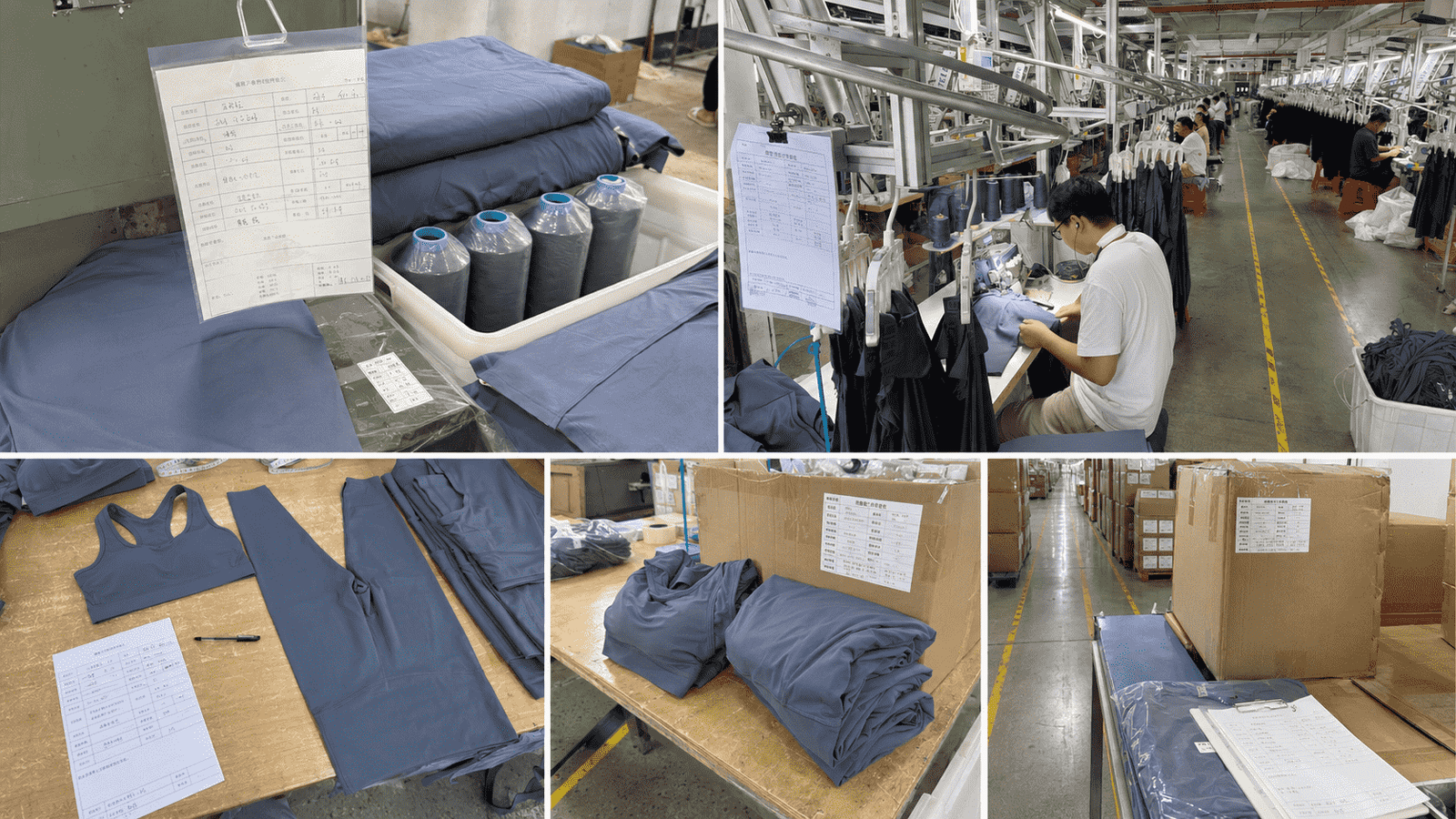
PO
Customer order and internal project reference.
Style & SKU
Product, color and size identification.
Material Lot
Relevant fabric, yarn or approved material records.
Production
Production site, line or manufacturing batch where applicable.
Inspection
Measurement, workmanship and release records linked to the order.
Packing
SKU, size and packaging execution.
Carton
Relevant carton or packing-batch identification.
Shipment
Released goods connected to the final shipment record.
Traceability is intended to help define the affected scope with evidence when an issue is investigated. It does not mean every quality issue automatically affects an entire order.
One MOVEVOX Interface Across the Production Supply Chain
Where controlled external or satellite production resources are used, the objective is not to make customers manage multiple factories. Development standards, quality requirements and project coordination remain under one accountable interface.
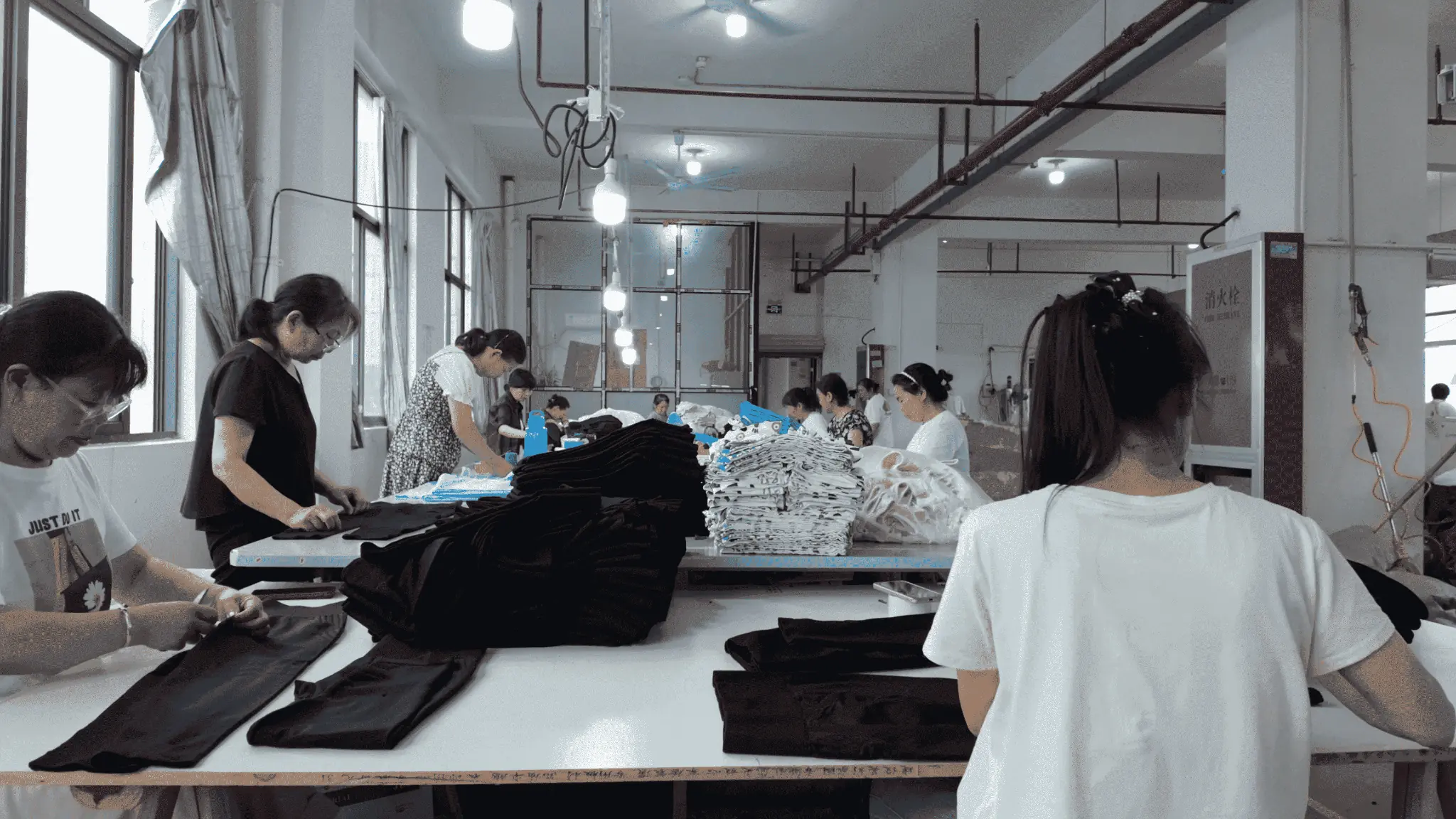
Yarn & Fabric
Material sources are coordinated against the approved project requirement.
Seamless
Eligible engineered-knit programs can use MOVEVOX Seamless capability.
Cut & Sew
Pattern, cutting, sewing and garment finishing support applicable styles.
Branding
Approved logo, label and packaging requirements are coordinated with the garment program.
Quality
Project quality requirements remain connected to the approved standard and order.
Packing
Finished-goods execution remains part of the controlled delivery chain.
Logistics
Shipment coordination follows the confirmed project and commercial conditions.
Accountability
Customers maintain one MOVEVOX project interface for development and execution coordination.
Verify the First Bulk Article Before Quantity Production
First-article review checks whether the approved specification can actually be reproduced with bulk material, production equipment, production settings and manufacturing conditions.
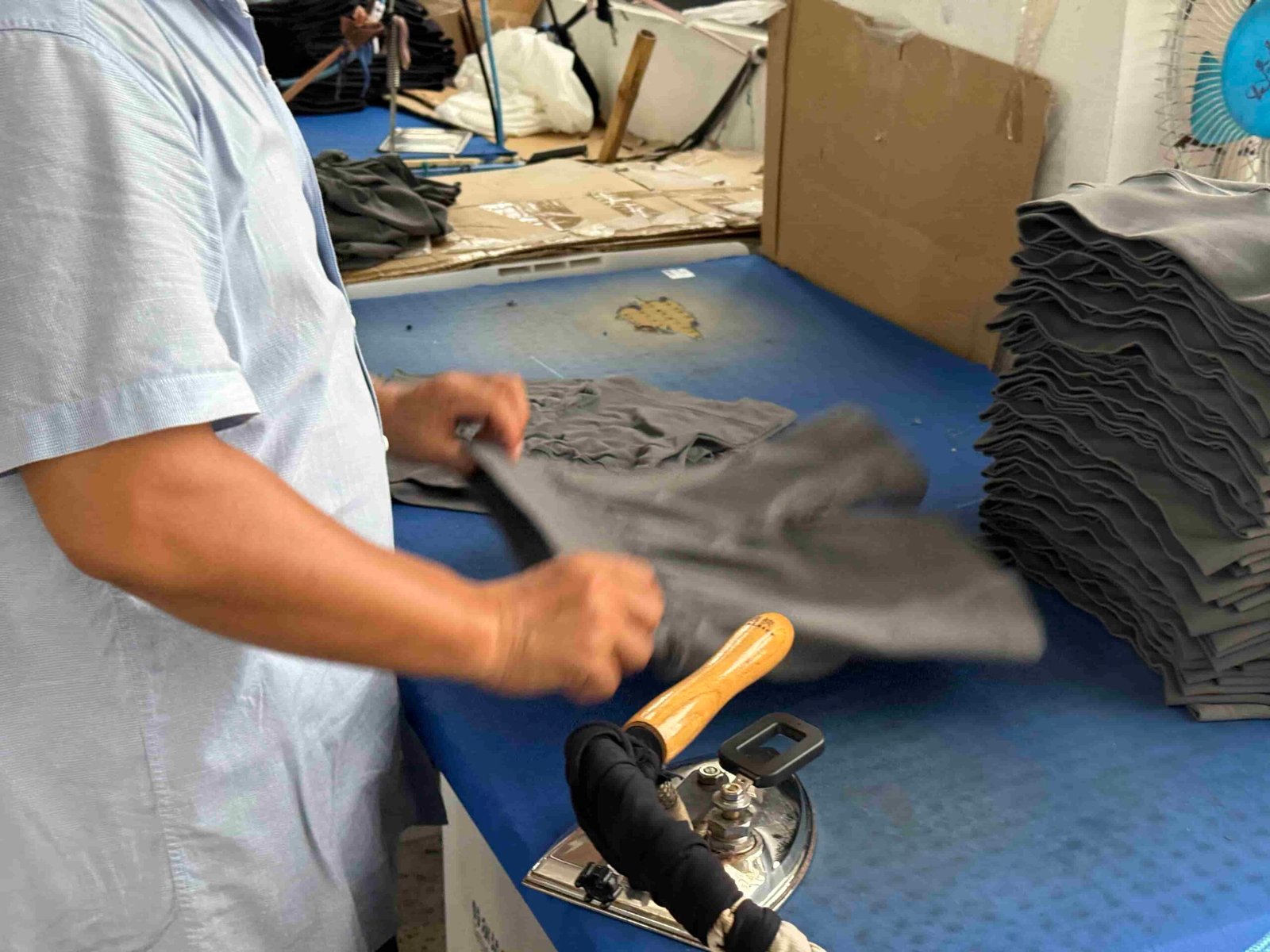
Material
Confirm approved fabric or yarn direction and relevant bulk lot.
Color
Check bulk shade against the approved project standard where applicable.
Waist & Hip
Verify key fitted measurements before quantity replication.
Rise & Inseam
Confirm critical product dimensions with the agreed method.
Pockets & Seams
Check position, alignment, construction and workmanship.
Branding
Confirm logo, labels and visible brand elements against approval.
A representative first article is a quality gate between the approved development standard and unrestricted bulk production. Deviations should be corrected before they are repeated through larger quantities.
Understand What Existing Test Reports Actually Prove
Testing evidence should remain tied to the tested sample, material, color, report and method. An existing report should not automatically be presented as certification for every MOVEVOX biker shorts program.
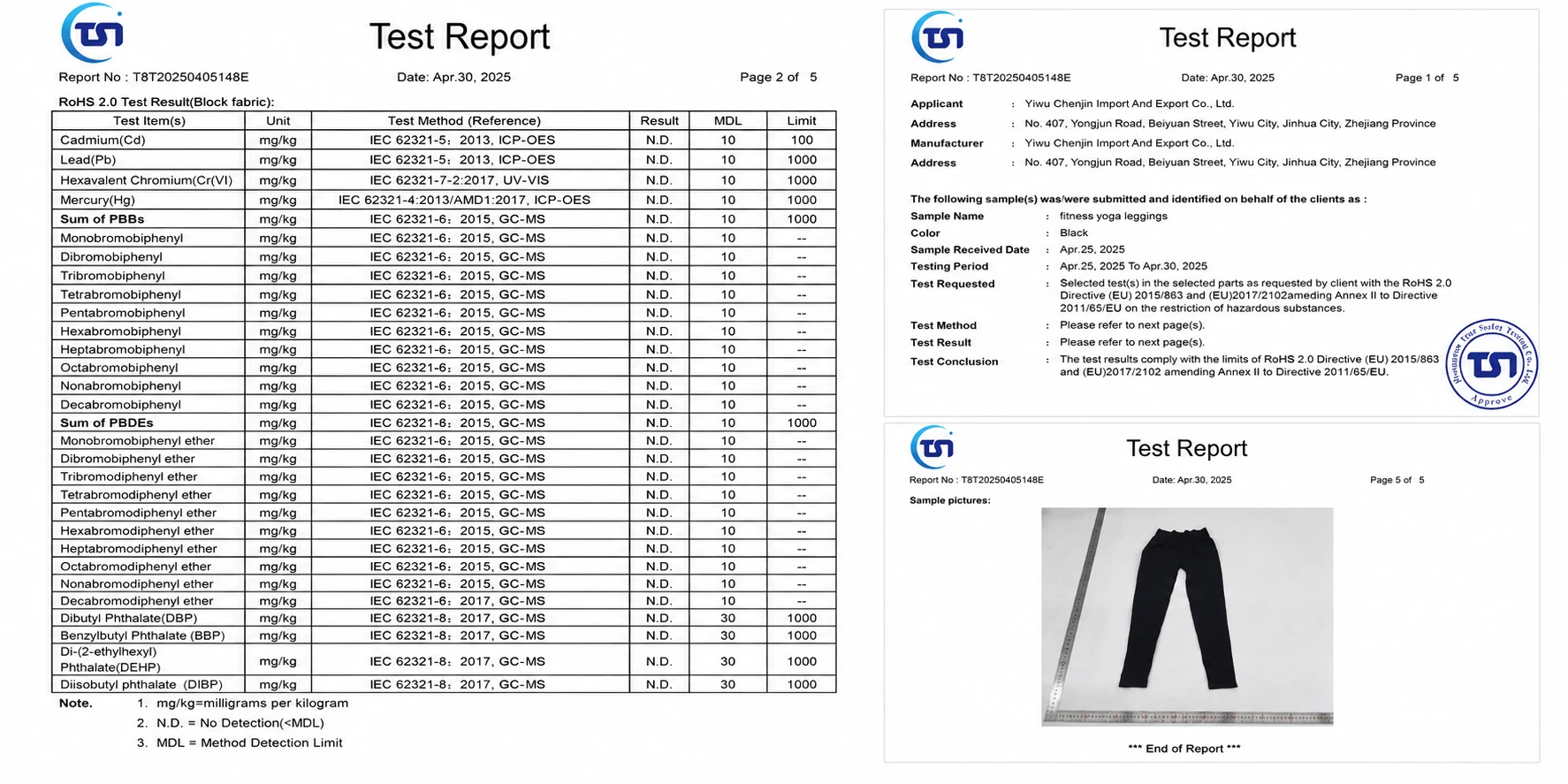
RoHS Test Evidence
MOVEVOX holds third-party testing evidence relating to a tested black fitness yoga leggings sample. The report demonstrates experience with scope-specific product testing.
- Applies to the tested sample scope
- Does not automatically certify biker shorts
- Does not automatically cover other colors or materials
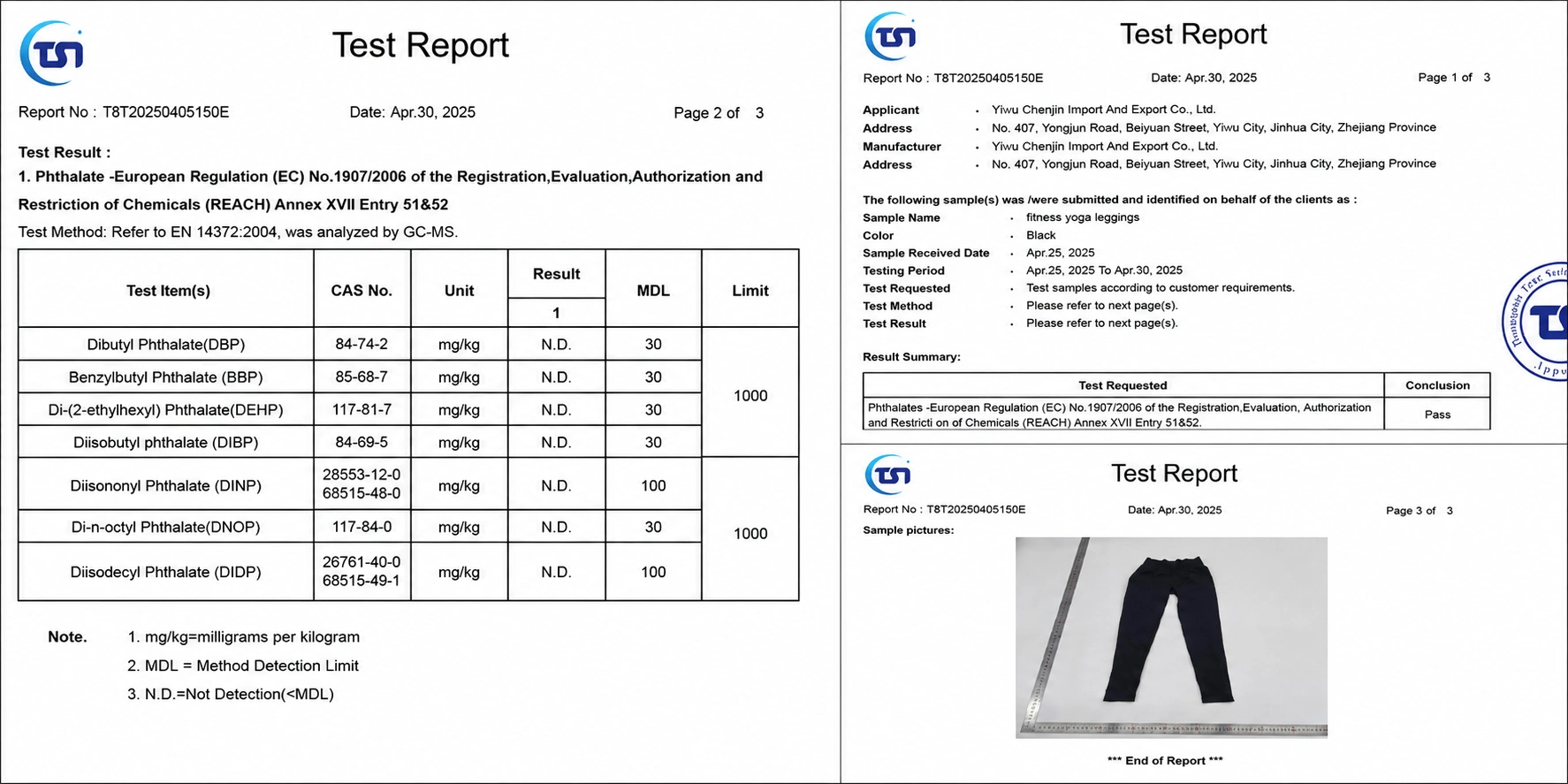
Phthalates Test Evidence
Existing third-party phthalates testing similarly demonstrates testing-process experience for the specific tested sample rather than a universal certification covering unrelated products.
- Read the report scope first
- Match evidence to actual project requirements
- Arrange project testing where required
Testing support and a passed report are different things. Buyer standards, target market, material changes, custom colors and product risk can require project-specific evaluation or additional testing.
Manage Lead Time Through Dependencies and Approval Gates
Regular bulk production is generally about 20–35 days when materials, approvals and production conditions are ready. A useful delivery plan also shows what must happen before each stage can start.
| Stage | Dependency | Primary Owner | Release Condition |
|---|---|---|---|
| Material | Approved fabric/yarn and color direction | MOVEVOX + Buyer | Material requirement confirmed |
| Sample | Usable specification and material direction | MOVEVOX | Development inputs sufficiently clear |
| Approval | Buyer sample review | Buyer | Final comments closed |
| Bulk | Approved sample and production readiness | MOVEVOX | Release standard frozen |
| Inspection | Bulk completion status | QC | Required inspections completed |
| Shipment | Quality and packing release | MOVEVOX | Commercial shipment conditions confirmed |
Custom materials, special colors, complex branding, testing requirements, multi-SKU orders and delayed buyer approvals can change the critical path. Lead time should therefore be tied to a defined start condition.
From Development Samples to Repeat Activewear Production
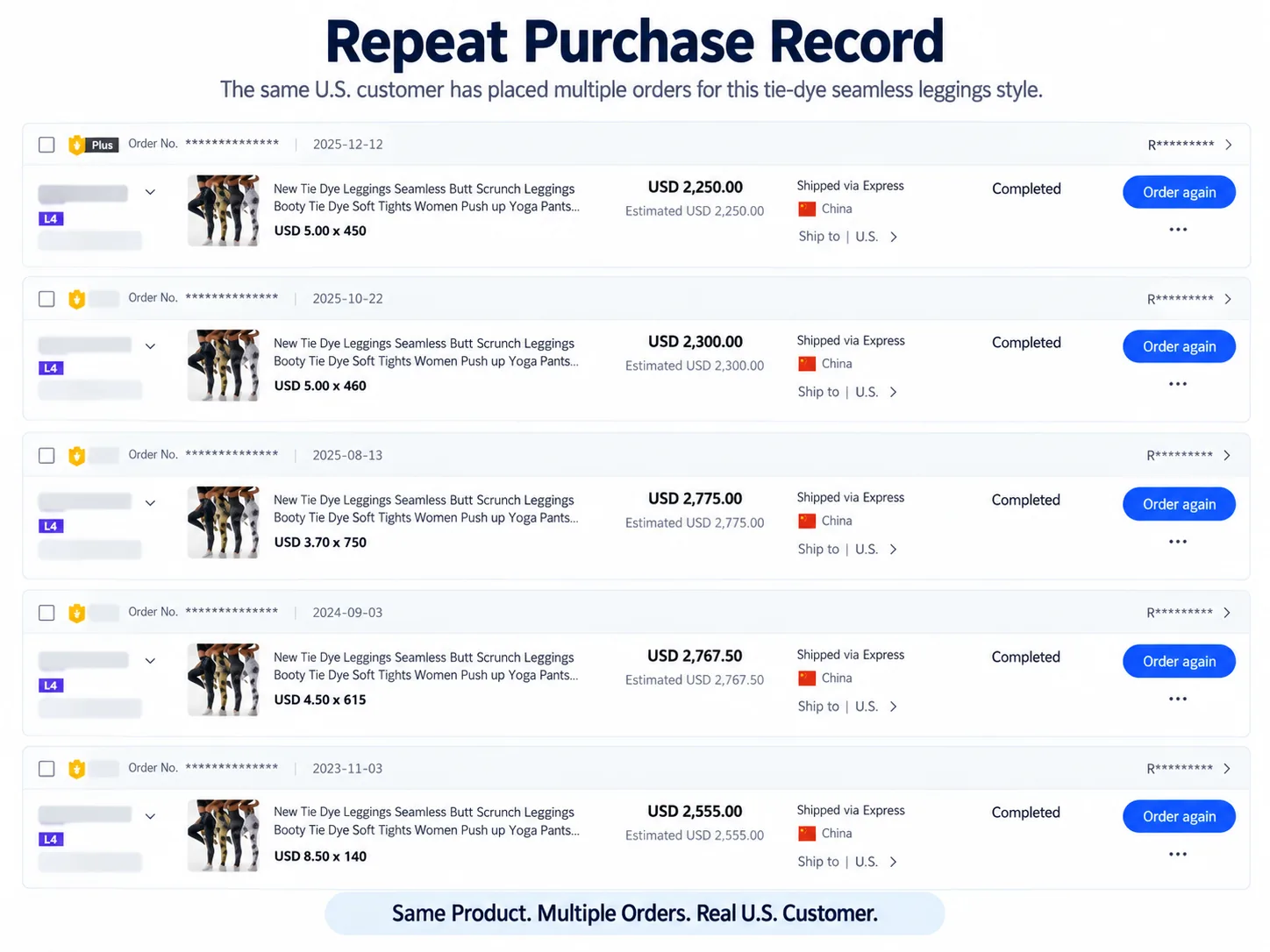
The following evidence comes from an anonymous U.S. women’s fitness and yoga program covering a broader activewear range. It demonstrates the development and repeat-production process; it should not be presented as a dedicated biker shorts case.
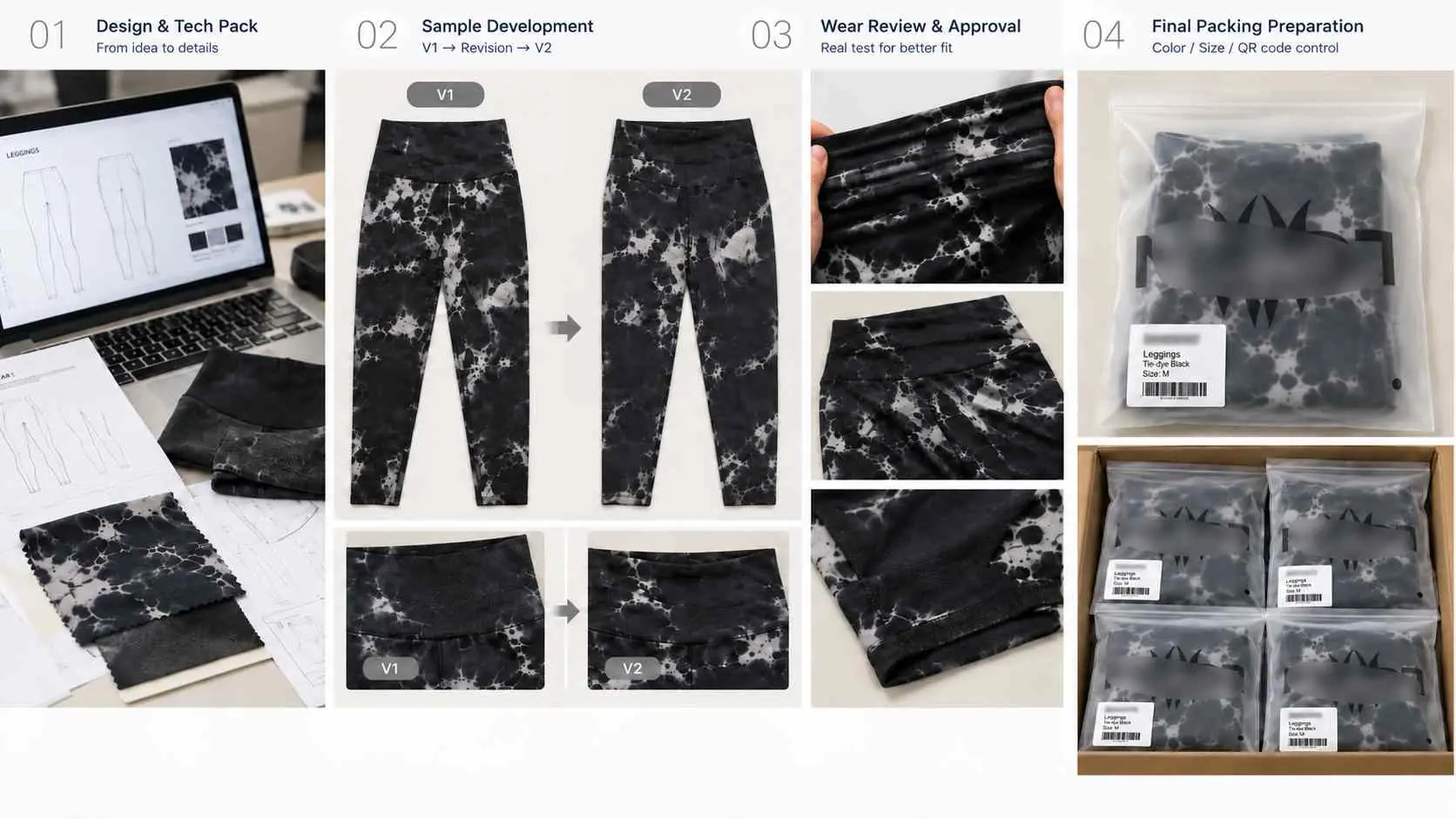
Development and V1
The program began from buyer technical information and moved into physical sample development. The first version created a product that could be assessed against actual fit and construction requirements.
Wear Feedback and V2
Wearer feedback was used for the second version, followed by additional test samples before moving into bulk-production activity.
Product Scope Expanded
The broader customer program covered multiple women’s fitness and yoga categories rather than remaining a single-SKU development exercise.
Private Label Added
Custom logo, labels, care labels and packaging requirements formed part of the execution rather than being separated from the garment program.
SKU Identification
QR and item-identification checks were incorporated into the wider project’s execution requirements.
Repeat Cooperation
The project provides evidence of development progressing into repeat activewear production and broader cooperation rather than ending after the first sample.
Client identity is withheld for confidentiality. No specific biker shorts result, customer name, sales figure or unsupported commercial outcome is claimed.