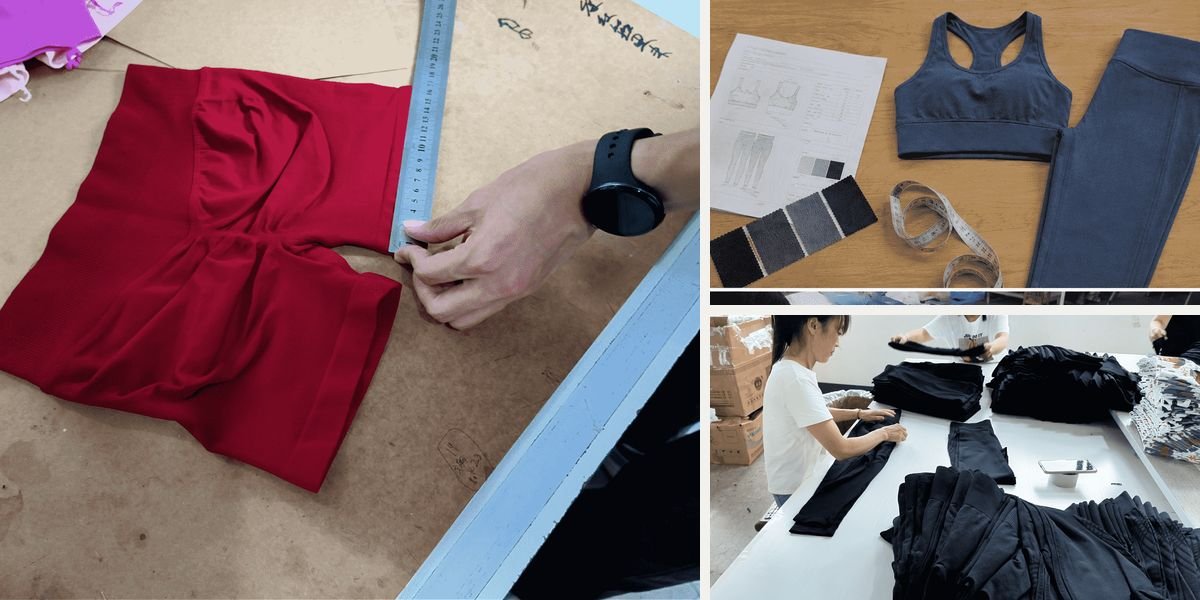
V WAIST LEGGINGS MANUFACTURER

V Waist Leggings Manufacturer for Activewear Brands and Performance Collections

Define the V. Engineer the waistband. Validate the Fit. Preserve the geometry through bulk.

MOVEVOX supports activewear brands developing V-front, crossover-waist and other buyer-defined waistband concepts through controlled pattern, Fit, material and physical sample development. The objective is not simply to reproduce a visual V shape, but to establish an approved waistband geometry that can be measured, graded and carried into repeatable bulk production.

MOVEVOX V waist leggings development and manufacturing
V-waist geometry must be validated as a physical fit system.

Waistband angle, overlap, rise, material and grading work together before the style becomes a production standard.

WHAT BUYERS FACE

Visual Direction Is Not Yet a Production Standard

  • Visual references do not define production-ready V-waist dimensions or construction.
  • Waistband geometry can change after material, Fit and rise are combined.
  • A V shape approved in one size may not remain balanced after grading.
HOW MOVEVOX DEVELOPS IT

Turn V-Waist Intent Into a Controlled Physical Product

  • Clarify the V structure before pattern and sample development begin.
  • Validate geometry, Fit and material together on the physical garment.
  • Lock approved measurements, grading and construction before bulk production release.
V-WAIST STRUCTURE MAP

What Type of V Waist Are You Developing?

“V waist” can describe several different waistband constructions. Before pattern development begins, the buyer and manufacturer should define the actual front, back, overlap and seam direction rather than rely on the product name alone.
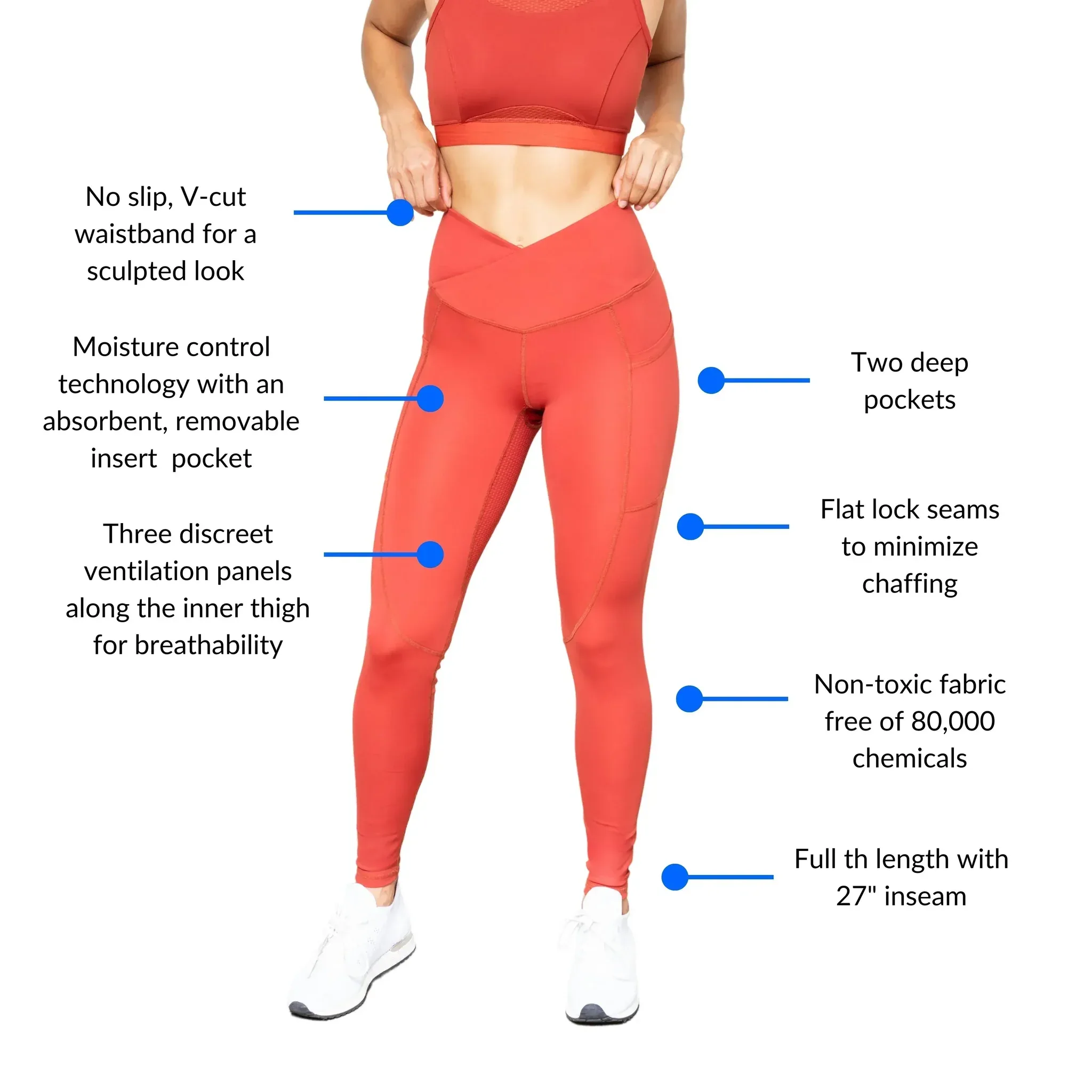
Technical V waist leggings waistband structure map
Define the geometry before pattern development.

Front depth, overlap, side-waist height, back shape and seam direction should be treated as separate technical decisions.

V FRONT

V Front

A V-front waistband creates a defined center-front low point while maintaining higher side-waist positions. The required depth and angle should be connected to rise, material and physical Fit.

CROSSOVER

Crossover Front

A crossover waistband introduces overlapping front sections rather than a simple V-shaped top edge. Overlap depth, attachment position, symmetry and material recovery all affect the finished garment.

DEEP V

Deep V Front

A deeper center-front direction can change more than appearance. Front rise, coverage, side-waist height and the connection into the legging body should be reviewed together.

SOFT V

Soft V Front

A shallower V direction creates a different pattern and visual proportion from a deep V. The buyer should define the intended physical reference rather than use “V waist” alone.

V BACK

V Back

A back V places the geometry on the rear waistband or yoke area. Back rise, hip relationship, seam construction and grading become more important to the final shape.

YOKE

Curved Back Yoke

A curved yoke may create a V-like visual direction without using the same construction as a front crossover waistband. Pattern, seam and back-Fit requirements should be distinguished clearly.

V-WAIST PATTERN-MAKING

V-Waist Geometry Begins With the Pattern, Not the Product Photo

A reference image communicates visual direction, but the production result depends on measurable pattern relationships. V depth, overlap, side-waist height, rise and Fit need to become controlled technical variables.

Front Waist Geometry

The visible V point is only one part of the pattern. Side-waist height, garment waist, front rise, construction and body connection all contribute to the finished physical shape.

Crossover Geometry

Overlap direction, depth, center position, attachment point and material response need to work together. Increasing overlap alone does not automatically correct a Fit problem.

Back Waist & Yoke

V-back and curved-yoke constructions remain connected to back rise, hip shape, seam placement and grading. Their technical route differs from a front crossover waistband.

MOVEVOX Tech Pack pattern material and multi-version sample review
COMMON V-WAIST FIT PROBLEMS

Why a V-Waist Sample Can Miss the Target

A visible waistband problem does not always come from the waistband alone. Pattern geometry, garment Fit, rise, material recovery and sewing alignment can create similar symptoms and should be diagnosed before revision.

Problem Impact Technical Response
V Point Too High The garment can appear less defined and the center-to-side proportion changes. Review V depth, front rise, side-waist height and worn position before changing the pattern.
V Point Too Low Front-waist position and coverage can change even if the overall waist is close to specification. Compare physical V depth, rise and side height with the approved product direction.
Asymmetry The two sides of the V or crossover can appear visibly unbalanced. Review pattern symmetry, cutting, attachment points, sewing alignment and measurement method.
Waistband Gaping The V may appear correct when flat but move away from its intended position when worn. Review waist-to-hip Fit, material response, rise and complete waistband construction.
Overlap Opens The visible crossover relationship changes under physical Fit conditions. Check overlap, attachment position, waist measurement and material recovery together.
Center Drift The V point or crossover intersection moves away from the intended garment center. Establish one center reference and verify pattern, cutting, sewing and finished measurements.
WAIST-TO-HIP FIT

The V Shape Depends on the Complete Waist-to-Hip Fit

A V-waist cannot be controlled through the visible top edge alone. Waist, hip, rise, material recovery and waistband construction together determine where the finished V sits on the physical garment.

Variable Why It Matters Approval Question
Garment Waist Controls starting circumference and contributes to waistband tension. Does the waist sit at the approved position without changing the intended V?
Garment Hip Influences how the legging body pulls below the waistband. Does hip Fit shift the front or rear waistband position?
Front Rise Connects crotch geometry to center-front waistband position. Is the V depth correct relative to the approved rise?
Back Rise Influences rear-waist position and V-back / yoke construction. Does the rear waistband remain at the approved position?
Material Recovery Changes how the garment returns after extension. Does the waistband return toward the approved physical shape?
Construction Crossover, shaped and straight waists distribute tension differently. Does the chosen construction produce the approved physical result?
V-WAIST FIT MYTHS

Common V-Waist Assumptions That Need Technical Review

V-waist development often fails when one visible dimension is treated as the whole product. These assumptions show why rise, Fit, pattern and material need to be reviewed together.

MYTH

A deeper V only needs a lower center point.

Fact: Lowering the center can also change front-waist position, side transition and the relationship with front rise. The complete physical Fit should be reviewed before the revised center point becomes an approved pattern change.

Condition: Actual impact depends on pattern, material and buyer-defined Fit.

MYTH

V depth can be reviewed without rise.

Fact: Front rise connects the crotch area with the front waistband. Two samples can share a similar visible V while sitting differently on the body because their rise, waist measurement or material response differs.

Condition: Use one defined measuring method and physical sample condition.

MYTH

Flat appearance proves the crossover Fit.

Fact: A crossover can look balanced when laid flat yet open or shift when worn. Overlap, waist-to-hip Fit, attachment position and material recovery should be evaluated on the physical garment.

Condition: Acceptance follows buyer-approved physical Fit, not flat appearance alone.

MYTH

All V-waist dimensions should grade equally.

Fact: Waist circumference, V depth, side height and crossover overlap perform different functions. The appropriate size rule should follow the buyer’s size architecture and physical size-set validation rather than one universal percentage.

Condition: No universal MOVEVOX V-waist grade ratio is claimed.

MYTH

The same pattern behaves the same in every fabric.

Fact: Stretch, recovery, weight and structure affect waistband tension and garment position. Changing material after sample approval can change the physical V even when the paper pattern remains unchanged.

Condition: Material changes should trigger appropriate sample and Fit review.

MYTH

Base-size approval automatically approves every size.

Fact: Base-size approval establishes one reference. Grading and selected physical size-set review remain separate technical steps when the buyer needs confidence that the V proportion remains appropriate across the range.

Condition: Physical review requirements depend on buyer specification and project risk.

MATERIAL CLAIM ↔ EVIDENCE

Connect V-Waist Material Behavior With Physical Evidence

Material descriptions alone do not prove V-waist performance. Each relevant material claim should be connected to a physical sample, defined review condition or project-specific evidence before it becomes part of the approved product standard.

Waist Stretch

Supports the required waistband extension.

Evidence: Review the actual material and completed sample against the intended garment waist and physical Fit. Fiber composition by itself does not establish how the finished shaped waistband will extend.

Basis: Selected fabric, garment measurement and physical Fit sample.

Recovery

Returns toward the approved waistband condition.

Evidence: Compare the physical garment before and after the agreed extension or wear review. MOVEVOX does not publish a universal recovery percentage for every material or V-waist product.

Basis: Project-specific material and approved sample condition.

V Stability

Maintains the intended center position.

Evidence: Review V depth, center position and side-waist relationship before and after the defined physical Fit condition. The accepted result should follow the buyer-approved physical reference.

Basis: Measurement method plus physical Fit approval.

Crossover Response

Maintains the approved overlap relationship.

Evidence: Evaluate the crossover in both flat and worn conditions because material stretch can change the visible overlap even when the underlying pattern pieces have not changed.

Basis: Approved pattern, material and physical sample.

Edge Shape

Remains consistent with approved construction.

Evidence: Inspect the V or crossover edge for unintended distortion after the agreed review. Acceptance depends on construction and buyer criteria rather than a universal visual claim.

Basis: Approved construction and physical garment.

Complete Fit

Works with the full waist-to-hip system.

Evidence: Waistband material should be reviewed together with waist, hip and rise because the same material can behave differently when garment geometry and negative ease change.

Basis: Current material, POM and Fit sample.
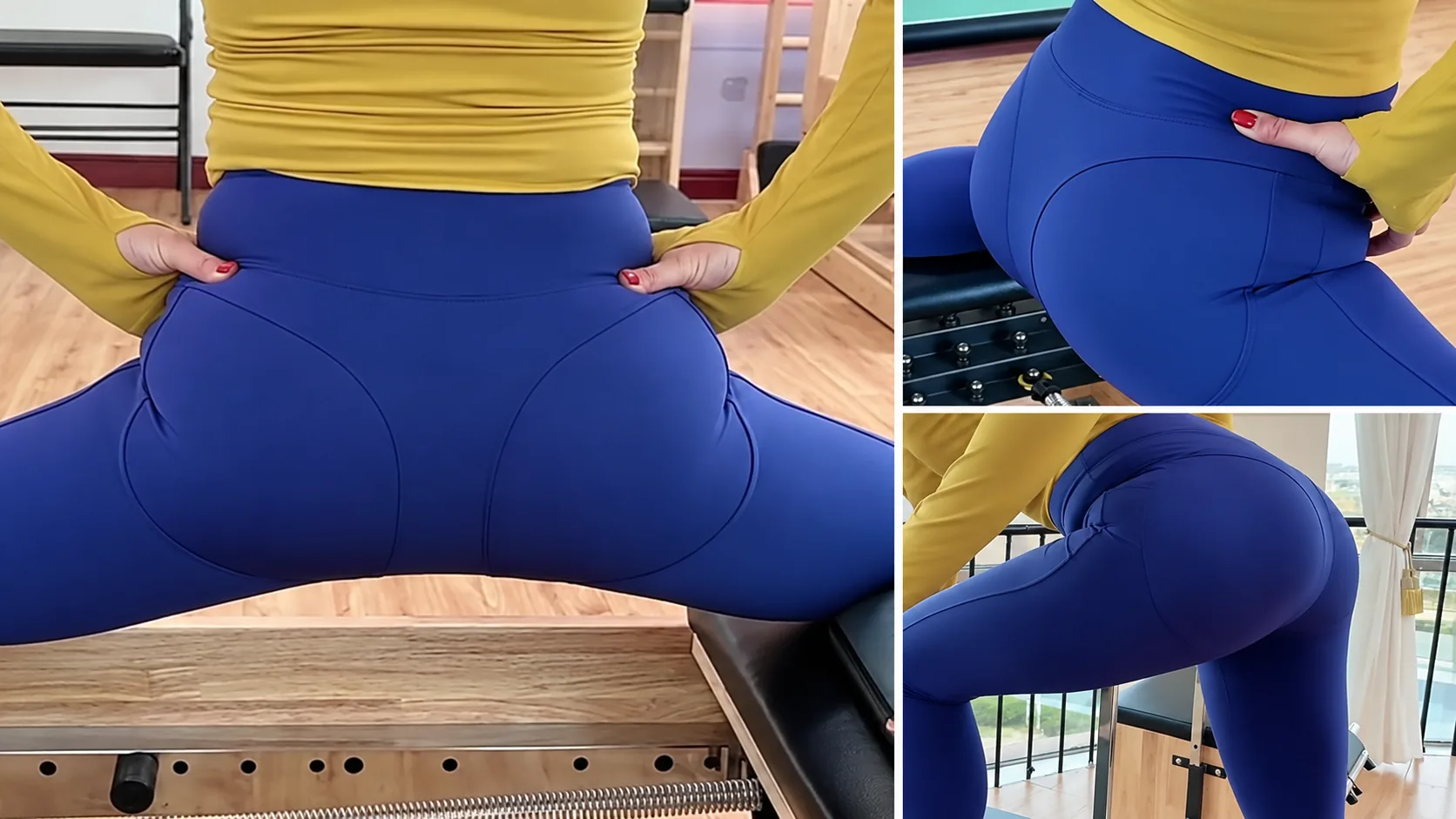
MOVEVOX activewear material swatches for development review
V-WAIST MEASUREMENT METHOD

Measure V-Waist Leggings the Same Way Every Time

A production measurement only works when buyer and factory use the same reference point, garment condition and direction. V-waist specifications should establish those rules before tolerances or bulk inspection decisions are applied.

MOVEVOX garment measurement and QC project review

V Depth

Define one center-front or center-back reference and keep the measuring method consistent from sample through production inspection.

Side Waist

Use side-waist height to establish how the shaped waistband transitions from center to the side body.

Overlap

For crossover products, identify exactly which physical points define the approved overlap relationship.

Waist

Overall waist measurement remains important because waistband tension can alter the physical appearance of the V.

Rise

Front and back rise remain connected to the physical position of the shaped waistband.

Hip

Hip measurement helps confirm that the complete garment geometry supporting the waistband remains within the approved Fit.

PHYSICAL FIT SAMPLE

Validate V Geometry on the Physical Fit Sample

The physical sample is where pattern, material and garment Fit become one product. V geometry should be reviewed through measured and worn conditions before the base size is treated as approved.

01

Specification Review

Confirm V-front, crossover, V-back or other construction and resolve critical measurements before assumptions enter the sample.

02

Pattern Development

Translate the approved direction into waist, V depth, overlap, rise and body relationships.

03

Physical Sample

Build the garment using the current pattern and selected material for meaningful Fit review.

04

Fit Review

Evaluate measurements, worn position, symmetry, waist-to-hip Fit, rise and material response.

05

Revision Sample

Apply defined changes while keeping previously accepted variables under control.

06

Base Approval

Close base-size geometry, Fit, material and construction before grading and size-set development.

V waist leggings physical Fit sample review
FIT REVIEW

Translate Visual Fit Comments Into Technical Revision Decisions

Comments such as “the V looks wrong” identify a symptom, not necessarily the cause. A controlled review separates geometry, Fit, material and construction before the next sample is changed.

“The V Is Too Deep”

Verify V depth, side-waist height, front rise and complete waist position before moving the center pattern point.

“The Crossover Opens”

Review overlap, attachment position, garment waist, material recovery and complete Fit together.

“The Waist Gaps”

Check waist, hip, rise and material response before treating the issue as V geometry alone.

“The Sides Differ”

Use one defined center reference and review pattern, cutting, sewing and measurement method.

“The V Moves”

Compare flat and worn position under one defined physical review condition.

“One Size Differs”

Review grade rules and selected physical sizes before treating the result as a production defect.

FIT REVISION · BEFORE / AFTER

Make V-Waist Fit Revision Traceable Between Versions

A Fit revision should document the visible problem, the technical variable being changed and the physical result being checked again.
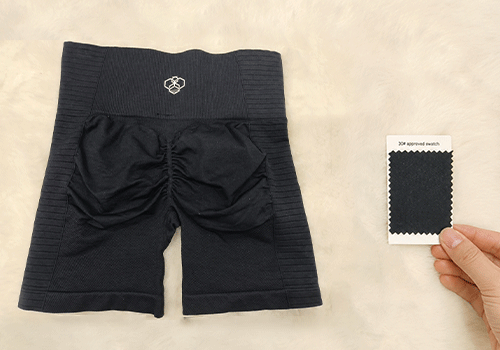
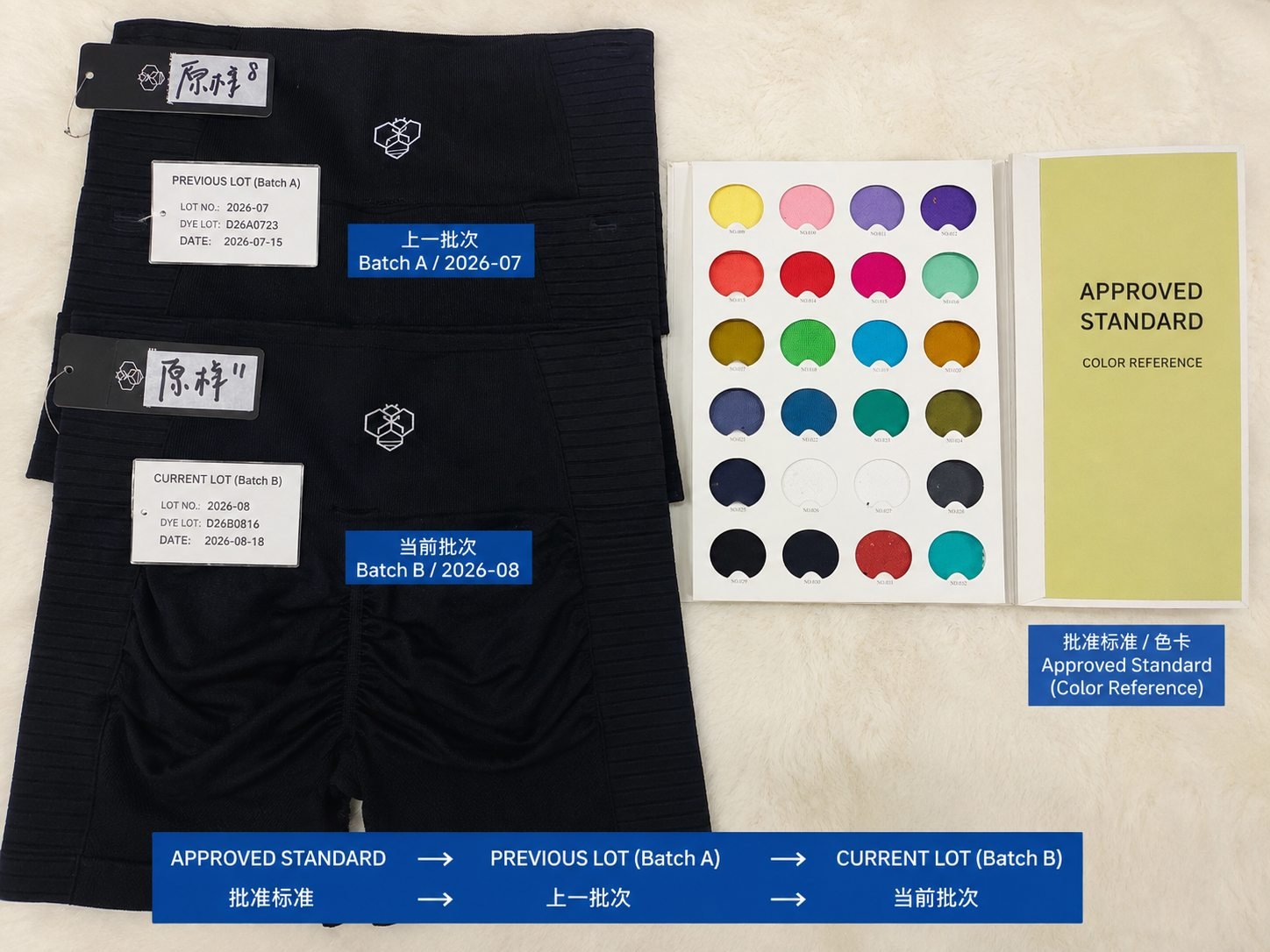
V waist leggings V1 sample requiring Fit revision
BEFORE · V1

Current Sample

V Depth: The current center position is measured against the buyer’s intended reference before any pattern adjustment is released.

Overlap: The crossover relationship is reviewed under the current waist measurement, material and attachment position.

Symmetry: Left and right geometry is checked to determine whether the issue originates from pattern, cutting or assembly.

Complete Fit: Waist, hip and rise are reviewed to avoid changing the waistband when the actual issue comes from the garment beneath it.
V waist leggings revised V2 Fit sample
AFTER · V2

Revised Sample

V Depth: The agreed dimension is revised and remeasured using the same reference used for V1.

Overlap: Any approved change is recorded as a defined pattern or attachment adjustment rather than an undocumented visual correction.

Symmetry: The revised garment is compared against the intended center and left/right relationship.

Complete Fit: The final review checks that correcting the V did not create a new waist, rise or hip problem elsewhere in the garment.

V-WAIST GRADE RULES

Do Not Grade the Entire V Waist Equally

Waist circumference, hip, V depth, crossover overlap and side-waist height serve different functions. The grade plan should define how each variable changes through the size range instead of applying one universal percentage.

01

Base Size

Approve one physical base size with the intended V geometry, material, waist-to-hip Fit and rise.

02

Garment Grade

Define how waist, hip, rise, inseam and other relevant POM progress between sizes.

03

V Depth Rule

Determine whether V depth remains constant or changes through the size range.

04

Overlap Rule

For crossover designs, define how overlap should behave as garment dimensions change.

05

Side Height Rule

Control the relationship between center geometry and side-waist height.

06

Grade Lock

Review risk sizes where required and release approved grading information into the current standard.

PHYSICAL SIZE SET

Verify V-Waist Proportion Across the Size Range

Mathematically graded dimensions still need to create the intended physical garment. A representative size set helps determine whether V geometry, complete Fit and visual proportion remain acceptable beyond the approved base size.
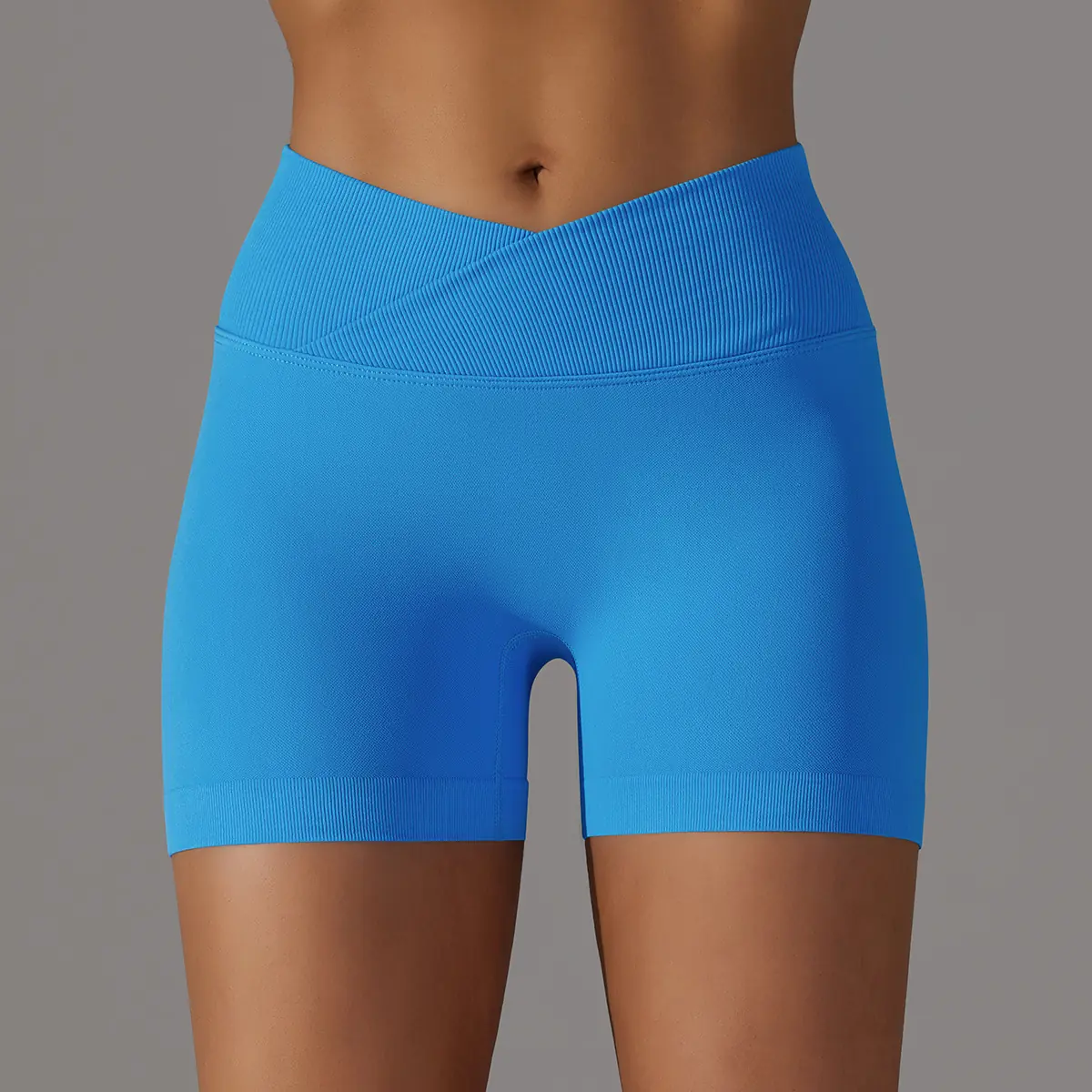
Smaller size V waist leggings size set sample

Smaller Size

The smaller physical size should be reviewed for center V position, side-waist height, overlap where applicable, symmetry and complete waist-to-hip Fit. The objective is not to force identical dimensions across sizes. It is to verify that the selected grade rules create the intended product proportion when the garment waist, hip and rise become smaller.
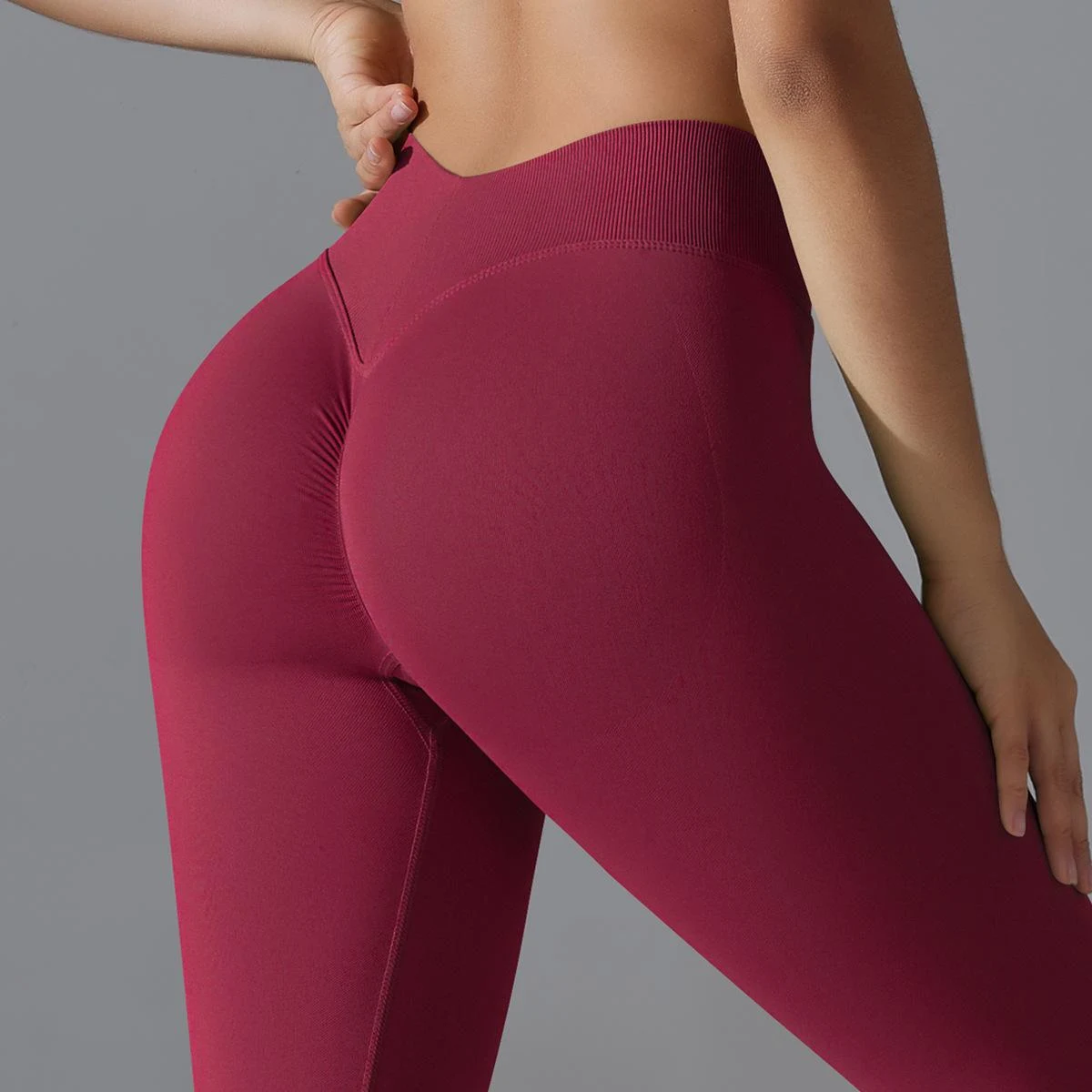
Base size V waist leggings approved sample

Base Size

The approved base size establishes the reference material, Fit, V depth, side-waist relationship, crossover construction and garment POM. Any variable changed after this approval should be identified before the remaining size set is compared, so a new design change is not incorrectly treated as a grading issue.
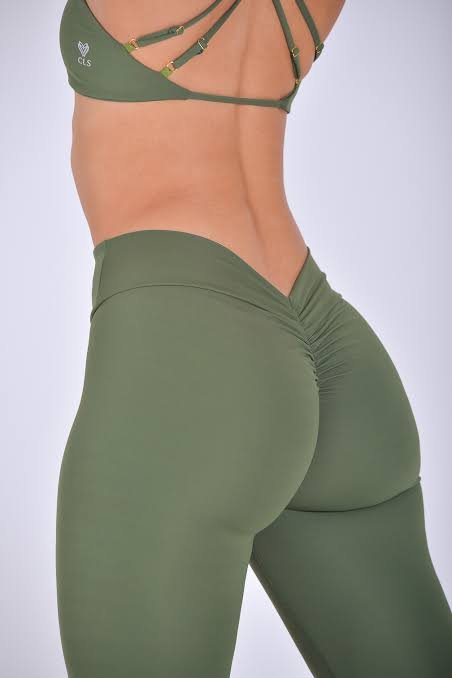
Larger size V waist leggings size set sample

Larger Size

The larger physical size should be checked for the same relationships while garment dimensions increase. If V depth, overlap or side height no longer produces the intended proportion, the grade rule can be reviewed before production release. Physical size-set approval records which sizes were actually checked rather than implying every size was independently wear-tested.

MEASUREMENT TOLERANCE RISK

Control V-Waist Measurements According to Product Risk

Not every dimension has the same effect on the finished garment. Geometry-critical references should be separated from general POM so buyer and factory can focus production control on the variables that materially define the approved V-waist product.

Undefined V Point

Problem: Buyer and factory use different origins or measuring directions for the center V.

Impact: Samples and production pieces can appear to disagree even when each party believes the dimension is correct.

Response: Lock one reference point, garment condition and measurement direction before applying tolerance.

MEASUREMENT METHOD

Loose Center Control

Problem: Overall waist measurement is checked, but the V or crossover center position is not.

Impact: A garment can meet waist POM while the most visible waistband geometry shifts away from the approved product.

Response: Treat center position and relevant symmetry as separate critical controls where required.

GEOMETRY CTQ

One Tolerance for All

Problem: Every POM is assigned the same tolerance without considering visual or Fit sensitivity.

Impact: Critical geometry can receive insufficient control while lower-risk dimensions are treated with unnecessary rigidity.

Response: Define tolerance according to buyer specification, measuring method and product risk rather than a universal V-waist rule.

RISK-BASED CONTROL

Pattern Change Without Recheck

Problem: V depth, overlap or rise is revised, but related measurements are assumed to retain their previous acceptance logic.

Impact: A valid tolerance from an earlier version may no longer describe the revised physical product.

Response: Reconfirm affected POM and measurement references whenever the approved geometry changes.

VERSION CONTROL
APPROVED FIT STANDARD

What Is Approved When V-Waist Fit Is Approved?

“Fit approved” should identify a controlled product standard rather than a general visual impression. The physical garment, current measurements, pattern, material and grade direction need to refer to the same released product version.

Approved Sample

One physical garment defines the current base reference.

Evidence: Buyer-approved sample with its sample version clearly identified and retained for comparison.

Current POM

Critical measurements use defined methods.

Evidence: Current measurement sheet covering waist, hip, rise and V geometry where applicable.

Pattern Version

Production follows the pattern linked to approval.

Evidence: Current pattern or controlled version record connected to the approved sample.

Material Reference

Fit approval applies to the approved material.

Evidence: Fabric or yarn reference connected to the physical sample rather than composition alone.

Grade Rules

Size development follows defined rules after approval.

Evidence: Current grade table and any accepted size-set results.

Closed Comments

Open Fit issues are resolved before release.

Evidence: Sample comment or approval record identifying current status and remaining exceptions.

PP SAMPLE · PRODUCTION FREEZE

Freeze the V-Waist Product Before Bulk Release

The PP or final approved sample should represent the current physical product that production is expected to follow. It connects the final geometry, material, measurements, construction, grading and applicable brand requirements before normal bulk begins.
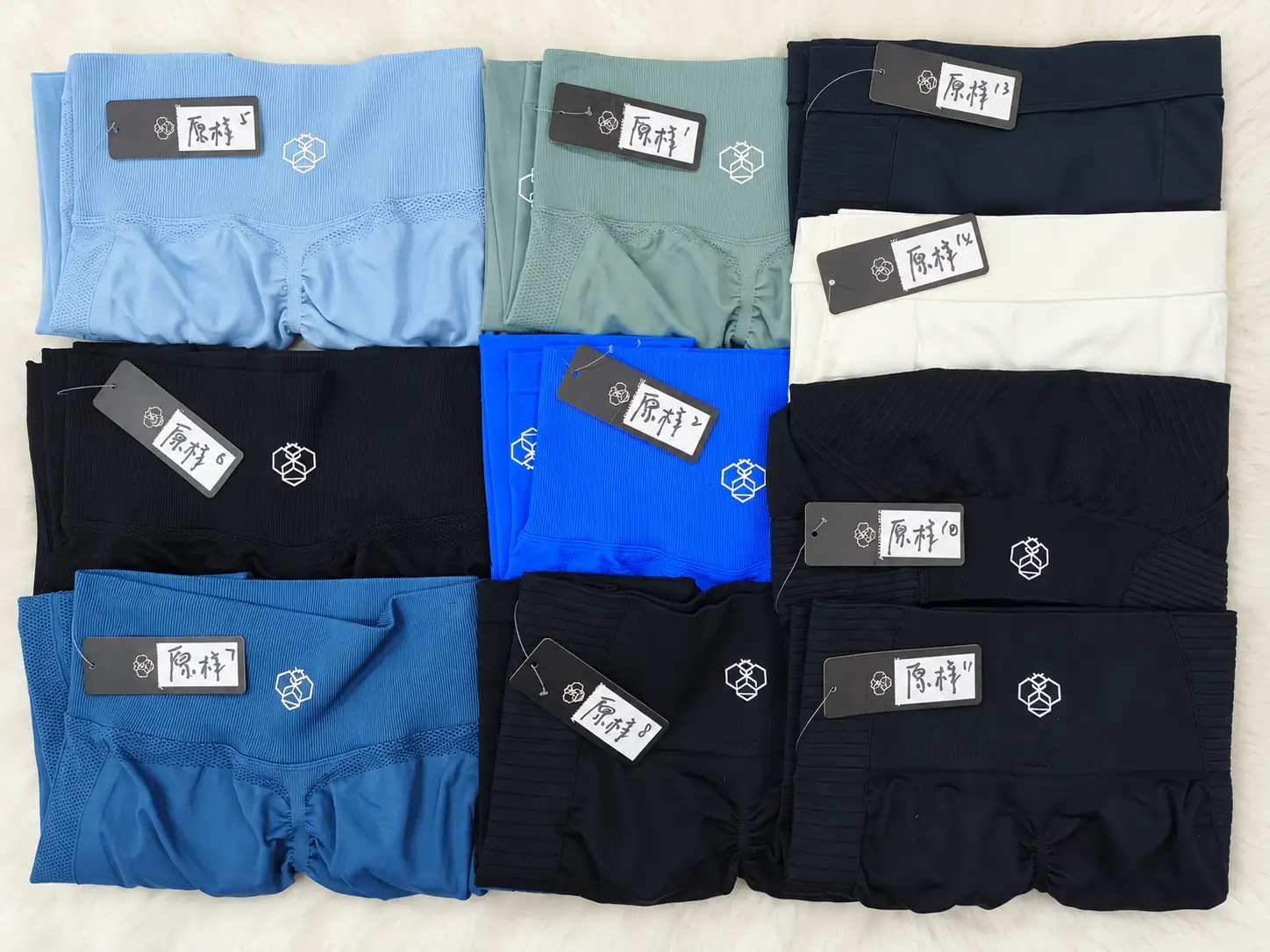
Approved MOVEVOX pre-production sample used as production reference

PP / Approved Sample

The physical sample should represent the accepted product version, including material, pattern or program, garment measurements, V-waist geometry and applicable branding details. Approval should connect the sample to the current technical information so production does not rely on a style name, original inspiration image or superseded sample.
Anonymized MOVEVOX First Article inspection record

Production Release

After the approved product standard is frozen, initial production should be checked against that reference before normal bulk continuation. Relevant V-waist controls can include center position, symmetry, overlap, garment waist, rise, material and workmanship according to the actual buyer specification.

FOR PRODUCT DEVELOPMENT TEAMS

V-Waist Development Key Takeaways

Pattern First

MOVEVOX has 2 pattern makers supporting product-development, Fit and grading work where V geometry must become measurable rather than remain a visual reference.

Physical Samples

4 sample-development personnel support physical sample making and revisions after the necessary product information is sufficiently defined.

Fit Before Scale

A V-waist product should establish approved Fit, geometry and material before bulk capacity becomes the main sourcing question.

QC Continuity

5 QC personnel support applicable incoming, First Article, in-line and finished-product control within the core manufacturing system.

Sample Timing

Typical standard samples require approximately 5–10 working days after the necessary development information is confirmed.

CUT & SEW MANUFACTURING

Manufacturing Resources Behind Shaped Waistband Production

Cut & Sew V-waist execution depends on the development, cutting, sewing and inspection system around the product. These resources show the MOVEVOX process used to translate an approved garment into repeatable production.
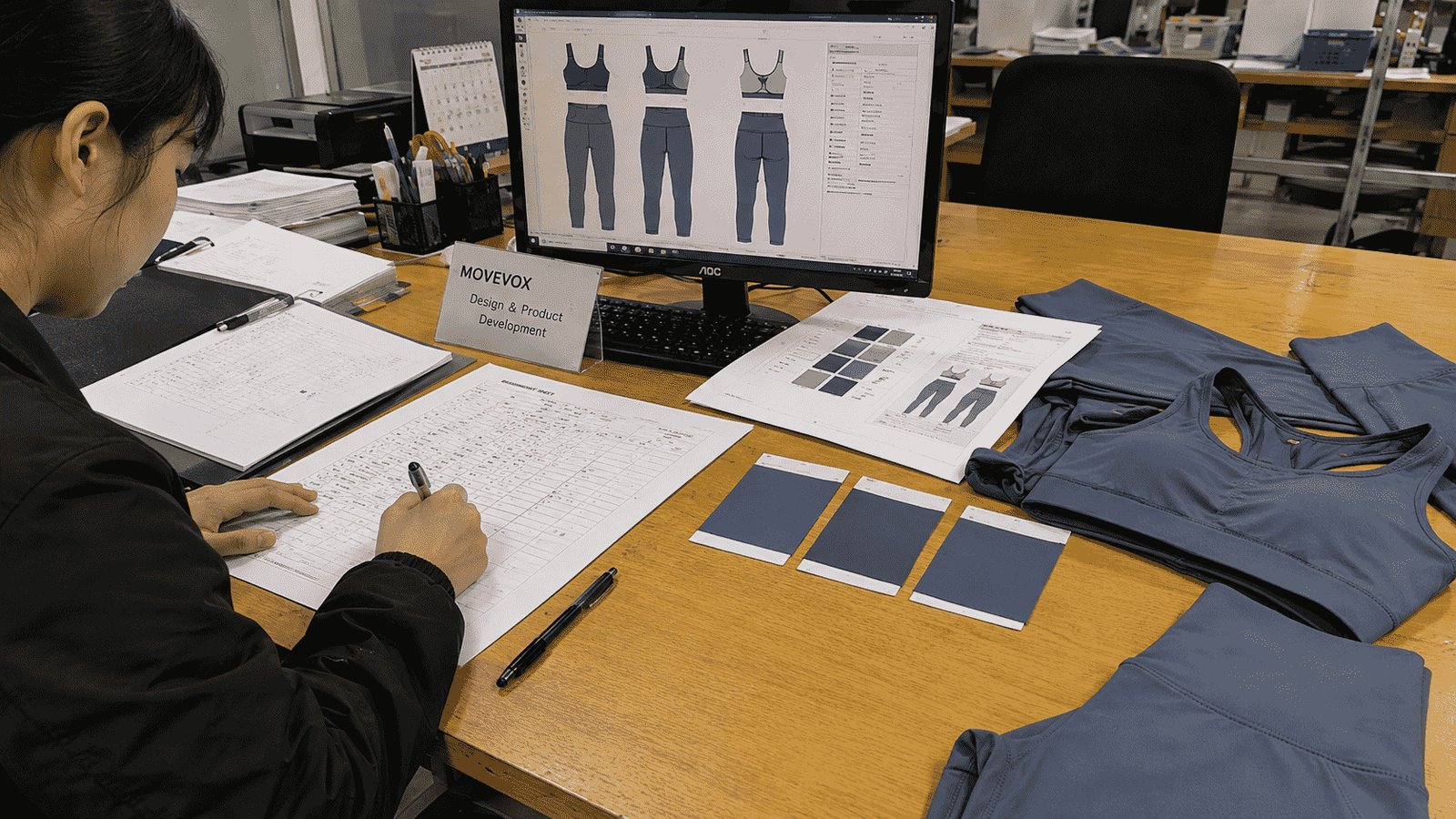
MOVEVOX technical development review

Technical Review

Tech Packs, patterns, material references and sample versions are brought together before production instructions are treated as released. This supports the transition from buyer-defined waistband geometry into controlled product information.

DEVELOPMENT
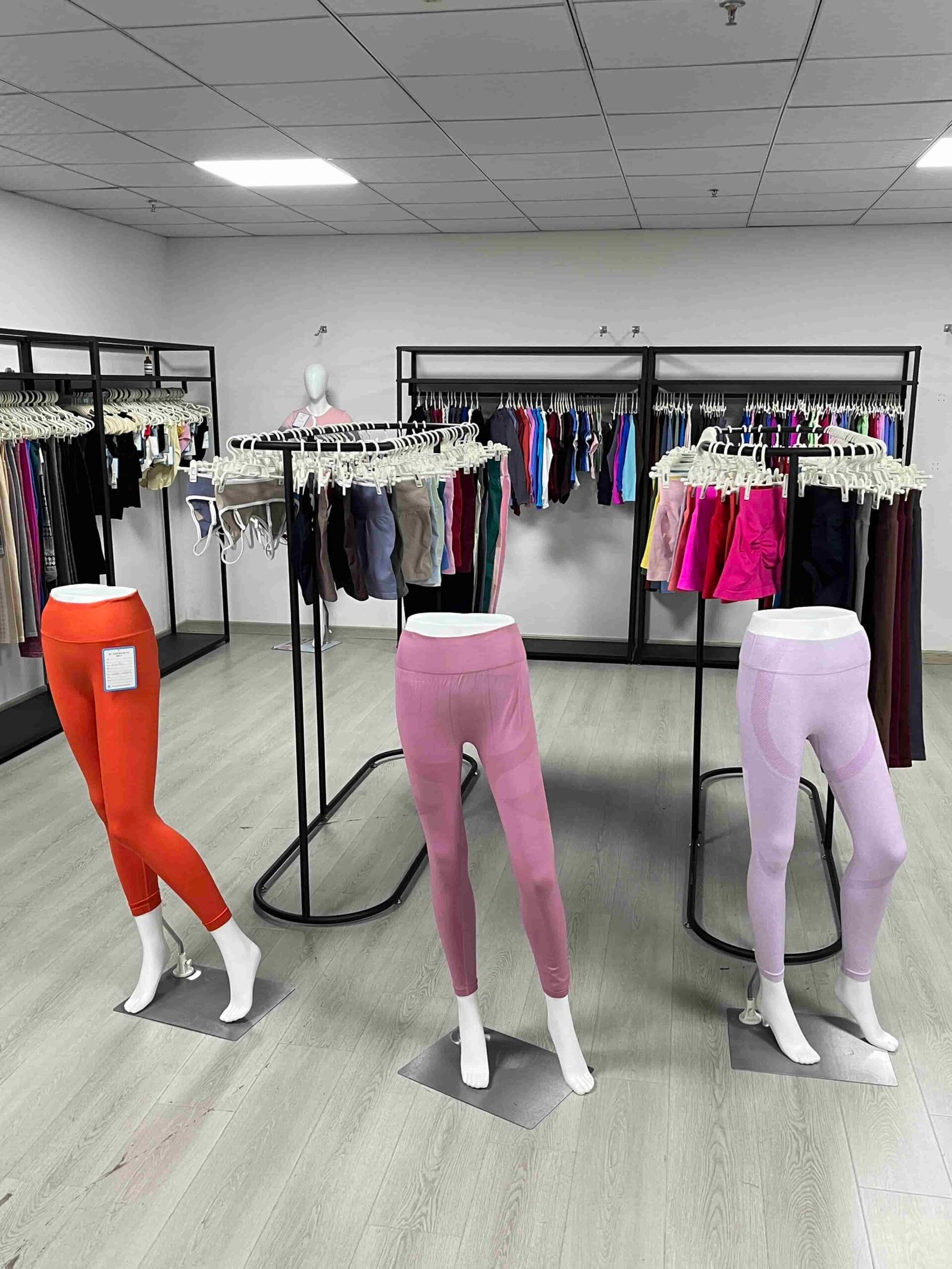
MOVEVOX sample development room

Sample Room

The sample-development team builds and revises physical activewear samples before bulk. A shaped waistband should be evaluated as part of the complete garment rather than approved only through a drawing.

SAMPLE DEVELOPMENT
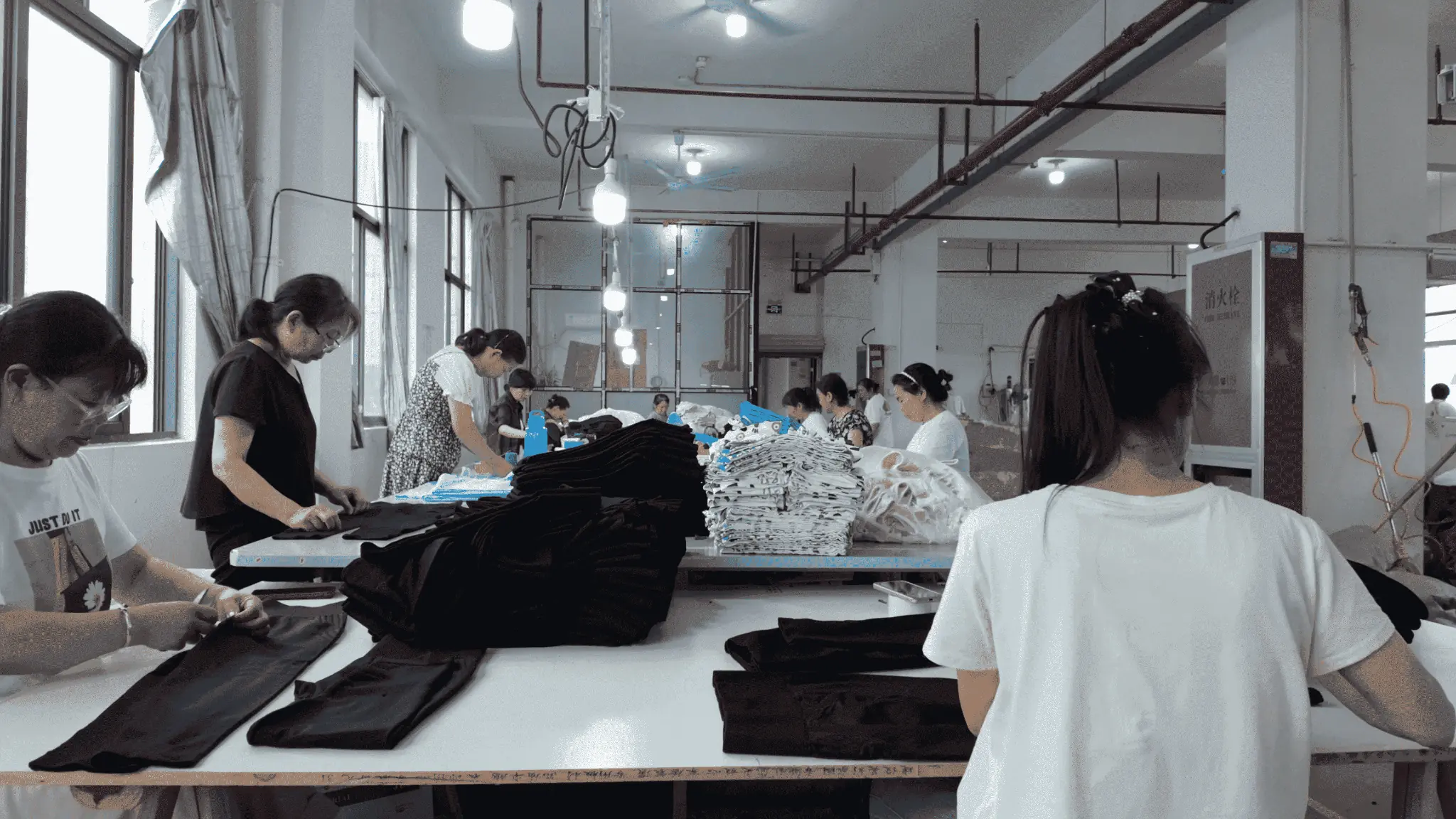
MOVEVOX pattern cutting sewing and finished garment process

Cutting Route

Approved pattern pieces move through the relevant cutting and preparation process. Stretch direction and piece identification remain important when shaped waistband components are integrated with the main garment body.

PATTERN → CUTTING
MOVEVOX activewear sewing production

Garment Sewing

The Yiwu core base has approximately 24 principal garment machines supporting core Cut & Sew production. Sewing execution follows the current approved construction rather than a generic V-waist template.

≈24 PRINCIPAL MACHINES
MOVEVOX garment measurement control

Measurement Control

Critical garment dimensions can be checked against the released POM and measuring method so physical waistband geometry remains connected to the approved technical standard.

MEASUREMENT
MOVEVOX First Article inspection

First Article

Initial production can be compared with the current approved sample and technical information before normal bulk continuation, allowing issues to be identified while corrective action remains practical.

PRODUCTION GATE
SEAMLESS V-WAIST ROUTE

How a Seamless V-Waist Route Can Differ

Seamless development relies on yarn, machine programming and engineered knit zones rather than the same sewn pattern-piece architecture used in Cut & Sew. Actual V-waist feasibility remains design- and sample-dependent.

MOVEVOX operates 28 Italian Santoni Seamless machines at its Yiwu core base.
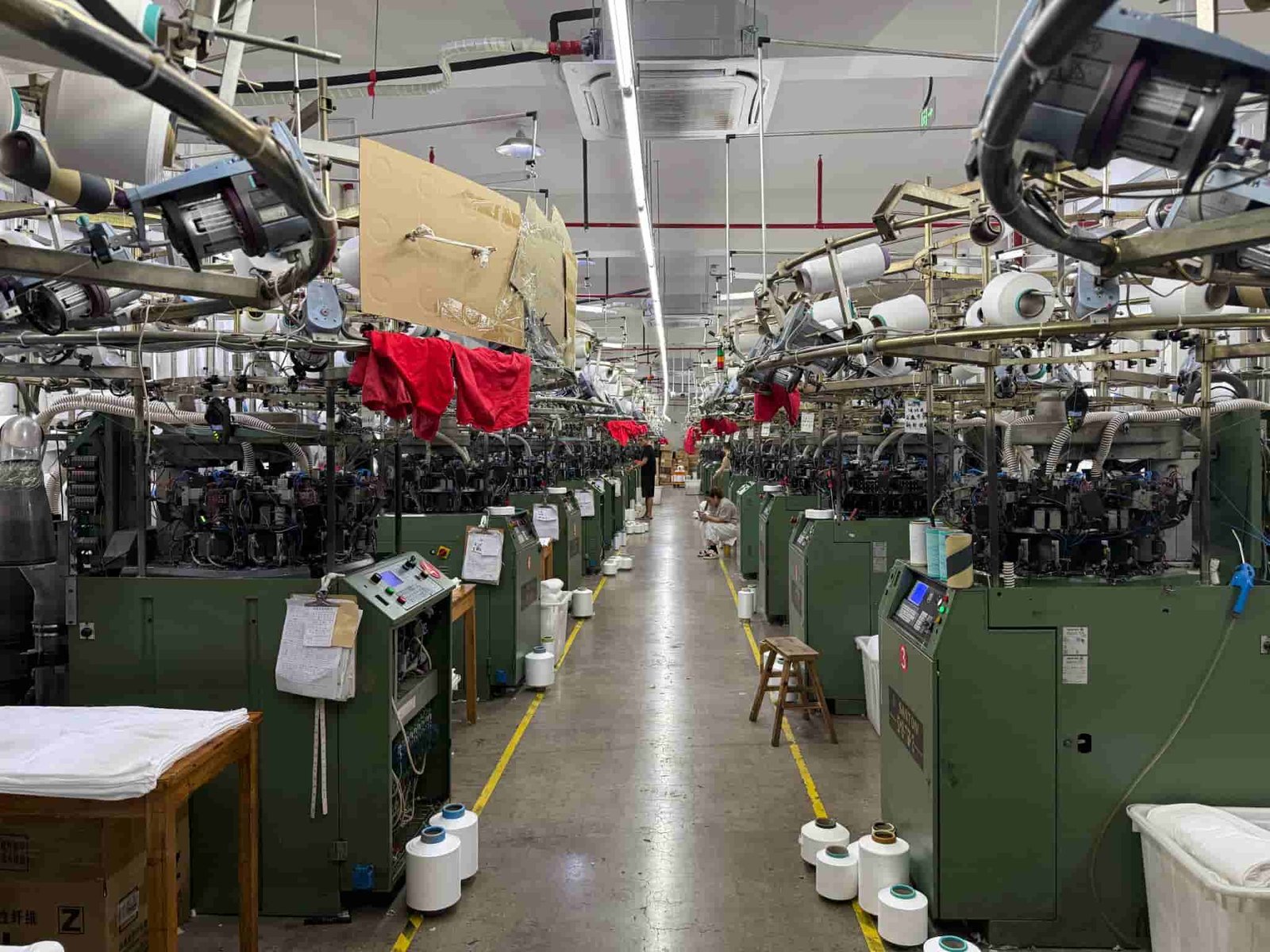
MOVEVOX Santoni Seamless knitting area

Yarn

Yarn selection influences stretch, recovery, handfeel and complete garment response.

Machine Program

The Santoni knitting program controls the tubular garment and engineered knit zones.

Waist Zone

The waistband area can use engineered knit structure and density where the concept is technically suitable.

Knit Transition

Transitions between waist and body zones influence extension and Fit.

Relaxed Size

Relaxed dimensions help control production but do not alone establish physical Fit.

Physical Fit

The completed garment remains the critical approval reference before bulk release.

PRODUCT STANDARD VS BRAND LAYER

Separate V-Waist Engineering From Brand Customization

The shaped waistband must first function as an approved physical product. Branding, color and packaging can then be managed around that standard without replacing unresolved Fit, pattern or material decisions.

PRODUCT

V Geometry

V depth, center position, side height and crossover relationship where applicable.

PRODUCT

Fit

Waist, hip, rise and complete garment position on the approved physical product.

PRODUCT

Material

Fabric or yarn route connected to the approved sample and relevant physical response.

BRAND

Logo

Screen print, heat transfer, silicone, embroidery, jacquard or other applicable approved methods.

BRAND

Labels

Woven labels, care labels, size labels and buyer-defined identification.

BRAND

Packaging

Hangtags, custom bags, SKU information and applicable buyer packing requirements.

DEVELOPMENT INPUT CHECKLIST

Prepare the Inputs for a V-Waist Development Review

A complete Tech Pack is preferred, but every project does not begin at the same level. These inputs help separate confirmed buyer requirements from information that still needs to be resolved during technical review.

REQUIRED

Product Direction

Identify whether the concept uses V-front, crossover, V-back or another defined waistband structure, together with intended activity and target market.

REQUIRED

Visual Reference

Provide a Tech Pack, legally usable reference garment, flat sketch, image or clearly defined concept showing the intended waistband direction.

REQUIRED

Size Range

Provide the target base size and intended size range so Fit development and later grading can be discussed from the beginning.

REQUIRED

Key Measurements

Where available, include waist, hip, front rise, back rise, inseam, V depth, side height and crossover measurements.

OPTIONAL

Fabric Spec

Provide composition, weight, stretch, recovery, handfeel or an approved physical material reference if the fabric direction is already controlled.

OPTIONAL

Color Standard

Pantone, approved swatch or other buyer-defined color reference can be reviewed once the applicable material route is confirmed.

OPTIONAL

Brand Details

Logo artwork, labels, hangtags and packaging can be included when relevant, but they do not need to delay early Fit and geometry discussion.

REQUIRED

Commercial Plan

Estimated quantity, colors, size split, sample target and delivery target help determine MOQ, material planning and the appropriate development route.

V-WAIST LEGGINGS MOQ

Plan MOQ Around Route, Material and Color

MOQ is not determined by the V shape alone. Manufacturing route, material, color, size allocation, branding and buyer-specific components can create separate minimums that need to be reviewed together.

≈100 pcs/style

Seamless Base MOQ

Typical standard base MOQ for applicable Seamless programs.

≈150 pcs/style

Cut & Sew MOQ

Typical standard base MOQ for applicable Cut & Sew programs.

≈50 pcs/color

Existing Color

Typical minimum allocation for applicable stock or supply-chain colors.

≈400–600 pcs

Custom Dye

Typical finished-garment-equivalent quantity per dye lot depending on material and style.

≈20 pcs/size

Seamless Size

Typical size allocation, subject to total style and color MOQ.

≈10 pcs/size

Cut & Sew Size

Typical size allocation, subject to total style and color MOQ.

FIRST ARTICLE APPROVAL GATE

Do Not Scale Bulk Before the First Article Passes

The First Article is the final production-side check that the frozen V-waist standard has transferred into the actual manufacturing line. A failed result should trigger correction and re-approval before normal bulk expansion.

Version Check

Confirm that the production line is using the current released technical information and approved physical reference.

  • Correct sample version
  • Current pattern / program
  • Released order information

Material Check

Confirm the production material and applicable color follow the approved route before geometry differences are evaluated.

  • Material identity
  • Color reference
  • Applicable lot record

V Geometry

Check the V point, center relationship, side height and crossover geometry where applicable.

  • V point
  • Symmetry
  • Overlap

Garment POM

Review waist, hip, rise and other relevant dimensions that support the approved shaped-waist Fit.

  • Waist
  • Rise
  • Hip

Construction

Verify the relevant Cut & Sew or Seamless construction follows the released standard.

  • Seam alignment
  • Attachment position
  • Workmanship

Brand Details

Confirm applicable logo, labels and other product identification where they form part of the production standard.

  • Logo
  • Labels
  • SKU details

Result

Record the First Article outcome rather than allowing an informal visual check to become the production decision.

  • Pass
  • Correct
  • Recheck

Bulk Release

Normal bulk proceeds after the applicable production standard is accepted; failed points require correction before expansion.

  • Approval recorded
  • QC plan active
  • Bulk continues
Anonymized MOVEVOX First Article inspection record
V-WAIST MEASUREMENT INSPECTION

Inspect the Geometry That Defines the Waistband

V-waist production should connect the most visible geometry with the garment measurements supporting it. These four inspection views separate center geometry, complete Fit and construction relationships instead of reducing QC to one waist measurement.
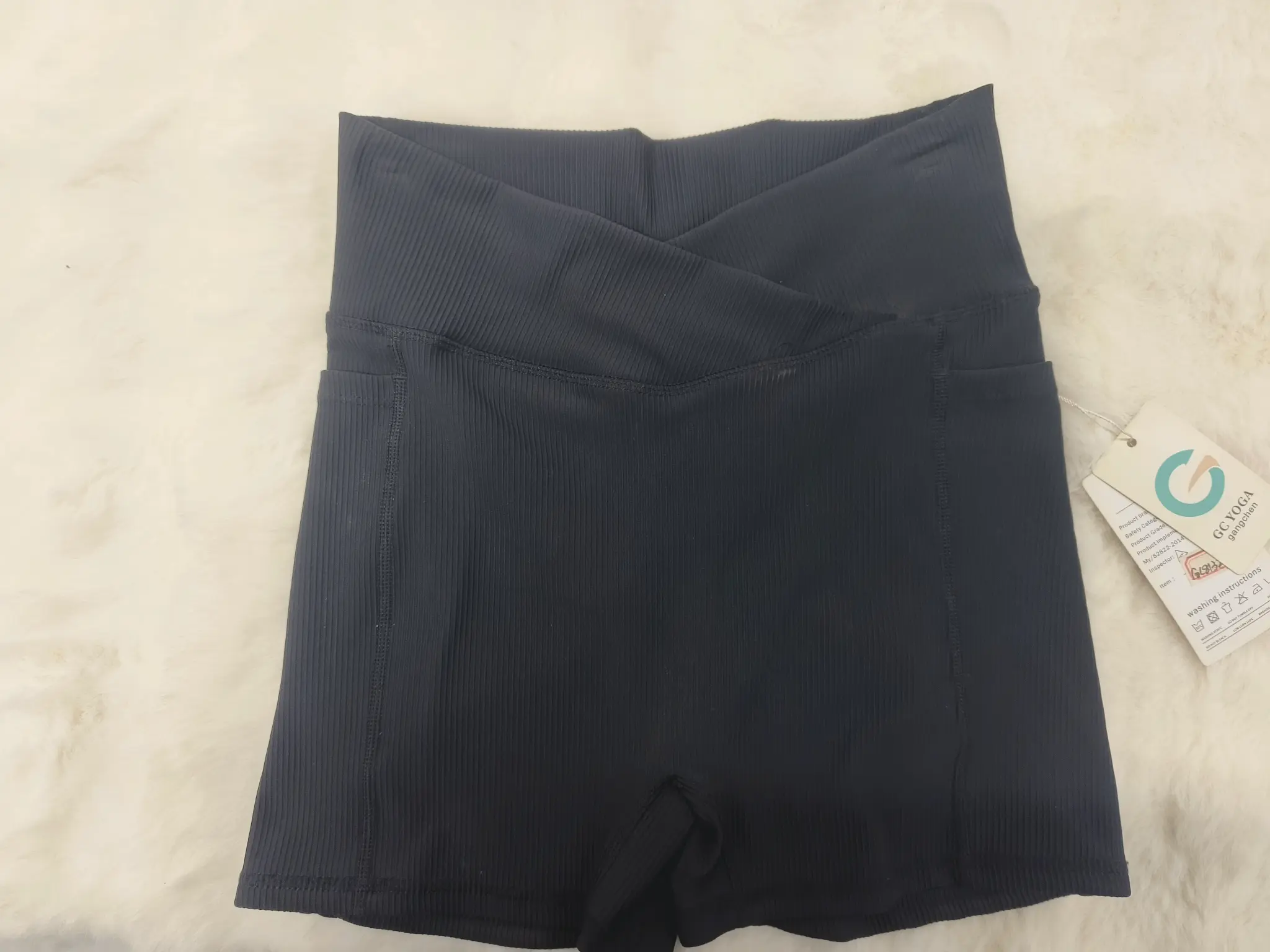
V waist center point measurement inspection

V Point Measurement

The center-front or center-back V point should be measured from one agreed reference under the defined garment condition. Production control should use the same method applied during sample approval so a change in measuring technique is not mistaken for a product difference.
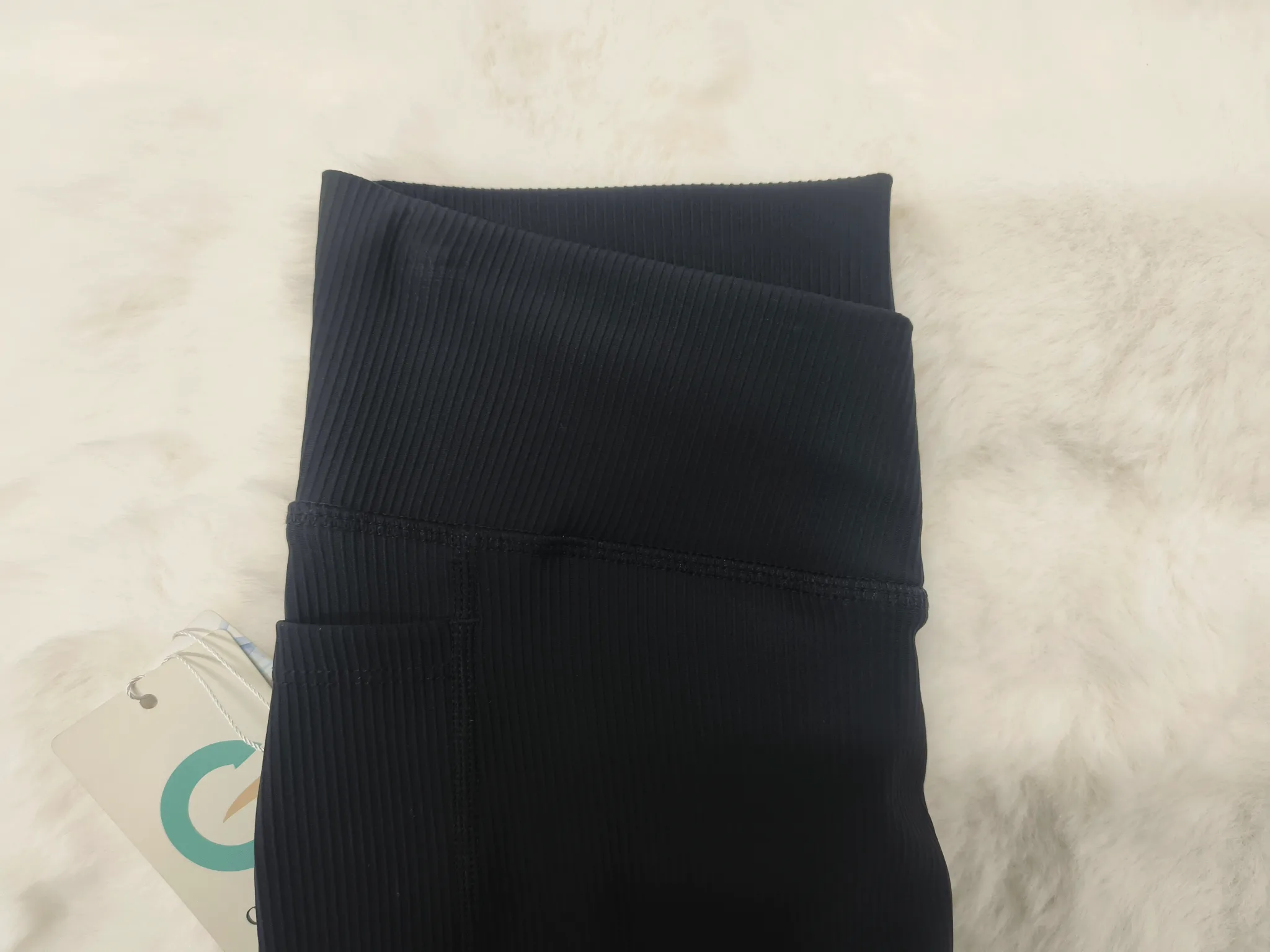
V waist symmetry inspection

Symmetry Inspection

For applicable symmetrical constructions, the left and right waistband relationship should be checked against the intended center, side-waist height and attachment points. A visible difference may come from pattern, cutting or sewing, so the inspection should connect appearance with the relevant technical reference.

MOVEVOX activewear garment measurement and QC review

Waist & Rise

Overall waist, front rise, back rise and hip support the physical position of the shaped waistband. Production can therefore meet one V dimension while still producing a different worn result if the surrounding garment POM drifts. These measurements should remain connected to the released specification.
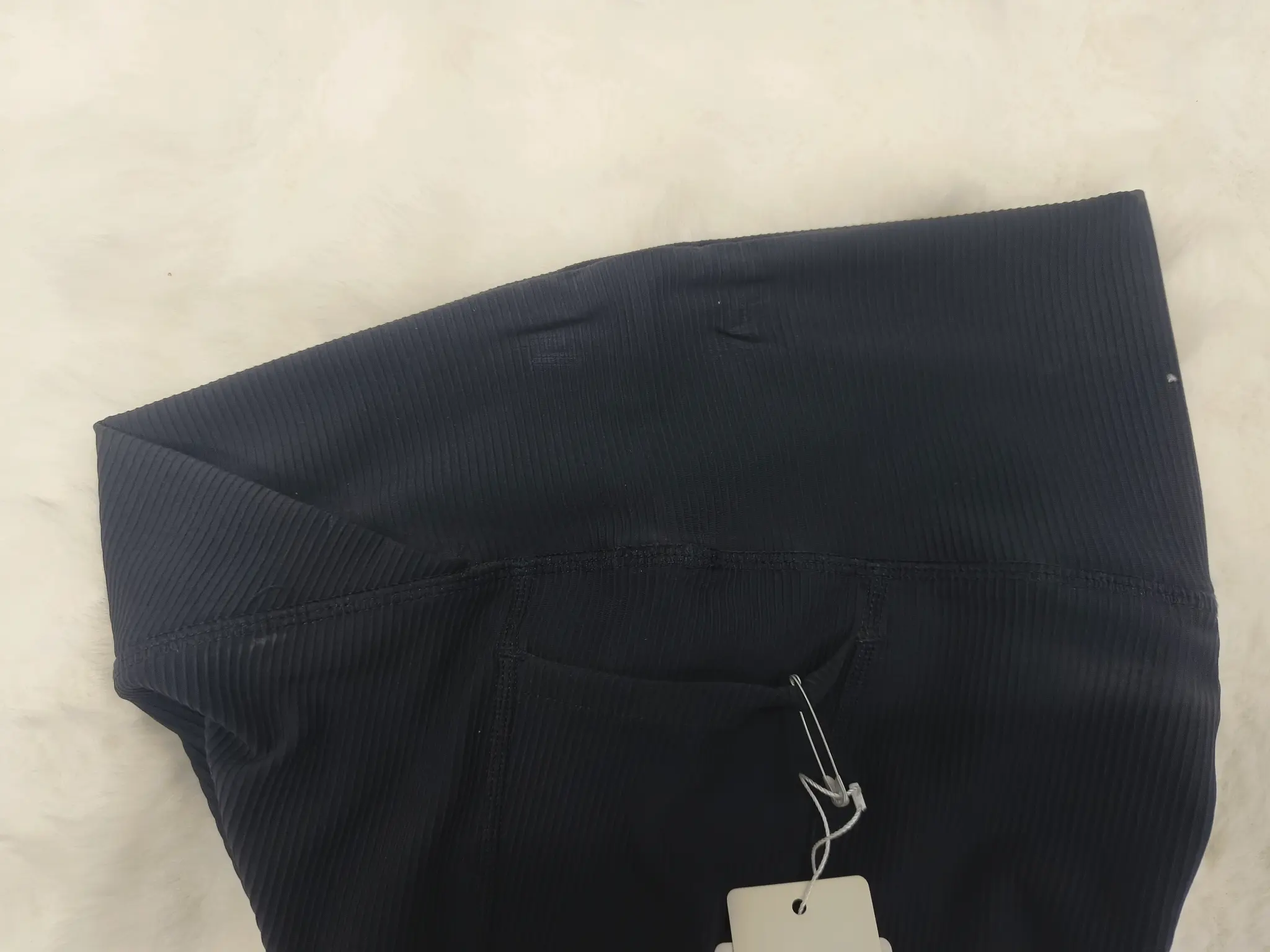
Crossover waist overlap measurement inspection

Crossover Relationship

Where a crossover construction is used, inspection can include overlap, intersection position and the attachment relationship defined by the approved product. The correct control depends on the buyer specification and sample rather than one standard MOVEVOX crossover dimension.

REPEAT ORDER PROCESS

Repeat the Approved V-Waist Product, Not Just the Style Name

A repeat PO can avoid unnecessary redevelopment when the product is genuinely unchanged. The control task is to confirm which approved standards remain valid and identify any material, geometry, size or production changes before bulk begins.

REPEAT TRIGGER

New PO

A replenishment or repeat order begins with the previous approved product version rather than automatically restarting product development from zero.

VERSION

Approved Standard

Retrieve the approved sample, current pattern or program, measurement information, grade rules, material and applicable branding references.

CHANGE CHECK

What Changed?

Review quantity, color, size range, material, V geometry, logo, packaging and any production-site requirement before classifying the order as unchanged.

MATERIAL

Availability Review

Confirm whether the approved fabric or yarn route remains available and whether a new lot or changed material requires additional review.

PRODUCTION

Capacity Window

Review the current production window and applicable allocation after the technical standard and material route are confirmed.

QUALITY

First Article

Where required, initial repeat production is reconfirmed against the current approved standard before the order continues at normal bulk scale.

RELEASE

Bulk & QC

Applicable inline, finished-product and packing checks continue. Repeat does not mean inspection is removed; it means unnecessary redevelopment can be reduced.

BEST-SELLER SCALE-UP

Scale a Validated V-Waist Program Through Controlled Resources

Scaling should not mean suddenly adding uncontrolled factories. MOVEVOX uses the core factory to establish technical standards and can use controlled long-term satellite resources for applicable standardized bulk or overflow after the product is locked.

Across the controlled manufacturing network, MOVEVOX normally manages approximately 150,000–200,000 pieces per month of stable delivery capacity.

Core Factory

Technical development, sample work, core production and QC remain centered in the Yiwu system, with stable finished release of approximately 40,000–50,000 pieces per month.

Yiwu Network

Six controlled long-term satellite factories in Yiwu can support applicable standardized production after specifications, materials and quality requirements are locked.

Guangzhou Network

Two controlled long-term satellite factories in Guangzhou provide additional managed production options where the actual product and capacity plan make them appropriate.

Material Supply

Fabric, yarn, color and buyer-defined components need to remain connected to the approved product route before larger quantities are allocated.

QC Control

First Article and applicable production QC are used to confirm that the approved standard has transferred to the actual production point.

Brand Materials

Logo, labels, packaging and SKU identification remain centrally coordinated rather than being independently redefined by satellite production sites.

COMPLIANCE EVIDENCE LIBRARY

Check Holder, Sample and Scope Before Using Compliance Evidence

Compliance documents only create useful supplier evidence when their holder, sample, scope and date are clear. MOVEVOX’s currently available public evidence should therefore be read at document level rather than extended to every product automatically.
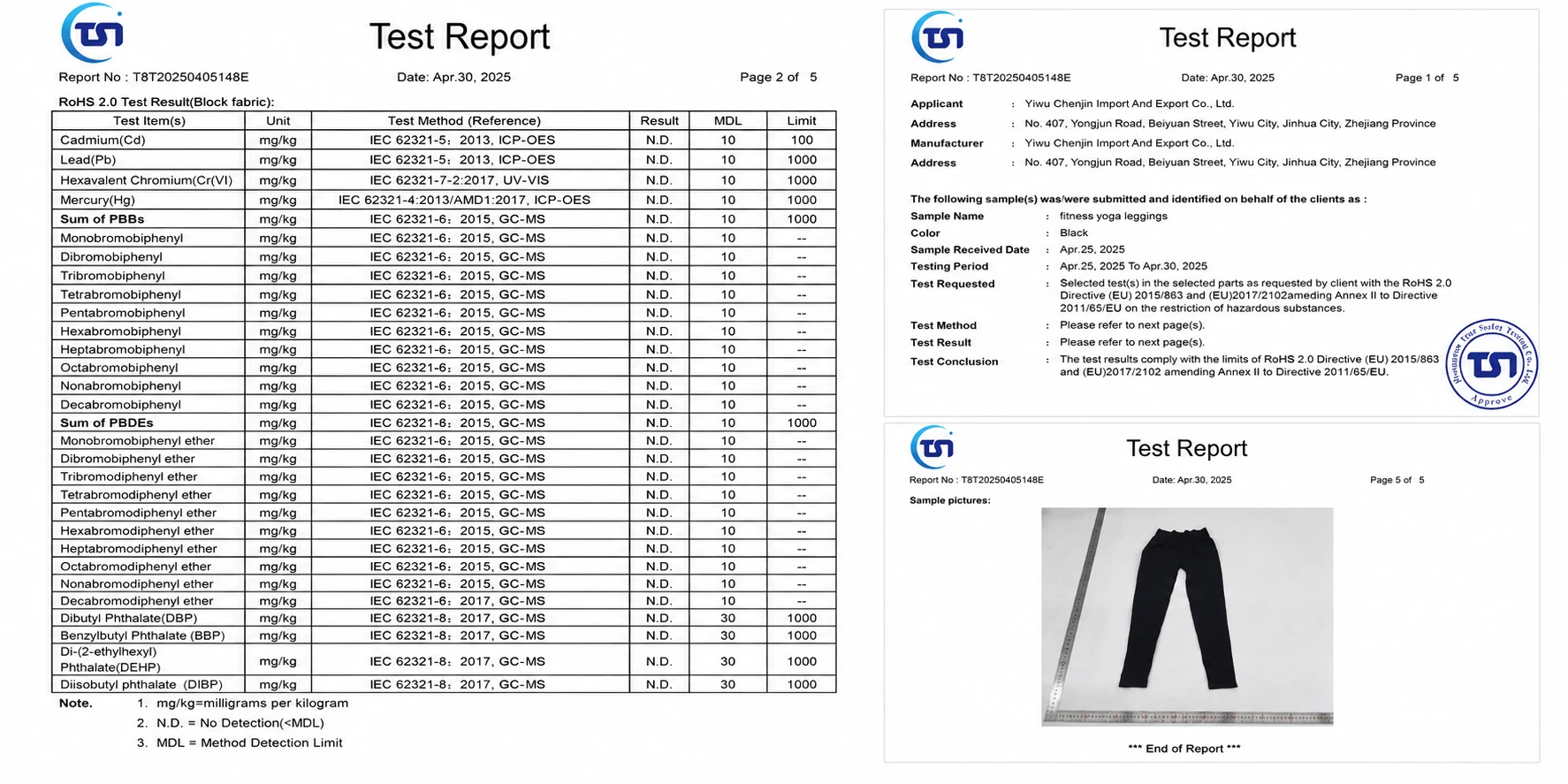
MOVEVOX RoHS certificate evidence

RoHS Certificate

TST20250405148EC · April 30, 2025

Scope: Applicant / manufacturer is Yiwu Chenjin Import And Export Co., Ltd. The certificate relates to the identified black fitness yoga leggings sample and should not be represented as universal certification for all MOVEVOX products.

RoHS test report for submitted fitness yoga leggings sample

RoHS Test Report

TST20250405148E · April 30, 2025

Scope: The report provides the detailed test evidence associated with the submitted sample and listed restricted substances. It applies to the documented sample rather than every future material, color or production lot.
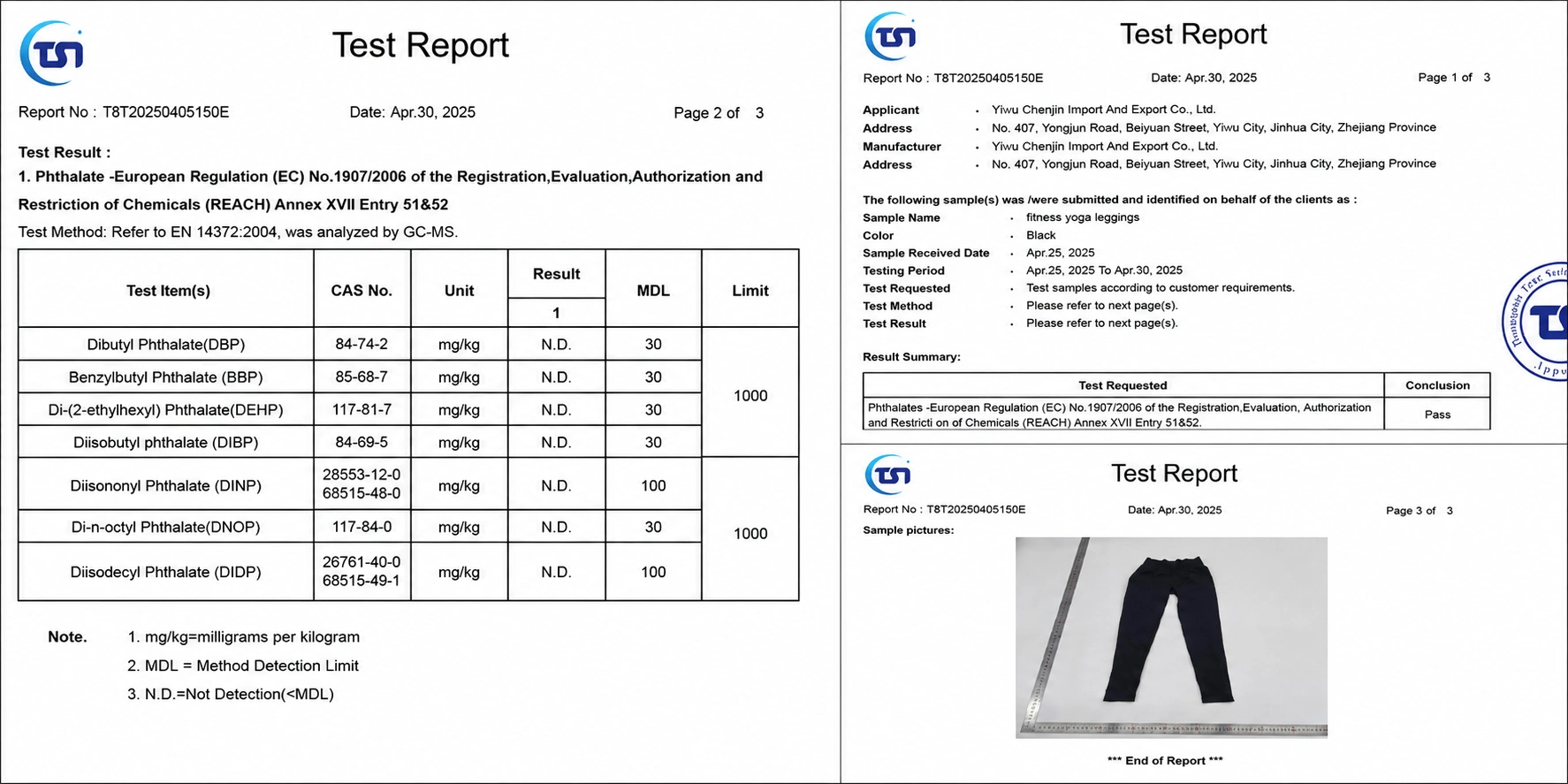
MOVEVOX REACH phthalates report evidence

REACH Report

TST20250405150E · April 30, 2025

Scope: The report covers black fabric from the submitted fitness yoga leggings sample and records a Pass conclusion for the listed phthalate requirements within the report scope.
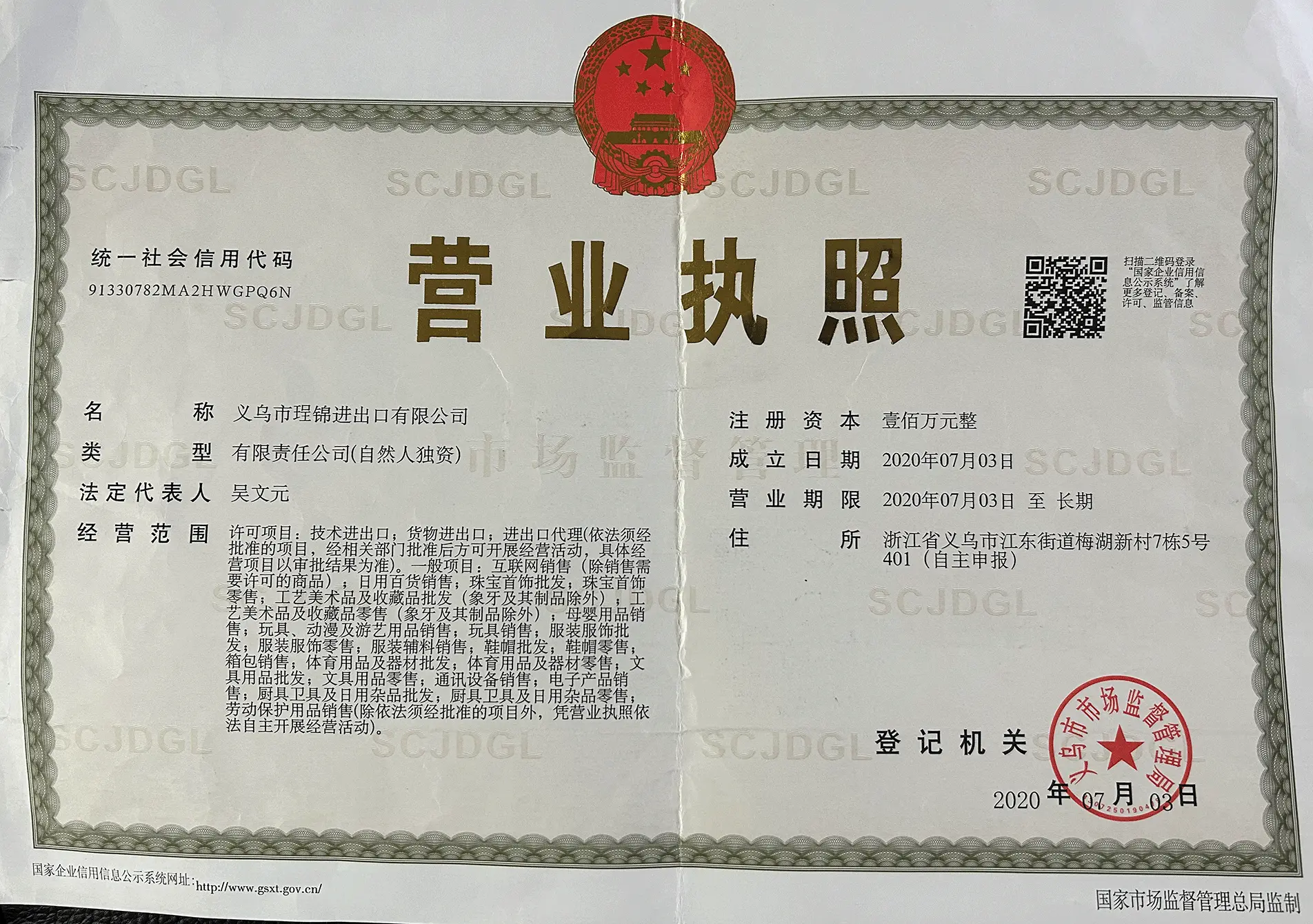
Yiwu Chenjin Import And Export Co Ltd business registration

Legal Entity

Yiwu Chenjin Import And Export Co., Ltd.

Scope: MOVEVOX operates its international B2B system through this legal entity. Unified social credit code: 91330782MA2HWGPQ6N.

BUYER EVALUATION CHECKLIST

Score a V-Waist Supplier Before Shortlisting

Use this checklist to separate product-development evidence from generic manufacturer claims. A supplier does not need one fixed operating model, but important capabilities should be supported by a physical sample, technical record, factory evidence or clear commercial answer.

Product Development


Quality


Factory & Scale


Commercial & Evidence


SAMPLE-TO-BULK CASE

How an Approved Activewear Product Moves Into Repeat Bulk

This anonymous U.S. activewear case demonstrates MOVEVOX’s sample revision, approval, private-label execution and repeat-production management across multiple product categories.

CONFIDENTIAL CUSTOMER PROFILE

U.S. Fitness Brand Program

The customer is a U.S. fitness content creator with more than 30,000 followers who developed an activewear business and has worked with MOVEVOX for approximately three years. Documented products include bodysuits, sets, leggings, shorts, sports bras and tanks across recurring development and production.

Challenge

The program involved repeated activewear development across multiple products, materials, sizes and seasonal requirements. The customer placed importance on elasticity, support, opacity, plus-size requirements, softness and seasonal fleece products. Long-term cooperation therefore required controlled sample revisions, physical testing feedback, branding, packaging and recurring production rather than one successful initial sample.

MOVEVOX Approach

The documented route begins with a Tech Pack and physical sample development. MOVEVOX produces V1, receives adjustment direction, develops V2 and can prepare approximately 5–10 samples for follower fitness testing before bulk. Approved information then moves into recurring production, custom packaging, instructions, labels, logo, wash labels and QR-coded size/color identification.

01

Tech Pack

Review buyer requirements and technical information.

02

V1 Sample

Create the first physical development version.

03

V2 Revision

Apply defined buyer feedback to the next version.

04

Wear Testing

Approximately 5–10 samples can support follower fitness testing.

05

Repeat Bulk

Approved products move into recurring order management.

≈3 Years

Documented cooperation period.

≈2,000 pcs

Typical documented order quantity.

≈2 Orders / Month

Typical documented recurring-order pattern.

BUYER FAQ

V Waist Leggings Frequently Asked Questions

These answers cover the technical and commercial questions most relevant before V-waist supplier qualification, sample development and production approval.

What is the difference between V-front and crossover waist?

A V-front uses a shaped front geometry with a lower center and higher sides. A crossover uses overlapping waistband sections and adds variables such as overlap, attachment point and material tension. Similar appearance does not mean the two constructions should use the same pattern or approval method.

Can MOVEVOX develop from a reference image?

Yes. A Tech Pack is preferred, but a legally usable reference garment, sketch, image or clearly defined concept can support initial review. Missing V depth, Fit, material, grading and construction information should then be clarified before assumptions become production specifications.

Can we specify V depth and crossover overlap?

Yes. Buyer-defined dimensions can be incorporated into the development information when the reference points and measurement methods are clear. They should then be reviewed together with waist, rise, material and physical Fit rather than approved as isolated styling dimensions.

Can V geometry change by size?

Yes. V depth, side-waist height and crossover overlap do not necessarily use the same grade increment as garment waist or hip. The appropriate rule depends on the buyer’s size architecture and should be confirmed through grading and any required physical size-set review.

Can V-waist leggings be Cut & Sew?

Yes. MOVEVOX supports Cut & Sew activewear manufacturing with approximately 24 principal garment machines at the Yiwu core base. Actual waistband construction should follow the buyer-defined pattern, material and approved physical sample.

Can V-waist concepts be Seamless?

MOVEVOX operates 28 Italian Santoni Seamless machines and can review applicable Seamless concepts. This does not mean every V-waist construction is automatically feasible; yarn, program, knit structure and physical sample results determine the actual route.

How long does standard sampling take?

Typical standard samples take approximately 5–10 working days after the necessary development information is confirmed. Complex construction, new materials, unresolved inputs or additional revision rounds can extend the total development timeline.

What is the typical MOQ?

Typical standard base MOQ is approximately 100 pcs/style for Seamless and approximately 150 pcs/style for Cut & Sew. Material, custom dye, color, branding, trims or packaging can create separate minimums.

How is V-waist geometry controlled in bulk?

The approved physical sample and current technical information can be carried into First Article, inline and finished-product checks. Applicable controls may include V point, center alignment, symmetry, crossover relationship, waist, rise and workmanship according to the buyer specification.

Do current compliance reports cover every V-waist product?

No. MOVEVOX’s available RoHS and REACH evidence applies only to the identified tested samples. It cannot automatically be extended to every future V-waist style, material, color or production lot.

TECHNICAL GLOSSARY

V-Waist Leggings Sourcing Glossary

These definitions create a shared vocabulary for sourcing, development and quality discussions. They describe commonly used activewear concepts and how they relate to a buyer-defined V-waist program.

V Front

A shaped front-waist direction where the center sits lower than the side waist. Buyers should define the intended depth and physical position rather than relying on the term alone.

Crossover Waist

A waistband construction using overlapping front sections. Relevant controls can include overlap, attachment position, waist measurement, symmetry and material response on the physical garment.

V Depth

The defined vertical relationship used to describe the center V position. The value only becomes useful when buyer and factory share the same reference point and measuring method.

Side Waist

The side-waist height provides an important reference for how the shaped waistband transitions between the center V and the side body of the garment.

Front Rise

A garment measurement connecting the crotch area to the front waist. It influences the physical waistband position and should be reviewed together with V geometry.

Grade Rule

The defined logic used to change garment measurements between sizes. V depth, overlap and side height do not necessarily follow the same increment as waist or hip.

Fit Sample

A physical development garment used to evaluate measurements, material, waistband position and complete Fit before the base size is approved for further grading or production preparation.

Size Set

A group of selected physical sizes used to confirm that the approved grading direction produces acceptable product proportions beyond the base-size sample.

PP Sample

A pre-production approval layer used to confirm the current product standard before bulk. It should correspond to the released material, measurements, construction and applicable branding requirements.

First Article

An initial production garment checked against the approved product before normal bulk expansion. A failed First Article should trigger correction and rechecking rather than uncontrolled continuation.

Send Us an Inquiry

Tell us your needs, and our team will get back to you within 24 hours.

START YOUR PROJECT

Ready to Develop Your Private Label Activewear Line?

Tell us what you want to develop, your estimated quantity and customization needs. We will review the details and suggest the next practical step for sampling, quotation or production.

Helpful details to include:

Request MOQ & Sample Details