Side Pocket Leggings Manufacturer for Activewear Brands
Define the pocket. Engineer it into the pattern. Validate it on the garment. Preserve it through bulk.
Opening, depth, position, panel relationship, material and size grading all need to be controlled before the pocket can become a repeatable bulk-production standard.
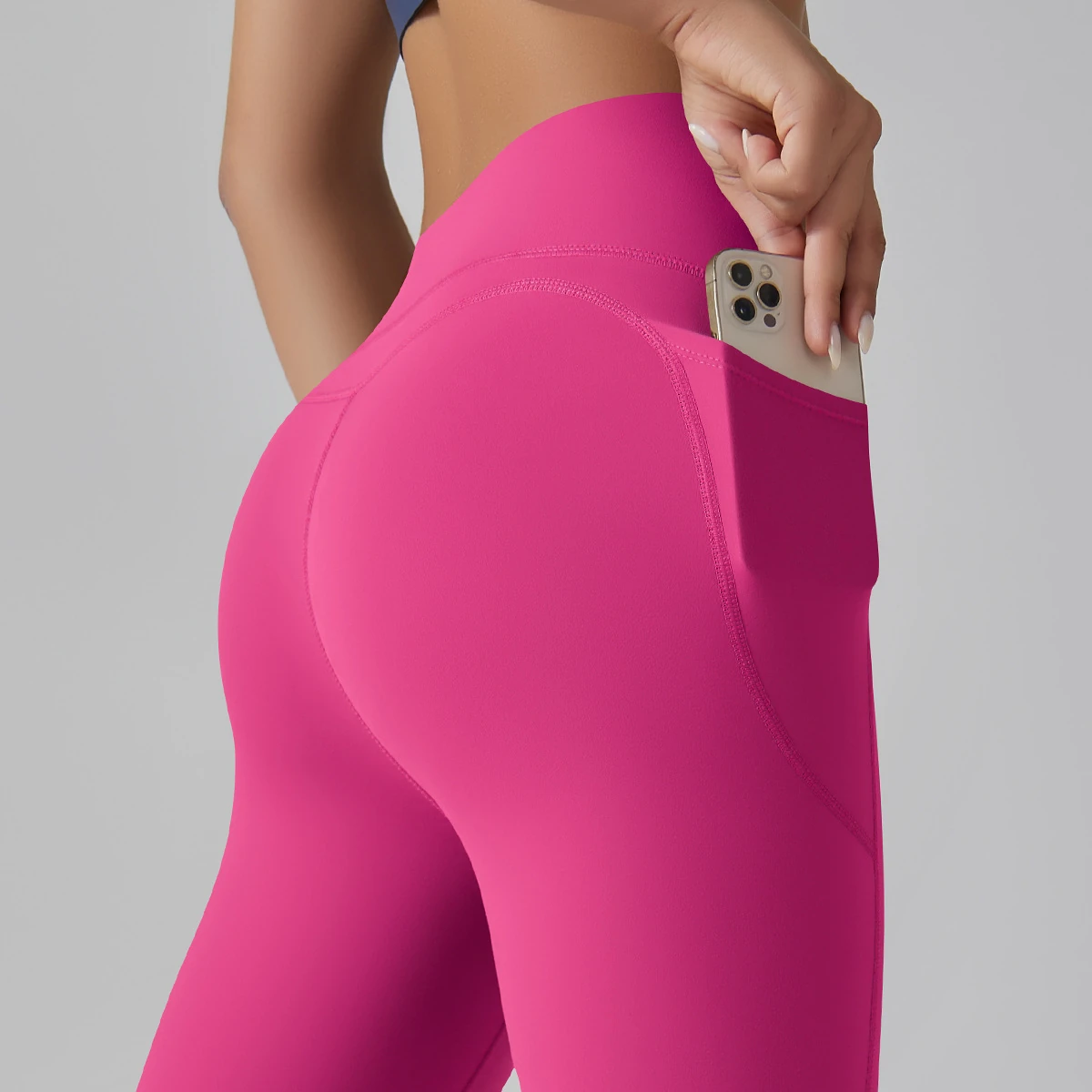
The pocket should be reviewed for access, storage, Fit, construction and size consistency—not only appearance.
Turn Pocket Intent Into a Manufacturable Product
- What the pocket must hold
- Where the pocket should sit
- How the pocket interacts with panel, seam and material
- How pocket position should behave through the size range
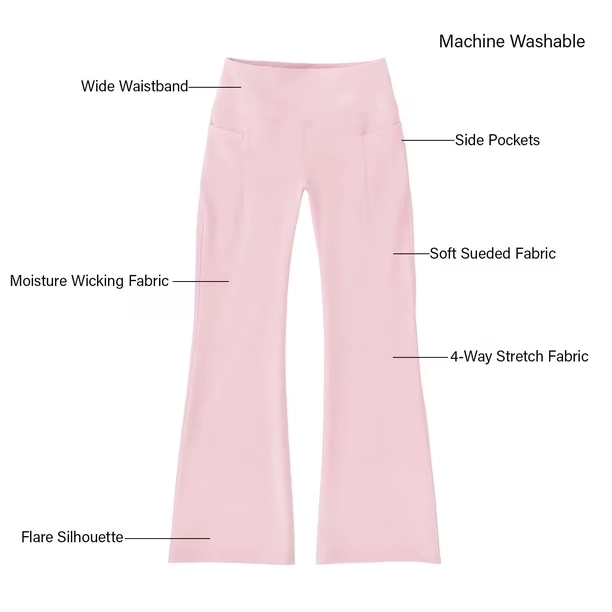
A side pocket is not only a visual detail. Its opening, depth, position, panel relationship and construction need to work with the complete legging.
From Buyer Requirement to Physical Approval
- Define pocket use and geometry
- Review material, pattern and construction
- Build and measure the physical sample
- Revise Fit, pocket or panel where required
- Lock the approved standard before bulk
Projects can begin from a Tech Pack, legally usable reference garment, sketch, image or clearly defined concept.
Start With What the Pocket Needs to Do
The correct pocket construction depends on the intended object, access direction, garment position and the surrounding material and panel structure.
Side Phone Pocket
Review the intended stored object, opening, usable depth and the pocket’s position on the leg.
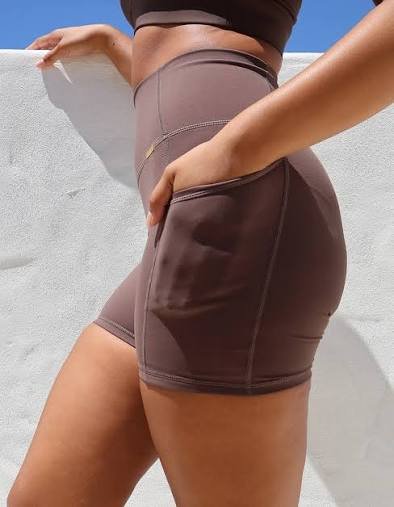
Left / Right Side Pockets
Confirm whether both sides share the same function, dimensions and grading logic.
Waistband Pocket
Requires separate review of waistband construction, usable access and interaction with Fit.
Back Waist Pocket
Position, access and construction need to be reviewed against the waistband and back-rise geometry.
Hidden Pocket
Usability depends on construction method, access and the location of the concealed opening.
Zipper or Other Pocket
Where a zipper or additional component is specified, construction and component minimums require separate review.
Review the Pocket as Part of the Garment Construction
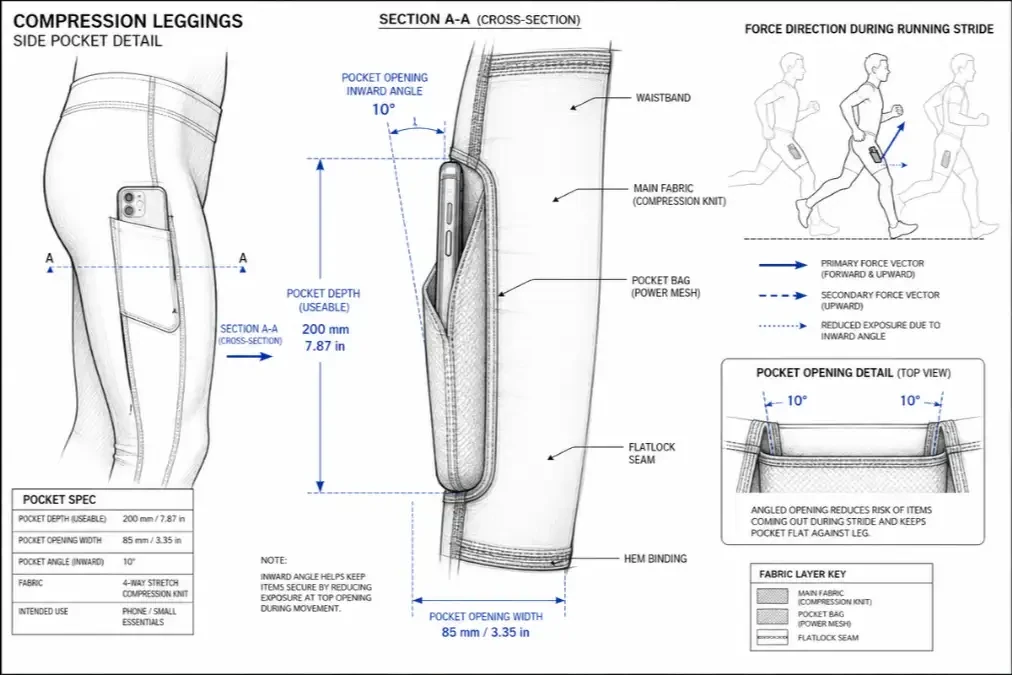
Main Body
Controls the overall legging geometry and the surrounding Fit relationship.
Pocket Opening
Controls access and interacts directly with the stretch of the selected material.
Pocket Layer
Creates the usable storage volume and must remain compatible with the garment construction.
Side Panel
Connects the pocket geometry to the legging silhouette and pattern.
Seam Interface
Needs an appropriate construction method and consistent production reference.
Stress Area
Requires project-specific review where the stored object or garment movement creates local load.
A pocket cannot be developed independently from the panel and the garment around it.
Review Stretch and Recovery Around the Loaded Pocket
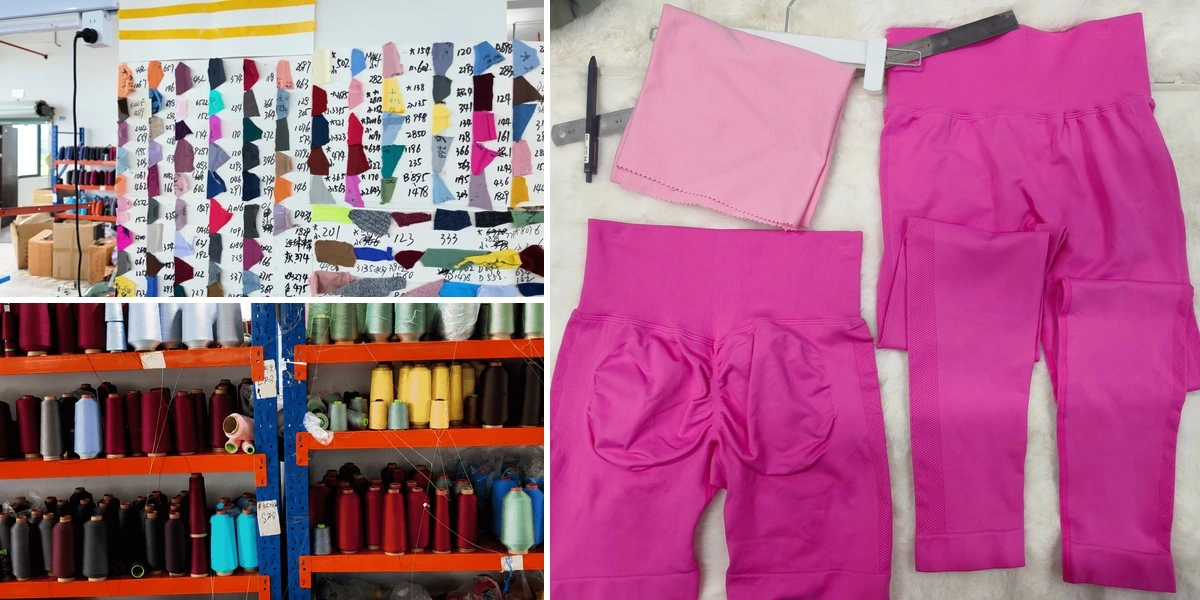
Stretch Direction
Does the material extend in the direction created by the garment and pocket construction?
Recovery
Does the surrounding material return toward the approved condition after the load is removed?
Pocket Opening
Does the opening retain the approved shape under the agreed physical review?
Panel Response
Does the side panel remain within the intended geometry when the pocket is loaded?
Seam Response
Does the selected construction remain acceptable under the buyer-defined evaluation condition?
Garment Fit
Does the loaded pocket materially alter the buyer-approved Fit or side silhouette?
The Pocket Starts in the Pattern Before It Appears on the Garment
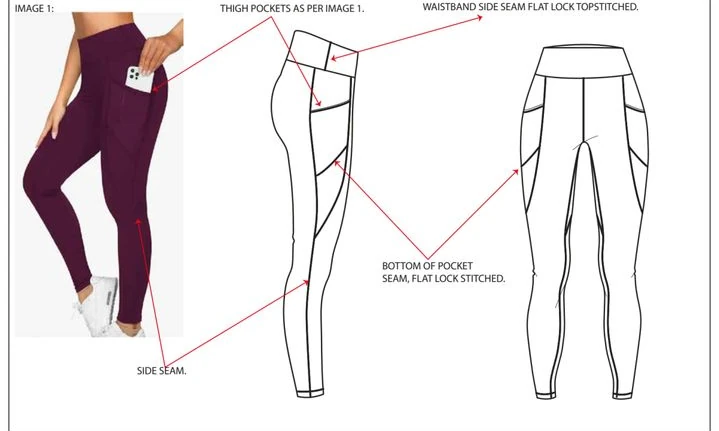
Main Leg Pattern
Controls the base garment geometry and the relationship between waist, hip and leg.
Side Panel
Defines the area into which the pocket is integrated.
Pocket Piece
Creates the intended usable pocket volume and opening.
Production Pattern
Locks the approved pattern relationship, seam allowance and measurement references before bulk.
Review Pocket Measurements Before They Become Production Instructions
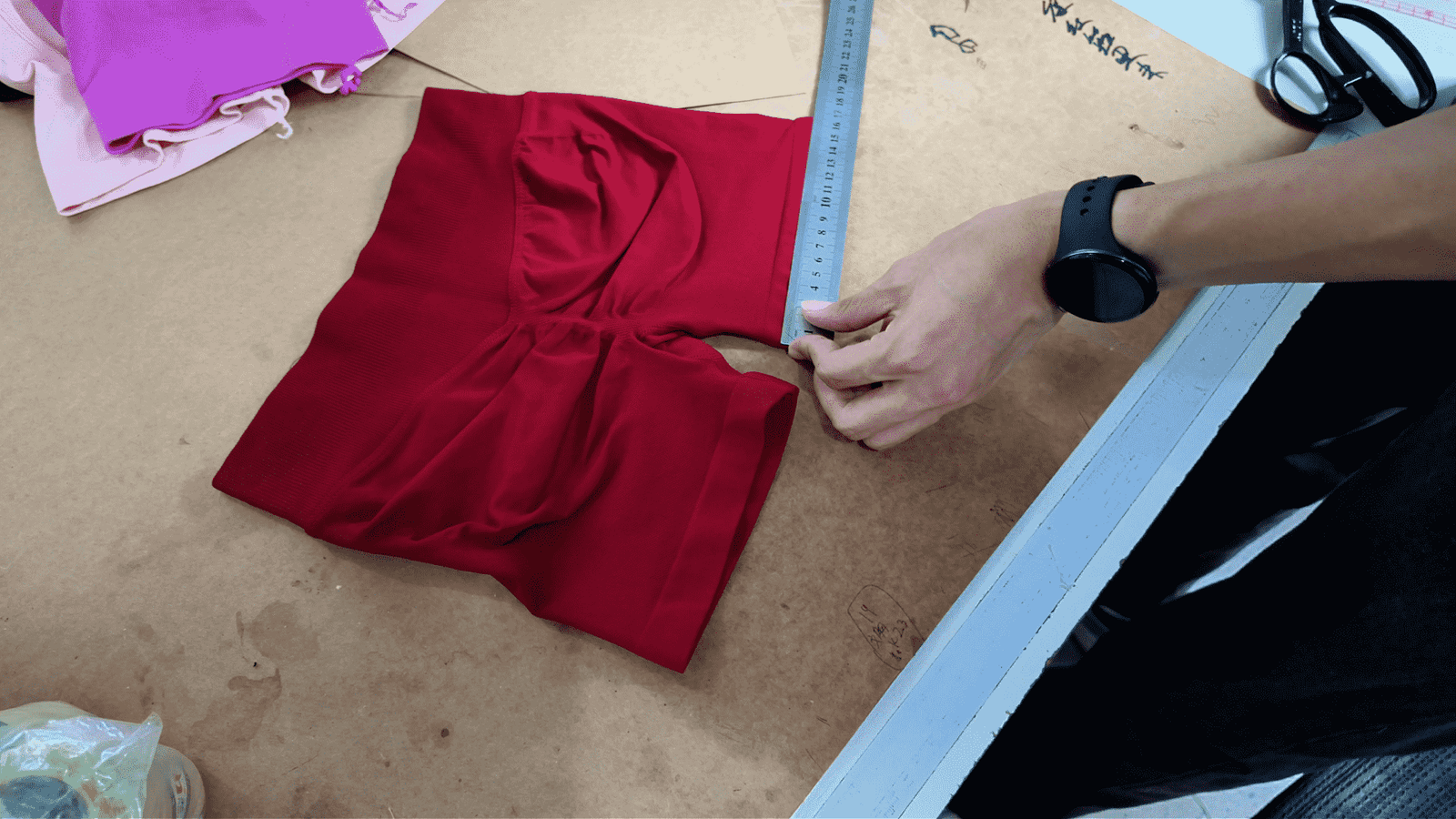
| Measurement Item | Review Requirement |
|---|---|
| Pocket Opening | Define the usable opening and how it is measured. |
| Pocket Width | Confirm the relevant physical width and measurement points. |
| Pocket Depth | Define usable depth against the intended stored object. |
| Top Position | Measure from an agreed garment reference. |
| Bottom Position | Control the lower pocket location and panel relationship. |
| Side-Panel Reference | Keep pocket dimensions connected to the released panel geometry. |
| Tolerance | Define acceptable production variation where applicable. |
| Measurement Method | Ensure buyer and factory use the same method. |
A Pocket Is Not Approved Until It Works on the Physical Garment
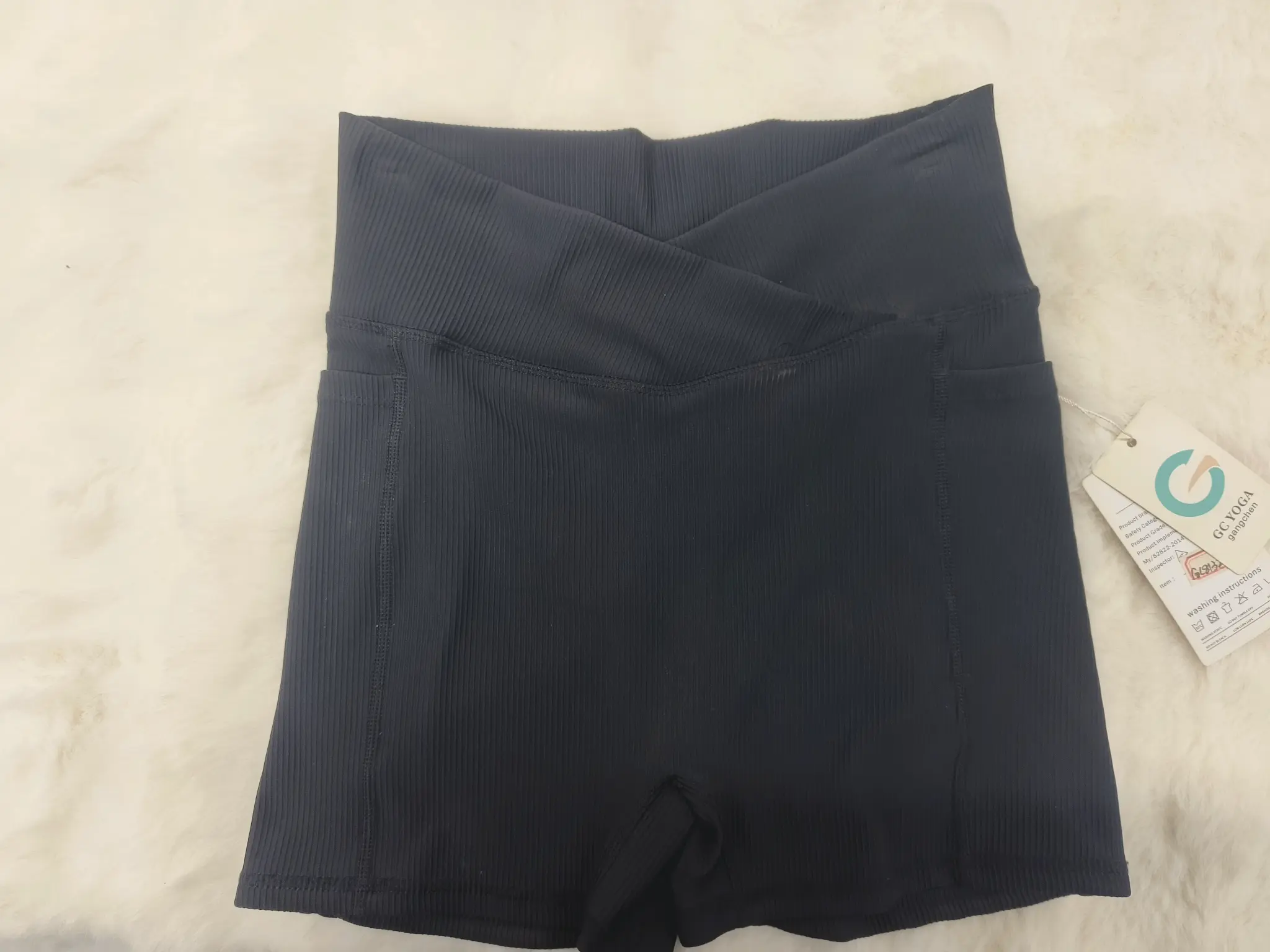
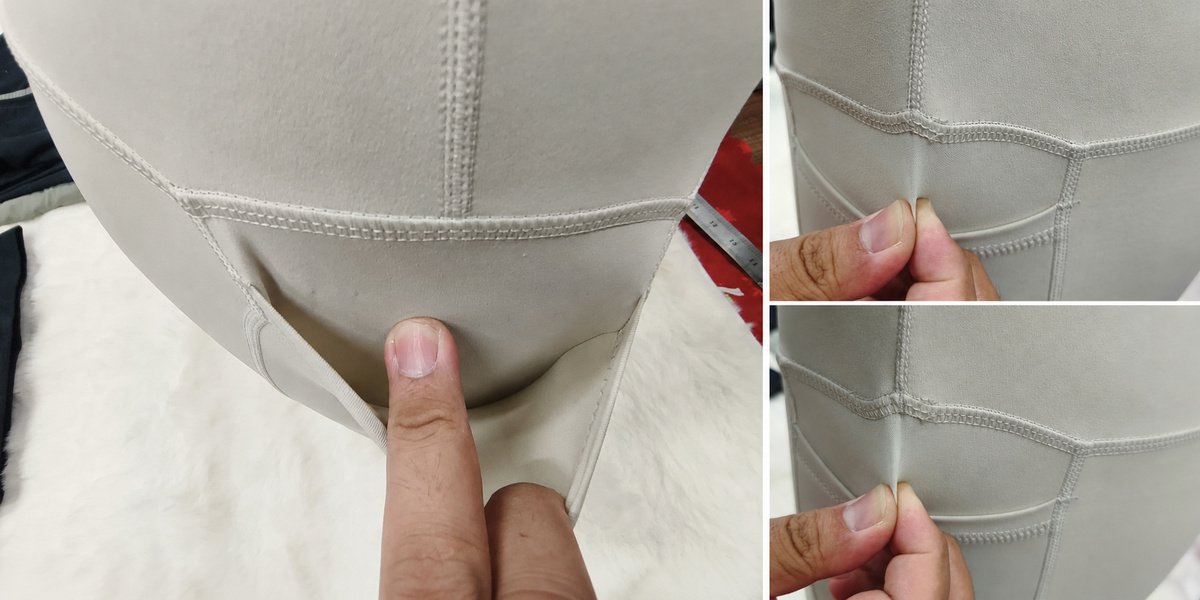
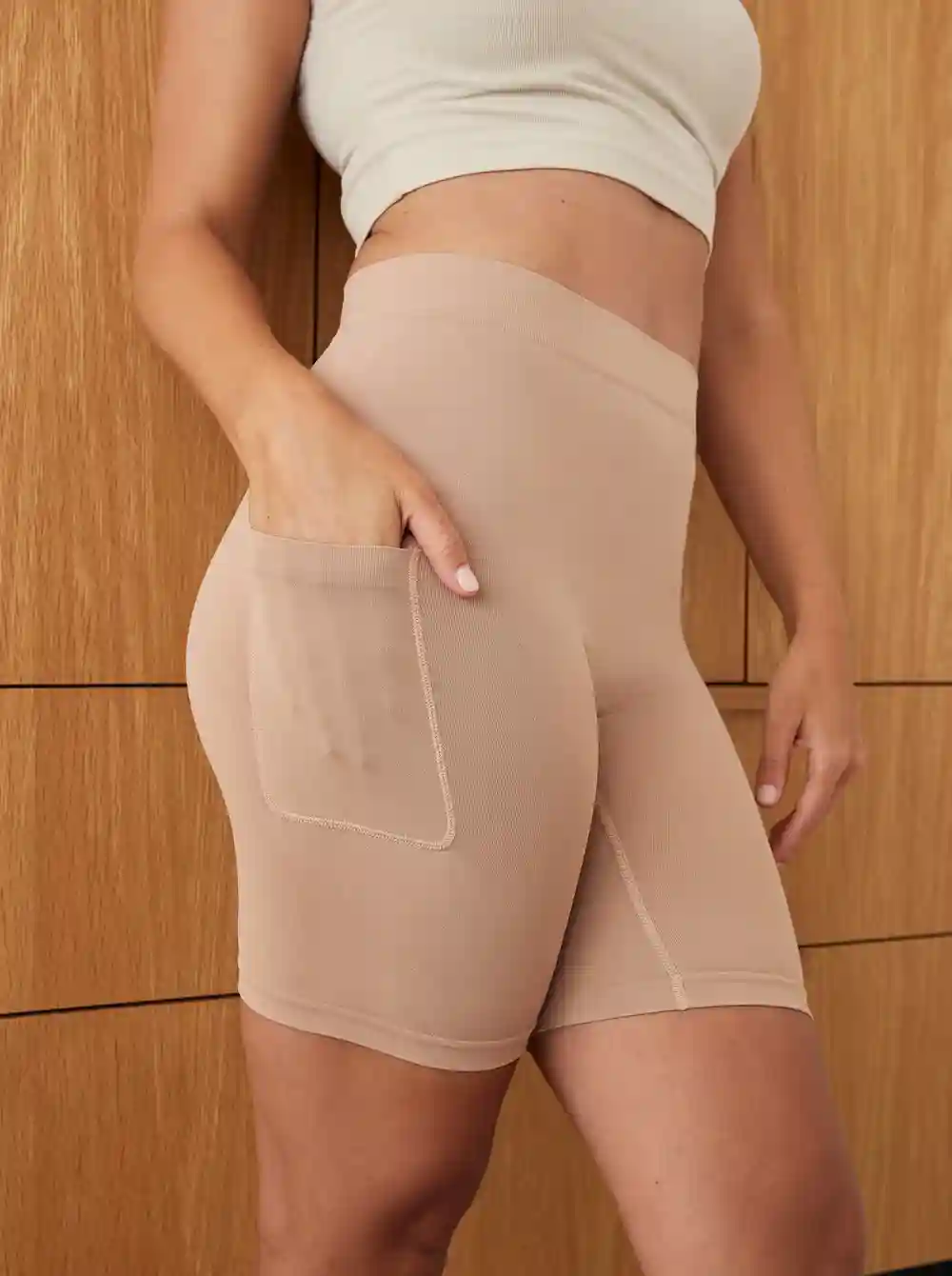
Flat Measurement
Does the garment match the current POM and pocket dimensions?
Worn Position
Does the pocket sit where the buyer intended on the physical garment?
Physical Access
Can the target object be inserted and removed as intended?
Loaded Shape
Does the garment remain acceptable with the reference object inside?
Overall Fit
Does the pocket materially change waist-to-hip Fit or the side silhouette?
Make Each Pocket Revision Traceable
Identify the Specific Issue
- Opening not accepted
- Pocket position needs adjustment
- Panel shape changes the garment
- Pocket depth does not match the buyer requirement
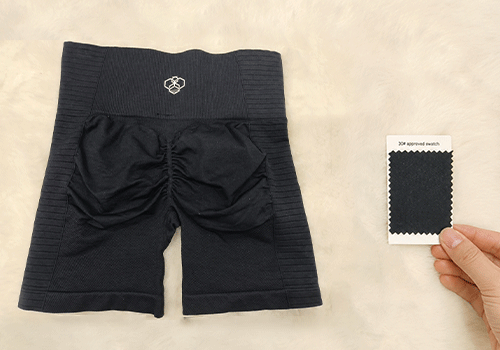
Record the Approved Change
- Opening revised
- Position moved by the approved amount
- Panel relationship updated
- Pocket depth revised to the current requirement
Grading Correct on Screen Does Not Automatically Mean Pocket Fit Is Correct
Base Fit Approved
Use the accepted base-size garment as the starting reference.
Apply Grade Rules
Generate the required size range using the current garment and pocket rules.
Select Size Set
Identify physical sizes that should be reviewed beyond the base size.
Measure Pocket Position
Check opening, vertical position and relationship to the panel and waistband.
Review Garment Proportion
Confirm the pocket still looks and functions appropriately in the selected sizes.
Approve the Size Set
Release the accepted size-specific decisions into production.
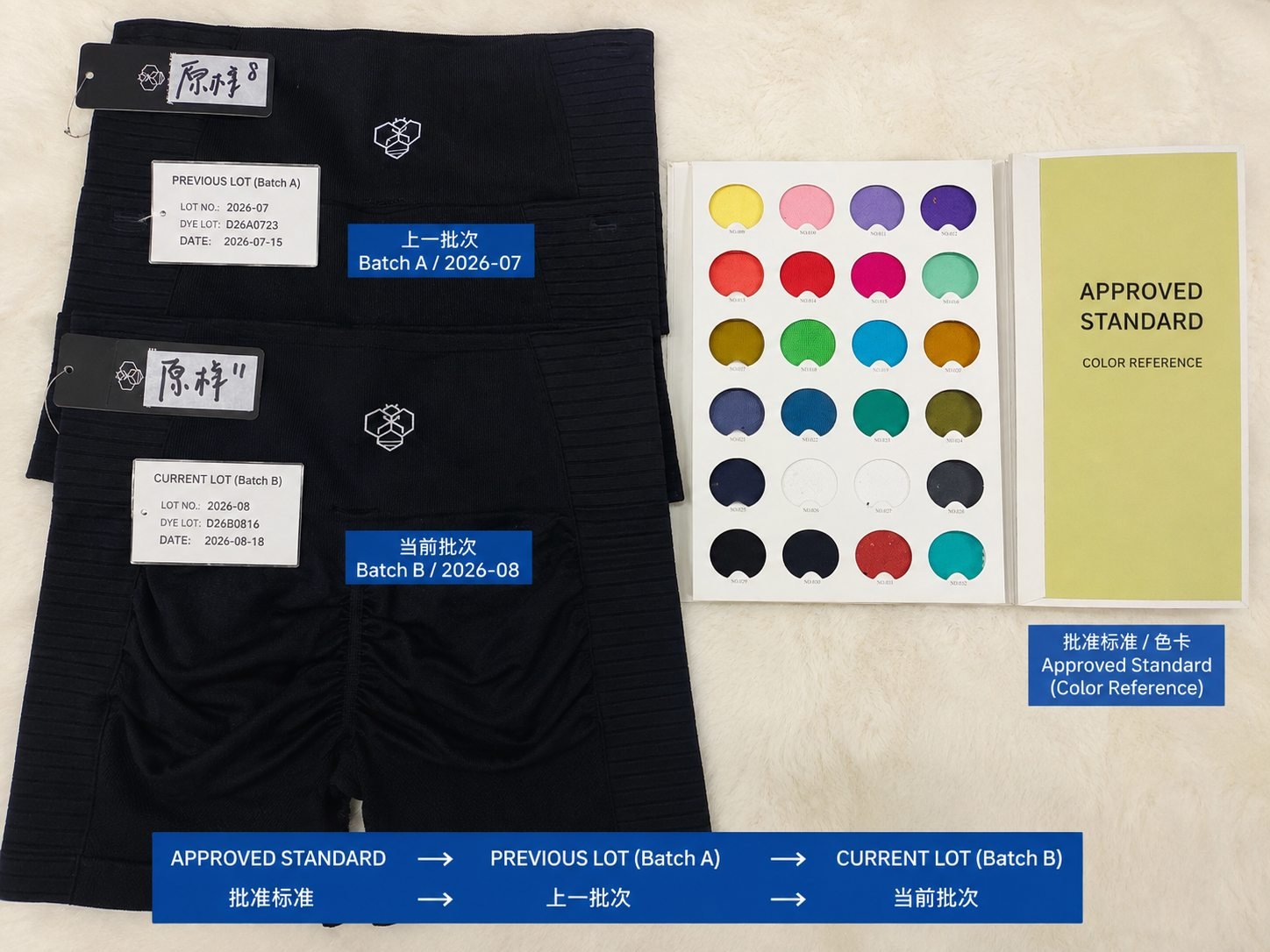
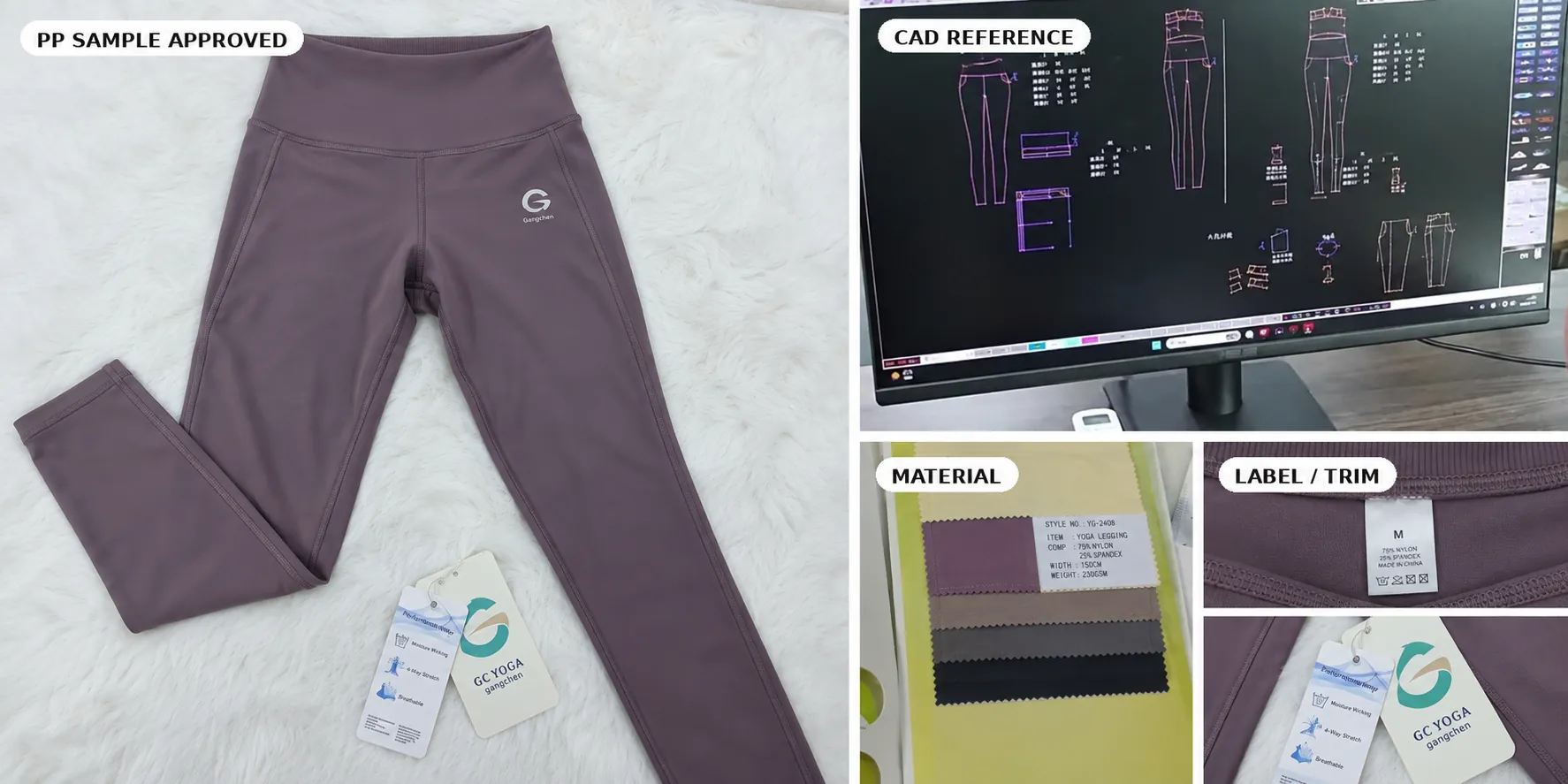
Use the PP Sample to Lock the Production Pocket Standard
Approved Product Reference
The accepted physical garment represents the final pocket, Fit, material and construction direction before bulk.
Approved PP sample and current technical information.
Initial Production Comparison
The first production garment should be checked against the released product standard before normal bulk continuation.
Pocket opening · Depth · Position · Side-panel shape · Garment measurements · Material · Stitching
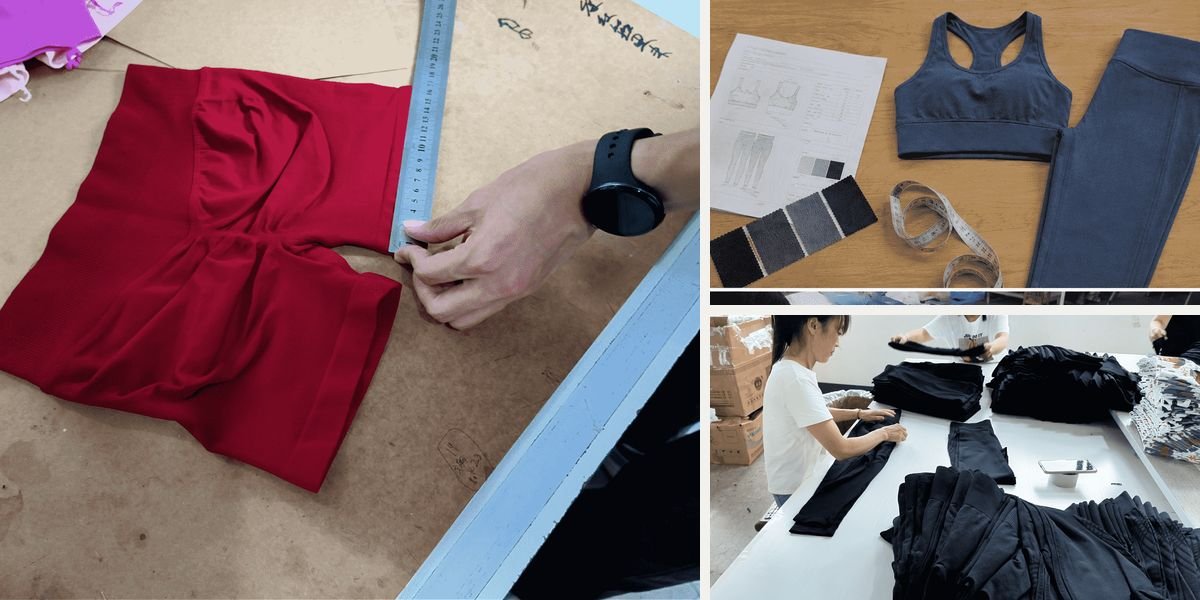
Inspect the Pocket Where Construction Errors Actually Occur
Opening Shape
Review whether the opening follows the approved physical construction.
Opening Measurement
Check the applicable released dimension and method.
Left / Right Position
Where dual pockets are specified, verify the approved position and relationship.
Pocket Depth
Check usable depth against the released standard.
Pocket Layer Exposure
Review unintended visibility or distortion of the pocket layer.
Seam Flatness
Check local seam appearance and garment assembly.
Stress Points
Review relevant corners and intersections against the approved construction.
Side-Panel Symmetry
Confirm panel and pocket relationship remains consistent.
Garment POM
Check the pocket together with critical garment measurements.
Translate the Approved Pocket Pattern Into Controlled Garment Assembly
Principal Garment Machines
Support core Cut & Sew activewear production at the Yiwu base.
Pattern Preparation
Approved pocket and panel geometry is converted into current production references.
Cutting
Main body, side panel and pocket pieces follow the approved pattern route.
Pocket Assembly
Pocket layer, opening and side-panel construction are assembled according to the released standard.
Garment Assembly
Pocket construction is integrated into the complete legging rather than handled as an isolated feature.
Sample-to-Bulk Reference
The approved sample and current technical information remain the basis for production control.
Move From Pocket Brief to Physical Sample Through a Controlled Development Path
Pocket Brief
Confirm intended use, stored object, pocket geometry and available technical references.
Technical Review
Resolve missing information before assumptions enter the sample.
Pattern Review
Connect the pocket to the garment, side panel and Fit.
Sample Making
Build the current physical product for measurement and buyer review.
Physical Review
Evaluate pocket function, dimensions, position, Fit and construction.
Release the Approved Side Pocket Standard Into Production
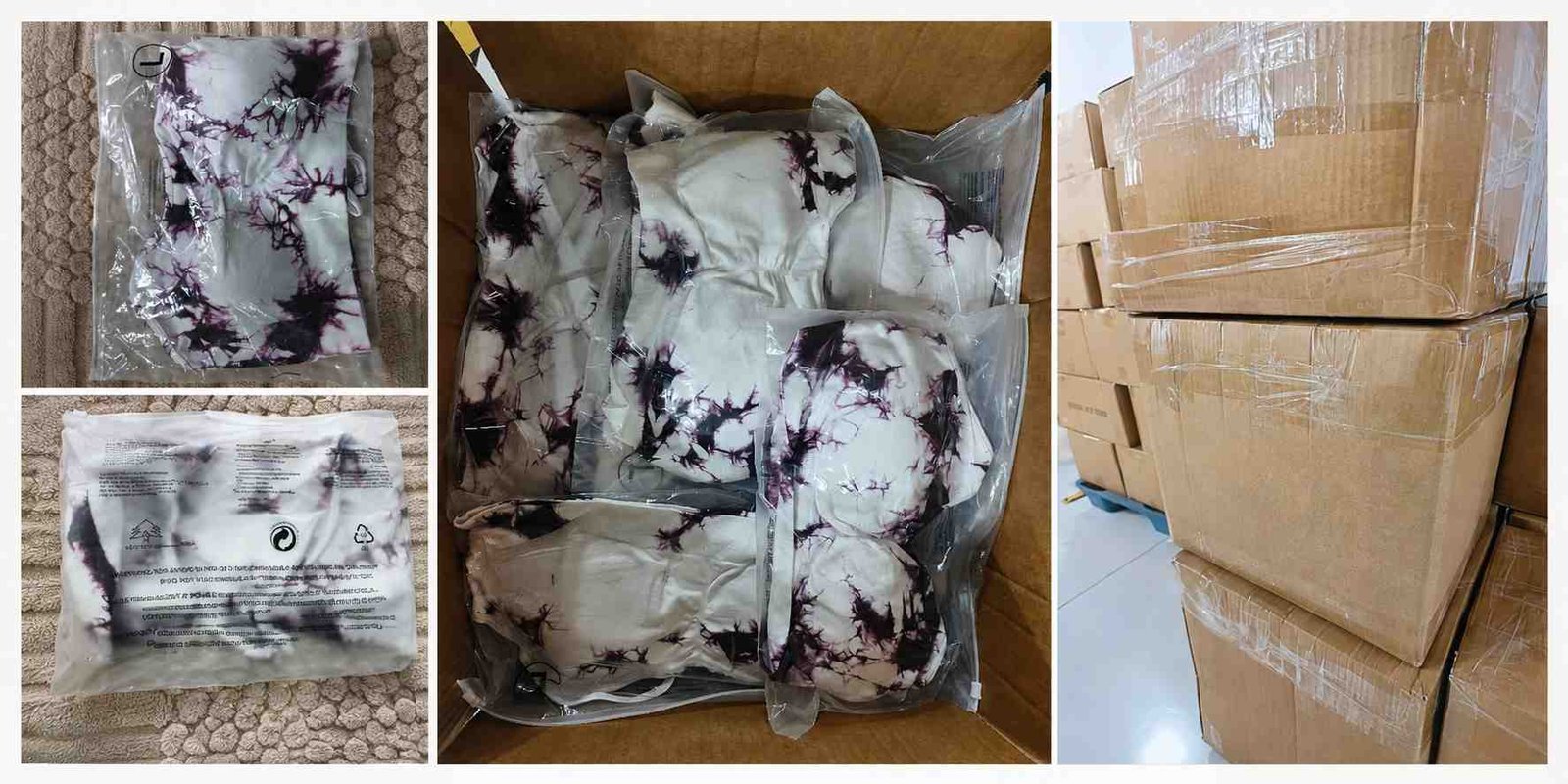
Approved Physical Sample
Retain the accepted garment as the primary physical product reference.
Pocket POM
Release current opening, width, depth, position and measurement method.
Pattern & Panel
Release the approved side-panel, pocket piece and seam relationship.
Fit & Grading
Release garment POM, grade rules and size-specific pocket decisions.
Material & Construction
Connect the approved material and workmanship details to the released style.
Brand & Packing
Confirm current logo, labels, SKU identification and packaging.
Carry the Approved Pocket Characteristics Into Production Inspection
Pocket Opening
Check the applicable released opening measurement and shape.
Pocket Depth
Verify usable depth against the approved standard.
Pocket Position
Confirm vertical and panel position from the released reference point.
Panel & Seam
Verify pocket, panel and seam relationship against the approved construction.
Garment POM
Check the pocket together with waist, hip, rise and other relevant measurements.
Workmanship
Review applicable stitching, assembly, symmetry and finished appearance.
MOVEVOX has 5 QC personnel and can apply applicable incoming, First Article, in-line, finished-product and pre-shipment checks according to the actual order requirements.
Will the Pocket Still Be the Same on the Next PO?

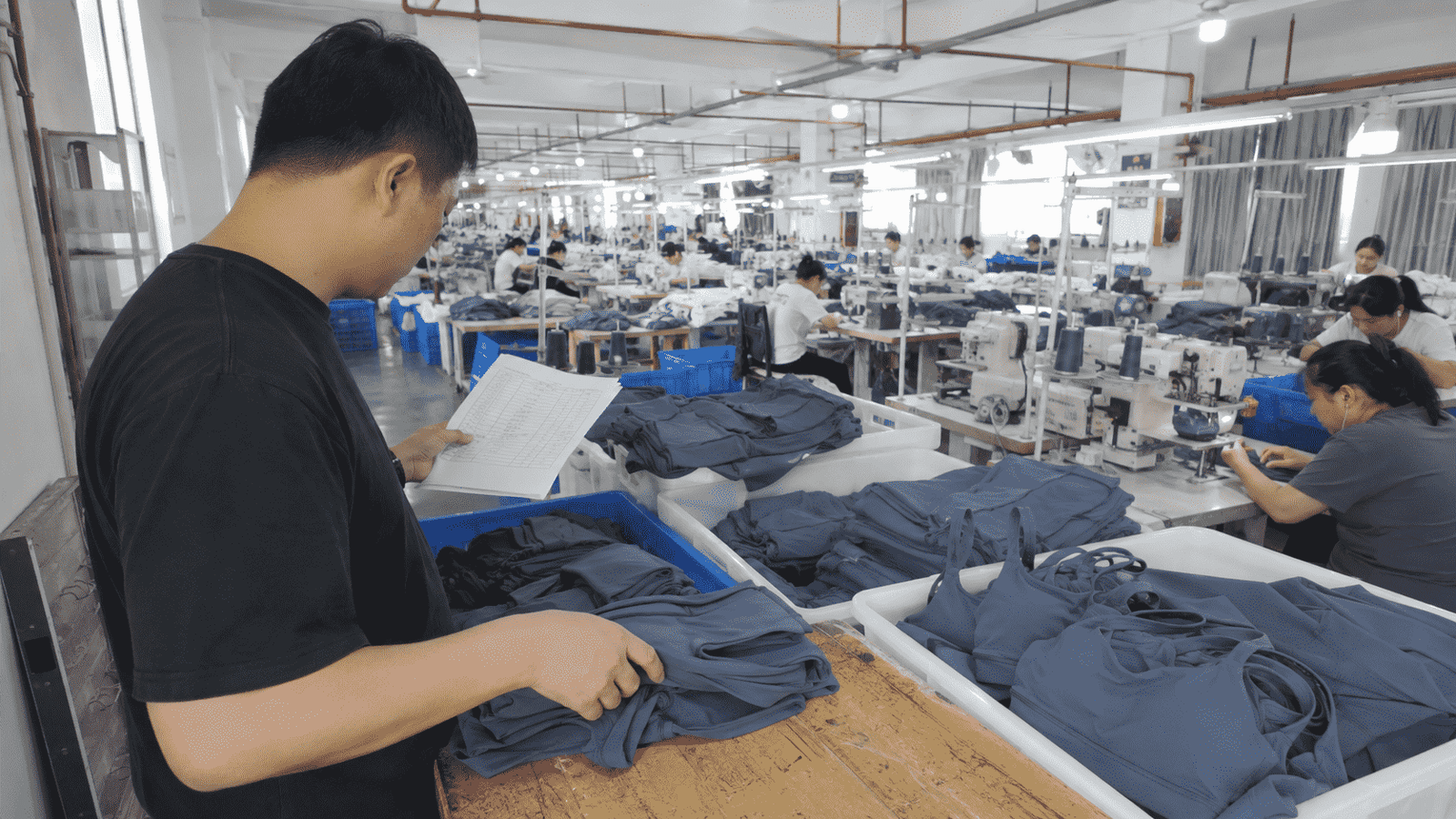
Retrieve the Approved Standard
Confirm the latest sample, pocket POM, pattern, material, Fit and construction.
Confirm Material Continuity
Check whether the same approved fabric or yarn route remains available.
Identify Changes
Separate a true repeat from new pocket dimensions, color, material, size range or construction.
Review Allocation
MOVEVOX centrally manages applicable production allocation and production-site restrictions.
Verify the First Article
Compare initial production against the current released standard.
Release the Repeat Order
Continue applicable in-line, finished-product and packing checks against the current reference.
Follow the Product From Pattern Review to Finished Inspection
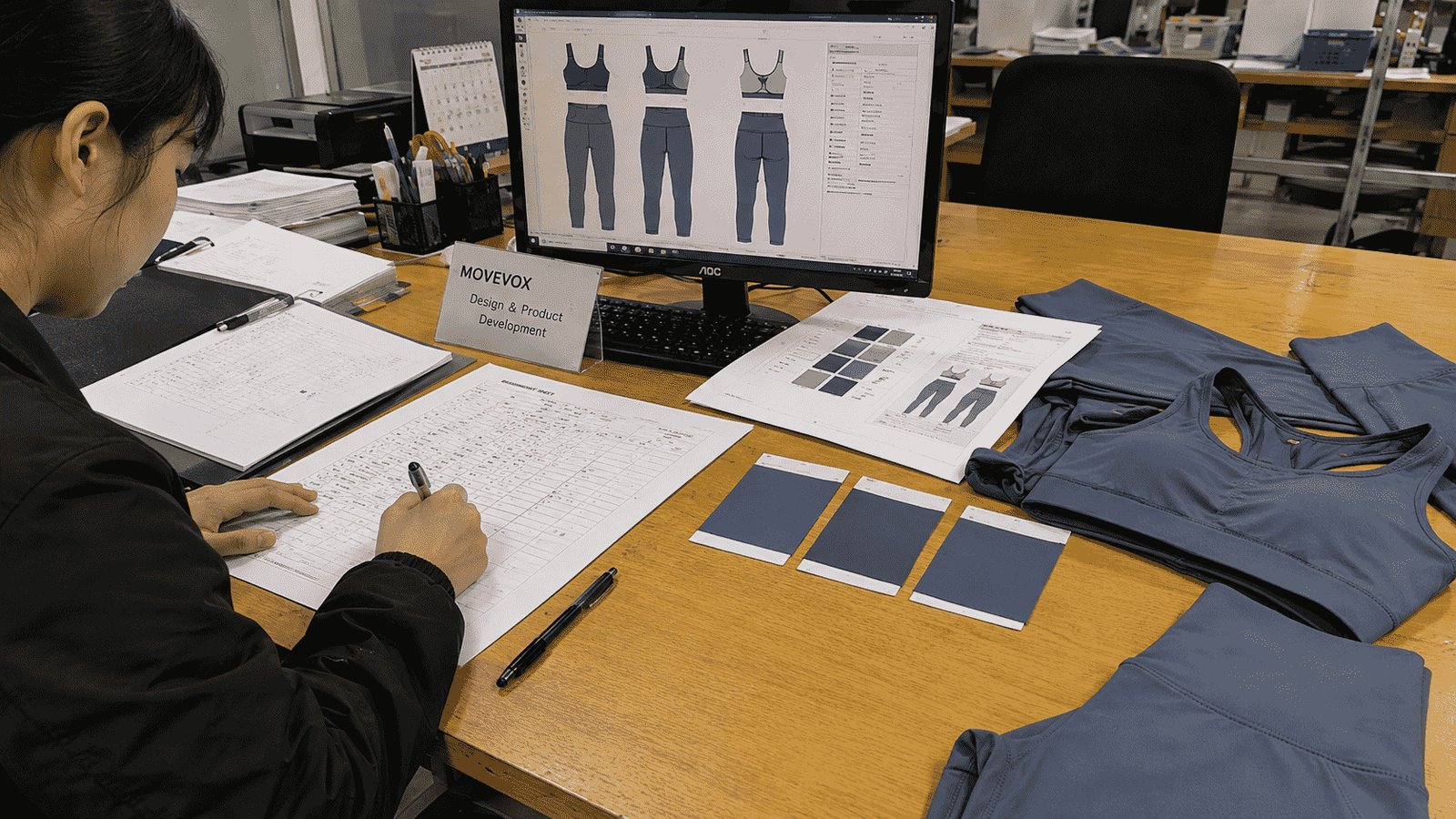
Tech Pack / Pattern Review
Technical information is reviewed before the current product definition is released.
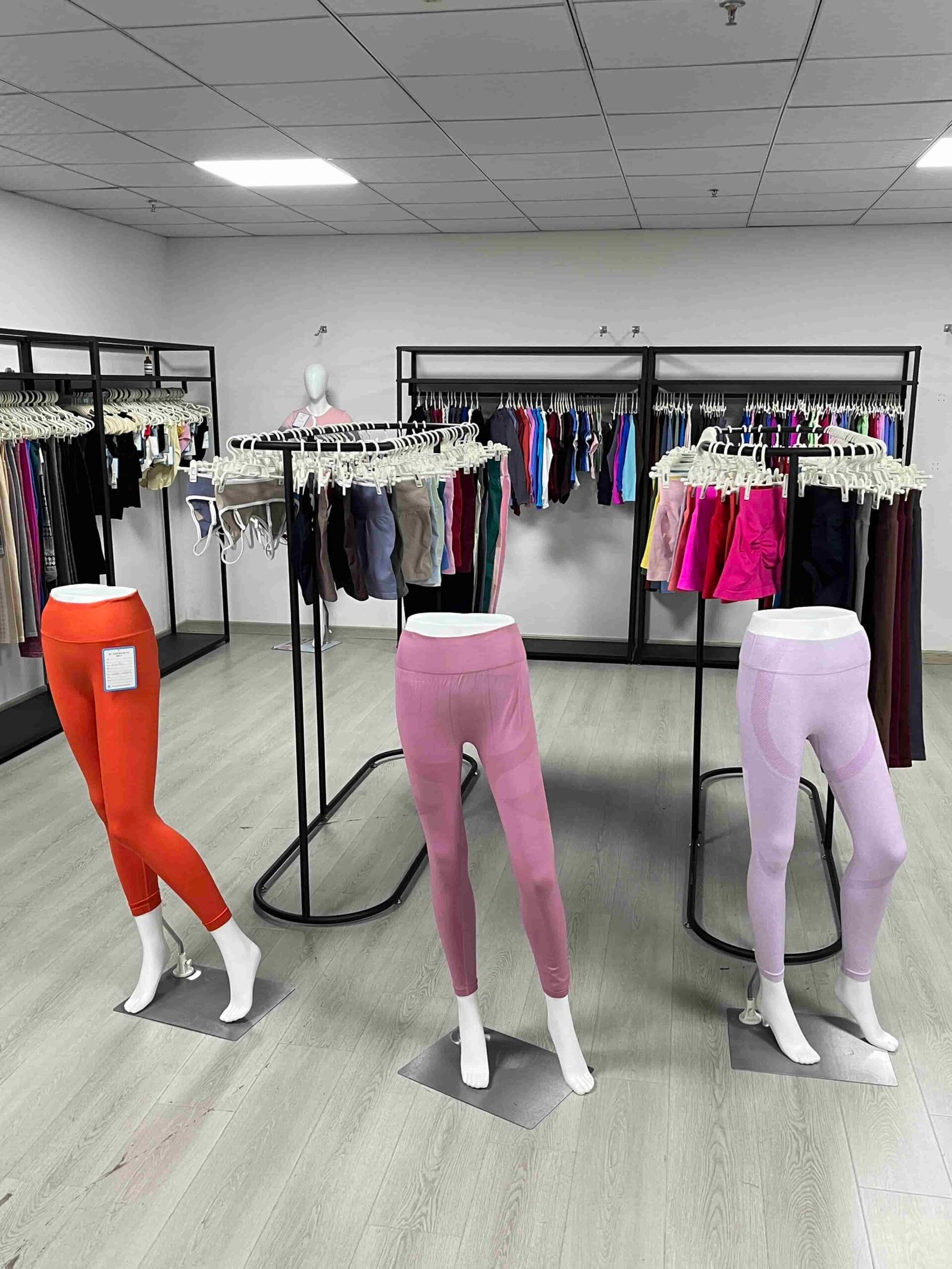
Sample Development
Pattern, material and physical garment are brought together for buyer review.
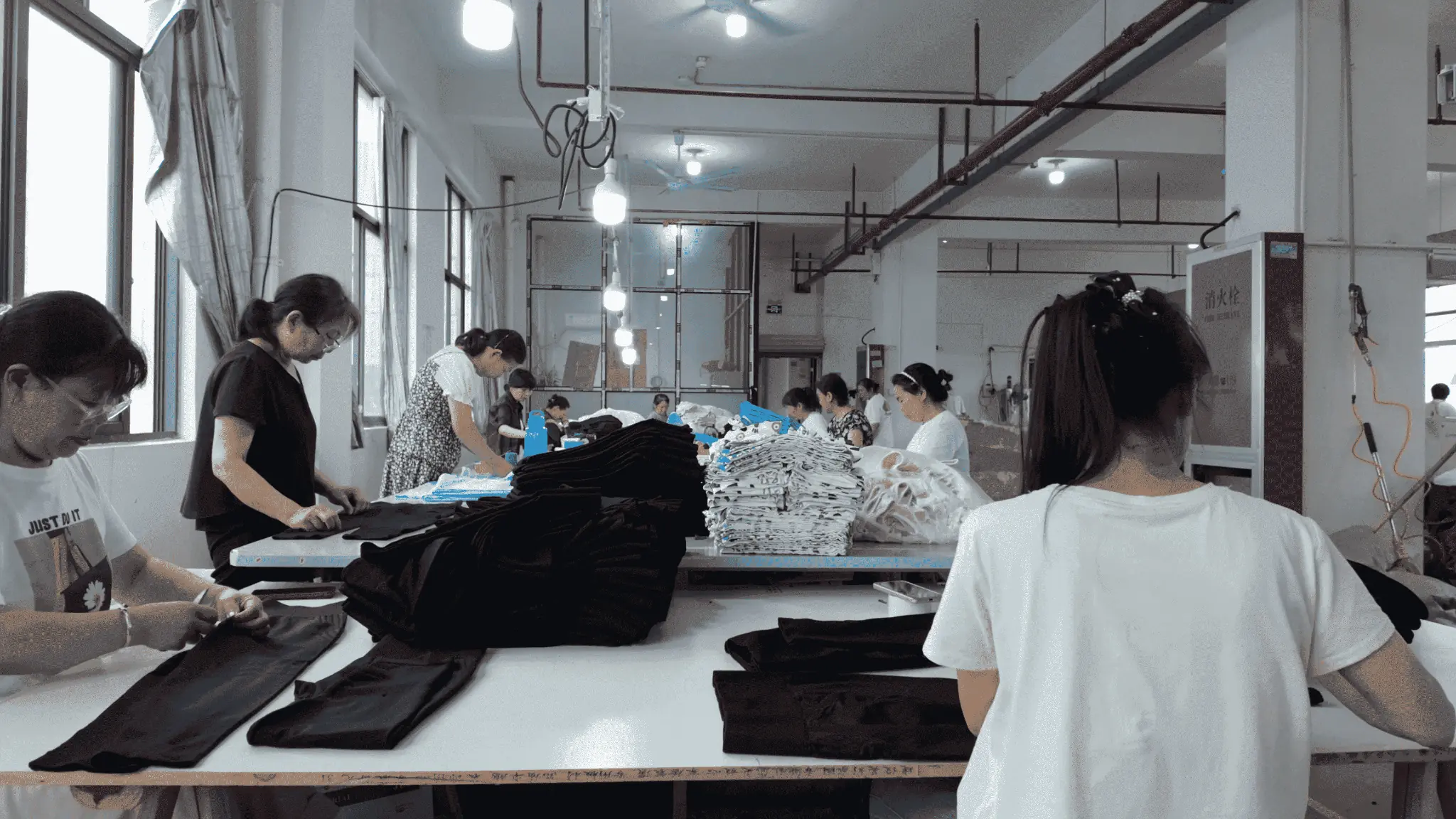
Pattern to Cutting
Approved pattern pieces move into the relevant production preparation.

Sewing / Assembly
Panels, seams and pocket-related components are assembled according to the current standard.

Measurement
Relevant garment and pocket-related measurements can be checked against the released reference.

First Article
Initial production is compared with the current approved standard.

Inline QC
Applicable measurements and workmanship are reviewed while production remains active.
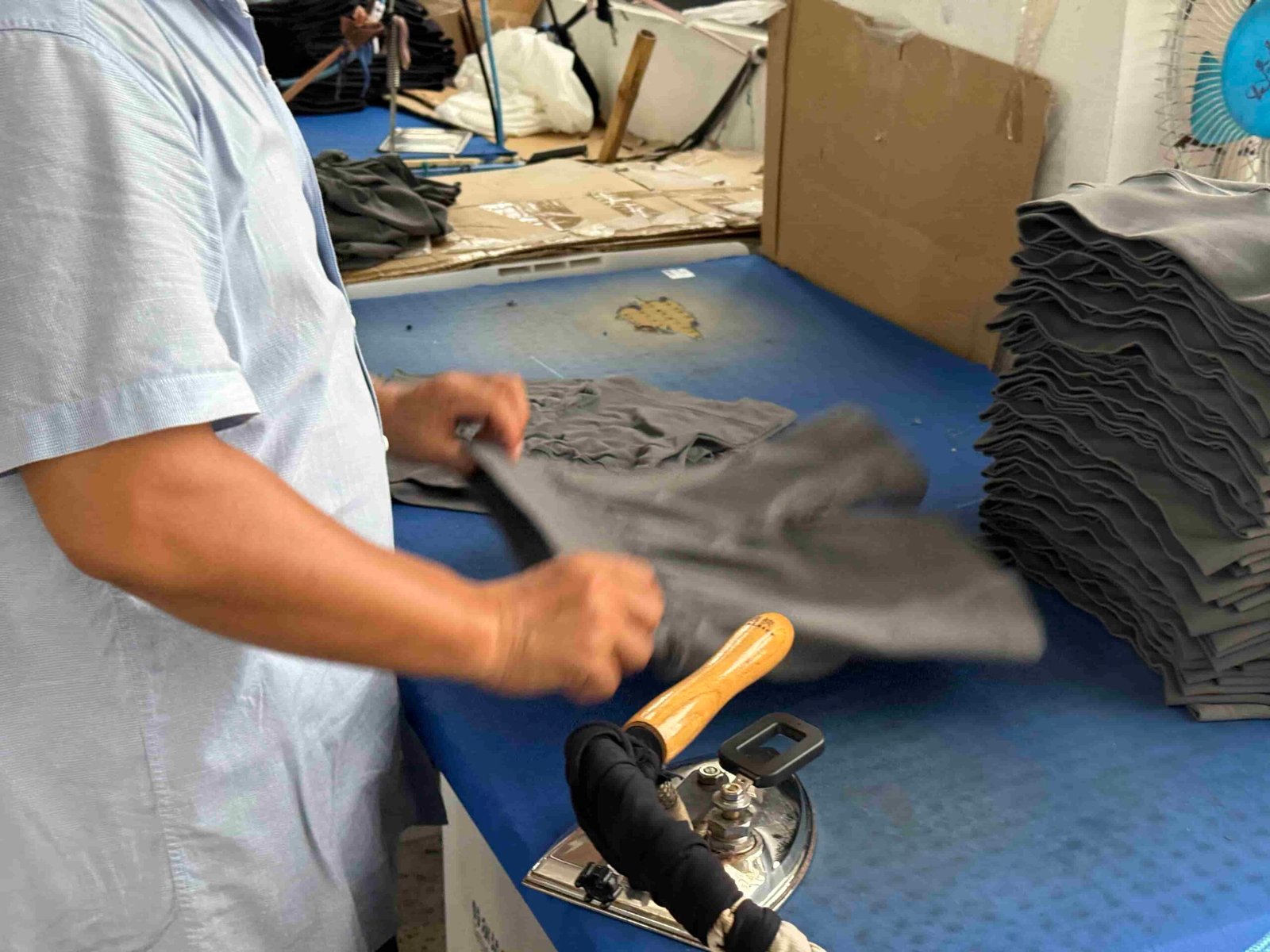
Finished Inspection
Finished-product requirements are checked before packing release.
Read Compliance Evidence by Legal Entity, Tested Sample and Test Scope
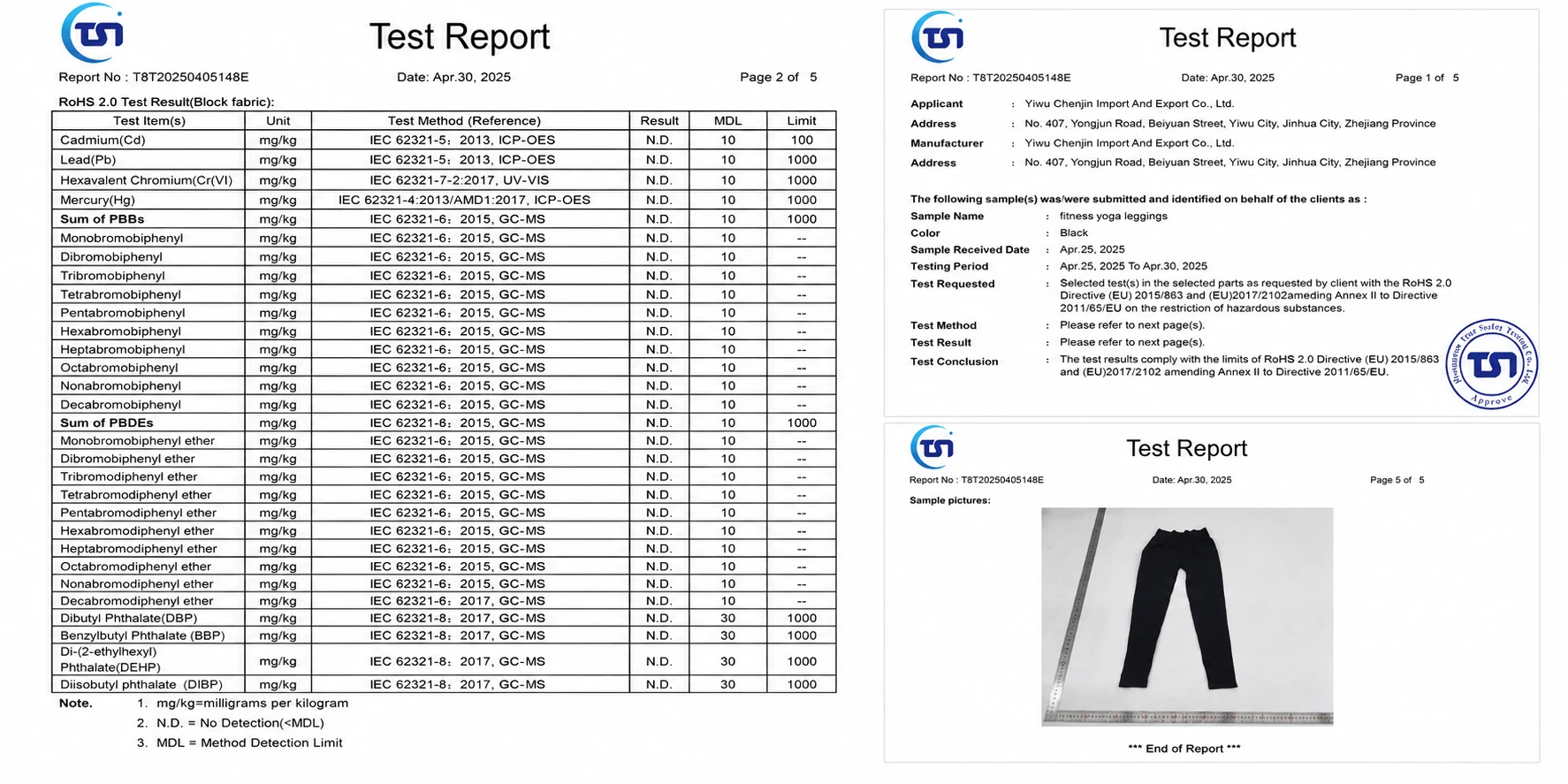
RoHS Sample Evidence
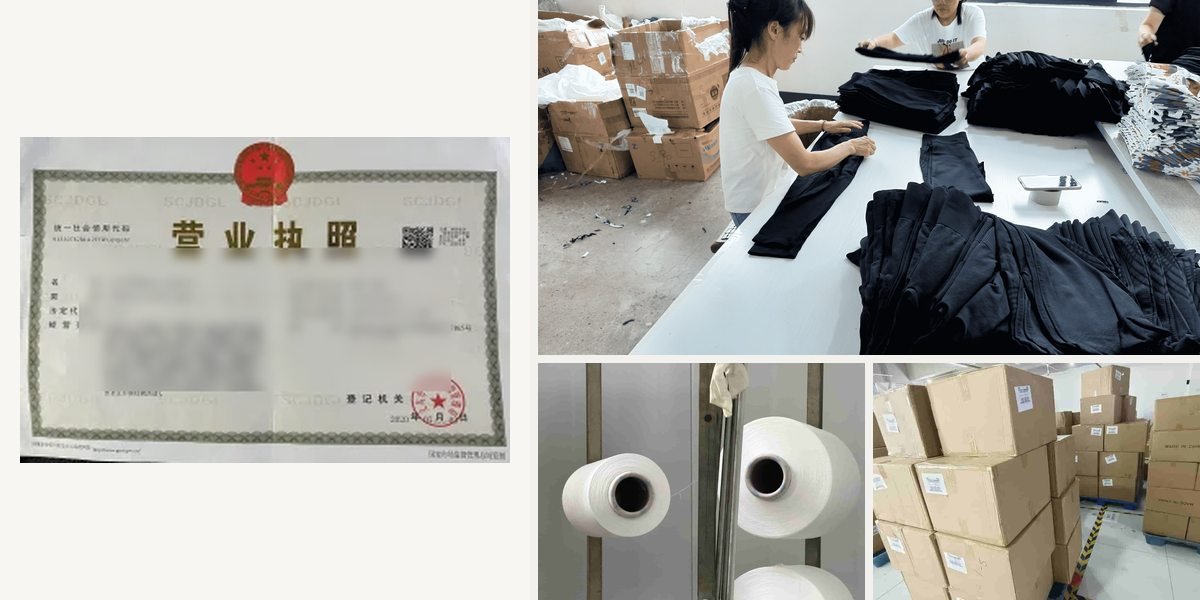
Certificate: TST20250405148EC
Test Report: TST20250405148E
Date: April 30, 2025
Applicant / Manufacturer: Yiwu Chenjin Import And Export Co., Ltd.
Submitted Sample: Black fitness yoga leggings
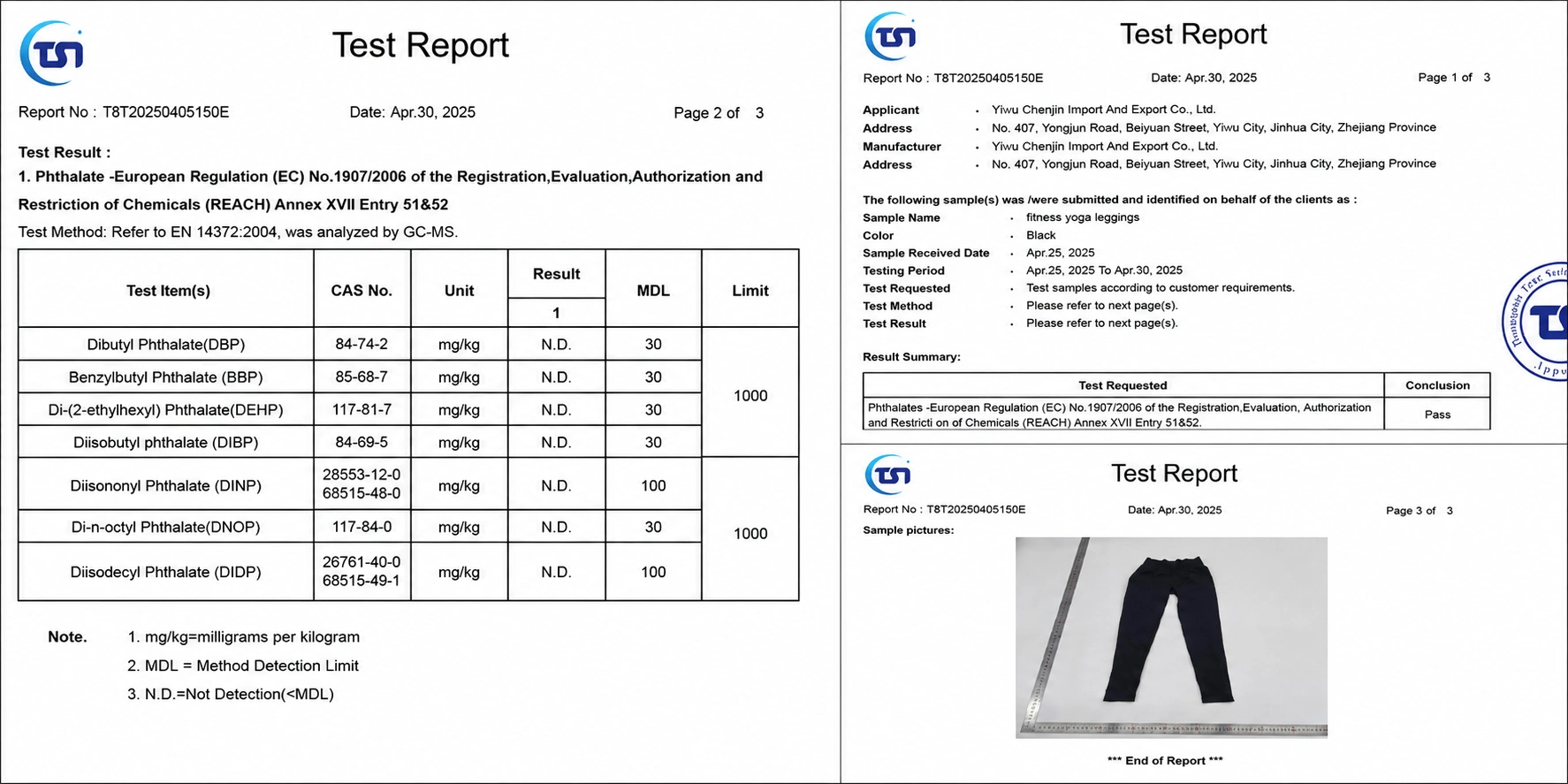
REACH Phthalates Sample Evidence
Test Report: TST20250405150E
Date: April 30, 2025
Sample: Black fabric from the submitted fitness yoga leggings
The cited report records a Pass conclusion for the submitted sample.
What Should a Buyer Verify Before Approving a Side Pocket Leggings Manufacturer?
Pattern Capability
Can the supplier connect the pocket to side-panel geometry and garment Fit?
Pocket Geometry
Can opening, width, depth and position be defined and measured consistently?
Material / Panel Integration
Can the supplier explain how material behavior interacts with the pocket construction?
Sample Revision
Is there a controlled V1 → revision → V2 path rather than undocumented sample changes?
Grading
Can pocket position and dimension rules be controlled through the required size range?
Pocket Workmanship QC
Can the supplier connect pocket-specific control points to production inspection?
First Article
Is initial production compared with the approved product before normal bulk continuation?
Commercial Feasibility
Are MOQ, sample timing and bulk timing explained clearly?
Capacity & Change Control
Can the supplier scale only after standards are locked and identify changes before repeat bulk?
Auditability
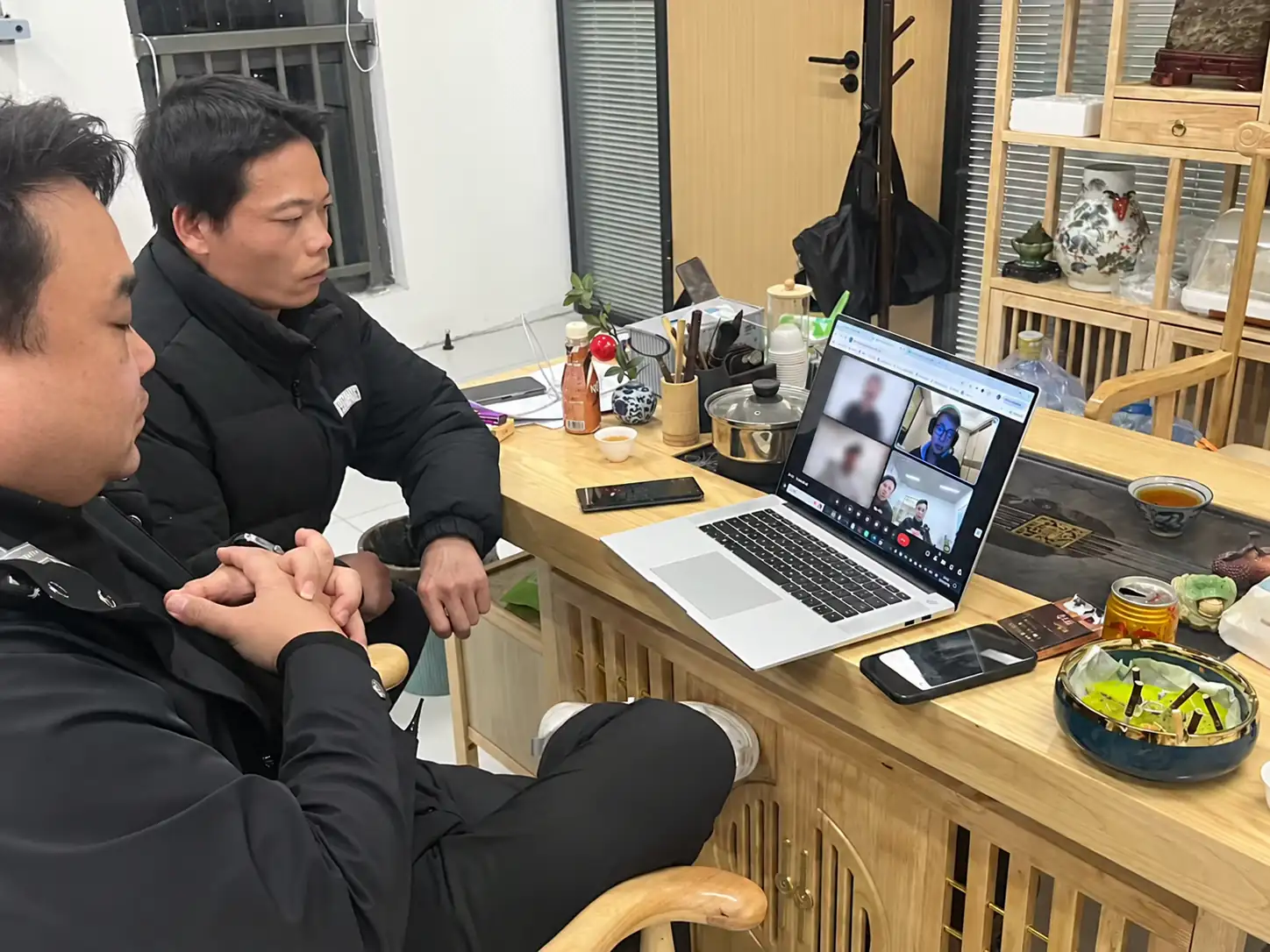
Can the supplier support factory visits, video audits, technical audits and reasonable third-party inspection?