
OEM Yoga Leggings Manufacturer for Activewear Brands
MOVEVOX helps activewear, yoga and athleisure brands turn buyer-defined yoga leggings specifications into approved samples and repeatable bulk production.
Projects can begin from a Tech Pack, legal reference sample, sketch or clearly defined product direction. MOVEVOX coordinates technical review, material and Fit development, Seamless or Cut & Sew manufacturing, sampling, quality control, branding execution and production release through one accountable system.
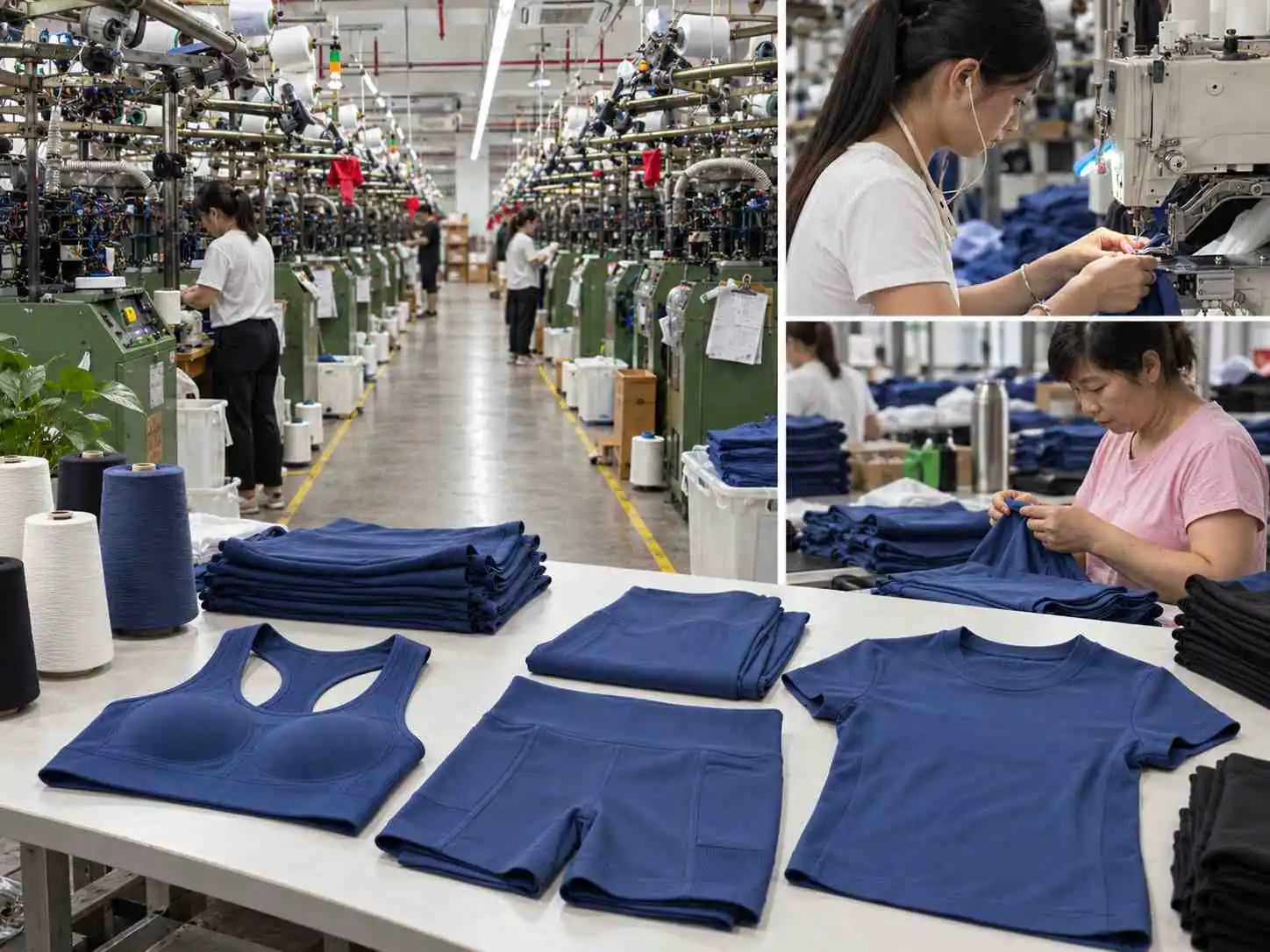
Two manufacturing routes under one managed system.
Italian Seamless machines at the Yiwu core base.
Typical standard sampling after critical inputs are confirmed.
Core stable finished release.
Stable managed delivery across the controlled network.
Choose the Manufacturing Route Around the Leggings Design
Neither manufacturing route is universally superior. The correct route depends on the product construction, material behavior, Fit requirements and technical intent of the design.
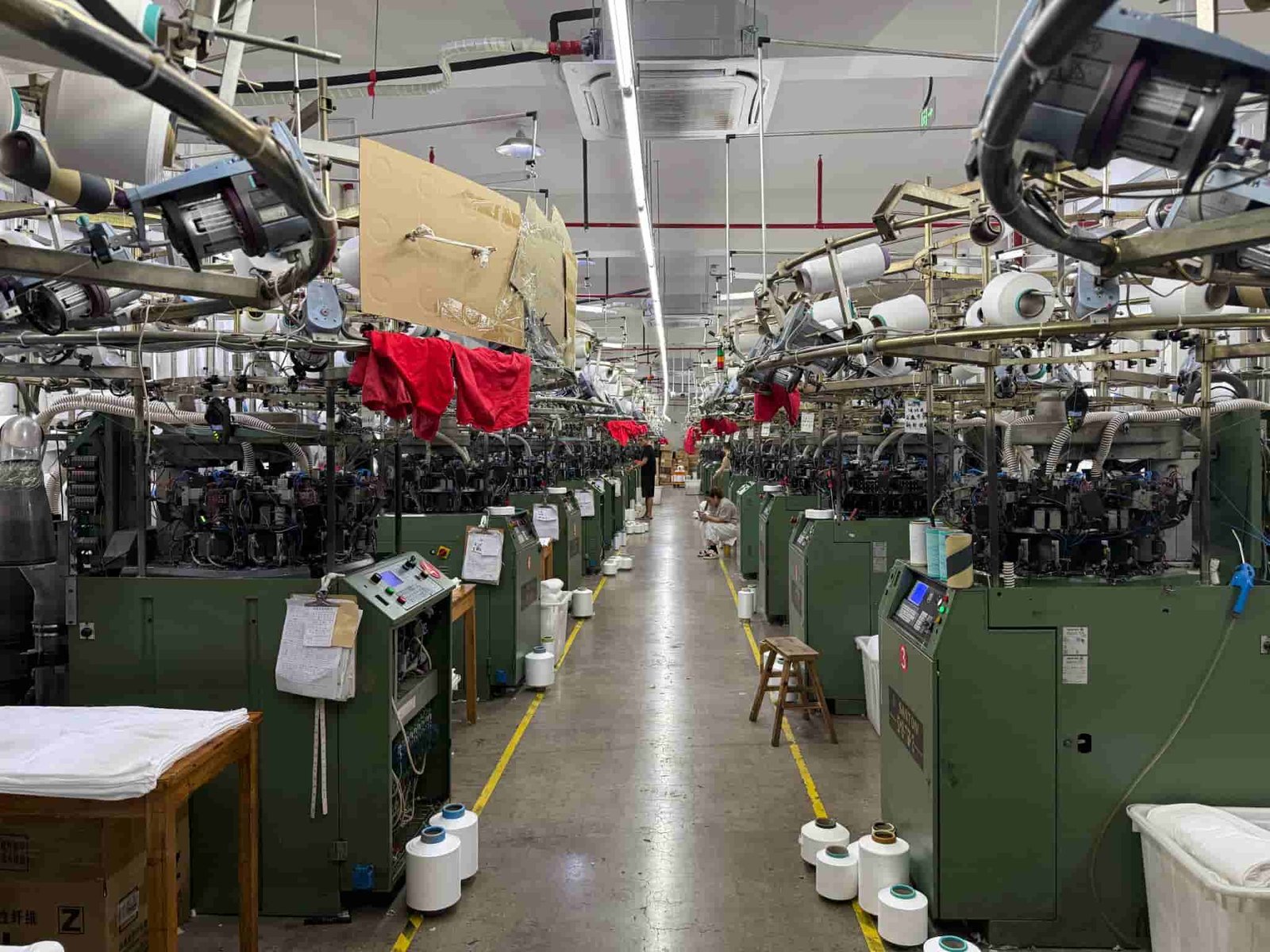
Seamless Yoga Leggings
Seamless manufacturing can be appropriate when the design depends on engineered knitted structures, rib zones, reduced seam construction or other knitted functional areas.
MOVEVOX operates 28 Italian Santoni machines at the Yiwu core base.

Cut & Sew Yoga Leggings
Cut & Sew is appropriate when the product relies on selected fabric, pattern engineering, panel construction, defined seam placement or sewn structural details.
MOVEVOX maintains core Cut & Sew production capability in Yiwu.
Turn Buyer Specifications Into an Approved Yoga Leggings Sample
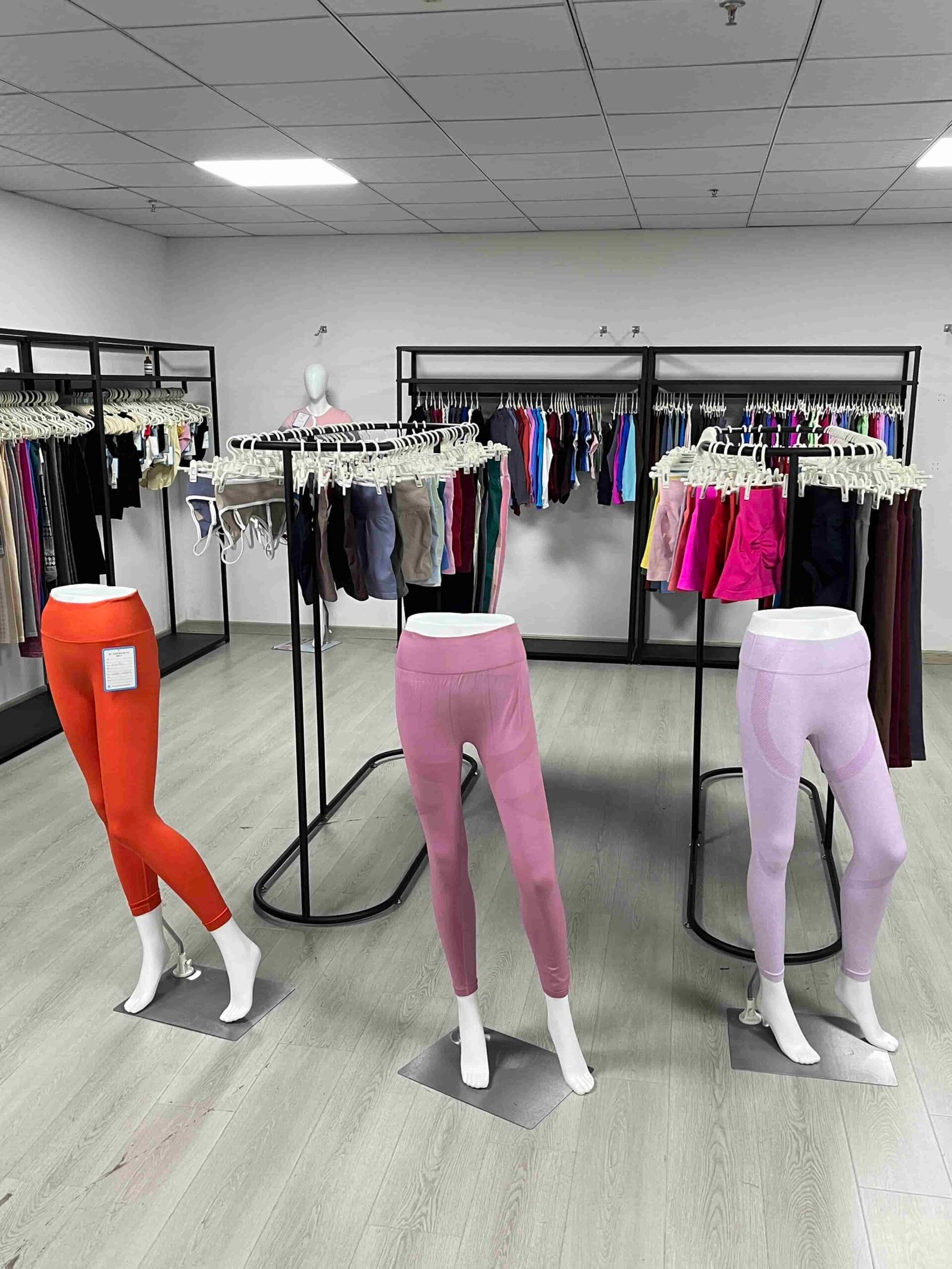
Review the Technical Input
Start from the available Tech Pack, legal reference sample, sketch, product image or clearly defined product direction.
Identify Missing Decisions
Review measurements, POM, tolerance, material, construction, color, branding and other inputs that can affect development.
Select the Manufacturing Route
Confirm whether the product should follow a Seamless or Cut & Sew development route.
Establish Material Direction
Review the required stretch, recovery, handfeel, weight, coverage, surface appearance and other buyer-defined requirements.
Build the Development Sample
Produce the first physical version using the currently confirmed development information.
Review Fit and Construction
Evaluate measurements, product balance, construction and relevant material behavior against the buyer's requirements.
Revise the Product
Apply consolidated confirmed feedback to the next controlled sample version.
Approve the Production Reference
Confirm the final sample and relevant technical information before production handover.
Review the Product Definition Before Sampling Starts
An OEM project becomes easier to control when the buyer and manufacturer identify what is already defined, what is still missing and which decisions can materially affect Fit, construction, cost or production before the first sample is made.
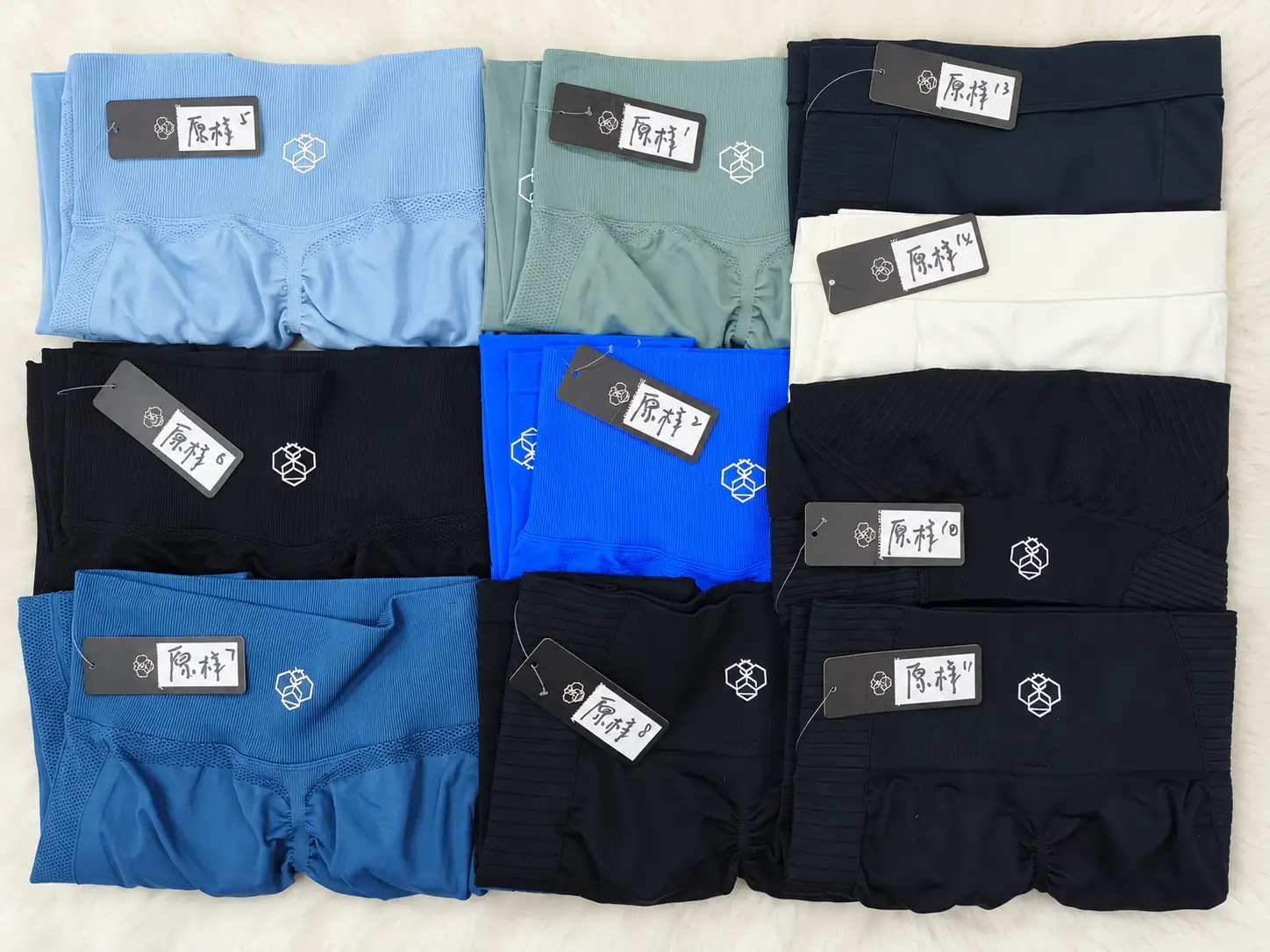
Product Definition
- Style or legal reference
- Intended product use
- Target Fit direction
- Seamless or Cut & Sew preference, if already defined
Technical Specification
- Tech Pack, if available
- Measurement chart
- Points of Measurement
- Tolerances
- Construction details
Material Definition
- Fabric or yarn reference
- Stretch and recovery direction
- Weight and coverage requirement
- Surface and handfeel direction
Component Definition
- Logo artwork
- Labels and Hangtags
- Barcode / SKU information
- Packaging requirements
Commercial Definition
- Quantity by Style
- Color breakdown
- Size range
- Target sample and delivery dates
Buyer Control Requirements
- Testing requirements
- RSL requirements where applicable
- Inspection requirements
- Approved Factory Only restrictions, if applicable
Lock the Material Standard Before OEM Production
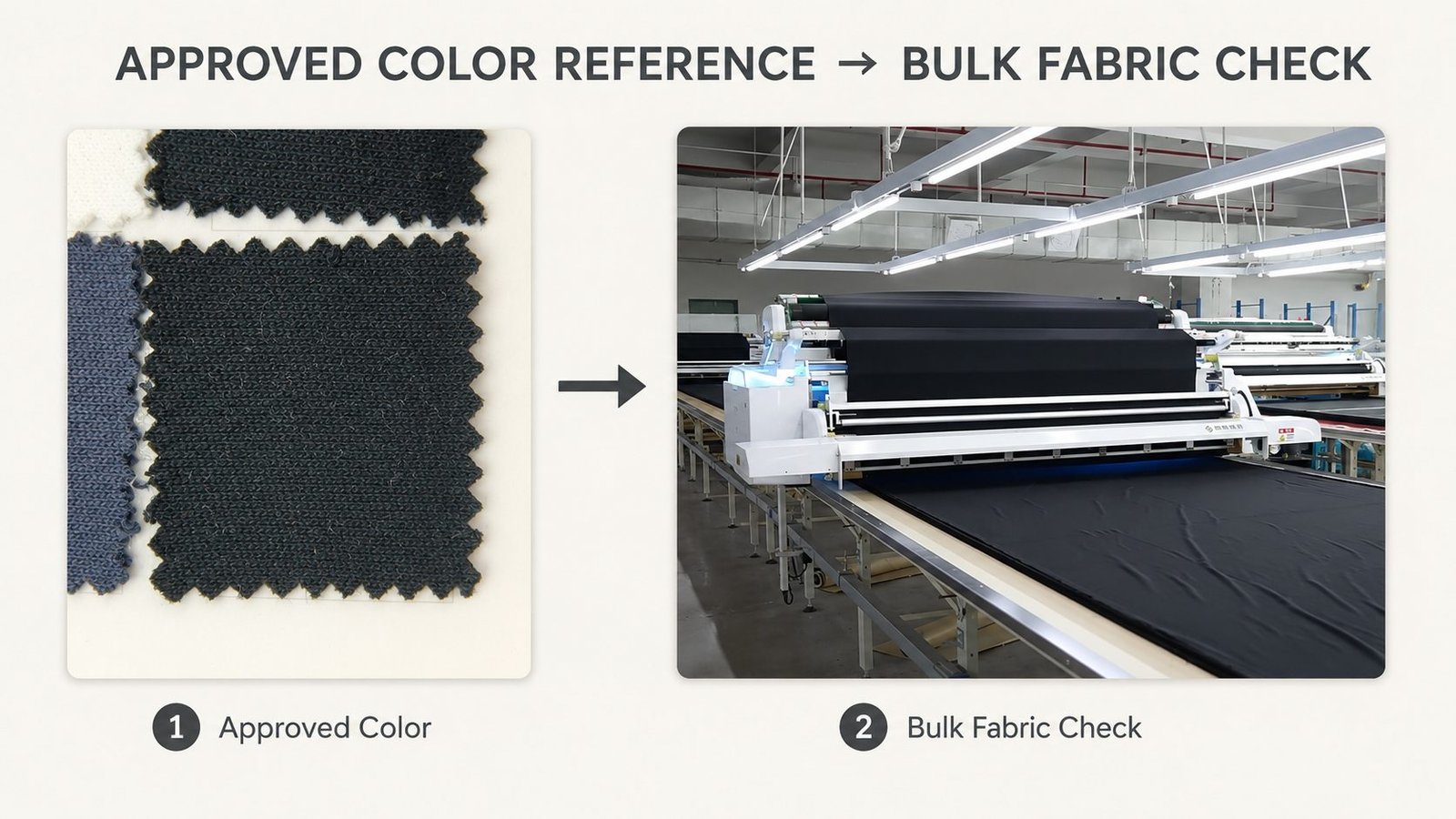
For OEM leggings, the material is part of the product specification. A substitute that looks similar can still change Fit, stretch, recovery, coverage, surface appearance or manufacturing behavior.
Define the Material Reference
Confirm the applicable fabric, yarn, composition direction, weight, surface, stretch, recovery and other buyer-defined requirements.
Approve the Physical Material
Fiber percentage alone does not define material behavior. The applicable physical reference should be approved before bulk production.
Control Substitution
Material substitutions should not be treated as equivalent automatically. A changed material may require buyer review before use.
Revalidate Product Impact
If the material changes, the effect on Fit, appearance, recovery, coverage or construction may need to be reviewed again.
Treat Fit Control as Part of the OEM Product Specification
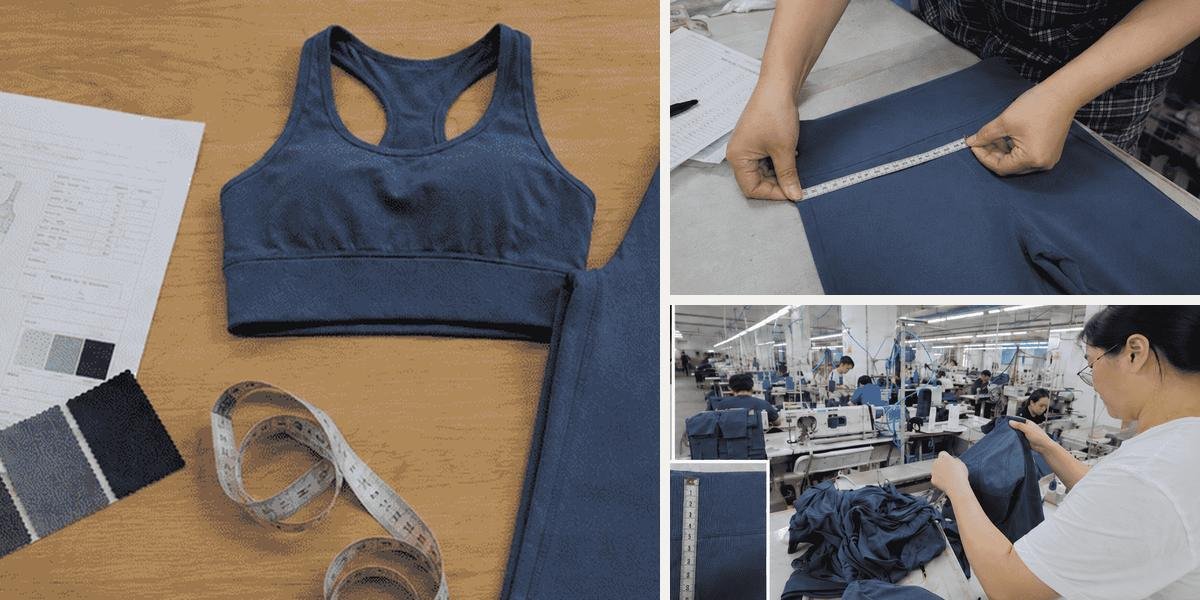
A size label does not define Fit. OEM production needs a controlled relationship between the approved sample, Points of Measurement, tolerances, grade rules, material behavior and the measurement method used during bulk inspection.
| Control Item | What Must Be Defined |
|---|---|
| Base Size | Core measurements, proportions and intended Fit. |
| POM | Exact position and method used to take each critical measurement. |
| Tolerance | Acceptable production variation for applicable measurements. |
| Grade Rules | How measurements change between approved sizes. |
| Size Set | Physical validation of graded sizes where required. |
| Bulk Measurement | Production measurement against the current approved specification. |
Define the Product Characteristics That Cannot Drift in Bulk
An OEM standard becomes easier to control when the buyer and factory identify which product characteristics are critical to acceptance before sample approval.
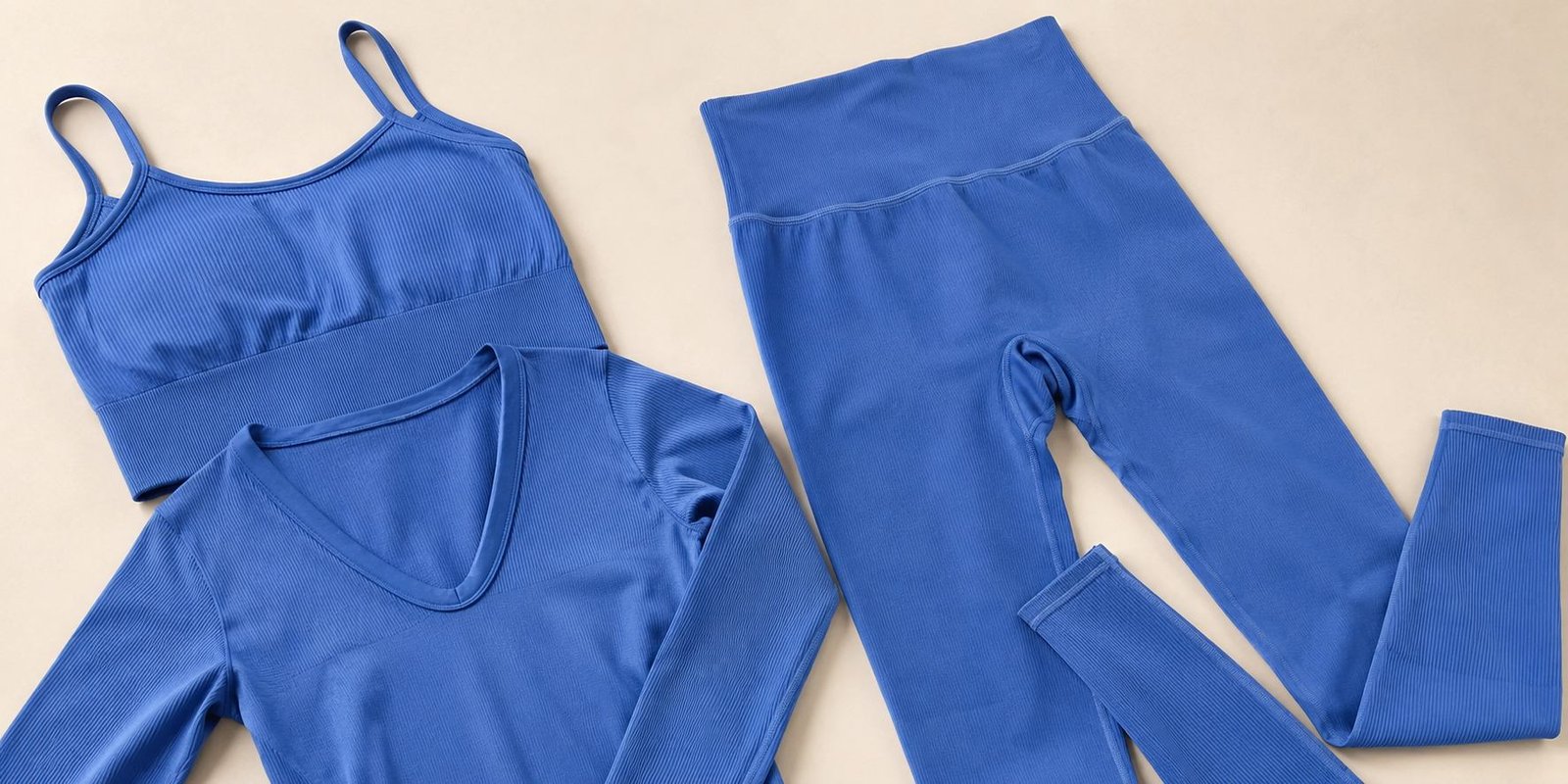
Fit & Measurement CTQs
Critical dimensions, waistband position, rise, inseam, product balance and applicable tolerance requirements.
Material CTQs
Applicable stretch, recovery, handfeel, surface, weight, coverage and other approved material characteristics.
Construction CTQs
Seam placement, panel construction, knitted zones, waistband construction and other product-specific structural requirements.
Appearance & Branding CTQs
Approved color, Logo position, labels, artwork and visible product details that form part of buyer acceptance.
Prevent Specification Drift Before It Reaches Bulk Production
Most OEM failures are not caused by one isolated defect. They occur when an approved decision is not transferred correctly from development into materials, production, inspection or later revisions.
Wrong Material Equivalent
A substitute appears similar but changes Fit, recovery or appearance.
Lost Sample Revision
A requested change appears in one sample but is not transferred to the current production specification.
Measurement Drift
Factory and buyer use different measurement methods or tolerances.
Unapproved Production Change
Material, process or manufacturing location changes without the required review.
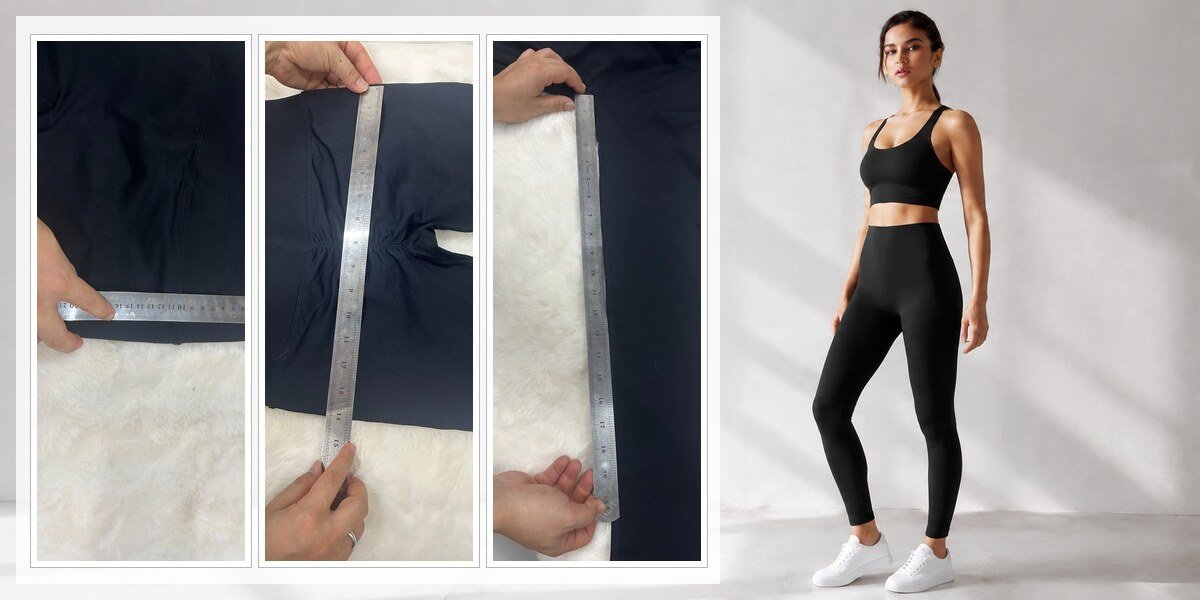
Keep the Approved Decision Connected
Material, measurement, sample revision and production-site decisions should remain linked to the current approved product standard.
- Approve the physical material.
- Keep sample revisions identifiable.
- Use one measurement method and tolerance standard.
- Review production changes before implementation.
Keep Every Sample Revision Connected to the Current Specification
In an OEM project, the important question is not only how many samples are made. The buyer and manufacturer need to know which sample is current, what changed and whether the technical information was updated with the physical garment.

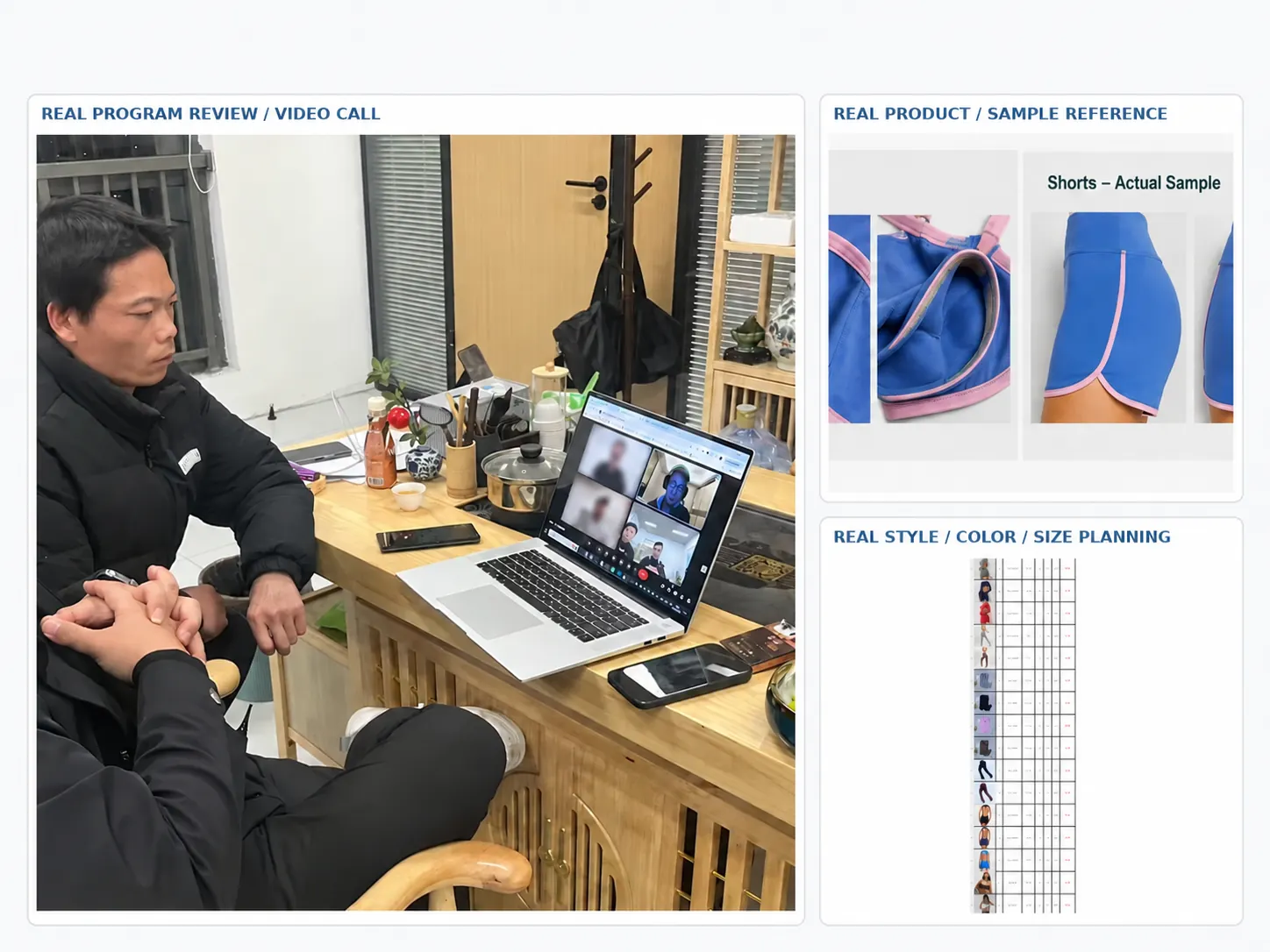
Development Input
Establish the current Tech Pack, reference, measurements, material and construction direction.
First Physical Sample
Convert the current information into the first reviewable garment.
Consolidated Buyer Comments
Combine confirmed Fit, measurement, construction and material feedback into one controlled revision.
Revised Sample
Verify that the requested changes have been translated into the next physical version.
Specification Update
Ensure approved changes are reflected in the current production information rather than remaining only in comments.
Production Reference
Confirm the sample and applicable technical information that production should follow.
Do Not Treat Sample Approval as Automatic Permission for Uncontrolled Bulk
The approved garment needs to be translated into the current production package before bulk output becomes the new control point.
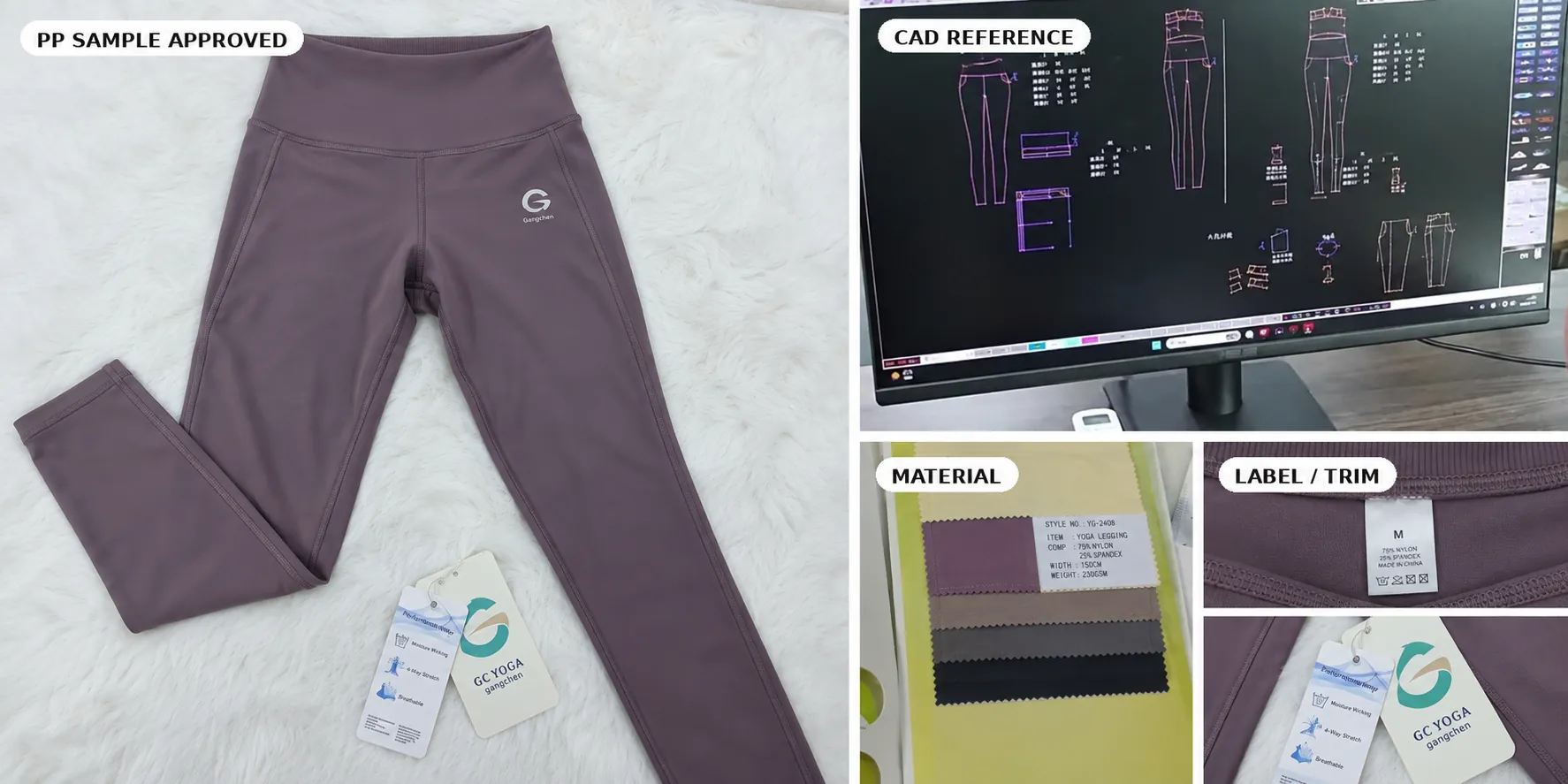
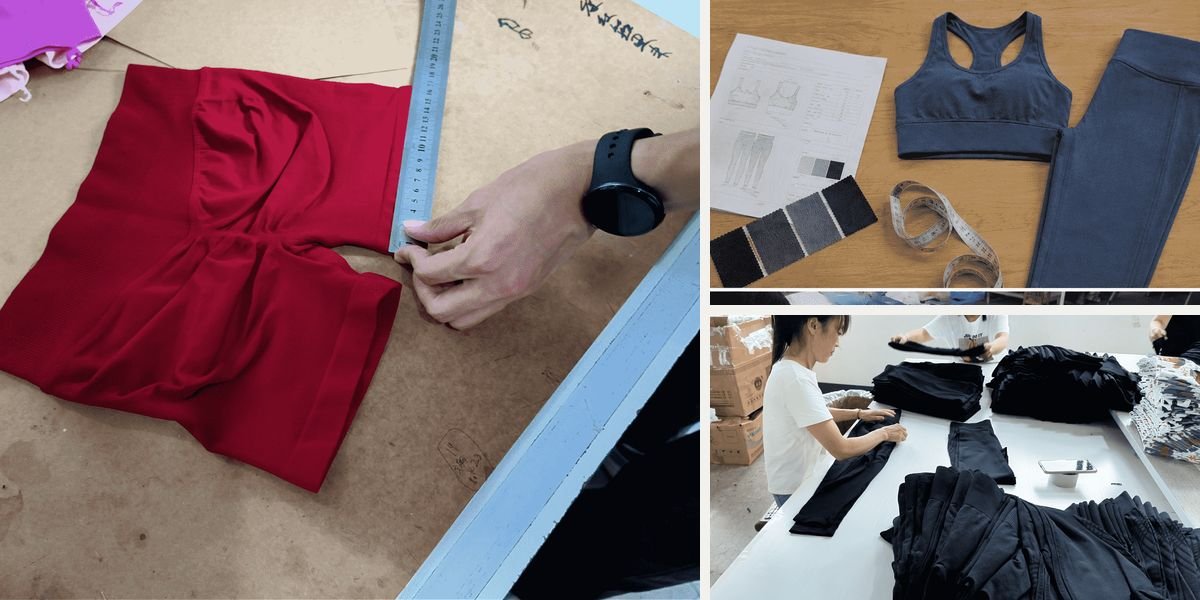
Approved Sample
Confirm the physical garment that represents the accepted product.
Specification Lock
Confirm current measurements, material, construction, color, artwork and packaging requirements.
First Article
Compare initial production with the released standard before normal output continues.
In-Line Verification
Review critical measurements, workmanship and identified product risks during production.
Release Decision
Finished goods proceed toward packing and shipment only after applicable checks are completed.
Keep Technical Decisions Connected From Sourcing to Shipment
MOVEVOX provides one coordination window across product requirements, materials, samples, manufacturing, QC, packaging, progress and exception handling.
Every formal customer has a Primary Account Owner, with internal backup for important customer relationships.
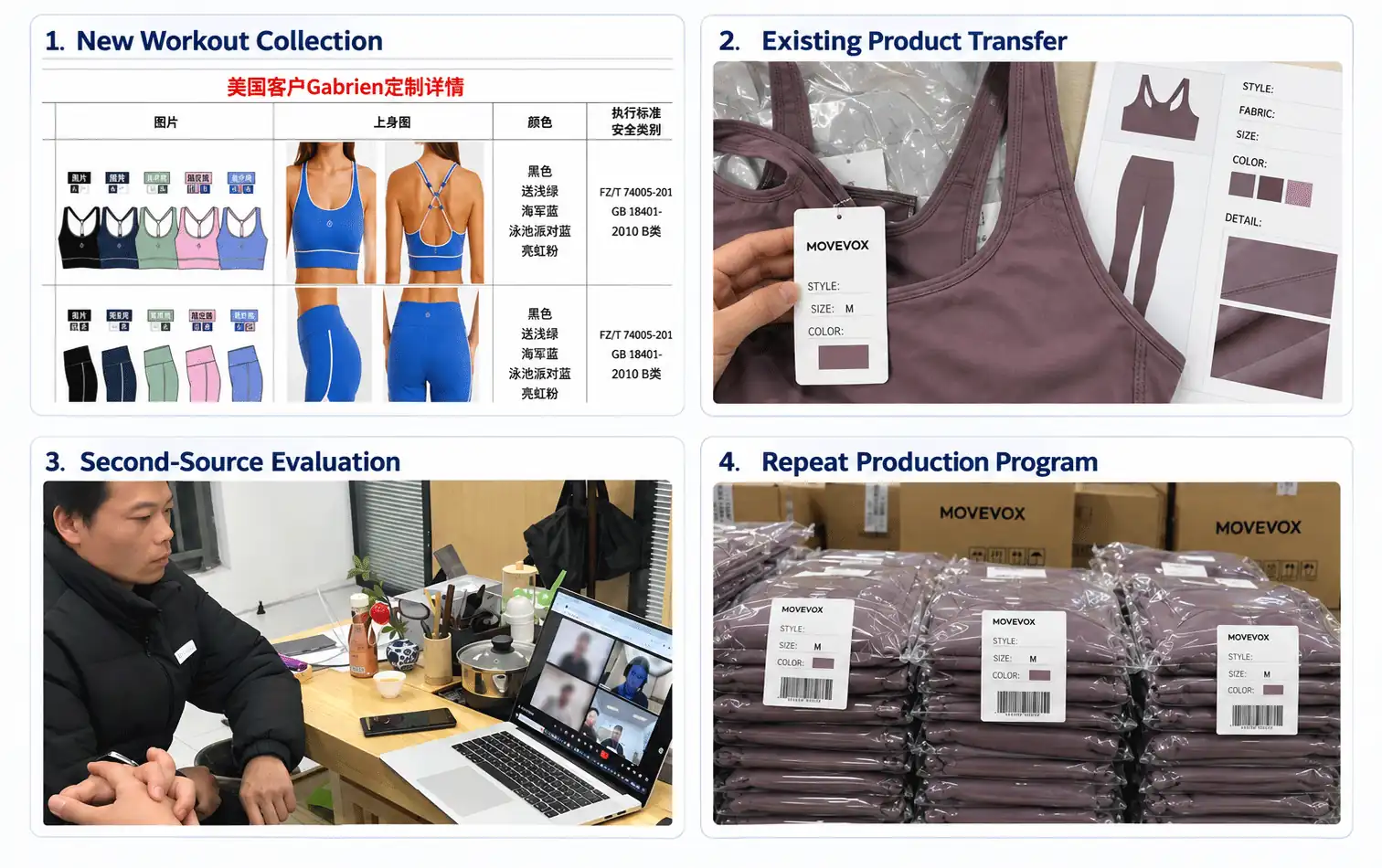
Specification
Maintain the current buyer-approved product definition.
Material
Connect approved material and color decisions to the correct product version.
Sample
Keep revisions and approval status identifiable.
Manufacturing
Release the current requirements to the applicable production route.
Quality
Inspect against the current approved product rather than a generic garment standard.
Release
Keep branding, packaging and shipment requirements within the same project-control chain.
Share What Can Be Standardized Without Treating Every SKU as the Same Product
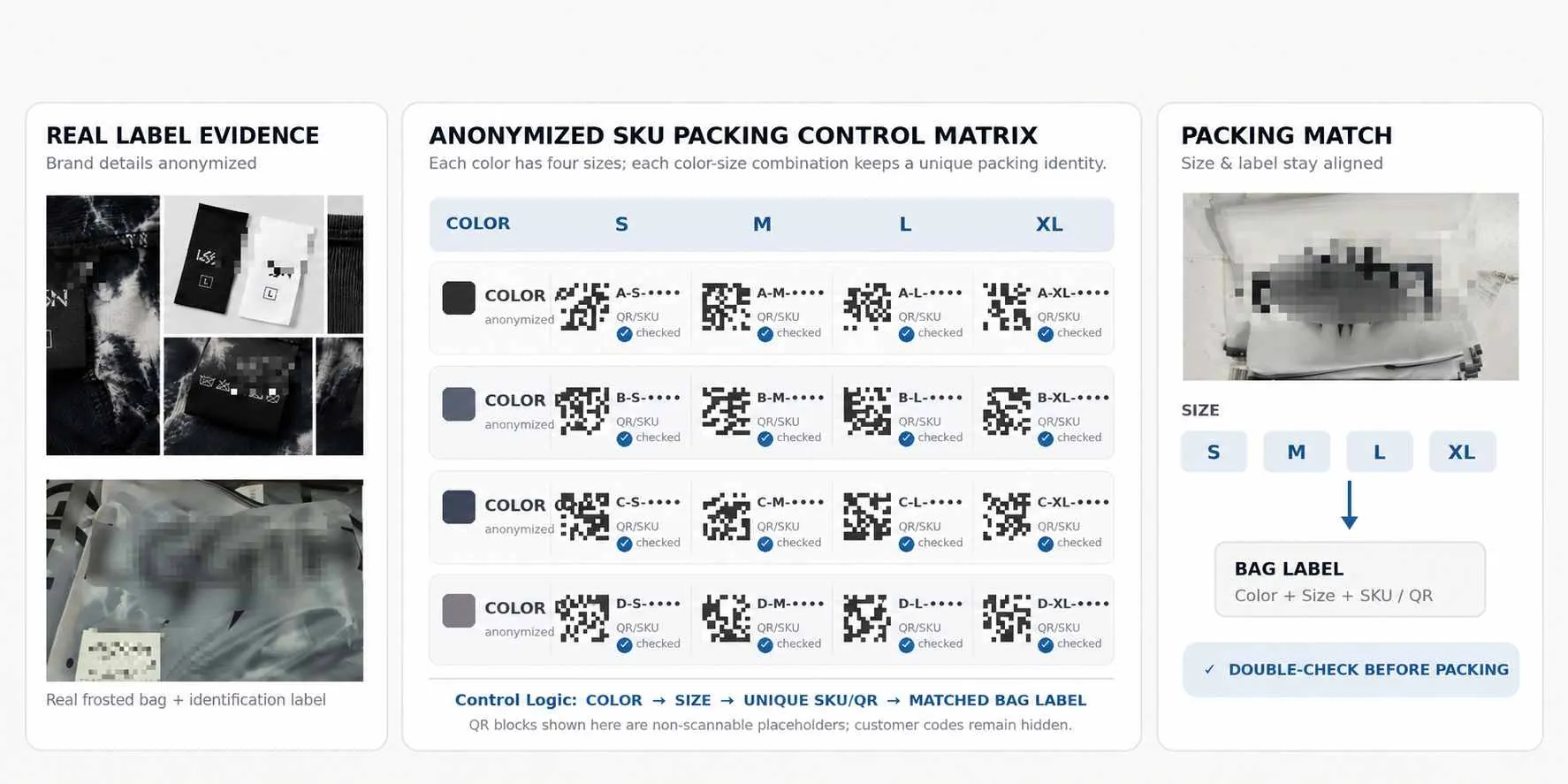
A multi-SKU yoga program can share materials, colors, branding or packaging, but each garment still needs its own approved Fit, measurements, construction and production reference.

Shared Material Platform
Suitable SKUs can share an approved material where construction and performance requirements remain compatible.
Shared Color System
Collection colors can follow one brand direction while still controlling material-specific color approval.
Shared Branding & Packaging
Logo systems, labels and packaging rules can be standardized where appropriate.
SKU-Specific Technical Control
Measurements, Fit, construction, consumption and approval remain specific to each product.
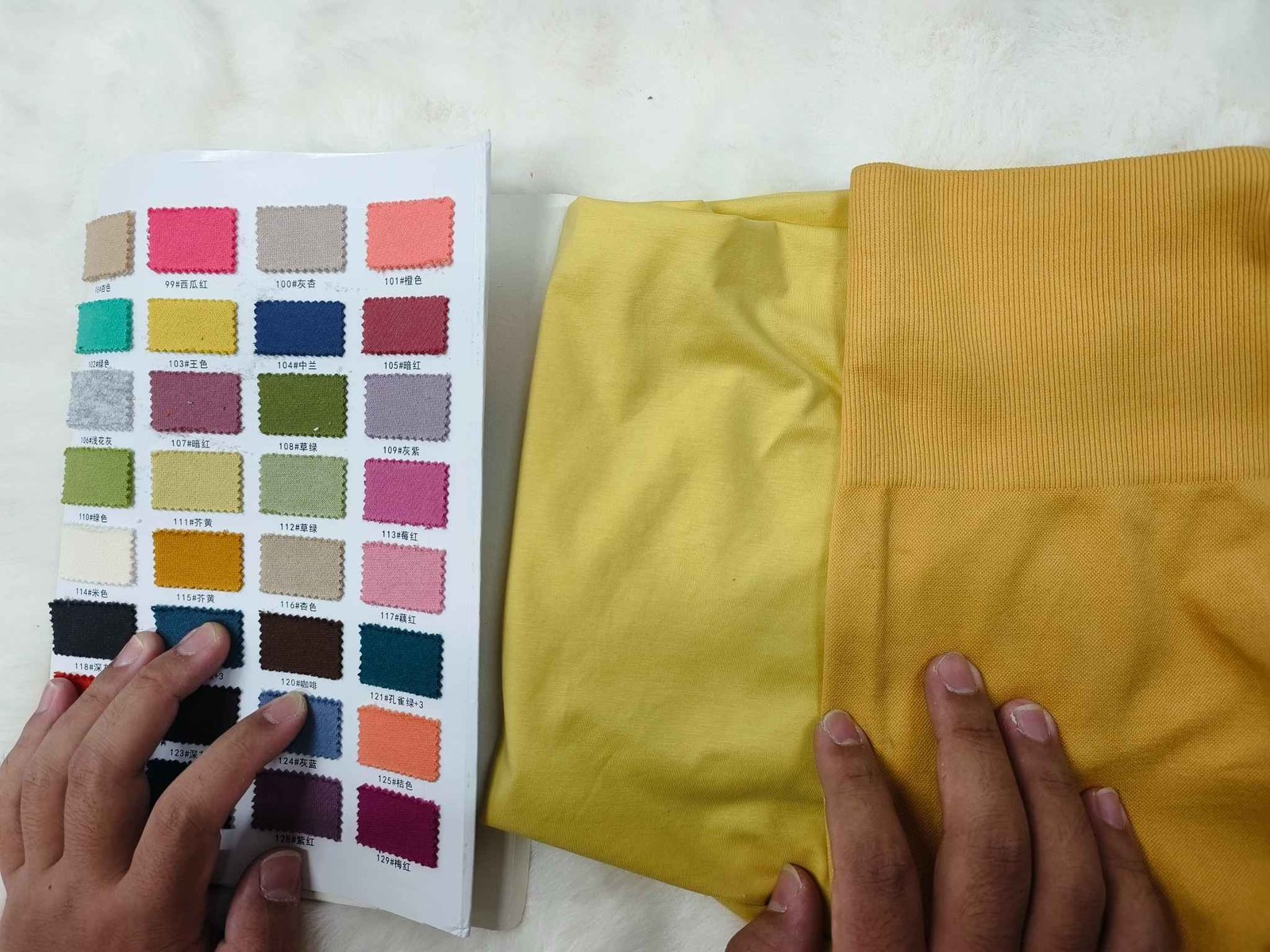
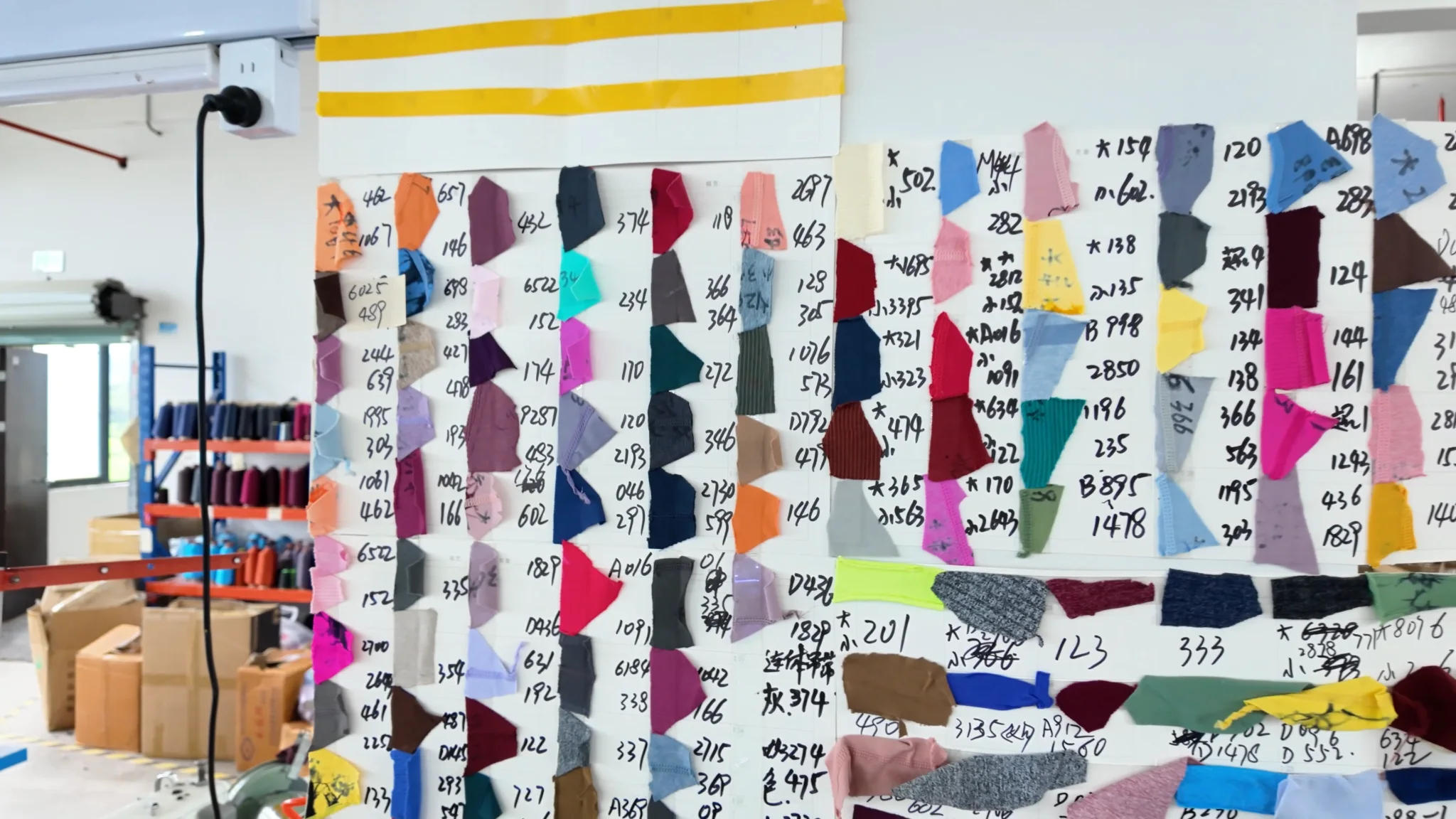
Do Not Treat a Material or Color Change as a Cosmetic Update
In an OEM program, changing the material or dye route can affect appearance, Fit, recovery, coverage and manufacturing behavior. Changes should therefore remain connected to the product approval process.
Change Request
Identify whether the requested change affects material, color, supplier route or product construction.
Physical Approval
Review the applicable Lab Dip, yarn, fabric or garment reference before bulk use.
Product Impact Review
Recheck Fit or other approved characteristics when the material change can affect garment behavior.
Lot Identification
Keep relevant material lots identifiable for applicable traceability and bulk comparison.
Incoming Verification
Compare incoming production material with the current approved requirement.
Production Release
Use the approved material and color standard as the applicable reference for production.
Keep Branding, Labels and Packaging Inside the OEM Specification
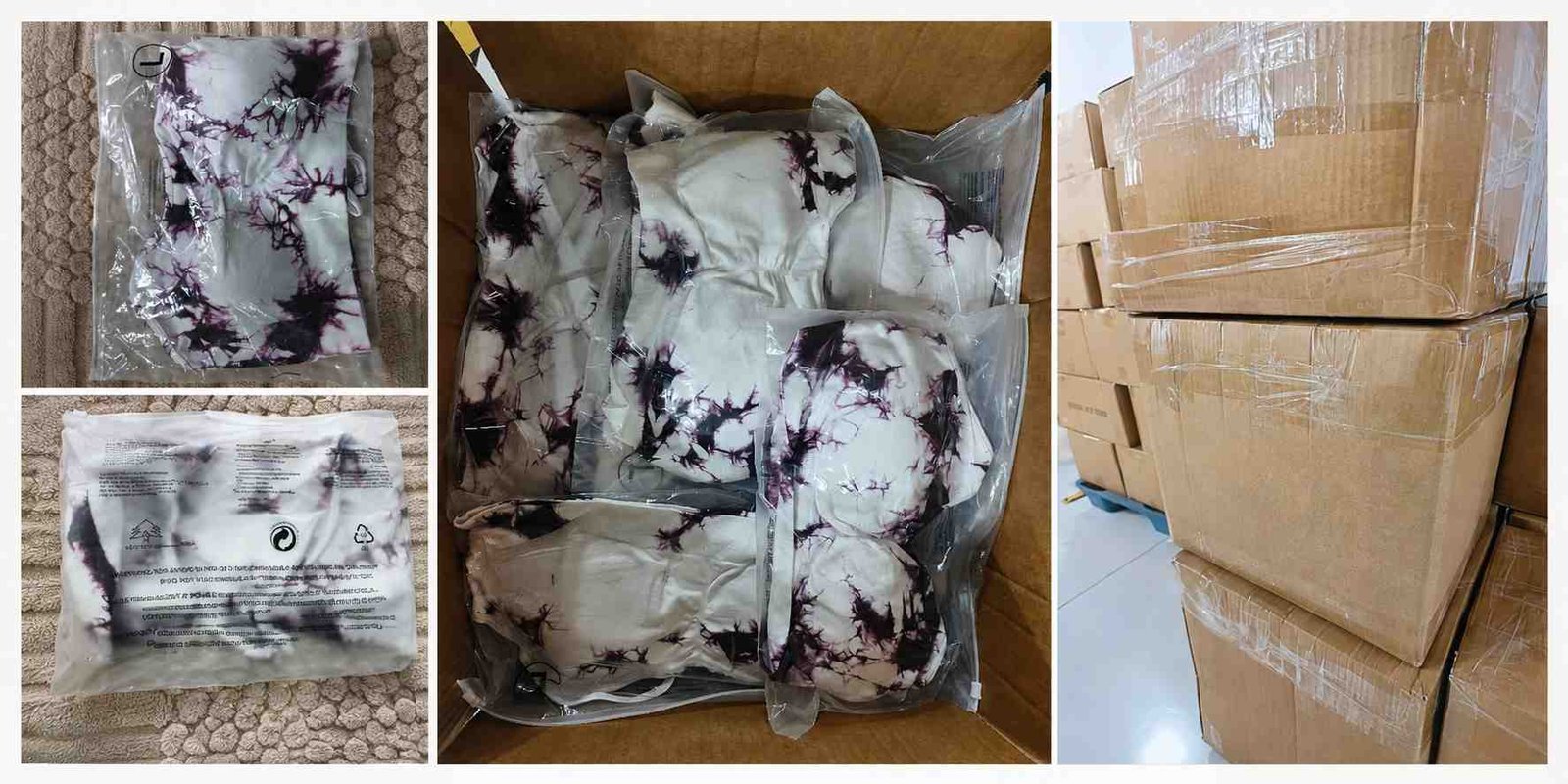
Logo, labels, Hangtags and packaging are not separate from the product-control process. They can affect costing, minimum quantities, artwork versions, SKU identification and final shipment acceptance.

Logo Specification
Confirm artwork version, method, size, color and placement.
Label Specification
Confirm applicable Main, Care and Size Label content and placement.
Hangtag Specification
Control artwork, attachment and applicable commercial information.
SKU / Barcode Rules
Connect product size and color variants to the correct identification information.
Unit Packaging
Define Polybag, sticker, insert or other applicable individual packing requirements.
Shipment Packaging
Confirm carton, packing arrangement and shipment-identification requirements.
Give Production One Current Version of the Approved Product
The purpose of production handover is to prevent development decisions from becoming fragmented across samples, emails, artwork files and verbal instructions.

Approved Sample
The current physical reference for the product.
Current Technical Specification
Measurements, POM, tolerance, construction and applicable revision status.
Material Standard
Approved fabric or yarn, applicable color and critical trim requirements.
Artwork & Component Files
Logo, labels, Hangtags, barcode and relevant identification requirements.
Critical Quality Points
Product characteristics and risks that require explicit control during production.
Packing Standard
Individual packing, SKU identification, carton and shipment requirements.
Production Allocation
Applicable manufacturing route and approved production structure.
Schedule & Release Plan
Material readiness, First Article, bulk production, QC and target shipment timing.
Check the Critical Product Requirements at the Stage Where They Can Still Be Controlled
Quality control is most useful when each checkpoint is linked to a defined product requirement rather than applied as a generic final inspection after production is already complete.
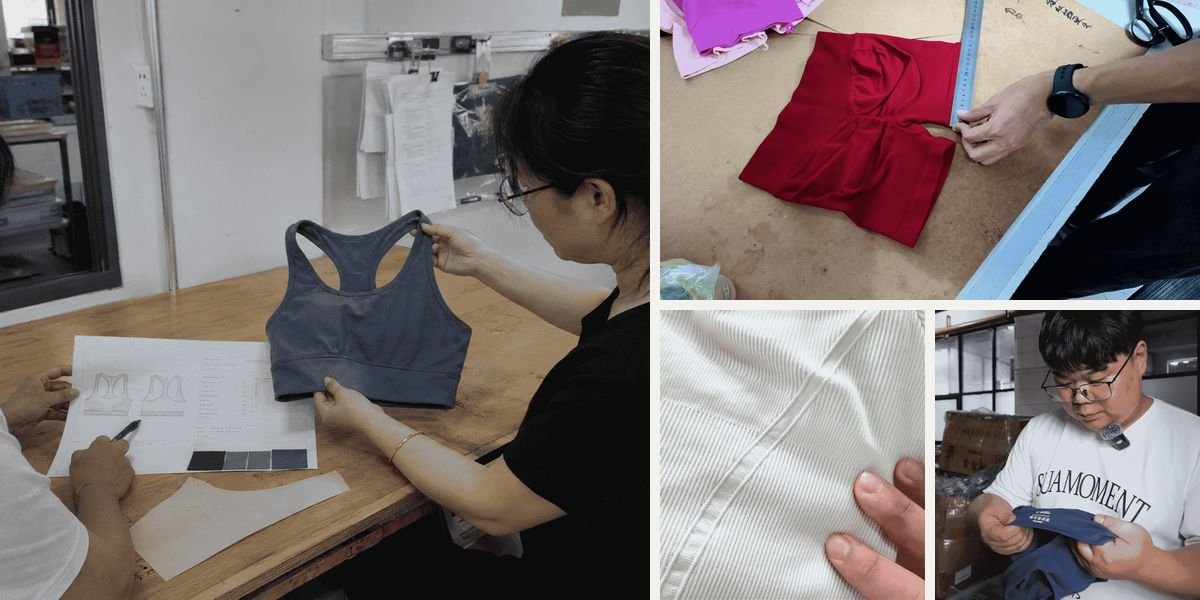
Incoming Material
Check applicable material and critical components before normal production use.
First Article
Compare initial production against the released product standard before normal output continues.
In-Line Measurement
Review critical measurements and tolerances while production can still be corrected.
Workmanship & Construction
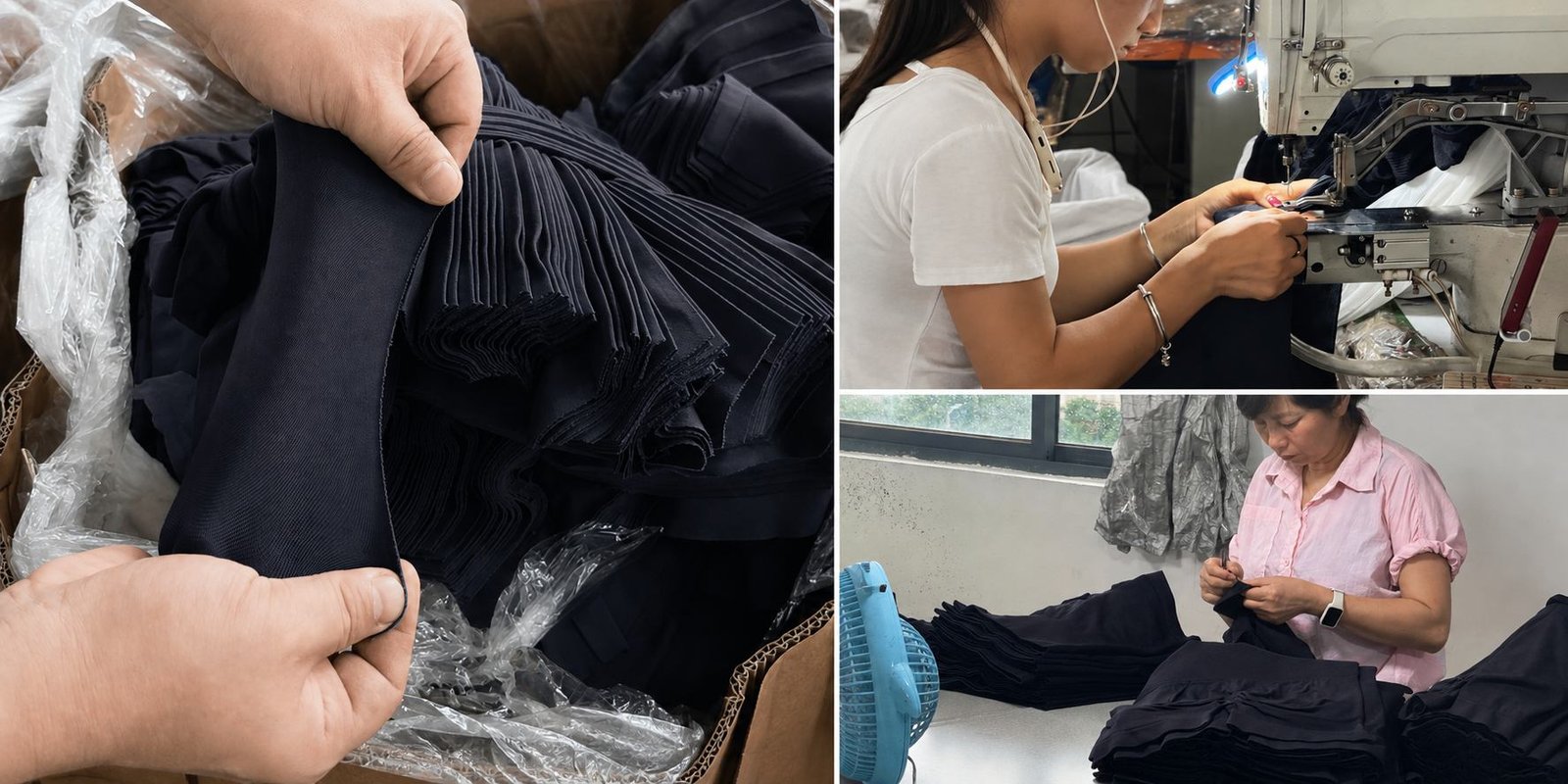
Review applicable seam, knitted structure and construction requirements.
Finished Product
Check applicable finished-garment requirements against the approved reference.
Packing & Identification
Verify applicable size, color, barcode, packaging and carton requirements before release.
Do Not Allow Approved OEM Standards to Change Informally
Material, technical process or manufacturing-site changes can affect the approved product. MOVEVOX centrally manages production allocation and does not treat satellite capacity as permission to redefine the buyer's standard independently.
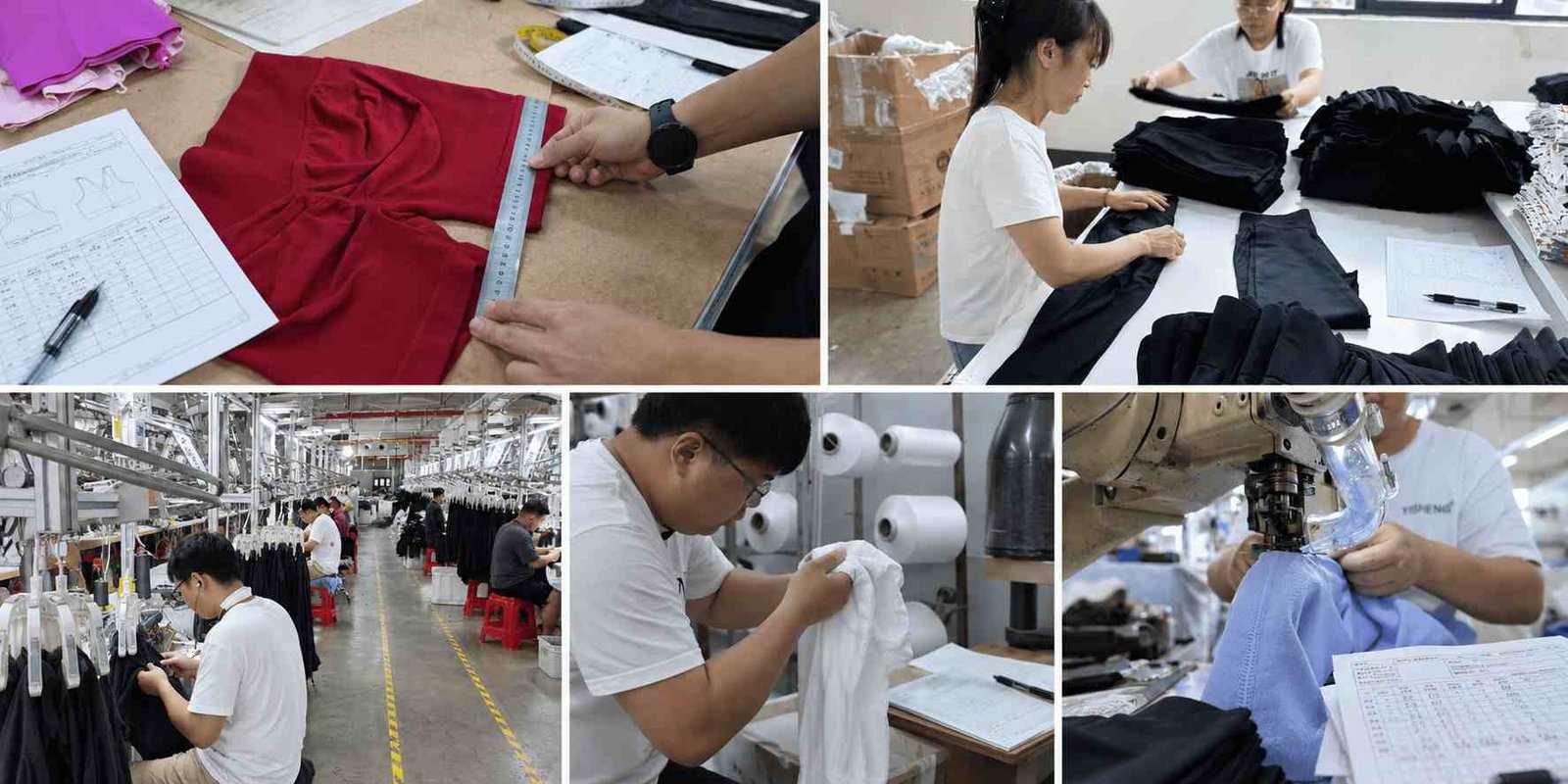
Approved Standard
Maintain the current sample, technical specification, material, color, artwork and packing requirements.
Change Identification
Identify proposed changes to material, construction, process or production location before implementation.
Impact Review
Review whether the change can affect Fit, appearance, quality, cost, timing or buyer compliance requirements.
Buyer Approval Where Required
Where an Approved Factory Only restriction applies, written buyer approval is required before a production-site change.
Updated Release Standard
Approved changes should be reflected in the current production information.
Traceable Execution
Production and QC should follow the updated approved version rather than an obsolete reference.
Scale the Approved Product Without Re-Defining It at Each Production Site
MOVEVOX uses the Yiwu core factory as the technical, sample, core production and quality-control center, with controlled satellite capacity supporting standardized replicated bulk and overflow production where appropriate.
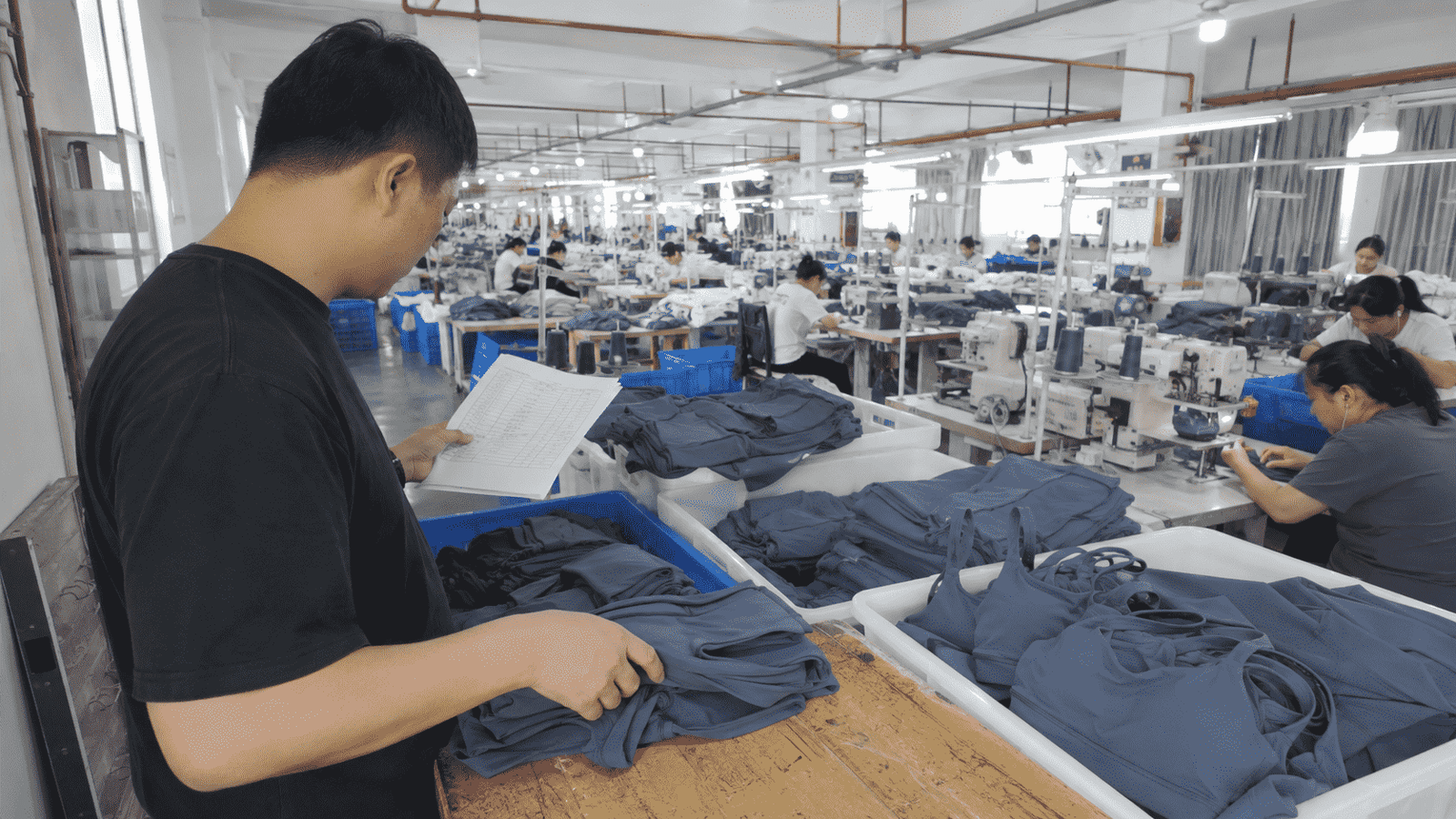
Core Stable Finished Release
Normal stable finished release from the Yiwu core factory under appropriate operating conditions.
Controlled Network Stable Managed Delivery
Normal stable managed delivery level across the controlled production network.
Capacity Review
Review Style mix, quantity, material readiness, required delivery and current loading.
Standard Lock
Confirm the approved product and technical package before additional capacity is introduced.
Controlled Allocation
Assign appropriate production capacity without allowing individual sites to redefine the product.
First Article at Release
Verify initial production against the current standard before normal output continues.
Unified QC
Use the released requirements across applicable First Article, in-line, finished and packing checks.
Central Final Release
MOVEVOX remains accountable for project coordination and final release.
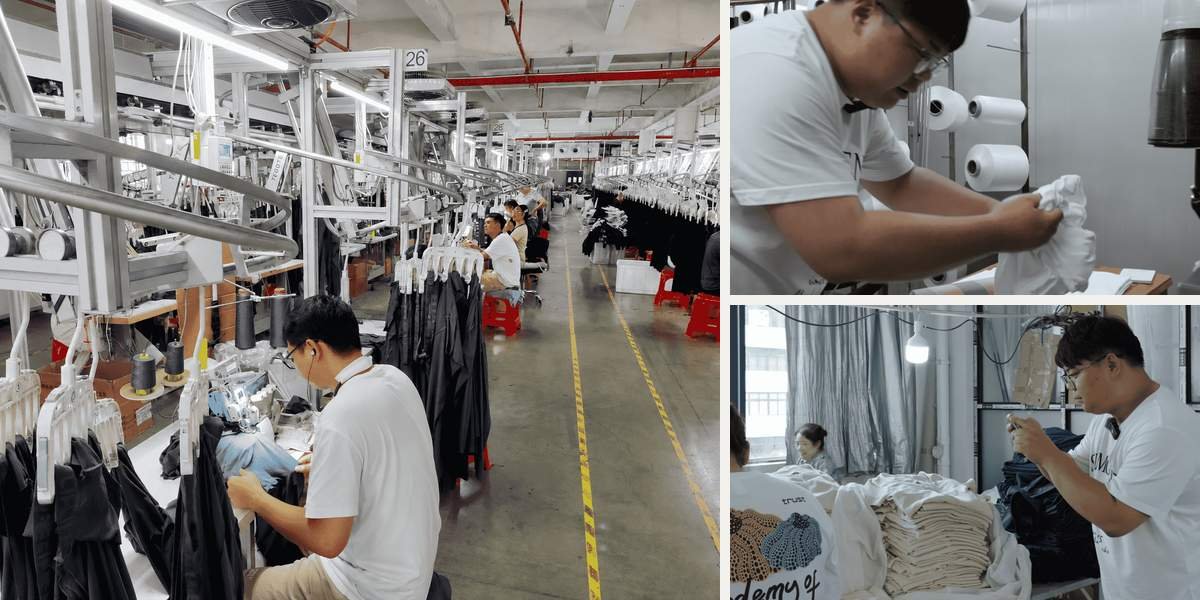
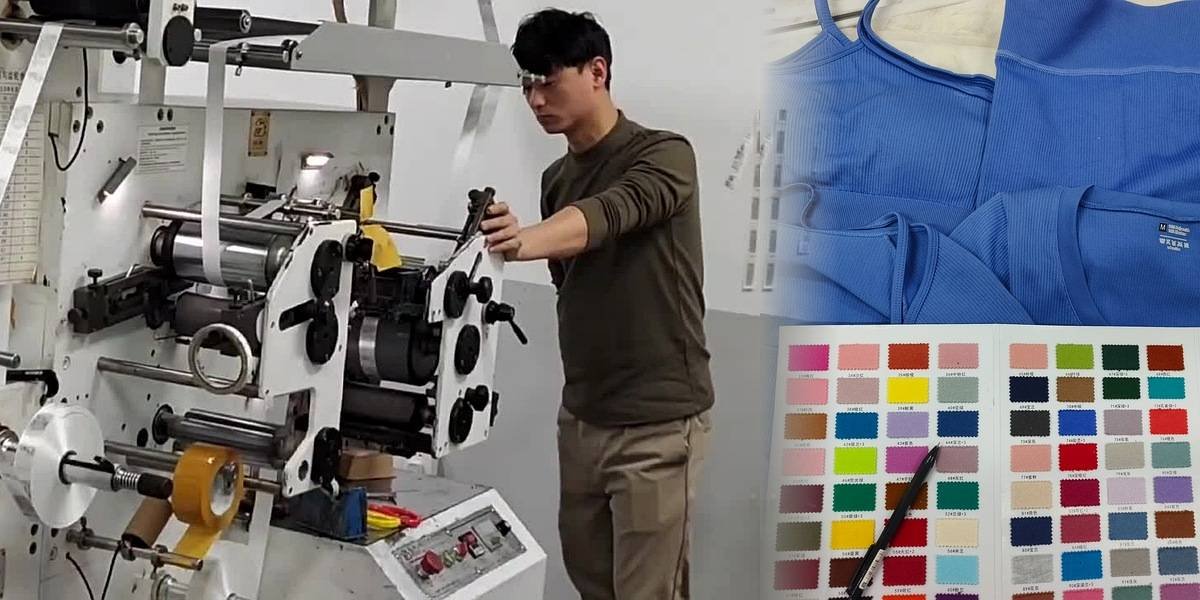
Follow the Product Through the Real Manufacturing Process
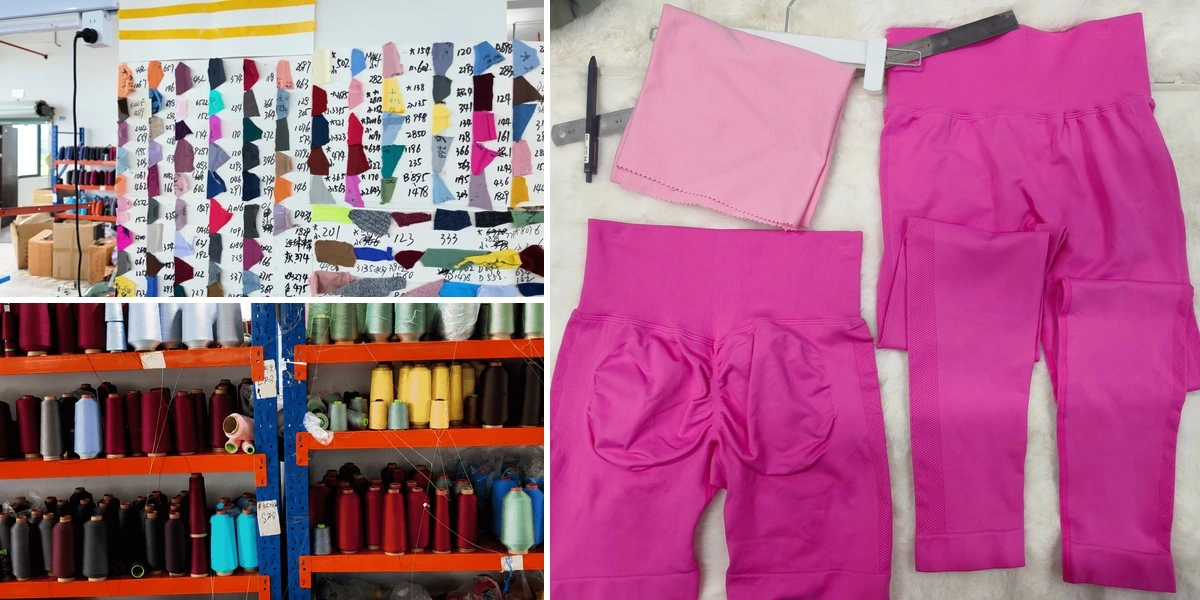
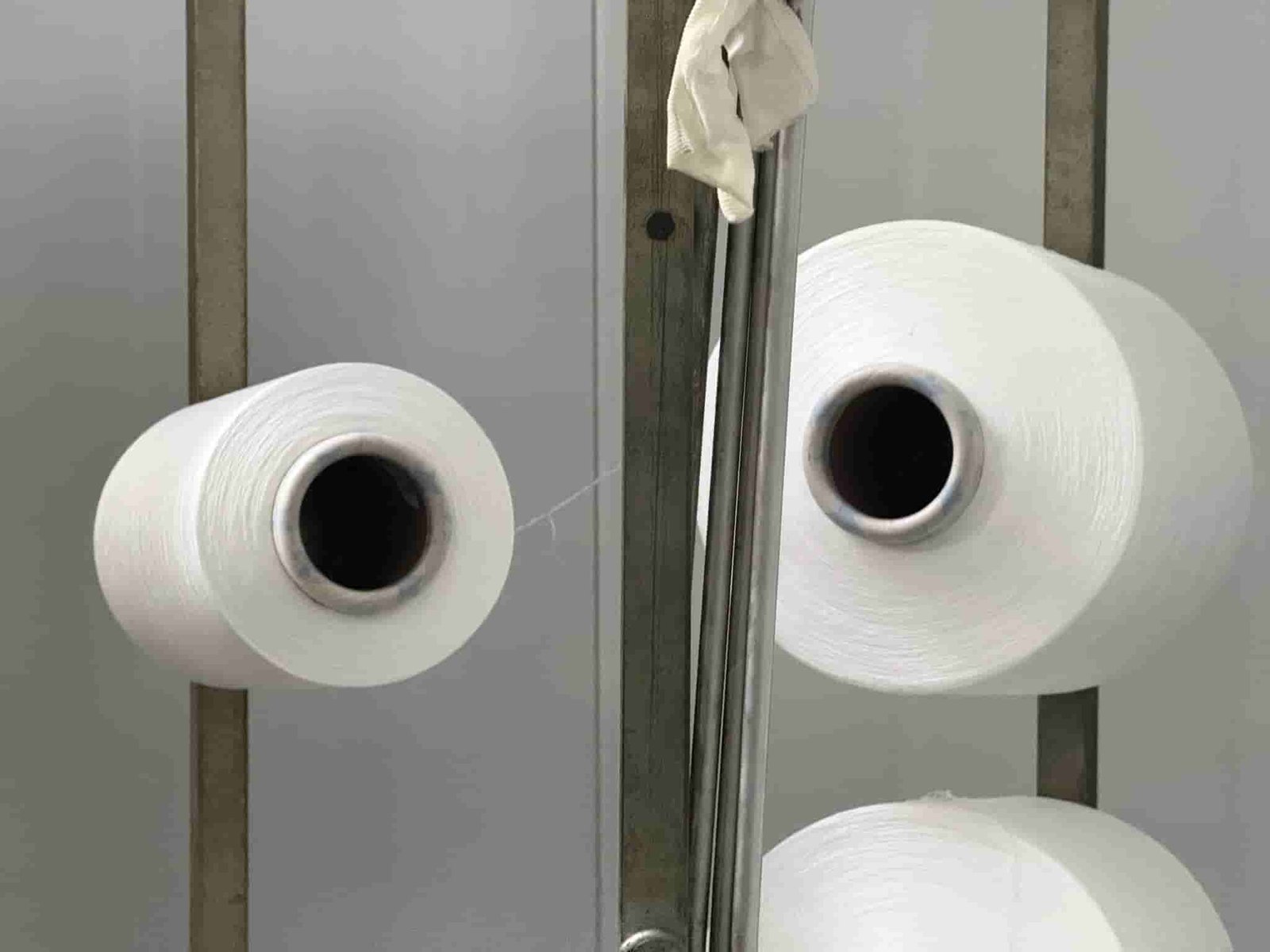
Material / Yarn
Applicable yarn and fabric form the starting point for activewear development and manufacturing.
Sample Room
Technical input and buyer feedback are translated into controlled physical samples.
Seamless Manufacturing
MOVEVOX operates 28 Italian Santoni Seamless machines at the Yiwu core manufacturing base.
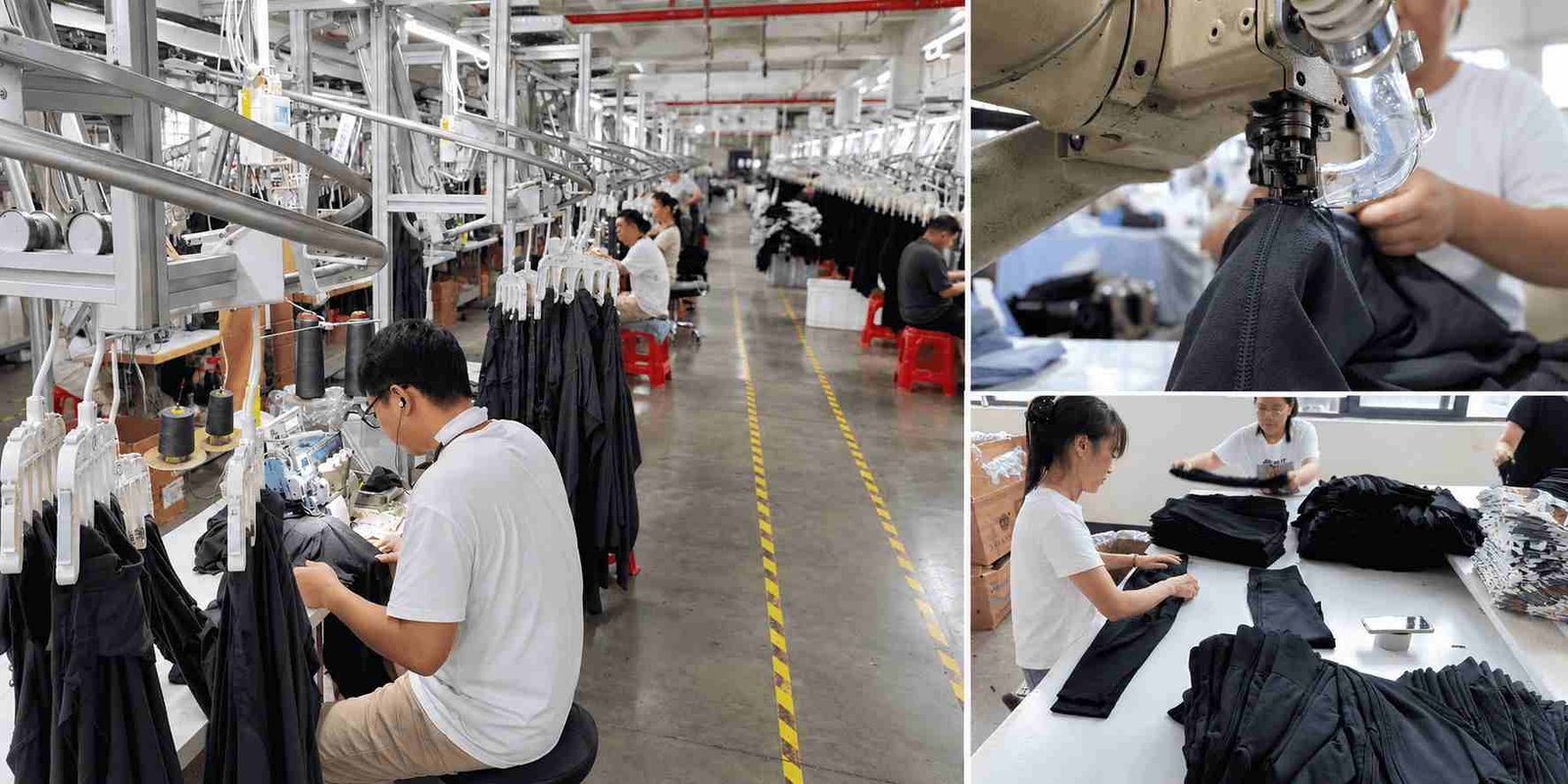
Cut & Sew
Pattern-based products move through cutting, sewing and garment assembly according to the released product standard.
First Article
Initial bulk production is checked before normal output continues.

In-Line QC
Measurements and workmanship are reviewed while production remains active.
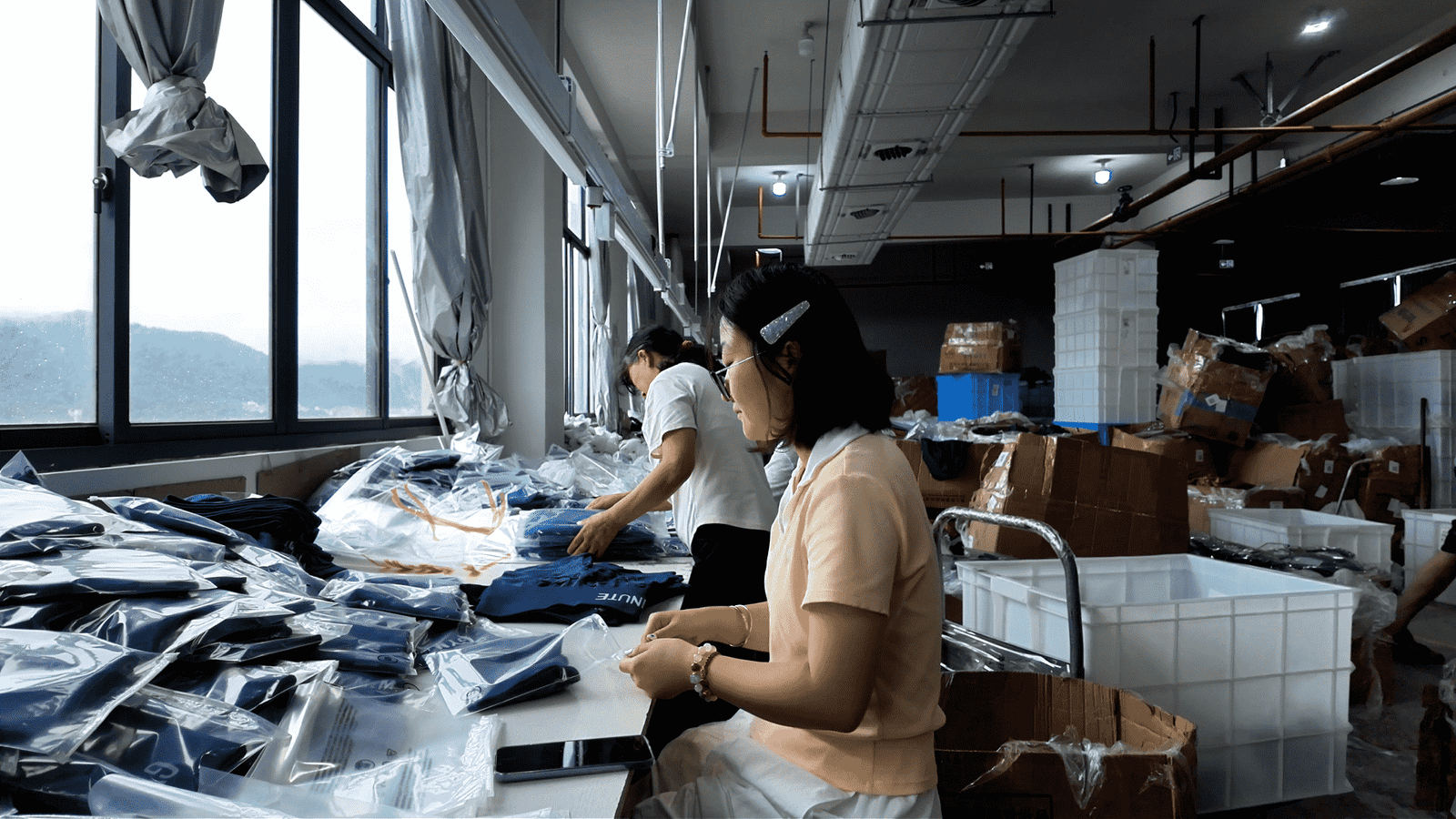
Packing
Approved packaging and order-identification requirements are checked before shipment release.
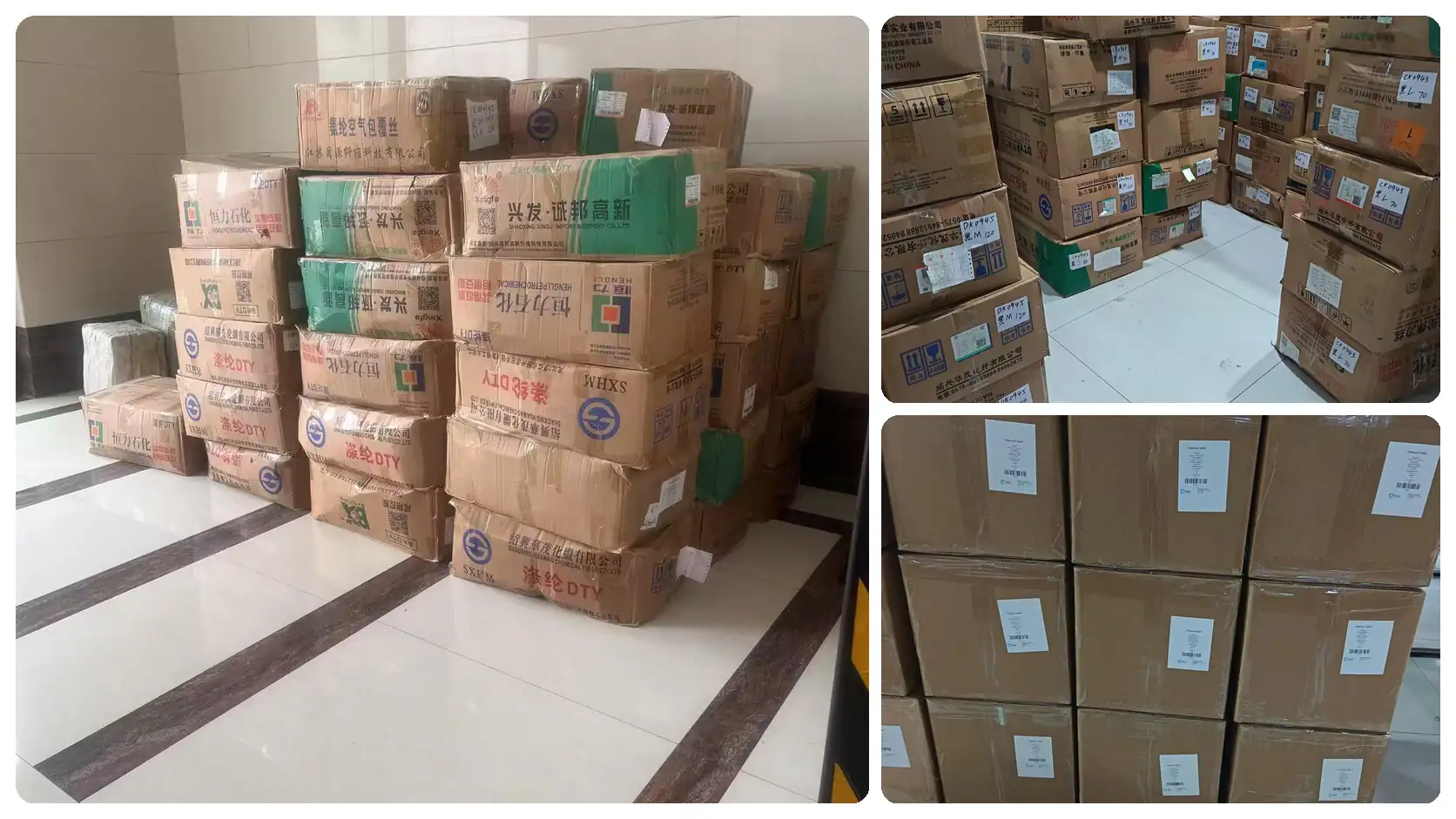
Shipment
Finished cartons move into the agreed delivery process after applicable release checks.
Read Compliance Evidence by Legal Entity, Tested Sample and Scope
Compliance evidence is useful only when the legal holder, tested product and document scope are clear.
MOVEVOX
MOVEVOX is the external international B2B manufacturing and supply-chain brand.
Yiwu Chenjin Import And Export Co., Ltd.
Applicable commercial and legal activities are conducted through this legal entity.
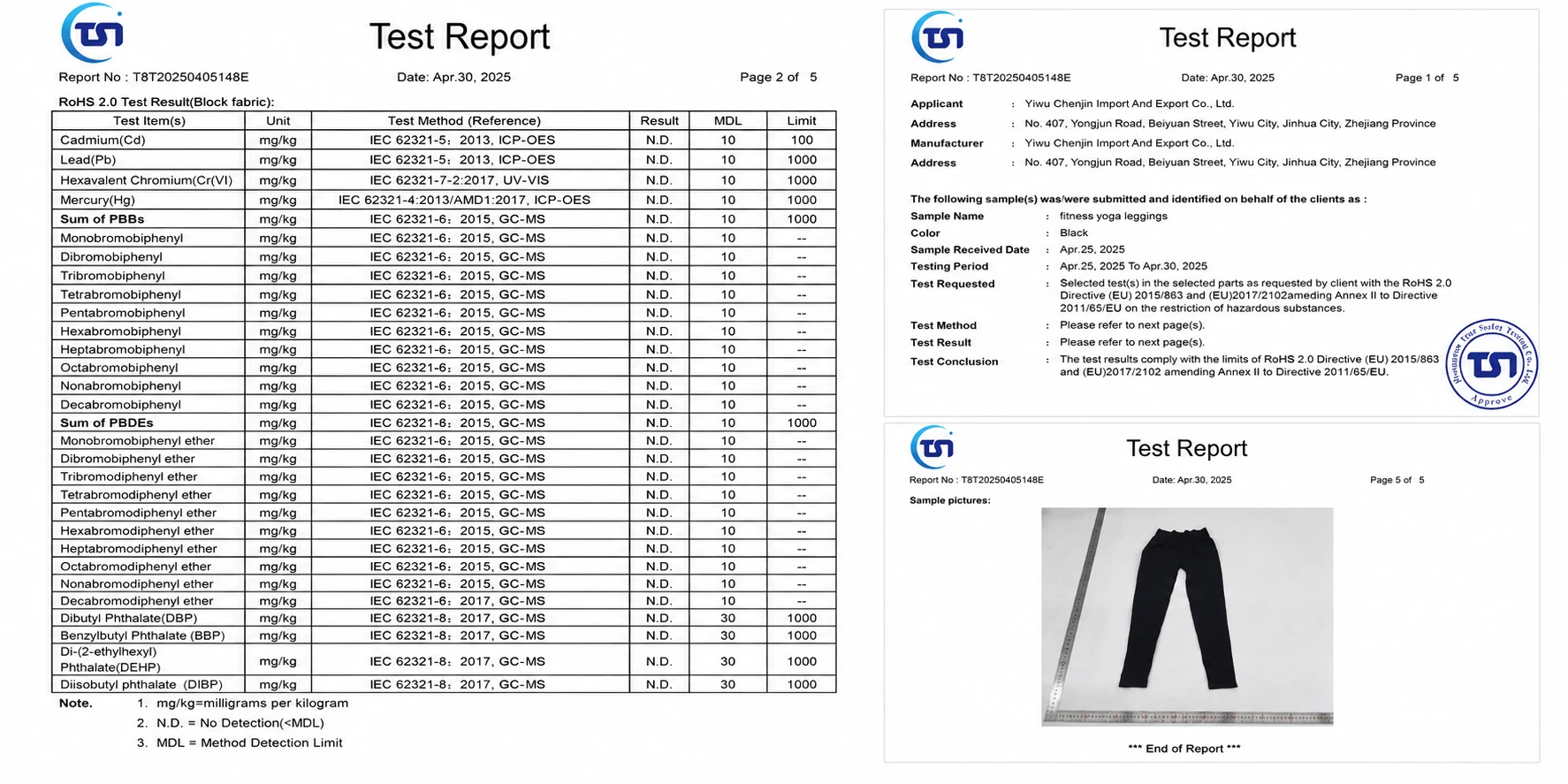
RoHS Sample Evidence
Certificate: TST20250405148EC
Test Report: TST20250405148E
Date: April 30, 2025
Applicant / Manufacturer: Yiwu Chenjin Import And Export Co., Ltd.
Submitted Sample: Black fitness yoga leggings
The report covers the listed substances under the cited RoHS-related requirements, with the reported results within the stated limits.
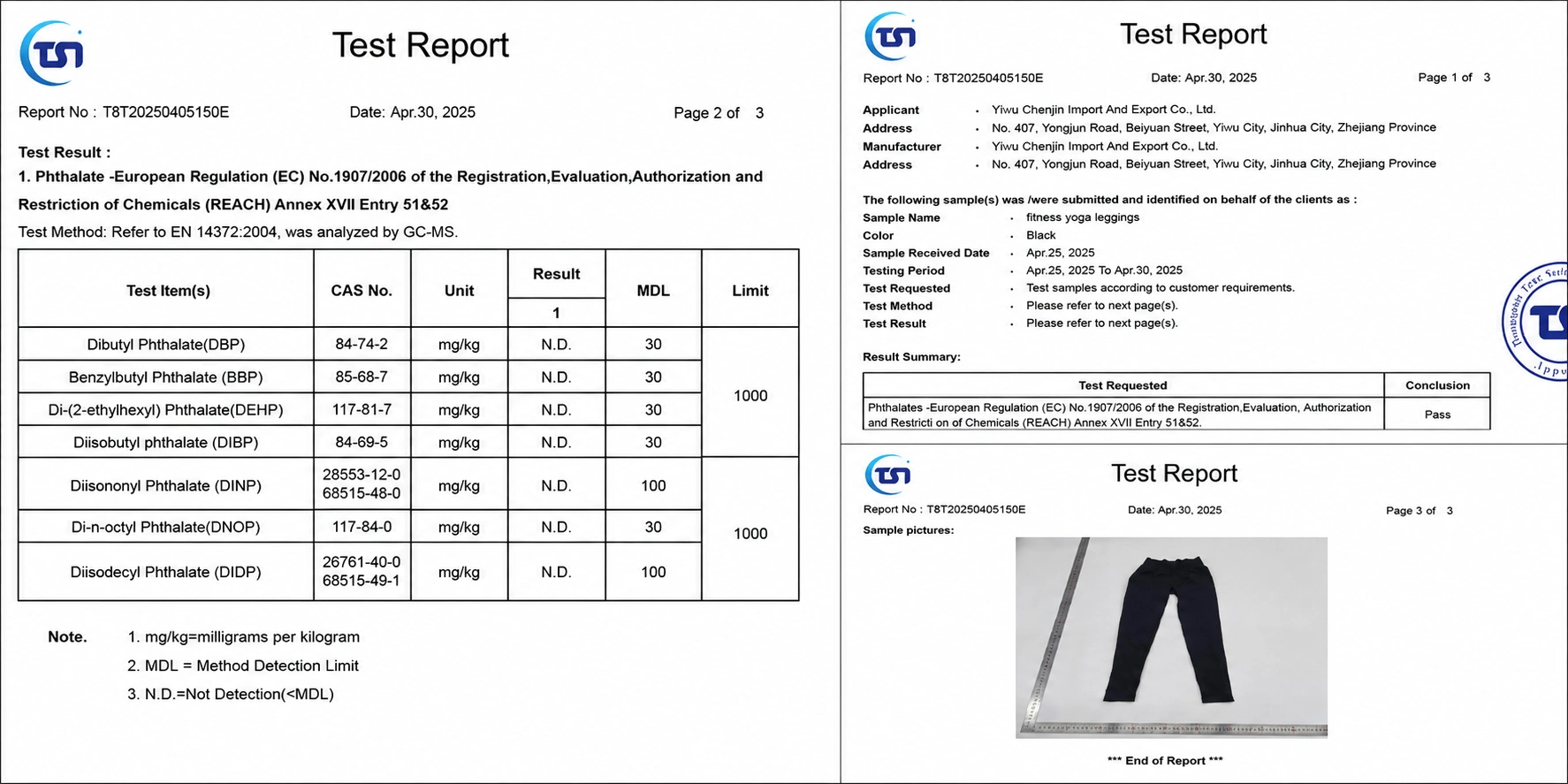
REACH Phthalates Sample Evidence
Test Report: TST20250405150E
Date: April 30, 2025
Sample: Black fabric from the submitted fitness yoga leggings
The report covers the cited phthalates under REACH Annex XVII Entry 51 and Entry 52. The listed substances were reported as not detected within the stated method limits, and the report records a Pass conclusion for the submitted sample.
From Supplier Qualification to Repeat European Brand Orders
This anonymized case describes one documented customer relationship and should not be interpreted as a typical result for every MOVEVOX customer.
Established Netherlands Apparel Brand
An established Netherlands apparel brand with both online and offline sales channels began the relationship with approximately 10 development samples rather than an immediate bulk commitment.
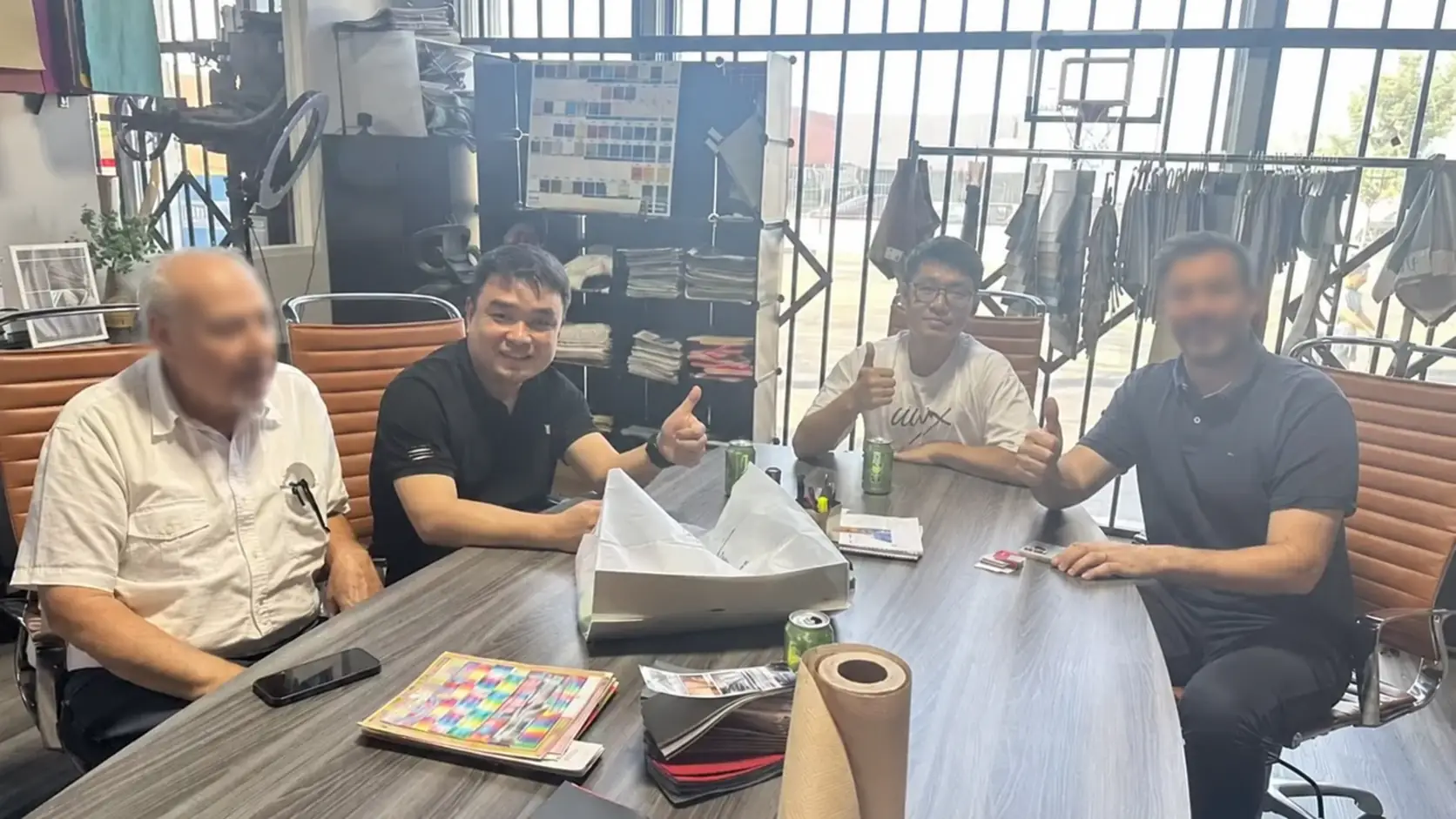
Trust Was Established Before Scale
Trust was an important issue during the early stage. The customer's overseas team subsequently visited the manufacturing operation to review the supplier and production environment directly.
Approximately 5 of the original 10 samples progressed into commercial cooperation.
Private-Label Execution
The cooperation included product development together with Logo and packaging customization.
Repeat Commercial Program
Documented yoga-wear orders developed to approximately USD 30,000–50,000 per order, with repeat ordering approximately every two to three months.
Documented annual cooperation was approximately USD 200,000–250,000.
Operational Flexibility
On one order, the customer requested approximately one-third of the goods to ship earlier than originally planned. The production and shipment schedule was reorganized, adding approximately one week to accommodate the split requirement.
Commercial Decision
At one stage, another supplier offered a quoted price approximately USD 0.50 lower per piece. After the commercial and production differences were explained, the customer continued the cooperation.
Initial development stage.
Progressed into cooperation.
Approximate documented order value.
Documented repeat-order rhythm.
Approximate documented annual cooperation.
Continue Your OEM Supplier Evaluation With Practical Buying Guides
Manufacturing Guides
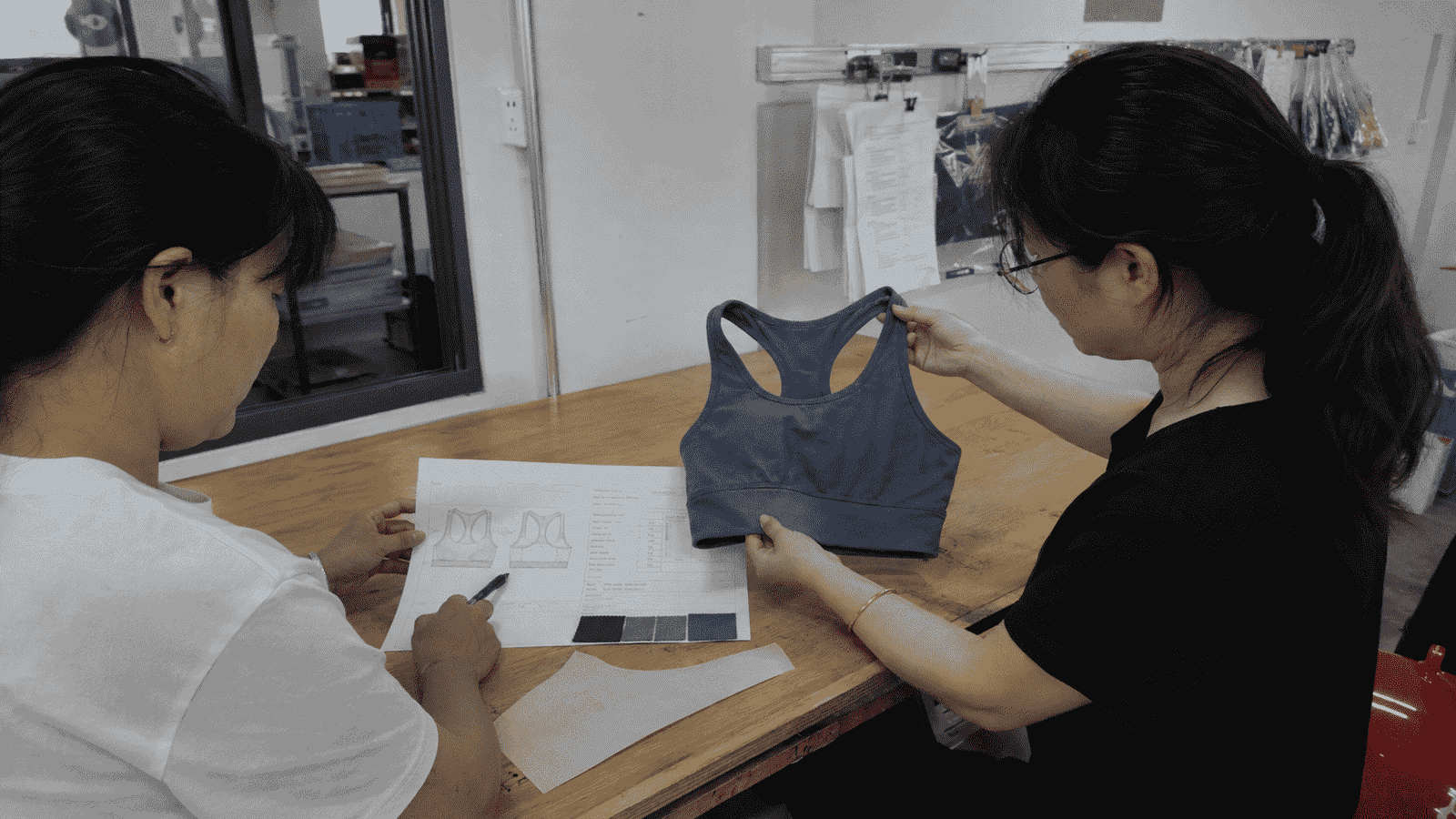
Prepare Tech Packs, product requirements and manufacturing information before supplier development begins.
Explore Manufacturing Guides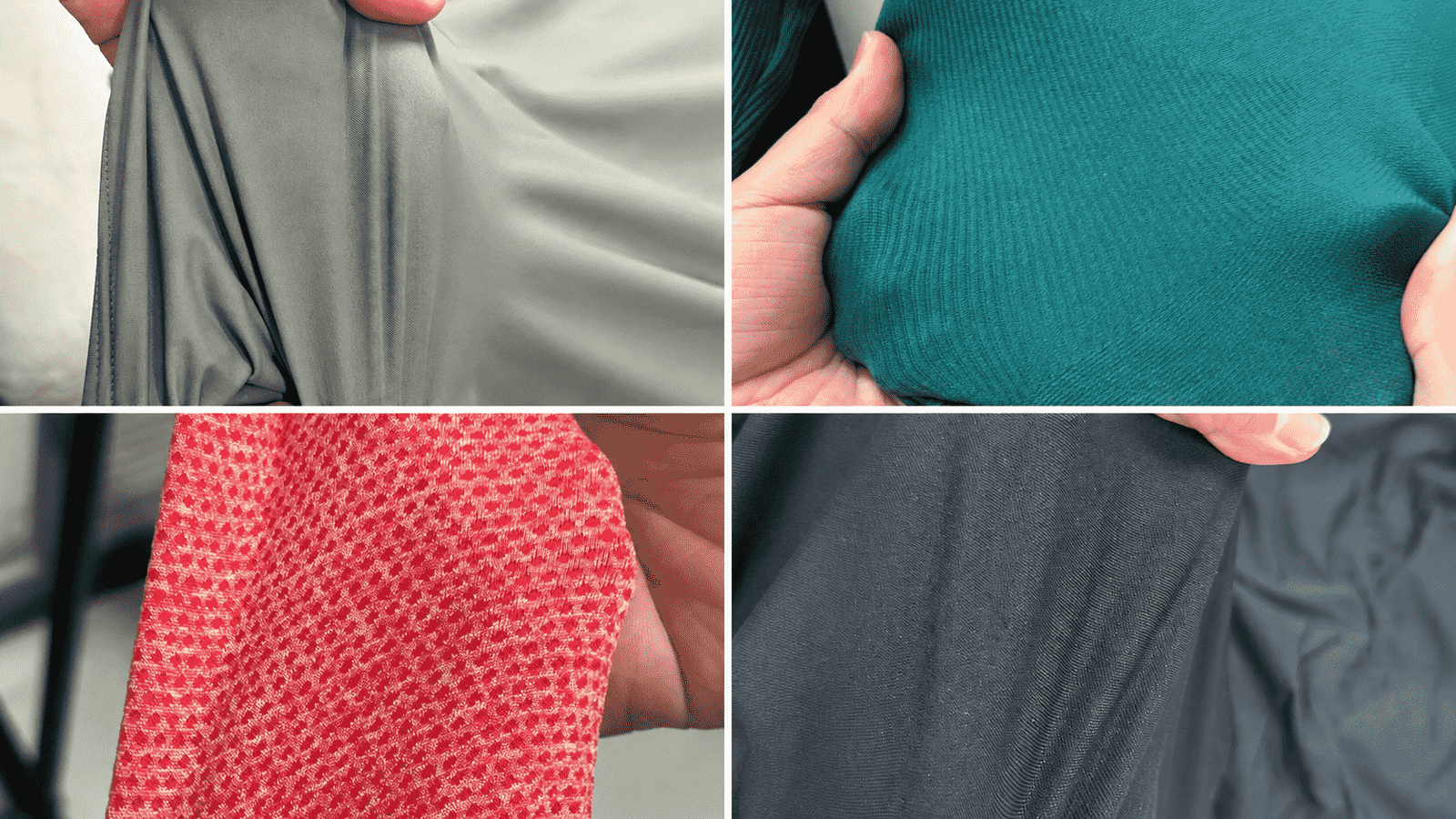
Fabric Guides
Review activewear material selection, stretch, recovery, construction and product-fit considerations.
Explore Fabric Guides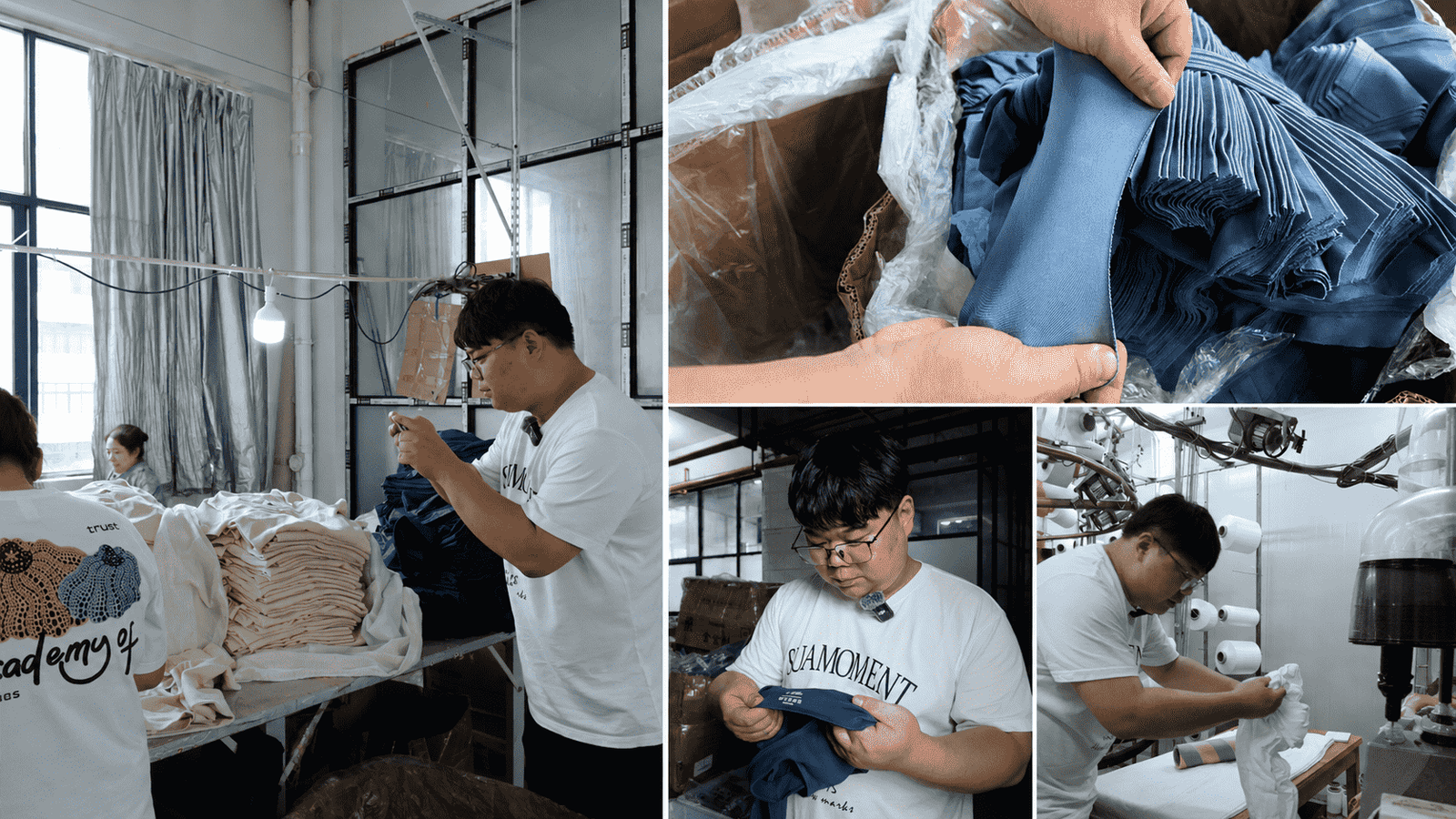
Quality Guides
Understand sample approval, First Article, in-line inspection and sample-to-bulk control.
Explore Quality Guides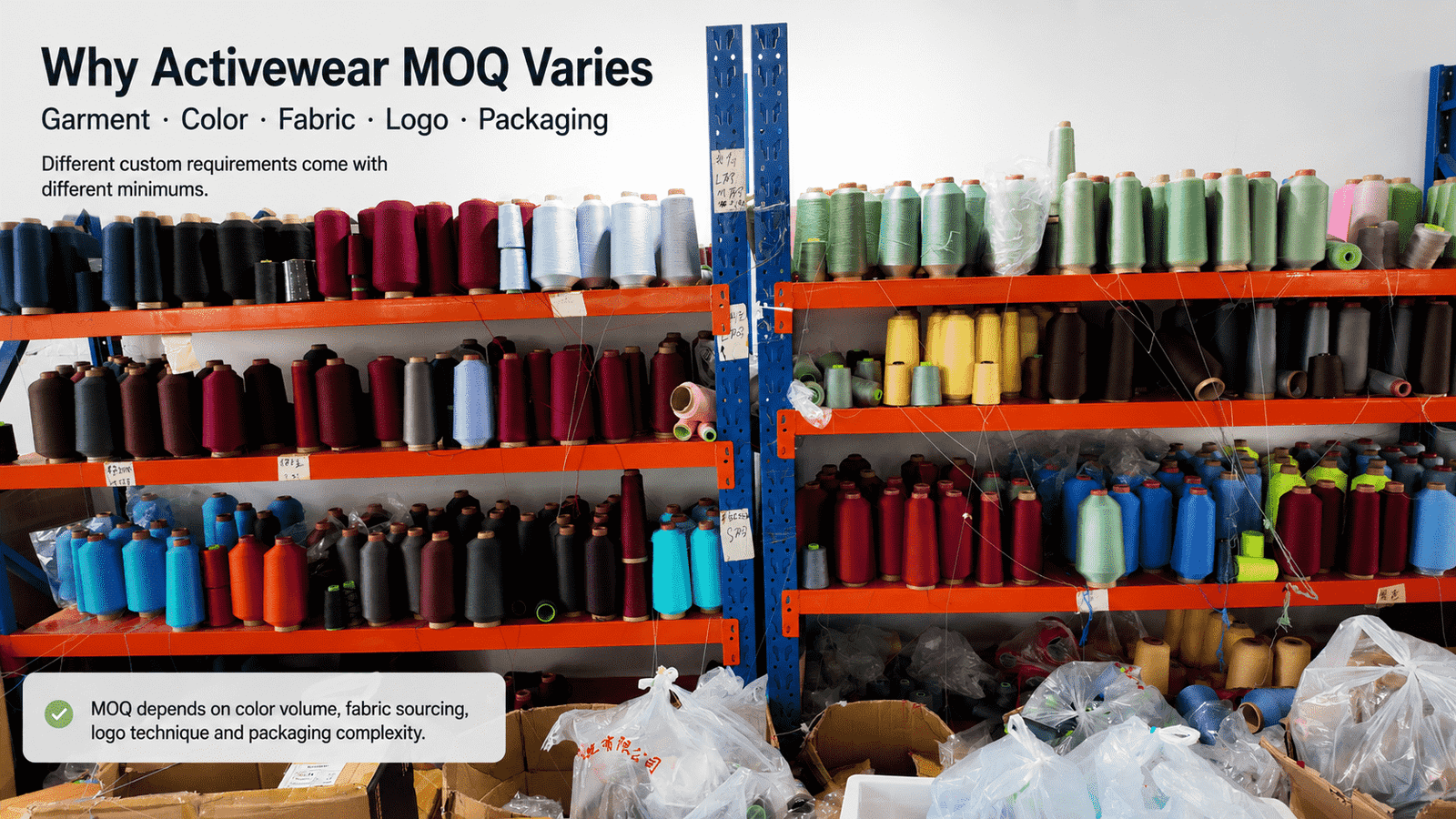
MOQ & Cost Guides
Understand how garment, material, custom color and private-label component minimums affect commercial feasibility.
Explore MOQ & Cost Guides
Sourcing Guides
Review supplier qualification, factory verification, sourcing risk and vendor-management topics.
Explore Sourcing Guides
OEM Activewear
Review MOVEVOX's broader OEM activewear manufacturing capability.
Explore OEM Activewear