
ODM ACTIVEWEAR DEVELOPMENT
ODM Activewear Manufacturer
Turn defined brand direction, references or incomplete specifications into approved activewear products through structured development and controlled manufacturing.
MOVEVOX supports activewear brands that know what they want to create but still need manufacturing-led product development before bulk production.
- Start from a reference garment, sketch, product images, defined concept or partial Tech Pack.
- Review product structure, materials, fit, manufacturing route and commercial feasibility before development moves forward.
- Develop through Seamless or Cut-and-Sew according to the actual product requirements.
- Standard samples typically take about 5-10 working days after required development information is confirmed.
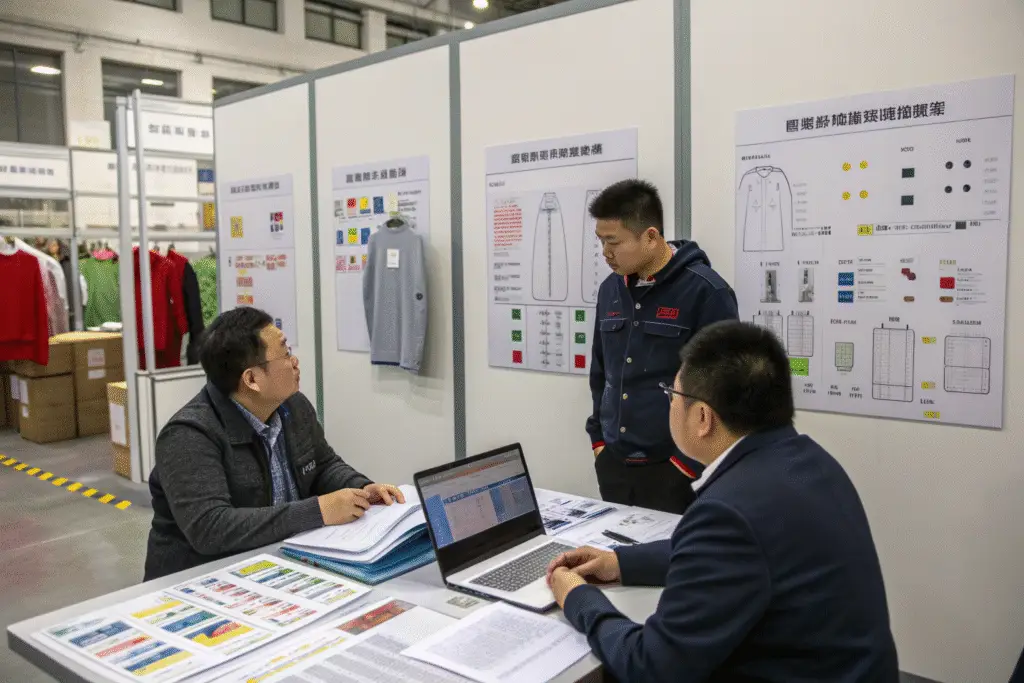
DEVELOPMENT PATHS
Choose the Right Development Path Before Sampling
ODM, OEM and Private Label describe different levels of buyer input and supplier development responsibility. The right path depends on how technically complete the product already is.
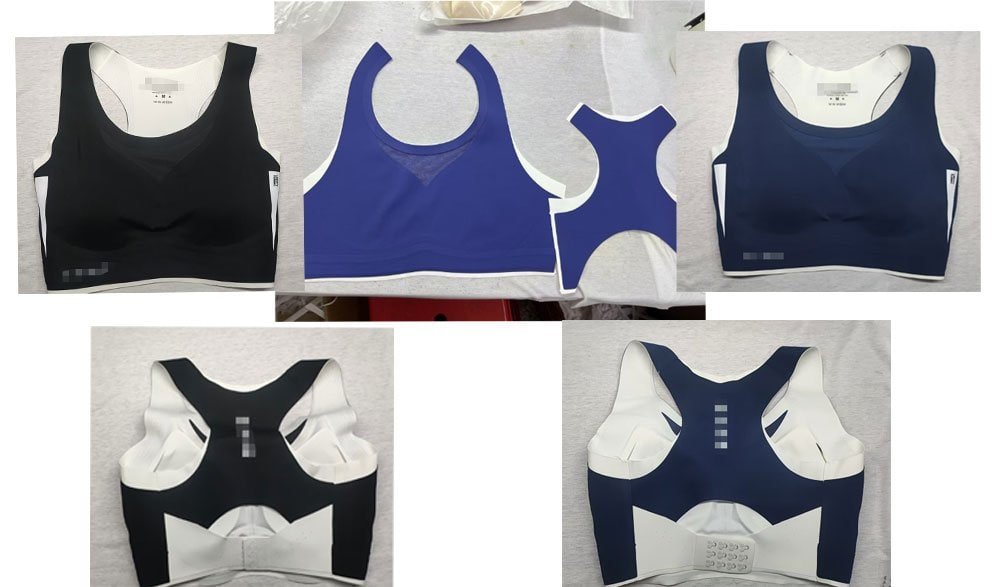
ODM - Development From Defined Product Direction
Relevant when the buyer knows the product direction but still needs support to establish practical materials, fit, construction, pattern or Seamless structure and sample requirements.
Typical inputs: reference garment, sketch, product photos, partial Tech Pack, defined concept, target fit or material direction.
Explore the dedicated ODM Activewear service path.
OEM - Manufacturing From Buyer-Controlled Specifications
More appropriate when the buyer already owns a complete or substantially complete Tech Pack, measurements, materials, construction and branding requirements.
See OEM Activewear for specification-led manufacturing.
Private Label - Brand Execution on an Existing Product Base
May begin from an already-developed product and focus more heavily on logo, labels, hangtags, packaging and selected product adjustments.
Real Projects Can Overlap
An incomplete OEM specification may require additional development, while an ODM project eventually needs an approved production specification before bulk manufacturing.
INITIAL SCREENING
Key Facts for Initial ODM Supplier Screening
These figures are current operating references. Actual development feasibility depends on the product, material, quantity, approval status and available production window.

Development Team
Approximately 2 design, 2 pattern and 4 sample/development team members.
Santoni Machines
Italian Santoni Seamless knitting machines at the Yiwu core facility.
Garment Machines
Main sewing and garment-production equipment supporting core Cut-and-Sew manufacturing.
QC Staff
Dedicated quality-control personnel supporting development and commercial production.
Working Days
Typical standard sample timing after required development information is confirmed.
Base MOQ
Approximately 100 pcs/style for Seamless and 150 pcs/style for Cut-and-Sew.
Pieces / Month
Approximate stable managed finished-garment capacity across the controlled manufacturing system.
DEVELOPMENT RISK
Where Activewear Development Programs Commonly Lose Control
ODM risk starts before bulk production. A visually clear product idea can still fail if materials, fit, construction, commercial conditions and approved revisions are not converted into controlled technical standards.
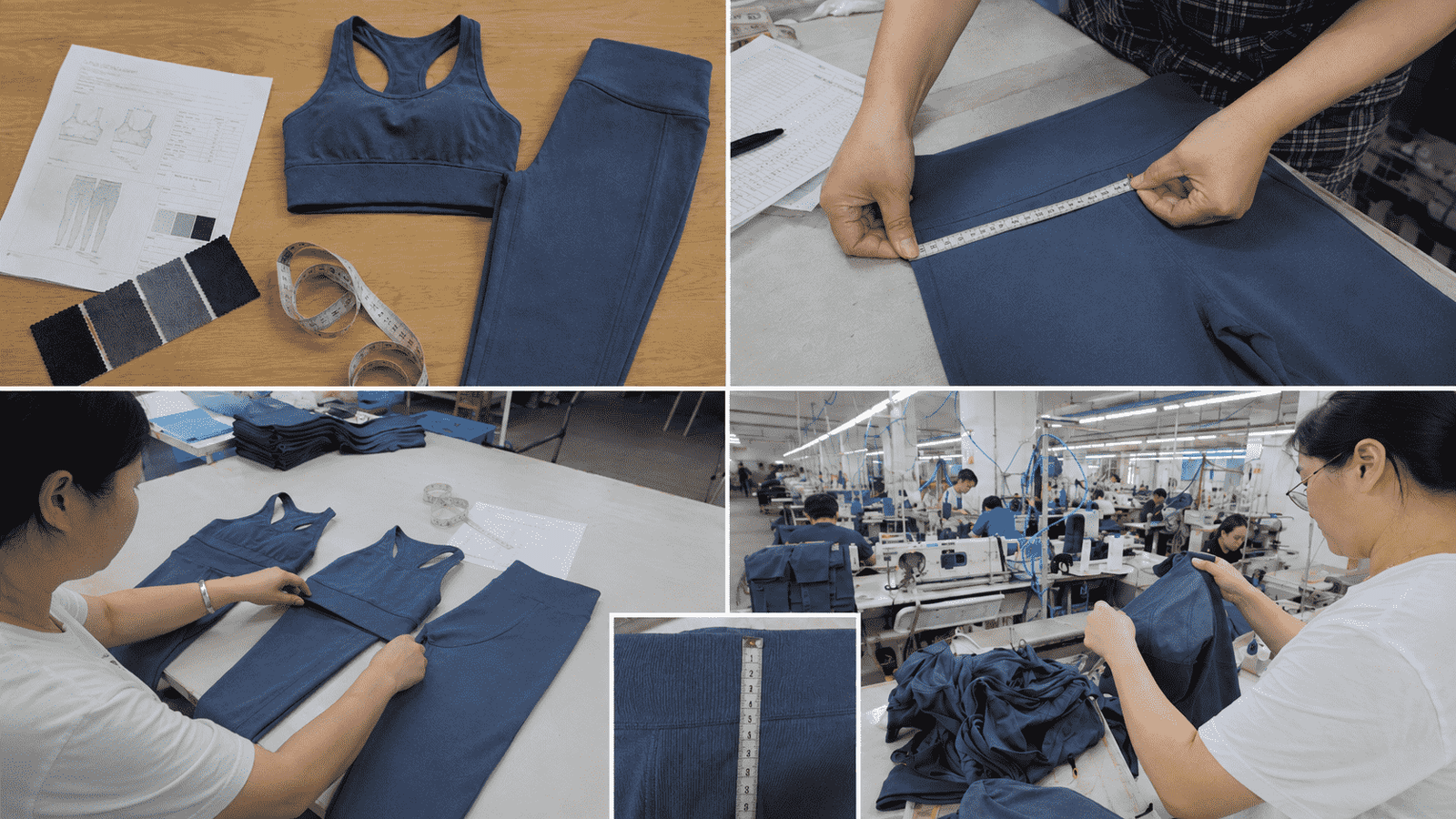
Vague Reference Interpretation
Two teams may interpret the same reference garment or image differently.
MOVEVOX RESPONSEProduct structure, fit direction and unresolved details should be reviewed before sampling.
Material Mismatch
A selected fabric or yarn may look suitable but behave differently in the intended construction.
MOVEVOX RESPONSEMaterial direction should be reviewed together with structure, fit, MOQ and manufacturing route.
Design Versus Manufacturability Conflict
A visually attractive detail may be difficult to repeat, commercially inefficient or unstable in production.
MOVEVOX RESPONSEManufacturability should be reviewed before the design becomes an approved commercial standard.
Sample-Only Decisions
A sample may be altered successfully without transferring the change into measurements, pattern, program or technical information.
MOVEVOX RESPONSEApproved changes should become part of the current product version.
Cost and MOQ Conflict
Custom materials, dyeing, trims or complex construction may make the intended order structure impractical.
MOVEVOX RESPONSECommercial feasibility should be reviewed alongside technical development.
Sample-to-Bulk Gap
The final development sample may not automatically control production conditions.
MOVEVOX RESPONSEApproved references should move through pre-production review and First Article verification.
SHORTLIST RATIONALE
Why Brands Can Evaluate MOVEVOX for Activewear Development
MOVEVOX combines an internal development function, an owned core factory, two activewear manufacturing routes and a controlled path from initial development into repeat commercial production.
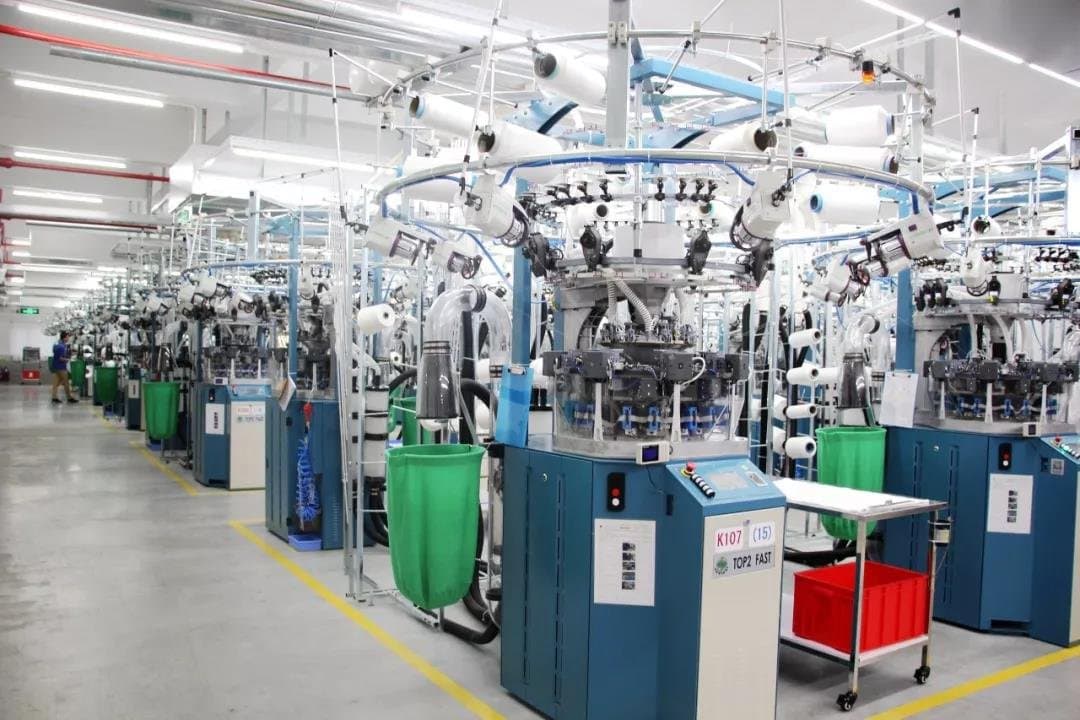
Development Is an Operating Function
The approximately eight-person development team includes design, pattern and sample/development roles.
Seamless and Cut-and-Sew in One System
28 Italian Santoni machines support Seamless development while approximately 24 main garment-production machines support core Cut-and-Sew work.
Product Direction Can Start Incomplete
Projects can begin from a legal reference garment, sketch, images, partial Tech Pack or defined concept when sufficient information exists for technical review.
Flexible Commercial Entry
Current base MOQ references begin around 100 pcs/style for Seamless and 150 pcs/style for Cut-and-Sew under applicable conditions.
Quality Continues After Development
Five QC staff currently support quality-control activities across development and commercial production.
A Path to Scale Exists
Stable managed finished-garment capacity is approximately 150,000-200,000 pieces per month across the current controlled manufacturing system.
See the broader supplier profile under Why MOVEVOX.
PRODUCT DEVELOPMENT
From Brand Direction to an Approved Commercial Product
The purpose of ODM development is to convert buyer intent into information that can be physically sampled, technically approved and later reproduced in commercial manufacturing.
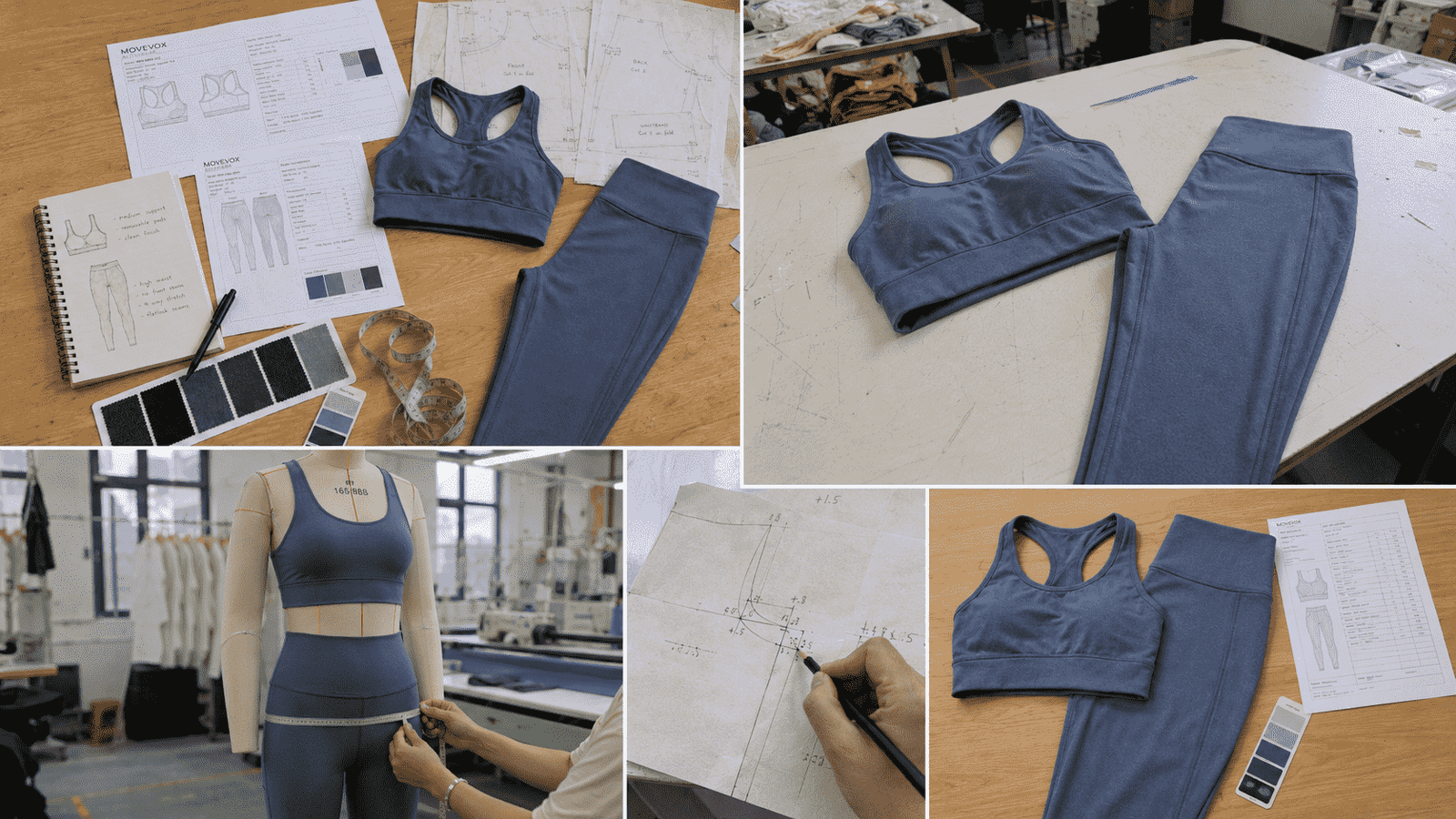
1. Development Input
Start from a reference garment, sketch, product images, partial Tech Pack or sufficiently defined concept.
2. Technical Review
Identify product structure, material direction, fit requirements, manufacturing route and unresolved questions.
3. Product Engineering
Translate the approved direction into pattern or Seamless-program decisions, measurements, material references and construction requirements.
4. Development Sample
Produce a physical sample to test whether the current technical interpretation reflects the intended product.
5. Revision
Convert buyer feedback into updated measurements, materials, construction, pattern or program information.
6. Approval
Progress toward the applicable Fit Sample, Size Set, PP Sample or other agreed production reference.
7. Bulk Handover
Transfer the approved product, material, branding and packaging information into commercial-production controls.
More detail is available on Product Development.
DEVELOPMENT INPUTS
What You Can Send Before a Full Tech Pack Exists
A complete Tech Pack is not required for the first ODM discussion. Better initial information reduces assumptions and allows a more useful development review.
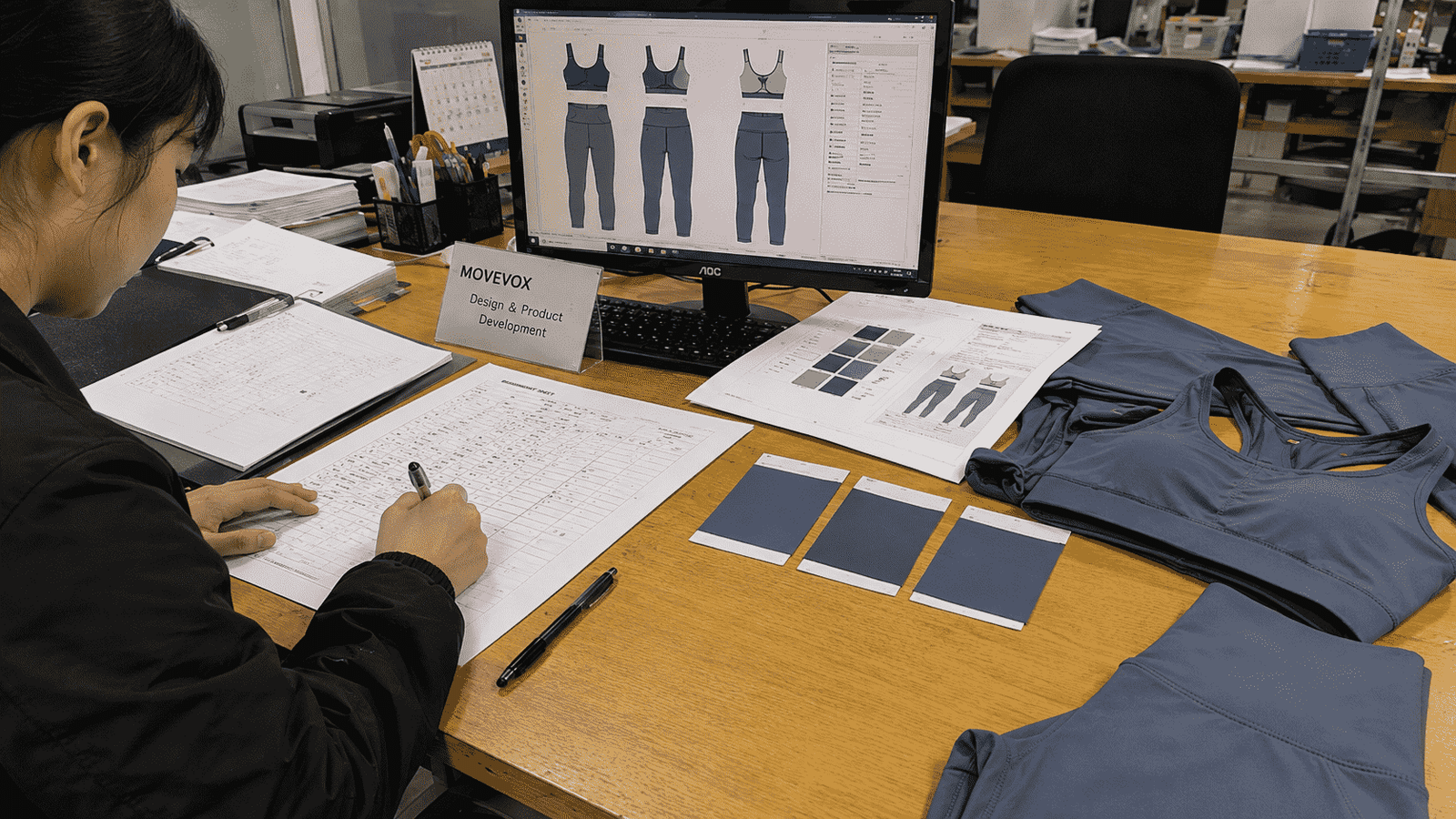
Reference Garment
A legal physical reference can communicate silhouette, fit, material feel or selected construction details.
Sketch or Product Images
Clear front, back and detail views can establish visual direction where no technical drawing exists yet.
Defined Concept
Describe the intended customer, product category, use, silhouette and the key features that matter to the brand.
Partial Tech Pack
Existing measurements, artwork, BOM information or construction notes can be incorporated into the development review.
Material Direction
Share a physical swatch, supplier reference, composition target, GSM direction or desired handfeel when available.
Fit Direction
Provide an approved garment, measurements, target fit description or existing brand fit reference where possible.
Quantity and Color Plan
Approximate style quantity, colors and size structure help identify upstream MOQ risks early.
Target Timing
Share development and intended launch or delivery timing so the project can be reviewed against actual production conditions.
ACTIVEWEAR CATEGORIES
Core Activewear Categories for ODM Development
MOVEVOX's strongest development relevance is concentrated in yoga, gym, training and related activewear categories.
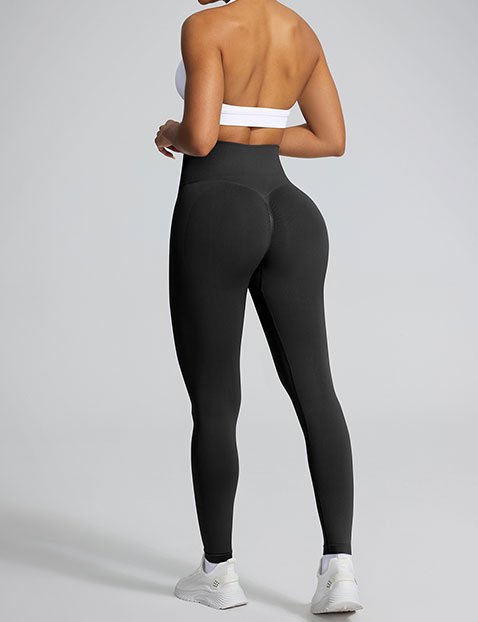
Leggings
Development may address waistband, rise, length, fit, material, pockets, panels, knitted zones, color and branding.
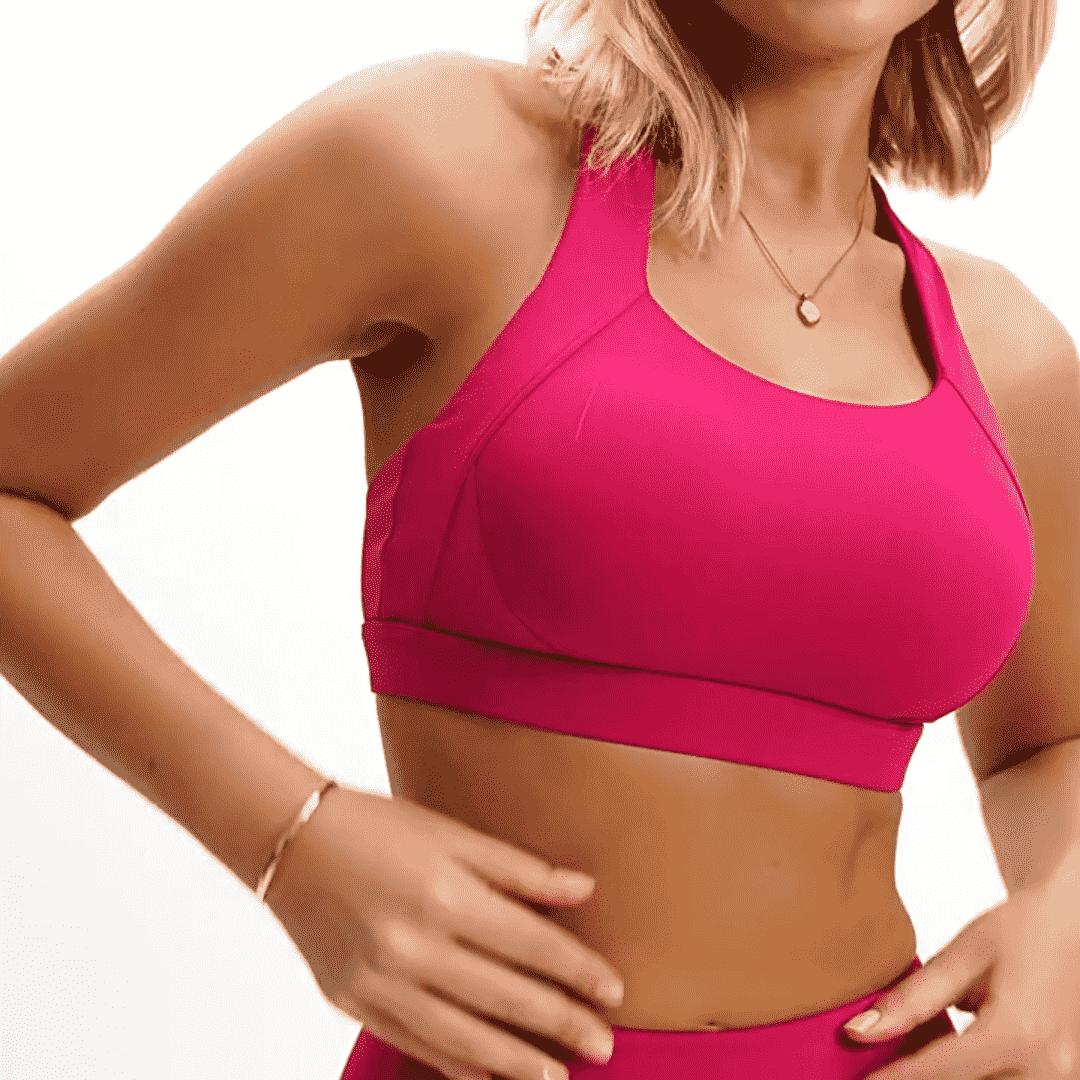
Sports Bras
Development may include coverage, neckline, straps, underbust structure, pad requirements, material and fit.
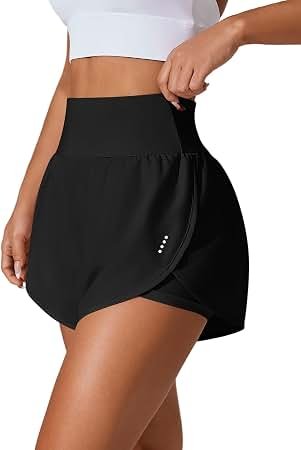
Training Shorts
Shorts can be developed around waistband, inseam, fit, fabric, pocket structure, panels and private-label requirements.
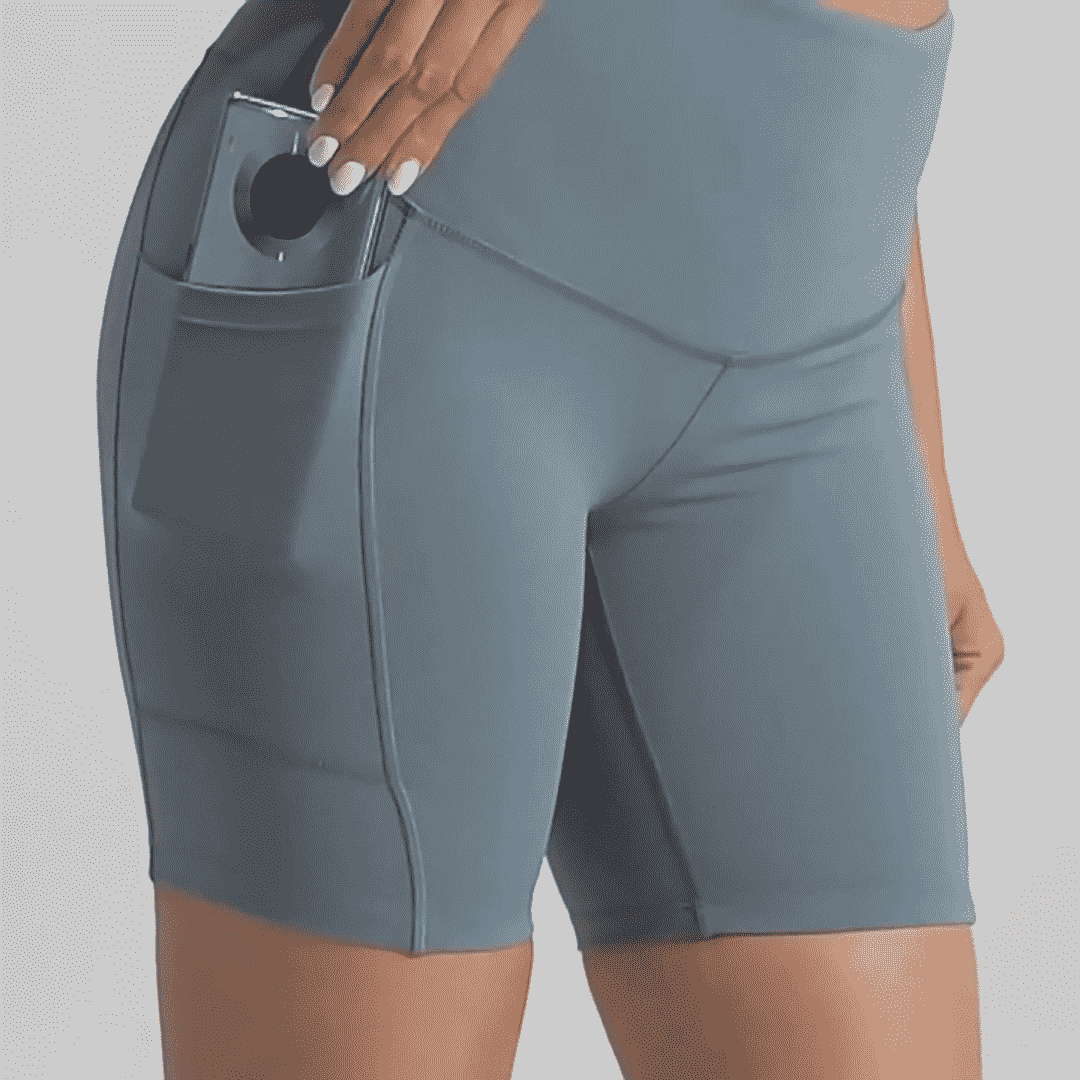
Biker Shorts
A relevant category for yoga and training collections using either Seamless or Cut-and-Sew construction.
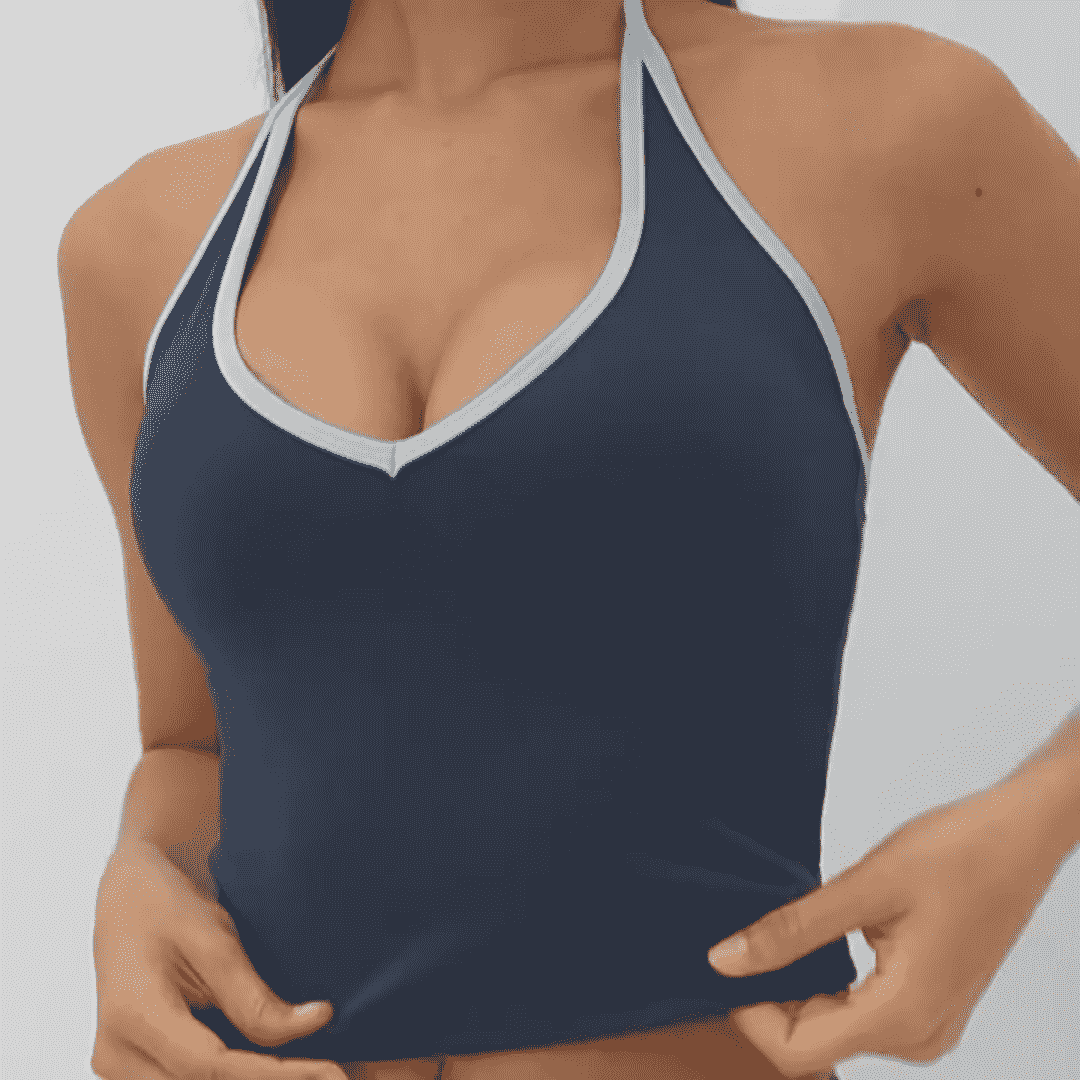
Tanks
Neckline, armhole, body fit, material, length and manufacturing route can be defined through development.
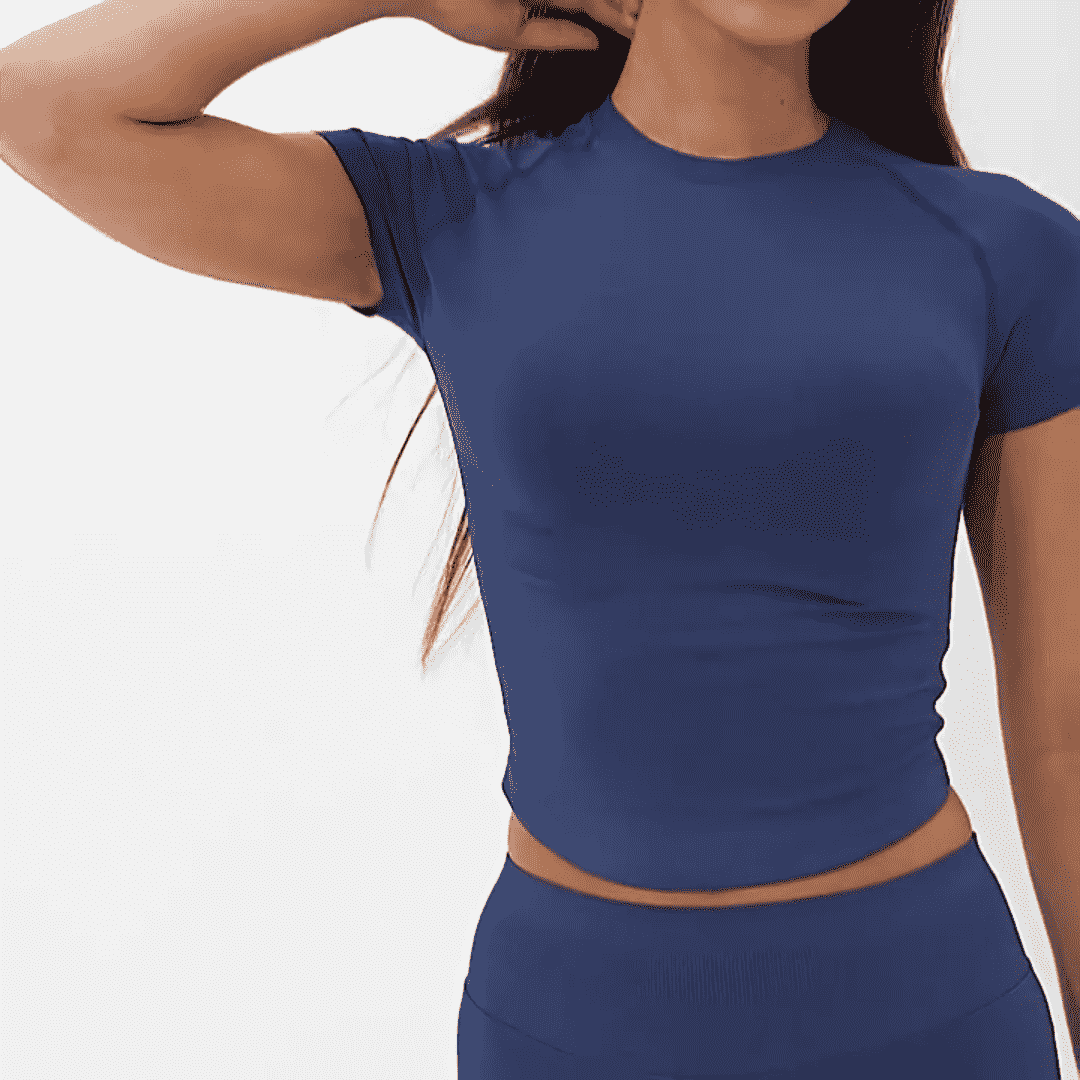
T-Shirts
Fit, fabric, neckline, sleeve, construction and branding can be established from buyer direction and physical samples.
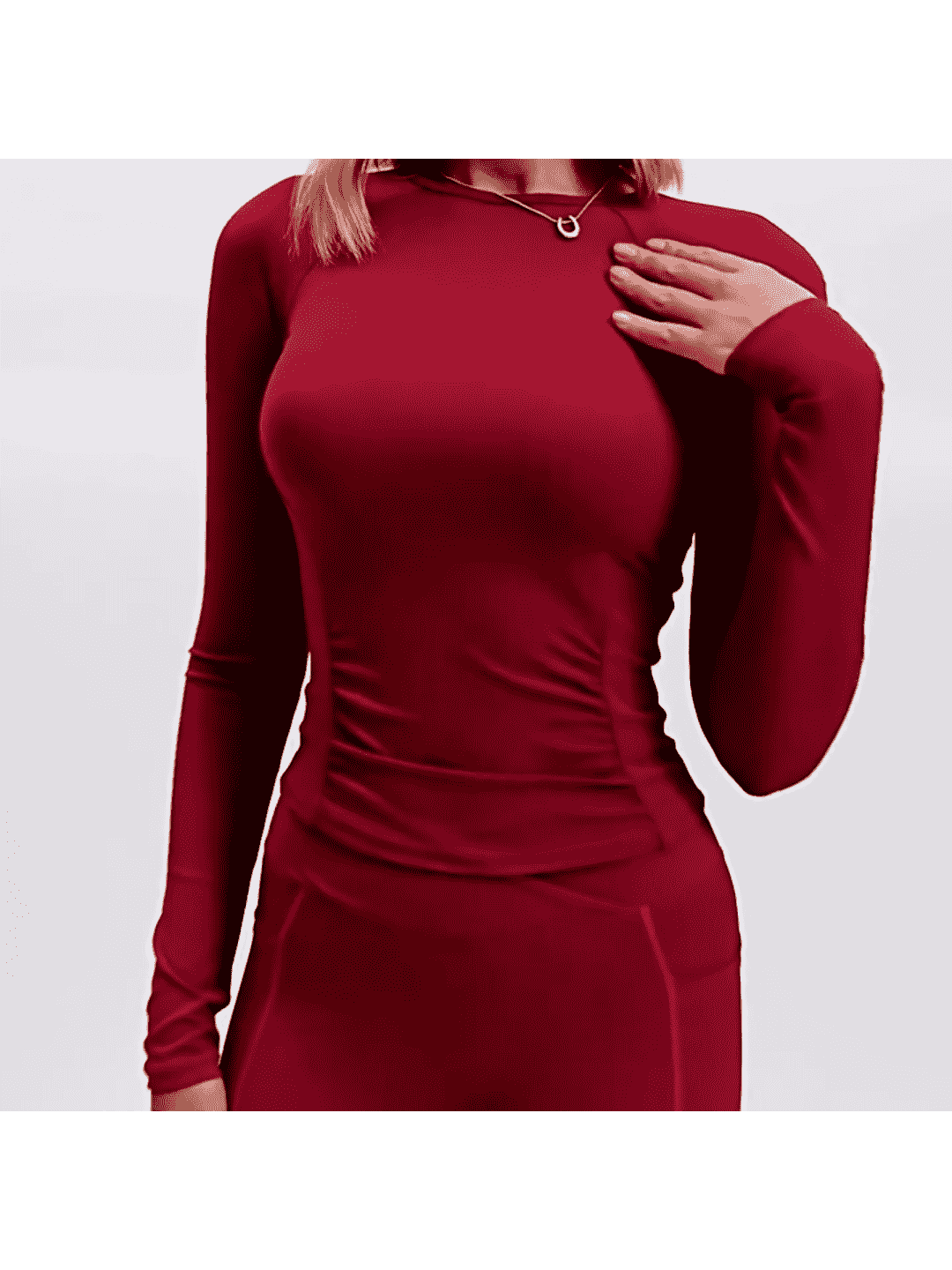
Long-Sleeve Tops
Long-sleeve products can extend activewear collections while retaining SKU-specific measurements and construction.
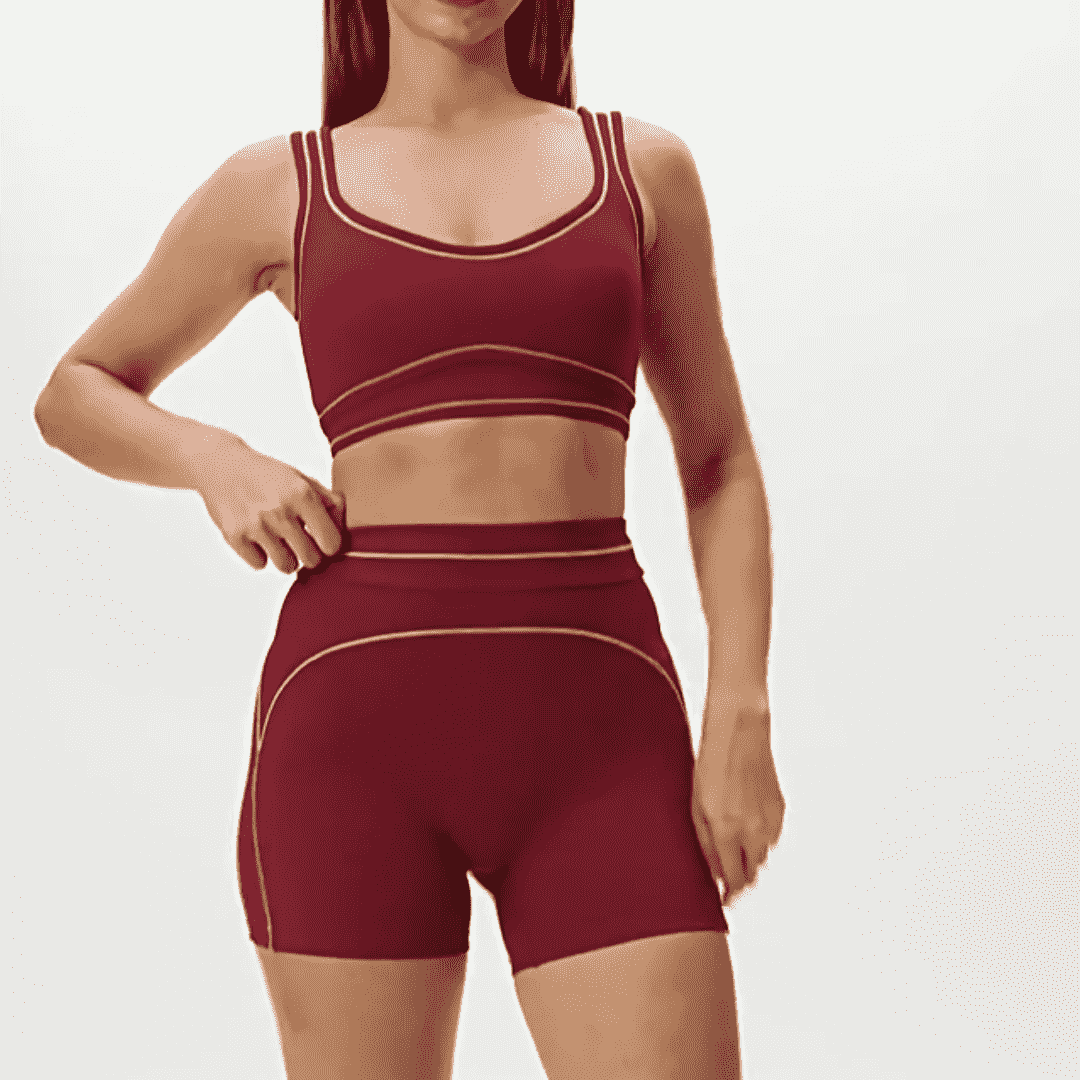
Coordinated Sets
Leggings, bras, shorts and tops can share selected colors, materials and branding systems while maintaining separate technical standards.
TECHNICAL REVIEW
Six Questions We Review Before ODM Sampling
The purpose of technical review is to convert a broad product direction into questions that development and manufacturing can actually answer.
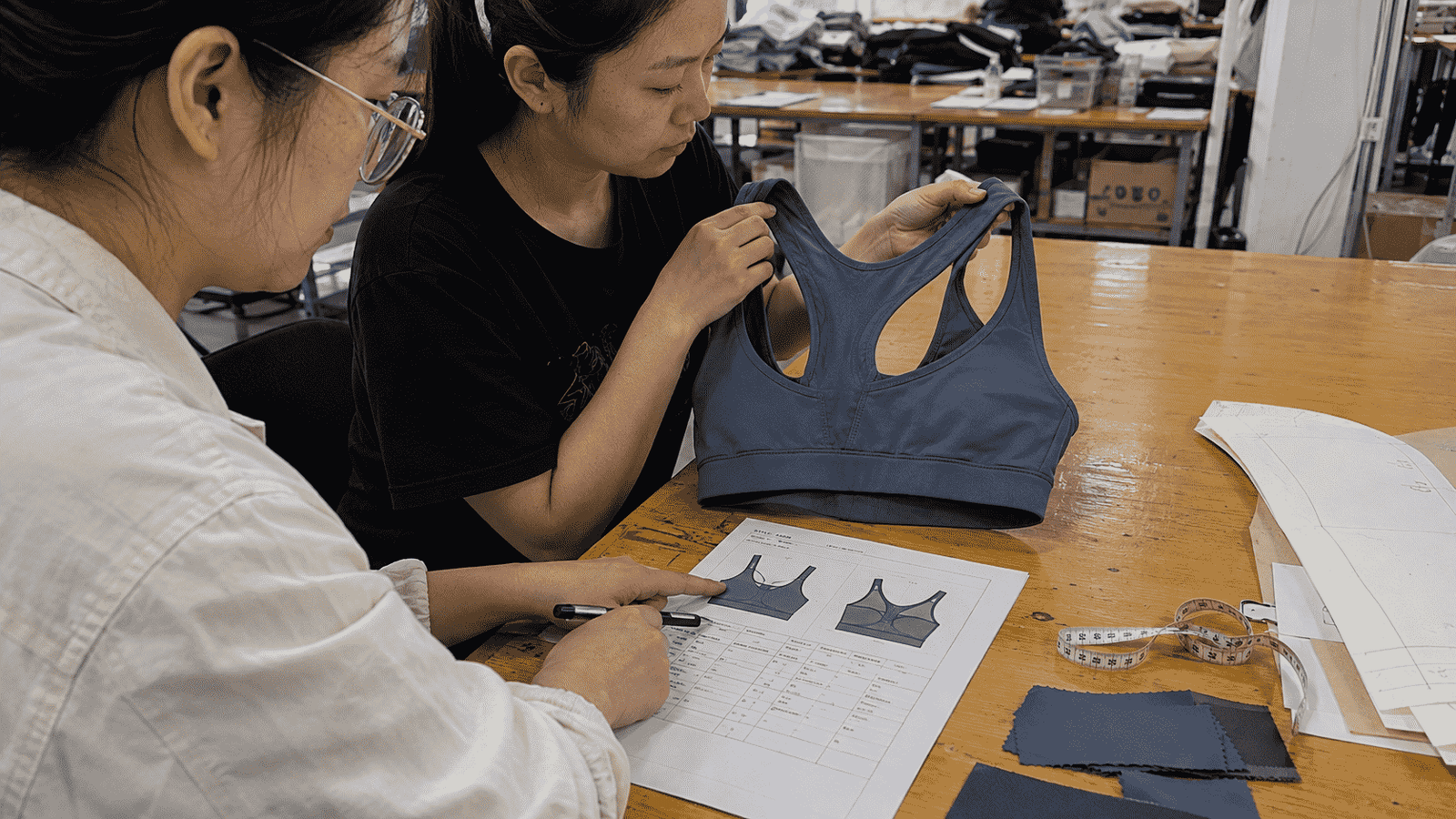
What Is the Intended Product Structure?
Clarify panels, pockets, waistbands, straps, pads, seams, knitted zones and other product-defining details.
Who Is the Product Intended For?
Review intended yoga, gym, training or activewear use together with silhouette, coverage and fit direction.
What Material Direction Makes Sense?
Consider fabric or yarn together with structure, handfeel, stretch, appearance, MOQ and manufacturing route.
What Fit Needs to Be Established?
Determine which dimensions, proportions and physical reference points need to become measurable development standards.
Which Manufacturing Route Fits the Product?
Review whether Seamless knitting or Cut-and-Sew construction is more suitable for the intended structure.
What Commercial Constraints Matter?
Quantity, colors, custom dyeing, branding, target timing and complexity can affect whether a product concept is commercially practical.
Technical development is connected to Product Development and later Manufacturing execution.
MANUFACTURABILITY
Can the Product Direction Become a Repeatable Commercial Garment?
A design concept can be visually appealing without being stable, efficient or practical for repeat manufacturing. MOVEVOX reviews product structure, material, manufacturing route, MOQ and quality-control requirements before treating the concept as commercially ready.
Green - Suitable for Development
The product direction fits established manufacturing capability and the available input is sufficient to begin controlled sampling.
Yellow - Development Adjustment Required
The concept appears feasible, but materials, dimensions, construction, MOQ or production details still need clarification or modification.
Red - Redesign or Decline
The proposed direction may be too unstable, commercially impractical or outside confirmed MOVEVOX capability for responsible repeat production.
Commercial Feasibility Matters
Manufacturability also includes material availability, supplier minimums, production efficiency, inspection complexity and repeatability.
MATERIAL DEVELOPMENT
Develop the Material Around the Product Requirement
Activewear material selection should consider the intended garment structure, fit and appearance rather than composition alone.
See also Custom Fabric, Custom Color and the Fabric Guides resource area.

Nylon + Spandex
Relevant to many leggings, sports bras and selected activewear products. Composition and GSM remain project-specific.

Polyester + Spandex
Can be evaluated for selected training and activewear products according to structure, appearance and commercial requirements.

Seamless Yarn Systems
Yarn selection interacts with machine programming, knitted density, size, rib and engineered garment structures.
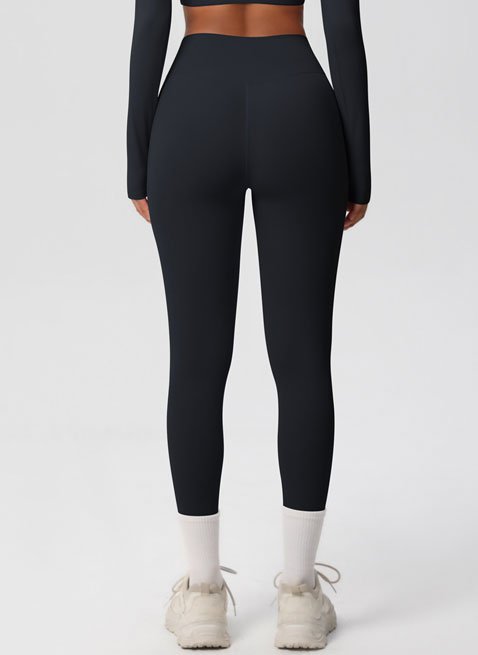
Brushed Materials
Brushing can change surface feel, appearance, thickness and stretch behavior and therefore requires product-level approval.

Rib Structures
Rib may be developed through knitted fabric or Seamless construction depending on the intended garment.

Textured Materials
Texture can affect dimensions, stretch, color appearance and branding execution and should be physically validated.
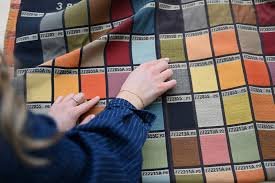
Customer References
Where the buyer provides a swatch or existing fabric reference, MOVEVOX can review sourcing availability, MOQ and suitability.
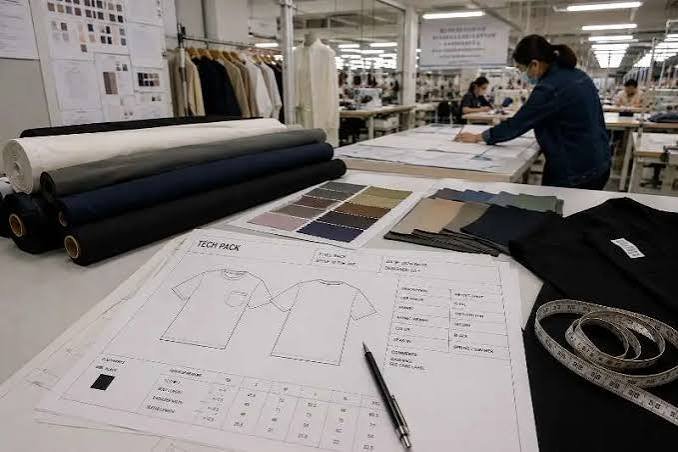
Color / Material Development
Material and color decisions should be evaluated on the actual product rather than assumed from a screen reference.
FIT DEVELOPMENT
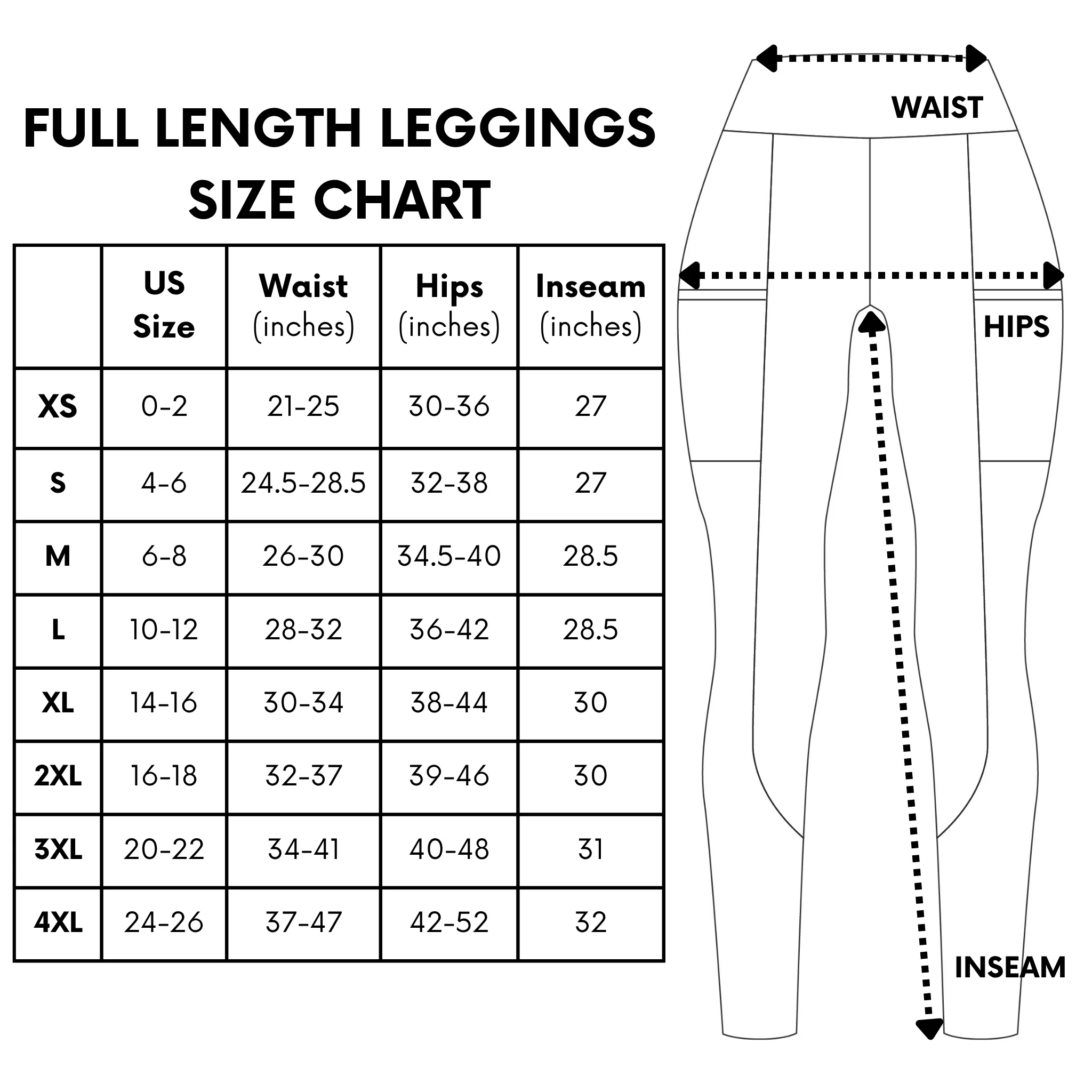
Turn Fit Direction Into Measurable Product Requirements
ODM fit development starts with buyer intent, but it must end with technical references that pattern, Seamless development and later bulk inspection can use.
| Stage | Purpose | Controlled Output |
|---|---|---|
| Target Fit | Define intended silhouette and feel | Fit direction |
| Base Size | Establish development size | Base-size framework |
| POM Setup | Define measurement locations | Measurement chart |
| Pattern / Program | Create garment geometry | Current pattern or Seamless program |
| Fit Sample | Evaluate the actual product | Fit comments |
| Revision | Apply approved corrections | Updated product version |
| Grade Rules | Establish size progression | Grading logic |
| Size Set | Verify additional sizes | Size-level approval |
| PP Reference | Confirm production standard | Applicable approved sample |
| Bulk Measurement | Monitor finished production | Inspection record |
Subjective comments such as “tighter waist” or “more coverage” become useful to manufacturing only when converted into measurable technical changes.
SEAMLESS ODM
Develop Engineered Activewear Through Seamless Knitting
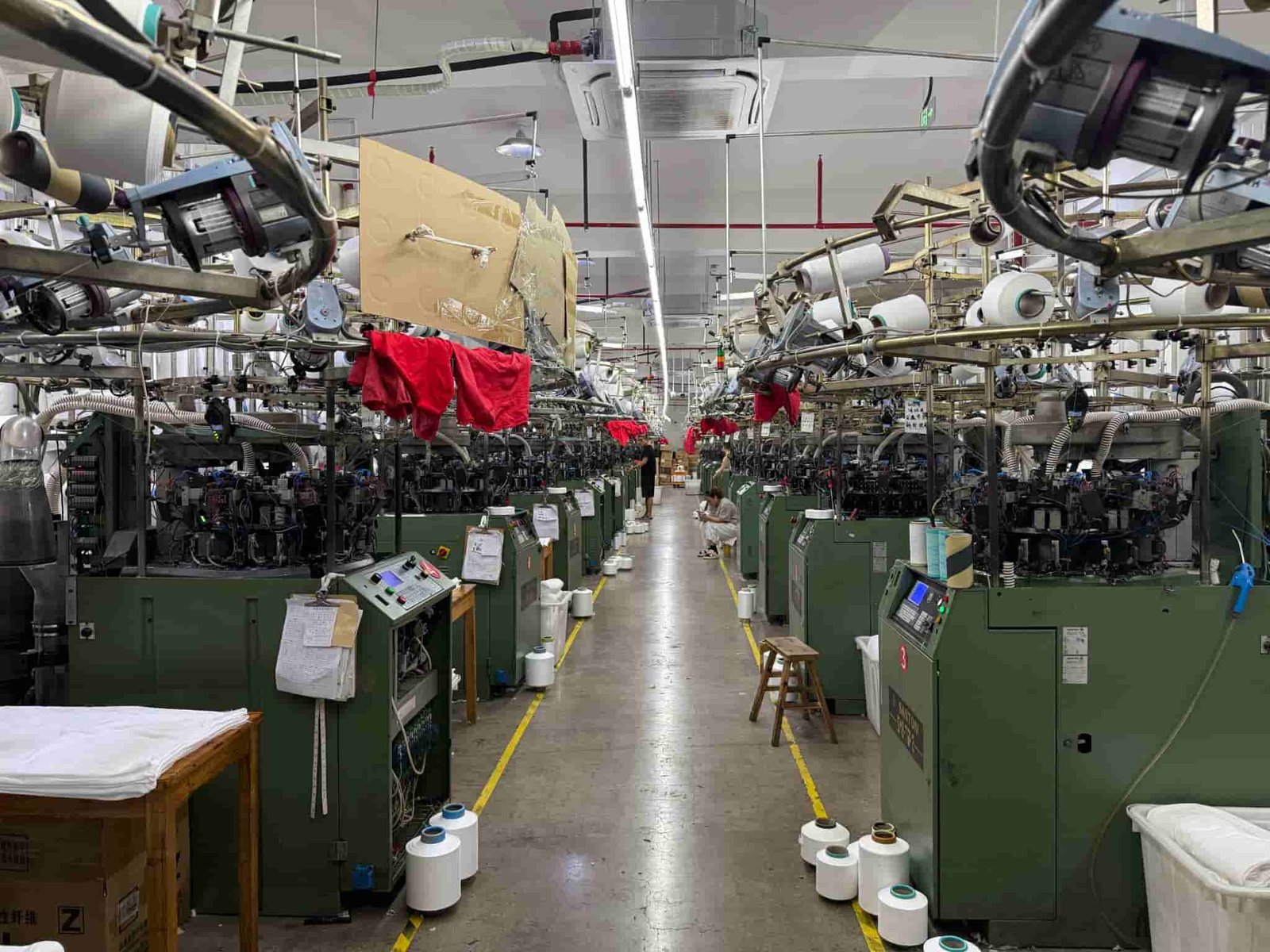
MOVEVOX's Yiwu core facility operates 28 Italian Santoni machines. Seamless ODM development can translate product direction into yarn, program, knitted structure and size decisions.
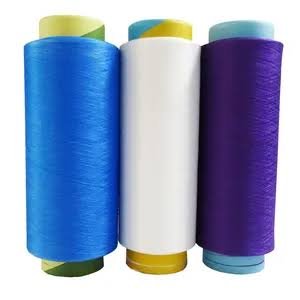
Yarn Direction
The development process reviews how yarn choice affects appearance, elasticity, handfeel and machine behavior.
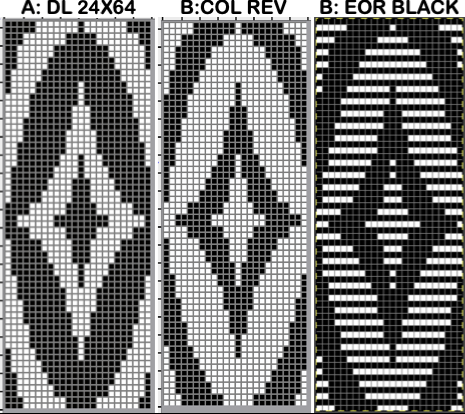
Program Development
The machine program defines the knitted garment structure and should remain controlled by style, size and approved product version.
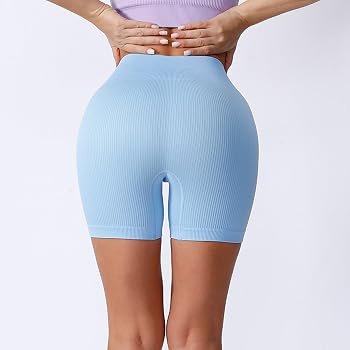
Waistband and Rib
Rib structures can be engineered into waistbands and selected garment zones according to the intended design.
Mesh Zones
Mesh can be introduced where the visual or structural concept requires it. Placement and openness should be physically approved.
Texture and Engineered Zones
Local knitted structures can create product differentiation but may influence measurements and require tighter program control.
Necessary Sewing
Seamless garments can still require sewing at selected crotch, shoulder, neckline, label, pad-opening or finishing points.
Explore the Seamless Activewear category for related product context.
CUT-AND-SEW ODM
Convert Silhouette and Fit Direction Into Cut-and-Sew Products
Approximately 24 main sewing and garment-production machines at the Yiwu core facility support pattern-based activewear development.
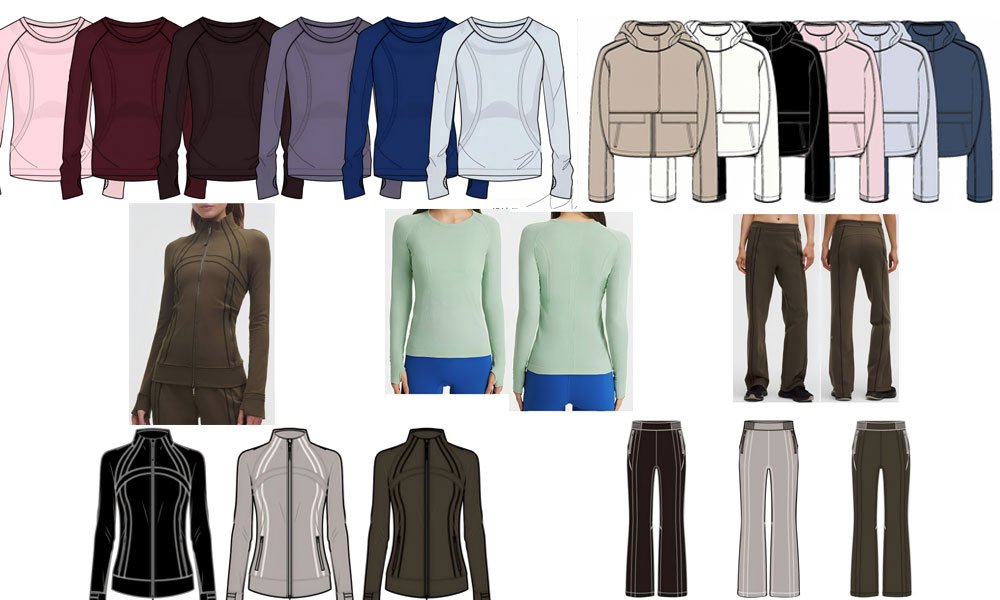
Pattern Development
Reference garments, sketches, measurements and fit direction are translated into a current pattern that can be physically sampled and revised.
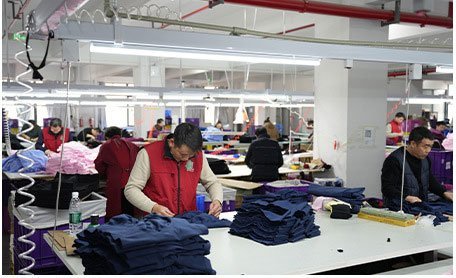
Cutting
Material stretch, direction and cutting accuracy interact with the approved pattern and finished product dimensions.
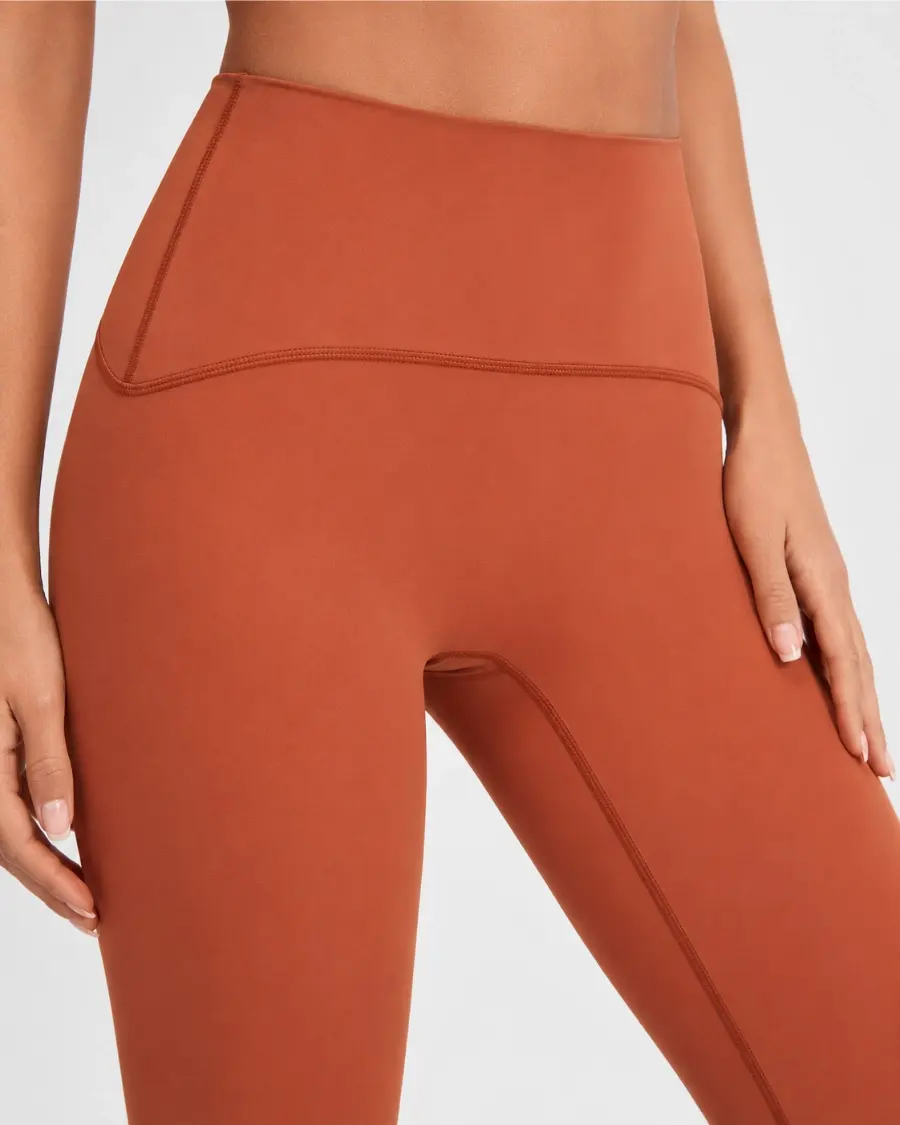
Panel Engineering
Panels can support pockets, shaping, contrast materials or other product-specific structural requirements.
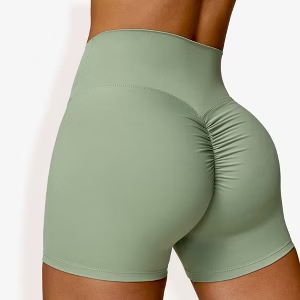
Seam Construction
Overlock, flatlock, coverstitch and other relevant sewn constructions should follow the intended garment structure and actual material.
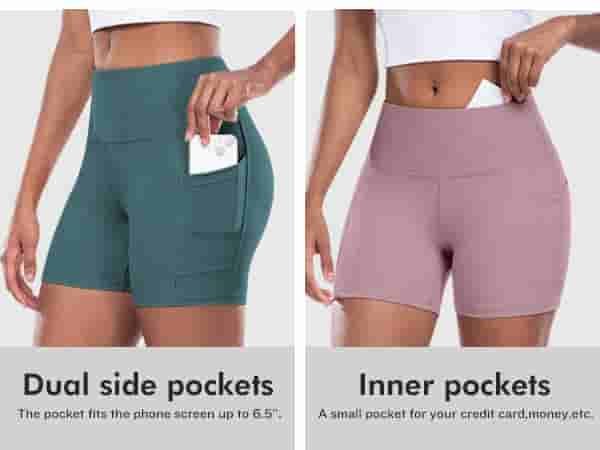
Pockets and Functional Details
Pocket position, depth, openings and related construction create additional fit and workmanship considerations.
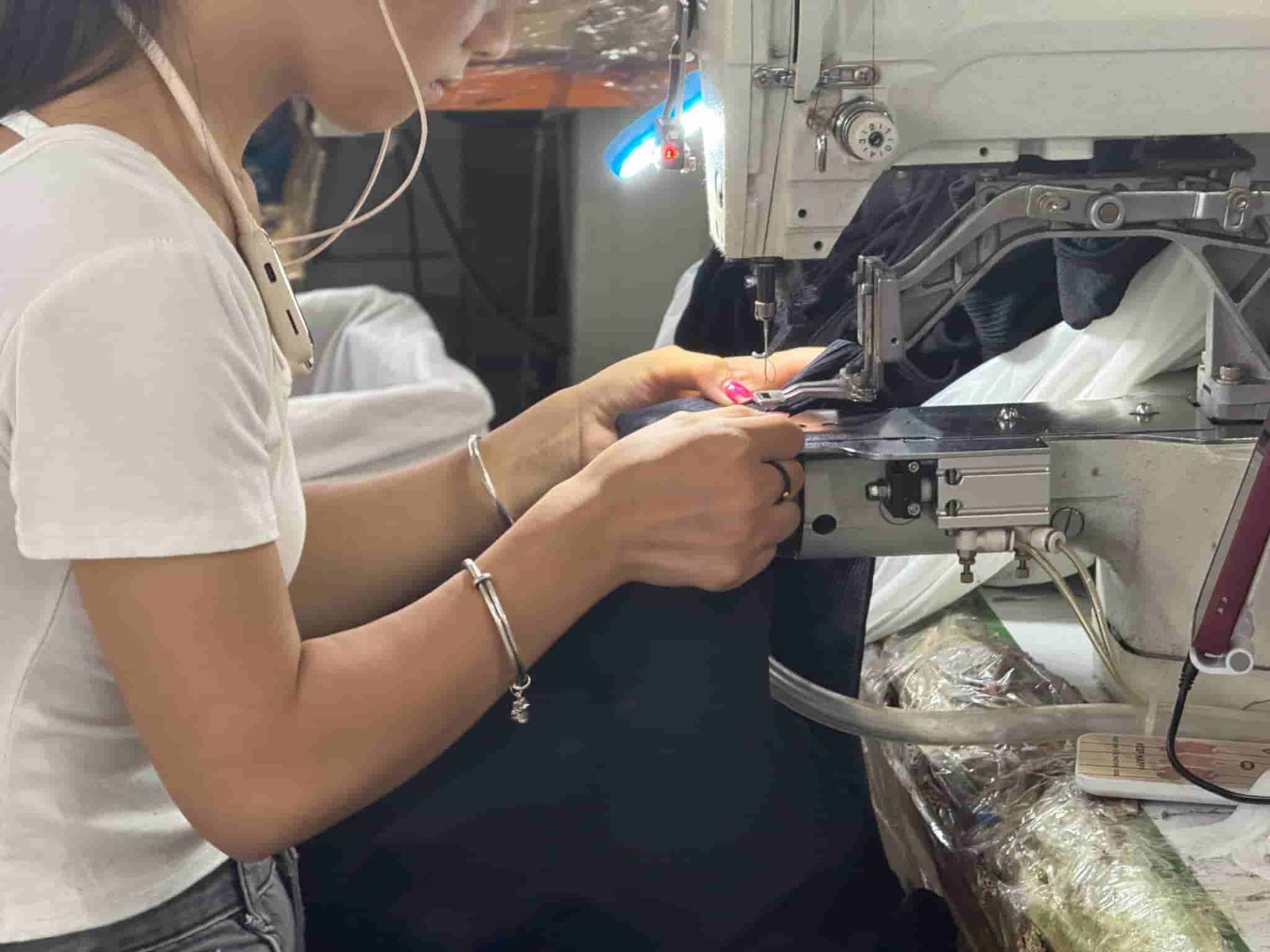
Multi-Material Assembly
Elastic, pads, straps, panels and multiple fabrics increase development and QC complexity and require clear approval references.
A visually similar reference product may require different pattern and construction decisions when the material, fit or target commercial conditions change.
COLLECTION DEVELOPMENT
Develop Multiple SKUs Around a Shared Collection Logic
ODM programs can become more efficient when selected products share materials, colors, fit principles and brand systems without losing SKU-specific technical control.
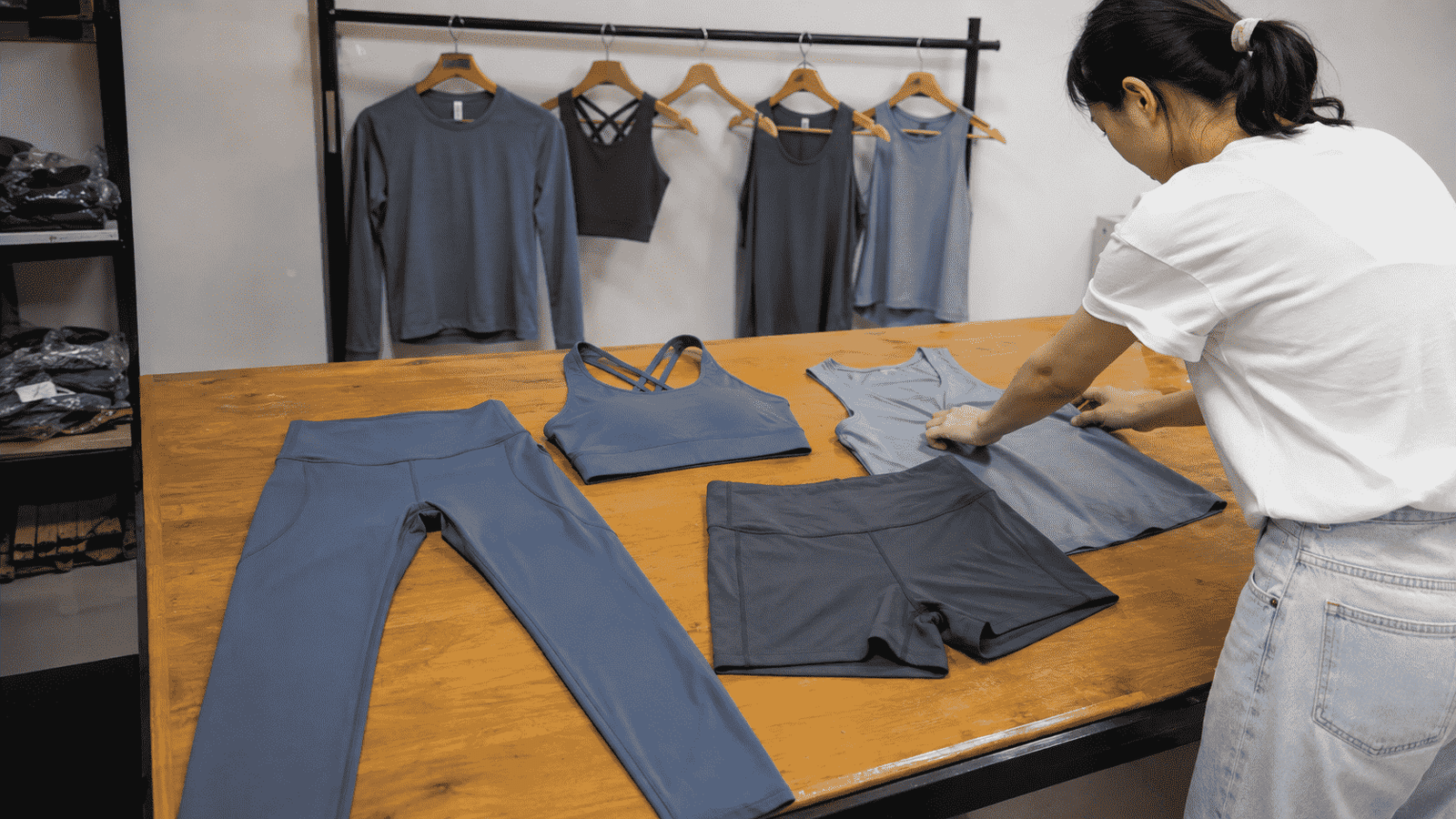
Shared Material Platform
Leggings, shorts and selected tops may share an approved material where the structure and intended use allow it. Different products should not be forced onto one fabric simply to reduce sourcing complexity.
Shared Fit Language
A brand may establish common principles such as waistband direction, rise, coverage or silhouette while each SKU retains its own measurements and physical approval.
Shared Color System
Common color targets can help coordinate a collection, although different fabrics and yarn structures may not display the same nominal color identically.
Shared Brand Execution
Logo, labels, hangtags and packaging standards can be reused across multiple products while SKU, size, color and barcode information remain product-specific.
CUSTOM + PRIVATE LABEL
Define What Changes From Development to Branded Product
ODM development can affect the garment itself as well as the private-label system around it. Each element should be approved at the appropriate stage.
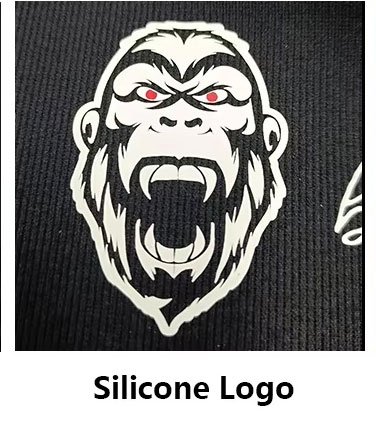
Product Development
Fabric / yarn, color, fit, measurements, pattern / Seamless structure and construction.
See Custom Fabric and Custom Color.
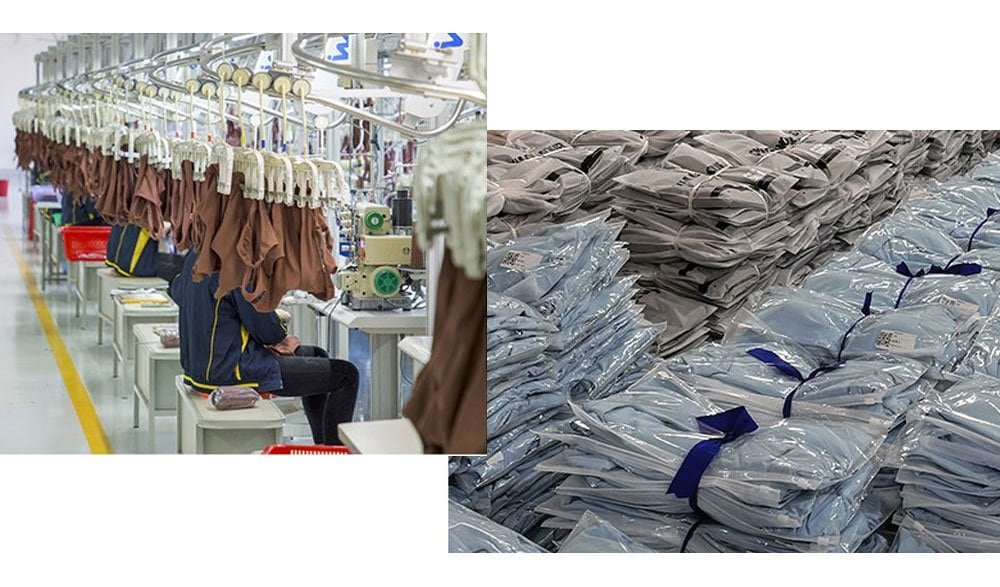
Brand Identity
Logo, main label, size label, care label and hangtag.
See Custom Logo and Custom Labels.
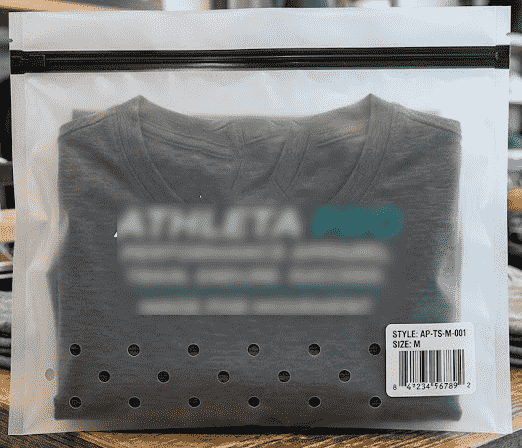
Retail Packaging
Polybag, sticker, barcode, custom packaging and carton mark.
See Custom Packaging.
Decoration methods, specialized trims and unusual materials should be reviewed project by project rather than treated as blanket capabilities.
SAMPLING
Use Sampling to Build the Product, Not Just Approve It
In ODM development, sampling helps convert an incomplete product direction into an approved technical standard.
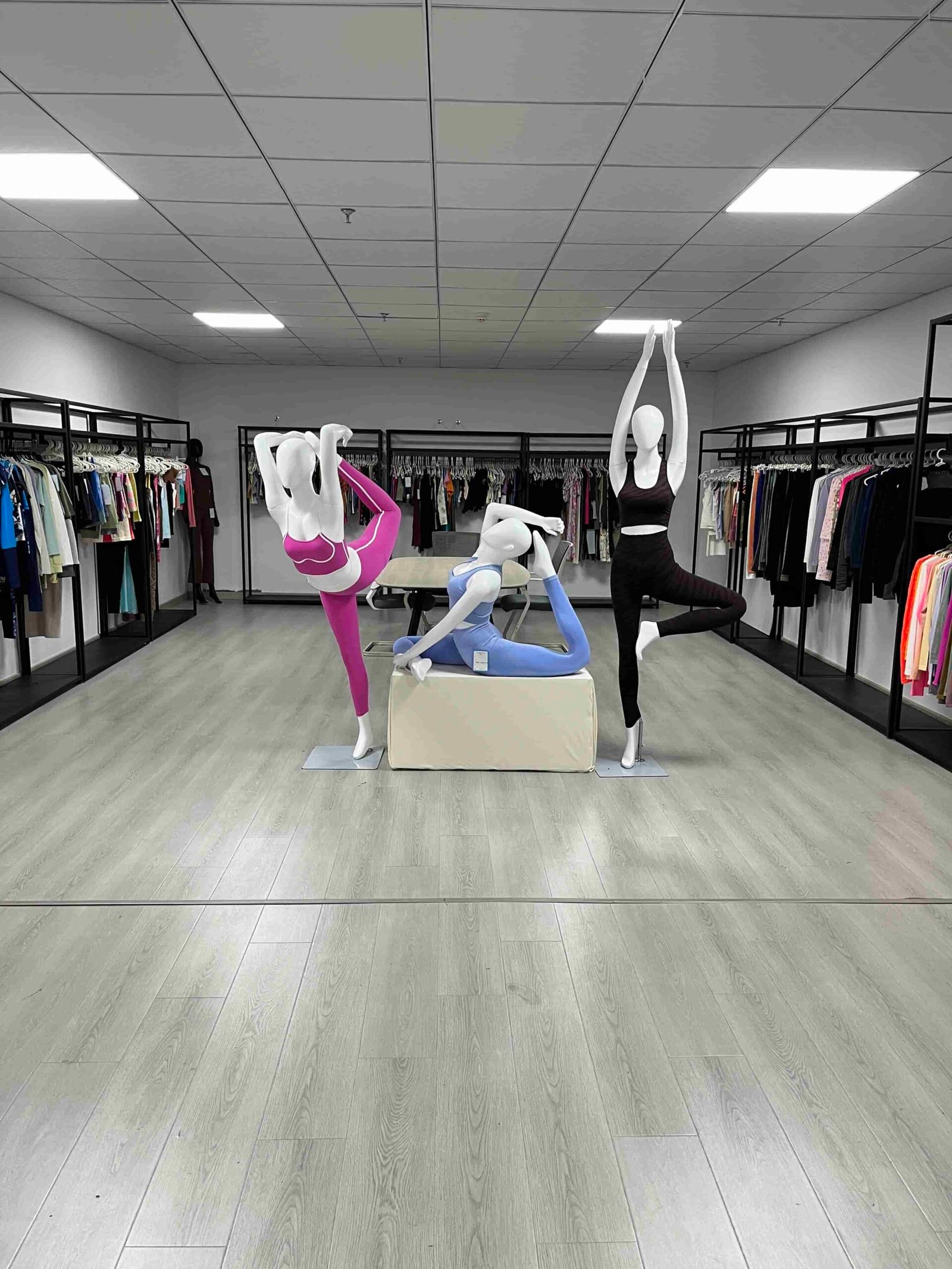
1. Development Review
Confirm the current reference, desired product, material direction, fit, branding and unresolved questions.
2. Technical Setup
Prepare the current material reference, pattern or Seamless program and required construction information.
3. V1 Development Sample
Produce the first physical interpretation of the current product direction.
4. Internal Check
Review relevant measurements, construction and workmanship before the sample is sent for buyer evaluation.
5. Buyer Review
The buyer consolidates comments on fit, material, measurements, appearance and construction.
6. Controlled Revision
Approved feedback is converted into updated technical information, pattern or Seamless program.
7. V2 / Further Development
Additional samples may be required where the first revision does not yet establish the final product.
8. Approval
Development progresses toward the applicable Fit, Size Set, PP or other agreed commercial-production reference.
Timing: Standard sample development typically requires approximately 5-10 working days after the required development information is confirmed. Custom materials, complexity and additional revisions can extend the overall development calendar.
Evidence status for a complete Reference → V1 → comments → V2 → approved sequence: 需要真实素材替换
APPROVAL TO BULK
Turn the Final Development Result Into a Commercial Production Standard
The end of ODM development should create a controlled product standard rather than only a visually approved sample.
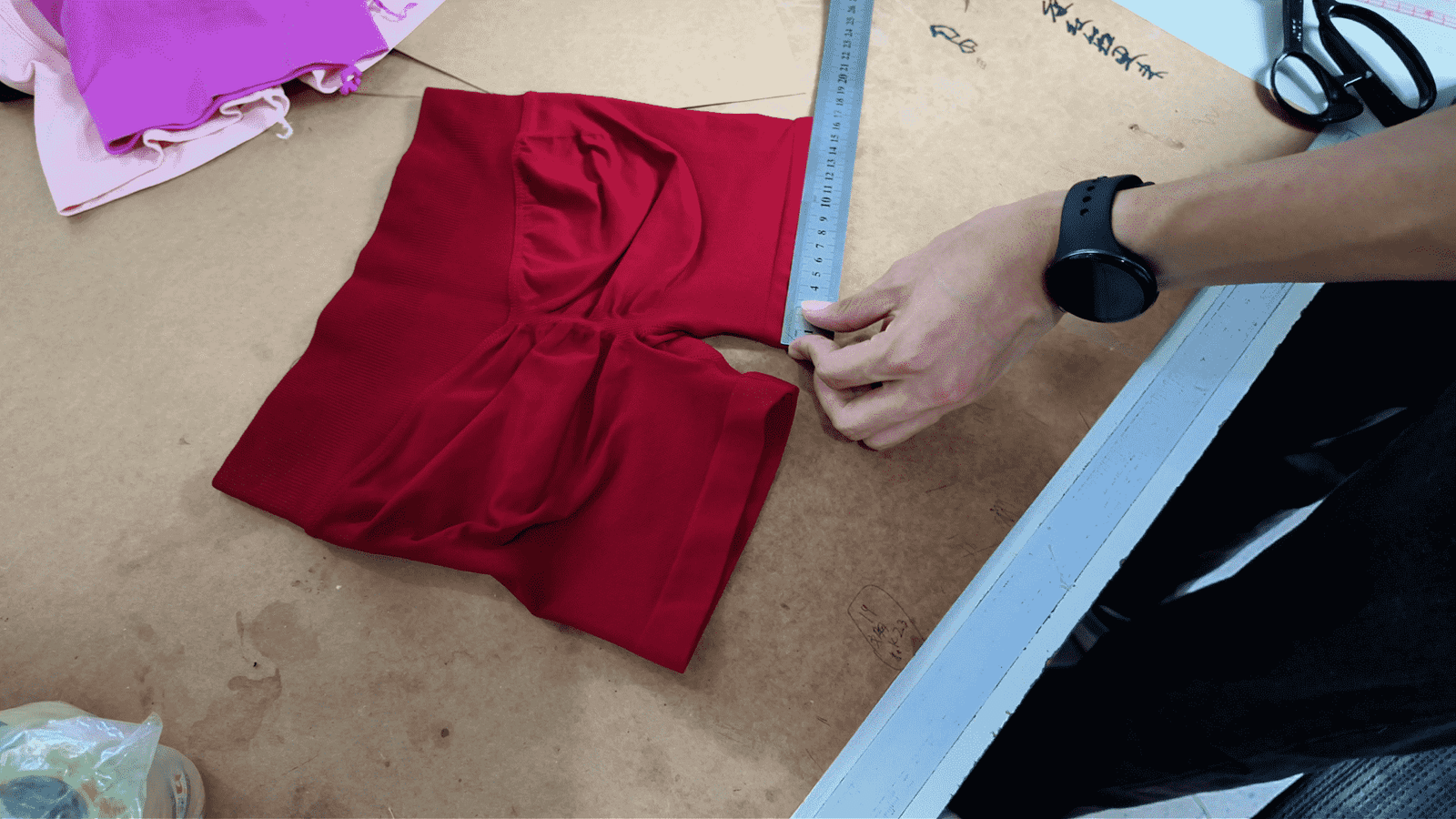
Approved Development Standard
Current Product Specification
Approved measurements, construction and relevant product requirements should be incorporated into the current technical reference.
Current Pattern or Seamless Program
Production should use the pattern or machine program corresponding to the approved development version.
Approved Material and Color
Bulk fabric or yarn should remain linked to the material and color reference approved during development.
Approved Fit and Branding
Fit comments should already be measurable, and logo, labels and artwork should correspond to the same current product version.
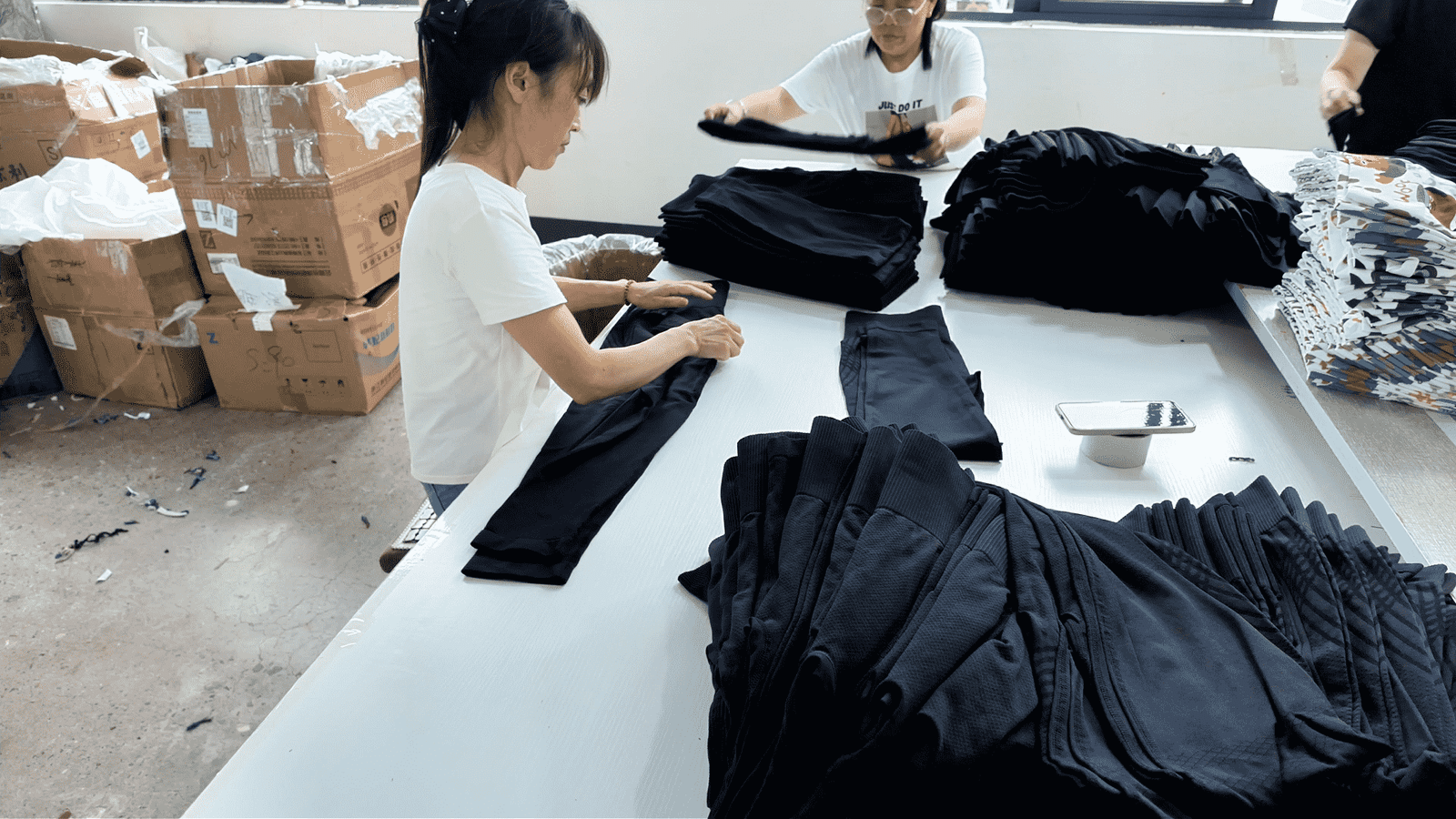
Bulk Transfer Controls
Physical Approval Reference
Where applicable, an Approved or PP Sample provides a physical reference for appearance, fit and workmanship.
First Article Verification
A representative garment made from actual bulk inputs helps confirm that the development standard has transferred into production.
Bulk Quality Control
In-line and finished-product checks then reference the released technical and physical requirements.
Controlled, Not “Mathematically Identical”
The goal is controlled manufacturing against approved standards, not a claim that every garment will be mathematically identical to one sample.
Evidence chain status: final spec → material → approved sample → First Article → bulk. 需要真实素材替换 where the complete chain is not yet publishable.
NEXT STEP
Have a Product Direction Ready for Development Review?
Send your reference garment, sketch, product images, partial Tech Pack or defined concept. MOVEVOX can review product fit, materials, manufacturing route, development requirements and likely commercial constraints.

NDA-led discussions can be arranged before sensitive product-development information is exchanged.
COMMERCIAL MANUFACTURING
What Happens After the ODM Product Is Approved
Commercial manufacturing begins when the developed product, material, branding and order requirements are sufficiently released and controlled.
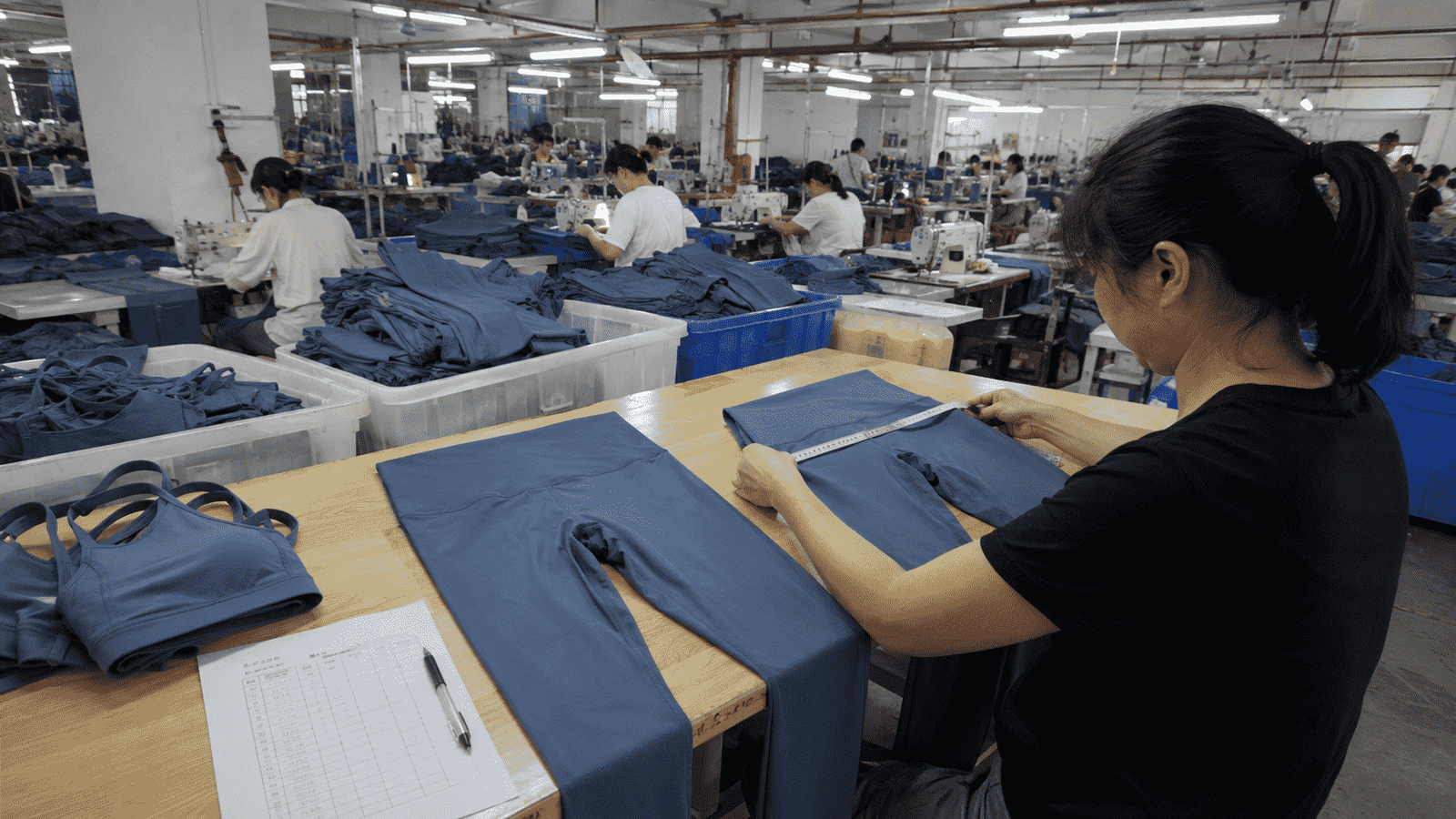
Order Release
Confirm styles, quantities, size/color allocation, current technical information and applicable approvals.
Material Readiness
Confirm actual fabric, yarn, trims, labels, branding and packaging inputs.
Pre-Production Review
Align technical, materials, production and QC teams around the approved product standard.
First Article
Produce a representative garment under actual commercial-production conditions.
Bulk Manufacturing
Proceed through the approved Seamless or Cut-and-Sew production route.
In-Line Inspection
Check production while corrective action can still be taken.
Finished Inspection
Review completed products against applicable measurements, workmanship and branding requirements.
Packing and Release
Verify correct SKU, labels, barcode, packaging and carton information before shipment preparation.
See Manufacturing and the Manufacturing Guides for related site information.
CAPACITY + LEAD TIME
Capacity for Development Launches, Reorders and Scale-Up
MOVEVOX separates stable managed output from theoretical equipment capacity. Actual production commitments depend on the approved product, materials, SKU structure and manufacturing window.
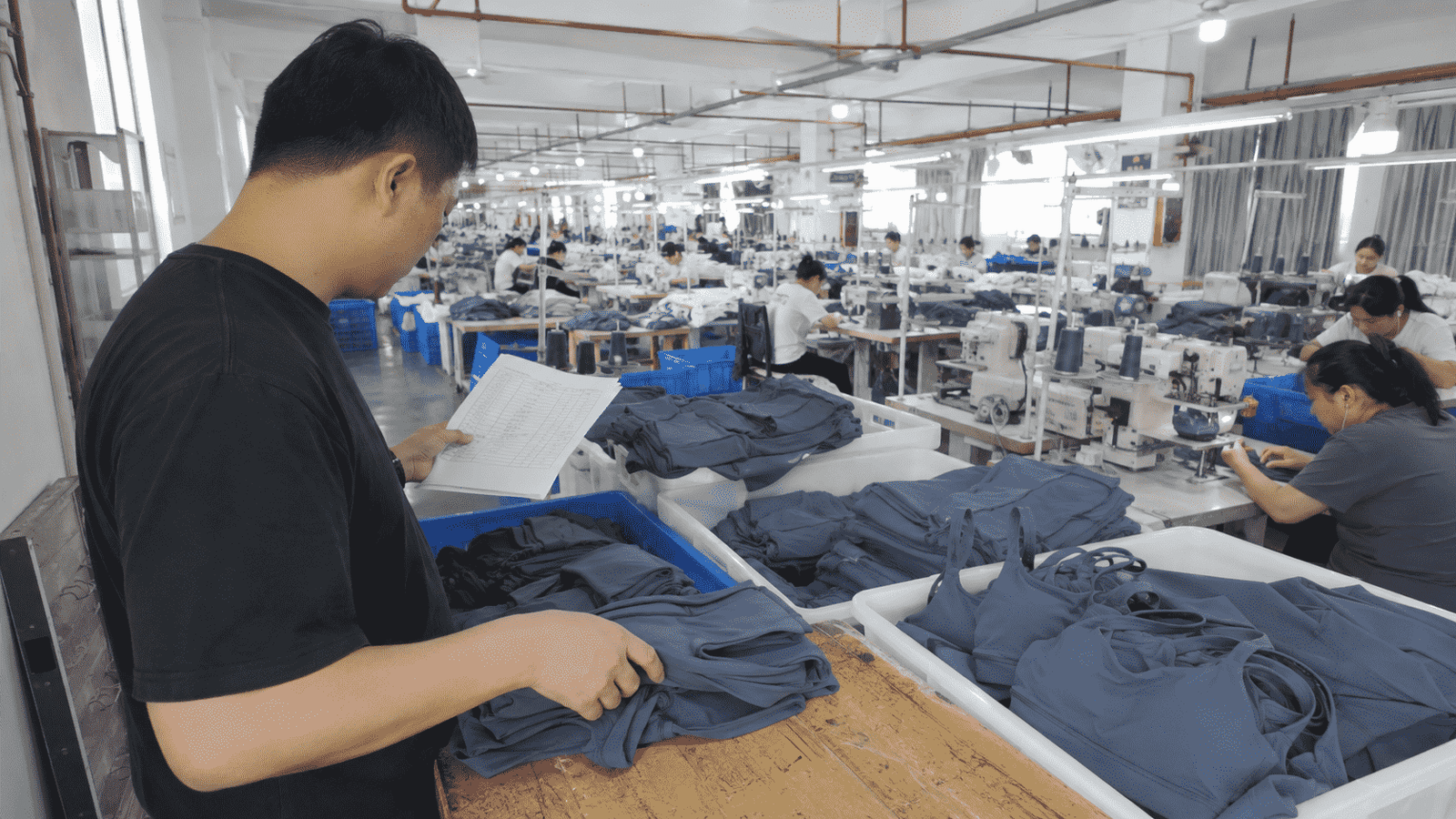
Pieces / Month
Approximate stable managed finished-garment capacity across the current controlled manufacturing system.
Santoni Machines
Seamless knitting equipment at the Yiwu core facility.
Garment Machines
Main Cut-and-Sew sewing and garment-production equipment at the core facility.
QC Staff
Current dedicated quality-control resources.
Yiwu Satellite Factories
Long-term satellite resources supporting appropriate approved bulk requirements.
Guangzhou Satellite Factories
Long-term Guangzhou resources supporting relevant products and capacity needs.
sqm
Approximate actual production space associated with the core manufacturing operation.
Days
Typical regular bulk-production reference, subject to material readiness, approval status, complexity, quantity and available capacity.
YIWU CORE FACTORY
The Core Factory Behind MOVEVOX Development and Manufacturing
The approximately 6,000-square-meter Yiwu core operation functions as the technical, sampling, core-production and quality-control center within the wider MOVEVOX manufacturing system.
Development and Sampling
The approximately eight-person development function supports design interpretation, pattern work and sample development.
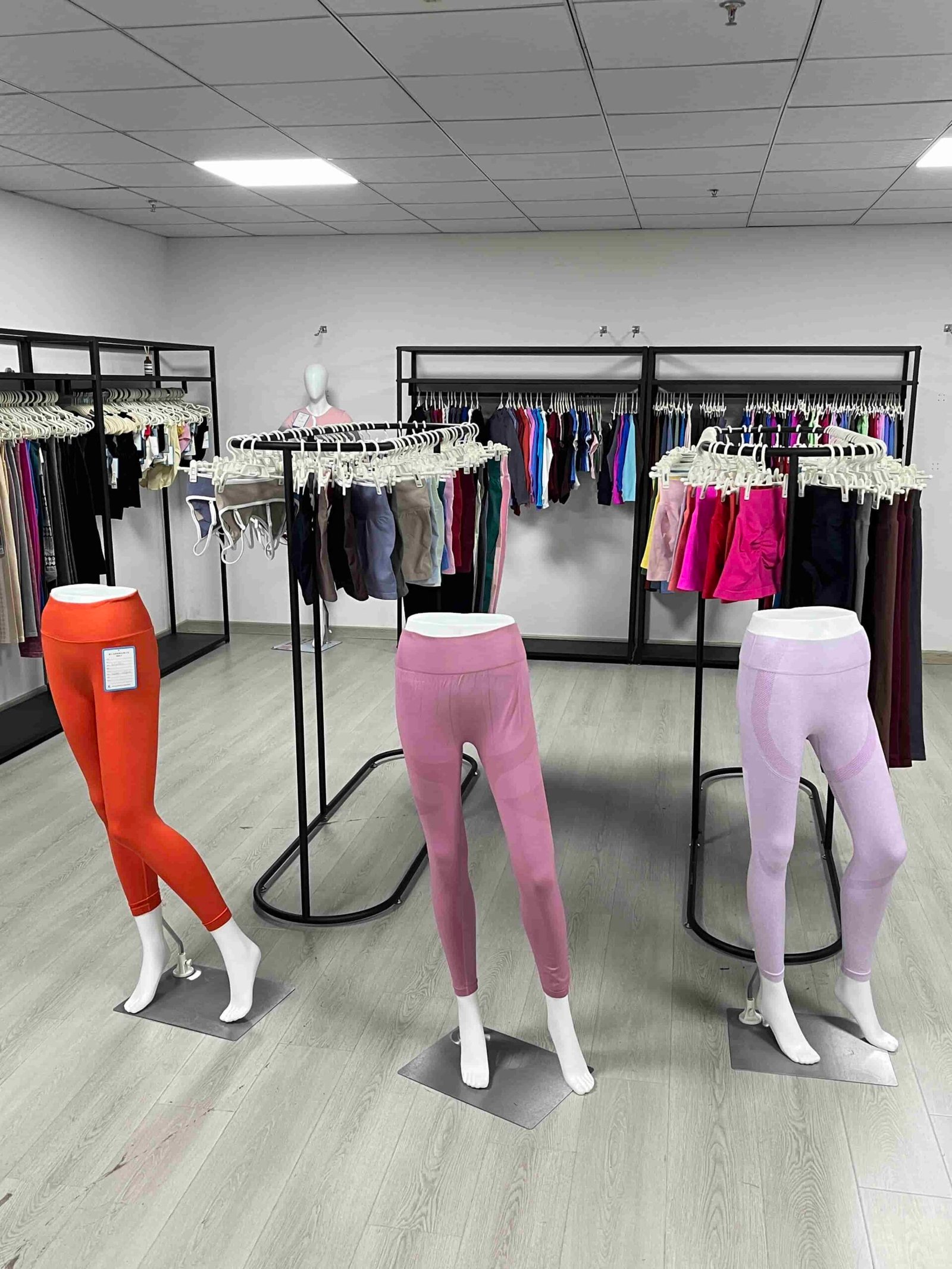
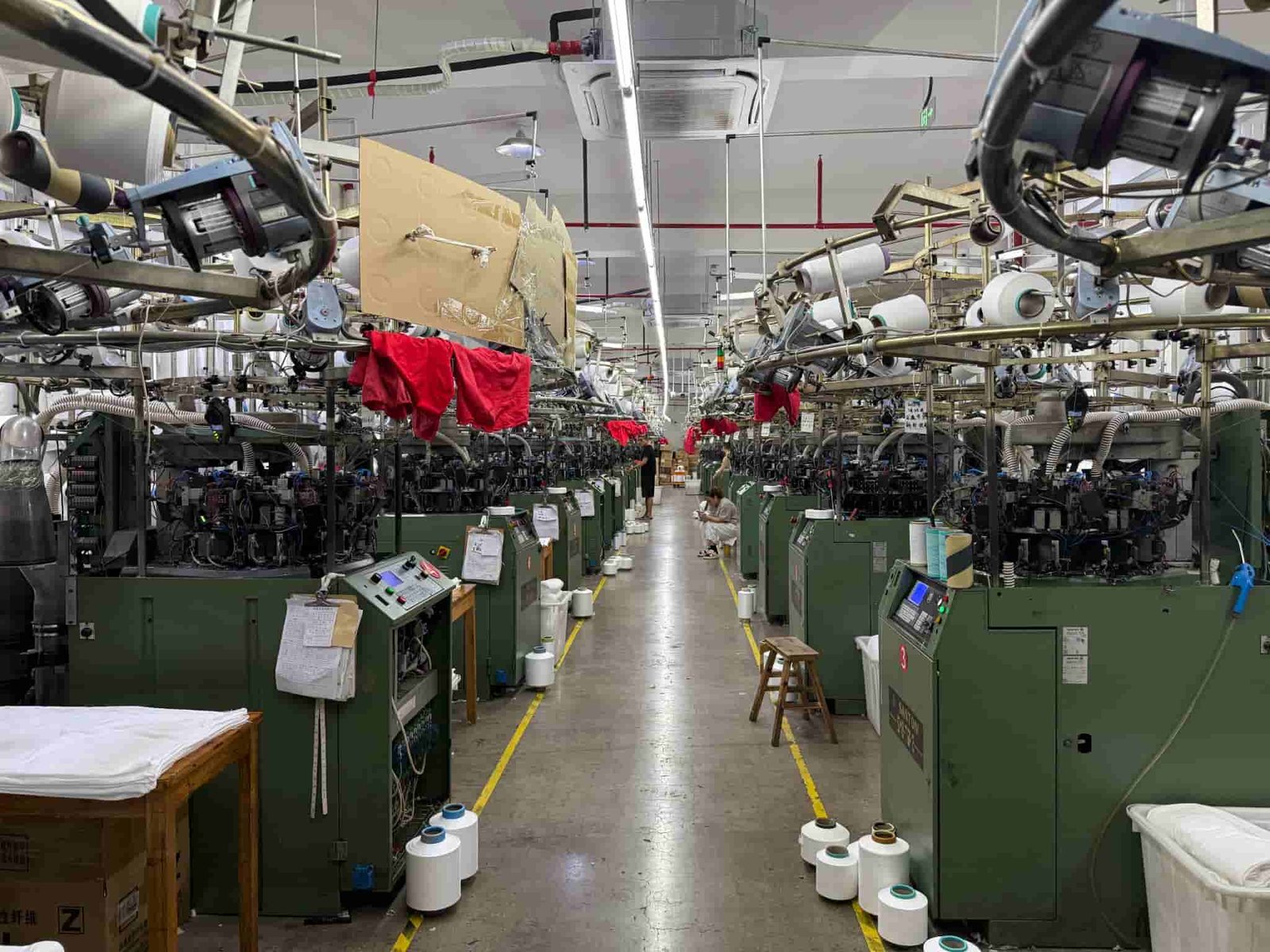
Seamless Production
Twenty-eight Italian Santoni machines support relevant Seamless product development and core production.
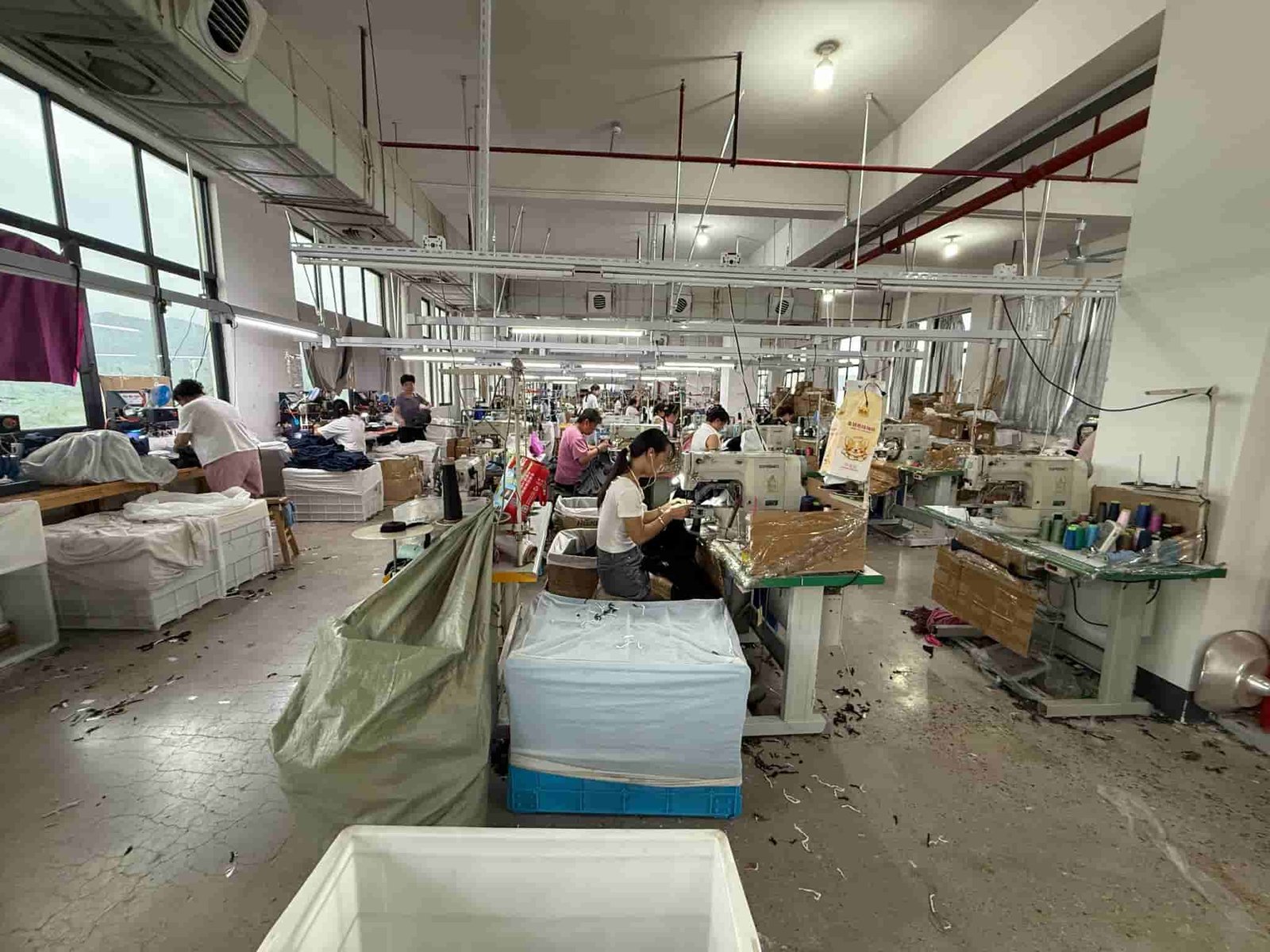
Cut-and-Sew Production
Approximately 24 main garment-production machines support pattern-based leggings, bras, shorts, tops and related activewear.
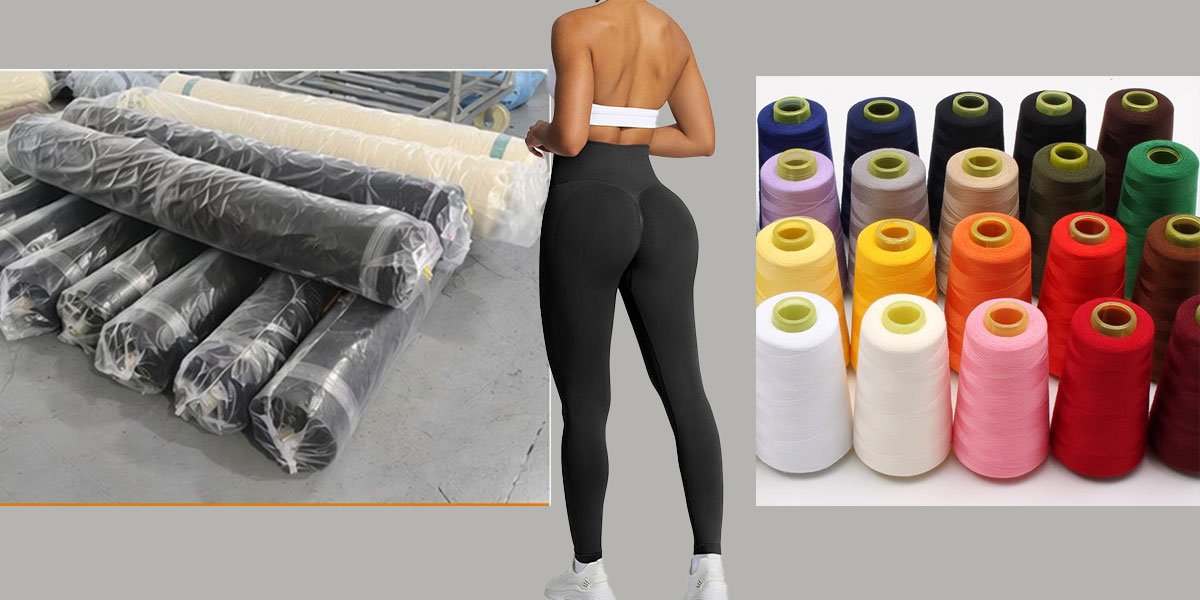
Material Coordination
Fabric, yarn, trims and branding inputs are coordinated according to the project. This does not imply that all upstream materials or dyeing processes are MOVEVOX-owned.
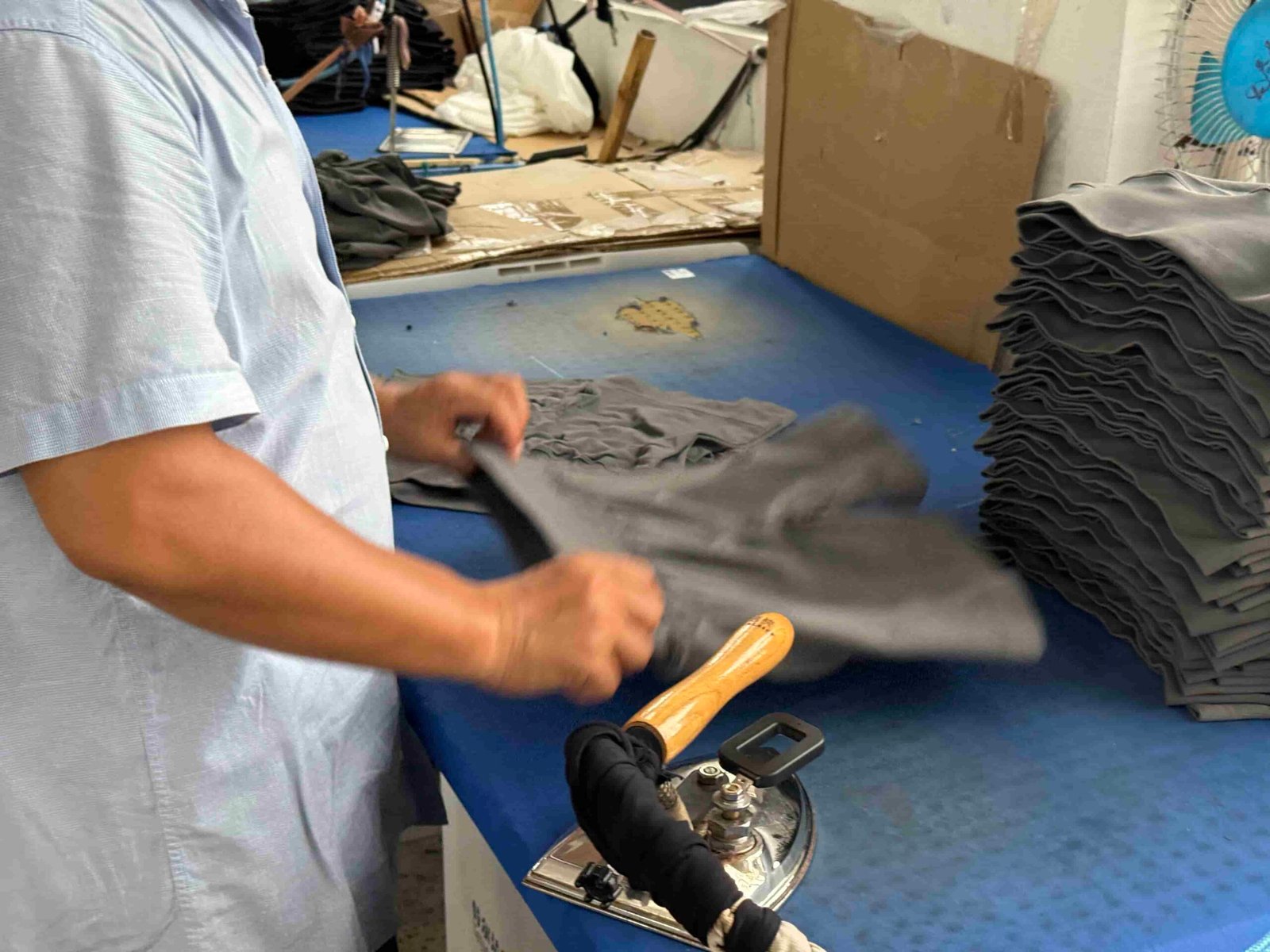
Quality Control
Five dedicated QC staff currently support development and commercial-production quality activities.
Packing and Release
Private-label requirements can include labels, barcodes, bags, packaging and carton information linked to the applicable SKU.
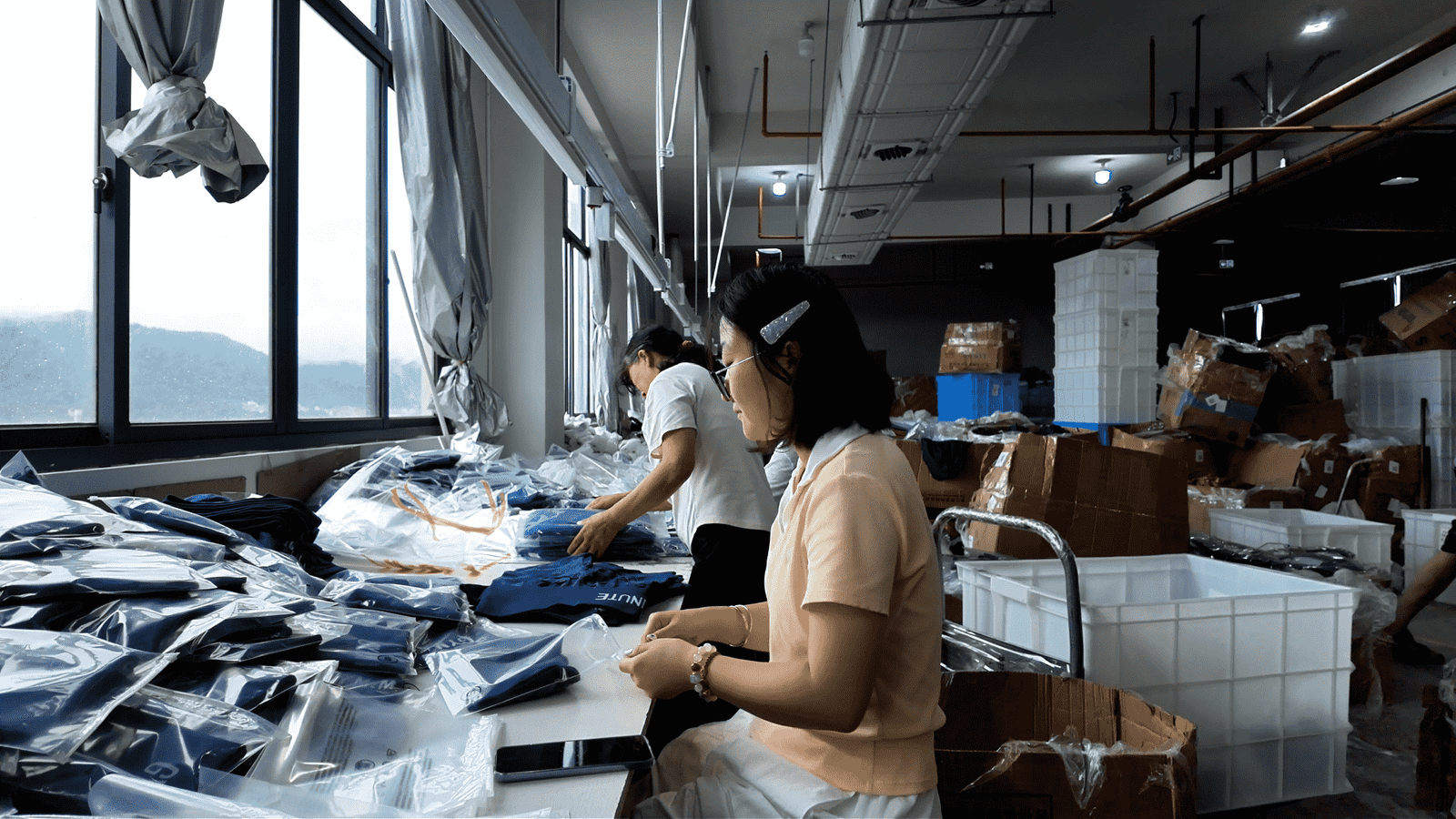
Learn more about MOVEVOX through About MOVEVOX.
PROJECT TEAM
Who Turns a Product Brief Into a Manufactured Garment?
ODM development requires several functions to translate brand direction into a technically defined and commercially repeatable product.
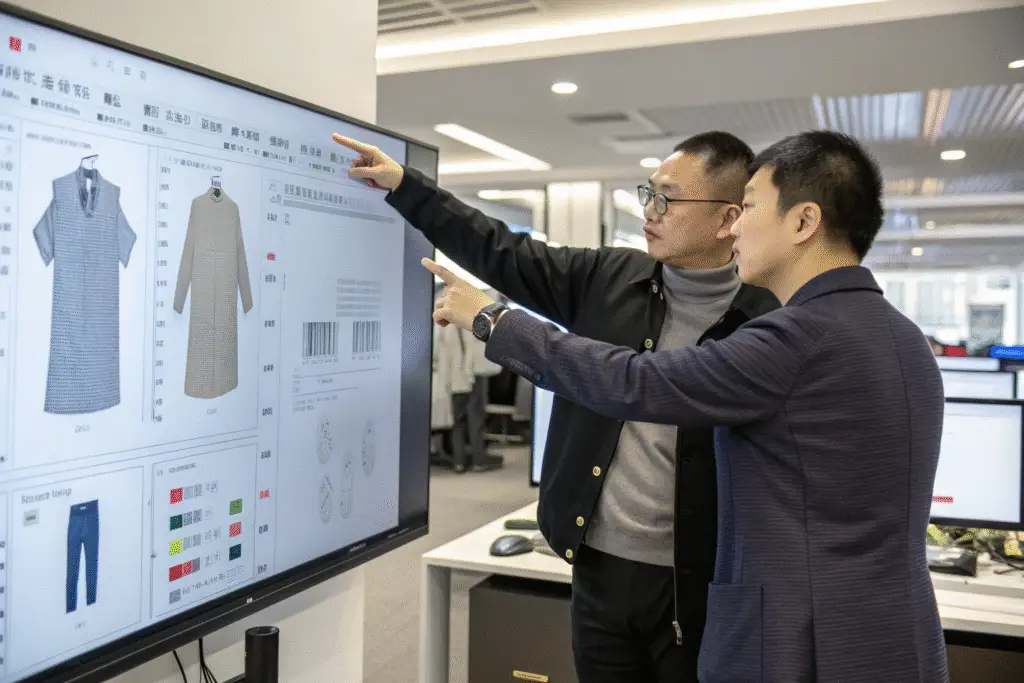
Commercial / Project Coordination
Coordinates buyer requirements, development timing, quotations, approvals and communication between the customer and manufacturing functions.
Design Interpretation
Two current design-team members support interpretation of product direction where visual or product-development clarification is required.
Pattern Development
Two current pattern-team members support Cut-and-Sew product geometry, fit revision and pattern development.
Sample / Development
Approximately four sample/development team members support physical sample creation and development execution.
Production
Seamless and Cut-and-Sew resources execute approved product requirements through the selected manufacturing route.
Quality Control
Five dedicated QC staff support inspection activities from development into commercial manufacturing.
The current development organization totals approximately eight people across design, pattern and sample/development functions. Individual assignments vary by project.
QUALITY MANAGEMENT
Protect the Approved Product Through Production Quality Control
MOVEVOX currently has five QC staff. Once an ODM product is approved, quality control should protect the developed product standard during commercial manufacturing.
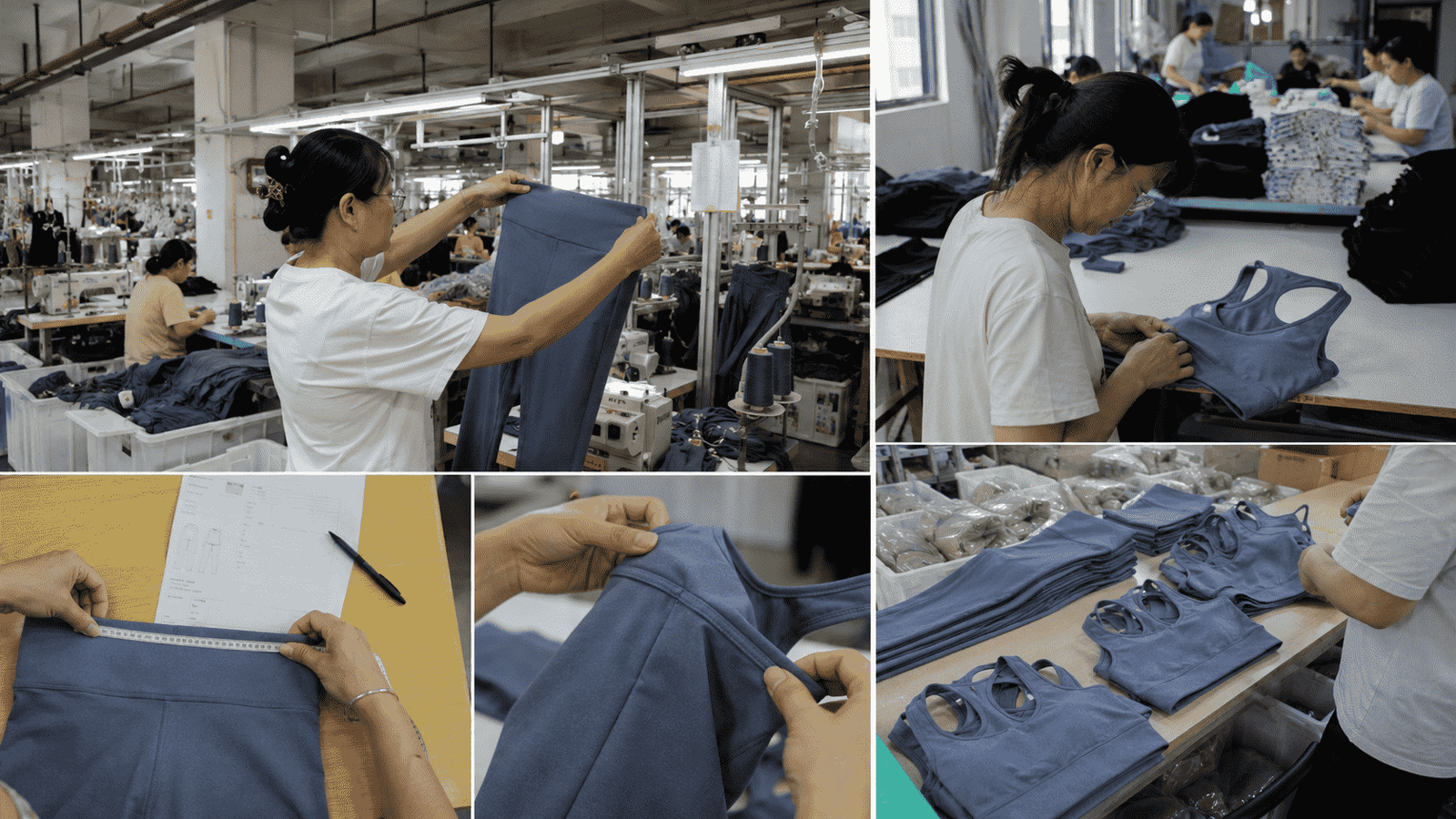
Material Check
Confirm relevant fabric, yarn, trims and visible material characteristics against the project reference.
Pre-Production Review
Align current product, material, approved sample, branding and packing requirements before bulk production.
First Article
Verify a representative garment produced using actual commercial-production inputs.
In-Line Inspection
Check measurements, construction, knitted structure and workmanship while production is active.
Measurement Control
Compare defined POMs with the applicable released measurement specification.
Finished Garment Review
Review completed products against relevant workmanship and physical references.
Branding and Packaging
Confirm logo, labels, SKU information, barcode and packaging against the correct product.
Final Release
Complete applicable checks before shipment release.
Rework / Corrective Action
Nonconforming goods may be held, sorted, corrected and re-inspected. Significant recurring issues may require root-cause review and corrective action.
See Quality & Compliance and Quality Guides.
QC EVIDENCE
See the Evidence Behind Production Quality Control
Useful QC evidence should show an actual inspection action and the applicable product requirement rather than generic factory photography.

Material Verification
Show a real fabric, yarn or trim check from an actual project.
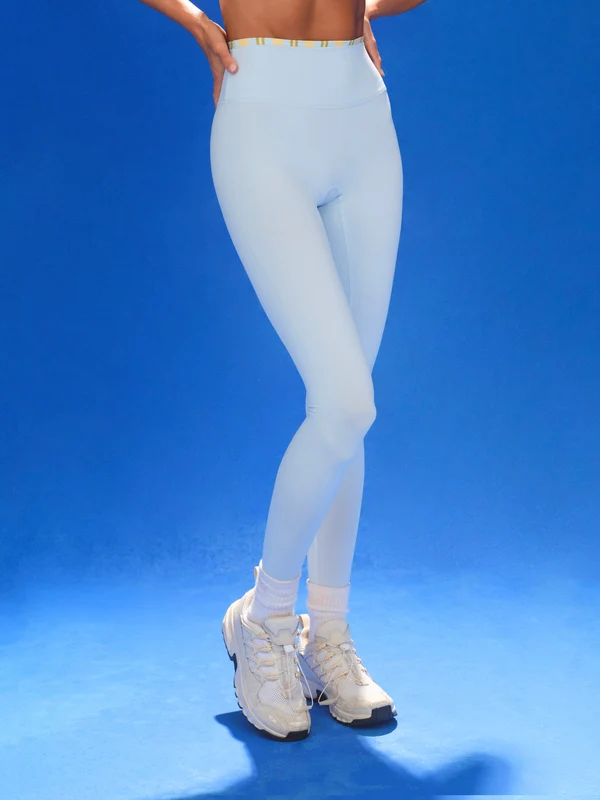
First Article Review
Show an actual representative garment and anonymized review information.
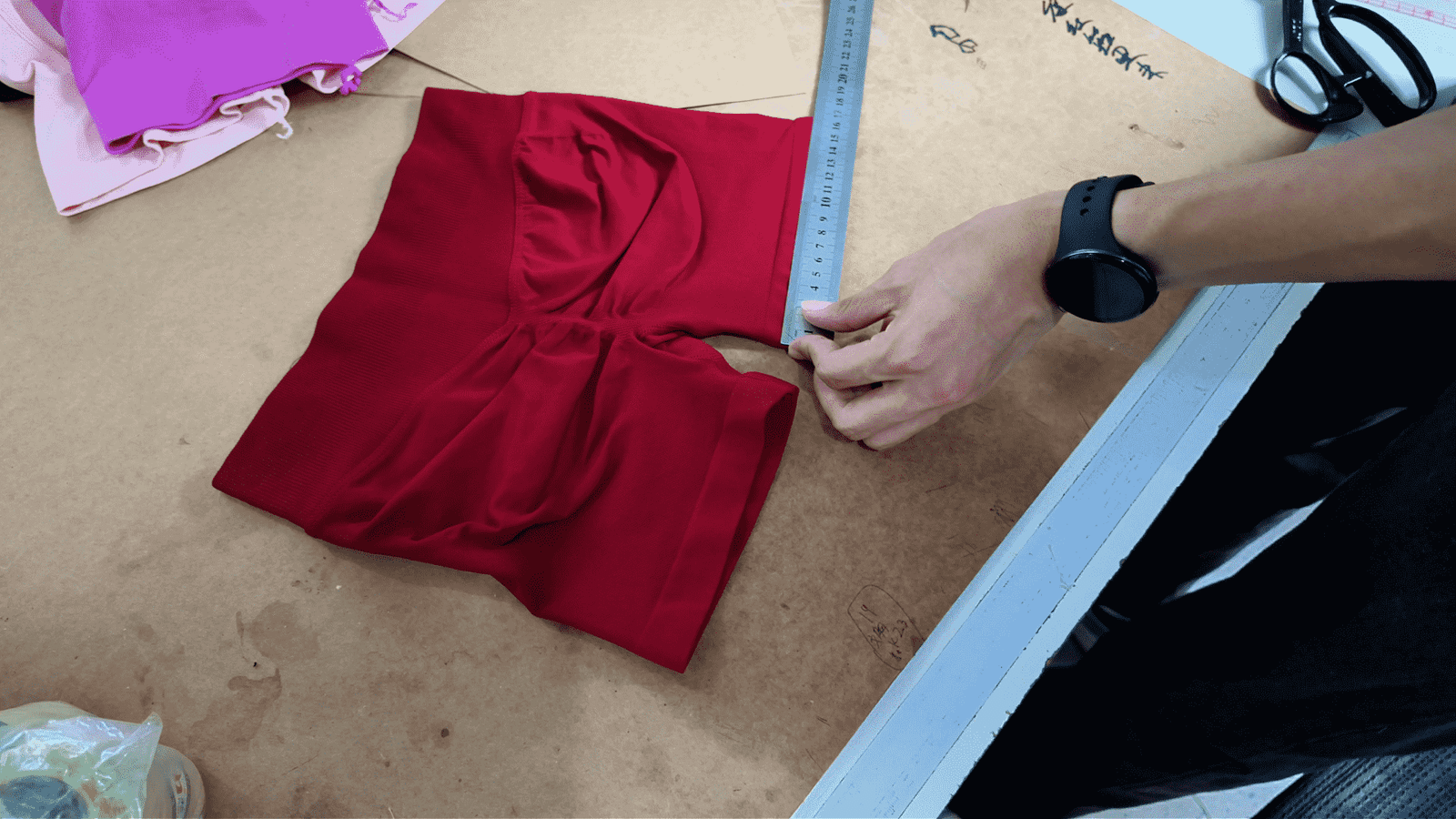
POM Measurement
Show a garment being measured at a defined point with an anonymized record.
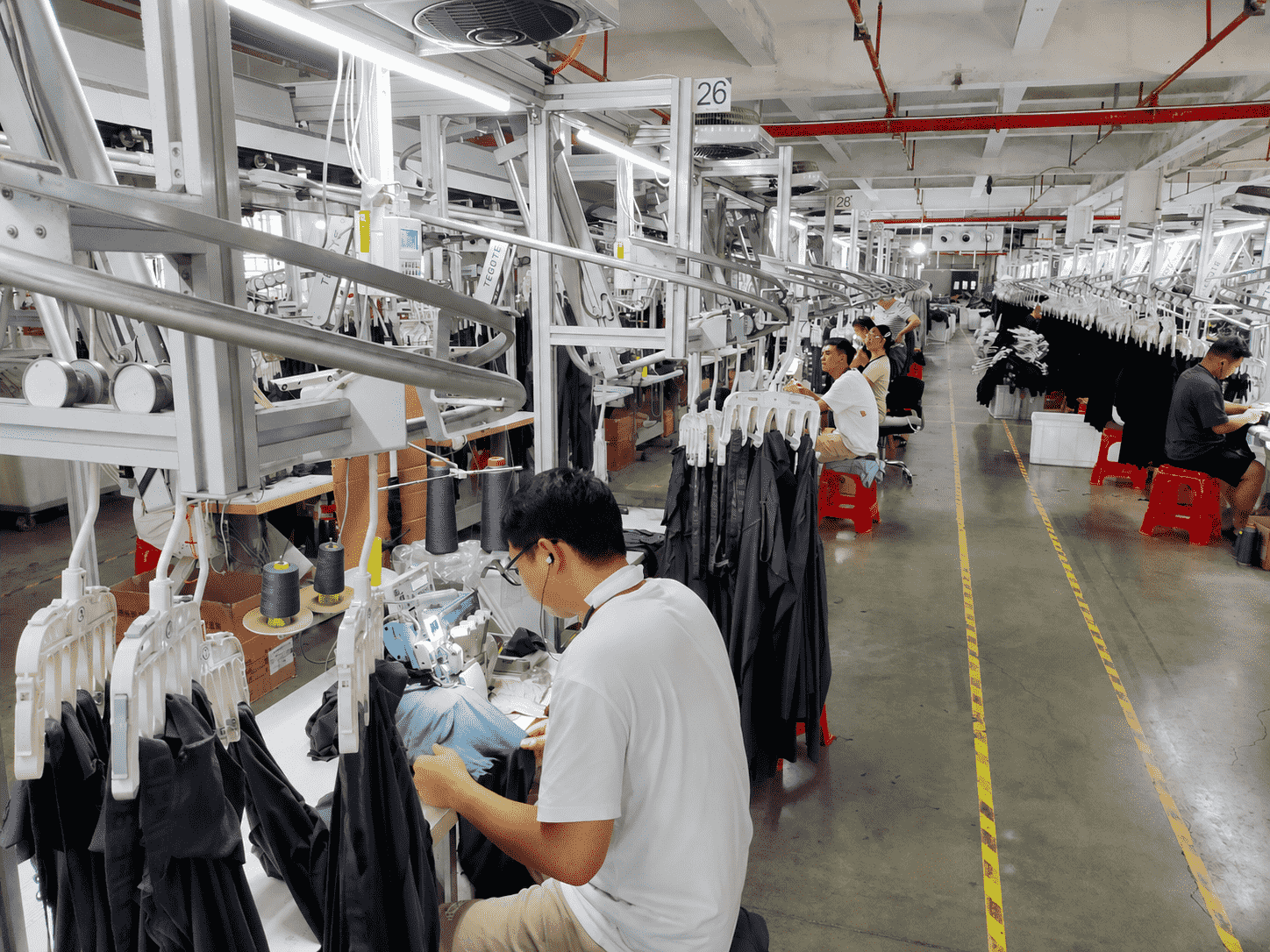
In-Line Inspection
Show QC during actual Seamless or Cut-and-Sew production.
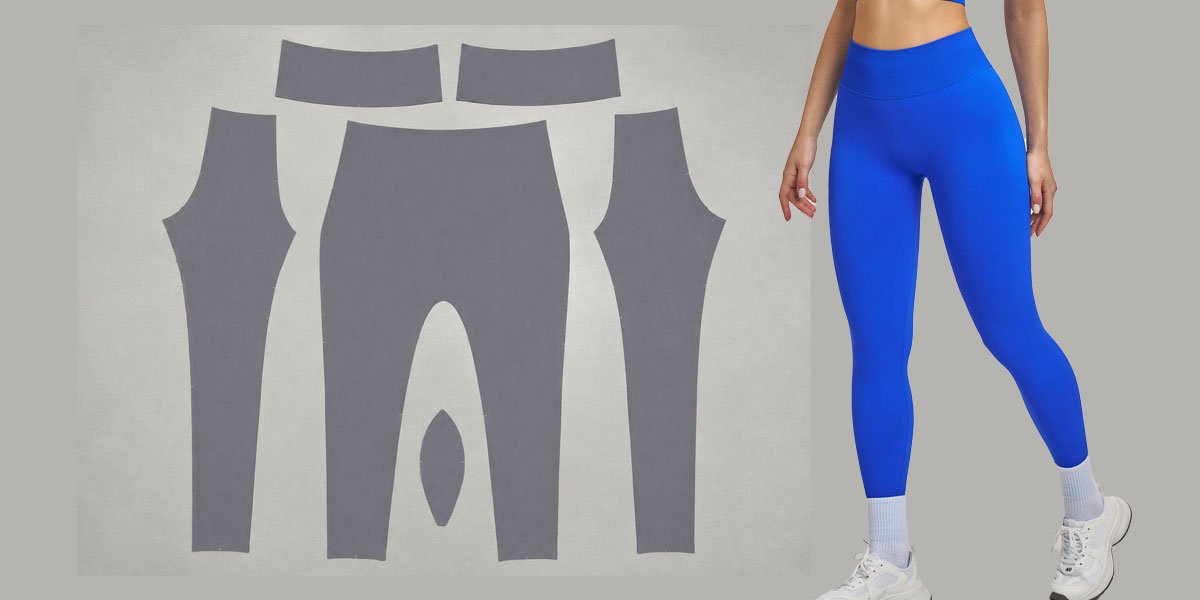
Construction Review
Show a real seam, knitted structure, waistband, pocket or other controlled workmanship detail.
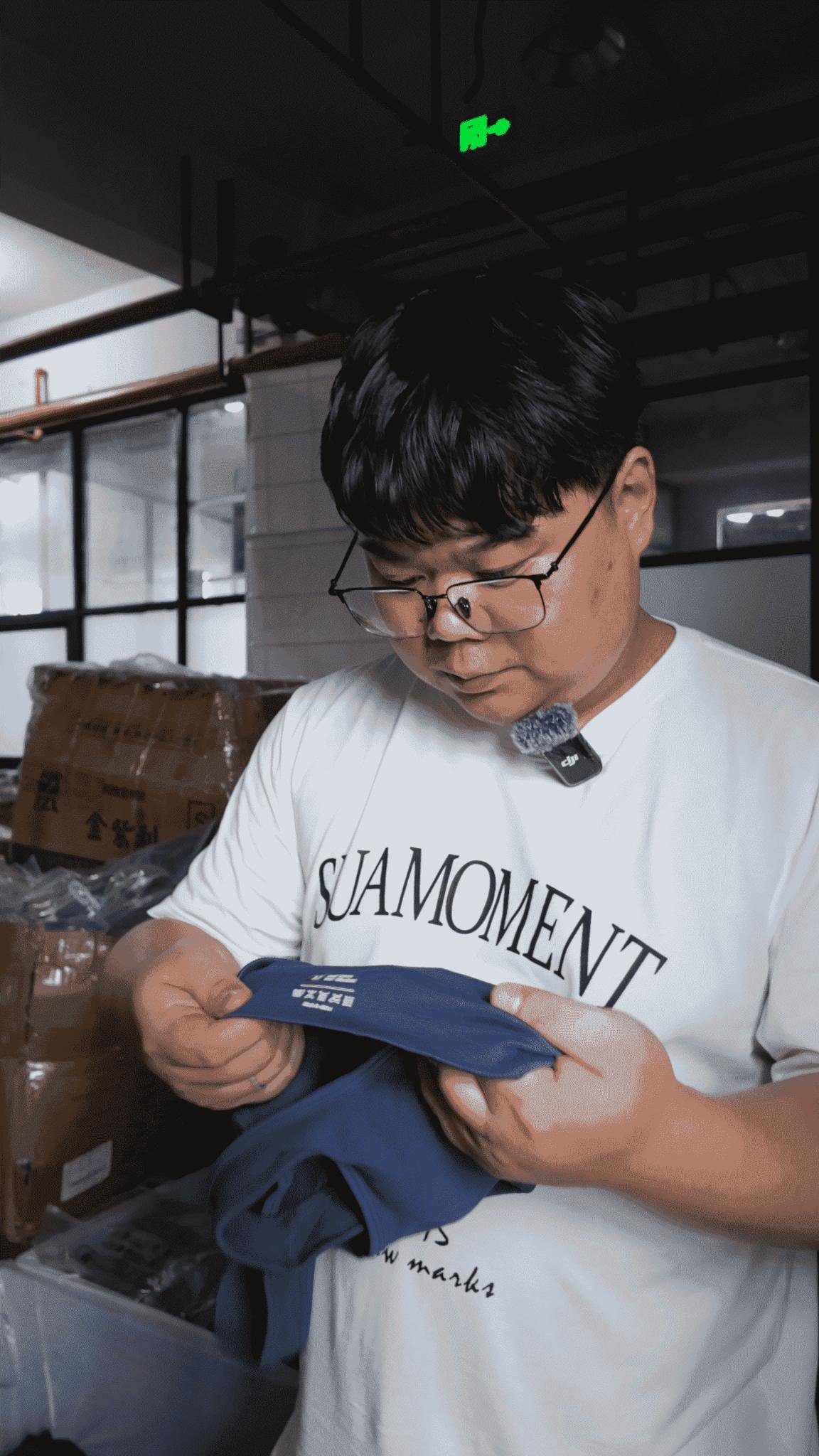
Branding Verification
Show logo or label execution being checked against approved project information.
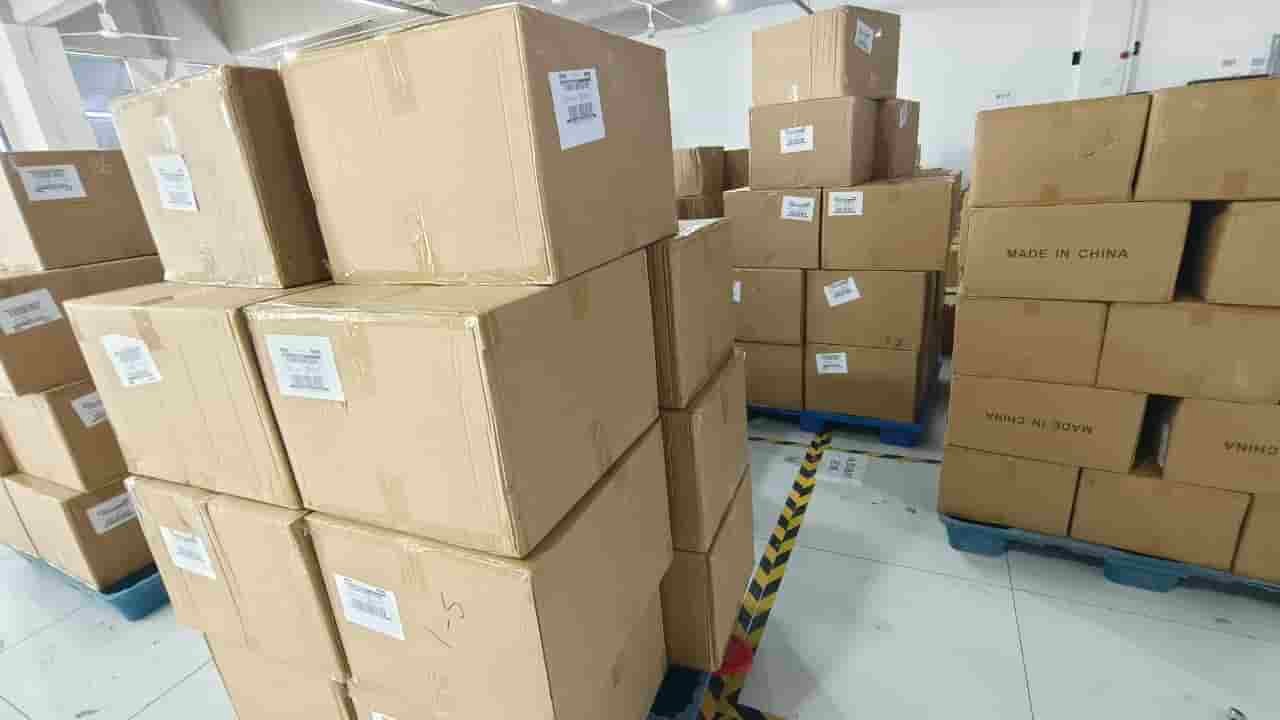
Packaging Verification
Show style, size, color, barcode or packaging information being verified.
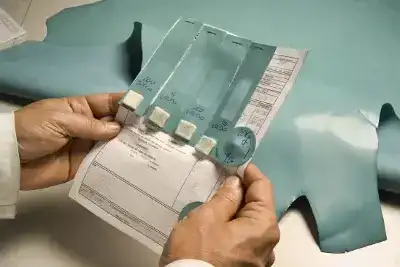
Final / Corrective Record
Show a genuine anonymized final, re-inspection or corrective-action record.
SCOPED TESTING
Read Product Testing Evidence by Its Actual Scope
A laboratory result supports only the identified sample, test items and scope. One report should not be extended to unrelated materials, products or future orders.
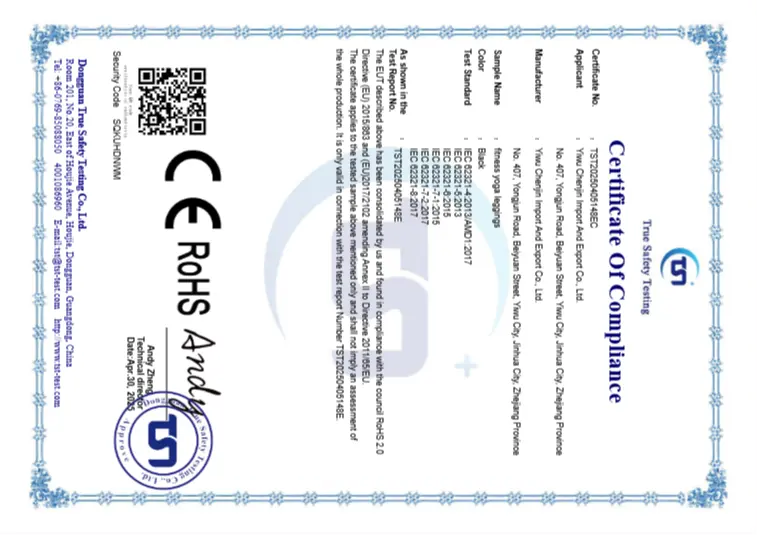
RoHS-Related Tested Sample
Report TST20250405148E, dated April 30, 2025, covers an identified black fitness yoga leggings sample submitted by Yiwu Chenjin Import And Export Co., Ltd.
The related Certificate of Compliance states that the tested sample complied with the referenced RoHS 2.0 requirements and applies only to the tested sample.
REACH Phthalate Tested Sample
Report TST20250405150E covers the same identified black fitness yoga leggings sample / fabric and records a Pass result for the requested REACH Annex XVII Entries 51 & 52 phthalate testing.
What These Documents Do Not Prove
- They do not prove every MOVEVOX product has been tested.
- They do not prove every material or color has the same result.
- They do not make the entire factory “RoHS certified”.
- They do not establish blanket REACH compliance for all products.
Buyer-Specific Testing
If an ODM customer requires additional restricted-substance, material, performance or market-specific testing, the exact product, sample, laboratory, test method and responsibility should be confirmed for that program.
FACTORY QUALIFICATION
Prepare the Yiwu Core Factory for Buyer Qualification
MOVEVOX can support buyer-defined factory review and supplier-qualification discussions. Audit body, protocol, date and reporting requirements remain customer-specific.
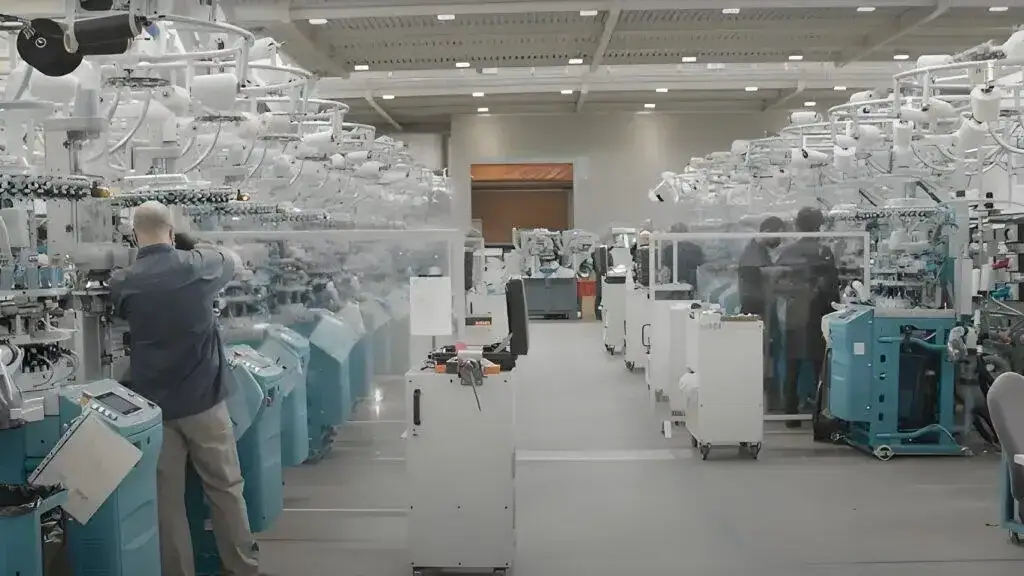
Factory Identity
97 Xiazhang Village, Fotang Town, Yiwu City, Zhejiang, China.
Development Function
A buyer review may include the actual design, pattern and sample/development functions relevant to the intended product program.
Production Equipment
Relevant Santoni Seamless and Cut-and-Sew equipment can be reviewed against the product categories being qualified.
Quality Records
Applicable material, First Article, measurement, in-line and finished-garment records may support process review where confidentiality permits.
Traceability and Production Allocation
Qualification may examine how product versions, samples, materials and production references are linked, and distinguish the role of the owned core factory from satellite capacity.
Audit status: audit readiness only. No unsupported claim is made that MOVEVOX has passed an unnamed current third-party factory audit.
SUPPLY CHAIN TRANSPARENCY
Understand Where Development and Bulk Production Take Place
MOVEVOX combines an owned Yiwu core facility with long-term satellite factories and specialized external suppliers. These roles should remain clearly differentiated.
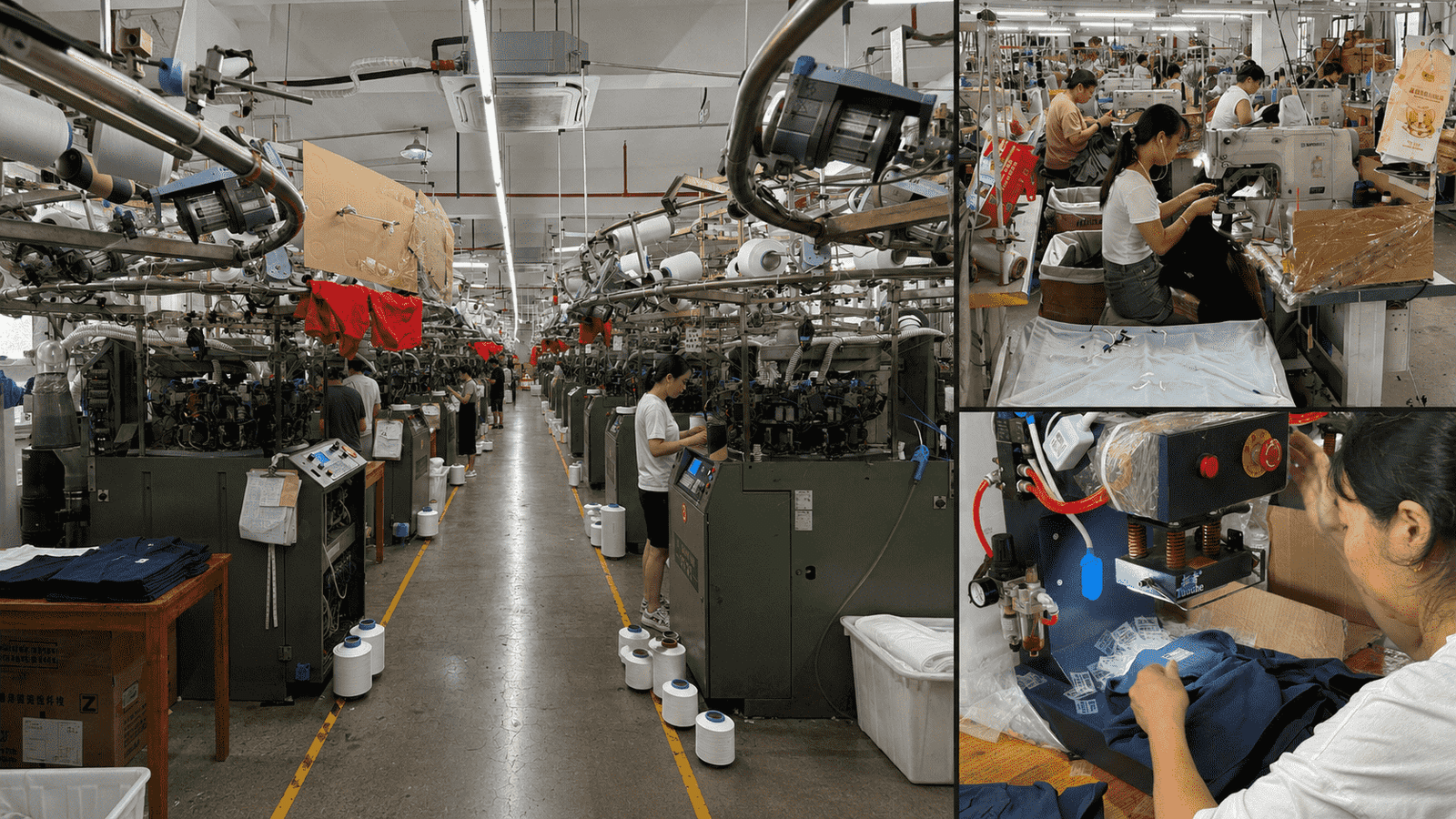
Owned Yiwu Core Factory
Technical development, sampling, core production, standard-setting and quality-control functions.
Six Yiwu Satellite Factories
Long-term satellite production resources for suitable approved bulk requirements.
Two Guangzhou Satellite Factories
Long-term Guangzhou resources providing additional capacity for relevant products and programs.
Material and Dyeing Resources
Fabric, yarn, dyeing and other upstream processes may involve external specialist suppliers.
Branding and Packaging Resources
Labels, logos, hangtags and packaging can involve specialist vendors coordinated against approved product requirements.
Buyer Site Restrictions
Where a customer restricts subcontracting or requires an approved site, those conditions should be confirmed before allocation.
MOVEVOX does not represent all satellite or upstream resources as company-owned facilities.
VENDOR EVIDENCE
Connect Supplier Claims to Evidence With Defined Scope
Supplier qualification becomes more efficient when development and manufacturing claims can be traced to specific identity, facility, equipment, team, quality or testing evidence.
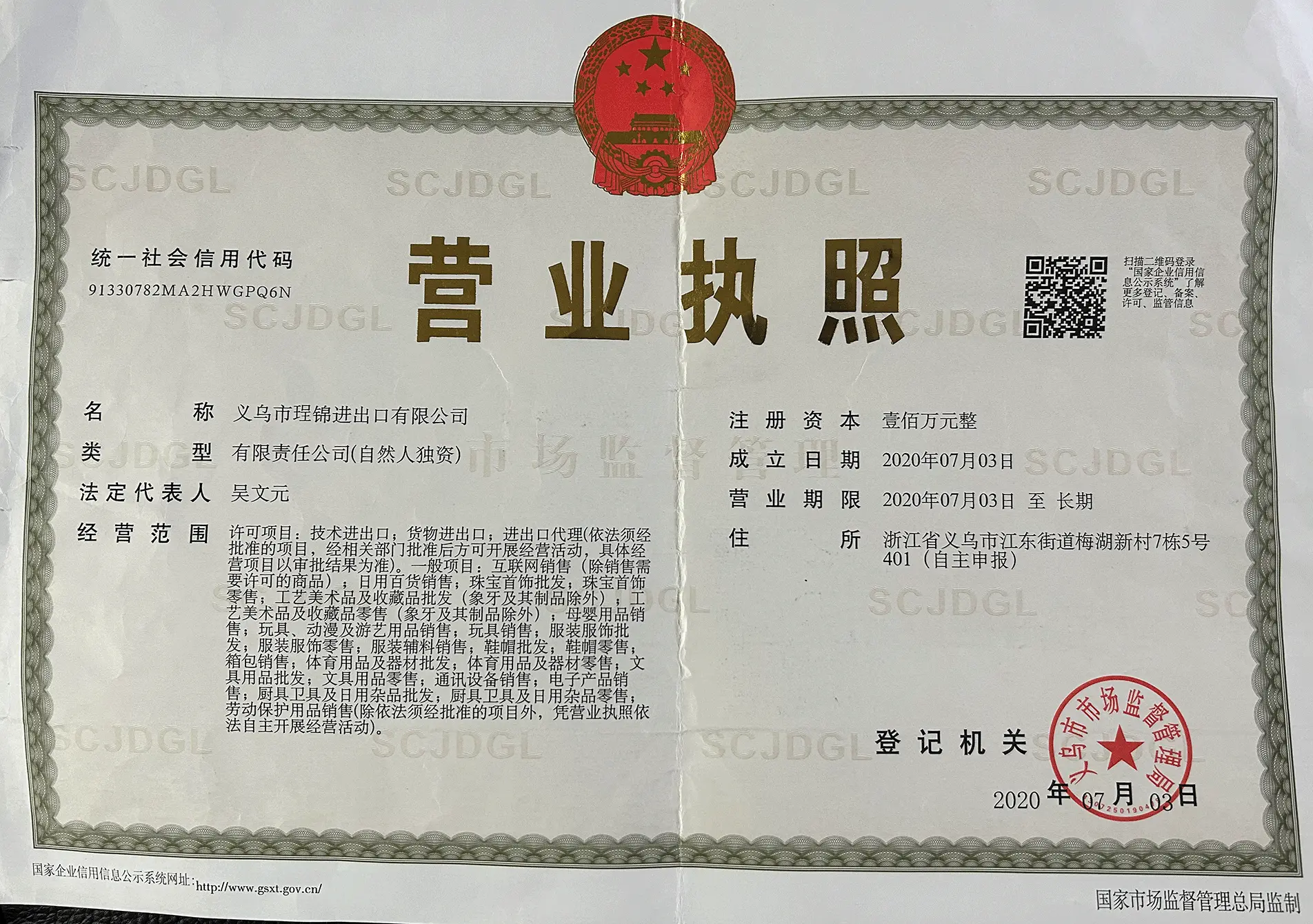
Legal Identity
Supports: the entity responsible for contracts and commercial activity.
Evidence: Yiwu Chenjin Import And Export Co., Ltd. company documentation.
Core Factory
Supports: physical manufacturing and development presence in Yiwu.
Evidence: factory address, real facility images and operating records.
Development Function
Supports: product development as an actual internal function.
Evidence: approximately eight-person design / pattern / sample-development organization.
Seamless Manufacturing
Supports: core in-house Seamless capability.
Evidence: 28 Italian Santoni machines.
Cut-and-Sew Manufacturing
Supports: pattern-based core garment manufacturing.
Evidence: approximately 24 main garment-production machines.
Quality Function
Supports: QC as a defined operating function.
Evidence: five current QC staff and genuine inspection records.
Scoped Laboratory Testing
Supports: the results stated for the identified tested sample.
Evidence: TST20250405148E, related CoC and TST20250405150E.
See About MOVEVOX for company context.