
Custom Yoga Tops Manufacturer for Established Activewear Brands
MOVEVOX supports established yoga and activewear brands developing custom tanks, cropped tops, T-shirts and long sleeves. Our seamless knitting and cut-and-sew resources provide manufacturing options for garments with different neckline, coverage, fit and material requirements. We can review how a proposed design responds to yoga poses, garment movement and skin contact before the buyer approves the technical specification and suitable production arrangements.
- Review neckline and hem requirements against intended yoga poses and transitions.
- Compare fit, material and construction choices across different yoga top silhouettes.
- Establish product-specific sample approval requirements before discussing bulk production conditions.

What Should a Qualified Yoga Tops Manufacturer Provide?
A qualified yoga tops manufacturer should help activewear brands translate silhouette, movement, coverage and comfort requirements into manufacturable garments. That includes reviewing the intended yoga practice, neckline and armhole geometry, fabric behavior, sizing, decoration and quality standards. The supplier should also distinguish development proposals from approved production specifications and confirm each style's manufacturing feasibility before making commercial commitments.
Pose-Related Fit
A garment intended for yoga may encounter repeated forward bending, torso rotation and raised-arm movement. These conditions should inform sample evaluation rather than being inferred from stationary product photographs.
Product-Specific Construction
A relaxed studio tee, fitted crop and racerback tank may require different patterns, edge finishes, materials and grading rules even when they belong to the same brand collection.
Appropriate Manufacturing Resources
MOVEVOX has documented seamless knitting and cut-and-sew resources. Their suitability should be assessed against the proposed yarn, garment structure, size range and finishing requirements.
Approved Production Reference
Before bulk manufacturing, buyers should identify the accepted sample, measurements, material specification, construction details and quality criteria applicable to each approved style.
Why It Matters
Product photographs show design direction, not repeatable manufacturing performance. A clear technical reference helps buyers compare suppliers and identify unresolved development risks.
How Yoga Poses Change Top Fit and Coverage
Yoga tops encounter changing body positions, gravity directions and fabric tension during practice. Brands should define the poses and transitions relevant to their customers, then evaluate garment coverage, neckline behavior, armhole contact and hem position using representative samples rather than static fitting alone.
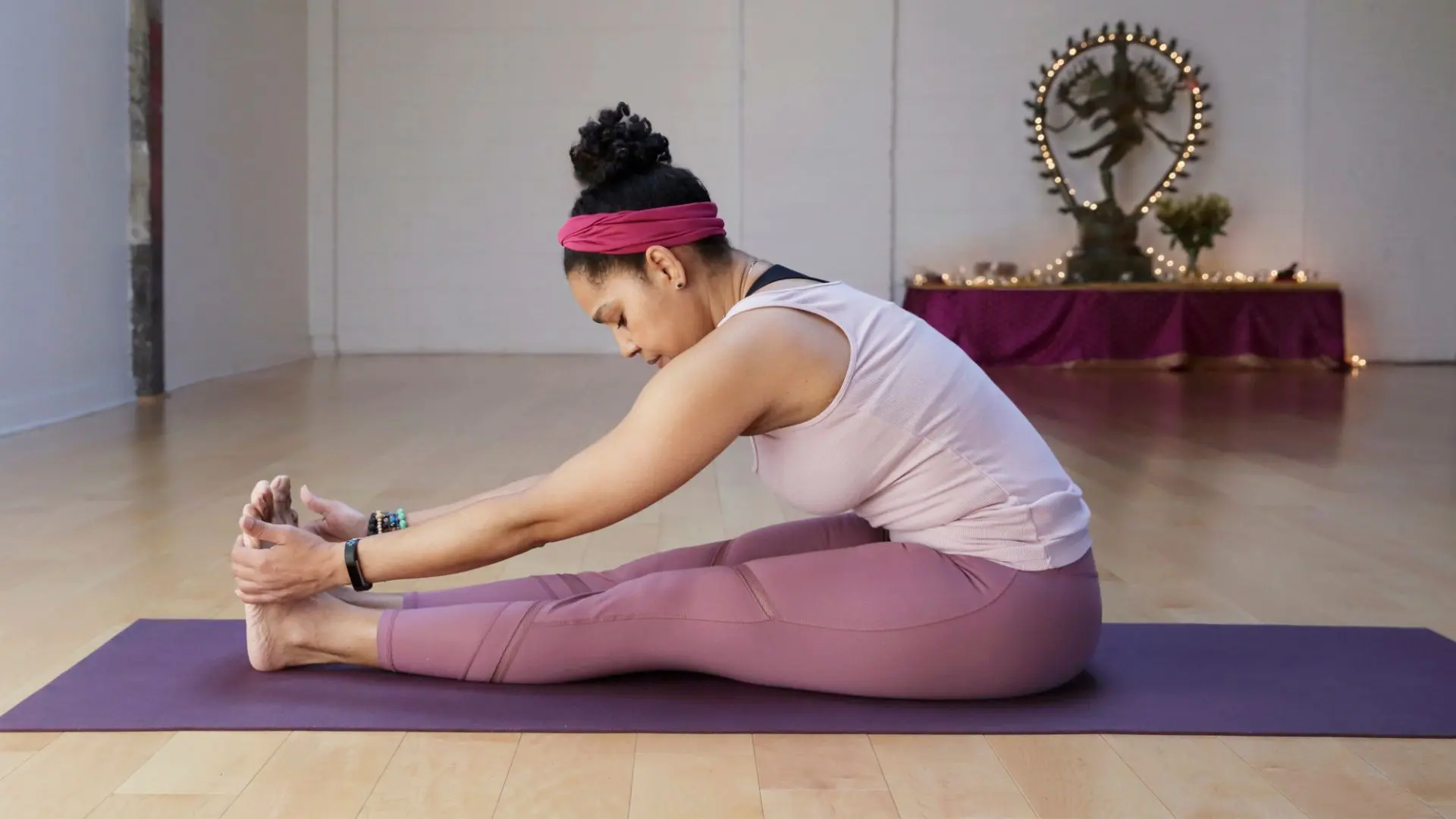
Forward Fold
When a wearer bends forward, a relaxed neckline or front panel may move away from the body. The degree of opening depends on garment dimensions, chest and shoulder proportions, material drape and the individual wearing the top. A fitted tank and loose studio tee therefore need different coverage criteria. The development review should record the intended posture, representative size and acceptable neckline behavior before deciding whether a pattern or material adjustment is necessary.
Product Requirements- Define acceptable neckline opening and front-panel coverage during forward bending.
- Review shoulder and bust proportions against the selected neckline construction.
- Compare revised samples using consistent postures and representative wearer sizes.
Related Product: High-Neck Yoga Tank

Downward-Facing Dog
During Downward-Facing Dog, gravity acts on the garment in a direction different from upright wear. A loose top may travel toward the shoulders or head, while a fitted crop may change its position around the waist. Neither extra length nor tighter fabric guarantees coverage. Buyers should evaluate garment ease, front and back lengths, hem circumference and relevant fabric extension against an agreed coverage expectation.
Product Requirements- Specify acceptable hem displacement for the intended inverted body position.
- Review body ease and front-to-back garment length before changing construction.
- Confirm coverage using the actual sample, size and intended underlayer.
Related Product: Fitted Yoga Crop
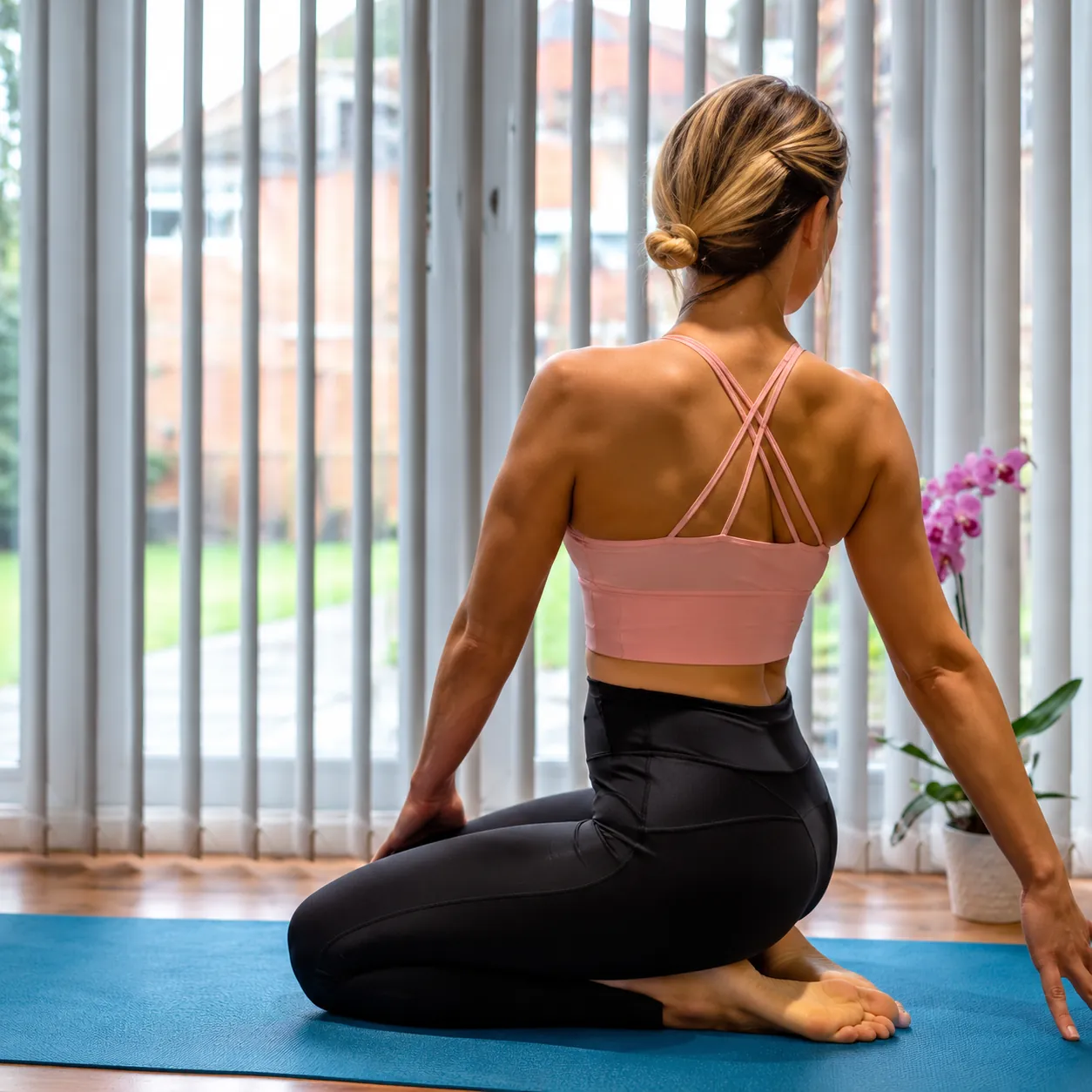
Seated Twist
A seated twist changes how garment tension travels across the chest, waist and side body. Side seams, narrow straps and shaped panels may respond differently depending on fabric stretch direction and the garment's fit. A top that remains balanced when upright can develop twisting, uneven tension or unexpected exposure during rotation. Buyers should identify these effects without assuming that a high-stretch fabric alone solves an unsuitable pattern.
Product Requirements- Evaluate side-body tension and garment rotation during the selected twist.
- Check strap, armhole and neckline positioning throughout the movement range.
- Record construction changes and repeat the assessment on revised samples.
Related Product: Stretch Yoga Tank
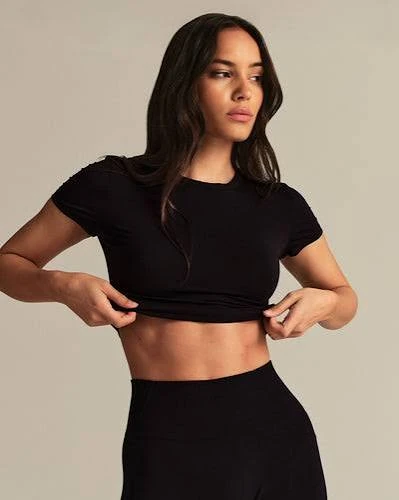
Child's Pose
In Child's Pose, the torso folds forward while parts of the garment may contact the body or mat. Shoulder seams, neckline finishes, decorative elements and fabric surface texture can become noticeable in this position. Comfort is influenced by both garment construction and wearer sensitivity. Brands should consider contact points, seam bulk, fabric hand feel and the selected posture, distinguishing wearer observations from quantified material testing.
Product Requirements- Identify seams and decoration areas contacting skin or the practice surface.
- Review fabric surface and edge finishing under the intended posture.
- Document unacceptable contact before accepting the final garment construction.
Related Product: Soft-Touch Yoga Tee
Four Fit Risks That Affect Yoga Top Approval
Fit risks can appear only after a wearer changes posture or wears the garment for an extended session. These four examples connect observable garment problems with development consequences and suitable review actions. They are engineering considerations, not documented MOVEVOX defect cases.
| Problem | Business Impact | Proposed Review |
|---|---|---|
Neckline GapingA neckline may open or shift during forward bending when garment ease, shoulder positioning and neckline construction do not match the intended coverage requirement. |
A visually approved sample may fail the brand's coverage expectations during practice, requiring further revisions, additional size checks or a different neckline structure before production approval. | Define the intended forward-bend posture and acceptable opening. Compare bust, shoulder and neckline geometry, edge tension and material recovery. Evaluate the revised physical sample under the same agreed conditions. |
Hem MigrationCropped and relaxed tops may move upward or toward the head during inversions and transitions. Garment length alone does not determine the result. |
Unexpected movement can undermine intended body coverage and produce inconsistent wearing experiences across sizes, even when finished garments satisfy stationary measurement requirements. | Assess front and back length, hem opening, fabric drape and fit ease. Record allowable movement, then compare garment behavior across relevant sizes before accepting pattern changes. |
Armhole ExposureDeep openings or narrow shoulder structures may create unintended side coverage or uncomfortable contact during twisting, reaching and mat-based positions. |
A design may meet its intended appearance but create coverage or comfort concerns for some wearers, making the approved target customer and underlayer assumptions essential. | Define the intended underlayer and coverage area. Review armhole shape, shoulder width, binding and bust ease with the wearer in relevant poses. |
Skin-Contact DiscomfortBinding, seams, labels or raised graphics may become noticeable during prolonged contact or repeated movement, particularly when the selected fabric becomes damp. |
Comfort complaints can persist despite acceptable measurements and artwork placement, creating material or construction revisions and making a simple visual inspection inadequate. | Map garment contact points against intended practice positions. Evaluate material surface, finishing and decoration with representative samples, separating subjective wear observations from formal physical tests. |
Six Construction Factors Behind Yoga Top Neckline Fit
Neckline coverage is influenced by several connected garment dimensions and material characteristics. Buyers should review the neckline together with shoulder placement, bust ease, armhole geometry and edge finishing. A construction that works for one silhouette may require adjustment for another.
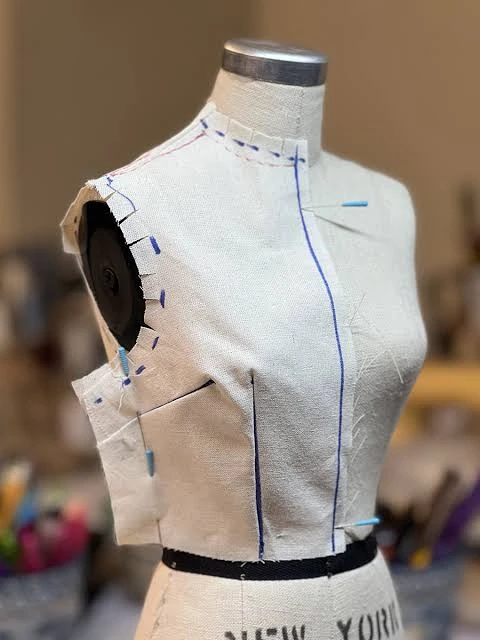
Front Neckline
Neck opening depth and width influence coverage when the torso changes angle. Review the intended shape alongside chest fit, garment drape and the target wearer's proportions.
Shoulder Placement
Shoulder position and strap width affect how the garment hangs during movement. Narrow designs require particular attention to fit, coverage and the selected fabric's behavior.
Bust Ease
Bust circumference and local garment ease influence tension around the front neckline. Tightness alone does not establish stability, and excessive ease can alter drape during forward bending.
Armhole Geometry
Armhole depth, side coverage and edge finishing can interact with neckline positioning. Evaluate these details together when approving tanks with wide or narrow shoulder constructions.
Neck Binding
A binding or neckband must be compatible with the main material's extension and recovery. Excessive or insufficient edge tension can change the intended opening after wear or laundering.
Back Neckline
Back-neck shape and shoulder construction help determine overall garment balance. Review the accepted front and back geometry rather than adjusting the front opening in isolation.
Overall Design Logic
A yoga top neckline should be approved as part of a complete garment system. The proposed review can compare the intended neckline, shoulder and bust measurements with physical movement and coverage observations. MOVEVOX's documented tank-top development scope and cut-and-sew resources provide a basis for discussing suitable structures, while acceptable stability must be confirmed on the actual sample and relevant sizes.
Compare Yoga Top Lengths Against Pose Coverage Requirements
Cropped, regular and extended tops establish different coverage relationships during yoga practice. Each silhouette should be evaluated using intended wearer dimensions, relevant poses and selected materials. A garment that appears balanced when upright may behave differently during forward bends and transitions.
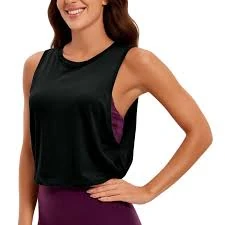
Fitted Yoga Crop
A fitted crop creates close body contact around the chest and upper torso while leaving a shorter lower edge. Brands should define the intended coverage and relevant underlayer, then review neckline position, hem movement and fabric recovery during selected poses. The preferred dimensions depend on wearer proportions and material behavior rather than a universal cropped length.
Key Specifications: Bust Ease · Crop Length · Hem Opening · Recovery
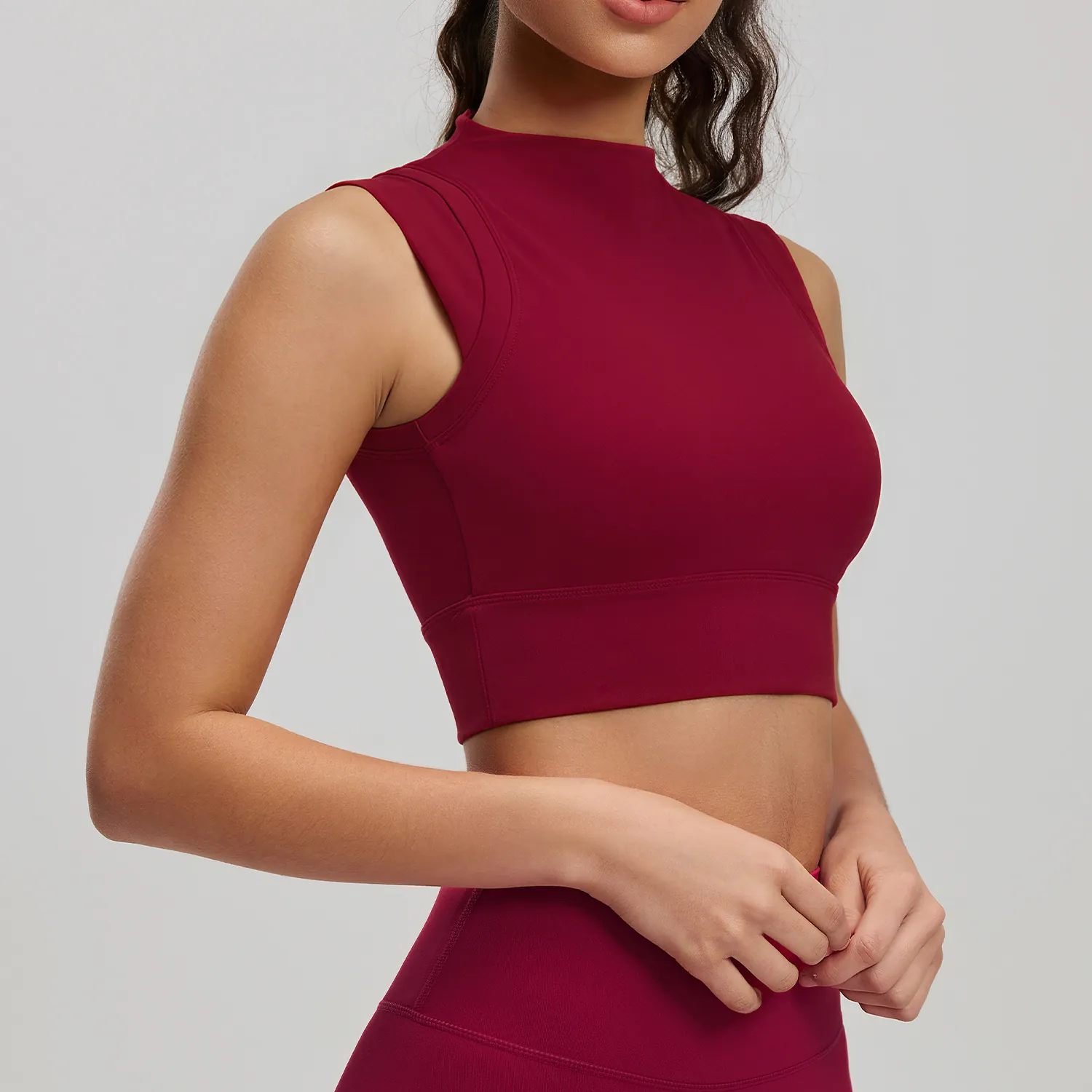
Relaxed Yoga Crop
A relaxed crop allows more garment drape but may move differently under gravity during forward folds or inversions. Its front and back length, shoulder dimensions and hem circumference should be reviewed as a complete silhouette. Buyers should determine whether the design is intended for layered studio wear or standalone coverage before approving the pattern.
Key Specifications: Body Ease · Drape · Neck Opening · Coverage
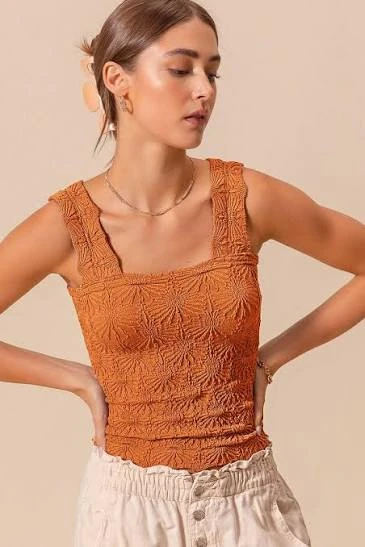
Regular Yoga Top
A regular-length yoga top may suit a variety of studio practices and layering requirements, but its apparent versatility does not remove the need for defined fit standards. Review shoulder balance, body length, hem position and neckline behavior under relevant movements. Different sleeve and tank versions should retain separate technical references where construction differs.
Key Specifications: Body Length · Shoulder Fit · Neckline · Hem
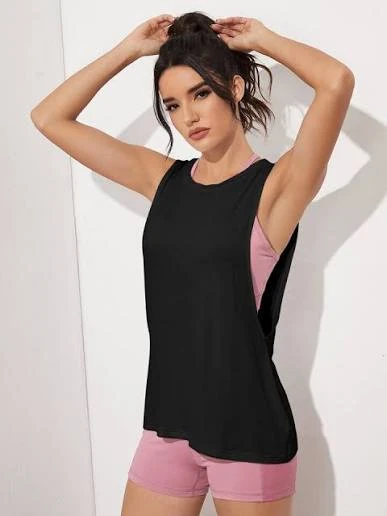
Extended Studio Layer
An extended top can provide additional length for a particular silhouette or layering program. However, loose fabric may travel during inversions and may contact the mat or body differently from a close-fitting design. Evaluate fabric weight, garment drape, hem opening and compatibility with the intended underlayer before accepting its proportions.
Key Specifications: Extended Length · Layering · Drape · Hem Width
Style 1 of 4
What Creates Next-to-Skin Comfort in Yoga Tops?
A soft fabric swatch does not establish complete garment comfort. Surface texture, yarn properties, knit construction, edge finishing and inner-layer arrangements can influence how a yoga top feels during different poses. Buyers should evaluate both the material and its application within the finished garment.
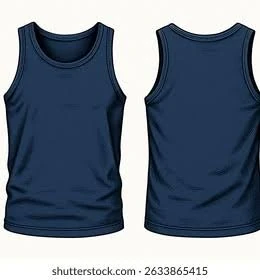
How Buyers Should Review Comfort
Next-to-skin comfort should be reviewed at garment level, not judged from fibre content alone. A yoga top may feel different once neckline finishing, armhole construction, support layers and body movement are introduced.
For a more reliable decision, compare identifiable materials, actual garment construction and the intended wearing scenario. The evaluation should distinguish measurable textile properties from wearer preference and contact-related observations.
Fibre and Yarn
Fibre selection and yarn structure influence potential material properties, but composition alone does not establish softness, cooling or moisture performance. Review actual yarn specifications and finished fabric samples.
Fabric Surface
Brushed, smooth and ribbed surfaces may create different contact sensations and appearance changes after care. Surface evaluation should include the garment's intended stretch and wearing conditions.
Knit Structure
Jersey, interlock and engineered knitted constructions can behave differently under extension. Assess structure, weight, drape and recovery using identifiable materials rather than relying on generic textile categories.
Neck Binding
The neckline finish introduces its own fabric, tension and edge profile. Review local stretch and skin contact, particularly where the garment shifts during forward bending or prolonged practice.
Underarm Joining
Armhole finishing and underarm seams may contact skin repeatedly during transitions. Evaluate seam location, bulk, surface smoothness and extension together with the chosen garment pattern.
Inner Layer
A built-in inner layer can change pressure, movement and drying characteristics. Its material, attachment and intended support function require separate approval from the outer garment's appearance.
Label Contact
Neck labels, side-care labels and decorative components can introduce local stiffness or friction. Confirm their location and attachment method against garment fit and care requirements.
Overall Performance Explanation
Comfort arises from the interaction of material structure, garment fit, contact points and wearer conditions. Laboratory properties such as extension or dimensional change can support selection, but they do not prove universal wearer comfort. A proposed development review should therefore use identifiable fabrics, physical garments and clearly defined observations. MOVEVOX can assess suitable materials and constructions within its documented manufacturing resources, while any product-specific comfort claim requires corresponding evidence.
Examine Critical Seam Details in Yoga Top Construction
Yoga tops combine repeated garment movement with direct skin contact. Stitch construction and edge finishing should be selected for the actual material and design, not by technique name alone. These six locations deserve particular attention during sample review and workmanship approval.
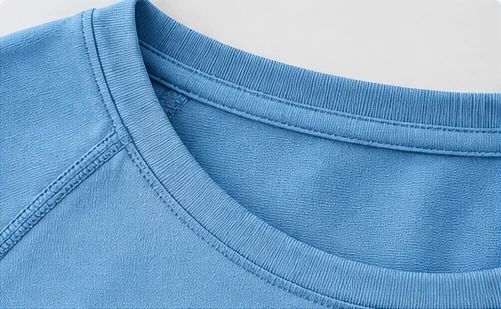
Neckline Binding
Binding finishes an exposed neckline and influences its edge profile, extension and appearance. The binding material and attachment conditions should be compatible with the main fabric. Buyers should review opening dimensions, tension balance and appearance after intended care, particularly where forward-bend coverage is important.
Applicable Area: Front and back neck openings on compatible yoga tanks, crops and tees.
Comfort / Strength: Review edge contact, extension, visible distortion and recovery against approved sample requirements.
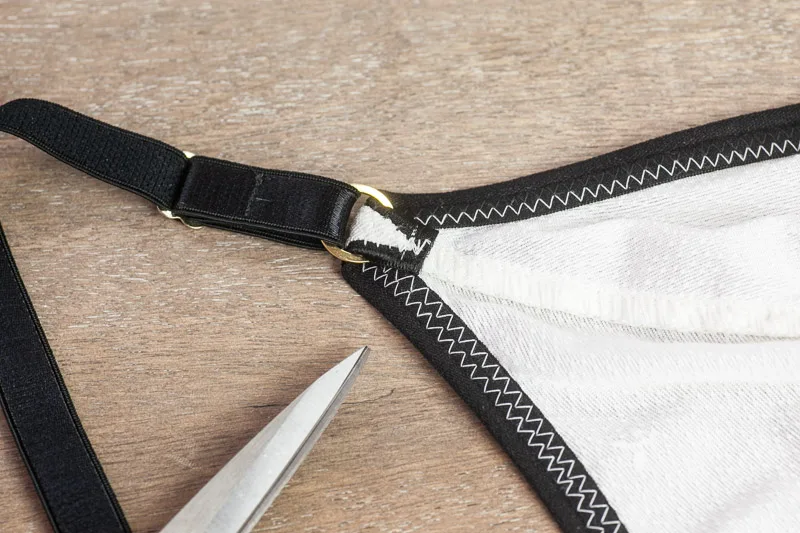
Strap Attachment
Where a strap joins another component, its width, placement and joining method can influence garment balance. The construction should be evaluated under intended movement and laundering conditions. Narrower straps and designs with separate inner layers may require additional checks for attachment integrity and local discomfort.
Applicable Area: Cut-and-sew tanks, compatible racerback structures and selected built-in bra tops.
Comfort / Strength: Assess attachment workmanship, local seam bulk and garment positioning during representative poses.
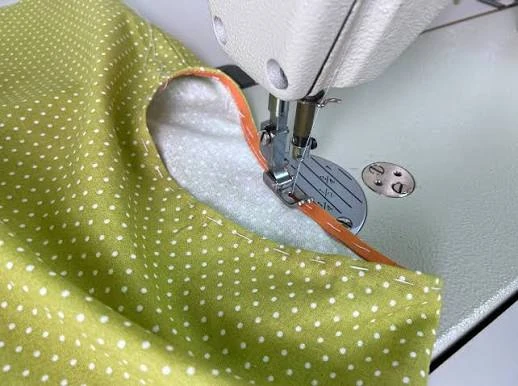
Armhole Finishing
Armhole edges may use binding, turned finishes or compatible alternative constructions. Opening geometry affects both coverage and contact, while edge elasticity can influence how the garment follows shoulder movement. Buyers should compare finishing options on the actual fabric rather than treating all tank armholes as equivalent.
Applicable Area: Sleeveless yoga tops with exposed openings and defined side-coverage requirements.
Comfort / Strength: Examine edge smoothness, stretch compatibility and unacceptable rubbing during movement.
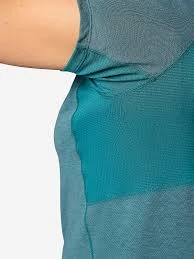
Underarm Joining
Underarm seams can combine fabric extension, repeated motion and direct skin contact. Seam location, stitch type and assembly bulk should reflect the selected silhouette and textile structure. A visually neat seam does not automatically meet the accepted comfort or durability requirements of the finished garment.
Applicable Area: Training-style tees, yoga long sleeves and appropriate panelled yoga tanks.
Comfort / Strength: Review contact, seam integrity and garment extension under agreed conditions.
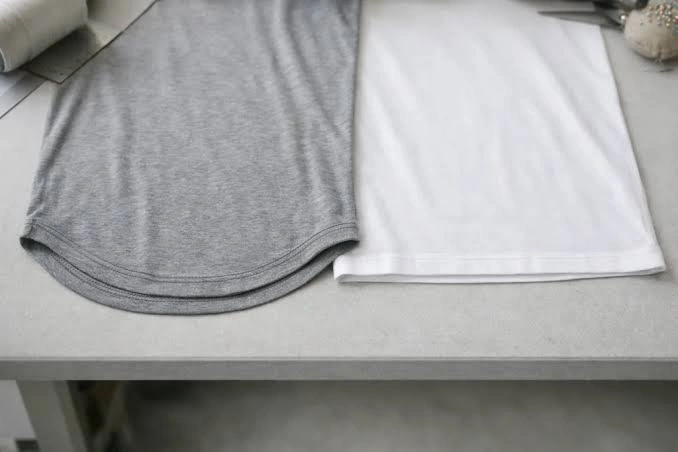
Lower Hem Finish
A hem may use coverstitching, binding or another suitable construction. The finishing method influences appearance, local extension and dimensional consistency but cannot independently guarantee coverage during inversions. It should be assessed together with the garment length, opening circumference, material behavior and approved pattern.
Applicable Area: Cropped, regular-length and extended yoga tops requiring compatible lower-edge finishing.
Comfort / Strength: Check hem twisting, stitch integrity and movement-related garment displacement after care.
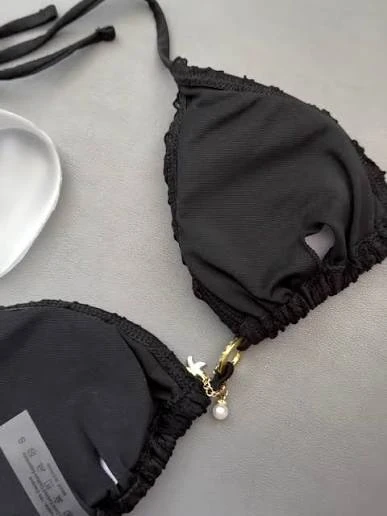
Inner-Layer Connection
A built-in layer introduces additional fabric, seams and attachment points. The joining arrangement can influence movement, contact, cup positioning and drying behavior. Buyers should distinguish requirements for the outer top from any intended support function of the inner structure and approve both appropriately.
Applicable Area: Yoga tanks with separate lining, shelf structures or compatible padding arrangements.
Comfort / Strength: Assess attachment stability, inner-layer positioning and wearer contact without assuming measured support.
Review Yoga Top Fit Across Different Body Shapes
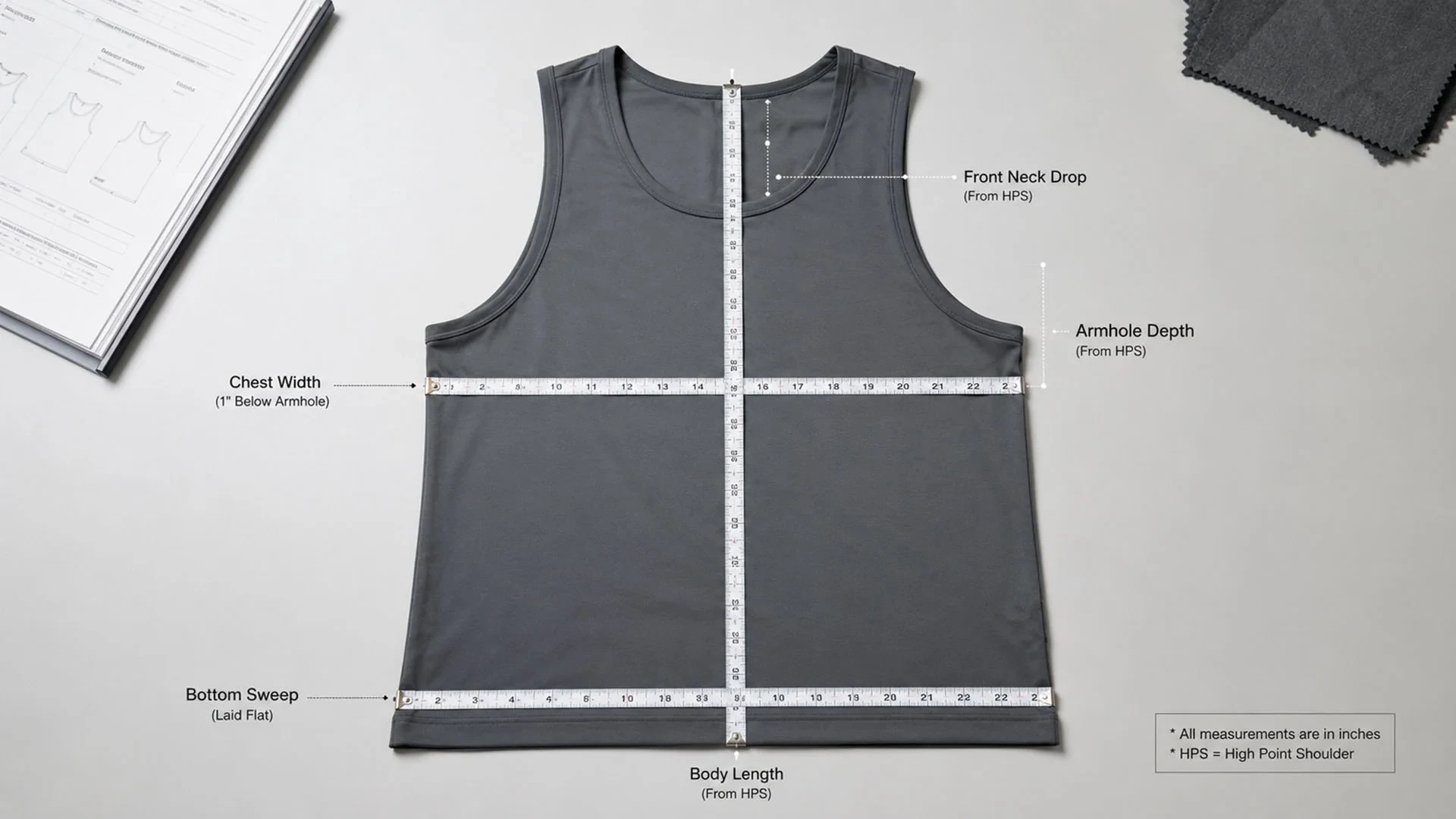
A base-size approval does not establish that neckline coverage, armhole proportions and hem behavior are acceptable throughout the size range. Yoga top development should use defined measurement points and representative fit observations, especially where bust and shoulder proportions or garment lengths change across sizes.
Illustrative Size-Set Review Matrix
This matrix defines proposed review priorities rather than a MOVEVOX measurement database. All actual measurements, tolerances and acceptance decisions must come from the buyer-approved style specification.
| Size | Bust / Shoulder Review | Neckline / Armhole Review | Hem / Length Review | Approval Reference |
|---|---|---|---|---|
| XS | Confirm actual bust and shoulder POMs | Review opening and edge placement | Review crop or regular-length coverage | XS sample decision pending |
| S | Compare specified ease with wearer proportions | Review neckline and strap balance | Assess movement-related hem position | S sample decision pending |
| M | Establish agreed base-size reference if applicable | Record opening and armhole criteria | Record approved length and fit | Base sample subject to approval |
| L | Review grade changes in bust and shoulder | Check neckline and side coverage | Confirm length and hem fit | L sample decision pending |
| XL | Evaluate bust-to-shoulder grading suitability | Review opening stability and armhole contact | Check coverage at relevant poses | XL sample decision pending |
| XXL | Verify larger-size pattern and construction feasibility | Assess neckline, straps and side-body fit | Confirm accepted coverage conditions | XXL sample decision pending |
Unit Options: cm / in
Grading and Tolerance Review
A measurement chart should define the garment condition, points of measure, units, permitted tolerances and relevant approved sample. Grading must reflect the specific yoga top silhouette. A high-neck tank, relaxed tee and fitted crop can require different bust, shoulder and length relationships. Physical fit checks should identify sizes where coverage or garment movement may change materially. Seamless styles may also require confirmation of knitting-machine and size-program feasibility.
Three Approval Notes
- Measurement Method: Define where and how each POM is measured before comparing different samples or production batches.
- Style Independence: Maintain distinct fit and measurement references for tanks, crops, tees and long sleeves.
- Representative Sizes: Select fit samples according to project risk rather than assuming one approved base size covers all wearers.
Compare Yoga Top Fabrics by Drape and Recovery
Fabric selection should follow the yoga top's intended fit, coverage and contact conditions. Composition or fabric weight alone cannot establish comfort or performance. This table outlines decision factors for different knitted structures and identifies where physical samples or documented tests are needed.
Material Evaluation Matrix
| Parameter | Smooth Jersey | Interlock | Stretch Rib | Brushed Knit | Engineered Seamless |
|---|---|---|---|---|---|
| Composition | Specify actual blend | Confirm yarn specification | |||
| GSM | Buyer-defined | Structure-dependent | |||
| Stretch | Test relevant direction | Test relevant direction | Rib-direction review | Test after finishing | Program and yarn-dependent |
| Recovery | Test required | ||||
| Drape | Garment evaluation | Garment evaluation | Fit-dependent | Garment evaluation | Knit-zone dependent |
| Hand Feel | Review finished surface | Review finished surface | Review rib contact | Review brushed surface | Review knitted surface |
| Opacity | Color and fit-dependent | Color and fit-dependent | Extension-dependent | Color and fit-dependent | Zone and extension-dependent |
| Pilling | Evaluate as required | ||||
| Care Stability | Verify dimensions | Verify surface and dimensions | Verify post-finish dimensions | ||
| Best Review Use | Relaxed tee | Structured top | Fitted tank or crop | Soft-touch studio layer | Compatible seamless design |
Material Selection Guidance
A soft-touch fabric is not necessarily the best choice for every silhouette. Relaxed designs may prioritize drape and coverage, while close-fitting crops may require closer attention to extension and recovery. Brushed surfaces should be reviewed for changes after laundering, and rib structures should be evaluated under the garment's intended stretch. Engineered seamless options additionally depend on compatible yarn and knitting configurations. Buyers should compare identifiable material swatches with finished garments and define testing requirements before approving a fabric across several SKUs.
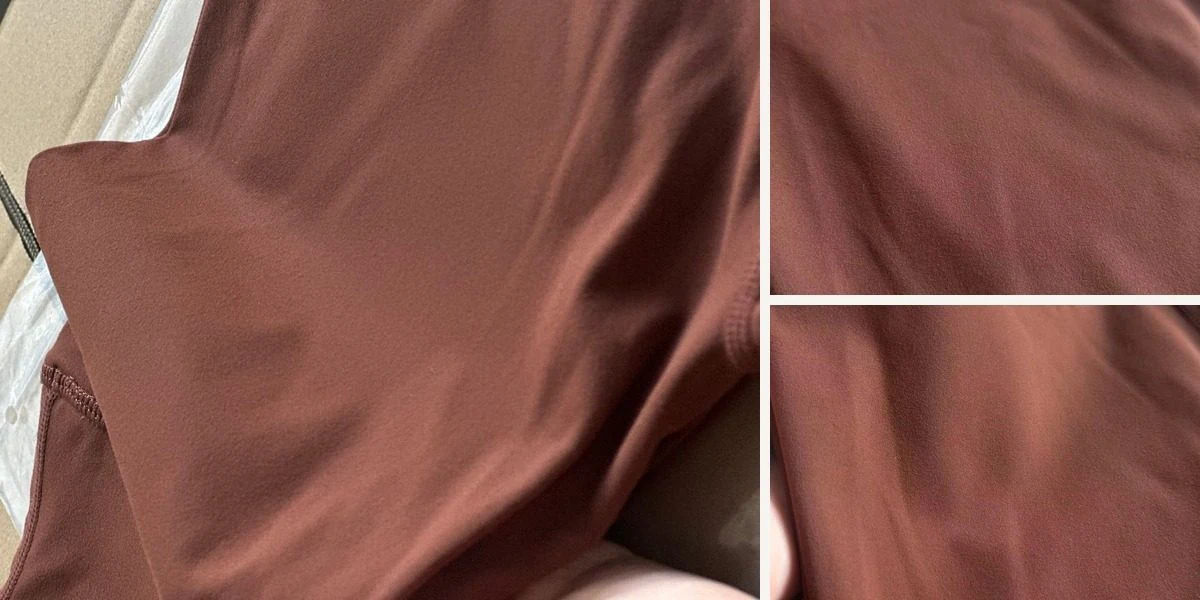
Review Engineered Knit Zones in Seamless Yoga Tops
Seamless knitting can create compatible structures within a knitted garment body, but it does not eliminate every joining or finishing operation. Buyers should assess each proposed zone against the yarn, machine configuration, size range and required garment behavior before treating the design as production-ready.
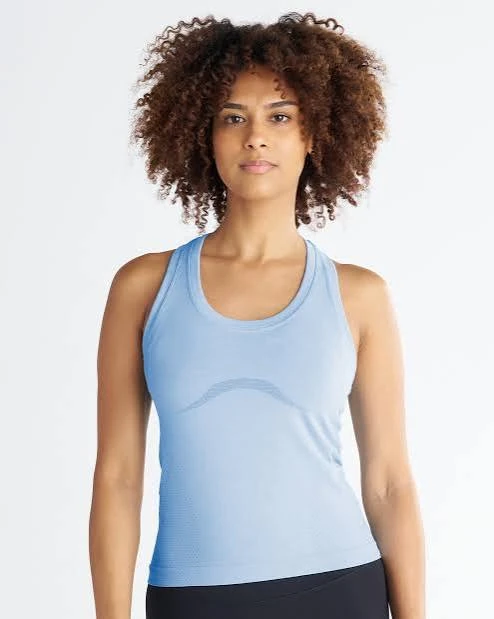
Upper Front Zone
The upper front structure influences fabric extension and how the garment follows chest movement. Zone placement should reflect the approved neckline, bust proportions and intended fit requirements.
Upper Back Zone
Back knitting patterns may create different textures or extension characteristics. Their suitability depends on yarn properties, actual program design, garment dimensions and relevant wearer movements.
Side Body Zone
Side-body structures can change local extension and garment appearance. Buyers should evaluate how proposed rib or texture areas interact with overall fit rather than assuming they improve stability.
Underarm Zone
The underarm area may require a compatible knitted structure or subsequent assembly. Review material extension, local contact, finishing and garment clearance under intended movements.
Lower Body Zone
Lower-body structure influences the appearance and extension of the garment near the hem. Programmed ribbing or other details should be assessed for compatibility and actual fit behavior.
Neck Opening
A seamless garment body can still require neckline finishing or separate components. The opening size and finishing method must correspond to the approved design and material characteristics.
Armhole Edge
Armhole construction depends on the proposed design and assembly arrangement. Buyers should confirm whether edges are knitted, finished separately or require additional joining operations.
Yarn and Program Relationship
MOVEVOX has 28 Italian Santoni seamless knitting machines. Their presence provides a manufacturing resource for technical feasibility review, not a guarantee that every yoga top structure, size or artwork can be knitted. A proposed design should identify the suitable yarn, machine configuration, program version and finishing requirements. Structural zones may change after finishing and laundering, so dimensional stability and actual garment fit require physical sample evaluation. Any claim about local compression or support must be separately substantiated.
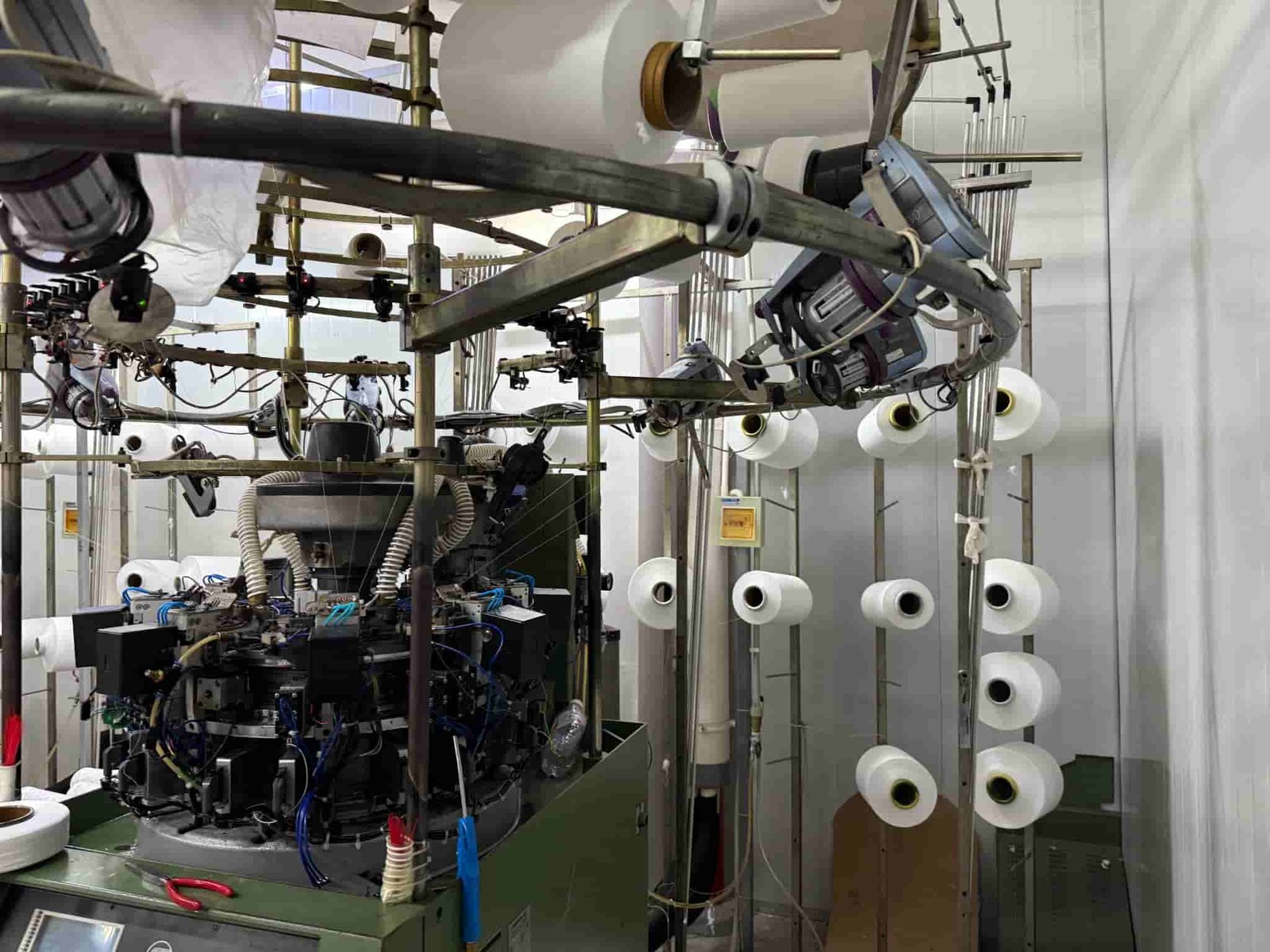
Choose the Manufacturing Route for Your Yoga Top
Manufacturing route selection should begin with garment structure, yarn or fabric availability and approval requirements. Seamless knitting and cut-and-sew construction offer different design possibilities. The following questions provide a proposed feasibility framework, not a guarantee that either route can produce every requested design.
Decision Question 01
Does the design require engineered knitted zones?
Options: Yes / No / Undecided
Decision Question 02
Are shaped panels or complex openings essential?
Options: Yes / No / Review
Decision Question 03
Is an attached inner support structure required?
Options: Yes / No / Evaluate
Decision Question 04
Are the yarn, fabric and size specifications defined?
Options: Approved / Pending / Alternatives
Decision Question 05
Can the proposed finishing and branding be supported?
Options: Confirmed / Review Needed
Cut-and-Sew Candidate
Cut-and-sew construction may suit designs requiring deliberate panel shapes, selected neckline or armhole finishes, and compatible inner-layer assembly. The final feasibility review should examine actual fabric, pattern dimensions, stitching and garment complexity. This route may provide appropriate construction options but does not automatically deliver better comfort or coverage.
Key Parameters: Pattern · Fabric · Joining
Seamless Knit Candidate
A seamless route may be appropriate where the design can be developed within suitable circular-knitting and finishing conditions. Yarn selection, programmed areas, garment sizes and joining operations should be reviewed before sampling. MOVEVOX's Santoni resources support this discussion, but the equipment configuration must be confirmed for the specific garment.
Key Parameters: Yarn · Program · Size
Mixed Construction Candidate
Some products may use a compatible knitted body with additional finishing, lining or separate components. Buyers should confirm whether the proposed combination creates technical, cost or approval dependencies. Physical samples are necessary to evaluate the interaction between outer fabric, inner structures, edges and decoration before manufacturing is approved.
Key Parameters: Knit Body · Assembly · Approval
Additional Engineering Review
When yarn, materials, target sizes or required product structures are not yet defined, the appropriate decision is to request further technical review. The supplier should identify unresolved assumptions and propose suitable sampling or feasibility work rather than committing to a process merely because it is available.
Key Parameters: Missing Inputs · Risk · Feasibility
Match Yoga Top Performance Claims with Appropriate Evidence
Descriptions such as soft, breathable and supportive may influence a brand's product positioning, but they do not substitute for defined acceptance criteria. Buyers should identify what each claim means, which sample is being assessed and what form of evidence is appropriate before finalizing marketing language.
Soft Hand Feel
Claim: Material selected for a specified soft-touch design direction.
Evidence Explanation: Softness is influenced by yarn, fabric structure, finishing and individual perception. A fabric swatch may provide useful initial feedback, but the complete garment should also be assessed where seams, labels and binding contact the skin. Avoid treating a subjective descriptor as a quantified laboratory result.
Required Basis: Identified material sample, agreed hand-feel reference and relevant garment review.
Stretch and Recovery
Claim: Material extension and recovery suited to the approved garment requirements.
Evidence Explanation: Extension and recovery measure different characteristics. High extension does not automatically mean that a neckline will return to the required position after movement. The relevant test direction, conditions, repeated loading and actual garment pattern should be considered before making performance claims.
Required Basis: Applicable extension and recovery data linked to the selected material.
Breathability
Claim: Air-permeability characteristics supported by appropriate material evidence.
Evidence Explanation: A visible mesh or open knitted area may affect air transmission, but visual structure alone does not establish a numerical result or guarantee cooling. Claims should distinguish measurable fabric air permeability from wearer sensation and garment ventilation under changing activity or environmental conditions.
Required Basis: Identifiable fabric structure and applicable air-permeability evidence where claimed.
Moisture Management
Claim: Moisture transport or drying properties supported by specified evaluation.
Evidence Explanation: Liquid movement, drying rate and skin comfort are related but distinct subjects. Fibre composition or a soft surface is not sufficient to prove quick drying. The buyer should identify the property of interest and the test conditions, including whether the claim concerns fabric specimens or finished garments.
Required Basis: Relevant test method, actual sample identity and agreed acceptance criteria.
Coverage and Opacity
Claim: Coverage appropriate to defined fit, color and wearing conditions.
Evidence Explanation: Opacity and body coverage depend on fabric structure, color, extension, garment fit and body position. A dry flat material may behave differently when stretched or worn. Buyers should define relevant conditions and avoid describing subjective observations as a certified universal opacity rating.
Required Basis: Agreed garment coverage review and applicable material evidence.
Shape Retention
Claim: Dimensional and elastic behavior evaluated after specified use or care.
Evidence Explanation: Shape retention involves several characteristics, including material recovery, seam behavior and dimensional change after washing. A single successful fit sample cannot establish the long-term outcome. Test scope and garment care conditions should correspond to the brand's actual product expectations.
Required Basis: Material recovery data and relevant garment care evaluation records.
Build Coordinated Yoga Collections with Separate Product Standards
Yoga tops are often developed as part of a wider brand assortment. Shared colors, artwork and packaging can support visual consistency, but a crop, tank, bra and legging may require different fabrics and approval criteria. The following combinations are proposed collection directions, not MOVEVOX customer cases.
Fitted Studio Essentials
A fitted crop and coordinated legging can establish a consistent silhouette for studio practice. The top's neckline, hem coverage and fabric recovery must be evaluated independently from the lower garment's waistband and opacity. Visual consistency does not mean the two products share one fabric specification or one quality test.
Proposed Components- Fitted Yoga Crop
- Yoga Legging
- Studio Layer
Shared Direction: Color family · Material hand feel
Layered Yoga Practice
A yoga tank combined with a separately approved sports bra can support a layered product concept. The tank should be developed for its intended drape, armhole and neckline coverage, while the bra requires its own fit and support assessment. Shared branding and colors can be discussed without confusing product responsibilities.
Proposed Components- Yoga Tank
- Sports Bra
- Relaxed Tee
Shared Direction: Layering · Artwork · Color
Soft-Touch Studio Range
A relaxed tee, cropped top and suitable yoga short can form a soft-touch collection. Material surfaces may be selected toward a consistent feel, but their weights, extension and garment constructions may need to differ. Buyers should review each item against its intended body coverage, care requirements and actual product specifications.
Proposed Components- Relaxed Yoga Tee
- Yoga Crop
- Yoga Short
Shared Direction: Surface feel · Visual identity
Extended Studio Layers
A long sleeve, base tank and suitable lower garment can create a collection intended for changing studio or travel conditions. Garment length, sleeve movement, fabric contact and layering fit should be assessed separately. Shared labels and packaging may be practical, but each style requires a distinct current technical and quality reference.
Proposed Components- Yoga Long Sleeve
- Base Tank
- Yoga Legging
Shared Direction: Labeling · Color · Layering
Select a Yoga Tops Development Route for Your Brand
Different brands enter sourcing with different levels of technical readiness. A supplier should distinguish approved products from modification requests and new concepts. These five project stages describe possible review paths and deliverables, all subject to the actual scope agreed between the buyer and MOVEVOX.
Approved Design
A brand with a completed Tech Pack and approved reference garment can begin with a manufacturing feasibility review. The initial discussion should identify mandatory fabric, construction, measurements, branding and quality requirements, together with any proposed alternatives. If the product was developed elsewhere, rights to use the design and reference materials must be clear. A matching appearance alone is not evidence that the new facility can reproduce identical wearing performance.
Buyer Inputs- Current approved Tech Pack
- Authorized product reference
- Proposed quantity and target market
- Written technical questions for feasibility review
- Manufacturing route and material compatibility observations
- Conditional quotation inputs and unresolved approval requirements
Style Revision
A brand updating an existing yoga top should identify exactly what needs to change. A neckline revision may affect bust coverage, shoulder proportions, armhole shape and binding requirements; a new fabric may also alter drape and recovery. The development review should separate the original approved specification from new proposals so the buyer can determine which parts require additional sampling and approval.
Buyer Inputs- Previous product specification
- Consolidated fit comments
- Requested design or material changes
- Proposed revision scope and affected measurements
- Construction or material alternatives for evaluation
- Sample approval questions linked to changed details
New Development
A new yoga top may begin from a legally usable sketch, concept or reference garment rather than a complete Tech Pack. The buyer should describe the target wearer, intended practice and essential fit or coverage expectations. MOVEVOX can review development feasibility within its product and manufacturing resources, while pattern, fabric, sample iterations and commercial conditions must be established for the specific project.
Buyer Inputs- Design concept and reference visuals
- Target wearer and yoga activities
- Desired silhouette and material direction
- Initial construction and manufacturing feasibility questions
- Proposed sampling and material review scope
- List of decisions required before production quotation
Pilot Order
A pilot order should not be interpreted as permission to skip technical approval. The buyer should identify the intended garment, sample standard, quantity and permitted commercial risk. Material minimums and production setup may differ from the number of garments requested. The proposed review should establish which validation steps remain necessary before the product can proceed toward bulk manufacturing.
Buyer Inputs- Approved or provisional sample reference
- Pilot quantity and assortment
- Required product acceptance conditions
- Conditional MOQ and material requirement review
- Production and inspection feasibility considerations
- List of buyer approvals before order release
Repeat Program
For a continuing yoga top program, the main question is whether the current approved product can be reproduced under the proposed material and manufacturing conditions. The buyer should identify the previous specification, changes in colors or quantities and any updated compliance requirements. Reorders can still require material, pattern, capacity and quality confirmation even when the style name remains unchanged.
Buyer Inputs- Current approved production reference
- Replenishment forecast and SKU mix
- Known material or construction changes
- Material availability and version comparison questions
- Production allocation and quality review scope
- Conditional replenishment schedule for buyer confirmation
Prepare a Pose-Specific Technical Brief for Yoga Tops
A useful sourcing review begins with the product's intended function, not price alone. Each yoga top requires enough information to evaluate fit, construction, material and production feasibility. The following checklist separates essential project inputs from details that can be developed after an initial technical discussion.
Product Definition
Identify whether the project involves a tank, crop, tee, long sleeve or built-in bra top. Describe the target wearer, intended silhouette and product purpose. A multi-style collection should list each SKU separately rather than relying on one general description.
Pose and Coverage
Describe the relevant yoga practices and poses, including expected neckline, armhole and hem coverage. Where requirements are not yet quantified, provide wearer feedback or a suitable reference so acceptance criteria can be discussed before sample approval.
Technical Sketch
Provide front and back views, neckline and opening details, garment length and relevant construction instructions. The sketches should identify fixed design features and areas where manufacturing alternatives may be proposed. Ensure supplied references can legally be used.
Measurement Chart
Specify the size range, base-size dimensions, measurement locations and any known tolerances. For fitted crops or structured tanks, identify relevant bust, shoulder, armhole, neck opening and hem points. Missing measurement rules should be identified before detailed approval.
Material Specification
Provide available fibre composition, knit construction, weight, color, extension and care requirements. If the material is undecided, explain the desired drape, hand feel and coverage, then define which characteristics must be verified through swatches or samples.
Construction Requirements
Describe the intended seams, binding, strap arrangement, lining and any built-in support structure. If seamless knitting is desired, identify required structural zones and sizes. The proposed manufacturing route remains subject to technical and equipment feasibility.
Fit Reference
Provide a legally usable approved sample or a clear description of the desired fit. Include known neckline, coverage or movement complaints associated with previous versions. Distinguish visual preferences from conditions that require physical garment evaluation.
Artwork and Branding
Supply artwork files, placement, dimensions and preferred decoration methods where available. Raised graphics, high-stretch locations and direct skin-contact areas may require additional assessment before the application method and finished appearance can be accepted.
Testing Requirements
Identify mandatory buyer tests, applicable regulatory requirements and performance claims. Where methods and acceptance limits are not yet available, record them as outstanding decisions. A general request for high quality is not a substitute for defined acceptance criteria.
Commercial Assortment
State expected quantities by style, color and size, along with target delivery market and launch conditions. Separate sample-development quantities from intended production commitments. Note whether material changes, custom colors or special packaging are expected.
Incomplete-File Guidance
MOVEVOX can begin a preliminary discussion from a complete Tech Pack, authorized reference garment or sufficiently clear design concept. If information is missing, the proposed review can identify outstanding fit, material and manufacturing decisions. Detailed production terms should remain conditional until the essential requirements, approvals and sourcing dependencies are confirmed.
Review Yoga Top Samples Through Defined Pose Conditions
Pose-related fit approval should use representative garments and repeatable observations. This proposed six-stage approach connects the buyer's intended practice with neckline, hem, armhole and material requirements. It is a suggested project framework, not a claim that MOVEVOX has completed these specific tests for existing customers.
Define Wear Conditions
Objective: Establish the target wearer, approved garment direction and movements that matter to the product. A fitted yoga crop intended for layered use may require different coverage conditions from a relaxed studio tee. The review should distinguish mandatory requirements from preferences before any sample result is interpreted.
Buyer Inputs- Define the intended practice and representative yoga poses.
- Provide the target wearer profile and garment coverage expectations.
- Identify technical questions related to pose-specific garment fit.
- Suggest relevant measurements and construction details for further review.
Pass Criterion: The buyer approves the evaluation scope, required poses and expected garment behavior before physical fitting begins.
Establish Base Fit
Objective: Review the sample in a defined upright position and record key measurements and appearance. Confirm that the garment corresponds to its current technical reference before introducing movement-based observations. An unidentified or incorrectly sized sample should not become the basis for comparing later revisions.
Buyer Inputs- Provide current base-size specifications and fit reference.
- Confirm the intended silhouette and garment preparation conditions.
- Review sample measurements against the supplied technical reference.
- Identify visible construction or material differences requiring clarification.
Pass Criterion: The sample identity, base dimensions and relevant construction conditions are accepted for the next review stage.
Evaluate Selected Poses
Objective: Observe garment behavior during the poses chosen for the product. Review neckline opening, armhole coverage, hem location, surface contact and other relevant concerns. Record the posture, garment size and observation rather than making general claims about all wearers or yoga activities.
Buyer Inputs- Confirm selected poses and the appropriate wearer conditions.
- Define what constitutes acceptable movement or coverage change.
- Propose a structured record of relevant fit observations.
- Identify potential pattern, fabric or construction questions for review.
Pass Criterion: Observations are documented clearly enough for the buyer to accept the sample or request specific modifications.
Review Transitions
Objective: Evaluate how the garment behaves when moving between selected poses. A top may appear acceptable while holding one posture but shift when the wearer changes position. The proposed assessment should examine whether the neckline and hem return toward their intended positions without assuming a universal stability guarantee.
Buyer Inputs- Identify movement sequences important to the target practice.
- Confirm any required observations after repeated transitions.
- Describe potential garment displacement or contact concerns.
- Recommend further sample checks where changes affect earlier approvals.
Pass Criterion: The buyer accepts the defined transition behavior or identifies changes requiring another sample review.
Review Relevant Sizes
Objective: Determine whether representative sizes show comparable acceptance against their own approved specifications. Grading can alter neckline opening, shoulder proportions and body coverage. The project should identify which sizes need physical evaluation rather than treating one successful base sample as proof of the entire range.
Buyer Inputs- Supply the current size chart and proposed review sizes.
- Identify target body proportions that require particular attention.
- Review potential grading and construction differences across sizes.
- List any required size-specific fit or measurement revisions.
Pass Criterion: Required representative sizes meet their agreed measurement and pose-fit conditions or receive documented revision instructions.
Approve Current Version
Objective: Consolidate accepted comments, the physical sample, applicable material and current technical references. Any unresolved measurement, construction or performance questions should remain visible to the buyer. Approval should authorize only the defined next stage, not automatically waive later production or testing requirements.
Buyer Inputs- Provide written decisions on deviations and open points.
- Confirm the accepted sample and current specification version.
- Propose an identifiable sample and specification reference.
- Outline remaining requirements for production readiness review.
Pass Criterion: An authorized buyer confirms the accepted version and explicitly identifies any conditions before production preparation.
What Defines an Approved Yoga Top Fit Standard?
An accepted appearance sample is not a complete production specification. A yoga top should have an identifiable reference connecting the garment, measurements, materials and any agreed pose-related acceptance criteria. The fields below describe what an approval record should contain, not a completed MOVEVOX inspection report.
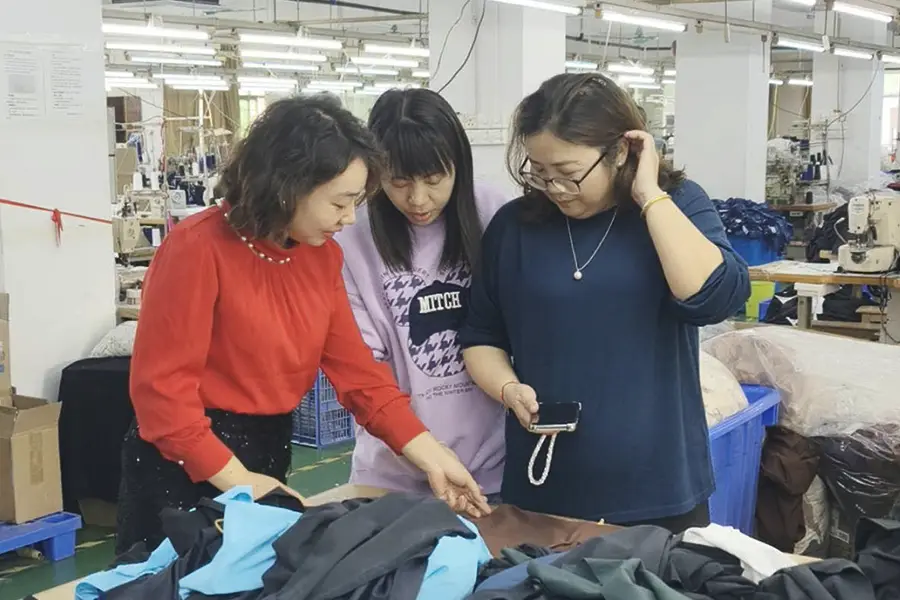
Product Identity
The reference should identify the style, sample version, size and relevant approval status. Without this information, later comparisons may use a garment from the wrong development stage.
Measurement Standard
Critical measurements should specify exact points, garment condition, units and approved tolerances. Bust, shoulder, neck opening, armhole and hem measurements may require different instructions across silhouettes.
Material Reference
The accepted fabric or yarn should be identifiable by an appropriate specification and sample reference. Relevant color, surface, extension and care conditions must remain linked to the garment.
Pose-Fit Criteria
Where the buyer requires movement-based coverage, the approved record should describe the relevant poses, observations and permitted differences. These criteria should not be invented retrospectively.
Construction and Branding
Seams, binding, inner layers, labels and decoration should correspond to the accepted technical version. Changes affecting fit, contact or material behavior may require further customer approval.
Approval and Deviations
The document should show who may authorize the decision, whether conditions remain open and which deviations have been accepted. A pending decision must not be labelled as passed.
How to Use the Approval Record
A proposed approval package can combine the accepted sample, current Tech Pack, relevant material identification, fit comments and inspection requirements. It should be used only within the agreed product and approval scope. An illustrative document layout must not display invented inspection quantities, AQL results, signatures or test outcomes. MOVEVOX's quality organisation provides resources for discussing these records, while evidence of implementation must come from the actual order.
Identify Fabric Risks Before Reordering Approved Yoga Tops
Repeat orders can introduce changes to material feel, recovery, appearance or garment dimensions even when the commercial style name remains unchanged. Buyers should examine sourcing and technical differences before approving a reorder, particularly where neckline fit and skin contact are essential product characteristics.
Unapproved Fabric Substitution
Risk: A new fabric may appear visually similar while differing in extension, recovery, drape or finished dimensions. These changes can affect an approved neckline or hem without being obvious in a product photograph. Substitution should not be accepted solely on the basis of equivalent nominal composition.
Verification: Compare the new material specification and physical reference with the approved sample; obtain acceptance for differences affecting garment requirements.
Changed Hand Feel
Risk: Finishing, brushing or yarn differences may change how the garment contacts the skin. A new fabric lot can feel different even when the fibre percentages appear unchanged. Hand feel should therefore be evaluated against a defined sample reference rather than assumed from a material name.
Verification: Use identifiable swatches and agreed evaluation conditions; record any changes requiring brand approval before bulk production.
Neckline Recovery Variation
Risk: Variations in material recovery or neckline finishing can alter the opening's behavior after wear or laundering. This may affect forward-bend coverage even when the garment passes relaxed measurements. The underlying cause should be assessed rather than attributed automatically to sewing quality.
Verification: Review current material recovery, neckline construction and relevant garment evaluation against the approved standard.
Color and Surface Differences
Risk: The same color reference can appear different across yarns, fabric structures and finishing processes. Surface texture or shade differences may become more visible when yoga tops are paired with bras or leggings, creating inconsistent collection presentation.
Verification: Compare approved physical color standards and actual production materials, identifying which differences require separate shade or fabric acceptance.
Uncontrolled Technical Versions
Risk: A previous pattern, neckline specification or knitting program may be used when a newer version has already been approved. This can reproduce older fit problems or create inconsistent measurements. Clear version identification is particularly important where several yoga top silhouettes share components.
Verification: Confirm the current sample, pattern or program, measurement chart and approval record before releasing the new order.
Unclear Factory Responsibility
Risk: When an order involves cooperating facilities, changes in material handling, assembly or inspection responsibilities can affect accountability. A buyer should know which facility will perform relevant operations and how deviations will be communicated and approved.
Verification: Confirm the actual manufacturing allocation, relevant quality responsibilities and permitted subcontracting before finalizing the production plan.
Choose Branding Methods Compatible with Yoga Top Materials
Branding should be evaluated against the actual garment, not artwork appearance alone. Different techniques may influence fabric extension, skin contact, surface feel and care performance. Placement also matters where garments stretch, fold or contact the mat during yoga practice.
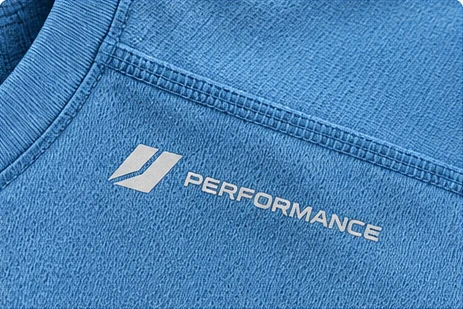
Heat Transfer
Heat-transfer artwork may suit selected fabric surfaces, depending on transfer material, application conditions and garment extension. A large or rigid graphic can behave differently from a small flexible logo. The buyer should review the actual application on the approved material before accepting durability or comfort claims.
Applicable Area: Selected chest, side or back positions on compatible yoga top fabrics.
Limitations: Review adhesion, flexibility and visible changes after agreed stretching and care evaluations.
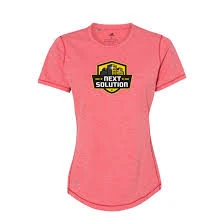
Screen Printing
Screen printing can apply artwork to suitable garment panels. Ink type, deposit and graphic coverage may affect hand feel, stretch and appearance. The application should be assessed on the intended substrate, particularly if the printed area sits against the skin or folds during yoga poses.
Applicable Area: Compatible tees, relaxed tops and approved decorative panels in the collection.
Limitations: Large prints may change fabric drape, local extension or surface comfort.
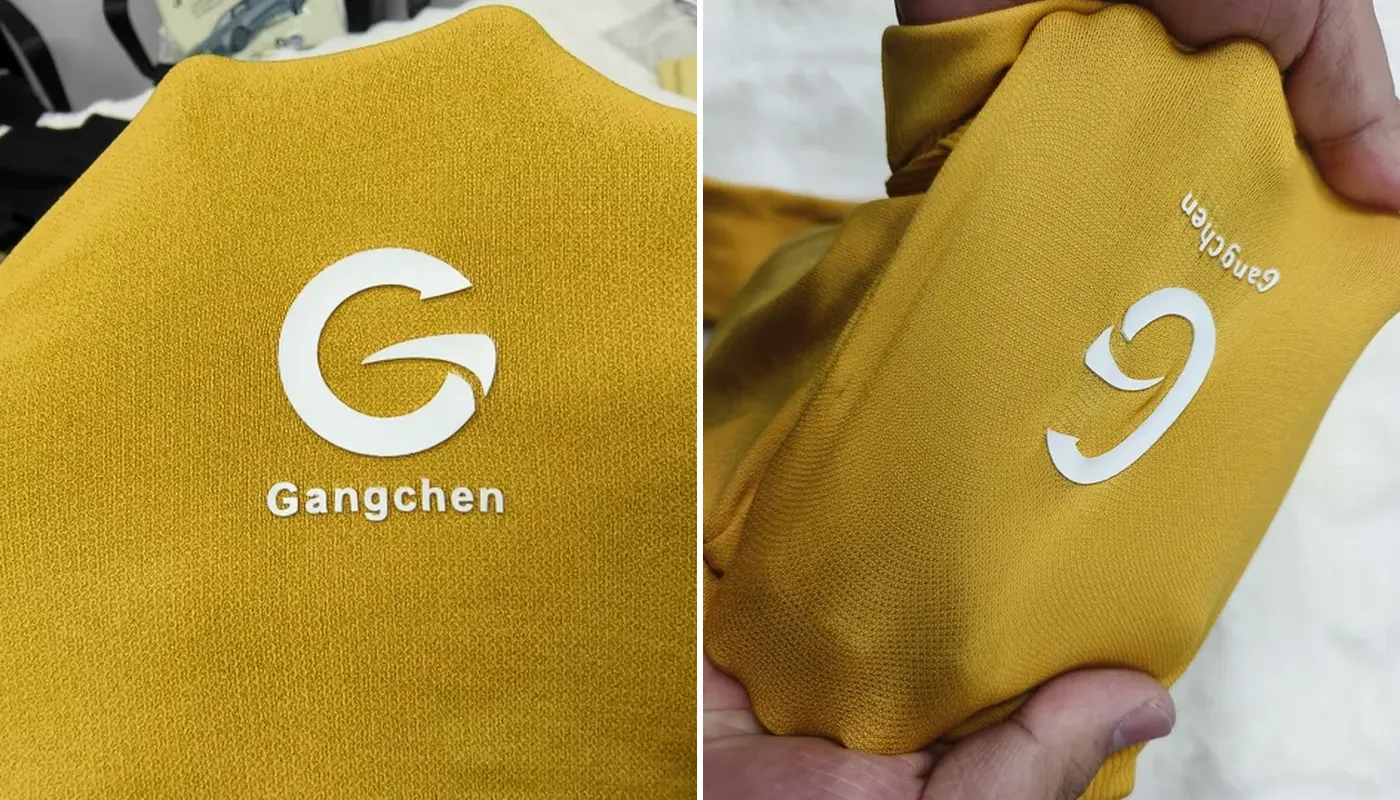
Silicone Logo
A silicone-based application may create a raised or tactile brand effect, subject to material and process compatibility. Its profile and placement should be reviewed where the garment contacts mats or other surfaces. Visible adhesion on one sample does not prove long-term durability.
Applicable Area: Selected compatible logo positions where raised decoration is acceptable to the buyer.
Limitations: Verify flexibility, attachment integrity and possible discomfort under garment contact.
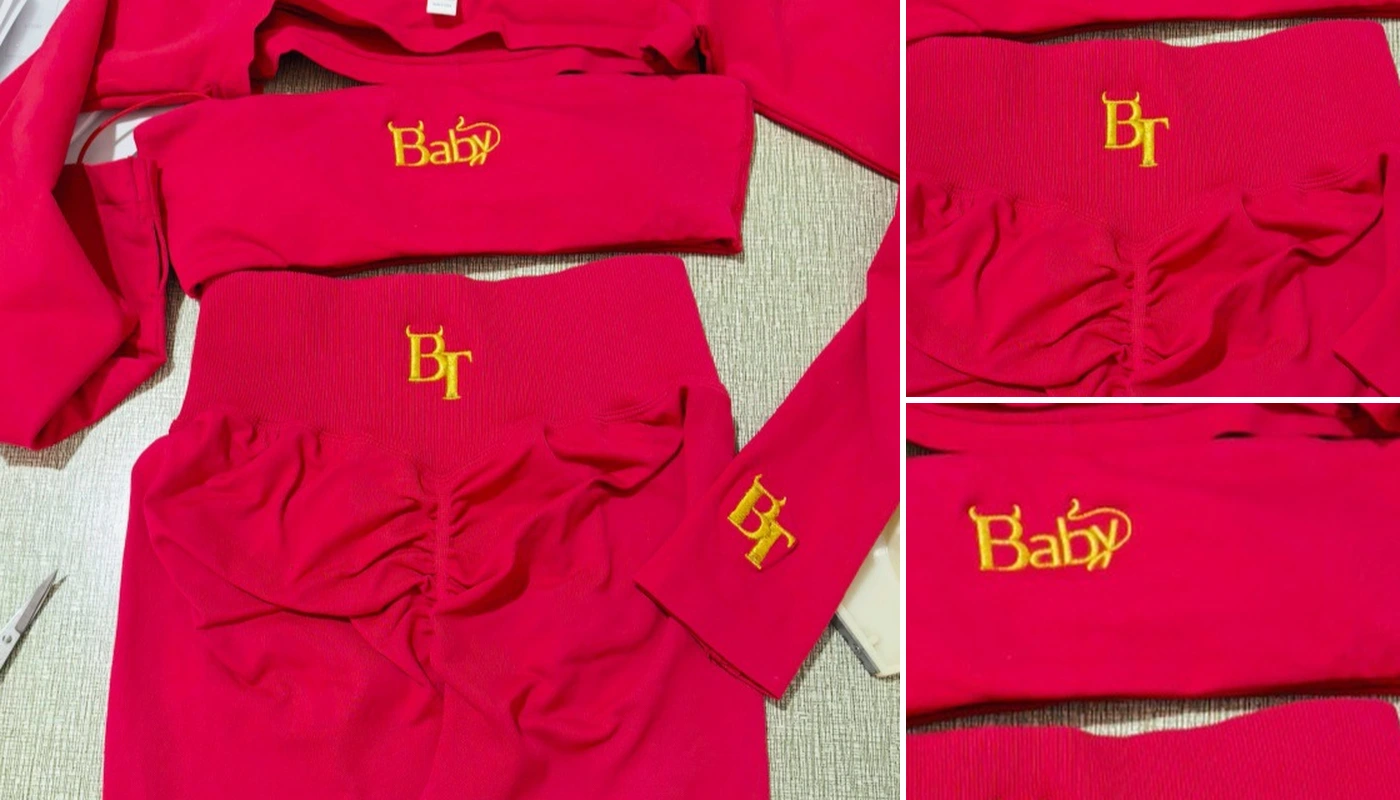
Embroidery
Embroidery creates artwork using thread and may add local stiffness or a reverse-side contact area. Stitch density, backing, fabric extension and placement should match the approved garment. A technique suitable for a loose tee may not suit a fitted or highly elastic yoga crop.
Applicable Area: Compatible lower-extension panels, approved label areas or selected relaxed garments.
Limitations: Review local stretch restriction, reverse-side comfort and appearance after laundering.
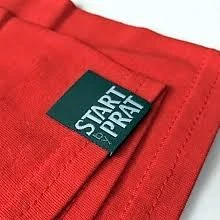
Woven Label
A woven label or patch introduces a separate component and attachment method. Placement should account for garment size, fit and expected skin contact. The buyer should confirm both branding appearance and the information needed for correct product identification and care.
Applicable Area: Approved hem, side-seam or other locations with suitable attachment construction.
Limitations: Check edge contact, label accuracy, attachment workmanship and local fabric distortion.

Knitted Jacquard
Where a compatible seamless knitting program permits, artwork may be formed within the knitted structure. Graphic size, yarn selection, program limitations and size configuration affect feasibility. The brand should review a physical result instead of assuming every supplied logo can be knitted accurately.
Applicable Area: Suitable engineered seamless body areas with approved artwork and yarn specifications.
Limitations: Machine and program feasibility must be checked; detailed graphics may be unsuitable.
Understand MOQ Conditions for Different Yoga Top Programs
The minimum viable order depends on product construction, available materials, colors, branding and sourcing commitments. MOVEVOX's documented starting MOQs provide initial guidance, but every yoga top order needs a style-specific feasibility review. Related SKUs cannot automatically combine quantities to satisfy different manufacturing minimums.
Seamless Yoga Top
A suitable seamless program may be reviewed against MOVEVOX's documented starting MOQ of approximately 100 pieces. The actual minimum depends on knitting configuration, yarn availability, size groups, programmed design and finishing operations. New or specially colored yarns can introduce material commitments that differ from the finished-garment quantity. Brands should provide the proposed style, size and color assortment before assuming the starting MOQ applies.
Quantity Reference: Approximately 100 pieces for suitable seamless projects; final MOQ subject to confirmation.
Color / Size Split: Depends on actual yarn, knitting setup and agreed order allocation.
Cost Drivers: Yarn sourcing · Program development · Machine setup · Finishing
Cut-and-Sew Yoga Top
A suitable cut-and-sew project may be reviewed against MOVEVOX's documented starting MOQ of approximately 150 pieces. The actual minimum can change with fabric availability, custom dyeing, lining, binding, printing and individual style complexity. A fitted crop and a built-in bra tank may require different materials and construction even when ordered in the same color. Buyers should confirm separate sourcing and production assumptions for each product.
Quantity Reference: Approximately 150 pieces for suitable cut-and-sew projects; final MOQ subject to confirmation.
Color / Size Split: Confirm fabric, trim, decoration and the proposed assortment.
Cost Drivers: Fabric availability · Pattern complexity · Accessories · Assembly
Multi-Style Yoga Collection
A coordinated collection may share some approved colors, artwork and packaging, but each style still requires its own technical standard. Mixed seamless and cut-and-sew orders may create separate material, production and setup minimums. The buyer should submit quantities by style, color and size, along with expected reorders. The commercial review should identify what is genuinely shared and which minimums must remain separate.
Quantity Reference: Project-specific; no automatic combined MOQ across styles or processes.
Color / Size Split: Evaluate shared resources and individual style constraints.
Cost Drivers: SKU complexity · Material commitments · Allocation · Packaging
Check Production Dependencies Before Committing to Delivery Dates
A production schedule is credible only when its material, technical and capacity dependencies are identified. Yoga tops may involve different fabric, yarn, finishing or assembly routes within one collection. The following proposed timeline defines review gates rather than dates reserved for a specific order.
Proposed Critical Path
| Stage | Timing Reference | Prerequisite | Buyer Confirmation |
|---|---|---|---|
| Material Review | Project-specific | Confirm actual yarn, fabric, color and trim requirements | Approve materials or identify substitutions |
| Technical Approval | Project-specific | Confirm sample, POM, construction and required fit evidence | Approve current technical version |
| Sourcing Readiness | Subject to supply | Verify necessary material and component availability | Resolve material and color differences |
| Factory Allocation | Schedule-dependent | Identify suitable equipment, manufacturing site and available resources | Confirm order and permitted manufacturing arrangements |
| Bulk Production | Conditional normal reference: 20–35 days | Approved specifications, materials and production release | Approve changes affecting agreed product requirements |
| Quality Release | Inspection-dependent | Complete applicable checks and resolve nonconforming output | Confirm any required release decisions |
| Packing / Shipment | Logistics-dependent | Approved labels, packaging, goods release and delivery terms | Confirm packing and shipment instructions |
Lead-Time Conditions
MOVEVOX's normal bulk production reference is approximately 20–35 days under suitable confirmed conditions. This is not the total time from first inquiry to international delivery. New fabrics or yarns, multiple development rounds, delayed approval, complex construction, additional testing and resource allocation may extend the critical path. An actual schedule should be agreed only after the required dependencies and order-specific production arrangements are assessed.
Prevent Critical Yoga Top Defects Before Bulk Release
Yoga tops require workmanship standards linked to their actual structure and fit. The following matrix identifies potential defects, technical causes and appropriate inspection decisions. These are proposed control considerations, not a claim that MOVEVOX has documented every listed issue in previous production.
| Defect | Likely Cause | Prevention | Inspection Point | Corrective Action |
|---|---|---|---|---|
| Neckline Distortion | Incompatible binding tension, construction differences or material recovery can change the intended opening shape and appearance after assembly or care. | Approve material and neckline construction, define opening measurements and compare representative samples before production release. | Check neck opening dimensions, symmetry, edge appearance and relevant changes after agreed care conditions. | Identify whether the cause is material, pattern or sewing; verify the revised construction before affected goods are released. |
| Uneven Armhole Binding | Incorrect binding dimensions, inconsistent sewing tension or unsuitable edge handling may create uneven openings and local fabric distortion. | Confirm binding specification, attachment method and acceptable appearance with a physical construction reference. | Inspect opening shape, edge consistency, local puckering and measurements using the approved garment standard. | Review attachment settings and material compatibility, then evaluate the corrected garment for fit and workmanship. |
| Strap Asymmetry | Pattern differences, incorrect attachment locations or inconsistent assembly can change strap length and the garment's position. | Define left and right strap measurements and approved joining locations before sample and bulk release. | Compare finished strap length, placement, symmetry and relevant garment fit against current POM instructions. | Contain affected products, identify the responsible stage and verify any revised construction against the approved reference. |
| Hem Twisting | Pattern imbalance, fabric relaxation or unsuitable sewing and finishing conditions may contribute to a visibly distorted lower edge. | Review material behavior, pattern alignment, hem construction and necessary care-related dimensional changes during development. | Check hem level, seam alignment, garment drape and dimensional stability under agreed inspection conditions. | Assess whether the problem requires material, pattern or assembly correction; recheck affected garments before release. |
| Inner-Layer Displacement | Inaccurate lining dimensions, attachment positions or material incompatibility may alter the position of an inner layer or cup. | Approve the intended lining, attachment construction, cup details and fit reference independently from outer garment appearance. | Inspect inner-layer positioning, attachment workmanship and relevant wearer-fit criteria for the actual garment. | Review the cause and proposed correction, then obtain any required buyer approval before accepting modified goods. |
| Logo Damage | Incompatible decoration material, artwork coverage, application conditions or garment extension may contribute to cracking, peeling or distortion. | Select a suitable method for the actual fabric and define necessary appearance and durability acceptance conditions. | Review logo dimensions, position, visible workmanship and any product-specific evidence required by the buyer. | Identify whether reapplication or another correction is technically suitable and verify the finished garment before release. |
| Measurement Deviation | Incorrect pattern versions, production handling or inconsistent measuring methods may produce dimensions outside accepted limits. | Use current POM definitions, approved tolerances and correct pattern or knitting references throughout production preparation. | Measure critical bust, shoulder, neckline, armhole and hem points according to approved garment-specific instructions. | Identify and segregate nonconforming output; review correction feasibility and remeasure against the current accepted standard. |
| Incorrect Labels | SKU confusion, outdated artwork or mismatched fibre and care information can produce incorrect finished-garment identification. | Confirm current artwork, product composition, destination-market details and SKU mapping before labels enter production. | Verify label content, attachment location, size and product identity against approved order documentation. | Stop release of affected garments until correct identification and required label information are verified. |
Verify Compliance Evidence for US and European Yoga Tops
A supplier's general certification statement does not establish compliance for a particular yoga top. Brands should identify the destination market, applicable product rules, accountable economic operators and relevant documentation. Fibre labels, care information, chemical requirements, product safety and voluntary certifications involve different evidence and responsibilities.
US Textile Identification
Textile products sold in the United States are generally subject to applicable fibre-content, country-of-origin and responsible-business identification requirements. The product label should use correct information for the actual textile and responsible entity. Buyers should distinguish a brand's marketing name from information legally required on the label. Material composition declarations need to correspond to the manufactured garment, including relevant component differences where applicable. A label design cannot be approved solely because it looks consistent with an earlier collection.
Applicable Scope: Textile yoga tops offered in the United States, subject to relevant statutory requirements and exceptions.
Proposed Company Response: Request destination-market label specifications and verify actual composition, manufacturing origin and required identifiers before preparing the approved garment labels.
US Care Labeling
The US Care Labeling Rule requires covered garments to carry appropriate care information supported by a reasonable basis. A fabric swatch's recommended care may not fully represent a finished yoga top containing binding, lining or decoration. The buyer should identify the actual material and construction, consider the effects of appropriate laundering and confirm instructions that correspond to the finished garment. Care requirements may also influence development decisions involving brushed surfaces, elastic recovery and heat-transfer logos.
Applicable Scope: Covered textile wearing apparel and relevant product configurations placed on the US market.
Proposed Company Response: Review the garment's materials, decoration and intended care conditions, then obtain suitable supporting information for the proposed care instructions.
EU Fibre Composition
Regulation (EU) No 1007/2011 establishes rules concerning textile fibre names and related composition labeling. For a yoga top, the actual textile structure and any relevant components should be identified before approving the fibre declaration. Buyers should also confirm the appropriate language and market presentation requirements for the countries of sale. A supplier's general fabric specification should not substitute for documentation that applies to the finished garment, particularly when its inner and outer layers differ.
Applicable Scope: Textile products placed on applicable EU markets, with product-specific rules and exceptions considered.
Proposed Company Response: Confirm fibre content and applicable labeling details with the buyer; connect the final approved information to the actual materials used.
EU Product Safety
The EU General Product Safety Regulation, Regulation (EU) 2023/988, applies from 13 December 2024 and establishes a general consumer-product safety framework. Its relevance should be assessed against the particular yoga top and economic operators placing it on the market. Buyers should not assume that a fibre-content label or voluntary textile certificate addresses every product-safety obligation. Product identification, relevant safety information and supporting documentation may also require coordinated responsibility between the manufacturer, importer and brand.
Applicable Scope: Applicable non-food consumer products supplied to EU markets, considering the current consolidated regulation.
Proposed Company Response: Clarify responsible economic operators, relevant documentation and product identification requirements before confirming market-specific packaging and shipping instructions.
UK Textile Labeling
Great Britain's textile labelling requirements should be checked separately from EU market assumptions. Official UK guidance requires relevant textile products to disclose fibre content and identifies responsibilities for manufacturers and retailers. The buyer should confirm the exact destination, current applicable rules and required information before reusing an EU label design. A yoga top containing multiple textile components may need additional review of composition declarations.
Applicable Scope: Textile products sold in Great Britain; other UK territorial requirements should be checked where relevant.
Proposed Company Response: Request the intended UK market, actual garment composition and approved label requirements before arranging production-specific labels.
Certification and Test Scope
Voluntary certifications, factory social audits, material transaction documents and finished-garment test reports are not interchangeable. A valid-looking certificate should be checked for its holder, issuing body, number, dates and scope. Fabric certification does not automatically extend to the completed yoga top, and a document for another factory or product should not be reused as proof. MOVEVOX's current company factbook does not provide a fully verified list of certifications that may be publicly claimed as its own.
Applicable Scope: Buyer-required certifications, audits, laboratory reports and supplier qualification documentation.
Proposed Company Response: Supply only documents verified for the actual holder, facility, material, product, validity period and relevant project scope.
Regulatory Source References
Preserve Yoga Top Fit and Material Consistency Across Reorders
A repeat order should reference the currently accepted product rather than rely on the style name alone. Material, color, pattern, knitting program, decoration or factory allocation changes may influence the garment's fit and contact characteristics. This proposed traceability path identifies the records buyers should request or agree.
Approved Sample
Identify the accepted yoga top by style, size, sample version and approval status. This reference should connect physical appearance and construction to the buyer's current technical decisions, including any accepted deviations.
Document Label: Approved Sample
Material Reference
Record the approved fabric or yarn specification, color and relevant surface or hand-feel reference. New lots or substitutions should be compared where their differences may affect fit, appearance or product requirements.
Document Label: Material Record
Pattern or Program
Maintain the current cut-and-sew pattern or applicable seamless knitting program. Any change affecting neckline, armhole, grading or body length should receive the technical review and approval required by the project.
Document Label: Technical Version
Factory Allocation
Identify the actual facility and production responsibilities for the new order. MOVEVOX's documented cooperating-factory network offers sourcing resources, but the specific site, equipment and subcontracting conditions must be confirmed before manufacturing.
Document Label: Production Allocation
Material Intake
Link received material and components to the approved order and specification. Incoming checks should identify relevant discrepancies before affected fabric, yarn, binding or labels are used in the manufacturing process.
Document Label: Incoming Record
Quality Inspection
Use current garment-specific inspection criteria for neckline, armhole, hem, measurements, labels and decoration. Inspection results should be identifiable to the appropriate style and production output rather than mixed across unrelated products.
Document Label: Inspection Record
Finished Goods
Confirm that the finished garments correspond to the correct SKU, size, color, approved label and packaging instructions. Any unresolved nonconformity should receive an appropriate release decision before goods are prepared for shipment.
Document Label: Release Check
Shipment Identity
Connect the released goods to the purchase order, carton identity and shipment documentation. The required records should allow the buyer to distinguish replenishment lots and investigate reported differences when necessary.
Document Label: Packing List
Evaluate Yoga Tops Suppliers Before Long-Term Purchase Approval
A qualified supplier should demonstrate suitability for the specific yoga tops program, not merely state that it manufactures activewear. Buyers can use the following checklist to identify evidence, unresolved technical questions and commercial dependencies before approving development, production or long-term supply.
Product Development
Manufacturing and Materials
Quality and Compliance
Commercial and Continuity
Readiness Interpretation
A Yes answer should indicate that suitable information is available for review, not that an independent factory audit has been completed. Pending identifies a decision or document still required, while No means the present requirement has not been satisfied. Critical gaps in technical approval, product compliance, manufacturing responsibility or material identity should be resolved before the relevant purchase commitment, regardless of the number of positive answers elsewhere.
Explore Related Manufacturing Resources for Yoga Apparel Brands
Yoga tops development connects to broader yoga apparel sourcing and more specialized product categories. These resources help buyers distinguish a multi-category manufacturing program from the current page's focus on pose-related top fit, neckline construction, coverage and material contact.
Yoga Clothing Manufacturing
The Yoga Clothing Manufacturer resource addresses a complete yoga apparel program covering multiple product categories, including leggings, bras, shorts and tops. It is appropriate when the buying decision concerns broader supplier capability, coordinated collection production or multi-category manufacturing responsibility. This Yoga Tops page instead focuses on upper-body silhouettes and the technical questions behind neckline movement, body coverage, fabric hand feel and garment-specific approval standards.
Activewear Tops Manufacturing
The Activewear Tops resource introduces a broader assortment of tanks, tees, cropped tops and long sleeves across different sports and lifestyle uses. It helps buyers compare general top structures and manufacturing options before identifying more specialized requirements. The Yoga Tops page takes a narrower view, examining how intended yoga poses affect garments and how relevant fit, coverage and material conditions can be translated into technical development requirements.
Yoga Tank Top Engineering
A specialized Yoga Tank Top topic can provide deeper discussion of racerback shapes, strap widths, neckline geometry, armhole coverage and built-in inner structures. It would suit buyers evaluating a specific tank rather than a broader multi-style top collection. Any separate page should provide materially distinct engineering depth and evidence; a planned theme alone does not justify a new URL or a live navigation link.
Yoga Tops Manufacturing Frequently Asked Questions
These questions address the product engineering and procurement decisions involved in custom yoga tops. Answers distinguish MOVEVOX's documented manufacturing resources from garment performance that requires sample evaluation, applicable evidence and buyer approval. Specific project terms remain subject to technical and commercial review.
Pose Fit and Coverage
How should a yoga top fit during forward bends?
A yoga top should be evaluated against the intended wearer, silhouette and practice conditions. During forward bending, neckline shape, shoulder proportions, bust ease and material drape can affect front coverage. A relaxed tee may behave differently from a fitted tank. Brands should define the relevant posture and acceptable opening, then evaluate representative physical samples. MOVEVOX can discuss appropriate product structures, but no specific neckline stability result should be assumed without garment-level review.
How can yoga crop tops maintain suitable coverage?
Coverage depends on crop length, hem circumference, body fit, fabric extension and the intended movement. A shorter or tighter garment is not automatically more stable, and added length may not prevent movement during inversions. Buyers should identify acceptable exposure and hem displacement for their target customers. These requirements can guide pattern development and sample evaluation. Any claim that a crop remains in position during every pose requires product-specific evidence and cannot be guaranteed from appearance alone.
What should be reviewed during Downward-Facing Dog?
Relevant observations include neckline positioning, body-panel movement, hem location and possible changes in garment coverage. The gravity direction and wearer posture differ from upright fitting, particularly for relaxed silhouettes. Buyers should define the actual garment size, intended underlayer and permitted movement before conducting an assessment. MOVEVOX can review construction and material options within its development scope, while the acceptance decision should follow a representative sample and agreed criteria rather than a generic anti-ride-up claim.
How does yoga top sizing affect neckline coverage?
Bust, shoulder and neckline proportions can change differently across garment sizes. A base-size sample may meet its intended coverage requirements without proving that the same structure works for all other sizes. Buyers should define measurement methods, approved grading and representative fit evaluations. Tank straps, armhole openings and cropped lengths may require particular attention. MOVEVOX can discuss size-related development requirements, but final fit standards need to correspond to the actual approved style and size range.
Materials and Construction
Which fabrics are suitable for soft yoga tops?
Suitable materials depend on the requested silhouette, surface feel, drape, extension, recovery, opacity and care requirements. Jersey, interlock, rib and brushed structures can create different garment behaviors, but no category is universally softer or better. A brand should compare identifiable material swatches and finished samples, paying attention to seams and binding that contact the skin. MOVEVOX has documented fabric sourcing and manufacturing resources, while any specific performance or comfort claim requires appropriate evaluation.
Can MOVEVOX manufacture seamless yoga tops?
MOVEVOX has 28 Italian Santoni seamless knitting machines documented in its company facts. These resources support technical discussions about compatible knitted garments and engineered structures. However, feasibility depends on yarn selection, knitting program, machine configuration, size range and required assembly or finishing. Seamless construction also does not necessarily eliminate all garment seams. Buyers should supply the intended design and specifications for review. Product-specific manufacturing capability and fit results must be confirmed before any bulk commitment.
When is cut-and-sew construction more suitable?
Cut-and-sew may be appropriate for yoga tops requiring specific panel shapes, neckline binding, sleeve structures, color blocking or inner-layer assembly. The route should be selected according to the actual pattern, fabric and finishing requirements. MOVEVOX's documented core sewing resources provide a basis for considering this construction method. The choice is not a general quality ranking: a cut-and-sew product still needs approved measurements, garment samples, workmanship standards and suitable manufacturing conditions.
Can a yoga tank include a built-in bra?
MOVEVOX's documented product scope includes built-in bra tank development options. However, an inner support structure introduces requirements beyond an ordinary sleeveless top, including lining, attachment, cup positioning, wearer fit and any intended support function. Support should not be inferred from the external garment shape or a fitted fabric alone. The project should distinguish outer-top approval from inner-layer fit and performance. Any quantified support or compression statement requires appropriate product-specific evidence.
Custom Development and Sampling
Can MOVEVOX develop yoga tops from an existing Tech Pack?
MOVEVOX can review projects based on a buyer's technical package, legally usable reference garment or sufficiently defined product concept. A complete Tech Pack should identify garment construction, POMs, materials, sizes, branding and any movement-related coverage requirements. For yoga tops, neckline, armhole and hem details may need special attention. The review can identify unresolved feasibility questions before sampling and quotation. Actual sample approval and production terms remain dependent on the confirmed technical requirements.
What information is needed for private-label yoga tops?
Brands should identify the intended base garment, customization scope, target market, logo artwork, labels, packaging and planned order quantities. Where the project uses an existing compatible style, the supplier should confirm which specifications can remain unchanged. Altering fabric, neckline, length or inner structure may require additional development rather than simple branding. MOVEVOX can discuss suitable customization arrangements, but the actual manufacturing route, MOQ and approval requirements must be established for the proposed product.
How should pose-related sample feedback be recorded?
Feedback should identify the garment sample, size, relevant yoga pose, observed concern and proposed modification. A comment such as insufficient coverage becomes more useful when it specifies the posture, neckline or hem location and acceptance expectation. Buyers should distinguish required revisions from design preferences and consolidate comments against the current sample version. A proposed review may then connect changes to pattern or material decisions. Approval should apply only to the clearly identified garment and technical version.
Can several yoga top styles be developed together?
A multi-style collection can be evaluated within MOVEVOX's documented development and manufacturing resources. Tanks, crops, tees and long sleeves may share colors, artwork or selected materials where technically suitable. They should not automatically share one pattern, fit sample, MOQ or testing standard. The buyer should provide the proposed style, color and size assortment and identify common resources. Each garment still requires its own feasibility assessment, current specification and relevant approval before production.
MOQ, Quality and Long-Term Supply
What is MOVEVOX's MOQ for custom yoga tops?
MOVEVOX's documented starting references are approximately 100 pieces for suitable seamless projects and 150 pieces for suitable cut-and-sew projects. These figures are conditional, not fixed minimums for every yoga top. Actual quantities may depend on yarn, fabric, custom dyeing, accessories, branding, sizes and manufacturing setup. Combining several styles does not automatically remove their individual minimums. Buyers should submit a proposed assortment for confirmation of the real sourcing and production conditions.
How long do sampling and bulk production take?
MOVEVOX's documented normal sampling reference is approximately 5–10 working days after relevant details are confirmed. Normal bulk production is approximately 20–35 days under suitable approved conditions. These are not unconditional delivery promises or a complete inquiry-to-arrival timeline. New materials, additional fitting rounds, customer approval, testing, production allocation, packaging and shipping can change the schedule. A reliable project plan should identify the prerequisites and agreed dates before making a final commitment.
How should quality be evaluated for yoga tops?
Quality requirements should match the actual garment and approved specification. Critical areas may include neckline shape, binding, armhole dimensions, hem construction, strap positioning, measurements, labels and decoration. MOVEVOX's company facts identify five QC personnel, but that staffing fact does not prove that every yoga top has passed a particular test. Buyers should request applicable workmanship, measurement and test evidence linked to the actual product, with unresolved deviations receiving appropriate review before release.
How can an approved yoga top be reproduced in future orders?
A repeat order should identify the currently approved sample, material, pattern or knitting program, measurements, branding and inspection conditions. Changes to fabric source, color, construction or manufacturing allocation may require further evaluation. MOVEVOX has documented seamless, cut-and-sew and cooperating-factory resources that can be considered during supply planning, but actual capacity and allocation must be confirmed for each order. Long-term consistency depends on maintaining clear technical references and approving significant changes before production.
Send Us an Inquiry
Tell us your needs, and our team will get back to you within 24 hours.