CUSTOM YOGA LONG SLEEVE DEVELOPMENT

Yoga Long Sleeve Manufacturer for Custom Activewear Brands

MOVEVOX is a private-label activewear manufacturing and supply-chain partner in Yiwu, China, combining Seamless and Cut & Sew production capabilities. We support brands developing yoga long sleeve tops through technical review, sampling, customization and quality-managed production. For this product category, fit development should address sleeve movement, neckline coverage, hem position and fabric recovery before bulk requirements are finalized.

What Buyers Face

  • Sleeves migrate toward the elbows during overhead extensions and mat-based movements.
  • Necklines lose intended coverage when the torso bends, rotates or changes position.
  • Hemlines ride upward, while approved sample proportions may drift across production sizes.

How We Approach It

  • Review sleeve geometry, armhole allowance and stretch behavior against defined movement requirements.
  • Evaluate neckline dimensions, shoulder balance and garment coverage during proposed fit reviews.
  • Convert approved measurements, construction details and materials into documented bulk production requirements.

MOVEVOX operates a manufacturing system that combines Santoni seamless knitting equipment with cut-and-sew capabilities. Buyers can begin with an existing Tech Pack, a legally usable reference sample or sufficiently defined development requirements.

The next step is to establish which fit characteristics require approval and which product claims need supporting tests.

PRODUCT & BUYER DEFINITION

What Defines a Custom Yoga Long Sleeve Manufacturer?

A yoga long sleeve manufacturer develops and produces long-sleeved tops intended for yoga-related movement and studio use. Beyond sleeve coverage, the supplier must evaluate garment length, arm mobility, neckline behavior, fabric stretch and recovery, construction, sizing and bulk repeatability against the brand's defined product requirements.

Product Scope

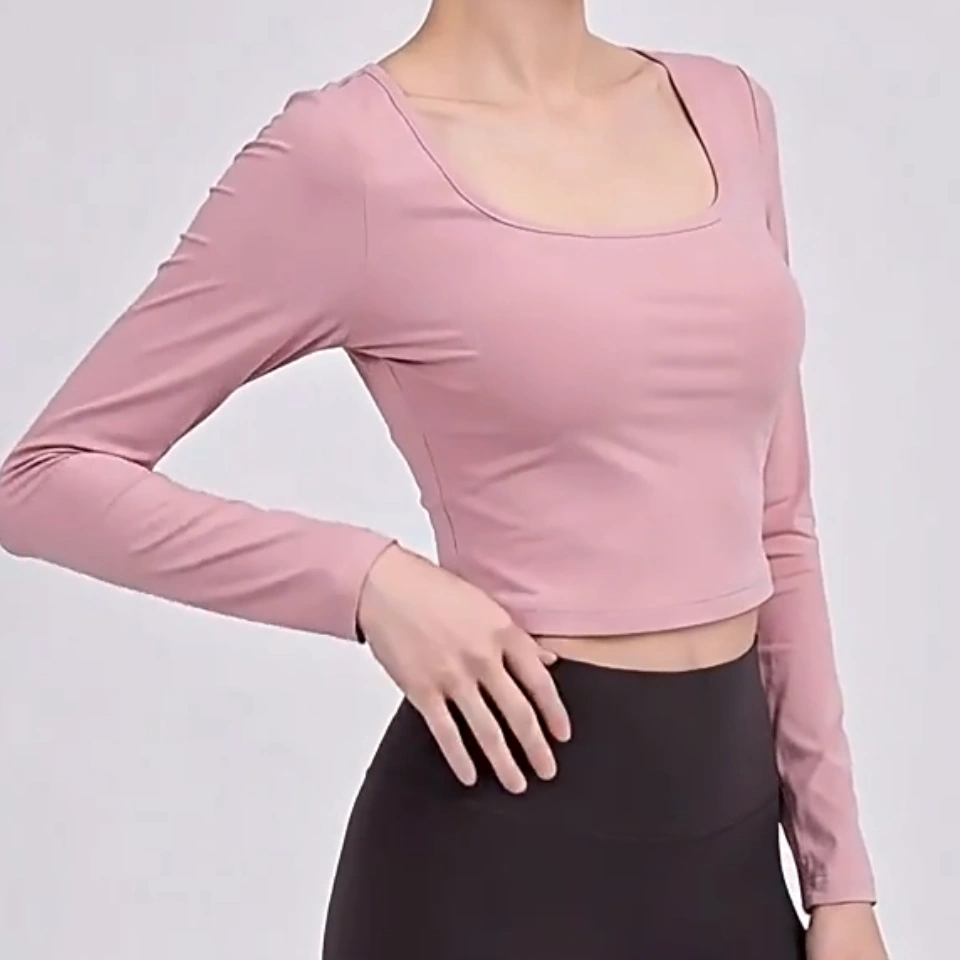
Custom yoga long sleeves may include fitted, cropped, regular-length or longline silhouettes. Neckline, sleeve, hem and fabric choices should be assessed against their intended wearing conditions rather than assumed interchangeable.

Buyer Profile

This manufacturing service is particularly relevant to established yoga and activewear brands managing defined technical specifications, multiple colorways, planned replenishment or the introduction of additional products within an existing studio collection.

Manufacturing Scope

MOVEVOX combines Seamless and Cut & Sew capabilities. The appropriate construction route depends on garment geometry, desired appearance, material behavior and development feasibility, not simply on which machine is available.

Approval Boundary

An attractive prototype is not sufficient evidence of production readiness. Brands should define target fit, critical measurements, approved materials, construction, labeling and acceptance conditions before authorizing bulk manufacture.

Why It Matters

A manufacturer should help the sourcing team assess product feasibility, development risks and approval requirements—not merely provide a garment photograph and quotation.

MOVEMENT-SPECIFIC FIT

Fit Requirements Across Different Yoga Movement Patterns

A yoga long sleeve should be evaluated in the movements for which the brand intends it. Static standing measurements cannot establish how sleeves, necklines and hemlines behave when the arms extend, the torso folds or the body supports weight.
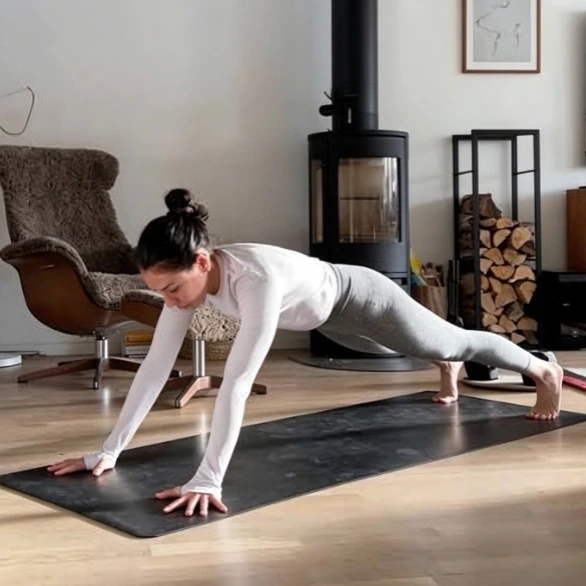
Yoga practitioner demonstrating a downward-facing pose for evaluating long sleeve neckline coverage and shoulder extension

Downward-Facing Positions

Downward-facing positions combine shoulder flexion, trunk inclination and changing garment tension. Depending on neckline shape, fabric behavior and torso coverage, the top may shift away from its intended position. A fit review should observe both the posture itself and the garment's recovery when the wearer stands upright. The objective is not to eliminate all movement but to determine whether displacement remains acceptable for the approved design.

  • Maintain the brand-approved neckline coverage while the torso remains inclined.
  • Evaluate sleeve and underarm tension during sustained arm extension.
  • Check lower-hem position and garment recovery after returning upright.

Related Product: Fitted Full-Length Yoga Long Sleeve.
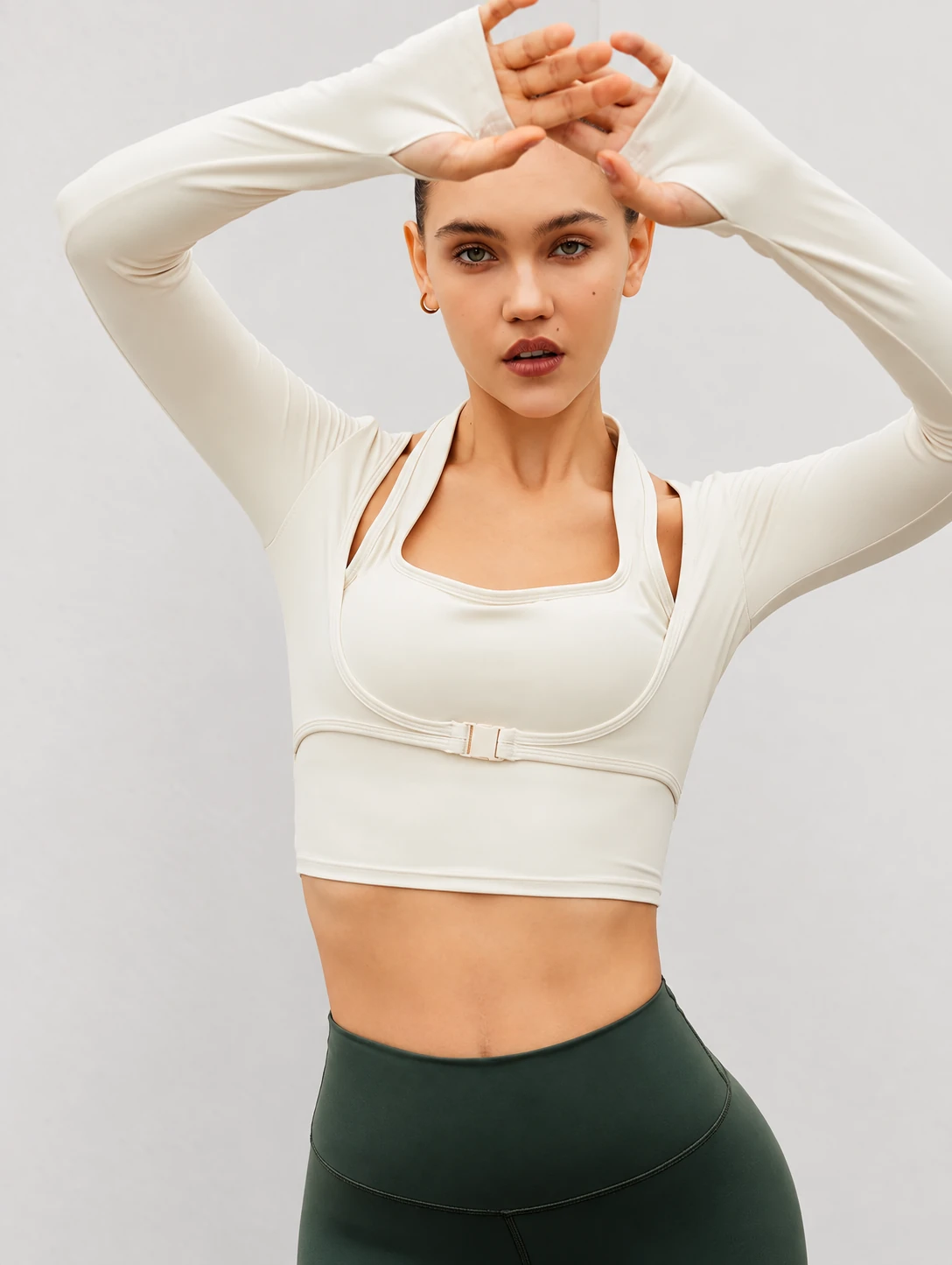
Yoga practitioner extending one arm overhead in a side-reaching pose to assess long sleeve mobility and hem movement

Extended Side Reaches

Side-reaching movements expose imbalances between body length, shoulder mobility and the amount of extension available through the sleeve and side body. A sleeve that appears correctly sized at rest may pull the hem upward when the arm rises. Technical review should separate insufficient sleeve mobility from inadequate body length or fabric stretch. Correcting the problem may require changes in pattern geometry rather than simply adding fabric to the sleeve.

  • Assess sleeve rise independently from movement of the main body hem.
  • Compare side-body extension on both sides of the garment.
  • Review shoulder, armhole and sleeve balance throughout the movement.

Related Product: Regular-Length Yoga Long Sleeve.
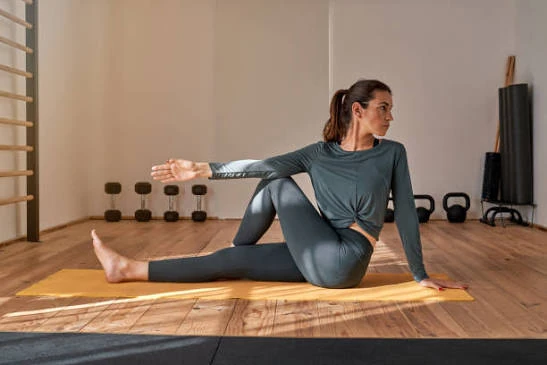
Seated yoga twist showing a long sleeve top during torso rotation for assessing side-seam and neckline alignment

Seated Twists

Seated rotations create diagonal tension across the shoulders, bust, waist and sleeve attachment. The fabric may twist with the wearer, causing side seams to migrate or one side of the hem to rise. A proposed fit assessment should observe how quickly the garment returns to its intended position after rotation. These findings help distinguish acceptable stretch movement from persistent garment distortion, particularly in closely fitted long sleeve silhouettes.

  • Observe side-seam rotation and tension around the shoulder and torso.
  • Check whether neckline alignment changes during repeated opposing twists.
  • Assess garment recovery without requiring repeated manual readjustment after movement.

Related Product: Fitted Studio Yoga Long Sleeve.
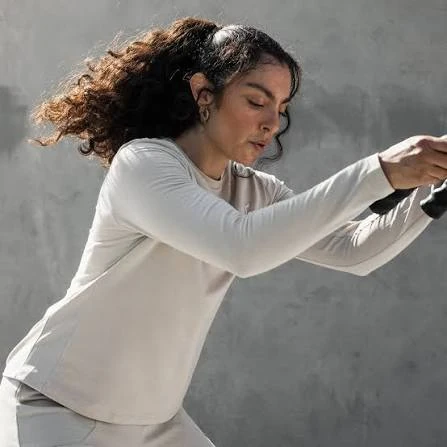
Yoga forward-fold movement illustrating neckline opening, hem coverage and long sleeve garment recovery

Forward Folds and Recovery

Forward folding changes the relationship between the back body, front hem and neckline. A cropped design may intentionally expose the waist, whereas a longer design may be expected to maintain greater coverage. Evaluation must therefore follow the approved silhouette rather than a universal coverage rule. Review should include bending, holding and returning upright, with attention to neckline opening, hem rolling, localized fabric tension and visual recovery.

  • Evaluate front and back coverage against the approved silhouette intent.
  • Check neckline stability without introducing excessive pressure around the neck.
  • Record persistent hem curling or fabric distortion after position changes.

Related Product: Cropped or Full-Length Yoga Long Sleeve.

ENGINEERING RISK MATRIX

Four Failure Risks in Yoga Long Sleeve Development

Yoga long sleeve development involves interacting material, pattern and construction variables. The following risks should be investigated as distinct technical questions, with corrective measures selected according to the garment's construction and the brand's intended fit.

Problem Commercial or Product Impact Proposed Engineering Response

Insufficient Stretch Recovery

Fabric extends during movement but does not recover adequately, leaving residual growth around elbows, shoulders or the main body.

Permanent-looking distortion can undermine the approved silhouette and affect size consistency. Repeated sampling may be required if the material was selected only by composition or initial handfeel. Define target extension and recovery behavior for the intended construction. Compare material samples, review garment-level recovery after movement and washing, and obtain approval using a documented method before confirming bulk fabric.

Sleeve Ride-Up

The cuff moves excessively toward the elbow during forward reach, overhead extension or supported positions, sometimes pulling the body upward.

Wearers may repeatedly adjust sleeves, while product teams may reject samples despite acceptable flat measurements. Adding sleeve length alone can conceal the underlying armhole or tension problem. Review sleeve pitch, armhole allowance, sleeve length, cuff circumference and underarm geometry together. Test the proposed adjustments on a fitted sample and examine cuff displacement separately from whole-garment movement.

Neckline Instability

An overly open, poorly balanced or insufficiently recovered neckline changes shape when the wearer bends or changes shoulder position.

Unintended exposure or neck pressure may conflict with the brand's coverage goals. Problems can become more pronounced across sizes when neckline grading lacks appropriate fit review. Check neckline geometry, front and back neck depth, shoulder balance, binding construction and material recovery. Use movement-based fitting to approve coverage and comfort rather than relying on neckline width alone.

Unstable Hem Position

The hem rolls, shifts upward or loses its intended relationship to the waist during reaching, twisting or bending.

Coverage complaints and inconsistent styling may affect a brand's repeat purchase expectations. Cropped and full-length styles require different approval criteria, making a single generic hem specification inadequate. Review body length, front/back balance, hem circumference, fabric stretch and finishing method. Establish silhouette-specific fit targets and confirm hem behavior during the movement sequence defined by the buyer.
GARMENT STRUCTURE REVIEW

Inspect the Structures That Control Yoga Top Movement

Movement performance depends on the interaction between fabric, pattern and construction. Use the following structure points to define which parts of a proposed yoga long sleeve require technical attention before the buyer approves the first fit sample.
Front and back view of a genuine yoga long sleeve top showing shoulder, armhole, sleeve, neckline, cuff, hem and side-seam construction locations

Overall Design Logic

These structure points should be reviewed together. Changing a sleeve, neckline or hem can redistribute tension elsewhere in the garment. The proposed development review should begin with the brand's target fit, compare movements on actual samples, document changes and secure approval before using those decisions as production specifications.

DEVELOPMENT & FIT APPROVAL

Develop a Yoga Long Sleeve Through Controlled Fit Reviews

MOVEVOX supports product development from technical requirements or legally usable garment references. For a yoga long sleeve program, the following proposed approval sequence can help buyers separate fit decisions from material, decoration and final production authorization.

Step 1 — Technical Input

Start with a clear target silhouette, size range, intended yoga application and the priority movement concerns. A complete Tech Pack is useful, but an authorized reference sample or well-defined development brief can also support initial feasibility discussions. Unresolved material or construction questions should be identified before sample commitments are finalized.

Buyer Inputs

  • Target silhouette, intended wearer and product application requirements.
  • Existing sketches, specifications or authorized reference sample details.

Proposed MOVEVOX Outputs

  • Initial manufacturability observations and clarification of missing technical requirements.
  • Draft development scope covering material, pattern and construction decisions.

Approval Gate: Both parties agree on the sample objective, unresolved items and development inputs before the initial prototype is prepared.

Step 2 — Initial Fit

Prepare and review an initial garment against agreed flat measurements, target appearance and movement expectations. The buyer's technical team should assess sleeve position, neckline coverage, body length and overall comfort. Static measurements and active-wear evaluations should be recorded separately to identify the causes of any observed differences.

Buyer Inputs

  • Fit feedback supported by photographs or measurable reference points.
  • Identified priorities covering sleeve, neck, hem and overall comfort.

Proposed MOVEVOX Outputs

  • Revised technical observations and pattern or structure change recommendations.
  • Sample revision scope with the affected measurements clearly identified.

Approval Gate: The team confirms which fit issues require revision and which characteristics are provisionally acceptable for further development.

Step 3 — Revision Review

A revised sample should address the previously recorded concerns without unintentionally introducing new ones. For instance, an adjustment that reduces sleeve lift must not create uncomfortable wrist pressure or destabilize the neckline. Review the altered areas, repeat the agreed movement checks and record the updated technical version.

Buyer Inputs

  • Acceptance comments on the modified fit and appearance.
  • Confirmation of outstanding issues or additional target adjustments.

Proposed MOVEVOX Outputs

  • Revised sample and corresponding measurement or construction updates.
  • Documented open-point summary for buyer review and approval.

Approval Gate: The buyer approves the target fit or authorizes another specific revision, rather than treating silence as acceptance.

Step 4 — Fit Release

Once the target fit is approved, other production variables must still be confirmed. Size-set grading, color, material source, branding, care information, packaging and production-level samples may require separate review. Fit approval alone does not authorize unrestricted bulk manufacture or certify the product's performance across every size.

Buyer Inputs

  • Written fit approval identifying sample version and applicable size.
  • Outstanding size-set, material, branding and production approval instructions.

Proposed MOVEVOX Outputs

  • Approved-fit references linked to production specification requirements.
  • Clear handover information for subsequent sampling and production checks.

Approval Gate: Fit approval is documented with its scope, while remaining pre-production approvals are completed before bulk release.

MANUFACTURING ROUTE SELECTION

Choose the Manufacturing Route Around the Garment Design

MOVEVOX combines Santoni seamless knitting and cut-and-sew manufacturing capabilities. Neither route is automatically superior for yoga long sleeves. The appropriate recommendation depends on silhouette, shaping, seams, yarn or fabric requirements, finishing details, order structure and approval expectations.
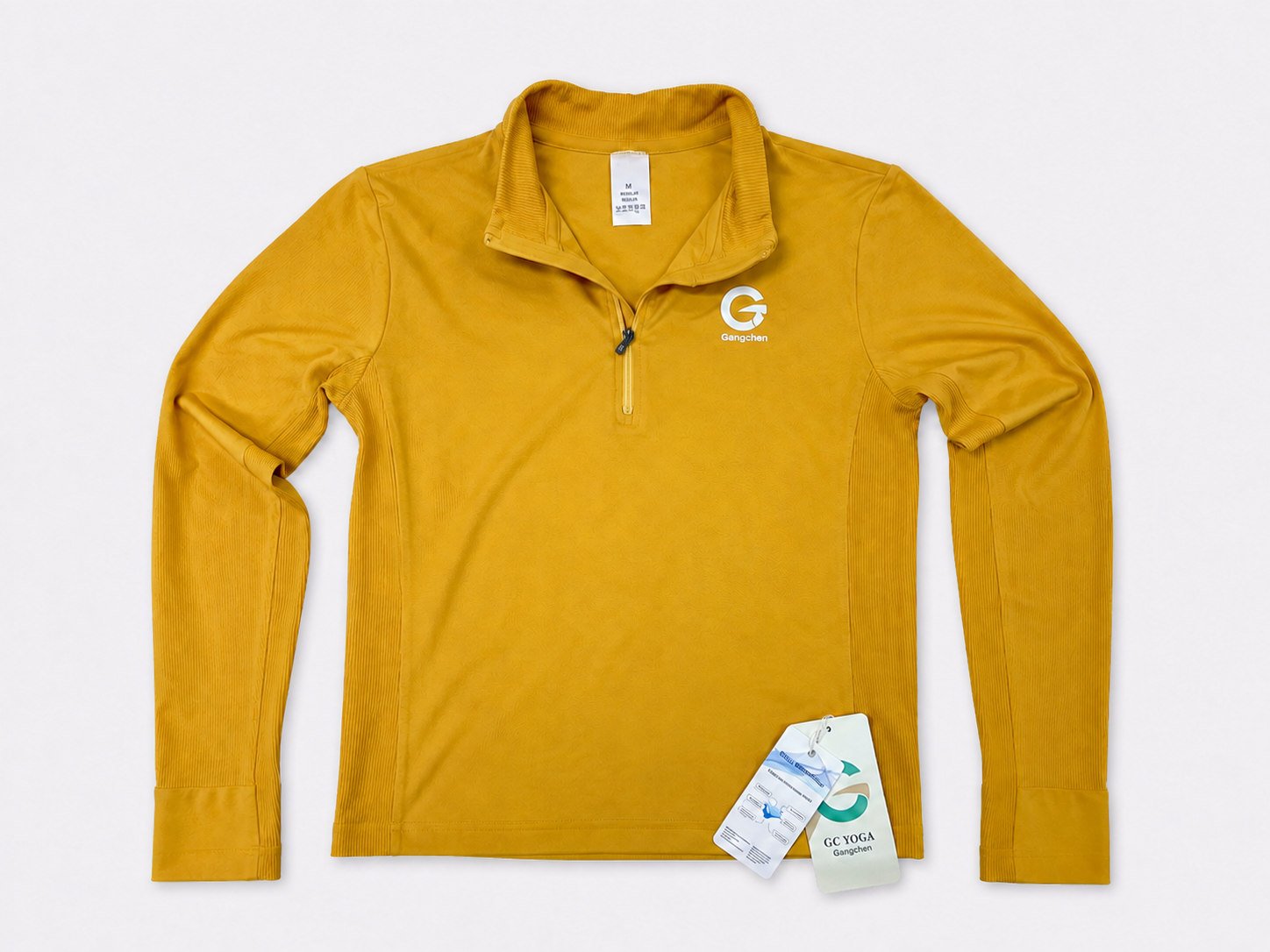
Genuine seamless knitted long sleeve activewear garment showing fitted knit structure and finishing details
Seamless Fitted Yoga Top Matching long sleeve product image pending

Seamless Fitted Yoga Top

A fitted long sleeve may benefit from engineered knit structures that create texture, local stretch variation or reduced conventional cut-and-sew seams in selected areas. However, “seamless” does not mean an entire garment has no finishing operations, and available shapes depend on machine and programming capabilities. The technical review should examine body shaping, sleeve connection, neck finishing, yarn selection and size programming before confirming the manufacturing route.

Best-Fit Conditions

  • Target silhouette compatible with available knitting and finishing methods.
  • Yarn, structure and garment shaping suitable for programmed development.
  • Defined material, size and production approval requirements before sampling.
Review Seamless Design
Genuine cut and sew yoga long sleeve top showing shaped sleeve panels, shoulder seams and neckline construction
Pattern-Driven Cut-and-Sew Top Matching construction image pending

Pattern-Driven Cut-and-Sew Top

Cut & Sew may suit long sleeves requiring specific panel shapes, shoulder construction, fitted necklines, body contouring or combinations of fabric and trims. Pattern flexibility allows targeted adjustments around armholes, hems and shoulder lines, but the final garment must still meet seam stretch, comfort and dimensional requirements. The buyer should evaluate fabric construction alongside pattern geometry and stitching methods rather than judging the product solely by visual appearance.

Best-Fit Conditions

  • Pattern-driven shaping and conventional fabric selection are central requirements.
  • Critical seam locations and elasticity need technical review and approval.
  • Buyer can provide measurements, construction references or fit feedback.
Review Pattern Design
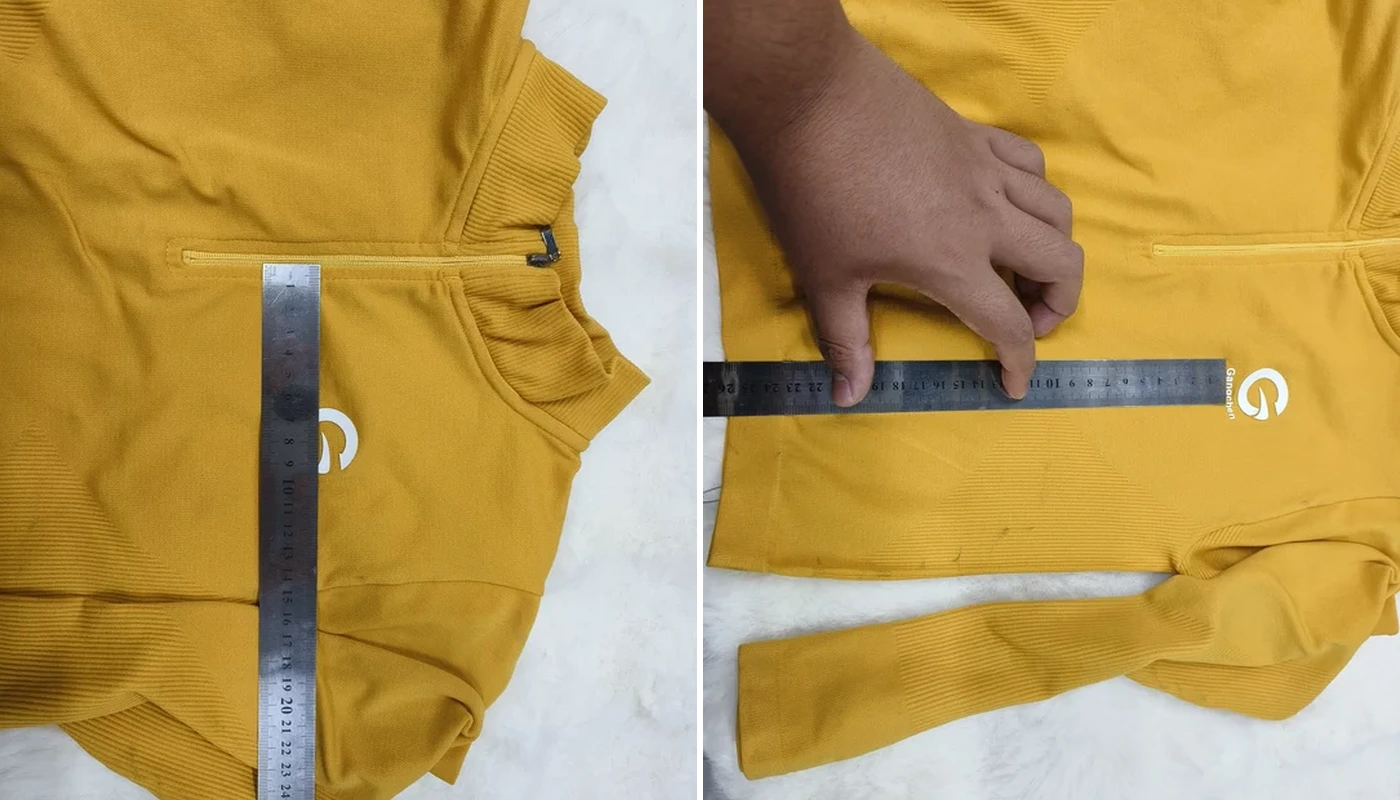
Authorized reference yoga long sleeve sample and technical pattern measurements used for product redevelopment review
Existing Product Redevelopment Authorized sample reference image pending

Redevelop an Existing Bestseller

Brands replacing an existing supplier may already have a reference garment, approved size chart and known consumer feedback. The development task is to determine which qualities must be preserved and which problems require correction. A new supplier cannot assume that matching flat dimensions alone reproduces the original garment. Material behavior, construction, fit and intellectual property authorization should all be reviewed before sampling and quotation.

Best-Fit Conditions

  • Buyer controls the design or possesses lawful development authorization.
  • Original garment, technical measurements and approval criteria are available.
  • Required improvements and commercially acceptable changes are documented.
Review Existing Sample
TECHNICAL PROJECT REVIEW

Review Your Yoga Long Sleeve Before Sampling Begins

If your brand already has a Tech Pack, size specification, approved reference garment or clear development concept, MOVEVOX can discuss the proposed manufacturing requirements. Share the intended silhouette, target market, material preferences and critical fit concerns so the initial review can identify clarification points before sampling or quotation.

Project discussions can begin with available technical information; complete production requirements should be confirmed before final approval.

YOGA LONG SLEEVE SILHOUETTES

Choose the Right Silhouette for Your Yoga Collection

A long sleeve yoga top should be developed around the brand's intended wearing experience. Body length, degree of fit, neckline and hem structure influence not only appearance but also movement coverage and compatibility with leggings or other garments.
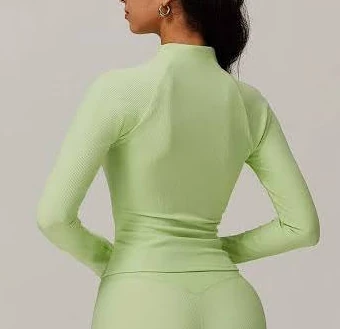
Fitted full-length yoga long sleeve top showing planned waist coverage and close-fitting silhouette
Fitted Full-Length Matching product image pending

Fitted Full-Length

Close-fitting construction with planned waist coverage; suitable when the brand prioritizes defined body lines and movement review.
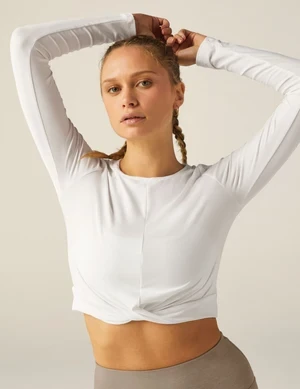
Cropped long sleeve yoga top showing shorter body length and intended waist exposure
Cropped Studio Top Matching cropped long sleeve image pending

Cropped Studio Top

Shorter body length for intentional waist exposure; hem position must be approved against the selected rise of leggings.
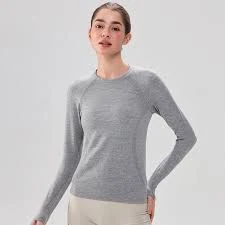
Regular-length yoga long sleeve top showing balanced sleeve and lower-hem proportions
Regular-Length Essential Matching product image pending

Regular-Length Essential

A versatile silhouette requiring balanced shoulder mobility, sleeve length and natural hem placement during repeated posture changes.
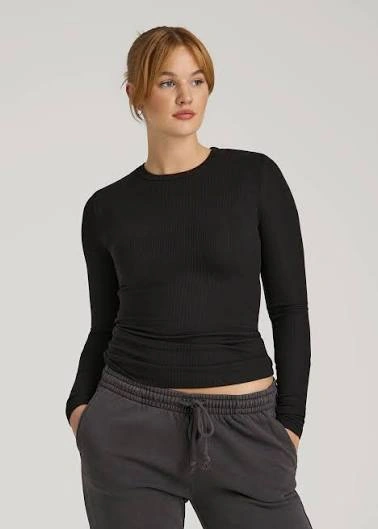
Longline yoga long sleeve top illustrating extended body coverage and hip-level hem positioning
Longline Coverage Top Matching longline product image pending

Longline Coverage Top

Extended body length for additional intended coverage; review hip fit, hem tension and fabric accumulation during seated movement.
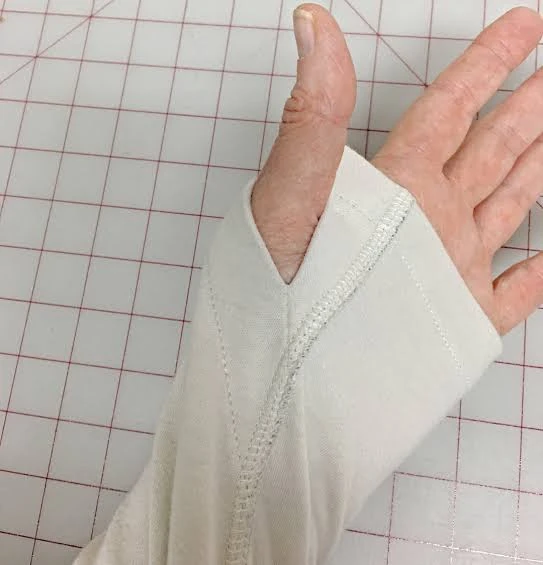
Close-up of yoga long sleeve wrist cuff with thumbhole opening and sleeve-length detail
Thumbhole Sleeve Option Matching cuff detail image pending

Thumbhole Sleeve Option

An optional wrist and hand detail requiring careful consideration of sleeve length, thumb placement, tension and comfort.

Lightweight long sleeve yoga layering top illustrating comfortable studio wear and relaxed movement
Lightweight Layering Top Matching studio layering image pending

Lightweight Layering Top

A proposed studio layering direction emphasizing mobility and comfort over heavy compression, subject to material and fit approval.

FABRIC SELECTION FRAMEWORK

Match Yoga Long Sleeve Fabrics to Movement Requirements

Fabric selection should start with the wearer's intended use rather than fiber composition alone. Stretch, recovery, thickness, surface texture, breathability, finish and production feasibility must be evaluated together, especially when sleeve movement and garment coverage are critical.

What is the intended yoga environment?

Indoor Studio Cool Weather Multi-Purpose

Material Selection Direction

For indoor studio use, compare smooth stretch and suitable rib knits against the target comfort and coverage requirements. For cooler conditions, brushed knits may be considered. Multi-purpose designs require a broader review of fabric weight, recovery, washing performance and intended activity.

Review Smooth Stretch Knit · Review Brushed Knit

What fit should the top provide?

Close Fitting Regular Relaxed

Material Selection Direction

Close-fitting styles may require closer evaluation of stretch recovery and compatible garment shaping, including suitable engineered seamless options. Regular or relaxed silhouettes may offer more material choices, but neckline, sleeve and hem behavior must still be assessed on the actual pattern.

Review Engineered Seamless Knit · Review Stretch Rib Knit

Which handfeel is preferred?

Smooth Soft-Brushed Textured

Material Selection Direction

A smooth surface suggests reviewing smooth stretch knits; a soft-brushed preference suggests examining the actual finishing and pilling behavior; a textured appearance suggests rib or compatible engineered knitting structures. Handfeel should be approved through physical swatches.

Smooth Knit · Brushed Knit · Rib Knit

Which stretch behavior matters most?

Multi-Directional Recovery-Focused Balanced

Material Selection Direction

Multi-directional movement requires reviewing stretch in the relevant fabric directions. Recovery-focused designs require examination of residual growth after extension. A balanced requirement needs both properties assessed together. These behaviors must be supported by actual specifications or testing, not inferred from fabric names alone.

Review Stretch & Recovery Comparison

What is the material sourcing priority?

Established Fabric Custom Development Certified Input

Material Selection Direction

Established materials should be reviewed against available swatches and specifications. Custom development requires confirmation of manufacturing feasibility, purchasing conditions and approval stages. For certified input requirements, the buyer should verify the applicable material, supplier, scope and documents before relying on any claim.

Review Technical Inputs

Candidate Fabric Options

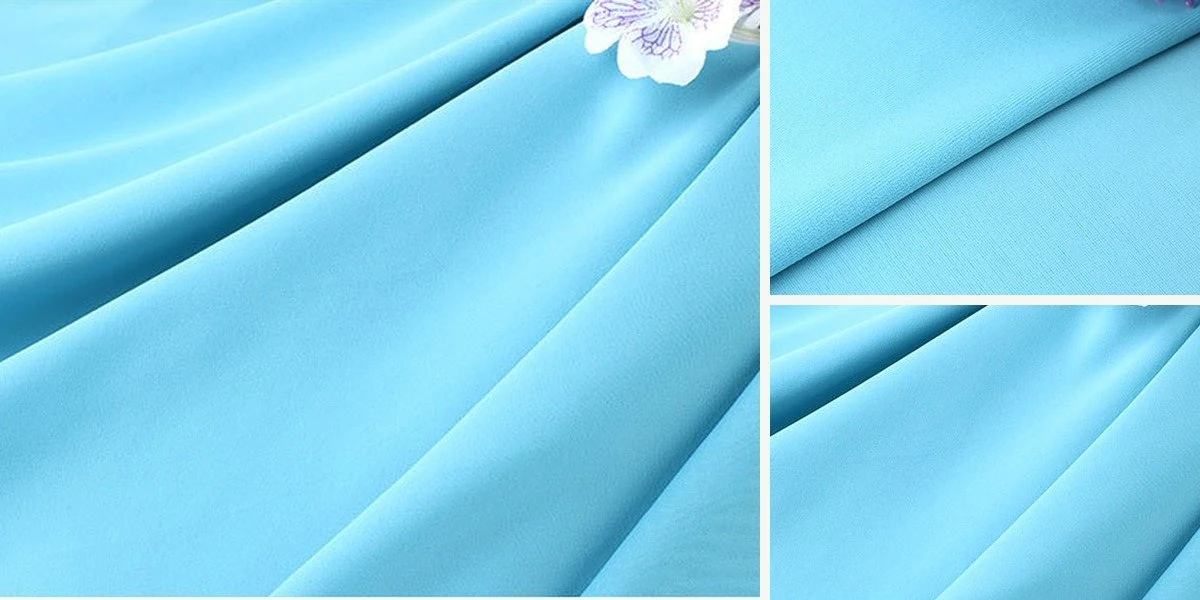
Close-up of smooth stretch knit fabric suitable for evaluation in a fitted yoga long sleeve

Smooth Stretch Knit

A smooth nylon/elastane or polyester/elastane knit may suit a fitted yoga long sleeve requiring movement comfort and a controlled surface appearance. Selection should consider fabric weight, elastic response, wash behavior, opacity and the intended finishing method. A soft initial handfeel does not automatically predict long-term shape stability. The final choice should follow actual fabric review and garment sampling rather than an assumed performance rating.
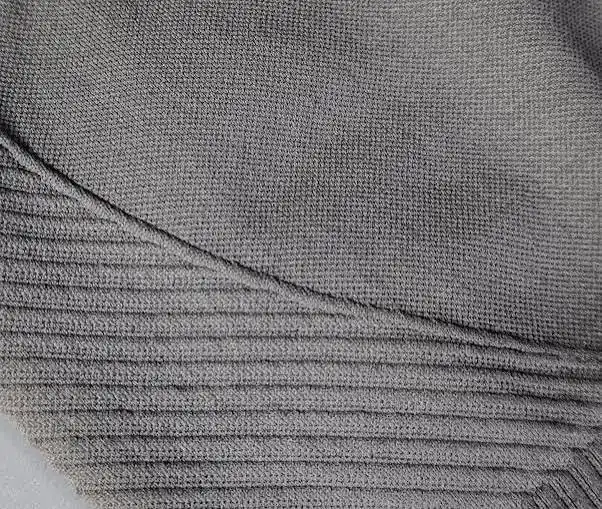
Composition to confirm GSM to specify Recovery to evaluate
Stretch rib knit fabric close-up showing rib texture and directional fabric structure
Stretch Rib Knit Matching rib fabric image pending

Stretch Rib Knit

Rib constructions can provide visible texture and directional stretch behavior, creating distinct fit and appearance possibilities. However, rib density, yarn characteristics and finishing influence recovery and surface stability. Designers should verify whether the selected rib behaves appropriately around the sleeve, neckline and body hem. A rib fabric approved for a relaxed top may not perform the same way in a fitted version.
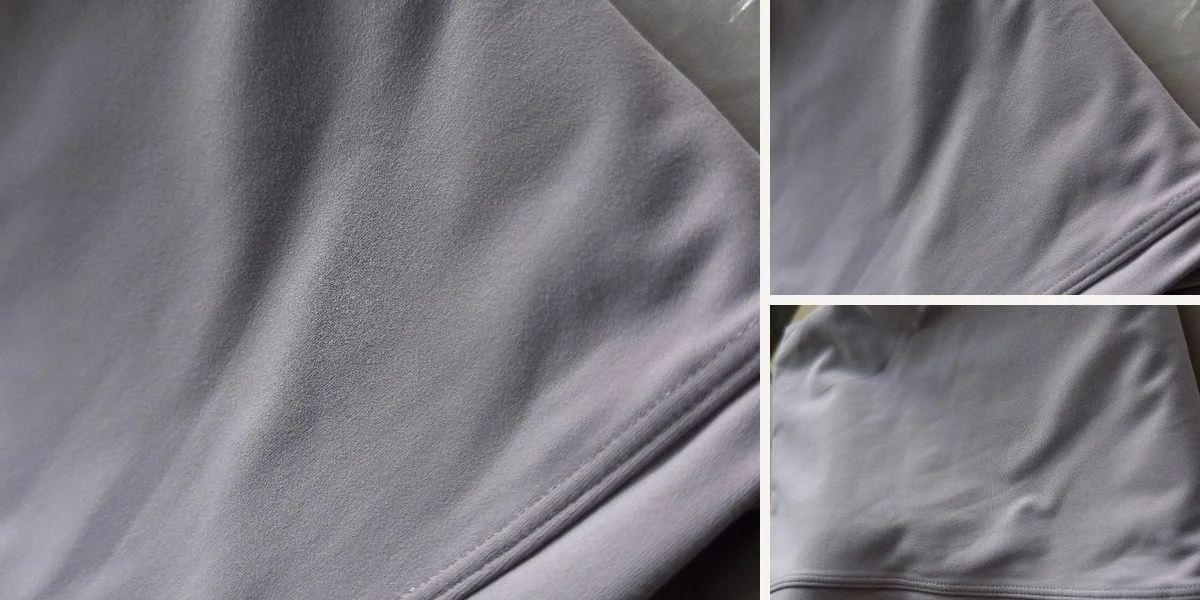
Rib structure Extension direction Hem behavior
Close-up of soft brushed performance knit fabric surface for yoga long sleeve material evaluation

Brushed Performance Knit

A brushed knit may be considered for a cooler-weather or softer-touch yoga top. The development team should examine whether the finishing process affects stretch recovery, pilling resistance, drying behavior or garment weight. Brushed fabrics should not automatically be described as thermal, quick-drying or high-performance without applicable evidence. The final decision requires a physical swatch and relevant product testing.

Surface finish Pilling assessment Seasonal use
Engineered seamless knit structure showing distinct knitted zones suitable for technical manufacturing review

Engineered Seamless Knit

A seamless knitting route may allow selected texture and stretch characteristics to be programmed into the garment structure. Yarn availability, machine compatibility, knit density, sizing and finishing operations must be reviewed before accepting the design. Brands should evaluate whether the engineered structure achieves the intended appearance and movement behavior without producing unwanted localized pressure or visible distortion.

Yarn specification Knit program Size feasibility
STRETCH & RECOVERY ENGINEERING

Compare Stretch Behavior Before Approving Yoga Top Materials

Fabric composition is only a starting point. For yoga long sleeves, material review should examine stretch direction, elastic recovery, dimensional stability and the interaction between fabric behavior and the finished garment's structure.

Candidate Material Comparison — Specification Framework, Not Test Results

Review Parameter Smooth PA/EA Knit Smooth PES/EA Knit Stretch Rib Engineered Seamless
Fiber compositionSpecify actual blendSpecify actual blendSpecify yarn blendSpecify approved yarn
GSMLaboratory or supplier value requiredValue requiredValue requiredStructure-specific assessment
Widthwise stretchTest candidateTest candidateDirection-dependentProgram-dependent
Lengthwise stretchTest candidateTest candidateDirection-dependentProgram-dependent
Stretch recoveryTest after defined extensionTest after defined extensionCheck residual growthCheck structural recovery
OpacityAssess in relevant colorsAssess in relevant colorsAssess at extensionAssess across knit zones
Pilling resistanceTest as requiredTest as requiredSurface-dependentYarn/structure-dependent
Washing stabilityTest garment-relevant methodTest garment-relevant methodCheck rib distortionCheck dimensional change
HandfeelPhysical approval neededPhysical approval neededTexture approval neededStructure approval needed
Best potential useSmooth fitted designsFitted or lightweight designsTextured studio silhouettesProgram-compatible fitted styles

Material Approval Recommendation

Do not approve a fabric because it is described as four-way stretch or contains a particular percentage of elastane. Define the intended movement range, required appearance, wash conditions and acceptable recovery. The supplier should then provide actual material specifications and relevant test results for the selected material, color and finish.

An approved fabric should be identified in the product specification so an unreviewed substitute is not introduced during bulk sourcing. Any change to yarn, fabric supplier, construction or finishing may require additional approval.

SIZE GRADING & FIT CONTROL

Develop Consistent Sleeve and Body Fit Across Sizes

A long sleeve that fits the approved base size may behave differently when graded. Sleeve length, armhole geometry, shoulder width, neckline proportions and body length should be assessed as related measurements, with attention to the brand's intended size range and target wearer.
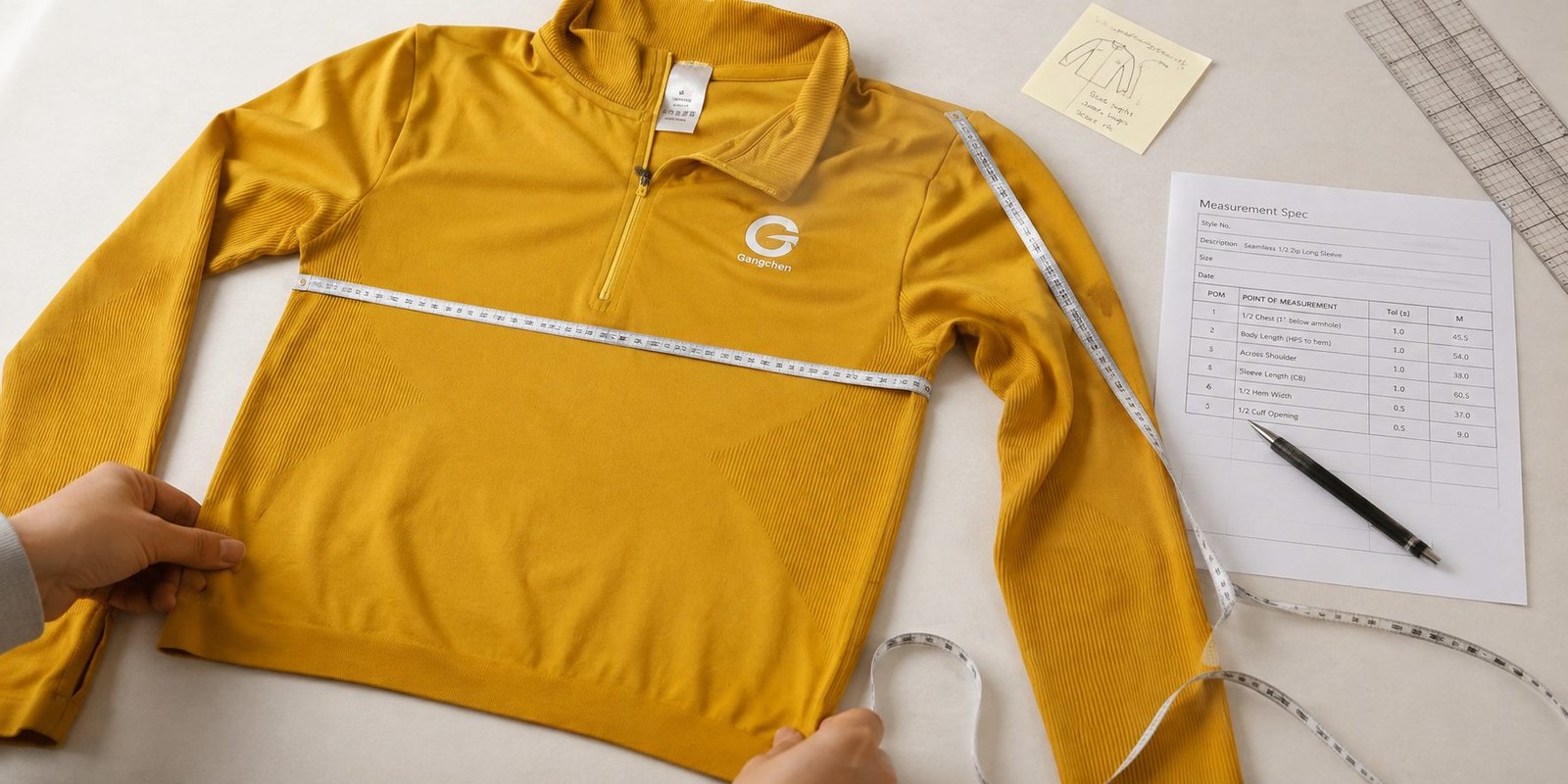
Yoga long sleeve technical point-of-measure diagram showing chest, shoulder, sleeve length, neckline and body length

Yoga Long Sleeve Size Specification — Blank Buyer Approval Template

SizeChest POMShoulder POMSleeve POMNeck OpeningBody Length
XSTo specifyTo specifyTo specifyTo specifyTo specify
STo specifyTo specifyTo specifyTo specifyTo specify
MTo specifyTo specifyTo specifyTo specifyTo specify
LTo specifyTo specifyTo specifyTo specifyTo specify
XLTo specifyTo specifyTo specifyTo specifyTo specify
XXLTo specifyTo specifyTo specifyTo specifyTo specify

Grade Rules Require Fit Validation

Grade increments should reflect the brand's approved sizing philosophy, material elasticity and garment construction. A uniform increase in every dimension may produce excessive sleeve length, unstable neck openings or inappropriate body coverage at the size-range extremes. A size-set review should identify which dimensions require proportional changes and which need independent technical judgment.

The table is intentionally unpopulated: it is a specification framework, not an approved MOVEVOX measurement chart. Actual dimensions and tolerances belong to the relevant project and version.

Three Grading Cautions

  • Do not assume sleeve and body lengths increase at the same rate across all sizes.
  • Check neckline geometry separately from chest grading, especially for wide-neck or fitted constructions.
  • Review representative sizes on appropriate fit models before finalizing the complete production specification.
CONSTRUCTION & STITCHING ATLAS

Inspect Construction Details Affecting Long Sleeve Yoga Fit

Seam and finishing decisions influence mobility, durability and wearer comfort. The following construction options are engineering considerations; suitability depends on the fabric, design, machinery and approved workmanship standard for each yoga long sleeve project.
Detailed view of shoulder seam placement on a genuine long sleeve activewear top

Shoulder Seam Placement

Shoulder seams affect where fabric tension travels during arm extension. A seam positioned for visual styling may also change how the neckline and sleeve behave. Pattern development should consider posture, shoulder shape and intended activity before finalizing the seam location.

Suitable Area: Shoulder joins and upper-body panels requiring specific shaping and defined assembly lines.

Comfort / Strength Consideration: Check seam flexibility, local pressure and appearance when arms move forward or overhead.
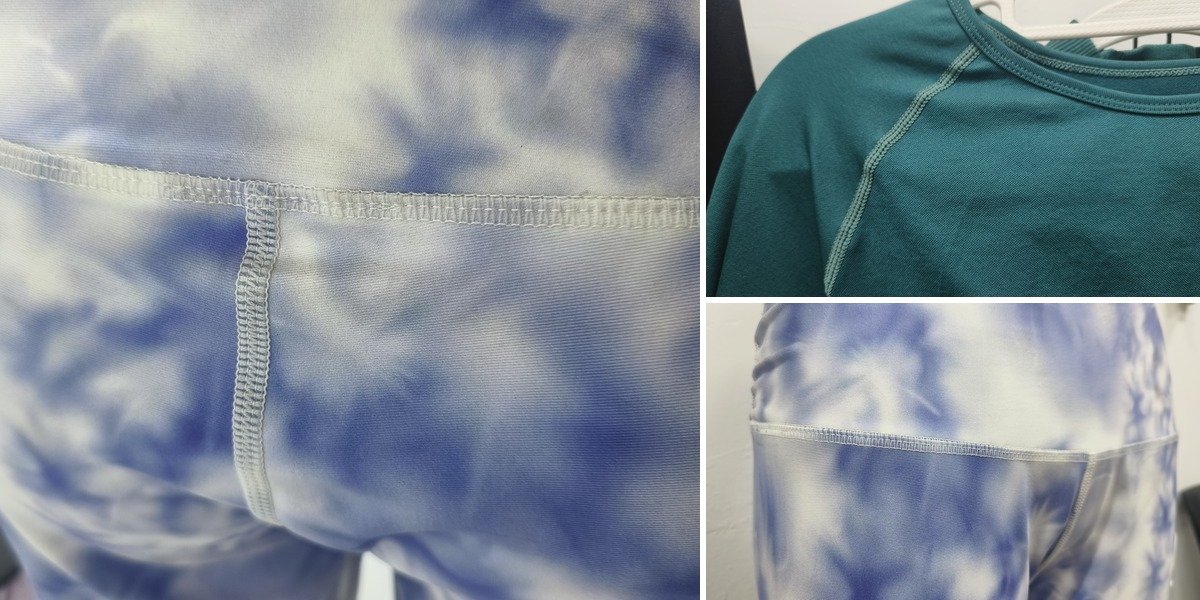
Macro view of flatlock stitching on stretch knit activewear fabric showing a relatively flat seam construction

Flatlock Construction

Flatlock techniques can create relatively flat seam assemblies that may be useful in selected close-fitting activewear applications. Stitch formation, seam allowance, thread choice and fabric response determine whether the result meets the product's visual, stretch and durability needs.

Suitable Area: Selected high-movement panels where approved fabric and seam equipment support the construction.

Comfort / Strength Consideration: Examine seam extension, surface feel and strength after repeated movement and laundering.
Close-up of overlock seam joining stretch knit fabric panels in conventional activewear construction

Overlock Seams

Overlock stitching is commonly used to join and finish knit fabric edges. However, stitch balance and seam allowance must be matched to the material's stretch behavior. A seam may look acceptable when flat yet experience excessive tension during torso rotation.

Suitable Area: Conventional knit garment assembly, side seams and suitable sleeve or body joins.

Comfort / Strength Consideration: Check seam extension, edge coverage, thread tension and localized skin contact.
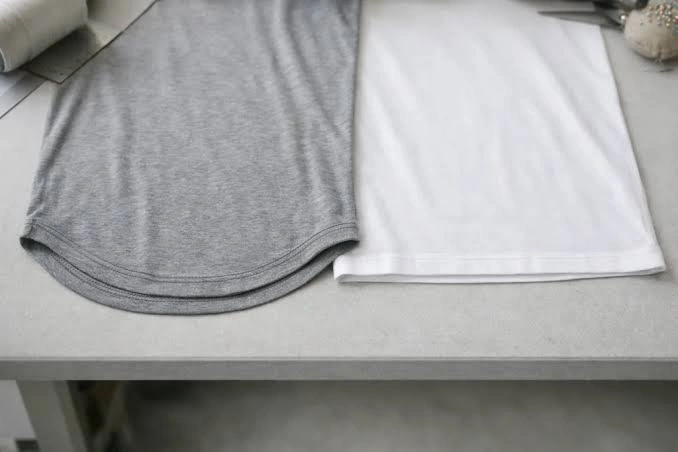
Close-up of coverstitch finish on the lower hem of a stretch long sleeve yoga garment

Coverstitch Hem

Coverstitch may provide a flexible finish for sleeve cuffs and body hems. The hem width, fold, stitch configuration and fabric tension influence whether the finished edge lies flat or rolls during movement. Approval should consider both appearance and durability.

Suitable Area: Sleeve hems, lower body hems and other selected elastic garment finishes.

Comfort / Strength Consideration: Review finished-edge stretch, recovery, tunneling and visibility after washing.
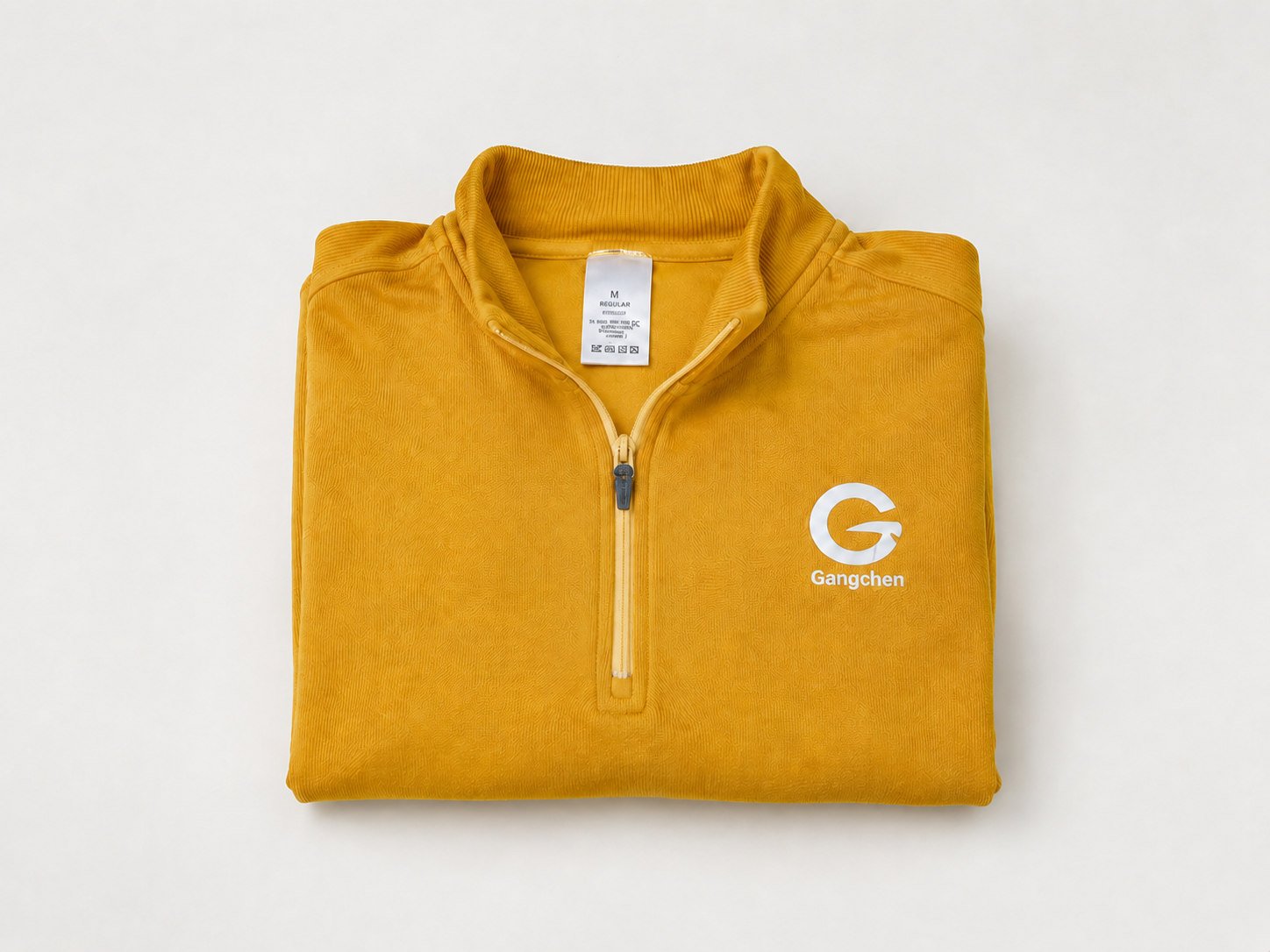
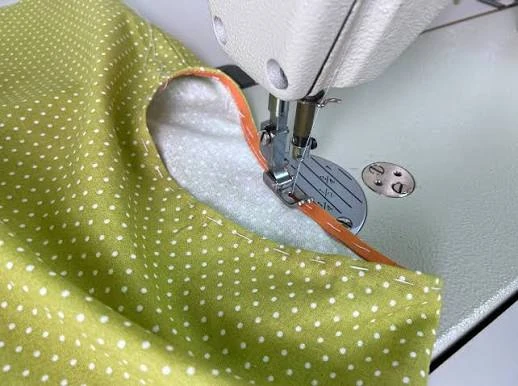
Detailed neckline binding and stitching on a fitted yoga long sleeve top

Neckline Binding

Neckline binding helps establish the intended opening and finish. Binding width, extension ratio, stitch selection and attachment method affect how the neckline sits against the body. A technically neat finish can still be unsuitable if it causes pressure or gaping.

Suitable Area: Crew neck, square neck, selected mock-neck and other compatible neckline constructions.

Comfort / Strength Consideration: Assess neck opening recovery, seam stability, comfort and movement-related changes in coverage.
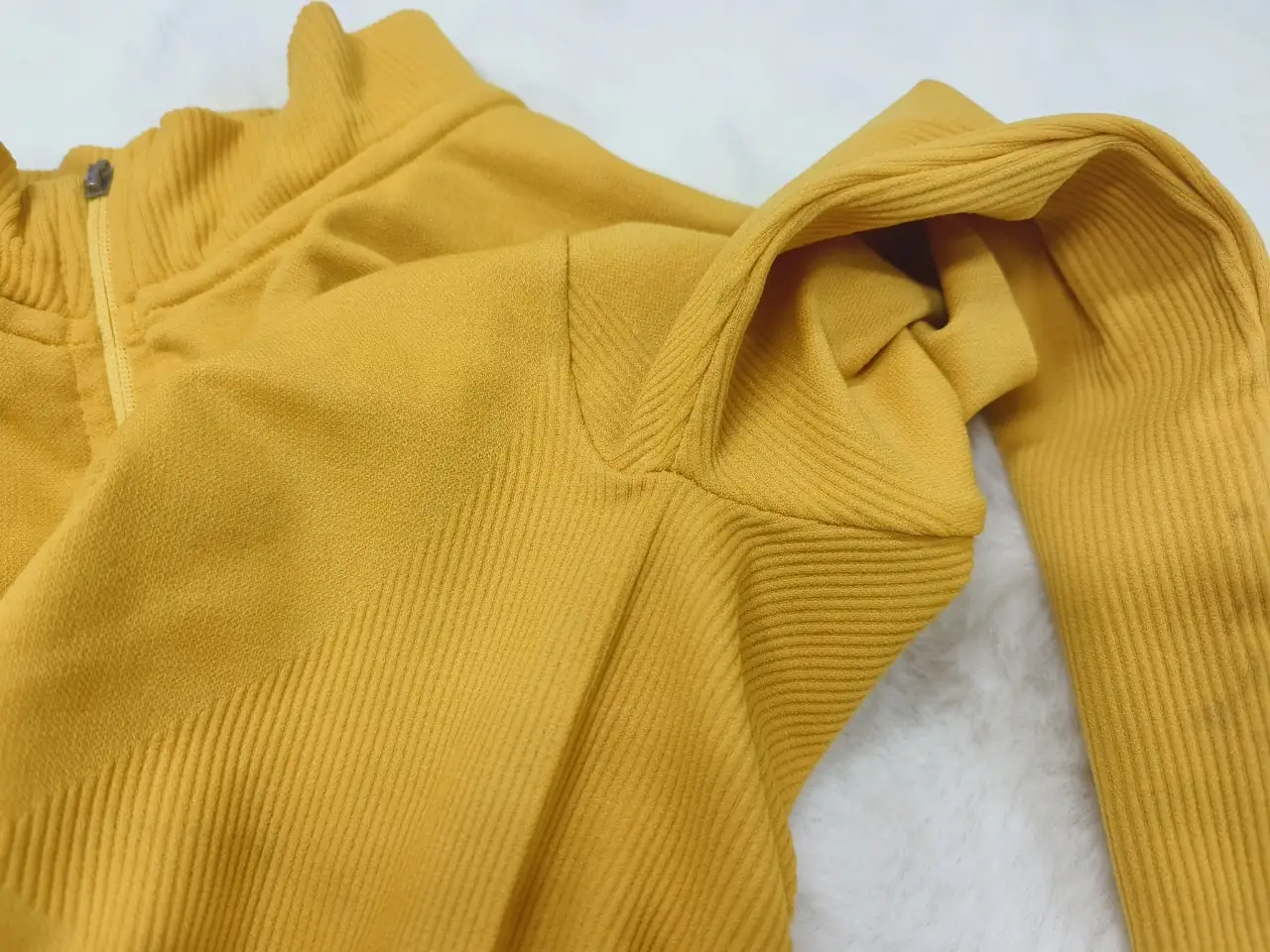
Detailed underarm construction showing sleeve-to-body transition on a technical long sleeve garment

Underarm Construction

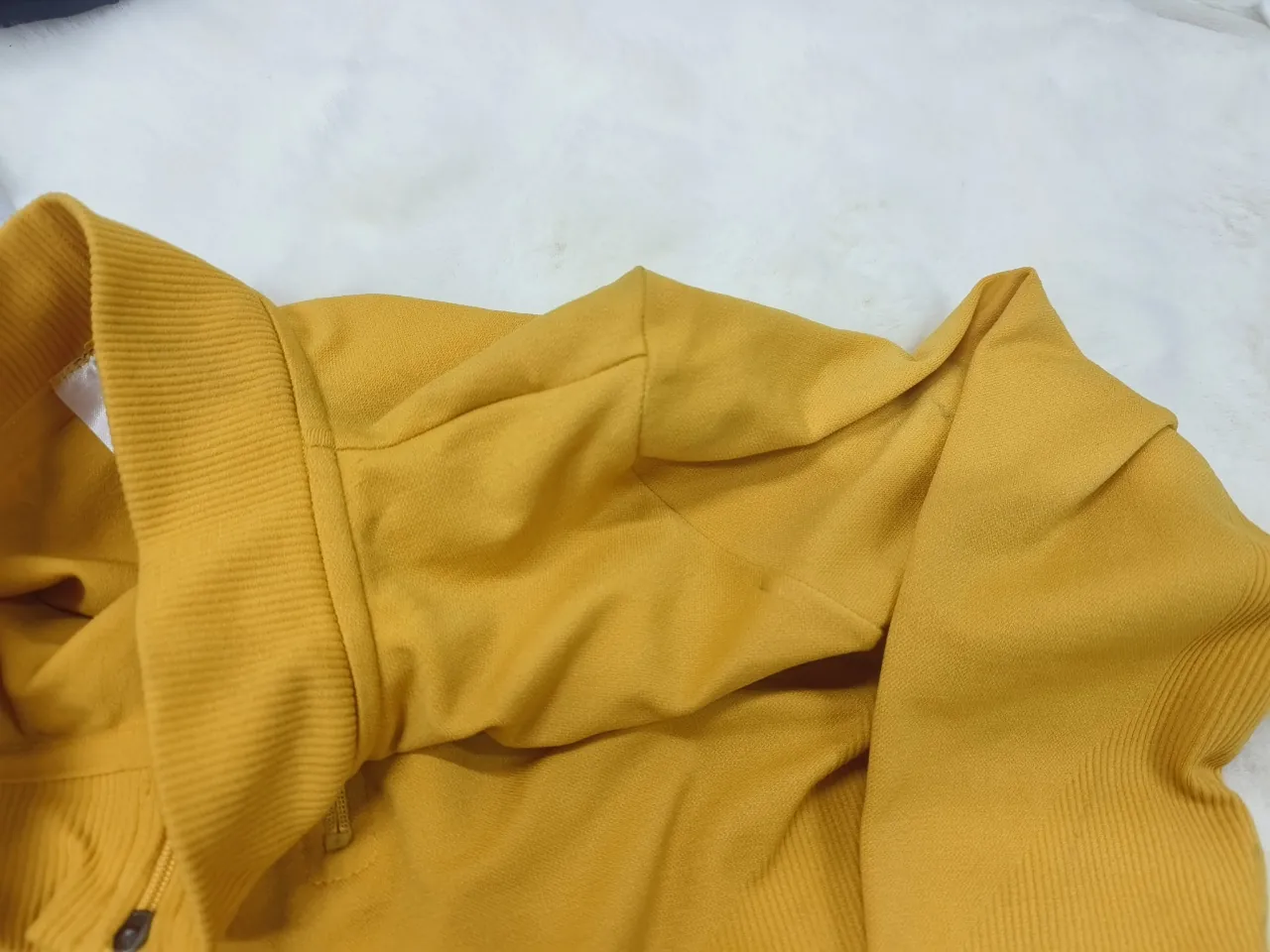
Underarm construction determines how the sleeve and torso interact during reaching and weight-bearing movements. Conventional armholes, alternative panel shaping or approved gusset designs may be considered. Each solution should be evaluated for mobility, manufacturing complexity and seam durability.

Suitable Area: Sleeve-to-body transition zones requiring controlled movement allowance and approved shaping.

Comfort / Strength Consideration: Examine fabric tension, seam concentration and unrestricted movement in the intended poses.

PERFORMANCE TESTING FRAMEWORK

Define Tests for Long Sleeve Shape and Performance

The appropriate testing plan depends on the approved material, finish, target market and buyer requirements. The following tests are recommended evaluation categories, not evidence that a particular MOVEVOX yoga long sleeve has already passed them.

Fabric Stretch

Purpose: Determine the material's extension characteristics under a defined loading or extension method, helping assess suitability for body movement and garment construction.

Method: Select an applicable recognized fabric stretch method, establish specimen orientation and conditioning, and record test conditions. Buyers should determine the relevant directional stretch requirements for the selected fabric.

Acceptance Basis: Buyer-approved target values, identified method, specimen and material batch.

Stretch Recovery

Purpose: Evaluate the fabric's ability to return toward its original dimensions after controlled extension, supporting decisions about sleeves, elbows and fitted body panels.

Method: Use a suitable fabric recovery procedure with defined extension, holding and recovery intervals. Compare residual deformation and consistency between relevant material directions where required.

Acceptance Basis: Approved recovery limits established for the actual fabric and product application.

Dimensional Change

Purpose: Assess how laundering affects garment dimensions, particularly sleeve length, body length, neckline position and potential twisting or shape distortion.

Method: Agree on laundering and drying conditions appropriate for the finished garment and market. Measure designated points before and after the specified cycles using a controlled procedure.

Acceptance Basis: Buyer-defined dimensional change tolerances and documented laundering conditions.

Seam Performance

Purpose: Assess whether relevant stitch and seam constructions remain suitable for the garment's planned movement, wash conditions and intended service life.

Method: Select seam tests appropriate to the fabric and assembly method. Examine extension, strength, stitch damage or failure under a defined procedure, supplemented by garment-level observations where needed.

Acceptance Basis: Approved seam performance criteria matched to construction and applicable test method.

Pilling Resistance

Purpose: Evaluate visible surface changes caused by rubbing during wear and laundering, particularly for textured, soft-brushed or close-fitting knit fabrics.

Method: Use an applicable pilling assessment method with agreed cycles and rating conditions. Compare tested specimens with the approved visual reference where such comparison is relevant.

Acceptance Basis: Buyer-approved rating requirement, test method and fabric identification.

Coverage and Opacity

Purpose: Determine whether a fabric or finished garment provides the intended visual coverage when worn and extended under relevant conditions.

Method: Define garment color, extension condition, lighting and the position being assessed. Use an agreed repeatable protocol because visual coverage depends on more than composition or fabric weight.

Acceptance Basis: Defined product-specific visual or instrumental criteria, not an unsupported universal opacity claim.

TECH PACK READINESS

Prepare the Technical Inputs for Reliable Yoga Top Development

A useful Tech Pack should describe more than the garment's appearance. It should allow the development team to identify material, fit, construction, labeling, quality and commercial requirements before sampling. The checklist below distinguishes essential inputs from details that can be confirmed during development.

InputPriority

Flat Sketch and Silhouette

Front and back views should identify neckline, sleeve length, body length, cuff, hem and any special panels. Construction drawings should distinguish decorative lines from actual seams and knitting boundaries.

Required

Measurement Specification

Provide the target base size, points of measure, grade rules if available and intended tolerances. Mark critical yoga-specific areas such as sleeve opening, neck depth and body length.

Required

Intended Yoga Application

Describe the expected practice environment, target fit and priority movements. State whether the design emphasizes fitted coverage, cropped styling, layering or another defined wearing experience.

Required

Fabric or Yarn Requirements

Share composition preferences, fabric reference, GSM target if known, handfeel, stretch expectations, colors and any approved supplier material. Unconfirmed values should be identified as development questions.

Required

Construction and Finishing

Define preferred shoulder assembly, sleeve attachment, neckline finish, hem construction and visible stitch appearance. Identify any special constraints on seam feel, stretch or manufacturing method.

Required

Color and Branding Details

Provide Pantone references or approved physical colors, artwork formats, logo positions and desired application methods. Specialized trims or printed components may introduce additional sourcing or approval requirements.

Optional at initial fit review

Size Range and Fit References

Identify the intended size range, base size and target wearer. Existing approved garments, fit comments and known customer complaints can help define development priorities when authorized for supplier use.

Required

Labels and Packaging

Provide country-specific labeling requirements, artwork, folding instructions, size identification and barcode rules. These details should be finalized before bulk even when they are not needed for the earliest fit prototype.

Optional at initial fit review

Testing and Compliance Brief

Specify relevant performance expectations, buyer RSL version, applicable market requirements, care claims and evidence needed for release. The final testing scope should relate to the actual selected materials and finished product.

Required before final product approval

Commercial Project Details

State estimated order quantity, style and color split, target market, required delivery window and expected development stages. These inputs affect manufacturing feasibility, material purchasing, production allocation and quotation accuracy.

Required for detailed RFQ

When Your Tech Pack Is Incomplete

MOVEVOX can begin discussions from a legally usable reference garment, an existing technical file or sufficiently defined product requirements. Missing details should become explicit review items rather than hidden assumptions. The project should not advance to final approval until required materials, measurements, construction and commercial conditions are agreed.

PERFORMANCE CLAIMS & EVIDENCE

Match Every Yoga Top Performance Claim With Evidence

Terms such as comfortable, supportive, shape-retaining and movement-friendly describe intended user outcomes, but they are not substitutes for measurable specifications. A mature brand should identify which claims are design objectives, which are supported by material evidence and which require garment-level validation.

Movement-Friendly Stretch

Claim: Designed for the intended yoga movement range.

The required evidence should establish how selected fabric, pattern and construction interact during the brand's target positions. Fabric extension data helps assess material suitability, while a movement-based fit review is needed to examine the actual garment. A material test alone cannot prove every finished garment remains comfortable during all yoga activities.

Evidence Basis: Approved fabric specifications, defined movement review and documented garment fit observations.

Controlled Sleeve Position

Claim: Sleeve movement is assessed against the approved design.

An appropriate evidence plan should examine sleeve location before and after selected arm movements, including overhead extension and support positions. Observations should distinguish cuff migration from movement of the entire garment. The buyer and supplier must agree on an acceptable outcome rather than claiming universal elimination of sleeve movement.

Evidence Basis: Sleeve POM, fit sample references, defined poses and customer-approved acceptance criteria.

Intended Neckline Coverage

Claim: Neckline coverage is developed for selected yoga positions.

Evidence should connect neck opening geometry, shoulder balance, fabric recovery and the approved silhouette. A standing photograph may demonstrate appearance but cannot establish coverage during forward folding. Claims should be limited to the movements, sizes and construction versions actually evaluated.

Evidence Basis: Approved neckline measurements, movement observations and version-specific garment evaluation records.

Stable Garment Shape

Claim: Fabric and garment shape are assessed for expected use.

Shape retention requires attention to material recovery, laundering effects, seam behavior and finished garment measurements. Relevant test reports may help substantiate specific characteristics, but results from another style, color or fabric batch should not automatically be extended to the current product without technical justification.

Evidence Basis: Applicable material or garment reports, laundering conditions and approved dimensional tolerances.

FIRST ARTICLE DEFECT PREVENTION

Prevent Critical Yoga Long Sleeve Defects Before Bulk Expansion

A First Article review should compare the actual production article with the frozen specification and approved sample. The following matrix is a proposed product-specific inspection framework. Final acceptance rules, inspection ownership and release authority must be defined for the customer's project.

Defect Likely Cause Prevention Inspection Point Corrective Action

Sleeve Length Mismatch

Finished sleeve measurements differ from the approved size specification or vary between left and right sides.

Incorrect grade data, pattern version, knit dimensions, cutting accuracy or uncontrolled finishing and sewing variation. Check approved sleeve POM, material behavior, actual cutting or knitting references and production sample measurements before expansion. Measure both sleeves on designated First Article sizes and compare them with the frozen specification and tolerances. Hold affected production, identify the source of variation and approve corrected representative articles before authorizing continued production.

Neckline Distortion

The neck opening appears stretched, asymmetric, twisted or visibly different from the approved garment.

Inappropriate binding tension, fabric recovery, assembly sequence, incorrect pattern geometry or unsuitable handling during sewing. Validate neckline construction on the production-representative sample and confirm binding, stitch settings and handling instructions. Inspect opening dimensions, symmetry, lying-flat appearance and agreed garment-level fit requirements at the designated approval stage. Isolate affected pieces, correct the relevant construction or specification issue and repeat the appropriate approval check.

Hem Curling

The body hem rolls or lifts unexpectedly after handling, movement or laundering-related dimensional change.

Hem finish, fabric curl tendency, stitch tension, body circumference or mismatched material and construction characteristics. Approve the hem method against actual fabric behavior and evaluate the proposed silhouette in selected movement conditions. Check hem flatness, construction dimensions, appearance and agreed fit criteria on the representative production article. Review fabric and hem construction, trial controlled adjustments and obtain approval before applying changes to the balance.

Seam Stretch Failure

Seams show stitch damage, restriction, skipped stitches or other signs of unsuitable extension under use.

Incompatible thread, stitch type, stitch density, needle selection or excessive tension at high-movement garment locations. Establish approved stitch construction and assess seam performance using the actual fabric and intended product requirements. Inspect seam appearance, stitch integrity and any specified functional checks on relevant production samples before release. Contain suspect production, correct machine settings or construction and recheck the affected seam against agreed requirements.

Color or Material Drift

Production material differs from approved color, handfeel, weight, surface appearance or other specified characteristics.

Uncontrolled material substitution, unapproved dye lot, incorrect fabric identification or missing batch verification before production. Link materials to approved references and ensure production purchasing and receiving checks use the applicable specification version. Verify material identification, applicable supplier documentation, color references and required incoming checks before production use. Quarantine nonconforming material, obtain buyer disposition and review substitute material only through documented approval where permitted.

Branding or Packaging Error

Logo placement, care information, size identification or packing configuration does not follow approved purchase requirements.

Incorrect artwork version, mixed SKU materials, unclear work instructions or insufficient identification during assembly and packing. Freeze relevant artwork, labels and packaging specifications, and establish SKU-specific production and packing references before release. Review brand marks, label content, size matching and approved packing requirements on designated articles and final packs. Segregate affected output, verify correct components and re-inspect the corrected products before final shipment release.
SAMPLE-TO-BULK TRACEABILITY

Carry Approved Yoga Top Standards Into Bulk Production

Bulk consistency depends on transferring the approved product definition to the correct material, production location, construction process and inspection requirements. The following is a recommended traceability structure for a yoga long sleeve program, using the manufacturer's existing development and quality-management capabilities.

Approved Design

The approved technical reference should identify the selected silhouette, size specification, construction version, material and relevant fit decisions. Written approval must specify its scope so an accepted fitting sample is not mistaken for approval of all bulk variables.

Document: Approved Tech Pack

Material Reference

The sourcing record should identify the approved fabric or yarn, color, supplier, relevant technical requirements and applicable batch references. Alternative material sources should not be treated as interchangeable without the necessary technical and customer approvals.

Document: Material Approval

Production Allocation

The production instruction should identify the approved manufacturing facility or route, product version and required order quantities. Where buyer contracts restrict subcontracting or specify an approved site, those requirements must govern allocation and change approval.

Document: Production Order

First Article

The first representative production article should be compared with approved specifications, materials, garment dimensions and relevant construction details. Any nonconformity must be resolved through the customer's agreed release procedure before production is expanded.

Document: First Article Record

Inline Inspection

During production, designated checks should confirm that relevant measurements, stitching, fabric identity, workmanship and brand components remain aligned with the approved standard. Inspection results and corrective actions should be associated with identifiable production batches.

Document: Inspection Record

Shipment Release

Final inspection and packing review should confirm the agreed order and shipment requirements. The supporting records should connect product version, production quantities, SKU details and packing information without disclosing confidential information from unrelated customer orders.

Document: Shipment Record

QUALITY CONTROL CHECKPOINTS

Connect Quality Checks to Yoga Long Sleeve Requirements

MOVEVOX has an established quality-management function supporting incoming, pre-production, in-process, finished-garment and pre-shipment checks. The following checkpoints show how that existing capability can be applied to yoga-long-sleeve-specific specifications, subject to the customer's approved inspection plan.

01 — Material Identity

Before material is released for production, its identification and relevant characteristics should be checked against approved purchasing and product requirements. For yoga long sleeves, differences in fabric construction or recovery can affect fit even where visible color appears correct.

  • Compare received material identification with the approved specification version.
  • Verify required color, weight or performance documents where applicable.

02 — Pattern or Program

Confirm that the cutting pattern or seamless knitting program corresponds to the approved product version. Sleeve length, armhole relationships, neckline geometry and body length require particular attention when multiple sizes or product variants are produced.

  • Confirm current pattern or knitting-program identification before production release.
  • Match designated critical POM to the approved product specification.

03 — First Article Review

A production-representative article should establish whether the approved design can be reproduced under the actual manufacturing conditions. Its review may include measurements, garment appearance, construction and agreed functional concerns, with corrective actions completed before further release.

  • Compare the representative garment with its approved physical reference.
  • Confirm release status and document unresolved exceptions before expansion.

04 — Inline Workmanship

Production-stage checks should focus on relevant construction risks, such as neckline distortion, sleeve asymmetry, seam stretch, hem curling and visible defects. The exact inspection frequency and sampling approach should be established for the order rather than assumed universal.

  • Inspect designated seam and garment-detail conditions during active production.
  • Record nonconformities and verify corrective action against approved requirements.

05 — Measurement Control

Finished-garment measurements should be assessed using agreed points of measure and defined garment conditioning. For elastic tops, inconsistent measuring tension can produce misleading results; a consistent technique is important across inspectors and production batches.

  • Apply the approved measurement method, base points and tolerance table.
  • Distinguish natural garment variation from measurements outside specified limits.

06 — Branding and Labels

Brand identification, care labels, size tags and decorative applications should follow the approved artwork, language and placement requirements. Elastic zones deserve attention because some decoration methods may alter local stretch or affect wearer comfort.

  • Match logo artwork, placement and method to the approved sample.
  • Verify size identification and required label information for each SKU.

07 — Packing and Release

Before shipment, relevant checks should verify garment identity, appearance, size/color assortment, packing method and carton identification against purchase instructions. Product-level inspection results and shipment readiness are separate controls and should be documented accordingly.

  • Confirm SKU-to-package matching and approved folding or packing instructions.
  • Check final disposition of nonconformities before authorized shipment release.

Handling Nonconforming Output

Items that do not meet the approved requirements should not be released as conforming simply because the majority of production appears acceptable. The relevant team should identify affected quantities, assess cause and severity, agree on rework or other disposition, and verify corrective action. The buyer's contractual inspection requirements and approval authority remain decisive. These are quality-control principles, not a claim of zero defects.

MANUFACTURING CAPABILITY TOUR

See the Manufacturing Capabilities Behind MOVEVOX Development Programs

MOVEVOX operates a core manufacturing system in Yiwu, Zhejiang, China, combining Santoni seamless knitting equipment with cut-and-sew capabilities. A factory review should connect each real production area to its responsibilities rather than imply that every garment process occurs in one production room.
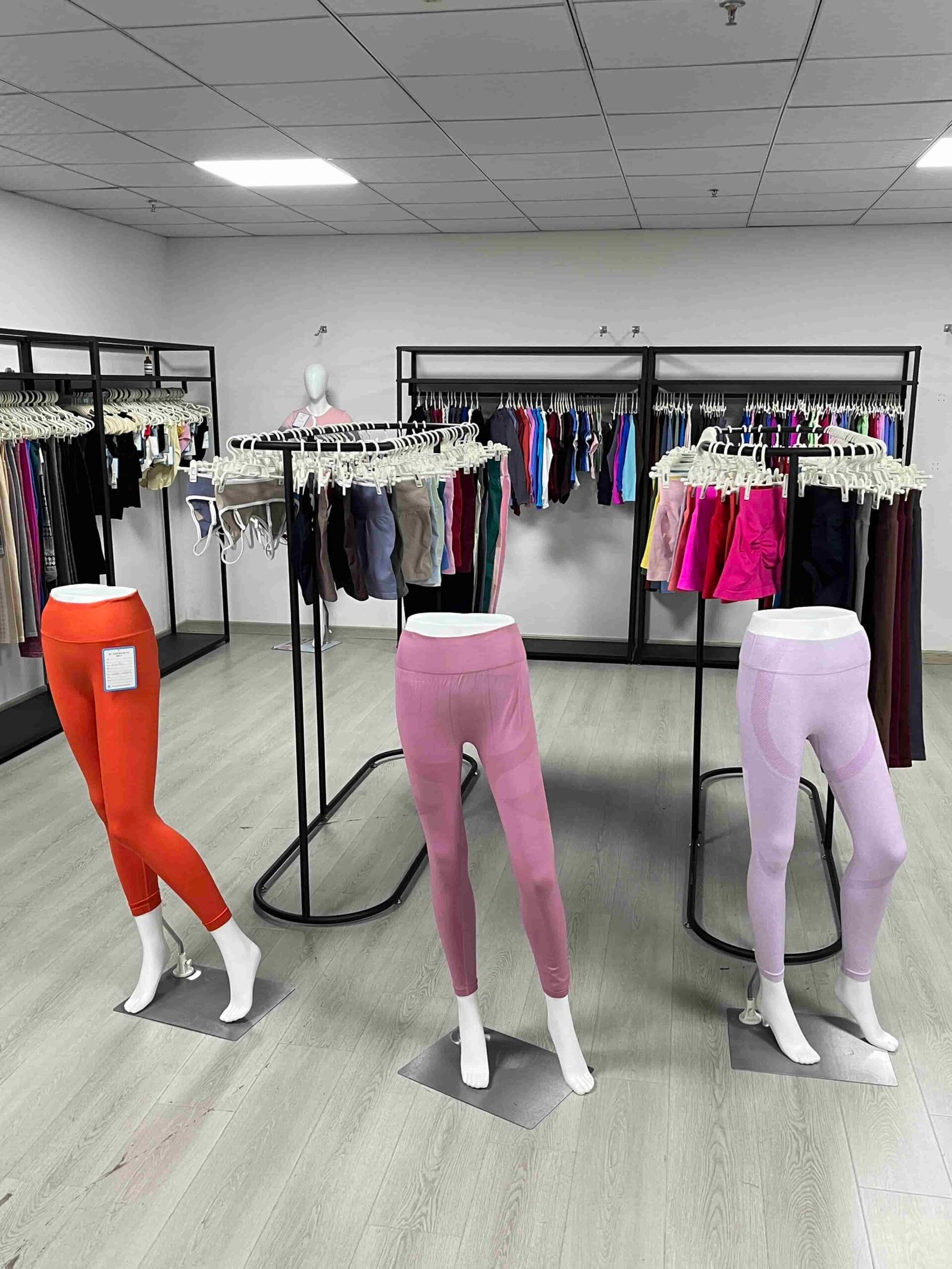
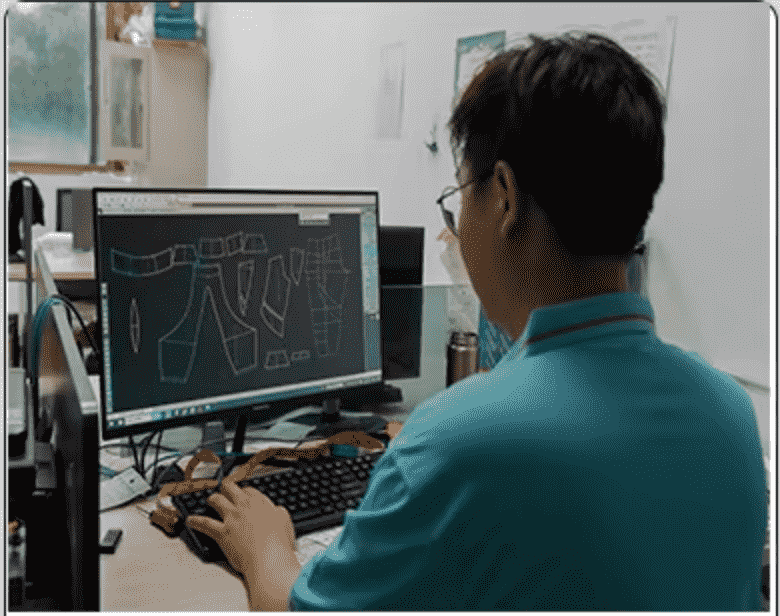
Real MOVEVOX product development workspace with samplemaking and pattern development equipment

Product Development Workspace

Product development begins by translating the buyer's available technical inputs into a feasible sample and production plan. MOVEVOX's documented development organization covers design, patternmaking and sampling functions. For a yoga long sleeve project, relevant questions include how measurements are interpreted, how sleeve and neckline changes are assessed, and which unresolved materials or construction details require buyer approval. The actual development process and evidence should reflect the project's real scope rather than a staged demonstration of completed long-sleeve testing.

Genuine product-development workspace showing actual patterns, samples or equipment without exposing confidential customer designs.
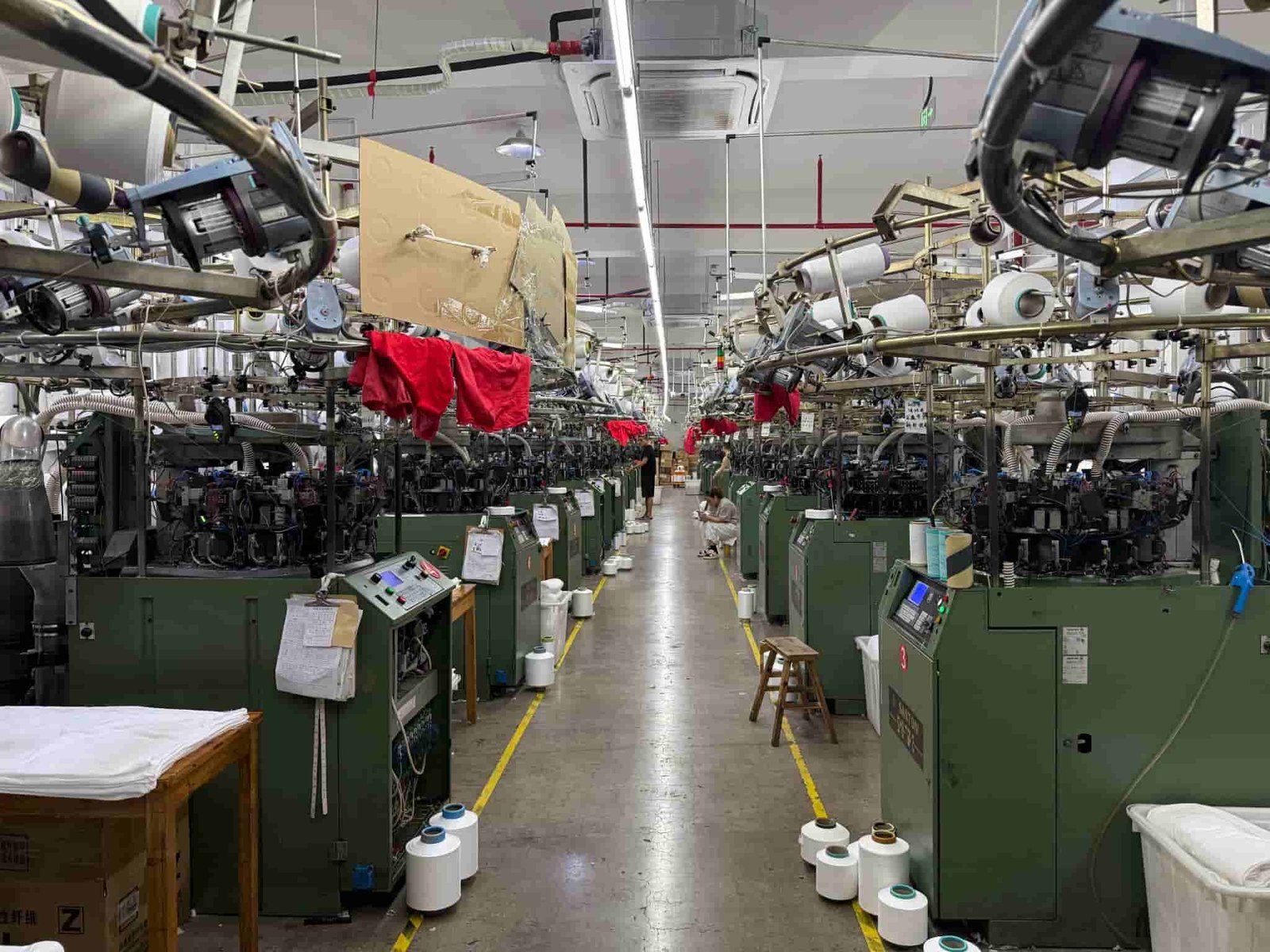
Genuine Italian Santoni seamless knitting equipment at MOVEVOX owned manufacturing facility

Santoni Seamless Knitting Area

MOVEVOX's documented manufacturing base includes 28 Italian Santoni seamless knitting machines. These machines provide a real capability basis for evaluating program-compatible seamless products, including suitable fitted activewear structures. A buyer should still assess yarn selection, machine compatibility, knitting program, sizing and required finishing steps before assigning a specific yoga long sleeve. Equipment ownership demonstrates a manufacturing resource; it does not by itself establish that a particular sleeve design has passed performance testing or can be produced without additional operations.

Actual Santoni equipment at the MOVEVOX facility, with machine identity and production context accurately represented.

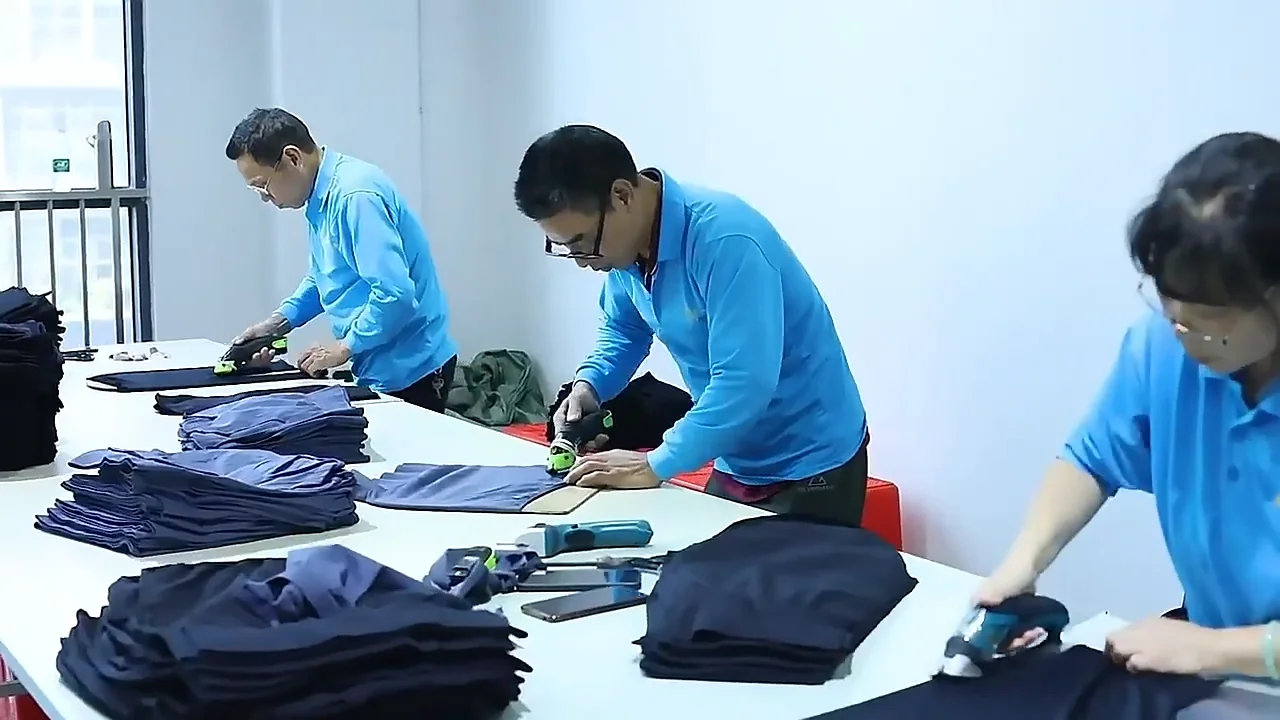
Authentic MOVEVOX cut and sew activewear manufacturing operation with sewing or garment cutting equipment

Cut-and-Sew Production Area

MOVEVOX also has cut-and-sew apparel manufacturing capabilities. This route can be relevant to yoga long sleeves requiring conventional fabric cutting, shaped sleeve patterns, controlled neck openings or specific panel construction. Buyers assessing a new product should ask how fabric is prepared, how patterns are controlled and what stitch or finishing methods match the intended stretch behavior. Genuine equipment imagery should make the manufacturing route understandable without overstating either the factory's ownership or its ability to execute every possible construction detail.

Real garment cutting or sewing operation corresponding to approved activewear construction and actual facility ownership.
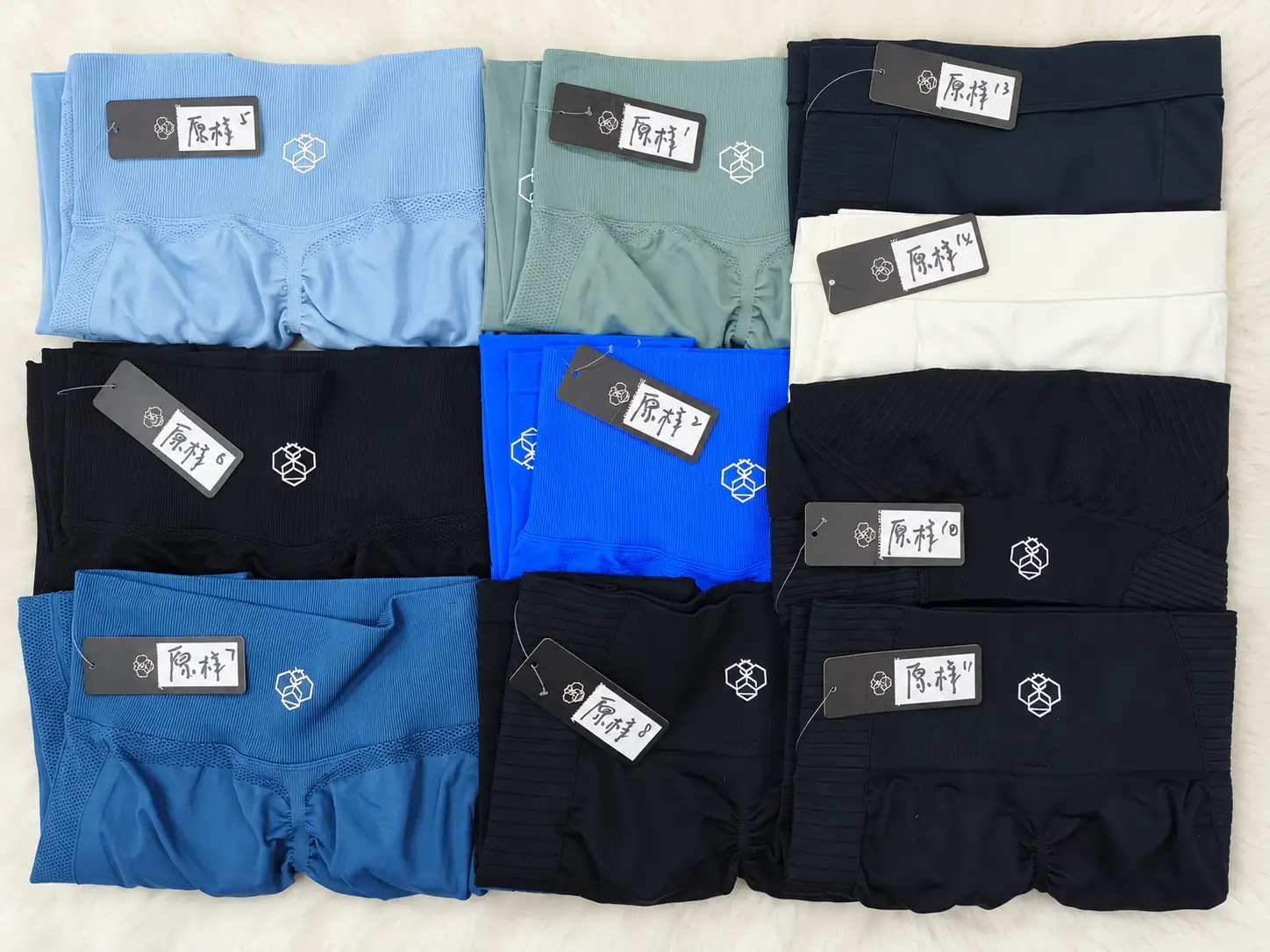
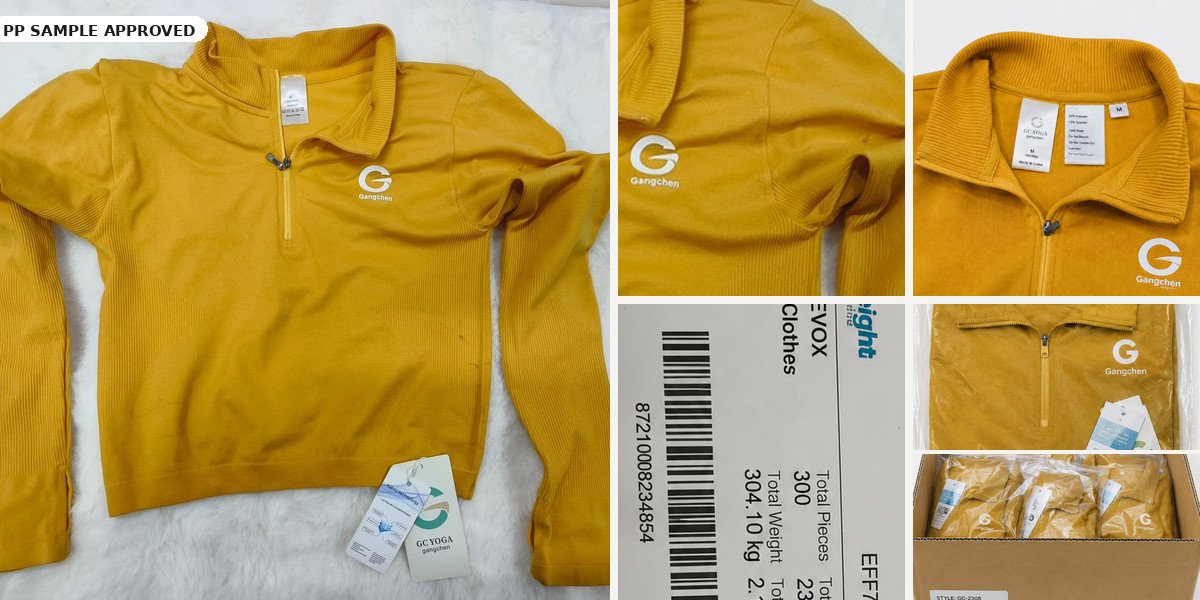
Actual MOVEVOX garment samples and organized technical reference materials used in development and production review

Sample and Approval References

Physical samples and technical specifications provide reference points for subsequent production. A factory review should show how appropriate samples are identified, protected from confusion and made accessible to teams responsible for production or quality checks. For a yoga long sleeve, the most informative evidence would connect approved garment measurements and construction to a version-controlled sample. Where such a subject-specific example is unavailable, the general sample-management capability may be shown without inventing an approval file, test record or completed buyer project.

Authentic sample storage or technical-reference materials, with commercially confidential identification removed before publication.
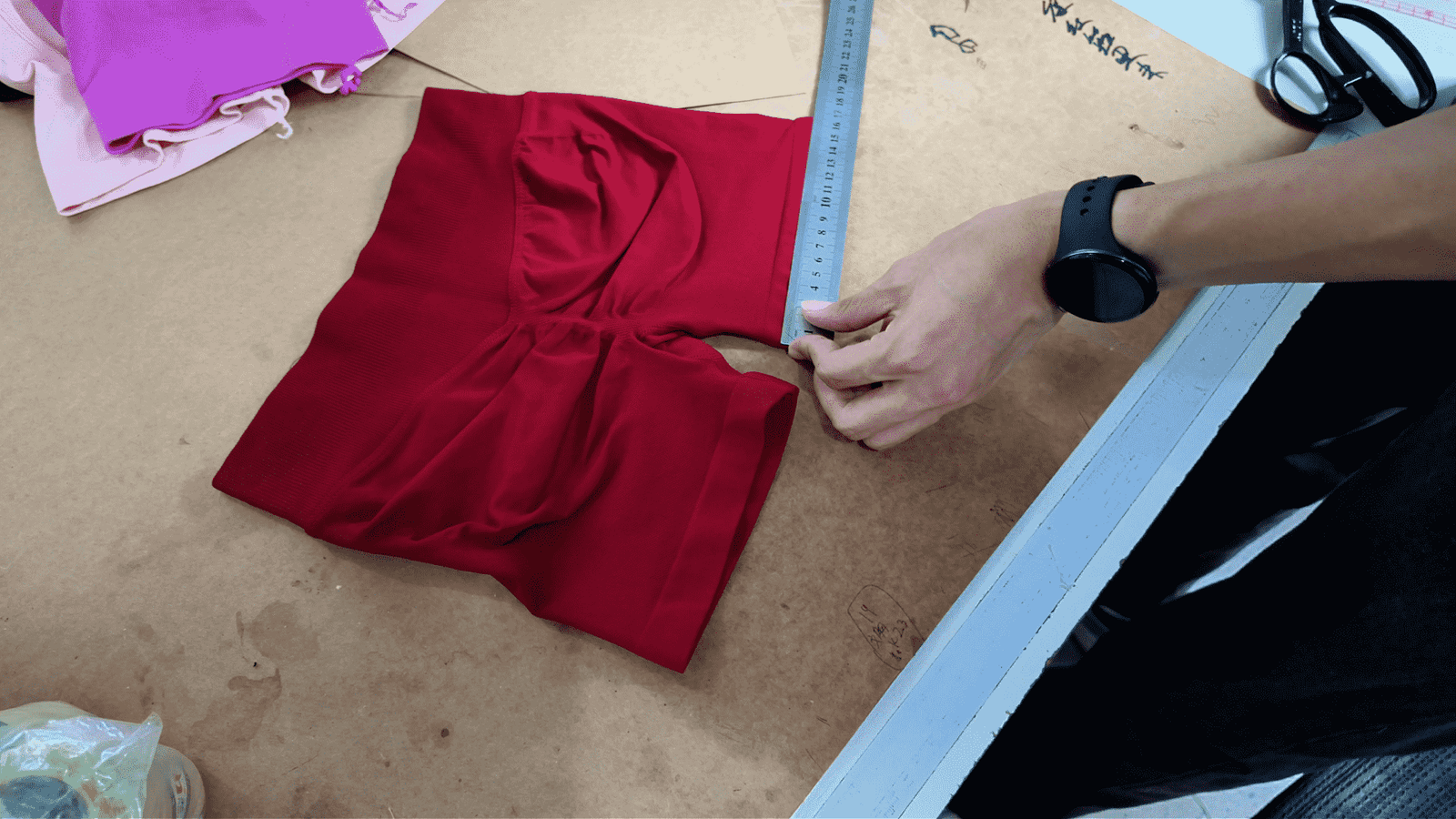
Real MOVEVOX quality inspector checking garment measurements or workmanship in the factory quality control area

Quality Inspection Area

MOVEVOX's documented quality team includes five QC personnel within its existing operating structure. A meaningful factory review should explain the inspection role, the records used and how decisions relate to approved product requirements. For yoga long sleeves, buyers may focus on sleeve measurements, neckline appearance, seam elasticity, hem finishing and SKU identification. Photographs of genuine QC activity can establish that inspection work takes place, but cannot independently prove a specific garment passed a particular performance or chemical test.

Genuine MOVEVOX inspector checking actual apparel dimensions, workmanship or packing against a valid reference.

Actual MOVEVOX packaging and shipment preparation area with finished apparel sorting and carton identification

Packing and Shipment Area

Packing and shipment coordination form the final physical stages of the production program. A factory review can demonstrate how garment size, color, label and packaging requirements are transferred into pack preparation and shipment documents. Yoga long sleeve orders may contain multiple lengths, colors or similar-looking styles, making SKU identity an important control. The buyer should examine whether final packing information is consistent with the purchase order, approved branding and final inspection requirements before shipment is released.

Actual packing or dispatch area showing genuine cartons, identification practices or shipment preparation at the relevant facility.

MANUFACTURING RESPONSIBILITY

Understand Who Manufactures and Controls Your Yoga Tops

MOVEVOX operates through its own core manufacturing capabilities and a coordinated supplier and satellite manufacturing system. Mature buyers should understand which activities are performed at each approved location, which require specialist partners and how production allocation relates to contractual requirements.

MOVEVOX

Core manufacturing, product development and coordinated project management.

Core Manufacturing

The Yiwu core operation provides documented seamless and cut-and-sew capabilities along with product development and quality-management functions. Actual project responsibilities should be confirmed before production allocation.

Yarn and Fabric

Yarn and fabric supply may involve specialized upstream producers. Material identity, specifications, approved suppliers and relevant batch information should be aligned with the buyer's requirements.

Specialist Processes

Certain printing, decoration, finishing or material processes may require specialist manufacturing resources. These arrangements should be assessed for technical suitability, confidentiality and buyer approval where required.

Satellite Manufacturing

MOVEVOX's business model includes coordinated satellite factories. Production allocation should distinguish those facilities from company-owned operations and respect any buyer restrictions on subcontracting or approved production locations.

Quality and Release

The order's designated quality responsibilities should connect product specifications, inspections, corrective actions and final release conditions. Accountability must remain clear even when multiple approved manufacturing resources participate.

Packing and Logistics

Packaging materials, packing instructions, freight arrangements and shipment documents may involve specialized partners. Each responsibility should be defined without presenting independent logistics providers as company-owned facilities.

Managing a Controlled Supply Network

A consolidated commercial interface does not mean every operation is performed at one factory. For projects with designated production-site requirements, MOVEVOX and the buyer should agree on actual facility allocation, disclosure obligations, changes requiring written authorization and inspection rights before production begins.

This distinction supports more transparent supplier evaluation and helps reduce the risk of uncontrolled subcontracting or undocumented changes during repeat orders.

CAPACITY & PO READINESS

Check Production Readiness Before Confirming the Purchase Order

A reliable delivery commitment depends on the actual style, approved material, selected facility, process capacity, quality requirements and shipping arrangement. The following planning sequence is illustrative; no unapproved production date or guaranteed lead time is implied.

Production StageDuration / StatusRequired InputApproval Gate
Technical ReviewConfirm by projectStyle, Tech Pack and intended quantitiesFeasibility and open points reviewed
Material PlanningBased on sourcing routeApproved fabric/yarn, colors and trimsMaterial availability and purchasing conditions
Sample ApprovalAccording to development scopeFit and relevant technical approvalsRequired samples accepted in writing
Capacity AllocationConfirm before PO commitmentQuantity, production site, target dateActual available production window checked
Bulk ManufacturingStyle and facility dependentFrozen production standardFirst Article and applicable process checks
Final ReleaseConfirm by inspection planCompletion, inspection and packing requirementsAuthorized final disposition
Shipment PreparationBased on trade arrangementPacking, freight and export documentsShipment instructions confirmed

What Changes the Delivery Timeline?

Development complexity, custom colors, material availability, special branding, size-set revisions, production-site approval and inspection requirements can all change timing. MOVEVOX's documented business information provides customary sampling and bulk-production timeframes, but these are not unconditional commitments for every yoga long sleeve. A binding schedule should be based on the actual project, confirmed approvals and available manufacturing resources.

ORDER STRUCTURE & MOQ

Structure Yoga Long Sleeve Orders Around Effective MOQ

MOVEVOX's documented baseline MOQ is generally 100 pieces per style for compatible Seamless projects and 150 pieces per style for compatible Cut & Sew projects, subject to actual requirements. Effective MOQ may be higher when material, color, trim or packaging minimums apply.

Pilot Development Order

A pilot order is intended to validate the first commercial release after the appropriate samples are approved. For suitable projects using available materials and standard processes, MOVEVOX's base MOQ provides an initial discussion point. Actual feasibility depends on the style, color split, size ratio, materials and finishing. A pilot quantity should not be confused with the quantity needed to establish full market demand, and the buyer should confirm the production and inspection conditions before accepting an initial quotation.

Quantity Framework: Seamless baseline from 100 pcs/style; Cut & Sew baseline from 150 pcs/style, subject to evaluation.

Commercial Drivers: Available colors · Size allocation · Standard components · Sampling requirements

Discuss Pilot MOQ

Core Collection Program

A core program may include several yoga long sleeve silhouettes, recurring colorways and established size ratios. Purchasing efficiency improves when materials and components can be coordinated, but a multiple-style order may still face independent minima for fabrics, trims, labels or packaging. Buyers should provide a SKU-level forecast rather than only a total garment quantity. This allows MOVEVOX to assess whether each style/color combination is compatible with the selected production method and material purchasing conditions.

Quantity Framework: Confirm each style/color allocation and total program quantity individually.

Commercial Drivers: Shared materials · Color strategy · SKU count · Replenishment forecast

Review Core Program

Repeat and Scale Program

A scale program should be evaluated against approved product specifications, actual facility capacity and the buyer's expected reorder pattern. Larger aggregate quantities do not automatically guarantee material continuity or production-slot availability. Changes to fabric, yarn, color, construction or packing require appropriate review even for successful repeat styles. The buyer should align purchase forecasts, release dates and required quality checks with the supplier's confirmed manufacturing resources before making commercial commitments.

Quantity Framework: Project-specific quantity and capacity confirmation required before accepting a production schedule.

Commercial Drivers: Capacity windows · Material continuity · Release planning · Repeat-order controls

Discuss Scale Planning
PRIVATE LABEL CUSTOMIZATION

Build a Consistent Private Label Yoga Long Sleeve Program

Private-label execution extends beyond adding a logo to an existing garment. The buyer must confirm product fit, material, construction, colors, branding and retail packaging as one coordinated specification. MOVEVOX supports these customization categories within the feasibility and commercial boundaries of each project.
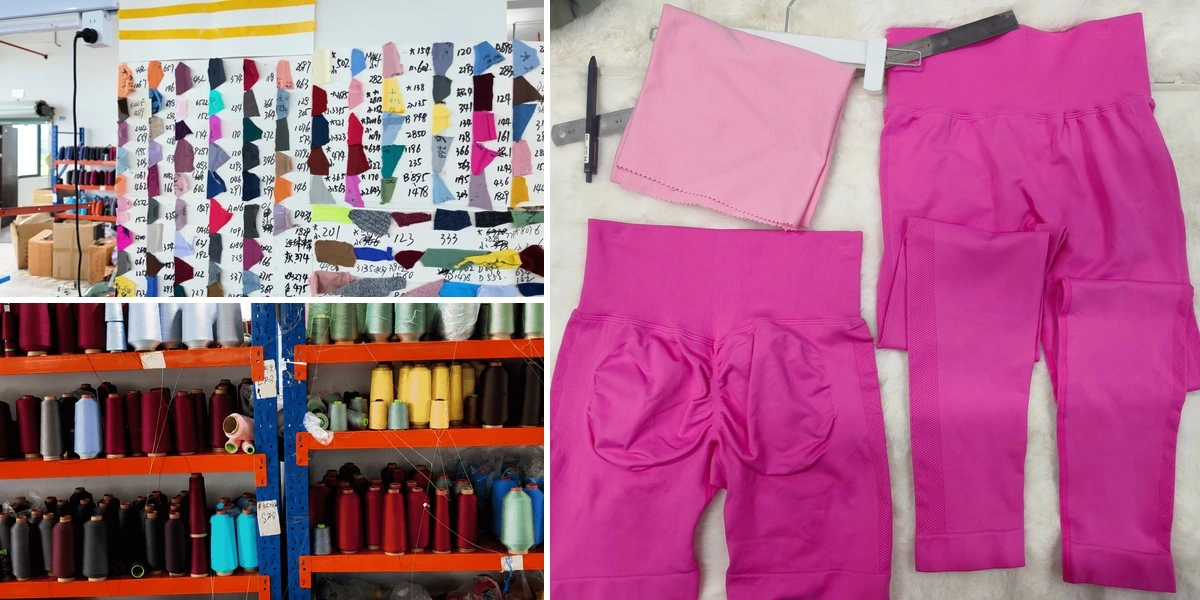
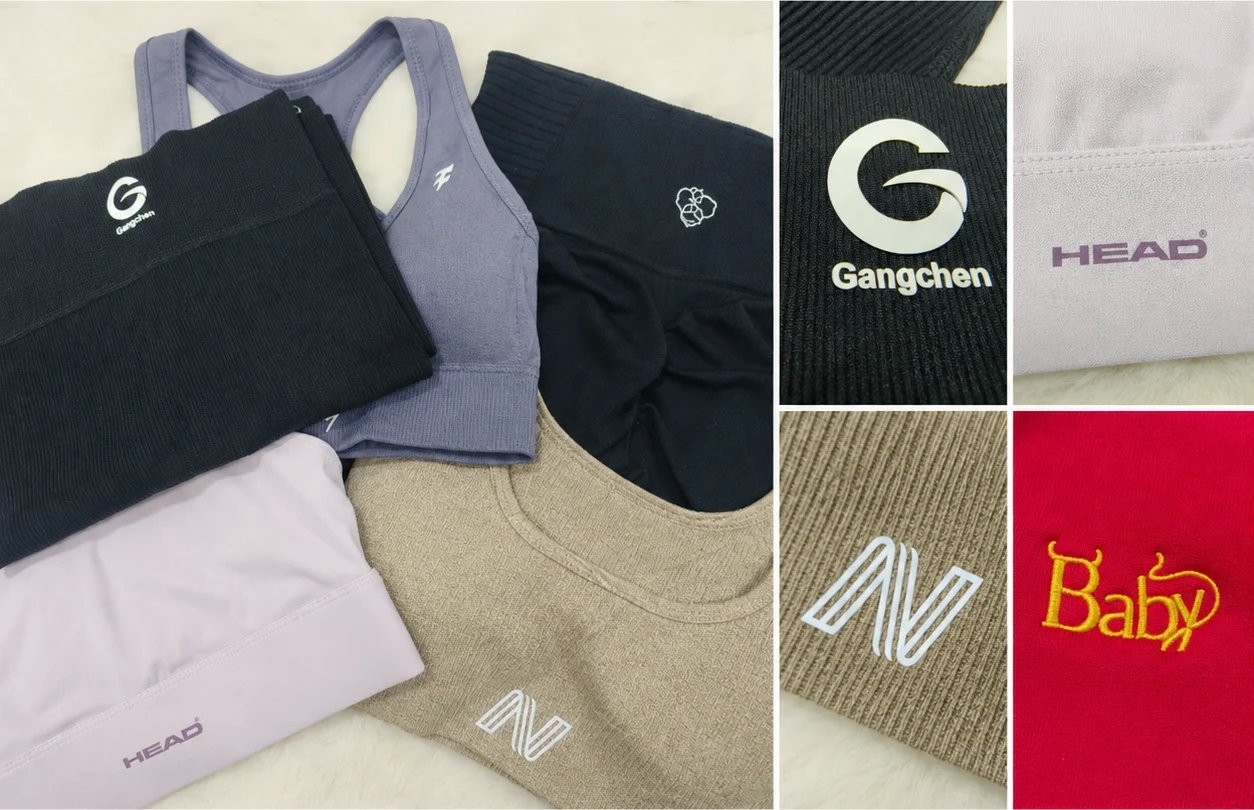
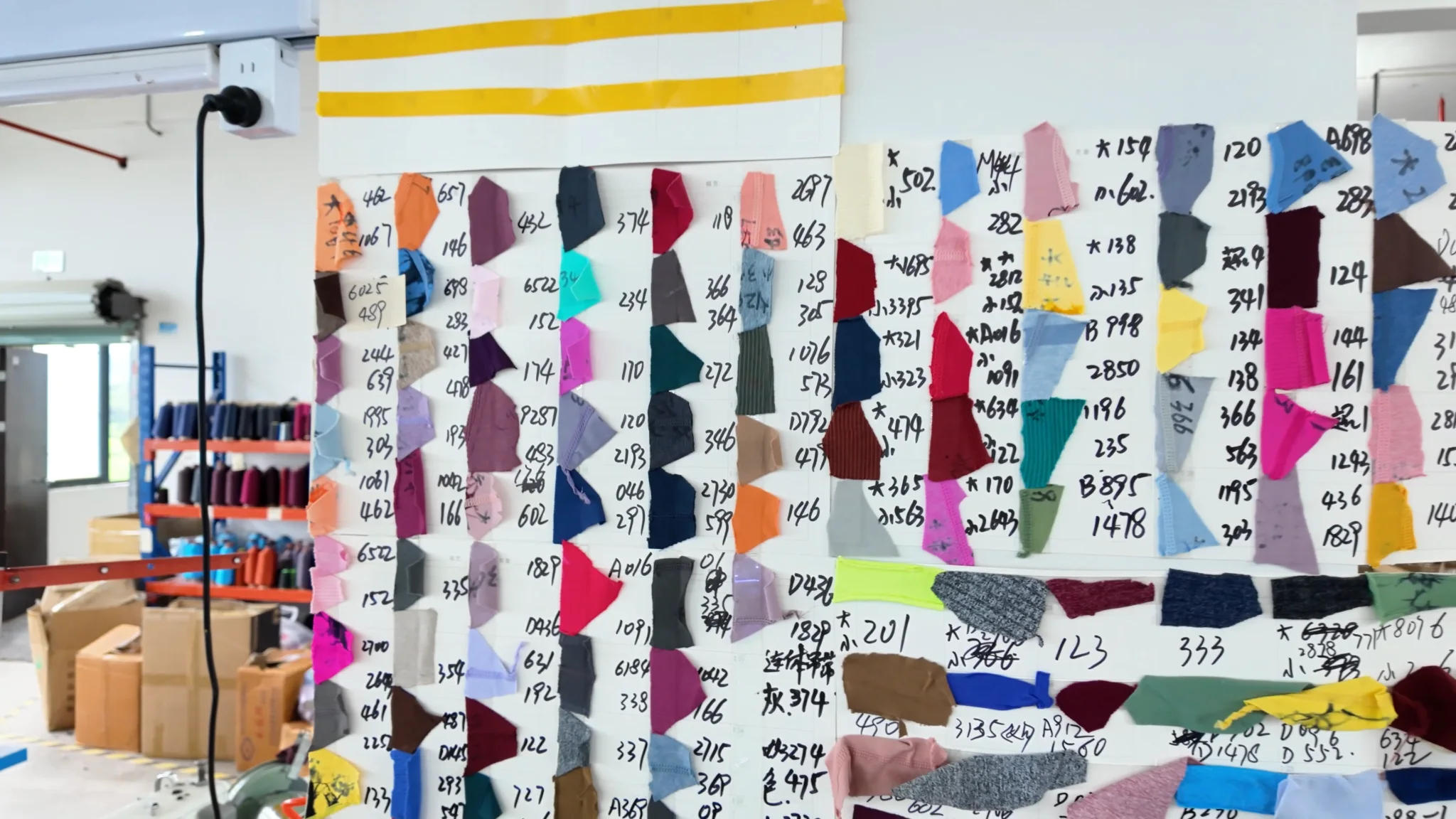
Genuine activewear fabric and yarn swatches for reviewing yoga long sleeve customization

Fabric and Yarn

Material development should begin with the required silhouette and wearing conditions. Buyers may identify a suitable existing fabric, provide an approved swatch or request a review of alternatives. Smooth, ribbed and selected seamless knit structures can require different sourcing and manufacturing approaches. Changes in yarn, fiber blend, fabric construction or finishing may alter fit, recovery, MOQ and production timing. The material should be approved through relevant physical references and specifications before bulk purchasing, while claims such as recycled content or special performance must have appropriate supporting evidence.

Customization Options

  • Review existing fabric options against the approved development brief.
  • Evaluate composition, weight, handfeel and relevant stretch characteristics.
  • Define material color, finish and applicable supporting documentation.
BUYER COMPLIANCE & MATERIAL DOCUMENTATION

Review Material, Labeling and Chemical Requirements for US and EU Markets

A yoga long sleeve intended for European or US distribution may require product- and market-specific regulatory review. Brands should communicate current buyer requirements, intended sales markets and the supporting evidence expected from material and manufacturing partners. Compliance cannot be established through a general factory statement or a test report for another product.

Buyer Restricted Substance List

Large brands may issue their own Restricted Substance List, including requirements that extend beyond general legal restrictions. A project review should identify the applicable RSL version, affected materials and components, necessary supplier declarations and relevant testing or approval obligations. Specific materials such as fabric, printed logos, decorative applications and other components may require separate evaluation. Testing should relate to the actual selected material, product or relevant production scope rather than be assumed transferable between unrelated garments.

Applicability: The requirements depend on the buyer's policy, product materials, intended markets and contracted manufacturing or processing activities.

Project Response: MOVEVOX and the buyer should map applicable requirements to materials, suppliers and proposed evidence before approval and sourcing.

European REACH Restrictions

REACH Annex XVII establishes restrictions on specified substances under defined conditions. For textile products, the buyer should identify which restrictions are relevant to the actual fibers, dyes, finishes, prints and other components. A generic statement that an entire factory or product collection is “REACH certified” should not substitute for a scope-specific compliance assessment. Relevant declarations or test reports must be checked for tested substances, sample identification, laboratory method and applicable requirements at the time of supply.

Applicability: European market requirements and affected substances must be assessed for the actual product and its material or chemical components.

Project Response: Identify relevant material risks, obtain appropriate supporting documents and arrange project-specific testing when the evidence is insufficient.

EU Textile Fibre Labeling

EU textile labeling requirements generally require textile fiber composition information using recognized fiber names. Brands preparing yoga long sleeves for EU distribution should confirm the correct material composition, language requirements and relevant labeling arrangements before production. The garment's main fabric and other applicable components should be reviewed where required. A digital design proof or care label copied from another product does not establish accurate fiber-content information for the current garment.

Applicability: Textile products made available on relevant EU markets, subject to the applicable regulatory provisions and any relevant exceptions.

Project Response: Confirm composition from approved materials and obtain buyer approval of market-appropriate label information before bulk printing or production.

US Textile and Care Labeling

US textile apparel may be subject to FTC requirements concerning fiber content, origin, the identity of the responsible business and care instructions. Brands should review the finished product's intended market, materials and appropriate care information. The care procedure should have a reasonable basis, not merely repeat washing symbols from an unrelated style. For a yoga long sleeve combining stretch fabric with decorative applications, the care instruction should reflect the finished product rather than a fabric-only assumption.

Applicability: Relevant textile apparel offered in the United States, subject to specific product and regulatory conditions.

Project Response: Review buyer-approved origin, composition, identification and care information, together with the evidence supporting relevant instructions.

Third-Party Testing Scope

Third-party test reports can support specific compliance or performance statements when the laboratory, sample, method, date and result are identifiable. However, a report for black yoga leggings cannot automatically substantiate the same statement for a yoga long sleeve made with different materials or components. The buyer should distinguish laboratory findings from broader supplier or factory accreditation and review whether the report covers the current product and intended claim.

Applicability: Testing evidence must be assessed according to its identified sample, scope, method and relevance to the current product.

Project Response: Provide existing records only within their valid scope and identify additional product-specific evidence required before making compliance claims.

Regulatory References

  • European Chemicals Agency — REACH Annex XVII restrictions; current entries and conditions.
  • Regulation (EU) No 1007/2011 — Textile fibre names and labeling requirements.
  • European Commission — Textiles and footwear product labeling guidance, checked August 2026.
  • US Federal Trade Commission — Textile product labeling requirements.
  • US Federal Trade Commission — Care Labeling Rule, 16 CFR Part 423.
SUPPLIER SHORTLIST CHECKLIST

Evaluate a Yoga Long Sleeve Manufacturer Before Shortlisting

A sourcing team should distinguish demonstrated capability from supplier statements and future development proposals. Use the following checklist when comparing manufacturing candidates. Mark each item Yes or No and request the corresponding evidence rather than assigning scores based solely on marketing descriptions.

Product Engineering

Evaluation QuestionYesNo
Can the supplier review a complete or partially developed yoga long sleeve specification?
Can it explain sleeve ride-up, neckline movement and hem stability using garment engineering principles?
Can it identify appropriate Seamless or Cut & Sew construction routes for the target design?
Can it support documented fit revisions and clearly scoped sample approvals?

Manufacturing Control

Evaluation QuestionYesNo
Does the supplier disclose actual production locations and distinguish owned from partner facilities?
Can the supplier explain which production resources are appropriate for the requested long sleeve construction?
Is the proposed order compatible with verified production capacity and material availability?
Are factory allocation changes subject to the required buyer approvals?

Quality and Evidence

Evaluation QuestionYesNo
Are critical measurements and construction requirements linked to approved production references?
Can the supplier show authentic, relevant sample and quality inspection records?
Are material performance claims supported by evidence appropriate to the intended product?
Are nonconformities, corrective actions and final release responsibilities clearly defined?

Compliance and Traceability

Evaluation QuestionYesNo
Are the legal entity, factory addresses and commercial responsibilities identifiable?
Can product materials and relevant production processes be reviewed against the buyer's RSL?
Are test reports evaluated by tested sample, scope, date and applicability?
Can the supplier explain how style, color and size identity is maintained through packing?

Commercial and Communication

Evaluation QuestionYesNo
Is MOQ explained by product structure, color, material and customization requirements?
Are development inputs, buyer approvals and quoted commercial assumptions clearly identified?
Is there an accountable contact for technical questions and order execution?
Can the supplier support an appropriately scoped factory visit or further qualification review?

How to Interpret the Results

A positive response should be supported by relevant documents, samples or verifiable operational evidence. An unanswered question is not an automatic failure, but may require further investigation before supplier approval. Buyers should prioritize critical technical, ethical, legal and quality requirements over the total number of positive answers. This checklist is a purchasing aid, not an independent certification or score assigned to MOVEVOX or any competitor.

PROCUREMENT FAQ

Questions Before Approving a Yoga Long Sleeve Supplier

These questions address technical, commercial and qualification issues that mature yoga and activewear brands may need to resolve before issuing an RFQ or approving a sample development program. Project-specific answers depend on actual design requirements and supporting documents.

Can MOVEVOX manufacture custom yoga long sleeve tops?

MOVEVOX supports private-label activewear development and manufacturing through its documented Seamless and Cut & Sew capabilities. A yoga long sleeve can be reviewed as a proposed product development project based on its design, material, construction and commercial requirements.

The available corporate evidence establishes relevant manufacturing and development capabilities, but not a published database of completed yoga-long-sleeve-specific performance validations.

To assess your project, submit a Tech Pack, authorized reference garment or clear development brief identifying the silhouette, fabric and fit objectives.

Review Your Design
How can sleeve ride-up be reduced during yoga movements?

Sleeve ride-up should be examined as a combined garment-fit issue rather than addressed only by increasing sleeve length. Factors include armhole geometry, sleeve pitch, shoulder balance, cuff circumference, fabric extension and the way the sleeve transfers tension to the main body.

A development review can compare sleeve and hem movement in agreed positions, followed by targeted sample adjustments.

There is no universal guarantee that every sleeve design remains completely stationary. The buyer should define an acceptable movement outcome for the intended yoga application.

Discuss Sleeve Fit
How should neckline and hem stability be evaluated?

Neckline and hem stability depend on the garment's target silhouette and wearing conditions. A cropped design may intentionally expose the waist; a full-length style may require a different level of coverage. Neck openings likewise vary according to the approved design.

The proposed fit review should include selected bends, extensions and rotations, with attention to garment movement and recovery after each position.

The supplier and buyer should record relevant measurements, observations and approval conditions. A standing sample photograph is not sufficient evidence of performance through every intended pose.

Review Fit Criteria
Should we choose Seamless or Cut & Sew?

The appropriate route depends on garment shape, yarn or fabric selection, knitting-program compatibility, required seams, size range, finishing and commercial constraints.

MOVEVOX operates both Santoni seamless knitting capabilities and conventional cut-and-sew manufacturing. This provides a genuine basis for comparing relevant construction routes, but it does not establish that any proposed design is automatically feasible on either route.

For a fitted style with specific knit effects, seamless production may be worth reviewing. A pattern-driven style with complex sleeve and neckline shaping may favor Cut & Sew. Final selection follows technical review.

Compare Manufacturing Routes
What is the MOQ for custom yoga long sleeves?

MOVEVOX's documented baseline is generally 100 pieces per style for compatible Seamless orders and 150 pieces per style for compatible Cut & Sew orders.

These figures are starting points, not unconditional commitments for every color, size, material or customized design. Special yarns, fabric dyeing, branded components, custom packaging and supplier minimums may increase the effective MOQ.

The sourcing team should provide the expected quantity by style, color and size. MOVEVOX can then review the proposed manufacturing route and material requirements to determine feasible commercial conditions.

Request Project MOQ
How long does sample development and bulk manufacturing take?

MOVEVOX's documented standard sample development period is commonly around five to ten working days after relevant development details have been confirmed. General bulk production references are typically around twenty to thirty-five days for suitable projects.

These are conditional operating references, not guaranteed commitments for a new yoga long sleeve design.

Complex pattern development, customized yarns or fabrics, buyer testing, revised samples, production-site approvals and special branding can change timing. A project schedule should be confirmed only after technical scope, material route, quantity and available production resources are reviewed.

Discuss Your Timeline
Can we provide our own Tech Pack or reference garment?

Yes. MOVEVOX supports development discussions based on technical packages, legally usable physical references or sufficiently defined product concepts.

For a yoga long sleeve, a useful input set includes target fit, size range, body and sleeve measurements, neckline, hem design, fabric preferences, construction requirements and expected order quantity.

An incomplete Tech Pack can be the starting point for clarification, but missing specifications should not be treated as approved assumptions. Customers remain responsible for their own designs, intellectual property rights and required final decisions.

Send Your Tech Pack
Can MOVEVOX provide compliance or fabric performance certificates?

Documentation availability depends on the actual material, product, required test and supporting supplier records. MOVEVOX has supplied reports for particular tested garments, but such reports cannot automatically substantiate a different yoga long sleeve product.

For a new program, the buyer should state the target market, relevant RSL, performance claims and specific evidence requirements.

Any submitted report should be reviewed for test laboratory, date, material or garment identification, test scope and applicability. Additional testing may be necessary before the buyer can approve a claim or product.

Discuss Testing Scope
Can established brands arrange a factory or supplier review?

MOVEVOX supports video meetings, video factory review and scheduled visits to its manufacturing operations, subject to availability, operational restrictions and customer confidentiality.

A meaningful supplier review should confirm the legal entity, actual production resources, applicable facility, development responsibility, quality organization and relevant supply-chain arrangements.

The company uses a core-factory-plus-coordinated-capacity model. Where contracts require specified production locations or limit subcontracting, project allocation should comply with the applicable buyer approval rules.

A factory visit is an opportunity to verify capabilities, not a substitute for product-specific sample and quality approval.

Discuss Factory Review
How do we begin an RFQ for a long-term program?

Provide your company details, target selling markets, product types, style and color quantities, intended size range, available technical documents and target launch or delivery window.

Identify whether your project involves an entirely new product, redevelopment of an existing authorized design or production of a previously approved garment.

MOVEVOX can use those inputs to discuss technical feasibility, development requirements, material considerations and the appropriate next commercial step. A complete quotation and final manufacturing commitment depend on confirming the relevant specifications and sourcing conditions.

Start Your RFQ

Send Us an Inquiry

Tell us your needs, and our team will get back to you within 24 hours.

START YOUR PROJECT

Ready to Develop Your Private Label Activewear Line?

Tell us what you want to develop, your estimated quantity and customization needs. We will review the details and suggest the next practical step for sampling, quotation or production.

Helpful details to include:

Request MOQ & Sample Details