
Women’s Gym Shorts Manufacturer for Activewear and Fitness Brands
MOVEVOX develops and manufactures women’s gym shorts for activewear, gym and fitness brands through Seamless and Cut & Sew production. Projects can connect women-specific waist-to-hip fit, rise, inseam, waistband, pockets, material, size grading and branding with physical sampling, buyer approval, bulk quality control and repeat production.
- Women-Specific Fit: Fit is reviewed through measurable product specifications and physical samples.
- Dual Manufacturing: Seamless and Cut & Sew routes are selected by product architecture.
- Approval Discipline: Sampling, QC and repeat production remain connected to buyer approvals.
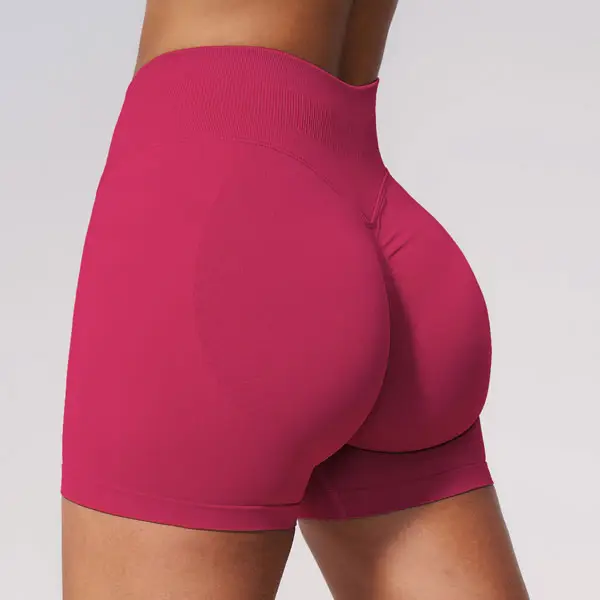
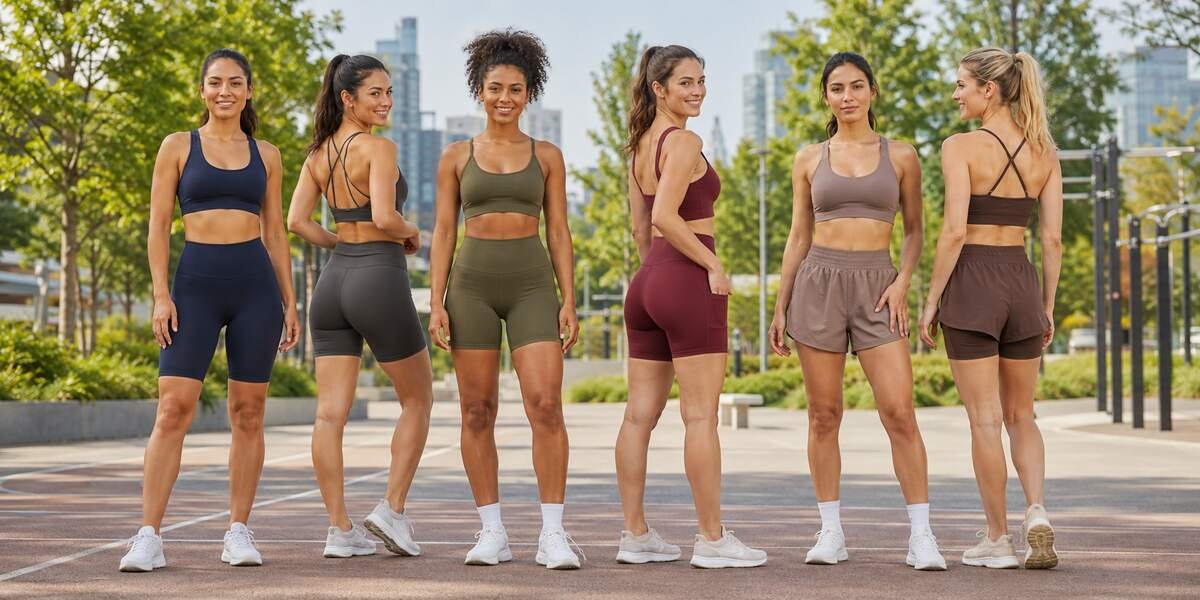
Fitted Gym Shorts
Buyer-defined rise, inseam, waistband, hip fit, crotch structure and leg opening become measurable product requirements.
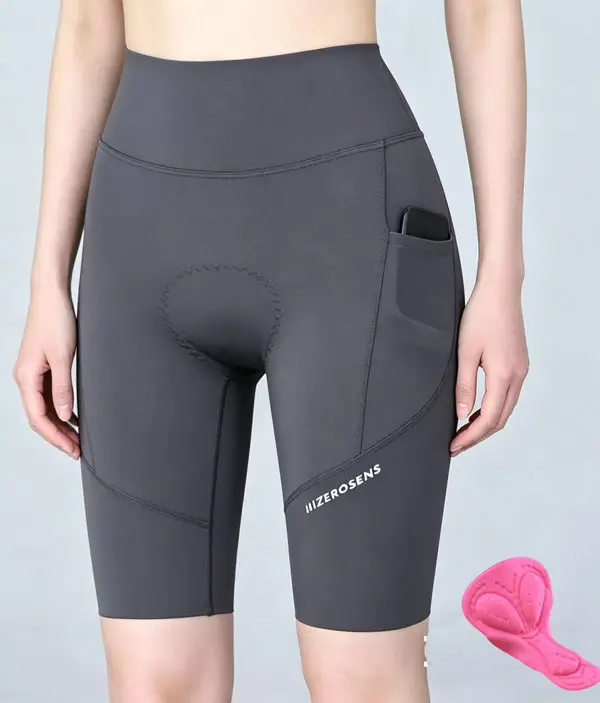
Biker Shorts
Biker-style activewear can be developed without treating the silhouette as professional cycling apparel.

Seamless Shorts
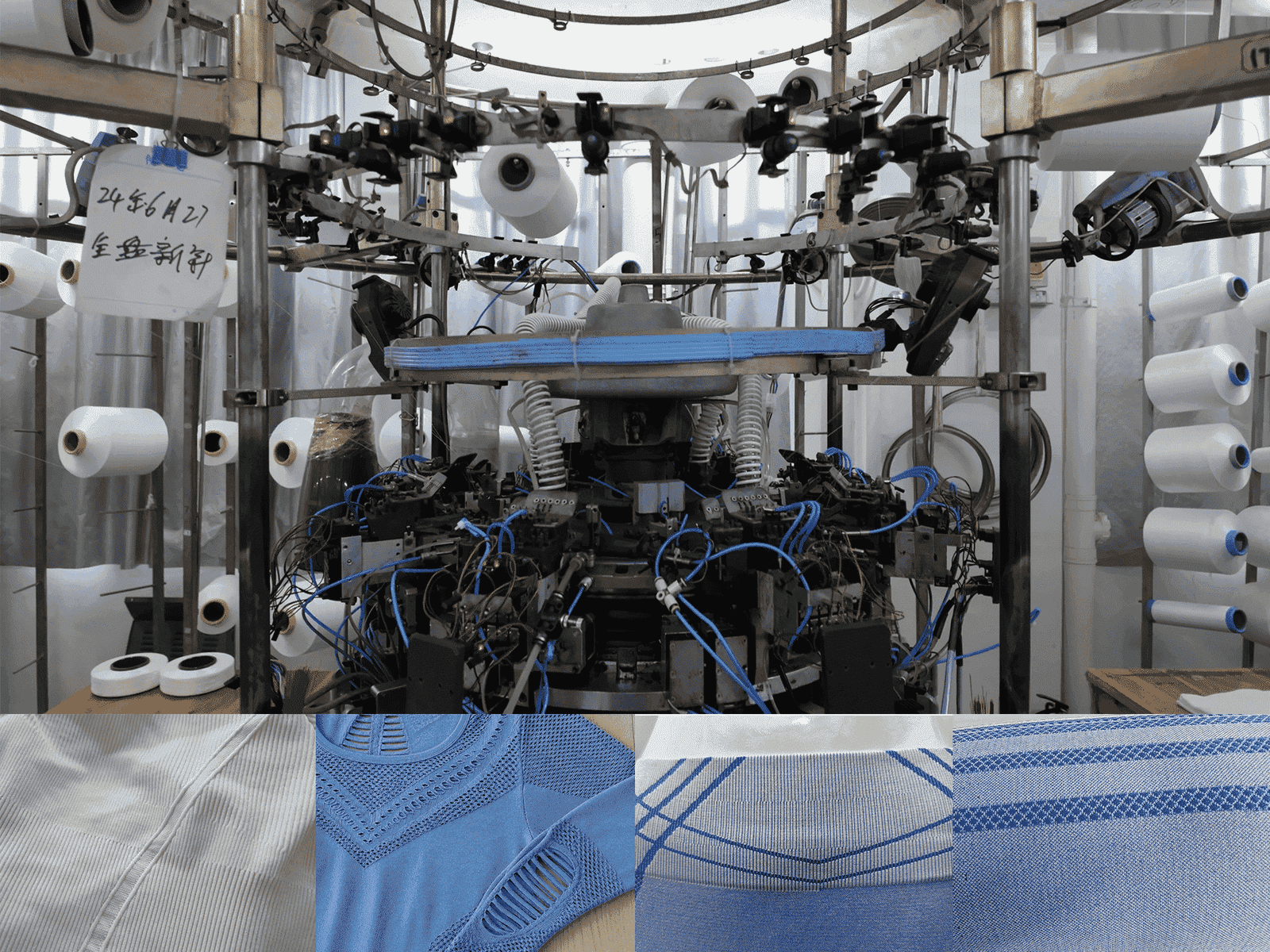
Santoni manufacturing can integrate waistbands, ribs, textures and selected engineered knit structures.
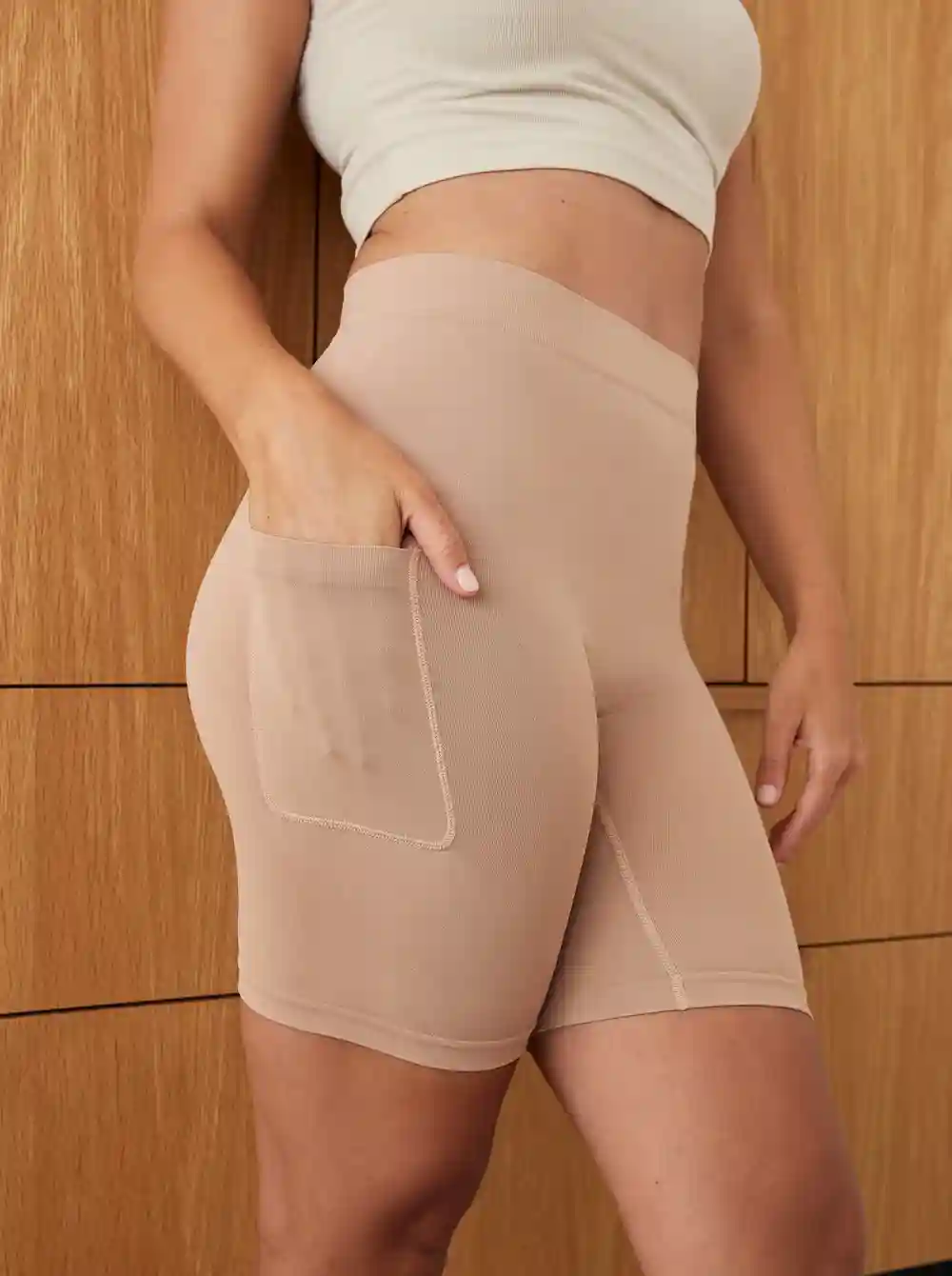
Cut & Sew Shorts
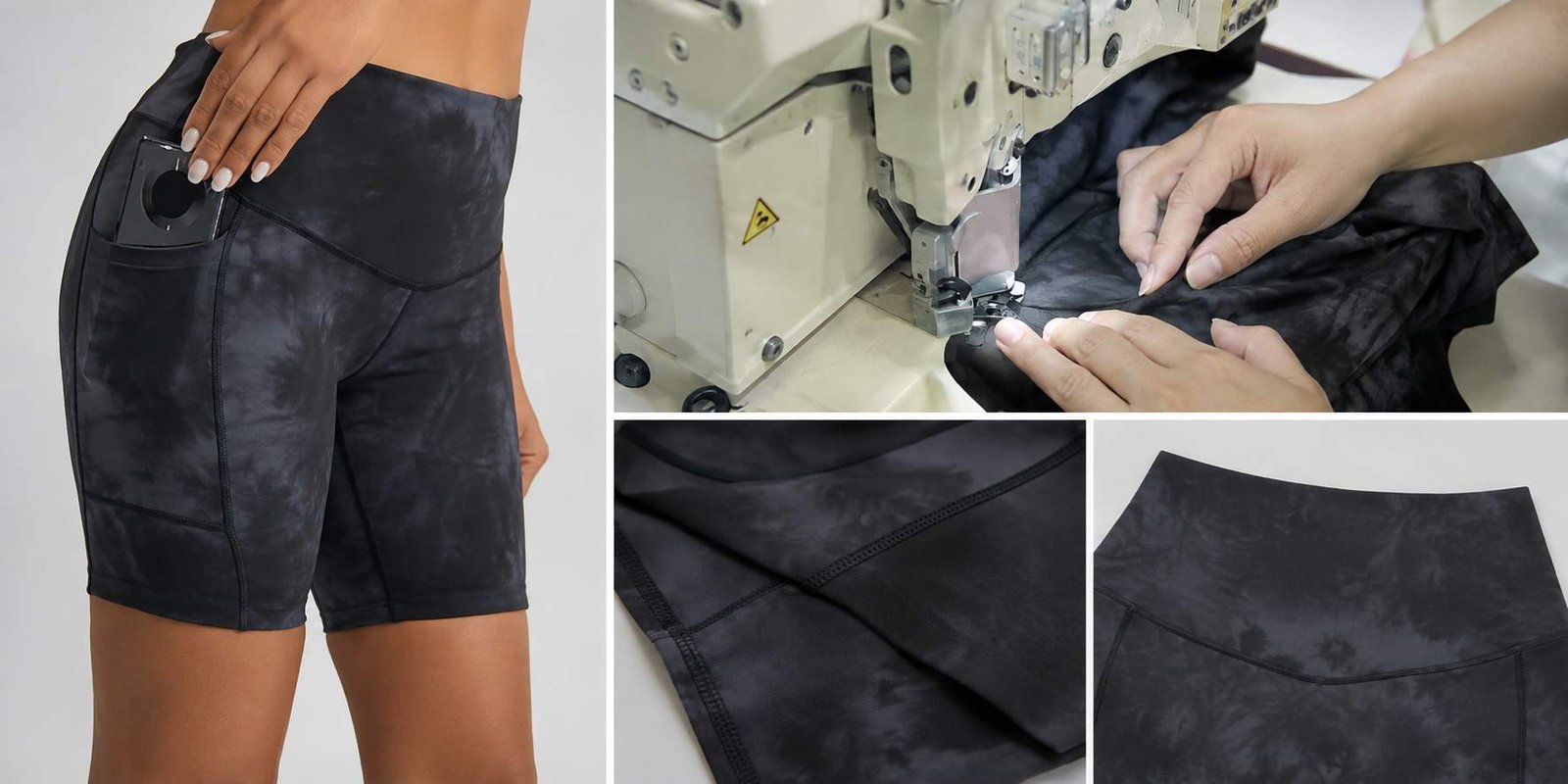
Cut & Sew supports buyer-defined patterns, pockets, gussets, contour seams and more complex waistbands.
What Women’s Gym Shorts Projects Fit MOVEVOX Best?
MOVEVOX is most relevant to activewear brands developing fitted, biker, yoga-derived or training-oriented women’s shorts through Seamless or Cut & Sew manufacturing. Projects can begin from Tech Packs, legal reference samples, sketches, images or sufficiently defined concepts, then move through material, fit, sample and production approval.
Established Brands
Brands with existing Measurement Charts, materials or Approved Samples can use MOVEVOX to develop a supplier-specific production version while maintaining the buyer’s technical requirements and current approval process.
New Shorts Programs
New women’s gym shorts can begin from intended activity, fit, inseam, waistband, pockets, material and brand direction, with unresolved technical decisions closed through sampling.
Collection Extensions
A brand can extend leggings, sports bras, tanks or other activewear into coordinated shorts collections while keeping separate fit, grading and quality requirements for each garment.
Complex Architectures
Products involving highly specialized woven shells, integrated liners, complex zipper systems or other structures outside confirmed core evidence should enter project-specific technical review before capability is promised.
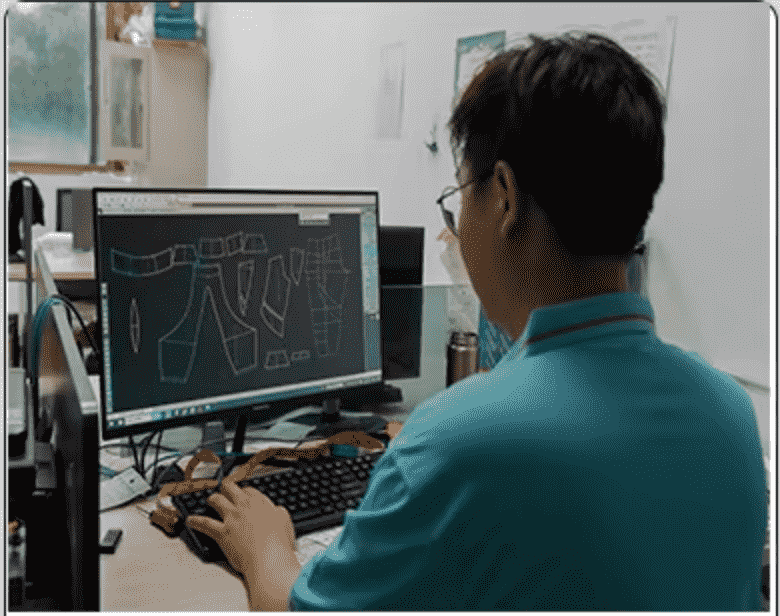

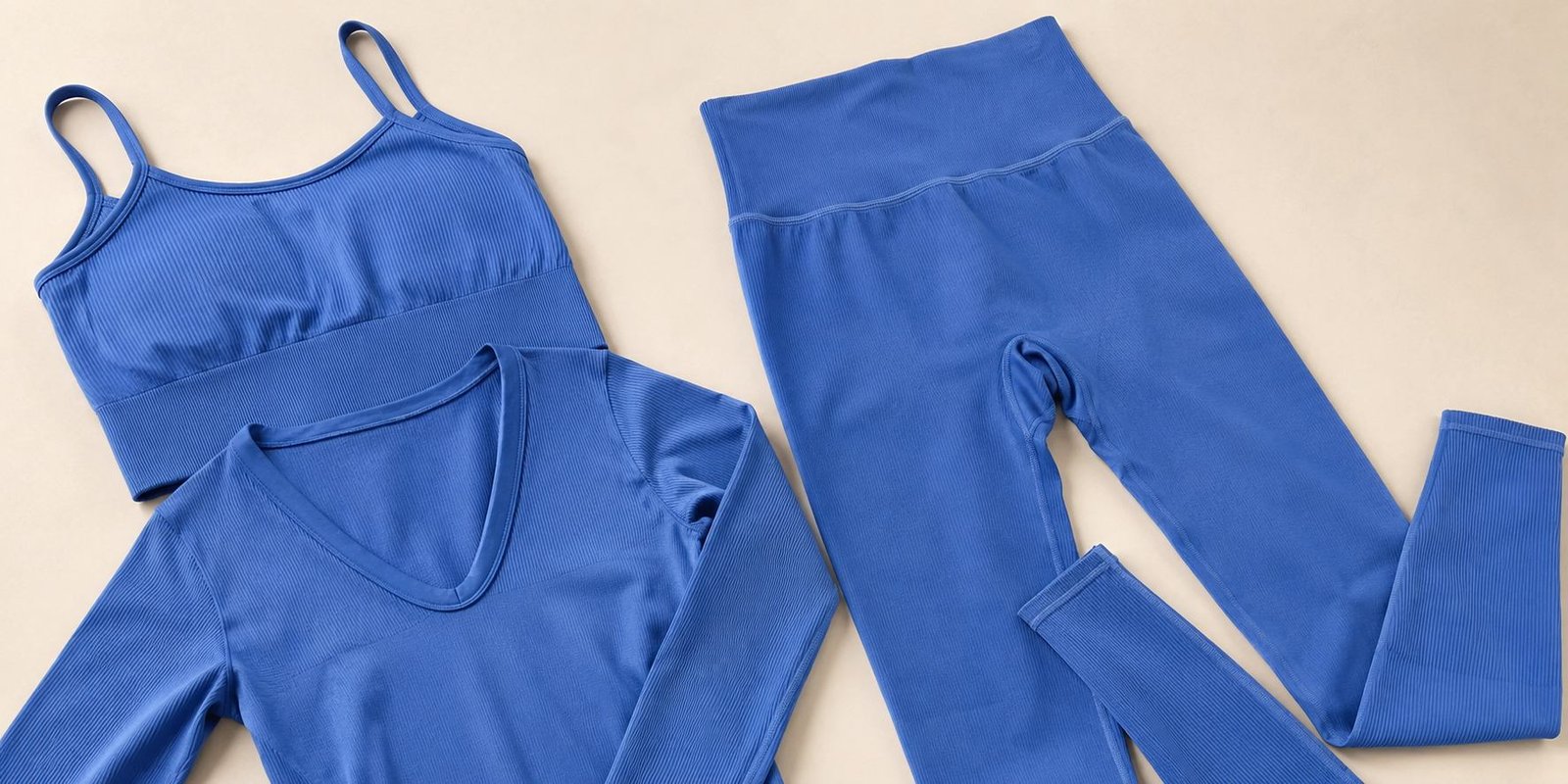

Turn Women’s Gym Shorts Into a Production Standard
Reliable manufacturing depends on converting the visual product idea into four connected levels of product definition, physical approval and production control.
Bulk Control
The approved material, measurements, pattern or program, workmanship and branding become references for First Article, inline inspection and repeat production.
Material & Sample
Material stretch, recovery, surface and construction interact with the pattern or Seamless program. A physical sample shows whether the specification creates the buyer’s intended garment.
Women’s Fit
Waist, hip, front and back rise, crotch, inseam and leg opening convert the silhouette into measurable relationships. These variables should be reviewed together.
Product Architecture
First define whether the product is fitted, biker, Seamless, pocketed or another technically supported training direction so measurements, seams, materials and manufacturing route can be developed correctly.
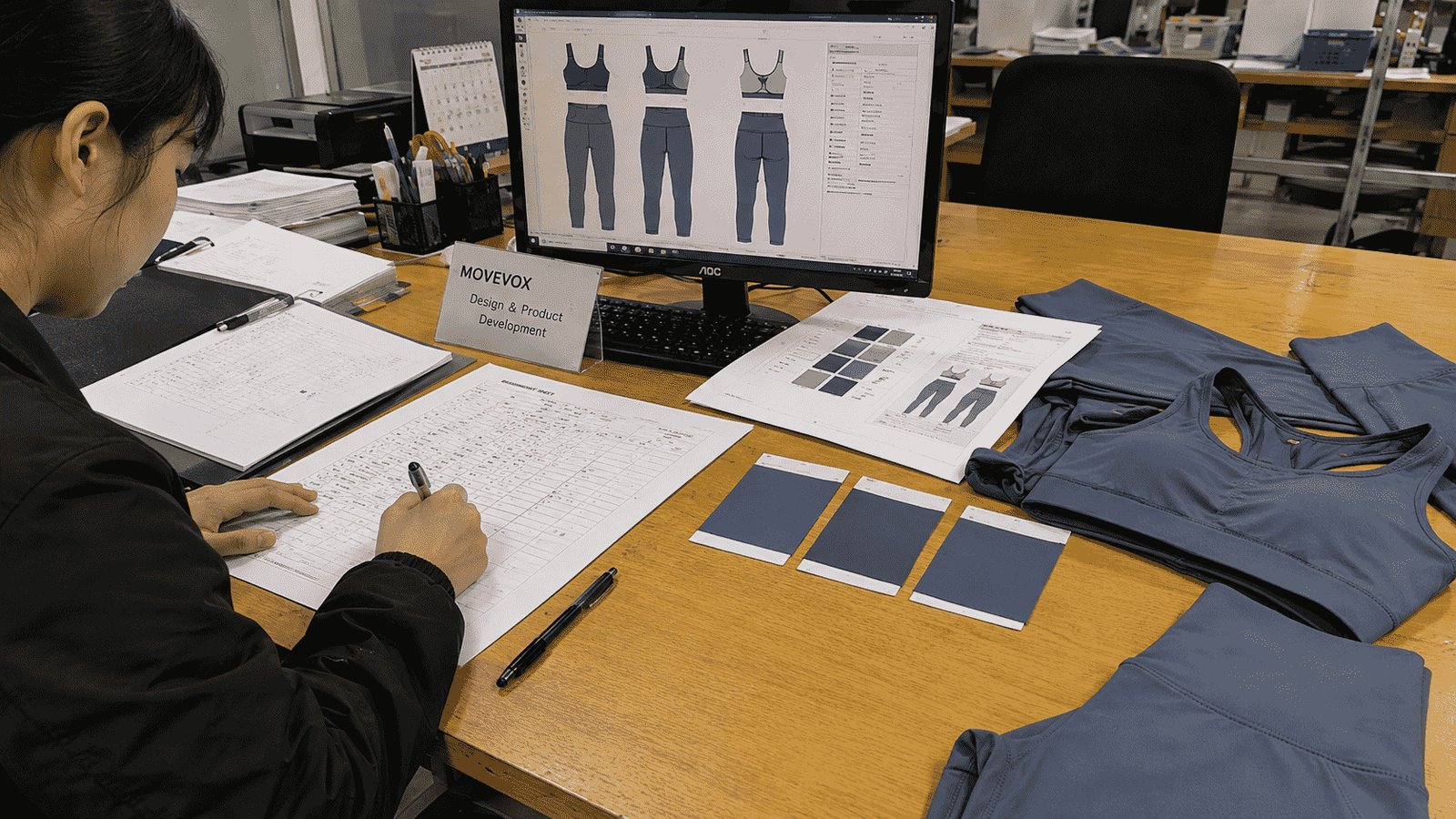
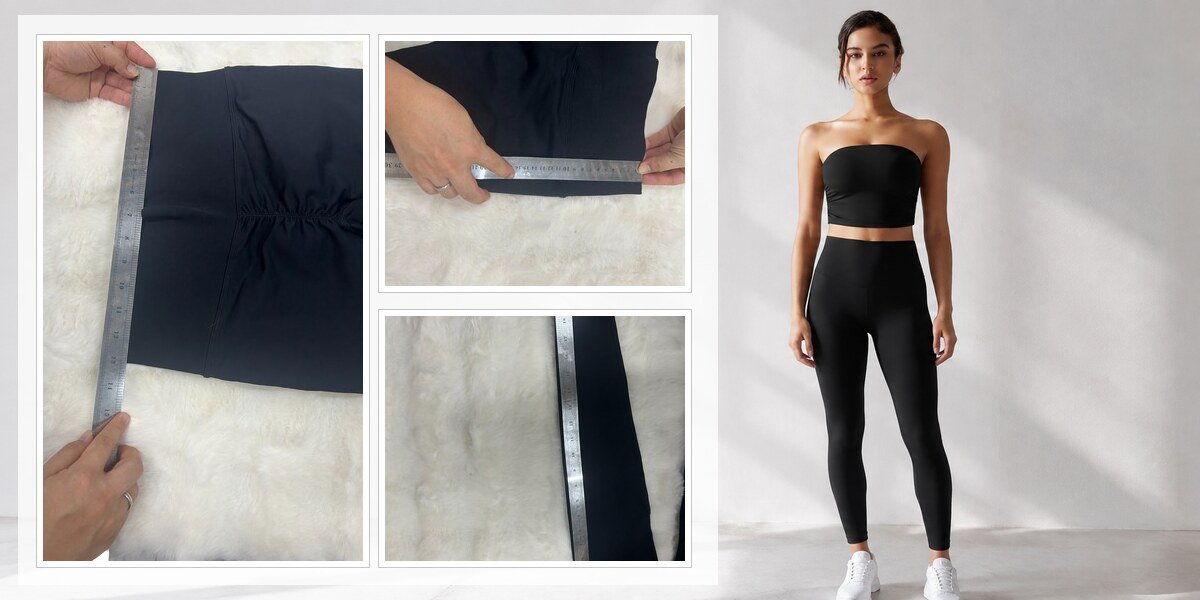
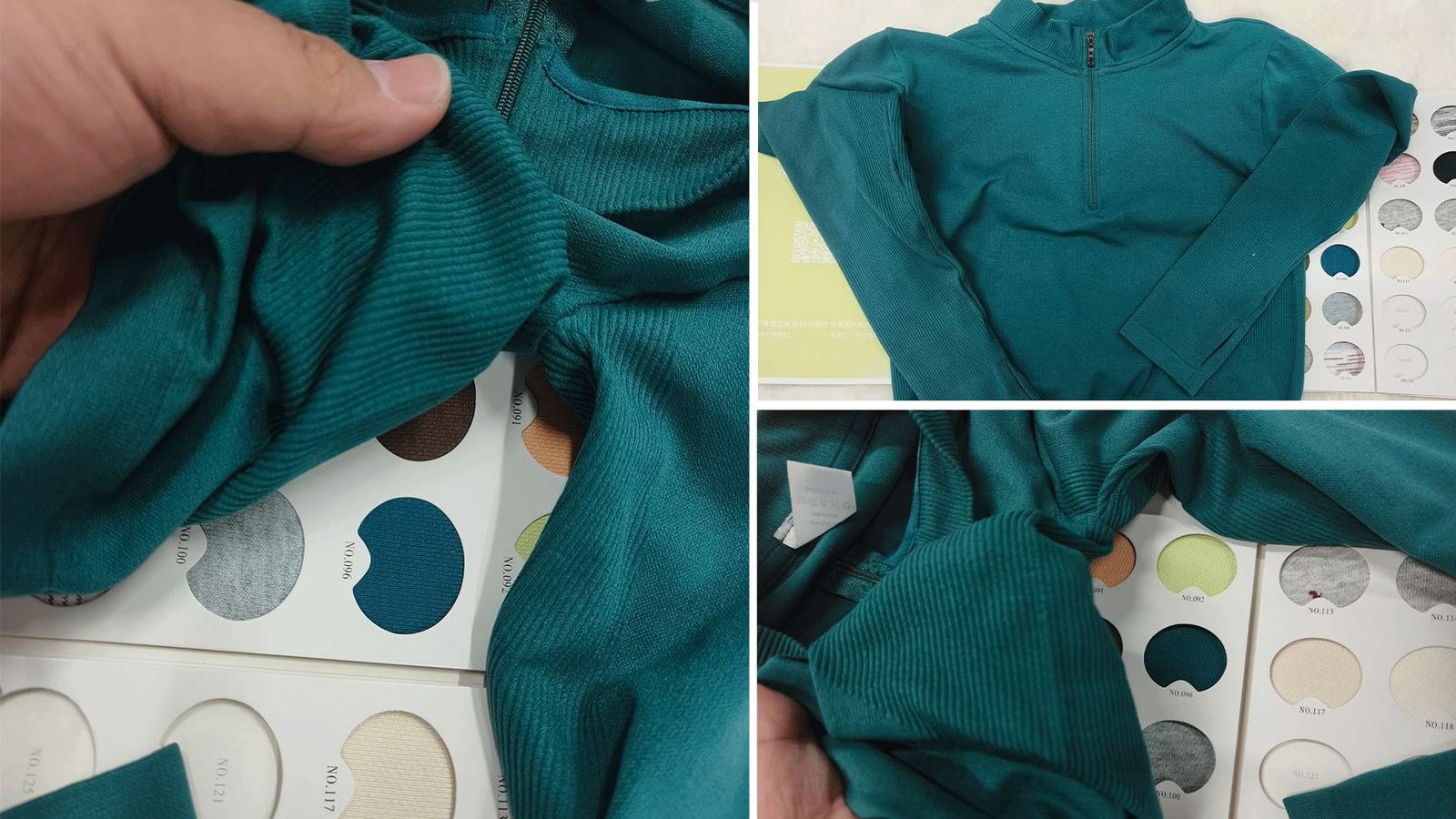
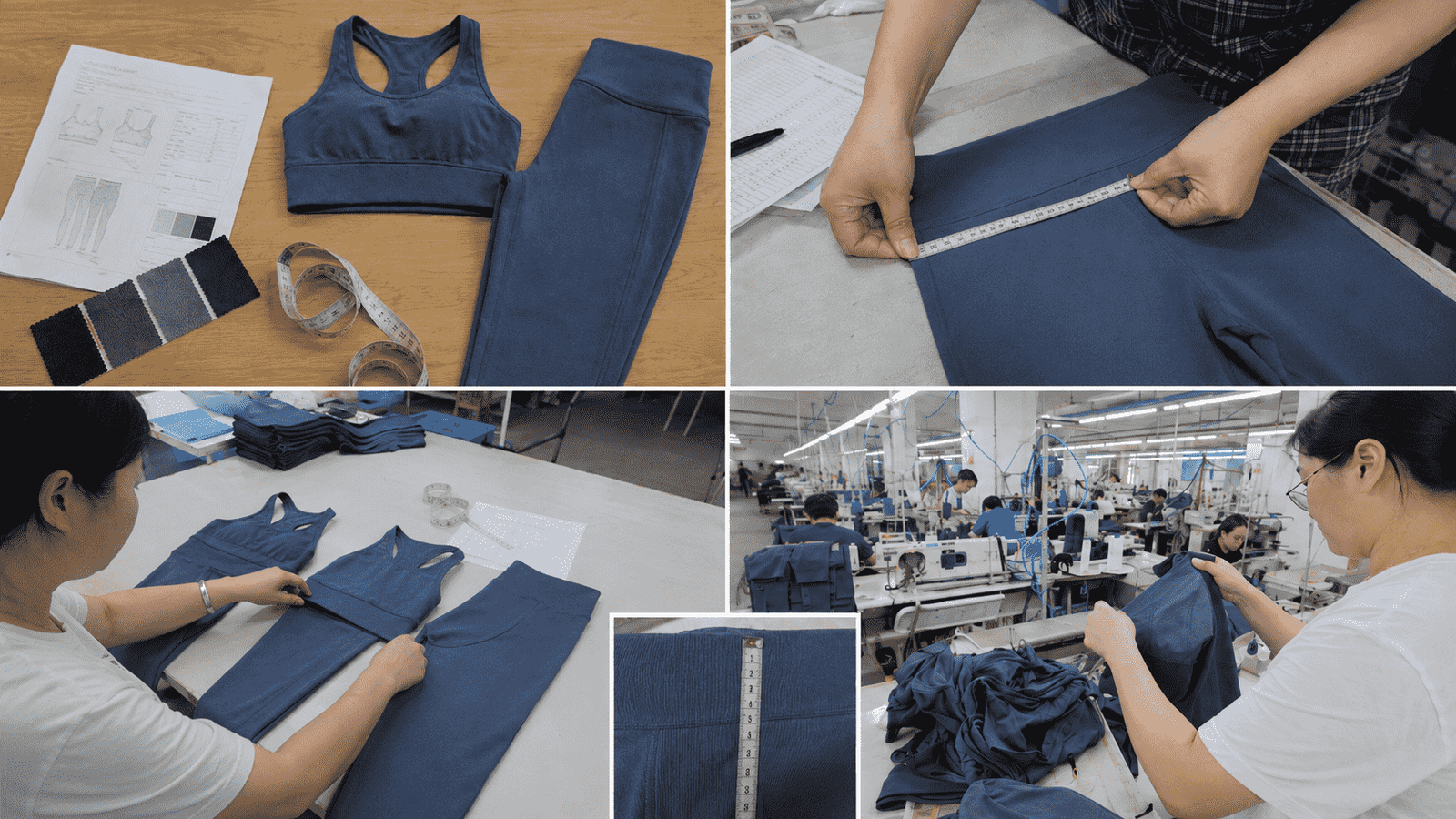
Manufacturing Facts Relevant to Women’s Gym Shorts
These figures describe MOVEVOX’s current manufacturing, sampling and managed production baseline. Actual project conditions depend on product structure, materials, SKU mix and approvals.
Santoni Machines
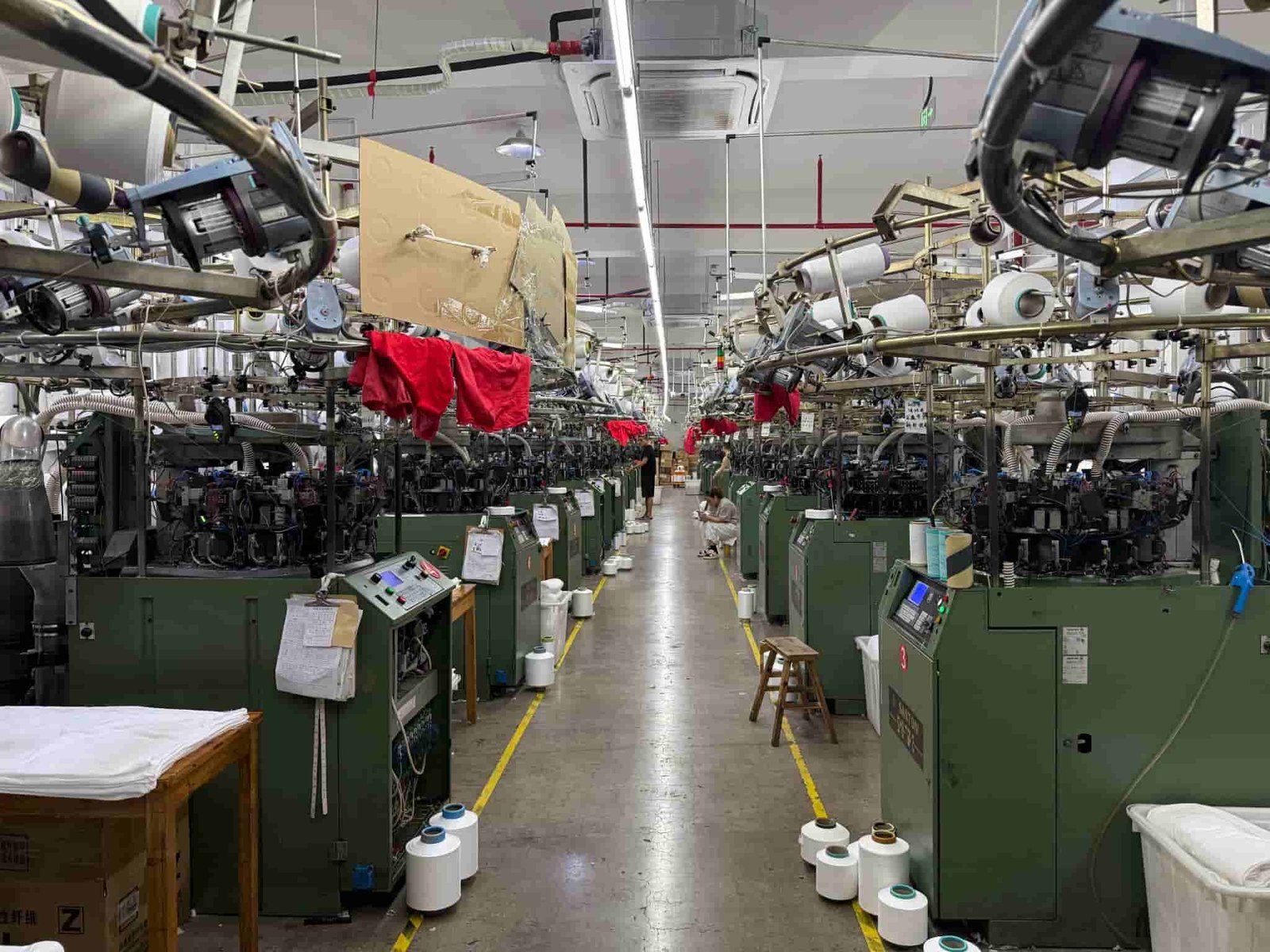
Twenty-eight Italian Santoni Seamless knitting machines operate within the core manufacturing system for technically suitable activewear programs.
Garment Machines
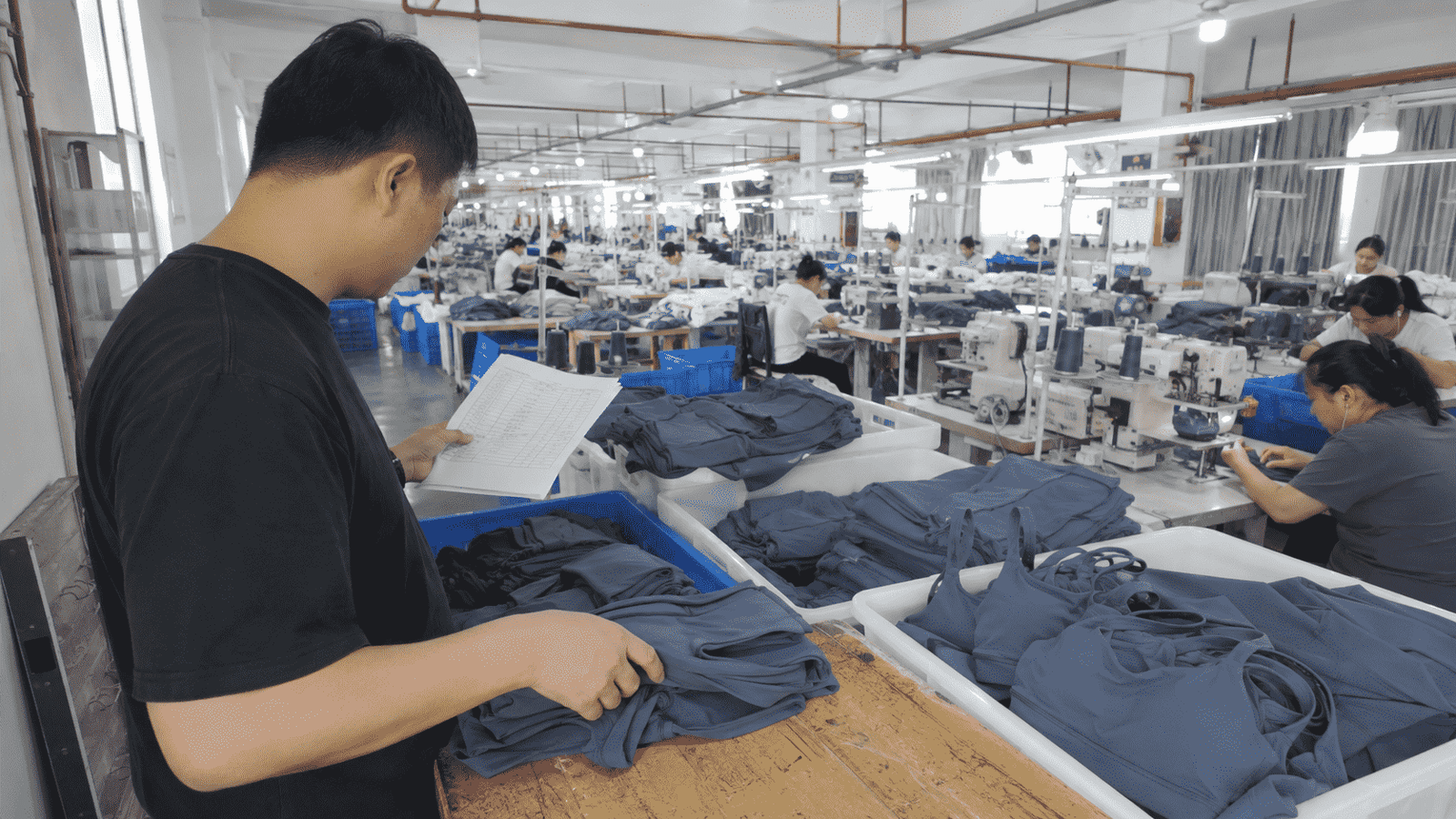
Approximately twenty-four principal sewing and garment-production machines support the current core Cut & Sew manufacturing system.
QC Personnel
Five QC personnel support applicable incoming, production, finished-garment and packing quality activities.
Working Days
Standard samples normally require approximately five to ten working days after the critical development information becomes executable.
Order Range
MOVEVOX’s confirmed normal individual-order capability covers approximately 300 to 50,000 pieces, subject to project review.
Managed Capacity
Normal comprehensive managed delivery capacity is approximately 150,000–200,000 finished pieces per month across the controlled production network.


Build Women’s Gym Shorts Into a Training Collection
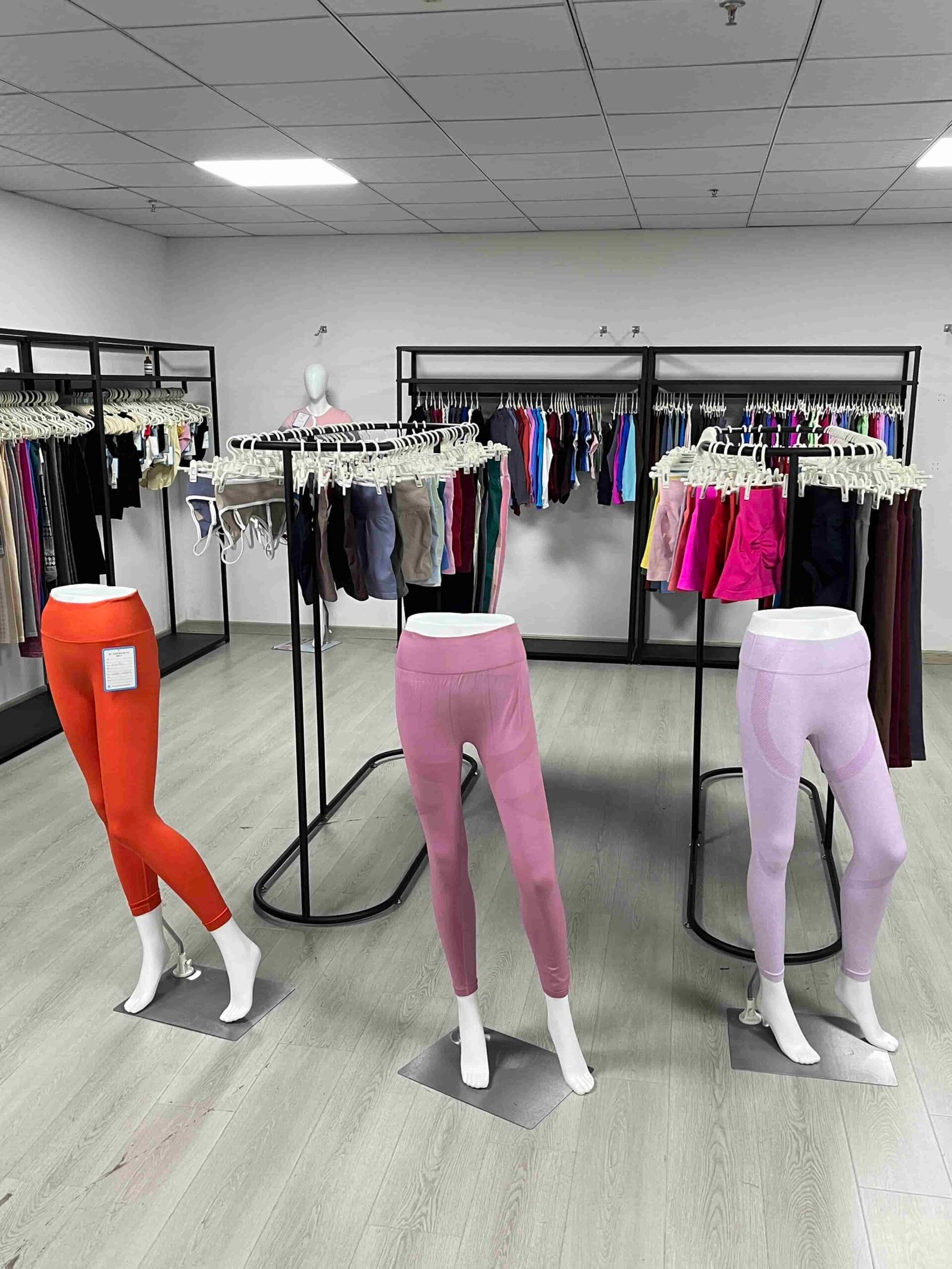
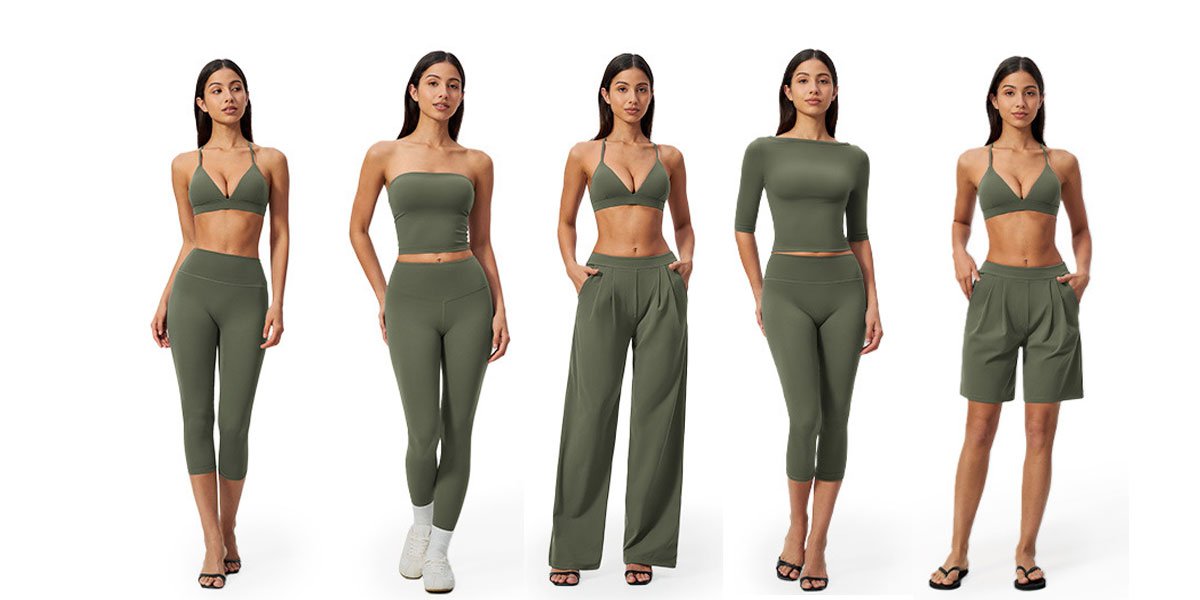
Women’s gym shorts rarely stand alone in a mature activewear range. MOVEVOX can coordinate them with leggings, sports bras, tanks, T-shirts and sets while preserving separate technical standards for each product.

Strength Training Set
A fitted gym short can coordinate with a medium- or higher-coverage sports bra and training top through shared color, material direction and branding. The shorts still require their own waist, hip, rise, inseam, crotch and leg-opening approval rather than inheriting a leggings specification unchanged.
Biker Collection
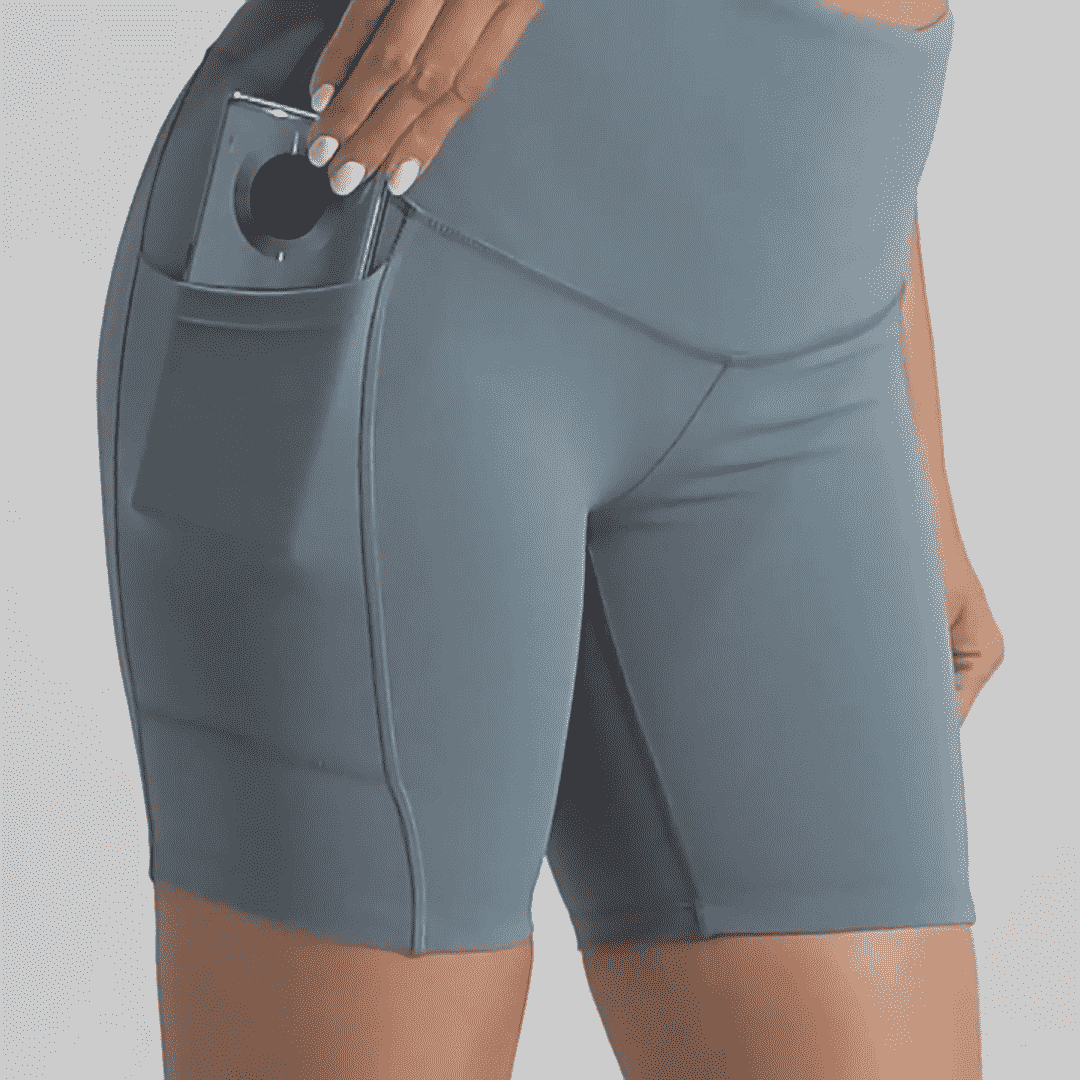
Biker shorts can extend an activewear range through longer inseams, high-waist directions, pockets, Seamless structures or compression-oriented materials. Pairing them with bras and tops helps create consistent color and brand language while keeping each SKU’s separate POM, size and workmanship standard.
Seamless Gym Set
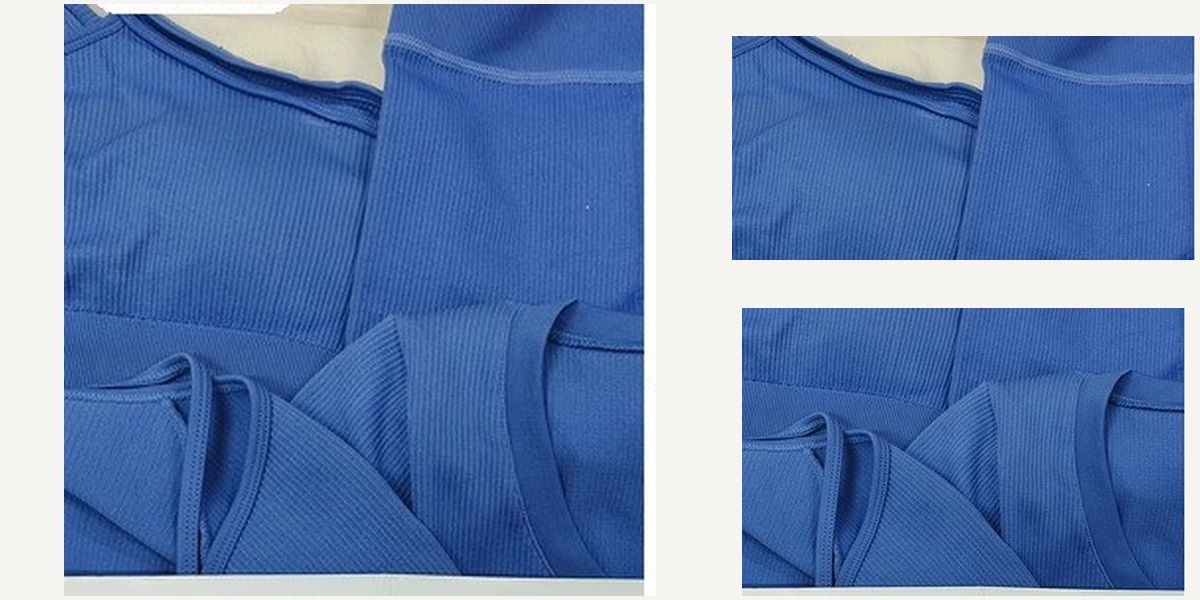
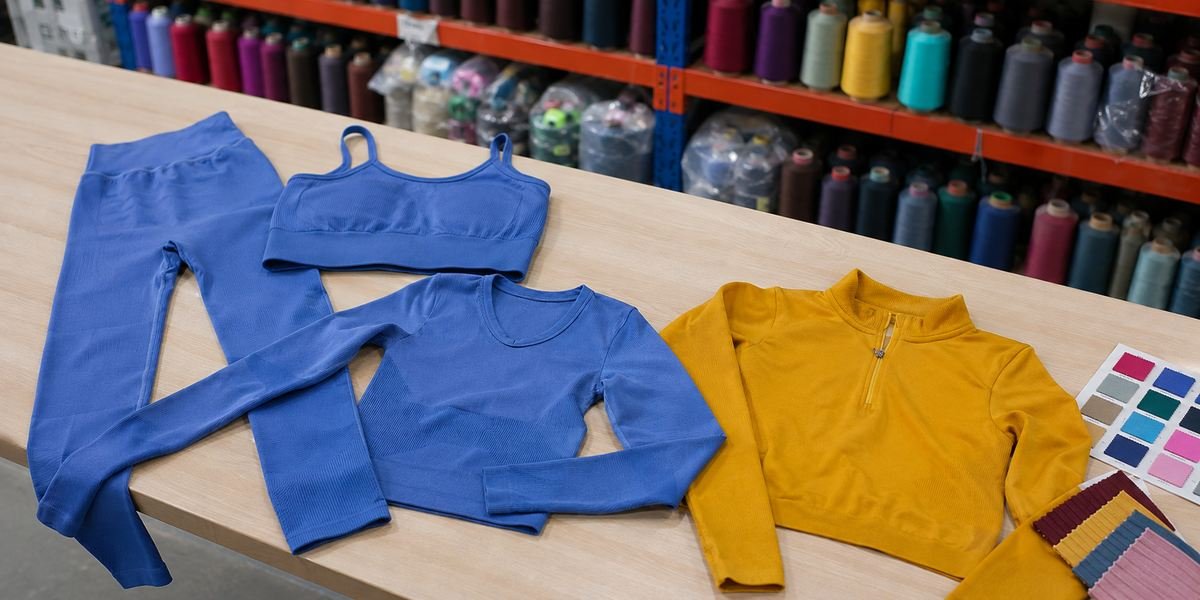
A Seamless program can coordinate shorts with Seamless bras, tanks or tops through related yarn, color, rib and textured structures. Each product still needs its own program, sizing and approved garment because one Seamless structure cannot be assumed to perform identically across different categories.
Soft Training Set
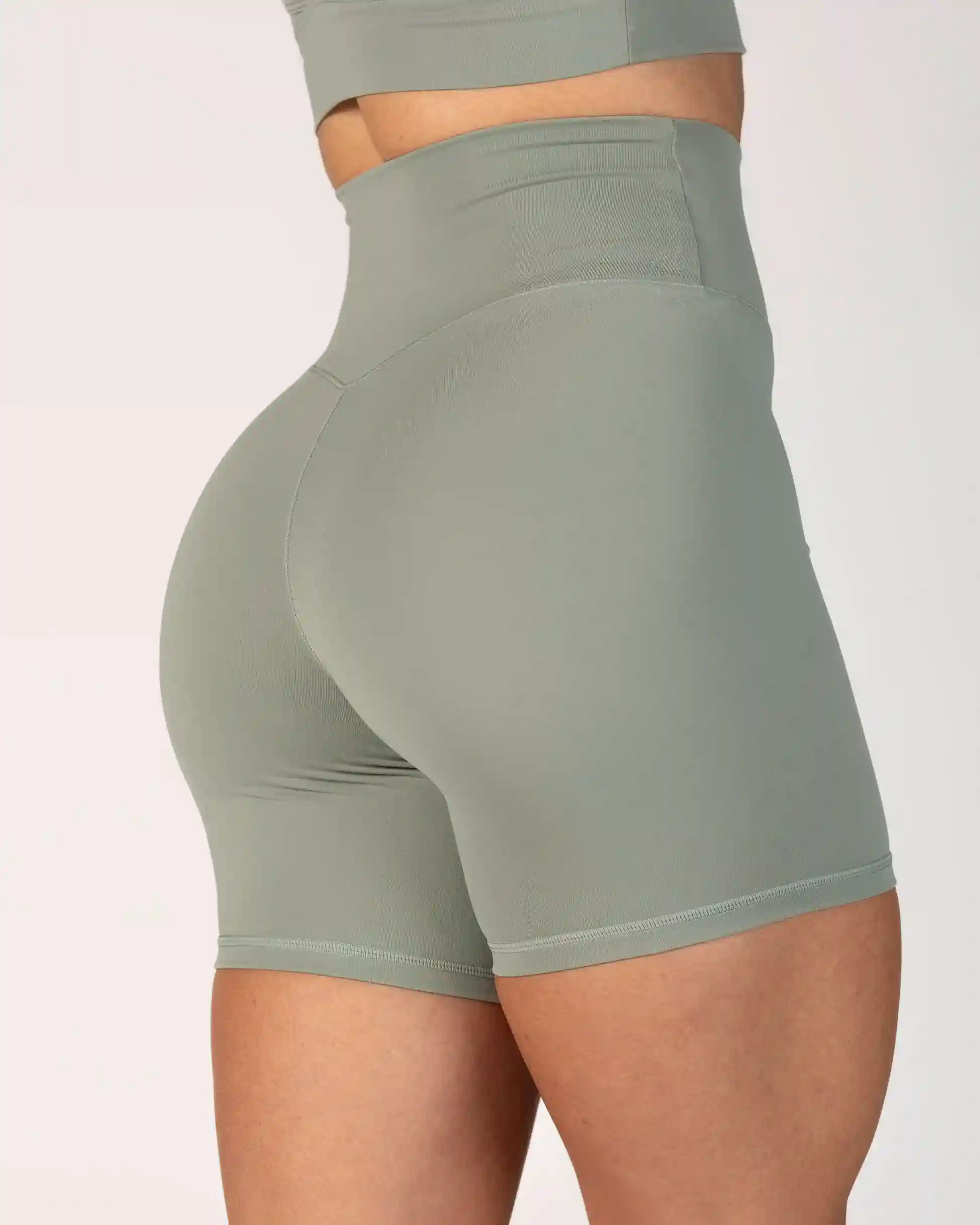
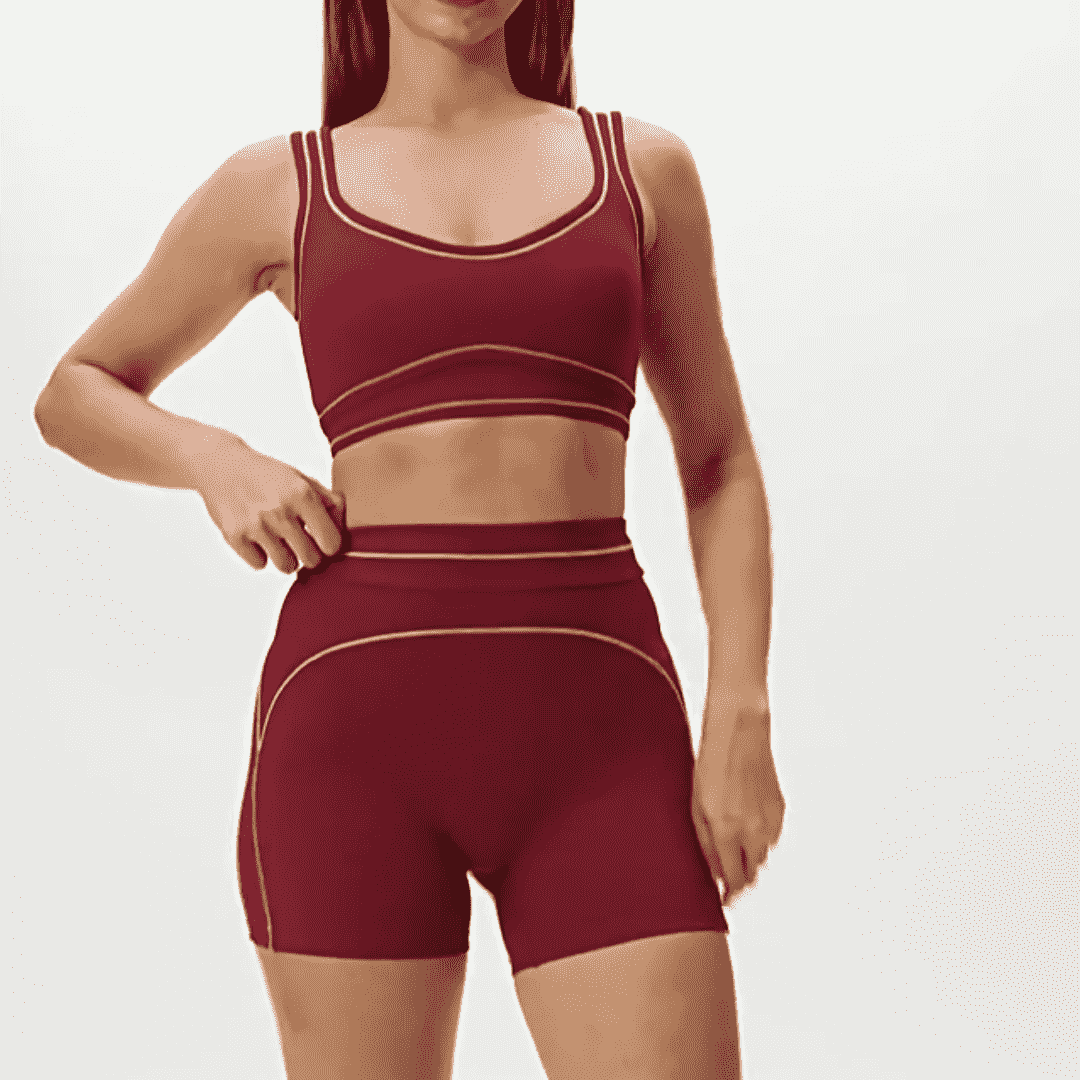
A softer gym and studio collection can combine women’s shorts with leggings, tanks or T-shirts using related Nylon-Spandex, brushed or Naked Feel directions. Shared material families create collection continuity, but finished Fit and movement must still be approved separately for shorts.
Compare Biker Shorts by Use and Product Direction
MOVEVOX treats biker shorts as women’s activewear rather than professional cycling apparel. Brands can compare inseam, waist, pocket, surface and compression direction according to intended gym, yoga, running-inspired or athleisure use.
Gym Biker
A fitted longer-inseam direction for general training where waist stability, hip fit, leg-opening behavior and material recovery need sample validation.
View Style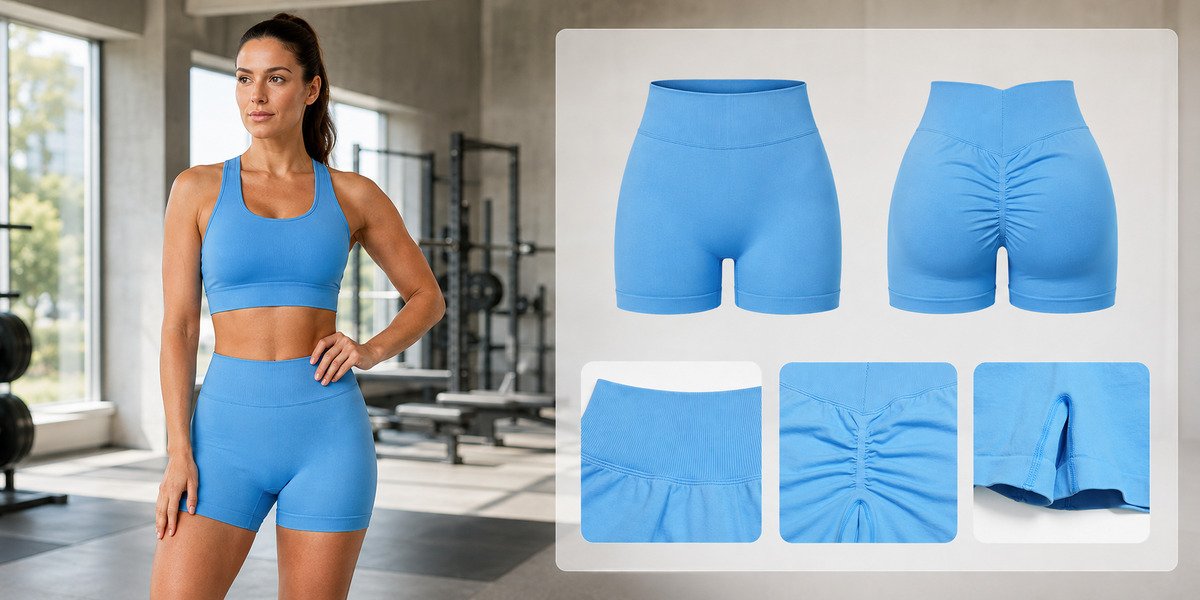
Seamless Biker
Santoni construction can integrate rib, texture and selected body zones without conventional side-panel architecture, subject to actual yarn and program requirements.
View Style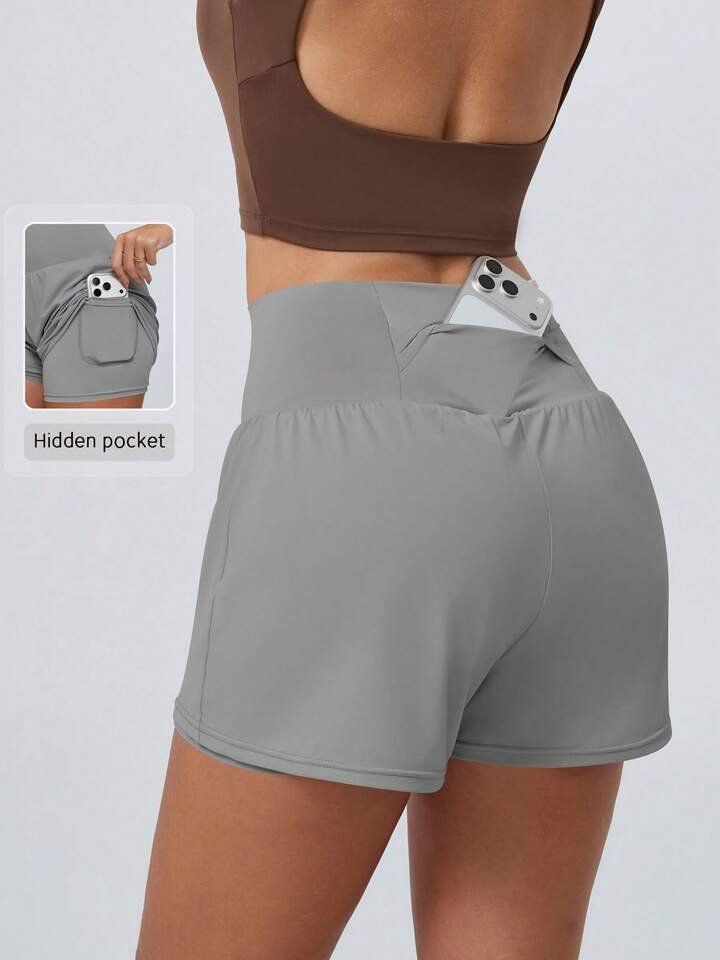
Pocket Biker
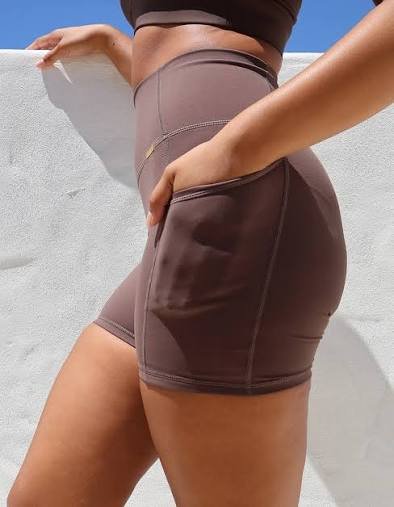
Side or rear-waist pockets can add storage, but opening size, load, stretch and pocket position need review against the approved fit.
View Style
Soft Biker
A softer Nylon-Spandex or related activewear direction can suit gym-to-studio collections where handfeel is important alongside controlled stretch and recovery.
View Style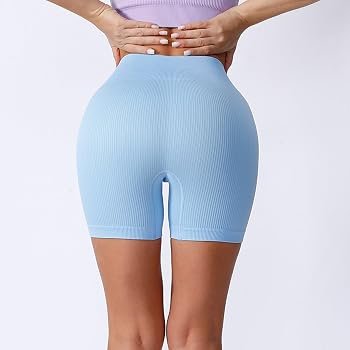
Ribbed Biker
Ribbed material changes surface, stretch direction and recovery behavior, requiring the physical product to be approved in the actual fabric or knit structure.
View Style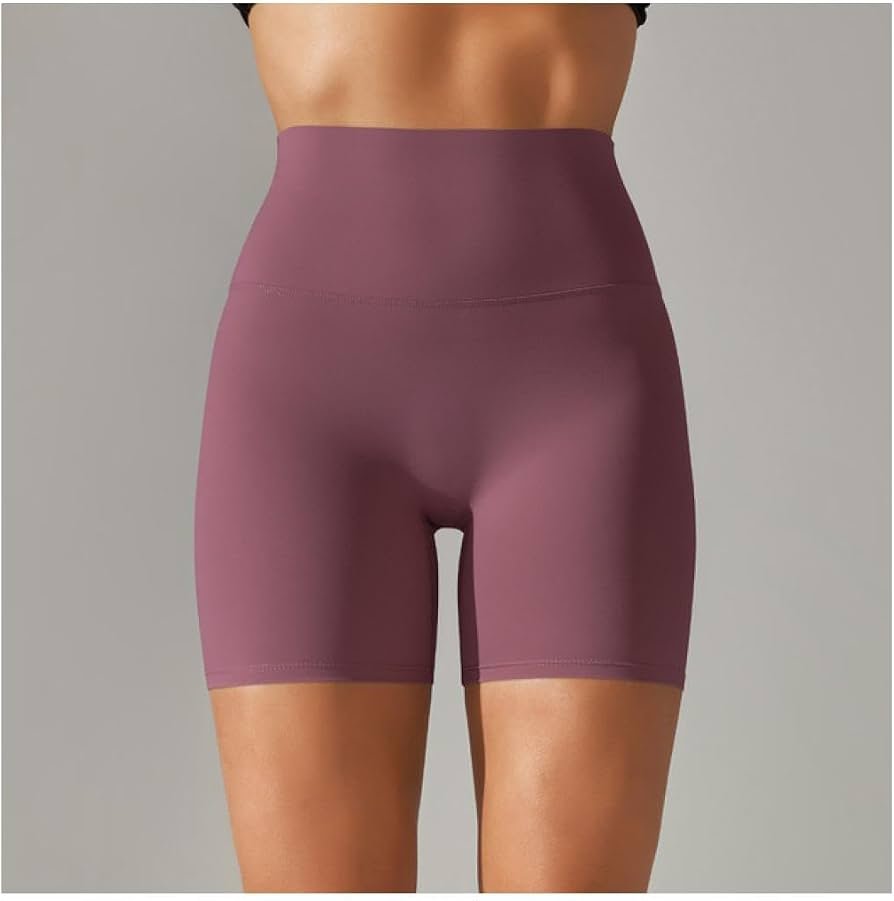
No-Front-Seam Biker
No-front-seam construction can be developed through suitable Seamless or Cut & Sew architecture, while crotch, rise and overall fit still require validation.
View Style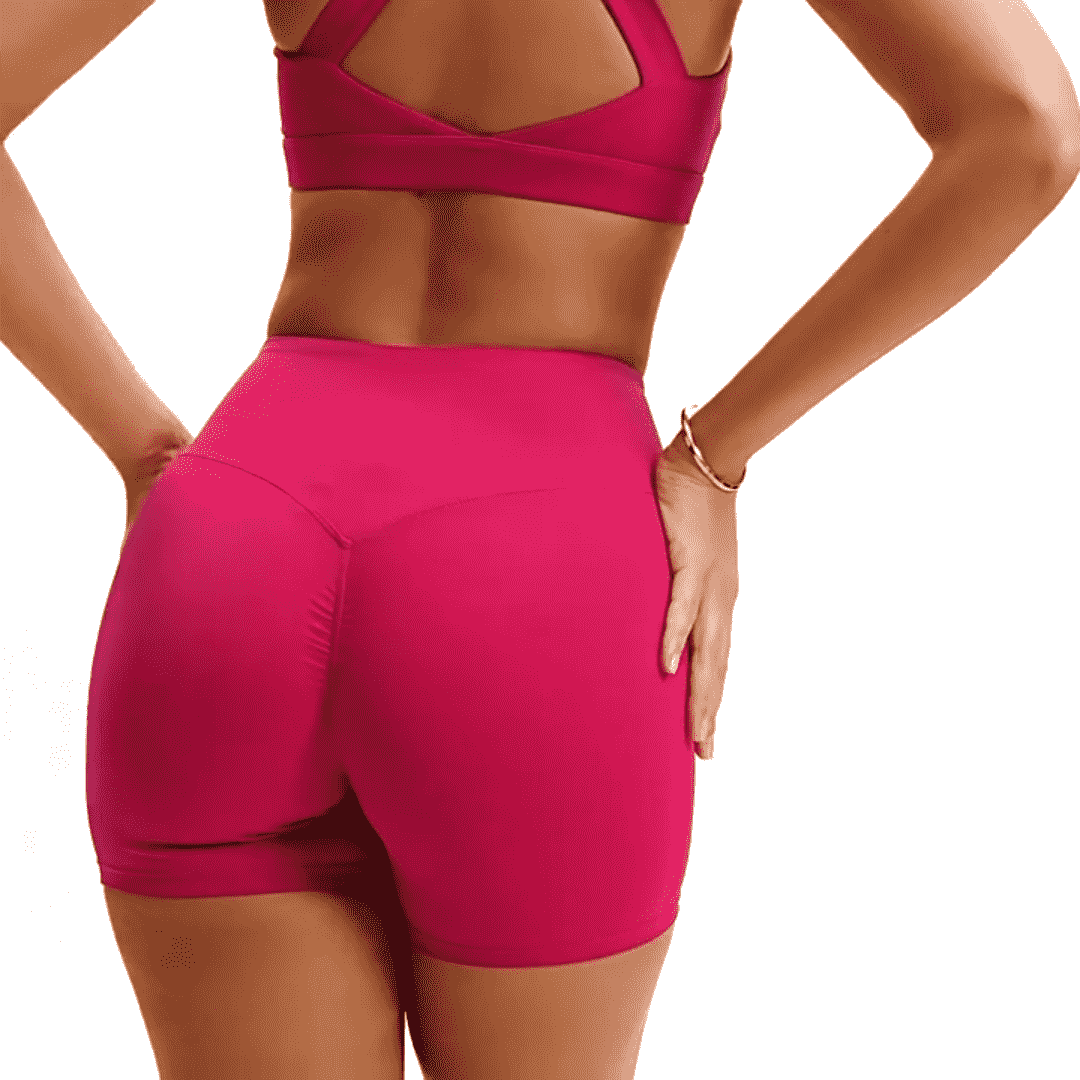
Compression Direction
A higher-recovery and more structured biker-short direction can create firmer athletic containment without being described as medical or measured clinical compression.
View Style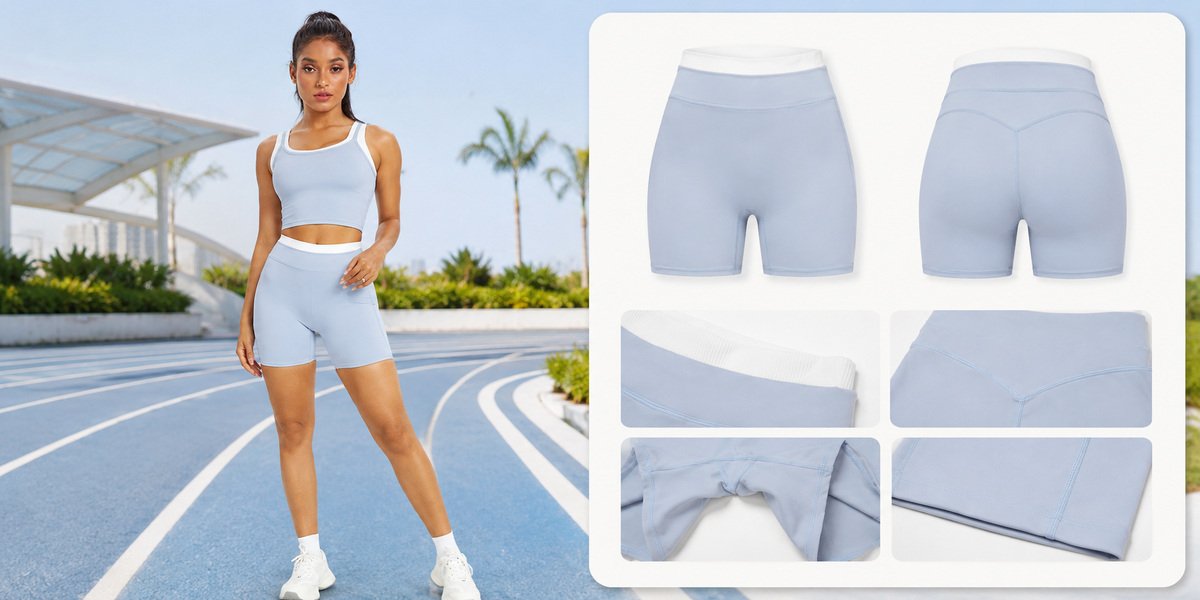
Athleisure Biker
A simpler biker silhouette can coordinate with lifestyle tops or sets while retaining activewear measurements, material approval and repeat-production requirements.
View StyleCompare Core Fitted Women’s Gym Shorts Directions
Fitted women’s gym shorts can differ through length, waistband, front construction, pockets, surface and manufacturing route. These five directions show how brands can define the product before detailed sampling begins.
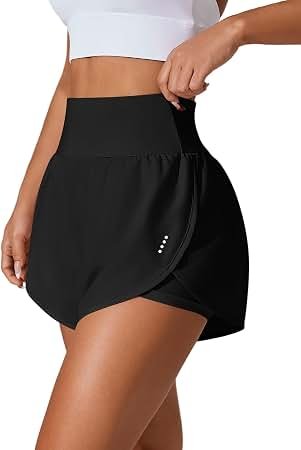
Short Inseam Training
A shorter fitted gym short places greater attention on crotch position, rear coverage, leg-opening location and movement. The buyer should define intended inseam and activity rather than selecting length from appearance alone.
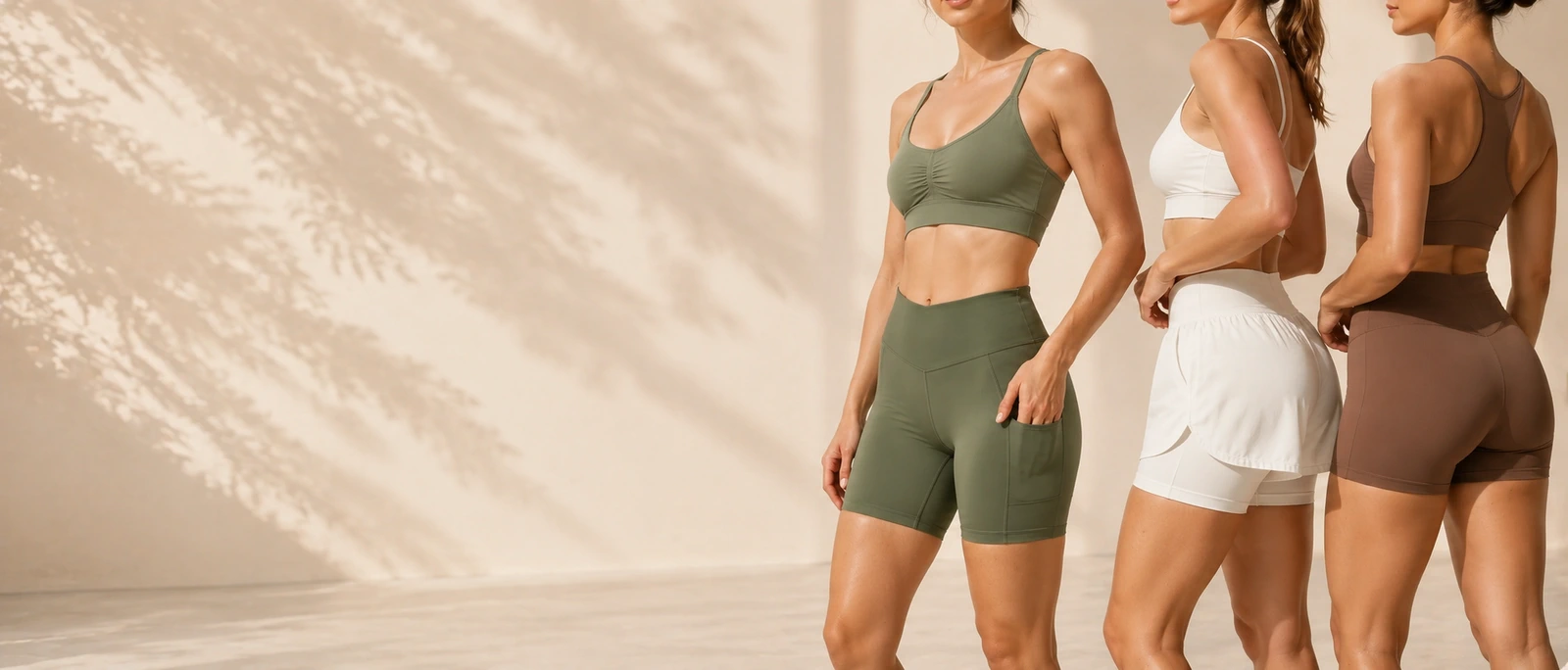
Mid-Length Fitted
A mid-length direction balances thigh coverage with a compact training silhouette. Waist-to-hip fit, material recovery and leg-opening measurement should be approved in the selected size range.

High-Waist Biker
A longer biker silhouette can combine a high-rise waistband with pocket, no-pocket or contour options. The garment should be validated for waistband position and thigh fit through movement.
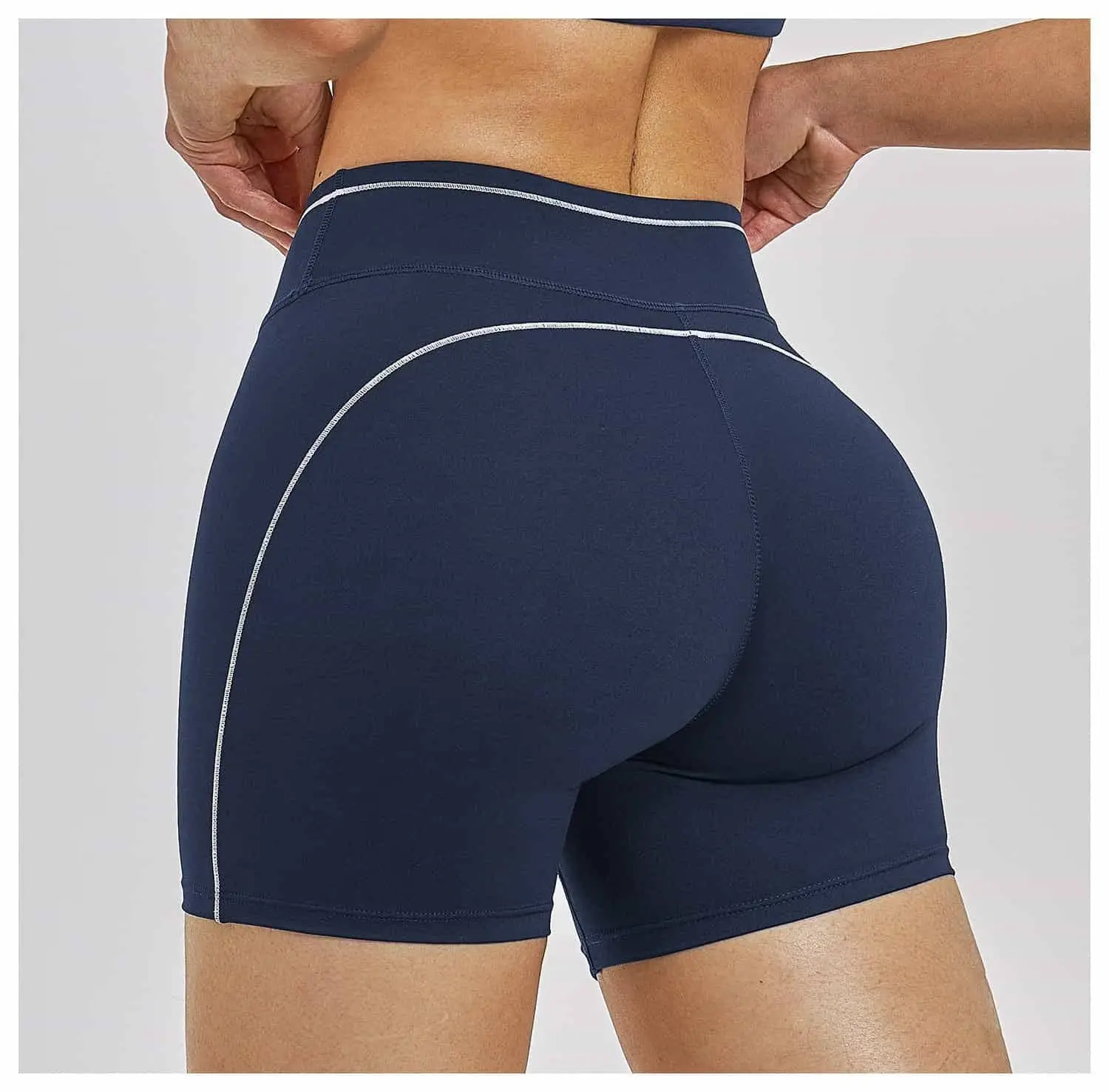
Seamless Gym Short
A Seamless direction can integrate rib, texture and selected engineered zones while reducing certain conventional seams. Yarn, program, finishing and size remain part of the final garment standard.
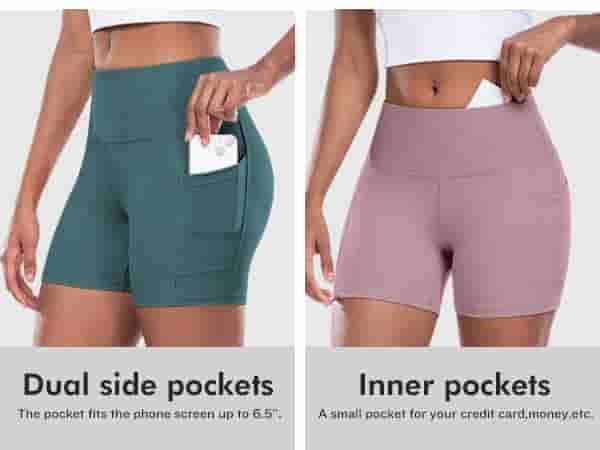
Pocket Training Short
A Cut & Sew fitted short can integrate side or waist storage according to the intended object. Pocket dimensions, opening and local fabric stretch need physical approval.
Engineer Waistbands Around Women’s Gym Shorts Fit
Waistband appearance is only one part of product development. Height, shape, waist-to-hip relationship, material recovery and construction all influence garment position and fit during training.
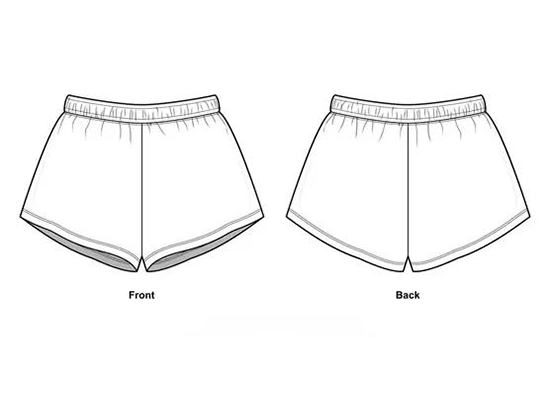
Straight High Waist
A straight high-rise waistband creates a clean upper line and can be used across fitted and biker gym shorts. Development should consider finished upper and lower waistband circumference, total rise, fabric recovery and the buyer’s waist-to-hip relationship. Simply reducing the waist measurement to create a tighter garment can increase unwanted pressure or encourage rolling without solving the actual fit problem.
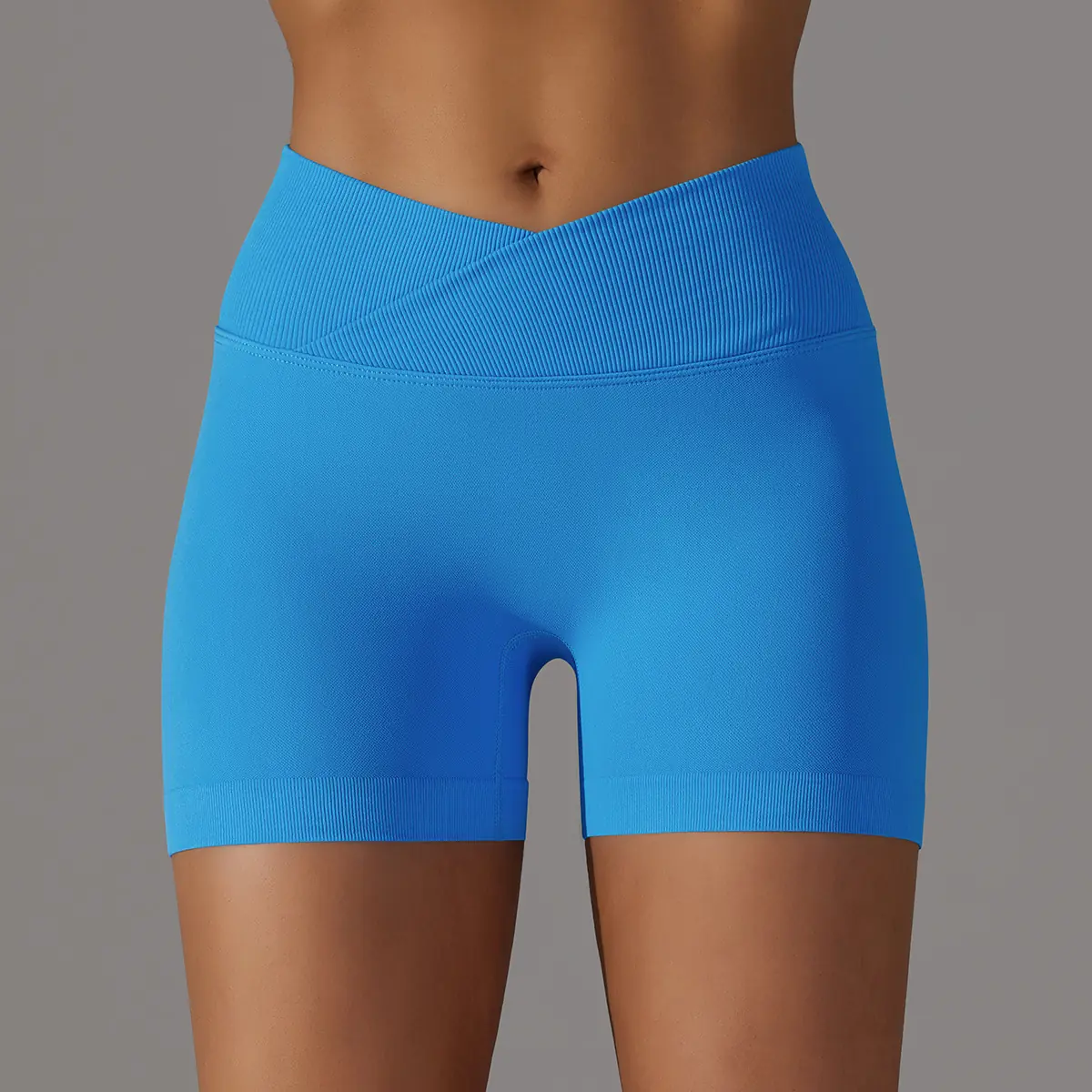
V Waist
A V-shaped waistband changes center-front geometry as well as visual styling. Its depth, left-right symmetry, front-rise relationship and edge tension need to be controlled through pattern or applicable Seamless development. Approval should be based on the physical garment because a flat technical drawing cannot show how the V position changes after the waistband stretches on the body.
Crossover Waist
A crossover waistband uses overlapping or intersecting front geometry. The overlap depth, material thickness, seam construction and center-front position should remain stable throughout sampling and grading. If one layer stretches differently from another, the visual crossover can shift. Bulk workmanship therefore needs clear alignment references rather than relying only on operator judgement.
Double-Layer Waist
A double-layer Cut & Sew waistband can provide structure and a clean outer surface depending on material and pattern. Both layers need compatible stretch and recovery so the internal layer does not distort the exterior garment. The waistband should be reviewed together with rise and hip fit because added thickness alone does not guarantee better stability.
Seamless Rib Waist
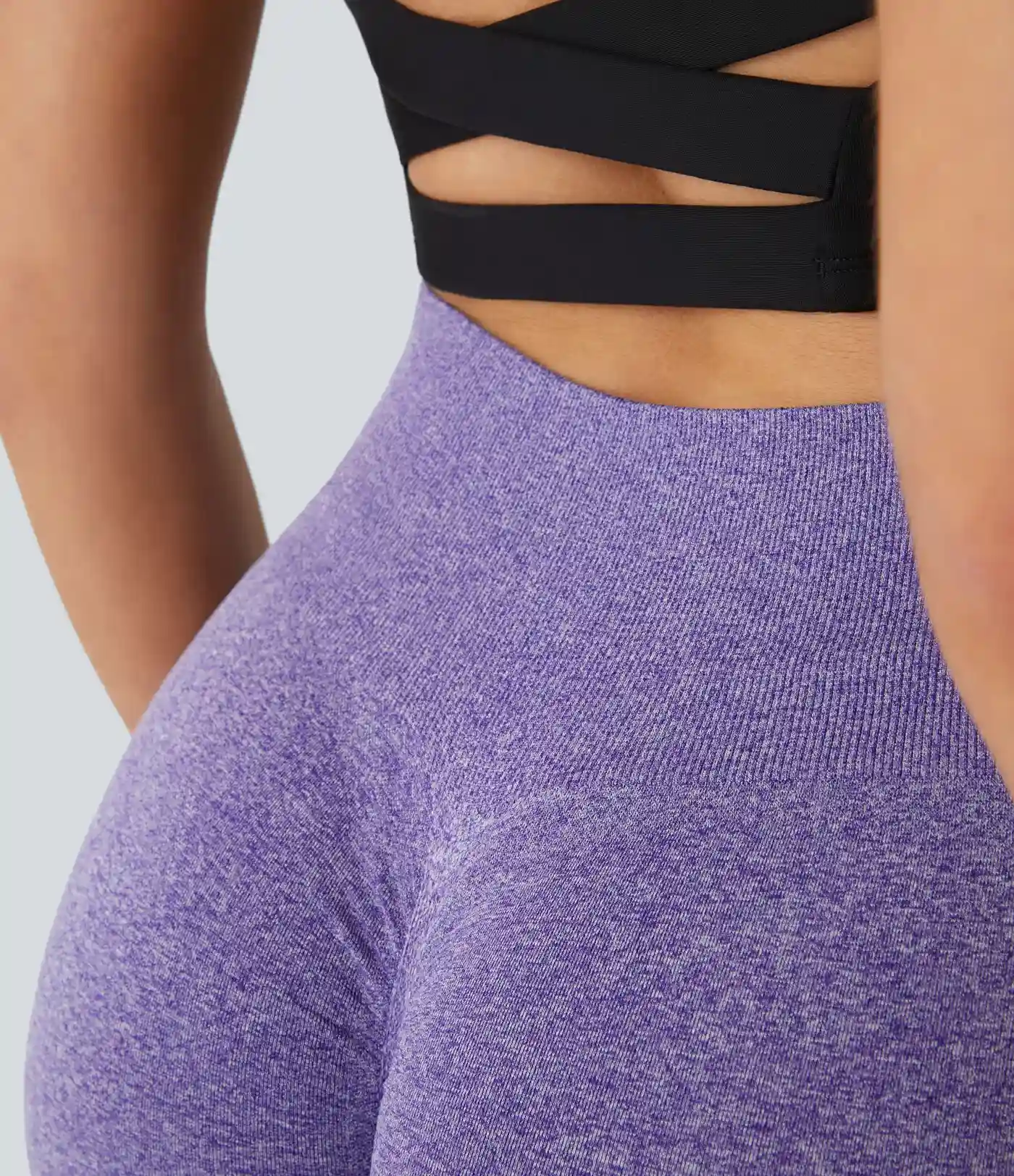
A Santoni program can integrate rib, density and other knitted structures through the waistband region. These variables can influence the wearing feel and garment recovery, but the rib should not be described as a guaranteed compression level. The actual yarn, program, size and finished garment still require measurement and physical approval before bulk production.
Contoured Waist
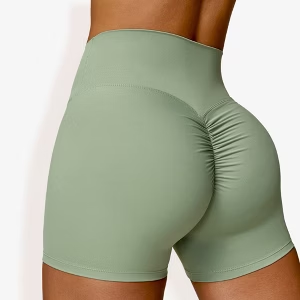
A shaped waistband can use pattern geometry to respond to the difference between the waist and hip. The contour should be graded according to the buyer’s size rules rather than enlarged by a single percentage. Representative sizes may require physical review where the commercial size range changes body proportion significantly.
Control Seam Placement Around Fit and Training Movement
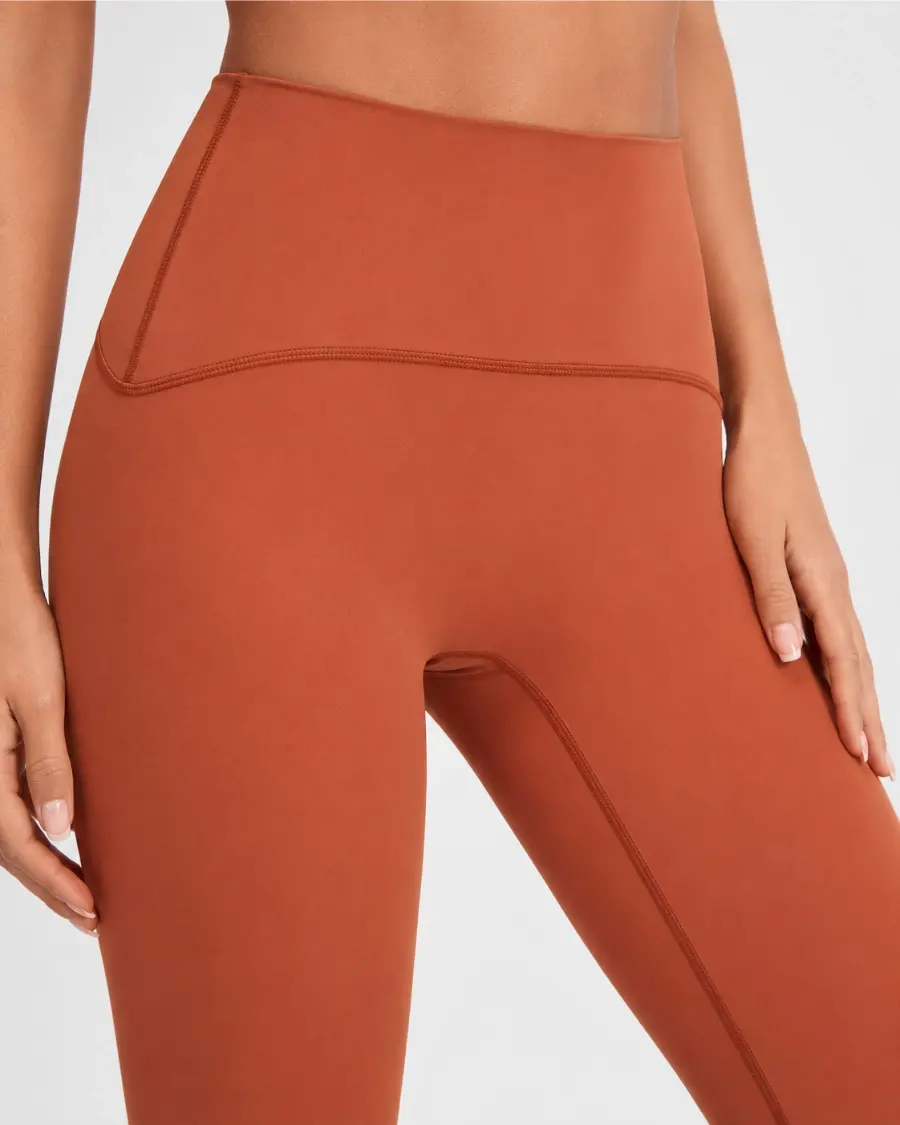
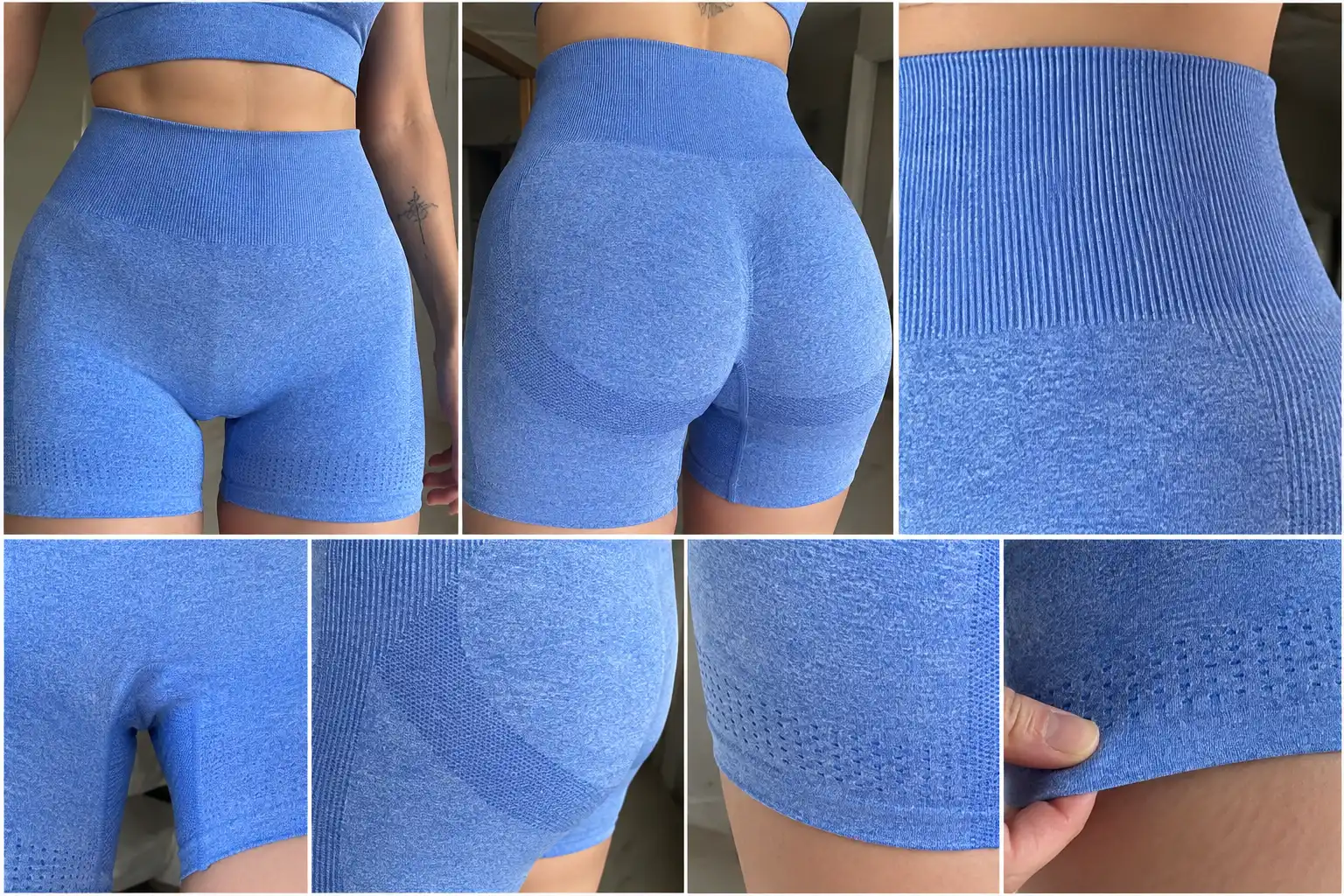
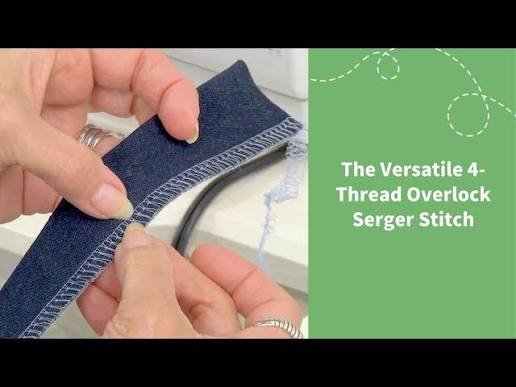
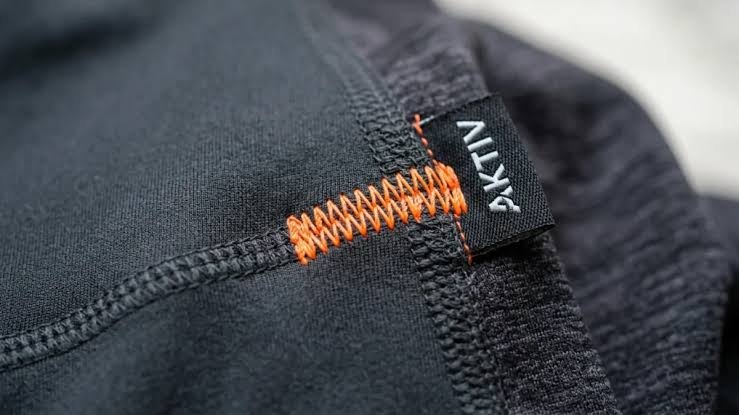
Gym shorts seams are part of the product architecture. Their location affects shaping, stretch, skin contact, pocket integration, symmetry and the way the garment moves with the wearer.
Front Rise Seam
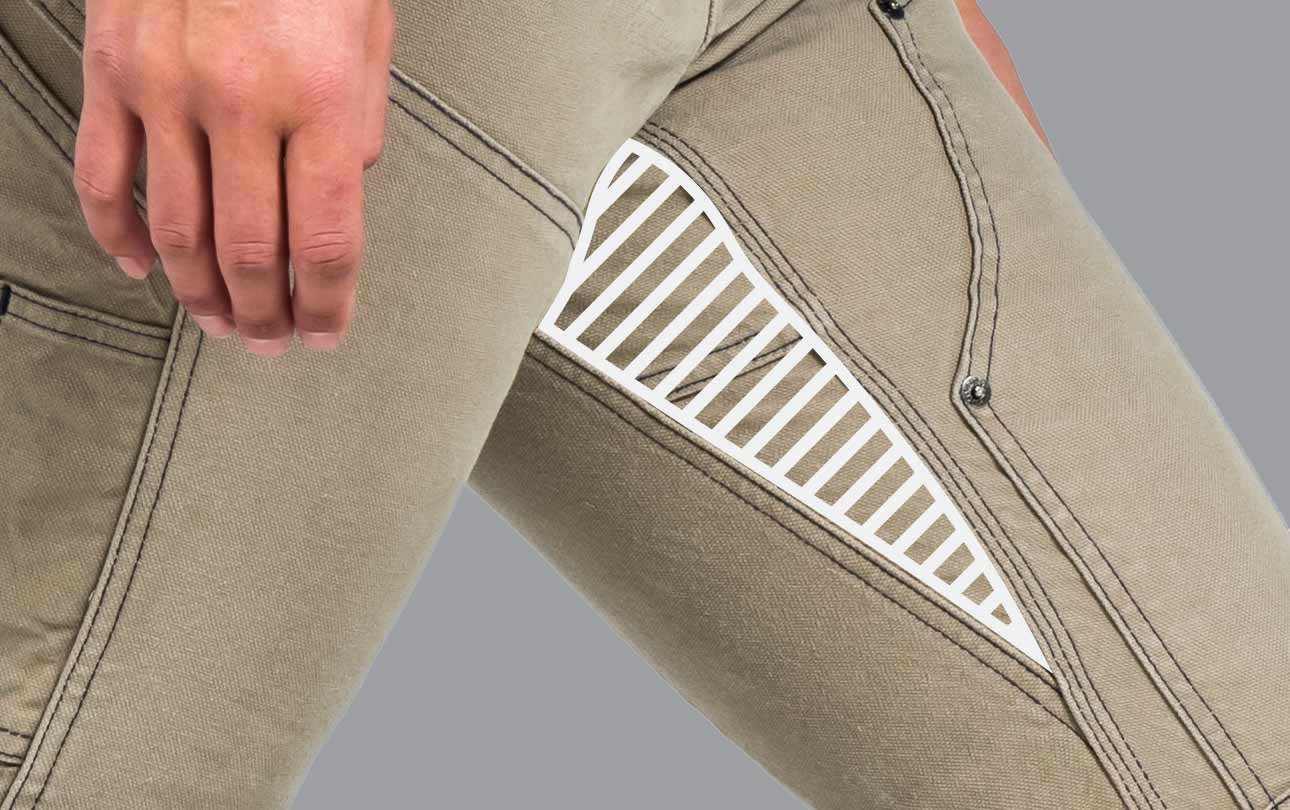
A conventional front-rise seam provides one route for shaping the front crotch. Curve, seam allowance, stitch method and tension should follow the current pattern. If the buyer removes this seam, the garment still needs enough front-body capacity through pattern geometry, gusset construction or suitable Seamless engineering.
Back Rise Seam
The back-rise seam contributes to rear-body shape and connects hip, crotch and waistband geometry. The two garment sides should join symmetrically, and seam tension should not visibly pull the rear body away from the approved shape during stretch.
Gusset Seam
A gusset can redistribute the crotch seam arrangement and create a separate internal panel. Shape, dimensions, material and joining method should follow the technical design. One standard gusset should not be assumed to suit every inseam, rise or size system.
Inner-Leg Seam
The inseam links the crotch with the lower leg opening. Incorrect panel length, feed or stitch tension can contribute to twisting or uneven legs. Finished inseam measurements and left-right garment balance should therefore remain part of development and bulk inspection.
Side Seam
Side seams can support pockets, shaping or standard panel assembly. Their position should remain compatible with hip fit and any pocket opening. If the product uses no conventional side seam, the replacement Seamless or pattern structure needs separate technical control.
Contour Seam
Curved contour seams can provide visual or pattern shaping around the hip and rear body. Their position must remain symmetric and appropriately graded across sizes. Contour placement should be treated as construction, not as a universal body-shaping performance claim.
Flatlock Direction
Flatlock or lower-profile seam directions may be relevant to selected activewear structures where machine, thread and material are suitable. The exact seam type should be confirmed on the physical garment instead of being applied automatically to every stretch fabric.
Seamless Structure
Santoni construction can replace selected conventional cut-panel seams through programmed knitted architecture. Seamless does not necessarily mean zero sewing: crotch joining, labels, finishing or other downstream operations may still remain depending on the garment.
Review Gym Shorts Fit Through Real Training Movements
Flat measurements define the technical reference, but relevant movement can expose waist, crotch, pocket or leg-opening issues that are not visible when the garment is stationary.

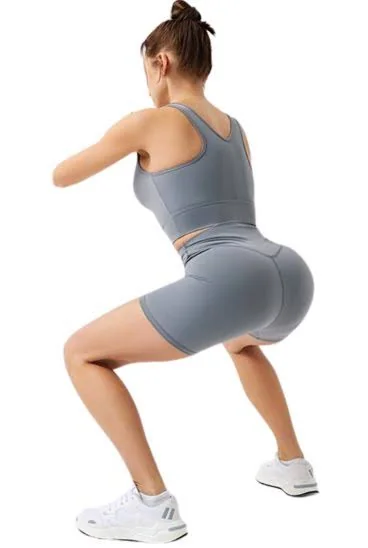
Squat
A controlled squat can show whether back rise, waistband position, hip stretch, crotch fit, leg opening and opacity remain acceptable in the selected garment. The observation applies only to the actual material, size, wearer and movement condition reviewed during development.
- Rear coverage remains within the buyer-approved product position.
- Hip stretch stays appropriate for the selected garment size.
- Waistband movement is reviewed against the standing reference.
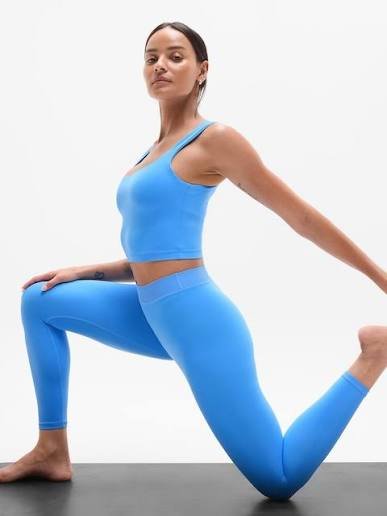
Lunge
A forward or lateral lunge creates unequal leg positions and can reveal inseam, crotch, side-pocket and leg-opening behavior. If the hem migrates or one side twists, the technical cause should be investigated before changing an isolated measurement.
- Crotch structure allows the buyer-required training movement.
- Leg openings remain reasonably balanced during unequal leg positions.
- Loaded pockets do not create unacceptable local distortion.
Dynamic Training
HIIT-style or general dynamic movement can expose product recovery after repeated extension. The garment can be observed for waistband displacement, hem movement and local fit change after the defined sequence rather than being advertised with a universal “stays in place” claim.
- Material recovery supports the approved post-movement garment shape.
- Waistband movement remains within the buyer’s acceptance criteria.
- Seams and pockets remain visually and structurally acceptable.
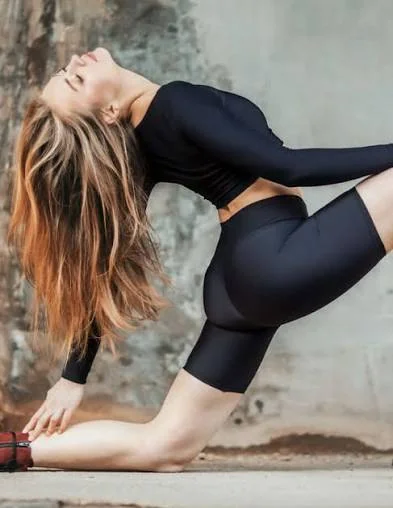
Mobility Crossover
Gym brands may also require floor work, stretching or studio movements. Seated and flexed positions can change the relationship among waist, hip, back rise and crotch differently from lifting movements, so development should follow the brand’s actual end use.
- Rear and crotch coverage suit the intended movement range.
- Waistband position is reviewed in seated and flexed positions.
- Fabric stretch does not create unacceptable transparency or distortion.
Define Squat Coverage Through Evidence, Not Absolute Claims
Opacity under squat-related stretch depends on the complete garment, not one fiber percentage. MOVEVOX should connect each coverage statement with the actual material, color, size, fit and review condition.




Fabric
Claim: Coverage depends on the approved material.
Evidence: The same fiber family can vary in construction, GSM, dyeing and stretch behavior. The selected fabric should therefore be reviewed as an actual swatch and finished garment rather than approved by composition alone.
Color
Claim: Color can change visual opacity.
Evidence: Light and dark colors can produce different visual results even within related materials. A buyer requiring squat-related coverage should therefore approve the actual intended colors rather than assume one tested color represents all future shades.
Garment Size
Claim: Correct sizing affects material extension.
Evidence: A garment worn beyond the intended fit can stretch more strongly across the hip and crotch. Coverage evaluation should therefore use the correct sample-to-wearer relationship defined for the buyer’s fitting process.
Hip Fit
Claim: Localized over-stretch can reduce coverage.
Evidence: Hip measurement, negative ease, rise and crotch geometry influence how material stretches across the rear body. The team should investigate garment fit instead of treating opacity only as a fabric-sourcing issue.
Squat Condition
Claim: Performance applies to the reviewed movement.
Evidence: A defined squat observation can show how the exact garment behaves through the selected range. Results should not be generalized automatically to every wearer, activity, color or size.
Bulk Material
Claim: Production must follow the approved material direction.
Evidence: Changes in fabric specification, weight or relevant material characteristics can alter garment appearance. Production material should remain connected to the approved sourcing reference and incoming quality-control process.
Adjust Gym Shorts Priorities by Training Scenario
Women’s gym shorts should be evaluated according to their intended use. Strength training, dynamic workouts, general gym use and studio crossover place different priorities on fit, pockets, fabric and movement.
Strength Training
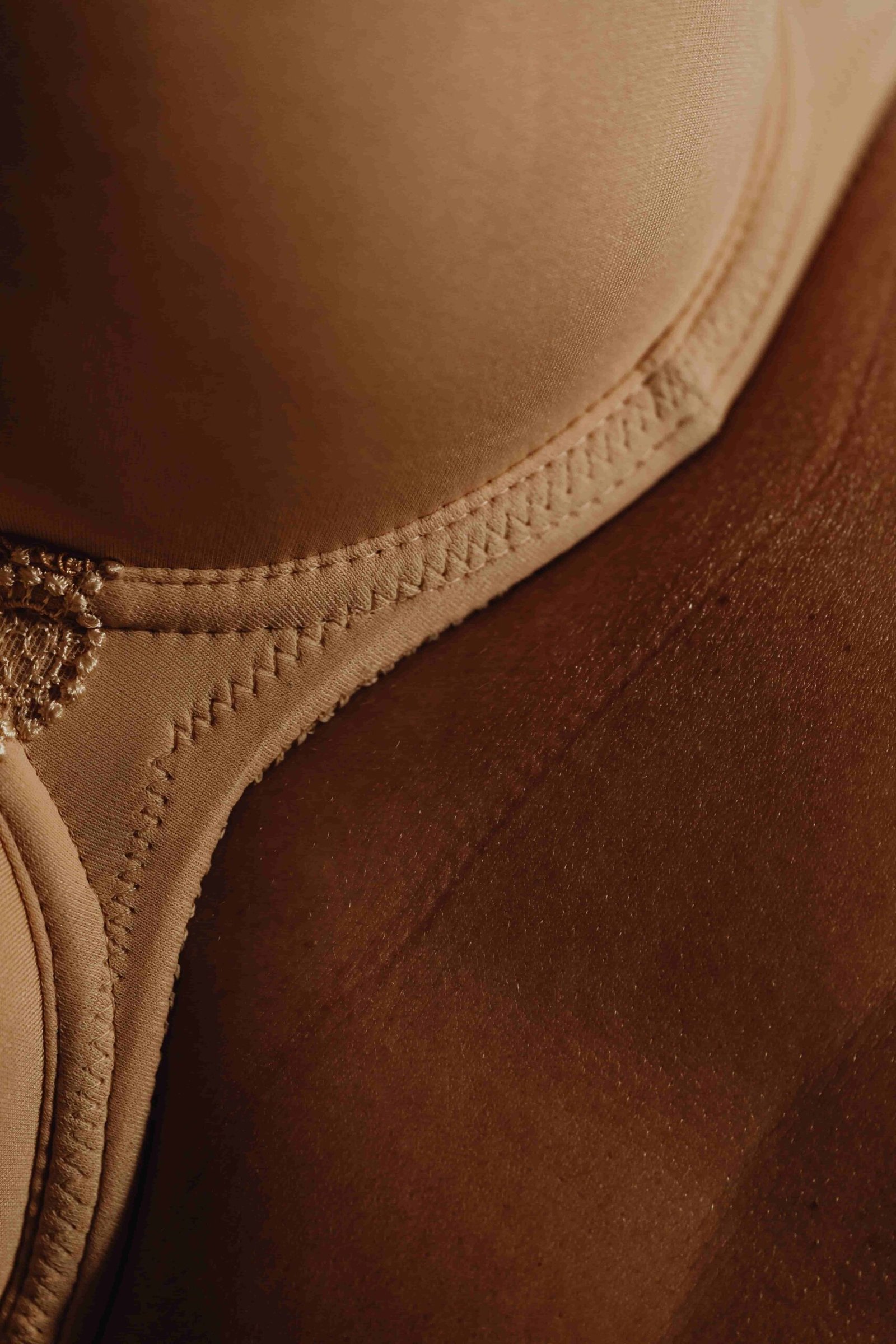
A strength-training short may be reviewed through squat, lunge and setup positions where the hip and knee move through substantial flexion. Brands can prioritize waistband position, crotch mobility, rear coverage, material recovery and opacity in the approved garment. Pocket needs may be secondary or central depending on the collection. MOVEVOX should translate the buyer’s training scenario into specific fit observations rather than claim one construction is inherently suitable for every lifting activity.
- Review back-rise coverage during deep hip and knee flexion.
- Evaluate waistband movement before and after repeated squat positions.
- Confirm material recovery in the approved garment and size.
HIIT Training
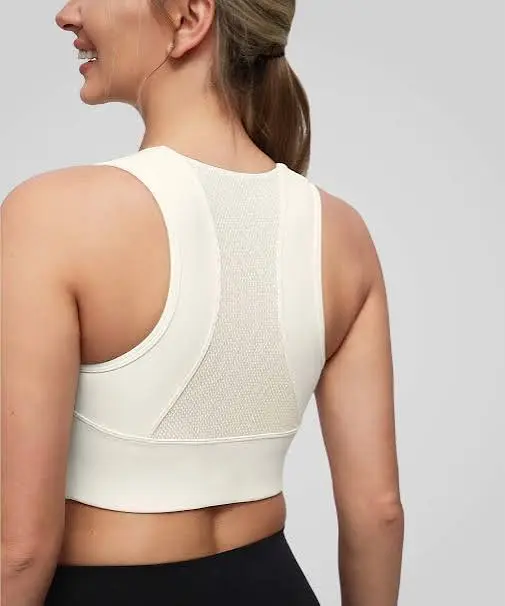
HIIT-oriented products can involve repeated dynamic movement and quicker changes in direction. The buyer may emphasize stable fit, stretch recovery, seam security and reduced pocket movement. A fitted short can be reviewed before, during and after an agreed movement sequence to determine whether waistband or hem position changes beyond the buyer’s acceptance. This remains a project-specific development observation rather than a universal “no movement” guarantee.
- Review post-movement recovery after repeated extension cycles.
- Keep loaded pockets from producing excessive side-body distortion.
- Inspect seams after the defined dynamic movement sequence.
General Gym
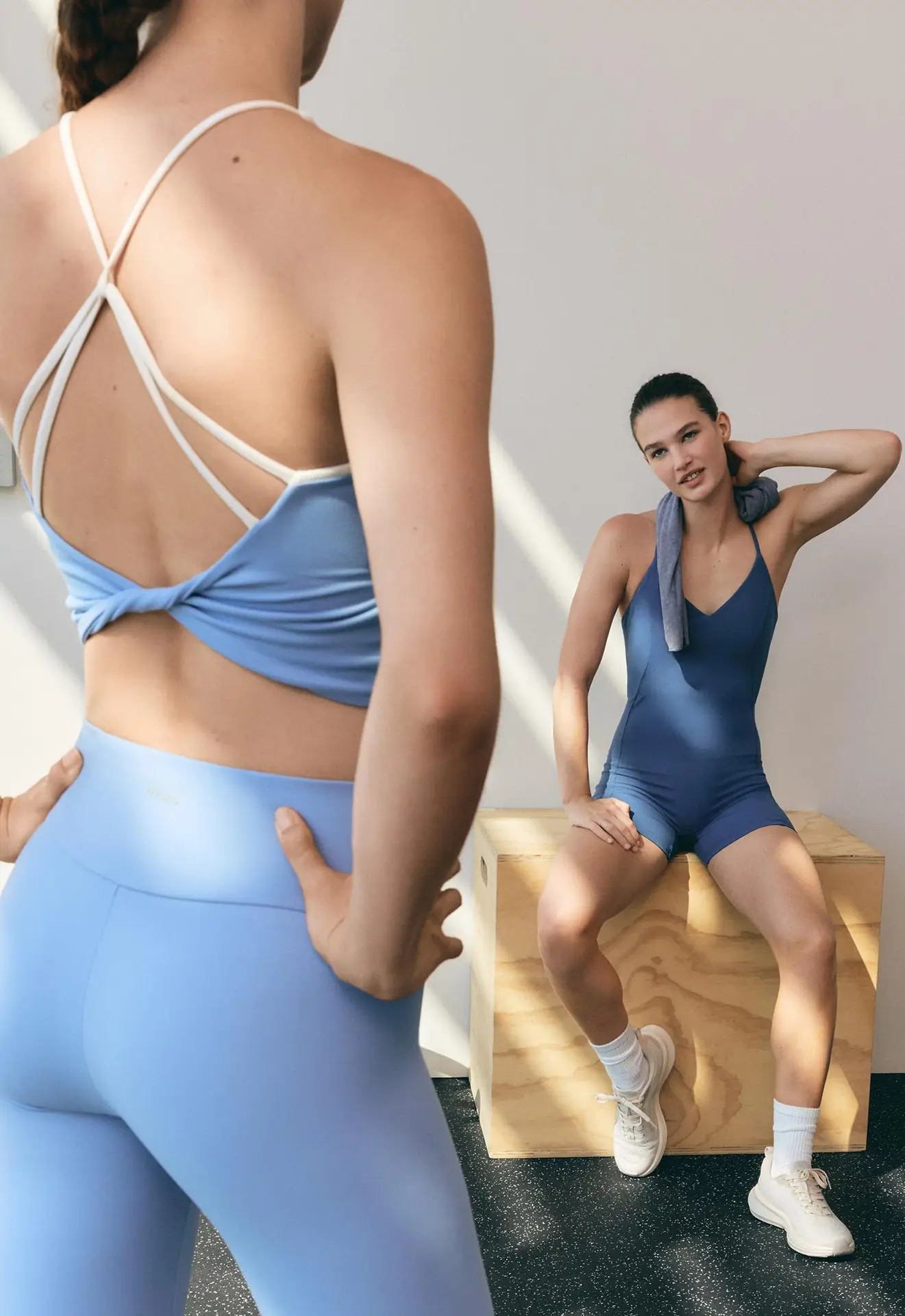
General gym shorts may need to work across resistance machines, free weights, walking and routine stretching. The product can balance fit, storage, handfeel and collection styling rather than optimize for one extreme activity. Buyers should define whether they value softness, firmer containment, pockets or a specific inseam so development can prioritize the correct measurements and material instead of treating “gym” as one universal use condition.
- Define intended inseam and leg-opening position before sampling.
- Match pockets and storage to real training needs.
- Balance handfeel with the required stretch and recovery.
Studio Crossover
Some women’s gymwear collections also cross into Yoga, Pilates or low-impact studio use. These products may prioritize softer handfeel and floor-movement coverage while retaining a training aesthetic. Waistband, crotch and leg-opening fit still need separate validation because a gym-branded short does not automatically inherit the fit requirements of a Yoga Shorts program.
- Review seated and floor-based waistband position and rear coverage.
- Balance softer handfeel with sufficient recovery for approved fit.
- Keep collection styling aligned without copying leggings dimensions.
Develop Women’s Gym Shorts Beyond Simple Size Scaling
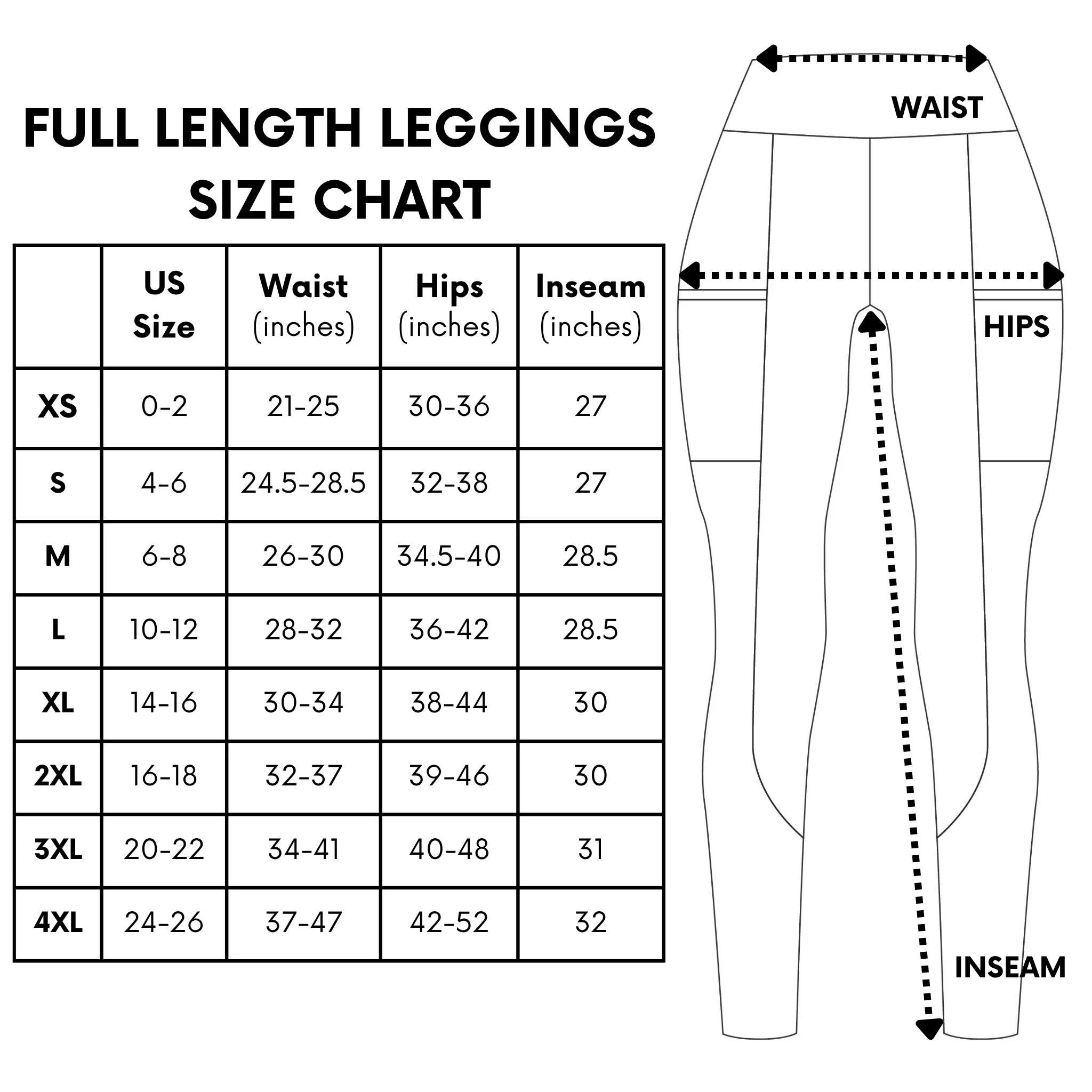
Expanding women’s gym shorts across a wider size range requires control of proportion, not only larger circumferences. MOVEVOX follows buyer-specific measurements and grading rather than publishing one universal Shorts chart.
| POM | XS | S | M | L | XL |
|---|---|---|---|---|---|
| Waist | Buyer-defined | Buyer-defined | Buyer-defined | Buyer-defined | Buyer-defined |
| Hip | Buyer-defined | Buyer-defined | Buyer-defined | Buyer-defined | Buyer-defined |
| Front Rise | Buyer-defined | Buyer-defined | Buyer-defined | Buyer-defined | Buyer-defined |
| Back Rise | Buyer-defined | Buyer-defined | Buyer-defined | Buyer-defined | Buyer-defined |
| Inseam | Buyer-defined | Buyer-defined | Buyer-defined | Buyer-defined | Buyer-defined |
| Leg Opening | Buyer-defined | Buyer-defined | Buyer-defined | Buyer-defined | Buyer-defined |
| Fit Type | Project-specific | Project-specific | Project-specific | Project-specific | Project-specific |
Grading Note
Women’s shorts should not be enlarged by one percentage across every point. Waist, hip, front and back rise, crotch capacity and leg opening can require different grade rules. For extended sizing, fit may need renewed validation where body proportion changes. MOVEVOX can work from the buyer’s Measurement Chart, POMs and grade rules and use Size Set or representative samples where the buyer’s approval protocol requires them.
- One approved base size does not prove the entire commercial range.
- Fabric stretch cannot replace buyer-defined grade rules and size validation.
- Different product architectures should not share one generic size chart.
Common Failure Points in Women’s Gym Shorts
Gym shorts failures usually come from interactions among material, fit, construction and production execution. MOVEVOX should identify the likely technical cause and verify corrections before bulk.
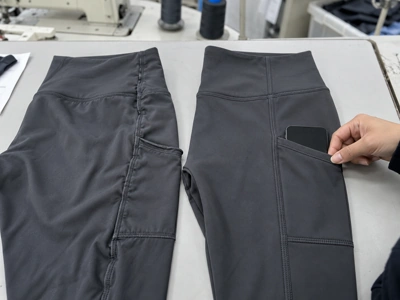


Waistband Rolls
Impact: A rolling waistband changes the approved upper position and can create unwanted pressure or visual distortion during training, seated movement or repeated torso flexion.
Response: Review waistband height, finished waist, waist-to-hip ratio, fabric recovery, internal layers and total rise before deciding whether one measurement should change.
Fit SampleWaist Slips
Impact: A waistband that moves downward can reduce rear coverage and alter the intended rise even if the static sample initially appears acceptable.
Response: Review finished waist, hip relationship, rise, material recovery and garment size instead of automatically tightening the waistband.
Movement ReviewCrotch Pulling
Impact: Excessive front or rear crotch tension can create unwanted wrinkles, pressure or restricted movement and may worsen as the wearer flexes the hip.
Response: Review front rise, back rise, hip, crotch geometry, gusset, inseam and material stretch as one connected system.
Pattern ReviewHem Ride-Up
Impact: A leg opening that migrates upward changes coverage and can produce an inconsistent appearance between standing and active positions.
Response: Review inseam, thigh fit, leg-opening circumference, fabric recovery and hem construction under the intended movement condition.
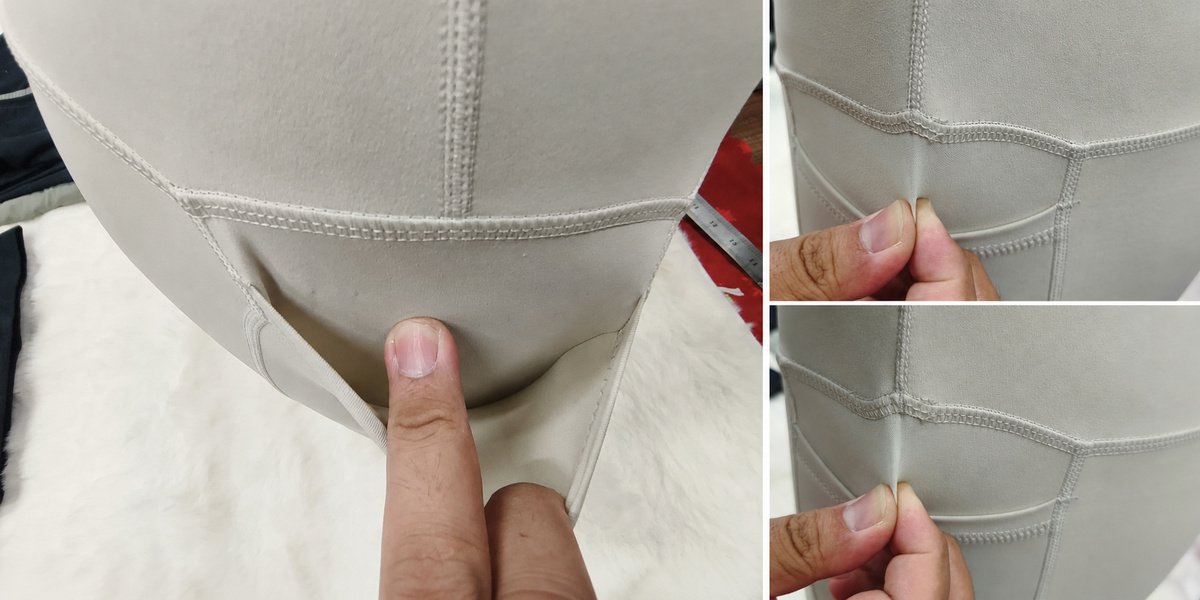
Wear TestPocket Sag
Impact: A loaded side or waist pocket can pull the garment locally, distort the side body or make the opening less secure.
Response: Define the target object, then review pocket depth, opening, placement, local material stretch and reinforcement on the finished sample.
Load ReviewTransparency
Impact: Fabric can become visually unacceptable when stretched through hip, crotch or squat positions, particularly if garment fit or color increases extension.
Response: Review the actual fabric, color, size, hip fit and movement condition instead of promising universal squat-proof performance.
Opacity ReviewSeam Distortion
Impact: Puckering, twisting or stretched seam lines can affect appearance, comfort and consistency through highly mobile areas of the garment.
Response: Review seam method, thread, machine setup, panel alignment and material behavior in the actual production fabric.
Inline QCSize Drift
Impact: Bulk measurements that move away from the approved specification can change fit even when workmanship appears visually acceptable.
Response: Use current POMs, tolerances, First Article and production measurement checks to identify deviations before a larger quantity is completed.
Measurement QCCompare Firmer Materials for Women’s Gym Shorts
Compression-oriented gym shorts should be selected through material, stretch, recovery and garment fit rather than Spandex percentage alone. MOVEVOX does not equate athletic containment with medical pressure.


| Parameter | Compression Knit | Nylon Spandex | High Stretch | Ribbed | Seamless Yarn |
|---|---|---|---|---|---|
| Composition | ~65–78% Nylon/Poly + 22–35% Spandex | ~70–82% Nylon + 18–30% Spandex | ~70–85% Nylon/Poly + 15–30% Spandex | ~75–90% Nylon/Poly + 10–25% Spandex | ~80–94% Nylon/Poly + 6–20% Spandex |
| GSM | ~230–320 | ~190–280 | ~180–280 | ~220–320 | Structure dependent |
| Structure | Firm stretch knit | Cut & Sew fabric | Four-way stretch direction | Textured rib | Circular knitted |
| Stretch | Project-specific | Project-specific | High direction | Structure-specific | Program-dependent |
| Recovery | Must be approved | Must be approved | High stretch ≠ fixed recovery | Must be approved | Yarn + knit dependent |
| Wearing Feel | Firmer direction | Variable | Movement-focused | Textured / structured | Zone dependent |
| Opacity | Test required | Test required | Test required | Test required | Garment review |
| Waist Use | Structured bands | Multiple options | Fit-dependent | Rib waistband | Integrated rib possible |
| Best Use | Training direction | Broad gym shorts | High mobility | Texture programs | Seamless gym shorts |
Compare Stretch and Recovery Before Approving Gym Shorts
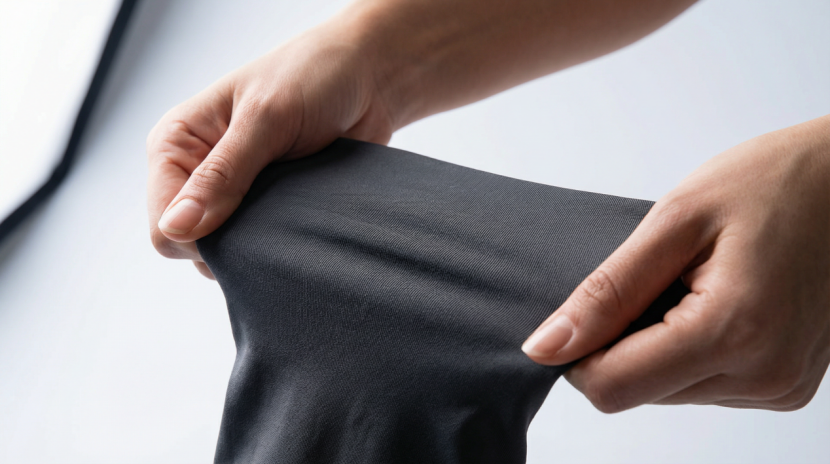
Stretch determines how far a material extends; recovery determines how it returns after extension. Both influence women’s gym shorts fit, waistband position, leg opening and post-movement shape.
Radar Dimensions
- Stretch Range
- Recovery
- Structure
- Softness
- Coverage
- Training Fit
Verified numeric data required before publishing a radar chart.

Nylon Spandex
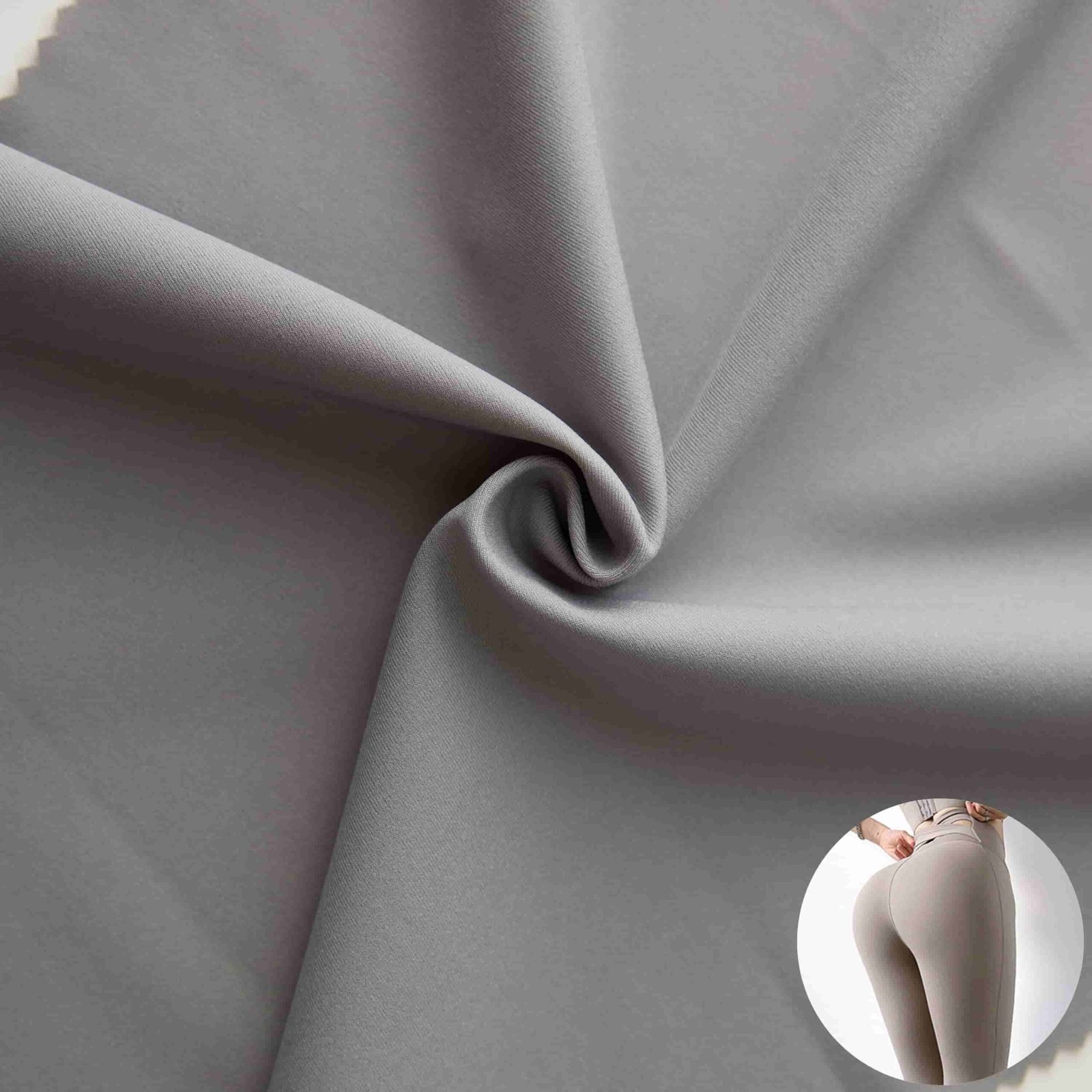
Nylon-Spandex materials cover a broad range of activewear structures and handfeels. Their suitability for gym shorts depends on the specific GSM, stretch, recovery and finish rather than fiber names alone. Final evaluation should use the nominated material and finished garment.

Compression Knit
A higher-Spandex, higher-GSM compression-oriented direction can create a firmer athletic feel when combined with suitable negative ease and fit. Recovery, seam compatibility and wearer comfort still need physical approval and should not be converted into medical-pressure claims.
High Stretch
High-stretch material can support larger movement ranges, but extension without sufficient recovery can contribute to waistband movement or changed leg-opening fit. The finished sample should therefore be observed after repeated movement rather than approved only through a single manual stretch.
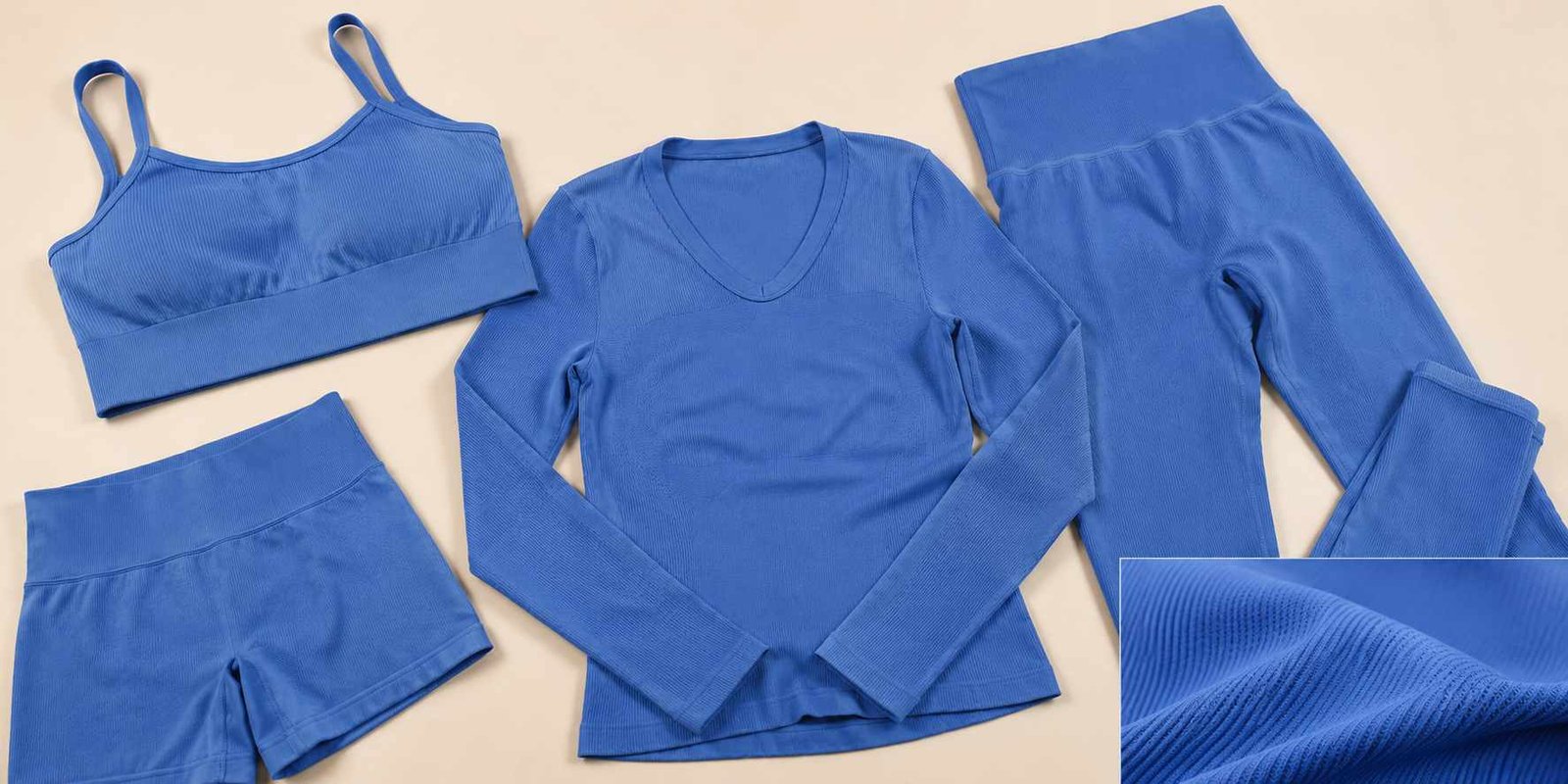
Seamless Knit
Seamless wearing behavior comes from yarn, knitted structure, program settings, size and finishing. Different zones can use different structures, so one composition percentage cannot describe the full garment. Each size remains dependent on actual program and physical approval.
Filter Fabric Directions for Women’s Gym Shorts
Fabric selection should start from the intended gym-short architecture and use. These ranges are internal development references, not fixed specifications or automatic performance guarantees for every buyer program.

Compression Knit
Composition: ~65–78% Nylon/Poly / 22–35% Spandex
Weight: ~230–320 GSM
A firmer activewear fabric direction for training products where the buyer wants greater containment. Final comfort, opacity, recovery and seam compatibility need approval in the actual garment.

Nylon Spandex
Composition: ~70–82% Nylon / 18–30% Spandex
Weight: ~190–280 GSM
A broad activewear material family suitable for multiple fitted gym-short directions. Surface, weight and recovery vary significantly, so the buyer should approve the exact fabric specification.

Polyester Spandex
Composition: ~75–90% Polyester / 10–25% Spandex
Weight: ~160–250 GSM
A project-dependent performance apparel route that can support different gym collections. Polyester content alone does not prove drying, moisture-management or durability performance without relevant testing.

Naked Feel
Composition: ~75–82% Nylon / 18–25% Spandex
Weight: ~200–240 GSM
A smooth and softer handfeel direction relevant to gym-studio crossover products. Softness does not remove the need to evaluate recovery, waistband stability and opacity.
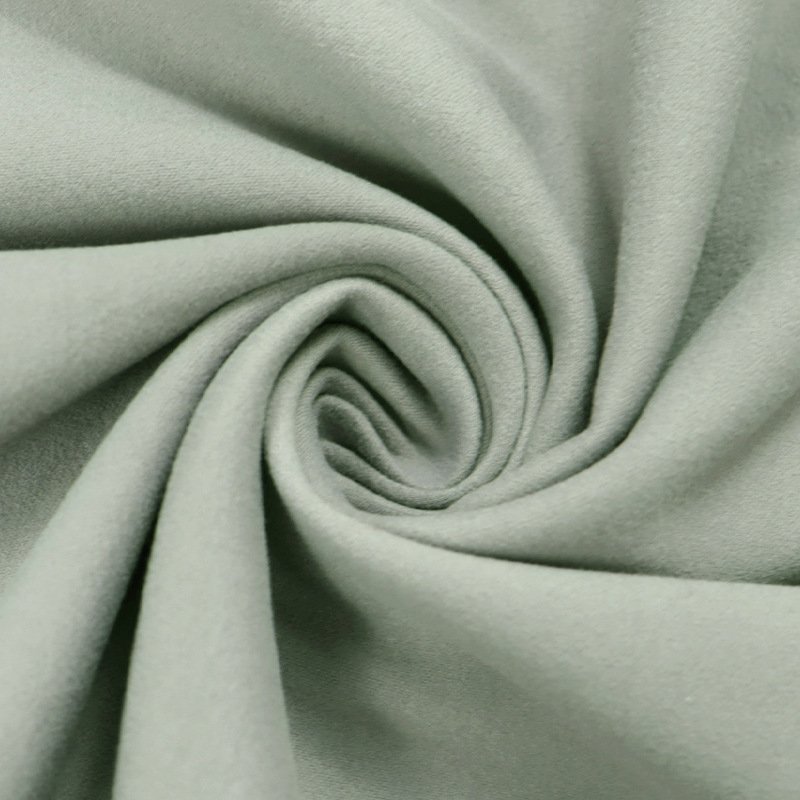
Brushed
Composition: ~75–82% Nylon/Poly / 18–25% Spandex
Weight: ~210–270 GSM
A softer brushed surface direction that can suit selected seasonal or lifestyle-training products. Brushing changes surface feel but does not establish one fixed support or performance level.
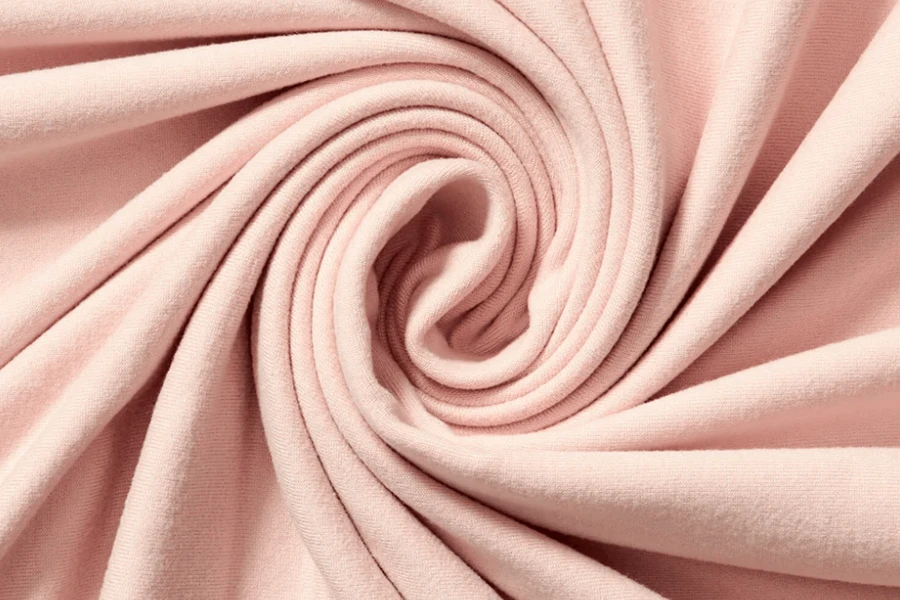
Peach Skin
Composition: ~75–85% Nylon/Poly / 15–25% Spandex
Weight: ~190–240 GSM
A soft-surface activewear direction. The buyer should still review actual color, stretch, recovery and garment appearance before production approval.

Ribbed
Composition: ~75–90% Nylon/Poly / 10–25% Spandex
Weight: ~220–320 GSM
Ribbed materials introduce directional surface and stretch differences. Pattern or Seamless dimensions should therefore be validated in the nominated rib rather than transferred automatically from a smooth fabric.
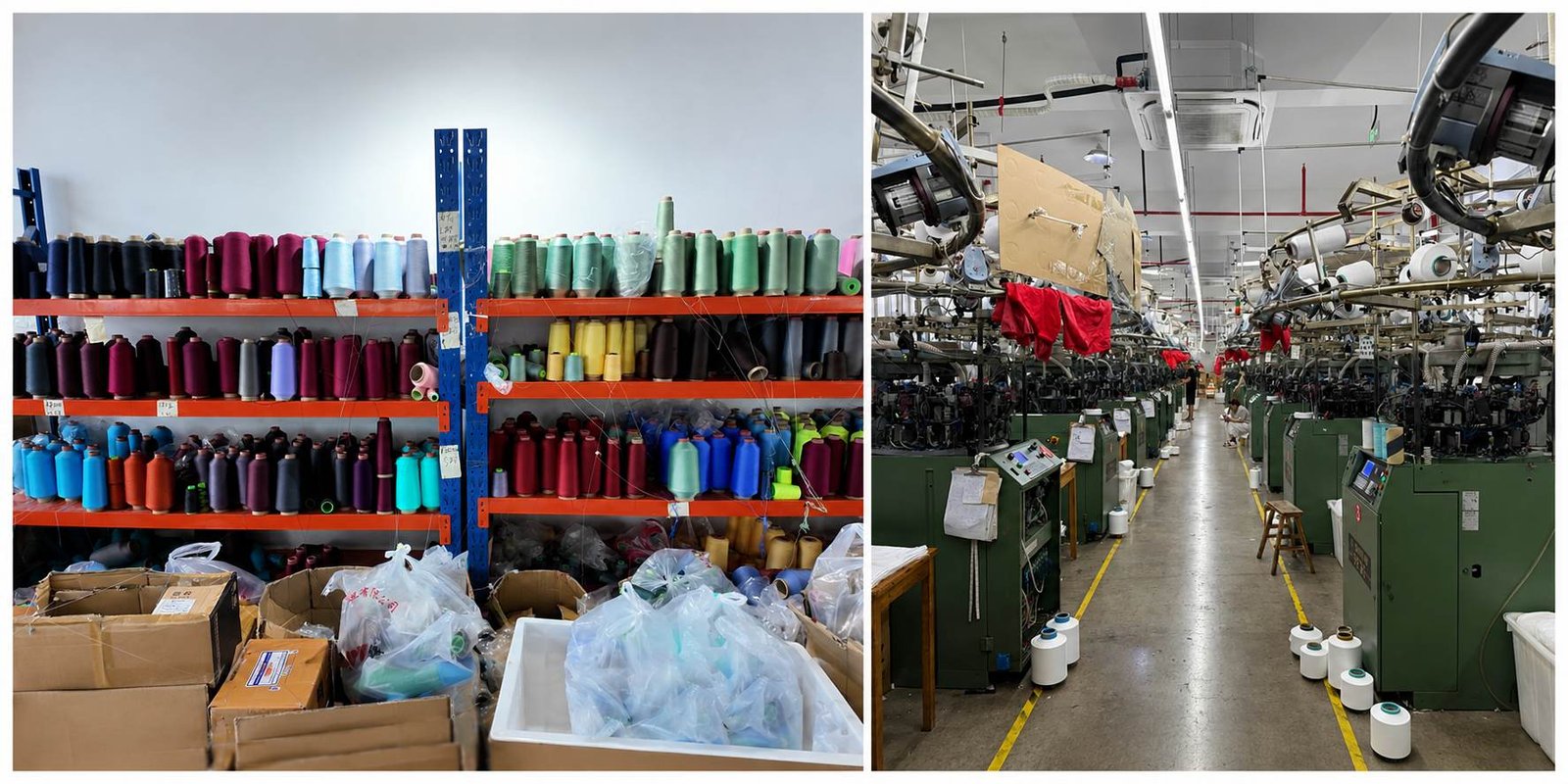
Seamless Yarn
Composition: ~80–94% Nylon/Poly + 6–20% Spandex
Weight: Structure dependent
Yarn becomes the garment through Santoni program, stitch structure, rib, density and finishing. The physical Seamless short—not the yarn composition alone—is the final product approval reference.
Choose Manufacturing Route by Gym Shorts Architecture
MOVEVOX supports both Seamless and Cut & Sew. The appropriate route depends on product structure, fit, material and customization—not on treating one method as universally superior.
| Evaluation Area | Seamless | Cut & Sew |
|---|---|---|
| Core Formation | Circular knitted garment | Fabric panels + pattern |
| Waistband | Integrated rib possible | Shaped / layered flexibility |
| Texture | Programmed structure | Fabric surface / panels |
| Compression Direction | Knit density / structure | Material + negative ease |
| Front Seam | No-front-seam possible | Conventional or pattern-engineered |
| Pockets | More structure dependent | Greater flexibility |
| Gusset | Program/downstream dependent | Pattern-defined |
| Multiple Fabrics | More limited | Greater flexibility |
| Contour Panels | Knit zoning possible | Pattern and seam shaping |
| Size Control | Program + yarn + finish | Pattern grading + POM |
| Base MOQ | Approx. 100 pcs/style | Approx. 150 pcs/style |
Equipment Behind Seamless and Fitted Gym Shorts Production
MOVEVOX combines verified Seamless and Cut & Sew production resources with development, sample and quality functions. Equipment evidence should show what each area contributes to product execution.
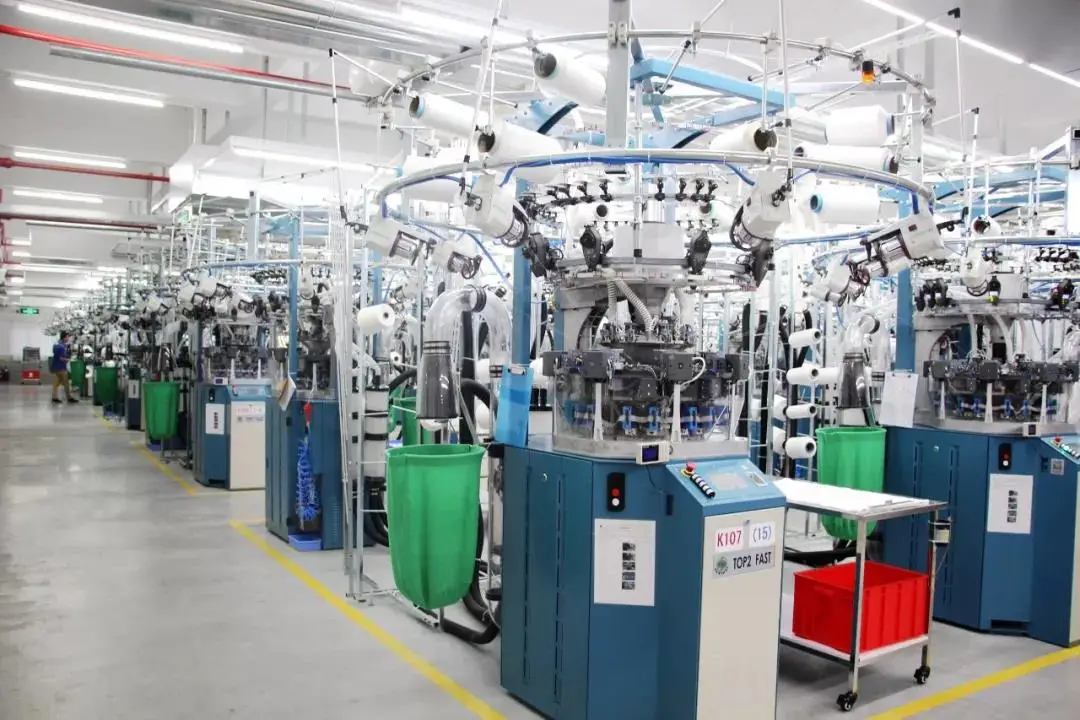
Santoni Knitting Machines
Twenty-eight Italian Santoni circular Seamless machines form the core verified Seamless equipment base. They support applicable programs involving garment body structures, ribs, textures and other engineered knitting directions.
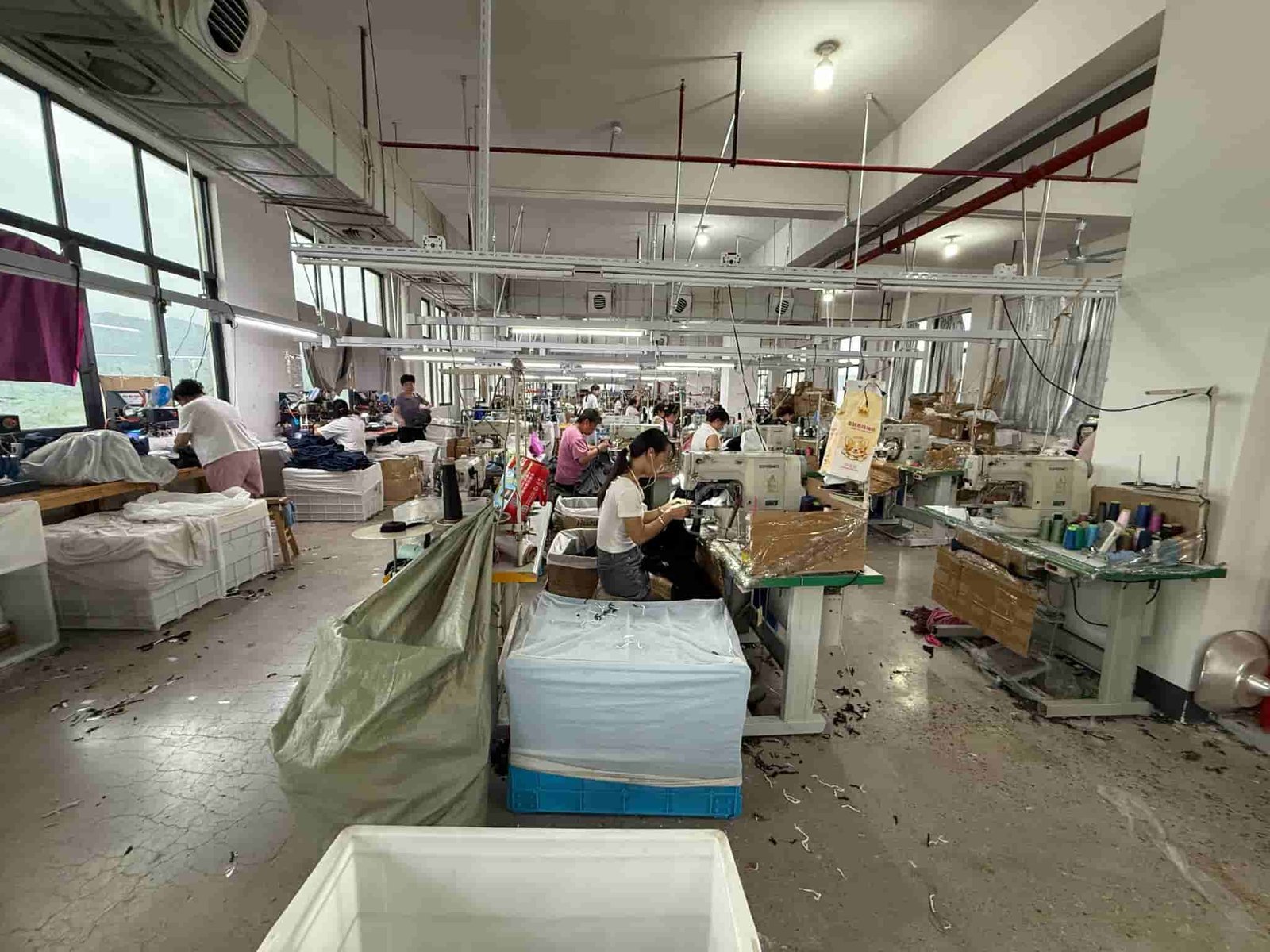
Garment Production Machines
Approximately twenty-four principal sewing and garment-production machines support the current core Cut & Sew system, including relevant assembly and downstream activewear operations.
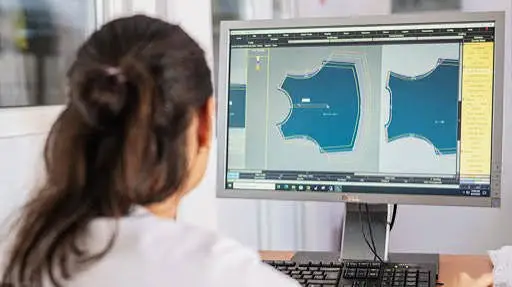
Pattern Development
Pattern development supports Cut & Sew geometry, POM analysis, grading and sample revisions before production release.
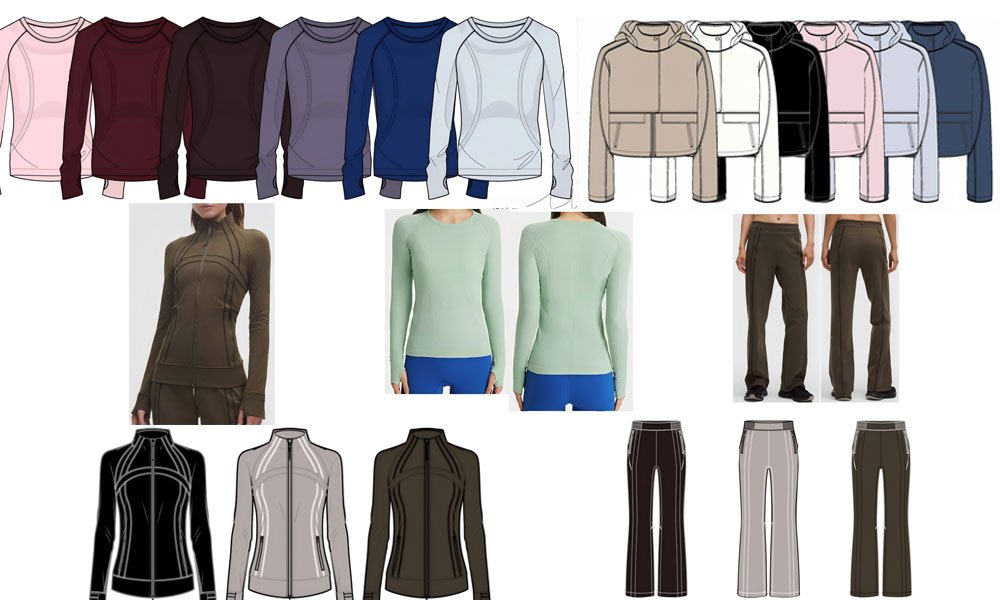
Sample-Making Area
Sample-making capability converts technical information into development, Fit, revised, Size Set and PP samples according to the project stage.
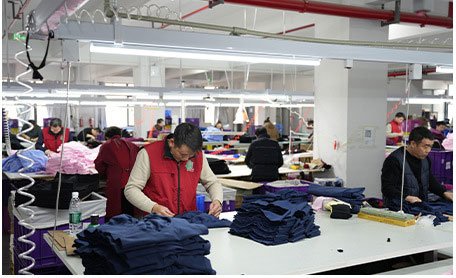
Cutting Preparation
Cut & Sew production requires the approved pattern and material to be translated into identified garment panels before assembly.
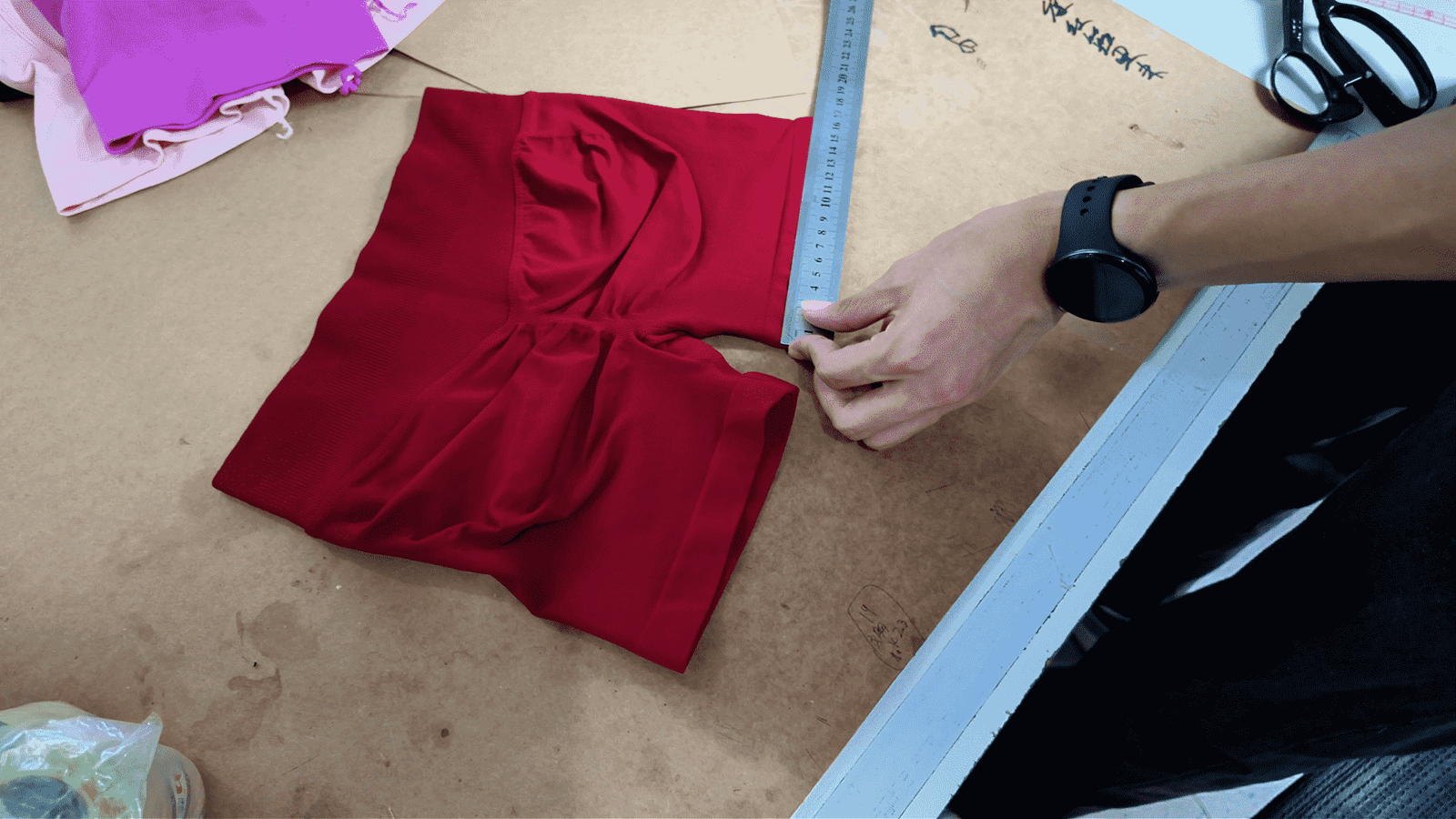
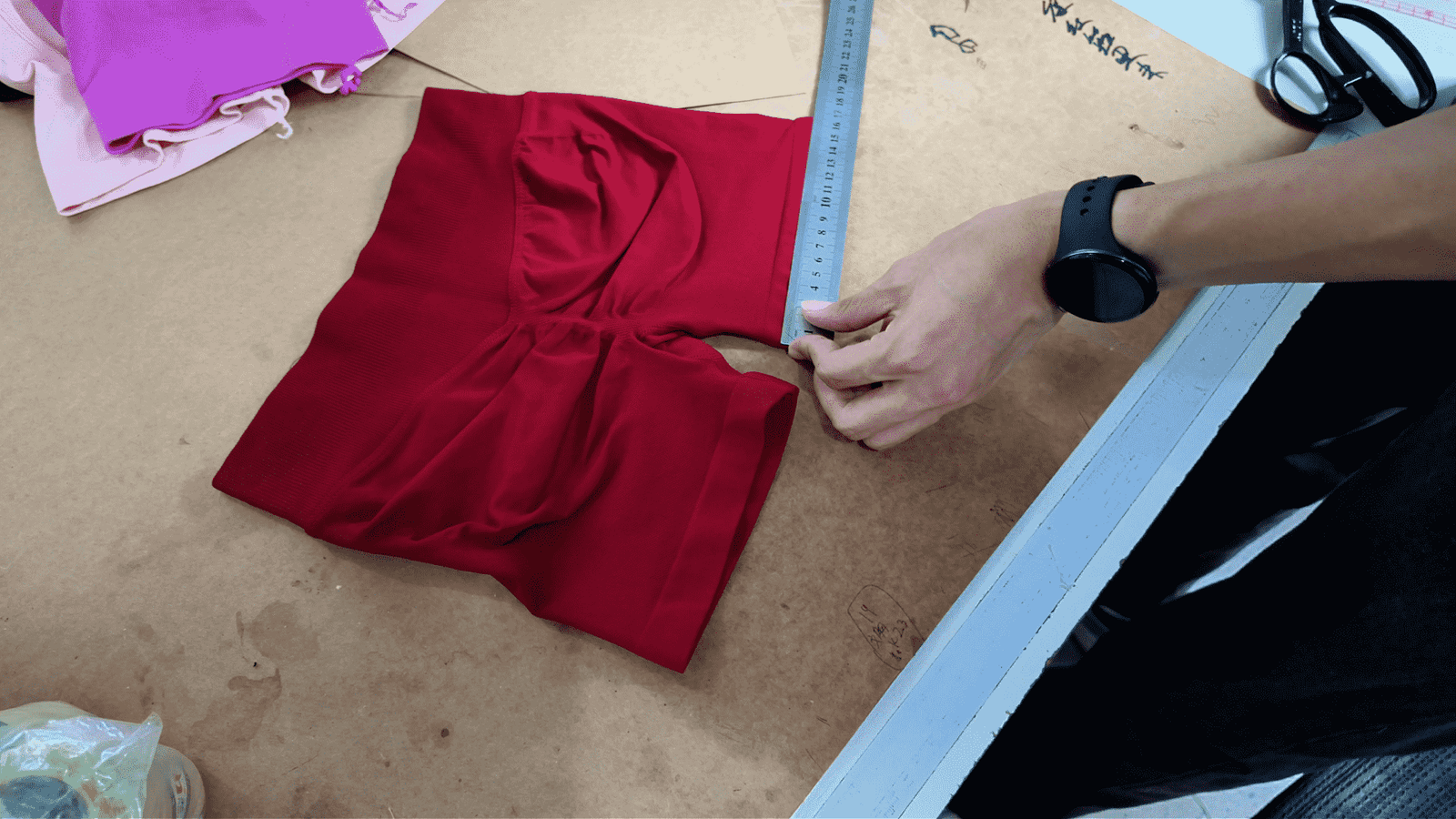
QC Measurement
Measurement equipment supports comparison of production garments with approved POM and tolerance requirements.
Control Women’s Gym Shorts Through Cut-and-Sew Production
Cut & Sew manufacturing converts approved fabric, pattern, waistband, pocket, crotch and measurement requirements into a controlled production sequence with defined quality gates.


Technical Release
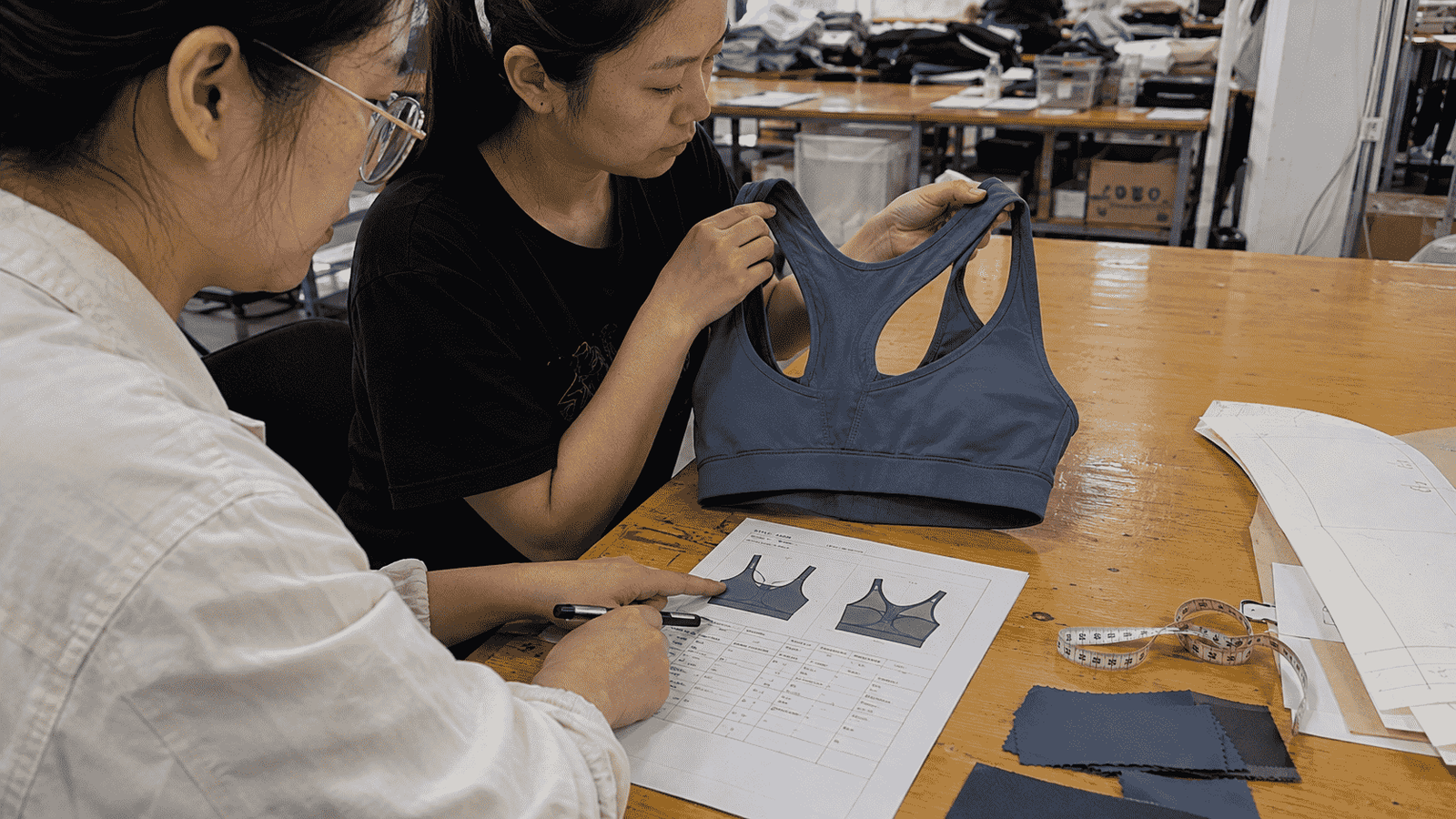
The current Tech Pack, Measurement Chart, pattern, BOM, artwork and approved references are aligned before normal production starts.
Material Control
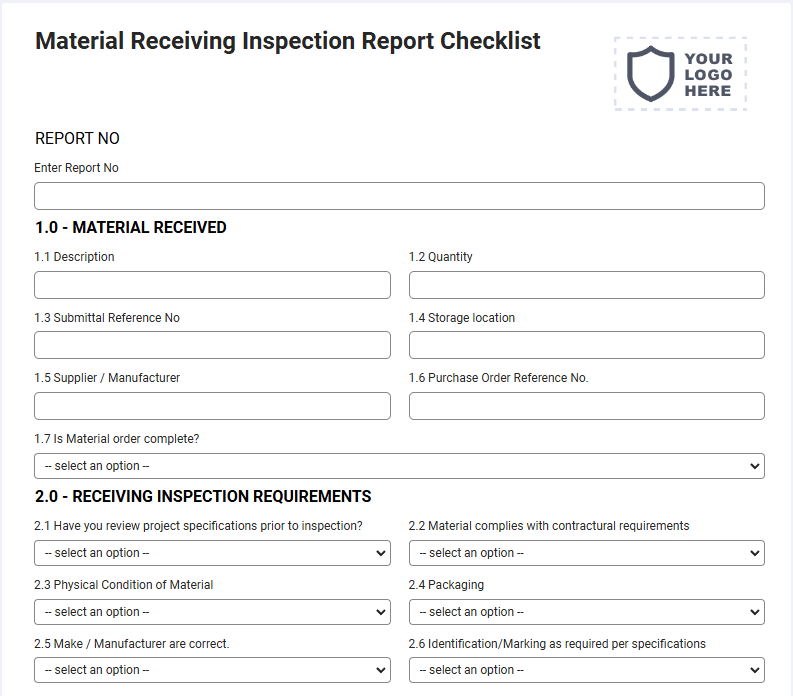
Fabric, elastic and relevant trims are checked against the applicable approved references before they enter normal garment production.
Pattern Release
Production patterns define waist, hip, rise, crotch, inseam, leg opening, waistband, pocket and gusset geometry for each applicable size.
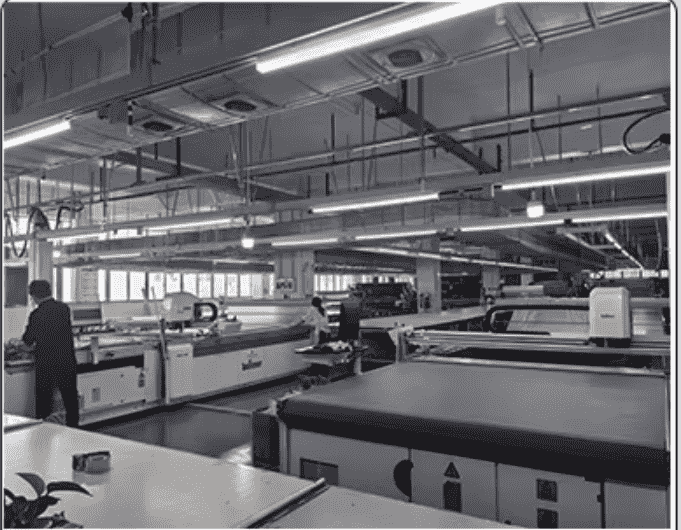
Cutting
Approved materials are cut and identified according to style, color and size so panels remain linked to the correct production order.
Pocket Assembly
Where required, pocket panels, openings and reinforcement are constructed according to the approved product design before final garment assembly.
Crotch Assembly
Front, back, inseam and gusset structures are assembled according to the current production pattern and approved seam direction.
Waistband Assembly
Waistband layers, elastic or shaped construction are assembled according to the approved garment measurements and pattern relationship.
Garment Assembly
Legs, side seams, contour panels and other relevant components are joined to create the complete women’s gym short.
First Article
The first completed production garment is measured and compared with the current Approved Sample and technical standard.
Final Inspection
Finished measurements, workmanship, branding, labels and packing are checked according to the applicable order and quality plan.
Prepare the Right Inputs for Gym Shorts Development
Clear product information reduces unnecessary sampling cycles. MOVEVOX can assist with incomplete projects, but unresolved measurements, material or construction choices must remain open items until the buyer approves them.

Product Reference
Provide a Tech Pack, legal physical sample, sketch, image or sufficiently defined concept showing the intended women’s gym shorts architecture and relevant details.
Activity
Define strength training, general gym, HIIT, studio crossover or another intended use so Fit and movement review can focus on meaningful conditions.
Measurement Chart
Provide buyer-defined waist, hip, front rise, back rise, inseam, leg opening and tolerances where the brand already maintains a formal POM standard.
Waistband
Specify straight, high-rise, V, crossover, double-layer, Seamless rib or another approved direction together with dimensions where already defined.
State pocket type, target object, opening, position and any security requirement so the feature can be developed around real use.
Construction
Identify front seam, no-front-seam, gusset, side seam, contour or other key structural requirements that affect pattern or Seamless program development.
Fabric
Provide nominated fabric or desired composition, GSM, stretch, recovery, surface, color and wearing feel where known.
Size Range
Define the intended commercial sizes and provide buyer grade rules where established.
Branding
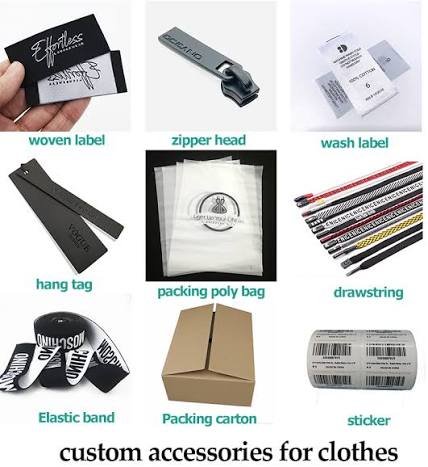
Provide logo artwork, location, size, labels, hangtags and relevant trim requirements before production approval.
Packaging
Define individual packaging, SKU or barcode requirements, stickers, carton marks and any buyer-specific packing instructions.
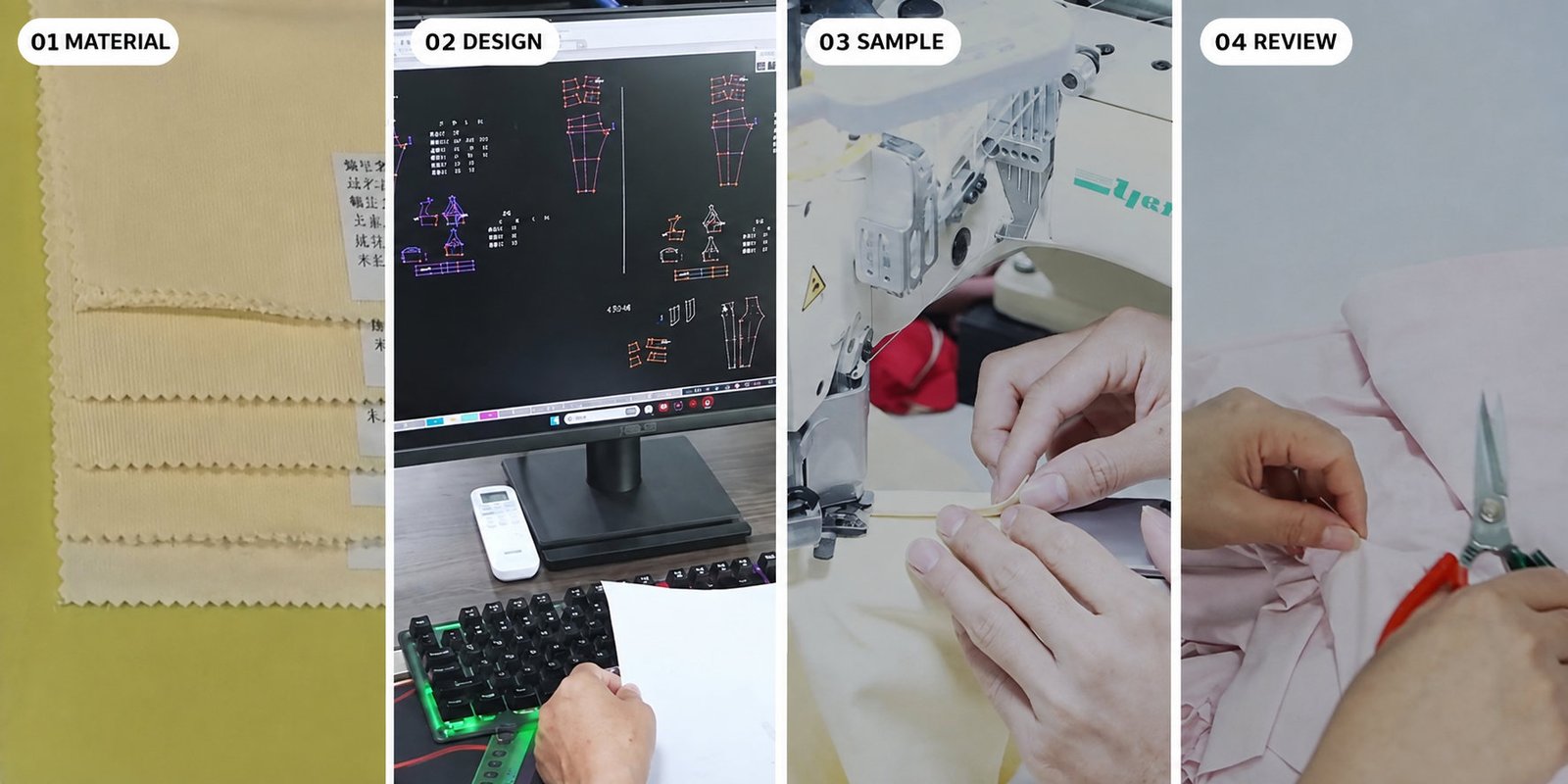
Develop Women’s Gym Shorts From Brief to Bulk
MOVEVOX uses staged development so product architecture, women-specific fit, material and manufacturing requirements can become buyer-approved standards before commercial production begins.

Project Brief
The buyer provides the available Tech Pack, reference, activity, measurements, material direction, expected quantity and branding requirements.
Technical Review
MOVEVOX reviews product scope, rise, inseam, waistband, pocket, crotch, material, size and Seamless or Cut & Sew feasibility.
Material Review
Available or nominated fabrics are assessed against composition, GSM, stretch, recovery, surface, color and intended garment architecture.
Pattern / Program
Cut & Sew projects enter pattern development; applicable Seamless projects enter Santoni program and knitted-structure development.
Physical Sample
A physical garment is produced once required inputs and materials become sufficiently executable.
Fit Review
Waist, hip, rise, crotch, inseam, leg opening, pockets and relevant movement are reviewed against the buyer’s intended product.
Revision
Pattern, program, measurements, construction or material are revised according to consolidated buyer feedback.
Approval
The buyer confirms the required current sample, material, measurement and product version according to its internal approval protocol.
Bulk Handover
Current documents, material, pattern or program, branding and quality points are released to production.
Use Each Sample to Close a Different Risk
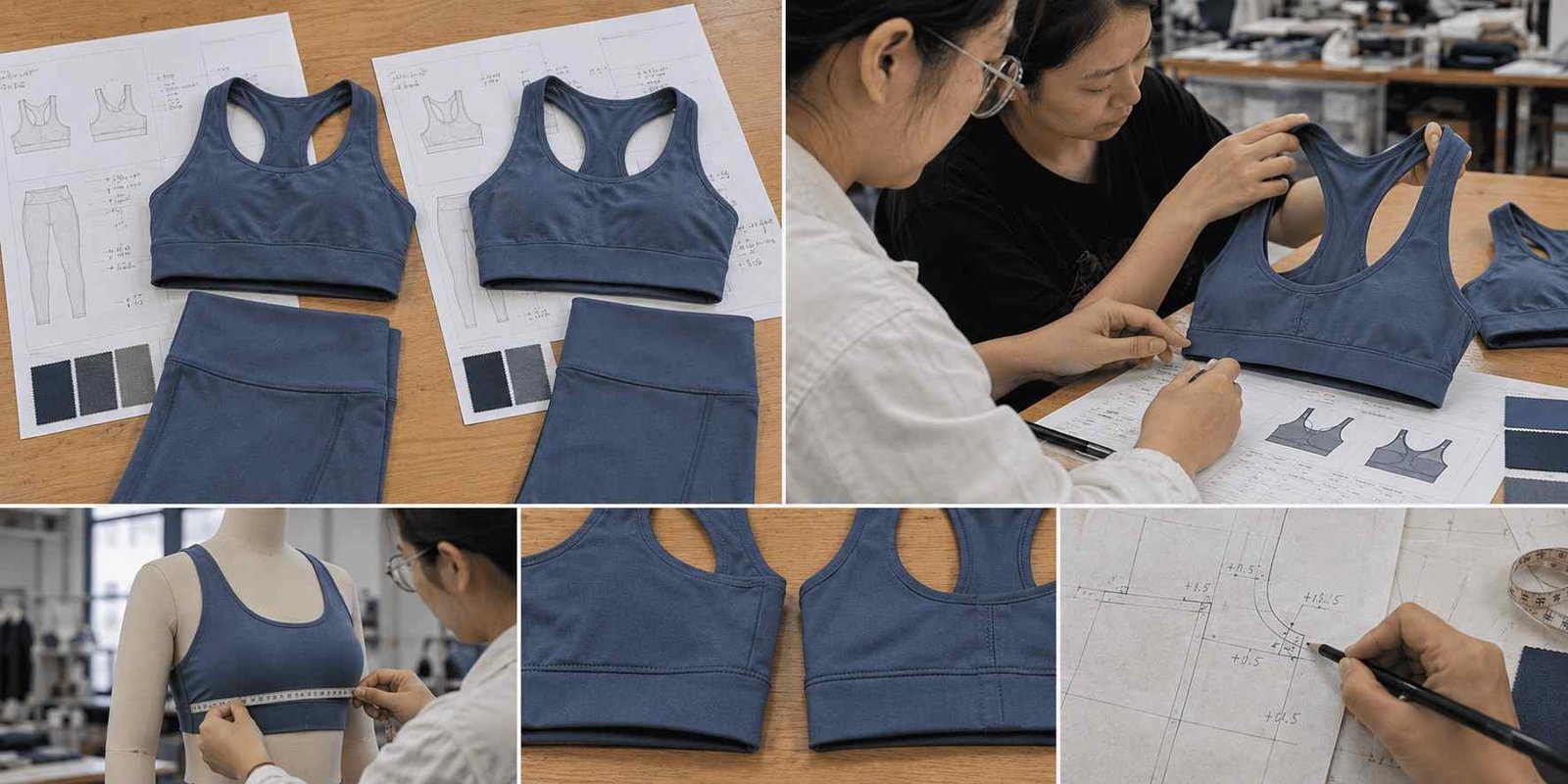
One sample should not be expected to solve product concept, base-size fit, grading and production consistency simultaneously. Each stage closes a different part of the buyer’s risk.
Development Sample
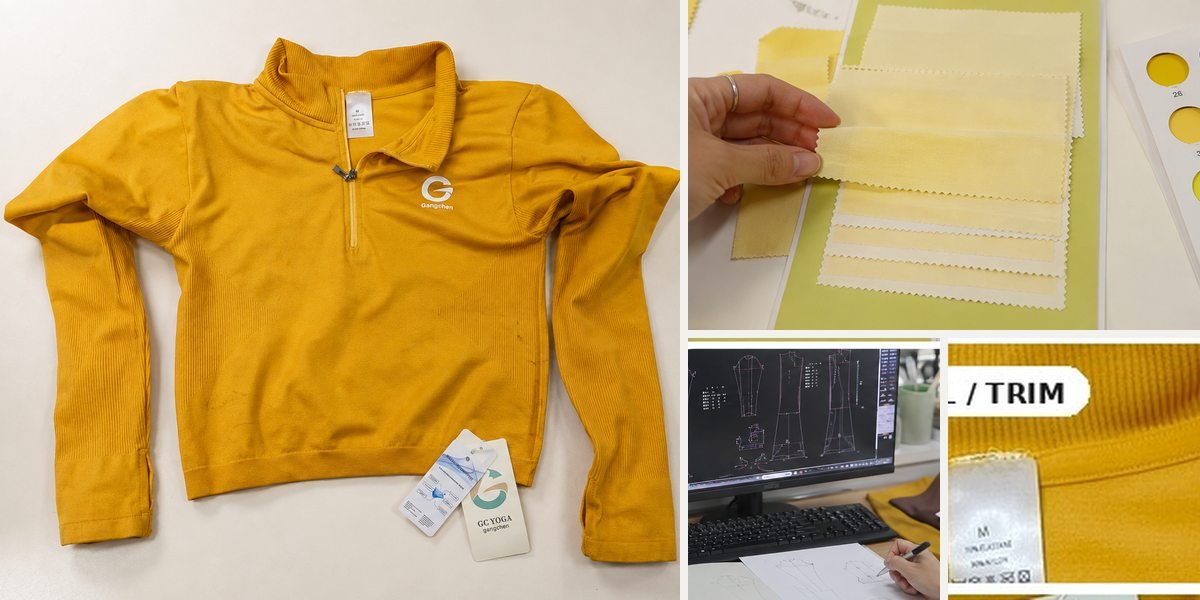
The first garment confirms the main silhouette, material direction, inseam, waistband, construction and overall manufacturability. It creates a physical basis for technical comments rather than acting as automatic bulk approval.
Buyer inputs: Initial Tech Pack, Material direction, Product reference
MOVEVOX outputs: Physical sample, Measurement record, Open-point review
Fit Sample
The Fit Sample focuses on waist, hip, rise, crotch, inseam, leg opening, pockets and applicable movement on the buyer-defined fitting condition.
Buyer inputs: Fit Model protocol, Consolidated comments, Target measurements
MOVEVOX outputs: Fit diagnosis, Revision proposal, Measurement update
Revised Sample
The revised garment demonstrates whether agreed technical changes have been applied without unintentionally changing already approved features.
Buyer inputs: Consolidated revision, Updated specification
MOVEVOX outputs: Updated garment, Current version identity
Size Set
Representative or complete sizes validate the buyer’s grading logic beyond the base sample where the approval process requires it.
Buyer inputs: Grade rules, Required sizes
MOVEVOX outputs: Size samples, Measurement results
PP Sample
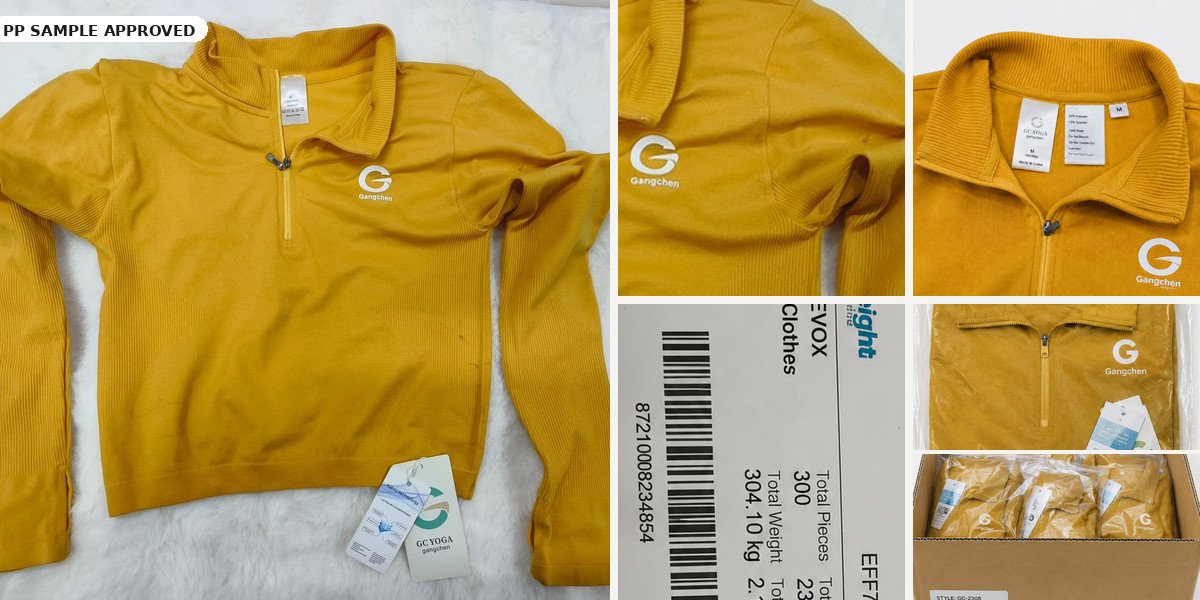
The pre-production stage locks final material, garment structure, measurements, branding and relevant packaging before normal bulk manufacturing.
Buyer inputs: Final approvals, Artwork and packing
MOVEVOX outputs: PP Sample, Production reference, QC checkpoints
Turn Gym Shorts Fit Problems Into Measurable Revisions
A useful revision links an observed symptom to the technical variable being changed. Before-and-after evidence should always come from the same project and garment development sequence.
Waistband Roll
Before: The initial sample shows folding or rolling through the upper waistband under the buyer-defined fit or movement condition.
After: The confirmed waistband height, waist-to-hip relationship, material or layer construction is revised and retested under the same relevant condition.
Crotch Pull
Before: Excessive tension or unwanted wrinkles appear through the front or rear crotch of the development sample.
After: The affected front rise, back rise, crotch geometry, gusset or surrounding fit is revised rather than changing an unrelated measurement.
Leg Pressure
Before: The initial leg opening creates excessive local pressure or visible distortion at the selected thigh position.
After: Leg-opening circumference, shape, fabric relationship or inseam position is adjusted according to the fit diagnosis and approved again.
Pocket Distortion
Before: A pocket opening or loaded pocket pulls the side body, sags or changes the intended product line.
After: Pocket dimension, placement, reinforcement or surrounding panel fit is revised using the same target object for re-evaluation.
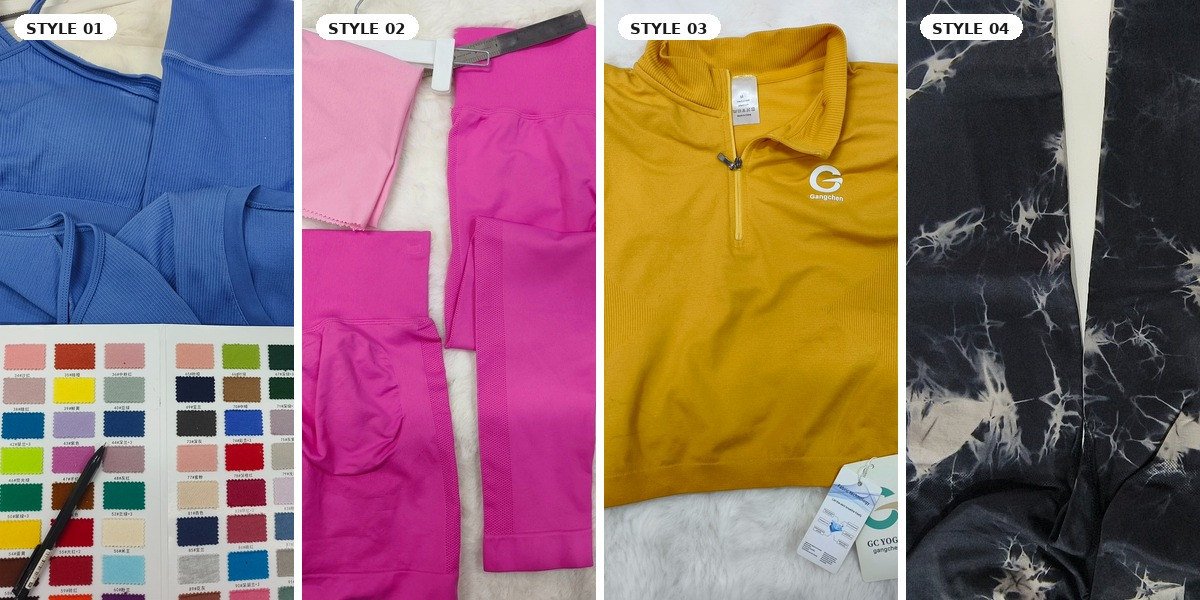
Plan Sampling Around Real Gym Shorts Complexity
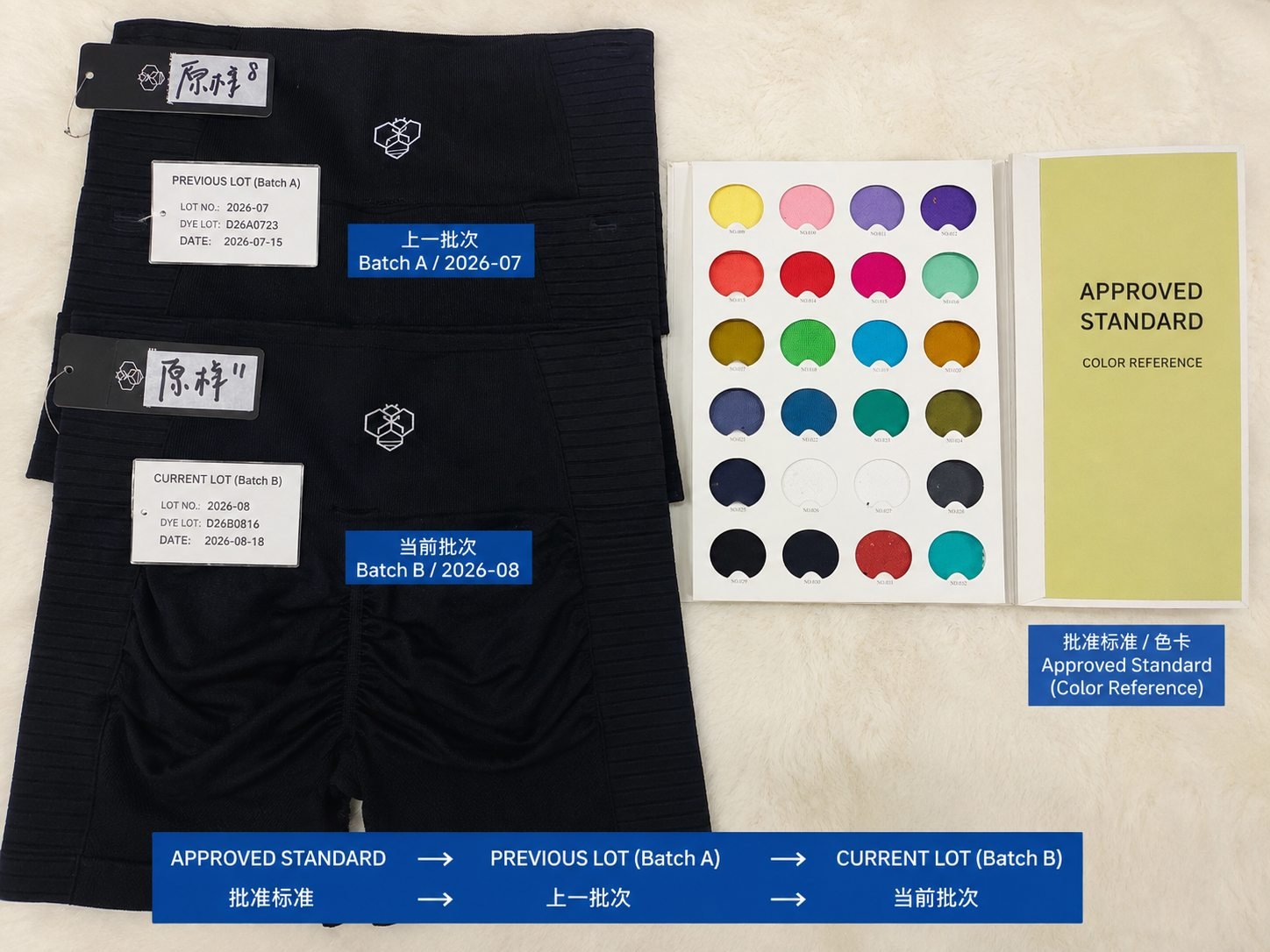
MOVEVOX’s standard sample reference is approximately five to ten working days after the required development details become executable. Complex structures, special materials and revision cycles can require separate timing.
Input Review
The project begins when style, measurements, material, color, logo and other critical requirements are sufficiently clear for technical execution.
Material Readiness
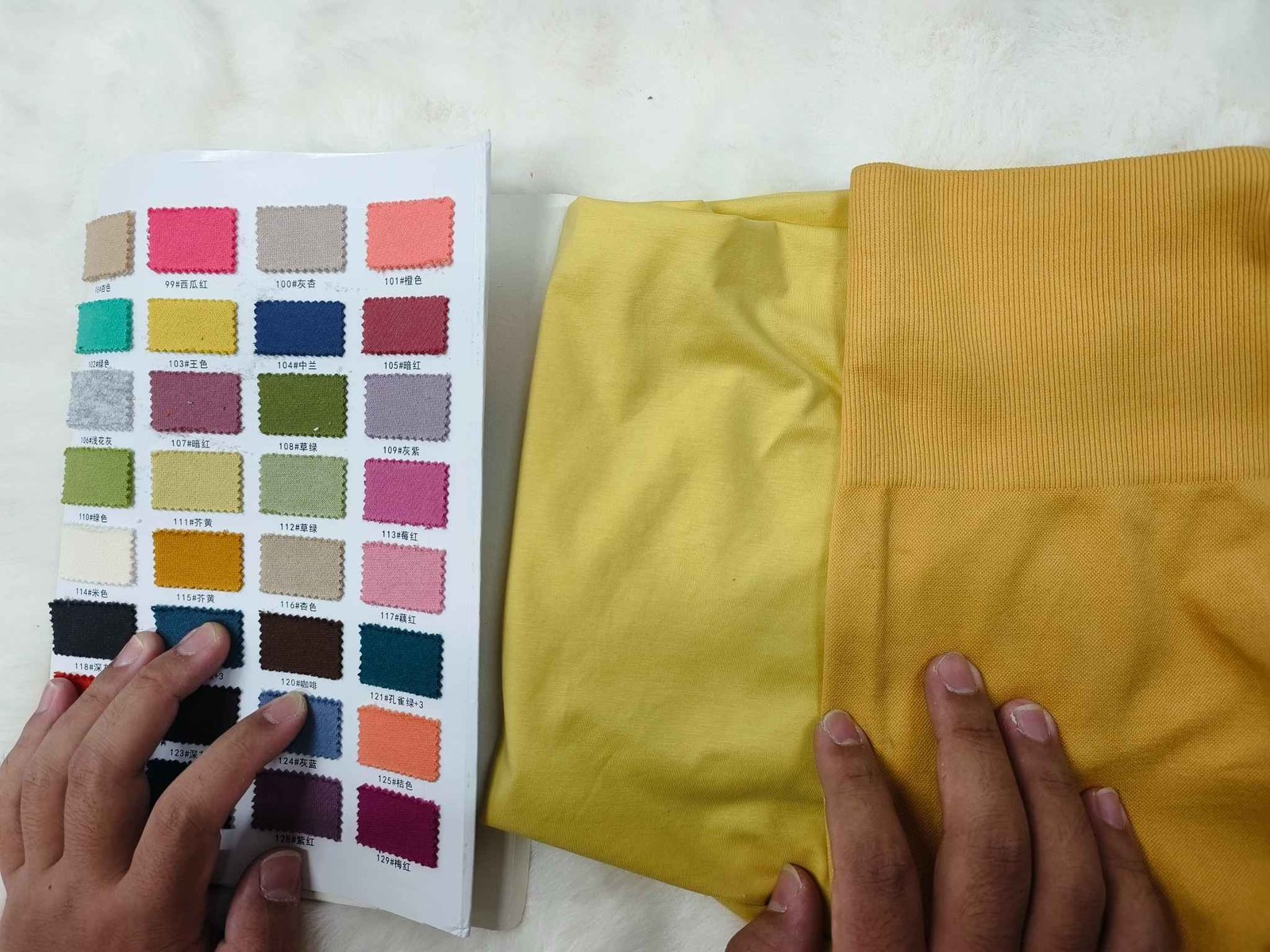
Existing or readily available material can support the standard schedule. Custom dye, new yarn, special fabric or trim development creates additional supplier lead time.
Pattern / Program
Cut & Sew patterns or Seamless programs are developed according to the current product requirement and confirmed size information.
Sample Build
Under normal ready conditions, a standard custom sample normally requires approximately five to ten working days after the critical details are confirmed.
Buyer Review
The buyer receives and evaluates the physical garment according to Fit, construction, material, branding and its internal approval process.
Revision Cycle
Complex projects commonly require project-specific scheduling. MOVEVOX’s current development facts use approximately 10–20 working days as a planning range for more complex sample situations.
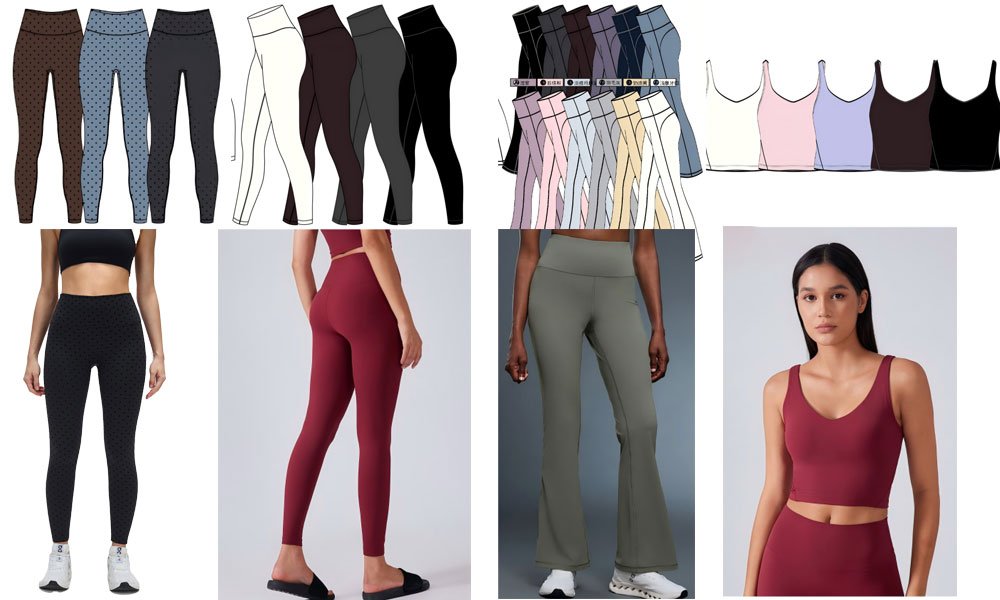
Build Women’s Gym Shorts Into Private Label Programs
MOVEVOX can coordinate the garment, material, branding, labels and packaging within one activewear project. Product fit and construction remain the technical foundation before private-label details are frozen.
Product
Product customization can cover supported fitted and biker gym-short directions, buyer-defined inseam, rise, waistband, pockets, seams, gusset, size range and Seamless or Cut & Sew manufacturing. The buyer should first establish the intended product architecture and Fit standard. Highly specialized structures beyond the confirmed stable range should enter feasibility review before pricing or production is promised.
Material & Color
MOVEVOX can source or develop suitable Nylon-Spandex, Polyester-Spandex, Seamless knit, brushed, Naked Feel, ribbed and related sports materials according to project requirements. Material selection should consider GSM, stretch, recovery and surface. Custom color is available subject to actual dye-lot or upstream material minimums, which can exceed the finished-garment base MOQ.
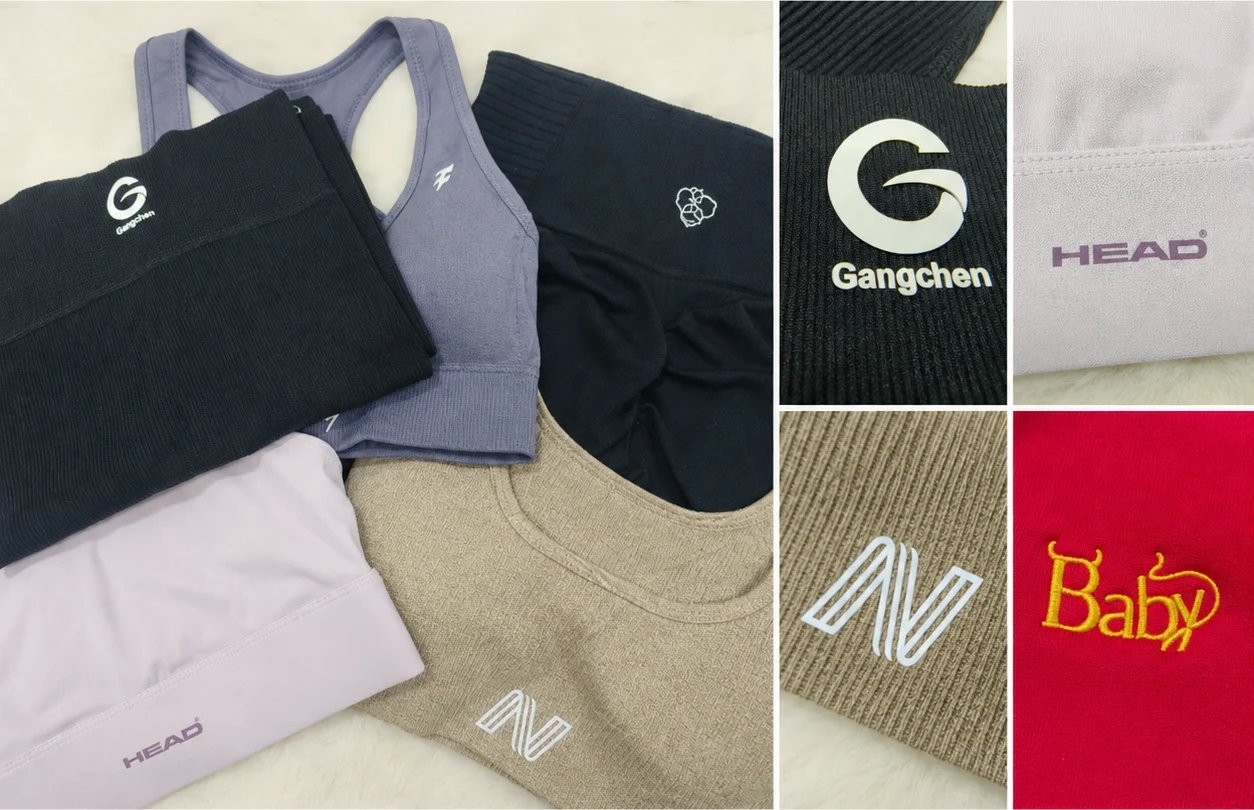
Logo
Common supported logo directions include Screen Print, Heat Transfer, Silicone Print, Jacquard, Embroidery and Woven Label where technically appropriate. Logo location and size should be approved on the actual garment because pockets, seams, material stretch and waistband position can influence placement. Specialized logo processes remain subject to supplier, tooling and material compatibility.
Labels & Trims
Private-label programs can include main labels, care labels, size labels, hangtags and approved trims. Label content remains the buyer’s responsibility for target-market compliance unless a specific compliance scope is separately agreed. Specialized elastics, hardware or trims can have their own upstream MOQ and lead-time conditions beyond the garment assembly minimum.
Packaging
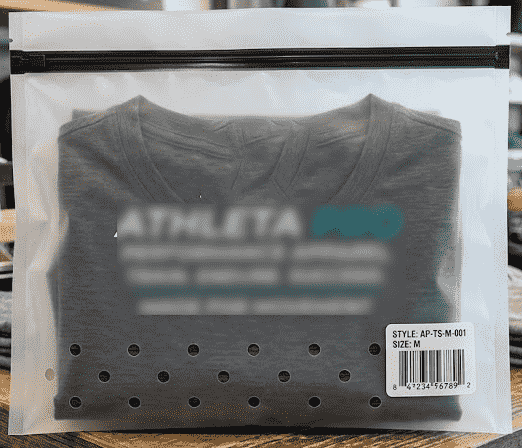
MOVEVOX can coordinate individual polybags, barcode or SKU labels, stickers, printed materials and carton marks according to the buyer’s approved packing specification. Multi-color and multi-size programs should connect the correct garment with the correct SKU data. Complex retail packaging or sustainable-material claims must be verified against the actual supplied packaging before publication.
Carry Approved Gym Shorts Standards Into Bulk
A successful sample has limited value if the approved technical decisions are not transferred into commercial production. The handover should connect product, material, measurements and quality control.
Fit Standard
Approved waist-to-hip relationship, rise and overall garment position remain the reference for the production version.
Inseam
The approved inseam remains connected to style, size and current pattern or Seamless program.
Waistband
Height, shape, material and construction follow the buyer-approved sample and latest technical documents.
Pocket position, dimensions and opening remain linked to the approved garment where the style includes storage.
Material
Production fabric or yarn follows the approved material specification and relevant sourcing reference.
Pattern / Program
The latest released Cut & Sew pattern or Seamless program remains identifiable by style and version.
First Article
The first completed production garment is checked against the approved standard before volume production continues.
Bulk QC
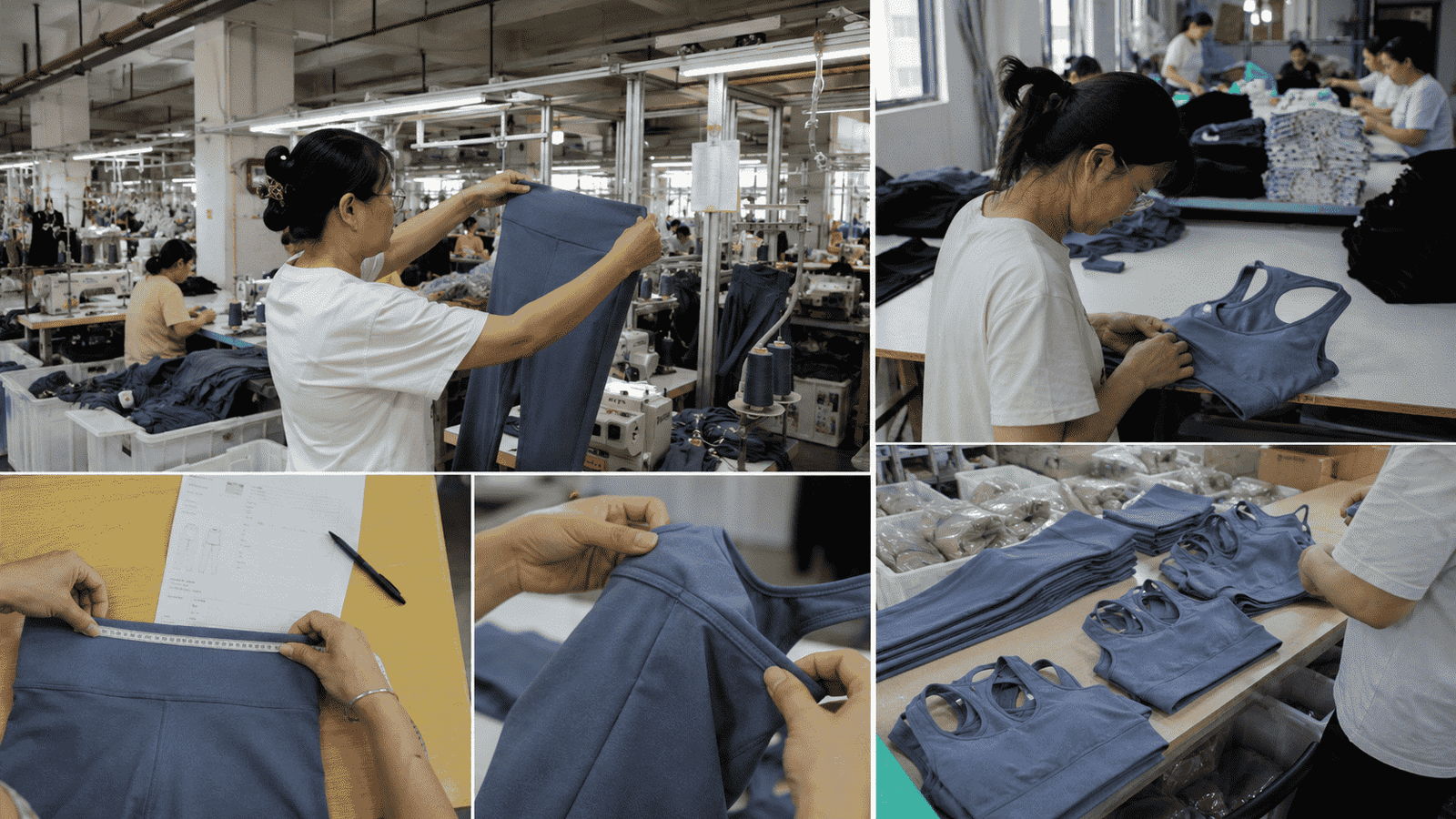
Inline, measurement, workmanship and final checks verify that production remains within applicable buyer requirements.
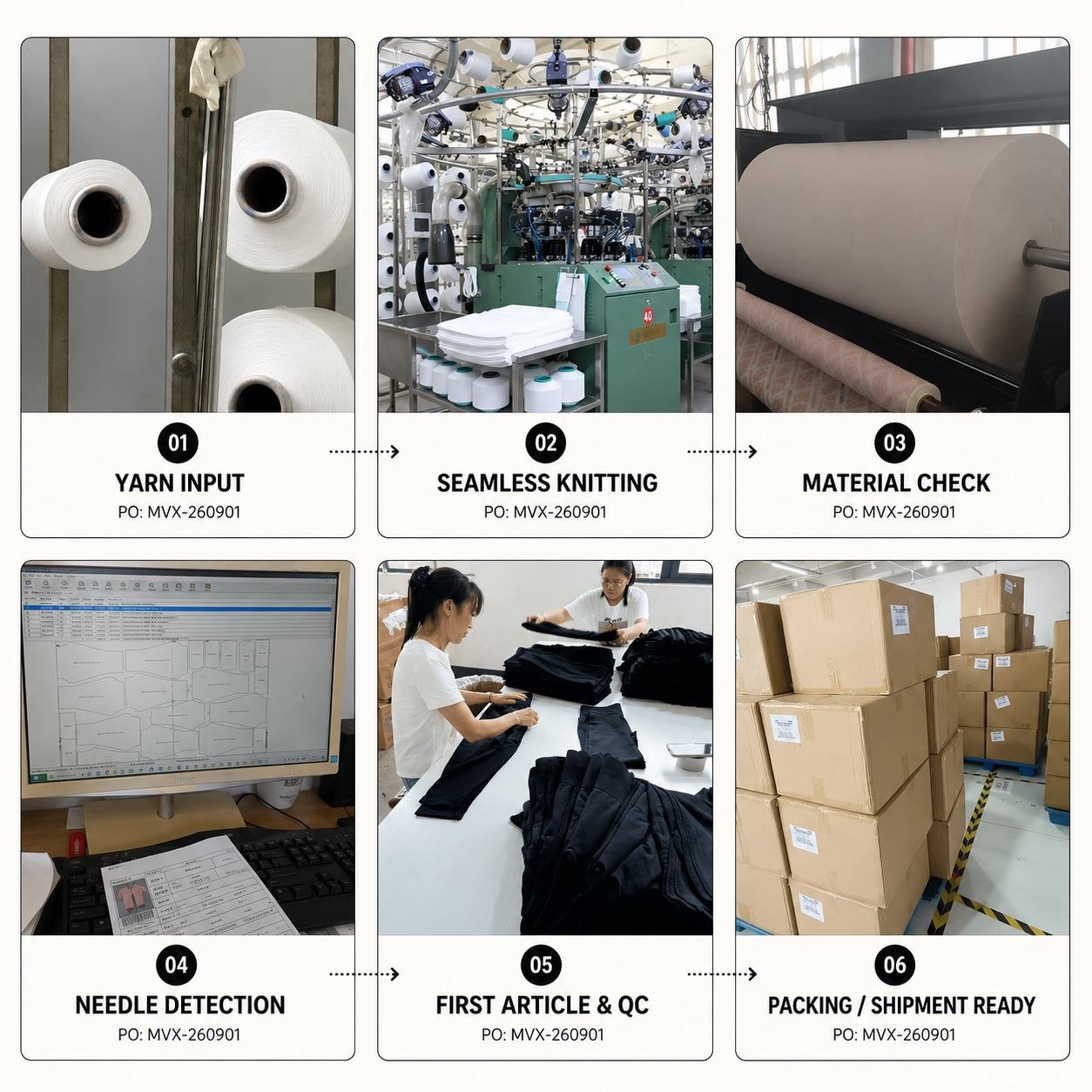
Control Women’s Gym Shorts Through Multiple QC Gates
MOVEVOX uses staged quality control so material, measurements, workmanship and packing can be reviewed before defects accumulate into a larger production quantity.

Incoming Material
Fabric, yarn and relevant components are checked against applicable approved references before normal production use.
- Material identity
- Color / weight
- Relevant lot
Pre-Production
Current technical files, material, pattern or program, artwork and approved references are aligned before bulk execution.
- Current revision
- Open points closed
- References available
First Article
The first complete production garment is reviewed before a larger quantity proceeds.
- Measurements
- Waistband
- Inseam / rise
Inline Inspection
Production is checked while manufacturing remains active so recurring issues can be identified before the order is complete.
- Seams
- Pockets
- Leg openings
Measurement Check
Buyer-defined POMs are measured against the applicable size and tolerance standard.
- Correct size
- Correct POM
- Tolerance status
Workmanship Check
Garment construction is reviewed for stitches, seams, gusset, pockets, waistband and finished appearance.
- Stitching
- Alignment
- Construction
Finished Garment
Completed shorts are checked for final appearance, branding, labels and applicable product requirements.
- Garment identity
- Logo / labels
- Visual finish
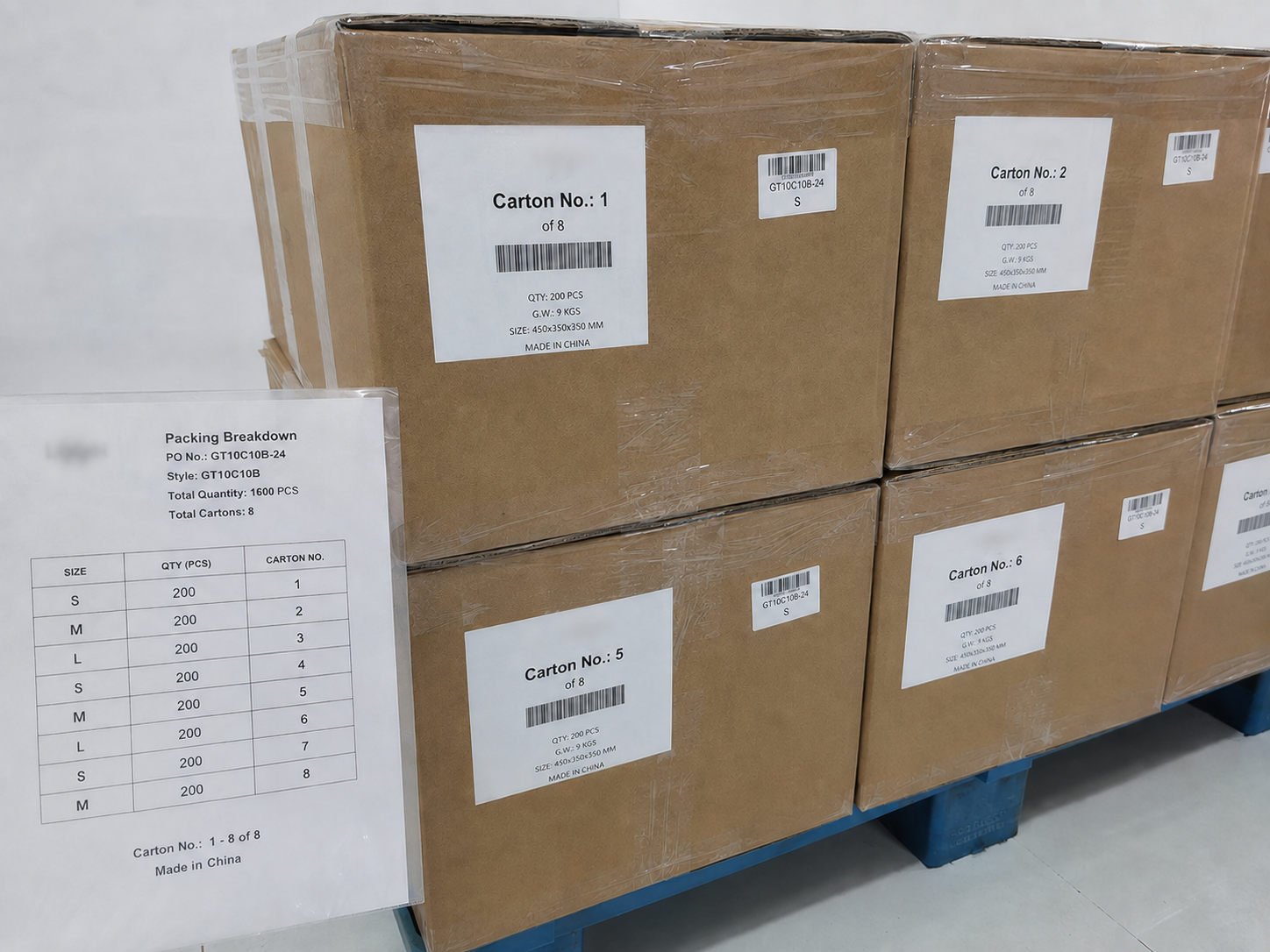
Packing Control
Released products are checked against size, color, SKU, barcode and buyer-defined packaging requirements.
- Correct SKU
- Correct pack
- Carton identity
Scale Approved Gym Shorts Through Managed Production Capacity
Capacity should be evaluated against product structure, manufacturing route, materials and SKU mix. MOVEVOX uses a managed network capacity rather than one theoretical machine-output number.
Managed Monthly
Normal comprehensive managed quality-released capacity across the controlled production network.
Santoni Machines
Verified core Seamless knitting equipment for suitable activewear programs.
Garment Machines
Principal sewing and garment-production equipment supporting the core Cut & Sew operation.
Core Base
Approximate actual operating space of the current self-operated production base.
QC Personnel
Current QC personnel supporting relevant production and packing quality control.
Bulk Reference
Normal bulk manufacturing after specifications, materials, commercial conditions and scheduling are sufficiently ready.
Verify the Manufacturing System Behind MOVEVOX Gym Shorts
Mature brands should be able to verify where development, manufacturing, quality and packing occur. MOVEVOX supports physical or remote review of relevant operating functions.

Business Identity
MOVEVOX operates as an activewear Private Label manufacturing and supply-chain partner based in Yiwu, China. Buyer qualification should connect commercial documents and actual manufacturing resources to the correct contracting and operating identity rather than relying only on a website brand name.
Development Function
Product-development personnel translate Tech Packs, legal reference garments, sketches, images or defined concepts into technical information and samples. Their work can include structure review, patterns, measurements, Seamless organization, materials, colors, branding, sample construction and Fit revisions before bulk release.
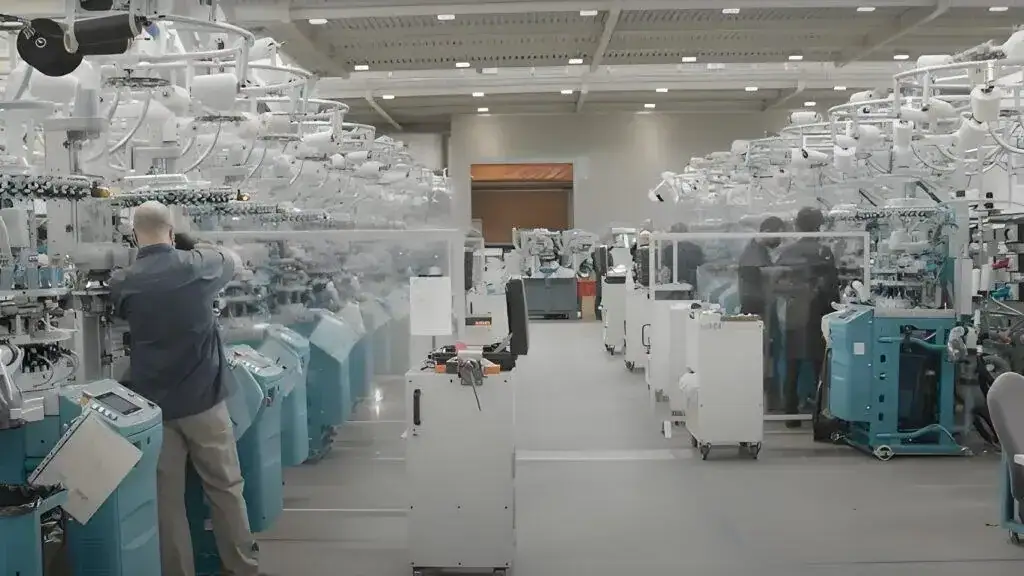
Seamless Production
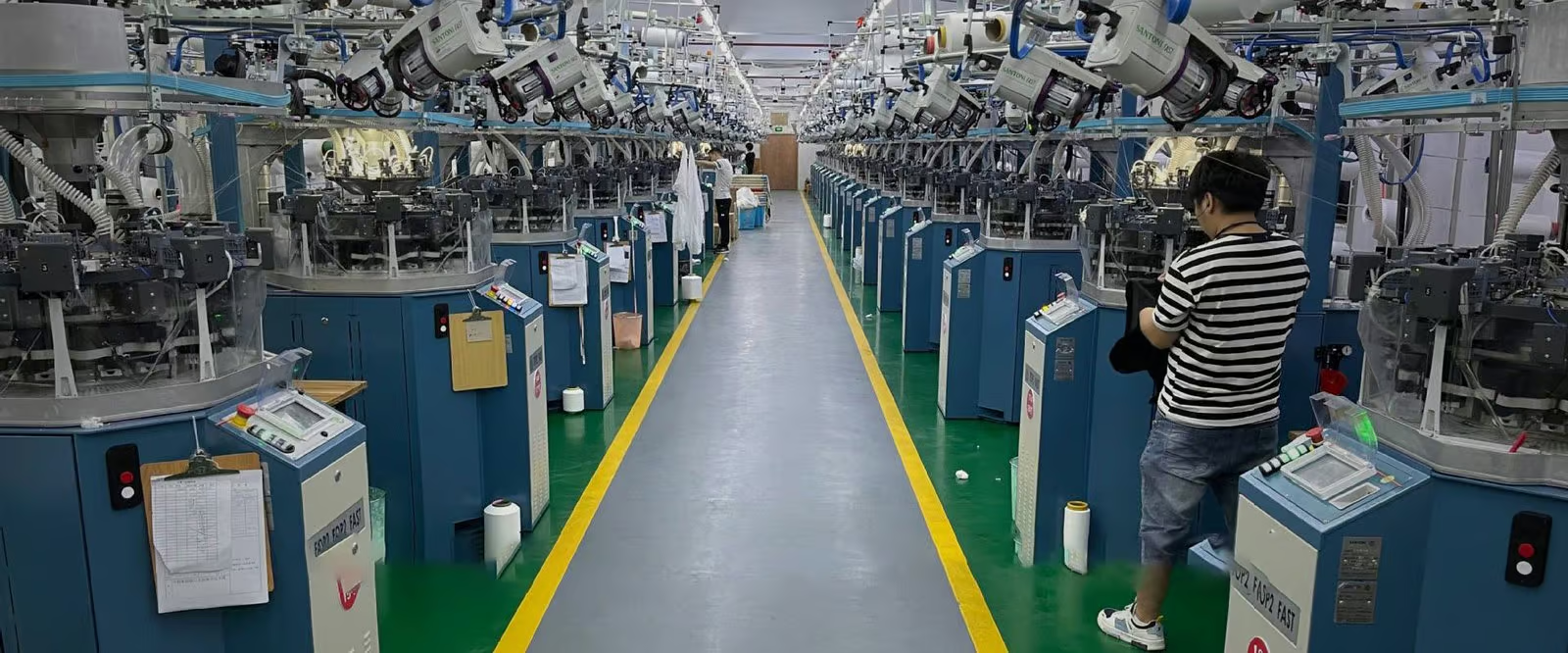
The verified core Seamless operation includes 28 Italian Santoni circular knitting machines. Buyers can review relevant knitting equipment, program-management process, yarn handling, trial garments and downstream operations for applicable Seamless gym-short projects.
Cut & Sew
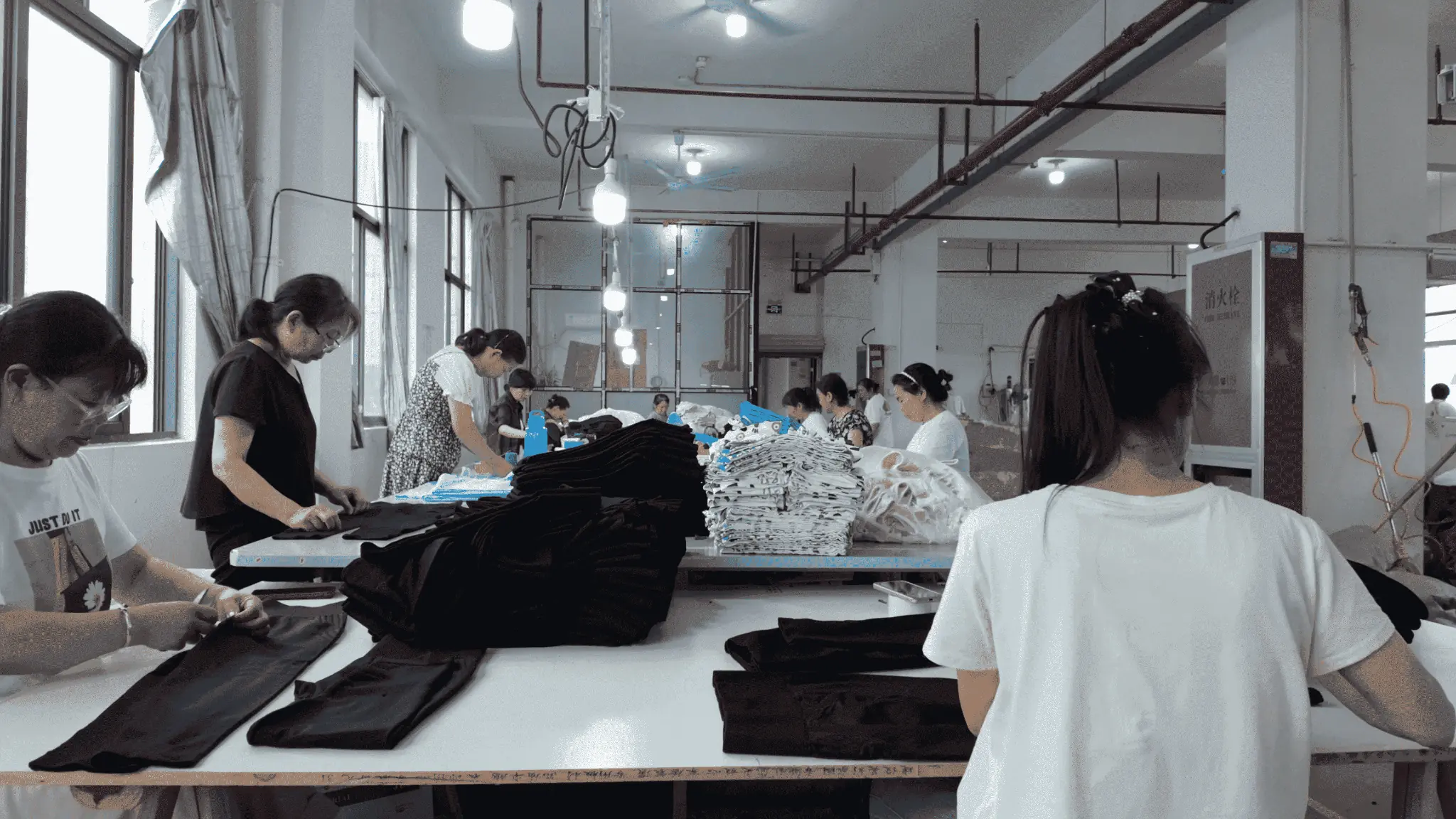
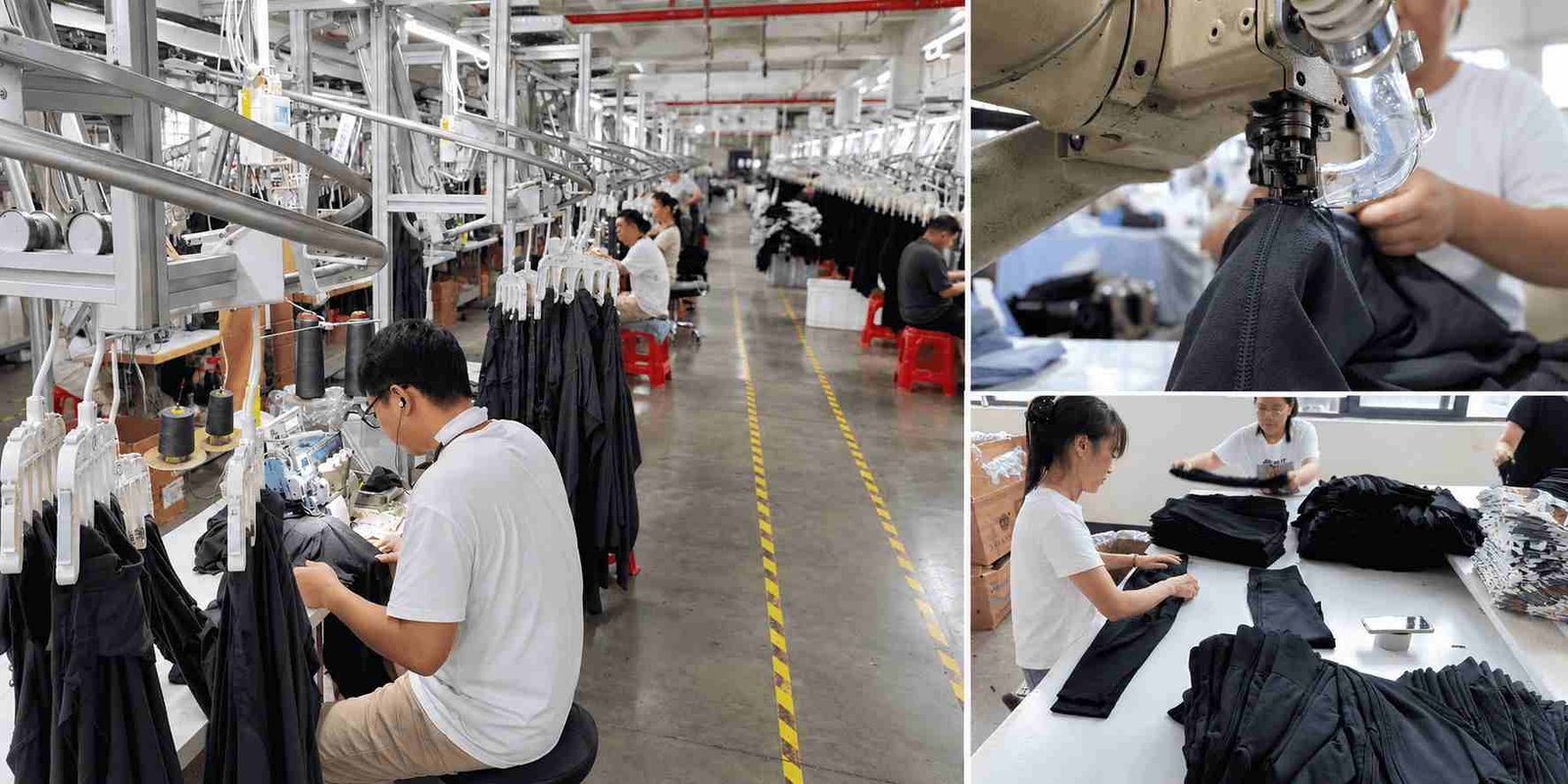
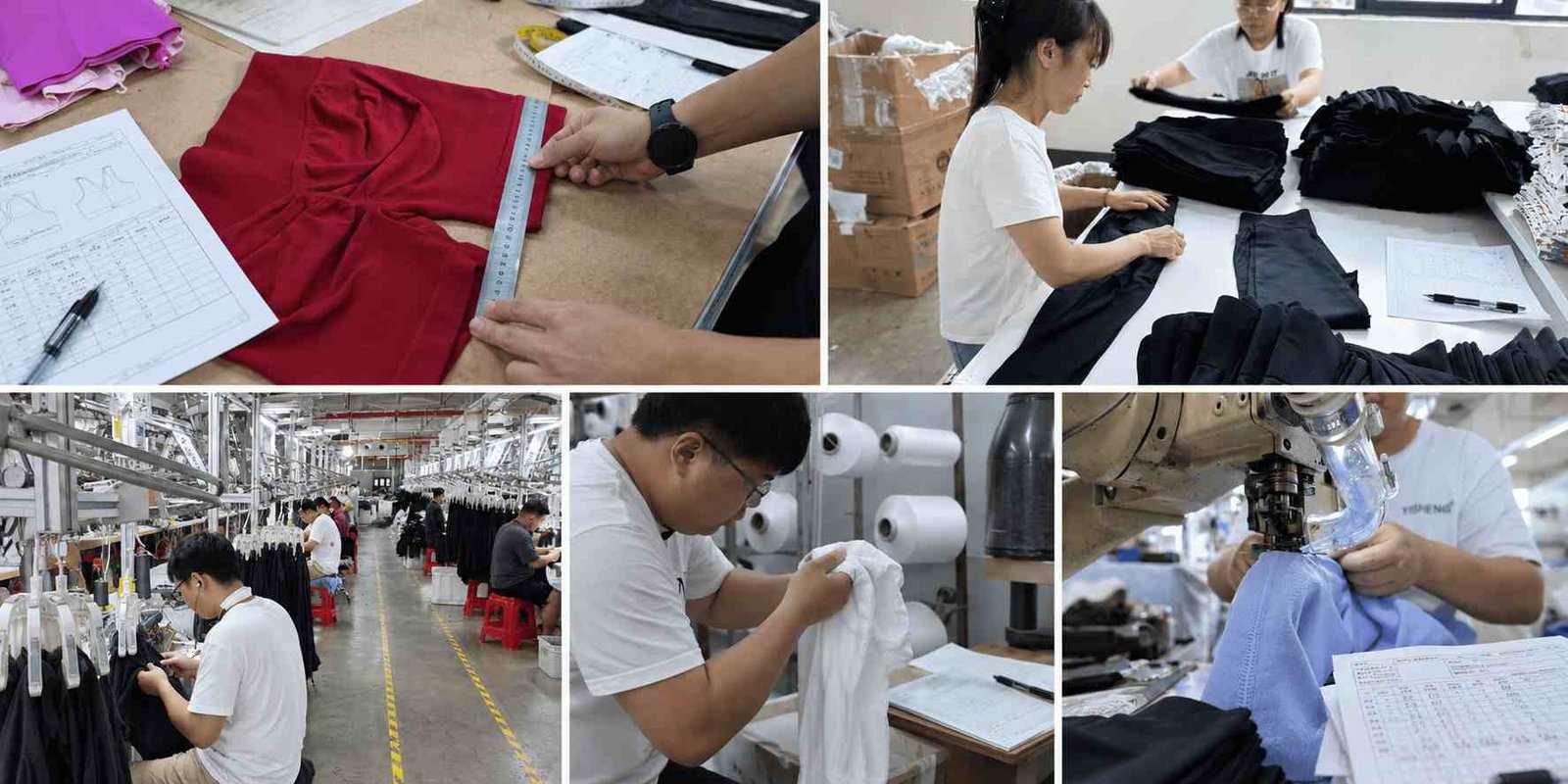
The self-operated core manufacturing system includes approximately 24 principal sewing and garment-production machines. Relevant women’s gym shorts processes can include pattern release, cutting, waistband, gusset, pocket, seam assembly, finishing and inspection according to the approved product architecture.
Quality Control
MOVEVOX currently has five QC personnel supporting relevant inspection activities. Quality execution can include incoming material review, pre-production confirmation, First Article, inline checks, garment measurement, finished inspection, packing control and shipment release according to product and buyer requirements.
Packing
Packing connects the approved garment with the correct color, size, SKU, barcode and buyer-specific packaging. Multi-SKU programs require clear product identification because packing accuracy is part of commercial quality, not merely a logistics activity after manufacturing is complete.
Production Records
Applicable production and quality records should make it possible to connect a PO or style with the current technical version, material, production stage and inspection evidence. Confidential customer documents should be anonymized or restricted appropriately during third-party review.
Satellite Network
MOVEVOX combines self-operated production with eight principal collaborative satellite facilities. These facilities should be described transparently as independent or collaborative production resources rather than wholly owned MOVEVOX factories. Allocation and QC remain subject to project, product and buyer requirements.
From Technical Development to Repeat Activewear Orders
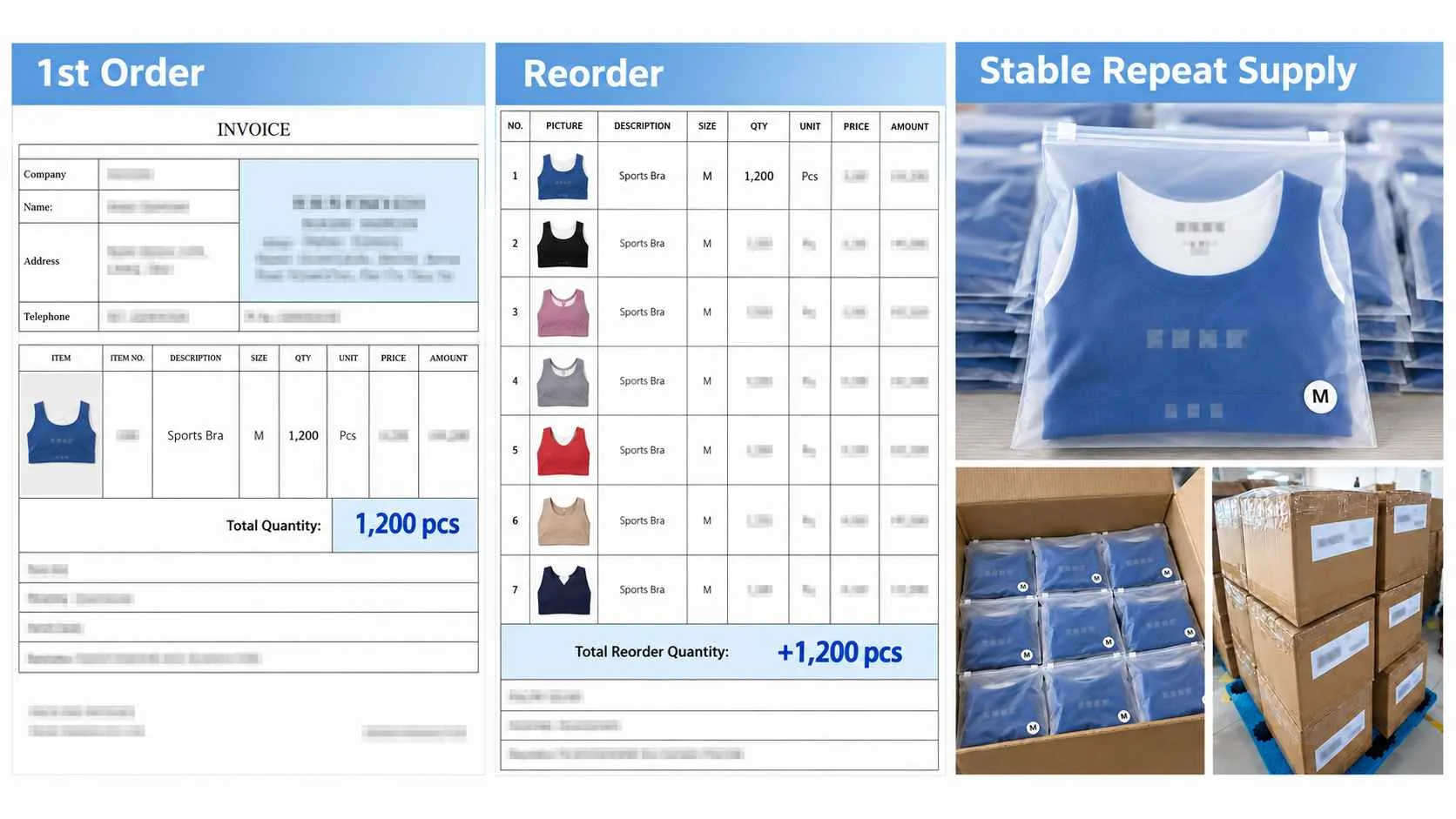
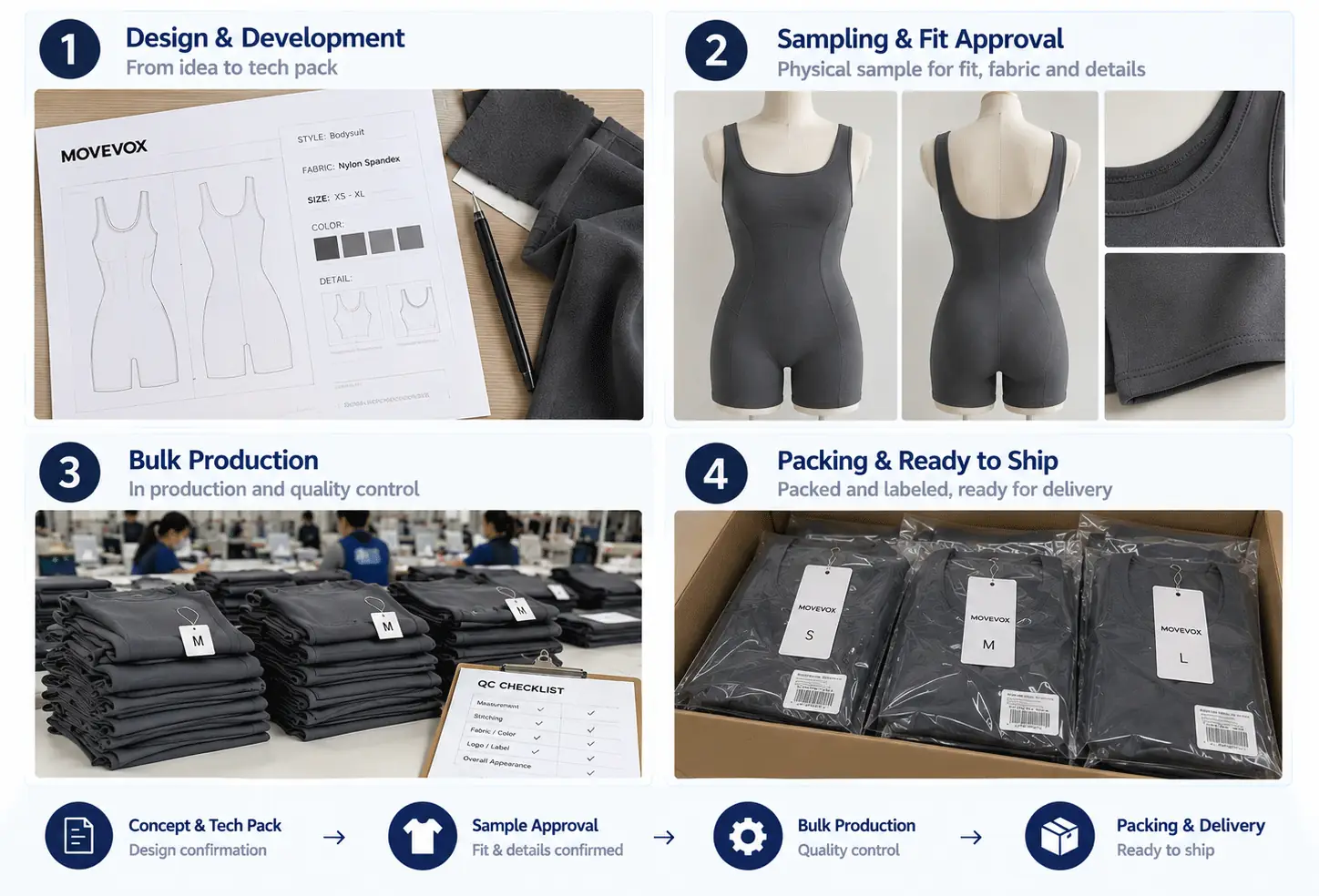
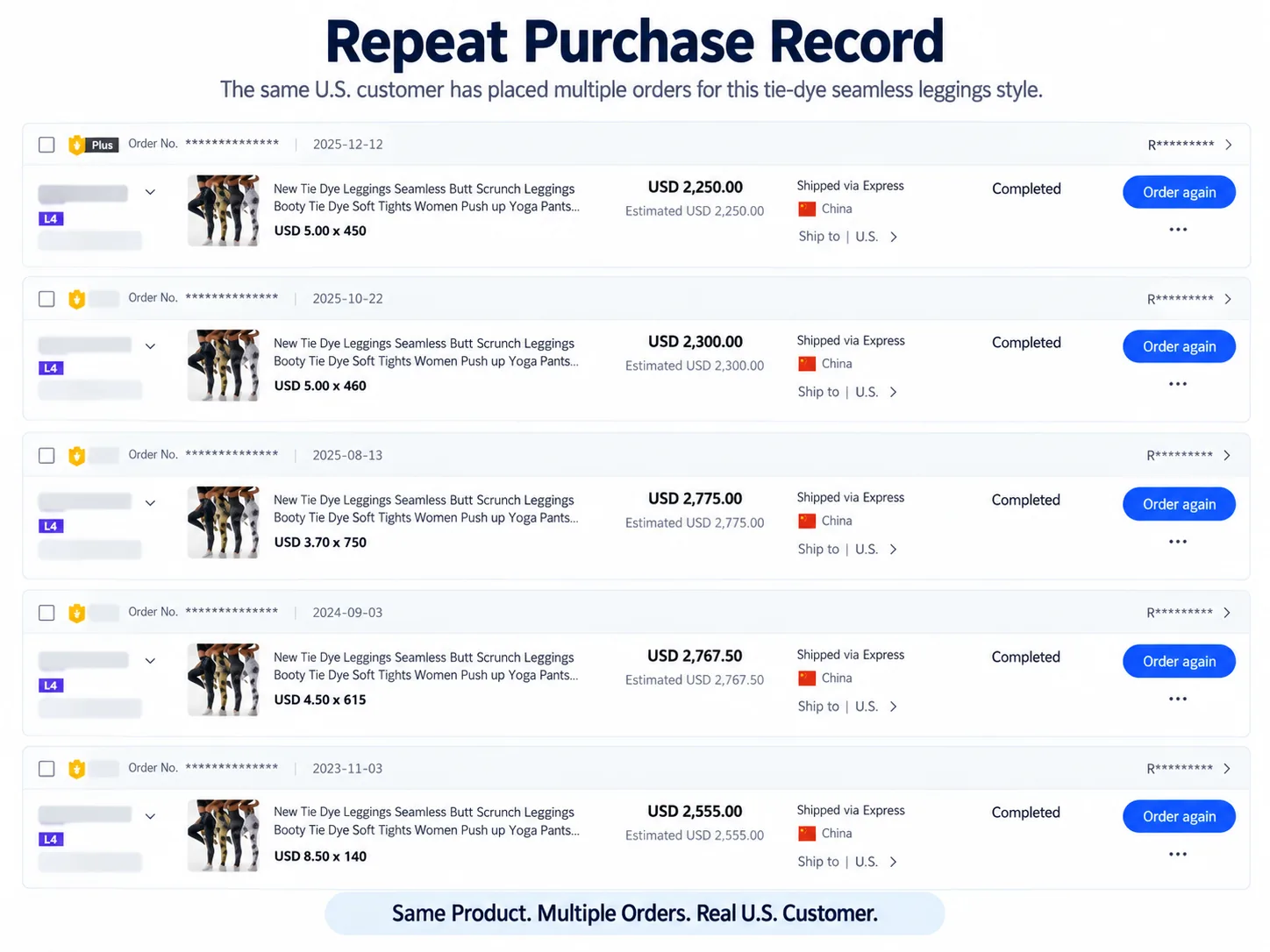
An anonymized U.S. activewear customer worked with MOVEVOX through Tech Pack review, sampling, revision, wearer testing, branded production and repeat orders across several activewear categories. The historical product mix included Shorts, but this case is not presented as specific proof of every gym-short architecture described on this page.
Customer Background
The customer was a U.S.-market activewear business with its own product Tech Packs and an ongoing need for new product development. The historical project record included Bodysuits, Workout/Yoga Sets, Leggings, Shorts, Sports Bras and Tank Tops. Cooperation lasted approximately three years and developed into recurring commercial orders rather than a single one-time sample project.
Challenge
The buyer needed products that could progress from technical documents into physical garments and then survive real fitness-use evaluation before commercial production. The project also involved multiple sizes and colors, custom branding, care information, packaging and SKU-specific QR labels. This created two supplier risks: translating product comments into a reliable revised sample, and keeping garment identity and packaging accurate when the project moved into repeated bulk orders.
MOVEVOX Solution
MOVEVOX began from the customer’s Tech Pack and completed a first development sample. The customer reviewed the physical garment through actual fitness use and returned adjustment comments. MOVEVOX then prepared a second sample. After the revised direction became substantially acceptable, approximately five to ten additional samples were prepared for broader wear testing. The commercial program later included custom logos, labels, care information, printed materials, packaging and SKU / QR identification.
Tech Pack
The customer’s own technical documentation created the starting point for manufacturability review and first-sample development.
First Sample
The physical garment allowed the buyer to evaluate product fit, material, construction and real-use observations.
Revision
Buyer comments were translated into a second product version rather than moving directly into commercial production.
Wearer Samples
Approximately five to ten additional samples were prepared after the revised direction for broader real-use assessment.
Branded Bulk
The approved program moved into branded production, custom packing and SKU / QR-controlled commercial execution.
Repeat Orders
Historical records describe approximately three years of cooperation with repeated commercial ordering.
Test Samples
Additional samples prepared after revision for broader real-use assessment.
Typical Order
Historical reference quantity per typical commercial order in the source case.
Recurring Purchase
Historical purchasing frequency during established recurring cooperation.
Cooperation
Historical cooperation period recorded for the anonymized customer.