Define Garments by the Training They Must Withstand
A single label such as “high-performance” does not define measurable product requirements. Brands should distinguish movement patterns, session conditions, contact surfaces and desired wearing experience before choosing fabrics, lengths, seam constructions or support levels for a training collection.
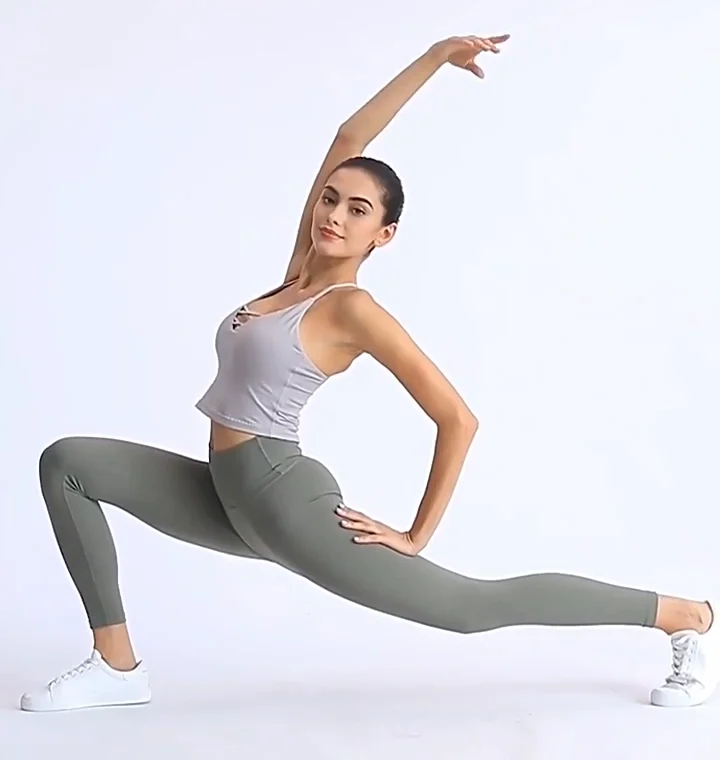
Strength Training
Squats, lunges and loaded movement can increase fabric extension around the hips and knees while testing waistband retention. Garments should permit the required depth of movement without unwanted ride-up, concentrated crotch tension or loss of coverage. Buyers can review fit in a movement sequence using the intended size and fabric, while recognizing that exercise load alone does not establish a garment's protective rating.
Product requirements:
- Review waistband position and pressure during repeated hip flexion and standing transitions.
- Check stretch recovery, crotch construction and opacity at representative movement positions.
- Confirm seam placement and pocket interference against intended exercises and equipment.
Related product: Training Leggings

Functional Fitness
Mixed sessions may combine lunges, floor work, reaching, rotational movements and short bursts of faster activity. A design that fits during a static standing check can still shift when exercise sequences change. Technical evaluation should therefore consider movement combinations, transitions, garment-to-skin friction and how added elements such as zips or phone pockets behave under extension.
Product requirements:
- Define a representative movement sequence rather than relying on one static fitting pose.
- Examine sleeve and armhole mobility alongside underarm and shoulder seam positioning.
- Verify that pockets, trims and panel transitions do not interfere with movement.
Related product: Functional Training Sets
Conditioning Sessions
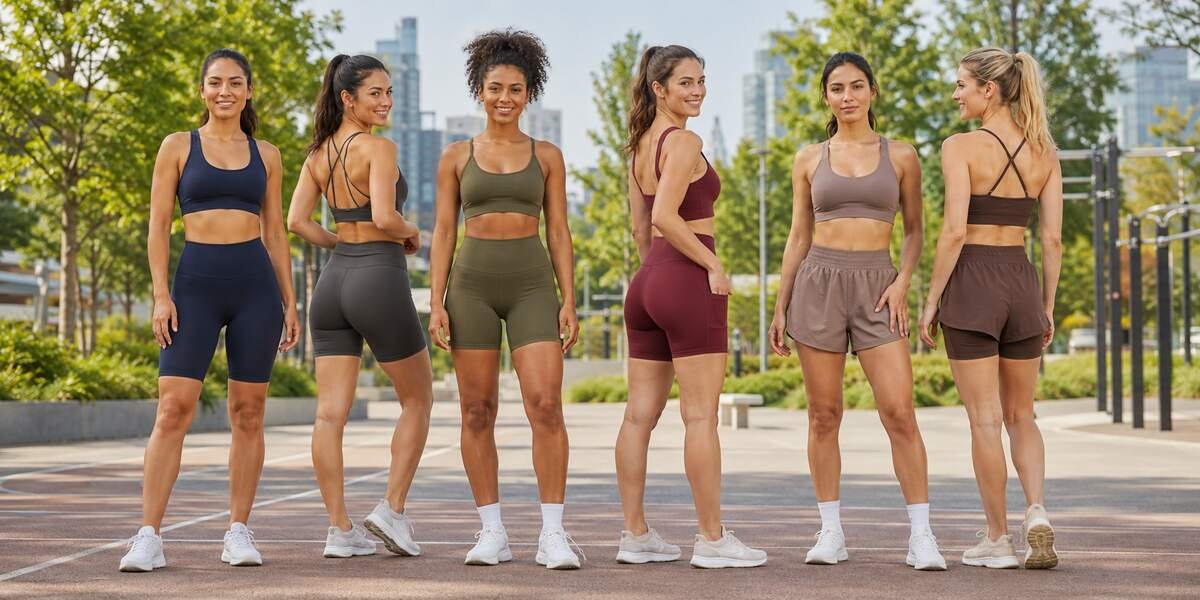
Circuit training can involve sustained perspiration, repeated motion and changes in intensity. Material weight, air permeability, liquid-moisture handling and drying behavior should be considered together with opacity and garment support. A very light fabric may improve perceived airiness but require separate review for coverage or durability. These outcomes cannot be guaranteed from fiber labels alone.
Product requirements:
- Specify target moisture behavior and the evidence needed to substantiate related claims.
- Balance ventilation and lightweight feel with product-specific coverage and durability needs.
- Evaluate seam comfort and fabric cling when the intended session involves perspiration.
Related product: Training Tops and Shorts
General Training
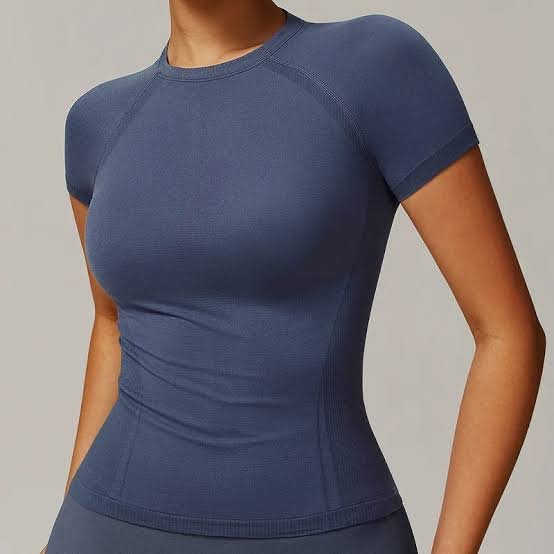
An everyday gym-training range usually needs versatility across moderate movements, varied users and repeated laundering. A useful specification should state the primary activity, not simply list every possible sport. Buyers can then choose a practical combination of fabric handfeel, recovery, support and construction that can be repeated across sizes and future colorways without inflating technical claims.
Product requirements:
- Identify primary and secondary uses so the product brief has a defined scope.
- Approve fit and dimensions across target sizes using relevant movement and wear checks.
- Confirm wash-care expectations, materials and quality references before bulk production starts.
Related product: Everyday Training Apparel
Build Training Collections Around Distinct Performance Demands
A cohesive training range can share branding, color direction and sourcing standards without requiring every garment to use identical material or construction. Begin with activity and garment function, then identify a realistic portfolio of approved styles and manufacturing routes.
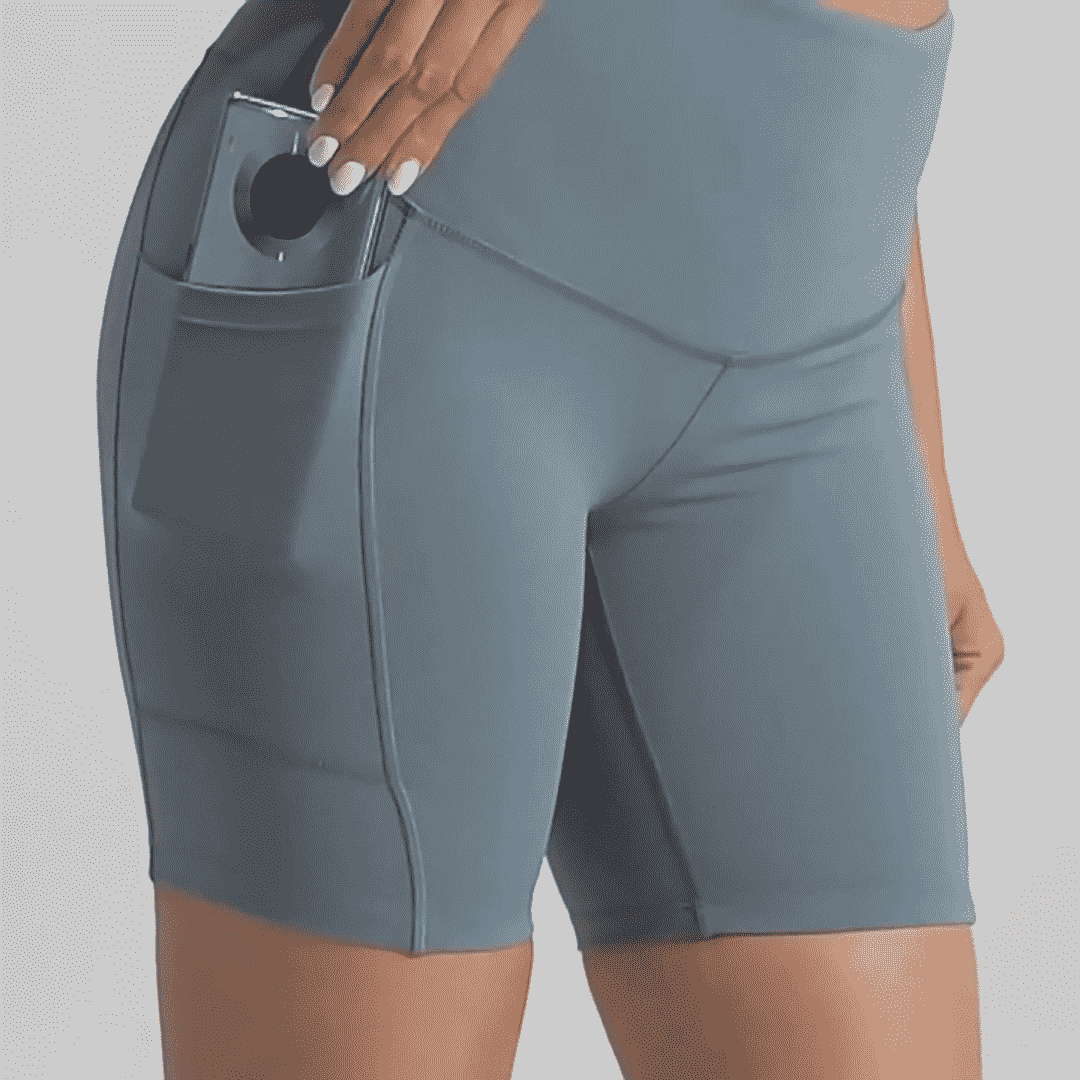
Strength Training Bottoms
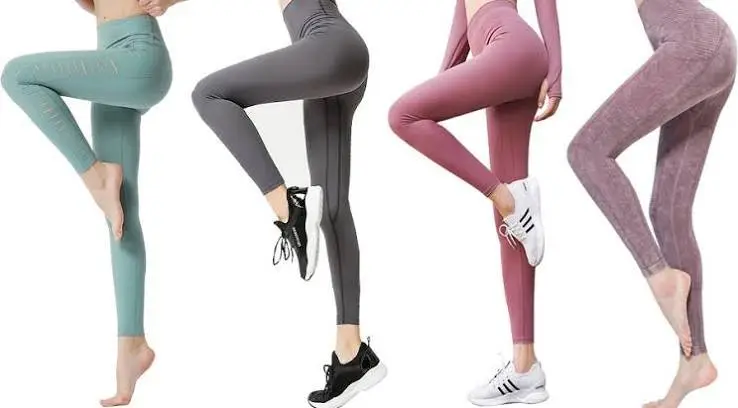
These bottoms prioritize controlled coverage, waistband retention, repeated stretch and freedom of movement through the hips and knees. The specification should distinguish close-fitting leggings from shorter training styles, identify seam or gusset choices and define when pockets are appropriate. Any durability claim must be assessed against intended contact conditions and actual samples.
Component products: Training Leggings; Biker Shorts; High-Waist Bottoms; Matching Tank.
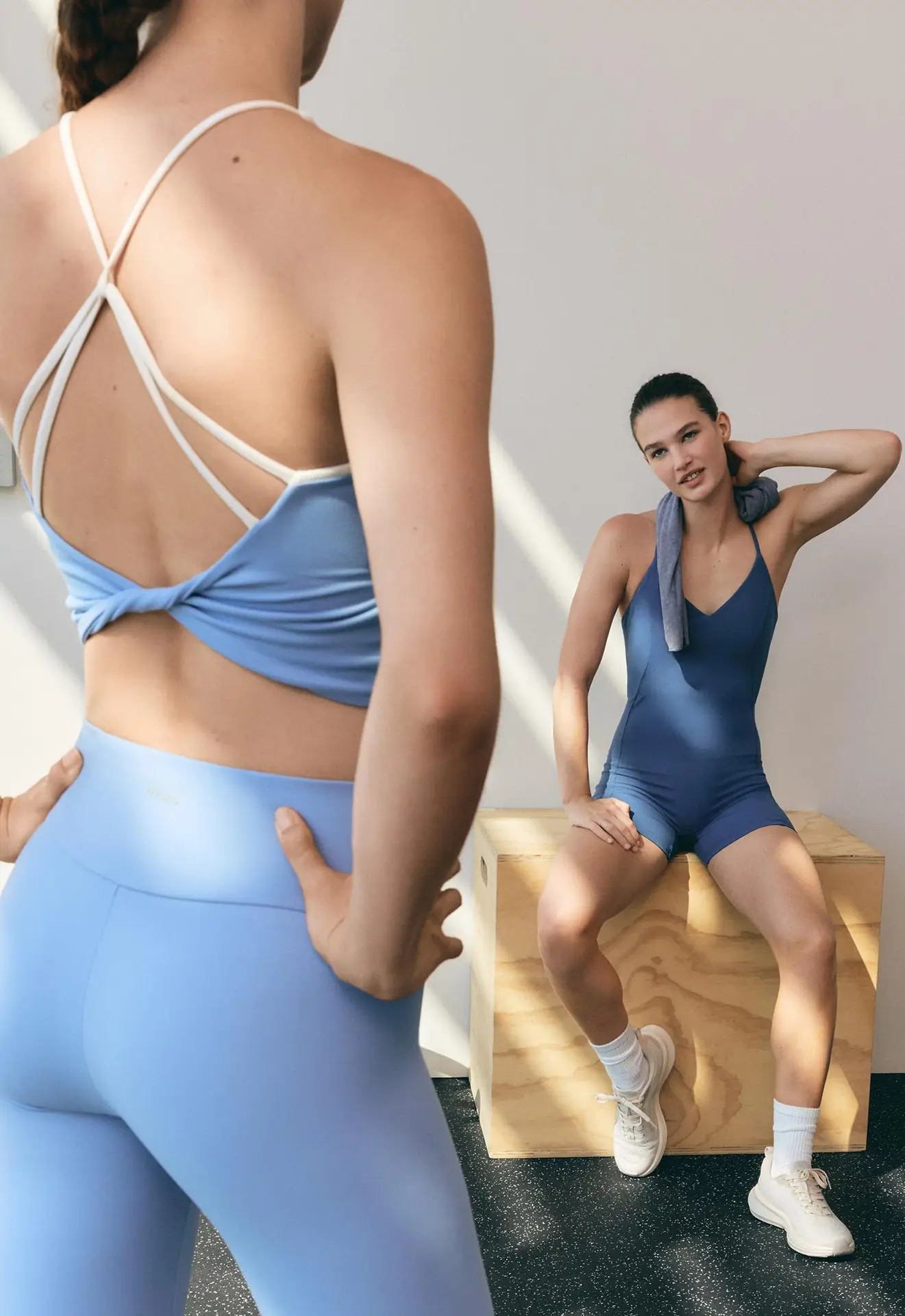
Functional Training Sets
A functional-training set combines garments that can accommodate mixed-direction movement without unnecessarily sharing the same support or material properties. The bottom may prioritize seam elasticity and stability, while the top needs shoulder mobility and perspiration comfort. The brand should coordinate colors and fit language while approving each SKU on its own terms.
Component products: Training Shorts; Sports Bra; Training Tank; Long Sleeve.
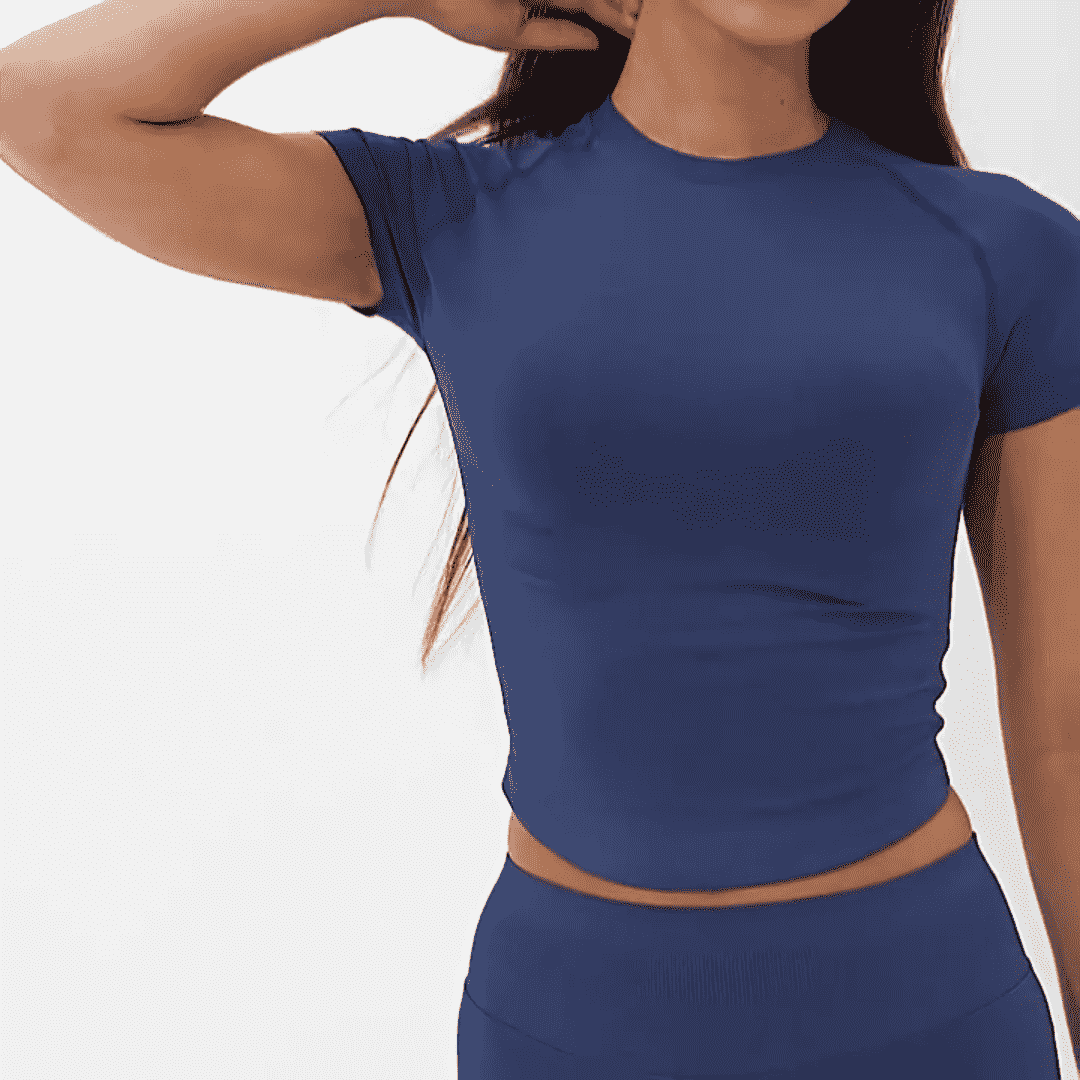
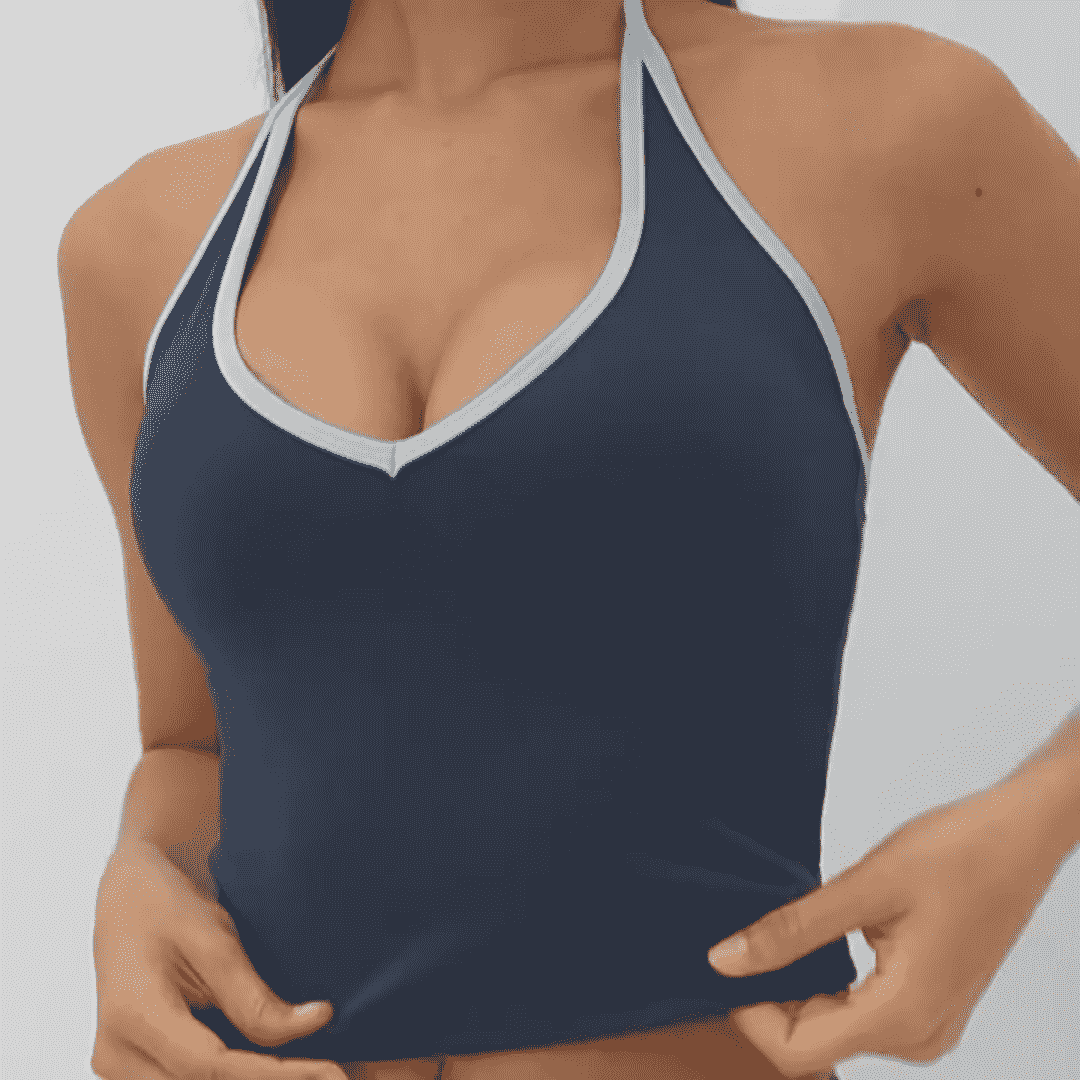
Conditioning Tops and Shorts
For sweat-intensive sessions, buyers should prioritize the intended moisture response, lightweight comfort and suitable seam placement. A breathable or fast-drying label should follow from specific material evidence, not an assumption about polyester content. Garment length, waist construction, coverage and abrasion exposure still require product-level decisions before the fabric is approved.
Component products: Training T-Shirt; Lightweight Shorts; Training Tank; Coordinated Set.
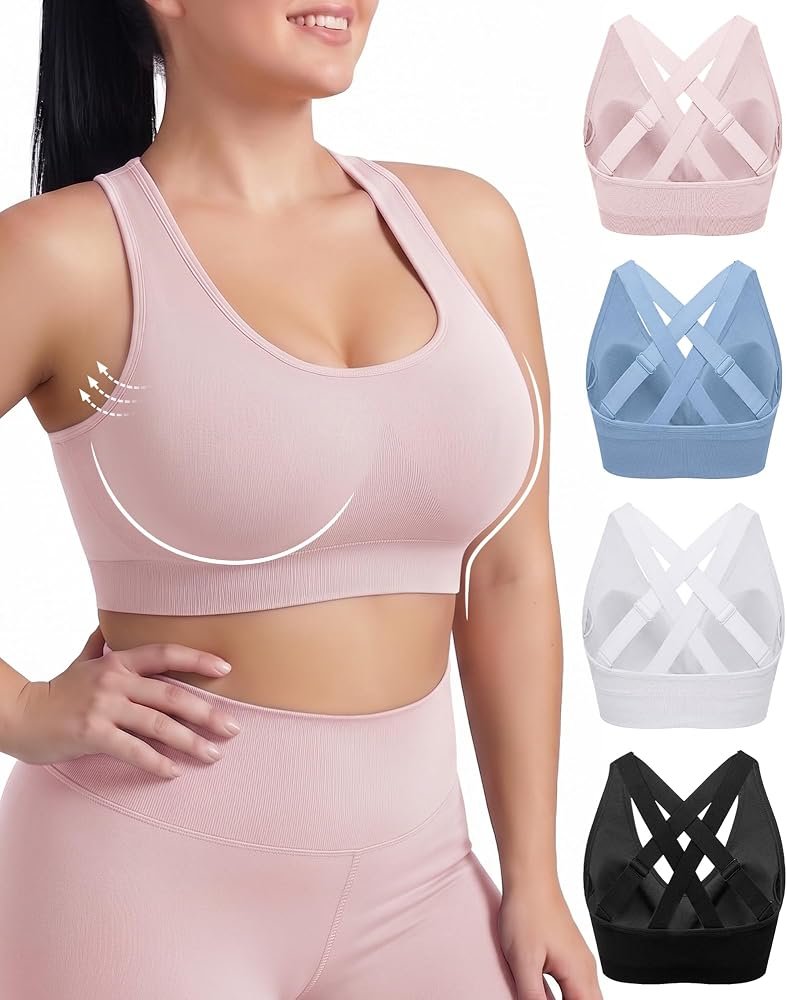

Support-Focused Women's Training
This family requires separate attention to sports-bra coverage, strap and underband structure, garment pressure and activity-specific fitting. Training leggings or shorts may share visual details but should not inherit a bra's support claim. Designs for unusually high-impact applications require additional assessment rather than automatic inclusion in the conventional activewear range.
Component products: Sports Bra; Support Top; Training Leggings; Biker Shorts.
Understand Moisture Transport Before Choosing Training Fabrics
Moisture management depends on more than fiber percentages. Yarn geometry, knit architecture, surface treatments, garment fit and environmental conditions can affect wetting, transport and drying. Buyers should define which behavior matters before requesting a measurable performance claim.
Fiber Chemistry
Nylon, polyester and elastane combinations can produce different sensations and behaviors. Fiber identity alone does not establish wicking grade, drying time or comfort; fabric construction and finishing must also be examined.
Yarn Structure
Filament shape, yarn size and textured or smooth surfaces may influence how liquid moves. Proposed materials should be examined in finished-fabric form rather than judged solely from yarn marketing descriptions.
Knit Density
Loop architecture and fabric density influence stretch, pore structure, handfeel and appearance. Increasing openness may improve perceived ventilation while creating new concerns about support, opacity or mechanical durability.
Surface Finish
Brushing, coating or hydrophilic finishing may change wetting and skin contact. Finishes must be evaluated after the intended processing and, where relevant, laundering; their existence is not proof of permanent performance.
Skin-Side Contact
Garment pressure and fabric texture affect where moisture accumulates and how the fabric feels against skin. Different fits may change subjective cling without necessarily changing a laboratory fabric rating.
Ambient Conditions
Humidity, air movement, temperature and exercise intensity influence evaporation and drying. A single result measured under controlled conditions should not be represented as a guarantee for every wearer and climate.
Combined performance explanation: A material may spread sweat rapidly but take longer to dry, or feel airy yet provide inadequate coverage in a particular garment. A useful buyer specification identifies target activities, garment zones, measurement methods and the allowable trade-offs. MOVEVOX can review relevant nylon/spandex, polyester/spandex or mesh options; any claim about a particular fabric must rest on that fabric's own verified sample and data.
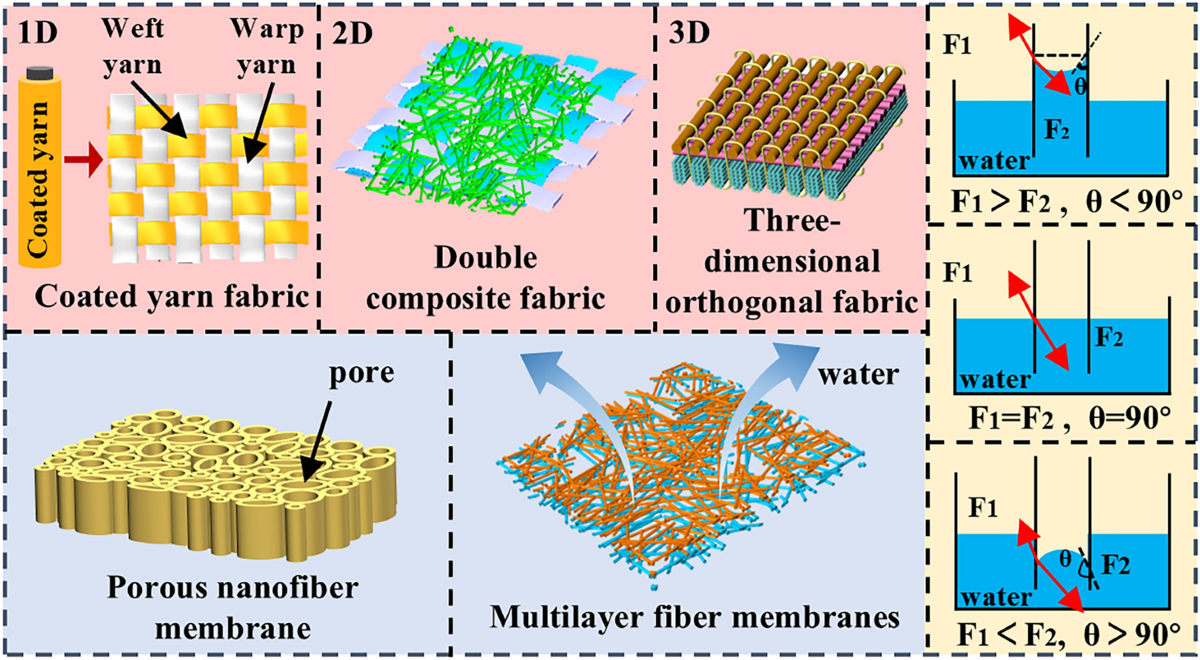
Evaluate Shape Recovery Beyond Initial Four-Way Stretch
Stretch describes how far a material extends under specified conditions. Recovery describes how it returns after the force is released. Training garments need both properties considered in relation to pattern, seams and repeated movement.
Why Repeated Training Movement Changes the Fit Question
A high-stretch fabric can allow a deep lunge at first wear and still leave the buyer uncertain about how the finished garment behaves after repeated use. Leggings are stretched around the hips and knees, while waistbands must continue to retain a consistent position. The effect depends on material composition, yarn preparation, knit structure, finishing and the garment's pattern balance. No single percentage of elastane guarantees acceptable recovery in the final product.
Extension versus recovery: Extension can be measured under a controlled load or elongation. Recovery requires a defined unloading interval and method. A garment with apparent easy stretch may recover differently after multiple cycles; comparing fabrics requires matching methods, directions and conditions rather than relying on hand-pulled demonstrations.
Residual distortion: Knee bagging, seat loosening or waistband relaxation can result from material and fit interactions. The pattern's negative ease, seam stretch and laundering conditions also matter. A material that performs acceptably as a panel may respond differently when combined with a folded band or a restrictive stitch line.
Approval route: For a buyer requesting numerical recovery performance, define target elongation, repetitions, relaxation conditions and allowable residual change before sampling. For fit stability, add a representative movement sequence and check actual garments across relevant sizes. The outcome should be recorded against the approved style and fabric, not extended to unrelated future collections.
MOVEVOX can evaluate high-elasticity materials, garment measurements and sample revisions within its existing development system. This description is a proposed Training Wear review pathway, not a claim that MOVEVOX has already achieved a specified recovery percentage on every training legging.
Translate Fabric Behavior into Garment Approval Criteria
The final approval question is not simply, “Does it stretch?” It is whether the wearer can complete intended activities while maintaining coverage, predictable pressure and acceptable garment shape. Brands should locate their critical measurement points: waist opening and lower band, hip and seat, knee position, leg opening and any panels or pockets that change stretch distribution. These points may require different tolerances depending on the pattern and fabric.
Fabric-stage review: Ask for construction, weight, directional extension and relevant recovery evidence on the material actually proposed. Note processing and wash conditions if these affect the property being marketed.
Garment-stage review: Fit representative sizes under the specified movement sequence. Inspect rolling, migration, local sagging and excessive tension. Compare with an approved reference rather than relying on an unrecorded verbal impression.
Production-stage control: Retain the approved fabric reference, garment measurements, pattern revision and critical seam specification. When a fiber blend, knit source or finishing condition changes, decide whether re-sampling or a new test is required before the revised material is accepted.
The combination of fabric and garment review gives sourcing teams a more reliable basis for discussing trade-offs. It also avoids a misleading blanket claim that elastic garments keep their shape indefinitely. A specific acceptance criterion is meaningful only when the buyer and manufacturer agree how it will be assessed and what evidence is required.
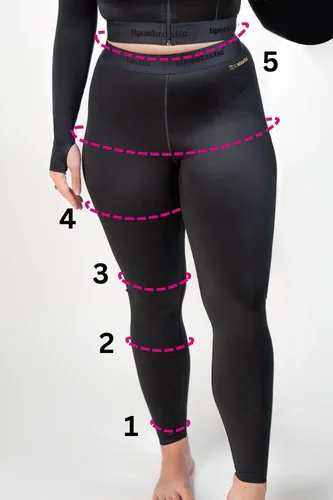
Engineer Training Seams Around Motion and Stress Zones
Seam type, stitch extensibility and location can change comfort and structural behavior during repeated movement. Buyers should review each seam against load direction, garment geometry, fabric extensibility and required appearance—not assume one stitching method is universally superior.

Flatlock Seam
Construction: Flatlock can reduce the bulk of certain joined knit panels. Its suitability depends on fabric weight, stretch direction, thread, seam width and machine settings. The actual sewn sample should be examined for extension, appearance and wearer comfort.
Suitable zones: Consider appropriate low-profile panel connections where seam width and garment design allow.
Comfort / strength: Evaluate seam extension and surface flatness under specified movements; do not assume zero chafing.
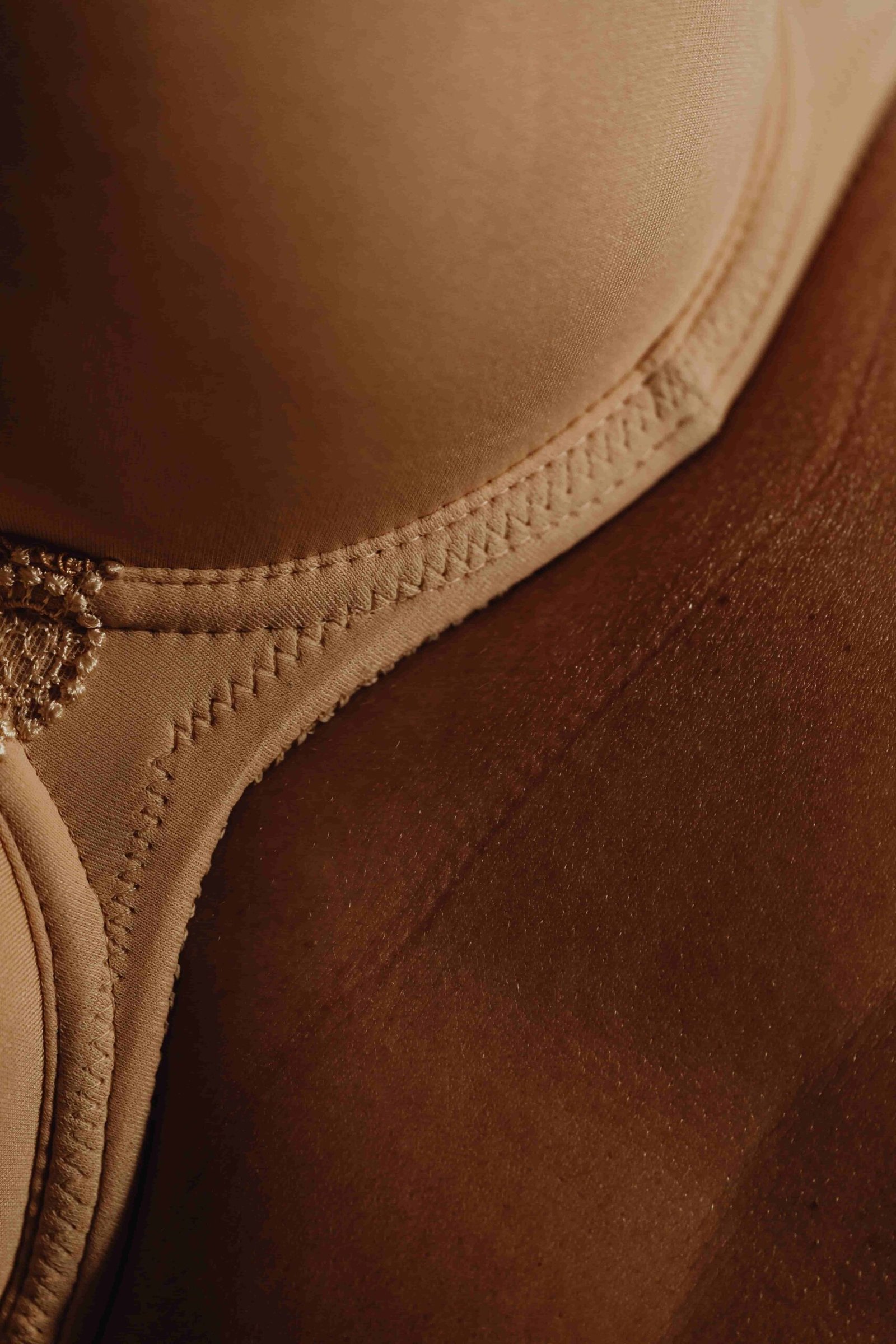
Overlock Assembly
Construction: Overlock joins and finishes many elastic knit components efficiently. Seam elasticity and the feel of the seam allowance depend on thread, stitch settings, fabric thickness and final assembly; its use does not automatically imply inferior quality.
Suitable zones: Common for compatible sportswear panel joining and preparation before additional finishing.
Comfort / strength: Check skipped stitches, allowance consistency, seam extensibility and rubbing at body-contact locations.

Coverstitch Finish
Construction: Coverstitch is commonly used on stretch hems or suitable joining details where recovery and visual finish matter. Stitch density and thread stretch must suit the knit structure; a decorative appearance alone does not demonstrate durability.
Suitable zones: Training top hems, leg openings and other approved flexible edges as appropriate.
Comfort / strength: Inspect hem waviness, stitch extension and wear comfort after fitting and relevant laundering.
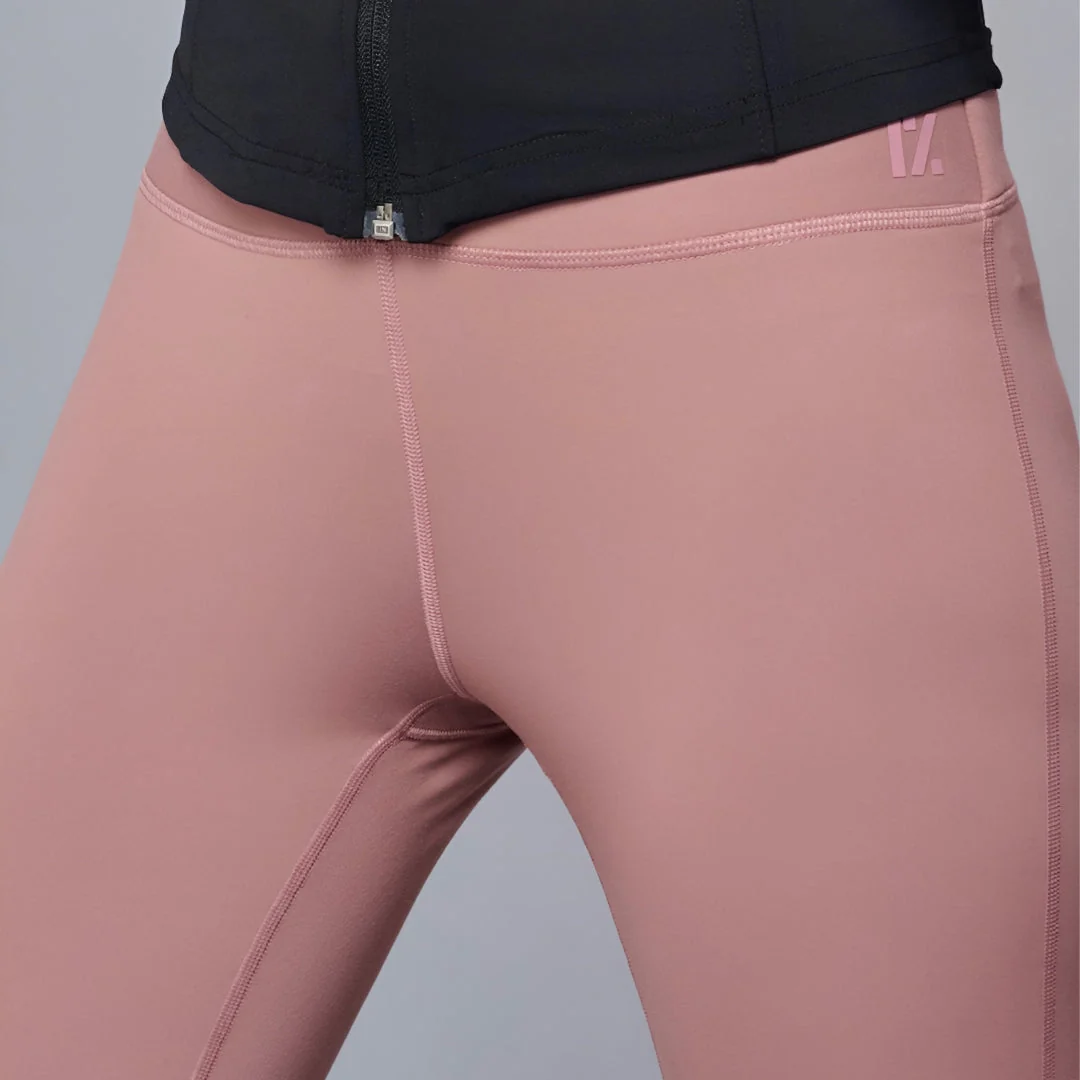
Crotch Junction
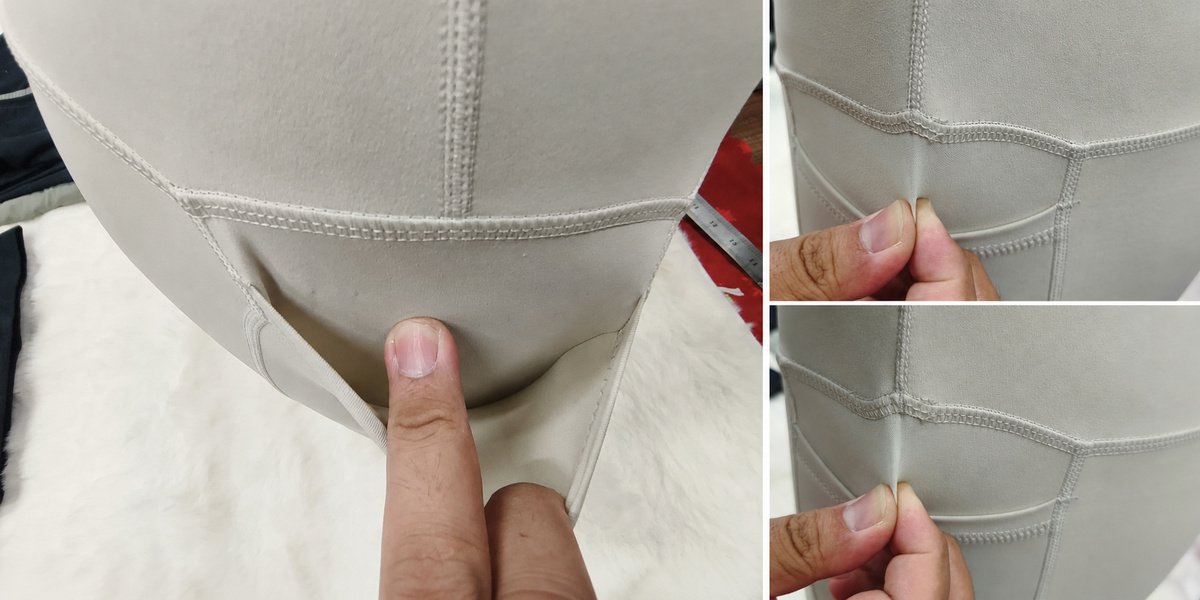
Construction: Multiple intersecting seams can create concentrated bulk and uneven extension around the crotch. Pattern shape, seam sequencing and stitch allowance should be assessed together; adding an extra panel without improving fit may increase complexity.
Suitable zones: Close-fitting training bottoms where hip flexion and lunge positions stress the junction.
Comfort / strength: Review tension, crotch rise, seam intersection thickness and full movement in a sample.
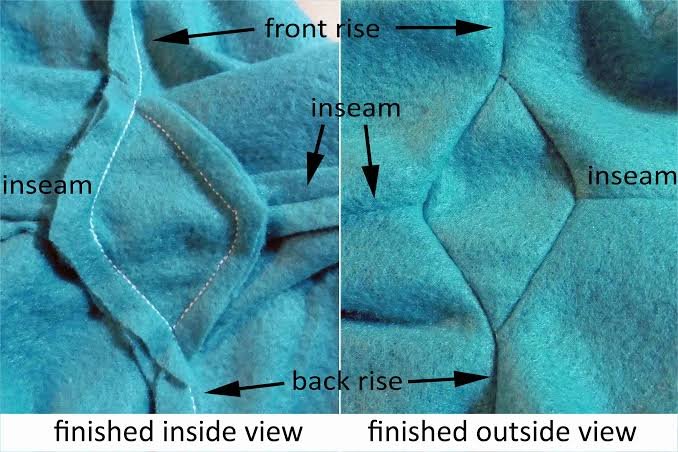
Gusset Connection
Construction: A properly considered gusset may redistribute seams or support a particular movement range, but dimensions and integration are critical. The pattern should be evaluated for crotch fit, seam direction and actual fabric behavior.
Suitable zones: Leggings or shorts whose tested fit justifies a separate gusset pattern.
Comfort / strength: Judge the complete sewn garment rather than treating the presence of a gusset as proof.
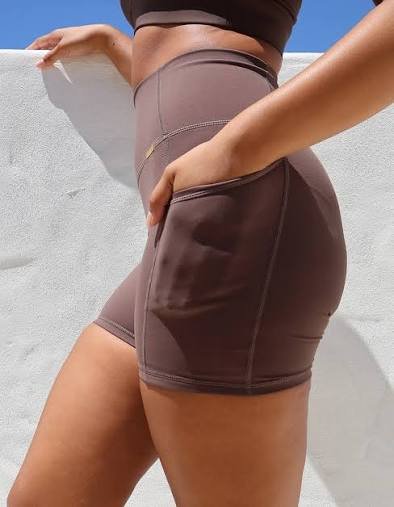
Pocket Reinforcement
Construction: Pocket openings introduce local material layers and stitching loads. Reinforcement is a design variable, not an automatic requirement. Excessive rigidity or hardware may create discomfort in high-stretch body-contact areas.
Suitable zones: Side, waist or rear storage pockets on appropriately designed training bottoms.
Comfort / strength: Test pocket access, opening stability and product interference with items actually intended to be carried.
Separate Training Construction Facts from Common Manufacturing Myths
Seamless and cut-and-sew are alternative engineering routes, not a hierarchy of quality. MOVEVOX has both manufacturing systems, but their fit for any training style must be reviewed against pattern freedom, knit limits, trim requirements and final approved samples.
Myth: Seamless Means Zero Seams
Fact: Seamless knitting can reduce selected sewn panels and create integrated structures, yet some garments still require crotch, shoulder, binding, label or finishing operations. Buyers should ask which seams remain and why they are needed in that specific style, rather than relying on the process name alone.
Condition: Equipment diameter, yarn, structure and finishing determine the feasible product route.
Myth: Cut-and-Sew Always Restricts Movement
Fact: Cut-and-sew garments can accommodate stretch fabric, shaped panels, gussets and appropriate seam methods. Mobility depends on pattern, grain, seam elasticity and fit. A poorly engineered seamless garment can also restrict movement; a well-reviewed cut-and-sew pattern may suit complex training requirements better.
Condition: Movement suitability must be checked on an actual sample using the intended material.
Myth: Higher Compression Always Improves Support
Fact: Additional pressure can change the way a garment feels without necessarily improving activity-specific support. Sports bra performance, for example, depends on more than compression. Very tight bottoms may also compromise range of motion or comfort during sustained training; product-level fitting is required.
Condition: High-impact or quantified support claims require additional evidence under agreed conditions.
Myth: Ribbed Knits Are Automatically More Durable
Fact: Ribbed and textured constructions can create differentiated stretch and appearance, but durability depends on yarn, stitch structure, finishing, contact surface and intended use. Surface texture alone does not establish abrasion resistance or pilling performance. Comparing finished materials under a relevant test is more reliable than visual assumptions.
Condition: A verified wear or abrasion outcome is valid only for its tested specimen and method.
Myth: More Breathable Always Means Better
Fact: Open structures and mesh may change air flow or tactile comfort, but can also alter coverage, support and snagging susceptibility. An appropriate training top may benefit from ventilation where a close-fitting legging requires a different balance. The performance priority belongs to the garment's actual use.
Condition: Air permeability, moisture transport and drying are different measurable properties.
Myth: Every Pocket Works on Stretch Fabric
Fact: Pocket size, position and opening reinforcement can alter fabric balance and create local pressure or distortion. Some pockets fit better with cut-and-sew pattern freedom, while others can be integrated into specific knit constructions subject to feasibility. Use representative carried objects for approval.
Condition: Hardware and bulky pocket contents may require an alternative location or structure.
Myth: Lower MOQ Means Every Option Is Available
Fact: Garment minimums do not eliminate separate minimum quantities for custom-dyed yarn, fabric, labels, prints or packaging. Combining seamless and sewn training styles may create different supply constraints and approval paths, even when the buyer treats them as one coordinated collection.
Condition: Material, color and auxiliary minimums must be checked before quotation is confirmed.
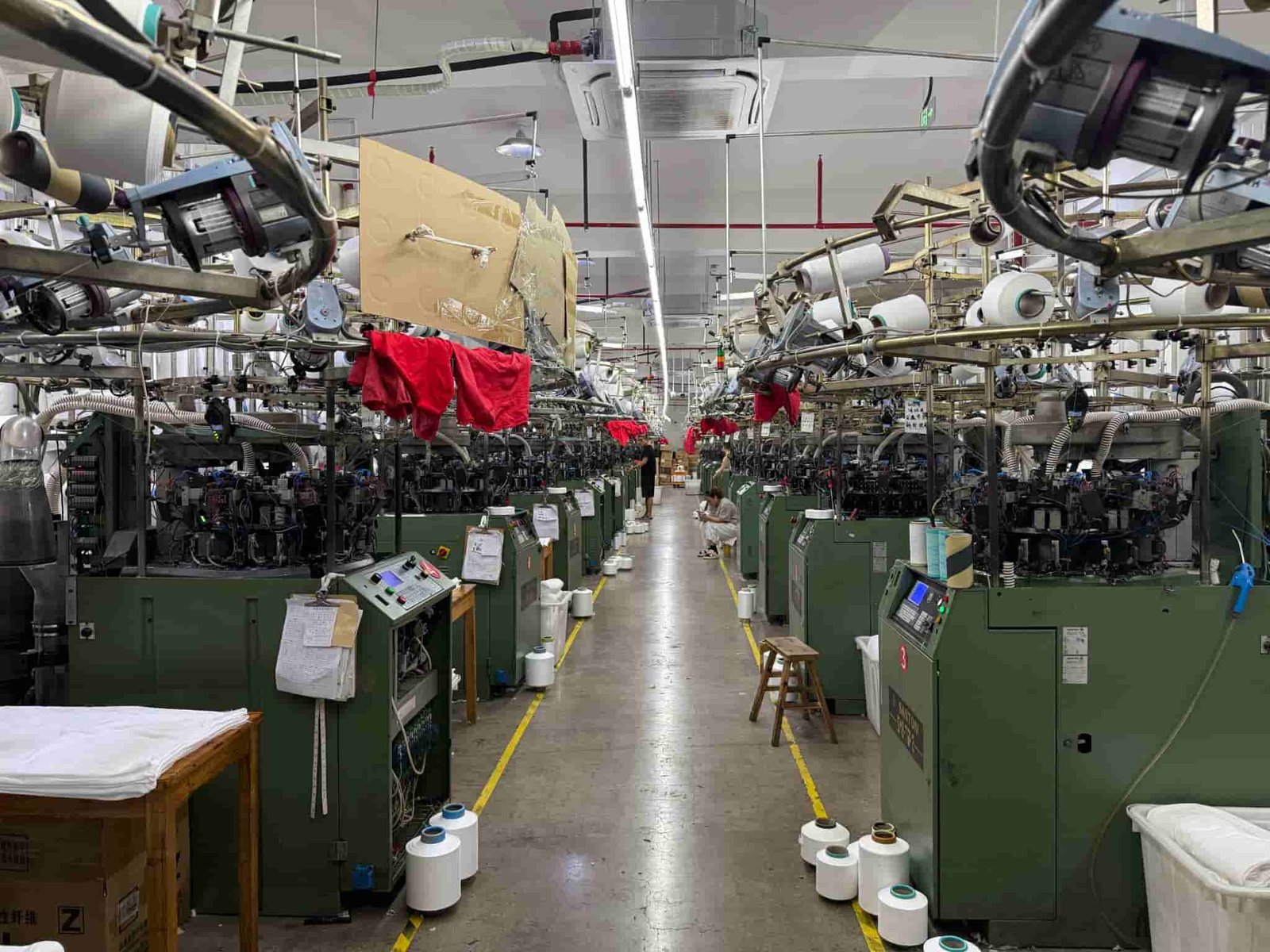
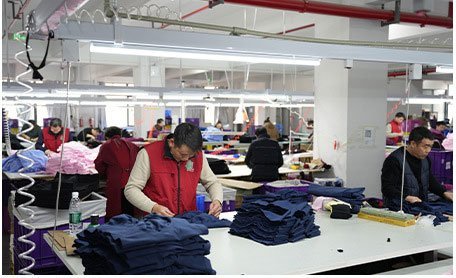
Prepare a Technical Brief for Training Wear Development
A functional training brief needs more than reference images. Information about intended activity, garment construction, target fit, fabric performance and the required approval evidence helps both buyer and manufacturer identify risk before sampling and before costs are presented as firm.
Intended Training Activity — Required
Define whether the garment is primarily for strength, circuit, general gym or mixed-direction training. List representative movements, exposure to equipment or flooring and any user-specific constraints. Avoid treating every sport as an equivalent use case.
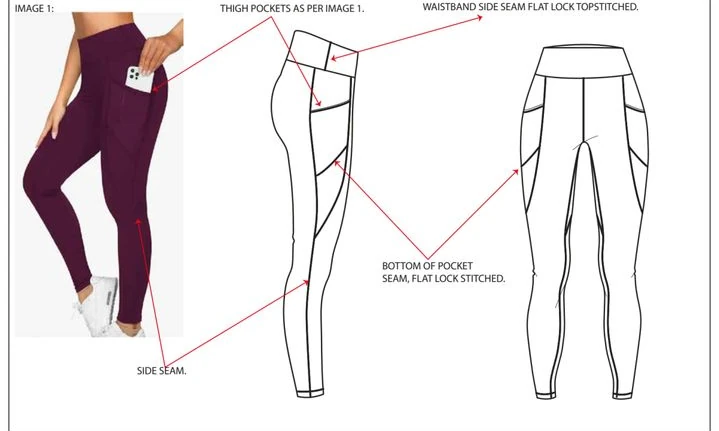
Flat Technical Sketch — Required
Provide front, back and relevant detail views that distinguish seams, panels, hems, pockets and support structures. If complete drawings are unavailable, identify the features that must be reconstructed from approved reference samples or concepts.
Measurement Specification — Required
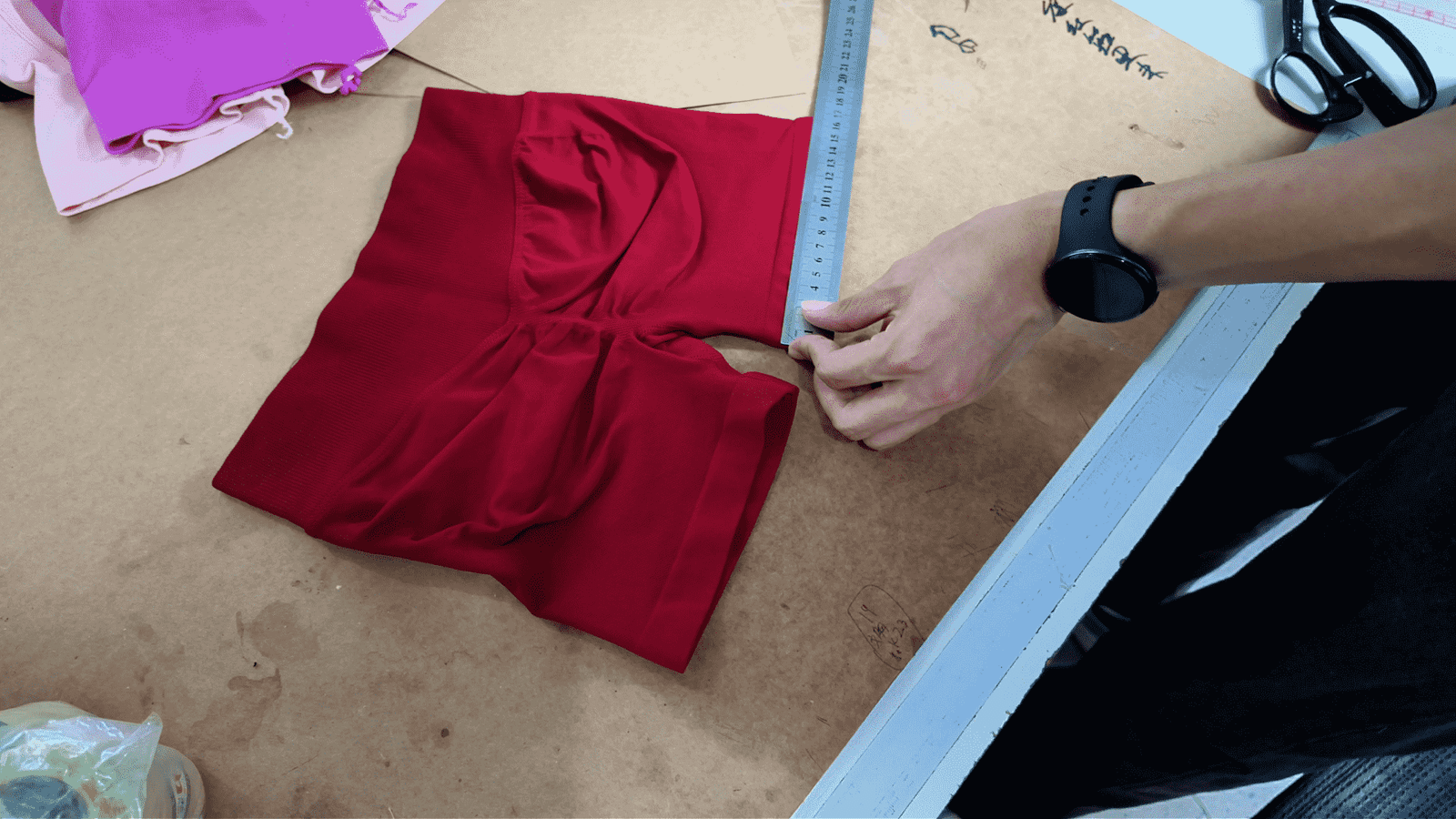
State the size range, base size and critical points of measure. Define acceptable variation, desired close-fit behavior and any special grading requirements. Measurements should correspond to the approved pattern and physical sample, not only a competitor photograph.
Material Performance Brief — Required
Indicate target handfeel, weight, stretch, recovery, coverage, moisture behavior and durability expectations in order of importance. Where a quantified claim is planned, state the test method or buyer acceptance standard instead of relying on adjectives.
Construction and Seams — Required
Identify knit route preferences, gusset needs, seam positions, hems, edge treatments and any stress-sensitive structures. Mark areas where pattern freedom or sewn reinforcements matter. MOVEVOX can evaluate options within its actual machinery and supplier capabilities.
Color and Trim Standards — Required
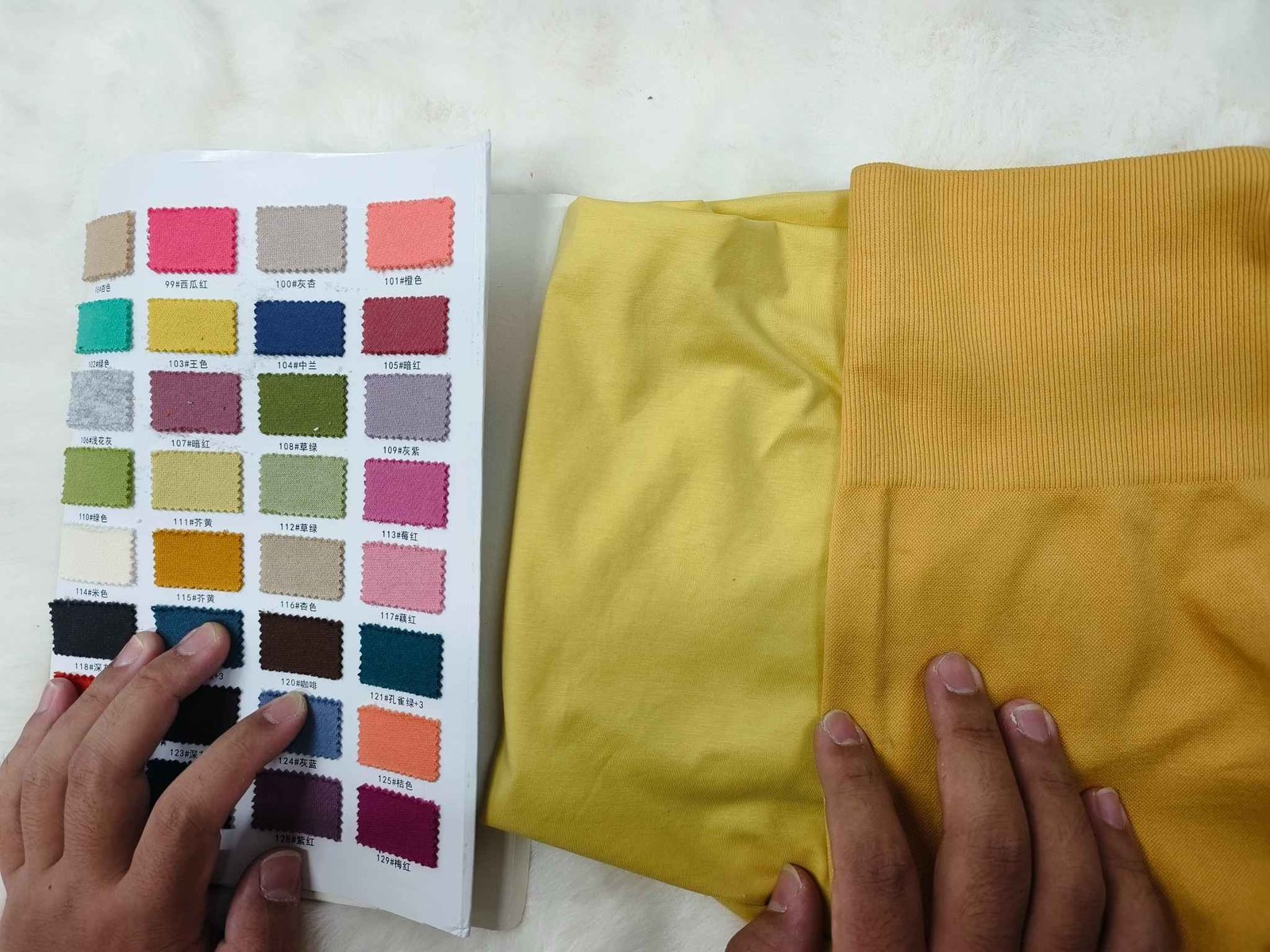
Provide target colors, reference chips and approved branding methods where known. Note that fabric surfaces and manufacturing routes can make nominally identical colors appear different. Specify any unacceptable contrast between garment panels or collection products.
Logo and Label Artwork — Required
Supply ownership-authorized logos, dimensions, placement references, fiber/care labeling requirements and available barcode information. Complex heat transfers or trims require compatibility review on the actual material before production approval.
Packaging and SKU Plan — Optional
List packaging type, size-color SKU rules, barcode needs, carton configuration and marketplace or retailer requirements. These details affect sourcing and order complexity and should be finalized before bulk packing, even if they are not known at first briefing.
Testing and Claims — Optional
Identify any brand-required abrasion, moisture, recovery, colorfastness or other verification method. State where the evidence will be used: internal qualification, contractual approval or consumer claims. Test reports must correspond to their actual samples.
Commercial Timing — Optional
Provide approximate quantities by style, color and size, target delivery location, desired launch window and projected repeat-order needs. This permits a feasibility conversation; it does not constitute a capacity reservation or guaranteed production schedule.
If information is incomplete: MOVEVOX can review available sketches, legitimate samples, reference material and concept descriptions to identify what must be confirmed before development. A proposal may include materials, pattern options and sampling checkpoints, but specification ownership, costs, timing and tests require explicit project approval. Missing fields should remain visible rather than being silently replaced by assumptions.

Coordinate Multiple Training Styles Through Defined Approval Gates
Different training garments may share a brand palette yet require distinct fit, materials and construction decisions. The sequence below is a proposed way to organize a multi-SKU collection; time estimates remain subject to actual product complexity, buyer feedback and available production arrangements.
- 01
Activity Brief
Work: Define primary use, movement sequence, planned styles and the intended wearer. Identify where increased abrasion, perspiration or support requirements change the design brief. Record any high-risk claim that needs evidence.
Deliverable: Approved Brief
Time: To confirm - 02
Style Classification
Work: Separate mature leggings, bras, shorts and tops from technical extensions needing additional review. Assign each style to a candidate manufacturing route and list shared or independent materials, dimensions, packaging and approvals.
Deliverable: Style Matrix
Time: To confirm - 03
Material Review
Work: Compare real fabric or yarn options with the prioritized targets for recovery, coverage, moisture behavior and durability. Note supplier minimums and any buyer test requirements before moving to color and pattern approval.
Deliverable: Fabric Direction
Time: To confirm - 04
Construction Review
Work: Examine seams, gussets, reinforcement, pocket openings, underband structure and required finishing. Evaluate whether seamless knitting or cut-and-sew is technically suitable, accounting for actual equipment and sample limitations.
Deliverable: Construction Plan
Time: To confirm - 05
Fit Development
Work: Produce and review appropriate physical samples under client-approved fit and movement conditions. Record measurement changes, wearer feedback and required revisions. Typical sampling timing only starts once sufficient development details are confirmed.
Deliverable: Fit Sample
Time: Project dependent - 06
Evidence Planning
Work: Identify requested performance claims that need actual testing and distinguish them from routine workmanship checks. Confirm specimen identity, test methods and buyer acceptance criteria before relying on quantitative results.
Deliverable: Test Plan
Time: To confirm - 07
Final Approval
Work: Lock the approved material, pattern, color, trims, size chart, product version and reference sample. A change after approval should trigger a documented assessment of whether another sample or test is necessary.
Deliverable: Approved Spec
Time: Buyer dependent - 08
Bulk Readiness
Work: Review material availability, order quantities, production allocation, packaging and QC reference points for each SKU. Discuss lead time only after approval conditions and production feasibility have been confirmed.
Deliverable: Production Review
Time: To confirm

Approve Training Samples Against Explicit Movement and Quality Criteria
Samples should confirm the actual garment, not an imagined performance level. Use a project-appropriate sequence, document buyer inputs and manufacturer outputs, and advance only when the agreed fit, construction and relevant tests have sufficient supporting evidence.
- 01
Material Direction
Objective: Confirm proposed fabric construction, handfeel, weight, stretch and the performance priorities that matter for the intended use. Identify which claims require additional tests rather than using fiber labels as proof.
Buyer inputs: Target use and ranked performance requirements; preferred sample or acceptable fabric references.
MOVEVOX outputs: Candidate actual fabric swatches and construction information; identified gaps requiring material or laboratory review.
Acceptance condition: The buyer selects a material direction and documents any unresolved functional or test requirement before final pattern approval. - 02
Initial Fit Sample
Objective: Assess intended garment dimensions, visual shape and wearer mobility. Review high-risk zones such as waistbands, crotch seams, armholes and leg hems using the selected sample fabric where feasible.
Buyer inputs: Base size and measurement chart; target movement list and fit preferences.
MOVEVOX outputs: Physical initial sample and measurement record; proposed changes to pattern, seam or construction.
Acceptance condition: The buyer records accepted points and required changes against the sample version, rather than accepting an unqualified verbal fit impression. - 03
Movement Review
Objective: Examine garment migration, coverage and localized pressure under the agreed activity sequence. This may include squats, lunges or upper-body reaching where applicable, without implying a certified sport-specific test.
Buyer inputs: Representative movements and wearer requirements; critical positions, sizes and expected comfort criteria.
MOVEVOX outputs: Proposed evaluation checklist and sample measurements; documented feedback and revised construction suggestions when justified.
Acceptance condition: Relevant fit concerns are resolved or explicitly accepted by the buyer under stated movement conditions before bulk specifications are frozen. - 04
Functional Evidence Review
Objective: Identify whether specified abrasion, moisture, stretch-recovery or other performance statements are supported by actual method-appropriate evidence for the intended material and garment. Routine QC does not substitute for all performance tests.
Buyer inputs: Claimed properties and required standards; buyer thresholds, jurisdictions and intended reporting scope.
MOVEVOX outputs: Available materials and test coordination discussion; clear list of any evidence still required.
Acceptance condition: Each mandatory claim has accepted evidence or a documented decision to remove or revise the unsupported statement before launch. - 05
Revised Sample
Objective: Confirm that requested corrections have been incorporated without introducing new issues. Recheck critical dimensions, material choices and any design changes that could influence previously approved functional or visual requirements.
Buyer inputs: Version-specific correction notes and ranking; acceptance or rejection of proposed alternatives.
MOVEVOX outputs: Revised sample and documented change list; updated key measurements or material reference as applicable.
Acceptance condition: The buyer approves the revised sample by identifiable version and records remaining exceptions instead of merging several uncontrolled references. - 06
Pre-Production Approval
Objective: Align the final garment construction with actual production materials, colors, labels, packing requirements and order quantities. Any unapproved deviation in critical performance specifications should be escalated before bulk work begins.
Buyer inputs: Final approved Tech Pack and size range; confirmed order, branding, packaging and test conditions.
MOVEVOX outputs: Production-reference sample and confirmation checklist; approved specification set used for bulk coordination.
Acceptance condition: A traceable approved reference governs manufacturing, and significant future changes require client agreement and appropriate re-evaluation.
Carry Approved Training Specifications into Repeatable Bulk Production
A performance requirement has limited value if manufacturing receives an outdated sample, material version or measurement chart. The pathway below shows the records buyers may request to connect approval, manufacturing, quality inspection and shipment across a training collection.
- 01
Customer Purchase Order
Identify the ordered styles, colors, sizes, quantities, required date and approved document versions. A PO should align with the technical references; quantity confirmation alone cannot close unresolved specification requirements.
Record: Purchase Order - 02
Approved Tech Pack
Retain the agreed measurements, pattern revisions, construction details, labels and critical performance or test requirements. If the buyer issues a revision, affected processes should be identified before new production instructions are used.
Record: Approved Specification - 03
Material Reference
Match the actual received fabric or yarn to approved supplier, color, construction and applicable test references. An approved fabric name is insufficient if subsequent processing or supplier changes alter its properties.
Record: Material Record - 04
Preproduction Sample
Use an identifiable garment reference to align appearance, dimensions, seams, branding and packing standards. Confirm that any project-specific movement or performance requirement has an agreed supporting evidence route.
Record: Approved Sample - 05
Production Allocation
Identify the producing facility, process route, scheduled SKU group and relevant subcontracting approvals. Where multiple facilities participate, buyer-approved documents and quality responsibility should follow the allocation.
Record: Production Assignment - 06
First Article Review
Check initial production output against agreed garment dimensions, construction, material and branding details. Document deviations before they propagate through the bulk lot; a first article check does not replace ongoing process inspections.
Record: First Article - 07
In-Process Inspection
Track identified critical seams, measurements, appearance and workmanship during manufacturing. Escalate nonconformities through the applicable quality process; the record should distinguish observation from confirmed correction and release.
Record: Inspection Log - 08
Final Release
Confirm final inspection, SKU counts, labeling, packing information and shipment references against approved requirements. Any functional claim or special test evidence must retain its own sample scope and cannot be inferred from a carton count.
Record: Shipment Record
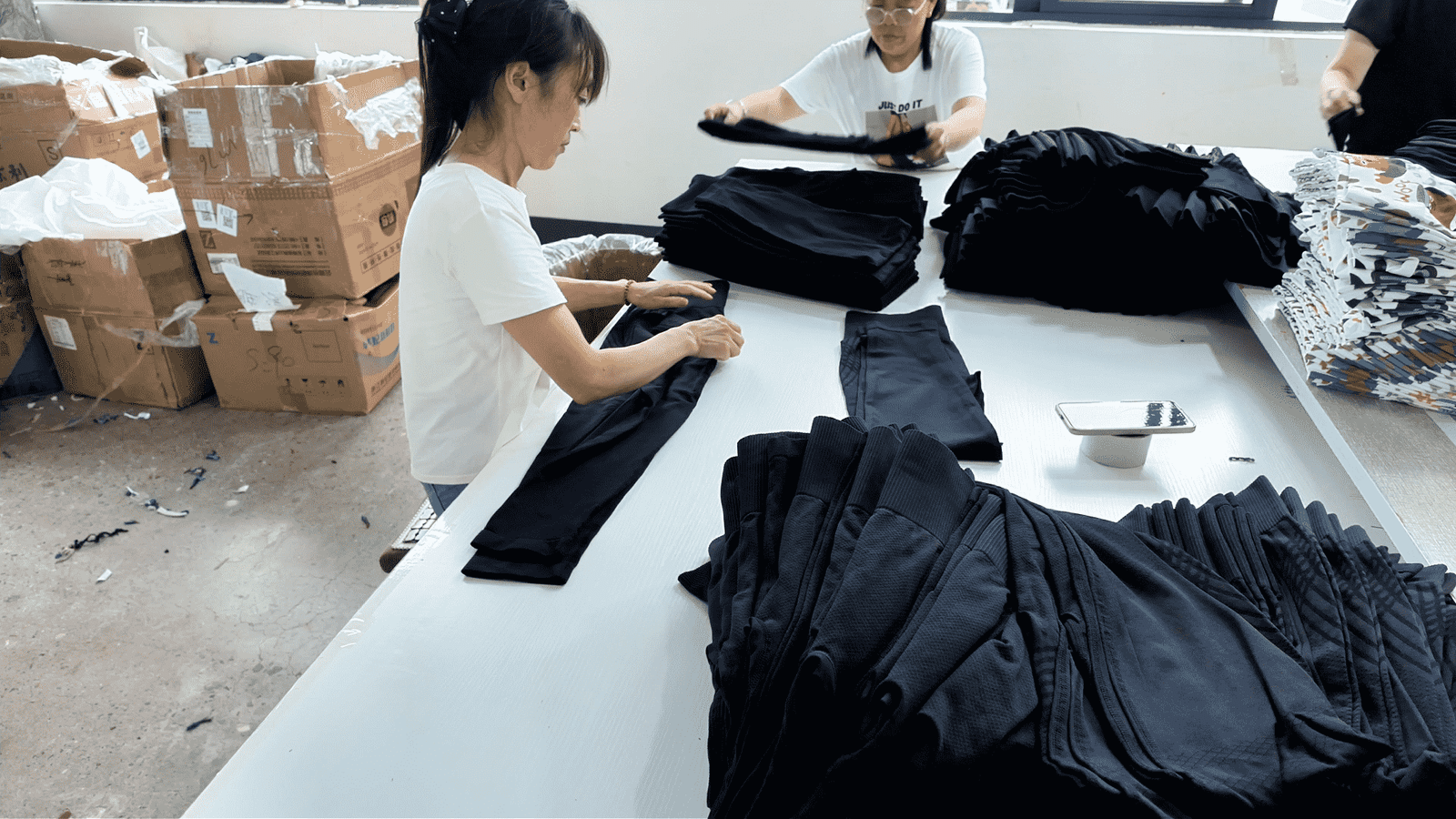
Prevent Critical Training Garment Defects Through Structured Checks
A finished training garment needs more than an acceptable appearance. Quality review should follow the approved fabric, dimensions, construction and packaging requirements. The matrix outlines plausible risks, where they may be found and how corrective action could be discussed.
| Defect | Likely cause | Prevention | Inspection point | Corrective action |
|---|---|---|---|---|
| Skipped stitches | Stitch formation may be inconsistent with fabric extension, thread selection, equipment settings or the sewn area. | Confirm stitch method and seam construction on approved material; inspect setup before continuous sewing. | Review first articles and selected in-process seams under the approved examination conditions, particularly at high-extension locations. | Isolate affected pieces, identify the sewing root cause and confirm corrections with repeat inspection before release. |
| Seam strain | Pattern ease, seam position or insufficient stitch extensibility may concentrate load around crotch or shoulders. | Review movement fit, seam extension and pattern balance on actual samples prior to bulk approval. | Examine high-stress seam zones in approved fit samples, first articles and relevant inline garment inspections. | Hold affected styles, review pattern or seam settings, and obtain buyer approval where design changes are needed. |
| Waistband distortion | Material recovery, band dimensions, folding or sewing tension may create rolling or uneven pressure. | Confirm band construction, measurements and approved movement criteria using the actual garment and fabric. | Check band symmetry, circumference and visible distortion during garment quality checks and sample fitting. | Separate nonconforming pieces, correct production setup or propose a pattern revision, then recheck against the approved reference. |
| Dimensional deviation | Cutting variation, knit relaxation, sewing tension or finishing may shift garment measurements outside agreed limits. | Apply approved measurement points, size specifications and material conditioning before recording production tolerances. | Review first production pieces, size-set samples and finished garment measurements against client-approved charts. | Classify out-of-tolerance units, investigate source variation and remeasure corrected output before accepting production continuation. |
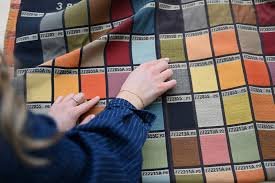
| Shade inconsistency | Distinct fabric lots, dye processes, yarn structures or finishes may cause a visible mismatch within a set. | Use approved physical color standards and evaluate compatible materials before accepting cross-product matching requirements. | Compare actual material lots and finished garments under the buyer-approved viewing conditions and reference samples. | Segregate affected shades, seek client disposition and prevent undocumented mixing of incompatible lots or panels. |
| Surface pilling | Yarn, knit structure or finishing may respond poorly to specified abrasion or repeated wear conditions. | Review fabric options and arrange suitable durability evidence where the client has defined performance requirements. | Inspect received material appearance and finished surfaces; use laboratory or agreed comparison results for quantified claims. | Contain affected lots, investigate material source and approve any substitute through formal fabric and sample review. |
| Opacity variation | Color, fabric density, extension and size fit can change coverage across garment zones. | Review stretch-state coverage needs with target colors, fabrics and measurements before bulk fabric approval. | Check relevant garment zones and shades using the actual approved method rather than assuming static inspection is sufficient. | Escalate unexpected coverage issues, hold affected material and decide on construction changes only with buyer approval. |
| Incorrect labeling | SKU mapping, artwork versions, care instructions or package changes may be applied inconsistently. | Control approved artwork, label copies, barcodes and packing specifications for each ordered style and color. | Verify labels and cartons during first article, inline packaging checks and final shipment inspection. | Segregate mislabeled units, correct the document or setup error and verify reworked inventory before shipment. |
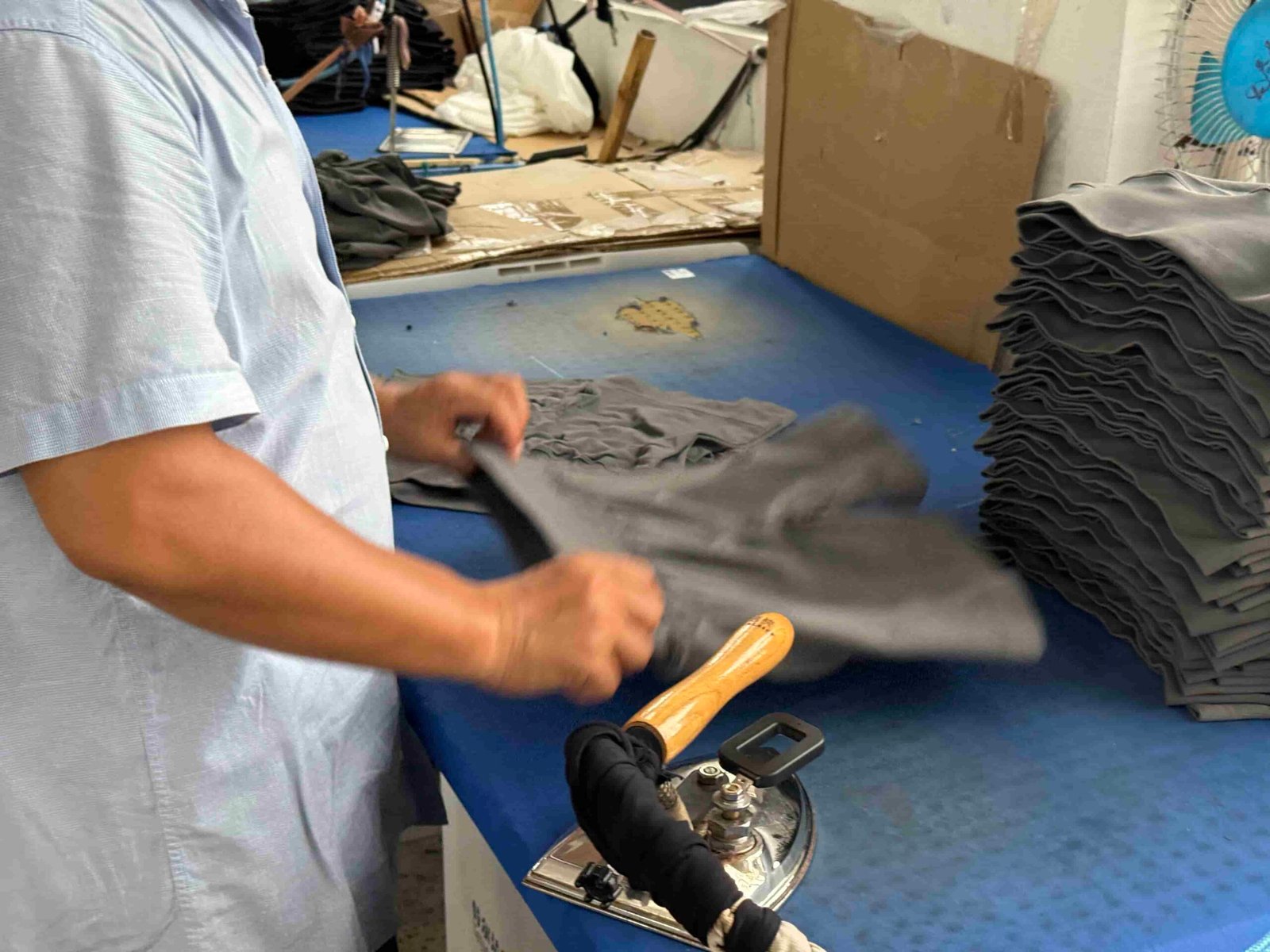
Know Where Training Apparel Is Actually Made and Controlled
Large buyers should distinguish brand-facing responsibility from the physical producing facility. MOVEVOX combines a core manufacturing base with coordinated satellite resources; the network should be explained through actual functional responsibilities and disclosed facility assignments rather than claims that every process is owned in-house.
Center node — MOVEVOX Manufacturing Coordination: Project specification, technical review, buyer communication and quality accountability connect the relevant production and supply-chain functions.
Yarn and Fabric
Textile suppliers provide material inputs against approved construction and color references. Sourcing may involve different lot or dye conditions; material origin and availability must be documented for each order rather than assumed uniform.
Dyeing and Finishing
Color development, surface treatment and finishing may depend on specialized partners. The buyer should understand who approves lab dips, how material lots are identified and when a finishing change triggers another check.
Seamless Knitting
MOVEVOX's in-house Santoni equipment provides a confirmed seamless route for suitable product structures. Knitting programs, machine compatibility, yarn and garment finishing still require project-level feasibility and approval before production can be assigned.
Cut-and-Sew Assembly
The established sewn-garment capability accommodates suitable pattern panels, seams, pockets and trims. Where satellite facilities participate, the actual producing party and applicable approval requirements should be clear before allocation or relocation.
Printing and Branding
Some logo transfers, labeling or decorative finishing may involve additional supply-chain steps. Product development should verify artwork rights, material compatibility, color references and specific test needs before final customer authorization.
Quality Control
Quality requirements follow the approved material, product version, facility and order specification. Reviews may include incoming, first article, in-process and final checks, with the status of any third-party requirements separately documented.
Packing and Logistics
Packing configuration, barcode mapping, carton counts and shipment paperwork complete the order chain. Service providers should not be portrayed as producing facilities, and an agreed shipment arrangement does not imply a guaranteed customs outcome.
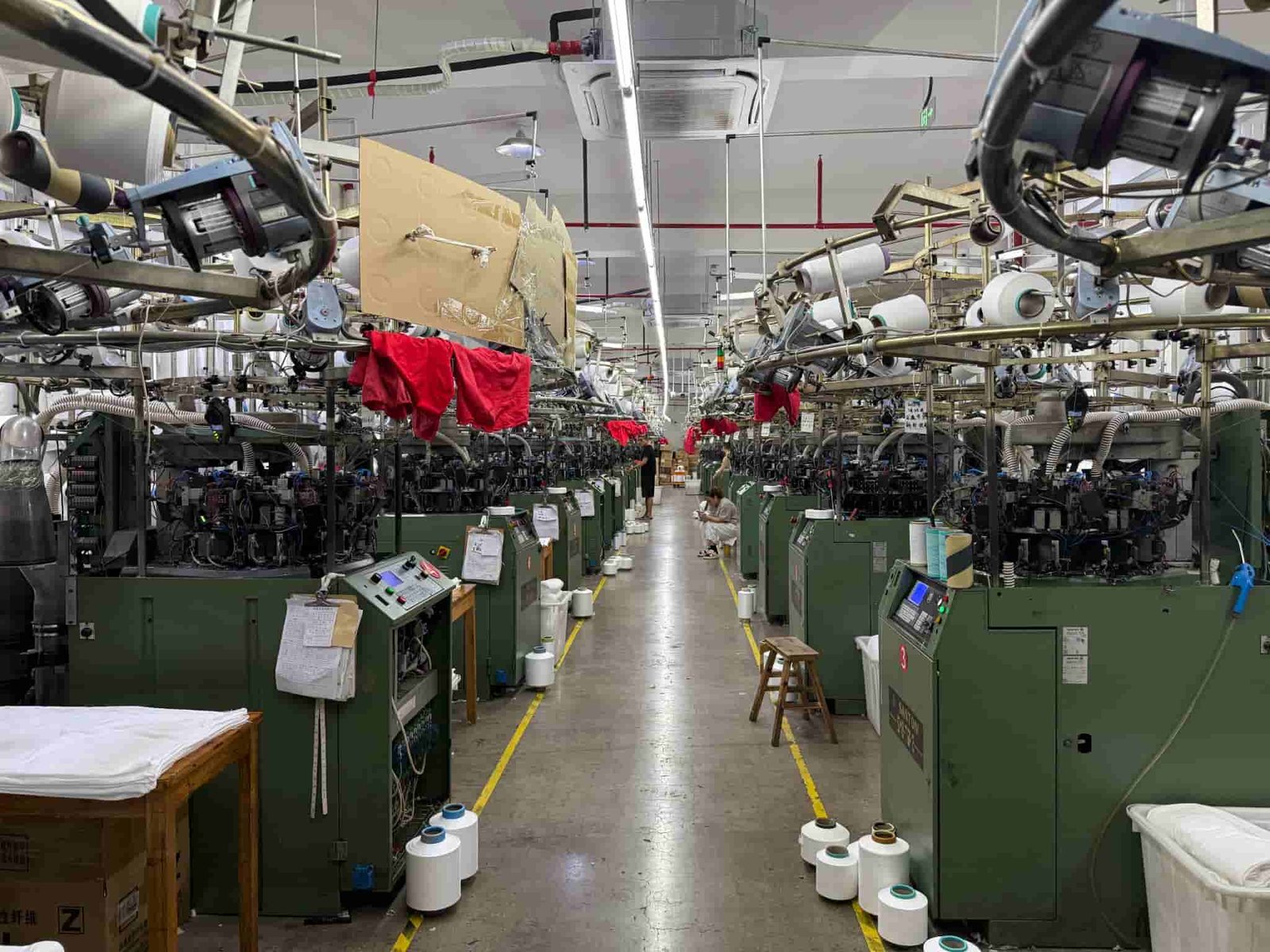
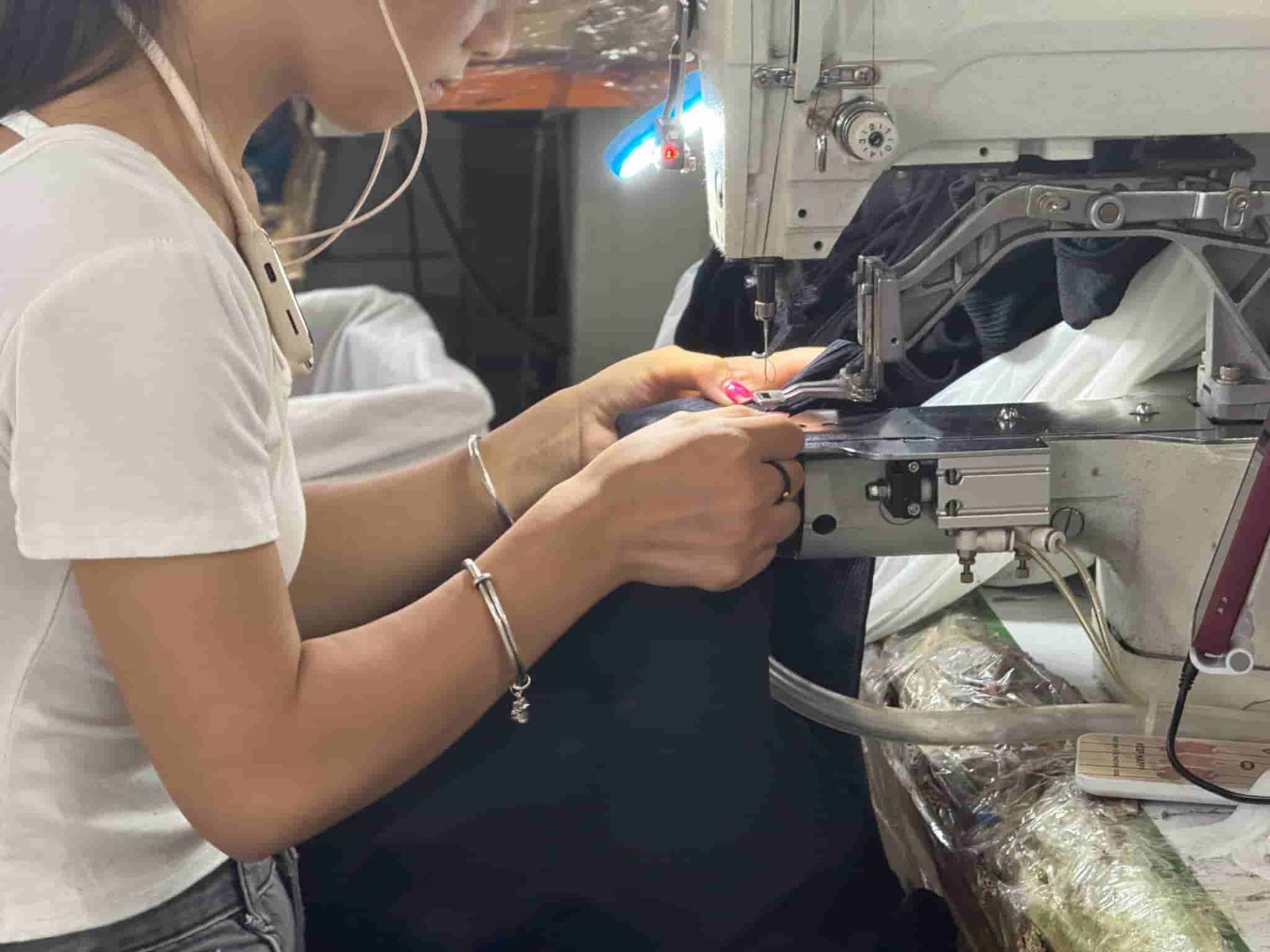
Review Technical Controls Before Approving a Training Wear Supplier
A brand audit should connect its performance requirements to the documents and manufacturing decisions that govern real orders. The following checkpoints distinguish verified MOVEVOX general controls from proposed questions for a Training Wear technical review; an item is not automatically passed because it appears here.
- 01
Approved Specification Control
Confirm that the latest Tech Pack, size chart, style revision and approved sample are identifiable and available to the producing team. Any buyer-requested performance requirement should have a designated evidence owner.
Checks: Current style version matches the approved buyer reference; measurement points correspond to the selected base size; changes have an identifiable approval status.
Status: Review actual record. - 02
Fabric Identity Review
Check actual fabric composition, construction, color and material-source information against the approved development reference. Where moisture or abrasion results matter, identify which material specimen was tested.
Checks: Material ID matches the approved sample; color lot is distinguishable; special testing status is visible.
Status: Review actual record. - 03
Material Incoming Inspection
Examine how incoming fabric is assessed for agreed appearance, color, weight and relevant basic properties before cutting or knitting progresses. Routine inspection cannot substitute for all laboratory testing.
Checks: Incoming material scope is documented; deviations are identified; disposition and recheck are recorded.
Status: Established QC stage; inspect evidence. - 04
First Article Review
Evaluate early production pieces against the approved sample and construction instructions, especially high-stress seams, waistband geometry and pocket or strap details. Where buyer requirements are quantitative, identify the relevant method.
Checks: First article has a reference style; critical dimensions are compared; exception handling is recorded.
Status: Established stage; inspect actual records. - 05
Seam and Workmanship
Review visible workmanship, stitch integrity, seam configuration and relevant flexibility for approved training garments. Do not infer quantified seam strength from photographs of an inspection station alone.
Checks: Critical seam sites are named; stitch-related deviations are classified; corrective handling follows agreed criteria.
Status: Review sampled items. - 06
Fit and Size Control
Confirm that target sizes, measurement tolerances and physical approved samples govern the finished garment. Particular attention should be given to the size dependence of support, coverage and body-contact details.
Checks: Size-chart revision is current; selected points of measure are inspected; variance is assessed against buyer limits.
Status: Review actual measurement records. - 07
Performance Evidence Scope
Check whether claimed abrasion, moisture, recovery or support results have an actual tested specimen and agreed acceptance criteria. Existing unrelated RoHS or REACH chemical testing is not a substitute for these physical properties.
Checks: Test method and edition are identified; report matches material/garment; claim does not exceed report scope.
Status: Training-specific evidence required. - 08
In-Process Issue Handling
Review whether observed manufacturing deviations lead to appropriate segregation, investigation, correction and verification. The existence of an internal QC team does not prove a zero-defect outcome.
Checks: Defect category is documented; affected pieces are contained; correction is verified before release.
Status: Review available QC records. - 09
Approved Facility Allocation
Clarify which operation produces each SKU and whether external or satellite production requires the brand's approval. A facility change may affect materials, methods, auditing and supply-chain responsibilities.
Checks: Producing facility is identified; subcontractor status is disclosed; approval requirements are understood.
Status: Confirm for specific order. - 10
Final Shipment Review
Connect the order, quantities, labeling, barcode allocation, packaging and final quality disposition. Shipment release must reflect agreed inspection and customer requirements rather than a generic marketing promise.
Checks: Final inspection disposition is available; carton/SKU mapping is correct; shipment documents match the PO.
Status: Review real order evidence.Nonconformity handling: Findings should be classified against actual approved criteria. A supplier and buyer can agree segregation, root-cause review, correction, reinspection and change authorization as appropriate. Some issues require new fabric tests or sample approval rather than simply additional visual inspection. MOVEVOX's current factory and QC facts support a technical audit discussion, but they do not establish successful completion of every brand-specific audit, certification or special training test.