
Strappy Sports Bra Manufacturer for Private Label Activewear Brands
MOVEVOX develops and manufactures custom strappy sports bras for activewear, yoga, Pilates and fitness brands. Projects can follow Seamless or Cut & Sew routes, with development built around strap structure, bra fit, underband stability, padding, fabric behavior and movement. Buyers can start from a Tech Pack or legally usable reference sample and continue through sampling, approval, bulk production and quality control.
- Cross-back, thin-strap and adjustable-strap structures can be developed.
- Seamless and Cut & Sew routes support different product architectures.
- Approved fit and construction become the reference for bulk production.
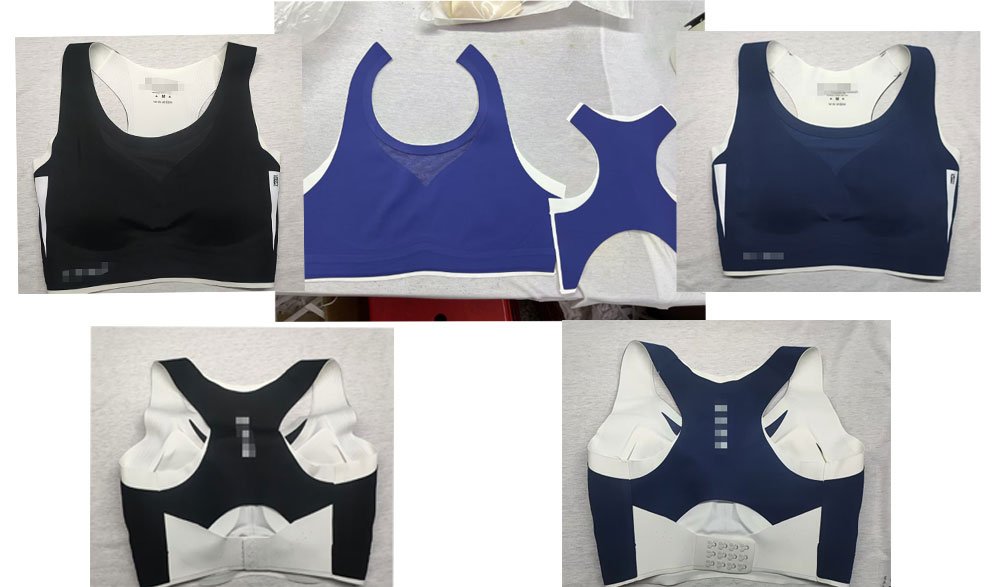
Cross-Back Bra
Multiple strap paths create a distinctive back structure while strap geometry, length and symmetry still require fit validation.
Thin-Strap Bra
Narrow straps create a lighter visual direction while requiring careful review of recovery, pressure, attachment and movement stability.
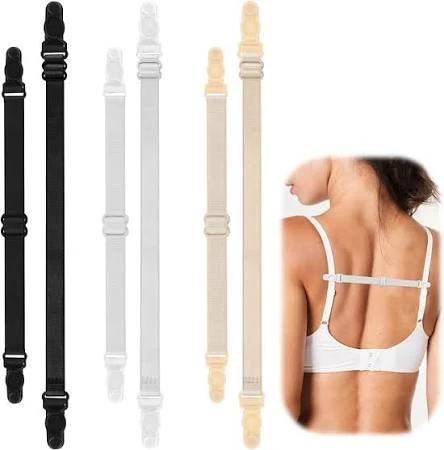
Adjustable Strap Bra
Adjustment hardware can add fit flexibility when strap range, elastic behavior, hardware position and wearer comfort are approved together.
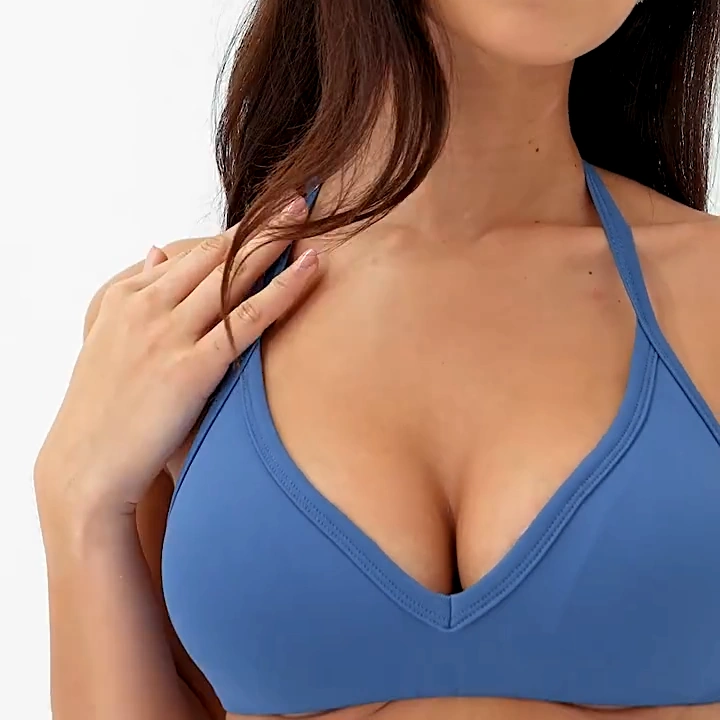
Seamless Strappy Bra
Seamless knitting can integrate rib, texture and engineered zones while selected strap, pad and finishing areas may still require secondary operations.
What Defines a Strappy Sports Bra Manufacturer?
A strappy sports bra manufacturer must translate visual strap concepts into an executable bra structure. Strap position, length, width, elasticity, back geometry, underband, coverage, padding and fabric behavior must work together before the approved design can be reproduced consistently through bulk manufacturing.
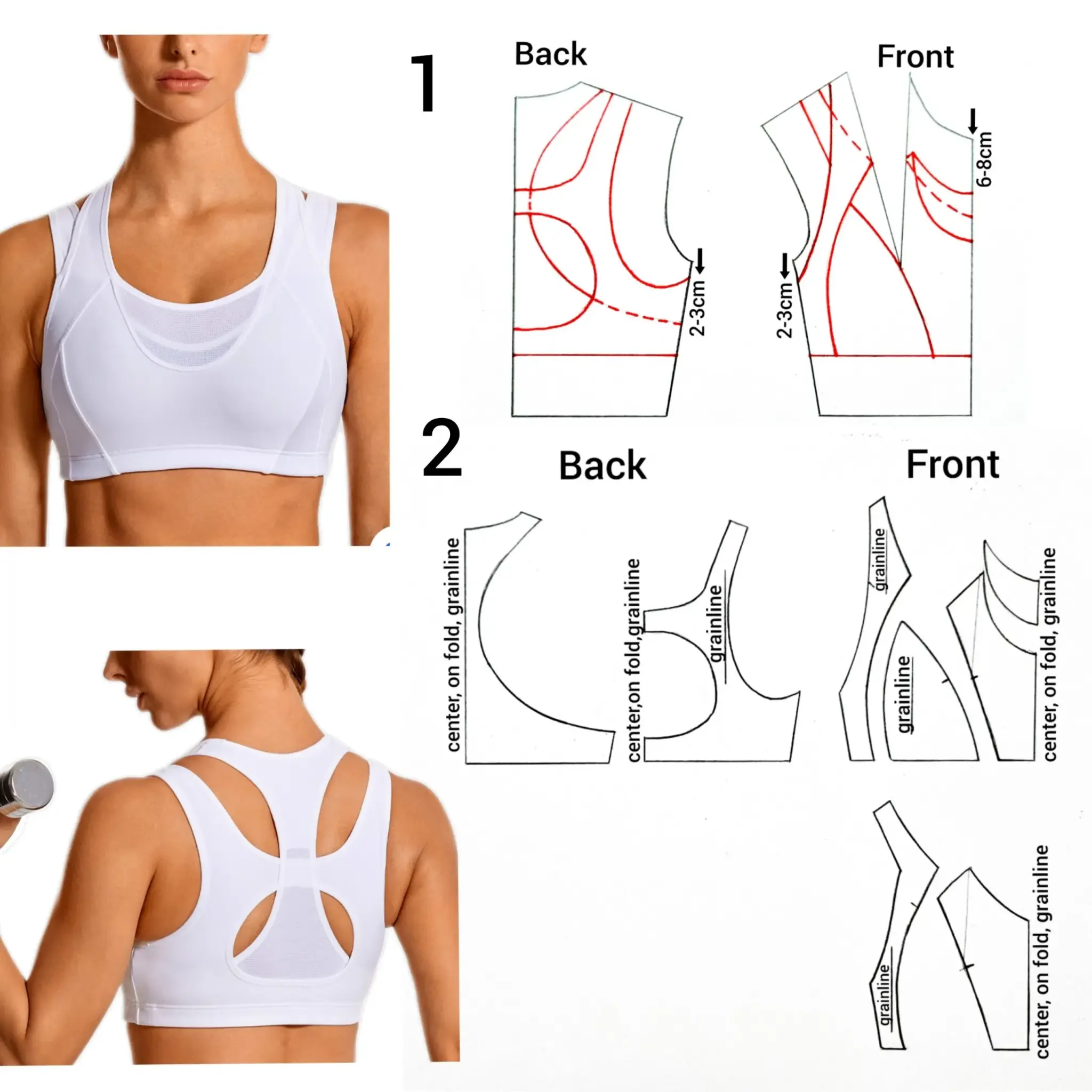
From Visual Design to Production Standard
A professional bra program should connect the physical sample with measurable strap, underbust, coverage and construction information. The approved product and technical specification should describe the same structure before bulk production begins.
Product Scope
Strappy sports bras can include cross-back, fixed-strap, adjustable-strap, narrow-strap, wider-strap, cropped, longline, padded and Seamless structures.
Buyer Scope
This page is intended for established or scaling activewear brands requiring custom development, private label execution and repeatable manufacturing rather than stock-product resale.
Engineering Scope
The product should be reviewed around bust and underbust fit, strap length, coverage, pad position, material recovery and movement stability.
Production Scope
MOVEVOX can evaluate both Seamless and Cut & Sew routes according to the design instead of forcing every bra into one manufacturing method.
Manufacturing Facts Behind MOVEVOX Sports Bras
These current operating facts provide a first supplier-qualification reference. Final project allocation still depends on the actual sports bra structure, materials, quantities, colors and production schedule.
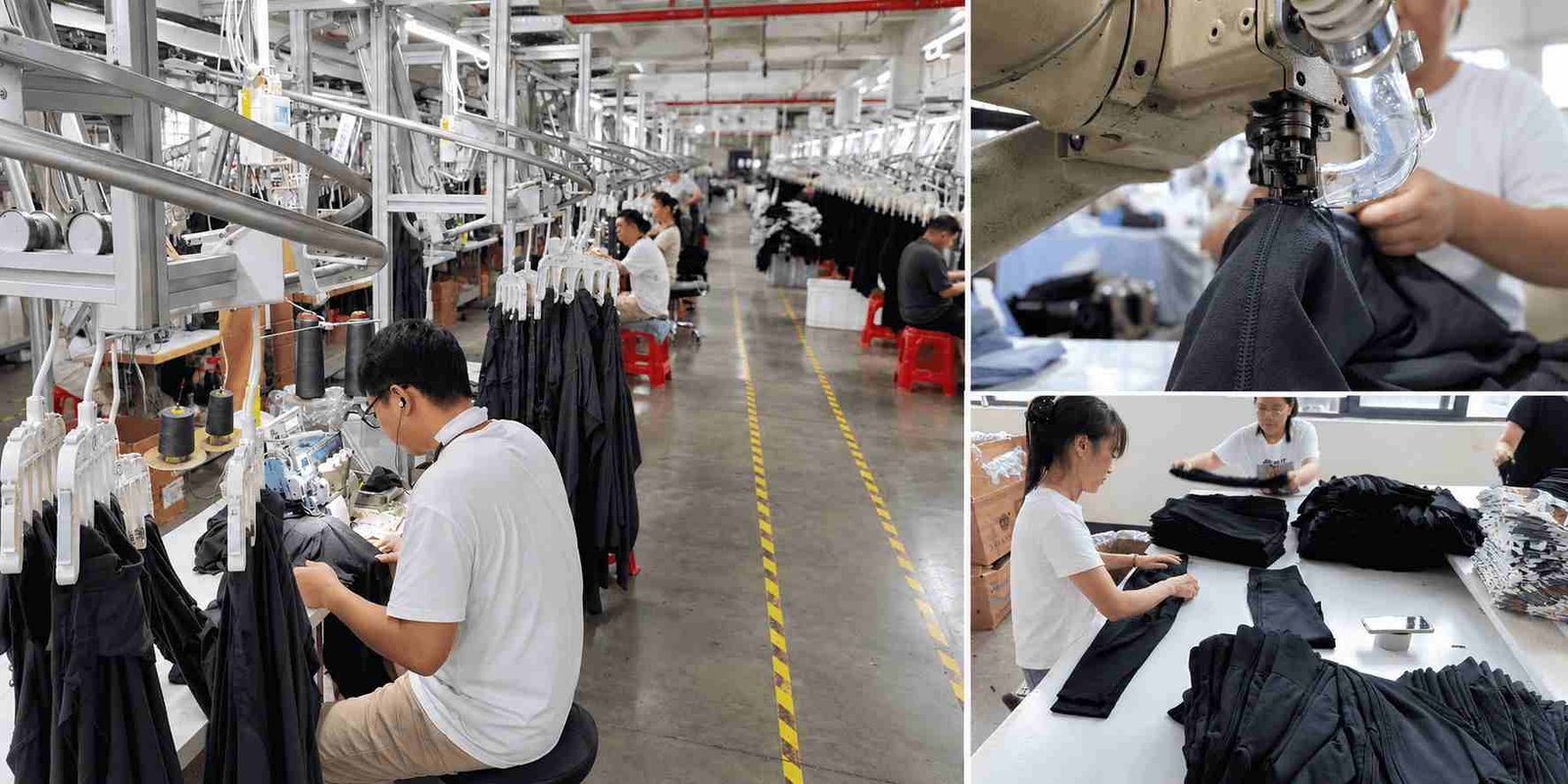
Operating space supports development, manufacturing and quality control activities.
Italian Santoni Seamless knitting machines support relevant Seamless activewear programs.
Principal sewing and garment-making machines support the current Cut & Sew system.
Applies after key development information has been sufficiently confirmed.
QC personnel support material, production-stage, finished-garment and final inspection.
Sports bra projects can be evaluated through Seamless or Cut & Sew.
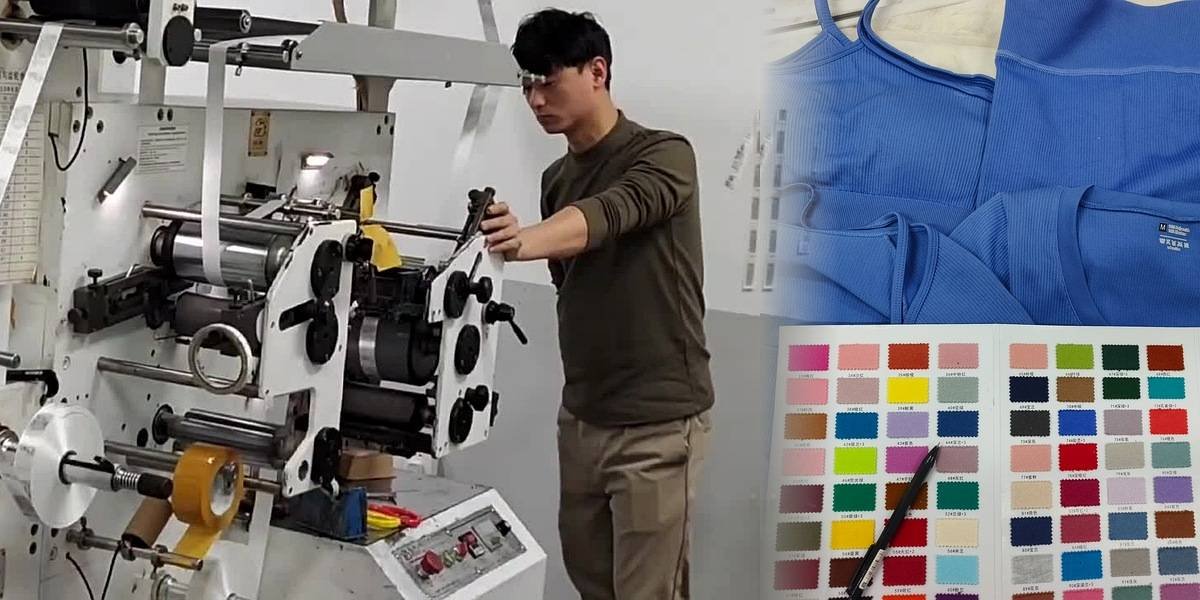
Production Base
Use a current factory overview image to connect the operating-area figure with a verifiable manufacturing environment.
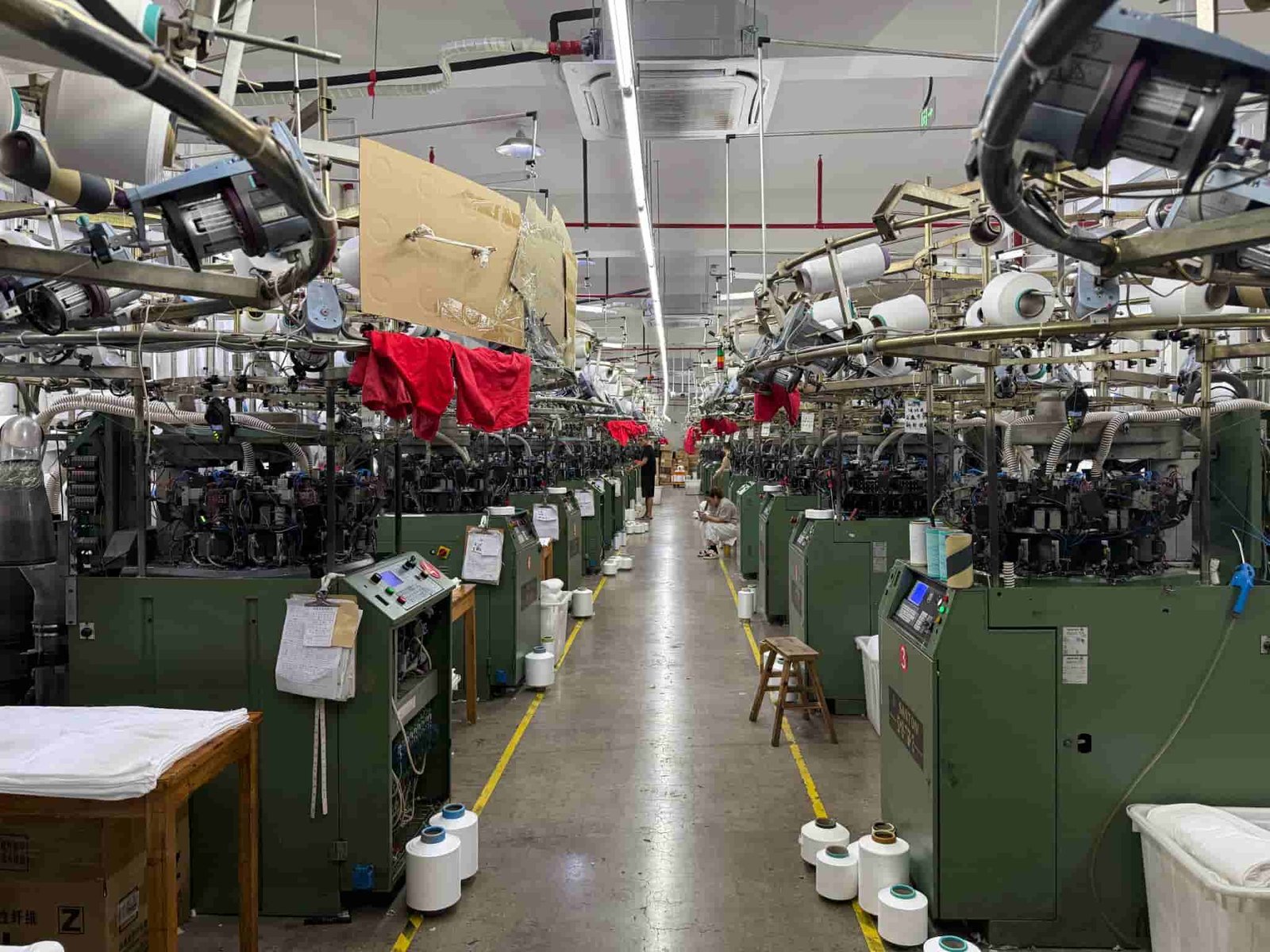
Seamless Equipment
Show MOVEVOX Santoni equipment as direct evidence behind the Seamless manufacturing route.

Cut & Sew Production
Use a real sewing-production image to support the second manufacturing route rather than relying only on machine-count text.
Strappy Sports Bra Directions We Can Develop
MOVEVOX can develop different sports bra structures according to target activity, fit, back design, strap format, padding and manufacturing route. Each option still requires project-specific material and physical sample validation.
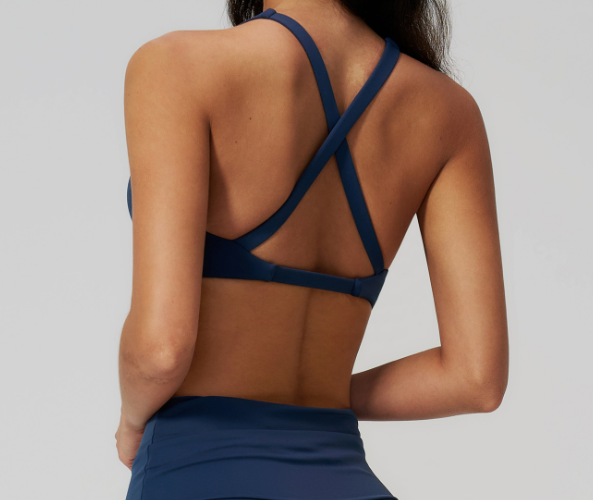
Cross-Back Strappy Bra
Cross-back straps create a strong visual identity while introducing additional geometry at the shoulder and back. Strap angle, intersection position, length, attachment and left-right symmetry should be approved together with the underband and overall bra fit.
Cross Back · Fixed Strap · Pad Option · Cut & Sew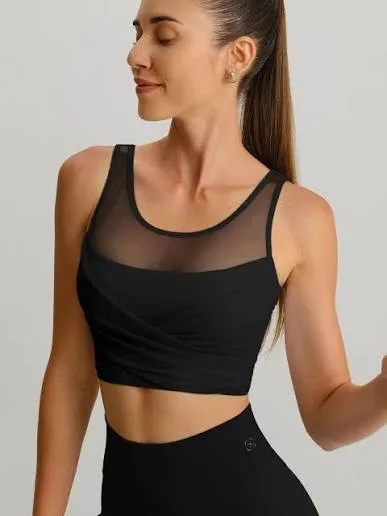
Thin-Strap Yoga Bra
Narrow fixed straps can support lighter yoga and studio product directions when the strap material, front coverage, underband and overall structure work together. Final support should be confirmed through fit and movement evaluation rather than inferred from strap width alone.
Thin Strap · Yoga Fit · Soft Fabric · Custom Color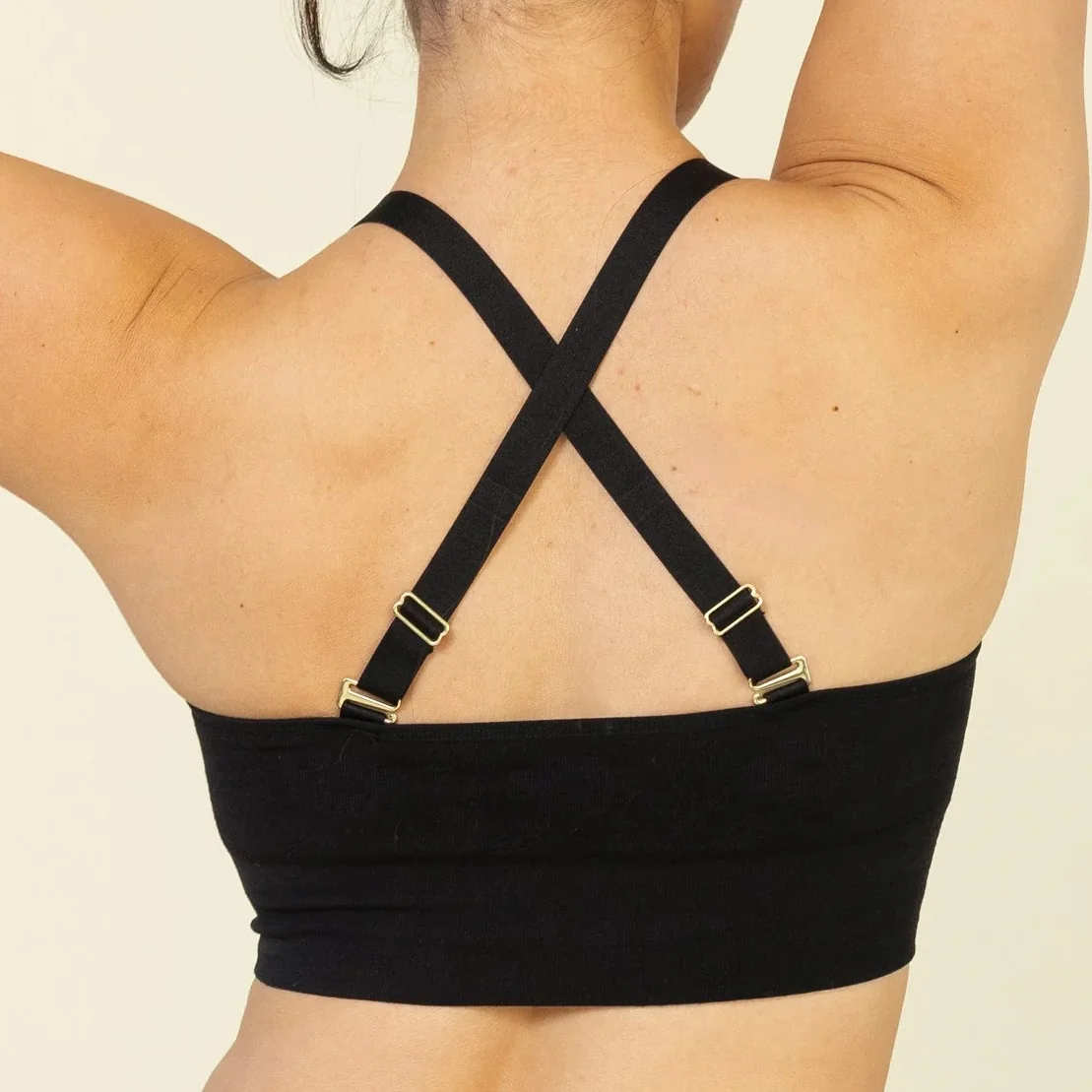
Adjustable Strap Bra
Adjustable straps introduce hardware, length range and elastic behavior into the fit system. Slider position, strap recovery and adjustment range should be checked on the intended wearer so flexibility does not create unwanted pressure or instability.
Adjustable Strap · Hardware · Pad Option · Cut & Sew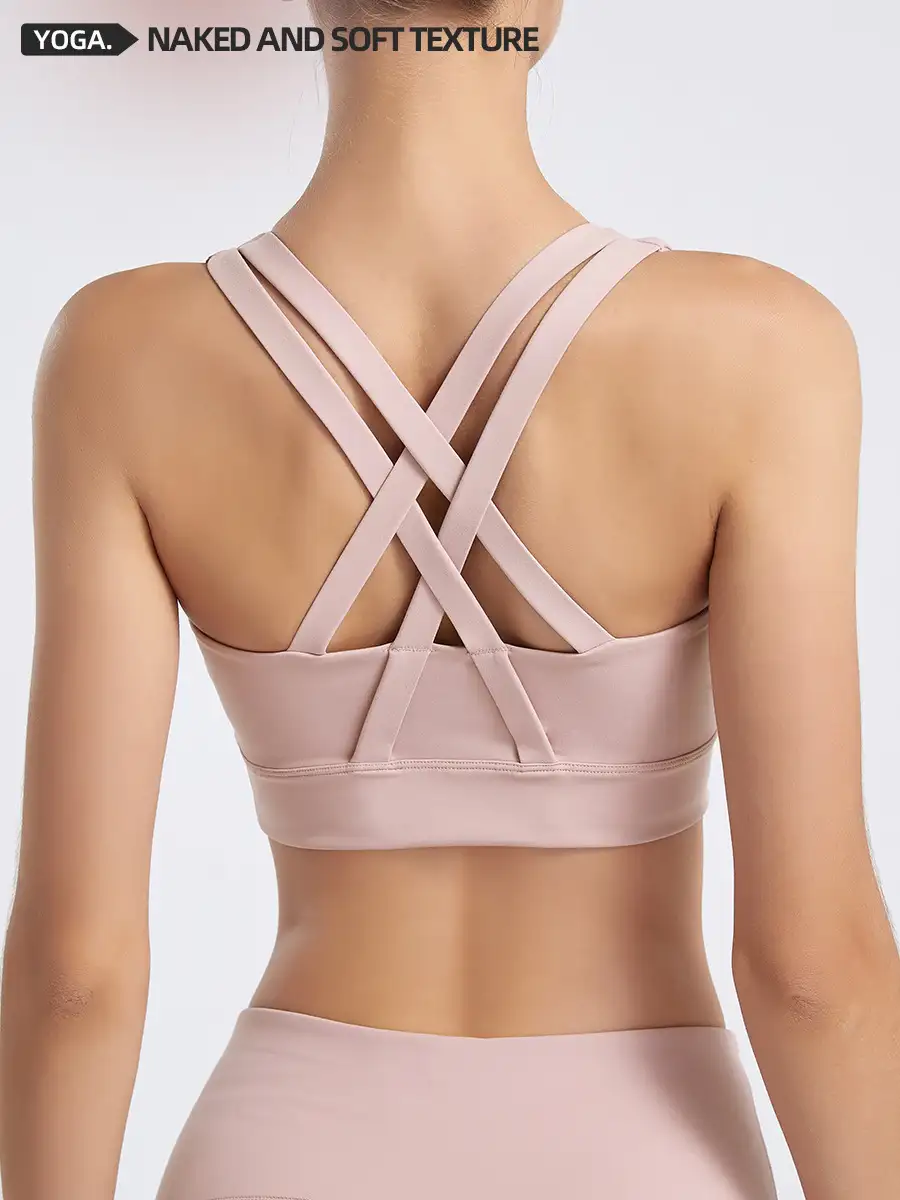
Wide-Strap Cross Bra
Wider straps can distribute contact differently from narrow straps, but the final product result still depends on back geometry, material, coverage, underband and wearer fit rather than width alone.
Wide Strap · Cross Back · Support Direction · Custom Fit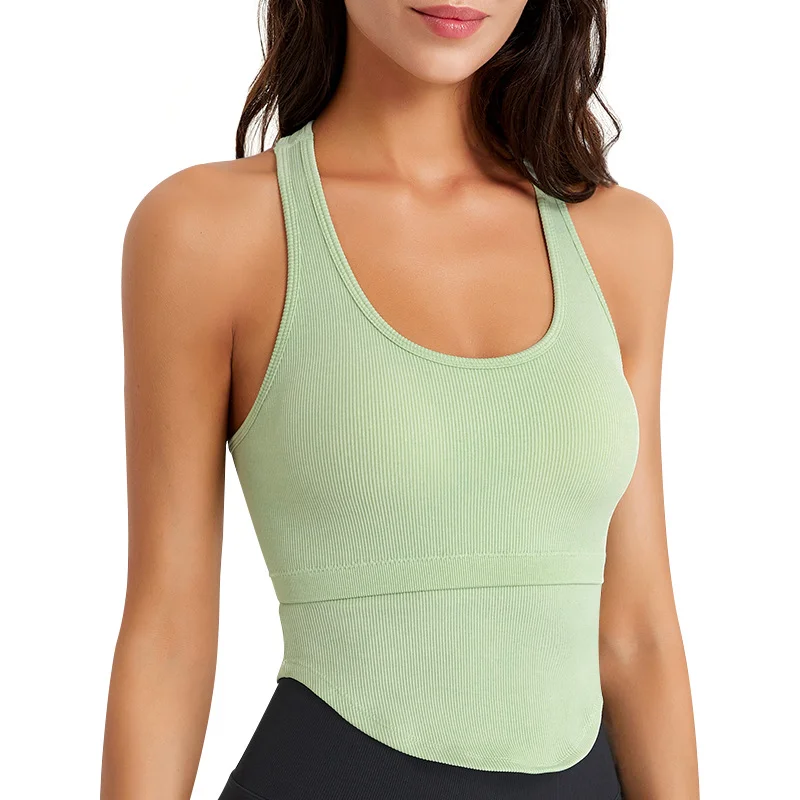
Longline Strappy Bra
A longer lower section changes product proportion, coverage and underband behavior. Length, elasticity, fabric recovery and lower-edge stability should be reviewed together during physical sample approval.
Longline · Custom Fit · Pad Option · Private Label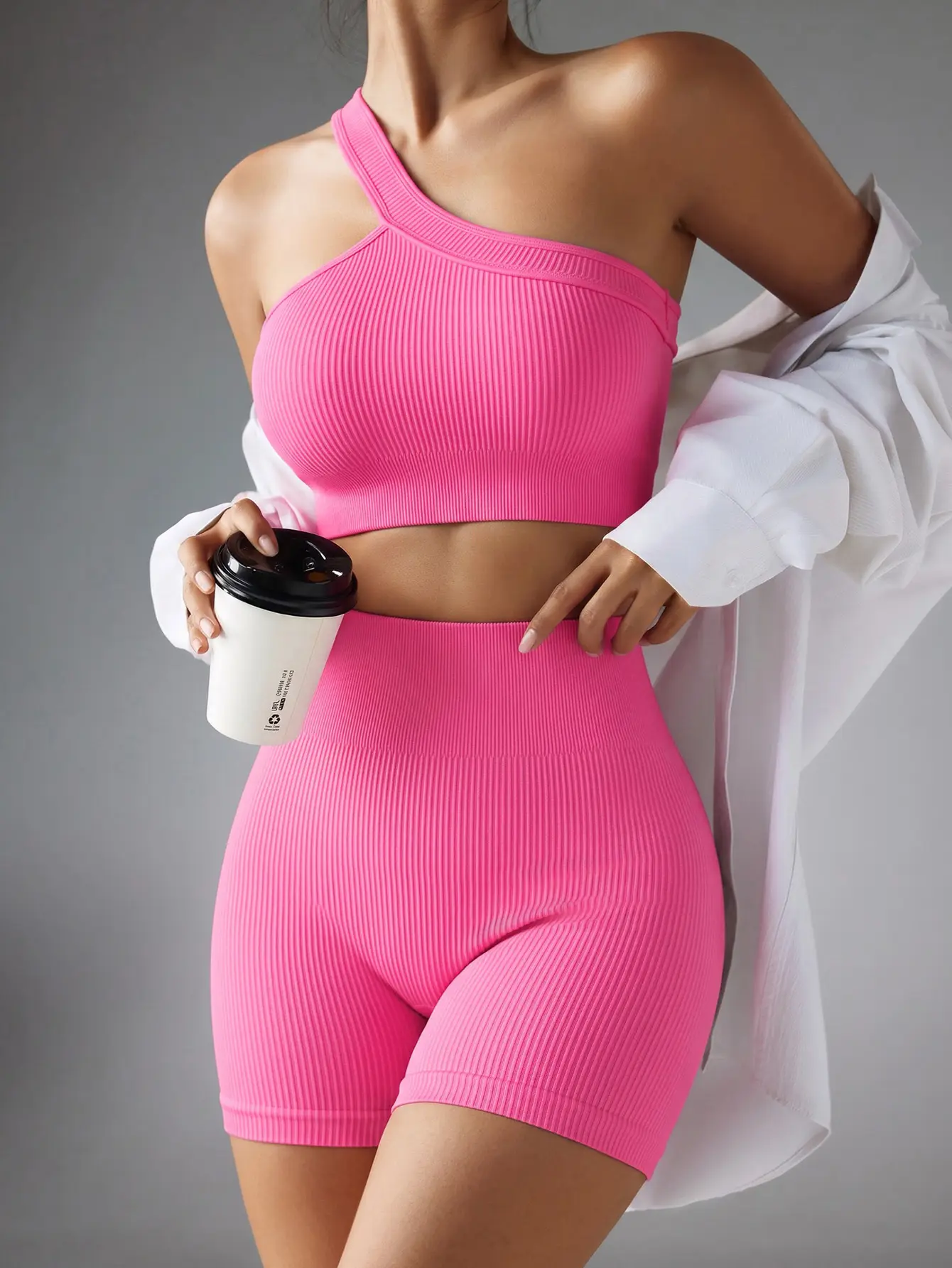
Seamless Strappy Bra
Seamless construction can integrate rib, texture, density changes and other knitted zones into the bra body. Depending on the design, straps, pad openings, labels or selected finishing may still require subsequent sewing or assembly.
Seamless · Rib Zone · Knit Structure · SantoniEngineer the Back Before Approving the Look
A strappy back combines visual design with fit, movement and load distribution. Each strap path should therefore be translated into measurable geometry and verified in the physical sports bra.
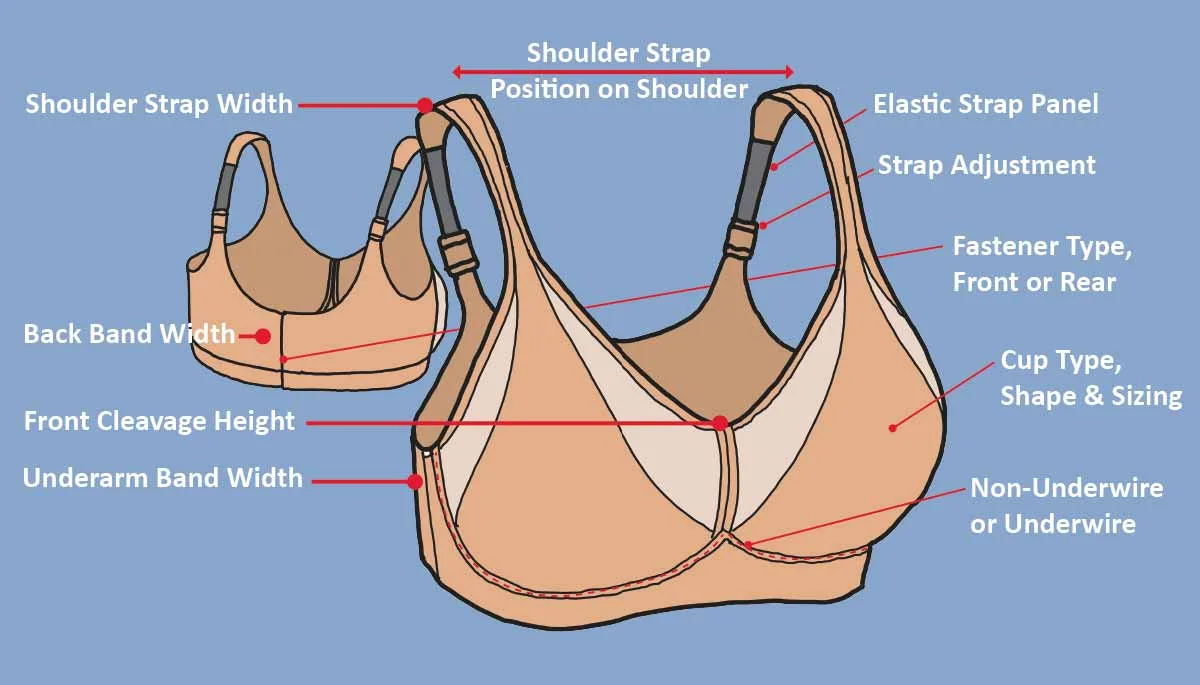
Strap Angle
Strap direction changes how the back design sits on the body and how local tension is distributed during movement and dressing.
Strap Width
Narrower or wider straps create different contact areas and visual proportions, but width alone does not define final support.
Cross Point
The position where straps intersect affects visual geometry and may influence twisting, pressure or movement if the structure is poorly balanced.
Strap Length
Approved strap length must work with the intended bust, back construction and elasticity, then remain controlled through production.
Attachment Point
The shoulder or back connection area should align with the intended load direction and approved construction rather than appearance only.
Back Openness
More open-back structures change coverage and strap geometry, so the front body, underband and side coverage still need sufficient control.
Left-Right Balance
Strappy designs make asymmetry highly visible. Strap position, length and intersection should be checked against the approved sample.
Adjustment Range
When hardware is used, the usable adjustment range should provide fit flexibility without creating an uncomfortable slider or connection position.
Common Myths About Sports Bra Support
Support is created by a complete product system. Strap style can contribute to the result, but underband, coverage, materials, padding, back structure, fit and movement validation also matter.
Thin Straps Always Mean Low Support
Fact: Narrow straps change contact area and visual direction, but they do not independently define support. Underband stability, strap elasticity, body fabric, coverage, back geometry and the target wearer all contribute to the final result.
Condition: Validate the complete garment on the intended fit model.
Wide Straps Guarantee High Support
Fact: Wider straps can distribute contact differently, but an unstable underband or unsuitable material can still allow unwanted movement. Strap width should therefore be considered one design variable rather than a complete support solution.
Condition: Review the underband and body structure with the straps.
Cross-Back Means More Support
Fact: A cross-back layout changes strap routing and may influence stability, but identical back shapes can behave differently when strap length, material, coverage and underband dimensions change.
Condition: Support claims require physical fit and movement confirmation.
Compression Comes From Smaller Sizing
Fact: Reducing garment measurements increases tension but can also create pressure, restricted movement or unwanted deformation. Compression-related fit should be engineered through material, dimensions and structure rather than uncontrolled size reduction.
Condition: Use approved measurements and wearer feedback.
Padding Creates Support Alone
Fact: Padding affects shaping, coverage and appearance, but the bra still relies on the body, underband, straps, material and fit. A pad should not be presented as an independent support mechanism.
Condition: Evaluate pad position within the complete garment structure.
Support Can Be Guaranteed by Style Name
Fact: MOVEVOX can develop low-, medium- or high-support directions, but the final support level must be confirmed through the actual material, structure and wearer testing for the specific project.
Condition: Quantified claims should follow the buyer's approved test method.

Validate the Finished Garment
Support should be reviewed on the complete garment, where straps, underband, coverage, material and body movement can be observed together rather than judged from one component in isolation.
Bra Fit Requires More Than Bust Measurements
Strappy sports bra fit depends on measurable dimensions and how those dimensions behave on the body. MOVEVOX reviews bust, underbust, coverage, strap position, padding and movement instead of relying on flat measurements alone.
Fit Checkpoints on the Physical Bra
Bust, underbust, strap position, coverage, pad position and lower-band behavior should be reviewed on the physical product so fit comments can be translated into measurable development changes.
Underband Stability
The lower band should remain consistent with the approved fit during intended movement.
Underbust measurement, band height, material elasticity and garment fit are reviewed together during sampling before the approved standard is released for bulk.
Measurement chart, approved sample and wearer reviewStrap Position
Strap placement should follow the approved back geometry and wearer fit.
Strap angle, attachment position and left-right balance are checked in the physical bra because small positional changes can alter both appearance and wearer pressure.
Approved sample, strap POM and visual symmetryStrap Pressure
Strap contact should match the intended wearing experience.
Width, elastic behavior, length and back routing are reviewed with the complete garment rather than treating the strap as a separate component.
Physical sample and movement feedbackCup Coverage
Front coverage should follow the brand's intended silhouette and activity.
Bust, cup height, neckline, side coverage and pad placement are reviewed as part of sample fit rather than inferred from one bust measurement.
Tech Pack, fit sample and approved coveragePad Position
Padding should remain visually and structurally aligned with the approved product.
MOVEVOX can develop removable or fixed-pad structures and checks position, left-right consistency, movement and wash-related issues during development and QC.
Approved pad, pocket structure and sampleMovement Stability
Static fit should remain acceptable during intended movement.
Sports bra fitting can include arm movement and relevant activity checks, with observed issues converted into measurable size, material or construction revisions.
Wear test, comments and revised sampleTreat Bra Elastic as a Functional Material System
Strap and underband elastics should be selected by fit, stretch, recovery, surface, width and attachment requirements rather than treated as generic trims.
Develop Strap Elastic Around Fit and Movement Requirements
For a strappy sports bra, strap material influences both appearance and the way the garment interacts with the wearer. MOVEVOX can use elastic materials in shoulder straps and other sports-bra support structures, with selection based on width, thickness, color, elongation, recovery, surface hand feel and branding needs.
Material selection: A thin strap with high recovery may behave differently from a visually similar strap with softer stretch. The correct choice depends on the target product, activity, wearer experience and back geometry rather than a generic description such as “strong elastic.”
Length and geometry: Strap material cannot be evaluated separately from finished strap length and attachment points. Shorter dimensions can create excessive pressure, while excessive length or insufficient recovery may contribute to instability.
Attachment: Strap ends and cross-back connection areas are local stress points. Attachment construction needs to match the fabric, elastic behavior and actual load direction.
Bulk control: Once approved, strap width, length, color, recovery behavior, connection and left-right symmetry become quality-control points. Custom-colored or branded elastic can introduce its own supplier MOQ independently from garment MOQ.
Use Underband Elastic as Part of the Bra Fit System
The underband contributes to the way a sports bra remains positioned on the body, but it should not be treated as an isolated “support component.” MOVEVOX evaluates lower-band materials together with underbust dimensions, body fabric, strap structure, product length and the intended wearer.
Width and thickness: Different underband constructions create different contact areas and visual proportions. The selected elastic must be compatible with the main body structure and finished-garment construction.
Stretch and recovery: The material should stretch during dressing and movement while recovering toward the approved fit. Raw elastic force alone does not prove that the finished sports bra will achieve the intended support or comfort.
Surface and hand feel: Because the underband remains in extended contact with the body, surface, seam construction and edge finishing should be considered together with elasticity.
Wash and repeatability: Where required, the approved elastic should be checked for length, color, stretch, recovery, joining and post-wash stability. A replacement elastic should not be introduced into bulk without evaluating whether it changes fit or wearing behavior.
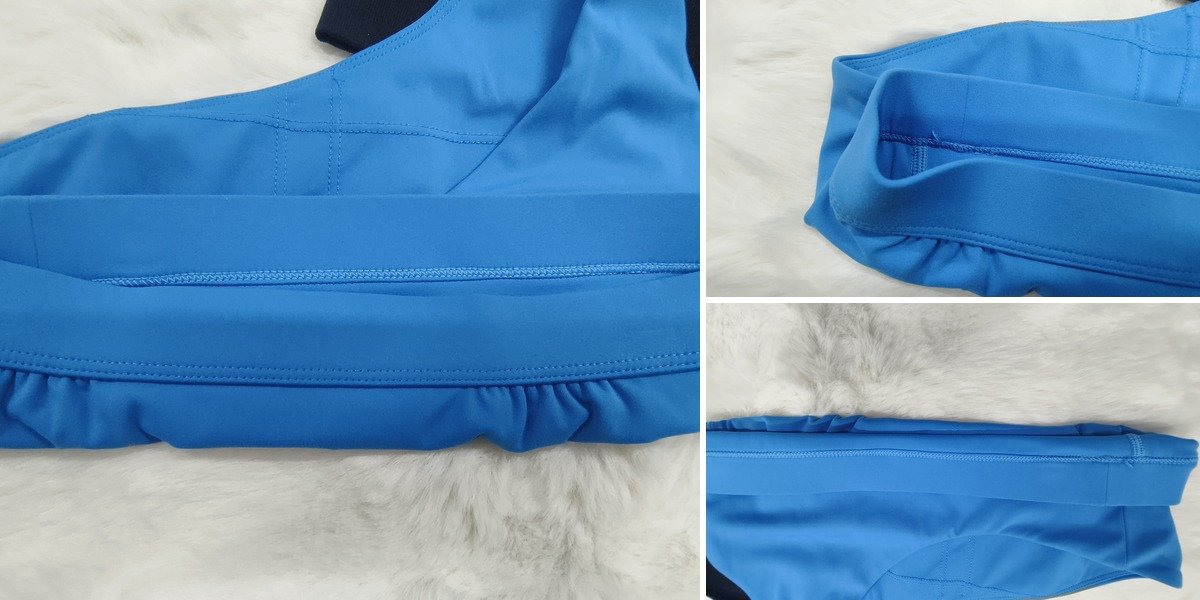
Reinforce High-Stress Areas Without Creating Hard Points
Strappy bras contain several localized load areas. Reinforcement should respond to actual material, stretch direction and failure risk rather than adding stitches indiscriminately across every connection.
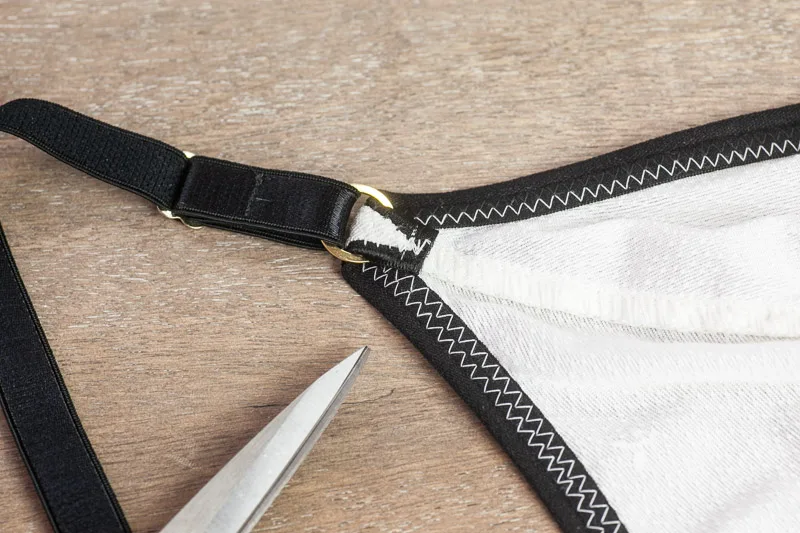
Strap Attachment
The point where a strap meets the body may experience repeated tension during dressing and movement. Construction should match the approved strap material, body fabric and load direction.
Application: Shoulder or back strap connection zones.
Control focus: Stable attachment without excessive local thickness or stiffness.
Cross Junction
Intersecting straps can create additional movement and localized tension. The approved construction should prevent uncontrolled twisting or separation while preserving the intended visual geometry.
Application: Multi-strap and cross-back intersections.
Control focus: Left-right balance and approved junction position during production.
Underband Join
Lower-band joining creates a structural transition between elastic or fabric components. Seam construction, overlap and material recovery should follow the approved garment.
Application: Sports bra underband assembly and joining points.
Control focus: Consistent join without excessive bulk or distortion.
Hardware Connection
Adjustable straps require secure interaction between elastic, sliders, rings or other approved components. Hardware dimensions and attachment should remain compatible with strap width and elasticity.
Application: Adjustable strap sports bra constructions.
Control focus: Stable hardware orientation and smooth adjustment during use.
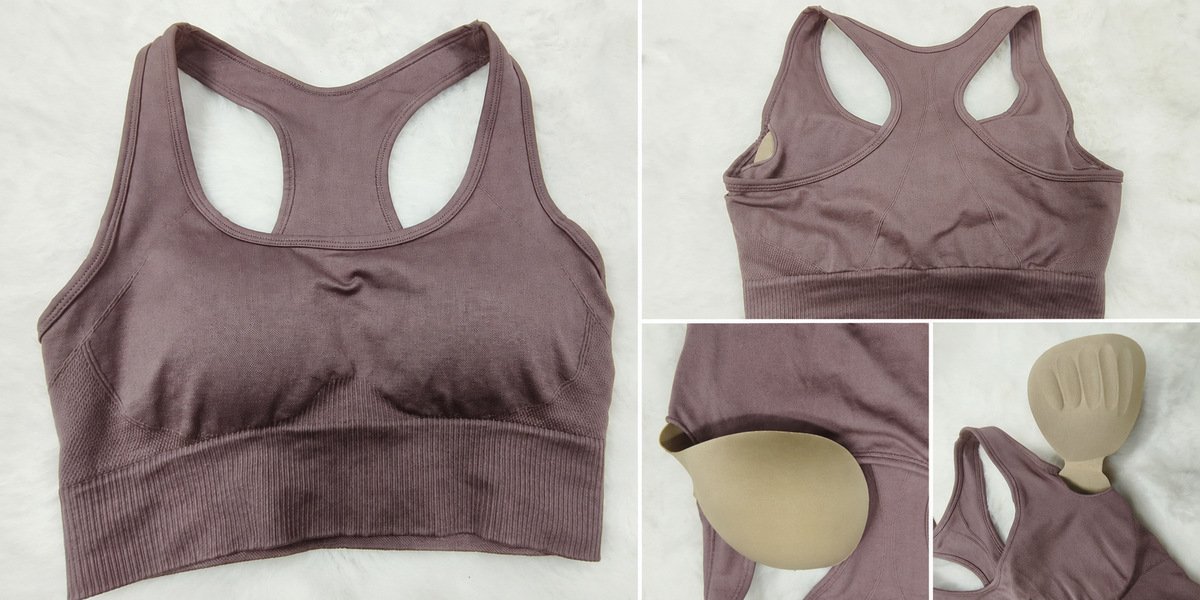
Pad Opening
Removable-pad openings can be exposed to repeated handling. Construction should provide access while remaining compatible with the surrounding stretch fabric.
Application: Removable pad pocket openings.
Control focus: Clean edge, controlled opening and repeatable pad access.
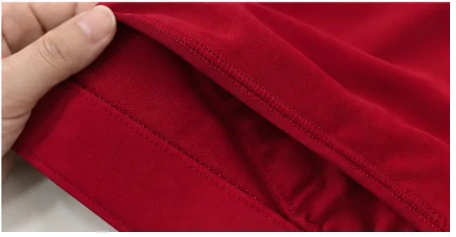
Binding Junction
Bindings around neckline or armhole areas can meet straps or other construction zones. Intersections require controlled alignment so bulk does not distort the finished edge.
Application: Neckline, armhole and strap transitions.
Control focus: Smooth joining and consistent visible geometry.
Build Padding Into the Complete Bra Structure
Padding should work with the front body, coverage, underband, straps and target fit. MOVEVOX supports removable and fixed-pad directions, while complex moulded-cup requirements require separate technical evaluation.
Front Body
The outer and inner front layers establish the space in which padding or pad pockets are integrated and influence the visible finished surface.
Pad Shape
Pad shape and thickness should fit the intended coverage and product proportions rather than being selected only from a generic standard size.
Pad Pocket
A removable-pad pocket must balance usable access with sufficient control to reduce unwanted movement, folding or incorrect orientation.
Pad Position
Left-right pad height and placement should follow the approved sample so bulk garments do not show obvious visual asymmetry.
Underband
The lower structure helps position the overall bra body and should be considered together with pad coverage and front-panel dimensions.
Strap System
Shoulder and back straps influence how the front body sits on the wearer, so pad positioning should be validated within the complete bra fit.
Validate Strappy Bra Fit Through Real Movement
Stretch fabric alone does not guarantee movement comfort. Strap geometry, underband, coverage, armhole, fabric recovery and the complete fit should be observed while the wearer performs movements relevant to the intended product.
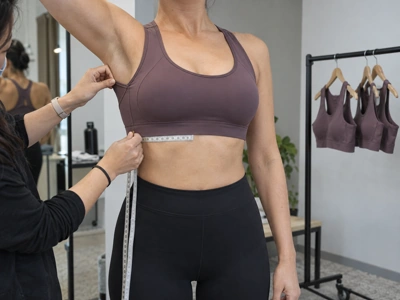
Yoga Arm Raise
During overhead arm movement, the buyer should observe whether straps remain in the intended position, whether the lower band rides upward and whether the neckline or side coverage changes unexpectedly. Feedback should be converted into measurable strap, underband, coverage or pattern adjustments before sample approval.
- Straps remain aligned during overhead shoulder movement.
- Underband position remains consistent with approved fit.
- Coverage stays within the intended design direction.
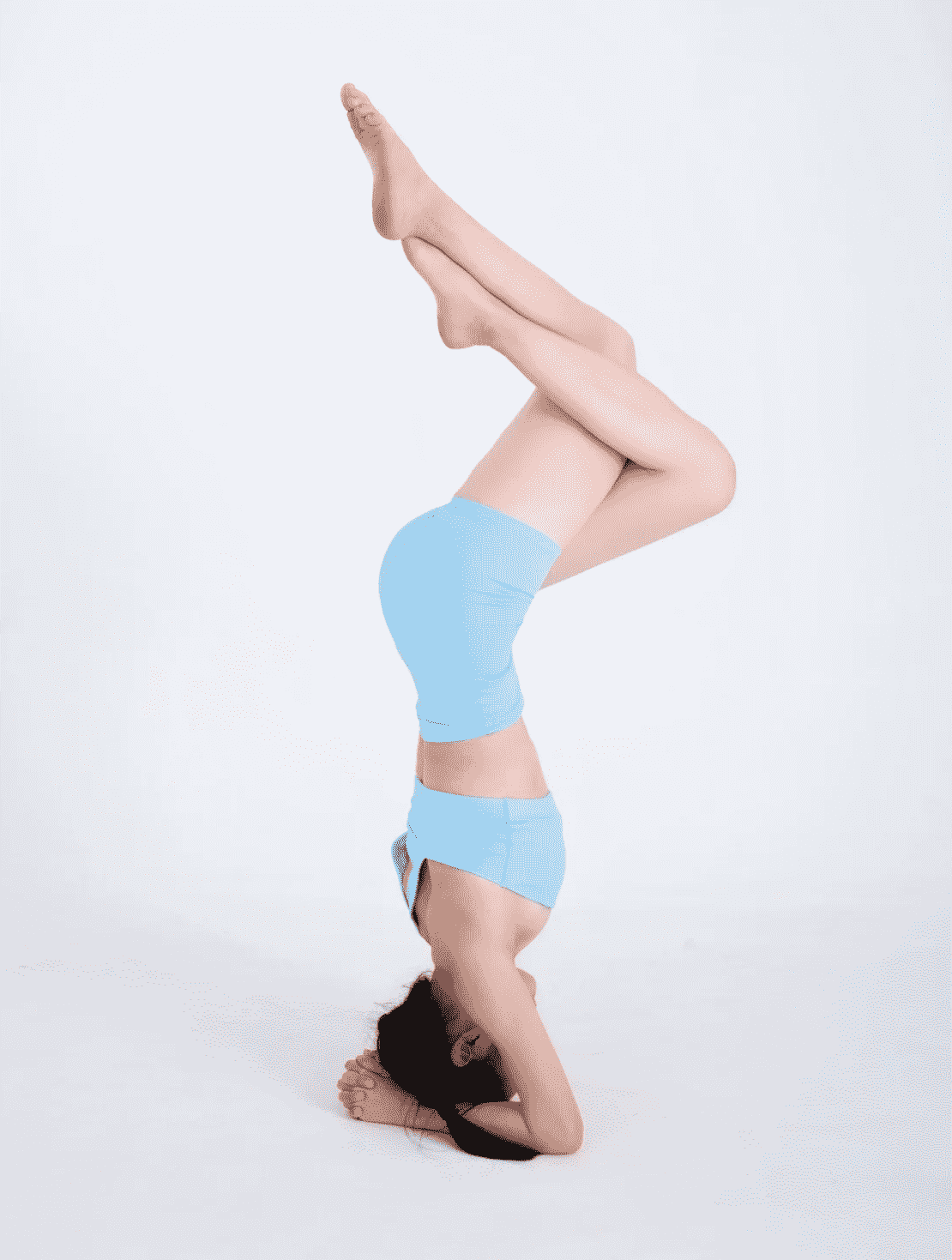
Pilates Rotation
Torso rotation can expose unwanted strap twisting, asymmetry or localized pressure that may not appear in a static fitting. Cross-back and multi-strap designs should therefore be observed during rotational movement, with problems translated into strap length, angle, material or attachment revisions.
- Cross-back geometry remains visually balanced during rotation.
- Strap intersections avoid uncontrolled twisting during movement.
- Fabric recovery supports repeated rotational body movement.

Training Reach
Forward and lateral reaching can change tension through the shoulder, upper back and underband. MOVEVOX can review whether the approved sports bra retains intended coverage and whether strap or armhole construction creates movement restriction under the target activity.
- Shoulder movement remains compatible with strap routing.
- Front coverage stays aligned with approved construction.
- Armhole and strap junctions avoid unwanted restriction.

Daily Dressing
Strappy bras also need to remain practical when being put on and removed. Highly complex strap networks can create twisting or orientation problems unless the approved geometry, elasticity and garment construction are sufficiently clear for the wearer.
- Strap layout remains understandable during dressing.
- Elastic stretch supports normal garment entry and removal.
- Hardware and crossings stay in intended orientation.
Read Bra Measurement Evidence Before Bulk Approval
A professional inspection record should show how approved measurements and critical construction points are checked during production. The following fields define what buyers should expect to verify rather than presenting fabricated inspection data.
Master Specification
The active measurement chart and approved sample should identify which bust, underbust, strap, length and pad-position requirements apply to the current production version.
Strap Length
Strap length should be measured using the agreed POM method so production variation can be compared with the approved specification.
Underbust
Finished underbust dimensions should be checked against the applicable tolerance and interpreted together with the approved material and garment fit.
Pad Position
Where padding is used, left-right height, direction and location should be reviewed against the approved sample and construction requirements.
First Article
An early production garment should be checked before regular line output so specification or construction deviations can be identified earlier.
Inline Measurement
Production-stage measurements help identify drift while garments are still being made rather than discovering every issue at final inspection.
Final Release
Finished-garment measurement findings should be reviewed with workmanship, symmetry, branding and packaging requirements before shipment release.
Where Strappy Sports Bras Commonly Lose Consistency
Strappy bra failures often result from several variables interacting rather than one isolated defect. This matrix connects visible symptoms with commercial impact and the controls needed before bulk release.
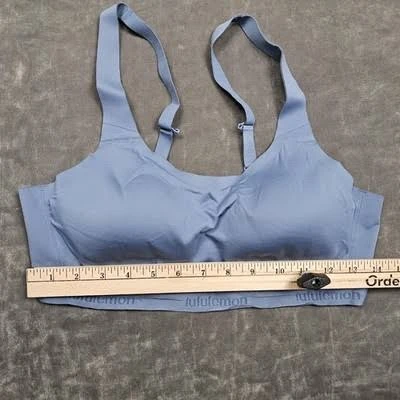
Strap Geometry Check
Use a real inspection image to show how strap position, left-right symmetry and unwanted twisting are visually reviewed.
Attachment Risk Point
Show a real strap connection or reinforcement point so the failure-risk discussion is tied to physical workmanship.
Pad & Underband Check
Use a product-specific QC image to connect pad movement and lower-band stability with real garment inspection.
| Problem | Cause | Impact | MOVEVOX Response |
|---|---|---|---|
| Strap Slipping | Strap length, elasticity, back angle or overall bra fit may allow the strap to move away from its intended wearer position. | Repeated movement can reduce wearing confidence and create customer complaints even when the garment looks acceptable in a flat inspection. | Validate strap position, length and material in the fit sample, then control approved measurements and construction during bulk inspection. |
| Strap Twisting | Cross-back or multi-strap structures may rotate when strap material, intersection position or attachment direction is not sufficiently controlled. | Twisting changes the visual design and may create localized pressure, making the finished garment inconsistent with the approved product. | Approve the physical back geometry, document connection orientation and inspect strap intersections and symmetry during production. |
| Uneven Strap Length | Left-right differences can occur through cutting, sewing, adjustment or uncontrolled assembly in complex multi-strap structures. | Visible asymmetry can alter neckline, coverage and pad position while reducing the professional finish expected from branded sports bras. | Use defined strap POM, first-article confirmation and inline checks against the approved sample and measurement chart. |
| Band Ride-Up | An underband that does not match body dimensions, material recovery or overall construction may shift during movement. | Movement can change coverage and fit, reducing the intended wearing stability even when static dimensions initially appear acceptable. | Review underbust, band height, elastic behavior and movement together during sampling before releasing the production standard. |
| Pad Movement | Removable or fixed padding can shift, fold or appear uneven when the pocket, positioning or surrounding material does not control it properly. | Visible pad outlines or left-right inconsistency can create returns and consumer dissatisfaction despite acceptable garment stitching. | Confirm pad shape, location, pocket construction and movement in sample review, then check pad orientation and position during QC. |
| Attachment Opening | High-stress strap or elastic connection points can fail if construction is not compatible with material stretch and actual load direction. | A local construction failure can make the garment unusable and creates a high-visibility quality problem for the brand. | Identify stress points during development, approve suitable reinforcement and inspect the critical attachment areas during production. |
Select Bra Fabric From Product Requirements First
Sports bra fabric should be selected from the target wearing experience, fit, support direction and construction. Composition alone cannot explain recovery, coverage, softness or compatibility with straps, padding and Logo processes.
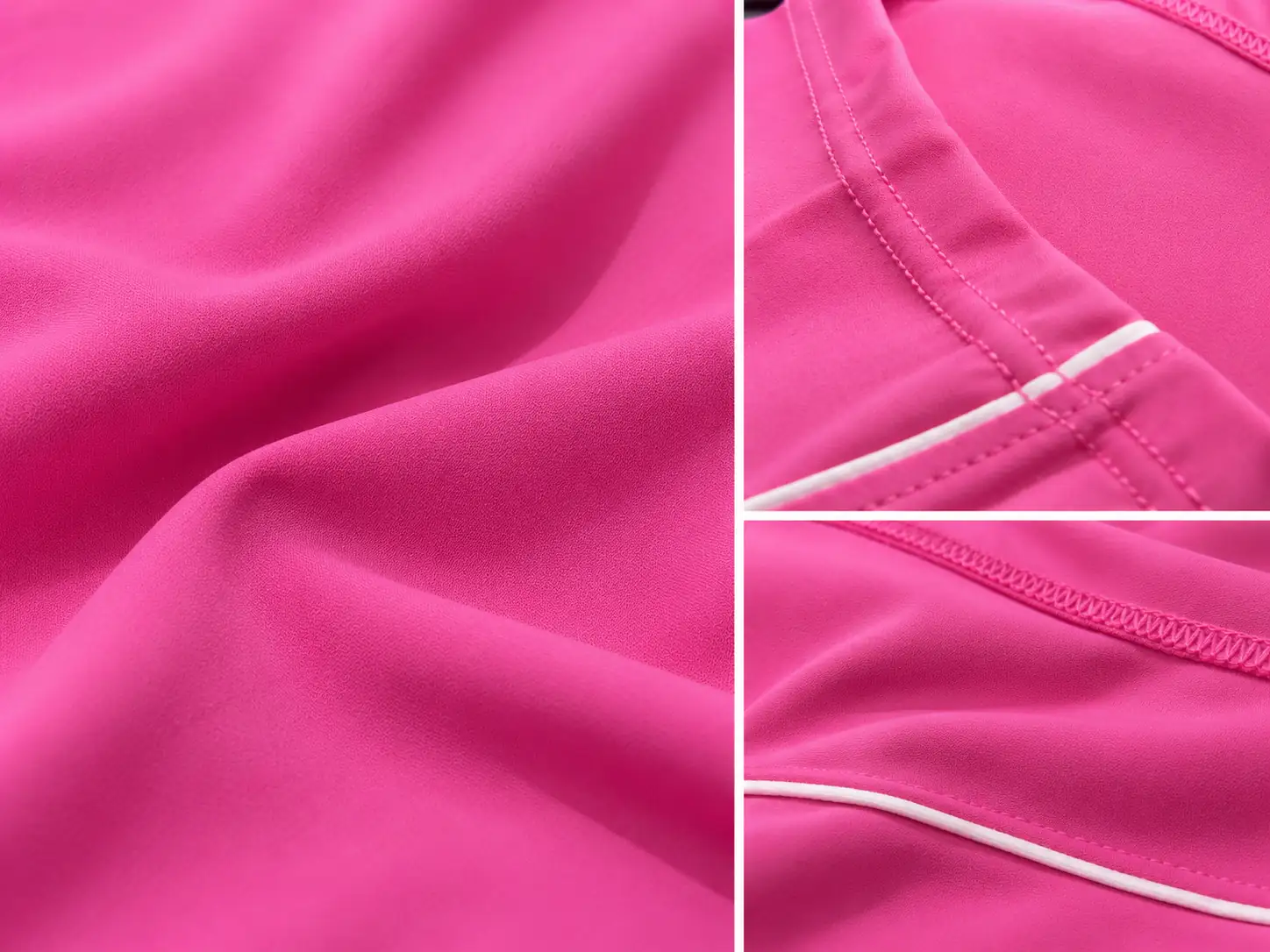
Nylon Stretch Swatches
Show real material candidates rather than treating composition labels as proof of finished-garment performance.
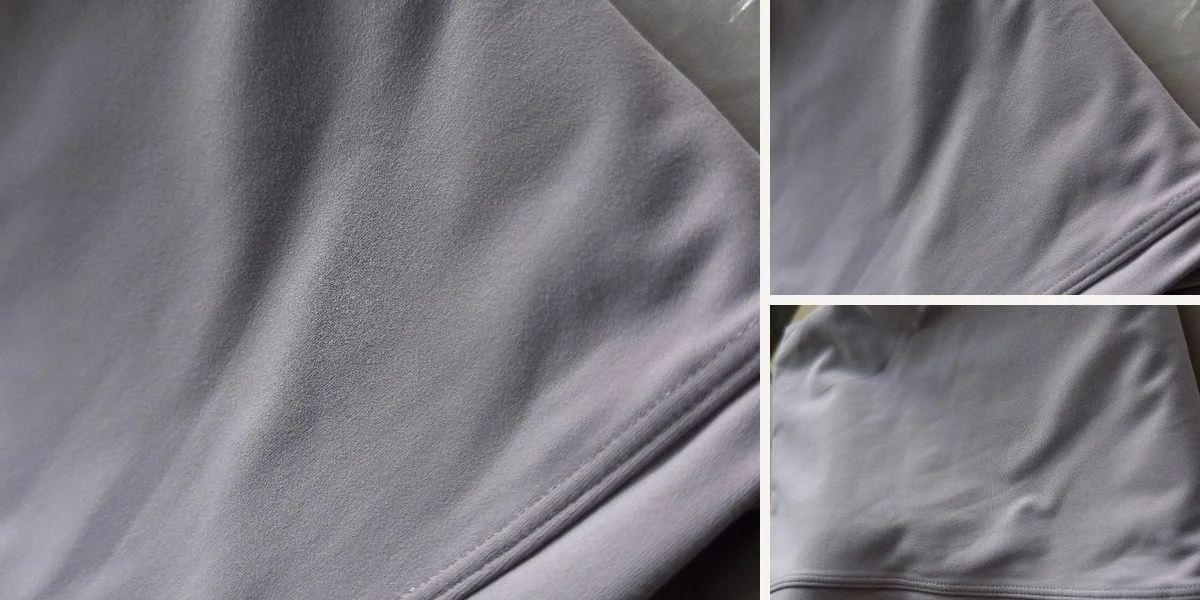
Brushed Surface
Use a close material image to support the softer yoga and studio-wear fabric direction.
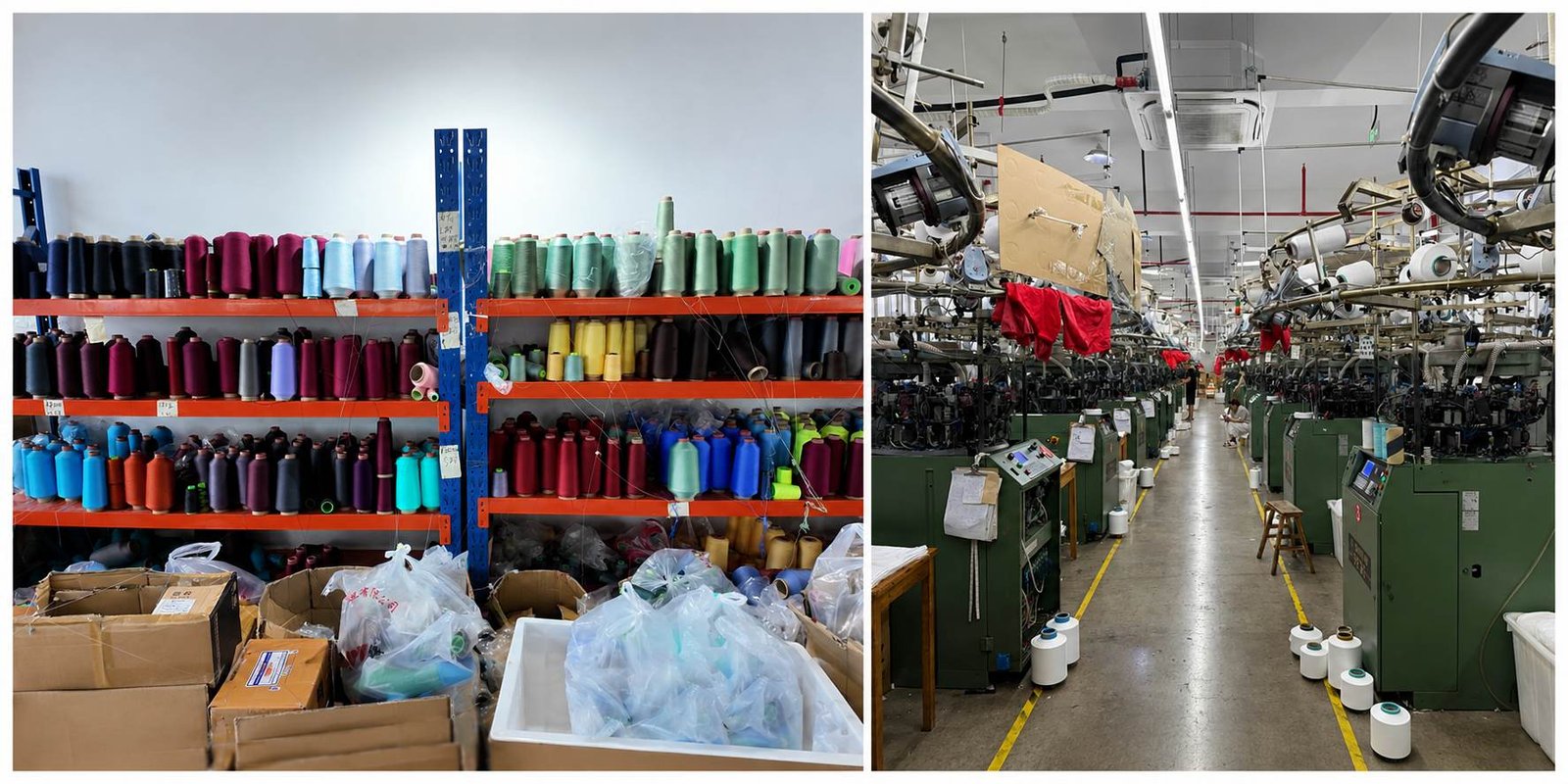
Seamless Yarn & Knit
Connect yarn selection and knitted structure with the finished Seamless sports bra rather than describing them only in text.
What activity is planned?
What hand feel matters?
What support direction?
What surface is required?
Which route fits construction?
Nylon Stretch Fabric
Nylon/Spandex materials are established within MOVEVOX's activewear material system and can support sports bra projects requiring close fit, stretch and different hand-feel directions. Final suitability still depends on GSM, recovery, opacity, surface, color and the intended construction rather than composition name alone.
Stretch · Recovery · Hand FeelPolyester Stretch Fabric
Polyester/Spandex options can support selected training and sportswear programs when the required surface, stretch behavior, hand feel and commercial requirements match the material. Actual candidates should be reviewed in the physical sports bra before approval.
Surface · Stretch · Use CaseBrushed Soft Fabric
Brushed materials can support softer yoga or studio directions but still require evaluation of recovery, surface durability, Logo compatibility and visual performance around the bra body and strap construction.
Softness · Surface · RecoverySeamless Yarn System
Seamless sports bras depend on yarn selection, knitting structure, density, rib or mesh zones and machine programming. The material system should therefore be developed together with size, structure and product fit.
Yarn · Structure · DensityCompare Bra Materials Beyond Fiber Composition Labels
Materials with similar fiber descriptions can behave differently in stretch, recovery, softness, surface and garment fit. Any numeric comparison should therefore use one defined test method and actual material codes.
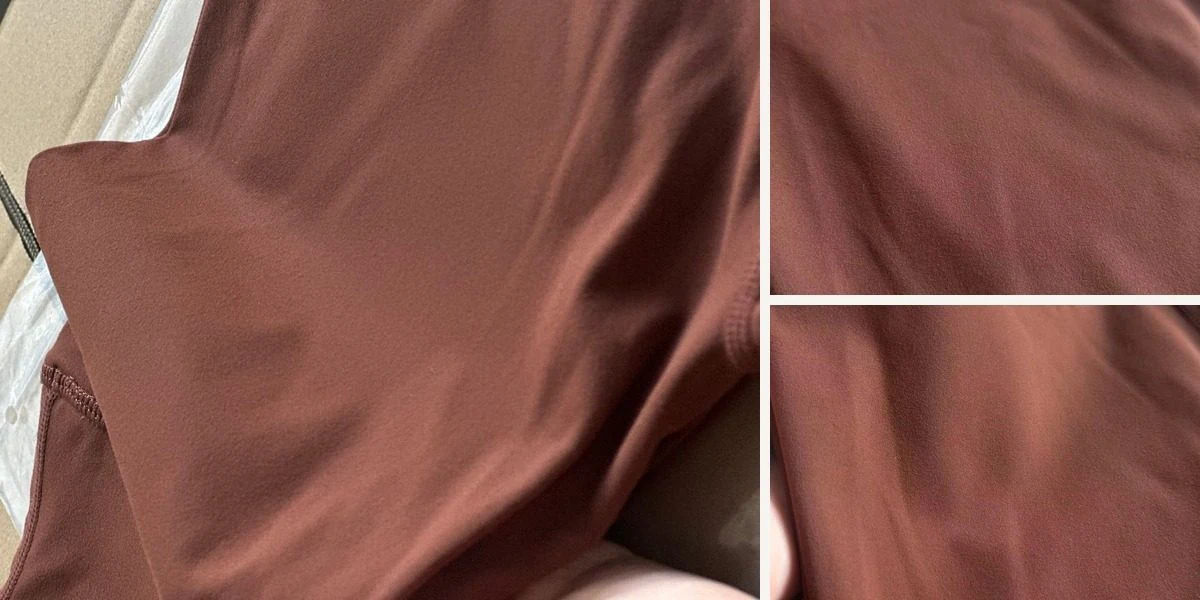
Show the Test Before Showing the Score
A real material comparison should document which fabric or elastic is being evaluated and under what condition. Visual evidence of the evaluation is more credible than publishing unsupported performance numbers.
Validated Radar Data Required
No numeric 1–5 or 1–10 scores are shown until actual bra materials have been evaluated under one defined test method.
Nylon Blend
A suitable nylon-based stretch fabric can support close-fitting sports bra products where hand feel, recovery and body fit are priorities. Actual results still depend on fabric construction, GSM, elastane content, color and the approved garment structure.
Polyester Blend
Polyester-based stretch materials can suit selected training or activewear directions where surface, elasticity and other project requirements align. They should not be treated as technically equivalent to nylon-based materials simply because both contain Spandex.
Brushed Fabric
Brushed fabrics can deliver a softer tactile direction for yoga or studio products. The finished sports bra should still be evaluated for recovery, pilling risk, Logo compatibility and local behavior around straps and edges.
Seamless Knit
Seamless material performance is created by yarn and knitted structure together. Rib, mesh and density changes can alter stretch behavior between different areas of the same garment.
Choose the Right Strappy Bra Manufacturing Route
The production route should follow the actual sports bra architecture. MOVEVOX supports both Seamless and Cut & Sew, allowing the buyer to evaluate strap, pad, panel and material requirements before selecting manufacturing.
Seamless Route
Use a real Seamless sports bra or Santoni production image to connect engineered knit structure with the corresponding manufacturing route.
Cut & Sew Route
Use a real complex-strap or sewing-process image to show why some bra structures are better suited to Cut & Sew production.
| Decision Factor | Seamless | Cut & Sew |
|---|---|---|
| Body Formation | Garment body is engineered through yarn, knitting program and structure. | Fabric is cut into components and assembled through garment construction. |
| Rib / Texture | Well suited to integrated rib, mesh, texture and density changes. | Achieved through selected fabrics, panels, trims or construction details. |
| Strap System | Integrated or secondary strap solutions depend on knit architecture and finishing. | Well suited to fixed, adjustable and complex multi-strap assemblies. |
| Hardware | Requires design-specific evaluation and secondary assembly when used. | Supports sliders, rings and other approved strap hardware more directly. |
| Padding | Pad pockets or openings may require integrated and secondary operations. | Supports layered fronts, pad pockets and complex pad constructions. |
| Material Route | Based on suitable yarn and Seamless knitting requirements. | Supports a broader range of applicable cut-fabric constructions. |
| Fit Engineering | Yarn, density, structure and size interact with final fit. | Pattern, fabric, seam position and elastic application define fit. |
| Production Standard | Program, yarn, structure, dimensions and sample become references. | Pattern, BOM, measurements, workmanship and sample become references. |
Engineer Seamless Bra Zones Through Knitting Structure
Seamless sports bras are created through yarn, machine programming, knitted structure and garment dimensions working together. Different zones may use rib, mesh, texture or density changes according to the approved design.
Front Body
The knitted front body establishes the main garment shape and must work with coverage, stretch and pad construction where applicable.
Underband Zone
Rib or density changes can be developed around the lower bra structure, but final wearing stability still depends on fit and garment validation.
Side Zone
Side areas can use different knitted structures where the product design requires changes in feel, density or visual appearance.
Back Zone
Back-body knitting interacts with strap design and overall fit, especially where the product has open or strappy back geometry.
Mesh Zone
Mesh structures can create localized visual or ventilation effects where compatible with the required product support and appearance.
Rib Zone
Rib can be engineered into selected areas to change stretch response, surface texture and visual segmentation within the Seamless garment.
How Cut-and-Sew Strappy Bras Move Through Production
Complex straps, adjustable hardware, elastic systems, layered fronts and specific fabrics often use a Cut & Sew route. Each stage should maintain the approved pattern, materials and construction standards.
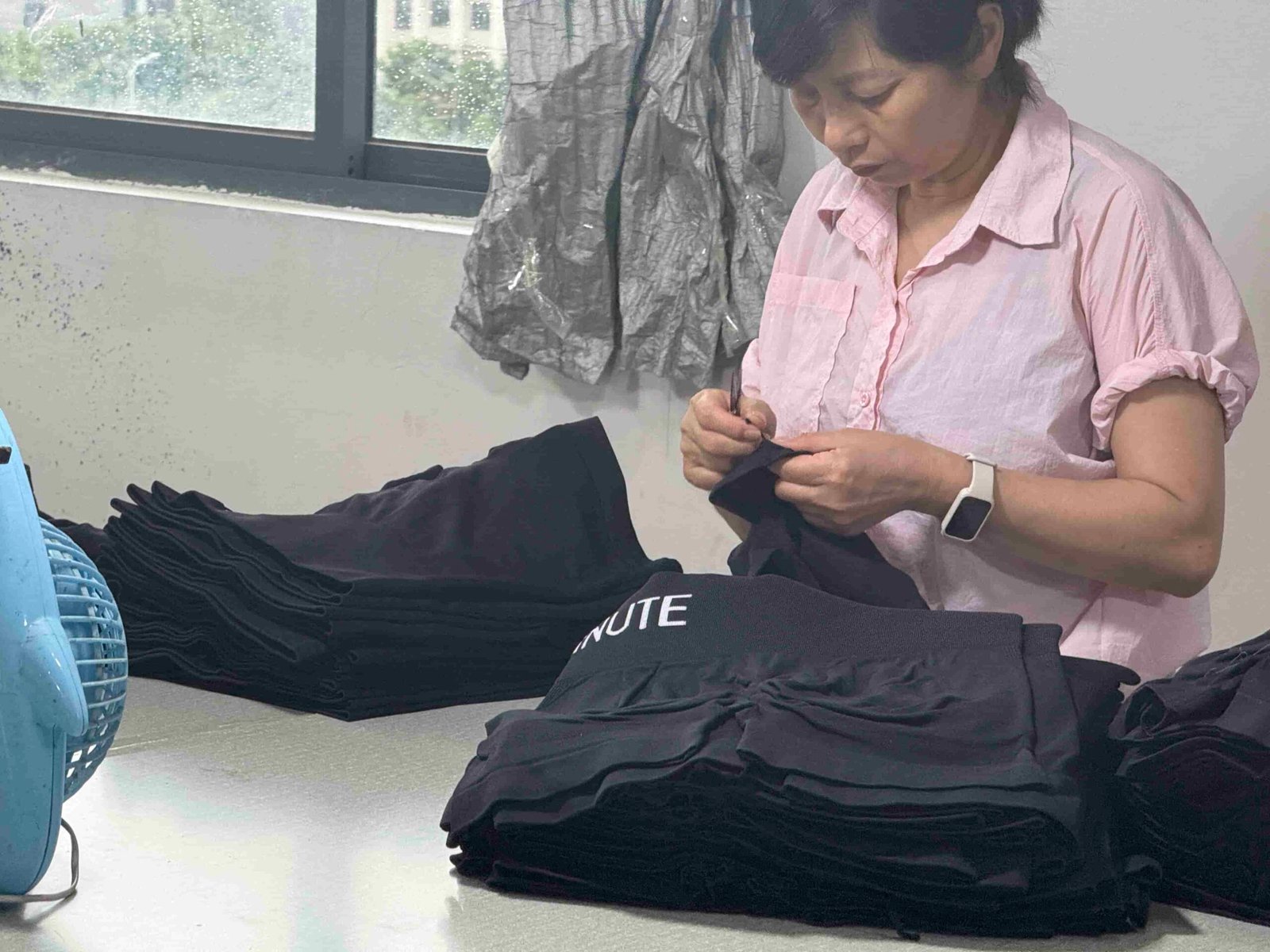
Cutting
Use actual cutting evidence to connect the released pattern with physical production.
Strap Assembly
Show strap, elastic or approved hardware assembly where Strappy Bra construction becomes product-specific.

Assembly & First Article
Connect sewing execution with the first production check before regular line output continues.
Order Review
The team confirms current specifications, quantity, colors, sizes, strap structure, padding, Logo, labels and packaging before releasing the project into manufacturing.
Owner: Project Team
QC Point: Spec Review
Material Check
Main fabric, elastic, pads, hardware and other applicable components are checked against the approved BOM and project requirements before production use.
Owner: QC
QC Point: Incoming Check
Pattern Release
The current approved pattern and measurement basis are confirmed so cutting and strap-related construction follow the latest customer-approved version.
Owner: Development
QC Point: Version Check
Cutting
Fabric components are prepared according to the released pattern, with attention to direction, symmetry and components that influence final bra shape.
Owner: Production
QC Point: Cutting Check
Strap Assembly
Fixed or adjustable straps, elastic and approved hardware are prepared and attached according to the confirmed length, orientation and construction.
Owner: Production
QC Point: Strap Check
Bra Assembly
Front, back, side, band and pad-related components are assembled according to the approved construction and workmanship requirements.
Owner: Production
QC Point: Inline Check
First Article
An early production garment is checked for measurements, strap geometry, symmetry, pad position, Logo and overall construction before regular output continues.
Owner: QC
QC Point: First Article
Finishing
Completed garments are cleaned and prepared for final garment-level inspection without using finishing to hide structural or measurement problems.
Owner: Production
QC Point: Garment Check
Final Release
Finished bras and packing requirements are reviewed against the approved project standard before shipment coordination.
Owner: QC
QC Point: Final Inspection
From Strappy Bra Concept to Bulk Production
MOVEVOX can begin from a Tech Pack or legally usable reference garment and convert the product into measurable materials, fit, construction and approval standards before bulk manufacturing starts.
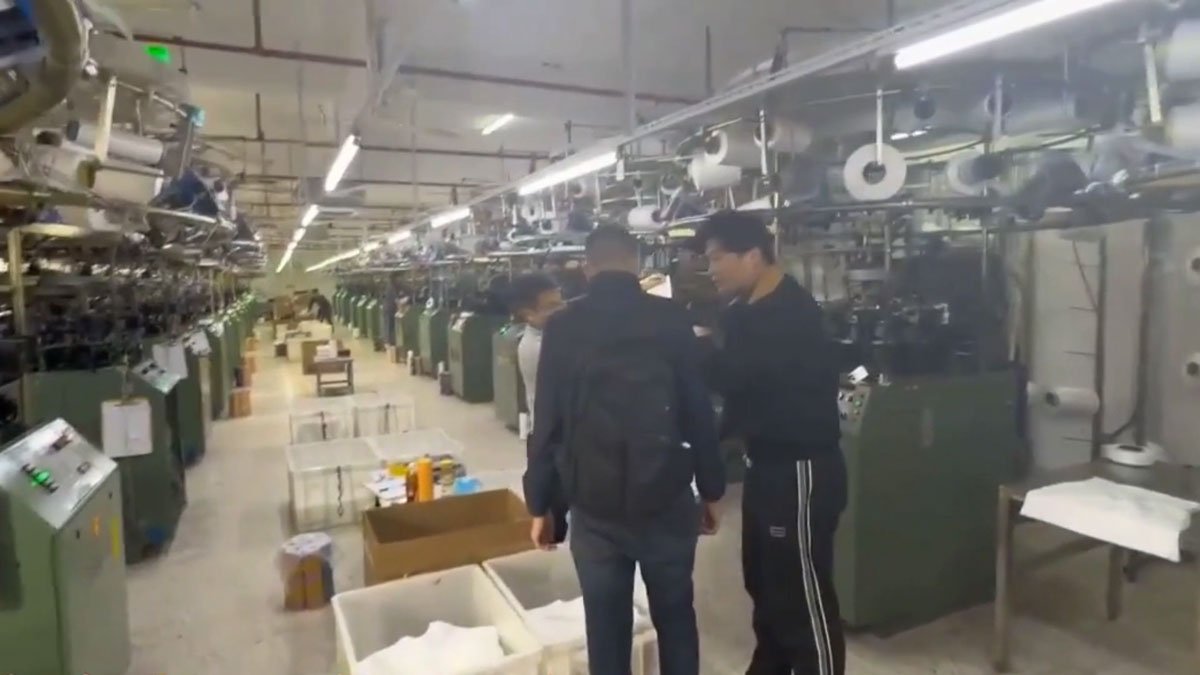
Technical Review
Connect the development process with a real Tech Pack, specification or review record.

Sample Development
Use actual sampling evidence to show the physical transition from specification to garment.
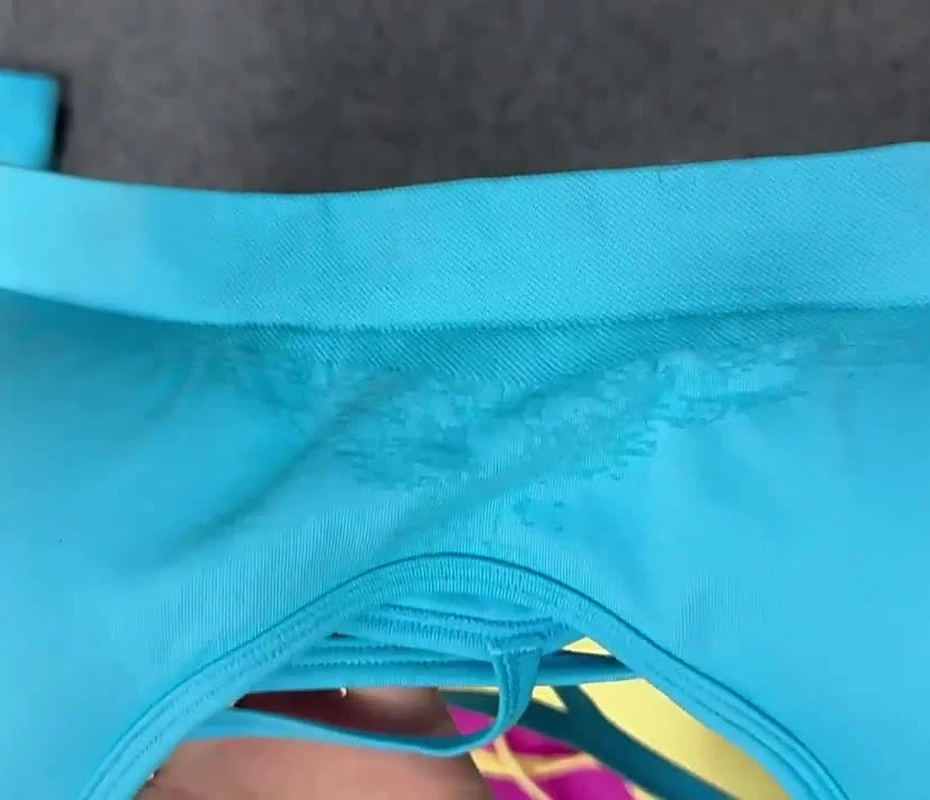
Approved Reference
Show how an approved garment becomes the comparison reference for production and QC.
Project Brief
The buyer provides available specifications, product direction, target activity, quantity, launch requirements and the current visual or technical reference for the strappy bra.
Technical Review
MOVEVOX reviews bust, underbust, strap design, back geometry, material, pad structure, branding and missing production information before sample development begins.
Material Review
Main fabric, elastic, padding and other relevant components are reviewed against the intended fit, hand feel, stretch, recovery and construction.
Pattern / Program
Cut & Sew styles enter pattern development, while Seamless products require yarn, structure and knitting-program development according to the approved concept.
First Sample
The physical sample is reviewed for measurements, coverage, strap position, underband, pad placement, construction, material behavior and brand details.
Fit Revision
Customer comments are translated into measurable changes to strap, dimensions, coverage, construction, materials or other executable product requirements.
Approval
The approved sample and confirmed specification establish the product standard for production, QC and future comparison.
Bulk Production
Once material, commercial and technical conditions are ready, the style proceeds into controlled bulk production with first-article, inline and final checks.
Prepare the Right Inputs for Bra Development
Complete technical information reduces interpretation during sampling. Sports bra projects require several bra-specific inputs in addition to the standard fabric, color, branding and order information used across activewear.
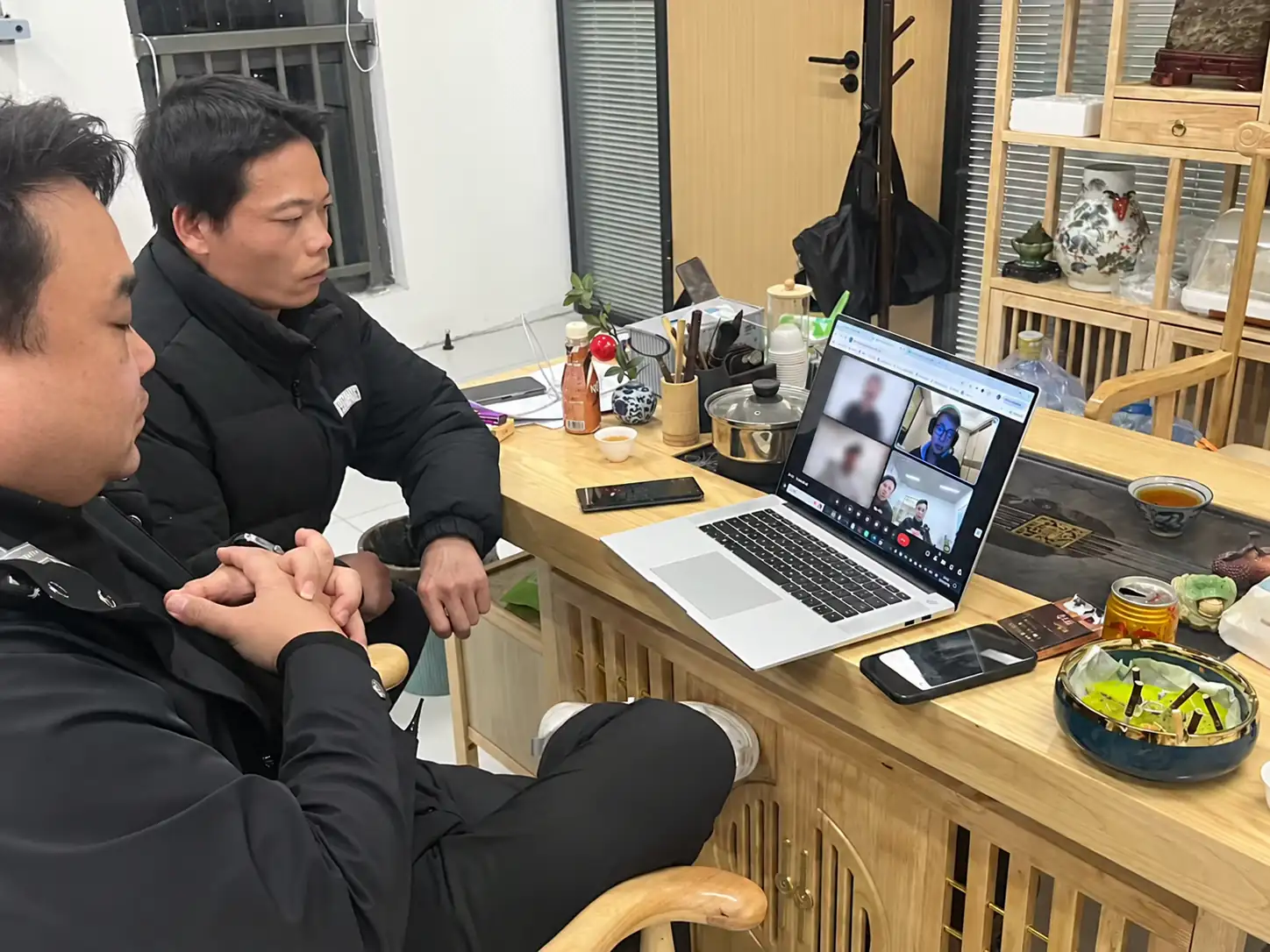
Use Executable Technical Inputs
A real anonymized Tech Pack or measurement chart can show buyers what level of product information supports efficient sports bra development. Customer names, style numbers and confidential commercial data should remain removed.
Flat Sketch
Provide clear front and back views showing neckline, back opening, strap routing, strap intersections, underband and visible construction details. Separate structural features from decorative references.
Measurement Chart
Include bust, underbust, garment length, strap length, cup or front coverage, band height and other relevant POM dimensions by size where available.
Strap Specification
Define strap width, fixed or adjustable structure, intended path, attachment positions and applicable hardware so the back design can be converted into measurable construction.
Fabric Target
State composition, GSM, hand feel, stretch, surface, recovery or performance requirements already known. If material is not fixed, describe the intended wearing experience.
Pad Requirement
Confirm removable, fixed or no-pad direction and provide pad shape, thickness or coverage requirements where these are already part of the design.
Color Standard
Provide Pantone references, physical samples or another executable color reference rather than relying on descriptive color names for final production.
Logo Artwork
Supply usable artwork and define Logo dimensions, color, position and orientation. Logo process selection must remain compatible with the actual fabric and stretch zone.
Label Details
Provide main label, size label, care label and other required branded components, including content, dimensions and placement where available.
Packaging
Share polybag, hangtag, sticker, barcode, QR code and carton requirements when the project requires retail or warehouse-specific packaging.
Order Plan
Provide target quantity, size allocation, colors and target delivery or launch date so effective MOQ, materials and production timing can be reviewed realistically.
Use Sampling to Lock the Strappy Bra Standard
Sampling should remove uncertainty around strap geometry, fit, materials, padding and construction before bulk production begins. The number of rounds depends on actual project complexity and buyer feedback.
Development Sample
Use the first physical version to document the starting point for fit, strap and construction review.
Revision Sample
Show a genuine revised version when available so sample iteration becomes visible rather than theoretical.
Production Reference
The final approved garment should visually close the development loop before bulk production.
Development Sample
The first sample converts the approved inputs into a physical sports bra for initial review of strap structure, underband, coverage, material behavior, padding and general manufacturability.
- Current specification and measurement chart.
- Strap, material and branding direction.
- First physical development sample.
- Technical issues identified during sampling.
Pass standard: Product is suitable to proceed into structured fit and construction review.
Strap Fit Review
Strap length, angle, pressure, back intersection and left-right balance are evaluated together with the underband and overall garment fit.
- Consolidated wearer comments and fit photos.
- Updated POM where adjustment is required.
- Revised measurable strap requirements.
- Updated construction instructions for re-sampling.
Pass standard: Strap geometry and wearer feedback are converted into executable revisions.
Revision Sample
MOVEVOX produces the updated sample using approved comments rather than making informal production changes after the buyer has already approved the product.
- Confirmed revision comments and priorities.
- Any updated material or pad requirements.
- Revised physical sample.
- Updated specification basis.
Pass standard: Fit, construction and appearance are ready for final validation or further controlled revision.
Size Validation
When required, selected sizes are reviewed against the buyer's grading rules so strap, underband, coverage and garment length relationships remain consistent.
- Approved grading rules and size range.
- Target-market fit requirements.
- Requested size samples.
- Measurement review by size.
Pass standard: Relevant size relationships meet the agreed project requirement before bulk release.
Production Approval
The final approved reference establishes the product basis for material, measurements, strap structure, workmanship, Logo, padding and packaging during bulk production.
- Final written approval.
- Confirmed commercial order information.
- Approved production reference.
- Bulk manufacturing release basis.
Pass standard: Technical and commercial requirements are sufficiently confirmed for production.
Build the Complete Private Label Strappy Bra Program
Private label development extends beyond applying a Logo. A complete program connects fit, straps, materials, construction, colors, branding, packaging and testing into one approved production specification.
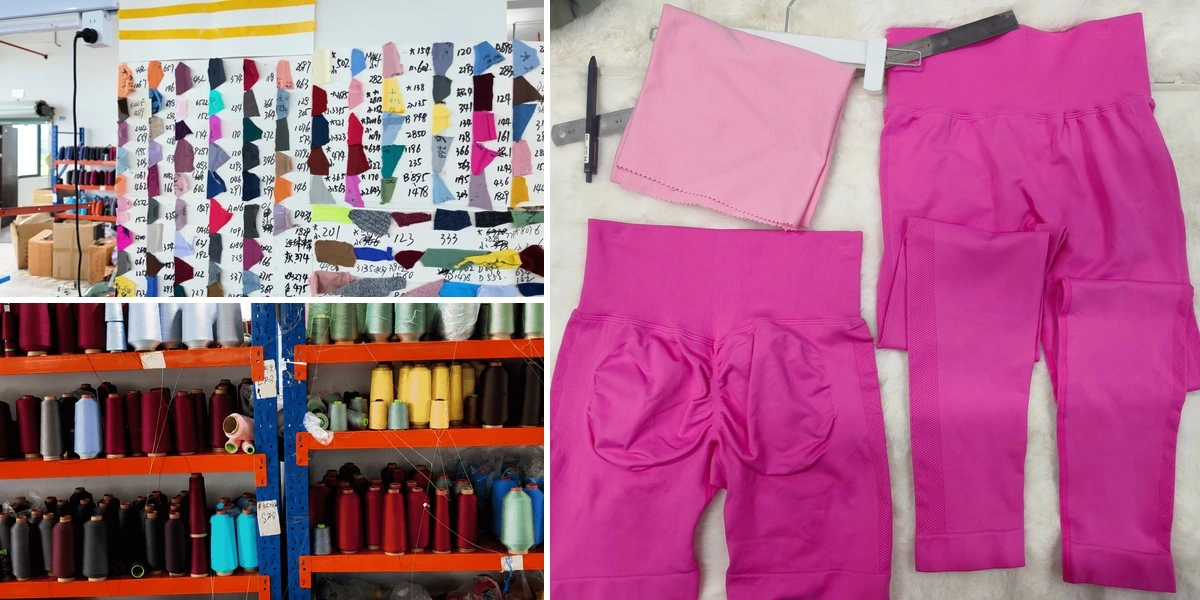
Fabric
Material swatches provide physical evidence behind the private-label fabric discussion.
Straps
Use real strap and elastic options to connect brand design with executable components.
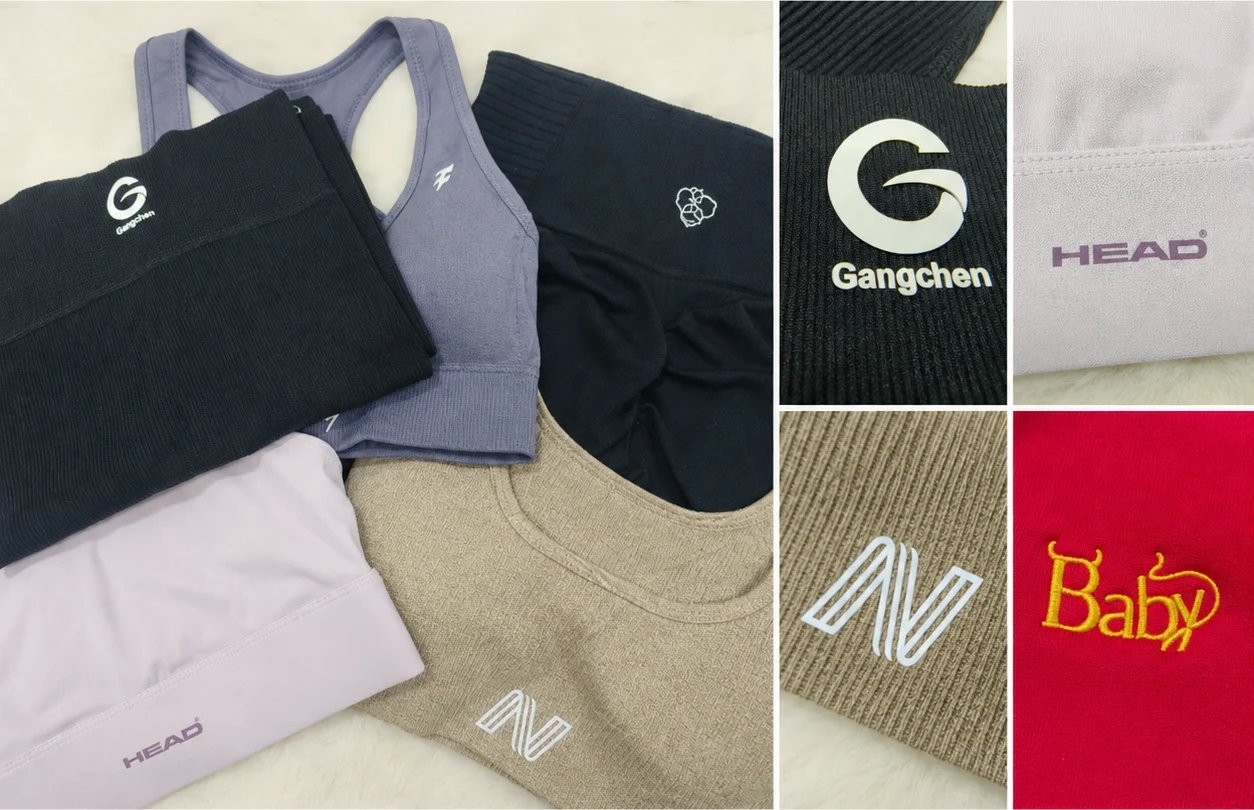
Logo
Show actual branding processes on activewear rather than relying on a list of supported techniques.
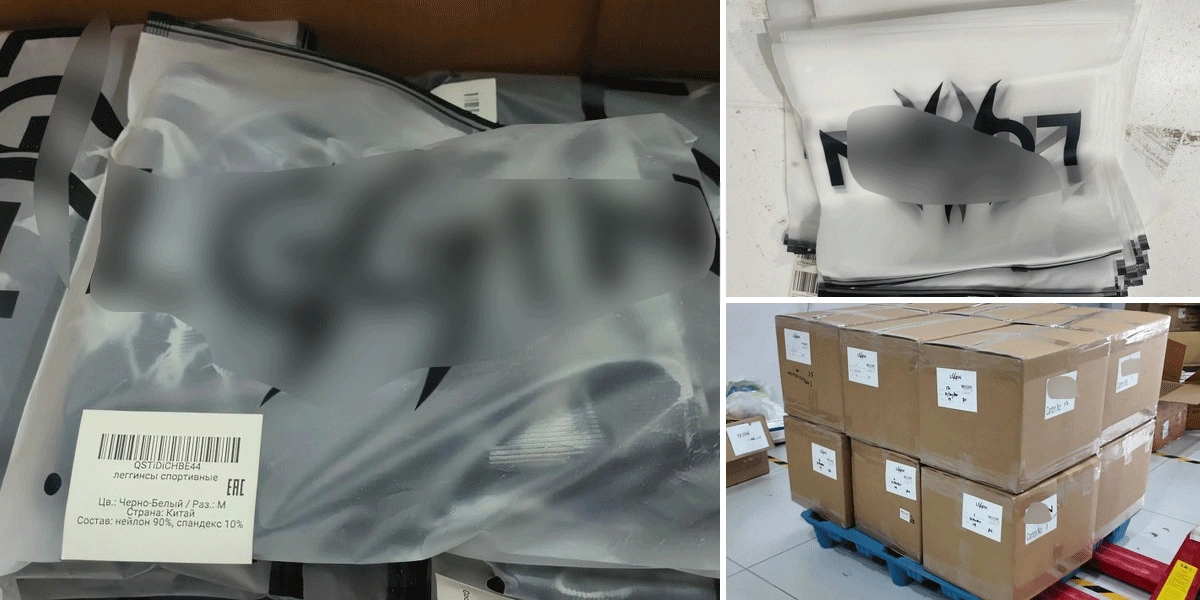
Packaging
Use real private-label packaging evidence to complete the brand execution chain.
Fabric
MOVEVOX can review available fabric or yarn options against hand feel, stretch, recovery, coverage, surface and bra construction. Buyers may provide a fabric specification, swatch or target experience. Special material development can introduce separate supplier MOQ and timing requirements.
- Nylon and Spandex activewear fabric directions.
- Polyester and Spandex material directions.
- Brushed or softer studio-wear material options.
- Seamless yarn and engineered knit systems.
Color
Custom colors can be developed from Pantone or physical references, while available material colors may simplify sourcing. Custom dyeing can create a material MOQ different from the finished-garment MOQ, so color requirements should be declared before final quotation.
- Existing available colors for selected materials.
- Pantone-based custom color development.
- Physical color sample matching where practical.
- Approved bulk shade reference before production.
Fit
Sports bra fit is developed from the buyer's target wearer and measurement system. Bust, underbust, coverage, strap geometry, band height and product length should be reviewed on the actual sample rather than inferred from one chest measurement.
- Customer-specific bra measurement system.
- Low, medium or high support direction.
- Cropped or longline body proportions.
- Size-set validation for selected sizes.
Straps
MOVEVOX can develop fixed, adjustable, cross-back, racerback, wide and narrow strap structures. Material, width, length, angle, attachment and hardware should be approved as part of the complete garment instead of treated as separate decorative trims.
- Fixed shoulder straps and cross-back paths.
- Adjustable straps with approved hardware.
- Wide or narrow elastic directions.
- Custom-colored or branded elastic where feasible.
Construction
The project can use Seamless or Cut & Sew depending on product architecture. Seamless supports engineered knit structures, while Cut & Sew can handle complex multi-strap assemblies, hardware, layered fronts and selected pad-pocket constructions.
- Seamless engineered knit sports bra.
- Cut & Sew panel construction.
- Rib, mesh and texture structures.
- Layered or padded front-body construction.
Logo
MOVEVOX supports screen printing, heat transfer, silicone applications, jacquard, embroidery and woven branding according to material and placement. Highly elastic or brushed areas require compatibility review before the process is approved for bulk.
- Screen printed brand marks.
- Heat transfer Logo applications.
- Silicone Logo applications.
- Embroidery, jacquard or woven branding.
Labels & Packaging
Private-label projects can include main labels, care labels, size labels, woven labels, hangtags, polybags, stickers, barcode or QR identification and custom packaging. Trim and packaging MOQ may differ from garment MOQ, so requirements should be defined early.
- Main and size labels.
- Care and composition labels.
- Hangtags, stickers and barcodes.
- Custom polybag and retail packaging.
Testing
Testing requirements should follow the actual material, color, garment and buyer protocol. MOVEVOX can support project testing and third-party laboratory arrangements, but one sample report is not presented as universal certification for every sports bra.
- Buyer RSL or protocol review.
- Material and garment testing support.
- Customer-nominated laboratory coordination.
- Scope-specific report management.
Capacity Must Match the Actual Bra Program
MOVEVOX distinguishes stable managed capacity from theoretical maximum output. Final sports bra allocation depends on manufacturing route, materials, component supply, colors, SKU structure and current production loading.
150,000–200,000 pcs
Managed Monthly Capacity
Current unified operating scope for stable managed monthly delivery across MOVEVOX's production organization, rather than guaranteed output for one bra style.
300–50,000 pcs
Regular Order Range
Current regular individual-order range across qualifying projects, subject to structure, materials, colors and delivery requirements.
28
Santoni Machines
Italian Santoni Seamless knitting machines support relevant Seamless capacity planning.
≈24
Garment Machines
Principal sewing and garment-making machines support the current Cut & Sew base.
20–35 Days
Regular Bulk Window
Applies when materials, approved samples and production conditions are ready.
5
QC Team
QC personnel support production and final quality-control activities.
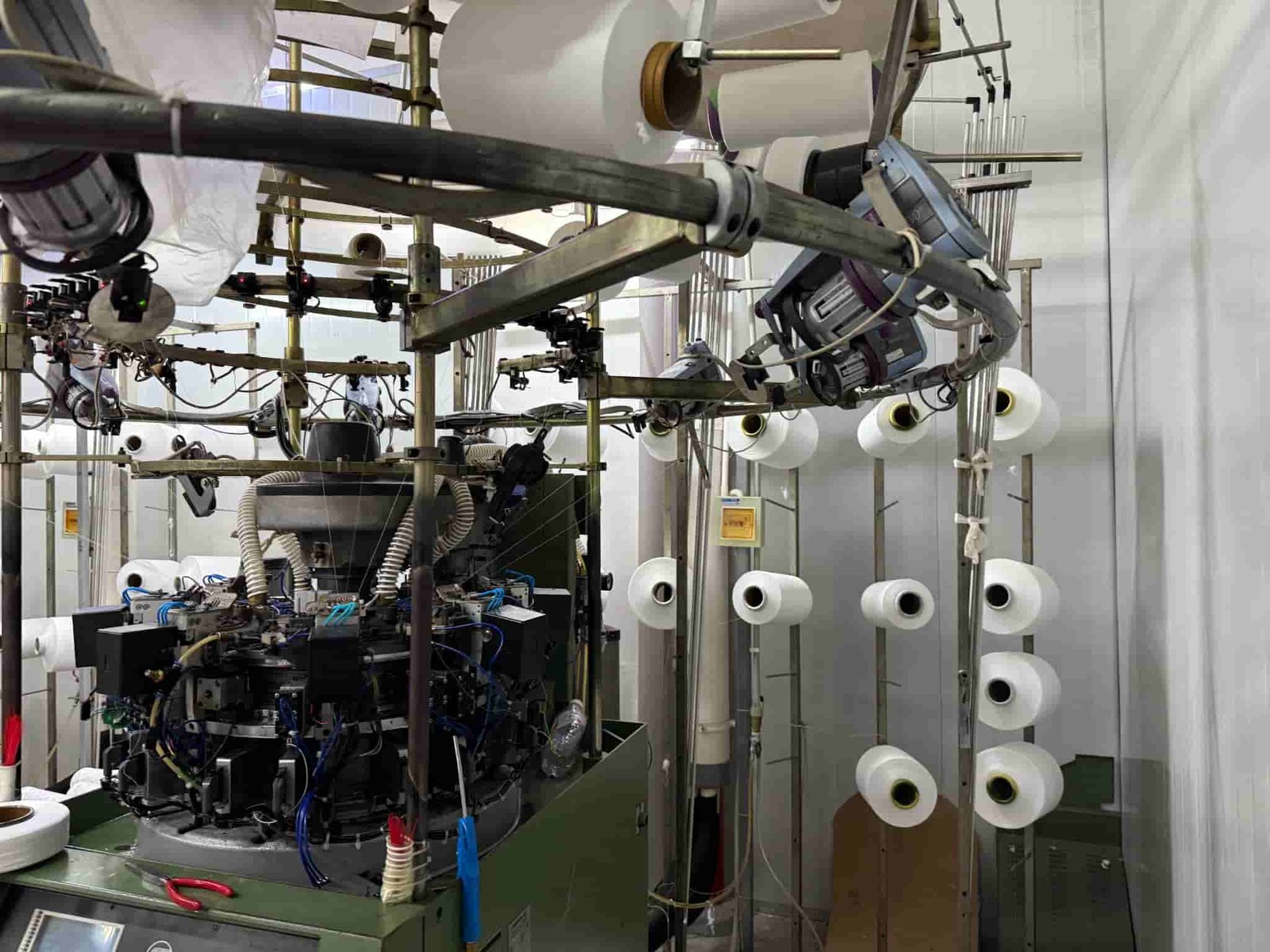
Seamless Production
Use current production-floor evidence to support the equipment and managed-capacity discussion.
Cut & Sew Production
Show active line execution rather than repeating the same static machine image used earlier in the page.
Work in Progress
Use real WIP or completed production to show capacity as an operating system rather than a headline number.
Control Bra Quality From Materials to Final Release
MOVEVOX uses staged quality control rather than relying only on final inspection. Sports bra projects add strap, underband, pad, symmetry and fit-related checkpoints to the wider activewear QC process.

Incoming Materials
Show material-level inspection before production starts.
First Article
Use a real early-production garment check to support the first-article control point.
Inline QC
Show inspectors reviewing product-specific construction while production is still in progress.
Final Release
Connect finished-garment and packing inspection with shipment release.
Material Check
Main fabric and applicable elastic or components are checked against approved project information before they enter regular production.
- Material identity matches approved project specification.
- Color and material condition match approved reference.
- Applicable elasticity and opacity are reviewed.
- Component condition is suitable for production use.
Pre-Production Review
The current sample, measurement chart, BOM, construction and branding requirements are confirmed before regular bulk production.
- Latest specification version is used.
- Approved materials and components are identified.
- Strap and pad construction is confirmed.
- Customer approval points are recorded.
First Article
An early production garment is inspected before regular output continues.
- Measurements follow approved specification.
- Strap geometry matches approved sample.
- Pad and Logo positions are checked.
- Workmanship meets current production standard.
Inline Inspection
Production-stage garments are reviewed while corrective action is still possible.
- Critical dimensions remain controlled.
- Strap symmetry and construction are consistent.
- Sewing or knit defects are identified.
- Repeated abnormalities trigger review.
Finished Garment
Completed bras are reviewed for appearance, dimensions, workmanship and function.
- Left-right symmetry remains acceptable.
- Strap and underband construction are correct.
- Pad position follows approved requirement.
- Logo and labels match project standard.
Movement / Function
Where relevant, functional components and fit-sensitive areas are reviewed according to the approved product expectation.
- Adjustable hardware operates as intended.
- Straps remain correctly assembled.
- Pads are correctly oriented and positioned.
- Functional details match approved sample.
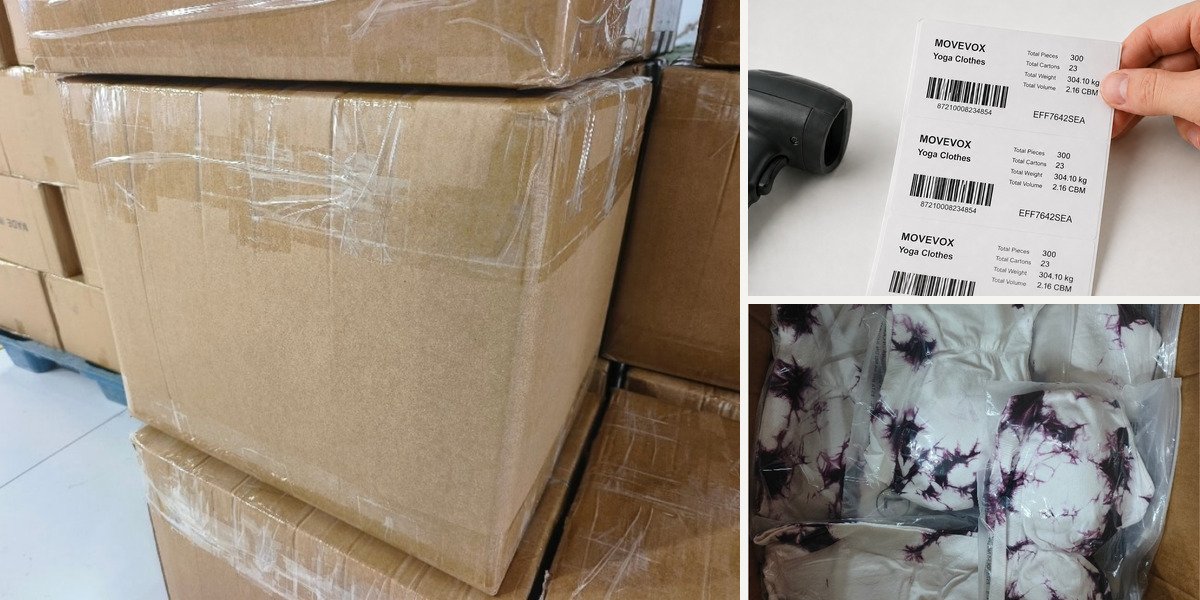
Packaging Check
Finished-garment identity must remain aligned with labels, packaging and order information.
- Size and color identification are correct.
- Barcode or QR data matches the SKU.
- Packaging follows approved instructions.
- Carton information is reviewed where applicable.
Final Inspection
The order receives final review before shipment release.
- Garment and packing requirements are reviewed.
- Nonconforming items remain separated.
- Corrective work is re-inspected where required.
- Shipment release follows current order standard.
Prevent Critical Bra Defects During Production
Strappy sports bras require product-specific workmanship checks. The most useful controls focus on known failure zones before and during production instead of relying on one generic final-inspection checklist.
Strap Symmetry
Show the inspection action used to prevent visible left-right strap deviation.

Pad Position
Use a real garment check to show how left-right pad alignment is reviewed.
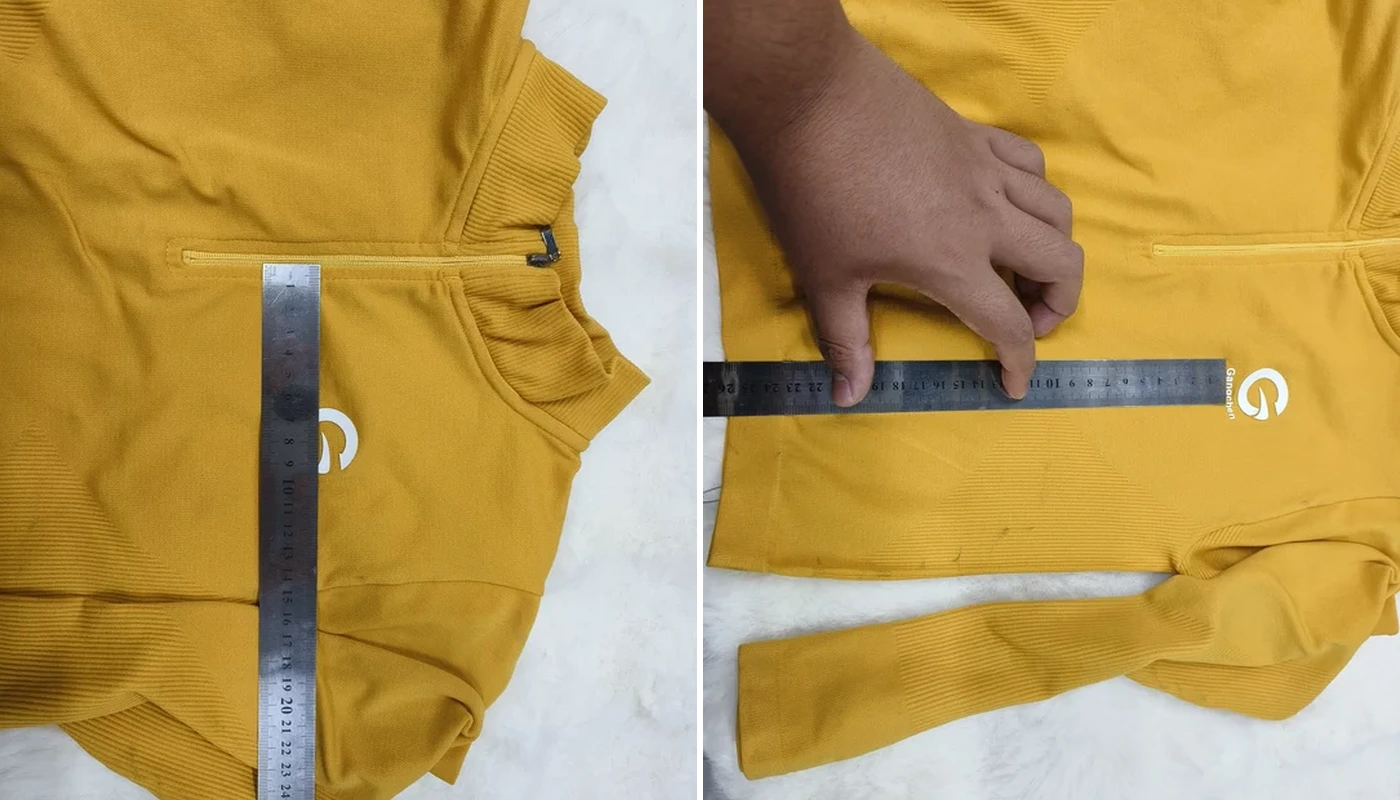
Logo Position
Connect brand-detail prevention with actual measurement or first-article review.
| Defect | Likely Cause | Prevention | Inspection Point | Corrective Action |
|---|---|---|---|---|
| Strap Asymmetry | Unequal length, attachment position or assembly direction changes the approved back geometry. | Lock strap POM, connection points and approved sample before regular production begins. | First article, inline strap measurement and finished-garment symmetry review. | Isolate affected garments, correct assembly setup and re-inspect against approved geometry. |
| Strap Twisting | Material orientation, cross-point placement or incorrect assembly can rotate straps during wear. | Confirm strap orientation and cross-back construction in the physical approval sample. | First article and inline visual inspection of back structure. | Correct orientation or assembly method and re-inspect affected production. |
| Attachment Opening | Stress, unsuitable stitch construction or weak reinforcement may affect local joining points. | Identify load direction and approve reinforcement suitable for the actual fabric and elastic. | Strap connection check during inline and finished-garment inspection. | Segregate failures, correct construction and verify repaired attachment before release. |
| Band Distortion | Elastic, joining or uneven construction can alter lower-band dimensions or visual alignment. | Approve underband material, dimensions and joining method before bulk. | First article, measurement control and final symmetry check. | Stop affected production, correct cause and re-inspect against approved band standard. |
| Pad Misplacement | Pocket construction, orientation or inconsistent insertion can create left-right height differences. | Approve pad shape, position and pocket structure during sample stage. | First article, finished-garment pad and appearance check. | Reposition or correct affected units and re-inspect before packing. |
| Logo Misalignment | Incorrect position reference or application setup can shift brand placement. | Lock Logo dimensions, position, direction and approved artwork before production. | First article, inline branding check and final inspection. | Correct application setup and isolate products outside approved Logo requirements. |
Match Testing to the Actual Bra Specification
Testing should correspond to the actual material, component, color, garment and customer requirement. MOVEVOX can coordinate project-specific testing, but one report should never be extended beyond its tested scope.
Composition Verification
Purpose: Confirm whether submitted material information corresponds with the material required for the sports bra project.
Method: Review supplier documentation and arrange laboratory verification when requested by the buyer or required under the agreed protocol.
Actual submitted material + defined project requirementFabric GSM
Purpose: Check material weight because changes can influence feel, coverage, fit and bulk consistency.
Method: Review incoming material against the approved GSM specification using the agreed internal or customer-defined method.
Approved material reference + production lotShrinkage Review
Purpose: Identify dimensional change that may influence the sports bra after applicable treatment or washing.
Method: Use the buyer's required method or an agreed project procedure rather than applying an unspecified universal test.
Actual fabric + defined wash conditionColorfastness
Purpose: Evaluate color performance when required for the selected material, color and end-use expectation.
Method: Arrange testing according to the applicable customer or laboratory method defined for the project.
Actual material + color + specified standardStretch Recovery
Purpose: Review elongation and recovery where material behavior can influence strap, underband or body fit.
Method: Internal material evaluation or specified laboratory testing may be used depending on the buyer's technical requirement.
Approved material + defined test conditionWash Stability
Purpose: Observe whether dimensions, padding, Logo, surface and other relevant details remain acceptable after the required wash condition.
Method: Evaluate according to the customer's required wash procedure or agreed development protocol.
Actual garment + approved wash requirementAttachment Performance
Purpose: Review critical connection areas such as straps, elastic or approved hardware where local stress creates a product risk.
Method: Use project-defined physical checks or requested laboratory methods instead of publishing unsupported fixed force values.
Approved construction + buyer requirement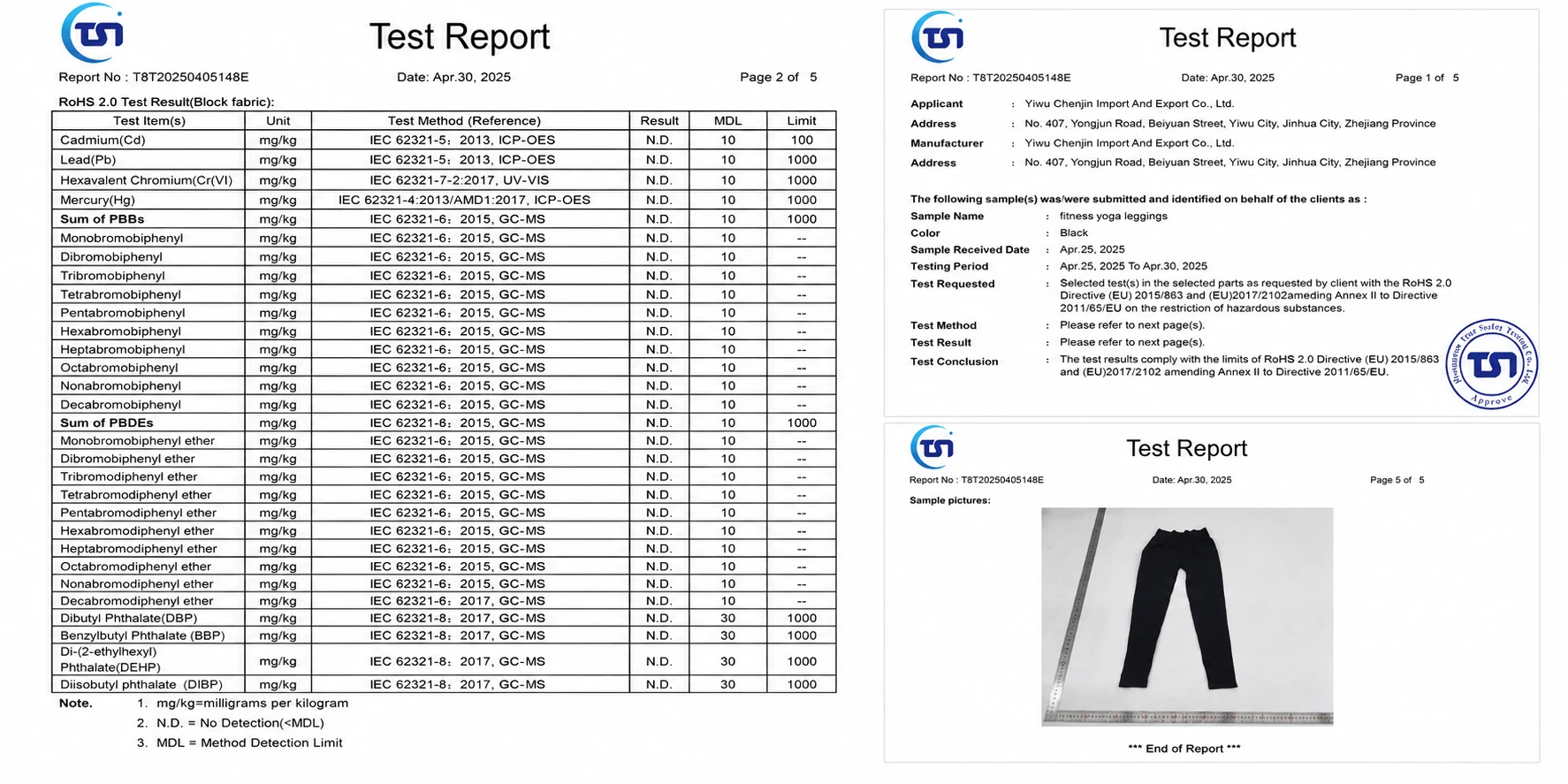
Evidence Scope Note
Existing MOVEVOX third-party reports relate to specific submitted products and samples. They demonstrate testing experience but cannot be described as certification for every Strappy Sports Bra, material, color or production batch.
Use a Structured Sports Bra Supplier Checklist
Large brands should verify product development, manufacturing, quality, capacity and documentation through evidence. This checklist helps structure supplier qualification without replacing the buyer's own audit protocol.
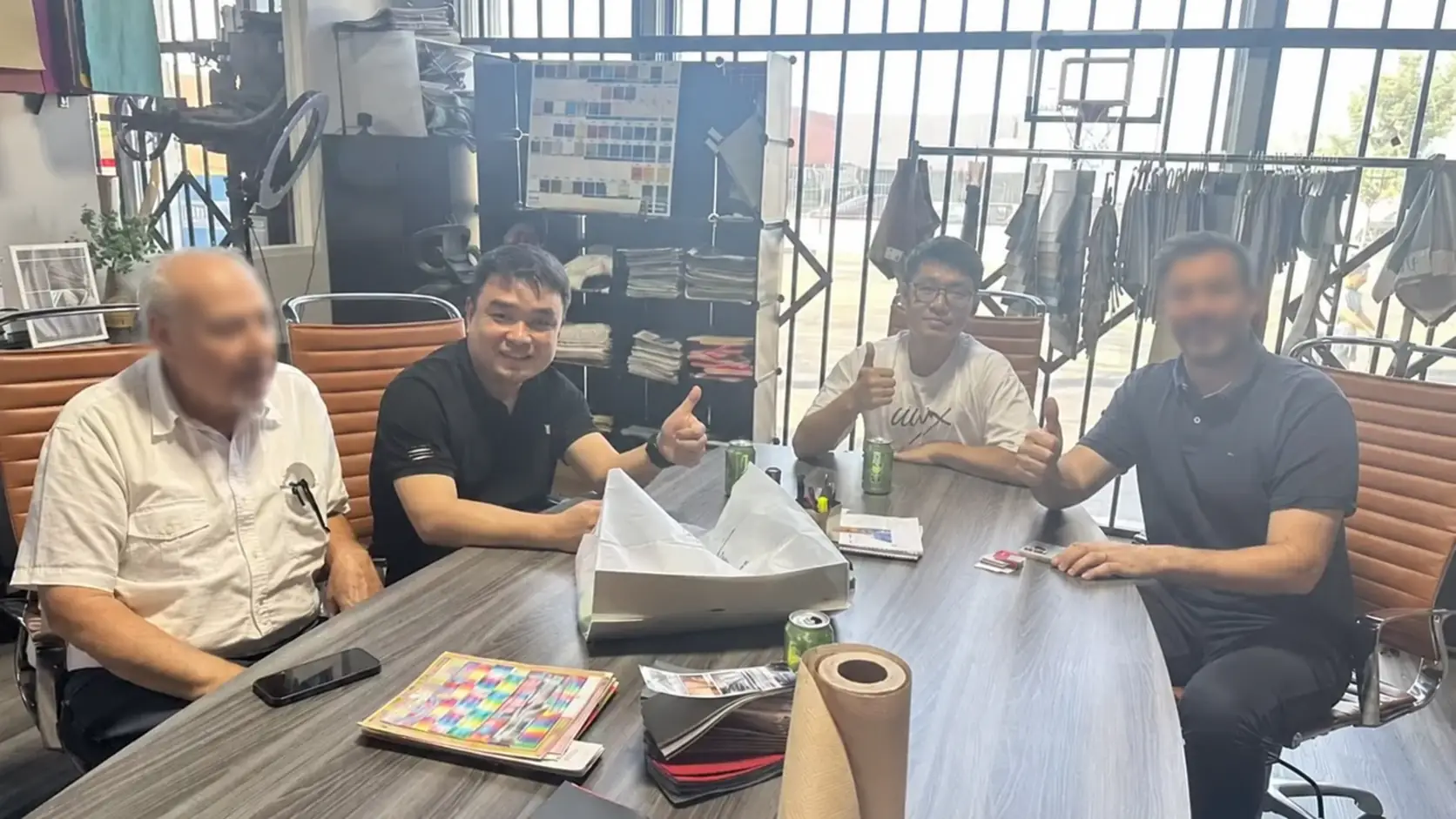
Factory Visit
Use an actual customer visit or audit meeting image where publication is permitted.
Production Verification
Show the actual production environment a sourcing team can verify during qualification.
Remote Review
Use real video-audit or documentation evidence when available to support remote supplier qualification.
Product Development
- Can the supplier review sports bra Tech Packs before sampling?
- Can strap, pad and fit revisions become measurable specifications?
- Can both Seamless and Cut & Sew routes be evaluated?
Manufacturing
- Can actual production areas and relevant equipment be verified?
- Can Santoni Seamless equipment be shown during supplier review?
- Can Cut & Sew bra production processes be inspected?
Quality
- Are approved samples retained as production comparison references?
- Are first-article and inline checks part of production control?
- Are strap, pad and measurement issues treated as product-specific checkpoints?
Compliance
- Are certification and test scopes checked before public claims?
- Can customer RSL or Quality Manual requirements be reviewed?
- Can third-party inspection or testing be coordinated when required?
Communication
- Are sample comments converted into documented production changes?
- Can factory visits or live video reviews be supported?
- Are confidential Tech Packs and brand information protected from public use?
Plan Bra Lead Time Around Real Dependencies
Regular bulk production is currently approximately twenty to thirty-five days when approved materials, samples and production conditions are ready. Custom components and buyer approval time should be planned separately.
Lead Time Is a Sequence, Not One Number
An anonymized T&A or production schedule can show how technical review, material readiness, buyer approval, manufacturing and inspection depend on one another before shipment.
A Real Activewear Program From Sample to Bulk
The customer identity and commercial order details remain anonymous because MOVEVOX does not publicly disclose brand information without permission.
Customer Profile
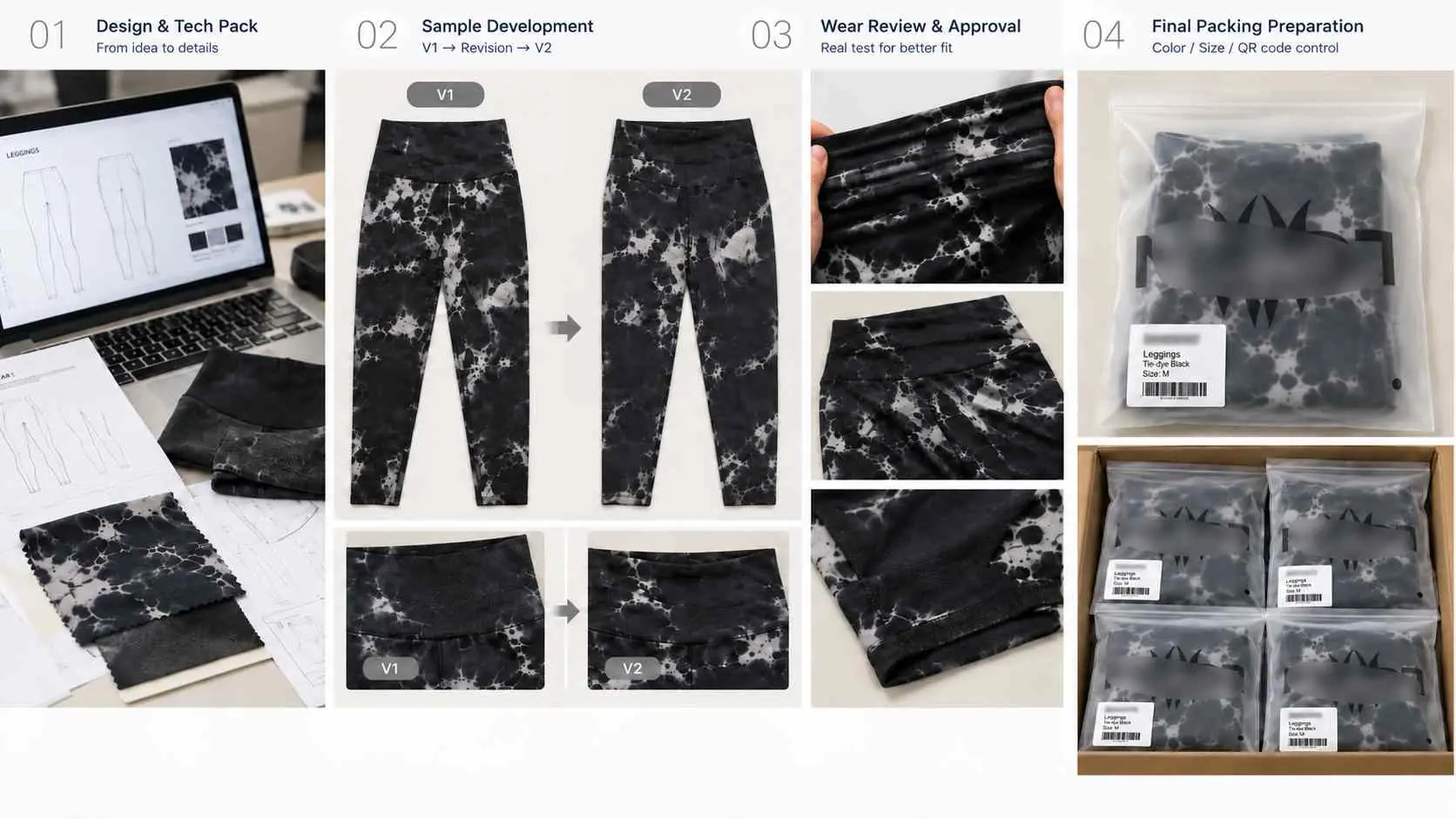
This U.S. activewear customer developed a broader women's fitness and yoga assortment that included sports bras, leggings, shorts, tanks, sets and related products. The buyer provided its own product specifications and required product development, branded details and controlled packaging before moving approved products into repeated production.
Challenge
The project required more than reproducing a visual reference. Products had to be reviewed through physical sampling and wearer feedback before bulk approval. The buyer also used custom Logo, labels, care labels and packaging, while product-level identification requirements added another control point during packing. The sports bra category formed part of the wider program, but available evidence does not support describing the project specifically as a Strappy Sports Bra case.
Solution
MOVEVOX followed a structured development route from the buyer's technical inputs into a first physical sample. After wearer evaluation, the customer requested adjustments and MOVEVOX produced a revised version rather than releasing the first sample directly into bulk. Additional samples were then prepared for further user testing before production approval. The confirmed product, branding and packaging requirements became the working reference for manufacturing and QC. Packing controls also included matching product attributes with the required identification information before shipment.
Technical Input
Customer technical information initiated the development process.
V1 Revision
V1 feedback was converted into a revised physical sample.
Test Samples
Additional samples supported buyer-side product validation before bulk.
Bulk Approval
Bulk production followed product and buyer approval.
Packing Control
Product identification received additional checking during fulfillment.
Build a Bra Supply Program Beyond One Order
Long-term supplier relationships can progress from product qualification into repeat orders, new strap structures, coordinated activewear products and capacity planning while retaining approved product standards.
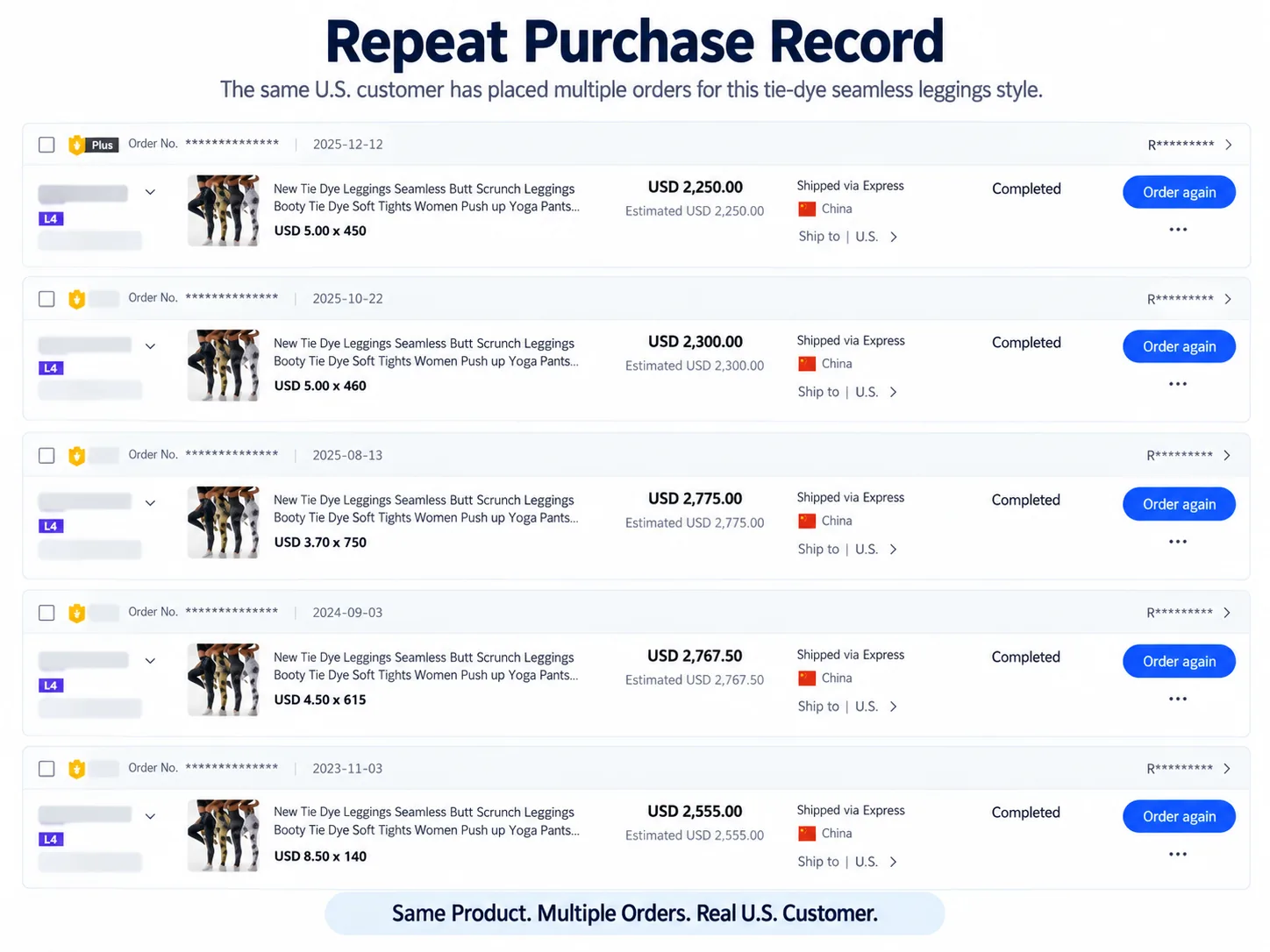
Evidence of Continuity Matters
Where customer confidentiality permits, use anonymized repeat-order samples, later-season products or packaging evidence to show that supplier performance extends beyond one development sample or first purchase order.
Sample Qualification
The buyer first reviews the physical sports bra for fit, straps, materials, padding, construction and private-label requirements before approving the supplier relationship.
First Bulk Order
Once technical and commercial requirements are approved, production proceeds with confirmed quantities, colors, sizes, branding and packaging requirements.
Repeat Production
A successful style can enter repeat production while current materials, colors, components and order conditions are reconfirmed against the existing approved product.
New Bra Development
The buyer may introduce another back design, strap structure, color direction or coordinated sports bra while maintaining established brand standards.
Collection Expansion
Sports bras can be developed alongside leggings, shorts, tops or yoga sets so color, Logo, labels and packaging remain coordinated across the range.
Capacity Planning
As order requirements grow, MOVEVOX reviews current material readiness, production route, line loading and delivery needs rather than assuming earlier conditions remain unchanged.