Sports Apparel Manufacturer for Performance Brands and Repeat Programs
MOVEVOX supports sports and performance-activewear brands with product development, private-label customization, Cut & Sew and Seamless manufacturing, controlled sampling, quality-managed bulk production and repeat-order execution. Projects can begin from a complete Tech Pack, an approved reference, or a clearly defined product brief, with manufacturing routes selected according to product structure and commercial requirements.
Start a Sports Project
If you already have a product direction, Tech Pack or reference sample, MOVEVOX can review manufacturability, materials, construction, customization, quantities and timing before sample development begins.
- Review Tech Pack and product requirements first
- Match construction to the manufacturing route
- Confirm sampling before releasing bulk production
Qualify MOVEVOX as Supplier
If your team is still shortlisting manufacturers, review MOVEVOX by actual product scope, factory capability, MOQ structure, quality controls, production transparency, audit readiness and scale-up approach.
- Cut & Sew plus Seamless capabilities
- Transparent production and quality responsibilities
- Structured path from trial to repeat orders
Is MOVEVOX Right for Your Program?
A useful supplier shortlist starts with fit, not promises. Review the criteria below against your product category, development inputs, commercial structure and vendor-control requirements before investing time in samples or detailed costing.
Product Fit
- Your core need is performance activewear rather than professional competition uniforms.
- Your program includes leggings, sports bras, shorts, tops or coordinated sets.
- Sport-specific structures can enter technical review before commercial commitment.
Development Fit
- You can provide a Tech Pack, sample, sketch or clear concept.
- Your team can approve materials, fit, branding and production standards.
- The project allows controlled sampling before bulk production is released.
Commercial Fit
- Starting quantities align with realistic style-level manufacturing minimums.
- Custom colors can accommodate supplier dye-lot requirements when necessary.
- The program has realistic quantity, timing and repeat-order expectations.
Governance Fit
- You require documented QC, production transparency and traceable project records.
- Production-location changes require disclosure or approval when contractually specified.
- Long-term repeatability matters more than lowest-price-only supplier selection.
MOVEVOX is strongest when a buyer needs activewear development plus controlled manufacturing rather than a generic garment source. Standard starting points are approximately 100 pieces per Seamless style and 150 pieces per Cut & Sew style, subject to material, color, construction and order structure. Projects outside the normal product or commercial range can still be technically reviewed before a commitment is made.
Fit Requirements Change with the Activity
A single fit formula should not be copied across every sports category. Movement pattern, garment position, support, friction, material recovery and brand preference all influence how a product should be developed and validated.
Yoga & Pilates
Yoga and Pilates products often move through deep flexion, extension, rotation and sustained positions. The development task is therefore not simply to make the garment tight. Waistband position, crotch structure, material stretch and recovery, opacity, strap stability and overall comfort must work together. Final fit targets should follow the customer’s intended consumer profile, Tech Pack and approved sample rather than a generic “yoga fit.”
- Stable placement through deep flexion and rotation
- Stretch and recovery matched to garment construction
- Opacity and comfort checked during movement

Gym & Training
Training products may experience repeated stretching, loading, equipment contact and higher structural stress. Fit development should consider support, recovery, seam or knitted-structure stability and whether pockets, panels, waistbands or bra components remain correctly positioned through repeated movement. Compression direction must be defined by the project rather than assumed from the sport category alone.
- Controlled fit under repeated dynamic movements
- Structure stable through stretch and recovery
- Higher-friction zones reviewed during development
Running
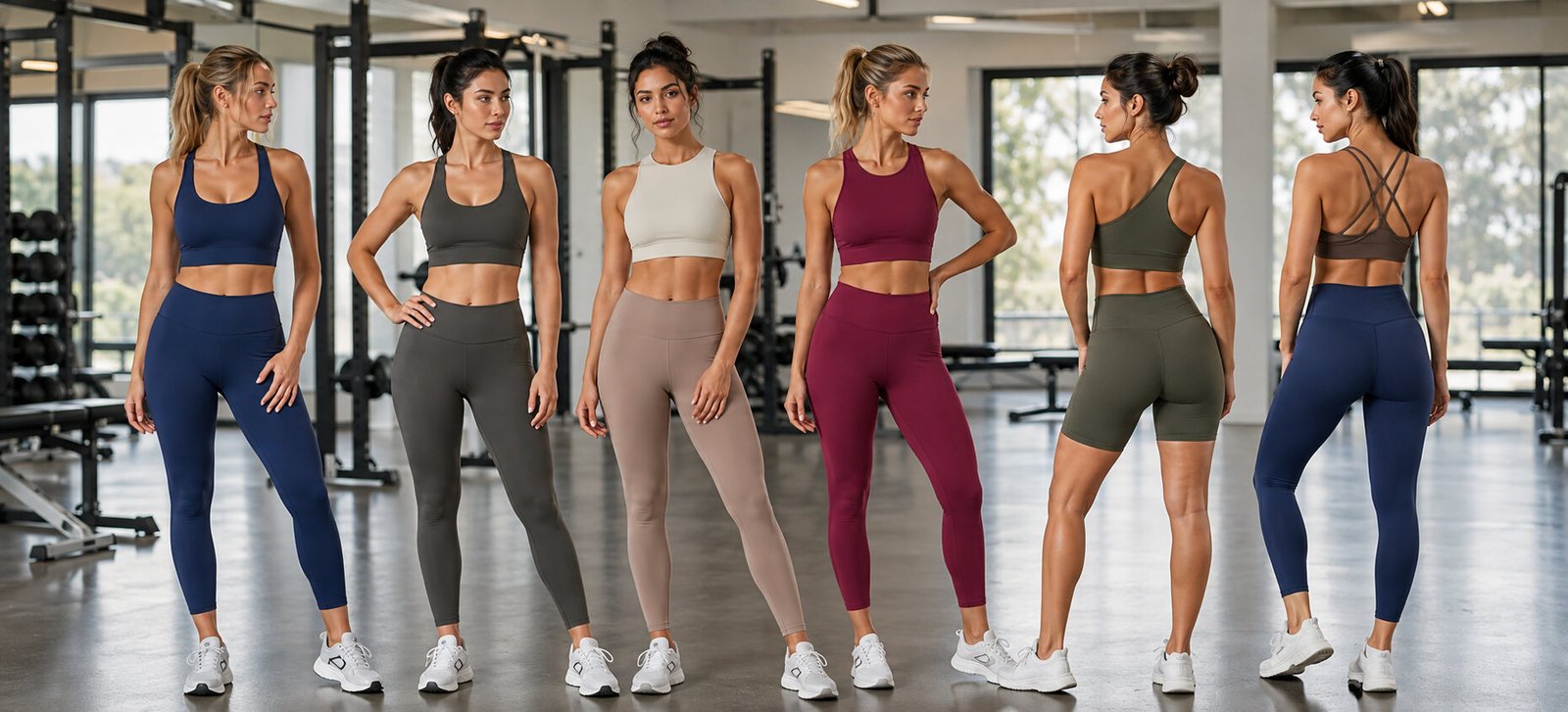
Running creates continuous repetitive motion, which can expose movement, friction and pocket-placement problems that may not appear in a static fitting. Product review can therefore consider garment length, waistband stability, underarm or inner-leg friction, material weight, pocket security and construction. The final solution depends on the exact running product, target consumer and customer performance specification.
- Stable garment position through repeated movement
- Friction-sensitive areas reviewed before bulk
- Pocket and length requirements validated physically
Multi-Activity Sportswear
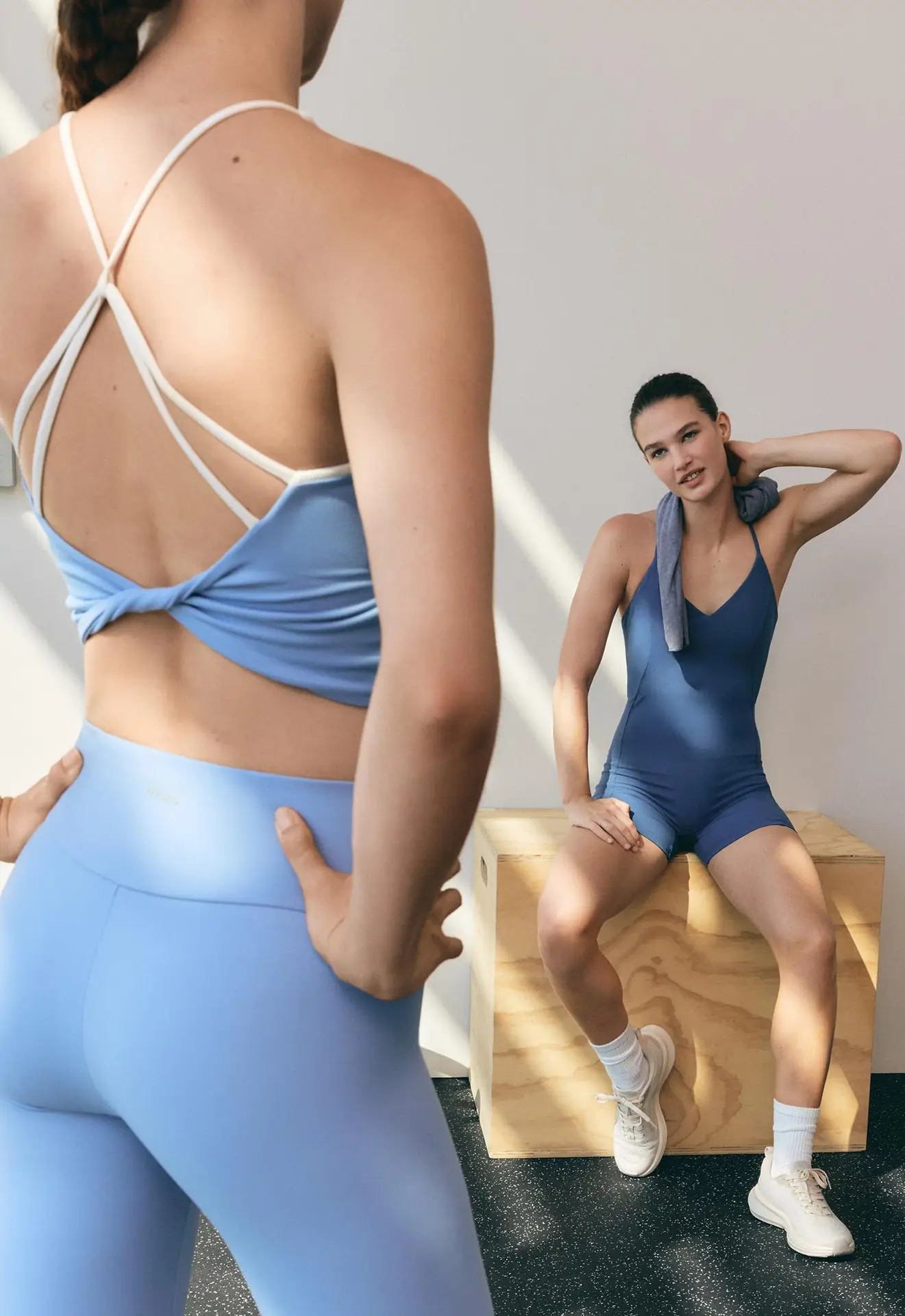
Some commercial sportswear collections are designed for more than one activity. In these projects, MOVEVOX first identifies the intended primary use rather than treating “multi-purpose” as an undefined performance claim. Material, fit and construction decisions can then balance mobility, support, durability, appearance and cost while preserving the brand’s desired product language across the collection.
- Define the primary activity before development
- Balance movement, structure and brand positioning
- Approve trade-offs through physical sample review
Control the Critical Path Before Production
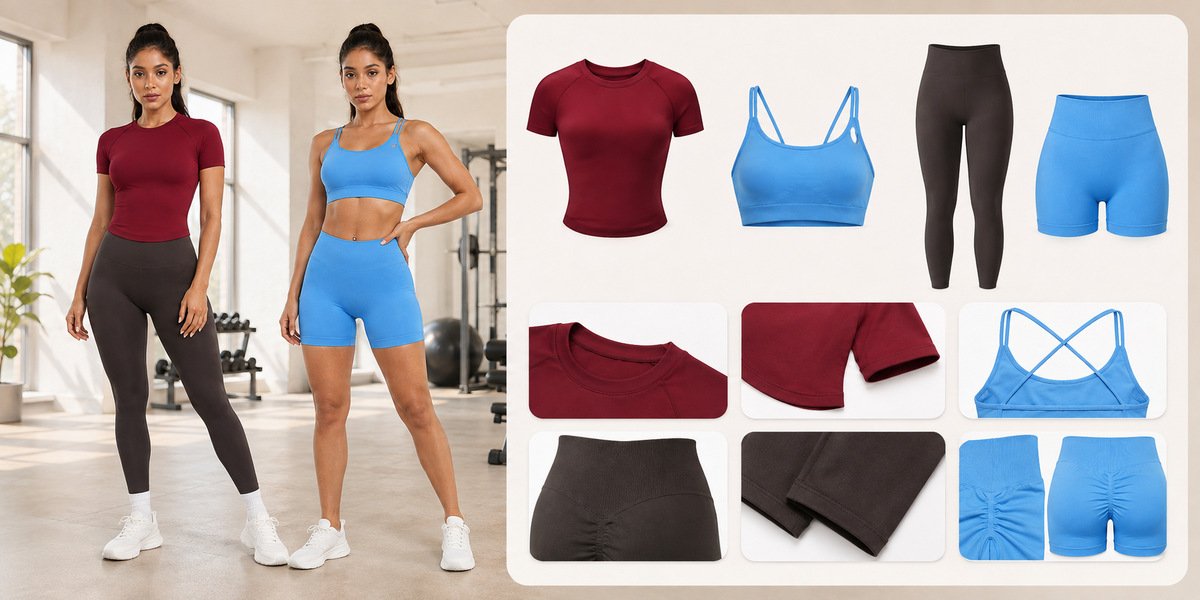
Sportswear launches can be affected by material readiness, sample approval, customization, capacity and inspection timing. MOVEVOX treats delivery as a controlled project path rather than relying on one universal production promise.
| Phase | Timing | Precondition | Buyer Gate |
|---|---|---|---|
| Material Review | Supplier-confirmed | BOM and material direction confirmed | Material or color approval where required |
| Sample Development | 5–10 working days | Development details sufficiently confirmed | Sample review and revision feedback |
| Final Approval | Project-specific | Fit, construction, material and branding confirmed | Approved or PP sample release |
| Bulk Production | About 20–35 days | Material readiness and production release | Approved production requirements |
| Quality Release | Order-specific | Required inspection stages completed | Final inspection or buyer inspection where applicable |
| Cargo Ready | Confirmed per order | Packing and release requirements completed | Shipment instruction where applicable |
The timeline starts from confirmed project conditions, not the first inquiry date. Material availability, custom dye lots, special components, revision cycles, order complexity, buyer approvals, inspection requirements and production allocation can change the critical path. When a risk affects the confirmed schedule, the preferred response is early visibility and an agreed recovery option, not an unapproved material or production change.
Cut-and-Sew Sports Apparel Development Range
Cut & Sew provides greater freedom for pattern engineering, panels, pockets, zippers, bindings, bra constructions and material combinations. The final route should follow the product rather than a manufacturing preference.
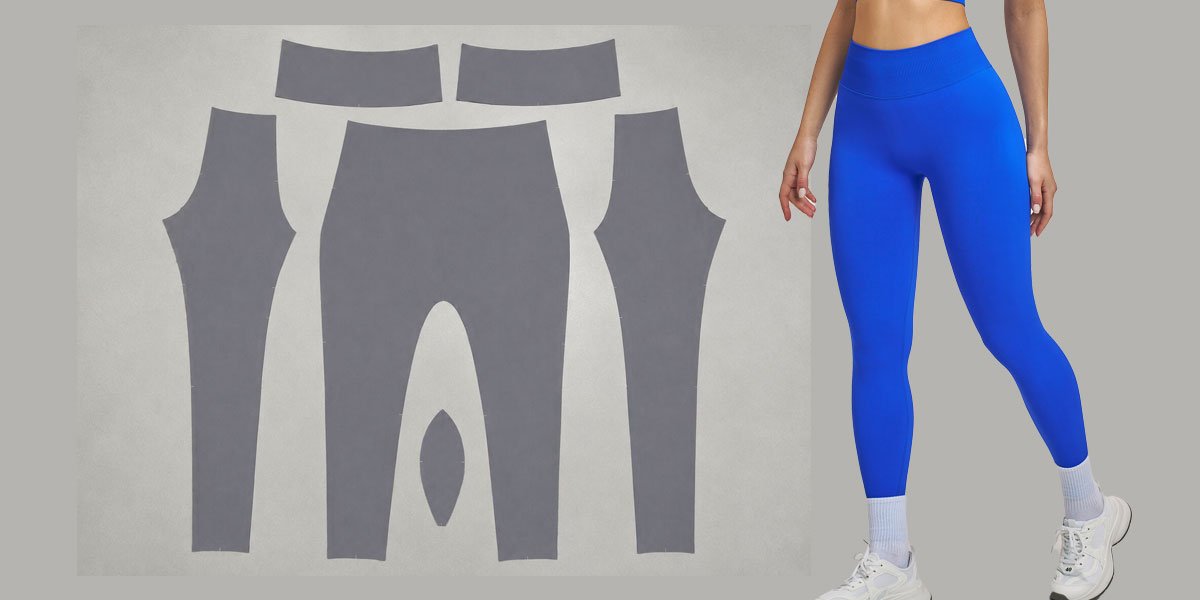
Training Leggings
Cut-and-sew leggings are suited to projects requiring defined pattern lines, pockets, gussets, waistband structures or combinations of different materials. Development can control POM measurements, fit, seam placement, material recovery and branding against the customer’s specification and approved sample before bulk production is released.
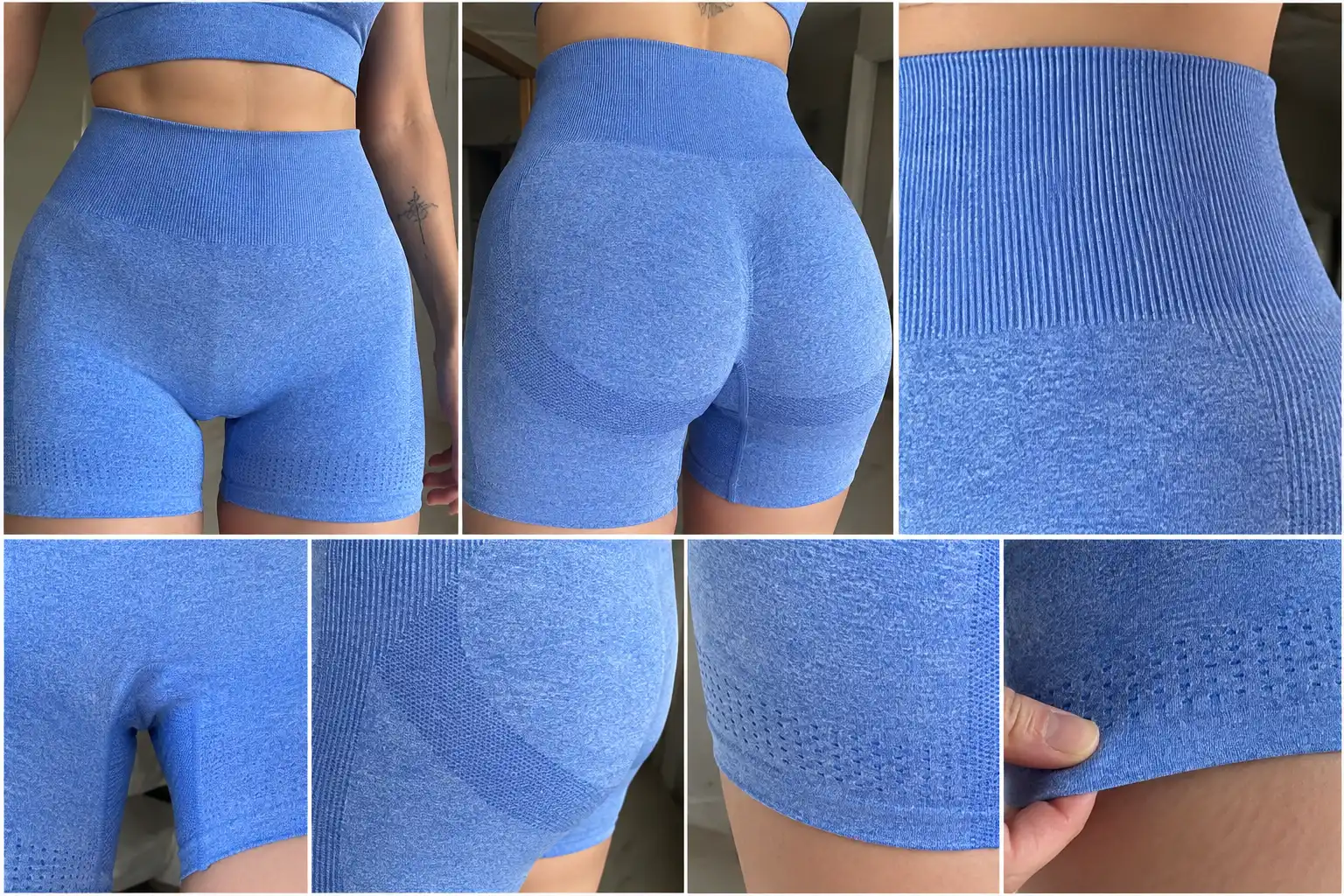
Performance Shorts
Sports and training shorts can be developed around target length, waistband construction, leg opening, pockets, liners or panel details. Material choice and construction should reflect the intended activity and fit target. More complex pocket, trim or multi-material requirements should be locked during sampling before the order moves into bulk.

Sports Bras
Cut-and-sew sports bras allow flexible control of back construction, underband, straps, cup or pad structures, binding and material combinations. Support should not be treated as a universal claim; it must be developed around the intended use, garment structure, fit, material recovery and the customer’s approved product standard.
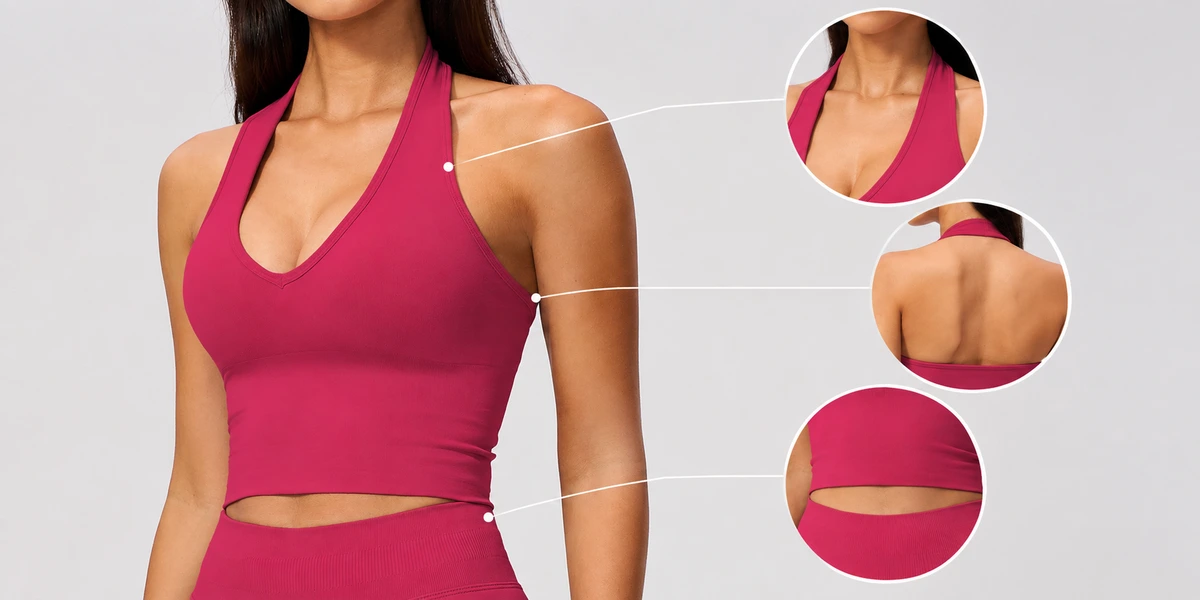
Training Tops
Tanks, T-shirts and long sleeves can be developed with different silhouettes, panel lines, necklines, sleeves, hems and branding placements. Sports use may also affect material weight, stretch, friction points and garment length. Final specifications are controlled through the Tech Pack, sample approval and applicable measurement standards.
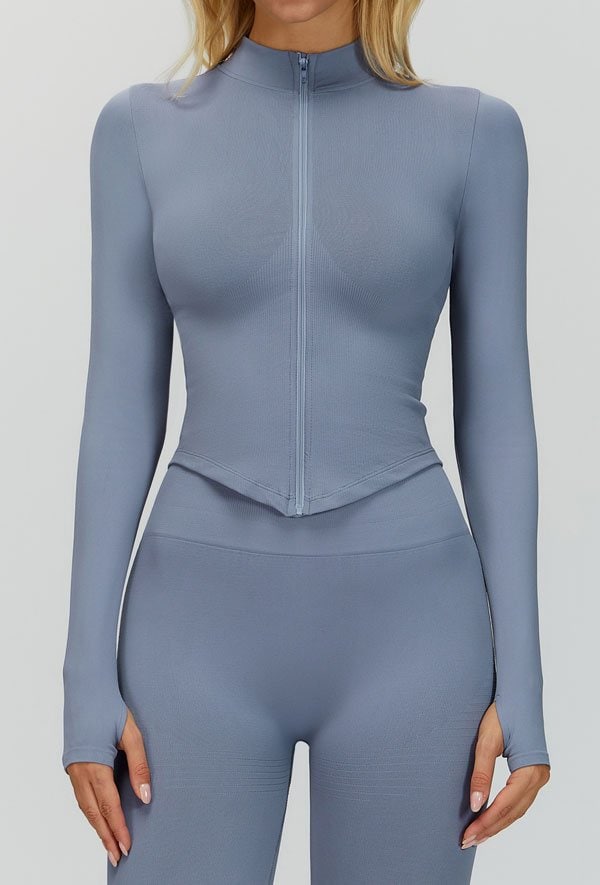
Lightweight Layers
Selected jackets and lightweight outer layers can be reviewed when the requested construction fits MOVEVOX’s normal garment capability. Zippers, pockets, bindings, panels and material combinations may be developed through Cut & Sew. Technical outerwear requiring professional full seam-taping, heavy insulation or protective performance is outside the standard scope.
Where Seamless Fits Sportswear Development
MOVEVOX operates 28 Italian Santoni seamless knitting machines. The value is not the machine count alone, but knowing which products and structures genuinely benefit from engineered seamless knitting.
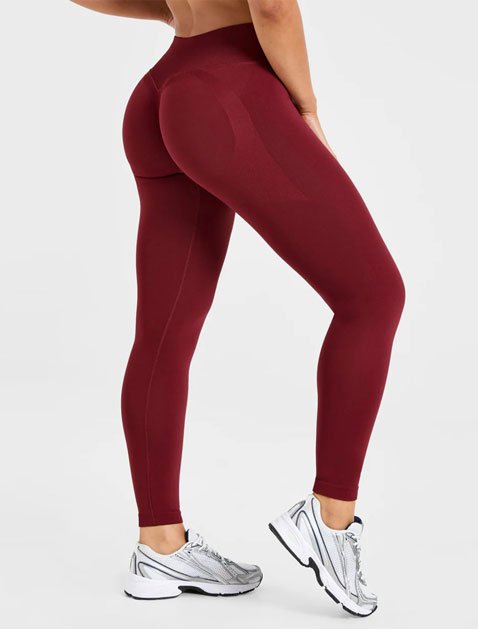
Seamless Leggings
Leggings are a first-tier Seamless product for MOVEVOX. Knitted structure can be developed around waistband zones, rib, mesh, texture and localized density changes according to the product brief. Fit, opacity, stretch and recovery still require sample validation; “seamless” does not remove the need for engineering or finishing operations.
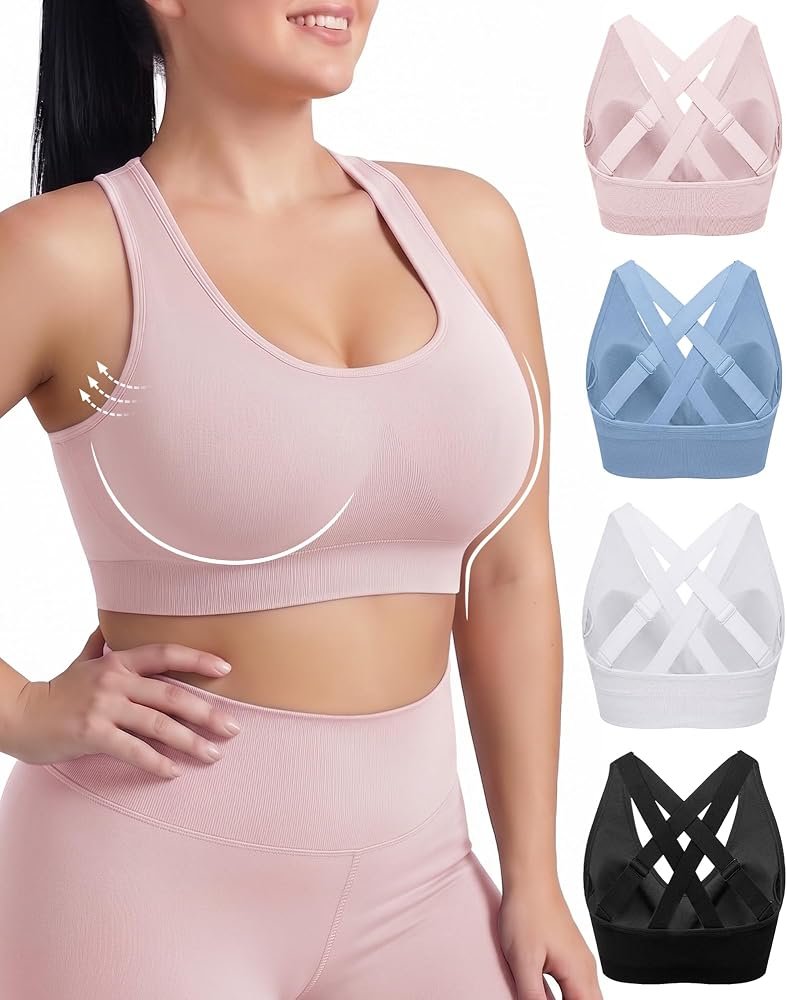
Seamless Sports Bras
Sports bras are another core Seamless category. Knitted zones, rib structures, mesh and density changes can support the intended visual and fit direction, while straps, pad openings, labels or selected finishing details may still require subsequent sewing. Final support positioning depends on structure, yarn, sizing and customer approval.
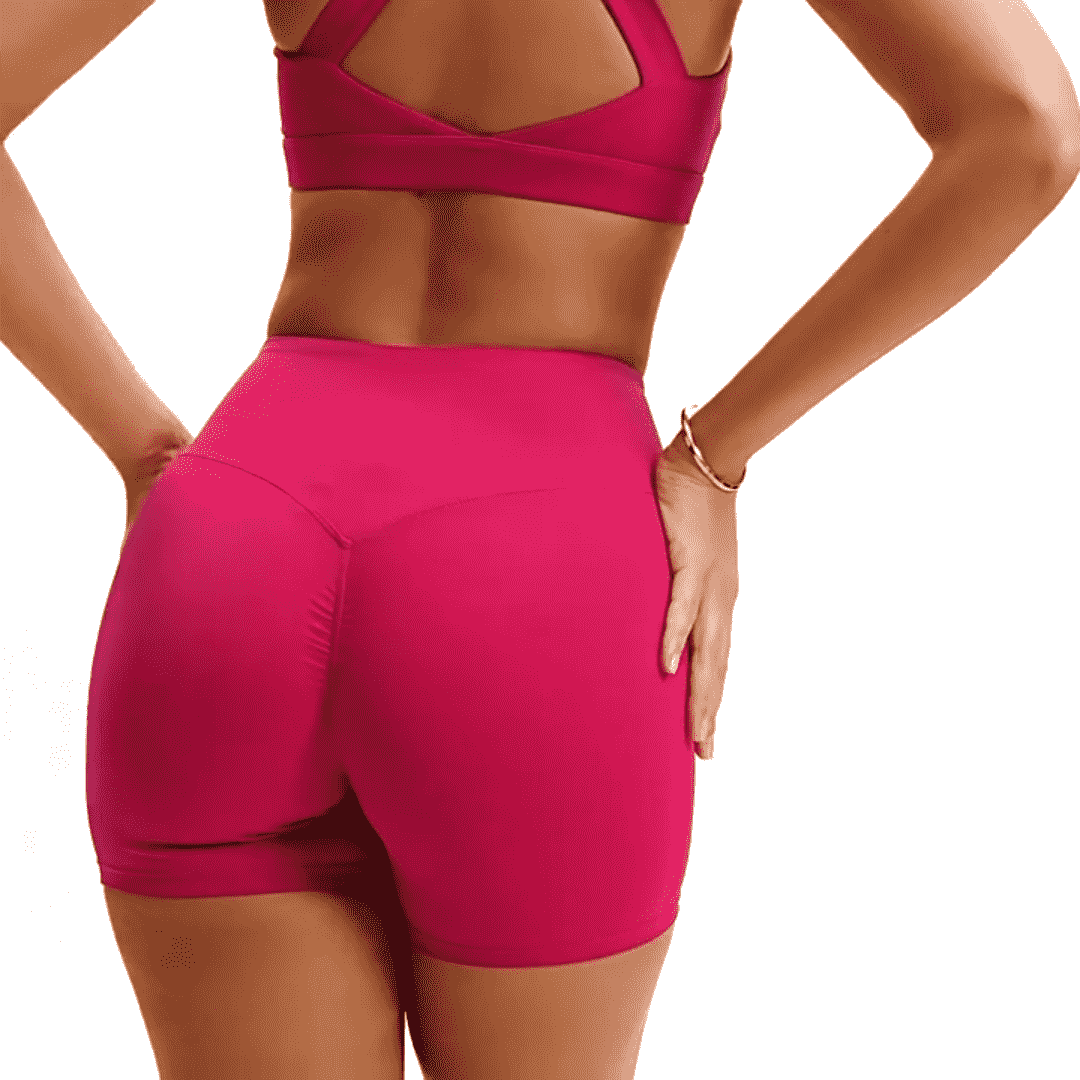
Seamless Shorts
Seamless shorts can share product language with leggings while adapting length, leg opening, waistband and local knitted structure. They are well suited to coordinated sports and activewear collections. Development should still validate crotch fit, movement, recovery, opacity and the position of engineered texture or support zones.
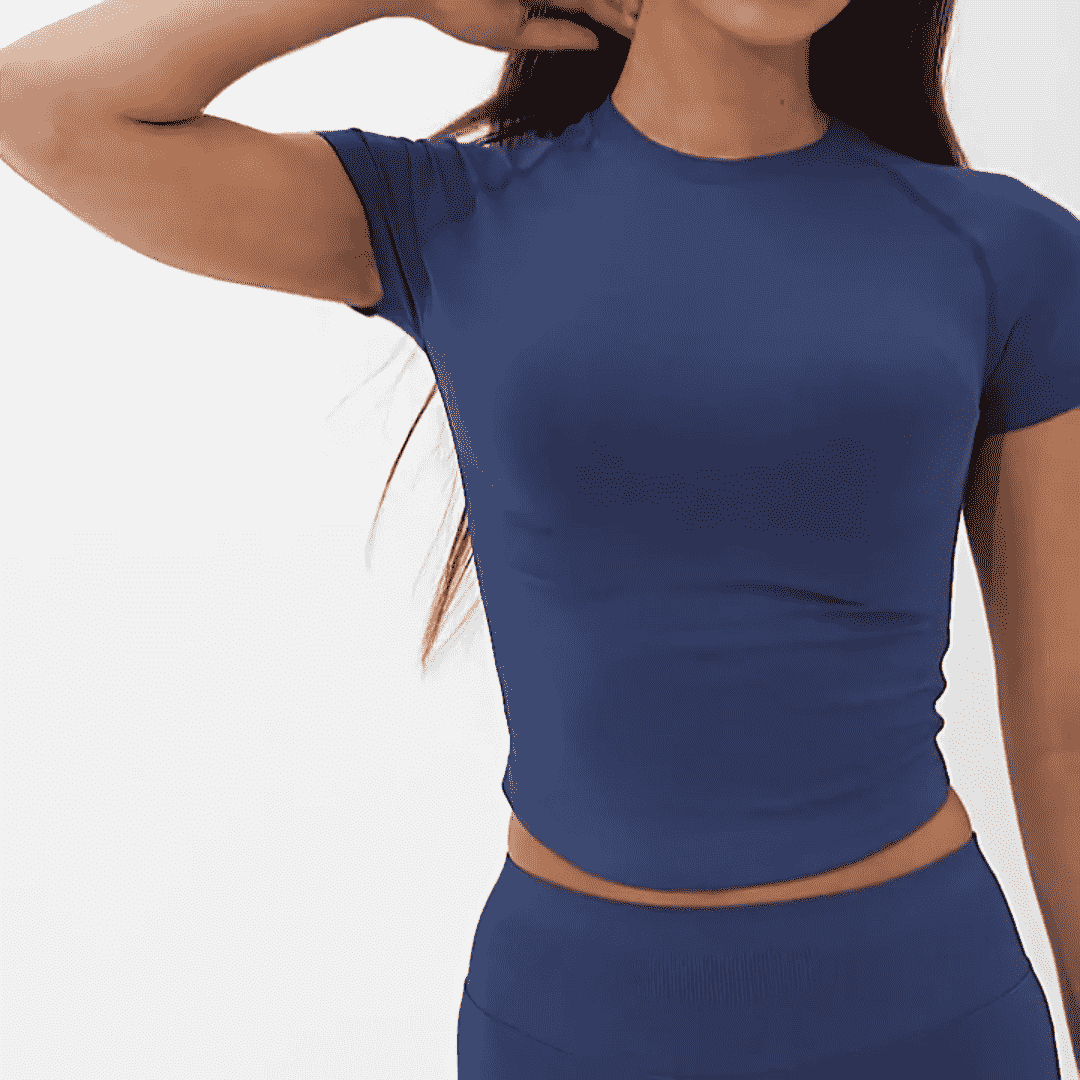
Seamless Tops
Tanks, T-shirts and long sleeves can be developed as second-tier Seamless products where the construction matches circular-knitting constraints. Mesh, rib and textured zones can be placed during programming. Neck, armhole, shoulder, label or finishing details should be reviewed because Seamless does not mean literally zero sewn operations.
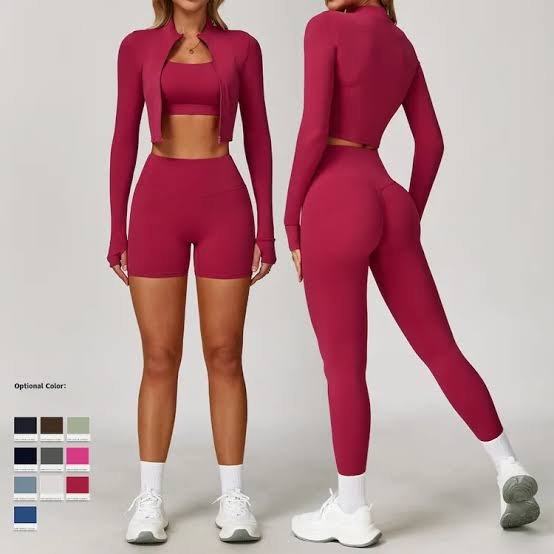
Seamless Sets
Coordinated leggings, shorts, bras and selected tops can be developed into a common Seamless collection language using related yarn, colors and knitted structures. A shared platform can simplify visual coordination, but every SKU still needs its own sizing, fit, structure and approval standard before bulk production.
Seamless is strongest where engineered knitting can replace or reduce conventional panel construction while maintaining the intended fit and visual language. Products requiring complex pockets, zippers, extensive multi-material panels, heavy outerwear structures or construction outside machine constraints should normally move to Cut & Sew or technical review.
Know the Capability Boundary Before Development
A useful manufacturer should explain not only what it can produce, but where technical review is required. MOVEVOX separates core capability from extended or non-standard categories before quotation and sampling.
| Capability Level | Sports Apparel Scope | MOVEVOX Position |
|---|---|---|
| Core Strength | Yoga leggings, sports bras, yoga shorts | Most developed products across Seamless and Cut & Sew routes |
| Stable Range | Biker shorts, tanks, T-shirts, long sleeves, coordinated sets | Regular products suitable for private-label development |
| Extended Range | Running, compression, athleisure, selected jackets and bodysuits | Can be developed where construction fits current capability |
| Technical Review | Tennis/pickleball, team-training concepts, complex sports structures | Tech Pack, material, construction and testing reviewed before commitment |
| Outside Standard Scope | Footwear, bags, hardware, denim, suits, bridal, heavy insulated apparel, professional fully seam-taped outerwear, protective or medical apparel | Not represented as standard MOVEVOX manufacturing capability |
| Not Accepted | Counterfeit or unauthorized third-party brand projects | Projects must respect customer and third-party intellectual property |
Six Capabilities Behind Sportswear Execution
MOVEVOX combines product development, two manufacturing routes, material and brand customization, quality control and managed scale-up under one accountable B2B project interface.
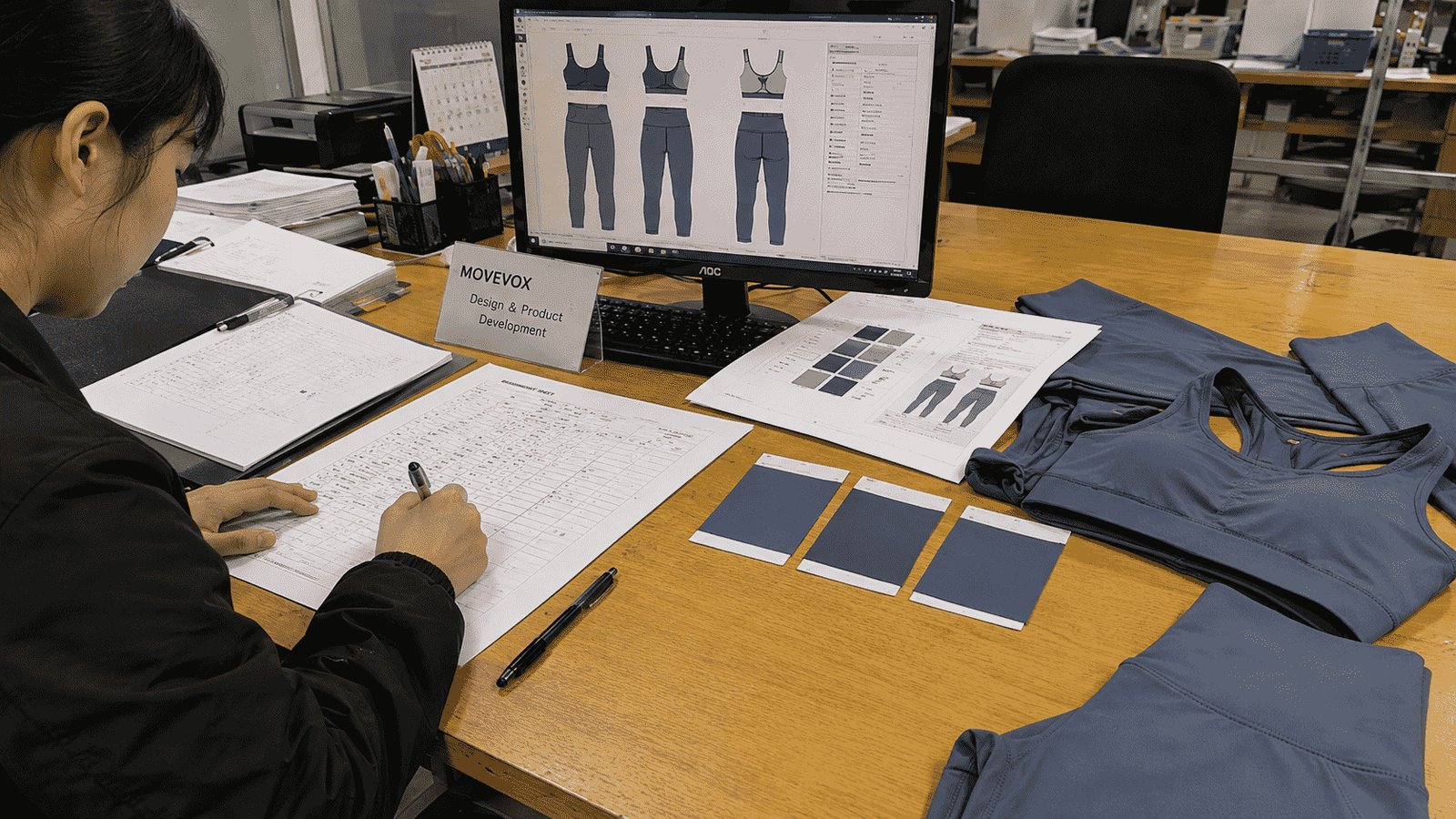
Product Development
Projects can begin from a complete Tech Pack, an incomplete technical package, a legal reference sample, sketch, image, fabric swatch or sufficiently defined concept depending on project conditions. Inputs are reviewed for material, fit, construction, sizing, customization and manufacturability before sample work proceeds. The objective is to convert development information into a controlled specification that can later be used for bulk production.
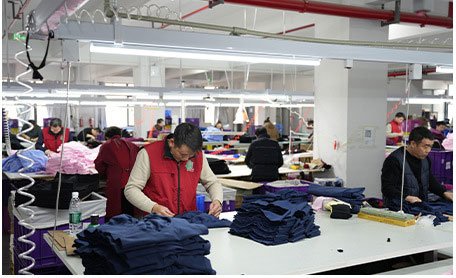
Cut-and-Sew Manufacturing
MOVEVOX maintains an own Cut & Sew manufacturing capability with approximately 24 principal sewing and garment-production machines. This route provides flexibility for pattern engineering, panels, pockets, zippers, bindings, bra-pad structures and material combinations. Complex requirements are developed through sampling and should be locked through the applicable Tech Pack, BOM, approved sample and production instructions before volume production.
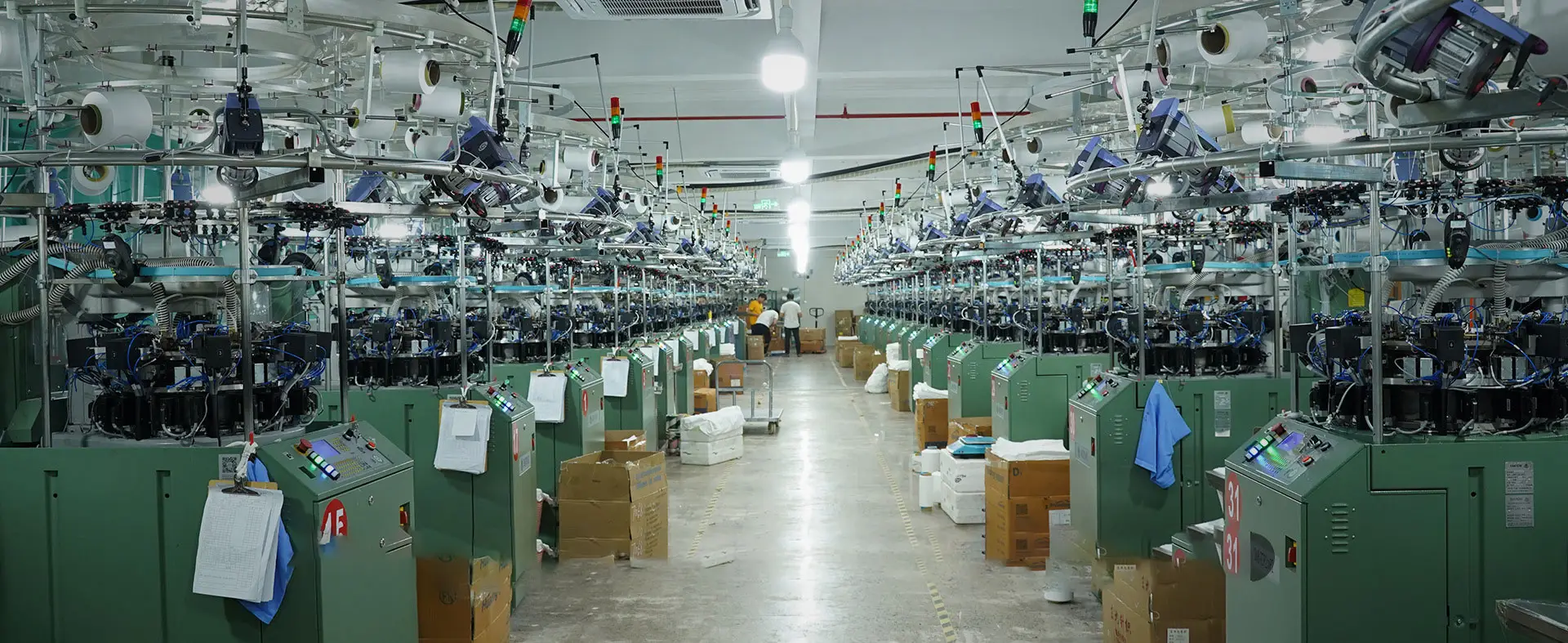
Seamless Manufacturing
MOVEVOX operates 28 Italian Santoni seamless knitting machines for core Seamless activewear development and manufacturing. Knitted structures can include rib, mesh, texture and engineered zones depending on product requirements and machine constraints. Seamless is not represented as literally seam-free: selected finishing, straps, pad openings, labels or other areas may still require additional sewing or finishing.
Material & Branding
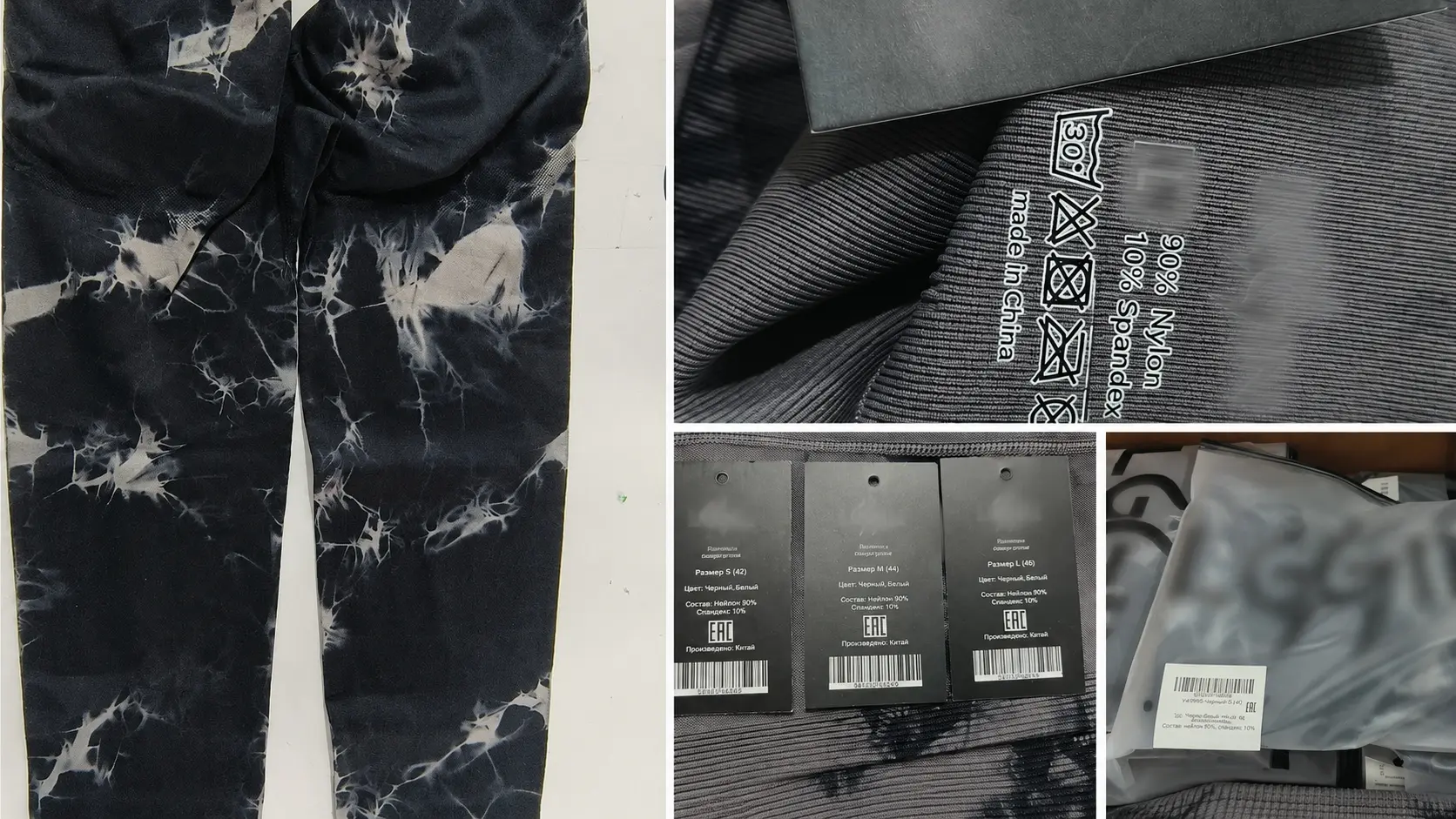
Private-label development can cover fabric or yarn direction, color, fit, construction, logo execution, labels, hangtags and packaging. Confirmed logo routes include screen print, heat transfer, silicone and embroidery, with additional label solutions available according to the project. Custom materials, colors, trims or packaging may carry independent supplier minimums, sampling costs or additional lead time.
Quality Control
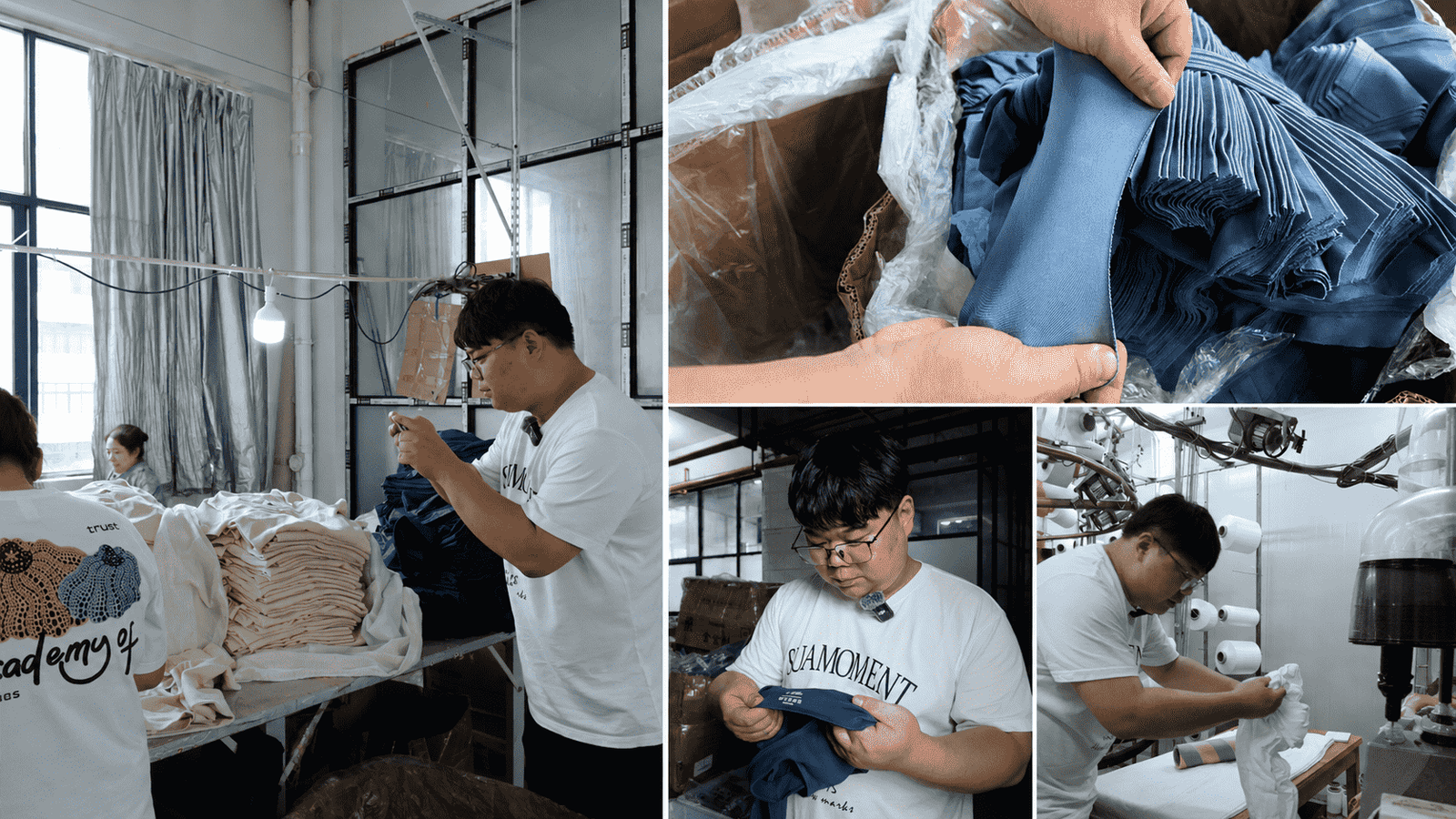
MOVEVOX uses customer Tech Packs, PO information, approved samples, specification sheets, color standards, logo files and packaging requirements as the primary production reference. Control can include incoming material checks, pre-production review, first-article verification, inline inspection, measurement and workmanship review, branding and packaging checks, final release and corrective action when a requirement is not met.

Scalable Production
The manufacturing model combines an own core factory with a managed satellite production network rather than claiming that every operation is produced in one building. MOVEVOX keeps control of project standards, materials, PMC, QC and final release while using qualified managed capacity where appropriate. Current normal managed combined delivery capacity is approximately 150,000–200,000 garments per month, subject to project mix and schedule.
See the Manufacturing System Behind MOVEVOX
Factory images should prove where development, manufacturing, quality control and packing actually occur. The following gallery is intended as manufacturing evidence rather than decorative company photography.
Yiwu Production Base
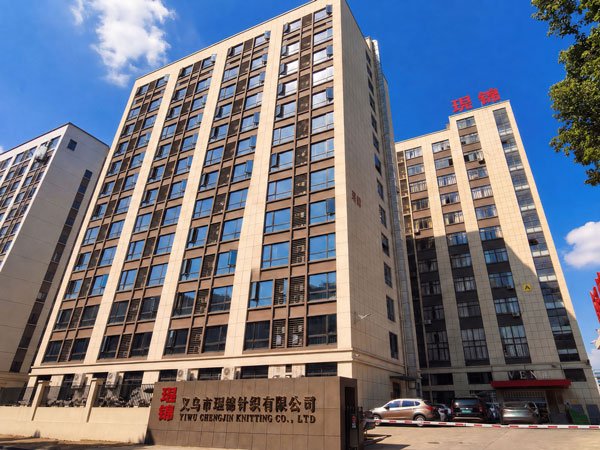
MOVEVOX’s own core manufacturing base is located in Yiwu, Zhejiang, China, with approximately 6,000 square meters of production space across the facility. A wide factory view should help buyers connect the commercial MOVEVOX brand with a physical manufacturing environment. The final image must show the actual location without exposing other customers’ confidential products or documents.

Santoni Seamless Area
The Seamless manufacturing area should document MOVEVOX’s 28 Italian Santoni machines in the actual operating environment. Images should show enough context to prove the machines are part of the production base rather than isolated equipment photography. Avoid screens, program information, labels or unfinished garments that could reveal another customer’s confidential development work.
Cut-and-Sew Area
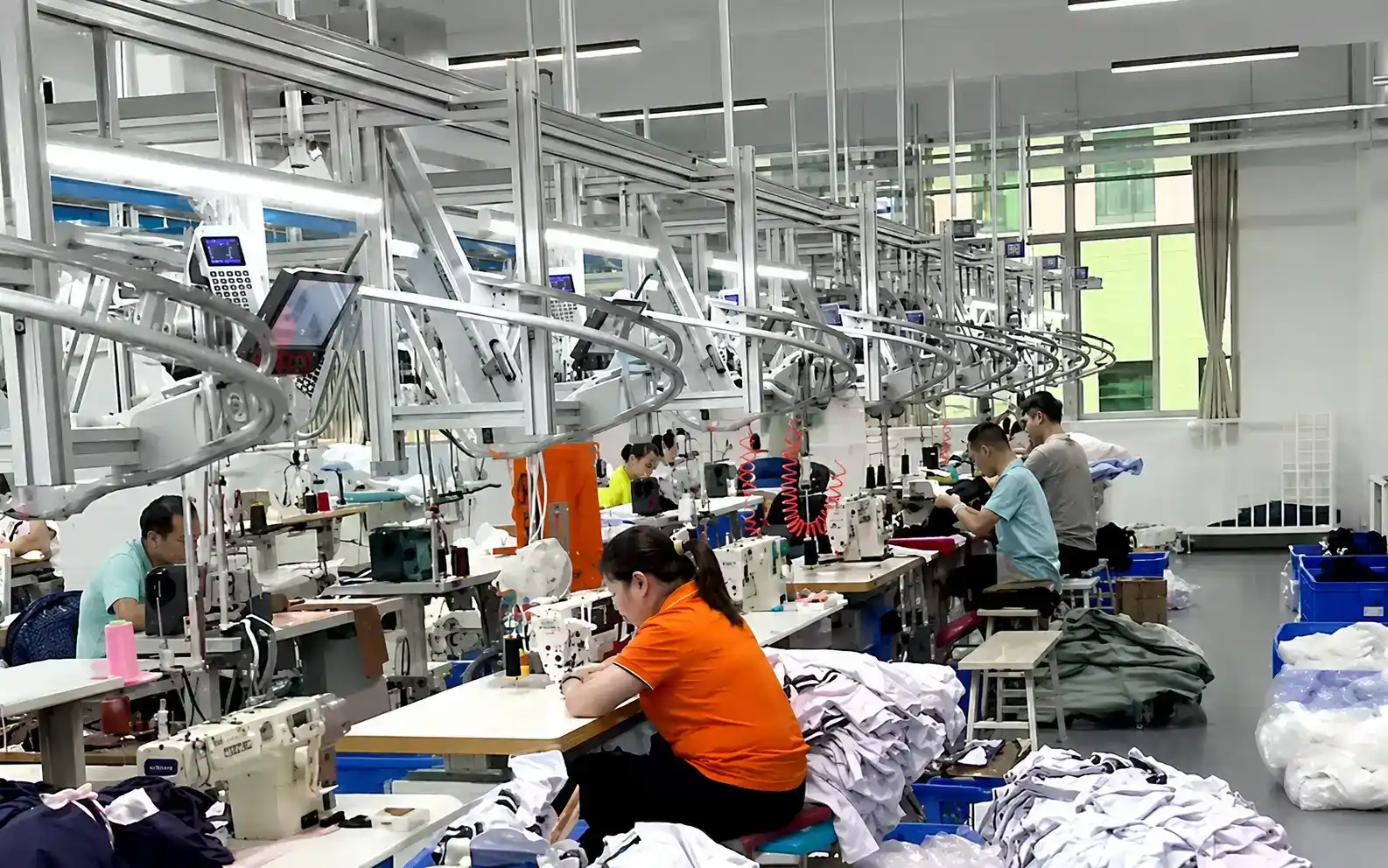
The Cut & Sew area should show representative garment-production equipment and working stations relevant to sportswear construction. MOVEVOX has approximately 24 principal sewing and garment-production machines. The evidence should demonstrate real capability for garment assembly, finishing and construction rather than implying that every specialized process is performed on the same line.

Sample Development
The sample-development evidence should show the physical workflow used to turn approved inputs into development garments. Suitable visuals include anonymous patterns, Seamless development, measurement work or sample revision activity. All customer names, logos, prices, unreleased designs and identifiable Tech Pack details must be removed or obscured before public website use.

Quality Inspection
QC photography should show actual measurement, appearance, construction or branding checks in progress. MOVEVOX has five QC personnel, with quality controls integrated from incoming material through production and final release. The strongest photographs show an identifiable inspection activity rather than a staged image of someone simply holding a finished garment.
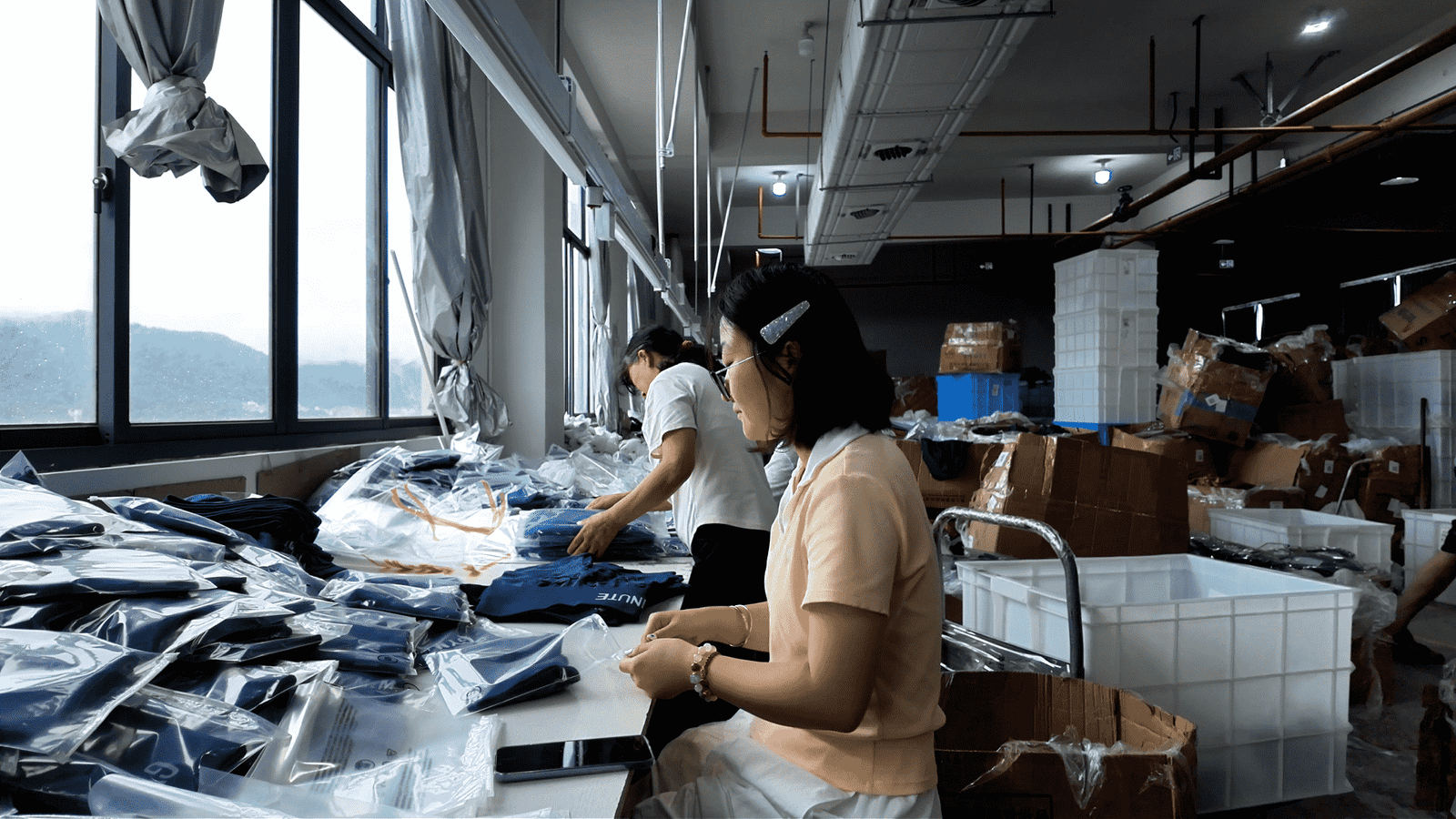
Packing & Release
Packing evidence should show the transition from finished garment to controlled shipment preparation. Suitable images may include folding, polybagging, label verification, carton packing or finished-goods staging where they reflect actual MOVEVOX execution. Customer shipping marks, barcodes, PO numbers and any commercially sensitive identifiers must be removed from public images.
Choose the Right Development Starting Route
OEM, development-led ODM and private label describe different starting conditions. MOVEVOX defines who supplies the input, what development work is required and what the customer must approve before production.
| Decision Point | OEM | Development-Led ODM | Private Label |
|---|---|---|---|
| Starting Input | Complete or substantially complete customer Tech Pack | Concept, sketch, image, sample or incomplete technical input | Existing direction or newly developed branded product |
| Customer Role | Defines specifications and approves deviations | Defines target consumer, product direction and final decisions | Defines product and brand requirements |
| MOVEVOX Role | Technical review, sample execution and manufacturing | Material, construction and sample-development support | Product plus branding and packaging execution |
| Fit & Sizing | Follow customer POM and approved standard | Developed and confirmed through customer review | Customer-approved fit and sizing standard |
| Materials | Follow specified or approved material | Recommend options for customer approval | Select or customize against the approved direction |
| Branding | Execute supplied artwork and specification | Integrate approved logo and brand requirements | Logo, labels, hangtags and packaging can be developed |
| Ownership | Customer project information remains customer-controlled | Customer project and approved design remain protected | Customer brand assets remain customer-controlled |
| Bulk Release | After required sample and specification approval | After development and customer approval | After product and branding standards are approved |
OEM is normally more efficient when technical input is already mature. Development-led ODM is appropriate when the brand has a clear commercial direction but needs manufacturing engineering and sampling support. Private label describes the branded execution layer and can overlap either route. MOVEVOX does not treat ODM as unrestricted free design service; product targets, legal references, commercial requirements and final approvals still require active customer participation.
Build the Product Under Your Brand
Private label at MOVEVOX extends beyond applying a logo. Product, material, color, fit, construction, branding components and packaging are confirmed as one controlled commercial specification before bulk release.

Fabric
Material selection starts from the product’s intended use, structure, hand feel, stretch, recovery, opacity, weight and cost direction. MOVEVOX can work with Nylon/Polyamide + Spandex, Polyester + Spandex, Seamless yarn routes and other project-approved materials. Final bulk material should be linked to the approved specification and lot controls rather than selected only by a general fabric name.
- Nylon or Polyamide with Spandex constructions
- Polyester and Spandex performance-knit directions
- Seamless yarn and engineered-knit structures
- Soft-touch, brushed or textured material directions
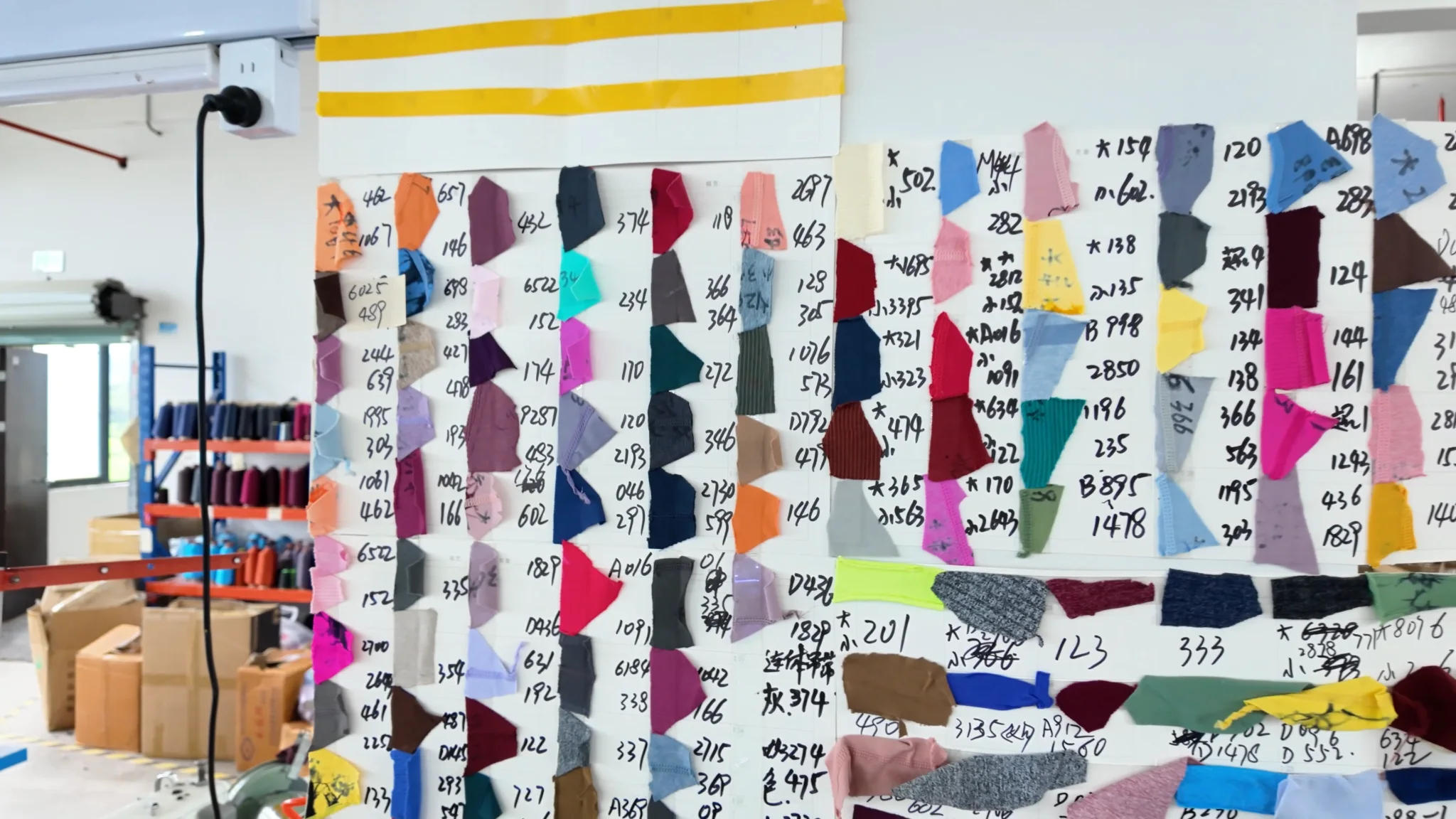
Color
Color can start from Pantone direction, a physical reference or another agreed color target. Lab Dip or yarn/color development may be required depending on the material route. Pantone is a target reference rather than a physical guarantee across different fibers, structures and finishes. Custom-dyed colors can carry upstream dye-lot minimums, often requiring a larger equivalent garment quantity than stock colors.
- Stock or common production colors
- Pantone-guided custom color development
- Physical sample color matching
- Lab Dip or yarn-color approval
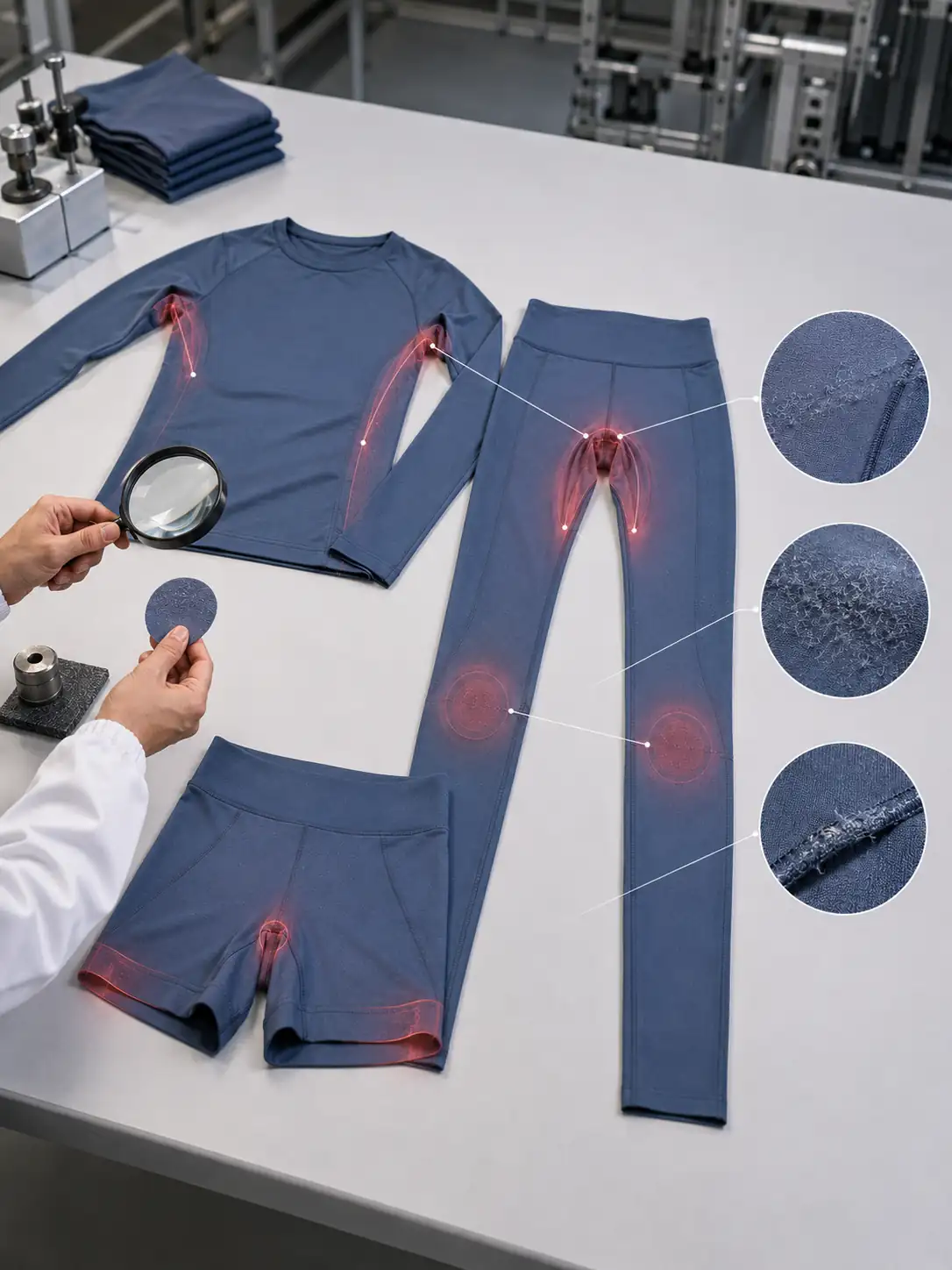
Fit
Fit is controlled by the customer’s intended consumer, product use, POM, measurement method, tolerance and approved physical sample. MOVEVOX can support changes to waistband, garment length, bra construction, pattern lines, Seamless zones and other relevant structures. Final bulk acceptance should follow the released specifications rather than relying on subjective descriptions such as “tight” or “loose.”
- Customer POM and tolerance execution
- Fit sample and revision development
- Size-set review where required
- Activity-specific construction adjustments

Logo
Confirmed logo techniques include screen print, heat transfer, silicone and embroidery. The appropriate method depends on artwork, material, placement, hand feel, stretch and the desired appearance. Standard processes may run within the normal sample-development cycle when artwork and specifications are ready; special molded, custom or supplier-developed components may require separate sampling, MOQ and additional lead time.
- Screen printed logo execution
- Heat-transfer branding applications
- Silicone logo development
- Embroidery on suitable constructions

Labels
MOVEVOX can support main labels, care labels, size labels and woven-label solutions according to the approved project. Label content and compliance responsibility should follow the target market and customer requirements. Material, size, position, artwork and attachment method are approved before bulk. Supplier minimums may differ from the garment MOQ, especially for custom woven or specialized components.
- Main brand label execution
- Care and composition labels
- Size identification labels
- Custom woven-label development

Packaging
Private-label execution can extend through hangtags, polybags, stickers, barcodes and project-specific retail packaging. Packaging is reviewed for artwork, material, dimensions, labeling, packing method and commercial minimums. Customized boxes, bags or special accessories may have separate supplier MOQs and lead times, so packaging decisions should be confirmed early enough to protect the final cargo-ready schedule.
- Hangtags and barcode application
- Polybag and sticker customization
- Brand-specific packing instructions
- Project-based retail packaging review
From Product Input to Bulk-Ready Standard
MOVEVOX development is structured to convert buyer inputs into a controlled manufacturing specification. Each stage creates an output that can be reviewed, approved and carried into the next production decision.
Brief
The project begins with the available technical and commercial inputs: product type, intended use, quantity, market, sizing, materials, branding, target timing and available Tech Pack, sample, sketch or reference. Missing information is identified before the development route is finalized.
Technical Review
MOVEVOX reviews manufacturability, construction route, sizing information, material requirements, branding, commercial quantity and obvious conflicts. Questions or proposed deviations are returned for customer confirmation before critical design intent is changed.
Material
Fabric, yarn, colors and relevant trims are matched or developed against the confirmed direction. Material availability, supplier minimums, color-development requirements and potential effects on cost or timing are reviewed before sampling.
Pattern / Program
Cut & Sew products move through pattern and construction preparation, while Seamless products require relevant knitting-program and structure development. Measurements, design lines and functional areas are translated into manufacturing inputs.
First Sample
A development sample is produced using the confirmed information available at that stage. Standard sample development is typically about 5–10 working days after the relevant details are confirmed, subject to complexity and material readiness.
Revision
Customer feedback is converted into controlled changes to measurements, fit, construction, materials, color, branding or other relevant details. Revised information replaces earlier instructions rather than allowing conflicting versions to continue in parallel.
Approval
The product standard is locked through the applicable Tech Pack, specification, BOM, color, logo, packaging requirements and approved or pre-production sample. Any open deviations should be identified before bulk release.
Bulk Production
Production is released against the approved standard, with pre-production review, first-article checks and production QC applied according to the project. Typical bulk production is approximately 20–35 days, subject to material readiness, complexity, approvals and inspection requirements.
Select Materials from the Product Requirement
Material selection should begin with the garment and activity rather than a generic fabric label. MOVEVOX reviews use, hand feel, stretch, recovery, opacity, surface, construction and commercial requirements together.
1. What movement is the garment designed for?
Yoga / Training / Running / Multi-Activity
2. What hand feel does the brand require?
Smooth / Soft / Brushed / Textured
3. What fit direction is required?
Flexible / Supportive / Close Fit / Balanced
4. Which risk needs priority review?
Opacity / Recovery / Abrasion / Weight
5. Which manufacturing route fits the structure?
Seamless / Cut & Sew / Review

Nylon-Spandex Direction
Nylon or Polyamide with Spandex is a common starting direction for leggings, sports bras and related activewear when the project prioritizes stretch, recovery, smoothness or close-to-body fit. Exact composition alone does not determine performance. GSM, knit structure, finishing, color and garment fit must be evaluated together before the material is approved for bulk.

Polyester-Spandex Direction
Polyester and Spandex constructions can be considered for sportswear where the brand needs a different balance of surface, cost, durability direction or product positioning. Selection should still be tied to the actual fabric code and sample, because fiber name alone cannot prove quick dry, moisture management, abrasion resistance or other functional claims without appropriate evidence.

Seamless Knit Direction
For Seamless products, yarn selection and knitted structure operate as one system. Rib, mesh, texture, density and engineered zones can alter appearance, stretch, recovery and fit. The correct recommendation therefore depends on the machine program, product size, target activity and sample result rather than simply selecting an existing conventional cut-and-sew fabric.

Soft-Touch Direction
Brushed, peach or soft naked-feel directions can be developed where the brand prioritizes a softer hand and appropriate stretch. These descriptions should be treated as material-development directions, not universal performance specifications. A physical swatch or approved material sample is the preferred basis for hand-feel approval, with opacity, recovery and durability reviewed separately where relevant.
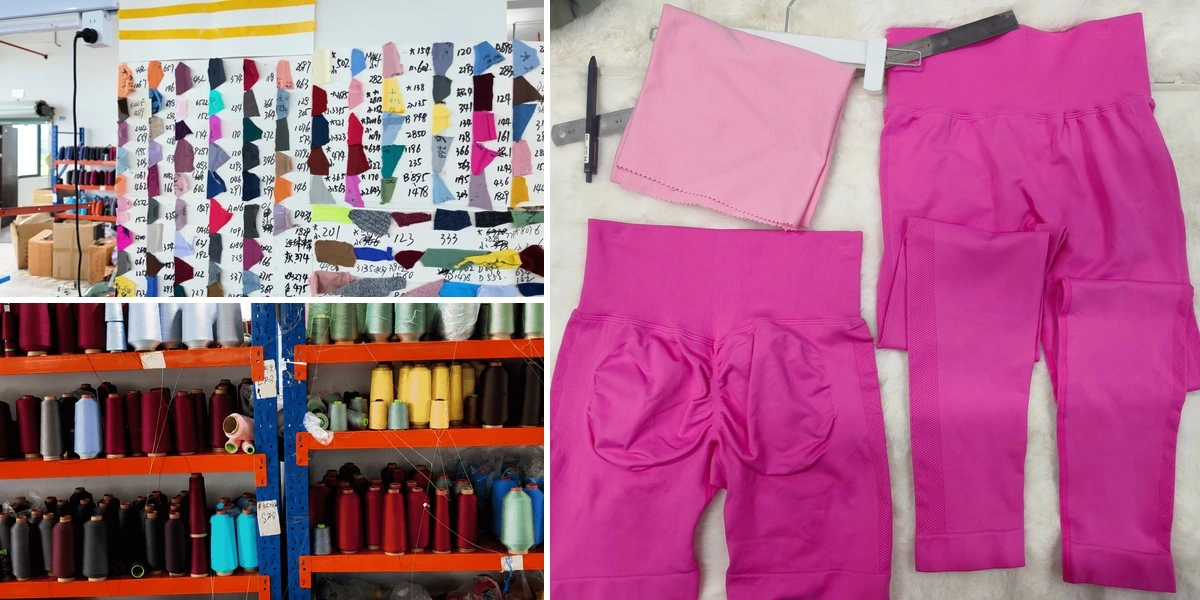
Review Friction Where the Garment Works
Abrasion risk is not distributed evenly across sports apparel. Material surface, activity, equipment contact, seam placement and garment fit can make specific zones more vulnerable than others.

Inner Thigh
Repeated leg movement can create friction at the inner thigh of leggings or shorts. Material surface, fit, seam location and the wearer’s movement pattern all influence the result.
Seat & Hip
The seat and hip can experience friction from benches, mats, equipment or repeated movement. Smooth soft-hand materials may need a different durability balance from fabrics selected primarily for harder training use.
Waist Contact
Waistbands can experience repeated stretch, recovery, rolling and friction against the body or overlying garments. Structure and material recovery should therefore be reviewed together rather than treating abrasion as an isolated fabric property.
Knee Zone
Knee areas can experience repeated flexion and surface contact in selected training or studio activities. Fit, material extension and surface texture can influence pilling or abrasion risk over repeated use.
Pocket Edge
Pocket openings and edges can create localized stress, especially when a phone or other item repeatedly enters and leaves the pocket. Reinforcement, construction and material choice should reflect the intended use.
Seam & Hem
Seams and hems concentrate material layers and can become contact points depending on activity and placement. Construction should consider both durability and wearer comfort, particularly in repeatedly moving or close-fitting areas.
Abrasion resistance should be specified against the real product and use case rather than assumed from a fabric description. Where a buyer requires a numeric or pass/fail abrasion claim, the applicable test method, material, color, sample and acceptance criterion should be agreed before the claim is used commercially.
Approve the Product Before Releasing Bulk
Sampling converts design intent into a physical standard. Each revision should solve defined issues and leave a clearer, controlled reference for the next decision rather than creating parallel versions.
First Sample
Goal: Translate the confirmed development brief into the first physical garment and expose questions in fit, material, construction, sizing, color or branding before bulk commitments are made.
Customer Inputs
- Tech Pack, sample or product brief
- Target material and color direction
- Initial branding and sizing requirements
MOVEVOX Outputs
- First development garment
- Technical questions or deviation notes
- Initial measurement and construction review
Pass Standard: The sample provides a usable physical basis for structured customer feedback and the next controlled revision.
Revision Sample
Goal: Apply agreed customer comments to measurements, pattern or knitting structure, material, branding or other identified issues while preventing obsolete instructions from continuing into the new version.
Customer Inputs
- Consolidated revision comments
- Updated specification where required
- Approval of proposed technical changes
MOVEVOX Outputs
- Revised controlled sample
- Updated development notes
- Revised measurements or construction details
Pass Standard: All major requested changes are either incorporated, clarified or formally left open for the next review.
Fit Review
Goal: Confirm that key POM measurements, proportions, movement and product-specific fit perform against the intended wearer and activity before final production approval.
Customer Inputs
- Fit comments or model feedback
- Required measurement adjustments
- Priority activity and fit target
MOVEVOX Outputs
- Fit and measurement review
- Adjustment recommendations
- Updated size or sample direction
Pass Standard: Fit-critical issues are resolved to the customer-approved standard before bulk preparation continues.
Pre-Production Sample
Goal: Confirm the production-intent combination of material, color, construction, branding, labels and packaging against the latest released technical information before bulk.
Customer Inputs
- Final artwork and label data
- Approved material and color
- Latest released technical documents
MOVEVOX Outputs
- PP or approval sample
- Final technical confirmation
- Production-reference package
Pass Standard: The product can be released as the approved physical and documentary reference for bulk production.
Bulk Handover
Goal: Transfer the approved standard into production, material purchasing, PMC and QC so that the factory executes one released version rather than a mixture of development-stage information.
Customer Inputs
- Final production approval
- Purchase order requirements
- Inspection or testing requirements
MOVEVOX Outputs
- Released production information
- QC reference standard
- Production and inspection handover
Pass Standard: Production and QC teams work from the same approved version, material and acceptance requirements.
Bring Your Sportswear Program for Review
Send your Tech Pack, reference sample, product list or development brief together with expected quantities and target timing. MOVEVOX can review product fit, manufacturing route, materials, customization, sample requirements and commercial feasibility before a detailed quotation or development plan is prepared.
NDA-supported project review is available for confidential and unreleased product information.
Match the Order Structure to Development
MOQ is affected by manufacturing route, material, color, trims and customization. MOVEVOX uses standard starting points for normal projects but reviews the complete order structure before confirming a commercial minimum.
Pilot Development
Standard custom starting points are approximately 100 pieces per Seamless style and 150 pieces per Cut & Sew style. These are not universal guarantees: material availability, custom colors, special trims or construction can change the workable minimum. Pilot programs are most useful when the product standard and future repeat potential justify the development effort.
Core Commercial Order
A core order normally has enough volume to distribute development, material, branding and production setup more efficiently. MOVEVOX’s typical single-order range can extend from approximately 300 to 50,000 pieces, but actual feasibility depends on the number of styles, colors, sizes, production route, material minimums and required delivery window.
Scale Program
Larger or repeat programs should be planned around approved standards, material continuity, production allocation and confirmed capacity rather than simply increasing the purchase quantity. MOVEVOX’s managed production system can support scale-up, but each program is reviewed by SKU, production route, material readiness and delivery requirement before capacity is committed.
Scaling Requires More Than Extra Capacity
A successful small order does not automatically prove a supplier can reproduce the same standard at larger volume. Scale introduces new risks in materials, allocation, quality and communication.
Approved Standard Drifts
Measurements, construction or branding can slowly change when development information is not converted into one released production reference.
Commercial Impact
Larger quantities multiply small interpretation errors and make later correction more expensive.
MOVEVOX Control
Freeze the applicable Tech Pack, BOM, approved sample, color, branding and packaging requirements before volume expands.
Production Site Changes
Moving volume without controlled transfer can introduce different workmanship, machine, process or interpretation risks.
Commercial Impact
A new site can create inconsistency even if the headline capacity improves.
MOVEVOX Control
Review allocation, disclose production locations where required, apply first-article verification and maintain MOVEVOX QC and final release responsibility.
Material Availability Changes
Substituting a material to protect schedule can change fit, hand feel, color, performance or previous test applicability.
Commercial Impact
An uncontrolled substitute can invalidate the approved product standard or buyer evidence.
MOVEVOX Control
Use approved sources where specified; proposed substitutions enter technical, commercial and compliance review before customer approval and release.
Peak Load Masks Problems
Higher volume can allow recurring defects or schedule slippage to multiply before final inspection detects them.
Commercial Impact
Late discovery can put launch timing and shipment acceptance at risk.
MOVEVOX Control
Use WIP tracking, inline QC, issue escalation and corrective action so risks are controlled during production rather than at shipment.
Capacity with a Defined Operating Scope
Capacity figures only help procurement when the statistical scope is clear. MOVEVOX separates own equipment facts from managed delivery capacity and does not add unrelated production figures into one inflated total.
Santoni Machines
MOVEVOX’s own Seamless manufacturing base operates 28 Italian Santoni machines. This figure describes installed core Seamless equipment; it should not be converted directly into a universal garment-output promise because style, size, yarn and knitting structure affect productivity.
Garment Machines
The own core Cut & Sew operation has approximately 24 principal sewing and garment-production machines. The figure indicates internal garment-production capability and should be interpreted together with product structure, operation sequence and required labor rather than as a fixed output-per-day rate.
Core Base
The Yiwu core production base uses approximately 6,000 square meters across six floors. This is the physical core factory and control base; satellite production capacity is managed separately and should not be presented as additional MOVEVOX-owned factory floor area.
Managed / Month
Current normal managed combined delivery capacity is approximately 150,000–200,000 garments per month across the controlled production system. Actual project allocation depends on SKU mix, manufacturing route, materials, schedule and quality requirements.
Figures represent different operational scopes and must not be added into a single theoretical “maximum capacity” number.
Know Where and How Production Is Controlled
MOVEVOX does not claim that every operation happens in one building. The supply model combines an own core factory, managed satellite capacity and specialized supply-chain resources under unified project responsibility.
Core Factory
The Yiwu core factory supports product development, key manufacturing, Seamless and Cut & Sew capability, quality control and production-standard establishment. It functions as the central manufacturing and control base rather than merely an office coordinating unrelated suppliers.
Managed Satellites
MOVEVOX works with eight major long-term managed satellite factories, including six in Yiwu and two in Guangzhou. These are not presented as MOVEVOX-owned factories. They provide controlled capacity where the product and project allocation require additional or specialized production support.
Material Suppliers
Yarn, fabric, dyeing and other material resources are coordinated according to the approved product specification. Material identity, color, supplier requirements and applicable lot information are controlled as part of the order rather than allowing external suppliers to redefine the product.
Branding Partners
Selected logo, labels, hangtags and specialized branding components may involve qualified external resources. MOVEVOX coordinates the approved artwork, material and production requirements and integrates the component into sample and bulk control.
Packaging Resources
Polybags, labels, stickers, barcodes and custom packaging can involve specialized suppliers with their own minimums and production cycles. Packaging specifications are managed as part of the released project requirements before final packing.
Logistics Execution
Shipment arrangements are coordinated against the actual cargo-ready status, packing records and agreed commercial terms. Logistics support does not change the underlying responsibility to provide accurate production, QC and shipment documentation.
MOVEVOX remains the accountable project window for customer requirements, technical information, material coordination, PMC, QC and final production release. When a customer contract specifies Approved Factory Only or restricts subcontracting, applicable production-site changes require written approval. Transparency means identifying the real production model and controlling it—not relabeling managed satellite factories as owned facilities.
Control Quality Across Bulk and Reorders
Repeat-order consistency depends on standards being preserved across time, materials, SKUs and production locations. MOVEVOX uses staged controls rather than relying on a final inspection to recover quality.
Specification Freeze
The production reference is established from the customer’s released Tech Pack, PO requirements, specification sheet, approved sample, color standard, logo file and packaging instructions. Conflicting or obsolete versions should not remain active at the production point.
- Current released technical version
- Approved sample available as reference
- BOM and branding requirements aligned
Incoming Material
Materials are reviewed against the applicable project requirement before use. Depending on the project, checks can include color, GSM, shrinkage, elasticity, opacity and supplier or lot information.
- Material identity and lot confirmed
- Color and GSM against requirement
- Relevant physical checks completed
Pre-Production Review
Before bulk, production and quality teams review critical requirements, open risks and the approved standard. This is particularly important when the product includes new construction, specialized branding or a different manufacturing location.
- Critical construction points reviewed
- Quality requirements communicated
- Open deviations formally addressed
First Article
A representative first article checks whether the released standard can be reproduced using actual bulk materials, machines, pattern or Seamless program and working conditions. Failure should be corrected before unrestricted volume proceeds.
- Critical measurements and appearance
- Construction or knitted structure
- Logo, labels and relevant details
Inline Inspection
Production is checked while work is in progress so repeated problems can be identified before they spread through a larger quantity. Inspection focus follows product risk and buyer requirements.
- Measurement and fit trends
- Workmanship or structure defects
- Branding and component consistency
Final Garment Check
Finished garments are reviewed against the approved requirements for measurements, appearance, workmanship, construction and applicable branding. Inspection scope follows customer requirements and project risk.
- Finished measurement confirmation
- Appearance and workmanship review
- Approved branding correctly executed
Packing Verification
Packing is checked against the released packaging instructions before shipment. This can include product assortment, labels, polybags, barcodes, folding and carton requirements where applicable.
- Correct SKU and size allocation
- Labels and packaging applied correctly
- Carton information matches instructions
Nonconformance Closure
When requirements are not met, affected production can be isolated, corrected or reworked and then re-inspected. Significant or recurring issues can enter corrective-action review rather than being accepted simply to protect the shipment date.
- Affected scope identified
- Correction and reinspection recorded
- Recurring cause escalated when needed
MOVEVOX has five QC personnel and a defined quality responsibility chain, but headcount is not the quality claim. The stronger evidence is whether released standards, inspections, deviations and corrective actions remain connected to the relevant PO, style, material and production site across the original order and later repeats.
Quality Evidence Buyers Can Actually Review
Quality statements become useful when the buyer can see the physical record behind them. These eight evidence types should be published only as real, anonymized MOVEVOX project records.
Material Inspection
A useful material-inspection image should show an actual review of color, GSM, elasticity, opacity, shrinkage or another project-specific requirement rather than a generic roll of fabric. Any document shown must hide the customer name, price, proprietary fabric code or information that could identify an unreleased project.
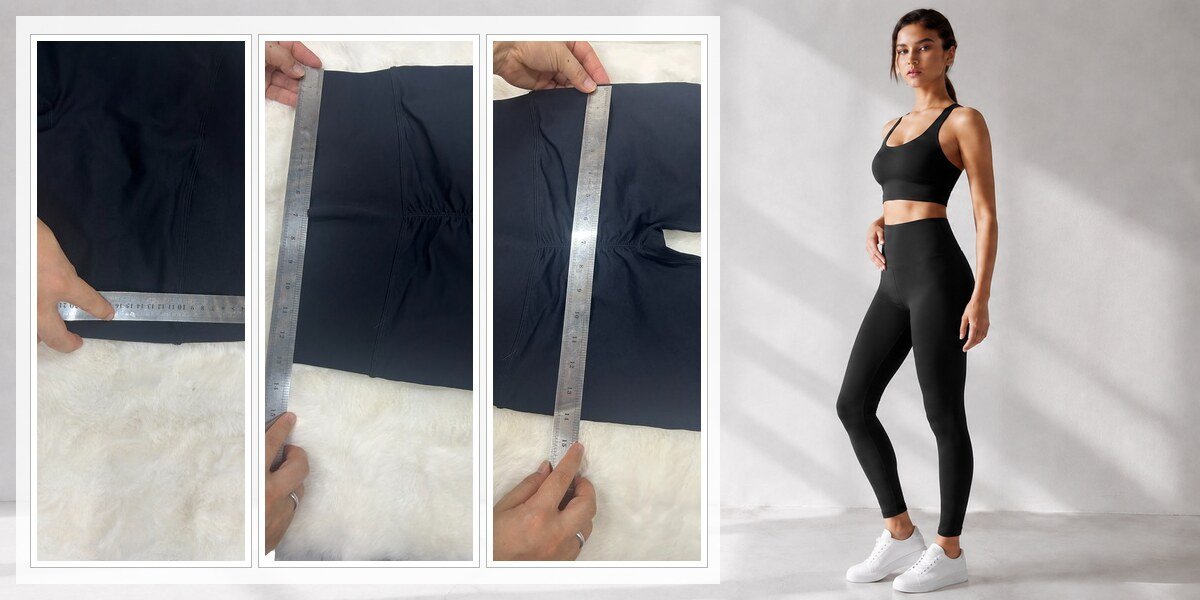
Measurement Record
Measurement evidence should connect the physical garment to defined POM requirements and tolerance. The strongest example is an anonymized measurement record showing the applicable style or sample version without exposing a client Tech Pack. The image should demonstrate how the result is recorded, not merely show a tape measure placed on a garment.

First Article
First-article evidence should show how actual bulk inputs are compared with the approved production standard before unrestricted production continues. A useful record may include measurements, construction, color, branding and result status. Customer identifiers and confidential artwork must be removed before public website use.

Inline Inspection
Inline evidence should demonstrate quality control during production rather than only at the finished-garment stage. Suitable material includes anonymized inspection sheets or real factory photos showing checks on measurements, workmanship, Seamless structure, logos or labels while the order is still in process.

Construction Check
Close-up evidence can document actual seams, bindings, panel alignment, Seamless texture or other construction points relevant to the product. Images should be selected from real MOVEVOX work and should not imply that a particular construction or performance feature is standard across every sportswear style.
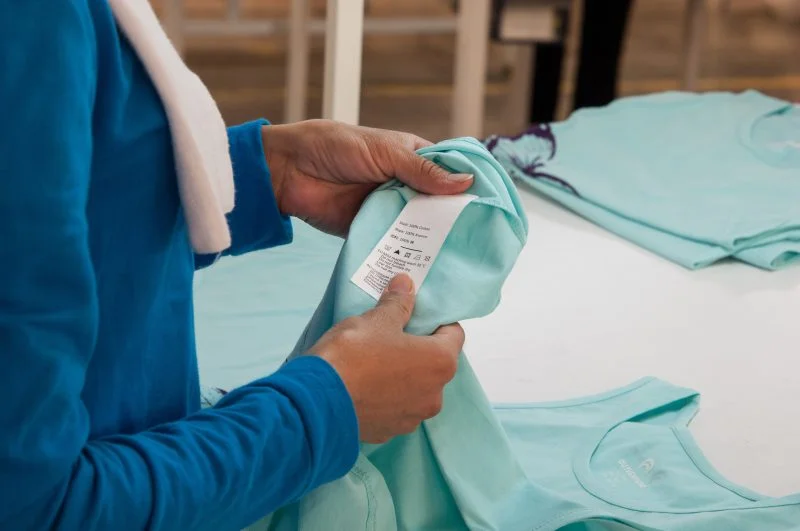
Branding Check
Logo, main label, care label, size label and placement evidence can demonstrate that brand execution is treated as a production specification. Any logo shown publicly must belong to MOVEVOX, be generic, or have explicit customer authorization. Unauthorized customer branding must be removed or replaced.
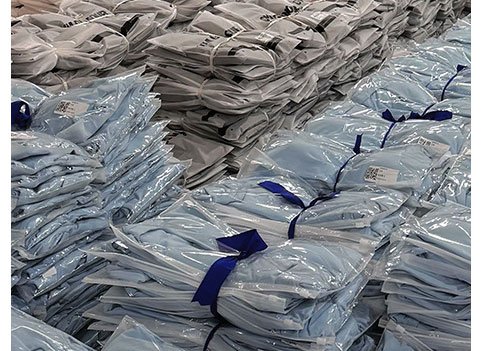
Packing Check
Packing evidence can show actual product assortment, folding, polybagging, labels, barcode verification or cartons where appropriate. Shipment marks, customer codes, PO numbers and destination-sensitive information should be anonymized so the image proves execution without compromising commercial confidentiality.

Corrective Action
A real quality system should be able to show how a failure is handled, not only successful inspection results. An anonymized example of hold, rework, reinspection or CAPA can demonstrate that problems are identified and closed through evidence. It must come from a real MOVEVOX event rather than a fabricated training example.
Do not replace missing QC evidence with simulated records. Publish only real, anonymized and authorization-safe material.
No Material Change Without Controlled Review
Changing a fabric, yarn, trim or branding material can affect fit, hand feel, color, compliance and previous approvals. Material changes therefore require a controlled decision path.
Approved Material
Goal: Establish the released fabric, yarn, trim or component using the agreed specification, supplier information, physical approval and applicable color or test references before production.
Customer Inputs
- Approved material direction
- Buyer material requirements
- Applicable test requirements
MOVEVOX Outputs
- Released material record
- Supplier or lot information
- Production purchasing instruction
Pass Standard: Production can identify exactly which approved material specification is authorized for the relevant style and order.
Change Trigger
Goal: Record the reason a change is being proposed, such as supplier availability, delivery risk, discontinued material or a customer-requested update, without silently replacing the approved item.
Customer Inputs
- Change request when buyer initiated
- Timing or commercial priorities
- Critical characteristics to preserve
MOVEVOX Outputs
- Proposed substitute information
- Reason for proposed change
- Affected styles or orders
Pass Standard: The proposed change and affected scope are documented before any replacement is treated as production-approved.
Impact Review
Goal: Evaluate whether the proposed material change could alter composition, GSM, hand feel, stretch, recovery, color, fit, construction, branding compatibility, compliance evidence, cost or lead time.
Customer Inputs
- Required acceptance priorities
- Buyer compliance requirements
- Required retest conditions
MOVEVOX Outputs
- Technical impact review
- Commercial and timing impact
- Testing recommendation when needed
Pass Standard: The buyer receives enough information to understand what may change before deciding whether to approve the substitute.
Customer Approval
Goal: Obtain written approval where the proposed change affects the released customer standard. Approval can include a new swatch, Lab Dip, sample, revised specification or test evidence depending on risk.
Customer Inputs
- Written approval or rejection
- Approved replacement reference
- Additional requirements if any
MOVEVOX Outputs
- Recorded decision
- Final approved replacement
- Updated effective date
Pass Standard: No affected production uses the substitute until the required customer approval and supporting evidence are complete.
Controlled Release
Goal: Replace the obsolete material instruction with the newly approved version across purchasing, production and QC, while preserving traceability between the change and affected order.
Customer Inputs
- Final released decision
- Updated specification where needed
- Approved effective scope
MOVEVOX Outputs
- Updated controlled BOM
- Production and QC release
- Retained change history
Pass Standard: Production teams can distinguish the new released material from the obsolete version and trace where it was used.
Trace the Order from PO to Shipment
A repeatable sportswear program needs records that connect the commercial order with style, SKU, material, production, inspection and packing. MOVEVOX uses the PO as the main traceability spine.
Customer Order
The inquiry and confirmed commercial requirement identify the customer, market, product, quantity and key customization requirements that will later connect to the formal PO and internal order management.
Order RecordPurchase Order
The PO provides the formal commercial reference for style, quantity, color, size and agreed order requirements. It becomes the primary identifier connecting planning, production and shipment records.
POStyle & SKU
Style, color and size information distinguishes the actual products inside the order. Multi-SKU programs need consistent identifiers so a quality or delivery question can be narrowed to the affected item.
SKU RecordMaterial Lot
Relevant fabric, yarn or material-lot information is linked to the production order where records are required. This allows later investigation of color, hand feel, performance or material-related issues.
Material LotProduction Site
The production facility or controlled production location is associated with the order so the buyer can understand where a product was manufactured and which quality records apply.
Facility IDInspection Record
Measurement, workmanship, first-article, inline or final inspection evidence can be linked back to the relevant PO, style or production batch instead of existing as an isolated QC document.
InspectionPacking Batch
Packing information connects finished products with size, color, carton and packing requirements. This supports investigation of shipment or assortment issues after the garment leaves production.
Packing ListShipment
Final shipment records connect the packed order to the applicable shipment or forwarding documentation, enabling forward and reverse tracing when a buyer investigates a specific delivered batch.
Shipment RecordTest the Requirement Before Making the Claim
Test names do not prove performance by themselves. The buyer must define the relevant product, material, color, method, condition and acceptance requirement before a result is applied to a commercial claim.
Colorfastness
Purpose: Review whether color transfer or visible color change remains within the agreed requirement under the specified test condition for the actual project material.
Method: Use the buyer-required or qualified-laboratory test method and its current valid version. The tested material, color and sample identity should be recorded with the report.
Decision: Apply the result only to the tested scope unless additional evidence justifies broader use.
Shrinkage
Purpose: Evaluate dimensional change after the agreed washing or conditioning procedure so fit and finished measurements are not assessed only before care exposure.
Method: Measure the defined dimensions before and after the agreed process. Method, number of cycles, sample identity and calculation basis should follow customer or lab requirements.
Decision: Acceptance follows the buyer requirement or project specification for that material and garment.
Pilling
Purpose: Assess a material’s tendency to form visible pills under a defined abrasion or rubbing procedure where surface durability is commercially important.
Method: A qualified laboratory can apply the customer-specified pilling method and rating system. Material, color, finish and test conditions should be tied to the report.
Decision: Do not generalize a passing result to unrelated fabrics, finishes or future material lots.
Stretch & Recovery
Purpose: Evaluate how the material extends under a defined condition and how effectively it returns toward its original dimension after release or repeated loading.
Method: Direction, extension level, hold time, cycles and recovery interval should be defined by the project or applicable test method rather than assumed from Spandex content alone.
Decision: Use numeric claims only when the applicable sample and test conditions are documented.
Opacity
Purpose: Assess coverage or see-through risk under the relevant stretch and use condition, especially for close-fitting leggings, shorts or other high-extension products.
Method: The evaluation method must be agreed because physical wear assessment and instrument-based methods answer different questions. Material, color, size and extension influence the result.
Decision: Avoid universal “100% squat-proof” claims across every color, material and fit.
Seam Strength
Purpose: Where required, evaluate whether a sewn construction withstands the agreed loading condition without unacceptable seam breakage, opening or material failure.
Method: Use the buyer-requested or qualified-lab method for the specific seam and construction. Specimen preparation and loading conditions should be recorded.
Decision: Project-specific test evidence is required before publishing a numerical seam-strength claim.
Abrasion
Purpose: Evaluate material-surface durability under a defined rubbing or abrasion condition when the end use creates meaningful friction exposure.
Method: The agreed method should reflect the customer requirement and identify material, finish, color, test cycles and evaluation basis.
Decision: A result applies to the tested material and conditions, not every MOVEVOX sportswear product.
Dimensional Stability
Purpose: Review whether the garment or material maintains the required dimensions after the specified conditioning or care sequence used for the project.
Method: Critical dimensions, treatment conditions and measurement procedure should be defined before testing so results can be compared against an agreed tolerance.
Decision: Use the customer specification or approved test plan as the acceptance reference.
Existing third-party reports relate to specific tested samples and scopes. They must not be presented as universal certification for every MOVEVOX sports apparel product or future bulk lot.
Manage Compliance as a Project Requirement
MOVEVOX does not use “global compliance” as a blanket certification claim. Requirements are reviewed against the destination market, buyer manual, actual product, BOM, chemical restrictions, labeling and the evidence available for the specific project.
Target Market & Buyer Standard
The compliance starting point is the customer’s destination market and buyer requirements. A mature brand may impose requirements that go beyond general legal obligations, including a Buyer Manual, restricted-substance requirements, testing protocols, labeling rules, audit conditions and approved-factory restrictions. These requirements must be identified early enough to influence material selection, development and production rather than checked only before shipment.
Scope: Applies according to the customer’s market, product type and formally supplied buyer requirements.
MOVEVOX Response: Map the stated requirements into development, material, production, testing and evidence responsibilities before bulk release.
Product & Material Mapping
Compliance evidence must correspond to the actual product and BOM. A supplier declaration, certificate or test for one material does not automatically establish compliance for another fabric, color, trim or garment. If an approved material changes, the relevance of earlier evidence should be reviewed before the new version is released into production.
Scope: Applies to the actual approved yarn, fabric, trims, branding components and relevant production version.
MOVEVOX Response: Link material selection and changes to the project evidence rather than treating compliance files as generic company documents.
Chemical & Testing Requirements
Restricted-substance or product-testing requirements are defined by the buyer and target market. MOVEVOX can coordinate sample selection, laboratory submission, report review and project mapping when testing is required. Support for a test does not mean every future product is automatically certified or guaranteed to pass without testing the relevant scope.
Scope: Project-specific test items, samples, materials, colors and current laboratory methods as formally required.
MOVEVOX Response: Define requirement, test item, sample and acceptance basis before laboratory submission and retain the resulting report scope.
Label & Product Information
Brand labels, care labels, size labels and other product information must follow the customer’s approved content and the applicable requirements for the target market. MOVEVOX can execute approved label artwork and placement but should not invent legal content or treat one market’s information as universally applicable to every destination.
Scope: Applies to the destination market, product composition, customer label specification and final approved garment.
MOVEVOX Response: Use customer-approved artwork and information, confirm the production version and include label checks in relevant QC stages.
Evidence & Change Control
Compliance is only useful when supporting evidence can be connected to the current material and product version. Changes to material, supplier, color or regulated components can affect previous declarations or test applicability and may trigger new review or testing.
Scope: Applies when a controlled product or material input changes after the original evidence was established.
MOVEVOX Response: Review the affected evidence, obtain customer approval where required and retest when the project requirement calls for it.
Reference sources: Customer Buyer Manual — current project version; Customer RSL — current project version; applicable market requirements — verify current version; laboratory report — actual tested sample and scope.
Verify MOVEVOX Beyond the Website
MOVEVOX supports buyer factory visits, technical audits, remote video review and relevant production inspections. Audit readiness means the operation can be reviewed; it does not mean unverified certifications are claimed.
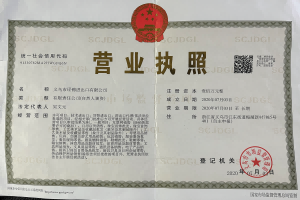
Legal & Factory Identity
The audit can begin by confirming the legal supplier identity, MOVEVOX brand relationship and actual Yiwu manufacturing location. Contracts and formal legal commercial activity are handled by Yiwu Chenjin Import And Export Co., Ltd., while MOVEVOX is the international B2B commercial and supply-chain brand operated by that legal entity.
Verify supplier identity before evaluating production and quality systems.
Seamless Manufacturing
The factory tour can include the operating Seamless area and the 28 Italian Santoni machines used for core activewear manufacturing. A technical review may focus on machine capability, knitting workflow, sample development, programming control and how production standards are transferred from approved development into bulk.
Actual Santoni equipment provides direct physical manufacturing evidence.

Cut-and-Sew Manufacturing
The Cut & Sew area can be reviewed for cutting and garment-production workflow, representative equipment and actual construction capability. The buyer can evaluate how pattern, construction, material combinations and production instructions are communicated rather than assuming all sportswear products follow one generic sewing route.
Review real garment-production capability against your product construction.

Development & Samples
A technical audit can review how Tech Packs, samples, materials, revisions and approval standards are managed. Confidential customer information must remain isolated, so audit evidence should demonstrate the process without exposing another customer’s unreleased products, pricing, artwork or proprietary documents.
Process evidence can be reviewed without disclosing other brands.

Quality & Records
The audit can review incoming controls, pre-production preparation, first-article checks, inline inspection, measurement, final inspection, corrective action and the associated records where applicable. The objective is to verify how standards are executed, not simply count QC personnel or read a quality statement.
Quality readiness is demonstrated through records and operating controls.

Packing & Traceability
Packing, finished-goods handling and relevant traceability records can be included in the audit scope. Buyers can review how PO, style, material, production, inspection and packing information connect while MOVEVOX continues to protect confidential data belonging to other customers.
Trace the order while preserving customer confidentiality boundaries.

Protect Unreleased Product and Commercial Information
Global-brand development requires early access to sensitive technical and commercial information. MOVEVOX supports NDA-based cooperation and separates project transparency from disclosure of another customer’s confidential data.
NDA Support
MOVEVOX can work under customer NDA, mutual NDA or another agreed project confidentiality arrangement where required. The purpose is to define what information is confidential, who may access it and how it may be used during development and production.
NDA ProcessTech Pack Control
Customer Tech Packs, specifications, drawings, size charts and other technical inputs are used for the customer’s own project. They are not treated as public marketing assets or transferred to unrelated customers as examples of MOVEVOX capability.
Document ControlBrand Assets
Customer logos, artwork, labels, packaging designs and legal reference materials are used only within the approved project scope. MOVEVOX does not accept projects that clearly require unauthorized copying of third-party brands or intellectual property.
IP PolicyControlled Access
Where managed satellite factories or specialized suppliers require information to perform an approved task, access should be limited to the information necessary for that production step. Production transparency does not mean unrestricted distribution of the buyer’s full commercial file.
Access ControlAudit Privacy
Factory visits, remote video audits and traceability reviews must also protect unrelated customer projects. Photos, screens, Tech Packs, labels, production details and records belonging to other buyers should be restricted or anonymized during audit activity.
Audit PrivacyPrepare a More Accurate Sportswear RFQ
A complete RFQ helps MOVEVOX review supplier fit, material direction, manufacturing route, MOQ, costing and timing more accurately. A Tech Pack is helpful but not mandatory to start; a physical sample, sketch or clear concept can also provide useful development input.
- Define product, sport or intended activity clearly
- Organize SKU, color, size and quantity requirements
- Identify fabric, branding and packaging expectations
- Flag testing, audit and production-site requirements
- Share target timing and commercial priorities early
Your submitted contact and project information should be used for project review and follow-up, not public marketing disclosure.
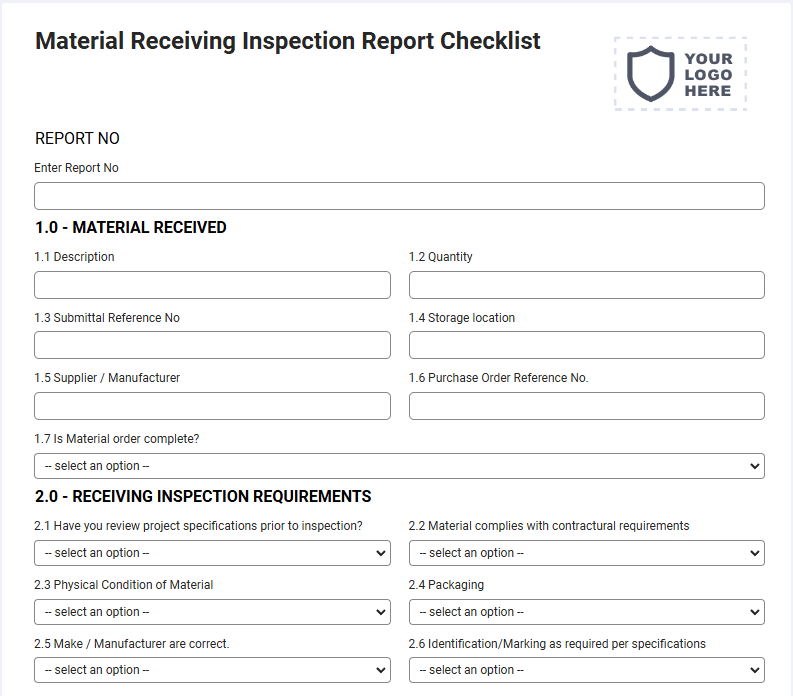
Sports Apparel RFQ Checklist
Recommended fields: Name, Work Email, Company and Role. The checklist should cover product, activity, quantity, colors, sizing, materials, branding, packaging, testing, audit and target date.

Sports Apparel Manufacturing Frequently Asked Questions
These questions cover the product, development, MOQ, repeat-order quality and vendor-qualification issues that buyers commonly need to resolve before starting an RFQ or supplier review.
What sports apparel is MOVEVOX strongest in?
MOVEVOX’s strongest product foundation is performance activewear, especially yoga leggings, sports bras and yoga shorts, with regular capability across biker shorts, tanks, T-shirts, long sleeves and coordinated sets. Running, compression, athleisure and selected additional sportswear directions can also be reviewed. The company does not present every sport-specific uniform or technical outerwear category as an equal core manufacturing strength.
Does MOVEVOX manufacture professional team uniforms?
Professional competition uniforms and highly sport-specific team kits are not represented as a core standard MOVEVOX capability. Selected team-training or branded sportswear concepts can be technically reviewed when the required material, fit, construction and branding fall within current manufacturing capability. Projects requiring specialized full-sublimation uniform systems or structures outside the established scope should be evaluated before MOVEVOX makes a commercial commitment.
Can one collection include Seamless and Cut & Sew?
Yes. MOVEVOX has both Seamless and Cut & Sew manufacturing capabilities, so different SKUs in one collection can use different routes where the product structure supports that decision. Seamless is strong for leggings, sports bras, shorts and selected tops with engineered knitted zones; Cut & Sew offers greater freedom for pattern lines, pockets, zippers, panels, bra structures and material combinations.
Can you develop without a complete Tech Pack?
Yes, depending on the project. Development can begin from an incomplete Tech Pack, legal physical reference sample, sketch, product image, fabric swatch or sufficiently clear concept. MOVEVOX first identifies the missing technical information and develops the product through controlled samples and customer approvals. This is not unrestricted free design service; the buyer still defines the product direction, brand requirements and final approval standard.
What is the MOQ for sports apparel?
Standard custom starting points are approximately 100 pieces per style for Seamless and approximately 150 pieces per style for Cut & Sew. These figures are starting references, not permanent universal minimums. Fabric, color, size allocation, trims, logo technique, special construction and supplier minimums can change the workable MOQ. The final minimum is confirmed after the actual product and order structure are reviewed.
Why can custom colors require higher quantities?
Custom colors often depend on upstream yarn or fabric dye-lot requirements rather than garment sewing capacity alone. Depending on the material route, custom dyeing may require an equivalent garment quantity around 400–600 pieces or another supplier-defined minimum. The actual requirement must be confirmed for the chosen fabric or yarn, so MOVEVOX does not represent one fixed custom-color MOQ as applicable to every material.
How long does standard sampling take?
A standard sample is typically developed in approximately 5–10 working days after the relevant development details are confirmed. Timing can increase if the project needs custom-dyed materials, special trims, new components, complex construction or several approval rounds. The clock should therefore be understood from confirmed inputs and material readiness rather than from the first inquiry date.
What is the typical bulk production lead time?
Typical bulk production is approximately 20–35 days, subject to material readiness, product complexity, final approvals, inspection requirements, production allocation and the agreed definition of cargo ready. MOVEVOX treats this as a project range rather than a universal guarantee. Custom materials, delayed buyer approval or changes after production release can alter the critical path and should be reflected in the confirmed order timeline.
How does MOVEVOX control sample-to-bulk consistency?
The production standard is built from the released Tech Pack or specification, approved sample, BOM, color reference, branding files and packaging requirements. MOVEVOX then uses pre-production review, first-article verification, inline controls, measurement and workmanship checks and final release. The goal is not to promise physically zero variation, but to keep bulk production within the customer’s approved and measurable standard.
How are repeat orders kept consistent?
Repeat consistency depends on retaining the correct product standard and controlling later material, color, production and document changes. MOVEVOX can link repeat orders back to the applicable specification, approved sample, material information and QC requirements. When a relevant input changes, the affected scope should enter change review rather than assuming the new material or facility automatically reproduces the previous order.
Can MOVEVOX change a material if supply is delayed?
A material delay is not treated as permission to make an unauthorized substitution. If a replacement is proposed, its composition, GSM, hand feel, stretch, color, fit, compliance evidence, cost and timing impact may need review. Where the change affects the released customer standard, customer approval is required before the replacement is used. Previous test evidence may also need reevaluation when material changes.
How can an order be traced after production?
MOVEVOX’s traceability logic can connect customer and internal order information with PO, style, SKU, color, size, material lot, production site, inspection record, packing batch, carton and shipment information. The exact record depth depends on the project. Traceability is designed to investigate affected scope and production history while still protecting confidential information belonging to other customers.
Can MOVEVOX support third-party testing?
Yes. Where a buyer requires third-party testing, MOVEVOX can support requirement review, sample selection, submission to the agreed qualified laboratory and report review. Testing support does not mean every MOVEVOX product is permanently certified. Results must remain tied to the actual sample, material, color, method and report scope, with retesting considered when relevant project inputs change.
Are all MOVEVOX sports products certified for RoHS or REACH?
No. Existing third-party reports relate to specific tested samples and scopes and must not be generalized to every MOVEVOX sportswear product, material or future production lot. For a new buyer program, the correct approach is to identify the applicable market and customer requirements, map them to the actual BOM, determine which evidence already applies and arrange project-specific testing where required.
Can our team audit the MOVEVOX factory?
Yes. MOVEVOX supports scheduled factory visits, technical audits, pre-production visits, inline inspection and pre-shipment inspection at the Yiwu manufacturing base, subject to production scheduling and confidentiality controls. Remote video review can also be arranged. The correct public position is Audit Ready; MOVEVOX should not claim unverified BSCI, SMETA, WRAP or other certification status without current supporting documents.
How are satellite production sites controlled?
MOVEVOX uses an own core factory plus a managed satellite production network and selected specialized resources. Satellite factories are not represented as MOVEVOX-owned facilities. MOVEVOX maintains responsibility for technical information, material coordination, production planning, QC and final release. Where a buyer contract requires Approved Factory Only or restricts subcontracting, applicable production-location changes require written approval before production is moved.
Send Your Sports Apparel Project for Review
A useful first inquiry does not need to be a finished technical package. Tell us what sports apparel you are developing, the intended use, expected quantity, target market and the information you already have. You can upload a complete Tech Pack, an incomplete specification, a legal physical-reference description, sketch, product image or other project document that helps us understand the requirement.
For more accurate initial review, include the product or SKU list, expected quantity by style, colors and sizes, fabric or hand-feel direction, fit or construction requirements, logo and private-label needs, packaging expectations and your target sample or launch timing. If your company has specific RSL, testing, factory-audit, approved-production-site or inspection requirements, please identify these early so they can be considered before material and production decisions are finalized.
MOVEVOX will use the available information to review product fit, Seamless or Cut & Sew route, development requirements, material direction, MOQ factors, production feasibility and the next commercial step. Standard sample development is typically about 5–10 working days after relevant details are confirmed, while bulk timing and final MOQ depend on the actual project.
For confidential or unreleased collections, NDA-supported discussion is available. Customer Tech Packs, artwork, logos and commercial information should be used only for the applicable project and handled according to agreed confidentiality requirements.