
Seamless Textured Leggings Manufacturer for Custom Activewear Brands
Translate brand-specific texture concepts into controlled Seamless knit structures through owned Santoni manufacturing, physical sampling, and program-based commercial production.
MOVEVOX develops custom Seamless textured leggings through an owned manufacturing system with 28 Italian Santoni knitting machines. Buyer-defined texture directions can be reviewed through yarn, knitted structure, garment dimensions, waistband, fit and physical samples before an approved technical version moves toward bulk production.
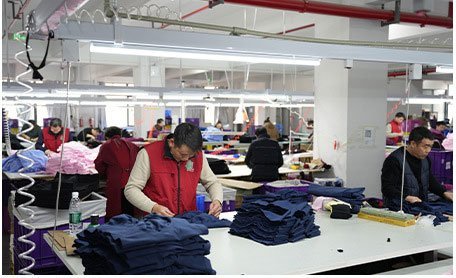
Owned Seamless production with buyer-verifiable factory access.

Technical Glossary for Seamless Textured Leggings Development
Use these terms to align design, technical development, sourcing and manufacturing discussions. MOVEVOX uses standard Seamless terminology while keeping project-specific structure, performance and approval claims tied to real samples and technical evidence.
Texture
A visible or tactile surface characteristic created through yarn, Seamless knitted structure, density, program design or a combination of these variables. At MOVEVOX, “texture” is not treated as one fixed construction. The exact structure must be defined and physically approved for each project.
Rib
A knitted structure creating repeated raised and recessed visual lines. Rib can be used across larger garment areas or selected zones. Its apparent width and definition change with yarn, program, garment extension and size, so visual approval should use the actual knitted sample.
Mesh
A more open Seamless structure used where the product design requires visual contrast, ventilation-oriented architecture or another defined structural zone. Mesh placement must be reviewed against coverage, garment extension and intended use rather than treated as automatically suitable for every body area.
Jacquard
A knitted pattern or visual element integrated through the Seamless program instead of being applied only after knitting. Jacquard feasibility depends on design scale, yarn, machine programming and stretch. Fine artwork may require simplification before it can become a stable knitted structure.
Contour
A programmed Seamless structure or visual line used to differentiate selected garment zones. MOVEVOX can develop non-medical activewear contour directions, but contour should not be described as guaranteeing body transformation, medical compression or another unsupported physiological result.
Compression Zone
A Seamless zone developed toward a different support direction through yarn, structure, density or dimensions. A knitted support zone does not automatically represent a measured medical pressure value. Numerical pressure claims require a suitable testing method and actual project evidence.
Knit Density
The relative compactness of a knitted structure created through the yarn and program configuration. Density can influence appearance, extension, handfeel and coverage, but it should not be used alone as proof of compression, durability or another performance claim.
Mixed Knit
A garment architecture combining more than one programmed Seamless structure, such as Rib with Mesh, Contour or a cleaner knit area. The boundaries between structures need physical review because transition position, local stretch and appearance may change when worn.
Clean Zone
A deliberately simpler knitted area used where the design requires less visible texture or a potentially more suitable surface for certain branding methods. It is a project-development direction rather than a fixed MOVEVOX stock structure and remains subject to program feasibility.
Program Version
The identified machine-program version associated with a particular development or approved Seamless product. Version control matters because unrecorded program changes can alter structure position, garment dimensions or texture. Bulk production should follow the confirmed active technical version.
Relaxed State
The garment condition when measured or visually reviewed without being stretched on a wearer. Seamless texture can look narrower, deeper or denser in this state, so relaxed appearance alone is not sufficient to approve the final worn visual effect.
Worn State
The appearance of the garment after it extends over the body according to the approved fit. Texture width, spacing, Mesh opening, Contour visibility and coverage can change substantially compared with the relaxed garment and should be reviewed where relevant.
Size Scaling
The process of adapting dimensions and applicable Seamless program information across a commercial size range. It is not simply a uniform percentage enlargement because waist, hip, rise, thigh, length and texture placement can require different cross-size relationships.
Approved Sample
The physical garment accepted by the buyer as the applicable development reference. It should remain linked with the relevant yarn or material, measurements, color, branding and technical version rather than being treated as an isolated garment without production information.
First Article
Representative early commercial production output checked against the approved standard before wider production proceeds. It is different from a sample-room garment because it should use the applicable commercial production inputs, program and process conditions.
Choose a Texture Direction Before Program Development
“Textured” can describe several different Seamless structures. Select the closest visual direction first, then use yarn, program development and physical sampling to determine what can become a controlled commercial product.

Rib Texture
Rib creates repeated structural lines through the knitted garment. It can be subtle or visually stronger depending on yarn, program and garment extension. Buyers should define the desired visual reference rather than assume one standard Rib structure applies to every MOVEVOX Seamless style.
Key Specs: Rib / Programmed / Zoned / Sampled
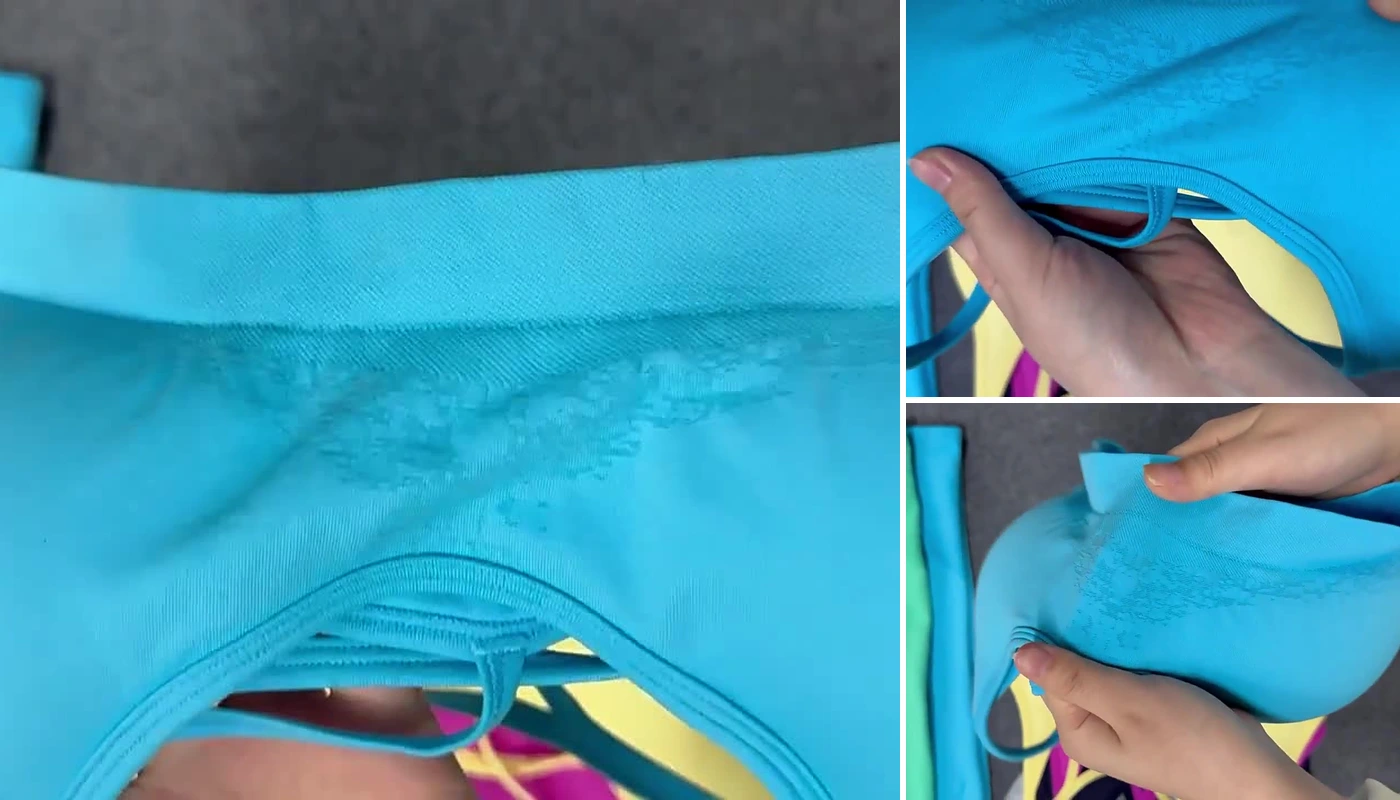
Jacquard Texture
Jacquard allows selected patterns or branding elements to become part of the knitted structure itself. The result depends on graphic scale, yarn, machine programming and extension, so detailed artwork may require technical simplification and physical approval before commercial production.
Key Specs: Jacquard / Pattern / Knit-In / Custom
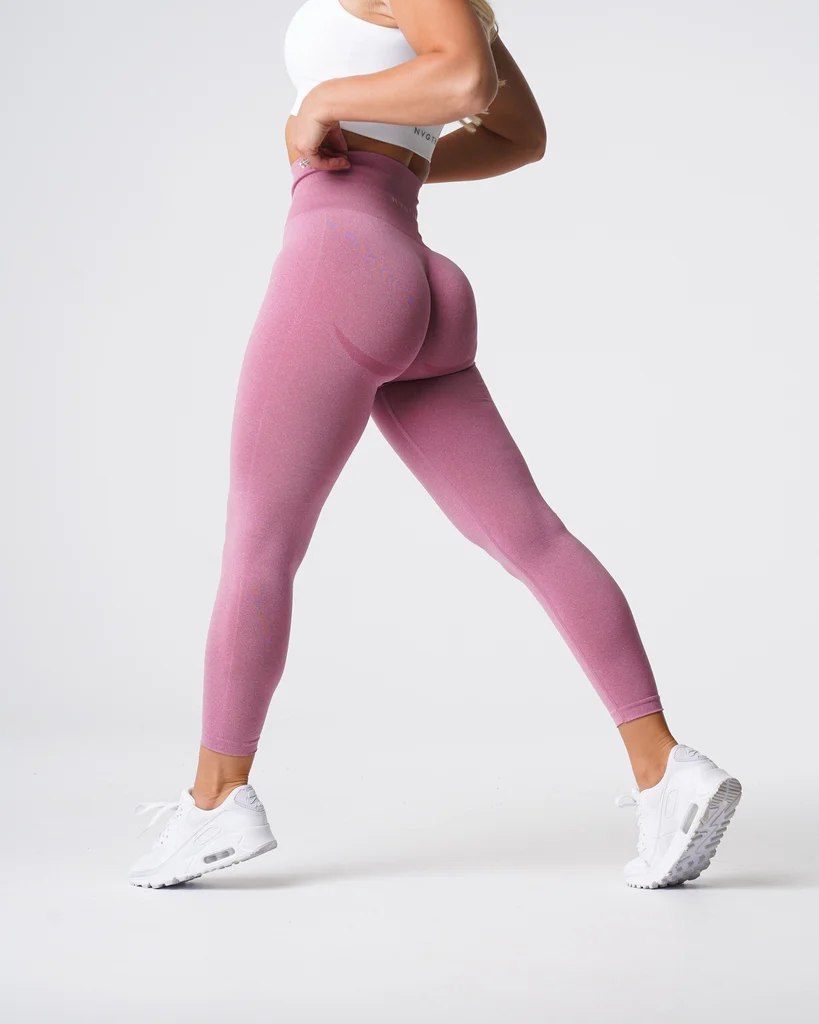
Mesh Mixed
Mesh can create visual contrast or more open structural zones within a Seamless legging. Its position should be reviewed together with coverage, garment dimensions and neighboring textures. A concept drawing alone cannot determine whether every Mesh transition will perform acceptably.
Key Specs: Mesh / Zoned / Transition / Coverage
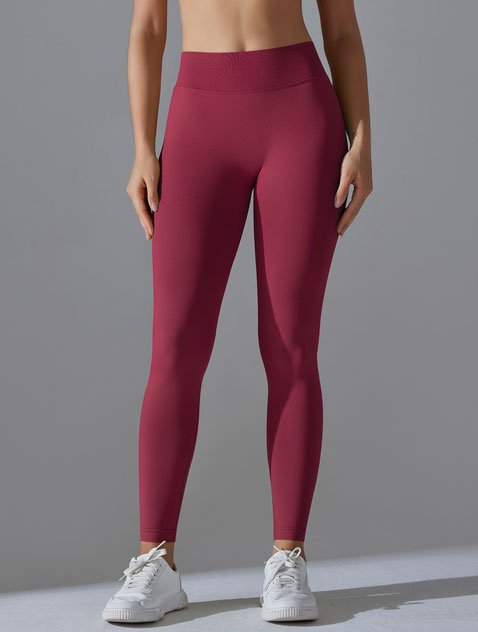
Contour Texture
Contour structures can create directional visual lines or differentiated surface zones through the Seamless program. MOVEVOX treats these as non-medical activewear structures, and the actual placement should follow the approved sample rather than generalized body-shaping claims.
Key Specs: Contour / Visual / Zoned / Non-Medical

Density Texture
Texture can also be created through differences in knitted compactness without relying on one obvious Rib or Jacquard pattern. The resulting surface, stretch and coverage need physical development because higher or lower density alone does not define product quality.
Key Specs: Density / Surface / Stretch / Sample
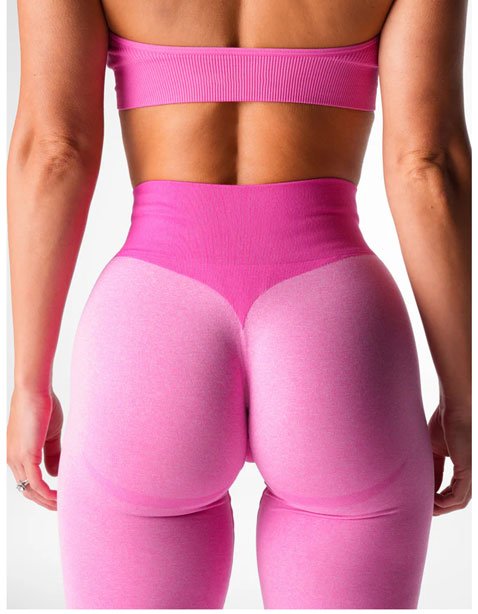
Mixed Knit
A mixed-knit product combines more than one Seamless organization within one garment. The design challenge is not merely creating each texture individually, but controlling the transition, placement and extension relationship between the zones in the approved size.
Key Specs: Mixed / Transition / Zones / Program
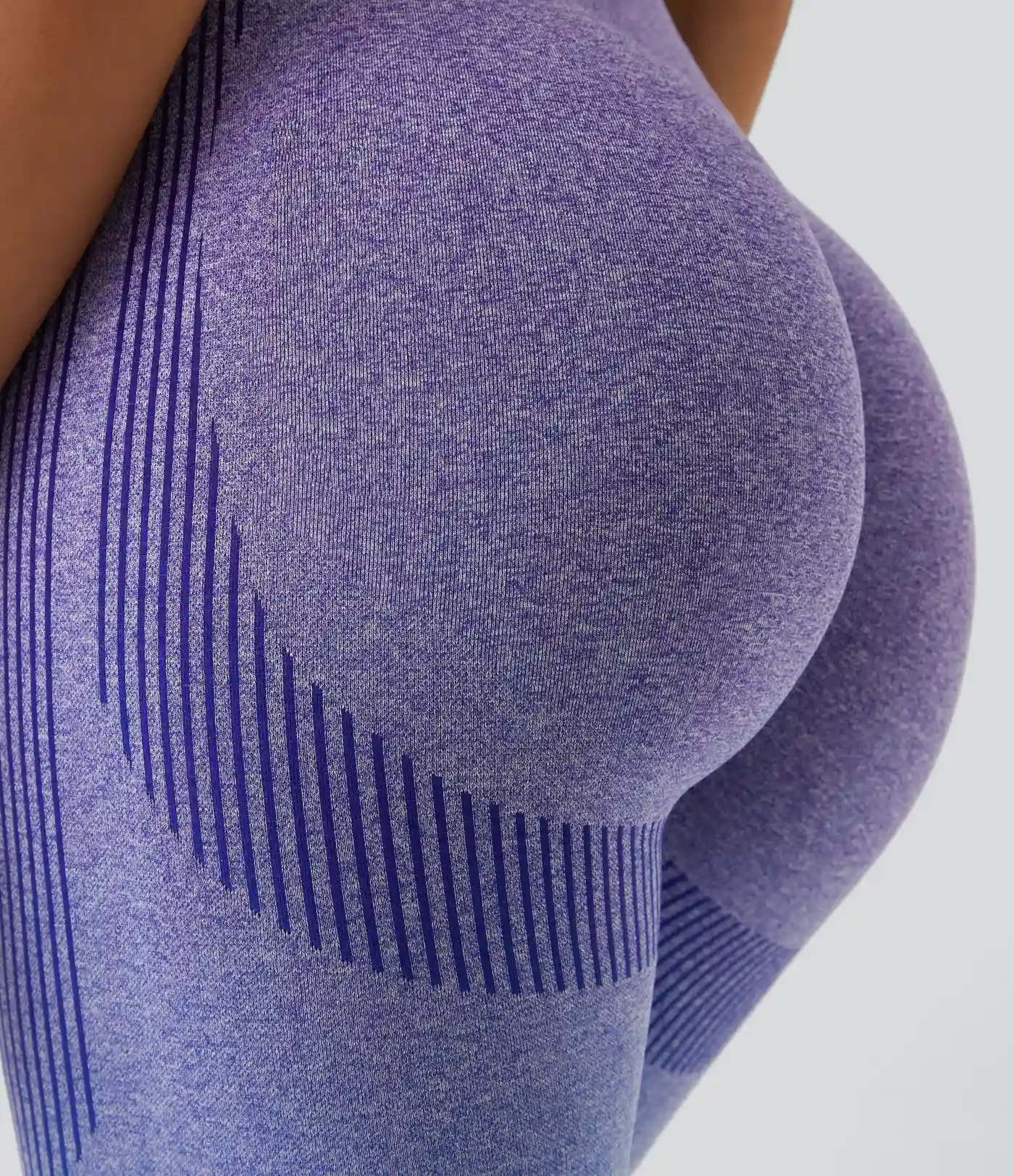
Clean Texture Zones
A product can combine stronger textured areas with visually cleaner knitted zones for balance, fit or branding. These areas still belong to the complete Seamless program and should be reviewed together rather than developed as unrelated surface decorations.
Key Specs: Clean Zone / Contrast / Branding / Fit
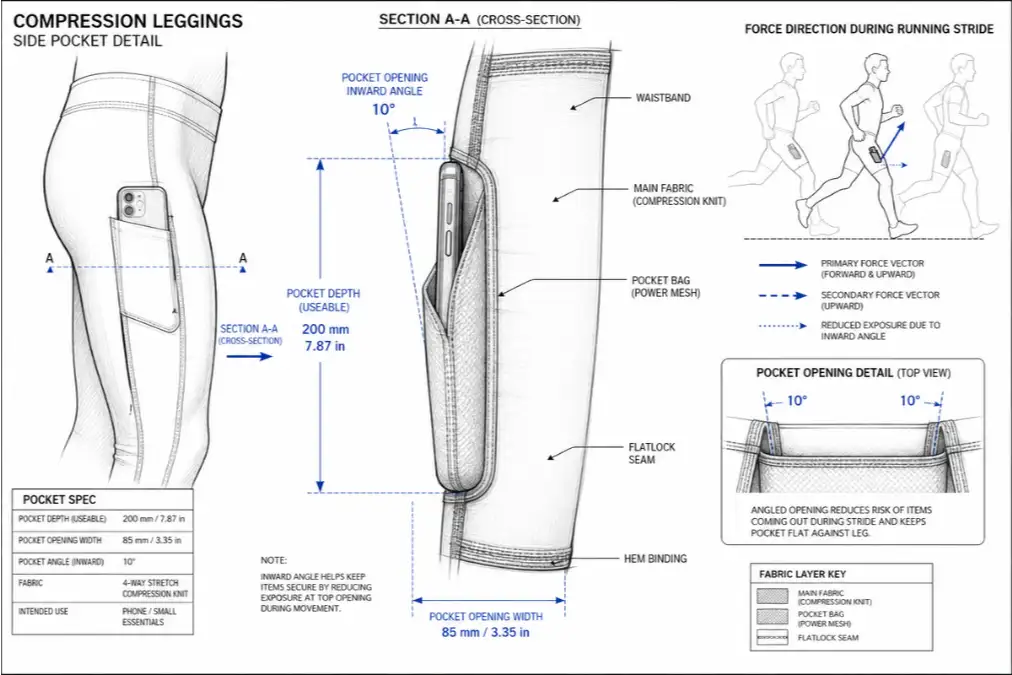
Buyer Defined
If your concept does not fit an existing category, send annotated images or a legally usable physical reference. MOVEVOX can review whether the visual idea can be translated into yarn, Seamless structure and program variables before committing to an exact result.
Key Specs: Reference / Custom / Feasibility / Development
Choose the Right Textured Seamless Development Model
The correct cooperation model depends on how much of the texture, yarn, fit and commercial specification your brand has already defined. OEM, ODM and Private Label require different levels of technical development.
OEM
Buyer supplies controlled Tech Pack, measurements and defined product requirements. Texture locations and intended structure are substantially defined by the buyer. Program development follows buyer-controlled product architecture and approved specifications. Revisions focus on matching the buyer’s technical target and physical approval. Best for established brands with controlled specifications and an internal Product Development function.
ODM
Buyer supplies concept, references or an existing legally usable product direction. MOVEVOX helps translate visual texture references into feasible Seamless development variables. More technical interpretation and trial knitting may be required before approval. Best for brands seeking a signature Texture but needing Seamless technical co-development.
Private Label
Buyer starts from a suitable existing development direction and customizes selected commercial elements. Texture architecture is usually closer to an existing technically workable direction, with revisions focused on fit, color, branding or selected structural changes. Best for brands prioritizing faster launch and lower development complexity.
Choose OEM when your brand already controls the product architecture and needs a manufacturer to execute it accurately. Choose ODM when the intended Texture is visually clear but yarn, program, structure or measurements still require technical translation. Private Label is more appropriate when the objective is faster customization around an existing workable product direction.
Choose Your Textured Seamless Sourcing Starting Point
Different sourcing situations need different technical work. Identify whether you are creating a new signature Texture, translating a visual reference, improving an existing product, or qualifying a second manufacturing source.
Create Signature Texture
Your brand wants a distinctive Seamless surface language rather than an existing catalogue style. The product may combine Rib, Mesh, Contour, Jacquard or another buyer-defined knitted direction. Development should begin by separating the visual concept into yarn, structure, zones, garment dimensions and approval requirements before programming starts.
Best When: Brand identity depends on a recognizable knitted surface; exact machine structure has not yet been established; physical trial knitting is acceptable before final approval.
Convert Visual Reference
You have images, a mood board or a legally usable reference garment, but no machine program. MOVEVOX can examine the visible texture, garment zones, dimensions and yarn direction, then determine which parts can be translated into its own Seamless manufacturing system through physical development.
Best When: Visual target is clearer than technical documentation; buyer can identify essential and optional design features; exact recreation has not been promised before feasibility review.
Upgrade Existing Seamless
Your brand already sells Seamless leggings but wants to improve texture definition, waistband architecture, fit, color, structure placement or another controlled variable. Using the existing product as a measurable reference helps separate improvements from features that should remain unchanged during redevelopment.
Best When: Current commercial product provides a technical baseline; buyer can describe the problem using specific product areas; revised samples can be compared against an existing standard.
Qualify Second Source
Your existing Textured Seamless style is already approved and commercially validated, but you need another source for supply diversification or capacity planning. Qualification should compare yarn direction, measurements, texture position, color, program outcome and physical product—not merely overall visual similarity.
Best When: Existing approved sample can be supplied for comparison; buyer has measurements, quality standards or grade rules; production transfer requires formal technical qualification.
Twenty Checks for Textured Seamless Supplier Qualification
Use these questions before sampling or RFQ. A credible textured-Seamless supplier should demonstrate manufacturing reality, structure development, fit control, physical approval and bulk-production governance rather than relying on attractive product photography alone.
Owned Knitting Equipment
Confirm whether the supplier owns circular Seamless knitting equipment and whether the stated machines are located in the factory being qualified. MOVEVOX’s owned core includes 28 Italian Santoni machines, which buyers can verify through scheduled factory review.
Manufacturing Address
A professional supplier should provide a real manufacturing location that sourcing or QA teams can inspect. MOVEVOX’s owned factory is located at No. 97 Xiazhang Village, Fotang Town, Yiwu, Zhejiang, China.
Ownership Boundaries
Ask which processes are owned and which are coordinated externally. MOVEVOX owns its Seamless and Cut & Sew core manufacturing systems but coordinates yarn supply, dyeing and selected external capacity through supplier and satellite resources.
Actual Knitting Proof
Product photos do not prove manufacturing depth. Buyers should be able to review operating Santoni equipment, yarn feeding, knitting workflow and real Seamless production rather than relying on equipment logos or stock factory images.
Multiple Structures
A textured-Seamless supplier should be able to discuss more than one organization. MOVEVOX’s Seamless technical framework includes Rib, Mesh, Compression, Contour and Jacquard structures, all subject to project feasibility and physical approval.
Program Control
Texture, Rib, Mesh and related zones are created through machine programming and knitted structure. Ask how development versions are identified and how the approved program is prevented from being replaced by an obsolete or uncontrolled file.
Transition Development
Complex textured garments may combine different structures within one product. Buyers should review whether the supplier can physically develop the boundaries between zones rather than assuming every conceptual transition will work automatically.
Yarn Relationship
The same program can behave differently when yarn composition, elasticity, color or finishing changes. A credible supplier should treat yarn and knitted architecture as one development system rather than approving texture independently from the material input.
Buyer Size Chart
Ask whether the manufacturer can work from buyer-controlled POMs, tolerances and grade rules. MOVEVOX supports customer-defined measurement standards instead of applying one universal factory chart to every Seamless product.
Worn Texture Review
Textured Seamless appearance changes as the garment stretches over waist, hip and thigh. Supplier review should therefore consider the worn state where relevant, not only a relaxed flat-lay garment or digital rendering.
Size Scaling
Different sizes can require controlled adjustments to both dimensions and structural position. Ask how the supplier keeps texture, Contour, Mesh or other key zones aligned when a style expands across the commercial size range.
Size Set Validation
Where a buyer requires broader fit assurance, selected additional sizes should be physically reviewed before full commercial release. One successful base-size sample does not automatically prove equivalent visual texture or fit across all sizes.
Physical Sample Approval
A custom Texture should be approved on a real knitted garment. Digital files, mood boards and machine programs help define intent, but none alone proves that handfeel, dimensions, visual depth and worn appearance meet the buyer’s target.
Controlled Revisions
Ask whether buyer comments become identifiable program, dimension, yarn or color changes. Structured revision reduces the risk that one subjective request produces several undocumented factory changes that cannot later be reproduced.
Approved Program
The accepted physical sample should be linked to the active technical version used for production. If the factory cannot identify which program created the approved product, repeatability becomes difficult to verify during bulk production or future replenishment.
First Article Review
Sample-room approval should be followed by a representative early-production check using applicable commercial inputs. This helps detect program, yarn, color, measurement or workmanship differences before they spread across a larger production quantity.
Texture QC
General garment QC is not enough for complex Seamless products. Inspection should include project-defined structural positions, visual consistency, measurements, waistband, color and relevant transitions in addition to normal workmanship and packaging controls.
Traceability
Production records should connect the applicable PO, yarn or material, color, program, size and inspection information. This linkage allows a technical problem to be investigated rather than treated as an unexplained visual difference.
Scoped Capacity
A large monthly number should not be accepted without context. Buyers need to know whether capacity covers Seamless only, multiple manufacturing routes, managed satellite resources or theoretical machine maximums before using it for supply planning.
Verification Access
A supplier becomes easier to qualify when customers can visit, conduct live video review, perform Technical Audit or appoint third-party inspectors. MOVEVOX supports these verification routes while protecting unrelated customer confidentiality.
Six Numbers for Initial Seamless Supplier Qualification
These operating references give sourcing teams a concise view of MOVEVOX’s owned Seamless base, development resource, quality function and normal commercial entry conditions before a detailed technical review begins.
Italian Santoni Machines
Owned Seamless knitting equipment supporting direct development and commercial production at MOVEVOX’s manufacturing core.
Development Staff
Approximate normal development function across design, technical development, sampling and related product responsibilities.
QC Personnel
Current quality-control team supporting sample, production, measurement, workmanship and final-release activities.
Working Days
Normal standard-sample reference after necessary project details have been sufficiently confirmed for development.
Pieces per Style
Approximate base garment-level MOQ for normal Seamless customization, subject to actual project conditions.
Square Meters
Approximate actual production space at MOVEVOX’s owned Yiwu manufacturing base.
Custom yarn, dedicated color, testing, revision and program complexity can change actual project conditions.
Manufacturing Evidence Behind Seamless Texture Development
Santoni equipment is the manufacturing base, but texture repeatability requires more than machine ownership. Yarn, program control, physical samples, measurements and production inspection need to operate as one technical system.
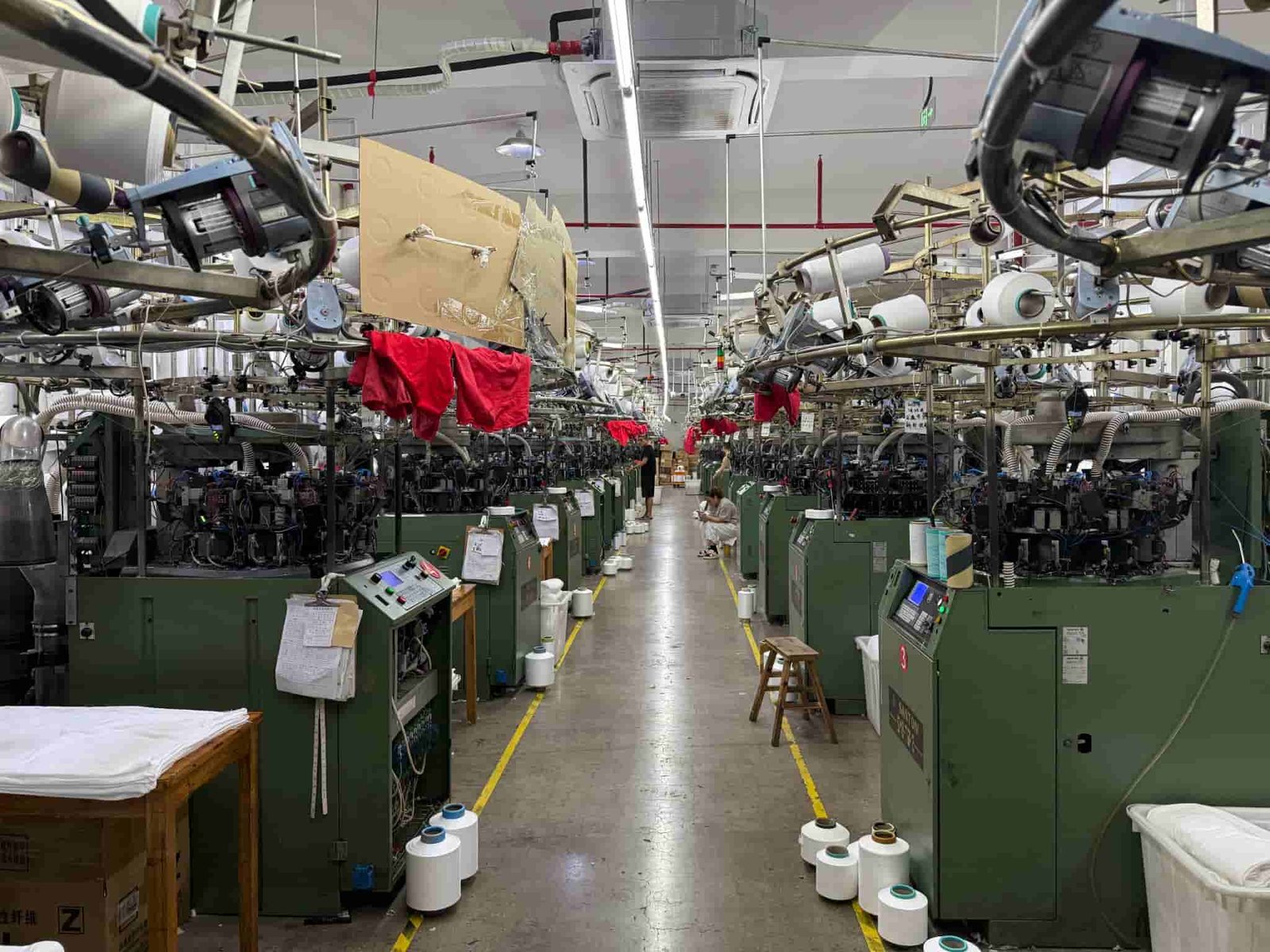
Owned Knitting System
MOVEVOX’s owned manufacturing core includes 28 Italian Santoni Seamless knitting machines. These machines support circular-knit activewear development and production, including structures such as Rib, Mesh, Compression, Contour and Jacquard where technically feasible. Buyers can verify the actual equipment through scheduled factory visits or technical reviews. MOVEVOX does not add unverified machine model, needle-count, cylinder or theoretical-output claims to this equipment fact.
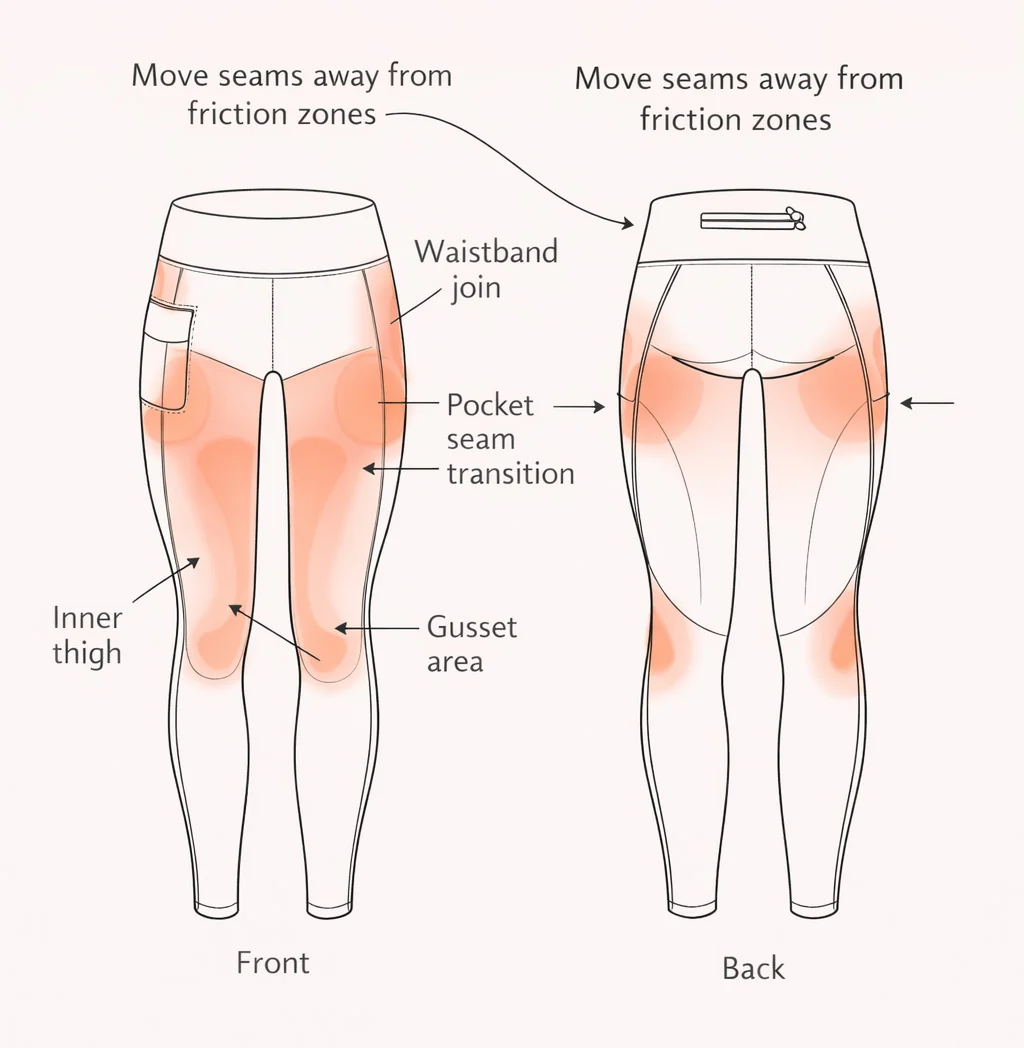
Controlled Texture Output
A Santoni machine does not independently define the final Texture. The finished result depends on the selected yarn, active program, structure location, garment dimensions and finishing. MOVEVOX’s technical-audit framework specifically recognizes Program Control, Yarn, Size Scaling and Seamless QC as important qualification areas. The physical knitted sample therefore remains necessary before a custom structure becomes an approved commercial standard.
Yarn Directions for Custom Seamless Texture Development
Texture is created by the relationship between yarn and knitted structure. The cards below are development directions, not fixed stock yarn specifications. Exact composition, weight, availability and documentation require a real project yarn reference.

Nylon Stretch Direction
Composition: Project-specific Nylon + Spandex
Weight: Program-dependent
Tags: Soft / Stretch / Recovery
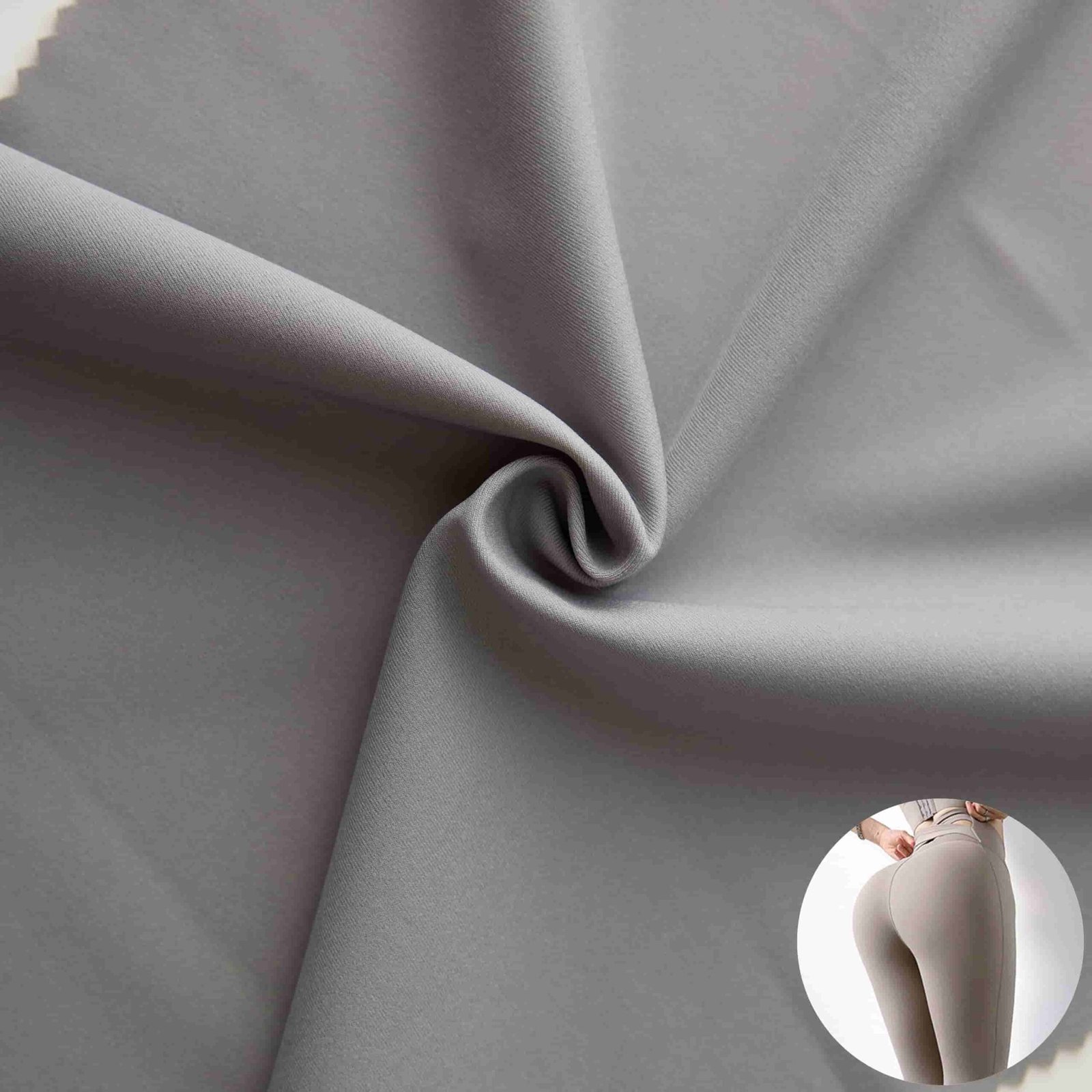
Nylon-based yarn systems can support close-fitting activewear where the project prioritizes elasticity, handfeel and controlled recovery. The final texture still depends on yarn specification, knitted structure, finishing and garment dimensions rather than fiber family alone.
Polyester Stretch Direction
Composition: Project-specific Polyester + Spandex
Weight: Program-dependent
Tags: Color / Stretch / Custom
Polyester-based directions can be considered where color, price, appearance or buyer specification makes them appropriate. The same Texture program can look or feel different from a Nylon-based version, requiring a new physical sample before approval.

Softer Handfeel
Composition: Requires actual yarn ID
Weight: Program-dependent
Tags: Soft / Flexible / Lifestyle
For a more comfort-oriented Textured Seamless product, yarn and structure can be selected toward a softer handfeel rather than maximum visual depth. Texture definition, recovery and coverage still need to be reviewed on the actual knitted garment.

Firmer Surface
Composition: Requires actual yarn ID
Weight: Program-dependent
Tags: Defined / Structured / Training
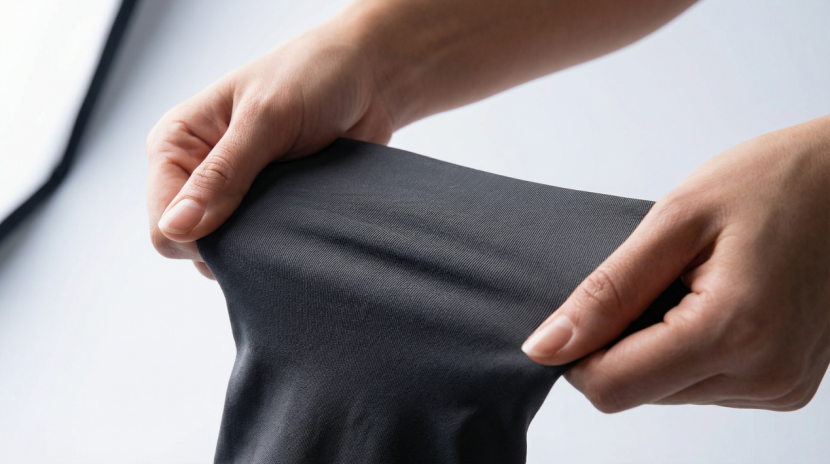
A more structured surface direction may create stronger visual definition, but a firmer feel should not automatically be interpreted as higher performance or compression. The appropriate balance depends on the buyer’s product use and fit target.
Higher Recovery
Composition: Requires actual yarn ID
Weight: Program-dependent
Tags: Recovery / Fit / Activewear
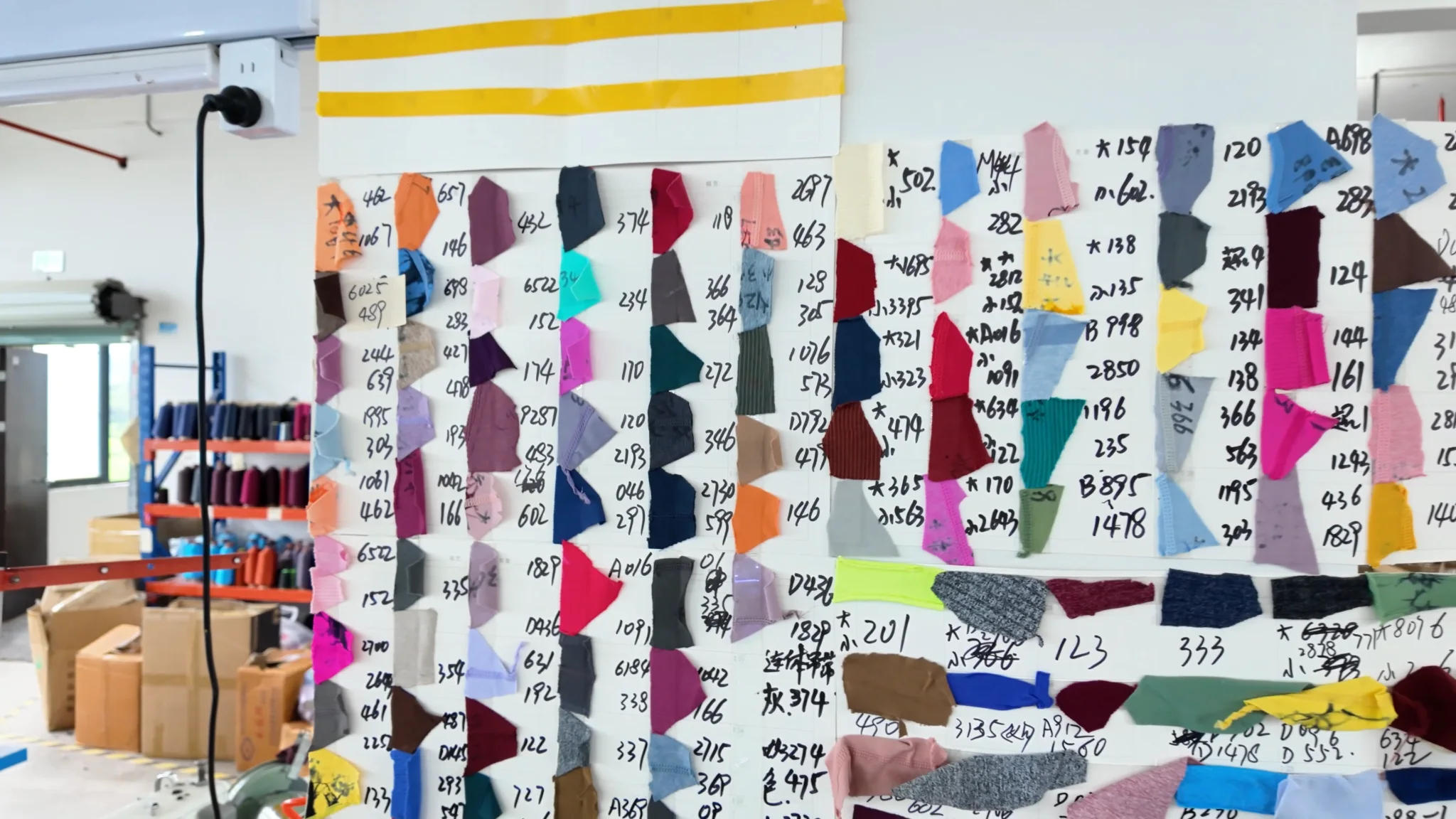
Where repeated extension is important, yarn and knitted structure can be developed toward stronger recovery behavior. MOVEVOX does not assign a universal recovery percentage without an identified sample, defined method and actual project test result.
Light Color Candidate
Composition: Requires actual yarn ID
Weight: Program-dependent
Tags: Color / Coverage / Review
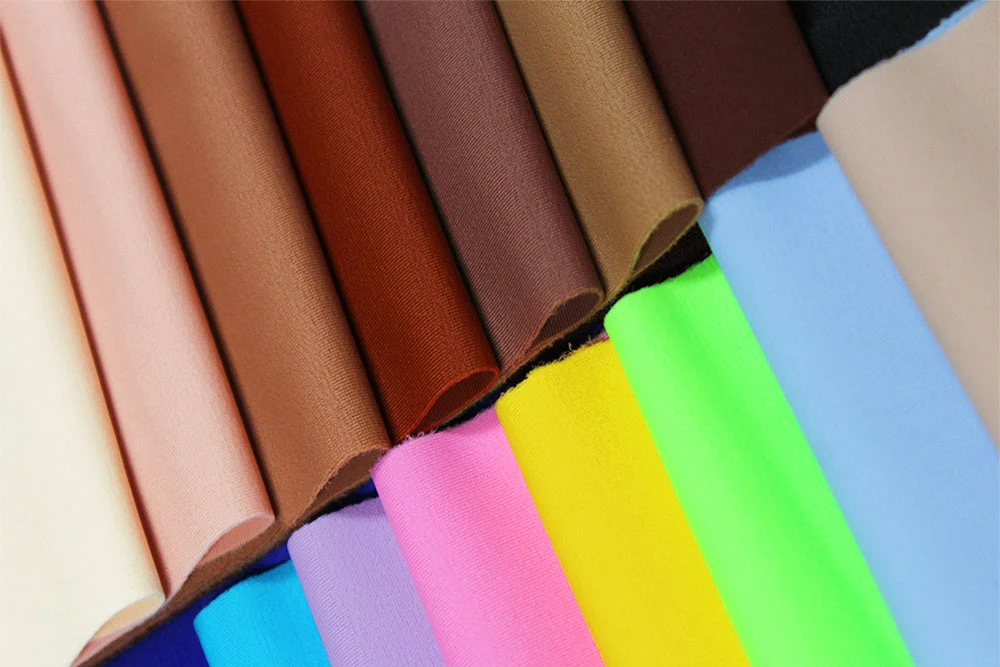
Lighter Textured Seamless colors need physical review because valleys, Mesh zones and garment extension can increase visible opening compared with darker shades. A yarn suitable in black should not automatically be assumed equally opaque in pale colors.
Recycled Direction
Composition: Project-specific recycled content
Weight: Program-dependent
Tags: Recycled / Documented / Custom
MOVEVOX can coordinate recycled material directions when requested. Any recycled-content or environmental statement must remain linked to the actual yarn documentation, certificate scope and order rather than being generalized across all Seamless production.

Buyer Specified
Composition: Buyer-defined
Weight: Program-dependent
Tags: OEM / Custom / Technical
Where a brand already controls yarn composition, elasticity, handfeel or another material requirement, MOVEVOX can review whether the specification is compatible with the intended Santoni program. Supplier minimums and development timing remain project-specific.
The current objective fact set does not provide eight public yarn IDs with verified composition and weight. Exact yarn cards must therefore be replaced with project-traceable material references before publication.
Map Texture Zones Across Seamless Leggings
Textured Seamless leggings can combine several visual or structural zones. Each position should be evaluated against garment extension, fit, size and program feasibility rather than designed as an isolated decorative surface.
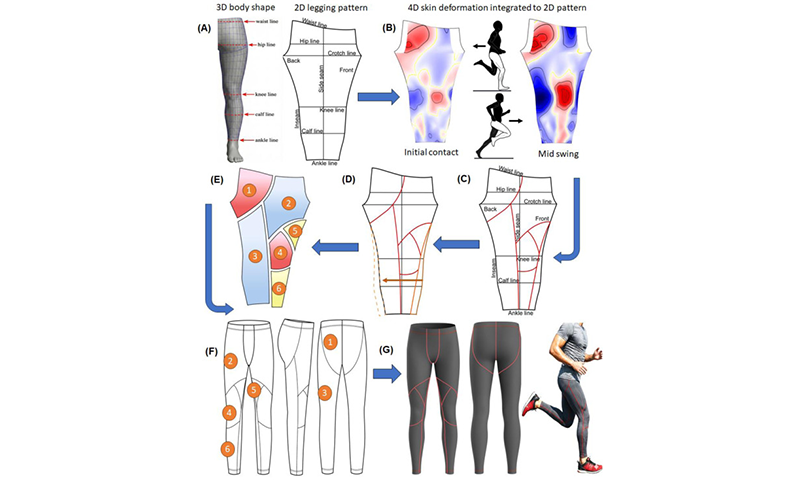
Waistband
Waistband texture can differ from the body through Rib, density or another approved knitted structure. Height, circumference and recovery also influence its final appearance.
Abdomen
The front body can remain relatively clean or use a selected texture depending on the design. Excessive local firmness should not be assumed to improve fit.
High Hip
Texture often opens differently across the high hip because garment extension increases from waist to seat. Transition position needs physical fit review.
Rear Body
Contour, Texture or another defined structure can create rear visual differentiation. Placement should follow the approved program and garment dimensions rather than unsupported shaping claims.
Upper Thigh
High extension through the upper thigh can widen geometric or Rib-based texture. The worn appearance should therefore be checked rather than judged only while relaxed.
Lower Thigh
Structure can remain textured or transition toward another knit direction based on the design. Size and leg circumference affect how the surface is displayed.
Calf
A lower-leg zone may use cleaner knit, continuing texture or another structure. The decision should follow product design and Seamless program feasibility.
Logo Zone
Certain branding processes may benefit from a cleaner local knitted area. If Jacquard is used instead, branding becomes part of the machine program and requires separate approval.
Texture works as part of one connected Seamless garment. Changing yarn, structure, dimensions or zone placement can affect visual proportion elsewhere. MOVEVOX therefore links the physical approved sample with the applicable program, measurements and material direction before bulk production.
Move From Texture Concept to Controlled Program
Brands enter development at different stages. These five steps show how an idea becomes a physical Seamless product and how each stage changes the information required from the buyer and MOVEVOX.
Define Visual Intent
A concept begins with the buyer’s intended Texture, product use and brand direction. The input may be a Tech Pack, legal reference product, annotated image or mood board. MOVEVOX separates visual requirements from technical assumptions and identifies which areas involve Rib, Mesh, Contour, Jacquard, clean zones, waistband or another structure. No exact machine result should be promised before yarn and program feasibility are reviewed.
- Reference images with priority texture areas identified.
- Intended use, fit and commercial size range.
- Key features that must remain visually recognizable.
- Initial feasibility review of Seamless structure directions.
- Open-point list for yarn, dimensions and zones.
- Recommended next technical development step.
Confirm Yarn Direction
Texture cannot be approved independently from yarn. Composition, elasticity, color and finishing can change handfeel, dimensions and surface definition. MOVEVOX coordinates suitable yarn directions through its supplier network, while spinning and dyeing remain external supply-chain processes rather than owned operations. A buyer-controlled yarn can also be reviewed for compatibility with the intended Seamless structure.
- Composition or handfeel requirement where already defined.
- Color, recycled or other material requirements.
- Existing yarn standard if the brand controls one.
- Feasible yarn direction for trial development.
- Commercial notes on custom material minimums.
- Technical risks requiring physical sample validation.
Build Knit Structure
The Seamless technical function translates the confirmed product zones, garment dimensions and Texture direction into a machine-executable program. This stage defines where different structures appear and which development version is active. Because a reference image does not contain actual machine settings, trial programming can require interpretation and revision before the physical result matches the buyer’s visual objective.
- Confirmed texture locations and priority transitions.
- Base measurements or target garment dimensions.
- Any required Jacquard or knit-in artwork.
- Controlled Seamless development program.
- Identified program version for trial knitting.
- Notes on technical compromises or feasibility limits.
Approve Physical Knit
The first knitted garment provides the first reliable evidence of how the selected yarn, Texture program, dimensions and finishing work together. MOVEVOX can measure the sample and review structure location, waistband, color and visible appearance. Buyer feedback should identify whether changes belong to Texture, fit, yarn or another variable instead of using broad instructions that cannot be traced.
- Specific visual and fit comments by product area.
- Approval or revision direction for each open point.
- Any required additional size or color review.
- Physical sample linked to the current version.
- Measurement and internal review information.
- Controlled revision list where changes are required.
Release Production Standard
Once the buyer approves the relevant physical product, the active program, yarn or material reference, measurements, color and branding should remain linked for commercial production. First-article and production-stage checks then compare representative output with the approved standard. The objective is controlled repeatability rather than a claim that every knitted textile piece will be mathematically identical.
- Written sample and commercial specification approval.
- Final size, color, branding and packing information.
- Required inspection or testing instructions.
- Production handover using confirmed technical version.
- First-article and production QC checkpoints.
- Final product and packing release controls.
Inspect Seamless Texture at Close Range
Macro evidence helps technical buyers evaluate actual knitted structure rather than relying on distant model photography. Each example should be tied to a real MOVEVOX product or development sample before publication.
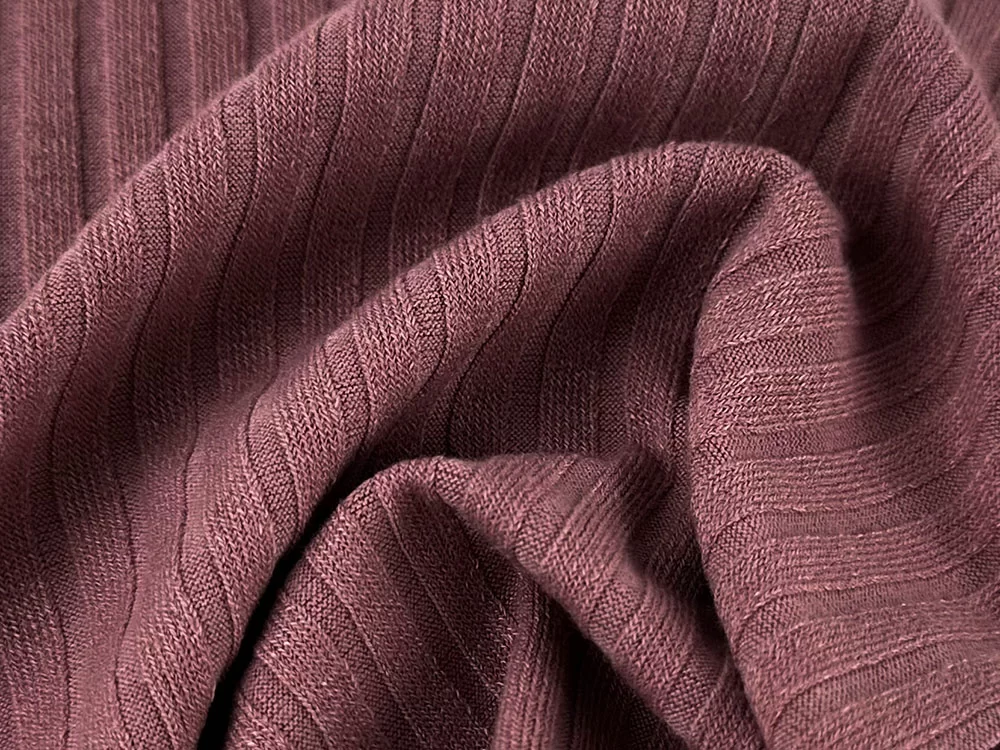
Rib Structure
Repeated raised and recessed knitted lines create visible surface rhythm. Rib appearance changes with extension, so a macro should be paired with garment-level evidence where possible.
Best Location: Waistband, body or selected leg zones.
Behavior: Width and spacing can change as the garment stretches.
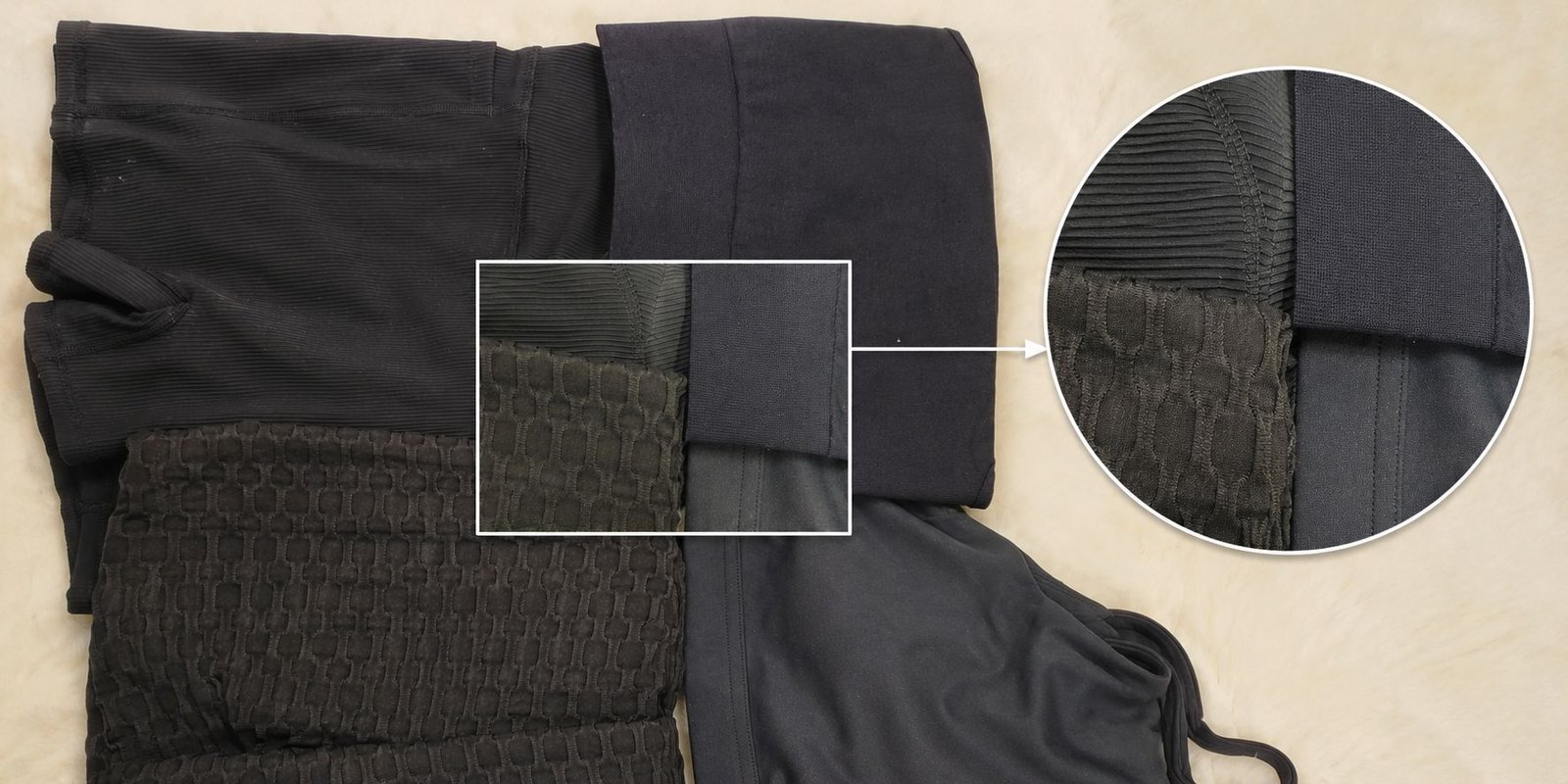
Mesh Structure
A more open knitted zone creates visible structural contrast. Mesh requires coverage and location review because openness that works in one area may be unsuitable elsewhere.
Best Location: Buyer-defined lower-risk ventilation or design zones.
Behavior: Opening becomes more visible under extension.

Jacquard Pattern
Jacquard allows selected graphical or patterned information to be knitted into the Seamless structure. Fine detail depends on program and yarn limitations.
Best Location: Approved design or branding areas.
Behavior: Artwork can distort as garment extension increases.
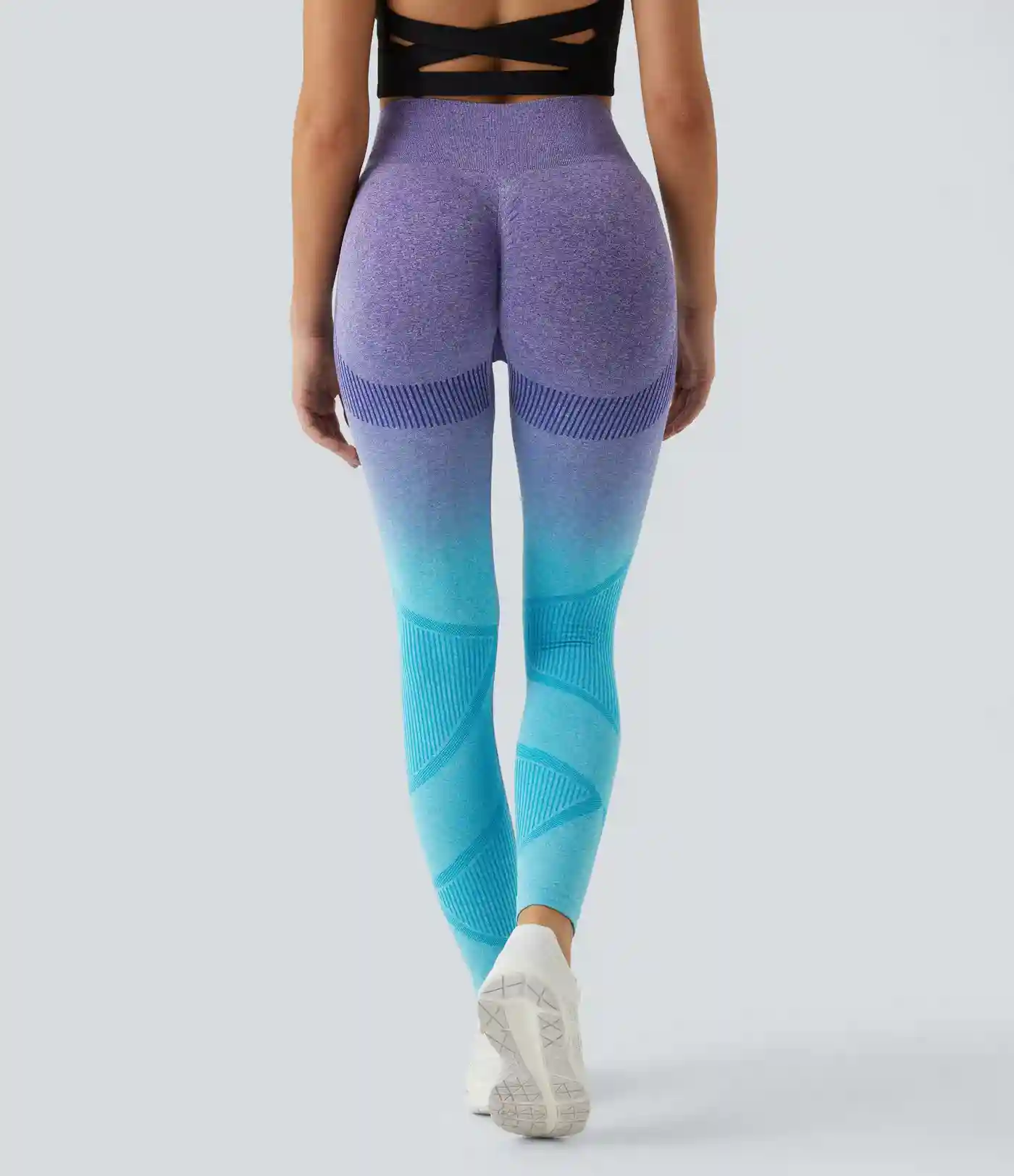
Contour Structure
Programmed directional lines can create a visual Contour zone within Seamless construction. This is an activewear design element rather than proof of medical or body-transforming performance.
Best Location: Buyer-defined hip, leg or garment zones.
Behavior: Position must remain aligned with fit and size.

Density Texture
Changes in knitted compactness can create visible surface variation without one obvious Rib or Mesh pattern. Physical review is needed to understand handfeel and extension.
Best Location: Project-defined structural or visual zones.
Behavior: Appearance varies with yarn and finishing.
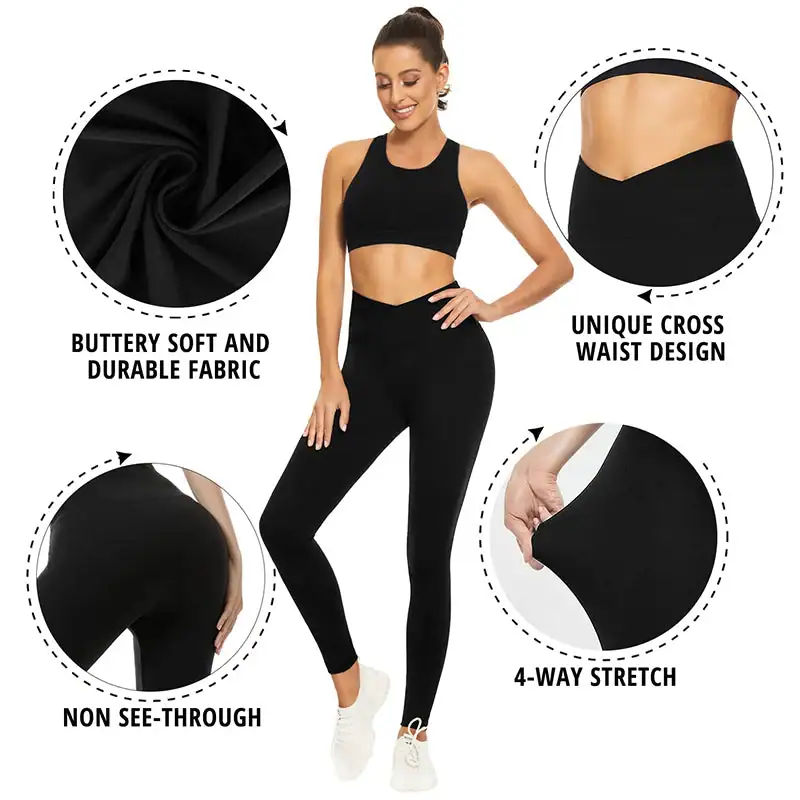
Mixed Texture
Different Seamless structures can coexist within one garment when technically feasible. The development challenge is controlling how they meet and behave under stretch.
Best Location: Products requiring several visual or structural zones.
Behavior: Transition quality is as important as each texture.
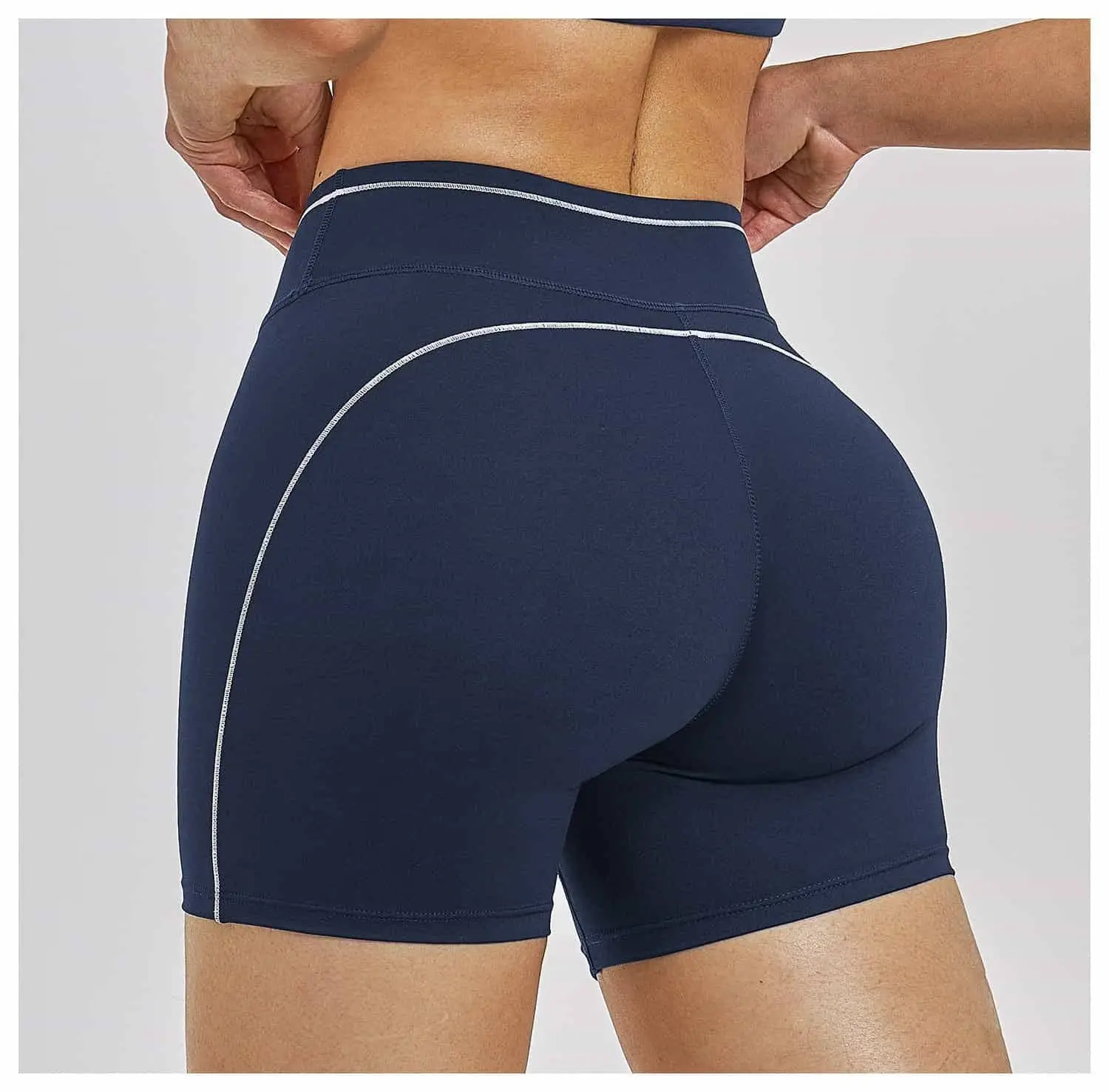
Clean Transition
A cleaner area can separate stronger textures or provide visual balance. The transition needs to look intentional rather than like inconsistent knitting.
Best Location: Between structural zones or branding areas.
Behavior: Position can shift visually if dimensions change.
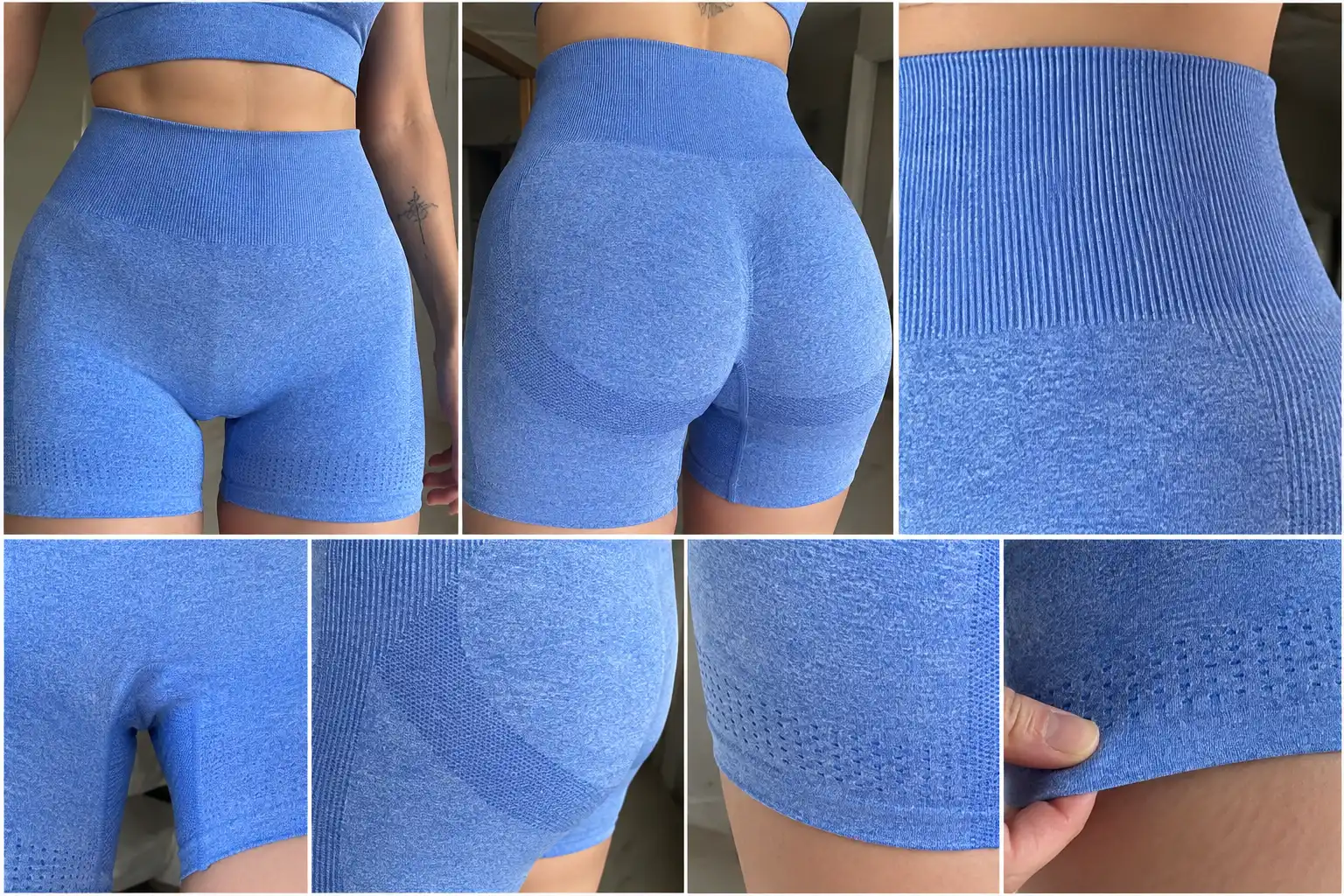
Waist Texture
The waistband can use a structure distinct from the main garment body. Fit, circumference and recovery should remain part of the approval.
Best Location: High-waist or integrated waist architecture.
Behavior: Local extension affects visible texture depth.
Understand How Seamless Texture Zones Work Together
Mixed-knit products combine structures that extend differently across the garment. These diagrams explain the technical relationships buyers should review before approving Texture, Mesh, Contour, Rib or cleaner zones.
Texture to Mesh
Texture Zone
The main textured structure establishes the visual surface language. Yarn, density and garment extension determine how clearly the pattern remains visible when worn.
Mesh Zone
Mesh creates a more open neighboring structure. Its location should be checked for coverage and whether it opens further under the intended fit.
Transition Line
The boundary should appear deliberate and remain in the approved garment position. Abrupt distortion or unwanted drift can indicate program or dimension issues.
Fit Load
Hip or thigh extension changes both zones simultaneously. A transition approved while relaxed may appear materially different on the wearer.

Texture to Contour
Surface Texture
The base structure creates the broader visual field against which the Contour area must remain readable without becoming visually disconnected from the product.
Contour Line
A programmed line or structure creates directional differentiation. Its position should follow the approved garment zones and commercial size-development logic.
Zone Balance
The relationship between Texture and Contour should remain visually coherent rather than relying on extreme contrast that changes unpredictably under stretch.
Size Position
As waist, hip and thigh dimensions change, the relative location of the Contour feature may require controlled scaling rather than mechanical enlargement.

Texture to Clean Zone
Texture Field
A stronger knitted surface can carry the main visual identity of the garment while leaving selected areas comparatively cleaner for balance or branding.
Clean Area
The cleaner structure should remain technically integrated with the rest of the garment. It is not a separately sewn fabric panel in a Seamless product.
Brand Surface
Heat transfer, silicone or another applied logo may benefit from reduced texture, subject to actual adhesion and stretch validation on the finished sample.
Program Link
Both textured and clean regions belong to the active machine program. Production should follow the confirmed version rather than manually interpreting zone boundaries.
Mixed-knit Seamless development requires yarn, program, dimensions and wearer extension to be considered together. A technically feasible transition may still need revision for visual balance, coverage or branding. MOVEVOX therefore treats physical knitting and buyer approval as the deciding evidence before a mixed structure becomes a commercial standard.
Six Waistband Directions for Textured Seamless Leggings
The waistband should be developed as part of the complete Seamless architecture. Its structure, height, dimensions, transition and recovery can change both fit and the visual relationship with the body Texture.
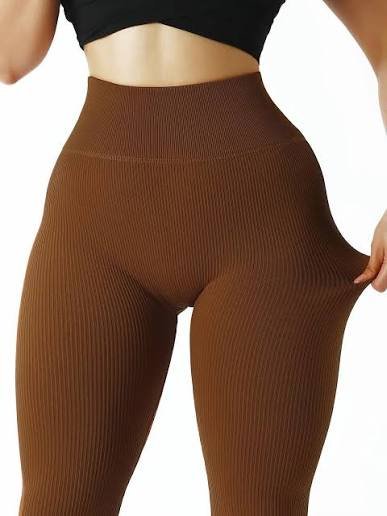
Clean Waist
A cleaner waistband can provide visual contrast against a strongly Textured body and may create a more suitable region for selected branding methods. It still requires defined waist circumference, height and recovery. The cleaner appearance should be created within the approved Seamless structure rather than assumed to behave like a separate conventional fabric waistband.

Rib Waist
A Ribbed waistband can create a clear structural relationship with Textured leggings, but the Rib does not automatically produce stronger support. The physical sample should establish how the structure opens, returns and transitions into the high hip under the buyer’s intended fit and yarn direction.
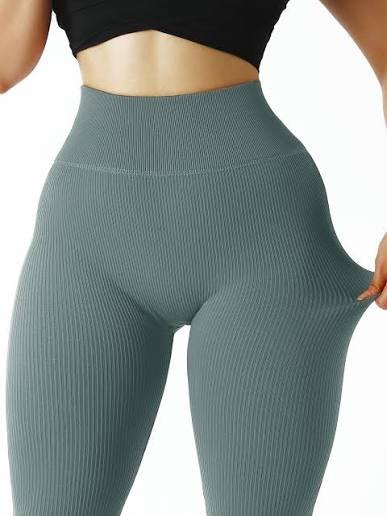
Dense Waist
A denser-looking knitted waistband can create a more compact surface direction. Density should be treated as one program variable rather than proof of superior compression or stability. Waist measurements, yarn behavior, rise and physical fitting are still required to determine whether the result meets the buyer’s target.

Tall Waist
A taller waistband increases the vertical area interacting with the torso and can become a prominent design feature. Height alone does not prevent rolling or movement. MOVEVOX should develop the waistband together with waist-to-hip dimensions, front and back rise, structure and the approved physical fit.
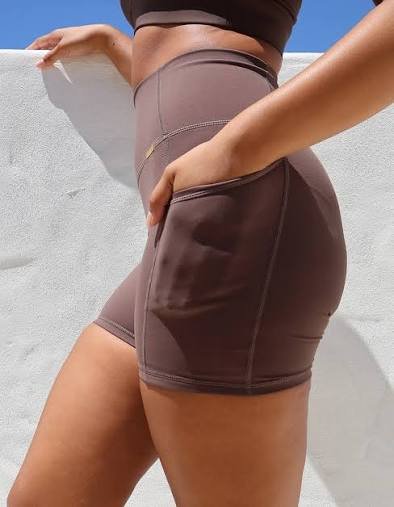
Directional Waist
Directional lines or another programmed waist Texture can create stronger visual identity where machine feasibility allows. The intended orientation needs physical confirmation because extension around the torso can change line angle or proportion. Complex directional artwork should therefore remain subject to trial knitting and buyer approval.
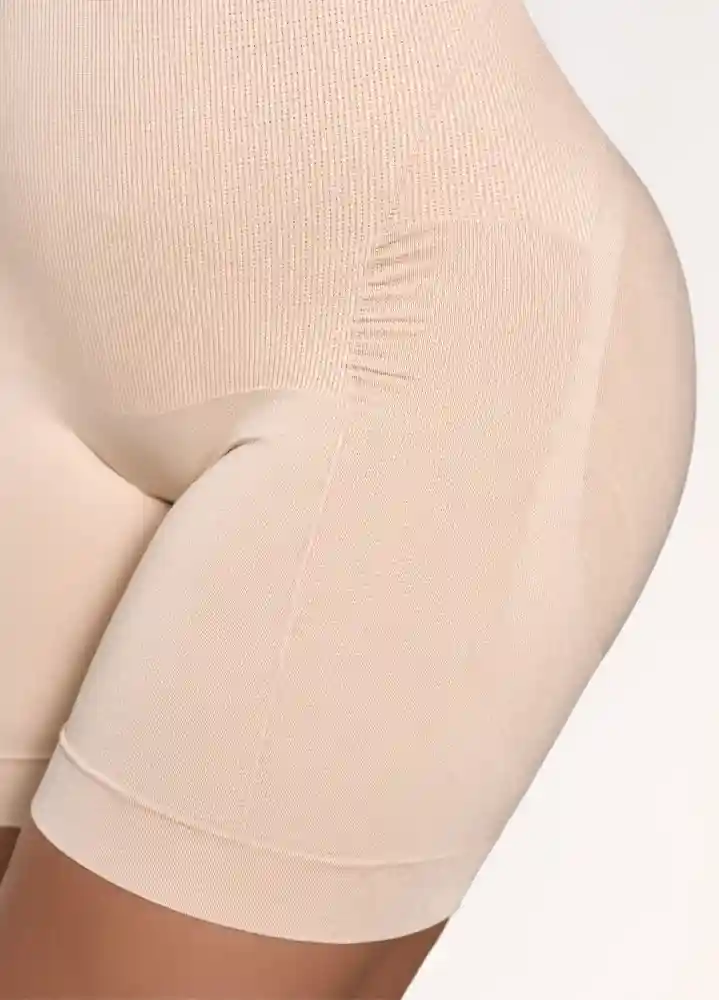
Body Transition
The point where the waistband meets the main Textured body affects visual continuity and local extension. A strong change in density or structure can appear different across sizes. Transition position should remain connected to the approved program, waist/hip measurements and physical product.
Build Branding Into Textured Seamless Architecture
Branding can be integrated into the knitted program or applied after knitting. The correct route depends on logo scale, local Texture, stretch, yarn and the visual standard your brand wants to maintain.

Knit-In Jacquard
Jacquard allows a logo, wordmark or graphical element to become part of the Seamless knitted structure. This can create a highly integrated brand treatment, but artwork must respect knitting resolution, yarn and garment extension. Fine details may require simplification, and the final logo should be approved on a real knitted sample. A digital artwork file alone cannot prove legibility after the garment stretches on the body.
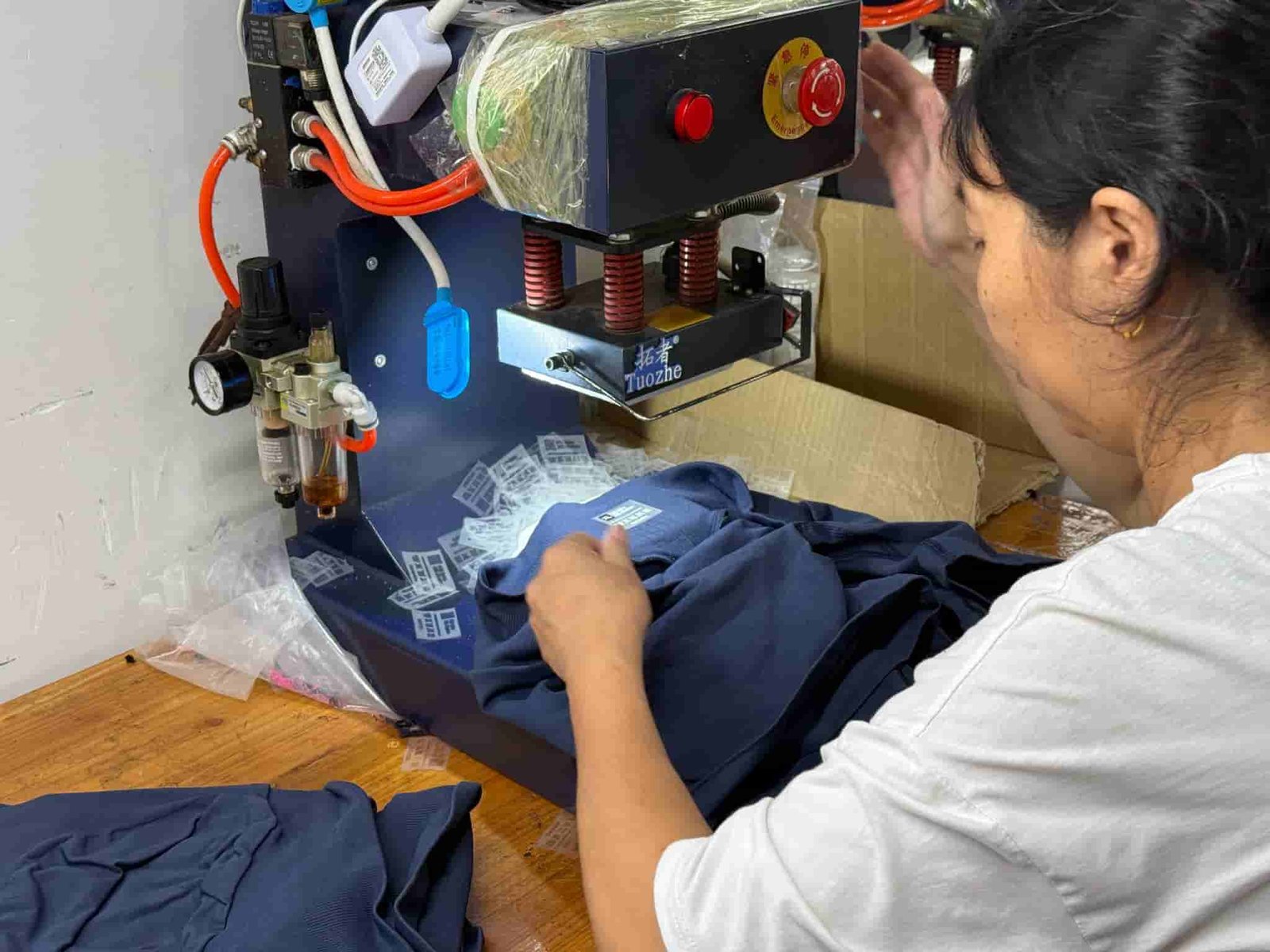
Clean Logo Zone
A brand can reserve a comparatively cleaner knitted area where an applied logo needs a flatter visual surface. The zone remains part of the Seamless program, so its dimensions and position should be developed together with the surrounding Texture. This approach can reduce surface interference but still requires physical application testing because local stretch, finishing and logo material affect final appearance and adhesion.
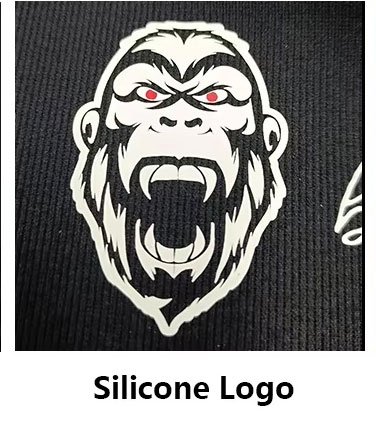
Textured Logo Surface
An applied logo can sometimes be placed directly on a Textured Seamless area if the selected heat transfer, silicone or print system is compatible with the surface. Pronounced geometry can interrupt contact or distort artwork during stretch. MOVEVOX therefore recommends evaluating branding on the actual knitted sample before approving mass application, instead of assuming a logo method proven on smooth fabric will behave identically on Texture.
Balance Texture Visibility With Wearable Surface Behavior
A stronger visual texture is not automatically a better product. Compare three development directions across seven qualitative dimensions to discuss handfeel, surface definition, stretch and coverage before physical samples or defined testing establish any numerical performance result.
Softer Texture
Designed around a more flexible surface and less aggressive visual structure. This direction may suit yoga, studio or lifestyle positioning where handfeel matters strongly. The final product still needs adequate recovery and coverage, and comparison with firmer options should use approved physical samples rather than marketing scores.
Balanced Texture
A balanced direction keeps the knitted structure clearly recognizable while maintaining practical activewear stretch and handfeel. The correct result depends on yarn, density, dimensions and intended use. It provides a useful starting point when a brand wants visible differentiation without making texture the garment’s dominant performance claim.
Defined Texture
A more pronounced structure places greater visual emphasis on the knitted surface. Stronger definition may affect handfeel, extension, coverage and cross-size appearance. Development should confirm that the intended visual identity remains acceptable when worn rather than maximizing texture depth independently from fit, recovery or practical product requirements.
Illustrative radar positions show relative development emphasis only, not laboratory scores. Final comparison requires identified yarns, physical garments, agreed fit conditions and defined buyer or internal assessment methods.
Four Evidence Points for Texture Stretch Review
Current MOVEVOX facts support structured stretch and recovery checks but do not provide one universal numerical recovery rate for all Textured Seamless products. These evidence points define what can be verified without inventing test results.
Relaxed and Stretched
Texture appearance needs separate review in relaxed and stretched states because garment extension can change line width, zone opening and apparent density. Approval should identify which condition matters for the buyer’s product.
Source: MOVEVOX Objective Fact Master · 2026 internal editionMaterial and Garment
MOVEVOX’s confirmed control basis includes incoming elasticity checks and finished-garment stretch/recovery review. Material behavior should therefore remain connected with the final garment rather than being evaluated only before knitting or construction.
Source: MOVEVOX Objective Fact Master · 2026 internal editionQuality Personnel
MOVEVOX currently has five QC personnel supporting production controls. Recovery, measurement and other project-defined checks can form part of the quality plan when they are relevant to the approved product requirement.
Source: MOVEVOX Objective Fact Master · 2026 internal editionOwned Knitting Base
The owned Santoni base provides the manufacturing platform for programmed Seamless structures. Equipment quantity does not prove recovery performance, but it allows texture development to remain connected with controlled internal knitting operations.
Source: MOVEVOX Objective Fact Master · 2026 internal editionMOVEVOX does not publish a universal texture-recovery percentage. Numerical recovery, repeated-stretch or shape-retention claims require a defined method, identified sample and actual project result.
Compare Relaxed Texture With the Worn Garment
Seamless Texture changes when the garment stretches over the body. Approval should distinguish normal visual transformation from unacceptable distortion and define the worn-state result the buyer actually wants.
Texture Width
Relaxed: Lines or geometric elements can appear narrower and deeper when the garment carries little extension, creating a stronger flat-lay visual than the wearer will necessarily see.
Worn: Texture can widen across waist, hip and thigh as garment dimensions extend. The acceptable appearance should be confirmed on a correctly sized physical sample.
Texture Depth
Relaxed: Raised and recessed structures can appear more pronounced when unstretched because the knitted surface retains its compact geometry without body extension.
Worn: Visual depth may reduce after extension. This does not automatically indicate a defect if the worn result matches the approved product direction.
Zone Position
Relaxed: Texture, Mesh or Contour zones can appear precisely aligned on a table because the garment is not being shaped by body dimensions.
Worn: Waist, hip and thigh extension can alter the visual position or curve. The buyer should approve the zone on the intended fit.
Mesh Opening
Relaxed: Mesh or open Texture can look relatively compact before stretch, especially in darker shades or when photographed without backlighting.
Worn: Open structures become more visible under extension, making placement and coverage review particularly important in high-stretch body areas.
Contour Visibility
Relaxed: Directional lines can appear stronger or straighter before the garment conforms to the wearer’s hip, thigh or leg geometry.
Worn: Contour appearance changes with fit and body extension. Final approval should use actual garment behavior rather than the relaxed product alone.
Coverage
Relaxed: A knitted surface can appear fully opaque without tension, giving an incomplete picture of how the product behaves during wear.
Worn: Seat, hip and thigh extension can expose local opening. Coverage should be evaluated on the relevant size, color and physical product.
The correct target is not to make the worn garment look identical to the relaxed garment. The purpose is to establish an acceptable worn-state Texture and then control the yarn, program and dimensions that reproduce that approved direction. Material, size or program changes can require revalidation because they alter the extension relationship.
Six Coverage Risks in Textured Seamless Leggings
Texture, Mesh and density variation can change openness under stretch. Coverage should therefore be evaluated on the actual garment, color, size and fit rather than converted into a universal “squat-proof” promise.
Open Texture
ImpactA more open knitted structure can widen substantially over the hip or thigh, producing lower visual coverage than the same product shows in a relaxed flat-lay image.
MOVEVOX ResponseReview the physical garment under relevant extension and revise structure, yarn or dimensions where the buyer’s coverage standard is not met.
EvidenceStretch Review
Mesh Zone
ImpactMesh that works visually in a lower-risk body area can create unwanted exposure if positioned where garment extension becomes substantially higher during training or yoga movement.
MOVEVOX ResponseDefine Mesh location in the program and validate the actual worn garment instead of assuming every open zone is suitable everywhere.
EvidenceZone Review
Light Color
ImpactPale shades can reveal local opening more clearly than black or another dark color, especially through textured valleys or high-extension areas around the seat.
MOVEVOX ResponseReview the actual color and structure combination. Approval in one dark shade should not automatically govern all lighter production colors.
EvidenceColor Sample
Seat Extension
ImpactThe fullest hip and seat areas can stretch the knit more than a fabric or garment appears to extend during static handling at the factory.
MOVEVOX ResponseUse the applicable physical size and agreed movement or fit condition to judge coverage before making a commercial product claim.
EvidenceFit Sample
Incorrect Size
ImpactA garment substantially smaller than the intended fit can overextend Texture and Mesh, reducing coverage while also changing the visual scale of the design.
MOVEVOX ResponseCheck measurements and size-development rules before treating the problem as a yarn or knitting defect alone.
EvidencePOM Check
Yarn Change
ImpactReplacing the approved yarn can alter elasticity, color, surface appearance and the amount of opening under garment extension even when the program remains unchanged.
MOVEVOX ResponseSignificant yarn substitutions should be reviewed and, where needed, physically reapproved before entering wider production.
EvidenceMaterial Control
Three Controls Behind Textured Seamless Size Development
Textured Seamless sizing combines garment dimensions, program scaling and physical validation. One generic size chart cannot establish how every knitted structure will look or fit across a brand’s full commercial range.
Garment Dimensions
Waist, hip, rise, thigh, inseam and overall length determine how far the knitted garment extends on the wearer. That extension directly influences texture width, spacing, Mesh opening and zone position. MOVEVOX can work from buyer-defined Measurement Charts and grade rules instead of applying one universal factory chart. If dimensions change materially after Texture approval, the worn structure may require new validation before commercial production.
Program Scaling
Texture, Contour, Mesh or other Seamless zones are linked to the machine program and must remain appropriately positioned as garment size changes. A larger style should not simply be treated as a mathematically enlarged image of the base size. Size Scaling is specifically recognized within MOVEVOX’s Seamless technical-audit framework because incorrect scaling can cause structural proportions or positions to drift across a wider range.
Physical Validation
A base-size sample establishes an important technical reference, but it does not automatically validate every commercial size. Where the brand’s quality process requires more confidence, selected size-set samples can be measured and physically reviewed for fit, texture position and visual proportion. The exact number of validation sizes remains project-specific and should follow the buyer’s requirements rather than an invented standard factory formula.
Nine Checks for Cross-Size Texture Consistency
A texture approved in one size can change visually when garment dimensions, extension and structural positions scale. Use these nine controls when developing a wider commercial size range.
Base Size
The base sample establishes the first accepted relationship among yarn, program, dimensions, Texture, waistband and fit. It should be linked to a controlled specification and physical reference before the wider size range is considered validated.
Waist Grade
Waist scaling changes local extension through the waistband and upper garment. Grade rules should follow the buyer’s intended fit rather than applying an identical negative-ease percentage to every size without physical or technical review.
Hip Grade
Full-hip dimensions can significantly change how Texture opens across the seat. An incorrect relationship between waist and hip can also alter upper-garment zone positions even when the nominal size label appears correct.
Rise Grade
Front and back rise determine the vertical relationship among waistband, high hip and rear structures. Scaling errors can shift Texture or Contour placement away from the intended body location in larger or smaller sizes.
Thigh Grade
Upper-thigh dimensions influence the extension of knitted structures and therefore the apparent width or depth of Texture. The grade should support both the buyer’s fit standard and acceptable worn visual proportion.
Texture Scale
A geometric or repeated structure can appear larger or smaller when the garment stretches differently across sizes. Cross-size development should confirm visual scale rather than assuming the base-size appearance transfers automatically.
Texture Position
Key Texture areas need to remain appropriately aligned with the relevant garment zones. Program or dimensional changes can move an otherwise correct structure into an unintended visual position.
Transition Position
The boundary between Texture, Mesh, Contour, Rib or clean areas should remain intentional across sizes. A transition located correctly in size S may require separate scaling logic in a larger garment.
Size Set
Where required, selected commercial sizes can be physically reviewed for measurements, fit and Texture placement before the complete range enters production. This provides stronger evidence than relying on digital scaling alone.
Six Color Myths in Textured Seamless Development
Texture creates highlights, valleys and changing stretch conditions that influence perceived color. These facts help buyers avoid approving complex knitted products from digital references or unrelated material swatches alone.
Same Pantone Means Same Visual Color
Fact: Pantone provides a target reference, but yarn fiber, knitted structure, surface depth, finishing and extension can change how the final garment is perceived. A smooth sample and a deeply Textured knit can therefore look different even when they are developed toward the same color target.
Condition: Final approval should use the applicable physical yarn, Lab Dip or garment standard.
Black Hides Every Texture Difference
Fact: Dark colors can reduce some visual contrast, but lighting and surface geometry can still reveal differences in Rib, Jacquard, Mesh or mixed structures. Black should not be used as evidence that Texture position or density no longer requires technical control.
Condition: Structure still needs physical product inspection in the approved color.
Same Dye Recipe Means Zero Shade Difference
Fact: Textile dye lots can show reasonable variation even when the same target and recipe are used. MOVEVOX therefore treats approved physical references and lot identification as important color controls rather than claiming mathematically zero variation across all production.
Condition: Buyer-specific tolerances govern commercial acceptance where defined.
Smooth Swatches Predict Textured Knit
Fact: A smooth material or yarn color sample helps establish direction but does not fully predict how shadows and highlights will appear after the final Textured structure is knitted. Physical product review remains important when surface geometry materially changes visual color.
Condition: Approve color on the applicable Texture whenever the project risk requires it.
One Color Approval Covers Every Structure
Fact: Rib, Mesh, Jacquard, Contour and other structures reflect and transmit light differently. A color accepted on one knitted organization should not automatically prove that another substantially different structure creates the same visual result.
Condition: Structure changes can require new physical color review.
Repeat Orders Always Match Previous Lots
Fact: Repeat orders benefit from an established approved reference, but new yarn or dye lots, finishing and production conditions can still influence appearance. Current material availability and color should be reconfirmed instead of assuming previous commercial production guarantees physical identity forever.
Condition: Retained standards and new-lot comparison support repeat-order control.
Four Reviews Before Textured Seamless Knitting Starts
Technical review should resolve the most important structure, yarn, fit and commercial questions before machine time and custom material resources are committed to a physical Seamless sample.

Texture & Structure
Confirm which visual areas are Texture, Mesh, Rib, Contour, Jacquard or comparatively clean zones and which transitions are critical to the brand identity. Reference images communicate intent but do not define the machine program. MOVEVOX should identify technically open questions before trial knitting, including whether the intended surface, structure location and visual scale can be reasonably developed through its Santoni system.
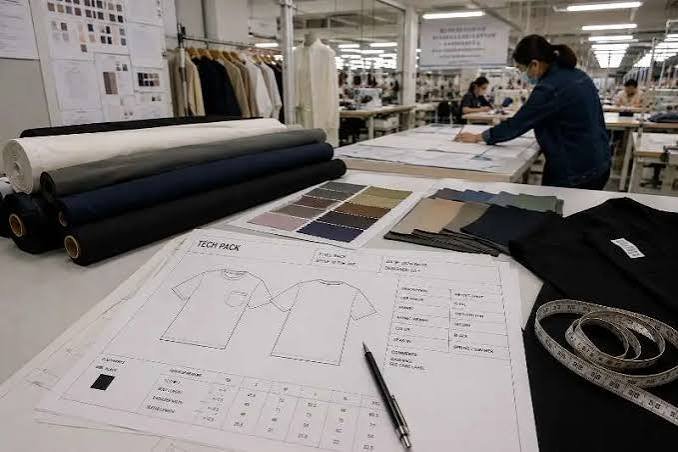
Yarn & Color
Review fiber direction, handfeel, elasticity, color route and whether the buyer requires a standard supplier option or dedicated development. Custom yarn and Pantone color can affect upstream minimums and timing. MOVEVOX coordinates these inputs through external supplier resources and should not represent spinning or dyeing as owned operations. Physical color and knitted texture can require separate approval from screen references.
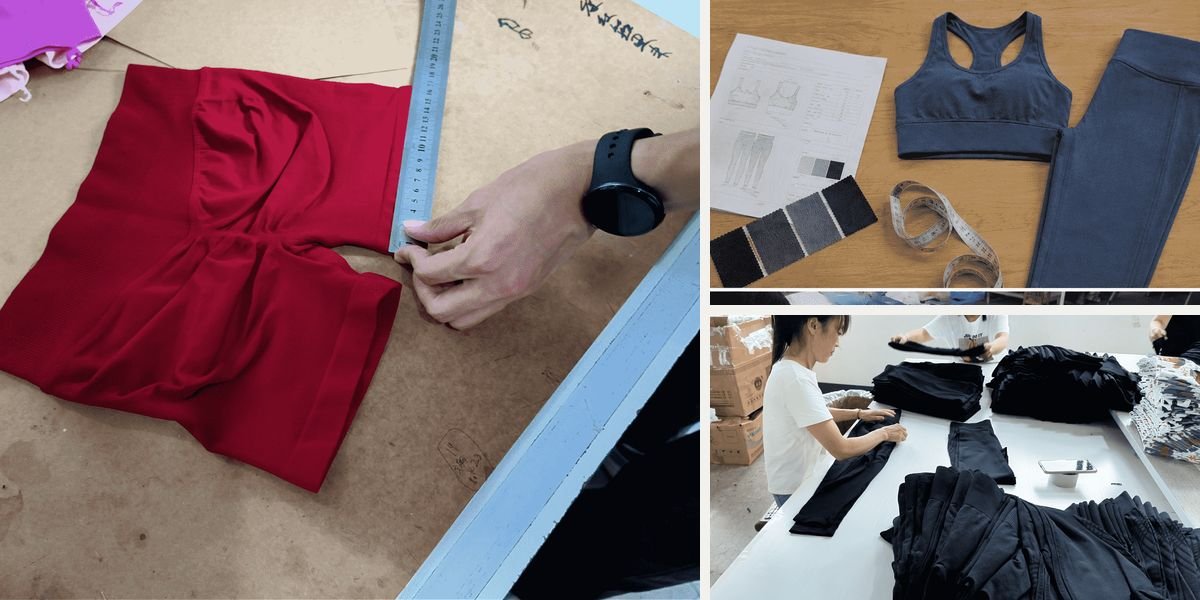
Fit & Size
Confirm the base size, buyer Measurement Chart, commercial range and grade requirements. Waist, hip, rise and thigh dimensions determine how far the Texture extends when worn. If the brand requires broader size validation, the technical plan should identify which additional sizes need physical samples before bulk rather than assuming one base-size program proves the entire range.
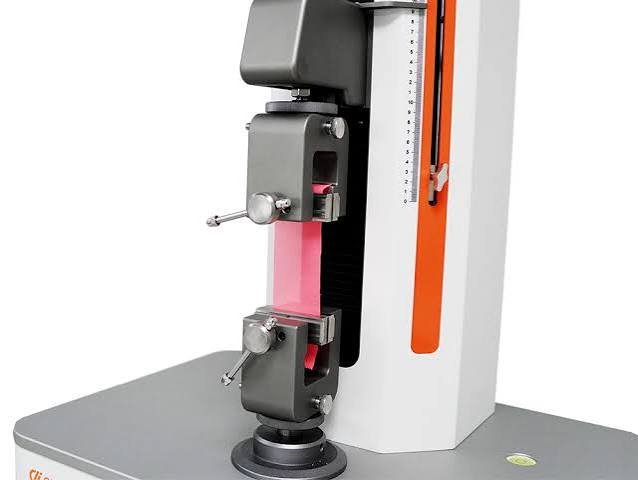
Commercial & Testing
Review Seamless garment MOQ, custom yarn or color requirements, quantity by size/color, branding, target date and any buyer-defined testing before development begins. MOVEVOX’s normal base Seamless MOQ is approximately 100 pieces per style, while dedicated custom dyeing commonly enters evaluation around 400–600 garment-equivalent quantity depending on the product and material.
Textured Seamless Sample Development Timeline
Standard sampling is generally around five to ten working days after necessary inputs are sufficiently confirmed. Complex Texture, custom yarn, dedicated color or major revisions can extend the complete approval calendar.
Brief Review
Product Development reviews Texture references, waistband, dimensions, size range, color, branding and commercial requirements. Open questions are separated from confirmed buyer requirements before yarn selection or Santoni programming begins.
Yarn Direction
The team reviews suitable yarn or material direction against handfeel, elasticity, color and the intended knitted structure. Custom or unavailable yarn can add preparation time outside the standard development reference.
Program Setup
Confirmed Texture zones, dimensions and relevant structures are translated into a controlled Seamless development program. Complex Jacquard, mixed-knit or transition requirements can require additional technical interpretation before knitting.
First Knit
A physical sample is produced so Texture, waistband, dimensions, color and general garment appearance can be evaluated using the real yarn and current development program.
Internal Review
MOVEVOX measures and visually reviews the sample before buyer handover. Any obvious program, structural, dimensional or workmanship issue can be identified for revision rather than knowingly presented as final approval.
The 5–10 working-day reference applies after required details are sufficiently confirmed and normal inputs are available. Custom yarn, dedicated dyeing, complex structures, buyer-feedback time, repeated revisions, formal testing and international sample delivery can extend the complete project timeline.
Translate Texture Problems Into Controlled Technical Revisions
Sample feedback becomes useful when the team identifies which technical variable caused the visual or fit problem. Each revision should connect a specific issue with its commercial impact and corrective direction.
Texture Too Flat
A surface intended to provide strong product differentiation becomes visually weak after knitting or wearer extension, reducing alignment with the brand’s approved concept.
Review yarn, knitted structure, density and extension together. Revise the applicable program variable only after confirming whether the issue appears relaxed, worn or in both states.
Zone Misplaced
A Texture, Mesh or Contour feature sits too high, low or laterally displaced, changing the intended design balance and potentially affecting cross-size consistency.
Verify the active program and garment dimensions, then adjust structure position using controlled versioning rather than informal machine-side corrections that cannot be traced.
Texture Opens Too Far
Geometric, Mesh or other open structures become excessively visible when worn, potentially changing appearance or reducing coverage in high-extension garment areas.
Review yarn, structure density and garment measurements together. Correct the relevant variable and re-knit before assuming a single material change will solve the complete problem.
Waist Mismatch
The body Texture may be acceptable while the waistband feels or looks inconsistent with the intended upper-garment architecture, creating an unbalanced commercial product.
Review waistband height, circumference, structure and waist-to-hip transition separately from the body Texture, then update measurements or program details as required.
Color Alters Depth
A Texture approved in one shade looks noticeably flatter or more pronounced after changing color because the surface creates different highlight and shadow relationships.
Compare the physical color on the actual structure, confirm the yarn or dye route, and obtain new approval if the visual change materially affects brand expectations.
Cross-Size Drift
The base size appears correct but larger or smaller sizes show changed Texture scale, position or transition because dimensions and program scaling do not remain visually aligned.
Review grade rules, size-specific dimensions and structural placement. Where required, produce selected size-set samples before releasing the complete commercial range.
Follow a Texture Project Through Sample Versions
A real version gallery should show one project evolving through controlled development. Different products must not be assembled into a false V1-to-approved sequence merely to create a stronger marketing story.
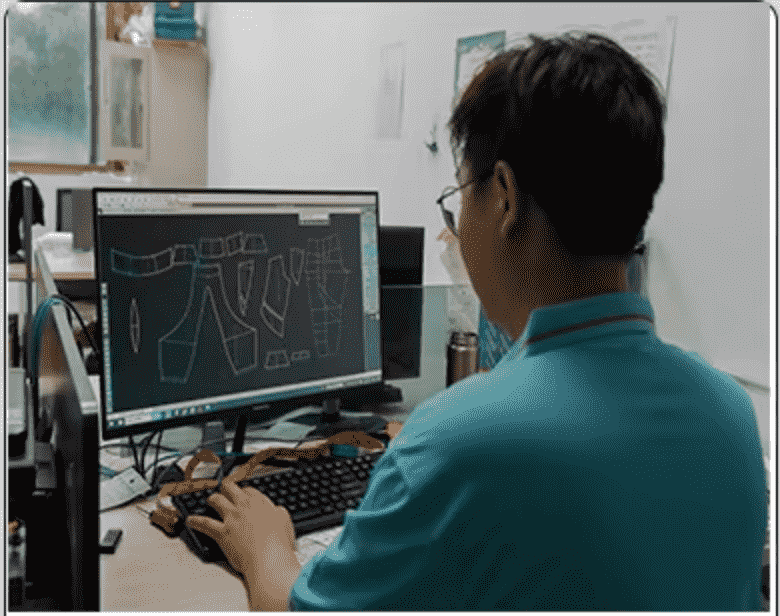
Reference
Buyer-provided reference or approved concept defining the intended visual Texture and key product areas before program work begins.

Version One
First physical Seamless knit showing the initial interpretation of yarn, Texture zones, dimensions and waistband under the first controlled program.
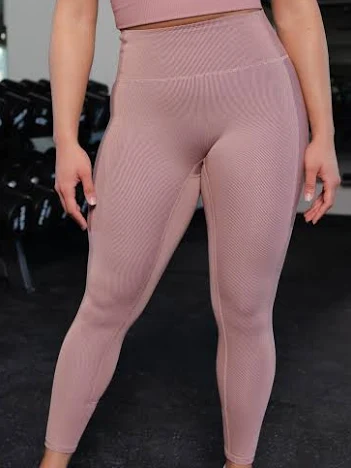
Version Two
Revised sample incorporating confirmed buyer comments and clearly identified changes rather than undocumented general factory adjustments.
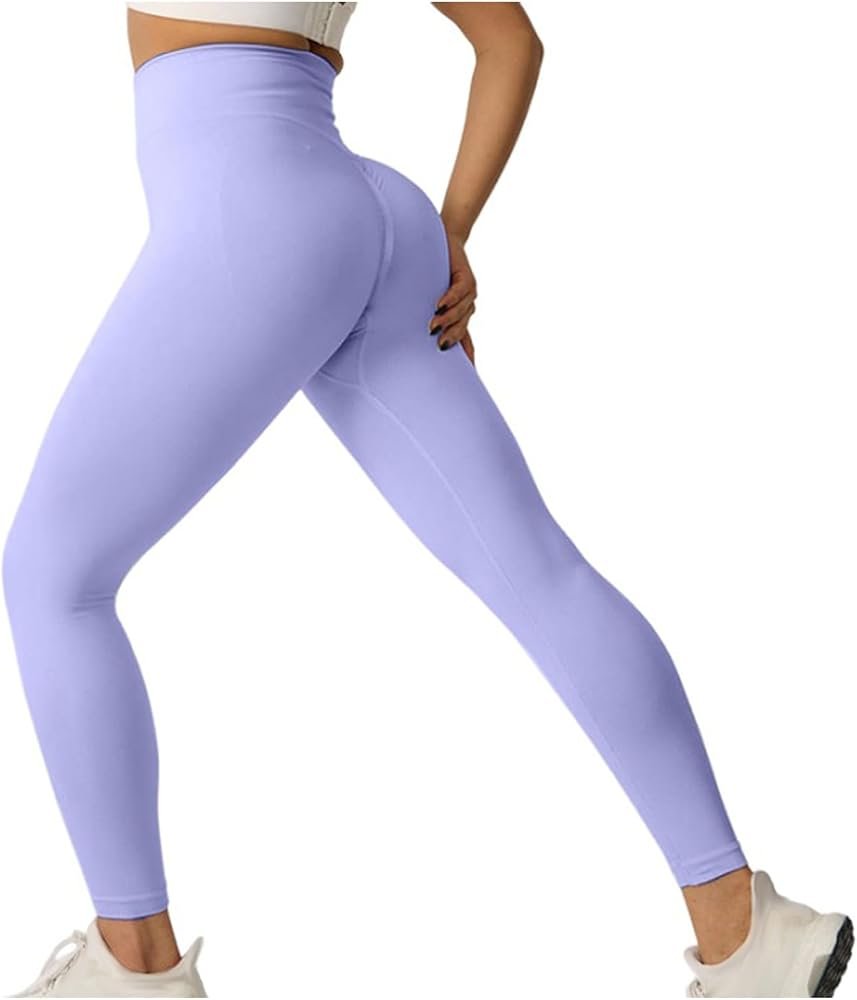
Texture Revision
Physical version focused on changing Texture position, definition, transition or another approved structural variable while retaining controlled comparison with the previous sample.

Fit Revision
Sample incorporating measurement or fit changes where waist, hip, rise, thigh or length affected how the Texture appeared when worn.
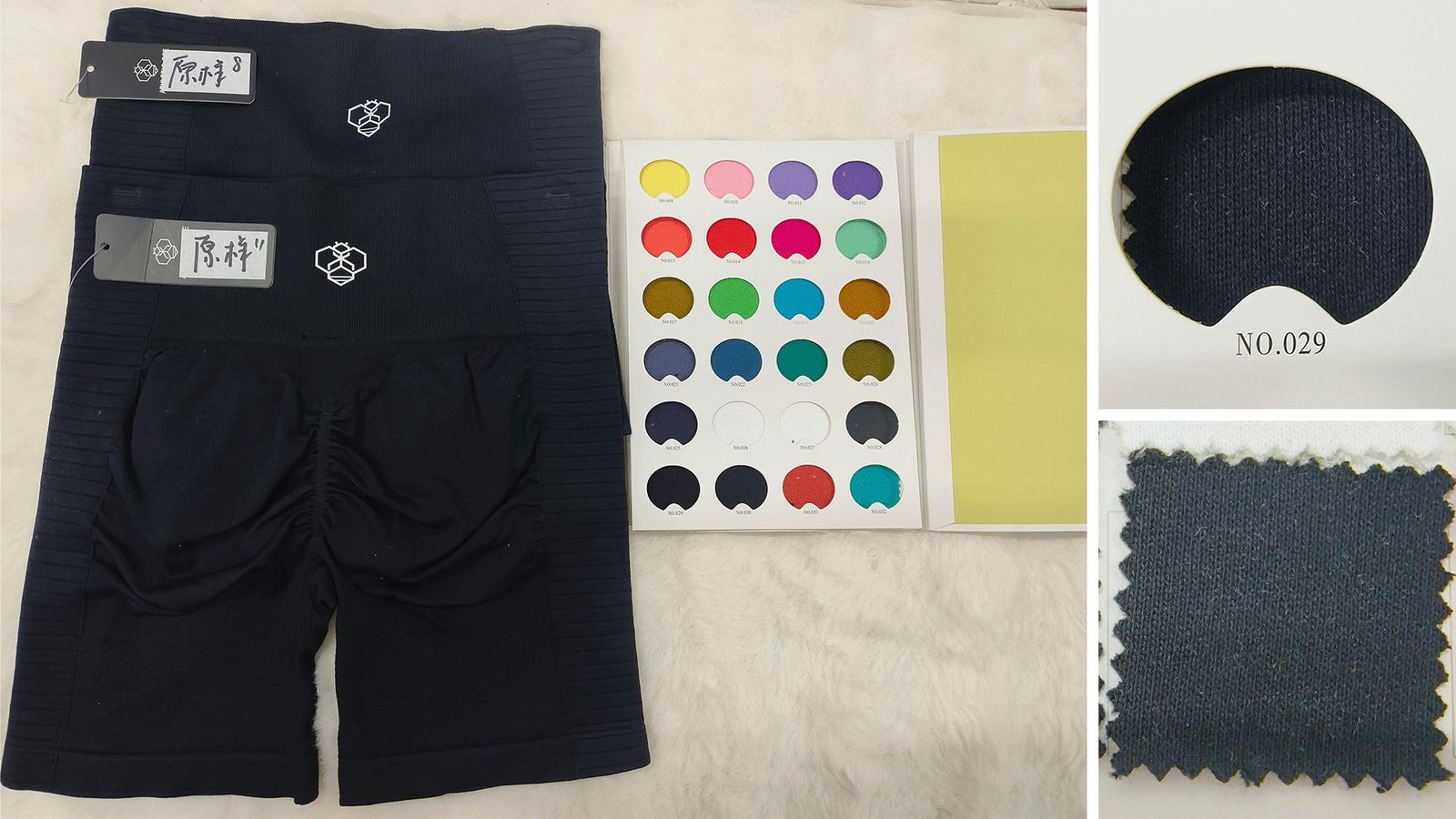
Color Revision
Applicable physical version confirming how the Texture appears after a buyer-approved yarn or color change requiring visual re-evaluation.
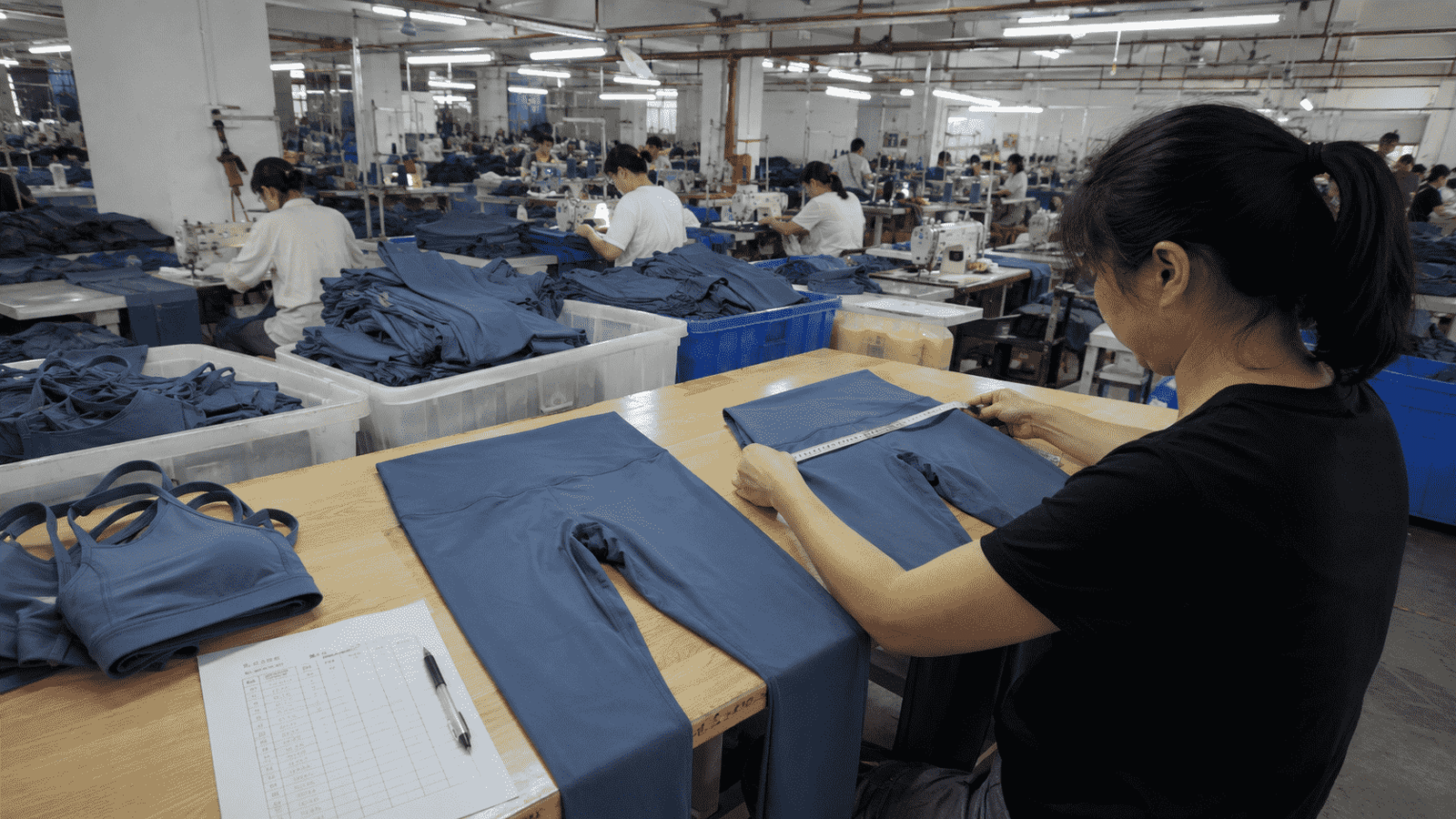
Size Review
Selected additional commercial size used to confirm dimensions, structure position and visual proportion where the buyer’s quality process requires size-set validation.
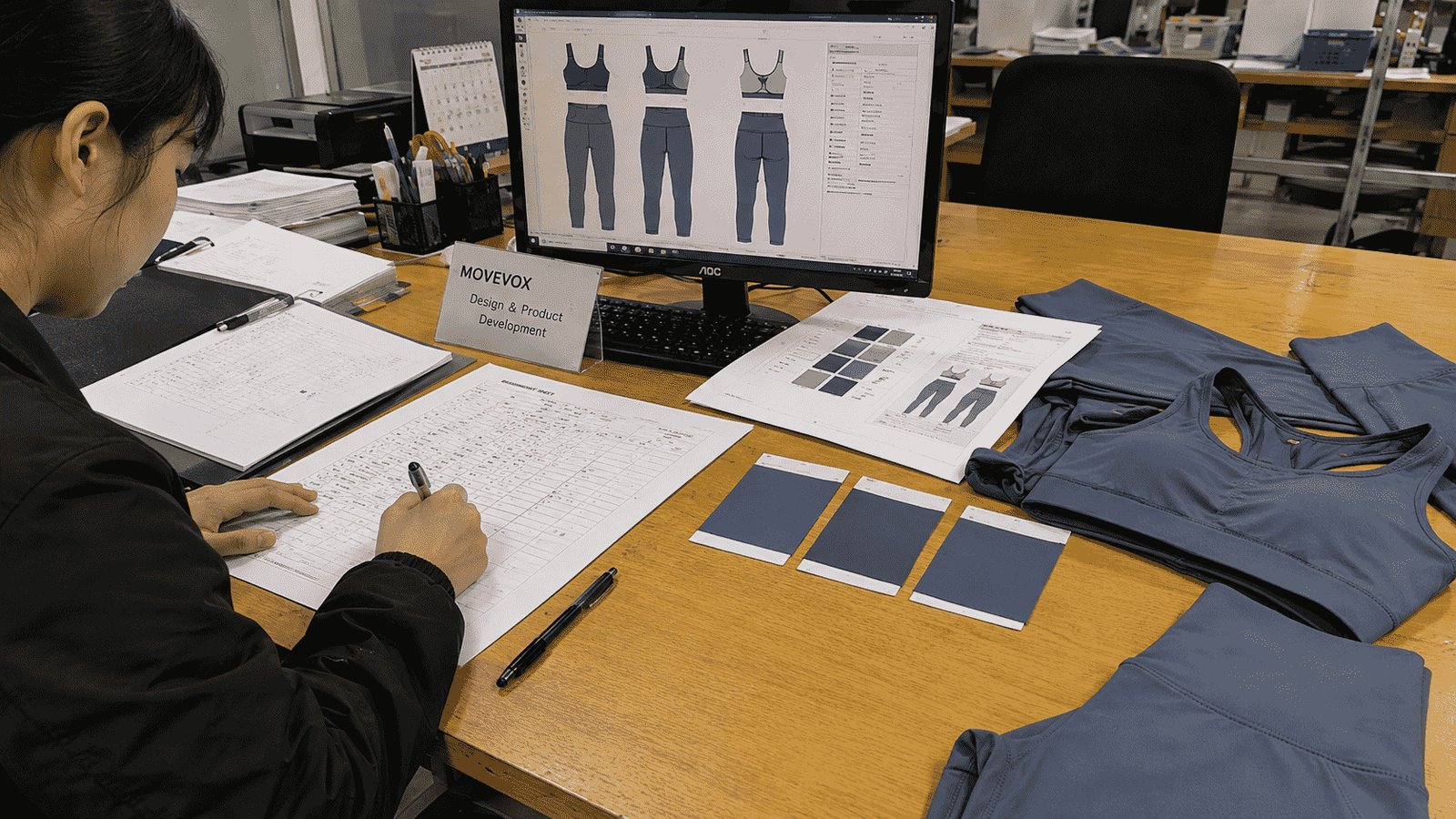
Approved Sample
Final accepted physical version linked to the active technical information used as the production-preparation reference.
The gallery should only be published when the images belong to one traceable project or a clearly identified internal development sequence. Each version needs an actual reason for change. Customer names, artwork and unreleased product information should remain confidential unless publication has been authorized.
Move Approved Texture Into Controlled Bulk Production
A physical approval becomes commercially useful when the yarn, color, program, size and production controls remain connected. These seven nodes create the handover from development into repeatable manufacturing.

Approved Sample
The accepted physical garment establishes the buyer-approved visual and fit direction. It should remain available as a comparison reference rather than being separated from the technical records that created it.
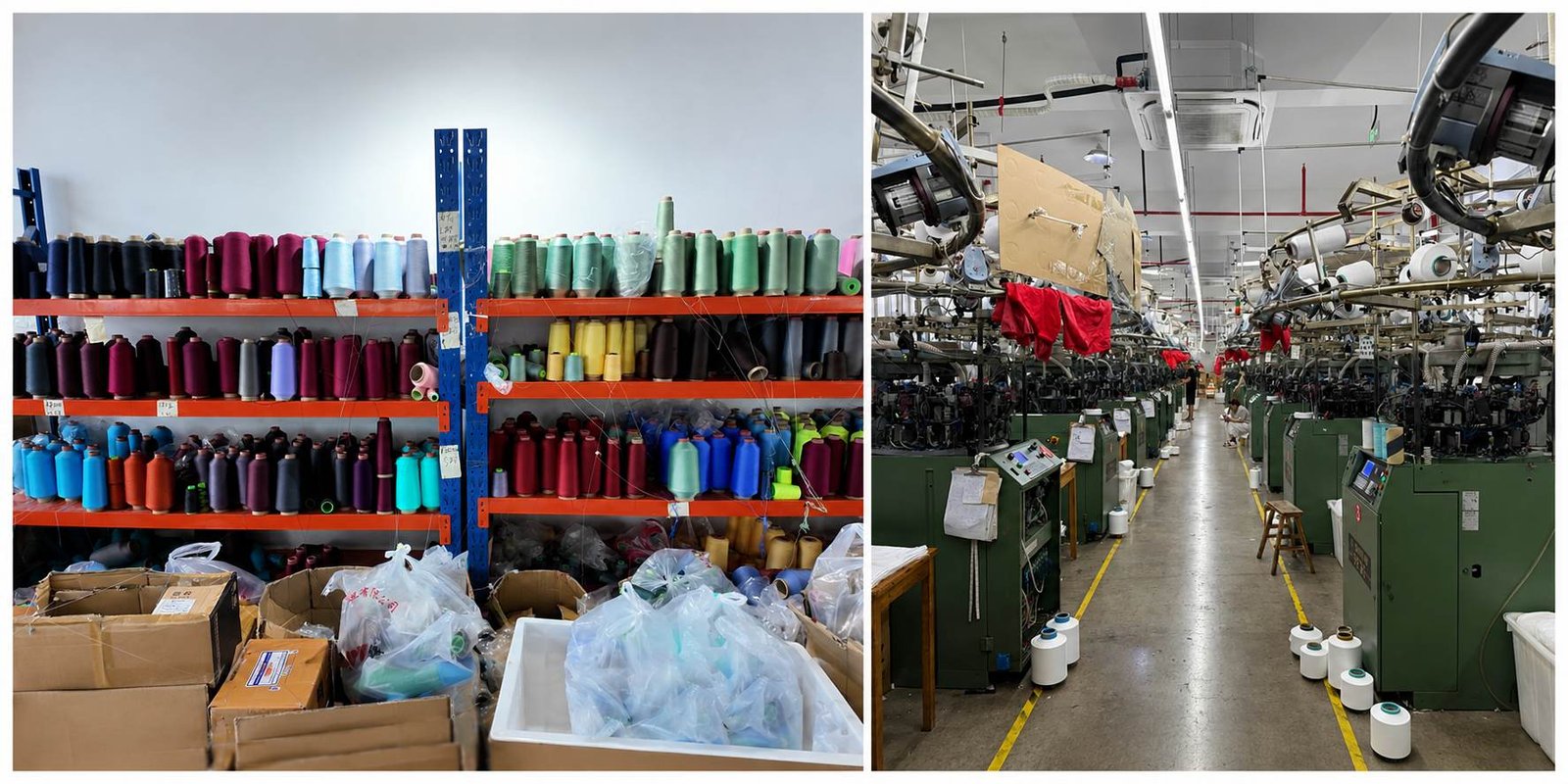
Yarn Reference
The approved yarn or material direction identifies a critical production input. Significant substitutions can change Texture, dimensions, handfeel or color and should therefore trigger review when technically relevant.
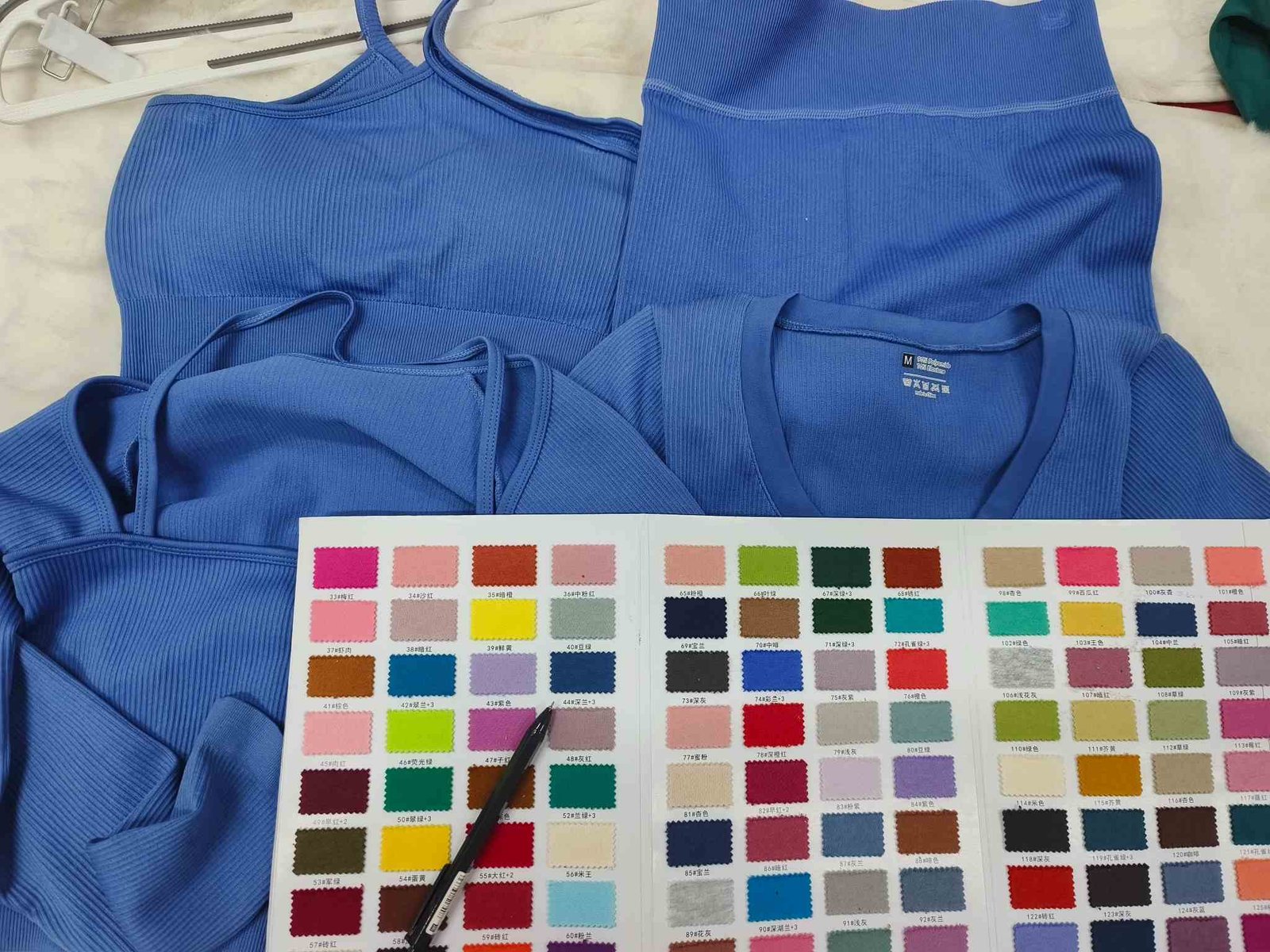
Color Standard
Pantone, Lab Dip or another physical reference establishes the applicable color direction. Production lots should remain identifiable so unexpected shade differences can be investigated rather than mixed without control.
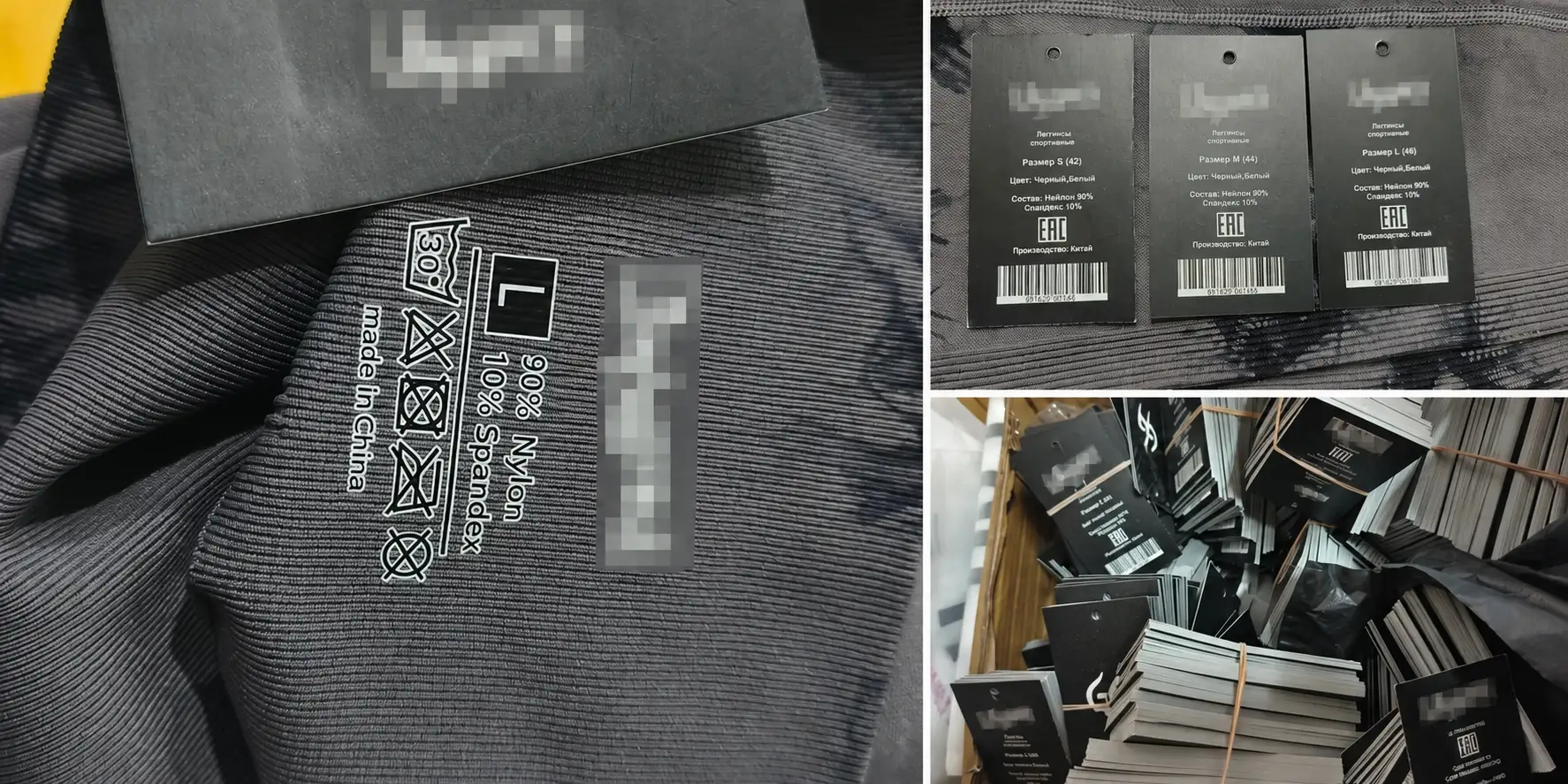
Program Version
The active Seamless program identifies the approved Texture architecture and zone locations. Production should not rely on obsolete sample-stage programs or unrecorded operator modifications.
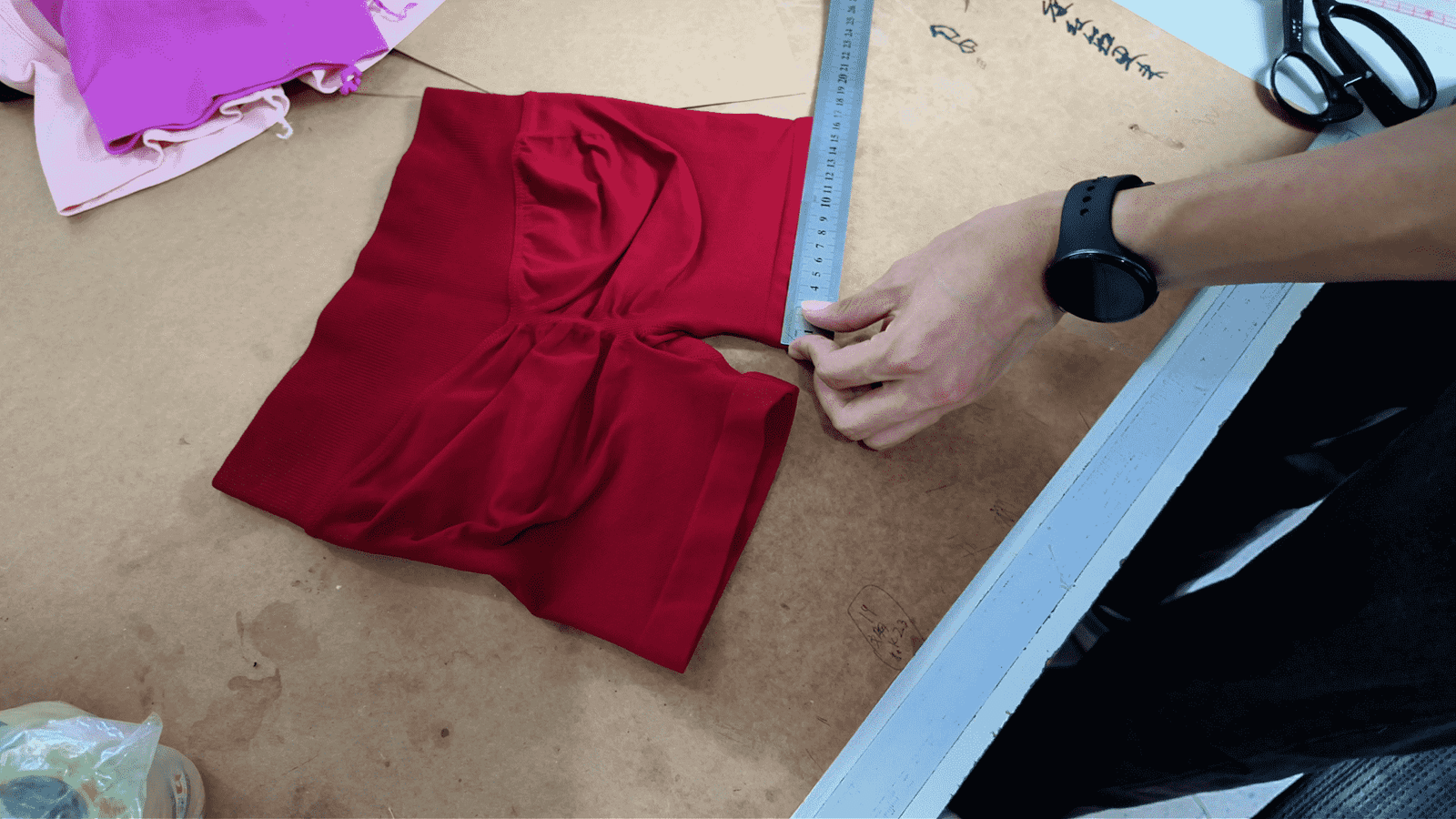
Size Program
Commercial size information connects garment dimensions and structural scaling. This matters because Texture and transition positions can change if size-development logic is not controlled.

First Article
Representative early commercial output is checked against the approved standard using the applicable production program, yarn, color and process conditions before wider production continues.
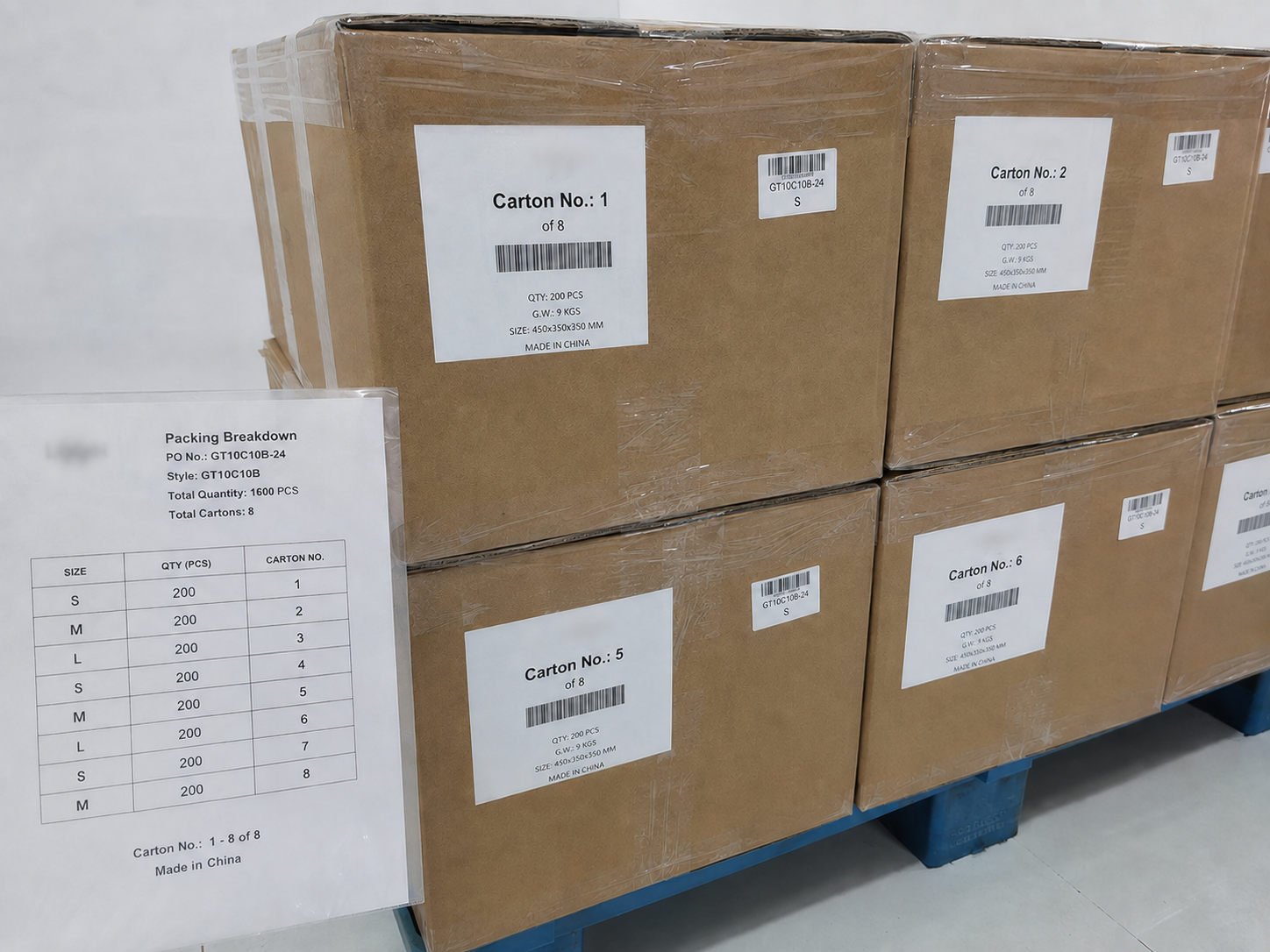
Bulk Release
Inline and final inspection confirm relevant dimensions, structure, workmanship, branding and packing before accepted goods proceed to commercial shipment or buyer-appointed third-party inspection.
The approved sample is only one part of the production standard. Yarn, color, program version, size logic and first-article evidence provide the technical bridge into bulk. Keeping these references connected improves investigation and repeatability if a future order changes material, color or production conditions.
Twenty QC Evidence Points for Textured Seamless Production
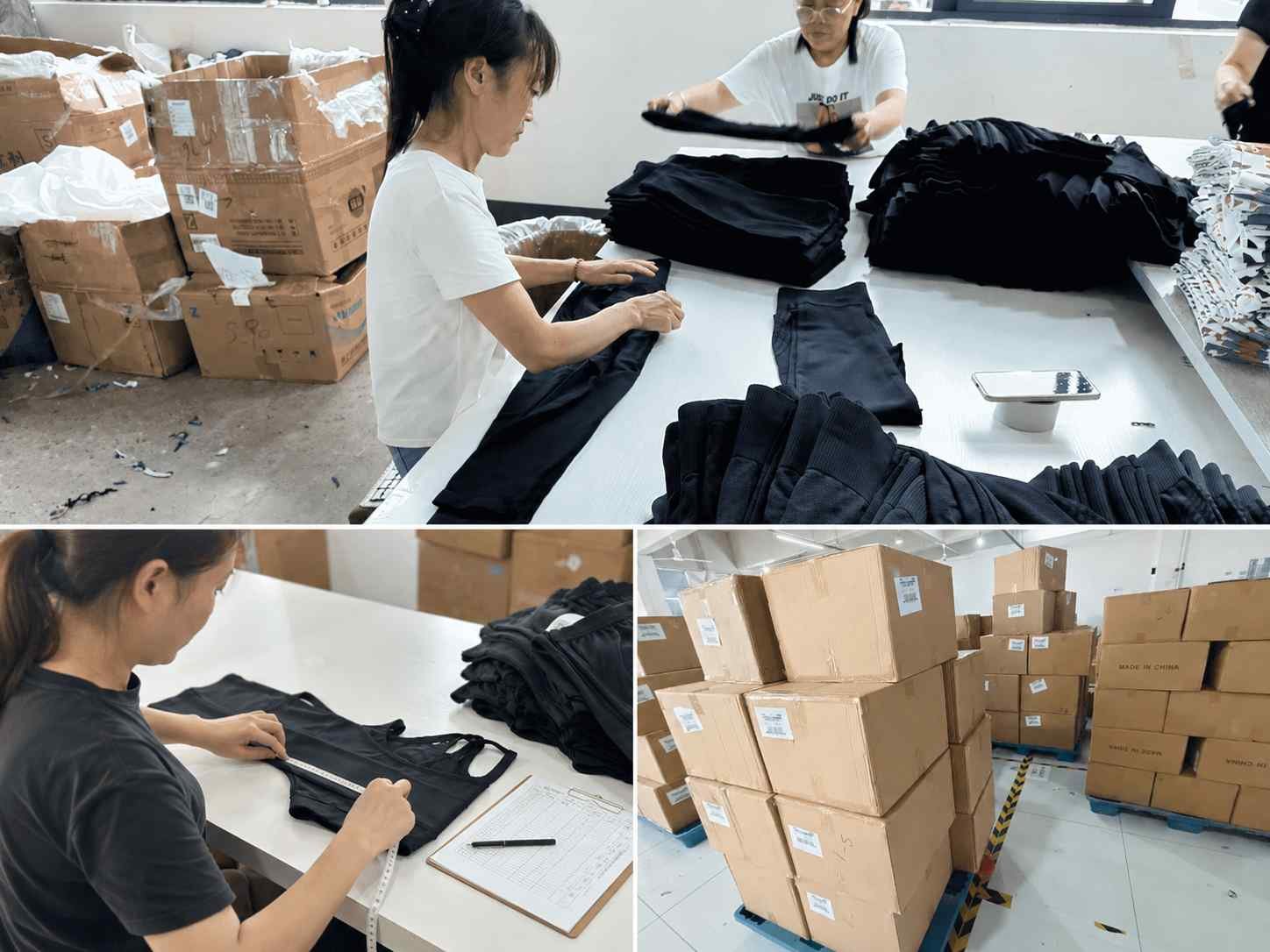
MOVEVOX has five QC personnel. For Textured Seamless projects, inspection should connect normal garment quality controls with the approved program, structure locations, measurements, color and commercial SKU requirements.

Yarn Reference
QC should confirm that production uses the applicable approved yarn or material direction and that significant substitutions are not introduced without review. Because yarn can affect Texture, elasticity, dimensions and color, material identity is part of the technical product standard rather than only a purchasing record.
Color Standard
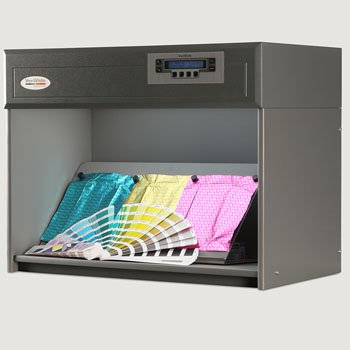
Production color should be compared against the applicable approved physical reference. Different lots need identifiable records, especially where Texture creates stronger visual highlight and shadow. MOVEVOX should not describe textile color as mathematically identical when the buyer’s real requirement is controlled commercial tolerance.
Material Lot
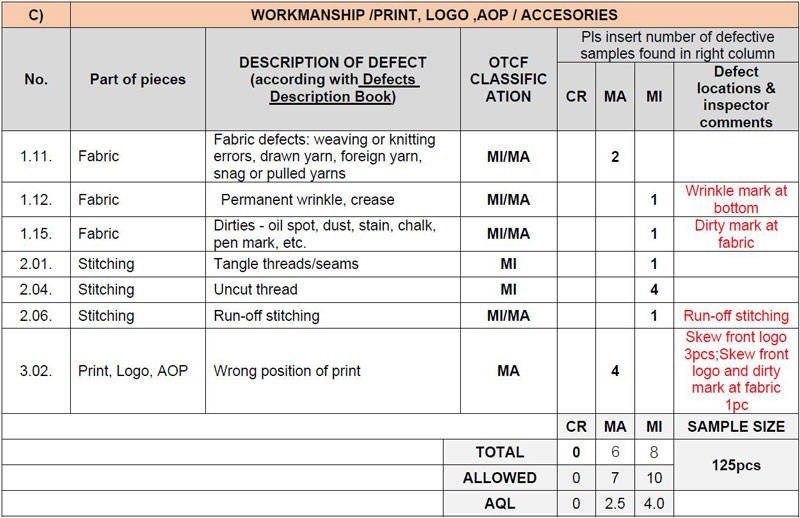
Where lot information is available, keeping the input linked to production helps technical teams investigate unexpected differences in Texture, recovery, shade or measurements. Unidentified mixing makes root-cause analysis harder if a variation later appears across one commercial order or replenishment.
Program Version
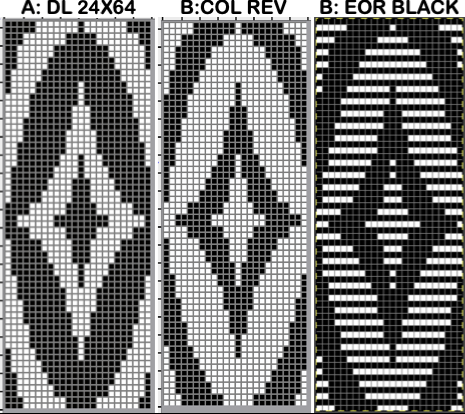
The released Seamless program should match the approved technical version. An obsolete development file or unrecorded program adjustment can shift Texture, Mesh, Contour or Jacquard positions even when the yarn and color remain unchanged.

Texture Position
Key textured areas should remain in the approved garment locations. First-piece and production review can compare their vertical or lateral position with the approved sample and project specification, especially in designs where the visual structure is central to brand identity.
Texture Uniformity
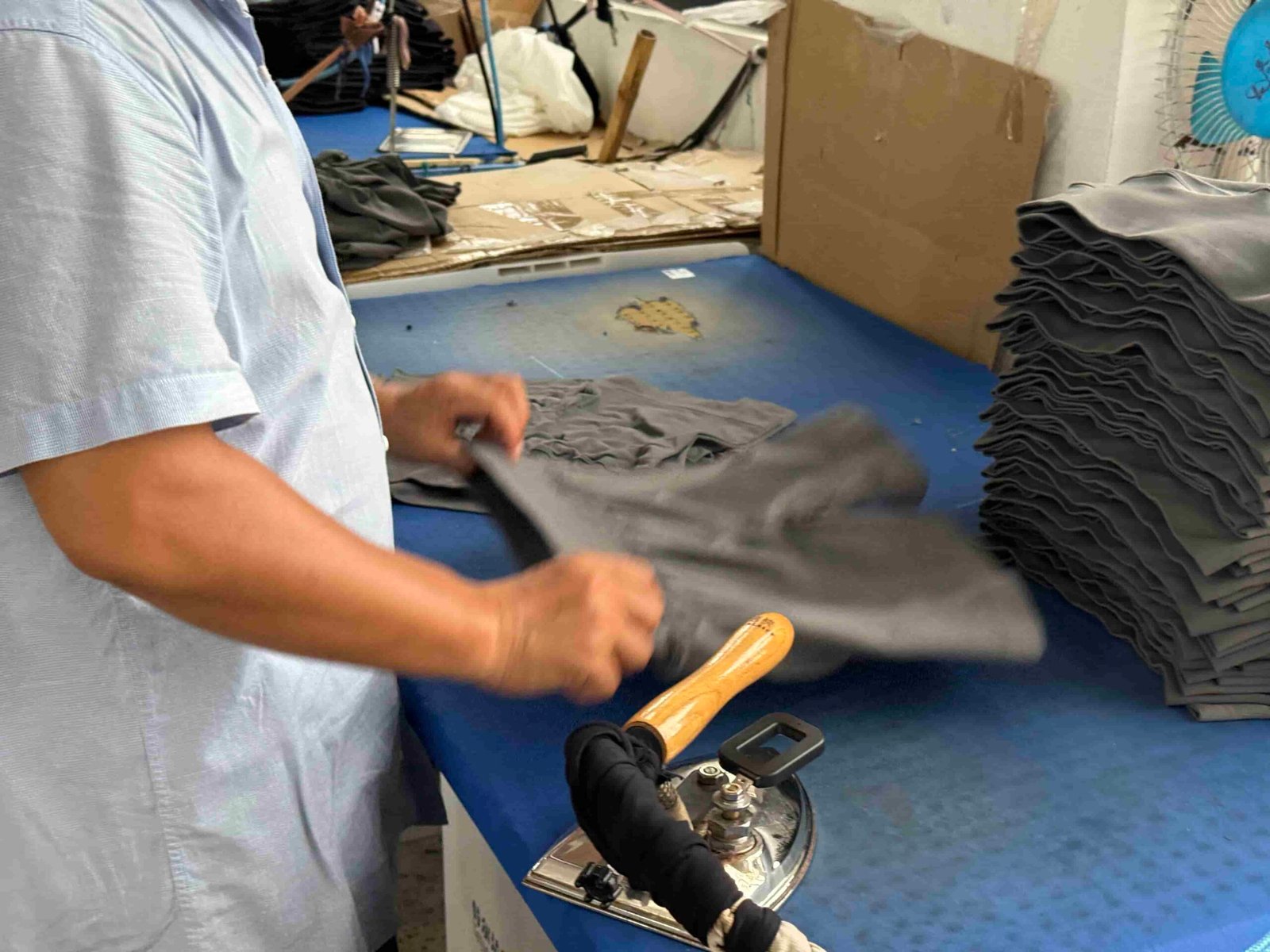
QC can review whether Texture appears reasonably consistent within the garment and across the production batch, while recognizing normal textile variation. Unacceptable local flattening, distortion or structural inconsistency should be isolated rather than hidden by broad claims of “zero defects.”

Transition Quality
Where Texture meets Mesh, Rib, Contour or cleaner knitting, QC should confirm that the transition remains visually intentional. Abrupt unintended distortion may indicate program, yarn, dimensional or manufacturing issues requiring investigation before more pieces are released.
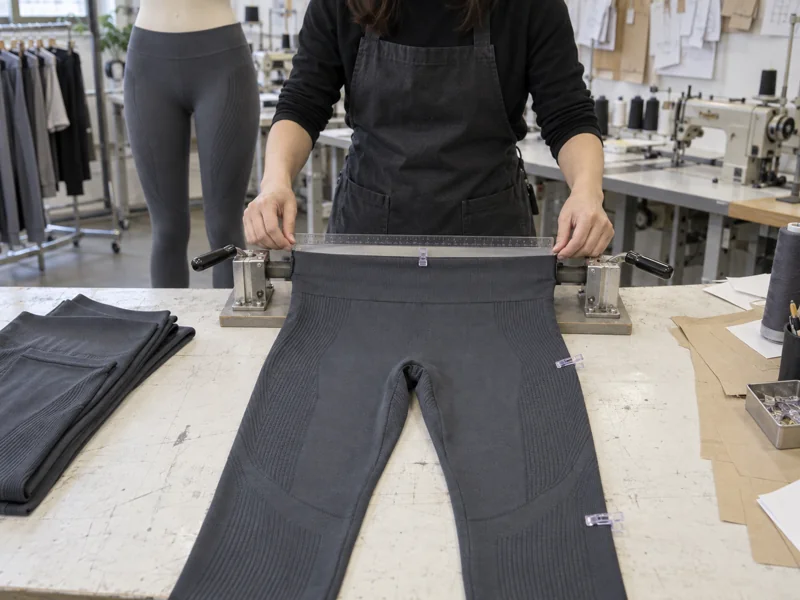
Left-Right Balance
For structures intended to appear symmetrical, visual balance should be reviewed against the approved design. This does not mean every microscopic stitch position is identical, but obvious asymmetry or displacement should not pass if it violates the buyer’s accepted standard.
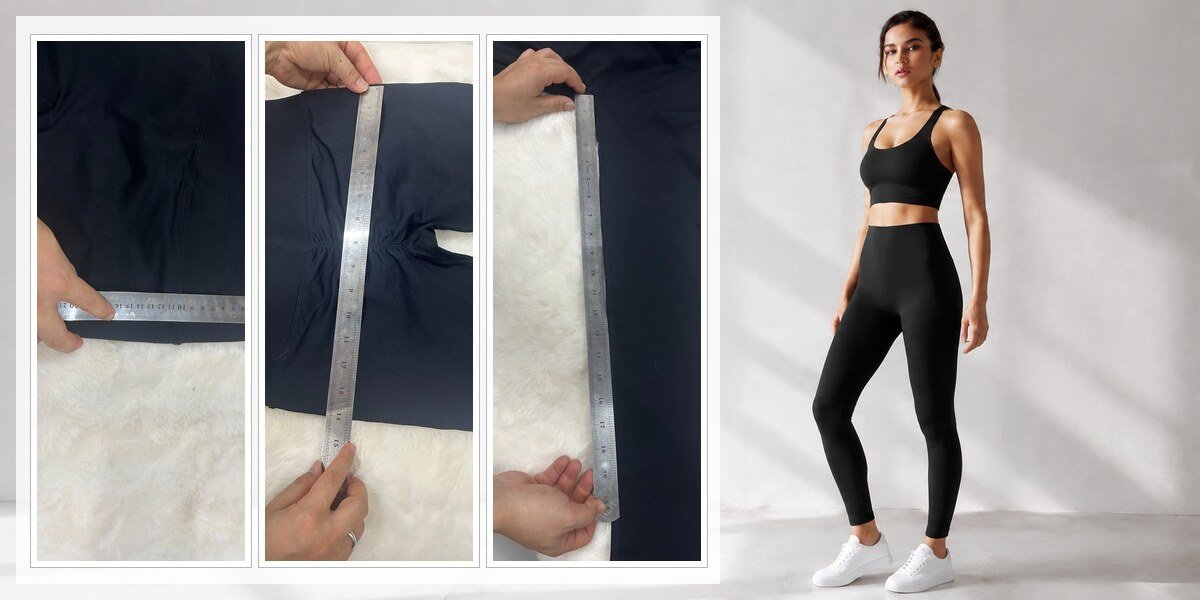
Waist Measurement
Finished waist dimensions should follow the applicable POM and tolerance. Dimensional drift can alter waistband extension and also change how neighboring Texture or transitions appear when the finished garment is worn.
Hip Measurement
Full-hip dimensions strongly influence how the Textured garment extends across the seat. An out-of-tolerance hip can create apparent Texture or coverage problems even when the machine program itself has not changed.

Rise Measurement
Front and back rise affect waistband position, torso coverage and the vertical location of rear or high-hip structural zones. Measurement control therefore supports both fit and visual Texture placement.
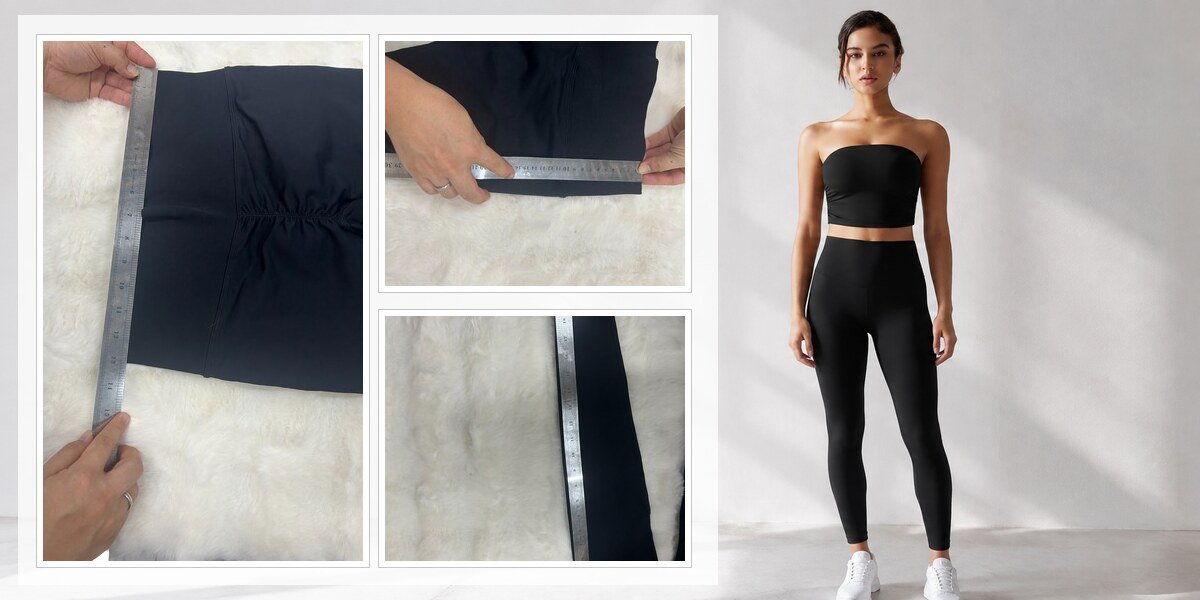
Thigh Measurement
Upper-thigh dimensions influence local extension and can materially change geometric scale, Mesh opening and texture depth. QC should use the approved measurement method rather than relying on subjective hand-stretch comparison.
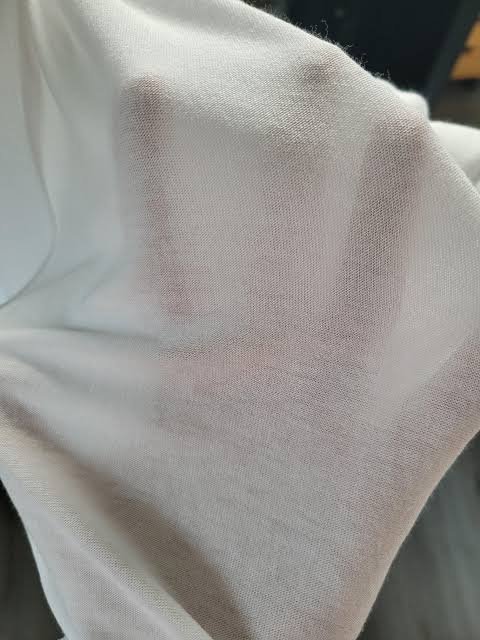
Coverage Review
Where coverage is a buyer requirement, the applicable product can be reviewed under the agreed fit or stretch condition. MOVEVOX does not use one universal “100% squat-proof” statement across every color, size and Texture.
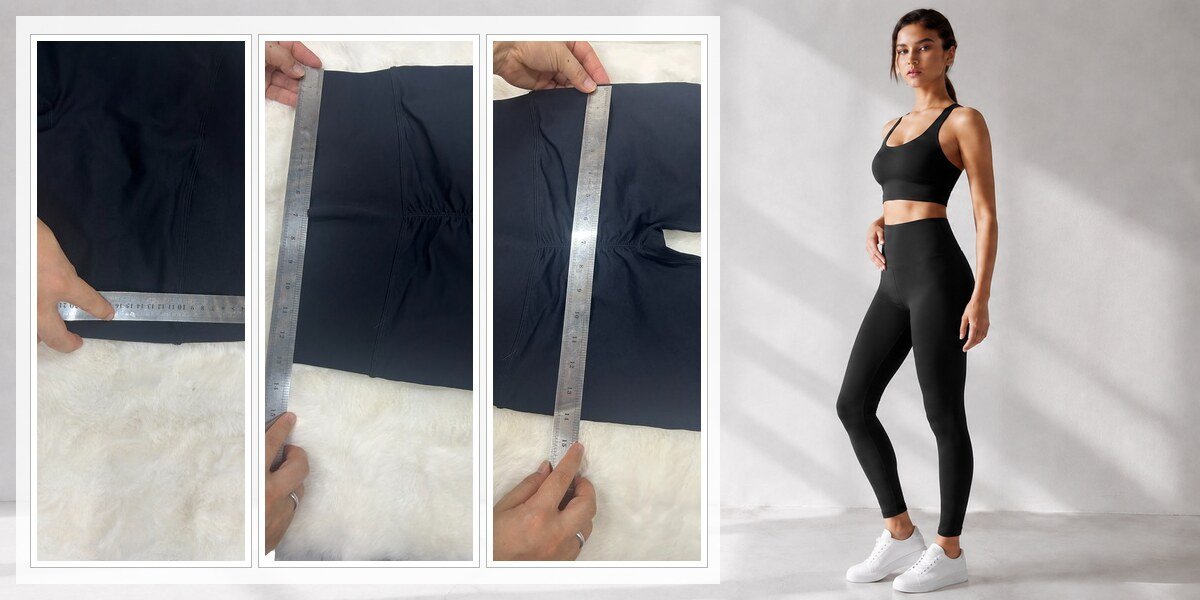
Waistband Structure
The waistband should be reviewed for approved height, appearance and transition into the body. Rib, density or another knitted structure should correspond with the accepted product rather than being judged only on overall garment measurements.
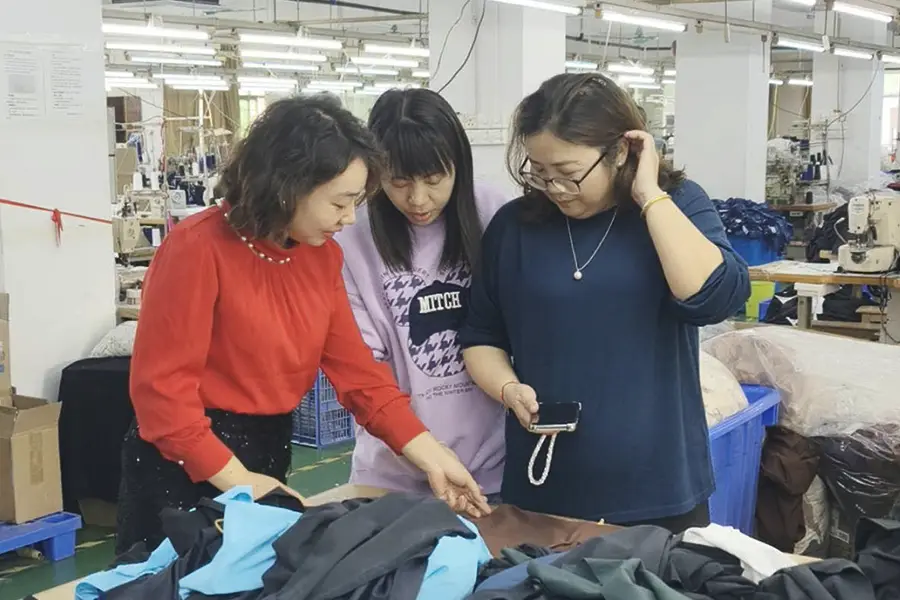
General Workmanship
Textured Seamless products still require normal finished-garment inspection for holes, pulls, stains, unexpected damage, finishing issues or unacceptable sewn operations. “Seamless” does not remove the need for conventional workmanship review.
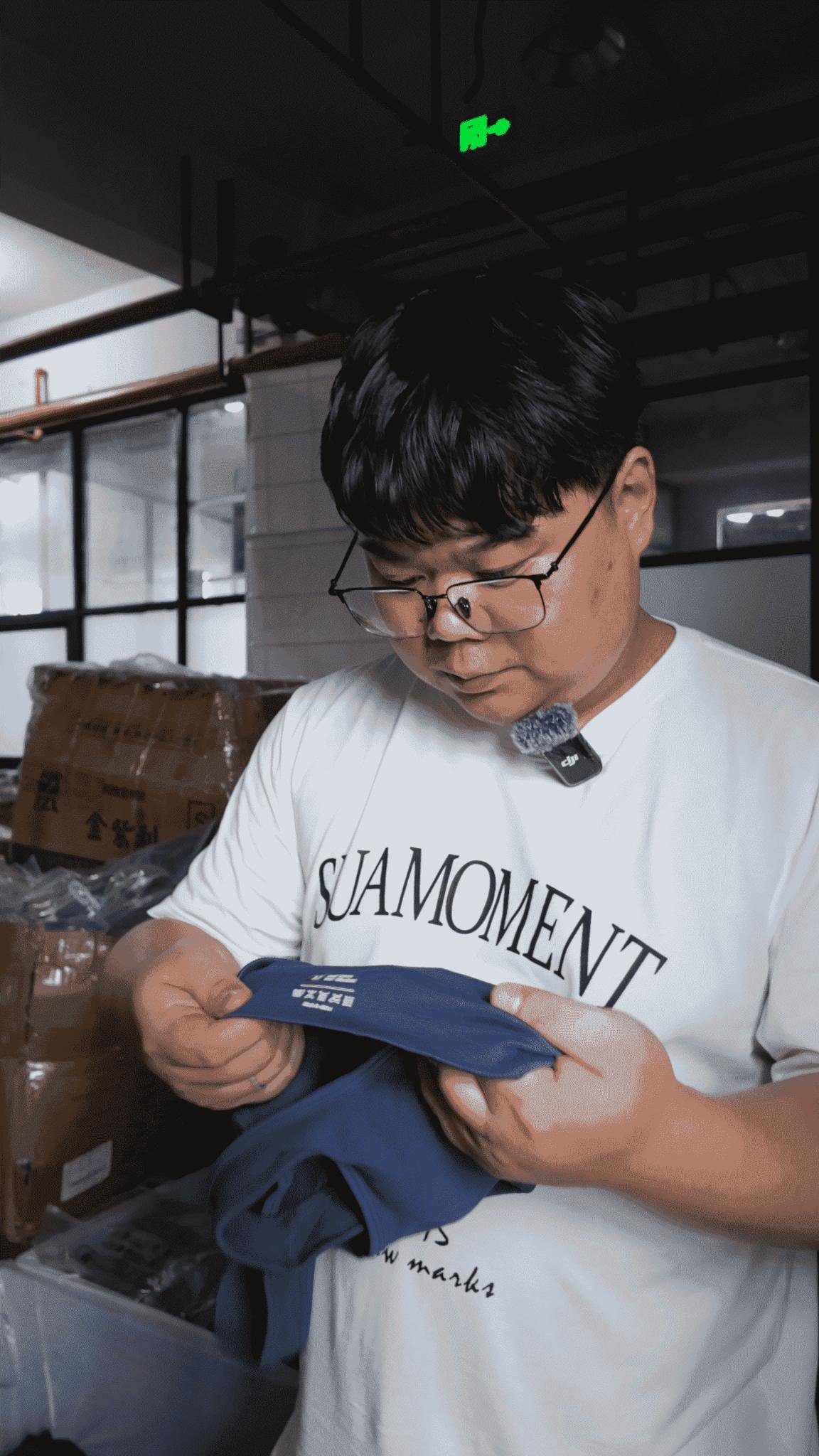
Branding Placement
Heat transfer, silicone, Jacquard or other approved branding should appear at the correct location and dimensions for the applicable SKU. Texture can make misplacement particularly visible, so logo control should remain connected to current artwork.
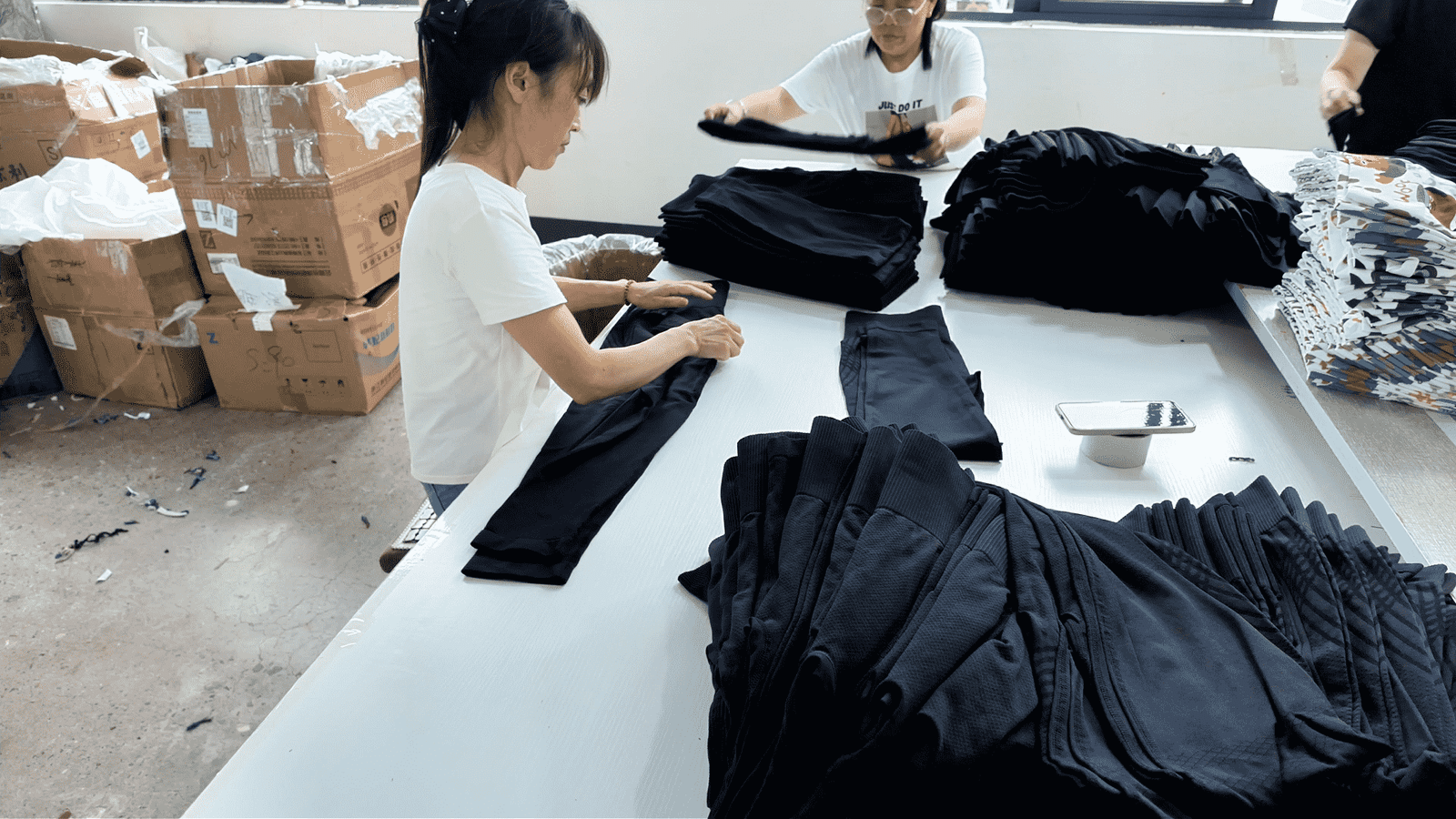
First Article
Representative early commercial output should be compared with the approved sample and production information before wider volume proceeds. This is a key control for discovering program, yarn, color or measurement deviations under actual production conditions.
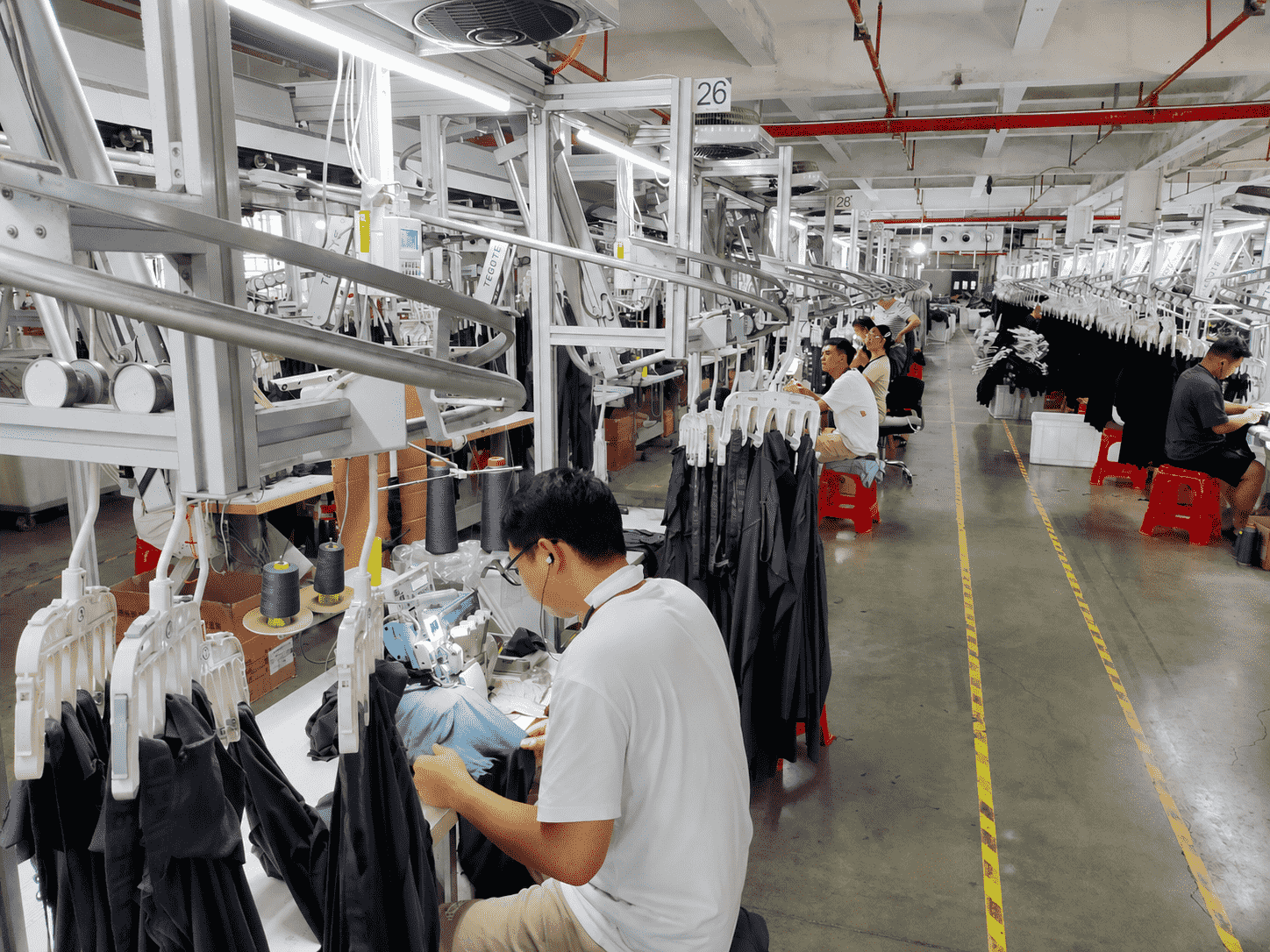
Inline Inspection
Production-stage review allows quality teams to detect recurring deviations before the entire order is completed. Relevant checkpoints can include measurements, structure position, visible defects and color according to the buyer’s agreed quality plan.
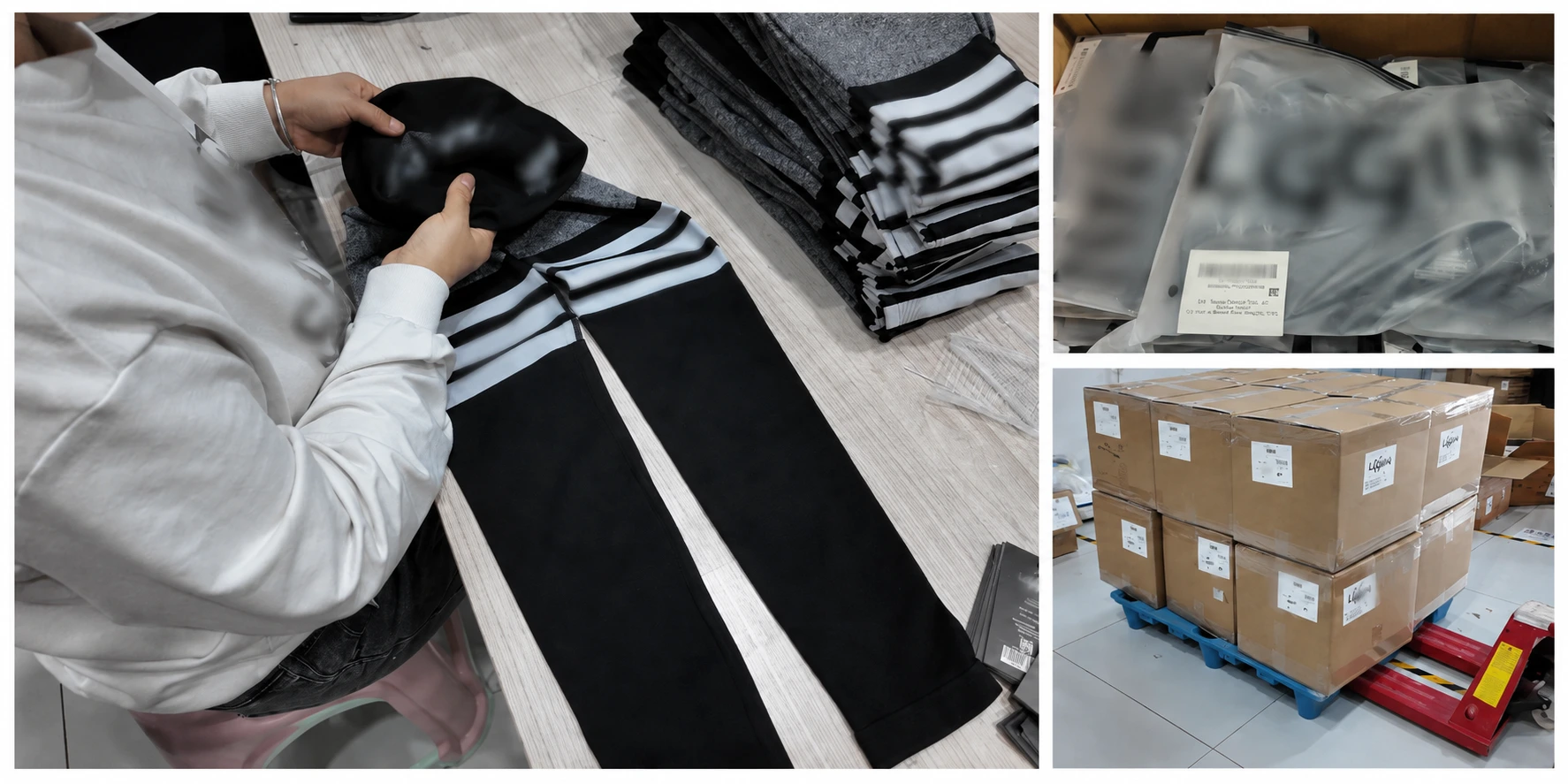
Packing Accuracy
Correct garments must be paired with the correct size label, barcode or QR, polybag and carton information. A technically acceptable Textured Seamless legging becomes commercially incorrect if the final SKU identification is wrong.
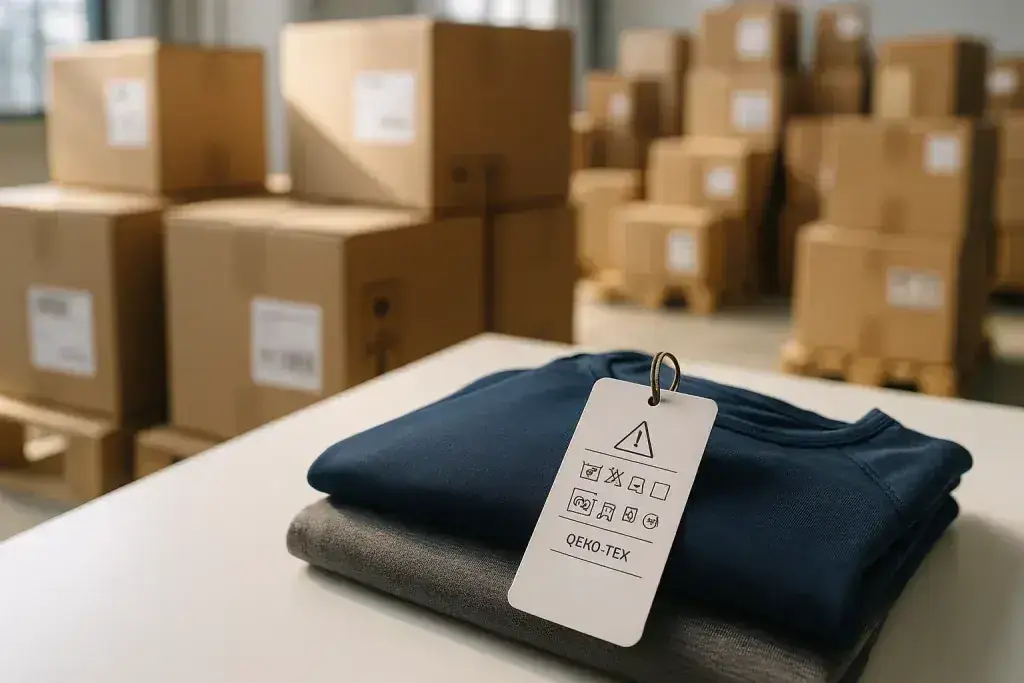
Final Release
Final inspection confirms that accepted finished goods and packing meet the applicable order requirements before shipment or buyer-appointed third-party inspection. Open issues should be resolved, held or formally dispositioned rather than released without control.
Build a Retail-Ready Textured Seamless SKU
Private-label execution should stay connected to the approved Texture, color, size and commercial SKU. Textured surfaces can also affect which branding methods are practical on the finished garment.

Knit-In Jacquard
A logo can become part of the Seamless structure where design scale, yarn and program feasibility allow. Because this changes the knitting program itself, the artwork should be physically sampled and approved before bulk.
Jacquard / Knit-In / Program
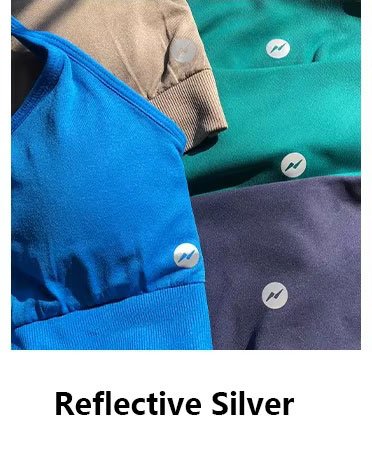
Heat Transfer
Heat-transfer branding can work on suitable Seamless areas, but pronounced Texture can reduce flat contact or distort the artwork. Logo film, local stretch and application settings require real-garment approval.
Applied / Logo / Stretch
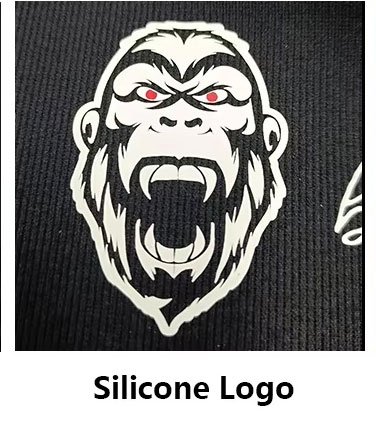
Silicone Logo
Silicone can create a tactile brand mark on technically compatible areas. Thickness, local Texture and extension affect appearance and adhesion, so placement should be validated on the actual product.
Silicone / Raised / Branding
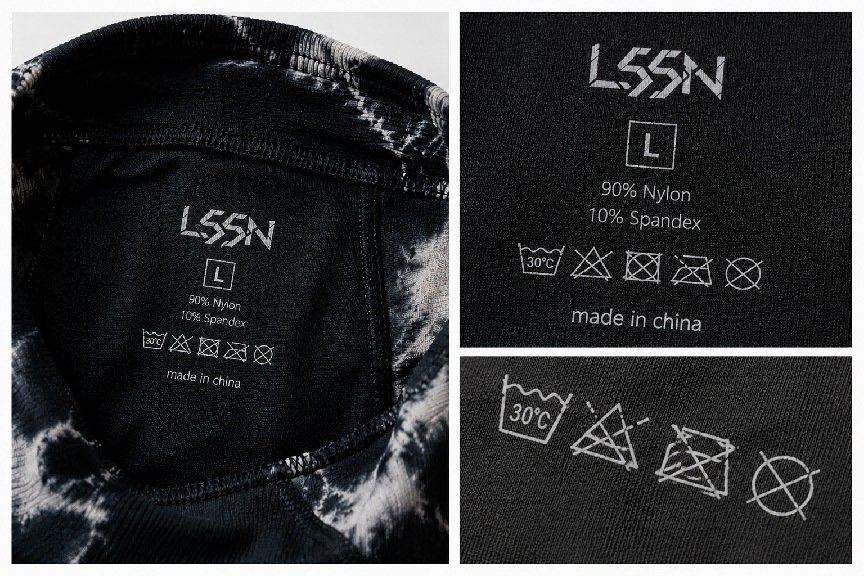
Main Label
A woven or another approved brand label can support conventional private-label identification. Attachment location should remain compatible with the product construction, wearer comfort and the brand’s current artwork.
Brand / Label / Placement
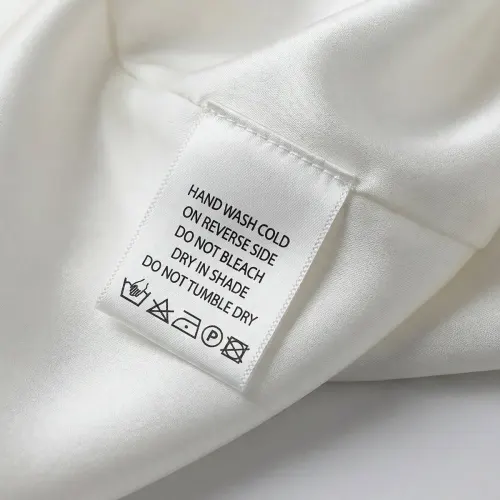
Care & Size
Care and size information should correspond to the actual approved material, garment and market requirements. Labels must remain aligned with the correct commercial size and current buyer specification.
Care / Size / SKU
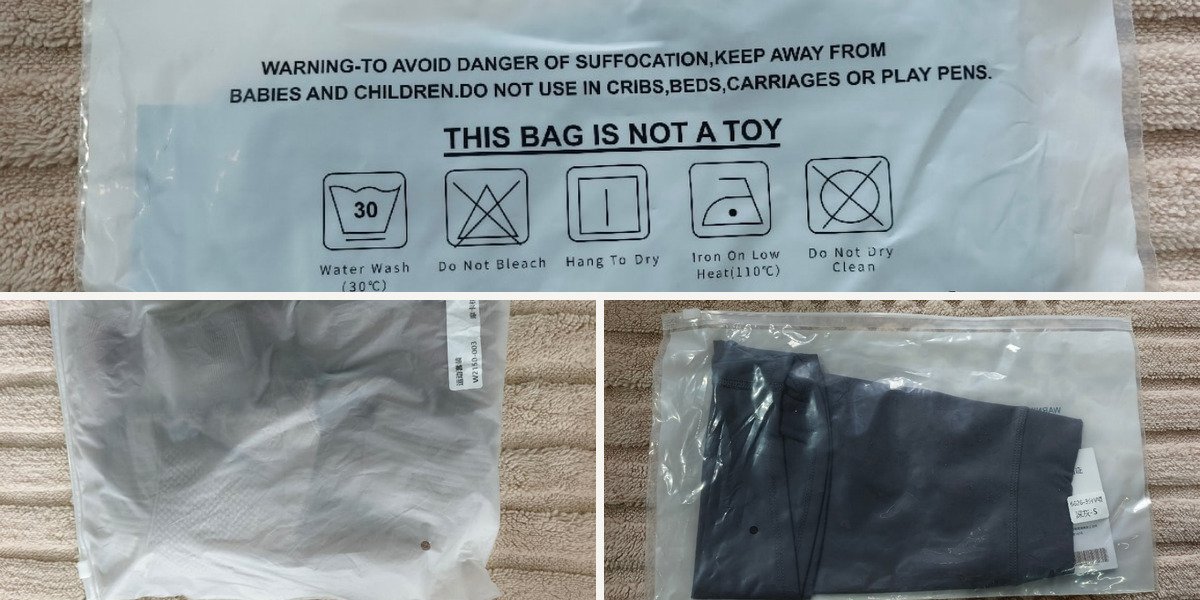
Barcode / QR
Barcode or QR data should correspond to the correct style, color and size. This relationship becomes especially important across multi-color or multi-size activewear programs where packing errors create warehouse or retail problems.
QR / Barcode / Data
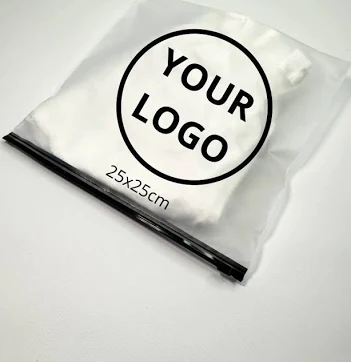
Polybag
Individual packaging follows buyer instructions for bag material, warning, labeling and SKU information. Packaging component minimums can differ from the finished-garment MOQ and should be reviewed commercially.
Bag / Protection / SKU
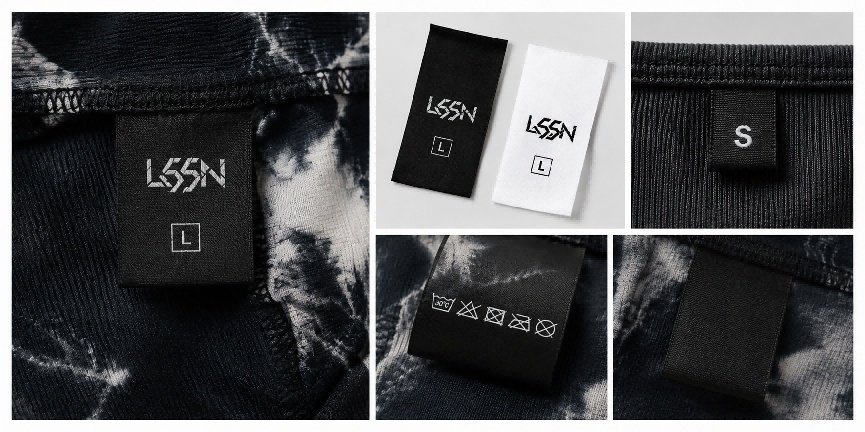
Carton
Final carton quantity, marks and product mix should match the latest buyer packing instruction. Carton control connects accepted garments with accurate commercial shipment information.
Carton / Shipping / QuantityBranding and packaging should be approved early enough to avoid technically finished garments waiting for incorrect or unavailable commercial components. Jacquard needs program approval, while applied logos need surface compatibility checks. Barcode, QR and labels should remain connected to the correct style/color/size before final packing and release.
Extend One Texture Language Across a Collection
A recognizable Texture can connect multiple Seamless products, but each garment still needs its own program, measurements and physical approval. Collection consistency does not replace SKU-specific technical development.
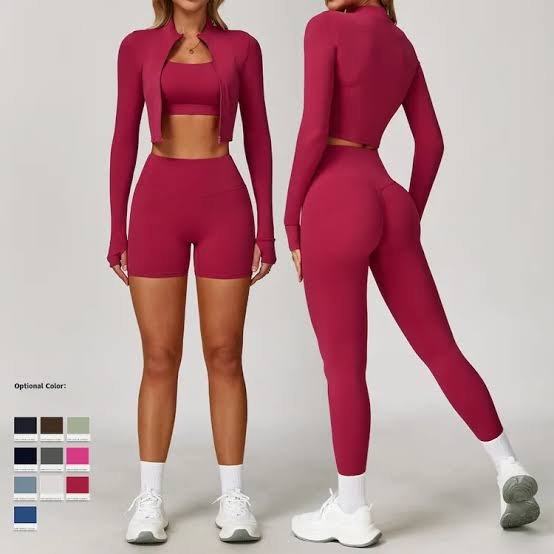
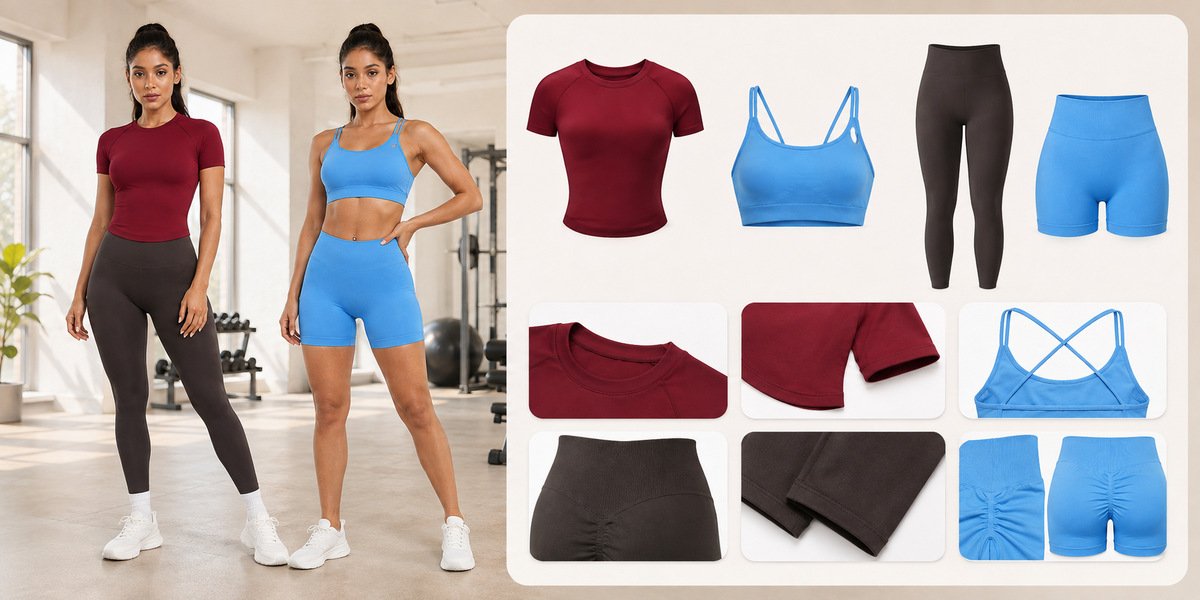
Leggings + Bra
Use a common yarn, color and Texture language to create a coordinated leggings-and-bra core set. The sports bra has different torso, underbust, strap and coverage requirements, so the same visual idea must be translated into a separate Seamless program rather than copied directly from the leggings structure.
- Keep common Texture language without copying garment dimensions.
- Approve separate bra support, fit and structural zones.
- Confirm color physically across both knitted product forms.
Related Product: Seamless Sports Bra
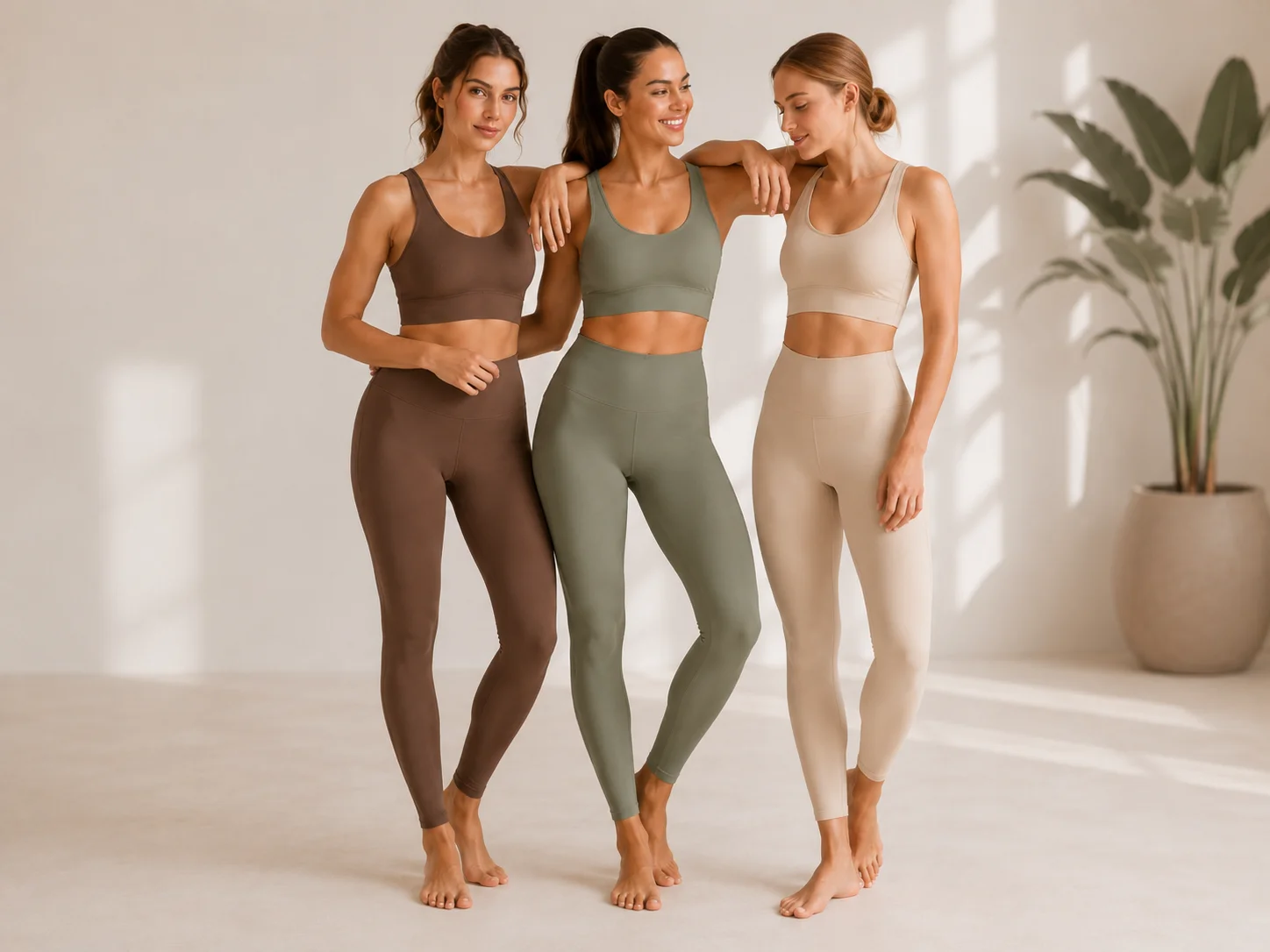
Leggings + Shorts
A leggings Texture can be adapted into Seamless shorts for a gym, studio or seasonal collection. Hip and thigh architecture remain related, but leg opening, length and local extension differ. The shorts therefore need independent measurement, Texture placement and physical approval even when yarn, color and branding remain coordinated.
- Adapt Texture zones to a shorter garment architecture.
- Recheck thigh opening and local structure extension.
- Maintain shared color and brand treatment where feasible.
Related Product: Seamless Shorts
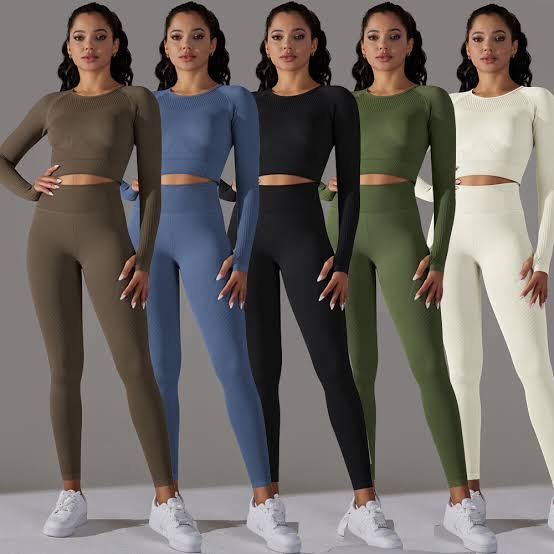
Leggings + Crop
A crop top can use the same broader Texture language while introducing upper-body dimensions, neckline and torso requirements not present in leggings. Strong visual consistency can come from shared yarn, structure family and color, but each product needs its own machine program and buyer-approved physical fit.
- Translate Texture visually instead of copying exact zones.
- Develop neckline, torso and arm opening separately.
- Keep branding and color aligned with collection standards.
Related Product: Seamless Crop Top
Leggings + Long Sleeve
A Seamless long-sleeve top can extend a signature Texture into a larger collection and create a stronger seasonal identity. Sleeve, shoulder, torso and neckline extension behave differently from lower-body products, so structure scale and zone placement must be re-developed while preserving the intended visual language.
- Rework Texture proportion for torso and sleeves.
- Approve separate upper-body fit and movement requirements.
- Coordinate yarn, color and branding across the set.
Related Product: Seamless Long Sleeve
Choose the Right Order Structure for Texture Development
The base Seamless garment MOQ is only one commercial threshold. Custom color, yarn, program complexity, size range and collection architecture can create different upstream requirements that should be reviewed before RFQ.
Standard Seamless
Best for a brand using a technically workable yarn and color direction with normal private-label requirements. MOVEVOX’s base Seamless custom garment MOQ is approximately 100 pieces per style. The order can include a commercial size mix, subject to actual production planning. This number does not automatically cover a dedicated yarn or new custom dye lot.
Quantity: ~100 pcs/style base reference
Color / Size Logic: Normal commercial split, project-specific
Price Factors: Yarn, size count, branding, complexity
Custom Color
Best when the brand needs a dedicated Pantone or physical-sample color rather than using an available yarn or material direction. Custom dyeing commonly enters evaluation around 400–600 garment-equivalent quantity, depending on material and product consumption. This is an upstream color requirement, not a replacement for the garment-level MOQ.
Quantity: ~400–600 garment-equivalent evaluation
Color / Size Logic: One dye requirement can support applicable SKU allocation
Price Factors: Dye lot, yarn, consumption, approval cycle
Custom Texture Program
Best for a more differentiated program involving buyer-defined Texture, Jacquard, mixed zones, broader size development or multiple coordinated products. There is no single fixed MOQ beyond the underlying garment and material conditions because yarn, program work, colors, sampling, size-set requirements and testing can change project feasibility.
Quantity: Project-specific beyond base garment reference
Color / Size Logic: Depends on program, yarn and SKU architecture
Price Factors: Development, yarn, colors, size complexity
Understand MOVEVOX Textured Seamless Supply Chain Boundaries
Large buyers need to know which capabilities are directly owned and which are coordinated through external suppliers or long-term manufacturing resources. Clear boundaries make audit, quality responsibility and capacity planning easier.
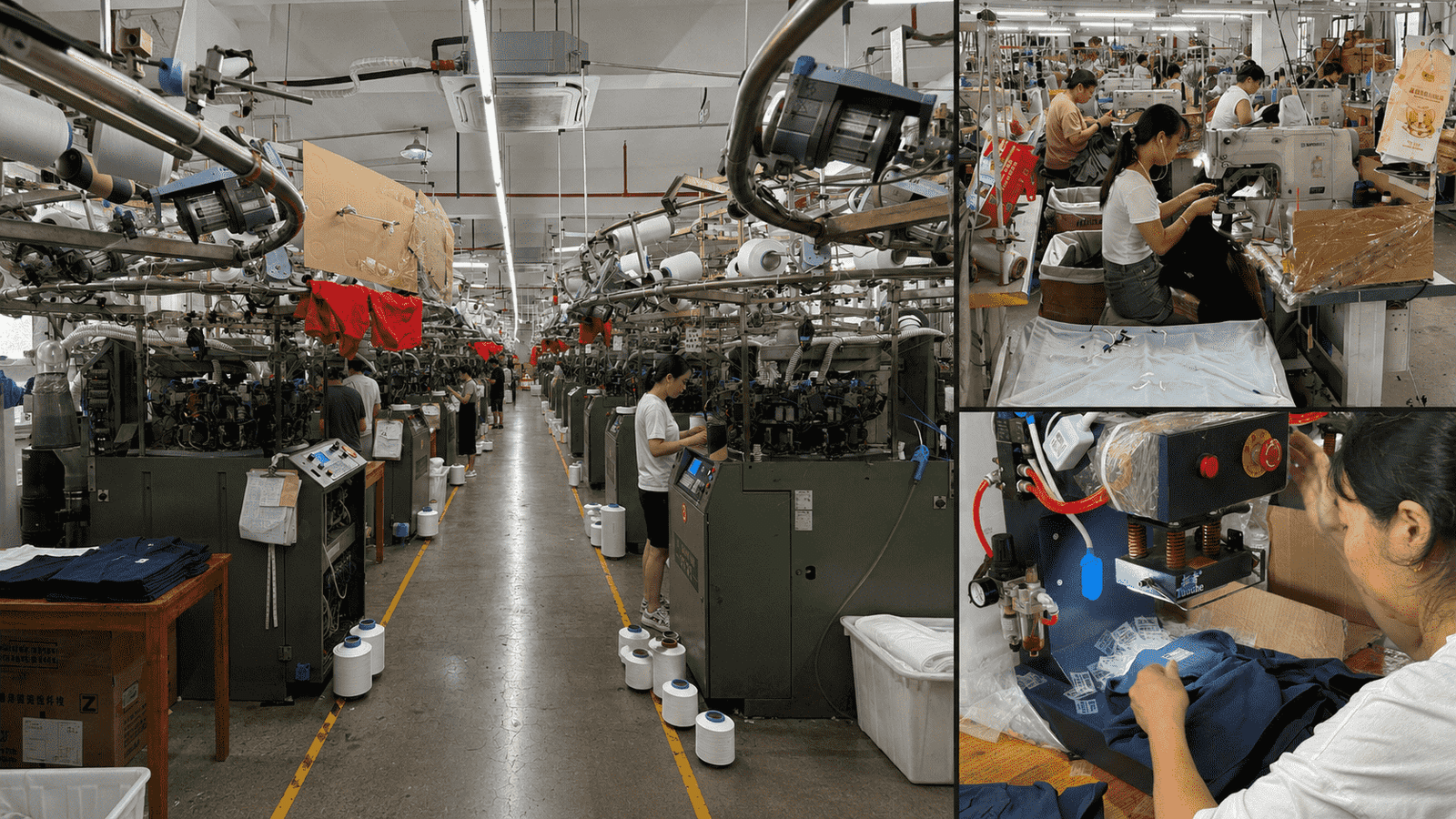
MOVEVOX
Central project-management and quality interface across development, owned manufacturing, material coordination, private-label execution and commercial handover.
Yarn
MOVEVOX coordinates yarn sourcing and development through supplier resources according to composition, color, elasticity, handfeel and project requirements. Spinning itself should not be represented as an owned factory process.
Dyeing
Custom color and dye-lot work is coordinated through applicable external supply resources. MOVEVOX manages approval and production requirements but does not represent textile dyeing facilities as company-owned operations.
Seamless
The core Seamless manufacturing capability is owned. MOVEVOX’s manufacturing system includes 28 Italian Santoni knitting machines used for applicable activewear development and production.
Cut & Sew
MOVEVOX also owns a Cut & Sew manufacturing core with approximately 24 principal garment machines, allowing one customer project to include products outside circular Seamless construction when required.
Development
An approximately eight-person development function supports design, technical review, sampling and related product work across the customer development process.
Packaging
Labels, barcode or QR, polybag, cartons and other buyer-required private-label elements are coordinated and controlled against the approved commercial files and packing instructions.
Logistics
MOVEVOX coordinates commercial shipment handover and applicable export documentation with the buyer or nominated logistics provider. International transit itself depends on the selected forwarding route and destination conditions.
External yarn, dyeing, logistics and satellite resources remain clearly distinguished from the owned factory core. This boundary is important for buyers evaluating accountability, audit scope, capacity and supply-chain risk.
Understand Manufacturing Network and Capacity Scope
MOVEVOX combines an owned Yiwu production core with long-term satellite manufacturing resources. Capacity figures describe the managed system, not the theoretical maximum of Santoni machines or a guaranteed allocation to one Textured Leggings program.
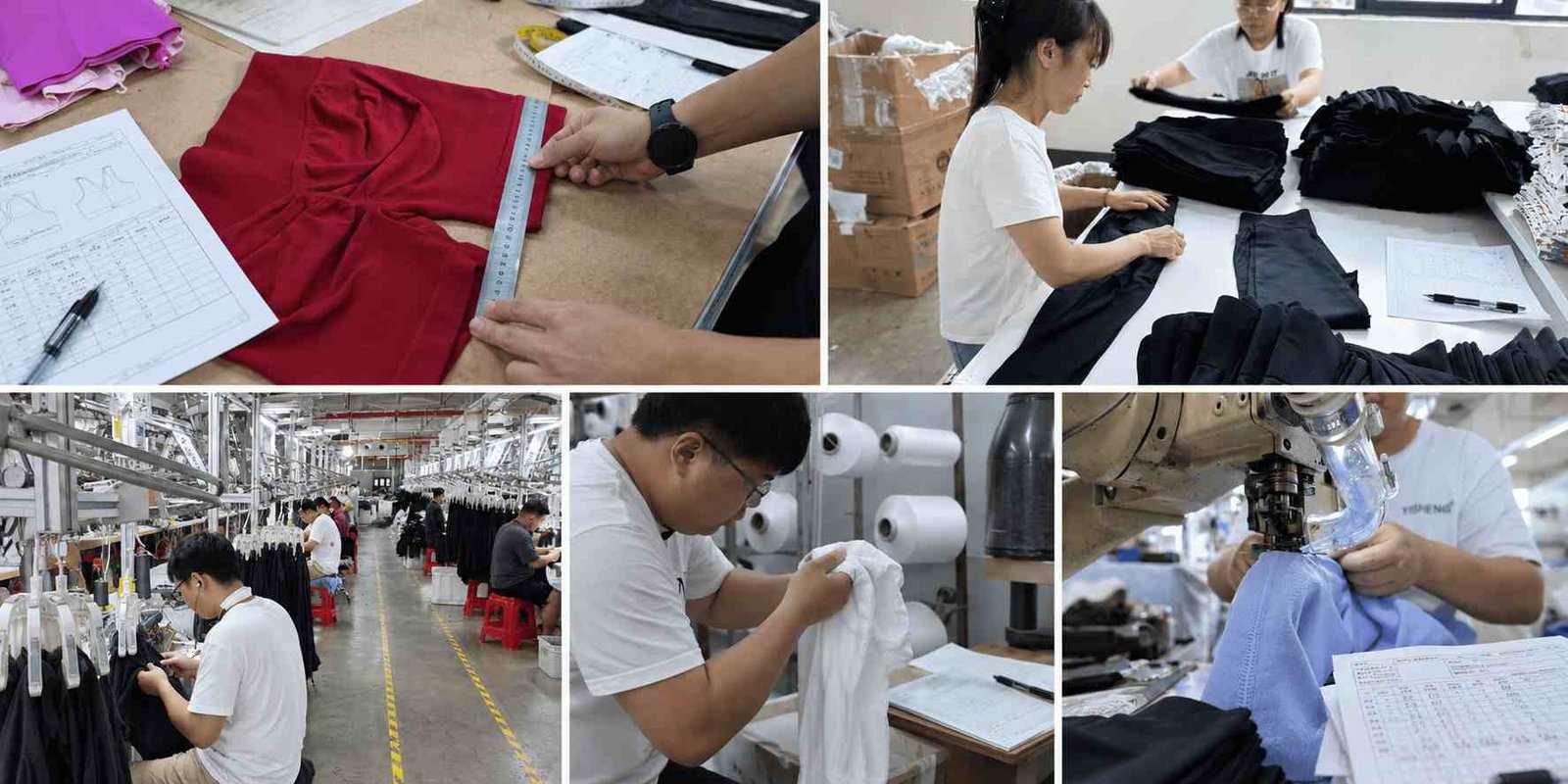
Yiwu Owned Core
Owned manufacturing base in Fotang Town, Yiwu, including 28 Italian Santoni Seamless machines and approximately 24 principal Cut & Sew garment machines.
Owned / Yiwu / CoreYiwu Satellite Cluster
Six principal long-term satellite factories in Yiwu provide additional managed resources where appropriate to the production plan and product route.
6 Partners / Yiwu / ManagedGuangzhou Cluster
Two principal long-term satellite factories in Guangzhou provide complementary managed manufacturing resources for applicable customer or product requirements.
2 Partners / Guangzhou / ManagedNormal Order Range
Approximately 300–50,000 pieces per order, with larger or unusually concentrated programs evaluated separately.
Stable Managed Release
Approximately 150,000–200,000 finished pieces per month across Seamless plus Cut & Sew.
Normal Bulk Reference
Approximately 20–35 days after specifications, key materials and agreed commercial prerequisites are locked.
The 150,000–200,000 monthly figure is a managed finished-goods release capability across both manufacturing routes. It is not Textured Seamless Leggings-only capacity and not the theoretical output of the 28 Santoni machines alone. Existing objective facts support three real manufacturing geography clusters; no fourth location is invented.
Verify Seamless Texture Manufacturing Before Supplier Approval
MOVEVOX supports several verification routes so Product Development, Sourcing and QA teams can check real manufacturing, technical and quality capabilities before formal vendor approval or larger commercial allocation.
Live Video Review
Best for early supplier qualification when an overseas team wants to verify Santoni equipment, knitting areas, sample-development functions and relevant factory operations before arranging travel.
Factory Visit
Best for procurement or vendor-management teams conducting on-site qualification at the owned manufacturing base in Fotang Town, Yiwu, Zhejiang, China.
Technical Audit
Best for Seamless developers reviewing Santoni equipment, Program Control, Rib / Mesh / Compression structures, Yarn, Size Scaling and Seamless QC.
QA Review
Best for quality teams reviewing approved-sample control, measurements, first article, inline inspection, final QC, branding and packing processes.
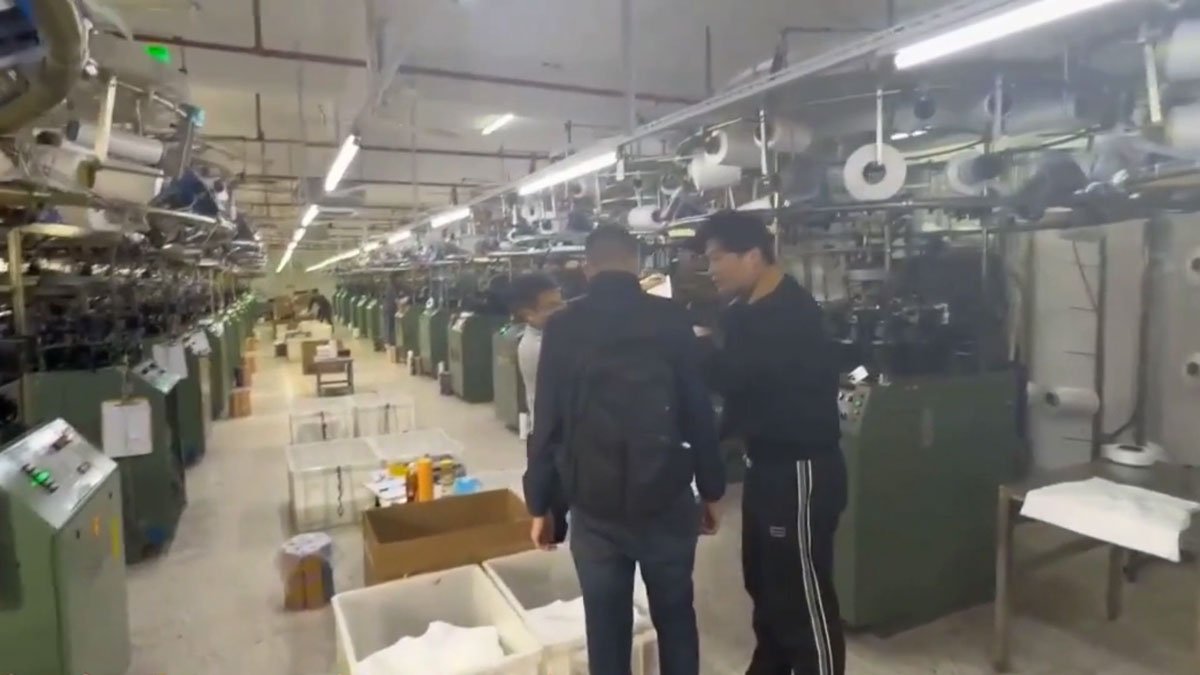
Share the review purpose, target product and priority questions before the meeting. Customer-confidential areas or unreleased products may require reasonable access restrictions. Audit support means providing evidence and access; it does not mean MOVEVOX should claim a passed certification or audit that has not been formally issued.
Compliance and Testing Framework for Textured Seamless
MOVEVOX can work against buyer quality requirements and coordinate project-specific testing or inspection. Existing reports remain limited to the identified sample and scope and should never be presented as universal company certification.
Buyer Quality Manual
Global brands may provide their own measurement method, workmanship criteria, defect classification, approved-sample rules and inspection requirements. MOVEVOX can review these standards and incorporate applicable controls into development and production rather than replacing them with generic factory assumptions.
Chemical Requirements
MOVEVOX can coordinate project-specific chemical testing or material evidence where the buyer or target market requires it. Existing RoHS or REACH documents apply only to the submitted samples identified in those reports, not automatically to every future Texture, yarn or color.
Product Testing
Stretch, recovery, colorfastness, opacity, pilling, shrinkage, seam or other physical requirements can be discussed according to the project. Numerical performance claims should use an identified test method, acceptance standard and actual result rather than an internal visual check alone.
Third-Party Inspection
MOVEVOX supports buyer-appointed or third-party inspection at agreed production stages. Inspectors can check the relevant specification, measurements, Texture positions, workmanship, branding and packing. Supporting an inspection is not the same as claiming that every order automatically passes one.
Confidentiality & IP
Tech Packs, custom Texture concepts, unreleased products and customer-specific program information should remain within the agreed project boundary. Confidential customer files should not be displayed publicly as factory capability evidence without authorization.
Evidence Scope
Existing sample-specific evidence includes RoHS report TST20250405148E, related CoC TST20250405148EC, and REACH phthalates report TST20250405150E. These documents do not certify every Textured Seamless Legging or prove unrelated physical performance claims.
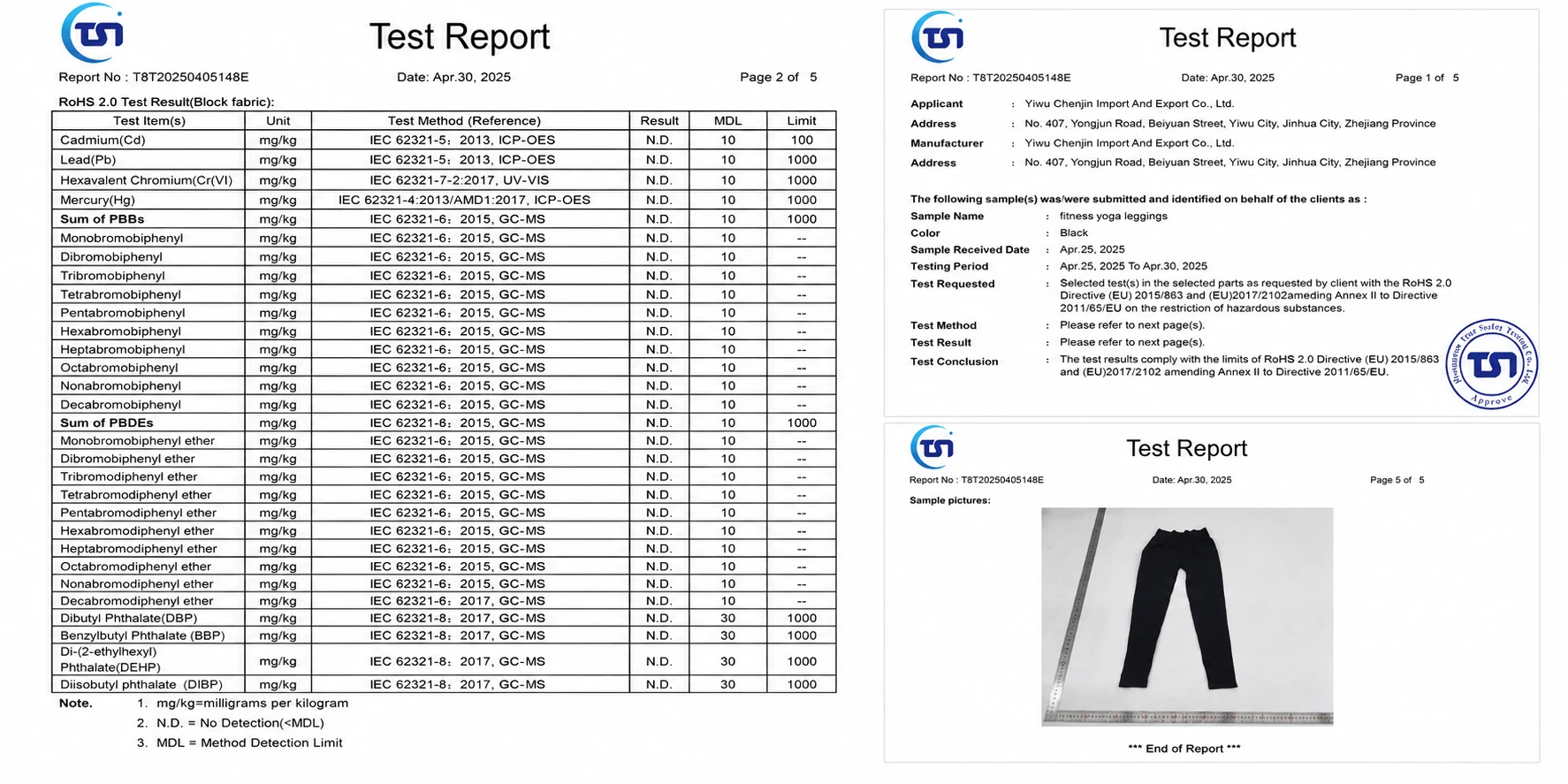
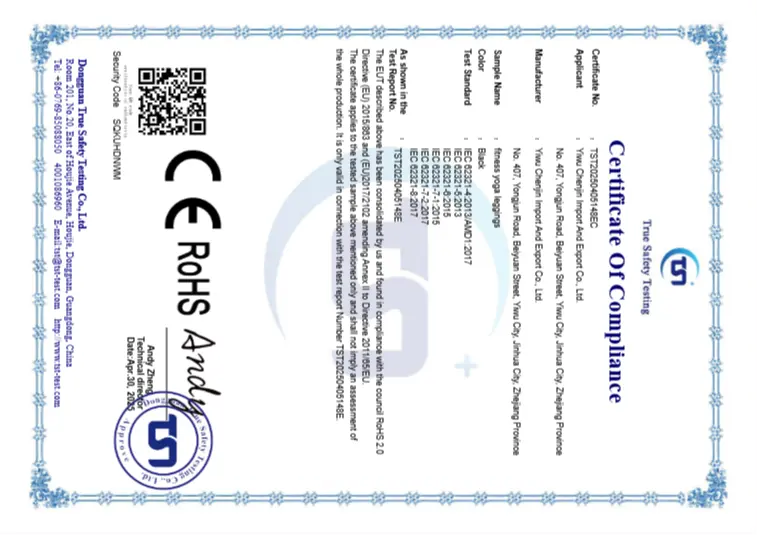
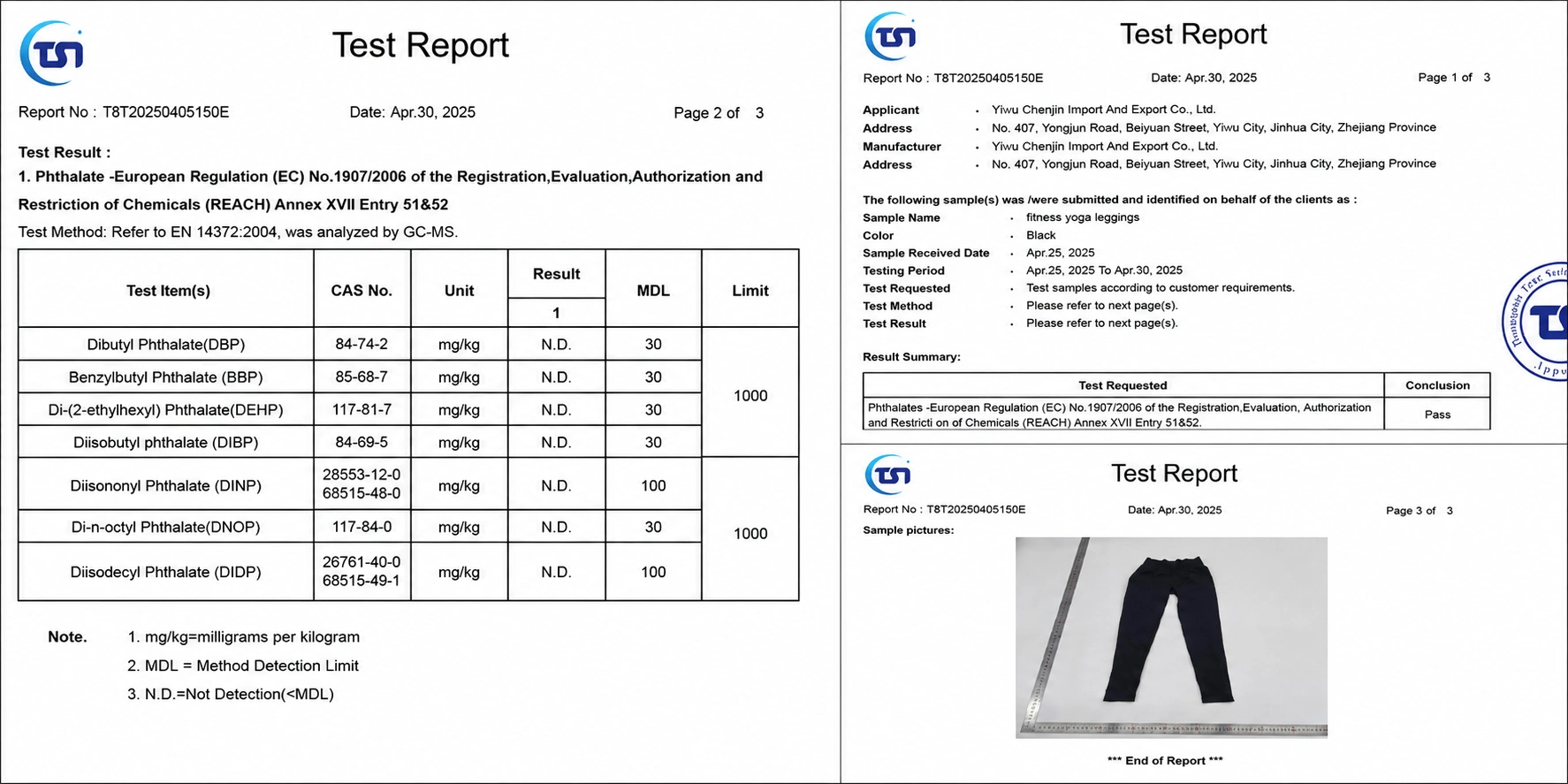
U.S. Activewear Development and Repeat-Supply Case
An anonymized U.S. fitness creator-led activewear business worked with MOVEVOX across product development, additional testing samples, customized branding, packaging and repeat purchasing over approximately three years.
Customer Background
The customer is a U.S.-based fitness creator-led business with an activewear product range rather than a single garment program. The documented relationship covered leggings, shorts, sports bras, tank tops, sets and bodysuits. Product execution included customized logos, labels, care information and packaging. This was a multi-product activewear account and should not be represented as a Textured Seamless Leggings-only case.
Challenge
The customer needed more than an initial sample or generic private-label service. Product information had to move through sample development, physical evaluation, revision and branded commercial production while remaining organized across different product types, colors and sizes. QR information also varied by color and size, creating additional SKU-control risk during packing.
Solution
MOVEVOX worked from the customer’s technical product information to prepare an initial development sample. After physical review, comments were translated into a revised version rather than treating the first garment as production-ready. The customer then ordered approximately five to ten additional samples for further testing before the documented commercial production stage. MOVEVOX also coordinated custom logos, labels, care information and packaging. Because QR information differed by color and size, packing needed to remain connected with the correct garment SKU. The relationship continued through repeat orders and additional development across multiple activewear categories.
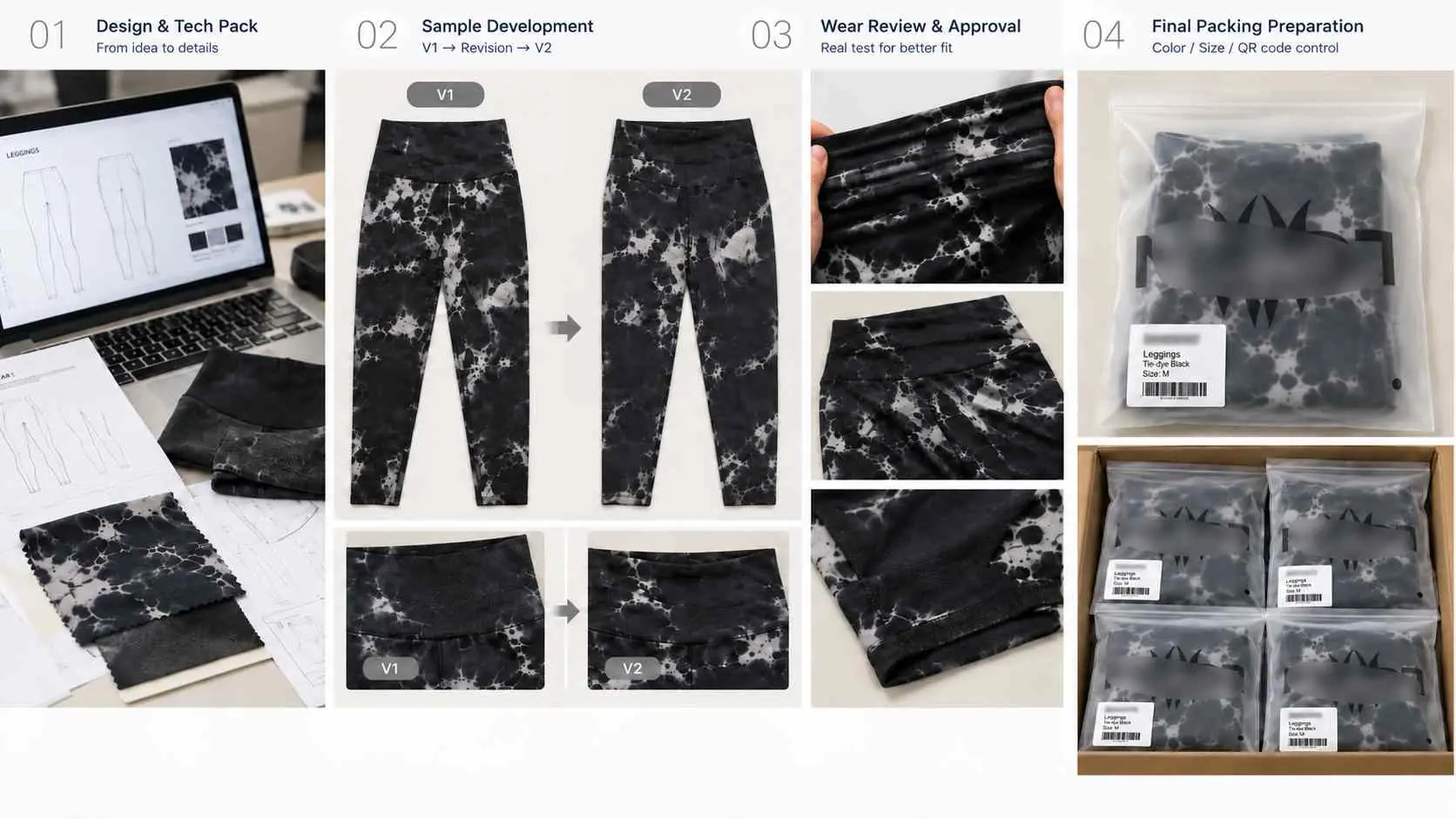
Documented cooperation reference.
Additional testing samples before documented bulk.
Approximate account-level order reference.
Approximate purchasing-frequency reference.
Customer Quote: 需要真实素材替换 — the current case materials do not contain a verifiable 20–35 word English customer quotation, so no testimonial is invented.
Compare Textured Seamless Supplier Models by Total Risk
The lowest unit price does not always represent the lowest sourcing cost. Different supplier models can shift technical development, rework, communication and repeatability risk back to the buyer.
| Evaluation | Catalog Seamless Supplier | Program-Led Seamless Factory | Multi-Process Supplier Model |
|---|---|---|---|
| Unit Price | Can be efficient when an existing style already fits the requirement; highly custom Texture may add redevelopment cost. | Direct technical development can reduce hidden rework when the Texture needs program-level customization. | Can balance Seamless and Cut & Sew needs across a broader collection when both routes are required. |
| Sampling Rework | Risk increases when catalogue products are pushed beyond their original structure without strong technical control. | Buyer comments can be translated into identified yarn, program, measurement and sample changes. | Can coordinate multiple product routes, but complexity still needs disciplined version control. |
| Development Time | Can be fast for minimal-change products. | Custom Texture still requires technical review, but direct knitting control shortens the feedback path. | Useful for multi-SKU programs where several manufacturing processes must be managed together. |
| Quality Risk | Depends heavily on the actual factory and how much custom change is outsourced or coordinated. | Structure position, size scaling, first article and program controls can be handled directly. | Centralized QC can help align different product routes, although each process still needs route-specific standards. |
| Communication | Commercial communication may be strong while technical questions depend on an external knitting source. | Product Development can engage directly with the Seamless manufacturing process. | Central interface can coordinate Seamless, Cut & Sew, packaging and external supply resources. |
| Inventory | Stock styles can reduce development commitment, but buyer-specific material or color can create separate upstream minimums. | MOQ structure can be discussed against yarn, program, color and actual technical needs. | Can coordinate garment and component requirements across a broader collection architecture. |
| Delay Risk | Technical questions can take longer when the sourcing layer and actual manufacturer are separate. | Direct program and sample review can make dependencies more visible before production. | More processes create more dependencies, making project management and prerequisite locking important. |
| Repeat Orders | Repeatability depends on how the actual manufacturing partner controls program, material and lot changes. | Approved program, yarn, size logic and first article provide stronger repeat-production references. | Useful when repeat business spans Seamless and non-Seamless products under one account. |
A catalogue supplier can be efficient when the desired product already exists with minimal change. A program-led Seamless factory becomes more relevant when the brand needs a controlled custom Texture and direct technical revision. A multi-process supplier can add value when the broader collection also includes Cut & Sew products. MOVEVOX combines an owned Seamless core, owned Cut & Sew core, centralized development and QC, but each buyer should compare suppliers against the actual product complexity, risk and internal sourcing capability rather than using one supplier model as universally superior.
Seamless Textured Leggings Frequently Asked Questions
These answers cover the most common technical and commercial questions brands ask before sending a Textured Seamless project into sampling, supplier qualification or formal RFQ.
What Counts as a Textured Seamless Structure?
Texture can include programmed Seamless organizations such as Rib, Mesh, Contour, Jacquard, density variation or combinations of several structures. At MOVEVOX, the term does not refer to one fixed stock surface. The actual yarn, program, location, dimensions and physical knitted result define the product.
Can MOVEVOX Develop a Custom Texture?
MOVEVOX can review buyer-defined texture directions through its Seamless product-development and Santoni manufacturing system. Development can begin from a Tech Pack, reference image or legally usable physical sample. Exact results remain subject to yarn, machine-program feasibility and physical sample approval rather than being promised solely from a concept image.
Can Texture Combine With Mesh or Contour?
Yes, MOVEVOX’s Seamless technical framework includes Rib, Mesh, Compression, Contour and Jacquard structures. Multiple organization directions can be reviewed within one project, but transitions, location, stretch and coverage need physical development. Not every conceptual mixed structure should be promised unchanged before trial knitting.
Can You Develop Jacquard?
Jacquard is included within MOVEVOX’s Seamless structure framework. A knit-in logo or pattern becomes part of the machine program, so artwork scale, yarn, stretch and visual legibility need physical approval. Fine digital graphics may require technical simplification before they can become stable knitted structures.
Can We Send Only Reference Images?
Yes, reference images can start an ODM-style technical review when the brand does not yet have a full Tech Pack. They should identify the desired Texture, zones and key product features. MOVEVOX then needs to translate the visual direction into yarn, dimensions, program and physical sample information before production can be approved.
How Does Texture Change When Worn?
Waist, hip and thigh extension can change Texture width, depth, Mesh opening, Contour visibility and coverage. The relaxed garment is therefore not the only approval condition. For visually sensitive products, brands should review the correct physical size under the intended fit before locking the final direction.
Can MOVEVOX Follow Our Size Chart?
Yes. MOVEVOX can work from buyer-defined Measurement Charts, POMs and grade requirements. Seamless size development also considers yarn, knitted structure and program scaling. One base-size sample does not automatically prove that every Texture position and proportion will remain acceptable across a wider commercial range.
What Is the Seamless MOQ?
MOVEVOX’s normal base garment-level Seamless MOQ is approximately 100 pieces per style. Custom yarn, labels or dedicated color can have separate upstream minimums. Dedicated custom dyeing commonly enters evaluation around 400–600 garment-equivalent quantity, depending on material and product structure.
How Long Does Sampling Take?
A standard sample normally requires approximately 5–10 working days after necessary development details are sufficiently confirmed. Custom yarn, dedicated color, more complex mixed structures, multiple revisions, additional sizes, formal testing and international delivery can extend the complete approval calendar.
How Is Bulk Texture Controlled?
Commercial production should remain connected to the approved physical sample, yarn or material reference, active program, size information and color standard. MOVEVOX can use first-article, inline and final QC to review key structure positions, measurements, workmanship, branding and packing before release.
Send Us an Inquiry
Tell us your needs, and our team will get back to you within 24 hours.