
Seamless Long Sleeve Manufacturer for Custom Engineered Performance Activewear Brands
MOVEVOX supports performance apparel brands reviewing custom seamless long-sleeve designs and manufacturing feasibility. Our Yiwu manufacturing resources include 28 Italian Santoni seamless knitting machines, alongside product development and garment assembly capabilities. We help buyers assess body-and-sleeve construction, arm mobility, localized knit tension, sizing and post-wash recovery requirements before establishing project-specific production specifications.
Develop an Engineered Long Sleeve
Your brand has a new long-sleeve concept requiring technical decisions on knitted structures, sleeve construction, cuff design or yarn selection. Start by identifying what can be assessed against available manufacturing resources and which requirements need physical sampling.
- Assess body, sleeve and shoulder construction against compatible knitting resources.
- Define arm-fit and local-tension requirements across the target size range.
- Establish sample evaluation criteria before confirming a production reference.
Qualify an Approved Design
Your brand already has a Tech Pack or accepted garment reference and needs a manufacturing partner. Review equipment compatibility, material continuity, size-specific dimensions and the proposed quality requirements before requesting a project-based quotation.
- Compare approved specifications with feasible knitting and assembly arrangements.
- Review yarn, size distribution and garment finishing requirements before quotation.
- Define production approval and inspection responsibilities for the proposed order.
How Is a Seamless Long Sleeve Constructed?
A seamless-knitted body does not necessarily produce a completely stitch-free long-sleeve garment. Buyers should distinguish the knitted torso, sleeve components, connection areas and finishing operations before approving construction claims or expecting a particular fit.
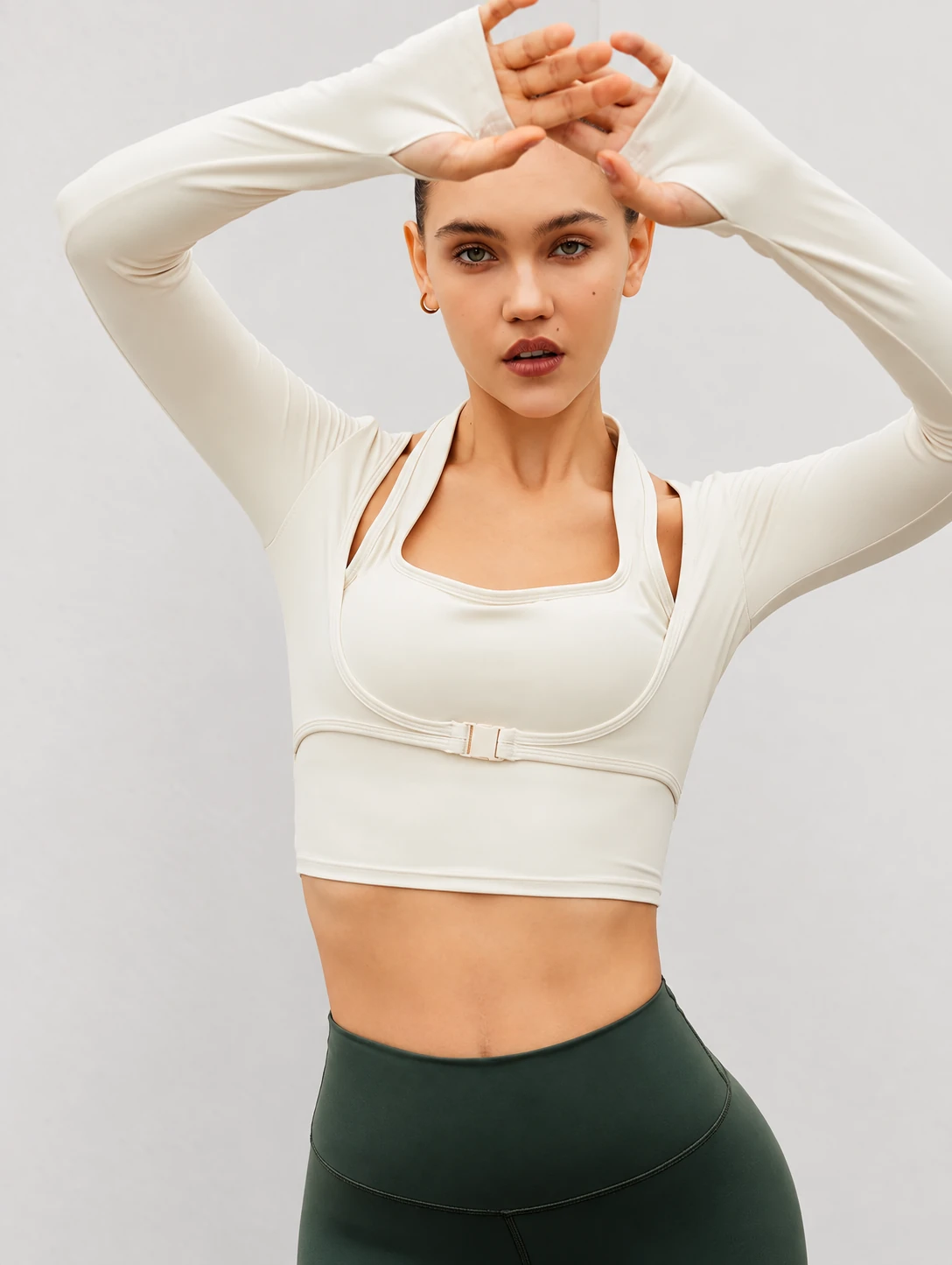
Tubular Body
The torso may use a circular-knitted structure with reduced conventional side joining. Finished dimensions still depend on yarn, machine configuration, knitting program and relaxation conditions.
Shoulder Transition
The shoulder region connects torso fit with arm movement. Its knitted structure or joining method should be evaluated for local tension, extension and garment positioning.
Sleeve Connection
Sleeves may require separately knitted components and subsequent assembly. The supplier should identify the actual joining method and evaluate seam elasticity, comfort and construction consistency.
Underarm Junction
Underarm intersections experience repeated extension and skin contact. Review joining bulk, seam placement and the interaction between the sleeve and torso during relevant training movements.
Elbow Region
Elbow flexion changes the extension required along the sleeve. Knitted structure, garment ease and zone positioning should be reviewed against the intended movement range.
Forearm Structure
Forearm dimensions influence garment contact and perceived tightness. Local stitch density or elastic structures may require adjustment without assuming a measured compression benefit.
Wrist Cuff
The cuff should suit the intended wrist position, opening size and repeated wear. Evaluate edge recovery, local tension and potential changes after specified care.
Thumbhole Opening
An optional thumbhole changes how the sleeve is anchored to the hand. Its opening position and finishing should be evaluated together with sleeve length and shoulder-to-wrist movement.
Overall Construction Logic
A seamless long sleeve should be assessed as a connected system rather than a collection of independent garment details. Machine configuration and yarn determine possible knitted structures; sleeve joining and finishing influence completed garment dimensions; arm movement and washing conditions can then expose fit changes. A proposed construction must therefore be reviewed through physical samples, measurement criteria and customer approval. MOVEVOX's seamless knitting and garment assembly resources provide a manufacturing basis, while actual compatibility remains specific to each design.
Check Long-Sleeve Feasibility Before Committing to Development
A seamless long-sleeve design should be assessed against the knitting system, garment structure, size range and finishing requirements before commercial assumptions are finalised. These five priorities help technical buyers identify the questions that can change sample development, manufacturing allocation and production readiness.
Body Construction
The proposed torso structure should be reviewed against available knitting equipment and the intended body dimensions. A circular-knitted body may reduce conventional side seams, but its feasibility still depends on yarn characteristics, machine configuration and programmed structures.
Verification: Identify the applicable knitting arrangement and obtain a project-specific equipment suitability review.
Sleeve Architecture
The design should establish whether sleeves require separate knitted components, joining or specialised finishing. Shoulder and underarm connections can influence comfort, garment movement and finished dimensions. A body knitting capability alone does not confirm compatibility with every sleeve construction.
Verification: Review actual sleeve components, connection methods and the required finished garment reference.
Knit Zone Compatibility
Elbow, forearm and wrist zones should be evaluated against the proposed yarn, machine and knitting program. A visually attractive structure may still create unwanted tension or dimensional changes. Buyers should define its intended behavior before approving development.
Verification: Compare the proposed zone map with feasible structures and representative knitted samples.
Size Group Feasibility
A base-size sample does not establish that every size can use the same knitting configuration. Larger changes in body or sleeve proportions may require different technical arrangements. Finished measurements and zone positions should be evaluated for representative sizes.
Verification: Confirm machine suitability, grading assumptions and size-specific physical sample requirements before release.
Finishing Requirements
Joining, relaxation and finishing may alter dimensions and garment behavior after knitting. Cuff construction and optional thumbholes introduce further requirements. The technical review should identify which finishing operations are essential and which changes require renewed approval.
Verification: Establish finishing instructions, approved measurements and the garment condition used for inspection.
Manufacturing Decision
MOVEVOX's documented Santoni knitting and garment assembly resources provide a genuine basis for technical review. However, machine ownership does not prove the feasibility of every long-sleeve design. A proposed project should pass through equipment, yarn, size and construction assessment before its development scope, minimum quantity or production schedule is confirmed.
Map Knitted Zones Along the Entire Arm
A seamless long sleeve may combine different knitted structures to achieve a particular fit and visual appearance. Each proposed zone should be evaluated for extension, local tension, garment coverage and compatibility with adjacent structures rather than treated as proven compression.
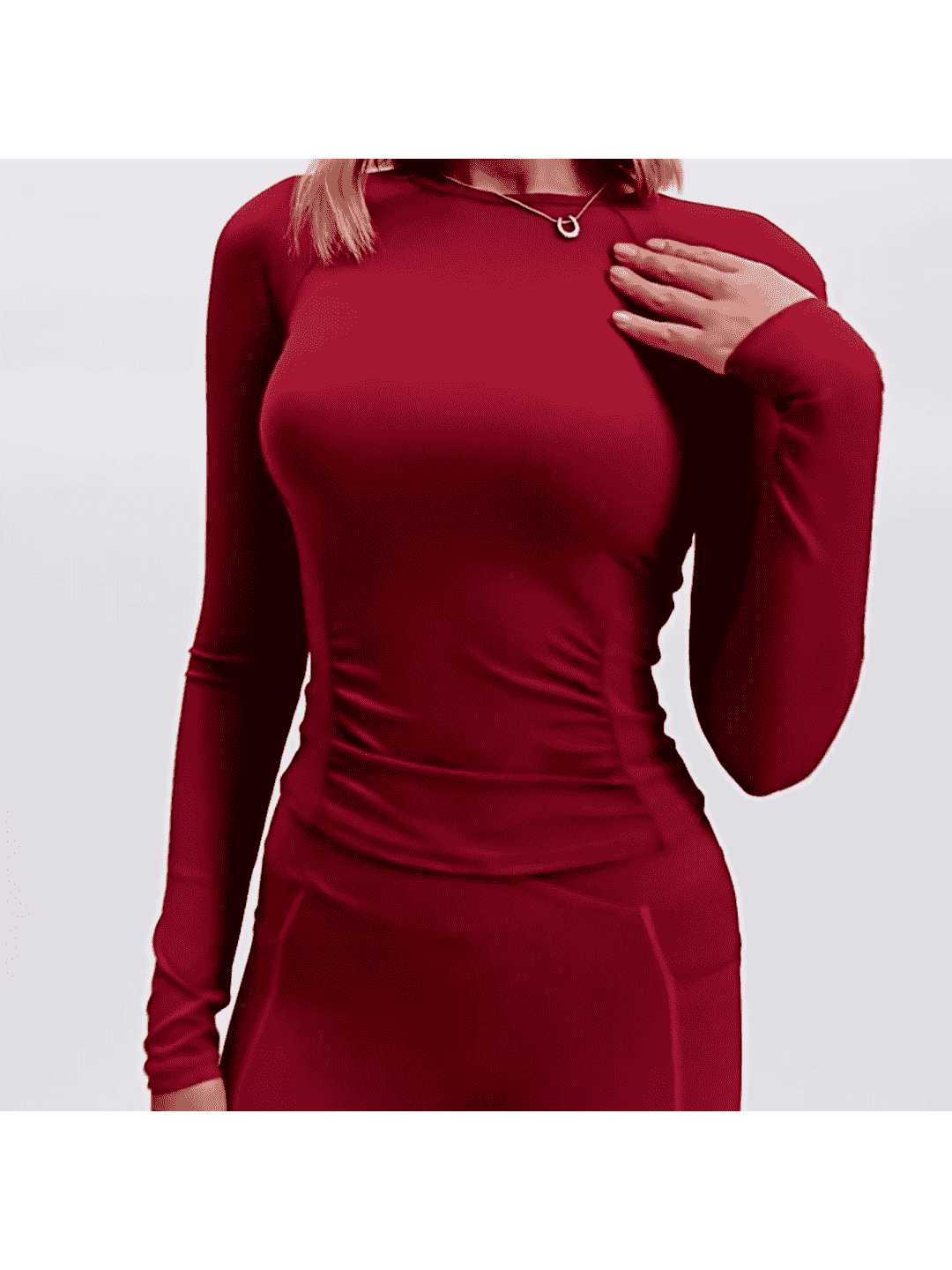
Shoulder Zone
Shoulder structure should accommodate the intended arm-lifting range. A change in stitch geometry may influence local extension and the way sleeve movement affects the torso.
Upper Arm
Upper-arm dimensions should correspond to the target body and garment fit. Elastic structures may increase contact tension, but physical pressure cannot be inferred from appearance.
Elbow Flex
The elbow area experiences bending and repeated extension. Knit placement and garment ease should be evaluated to avoid excessive pulling or unwanted fabric accumulation.
Forearm Zone
Forearm structures can vary in texture and extension when equipment permits. Their design should consider comfort, local tension and proportional changes across the size range.
Wrist Opening
Wrist zones influence sleeve retention and contact comfort. Opening circumference and recovery should be specified instead of assuming that tighter knitting always performs better.
Chest Body
The chest structure must support approved garment fit and extension. Sleeve-related tension can alter body positioning, making torso and arm specifications interdependent.
Upper Back
Upper-back regions may use approved structural transitions where manufacturing permits. Their placement should be reviewed for shoulder mobility, coverage and consistent appearance between sizes.
Knitting, Pressure and Dimensional Stability
Localized knit structures influence garment extension, texture and contact with the wearer, but they do not establish pressure values without suitable measurement. Yarn type, elastic content, stitch density, knitting settings and subsequent finishing can all affect the completed garment. A zone that fits correctly before washing may change its dimensions or relationship with neighboring structures after care. Therefore, proposed knit maps should connect each region to a defined design intention, feasible manufacturing conditions and relevant sample checks. Any numerical compression or recovery claim requires product-specific evidence.
Review Arm Contact Points and Friction Risks
Reduced conventional seams do not automatically eliminate wearer friction. Local knit texture, garment tension, joining construction and repeated movement can affect contact comfort. Buyers should evaluate the actual sleeve design and intended wearing conditions before approving claims about reduced chafing.
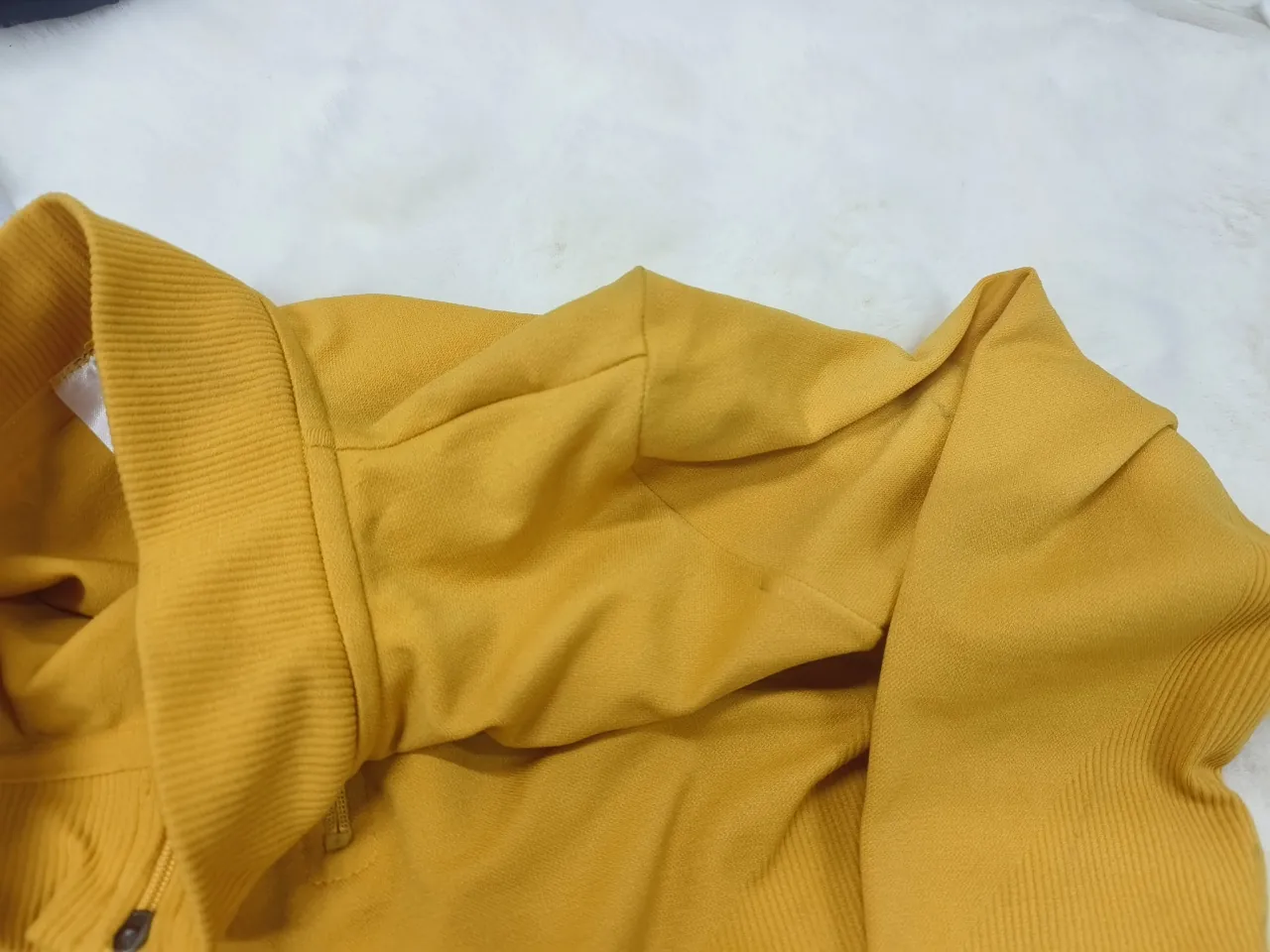
Shoulder Join
Where the shoulder requires joining, seam profile and elasticity can influence contact during repeated arm lifting. Construction should be reviewed for unnecessary bulk, raised edges and tension transfer from the sleeve into the garment body.
Applicable Area: Shoulder connection between knitted torso and sleeve components in assembled long-sleeve designs.
Comfort / Strength: Assess seam flexibility, local contact and construction integrity during representative shoulder movements.
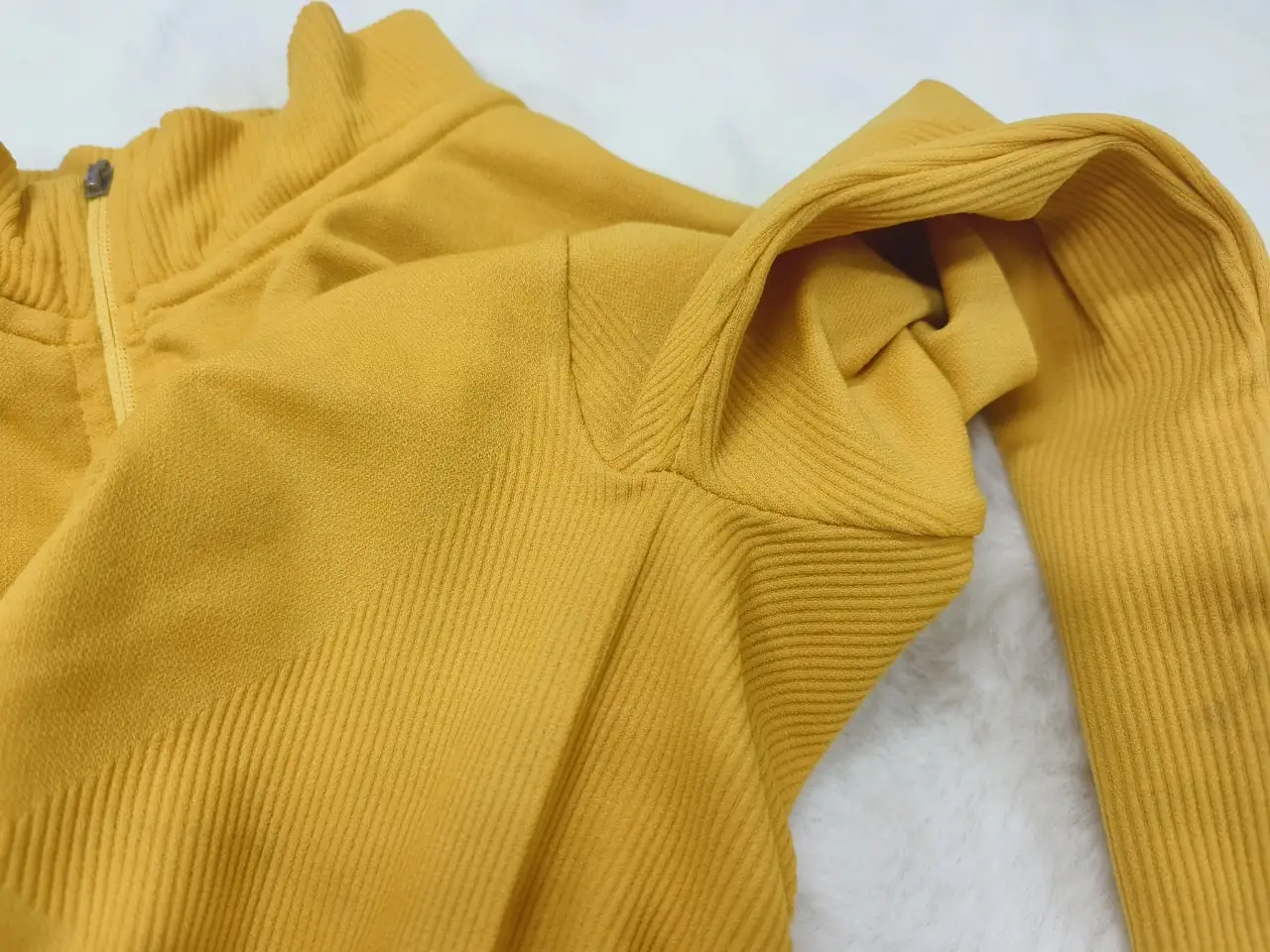
Underarm Junction
Underarm regions combine garment movement, fabric contact and possible joining intersections. Localized bulk or an unsuitable stitch construction can create discomfort even when the torso has no conventional side seam.
Applicable Area: Underarm connection points and adjacent sleeve or body structures requiring technical fit review.
Comfort / Strength: Evaluate contact during arm swings and repeated lifting without assuming zero-friction performance.
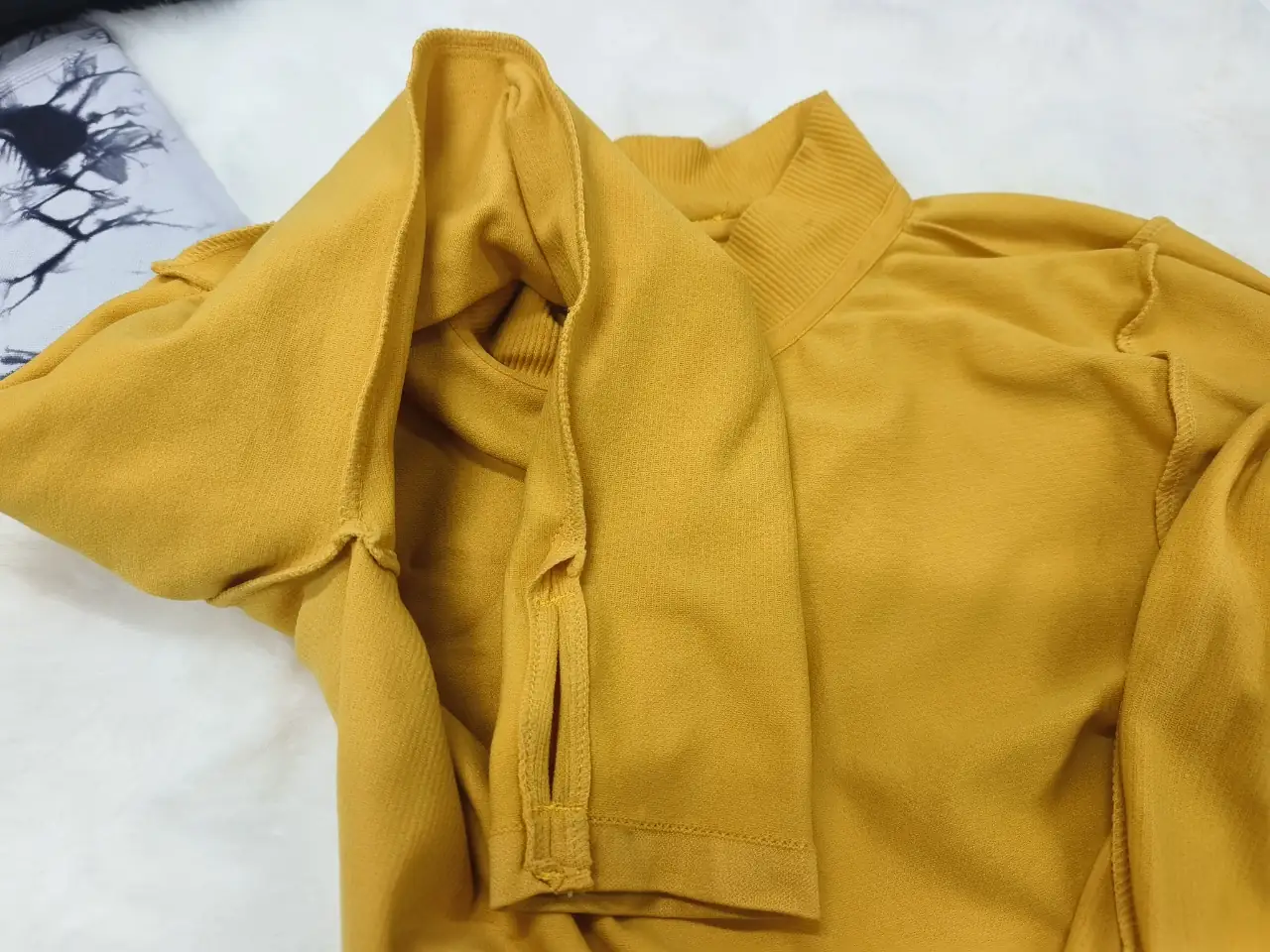
Inner Arm
An inner-arm surface can experience repeated contact with the torso or nearby garments. Knit texture, moisture conditions and fitting tightness may influence wearer comfort. The acceptable construction depends on intended activity and garment use.
Applicable Area: Inner upper arm and sleeve surfaces exposed to repeated movement against the body.
Comfort / Strength: Review fabric contact, local extension and any unacceptable rubbing under intended conditions.

Elbow Transition
The elbow changes shape during flexion and extension. A transition between knitted structures may feel different when stretched, particularly if its local recovery or surface texture differs from adjacent areas.
Applicable Area: Elbow bending zone and neighboring transitions between programmed sleeve knit structures.
Comfort / Strength: Evaluate bending comfort, local tension and recovery after repeated representative movements.
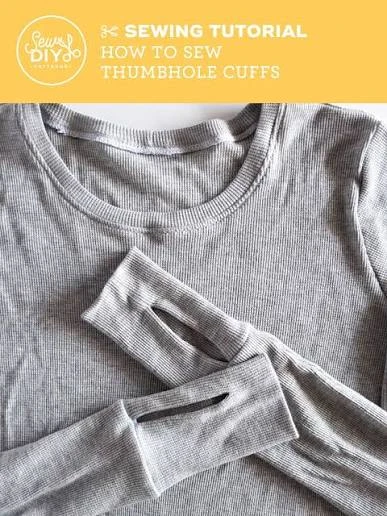
Wrist Opening
A cuff can maintain the intended sleeve position but may create excess pressure or edge irritation if its circumference and elasticity are inappropriate. The selected finish should be evaluated for repeated wear and care.
Applicable Area: Wrist opening, ribbed sleeve end and other approved cuff finishing configurations.
Comfort / Strength: Check edge comfort, opening recovery and absence of unacceptable wrist restriction.
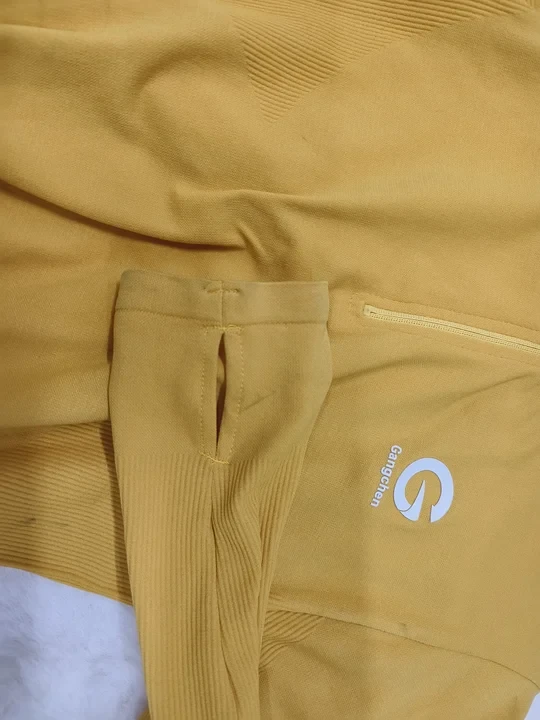
Thumbhole Edge
An optional thumbhole creates direct contact around the thumb and hand. Opening dimensions, edge construction and sleeve length can influence localized pulling during movement, especially when the arm is fully extended.
Applicable Area: Thumbhole openings and connecting cuff structures on compatible long-sleeve garment designs.
Comfort / Strength: Assess hand movement, opening integrity and tension without assuming universal thumbhole suitability.
Identify Arm Movement Risks Before Approving Sleeve Fit
Long-sleeve fit must be assessed across connected movement points. Changes at the shoulder, elbow or wrist can affect other garment areas, so buyers should evaluate movement-related risks before finalising knitted structures and measurements.
| Problem | Business / Product Impact | Proposed Technical Response |
|---|---|---|
| Overhead Sleeve Pull Raising both arms may pull the sleeves toward the shoulders while shifting the torso or bottom hem from its intended position. |
A stationary fit sample can appear correct yet fail the brand's coverage expectations during training, creating additional development work and potential wearer dissatisfaction. | Review shoulder geometry, sleeve length, body extension and cuff positioning together. Record acceptable garment displacement during representative overhead movements and obtain customer approval for revisions. |
| Elbow Flex Restriction Bending the elbow changes the required sleeve extension and may create local tightness around a knitted transition or joining location. |
Restricted bending or excessive local tension can undermine the intended training experience, particularly in fitted styles requiring repeated arm movements throughout an activity. | Evaluate elbow placement, forearm circumference, stitch structure and relevant extension. Compare physical samples at rest and during bending, and confirm the intended size-group relationship. |
| Running Sleeve Migration Repetitive arm swings may alter sleeve position or expose twisting, underarm friction and uneven garment movement across the shoulders. |
Repeated displacement can change fit appearance and contact comfort, increasing the chance that a product approved on a mannequin performs differently during actual use. | Review sleeve alignment, shoulder and underarm construction, fabric contact and cuff behavior under representative arm swings. Distinguish observable garment movement from unsupported performance claims. |
| Rotation Tension Transfer Torso rotation can interact with arm position, pulling knitted structures or joining areas in more than one direction. |
Local distortion may become visible around the chest, shoulder or sleeve, creating inconsistency between the brand's design intention and the finished wearing appearance. | Evaluate body and sleeve movement together during controlled rotation. Document where tension accumulates, then reassess garment dimensions, construction and zone placement as needed. |
| Thumbhole Wrist Strain A thumbhole may anchor the cuff while the arm moves, creating tension if the opening, wrist position or sleeve length is mismatched. |
An otherwise acceptable sleeve may pull against the thumb or hand, reducing comfort and potentially stressing the opening's finishing during repeated use. | Define thumbhole location and opening dimensions against the intended wearer. Assess raised-arm and bent-elbow positions, cuff recovery and the suitability of the selected edge construction. |
How Does Washing Affect Seamless Long-Sleeve Fit?
Washing can change a seamless long sleeve's body length, sleeve length, circumference and local knitted structure. The outcome depends on yarn, knit construction, finishing, care procedure and garment conditioning. An approved first-fit sample does not by itself establish post-wash stability. Brands should compare measurements under defined pre-care and post-care conditions against agreed tolerances and wearing requirements.
Relaxation Before Measurement
Freshly knitted garments may not represent their final dimensional condition. Define when a garment should be relaxed, conditioned or finished before measurement and approval.
Sleeve and Body Change
Sleeves and torsos may respond differently to care because of structural differences, yarn tension or finishing. Measure both components instead of evaluating only total garment length.
Recovery Versus Shrinkage
Elastic recovery concerns how material returns after extension. Dimensional change after care is a separate evaluation requiring defined washing, drying and measuring conditions.
Cuff and Elbow Shape
Cuffs and elbow regions experience different wearing stresses. Post-care reviews should address opening dimensions and local shape rather than assuming initial stretch confirms long-term fit.
Approved Care Conditions
A test conclusion only applies to its actual method, sample and care procedure. Any material or finishing change may require reassessment before the claim is reused.
Why It Matters
Long sleeves connect several critical dimensions. A small change in sleeve position or cuff size may affect the overall wearing experience even when the torso remains acceptable.
Control Garment Dimensions Through Finishing and Conditioning
A knitted long sleeve may change dimensions during relaxation, garment joining and subsequent finishing. A proposed control plan should define when measurements are taken, what condition the garment must reach and which deviations require investigation before the accepted sample becomes a bulk reference.
Component Identification
Confirm that the knitted body and sleeve components correspond to the intended style, size and material requirements before additional processing. Separate-component arrangements must remain identifiable throughout joining and finishing.
Check Criteria- Component identity agrees with the current specification.
- Applicable yarn and size references remain identifiable.
- Unapproved substitutions are held for technical review.
Knitted Output Review
Check visible knitted structures and relevant dimensions before assembly or other finishing operations conceal their original condition. Identify defects requiring disposition rather than assuming later processing will resolve them.
Check Criteria- Required knit zones match the approved reference.
- Visible defects are evaluated under agreed criteria.
- Relevant pre-finishing dimensions are recorded when specified.
Joining Requirements
Review shoulder, sleeve, neckline and optional cuff-joining requirements against the accepted construction details. Different joining methods may influence seam profile, extension and finished garment positioning.
Check Criteria- Joining method matches the current approved construction.
- Critical seams meet accepted workmanship requirements.
- Sleeve alignment remains suitable for further finishing.
Relaxation Condition
Define how knitted garments should be relaxed or conditioned before measurement. Without a consistent reference state, the same garment may produce different readings that cannot be meaningfully compared.
Check Criteria- Conditioning requirements are documented for the product.
- Garment handling does not introduce artificial extension.
- Measurement proceeds only under the agreed condition.
Specified Finishing
Apply only finishing procedures appropriate to the approved material and garment design. A change in temperature, handling or other processing conditions may influence sleeve dimensions and local recovery.
Check Criteria- Finishing conditions follow the approved requirements.
- Unauthorised process changes are identified for review.
- Relevant garment appearance remains consistent after finishing.
Finished Measurement
Compare conditioned garments with the approved measurement chart. Sleeve length, left-right consistency, body dimensions and wrist openings should be assessed using identical reference points and applicable tolerances.
Check Criteria- POM instructions match the accepted specification.
- Critical sleeve and body dimensions are checked.
- Results outside approved limits receive documented disposition.
Release Decision
Confirm that mandatory garment requirements and unresolved deviations have appropriate decisions before releasing the finished output. A successful visual review cannot substitute for measurements or required tests.
- Relevant inspection evidence is available for review.
- Open issues have documented actions and responsibilities.
- Release follows the agreed customer approval conditions.
Nonconforming Output
Output outside accepted requirements should be identified and controlled pending review. The appropriate action depends on the defect, its likely source and whether rework could alter the approved garment. For example, a sleeve-length deviation caused by material relaxation may require a different response from an assembly positioning defect. Proposed corrections should be verified under the same relevant measuring conditions before affected goods are released.
Choose a Long-Sleeve Construction for Your Collection
Long sleeves differ in torso length, sleeve fit, wrist construction, intended activity and care requirements. These eight development directions help buyers identify suitable specifications before comparing equipment compatibility, material sourcing and project-specific manufacturing conditions.
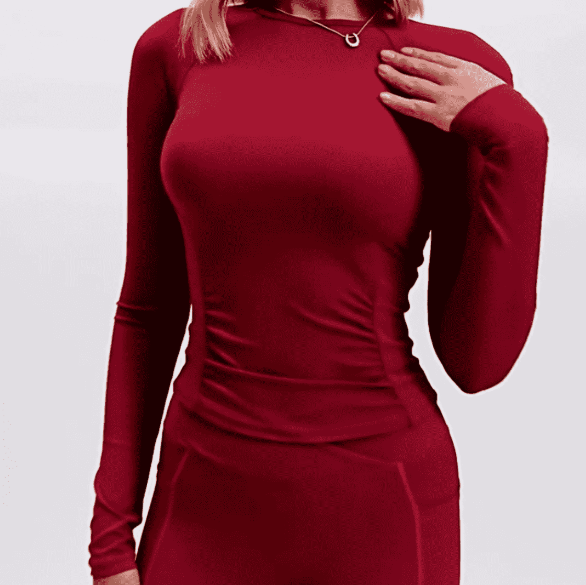
Fitted Training Sleeve
A close-fitting training design requires coordinated chest, shoulder, upper-arm and wrist dimensions. Evaluate arm mobility and local knit tension against the brand's intended wearing fit rather than assuming tightness provides support.

Cropped Yoga Sleeve
A shorter torso changes the relationship between body coverage and full-length sleeves. Review raised-arm movement, hem position, sleeve anchoring and proportions across sizes before establishing the final garment length.
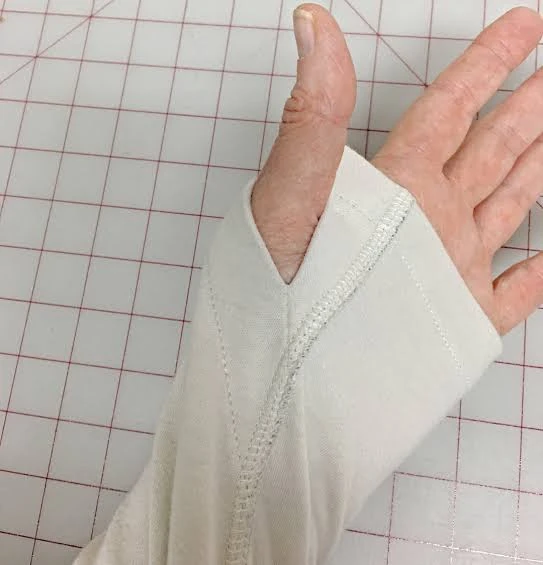
Thumbhole Workout Top
A thumbhole design should connect opening location, cuff construction and approved sleeve length. Review thumb movement and garment tension under representative movements before deciding whether the feature suits the intended use.
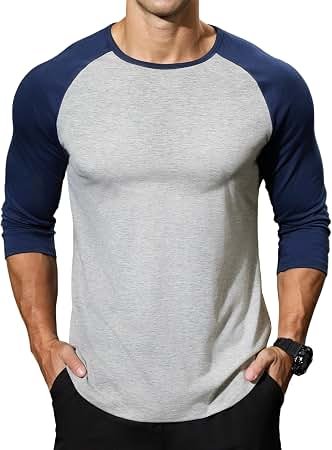
Men's Performance Sleeve
Men's performance designs may require specific shoulder, upper-arm and chest proportions. The size program should be reviewed against suitable machine and garment configurations, with sleeve fit confirmed using representative samples.
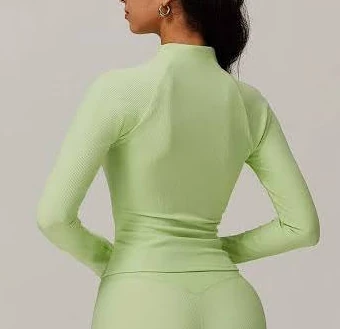
Close-Fit Base Layer
A close-fitting base layer requires attention to local pressure, material feel, joining comfort and layering requirements. Thermal or compression claims should not be inferred without product-appropriate design and verification.
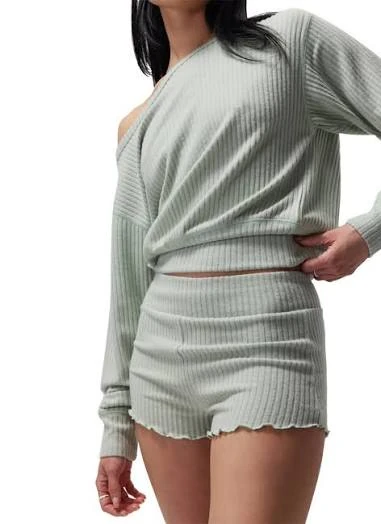
Engineered Elbow Sleeve
An elbow-focused design may adjust knit structures around a repeated bending zone. Evaluate whether those transitions support the intended movement and appearance while remaining compatible with the actual manufacturing configuration.

Ribbed Wrist Sleeve
A ribbed wrist finish may influence local elasticity and garment appearance. Assess wrist opening size, recovery and washing response, particularly when the sleeve is intended to remain close to the hand.

Long-Sleeve Set Top
A long-sleeve top developed alongside leggings or other collection pieces may require coordinated yarn references, color approval, size allocation and branding. Each garment still needs its own engineering and quality standard.
Distinguish Knitted Fit from Measured Compression Performance
A fitted long sleeve can feel supportive without delivering a verified compression level. Buyers should distinguish garment extension, contact tension, recovery and measured pressure before approving technical specifications or marketing claims for an engineered seamless product.
Close-Fitting Structure
Claim: A knitted structure can be designed for close body contact.
Evidence Explanation: Local garment circumference, yarn elasticity and knitting structure influence how a sleeve fits the arm. The intended fit should be evaluated on representative wearers and sizes. Visual closeness cannot establish pressure distribution, and a suitable fit for one wearer does not automatically apply to the complete size range.
Required Basis: Approved measurements, knit specifications, fitting conditions and representative physical samples.
Arm Tension
Claim: Sleeve tension should remain compatible with the intended movements.
Evidence Explanation: The arm changes shape during elbow flexion and shoulder movement. A sleeve's extension and contact behavior may vary between the upper arm, elbow and forearm. A proposed construction should be assessed under representative movement conditions rather than relying on stationary garment measurements alone.
Required Basis: Fit observations, garment dimensions, movement requirements and recorded technical revisions.
Wrist Pressure
Claim: Cuff dimensions should provide the intended wrist fit.
Evidence Explanation: A tighter opening can influence sleeve retention but may also create unwanted contact pressure. Its behavior depends on the wearer's wrist dimensions, knitted structure and garment extension. The acceptance standard should consider comfort, recovery and any thumbhole function before deciding whether the opening is suitable.
Required Basis: Approved wrist measurements, cuff construction and wearer evaluation under relevant conditions.
Elastic Recovery
Claim: Knitted regions should recover sufficiently for their intended use.
Evidence Explanation: A material can extend substantially without returning to its original dimensions under repeated loading. Recovery must be evaluated using defined conditions and criteria. Results for one yarn or knitted structure cannot automatically substantiate the behavior of another sleeve design, particularly after changes in material or finishing.
Required Basis: Representative material or garment samples, test conditions and approved recovery criteria.
Compression Performance
Claim: Measured compression requires specific evidence.
Evidence Explanation: A compression claim involves more than a close silhouette or elastic yarn. Pressure can change with garment size, wearer dimensions, posture and measurement location. A brand requiring quantified compression should establish suitable evaluation methods, acceptance conditions and the scope of any intended product claim before approval.
Required Basis: Applicable measurement protocol, sample identification, test results and justified claim limits.
Prepare Technical Specifications for Your Seamless Long Sleeve
A useful technical package should describe the complete relationship between torso, sleeve, cuff, yarn and intended movement. The following inputs allow a manufacturer to distinguish fixed requirements from features requiring knitting feasibility review, development or customer approval.
Front and Back Sketch
Provide technical drawings showing torso length, shoulder design, neckline, sleeve silhouette and cuff construction. Identify all proposed engineered knit regions. Mark whether the drawing represents a fixed production requirement or an initial design direction open to manufacturing adjustments.
Fit Reference
Define the target wearer, body fit, intended activity and layering conditions. Include authorised reference garments or measurements where available. Explain whether sleeve contact should be relaxed, fitted or subject to additional performance requirements requiring separate evaluation.
Sleeve Measurement Chart
Specify full sleeve length, upper-arm circumference, elbow width, forearm dimensions and wrist opening, together with the selected measuring method. Identify the garment condition under which measurements should be taken and the relevant sizes requiring approval.
Body Measurement Chart
Provide chest width, shoulder-related measurements, garment length, hem dimensions and the intended relationship with sleeve fit. Confirm whether changes in body proportions are permitted when adapting a knitting program to different size groups.
Knit Structure Map
Show proposed rib, mesh, ground-knit or jacquard regions, including their locations along the arm and torso. Distinguish visual effects from performance requirements. Identify areas that must maintain particular coverage, extension or appearance standards.
Yarn Specification
Provide material composition, intended yarn characteristics and relevant supplier references. If the final yarn is undecided, state the required hand feel, extension, recovery and care properties so candidate materials can be assessed without assuming their suitability.
Cuff and Thumbhole
Include wrist-opening dimensions, proposed finishing, thumbhole position and construction requirements when applicable. Define the intended relationship between sleeve length and hand movement. Flag any feature that must remain stable after repeated use or specified washing.
Color References
Provide color standards, reference swatches or relevant approved samples. Explain whether the long sleeve must coordinate with existing collection pieces. New yarn sources or colors should be treated as potential material-development and commercial variables.
Branding Requirements
Provide artwork dimensions, intended placement, label information and preferred application methods. Identify whether decoration will be positioned on highly elastic arm regions, as this may change the acceptable technique and require sample evaluation.
Care and Testing
Define intended care instructions and required evaluations for dimensional change, stretch recovery, colorfastness or other relevant characteristics. Specify recognised methods or buyer acceptance thresholds where available. Do not substitute generic performance terminology for test requirements.
Order Assortment
State estimated quantities by style, color and size, together with target markets and launch requirements. Separate the initial development quantity from the proposed bulk order. These details support material availability, setup and MOQ evaluation.
Approval Responsibility
Identify who will approve the technical specification, material, fit samples, color, branding and final production reference. Maintain a consistent document version and record any open deviations so decisions are not inferred from informal correspondence.
Incomplete Technical Packages
A completed Tech Pack is preferable, but a legally usable reference garment, detailed sketch or defined product concept can support an initial discussion. MOVEVOX's documented development capabilities provide a basis for identifying missing information. The proposed review should clarify unresolved sleeve dimensions, knitting structures, material requirements and approval responsibilities before cost or delivery assumptions are confirmed. A development discussion does not replace the buyer's acceptance of the final specification.
Control Sleeve Dimensions Across Every Approved Size
Full-length sleeves introduce critical relationships between shoulder position, arm circumference, wrist placement and torso fit. A seamless size program should assess these dimensions alongside machine compatibility and finishing conditions rather than extending a single sample specification automatically.
Long-Sleeve Measurement Matrix
| Size | Across Shoulder | Chest Width | Body Length | Sleeve Length | Upper Arm | Elbow Width | Wrist Opening | Thumbhole Position |
|---|---|---|---|---|---|---|---|---|
| XS | Buyer-defined | Buyer-defined | Buyer-defined | Buyer-defined | Buyer-defined | Buyer-defined | Buyer-defined | If applicable |
| S | Buyer-defined | Buyer-defined | Buyer-defined | Buyer-defined | Buyer-defined | Buyer-defined | Buyer-defined | If applicable |
| M | Buyer-defined | Buyer-defined | Buyer-defined | Buyer-defined | Buyer-defined | Buyer-defined | Buyer-defined | If applicable |
| L | Buyer-defined | Buyer-defined | Buyer-defined | Buyer-defined | Buyer-defined | Buyer-defined | If applicable | |
| XL | Buyer-defined | Buyer-defined | Buyer-defined | Buyer-defined | Buyer-defined | Buyer-defined | If applicable | |
| XXL | Buyer-defined | Buyer-defined | Buyer-defined | Buyer-defined | Buyer-defined | Buyer-defined | If applicable |
Unit Reference: cm / in
Grading and Tolerance Review
Sleeve and torso dimensions should be approved together. Knitting settings, material properties and finishing can affect the relationship between relaxed garment measurements and actual fit. A change in sleeve length may also move the elbow zone or thumbhole away from its intended position. Buyers should define the measuring condition, critical POMs and acceptance tolerances for each required size. Machine suitability and the need for different size configurations should be confirmed before applying a production standard.
Approval Notes
- Measurement Method: Specify shoulder and sleeve reference points, garment condition and consistent measuring instructions.
- Size-Group Compatibility: Confirm whether the required sizes are technically feasible with the proposed knitting arrangement.
- Fit Alignment: Evaluate representative garments for elbow placement, wrist position and torso-sleeve proportions.
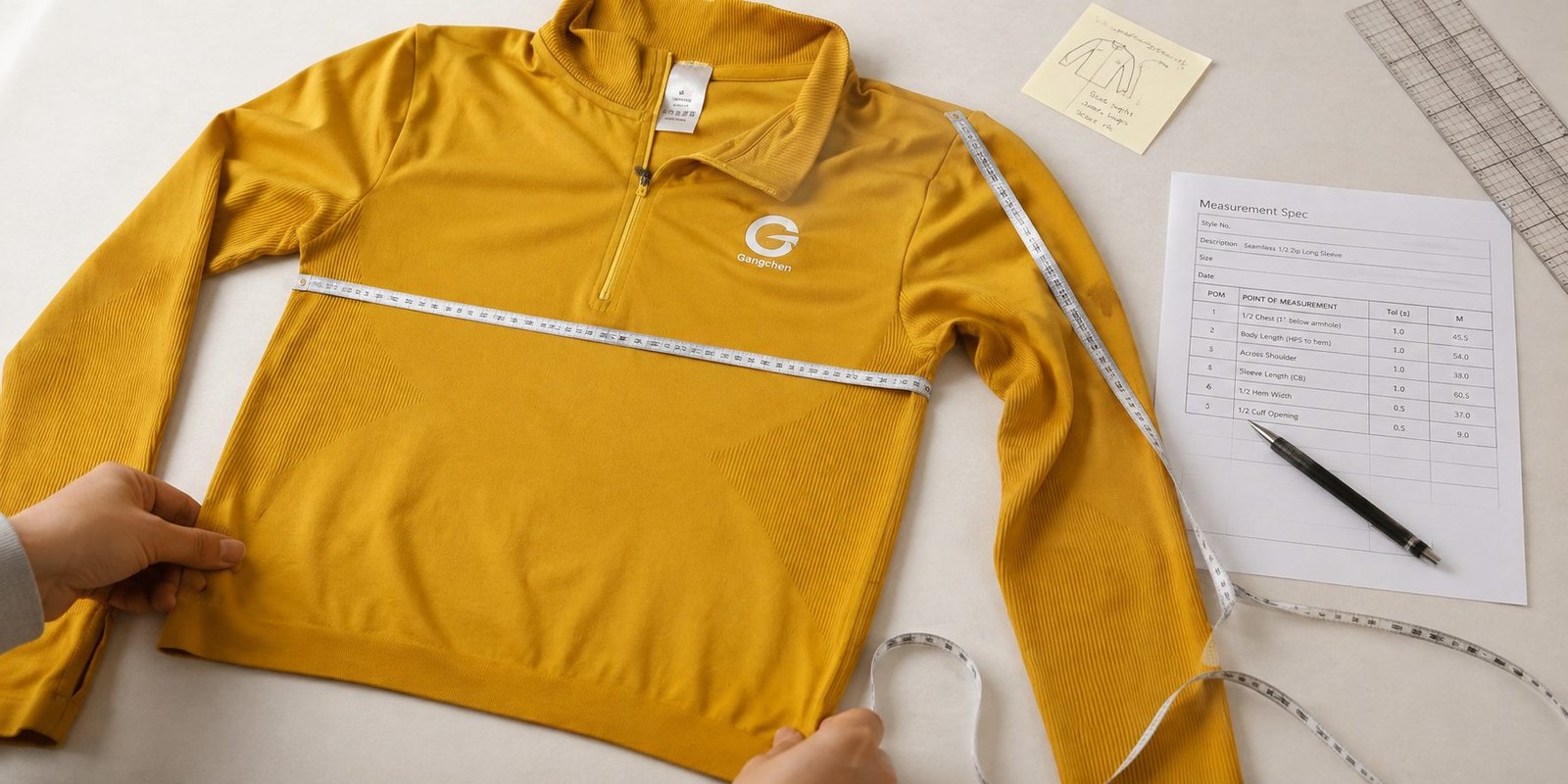
Essential Glossary for Measuring Seamless Long-Sleeve Garments
Measurement terminology must be consistent between the buyer, development team and manufacturer. These definitions help prevent disputes arising from different garment conditions, sleeve measuring paths or interpretations of extension, recovery and dimensional change.
Relaxed Measurement
A garment dimension recorded in its agreed relaxed condition without deliberately stretching or compressing the knitted structure to reach the target. The measuring method should define garment preparation, positioning and point-of-measure locations. Relaxed measurements provide an important reference but do not independently describe the garment's fit on a wearer.
Stretched Measurement
A dimension taken under a specifically defined extension or loading condition. It is not interchangeable with a relaxed measurement. Where stretched measurements are required, the buyer should define the applicable load or extension method, measuring direction, garment condition and acceptance criteria before interpreting the result.
Garment Conditioning
The preparation and environmental or handling conditions established before measurement. Knitted garments may change dimensions after manufacturing, relaxation, washing or other treatments. Consistent conditioning helps make measurements comparable, but the required procedure should follow the actual garment specification and agreed evaluation method.
Sleeve Length POM
The defined path used to measure sleeve length between approved reference points. Depending on the garment design, the starting location may relate to the shoulder, neckline or another construction point. The chosen method must be documented so sample and bulk measurements refer to the same dimension.
Elbow Position
A defined reference location along the sleeve where elbow-related dimensions or engineered knit zones are evaluated. Its position should correspond to the approved design and intended garment fit. Changes to sleeve length, grading or knitting programs can alter this relationship and may require renewed assessment.
Wrist Opening
The finished dimension of the garment opening at the wrist, measured under the agreed condition. A flat opening measurement and the corresponding circumference are different expressions of the same area and must not be confused. Wrist fit also depends on elasticity and wearer proportions.
Left-Right Difference
The dimensional or appearance difference between corresponding left and right sleeve features, evaluated under equivalent conditions. Relevant comparisons may include sleeve length, cuff dimensions, thumbhole position and knit-zone alignment. Acceptance limits must be established by the buyer rather than inferred from a universal factory standard.
Measurement Tolerance
The permitted deviation from an approved target dimension under a specified measuring method. Tolerances should reflect garment construction, process capability and the significance of the measurement to the intended fit. A supplier should not apply one arbitrary tolerance to every sleeve or body measurement.
Elastic Recovery
The extent to which a material or garment region returns toward its original condition after an imposed extension is removed. Recovery depends on material, knitting structure and test conditions. A favorable single-extension result does not necessarily establish durability after repeated use or laundering.
Dimensional Change
The difference between garment dimensions measured before and after a defined treatment, such as washing and drying. It may involve shrinkage or growth, depending on the material and process. Comparisons should specify the tested garment, care conditions, measuring points and applicable acceptance limits.
Select Yarn Systems Against Long-Sleeve Performance Requirements
Yarn selection should follow the intended fit, movement, knit structure and care conditions. The decision path below helps brands define material requirements before reviewing actual yarn availability, machine compatibility and sample performance with the manufacturing team.
1. What is the intended activity?
2. How close should the sleeve fit?
3. Which yarn feel is required?
4. Which knit structures are essential?
5. What care performance matters most?
6. Are special material claims required?
Nylon-Based Candidate
A nylon-based yarn may be considered where the design calls for particular hand feel and knitted appearance. Its suitability for a fitted sleeve depends on yarn construction, elasticity, knitting settings and finishing. Buyers should request relevant yarn specifications and evaluate representative samples rather than assuming a fibre category guarantees recovery or comfort.
Polyester-Based Candidate
A polyester-based candidate can be reviewed for training or layering products, subject to the selected yarn and knitting construction. Moisture-management or drying claims should not be inferred from fibre identity. Evaluate structure, surface character, material sourcing and specified care performance through appropriate samples and supporting evidence.
Elastic-Rich Candidate
A blend containing elastane may help achieve particular extension and fit characteristics where technically suitable. Additional elasticity can also affect garment tension, dimensions and knitting compatibility. The brand should define acceptable arm contact and recovery behavior, especially around the cuff and elbow, before approving the final material.
Engineered-Zone Candidate
Some designs require a combination of ground-knit, rib or mesh structures rather than a single uniform surface. These choices should be evaluated against available equipment, yarn feeding arrangements, program requirements and relevant garment dimensions. Structural variation alone does not establish ventilation or compression performance.
Connect Long-Sleeve Knitting with Garment Assembly and Approval
A manufacturing route should identify how approved requirements move from technical specifications into knitting, assembly, conditioning and inspection. The following proposed process separates production activities from customer approval gates and does not imply that a particular long-sleeve project has already completed these stages.
Technical Input
Review the latest approved drawings, material requirements, size groups and construction details. Identify any unresolved sleeve, cuff or knit-zone requirements before recommending a manufacturing route or preparing order-specific production assumptions.
Responsible: Development
QC Gate: Specification Review
Equipment Review
Assess the design against suitable knitting equipment and relevant configuration limits. Review the torso, sleeve dimensions, programmed structures and any areas requiring separate production or assembly before confirming technical suitability.
Responsible: Technical Team
QC Gate: Feasibility Check
Material Reference
Confirm the proposed yarn identity, color reference and material availability. If substitutes or new materials are considered, identify their potential effect on knitting, dimensions and approved performance requirements before requesting customer decisions.
Responsible: Sourcing
QC Gate: Material Confirmation
Knit Programming
Translate accepted knitted structures into a proposed program. Identify the applicable garment size configuration and maintain version control for technical changes involving stitch structure, zone placement or finished dimensions.
Responsible: Knitting Team
QC Gate: Program Review
Knit Component
Review initial knitted output for visible defects, structural consistency and relevant dimensional characteristics. Establish whether the body and sleeves are produced as separate components and identify any required finishing or joining operations.
Responsible: Production
QC Gate: Structure Inspection
Garment Assembly
Assess the proposed shoulder, sleeve, neckline and cuff construction against the approved garment specification. Confirm required seam appearance, extension and assembly workmanship before treating the assembled garment as a valid fit reference.
Responsible: Assembly Team
QC Gate: Joining Review
Garment Conditioning
Apply the relevant agreed finishing and conditioning procedures before dimensional evaluation. Record the garment state so measurements taken during development and bulk inspection can be compared on a consistent basis.
Responsible: Finishing
QC Gate: Condition Check
Fit and Measurements
Evaluate torso dimensions, sleeve length, elbow placement, wrist openings and any thumbhole construction against the accepted reference. Unresolved fit issues should be documented and reviewed before production specifications are released.
Responsible: Development / QC
QC Gate: Buyer Approval
First Article
Review initial production output against the accepted sample and technical documents. Record deviations and required actions. Producing an initial garment does not automatically authorise unrestricted production when approval conditions remain open.
Responsible: Production / QC
QC Gate: Release Decision
Bulk Release
Connect released specifications with current material, knitting, assembly and inspection requirements. Establish who is authorised to confirm readiness and how deviations requiring customer approval will be handled before further production proceeds.
Responsible: Project Team
QC Gate: Production Authorisation
Prevent Shape and Construction Failures Before Bulk Production
Long sleeves can develop defects through the interaction of yarn, knitting, garment assembly and finishing. A useful prevention plan identifies likely causes, sample controls, inspection points and corrective-action decisions without treating a theoretical risk as a recorded factory defect.
| Defect | Likely Cause | Proposed Prevention | Inspection Point | Corrective Action |
|---|---|---|---|---|
| Sleeve Twisting | Yarn behavior, knit construction, finishing or assembly imbalance can change how the finished sleeve aligns with the wearer's arm. | Define sleeve alignment and garment conditioning requirements. Review representative samples for twisting before production approval. | Observe sleeve orientation at rest and under specified post-care conditions, using consistent assessment instructions. | Identify the responsible process stage; evaluate changes to yarn, program, joining or finishing before renewed approval. |
| Uneven Sleeve Length | Variation in knitting settings, material relaxation, finishing or assembly can create differences between the left and right sleeves. | Establish approved measuring points, garment condition and left-right acceptance requirements before manufacturing release. | Compare both sleeves against the relevant size specification and the agreed measurement method. | Review dimensional records and affected production output; correct the cause and reassess garments under approved conditions. |
| Cuff Growth | Repeated extension, unsuitable elastic construction or finishing changes may increase wrist-opening dimensions beyond the intended fit. | Define opening size, material recovery requirements and relevant wear or care conditions during development. | Assess wrist opening dimensions and required recovery properties using agreed sample or material evaluation. | Review yarn elasticity, cuff construction and program changes; obtain renewed approval where fit requirements change. |
| Thumbhole Distortion | Inappropriate opening placement, insufficient edge stability or sleeve-length tension can distort an optional thumbhole. | Confirm opening dimensions, sleeve position and suitable edge construction through physical samples and movement review. | Examine opening appearance and garment tension during relevant arm and hand movements. | Adjust the approved opening or finishing proposal and evaluate the revised garment before production release. |
| Elbow Bagging | Repeated bending may cause local fabric accumulation or incomplete dimensional recovery in the elbow region. | Match knitted extension and recovery requirements to the intended elbow movement and garment fit. | Review elbow-zone appearance and recovery after defined extension or wearing evaluation conditions. | Reassess local structure, garment ease or yarn suitability, then compare revised samples with the approved fit reference. |
| Neckline Pulling | Sleeve tension or shoulder construction may transfer force into the neckline during overhead or rotational movement. | Assess neckline, shoulder and sleeve behavior together during fit development rather than approving each area independently. | Observe neckline displacement and shoulder tension during specified movement activities. | Review sleeve-to-body proportions, joining and local extension; seek customer approval for material changes. |
| Body Skew | Knitted structure, yarn characteristics, joining or finishing conditions may shift the apparent garment alignment. | Define garment symmetry and conditioning criteria and inspect representative knitted and finished output. | Compare seam or body alignment against the approved garment reference under agreed conditions. | Determine the likely process cause, review affected output and verify the proposed correction before release. |
| Post-Wash Length Change | Material relaxation and care-related response can alter sleeve or torso length after the original sample fit approval. | Define relevant care procedures, measuring conditions and acceptable dimensional-change limits before confirming garment specifications. | Compare initial and post-care sleeve and body measurements for representative samples using agreed methods. | Review material, knitting and finishing inputs; evaluate revised samples and update approval documents when necessary. |
Approve Long-Sleeve Samples Through Defined Technical Gates
A proposed sample program should close technical questions in a traceable order. Each gate below identifies the relevant buyer input, a potential development output and the acceptance decision needed before the garment becomes a production reference.
First Knit
Review an initial knitted long-sleeve garment or relevant components against the accepted development brief. The first sample should clarify whether yarn, garment dimensions, knit structures and the selected manufacturing route can support the proposed design before further revisions are planned.
Buyer Inputs- Current technical drawings and intended garment appearance
- Target materials, size range and proposed knitted regions
- Initial knitted sample or representative component for technical evaluation
- Feasibility observations covering structure, dimensions and unresolved issues
Pass Criterion: The buyer confirms which knitted structures and dimensions are acceptable and records any changes required before further development.
Construction Review
Evaluate how the torso, shoulder, sleeves and cuffs become a finished garment. Where joining or specialised finishing is required, the review should establish acceptable workmanship, seam elasticity, opening dimensions and relevant comfort expectations using physical samples.
Buyer Inputs- Required joining, cuff and optional thumbhole construction
- Applicable comfort, appearance and finishing acceptance criteria
- Garment construction assessment and corresponding sample reference
- Documented options for changes requiring further buyer approval
Pass Criterion: The proposed construction is accepted for continued fit review, with no unresolved mandatory joining or finishing requirement.
Motion Fit
Assess the sample under movements relevant to its intended use, such as overhead reaching, elbow bending or arm rotation. Record whether the garment maintains acceptable shoulder mobility, sleeve position, cuff comfort and body coverage. Proposed changes should remain traceable.
Buyer Inputs- Intended wearing activity and approved fit reference
- Fit comments identifying unacceptable movement or local tension
- Revised technical observations linked to the sample version
- Proposed specification or construction adjustments for customer review
Pass Criterion: The buyer accepts movement-related fit and documents any remaining noncritical conditions or required revisions.
Size Set
Evaluate representative garments across the agreed size group. Sleeve length, elbow-zone position, wrist opening and body dimensions should be considered together. Machine configuration or knitting-program requirements may need additional evaluation where sizes cannot follow one common production arrangement.
Buyer Inputs- Approved measurement chart, size distribution and tolerances
- Target wearer proportions and fit model requirements
- Representative size samples with comparable measurement observations
- Technical notes identifying size-group compatibility and required corrections
Pass Criterion: Required sizes meet the accepted measurement and fit conditions or have documented buyer-approved deviations.
Recovery Review
Evaluate whether the sample meets the brand's specified recovery and post-care requirements. Measurements should be linked to identifiable garments, agreed care conditions and relevant acceptance limits. A visual comparison without controlled conditions cannot support a quantified stability claim.
Buyer Inputs- Specified washing, drying and material recovery requirements
- Agreed evaluation methods and acceptance thresholds where applicable
- Coordinated technical review of the required evaluation scope
- Sample and document references identifying any outstanding evidence
Pass Criterion: Required recovery and dimensional-stability evidence is reviewed and accepted within the defined project scope.
Production Reference
Consolidate the accepted long-sleeve garment with its current yarn, knit-program requirements, sleeve dimensions, cuff construction, finishing instructions and quality acceptance criteria. Technical changes after approval should not silently replace the authorised production reference.
Buyer Inputs- Final sample approval and acceptance of technical specifications
- Written decisions on unresolved deviations and material requirements
- Proposed release package identifying the accepted technical version
- Production-readiness review covering remaining manufacturing dependencies
Pass Criterion: The responsible buyer authorises the defined production specification, with mandatory requirements resolved or formally controlled.
Timing Note
MOVEVOX's documented normal sampling benchmark is approximately 5–10 working days after relevant details are confirmed. Complex knit structures, additional size groups, revisions and testing may require separate scheduling. The six gates are technical approval categories, not six guaranteed delivery intervals.
Compare Knit Structures for Stretch and Shape Recovery
Knit structure and yarn selection should be evaluated together against the long sleeve's intended movement and care requirements. This comparison identifies development considerations only; it does not represent tested MOVEVOX performance results or approved material rankings.
| Evaluation Parameter | Ground Knit | Rib-Enhanced Knit | Elastic-Rich Blend | Mesh Transition | Textured Knit |
|---|---|---|---|---|---|
| Composition | Confirm yarn specification | Confirm yarn specification | Define base yarn and elastane | Confirm selected yarns | Confirm yarn specification |
| Stitch Structure | Program-specific | Rib structure required | Structure-dependent | Open-knit transition | Texture-dependent |
| Sleeve Extension | Evaluate in relevant direction | Evaluate local elasticity | Test under defined load | Check transition behavior | Test as specified |
| Elastic Recovery | Requires testing | Requires testing | Requires testing | Requires testing | Requires testing |
| Local Contact | Fit-dependent | Local tension may change | Yarn and fit-dependent | Position-dependent | Texture and fit-dependent |
| Hand Feel | Sample-dependent | Rib texture | Sample-dependent | Surface-dependent | Textured surface |
| Elbow Suitability | Review movement fit | Review bending region | Review recovery | Review local coverage | Review extension |
| Cuff Suitability | Requires structure review | Consider edge recovery | Consider local tension | Confirm edge feasibility | Confirm finishing |
| Post-Wash Change | Evaluate dimensions | Evaluate dimensions | Evaluate dimensions | Evaluate dimensions | Evaluate dimensions |
| Manufacturing Fit | Machine review | Program review | Yarn compatibility review | Zone feasibility review | Program review |
| Best Evaluation Use | Base sleeve structure | Cuff or selected zones | Fitted sleeve concepts | Engineered transition | Aesthetic texture |
Material and Structure Selection Guidance
No single knitted structure can be declared superior without reference to the intended garment and its tested performance. Ground knit may provide a starting structure, while rib, mesh or textured areas can change local extension and appearance. An elastic-rich yarn may alter recovery and contact tension, but the result depends on the entire knitting system. Brands should select candidate configurations through equipment review and physical sampling, then evaluate critical sleeve dimensions, arm movement and post-care behavior against agreed requirements before approving the final material system.
Define Testing Methods Before Approving Long-Sleeve Performance Claims
Testing should address the actual technical risks of the proposed long sleeve rather than follow a generic performance checklist. The buyer and supplier must agree on representative samples, applicable methods, conditioning, acceptance limits and the scope of any intended marketing claim.
Dimensional Stability
Test Purpose: Determine whether critical body and sleeve dimensions remain within the agreed limits after specified care. Sleeve length, cuff size and garment width may respond differently to washing and drying.
Method Explanation: Measure the conditioned sample at approved POMs, apply the agreed laundering and drying procedure, then repeat measurements under comparable conditions. Record the garment identity, treatment and any dimensional changes.
Acceptance Basis: Buyer-approved dimensional-change limits, applicable test method and an identifiable garment sample.
Stretch and Recovery
Test Purpose: Evaluate material extension and its return after loading, particularly where the design relies on close-fitting sleeves or elastic knitted zones. Initial stretch alone does not establish satisfactory recovery.
Method Explanation: Select a suitable material or garment evaluation procedure, specifying direction, extension or load, conditioning and recovery intervals. Compare the results with the agreed product requirements rather than an unrelated reference fabric.
Acceptance Basis: Specified evaluation conditions and approved extension and recovery criteria for the tested material.
Cuff Recovery
Test Purpose: Determine whether wrist openings retain an acceptable shape and dimension following relevant extension or wear simulation. Unwanted cuff growth can affect sleeve retention and wearer comfort.
Method Explanation: Establish the cuff's initial dimensions, apply the defined extension or use cycle, and assess its subsequent condition using comparable measurements. Testing conditions should reflect the approved material and cuff construction.
Acceptance Basis: Project-specific opening dimensions, recovery requirements and recorded sample identification.
Joining Seam Extension
Test Purpose: Evaluate whether applicable sleeve and shoulder connections accommodate intended movement without unacceptable restriction or construction failure. This assessment applies only where the selected garment contains relevant joining seams.
Method Explanation: Identify critical seam locations and select suitable strength or extension evaluations. Review results with the material's stretch behavior and actual garment use in mind, rather than interpreting strength independently of comfort.
Acceptance Basis: Agreed construction specification, relevant evaluation method and buyer acceptance requirements.
Colorfastness to Perspiration
Test Purpose: Assess the selected garment material's resistance to color change or staining under defined perspiration exposure conditions. The result is particularly relevant when the long sleeve is intended for active use.
Method Explanation: Use the applicable test procedure on representative material and colors. Record specimen identity, exposure conditions and the reported rating. Separate the test result from unsupported assumptions about every color in the collection.
Acceptance Basis: Applicable method, specified colorfastness grade and tested material or color scope.
Colorfastness to Washing
Test Purpose: Assess whether the selected material maintains acceptable color behavior under an agreed laundering-related evaluation. Color performance is not established solely by approving a visual color standard before production.
Method Explanation: Test representative material under suitable washing conditions and assess the required color change or staining outcomes. Link the report to the actual material and color rather than transferring results across unrelated yarn or dyeing systems.
Acceptance Basis: Approved colorfastness criteria, relevant method and identifiable sample reference.
Pilling Resistance
Test Purpose: Evaluate whether repeated fabric contact produces unacceptable surface pilling under defined conditions. Risk can vary with yarn construction, knitted texture, garment contact points and intended activity.
Method Explanation: Select a relevant pilling evaluation and compare the tested specimen with the applicable rating reference. Consider whether the material represents the approved sleeve structure, especially where different knitted zones are used.
Acceptance Basis: Buyer-defined appearance grade, method conditions and tested knitted material.
Thumbhole Durability
Test Purpose: Evaluate the integrity and usable opening dimensions of an optional thumbhole under relevant movement or repeated-use conditions. A suitable test must reflect the actual opening construction.
Method Explanation: Establish a product-specific evaluation with agreed extension, handling or wear cycles and inspection criteria. Do not treat an unspecified internal trial as compliance with a recognised standard or a universal durability guarantee.
Acceptance Basis: Documented buyer-approved test protocol, sample identity and acceptance limits for the actual design.
Submit Your Seamless Long-Sleeve Design for Technical Review
If your brand has defined the intended sleeve fit, knitted zones, size range or care requirements, MOVEVOX can discuss a project-specific manufacturing feasibility review. Share your available Tech Pack or legally usable references so the required equipment assessment, sample development scope and outstanding technical approvals can be identified before a quotation is finalised.
Technical reviews begin with available specifications; equipment suitability, development requirements and commercial terms remain subject to project confirmation.
Check Long-Sleeve Fit Standards Before Production Release
Use this checklist to identify outstanding approvals affecting garment fit, construction, material behavior and production readiness. A positive response requires supporting evidence for the actual project; the checklist does not replace buyer authorisation or an approved manufacturing specification.
Approved Fit Standard
Knitted Construction
Material and Recovery
Production Accountability
Readiness Interpretation
A Yes response indicates that the specific requirement has evidence suitable for buyer review. No identifies a requirement that has not been met, while Pending means additional evidence or a decision is required. These responses should not be averaged into a universal readiness score. A critical open issue involving garment construction, approved fit, material identity or mandatory testing can prevent production release even if unrelated requirements are complete. The buyer and supplier should identify the accepted production-reference version before confirming the next stage.
Key Takeaways: Long-Sleeve Sample Version Control
- Identify every sample version. Each long-sleeve development sample should be linked to a specific technical revision so buyers can distinguish current garment requirements from earlier proposals.
- Control knitting-program changes. Adjustments to stitch structures, size configurations or zone placement should trigger a review of their possible effects on dimensions, fit and material behavior.
- Track material changes separately. A new yarn, color source or finishing condition may affect approved performance requirements even when the garment's visible appearance appears unchanged.
- Retain sleeve-specific decisions. Customer approvals should identify the accepted sleeve length, elbow positioning, wrist opening, thumbhole construction and relevant movement-fit requirements.
- Separate approval from production release. Accepting a revised sample does not automatically authorise bulk manufacturing if size-set, testing, commercial or first-article conditions remain unresolved.
- Protect the reorder reference. The approved garment and its current material, program and measurement information should be reviewed before a repeat order is accepted under changed production conditions.
Verify the Manufacturing Resources Supporting Your Long-Sleeve Program
Supplier qualification should distinguish established company resources from design-specific production capacity. The figures below describe MOVEVOX's documented manufacturing and coordination structure; actual long-sleeve suitability and allocation require project review.
Santoni Knitting Machines
MOVEVOX's documented Yiwu manufacturing resources include 28 Italian Santoni seamless knitting machines. Applicable configurations must be checked for the proposed garment.
Core Sewing Equipment
The core Cut & Sew equipment base supports garment manufacturing operations, subject to the actual assembly technique and project requirements.
Quality Personnel
MOVEVOX's documented QC team provides an established quality organisation, although long-sleeve-specific inspection records still require actual project evidence.
Facility Area
The documented manufacturing and development facility supports the broader operating system; floor area does not independently establish available long-sleeve capacity.
Cooperating Factories
MOVEVOX coordinates with eight principal cooperating factories. Buyers should confirm which activities belong to owned operations or approved external production.
Data Scope Note: Figures reflect the supplied MOVEVOX company factbook. They are not independently audited long-sleeve production allocations or guaranteed order capacity.
Trace Approved Sleeve Requirements Across Each Production Stage
A proposed traceability system should connect the accepted garment with the material, knitting and finishing information used for production. Long-sleeve-specific measurements and cuff requirements must remain identifiable when manufacturing responsibilities or production conditions change.
Approved Specification
The accepted version should identify sleeve length, relevant arm measurements, knitted-zone positions, cuff construction, material and appearance standards. Later changes require documented review before replacing the production reference.
Document Label: Approved Tech Pack
Yarn Lot
Material records should connect the production yarn with the approved composition, color and relevant sourcing information. Substitutions or changed lots may require additional technical checks before acceptance.
Document Label: Yarn Lot Record
Knit Program
Record the applicable knitting program, size configuration and structural requirements. Any adjustment affecting garment dimensions, elbow zones or sleeve behavior should be reviewed against the approved technical reference.
Document Label: Program Version
Equipment Allocation
Identify production resources assigned to the order and verify their compatibility with the accepted garment configuration. Loading or equipment changes should not silently alter mandatory technical requirements.
Document Label: Allocation Record
Garment Assembly
Where components require joining or finishing, identify the applicable instructions and responsible operation. Record deviations involving sleeve attachment, neckline construction, cuff finish or optional thumbhole details.
Document Label: Assembly Standard
Finishing Condition
Define the finishing and conditioning state under which approved garment dimensions will be assessed. Different conditioning assumptions can invalidate comparisons between sample and bulk measurements.
Document Label: Finishing Record
Measurement Release
Review critical torso and sleeve dimensions against the accepted size specification. Any failed requirement should have an identifiable disposition before the affected goods are considered releasable.
Document Label: Inspection Record
Packing and Shipment
Connect released goods to the correct style, color, size and order quantity. Packing instructions and shipment documents should reflect the applicable approved product identity and unresolved issues.
Document Label: Packing List
Compare Supplier Models Against Long-Sleeve Technical Requirements
Different supplier models can support different stages of activewear production. A mature brand should evaluate the actual knitting facility, development responsibility, approved product standard and inspection evidence before deciding whether a supplier can manage a custom seamless long-sleeve program.
| Evaluation Factor | MOVEVOX | Specialist Knitting Factory | Mixed-Process Manufacturer | Trading / Sourcing Partner |
|---|---|---|---|---|
| Knitting Resources | Documented 28 Italian Santoni machines; verify project-specific suitability. | Request equipment inventory and actual knitting location. | Identify owned and externally sourced knitting operations. | Identify the contracted knitting facility and its equipment. |
| Body and Sleeve | Seamless and garment assembly resources documented; specific construction requires review. | Verify sleeve component and connection capabilities. | Verify responsibility for knitting and sleeve assembly. | Identify manufacturing parties responsible for each component. |
| Development Input | Documented product development support; actual project scope requires agreement. | Request knitting-program and sampling evidence. | Confirm development ownership across production methods. | Identify who controls technical development and revisions. |
| Size Compatibility | Santoni resources established; requested size range needs feasibility review. | Request machine and size-group compatibility assessment. | Verify measurement and grading responsibilities. | Identify the actual facility approving size requirements. |
| Material Control | Supply-chain coordination documented; order-specific records require review. | Verify yarn approval and material lot records. | Verify material approval across process stages. | Confirm sourcing responsibility and substitution controls. |
| Quality Organisation | Five QC staff documented; request applicable long-sleeve inspection evidence. | Review knit and finished garment inspections. | Verify cross-process inspection responsibility. | Confirm independent inspection and issue escalation arrangements. |
| Sample Approval | Development capability documented; no specific long-sleeve approval claimed. | Request physical samples and approved program references. | Identify the responsible sample and production teams. | Verify sample ownership and production reference transfer. |
| Bulk Accountability | Owned manufacturing and eight cooperating factories; confirm allocation for the order. | Verify available capacity and relevant production allocation. | Identify each actual production site and responsibility. | Confirm factory identity, contracts and goods-release authority. |
| Repeat Orders | Manufacturing coordination basis established; continuity requires project records. | Verify retention of knitting programs and approved materials. | Verify production standard continuity across operations. | Verify supplier-change and material-substitution procedures. |
Supplier Qualification Interpretation
This comparison describes evaluation requirements, not verified performance rankings of unrelated suppliers. MOVEVOX's documented manufacturing resources provide concrete evidence for initial qualification, while product-specific knitting compatibility, test reports, production records and allocation remain subject to review. Other supplier models may also be suitable when they provide equivalent evidence and clear responsibility. Buyers should use the same technical requirements, supporting documents and approval criteria for every shortlisted candidate before making a sourcing decision.
Customise Long Sleeves Without Losing Approved Fit
Customization can affect sleeve positioning, knitted structure, material behavior and garment finishing. Buyers should identify which design details are approved, which may change and which modifications require renewed technical evaluation before the specification is released for production.
Sleeve Length Options
Full-length sleeves should be specified using agreed measuring points and garment conditions rather than broad descriptions such as regular or extra-long. Changes in length can influence elbow-zone placement, cuff position and the wearer's movement experience. A brand should provide its target size chart, intended wearer and approved sleeve reference. MOVEVOX can discuss the relevant manufacturing requirements against available resources, but a revised length may need renewed sampling or technical review before production approval.
Customization Options- Standard full-length sleeve based on a buyer-approved measuring method
- Extended sleeve where wrist position and arm movement require evaluation
- Cropped-body style with separately approved full-length sleeve proportions
- Revised size group with corresponding elbow and cuff positioning requirements

Cuff and Thumbhole
A wrist finish should be evaluated for opening circumference, local tension, appearance and recovery. A thumbhole adds an interaction between the hand and sleeve length, making placement and edge finishing especially important. The buyer should supply dimensions, artwork or construction drawings and the intended movement conditions. Feasibility depends on the garment structure and available finishing technique. A proposed cuff change should not be accepted solely because it resembles an existing product.
Customization Options- Plain wrist opening with approved edge and extension requirements
- Ribbed cuff with specified dimensions and recovery expectations
- Thumbhole position defined against the selected sleeve reference
- Alternative finishing method subject to comfort and durability review

Yarn and Color
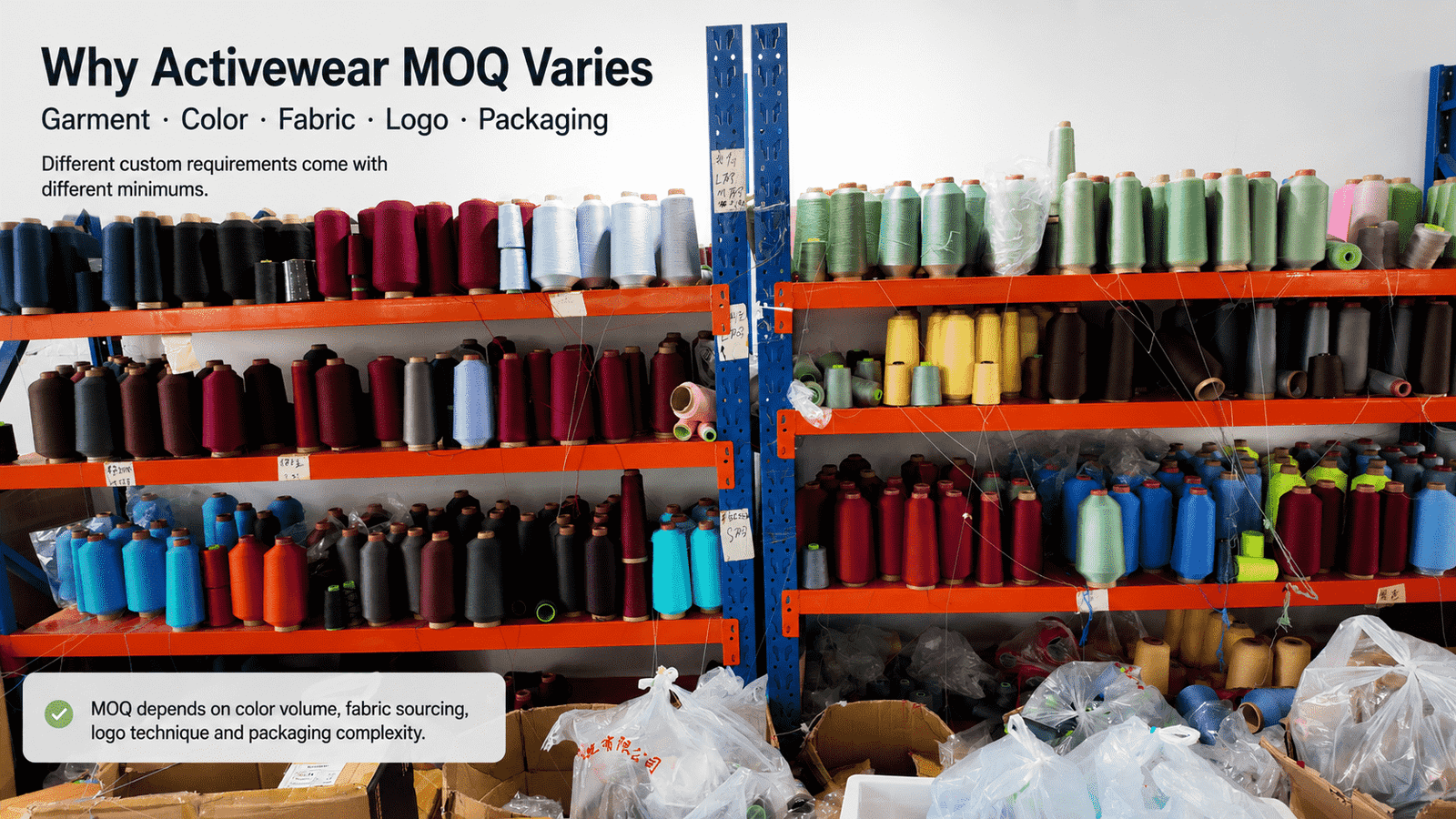
Material selection should be linked to the desired fit, knitted construction and care requirements. A change in yarn composition, elasticity or sourcing may alter sleeve measurements and recovery behavior even when the visible design remains unchanged. Brands should provide suitable material references and color specifications, together with any required tests. Available yarns and custom-color commitments must be confirmed commercially, and revised material choices may require fresh samples before approval.
Customization Options- Candidate nylon-based or polyester-based yarn for technical evaluation
- Elastic-rich material direction subject to the intended sleeve fit
- Approved existing color where compatible material is available
- Special color or yarn sourcing with separately confirmed minimums
Knit Zone Placement
Engineered zones should be specified through a clear map showing their intended appearance, location and required behavior. Sleeve designs may include structural transitions around the shoulder, elbow, forearm or wrist where compatible with the selected knitting arrangement. A proposed rib or mesh region is not automatically proof of compression or ventilation performance. Buyers should define mandatory zone positions and agree on how structural changes will be assessed across sizes and after finishing.
Customization Options- Ground-knit sleeve with defined appearance and extension requirements
- Elbow-region structure subject to bending and fit evaluation
- Forearm rib or texture placement aligned with the approved size range
- Engineered transition requiring knitting-program feasibility confirmation

Logo Size and Placement
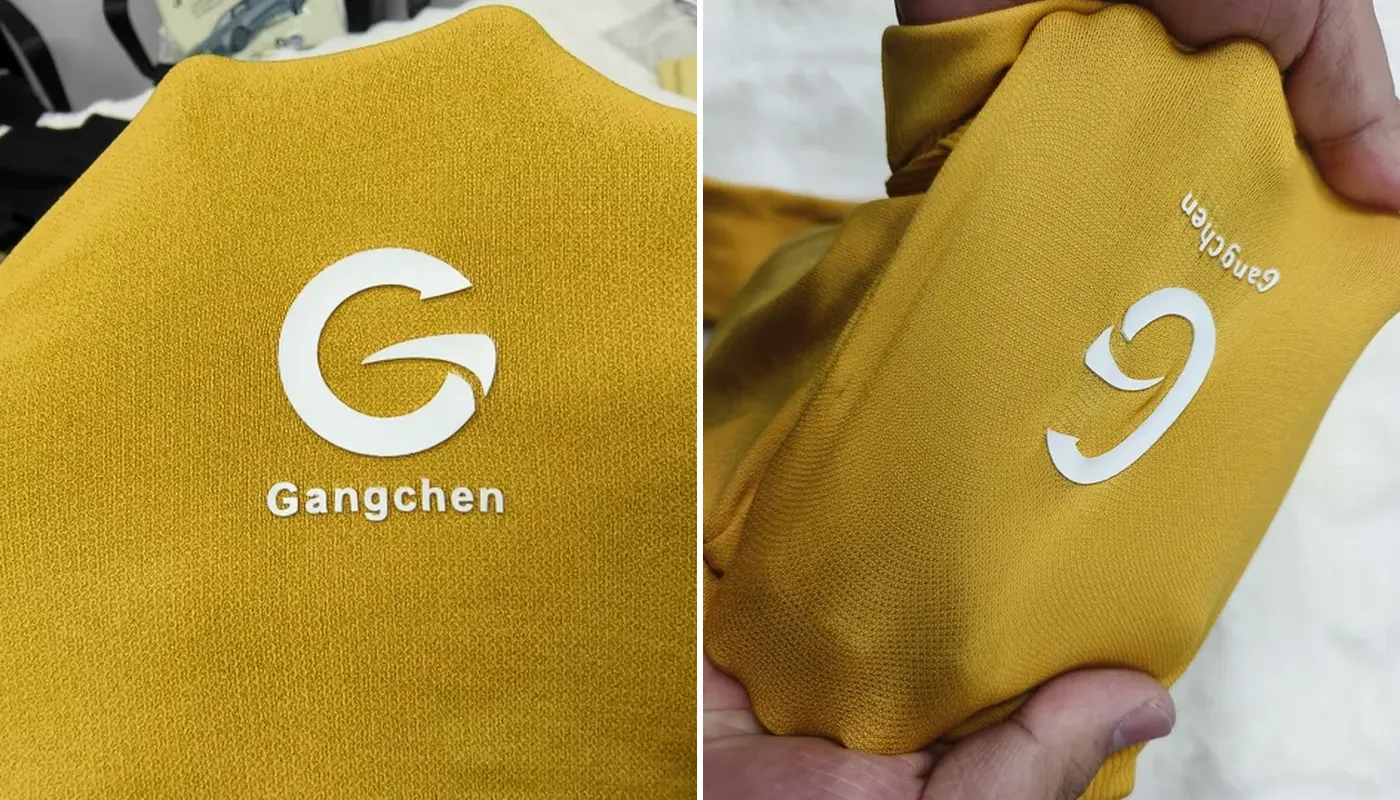
Brand artwork should be controlled using measurable dimensions and reference points. A logo placed on the upper arm, forearm, wrist or chest may behave differently as the garment stretches. The artwork method, dimensions and position should therefore be approved against actual material and wearing conditions. MOVEVOX's documented customization capabilities support branding discussions, but the chosen application and durability requirements still need project-specific confirmation before being treated as production-ready.
Customization Options- Upper-arm logo positioned from an approved garment reference point
- Chest logo using agreed artwork dimensions and alignment instructions
- Sleeve graphic reviewed for local stretch and construction compatibility
- Alternative application method subject to material and durability assessment
Labels and Packaging
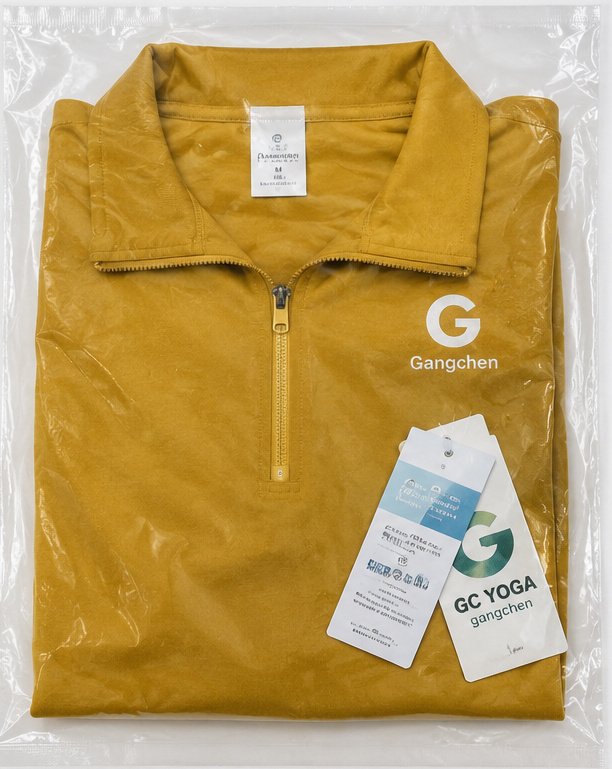
Private-label development includes accurate product identification as well as visible branding. Long-sleeve styles with similar appearances may have different yarns, size specifications, knit zones or care requirements, making SKU control important. Buyers should provide label artwork, required product information, destination market and packaging expectations. Material declarations and other regulated information must correspond to the actual garment. New labels or packaging components may create separate sourcing and minimum quantity requirements.
Customization Options- Main and size labels aligned with approved brand artwork
- Care information matched to the actual garment specification
- SKU identification covering style, material, color and size
- Individual packaging and carton requirements confirmed for the order
Compare Total Sourcing Risks Across Long-Sleeve Manufacturing Options
The lowest quoted garment price may not represent the lowest total sourcing cost. Yarn commitments, knit-program preparation, sleeve finishing, sample revisions and order assortment can change the commercial implications of otherwise similar long-sleeve designs.
| Cost / Risk Factor | Standard Long Sleeve | New Engineered Knit | Special Cuff / Thumbhole |
|---|---|---|---|
| Base Unit Cost | Depends on confirmed existing construction, material and quantity; a standard configuration does not automatically guarantee the lowest total cost. | A new knitting structure may affect program preparation, material usage and setup requirements before the final unit cost is established. | Added cuff construction or thumbhole processing may alter assembly work, inspection requirements and the quotation basis. |
| Technical Development | Existing suitable specifications may reduce new development work, subject to the buyer's fit and appearance approval. | Program development and knitting feasibility review may require additional technical input, revisions and customer decisions. | Opening position, finishing and movement-related fit may require focused samples beyond the basic garment approval. |
| Yarn Commitment | Available yarn and colors can simplify sourcing, but actual compatibility and material terms still require confirmation. | New structures may require different yarn characteristics or additional material preparation, introducing separate sourcing constraints. | Cuff or edge requirements may affect compatible yarn selection and the amount of material needed. |
| Size Program | Established sizes remain subject to the buyer's approved measurement and wearer requirements. | Changes in structural zones or knitting configurations may affect size groups and their related production assumptions. | Thumbhole position and wrist dimensions require review across the approved sleeve-length and size range. |
| Sample Revisions | Revisions may be limited when approved construction and material are suitable, but fit confirmation remains necessary. | New programmed zones can create additional decisions regarding appearance, fit and manufacturing feasibility. | Changes to sleeve or cuff dimensions may require repeated hand-position and arm-movement evaluation. |
| Testing Requirements | Only the tests required by the actual material, market and buyer specification should be included. | New materials or structural functions may trigger additional evaluation before claims or technical requirements are accepted. | Opening durability, recovery and post-care fit may need specific review depending on the approved product standard. |
| Quality Inspection | Finished measurements, workmanship and accepted material characteristics must remain identifiable for the actual order. | Inspection may need to include the placement and appearance of new knit zones and related size changes. | Wrist opening dimensions, left-right symmetry and thumbhole construction may require additional inspection criteria. |
| MOQ Conditions | MOVEVOX's conditional standard seamless starting quantity is approximately 100 pieces, subject to the actual project. | New program, material and setup requirements can change the feasible minimum, regardless of the standard baseline. | Special finishing and accessory sourcing may introduce minimums different from garment knitting quantities. |
| Reorder Risk | Material availability and the continuing validity of approved specifications should be checked before replenishment. | Reorders depend on preservation of the accepted program, structure and applicable material references. | Changes to cuff construction or finishing responsibility may require renewed samples and quality confirmation. |
Procurement Interpretation
A buyer should compare the technical readiness of each scenario before interpreting unit prices. Standard configurations may simplify development where they genuinely fit the design, while new knit structures and specialised cuffs can introduce extra material, preparation and approval requirements. MOVEVOX can review these conditions using its documented manufacturing and supply-chain resources. Final price, MOQ, testing responsibility and delivery commitments must be confirmed against the accepted specifications and order assortment.
Coordinate Critical Materials Before Long-Sleeve Production Begins
A seamless long-sleeve order depends on more than knitting-machine availability. Yarn, color, garment assembly, branding and packaging inputs must be suitable for the approved specification. This proposed readiness map identifies the responsibilities that should be confirmed before production scheduling and material release.
MOVEVOX
Manufacturing review, development coordination, material readiness assessment and project-specific production responsibility.
Yarn Supply
Approved yarn should be linked to the required composition, material properties, color and project quantity. The sourcing review should identify supplier readiness, relevant material references and conditions under which a substitution would need customer approval.
Color Preparation
Where custom colors are required, the relevant supplier and approval process should be identified. Material readiness depends on accepted color references, sourcing terms and applicable supply dates rather than a general assumption that every shade is immediately available.
Seamless Knitting
MOVEVOX's documented Santoni resources provide an established knitting base. The proposed order must still be evaluated for compatible equipment configuration, approved knitting requirements, material availability and production allocation before a long-sleeve delivery commitment is confirmed.
Garment Assembly
Sleeve connections, necklines, cuffs and optional thumbholes may require additional production operations. The relevant manufacturing location, construction standard and approval responsibility should be identified before assigning an assembly stage to the order.
Logo and Trims
Brand artwork and any additional application materials should be reviewed for compatibility with the approved garment. Availability, application method, required samples and minimum sourcing quantities may influence production readiness and the final commercial terms.
Labels and Packaging
Labels and packaging components should correspond to the approved style, size, color and destination-market requirements. Material preparation should identify responsible suppliers and confirm which components must be available before finished garments can be released.
Quality and Delivery
Inspection requirements should remain linked to the approved garment and relevant material or manufacturing records. Final delivery planning must distinguish completed production, goods-release decisions, packaging readiness and any outstanding customer documentation.
Coordinated Material Readiness
MOVEVOX has documented owned manufacturing resources and a coordinated production network that includes eight principal cooperating factories. That structure provides a basis for discussing material and manufacturing responsibility, but it does not establish that every activity shown in this proposed map occurs in-house. Before bulk production, the project team should identify critical materials, applicable suppliers, expected availability, inspection status and customer-approved alternatives. Missing or unapproved inputs may affect the critical path and should be resolved before the relevant production commitment.
Plan Long-Sleeve Orders Around Technical Approval and Resource Readiness
A supplier should confirm production conditions only after the relevant technical and material requirements are sufficiently defined. These five procurement stages help buyers identify the information, proposed deliverables and approval responsibilities required before moving forward.
Technical Review
The technical review establishes whether the proposed long sleeve can be assessed against available manufacturing resources. The buyer should identify the intended silhouette, body-and-sleeve structure, size range, material and engineering requirements. This stage should also separate mandatory specifications from areas suitable for development alternatives. A feasible design direction is not equivalent to a production commitment. Equipment configuration, material supply and any specialist finishing still require confirmation.
Buyer Inputs
- Current Tech Pack and legally usable design references
- Target size group and critical sleeve measurements
- Proposed materials, knit structures and required claims
Proposed MOVEVOX Outputs
- Identified feasibility questions linked to the actual garment design
- Technical review scope covering knitting and assembly dependencies
- List of missing specifications requiring customer clarification or approval
Sample Development
Sample preparation should address the unresolved technical characteristics identified during the initial review. For long sleeves, priorities may include shoulder and elbow mobility, sleeve-to-body dimensions, cuff behavior and knitting-zone placement. Proposed revisions should reference the current sample version and the accepted buyer brief. MOVEVOX's normal sample-development benchmark is 5–10 working days after confirmed details for applicable standard projects, while complex development and extra tests require separate scheduling.
Buyer Inputs
- Approved development brief and material direction
- Representative fit requirements and intended wearing conditions
- Required sample versions and customer review responsibilities
Proposed MOVEVOX Outputs
- Scope and schedule for project-specific sample development
- Physical sample references and consolidated technical review observations
- Identified revisions requiring further material, programming or fit approval
Pre-Production Approval
Before bulk preparation, the brand should confirm that the accepted garment and current specification identify the correct material, knitting structure, dimensions, construction and required tests. A first-article assessment may also be appropriate to verify that initial production output conforms to the agreed reference. Open deviations should have clear disposition decisions. Approval should establish who may authorise changes and how the production team will distinguish current requirements from older versions.
Buyer Inputs
- Accepted sample and approved technical specification version
- Material, labeling and packaging requirements for the intended market
- Defined inspection criteria and mandatory approval conditions
Proposed MOVEVOX Outputs
- Proposed pre-production review of current manufacturing requirements
- Identification of applicable first-article and quality-control checkpoints
- Documented questions or deviations requiring customer release decisions
Bulk Production
Bulk production should be scheduled against confirmed yarn availability, suitable equipment configuration, approved garment requirements and finishing resources. A change in size distribution, material, knit program or cuff construction may affect the allocation and critical path. MOVEVOX's documented normal bulk benchmark is approximately 20–35 days under applicable project conditions, not a universal long-sleeve guarantee. Production responsibilities should remain clear across owned and coordinated operations, with inspection requirements linked to the accepted specification.
Buyer Inputs
- Confirmed purchase order with style, color and size assortment
- Released garment standard and permitted material specifications
- Agreed delivery priorities and required inspection conditions
Proposed MOVEVOX Outputs
- Project-based resource and material readiness assessment
- Proposed production schedule subject to actual loading and approvals
- Inspection and exception-management responsibilities for the order
Repeat Orders
Replenishment should begin by confirming the continuing validity of the previous approved garment reference. The buyer should disclose changes in quantity, color, size mix, material or intended product requirements. Existing knitting-program information may support repeat planning, but changes in yarn lot, equipment allocation or finishing conditions can still require review. A repeat order should not rely solely on the assumption that the supplier previously manufactured a visually similar style.
Buyer Inputs
- Reference to the previously approved style and revision
- Updated forecast, assortment and requested delivery conditions
- Disclosure of material, color, sizing or construction changes
Proposed MOVEVOX Outputs
- Review of retained production references and changed order conditions
- Assessment of material continuity and suitable manufacturing allocation
- Proposed confirmation requirements before the replenishment production release
Preserve the Approved Long-Sleeve Standard Across Repeat Orders
Long-term supplier suitability depends on maintaining the accepted garment standard when production conditions change. A repeat-order framework should connect technical approvals, material continuity, manufacturing responsibility and verification before replenishment goods are released.
Reorder Readiness
A repeat order becomes ready only when forecast, materials, technical reference and production allocation can be reconciled. Previously accepted garments offer a basis for comparison, not an unconditional guarantee of identical results under changed conditions. The buyer should confirm whether requalification or renewed sampling is needed before committing to delivery dates.
Evidence Points- Updated assortment and material availability confirmed for the new order
- Project-specific production review and customer approval of relevant changes
Production and Quality Records
Repeat consistency also depends on identifying the responsible manufacturing and inspection stages. Relevant dimensions, workmanship and finishing conditions should be assessed against the current acceptance standard. Coordination with an external operation must not obscure who is accountable for the approved garment requirements and disposition of deviations.
Evidence Points- Order-linked quality criteria and relevant inspection records
- Defined manufacturing responsibility and approved change decisions
Material and Program Continuity
The next layer connects the garment standard with the yarn and knitting configuration required to produce it. A material-source change, revised program or different size configuration can alter the completed sleeve even when the product name remains unchanged. Such changes should be reviewed before replacing an approved reference.
Evidence Points- Applicable yarn reference and lot or source change information
- Controlled knitting requirements and relevant program revision records
Approved Garment Foundation
The base of repeat production is an identifiable garment specification and accepted sample. Sleeve length, wrist circumference, elbow-zone placement and body fit should remain linked to the applicable measuring methods and approved version. The value lies in reducing ambiguity when an order returns after its original development cycle.
Evidence Points- Accepted physical garment and corresponding technical specification version
- Approved measurement instructions, fit comments and critical sleeve requirements
Explore Related Manufacturing Resources for Your Activewear Collection
A seamless long-sleeve program may connect to wider activewear sourcing needs. These resources help buyers distinguish general seamless capability, broader tops manufacturing and T-shirt-specific engineering from the full-arm fit and recovery requirements addressed here.
Seamless Activewear Manufacturing
The Seamless Activewear resource introduces MOVEVOX's broader seamless knitting system and relevant activewear categories. It is suitable for brands evaluating multiple knitted products or comparing general seamless manufacturing resources. This long-sleeve page has a narrower purchasing task: assessing body-and-sleeve construction, arm-specific knitted zones, localized tension, wrist finishing, full-sleeve sizing and post-wash dimensional behavior. These decisions require product-specific review even where several garments use related manufacturing resources.
Activewear Tops Manufacturing
The Activewear Tops resource covers a wider range of upper-body garments, including tanks, T-shirts, cropped tops and long sleeves produced through different construction routes. Brands developing several types of training tops can use it to understand product scope and sourcing options. This page focuses on the more specific engineering decisions involved in seamless long sleeves, particularly the relationship between shoulder movement, elbow extension, cuff position, knitting feasibility and approved garment dimensions.
Seamless T-Shirt Manufacturing
The Seamless T-Shirt Manufacturer topic focuses on engineering seamless training tees, including knitted body structures, neckline and sleeve assembly, fit specifications and sample-to-bulk control. It provides a related reference for brands comparing short-sleeve and long-sleeve designs. This page extends the technical discussion through full-arm dimensions, elbow and forearm structures, thumbhole requirements, wrist recovery and post-wash sleeve behavior. These differences should be evaluated before assuming that an approved short-sleeve design can simply be extended.
Seamless Long Sleeve Manufacturing Frequently Asked Questions
These answers address technical and commercial questions raised when evaluating a seamless long-sleeve manufacturing partner. Product feasibility, material performance, minimum quantities and production commitments depend on the actual approved design and supporting evidence.
1. What is an engineered seamless long sleeve?
An engineered seamless long sleeve is a knitted garment in which compatible equipment and programming may produce selected body structures, textures or zones without conventional panel construction in those areas. Depending on the design, sleeves and finishing elements can still require assembly. Buyers should verify the actual knitting method and finished garment construction rather than relying solely on the word seamless.
2. Is the entire body and sleeve completely seamless?
Not necessarily. A circular-knitted body can reduce certain joining seams, while sleeves, shoulders, necklines and cuffs may still require separate components or finishing. The construction depends on the specific knitting technology, machine configuration and garment design. Buyers should request identification of the knitted areas, remaining joins and applicable workmanship requirements before approving a claim that a long sleeve is seamless.
3. Can MOVEVOX assess thumbhole cuff designs?
MOVEVOX's documented seamless knitting, garment assembly and product development resources provide a basis for discussing thumbhole design feasibility. Actual capability depends on the sleeve structure, opening dimensions, finishing method and relevant production arrangement. Brands should supply the intended opening location, wrist measurements and movement requirements. A physical sample is needed before approving the construction for production.
4. How should localized pressure and stretch requirements be defined?
The brand should first distinguish desired fit from measured compression. Sleeve dimensions, knitted structure, yarn elasticity and wearer proportions can influence contact tension. If the project requires quantified pressure or recovery performance, appropriate measurement conditions and acceptance criteria must be established. A fitted appearance or visible rib structure does not establish a verified compression level.
5. How are sleeve length and body fit controlled across sizes?
The size specification should connect body dimensions with shoulder position, sleeve length, elbow region, forearm circumference and wrist opening. Measuring instructions and garment conditioning must be defined so sample and bulk dimensions are comparable. Machine compatibility and proposed size-group arrangements should also be assessed. A single approved base-size sample does not automatically establish acceptable fit throughout the complete size range.
6. How should post-wash recovery be evaluated?
Post-wash dimensional stability and elastic recovery require separate evaluation. The buyer should specify care conditions, measuring points and acceptable dimensional changes. Sleeve and torso measurements should be compared before and after applicable care procedures. Elastic recovery should be assessed using relevant extension conditions where required. Results must correspond to the actual tested material or garment, not an unrelated product certificate.
7. Can MOVEVOX develop from an existing Tech Pack?
Yes. MOVEVOX supports development discussions using Tech Packs, legally usable reference garments and clearly defined product concepts. For seamless long sleeves, the review should address yarn, knitting structures, sleeve-to-body dimensions, cuff details, fit and required performance evidence. The scope of sampling, technical adjustments, commercial requirements and production feasibility must be agreed for the actual project.
8. What affects the MOQ for custom seamless long sleeves?
MOVEVOX's documented standard seamless starting MOQ is approximately 100 pieces under suitable project conditions. New yarn, exclusive colors, knitting programs, different size configurations, special cuffs and branding components can introduce other material or production minimums. The confirmed quantity depends on the actual garment specification and the proposed assortment, so the baseline should not be treated as a universal long-sleeve offer.
9. What must be approved before bulk production starts?
The buyer and supplier should identify the current accepted garment sample, material references, relevant knitting configuration, measurements, workmanship criteria and required performance evidence. Size-group requirements and open deviations must be addressed. Where initial bulk output requires a first-article check, the release decision should be recorded before production proceeds beyond the agreed stage. A sample's visual similarity alone is not sufficient technical approval.
10. How can repeat orders maintain the original long-sleeve standard?
Repeat planning should refer to the accepted garment, current specifications, yarn information, manufacturing requirements and applicable quality criteria. A new material lot, revised knit program, different production allocation or altered assortment may require further evaluation. MOVEVOX has documented manufacturing and supply-chain coordination resources, but repeat-order consistency and delivery commitments must be confirmed against the actual project conditions.
Send Us an Inquiry
Tell us your needs, and our team will get back to you within 24 hours.