
Seamless High Waist Leggings Manufacturer for Activewear Brands
Develop high-waist Seamless leggings around your own waistband structure, fit, knit zones, material direction, colors and branding through MOVEVOX’s owned 28-Santoni manufacturing platform. From first technical review to approved sample and commercial bulk, the objective is to turn a product concept into a controlled knitting and production standard that can be repeated across future orders.
- High-waist fit developed from buyer requirements, not one factory-standard template
- Engineered rib, texture, mesh, jacquard and density subject to yarn and program feasibility
- Approved sample connected to the knitting and production standard for repeat bulk
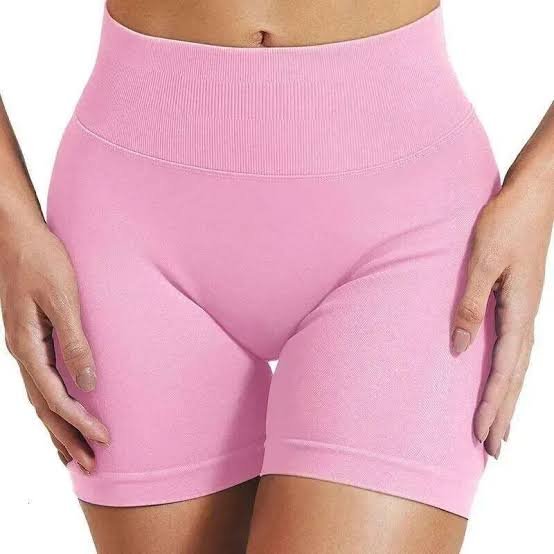
High-Waist Product
Start from the required rise, waistband height, support direction and overall fit rather than adapting every project to one factory-standard garment.
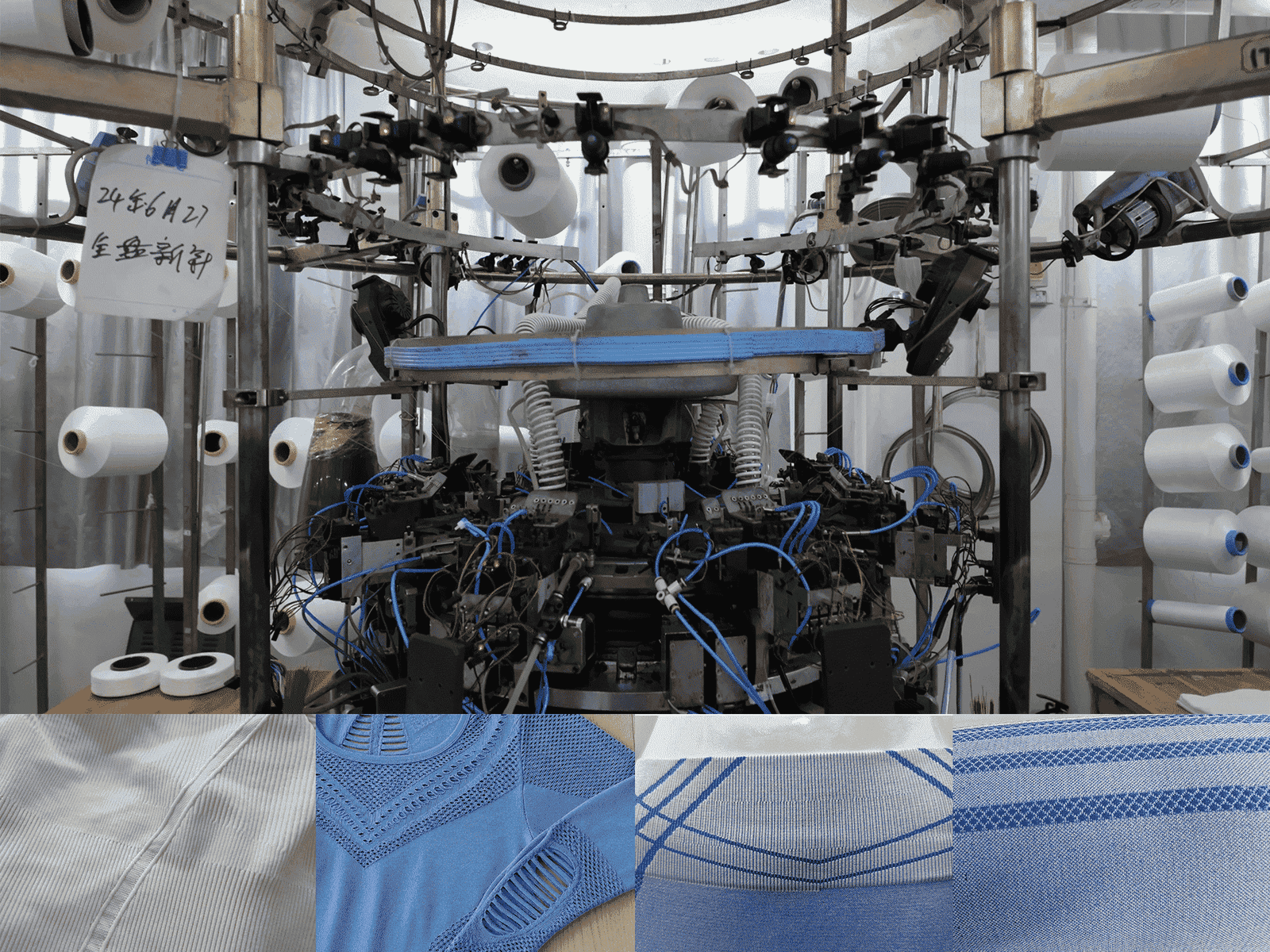
Knit Architecture
Rib, texture, mesh, jacquard and localized density can be developed where the yarn, knitting program and intended garment structure support them.
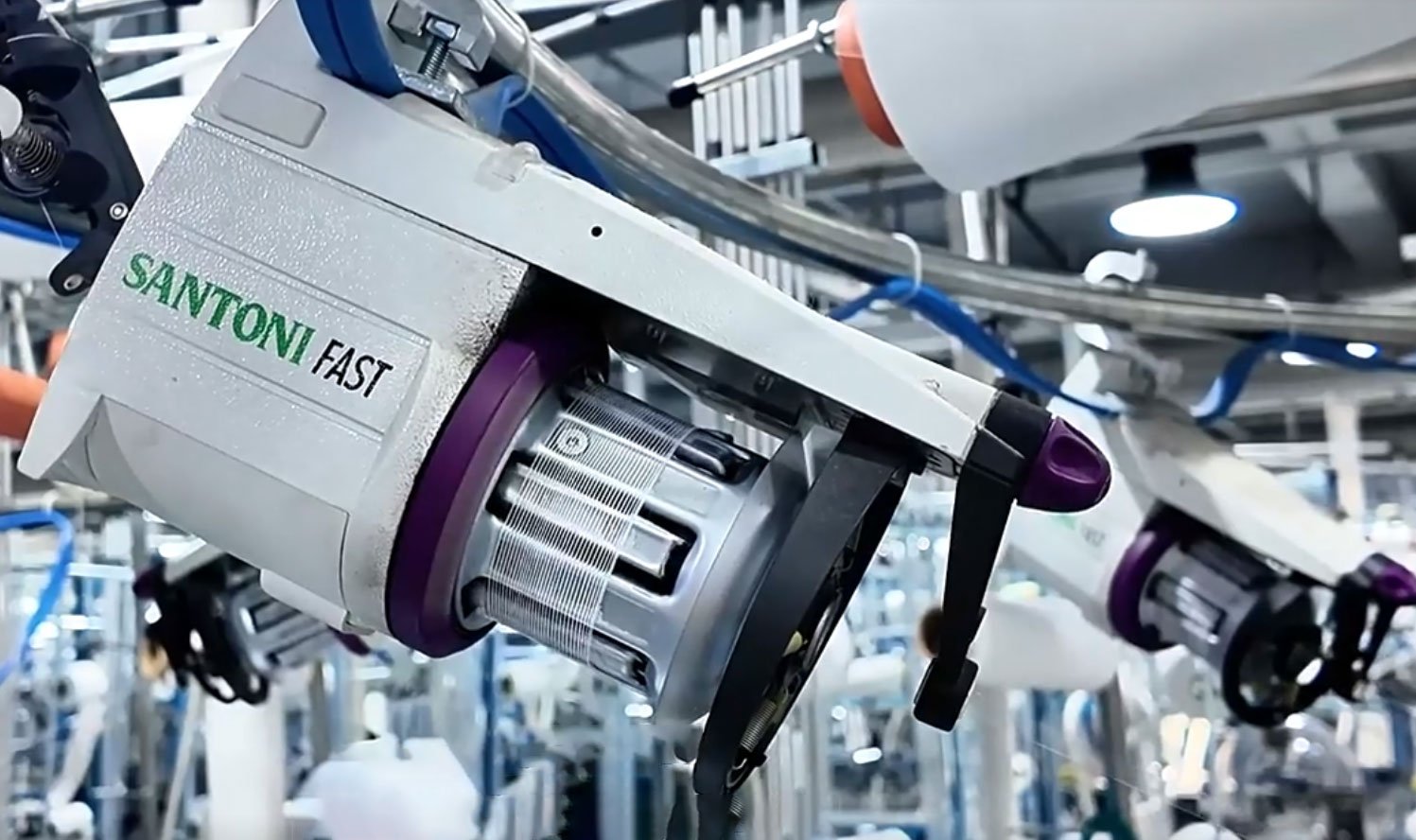
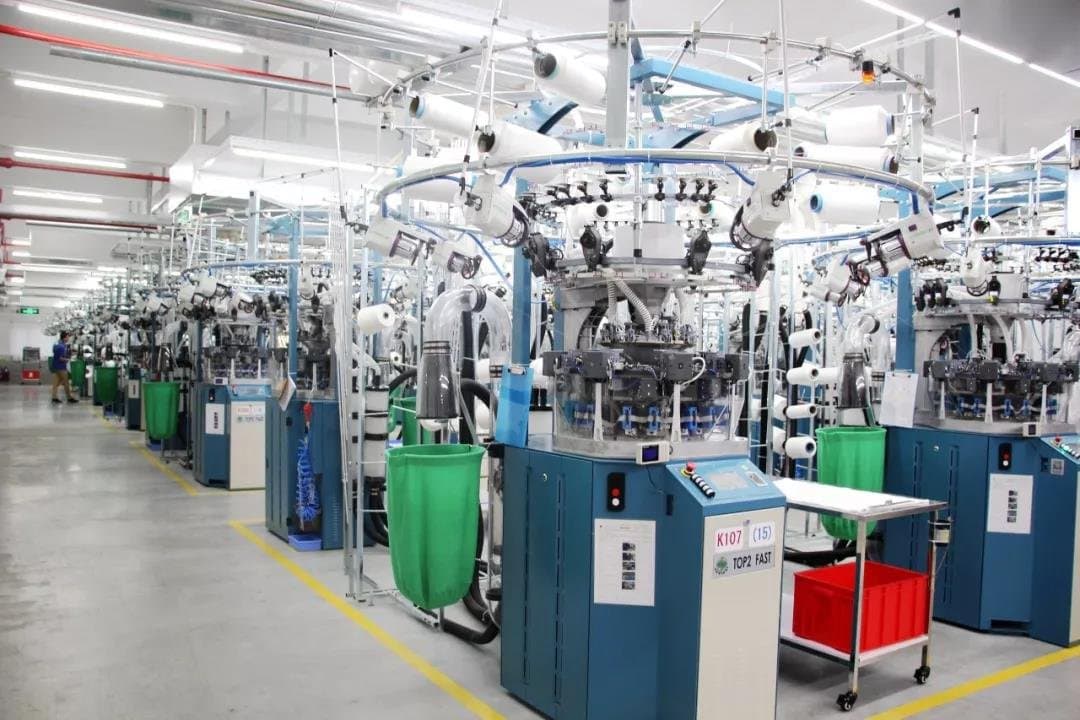
Santoni Manufacturing
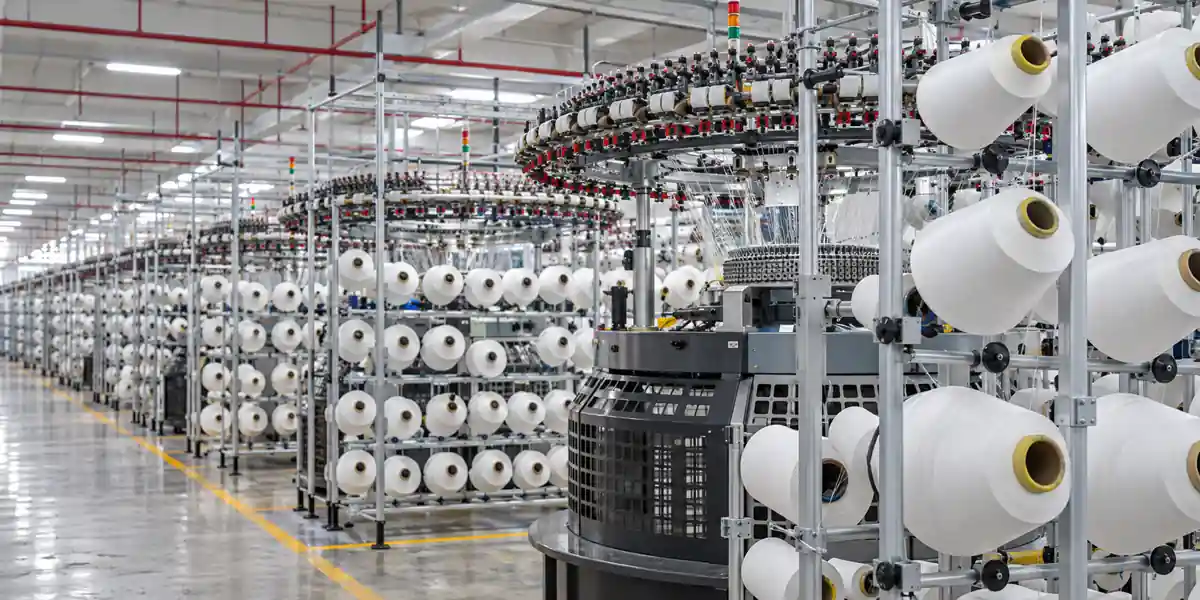
MOVEVOX’s owned Seamless manufacturing system includes 28 Italian Santoni machines supporting product development, core production and technical control.
Four Capabilities Behind a Repeatable Seamless Program
A high-waist Seamless product depends on more than circular-knitting equipment. MOVEVOX connects machinery, development, material coordination and quality control into one production system.
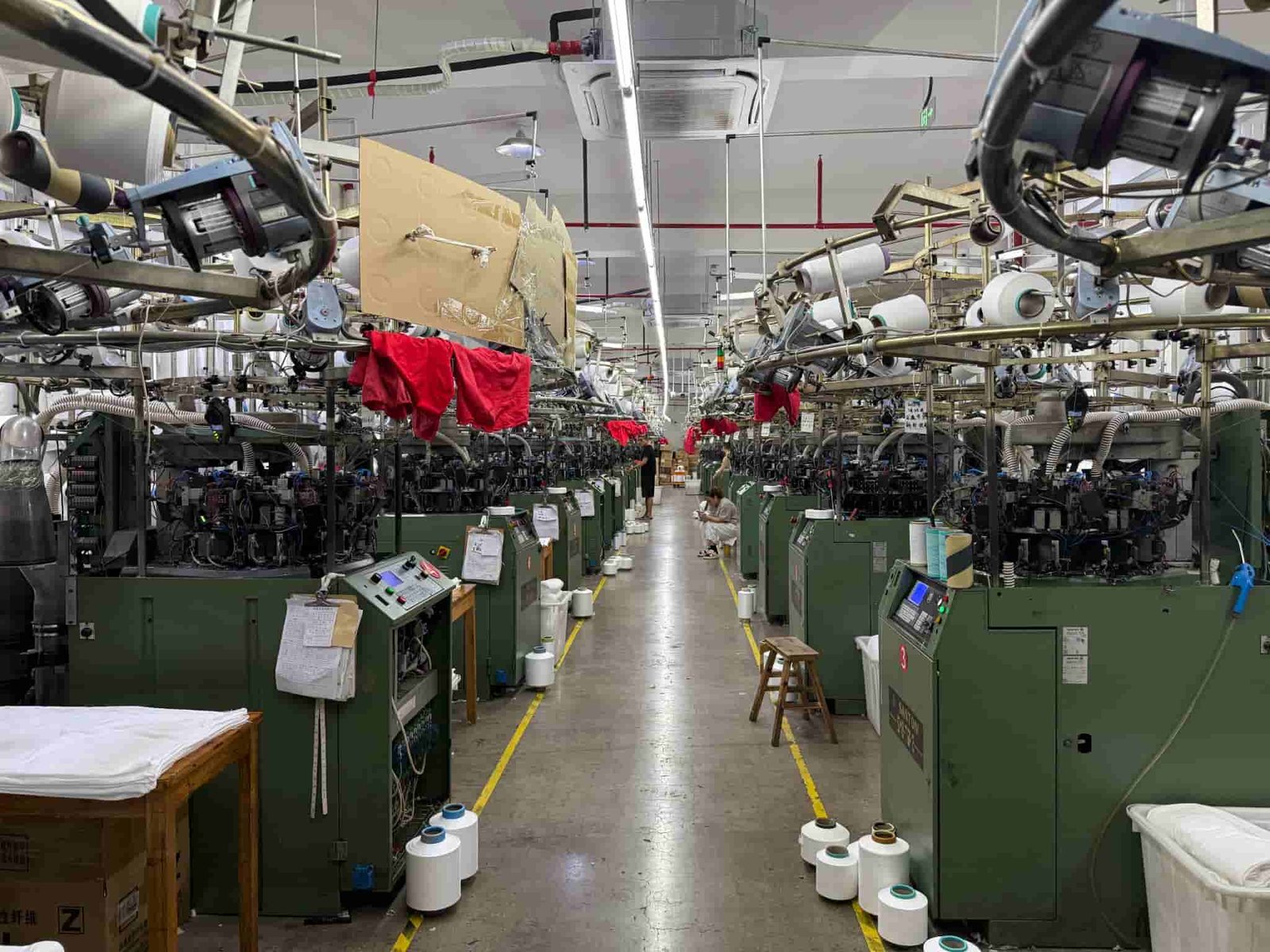
Santoni Manufacturing
MOVEVOX’s owned manufacturing platform includes 28 Italian Santoni seamless knitting machines. These machines support development and core production of knitted activewear structures including rib, texture, mesh, jacquard and localized density where technically appropriate. Machine ownership matters because the product-development team can work directly with the knitting process rather than treating Seamless production only as an externally purchased service.
Product Development
The normal MOVEVOX development function includes approximately eight people across design, technical development and sample roles. For Seamless projects, the team translates buyer inputs such as waistband intent, measurements, material direction, knit features and branding into a physical garment that can be reviewed. Standard sampling is generally approximately 5–10 working days after necessary details are confirmed.
Material & Program Coordination
Seamless product behavior is influenced by yarn, elastic content, knitted structure, density, color, finishing and finished dimensions. MOVEVOX coordinates these project variables with selected supply partners and internal development requirements. This does not mean MOVEVOX owns spinning or dyeing facilities; the value lies in connecting the approved material direction to the knitting program and finished product standard.
Quality & Managed Production
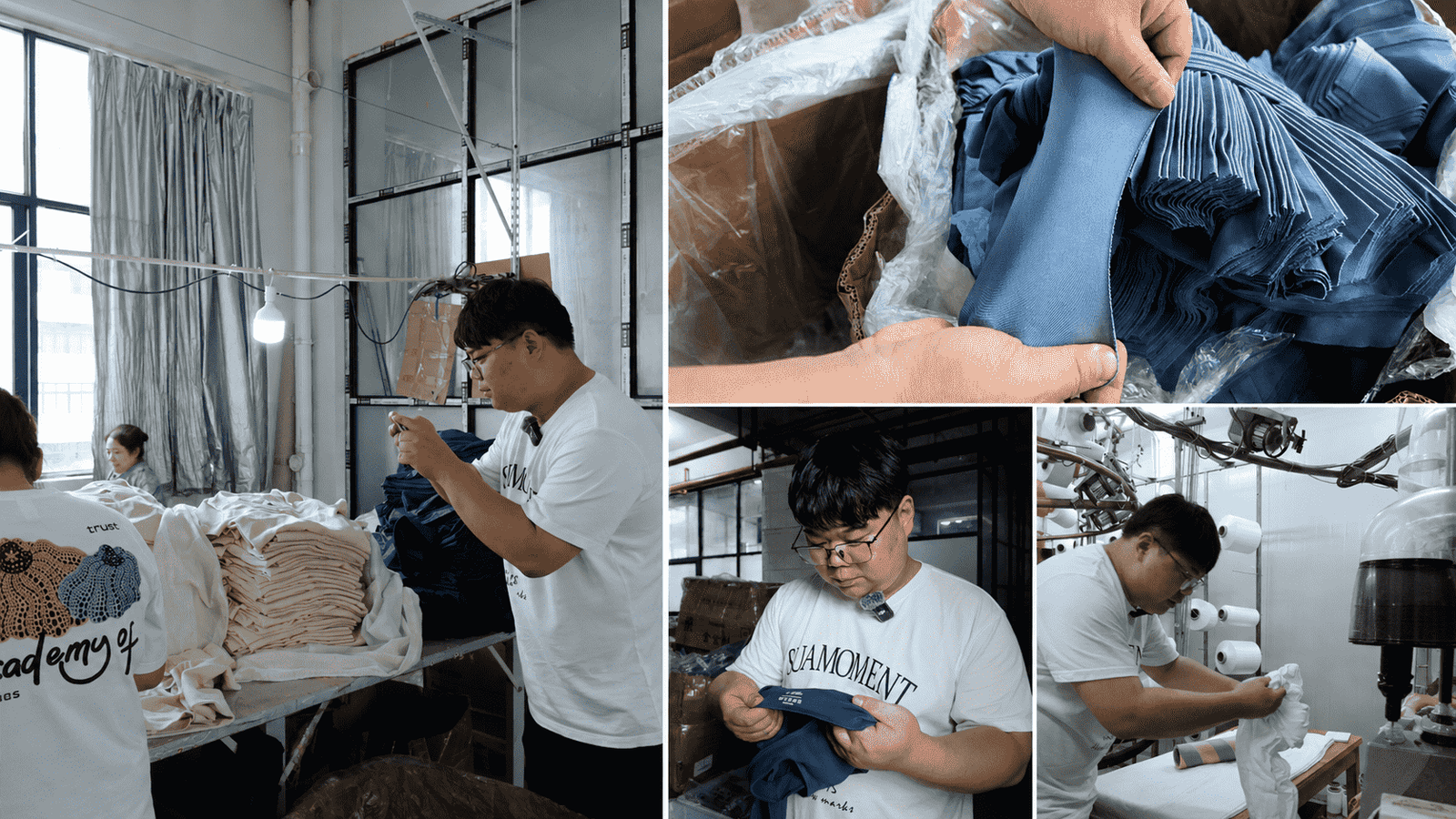
MOVEVOX currently operates with five QC personnel. Quality control can cover material conditions, measurements, knitted appearance, workmanship, branding, packing and final release according to project requirements. For larger programs, the owned core factory can be supplemented by controlled long-term production resources while MOVEVOX remains responsible for specification coordination, production management, QC and shipment release.
Six High-Waist Structures for Seamless Leggings Development
A Seamless waistband can be engineered through height, rib, density and finished dimensions. The correct structure depends on the buyer’s target fit rather than one universal waistband specification.

Standard High Waist
A standard high-waist direction extends the waistband above the natural low-rise position while maintaining a balanced transition into the hip. Development should confirm waistband height, finished waist circumference, recovery and front/back rise together. MOVEVOX uses the physical sample to establish the accepted fit because an identical waistband measurement can behave differently when yarn, knitted density or overall garment dimensions change.

Ultra-High Waist
An ultra-high waistband extends further up the torso and changes both visual proportion and the amount of knitted structure interacting with the abdomen. Development should review whether the increased height remains comfortable when sitting and bending. The waistband should also be evaluated across the intended size range instead of assuming the same dimensional change produces the same fit in every size.
Wide Rib Waist
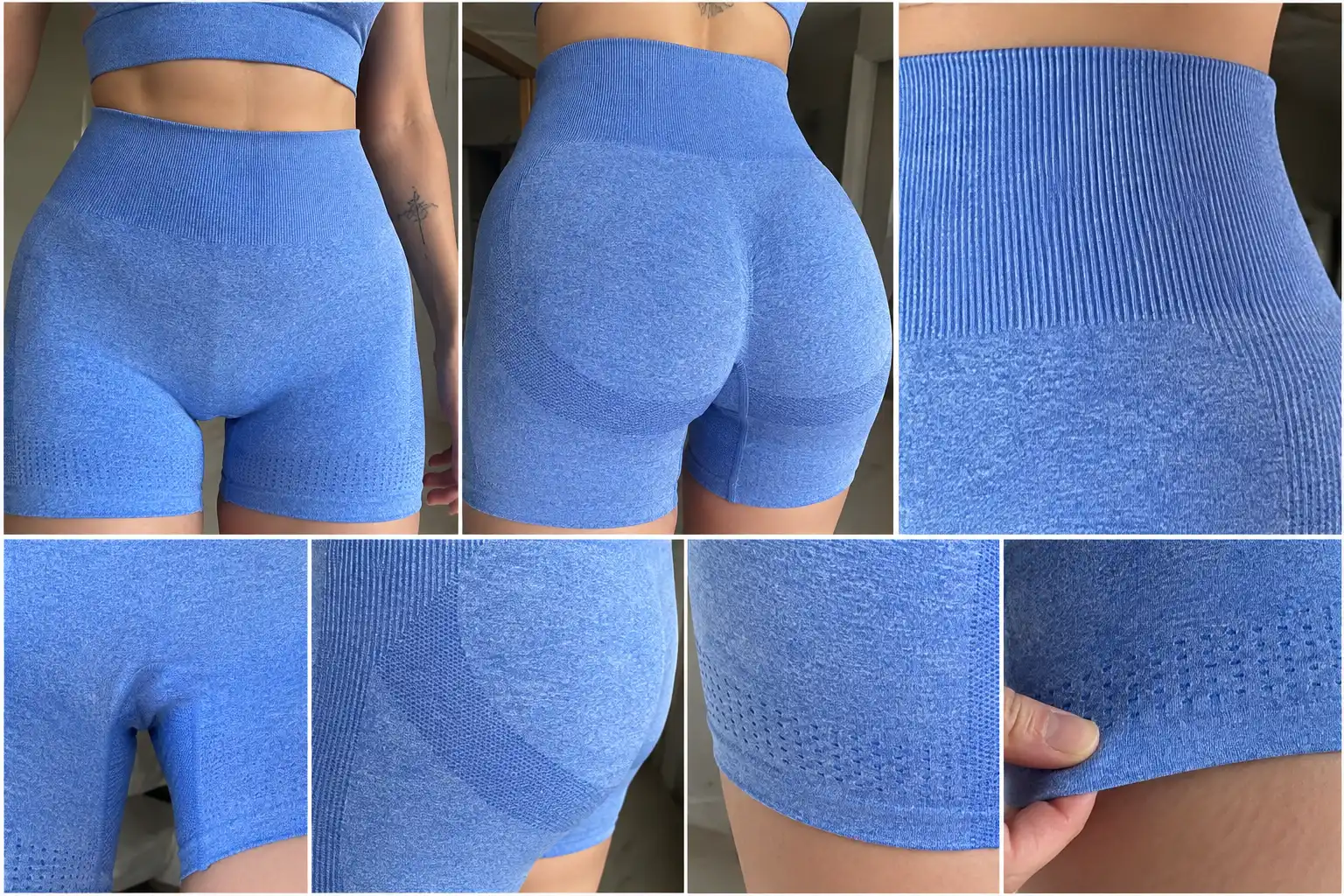
A visibly wider rib structure can create stronger visual definition and a firmer support direction. Rib width, density and elastic-yarn behavior affect both extension and recovery. MOVEVOX does not treat a wider rib automatically as “better support”; the development target should remain connected to the buyer’s intended fit, handfeel and physical sample approval.
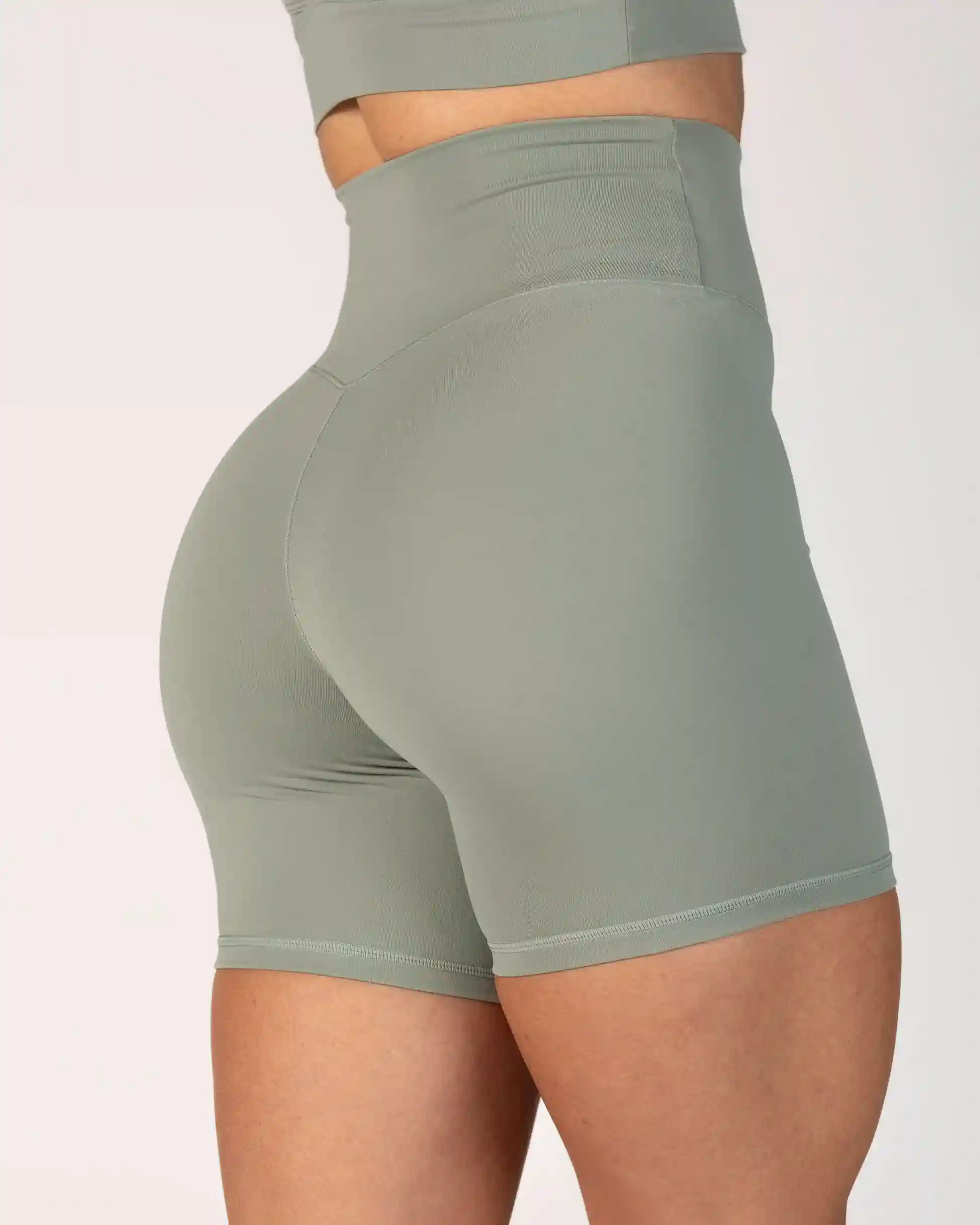
Fine Rib Waist
A finer rib can provide a cleaner surface and a different stretch profile than a wider structural rib. The development team can evaluate its relationship with waistband height, finished measurement and body fit. The final direction should be reviewed after finishing because knitted structure and elastic response can change between an unfinished tube and the completed garment.
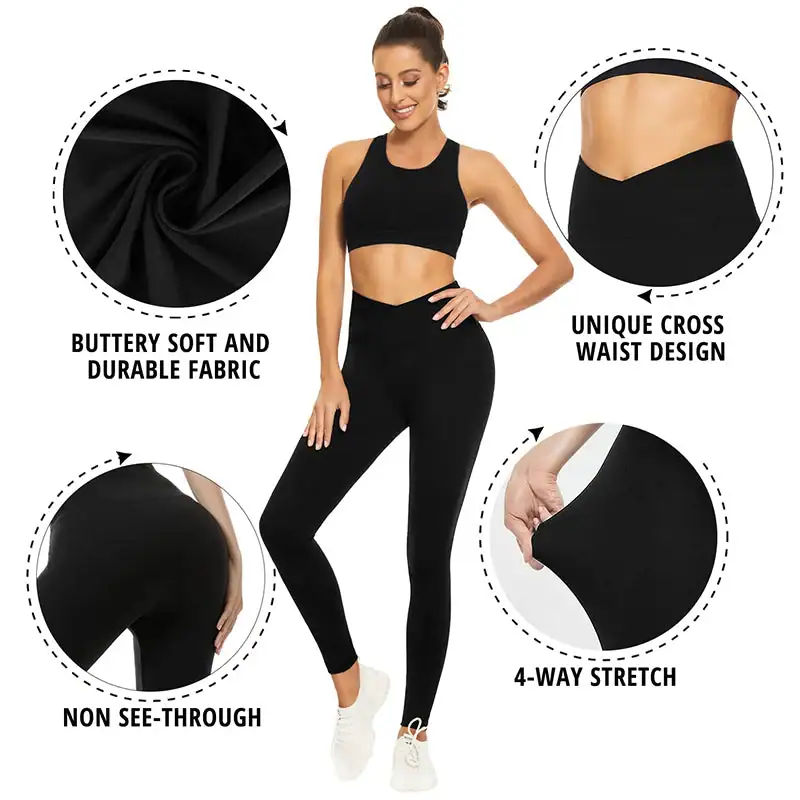
Zoned-Density Waist
A Seamless waistband can use different knitted density across selected areas where the program and yarn system allow it. This approach may be used to create differentiated support direction without introducing conventional cut panels. Density zones still require wearer-fit review because an excessively firm section can affect comfort or create unwanted pressure concentration.
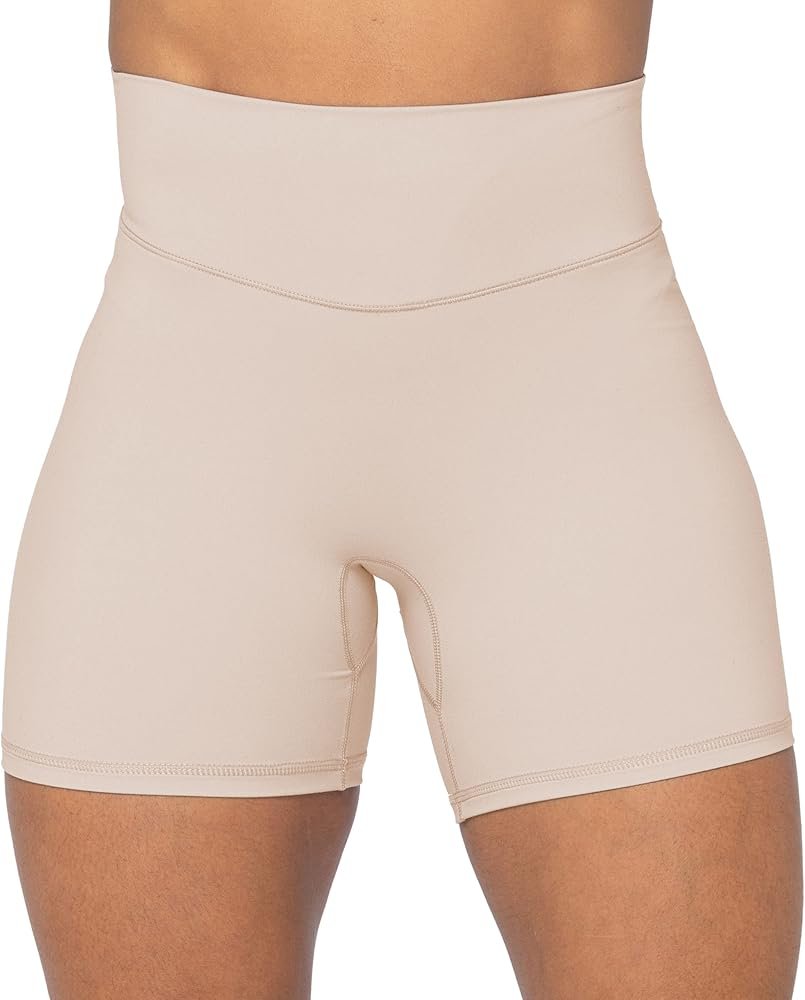
Clean Straight Waist
A clean straight Seamless waistband prioritizes a minimal visual appearance without highly visible shaping or rib transitions. It still requires deliberate decisions around top-edge stability, circumference, recovery and transition into the hip. A visually simple waistband is therefore not technically “generic”; it must still be developed against the buyer’s target fit and material direction.
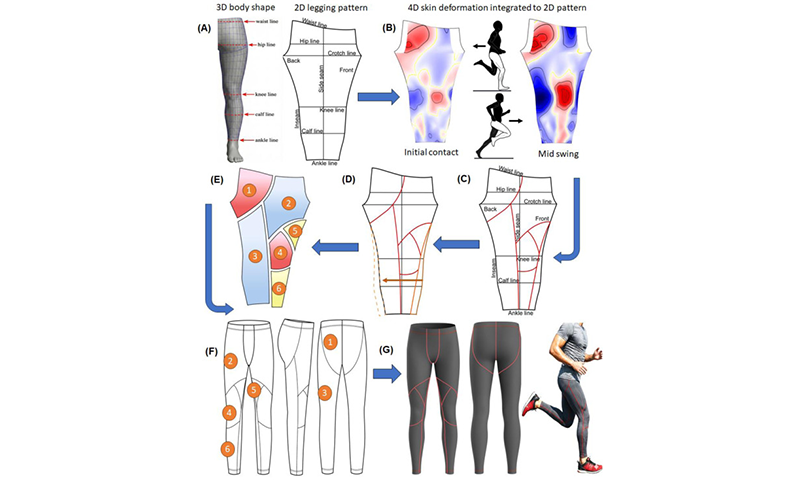
A Seamless Legging Is Not One Uniform Knit Tube
Different zones can be developed for different structural and visual roles. The final program should connect each knitted area to fit, material and the approved physical garment.
Top Edge
The upper edge defines the opening of the waistband and contributes to how the garment sits against the torso. Finished circumference and recovery require review.
Waist Rib
Rib structure can change extension, recovery and visual appearance. Width and density should follow the intended support direction.
Abdomen Zone
This area can remain relatively uniform or use differentiated knitted density where the design requires it. Comfort should remain part of the approval process.
High Hip
The high-hip transition connects a smaller waist circumference to the fuller hip and can strongly influence how the waistband remains positioned.
Glute Zone
Texture, contour lines or localized structure can be engineered for visual differentiation, without making unsupported body-transformation claims.
Crotch
Crotch geometry and finishing affect comfort and movement. Seamless manufacturing does not eliminate the need to review this area carefully.
Thigh
The thigh can use uniform knitting, rib, texture or differentiated density according to the intended product structure.
Leg Structure
Lower-leg rib or texture should remain consistent with the overall stretch, size and visual direction of the garment.
Review High-Waist Fit Under Real Body Movement
Static measurements establish the starting point, but a physical sample helps reveal how waistband position, rise, crotch and coverage behave when the body changes position.
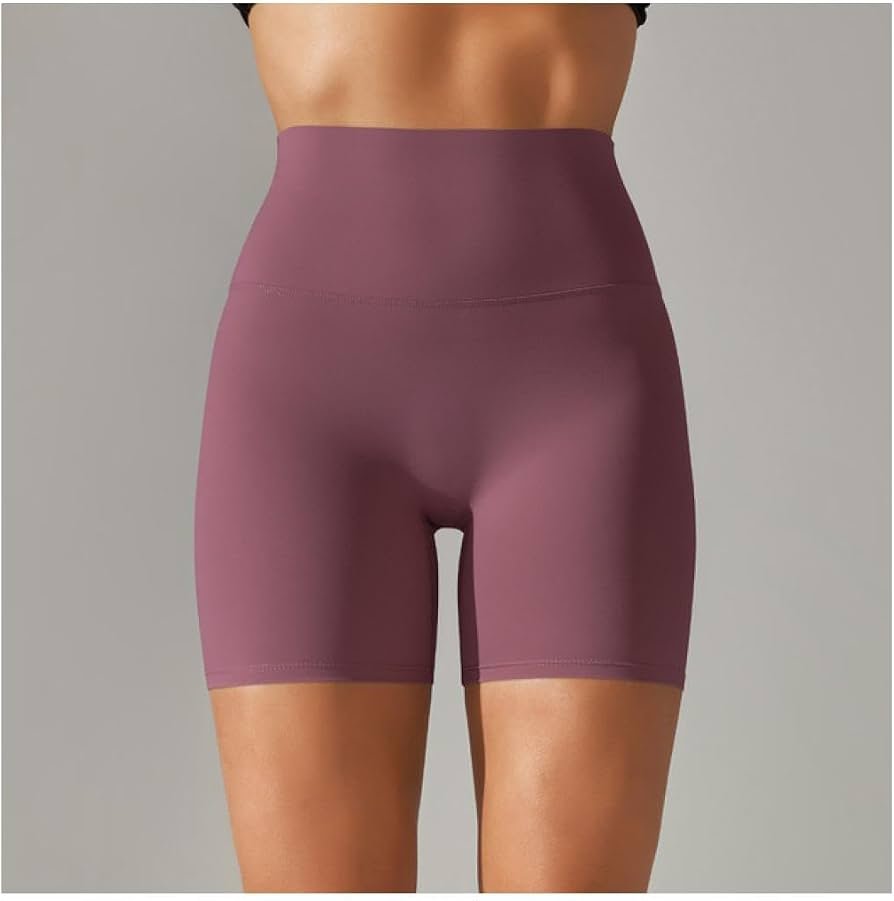
Standing
Standing review establishes the baseline relationship between waistband height, waist fit, hip position, rise and overall garment balance.
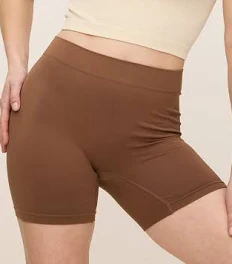
Hip Flexion
Sitting or higher hip flexion can reveal whether the waistband folds, shifts or creates excessive local pressure.
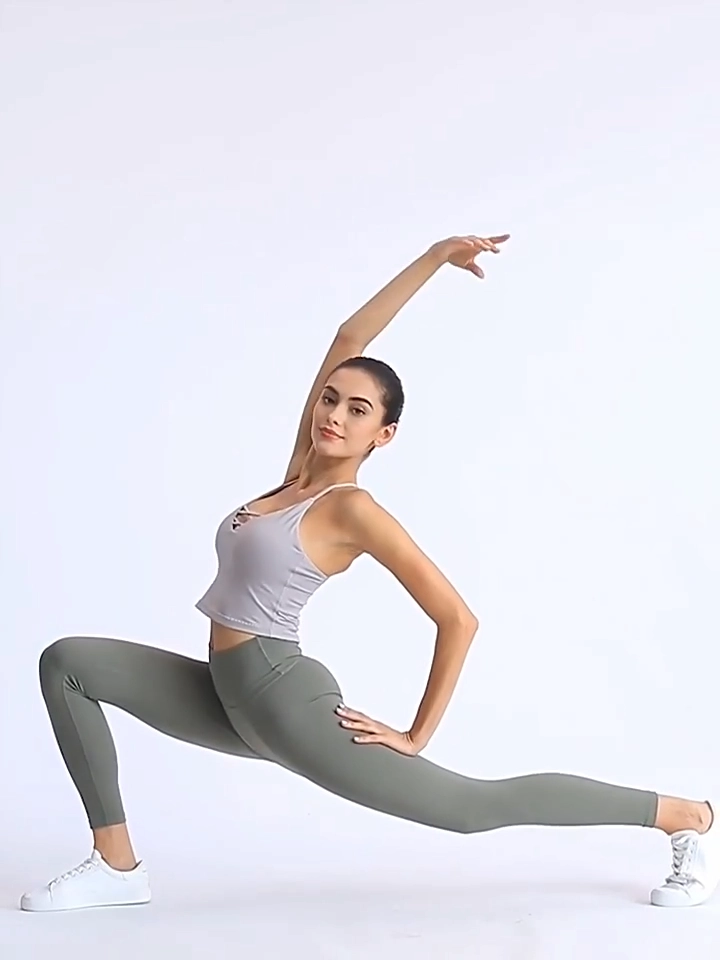
Lunge
A lunge creates different extension between the front and rear legs and can expose imbalance that is not visible in a neutral pose.

Squat / Deep Flexion
Deeper flexion increases material extension around the seat and thigh and can help assess back-rise coverage and local opacity.
High-Waist Fit Starts With Connected Measurements
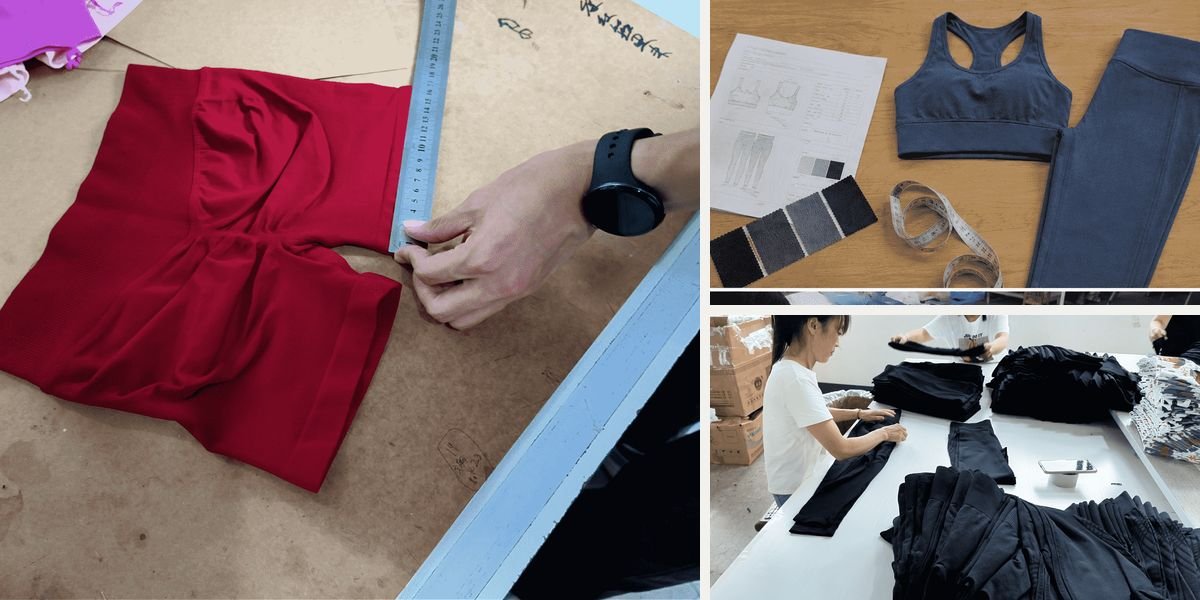
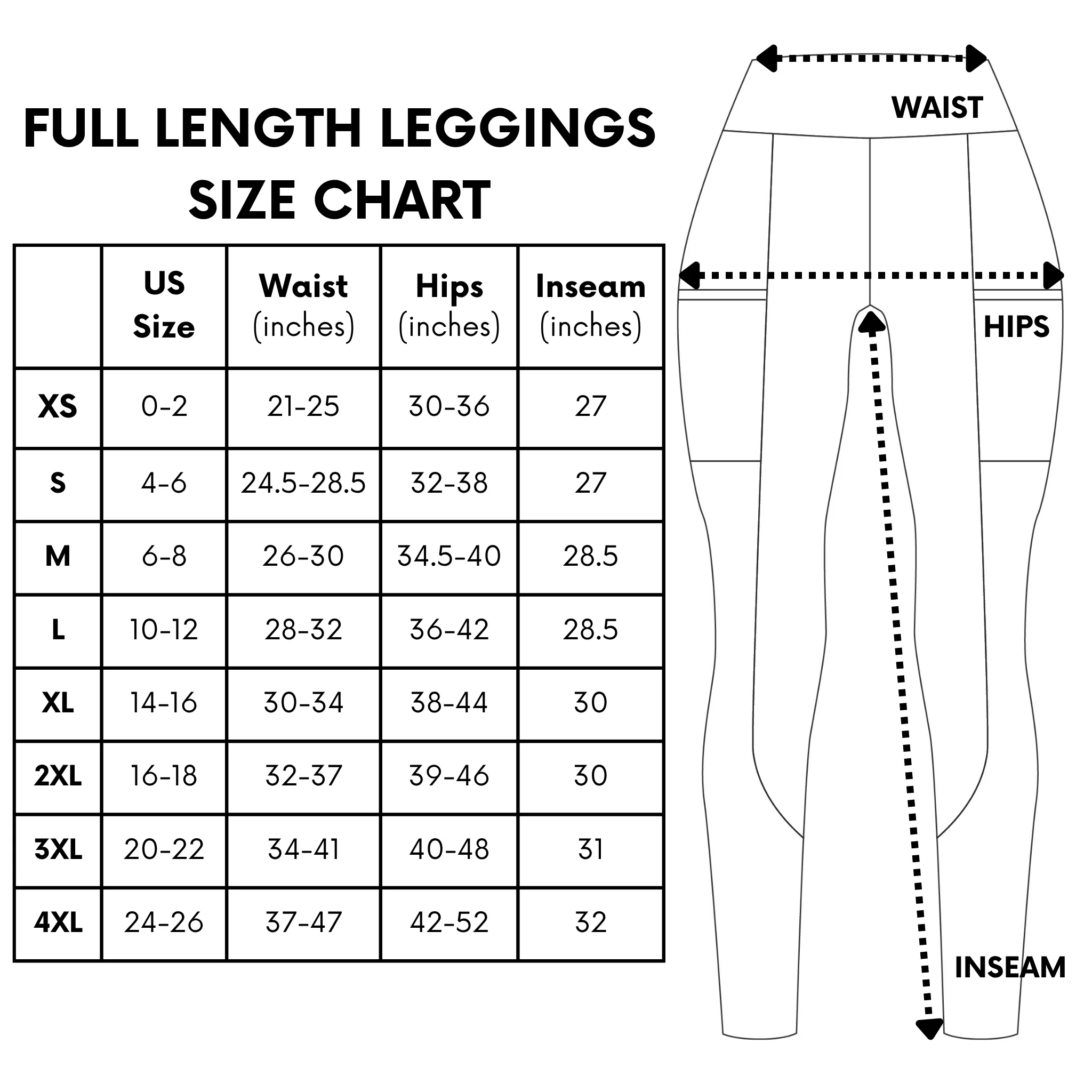
Waistband behavior cannot be separated from hip, rise and crotch dimensions. MOVEVOX can work from the buyer’s own Measurement Chart and approved fit rather than imposing one universal factory size system.
Waist & Torso
Finished waist circumference works together with knitted density and recovery to determine how the high-waist structure holds.
High-hip dimensions influence the transition between waistband and fuller seat area.
Hip measurement must remain connected to intended negative ease, material behavior and overall support direction.
Front rise influences torso coverage, while back rise affects seat coverage and rear-waist position under movement.
Crotch & Leg
Crotch dimensions and knitted structure should support the intended fit without relying only on flat measurements.
Thigh fit affects local extension and how texture or density appears when worn.
Inseam establishes finished leg length while interacting with crotch balance and overall garment proportion.
Extended sizing should be reviewed against actual garment structure and buyer requirements rather than one automatic enlargement ratio.
Start Seamless Development With the Right Material Direction
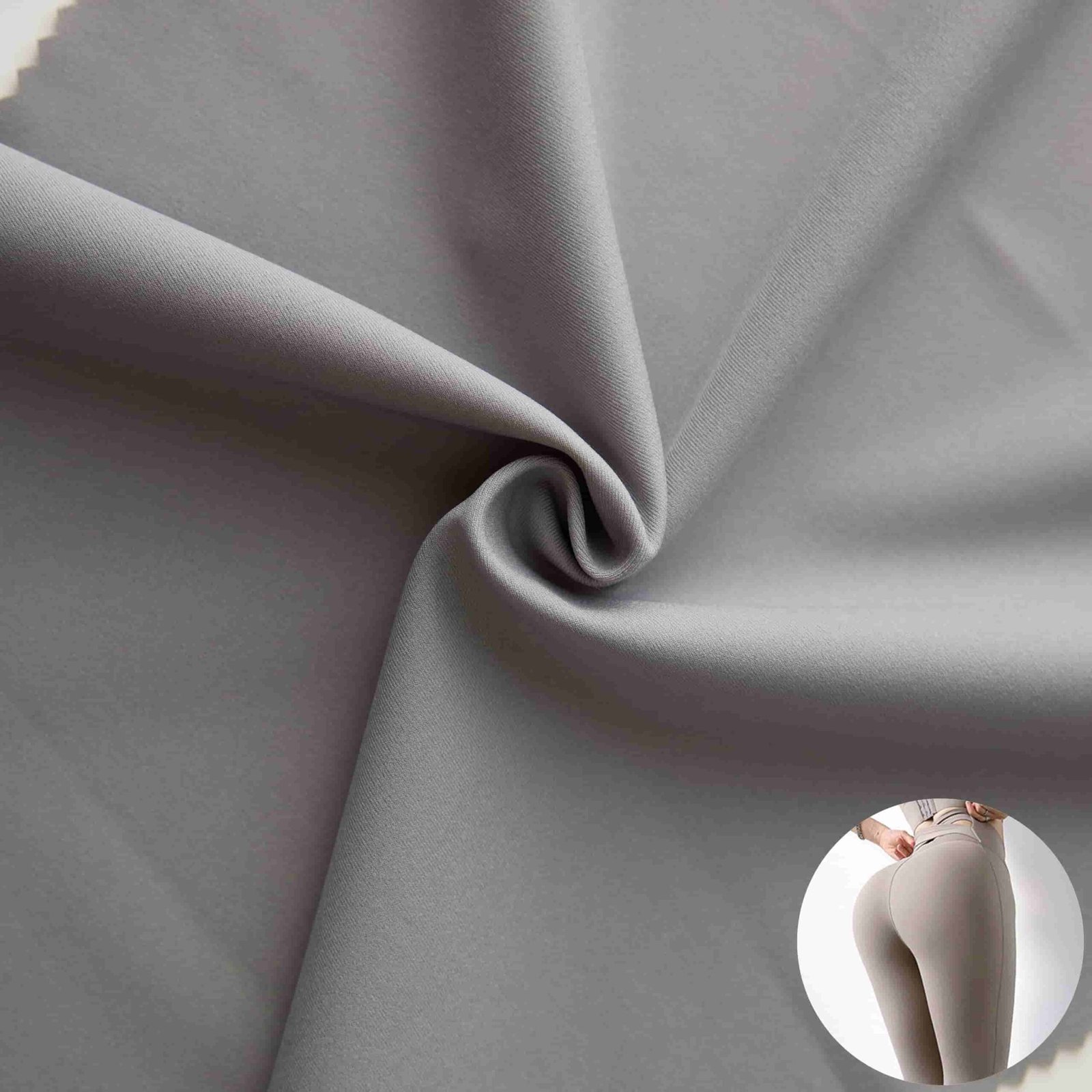
Seamless garment behavior begins with the yarn system and knitted structure. The following ranges are MOVEVOX development references rather than fixed specifications for every product.

Nylon / Polyamide + Spandex
Development reference: 70–82% Nylon / 18–30% Spandex
Direction: Softness / stretch / recovery direction
This fiber combination can support soft handfeel, stretch and recovery requirements, but the actual result still depends on yarn form, knitting program, density and finishing.
Polyester + Spandex
Development reference: 75–90% Polyester / 10–25% Spandex
Direction: Activewear / color / commercial direction
Polyester-based systems can be considered where product, color and commercial requirements make them appropriate. Fiber type alone should not be used to claim quick-dry or moisture-wicking performance.

Softer Handfeel
Development reference: Project specific
Direction: Fine-yarn / softer knitted direction
Softer Seamless development can use fine yarn and less aggressive density where the product direction allows. The final product still needs sufficient recovery and coverage for its intended fit.
Higher-Recovery Direction
Development reference: Project specific
Direction: Firmer support direction
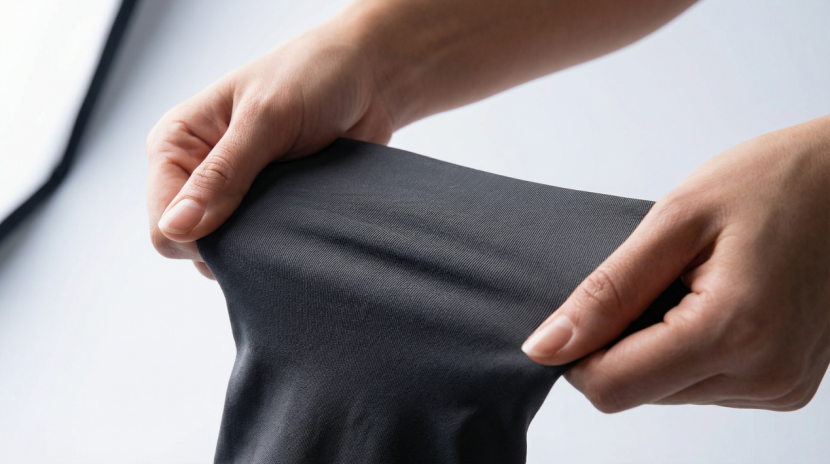
A firmer support direction can use greater elastic content, controlled density and finished dimensions to influence garment recovery. This remains non-medical sports support unless separate evidence establishes a defined pressure level.
Seamless Yarn System
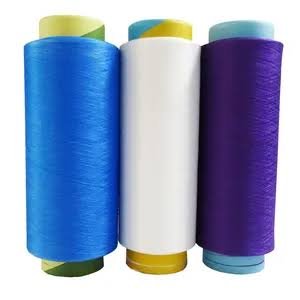
Development reference: 80–94% main fiber / 6–20% Spandex
Direction: General Seamless development reference
MOVEVOX’s general Seamless reference range is approximately 80–94% main fiber / 6–20% Spandex, depending on product requirements. Final composition is project-specific.
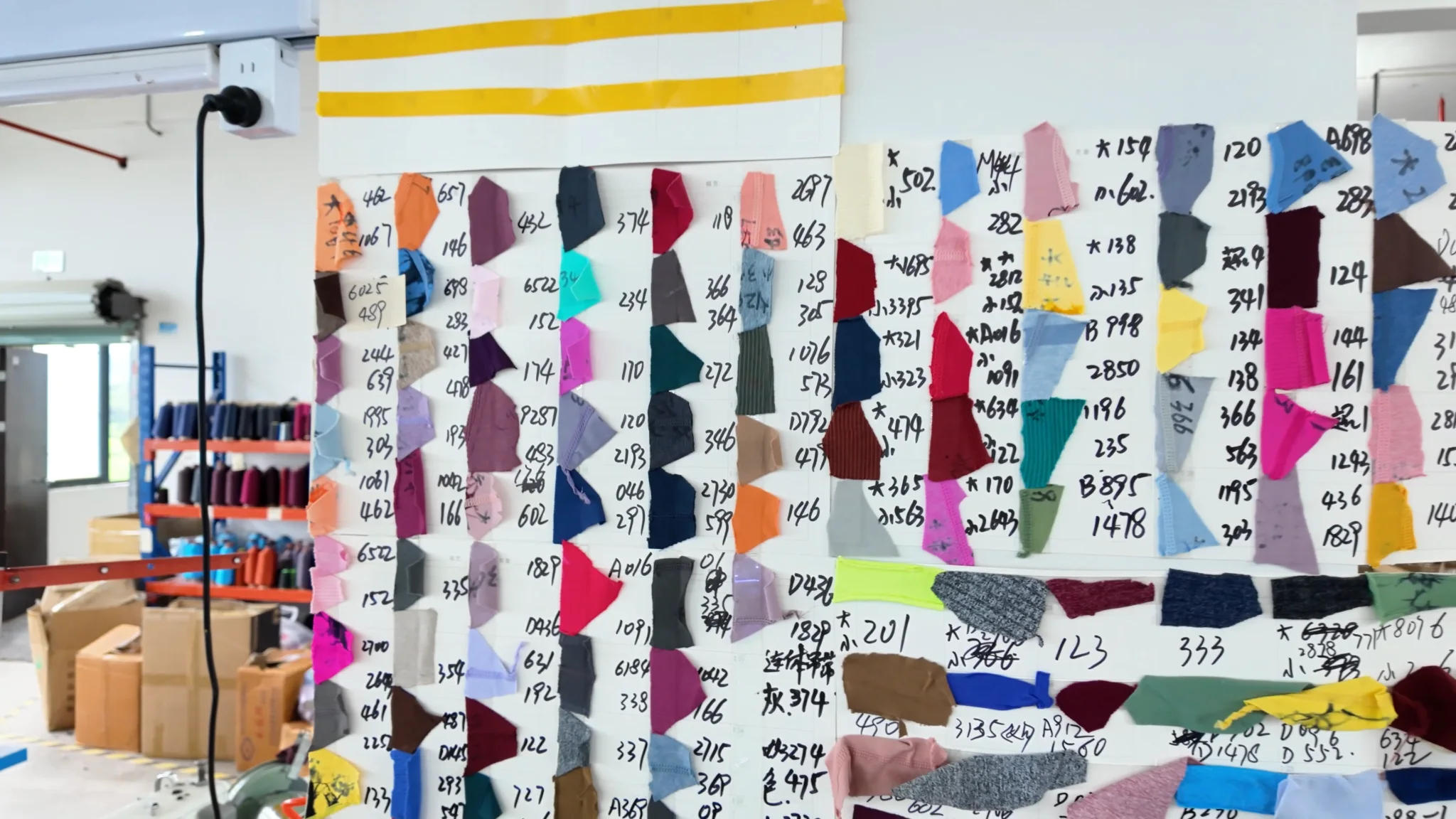
Color Development
Development reference: Custom dye evaluation
Direction: Color / commercial feasibility
Custom yarn or material color must be connected to practical dye-lot conditions. Dedicated custom dyeing commonly requires approximately 400–600 garment-equivalent quantity for project evaluation.
Six Variables Behind Seamless Stretch and Recovery
A waistband must extend enough for dressing and movement while returning toward its intended dimensions. No single fiber percentage or knit specification determines that behavior alone.

Spandex Content
Elastic-fiber percentage influences extension and recovery but cannot independently define the finished garment. The surrounding fiber, yarn construction, knitted structure and finishing also contribute to actual behavior.
MOVEVOX development logic · project-specific validation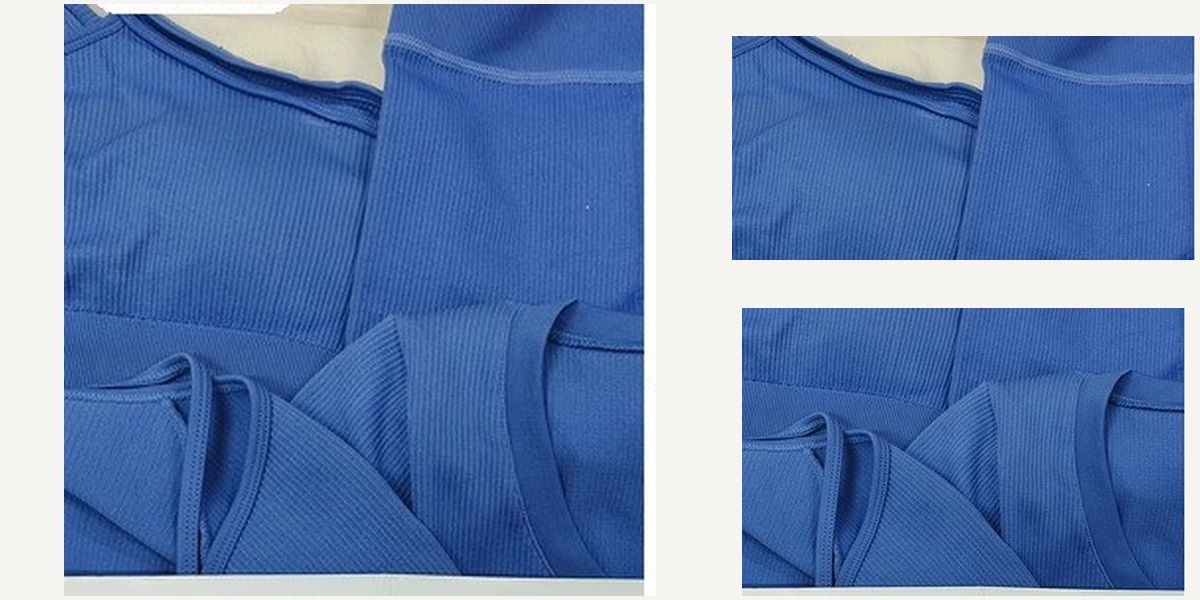
Knit Structure
Rib, plain structures and localized density can extend differently even when made from similar yarn. Development should therefore evaluate the actual knitted zone rather than relying only on fiber composition.
MOVEVOX development logic · project-specific validation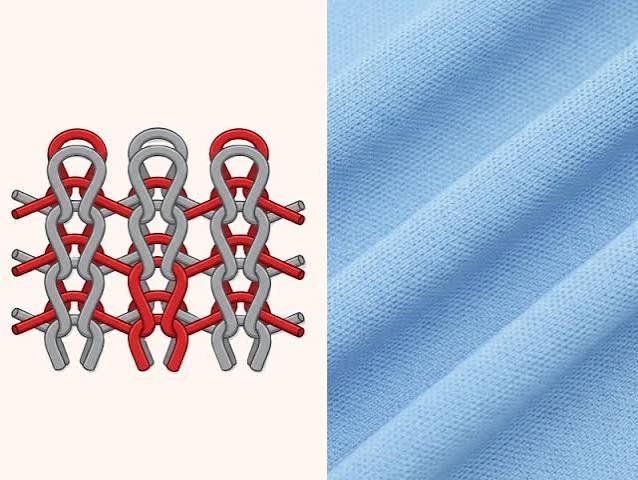
Density
A denser knitted structure can create a firmer support direction, but excessive density may reduce comfort or alter mobility. The correct level remains product-specific.
MOVEVOX development logic · project-specific validation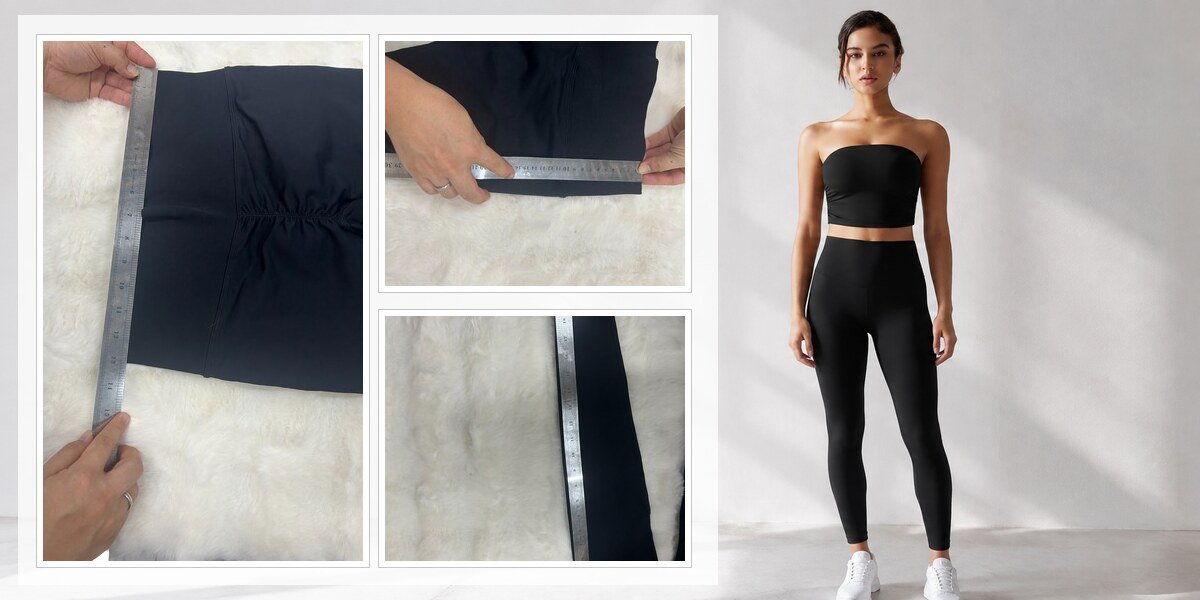
Finished Dimensions
Garment dimensions determine how far the material is extended when worn. A strong-recovery yarn system can still produce an unsuitable fit if waist and hip dimensions are incorrect.
MOVEVOX development logic · project-specific validation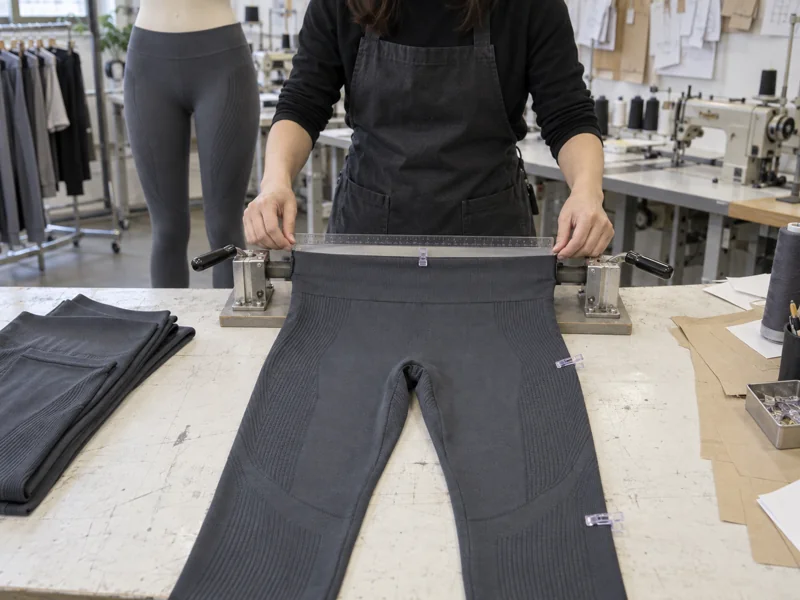
Repeated Extension
Physical use repeatedly stretches the waistband and garment. Project-specific recovery testing can help evaluate whether the selected material and knitted structure remain suitable for the buyer’s requirement.
MOVEVOX development logic · project-specific validation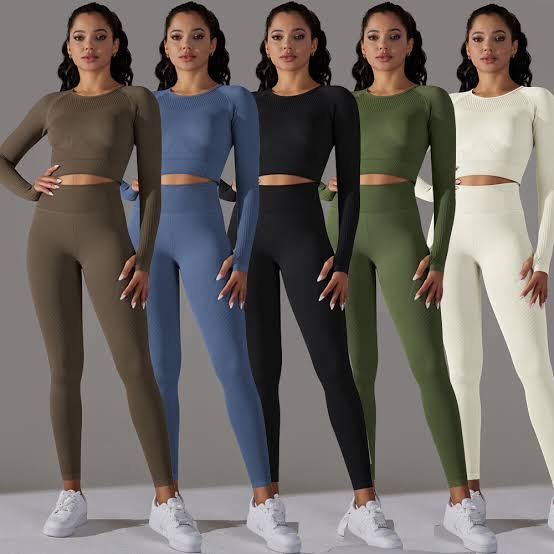
Size & Fit
Different sizes create different dimensional relationships and local extension. Recovery should therefore be considered together with the buyer’s Measurement Chart, size development and approved physical sample.
MOVEVOX development logic · project-specific validationChoose Seamless Because the Product Needs It
MOVEVOX supports both Seamless and Cut & Sew manufacturing. That allows the production route to follow the product architecture instead of forcing every leggings design through Santoni knitting.
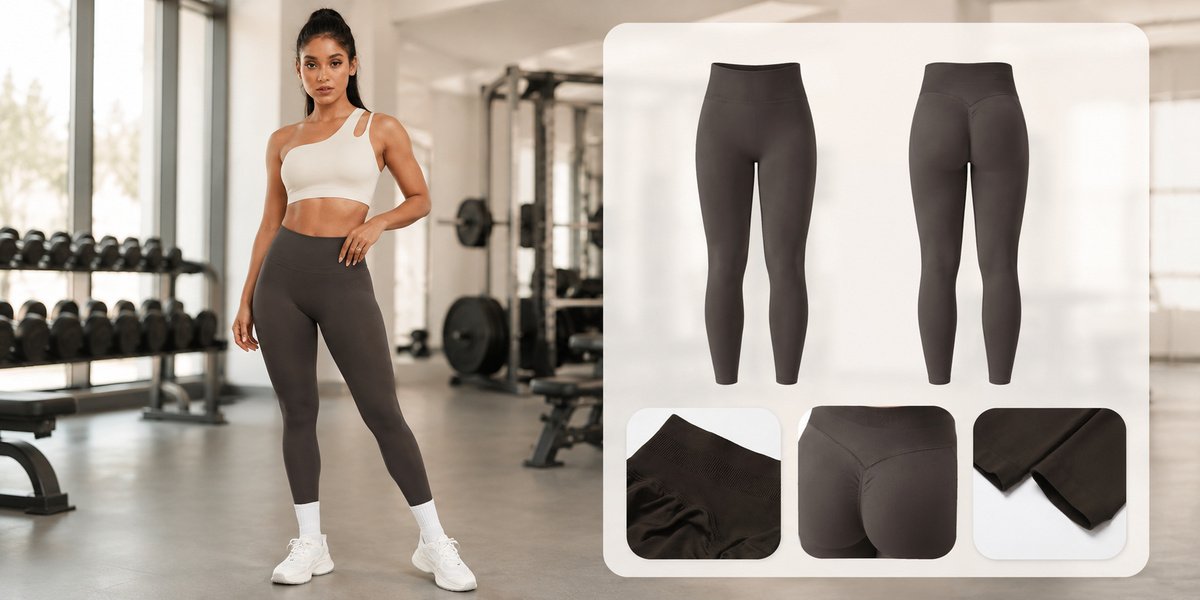

| Decision Factor | Seamless Route | Cut & Sew Route |
|---|---|---|
| Engineered Rib | Can be programmed directly into the knitted garment | Requires selected ribbed fabric or separate construction |
| Localized Density | Different knitted density can be programmed by zone | Support changes generally depend on material, layers or pattern |
| Texture / Jacquard | Can be engineered directly through knitting | Usually comes from fabric surface, printing or panel selection |
| Conventional Side Pocket | More constrained by knitted structure | Greater flexibility through panel and pocket pattern construction |
| Complex Panel Design | Limited by circular-knitting architecture | Strong flexibility through separate cut pieces |
| Material Form | Yarn-based development | Piece-goods fabric |
| Development Logic | Yarn + program + finished dimensions | Fabric + pattern + sewing construction |
Use Seamless When
The product benefits from integrated rib, texture, mesh, jacquard or localized knitted structure and the intended design is compatible with circular knitting.
Use Cut & Sew When
The product depends on complex pockets, panel geometry, fabric combinations or conventional pattern construction that provides greater flexibility through separate cut pieces.
How a Seamless High-Waist Program Reaches Production
MOVEVOX’s owned Santoni system controls the core knitting stage, while approved yarn, color and specialist upstream processes are coordinated through the supply chain.
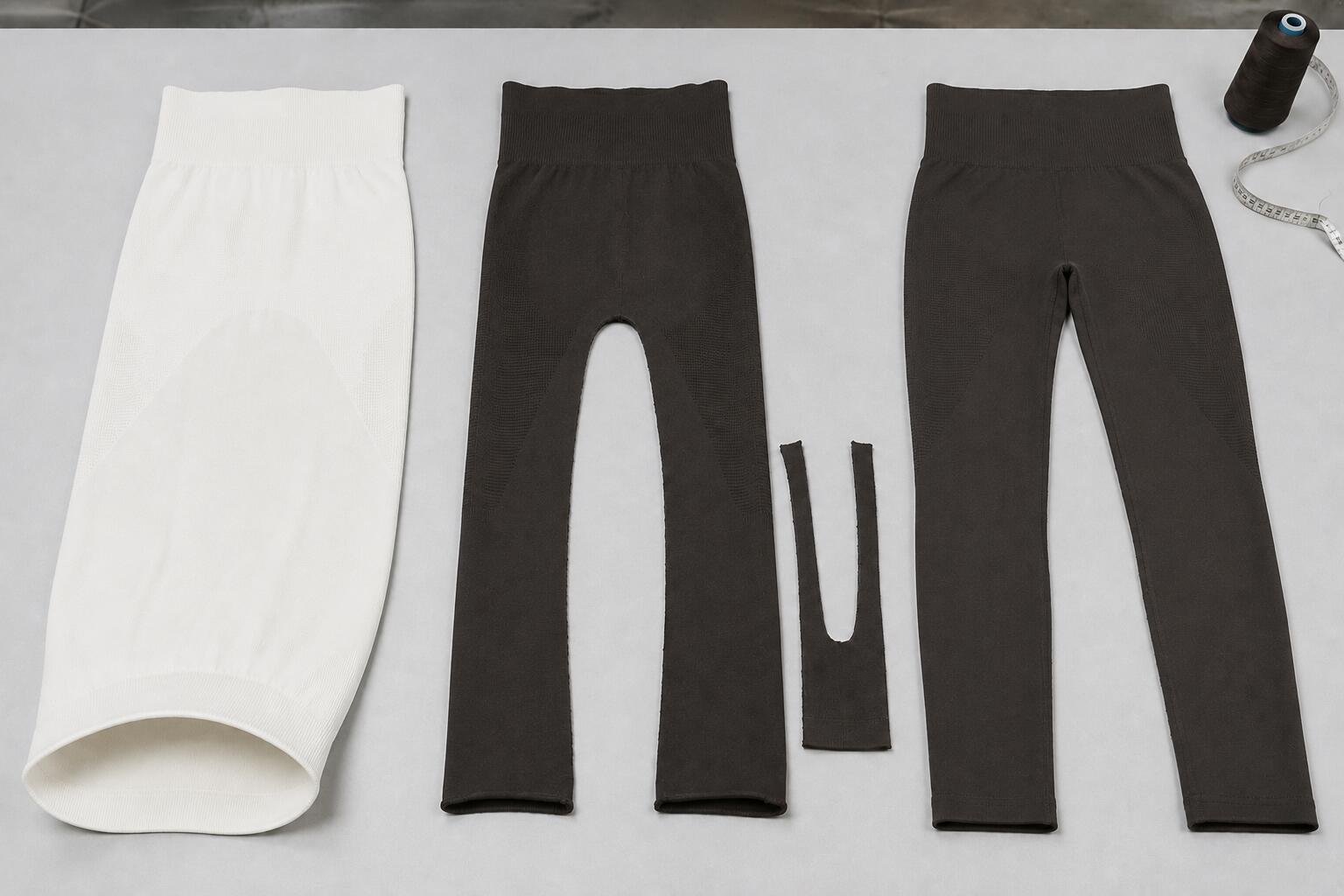
From Material Direction to Santoni Knit
Yarn Direction
The product begins with a confirmed yarn and material direction based on handfeel, support, stretch, recovery, color and commercial feasibility. MOVEVOX does not claim to own yarn spinning.
Color Preparation
Where a custom color is required, the relevant supplier prepares the yarn or material color according to the approved development route and practical dye-lot conditions. MOVEVOX does not represent external dyeing resources as owned.
Knit Program
Waistband, rib, texture, mesh, jacquard and other approved knitted structures are translated into the development program according to Santoni-machine feasibility.
Santoni Knitting
The product is knitted through MOVEVOX’s owned Seamless manufacturing system, which includes 28 Italian Santoni machines. The resulting garment remains a development version until inspected and approved.
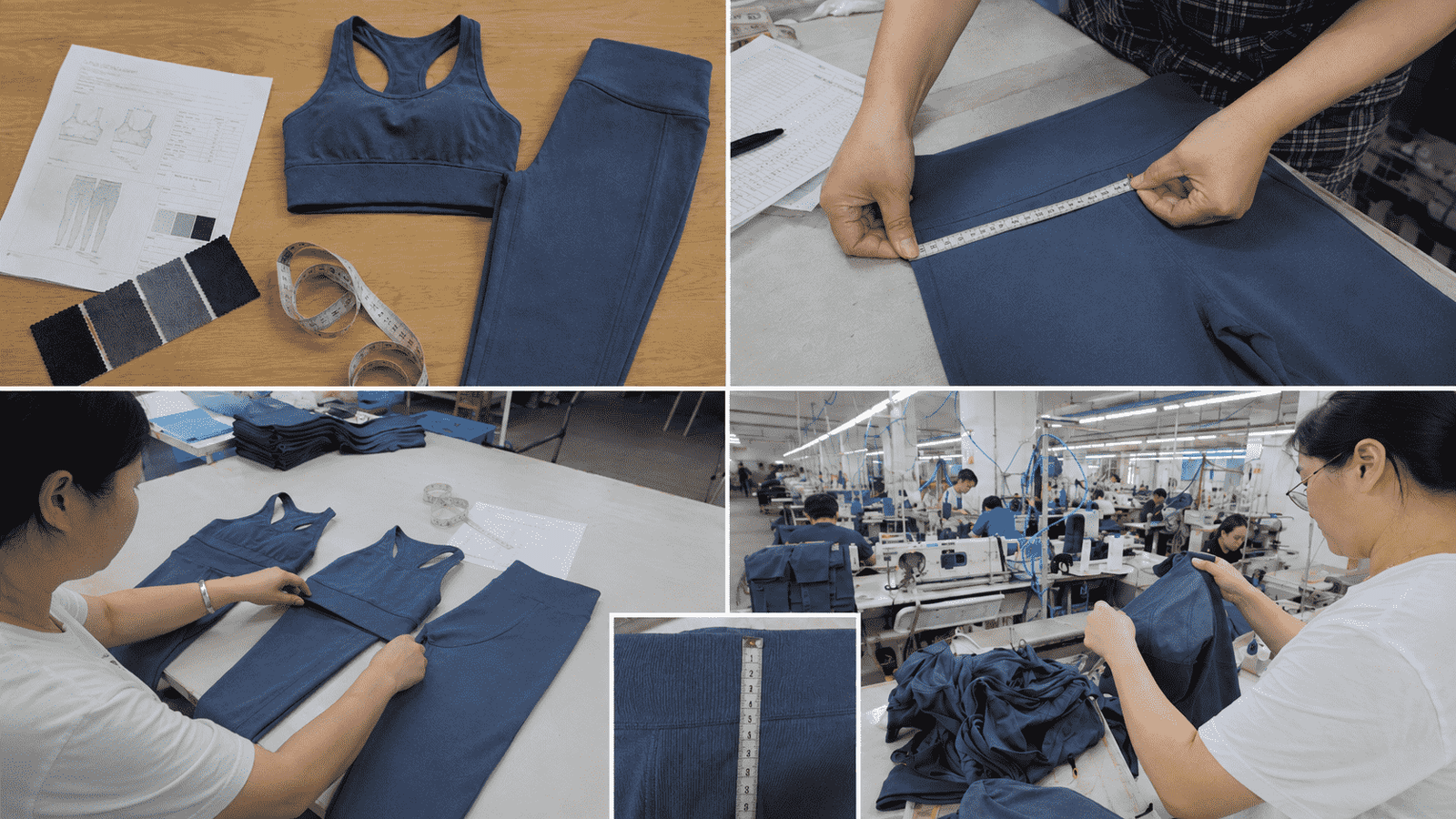
From First Knit to Bulk Reference
Structure Review
Measurements, knitted zones, visible texture, waistband and other relevant product characteristics are reviewed against the current specification.
Required Finishing
Selected sewing, label attachment, finishing or other approved operations are completed according to the product structure. Seamless does not mean zero finishing.
Measurement & QC
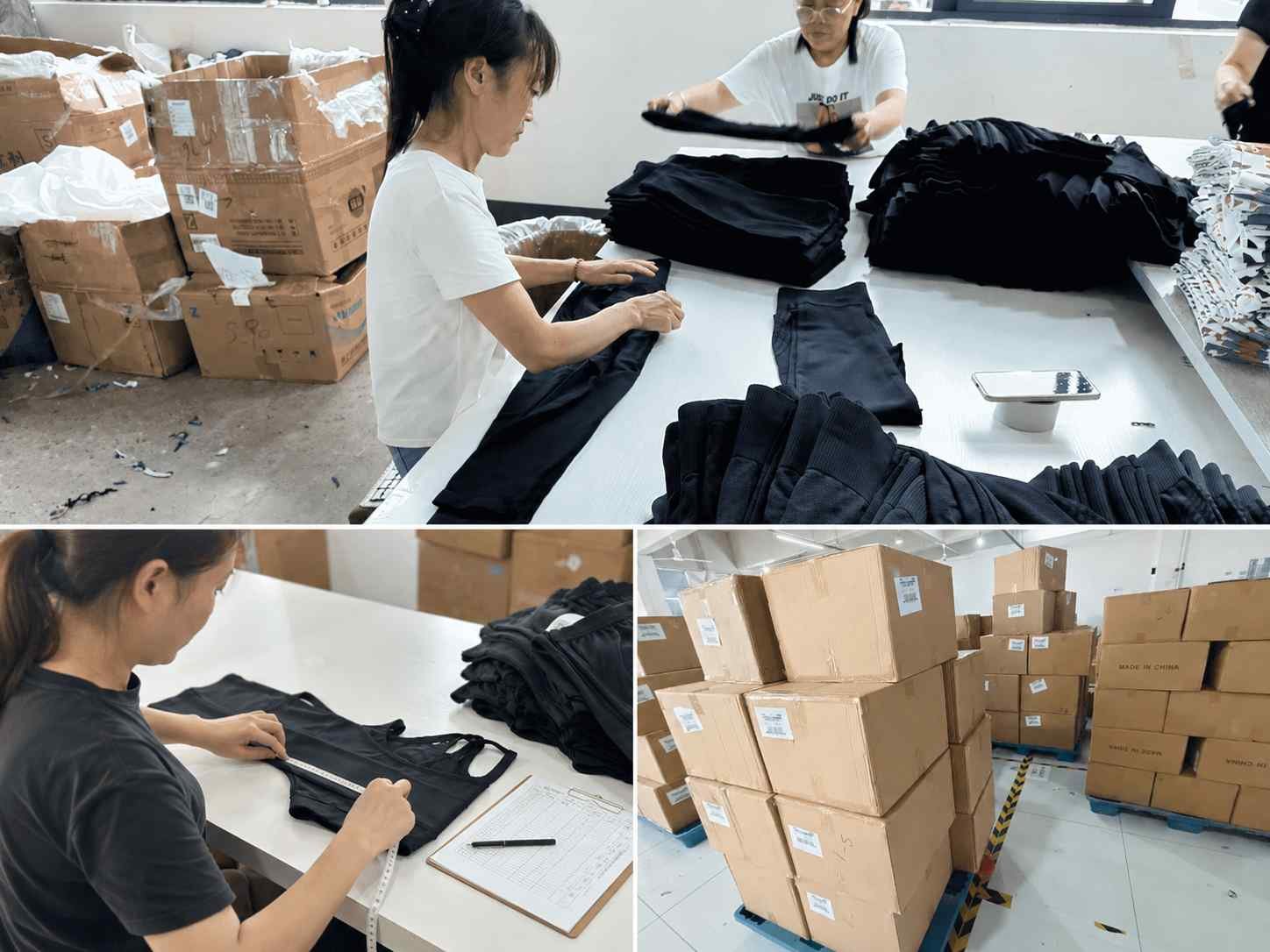
The finished garment is checked against defined measurements, visual requirements, workmanship and other buyer-approved criteria.
Bulk Reference
The approved garment, specification, yarn/material direction, knit program and branding information become part of the production reference for commercial bulk.
See How a Seamless Sample Becomes an Approved Product
The most useful development evidence is the work between the buyer brief and the finished product. Each stage should leave a clearer technical reference for the next iteration.
Product Brief
Define the high-waist product before machine programming. Product role, waistband, measurements, knit details, material, colors, quantity and branding are reviewed so the first development version starts from clear requirements.

Yarn Direction
Select a development yarn system suitable for the intended handfeel and support direction. Actual yarn availability, elastic content, color and commercial conditions are reviewed before physical knitting.
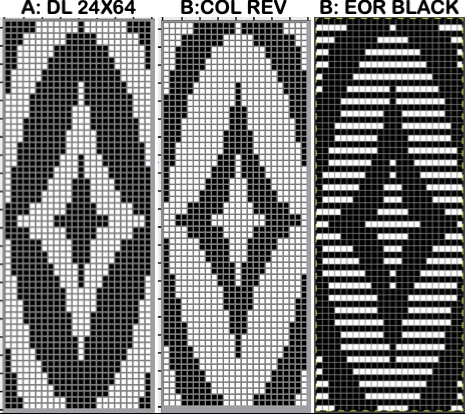
Knit Program
Convert waistband and knitted-zone requirements into a Santoni development program. Rib, density and texture remain development variables until the physical garment is approved.
需要真实素材替换First Knit
Produce the first physical knitted development garment. This version allows the team to compare the programmed structure with the intended waist, fit and visual design.
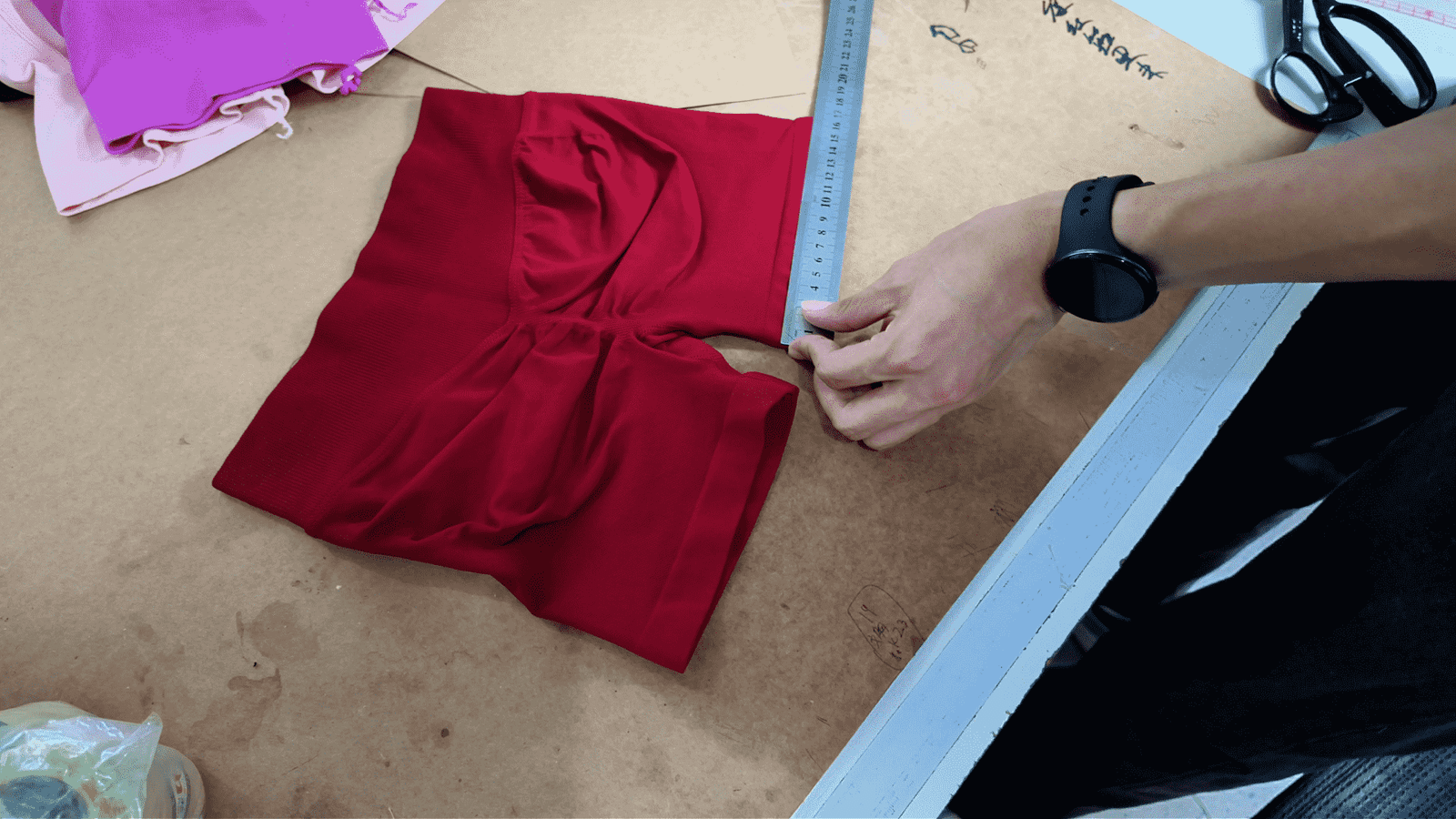
Measurement
Check waist, hip, rise, inseam and other relevant dimensions. Measurement data helps convert subjective fit comments into controlled revisions.
Fit Review
Review waistband position, comfort, crotch balance and material behavior. The buyer decides whether the current direction matches the intended product.
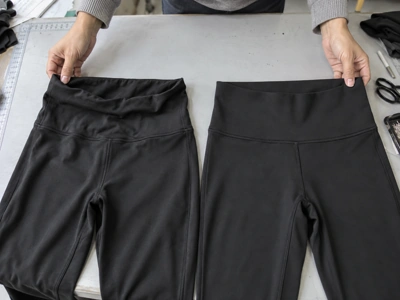
Waistband Revision
Adjust dimensions, density or structure where required. Changes should be documented rather than made informally at the machine.
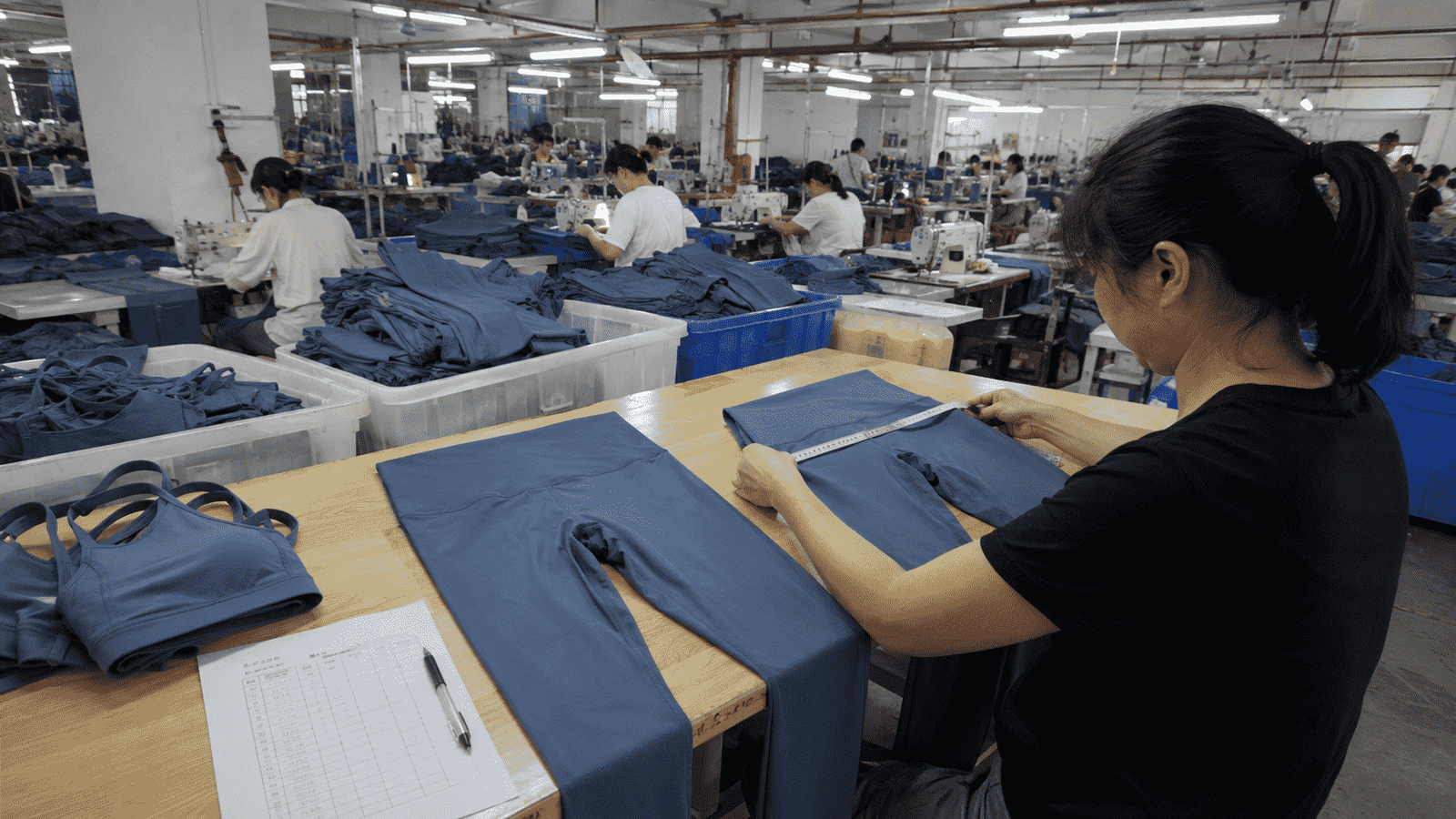
Approved Sample
Confirm the accepted physical garment and relevant technical information. The sample becomes part of the commercial production reference.
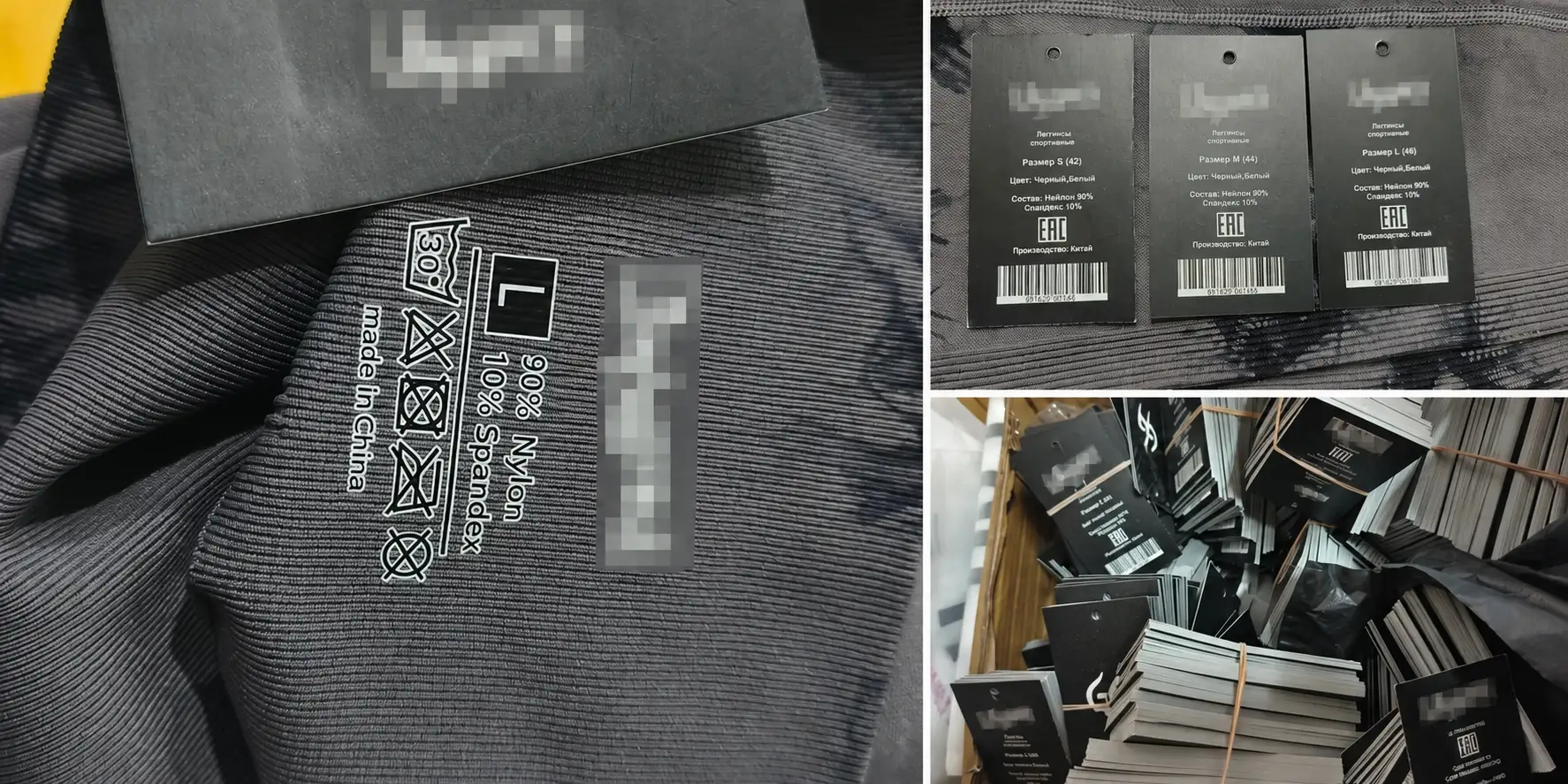
Bulk Reference
Connect the approved sample to yarn, program, color, branding and production instructions. Bulk should reproduce an approved standard rather than recreate the product from memory.
Turn One Approved Sample Into a Reproducible Bulk Standard
For a Seamless program, bulk consistency depends on more than keeping one physical garment. The approved product should remain connected to the yarn, knitting program, measurements and commercial SKU information.
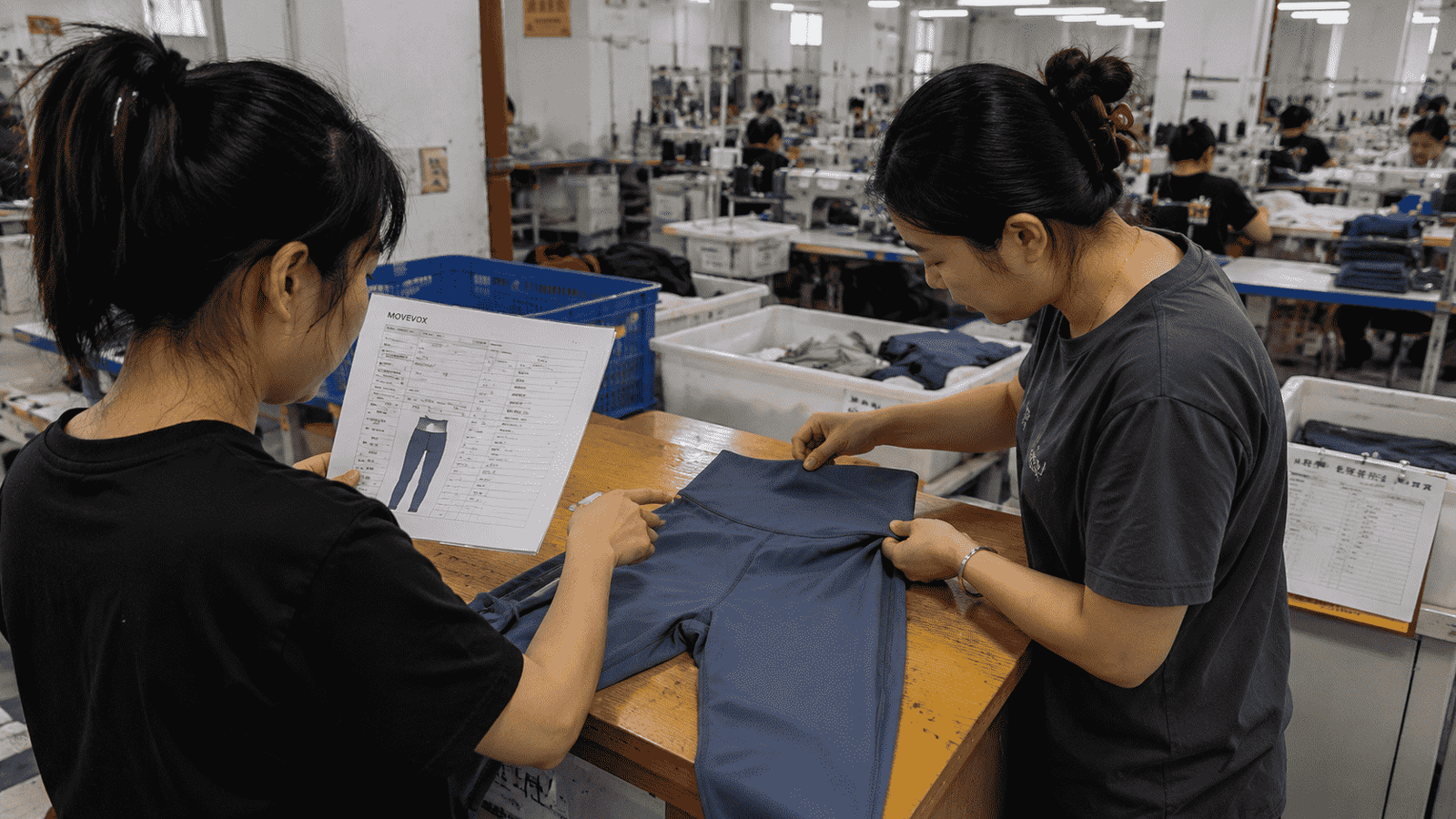

Waistband — Development
Height, density, top edge and finished circumference may change through sampling.
Waistband — Bulk
The approved waistband structure and dimensions become production and inspection references.
Measurements — Development
Waist, hip, rise, inseam and other POMs can be revised through fit comments.
Measurements — Bulk
Confirmed measurements and tolerances define the commercial product.
Yarn / Material — Development
Different yarn directions may be compared for handfeel, recovery and support.
Yarn / Material — Bulk
The approved material direction is tied to purchasing and production planning.
Knit Program — Development
Rib, texture, mesh and density can still change.
Knit Program — Bulk
Only the approved knitting version should remain active for commercial production.
Color — Development
Color may still be undergoing physical approval.
Color — Bulk
The accepted physical standard becomes the execution reference.
Branding — Development
Logo method, placement and size can still be tested.
Branding — Bulk
Approved artwork and application requirements become QC references.
Packaging — Development
Label and barcode information may remain provisional.
Packaging — Bulk
Final style, color and size data must match the corresponding SKU.
Version Control — Development
Several working files and program versions may exist.
Version Control — Bulk
The active production version must be unambiguous across development, production and QC.
Ready to Review a Seamless High-Waist Program?
Share your existing Tech Pack, product reference or development brief. MOVEVOX can review waistband, fit, yarn or material direction, knit features, MOQ and sample requirements before the project enters a formal development or production commitment.
Useful First-Review Information
- Product / intended use
- Tech Pack status
- Waistband direction
- Size range
- Yarn or material requirement
- Knit features
- Number of colors
- Estimated quantity
- Branding
- Target date
Project Review
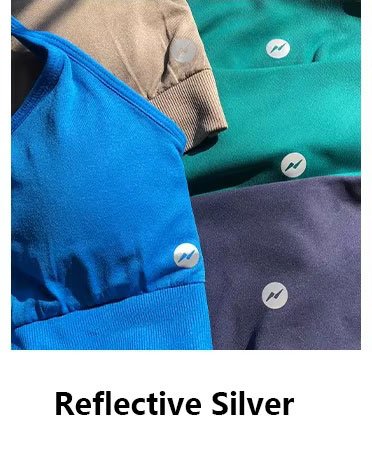
Match Branding to the Seamless Knitted Surface
Seamless fabrics can stretch, compress and texture differently by zone. Logo method and placement should therefore be confirmed on the actual finished material.

Jacquard
Branding can be integrated into suitable Seamless knitting where design size, yarn colors and program feasibility allow.
Applied area: Selected knitted garment zone
Control: Legibility and appearance under stretch
Heat Transfer
Heat-transfer branding provides a clean applied graphic where temperature, pressure and surface structure are compatible.
Applied area: Relatively controlled knitted surface
Control: Adhesion, cracking, migration and distortion

Silicone
Silicone can create a raised or tactile mark on suitable product areas.
Applied area: Selected lower-stretch or validated position
Control: Thickness, mould, adhesion and stretch compatibility
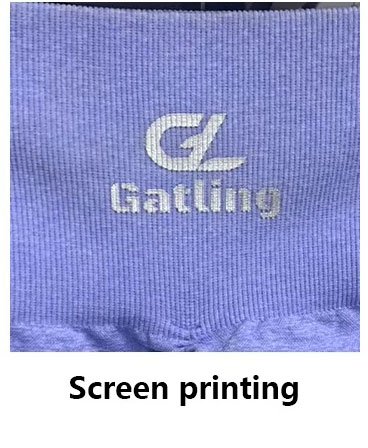
Screen Print
Screen printing can be considered where the knitted surface and intended extension are suitable.
Applied area: Approved garment zone
Control: Ink stretch, color and surface appearance
Woven Label
A sewn woven label can provide discreet brand identification without relying on a surface print.
Applied area: Approved label position
Control: Comfort, edges and stitching
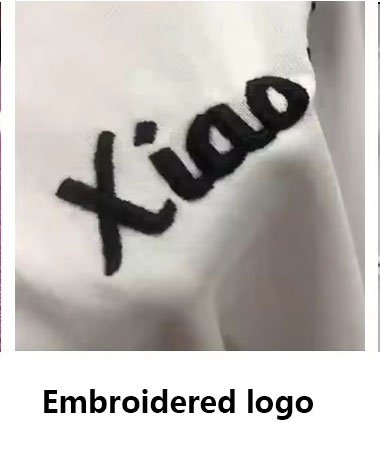
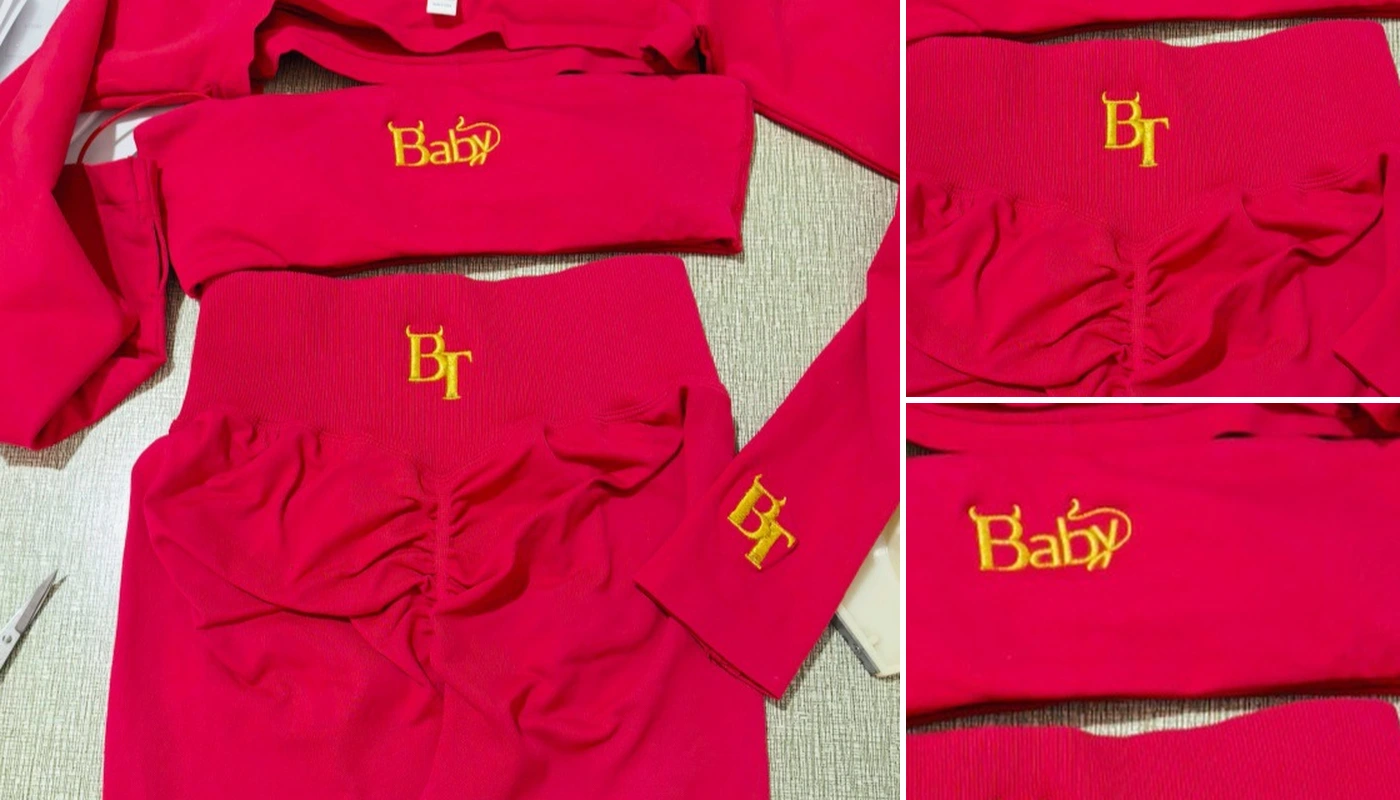
Embroidery
Embroidery can be used only where the material, backing and local stretch make the method appropriate.
Applied area: Selected structured zone
Control: Distortion, weight and wearer comfort
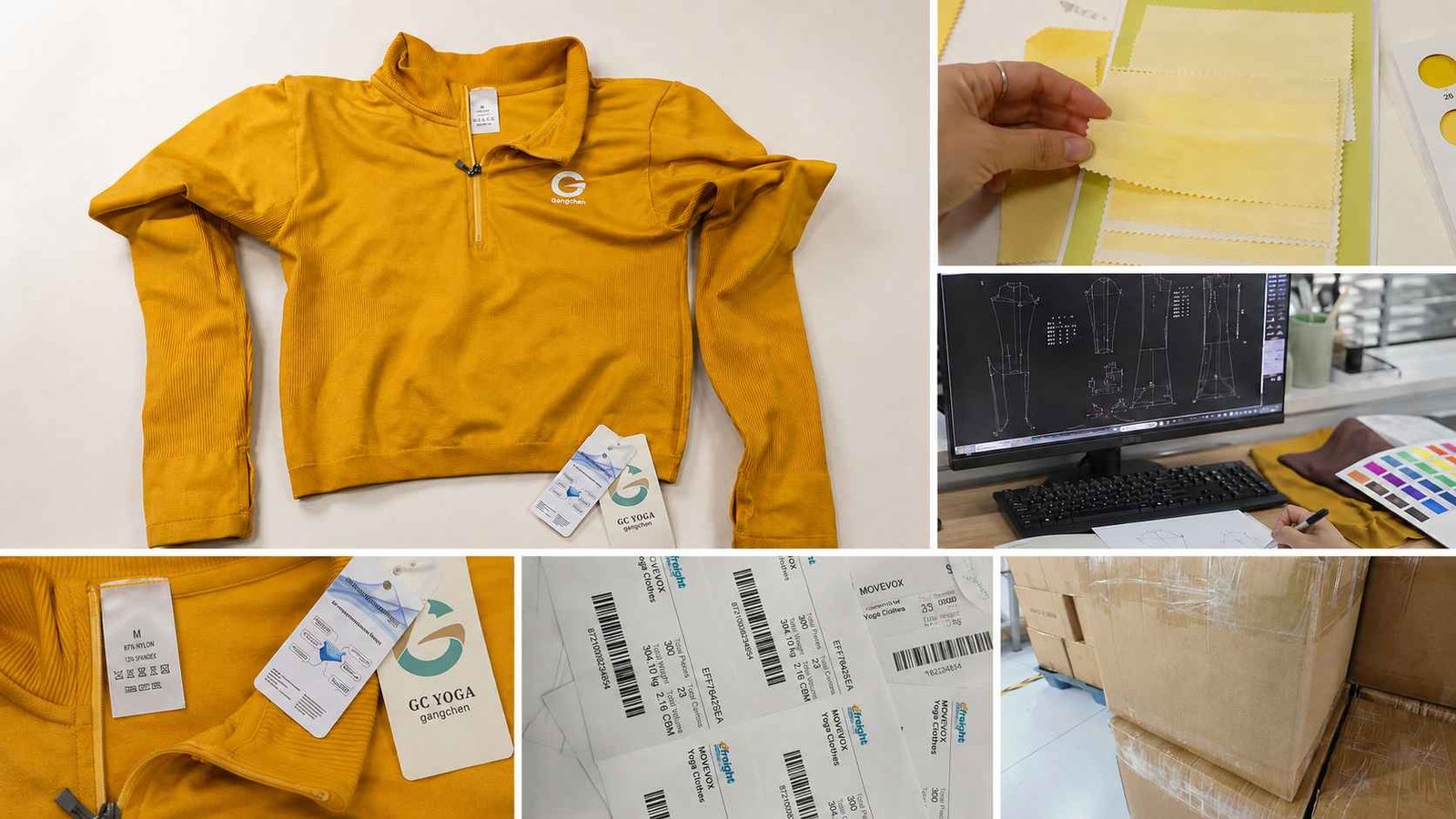
Connect the Seamless Product to the Final Brand SKU
Private-label execution goes beyond the logo. Size, color, labels and barcode need to remain accurately connected to the corresponding garment through packing and shipment.
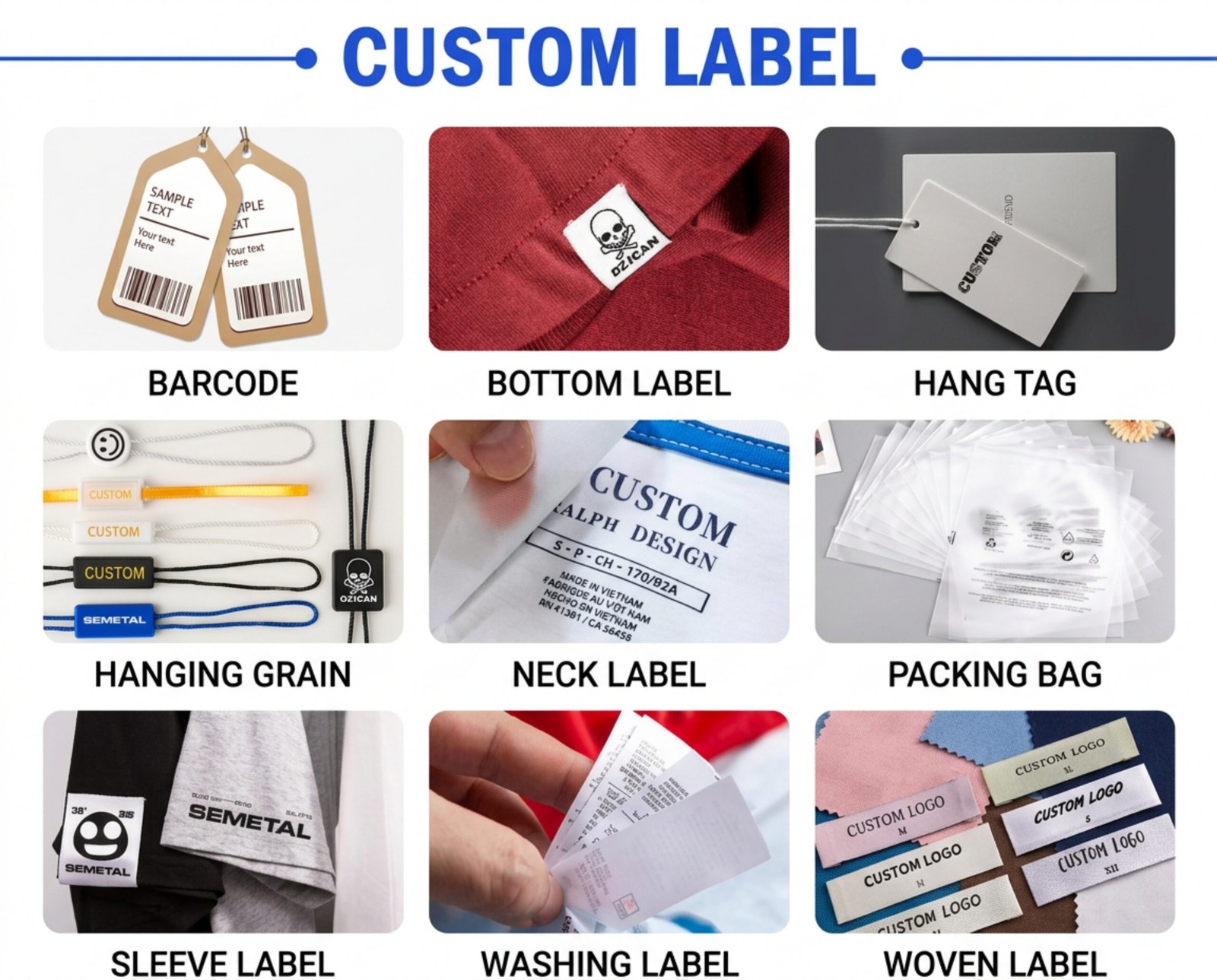
Main Label
Approved brand identity, label material, dimensions and attachment method.
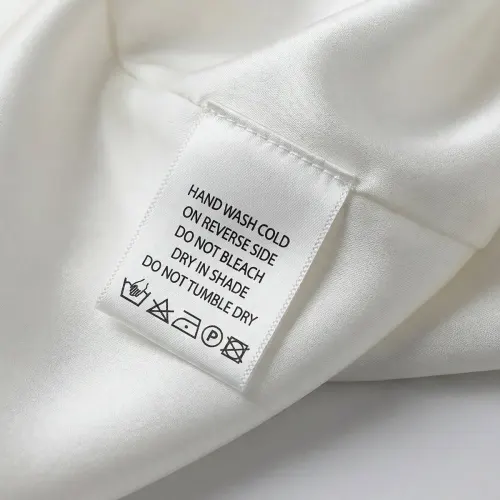
Care Label
Buyer-approved fiber, care and relevant market information.
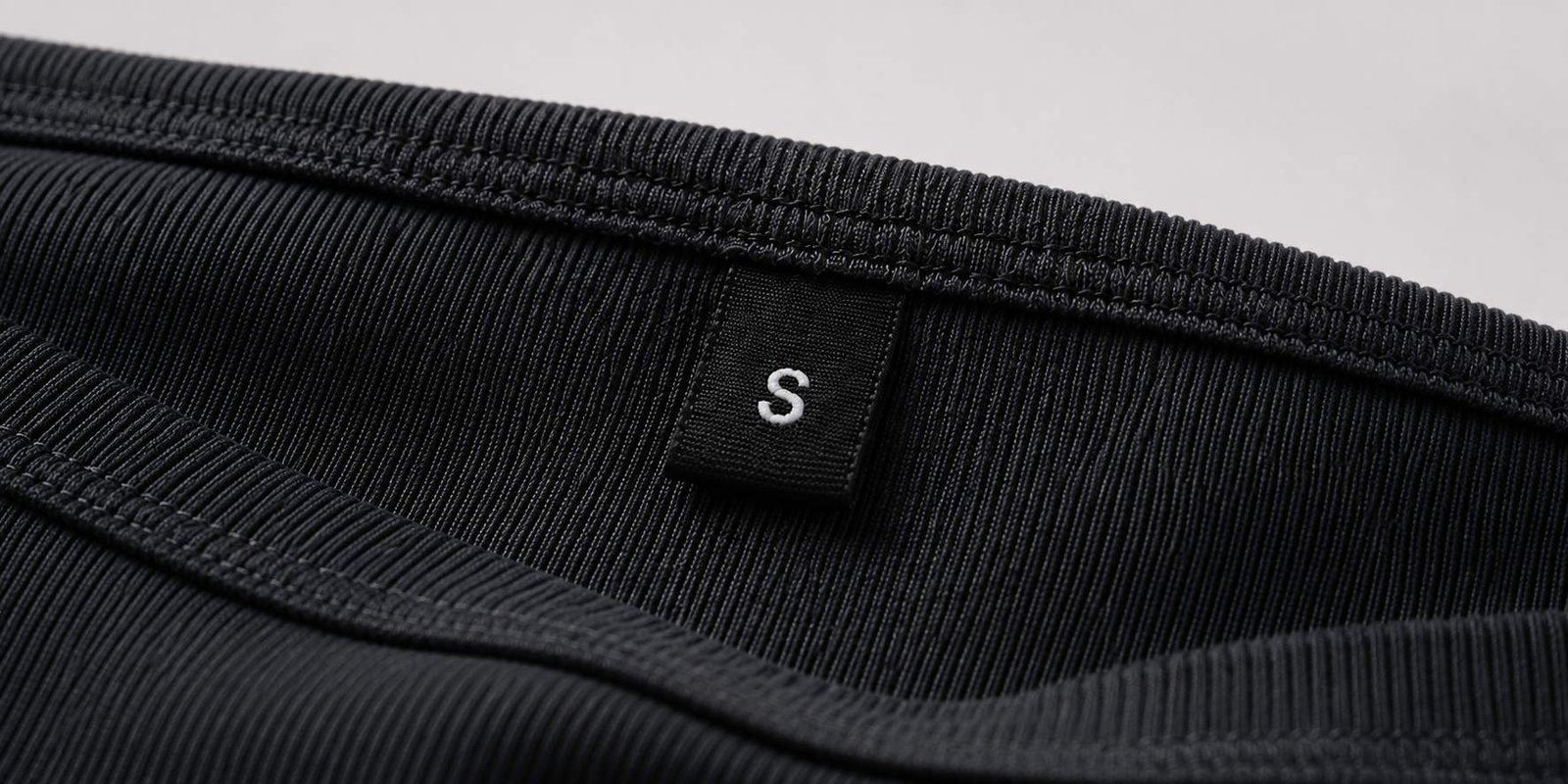
Size Label
Size identification aligned with the buyer’s approved size system.
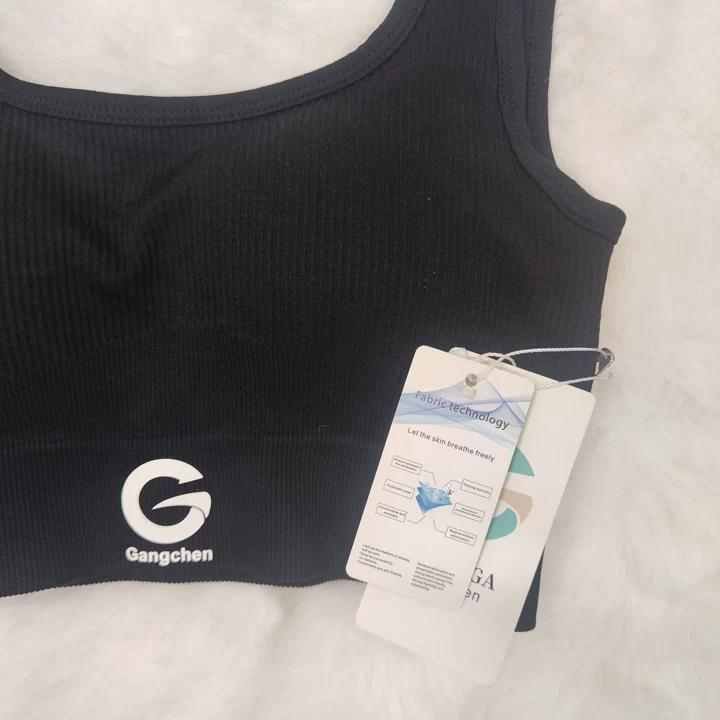
Hangtag
Brand or retail information tied to the correct product SKU.
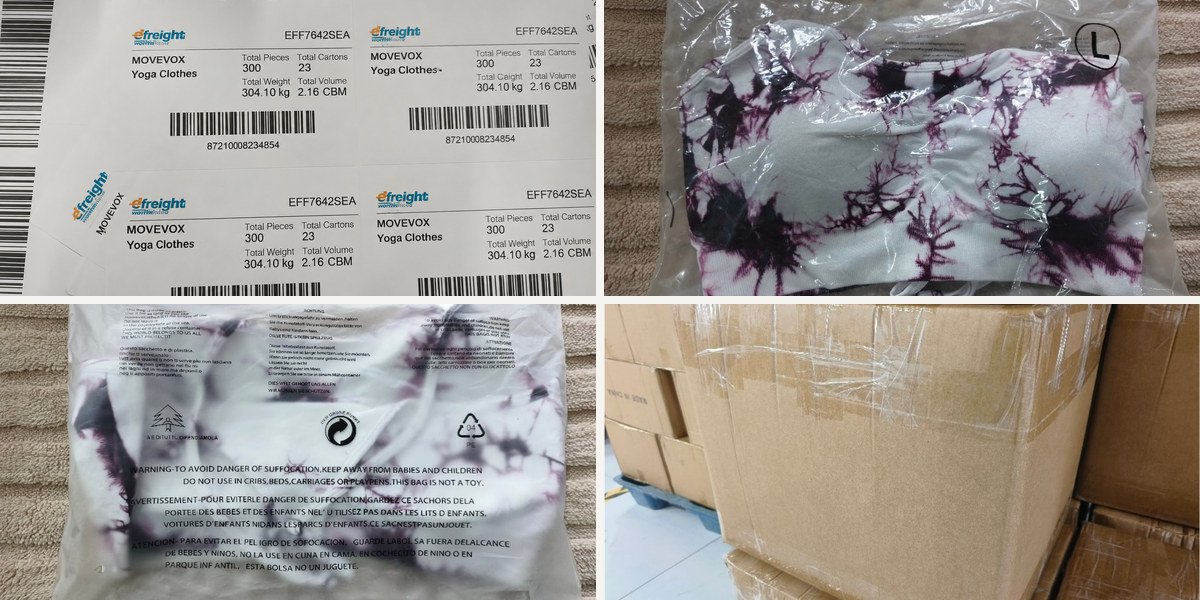
Barcode / QR
Style, color and size data matched to the corresponding garment.
Polybag
Individual packing according to buyer requirements and final SKU information.

Carton
Outer carton quantity and marks aligned with the approved packing instruction.
Eight Controls for Seamless High-Waist Bulk Production
MOVEVOX’s five-person QC structure supports quality control from material preparation through finished-garment release. High-waist Seamless products require attention to dimensions and knitted appearance as well as general workmanship.

Yarn / Material
Approved yarn or material information should remain connected to the production order. Relevant checks can include color, composition information, elasticity, recovery and other project-defined requirements before the garment enters commercial production.

Program Reference
The active knitting program should correspond to the approved development version. Waistband, rib, texture, mesh or other programmed details should not be changed informally after sample approval without appropriate project review.
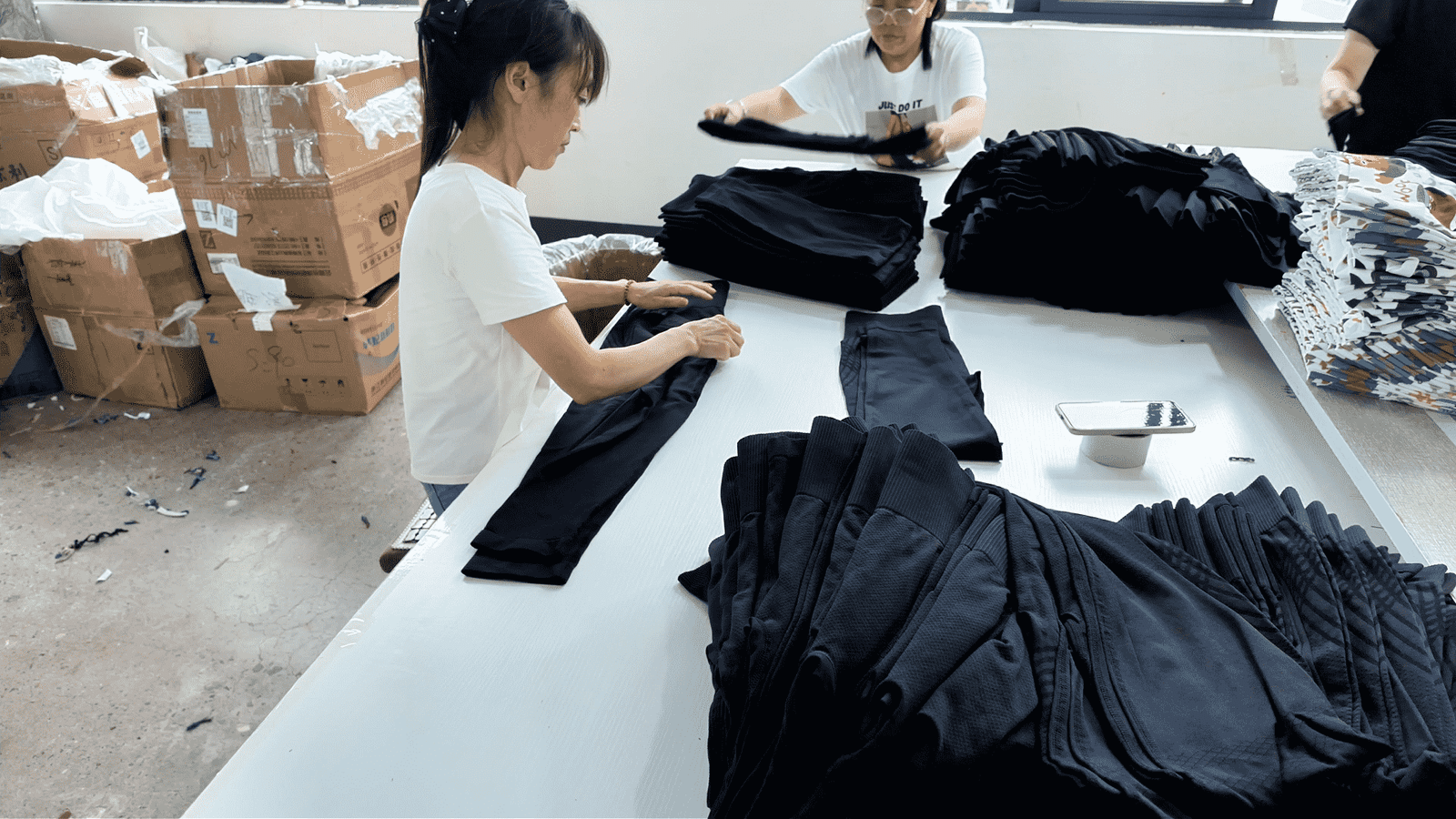
First Article
The first commercial output provides an early opportunity to compare measurements, knitted structure, waistband, color and visible appearance with the approved standard before production volume increases.

Waist Measurement
Finished waist, rise and other buyer-defined POMs are measured against the confirmed specification. Measurement control is particularly important because small dimensional changes can alter how a high-waist knitted product feels and sits on the body.
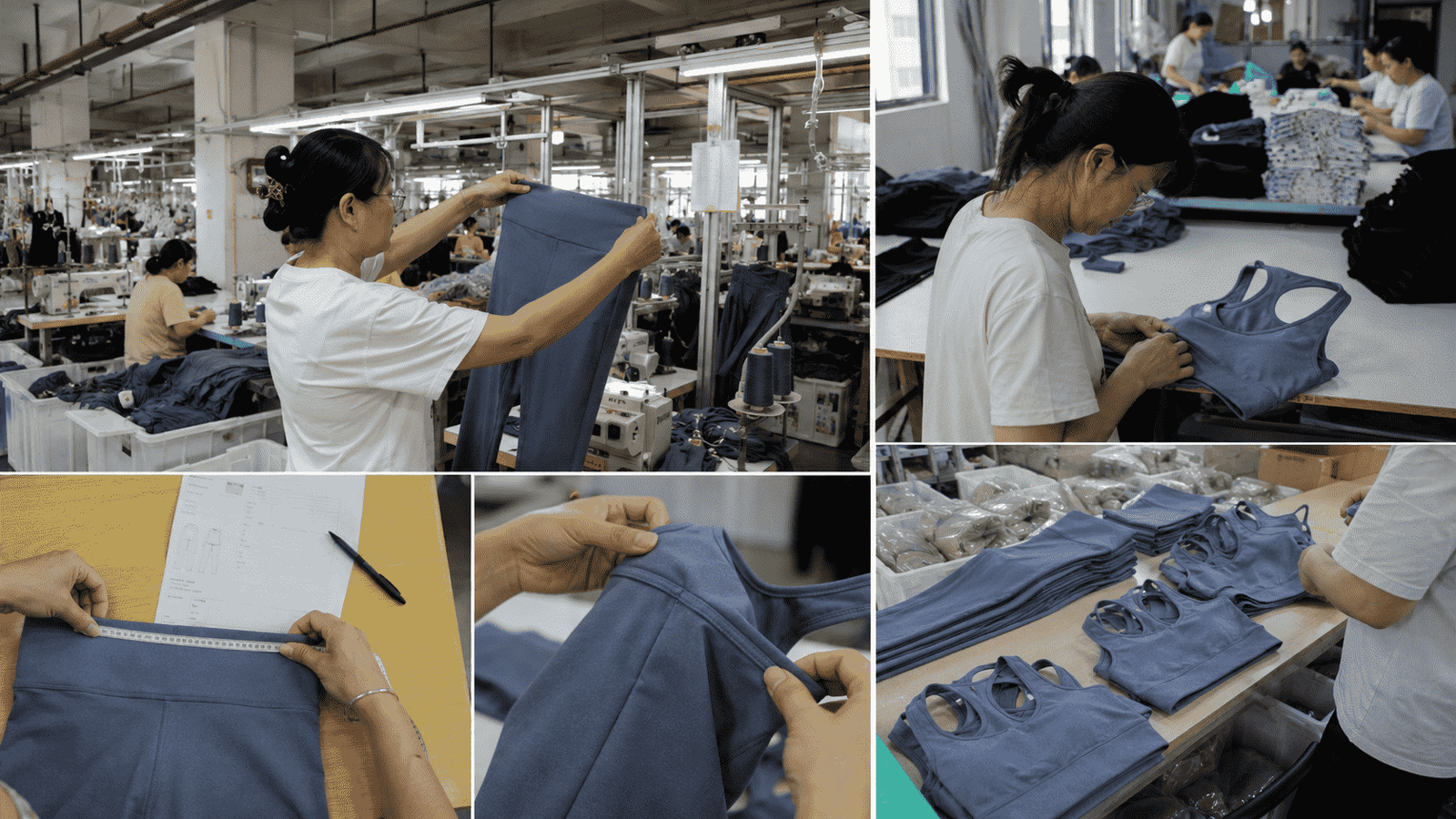
Knit Appearance
Inspect for unintended lines, inconsistent texture, knitting defects or irregular local structures. Where the product uses programmed rib, mesh or contour, appearance should remain aligned with the approved physical sample.
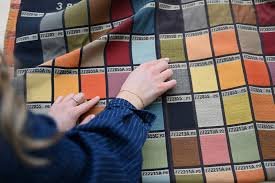
Color
Production color should be compared against the appropriate approved reference. Shade or lot differences should be identified before mixed material enters finished-garment packing wherever practical.
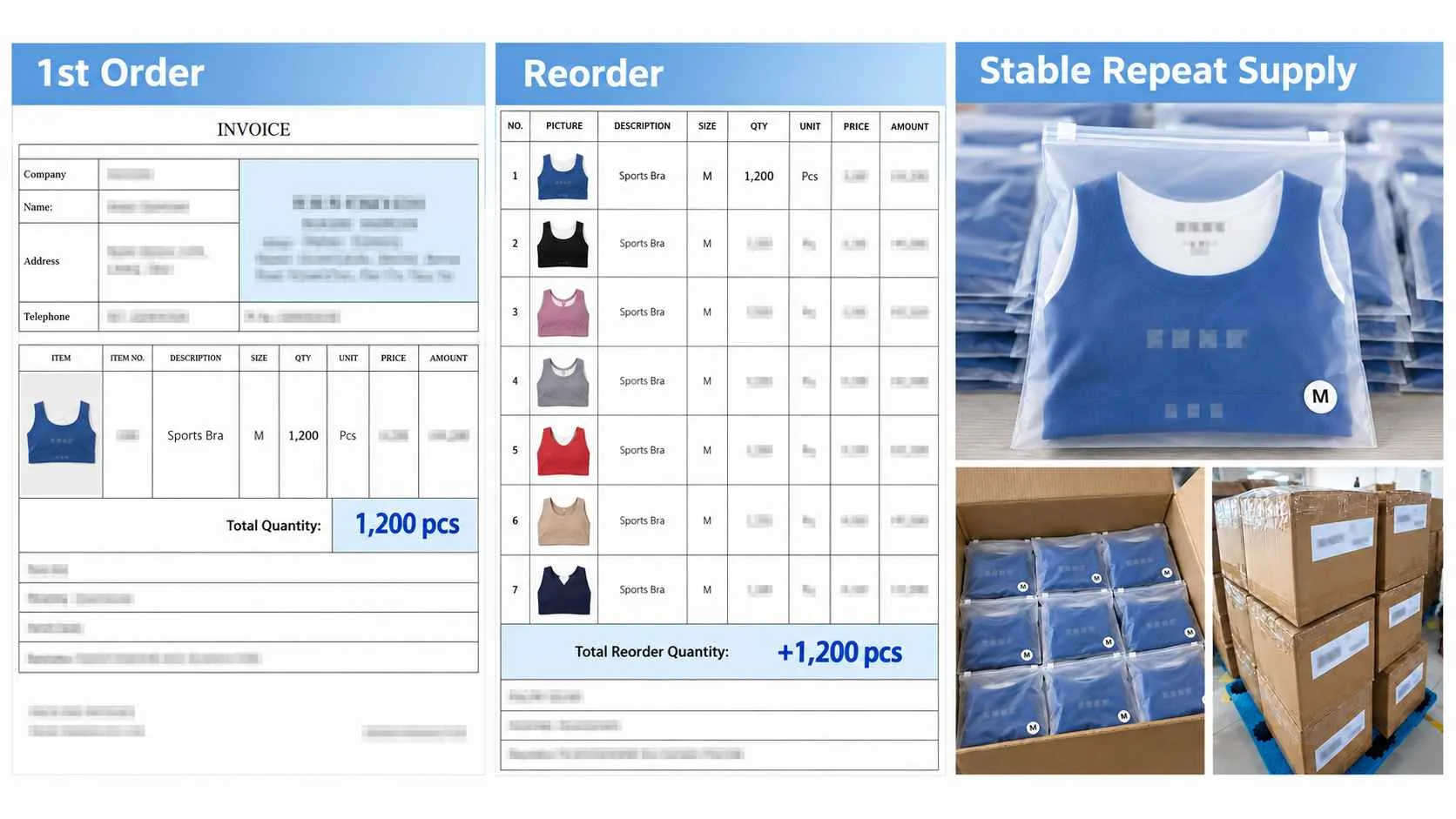
Branding & SKU
Logo, label, size and barcode need to correspond to the correct style, color and size. A technically correct garment can still become a quality failure if it is packed under the wrong SKU information.
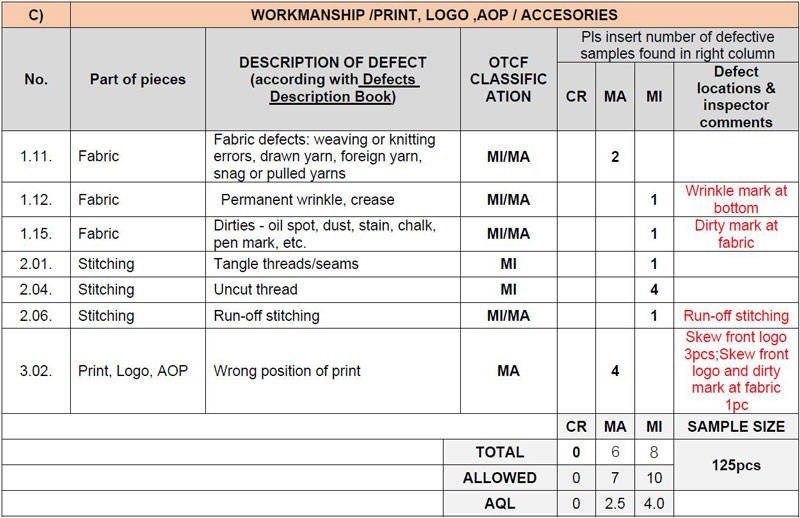
Final Release
Finished garments, packing status and any required buyer-appointed inspection are reviewed before formal shipment release. Third-party inspection can be incorporated according to the buyer’s requirements.
Keep the Approved Seamless Program Connected Through Shipment
Repeatability depends on identifying the correct material, color, knitting version, size and production order. Traceability should follow the information actually maintained for the project.
Yarn / Material
Identify the approved material direction and relevant supplier reference used for the program.
Color / Lot
Connect the approved color and relevant batch information with the production requirement.
Knit Program
Maintain the active approved knitting version for the corresponding style and size.
Size
Identify the applicable garment size or Seamless size version according to the buyer’s program.
Production Order
Connect product, material, color and quantity to the correct commercial PO and production allocation.
QC
Record the relevant production and final-inspection information against the corresponding order.
SKU
Keep style, color, size, label and barcode information aligned through packing.
Carton / Shipment
Connect finished SKU quantities with cartons, packing list and logistics documentation.
Align Seamless Compliance With the Buyer’s Actual Requirement
MOVEVOX can support buyer-defined quality, testing, factory-review and inspection requirements. Evidence remains limited to the material, sample, factory and method actually covered.
Buyer Quality Manual
Global brands may provide their own workmanship, measurement, defect-classification and shipment-release requirements. MOVEVOX can review those standards and incorporate applicable controls into development and production.
Buyer-specificChemical Requirements
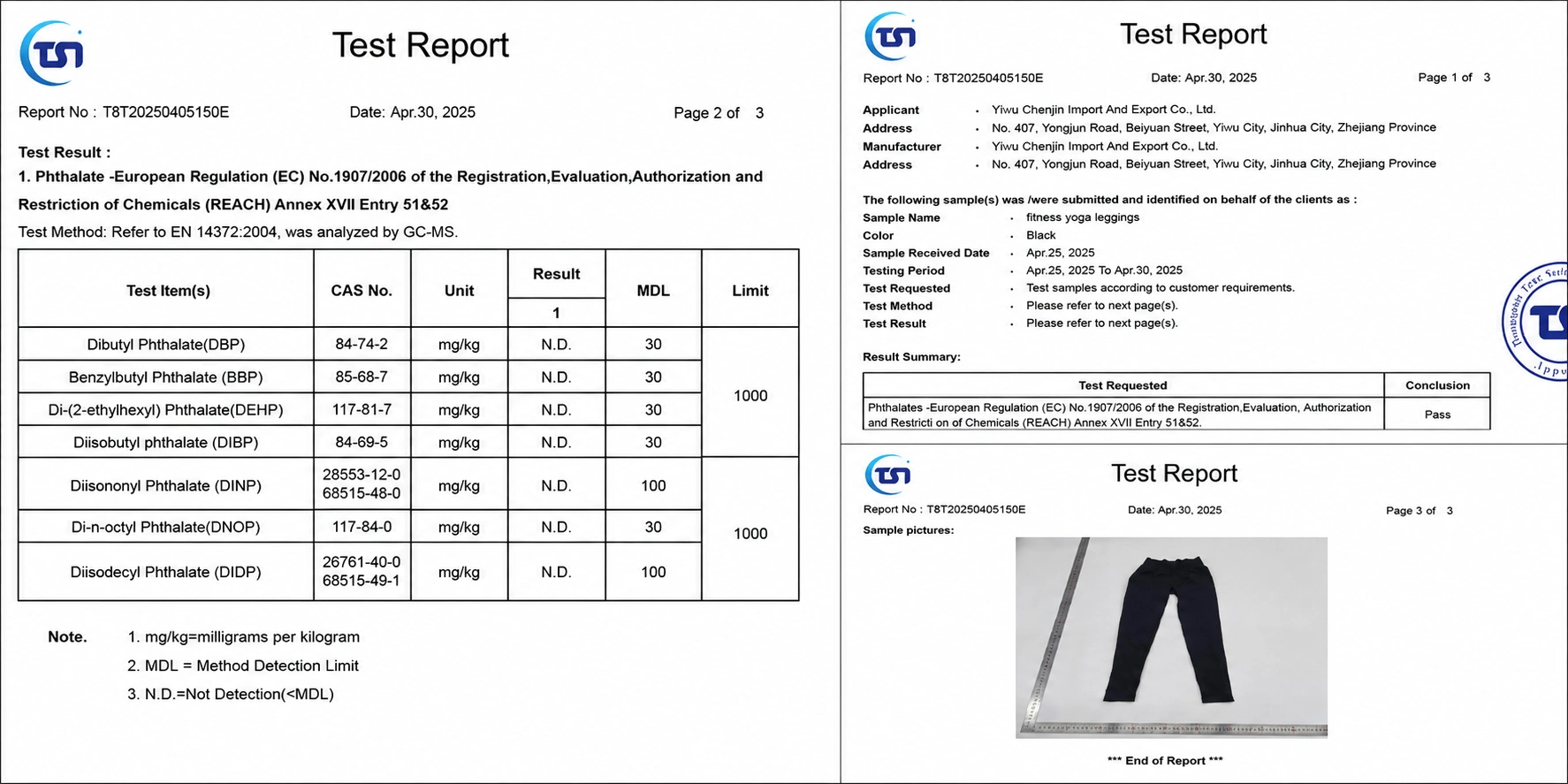
RSL, REACH or other chemical requirements vary by market and buyer program. MOVEVOX can coordinate project-specific third-party testing where required rather than assuming existing sample reports automatically apply.
Scope-controlledPhysical Testing
Depending on the project, buyers may request stretch, recovery, shrinkage, pilling, colorfastness, measurements or other physical checks. Methods and acceptance requirements should be defined for the actual product.
Project-specificFactory Audit
MOVEVOX supports scheduled factory visits, video reviews and technical audits of its production base. Audit support must not be described as an audit certification or passed audit unless the actual report exists.
VerifiableThird-Party Inspection
Buyer-appointed QC or inspection organizations can be incorporated into agreed production or pre-shipment checkpoints.
Buyer-appointedConfidentiality
Tech Packs, unreleased samples and customer-owned product information should remain within the agreed project-development and production boundary.
Controlled filesExisting Test Evidence
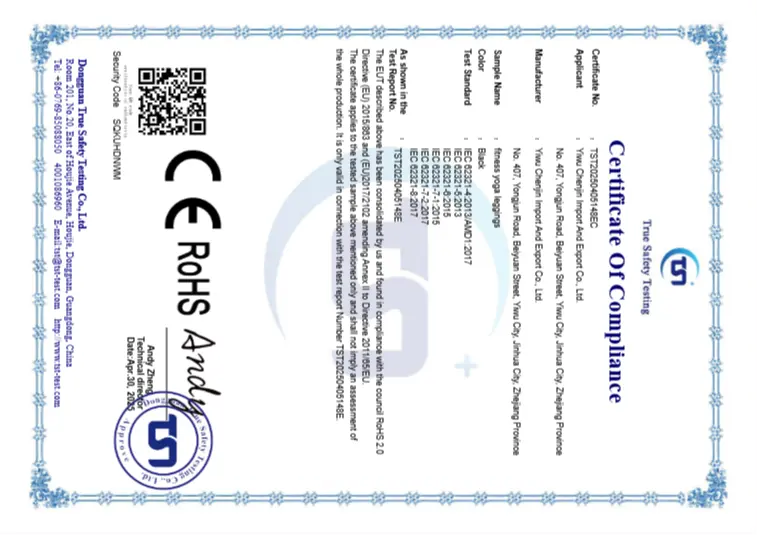
Current third-party evidence includes sample-specific RoHS and REACH-related reports dated April 30, 2025. Those documents apply only to the tested samples and specified report scope.
Sample-specific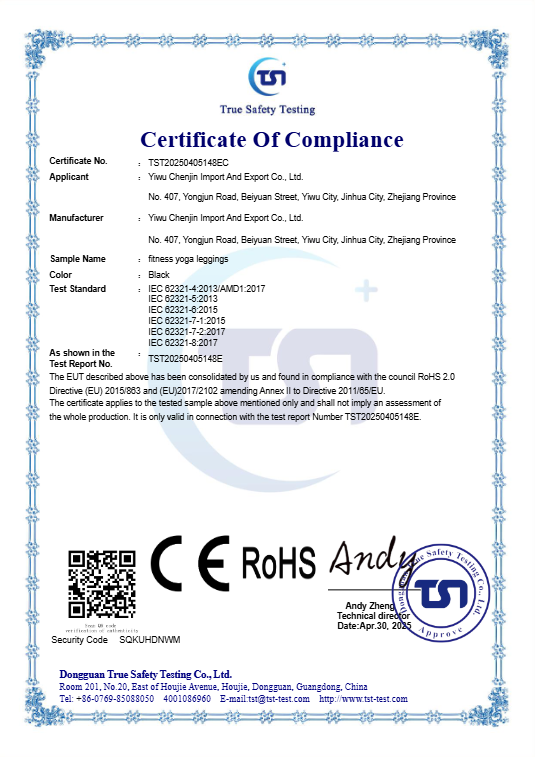
Verify MOVEVOX Seamless Manufacturing Before Supplier Approval
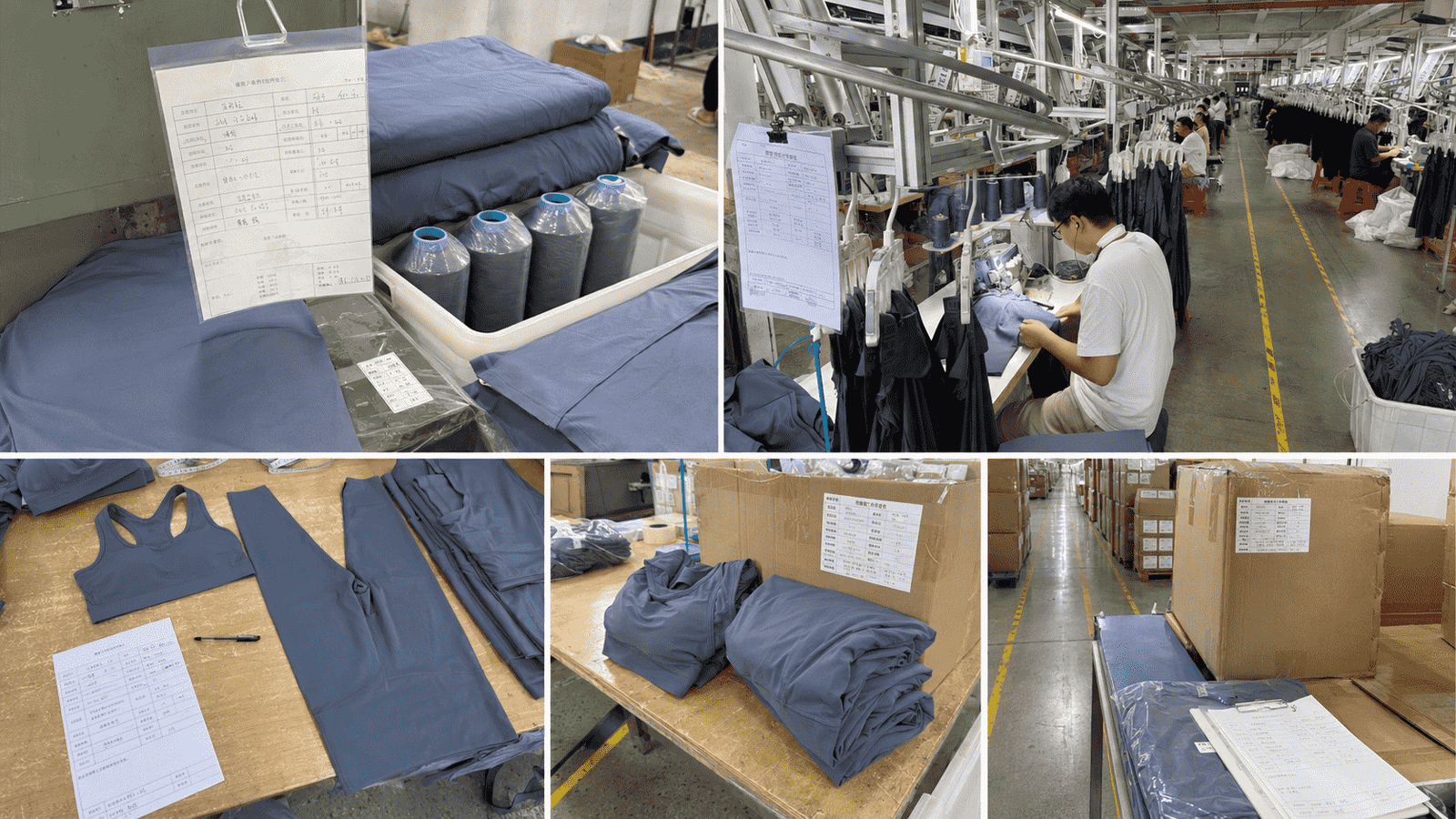
Serious sourcing teams do not need to rely only on website claims. MOVEVOX supports remote and on-site review of its Yiwu manufacturing base.
Video Review
Verify the actual Santoni machine area, Seamless development environment, sample activity and selected production functions remotely.
Best for: Early supplier qualification
Factory Visit
Visit the MOVEVOX manufacturing base in Yiwu, Zhejiang, China and review relevant operations directly.
Best for: Procurement and management qualification
Technical Audit
Focus on development, knitting, sample control, approved references and Seamless production processes.
Best for: Technical / Product Development teams
QA Review
Focus on measurement, garment inspection, packing and shipment-release control.
Best for: QA / QC teams
Information to Prepare
Visits and reviews should be scheduled in advance, particularly where confidential products from other customers are being handled.
A U.S. Activewear Program From Revision to Repeat Supply
This anonymized case demonstrates MOVEVOX’s development and repeat-order process within a multi-product fitness and yoga account that included leggings. It is not presented as a Seamless high-waist-only program.
Continuing cooperation
Practical testing samples
Multi-product account-level purchasing cycle
Account-level purchasing frequency
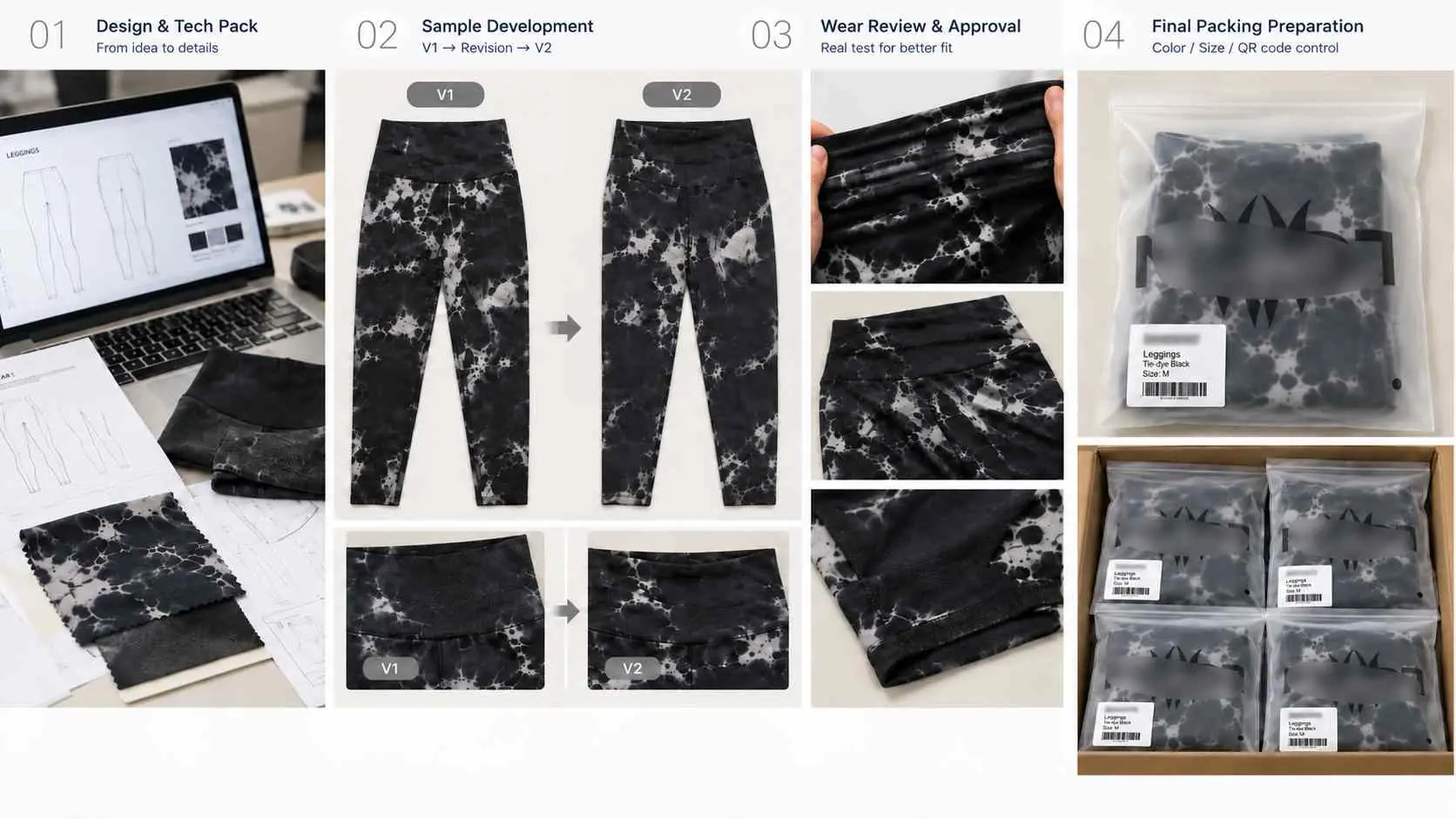
Development and Validation
A U.S.-based fitness creator-led customer developed a branded activewear range including leggings, shorts, sports bras, tank tops, sets and bodysuits. The customer provided technical product information and reviewed the first sample in practical use. After feedback, MOVEVOX prepared a revised development version.
Testing and Private Label
Before the described commercial production, the customer ordered approximately five to ten samples for further practical testing. The program included custom packaging, instructions, labels, logos and wash labels. QR information varied by color and size, making accurate SKU and packing verification important.
Repeat Cooperation
The documented history records approximately three years of ongoing cooperation and continued product development.