Running Wear Manufacturer for Custom Tights, Shorts and Collections

MOVEVOX supports running apparel programs spanning tights, shorts, tops, sports bras and coordinated ranges. Product decisions should follow the intended running conditions: repeated stride movement, waistband stability, friction, storage load, coverage and fabric comfort. Seamless knitting and cut-and-sew construction offer different development routes. Technical details, materials and specialized performance requirements are reviewed against each brand's specifications before sampling or production.

  • Running-specific fit decisions: Assess movement, inseam comfort and garment position before approving construction.
  • Tights and shorts development: Evaluate waistbands, pockets, liners and different product architectures separately.
  • Two manufacturing routes: Consider documented Seamless and Cut & Sew capability according to garment structure.
What Should a Running Apparel Manufacturer Actually Control?

Direct answer: A running apparel manufacturer must translate intended use into producible specifications and then control those specifications through sampling and bulk. For a running collection, this means separating the dynamic fit requirements of tights from the construction demands of shorts, while evaluating fabric comfort, friction, storage, branding and the supplier's actual production scope.

Definition boundaries:

  • Product competence: Running leggings, shorts, tops and support garments do not share identical fit, fabrics, pattern complexity or inspection criteria.
  • Activity competence: Sustained strides, garment movement, perspiration and pocket contents create design questions that a stationary fitting alone cannot resolve.
  • Manufacturing competence: Seamless and cut-and-sew options must be assessed against fabric construction, garment details, machinery limits and commercial order conditions.
  • Evidence competence: Material specifications, wear-trial observations and third-party tests should be identified separately; no supplier should infer an unsupported performance result.
  • Commercial competence: A capable supplier must clarify sampling inputs, style-specific MOQ, approval responsibility, multi-SKU scheduling and change control before quotations become commitments.

Why it matters: A running brand can shortlist a supplier more reliably when its design assumptions and verification gaps are explicit before fabric approval and sampling.

Different Running Brands Require Different Sourcing Approaches

A running manufacturer's suitability depends on the buyer's assortment, development maturity, quality standards and order structure. A road-running performance brand and a club retail program may both request shorts, yet their specifications, fit validation and replenishment responsibilities can differ substantially.

Established Running Brands

An established road-running label may manage several product families, including fitted tights, lightweight shorts, performance tops and seasonal items. The supplier must interpret technical packages, approved fabric references and construction requirements at individual style level while keeping the collection commercially coordinated. Particular attention may be needed where a shorts liner uses another material, where pockets must carry a phone, or where one fabric cannot deliver the same comfort in both cool and warm conditions. Buyers should request evidence of actual product and manufacturing scope rather than assume one supplier is qualified for every specialist category. An effective initial review establishes which SKUs are conventional, which require additional development and which warrant independent testing.

Buyer priorities:

  • Compare technical capability against each planned running style and production route.
  • Review fit standards, construction details and intended performance evidence before prices.
  • Confirm responsibilities for color, trims, approval samples and repeated production lots.

Women's Running Labels

Women's running lines often combine tights, running shorts, sports bras and tops in multiple fit and support categories. A useful supplier evaluation should distinguish bra support from tights compression and should not extrapolate fit results across all sizes or garment types. Waist-to-hip grading, liners, pocket position, rise and inseam can influence the wearing experience differently. A brand may also seek coherent colors and labeling across the range while using separate knit constructions or fabric weights for each style. Documentation should connect these decisions to the approved measurements and materials. Specialized high-impact support claims still require relevant evidence for the actual garment and use condition.

Buyer priorities:

  • Verify women-specific grading, rise, waistband and bra-support approval criteria.
  • Review tights and shorts as distinct structures, even within matching sets.
  • Match coverage, handfeel and storage requirements to the target running audience.

Category Expansion Teams

An activewear brand extending into running may already own fabrics, size standards and brand trims, but those assets are not automatically suitable for sustained stride movement. Moving an existing gym legging into the running category should trigger a new review of pocket loading, repetitive fabric recovery, seam placement and waistband migration. Extending general shorts into split or lined running styles creates different questions about pattern balance, shell movement, liner dimensions and lightweight material stability. A supplier can help organize those questions by style without claiming that all options have been commercially proven. The first sourcing decision is where an existing platform can be retained and where a new sample or performance check is needed.

Buyer priorities:

  • Separate reusable brand standards from running-specific technical specifications and risks.
  • Identify styles that need new fit, pattern or construction approval.
  • Estimate commercial implications before expanding a familiar product platform.

Club and DTC Programs

A running club or specialist DTC business may require smaller assortments, personalized branding and predictable replenishment rather than a very broad seasonal line. Still, technical running shorts and tights should not be treated as simple printed merchandise. The buyer must state whether products are promotional apparel, retail-quality running garments or specialized performance pieces. MOQ may depend on the base garment route, each color, custom fabric and trim program. For a credible long-term supplier review, the brand should share initial style priorities, volume forecasts and repeat-order expectations rather than assuming every combination is economically viable from the smallest published MOQ.

Buyer priorities:

  • Clarify whether the program requires retail apparel or promotional event garments.
  • Align brand decoration, packaging and order quantities with production methods.
  • Plan repeat styles and approved changes without assuming immediate replenishment capacity.

Plan Running Collections Around Real Product Use

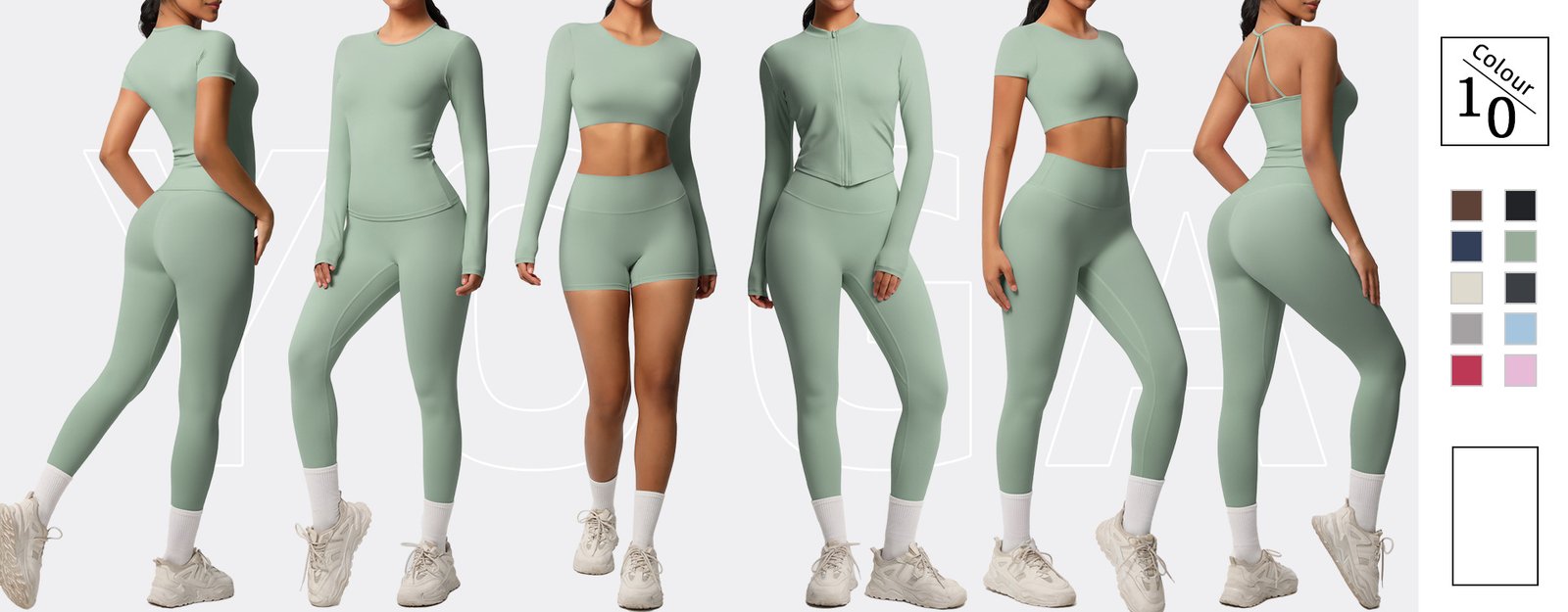
A coordinated running range needs more than consistent colors. Technical decisions should vary by running purpose and garment type while the brand retains coherent fit references, trim standards, labeling and a documented approval system for each running style.
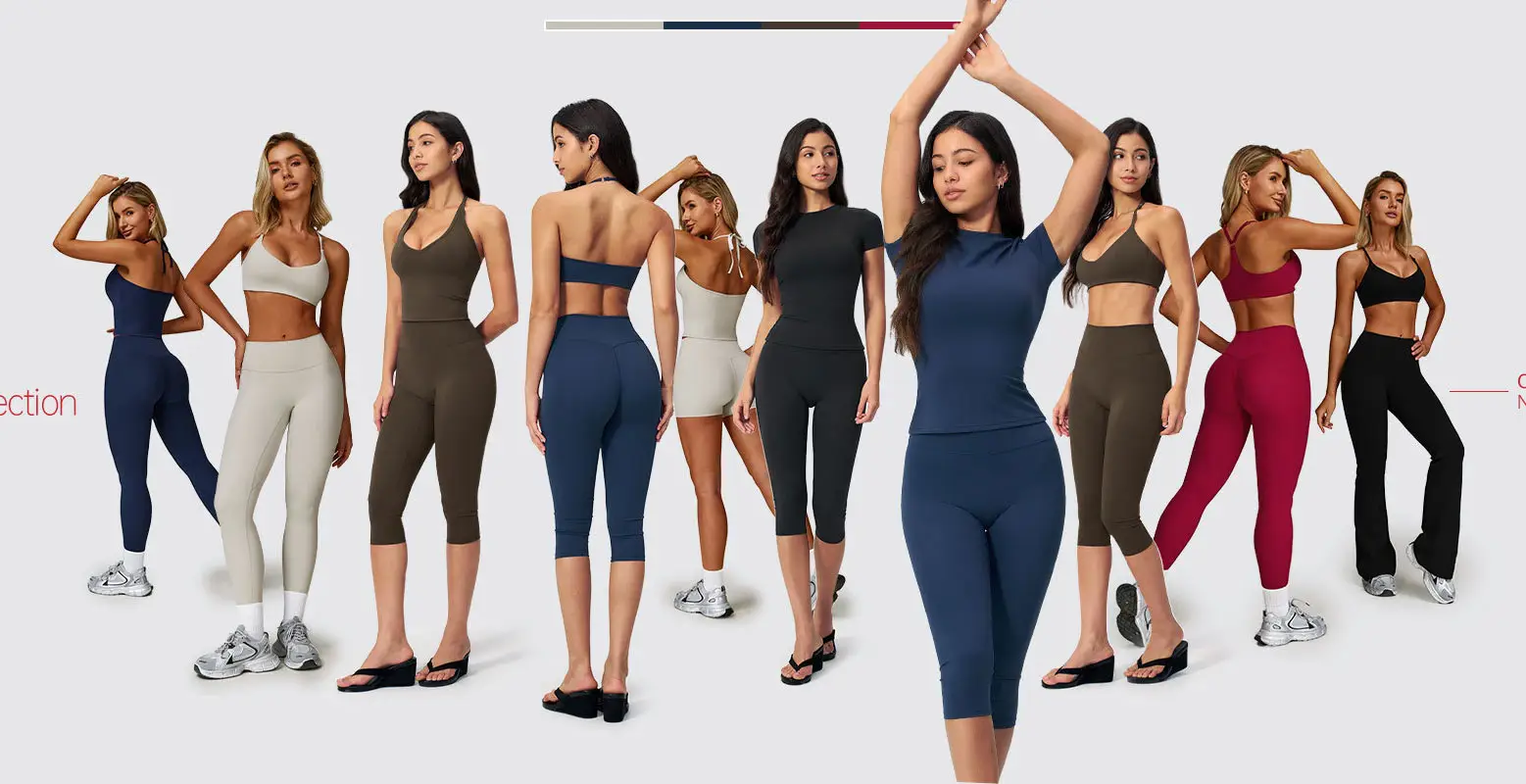
MOVEVOX tank top garment; a component of an example running collection

Everyday Road Running Essentials

A practical core range may combine fitted or relaxed tops with shorts and running tights, allowing buyers to serve different weather and coverage preferences. Construction and fabric briefs should be created separately: tights need stretch recovery and waistband evaluation, whereas shorts demand shell, hem and optional liner assessment. The collection should preserve an identifiable brand appearance without imposing one material on every SKU. This is a proposed assortment, not a disclosed MOVEVOX sales program.

Components: Running Tights | Lightweight Running Shorts | Performance Tank | Running Tee
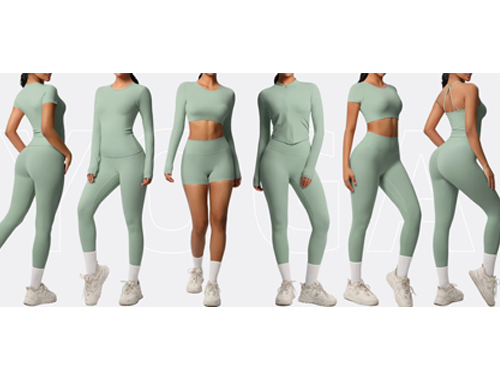
Running tights with leg detail from a verified sample

Fitted Tights Running Range

This family centers on full-length or cropped running tights with closely related tops. The project brief should cover rise, negative ease, waist finish, pocket position and the different material weights requested across colors or seasons. A pocketless training tight and a phone-carrying running tight should not automatically share the same waistband specification. Approve dimensions, material references and practical carry requirements per style before considering a common production platform.

Components: Full-Length Tights | Cropped Tights | Running Tank | Support Bra
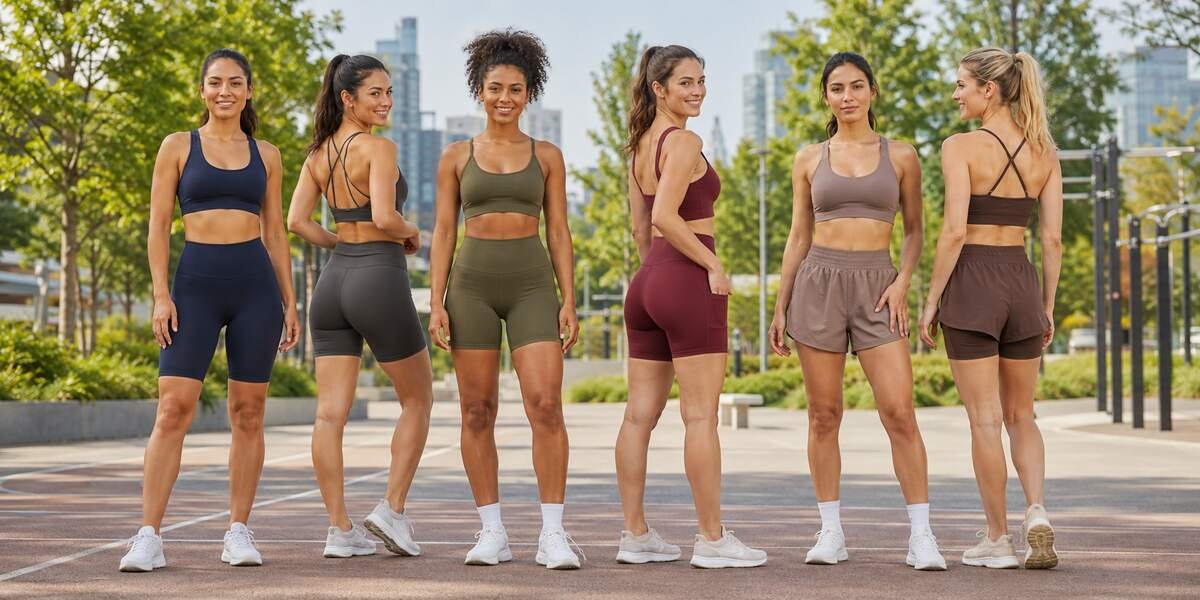
Running shorts with visible shell and liner details

Shorts-Led Running Collection

A shorts range can include a conventional single-layer style and development options such as lined, split-hem or two-in-one constructions. Those options involve different seam paths, pattern pieces, attachment methods and manufacturing costs. Liner extension, shell coverage, pocket load and inseam length should be part of the sample discussion. A buyer should identify a core commercial style before adding structural variants that may require separate material and process qualifications.

Components: Single-Layer Shorts | Lined Shorts | Running Tee | Running Singlet
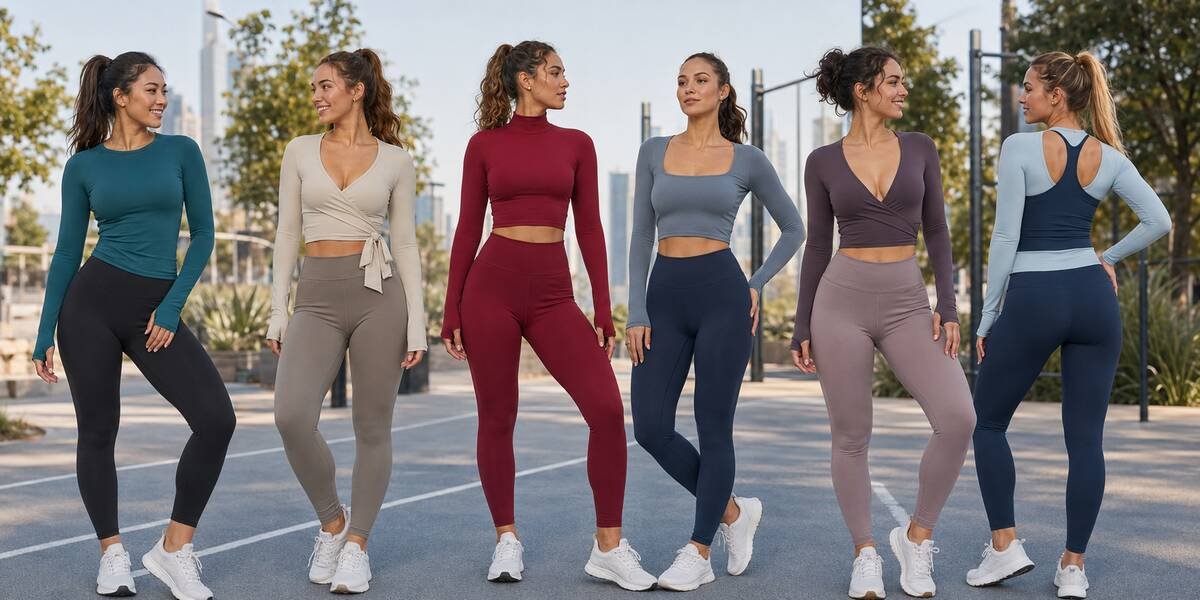
Running layers selected for transitional weather use

Transitional Weather Running

A transitional range may use full-length tights, long-sleeve running tops and conditional lightweight layers. Garments need to balance coverage, heat dissipation, perspiration and practical movement without assuming that thicker fabrics automatically provide adequate thermal performance. Specialized windproof, waterproof or high-visibility claims need separate specifications and evidence. The buyer should establish fabric weight, seam construction and intended wearing combinations before treating the range as a coordinated seasonal program.

Components: Long Running Tights | Long Sleeve Top | Running Bra | Light Layer

Choose Running Shorts Construction for Stride Freedom and Comfort

Running shorts vary substantially in shell shape, crotch engineering, hem opening and liner architecture. Manufacturing decisions should reflect the intended running movement, fit preference, storage requirements and approved pattern rather than the shorts label alone.
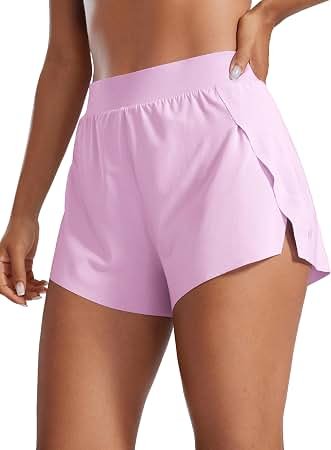
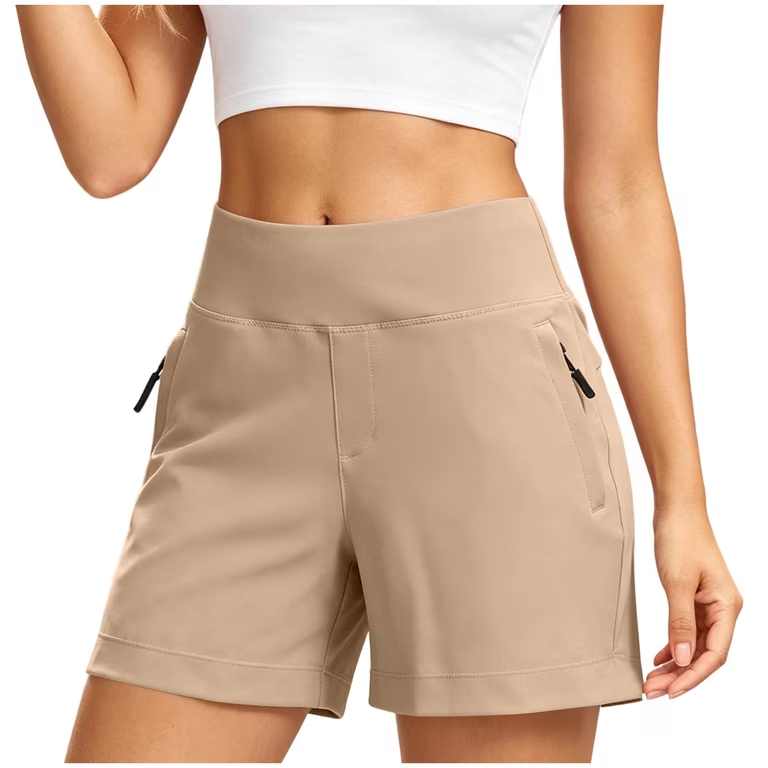
Verified running shorts construction photograph: Split and Unlined Running Shorts: Shell Geometry Before Decoration

Split and Unlined Running Shorts: Shell Geometry Before Decoration

Pattern geometry: Unlined shorts may appear simple, but the relationship between front rise, back rise, crotch curve, side seam and hem opening affects how the shell moves against the legs. A split hem changes the side opening during stride, while the depth and shape of the split also influence coverage. The buyer should provide a preferred inseam, target running use and reference silhouette rather than accepting a generic gym-short block without review. A longer or fuller outer shell may protect coverage but introduce extra fabric movement. A very light shell may reduce weight but require more careful assessment of opacity, edge durability and the feasibility of pockets or embroidery.

Movement clearance: Stride freedom cannot be judged only from how the garment hangs on a mannequin. Evaluate lifting the knee, extending the leg and repeating steps in the intended size. Observe whether the crotch pulls, the side split opens beyond the brand's desired coverage or the waistband shifts with movement. Hem binding can create rubbing even where the main shell fabric feels smooth. Pocket placement and closures also affect the balance of the shell. These issues become useful technical feedback only when the wearer, sample version and movement conditions are documented.

Manufacturing decision: MOVEVOX's existing cut-and-sew capabilities provide a basis for reviewing standard shorts patterns and sewing details. A specialized deep racing split, unusual ultralight shell or construction with non-standard finishing should remain conditional until feasibility, materials and an actual sample are agreed. Any performance benefit must be tested or evaluated for the specified garment rather than asserted from its visual resemblance to a racing short.
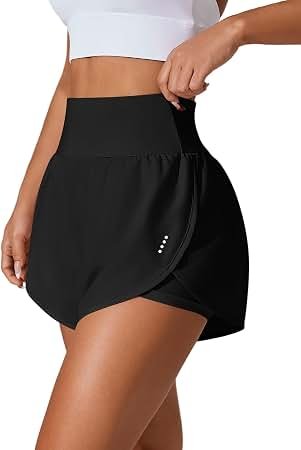
Verified running shorts construction photograph: Lined and Two-in-One Shorts: Manage Two Moving Layers

Lined and Two-in-One Shorts: Manage Two Moving Layers

Liner purpose: A lined short introduces a second contact surface against the body. The liner may provide coverage, containment or a particular wearing feel, but it also creates new questions about fabric selection, liner opening, crotch seams and the way the inner and outer layers move together. In two-in-one styles, the inner compression-like layer can extend below the shell. Its fit and hem tension must be reviewed separately from the shell's dimensions. Neither a liner nor a compressive appearance automatically demonstrates support, anti-chafing performance or medical compression properties.

Attachment and motion: The attachment point at the waist, crotch assembly and any shared seam path can change how the two layers react during running. The liner may ride upward, the outer shell may catch against it, or extra seams may create localized pressure. Decide how the waistband manages both layers and any carried items. Check liner length and leg openings in representative movement, using wearer feedback and size grading. A split shell with an inner liner needs a distinct approval process from an unlined short because the completed garment behaves as one layered structure.

Cost and control: Extra materials, pattern pieces, sewing operations and inspections may increase development complexity, material MOQ and lead-time requirements. The brand should therefore specify which benefits justify the added structure and which tests or wear observations will be accepted. MOVEVOX can assess the proposed construction through its documented product development and cut-and-sew base, but that does not mean every specialized lined or split racing design has already been commercially validated. Approval should follow a real sample, not a reference photograph.

Identify Running Friction Risks Before Sample Approval

Repeated stride motion can turn minor contact points into persistent wearer complaints. Risk assessment should distinguish material friction, seam contact, liner migration and wet-fabric behavior instead of treating every issue as a generic abrasion claim.

Problem and explanation Procurement or wearer impact Engineering evaluation or proposed response
Inner-thigh rubbing. Opposing leg panels may contact each other repeatedly, especially where inseams, fabric texture and negative ease interact during sustained movement. An attractive fitted sample may cause discomfort after longer wear, leading to revisions, claims or lower customer confidence after launch. Examine seam position, pattern balance and fabric surface using the intended size. Request representative running feedback and identify whether fabric, fit or finishing changes are justified.
Crotch seam pressure. Intersecting seam allowances or an unsuitable crotch curve may create concentrated contact under repetitive hip motion. A problem missed during static fitting can require costly rework after approved patterns and size grading have already been circulated. Review gusset or seam-junction options, allowable stitch thickness and pattern geometry. Approve any adjustment through an actual garment, not a generic comfort promise.
Liner ride-up. A liner leg opening may migrate upward because of fit, hem tension, textile recovery or interaction with the outer shell. Shorts can lose intended coverage or produce repeated friction even where their exterior dimensions meet the specification and appearance standard. Evaluate liner length, opening circumference, stretch recovery and waist attachment in motion. Record revisions by liner style and size before confirming the construction.
Underarm contact. Running tops can move against the upper arm and torso through repeated swings; seams or armhole edges can intensify the contact. Product acceptance based solely on appearance can overlook a recurring wear complaint that affects the running collection beyond the lower-body range. Reassess armhole shape, seam placement, binding and fabric handfeel. Use repeatable arm movement and wearer comments to identify whether corrections belong to fit or material.
Loaded-waist rubbing. Phones, keys or gels can change local fabric pressure and the position of waistbands or pocket seams during running. Consumers may find a useful pocket uncomfortable when actually filled, compromising a feature that appeared successful in a flat-product demonstration. Review loading position and pocket anchoring, then assess waistband movement with realistic carried items. Define the acceptable result before final sample approval.
Wet-fabric cling. Perspiration can alter the perceived friction and drape of certain constructions, without a single fiber composition predicting real wear behavior. A dry fitting may not represent the experience during longer or warmer runs; unsupported quick-dry claims can create additional compliance risks. Specify relevant fabric testing where justified, and separately evaluate garment comfort in realistic intended use. Avoid converting laboratory moisture values into an unverified anti-chafing guarantee.

Design Running Pockets Around Real Carrying Loads

Running pockets should be specified as part of the garment construction. A pocket that looks well placed when empty can pull, bounce or shift the waistband after the runner adds a phone, keys or gels.

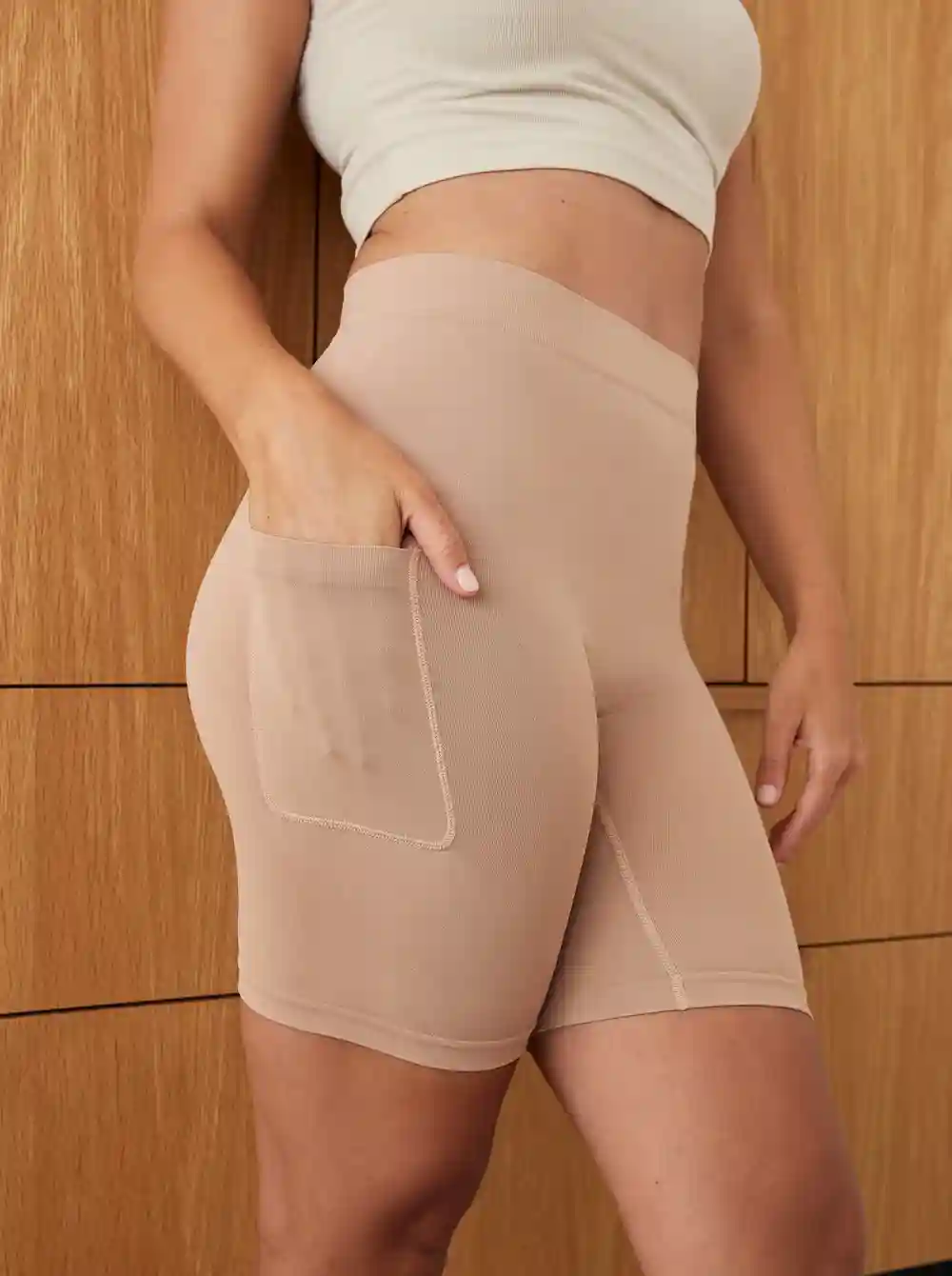
Actual pocket construction photograph supporting Tights Thigh Pocket

Tights Thigh Pocket

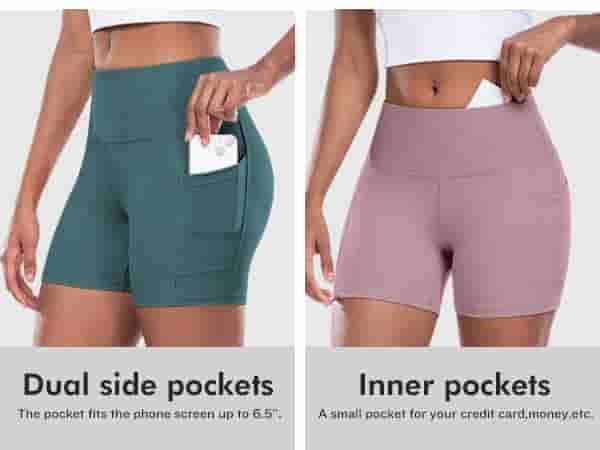
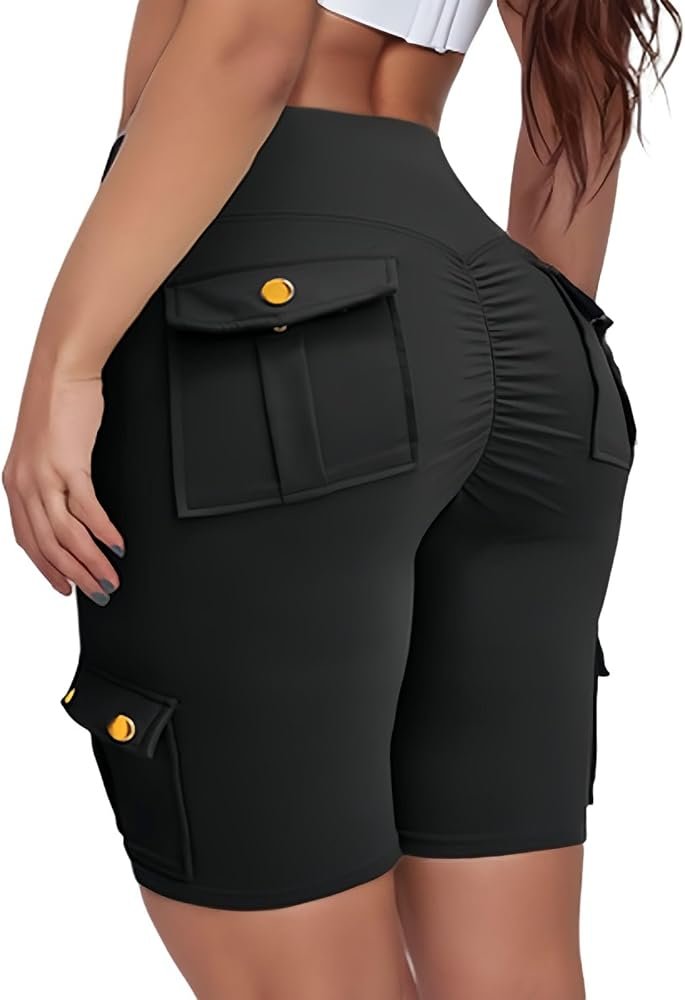
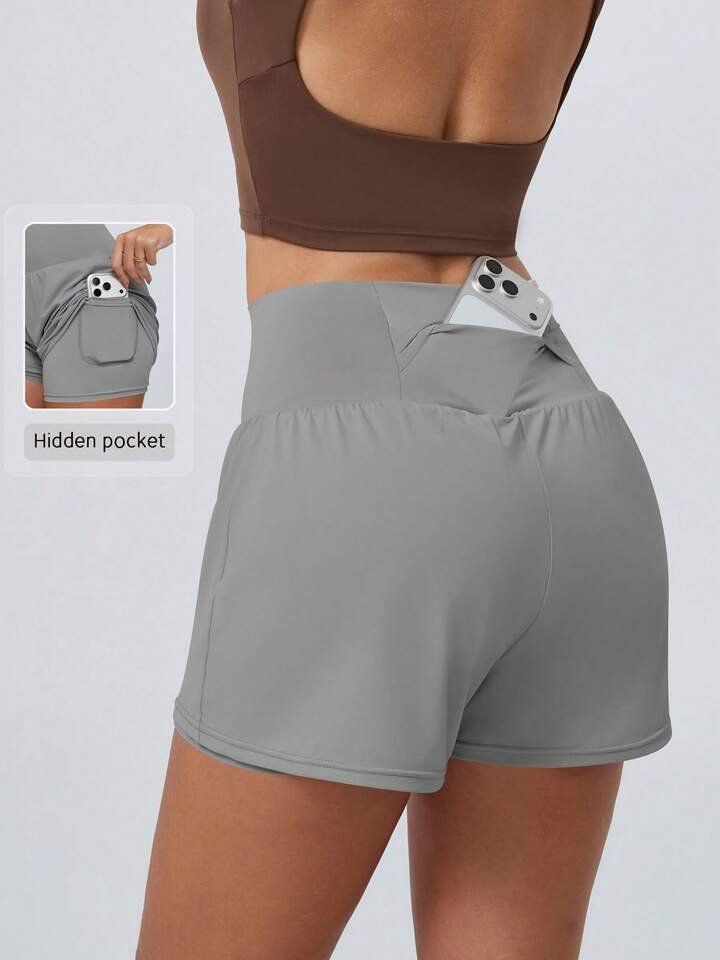
A fitted thigh pocket places added mass against a moving leg panel. The brand should define the intended device dimensions, orientation, pocket opening and expected stretch while running. The garment fit may need adjustment near the thigh or hip if loading changes tension or panel movement. Seam placement should not create a new friction line. A sample should be reviewed with actual contents, because unloaded product photography does not establish storage stability. Custom shapes, binding and reinforcements must be assessed against the specific fabric and manufacturing route.

Options: Open stretch edge with confirmed retention under loaded motion | Elastic retention band selected to suit the specified knit recovery | Panel integrated pocket matched to wearer fit and device dimensions | Separate pocket reinforcement compatible with the tights material and seam
Match Running Garments to Distance and Conditions

Running duration and environment influence fabric, fit and storage priorities. Product development should distinguish daily use, longer outings, warm weather and cooler conditions instead of promising one garment performs equally well in every setting.

Everyday Road Running

Daily road-running apparel should balance reliable fit with straightforward care and repeatability. A suitable brief considers common running distances, expected perspiration and whether phones or keys are typically carried. Tights and shorts need different approvals, including waistband position, leg movement and appropriate coverage. Brands can prioritize materials and structures that fit the intended commercial price point rather than adding technical details without a clear use case. Practical sampling should confirm the garments meet their specified dimensions and intended movement needs.

Product requirements:

  • Confirm waistband behavior and coverage during a representative running movement sequence.
  • Select appropriate pocket layouts only when the carrying use is defined.
  • Approve material handfeel, sizing and routine laundering expectations by style.

Related product link: Everyday Running Collection
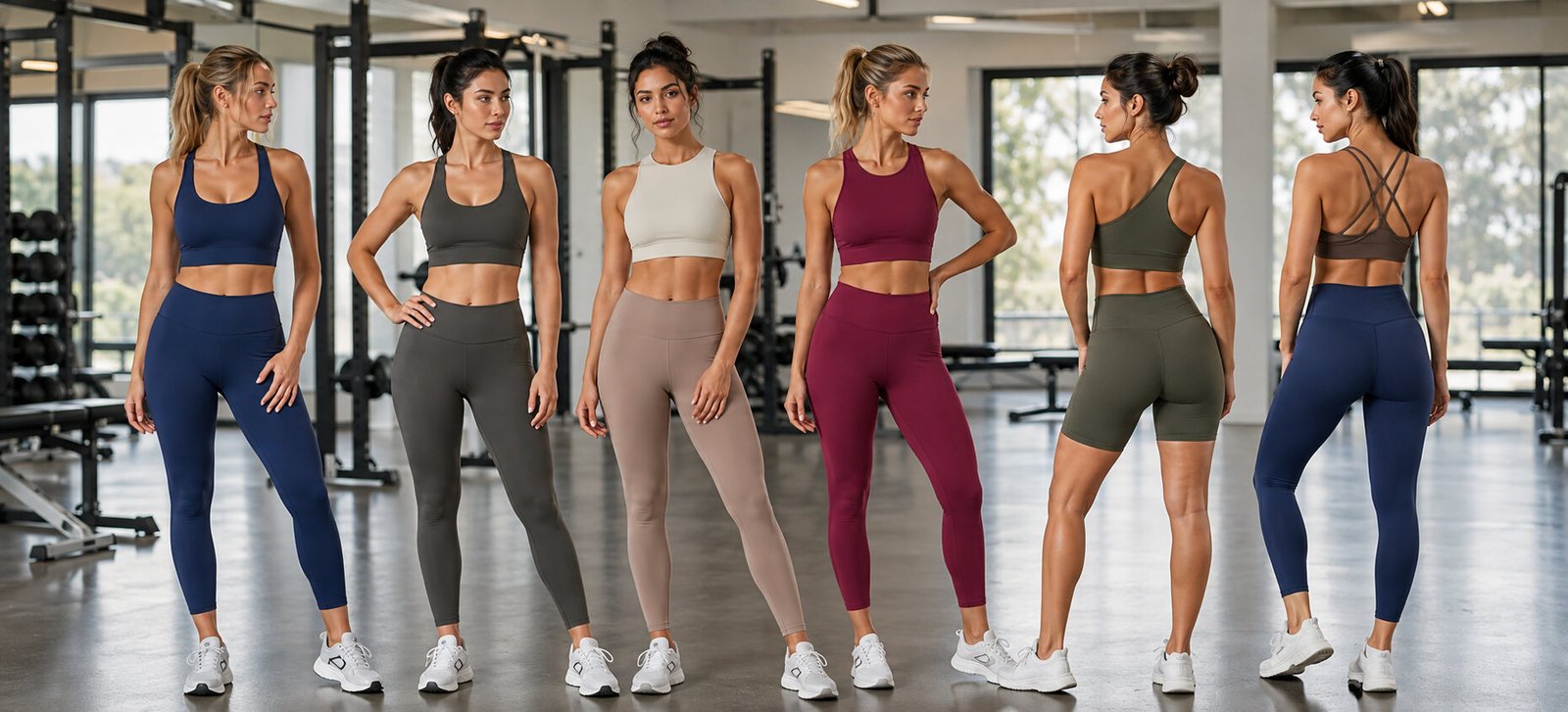
Running apparel for everyday road running in an authentic relevant running setting

Long-Duration Running

Longer running sessions can magnify small sources of discomfort. Repetitive inner-thigh and underarm contact, liner ride-up and pocket weight should be reviewed before a brand promises long-duration suitability. The intended hours or distance do not by themselves produce a universal test standard. Instead, the buyer can define wear-trial conditions and expected outcomes for each SKU. Softness, stretch recovery and garment position must be balanced; a close fit may support stability but cannot substitute for proper measurement grading or fabric confirmation.

Product requirements:

  • Record recurring seam and liner contact points during representative wear assessments.
  • Review storage load with intended phone, keys and gel dimensions.
  • Confirm size, material and construction revisions before approving long-use claims.

Related product link: Long-Duration Tights and Shorts
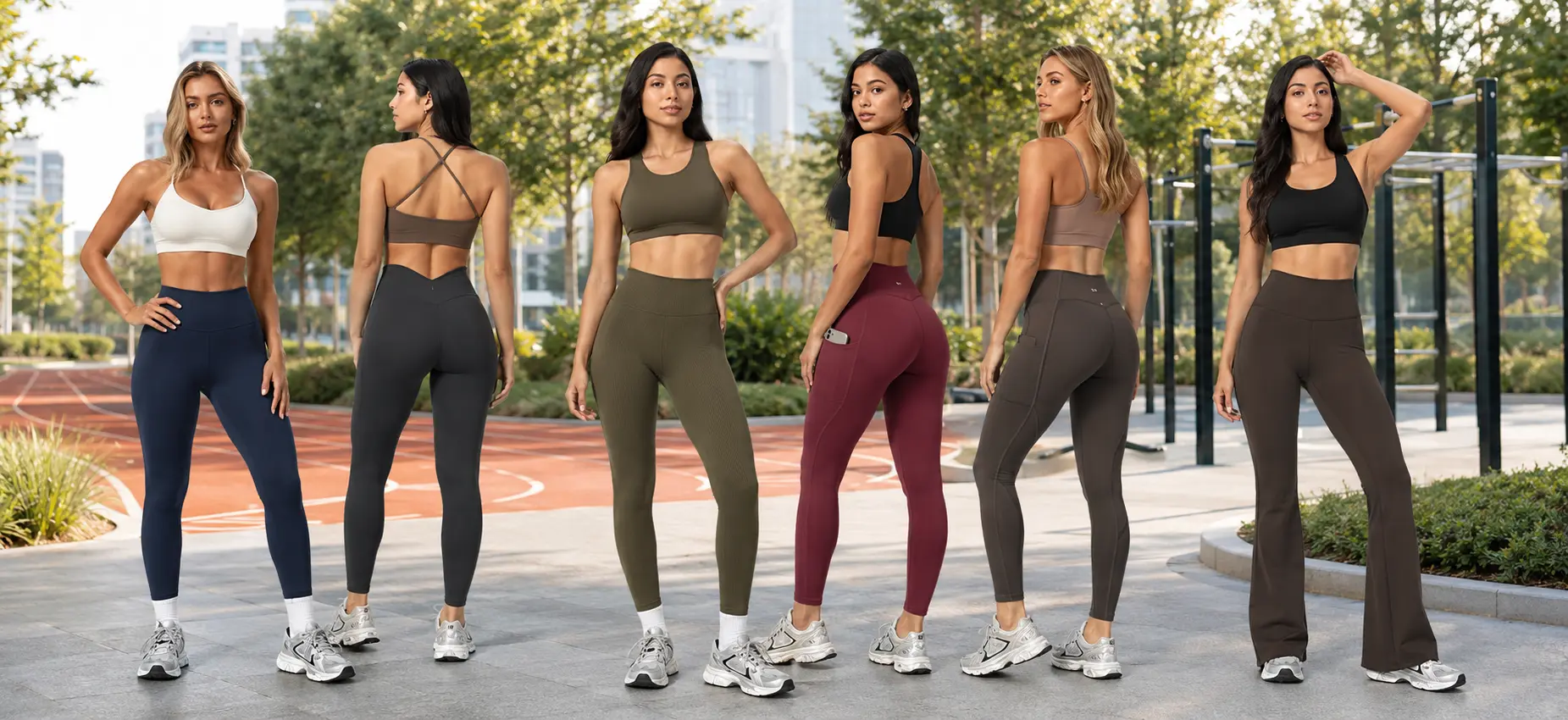
Running apparel for long-duration running in an authentic relevant running setting

Warm-Weather Running

Warm-weather garments often emphasize airflow and lightweight fabrics, but lowering weight can create concerns about coverage, durability and attachment strength around functional components. Running tops, shorts shells and liners may require different fabrics even within a single set. Buyers should specify the moisture-related properties they care about and decide whether independent tests are required. Static fabric photographs cannot substantiate quick drying or comfort under all climatic conditions. Actual garment samples are necessary to judge construction, feel and movement.

Product requirements:

  • Balance lightweight shell or knit choices with coverage and stitching suitability.
  • Separate moisture-transport claims from observed comfort in a fitted garment.
  • Review pocket weight, liner construction and trim security before launch.

Related product link: Lightweight Running Shorts

Running apparel for warm-weather running in an authentic relevant running setting

Cool-Weather Running

Cooler conditions may call for greater leg coverage, layering compatibility and a more deliberate balance of warmth and moisture release. Full-length tights, long-sleeve tops and conditional lightweight outer layers can be assessed as separate product requirements. Heavier fabric is not automatically warmer in a predictable way, especially across wind, wetness and activity differences. Any thermal or weather-protection claim requires an appropriate specification and evidence. Buyers should state the target season, temperature assumptions and layering purpose rather than copying a summer style with a thicker label.

Product requirements:

  • Establish expected layering, coverage and fabric weight before selecting patterns.
  • Review recovery, hem placement and fit with the intended underlayer configuration.
  • Confirm what thermal or weather performance requires independent supporting tests.

Related product link: Cool-Weather Running Options
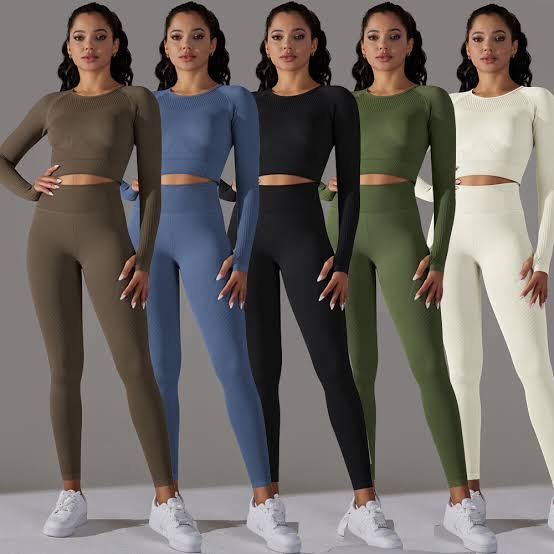
Running apparel for cool-weather running in an authentic relevant running setting

Compare Tights and Shorts Lengths by Running Use

Length selection influences warmth, coverage, stride clearance and pocket placement. Buyers should define the intended measurement point and garment construction before interpreting a length label as a universal sizing or performance standard.

Garment format Running-use consideration Technical measurements to confirm Sample and evidence priorities
Full-length running tights Greater leg coverage may suit cooler conditions, but thermal comfort still depends on fabric and environment. Waist rise, inseam, ankle opening, leg circumference, stretch direction and negative ease. Fit at waist, crotch and ankle during repeated steps; fabric and seasonal performance claims only with evidence.
7/8 running tights Cropped length can change hem position and lower-leg contact; the label is not a fixed measurement across brands. Inseam by size, hem position, lower-leg opening, waist and thigh-pocket locations. Check that the approved crop length and opening remain consistent across grading.
Capri running tights Shorter tights may reduce coverage but create a hem near a frequently moving calf or knee region. Finished inseam, leg-opening tension, knee circumference and seam junction placement. Movement fitting with actual fabric to assess ride-up, pressure and hem comfort.
Short unlined running shorts A shorter outer shell changes coverage during stride; no liner means fit and shell behavior need direct review. Inseam, side seam, split depth, crotch shape, leg opening and waistband dimensions. Confirm split movement, edge finishing, opacity and targeted coverage in the approved size.
Lined running shorts An inner brief or liner adds a second fit and contact system beneath the outer shell. Outer and liner inseams, liner rise, leg opening, waist attachment and crotch geometry. Assess liner ride-up, seam feel and interaction with the shell during running.
Two-in-one running shorts A longer fitted liner may improve a desired wearing feel but introduces additional fabrication and approval complexity. Outer shell length, inner leg length, liner tension, attachment method and pocket positions. Evaluate two-layer movement, hem stability, practical storage and style-specific manufacturing feasibility.

Review Shorts Failure Risks Before Bulk Commitments

Technical running shorts must be evaluated as moving layered or single-layer garments, not just waist-and-inseam measurements. The following risks translate wear concerns into sample-level engineering checks without implying MOVEVOX has recorded these historical failures.

Liner Ride-Up

Business impact: An inner liner that migrates during repeated strides can compromise comfort and perceived coverage. A static fitting may not reveal the movement, delaying pattern corrections until production approval.

MOVEVOX response to evaluate: Review liner circumference, leg length, elastic recovery and waistband attachment against the actual outer shell. Sample testing and wearer feedback should guide any pattern or finishing revision before bulk.

Evidence label: Liner Trial

Restrictive Split Hem

Business impact: A shorts shell with inadequate side clearance may pull against the thigh during running. Changing the split late can also affect edge finishing, coverage, appearance and sewing operations.

MOVEVOX response to evaluate: Compare the buyer's stride and coverage brief with the actual side opening and crotch curve. Confirm finishing feasibility and acceptable movement through a correctly sized sample.

Evidence label: Hem Sample

Crotch Seam Tension

Business impact: A seam junction that concentrates pulling can affect movement freedom and lead to discomfort or workmanship complaints, particularly during frequent hip extension and alternating steps.

MOVEVOX response to evaluate: Examine crotch shape, seam allowances and elastic stitching in the proposed manufacturing route. Approve changes through pattern revisions and actual samples rather than inferred universal seam strength.

Evidence label: Pattern Review

Storage Pocket Bounce

Business impact: A phone-sized pocket may look practical but can cause swinging, waist movement or local pulling when loaded, undermining the product's stated utility during longer runs.

MOVEVOX response to evaluate: Define device size, load placement, closure and acceptable motion. Review attachment and waistband balance with carried items during a proposed buyer-defined running trial.

Evidence label: Load Assessment

Unwanted Shell Exposure

Business impact: A very short or split shell can move beyond the intended coverage during stride. Appearance approval on a still mannequin does not resolve this consumer-use risk.

MOVEVOX response to evaluate: Review actual garment rise, liner coverage where relevant, split depth and hem width. Confirm brand preferences using motion fitting in the intended size rather than generic marketing photos.

Evidence label: Coverage Check

Unstable Waist Position

Business impact: The waistband may shift under repeated leg motion or when storage weight is added, changing both the intended silhouette and the stability of the liner or outer layer.

MOVEVOX response to evaluate: Examine waist measurement, elastic specification, fabric recovery and component attachment. Track any changes in approved patterns, trims and garment-size tolerances before production.

Evidence label: Waist Review

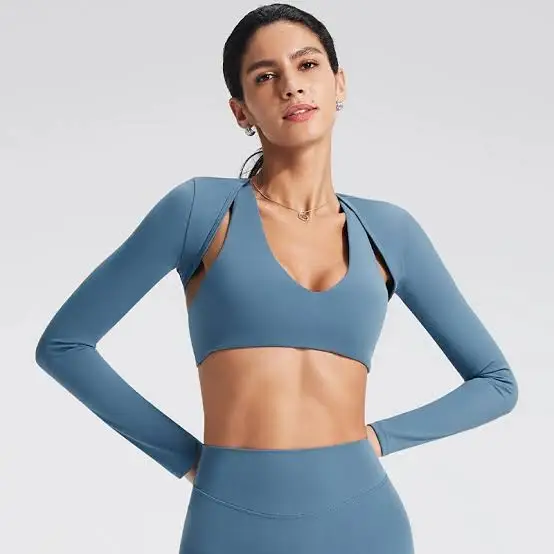
Assess Bra Support Within the Running Product Range

Running brands should select a sports bra based on the intended movement, wearer, fit and verified structural performance. A close-looking bra or a tight fabric does not independently substantiate a high-impact support claim.
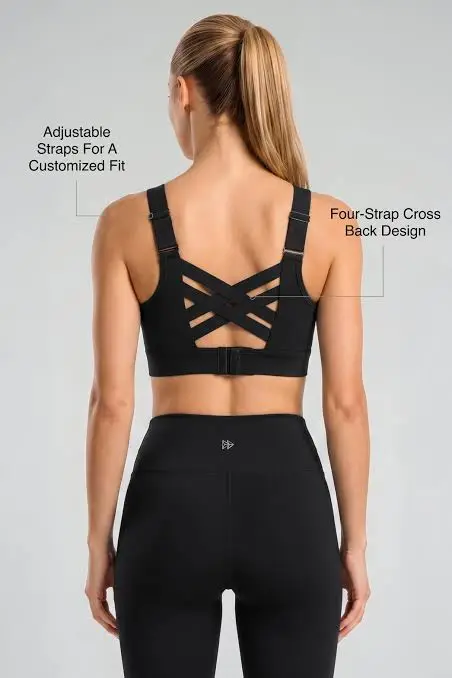
MOVEVOX sports bra product photograph showing the garment category

Underband Fit

The underband contributes to garment position and comfort, but its behavior also depends on circumference, elastic specification, back construction and wearer anatomy. Too little retention may allow movement; excessive pressure can impair comfort. Buyers should approve measurement tolerances, representative sizes and real fit observations. MOVEVOX's documented sports-bra manufacturing experience provides a product-development foundation, not a blanket running-support certification.

Strap and Shoulder Movement

Repeated arm swing raises different questions from a stationary sports-bra fitting. Strap placement, width, adjustability, elastic recovery and contact with the shoulder can influence both perceived fit and local friction. A proposed test plan may include repetitive movement and wearer feedback, with approval criteria agreed by the brand. The selected strap design must also be feasible with the actual fabric and sewing or knitting construction.

Coverage and Support Verification

Coverage, compression feel and movement control are different product outcomes. Define the wearer's intended activity, size range, cup or garment grading system, and any required laboratory or human-use measurements. A running collection may include bras with differing designs rather than one universal support level. Any claim of high-impact suitability should follow evidence for that specific model and tested conditions, not simply the visual appearance of a compression bra.

Select Running Materials by Garment and Intended Use

Tights fabric, shorts shell fabric and shorts liner fabric serve different functions. Material selection should start with use and construction, then narrow the requirements for stretch, recovery, weight, air exchange, surface contact, coverage and evidence.

  1. Is the garment fitted or loose? — Fitted knit | Loose shell | Layered shorts
  2. Which use matters most? — Daily road | Long-duration | Warm weather | Cooler weather
  3. What must the fabric prioritize? — Recovery | Low weight | Coverage | Air exchange
  4. Is skin contact continuous? — Inner thigh | Underarm | Liner | Limited contact
  5. What must be substantiated? — Moisture claim | Thermal claim | Recovery | Appearance
  6. Which constraints apply? — Target MOQ | Color system | Trims | Cost range
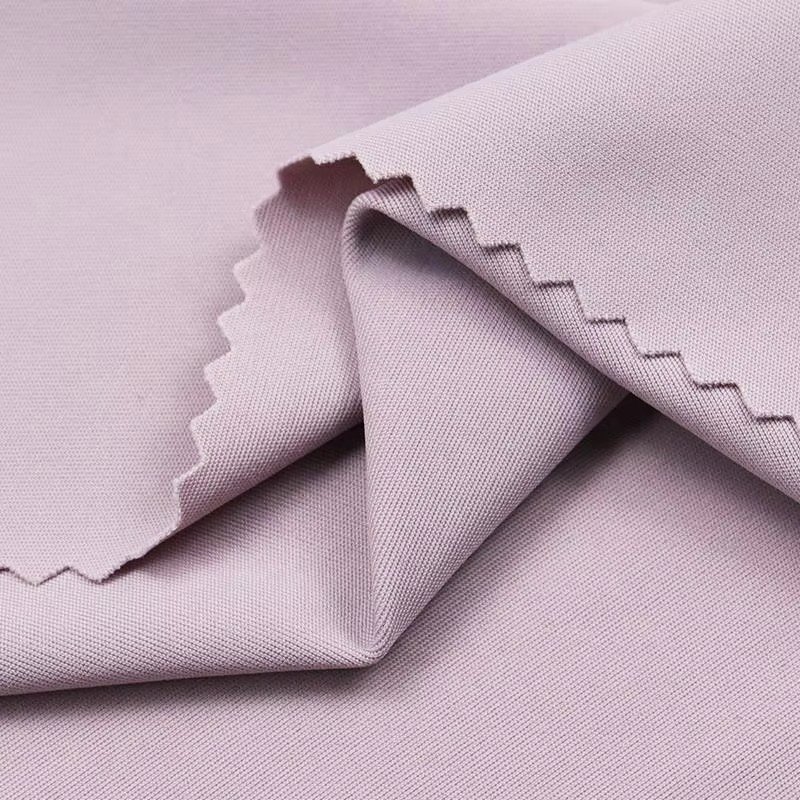
MOVEVOX stretch fabric material reference

High-Recovery Tights Knit

A fitted running-tight program benefits from a material with appropriately controlled extension and recovery across wear and washing. Check the actual knit structure and stretch orientation against negative ease and waistband requirements. Thigh-pocket construction may change the fabric loading locally. Softness is useful but should not replace inspection of coverage, durability and dimensional stability. No single fiber percentage establishes all these properties.

Parameter tags: Stretch direction | Recovery evidence | Weight / coverage

Lightweight Shorts Shell

A woven or other lightweight shell option can support a preferred loose silhouette and movement clearance, subject to fabric availability and project feasibility. Very low weight must be weighed against opacity, seam strength, trim attachment and surface behavior. Split hems or pockets can add assembly requirements even if the base shell looks simple. Buyers should define the intended fabric weight and evidence before making quick-dry or abrasion claims.

Parameter tags: Shell weight | Seam suitability | Coverage check

Comfort-Focused Shorts Liner

The liner may use a softer or more elastic material than the outer shell. Its selection should account for contact sensation, moisture-related comfort, fit stability, edge finishing and interaction with the shell during running. A liner cannot be chosen only because it feels smooth on a swatch; leg openings and attachment positions need garment evaluation. Approval criteria should distinguish perceived comfort from tested moisture-management metrics.

Parameter tags: Skin contact | Leg opening | Layer motion

Seasonal Running Knit

Cooler-season tights or tops may need different coverage, material weight or thermal design than warm-weather products. Heavier or brushed fabrics should be assessed for both comfort and their trade-offs in moisture release, surface durability and production handling. Temperature labels alone are not controlled performance data. Request fabric references, available laboratory results and a product-specific wearing brief before committing to a seasonal claim.

Parameter tags: Material weight | Thermal evidence | Intended layer

Build Running Product Performance From Verified Foundations

A technically credible running garment balances several competing objectives rather than maximizing one fashionable performance claim. The priorities below form an evidence hierarchy: buyer use conditions first, then fit and materials, controlled development and finally justified commercial claims.

Defined Running Use

The base of the decision is an explicit running brief. Identify duration, intended environment, target wearer and carried items before selecting material specifications. A warm-weather short and a cooler-season tight need different criteria, even if their brand colors and labels match. Without these inputs, comparisons of breathability or durability lack context.

Evidence points: Written running-use description, including duration, climate and carried-item requirements. | Product category and intended wearer confirmed before fabric or construction selection.

Garment Fit and Coverage

A usable fit standard connects measurements, fabric extension and movement. Waistband stability, crotch comfort, liner position and hem opening should be assessed according to garment type. A design cannot rely on a static fit photograph to substantiate long-duration comfort, nor can thick fabric alone guarantee coverage in every stretched position.

Evidence points: Approved measurements, fabric identity, wear observations and revision decisions by style. | Running-specific checks for waist migration, contact points and pocket-loaded motion.

Material and Workmanship

Material and construction determine how a design can be produced and repeated. Balance lightweight shells against opacity and finishing; balance tightly fitted knits against recovery and pressure; and review exposed seams or trims for contact comfort. The same construction may not suit both running tights and lined shorts, making separate approvals necessary.

Evidence points: Material reference and available test documentation matched to the actual sample. | Critical seams, liner connections, pockets and hems checked against approved specifications.

Defensible Product Claims

The highest layer is a claim that can survive buyer and regulatory scrutiny. Evidence for moisture management, thermal behavior, reflective performance or aerodynamic advantage should identify the tested item, method, conditions and outcome. If the brand lacks that proof, the appropriate response is a development or testing requirement, not a stronger marketing adjective.

Evidence points: Claim mapped to relevant test scope, sample identity and acceptance criteria. | Unsupported performance language excluded from quotation, sample approval and product claims.

Examine Fabric Layers Behind Running Wearing Comfort

Garment comfort depends on fibers and structures interacting with fit, airflow, moisture and movement. A material diagram can explain potential mechanisms, but it cannot establish a product result without corresponding specimens, conditions and evidence.
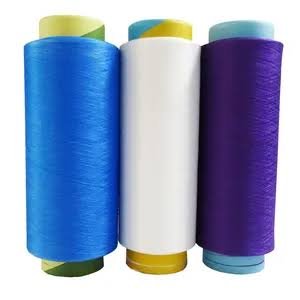
Core-spun yarn material photograph from MOVEVOX source material

Yarn and Fiber

Fiber type, yarn texture and filament characteristics can influence perceived handfeel and moisture interaction. They do not by themselves determine a garment's drying speed or climate suitability.

Knit Structure

Loop density, orientation and engineered zones affect stretch, coverage and air exchange. Compare actual knit structures rather than treating all seamless tights as equivalent in breathability.

Fabric Surface

Surface finishing may change perceived softness or contact with the skin. Evaluate relevant pilling, friction and laundering behavior before attributing guaranteed comfort to a finish.
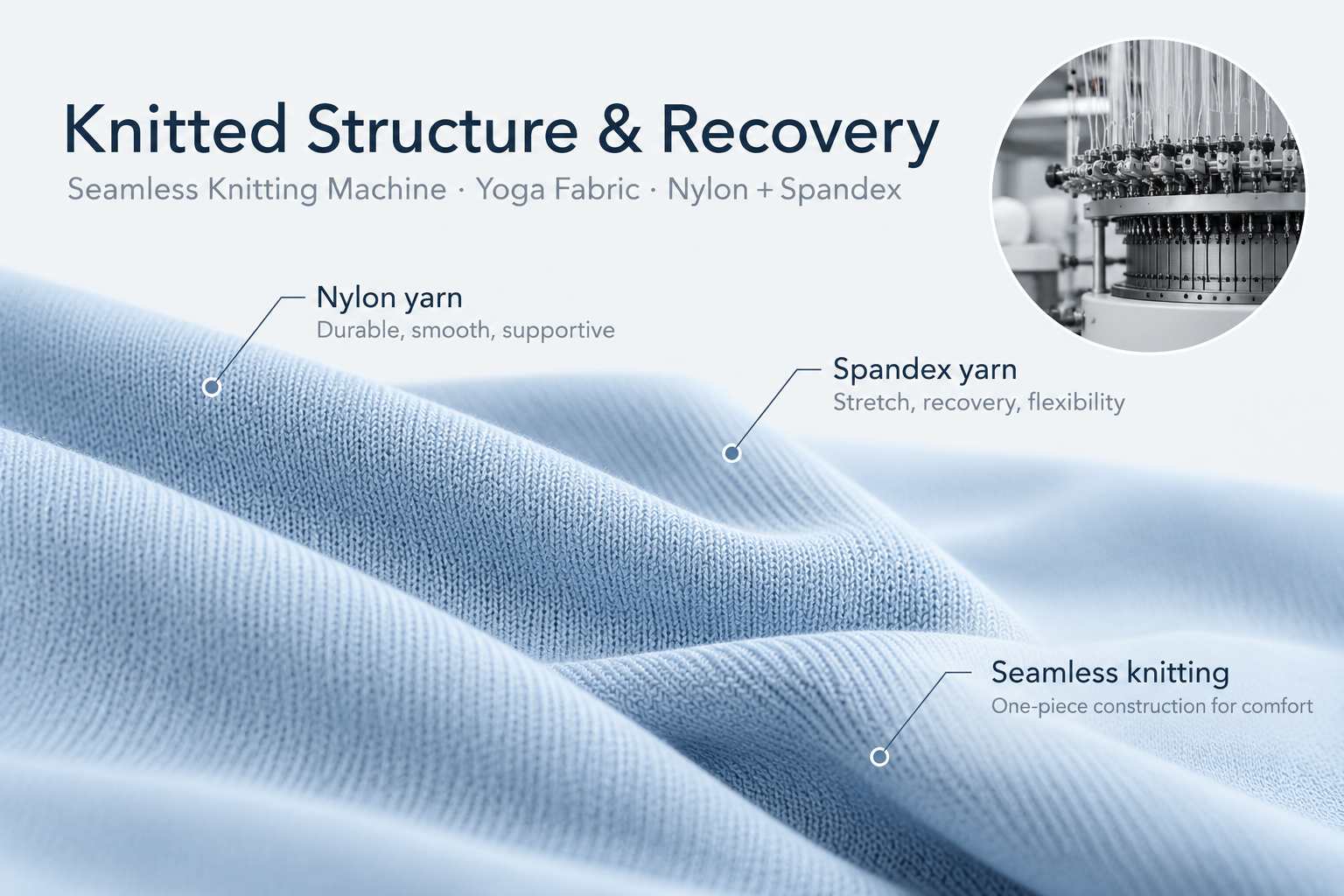
Material cross-section or actual yarn photograph corresponding to Fabric Weight

Fabric Weight

GSM helps describe mass per area, but a lower value does not automatically establish superior ventilation or adequate coverage in a stretched garment.

Shell Material

A shorts shell may need low weight and easy stride movement, yet sufficient opacity, seam stability and robustness around zips or openings remain important.
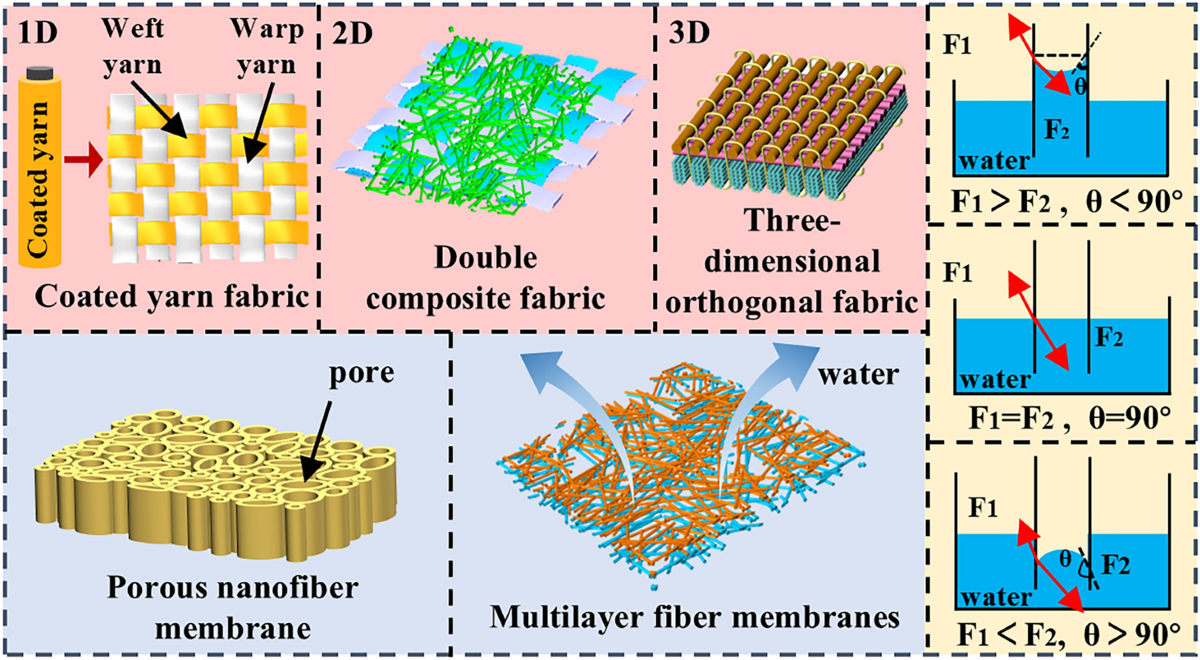
Material cross-section or actual yarn photograph corresponding to Liner Material

Liner Material

A liner acts as a separate skin-contact layer. Its stretch, handfeel, edge finishing and movement with the shell should be approved on the actual garment.

Layer Attachment

Attaching two fabrics through shared waist or crotch structures can change tension distribution. Review the construction before assuming a two-in-one style improves comfort.

Moisture Pathway

Absorption, liquid transport and evaporation are not interchangeable measurements. Select relevant tests and complement fabric data with a defined wearing evaluation when needed.

Overall performance explanation: For fitted tights, knit engineering and recovery can be decisive. For running shorts, the shell, liner and their attachment create a layered system with different requirements. Running tops introduce their own armhole and airflow considerations. Product comfort arises from these interactions with fit and environment; material descriptions should therefore identify proposed effects separately from independently measured performance.

Review Running Garment Details That Affect Movement Comfort

Workmanship should be judged where the product moves and contacts the wearer. Relevant quality checks differ across tights, lined shorts and tops; each identified construction must match a real production method and approved garment.
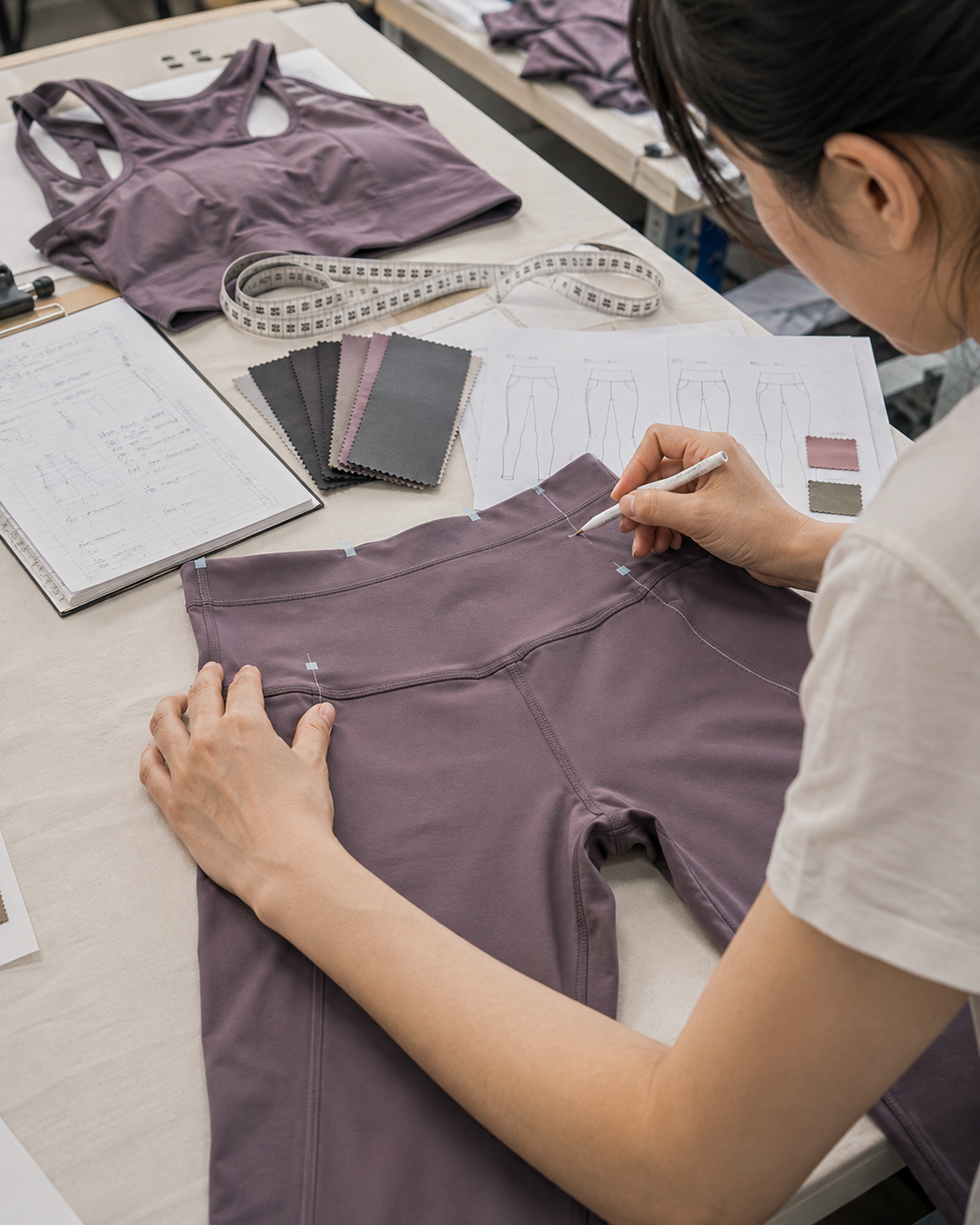
Actual workmanship macro photograph: Elastic Waist Finish

Elastic Waist Finish

Specify the waist edge construction, elastic recovery and attachment approach for the intended garment. A visually flat waist can still migrate or fold during a loaded run.

Applicable area: Fitted tights waistbands and single-layer or lined shorts waists.
Comfort/strength review: Check pressure, recovery, stitching extension and behavior with intended pocket contents.
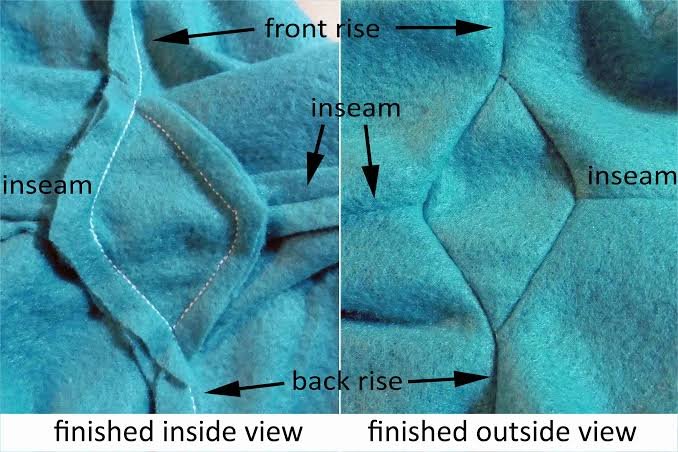
Actual workmanship macro photograph: Crotch Seam Junction

Crotch Seam Junction

A crotch seam intersection brings fabric stretch and seam allowances together, potentially affecting movement clearance and contact comfort in tight bottoms or running shorts.

Applicable area: Inner-leg joins, crotch seams and any approved gusset construction.
Comfort/strength review: Assess allowable seam thickness, placement, stitch extension and dynamic wearer feedback.
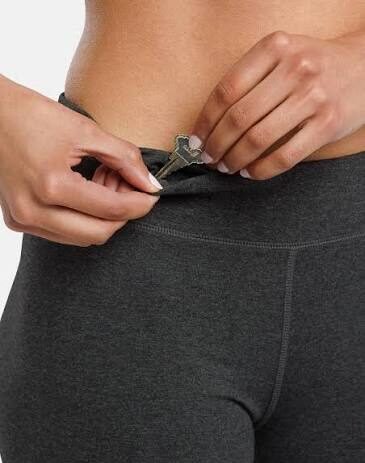
Actual workmanship macro photograph: Liner Leg Binding

Liner Leg Binding

The liner opening must retain the intended position without concentrating pressure or rolling under repetitive steps. Edge finishing should match the approved fabric recovery.

Applicable area: Brief liners and longer fitted inner layers for running shorts.
Comfort/strength review: Confirm opening circumference, finishing, abrasion contact and sample movement stability.
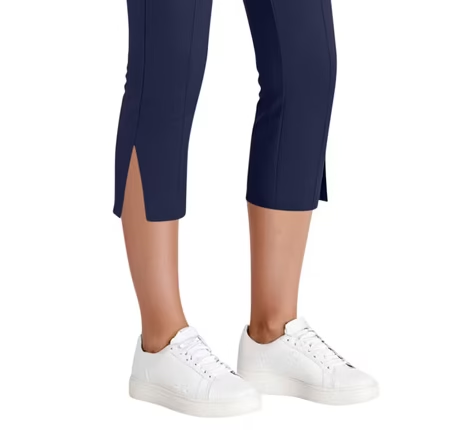
Actual workmanship macro photograph: Split Hem Finishing

Split Hem Finishing

A split opening increases localized edge work and may create stress at the split termination. Its construction should accommodate the specified leg movement and coverage.

Applicable area: Side-opening running shorts shells and curved or overlapping hems.
Comfort/strength review: Inspect split-end reinforcement, finished edge continuity and skin contact during running.

Actual workmanship macro photograph: Pocket Edge Support

Pocket Edge Support

Pocket access points carry local stretch and often hardware or added weight. Attachment methods should suit the specific shell or knit fabric and expected contents.

Applicable area: Thigh pockets, rear waist pockets and zippered shorts compartments.
Comfort/strength review: Assess opening retention, load concentration, zipper interaction and local distortion.
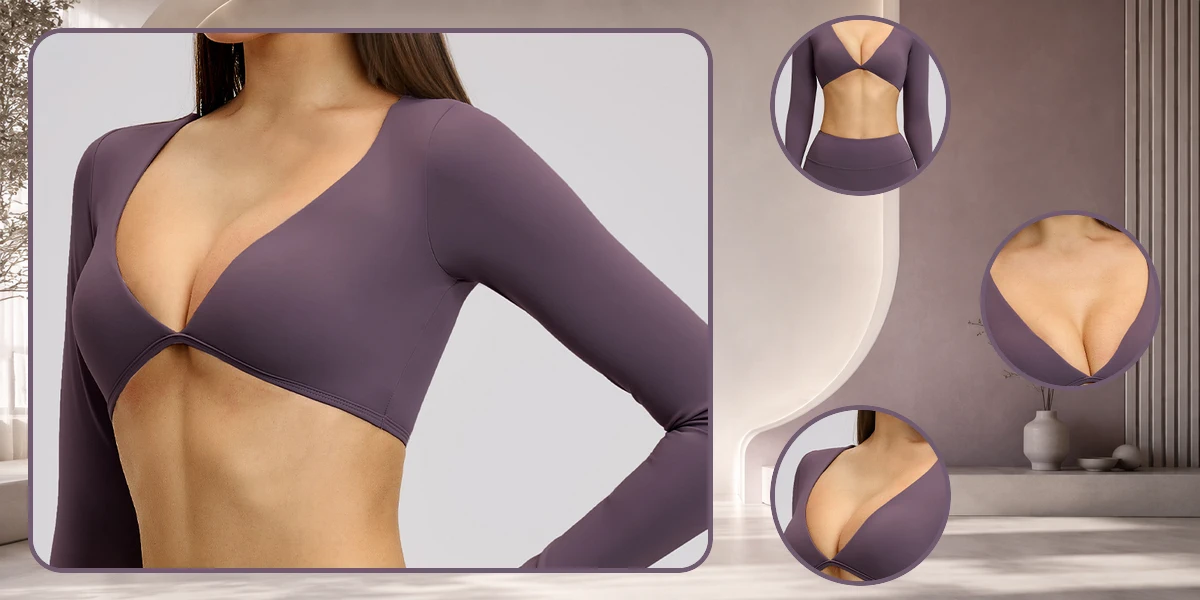
Actual workmanship macro photograph: Underarm Seam Placement

Underarm Seam Placement

A top's armhole and side seam can contact the skin on each arm swing. Workmanship should support the required mobility and acceptable contact sensation.

Applicable area: Running singlets, tanks and short-sleeved technical running tops.
Comfort/strength review: Examine seam location, binding thickness, stretch compatibility and wearer comments.
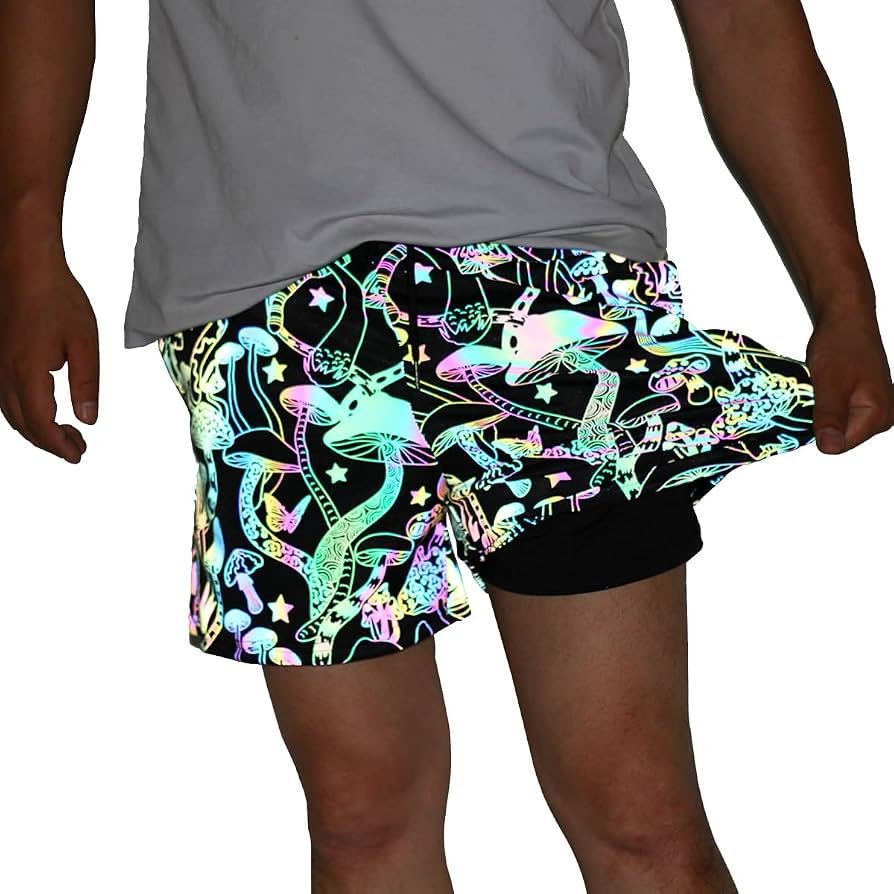
Actual workmanship macro photograph: Reflective Trim Attachment

Reflective Trim Attachment

Reflective elements require specific placement, attachment and care considerations. Decorative visibility should not be presented as professional protective-garment certification without relevant evidence.

Applicable area: Conditional running outer layers, shorts, tights or tops with reflective details.
Comfort/strength review: Verify attachment security, movement compatibility, wash-care and claim-specific test scope.
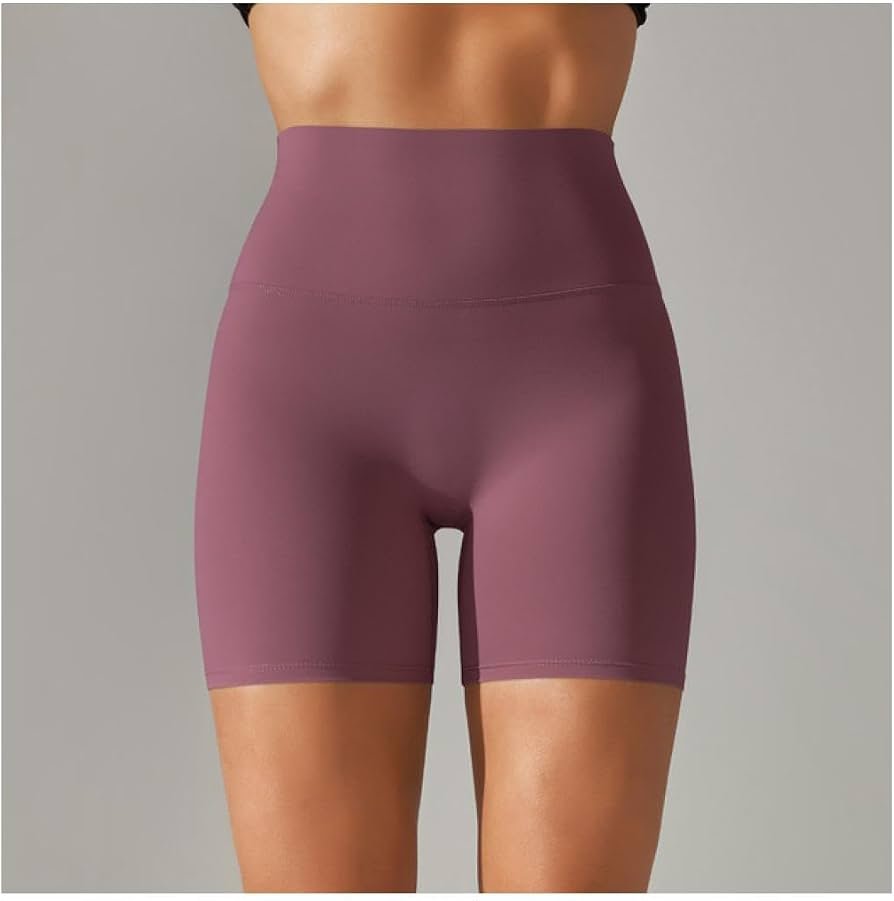
Actual workmanship macro photograph: Seamless Knit Transition

Seamless Knit Transition

An engineered knit zone may change stretch, texture or air exchange within a panel. Transitions need review for fit, surface contact and machinery feasibility.

Applicable area: Suitable seamless running tights, fitted tops and selected technical knit zones.
Comfort/strength review: Check actual knit samples, extension distribution and finishing rather than promising zero seams.

Select Production Routes for Running Tights and Shorts

Manufacturing-route selection should follow garment architecture rather than trend labels. Seamless and cut-and-sew processes solve different structural problems, and a running collection may require both without sharing a single sample approval.

Running product Construction route to evaluate Engineering advantage or constraint Buyer approval requirement
Engineered seamless tights Santoni seamless knit, subject to yarn, diameter and finishing feasibility Knit zones can be engineered; design freedom and attachments differ from multi-panel cut-and-sew. Knit program, fabric performance, waist finishing, fit and completed garment construction.
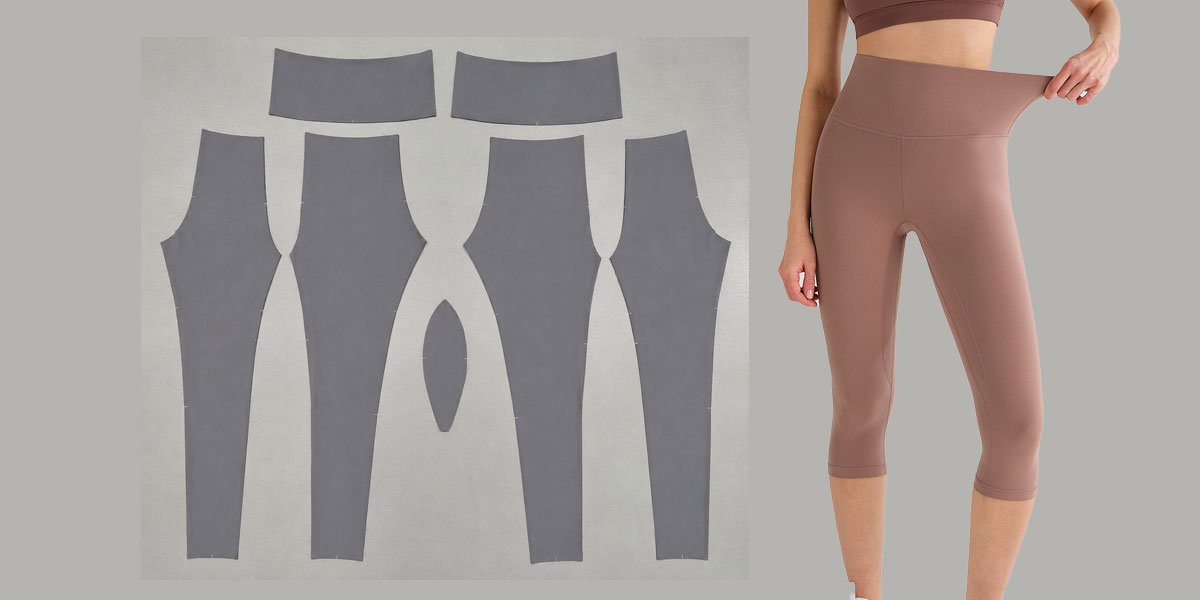
Panel-based running tights Cut & Sew with selected knit fabric Pattern panels can support targeted shaping, seams and discrete pockets; more seam contact points need review. Pattern, pocket opening, seam elasticity, grading, material recovery and fit trial.
Single-layer running shorts Cut & Sew outer shell Shell shape, crotch and hem geometry can be developed without liner complexity; weight and opacity trade-offs remain. Shell material, rise, split/hem shape, sewing method and running coverage.
Lined running shorts Cut & Sew shell plus integrated liner Liner adds a fit system, additional fabric and attachment operations; source matching and comfort require review. Liner material, leg opening, crotch assembly, sample motion and workmanship.
Two-in-one running shorts Cut & Sew layered assembly Fitted inner and loose outer layer offer a different architecture, but require control of relative movement and waist loading. Both layers' dimensions, attachment, carried-item function and full-garment trial.
Running tops and layers Seamless or Cut & Sew according to design Knit zones and panel construction may address different pattern, airflow and branding objectives. Sleeve/armhole fit, material and seam details, special trim performance and seasonal claims.

Send Your Running Collection Requirements for Technical Review

Share the styles you intend to develop, including running tights, shorts and related tops. A useful first review identifies target use, approved or proposed materials, fit specifications, pocket or liner requirements, quantities and required evidence. MOVEVOX can discuss technical feasibility and next steps through its existing product-development and manufacturing capabilities; specialist performance expectations must be confirmed before any claim or delivery commitment is made.

Trust note: Buyers may submit style information, sketches, quantities and testing requirements for project-specific evaluation; availability and timelines are confirmed after review.

Prepare a Technical Brief for Running Product Development

A useful running RFQ identifies the garment's intended use and technical priorities before attaching pictures or a target cost. Different documents are needed for tights, lined shorts and single-layer shorts, even when their branding is coordinated.

Running Use Brief

Required. Define road, daily, long-duration or other intended running use, the target user, season and expected carrying needs. This allows fabric, fit, construction and performance questions to be reviewed against an actual purpose rather than a broad “technical running” description.

Flat Sketch Views

Required. Provide front, back and relevant internal views. Running shorts should show split shape, pockets and liner or gusset assembly where applicable; tights should show seam paths, pocket construction, waist finish and intended hem position.

Point-of-Measure Chart

Required. List size-specific measurements and tolerances with measurement methods. Include rise, inseam, waist, opening and liner dimensions where relevant. Product length labels such as 7/8 are not sufficient substitutes for actual approved measurements.

Fabric Performance Brief

Required. Supply identified fabric references or describe intended stretch, recovery, weight, coverage and moisture-related requirements. Specify which properties need third-party evidence and which may be assessed through sampling or buyer-defined wear trials.

Construction Specifications

Required. Clarify seam types, allowances, gussets, liner attachment, waistband components and split or hem finishing. Where techniques are not yet confirmed, indicate a proposed design pending manufacturing feasibility rather than instructing an unverified fixed operation.

Pocket Carry Requirements

Optional. Define intended phone, key or gel dimensions, positions, opening types and accepted movement behavior. An empty pocket drawing cannot settle requirements for actual loaded running, and specialized storage may change cost or MOQ.

Color and Trim Standards

Required. Specify color references, reflection/visibility trim if applicable, zipper or cord components, elastic, labels and artwork position. Confirm whether colors and trims carry independent supplier MOQ or additional validation requirements.

Branding and Packaging

Optional. Provide artwork files, size-label information, care-label requirements, hangtags, SKU identification and packaging instructions. Market-specific language or compliance requirements should be confirmed with the buyer before final production approval.

Approval and Test Plan

Required. State how the buyer will approve static fit, running-use observations, coverage, pocket load, liner behavior and any external lab tests. Record the actual accepted criterion and the tested sample identity rather than requesting generic “100% running performance.”

Quantity and Schedule

Required. Provide forecasted pieces by style, color and size; target market, expected approval date and desired shipping window. This information helps assess material availability, production-route feasibility and conditional lead times without converting a forecast into reserved capacity.

When documents are incomplete: MOVEVOX can review drawings, legitimate physical references or identified development needs through its existing product-development capabilities. Missing specifications should be listed as open decisions for the brand and supplier to resolve before sample approval and binding commercial commitments. Complex special constructions require a separate feasibility and evidence review.

Evaluate Running Samples Beyond Stationary Fit Approval

A proposed running wear trial should define the wearer, size, activity, carried items and observations before testing. Static fit, movement, storage load, liners and final revisions require different acceptance questions for running tights and shorts.

Static Fit

Stage description: Begin with the approved measurement chart and a controlled sample version. Inspect waist position, rise, inseam, opening, crotch shape and the garment's resting fit. For shorts, identify whether the shell and liner both match their own specification; for tights, evaluate negative ease and pocket position in relation to size. This stage cannot establish sustained-running comfort, but it can eliminate measurement and workmanship errors before time is spent on movement observations. Record the exact sample, fabric and wearer size. Decide which issues require pattern correction rather than altering target specifications without authorization.

Buyer inputs: Approved POM chart; target wearer and size; sample version ID.
Proposed MOVEVOX outputs: Measured fit observations by garment area; discrepancy list against approved size chart; clarified sample revision questions.

Match Running Performance Claims With Suitable Evidence

Running buyers should decide what each proposed functional claim actually means before including it in technical specifications or marketing. Test methods, tested materials, garment observations and claimed consumer benefits are not interchangeable forms of proof.

Moisture Management

Proposed claim: Fabric helps transport liquid moisture under specified laboratory conditions.
Evidence explanation: Review the selected fabric sample, its identity, applicable method and actual results. A lab moisture-management result may support a carefully scoped fabric statement but does not alone establish that the completed garment feels dry in every running climate or session duration.
Basis: Identified fabric, test method, sample and recorded outcome; actual running comfort assessed separately.

Drying Behavior

Proposed claim: Fabric shows a measured drying response in defined conditions.
Evidence explanation: Drying rate depends on sample construction and test conditions; it is not synonymous with wicking or air permeability. State the measured parameter and method rather than treating fiber composition as proof. Garment layers, fit and weather can produce different wearing experiences.
Basis: Applicable drying test, controlled conditions, fabric ID and actual result.

Stretch Recovery

Proposed claim: The specified material recovers after defined extension cycles.
Evidence explanation: Extension and recovery should be separated. A fabric can stretch easily yet retain residual deformation. Tights performance also depends on negative ease, sewing, wash effects and waistband assembly. Any claim requires a compatible test method and evidence for the actual fabric, not only a material supplier adjective.
Basis: Stretch/recovery measurements, fabric structure, load cycles and product fit review.

Reduced Chafing

Proposed claim: Construction is designed to address identified friction contact points.
Evidence explanation: A proposed seam placement or smooth liner does not provide a universal anti-chafing guarantee. The brand should define the wear conditions, assess real garments and record observations for the intended audience. Material abrasion reports do not automatically measure wearer comfort or skin response.
Basis: Actual seam/liner construction, specified wearer trial and recorded acceptance observations.

Thermal Comfort

Proposed claim: Selected materials are assessed for an intended cool-weather use.
Evidence explanation: Fabric weight and brushed finish alone do not quantify thermal resistance or vapor transfer. Appropriate tests may inform an evidence-based statement, while actual running comfort also depends on layers, air movement and exertion. Avoid universal temperature ratings without substantiation.
Basis: Intended season, applicable textile test, tested construction and declared conditions.

Reflective Details

Proposed claim: Specified garment trim includes reflective material at identified locations.
Evidence explanation: Showing reflective decoration is not equivalent to proving compliance with protective high-visibility garment standards. Check the trim reference, attachment, laundering and any client-specified visibility performance requirement before approving stronger safety language.
Basis: Trim identity, placement, care performance and claim-specific evidence where necessary.

Pocket Stability

Proposed claim: Storage has been designed for stated running contents and use.
Evidence explanation: An empty-pocket photo or zipper description cannot show how the garment behaves with a phone or gels. Use a buyer-defined loaded-running observation and state the load, fit and conditions. Even favorable observations should not become an absolute no-bounce guarantee.
Basis: Object dimensions, actual sample, loading condition and documented movement review.

Aerodynamic Effect

Proposed claim: A close-fitting design is being considered for aerodynamic purposes.
Evidence explanation: Air resistance depends on multiple interacting variables, including speed, surface and body position. A fitted silhouette alone cannot substantiate drag reduction or improved running results. Any quantified claim requires an appropriate defined test and relevant evidence for the specific garment.
Basis: Explicit aerodynamic evaluation, test conditions and verified product-specific result.

Approve Running Samples Through Clear Technical Decision Gates

Sampling should end in a controlled product specification rather than an attractive prototype alone. A running tights project and a lined shorts project may use the same approval sequence but require different construction and fit criteria.

01

Material Confirmation

Goal: Confirm actual fabric and trim references against intended running use. Tights may prioritize recovery and coverage, while shorts require separate shell and liner assessments. Record evidence gaps before fabrics are frozen for pricing or production.

Buyer inputs: Intended use and priority properties; proposed fabric reference or swatch; test evidence requirements.
Proposed MOVEVOX outputs: Material feasibility feedback for each style; identified sampling and evidence gaps; agreed reference for sample construction.
Pass criterion: The buyer approves the actual material reference and clearly identifies which performance checks remain pending.

02

First Fit Sample

Goal: Confirm basic dimensions, silhouette and structural assembly. Review tights negative ease, waistband and pocket positions; assess shorts hem, crotch, liner length and waist attachment. Static fitting should not be represented as a running endurance test.

Buyer inputs: Size chart and POM tolerances; flat sketch and construction notes; selected evaluation size.
Proposed MOVEVOX outputs: Measured first sample for review; fit and construction discrepancy list; proposed pattern or trim adjustments.
Pass criterion: Key dimensions and intended construction are accepted or revised through explicit buyer instructions.

03

Functional Wear Review

Goal: Where appropriate, assess sustained movement, seam contact, waistband behavior, pocket loading and liner migration using buyer-agreed conditions. Record sample identification and subjective wearer observations separately from any laboratory performance results.

Buyer inputs: Movement and load conditions; comfort/coverage acceptance questions; named approval authority.
Proposed MOVEVOX outputs: Consolidated trial observations if performed; proposed fit or construction response; open testing questions for the buyer.
Pass criterion: Required practical checks are completed or explicitly documented as not applicable or pending.

04

Revised Sample Approval

Goal: Confirm that changes from the previous sample actually address the recorded issues. A new fabric, altered pocket or revised liner may require another review of fit, cost, MOQ and evidence before becoming the reference for bulk.

Buyer inputs: Approved revision request; updated construction and fabric decisions; required next-step verification.
Proposed MOVEVOX outputs: Updated sample/version reference; revised measurement and detail notes; remaining risk clarification.
Pass criterion: The buyer accepts documented changes against the revised specification, with no hidden substitutions.

05

Size Set Review

Goal: Determine whether fit and product geometry remain acceptable across the intended size range. Tights waist pressure, shorts liner openings and pocket positions may not grade uniformly without explicit checks. Do not infer full-range approval from a medium sample.

Buyer inputs: Full grade rules and size chart; priority body/fit considerations; brand sign-off criteria.
Proposed MOVEVOX outputs: Size-set samples as commercially agreed; dimensional review against tolerances; flagged grading or assembly issues.
Pass criterion: The approved size set or required range checks meet buyer-agreed fit and measurement standards.

06

Pre-Production Approval

Goal: Consolidate the approved sample, fabric/trim identity, construction details, labeling and packaging references into the production handover. Confirm which special tests have been performed and which are customer responsibilities before release.

Buyer inputs: Final approved specifications; commercial order and size mix; documented acceptance and test requirements.
Proposed MOVEVOX outputs: Production-ready technical references; confirmed component and sample versions; pre-production questions resolved for release.
Pass criterion: The authorized buyer signs off the defined pre-production reference before bulk instructions are issued.

Keep Approved Running Specifications Visible Through Production

An approved running sample must remain connected to the fabrics, construction instructions and inspection records used in bulk production. The path below represents the required information relationship; actual available record fields should be checked during supplier qualification.

Approved Style

Identify the accepted tights or shorts style code, version, customer approval and specimen. This becomes the primary reference for pattern, construction and appearance decisions through production.

Document label: Approved Sample

Material Identity

Record the agreed fabric reference, color, approved trims and any relevant source or lot identifiers. A substituted shell, liner or tights knit may change fit and performance.

Document label: Material Record

Technical Revision

Maintain the current size chart, pattern instructions, pocket and liner details, finishing and tolerance information. Revisions need buyer authorization where they change approved specifications.

Document label: Tech Pack

Component Approval

Confirm waist elastics, zippers, cords, liner trims, labels and reflective components where applicable. Different supplier MOQ or available components can alter the project's construction options.

Document label: Trim Approval

Preproduction Review

Use the actual approved garment and specification to clarify assembly details, quality risks and any process limitations before bulk cutting, knitting or stitching instructions are released.

Document label: PP Reference

First Article

Check initial production garments against critical dimensions and construction features such as waistband, crotch, liner, pocket and hems. Record deviations before the full run proceeds.

Document label: First Article

Inline Inspection

Inspect relevant operations during production, with attention to seam security, pocket/liner attachment, dimensional control and component identity. Report and handle defects according to agreed criteria.

Document label: QC Record

Final Release

Check completed garments, labeling, packing and order quantities against approved references and customer inspection conditions. Make the final release decision only after outstanding discrepancies are resolved.

Document label: Final Inspection

Shipment Reference

Connect packed quantities, SKU labels, carton information and the shipping document set to the approved order. Only preserve identifiers and traceability links actually present in the record system.

Document label: Packing List

Compare Running Garment Costs Beyond Unit Quotations

Two running garments with similar silhouettes may require different materials, sewing operations, sample revisions and quality checks. The comparison below describes sourcing-cost drivers, not historical MOVEVOX customer prices or projected savings from a particular order.

Procurement options:
A — Basic running tights: Approved knit fabric, conventional waistband and minimal additional components.
B — Pocket running tights: Added pocket pattern/knit detail, retention requirements, loading evaluation and possible trim sourcing.
C — Lined running shorts: Separate shell and liner, additional pieces, attachment operations and two-layer approval requirements.

Cost factor What a buyer should compare across the options
Fabric specification Different knit, shell and liner materials influence costs and may carry separate dyeing or minimum purchasing conditions.
Material utilization Tights panels, shorts shells and liner cutting layouts can generate different consumption, wastage and yield assumptions.
Development iterations Pockets, liners and split hems may require more pattern and fit revisions than an otherwise similar simple garment.
Sewing and assembly Pocket retention, waist construction, liner attachment and edge finishing affect operation count and potential bottlenecks.
Testing and evidence Requested moisture, recovery, visibility or garment wear checks may add separate testing costs and approval time.
Color and trims Zippers, elastics, logos and reflective parts can introduce supplier MOQ, shade matching and component approval work.
Dimensional complexity More sizes and intricate grading can require additional samples, measurement checks and production controls.
Quality-related rework Unclear acceptance criteria may create avoidable sampling cycles, inspection disputes and late manufacturing revisions.
Inventory exposure Multiple specialized styles, colors or material variants can spread initial volumes and increase stock planning complexity.

Total sourcing cost explanation: A low quoted unit price does not automatically minimize the cost of launching a running collection. For example, a pocket may be valuable to customers but introduce new material, attachment and wear-trial requirements; a liner may improve the desired product architecture while increasing labor and inspection operations. Conversely, standardizing an approved component across compatible styles may simplify procurement only if it does not compromise fit. Brands should compare development effort, material availability, technical risk, inspection and realistic volumes alongside the unit quotation. No percentage savings or price difference is claimed here without actual quotes and buyer-controlled assumptions.

Plan Running Collection MOQ by Structure and Materials

Running tights, single-layer shorts and lined shorts may require different manufacturing and sourcing inputs. MOQ discussions should identify style, color, fabric, trim and packaging conditions rather than use a single number for the entire running range.

Pilot Running Styles

A pilot may focus on one confirmed running-tight structure or a conventional shorts silhouette before adding separate liner or pocket variants. The buyer can use a realistic style-size mix and standard available materials to explore feasibility. The stated MOVEVOX baseline is approximately 100 pieces per seamless style or 150 per cut-and-sew style, but these are starting references, not unconditional minima. Material dyeing, bespoke trims and special constructions may change the practical requirement and price.

Quantity range: Project-dependent; conditional reference MOQ only.
Color/size logic: Limit variants to quantities that satisfy fabric and trim constraints.
Price factors: Setup, chosen fabric, sample changes, size mix and packaging.

Core Running Collection

A core program may combine tights, one or more shorts constructions and related tops. The products should not be treated as one interchangeable production family: seamless tights and cut-and-sew shorts have different manufacturing routes, and shell/liner components may have distinct material requirements. Buyers should provide style-by-color and size estimates so the supplier can check each option and identify where combining approved materials makes commercial sense. A product group may look coordinated without sharing fabric or MOQ.

Quantity range: Assessed separately for each style, route and component.
Color/size logic: Confirm material batches and approved ratios for every SKU.
Price factors: Multi-SKU complexity, material platforms, labels and inspection effort.

Seasonal Replenishment

Replenishment should build on preserved approved styles, material references and realistic component availability. If the brand changes a tights waistband, introduces a new liner or chooses another color treatment, revised approvals or supplier purchasing conditions may apply. A previous order quantity does not reserve future machinery or fabric capacity automatically. Buyers should share forecast volumes and required delivery windows while allowing time for technical review and material reconfirmation when changes affect fit or performance.

Quantity range: Reconfirm against actual fabrics, schedule and repeat-order composition.
Color/size logic: Confirm carryover and new colorways before consolidating production.
Price factors: Dye lot, version changes, new materials and seasonal scheduling.

Evaluate Running Order Capacity Against Real Production Dependencies

A mixed running collection combines different garment constructions and approval gates. Lead-time assessment should begin with actual order conditions, component availability and production-route allocation rather than treat total monthly company capacity as a guarantee for one customer.

Stage Indicative timing Required prior condition Buyer confirmation
Development Input Project-dependent Style list, specifications and target use defined Approve scope and technical questions before sampling
Material Review Supplier/project-dependent Actual fabrics, colors and relevant trims identified Confirm material options and necessary evidence
Sampling Often approximately 5–10 working days for conventional sampling once details are confirmed; complex styles vary Development details and available inputs confirmed Review each tights and shorts sample version
Sample Approval Buyer review time varies Fit, construction and any required tests available Authorize approved sample and change list
Production Planning Confirmed after approvals and materials Valid PO, technical freeze, actual component status Accept the agreed feasible production and delivery plan
Bulk Manufacturing Conventional bulk reference approximately 20–35 days, subject to confirmed order conditions Approved style, materials and assigned production route Address approved production changes if required
QC and Packing Included or scheduled according to the project plan Finished garments and agreed inspection standards Approve disposition and correct final packing data
Shipping Handover Mode- and destination-dependent QC release, packing and shipping details confirmed Confirm documents, logistics terms and dispatch requirements

Factors that change delivery: Fabric dyeing, new liner materials, pocket zippers, specialized reflective trims, repeated sample revisions, differing production routes, seasonal demand and destination shipping requirements can alter the critical path. MOVEVOX's documented integrated managed delivery capability is approximately 150,000–200,000 pieces per month across its owned core and coordinated satellite production arrangement; that figure must not be presented as exclusive capacity reserved for a proposed running project. No Gantt dates can be committed until the buyer's actual SKU mix and approvals are known.

Classify Critical Running Product Defects Before Final Inspection

Routine garment QC should follow agreed buyer tolerances and inspect running-relevant features at their actual construction points. The examples below are risks to prevent and assess, not documented defect incidents or measured MOVEVOX defect frequencies.

Defect Likely cause Prevention Inspection point Corrective action
Tights waist distortion Unsuitable elastic specification, incorrect waist assembly or inconsistent material recovery can alter the approved shape and position of the waistband. Agree waist dimensions, relevant fabric and elastic references, stitching requirements and sample fit before bulk manufacturing begins. Review elastic/material receipt, first completed garment and inline waistband measurements against the actual approved specimen. Isolate affected items, investigate material or sewing variation, authorize repair or replacement and recheck before release.
Crotch seam mismatch Pattern alignment, seam allowance variation or inappropriate stretch can create uneven intersections or pulling in tights and shorts. Check pattern versions, correct assembly sequence and operator instructions at the construction junction before scaling production. Inspect first-article crotch seams, matching panels and selected inline garments for dimensional and workmanship compliance. Stop the affected process where necessary, correct pattern or sewing settings and reinspect repaired or replacement garments.
Liner opening inconsistency Incorrect liner circumference, fabric lot variation or uneven edge finishing can change comfort and visible liner shape. Approve liner pattern, stretch fabric, binding and sample opening dimensions separately from the outer shorts shell. Check incoming liner material, cut components, assembled liner openings and completed two-layer garments by size. Quarantine nonconforming lots, review component dimensions, repair only where feasible and reapprove construction before continued use.
Pocket attachment defects Incorrect pocket positioning, stitch density, zipper installation or fabric tension may weaken retention and distort nearby panels. Define pocket load use, component position, approved stitching and trim instructions in the production technical pack. Inspect pocket pattern placement, first attachment, zipper operation and sample garments carrying the specified object. Correct attachment method or component, replace affected parts and verify pocket operation against buyer acceptance criteria.
Split hem asymmetry Unequal cutting, side-opening measurement or inconsistent edge finishing can produce an unintended split shape or visible imbalance. Use approved pattern marks, split depth, seam tolerances and finishing reference for each running shorts size. Measure first garments, compare left-right opening geometry and conduct inline checks at hem finishing operations. Segregate affected shorts, correct cutting or hemming method and inspect remaining units against the approved split reference.
Unexpected fabric variation A different fabric lot, finish or unapproved substitution can alter weight, handfeel, shade, recovery and garment fit. Freeze approved material identity, incoming checks, color reference and any applicable change-approval responsibilities before production. Inspect material receipt and relevant batch data; compare first garment performance and appearance with approved references. Hold suspect lots, identify the source of variation, obtain buyer approval for any change or use compliant replacements.
Incorrect size grading An outdated measurement chart or inaccurate cutting/knitting instructions can create dimensions that differ from the approved size range. Control size chart revisions and grade rules; verify critical waist, rise, inseam, opening and liner points. Measure size-set references, first articles and agreed inline/final garment samples using the buyer's tolerance definitions. Investigate the affected sizes, correct reference or production instructions and reinspect revised garments before shipment release.
Trim or label mismatch Different trim versions, misplaced reflective details or incorrect SKU labels can arise from unclear component and packaging instructions. Confirm approved trim reference, care-label content, artwork position, barcode mapping and packing instructions for each running SKU. Review incoming trims, first finished garments, label/packaging stations and final cartons against approved order records. Separate affected stock, replace incorrect components or labels with approval and repeat final verification before dispatch.

Review Technical Evidence Before Running Supplier Qualification

A brand technical audit should distinguish actual established controls from proposed running-specific requirements. The checkpoints below describe what procurement and QA teams may request, with documentary status to be confirmed rather than automatically marked compliant.

Product Capability Scope

Confirm which running tights, shorts, tops and supportive garments fall within established capacity and which special liner, split, shell or performance requests require new feasibility work. An honest capability boundary helps buyers avoid a misleading all-products claim.

Check criteria: Real samples matching proposed products; clear conventional versus conditional capability statement; buyer-specific feasibility questions recorded.
Status: Evidence to review.

Technical Pack Control

Verify that approved measurements, patterns, materials, pocket and liner constructions can be traced to the correct production version. No workflow should presume a proprietary document system if the actual records use another method.

Check criteria: Accepted latest Tech Pack; controlled pattern and construction revisions; named approval and release responsibility.
Status: Evidence to review.

Material Identity

Assess fabric and trim references for running tights, shorts shells and liners. Confirm incoming checks, approved colors and requirements for any change that could alter recovery, comfort or construction suitability during production.

Check criteria: Material and trim identities documented; agreed incoming acceptance checks; substitutions require buyer authorization when relevant.
Status: Evidence to review.

First Article Readiness

Check whether an initial production garment can be evaluated against the approved sample before the full order proceeds. Running details such as waistband finish, split shape and liner placement require particular attention.

Check criteria: First-article dimensions and workmanship; correct pocket and liner assembly; discrepancies recorded and dispositioned.
Status: Evidence to review.

Waist and Fit

Review critical waist, rise, inseam and opening measurements in the actual size range. A fit result should be tied to the specific fabric and sample; static dimensions cannot replace a required movement review.

Check criteria: Buyer measurement points and tolerances; size-set approval scope; outstanding movement trials clearly identified.
Status: Evidence to review.

Pocket and Liner

For functional shorts or fitted tights, inspect pocket openings, hardware, seams and attachment details. Buyer-required loaded-running evaluation should be distinguished from routine factory workmanship inspection and scheduled separately if necessary.

Check criteria: Correct component reference and position; finished pocket and liner measurements; functional checks scoped to project.
Status: Evidence to review.

In-Process Quality

Confirm how routine workmanship, dimensions, seam security and appearance are reviewed before defects accumulate. The brand should ask to see actual usable check records rather than infer implementation from a list of claimed quality methods.

Check criteria: Real inline inspection records; nonconforming material handling; approved corrective actions and reinspection.
Status: Evidence to review.

Final Shipment Review

Verify finished garment identity, size ratios, labels, branding, packing and agreed inspection release conditions. Commercial order counts should match the shipping records and unresolved technical deviations should not be silently accepted.

Check criteria: Correct SKU and size count; approved label/packing references; final release and discrepancy records.
Status: Evidence to review.

Nonconformity handling: Any finding should be evaluated for its effect on approved fit, product construction, quality or the buyer's claim requirements. Suspect goods should be clearly separated according to existing factory controls, causes investigated and corrective steps documented with the authorized decision owner. The buyer should distinguish ordinary workmanship corrections from changes that need renewed product approval or independent testing before release.
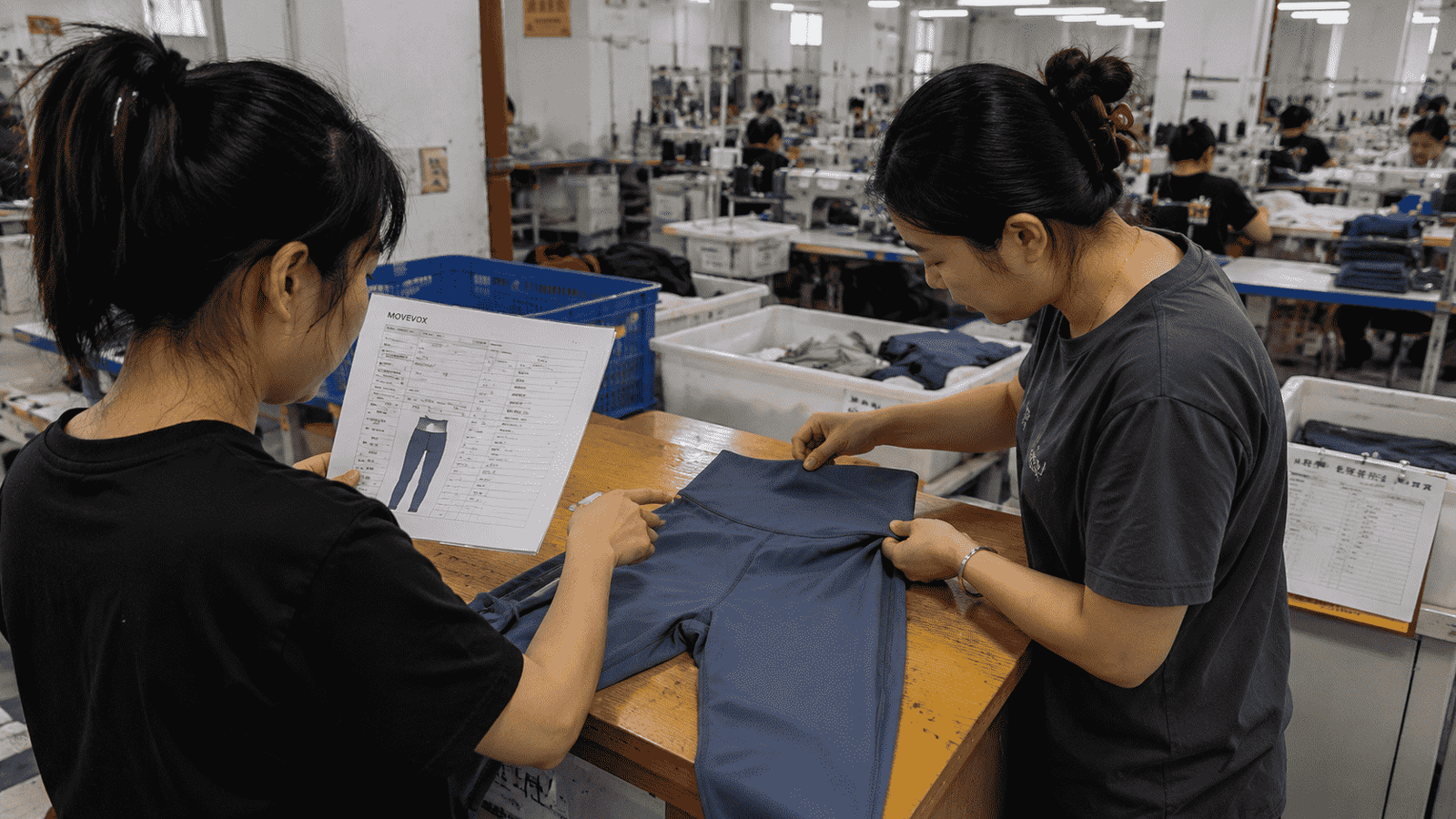
MOVEVOX quality team reviewing garment measurements

Identify Red Flags Before Selecting Running Manufacturing Partners

Not every factory offering leggings or shorts is automatically a fit for a running-specific project. Buyers should ask for garment-level explanations and verifiable production information before approving functional claims, technical cost assumptions or complex structures.

Unclear Running Product Scope

Risk explanation: A supplier may display broad activewear images without identifying which running tights or shorts structures it actually manufactures. This makes specialist liner, pocket or seasonal requirements difficult to assess and may obscure whether a new development is needed.

Verification: Request actual product samples, identify the manufacturing route for each style and obtain written confirmation of all conditional specialist constructions.

Static Fit as Final Proof

Risk explanation: An attractive stationary sample does not establish fit under repetitive running, especially for pocket-loaded tights and layered shorts. If the supplier cannot distinguish static measurements from dynamic observations, the buyer may approve a design without evaluating critical intended-use risks.

Verification: Ask which running-use checks have been performed, what evidence exists and which tasks remain pending for the exact approved sample.

Unsupported Performance Claims

Risk explanation: “Quick dry,” “thermal,” “anti-chafing” and “aerodynamic” may be used as universal sales adjectives even though each requires distinct definitions and evidence. A fabric report may not establish the performance of the completed garment or its particular wearer experience.

Verification: Require the actual test method, identified material or garment sample, recorded outcomes and precise limitations of every proposed performance statement.

No Liner Construction Detail

Risk explanation: A supplier offering lined running shorts should be able to discuss inner-leg length, crotch assembly, leg opening and waist attachment. A superficial product photograph cannot demonstrate that the layered construction is understood or commercially feasible.

Verification: Review a genuine constructed shorts sample, internal technical views and confirmation of liner assembly feasibility under the intended production method.

Pocket Benefit Without Loading

Risk explanation: A running pocket designed around a fashion appearance may not retain its intended contents comfortably. If size, location, opening and carried-object mass are not defined, a “secure” storage promise can be misleading and difficult to approve.

Verification: Agree actual carried-object dimensions and weights, then specify an appropriate loaded-running sample evaluation with clearly recorded observations.

Ambiguous Production Responsibility

Risk explanation: A supplier can mislead buyers by presenting coordinated partner production as entirely owned machinery or reserved capacity. This complicates audit approvals, subcontracting consent and responsibility for a failed material or finished order.

Verification: Confirm the production site for each route, identify subcontracting approvals and document who controls buyer approval, QC and changes.

MOQ Without Material Conditions

Risk explanation: Published garment-level MOQ does not necessarily cover dyed fabrics, specialty zippers, liner materials or seasonal components. Committing without understanding these constraints can force unexpected redesign, color changes or quantity increases.

Verification: Request explicit style-by-style garment, fabric, color and trim MOQ conditions before accepting preliminary project prices or lead times.

Uncontrolled Reorder Changes

Risk explanation: Repeat orders can drift when an approved fabric, trim, pocket or pattern is replaced without review. Running users may notice changes in waist tension, liner movement or handfeel even when the garment name is unchanged.

Verification: Ask to review retained approved references, change logs and buyer approval rules for substitutions to any material or construction detail.

Verify Manufacturing Responsibilities Behind Your Running Apparel Orders

Remote supplier review can establish what a factory actually does, but images and videos must show their real location, date or context and production purpose. A virtual walk-through should support, not replace, a buyer's required formal audit.
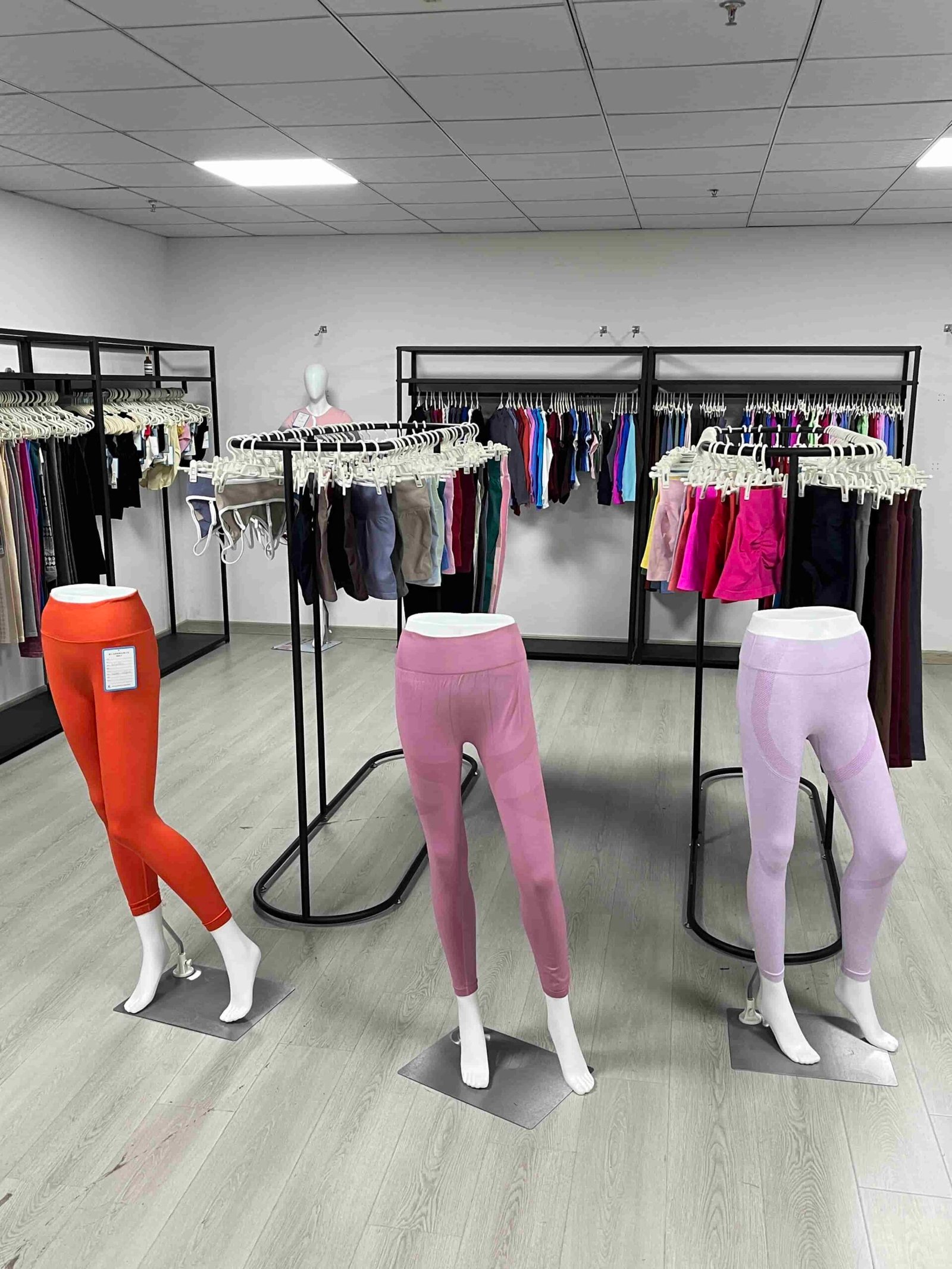
Product sample development room photograph from MOVEVOX source pages

Product Development Area

The review should begin with the process by which buyer sketches, Tech Packs, samples and measurement charts are handled. Ask how versions are distinguished and how a running tights waistband or shorts liner change reaches the relevant production team. A genuine sample-room image can demonstrate the existence of development work, but it cannot prove completion of specialized running trials. The buyer should request representative approved records where disclosure is allowed and confirm how confidential customer materials are protected.

Actual MOVEVOX facility photograph relevant to Material Receiving Area

Material Receiving Area

Incoming materials create the foundation for running fit and consistency. Review how different tights knits, shorts shells, liner fabrics, elastics and pocket trims are identified against approved references. This area is relevant to material identity, shade matching and change management rather than proving unrecorded moisture or abrasion test results. Buyers should ask which real check records exist, how discrepancies are handled and whether dedicated component suppliers have separate sourcing constraints. Photographing generic boxes provides weaker evidence than a traceable approved material sample and receipt process.

Actual MOVEVOX facility photograph relevant to Seamless Knitting Area

Seamless Knitting Area

Santoni machinery demonstrates a meaningful manufacturing route for appropriately designed knit garments, but machine ownership does not validate every running tights feature. A remote review may show actual knitting equipment, production environment and an appropriate running-related sample. Ask what garment diameter, yarn, knit zone and finishing constraints apply to the proposed style. Seamless also does not imply a complete garment with zero stitching or automatically guarantee a friction-free fit. Equipment images must be attributed accurately and not confused with outside satellite factories.
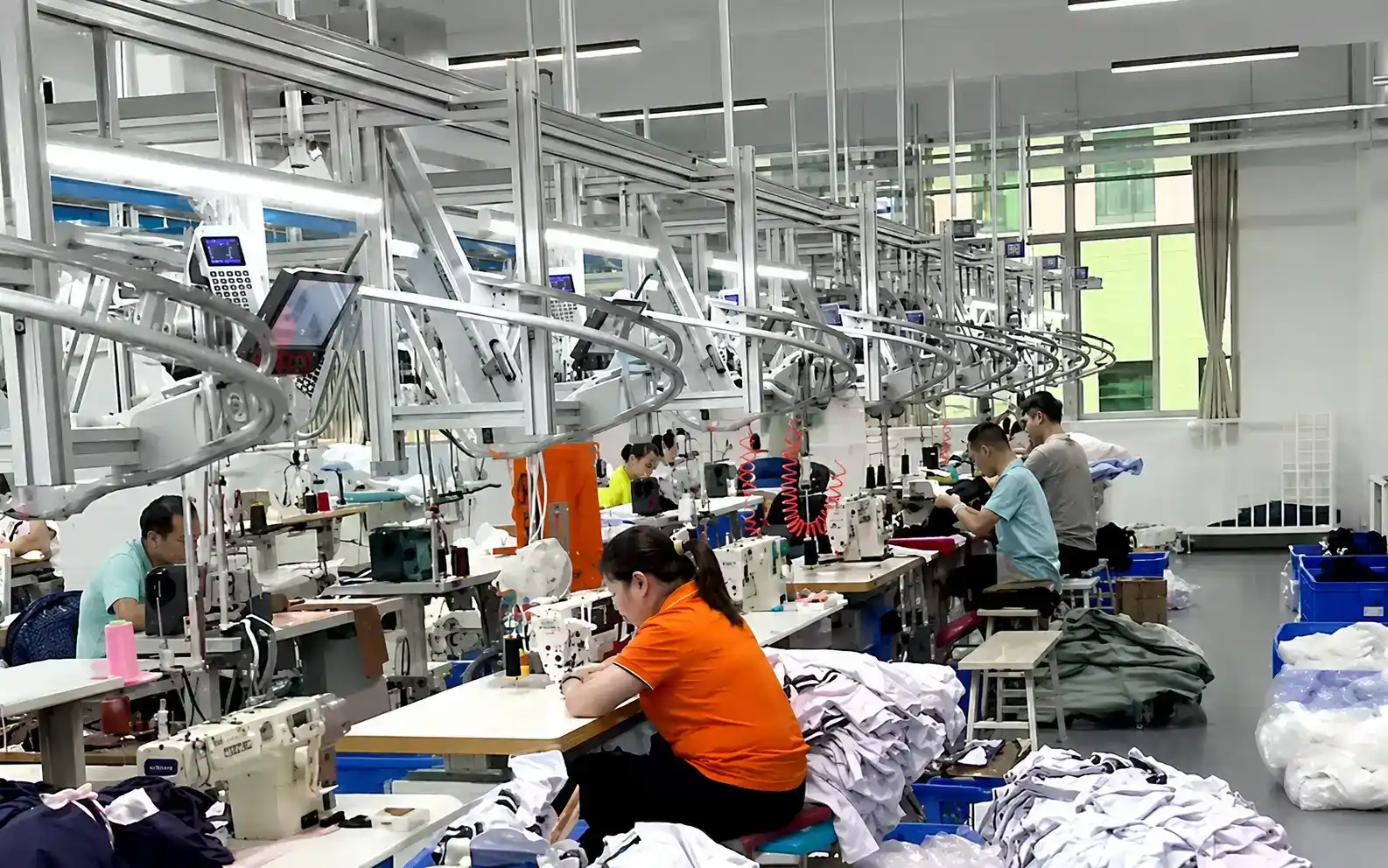
Actual MOVEVOX facility photograph relevant to Cutting and Sewing Area

Cutting and Sewing Area

Cut-and-sew operations are important for panel-based running tights and the specific assembly demands of shorts. Buyers may review real cutting, sewing, waist finishing and component attachment work. The existence of conventional sewing machines does not prove that a specialized deep-split shell or complex liner assembly has already been commercialized. Request authentic work samples for those constructions and evaluate whether the proposed materials and equipment are compatible. Distinguish core factory activity from any work that requires approved outside coordination.
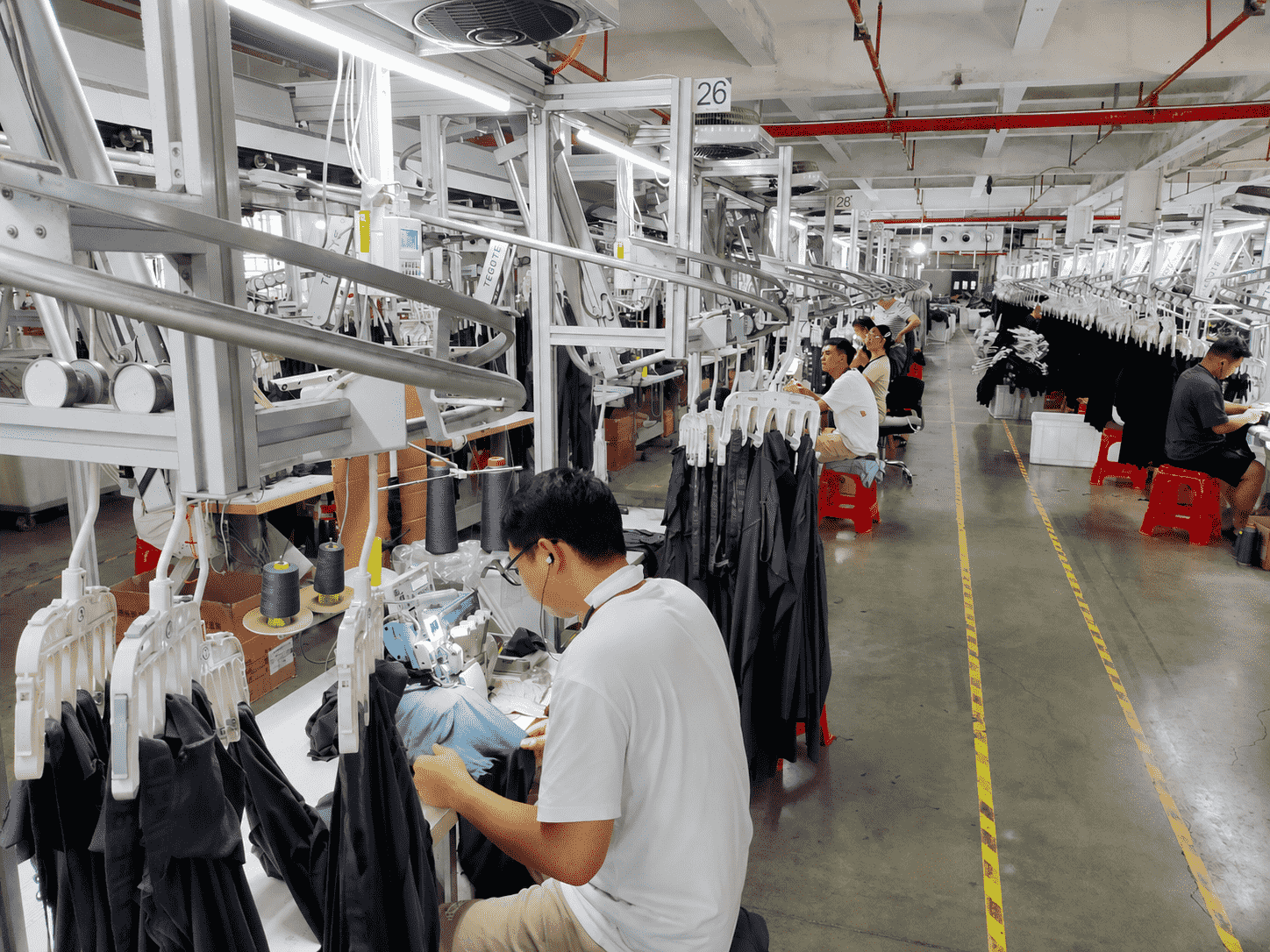
MOVEVOX in-line quality checking photograph from source pages

Quality Inspection Area

A meaningful QA view should connect the products to real measurement, workmanship, material and packing checks. It is more useful to see a genuine inspection record and the way deviations are handled than an unsupported quality percentage. Running-specific features such as pocket seams, liner openings, waist elastics and split hems may be added to the buyer's inspection criteria. If dynamic wear trials or performance tests are not already documented, they should remain requirements for future project agreement rather than being described as completed factory validation.

Finished-apparel packing line photograph from MOVEVOX source pages

Packing and Dispatch Area

A running collection may contain several fits, colors, sizes and garment constructions, making SKU and label control important at the final stage. Show actual packaging and finished-goods management rather than unrelated generic warehouse imagery. Buyers should verify that packing lists, cartons and labels align with the approved product and order information. If part of production was performed through coordinated partners, the final quality responsibility and release process should be disclosed within permitted agreements. Remote imagery should never suggest certifications or audit passes that the organization cannot substantiate.

Running Reorders: Key Takeaways

  1. Freeze the reference: Preserve the approved tights or shorts sample, current technical version and agreed critical measurements before describing any repeat order as unchanged.
  2. Recheck material identity: Confirm actual fabric, liner, elastic and trim availability; a different lot or substitute may alter feel, dimensions or accepted product performance.
  3. Protect pocket and liner details: Reconfirm storage location, zipper or elastic components, liner measurements and waist attachment whenever materials or workmanship requirements change.
  4. Separate genuine carryover styles: Repeat approved running SKUs without assuming newly added pockets, split hems or seasonal fabrics belong to the same technical approval scope.
  5. Check capacity anew: Use the latest style mix, component readiness and confirmed production allocation; the company's aggregate capacity is not a standing reservation for any one program.
  6. Keep deviations visible: Record fit, quality and packing changes through the actual factory process, and obtain buyer agreement whenever the approved specification must change.

Evaluate Running Manufacturing Suppliers With Verifiable Evidence

Use this checklist to prepare a cross-functional sourcing review. A response of Yes should be supported by relevant actual documentation or samples; No or Needs Evidence should remain open until the buyer's authorized team completes its assessment.

Product and Engineering

  • Can the supplier show genuine products matching our tights and shorts specifications?
  • Does the supplier distinguish established styles from conditional specialist running structures?
  • Are waistband migration, liner movement and loaded pockets separately considered in development?
  • Can approved size charts and running-use requirements be reviewed by style?

Materials and Performance

  • Are actual tights, shorts shell and liner fabrics identified against approved references?
  • Are moisture, thermal, recovery and aerodynamic claims supported by appropriate evidence?
  • Are reflective and other specialized trims scoped to their actual technical requirements?
  • Can the supplier explain material substitutions and buyer-approved testing responsibilities?

Manufacturing and Quality

  • Are Seamless and Cut & Sew manufacturing responsibilities clearly identified by product?
  • Are owned facilities and coordinated outside production distinguished without ambiguity?
  • Can critical sample details be traced into first-article and inline quality checks?
  • Are liner, pocket, split-hem and waistband inspection criteria available when relevant?

Commercial and Continuity

  • Are MOQ conditions disclosed by style, fabric, color and trim program?
  • Are lead times contingent on approved specifications and actual material readiness?
  • Are projected volume and capacity allocation discussed without unsupported guarantees?
  • Are repeat-order changes reviewed against approved references and buyer authorization?

Running Wear Manufacturing Frequently Asked Questions

Running brands often require different answers for tights, shorts and complete collections. These answers distinguish available MOVEVOX manufacturing foundations from project-specific development, testing and commercial conditions.

Can MOVEVOX manufacture running tights and shorts together?

Yes, conventional running leggings and shorts are within the company's documented product scope. Seamless and Cut & Sew provide different manufacturing options, but each technical style, fabric, size specification and commercial condition must be reviewed before confirming production.

Can you develop running shorts with split hems or liners?

Such structures can be considered through the existing cut-and-sew development foundation. Deep splits, specialized liners and two-in-one assemblies should be reviewed against actual Tech Packs, materials and samples. The available facts do not establish that every advanced variation has already been commercially validated.

How should running tights waistbands be evaluated?

Review waist rise, elastic or knitted construction, hip negative ease, fabric recovery, fit across sizes and the effect of pocket loads. A static waist measurement does not by itself prove running stability; define suitable movement observations where required.

Can running pockets hold phones without bouncing?

Pocket position, fabric, closure, contents and garment fit all influence movement. MOVEVOX can discuss pocket construction options for the specified style, but zero-bounce performance should not be promised without evaluating the actual sample under defined loaded-running conditions.

What fabrics can be considered for running garments?

Depending on product and sourcing feasibility, running tights may use suitable stretch knits while shorts shells and liners may have different requirements. Compare recovery, weight, coverage, comfort and evidence for any moisture or thermal claims. No fiber percentage guarantees all running outcomes.

What are the normal MOQ starting references?

MOVEVOX documents approximately 100 pieces per seamless style and approximately 150 pieces per cut-and-sew style as conditional reference levels. Customized fabric, colors, liners, zippers, branding and other project requirements can change practical minimum quantities and pricing.

How long does running apparel sampling take?

Conventional sample development can take approximately 5–10 working days after development details are confirmed. Complex running shorts, special components, repeated revisions or external testing may require additional time. An actual schedule should follow review of the Tech Pack and material availability.

Can you prove quick-dry, thermal or aerodynamic performance?

No universal specialist Running Wear performance results should be assumed from the available company information. Any requested claim must be tied to appropriate actual materials, testing conditions and verified reports. A chemical compliance report cannot be used as proof of moisture management, drag reduction or runner comfort.

How are approved running specifications maintained in bulk?

The existing production and QC foundation supports technical handover and quality review. Buyers should confirm that approved sample, material identity, pocket and liner details, size measurements and inspection requirements are connected through actual production documents for their specific project.

Can MOVEVOX support a complete seasonal running collection?

The conventional product scope includes tights, shorts, tops, sports bras and conditional light layers. A seasonal multi-SKU program can be evaluated after the buyer provides target styles, fabrics, colorways, quantities, approval requirements and delivery objectives. Capacity and specialized products remain subject to feasibility and scheduling confirmation.

CTA: Ask About Your Project

Start a Running Apparel Project With Clear Technical Requirements

MOVEVOX can discuss conventional running tights, shorts, tops and related collection development through its documented apparel capabilities. Share your intended running uses, product sketches or Tech Packs, size specifications, preferred fabrics, functional details, style quantities and target schedule. Specialized split hems, liners, pocket systems, performance claims and seasonal components should be evaluated as project requirements rather than treated as automatically approved capabilities. The next step should match your purchasing stage: an initial supplier fit review, a defined sample program or a more complete vendor qualification discussion supported by genuine, relevant evidence.

Request a Running RFQ

Share approved styles, quantities, fabrics, delivery objectives and technical conditions. An effective quotation requires individual treatment of tights, single-layer shorts and any special liner or pocket construction.

Start Tights or Shorts Sampling

Provide your Tech Pack, reference sample or defined concept. Review fabric, waistband, pocket, liner, fit and required wear observations before agreeing technical approvals or sample milestones.

Review Supplier Qualification

Discuss actual manufacturing facilities, product boundaries, routine QC, commercial conditions and missing running-specific test records. Supplier approval remains a decision for your purchasing and quality teams.

Buyer information note: Share technical information through the agreed inquiry channel; confidentiality, available documentation and the next review steps should be confirmed in project discussion.

Send Us an Inquiry

Tell us your needs, and our team will get back to you within 24 hours.

START YOUR PROJECT

Ready to Develop Your Private Label Activewear Line?

Tell us what you want to develop, your estimated quantity and customization needs. We will review the details and suggest the next practical step for sampling, quotation or production.

Helpful details to include:

Request MOQ & Sample Details