
Private Label Sports Bra Manufacturer for Activewear Brands
MOVEVOX develops and manufactures private-label sports bras through seamless and cut-and-sew production routes. Brands can begin from a Tech Pack, authorized reference, sketch, image or defined concept, then move through material review, fit development, sampling, branding and controlled bulk production under one accountable manufacturing and quality-management system.
- Develop fit-sensitive bras through physical sampling and controlled revision.
- Choose seamless or cut-and-sew according to actual product architecture.
- Carry approved bra specifications into branding, bulk and repeat production.
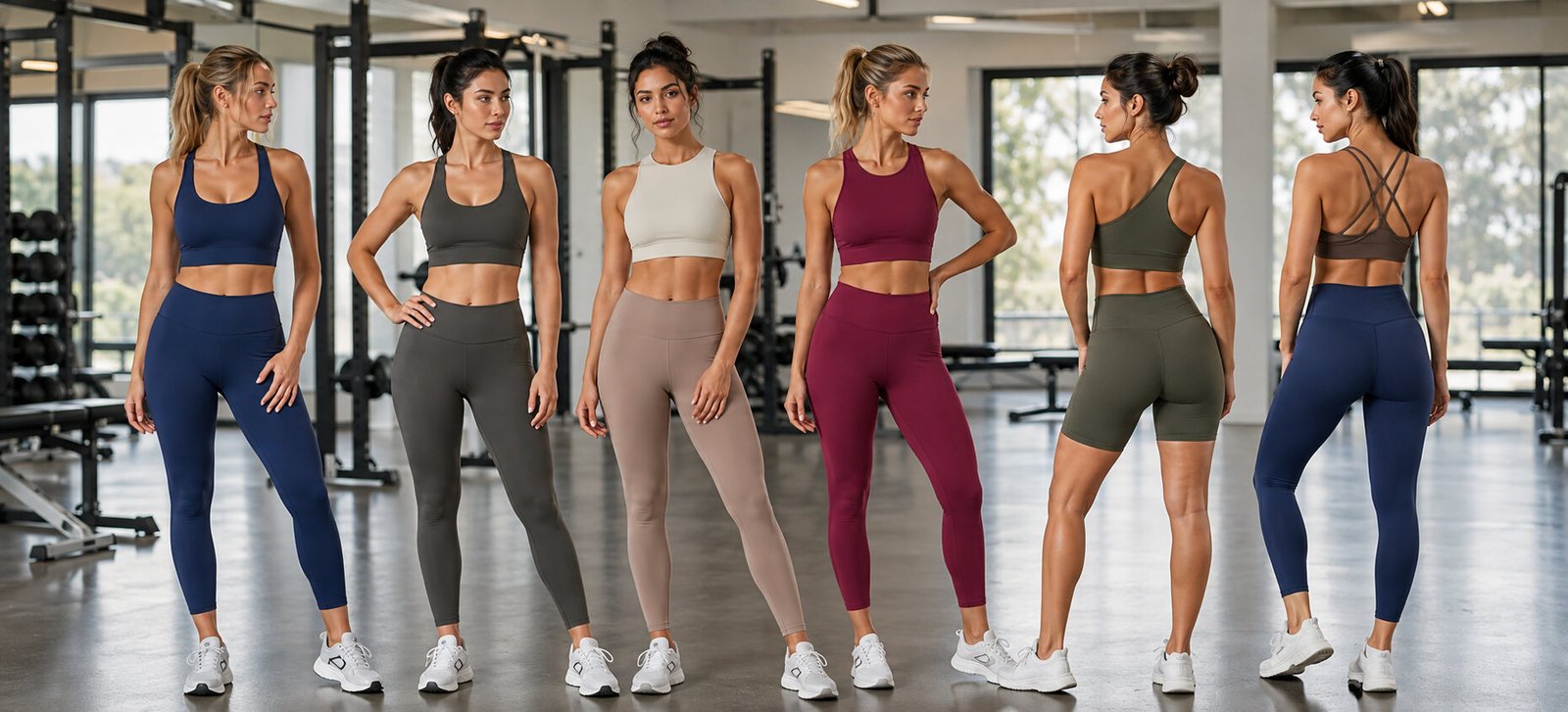
What Must a Sports Bra Manufacturer Actually Control?
A qualified private-label sports bra manufacturer must manage more than sewing and logo application. The supplier needs to translate the buyer's intended support, fit, strap, underband, pad, material and size requirements into an approved physical product, then reproduce that product through controlled commercial manufacturing.
Bra Engineering Comes First
The bra must first work as a body-contact garment. Band position, strap behavior, coverage, pad location, material recovery and actual movement all influence whether the product is commercially acceptable.
Branding Comes After Approval
Logo, labels, hangtags and packaging should be applied to a technically confirmed product rather than being used to compensate for unresolved fit or construction problems.
Sampling Creates the Standard
Physical samples, buyer comments and revision records convert the initial design direction into a product that can be approved before bulk production begins.
Bulk Must Reproduce Approval
Commercial production should return to the approved measurements, material, construction, pad configuration, branding and packaging instead of relying on general visual similarity.
Repeat Orders Need Traceability
Later orders should reconnect with the approved product and material references so a successful sports bra does not require complete re-development every time the brand reorders.

Six Sports Bra Structures MOVEVOX Can Develop
MOVEVOX can develop multiple sports-bra structures through seamless and cut-and-sew routes. The visual style alone does not determine support; material, band, strap, coverage, dimensions and wearer validation must be considered together.

Racerback Sports Bra
Racerback structures bring the shoulder straps toward the center back and can support a more stable upper-back layout. MOVEVOX can develop fixed-strap racerback products through seamless or cut-and-sew construction. Key development points include strap length, neckline depth, armhole fit, upper-bust dimensions, underband stability and whether the chosen material maintains the intended wearing experience after repeated movement.
Manufacturing Route: Seamless or Cut-and-Sew
Main Fit Risk: Strap pressure or neckline / armhole imbalance

Cross-Back Sports Bra
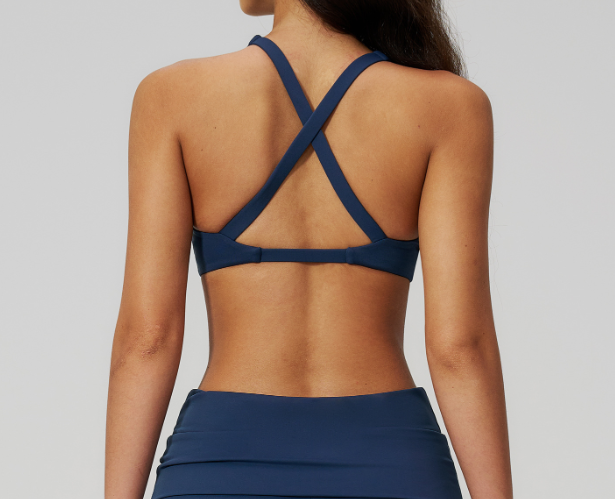
Cross-back structures can create a distinctive visual and strap path while changing the way tension is distributed across the back and shoulder. MOVEVOX can develop crossed fixed or adjustable strap directions according to the project. The strap geometry should be reviewed together with band stability, coverage and actual wearer movement rather than assuming that a crossed back automatically creates higher support.
Manufacturing Route: Primarily Cut-and-Sew; selected seamless concepts possible
Main Fit Risk: Strap length and crossing-point tension
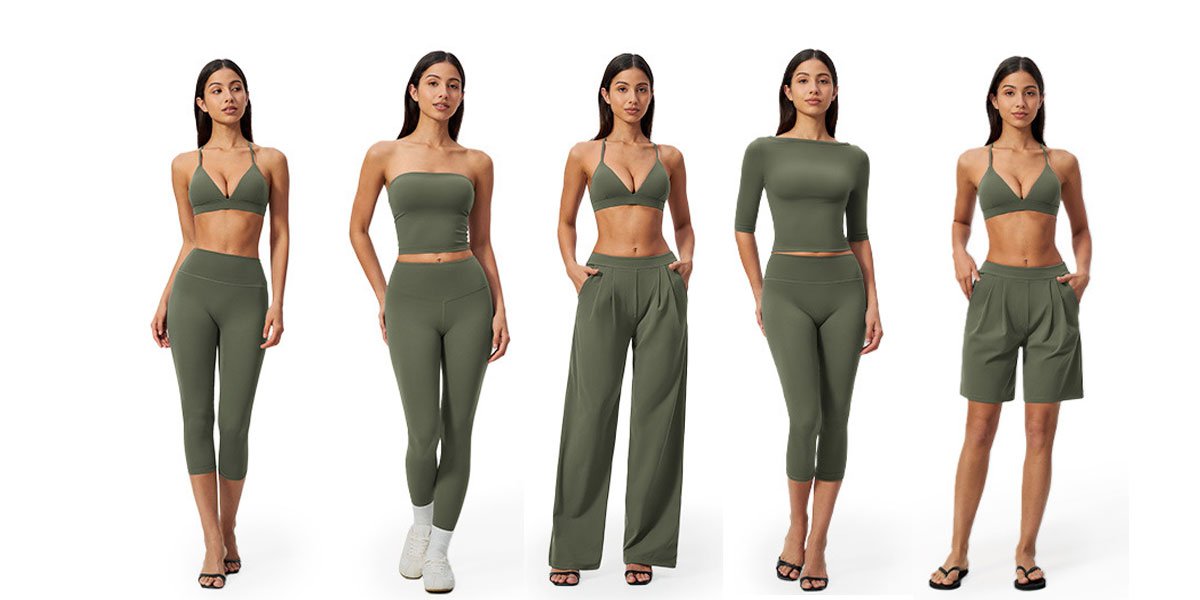
Longline Sports Bra
Longline bras extend the body below the bust and can create a broader underband or torso-contact area. MOVEVOX can develop longline sports bras within its current sports-bra capability. The extended lower section should be reviewed for rolling, excessive pressure, body proportion and material recovery because a longer garment does not automatically guarantee greater stability or comfort.
Manufacturing Route: Seamless or Cut-and-Sew
Main Fit Risk: Lower-edge rolling or pressure imbalance
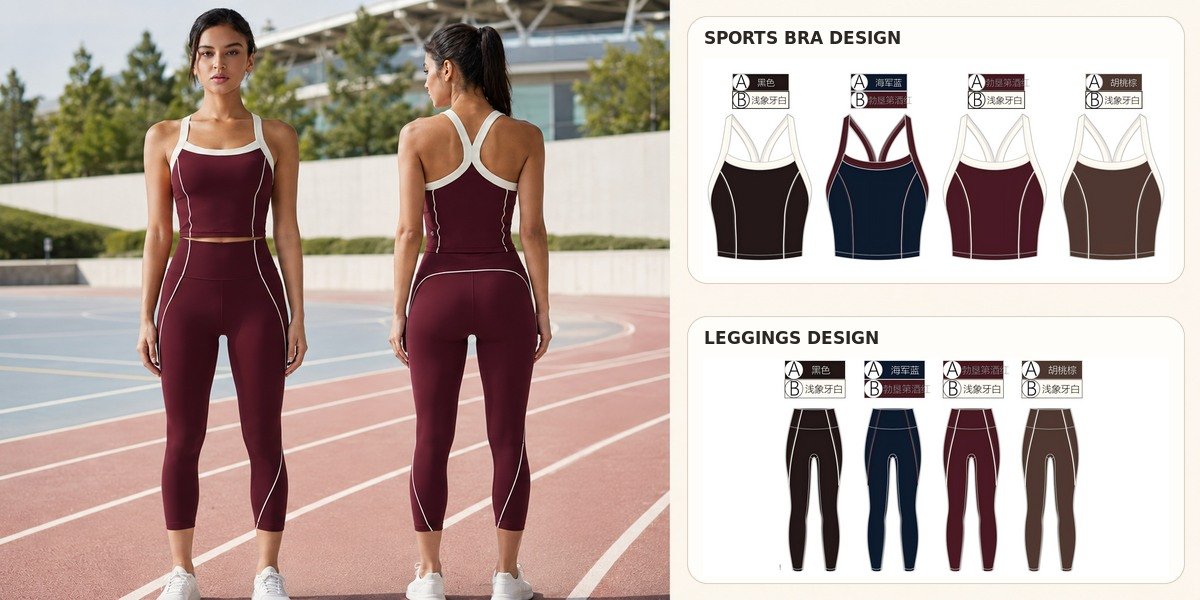
Strappy Sports Bra
Multi-strap and narrow-strap directions can support visually distinctive private-label products, but each additional strap increases sensitivity to length, symmetry, placement and wearer pressure. MOVEVOX supports fixed, adjustable, cross-back, wide, thin and multi-strap structures. Sample review should verify that straps remain stable and do not create unnecessary restriction during the intended movement.
Manufacturing Route: Mainly Cut-and-Sew
Main Fit Risk: Strap asymmetry, pressure or instability
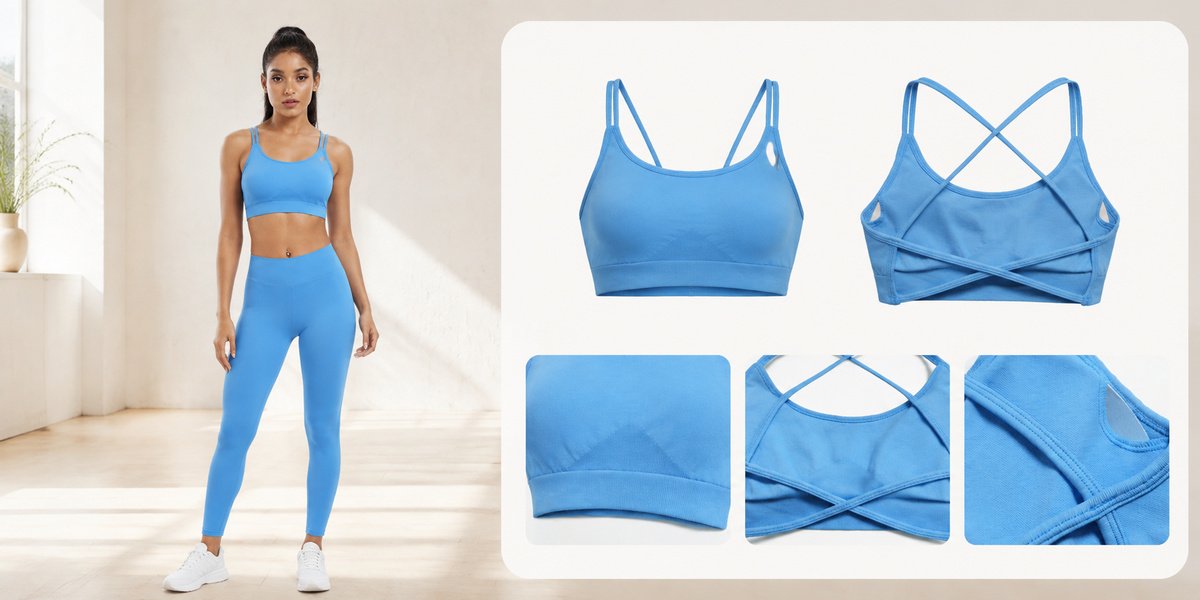
Seamless Sports Bra
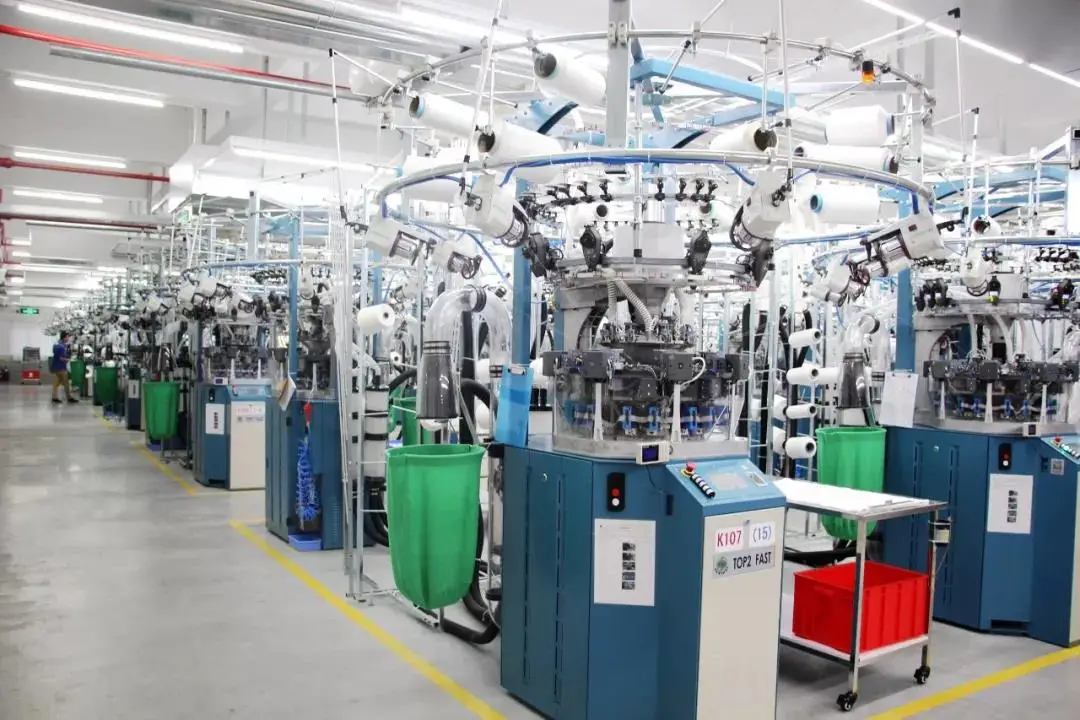
Seamless sports bras can use rib, mesh, jacquard, texture and different knit-density zones to create product structure with fewer traditional cut panels. MOVEVOX operates 28 Italian Santoni machines. The finished bra still depends on yarn, knit program, garment dimensions and finishing, and some areas such as pad openings, labels or selected joins can still require subsequent sewing.
Manufacturing Route: Seamless
Main Fit Risk: Knit-density or dimension imbalance
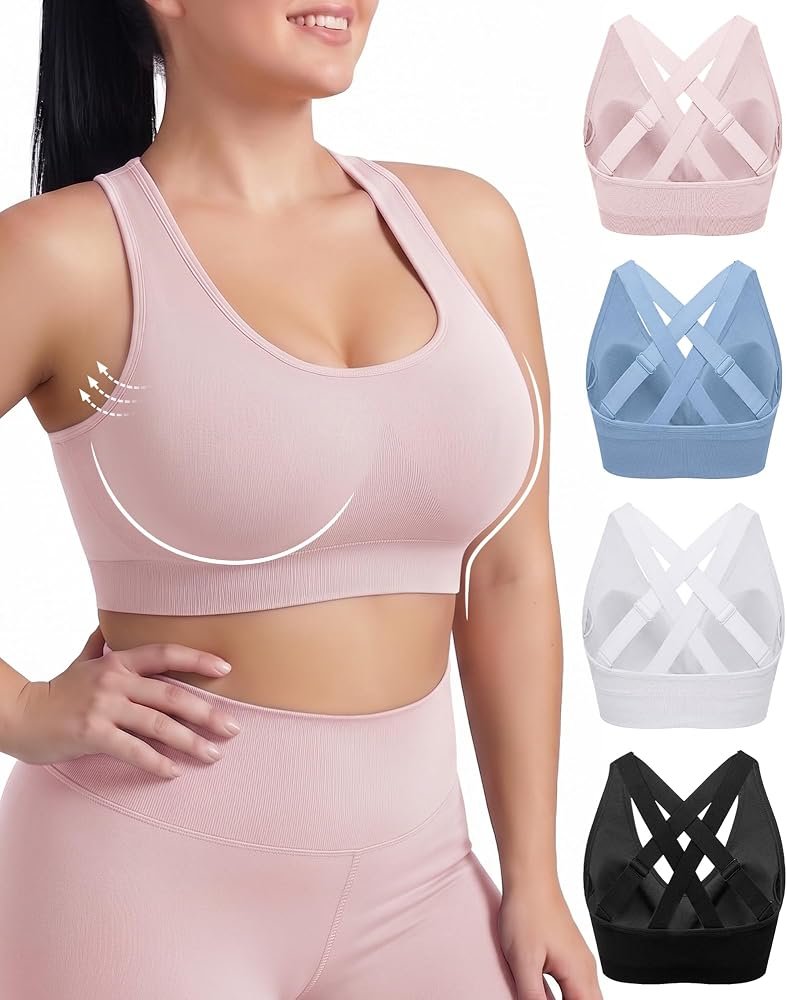
Training-Oriented Bra
For gym or more demanding training directions, development may require greater attention to underband stability, strap behavior, material recovery, coverage and activity-state fit. MOVEVOX can develop sports bras toward low-, medium- or higher-support directions, but the final support description must be based on the actual material, construction and wearing-test result rather than assigned from styling alone.
Manufacturing Route: Seamless or Cut-and-Sew
Main Fit Risk: Unsupported performance claim without product validation
Choose Back Design by Fit and Product Intent
Back construction changes strap direction, visual identity, wearing experience and branding space. MOVEVOX can develop multiple sports-bra back structures, but each should be evaluated through its real dimensions, material and intended activity.

Racerback
A racerback draws the straps toward the center back and can provide a clean, stable visual structure for yoga, training and general activewear. Development should consider neck and shoulder pressure, center-back width, armhole shape and strap length. A racerback should not automatically be described as higher support unless the full product structure and wearer testing justify that claim.
Review: Strap position and symmetry; back coverage; armhole interaction; branding area

Cross Back
Cross-back structures create a different strap path and can support distinctive brand styling. MOVEVOX can develop fixed or adjustable cross-back configurations. The crossing point, strap elasticity, hardware and total strap length need controlled development because small dimensional changes can noticeably affect shoulder pressure, garment positioning and ease of dressing.
Review: Cross-point location; strap tension; adjustment range; wearing convenience

Strappy Open Back
Open or multi-strap structures can reduce visual coverage and create a stronger fashion-led activewear identity. They also introduce more individual strap lengths and attachment points that need to remain symmetrical in bulk. The sample should confirm that the back looks deliberate without creating unstable strap movement or unnecessary local pressure.
Review: Strap count and spacing; symmetry; back exposure; bulk consistency
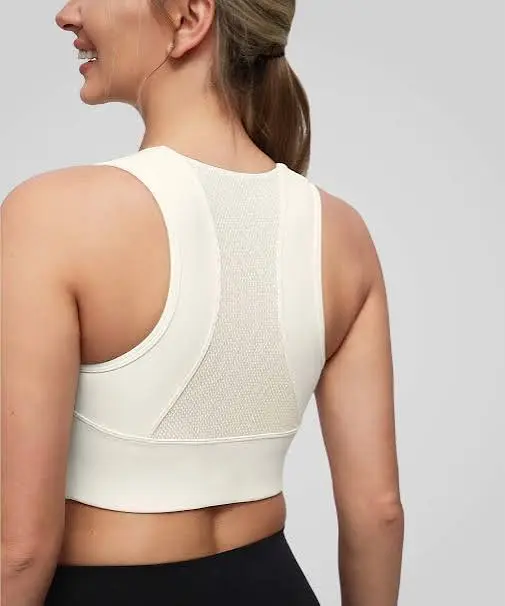
Wider Coverage Back
A broader back panel can support a more covered silhouette and provides additional material area for structural or branding decisions. The exact benefit depends on material and overall bra construction rather than back width alone. Fit development should still confirm shoulder mobility, armhole position, back length and whether the garment remains comfortable during the intended activity.
Review: Back-panel width; coverage; movement; logo placement
Choose Pad Structure by Product Function and Fit
MOVEVOX supports removable pads, fixed pads and pad-pocket structures for sports bras and selected tops. Complex molded-cup projects require separate technical review because cup form, material and construction create additional development risk.
Removable Pads
Removable pads are a regular MOVEVOX development option. The internal pocket and access opening should allow the consumer to remove the pad while reducing unwanted flipping or migration during movement. Sample review should confirm pad shape, thickness, pocket dimensions, left-right symmetry and whether the pad outline becomes visually obvious through the outer material.
Buyer Decisions: Pad shape and thickness; pocket opening direction; coverage and appearance; washing expectations
Fixed Pads
MOVEVOX can develop fixed pads through sewing, internal positioning or another validated fixing method. The correct approach depends on pad material, garment elasticity, washing requirements and the intended wearing experience. Bulk control should lock pad height, left-right alignment and the approved attachment method because even small positioning differences can visibly change the bra shape.
Buyer Decisions: Fixed-pad structure; position; attachment method; desired stability
Pad-Free Direction
Some sports bras can be developed without pads where material, lining, coverage and the buyer’s intended product experience support that route. Removing pads does not remove the need for fit engineering. Front-body coverage, material opacity, neckline, underband and structural stability still need to be confirmed through physical samples before bulk production.
Buyer Decisions: Front-body material; lining requirement; coverage; intended use


Control High-Contact Areas Before Bra Bulk Production
Sports bras place seams, edges and functional components close to moving skin. Construction should therefore be reviewed not only for visual workmanship but also for stability, stretch, symmetry and potential localized irritation during movement.
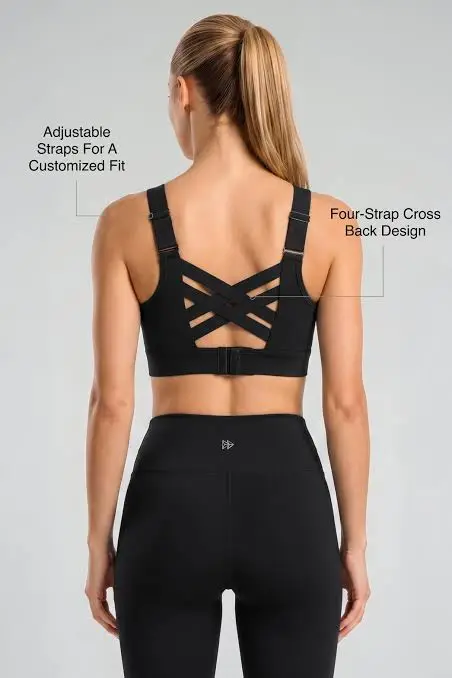
Underband Edge
The underband should remain flat and stable without excessive local pressure. Development should check band height, edge finish, elastic recovery and any seam or bonding point against the approved fit and wearer feedback.
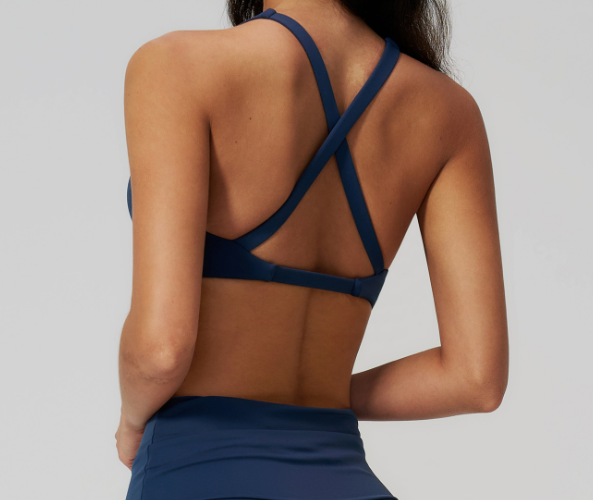
Underarm Area
Underarm curves move repeatedly during training and can expose overly tight binding, rough seam allowances or incorrect armhole shape. Sample review should confirm coverage, edge finish and movement clearance.
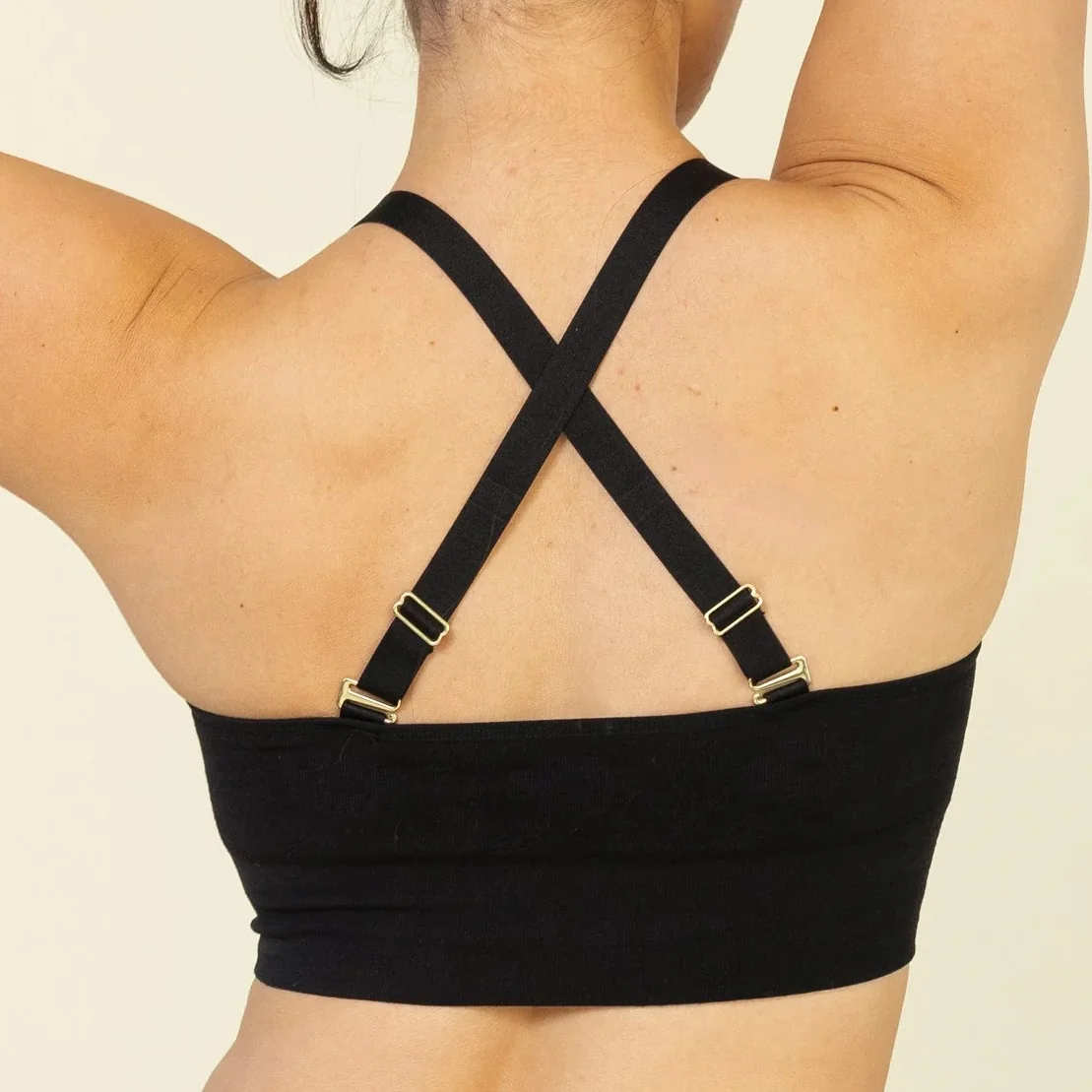
Strap Join
Where straps connect to the body, the construction needs sufficient strength without creating bulky or abrasive junctions. Bulk QC should also verify left-right symmetry and consistent attachment position.

Neckline Edge
Neckline finishing should remain flat and follow the approved shape after stretching. Excessive binding tension can distort the neckline, while insufficient recovery can produce gaping or visible waviness.
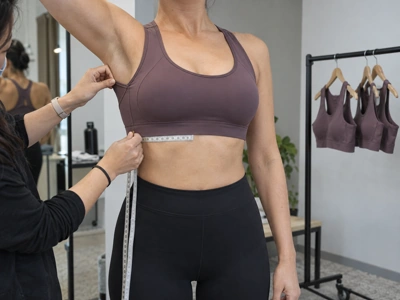
Side Seam
Cut-and-sew sports bras can place significant stretch across side seams. Stitch type, seam balance and panel alignment should be reviewed so the seam remains stable and does not create unnecessary bulk.
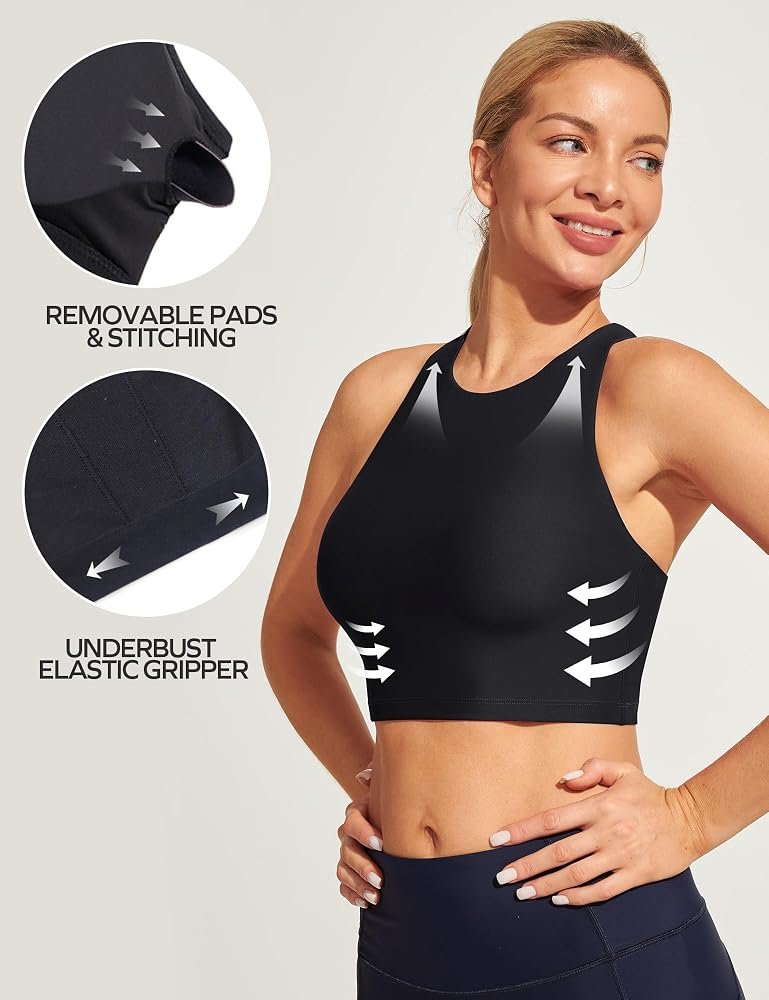
Binding
Binding at armholes, necklines or straps must match the elasticity of the main material. Incorrect tension can restrict stretch, create edge pressure or cause twisting and waviness after wear.

Pad Opening
Removable-pad openings should allow practical access without becoming a high-friction or visually exposed point. Pocket dimensions and opening position should also reduce uncontrolled pad movement.
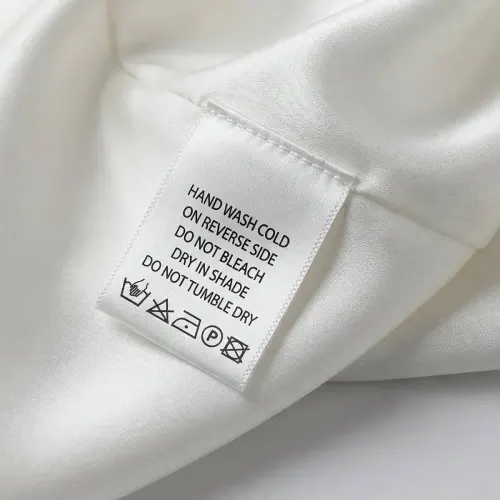
Label Location
Main, care or size labels should be positioned with product comfort and construction in mind. Where required, other label formats can be considered to reduce unnecessary bulk or rubbing.
Choose Bra Materials Around Fit and Intended Use
Sports-bra material selection should consider hand feel, stretch, recovery, surface, weight, lining requirements and construction route. The same fiber percentages can behave differently when fabric structure and finishing change.
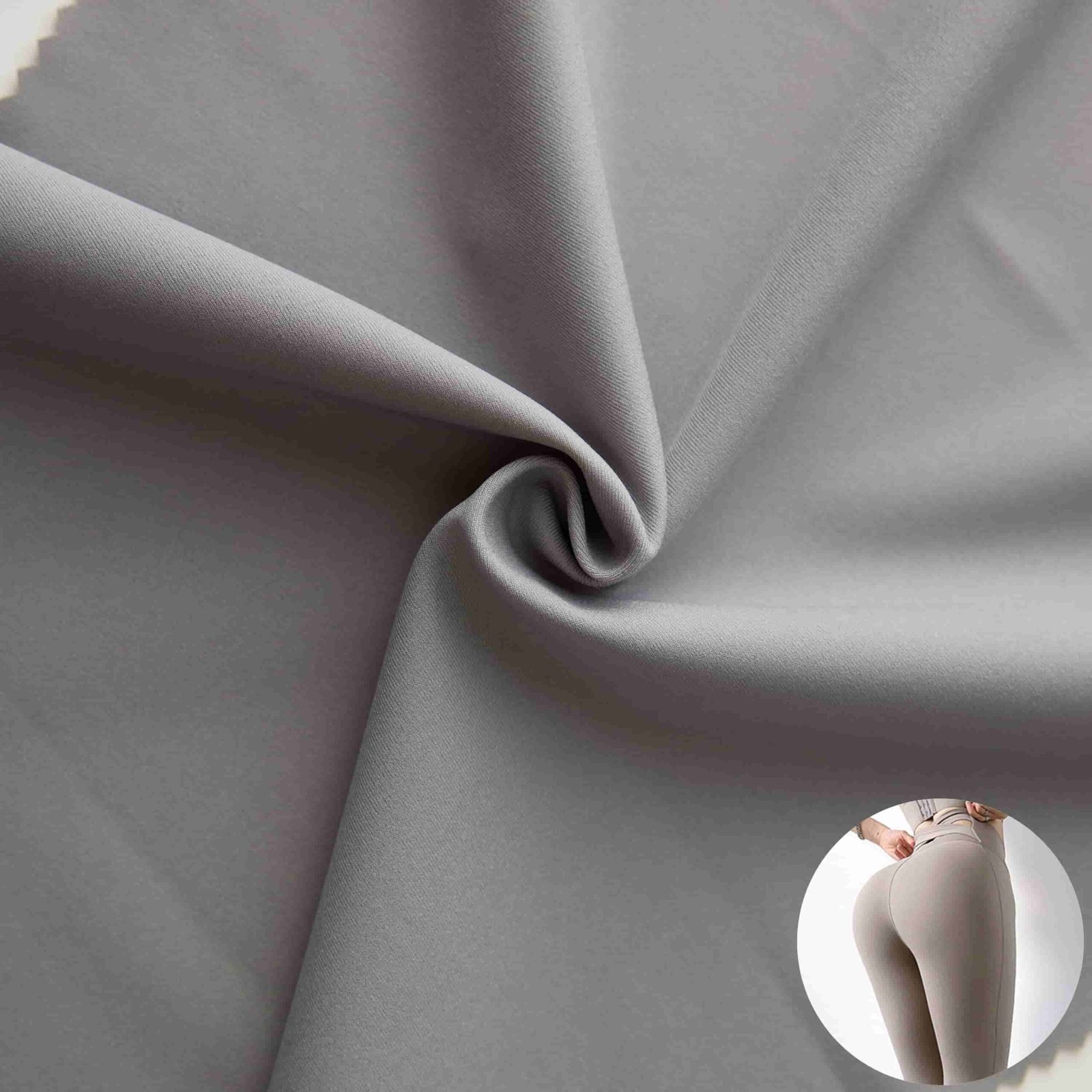
Soft Studio
A softer material direction can suit yoga, Pilates and studio-focused bras where the buyer prioritizes comfort and mobility. Physical approval should confirm that the material still provides the required coverage and recovery for the selected bra structure.
General Stretch
A balanced stretch material can support broader activewear use where the product needs mobility, recovery and reliable fit. Selection should be based on the actual fabric rather than a composition percentage alone.
Firmer Direction
A firmer or higher-recovery material can be considered where the product requires more containment, but material stiffness alone does not define final support. Band, strap, fit and construction remain equally important.
Ribbed Material
Ribbed structures can add visual texture and change stretch behavior. The development team should review whether the rib structure remains stable across the underband, body and strap areas of the intended design.
Seamless Yarn
For seamless bras, yarn composition is only one element. Knit structure, density, machine program, garment dimensions and finishing together create the final stretch, surface and fit behavior.
Lining or Mesh
Cut-and-sew bras may use selected lining or mesh structures for coverage, layering or product construction. Any material combination should be checked for compatible stretch, recovery and bulk.
Actual material codes, composition, GSM and verified performance data must come from real MOVEVOX material records. No universal sports-bra performance claim should be made from category names alone.

Material codes, GSM and verified performance values should remain tied to the actual approved material record.
Compare Material Behavior Before Assigning Support Claims
Sports-bra material performance cannot be inferred reliably from composition alone. Actual stretch, recovery, softness, containment and shape retention need to be considered together with the garment’s band, strap, dimensions and construction.

Visual reference only. Numerical radar scores require verified material-test data or a documented evaluation method.
Soft Studio
A softer material can support yoga or lower-intensity studio applications where comfort and mobility are priorities. It still needs sufficient recovery for the approved underband and body fit, and coverage must remain acceptable through movement.
Balanced Activewear
A balanced material direction can provide broader activewear versatility by combining movement with moderate structural recovery. The final wearing result still depends heavily on garment dimensions, band configuration and strap design.
Firmer Containment
A firmer material may increase perceived containment, but it can also raise dressing pressure or localized discomfort if dimensions and construction are not adjusted accordingly. Sample validation is required.
Seamless Engineered
Seamless bra stability can be changed through yarn, density, rib, mesh and programmed knit zones. One seamless yarn can behave differently when the knitting structure or garment dimensions change.
Engineer Seamless Bras Through Knitted Structure and Dimensions
MOVEVOX operates 28 Italian Santoni machines. Seamless sports-bra performance comes from the interaction of yarn, knit structure, density, program, garment dimensions and finishing rather than from the word “seamless” itself.
Rib Band
A denser or ribbed lower-band structure can provide localized containment. Band width and knitted tension still need to be developed with underbust dimensions and wearer feedback.
Knit Density
Changing knit density allows different areas of the garment to behave differently. Excessive density can create localized pressure, while insufficient structure can reduce stability.
Mesh Zones
Programmed mesh can add visual and structural openness at selected back or upper-body areas. Position, hole size and stretch behavior must remain stable in bulk.
Surface Texture
Knitted texture can create visual differentiation for a private-label bra while changing surface stretch and hand feel. Texture selection should be reviewed on the actual sample.
Jacquard Detail
Selected brand or design elements can be integrated through jacquard where the knit program and product structure permit it. Final artwork feasibility requires development review.
Support Zones
Different knit densities can create localized supportive zones around areas such as the underband or back. These zones are not medical compression and should be validated through garment fit and wearer evaluation.
Seamless manufacturing reduces traditional cut-panel construction, but some sports bras may still require later sewing or finishing at shoulders, pad openings, labels, edges or other specific areas.

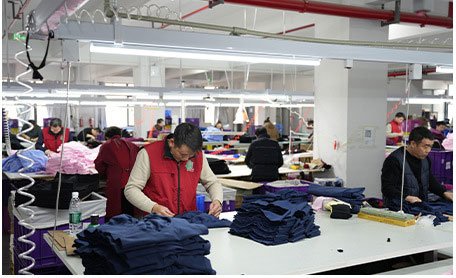
Use Pattern and Construction Freedom for Complex Bra Designs
Cut-and-sew sports bras allow greater freedom in panel shape, lining, strap construction, pad systems and hardware. MOVEVOX’s own garment-production system supports the core processes needed for suitable activewear bras.
Pattern Development
The pattern translates upper-bust, underbust, coverage, neckline, armhole, strap and lower-body measurements into the garment shape. Material stretch and intended fit must be considered before the pattern is treated as bulk-ready.
Typical Use: All cut-and-sew sports-bra body panels and size grades.
Control Focus: Shape, balance, symmetry and buyer-approved measurements.
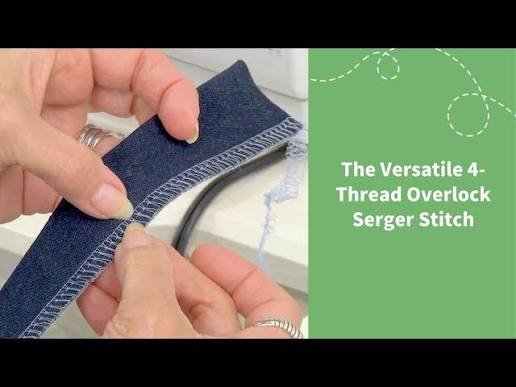
Overlock Seams
Overlock can join suitable stretch panels efficiently inside sports bras. Stitch balance needs enough extension to move with the garment without excessive bulk, seam opening or thread tension.
Typical Use: Internal side, lining and selected structural seams.
Control Focus: Seam extension, stitch balance and repeated stretch stability.
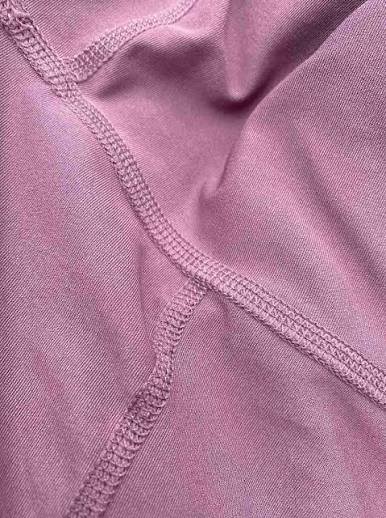
Flatlock Seams
Flatlock can create a flatter join in selected activewear constructions where seam location, fabric and design make the method appropriate. It should not be applied automatically to every bra.
Typical Use: Selected body panels and performance-oriented seam locations.
Control Focus: Seam width, coverage, flatness and comfort.
Binding
Binding can finish necklines, armholes, straps and selected internal openings. Binding width and tension must match the main fabric so the edge remains flat and does not restrict necessary stretch.
Typical Use: Necklines, armholes, straps and pad-pocket openings.
Control Focus: Width, tension, waviness and edge pressure.
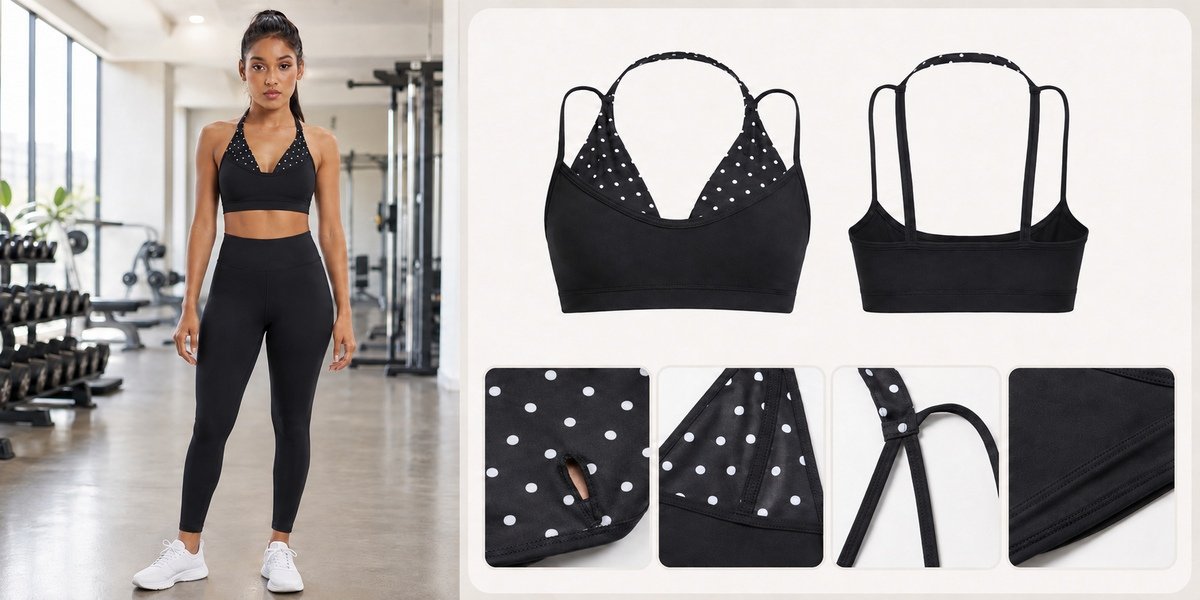
Elastic and Underband
Elastic can be integrated into selected cut-and-sew underbands or strap structures. Elastic stretch, recovery, width and attachment method should work with the body fabric and target fit.
Typical Use: Underbands, straps or internal support structures.
Control Focus: Recovery, seam attachment, pressure and symmetry.
Lining Structure
Front or internal lining can support coverage and pad-pocket construction. Different material layers should be checked for compatible stretch so one layer does not distort the other during wear.
Typical Use: Front body, pad pockets and selected support panels.
Control Focus: Layer alignment, stretch compatibility and bulk.

Adjustable Hardware
MOVEVOX can develop adjustable straps using sliders, O-rings or suitable hooks where the project requires them. Hardware must be compatible with strap width, material force and target-market requirements.
Typical Use: Adjustable shoulder straps and selected convertible structures.
Control Focus: Smooth adjustment, orientation, slipping and sharp edges.
Measure the Bra Around Real Fit-Control Points
Sports-bra fit should be translated into product-specific POM rather than judged only from a flat product photograph. Each measurement below interacts with material stretch, pattern or knit dimensions and wearer feedback.
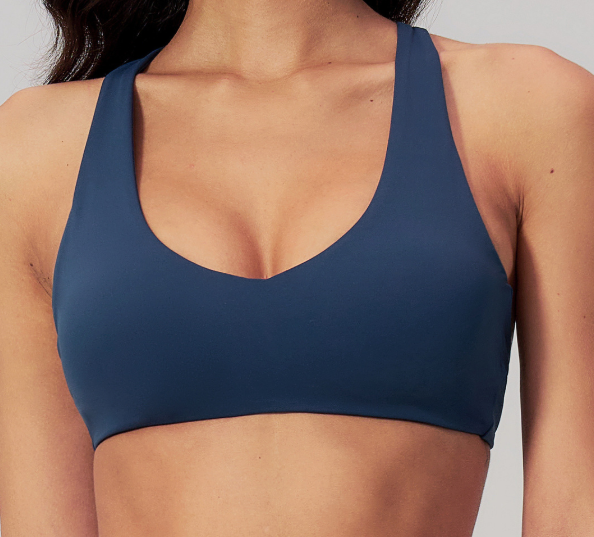
Upper Bust
Upper-bust measurement helps define the garment width and upper-body coverage. It should be linked to the buyer’s measurement method and material behavior. A nominal size without a defined POM does not provide enough information for consistent development or bulk inspection.
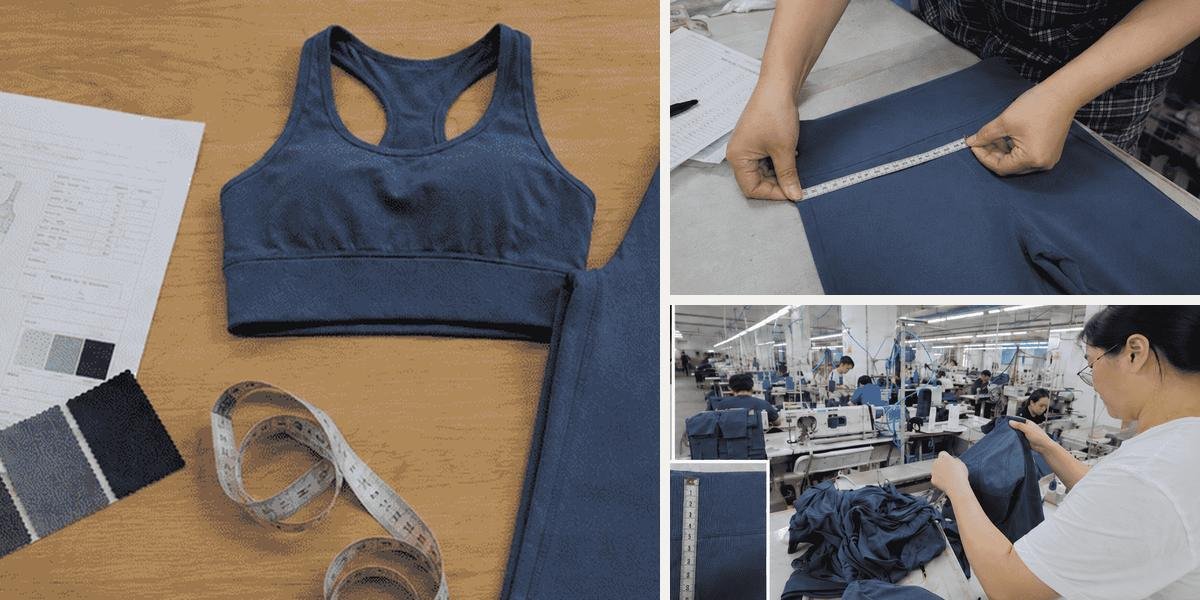
Underbust
Underbust dimensions are critical to lower-band position and stability. The target should reflect the intended wearing fit, material recovery and band structure. An overly small measurement can create pressure, while an overly large measurement may contribute to riding or instability.

Front Length
Front length affects neckline position, lower-band placement and overall body proportion. It should be reviewed together with bust coverage and intended silhouette rather than copied automatically from another sports-bra style.
Back Length
Back length can influence how the underband sits around the body and how back-panel geometry interacts with strap placement. The approved sample provides an important reference for this balance.
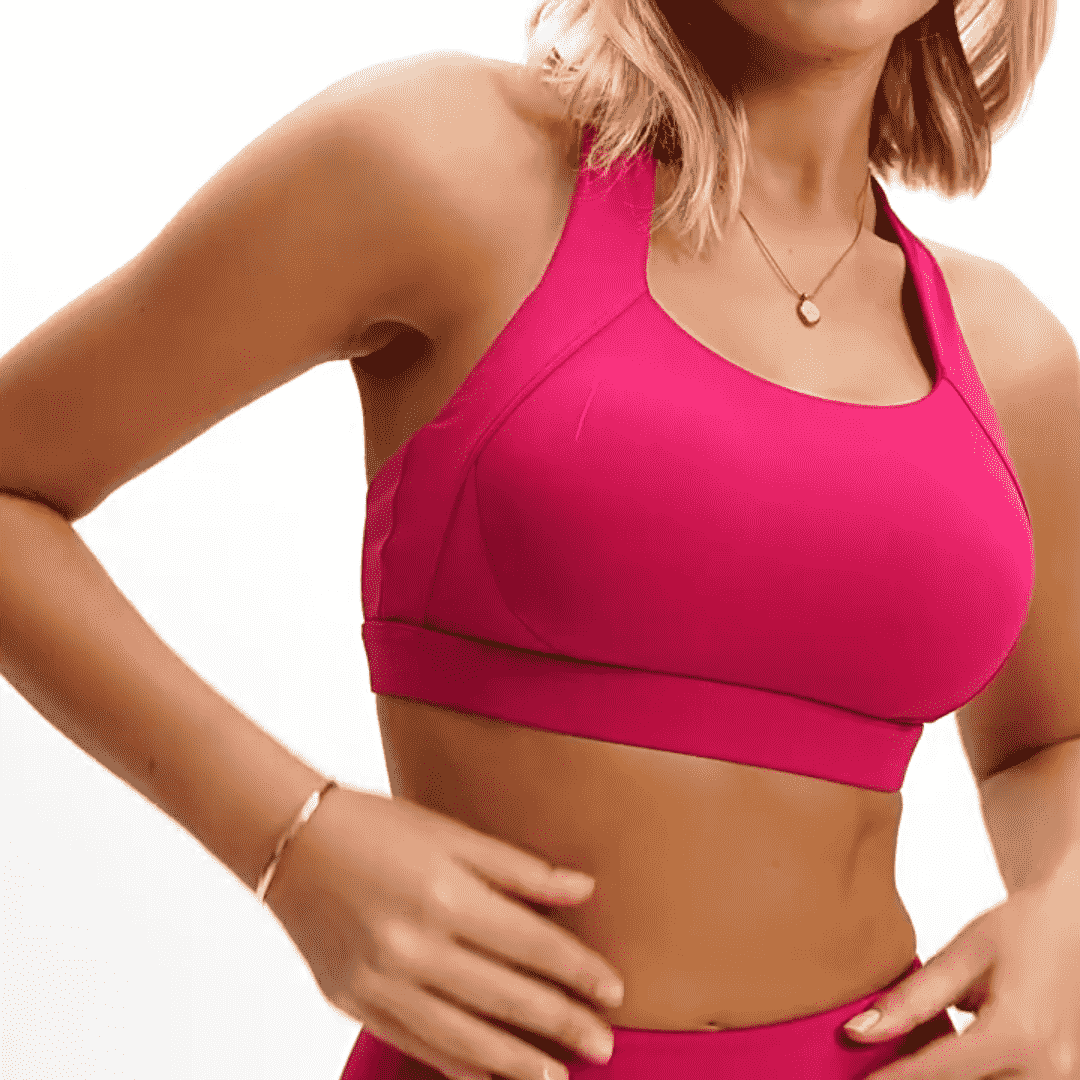
Neckline
Neckline depth and width affect both appearance and coverage. A visually attractive neckline can still become commercially unsuitable if movement creates gaping or insufficient containment.
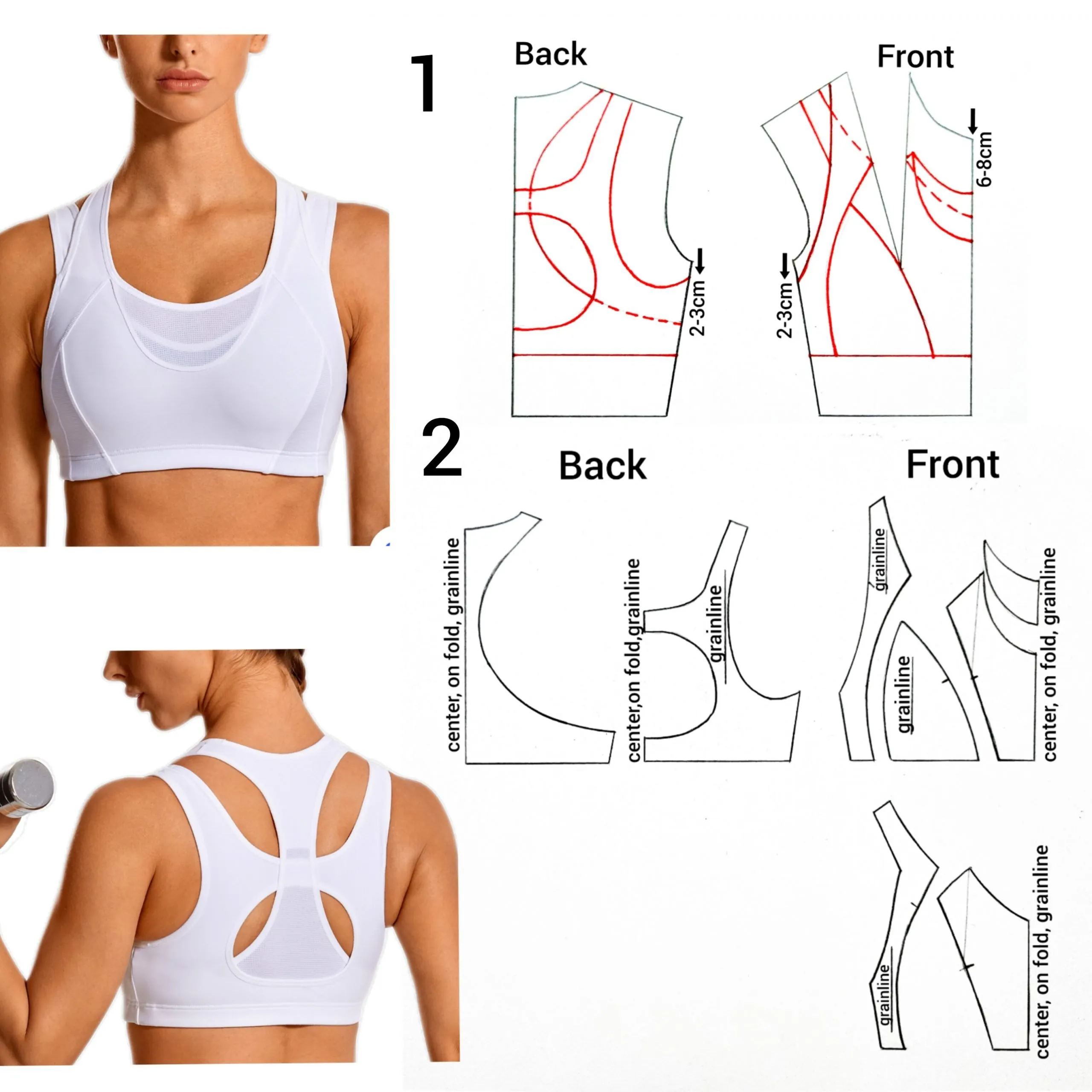
Armhole
Armhole dimensions need enough movement clearance without excessive opening. Binding, material recovery and underarm coverage should be reviewed during physical wear rather than assessed only from flat measurements.
Strap Length
Strap length affects garment position and shoulder pressure. Fixed straps require accurate length and symmetry, while adjustable straps also require enough adjustment range and secure hardware behavior.

Strap Position
The attachment position changes the strap path, neckline balance and back structure. Left-right placement should remain symmetrical in samples and bulk production.

Side Coverage
Side height influences coverage around the body and interaction with the armhole and underband. The right target depends on product silhouette, size and intended activity.
Supporting fit and measurement visuals are shown; buyer-approved POM, methods and tolerances remain the controlling production standard.
Develop Bra Fit Around the Intended Activity Level
MOVEVOX can develop sports bras toward different support directions, but final product claims should follow actual material, construction and wearing results rather than being assigned automatically from appearance or activity labels.
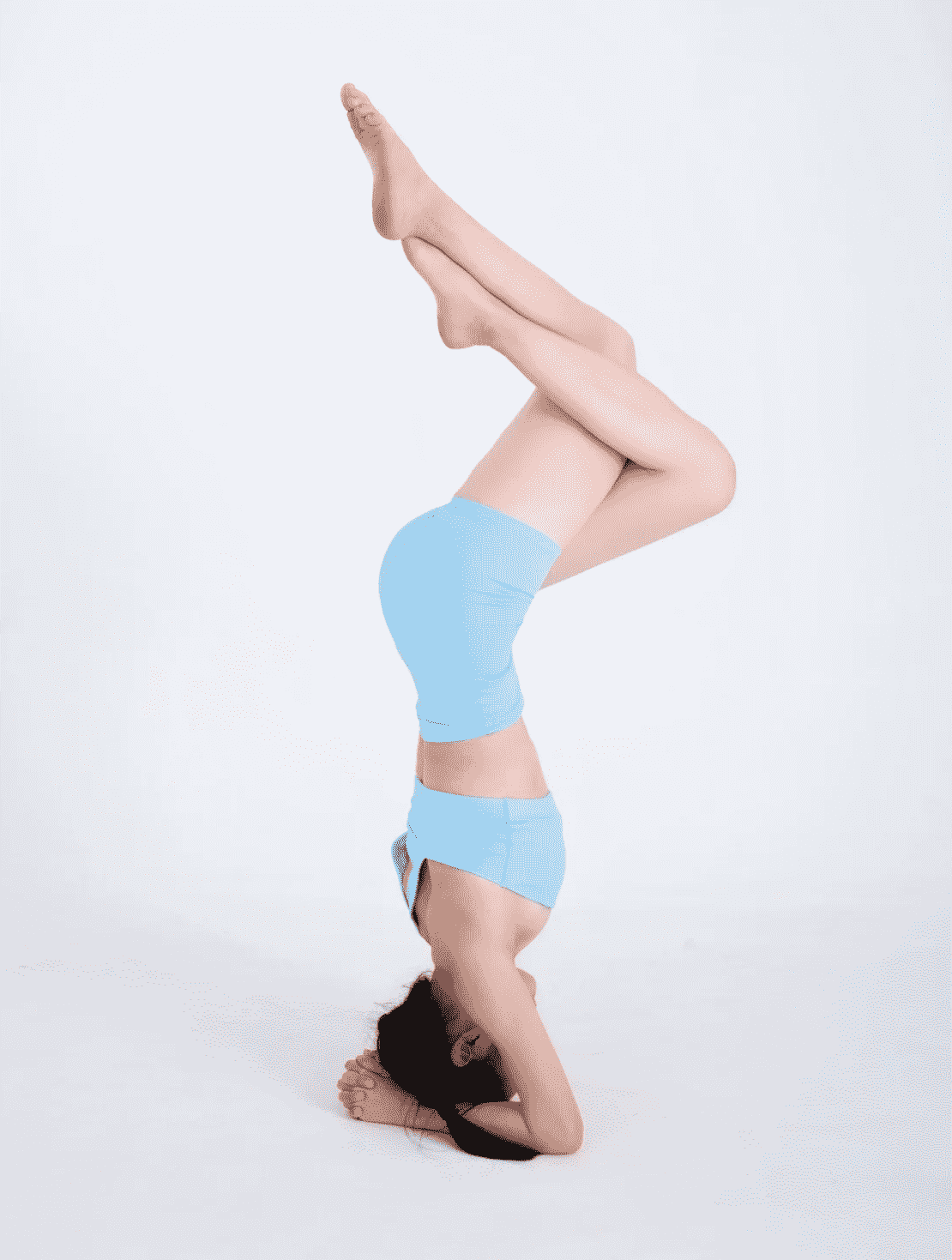
Studio and Yoga
Studio and yoga products often prioritize mobility, comfort and reliable coverage through bending, stretching and lower-impact movement. Development should still confirm underband stability, strap position, neckline coverage and material recovery. A softer product direction does not remove the need for accurate fit or wearer validation, especially when bras are intended to coordinate with a broader yoga or Pilates collection.
Development Focus: Mobility; Coverage; Strap comfort; Band stability; Soft but controlled material behavior
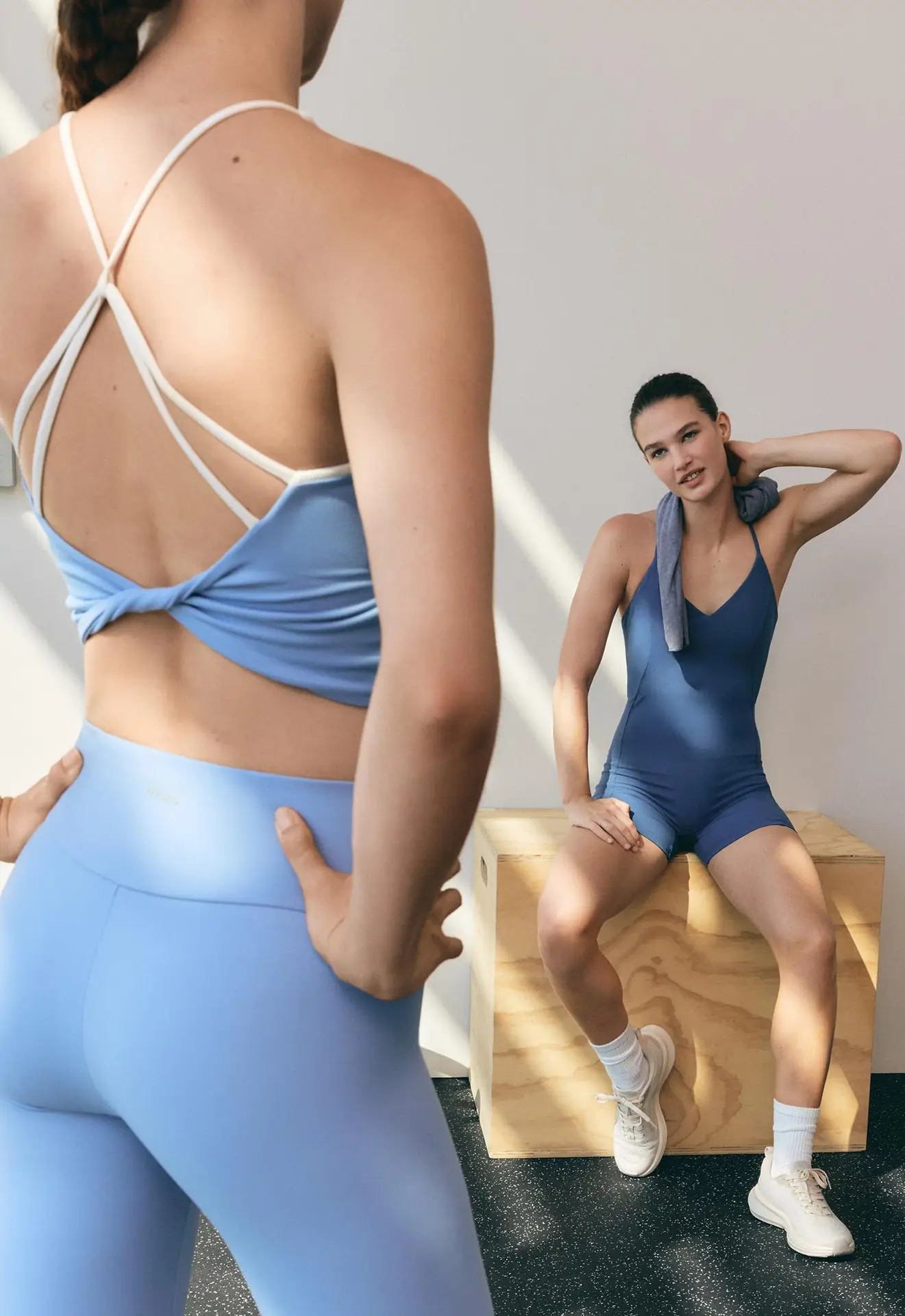
Gym and Training
Gym and general training can involve more dynamic upper-body movement than lower-intensity studio use. Product development may therefore increase attention to strap stability, material recovery, underband anchoring and coverage. The correct support direction depends on the actual bra structure and buyer requirement; it should not be created merely by tightening the sample or using a heavier material.
Development Focus: Movement control; Underband stability; Strap behavior; Recovery; Wearer testing

Higher-Impact Direction
Where the buyer intends the product for more demanding activity, sports-bra engineering becomes more sensitive to fit, coverage, strap geometry, underband, material and size grading. MOVEVOX can develop toward higher-support directions, but any final high-support or activity-specific claim should be supported by the actual product and the buyer’s required validation or test method.
Development Focus: Stronger validation requirement; Full product-system review; Size-specific fit; Buyer-defined testing; Careful marketing claims
Validate Sports Bra Fit Beyond the Base Size
A successful base-size sample does not prove that the same product will fit correctly across the commercial size range. Sports bras require controlled grading of bust, band, strap and coverage relationships.
| Size | Upper Bust | Underbust | Strap | Coverage | Approval |
|---|---|---|---|---|---|
| XS | Buyer-approved spec | Buyer-approved spec | Buyer-approved spec | Product-specific | Required |
| S | Buyer-approved spec | Buyer-approved spec | Buyer-approved spec | Product-specific | Required |
| M | Buyer-approved spec | Buyer-approved spec | Buyer-approved spec | Product-specific | Base / project-dependent |
| L | Buyer-approved spec | Buyer-approved spec | Buyer-approved spec | Product-specific | Required |
| XL | Buyer-approved spec | Buyer-approved spec | Buyer-approved spec | Product-specific | Required |
Grading Guidance
MOVEVOX can follow buyer-provided size charts, grading rules, POM and tolerances. Where the buyer's documentation is incomplete, size progression should be confirmed during development rather than inferred mechanically. Current regular production reference tolerances are generally within ±2 cm for seamless products and ±1.5 cm for cut-and-sew products, but formally approved buyer tolerances take priority when stricter.
- Do not assume equal grading increments across every measurement point.
- Strap, coverage and band relationships may need product-specific review by size.
- A base-size approval should not silently become approval for the full size range.
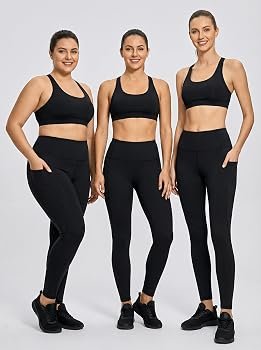
Visual grading reference only; actual sports-bra size-set measurements and grade rules remain project-specific.
Build the Brand Around an Approved Sports Bra
Once the product is technically approved, MOVEVOX can coordinate the branding elements that turn the bra into a retail-ready private-label item. Each element should remain linked to the correct style, size and product information.
Logo
MOVEVOX supports screen print, heat transfer, silicone, embroidery, jacquard and woven-branding methods where technically appropriate. Logo size, position, color and process should be approved on the actual sports bra because stretch area, material surface and seam position can affect the result.
- Heat transfer on suitable body panels
- Silicone branding on compatible materials
- Embroidery on appropriate low-distortion areas
- Jacquard integration for selected seamless products

Main Label
A main label identifies the product under the buyer’s brand. Construction and location should suit the sports-bra architecture and avoid unnecessary bulk in high-contact areas.
- Woven brand label
- Printed / transfer identification where suitable
- Product-specific placement
- Collection-consistent brand architecture
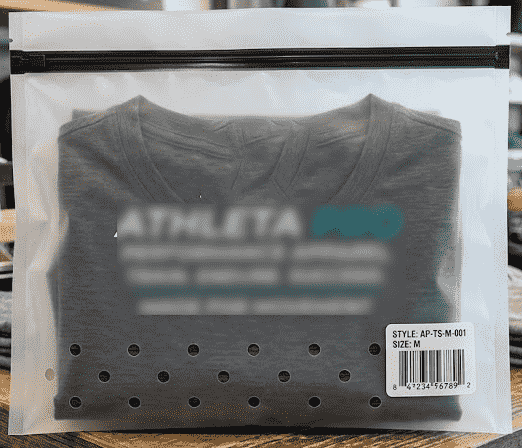
Size Label
Size identification must remain connected to the physical bra and commercial SKU. This is especially important where several sizes, colors or matching bottoms are packed within the same order.
- Individual garment size identification
- Collection-consistent format
- SKU-linked packing control
- Buyer-defined size notation
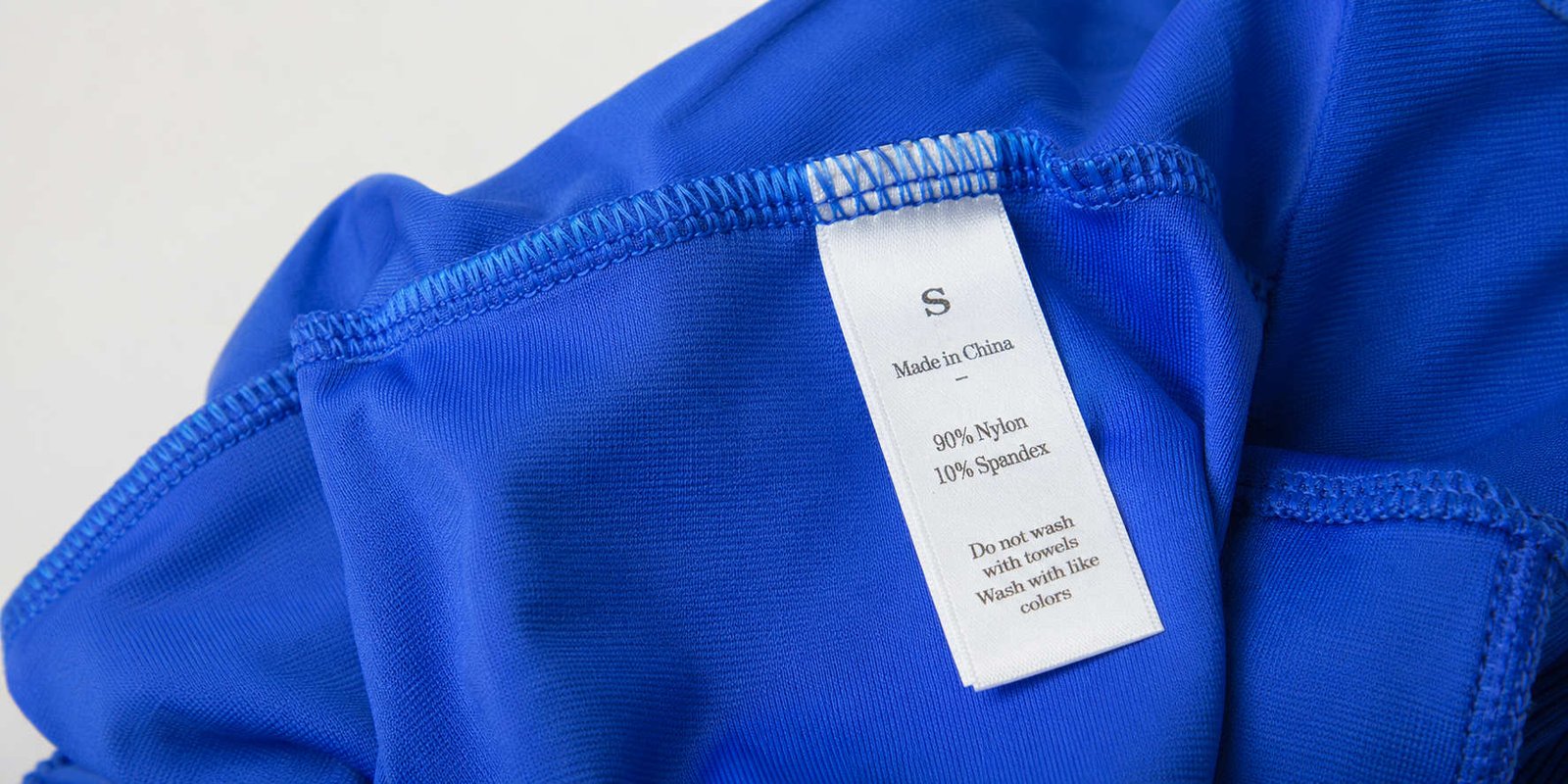
Care Label
Care and composition information should correspond to the actual sports-bra material and product requirement rather than being copied generically from another SKU.
- Care instructions
- Composition information
- Buyer artwork
- Destination-specific review
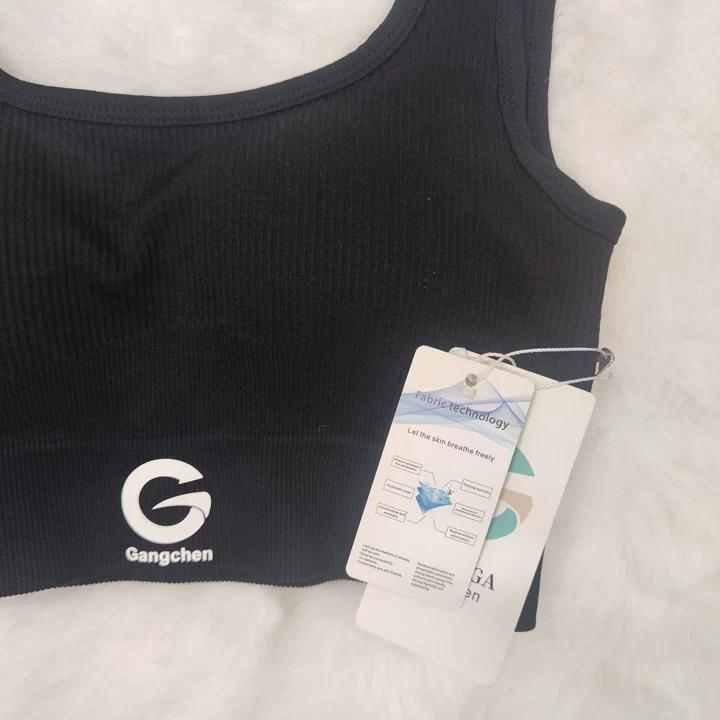
Hangtag
Hangtags can carry brand, product or campaign information and should be connected to the correct style or collection version before bulk packing.
- Shared collection design
- Product-specific data
- Barcode / sticker integration
- Buyer-approved artwork
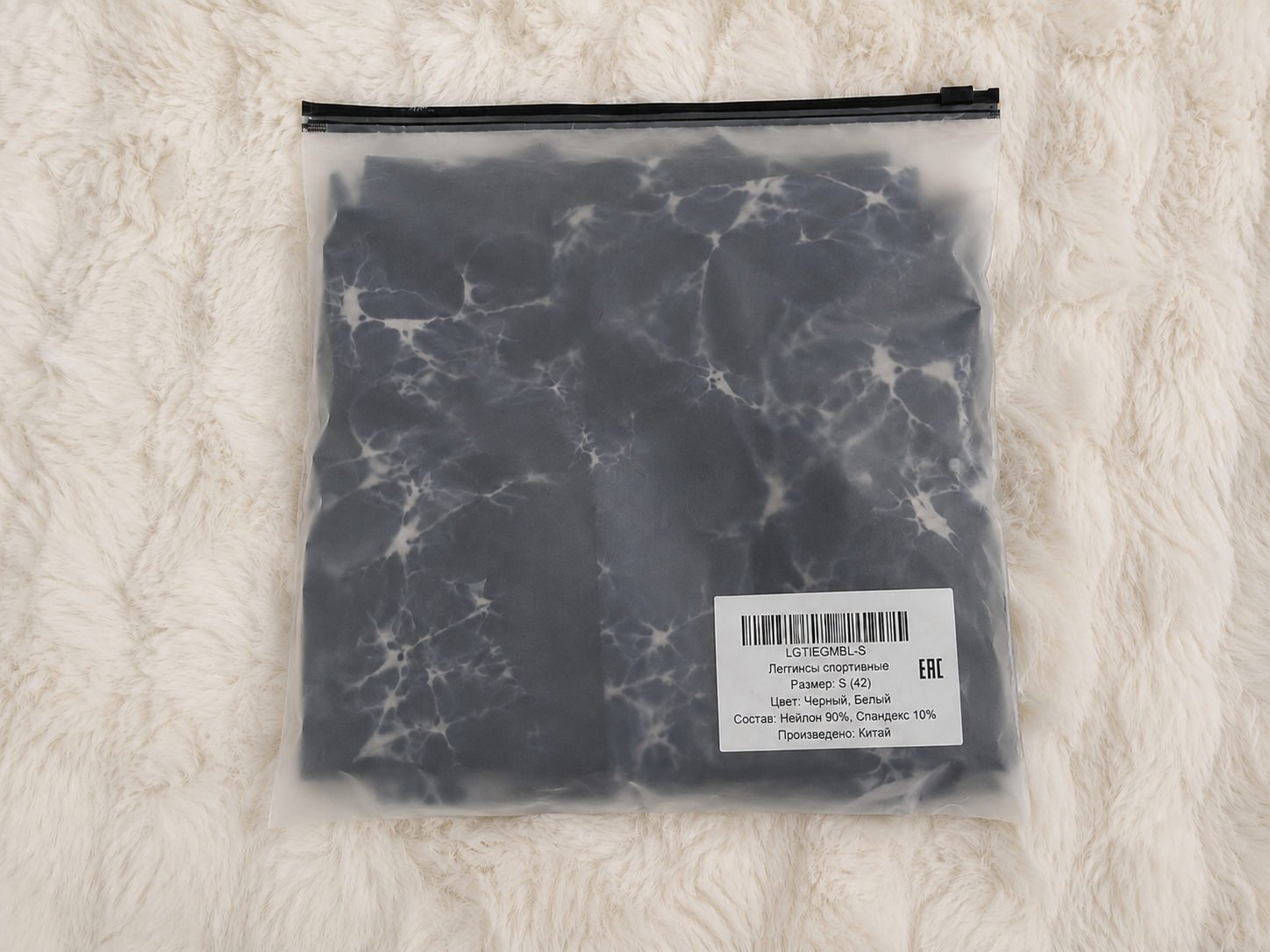
QR / Barcode
QR, barcode or SKU stickers help connect physical products to retail systems. Correct application requires style, color and size data to match the garment inside the package.
- Size-specific codes
- Color-specific codes
- Product SKU
- Buyer-provided data
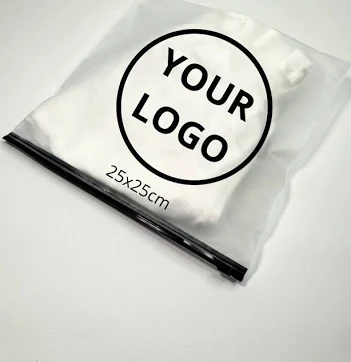
Packaging
Sports bras can be packed individually or according to a broader set / collection strategy. Packaging should protect the product while carrying the correct brand and SKU information.
- Individual bag
- Sticker / barcode
- Custom zipper bag
- Inserts and carton marks
Matching Collection
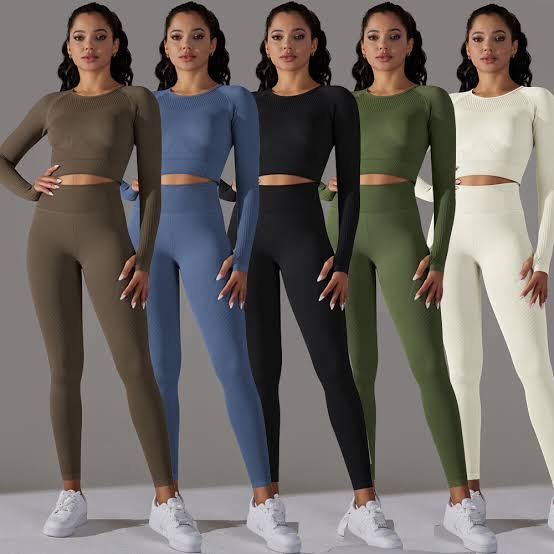
The sports bra can become part of a broader activewear collection with leggings, shorts, tanks or other tops. Branding can remain consistent while each garment retains its own technical specification.
- Bra + Leggings
- Bra + Shorts
- Bra + Tank / Layer
- Multi-SKU capsule
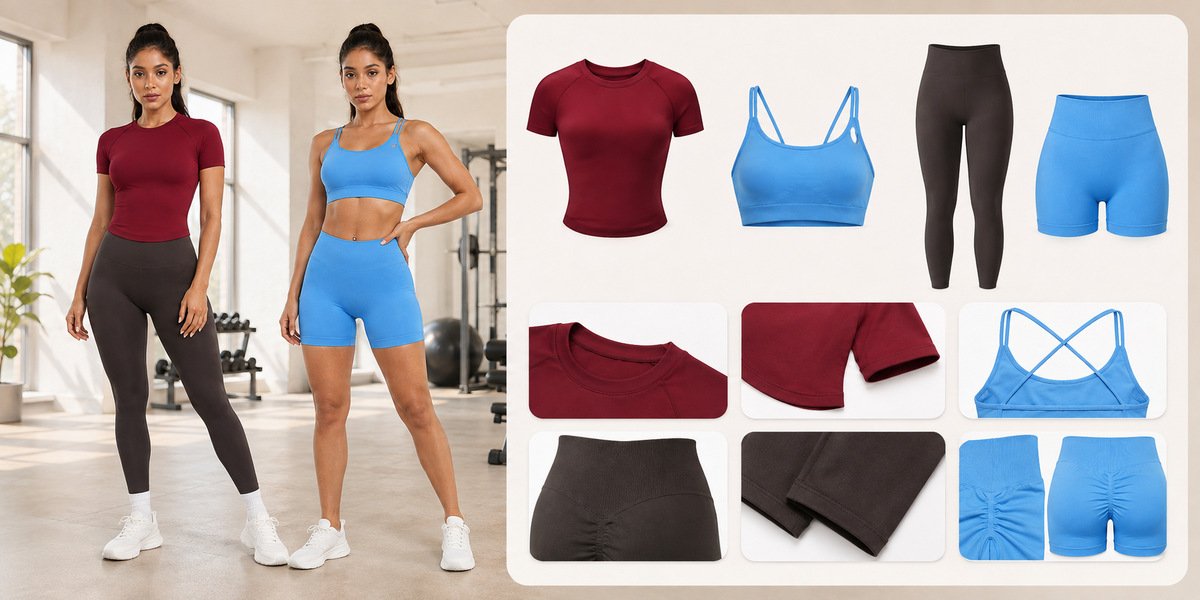
Turn Sports Bra Requirements Into a Bulk-Ready Standard
Sports-bra development should progressively close open decisions around fit, material, strap, band, pads, branding and size before commercial production begins. Each step should create a clearer production reference.
Project Brief
Review intended activity, support direction, bra architecture, size range, materials, branding and planned quantities.
Project Brief Project-specific
Technical Review
Review Tech Packs, sketches, measurements or authorized references and identify missing information that could affect development.
Open Points Project-specific
Material Review
Confirm material, lining, elastic, pad and applicable component direction based on actual product requirements.
Material Direction Project-specific
Pattern / Knit
Develop the cut-and-sew pattern or seamless program according to the approved product route and available technical input.
Development Version Project-specific
First Sample
Produce the physical garment and evaluate measurements, construction, material, coverage, strap, band and pad structure.
Development Sample 5–10 days*
Fit Review
Collect buyer feedback on fit and wearing performance, then translate the comments into specific technical corrections.
Fit Comments Buyer-dependent
Revision
Update pattern, knit program, measurements, construction or components according to approved revision instructions.
Revised Sample Project-specific
Size / PP
Where required, validate representative sizes and confirm the final pre-production reference close to commercial specification.
PP Standard Buyer-dependent
Bulk Ready
Lock the applicable material, measurements, construction, branding, labels and packing requirements for commercial production.
Bulk Standard Before bulk
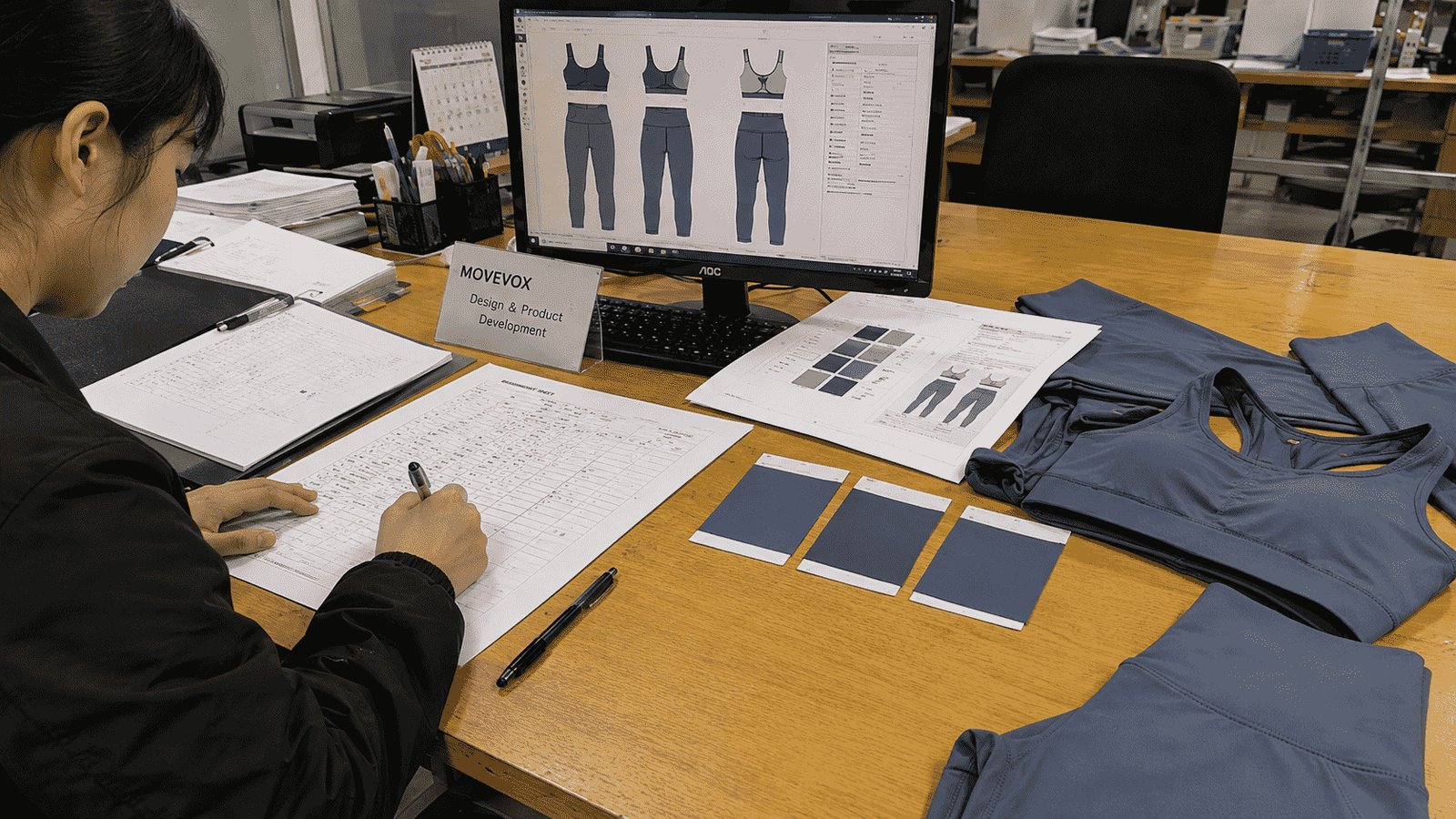
Prepare the Inputs Needed for Sports Bra Development
The more clearly the intended fit, structure and commercial requirements are defined before sampling, the easier it is to identify genuine development issues rather than spending sample rounds resolving avoidable ambiguity.
Front and Back Sketches
Provide technical views showing neckline, armhole, back structure, seams and visible design details. Clearly identify the current version so older drawings do not become accidental development references.
Activity Direction
State whether the bra is intended primarily for yoga, Pilates, gym, training or another use. This provides context for fit and support development without automatically creating a performance claim.
Support Direction
Explain the intended wearing target, such as softer studio use or a more supportive training direction. If your brand uses formal support categories, provide the corresponding internal criteria.
Measurement Chart
Provide POM, base-size measurements, measurement methods, units and tolerances. Key points can include upper bust, underbust, strap length, cup height and lower-body dimensions.
Strap Specification
Define fixed or adjustable construction, width, material, attachment points and any hardware requirement. Adjustable structures should include intended adjustment range where available.
Underband Details
Provide band height, construction, material or elastic requirements and the intended lower-body fit. Underband data should remain connected to the actual base size and grading system.
Pad Structure
Specify removable, fixed or pad-free direction, along with pad shape, thickness, pocket or attachment requirements where known.
Lining Structure
Identify any front lining, internal layer, mesh or other structure that is functionally important to coverage or pad construction.
Fabric Specification
Provide actual composition, GSM, stretch / recovery expectations, hand feel, color standard and approved supplier or material code where available.
Logo Artwork
Provide high-resolution vector artwork where possible, with intended dimensions, placement, color and process requirements.
Size Range
Define the commercial range and any existing grade rules. Extended sizing should be treated as a specific fit project rather than simple proportional enlargement.
Commercial Plan
Provide estimated quantity, colors, packaging requirement, destination market and target launch or cargo-ready date so MOQ and production dependencies can be evaluated.
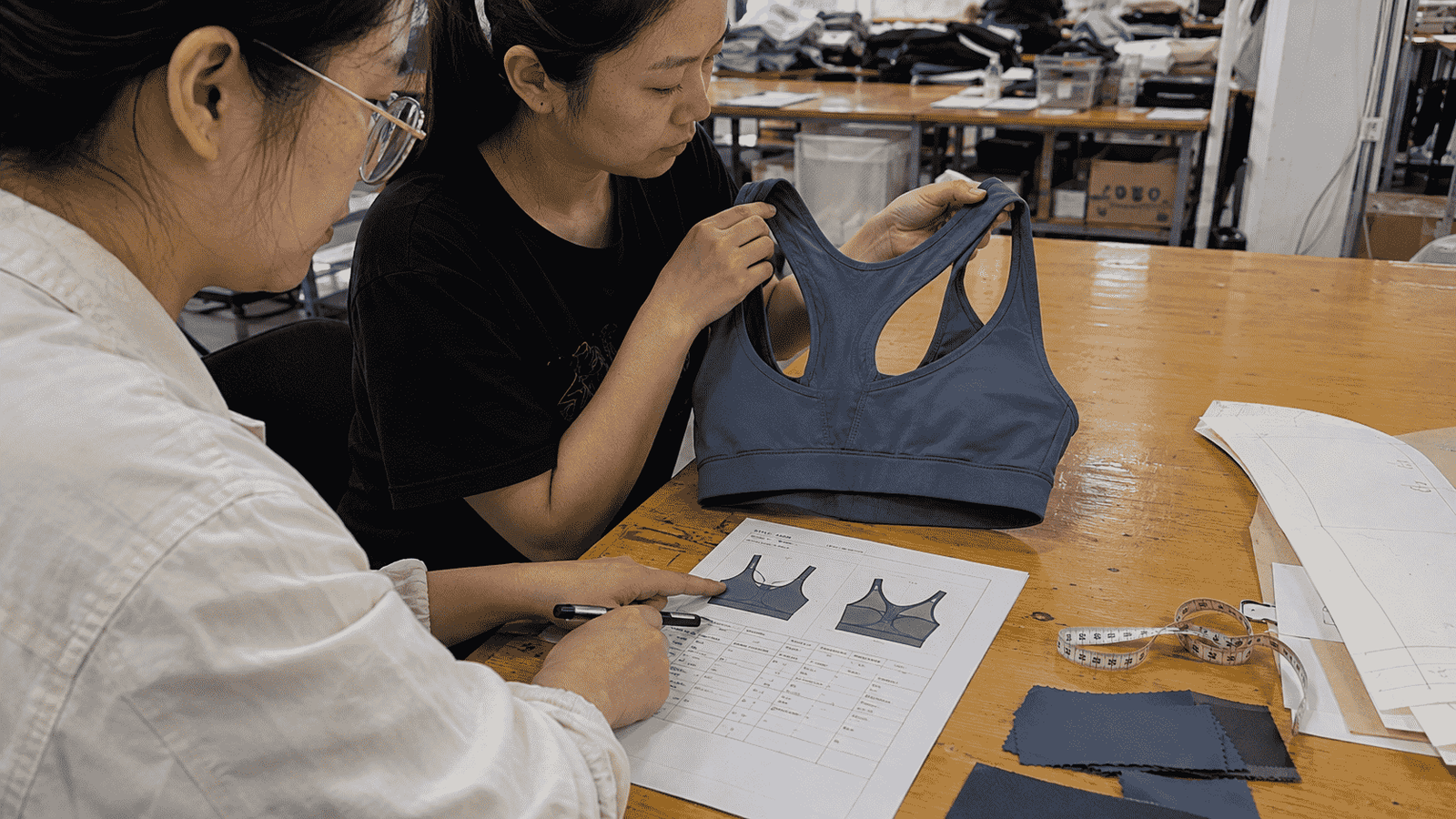
Use Each Sample Round to Close a Defined Risk
Sports bras often need more than one physical review because fit, strap, band, pads, material and coverage interact. Each sample stage should have a clear purpose instead of repeating uncontrolled changes.
Development Sample
The first sample tests whether the initial product architecture can be translated into a physical sports bra and reveals major fit, material or construction issues.
- Current technical files
- Material and support direction
- First physical sample
- Open technical points
Pass Criterion: Product architecture is viable and critical revision items are identified clearly.
Fit Sample
The next stage focuses on how the bra sits and behaves on the intended wearer, including underband, strap, neckline, armhole, pad and coverage.
- Consolidated wearer comments
- Target fit / size standard
- Updated measurements
- Revised pattern or knit program
Pass Criterion: Base fit is sufficiently aligned with buyer expectations to continue development.
Revision Sample
Confirmed changes are applied while unrelated approved variables remain controlled. The new version should close identified issues without introducing untracked changes.
- Approved revision list
- Outstanding decisions
- Controlled revised sample
- Updated technical references
Pass Criterion: Critical fit and construction corrections are accepted or reduced to clearly defined final actions.
Size Set
Where required, selected sizes verify whether the approved fit and grade logic remain appropriate beyond the base size.
- Grade rules
- Critical size selection
- Representative size samples
- Size-development feedback
Pass Criterion: Size progression remains consistent with the intended brand sizing system.
PP Sample
The pre-production reference reflects the final commercial product as closely as practical, including applicable material, construction, branding and approved component details.
- Final approvals
- Branding and packaging data
- PP sample
- Bulk-ready information
Pass Criterion: The approved sample and current technical data are ready to become production-control references.
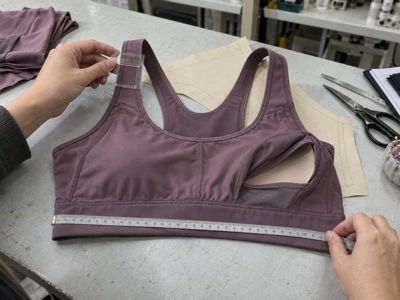
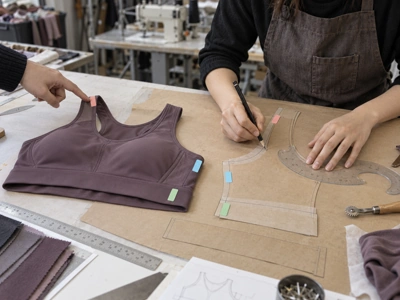
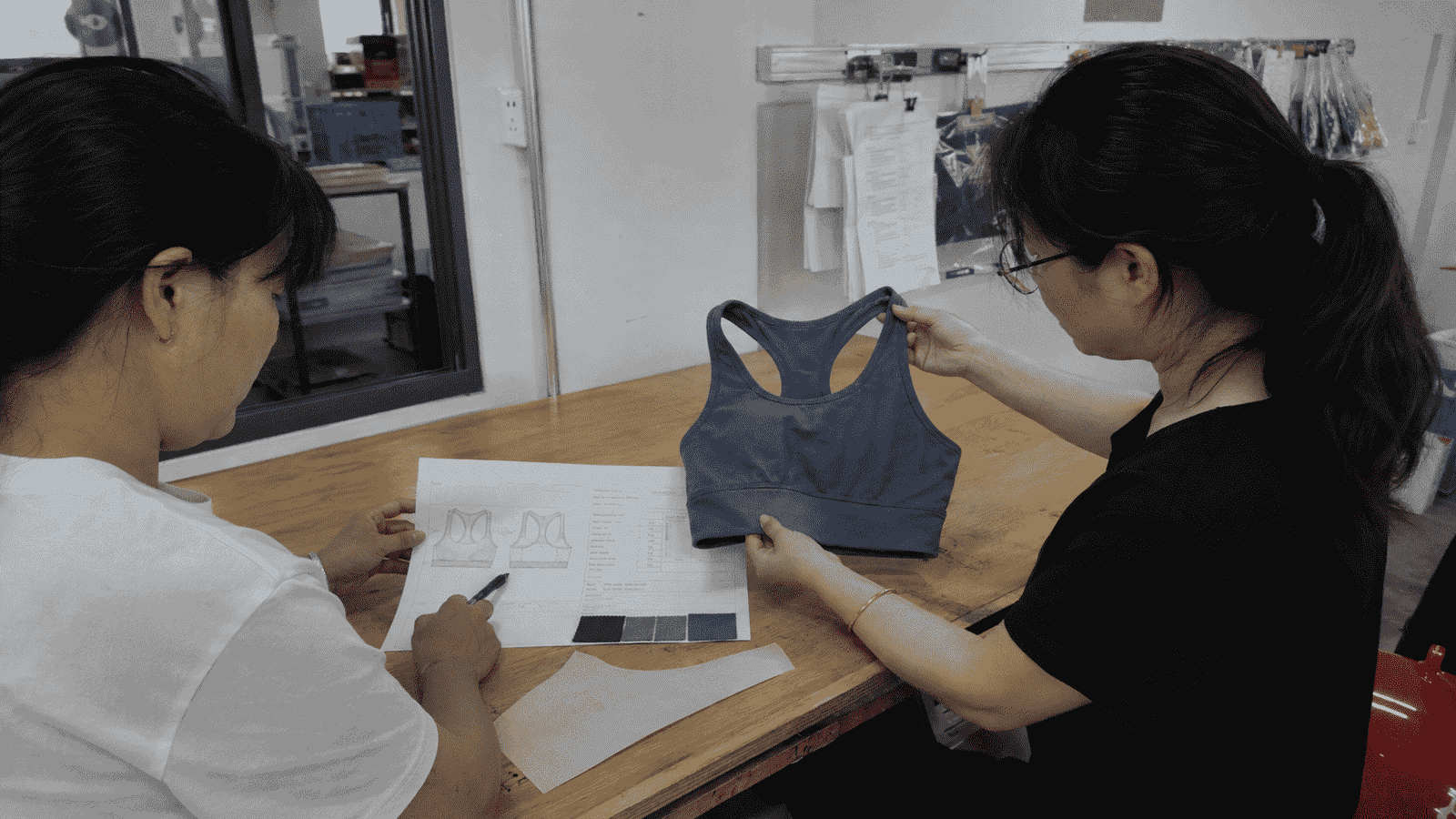
V1, revision and V2 evidence is drawn from the current sports-bra development record; size-set and PP requirements remain project-specific.
Eight Conditions Before a Sports Bra Is Bulk Ready
- Base Fit Is Approved. Underbust, bust, coverage, strap position and garment balance meet the current approved product direction.
- Material Is Approved. The actual fabric or yarn, lining and relevant elastic or component references are connected to the approved sample.
- Strap and Band Are Locked. Width, length, structure, hardware and lower-band dimensions match the current approved version.
- Pad Structure Is Locked. Removable, fixed or pad-free configuration and pad position are confirmed for the commercial product.
- Measurements Are Current. POM, target dimensions, measurement methods and tolerances reflect the current technical version.
- Grade Rules Are Confirmed. The buyer’s size progression is defined, with size-set review used where required by the project.
- Branding Is Approved. Logo process, artwork, position, labels and applicable hangtag information are linked to the correct SKU.
- Packaging Data Is Confirmed. Size, color, barcode, QR or retail packaging information is ready for commercial packing control.
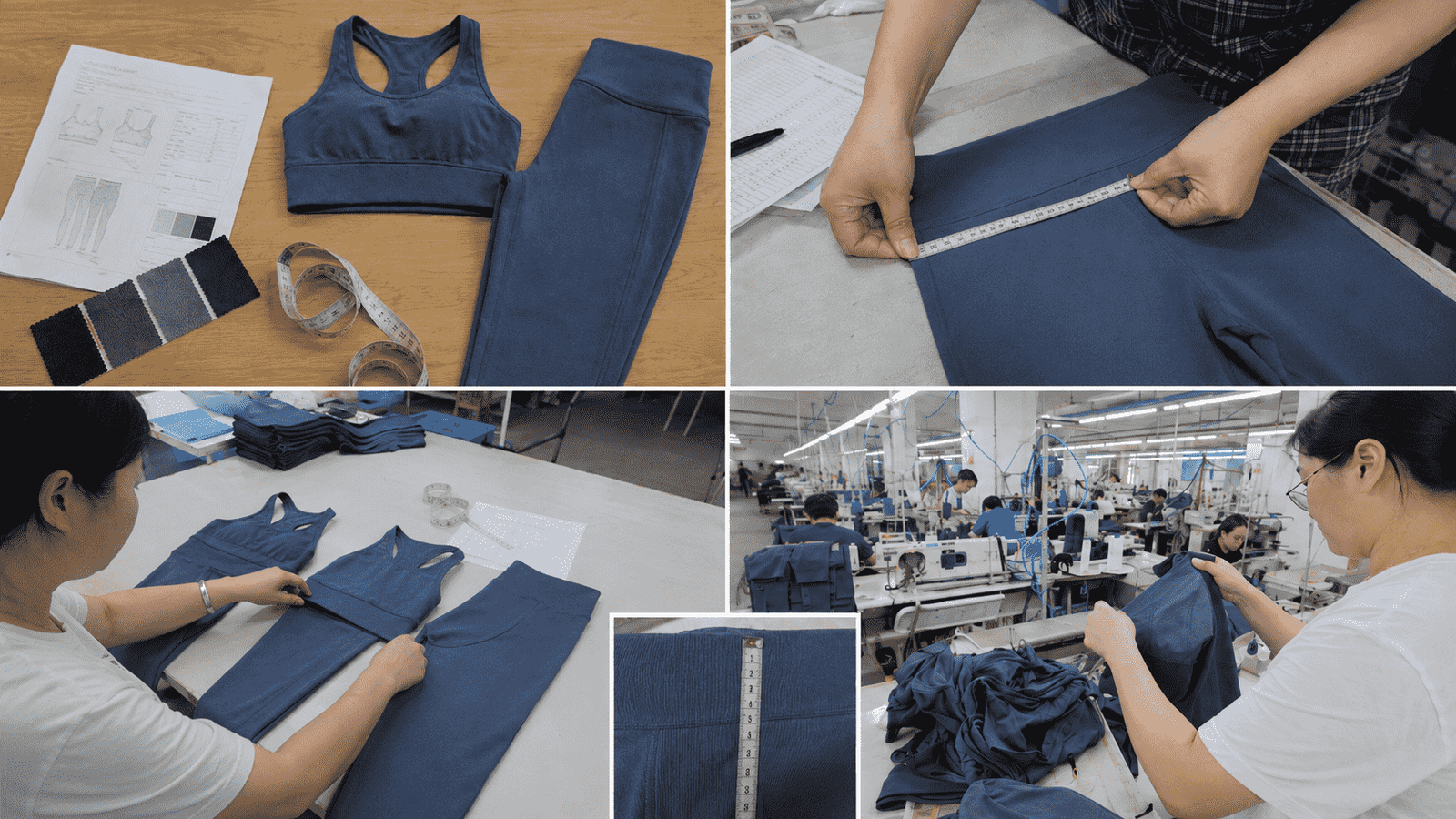
The visual supports approval-to-production control; the actual project's approved sports-bra sample and current specification remain the controlling standard.
Keep the Approved Sports Bra Connected to Bulk
A repeatable sports-bra program depends on linking the approved sample to the current material, measurements, pattern or knit program, components, branding and production order rather than relying on a general style name.
Approved Sample
The physical approved bra provides the core reference for overall appearance, fit and construction, but it should remain connected to the current technical data.
Approved SampleMaterial Reference
The approved fabric, yarn, lining or elastic direction is recorded so production does not replace it informally with an unapproved similar material.
Material SpecMeasurements
Current POM, target dimensions and buyer-approved tolerances define how the production garment should be measured.
Size SpecPattern / Program
The current pattern version or seamless machine program represents the approved garment architecture used for commercial production.
Version FileStrap / Band
Strap structure, width, length, hardware and lower-band construction remain linked to the approved product rather than treated as generic components.
Component SpecPad / Lining
Pad type, position, pocket or fixing method and lining configuration are connected to the correct product version.
BOM / SampleBranding
Logo artwork, size, placement, labels and related retail-brand information remain linked to the applicable sports-bra SKU.
Artwork FilePO / Production
Production order, quantity, color, size and site allocation connect the technical standard with the actual commercial batch.
PO Record
The workflow visual supports traceability logic; project-specific sample, material, component and PO records remain the controlling evidence.
Use Production Gates Before Sports Bra Volume Builds
After sample approval, MOVEVOX uses production-control points to check that commercial output remains aligned with the current product standard before repeated variation spreads through larger quantities.
Production Ready
Confirm the current sample, technical files, materials, components, branding and packaging before bulk begins.
Technical / PMC Readiness Review
Material Release
Review the applicable material, lining, pads, elastics and key components before they enter production.
Purchasing / QC Material Check
First Article
Compare early production output with the approved measurements, construction, strap, band, pads and appearance.
Production / QC First Article
Measurement Check
Confirm key sports-bra POM against the current size specification and tolerance before larger-volume production proceeds.
QC Measurement
Construction Review
Check seams, binding, strap attachment, lining, pad configuration and other structure according to the approved production version.
Production / QC Construction
Branding Review
Confirm logo method, artwork, position, labels and applicable garment identification before repeated bulk application.
QC / Branding Brand Check
Bulk Production
Continue commercial manufacturing against the released standard, with inline checks for repeated deviation or process drift.
Production Inline Control
Final Release
Review finished product, packing and order identity before shipment is released under the confirmed commercial arrangement.
QC / PMC Shipment Release


Control Sports Bra Quality From Material to Shipment
MOVEVOX’s sports-bra QC should be evaluated through specific control points rather than a general “strict QC” statement. The goal is to keep material, fit, construction, branding and packing connected to the approved product.
Incoming Material
Review applicable fabric, yarn, lining, elastic, pads and critical components before release to production.
- Correct material identification
- Applicable color / appearance
- Component consistency
Pad and Components
Confirm pad type, quantity, left-right symmetry, pocket or fixing method and selected hardware against the current specification.
- Correct pad structure
- Component orientation
- No visible damage
Pre-Production
Align technical, production, purchasing and QC teams around the current approved sample and specifications.
- Correct product version
- Current component requirements
- Open points closed
First Article
Review early production output before larger quantity proceeds.
- Measurements
- Strap and underband
- Pad position
- Construction
Inline Inspection
Monitor production while corrections can still prevent repeated deviation.
- Stitching and binding
- Measurements
- Symmetry
- Repeated defects
Measurement Control
Check sports-bra POM against the applicable buyer or project specification.
- Upper bust
- Underbust
- Strap
- Product-specific POM
Strap and Band
Review strap length, position, hardware and band construction for consistency with the approved product.
- Left-right symmetry
- Secure attachment
- Correct dimensions
Finished Garment
Inspect overall workmanship, fit-related structure, pad configuration, appearance and correct SKU identity.
- Garment details
- Appearance
- Product identity
Branding and Packing
Verify logo, labels, size, color, QR or barcode and packaging information against the order.
- Correct branding
- Correct size / color
- Packing accuracy
Final Release
Complete the applicable final inspection and order-release process before shipment.
- Order status
- Carton / packing
- Release authorization


Turn Sports Bra Fit Into Measurable Bulk Control
Approved fit needs a consistent measurement method in commercial production. A sports-bra inspection record should connect the correct POM, target, tolerance, actual result, size and disposition to the current product version.

POM Definition
The inspection record should identify exactly where upper bust, underbust, strap length, cup height or other product-specific measurements are taken.
Target Measurement
Targets should come from the current buyer-approved specification rather than an older sample or outdated Tech Pack version.
Tolerance
MOVEVOX’s normal current production references are generally within ±2 cm for seamless and ±1.5 cm for cut-and-sew products, unless the buyer approves a stricter project standard.
Measurement Method
High-stretch garments require consistent relaxation and handling. Inspectors should not pull or distort the sports bra simply to reach the target value.
Actual Result
Measured values should represent the real inspected garment and be compared against the current specification and applicable tolerance.
Size Identification
Every result must remain linked to the correct commercial size because sports-bra grading can change the fit relationship across the range.
Disposition
Out-of-tolerance findings require an identified response such as hold, investigation, correction, screening or another approved action before shipment release.
A public report example should be anonymized but still show enough structure to demonstrate measurement method, POM, target, tolerance and actual inspection logic.
Prevent Component and Branding Errors Before Shipment
Sports bras can pass sewing inspection and still fail commercially through incorrect pads, straps, labels, logo positions or retail data. Final quality control therefore needs to verify both the physical garment and the branded SKU.
| Defect | Likely Cause | Prevention | Inspection Point | Corrective Action |
|---|---|---|---|---|
| Wrong Pad Type | Different pad version issued to packing or production | Link pad specification to current style BOM and approved sample | Compare pad structure with approved product | Hold affected quantity, replace pads and recheck |
| Pad Missing | Pad inserted inconsistently during finishing or packing | Define pad quantity and configuration in production / packing instructions | Check both sides before final package closure | Add missing pad and conduct expanded screening |
| Strap Mismatch | Incorrect width, length or hardware used | Freeze current strap and component specification | Compare strap dimensions and hardware against sample | Replace incorrect straps where technically feasible and reinspect |
| Wrong Size Label | Label inventory or packing data mixed between sizes | Segregate labels by SKU and issue current packing instruction | Compare sewn label with garment size / order | Hold and correct affected garments before packing |
| Wrong Care Label | Generic or outdated care label used across products | Connect care label artwork to actual product and material | Verify label against current SKU document | Replace incorrect label and re-inspect |
| Logo Position Error | Placement template or version not followed | Lock approved artwork, dimensions and position reference | Compare bulk logo with approved sample | Hold affected quantity and review rework feasibility |
| Wrong Barcode | Barcode / QR data not mapped to correct size or color | Use current SKU matrix and controlled label data | Scan or reconcile product, size, color and code | Replace labels and perform expanded verification |
| Wrong Package | Correct bra placed in wrong size / color package | Segregate products and verify package identity before closure | Check garment against sticker / barcode / bag | Open package, correct identity and reconcile quantity |
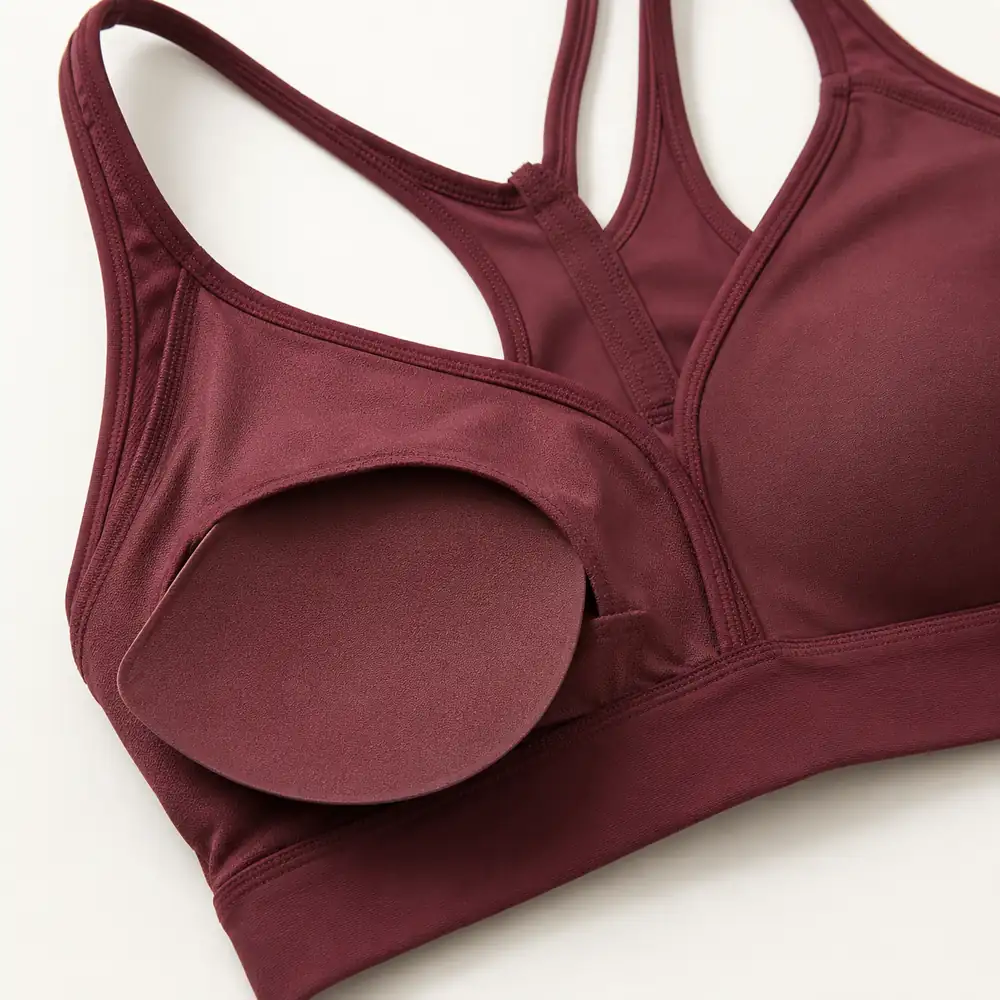

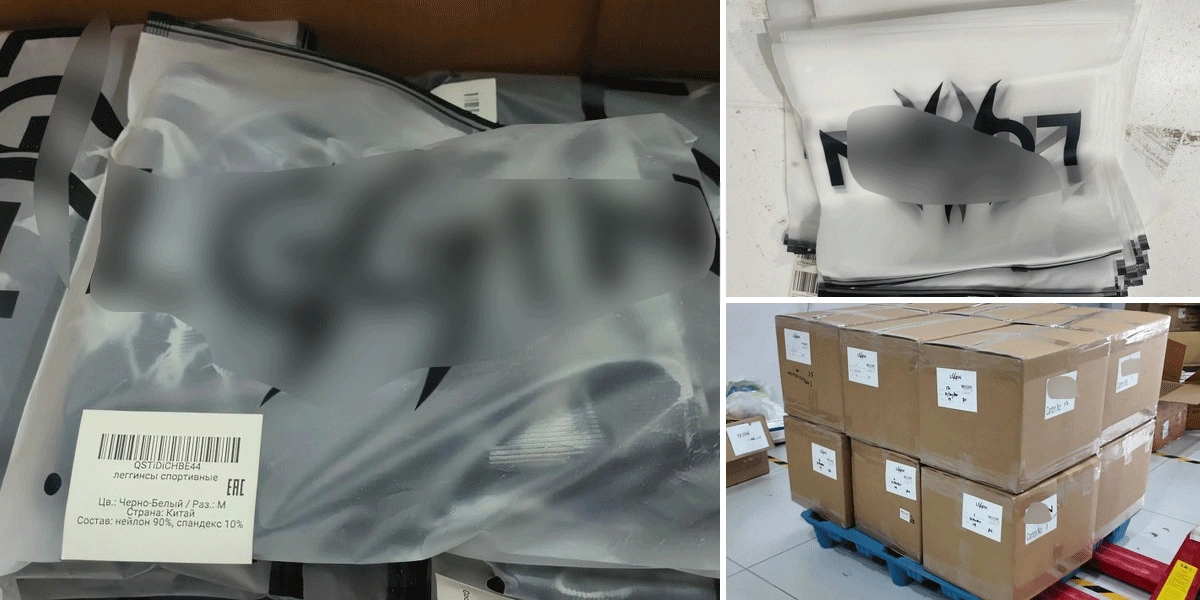
Pad and strap visuals are component references; the actual project inspection record remains the controlling evidence.
Know Where Sports Bra Development and Production Are Controlled
MOVEVOX uses its own Yiwu factory as the technical, sampling, core-production and QC center while long-term satellite facilities and specialist suppliers support suitable product, material and capacity requirements.

MOVEVOX Core Factory
Own factory supports product development, samples, technical standards, seamless and cut-and-sew work, first-article review and QC.
Yiwu Satellites
Six long-term satellite facilities provide supplementary capacity under MOVEVOX project coordination rather than being presented as MOVEVOX-owned factories.
Guangzhou Satellites
Two long-term Guangzhou satellites can support suitable cut-and-sew or specialist production requirements according to actual project needs.
Fabric and Yarn
Major project materials are centrally coordinated against approved sports-bra requirements so production sites do not independently substitute materials.
Elastics and Components
Applicable pads, elastics, adjustment hardware, labels and other functional components are managed against the current project requirements.
Branding
Logo processes, woven labels, care labels, size labels and hangtags are connected to approved artwork and the correct sports-bra SKU.
Packaging
Individual bags, stickers, barcodes, QR information, inserts and cartons are managed according to confirmed order and retail requirements.
Logistics
Shipment release and buyer-appointed forwarder coordination follow the confirmed order, QC status and commercial arrangement.
Verify the Factory Behind Your Sports Bra Program
MOVEVOX supports customer factory audits, technical audits, live video tours, pre-production visits, inline inspections and pre-shipment inspections, subject to reasonable scheduling, confidentiality and current production conditions.
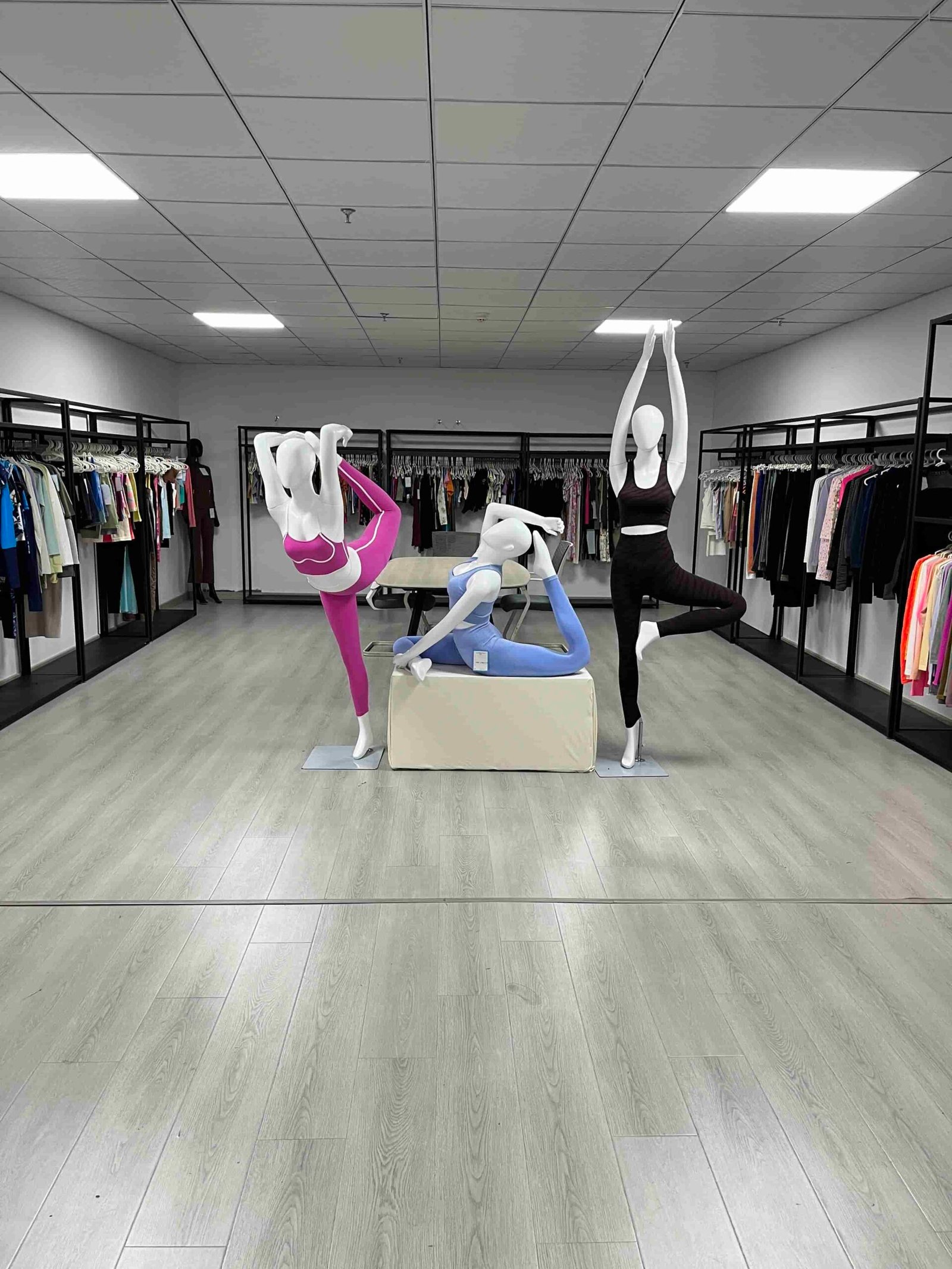
Development Area
The normal development organization includes approximately eight people across design, pattern and sample functions. Buyers can review how Tech Packs, references, measurements and revisions become physical products before commercial manufacturing.
Actual MOVEVOX sportswear development and sample-working area in Yiwu.

Seamless Production
MOVEVOX’s own factory operates 28 Italian Santoni machines. Buyers can verify claimed equipment and review suitable sports-bra seamless structures, machine programs and current production activity.
Actual Santoni seamless production equipment inside the Yiwu factory.

Cut-and-Sew Area
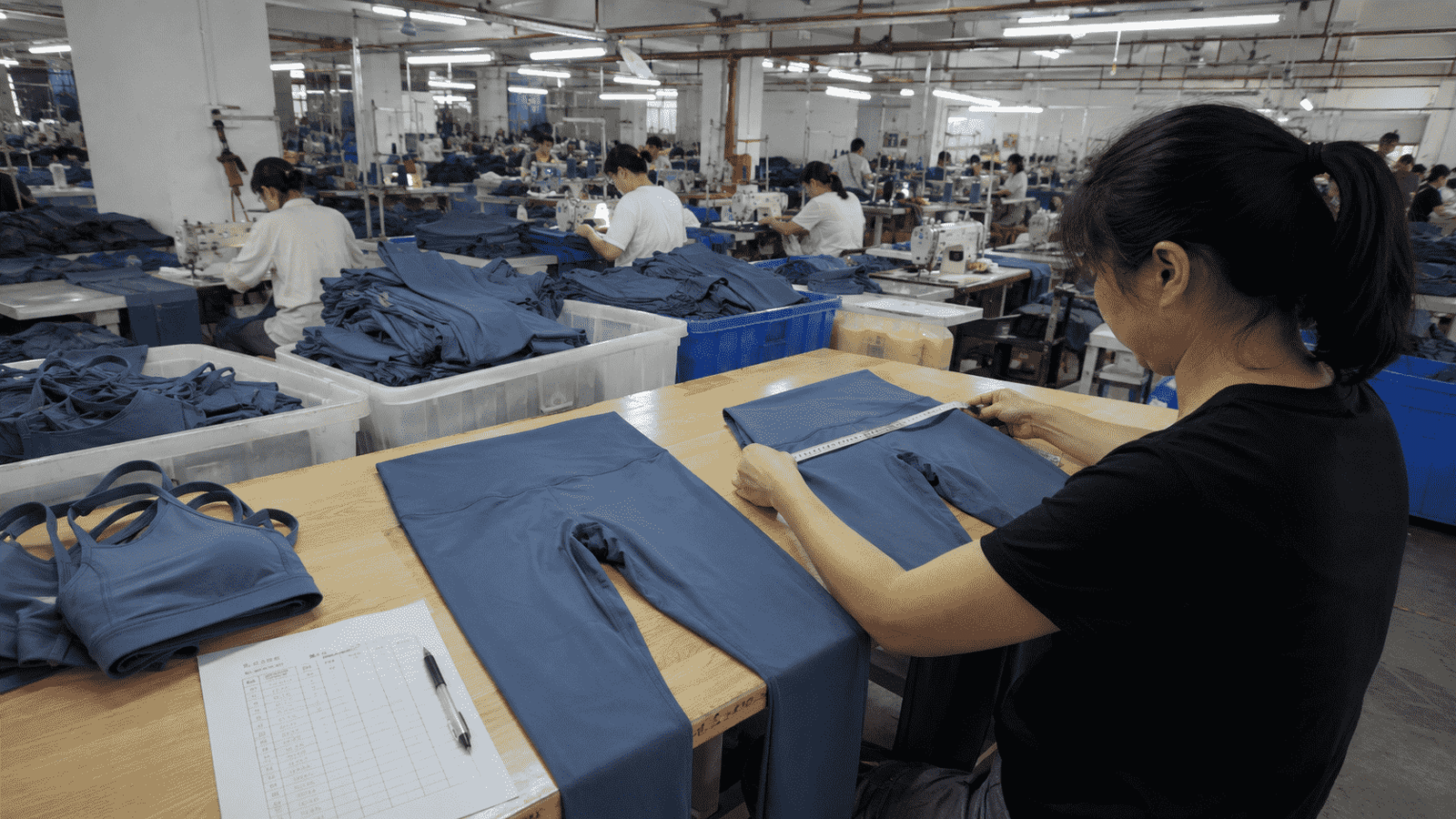
The own production system includes approximately 24 principal sewing and garment-production machines. Buyers can review stretch sewing, binding, strap construction and applicable sports-bra assembly activity.
Actual MOVEVOX cut-and-sew production area.
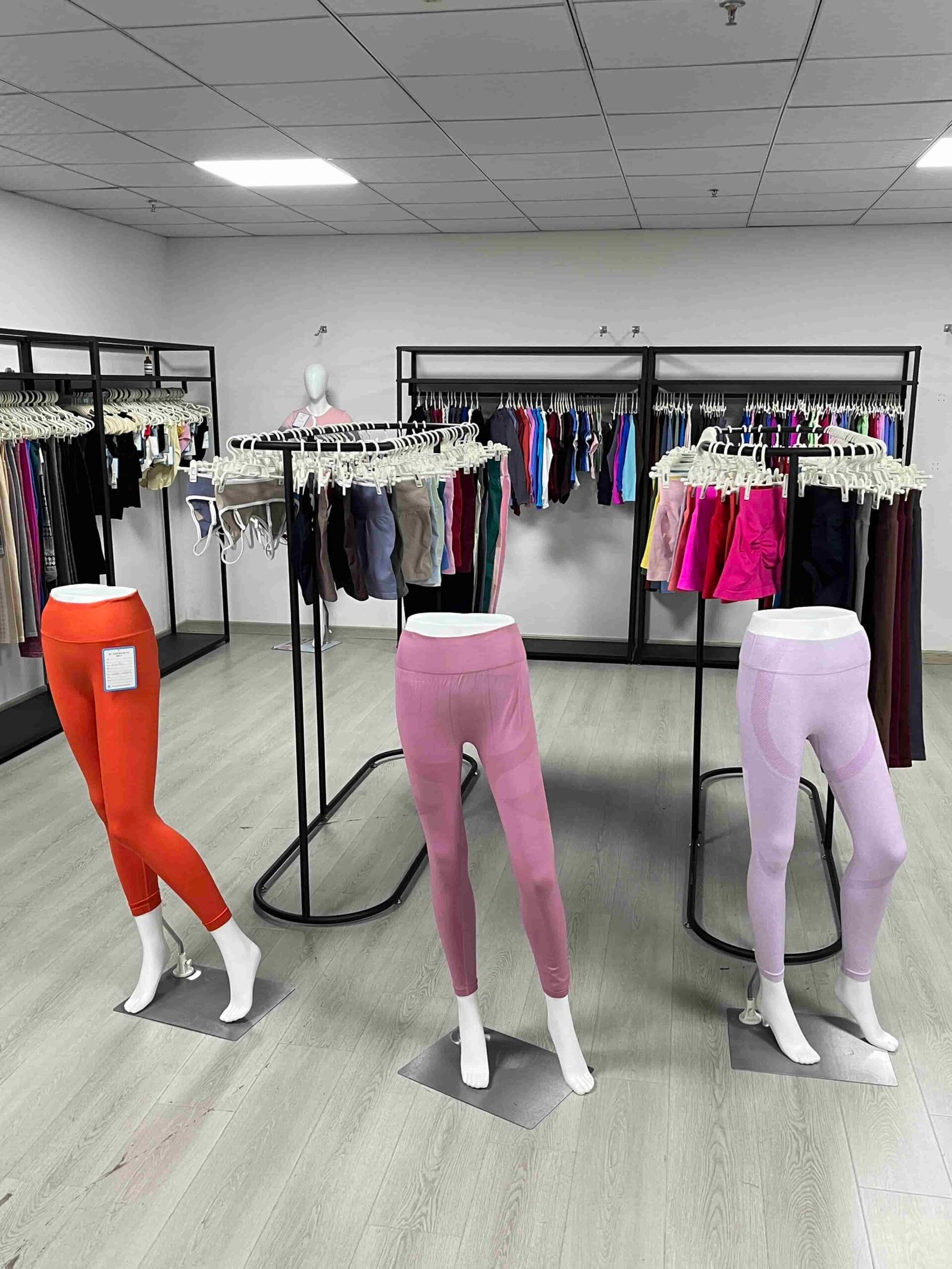
Sample and Pattern Work
Pattern and sample-development functions support cut-and-sew sports-bra fit and revision work. Detailed equipment or software claims should only be added where the real setup is documented.
Actual sportswear sample and pattern-development workspace.

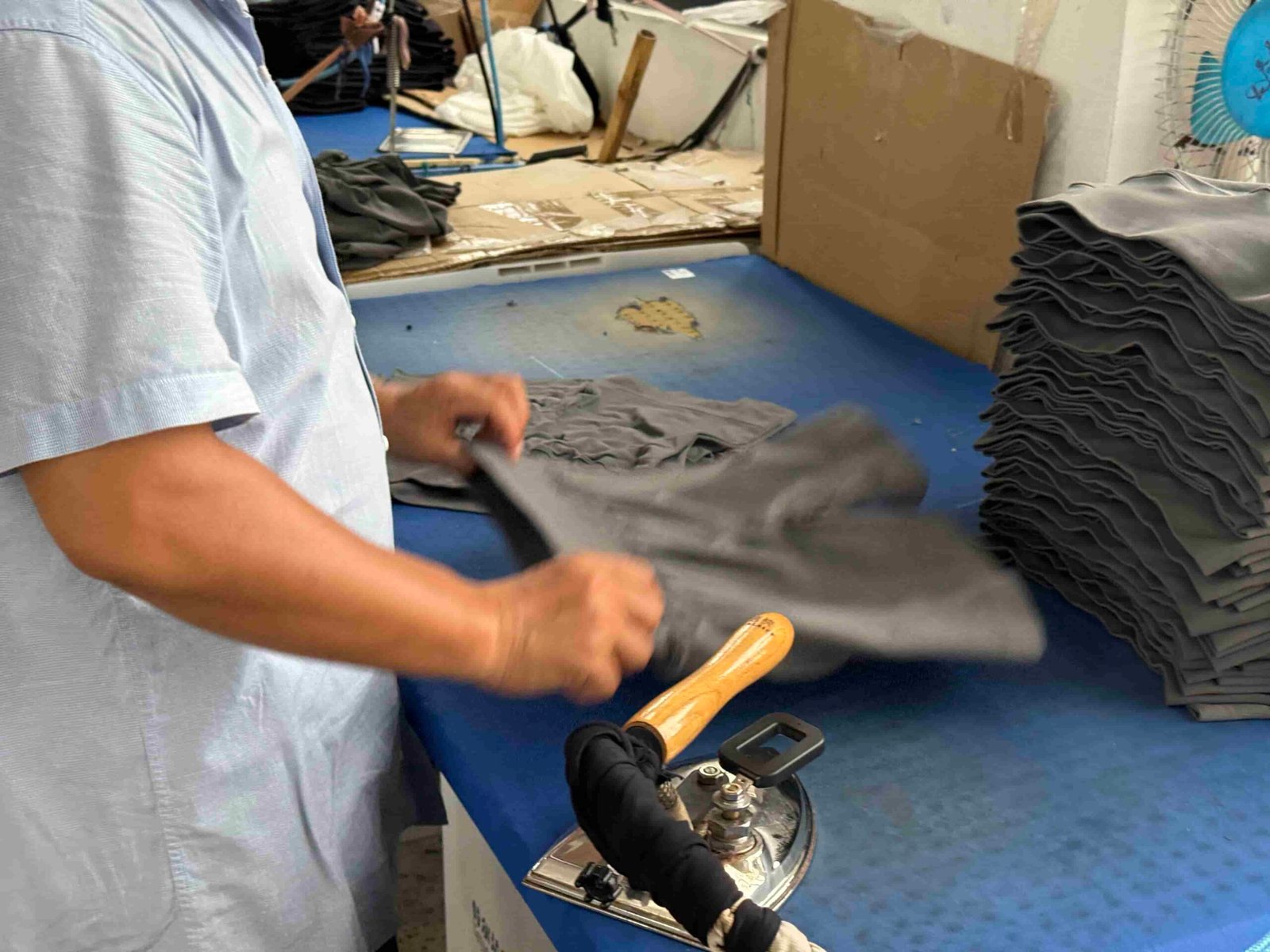
Quality Inspection
MOVEVOX currently maintains five QC personnel. Buyers can review how measurements, workmanship, components, branding and packing are checked against current project requirements.
Actual MOVEVOX QC activity using production garments and specifications.
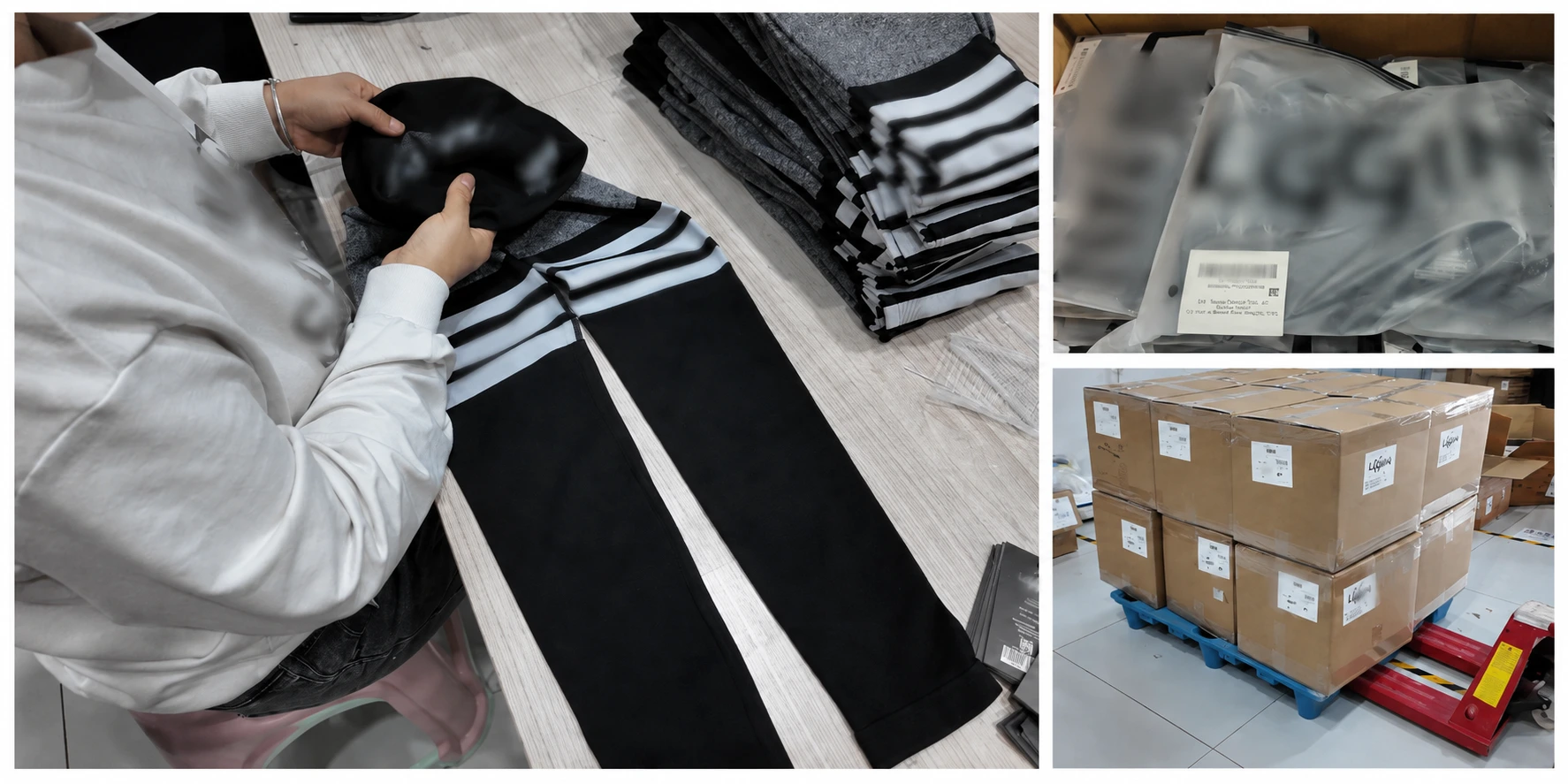
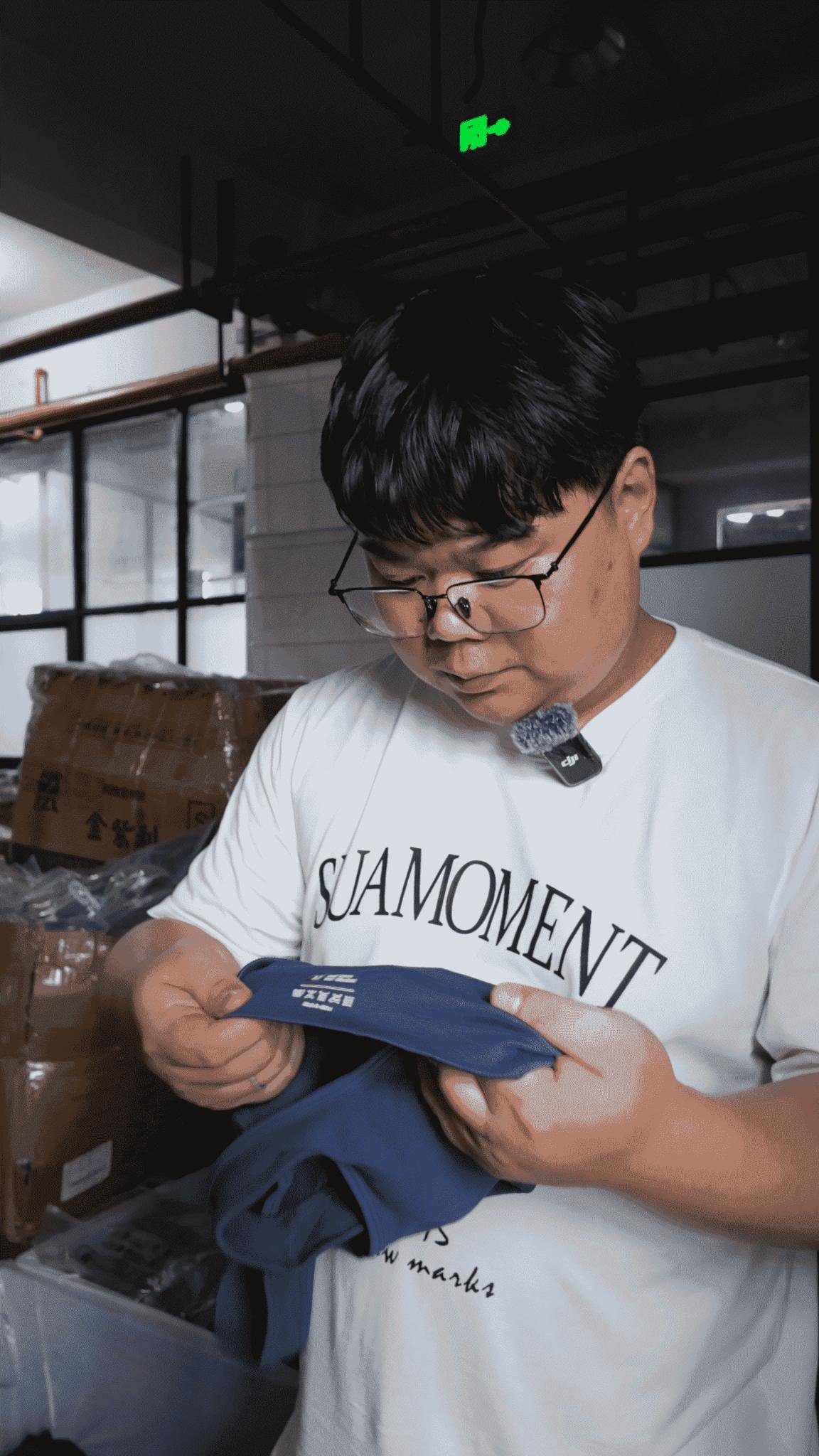
Packing Area
Private-label packing can involve pads, labels, QR / barcode, bags and cartons. Buyers can review how product identity remains connected to the actual sports-bra SKU.
Actual MOVEVOX packing and SKU-control activity.
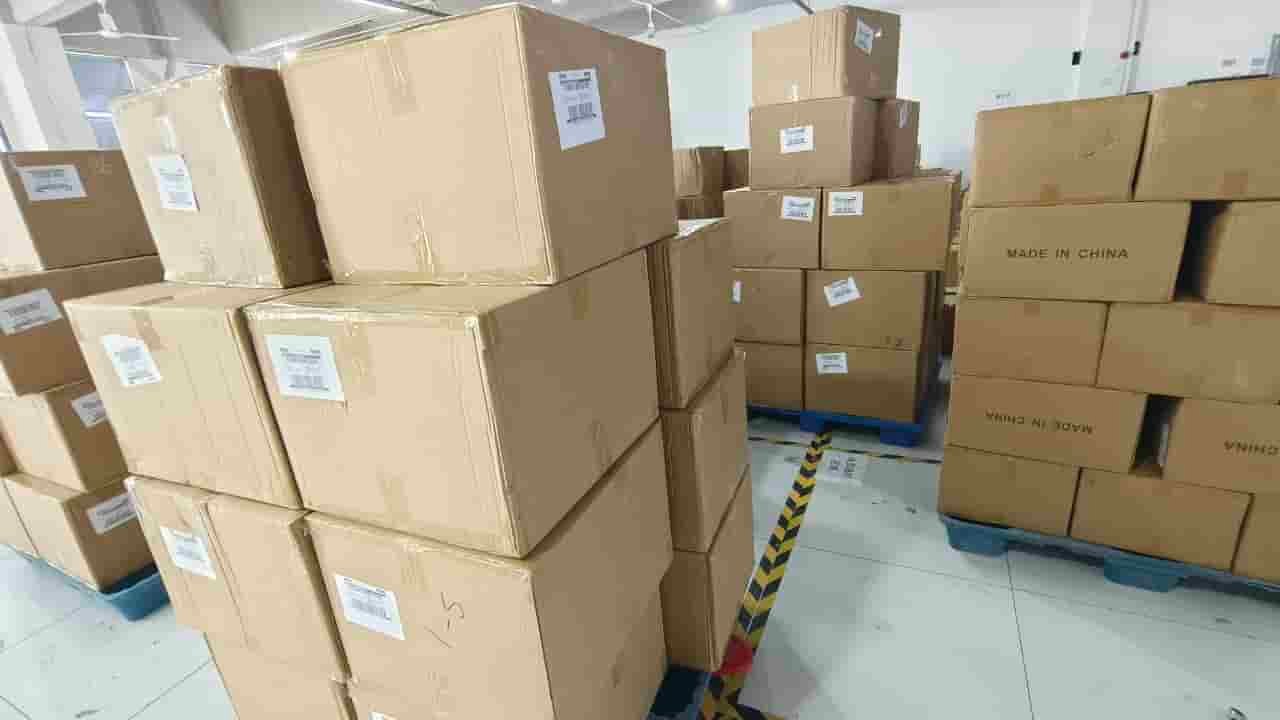
Finished-Goods Staging
Finished products and cartons should remain identifiable by order and SKU information before shipment release and inspection.
Actual finished-goods staging area before shipment.
What Current MOVEVOX Test Evidence Does and Does Not Prove
MOVEVOX currently holds third-party test evidence for a specific black fitness yoga leggings sample and related black fabric. These documents demonstrate an evidence-handling process, but they are not sports-bra compliance reports and must not be presented as such.
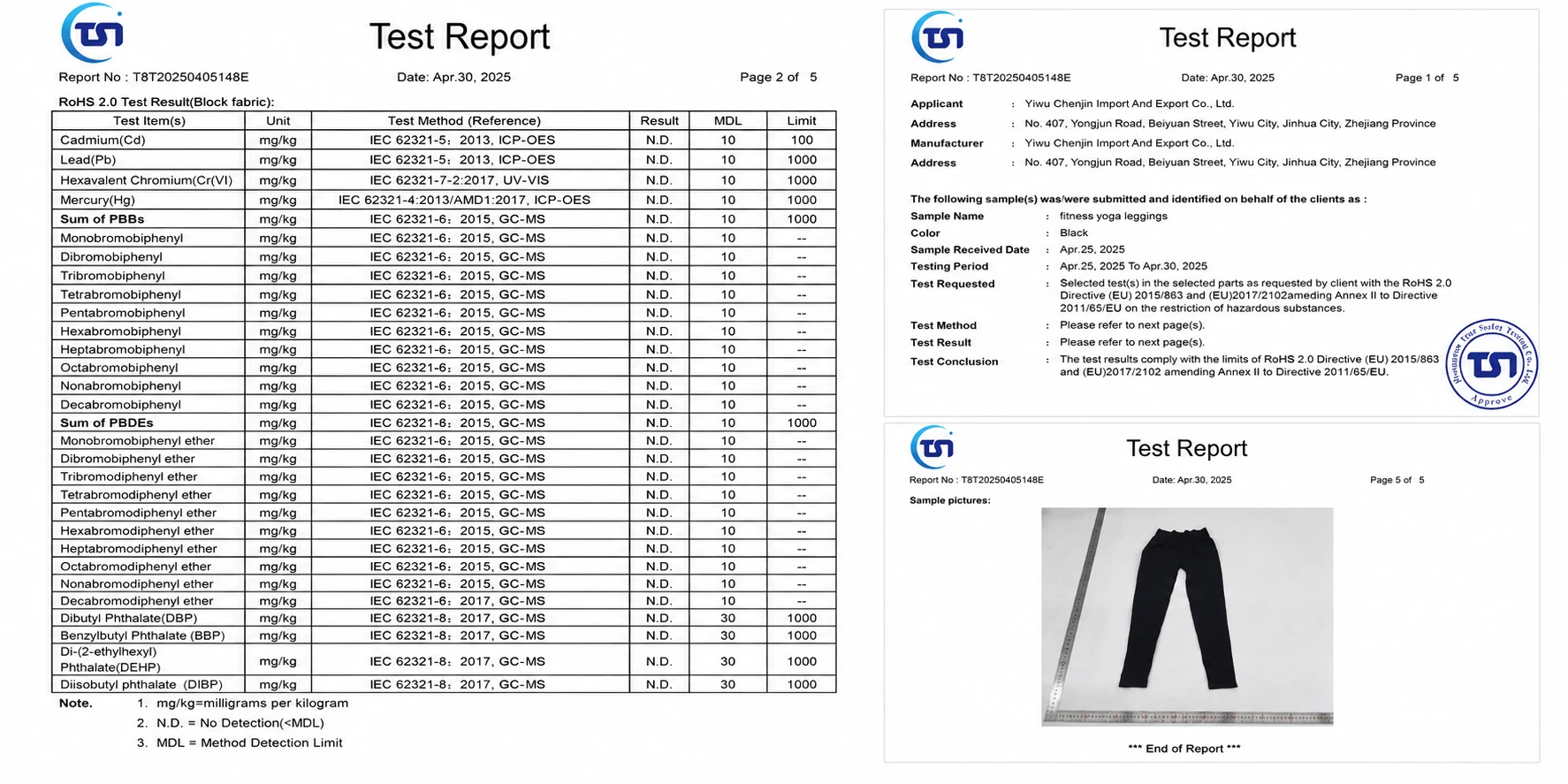
RoHS Tested Sample
A third-party report dated April 30, 2025 identifies a submitted black “fitness yoga leggings” sample and records compliance with the referenced RoHS 2.0 limits for that submitted sample.
Applicable Scope: The black fitness yoga leggings sample identified in report TST20250405148E.
MOVEVOX Response: Use the report only within its documented sample scope and arrange new testing if a sports-bra program requires separate chemical evidence.
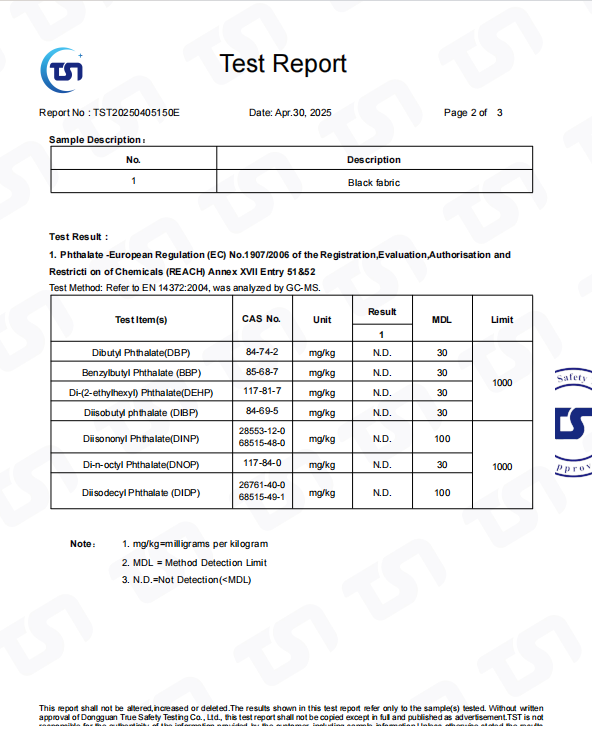
REACH Phthalate Test
A separate report dated April 30, 2025 covers black fabric taken from the submitted fitness yoga leggings and records a Pass against the referenced REACH Annex XVII Entry 51 and Entry 52 phthalate requirements.
Applicable Scope: The tested black fabric identified in report TST20250405150E.
MOVEVOX Response: Do not transfer this result automatically to a sports-bra fabric, color, lining, elastic, pad or future production lot.
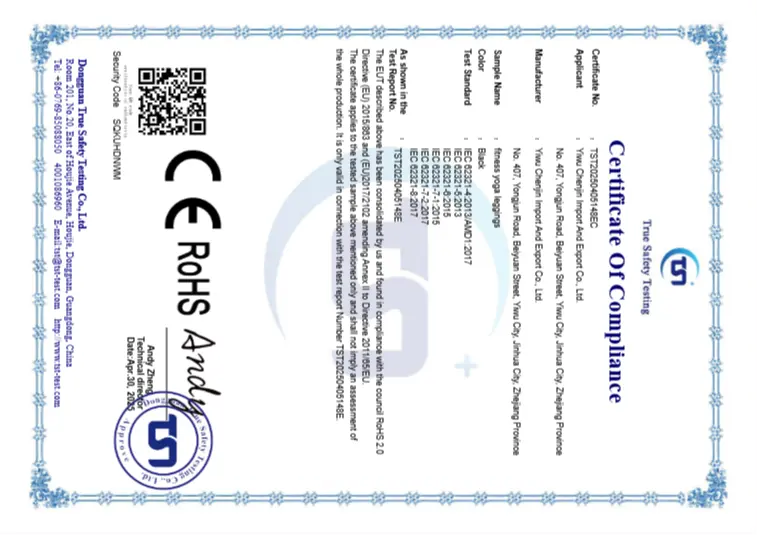
Certificate Limitation
Certificate TST20250405148EC is associated with the tested sample and explicitly applies only to that sample. It does not represent assessment of the entire factory or all MOVEVOX products.
Applicable Scope: The associated tested sample only.
MOVEVOX Response: Do not describe MOVEVOX as a RoHS-certified factory based on this certificate.

Sports Bra Testing
A sports-bra buyer may require chemical, restricted-substance, dimensional, material, branding-durability or performance testing according to internal brand standards and destination markets.
Applicable Scope: The actual sports-bra material, product, test method and submitted sample.
MOVEVOX Response: Define the required test plan for the actual project and cooperate with buyer-specified or suitable third-party laboratories where required.
Sources: TST20250405148E · TST20250405150E · TST20250405148EC
U.S. Multi-SKU Program Including Private-Label Sports Bras
This documented U.S. activewear relationship included sports bras as part of a broader women’s collection and shows MOVEVOX’s real experience with technical input, sample revision, private-label execution, SKU information and recurring commercial orders.
Customer Background
The customer was a U.S.-based fitness creator with more than 30,000 followers at the time covered by the documented case. Her activewear program included leggings, shorts, sports bras, tanks, sets and other women's products. The brand targeted high-stretch, supportive, opaque and soft-feeling activewear and used its own product direction and private-label execution.
The Challenge
The customer provided a Tech Pack, but the first physical sample did not completely meet the intended product and wearing expectations. The project therefore required structured revision instead of moving directly from initial sample to bulk. As the relationship expanded, labels, logo, care information, packaging and QR differentiation by color and size also became part of the operating requirements.
MOVEVOX Response
MOVEVOX reviewed the customer's technical input, produced an initial sample and received physical-product feedback. A second version was prepared with the requested corrections. Once the direction was substantially accepted, approximately 5–10 additional samples were produced for practical testing by members of the customer's audience. Commercial production later incorporated the confirmed product requirements together with labels, logo, packaging and SKU-specific QR information.
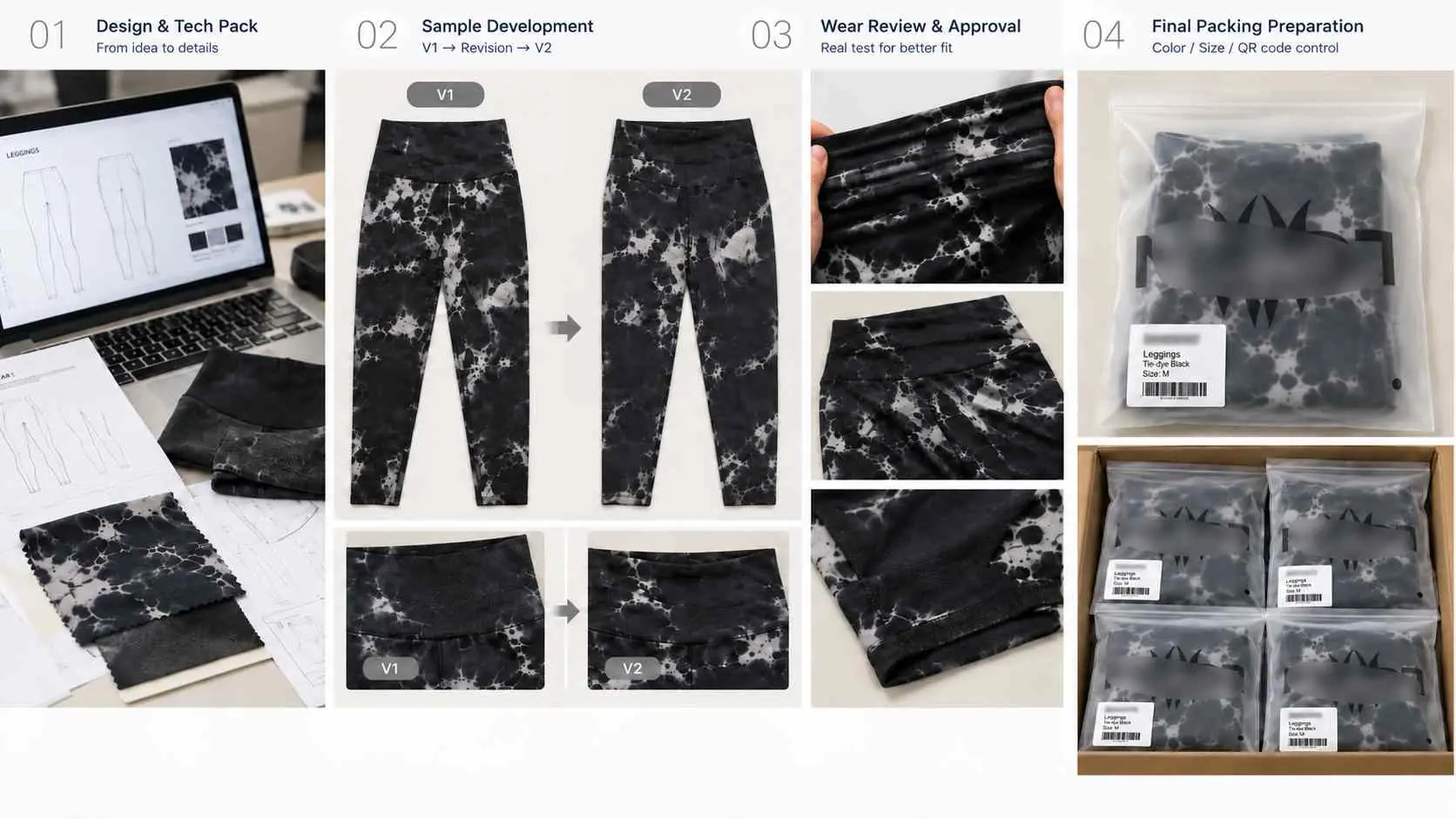
Tech Pack Review
Development began from buyer-provided technical information rather than an undefined generic product brief.
First Sample
The initial physical product allowed the customer to evaluate fit, material and intended wearing performance.
Revision
MOVEVOX translated the buyer's comments into a controlled second sample version before commercial production.
User Testing
Approximately 5–10 additional test samples were prepared after the revised product direction was substantially accepted.
Private Label
The program included customer-specific branding, labels, care information, packaging and QR differentiation by color and size.
Repeat Orders
The documented relationship developed into typical orders of approximately 2,000 pieces, about two purchases per month and roughly three years of cooperation at the time covered by the source case.
No verified direct English customer quotation is available in the current case material.