Private Label Gym Wear Manufacturer for Established Activewear Brands
Develop private-label gym wear through Seamless and Cut & Sew manufacturing, structured sampling, brand execution, quality control and scalable production management.
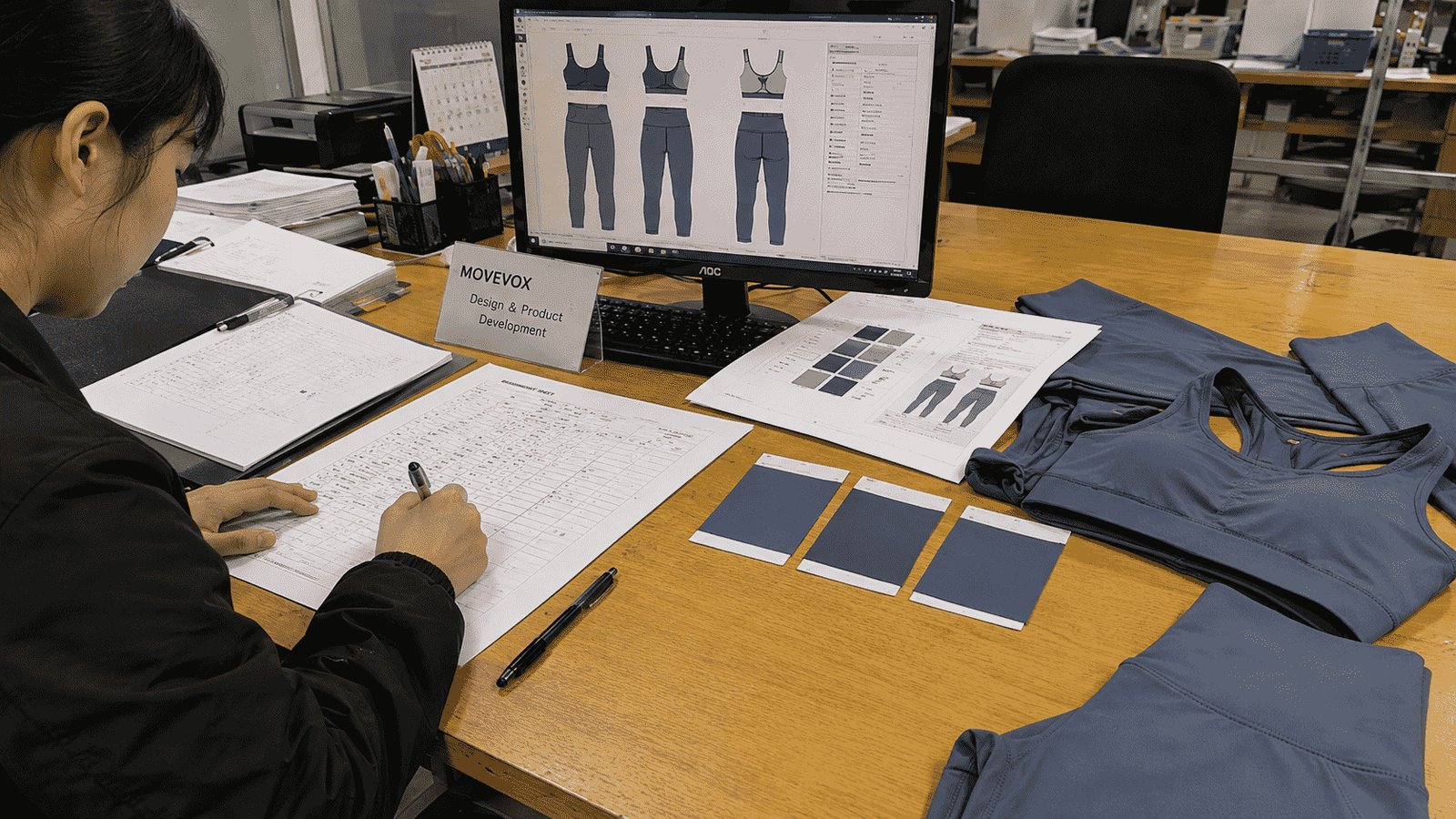
MOVEVOX supports established activewear brands developing leggings, sports bras, training shorts, tops and coordinated gym collections. Projects can begin from a Tech Pack, approved reference, sample or defined concept, then move through material selection, sampling, private-label execution, bulk production and quality control under one accountable project interface.
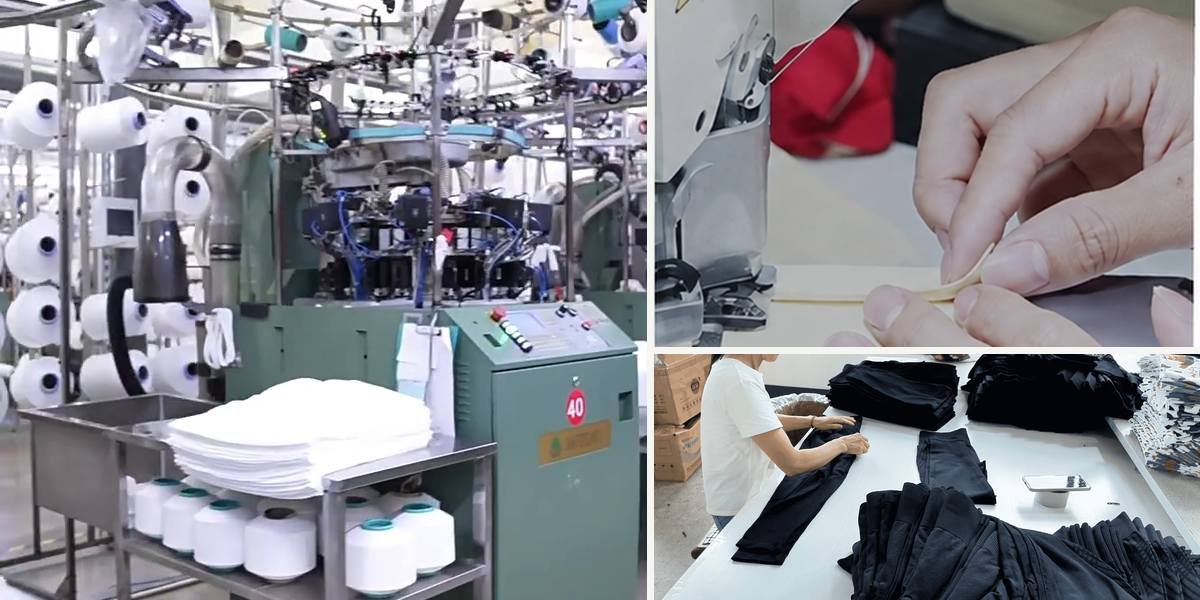
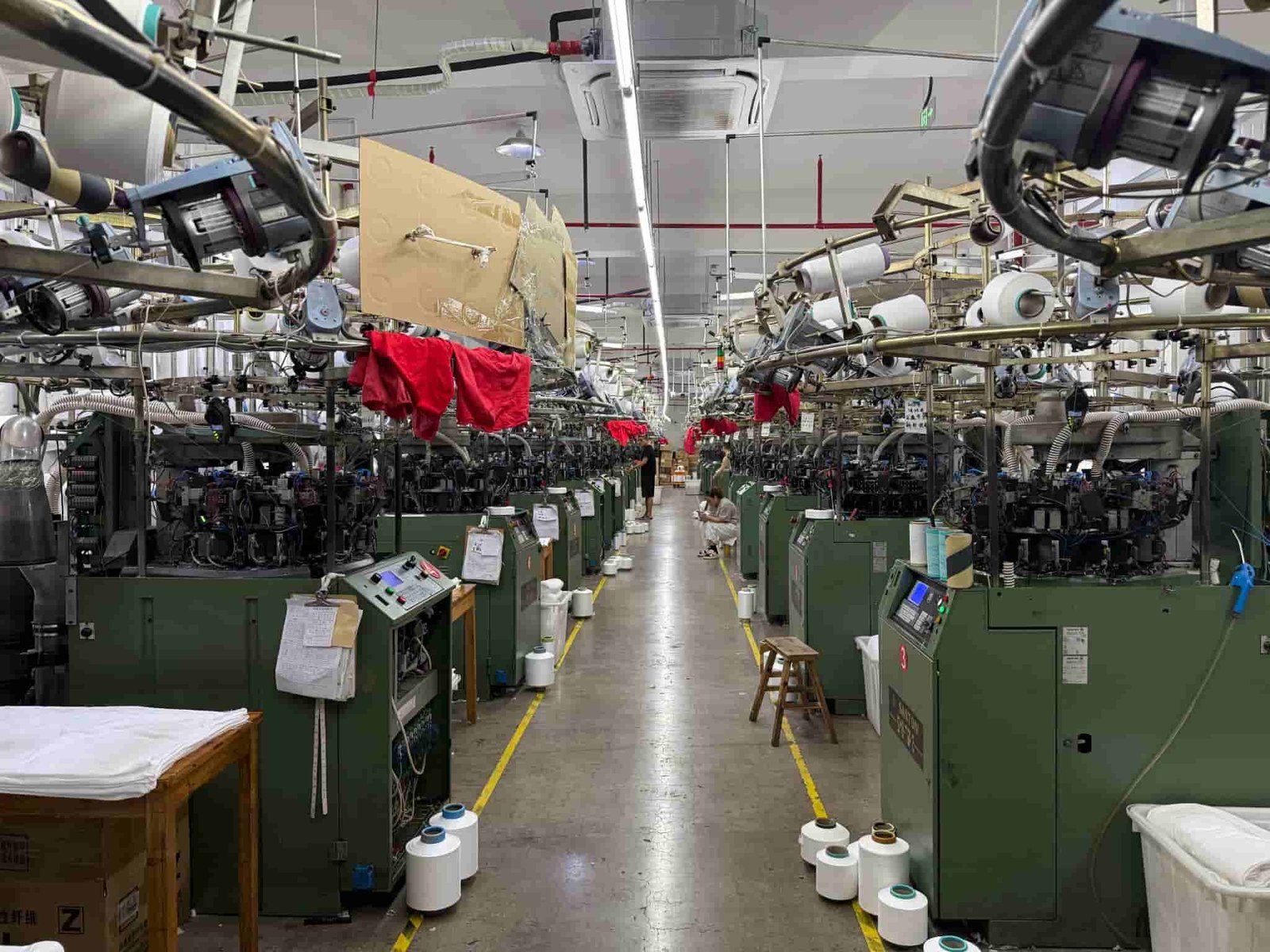
Santoni Machines
Italian Santoni seamless machines support engineered knitted structures for leggings, bras, shorts and coordinated seamless programs.
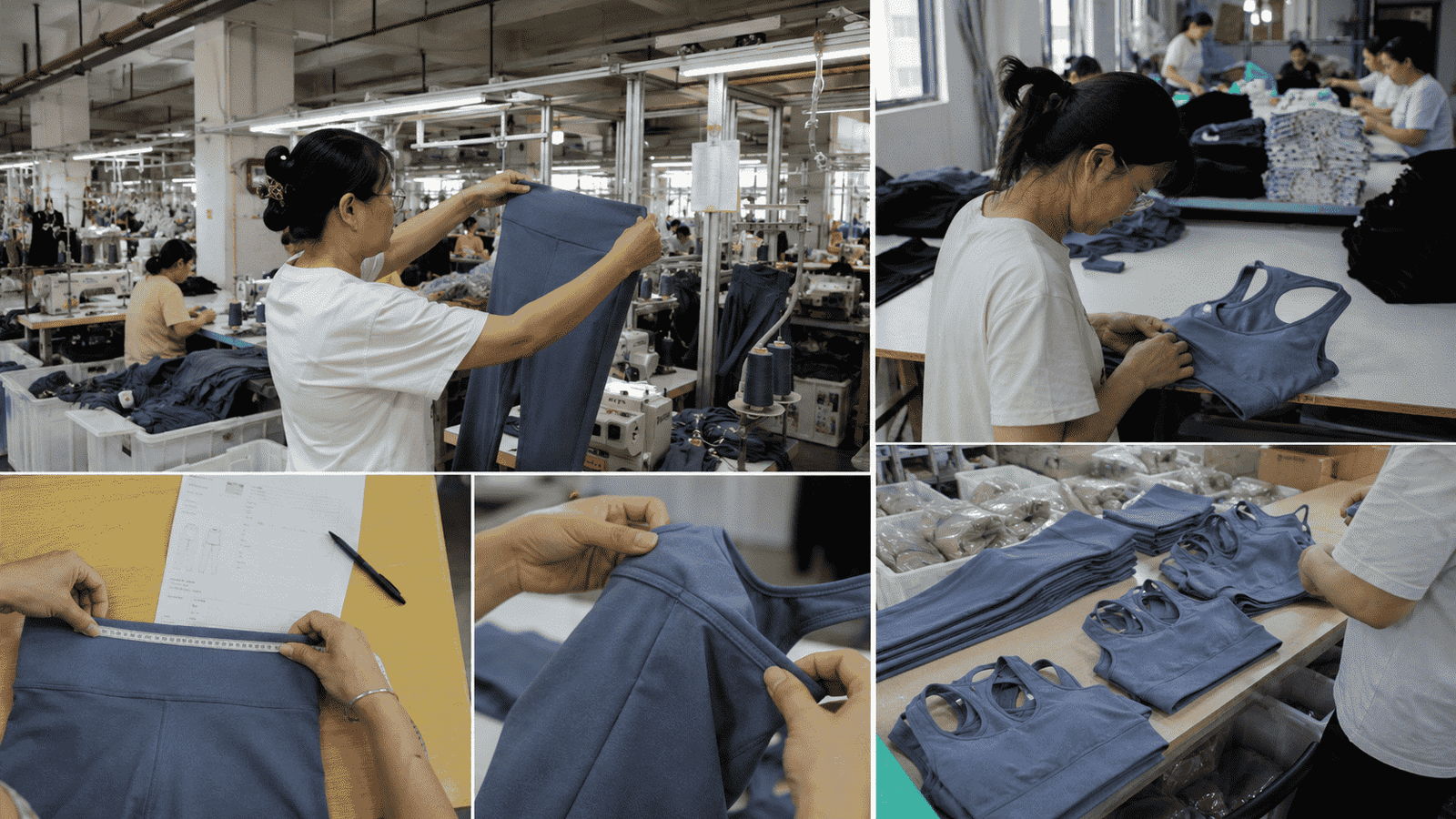
Garment Machines
Core sewing and garment equipment supports Cut & Sew development, construction, finishing and mixed-product gym collections.
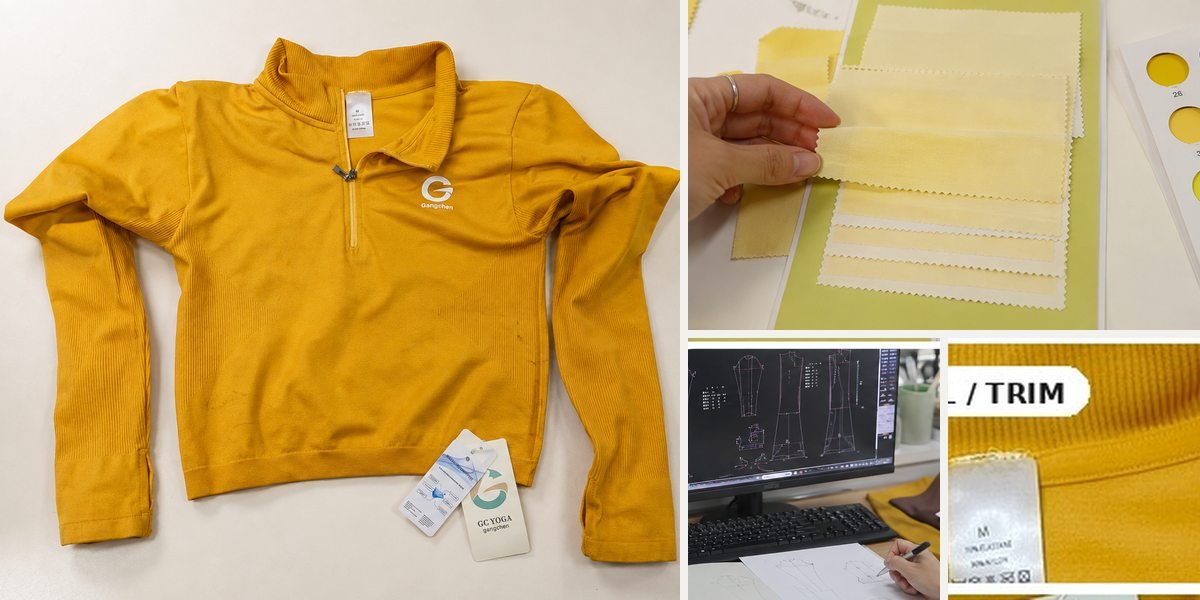
Standard Sampling
Typical standard sample development after required development details are confirmed; timing varies with product complexity and revision requirements.
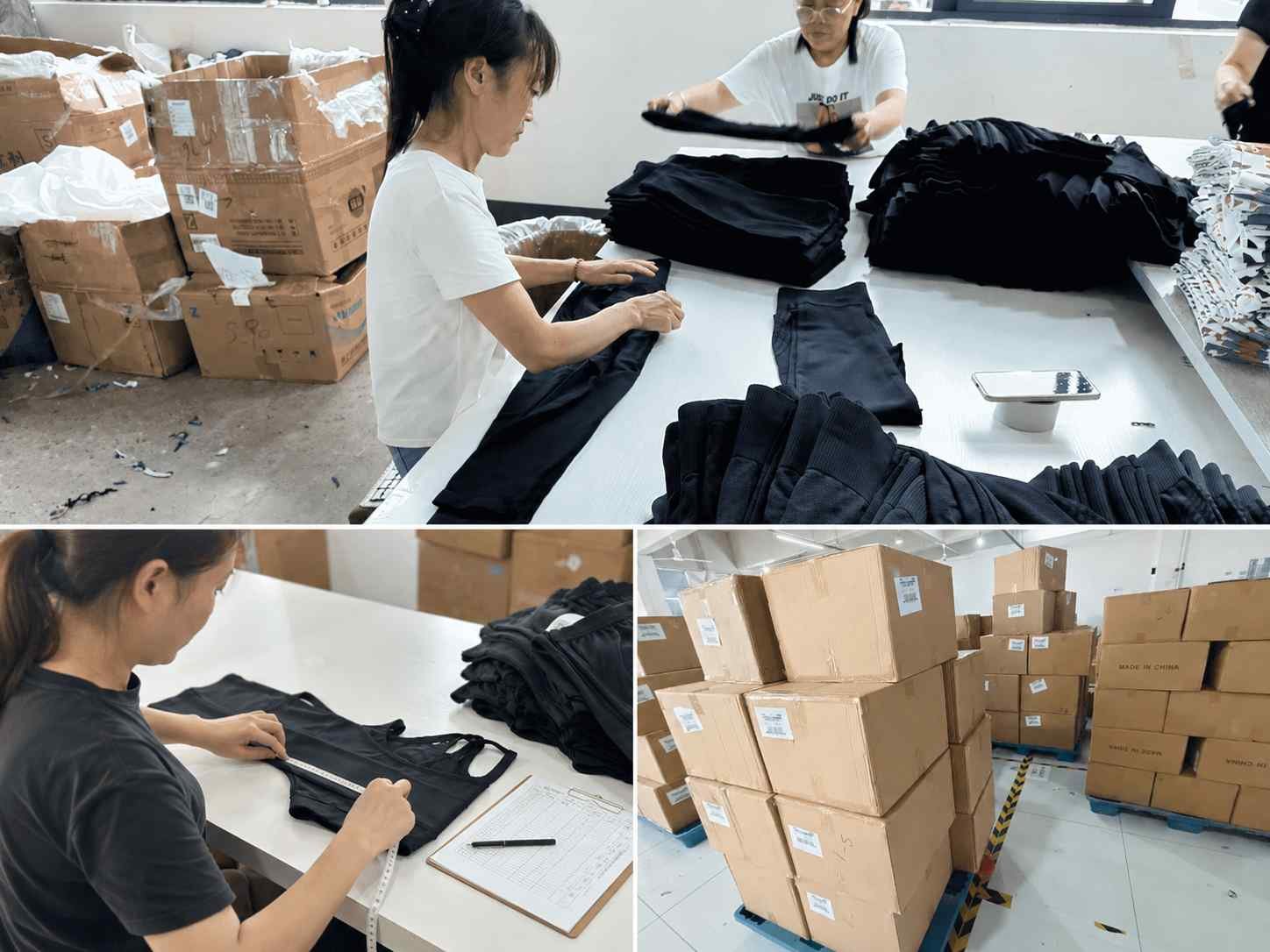
QC Team
Dedicated QC personnel participate across material, production, measurement, workmanship, branding, packaging and final inspection controls.
Built for Structured Private Label Gym Wear Programs
The right manufacturing partner must fit the way an established brand develops, approves, buys and replenishes products—not simply offer a catalog with logo application.
Private Label Means Managing a Product System, Not One Garment
For an established gym wear brand, a private-label project rarely ends with choosing a legging and adding a logo. A commercial collection may involve multiple product categories, colors, sizes, material directions, branding components and packaging requirements that must remain connected throughout development and bulk production.
MOVEVOX can work from a Tech Pack, legal reference sample, sketch, image or sufficiently clear product concept. The project is then translated into manufacturable requirements covering product structure, material or yarn direction, measurements, color, logo application, labels and packaging. Where a product is structurally more suitable for Seamless, the project can follow a knitted-program route; where pattern freedom, panels, pockets, binding or material combinations are required, Cut & Sew may be more appropriate.
The objective is not to force every SKU into the same factory process. It is to establish the right manufacturing route for each product while keeping the collection under one project-management system.
For buyers managing repeat programs, this also means approved specifications need to survive beyond the first sample. Final technical information, approved samples, branding requirements and packaging details should become the operating standard for production, inspection and future repeat orders.

Designed for Brands That Need Repeatable Supplier Execution
This page is primarily for activewear companies that already manage their own brand identity and require a supplier to execute defined commercial products. Typical projects include a new gym collection, supplier replacement, second-source qualification, expansion from one hero product into multiple SKUs, or ongoing replenishment after a product has been validated.
MOVEVOX is better aligned with buyers willing to operate through formal sampling, approval and production controls than projects focused only on the lowest possible purchase quantity or an immediate ready-stock transaction. Garment MOQ is only one part of private-label feasibility: custom dyeing, dedicated labels, specialized logo components, packaging and testing can each have their own commercial requirements.
For mature buyers, supplier evaluation therefore needs to go beyond price per piece. Development communication, manufacturing-route fit, sample approval, quality records, capacity planning and the ability to manage branding details across SKUs all affect the real cost and risk of a program.
MOVEVOX combines its own Yiwu manufacturing base with controlled external production capacity where required, while retaining project coordination, technical information, material control, PMC, QC and final accountability within the MOVEVOX management system.
Gym Wear Built Around Real Product Requirements
Gym wear must be evaluated by how the garment behaves during its intended training use. Different products create different requirements for fit, coverage, mobility, recovery and construction.
Strength Training
Leggings, sports bras, shorts and fitted tops used for lifting require stable fit through repeated flexion, extension and loaded movement. Product development should consider waistband behavior, coverage, garment recovery, support direction and construction at high-movement areas rather than relying on a generic “stretch fabric” description.
- Waistbands should be evaluated through repeated bending and loaded movement
- Coverage and opacity need verification on the actual developed garment
- Seams or knitted zones should suit the intended movement pattern
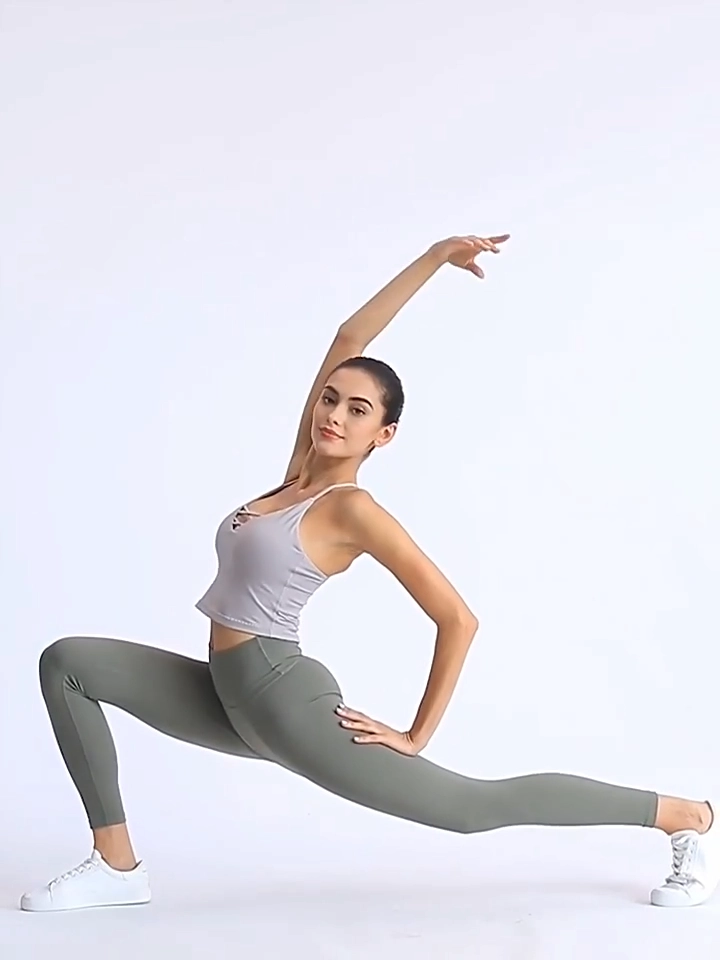
High-Intensity Training
HIIT and functional-training products experience repeated direction changes, body movement and perspiration. Product decisions may involve garment security, mobility, fabric recovery, sports-bra coverage and the interaction between panels, seams, knitted structures and stretch zones. Performance wording should be based on the actual sample or required test method.
- Garment stability should be reviewed during repeated dynamic movement
- Tops and shorts need appropriate mobility around major movement zones
- Material claims require project-specific verification before commercial use
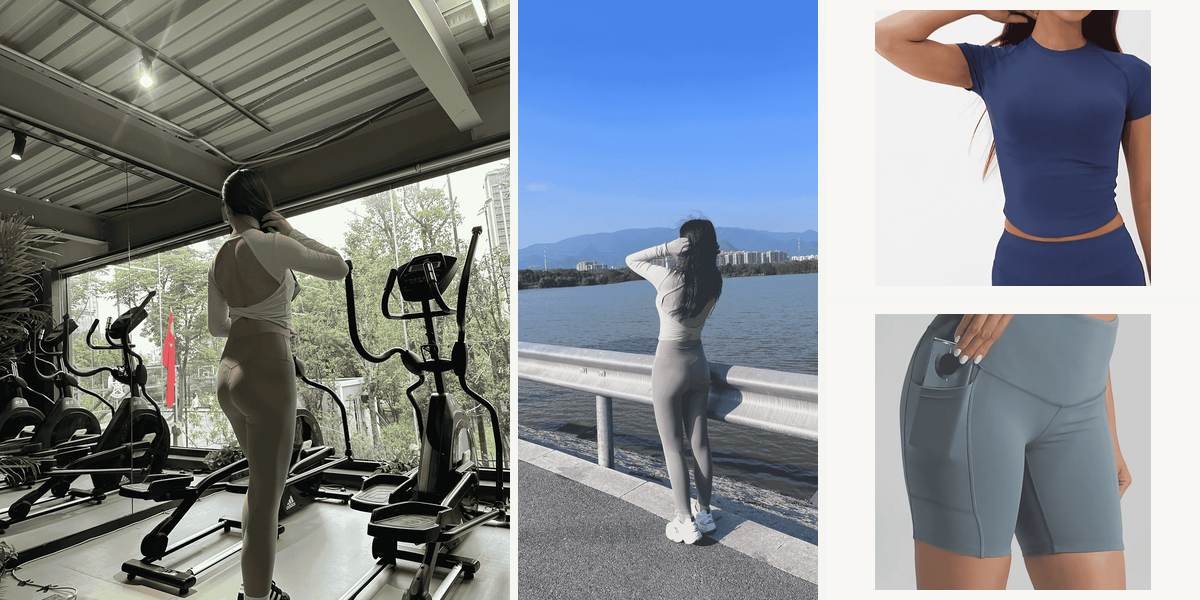
Gym Essentials Collections
Commercial gym brands often need coordinated leggings, bras, shorts and tops rather than isolated styles. A consistent collection requires decisions on shared color direction, material families, logo placement, labels, packaging and how products will be manufactured across Seamless and Cut & Sew routes.
- Shared colors require approval against actual material or yarn structures
- Brand placement must remain consistent across different garment constructions
- Each SKU needs its own approved technical and quality standard

Seamless Training Sets
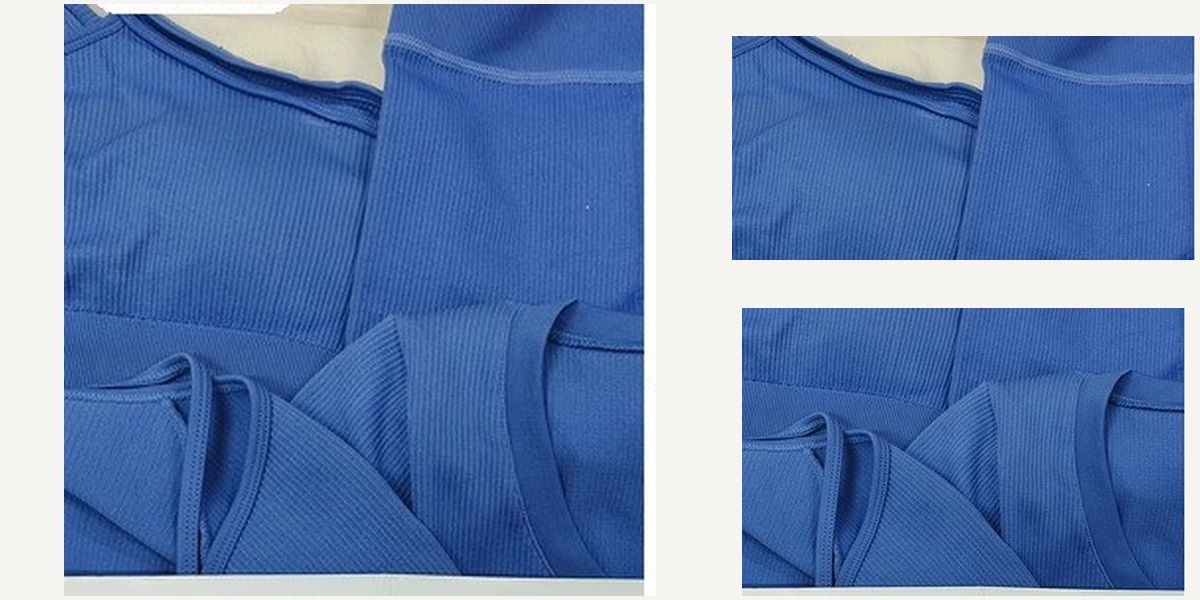
Seamless construction can create engineered rib, mesh, texture, jacquard and density zones within a knitted structure. These features can support visual and structural product development, but they should not automatically be described as compression or performance features without actual sample verification.
- Knitted structures should be approved through physical development samples
- Stretch and recovery can change with rib, texture and density changes
- Program versions must remain controlled before bulk knitting begins
Build a Complete Private Label Gym Wear Collection
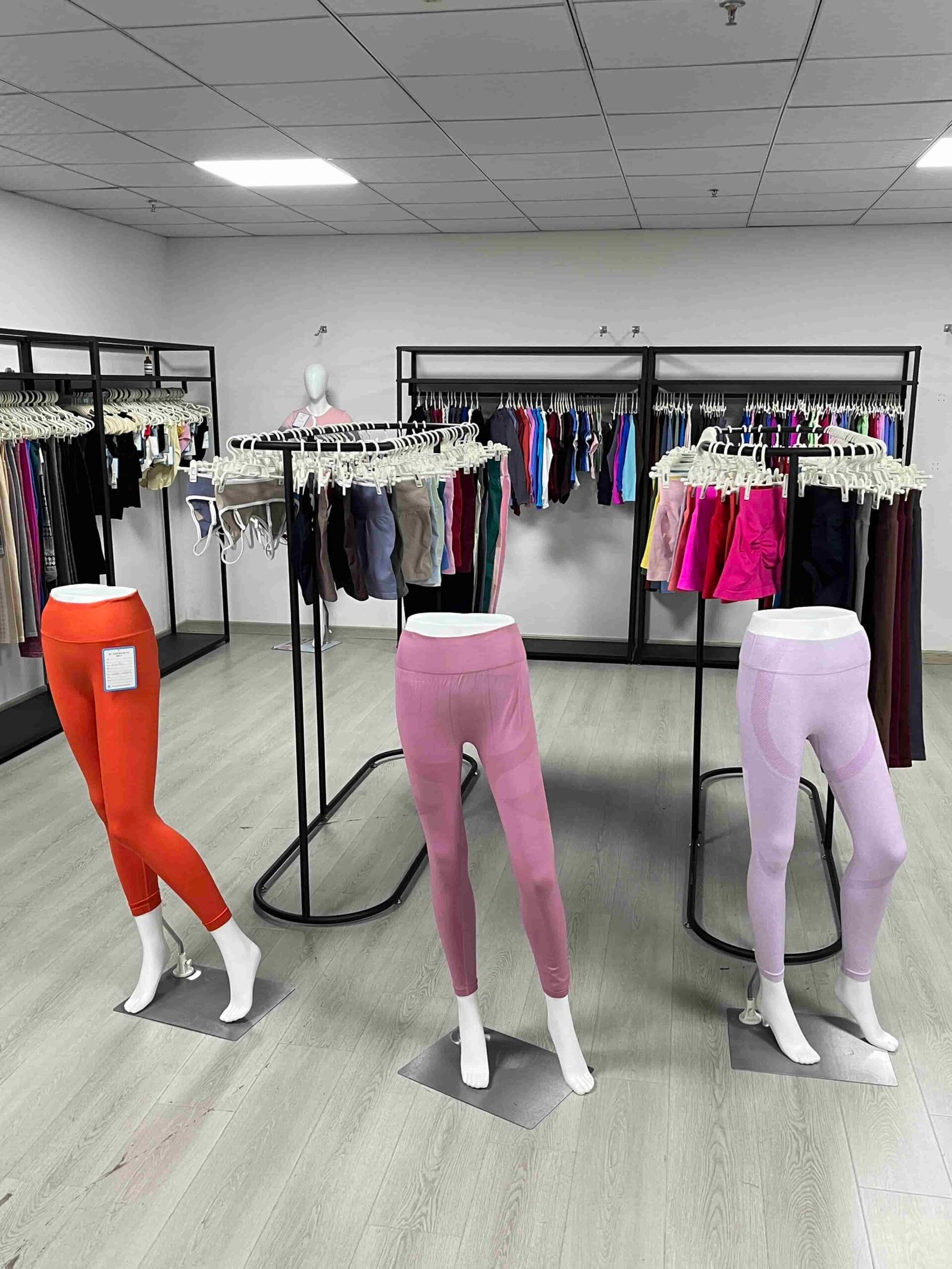
These are development directions, not ready-stock claims. Each product can be reviewed for material, construction, branding, fit and the most appropriate Seamless or Cut & Sew manufacturing route.
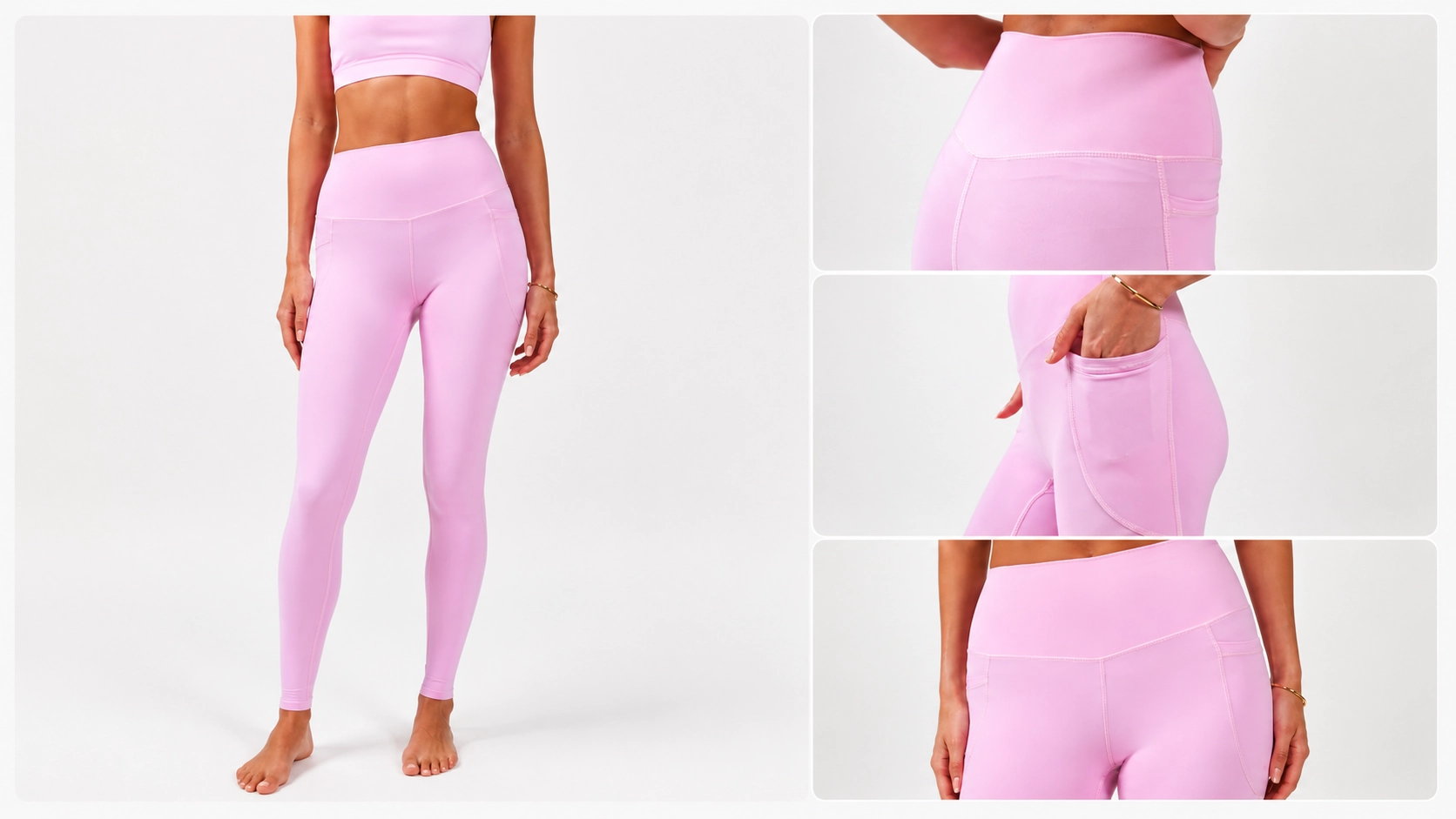
Gym Leggings
Core development category for training and activewear collections. Projects can address waistband structure, fit, length, pockets, surface design, knitted zones, material direction and branding. Both Seamless and Cut & Sew routes can be evaluated depending on the intended construction.
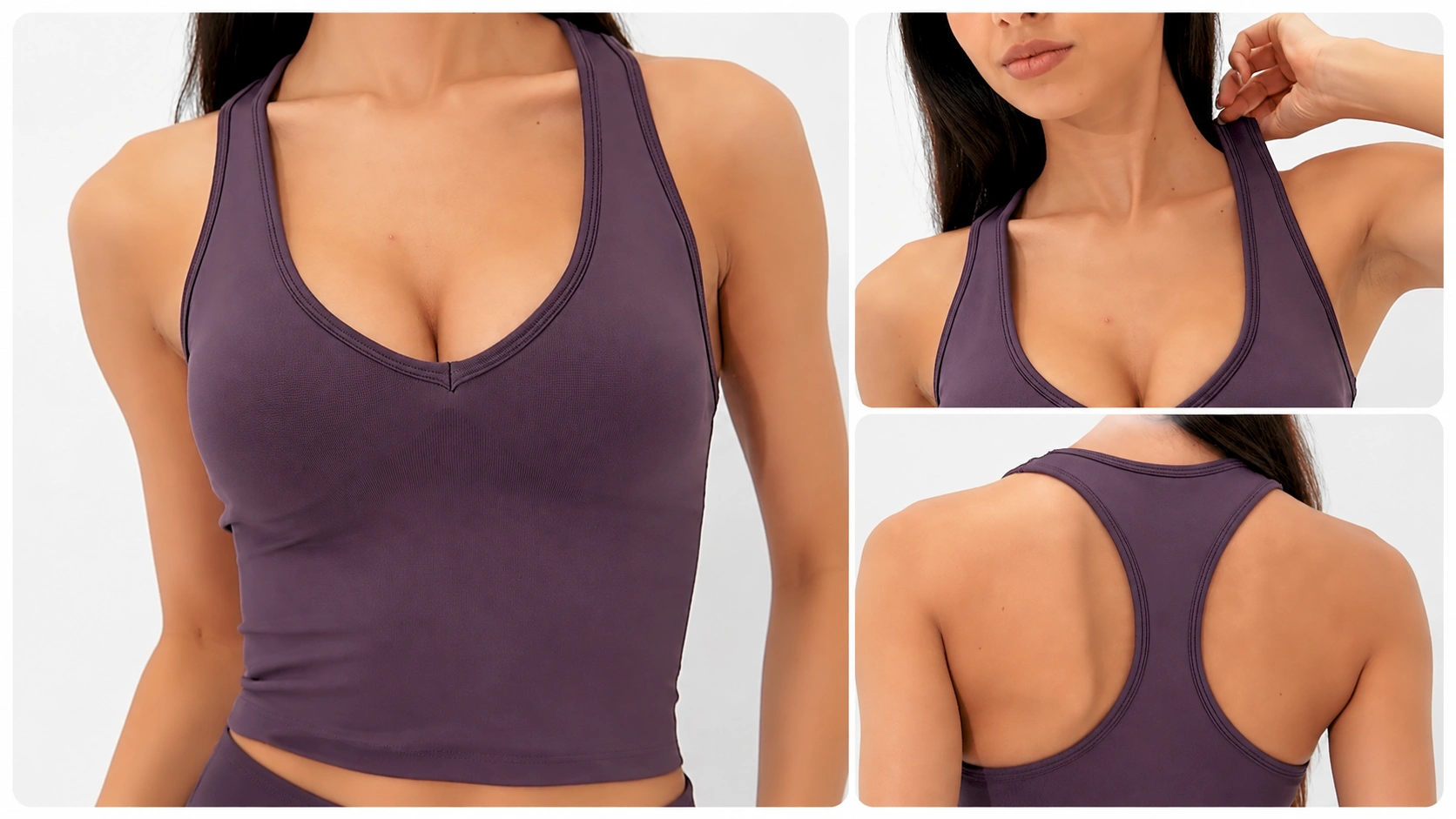
Sports Bras
Developed according to coverage, fit, strap structure, back construction, pad requirements and target use. Seamless can support engineered knitted structures; Cut & Sew provides additional freedom for panels, bindings, straps, cups or mixed construction.
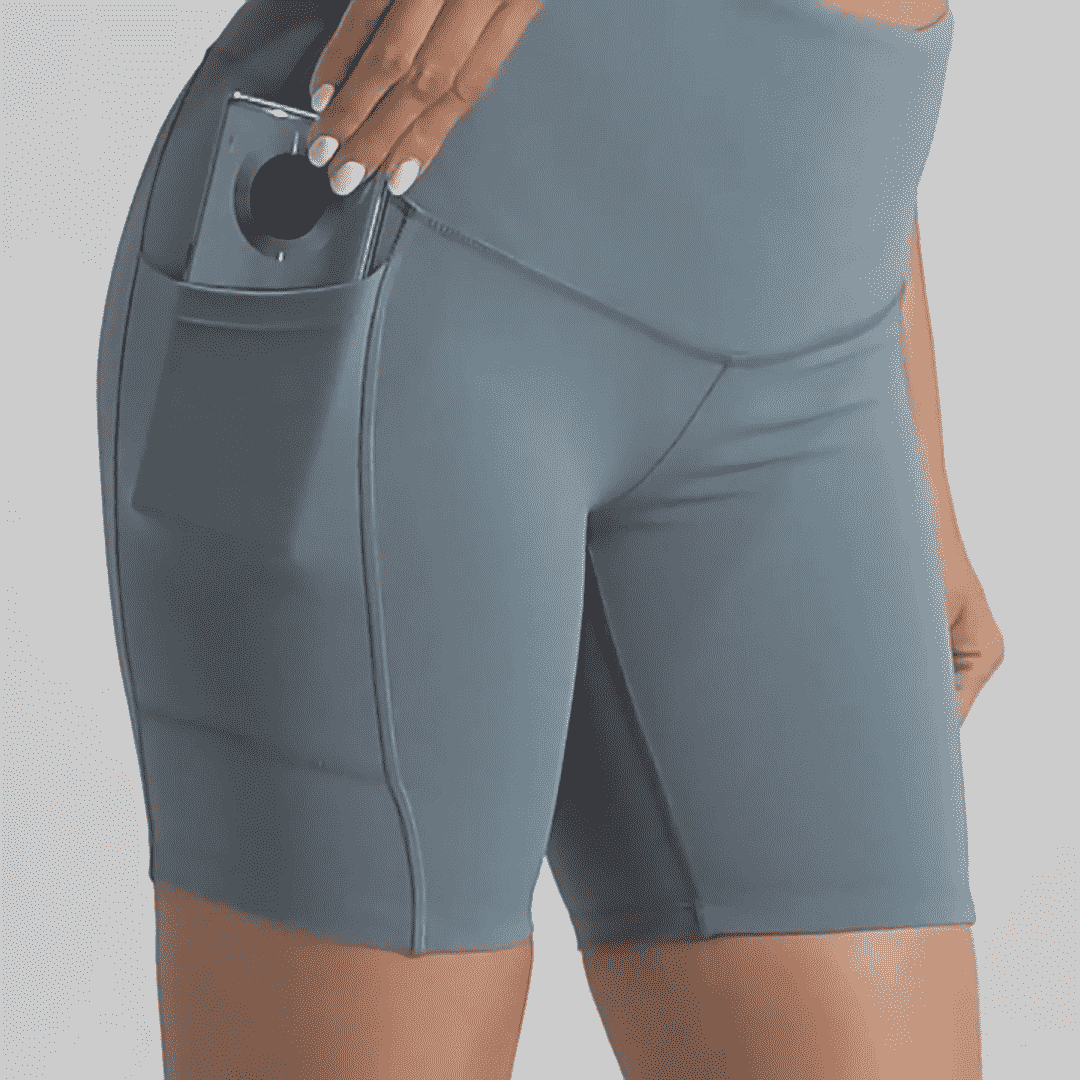
Biker Shorts
Suitable for coordinated training sets and gym collections. Key development variables include inseam, waistband, leg opening, fabric or yarn structure, coverage and pocket requirements. Construction can follow Seamless or Cut & Sew according to the design.
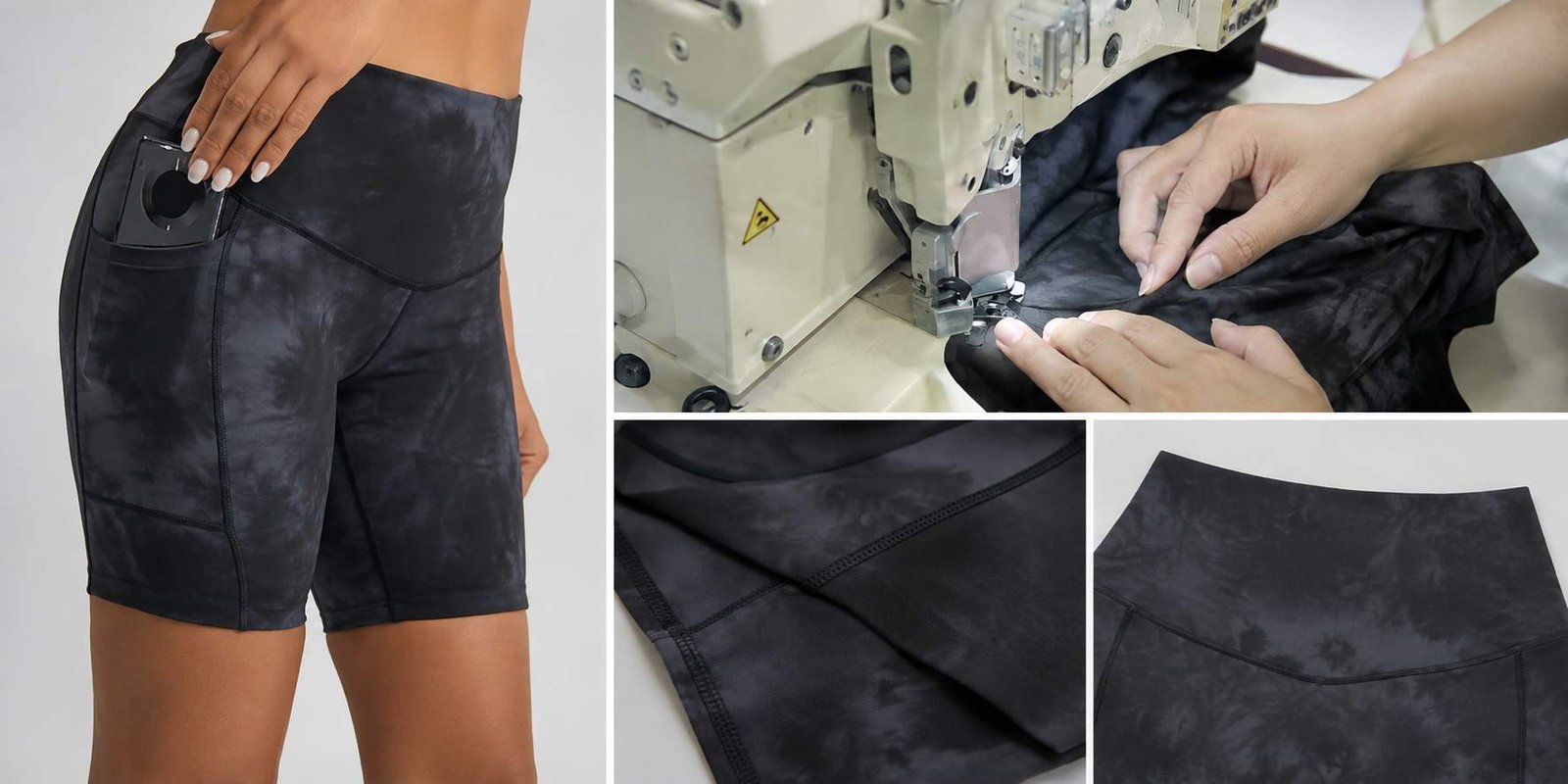
Training Shorts
Cut & Sew development can support different silhouettes, panel structures, pockets, waistbands and material combinations. Product feasibility is reviewed against the intended training use, construction and commercial requirements before sampling.
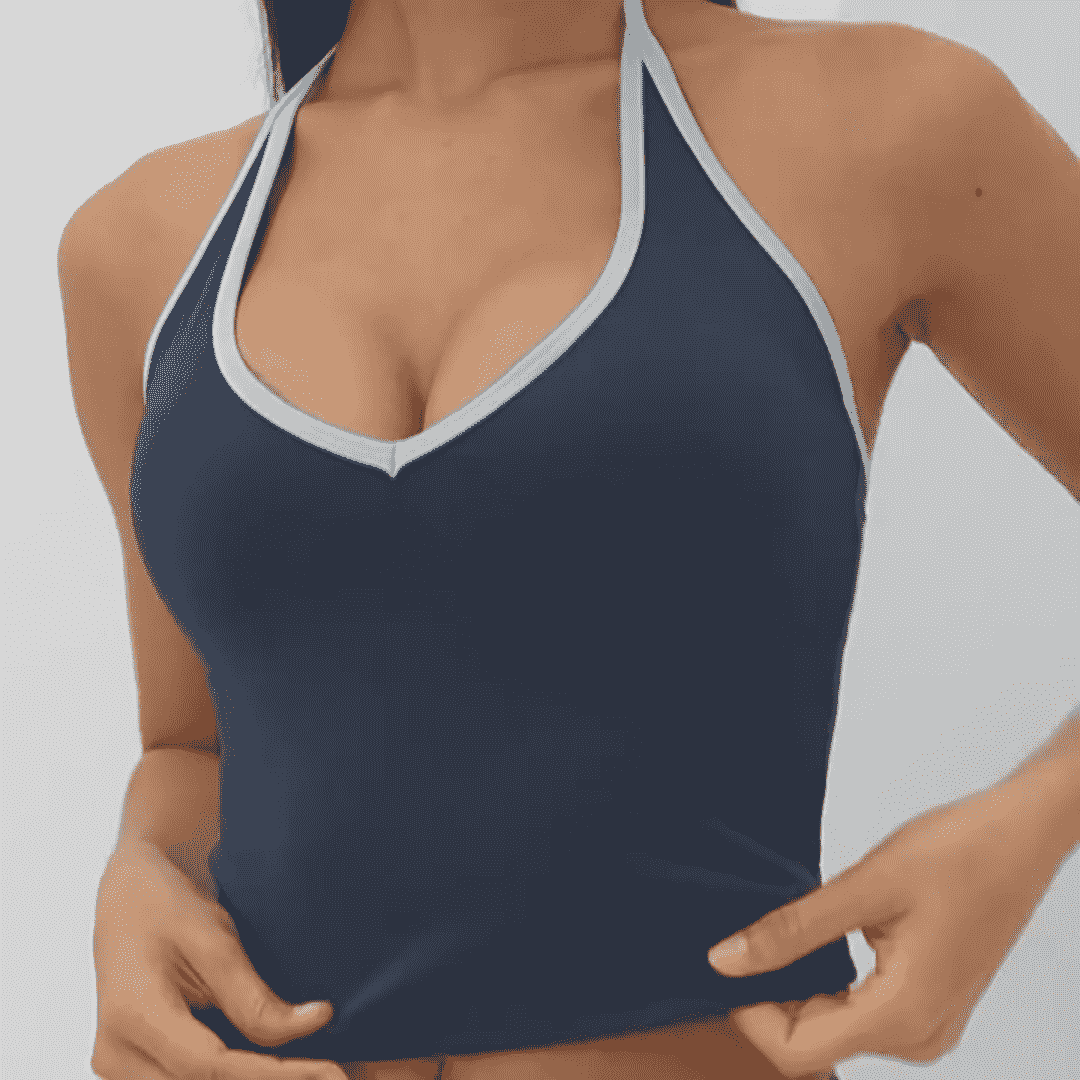
Tank Tops
Gym tank development may include fitted, cropped or training-oriented silhouettes, depending on the approved design. Fabric, stretch, neckline, armhole, hem, logo positioning and fit requirements should be confirmed through actual sampling.
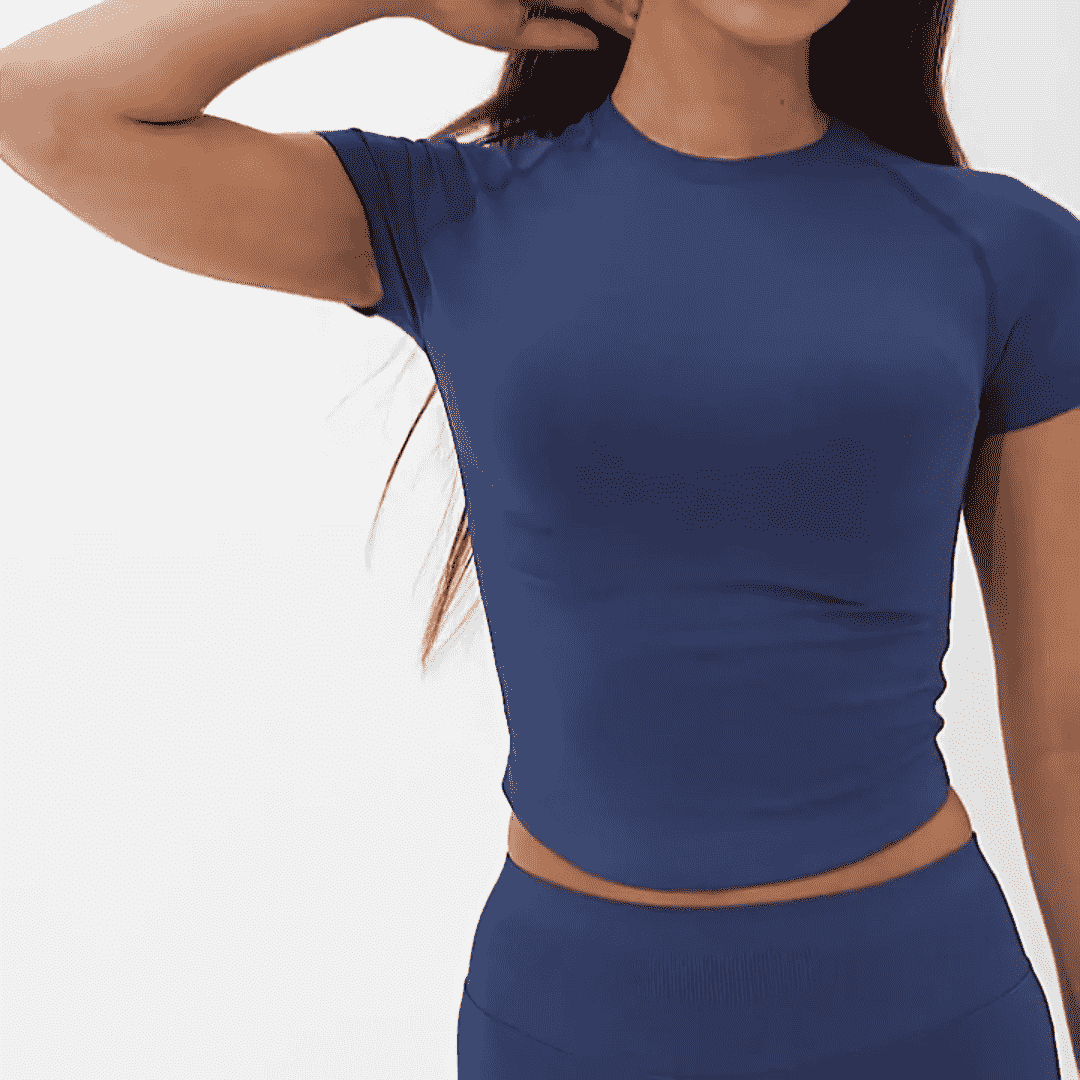
Training T-Shirts
T-shirts can be developed as part of coordinated activewear programs. Product decisions include material, fit, sleeve structure, neckline, hem, logo process and size specification. The actual construction route is selected according to the design.
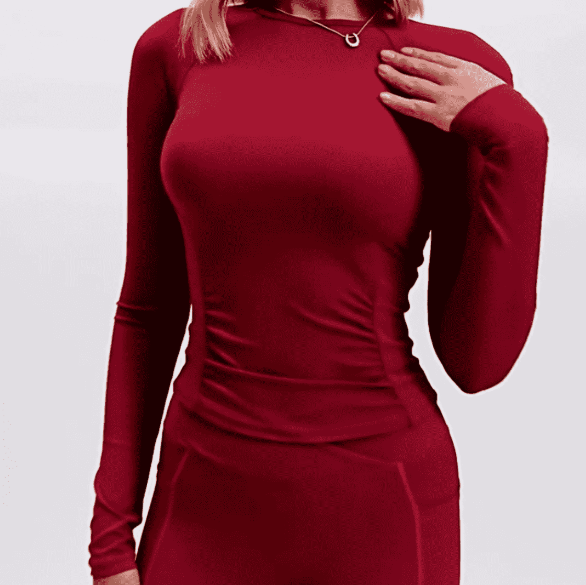
Long Sleeve Tops
Long-sleeve activewear can extend a gym collection into layering or cooler-season use. Development can address fit, sleeve length, thumb-hole or cuff details where required, material direction, color and branding according to the approved specification.
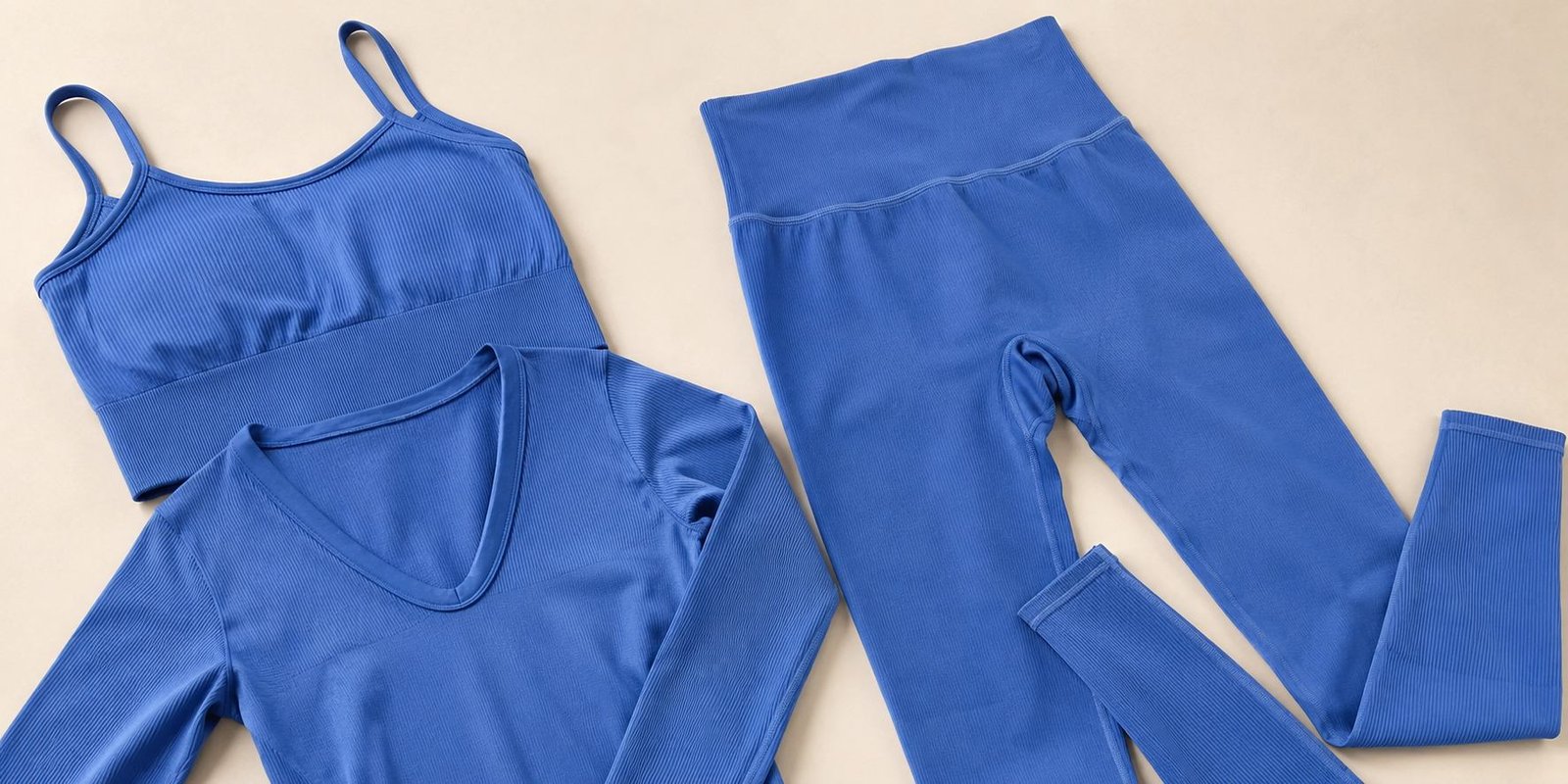
Seamless Sets
Matching seamless bras, leggings and shorts can share yarn, color and knitted design language. Rib, texture, mesh and density changes can be programmed into the structure, while final appearance and performance require sample-level approval.
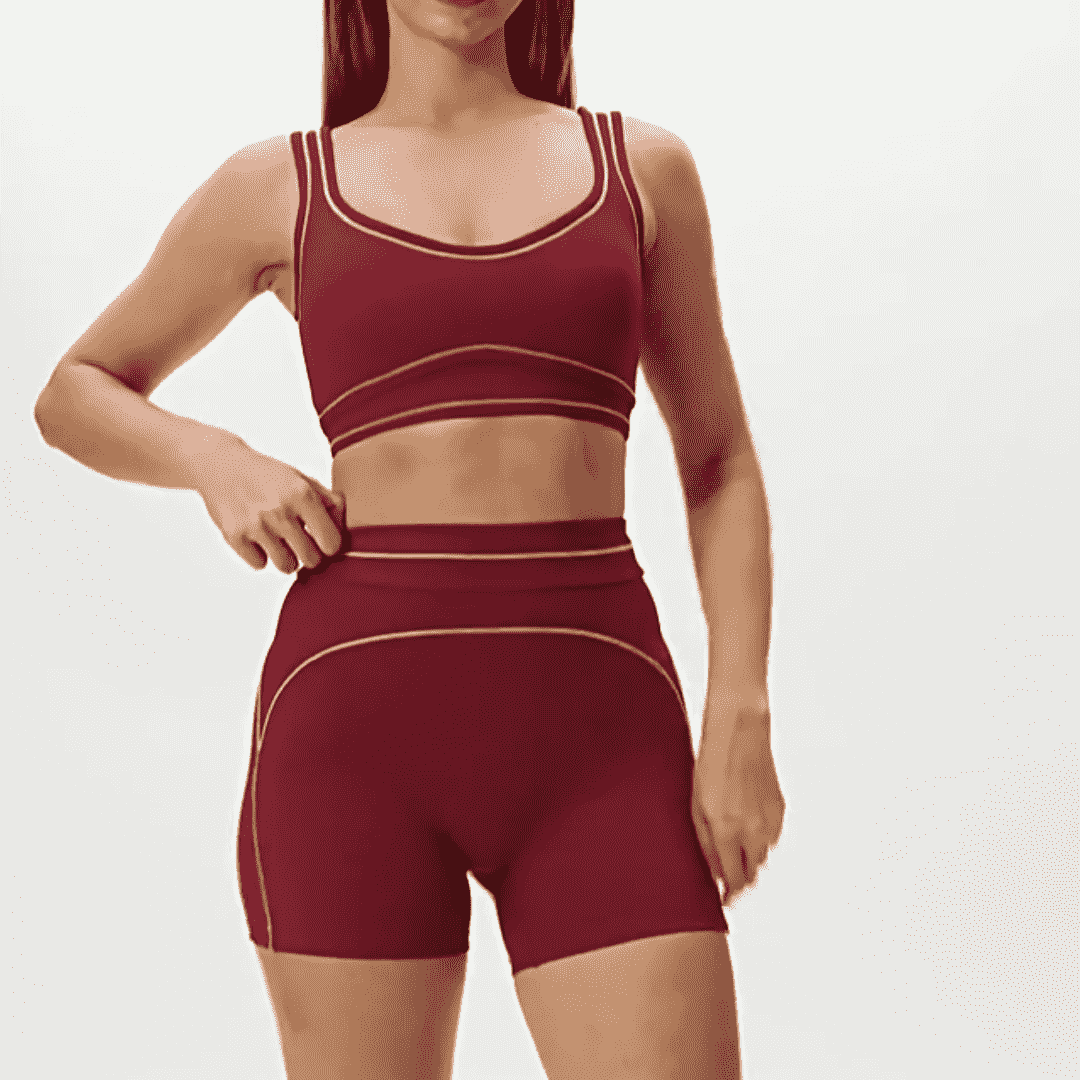
Cut-and-Sew Sets
Coordinated leggings, bras, shorts and tops can share fabric, color, logo and branding standards while retaining greater pattern and construction freedom. Each SKU still requires its own approved fit, measurements and workmanship requirements.
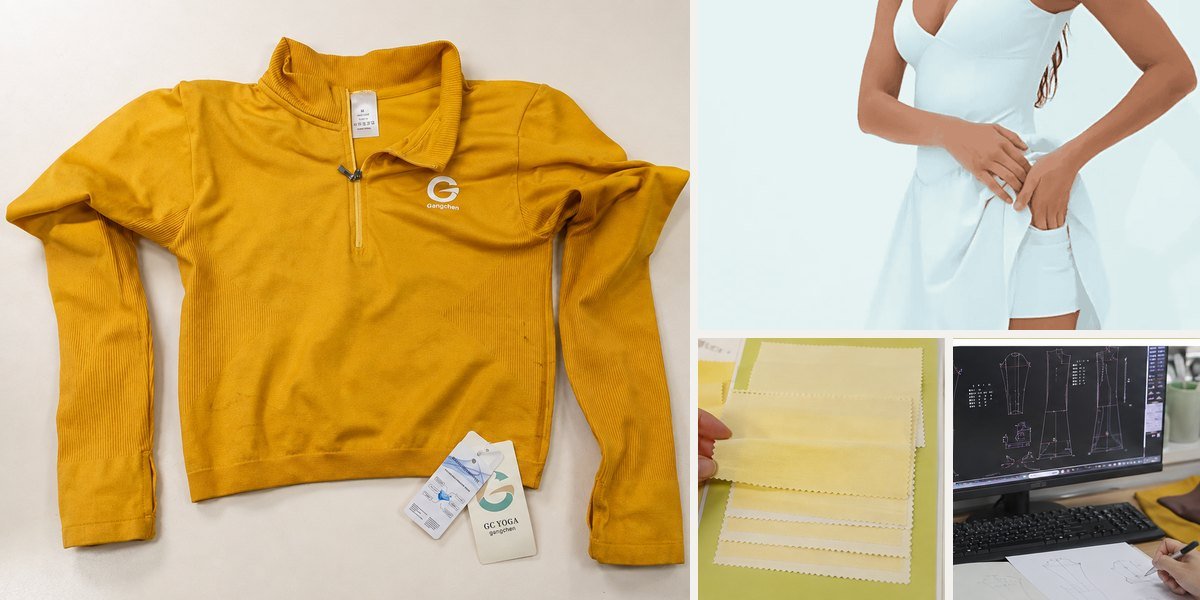
Lightweight Layers
Selected lightweight jackets or active layers can be evaluated as extended collection products where the construction, material and order structure fit MOVEVOX capability. These products are project-review items rather than a claim that every outerwear construction is a core specialty.
One Accountable Interface Across Multiple Manufacturing Requirements
A multi-SKU gym program becomes harder to control when development, manufacturing, branding and quality are divided among unrelated suppliers with different standards.
Use the Manufacturing Route That Fits Each Product
A private-label gym collection may contain products that should not be made by the same technical process. A seamless legging may benefit from engineered knitted structures, while another legging with complex pockets or panel construction may be more suitable for Cut & Sew. Sports bras, shorts and tops can create similar route decisions depending on pattern, material, bindings, pads, panels and design requirements.
MOVEVOX combines both manufacturing capabilities instead of positioning one route as the answer to every product. Its Yiwu core manufacturing base includes 28 Italian Santoni seamless machines and approximately 24 core sewing and garment machines. Development begins by reviewing the actual structure and product requirement, then selecting the route that can best execute the approved design.
This matters commercially because the brand can develop a coordinated collection without forcing every SKU into one manufacturing limitation. Seamless and Cut & Sew products can still be managed under shared color direction, logo standards, labeling, packaging and project milestones.
The promise is therefore not “everything is made by one machine type” or “every process happens in one room.” It is that different controlled capabilities can be coordinated through a single MOVEVOX project interface with clear technical and quality responsibility.

Keep Responsibility Centralized as the Program Becomes More Complex
Without coordinated supplier management, a buyer may separately manage a seamless factory, Cut & Sew factory, fabric supplier, logo supplier, label supplier, packaging vendor, QC team and shipping contact. Each additional interface increases the possibility of version conflict, late material decisions, unclear responsibility and inconsistent production standards.
MOVEVOX uses its own factory as the central control point and may use long-term controlled satellite capacity when a project requires additional volume or specialized production resources. This capacity should not be confused with claiming that every facility is owned by MOVEVOX. The operating principle is transparency plus control.
Product requirements, technical files, approved samples, materials, production allocation, PMC follow-up, QC, packaging and final release remain coordinated through MOVEVOX. When production capacity expands, the same approved standards and quality checkpoints should follow the project rather than being replaced by a new informal standard.
For established brands, the value is fewer uncontrolled interfaces and clearer accountability. The buyer still retains the right to define requirements, approve samples, request evidence and specify factory or inspection conditions where applicable; MOVEVOX remains the project-management and manufacturing interface responsible for executing the agreed program.

Select Materials by Product Outcome, Not Composition Alone
Fabric composition is only one part of an activewear decision. Structure, weight, surface, handfeel, stretch, recovery, opacity and garment construction must be reviewed together.
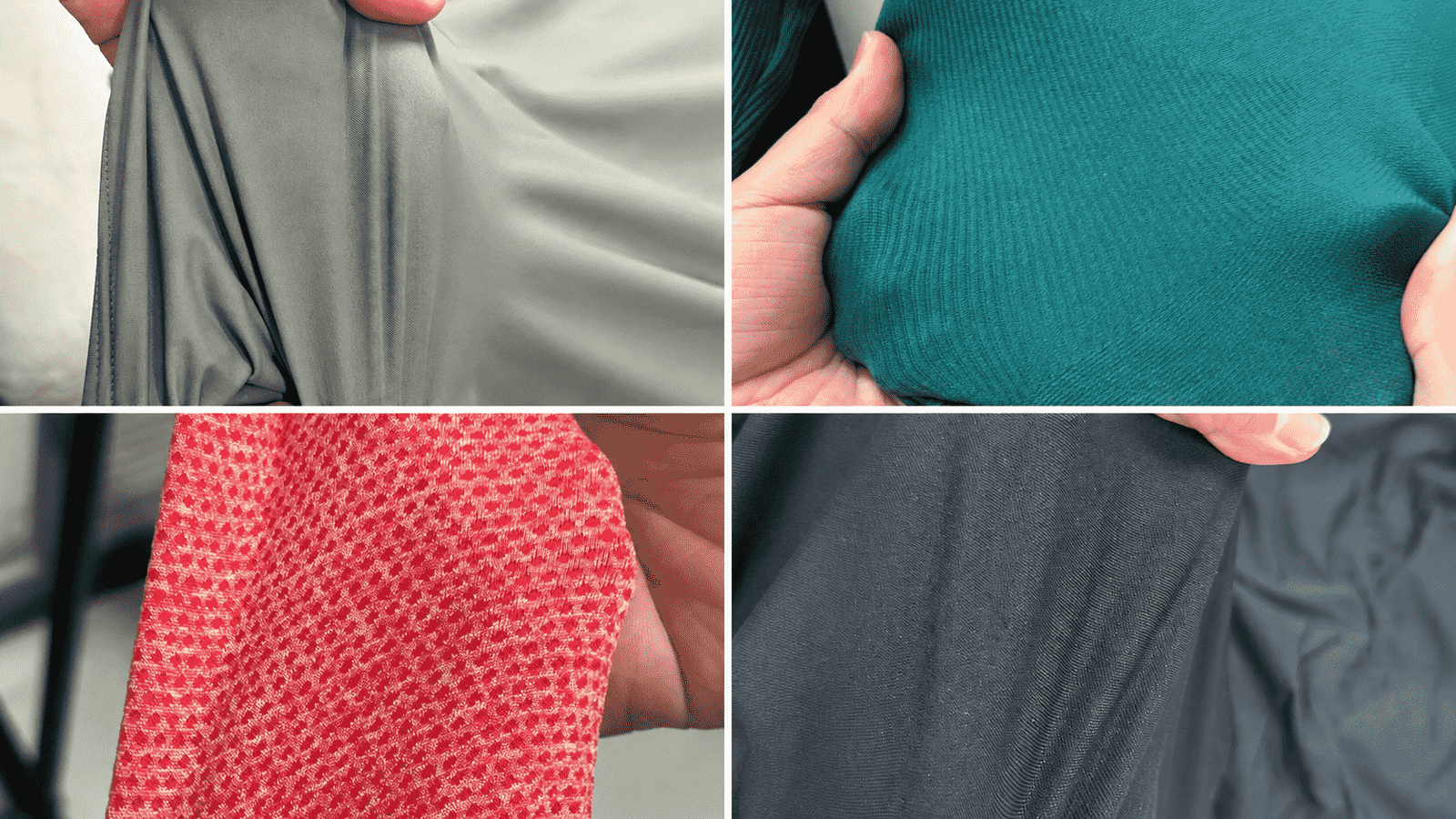
Nylon-Spandex Directions
Nylon-spandex materials are commonly used across MOVEVOX activewear projects, but one composition can produce very different results depending on yarn, knitting structure, GSM, finishing and elastane percentage. Material selection should therefore begin with the intended garment, handfeel and fit direction, then move into physical sample evaluation.
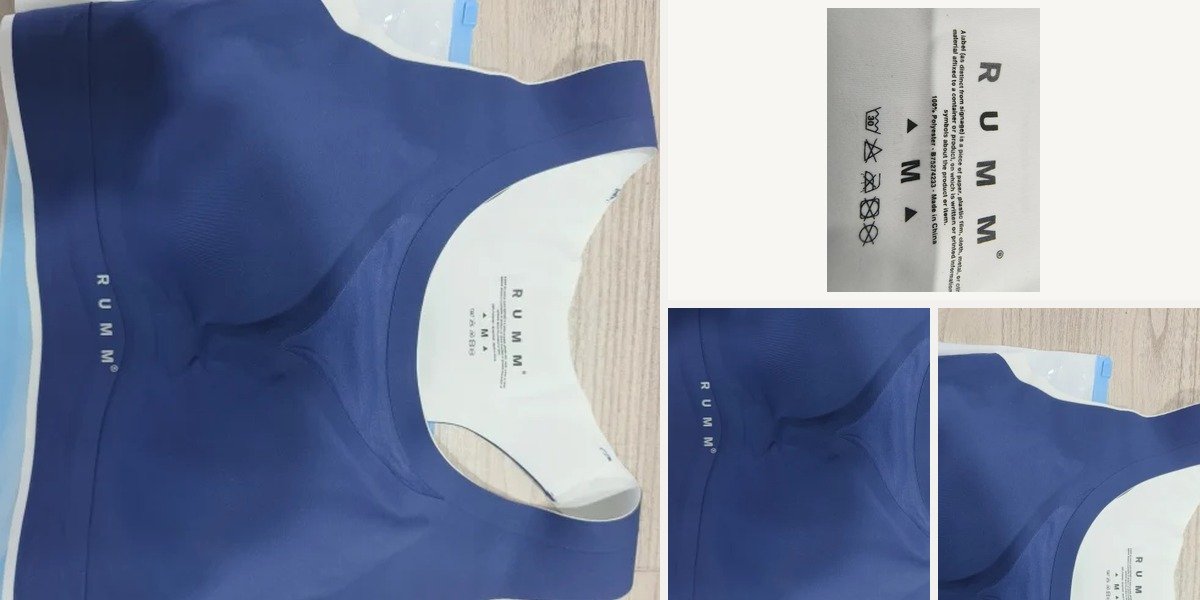
Polyester-Based Directions
Polyester-based stretch materials can be evaluated for training tops, shorts and other activewear applications depending on the required handfeel, weight, surface and construction. MOVEVOX does not treat fibre composition as automatic proof of moisture management, durability or other functional claims; project-specific evidence should support such wording.
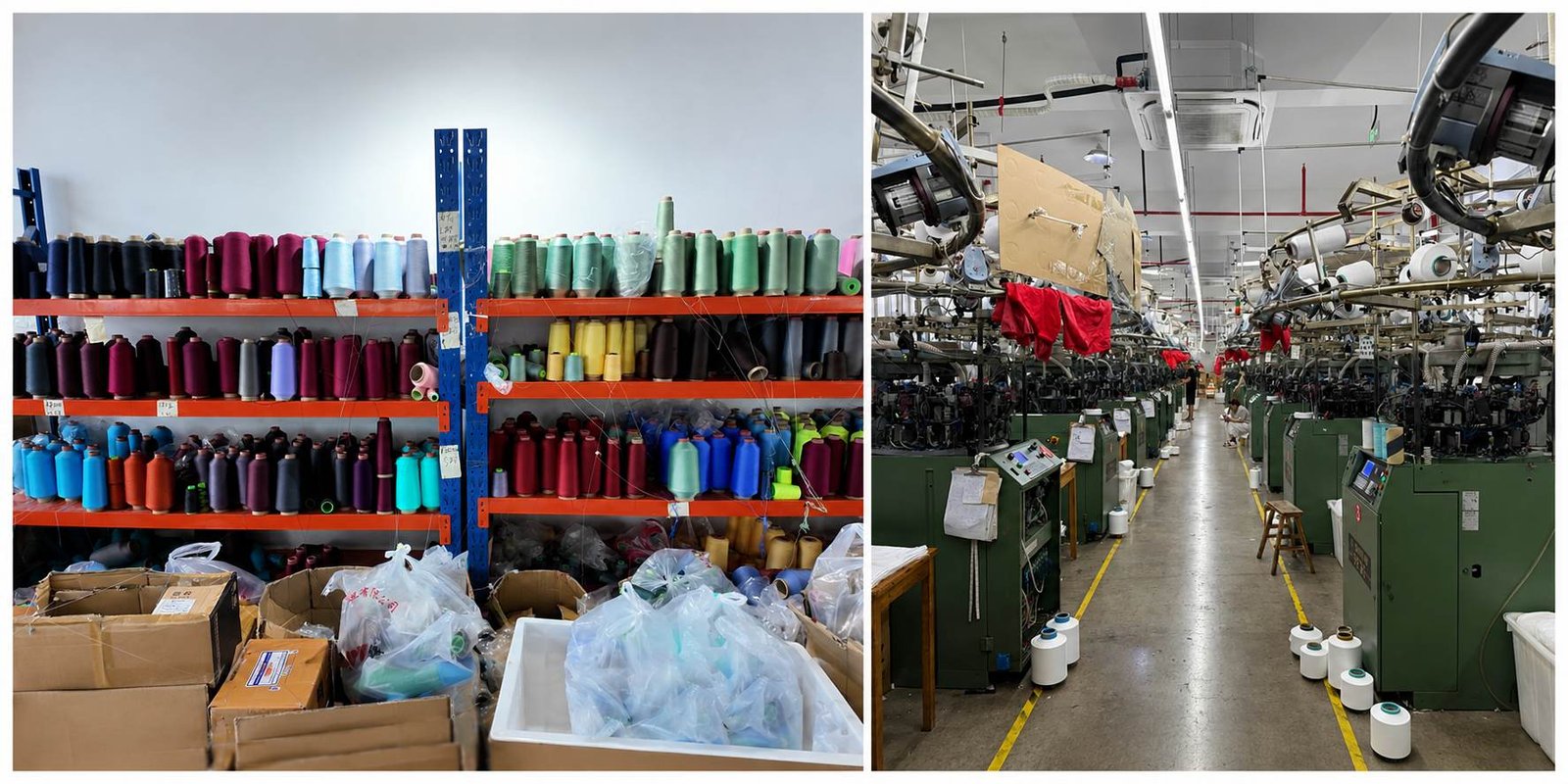
Seamless Yarn Programs
Seamless products require decisions at the yarn and knitted-structure level. Rib, mesh, jacquard, texture and density changes can alter appearance, thickness, stretch and recovery. MOVEVOX’s Santoni equipment supports these engineered directions, with physical sampling used to verify whether the developed structure meets the intended product requirement.
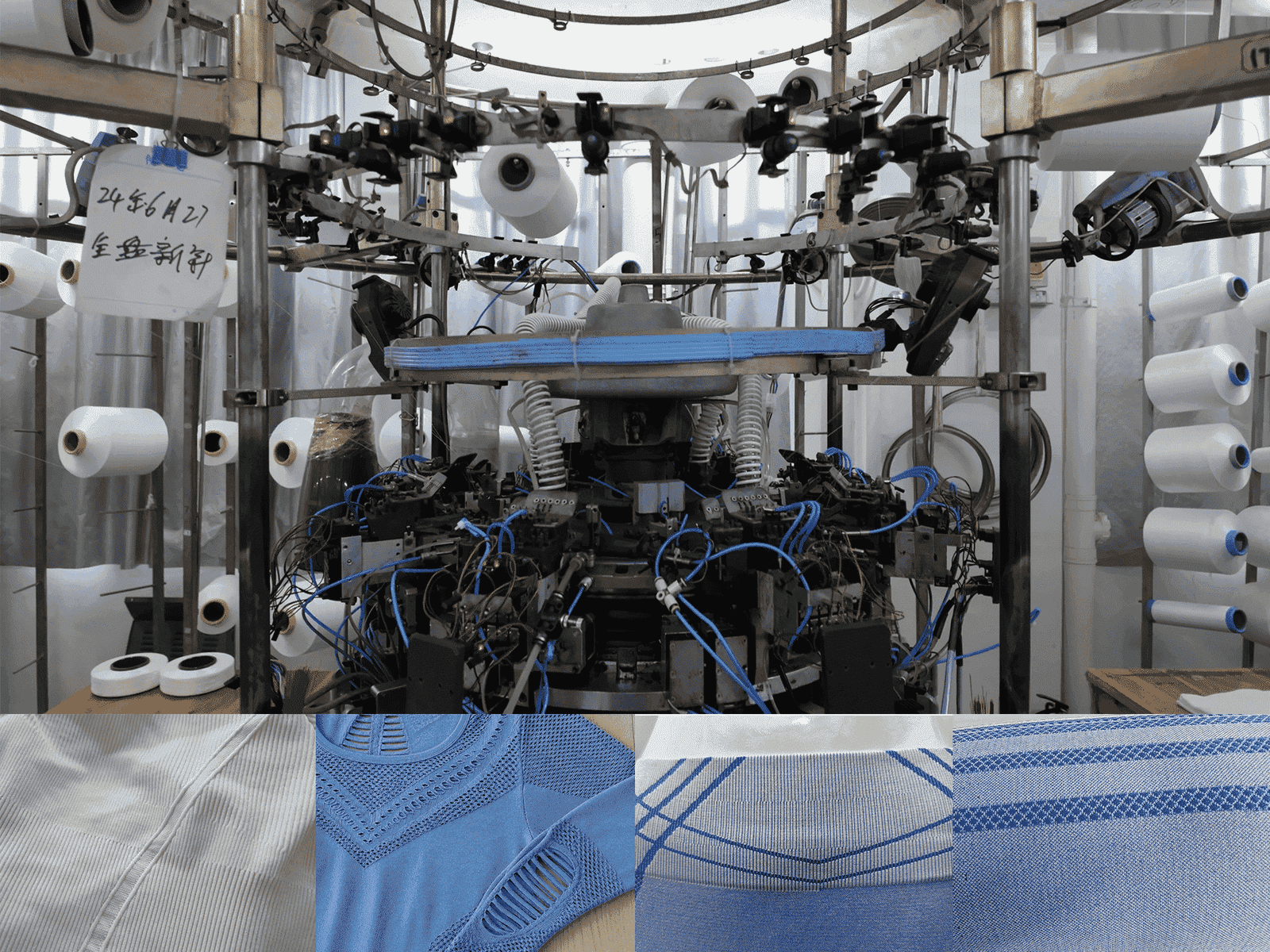
Rib and Texture
Ribbed and textured surfaces can contribute visual structure, collection identity and localized garment behavior, but texture alone should not be labelled “compression.” MOVEVOX evaluates how structure affects handfeel, stretch, recovery, opacity and appearance and then uses development samples to determine whether the direction is appropriate for the target SKU.
Separate Product Claims From the Evidence Behind Them
Professional sourcing requires clear evidence scope. A material composition, construction method or single test report should never be expanded into an unsupported claim about every product.
Opacity Claims
Claim: “Squat-proof” or similar opacity language.
Evidence required: Actual garment evaluation under the intended stretch, fit, color and material condition, with the method defined.
MOVEVOX wording rule: Do not assume a fabric or dark color is automatically opaque. Confirm the developed garment before using a strong performance claim.
Support and Compression
Claim: “High compression” or “high support.”
Evidence required: A defined product construction, actual sample assessment and, where the buyer requires quantified performance, an agreed test method.
MOVEVOX wording rule: Rib, texture, dense knitting or a tight fit cannot automatically be converted into a quantified compression or support rating.
Moisture and Durability
Claim: “Moisture-wicking,” “high abrasion resistance,” fixed wash durability or similar functional claims.
Evidence required: Relevant material or garment test data under a defined method and sample scope.
MOVEVOX wording rule: Composition and supplier description alone are not sufficient evidence for quantified or absolute performance language.
Chemical Test Scope
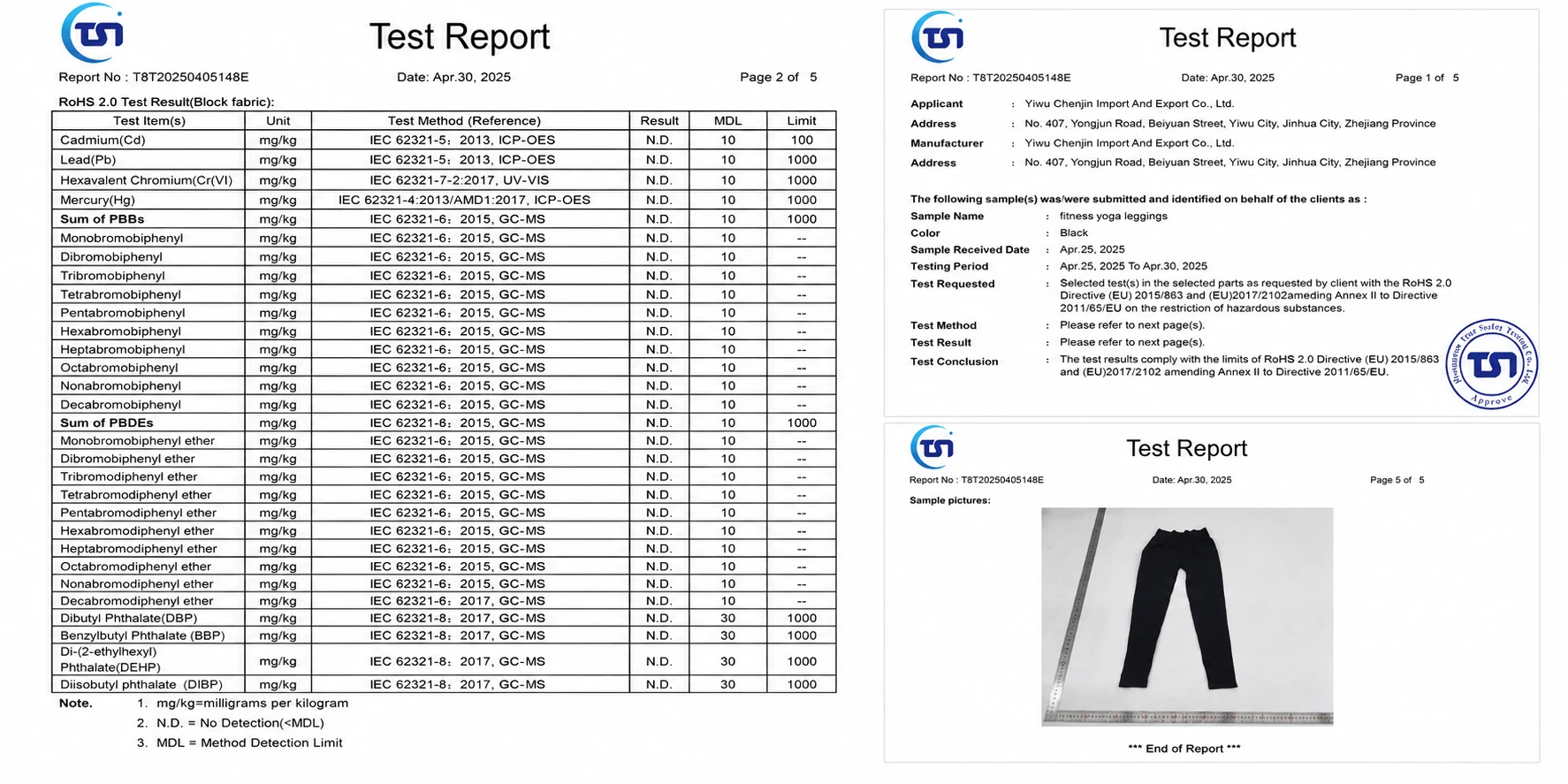
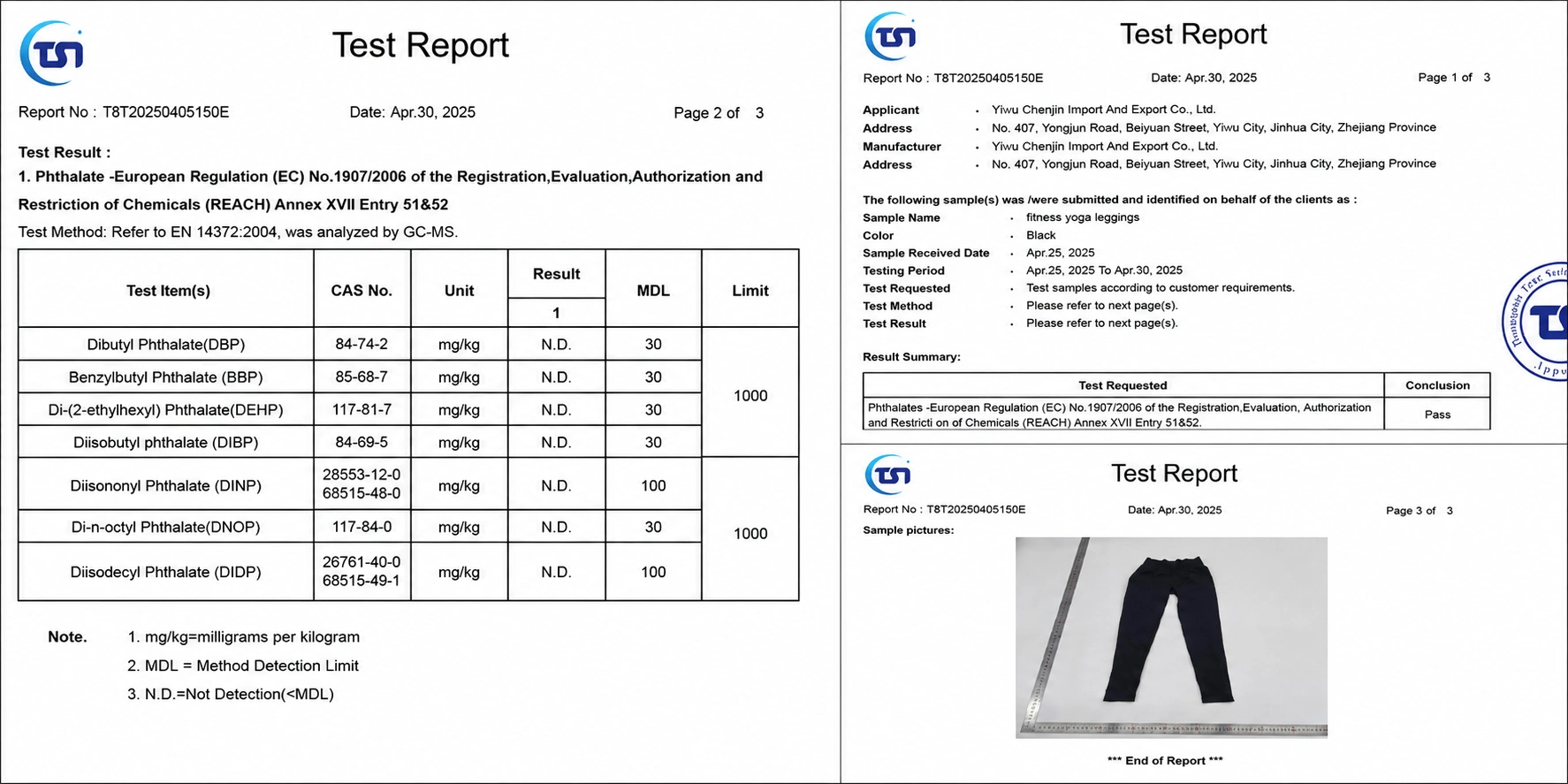
Claim: Compliance statements based on the April 2025 black fitness yoga leggings / black fabric tests.
Evidence required: The actual RoHS 2.0 report and separate REACH Annex XVII phthalates report, with sample name, date, result and scope visible.
MOVEVOX wording rule: The reports apply only to the tested sample and must not be presented as blanket certification of all MOVEVOX products or production.
Connect Every Brand Component to the Correct SKU
A private-label order is only complete when garment, branding, retail information and packaging all reference the correct approved style, color, size and version.
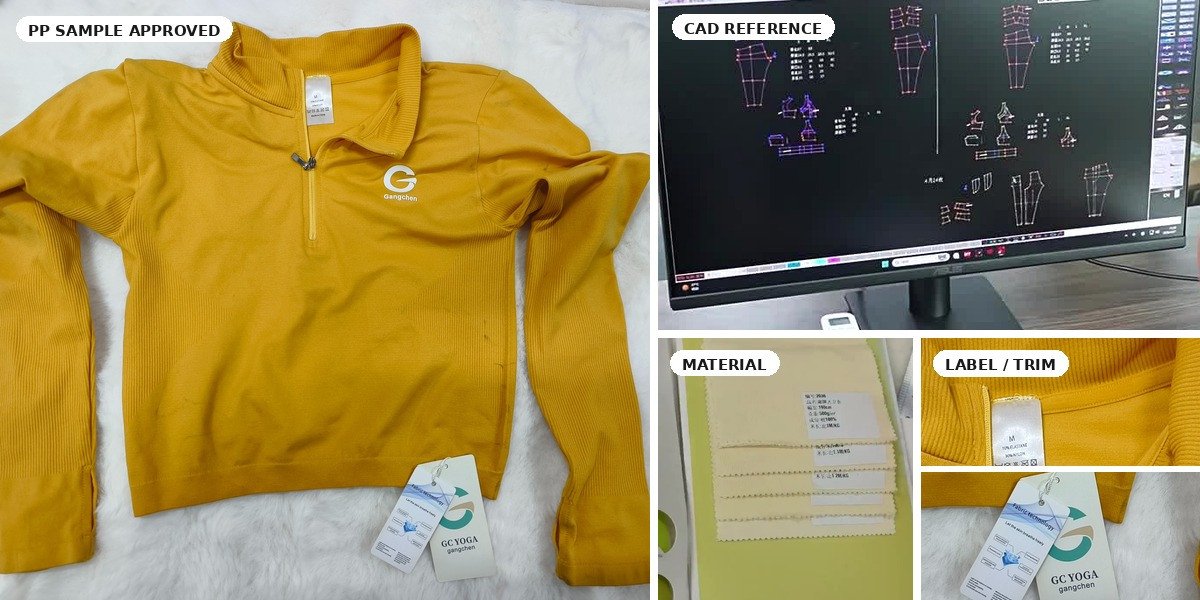
Garment Identity
The garment begins with the approved product standard: style, construction, measurement, material or yarn, color and workmanship. This information should remain the base reference to which all other private-label components are attached. A brand component should never be treated as independent from the exact product it belongs to.
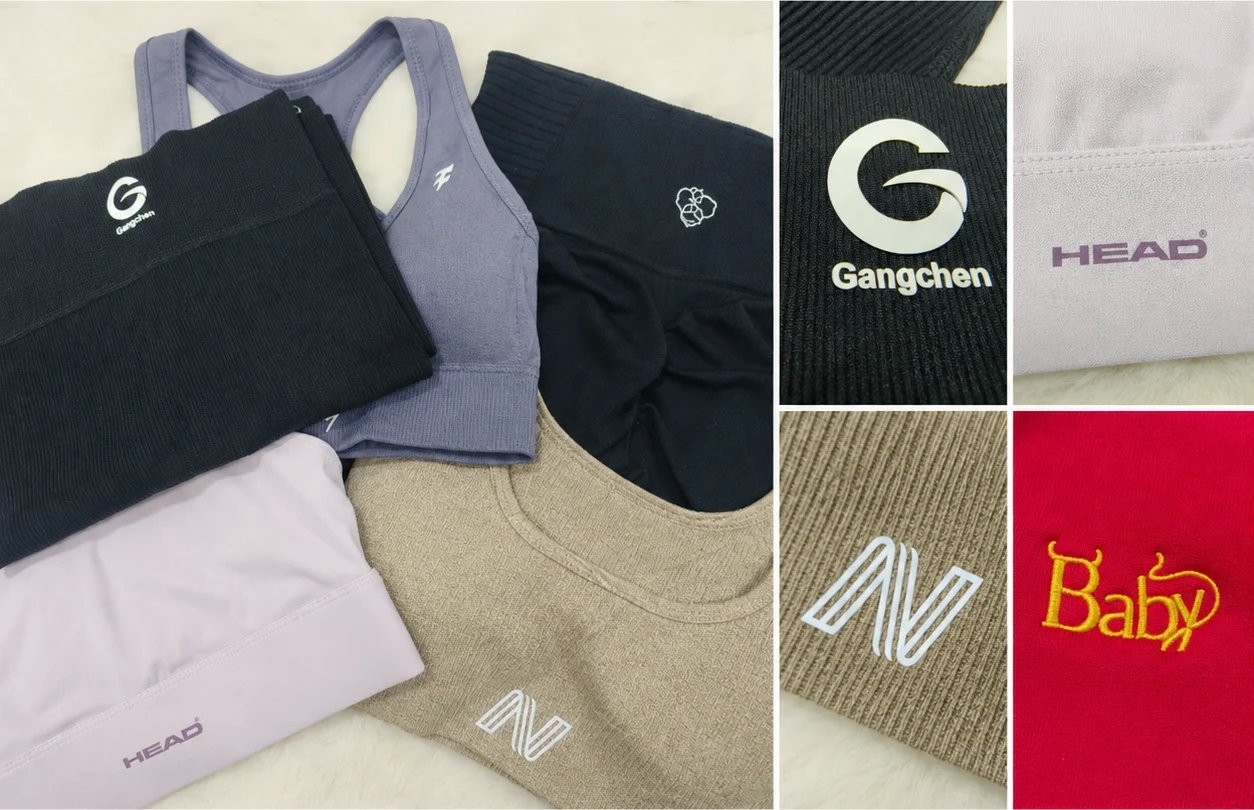
Logo System
Logo method, artwork, color, size and placement need approval before bulk execution. MOVEVOX can support screen print, heat transfer, silicone, embroidery, jacquard and woven branding directions according to product compatibility. Special components, tooling or materials can create separate supplier requirements and must be confirmed before production.
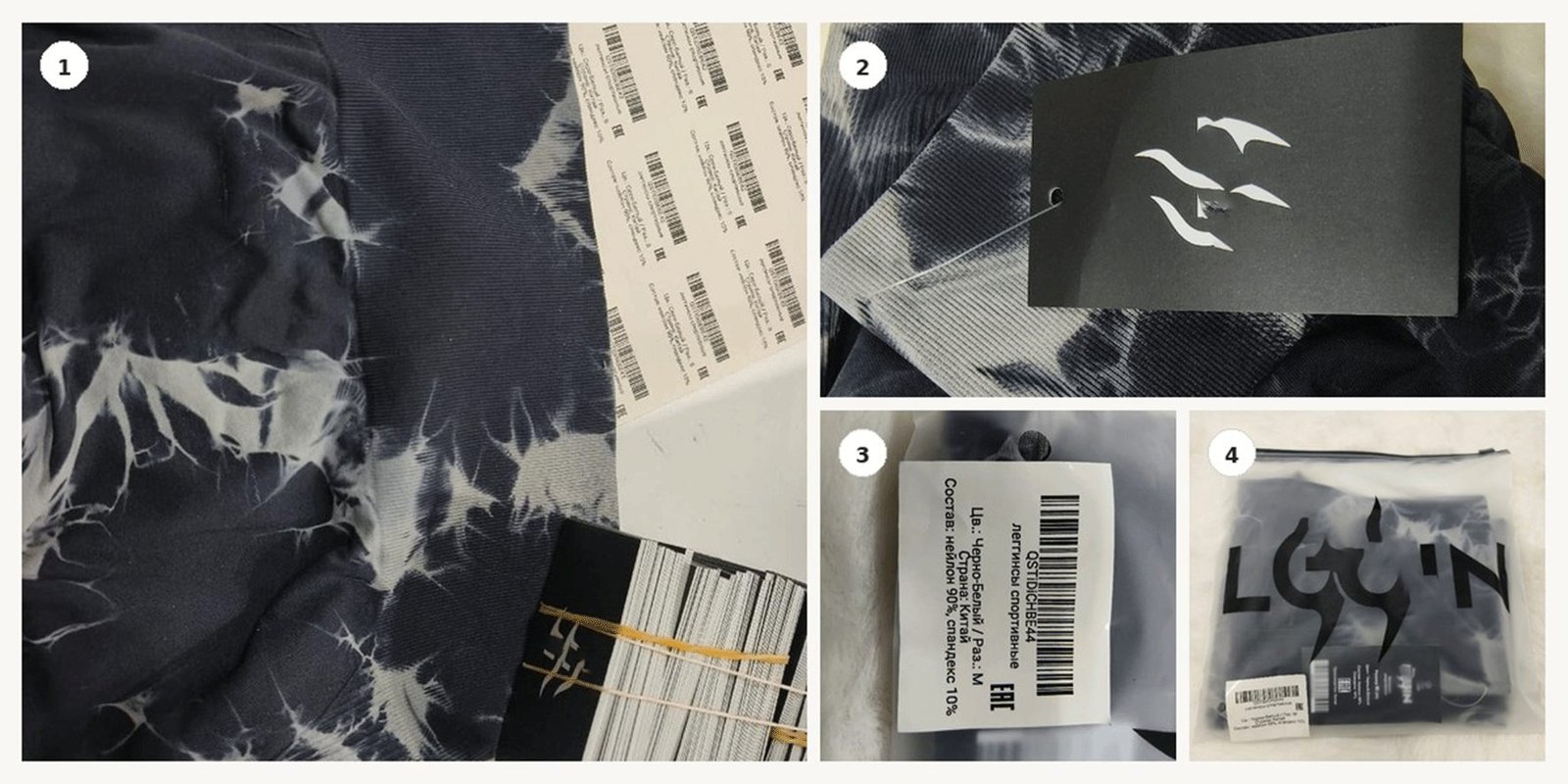
Labels and SKU Data
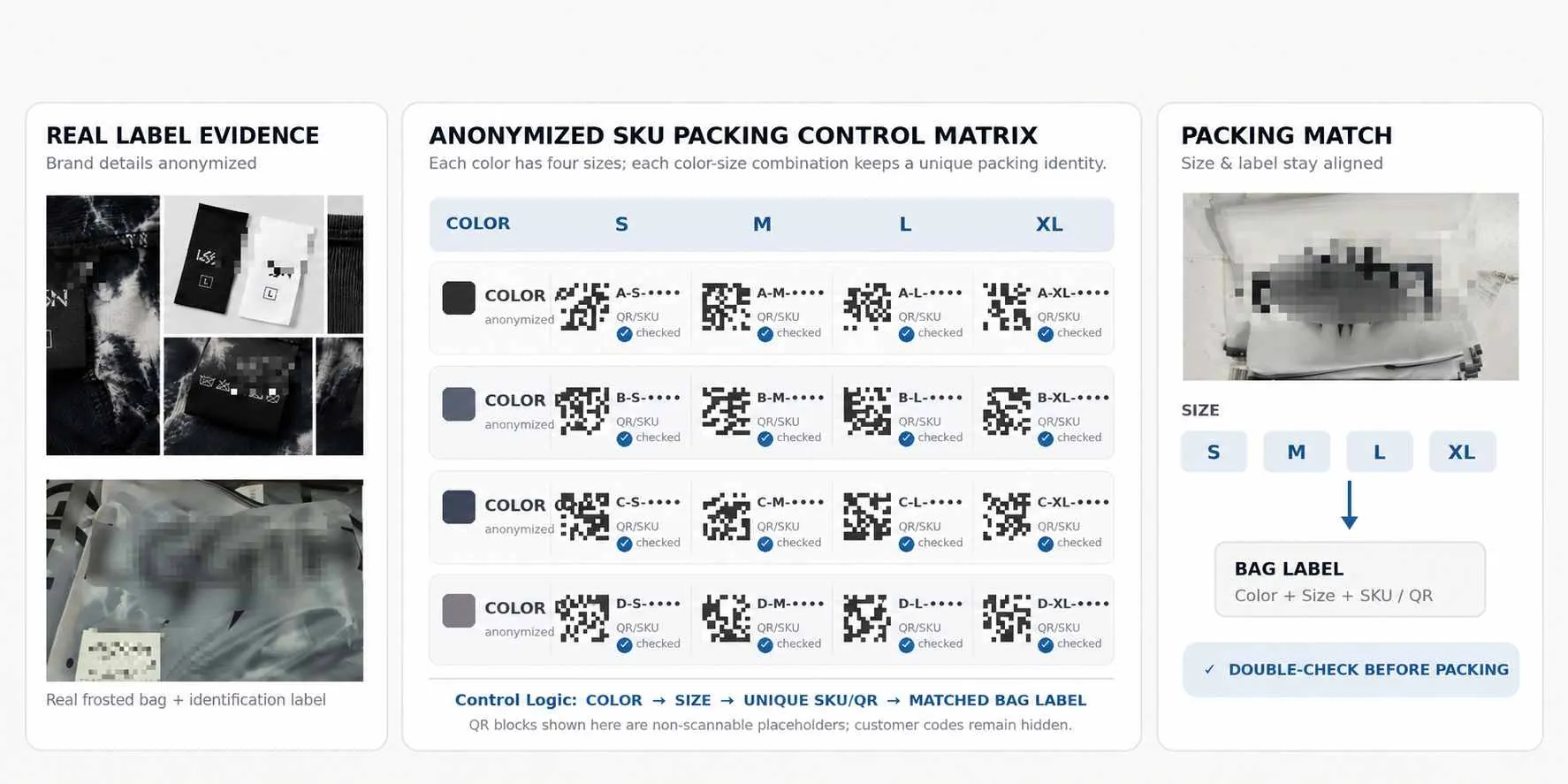
Main labels, care labels, size labels, hangtags, woven labels and barcode or SKU labels can all carry version-specific information. The control objective is to match each approved label to the correct garment. For multi-color and multi-size orders, SKU mapping becomes part of packing accuracy rather than an administrative afterthought.
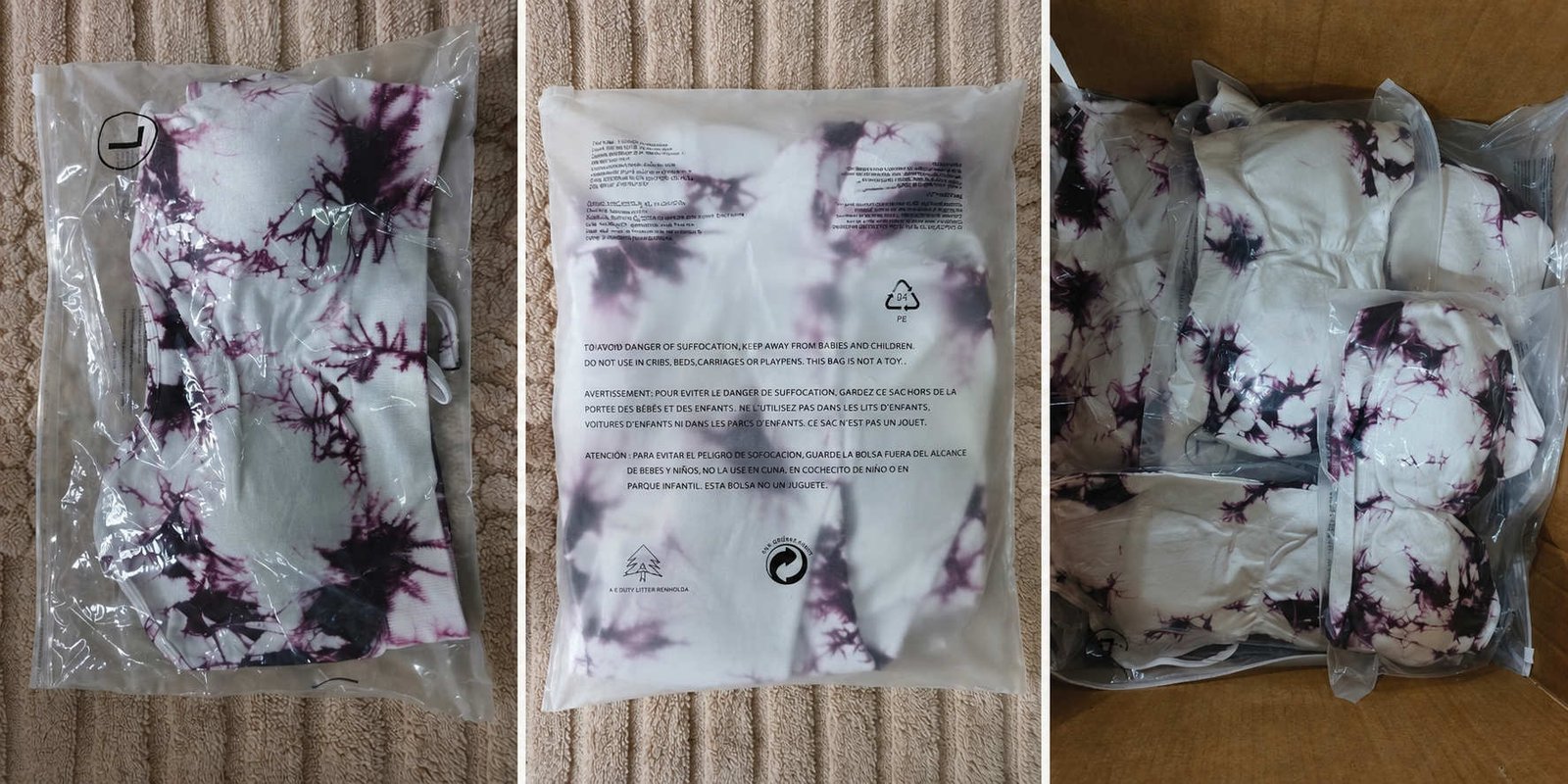
Packaging and Cartons
Custom polybags, external identification and shipping marks are coordinated against the final packing requirement. Packaging specifications may have independent MOQ, printing or lead-time conditions. Before shipment, the correct garment, label, SKU information and packaging combination should be verified against the approved order instructions.
Sampling Is an Approval Process, Not a Showpiece
The purpose of sampling is to remove uncertainty before bulk production. Different projects require different sample stages, and not every project needs every stage.
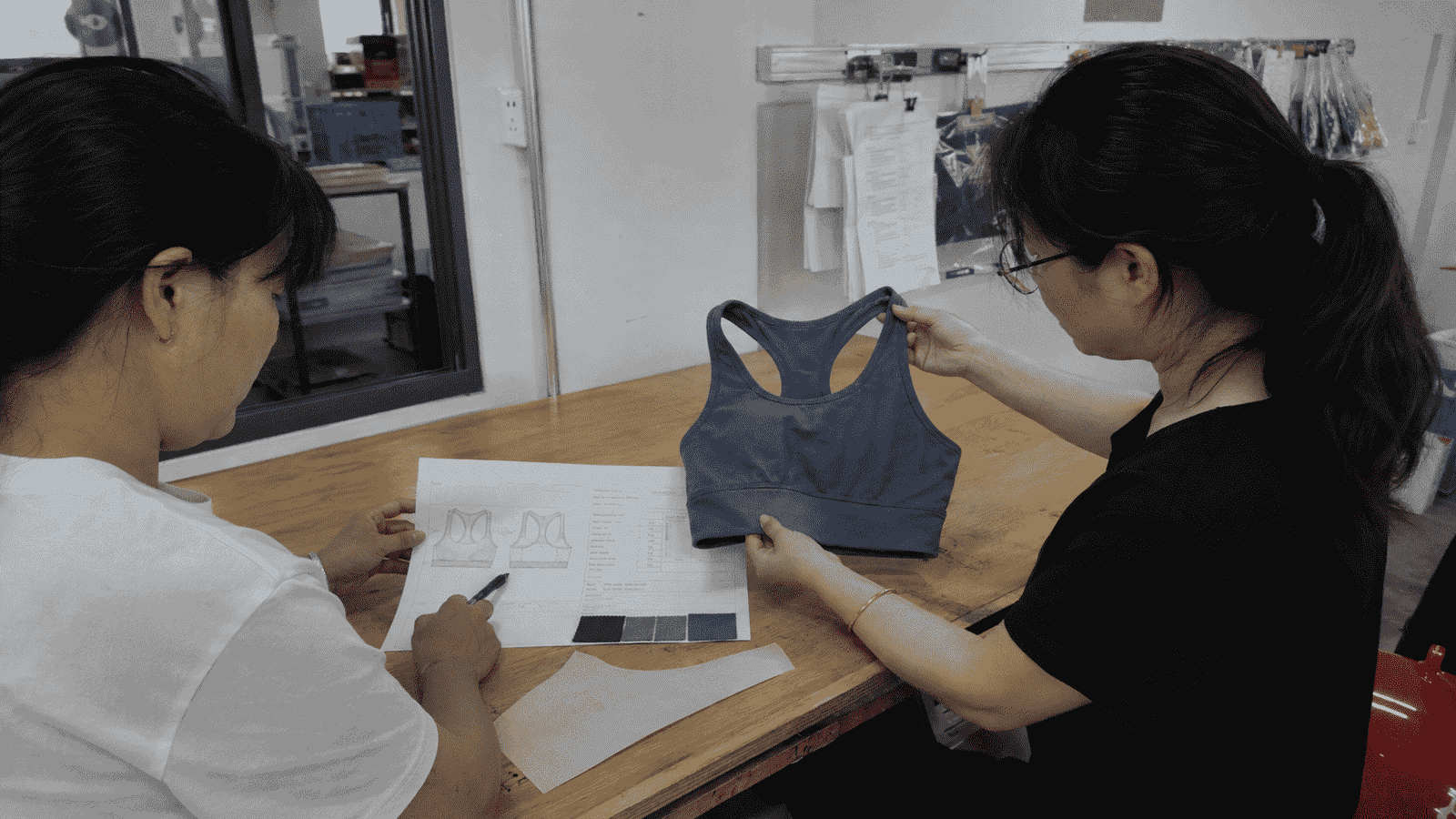
Development Input
The process starts with usable product information: Tech Pack, reference sample, sketch, image or concept, together with material, branding and commercial requirements where available. Missing information is clarified before the sample is treated as an approval reference.
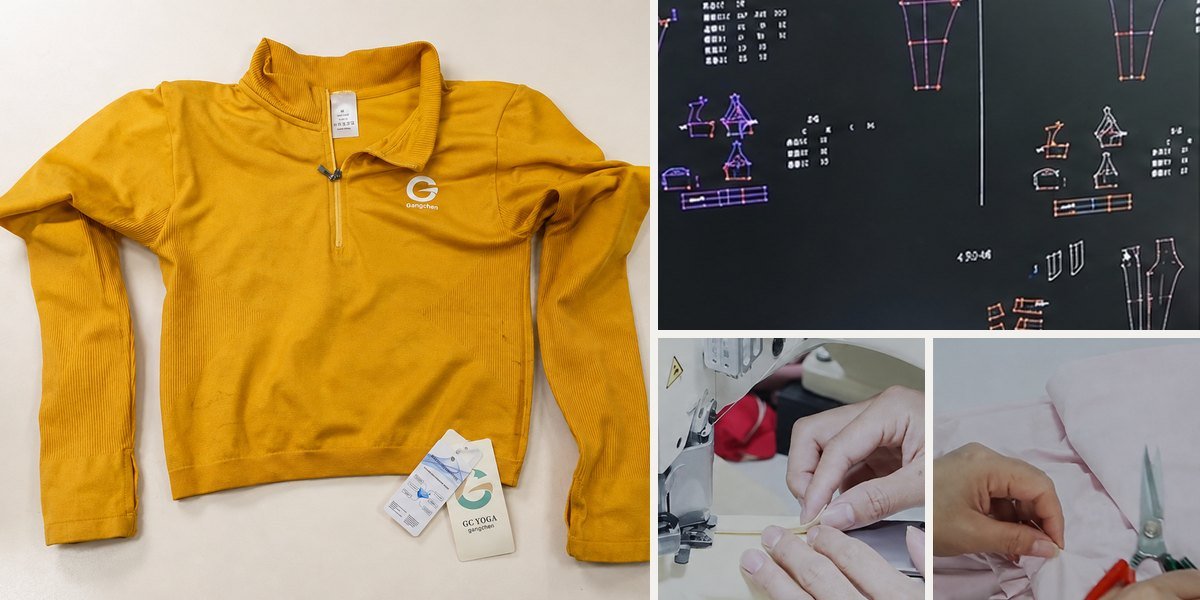
First Development Sample
The first sample tests whether the proposed manufacturing route, structure, fit direction, material and visible design details can be translated into a physical garment. It is a development tool, not automatically the final production standard.
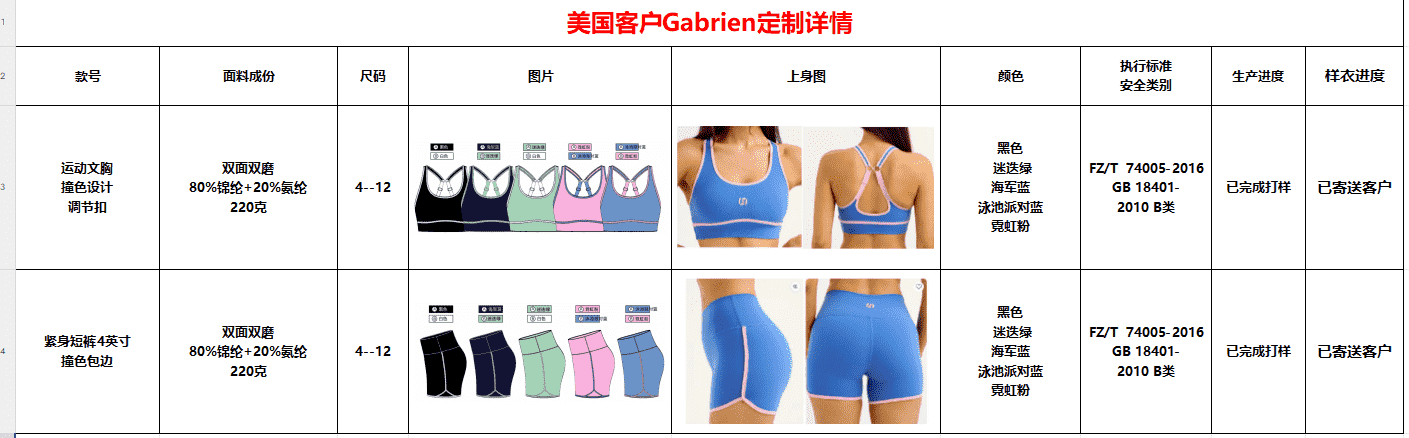
Revision Sample
Buyer comments are converted into controlled revision points covering measurements, construction, fabric or yarn, color, branding or workmanship as required. The objective is to know what changed between versions and avoid informal changes that cannot be repeated.
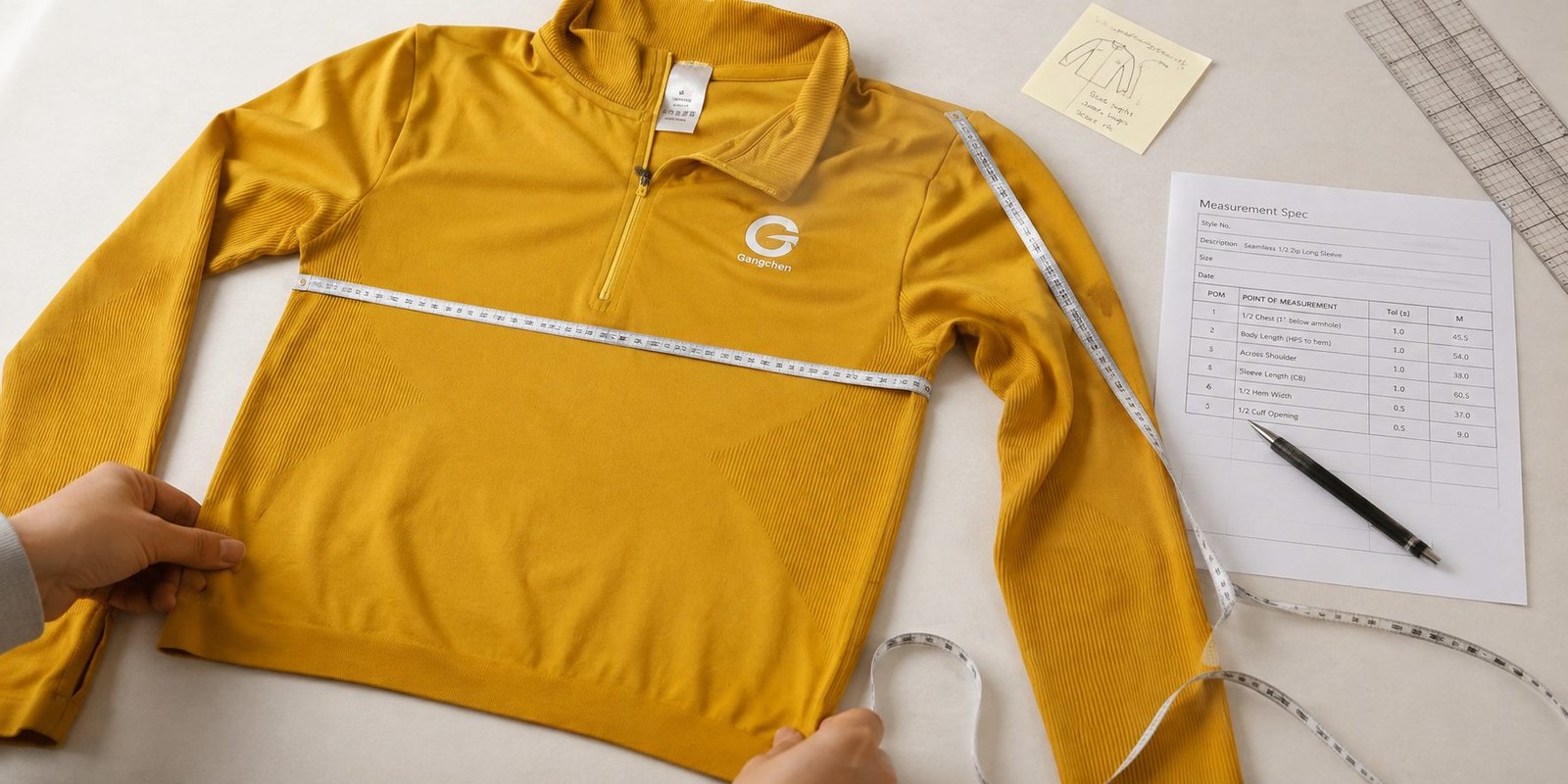
Fit or Size Review
Where required, the project may include additional fit or size review. Approval of one fit sample does not automatically mean every size, color, label or packaging component has been approved. The exact scope of each approval should remain clear.
PP Standard
For projects requiring a pre-production stage, the PP sample or equivalent approved standard incorporates the final information intended for bulk execution. Outstanding technical, brand or packing issues should be resolved before production release.
Bulk Handover
Approved product information is transferred into production, first-article, in-line and final QC references. The goal is not to promise that every bulk garment will be physically identical, but to control production against agreed standards and tolerances.
What Must Be Approved Before Bulk Production Starts
“Sample approved” should have a defined scope. The following checkpoints help prevent one visual approval from being incorrectly treated as approval of every production variable.
Product Structure
Confirm garment construction, paneling, knitted zones, seams, pockets, straps, pads or other product-specific details that define how the approved garment is built.
Measurements
Confirm applicable measurement points, target specifications and agreed tolerances. Fit comments should be translated into controlled measurement or construction changes where possible.
Fabric or Yarn
Confirm the actual material direction used for production, including relevant composition, structure, weight or yarn references and approved physical standard where applicable.
Color Standard
Confirm the physical color reference, swatch or Lab Dip process where applicable. Screen display should not be treated as the final bulk color standard.
Logo Details
Approve the logo process, artwork, size, color and placement. Special tooling or component conditions should be resolved before bulk execution.
Labels
Confirm main label, care label, size label, hangtag or other brand labels required for the project and verify the approved content and placement.
Size Review
Determine whether one size, a graded size set or additional fit verification is required according to the buyer’s product-development process.
Workmanship
Confirm visible workmanship expectations, construction details and any specific defect or appearance standards relevant to the developed garment.
Packaging
Approve polybag, SKU identification, barcode, inserts and other retail packing requirements where they form part of the finished-product specification.
Open Points
Before bulk release, document any unresolved items and their owner. A project should not silently convert an open development issue into an assumed production approval.
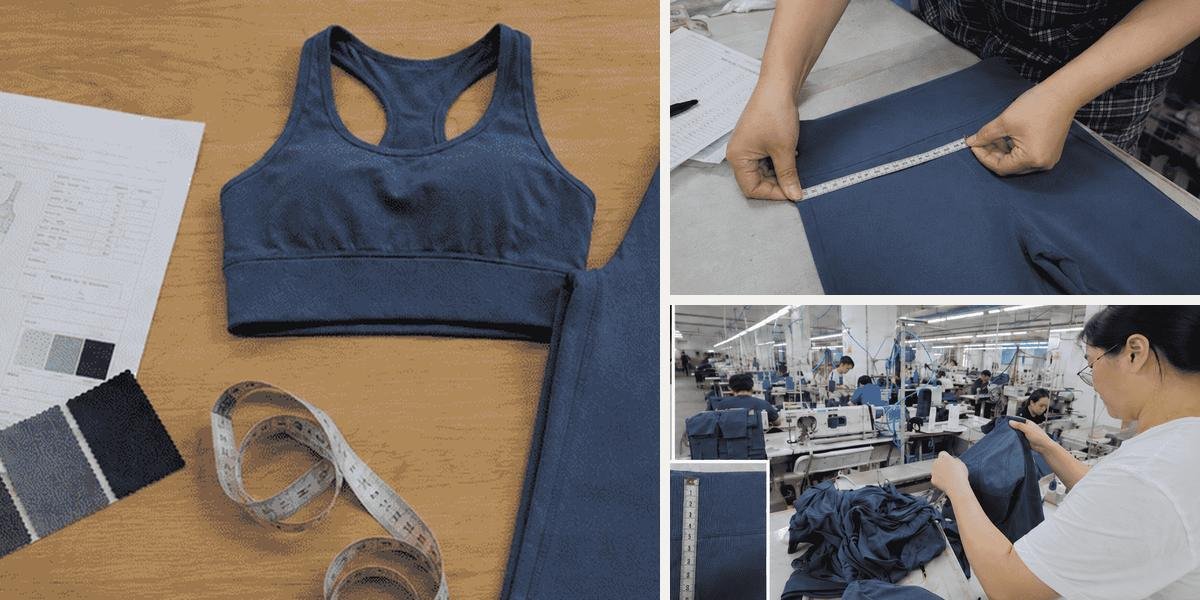
See the Manufacturing System Behind Your Gym Wear
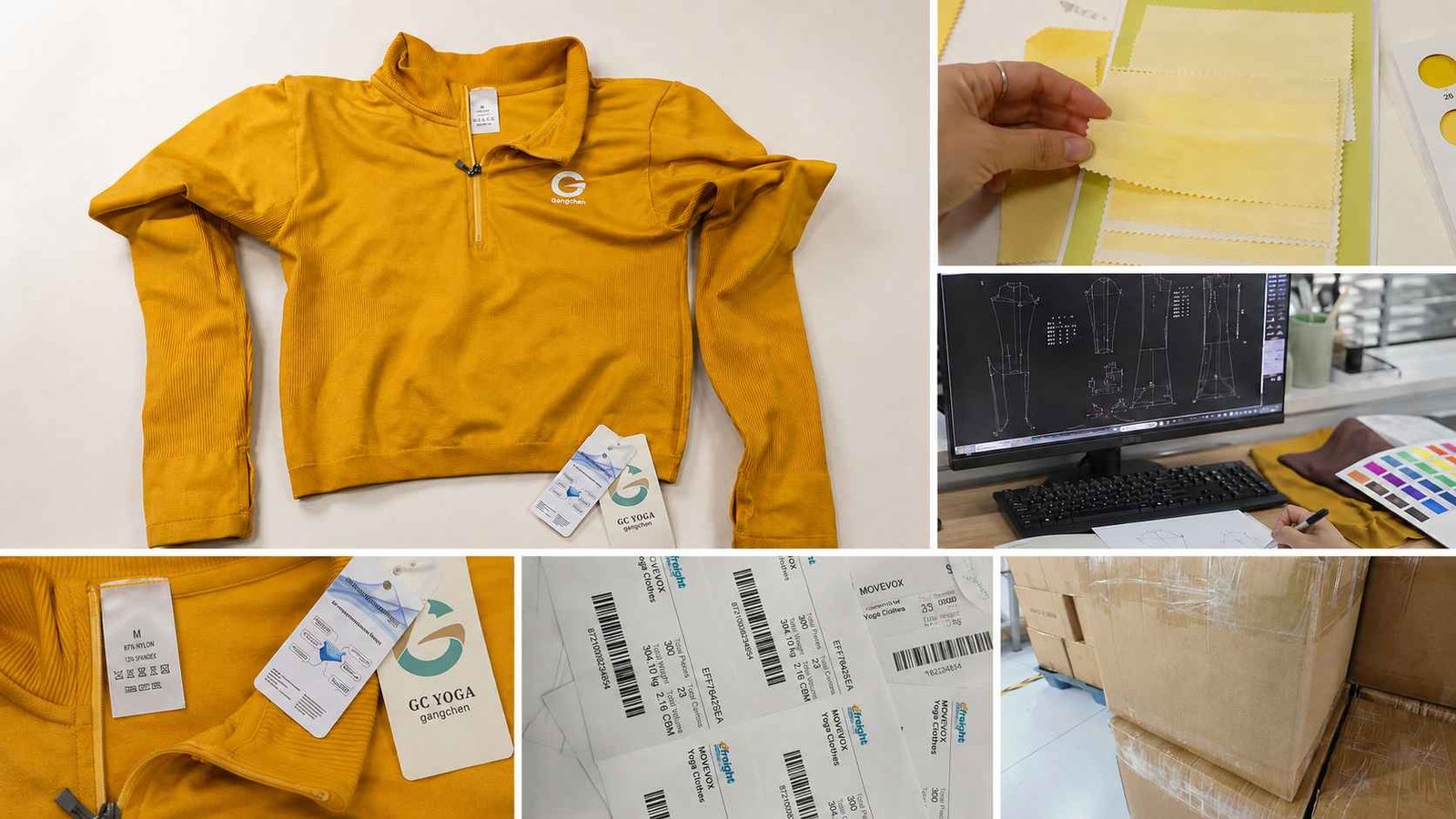
Supplier verification should connect the company name, real production location, equipment, development activity and quality process. The gallery should function as a digital factory visit.
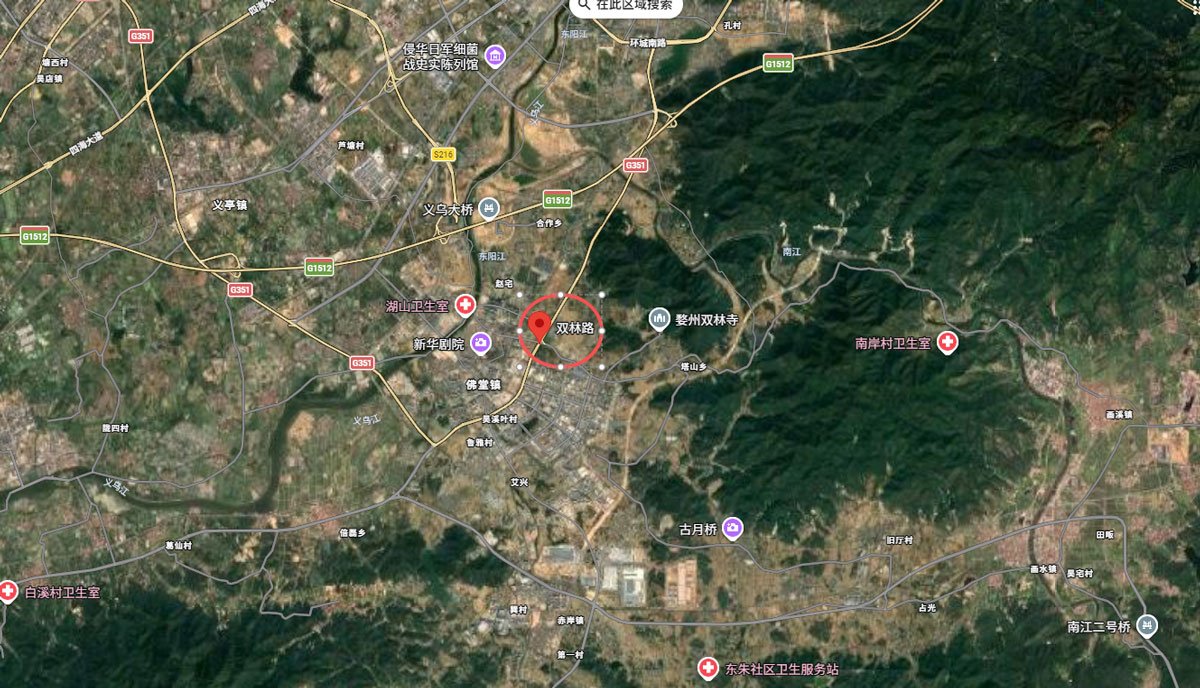
Yiwu Core Manufacturing Base
MOVEVOX operates its core manufacturing base in Yiwu, Zhejiang. The current internal fact base records approximately 6,000 square meters of actual production space. This site functions as the central point for product development, core manufacturing, production control and quality management within the broader MOVEVOX supply system.
Santoni Seamless Area
The seamless manufacturing system includes 28 Italian Santoni machines. This equipment supports knitted development for core seamless activewear categories including leggings, bras, shorts and sets, together with structures such as rib, texture, mesh, jacquard and engineered density areas.
Cut-and-Sew Area
The own manufacturing system includes approximately 24 main sewing and garment machines. Cut & Sew provides pattern and construction flexibility for panels, pockets, bindings, straps, pads, mixed materials and other details that are less suitable for a seamless-knitted route.

Development and Sampling
Development connects buyer inputs with physical samples before bulk production. MOVEVOX’s development resources cover design, pattern and sample-making functions, supporting both new products and revisions before a project becomes an approved manufacturing standard.
Quality and Finishing
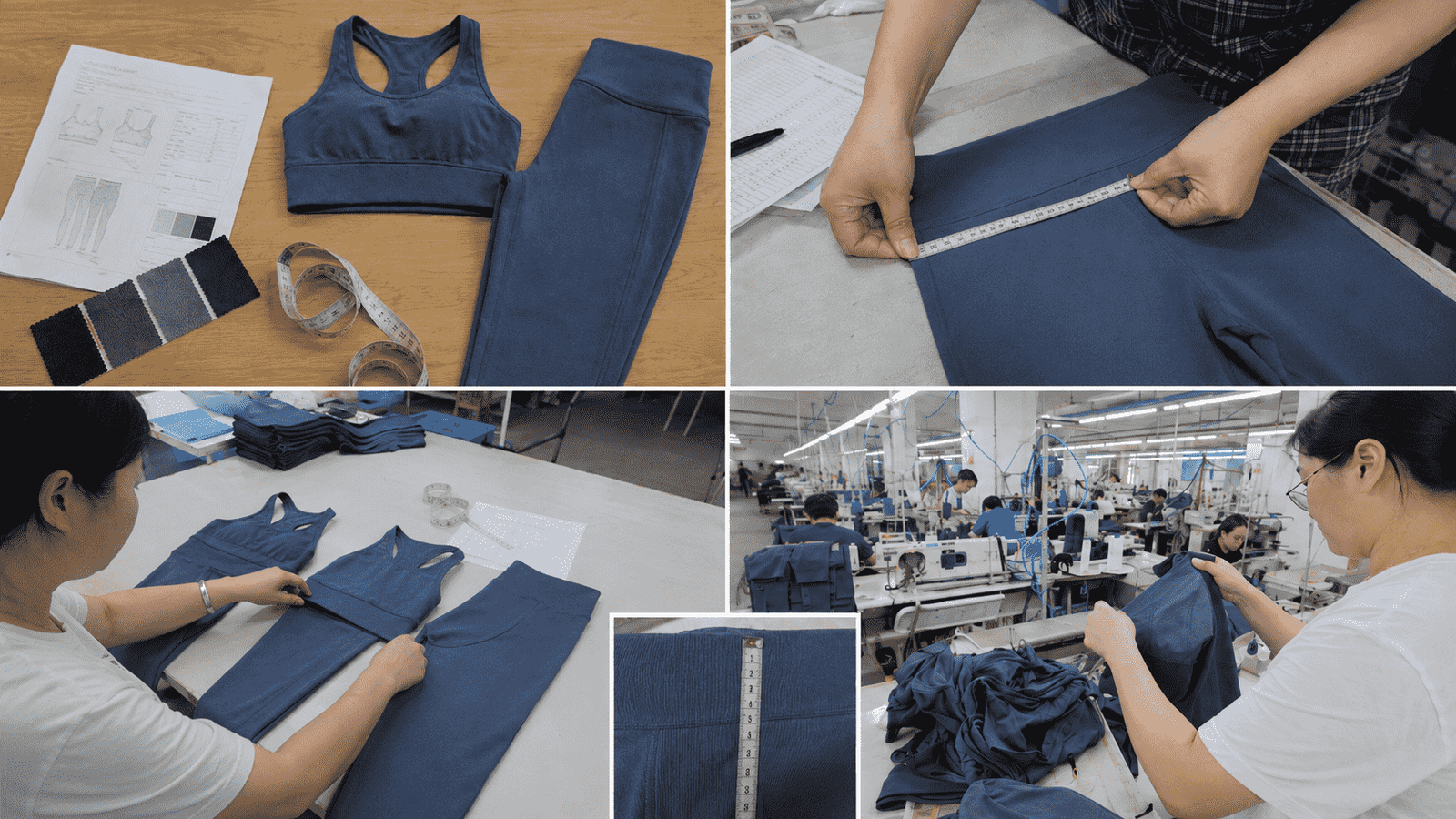
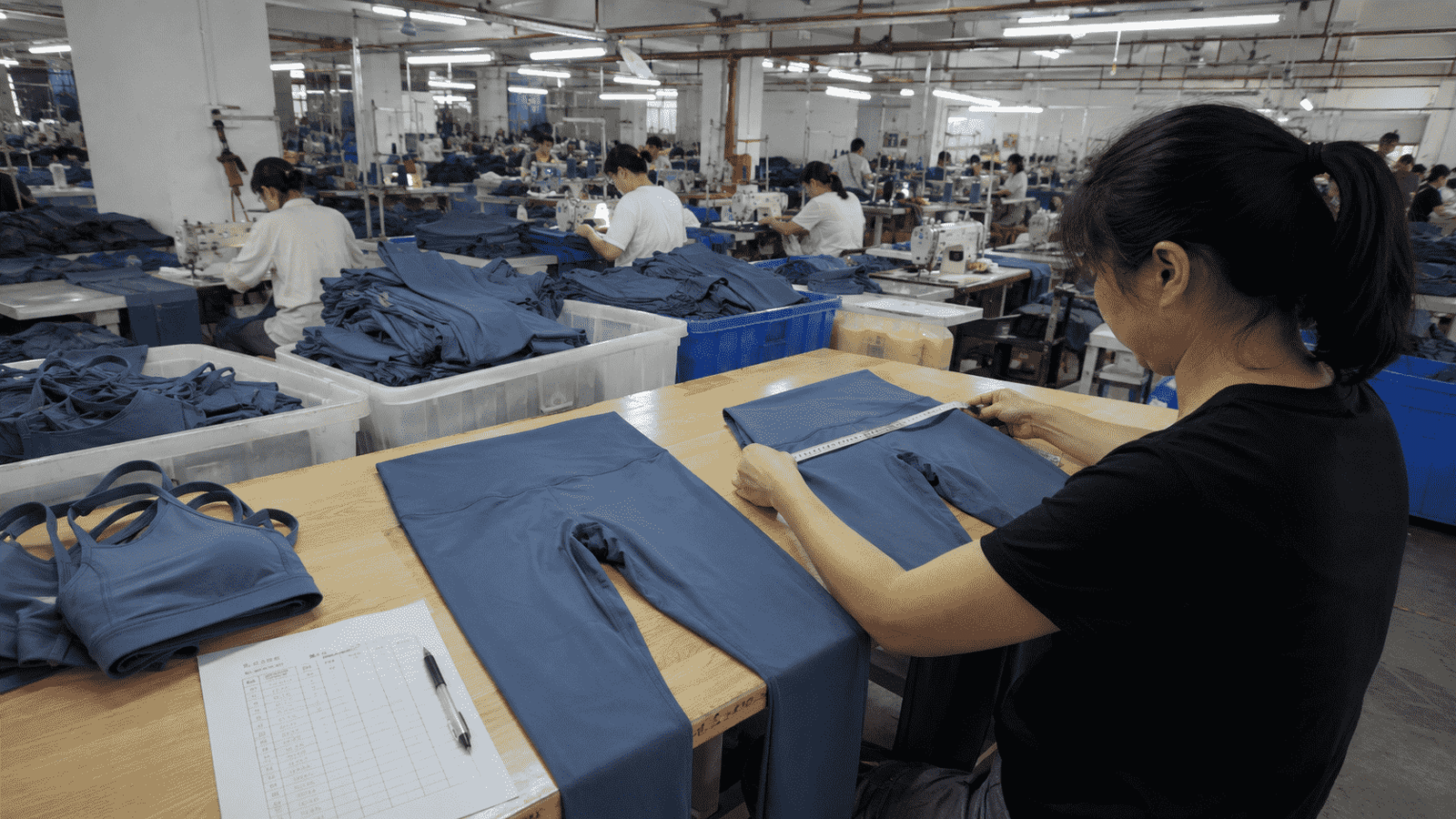
QC activities cover material, pre-production, first article, in-line, finished garment, measurement, branding, packaging and final inspection stages. Factory evidence should therefore show real inspection activity, measurement and finished-product review—not only equipment or building exteriors.
How an Approved Sample Becomes Controlled Bulk Production
Bulk production should begin only after the project has a clear released standard. Each stage below has an input, control point and release decision.
Production Readiness
Final product specifications, approved sample, material, color, branding, labels, packaging and commercial requirements are reviewed before production release. Open technical issues should be identified rather than transferred silently into bulk.
Material Control
Fabric, yarn, trims, labels, logo components and packaging are checked against project requirements as applicable. Material identity and relevant lot information support later quality investigation and repeat-order control.
First Article
The first produced pieces provide an early comparison against the approved production standard. Product structure, workmanship, measurements and brand components can be checked before larger quantities proceed.
Bulk Production
The approved manufacturing route is executed through Seamless, Cut & Sew or a coordinated product program. Production allocation is based on product structure, quantity, material, facility suitability and timing.
In-Line Control
QC checks during production help identify deviations before the full quantity is completed. Inspection scope can include workmanship, measurements, construction and project-specific checkpoints.
Final Inspection
Finished garments are reviewed against applicable product, measurement, logo, label and packaging requirements. Larger projects can include additional records or agreed third-party inspection arrangements.
Packing Release
Only released finished goods proceed into final packing and shipment preparation. SKU, color, size, branding and packaging information are checked according to the approved order requirements.
Quality Control Buyers Can See and Review
“Strict QC” is not an inspection system. A professional buyer needs to know what is checked, when it is checked and what evidence can support the release decision.
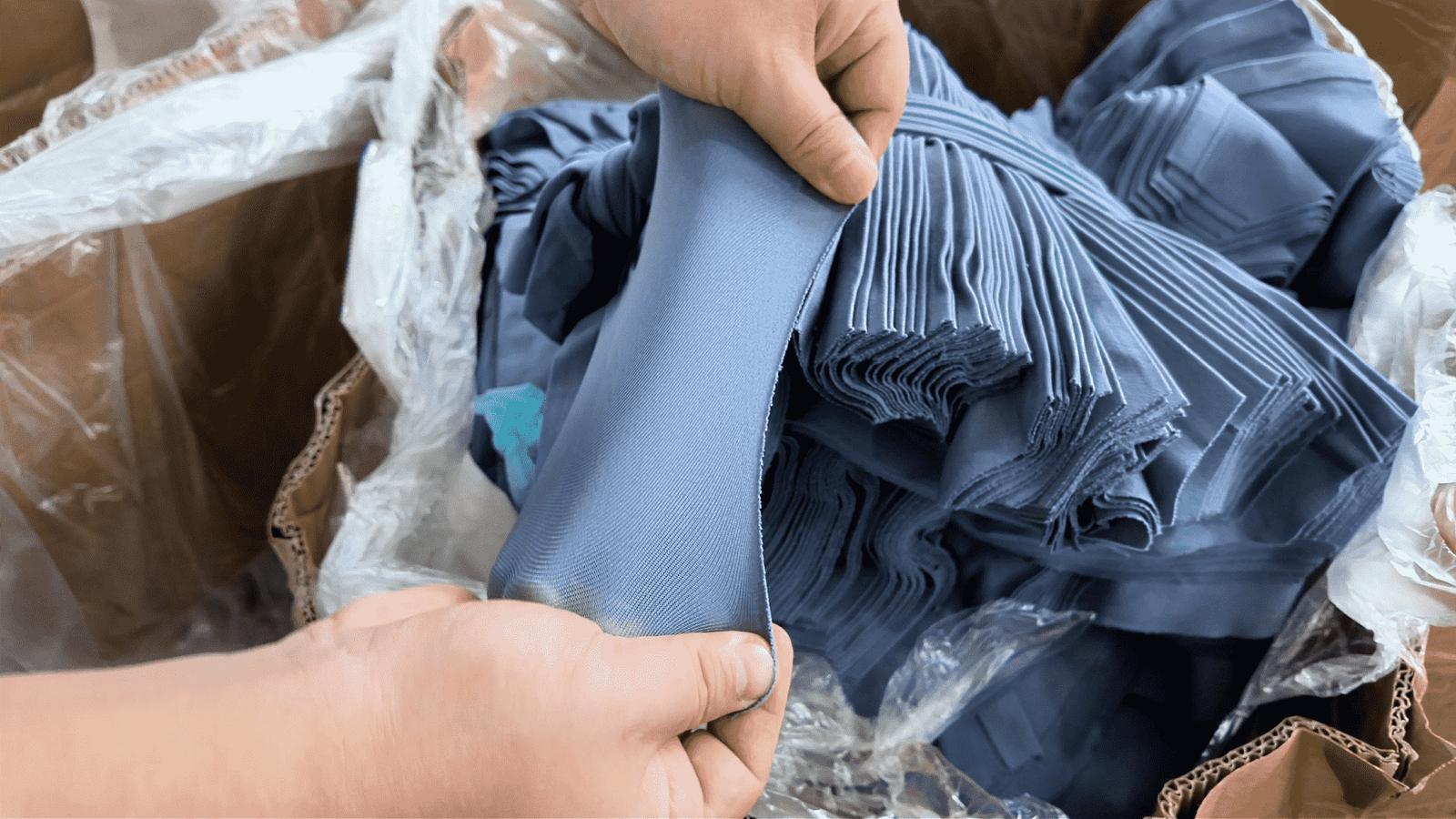
Incoming Materials
Materials, yarns, trims and brand components can be checked against relevant project requirements before they enter production. The purpose is to identify obvious specification, color, quantity or component issues before those issues become finished-garment problems.

First Article
Early production pieces are compared with the approved standard before the full production run progresses. This provides an opportunity to identify construction, measurement, workmanship or brand-execution issues at a stage where containment is more practical.

In-Line Inspection
QC activity during manufacturing focuses on finding deviations while work is still in progress. Product-specific checkpoints can include seams, knitting appearance, measurements, construction details, logo application and other requirements defined by the project.
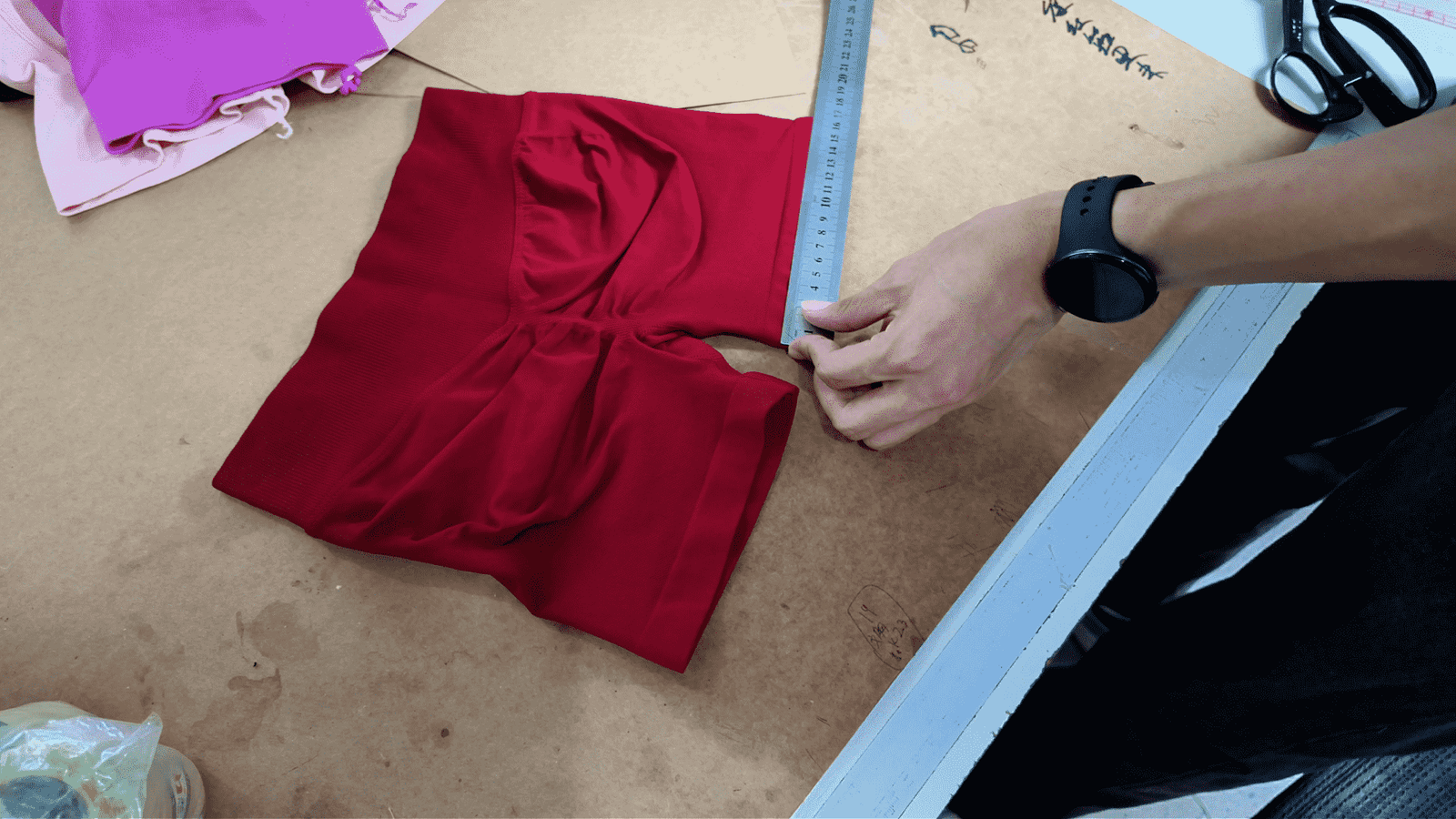
Measurement Control
Relevant measurement points are checked against the approved specification and tolerance. Measurement evidence is particularly important when fit has been revised during sampling and the approved dimensions need to remain controlled during bulk.
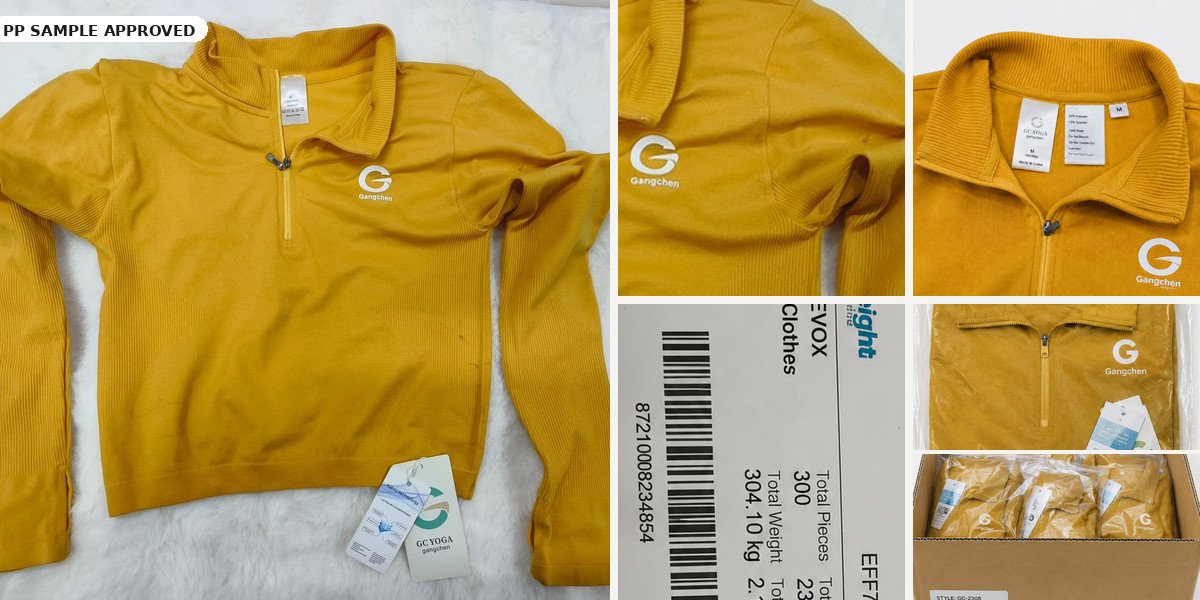
Brand and Packing
Logo, labels, size information, barcode or SKU identification and packaging are checked against the corresponding order requirements. Multi-color and multi-size programs require particular attention because an acceptable garment can still become a commercial error if packed under the wrong identity.
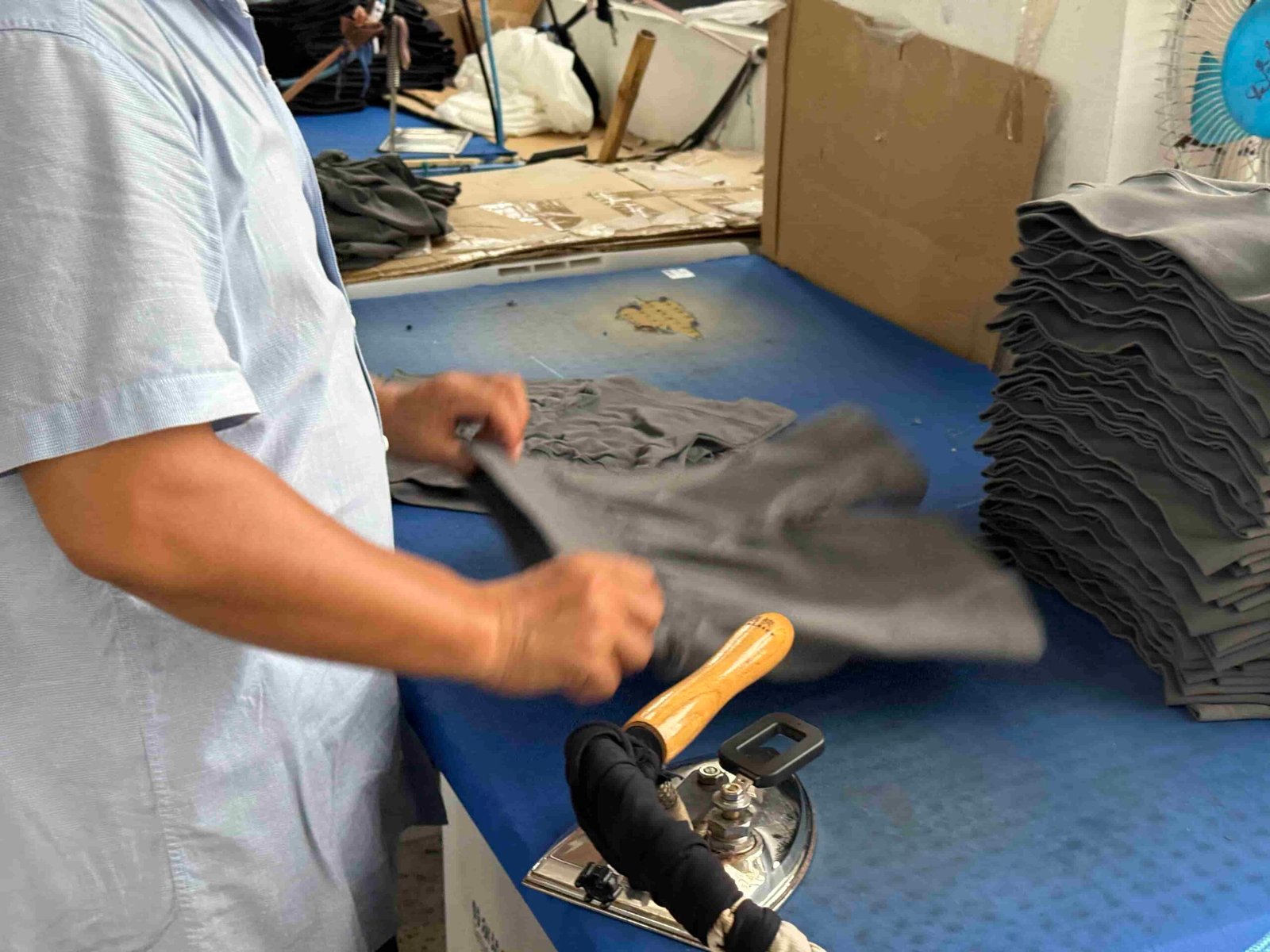
Final Inspection
Final inspection verifies finished goods against applicable product and order requirements before release. Depending on the customer program, MOVEVOX can support photos, video, inspection records or third-party inspection coordination rather than relying only on a verbal “QC passed” statement.
Quality Records Turn Inspection Into Verifiable Evidence
A check becomes more useful to a professional buyer when the supplier can connect the inspection activity to a product, order, standard and recorded result.
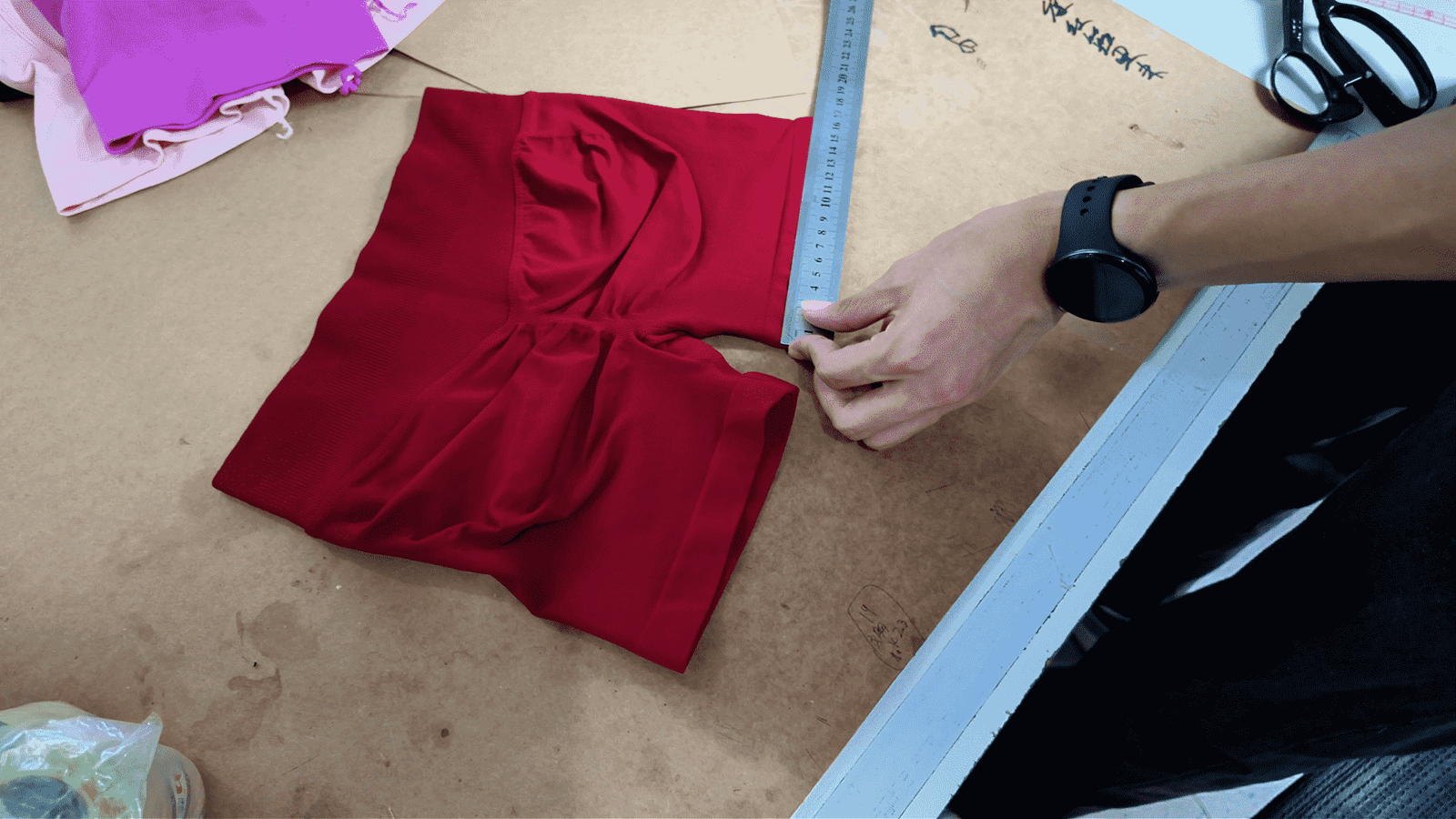
Measurement Records
Measurement records can show which points were checked, the required specification and the actual result. They are useful for confirming that bulk garments remain controlled against the approved measurement standard rather than relying on visual judgement alone. Sensitive client or style information should be anonymized before any document is displayed publicly.
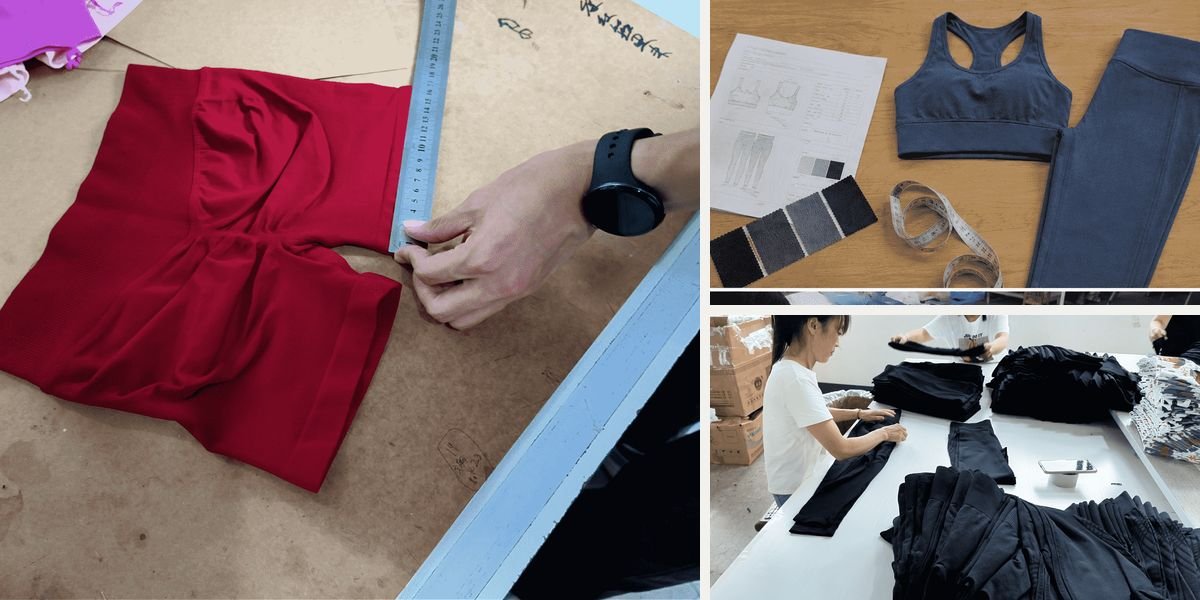
First-Article Records
A first-article record links the early production piece to the approved standard before larger quantities proceed. Depending on the project, it can document construction, measurements, workmanship, logo or other critical checkpoints. Public website examples must come from actual production records and should never be recreated as fictional “sample reports.”
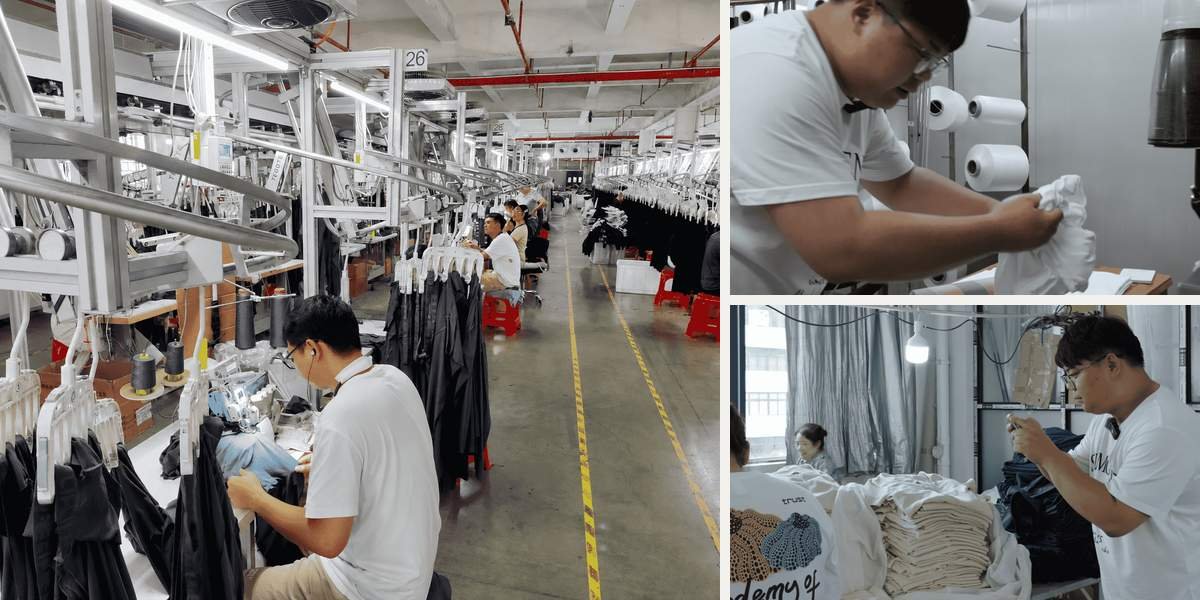
In-Line Inspection
In-line records can document issues found during production, the affected area and the action taken before the order proceeds. Their value is not to claim that production never has defects; it is to show that deviations can be identified and handled while the manufacturing process is still active.
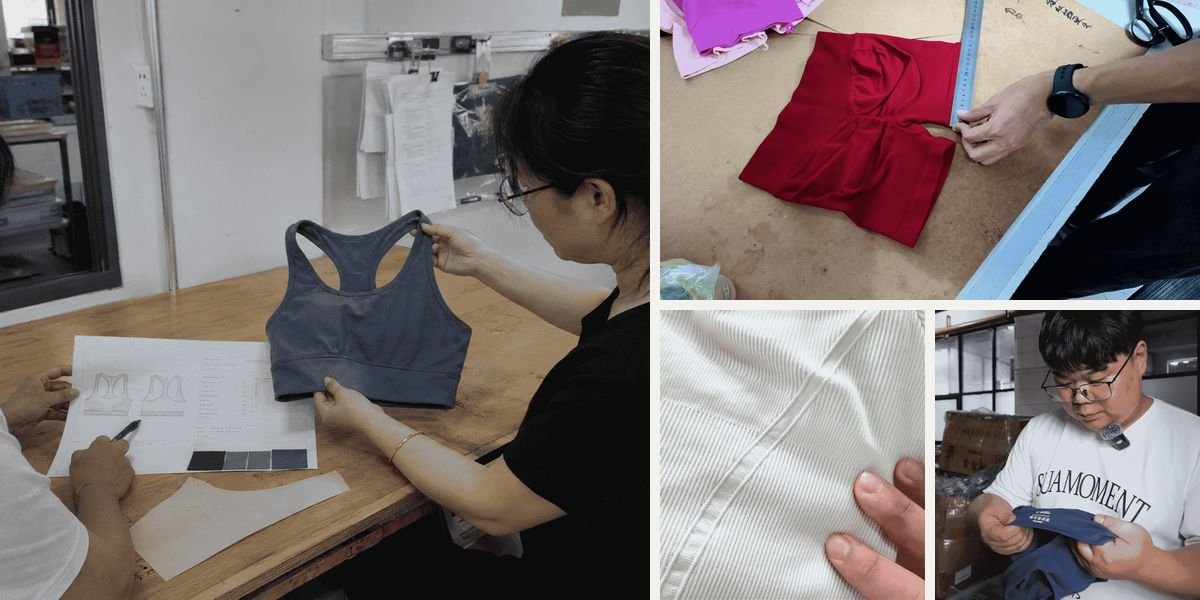
Finished-Garment Checks
Finished-garment records can connect workmanship, appearance, measurement and product-specific quality points to the final order. Where the buyer has its own inspection protocol or AQL requirement, the actual project standard should be agreed before the website or quotation implies a fixed universal inspection method.
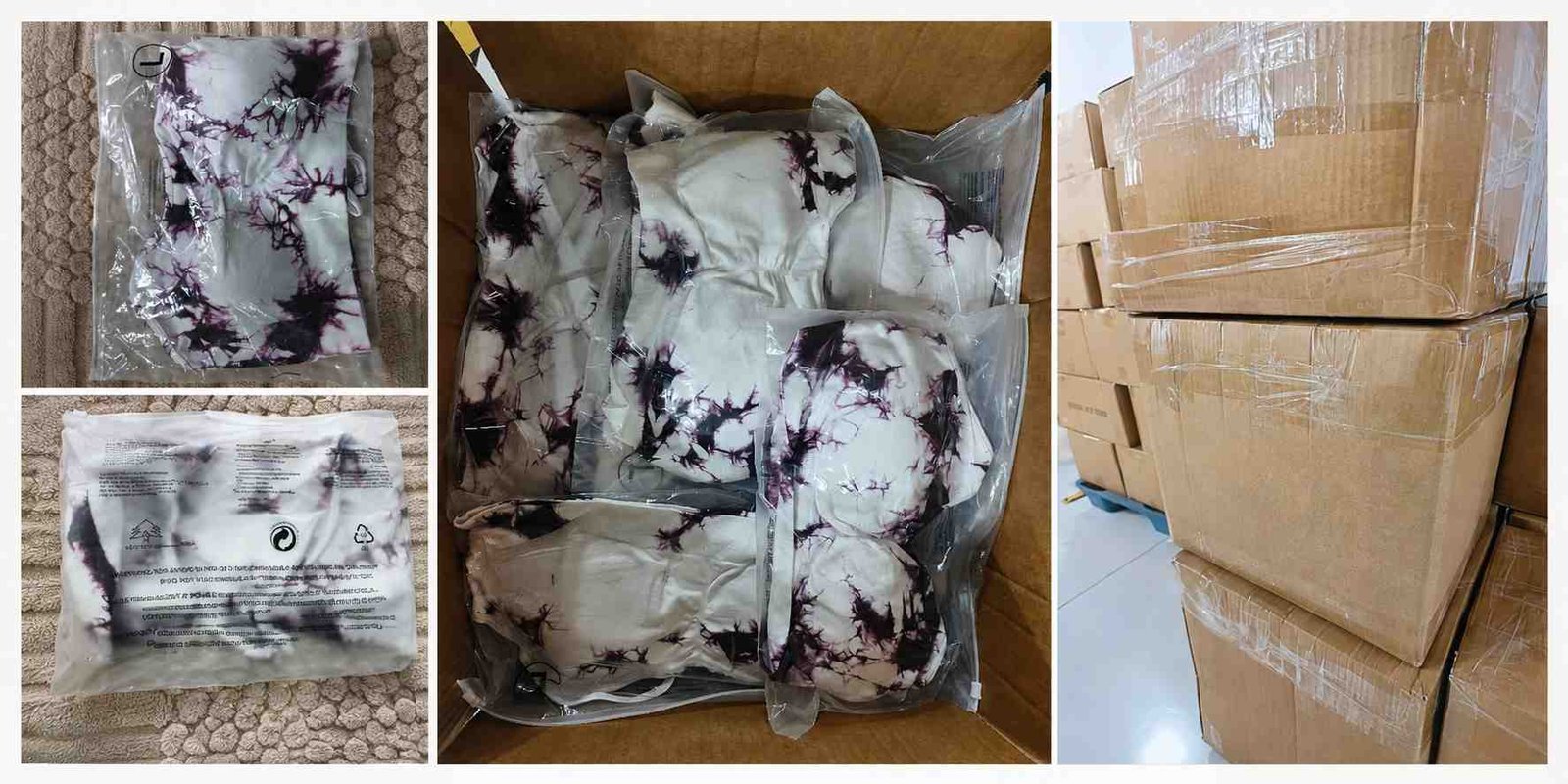
Branding and Packing
Packing records can verify that logo, labels, size, color, barcode or SKU data and packaging correspond to the actual garment. This becomes increasingly important in multi-size, multi-color and private-label programs where an identity mismatch can create a retail or fulfillment error even if the garment itself is acceptable.
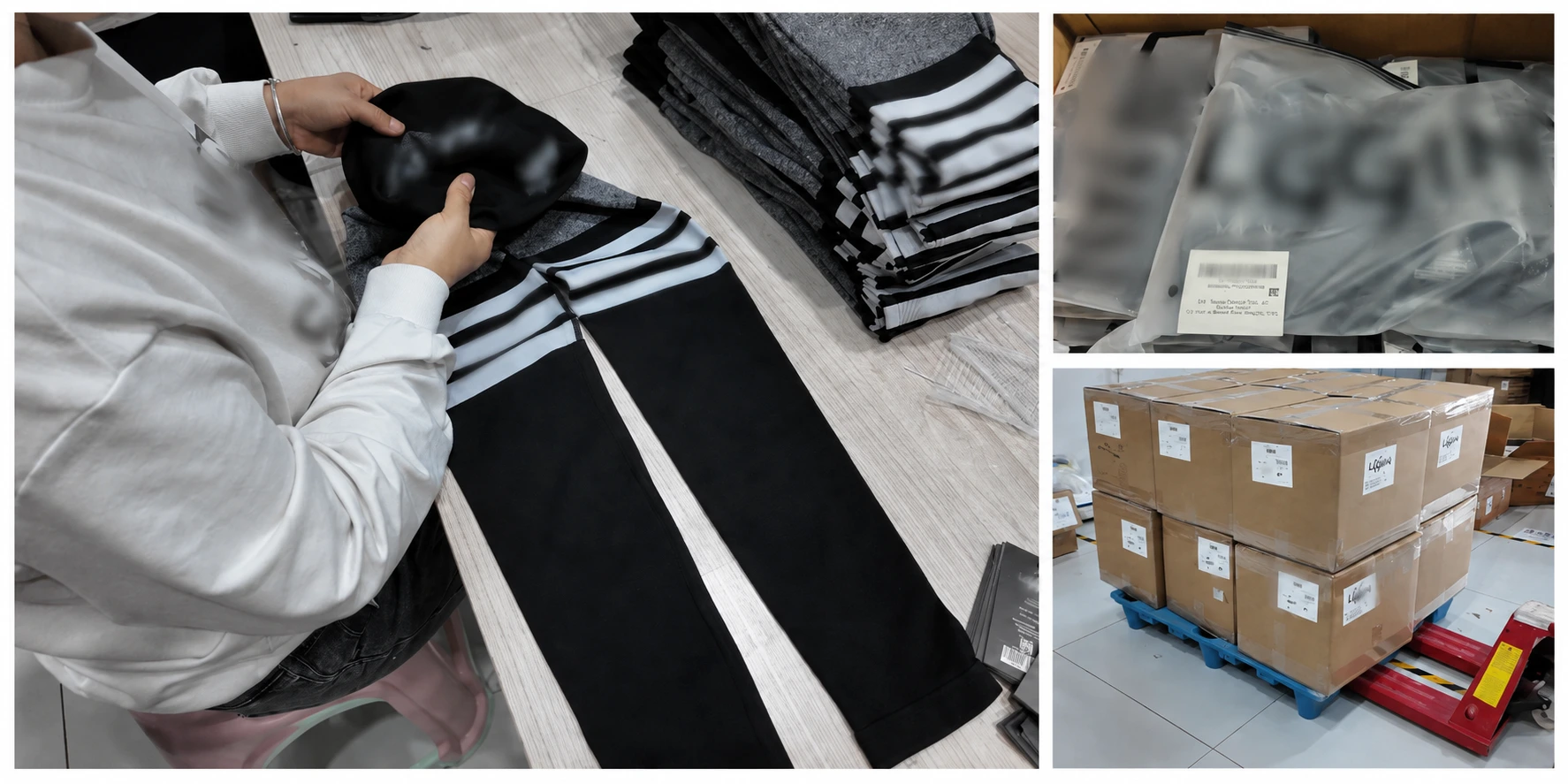
Final Release Evidence
Final evidence may include inspection sheets, photographs, video, packing information or third-party records where applicable. The appropriate documentation depends on the buyer and project. MOVEVOX should present only actual available records and clearly identify their scope rather than using generic templates as proof of completed customer inspections.
A Supplier Structure Ready for Formal Buyer Evaluation
Established brands often require legal, manufacturing, quality and supply-chain verification before commercial approval. MOVEVOX can support a structured qualification discussion based on the actual project.
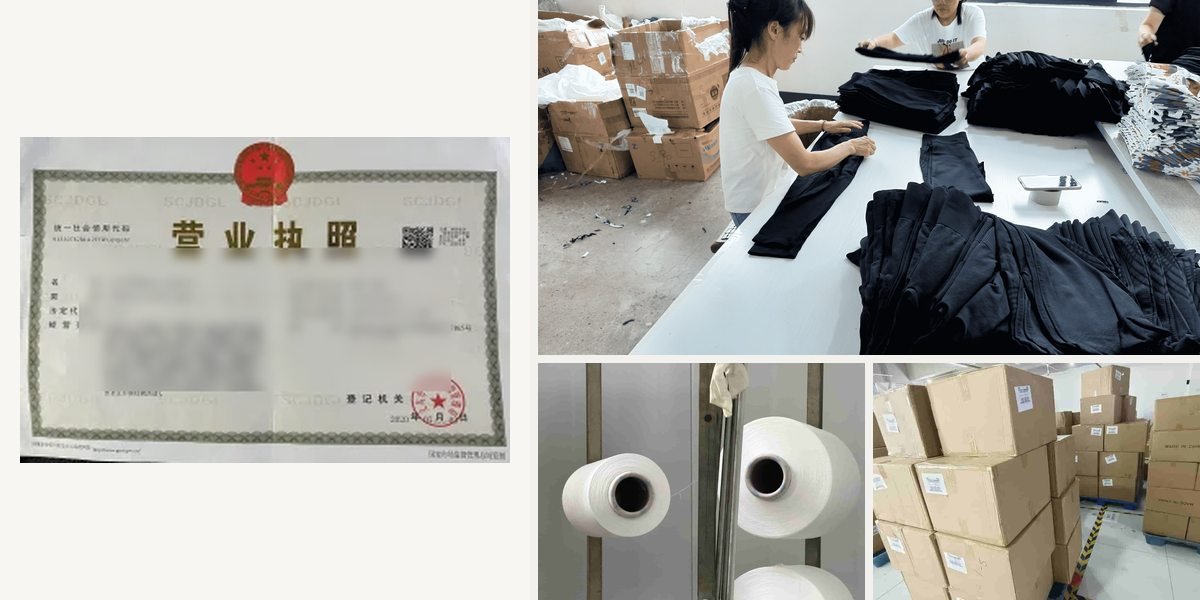
Legal and Business Identity
MOVEVOX is operated by Yiwu Chenjin Import And Export Co., Ltd. Buyer qualification should verify the legal company identity, business documentation, operating address and the commercial entity responsible for the project.
Manufacturing Verification
Buyers can evaluate the Yiwu core manufacturing base, including seamless, Cut & Sew, development and QC resources. Facility verification should distinguish owned production from controlled satellite capacity rather than presenting every external facility as company-owned.
Capability Review
Qualification should test whether the supplier can execute the buyer’s actual products, not merely present a machine list. Product-development inputs, Seamless/Cut & Sew route, private-label requirements, MOQ and scale-up expectations should be reviewed against the proposed program.
Quality System Review
Buyers can examine the project’s quality stages, approved standards, measurement controls, first article, in-line inspection, final inspection and record availability. Customer-specific inspection requirements can be discussed during qualification.
Supply Chain Transparency
MOVEVOX uses its core factory together with controlled satellite or specialized resources where appropriate. Production allocation should remain visible to the customer when contractual or approved-factory requirements apply, with MOVEVOX retaining final project accountability.
Audit and Inspection Support
MOVEVOX can support factory visits, remote review and third-party inspection arrangements according to the project. This should be described as audit or inspection support—not as an unsupported claim that the factory holds a particular third-party audit certification.
Anonymous Private Label Project: From Branding to Repeat Order
This anonymized project illustrates how private-label execution, production visibility and repeat purchasing can develop after the product and branding requirements are confirmed.
Private Label Setup
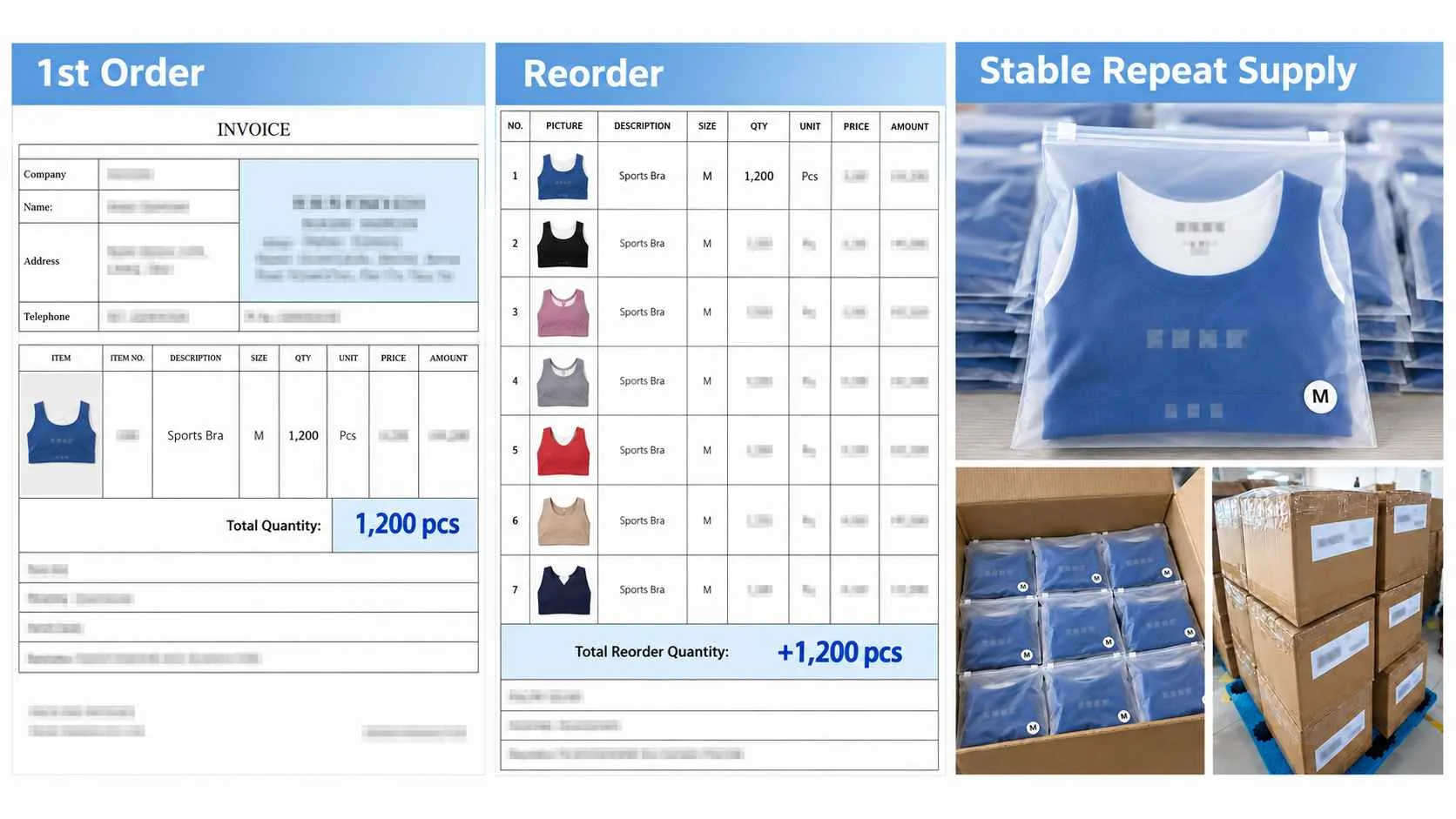
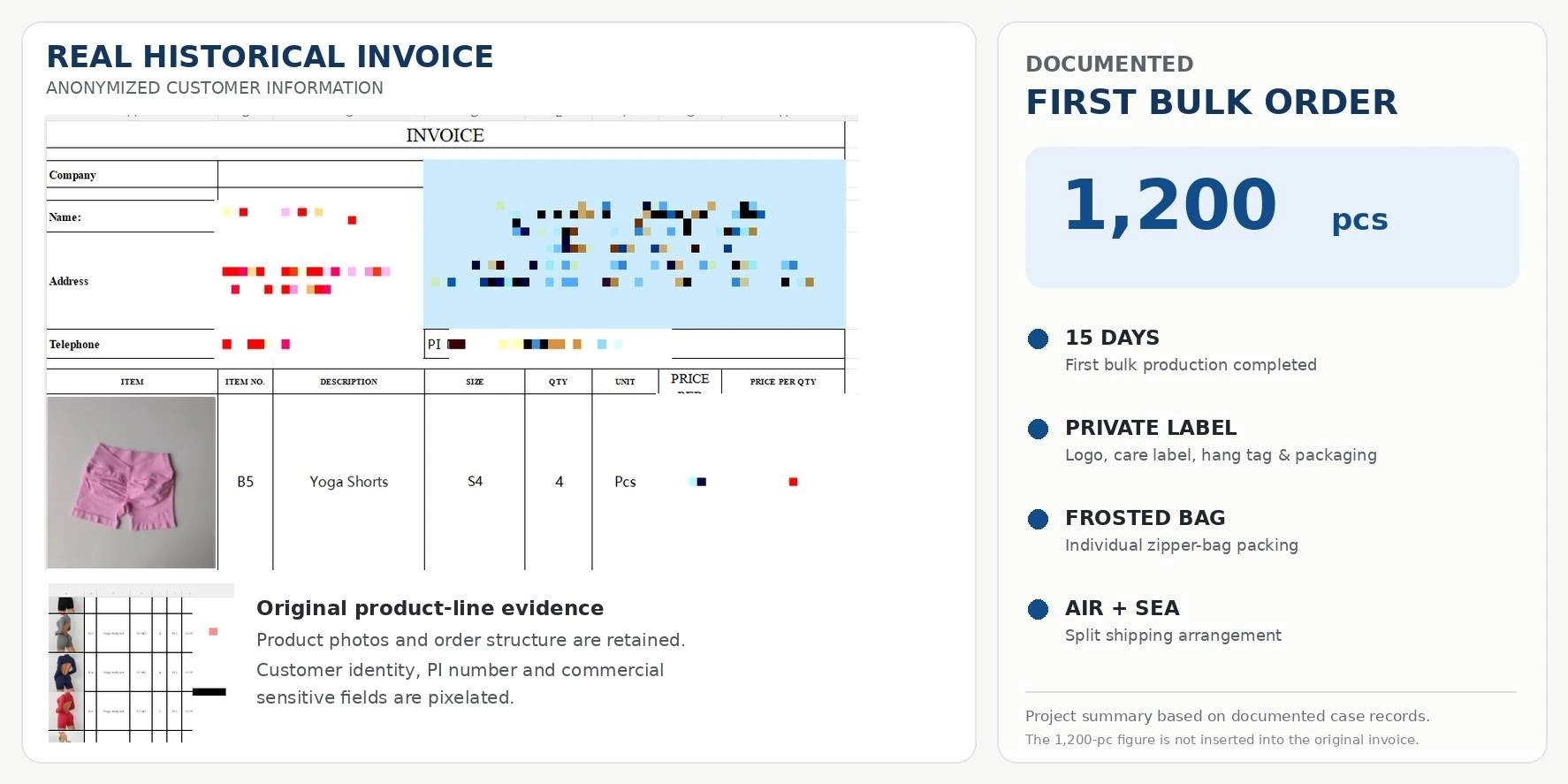
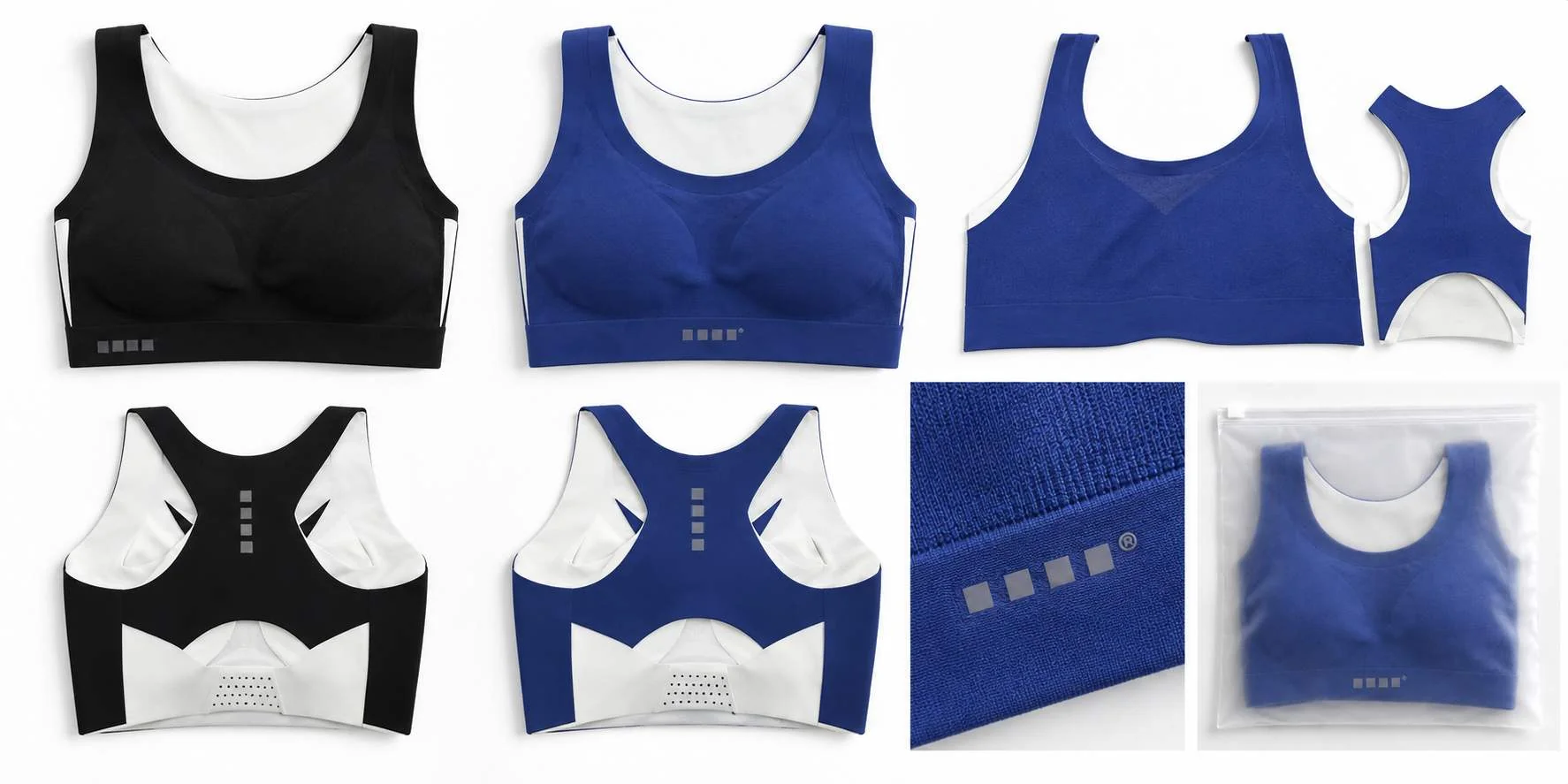
A European activewear customer required a customized product program including logo, wash label, tag and packaging changes. The project record includes a silicone-logo direction and frosted zipper-bag packaging. These branding elements were coordinated as part of the finished-product requirement rather than handled separately after garment production.
Initial Bulk Order
The first recorded bulk quantity was 1,200 pieces. During production, MOVEVOX provided image and video updates, and the case record states that garments were inspected individually before packing. The order used a combination of air and sea shipment to balance delivery timing and overall logistics requirements.
Repeat Before Arrival
Before the first shipment had physically arrived, the customer placed another order for the same 1,200-piece quantity. This did not require the development process to restart from zero because the product and private-label setup had already been established through the first production cycle.
Continued Cooperation
Internal case records show that the customer continued selecting new styles and placing repeat orders after the first program. The value of this case is not a claim that every customer will repeat; it demonstrates one documented project path from branded development into recurring commercial purchasing.
Anonymous Gym Wear Program: Development Into Repeat Supply
Scale is not only a larger number. It requires an approved product, repeatable branding, SKU accuracy, capacity planning and quality controls that can continue across recurring orders.
Tech Pack Development
An anonymized U.S. activewear customer began with its own product Tech Packs. MOVEVOX reviewed the technical information, produced a first sample and then made a second version following actual training-use feedback. After the second version, the customer requested additional samples for physical wear evaluation before confirming bulk production.
Private Label Execution
The commercial program included workout and yoga sets, leggings, shorts, sports bras and tank tops together with custom branding and packaging. One important packing requirement involved QR-code labels that changed by color and size, requiring the garment and packaging identity to remain correctly matched.
Repeat Purchasing
The internal case record describes a cooperation period of approximately three years, with an order reference of around 2,000 pieces per order and approximately two purchases per month. These figures are strong internal evidence candidates but should be supported by anonymized PO and shipment records before exact quantities are published as public proof.
Control at Scale
For this project, repeat supply depended on retaining product knowledge and controlling multi-size, multi-color and packaging information rather than restarting development each time. The case demonstrates why scale-up requires product standards, SKU control, quality checks and repeat-order records alongside manufacturing capacity.