
Private Label Fitness Apparel Built for Ongoing Brand Programs
More Than a Single-Product Manufacturing Request
Fitness apparel sourcing often involves multiple products, materials, fit standards, colors, branding components and SKU structures. MOVEVOX supports programs that may include leggings, sports bras, shorts, tanks, T-shirts, long sleeves, coordinated sets and other reviewed activewear categories.
The manufacturing route is selected according to the actual product. Body-fitting engineered products may be reviewed for Seamless manufacturing, while styles requiring defined panels, pockets, zippers, multiple materials or specific pattern construction may be more appropriate for Cut & Sew.

Designed for Brands Managing Development and Repeat Supply
MOVEVOX is most relevant where the buyer needs more than a ready-stock garment with a logo. Projects can involve product development, sample revision, private label components, quality standards, bulk production and repeat-order planning.
The objective is to convert the buyer's specifications into an approved production standard that can be followed across manufacturing, QC, branding and packing.
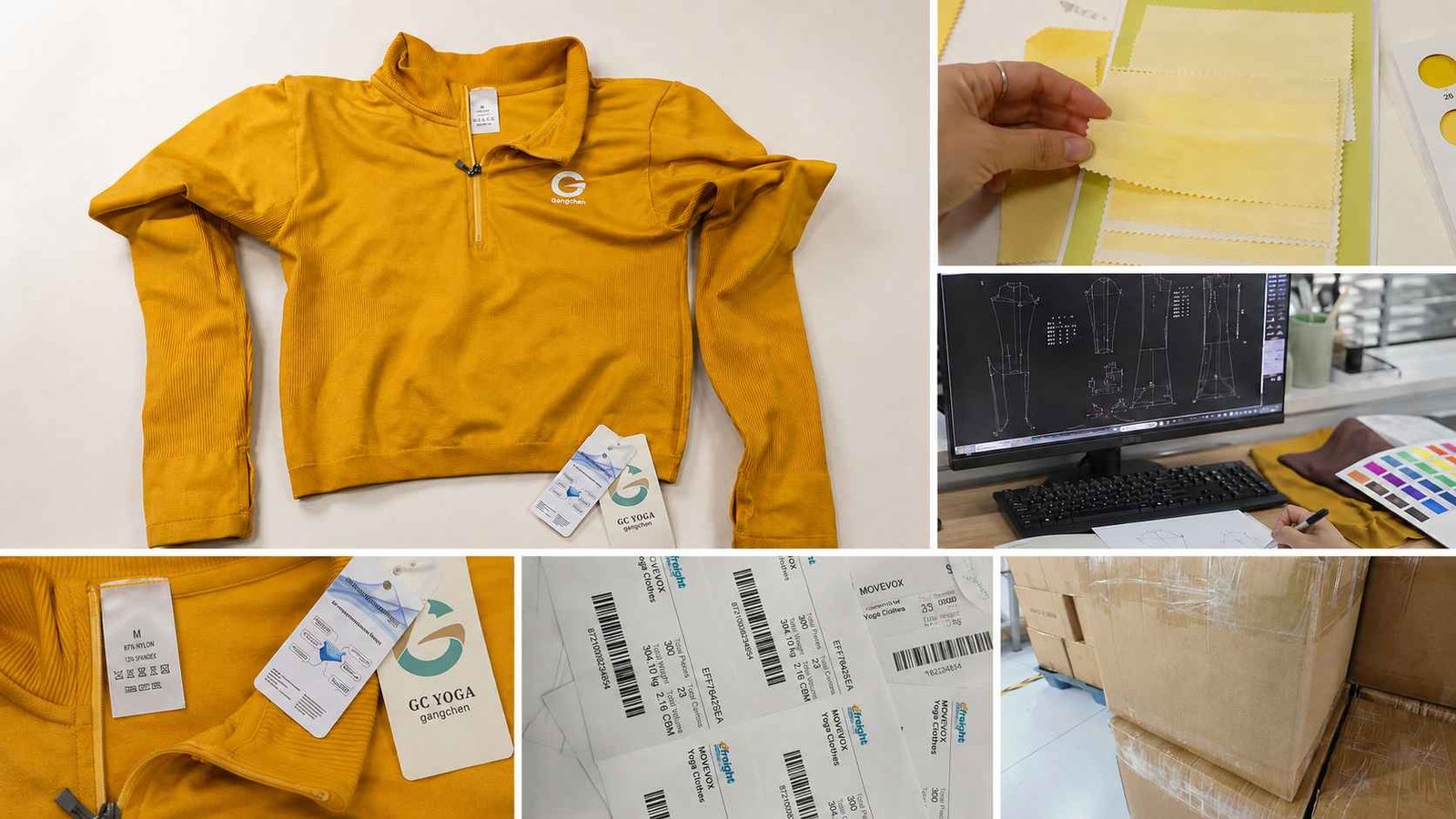
Manufacturing Support for Established Activewear Brand Programs
Established activewear brands often evaluate suppliers against a broader requirement set than product appearance alone. Development discipline, manufacturing compatibility, quality evidence, SKU accuracy and repeatability can all affect supplier approval.
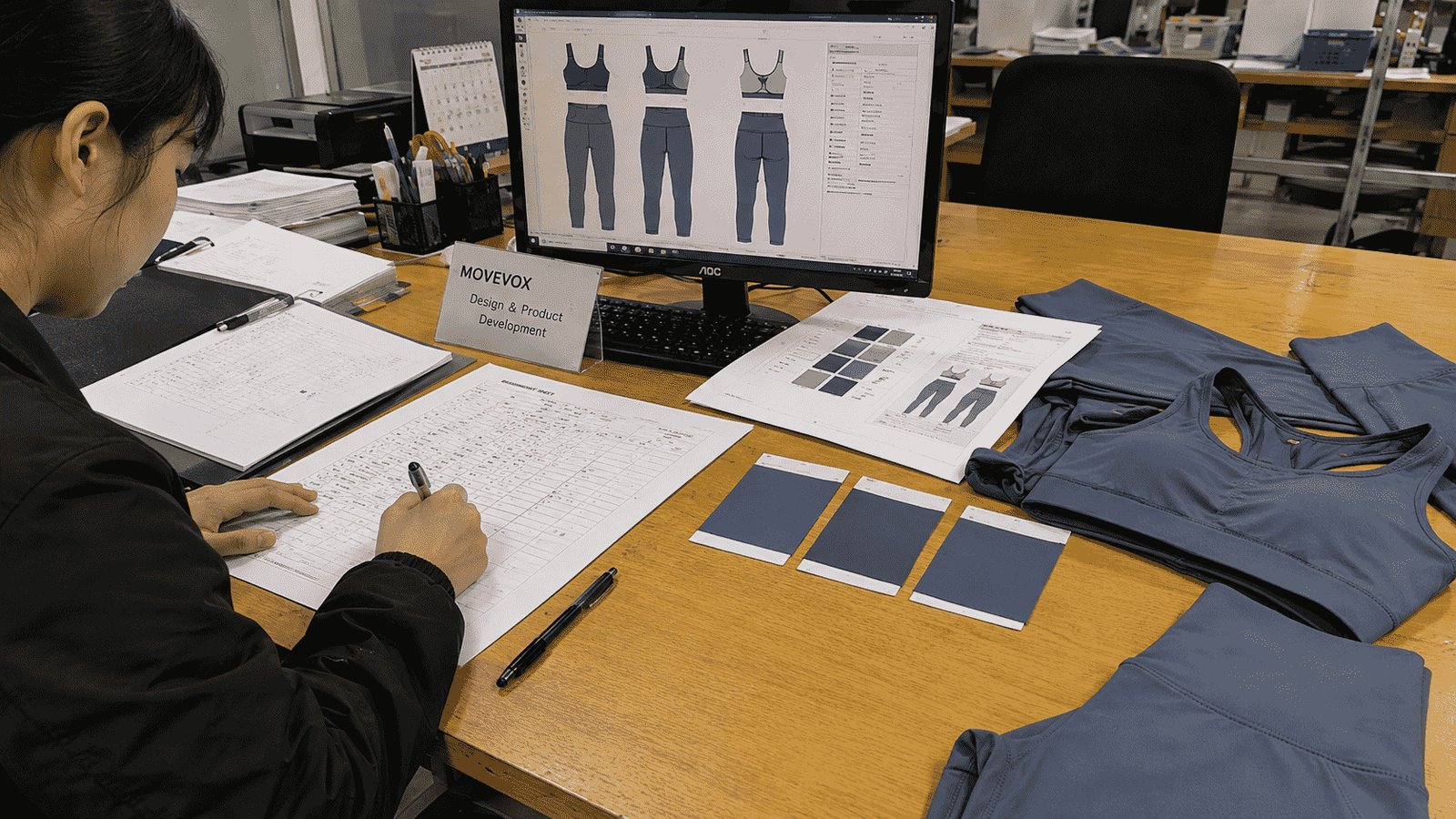
Multi-SKU Collection Development
Coordinate multiple fitness apparel products while keeping material, color, branding and packaging requirements connected to the correct styles and SKUs.
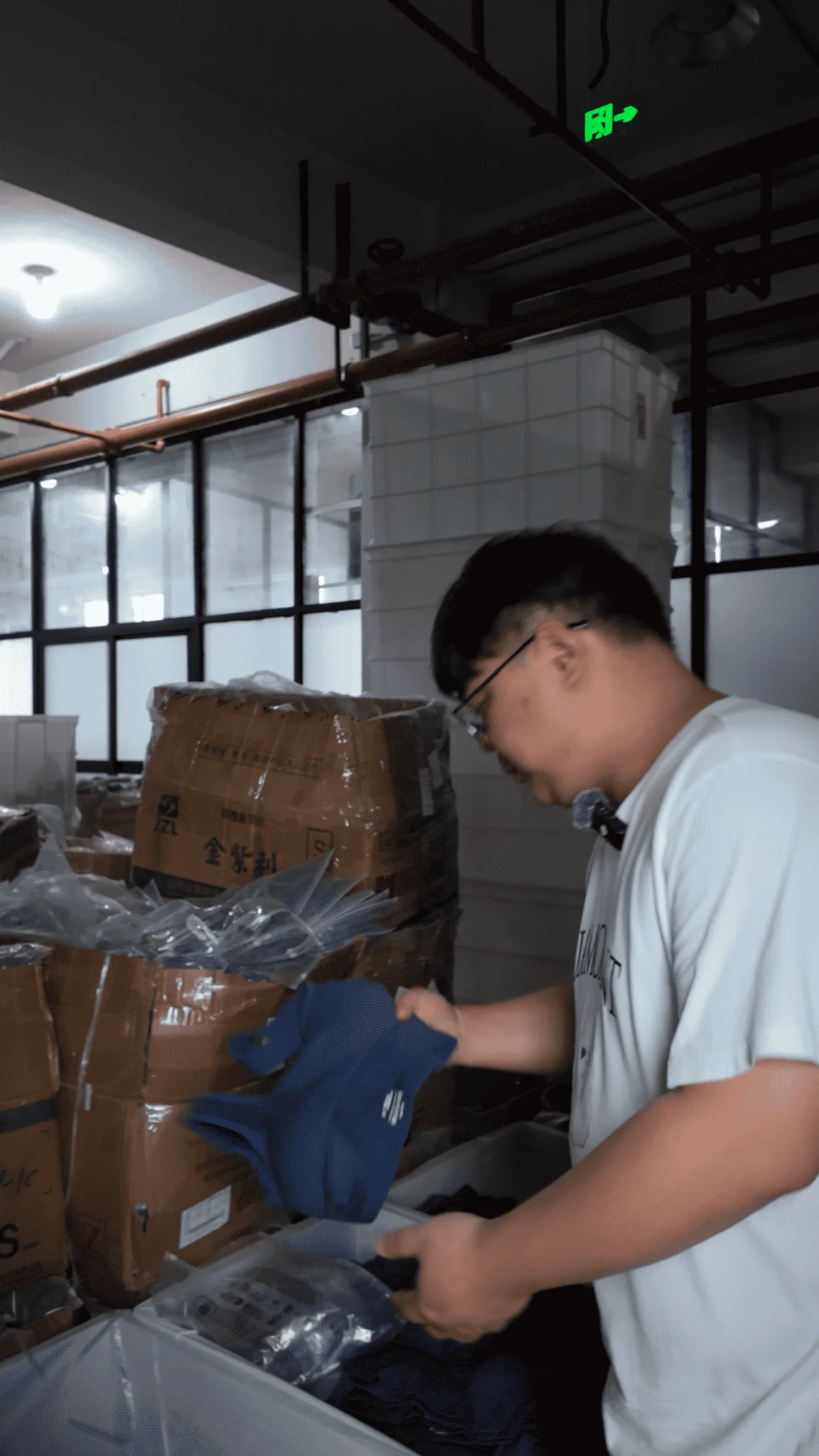
Second-Supplier Qualification
Support structured supplier evaluation through factory information, manufacturing capability review, project-specific sampling, QC evidence and inspection arrangements.

Category Expansion
Develop additional leggings, bras, shorts, tops or sets without assuming every product should follow the same material or manufacturing route.
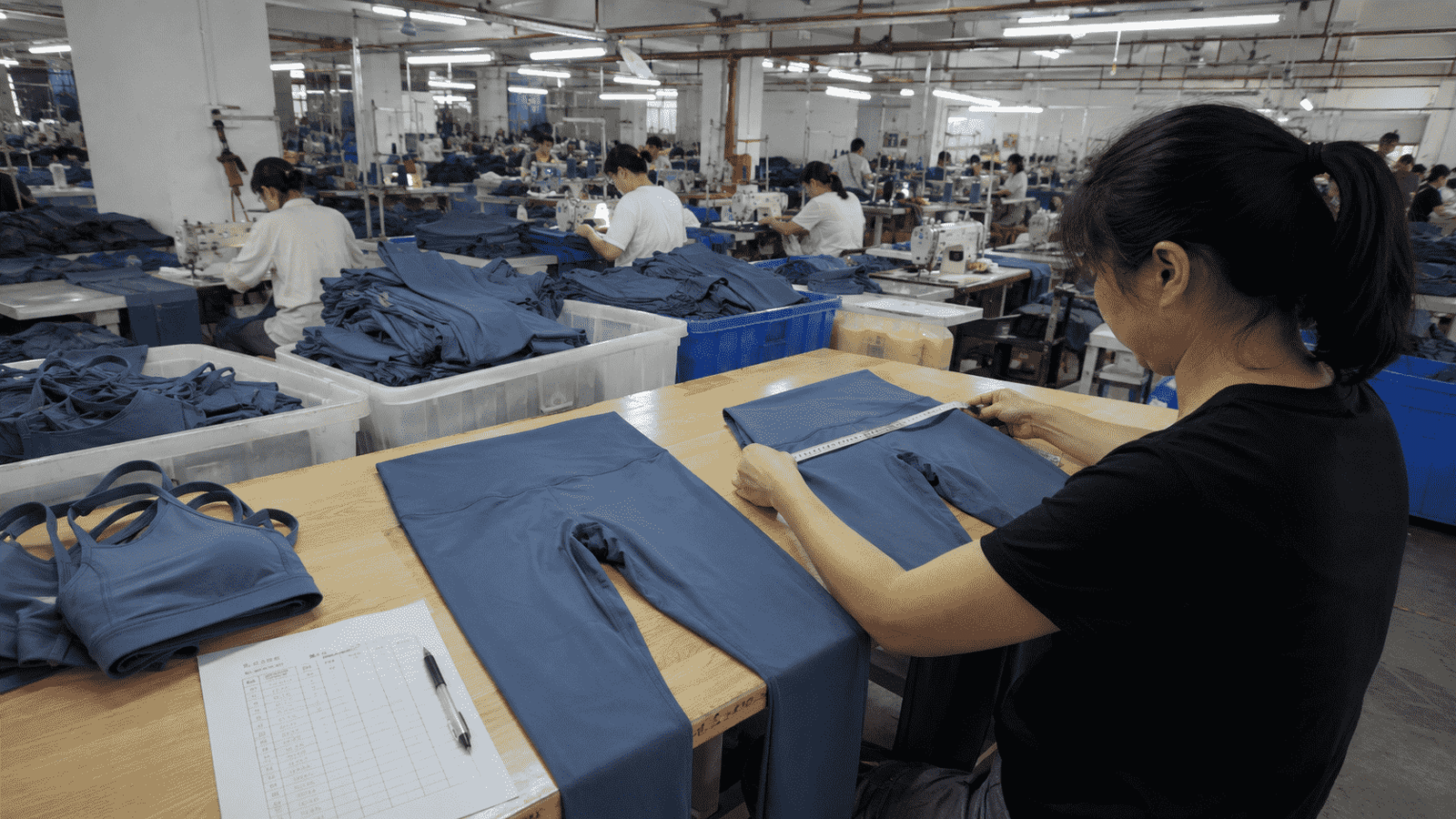
Repeat-Order Programs
Use approved product, material, branding and packaging standards as the reference point for subsequent production, while reconfirming changes that affect the order.
Private Label Is More Than Adding a Logo
A complete private label program connects the approved garment with its material, color, branding, labels and packaging rather than treating each component as an independent add-on.
Product & Fit
Define the garment structure, measurement direction, size requirements and approved sample standard before treating branding as a finished-product decision.
02Fabric & Yarn
Select material direction according to the product structure, desired handfeel, stretch, recovery and buyer requirements. Seamless and Cut & Sew products may require different material approaches.
03Color
Standard colors, custom colors and material-dependent dye requirements should be assessed before bulk. Custom dyeing may create separate material-level MOQ requirements.
04Logo
MOVEVOX supports methods including screen printing, heat transfer, silicone, embroidery, jacquard and woven branding, subject to the garment, material, artwork and supplier requirements.
05Labels
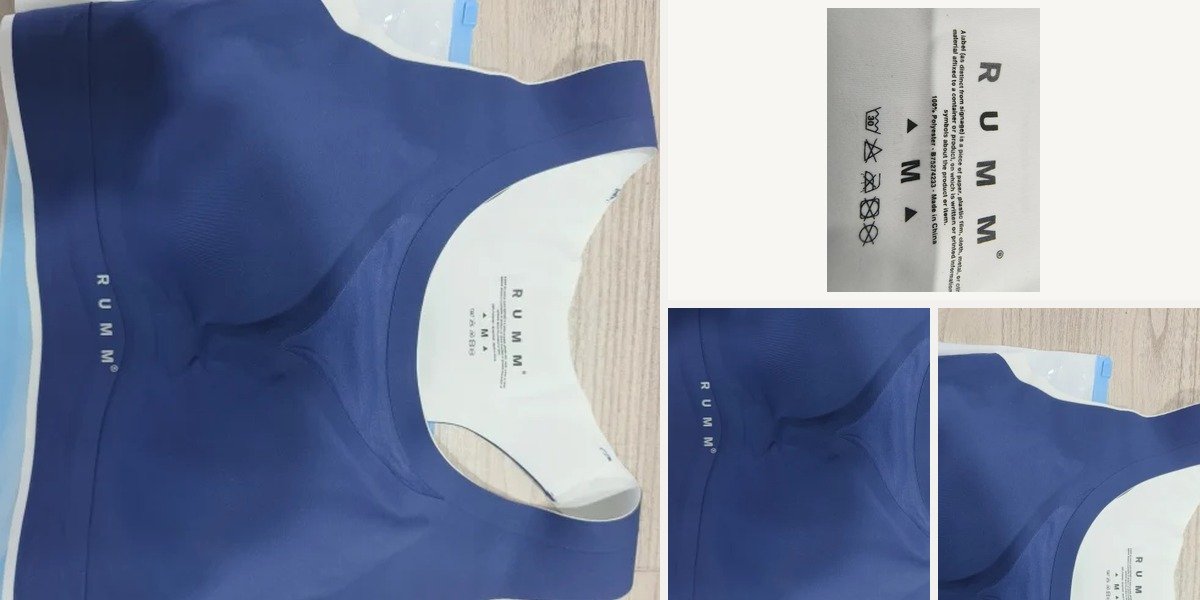
Main labels, care labels, size labels, woven labels and other project-specific identifiers can be coordinated according to approved artwork and SKU information.
06Packaging
Polybag, zipper bag, SKU label, barcode, hangtag, carton mark and other packaging requirements can be incorporated into the project specification.
Build a Multi-Category Private Label Fitness Apparel Collection
Product capability should be evaluated style by style. The following categories represent development directions, not ready-stock claims.
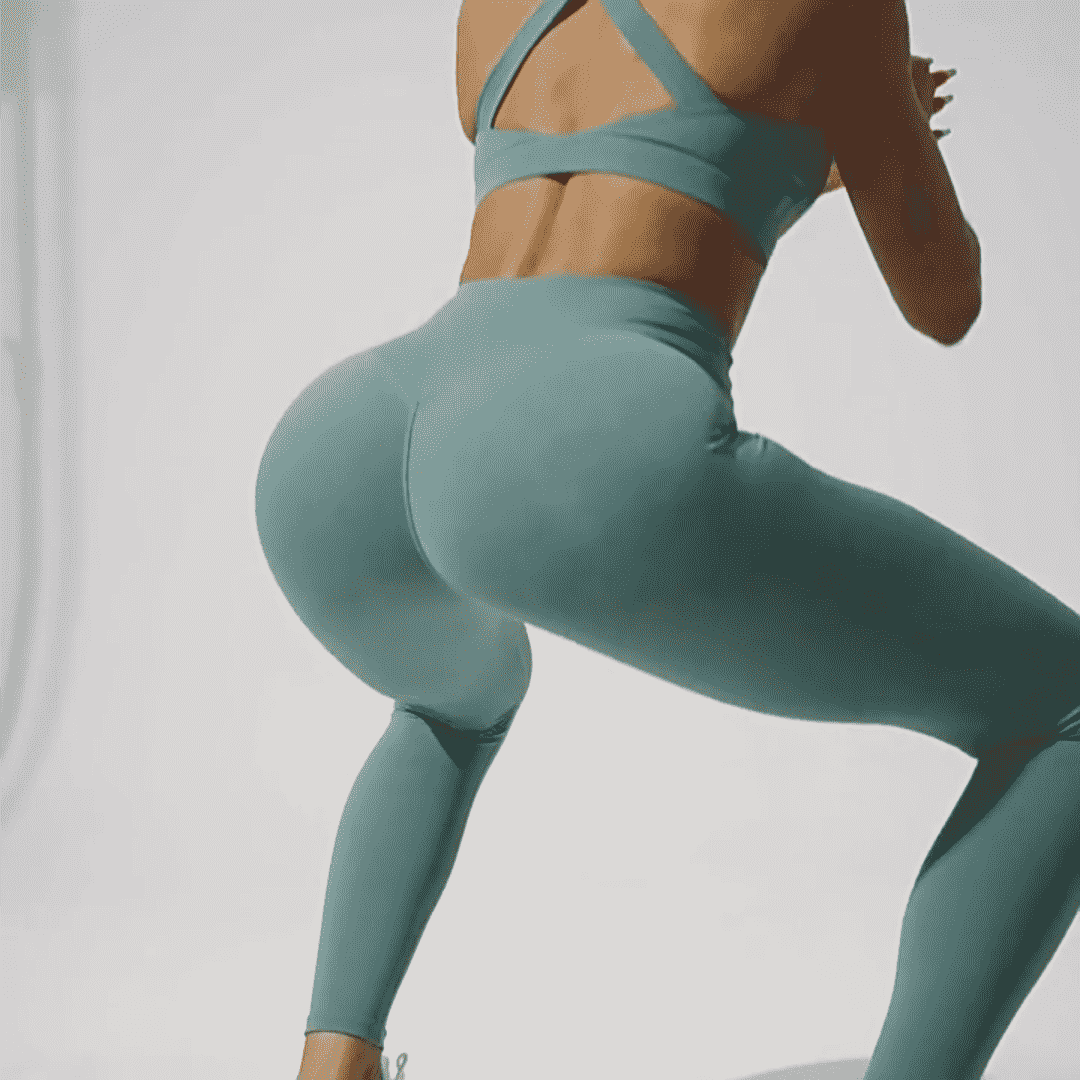
Fitness Leggings
Seamless or Cut & Sew routes can be reviewed according to structure, fit, waistband, material and design requirements.
View Leggings →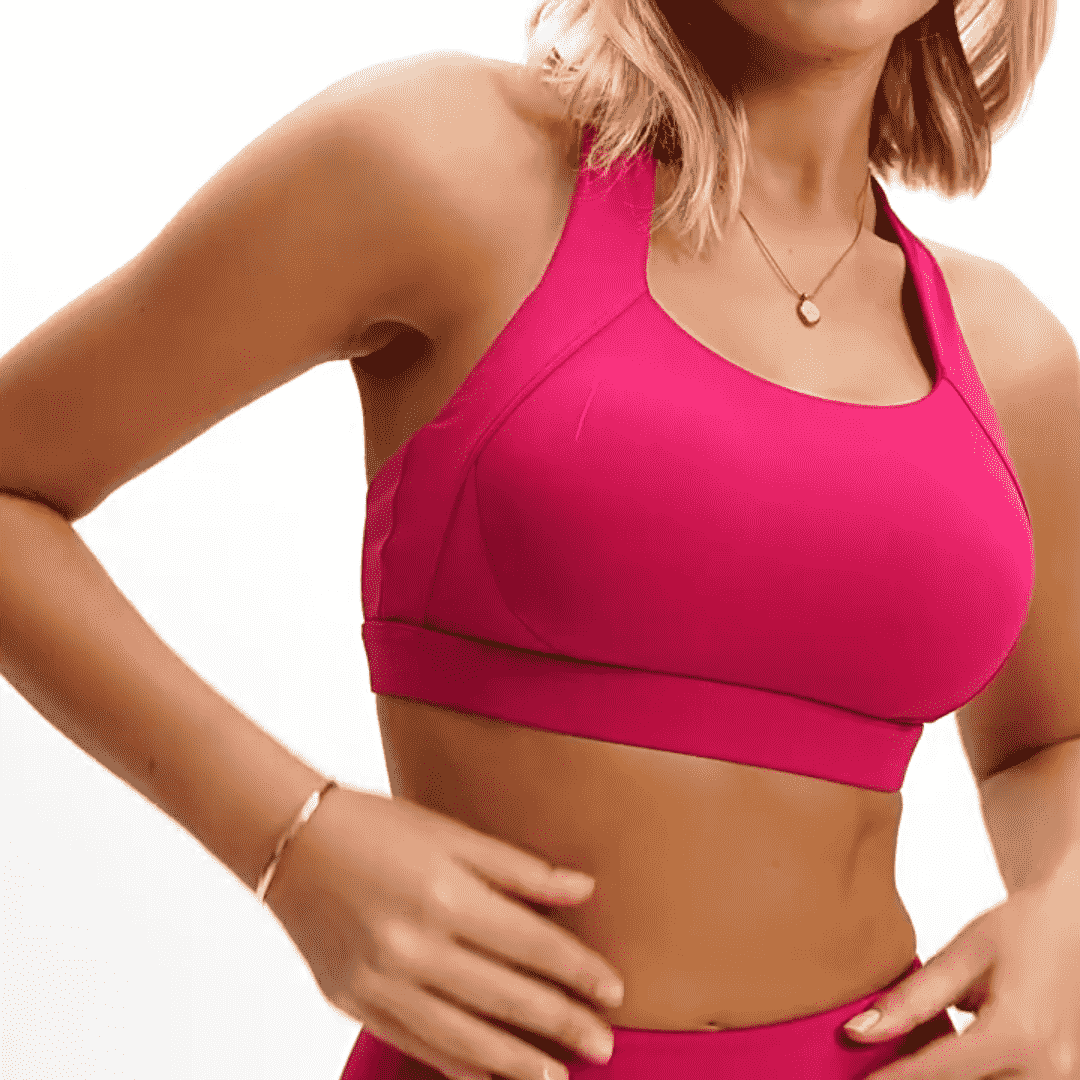
Sports Bras
Development may involve coverage, neckline, underband, strap, cup and construction decisions.
View Sports Bras →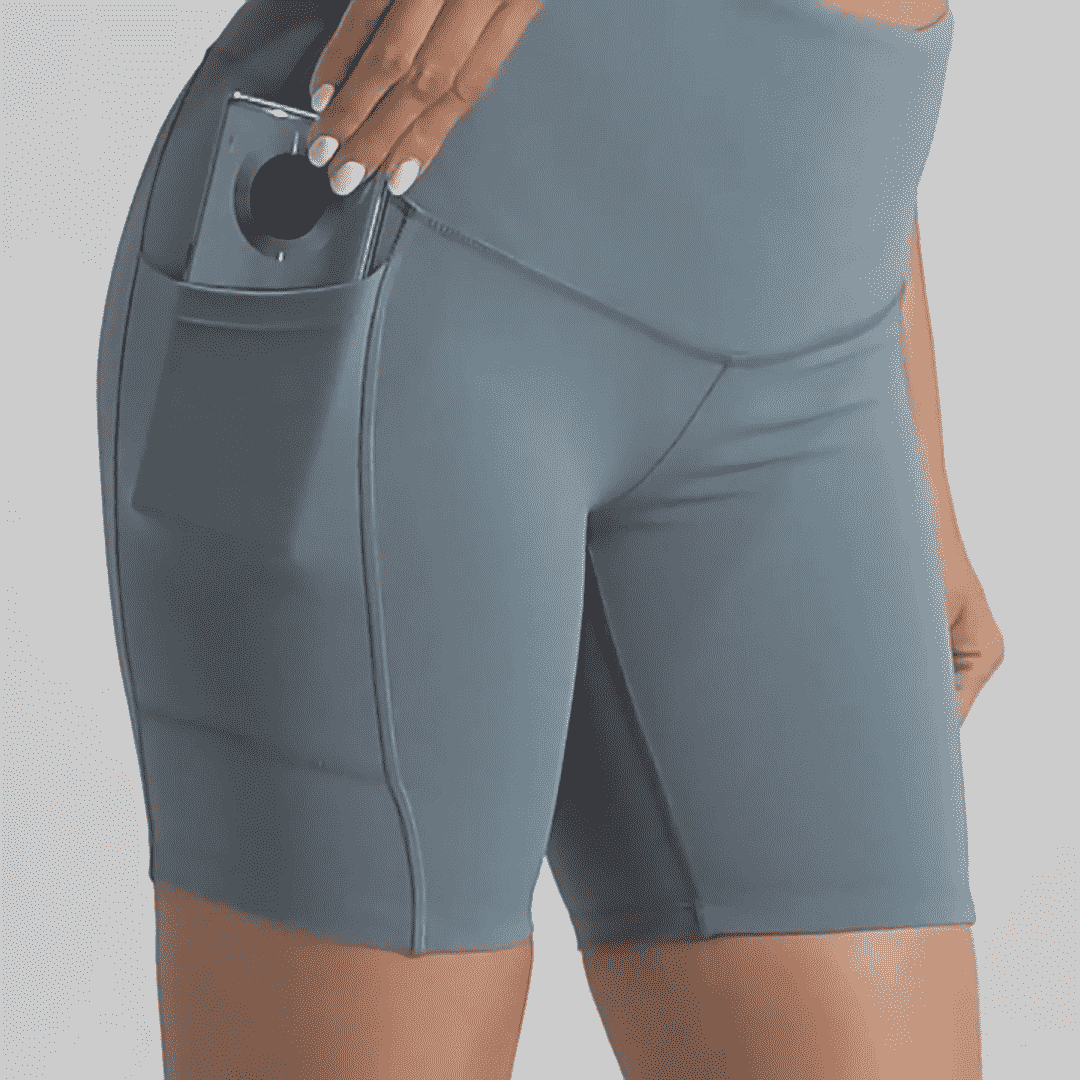
Biker Shorts
Fit, inseam, waistband, leg opening and material behavior should be reviewed against the intended use.
View Shorts →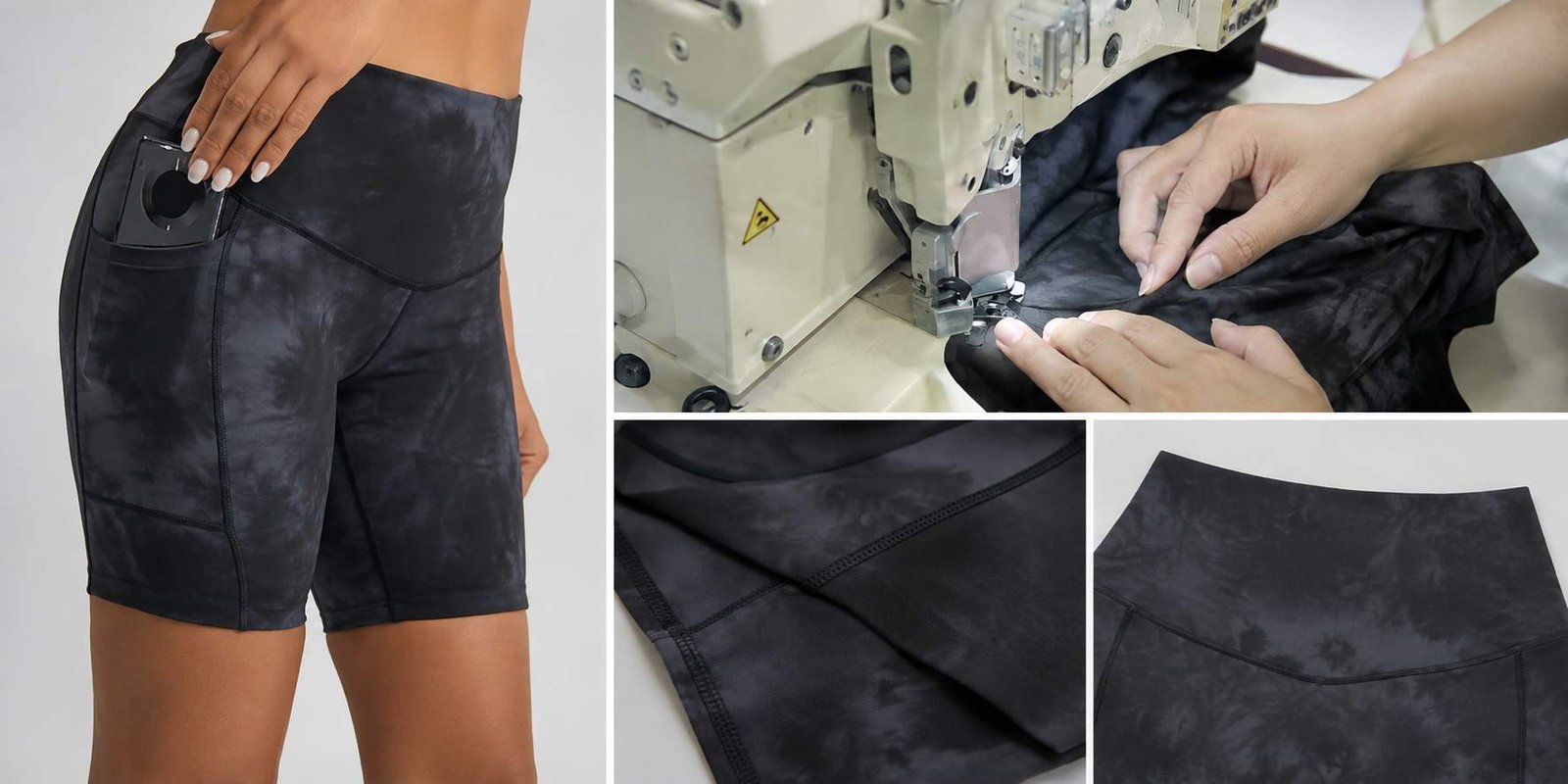
Training Shorts
Cut & Sew or selected Seamless structures can be assessed according to design and movement requirements.
View Shorts →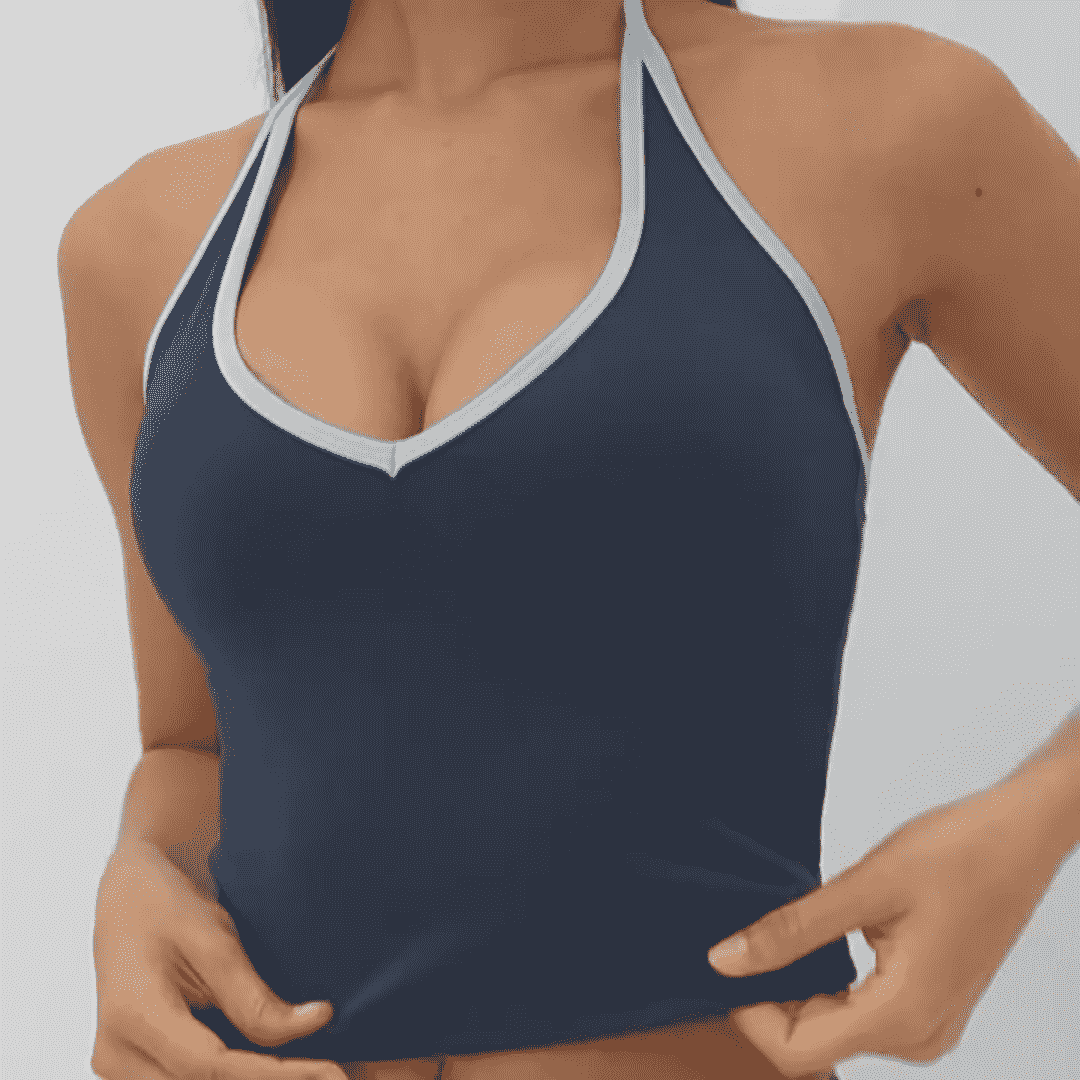
Tank Tops
Suitable for coordinated fitness collections, with material, silhouette and branding reviewed by style.
View Tops →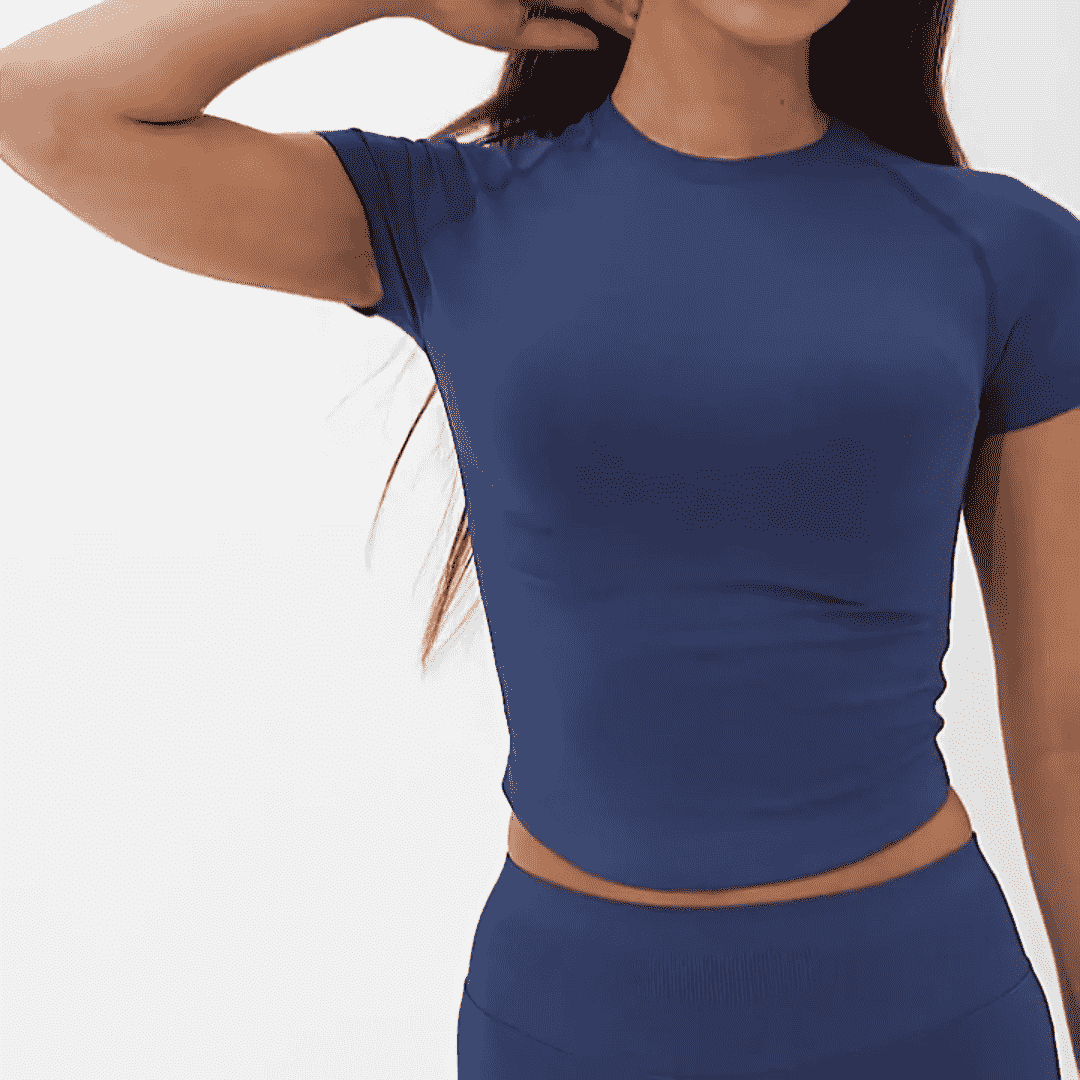
Performance T-Shirts
Cut & Sew development can support different silhouettes, fabrics, logo methods and activewear collection directions.
View Tops →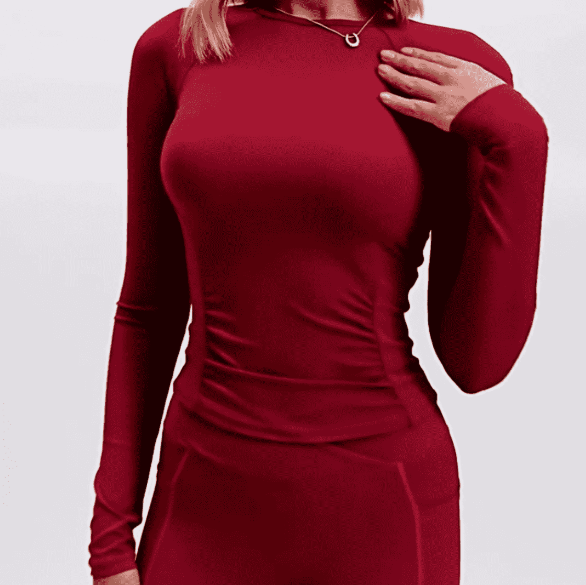
Long Sleeve Tops
Fit, sleeve construction, material and intended use are reviewed before manufacturing.
View Tops →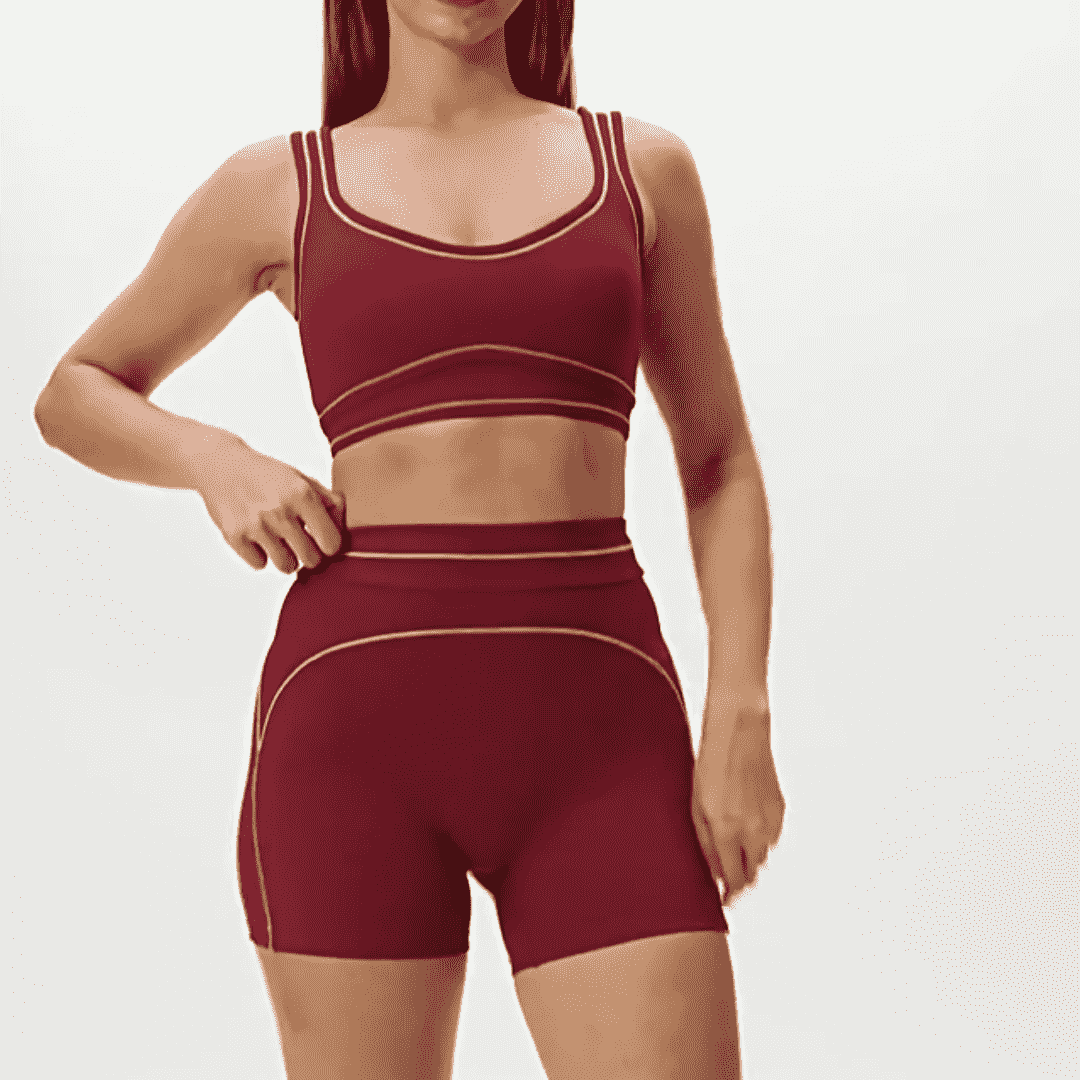
Fitness Sets
Leggings, bras, shorts and tops can be coordinated within a shared private label program.
View Sets →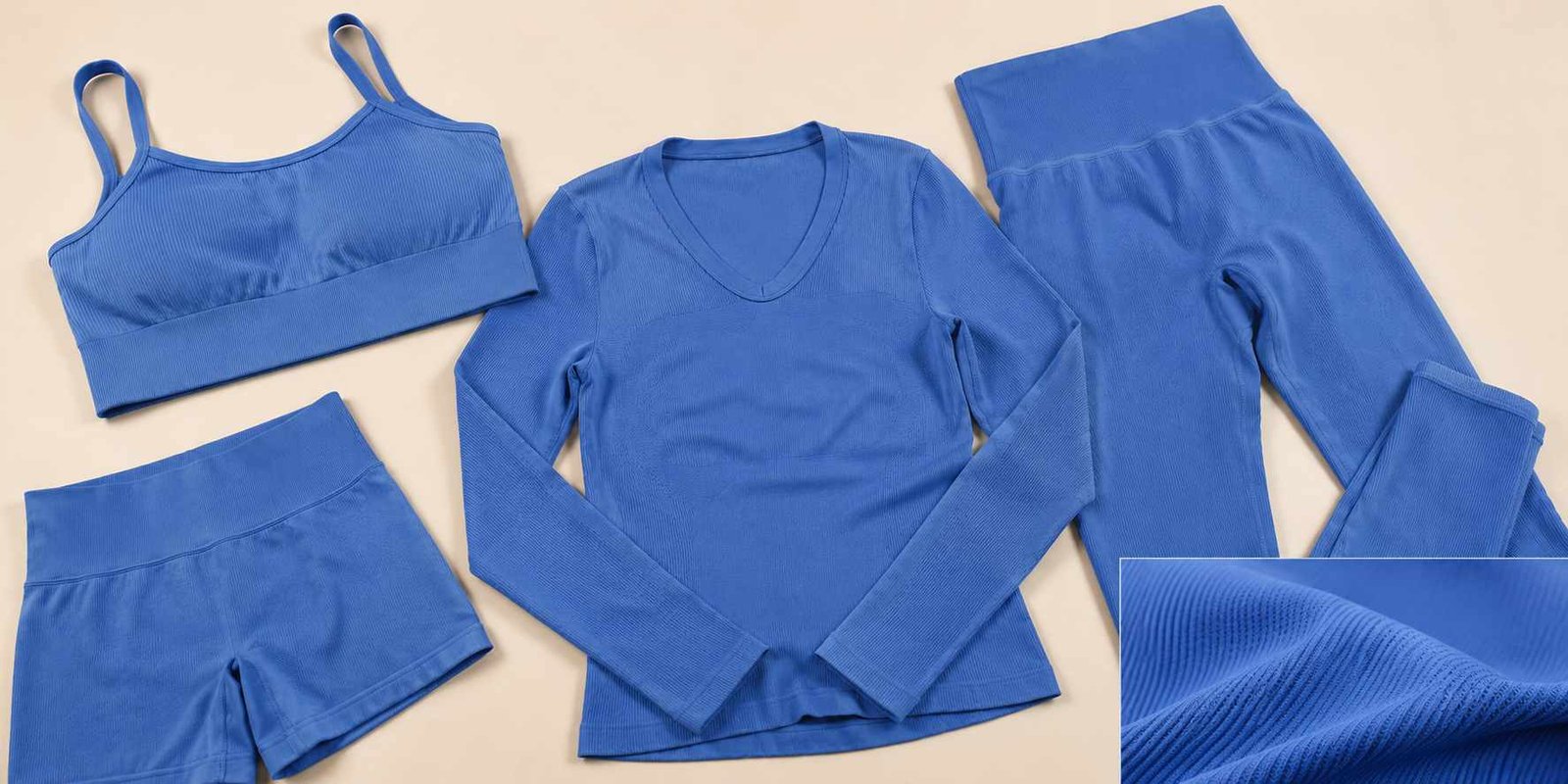
Seamless Activewear
Applicable products can use engineered knit structures, rib, mesh, jacquard and other reviewed seamless constructions.
Explore Seamless Activewear →
Selected Running / Lightweight Activewear
Selected lightweight activewear styles can be reviewed on a project basis where the construction fits MOVEVOX manufacturing capability.
Explore Activewear →Develop the Collection as a System, Not as Isolated SKUs
SKU Architecture
Define which products belong in the program and identify which styles need Seamless, Cut & Sew or separate technical review.
A collection may include leggings, bras, shorts and tops, but each SKU still requires its own fit, construction and production standard.
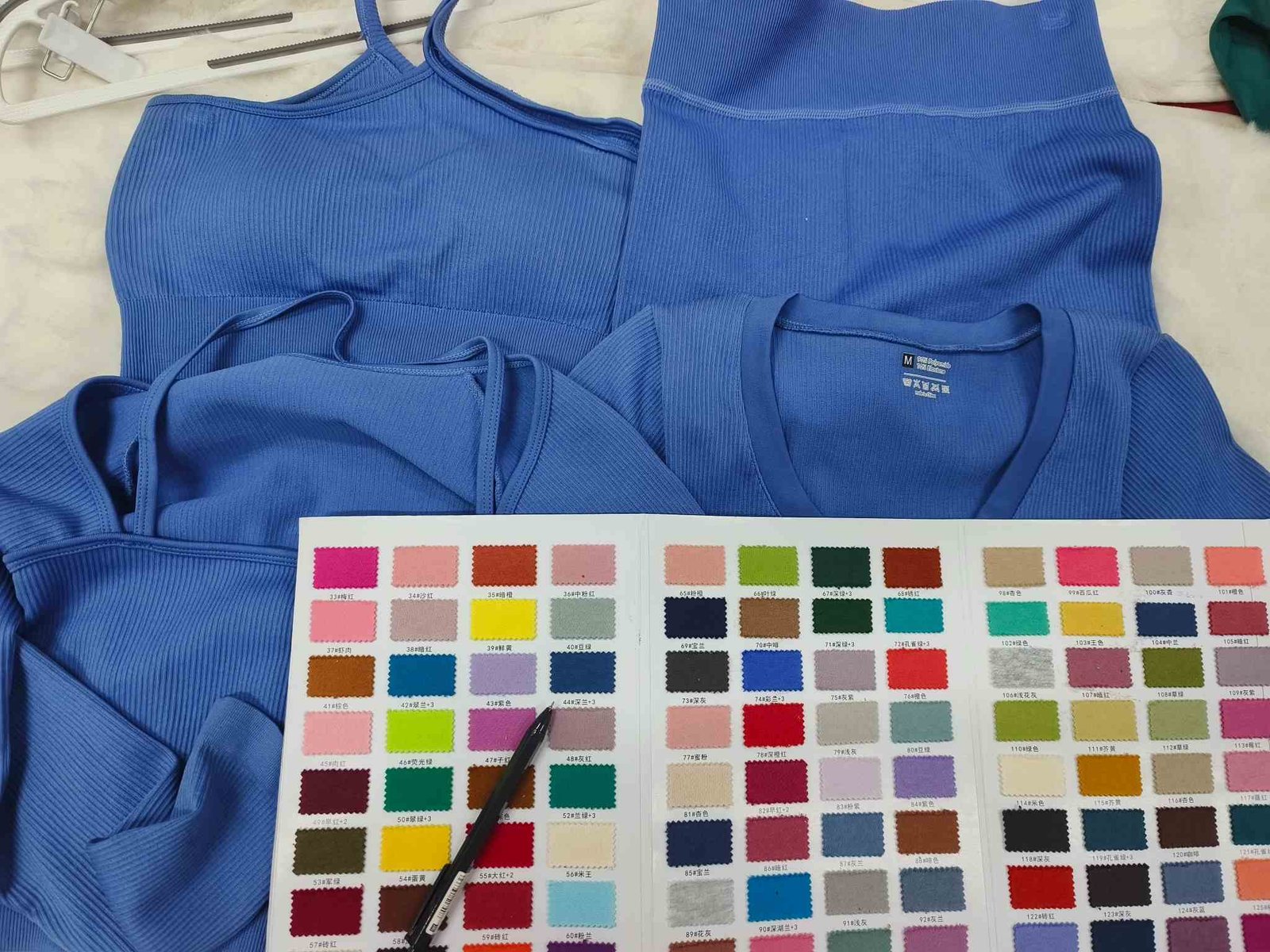
Material Platform
Where suitable, related products can be reviewed around shared fabric, yarn or material directions to improve collection consistency and simplify development.
Material suitability still needs to be confirmed at product level; the same fabric is not automatically appropriate for every garment.
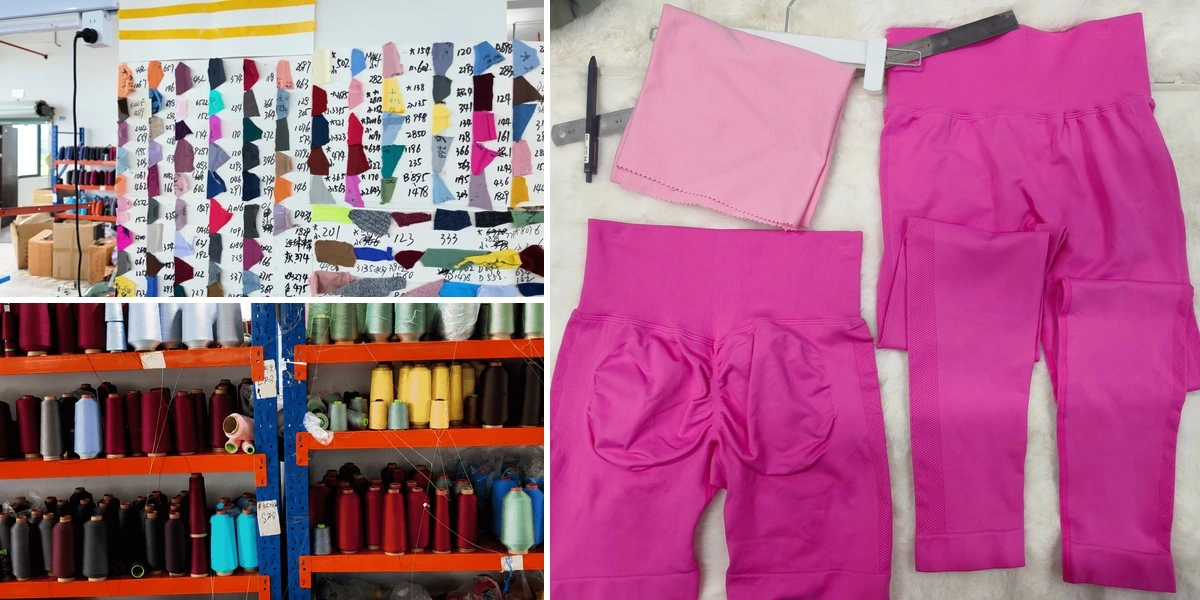
Color System
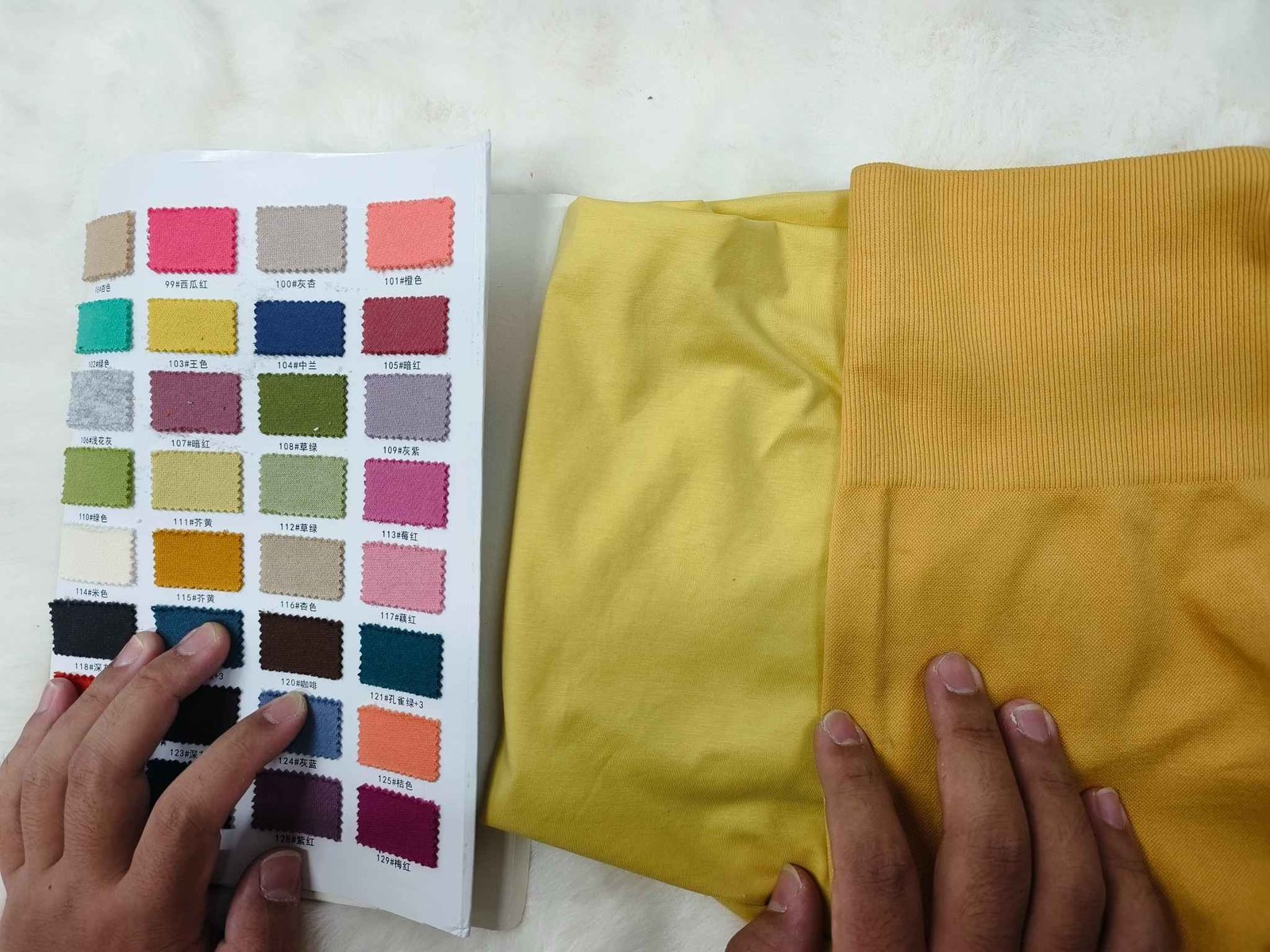
Shared color direction can help coordinate a collection, while actual color execution depends on material base, dye route and approved physical standard.
Custom colors may also create separate dye-lot MOQ considerations.
Brand Execution
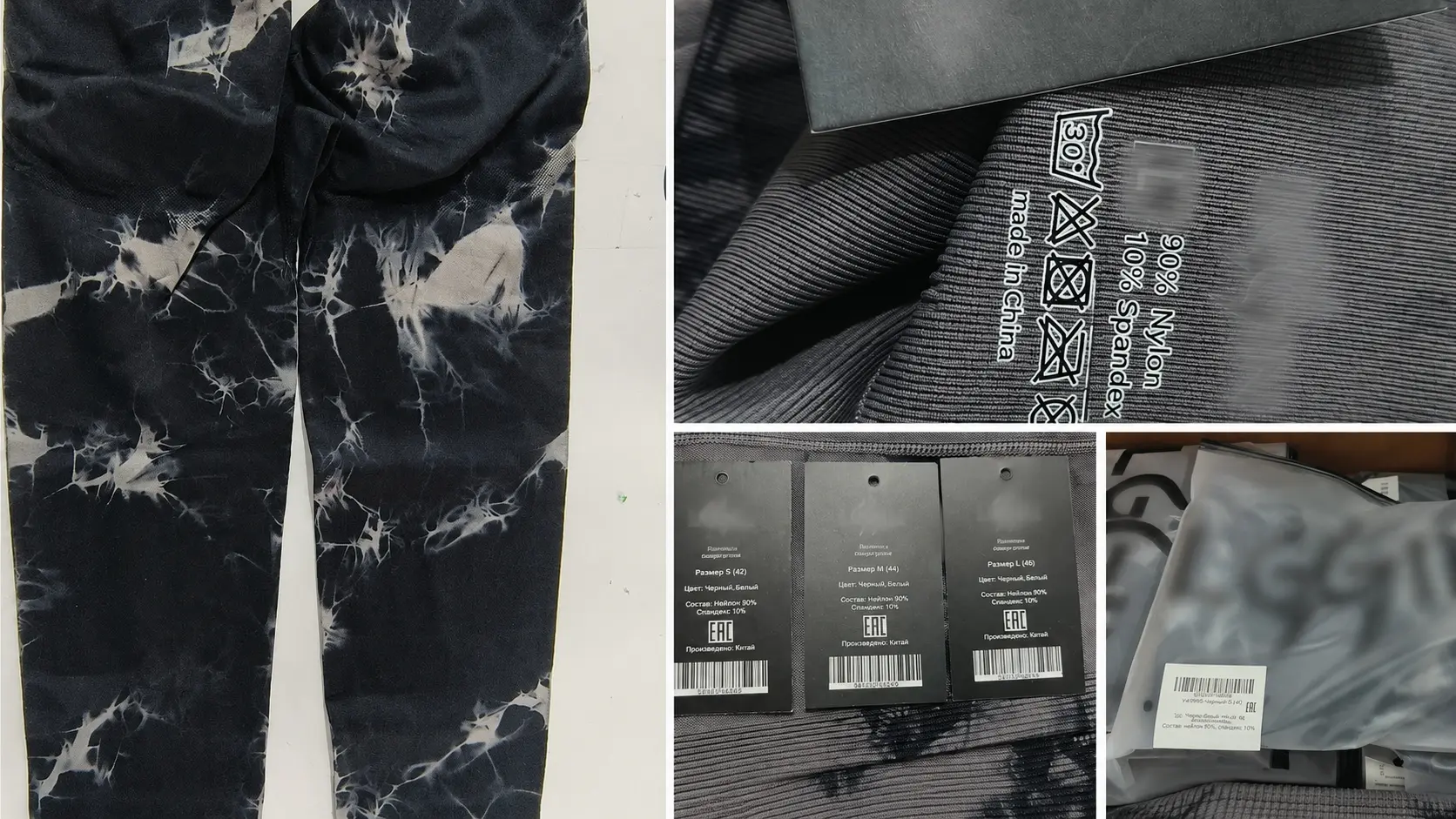
Logo, labels, hangtags, barcode logic and packaging can be coordinated across the collection, while remaining mapped to the correct SKU, color and size.
One Accountable Interface Across Multiple Manufacturing Requirements
Without Central Coordination
A fitness apparel program can require coordination across product development, material suppliers, Seamless production, Cut & Sew production, logo suppliers, labels, packaging and quality inspection.
When these activities operate independently, the buyer may need to resolve conflicting versions, incomplete handovers or unclear responsibility.
With MOVEVOX Project Coordination
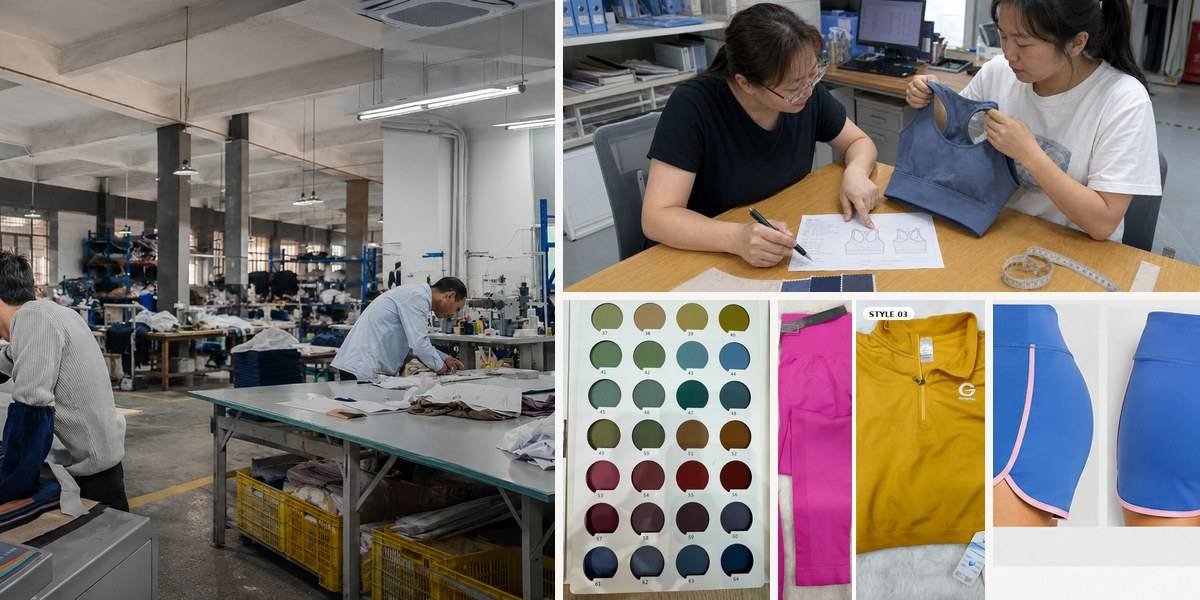
MOVEVOX uses its Yiwu core manufacturing base together with controlled satellite or specialized production resources where appropriate.
Technical documents, material requirements, production planning, QC and final project accountability remain coordinated through MOVEVOX. External production resources should not be represented as MOVEVOX-owned factories.

Turn Fit Requirements Into a Measurable Production Standard
Cut & Sew Pattern Engineering
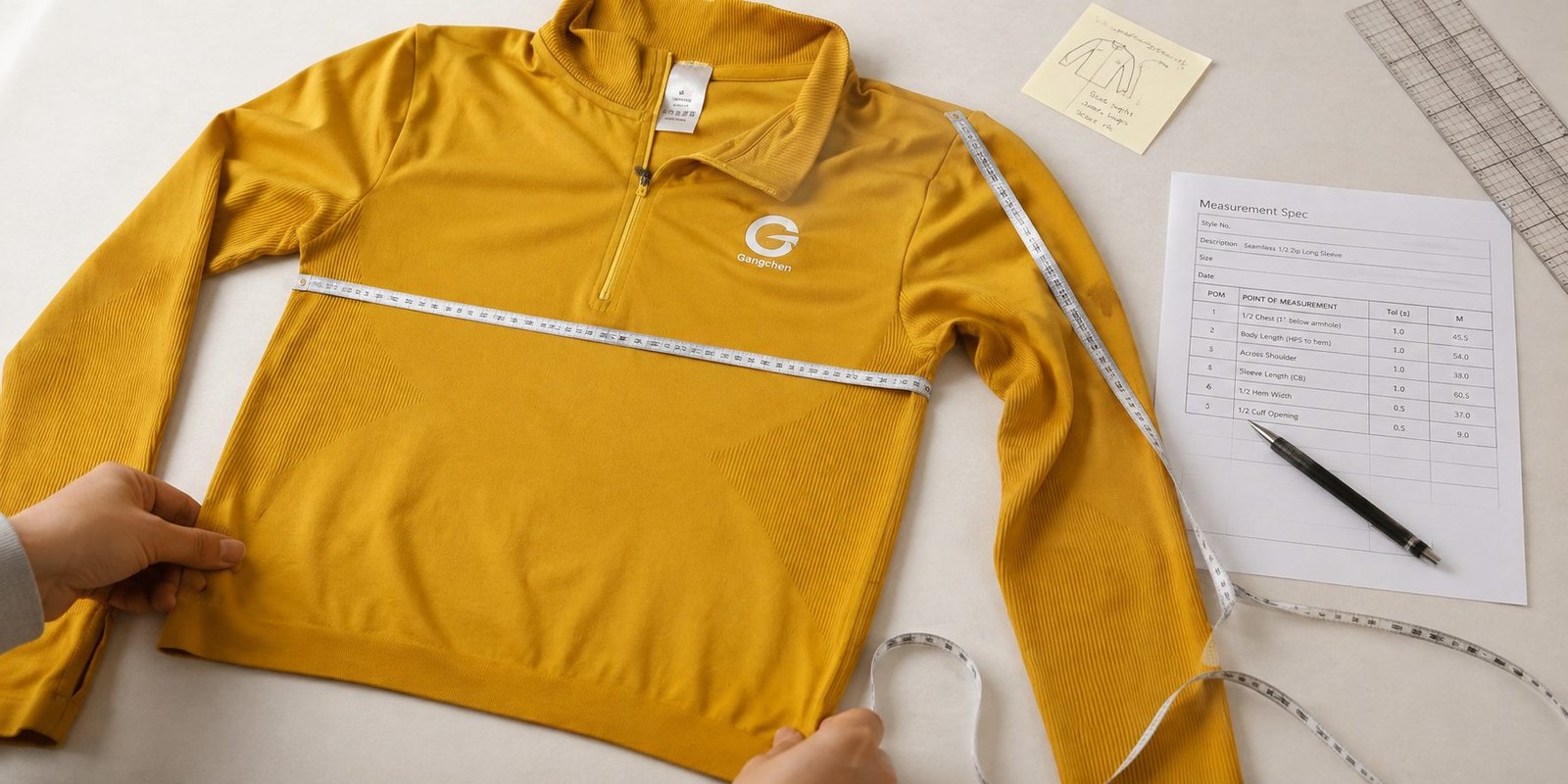
A Cut & Sew project can begin with the customer's Tech Pack, measurement chart, legal reference sample or defined target fit.
MOVEVOX reviews measurements, proportions and construction before developing or revising the pattern. The process can include sample measurement, fit comments, pattern revision and approval before the production pattern is locked.
MOVEVOX's development team includes two professional pattern-making roles, with core technical personnel having approximately 8–10 years of pattern experience.
Seamless Fit Requires a Different Technical Route
Seamless products are not developed through conventional paper patterns alone. Size, circumference, garment length, knit structure, stretch behavior, rib zones and body-mapped construction need to be translated into the knitting program and sample.
For either manufacturing route, the objective is the same: move from an informal fit expectation to an approved standard that can be measured and reviewed during bulk production.
Select Materials by Product Outcome, Not Composition Alone
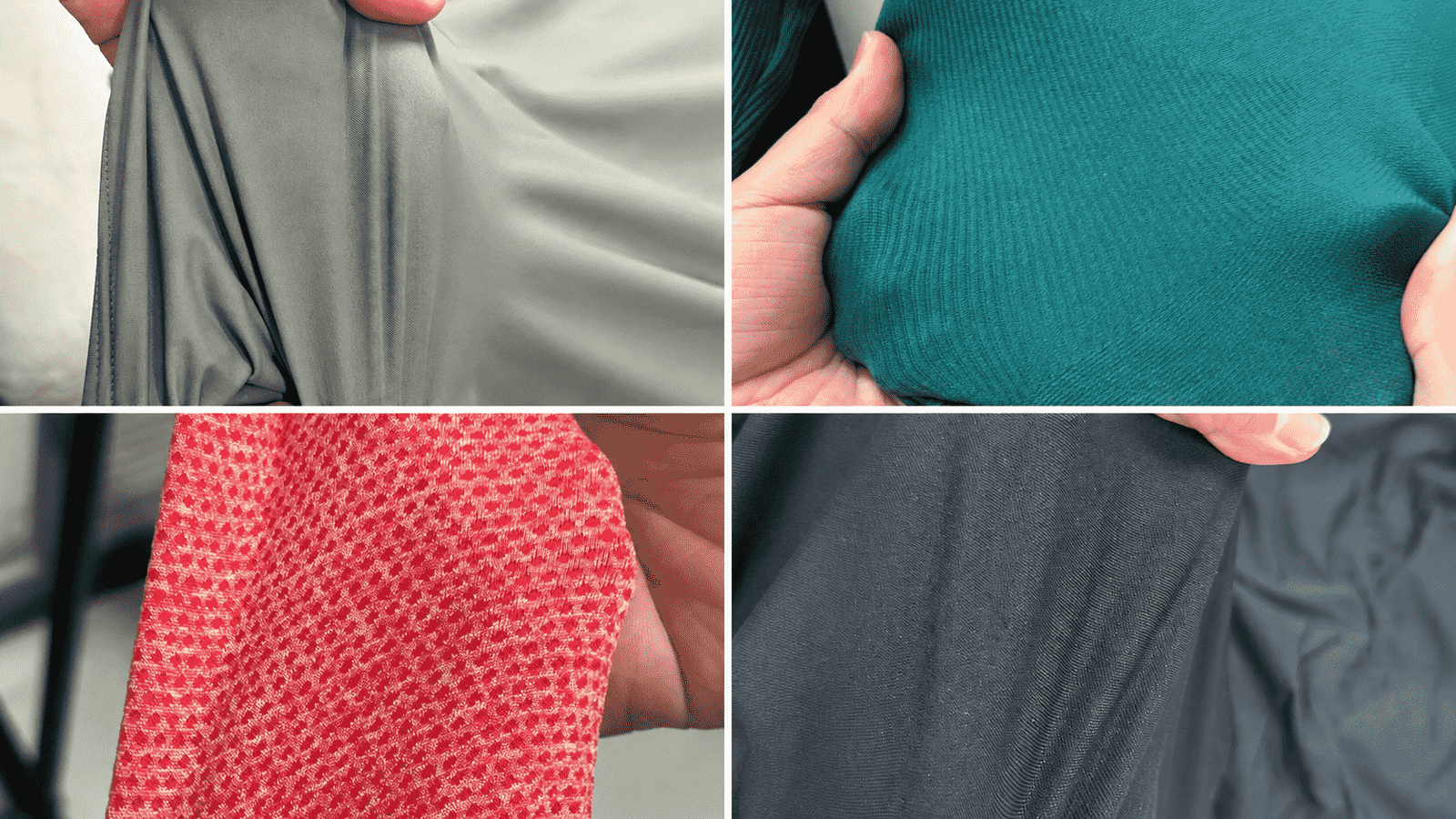
Nylon / Spandex Directions
Often reviewed for close-fitting activewear where handfeel, stretch, recovery and garment structure are important. Final suitability depends on the actual fabric specification and product.
Polyester / Spandex Directions
Can be considered for selected fitness and training products according to required handfeel, structure, print or performance expectations.
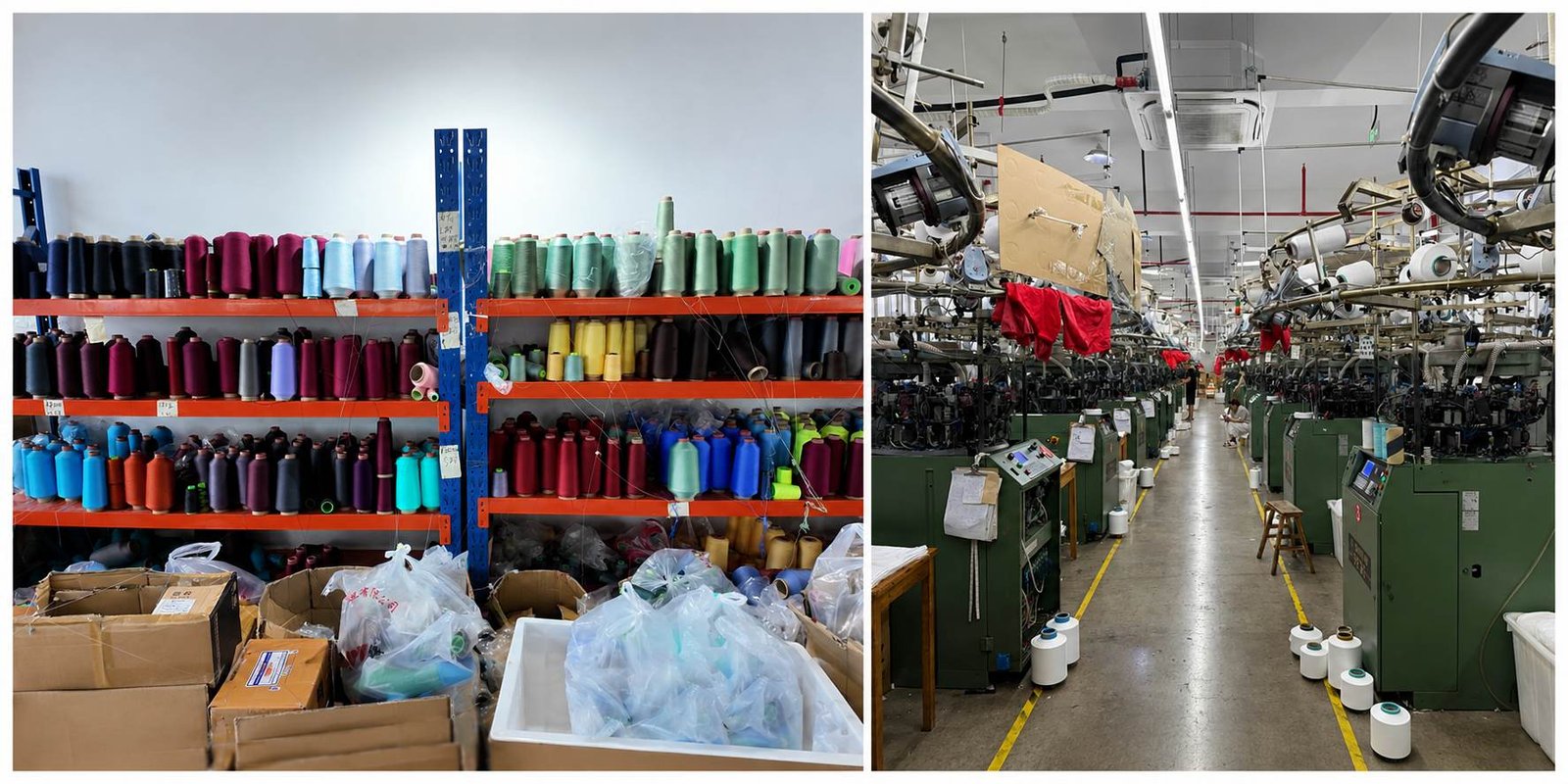
Seamless Yarn Systems
Seamless products require yarn and knit-structure decisions to be evaluated together because rib, mesh, jacquard and body-mapped zones affect the finished garment.
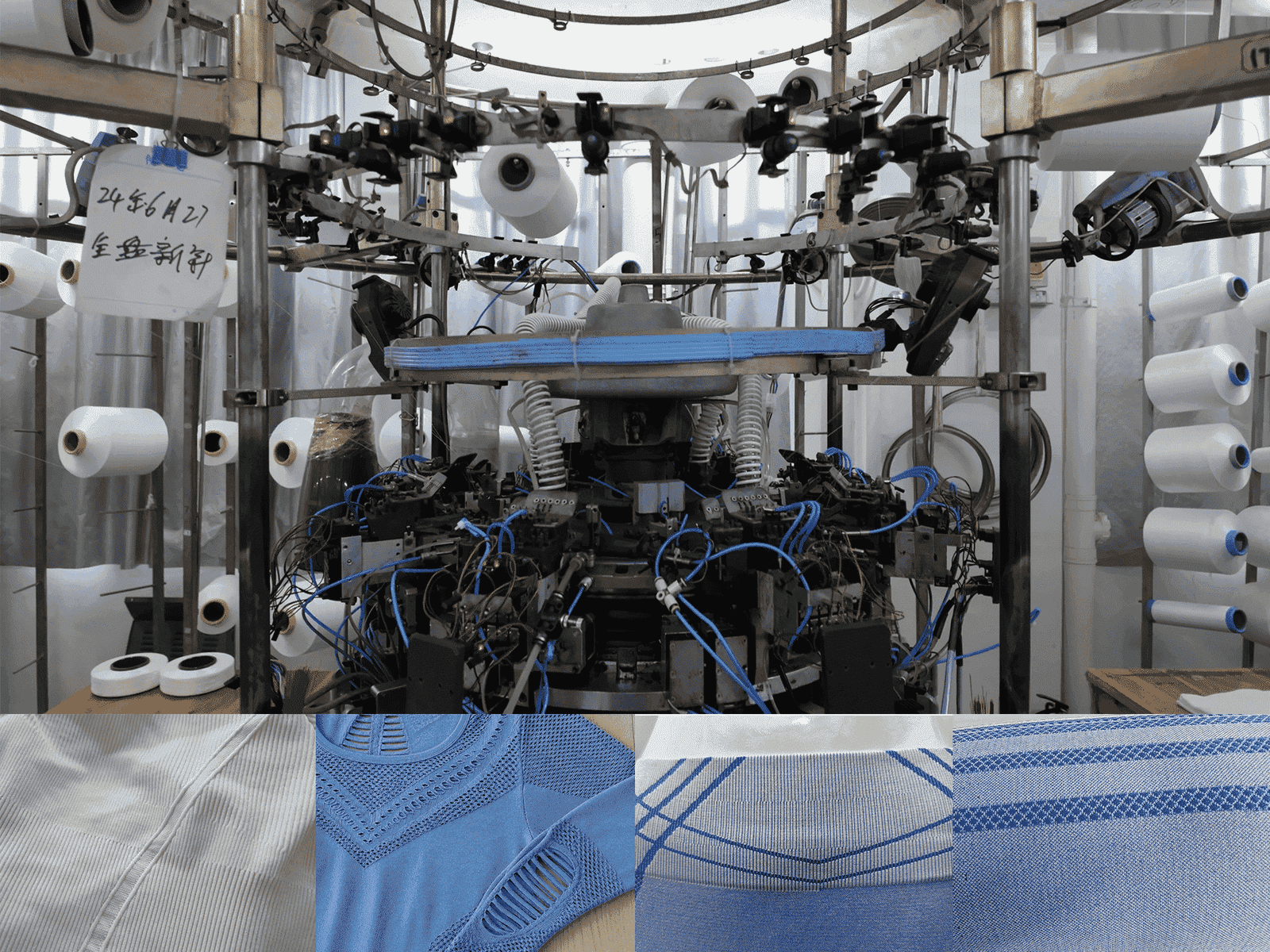
Textured, Ribbed and Surface Structures
Visual texture can change stretch, opacity, handfeel and garment behavior. Approval should be based on the physical material or sample rather than appearance alone.
Relevant factors can include composition, weight, handfeel, stretch, recovery, opacity, surface structure, color route and compatibility with logo or garment construction. Material selection should therefore remain connected to product development and sample approval.
Connect Every Brand Component to the Correct Fitness Apparel SKU
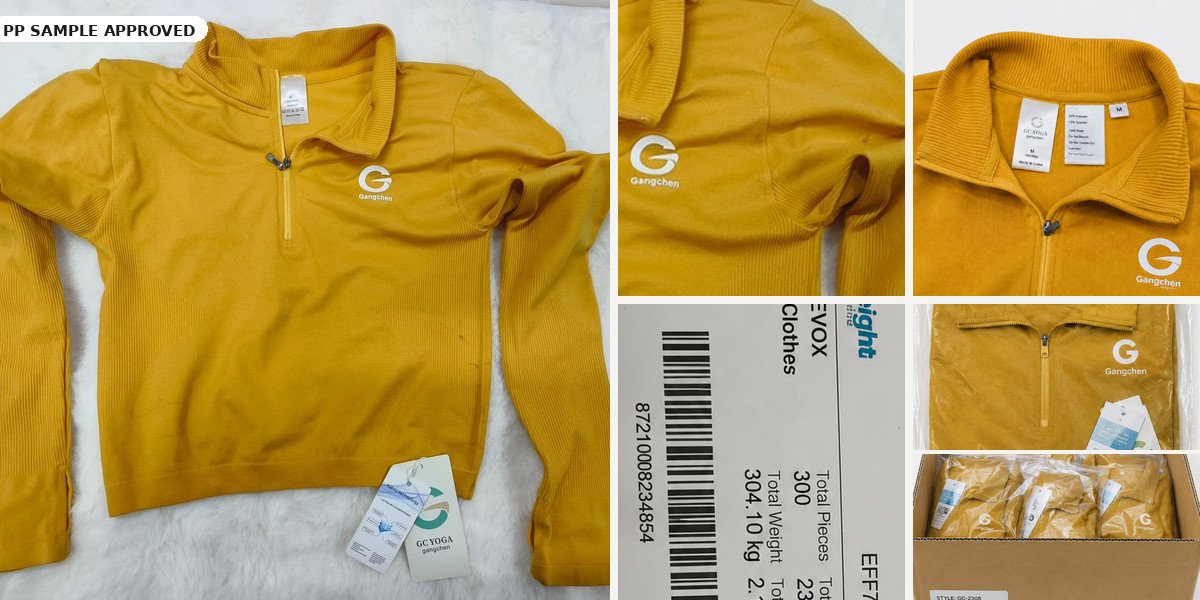
Garment Standard
Approved product, measurement, material, color and workmanship.
Logo
Screen print, heat transfer, silicone, embroidery, jacquard or woven branding according to the project.
Garment Labels
Main label, care label, size label or other agreed identification components.
Hangtag
Approved artwork, attachment method and version.
SKU / Barcode
Correct style, color and size information needs to correspond to the correct garment.
Individual Packaging
Polybag, zipper bag or other approved project packaging.
Outer Packaging
Carton specification, carton marks and packing quantities according to the order requirements.
Artwork and packaging changes need to be released against the correct production version rather than handled informally.
Sampling Is an Approval Process, Not a Showpiece
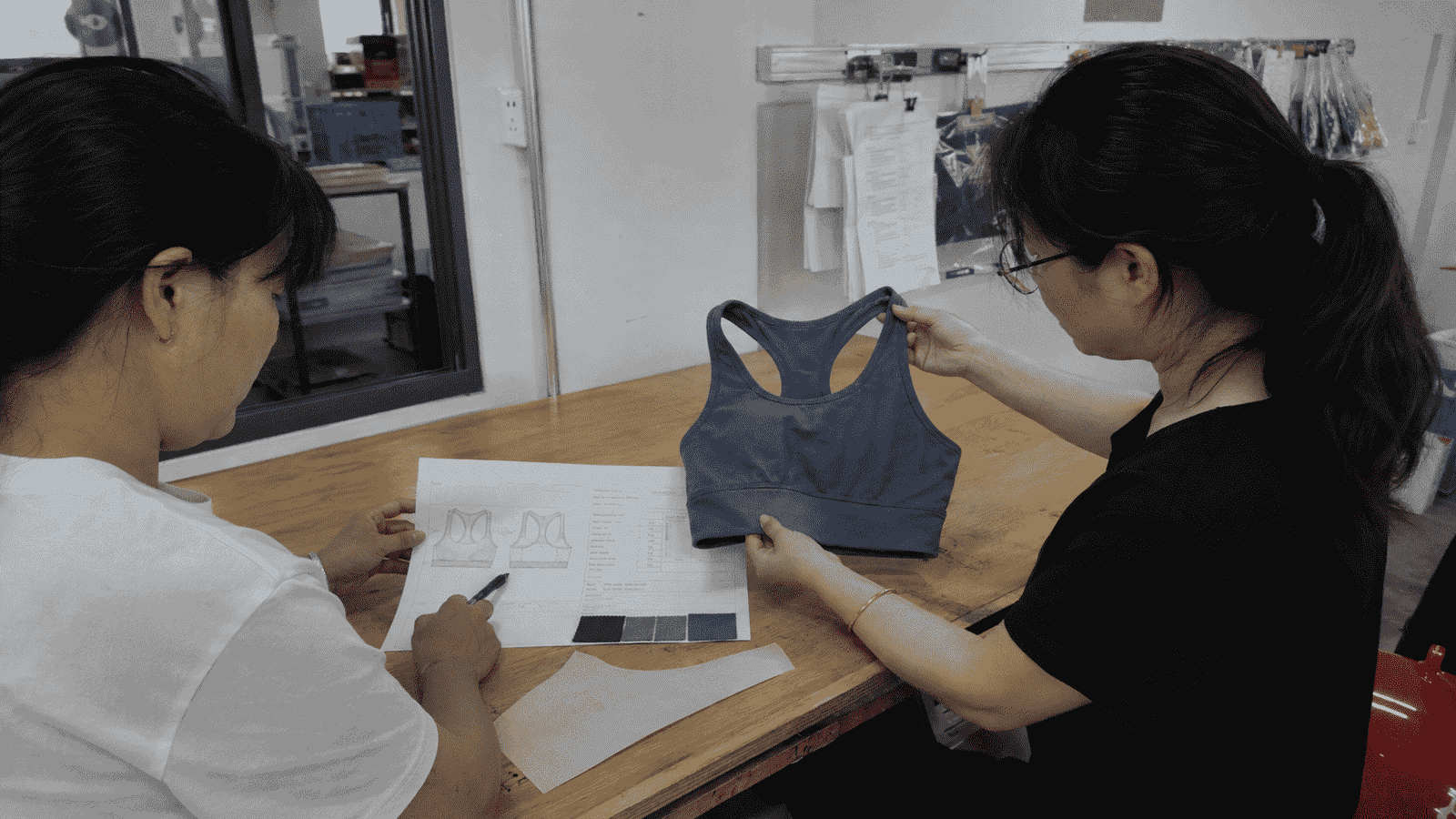
Development Input
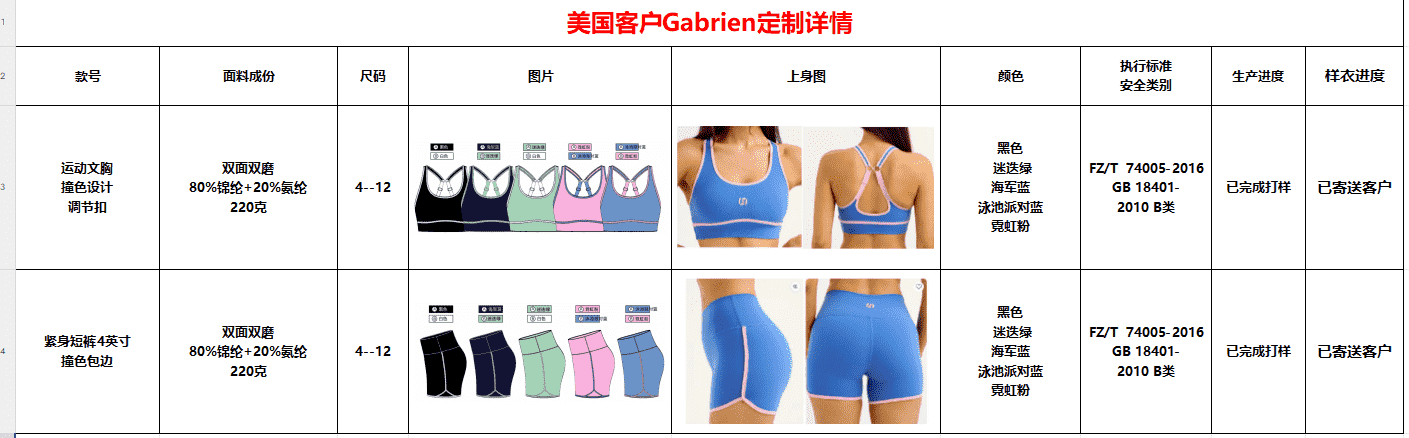
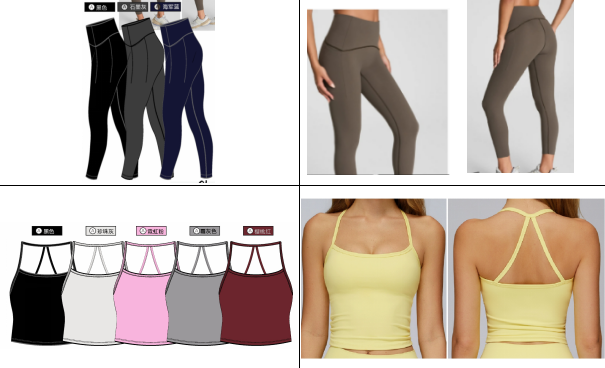
Confirm the available Tech Pack, measurement chart, legal reference sample, artwork or product concept.
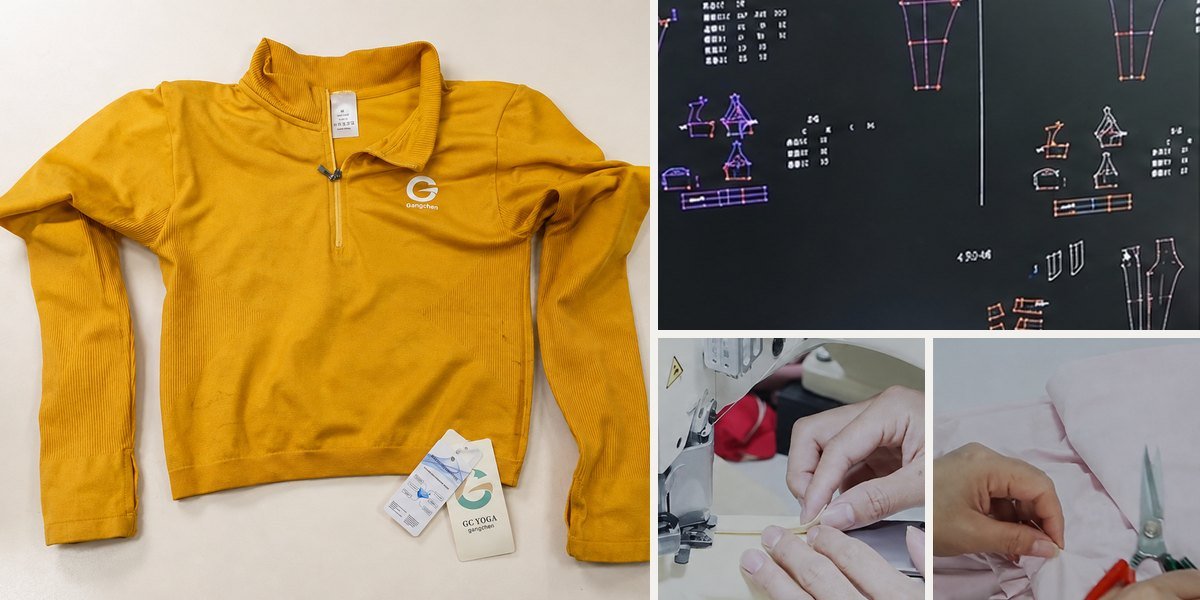
First Sample
Produce the first physical version for structure, fit, material, workmanship and customization review.
Buyer Review
The buyer evaluates the areas relevant to the product and returns specific comments.
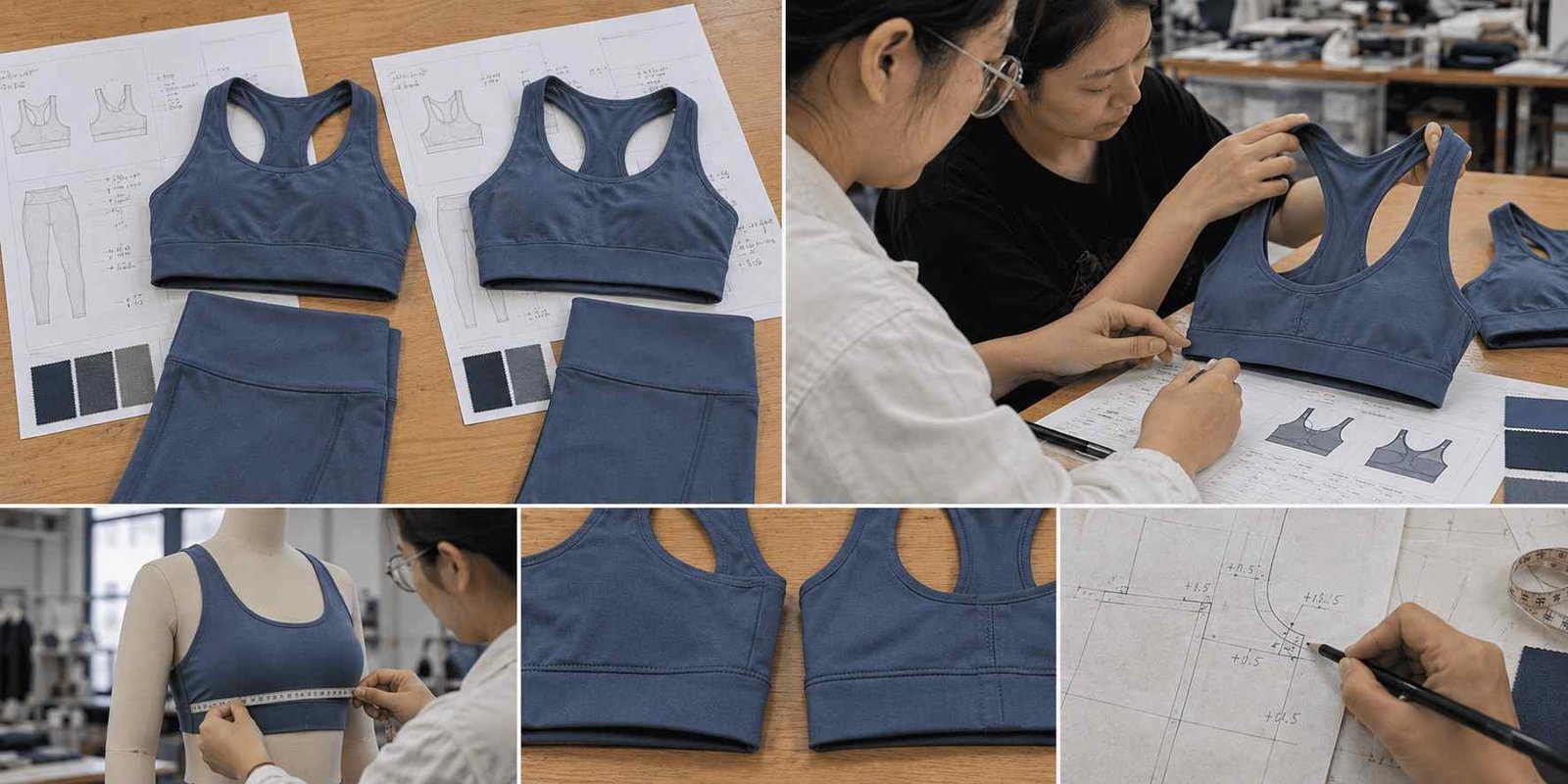
Revision
Required changes are translated into an updated sample, pattern, knitting program, measurement or component specification.
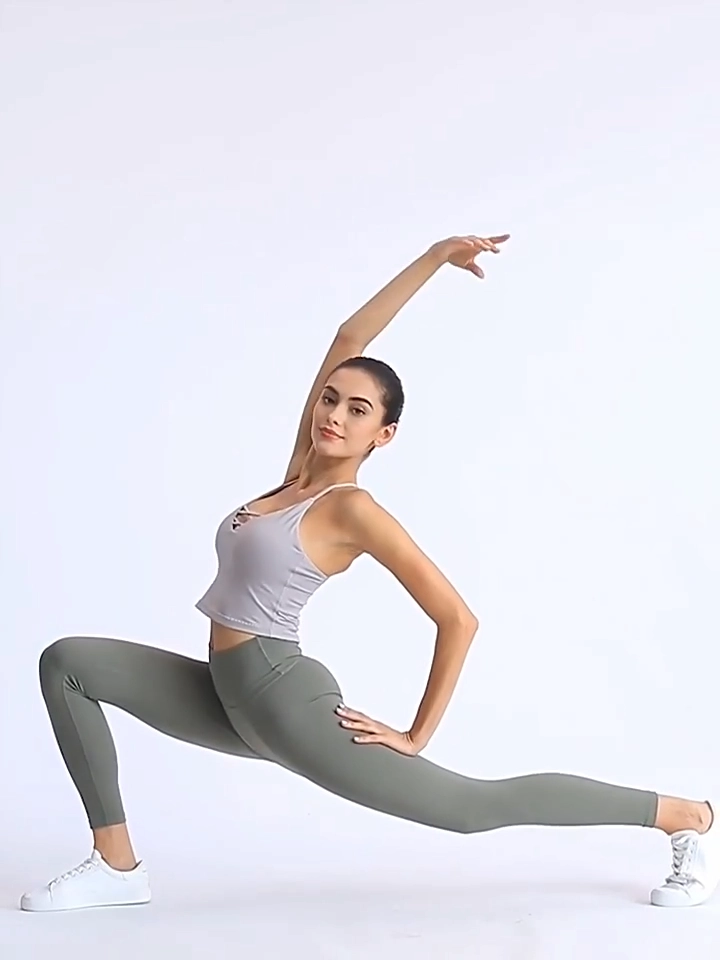
Fit / Use Review
Where required, the buyer can perform fitting, wear or movement review before final approval.
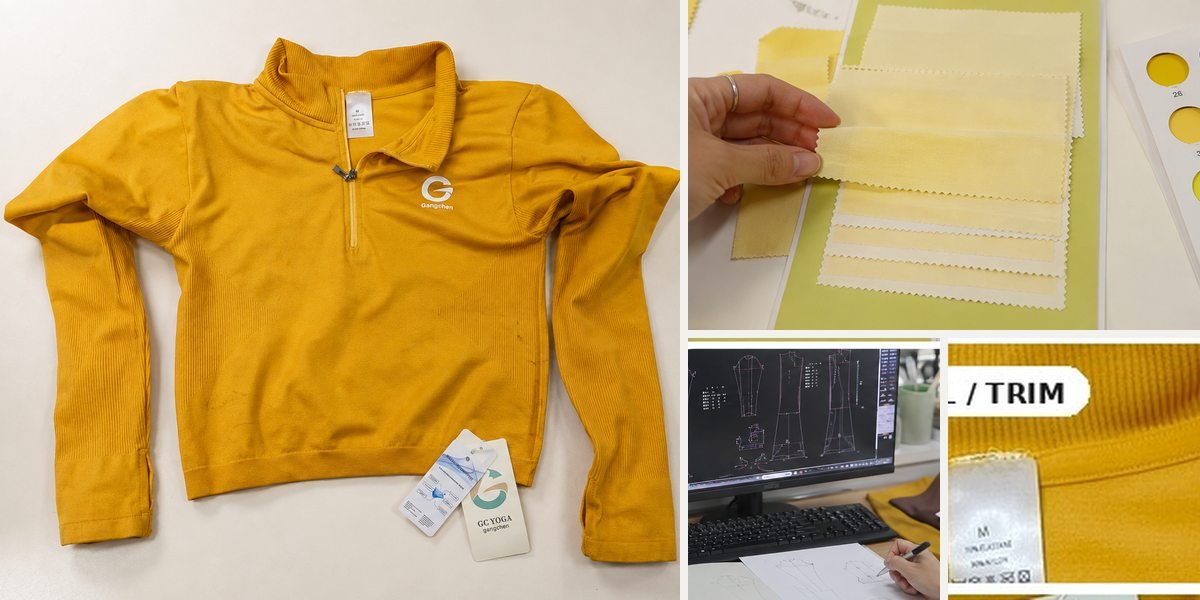
Production Standard
The approved version becomes part of the technical reference used before bulk production.
A standard sample is typically developed in approximately 5–10 working days after the required development details are confirmed. Complex structures, custom materials, special branding and multiple revisions can change the timing.
See the Manufacturing System Behind Your Fitness Apparel
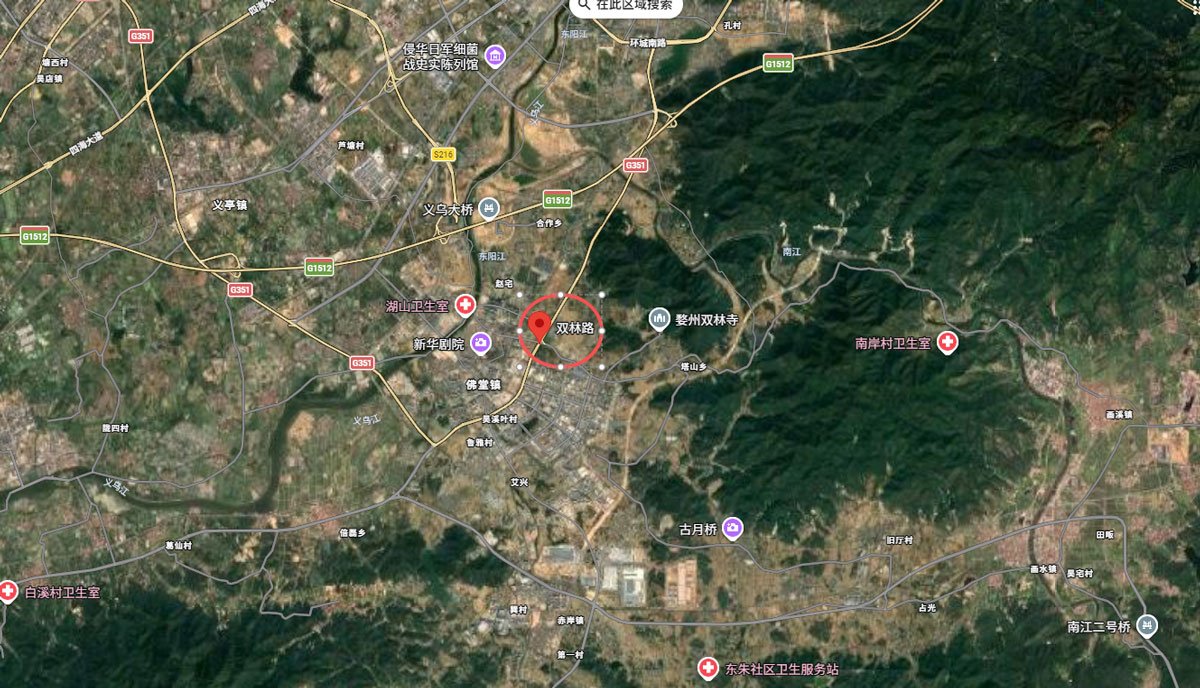
Yiwu Core Manufacturing Base
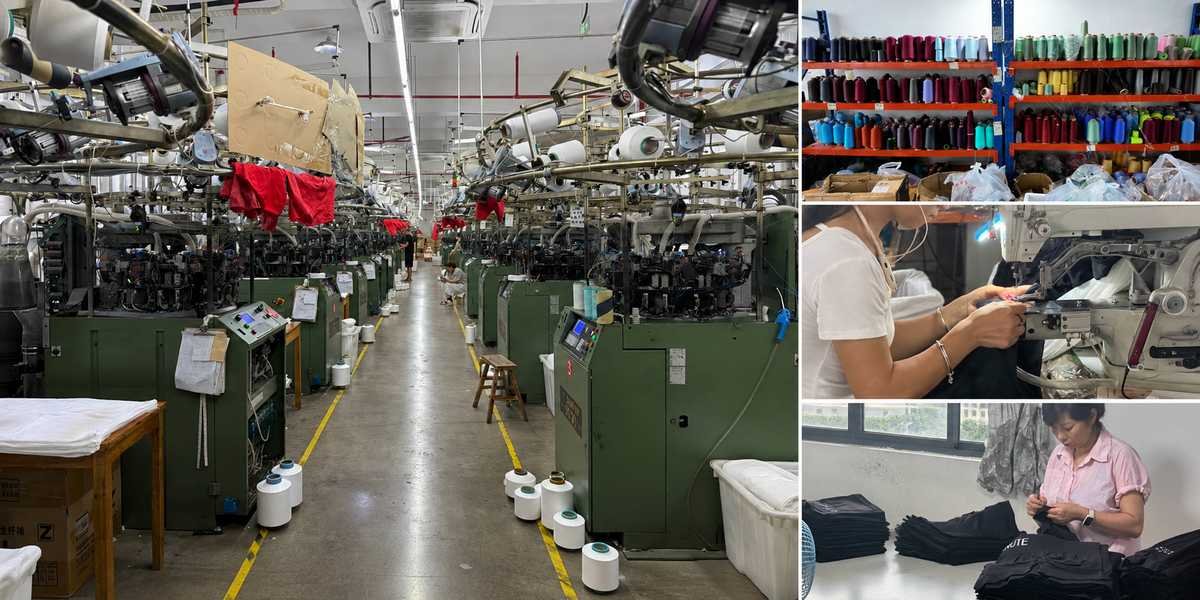
Approximately 6,000 m² of production space across a six-floor production base in Yiwu, Zhejiang, China.
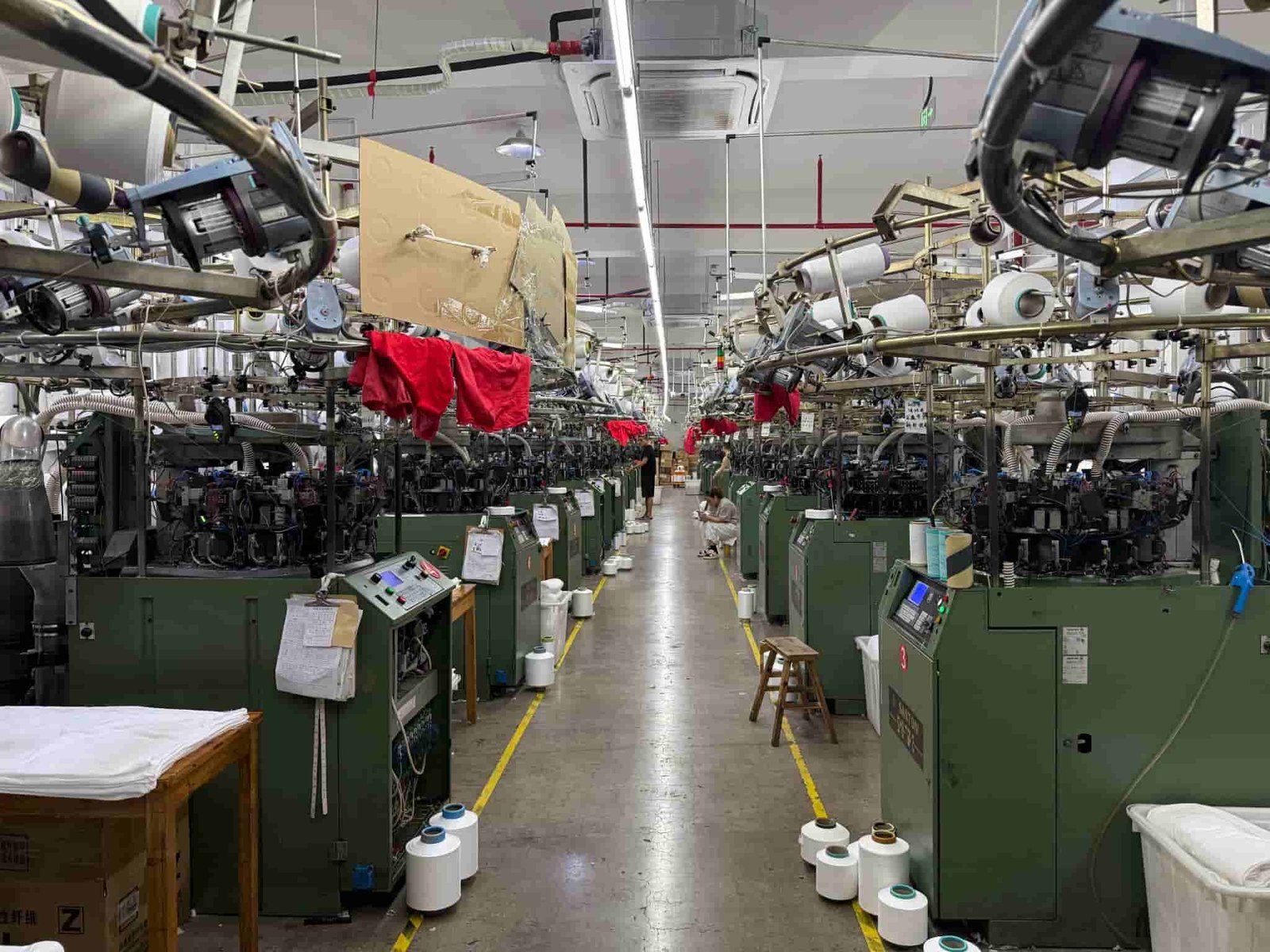
Seamless Production
28 Italian Santoni seamless knitting machines support applicable seamless activewear programs.
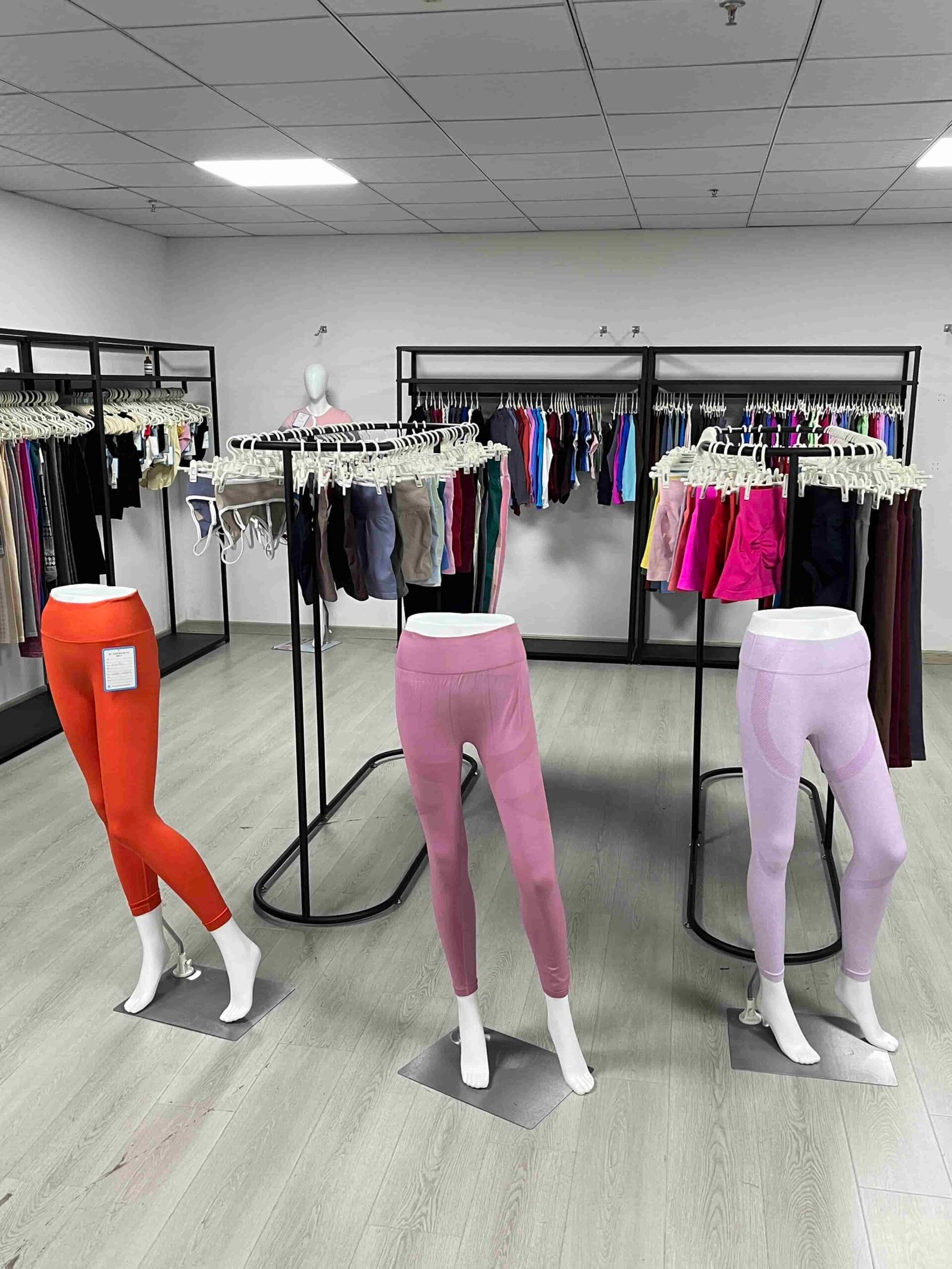
Cut & Sew Production
Core sewing and garment-production equipment supports pattern-based activewear construction.

Product Development
Design, pattern-making and sampling functions support the development path before bulk release.
Quality Control
QC resources support incoming, pre-production, production and finished-product quality activities.
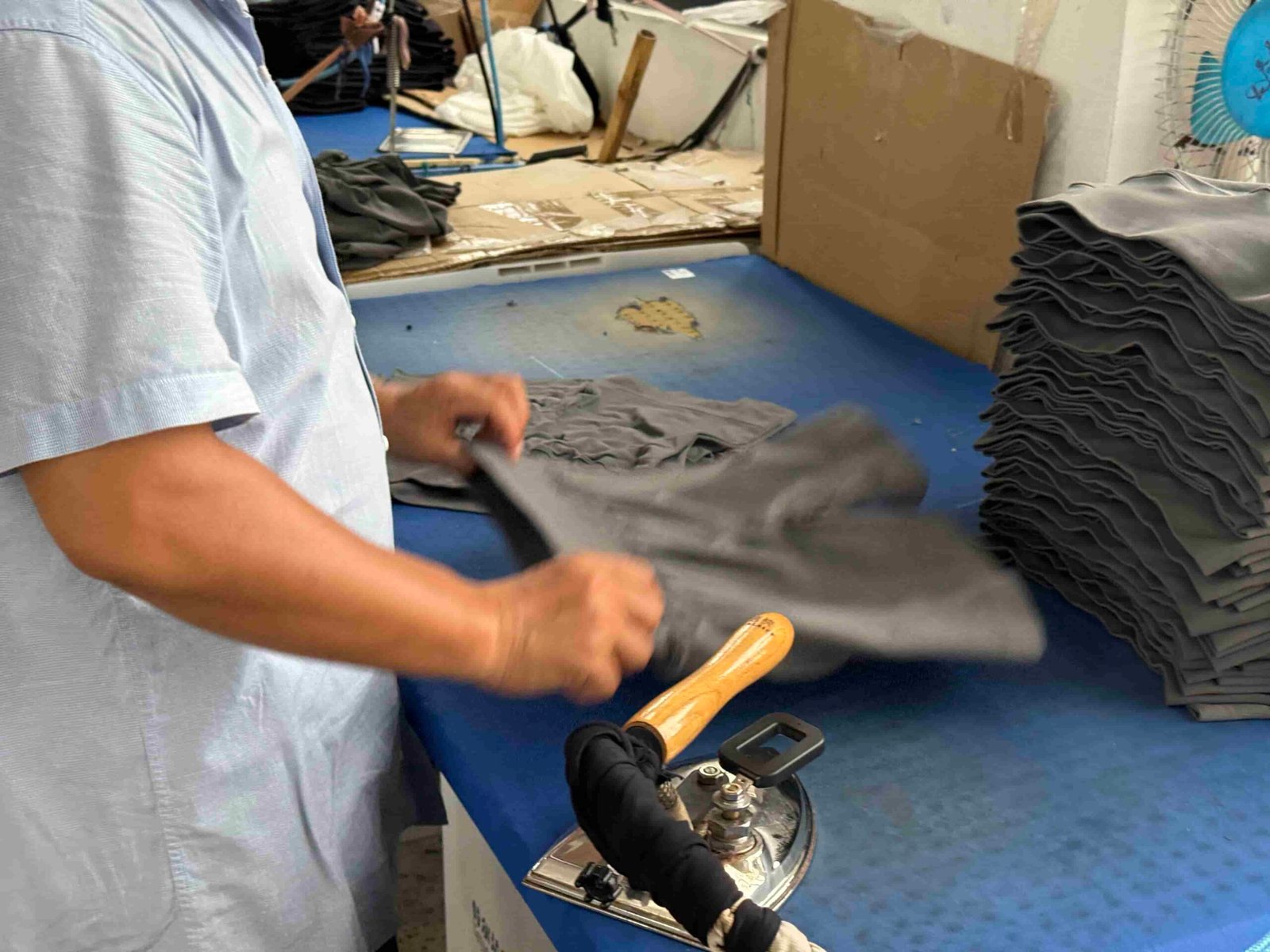
Packing & Shipment Preparation
Approved garments proceed through SKU, branding and packing requirements before shipment release.
How an Approved Sample Becomes Controlled Bulk Production
Production Readiness
Review the released product specification, approved sample, material, color, branding, labels and packaging requirements before bulk execution.
Material Preparation
Fabric, yarn, trims and private label components are prepared according to the applicable project requirements.
First Article
Initial bulk pieces provide an early opportunity to compare production against the approved standard before the full quantity proceeds.
Bulk Manufacturing
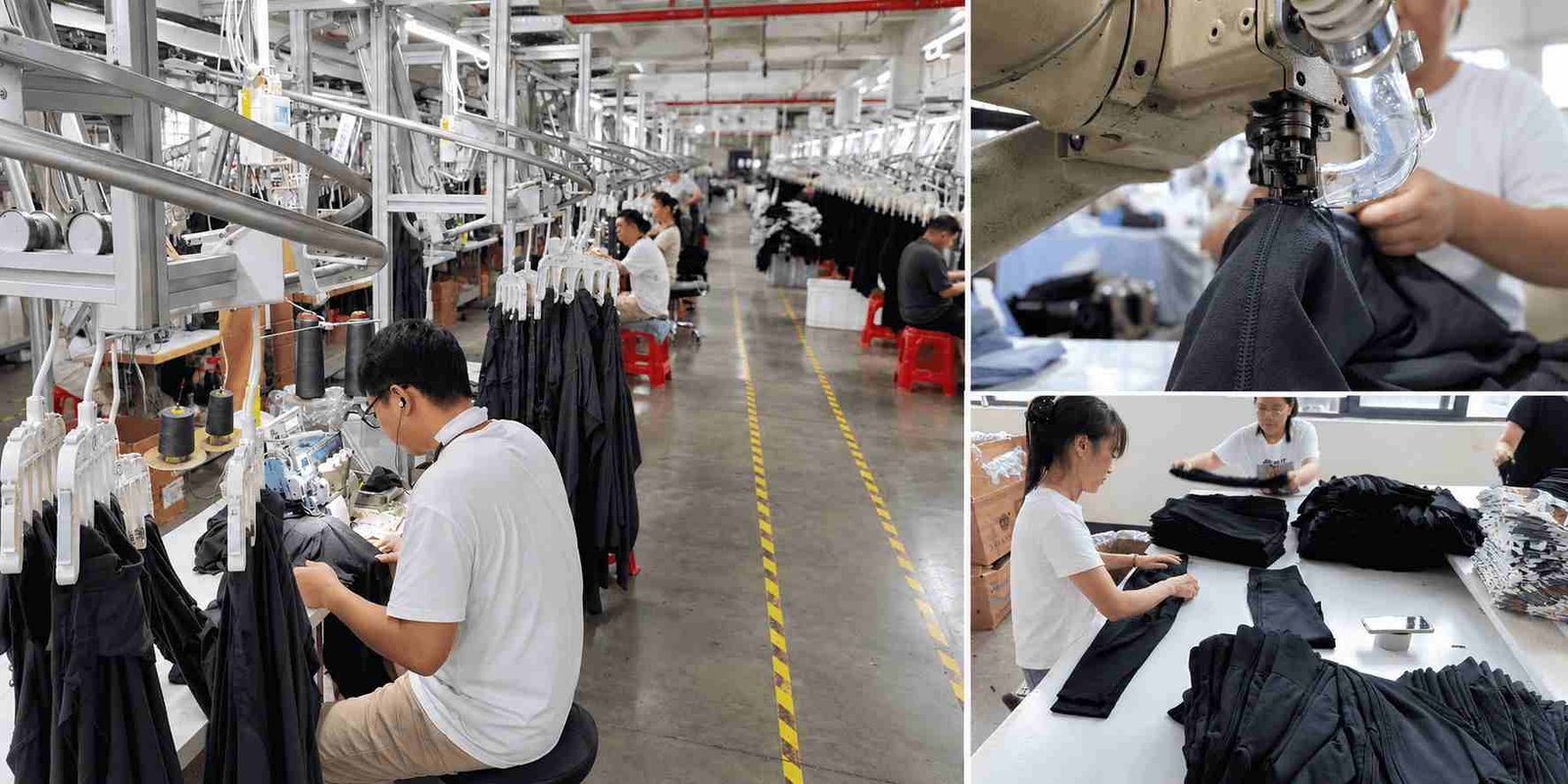
Production follows the selected Seamless, Cut & Sew or coordinated manufacturing route.
In-Line Control
QC checks during production help identify workmanship, measurement or project-specific deviations before completion.
Final Inspection
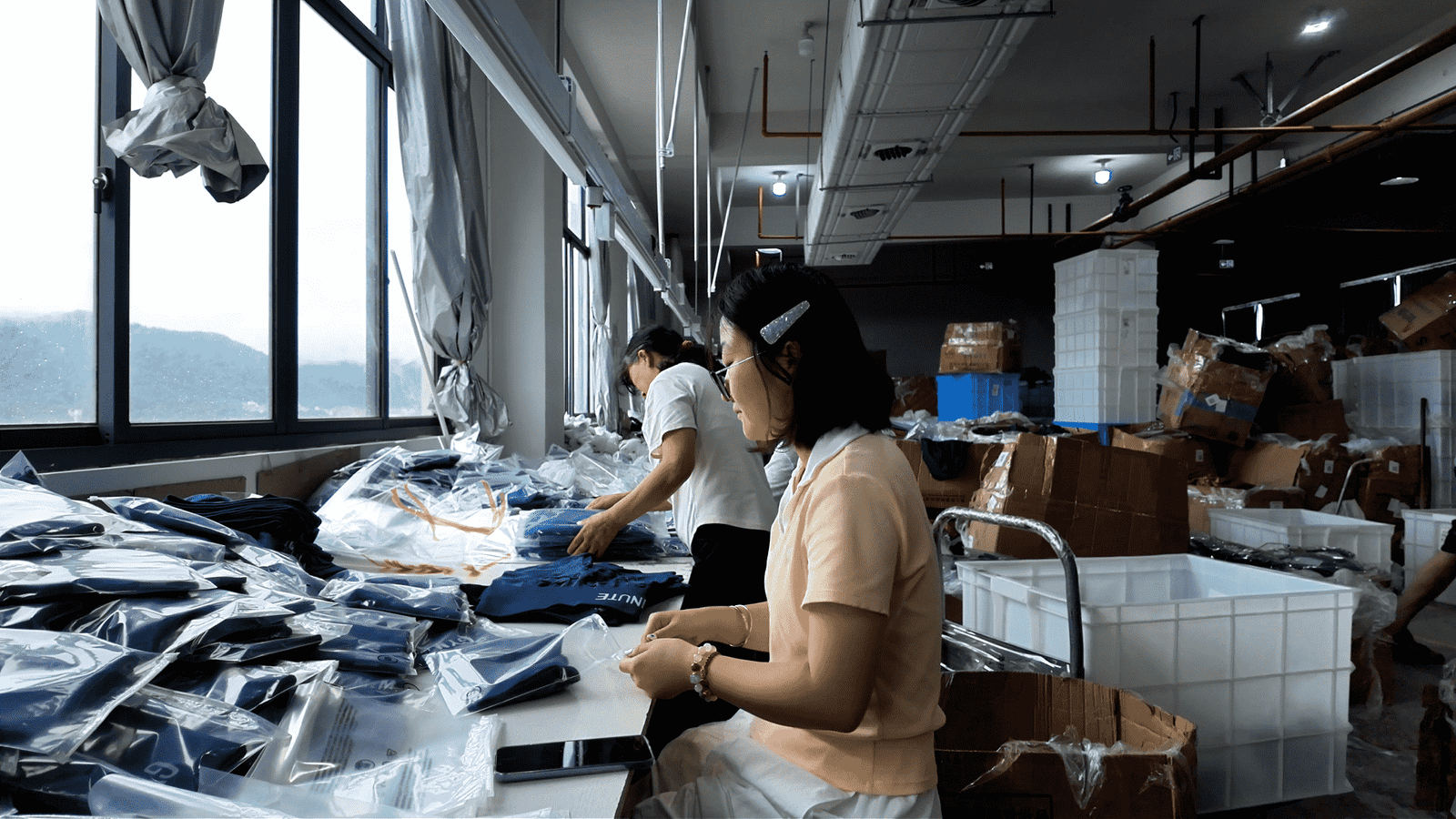
Finished goods are checked against the applicable product, measurement, branding and packing requirements.
Packing Release
Released goods proceed into final packing and shipment preparation.
Typical bulk lead time can be approximately 20–35 days, but actual timing depends on product, material availability, process complexity, order size and production schedule.
Quality Control Buyers Can See and Review
Incoming Material Check
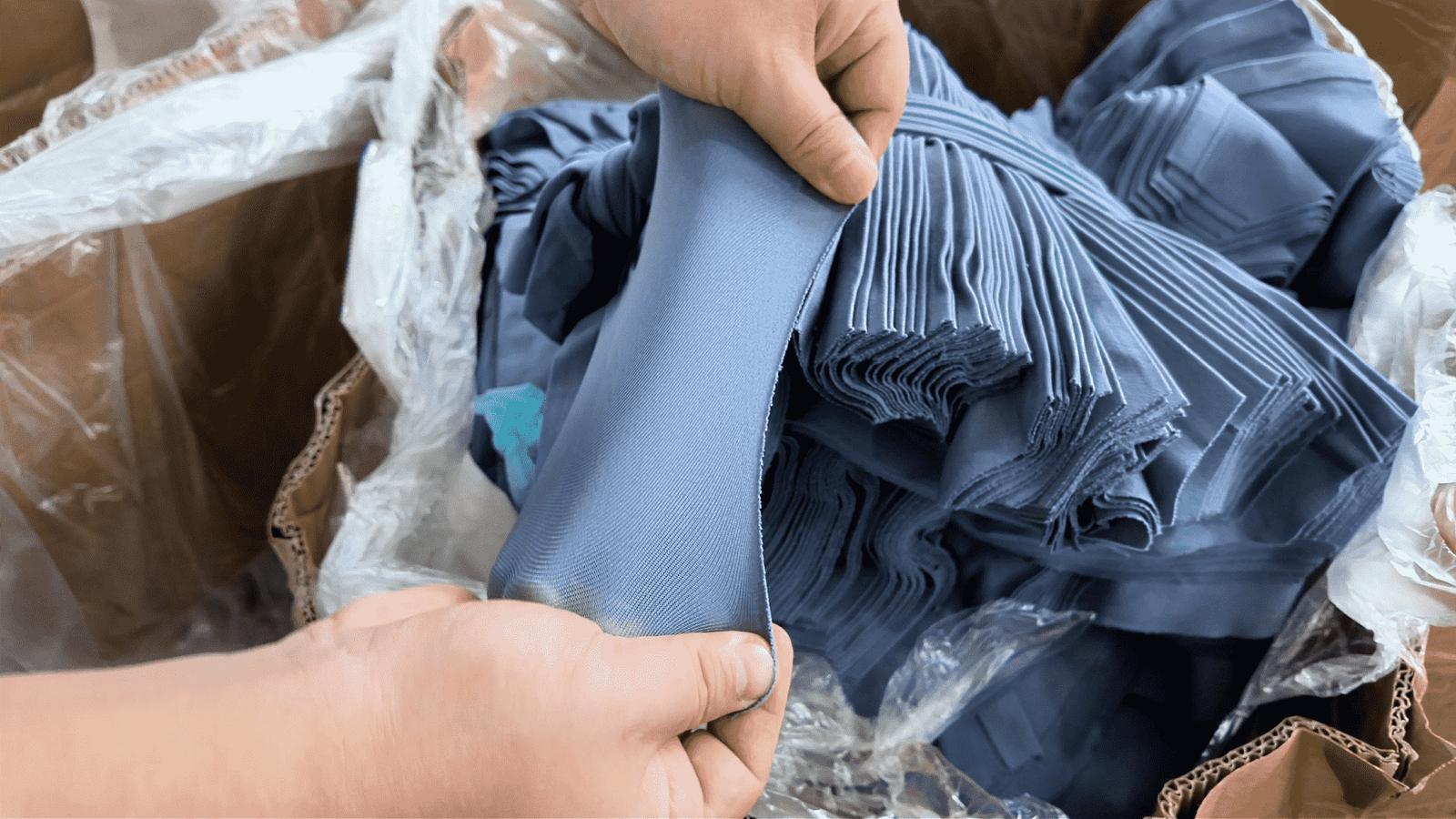
Review relevant fabric, yarn, trims or private label components against project requirements before use.
Pre-Production Review
Confirm the current approved standard and production information before the order proceeds.

First-Article Check
Compare initial production pieces against relevant product and measurement requirements.
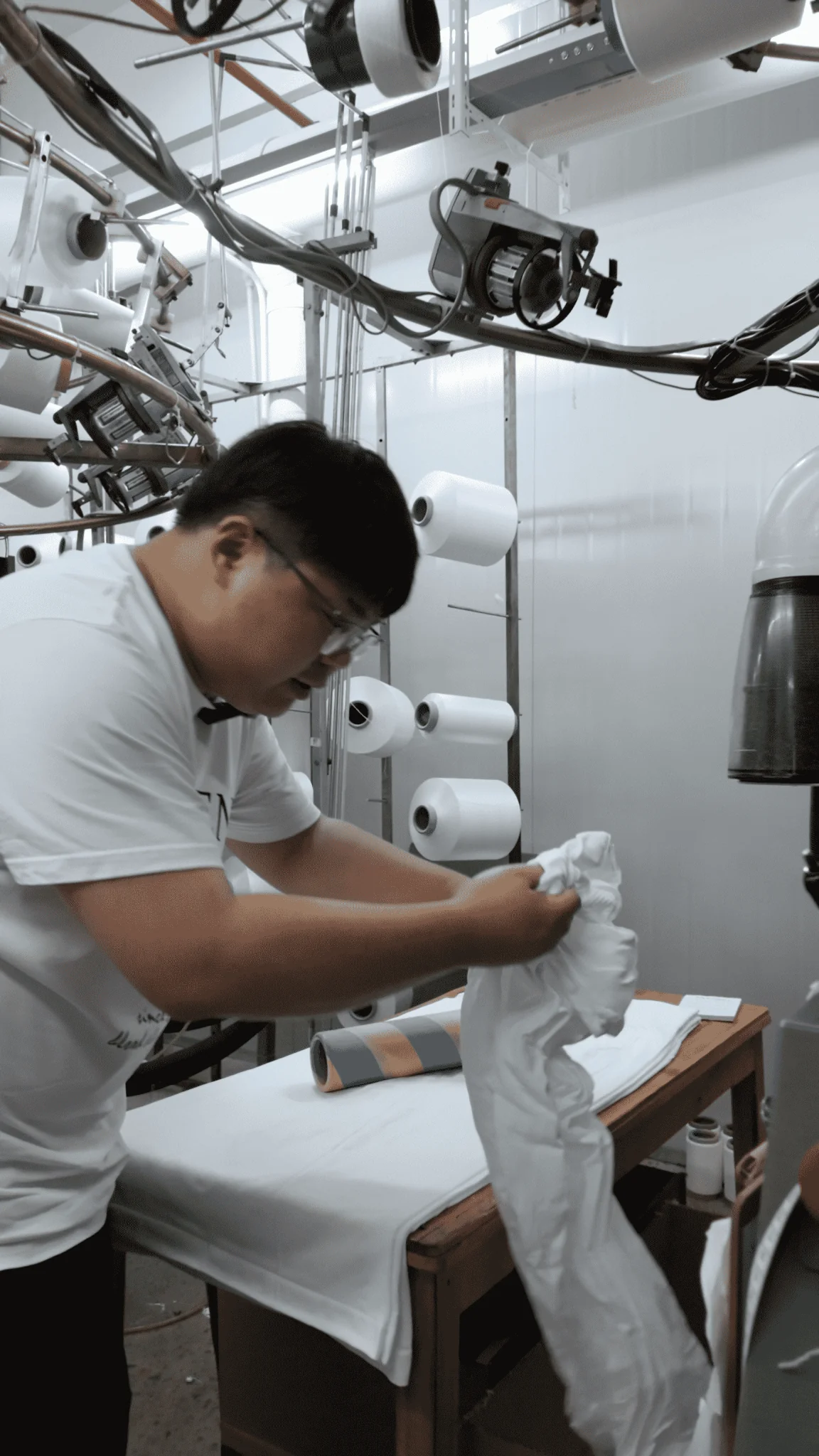
In-Line Inspection
Identify workmanship or measurement deviations during production rather than waiting until final inspection.
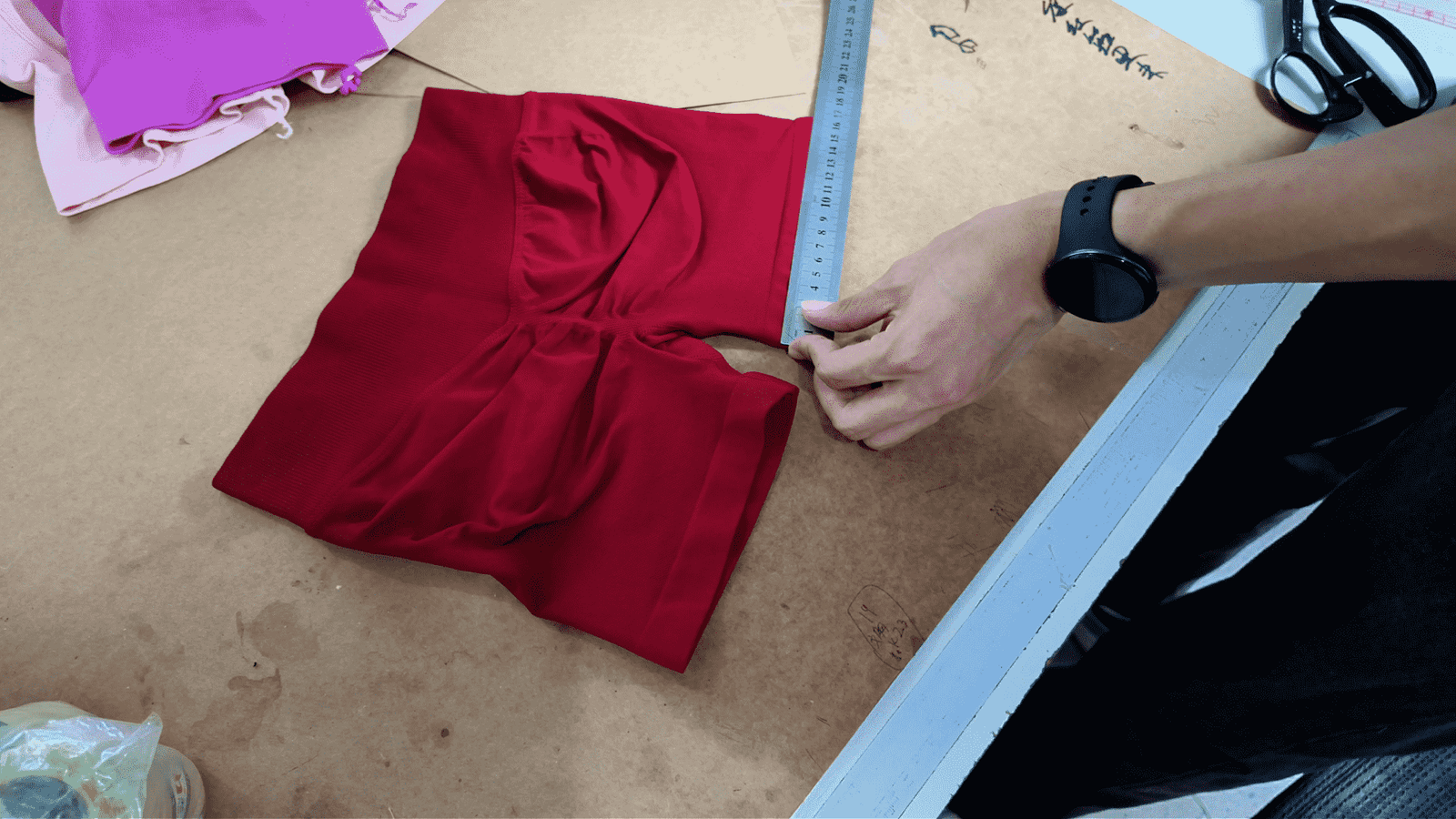
Finished-Garment Inspection
Review the finished garment for applicable workmanship, measurement, logo and label requirements.
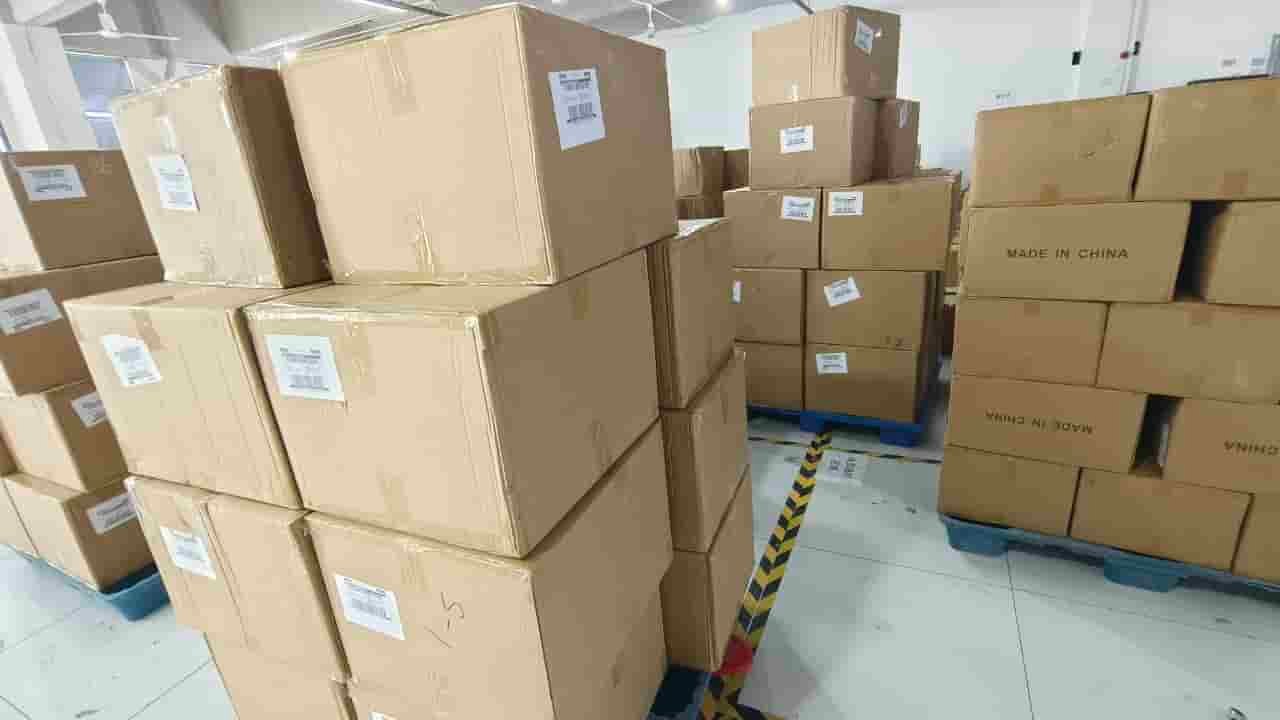
Packing & Final Release
Check required SKU and packaging information before final release.
Quality Records Turn Inspection Into Verifiable Evidence
Inspection becomes more useful to a buyer when the applicable standard, measured result and follow-up action can be connected to a reviewable project record.
Approved Standard
The relevant Tech Pack, approved sample, measurement standard or buyer quality requirement defines the inspection reference.
02Measurement Record
Measured points can be documented against the applicable specification rather than evaluated only by appearance.
03First-Article Record
Initial bulk findings can be recorded before full production proceeds.
04In-Line Inspection Record
Production issues and follow-up actions can be documented during manufacturing.
05Final Inspection Record
Finished-garment and packing results can be recorded before release.
06Issue Follow-Up
Where a problem requires correction, rework and re-inspection should be recorded against the relevant production issue.
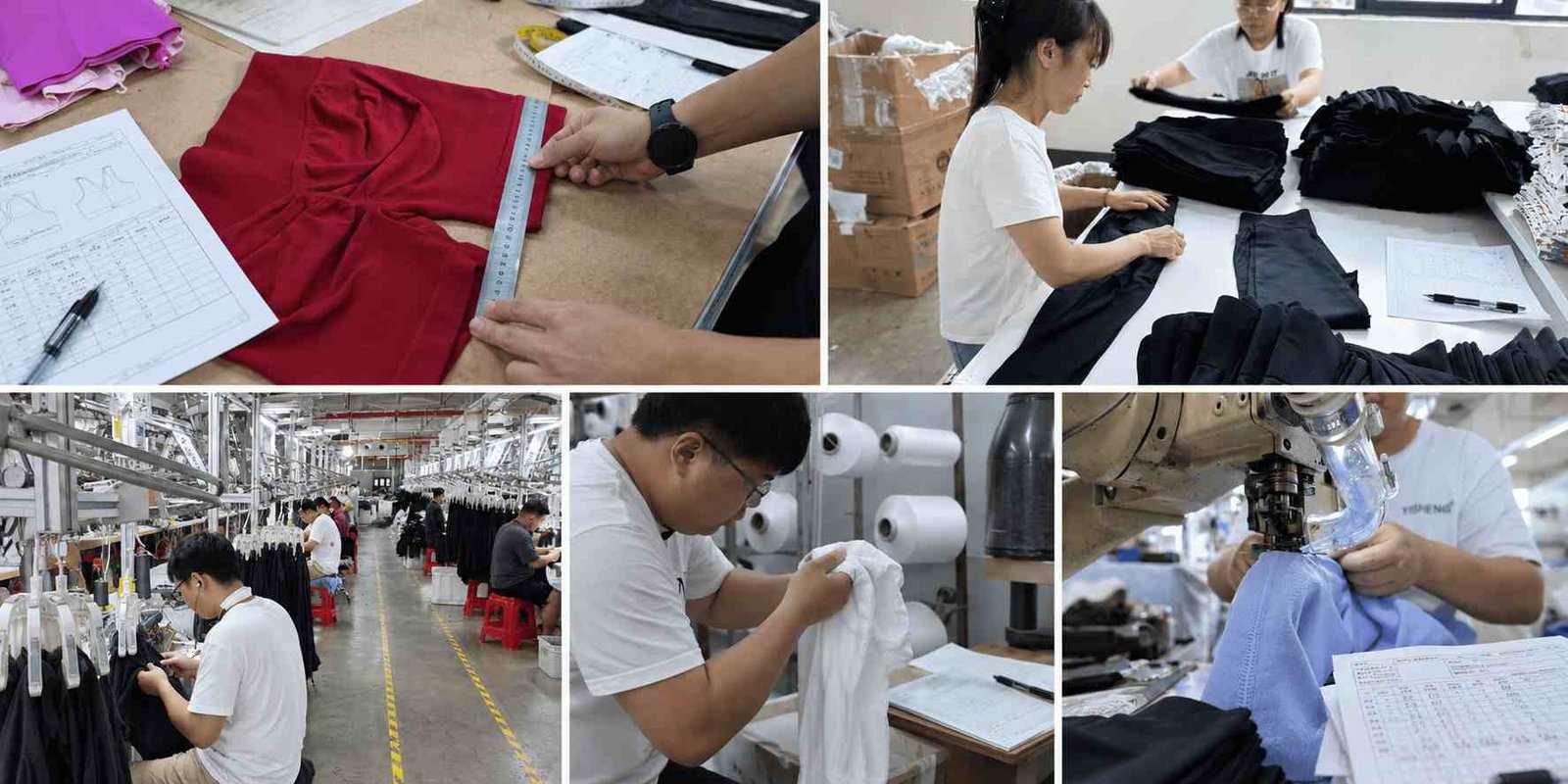
Use anonymized real measurement sheets, first-article records, in-line inspection records or final QC documents rather than generic factory photography.
A Supplier Structure Ready for Formal Buyer Evaluation
Established brands often require legal, manufacturing, quality and supply-chain verification before commercial approval. MOVEVOX can support a structured qualification discussion based on the actual project.
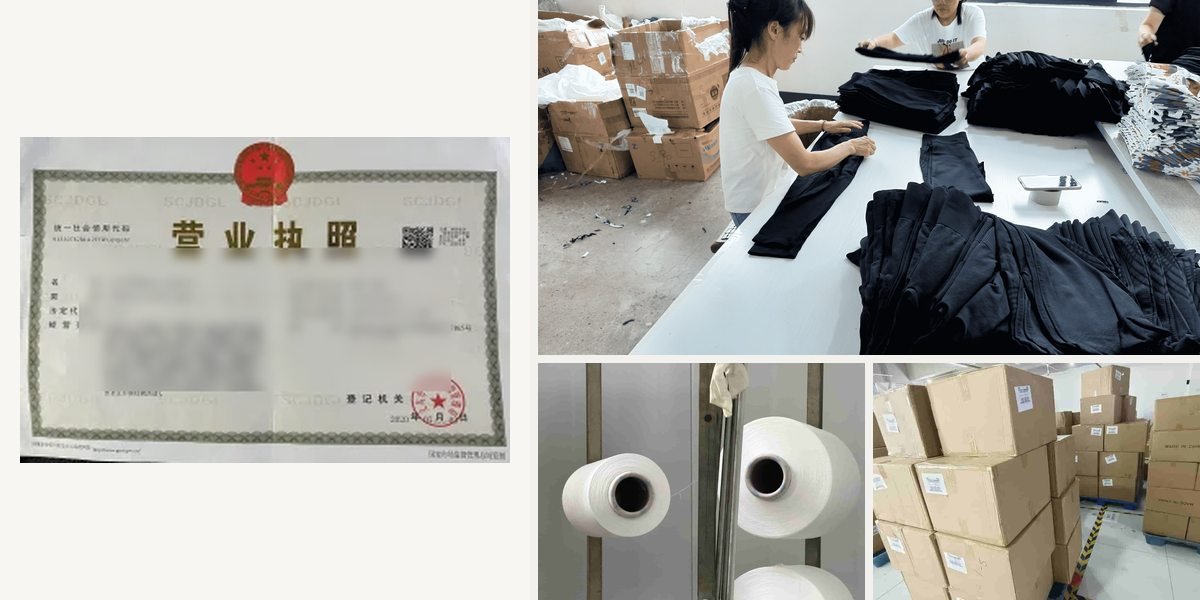
Legal and Business Identity
MOVEVOX is operated by Yiwu Chenjin Import And Export Co., Ltd. Buyer qualification can verify the legal entity and the commercial organization responsible for the project.
Manufacturing Verification
Buyers can evaluate the Yiwu core manufacturing base, including Seamless, Cut & Sew, development and QC resources.
Capability Review
The review should confirm whether the proposed manufacturing route, development input, product range and commercial conditions fit the buyer's program.
Quality System Review
Buyers can review applicable quality stages, approved standards, measurement controls, inspection methods and quality records.
Supply Chain Transparency
MOVEVOX uses its core factory together with controlled satellite or specialized resources where appropriate. Facility allocation should remain transparent where buyer approval requirements apply.
Audit and Inspection Support
Factory visits, remote review and agreed third-party inspection can be supported according to the project. This is audit and inspection support, not a claim of an undocumented third-party certification.
Anonymous Private Label Project: From Brand Execution to Repeat Order
Project Requirement
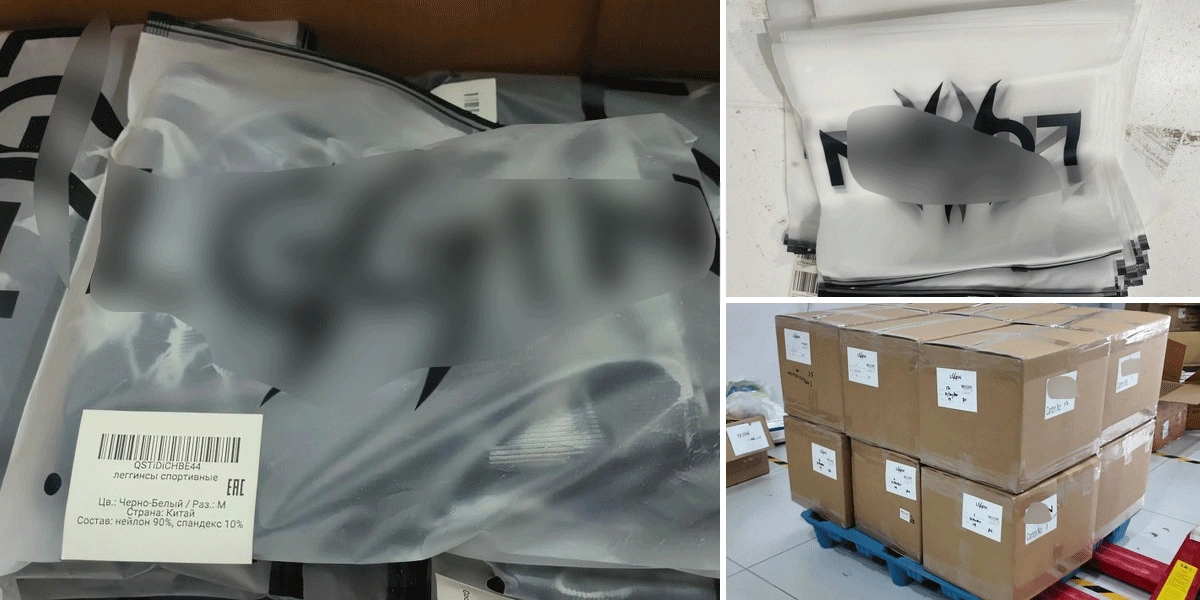
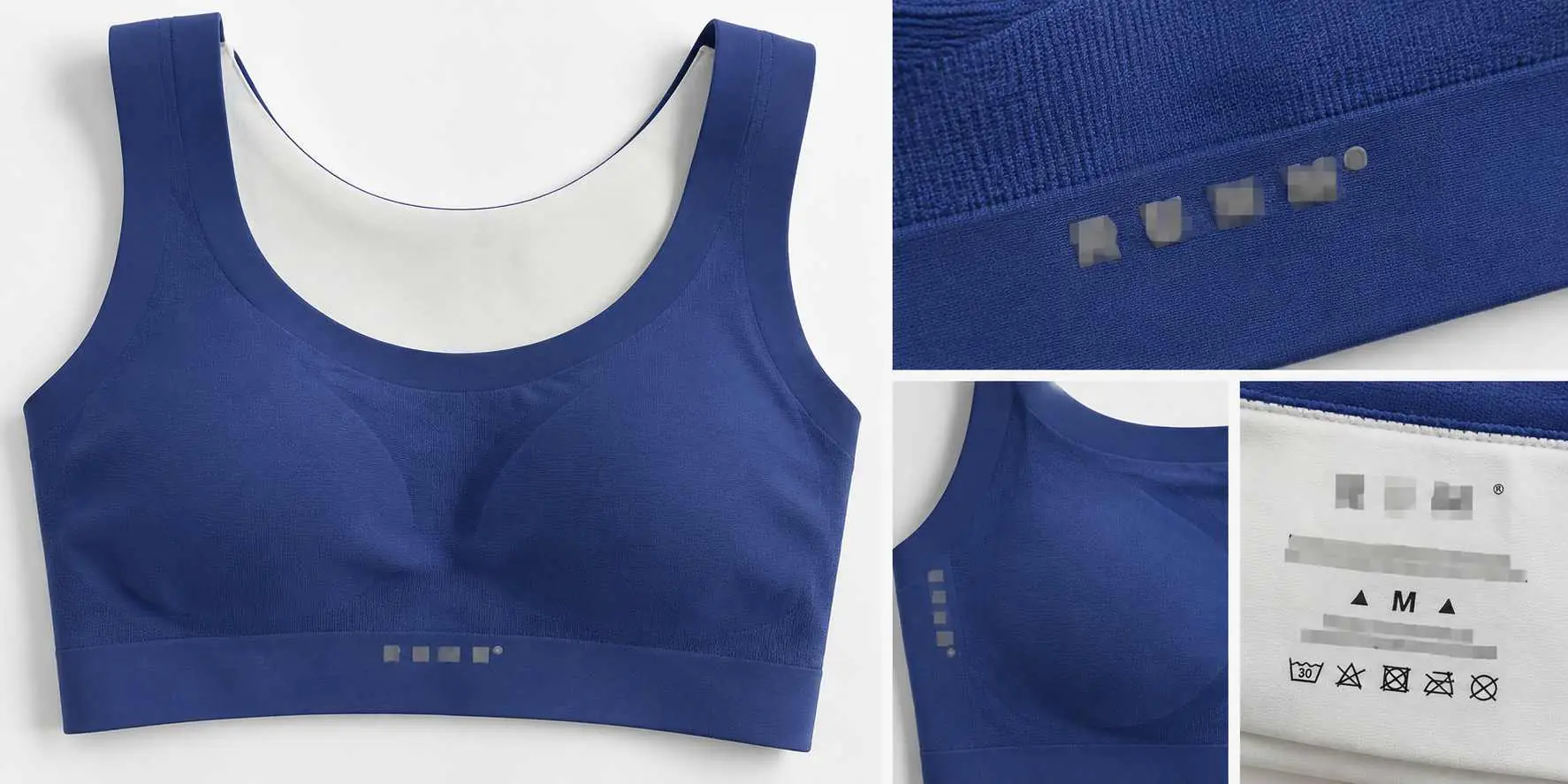
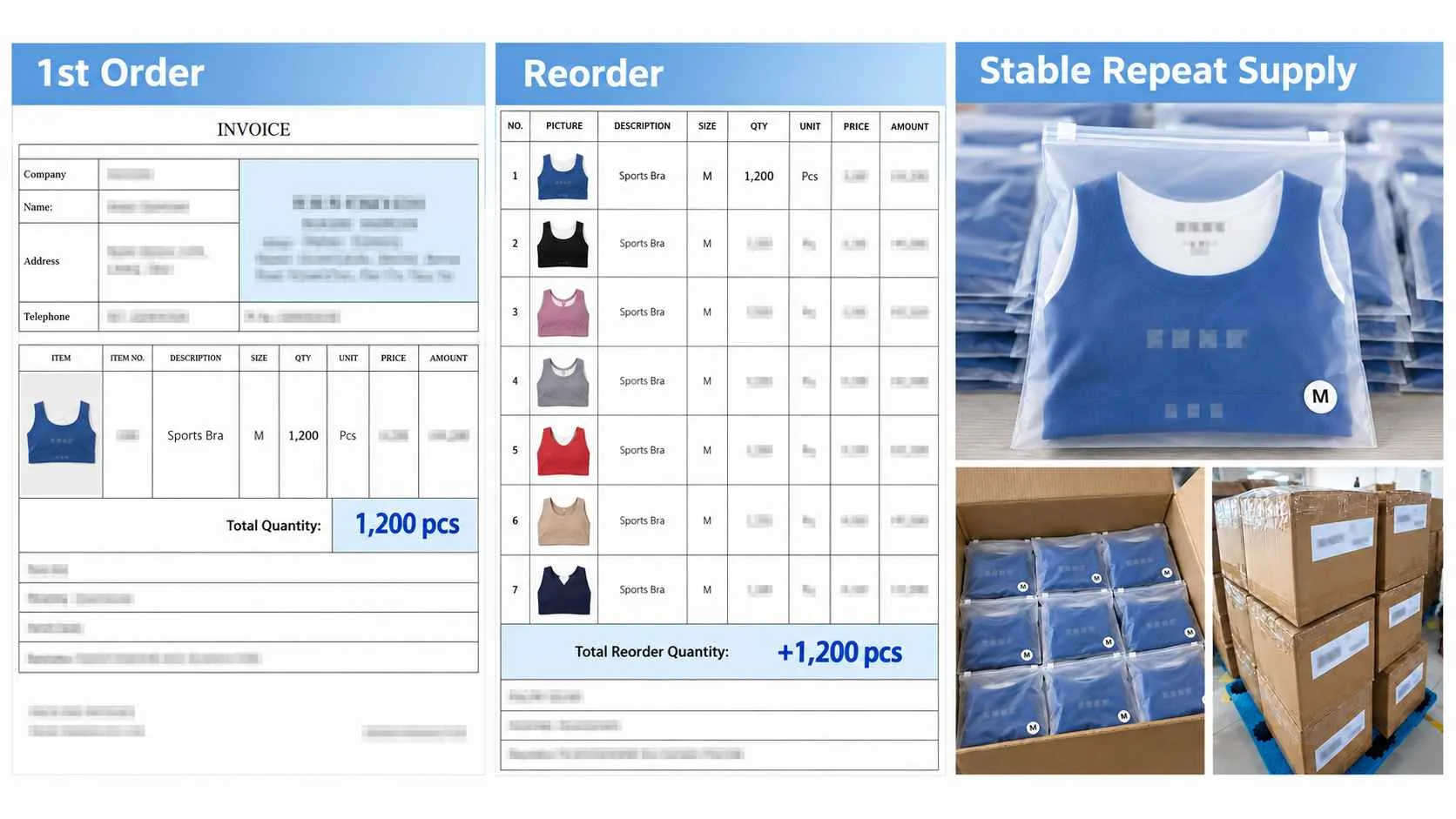
A European private label customer required customized activewear with branded logo, wash label, hangtag and packaging rather than an unbranded garment-only order.
Brand Execution
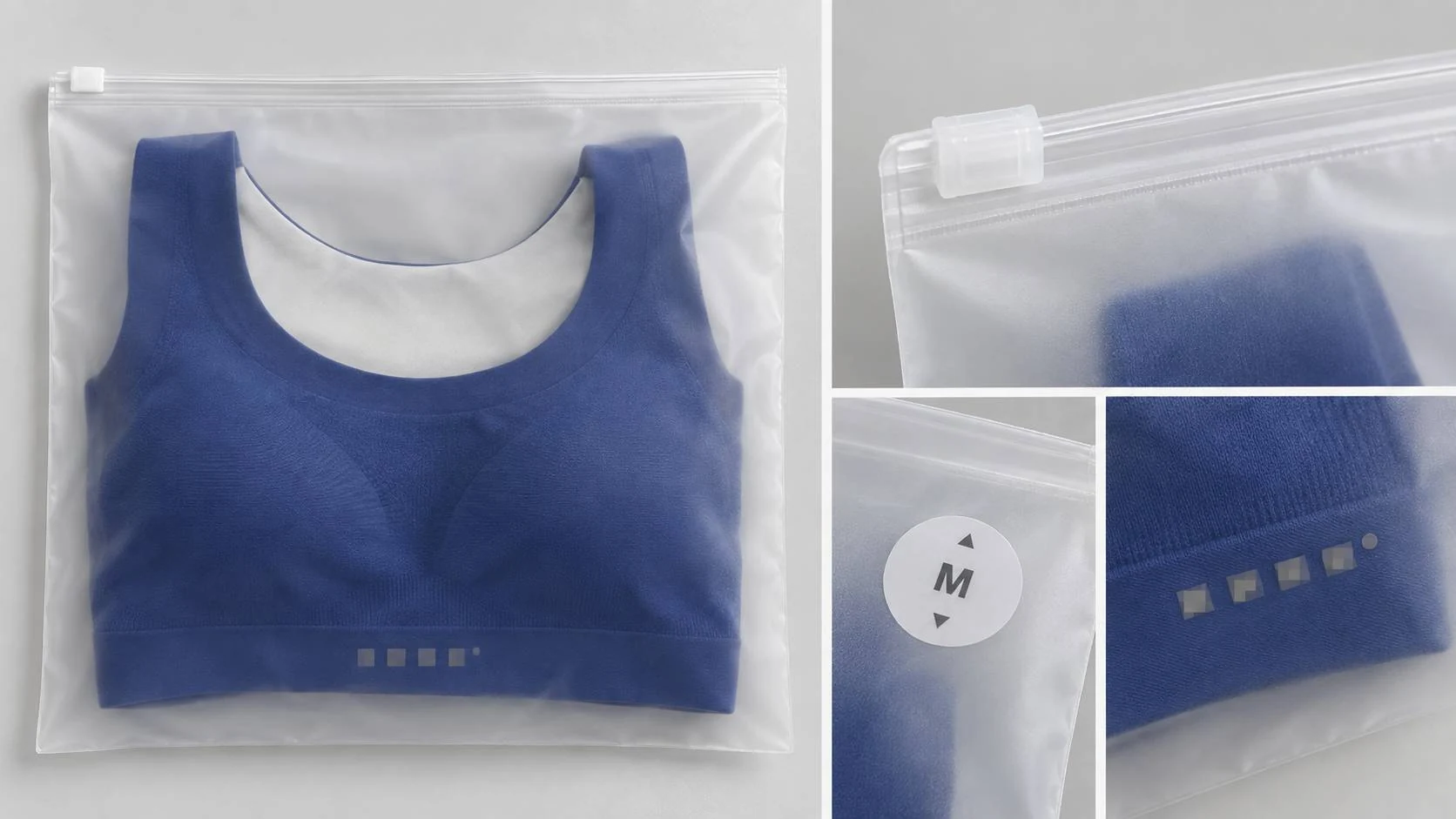
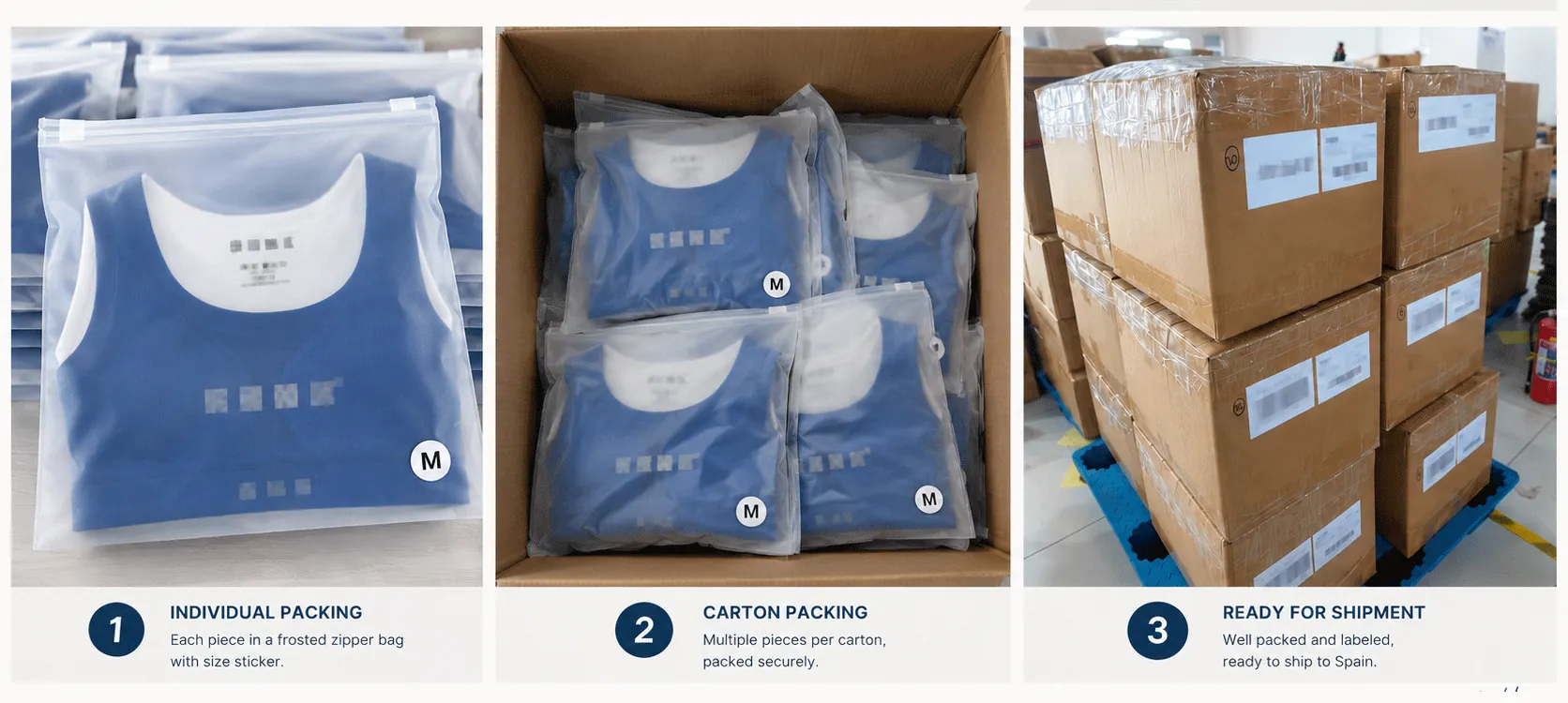
The project included a silicone-logo direction and customized packaging, including a frosted zipper-bag direction. Branding components needed to be coordinated with the garment before packing.
Bulk Production
The first recorded bulk order was approximately 1,200 pieces. Production-image and video updates were used during execution, and the internal project record states that individual inspection was conducted before packing.
Shipping
The project used a combination of air and sea transportation according to the commercial shipment arrangement.
Repeat Order
Before the first shipment had physically arrived, the customer placed another recorded order of approximately 1,200 pieces. The relationship subsequently continued with additional product selection and repeat purchasing.
This case demonstrates one documented path from private label customization into repeat purchasing. It should not be interpreted as a guarantee that every customer or project will follow the same commercial outcome.
Anonymous U.S. Fitness Apparel Program: Development Into Repeat Supply
Starting From Tech Packs
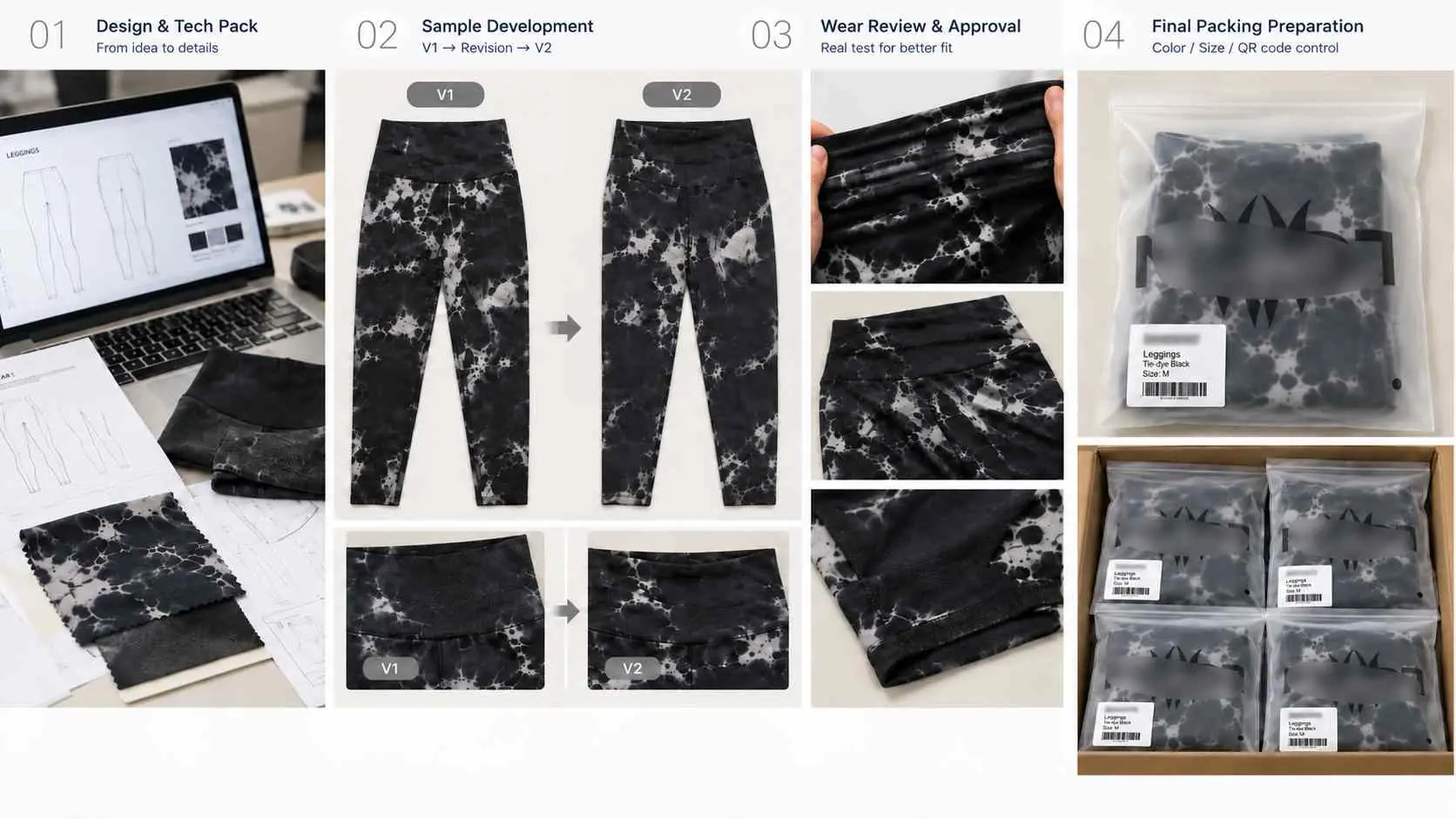
A U.S. activewear customer began development using its own Tech Packs, giving the project a defined starting point for product structure, measurements and customization.
Sample V1
The first development sample was produced for buyer review and practical evaluation.
Sample V2
Buyer feedback from actual use was converted into a second sample version before bulk approval rather than moving directly from the first sample into production.
Wear Testing
Additional samples were provided for customer wear and fitness testing before larger-scale production decisions.
Multi-Product Program
The commercial relationship expanded across products including workout or yoga sets, leggings, shorts, sports bras and tank tops.
SKU Accuracy
The project included QR-code labels that varied by color and size. MOVEVOX handled the packing sequence by style and color with additional confirmation to reduce mismatches.
Repeat Supply
The internal case record documents a continuing repeat-order relationship. Exact public purchase frequency and order-volume claims should only be published when supported by anonymized PO or shipment evidence.