Private Label Activewear Supplier for Scalable Brand Programs
Develop, customize and scale activewear collections through one accountable MOVEVOX team combining seamless, cut-and-sew, private-label execution and controlled production capacity.
MOVEVOX supports established activewear brands and mid-to-large B2B buyers from product development through sampling, branded execution, bulk production, quality control and shipment coordination. Projects can begin from a Tech Pack, legal reference sample or defined product brief, then progress through an approved production standard before bulk manufacturing.
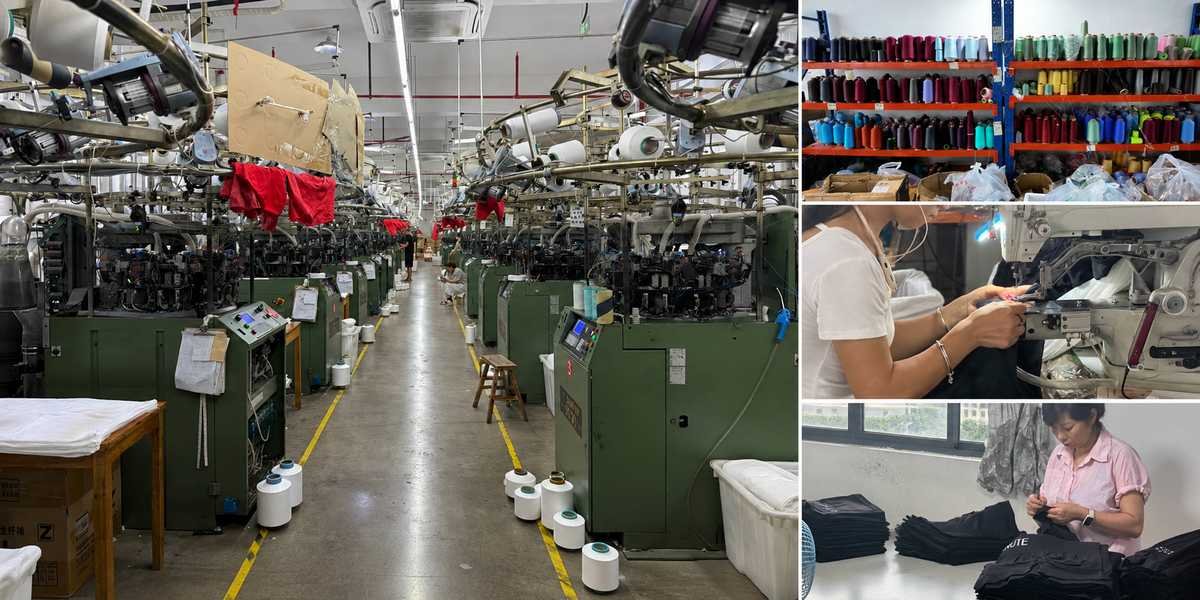
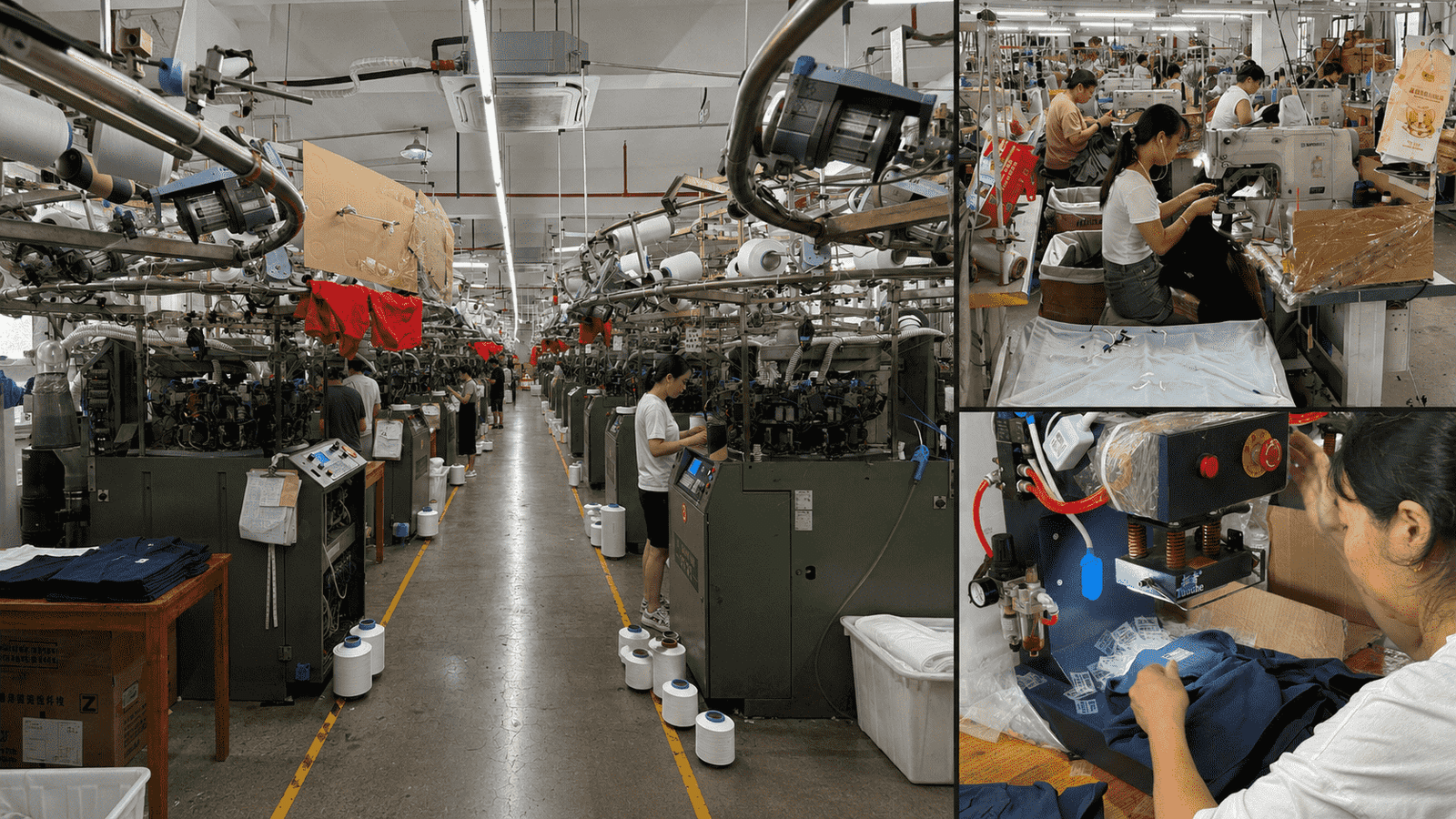
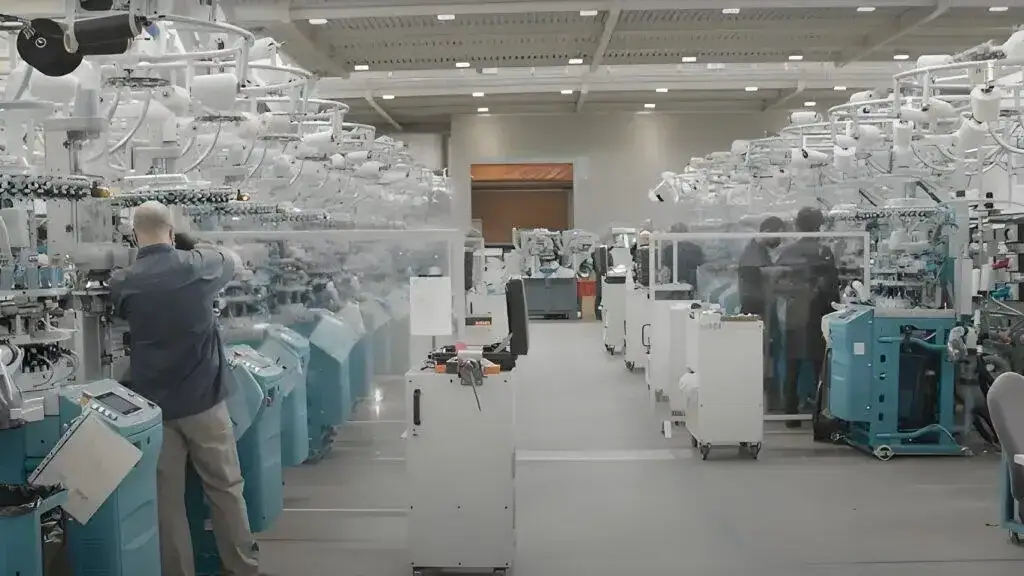
Italian Santoni seamless knitting equipment supports engineered seamless activewear development and core production within MOVEVOX's own manufacturing system.
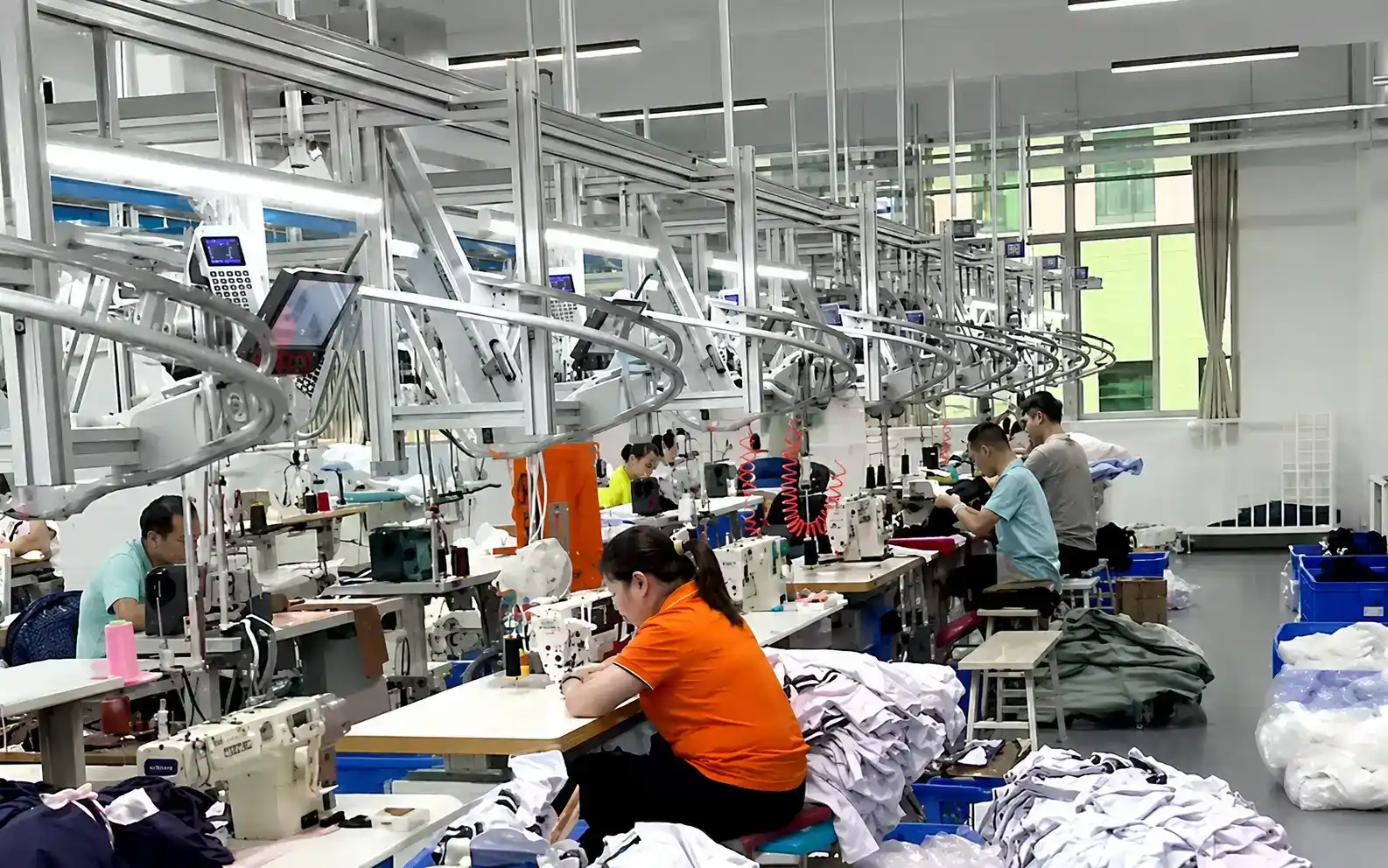
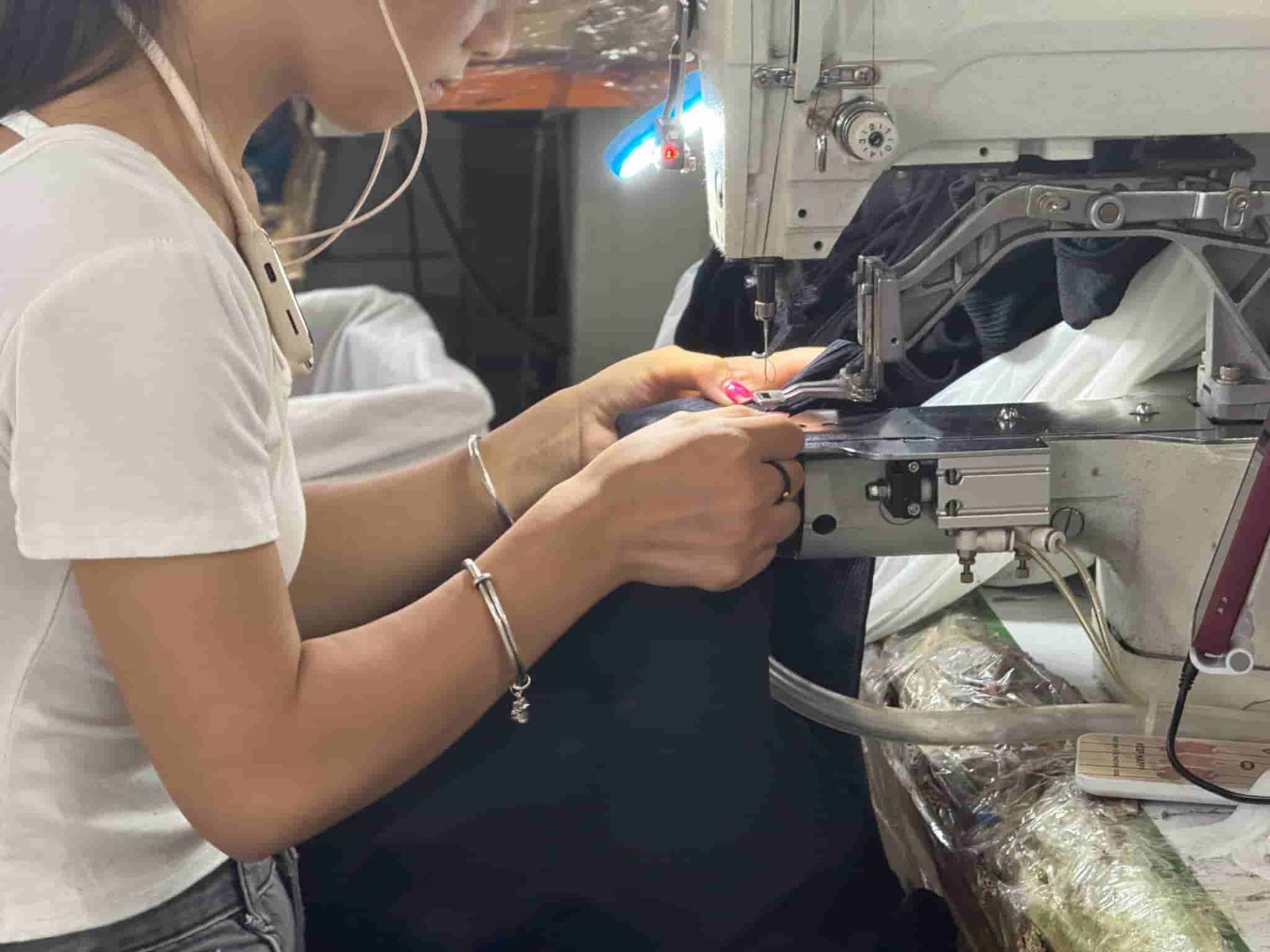
The core cut-and-sew area includes approximately 24 sewing and garment-production machines for activewear construction and finishing.
Standard sample development normally requires approximately five to ten working days after all executable development details are confirmed.
Current normal managed delivery capacity is approximately 150,000-200,000 pieces monthly across MOVEVOX's own and controlled production network.
Built for Serious Private Label Buying Teams
MOVEVOX is structured for buyers who need more than basic logo application. The strongest fit is a brand or B2B organization managing ongoing product development, formal approvals, repeat orders and growing SKU complexity.
Established Activewear Brands
Established brands usually enter discussions with defined product architecture, existing sales channels and clearer technical expectations. MOVEVOX can work from Tech Packs, measurement charts, approved references and brand manuals, then coordinate development, materials, branding, production and QC through one project structure. This buyer profile benefits most when the objective is not simply one low-cost order, but stable execution across future collections, repeat styles and increasing order quantities.
- Managing several activewear styles within one seasonal product program.
- Requiring documented sample approval before commercial bulk production starts.
- Expecting repeat production to follow previously approved product standards.
- Reviewing factory, quality and production evidence before supplier onboarding.
Multi-SKU B2B Buyers
Importers, retailers and established B2B buyers frequently manage several styles, colors, sizes, labels and packaging requirements in the same order. MOVEVOX coordinates these inputs under PO, Style, SKU, Color and Size management rather than allowing separate production locations to interpret customer requirements independently. Seamless and cut-and-sew products can also remain within the same MOVEVOX project-management structure.
- Multiple styles, colors and size ratios within one purchase program.
- Different branding and packaging requirements across individual SKUs.
- Centralized production updates instead of separate factory communication.
- Repeat-order requirements with controlled document and material versions.
Growing Private Labels
Growing private-label brands often need enough flexibility to validate a product without rebuilding their supply chain when sales increase. MOVEVOX supports relatively flexible entry quantities for standard projects while maintaining an operating structure capable of larger repeat orders. The strongest fit is a brand prepared to use formal sampling, approved specifications and realistic development budgets rather than relying on unlimited free revisions or permanently minimum quantities.
- Testing new styles before committing to larger repeat programs.
- Building branded products beyond simple stock-and-logo customization.
- Requiring fabric, color, label and packaging coordination.
- Planning for repeat orders after successful market validation.
Second-Source Programs
Mature brands may search for an additional supplier because their current sourcing base is too concentrated, limited to one manufacturing method or unable to support future capacity requirements. MOVEVOX can be evaluated as a second-source candidate through technical review, sample development, factory verification and controlled trial production before a buyer allocates larger purchasing volume.
- Existing specifications can be reviewed against MOVEVOX manufacturing capability.
- Trial development can precede any larger sourcing allocation decision.
- Actual production locations can be reviewed when buyers require transparency.
- Quality standards can follow the buyer's approved sample and QC requirements.
Private Label Means More Than Adding a Logo
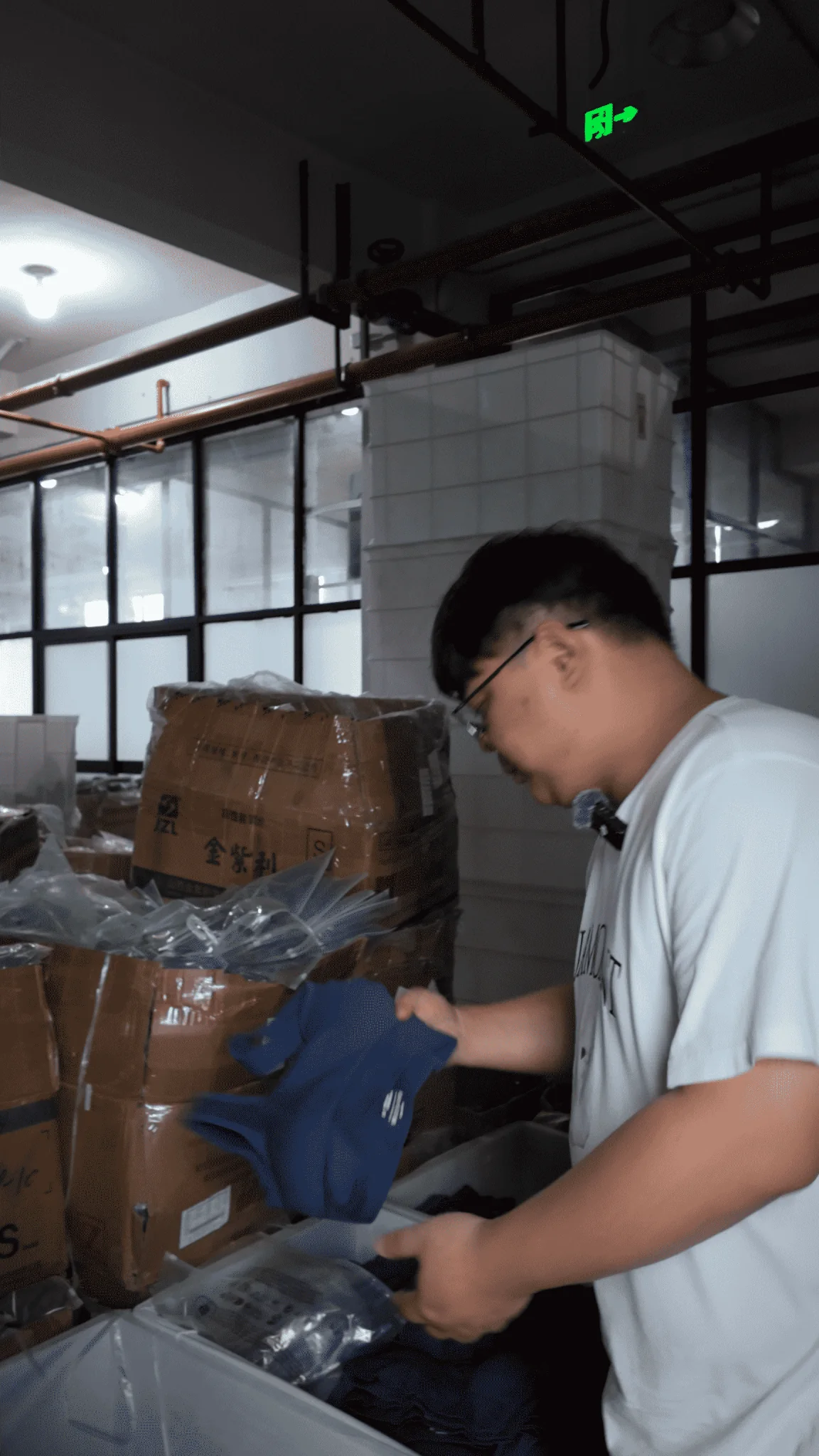
MOVEVOX can support private-label execution from the product-development stage through materials, branding and retail packaging. The exact scope, MOQ, cost and lead time depend on the style, materials and customization level selected.
Product Development
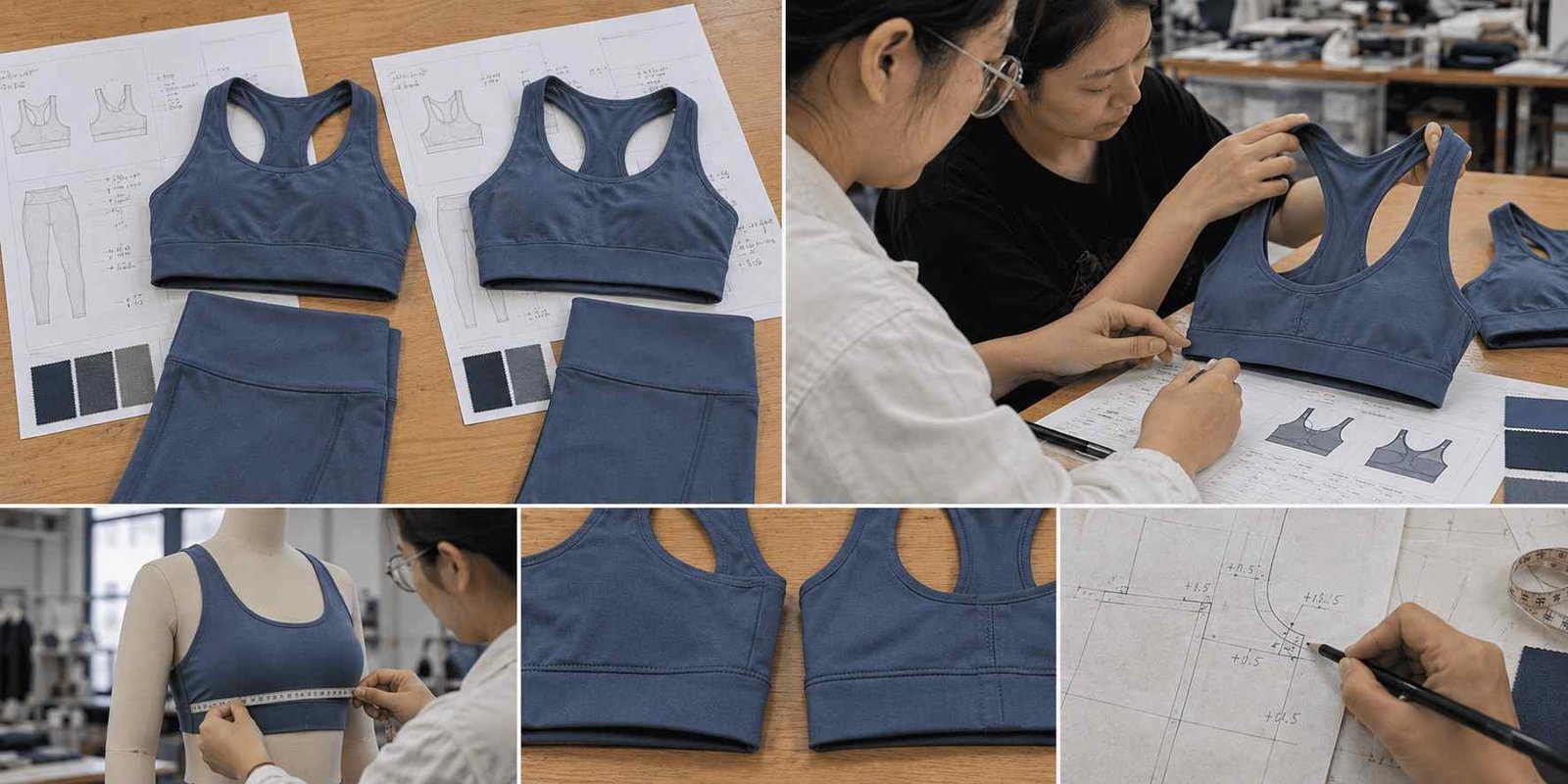
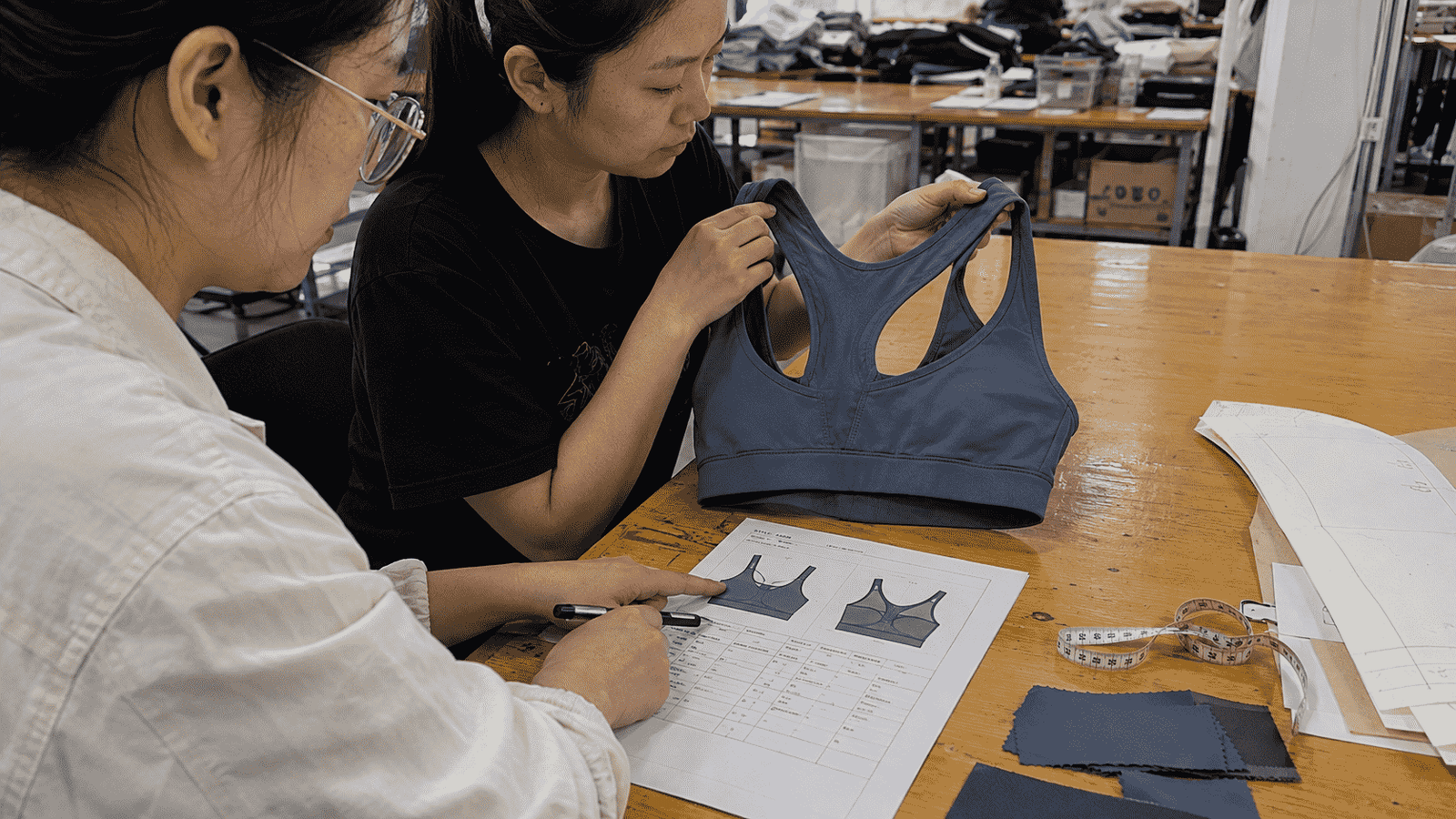
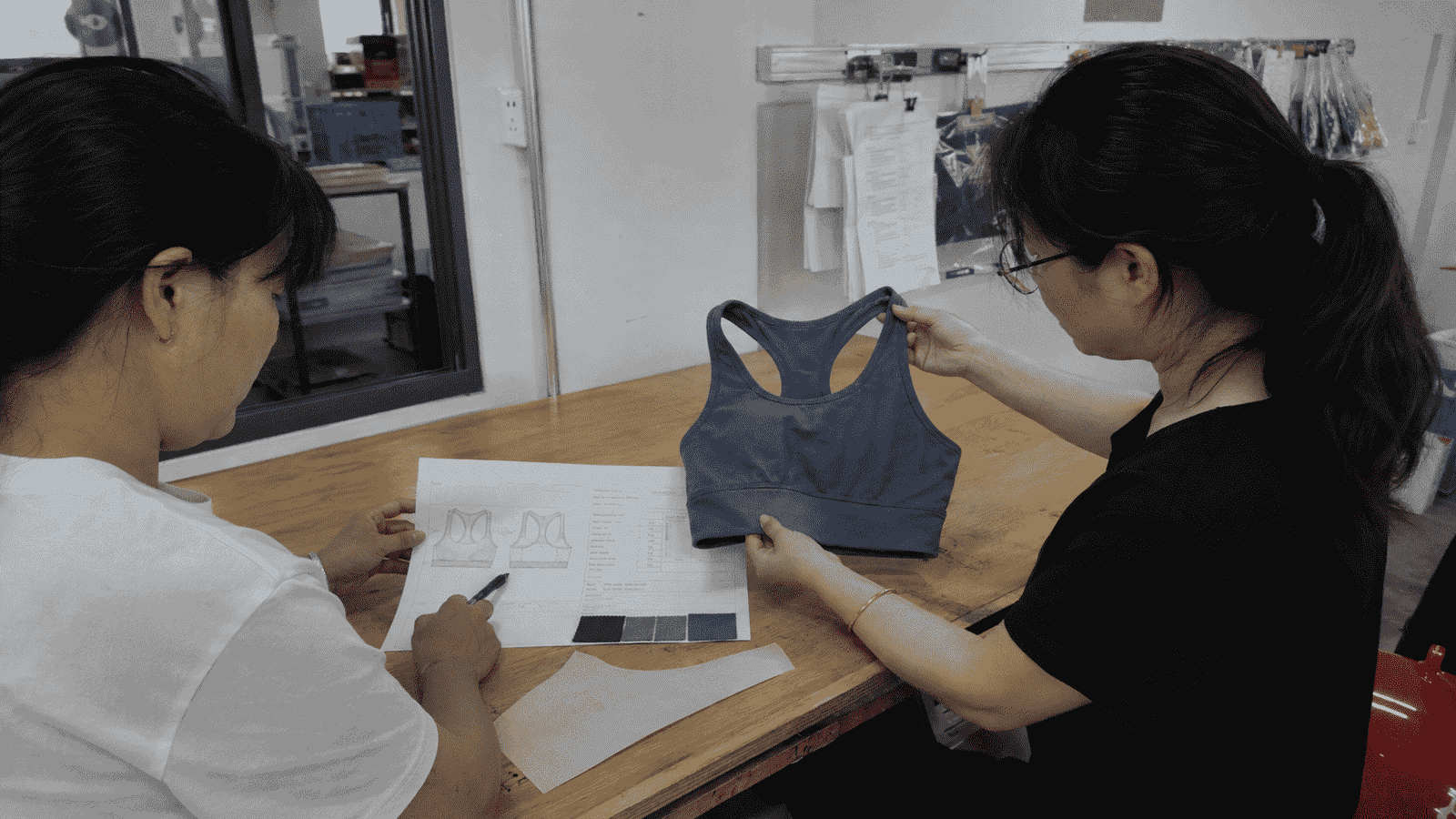
Private-label projects can begin from a customer Tech Pack, legal physical sample, sketch, image or clear product requirement. MOVEVOX reviews construction, measurements, pattern or seamless structure, material direction and manufacturing feasibility before sampling. Buyers remain responsible for their brand direction and final approvals, while MOVEVOX supports manufacturing translation and industrial execution through sampling and bulk-production preparation.
- Customer Tech Pack and measurement-chart development route.
- Legal reference sample and requested modification route.
- Concept, sketch or image-led manufacturing-development route.
- Approved sample used as the bulk production reference.
Material and Color
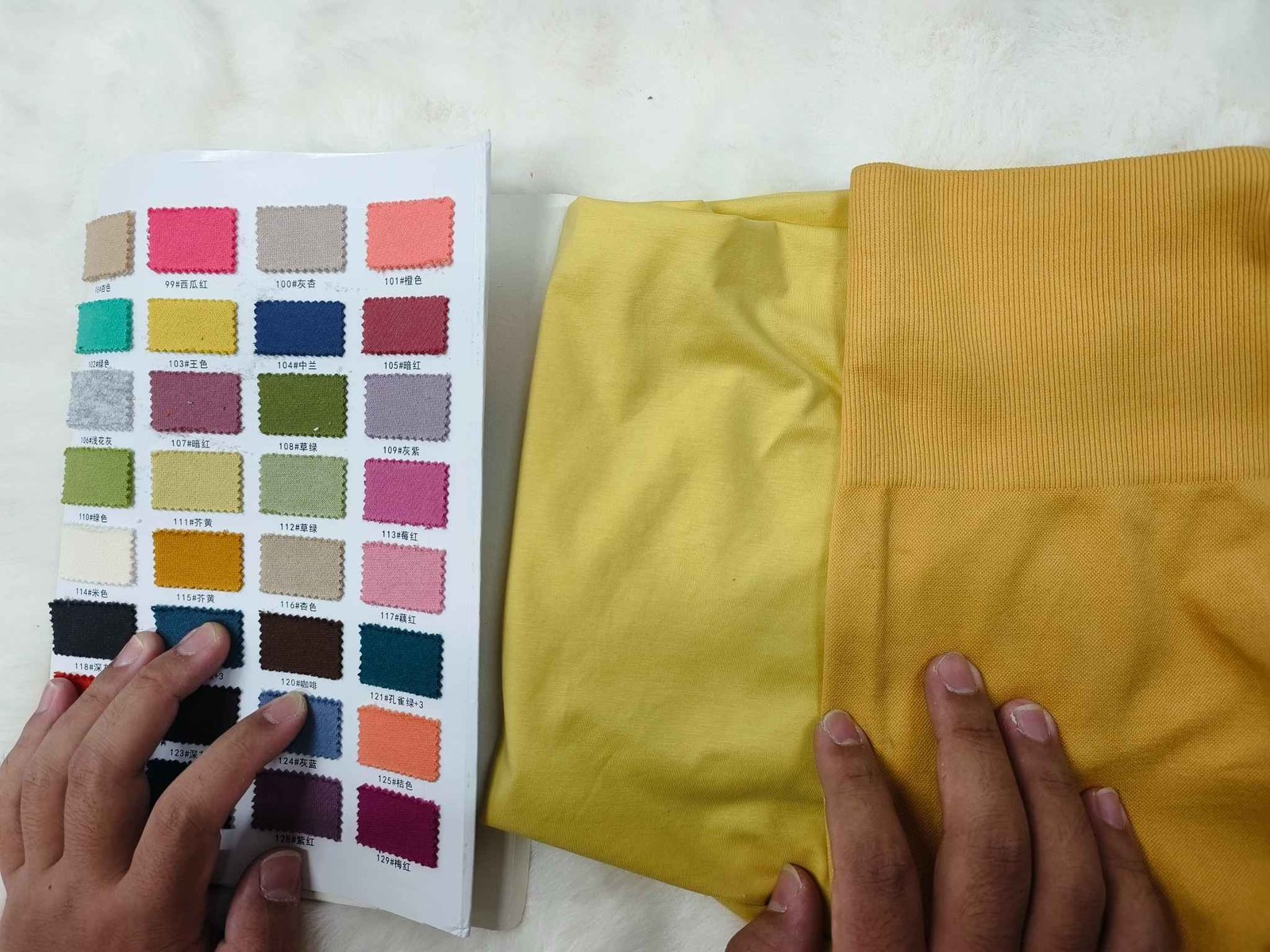
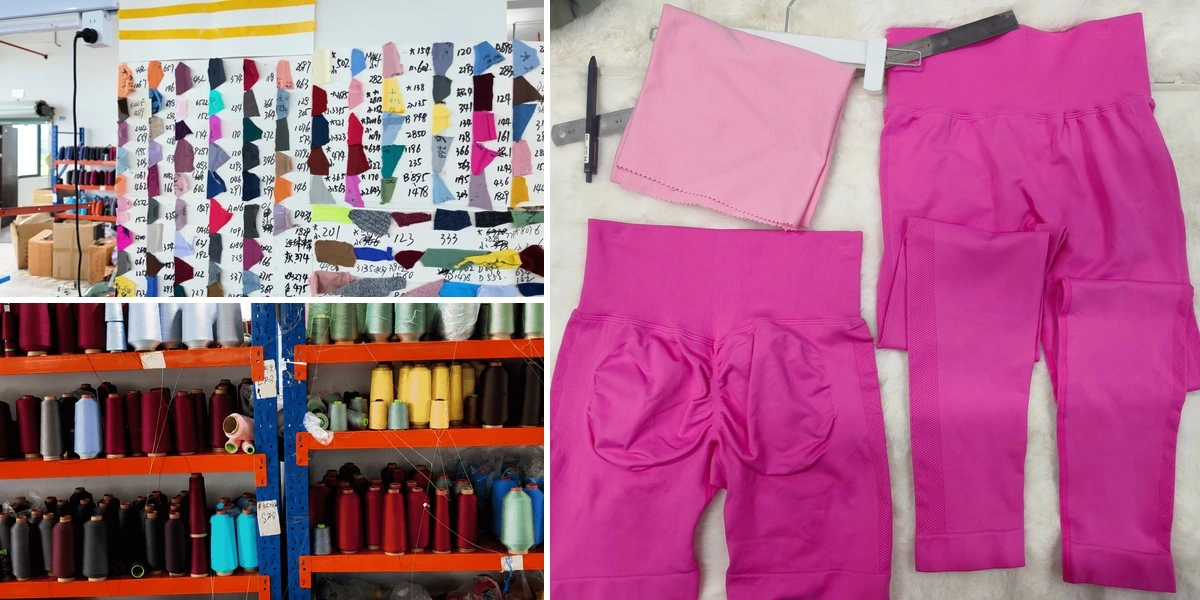
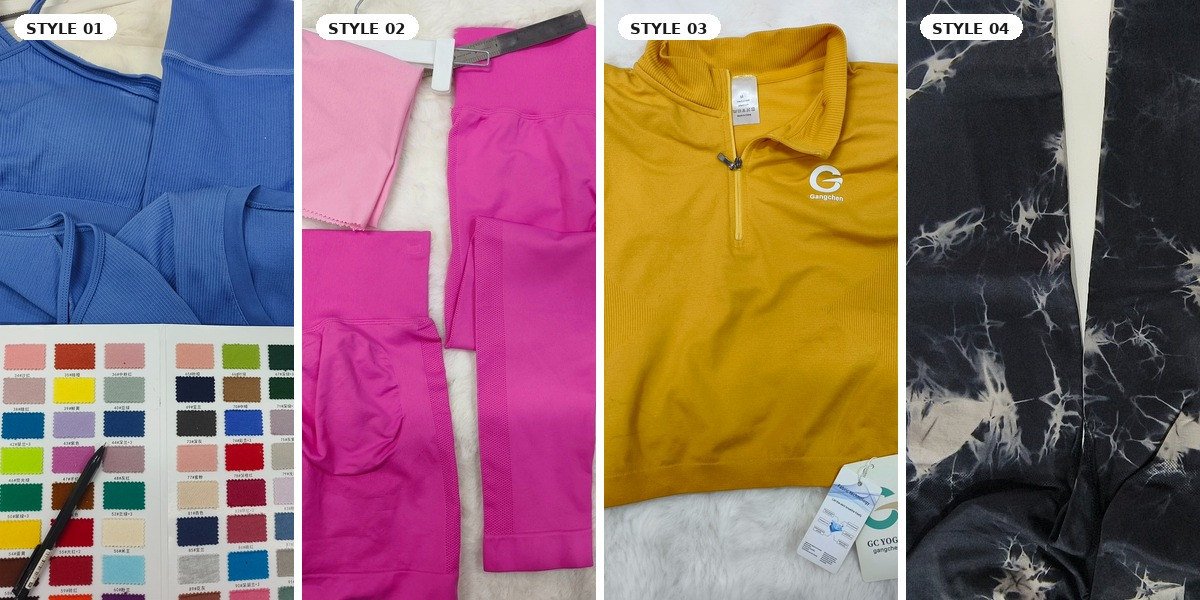
MOVEVOX coordinates activewear yarns, fabrics, composition, GSM, hand feel, stretch, color and production-lot requirements according to the project. Buyers can select from existing material resources or evaluate customized materials and Pantone-based colors. Custom dyeing, special yarns and buyer-specific fabrics can introduce separate minimums, cost and timing requirements that must be confirmed before production.
- Existing activewear fabric and yarn resources.
- Pantone or physical color-reference development.
- Custom dyeing subject to material minimum requirements.
- Customer-nominated materials or approved material suppliers.
Brand Identity
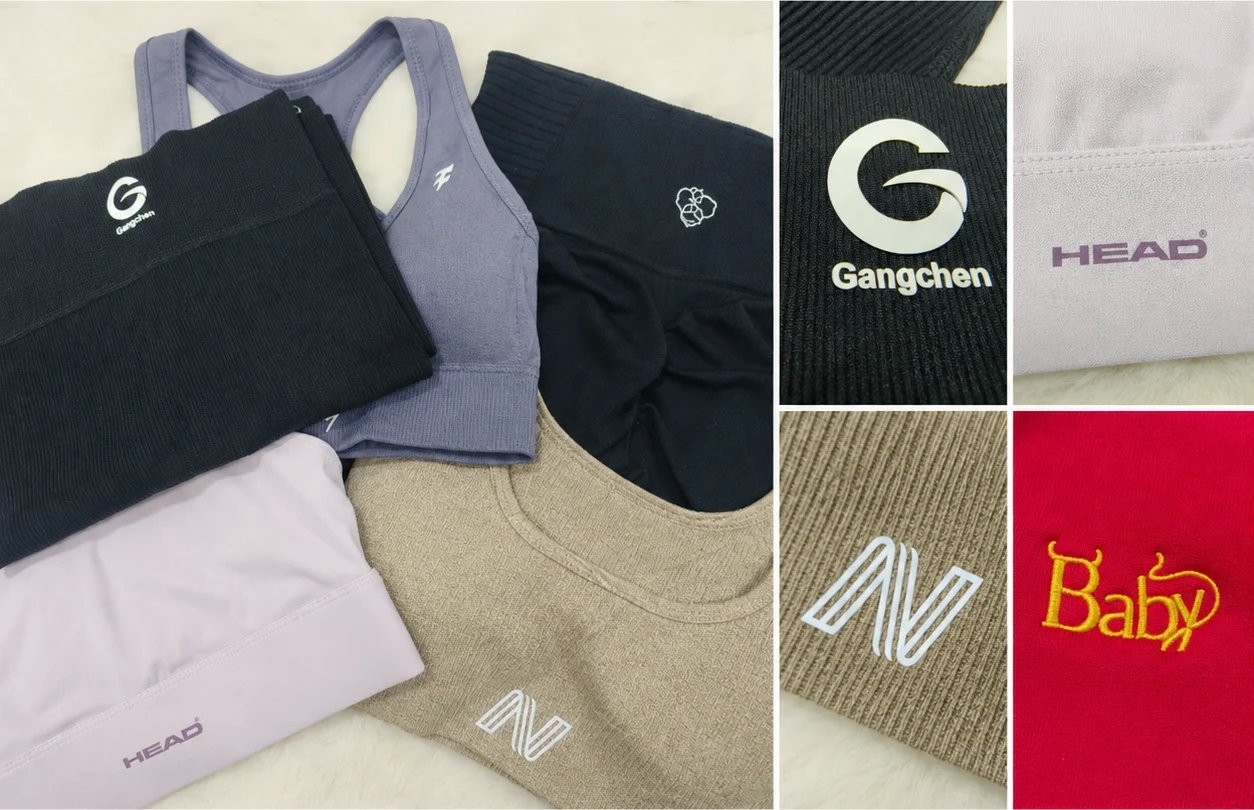
MOVEVOX supports brand execution through screen printing, heat transfer, silicone printing, jacquard, embroidery, woven labels and related activewear branding methods. Artwork, size, position, fabric compatibility and final appearance should be approved through sampling before bulk. The appropriate method depends on garment construction, fabric stretch, desired appearance, durability expectations and individual supplier minimums.
- Heat-transfer and screen-printed logo applications.
- Silicone print and selected dimensional branding methods.
- Embroidery, jacquard and woven-label brand execution.
- Main, size and care-label customization.
Labels and Data
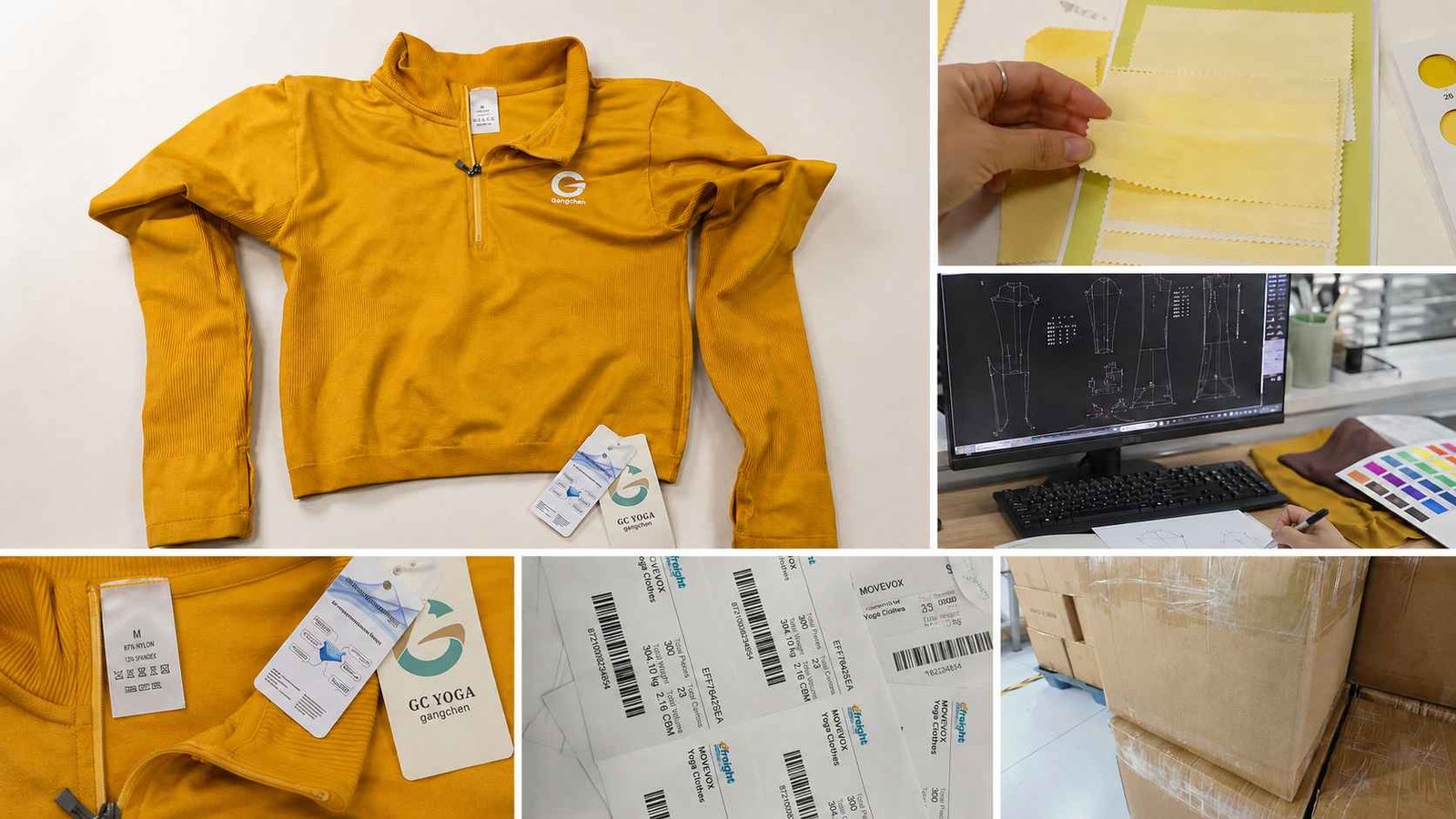
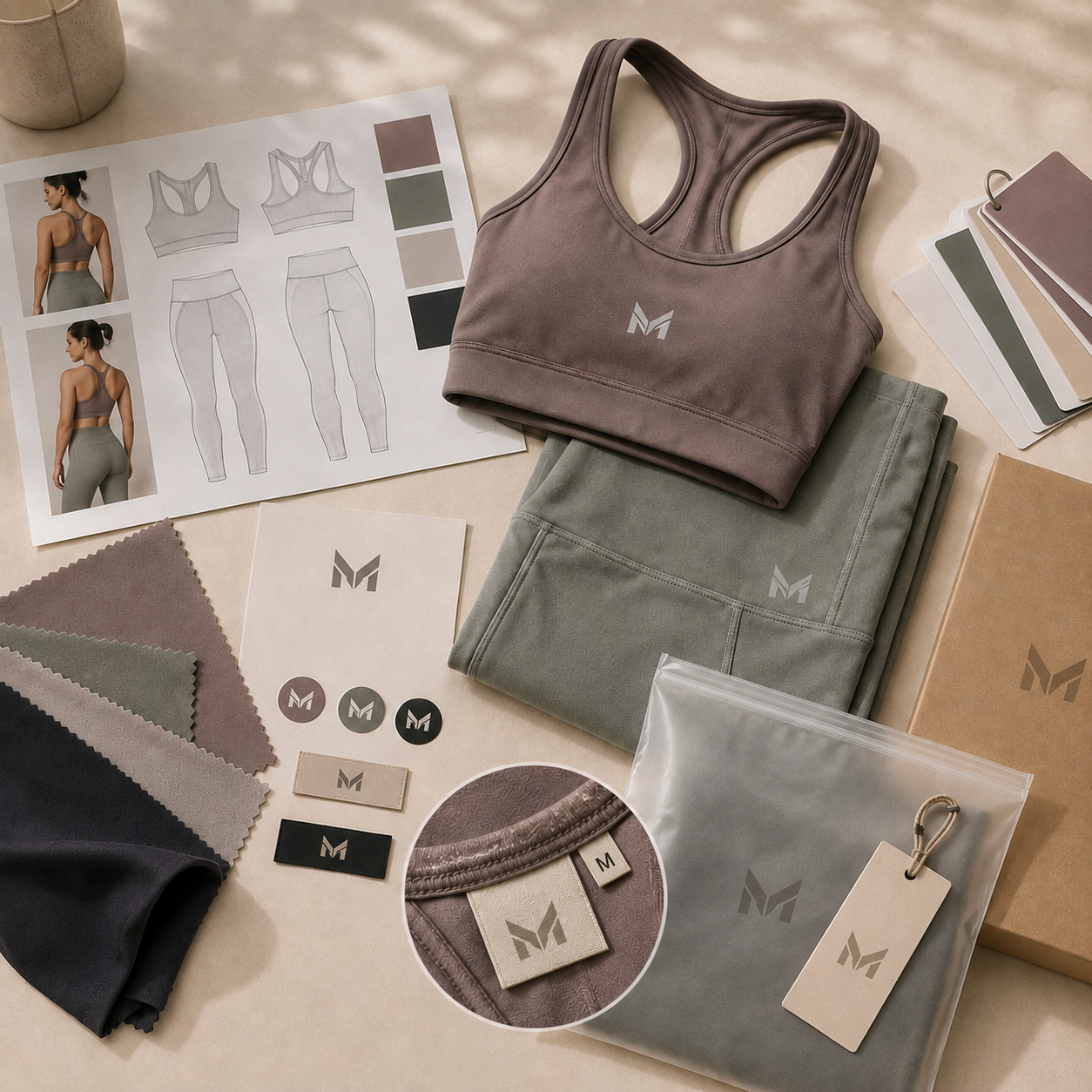
Private-label execution also includes Main Labels, Size Labels, Care Labels, Woven Labels, Hangtags, Stickers and Barcodes. Customer-approved information enters the project document and sourcing system so packaging personnel work from the final confirmed version rather than verbal instructions. SKU, size and barcode accuracy are particularly important for multi-style and multi-market orders.
- Main, care and size label development.
- Hangtag and sticker execution.
- Barcode and SKU identification requirements.
- Buyer-provided packaging and data specifications.
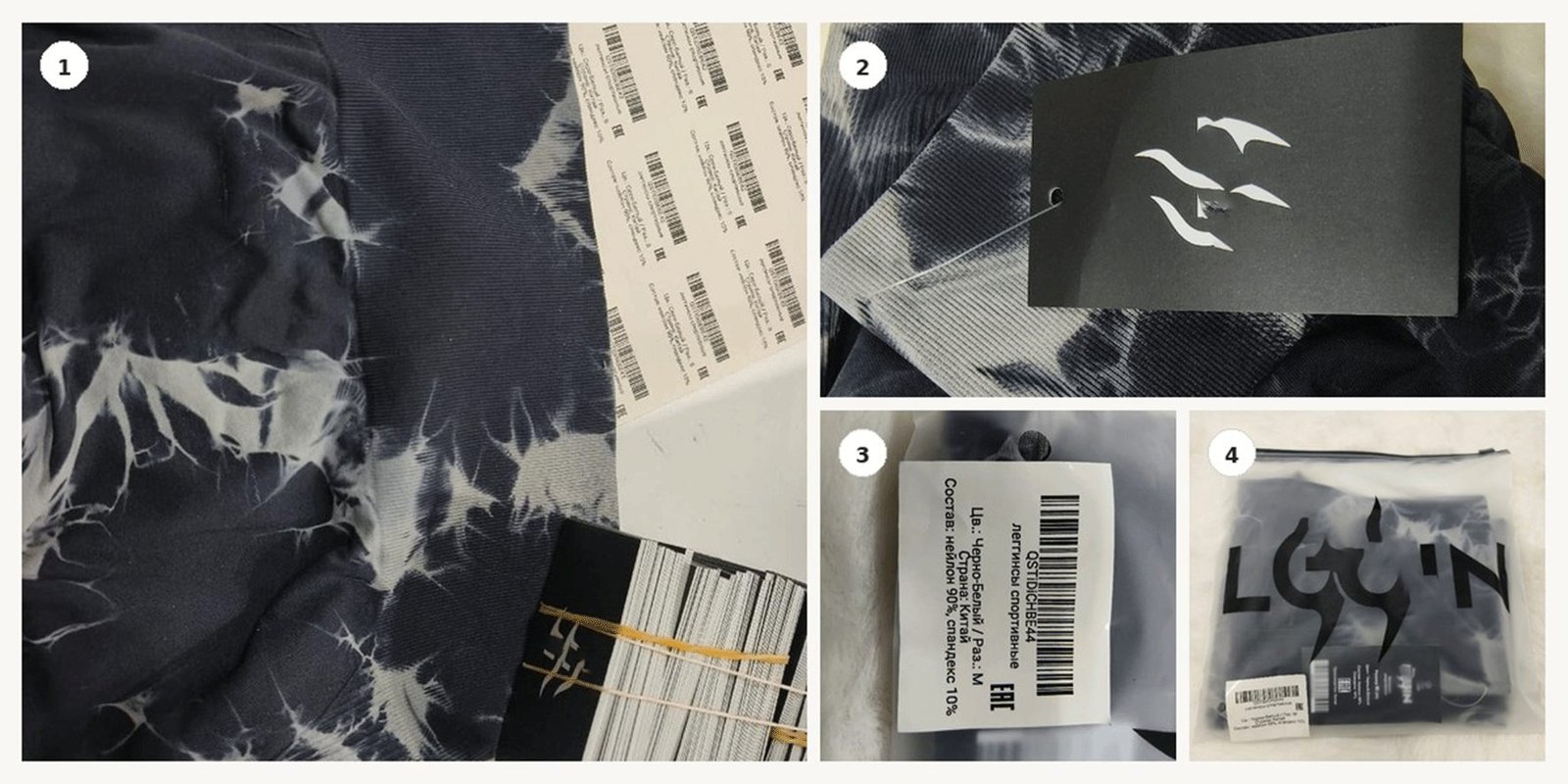
Retail Packaging
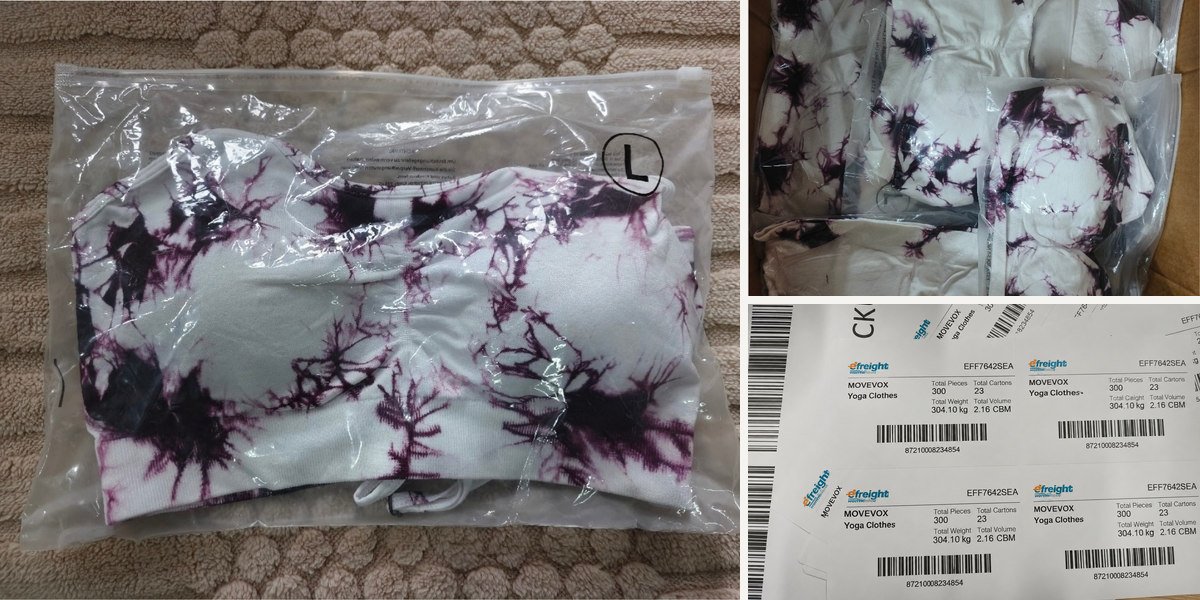
MOVEVOX can coordinate polybags, folding requirements, stickers, hangtags, barcodes, carton packing, carton marks and customized packaging. Packaging requirements are treated as part of commercial delivery rather than a final decorative step. Special materials or buyer-exclusive packaging may have separate MOQ, tooling, development time or supplier requirements that should be reviewed early.
- Individual polybag and folding requirements.
- Custom hangtag, sticker and barcode execution.
- Carton quantity and carton-mark control.
- Buyer-specified custom packaging programs.
Choose the Right Development Route for Your Brand
Private Label, OEM and development-led ODM are not identical sourcing models. The best route depends on how much product definition your team already owns and how much manufacturing-development support is still required.
| Dimension | OEM | Development-Led ODM | Private Label |
|---|---|---|---|
| Design Input | Buyer provides detailed technical direction. | Buyer provides concept or product direction. | Can begin from existing or new product direction. |
| Technical Input | Tech Pack and specifications preferred. | MOVEVOX helps convert concept into executable product details. | Scope varies with customization depth. |
| Product Development | Mainly technical review and execution. | More material, fit and construction development required. | May range from modification to full development. |
| Customer Approval | Required before bulk production. | Required at each major development stage. | Required for branding, product and packaging standards. |
| Material Work | Buyer-defined or mutually selected materials. | Material direction developed with buyer input. | Existing or custom materials can be evaluated. |
| Branding | Executed according to buyer specification. | Developed after product direction is established. | Core part of the final product program. |
| Lead-Time Driver | Complexity and buyer approval speed. | More development and revision activity. | Depends on product and branding scope. |
| Best For | Brands with established technical product systems. | Brands with defined ideas but incomplete specifications. | Brands building products under their own identity. |

Build Collections Instead of Sourcing Isolated Activewear Styles
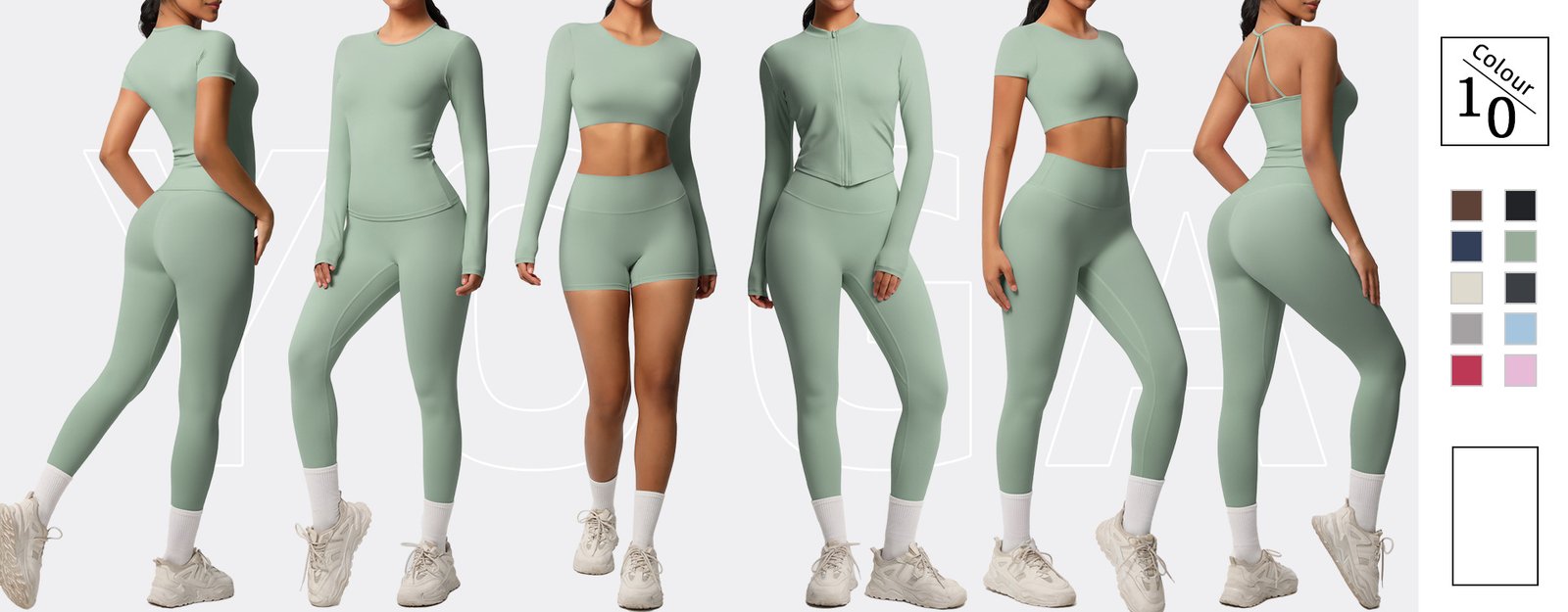
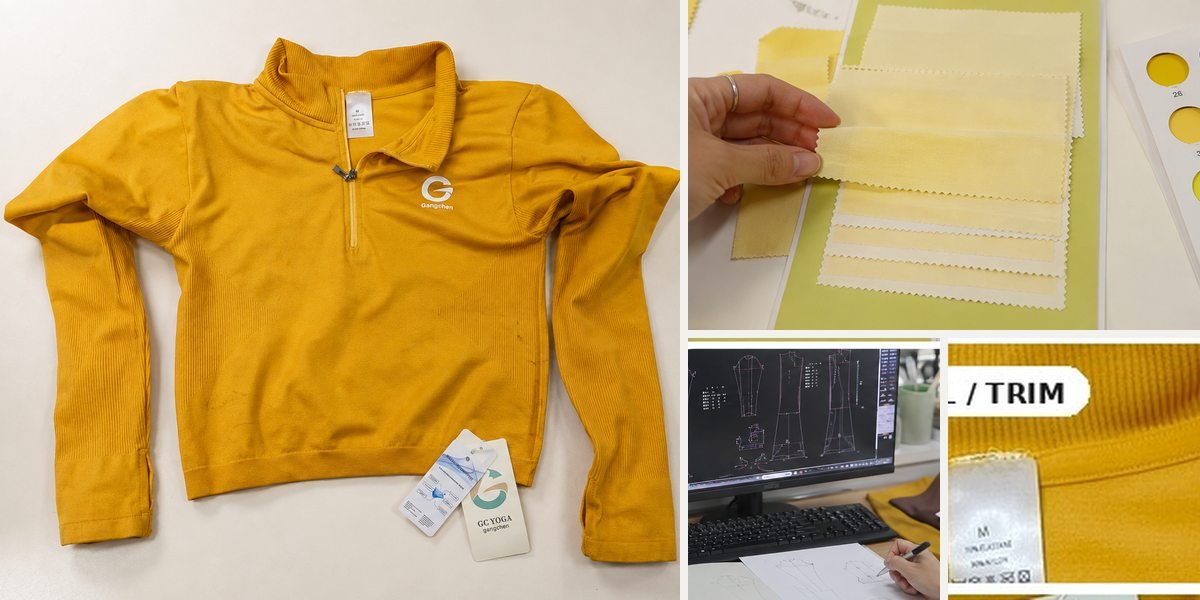
MOVEVOX can support activewear programs across seamless and cut-and-sew product structures, allowing brands to develop coordinated products under shared material, color, logo and packaging standards rather than treating every SKU as an independent sourcing project.
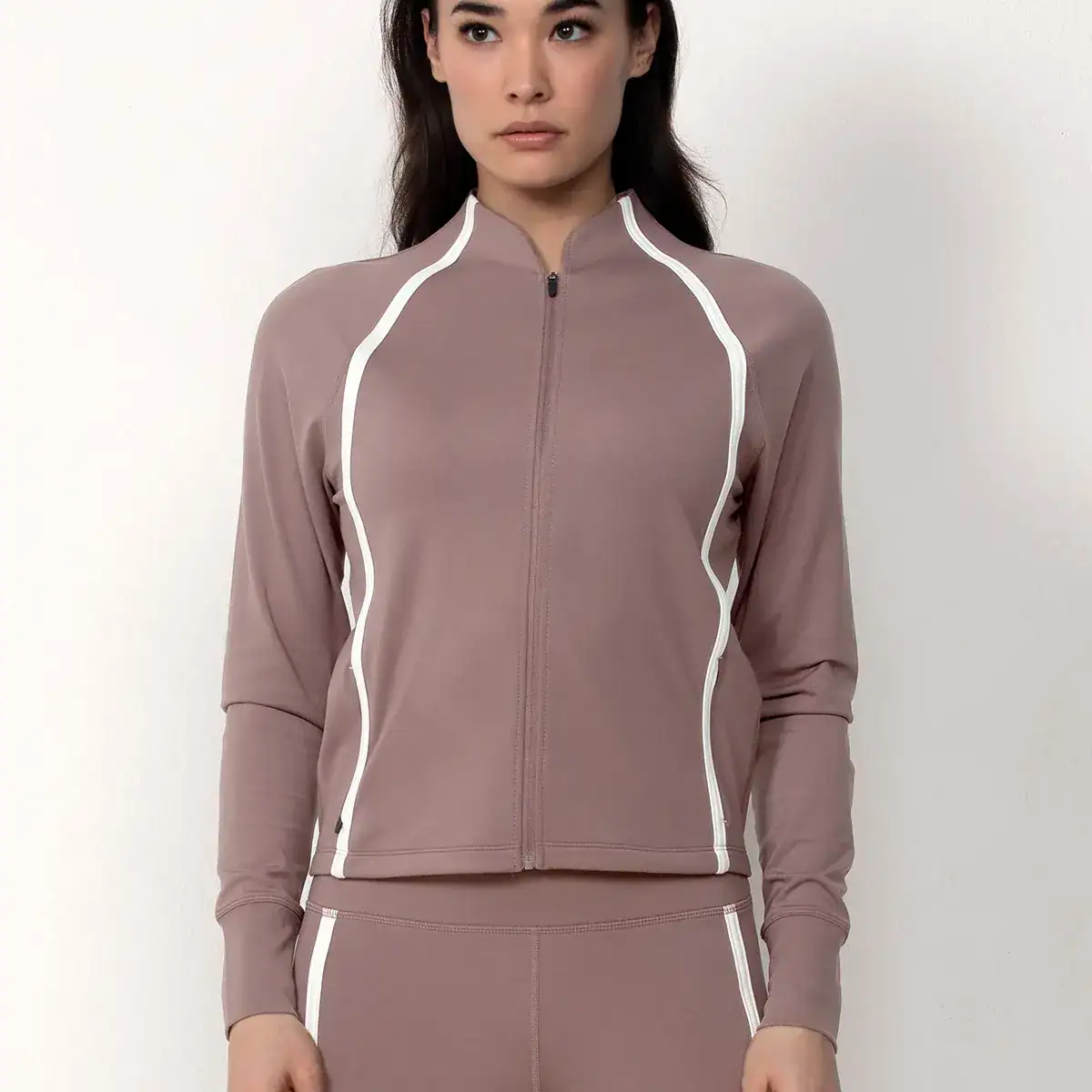
Yoga and Studio Collection
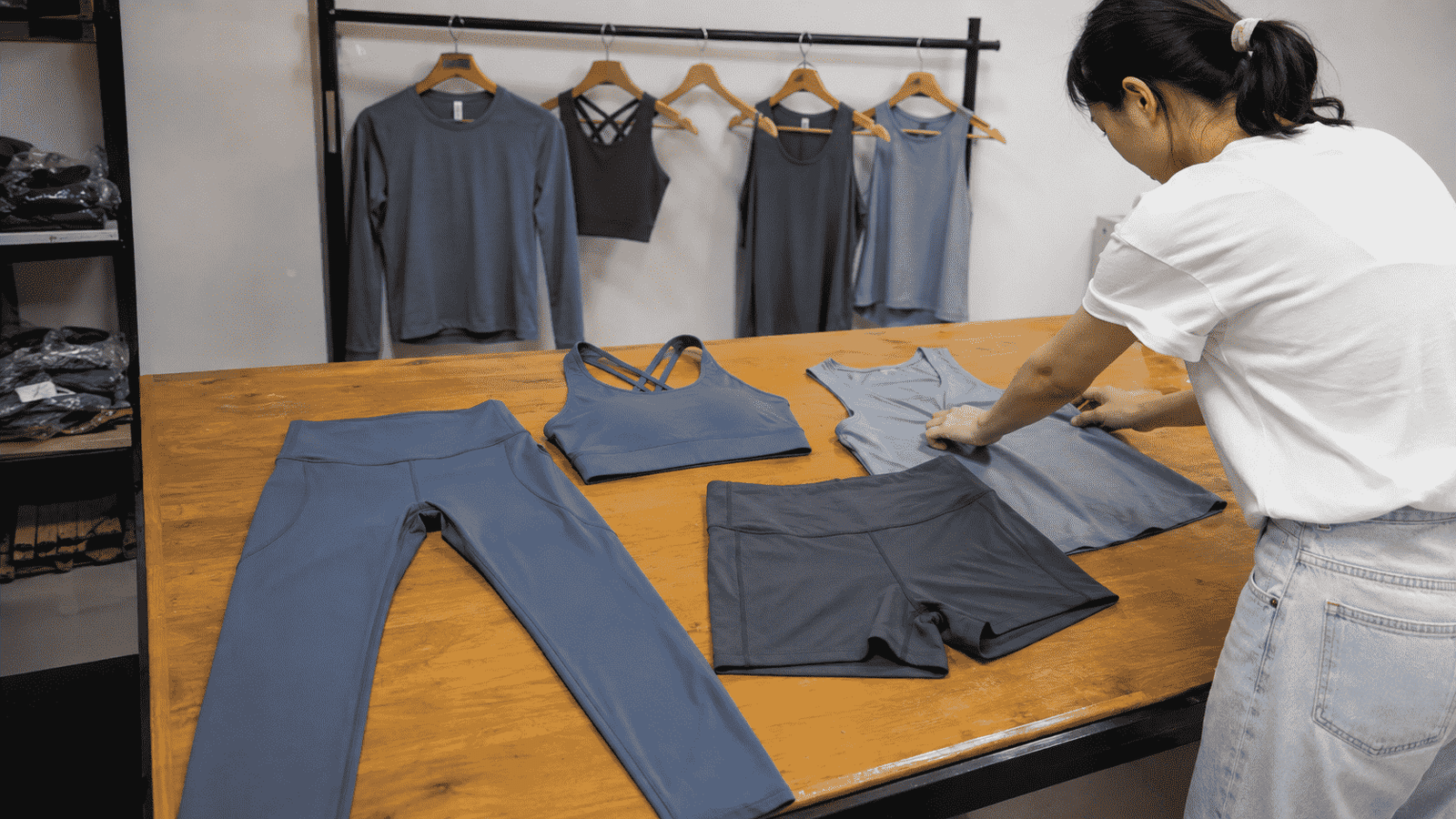
A yoga or studio collection can combine leggings, shorts, sports bras, tanks and coordinated sets under a common fit and brand direction. Depending on product structure, MOVEVOX can allocate individual styles to seamless or cut-and-sew manufacturing while maintaining shared color, branding, packaging and project-management requirements across the collection.
Products: Leggings / Shorts / Sports Bras / Tanks / Sets
Discuss This Collection
Gym Training Collection
Training collections commonly require products with stable waist structures, stretch recovery, movement comfort and repeatable fit. Leggings, biker shorts, sports bras, training tops and coordinated sets can be developed as one program, with product-specific construction decisions instead of forcing every style into the same manufacturing method.
Products: Training Leggings / Biker Shorts / Sports Bras / Training Tops / Sets
Review Training Range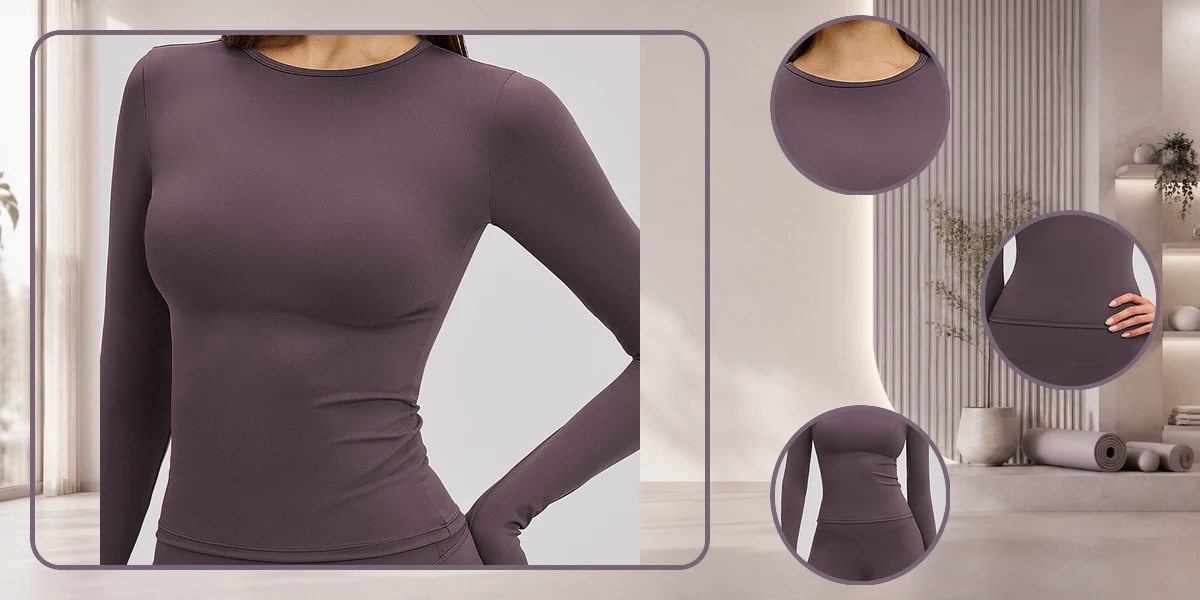
Athleisure Collection
Athleisure programs can extend core performance products into tops, long sleeves, selected jackets and lifestyle-oriented pieces where appropriate. MOVEVOX can evaluate which styles belong inside its core activewear capability and which require a specific technical or satellite-factory review before the buyer commits to a broader collection.
Products: Leggings / Tops / Long Sleeves / Selected Jackets / Sets
Plan Your RangeWalk Through the MOVEVOX Manufacturing Control Center
The Yiwu production base acts as the development, core manufacturing and quality-control center of the MOVEVOX supply-chain system. A real factory visit should show how product information moves from development into production, inspection and shipment.
Product Development Area
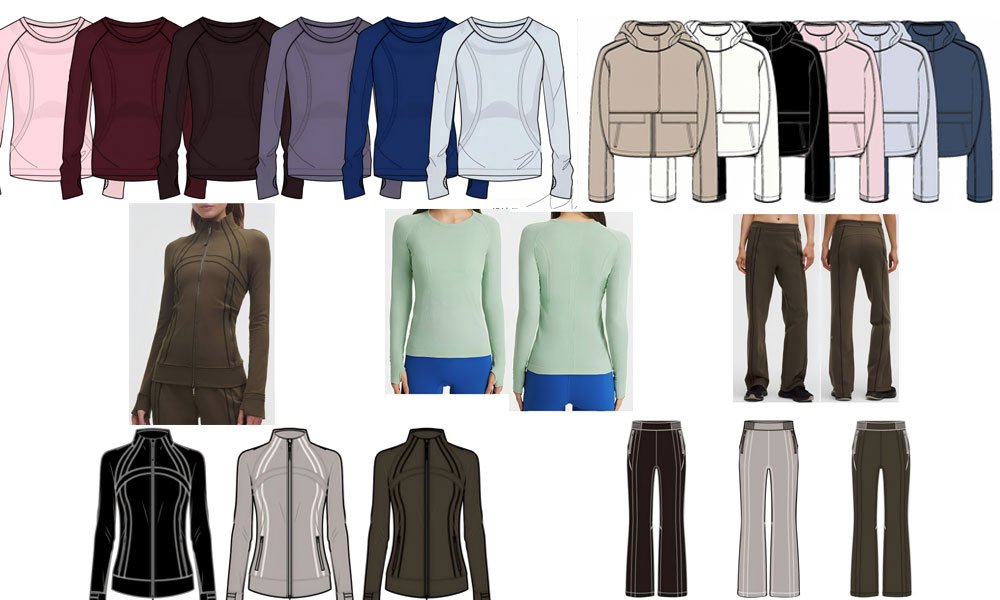
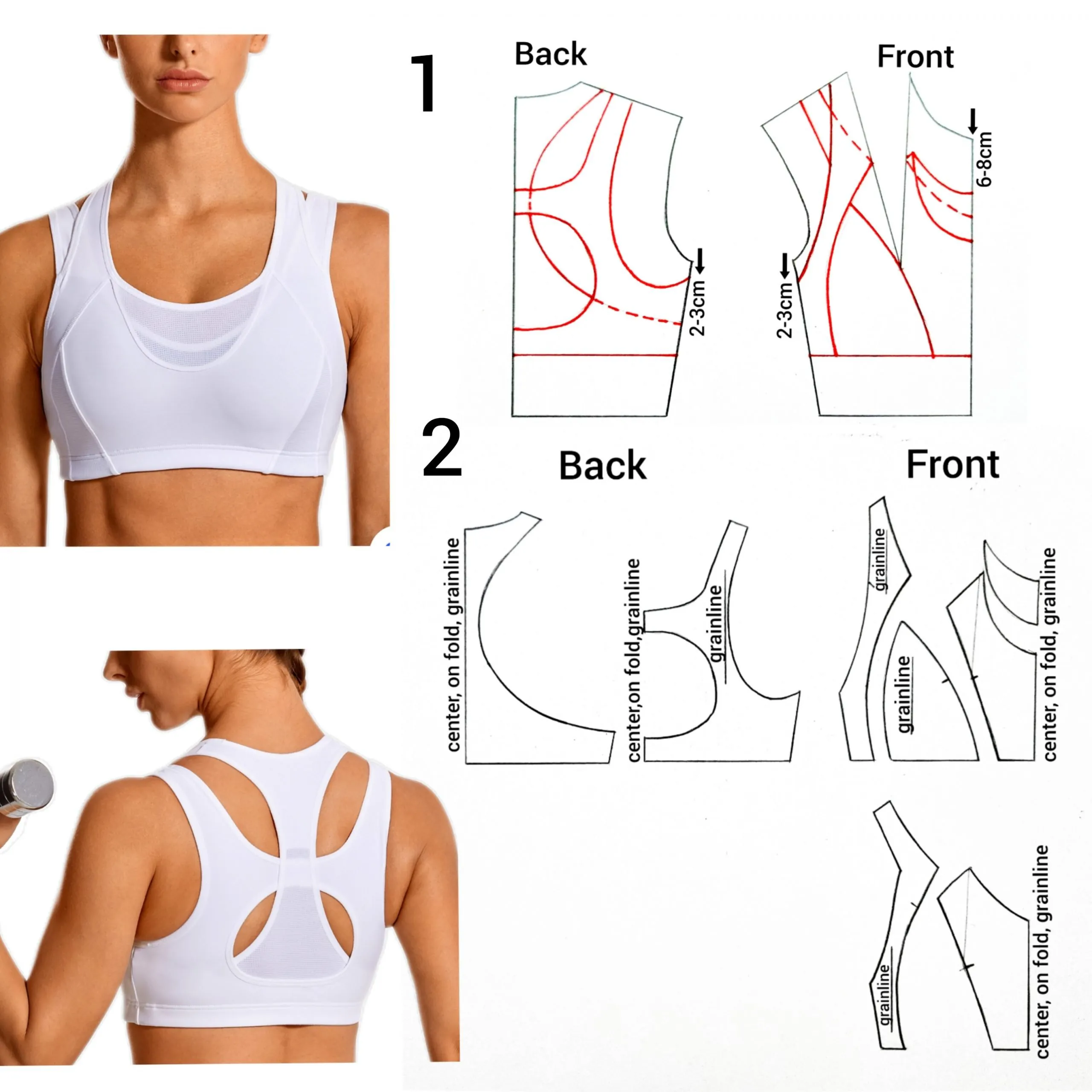
Product development is handled by a structure of approximately eight people, including design, professional pattern-making and sample-making roles. This team converts Tech Packs, legal reference samples, sketches, images or defined concepts into executable product specifications and physical samples. Complex projects can also involve fabric sourcing, branding suppliers, QC and production personnel before the production standard is finalized.
Seamless Production Area
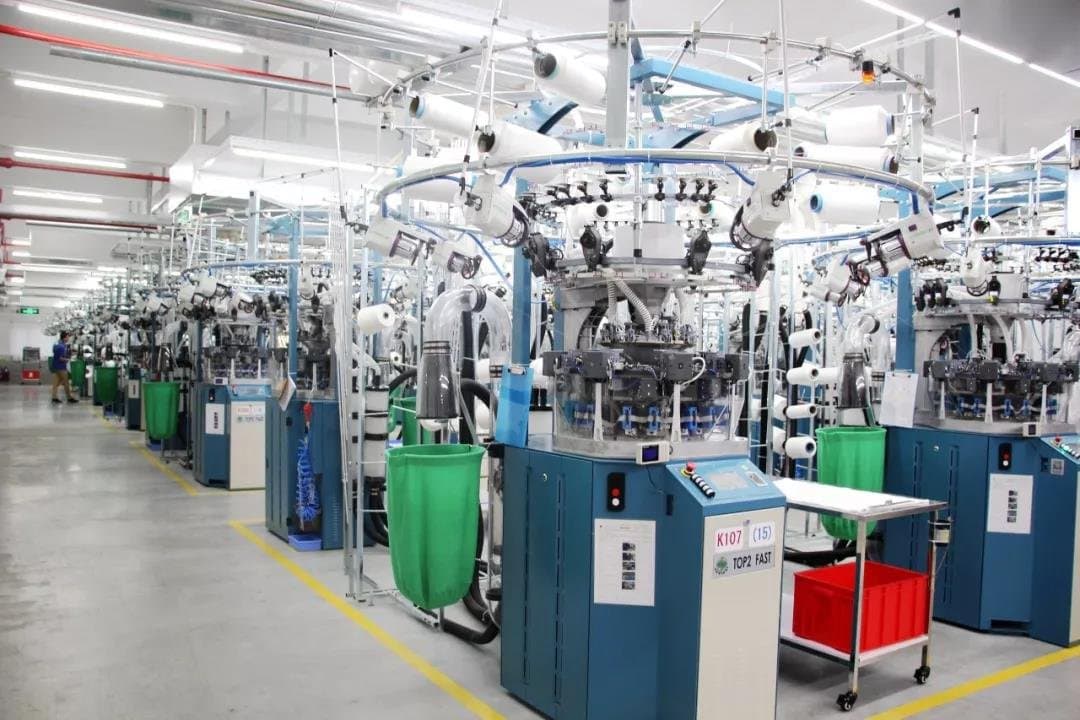
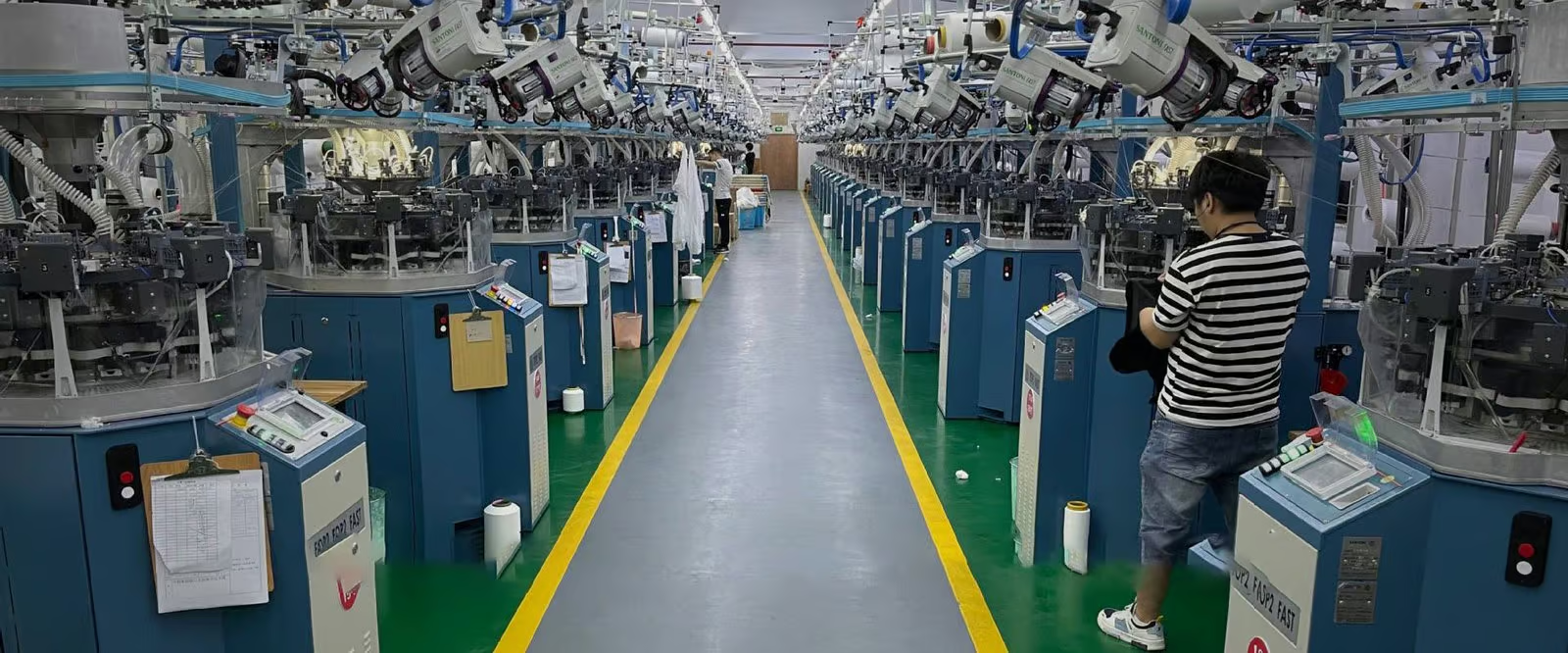
MOVEVOX's own production system includes 28 Italian Santoni seamless knitting machines. The equipment supports seamless activewear structures where yarn, knitting organization, density, rib, mesh, jacquard and localized support zones are developed together with fit and garment requirements. Machine ownership is only the starting point; approved program, yarn and sample standards must still be controlled during bulk.
Cut-and-Sew Area
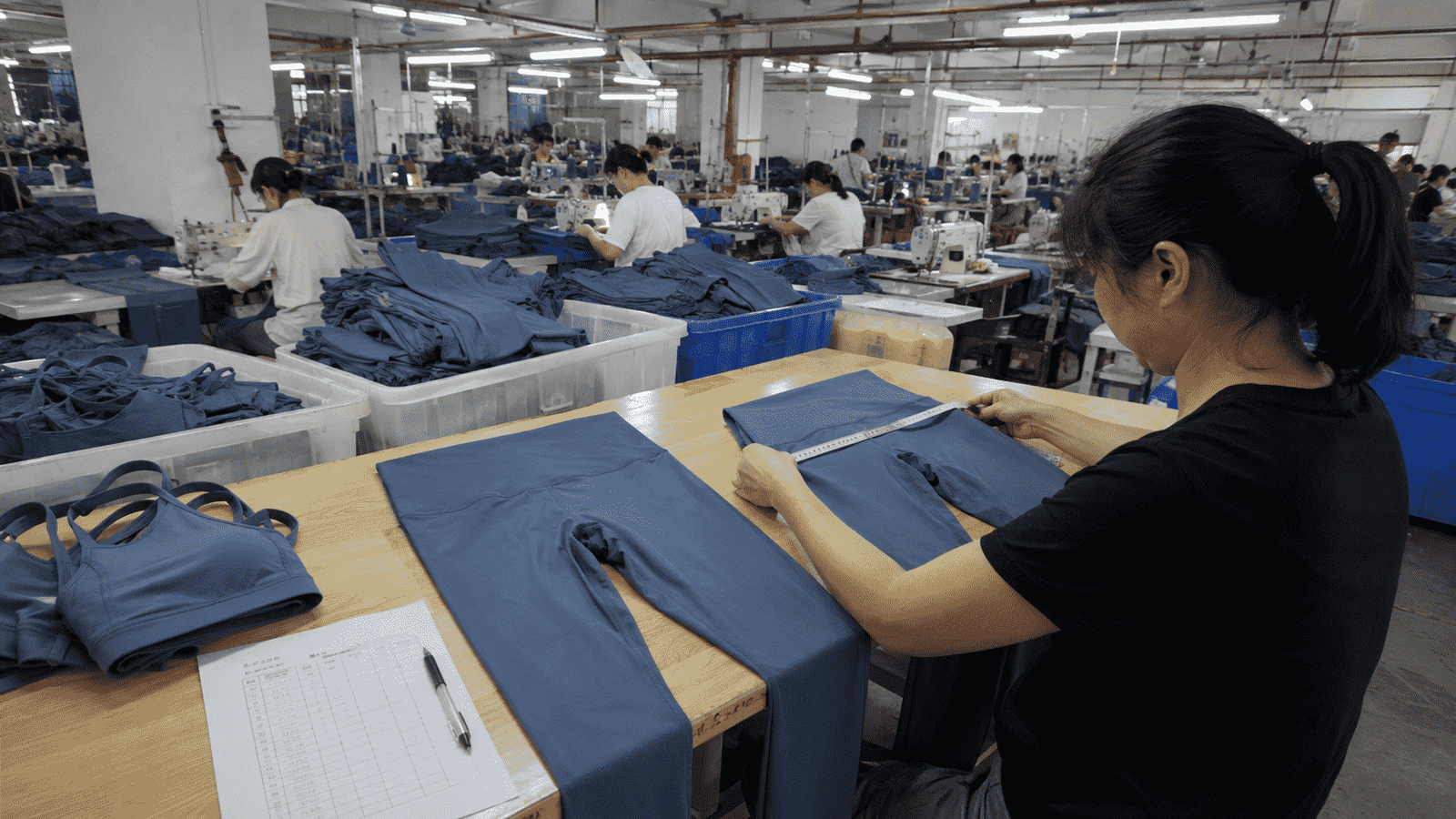
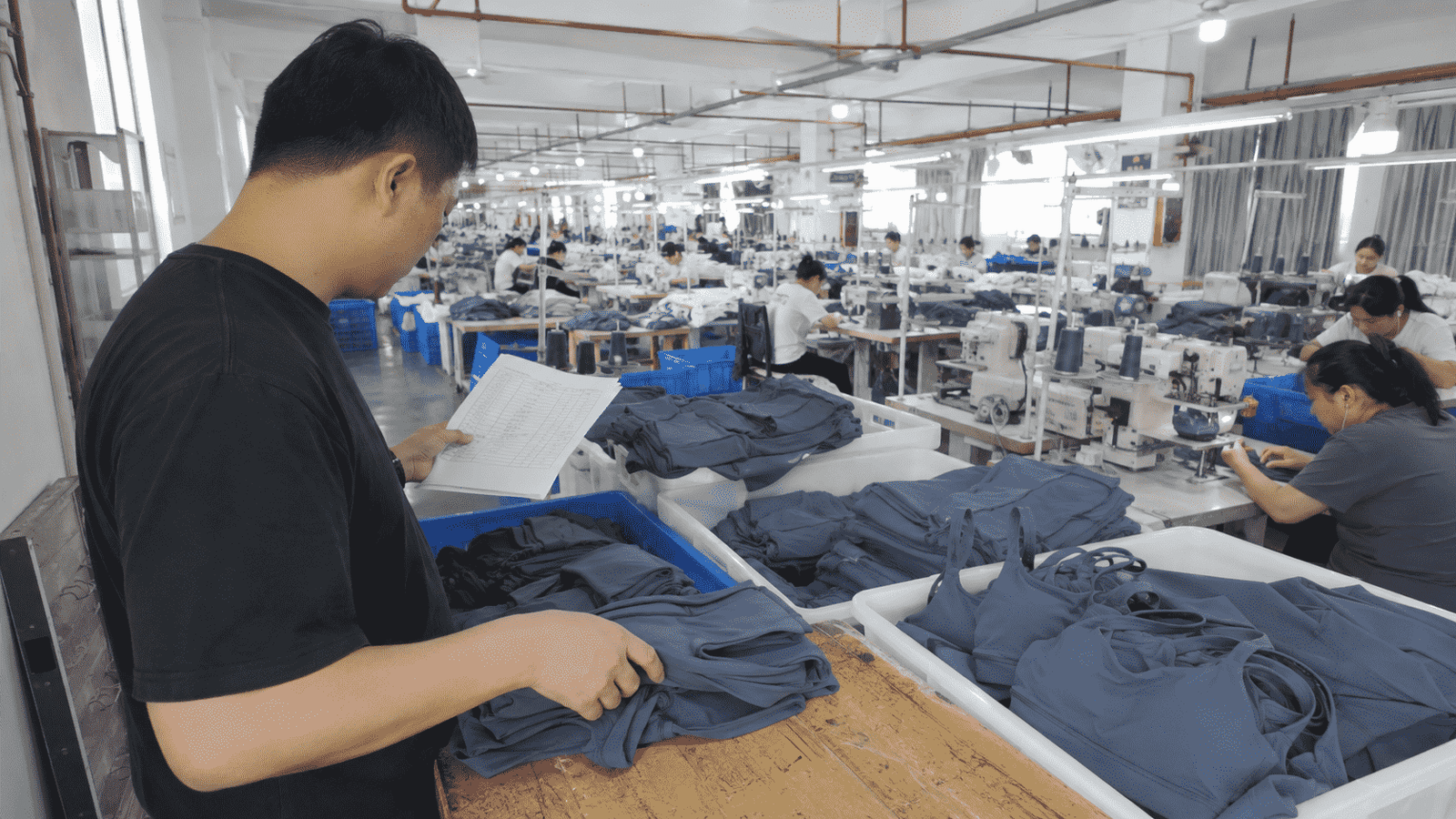
The core cut-and-sew system contains approximately 24 sewing and garment-production machines. The equipment mix covers activewear processes including single-needle sewing, overlock, coverstitch, flatlock and supporting garment operations. Production requirements are derived from the approved pattern, fabric, construction and customer specifications rather than allowing operators to make uncontrolled changes during bulk.
Production Quality Control
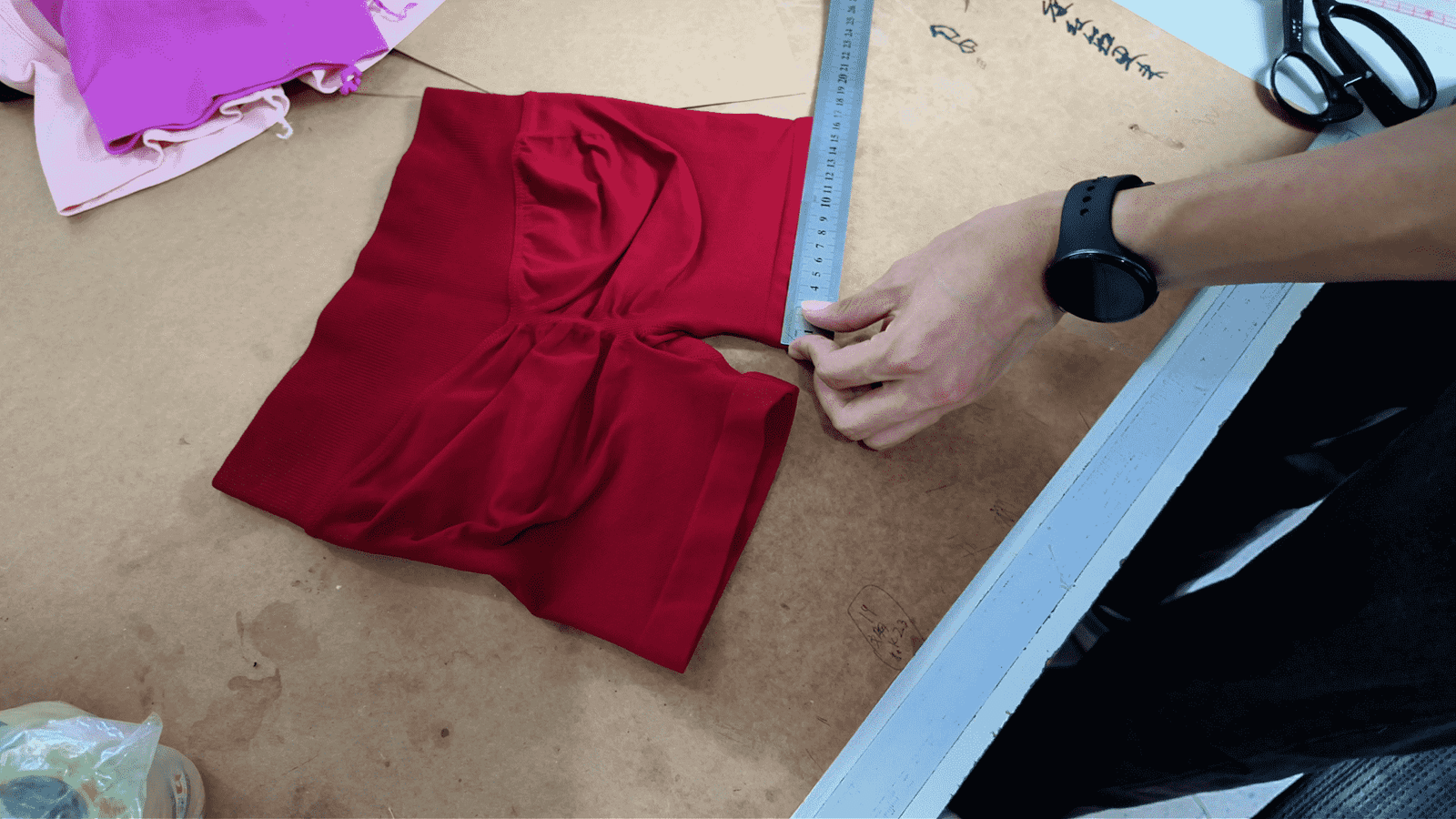
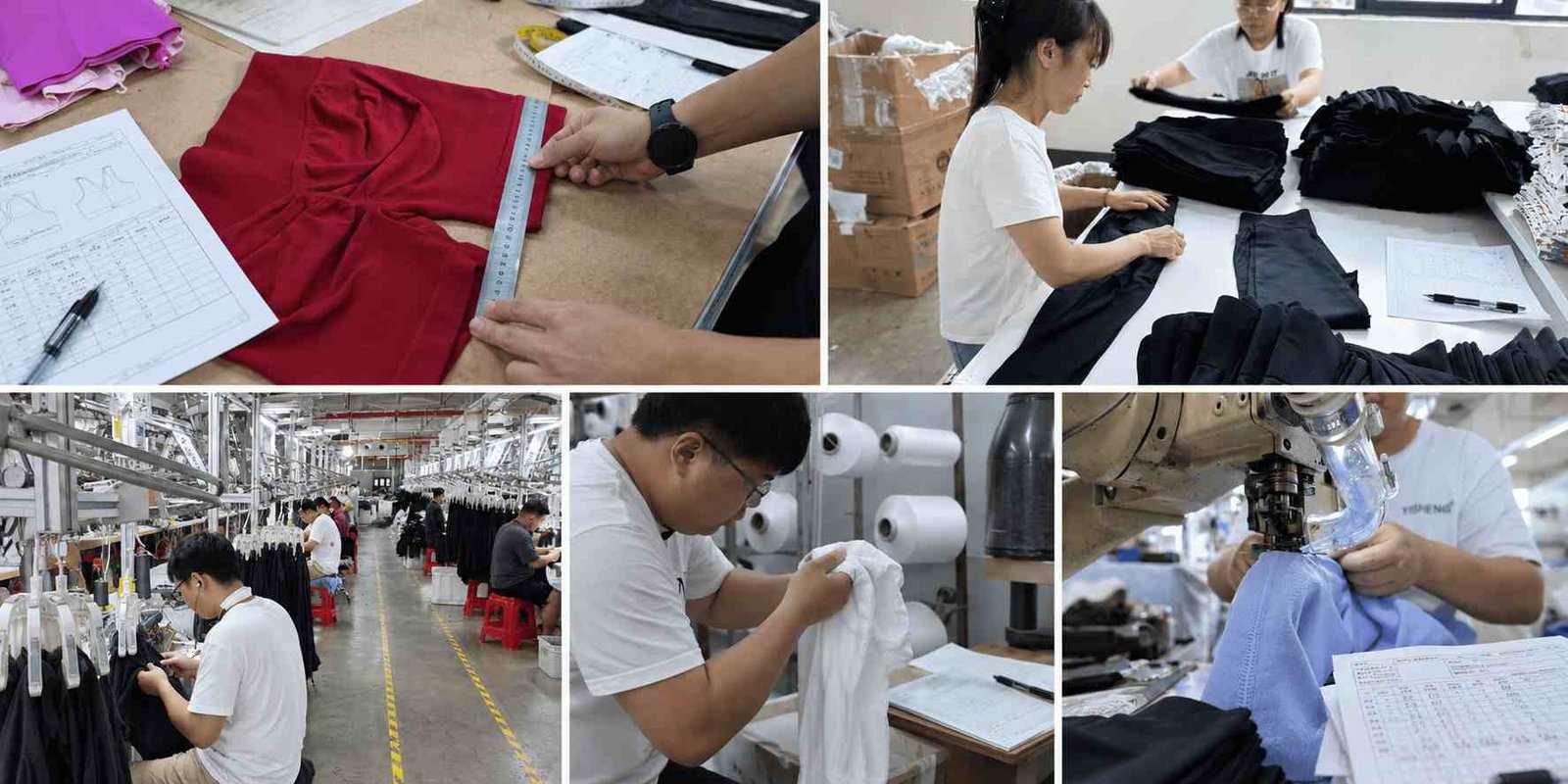
MOVEVOX currently has five QC personnel working across incoming materials, pre-production checks, first article, in-line inspection, finished garments, measurements, logos, labels, packaging and pre-shipment inspection. QC personnel can request production stopping, rework or reinspection when products do not conform to the confirmed standard.
Packing and Finishing
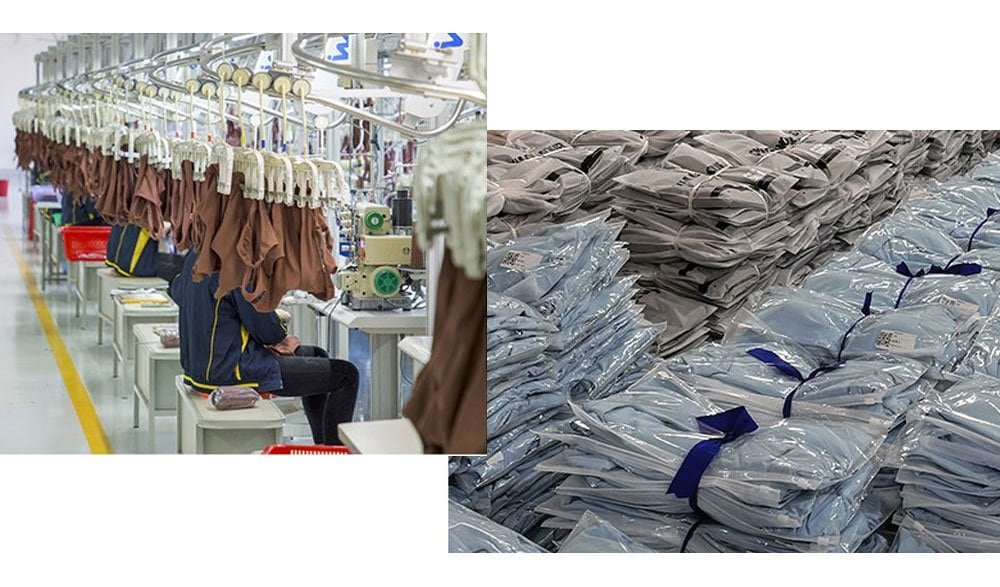
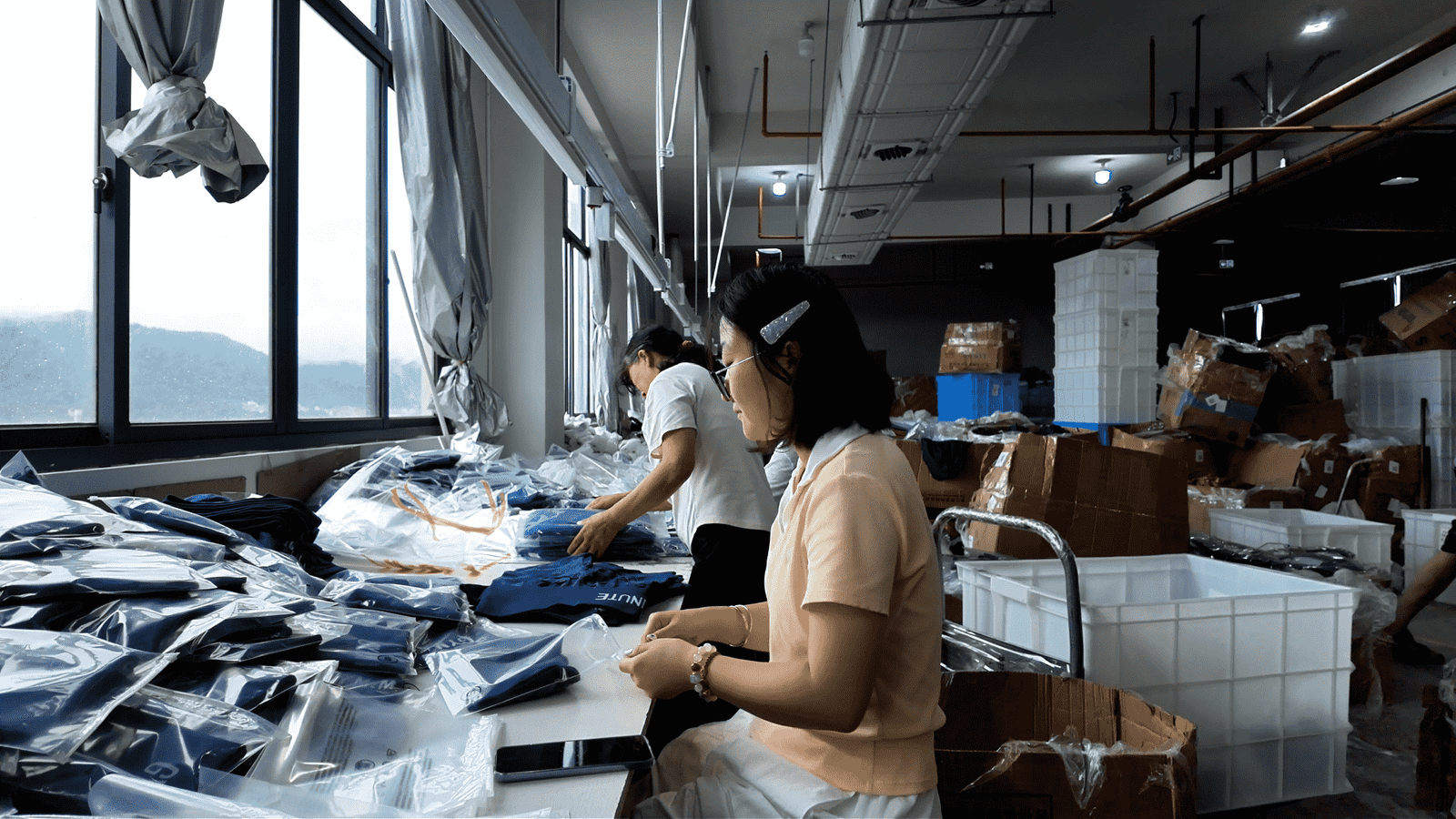
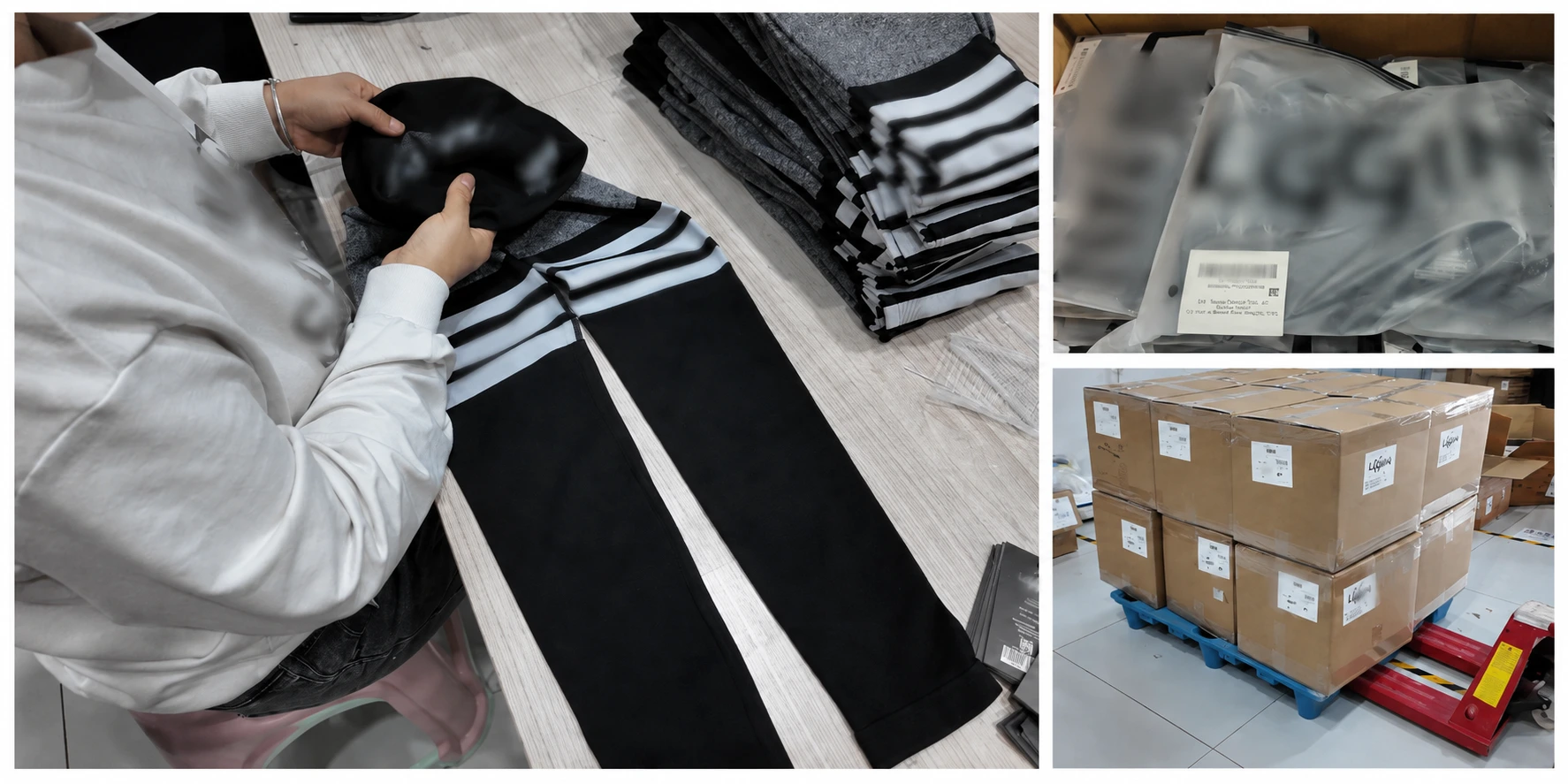
The packing and finishing function normally has approximately six people and handles appearance rechecking, folding, hangtags, stickers, barcodes, polybags, SKU confirmation, carton packing and carton marks. Packaging personnel work from the customer's final approved requirements and are not authorized to independently change barcode, label or packing instructions.
Warehouse and Shipment Handover
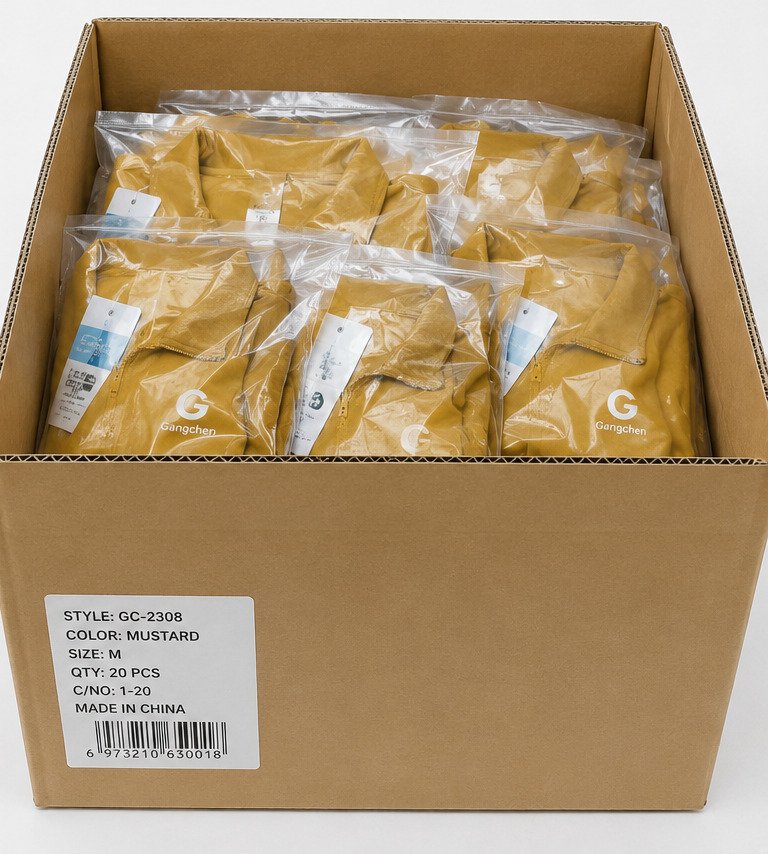
Shipment coordination covers packing lists, carton breakdowns, customer-nominated forwarders, domestic transport, courier, air and sea freight coordination, export documentation and shipment tracking. Before goods leave the controlled process, product quantities, carton information, branding and packaging requirements are checked against the order and shipment instructions.
Engineer Seamless Activewear Through Functional Knitting Zones
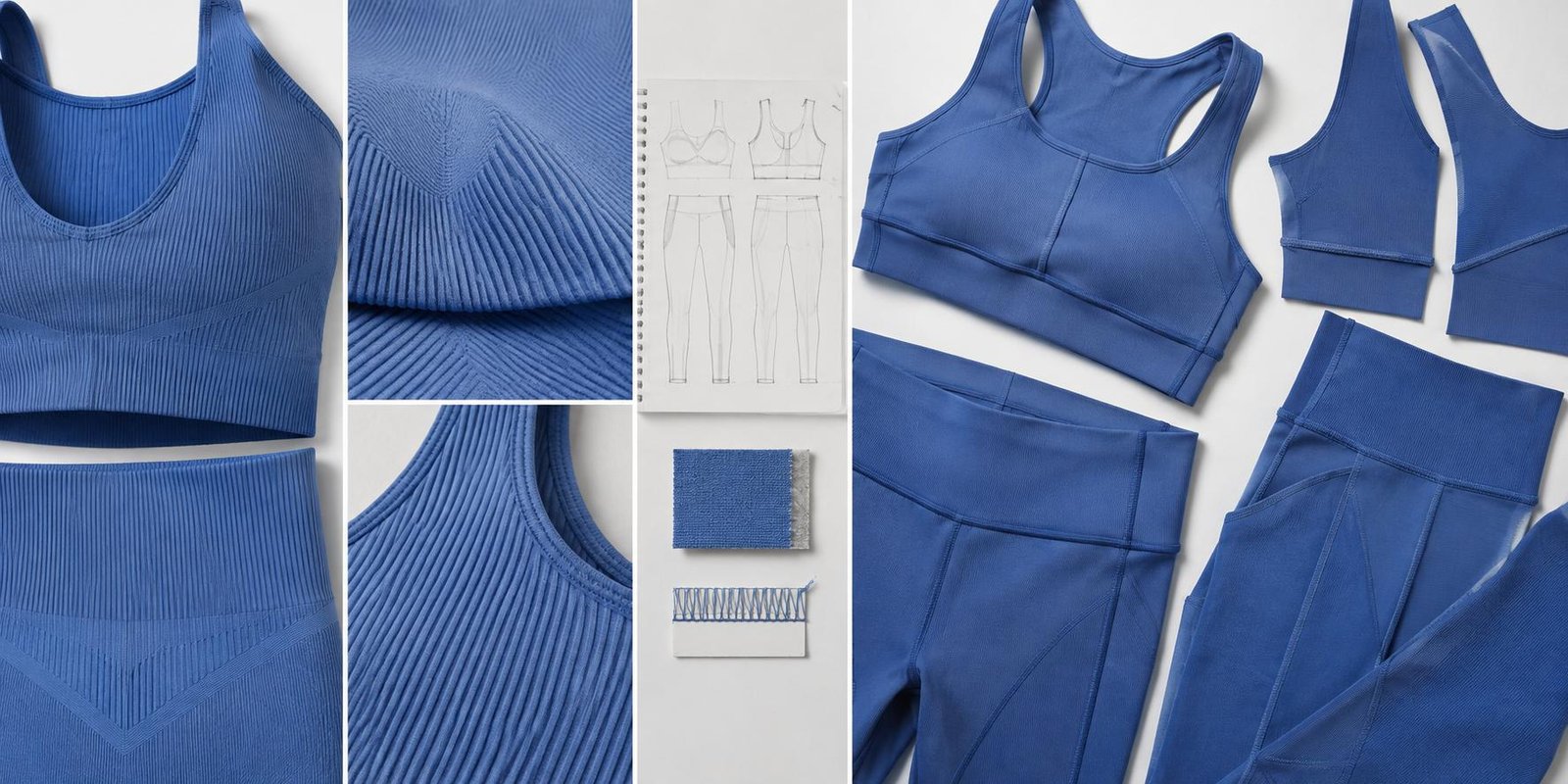
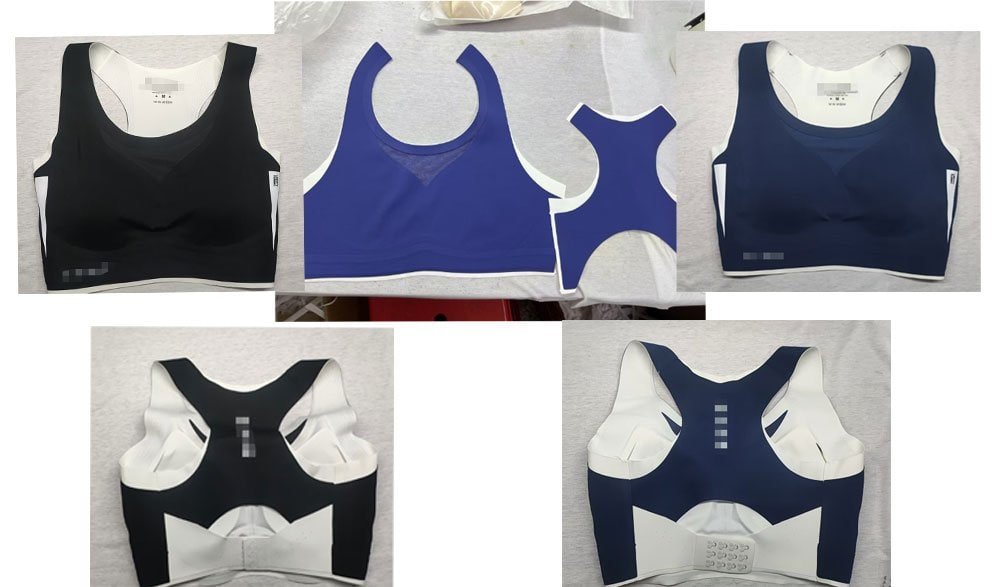
MOVEVOX's Santoni-based seamless capability can create rib, mesh, texture, jacquard and different-density areas within activewear products. Exact zoning must be developed and approved for each product rather than treated as a universal template.
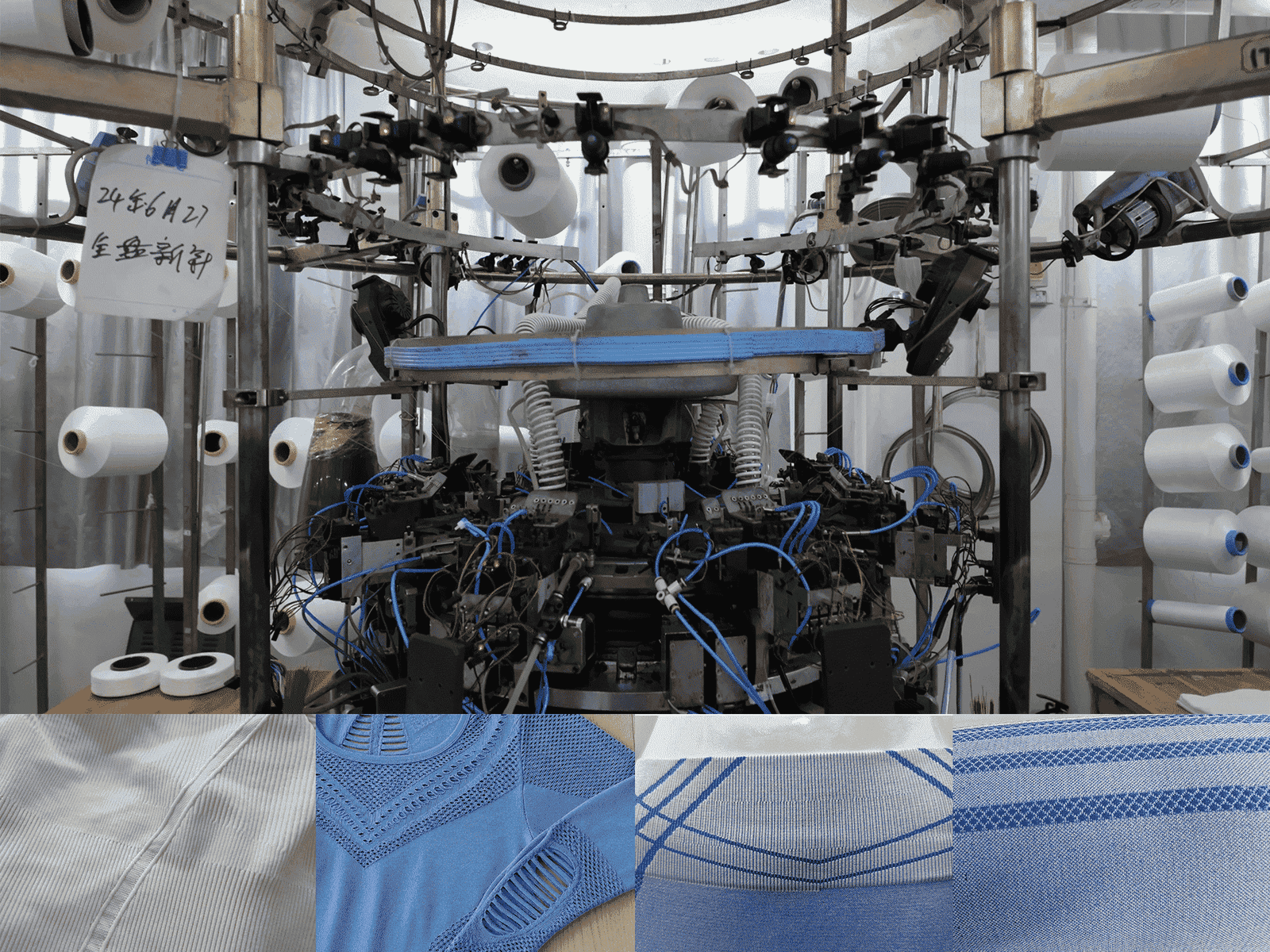
Waistband
Rib width, knitting density, yarn tension and structural combination can be adjusted to create a more stable waistband feel while maintaining stretch and wearability.
Abdominal Zone
Different knitting densities or localized rib structures can create a firmer coverage sensation around selected areas without representing a medical or clinically measured compression claim.
Gluteal Structure
Knitting direction, visual zoning, texture and density changes can be engineered around the garment structure to support the approved silhouette and aesthetic design.
Thigh Support
Localized density and structure changes can provide different levels of coverage or support sensation across thigh areas while preserving required stretch and movement.
Ventilation Mesh
Lower-density mesh or engineered openings can be positioned in approved areas such as legs, side zones, back or upper body to increase local ventilation.
Rib and Texture
Rib, pique-like textures, jacquard and other structure changes can create visual differentiation and localized hand-feel changes without adding separate cut fabric panels.
Control Activewear Performance Through Construction Details
Cut-and-sew activewear performance depends on pattern accuracy, fabric behavior, seam selection, machine settings and construction consistency. The following processes are part of MOVEVOX's current garment-production capability and must be matched to the approved style.
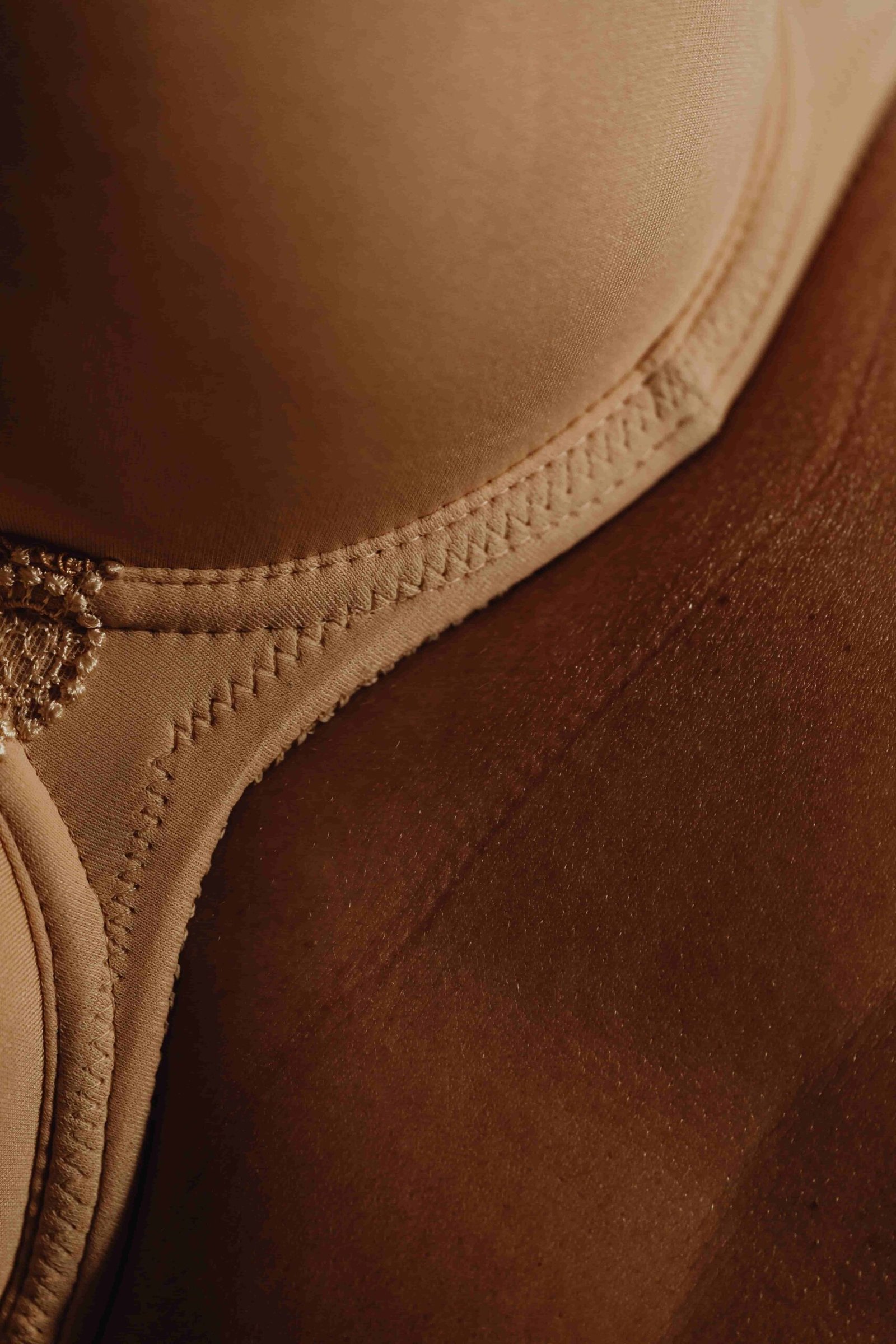
Overlock Construction
Overlock processes are used for stretch-fabric edge control, panel joining and preventing fabric edges from becoming unstable. Stitch choice and settings depend on material weight, stretch and construction requirements, and final execution follows the approved sample rather than one universal seam type.
Application: Stretch panels, internal seams and activewear assembly areas.
Control: Check seam coverage, stretch response, appearance and edge stability.
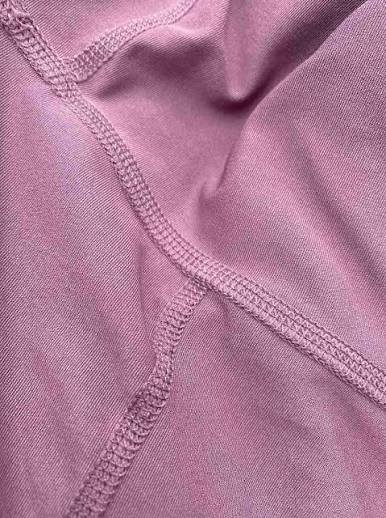
Flatlock Seams
MOVEVOX uses flatlock or flatseam construction for selected close-to-body activewear areas where reduced seam bulk and a flatter visual finish are desirable. Thread tension, stitch density and seam width must be adjusted according to fabric stretch, thickness and the load placed on the seam.
Application: Leggings, training tops, sports bras and selected activewear seams.
Control: Inspect seam width, stretch integrity and thread-tension consistency.
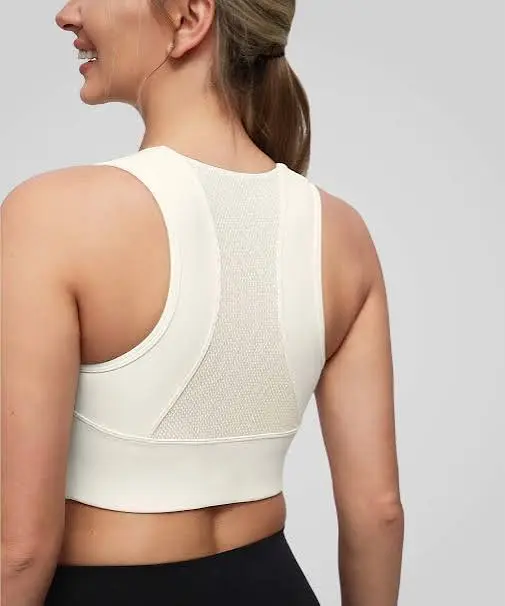
Coverstitch Finishing
Coverstitch is used for selected hems, cuffs, necklines and stretch-garment finishing. A controlled coverstitch should remain visually straight, avoid excessive waviness and maintain thread integrity after stretching. The exact stitch configuration is confirmed through sampling and approved garment construction.
Application: Hems, cuffs, necklines and selected stretch-fabric edge finishes.
Control: Review stitch straightness, edge shape and post-stretch thread integrity.
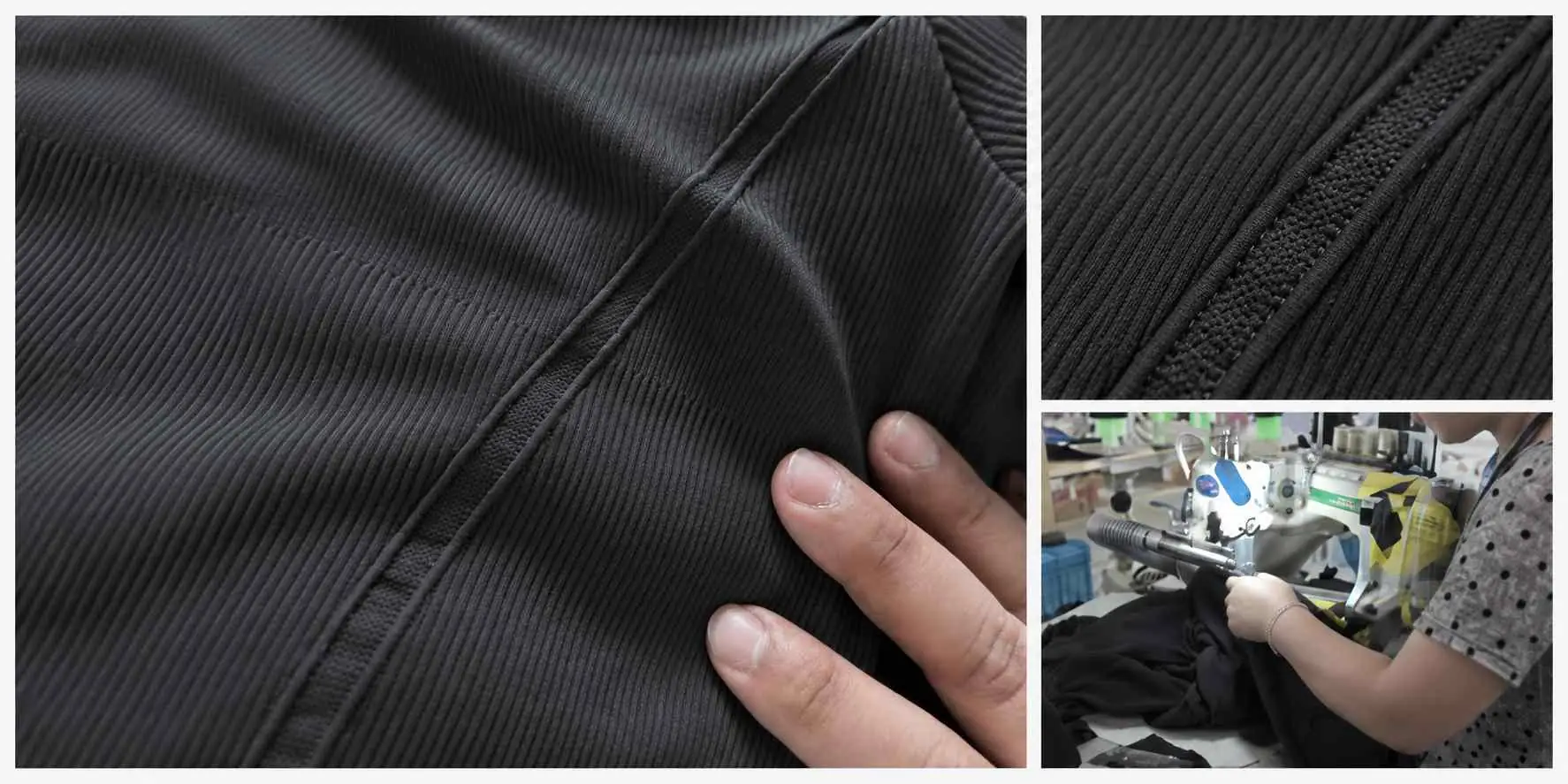
Single-Needle Sewing
Single-needle sewing forms part of the core cut-and-sew equipment mix and is used where product construction requires conventional stitched assembly or detail work. Seam allowance, fabric direction, stitch length and visual alignment must remain consistent with the approved technical and sample standard.
Application: Selected structural seams, details and garment assembly operations.
Control: Check alignment, seam allowance, stitch consistency and visual finish.
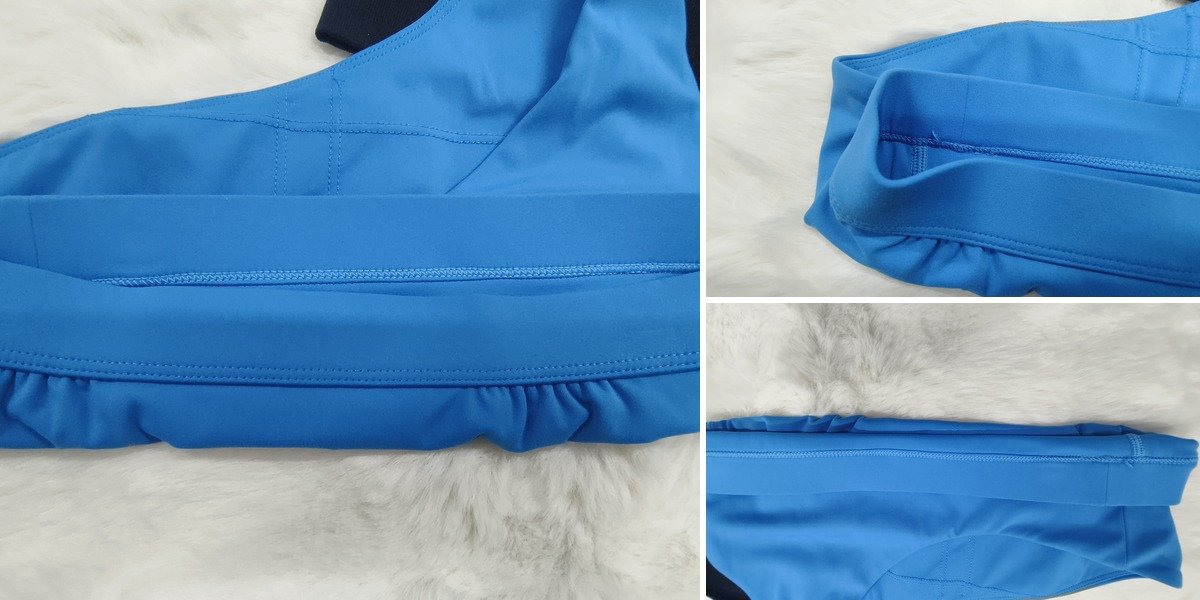
Elastic Assembly
Sports bras, waist structures and other activewear components may require elastic or related trim assembly. The selected material, position, tension and attachment method need to match the approved product because uncontrolled stretch during sewing can directly change fit and comfort.
Application: Waistbands, underbust areas and product-specific elastic structures.
Control: Verify elastic position, tension, symmetry and finished garment measurements.
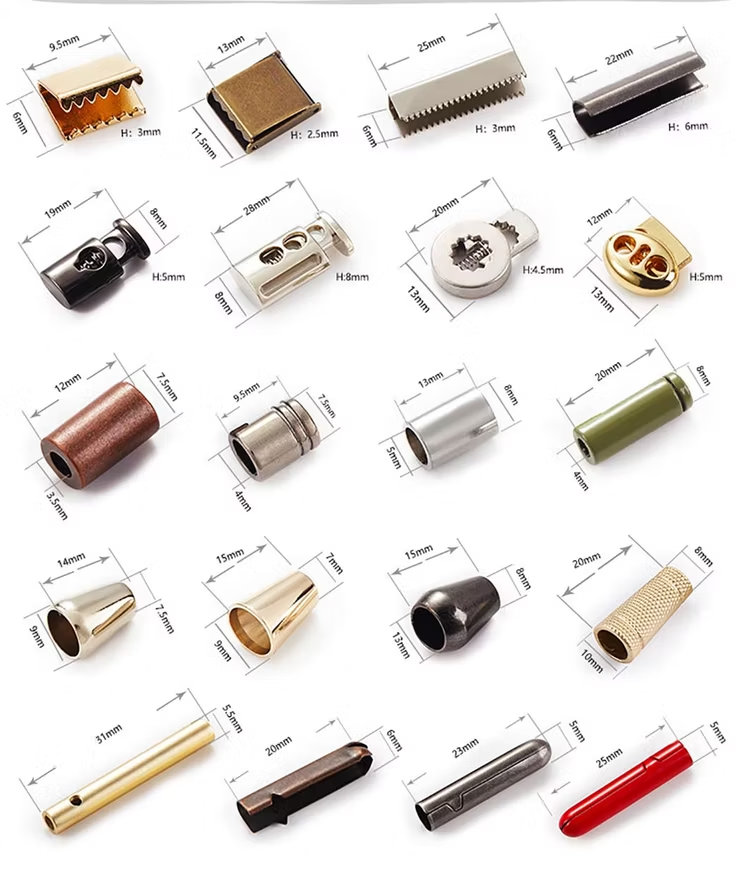
Zipper and Trim Assembly
Selected activewear and athleisure products can include zippers, drawcords and other functional trims. These parts enter MOVEVOX's sourcing and production-control process so the supplier, specification, position and assembly result can be reviewed before final garment approval.
Application: Jackets, selected training products and functional garment details.
Control: Confirm trim specification, placement, attachment and functional operation.
From Product Input to Approved Bulk Standard
MOVEVOX product development is designed to translate brand direction into a manufacturing standard that can be sampled, reviewed and repeated in bulk. Timing depends on technical completeness, material complexity and buyer feedback.
Project Brief
The project begins with a Tech Pack, legal reference sample, sketch, image or clearly defined requirement. The team reviews intended product type, quantities, target material direction, branding requirements, requested timing and any initial construction questions requiring clarification.
Deliverable: Development Brief
Timing: Project specific
Technical Review
Product-development and technical personnel review measurements, construction, pattern or seamless structure, trims, manufacturing feasibility and any conflicts in the buyer's information. Questions are raised before sampling when specifications cannot be executed reliably or require buyer decisions.
Deliverable: Technical Review
Timing: Before sampling
Material Direction
The sourcing team evaluates yarn, fabric, composition, GSM, hand feel, stretch, color and trim requirements. Existing resources may shorten development, while custom materials, special yarns or custom dyeing require separate supplier and MOQ confirmation.
Deliverable: Material Direction
Timing: Project specific
Pattern or Program
Cut-and-sew products enter pattern and construction development; seamless products require knitting-program and structural development. The technical route is selected according to the product rather than applying one manufacturing method to every activewear style.
Deliverable: Technical Build
Timing: Complexity dependent
First Sample
The first physical development sample is produced after the executable details are confirmed. Standard sample development normally requires approximately five to ten working days, while special materials or complex new structures can require additional time.
Deliverable: Development Sample
Timing: 5-10 days*
Review and Revision
The buyer reviews fit, measurements, appearance, material, construction and branding. Confirmed comments are converted into a controlled revision rather than informal production changes. Additional sample rounds depend on the differences identified and customer approval speed.
Deliverable: Revised Sample
Timing: Feedback dependent
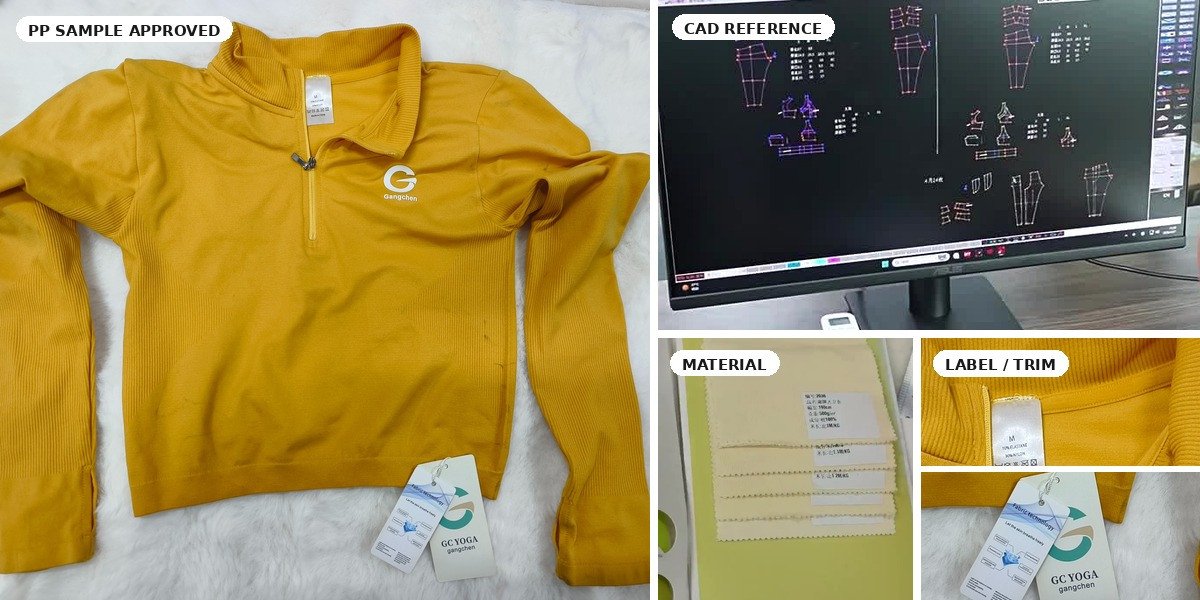
PP Approval
The project progresses toward a PP or final approved sample using the confirmed production direction. Final measurements, material, color, branding and important packaging requirements are aligned before bulk production is released.
Deliverable: Approved Standard
Timing: Approval dependent
Bulk Handover
The approved specification, sample and order information are transferred into production, PMC and QC execution. Production personnel do not independently redefine the customer's approved product, and controlled changes require project review before implementation.
Deliverable: Production Release
Timing: Before bulk
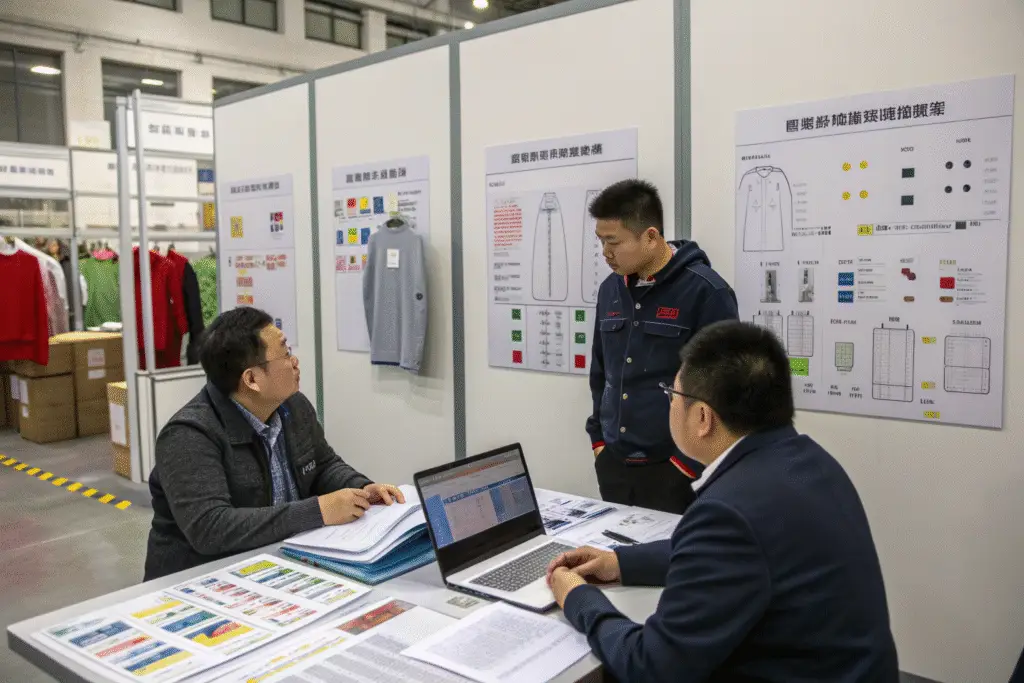
Sampling Is an Approval Process, Not a Courier Step
Different samples answer different technical questions. MOVEVOX uses development, fit, revision, size and pre-production stages according to project needs so the final approved reference can support repeatable bulk execution.
Development Sample
The first sample tests whether the planned material, construction, measurements and design direction can be translated into a physical product. It is not automatically the production standard, especially when the buyer still needs to change fit, materials or details.
Customer inputs: Tech Pack, reference or defined design requirement; initial material and branding direction.
MOVEVOX outputs: First executable physical product sample; initial technical observations and development questions.
Pass criterion: The product direction is manufacturable and specific enough to proceed into fit and technical refinement.
Fit Review
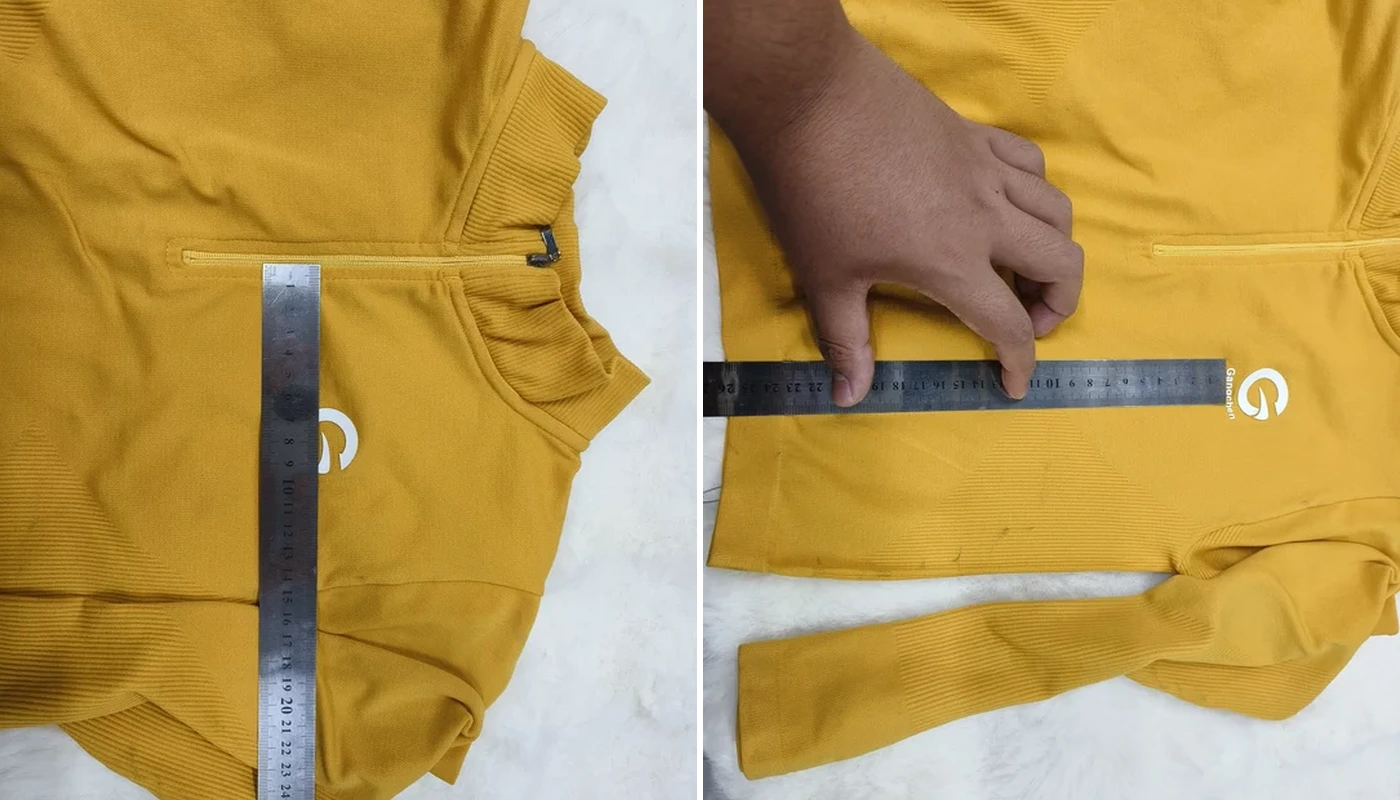
Fit review checks how measurements, pattern or knitted structure perform against the buyer's intended garment shape and use. Measurements, waist behavior, garment balance and relevant construction points can be reviewed before the next version is released.
Customer inputs: Fit comments and measurement feedback; any requested proportion or construction changes.
MOVEVOX outputs: Reviewed measurement and technical changes; updated pattern or seamless development direction.
Pass criterion: Fit comments are resolved clearly enough to create the next controlled sample version.
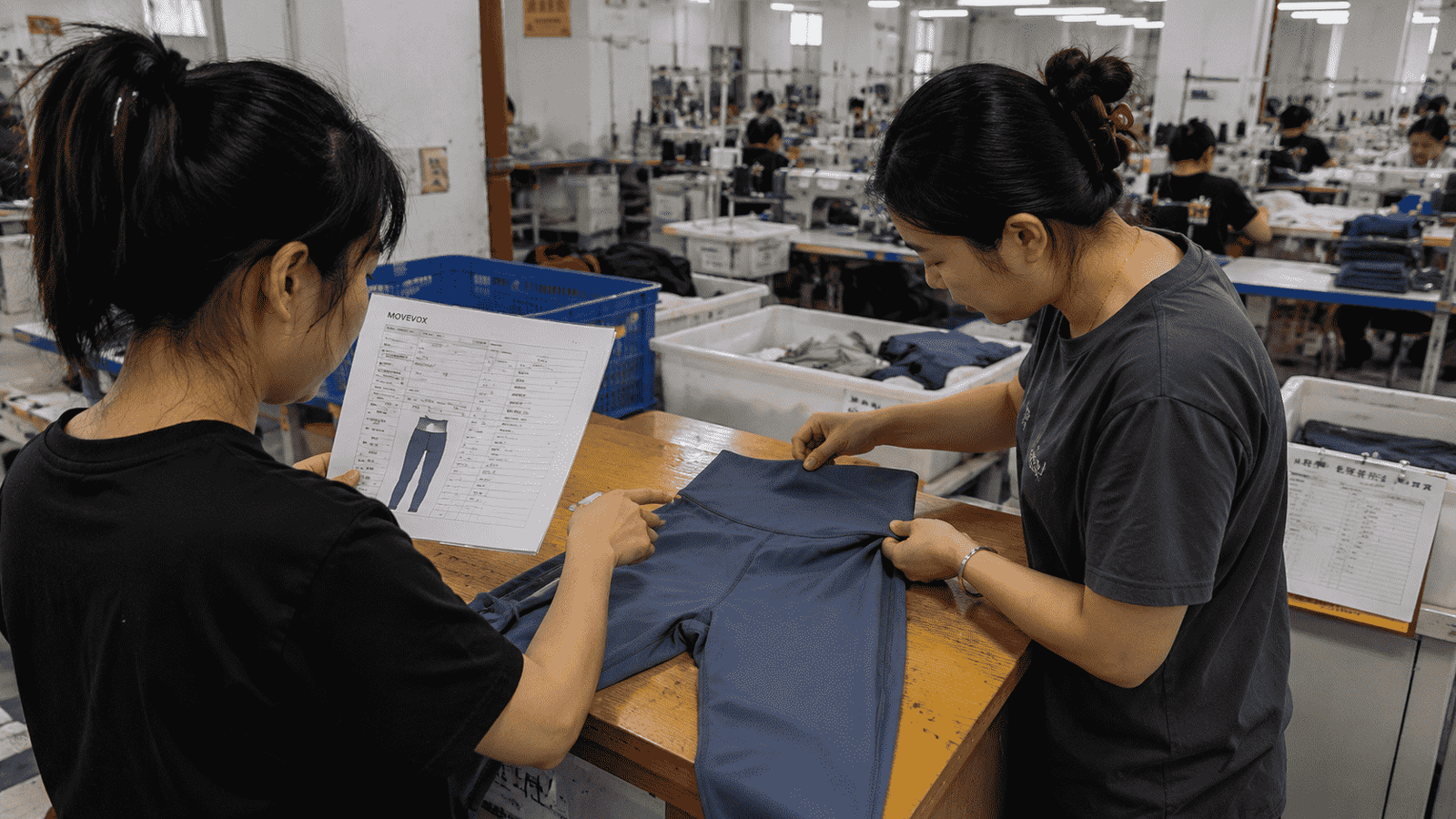
Revised Sample
A revised sample incorporates approved changes from the previous review rather than starting from an uncontrolled new interpretation. The revision should show which comments were implemented and provide a clear new version for buyer confirmation.
Customer inputs: Consolidated change comments and priorities; updated artwork or specification if required.
MOVEVOX outputs: Revised physical sample and updated details; new controlled version for customer review.
Pass criterion: Major product differences are resolved and remaining changes are clearly documented before final approval.
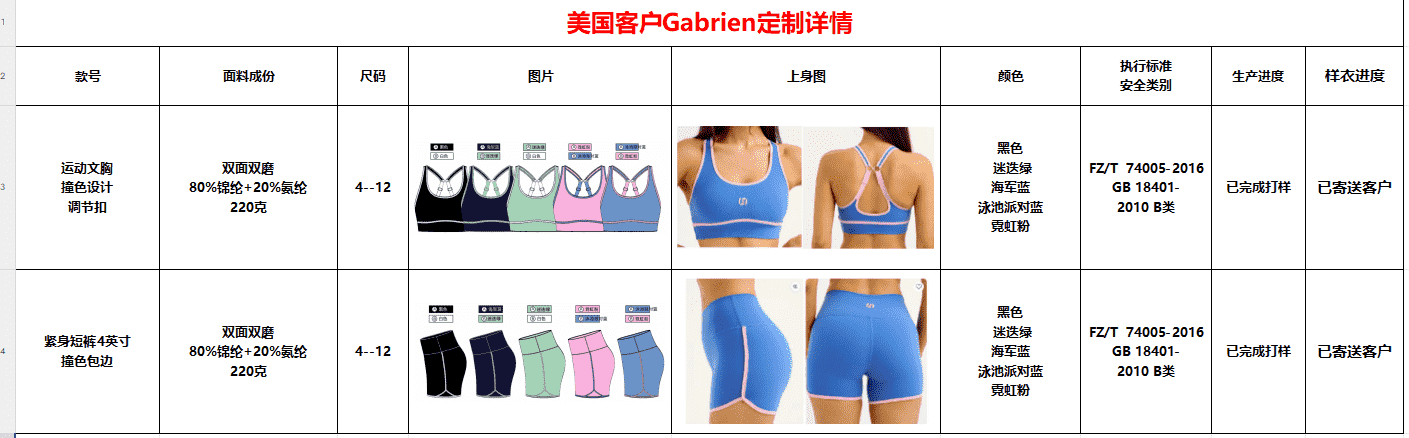
Size / Set Review
When the project requires multiple sizes or further grading confirmation, size-related samples can be used to review the approved grading direction and key measurements beyond the base size. The exact requirement depends on buyer standards and product complexity.
Customer inputs: Approved size chart and grade rules; buyer-specific size approval requirements.
MOVEVOX outputs: Requested size-set or grading samples; measurement results for review.
Pass criterion: Approved size progression is sufficiently confirmed for the intended commercial size range.
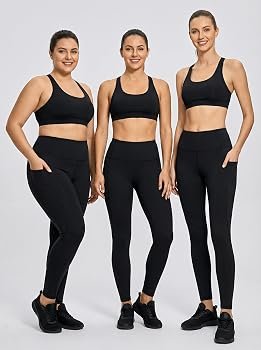
PP Sample
The PP Sample should represent the final or approved bulk direction for key material, color, branding, measurements, construction and relevant packaging requirements. It provides a final reference before commercial production is released.
Customer inputs: Final comments and formal approval decision; confirmed production and packaging requirements.
MOVEVOX outputs: Pre-production sample and final reference; production-ready specification alignment.
Pass criterion: Product and execution details are approved for controlled bulk-production release.
Choose Fabric From Performance Requirements, Not Swatch Appearance
Activewear material selection should connect end use, hand feel, support, stretch, weight, construction and target cost. MOVEVOX can review existing fabric resources or coordinate project-specific material development before sampling.
1. What activity is the product designed for?
2. What hand feel is required?
3. What support direction is required?
4. What construction route is planned?
5. Is custom color required?
6. Does the project require special material development?
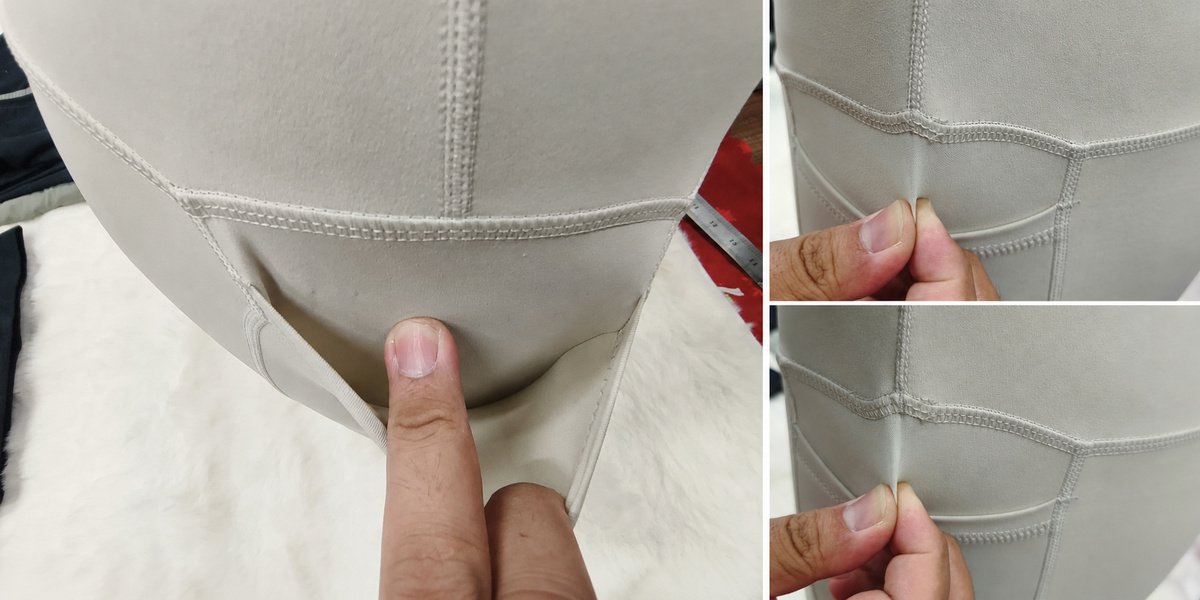
Nylon / Spandex Performance
Nylon or polyamide with spandex is a common MOVEVOX activewear material direction for products requiring stretch, close-to-body fit and a smoother hand feel. The correct composition, GSM, elasticity and finishing depend on the individual style. Final fabric approval should be based on a real swatch or sample rather than a generic composition description.
Composition: project-defined GSM: project-defined Stretch: sample-approved
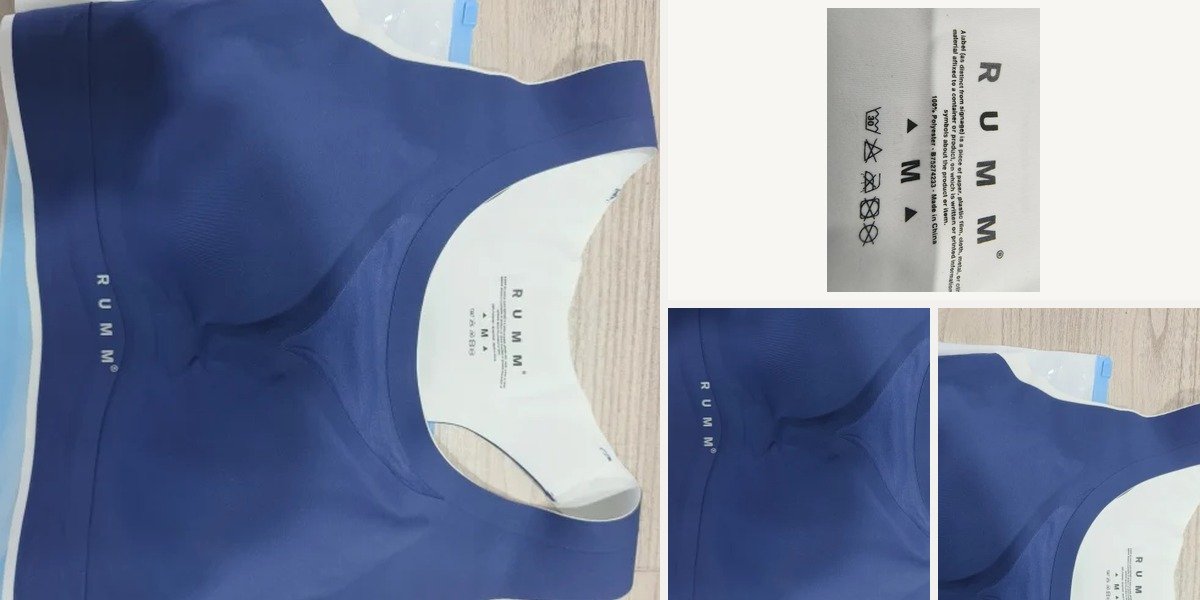
Polyester / Spandex
Polyester and spandex constructions can be considered for training, running and other activewear projects where the desired performance, hand feel and cost direction match the material. MOVEVOX evaluates the actual fabric rather than assuming one polyester blend provides the same stretch, recovery, opacity or appearance across every product.
Composition: project-defined Weight: project-defined Finish: sample-approved

Brushed / Soft Feel
Brushed, peach-skin and soft naked-feel material directions can support yoga, studio and athleisure positioning when the buyer prioritizes softer touch and close-to-body comfort. Sampling is important because brushing, elasticity, opacity, recovery and hand feel can change how the same garment fits and performs.
Handfeel: soft Surface: project-defined Fit: sample-approved
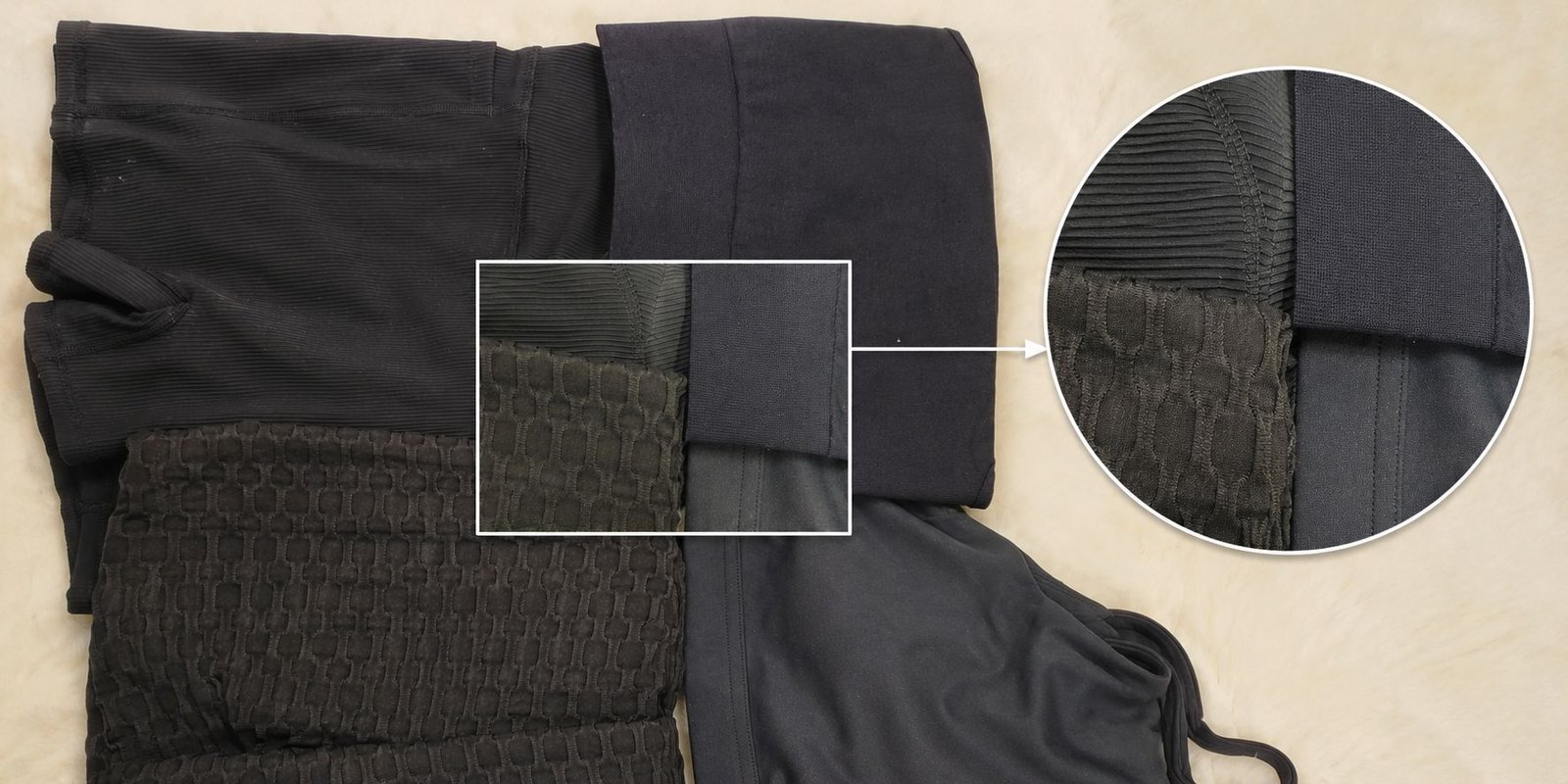
Ribbed / Textured
Ribbed and textured activewear materials can create stronger visual differentiation and different stretch or support behavior than smooth fabrics. Material structure, recovery and sewing behavior must be considered with the intended garment construction, especially around waistbands, hems and close-fitting areas.
Structure: ribbed Texture: project-defined Stretch: sample-approved
Control Custom Color Before It Reaches Bulk Production
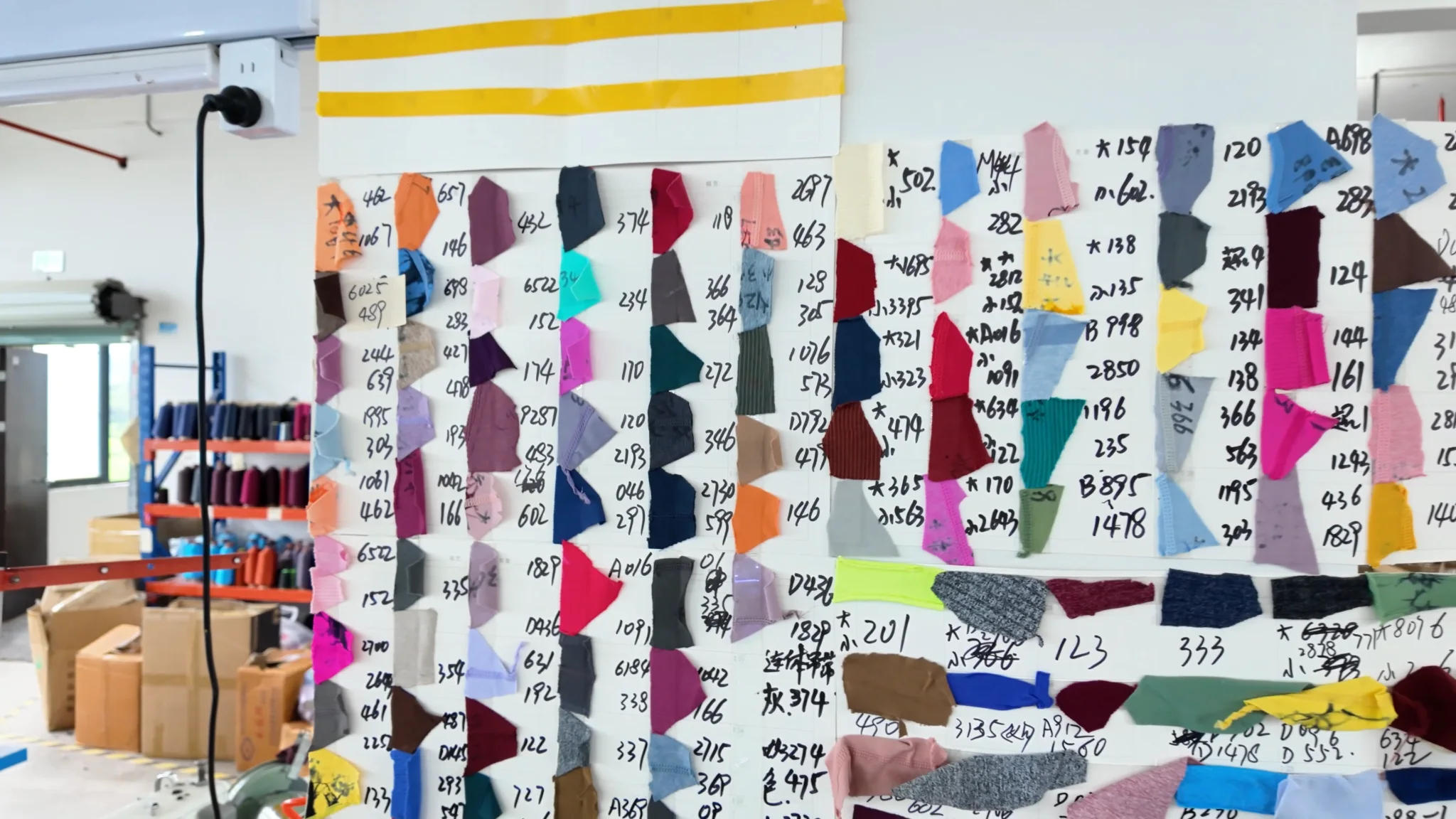
MOVEVOX can work with existing colors, Pantone references or customer physical color references. Customized dyeing requires controlled approval and may introduce separate material quantities, supplier minimums and production timing.
Color Reference
The buyer defines the target through a Pantone reference, approved physical swatch or other agreed color standard. The project team confirms which reference will become the comparison point before material development proceeds.
Supplier Development
Material sourcing coordinates color development with the appropriate yarn or fabric supplier. The actual process depends on whether the project uses seamless yarn, finished fabric, existing stock color or customized dyeing.
Lab Dip Review
Where a lab dip or equivalent material-color approval is required, the developed color is reviewed against the agreed reference. Buyer feedback should be consolidated before the next version is released.
Sample Approval
The approved material color is assessed in the actual garment or development context because surface, texture, stretch and construction can affect perceived appearance. Customer approval establishes the production direction.
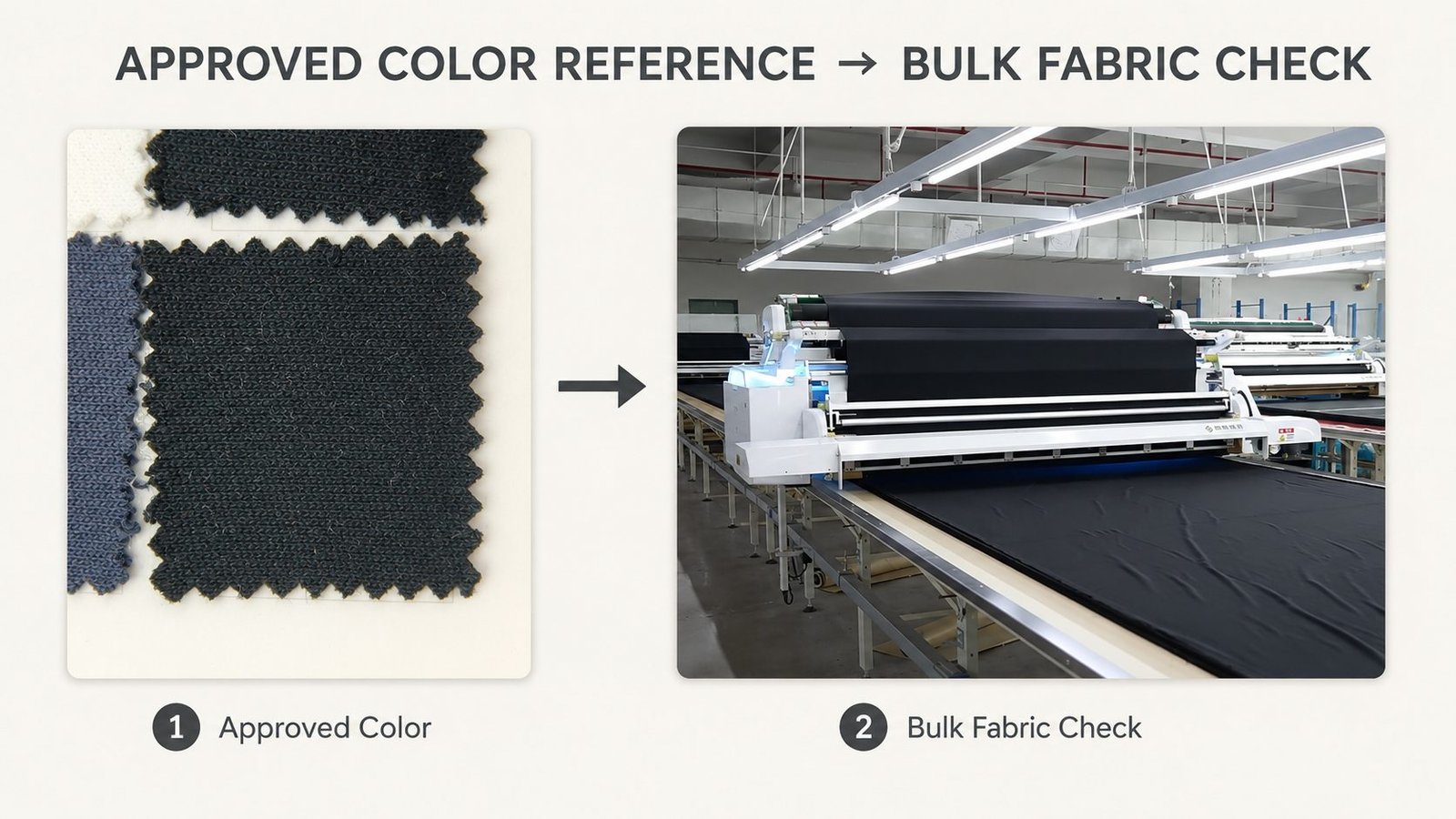
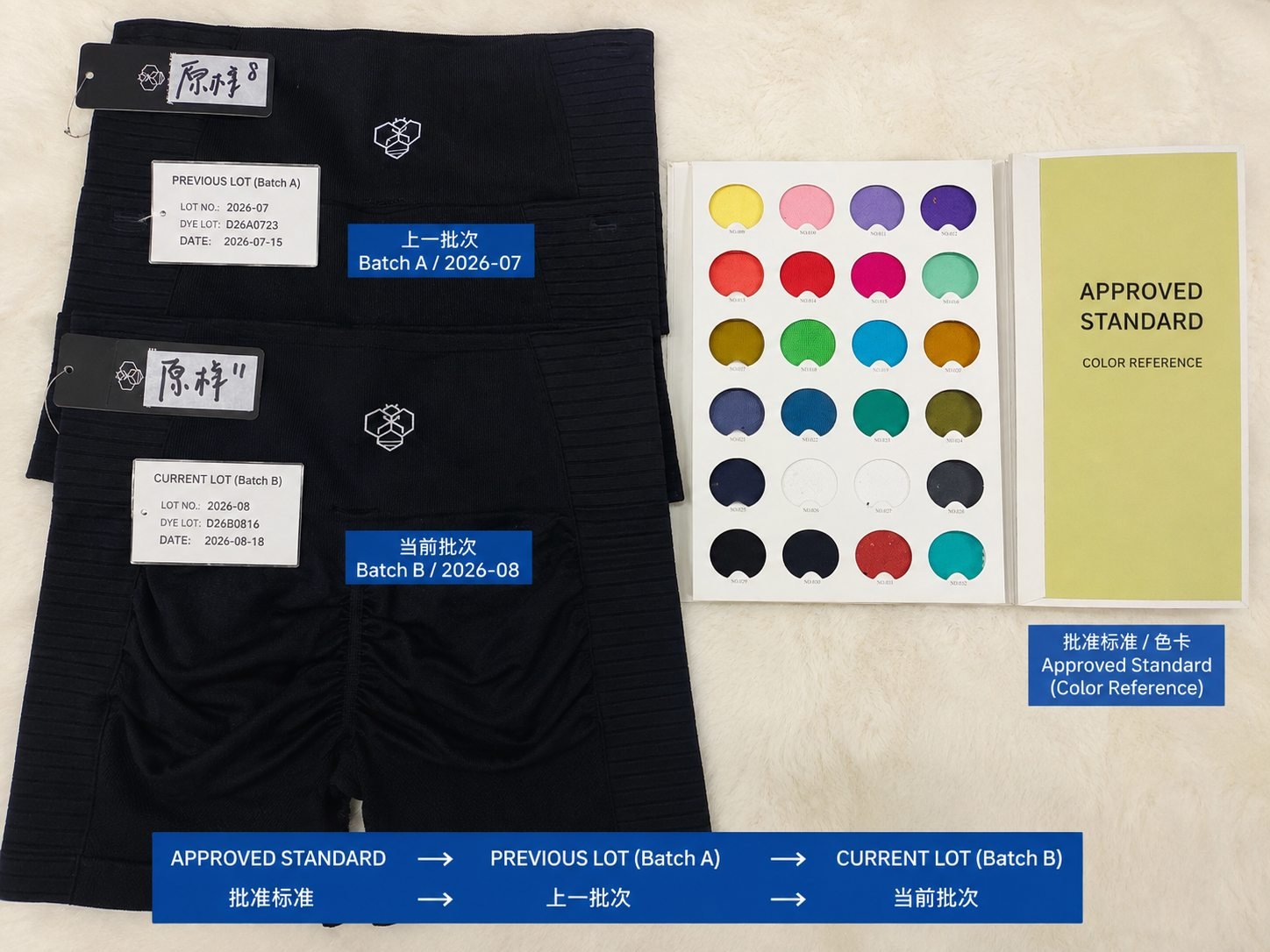
Bulk Shade Control
Bulk material is checked against the approved color requirement and production-lot information. Material-lot coordination helps identify where shade differences originate if a later color issue occurs.
Color Scope
Color should be assessed using a consistent approved reference and defined viewing conditions whenever the buyer supplies such requirements. Approval does not mean visually identical material under every light source or stretch state.
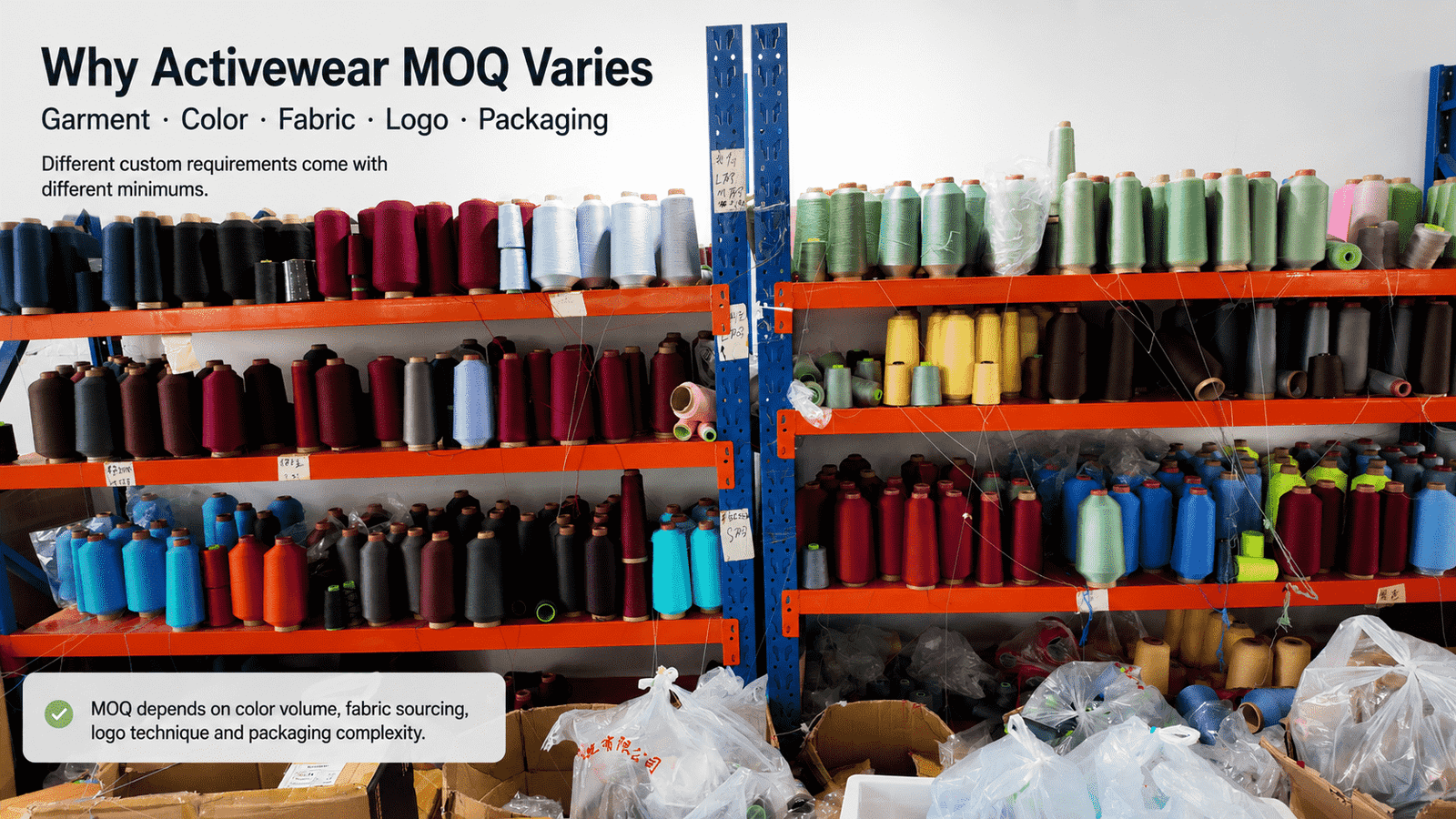
Match Branding Methods to Fabric and Product Construction
A logo that looks correct on artwork can behave differently on stretch fabric. MOVEVOX selects branding methods according to material, stretch, placement, appearance and approved sample results rather than treating every logo process as interchangeable.
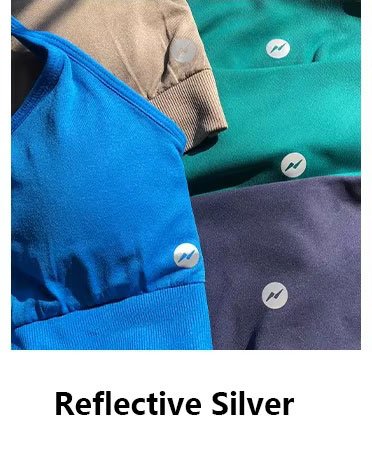
Heat Transfer
Heat-transfer logos can provide clean, controlled branding on many activewear products when the transfer material, temperature, pressure and stretch behavior are compatible with the garment. Final artwork size and placement should be confirmed through sampling before bulk.
Best use: Clean logo applications on suitable stretch-fabric products.
Watch point: High-stretch or sensitive surfaces require sample validation first.
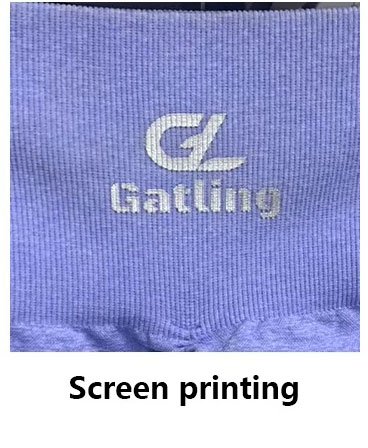
Screen Print
Screen printing can be used where the selected ink system, material surface and garment design support the required appearance. Stretch, opacity, placement and curing behavior should be evaluated because different activewear surfaces do not respond identically.
Best use: Printed graphics or brand marks on suitable fabrics.
Watch point: Ink and fabric compatibility require approval before commercial production.
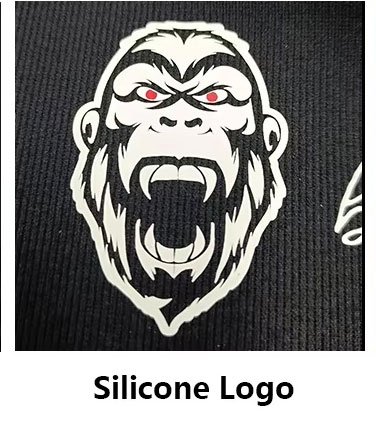
Silicone Print
Silicone branding can provide a more dimensional or tactile identity when suitable for the product. Mould or tooling requirements, dimensions, attachment method, MOQ and material interaction can differ from standard printing and therefore require separate confirmation.
Best use: Selected premium-feel logo applications and dimensional branding.
Watch point: Tooling, MOQ and substrate compatibility must be confirmed.

Jacquard Branding
Jacquard can integrate visual elements into a seamless knitted structure rather than applying branding after garment formation. Artwork must be converted into a feasible knitting structure, and clarity can change with garment stretch and yarn selection.
Best use: Engineered seamless visual branding and knitted design elements.
Watch point: Complexity and yarn structure can increase development requirements.
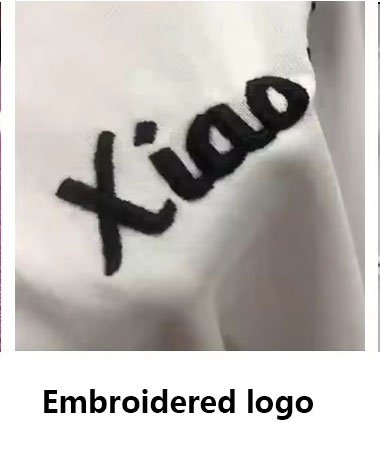
Embroidery
Embroidery can be used on suitable garments or panels where fabric stability and product construction can support concentrated stitching. The buyer should review size, backing, stiffness, placement and visual effect in a physical sample.
Best use: Selected activewear and athleisure branding applications.
Watch point: Very light or highly elastic areas may require special evaluation.
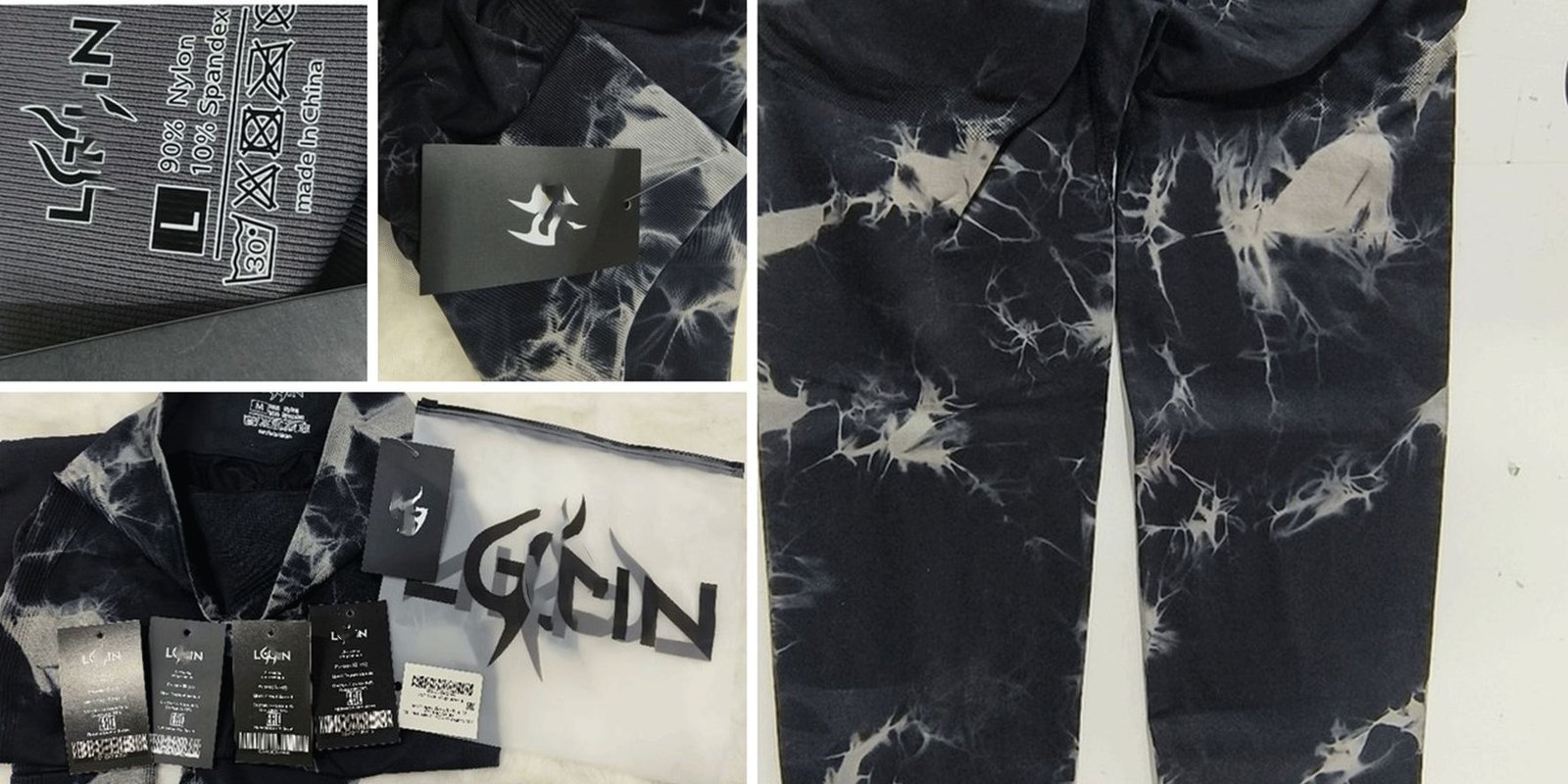
Woven Label
Woven labels provide a separate physical brand-identification element and can support main-label or other approved branding requirements. Dimensions, fold, placement, material feel and attachment method need to be confirmed against the garment construction.
Best use: Brand identification and selected garment label applications.
Watch point: Placement and attachment must match the approved specification.
Treat Packaging as Part of the Product Specification
Private-label delivery can fail even when the garment itself is correct. MOVEVOX manages approved labels, barcodes, individual packing and carton information as controlled order data rather than leaving final packing decisions to the production line.
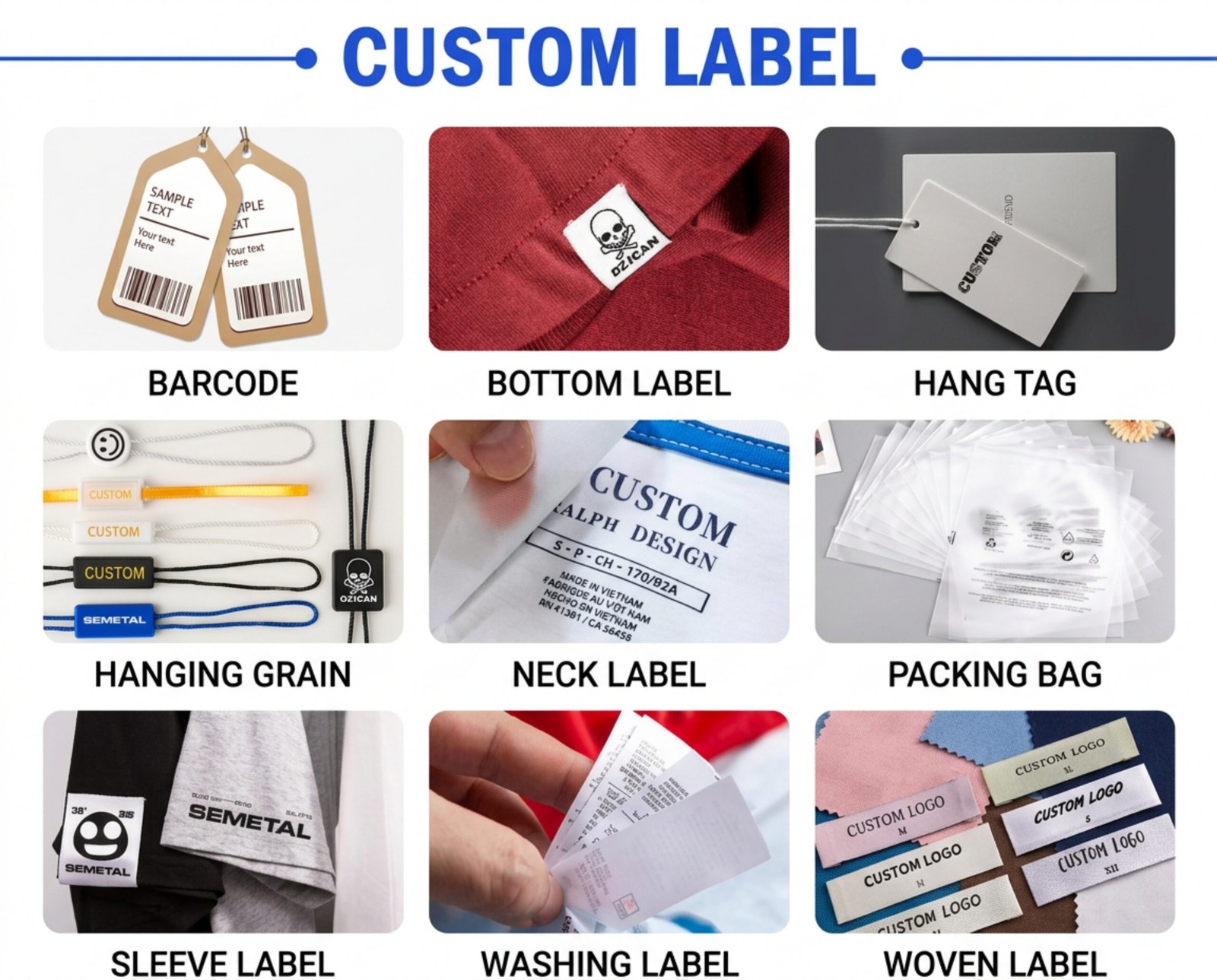
Labels and Hangtags
Main labels, size labels, care labels, woven labels and hangtags can be sourced and executed according to the customer's approved design and data. Their position, wording and attachment should follow the final confirmed project information rather than previous-order assumptions.
Main Label Care Label Hangtag Size Label
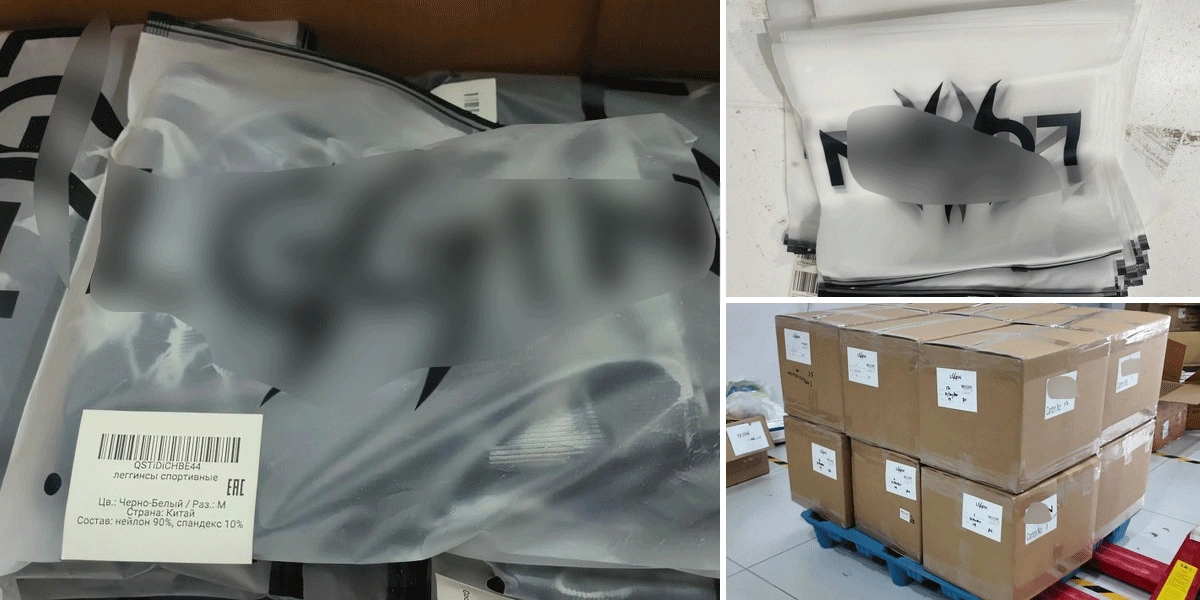
Polybag Packing
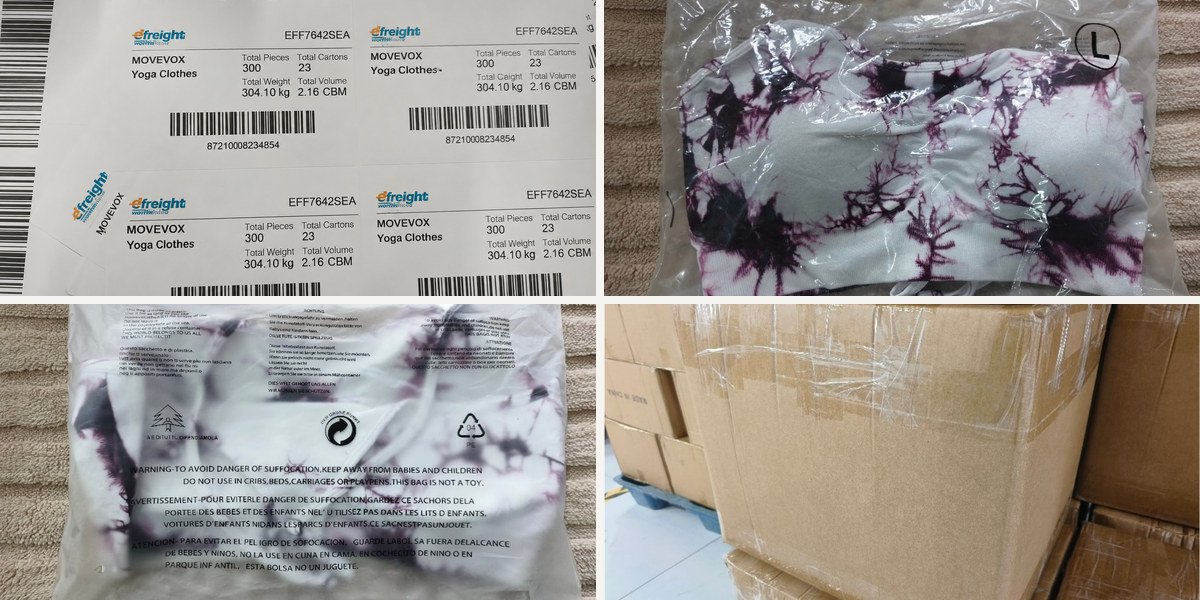
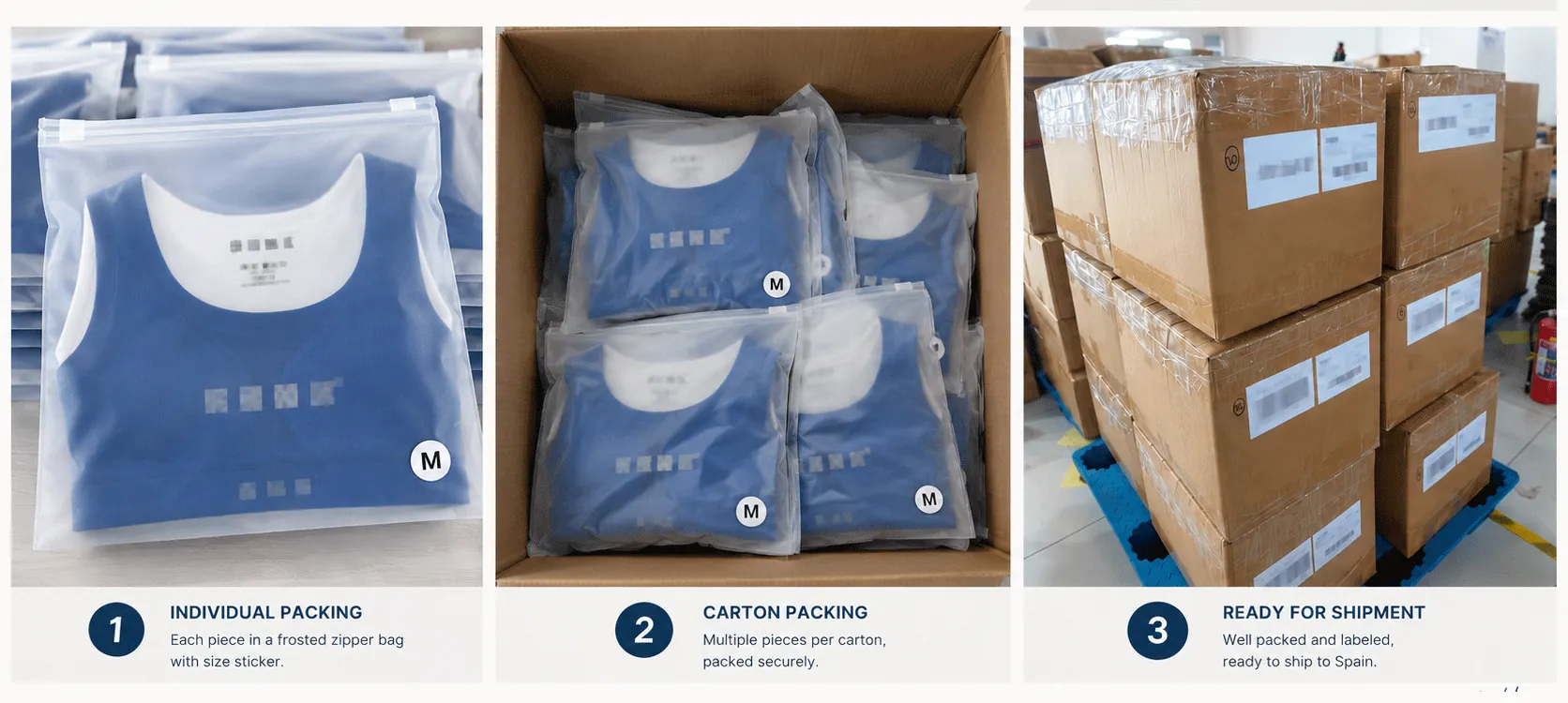
Individual polybag requirements can include folding method, garment orientation, size identification, warnings or other buyer-specified information. Packaging personnel follow the approved specification and are not authorized to change the selected bag or packing sequence independently.
Polybag Folding Size Sticker SKU
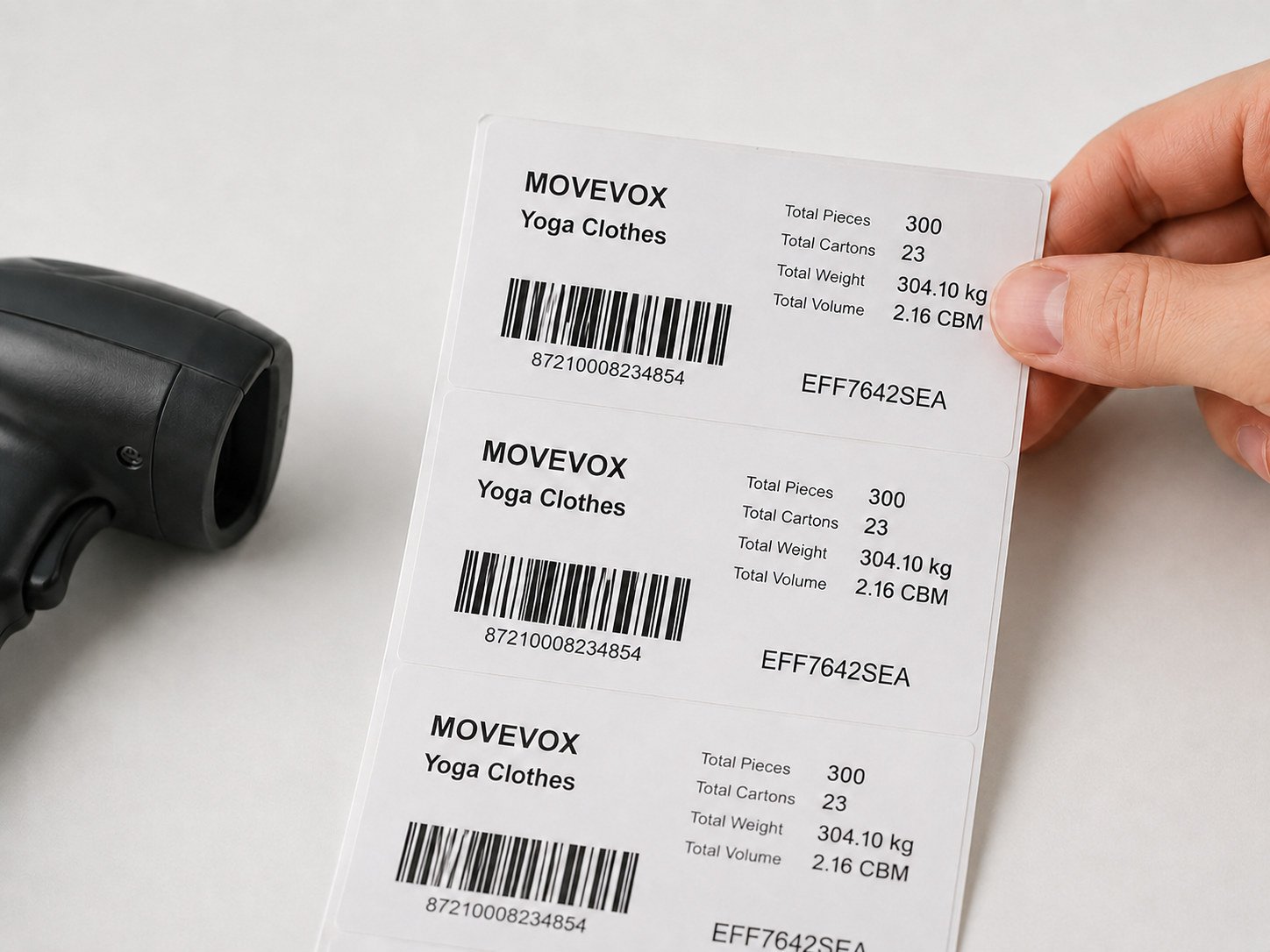
Barcode and Sticker
Barcodes, SKU stickers and other data-driven labels require stricter control than decorative packaging because incorrect information can make otherwise acceptable goods unusable for the buyer's warehouse or sales channel. Final buyer-approved data should be used during packing.
Barcode SKU Sticker PO Data
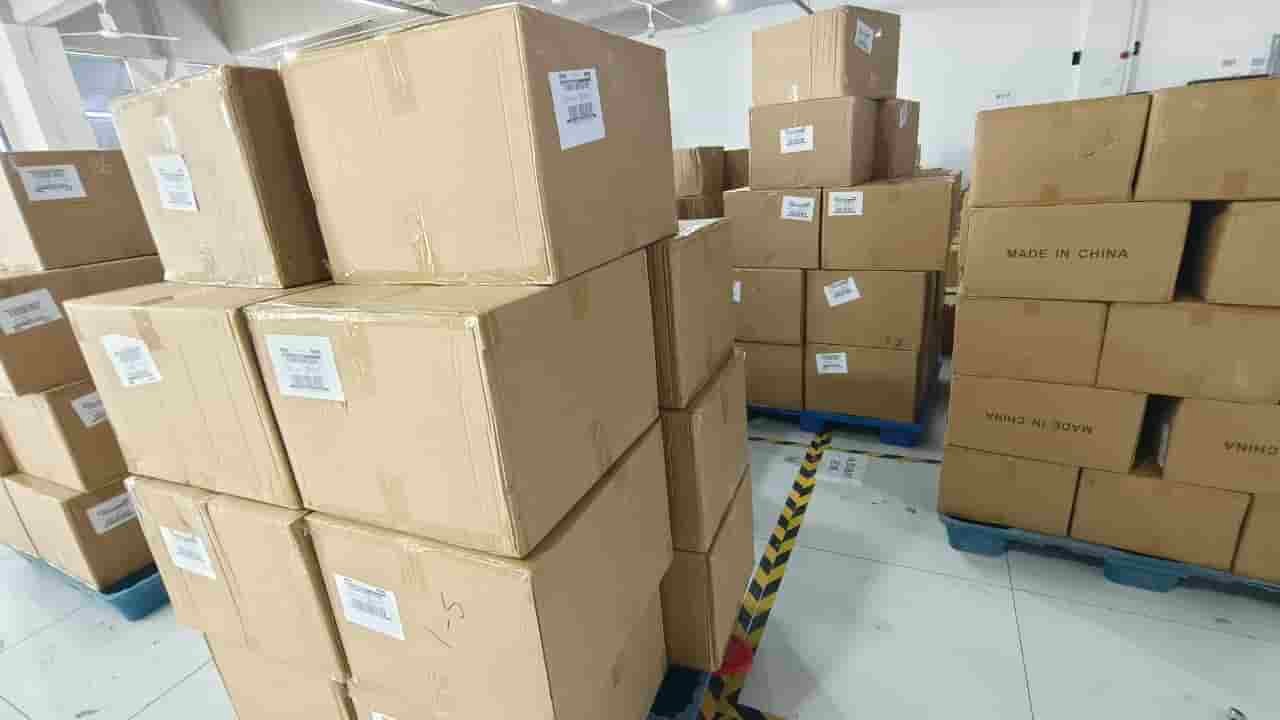
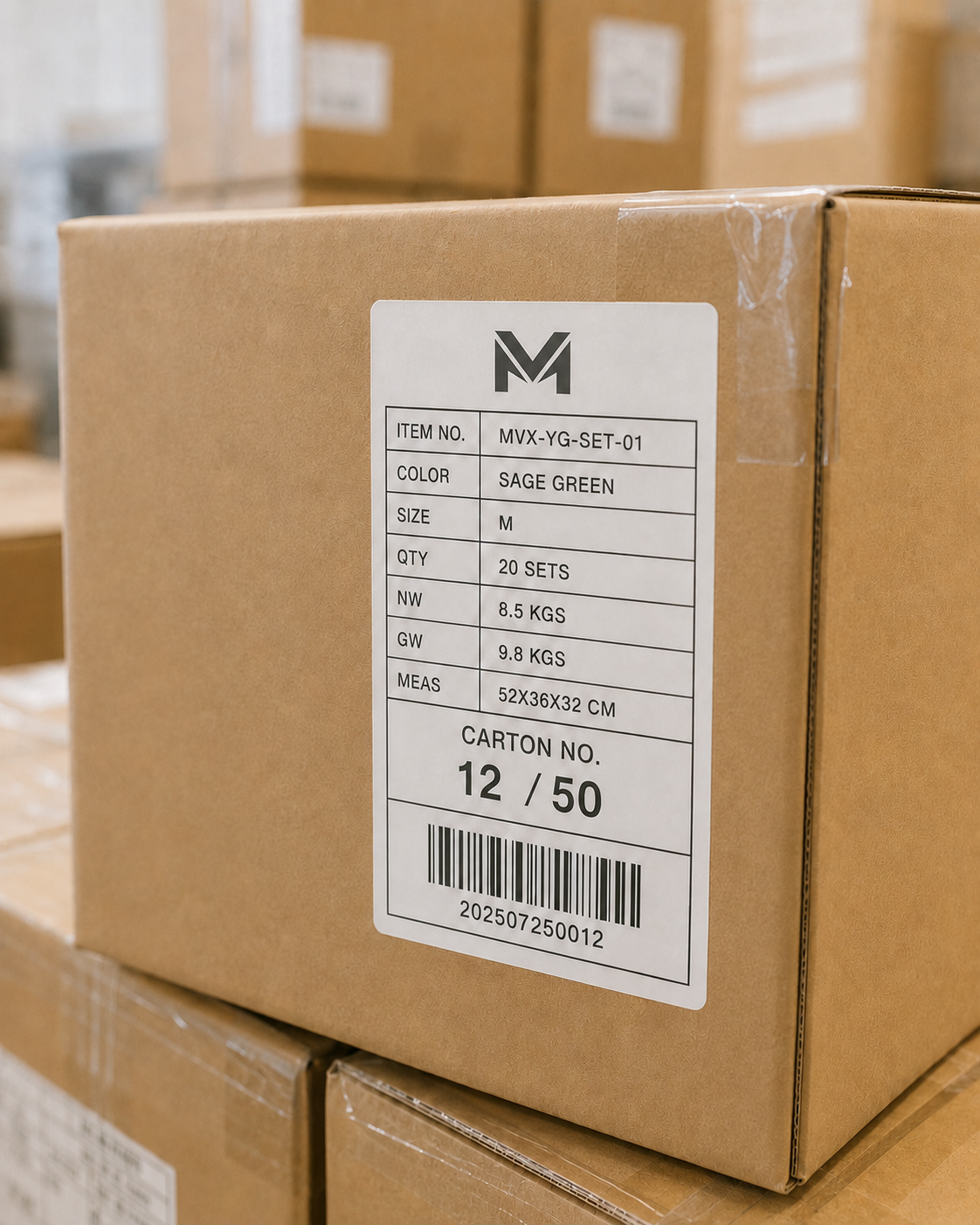
Carton and Marking
Carton quantity, carton marks, PO information and box-level identification are checked during final packing and shipment preparation. Packing List and Carton Breakdown coordination help keep physical cartons aligned with the shipment documents.
Carton Carton Mark Quantity Packing List
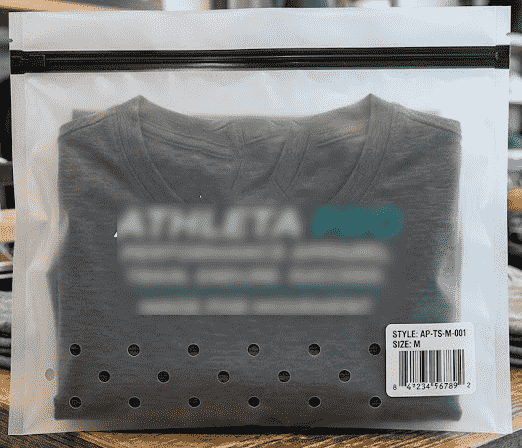
Custom Packaging
MOVEVOX can coordinate customer-specific branded packaging beyond standard polybags where the required materials and supplier conditions are commercially feasible. Exclusive packaging can introduce separate development cost, MOQ and timing that should be confirmed before bulk production.
Custom Pack Buyer Spec MOQ Approval
Ready to Check Whether Your Program Fits MOVEVOX?
Send your product type, Tech Pack or reference, target quantity, customization requirements and expected launch date. MOVEVOX can review the likely development route, manufacturing method, MOQ considerations, sampling requirements and capacity fit before you commit to a production program.
NDA support is available, and project files are used only for the customer's authorized development and production work.
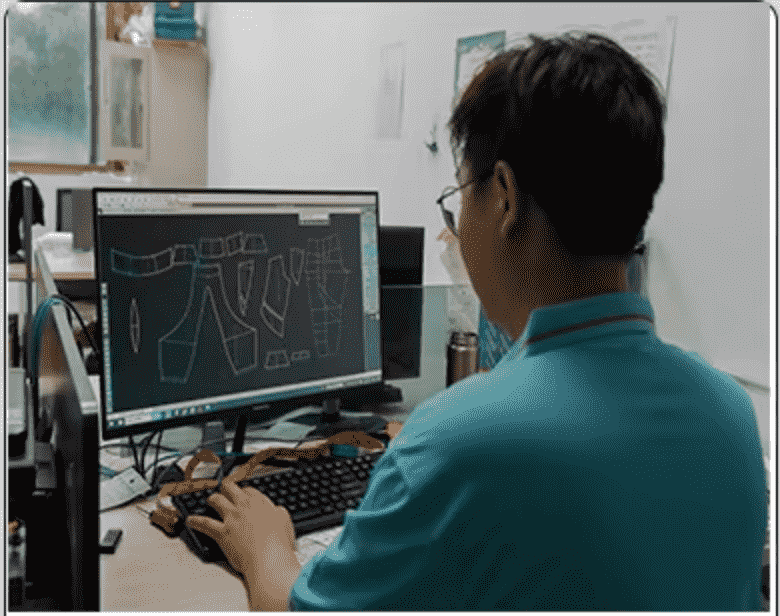
Quality Control Starts Before Bulk Production Begins
MOVEVOX quality control follows the buyer's Tech Pack, approved sample, measurements, color, branding and packaging requirements. Control points begin with incoming materials and continue through final shipment release.

Incoming Materials
Incoming materials and important trims are checked against confirmed project requirements before they enter normal production. Depending on the order, review can include material identity, color, GSM, appearance, elasticity and the corresponding batch or supplier information.
- Material matches the approved project sourcing direction.
- Color and appearance follow confirmed customer requirements.
- Relevant material-lot information remains linked to the order.
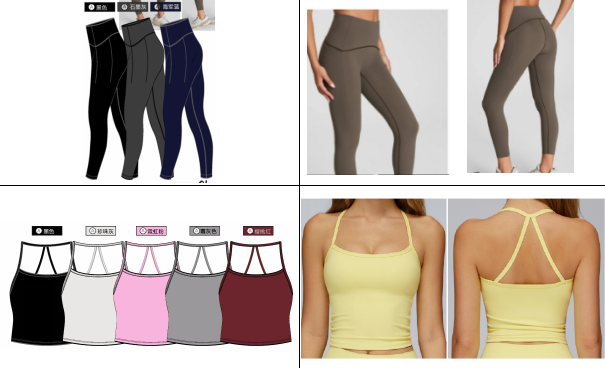
Pre-Production Review
Before bulk begins, the project team confirms the Approved Sample, Tech Pack, measurements, materials, colors, logo, labels, packaging and production timing. The purpose is to identify conflicting information before it reaches the production line.
- Approved version distributed to relevant production functions.
- Customer changes incorporated before bulk release.
- Critical product and packaging details confirmed internally.
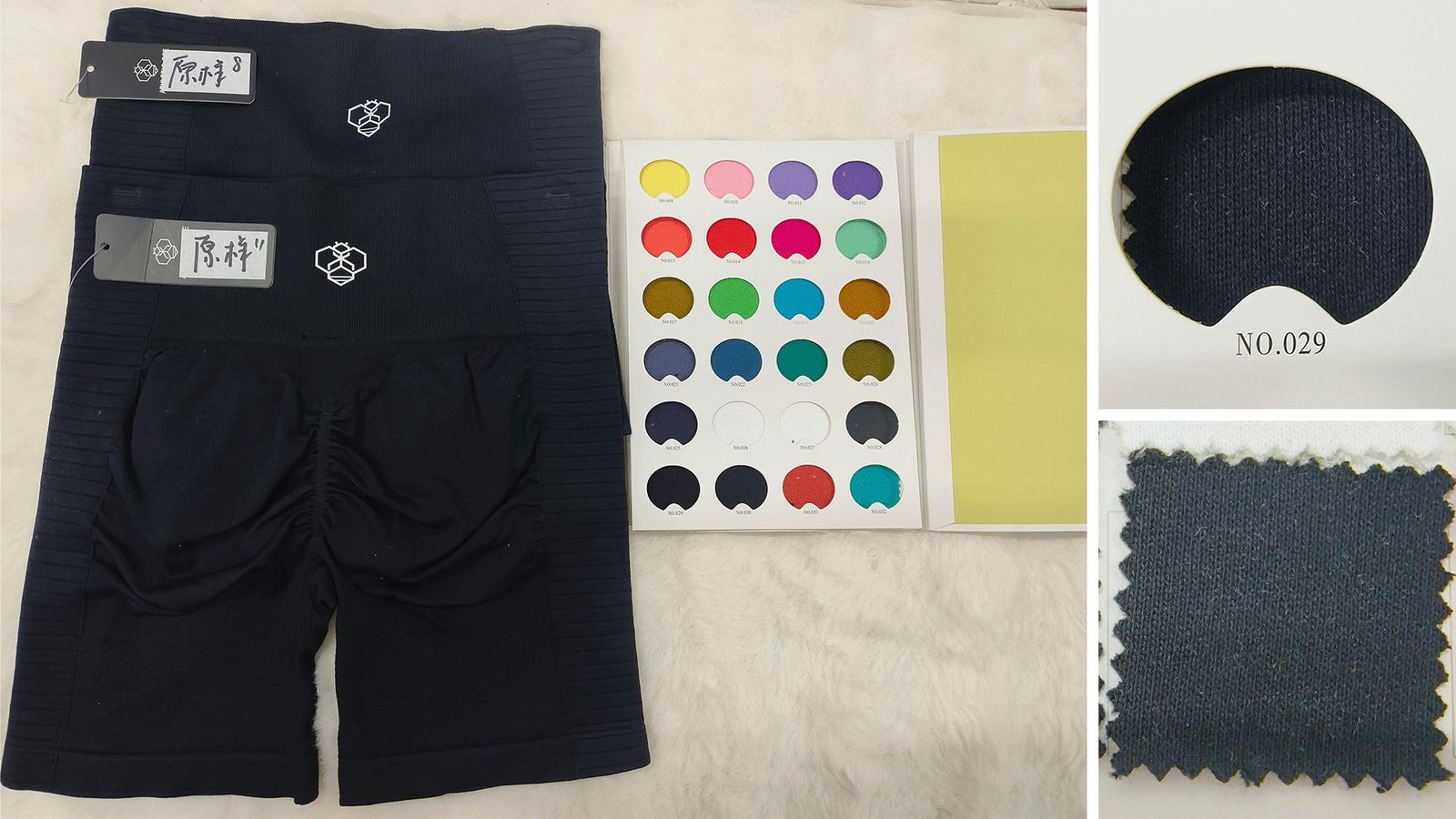
First Article
The first article is used to verify whether the actual production setup reproduces the approved technical direction before the order proceeds at normal scale. Product structure, measurements, workmanship and key branding details can be reviewed at this point.
- Key measurements checked against approved specification.
- Construction and workmanship reviewed before continued output.
- Logo and visible brand details confirmed where applicable.

In-Line Inspection
QC personnel inspect production while the order is still running so recurring problems can be identified before the entire quantity is completed. In-line review can include measurements, appearance, workmanship, symmetry, seamless structures and branding details.
- Production defects identified while correction remains possible.
- Key dimensions and visible workmanship checked during output.
- Repeated deviations escalated for corrective action.
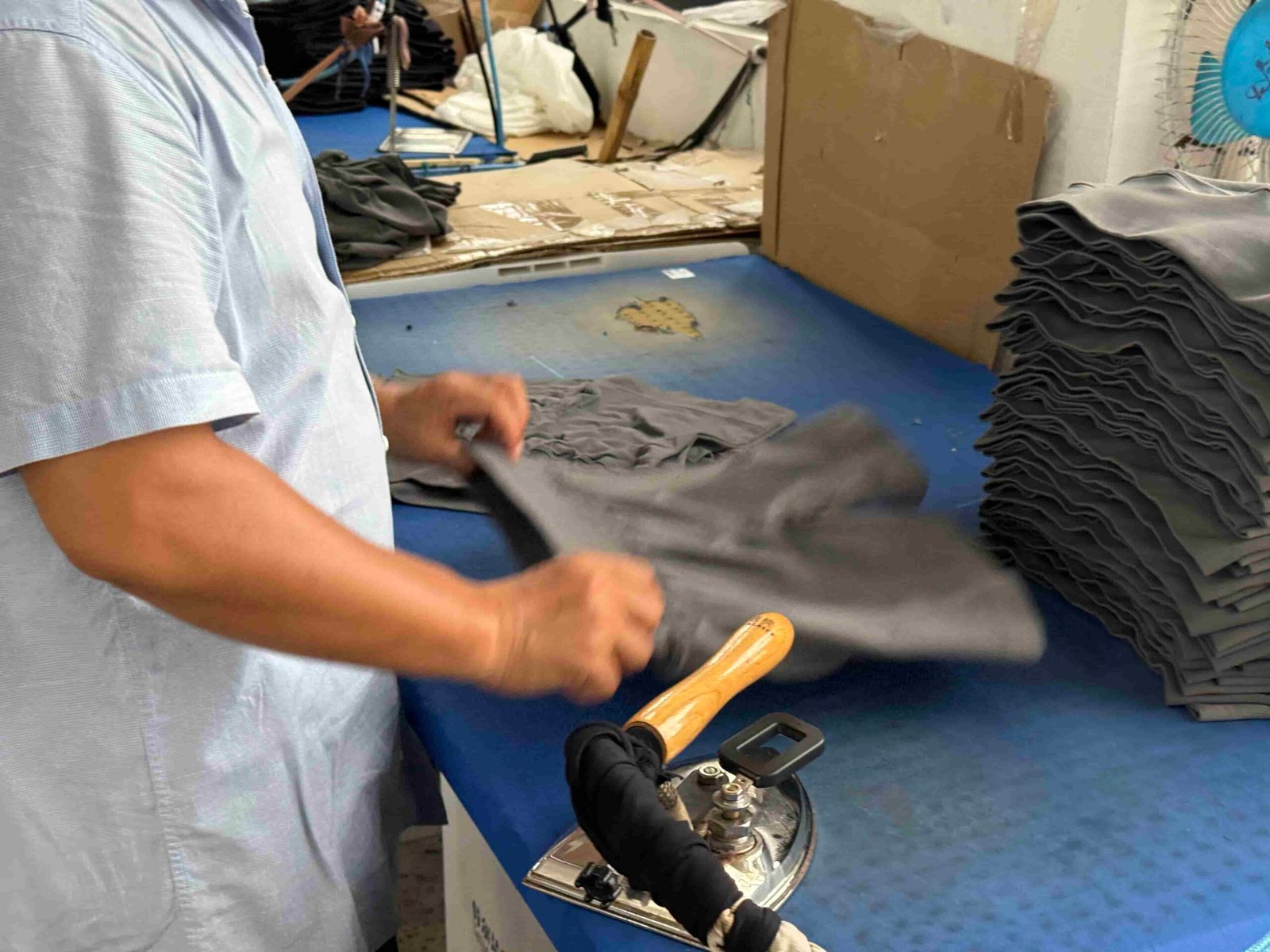
Finished Garments
Completed garments are reviewed for measurements, fit-related dimensions, visible appearance, sewing or seamless defects, logos, labels and other confirmed buyer requirements. Nonconforming pieces can be held for rework or additional inspection.
- Finished measurements reviewed against confirmed requirements.
- Garment appearance and workmanship checked before packing.
- Branding and trim execution checked against approved version.
Packaging Control
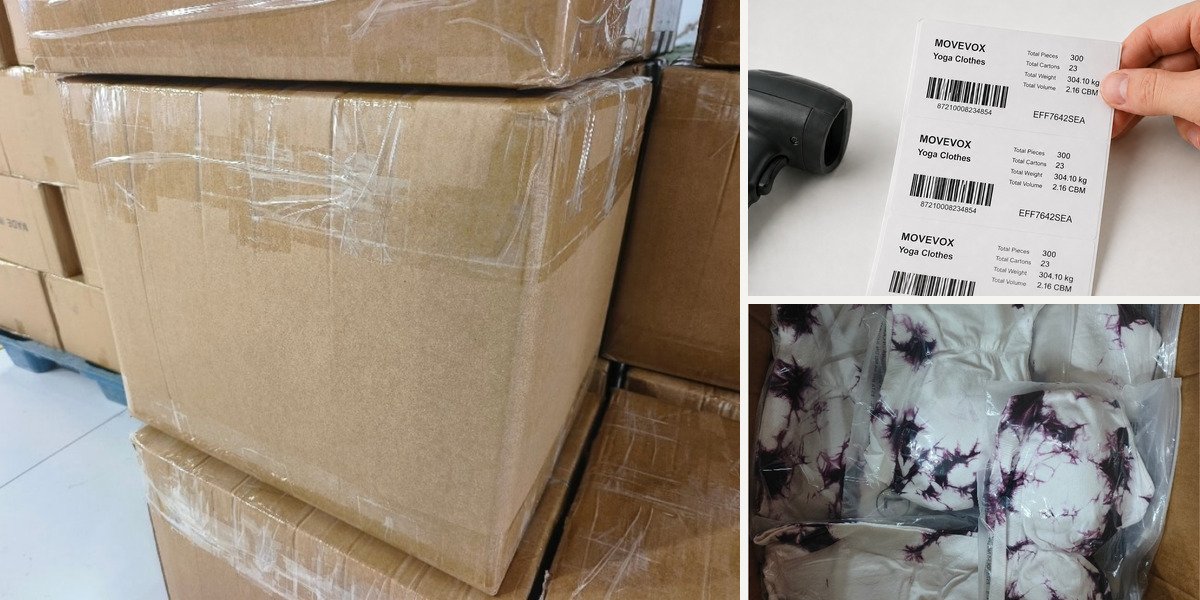
Packing checks confirm hangtags, stickers, barcodes, polybags, SKU information, carton packing and other buyer-specific requirements. Packaging is treated as a controlled delivery stage because data errors can make commercially acceptable garments unusable.
- SKU and size correspond with physical garments.
- Barcode and label data match approved files.
- Carton quantity and marks follow packing requirements.
Pre-Shipment Release
Before formal shipment, final quality status, order quantity, packaging, Packing List, Carton Mark and logistics requirements are reviewed. Goods that have not passed the required release process should not proceed through normal shipment execution.
- Final inspection status completed before shipment release.
- Shipment quantity aligns with approved packing records.
- Exceptions are resolved or formally agreed before handover.
Turn an Approved Sample Into a Repeatable Bulk Standard
The objective is not simply to make one acceptable sample. MOVEVOX uses approved specifications, production references and quality checkpoints to reduce uncontrolled differences between development approval and commercial bulk execution.

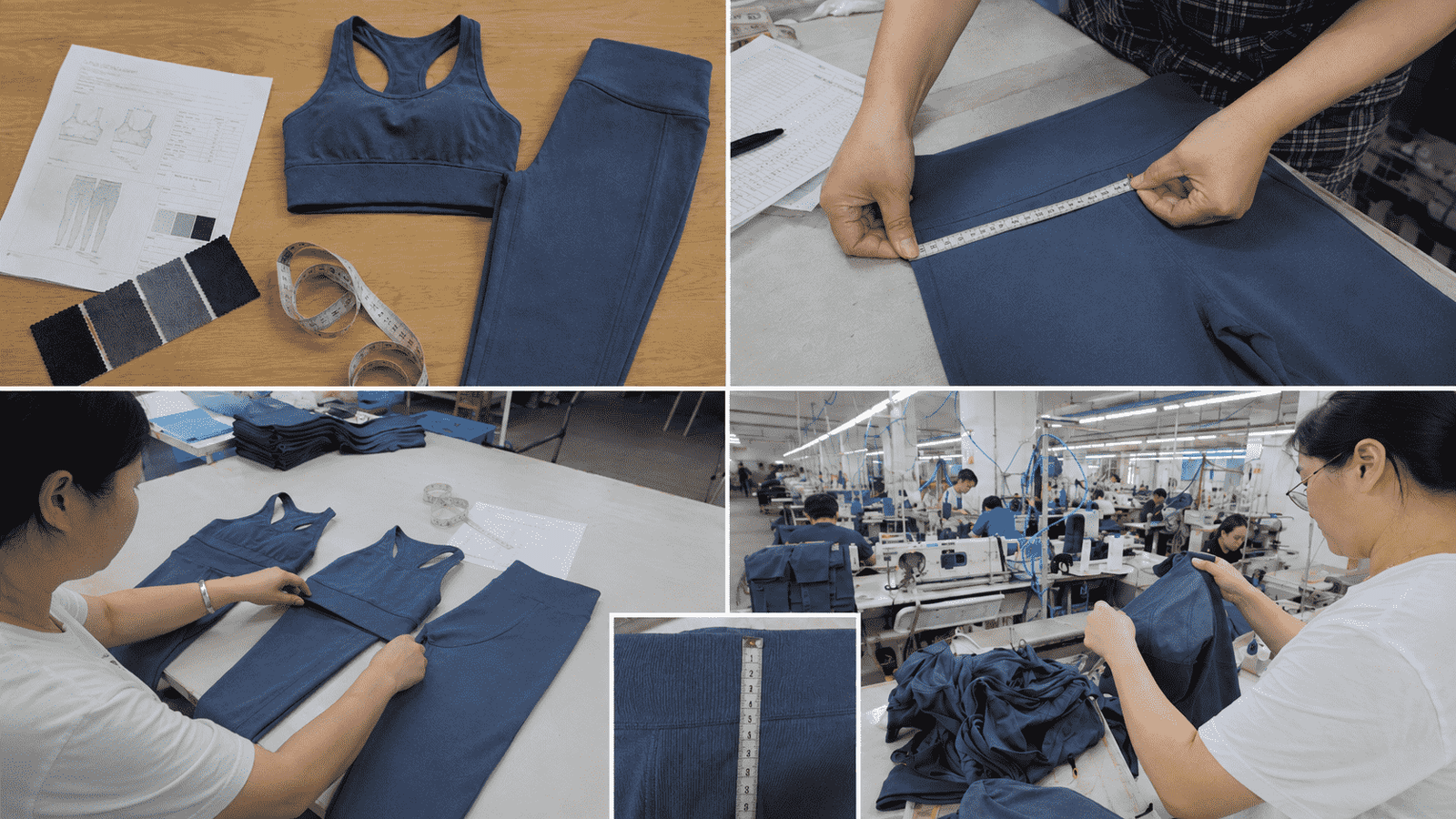
Approved Reference
- Fabric: Approved material direction, including relevant color, composition, GSM, appearance and production-lot requirements.
- Measurements: Confirmed size specification and tolerance requirements.
- Construction: Approved cut-and-sew construction or seamless structure.
- Color: Agreed color reference and approved material route.
- Logo Position: Approved branding type, dimensions and placement.
- Labels and Packaging: Final confirmed customer files.
Bulk Execution
- Fabric: Bulk material checked against the approved material direction.
- Measurements: Key finished-garment measurements checked against confirmed specifications.
- Construction: Production follows the approved technical direction rather than a new interpretation.
- Color: Bulk shade follows the agreed reference and batch information.
- Logo Position: Branding checked against approved artwork and sample.
- Labels and Packaging: Final approved files control packing execution.
Capacity Means Shippable Output, Not Theoretical Machine Speed
MOVEVOX separates equipment ownership from managed delivery capability. Large orders are reviewed against product construction, materials, SKUs, colors, available production resources and required delivery dates before a commercial capacity commitment is made.
150K-200K pcs/month
Managed Delivery
Current normal comprehensive managed monthly delivery capability is approximately 150,000-200,000 finished pieces across MOVEVOX's own and controlled production resources.
28 Machines
Seamless Core
The own-factory system includes 28 Italian Santoni seamless knitting machines supporting core seamless development and manufacturing.
~24 Machines
Cut-and-Sew Core
Approximately 24 garment-production machines support core cut-and-sew activewear manufacturing and related garment operations.
8 Factories
Satellite Network
Eight long-term satellite factories, including six in Yiwu and two in Guangzhou, support controlled capacity and specialized production requirements.
5 QC
Quality Coverage
Five current QC personnel provide inspection coverage across incoming materials, production, finished garments, packaging and pre-shipment activity.
~6,000 m²
Production Space
MOVEVOX currently uses approximately 6,000 square meters of operating production space within its manufacturing system.
One MOVEVOX Responsibility Across Multiple Controlled Production Resources
MOVEVOX operates a manufacturing-led supply-chain model rather than presenting every production process as wholly owned. The core factory provides development and manufacturing control, while controlled partners expand capacity and specialist execution when required.

Core Factory
The Yiwu own factory serves as the development, technical, core-production and quality-control center. New styles, higher-risk work, sample standards and critical production references are established through the MOVEVOX-controlled system before suitable work is allocated externally.
Material Network
MOVEVOX coordinates yarn, fabric, color, trims and important brand materials through centralized sourcing rather than allowing each production factory to select replacement materials independently. Buyer-nominated suppliers can also be used when formally approved.
Satellite Factories
Eight long-term satellite factories form part of the capacity system. They mainly support standardized bulk work after development and critical production standards have been established, or provide additional capacity when the own factory requires controlled expansion.
Specialist Partners
Approved specialist partners can be used for selected printing, embroidery, branding processes, special finishing or project-specific production requirements. These suppliers do not independently redefine the buyer's material, technical or quality standards.
PMC Control
MOVEVOX PMC manages material status, factory allocation, line planning, WIP, delivery risk and shipment timing across internal and controlled production resources. Production facilities do not independently promise separate customer delivery schedules.
Quality Control
Approved specifications and QC requirements remain under MOVEVOX responsibility regardless of which authorized production resource performs an individual operation. Process inspection, issue correction and final release remain within the coordinated project system.
Packing and Delivery
Brand packaging, SKU information, carton requirements, shipment records and forwarder handover are coordinated centrally so production information and shipment information remain aligned before final release.
Buyer Restrictions
When a buyer requires an Approved Factory Only model, production-site disclosure, Factory Audit or written subcontracting restrictions, production allocation must follow those customer requirements rather than MOVEVOX making an undisclosed production-site change.
Trace Orders Through Documents, Batches and Approved Versions
Brand-level traceability should make it possible to identify which order, material, version, production batch and shipment are affected when a quality or packaging problem appears. MOVEVOX uses project records instead of relying only on personal memory.
Purchase Order
The PO establishes the commercial order reference, quantities and SKU structure used by order management, PMC and production. Formal changes should be reflected in controlled project information before the revised requirement reaches the production floor.
PO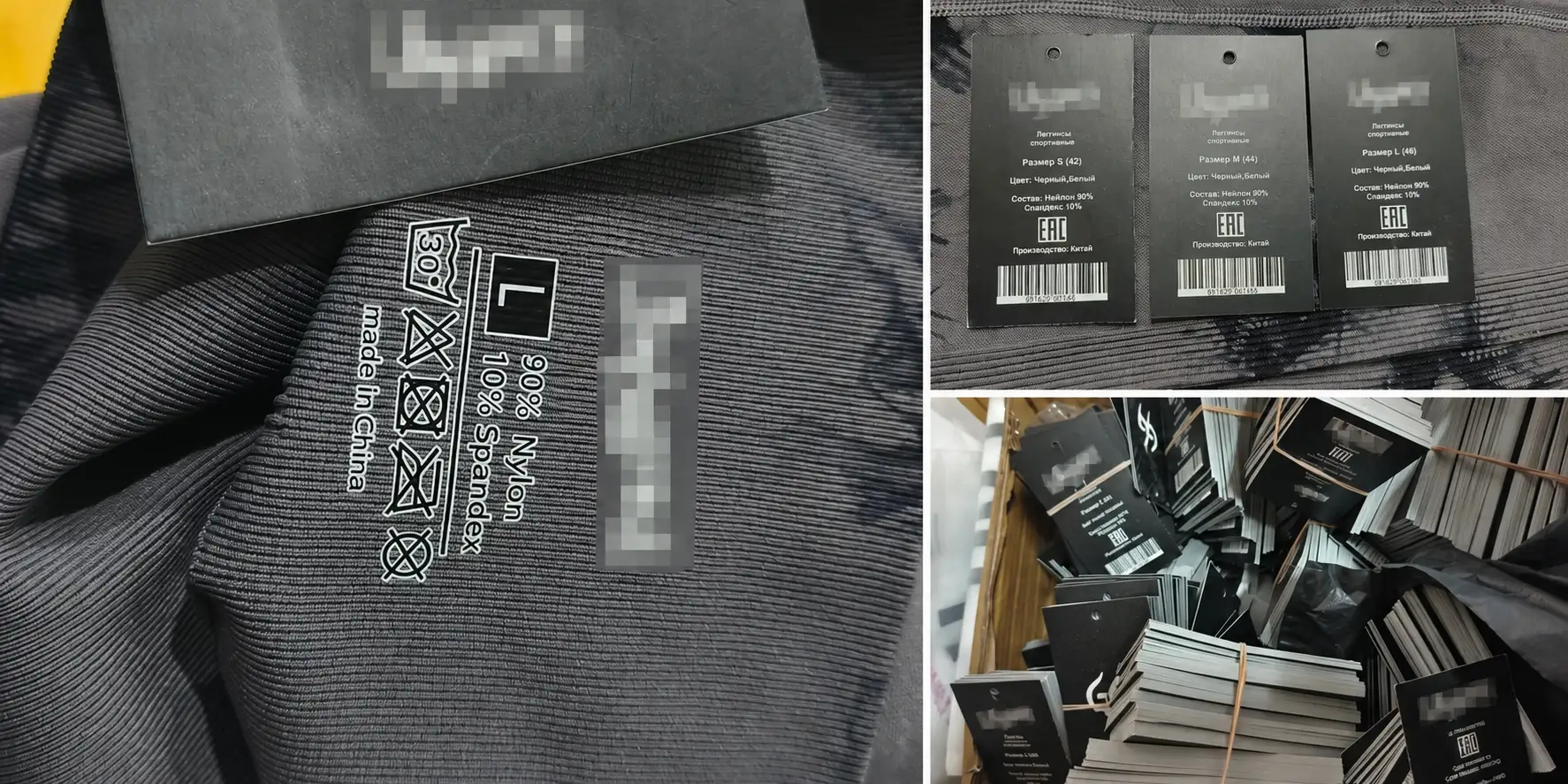
Technical Version
Tech Pack, measurement, construction, artwork and related technical information define the product direction. Updated versions need to replace obsolete information so production does not continue from a superseded customer requirement.
Tech PackApproved Sample
The approved sample provides a physical reference for confirmed product appearance, fit, construction and other finalized details. It connects development decisions with bulk production and later quality comparisons.
Approved Sample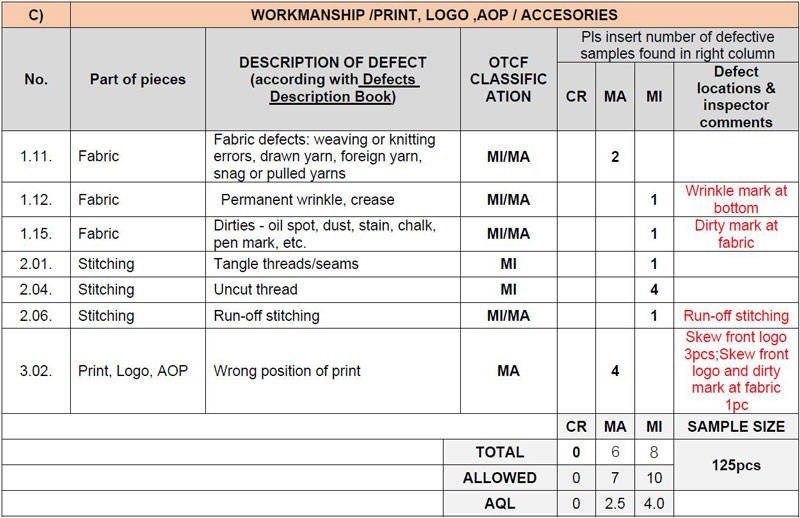
Material Batch
Fabric, yarn and important material-lot information can be linked with the relevant order so later material issues can be investigated against the sourcing and production records used for that batch.
Batch RecordProduction Batch
PO, Style, SKU, Color and Size management connects product quantities with the manufacturing activity. This becomes particularly important when one customer program includes many SKUs and multiple production locations.
Production Record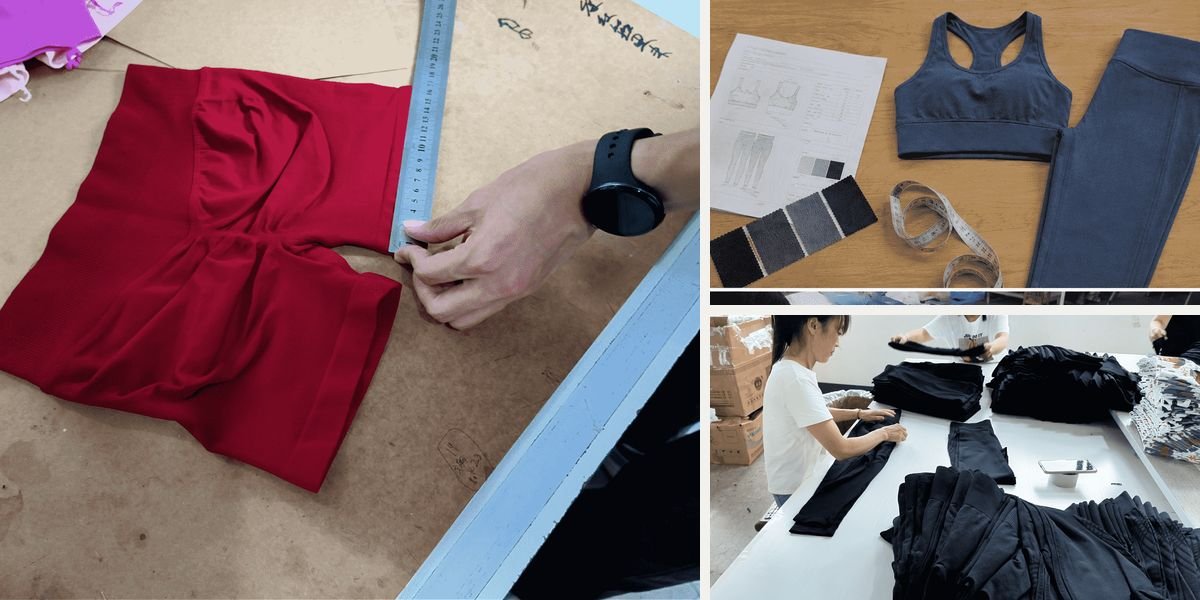
Quality Record
First article, in-line inspection, finished-garment inspection, measurement and final inspection records provide evidence of what was checked during the order and where a deviation entered the control process.
Inspection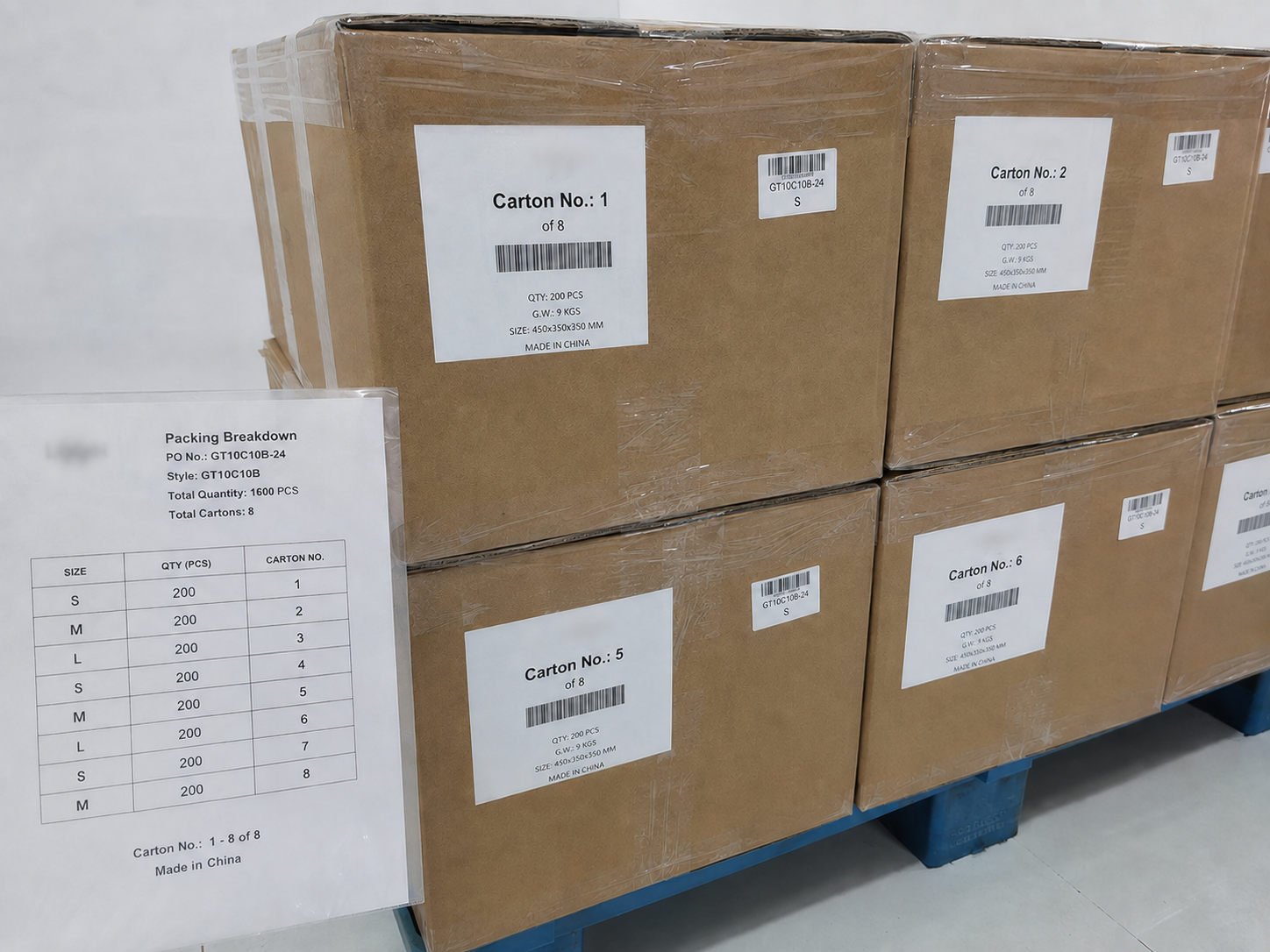
Shipment Record
Packing List, Carton Breakdown, carton marks and shipment-batch information connect finished goods with physical export handover, helping the project team trace which cartons and quantities entered a particular shipment.
Packing ListQuestions Procurement Teams Ask Before Factory Approval
MOVEVOX supports buyer verification of the production system while maintaining confidentiality for unrelated customer projects. Actual audit scope depends on the buyer's onboarding process and the production locations relevant to the project.
Can we visit the actual MOVEVOX factory?
Yes. Brand customers, sourcing organizations and B2B buyers can arrange visits to the Yiwu production base for Factory Audit, Technical Audit, pre-production visits, in-line inspections or pre-shipment inspection. Visits require advance scheduling so relevant production areas and responsible personnel are available. Areas containing another customer's confidential or unreleased projects may remain protected under applicable confidentiality requirements.
Can we conduct a video factory audit?
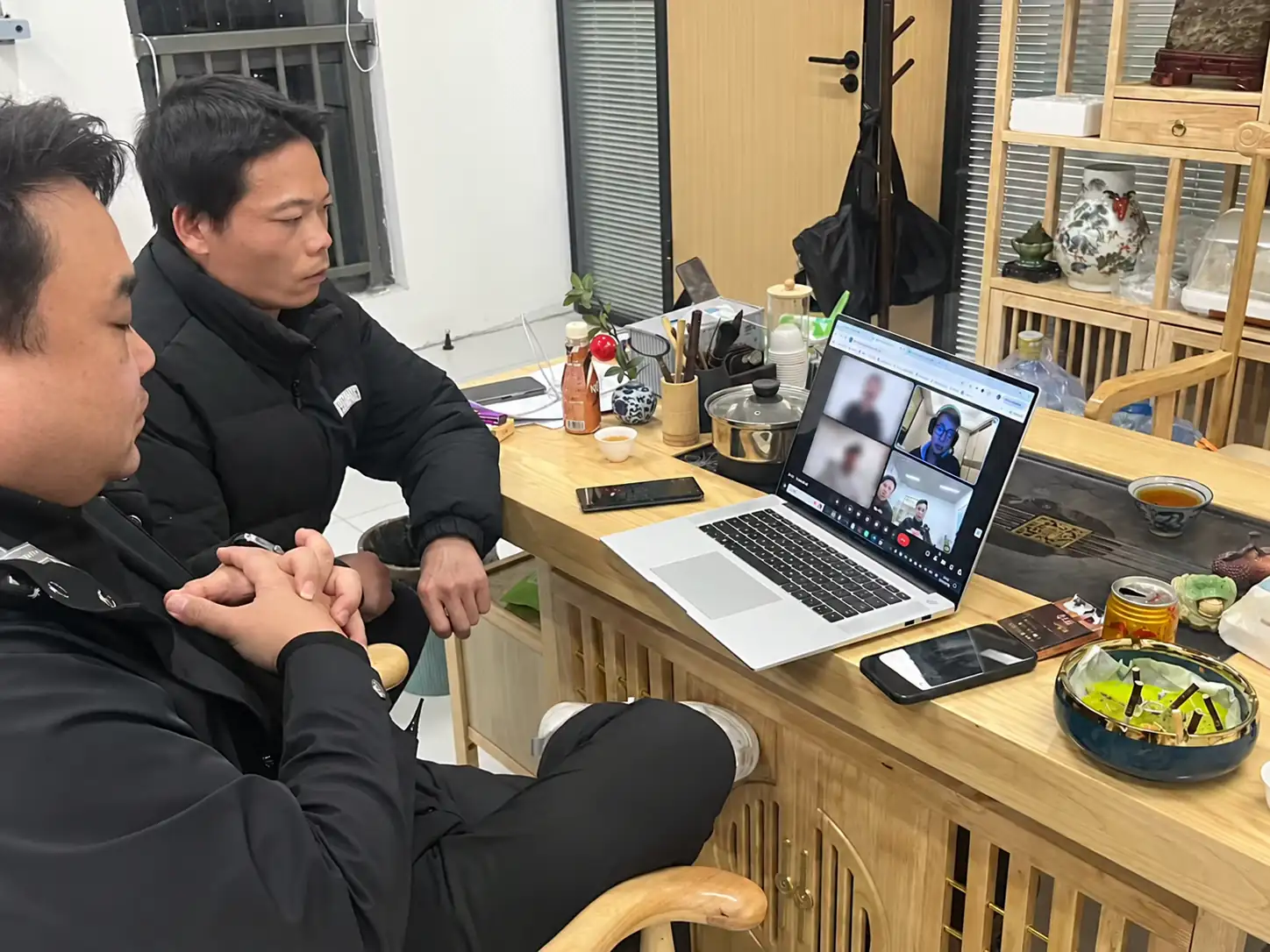
Yes. MOVEVOX can support live video verification of production areas, seamless equipment, cut-and-sew production, sample development, quality checking, packing and warehousing. The purpose is to allow international teams to verify real manufacturing activity when an immediate physical visit is not practical. Confidential areas involving other customer projects may be excluded from live video when necessary.
Does MOVEVOX use satellite factories?
Yes. MOVEVOX operates its own core factory together with eight long-term satellite factories and selected specialist partners. The system is not presented as 100% own production. Satellite factories perform suitable standardized or capacity-support work under centralized technical information, production planning and quality requirements. Where buyers require disclosure of actual production locations, MOVEVOX can provide the relevant project information.
Can we require an approved-factory-only model?
Yes, when this requirement is agreed before production. If the buyer's contract, vendor policy or audit program specifies an approved production site, MOVEVOX does not have authority to move production to another site in violation of that restriction. Any required change to the approved production location must be reviewed and receive the customer's written approval before implementation.
Can our third-party inspector enter production?
MOVEVOX supports customer-appointed third-party inspection when the project requires it. Inspection scope, timing, production status, sampling requirements and access arrangements should be coordinated in advance so the relevant goods and records are available. Buyer-defined inspection standards can be used when provided; the final release process should reflect the actual agreed inspection and quality requirements for that order.
What factory and compliance evidence can you provide?
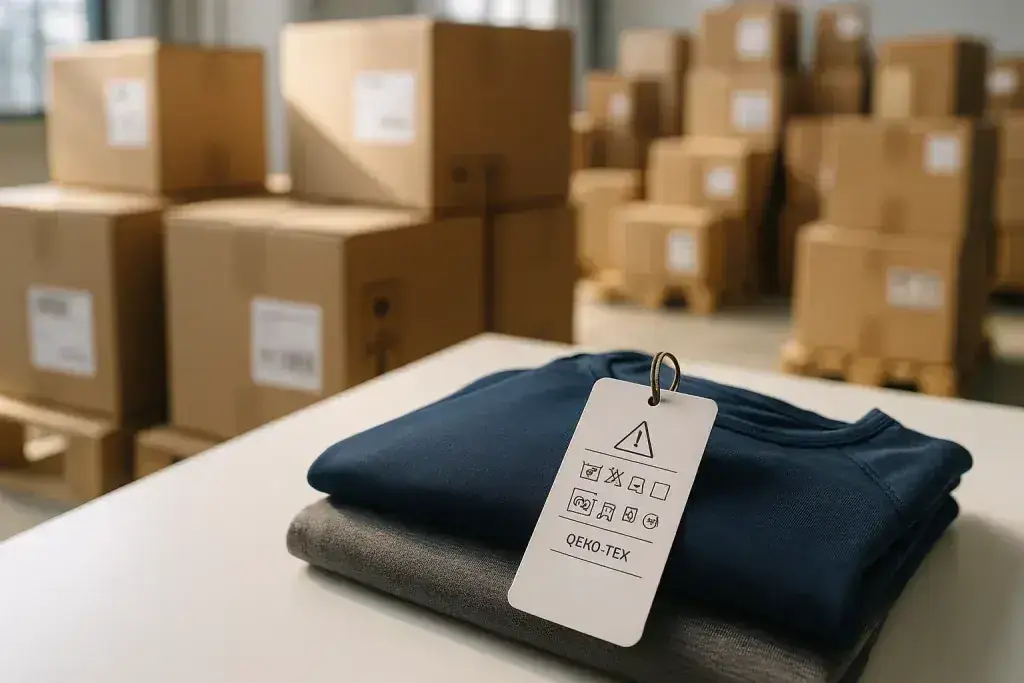
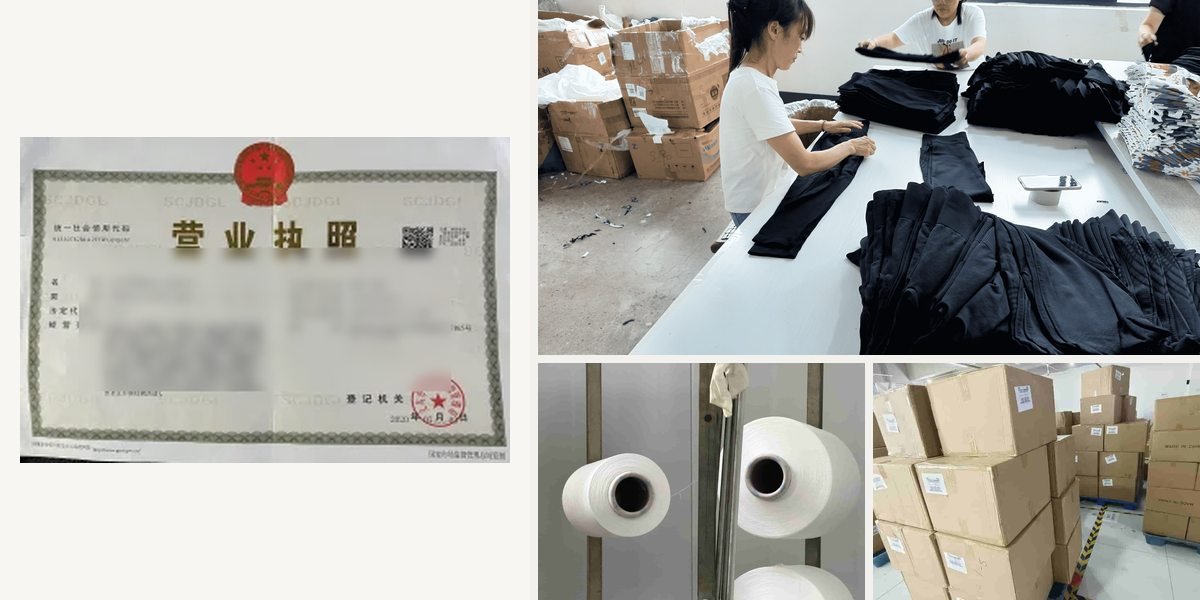
Available evidence depends on the buyer's onboarding request and the real scope of the document. MOVEVOX can provide legal-entity and factory information, production evidence, quality records and relevant project documentation. Certifications or test reports are not generalized beyond their actual holder, factory, material, product, sample or validity. Buyer-specific requirements should therefore be reviewed document by document rather than through an unsupported certificate wall.
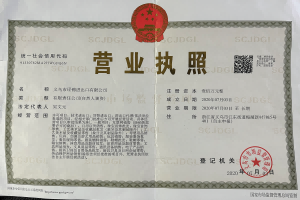
Compliance Evidence Must Match the Actual Sourcing Scope
Large buyers may require product, material, factory and supplier evidence at the same time. MOVEVOX treats these as separate evidence scopes and does not convert a supplier document or single sample test into a company-wide certification claim.
Supplier Code and Audit
A global brand may require a Supplier Code of Conduct, Factory Audit, Technical Audit, social-compliance review or its own vendor-onboarding procedure. MOVEVOX supports buyer audits and production-site verification, but a buyer requirement does not itself mean MOVEVOX already holds every third-party social-compliance certification mentioned in that buyer's program.
Scope: Buyer-specific supplier and factory onboarding requirements.
MOVEVOX response: Review the requested standard and provide only evidence that applies to the actual production site and current project.
Material and Chemical Requirements
Buyers can require restricted-substance controls, REACH-related testing, RSL or MRSL requirements, material traceability or product-specific third-party testing. Evidence must identify what material or product was actually tested and whether the tested sample corresponds to the product being ordered.
Scope: Specific materials, samples, lots or buyer chemical requirements.
MOVEVOX response: Coordinate testing when required and avoid extending a single test result to untested materials or unrelated product programs.
Product and Label Requirements
Different destination markets and customers can require specific product information, fiber-composition details, care instructions, country-of-origin information, barcode data or retail packaging. These requirements need to be confirmed against the buyer's market and documentation rather than copied automatically from another order.
Scope: Buyer-specific and destination-market product or packaging requirements.
MOVEVOX response: Convert the customer's final approved label and packaging information into controlled production and packing instructions.
Evidence Validity and Scope
Every certificate, report or material statement should be checked for the holder, issuing organization, date, validity, tested sample, factory and applicable product or material scope. MOVEVOX's stated principle is to use certificates and test evidence only within their real traceable scope.
Scope: All certificates, reports and supplier evidence used during qualification.
MOVEVOX response: Keep unsupported certifications off the supplier claim set and request updated evidence where required.
Read Third-Party Test Evidence by Its Real Scope
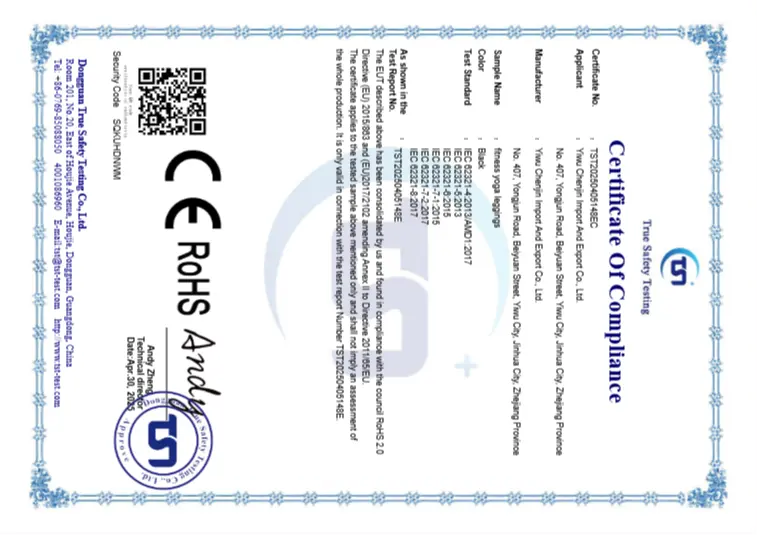
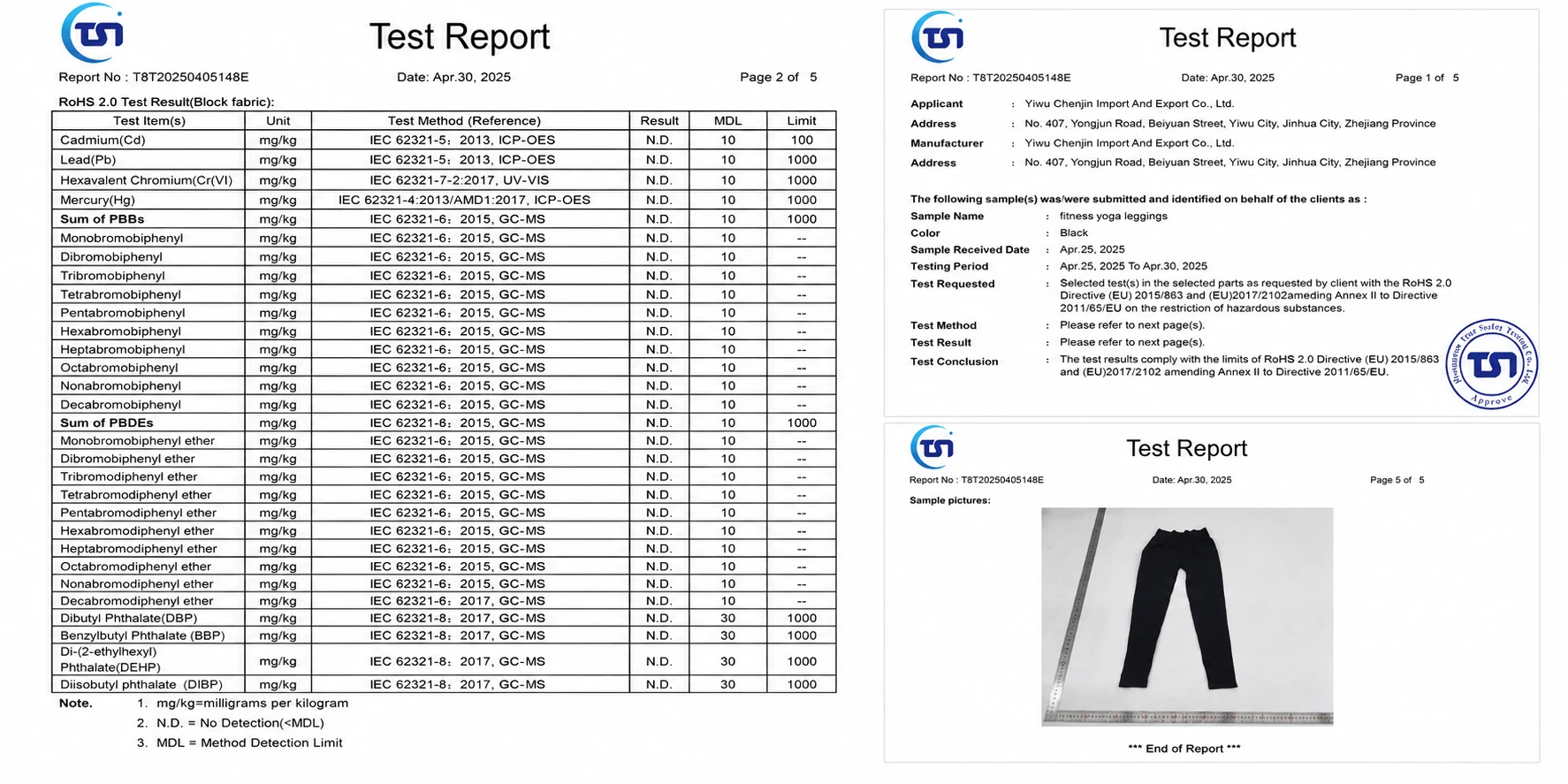
MOVEVOX has existing third-party test evidence for a submitted fitness yoga leggings sample. The correct procurement interpretation is to understand exactly what was tested, which report supports it and what the result does not prove.
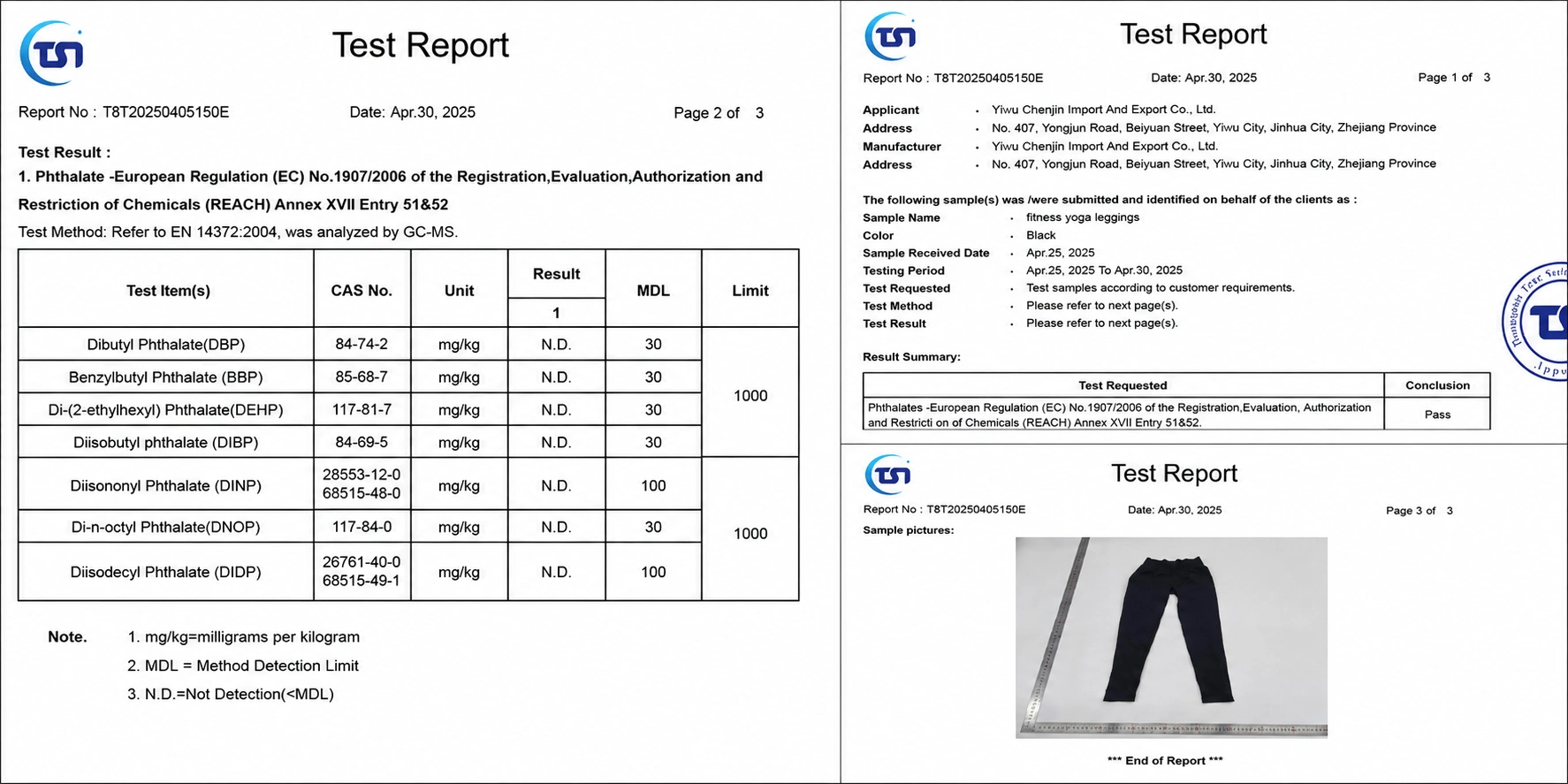
Applicant
The reports identify Yiwu Chenjin Import And Export Co., Ltd., the legal entity operating MOVEVOX's international B2B business, as the applicant and manufacturer.
Sample Identity
The tested sample is identified as fitness yoga leggings in black. This sample identity is important because the result cannot automatically cover unrelated garments or materials.
RoHS Test
Report TST20250405148E evaluates selected substances requested against the cited RoHS 2.0 requirements and reports compliance for the submitted tested sample.
Phthalate Test
Report TST20250405150E covers specified phthalates under the cited REACH Annex XVII Entry 51 and 52 test request for the submitted black fabric sample.
Test Methods
The reports identify the analytical methods used for the tested substances, including referenced IEC methods and GC-MS or other specified laboratory techniques.
Scope Limitation
The laboratory wording explicitly states that reported results refer only to the tested sample. They do not constitute an assessment of MOVEVOX's entire production output.
How a Confirmed PO Moves Through MOVEVOX Operations
Once an order is confirmed, the customer should not need to coordinate separate factories or departments independently. MOVEVOX moves the PO through a centralized order, material, production, quality and shipment responsibility chain.
PO Review
The Order Manager confirms styles, quantities, colors, sizes, commercial requirements, approved product information and delivery expectations. Any difference between the PO and previous development records must be identified before normal order execution continues.
Owner: Order Team
QC point: Data Check
Specification Lock
The team aligns Tech Pack, measurement chart, approved sample, material, color, branding, labels and packaging information. Customer changes are updated into the controlled project version before release to production.
Owner: Development
QC point: Spec Freeze
Material Planning
Sourcing confirms yarn, fabric, trims, logos, labels and packaging requirements while PMC reviews material-arrival timing. Customer-nominated materials or approved sources are followed when specifically required.
Owner: Sourcing
QC point: Material Review
Production Planning
PMC selects appropriate production resources, checks capacity, schedules lines and coordinates any required satellite-factory allocation. Delivery commitments are based on the actual order structure rather than theoretical equipment capacity alone.
Owner: PMC
QC point: Production Review
First Article
The initial production output is reviewed against the approved technical direction before the order proceeds normally. Deviations can trigger correction before larger quantities accumulate.
Owner: Production
QC point: First Article
Bulk Production
Production follows approved specifications while PMC tracks WIP and QC performs in-line inspections. Material, quality or delivery exceptions are escalated instead of remaining only with individual production operators.
Owner: Production
QC point: In-Line QC
Packing Control
Finished garments move through final appearance review, approved labels, hangtags, barcode, polybag, SKU confirmation and carton packing requirements. Packaging follows the final buyer-approved specification.
Owner: Packing
QC point: Pack Check
Shipment Release
Final quality status, quantities, Packing List, Carton Breakdown, carton marks and logistics instructions are reviewed before handover. Customer-nominated forwarder requirements are coordinated where applicable.
Owner: Logistics
QC point: Final Release
Choose Logistics Around Volume, Urgency and Buyer Control
MOVEVOX coordinates shipment execution according to order size, buyer timing, destination and agreed trade terms. Transit time is not published as a fixed promise because routing, booking, customs and carrier conditions change.
International Courier
Courier is primarily used for samples, documents, small urgent shipments or replacement requirements. MOVEVOX can coordinate commonly used international courier channels or work with the customer's own courier account when agreed.
Transit: Confirmed by destination and booking date.
Documents: Commercial invoice / shipment information / tracking details.
Risk: Cost rises quickly with commercial bulk volume.
Air Freight
Air freight can be considered for medium-volume orders, launch-sensitive goods or replenishment where transit speed has greater commercial value than the lower unit logistics cost of ocean freight.
Transit: Confirmed against current route and booking.
Documents: Packing List / shipment data / forwarder documentation.
Risk: Higher freight cost can materially affect landed cost.
Sea Freight
Sea freight is normally the cost-oriented solution for medium-to-large commercial orders and stable replenishment to major markets. MOVEVOX can coordinate shipment preparation or work under an agreed FOB, CIF or other applicable project term.
Transit: Determined by actual sailing and destination route.
Documents: Packing List / Carton Breakdown / export-shipment documentation.
Risk: Port, route, customs and peak-season conditions affect timing.
Nominated Forwarder
Established brands and professional importers can provide Shipping Instructions and their nominated forwarder. MOVEVOX coordinates booking handover, packing information, warehouse delivery and shipment documents according to the buyer's logistics arrangement.
Transit: Controlled by the buyer's nominated logistics route.
Documents: Shipping Instruction / Packing List / carton information.
Risk: Handover timing depends on agreed forwarder booking windows.
Repeat Orders Should Reuse Standards, Not Restart Development
The objective of a repeat program is to preserve approved product knowledge while still checking material, color, quantity, packaging and production conditions for the new PO. A previous order is a reference, not permission to skip control.
Original Approval
The first commercial order establishes the approved product direction through Tech Pack, samples, measurements, materials, colors, branding and packaging. MOVEVOX retains project records and approved references so later orders do not rely only on individual memory.
Repeat PO Review
The new PO is compared with the previous approved information. Quantity, colors, sizes, target date and requested changes are identified before production planning begins, preventing old requirements from being assumed automatically.
Material Confirmation
Materials, yarns, trims and packaging are reviewed against the repeat-order requirement. If the new batch introduces a material or color difference, the change should be treated as a controlled new approval rather than hidden inside a repeat order.
Production Release
The repeat product uses the approved technical direction, while first article and in-line controls confirm that the new production run still follows the expected standard. Repeat status does not remove quality checkpoints.
Performance Review
Delivery, quality, complaints, changes and repeat-order performance become part of the ongoing customer record. If volume grows, MOVEVOX can review additional capacity through the same centralized production and quality-control structure.
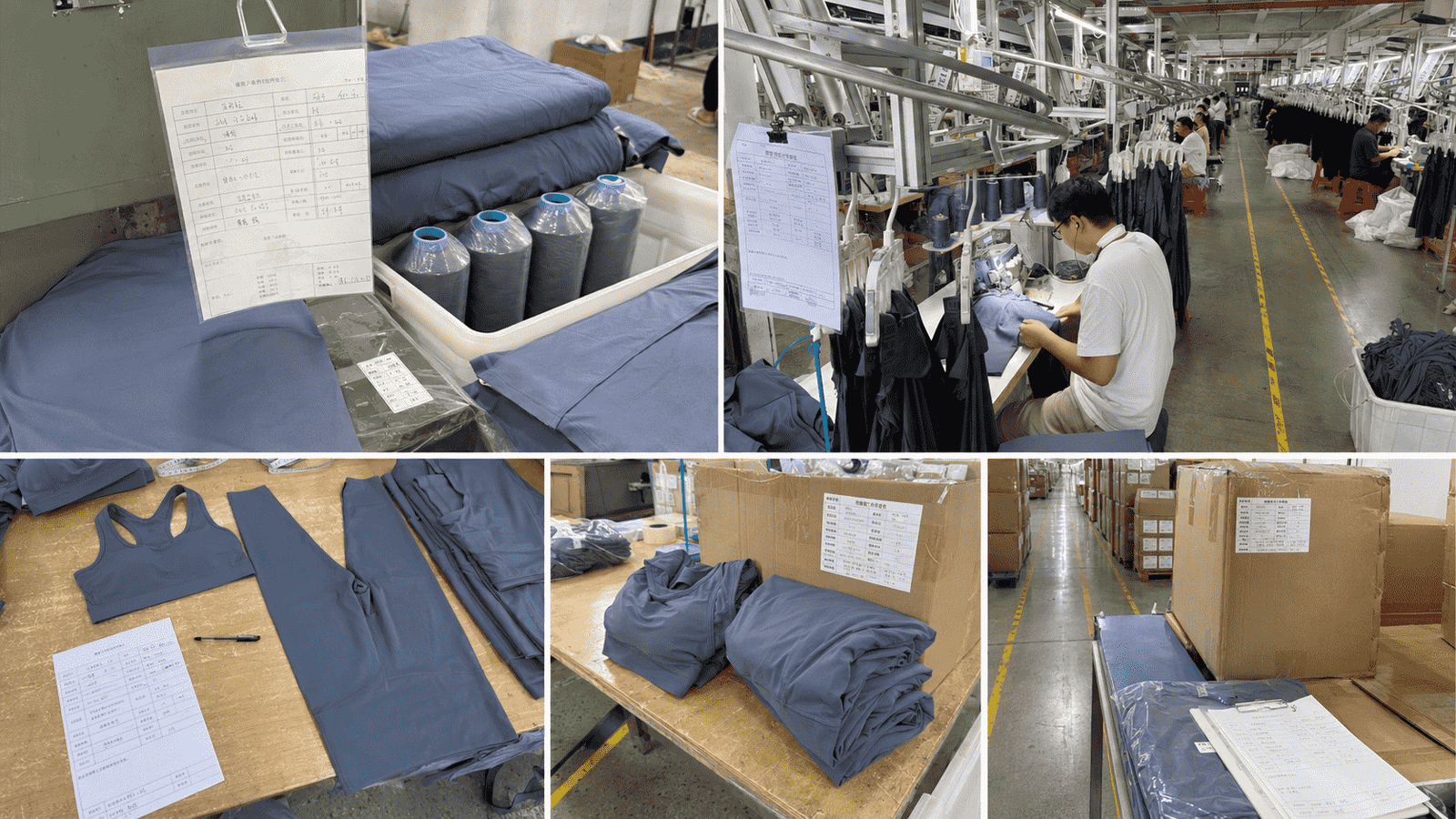
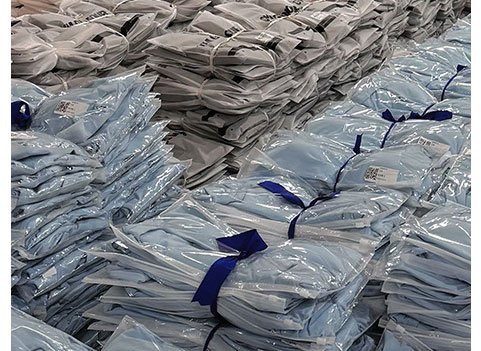
A Supplier Must Control Problems After Shipment Too
MOVEVOX does not assume that quality risk disappears after production. Complaints are traced through order, sample, material, production, QC and shipment records so corrective action can address the actual cause.
Control the Affected Scope
Impact: A measurement, workmanship or product-performance deviation can affect saleability, customer satisfaction and future repeat orders if the affected scope is not quickly identified.
Response: MOVEVOX reviews the approved sample, Tech Pack, QC records and production information, isolates the affected scope and coordinates reinspection, rework, reproduction or other agreed corrective action.
Evidence: QC Record
Trace the Relevant Lot
Impact: A fabric, yarn, trim, color or batch problem can affect several units or SKUs and may continue across production if the relevant material lot is not identified.
Response: The project team traces the material source and lot, identifies where it entered production, contains affected goods and coordinates supplier or production corrective action according to responsibility.
Evidence: Batch Record
Correct Commercial Data
Impact: Incorrect barcode, SKU, hangtag, sticker or carton information can make commercially acceptable garments difficult or impossible for the buyer to receive, warehouse or sell correctly.
Response: MOVEVOX checks the approved packaging version against packed goods, isolates affected cartons, corrects the data or packaging where practical and reinspects the relevant quantities before release.
Evidence: Packing File
Escalate Before Launch Impact
Impact: Late materials, production disruption or capacity conflict can threaten a launch and may create expensive emergency freight or inventory gaps if the risk is escalated too late.
Response: PMC tracks material, WIP, factory loading and critical-path issues. Significant risks are escalated through operations and management rather than remaining solely with a salesperson.
Evidence: T&A Review
Close the Root Cause
Impact: Repeated defects indicate that immediate repair alone has not removed the systemic cause, increasing the risk that the same problem returns in the next production run.
Response: Significant or recurring problems can enter CAPA with containment, root-cause analysis, correction, corrective action, preventive action and verification before the issue is formally closed.
Evidence: CAPA
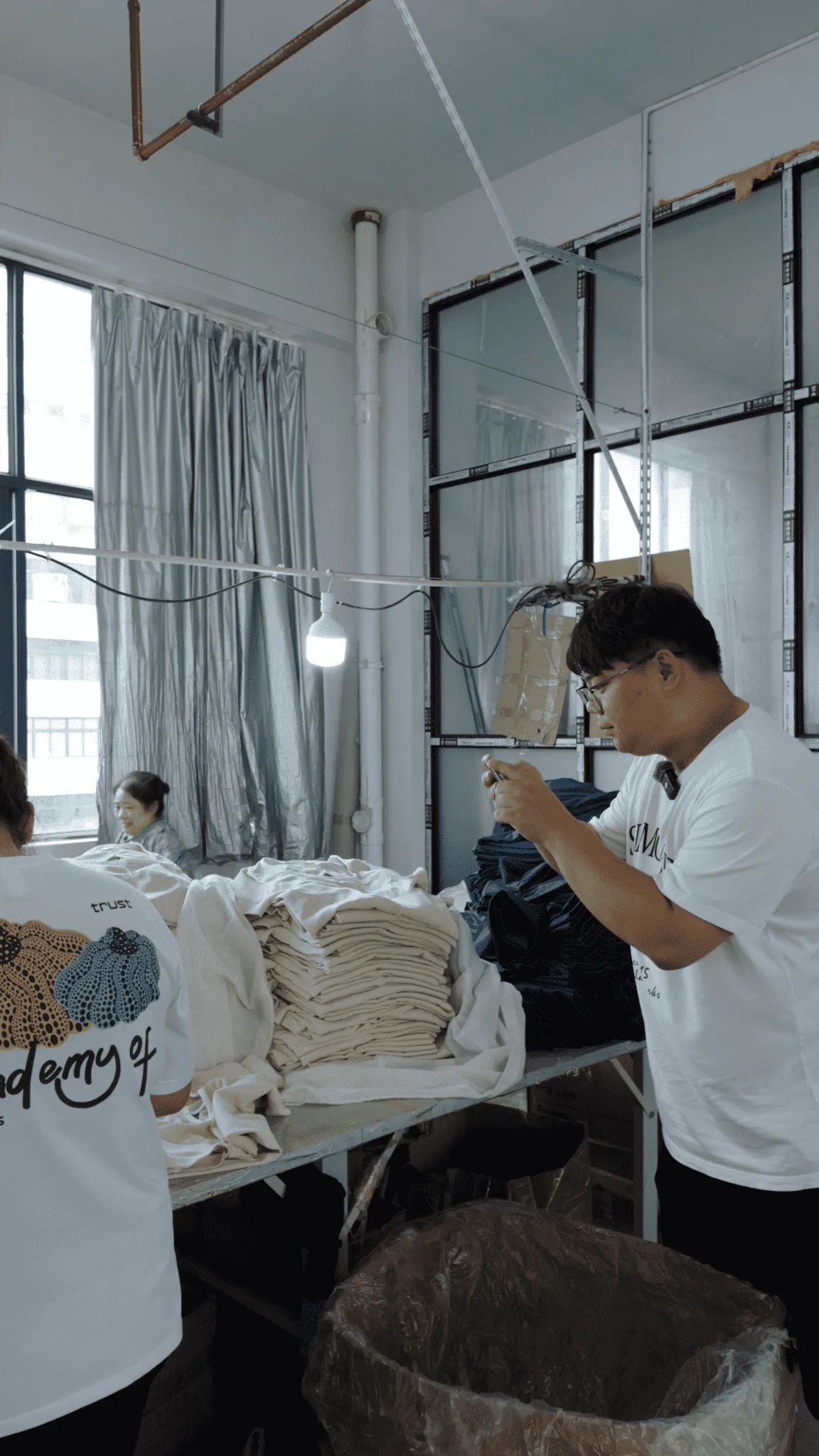
Evidence-Based Closure
Complaint handling should leave a traceable record showing what happened, what quantity was affected, how the immediate problem was contained, what corrective action was taken and how the next production run will be protected.
Case Study: Building Trust With a European Apparel Buyer
Customer Profile
A large Netherlands-based apparel brand operates through both online and offline channels and sells sportswear, leisurewear, yoga wear and additional apparel categories. The relationship initially began with a ten-style sample order before developing into commercial orders and broader product cooperation involving both MOVEVOX production and controlled satellite-factory resources.
Challenge
The buyer received ten samples but did not immediately proceed to bulk because supplier trust remained insufficient. MOVEVOX's overseas team later visited the customer in the Netherlands, allowing both sides to understand the buyer's business model and sourcing expectations directly. The relationship also faced a later commercial test when another supplier offered comparable perceived quality at approximately USD 0.50 less per garment.
Solution
MOVEVOX did not immediately respond by matching the lower price. Instead, the team explained the order-cost structure across production, trims, heat-transfer positioning, inspection, packaging and transportation so the buyer could compare the broader execution model rather than unit price alone. After the relationship progressed, the buyer selected five styles from the original sample set for bulk customization. Branding and packaging were developed against the customer's reference examples. During one order, the buyer requested approximately one-third of the quantity earlier than the balance, requiring MOVEVOX to reorganize production and complete the partial shipment while the remaining order continued.
Execution Priorities
- Maintain one communication path despite multiple apparel categories.
- Follow customer-provided branding and packaging references.
- Coordinate satellite factories for suitable non-core apparel categories.
- Adjust production when a partial early shipment was requested.
- Explain commercial cost rather than competing only on lowest price.
Case Result: From First Order to Repeated Scale-Up
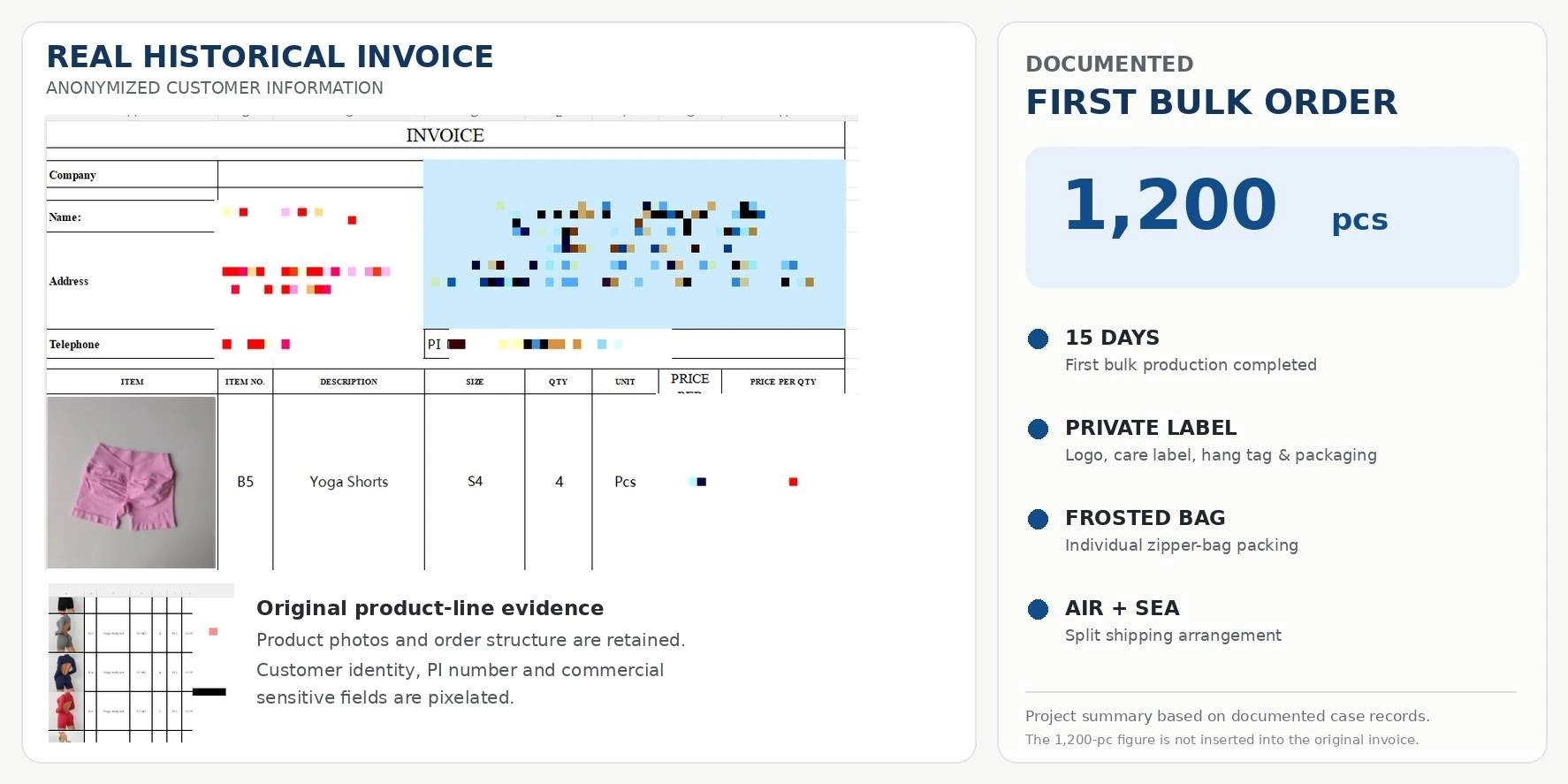
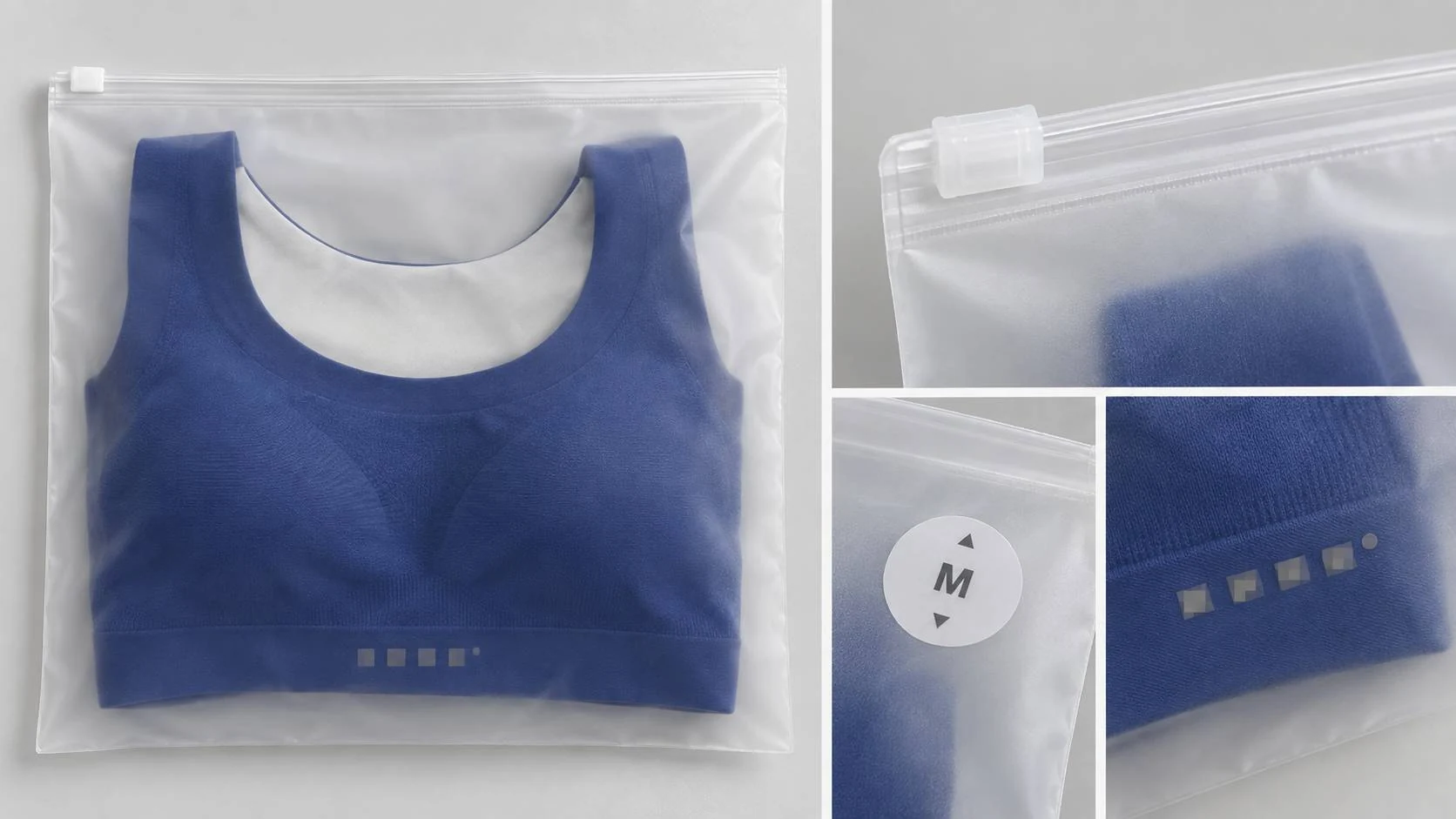
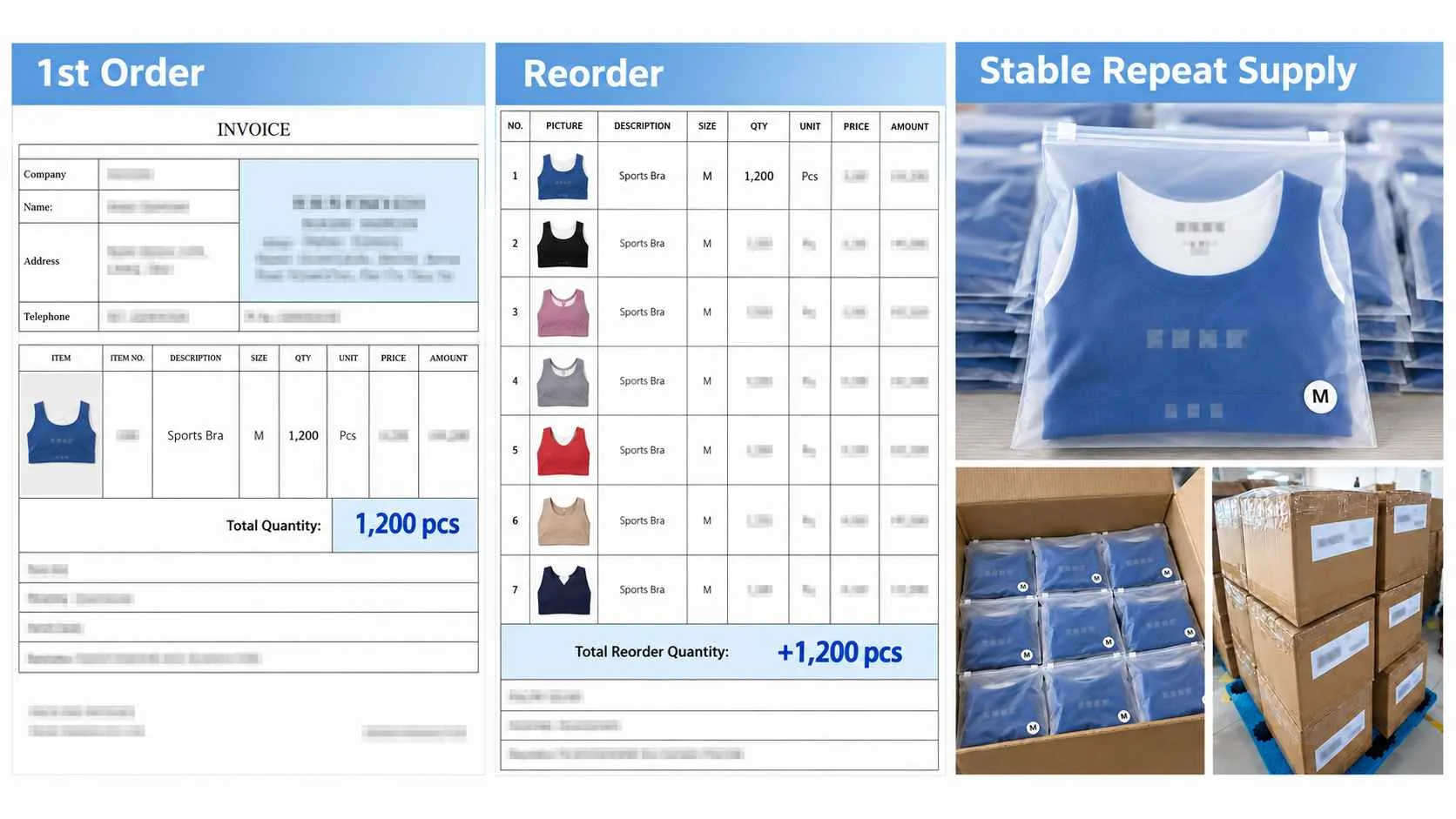
A Spanish customer first evaluated MOVEVOX through stock samples, then customized existing product directions with new washing labels, labels, packaging and a silicone-logo recommendation before moving into commercial production.
Execution Narrative
The first order moved from sample evaluation into customized labels, logo and packaging before the customer confirmed the PO, quantities, sizes, colors and packing details. MOVEVOX shared production images and video updates, performed inspection and packed garments according to the confirmed requirement. After repeat demand increased, additional production resources were organized for the larger peak order. The case demonstrates how a relatively straightforward private-label program can move from product validation into repeat production and planned inventory support without changing the supplier-management structure.