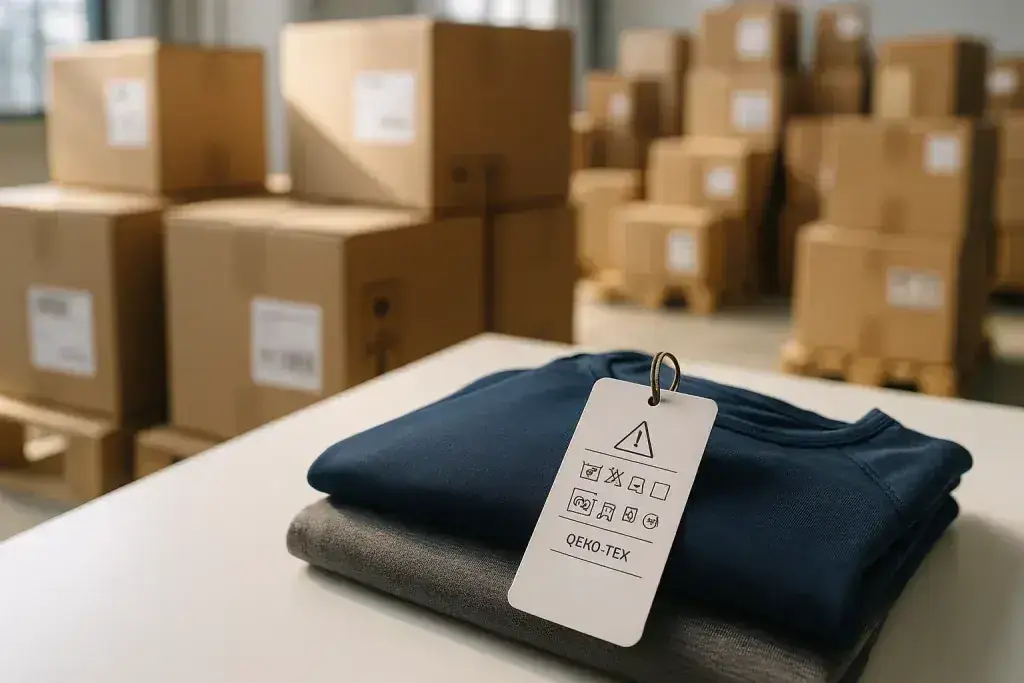
Pilates Wear Manufacturer for Coordinated Studio Apparel Collections

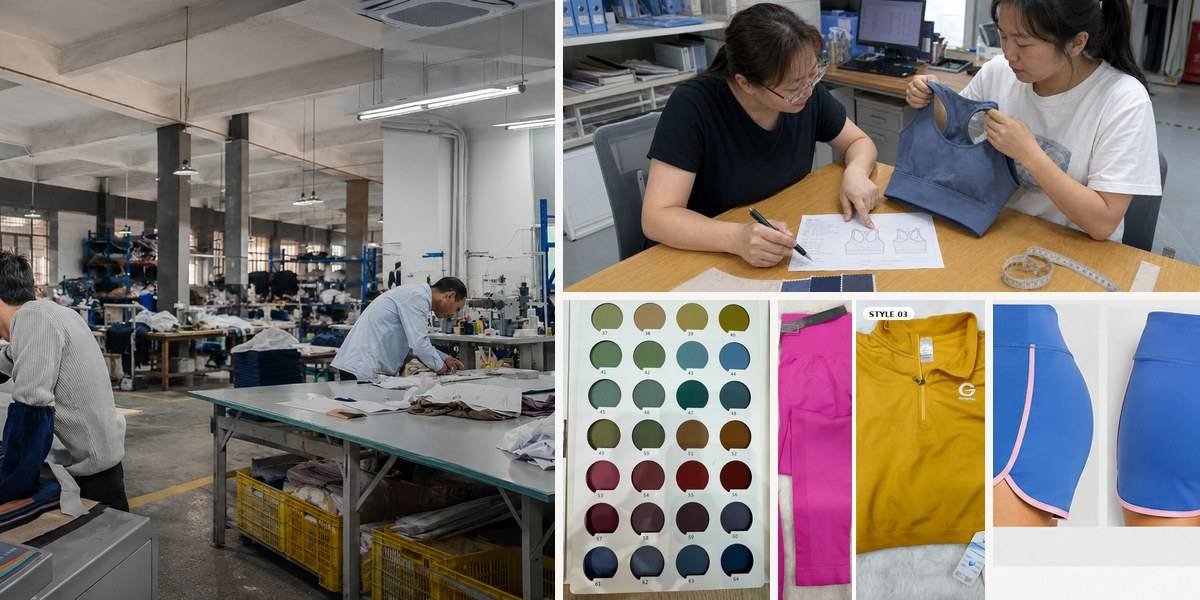
MOVEVOX supports brands sourcing Pilates apparel across leggings, sports bras, tops, shorts and coordinated sets. Our Yiwu-based manufacturing and supply-chain operation combines seamless and cut-and-sew capabilities with product development, sampling and bulk-order management. We help buyers translate studio-specific comfort, coverage, movement and visual requirements into clear specifications before committing to production.

Develop Your Collection

Bring a technical package, approved reference or defined product concept. We can review proposed silhouettes, material direction, fit targets, branding requirements and order structure before recommending a sampling route and production feasibility assessment.

  • Share target garments, intended movement conditions and expected wearing experience.
  • Identify size ranges, key colors and matching-set development priorities.
  • Confirm sampling inputs, review responsibilities and intended launch timing.

Assess Supplier Fit

Compare MOVEVOX against your supplier criteria before requesting a quotation. Examine our actual process coverage, product limitations, quality checkpoints and multi-SKU coordination approach, including where further sample evidence or technical assessment is required.

  • Review seamless and cut-and-sew suitability for your garment assortment.
  • Check realistic MOQ conditions and project-specific material constraints.
  • Clarify audit access, quality documentation and accountable production coordination.

What Should a Pilates Wear Manufacturer Actually Deliver?

A Pilates apparel manufacturer should do more than supply stretch garments. Buyers need products developed around intended studio movements, body coverage, contact comfort, appropriate support and a consistent collection identity. The manufacturing assessment must then connect those design targets to material selection, construction, approved samples, realistic order economics and accountable quality controls across different styles.

  • Application comes first. Mat-based exercise, equipment sessions and studio-to-street wear create different contact, coverage and silhouette considerations; none should be assumed identical.
  • Comfort needs specifications. “Soft” or “supportive” is not an acceptance standard until buyers identify fabric references, fit tolerances and practical wear-evaluation conditions.
  • A collection is not one garment. Coordinated bottoms, bras, tanks and layers may share visual direction while requiring different materials, patterns, construction and approval records.
  • Manufacturing claims need boundaries. MOVEVOX has seamless and cut-and-sew capability; individual designs, color programs, lead times and compliance evidence still require project review.

This definition helps sourcing, technical development and merchandising teams compare suppliers against the same Pilates-specific requirements instead of generic factory descriptions.

Different Pilates Businesses Need Different Supply Programs

The Pilates market includes specialist apparel labels, broader activewear brands and commercial studio groups. Their product inputs and purchasing responsibilities differ. MOVEVOX can review opportunities against the real garment requirements, anticipated volumes and the level of development support needed.

Established Pilates Brands

Mature Pilates labels usually require more than another catalog of leggings. A sourcing team may already manage approved fits, seasonal color stories, several retail channels and repeat purchasing. Its manufacturing priority is preserving the agreed experience while extending the assortment. Relevant questions include whether bottom and top categories can follow coherent approval standards, which pieces need separate construction development, and how material or packaging changes will be documented across replenishment cycles. MOVEVOX's seamless and cut-and-sew coverage provides manufacturing options; feasibility and quality acceptance remain style-specific.

  • Maintain approved fit references across coordinated bottoms and tops.
  • Align shade approvals, trims and packaging across several product families.
  • Review replenishment changes before confirming the next production purchase order.

Activewear Category Teams

A brand adding Pilates to an existing gym or yoga line faces a category-definition problem. Simply reducing compression or changing the product name may not produce a credible studio assortment. The team should define target movements, desired handfeel, coverage, visible seam language, support and studio-to-street styling before preparing specifications. Technical developers can then decide what to reuse from established fit blocks and what requires new samples. MOVEVOX can participate in that development discussion without representing every proposed silhouette as an already proven production style.

  • Separate Pilates wearing objectives from higher-impact training expectations.
  • Identify shared fabrics and styles before committing to additional colors.
  • Confirm which new shapes need independent pattern and wear review.

Studio Retail Groups

A studio chain or wellness retailer may prioritize an identifiable collection for members and instructors, with clear sizes, dependable restocking and packaging appropriate to its sales channel. Its buying team should first determine whether it wants a small branded assortment, a coordinated private-label range or newly developed products. Branding alone does not resolve comfort, inventory or fit risk. MOQ for apparel, new colors, labels and packaging can differ; MOVEVOX should therefore review the planned assortment and volumes rather than promise one universal minimum for a studio group.

  • Define instructor and member product needs as separate use cases.
  • Map size, color and packaging requirements to the retail channel.
  • Evaluate minimum quantities before committing to a broad SKU range.

Plan a Pilates Collection Beyond Individual Leggings

A viable studio assortment connects silhouettes, material character, coverage, colors and branding. The following product roles help buying teams describe a collection before determining which garments share development inputs and which require individual pattern or knitting decisions.
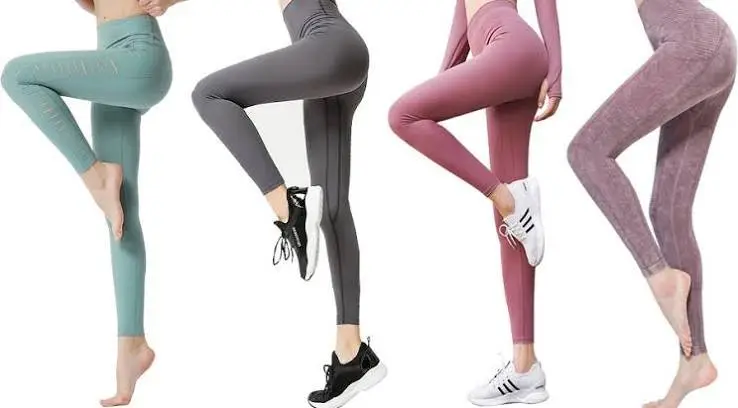
Stretch activewear leggings for a studio clothing collection

Core Studio Leggings

Soft, stretch-driven bottoms can anchor fit references and material direction across the collection without dictating every other product's construction.
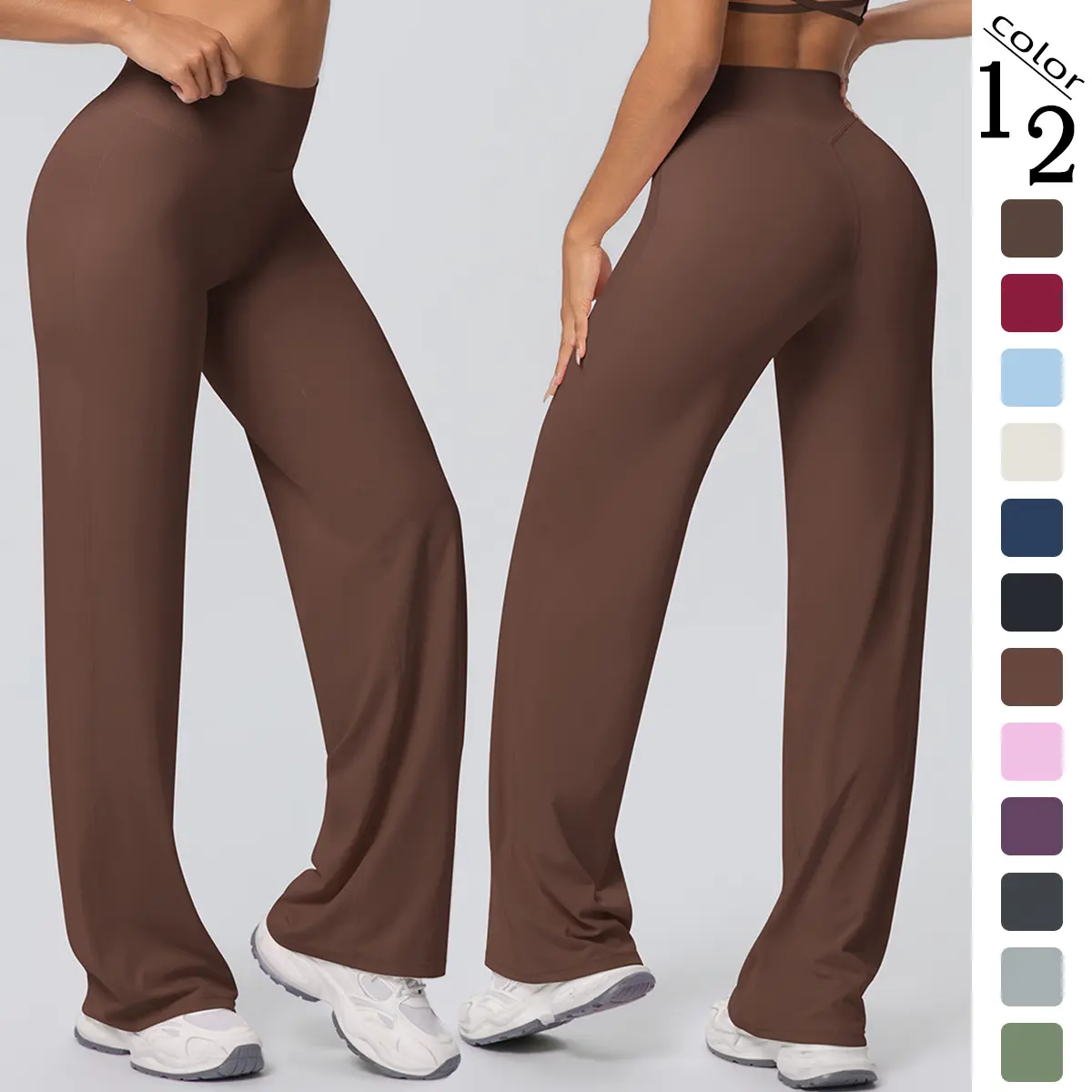
Pilates flared leggings sample showing leg shape and hem fit

Flared Legging Option

A flare introduces leg-shape and hem-management decisions; MOVEVOX would assess this as project-specific development, not a universal standard style.
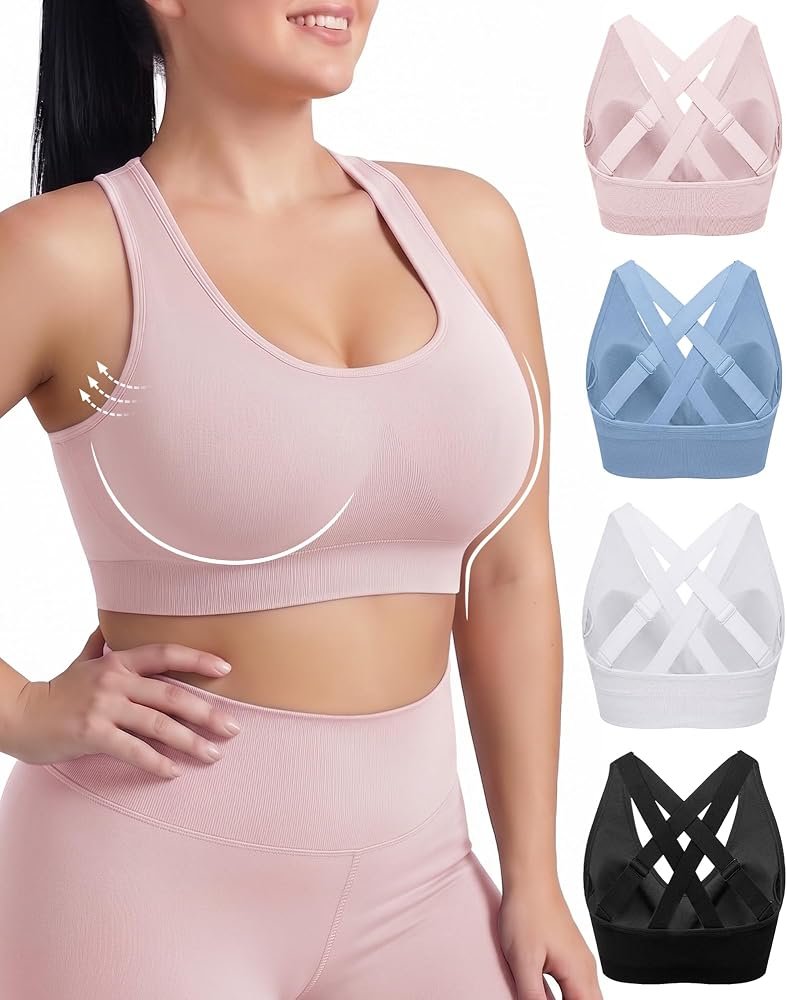
Sports bra product sample for coordinated studio apparel

Coordinated Sports Bras

Choose intended coverage and support alongside matching colors; band, strap and lining decisions require their own sample approvals.
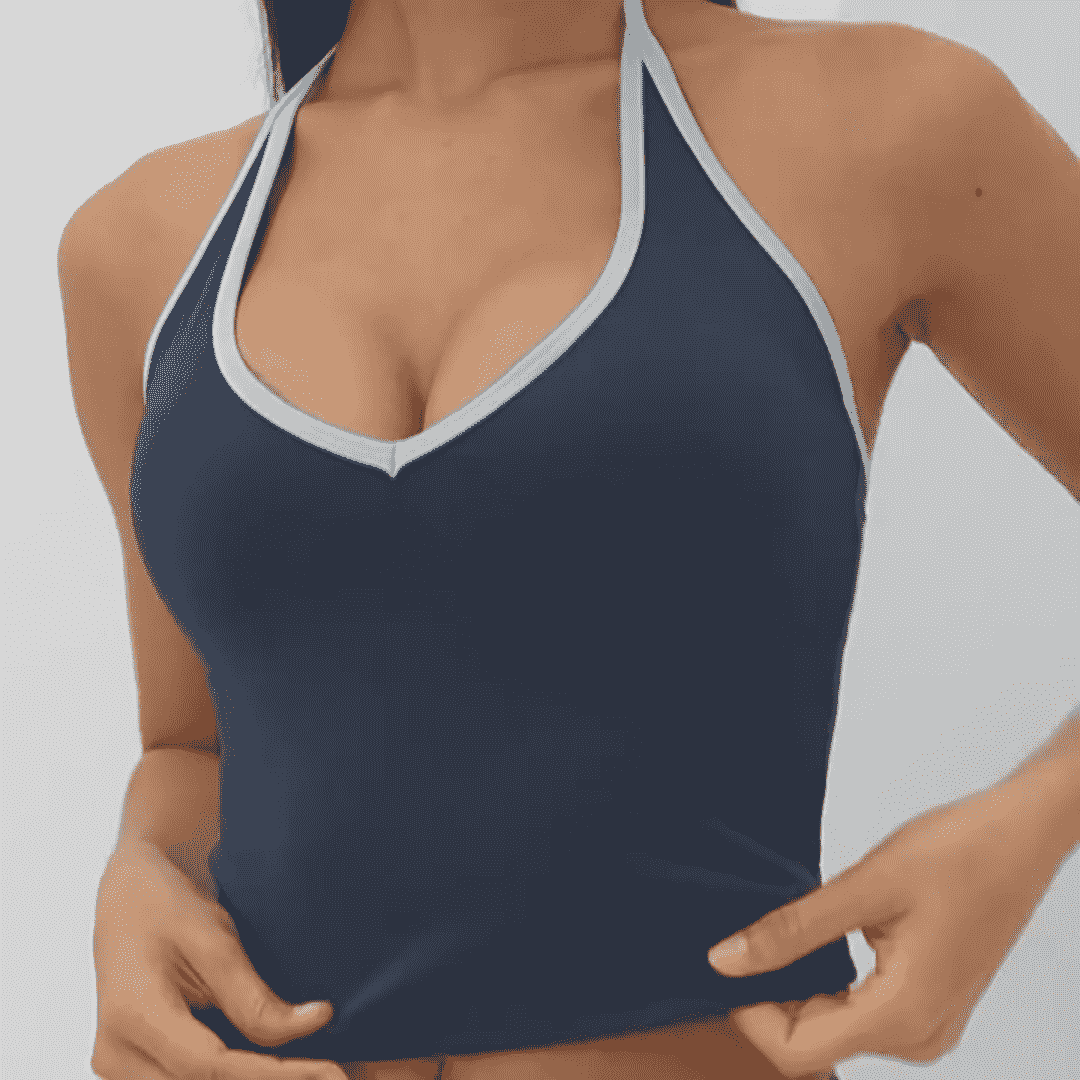
Activewear tank top garment for a Pilates clothing range

Minimal Tank Tops

Tanks can connect training comfort with retail styling, provided neckline, armhole and hem positions work for intended movement.

Long sleeve activewear top for a studio collection

Fitted Long Sleeves

Consider layers for arrival, departure and cooler studio conditions; fit and material weight should reflect the actual wearing occasion.
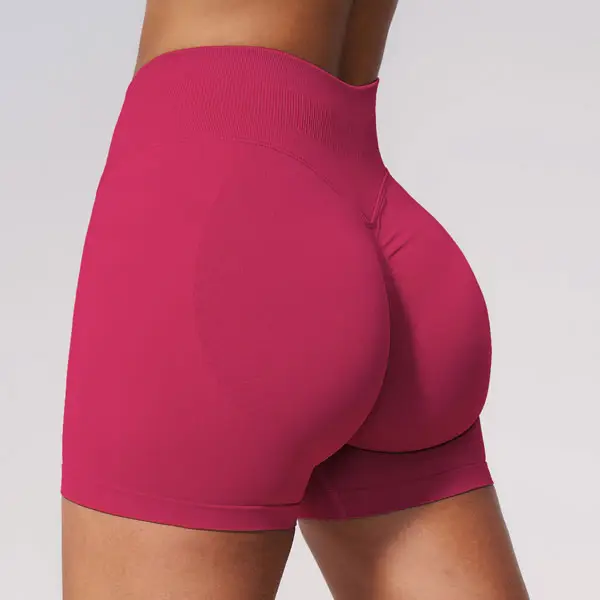
Yoga shorts product sample for a coordinated studio range

Studio Shorts

Develop shorts as distinct garments with their own rise, inseam and leg opening decisions, rather than simply shortening approved leggings.
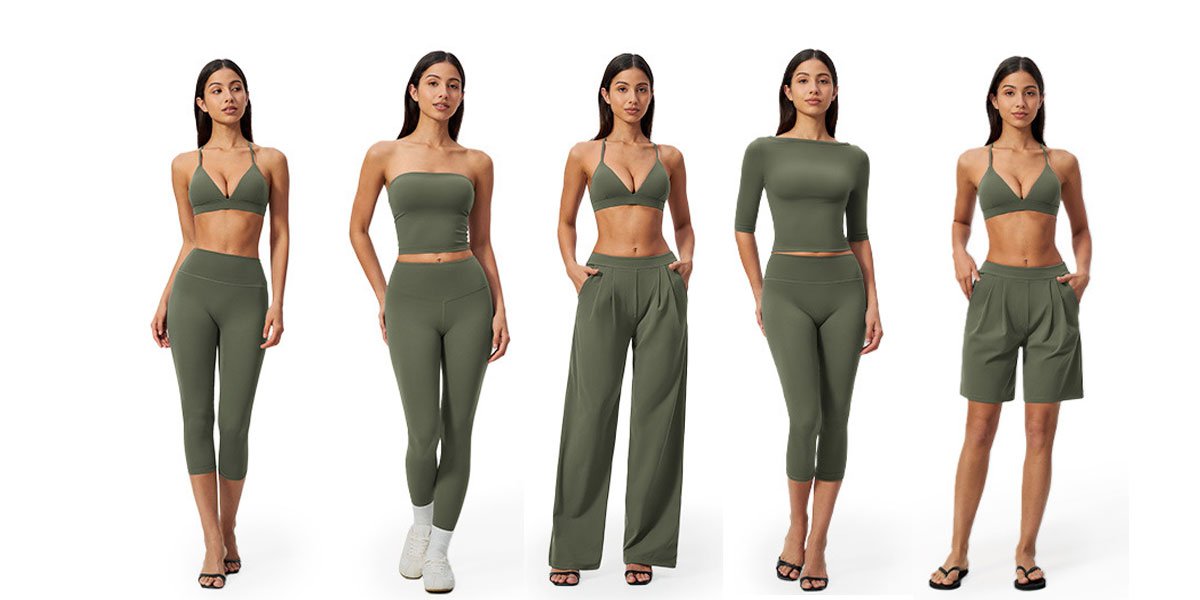
Actual fabric and color swatches for coordinated apparel development

Matching Color Families

Assess tonal consistency across different fabric surfaces and manufacturing routes; one Pantone reference does not guarantee identical visual results.
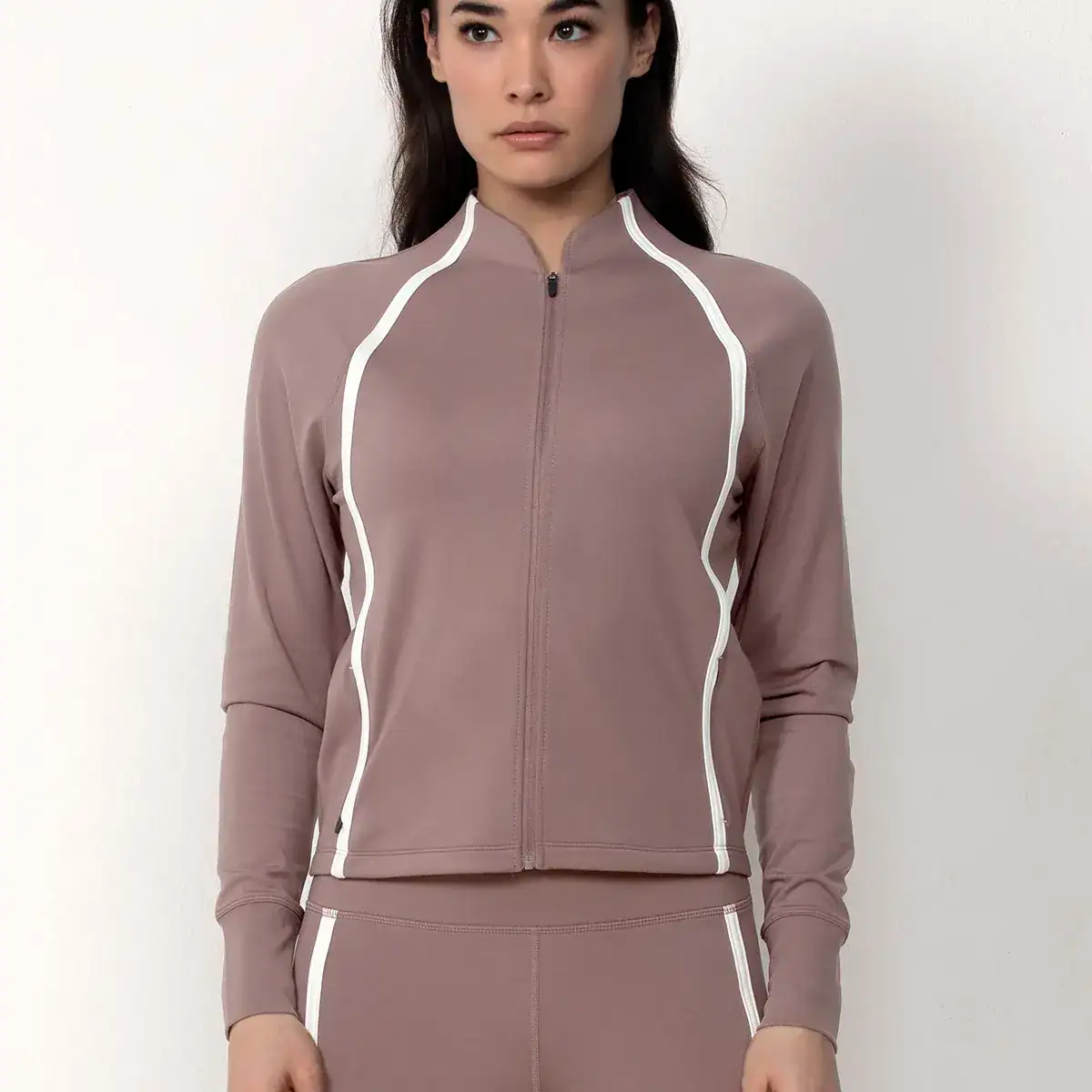
Coordinated yoga activewear set showing product pairing

Retail-Ready Sets

Coordinate garment identity, labels and packaging across separate SKUs without assuming the set uses one shared MOQ or production method.

Translate Pilates Movements Into Wearable Fit Requirements

Pilates apparel should be evaluated in the movements and settings a buyer intends to support. Instead of copying a gym fit specification, brands can use targeted wear scenarios to identify coverage, garment stability and comfort decisions before approving a production sample.
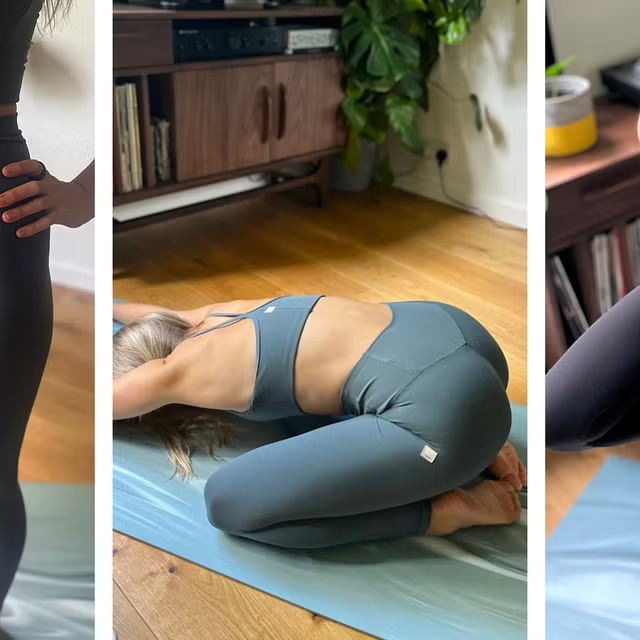
Pilates mat garment fit review during floor exercises

Mat-Based Floor Work

Supine, side-lying and prone positions can expose waist-edge pressure, thick seams, prominent trims and uncomfortable closures on garments. A mat-focused specification should describe expected contact areas, garment positions and the required balance between close fit and freedom of movement. Any acceptance criteria should be checked on physical samples rather than inferred from flat garment measurements alone.

  • Examine seams and waistband edges at frequent floor-contact locations.
  • Observe top coverage as the torso bends and rotates repeatedly.
  • Confirm elastic recovery after representative stretches and position changes.

Related product: Pilates Leggings / Soft Tops
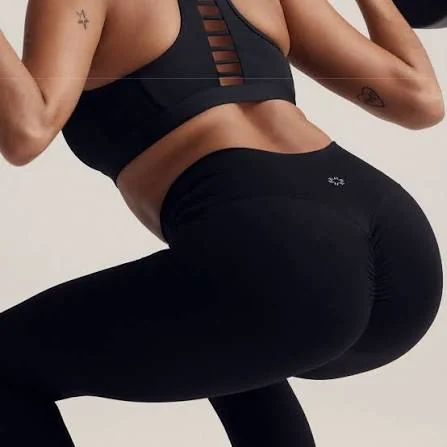
Reformer Pilates garment fit review on actual equipment

Reformer Sessions

Equipment-based sessions introduce varied positions and potential contact with carriage surfaces, straps or other apparatus. Buyers should check whether hems, ties and protruding details interfere with their intended class environment; recommendations must reflect the actual equipment and exercises rather than universal prohibitions. Fit review should focus on garment stability, unrestricted motion and practical, non-intrusive detailing.

  • Inspect loose hems and decorative parts against the intended apparatus.
  • Check waistband movement during leg extension and trunk flexion.
  • Review surface abrasion and seam contact where garments touch equipment.

Related product: Fitted Bottoms / Sports Bras
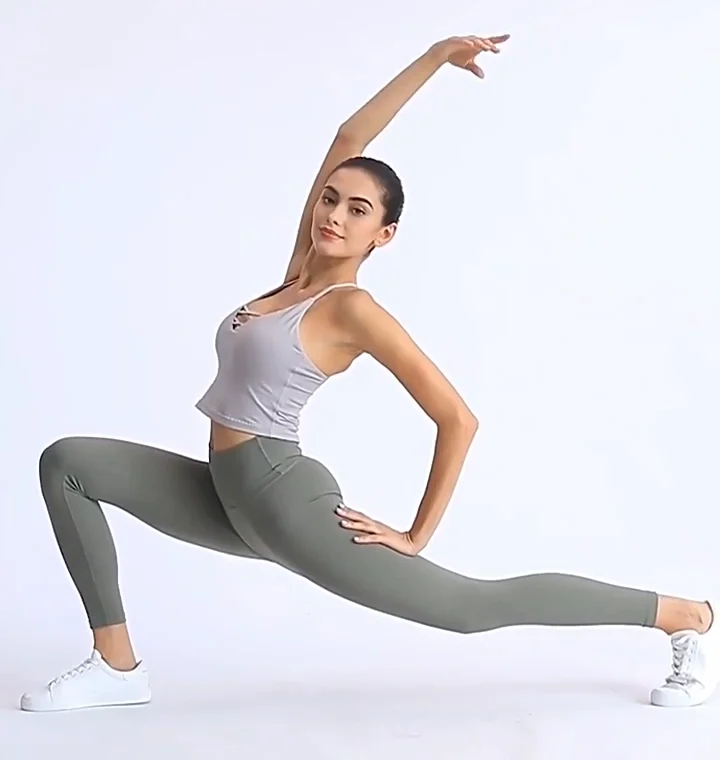
Pilates clothing position and coverage during transitions and rotation

Transitions and Rotation

Moving from kneeling to standing, rolling through the spine or turning the torso can cause a top to lift or a waistband to fold. These issues may depend on body shape, negative ease, fabric recovery and pattern balance. Buyers should document which changes are acceptable and which require alteration, then repeat the review on the relevant sizes.

  • Track top hem position through repeated reach and rotation movements.
  • Review crotch, rise and waistband behavior in bent positions.
  • Separate visual preference from changes affecting coverage or comfort.

Related product: Studio Sets / Fitted Tanks
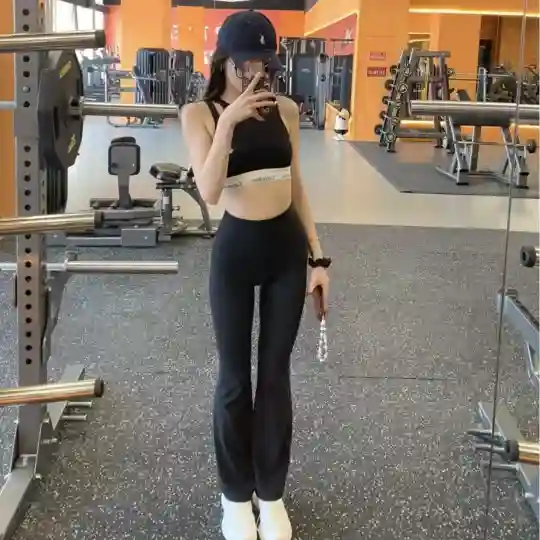
Studio-to-street clothing layering on a real model

Studio-to-Street Wear

A brand may expect the same capsule to work during class and for travel, errands or social time afterward. This creates different requirements for opacity, modesty, layering, external pockets, styling and care. The right design balance depends on the label's customer rather than a universal Pilates uniform. Technical feasibility should be reviewed garment by garment.

  • Balance studio mobility with the coverage expected outside class.
  • Select layers that coordinate without introducing unnecessary bulky details.
  • Confirm labels, laundering guidance and retail presentation match intended use.

Related product: Studio Layers / Coordinated Sets

Control Coverage Risks Before Bulk Pilates Production

Coverage depends on garment structure, stretch, color, posture and the wearer. This risk matrix converts broad promises such as “squat-proof” into specific observations and approval criteria that a buyer can review with actual samples.

Problem / description Commercial impact Proposed evaluation / response
Stretch-state show-through. Lightweight fabric may become visibly more transparent at highly stretched areas, especially in pale colors or when the garment is undersized. Returns, dissatisfaction and avoidable sample revisions can follow when a static product image suggests greater coverage than the finished garment provides. Check representative positions and size combinations on physical samples. Review fabric weight, construction, color, lining options and fit allowance; approve the actual performance threshold rather than an unrestricted opacity guarantee.
Waistband rolling. An overly stiff, narrow or poorly balanced waistband may fold during trunk flexion or repeated transitions between floor and standing positions. An unstable waistband changes perceived coverage, comfort and fit even when flat garment measurements remain within an agreed tolerance. Review upper and lower waistband dimensions, elasticity, garment rise and fit on relevant bodies. Record whether the issue requires a new pattern, different knit structure or revised material.
Top hem migration. A short or insufficiently balanced top may rise during arm extension and rotation, exposing areas the target customer expects covered. Unclear coverage targets can trigger last-minute garment length changes, delaying sampling and reducing the consistency of a planned coordinated set. Test arm and torso movement using approved target sizes. Compare top length, stretch recovery, neckline and armhole geometry; document the accepted on-body position before grading and production approval.
Bra neckline exposure. Neckline shape, strap placement and material stretch may produce unexpected gaping or shifting during reclined and forward-bending Pilates movements. An unsuitable neckline can affect perceived product quality and require technical revisions that may also change material consumption or the final retail appearance. Assess neckline and underband tension, strap position, lining and size-specific fit with wear trials. Determine whether the goal is light comfort or additional support, and confirm changes in the approved sample.

Select Studio Fabrics by Feel, Support and Coverage

Fabric selection for Pilates cannot be reduced to a single fiber percentage. A buyer should agree on wearing sensation and product role first, then evaluate softness, stretch recovery, opacity, surface finish, care and supply conditions against actual reference swatches.

Decision questions:

  1. What is the primary wearing occasion? Options: Mat / Reformer / Everyday
  2. Which handfeel is the priority? Options: Smooth / Brushed / Ribbed
  3. How much perceived support is intended? Options: Light / Moderate / Project-specific
  4. What coverage matters most? Options: Pale colors / Deep bends / All sizes
  5. How will styles share materials? Options: Shared base / Mixed fabrics / Unconfirmed
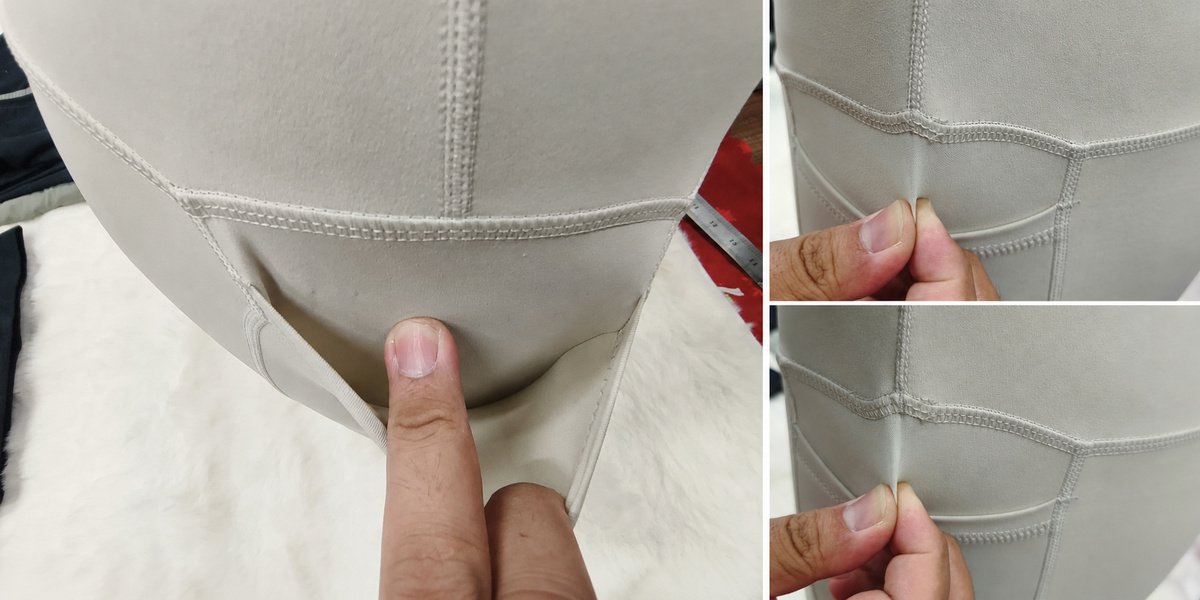
Nylon spandex fabric swatch for material selection

Smooth Naked-Feel Knits

A smooth stretch knit may suit buyers prioritizing light contact and a clean silhouette. It still needs checks for recovery, show-through under extension, pilling and laundering effects. Material composition alone does not establish wearing performance; request a specific handfeel reference and evaluate the proposed garment structure in the intended color and size range.

Parameter tags: Handfeel: smooth; Support: variable; Evidence: swatch

Brushed elastic fabric surface used for activewear development

Soft Brushed Surfaces

Brushed finishes can create a warmer, softer impression but may change pilling, surface appearance and wash behavior. They should be evaluated in finished-garment form, including seams and skin-contact points. Buyers should approve both a fabric handfeel standard and acceptable care performance rather than assuming all brushed fabrics behave alike.

Parameter tags: Surface: brushed; Risk: pilling; Evidence: wash

Fine rib-knit fabric swatch with documented construction

Fine Rib Structures

Fine rib textures can add visual depth and help organize a coordinated studio collection. Their perceived compression, recovery and appearance under stretch depend on knit construction, yarn selection and garment fit. Compare the material on key body zones and across colorways before approving a ribbed bra or bottom.

Parameter tags: Surface: rib; Recovery: assess; Evidence: fit

Stretch material sample for collection fabric comparison

Balanced Stretch Blends

Nylon/spandex and polyester/spandex options may offer different handfeel, drying characteristics, cost and supply considerations. Neither composition is automatically superior for every Pilates style. Select a material by approved fabric sample, target garment, necessary tests, replenishment availability and agreed cost, with supplier feasibility reconfirmed for each project.

Parameter tags: Blend: project-specific; Opacity: test; Supply: verify

Engineer Comfort Where Pilates Garments Contact the Body

A Pilates fit review must account for more than standing measurements. Floor contact, movement transitions and repeated stretch help reveal construction problems that conventional product photography may hide.

Examine Contact Zones During Floor-Based Movement

The wearer may spend portions of a class lying on the back, side or front, and garment details that look unobtrusive on a mannequin can feel different when pressed against a surface. A waistband with a pronounced edge, a bulky label, a raised seam or a decorative closure may create unwanted local contact. The objective is not to eliminate all seams or create an imaginary pressure-free garment. It is to identify which zones matter for the intended activity and decide whether a different seam position, construction or trim is justified.

A practical review begins by defining the use case. The brand identifies representative floor positions, likely contact locations and the wearer groups whose feedback matters. Technical development then translates observations into decisions about seam allowance, waistband depth, label placement, garment length, elastic recovery and possible material substitutions. A flat measurement table remains necessary, but it cannot describe every contact sensation.

The buyer should also distinguish a construction issue from a garment-size issue. A seam may be acceptable at one size yet become intrusive when fabric tension changes; a material that initially feels soft may behave differently after washing. An approval record should state the version tested, relevant size, material and conditions. MOVEVOX supports product development and sample revision, but a particular Pilates contact-comfort outcome must be proven using the actual project samples before any public claim is made.

Garment seam and waistband contact details under movement review

Translate Movement Feedback Into Technical Revisions

During Pilates activities, repeated trunk flexion, reaching and leg movement can alter how fabric tension is distributed. A buyer may report a waistband folding, a hem rising, straps shifting or a crotch seam pulling. Those reports are useful only when they are translated from subjective language into reproducible observations and agreed acceptance criteria. One wearer's comment should not automatically become a universal manufacturing specification for every consumer.

For each issue, identify the garment version, size, motion, body zone and observed change. Separate fit balance from material recovery: increasing fabric stretch does not always solve a poorly positioned seam, and raising a waistband does not always fix a rolling edge. Compare proposed corrections against the original design objective, visual silhouette, cost and construction feasibility. New approval may be needed when one adjustment changes another component, such as altering a neckline while changing bra support.

For a coordinated collection, revisions also affect matching products. If a fabric is changed on the leggings for recovery reasons, the resulting shade or texture may no longer match a previously approved bra. Technical and merchandising teams should agree which properties remain common across the range and which can vary by garment. MOVEVOX can review specifications, material options and sample development. Any described test protocol here is a recommended project method, not a declaration that the company has already completed a specific Mat or Reformer study.
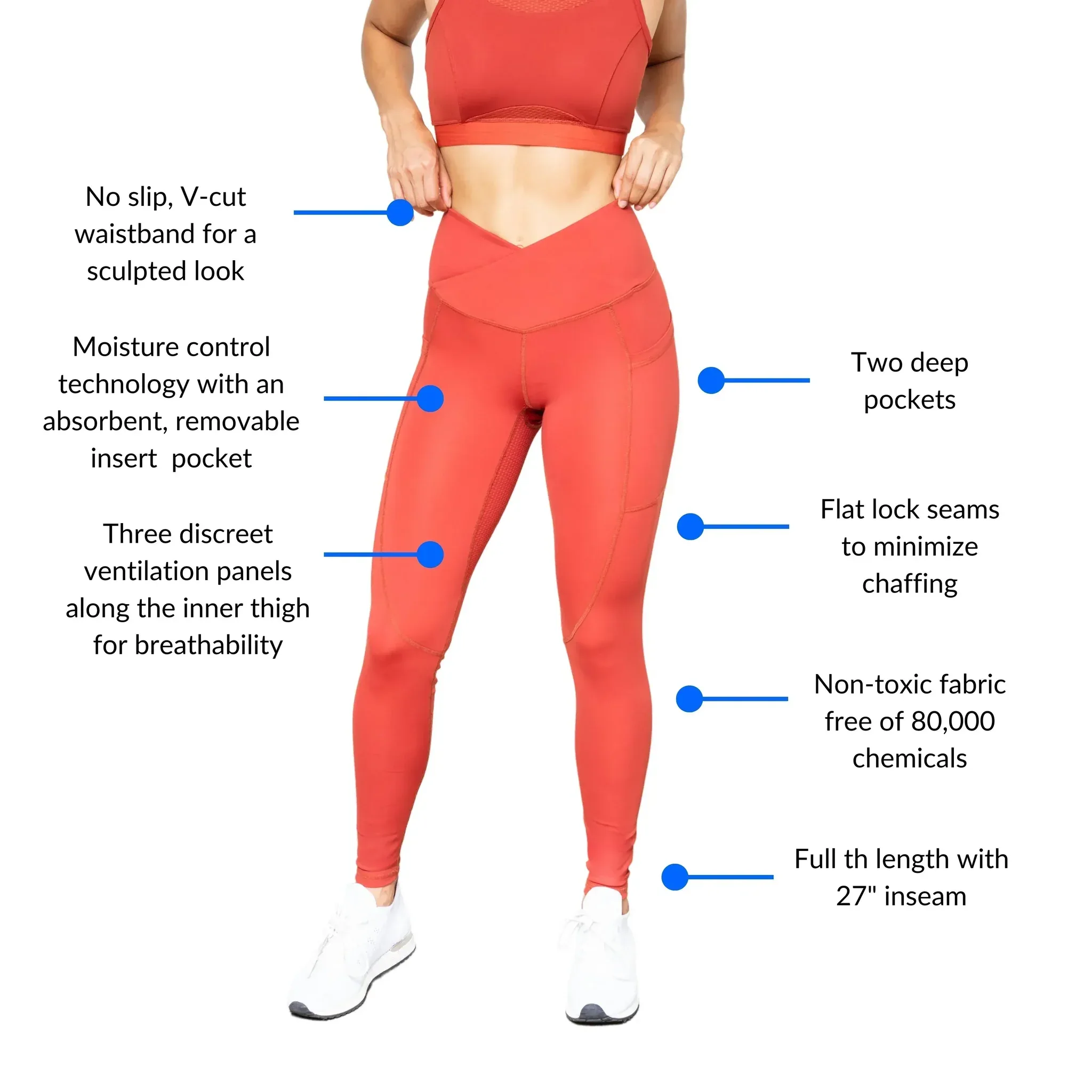
Annotated approved fit sample showing Pilates garment adjustments

Extend Pilates Essentials Into a Cohesive Lifestyle Range

A Pilates collection can span exercise, arrival, departure and everyday styling without pretending that one garment suits every situation. These linked product families help buyers plan assortment breadth while keeping technical specifications and material suitability visible.
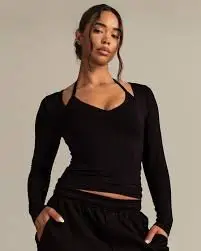
Coordinated activewear outfit with leggings and matching top

Mat Studio Essentials

A foundation of leggings, comfortable bras and fitted tanks should prioritize the intended studio movements, coverage and contact comfort. Establish the initial fit and fabric approval reference before expanding the assortment into silhouettes with different structural demands.
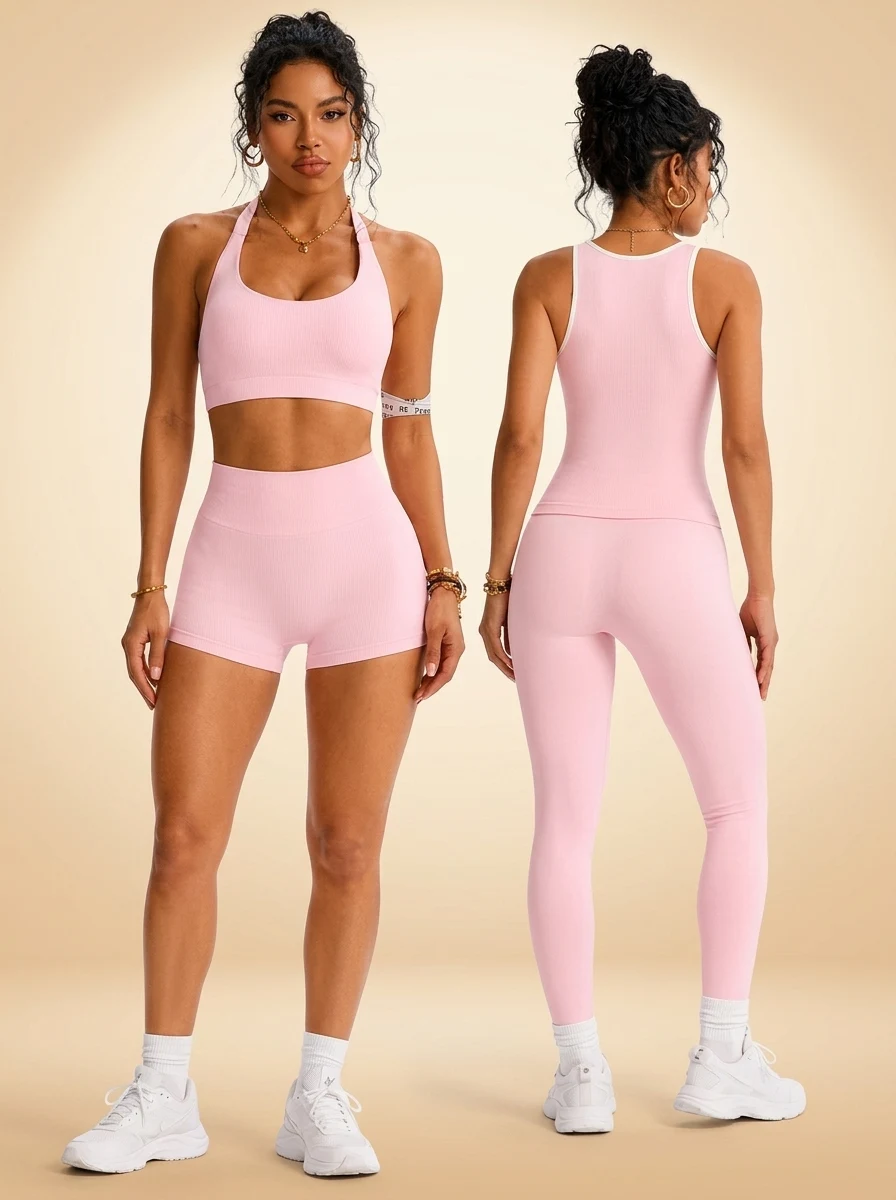
Soft sculpt Pilates apparel prototype illustrating silhouette options

Soft Sculpt Options

Selected rib structures, smooth handfeel or updated waist shapes can introduce a recognizable studio design language. Treat compression, support and opacity as measurable garment-specific decisions, rather than assuming every visually sculpted style provides the same wearing experience.
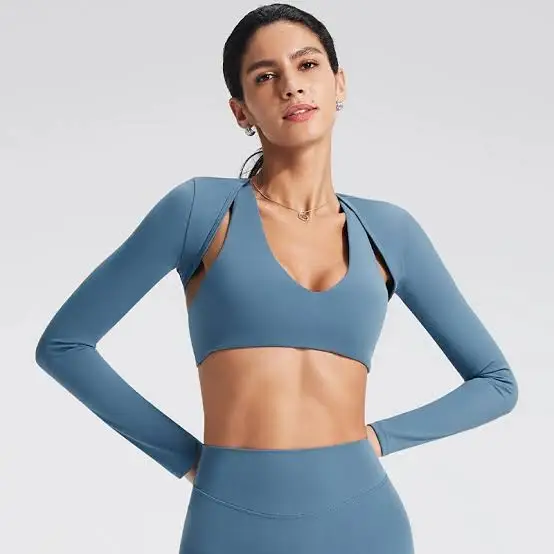
Activewear layering piece suitable for a studio retail collection

Coordinated Arrival Layers

Long sleeves and suitable lightweight tops can extend a capsule into pre-class and post-class occasions. Confirm garment length, sleeve fit, care compatibility and color coordination, especially if layers use materials different from the core performance pieces.

Fabric color reference for seasonal studio apparel

Seasonal Color Capsules

A controlled palette can refresh established core styles without redesigning every pattern. Check minimum dye quantities, fabric availability and approved shade references before opening new colorways; replenishment feasibility may differ from the initial assortment launch.

Collection logic: Treat the core bottoms and bras as fit anchors, then use complementary tops, layers and controlled seasonal colors to create commercial variety. Shared branding and color direction can connect the range, while technical approval stays at individual garment and material level. MOVEVOX can assess the manufacturing routes and supply implications of the selected assortment.

Specify Appropriate Bra Support Without Unnecessary Restriction

Pilates bra design should follow anticipated movement, target wearer and coverage expectations. Support descriptions alone cannot replace fit approval, material recovery checks or a clear explanation of the garment's intended use.
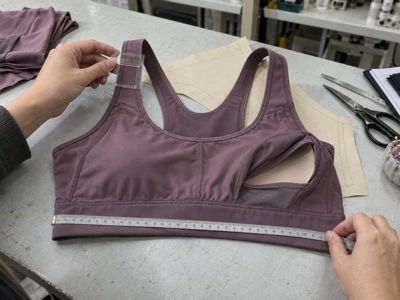
Sports bra reference sample illustrating light coverage

Light Contact Support

A soft, lower-constraint studio bra may prioritize wearing comfort during controlled, lower-impact activity. Buyers still need to define neckline coverage, underband position, strap movement and whether lining or removable pads are appropriate. Material stretch without adequate recovery may feel comfortable initially yet allow the garment to migrate. Establish an approved fit standard across the proposed size range rather than calling the product universally supportive. Include movement positions, sample size and customer approval responsibility in that standard.
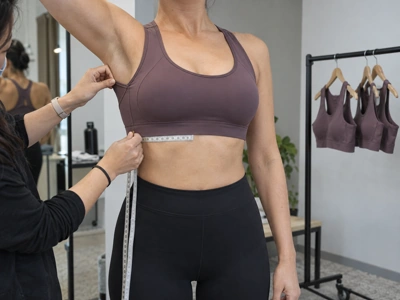
Sports bra sample following fit adjustment

Comfort-Stability Balance

Some Pilates brands need a stronger sense of containment without the pressure expected of high-impact sports equipment. Band dimensions, shoulder-strap geometry, bust coverage, knit density and lining construction can change that balance. A technical review should connect the proposed activity to samples worn in relevant positions. If different sizes require different support construction, confirm that before grading and bulk release. Review any resulting changes to neckline coverage, strap tension and sample cost.

Sports bra measurement reference for evaluating support construction

Structured Moderate Support

A more constructed bra may use layered panels, engineered knitting zones or additional elastic control where the design justifies them. Such details can increase component complexity, assembly steps, fit evaluation and MOQ sensitivity. MOVEVOX's sports-bra capability offers a basis for feasibility review, but a named support level or quantified performance outcome should only be published when the actual garment has been evaluated against agreed criteria. The buyer should retain the tested size, garment version and agreed method as part of the approval record.

Develop Pilates Fits Across a Defined Size Range

A size range is a development responsibility, not a list of letters attached to one sample. Buyers should define body references and garment ease, then check coverage, support and movement in the relevant sizes before finalizing grade rules.

Size Matrix — Buyer Specification Required

Planned size Bust POM Waist POM Hip POM Inseam / length Fit approval
XS Buyer to specify Buyer to specify Buyer to specify Style dependent Sample required
S Buyer to specify Buyer to specify Buyer to specify Style dependent Sample required
M Buyer to specify Buyer to specify Buyer to specify Style dependent Sample required
L Buyer to specify Buyer to specify Buyer to specify Style dependent Sample required
XL Buyer to specify Buyer to specify Buyer to specify Style dependent Sample required
2XL If required If required If required Style dependent Evaluate separately

Units: cm / in — confirm in the customer's approved Tech Pack. No garment dimensions have been invented for this planning matrix.

Fit and grading note: A size chart must be style-specific. A leggings rise and waistband cannot be graded from the same measurement logic as bra coverage or tank armholes. Extended sizes may require renewed consideration of ease, support, seam placement and material performance, not merely proportional enlargement. MOVEVOX can review client measurements and develop or revise fit samples, but the final size range, point-of-measurement method, tolerance and fit acceptance must be defined through approved project specifications.

Three review points:

  • Confirm target market, body references and intended fit profile before grading.
  • Approve product-specific POM methods, size set and tolerances before bulk.
  • Reassess opacity, coverage and strap or waistband behavior at size extremes.

Know Which Pilates Products Match Our Manufacturing Scope

Responsible supplier selection begins with a realistic product boundary. MOVEVOX's Pilates offering builds on existing activewear capabilities; complex silhouettes and non-apparel categories require explicit feasibility review or fall outside the core scope.

Capability classification Pilates product directions Sourcing implication Recommended evidence
Core garment strengths Stretch leggings, sports bras and yoga shorts Suitable starting point for Pilates-focused sampling and coordinated ranges Actual samples, material options, approved specifications
Established supporting range Tanks, T-shirts, long-sleeve tops and yoga sets Review matching fabric, trims and fit across separate styles Product photos, size specifications, manufacturing route
Development-dependent Flared leggings, complex bodysuits, uncommon layering, unusual mixed-material constructions Assess pattern, material, equipment and production feasibility before commitment Technical review, trial samples and cost assessment
Not core apparel supply Grip socks, footwear, mats, reformer equipment and other hardware Do not describe as MOVEVOX's own specialist manufacturing lines No unrelated proof image or invented capability
Outside ordinary activewear claims Medical compression, therapeutic garments and certified rehabilitation equipment Requires separate regulatory and technical validation, not promised as standard Pilates wear Specialist compliance review if a project arises

Choose Construction Around Each Pilates Garment's Purpose

Neither seamless knitting nor cut-and-sew is automatically better for Pilates. Silhouette, contact comfort, fit control, fabric properties and the approved visual direction determine which route deserves technical evaluation.

Use Seamless Knitting Where Structure Supports the Design

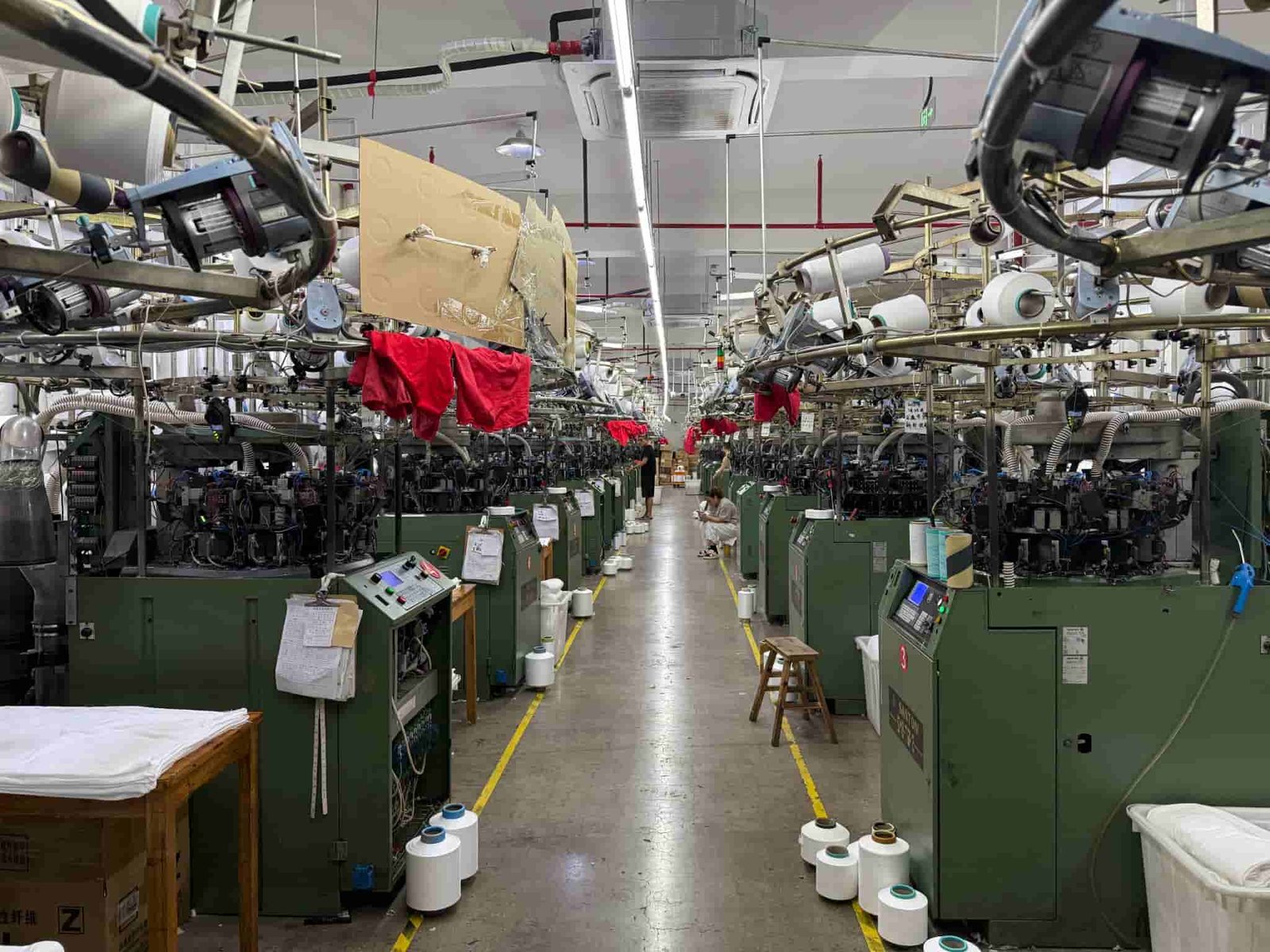
MOVEVOX operates 28 Italian Santoni seamless knitting machines as part of its genuine manufacturing capability. That gives buyers a credible production route to evaluate for suitable knitted leggings, bras, shorts and tops. Seamless knitting can create areas of different structure, rib, texture or ventilation through the fabric itself, potentially reducing some conventional cutting and joining operations. It does not mean that the finished garment contains no sewing at all. Openings, straps, crotch construction, pads, finishing and labels may still need separate operations according to the product.

For a Pilates collection, the practical question is how a proposed knitting structure serves the wearing requirement. A fine rib may contribute visual identity while affecting perceived compression. An engineered waistband may offer a different tension profile from a separately applied cut-and-sew waistband. The product team's decisions should be based on the design, approved yarn and knit characteristics, target dimensions and wear observations, not on a general claim that seamless is more comfortable for every user.

Technical review also needs to address machine and yarn suitability, planned size range, color count, minimum order conditions and the way the style will match products produced by another route. A buyer should not assume that a seamless bra and cut-and-sew legging will reproduce identical shades merely because a single color name appears on the brief. MOVEVOX can examine these variables with the buyer, then confirm a feasible proposal through material and sample approval.
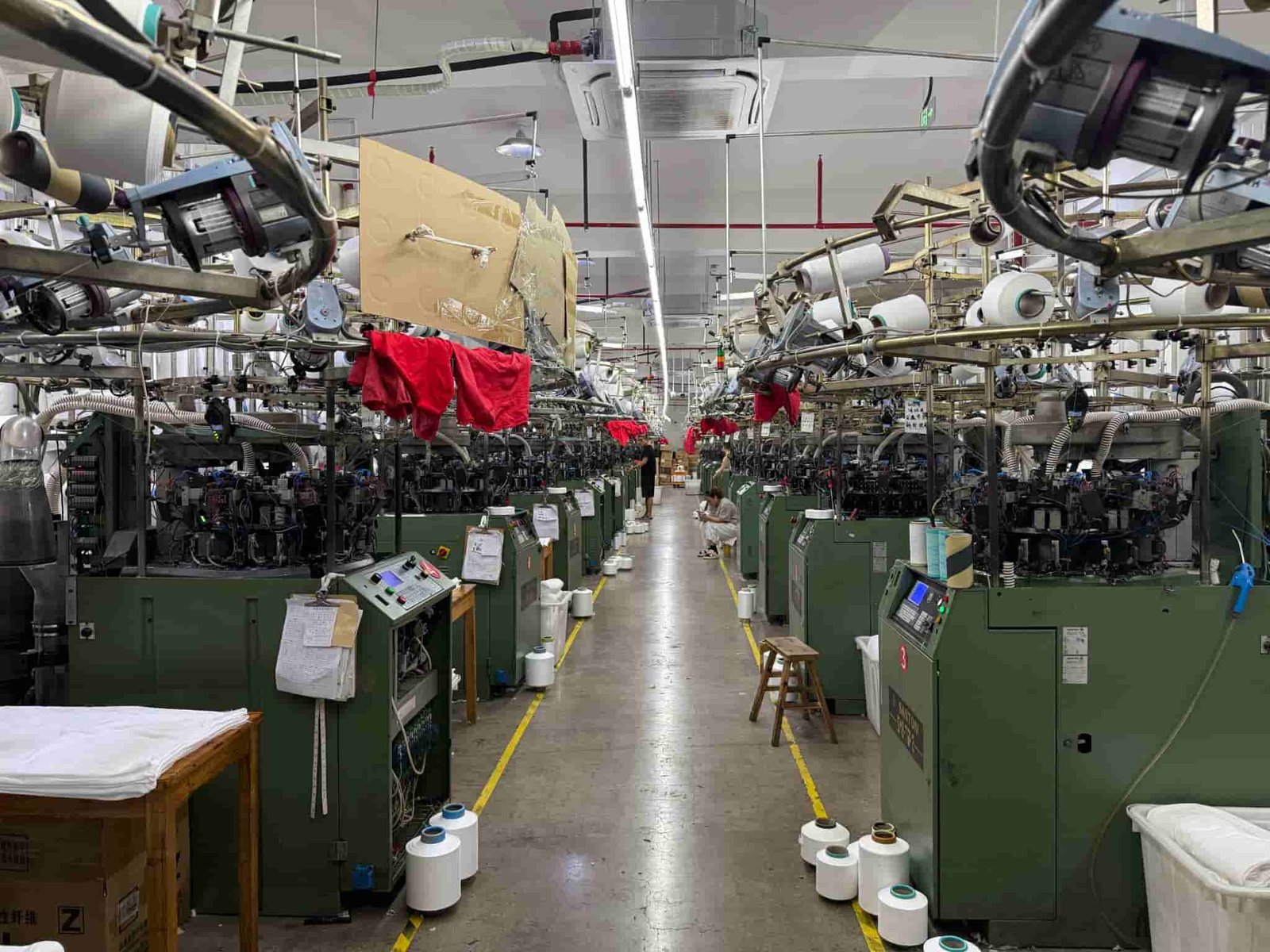
Santoni seamless knitting area at MOVEVOX manufacturing facility

Choose Cut-and-Sew for Defined Panels and Fit Decisions

Cut-and-sew can offer greater freedom for certain shaped panels, mixed fabrics, seam locations, layered bra structures, pockets and unusual garment silhouettes. These capabilities may be useful when the Pilates product demands specific coverage, fit balance or construction details that are less suitable for a seamless knitting route. They also introduce decisions about seam type, stitch elasticity, panel matching, edge finishing and assembly consistency. The number of seams alone is not a quality metric; their placement and execution relative to use determine acceptability.

Consider a proposed pair of studio leggings with a shaped waist, a specific rise and a panel arrangement intended to flatter the body while remaining stable during flexion. The developer may need to review pattern dimensions, elastic properties and seam position together. A fitted long-sleeve layer may create different decisions around armhole comfort, sleeve reach and collar finishing. For each style, the customer's approved Tech Pack and fit sample should control the final structure.

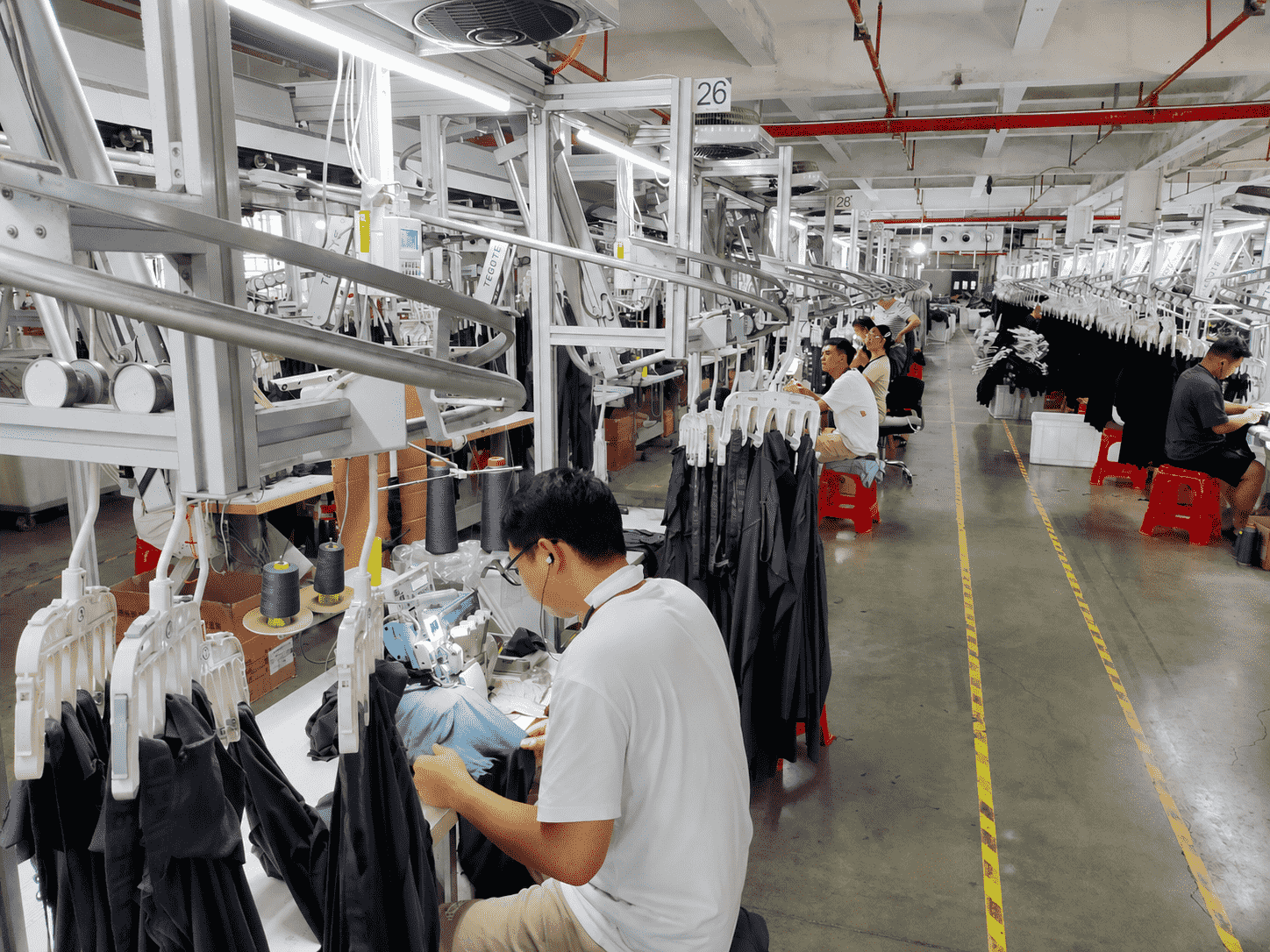
A collection may legitimately use both production routes. That creates a coordination task: align visual direction, handfeel expectation, labeling, packaging and quality criteria while recognizing that two constructions may require different test methods and tolerance standards. MOVEVOX combines both manufacturing capabilities, with production responsibilities managed through its own operation and controlled partners where appropriate. Project suitability must be reviewed transparently; this page does not represent every proposed design as already mass-produced or independently performance tested.
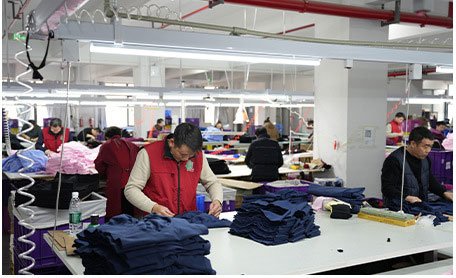
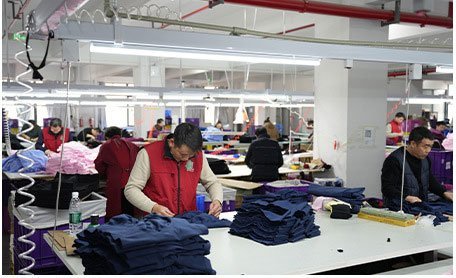
Cut and sew activewear cutting process at the MOVEVOX factory

Develop a Repeatable Platform for Pilates Collections

A collection platform aligns shared decisions without erasing differences between garments. The following proposed development sequence helps sourcing, design and technical teams control materials, fit references, colors, brand details and approvals before committing a coordinated Pilates assortment to bulk production.

Define Use Cases

Document target Pilates activities, retail positioning, size range, silhouettes and intended support levels. Identify which requirements apply to every garment and which belong only to a bra, bottom or layer. The project brief must distinguish essential performance criteria from optional styling preferences.

Deliverable: Collection brief. Timing: Project-specific range.

Review Technical Inputs

Share customer Tech Packs, legal reference samples, sketches and preferred materials. MOVEVOX can assess construction, required equipment, material options and likely feasibility issues, then identify unresolved measurements, test demands or technical choices needing customer decisions before a sample is started.

Deliverable: Technical review. Timing: After brief review.

Align Materials

Select candidate fabrics, yarns and trims against softness, support, opacity, color and cost requirements. Agree what can be shared across the capsule and where different constructions need separate material standards. Color minimums and sourcing availability should be confirmed with the actual suppliers.

Deliverable: Material shortlist. Timing: Supply-dependent range.

Build Fit References

Prepare or revise the relevant pattern and knitting specifications. Establish independent reference points for leggings, bras, tops and other silhouettes. Document body measurements, point-of-measurement rules and the movement conditions that will be assessed during fitting.

Deliverable: Fit reference set. Timing: Design-dependent range.

Develop Samples

Produce agreed trial garments once key details are clear, then review construction, fit, coverage and branding. MOVEVOX's stated regular sample-development window is approximately five to ten working days after development details are confirmed; complex styles and revisions require separate assessment.

Deliverable: Sample versions. Timing: 5–10 workdays*.

Approve the Range

Compare each garment against its approved material, color, size specification, wearing purpose and finishing requirements. Freeze the relevant versions and record any exception. A shared color story does not replace individual acceptance of bras, bottoms and tops.

Deliverable: Approval package. Timing: Buyer-dependent range.

Confirm Bulk Feasibility

Check order quantities, supplier material minimums, production-route allocation, quality controls, packaging and the requested delivery window. Only after actual capacity and inputs are reviewed should a commercially binding quotation and lead-time commitment be confirmed.

Deliverable: Production proposal. Timing: Order-dependent range.

Sample-period note: The stated 5–10 working days refers to regular sampling after details are confirmed, not a guaranteed duration for the full seven-stage collection project. All other time ranges require project confirmation.

Build Consistent Private Label Identity Across Pilates Products

Private label development involves more than placing a logo on stock garments. A collection needs garment-specific artwork, labels, approved color references, size identification and packing instructions that remain consistent with the brand's retail model.
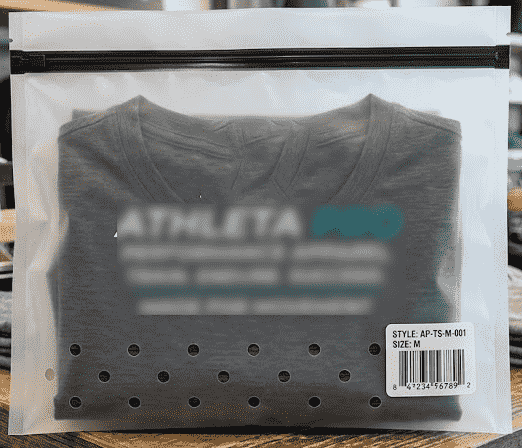
Actual garment care or size label and barcode packaging detail

Logo Location and Technique

Select logo placement according to each garment's stretch direction, contact points, silhouette and intended visual restraint. A technique suitable for a tank may not perform identically on a rib-knit bra or high-stretch legging. MOVEVOX can review printing, transfer, silicone, embroidery and related branding options, subject to the specific material and approved sample. Artwork size, color and application location should be documented separately for each SKU.
Activewear packing and dispatch area at the MOVEVOX facility

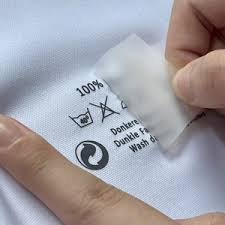
Care and Main Labels

Main labels and care information need accurate product attribution and should not interfere with intended comfort. The brand must identify destination markets, fiber composition, care instructions and any necessary language or importer information. MOVEVOX can coordinate labels and garment production, but the buyer and relevant specialists should verify legal label requirements for each market. An approved label proof must be attached to the corresponding garment specification.
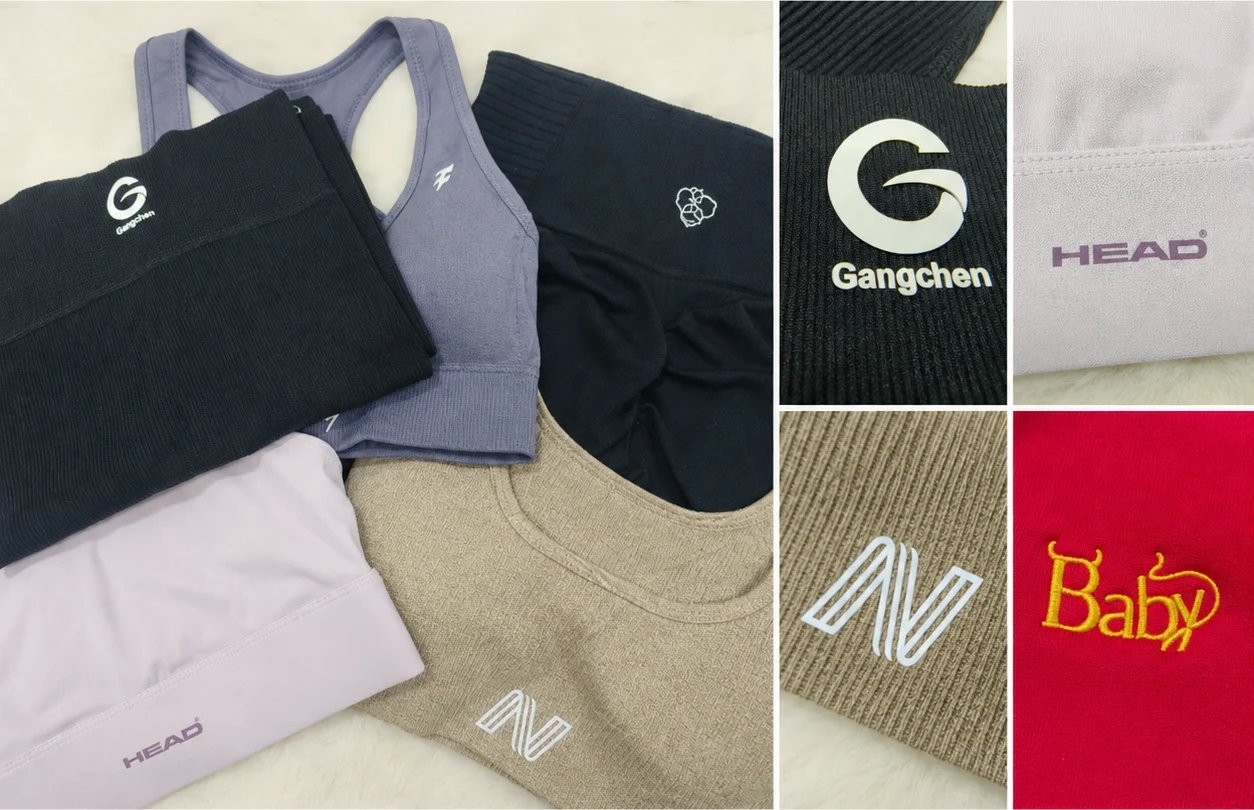
Real garment logo placement example

Matching Color Identity

A studio brand may use a restrained color story across leggings, bras, tanks and light layers. Printed marks, fabric surfaces and trims can appear different under the same lighting, so a matching color name is not enough. Establish physical shade references and identify which materials require distinct tolerances. When new colors introduce different supplier minimums or dye lots, confirm those conditions before promising a coordinated launch.
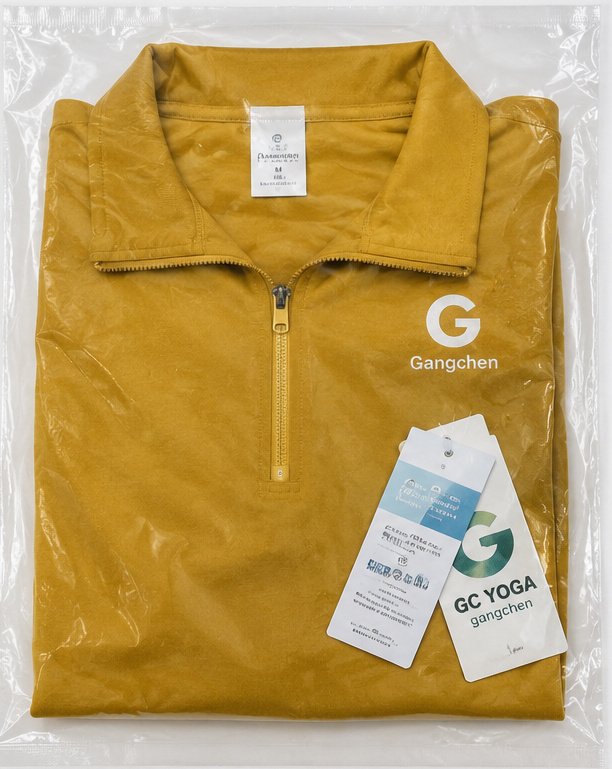
Genuine garment hangtag example

Hangtags and Retail Details

Hangtags can communicate fit, fiber details, style names, brand story and care information, but their contents must be accurate and approved. Development should determine attachment location, barcode or SKU relationships and any retailer-specific presentation rules. MOVEVOX supports hangtags and other branding accessories within its private-label service. Bespoke card stocks, specialty finishes and printed accessories may carry their own minimum orders and production time.
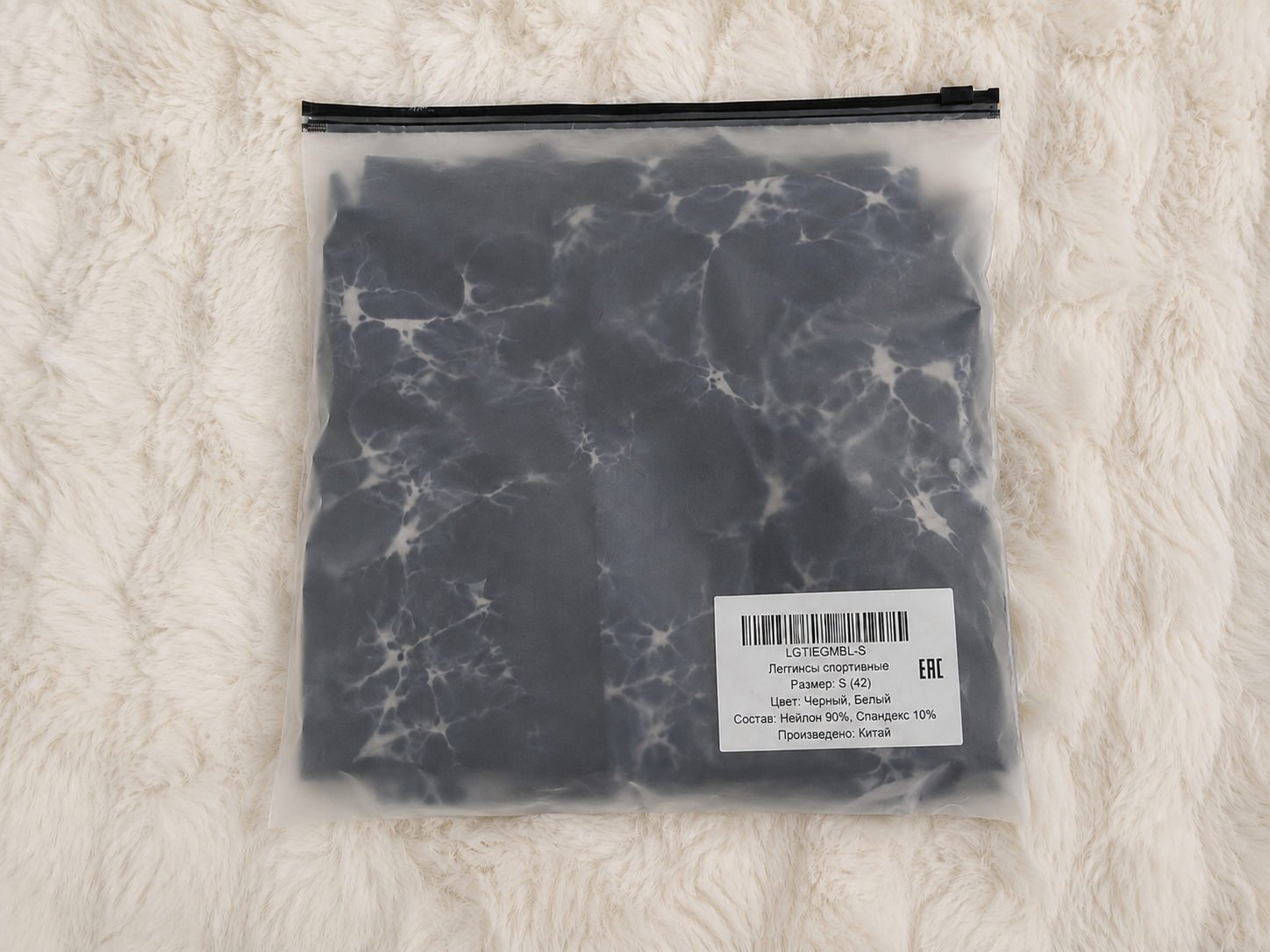
Garment-specific SKU and barcode reference

SKU and Barcode Control

A coordinated set frequently contains separate products, colors and sizes even when sold in a single visual campaign. Barcodes, style codes, size labels and polybag identifiers must correspond to the packed garment. Buyers should establish a master SKU map before packaging begins, then verify its use in packing and final checks. MOVEVOX's packaging and QC coordination can support this task, subject to the customer's approved identification scheme.
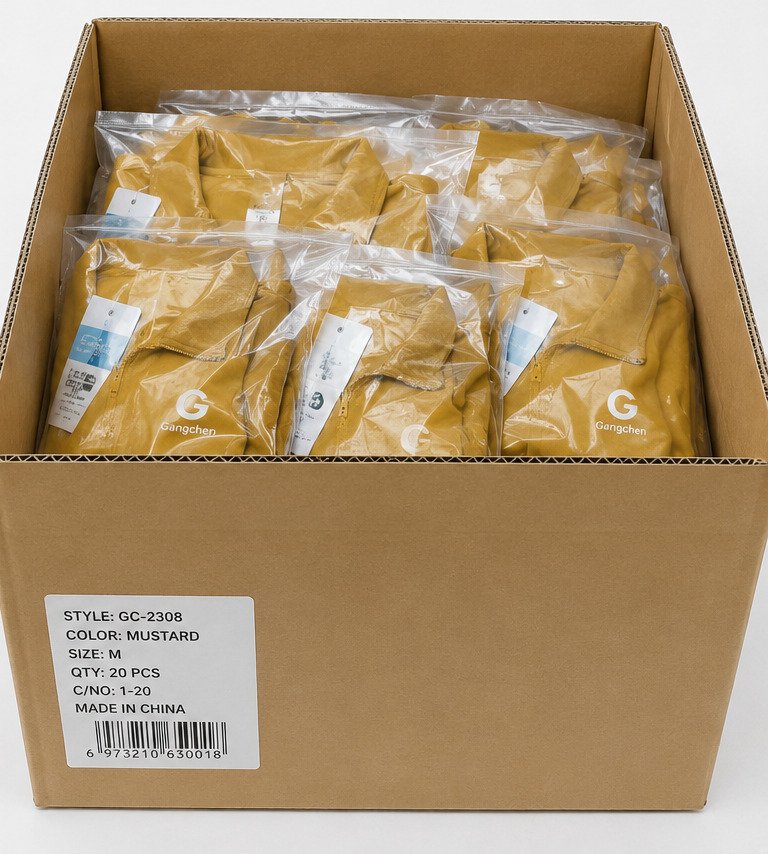
Coordinated private-label packaging sample

Collection Packaging Consistency

Retail-ready packaging should protect garments and present the brand consistently across varied product shapes. A bra, leggings and long-sleeve top may require different folding methods while retaining shared label rules. The buyer should define polybag specifications, hangtags, inserts, carton markings and delivery-channel requirements. MOVEVOX can discuss custom packaging, but packaging minimums and final formats must be confirmed with the actual suppliers before quotations are accepted.

Prepare a Complete Brief for Multi-SKU Pilates Development

A coordinated Pilates assortment becomes easier to evaluate when each style has identifiable specifications and shared collection standards. This checklist separates essential development inputs from options that can be finalized later without hiding unresolved design or purchasing decisions.

Product and Style Matrix

Required List every proposed product, style code, silhouette, color and size range. Mark core repeat styles and development-dependent designs separately so the technical team can review each manufacturing route and estimate the real assortment workload.

Intended Wear Conditions

Required State whether styles target Mat work, Reformer sessions, studio retail or broader everyday use. Explain desired coverage, contact comfort and support in practical language, identifying movement conditions that require review on real samples.

Technical Packs and Sketches

Required where available Provide graded measurements, points of measure, sketches, seam intentions, construction preferences and finishing details. When no complete Tech Pack exists, use a clear design brief and authorized reference pieces to identify necessary development decisions.

Material and Handfeel References

Required Identify target fabric composition if known, approved reference swatches, surface finish, stretch and recovery expectations, opacity concerns and wash requirements. Distinguish a preferred handfeel from a tested product performance claim that still needs verification.

Fit and Size Specifications

Required Share the target consumer measurements, expected garment ease and intended size range. Establish which sizes require samples and who approves deviations. Separate bra, leggings and tops specifications instead of applying a universal size chart.

Color and Visual Standards

Required Supply Pantone guidance or physical shade references, identify matching-set priorities and distinguish acceptable tonal variation from unacceptable differences. Record which colors require custom development and may trigger independent fabric or yarn minimum quantities.

Branding and Artwork Files

Required if branded Include vector logos, preferred applications, label content, care-label responsibility and permitted trademark use. Confirm placement and size separately for different products; a logo that appears discreet on a top may need adjustment on leggings.

Packaging and SKU Data

Required for retail quotation Specify polybags, hangtags, barcodes, size identifiers, intended retail presentation and carton requirements. Provide a reliable SKU map for every color-size combination so packaging complexity can be evaluated alongside garment manufacturing.

Test and Compliance Demands

— Project-specific State the buyer's applicable material restrictions, performance tests, inspection standard and target market requirements. Identify whether existing supplier reports are relevant to the actual material and whether new sample or batch testing is needed.

Volumes and Launch Milestones

Required Estimate quantities by style, color and size; indicate target quotation basis, preferred shipping terms and requested launch timing. Clear commercial assumptions allow a meaningful MOQ and capacity review instead of an unsupported blanket lead-time promise.

If inputs are incomplete: MOVEVOX can review a legitimate physical sample, sketches or a defined product concept and identify which material, pattern, fit or branding decisions must be developed. Missing information should be marked as open, not silently converted into assumed specifications. Pricing and production dates become meaningful only after the critical inputs are sufficiently confirmed.

Structure Pilates Collection Orders Around Real MOQ Constraints

Minimum quantities depend on garment route, material sourcing, color development, branding components and the number of separate SKUs. The following order profiles are discussion frameworks, not fixed price tiers or guarantees of acceptance for every proposed assortment.

Pilot Collection Order

Best suited to a focused first assortment with a limited number of styles and colors. MOVEVOX's normal indicative apparel MOQ starts around 100 pieces per seamless style and around 150 per cut-and-sew style, subject to actual material and customization conditions. A pilot does not eliminate separate dye, label or packaging minimums. Confirm the quantity split by size and color before treating any quoted minimum as commercially achievable.

Indicative quantity: Based on eligible style-level MOQ, project verification required. Color/size logic: Minimize independent material lots. Cost drivers: Development, dyeing, trims, freight. CTA: Review Pilot Mix

Core Collection Order

A brand with several approved bottoms and tops may choose to consolidate compatible fabric and accessory requirements while keeping separate garment specifications. Sharing an approved material may simplify sourcing, but differences in construction, knitting route or decoration can create distinct minimums. The buyer should prepare a complete style-color-size matrix to assess the cost of assortment breadth against expected demand and retail presentation.

Indicative quantity: Style and material dependent. Color/size logic: Group compatible fabrics, protect key size ratios. Cost drivers: Fabric minimums, packaging, version control. CTA: Review Core Range

Replenishment and Scale Program

Reordering a confirmed style can reduce repeated development decisions, but material availability, color lot, approval version and actual capacity still need reconfirmation. A scale program should be based on real sales forecasts and an achievable production calendar, not an assumed discount at an arbitrary volume. Define which details are frozen and which seasonal changes require new sampling or supplier approval.

Indicative quantity: Confirm against forecast and capacity. Color/size logic: Replenish validated winners. Cost drivers: Lot continuity, forecasting, logistics. CTA: Discuss Replenishment

Compare Total Sourcing Cost Across Collection Strategies

Unit price alone may hide the cost of managing too many independent materials, colorways and accessories. This qualitative comparison illustrates purchasing trade-offs; no unverified savings percentage or actual MOVEVOX customer price is implied.

Comparison strategies:

  • Option A — Many Styles, Many Materials: Broad differentiation, but more separate approvals, sourcing minimums and opportunities for material inconsistency.
  • Option B — Focused Shared Platform: Reuse approved fabrics, core fit references and branding rules where technically suitable, while retaining garment-specific approvals.
  • Option C — Phased Collection Launch: Prioritize a commercially meaningful core range, then add new colors or silhouettes after validating fit and demand.
Cost factor Comparison consideration
Unit cost Different construction, quantities, labor content and material minimums change unit economics; quote each route using confirmed product specifications and an agreed trade term.
Sampling rework More independent patterns, color references and materials can increase review cycles; shared development inputs may reduce duplicate decisions without eliminating necessary fit checks.
Material sourcing Separate fabric or yarn specifications can create multiple purchase thresholds, batch risks and minimum dye requirements even when garments share a marketing collection name.
Color coordination Mixed surfaces and different manufacturing routes may require additional shade samples or accepted tolerances, adding both review cost and potential launch uncertainty.
Brand accessories Customized logos, labels, hangtags and printed packaging may introduce separate tooling, minimum quantities and proofs that are not included in garment MOQ.
Inventory exposure A wide range of untested colors and sizes can increase unsold stock risk; planned replenishment may be preferable to buying every variation at launch.
Quality and correction Inconsistent approval versions or unclear packaging instructions may trigger rework, disputes or shipment holds; prevention effort should be included in sourcing comparisons.
Freight and fulfillment Split shipments, packaging volume, carton utilization and destination terms affect landed cost; factory price alone cannot establish the least expensive option.

Decision interpretation: Choose the structure that fits actual demand, available working capital, product differentiation and reliable supplier conditions. MOVEVOX can review styles and purchasing assumptions, but any cost advantage must be demonstrated through a project-specific quotation rather than inferred from this illustrative comparison.

Approve Pilates Samples Against Clear, Separate Quality Gates

A sample should not receive blanket approval merely because its appearance is attractive. The following proposed gates give technical and sourcing teams a way to document material, movement, fit, branding and bulk-readiness decisions.
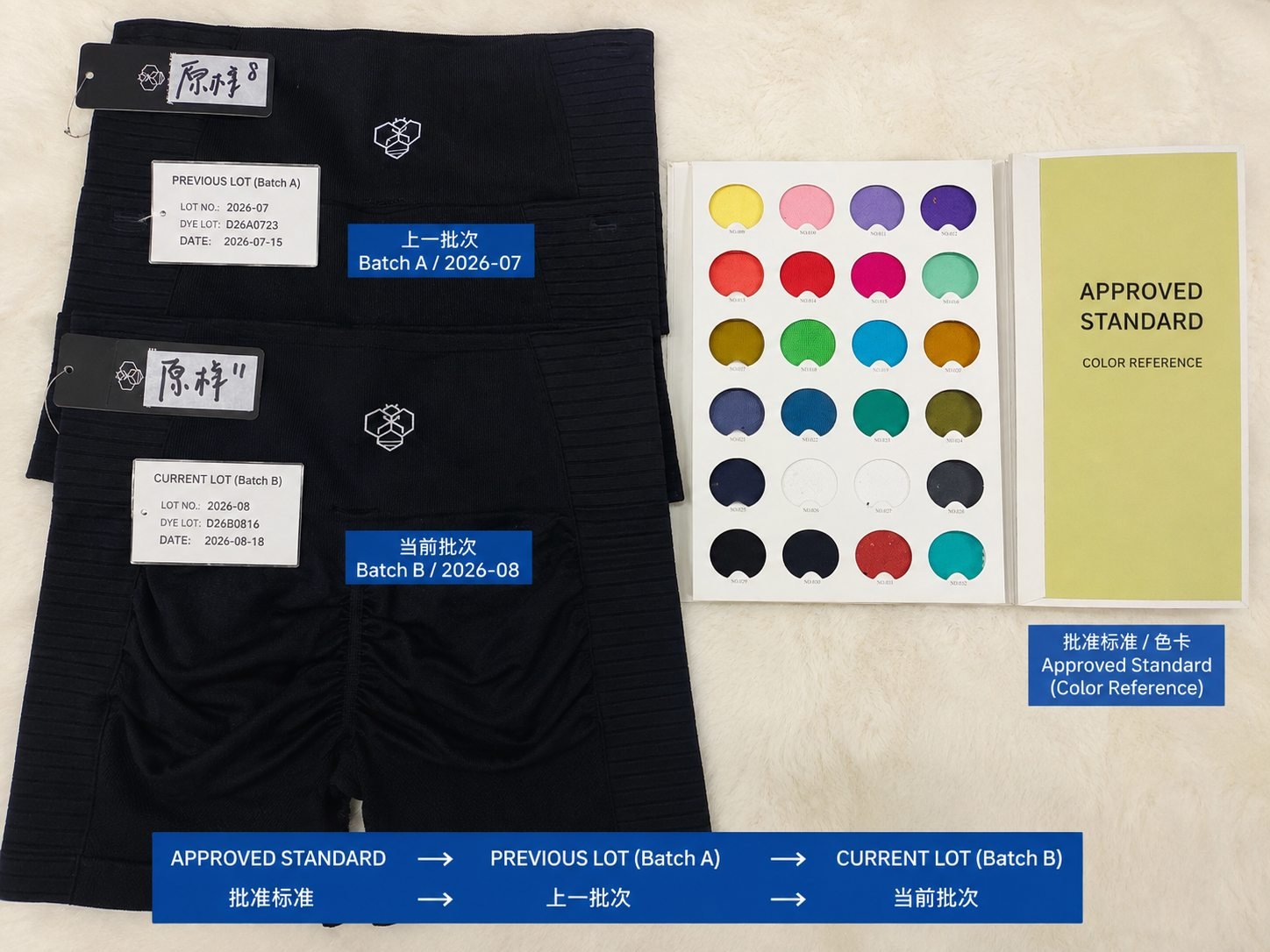
Sample measurement or revision document at MOVEVOX

Confirm Material Reference

Objective: Review fabric composition, surface, handfeel, stretch recovery and required color reference for all relevant garment areas. Record whether a test result covers the actual material and whether separate certification or laboratory work is needed for the destination market.

Buyer inputs: Physical swatch approved for intended wearing sensation; written targets for stretch and coverage; list of destination-specific tests and thresholds. MOVEVOX outputs: Candidate swatches connected to identifiable sourcing references; written material and construction feasibility comments; clearly recorded unresolved technical and supply questions. Pass criterion: The buyer accepts the material reference and identifies any unresolved performance or compliance evidence before fit decisions proceed.

Pilates garment fit sample requiring buyer approval

Review First Fit

Objective: Examine dimensions, silhouette, waistband or band stability, neckline coverage, seam locations and intended movement behavior across representative postures. Capture exact body size and trial conditions so feedback can be repeated consistently and documented when technical revisions are proposed.

Buyer inputs: Approved target size specification and body reference; structured comments from relevant fit reviewers; written list of priority studio use scenarios. MOVEVOX outputs: Initial sample with measured points of measure; documented recommendations for fit or construction changes; updated sample review notes for buyer approval. Pass criterion: Critical fit issues are described precisely, assigned for revision and not mistaken for an approved production standard.
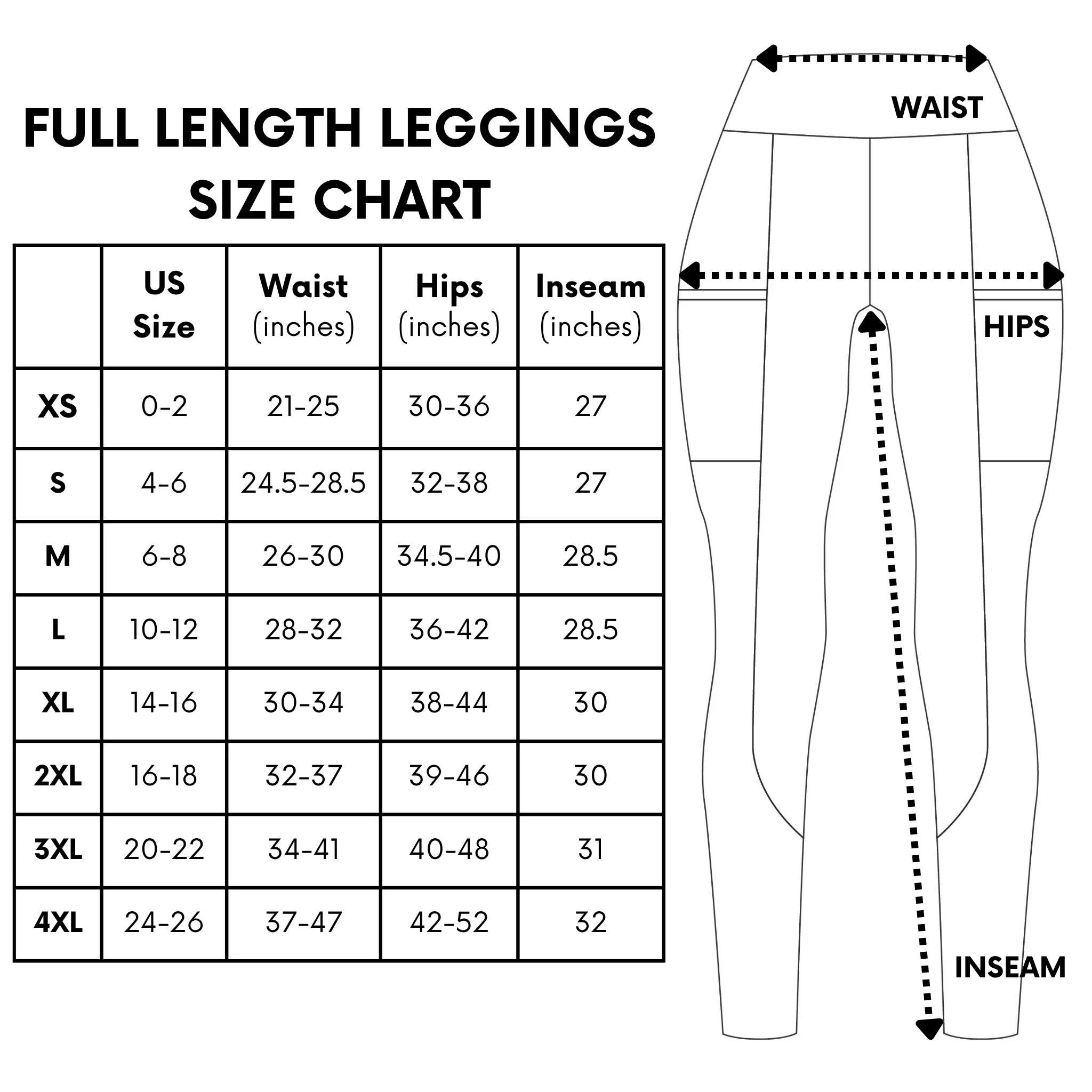
Size set measurements for a Pilates apparel range

Assess Dynamic Coverage

Objective: Evaluate opacity and garment displacement under agreed Pilates movements and body positions, including appropriately selected fabric colors. A static or standstill fitting cannot alone demonstrate that pale fabrics and stretch areas meet brand expectations in use.

Buyer inputs: Written coverage acceptance conditions for the product; agreed representative garment sizes and colors; consented trial participants and defined movement positions. MOVEVOX outputs: Feasible material or pattern alternatives for buyer review; revised physical sample when agreed; record of technical observations and remaining limitations. Pass criterion: The brand approves coverage under defined trial conditions, without an unsupported universal guarantee for every wearer.
Approved sample construction detail for bulk production

Verify Size Set

Objective: Confirm graded dimensions and fit across the selected sizes, including any extended sizes agreed by the buyer. Review whether material tension, bra coverage or waistband behavior changes enough to require additional pattern or knitting corrections.

Buyer inputs: Detailed grading rules and approved measurement tolerances; list of required sampled sizes; authoritative reference body and garment measurements. MOVEVOX outputs: Agreed size-set samples for review and fitting; measured POM results against approved specifications; updated grading records with relevant version controls. Pass criterion: Size-specific measurements and fit requirements meet the agreed tolerance and any deviations receive explicit approval.

Prevent Material Drift Across Repeat Pilates Orders

A best-selling Pilates style may be reordered months after approval. Changes in raw material, finish, color or stretch behavior can alter its customer experience even when the garment name and flat dimensions remain unchanged.

Problem / description Commercial impact Proposed evaluation / response
Handfeel variation. The next fabric lot may feel smoother, rougher or less soft due to yarn, finishing or supplier differences not visible on a purchase order. A returning customer can perceive the same named product as different, increasing dissatisfaction and raising questions about how faithfully the brand controls its core styles. Retain an approved physical handfeel reference, identify the material lot and compare incoming samples before cutting or knitting. Treat substitutions and finish changes as approval events, not automatic equivalents.
Stretch recovery drift. Fabric may extend similarly at first but recover differently after repeated movement or washing, affecting waist and bra stability. Changes in garment retention can produce inconsistent fit complaints and additional testing or returns, particularly if the new lot is used across several matching SKUs. Compare stretch and recovery using the agreed method and relevant directions. Review whether garment fit and construction are still appropriate, and obtain buyer approval when the new material changes product behavior.
Shade or texture changes. A new lot may differ in surface sheen, brushing direction or color, so tops and bottoms cease to look coordinated under studio lighting. A visually inconsistent set may be difficult to market as matching, creating merchandising problems and unsold stock even if individual garments pass basic inspection. Check each actual material against the approved shade and surface reference under agreed light. Identify intentional tonal coordination separately from a strict match and preserve lot details for replenishment.
Wash-behavior changes. A substitution may alter shrinkage, pilling or appearance after laundering, while initial fit samples still look acceptable before wear. Consumer care complaints may arise after delivery and be harder to trace when the original material or wash reference has not been retained. Define relevant wash and dimensional checks for each product, compare new material against approved requirements and link inspection results to the purchase order or lot record before bulk use.

Link Pilates Defect Risks to Verifiable Quality Records
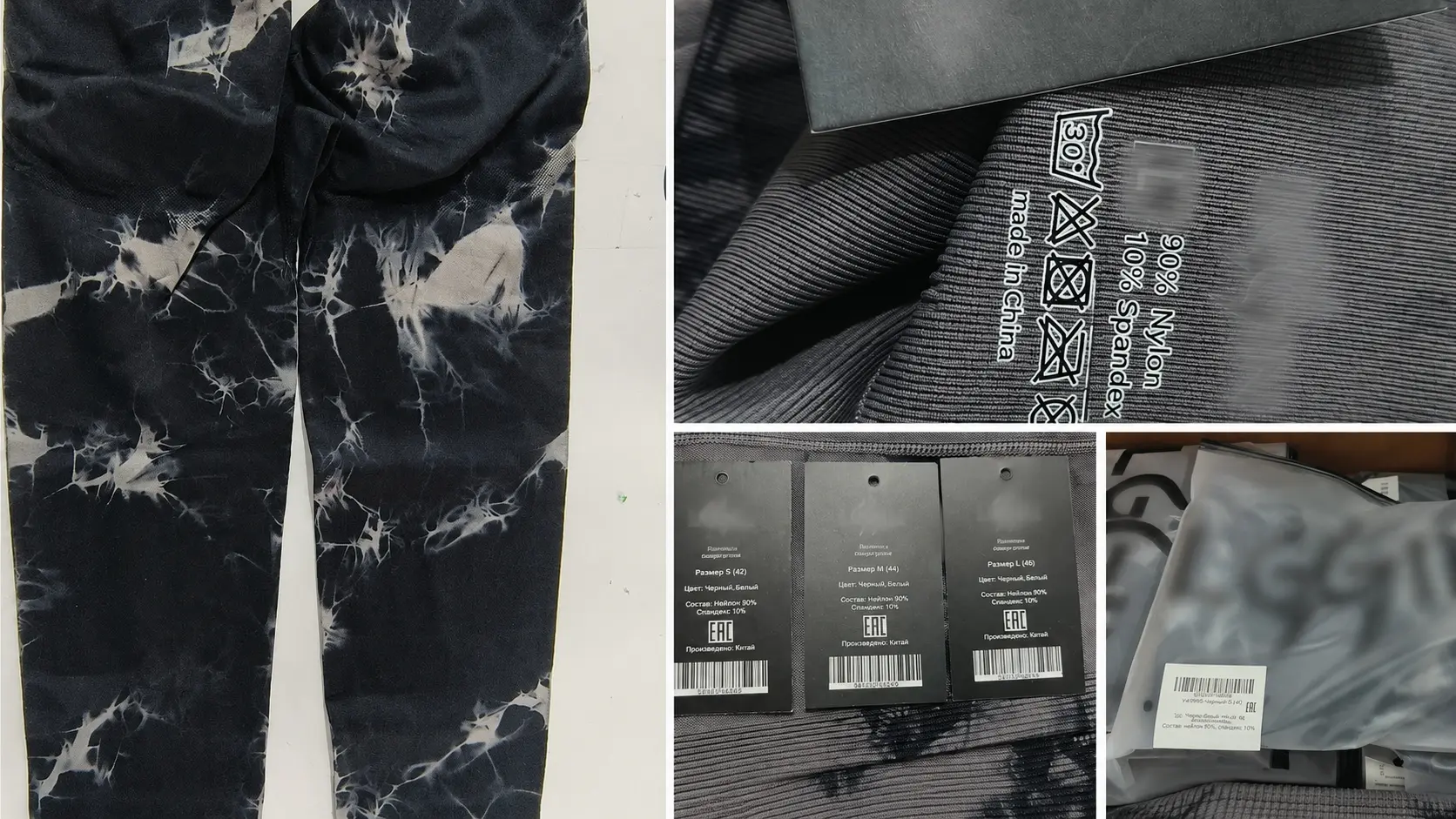
Finished activewear garment undergoing quality check before packing

A quality checkpoint is useful to a serious buyer only when its standard, observation and disposition can be reviewed. This matrix connects likely Pilates garment problems with preventive actions and the records a production team should retain.

Defect Likely cause Prevention Inspection point Required record / corrective response
Stretch-state show-through Material selection or undersized fit Approve opacity criteria in relevant colors and sizes Material and PP sample Document reference material, wear observation and any revised approval
Waistband rolling Tension or rise mismatch Review approved waistband dimensions and recovery Fit sample / inline Record measured POM, sample version and correction decision
Bra neckline movement Strap or neckline geometry Approve coverage in agreed positions Sample approval Retain specific fit feedback and revised construction details
Uncomfortable seam Placement, bulk or stitch configuration Compare seam samples against contact zones First-piece / inline Record seam inspection and corrective instruction for production
Size-spec drift Grading or process variation Use approved size chart and defined tolerances Size set / finished Retain measurement sheets and disposition for exceptions
Shade inconsistency Different fabric lots or dye response Approve material-specific shade references Incoming / inline Link inspected lots with shade assessment and accepted deviations
Logo misplacement Outdated artwork or transfer settings Release one approved position and artwork version First-piece / final Store approved artwork, inspection findings and rework instructions
Incorrect SKU label Packing map or identification error Reconcile style-color-size identifiers before packing Packing / final Retain packing checklist and corrective record where discrepancies appear

Evidence logic: These are proposed record fields and inspection links, not eight claimed historical Pilates defect incidents. MOVEVOX's existing QC and order management capability supports review, while actual project documents must substantiate published examples.

Trace Pilates Production Back to Approved Requirements

Multiple Pilates styles need a coherent information trail, even when materials and production methods differ. The following recommended traceability path links sourcing and manufacturing decisions to the sample and specification versions authorized by the buyer.

Customer Specification

Record the purchase order, style code, Tech Pack version, size range and approved construction notes. Identify which garments share a collection standard and which require independent technical files.

Document label: Approved Tech Pack

Material Reference

Connect fabric and yarn selections to approved physical swatches, supplier specifications, color standards and any applicable material testing. Track substitutions or changed finishes as separate approval questions.

Document label: Material Approval

Incoming Lot Check

Identify incoming material lots and the checks applied to composition, weight, shade, stretch or other agreed properties. Link exceptions to a disposition instead of merging different lots into an undocumented inventory pool.

Document label: Incoming Inspection

Approved Sample Identity

Specify which dated or versioned physical sample controls fit, construction, branding and dimensions for the style. Record deviations from the reference and obtain authorization where a change affects the approved outcome.

Document label: PP Sample

Production Allocation

Confirm whether a style is assigned to seamless knitting, cut-and-sew or a coordinated external capacity partner. Keep the responsible production site, process requirements and applicable quality standards visible to the order manager.

Document label: Production Plan

In-Process Verification

Relate first-piece approvals and relevant inline inspections to the same customer specification. Record measurable defects, corrective action and recheck decisions before production is released to the next stage.

Document label: QC Inspection

Packing and SKU Match

Reconcile actual garment size, color, style code and retail identifiers. Match approved labels and packaging with the packing list so coordinated sets cannot quietly be mixed with the wrong component or variant.

Document label: Packing Checklist

Shipment and Reorder

Link shipped cartons and purchase-order identifiers to the approved specification set. For repeats, reassess material availability, color-lot changes and artwork revisions before reusing the previous production reference.

Document label: Shipment Record

Replenish Approved Pilates Styles Without Losing Product Consistency

Repeat purchasing should preserve approved product identity while identifying what has changed. Fabric availability, shade, sizes, branding and delivery conditions all require a fresh check before replenishment is released.

Reconfirm the Product Standard Before Reordering

A repeat purchase order may reference an established style code, but that does not automatically confirm the current product is identical to its first approved version. Brands should identify the controlling garment sample, size specification, material reference, color approval, logo artwork and packaging instructions. If a customer requests a change, it should be visible as a revised version rather than folded into an ambiguous note. An unchanged sales name must not conceal a different fabric finish, altered waistband or new label position.

The first task is to separate genuinely frozen details from conditions that need renewed review. The original pattern or knitting program may remain valid, but material sourcing can change. An accepted dye lot may no longer be available. A revised size ratio may require a different packing plan. New import or retail information can change labels even when the garment itself is unchanged. These are purchasing and production questions with measurable consequences, not just administrative details.

MOVEVOX's manufacturing and supply-chain operation is structured to coordinate product specifications, materials and quality requirements. For a Pilates replenishment request, the proposed working method is to compare the prior approved record against the new purchase order and state any deviations requiring customer approval. A real repeat-order example, supplier commitment or performance figure would require its corresponding order documentation. Buyers should not read this explanation as a guarantee that all historical styles or fabric lots can always be reproduced without changes.

Plan Replenishment Around Materials, SKUs and Delivery

Once the approved product definition has been reconfirmed, the next question is whether the planned replenishment mix is practical. A buyer may want to restock core black leggings, add a seasonal shade to matching bras and change the quantity balance among sizes. These may look like one sales program, but their sourcing conditions can differ. Core fabric availability, custom-color minimums, packaging materials and suitable production slots need to be reviewed independently before one combined delivery promise is made.

A useful reorder review includes the previous style-color-size matrix, proposed new quantities, shipping destination, packaging revisions and requested arrival window. Procurement and product teams can then identify which items qualify for an unchanged repeat and which require a new swatch, sample or pricing check. Shared material and color systems may simplify the program, but the savings and time effects should be calculated on the actual order rather than assumed from general supplier capability.

For quality control, the reference remains the customer's latest authorized standard. Incoming checks, in-process measurements, visual comparison, labeling verification and final packing checks should connect to that version. MOVEVOX can discuss how its established coordination and QC structure applies to a proposed reorder. The exact production allocation and final lead-time obligation should follow material and capacity confirmation. Long-term purchasing confidence comes from transparent reapproval of changes, not an unsupported promise of perfect repetition.

Verify Capacity Against the Actual Pilates Collection Schedule

A monthly capacity statement cannot establish whether a particular multi-SKU launch is feasible. Before confirming a purchase order, evaluate materials, product routes, available production allocation, buyer approval timing, inspections and the requested shipping window together.

Indicative Gantt / scheduling stages — actual calendar dates to be confirmed:

Stage Timing range to confirm Prerequisite Customer decision
Technical Review Depends on file completeness Style matrix, specifications, product targets Approve construction direction
Material Availability Supplier-quoted range Fabric/yarn, colors, trims, purchase quantities Accept actual material and price
Sampling and Revision Regular initial sampling: about 5–10 working days after details confirmed; revisions separately assessed Development inputs and material readiness Approve relevant samples
Production Allocation Capacity-reviewed window PO, material readiness and approval freeze Confirm SKU split and target dates
Bulk Manufacturing Indicative conventional bulk: about 20–35 days when applicable conditions are satisfied; order-specific confirmation required Materials, approved references, available lines Authorize production release
Quality and Packing Project-specific range Inspection plan, retail data, completed output Agree final acceptance and documents
Shipment Coordination Forwarder-quoted range Final release, cartons, shipping terms Approve routing and destination terms

Lead-time qualification: These are planning gates, not a booked production calendar. Material lead times, dye minimums, sample changes, customer approval delay, seasonal capacity, quality rework and shipping route may change the critical path. MOVEVOX documents a normal managed comprehensive monthly delivery capability of approximately 150,000–200,000 pieces across its organized operation; that figure is not dedicated Pilates capacity or proof that any individual PO can ship immediately.

Verify the Manufacturing Operation Behind Your Pilates Program

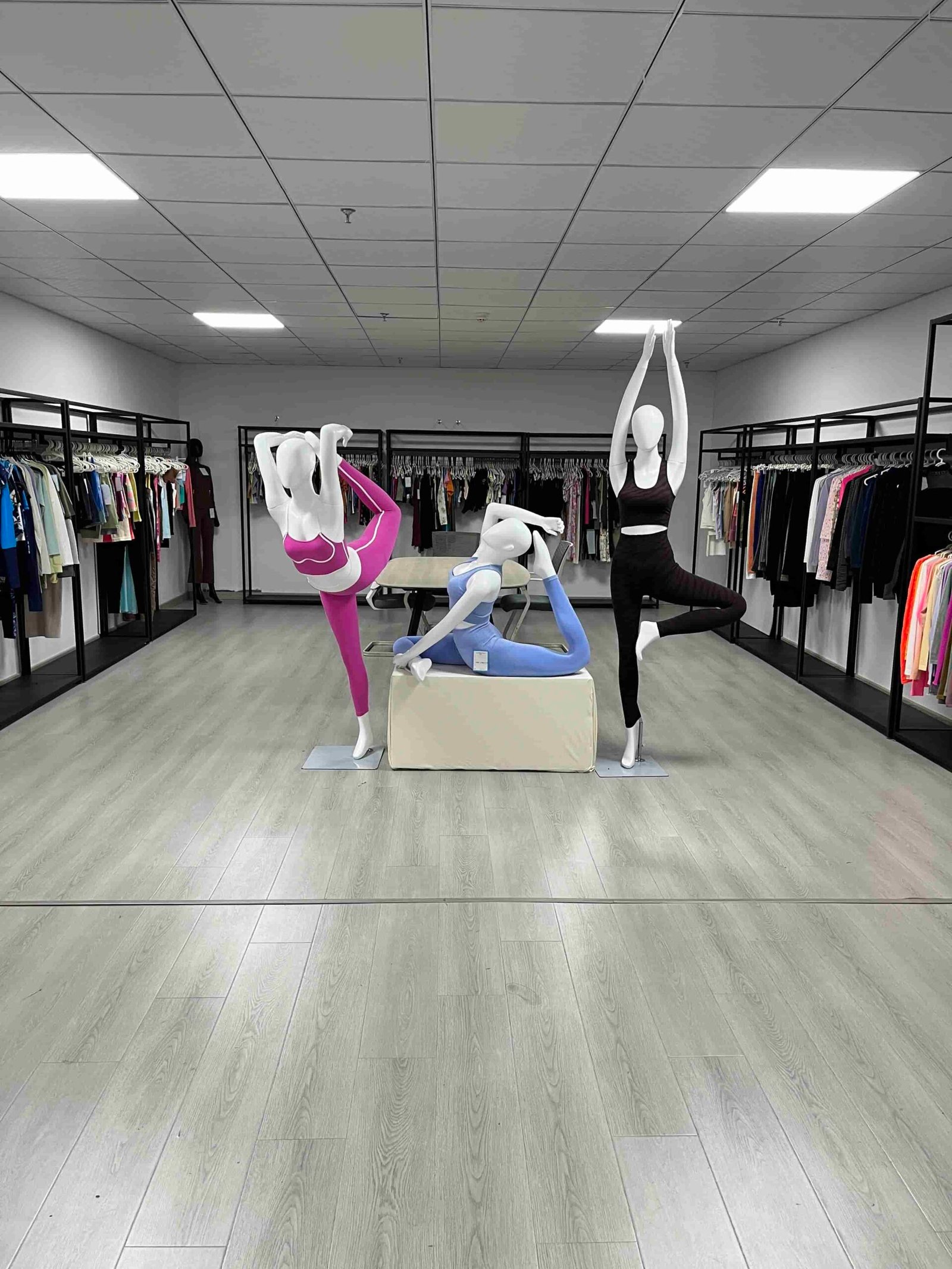
European and North American sourcing teams can request a live review of relevant manufacturing and support areas before arranging a site visit or independent audit. This proposed audit route emphasizes traceable production responsibilities rather than promotional footage.
Match Each Quality Claim to the Right Evidence

A sample report, a factory audit and a performance test answer different questions. Buyers should confirm which product, material, color, batch and regulation a document actually covers before using it to qualify a Pilates apparel program.
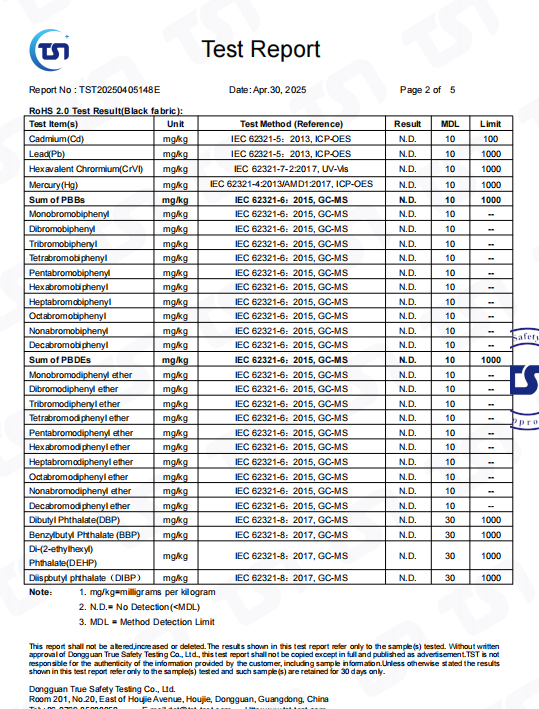
Specific yoga leggings test report showing tested sample

Existing Chemical Test Scope

Claim: Specific submitted sample results are documented.

Evidence explanation: MOVEVOX has a laboratory report numbered TST20250405148E dated April 30, 2025, for a submitted black fitness yoga leggings sample and specified RoHS-related substances. The results apply to that tested sample and test scope. They do not certify an entire Pilates collection, every production lot or a factory management system.

Basis: Laboratory report TST20250405148E; sample, color, test scope and limitations control the interpretation.
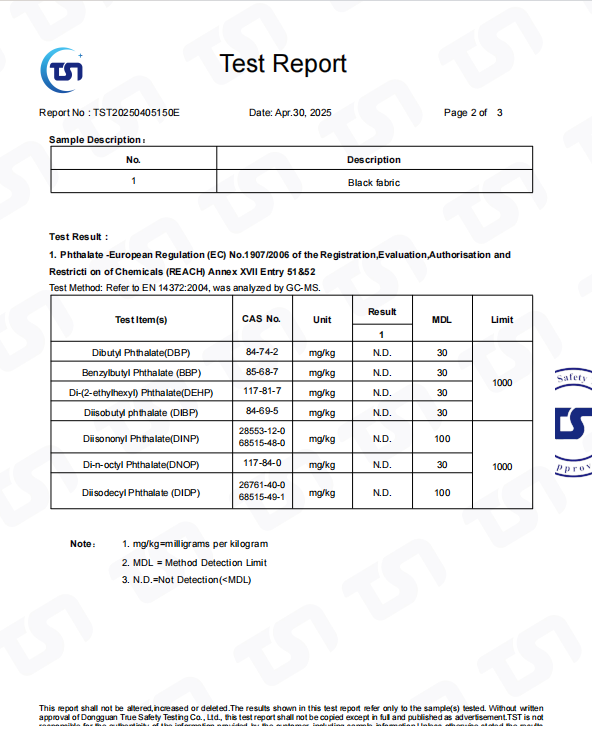
Lab report linked to actual material and test scope

Existing Phthalate Evidence

Claim: Phthalate results exist for one named sample.

Evidence explanation: Report TST20250405150E concerns a black fitness yoga leggings sample and specified phthalate testing under cited REACH Annex XVII provisions. Its reported result cannot substitute for verification of a different Pilates style or a changed material. Buyers should determine which target-market substance restrictions and current test coverage are relevant to their actual order.

Basis: Laboratory report TST20250405150E; actual tested article and specified analytes only.
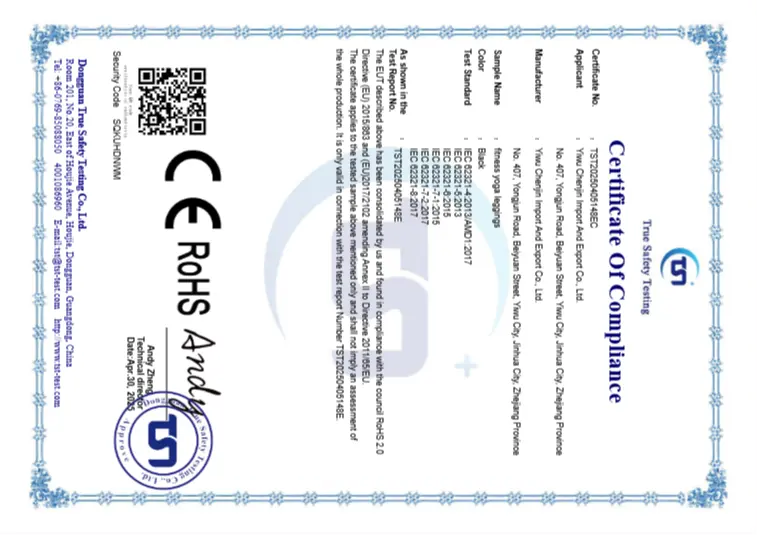
Quality documentation for applicable garment testing

Compliance Certificate Limitations

Claim: A sample certificate is not factory-wide certification.

Evidence explanation: Certificate TST20250405148EC references the corresponding RoHS test report and explicitly limits its application to the tested sample, not the whole production. A procurement dossier should preserve that limitation. Product labels, apparel-specific regulations, testing requirements and any customer restricted-substance list must be assessed separately for the destination market and actual materials.

Basis: Certificate TST20250405148EC and its written limitation to the submitted sample.

Verified factory review records

Movement and Comfort Claims

Claim: Pilates performance descriptions require garment-level evidence.

Evidence explanation: Terms such as “non-see-through,” “light support,” “low pressure” or “soft after washing” require criteria appropriate to the product claim. Proposed movement checks and material comparisons can guide development, but they are not historical MOVEVOX test results. Formal test methods, acceptance levels and documentation should be agreed before such claims appear in customer-facing product information.

Basis: Actual material results, approved fit evaluations and applicable claim-specific tests would be needed.

Buyer-specific test plan and approval records

Factory and Process Verification

Claim: Production operations and product testing need separate evidence.

Evidence explanation: A site visit or remote audit can help buyers verify physical facilities, equipment, personnel roles and process records. It does not establish compliance of every finished garment. Likewise, a test on a supplied material is not proof that all bulk production was inspected. A sound qualification decision combines capability verification with sample and order-specific quality controls.

Basis: Verified facility access, genuine operating records and project-specific inspection documentation.

Compare Supplier Models Against Pilates Collection Requirements

A specialized collection can be sourced through several legitimate supplier models. Evaluate actual development ownership, production-route coverage, verification access and responsibility for cross-SKU coordination rather than assuming that the largest or cheapest supplier is automatically best.

Evaluation MOVEVOX Trading company Single-process factory Large integrated manufacturer
Product development Reviews specifications, materials and samples with its documented team Varies with direct technical access Often strong within its specialty May provide structured technical departments
Seamless and cut-and-sew Both manufacturing routes in documented operation Depends on actual supplier network Usually focused on one route Depends on configured production facilities
Pilates assortment breadth Core stretch apparel plus assessed extensions Depends on represented suppliers Best for styles suited to its process Depends on category specialization
Cross-SKU coordination Single managed order and quality interface Quality depends on traceable partner controls Buyer may coordinate other product categories Often formalized, sometimes less flexible
MOQ flexibility Indicative style MOQ, subject to inputs Depends on sourcing route Varies by machinery and batch economics Often linked to line allocation and order scale
Quality verification Defined checks and possible site review Requires proof of actual production controls Buyer can verify specialized process Can provide audit systems if established
Capacity allocation Owned production plus identified controlled partners Dependent on partner availability Dependent on its focused lines Potentially broader, but slot-dependent
Accountability Clarify actual in-house versus partner execution Must establish contractual and operating control Often direct for its own process Usually documented, subject to site and order

Balanced guidance: Other models may be preferable for some projects: a single-process factory may offer deep specialization, while a large operation may suit highly standardized high-volume work. MOVEVOX's value proposition is the combination of product development, two manufacturing routes and managed execution. Buyers should request actual samples, site evidence and quotations before awarding any supplier a superior score.

Score Potential Pilates Apparel Manufacturers With Consistent Criteria

Use a common supplier review checklist rather than choosing on garment appearance or headline MOQ alone. Score each item from one to five using documented evidence; an unanswered question should remain unverified, not automatically receive a passing score.

Product and Technical Fit

  1. ☐ 1–5: Supplier demonstrates garments relevant to the intended Mat, Reformer or lifestyle use cases.
  2. ☐ 1–5: Proposed fabric references cover handfeel, opacity, recovery and appropriate support expectations.
  3. ☐ 1–5: Fit development includes garment-specific patterns, sizes and measurable approval criteria.
  4. ☐ 1–5: Seamless or cut-and-sew routing reflects actual design requirements and documented process limits.

Collection and Brand Execution

  1. ☐ 1–5: Supplier can review a complete style-color-size matrix with clear technical responsibilities.
  2. ☐ 1–5: Matching-set colors, materials and artwork have an identifiable approval method.
  3. ☐ 1–5: Labels, barcodes, packaging instructions and retail SKU identities remain accurately connected.
  4. ☐ 1–5: Development-dependent styles are identified rather than described as established mass-production successes.

Quality and Evidence

  1. ☐ 1–5: Approved samples and specification versions control relevant bulk-production quality checks.
  2. ☐ 1–5: Material, fit, finished-garment and packing inspections can produce reviewable records.
  3. ☐ 1–5: Laboratory reports are interpreted by sample, test method, material and actual applicability.
  4. ☐ 1–5: Supplier permits appropriate physical or remote factory verification with clear site attribution.

Commercial and Supply Reliability

  1. ☐ 1–5: MOQ is explained by style, color, materials, trims and packaging rather than one universal promise.
  2. ☐ 1–5: Capacity is checked against real materials, production allocation and requested customer approval dates.
  3. ☐ 1–5: Repeat orders are reviewed for lot continuity, specification changes and suitable replenishment timing.
  4. ☐ 1–5: Quotations identify assumptions, exclusions, confirmation needs and the agreed delivery responsibilities.

A strong total does not compensate for missing mandatory evidence. Buyers should establish minimum passing conditions for legal compliance, sample performance, material suitability and production responsibility before comparing aggregate scores. For each uncertain item, request a document, reference sample, clarification meeting or site check. This checklist is an evaluation aid, not a claim that MOVEVOX has automatically passed a named customer's vendor audit. The final qualification decision belongs to the purchasing organization's authorized review team.

Pilates Wear Manufacturing Frequently Asked Questions

These answers address practical supplier-screening questions about Pilates garments, material choices, approvals and purchasing. Project-specific commitments follow technical review and the buyer's written approval of requirements.

What Pilates apparel can MOVEVOX manufacture?

MOVEVOX's documented activewear capabilities cover stretch leggings, sports bras, shorts, tanks, T-shirts and coordinated sets, with longer sleeves and certain additional silhouettes available for review. Flared styles or complex bodysuits should be assessed against their actual construction needs. The company should not be described as a specialist manufacturer of socks, Pilates apparatus or medical rehabilitation equipment.

How are Mat and Reformer garment needs different?

Floor exercises can highlight seam-contact comfort and coverage in lying or bending positions. Reformer settings may introduce equipment contact and different clothing-displacement risks. Neither category has a single universal garment specification. Buyers should list representative movements and apparatus conditions and approve actual samples before claims are made.

Can MOVEVOX make both seamless and cut-and-sew Pilates styles?

Yes. MOVEVOX documents 28 Italian Santoni seamless knitting machines and cut-and-sew manufacturing capability. The correct route depends on garment structure, material, fit and design. Seamless does not imply the absence of all finishing seams; each proposed product requires feasibility and sampling review.

What fabrics work best for a soft Pilates feel?

Smooth high-stretch, brushed, peach-finish or fine rib materials may be considered according to the target wearing sensation. Each option has trade-offs involving recovery, opacity, surface durability, wash behavior, cost and availability. Buyers should approve actual swatches and garment samples rather than relying on a fabric label or fiber percentage alone.

What are the minimum order quantities?

MOVEVOX's stated ordinary style-level starting points are about 100 pieces for seamless and 150 pieces for cut-and-sew, subject to detailed review. Custom dyeing, logos, labels, fabric sourcing, packaging and color distribution can introduce additional minimums. The actual feasible MOQ is confirmed only for the proposed style and materials.

Can we start development without a complete Tech Pack?

MOVEVOX can discuss development from a defined concept, sketch or lawful reference sample. The team must still establish specifications for measurements, materials, construction, branding and buyer approval. An incomplete brief does not justify an invented fixed sample price or confirmed production date.

How long does Pilates sampling take?

The documented ordinary sample-development period is approximately five to ten working days once development details are confirmed. Complex structures, custom materials, buyer revisions and multiple SKUs may add time. Request a project-specific timeline rather than applying the ordinary period to a full collection launch.

How is coverage and size consistency evaluated?

Agree on approved POM, size grading, movement conditions, fabric references and acceptable appearance. Physical samples should be reviewed in relevant sizes and positions, particularly where opacity, waist stability or bra coverage matters. No universal stretch-state opacity or identical fit across all bodies should be promised without evidence.

Can MOVEVOX provide compliance reports for Europe or North America?

MOVEVOX has specific 2025 laboratory reports for a submitted black fitness yoga leggings sample, including named substance tests. Those reports cover the tested sample and their stated scope, not every Pilates garment or legal requirement. Buyers should specify destination, materials, restricted-substance criteria and any new testing needed for the actual product.

How can our procurement team verify MOVEVOX as a supplier?

Request relevant product samples, production responsibility details, a live or scheduled factory review, appropriate QC documents and a project-specific quotation. MOVEVOX supports remote meetings and arranged factory audits. Commercial qualifications such as volume, lead time and product performance still need evidence and confirmation for the buyer's own program.

Start Your Pilates Apparel RFQ With Clear Project Requirements

Whether your brand is developing its first coordinated studio range, expanding an established product line or assessing a second manufacturer, MOVEVOX can begin with a structured review of the garments and purchasing conditions. Share your style matrix, Tech Packs or legal references, intended fabrics, sizes, colors, branding details, target quantities and preferred launch window. We will use the confirmed development and manufacturing scope to identify open technical questions, sampling requirements and conditions for an actionable quotation. Quality, compliance and capacity commitments are evaluated against actual project inputs rather than assumed from a general factory profile.

Request an RFQ

Send specifications and the expected style-color-size breakdown for a feasibility and commercial review. We will identify the information needed to clarify material, MOQ, production and quotation assumptions.

Begin Sample Development

Share a Tech Pack, approved reference or specific product concept. Discuss material direction, movement fit and approval responsibilities before agreeing on sample scope, costs and target milestones.

Review Supplier Qualification

If your organization requires a formal supplier check, state the evidence and audit criteria. Discuss genuine facility information, manufacturing responsibility, existing test-report scope and reviewable process documentation.

Information to include in your RFQ

  1. Company name and business email
  2. Proposed Pilates styles / SKU count
  3. Tech Pack or reference file (secure upload through Elementor)
  4. Target quantity by style, color and size
  5. Destination market and desired launch date

Technical and commercial information should be submitted through the authorized inquiry process. Meeting schedules, requested evidence and next steps are confirmed after review.

Send Us an Inquiry

Tell us your needs, and our team will get back to you within 24 hours.

START YOUR PROJECT

Ready to Develop Your Private Label Activewear Line?

Tell us what you want to develop, your estimated quantity and customization needs. We will review the details and suggest the next practical step for sampling, quotation or production.

Helpful details to include:

Request MOQ & Sample Details