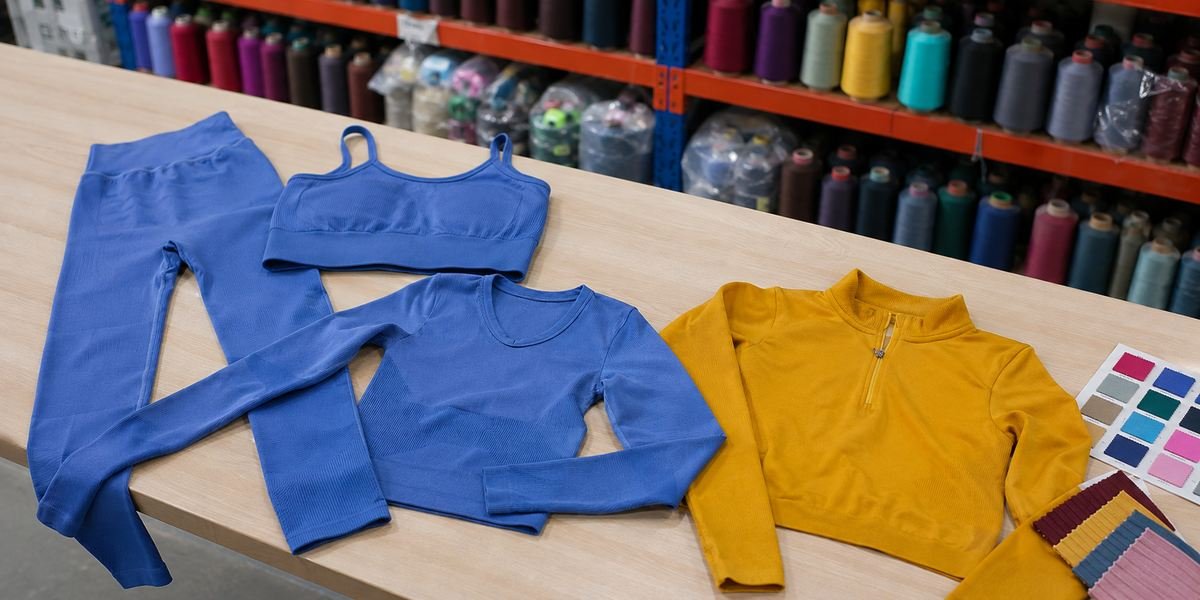
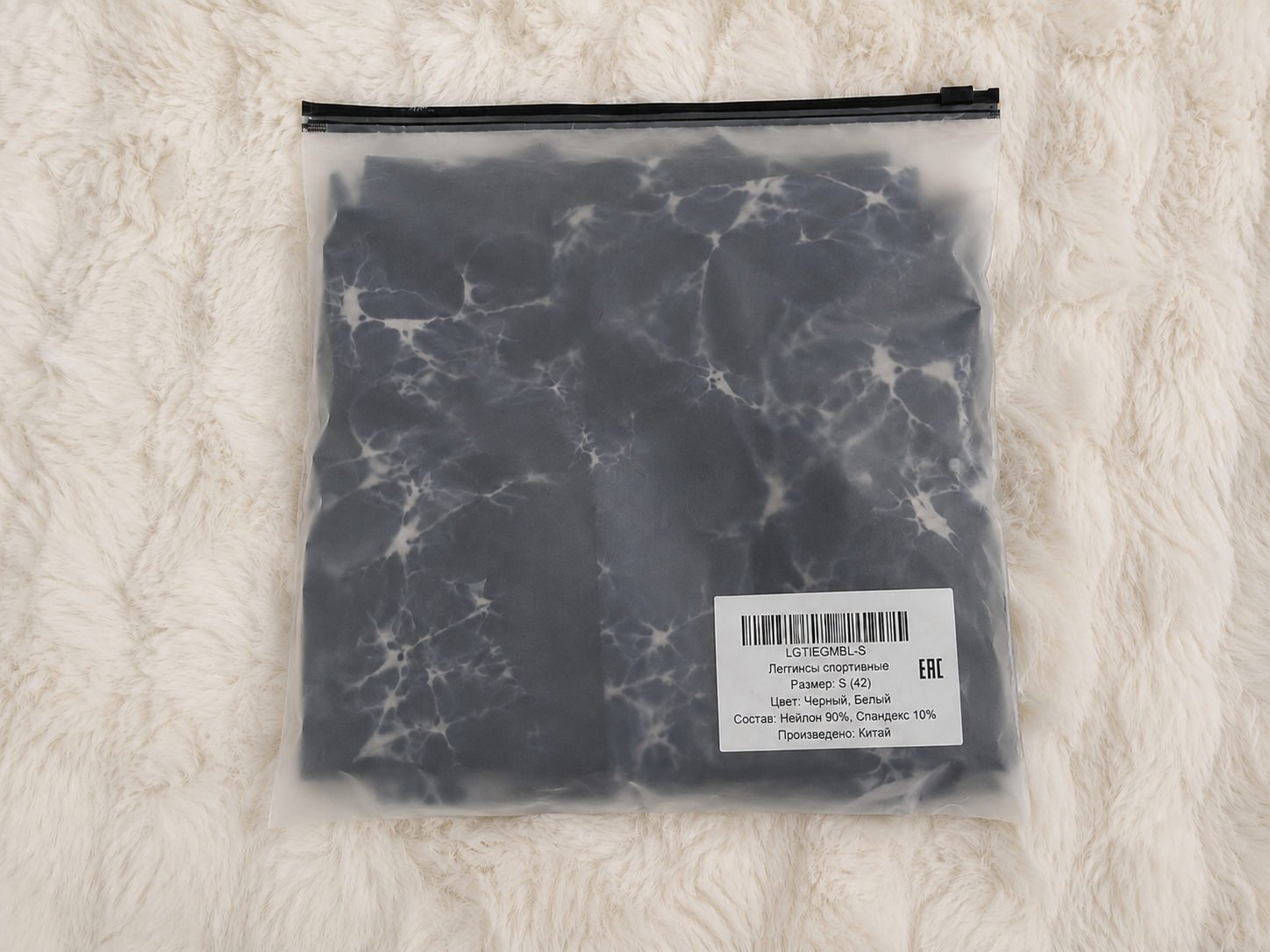
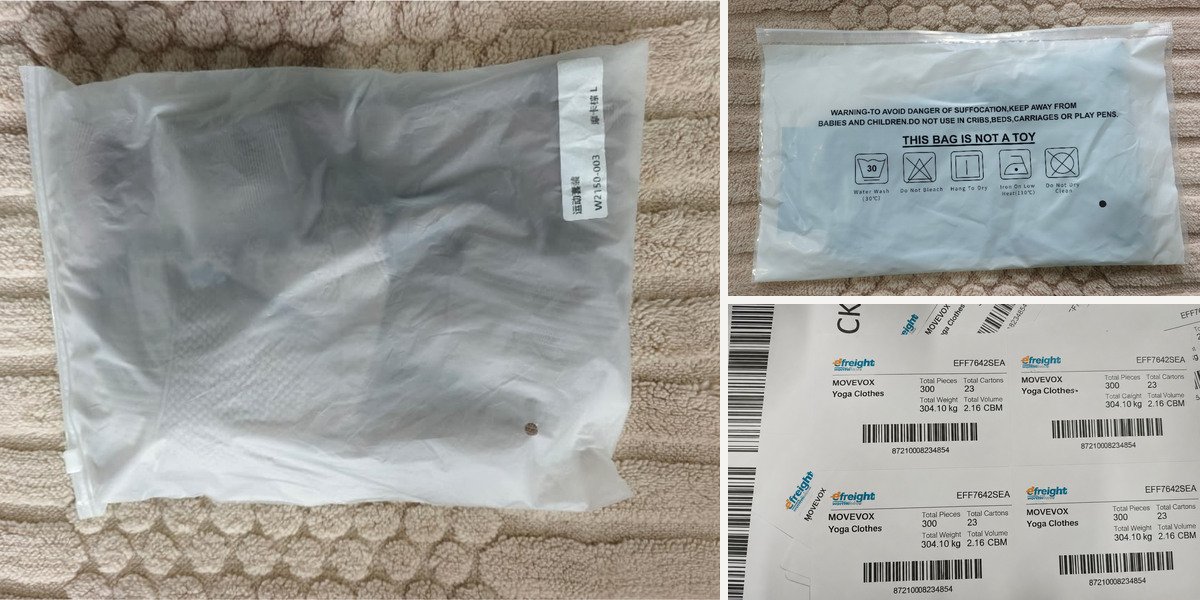
Private Label Pilates Activewear

Pilates Flare Leggings Manufacturer for Private Label Activewear Brands

MOVEVOX develops private-label Pilates flare leggings for established activewear brands that need more than a standard legging with a wider hem. Projects are developed around target fit, fabric handfeel, flare proportion, brand specifications and approved samples, with the manufacturing route selected according to the actual garment structure before controlled bulk production begins.
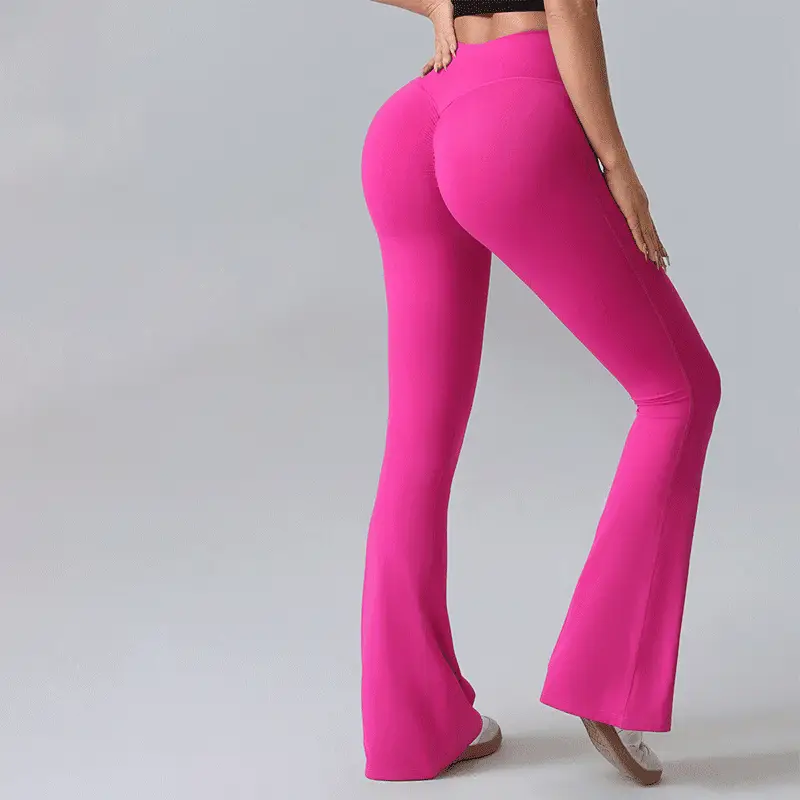
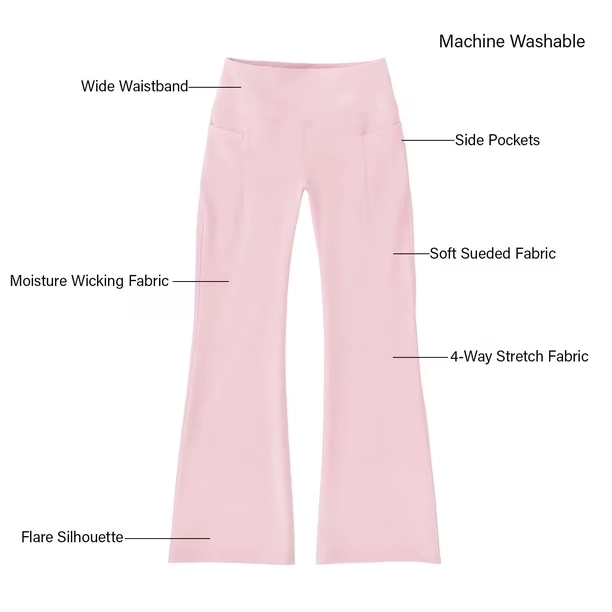
Flared Pilates studio pants with crossover V-waistband
Path 01

Tech Pack Ready

For brands with an established specification, MOVEVOX can review the Tech Pack, measurement chart, target material, color, branding and packaging requirements before pattern development and sampling begin.

  • Review measurements, construction and target fit before sampling
  • Confirm fabric, color and branding requirements by version
  • Build approved standards for later bulk production control
Path 02

Development-Led Project

For brands starting with a sketch, reference, physical sample or defined product direction, the development team can translate the concept into material, pattern, fit and sample specifications for buyer approval.

  • Convert product direction into manufacturable technical requirements
  • Develop fit through physical samples and buyer feedback
  • Freeze approved specifications before production scale-up begins
Buyer Relevance

Built for Brands Managing Real Product Programs

MOVEVOX is positioned for buyers that manage ongoing product development, formal approvals, branded specifications and repeat production. The working model is better suited to structured B2B programs than one-time purchases driven only by the lowest available unit price.

Established Activewear Brands

Established activewear brands normally enter a flare leggings project with clear expectations for fit language, material feel, sizing, color, branding and launch timing. They may already have Tech Packs and vendor manuals, or they may need manufacturing support to translate a design direction into a production-ready product. MOVEVOX supports these projects through product development, sampling, material coordination, approved-specification management, bulk production, QC, packaging and shipment coordination. Seamless and Cut & Sew capabilities also allow a broader collection to remain under one project-management window when different products require different manufacturing routes.

  • Stable fit and measurement control across repeat production cycles
  • Documented sample approvals before committing to larger production quantities
  • Clear responsibility across development, production, quality and delivery
  • Capacity that can support successful products after initial validation
Direct Answer

What Is Pilates Flare Leggings Manufacturing?

Pilates flare leggings manufacturing means translating a brand’s target studio product into a controlled production specification covering material, measurements, pattern, flare silhouette, construction, color, branding and packaging. The objective is not simply to widen the lower leg, but to develop an approved garment that can be reproduced against defined standards in bulk production.

Product Structure

The project must define the waistband, rise, hip and thigh fit, inseam, flare transition, leg opening and hem in relation to the buyer’s intended silhouette and measurement chart.

Pilates Use

MOVEVOX identifies Pilates products with priorities such as soft handfeel, high stretch, low-to-medium intensity comfort, fitted appearance and premium visual presentation rather than treating every legging as the same training product.

Manufacturing Route

MOVEVOX has both Seamless and Cut & Sew capabilities. The appropriate manufacturing route is evaluated according to the garment structure, material, fit and required construction instead of being selected only for marketing terminology.

Approval Standard

Tech Pack requirements, measurements, materials, approved samples, colors, logos, labels and packaging should be confirmed before they become the reference for bulk production and quality inspection.

Why it matters: For a mature brand, the supplier is being evaluated on whether the approved silhouette and specifications can survive the transition from development sample to repeatable bulk execution.
Supplier Risk

Six Risks to Check Before Supplier Approval

A Pilates flare leggings supplier should be evaluated on product engineering, version control and production execution, not only the appearance of one sample. These are six practical risks buyers can investigate before committing a style to bulk production.

Undefined Flare Proportion

A supplier may agree to produce “flare leggings” without defining where the flare begins, how the thigh transitions into the lower leg, or what final opening and length the approved silhouette requires. A visually acceptable first sample can therefore remain technically ambiguous.

Verification: Ask for measurable POM definitions and confirm the final silhouette through an approved physical sample.

Uncontrolled Sample Changes

Repeated sample revisions become risky when adjustments are communicated informally and older pattern, measurement or material information remains active. Bulk production can then follow a superseded version even though the final sample looked correct.

Verification: Request sample-version records and confirm which Tech Pack, measurement chart and sample are officially released.

Material Without Batch Control

A soft sample does not prove that future bulk fabric will automatically have the same color, handfeel, stretch, recovery or surface appearance. Material source, specification, color approval and incoming checks need to remain linked to the order.

Verification: Ask how the approved fabric specification and production material lot are identified and checked before cutting or knitting.

Sample-to-Bulk Disconnect

Some suppliers treat sampling as a separate activity from production, so the sample team develops a product without building a repeatable manufacturing standard. The resulting bulk order may then depend on interpretation rather than a released specification.

Verification: Check whether Approved Sample, PP review and First Article control are integrated into the production handover.

Hidden Production Allocation

For larger orders, capacity may be moved between facilities without clear customer visibility or consistent document control. This creates risk when a buyer has approved-factory, audit or specific production-site requirements.

Verification: Confirm the production-site policy, disclosure rules and how any facility change is approved before execution.

Final Inspection Only

If quality control begins only after garments are completed, measurement, material, workmanship or branding problems may already exist across a large quantity. Mature programs need checkpoints before and during production.

Verification: Ask for evidence of incoming checks, pre-production review, First Article, in-line inspection and final release.

Primary Value Proposition

From Product Intent to Repeatable Bulk Supply

A Pilates flare leggings program becomes more valuable when product development, technical approval, production control and scale-up operate as one system. MOVEVOX’s role is to connect these layers rather than treat them as separate transactions.

Manufacturing Foundation

MOVEVOX combines Seamless knitting and Cut & Sew garment manufacturing, with a Yiwu core production base supported by controlled satellite capacity. This gives the project team more than one manufacturing route when product structure or collection needs differ.

28 Italian Santoni machines ~24 garment machines

Product Development

The development system converts the buyer’s Tech Pack, legal physical sample, sketch, image or defined concept into material, pattern, measurement, fit and physical sample decisions. Approved information is then prepared for production rather than remaining only a sample-room reference.

~8-person development system 5–10 working day standard samples

Quality-Controlled Execution

MOVEVOX uses buyer specifications, approved samples, measurement charts, color standards, logo files and packaging requirements as production references. Quality control covers material, pre-production, First Article, in-line, finished garment, measurement, branding, packaging and pre-shipment inspection.

5 QC personnel QA prevention and corrective action

Long-Term Supply

The business model is designed to allow relatively flexible project entry while supporting repeat orders and larger allocations after a product has been validated. Scaling is managed through internal planning, controlled production allocation and unified quality responsibility.

8 long-term satellite factories 150K–200K pcs/month managed delivery

Pilates Use Cases

Developing Flare Leggings Around Pilates Use

Pilates apparel is not defined by a single silhouette or fabric. The product brief should state how the leggings will be worn, how the brand wants them to feel, and which fit and visual characteristics require sample validation.

Reformer Studio

Reformer-focused products may need a fitted upper leg, secure waist positioning and enough stretch for repeated flexion and extension without turning the garment into a high-compression training tight. For a flare style, the brand should also decide how much lower-leg volume is appropriate around the equipment and how the finished length should sit during normal standing and studio movement. These conditions are reviewed during material, pattern and Fit Sample development.

  • Stable waistband position through repeated studio movement and transitions
  • Soft stretch material matched to intended support level
  • Flare length and opening approved through physical fit testing
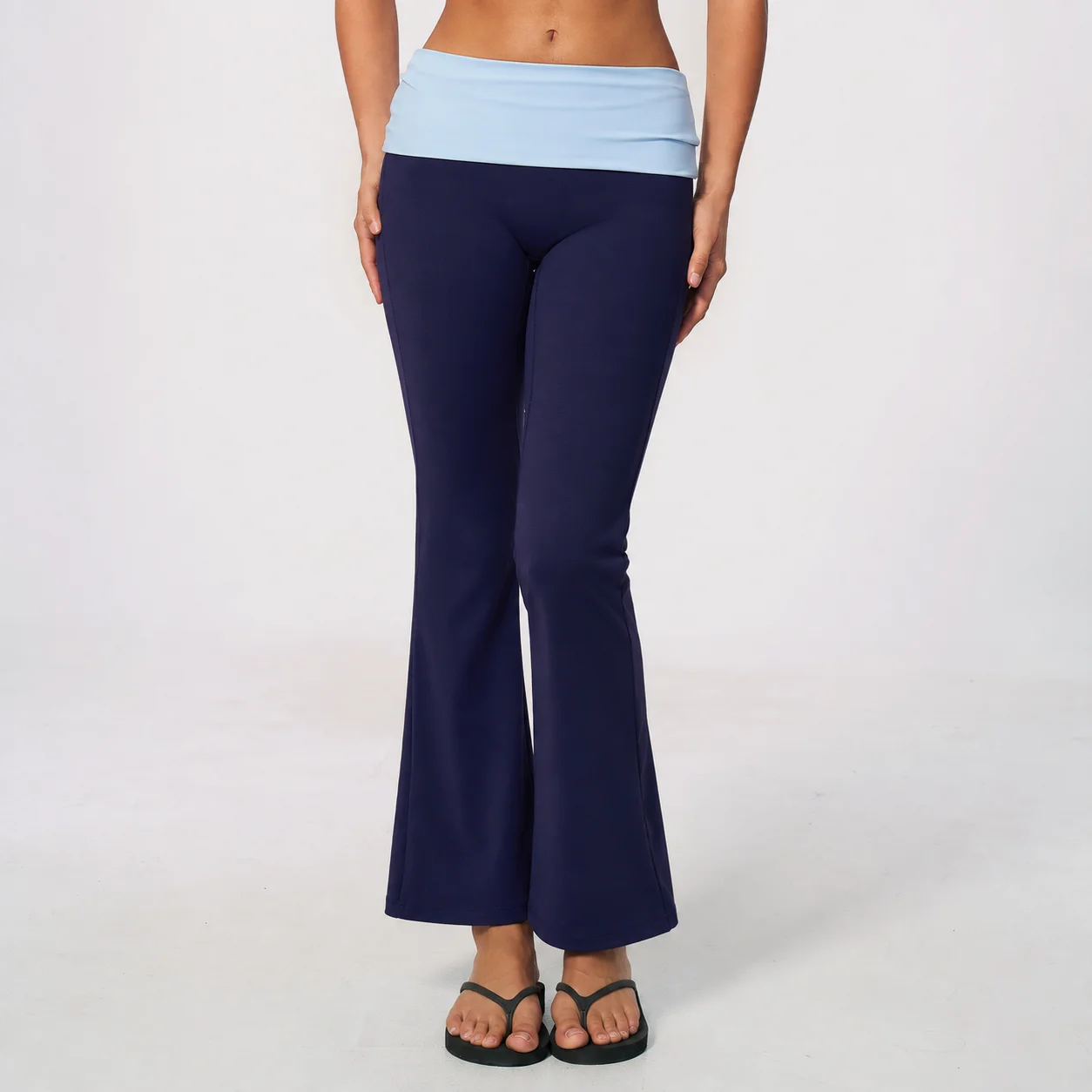
MOVEVOX yoga leggings development reference for studio-oriented fit review

Mat Pilates

Mat-based sessions place the garment through seated, supine, kneeling and extended positions. Buyers therefore need to evaluate comfort at the waist and crotch, material stretch, opacity under extension and whether the approved silhouette returns cleanly after movement. MOVEVOX can develop from the buyer’s own measurement chart and target material direction, then use physical samples for review rather than assuming a universal Pilates fit.

  • Comfortable fit across seated, kneeling and extended positions
  • Opacity reviewed under realistic stretch and movement conditions
  • Approved measurements retained as the production reference
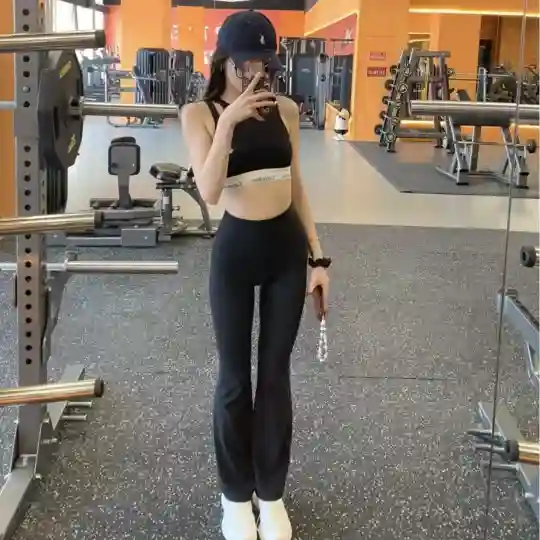
MOVEVOX yoga leggings fit sample during forward-lunge movement review

Low-Impact Training

Some Pilates collections are designed to move between studio sessions and other low-to-medium intensity activities. In this case, the buyer may want more hold than a very soft lounge product while avoiding the compression profile of high-intensity training tights. Fabric weight, elastane content, recovery, waistband construction and overall fit should therefore be selected together and confirmed by sample instead of being specified independently.

  • Support level defined before fabric and construction approval
  • Stretch and recovery evaluated with the intended garment fit
  • Material weight selected around coverage and handfeel requirements

Flared Pilates studio pants showing crossover V-waistband construction

Studio-to-Street

Flare leggings are also relevant to Pilates brands that combine studio use with Athleisure positioning. The silhouette, surface finish, color, waistband and hem must therefore meet both movement requirements and the brand’s intended visual language. MOVEVOX can coordinate product development together with Pantone color, logo, labels, hangtags and packaging so the finished SKU enters the collection as a branded product rather than an isolated garment.

  • Clean flare silhouette aligned with the brand’s visual direction
  • Color and surface finish approved against physical standards
  • Labels, logo and packaging coordinated with the collection system

Flared Pilates studio pants with crossover waist construction
Fit Engineering

Fit Decisions Begin With the Intended Movement

Pilates flare leggings should be developed around how the garment is expected to move, recover and remain positioned. Defining the activity before pattern and material approval reduces avoidable fit changes later in the sample process.

MOVEVOX yoga leggings used for dynamic movement and waistband fit review
Problem
Buyer Impact
Development Response

Waist Movement During Flexion

A waistband that looks correct while standing may move differently during repeated bending, seated positions and extension.

Repeated adjustment can reduce comfort and may indicate that waist dimensions, rise, material recovery or waistband construction require further review.

Review waist, hip and rise measurements together with material stretch; use a Fit Sample and movement review before freezing the final pattern.

Crotch Fit Under Extension

Leggings need enough balance through the rise and upper body area when the wearer moves from standing into flexed positions.

An unresolved crotch-fit issue can become more visible once sizes are graded or when the garment is worn through a wider range of movement.

Check front rise, back rise, hip, thigh and inseam relationships against the buyer’s measurement chart, then revise through documented sample versions.

Opacity Under Stretch

A fabric that appears opaque while relaxed may behave differently when extended across the hip, thigh or knee.

Coverage risk affects product acceptance and can force late material changes after a style has already progressed through pattern or sample work.

Confirm fabric weight, stretch and color through physical sampling, then review transparency under the buyer’s intended fit and movement conditions.

Flare Length During Movement

Hem position and lower-leg width affect how a flare silhouette sits when standing and when the wearer changes position.

Excess or insufficient length can alter the intended silhouette and may create inconsistency between the design concept and approved physical sample.

Define inseam, garment length, flare transition and leg opening as measurable points, and confirm them through the approved size and fit process.

Recovery After Repeated Stretch

Soft, high-stretch material still needs suitable recovery for the intended product.

Poor recovery can change the garment’s appearance and fit over wear, particularly where the brand expects a clean fitted upper leg.

Evaluate material recovery as part of fabric selection and sample review; use approved material specifications as the reference for bulk sourcing.

Flare Silhouette Engineering

Engineering the Flare Silhouette by Measurable Points

A flare silhouette should be translated into measurable pattern and garment controls before approval. MOVEVOX’s pattern team works from buyer specifications, physical samples or defined product requirements, with the final production version linked to approved measurements and samples.
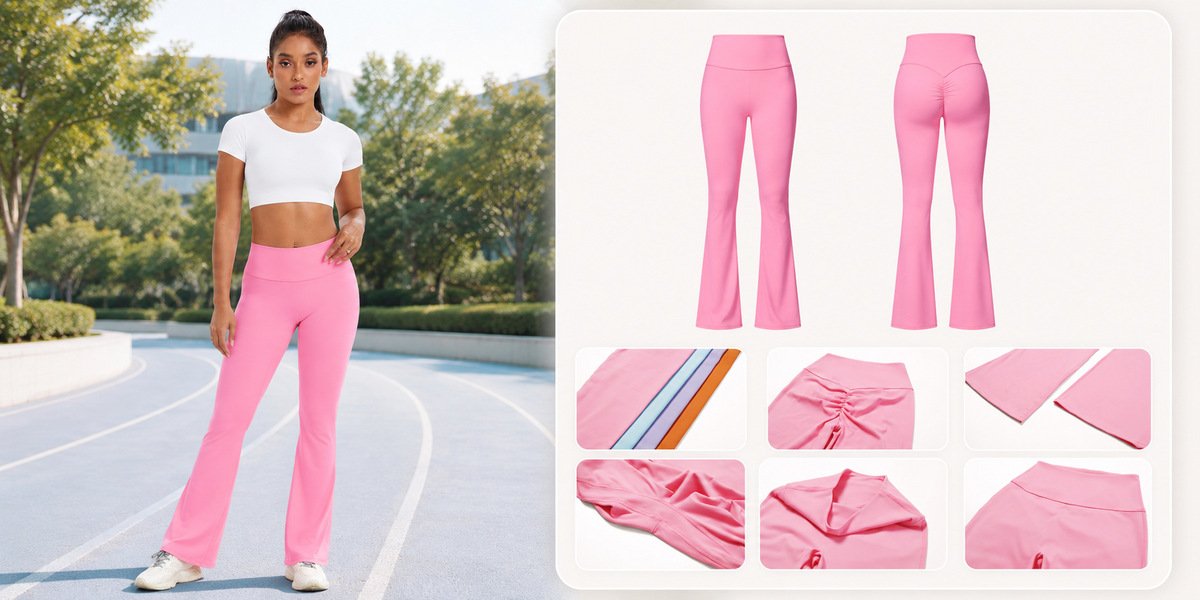
MOVEVOX cut-and-sew flare yoga pants for yoga and Pilates brand programs
Overall design logic: MOVEVOX does not use one universal flare specification for every customer. Pattern development starts from the buyer’s target fit and measurement system, followed by physical sampling, fit feedback and revision. The final pattern and measurement version must remain aligned with the approved sample before bulk production is released.
Sizing & Grading

Control Rise, Length and Flare Across Sizes

MOVEVOX does not apply one universal measurement chart to every market or brand. Formal projects follow the buyer’s own measurement chart, fit requirements, grade rules and approved sample as the final sizing reference.

SizeWaistHipRiseInseamGarment LengthFit Type
XXSClient-approved specClient-approved specClient-approved specClient-approved specClient-approved specBrand-defined
XSClient-approved specClient-approved specClient-approved specClient-approved specClient-approved specBrand-defined
SClient-approved specClient-approved specClient-approved specClient-approved specClient-approved specBrand-defined
MClient-approved specClient-approved specClient-approved specClient-approved specClient-approved specBrand-defined
LClient-approved specClient-approved specClient-approved specClient-approved specClient-approved specBrand-defined
XLClient-approved specClient-approved specClient-approved specClient-approved specClient-approved specBrand-defined
2XLClient-approved specClient-approved specClient-approved specClient-approved specClient-approved specBrand-defined
Defect Prevention

Prevent Flare Legging Issues Before Final Inspection

Product quality is easier to control when likely failure points are reviewed before production rather than discovered only at final inspection. The table below focuses on development and production risks relevant to stretch leggings and flare silhouettes.

DefectLikely CausePreventionInspection PointCorrective Action
Waist Fit DriftWaist measurements, material recovery or production handling differ from the approved specification and reference sample.Freeze waist measurements, approved material and waistband construction before bulk; review the First Article against the released standard.Measure waistband and related POMs during First Article, in-line and finished-garment inspection.Hold affected production, identify the source of deviation, correct the process and re-inspect before release.
Rise or Crotch ImbalancePattern version, sewing execution, stretch behavior or measurement control no longer matches the approved fit.Maintain final pattern and measurement versions; verify critical rise and crotch measurements before production scale-up.Compare actual garment measurements with approved tolerance and inspect appearance on representative samples.Separate affected units, verify pattern and process settings, repair or remake where technically possible, then re-inspect.
Inseam VariationCutting, sewing, finishing or material behavior creates inconsistent finished length across the order.Use the released pattern and measurement standard; control material and process conditions throughout the production batch.Check inseam during First Article, in-line measurement and final finished-garment inspection.Stop the source of variation, segregate out-of-tolerance garments and conduct additional measurement inspection after correction.
Flare Shape VariationDifferent pattern versions, inconsistent sewing or material response changes the lower-leg silhouette.Lock the approved pattern, leg opening and relevant construction details before bulk begins.Compare representative bulk garments with the approved sample and check defined lower-leg measurements.Identify whether deviation originates from pattern, cutting, sewing or material; correct and recheck affected production.
Stretch-Related TransparencyMaterial weight, color, stretch state or approved fabric selection does not provide the intended coverage.Evaluate opacity during material and sample approval, especially in lighter colors or higher-stretch fit conditions.Review material and representative garments under the buyer’s agreed stretch and wear conditions.Hold unapproved material or finished goods and confirm an acceptable material or fit solution before continuation.
Color InconsistencyDifferent dye lots, unapproved material substitution or insufficient color control creates visible batch differences.Use approved color references and manage material source and batch information before cutting or knitting.Compare incoming material and finished garments against approved physical color standards under agreed conditions.Isolate the affected lot, investigate the material source and obtain customer approval before any acceptable variation is released.
Logo Position ErrorArtwork, placement instructions or production execution do not follow the approved branding file.Lock artwork, size and placement before production; verify the first production application before bulk continuation.Check logo size, position, orientation and appearance during First Article and finished-garment inspection.Stop branding application, correct setup and segregate affected garments for repair, replacement or buyer disposition.
Packaging MismatchSKU, barcode, label, size or packing instructions are not aligned with the released order information.Use approved packaging files and manage packing by PO, style, color and size.Verify labels, barcodes, polybags, size ratios, carton marks and quantities before shipment release.Quarantine affected cartons, correct packing information and complete a second verification before goods are released.
Material Decision

Choose Fabric by Product Requirement, Not Name

MOVEVOX works with Nylon/Spandex, Polyester/Spandex, seamless yarn systems, recycled options, brushed, peach-finish, soft naked-feel, ribbed and textured materials. The correct candidate is selected around the product brief and confirmed through sampling.

Target Handfeel?

SoftSmoothPeachRibbed

Support Level?

LowMediumHigher

Opacity Priority?

CriticalStandard

Surface Direction?

MatteSmoothTextured

Recycled Content?

YesNoEvaluate
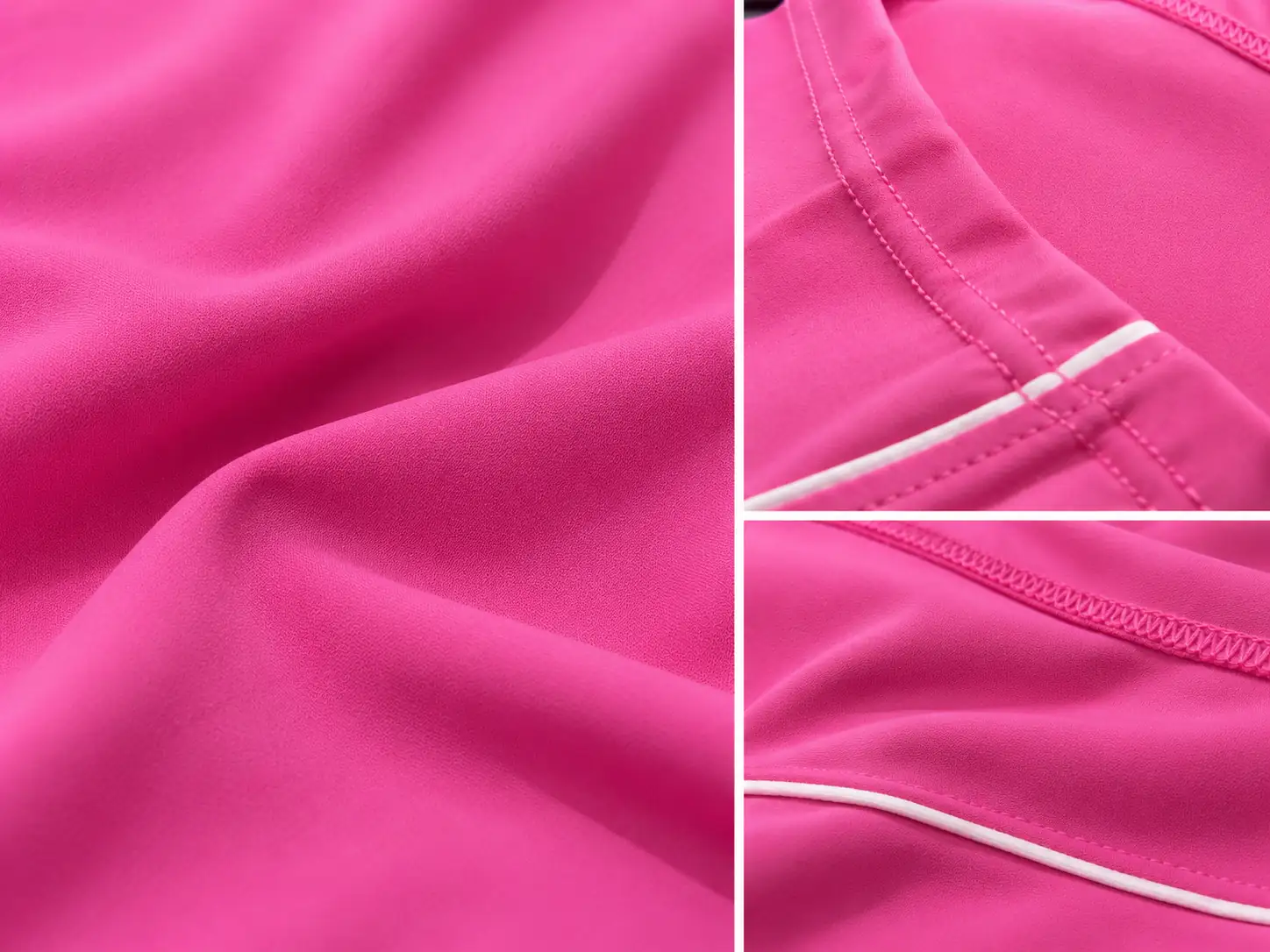
Physical nylon-spandex activewear fabric swatch used for garment development

Nylon Stretch Base

Nylon/Polyamide with Spandex is one of MOVEVOX’s core material systems for yoga and stretch activewear. Company development ranges generally cover approximately 70–82% Nylon with 18–30% Spandex and around 190–280 GSM, depending on the target support, handfeel, compression and opacity. Final selection is confirmed from the supplier specification, approved fabric and actual product sample.

Nylon/Spandex Stretch Activewear Sample Verified
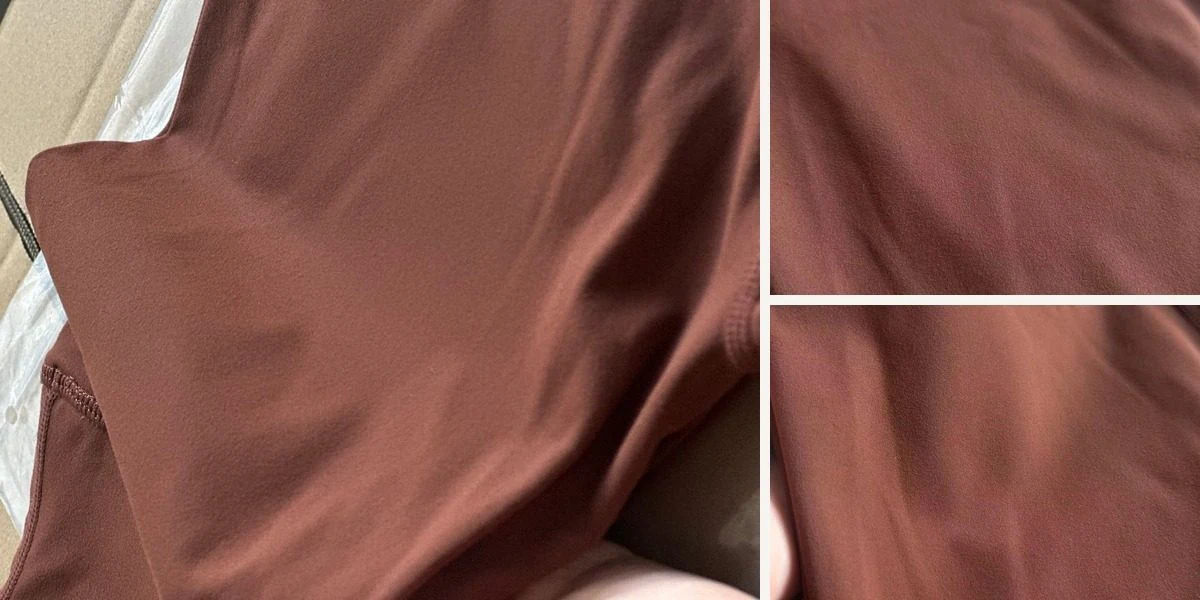
Physical naked-feel activewear fabric swatch used for garment development

Naked-Feel Route

MOVEVOX defines naked-feel fabric as a soft, low-friction, fine, close-to-skin and generally matte experience rather than one fixed composition. A common technical route uses fine-denier Nylon with Spandex. It can suit Yoga and Pilates-oriented products where lower-to-medium compression and soft handfeel are priorities, but opacity, recovery and surface stability still require sample and bulk verification.

Soft Handfeel Matte Surface Lower Compression

Peach-skin stretch activewear fabric reference for leggings development

Peach-Finish Route

Peach-finish materials use a fine surface treatment that can create a softer tactile effect for Yoga, Pilates and Athleisure products. MOVEVOX’s documented management range is generally around 190–240 GSM, with the final composition and finish selected by project. Surface pressure marks, color migration and branding-process compatibility should be verified before production.

Soft Surface Pilates Use Finish Control

MOVEVOX ribbed textured activewear fabric reference

Ribbed Route

Ribbed materials can provide a more visibly structured surface and stronger body-hugging appearance. MOVEVOX can develop both Cut & Sew ribbed fabrics and seamless rib structures. Because rib direction, recovery, opacity under stretch and seam build-up can affect the finished garment, the route should be approved through actual material and garment samples.

Visible Texture Structured Feel Direction Control

Stretch & Recovery

Compare Fabric Performance With Verified Project Data

Stretch, recovery, softness, compression and coverage interact with garment fit. MOVEVOX therefore treats fabric comparison as a project decision rather than assigning universal performance scores to material names without actual supplier, batch and test evidence.
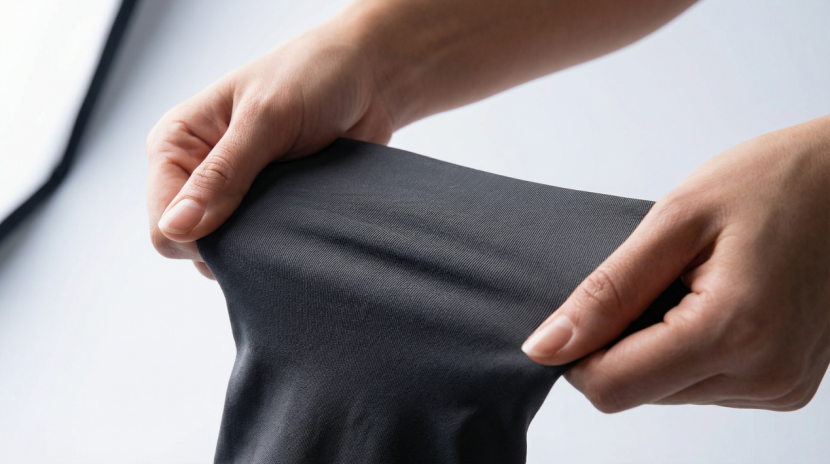
High-recovery activewear material undergoing stretch and recovery evaluation

Data status: Replace this chart only with verified approved-fabric, supplier technical or test data. Do not publish subjective scores as laboratory values.

Naked-Feel Nylon

A naked-feel Nylon/Spandex route is intended for soft, close-to-skin Yoga and lower-to-medium compression applications. Its suitability for a Pilates flare legging should be assessed through actual stretch, recovery, opacity, surface and approved-sample performance rather than assumed from composition alone.

Standard Nylon Stretch

A standard Nylon/Spandex activewear base can be developed across different weights and elastane percentages to balance support, recovery, handfeel and coverage. The final result depends on the selected supplier specification, finishing, color, garment dimensions and intended fit.

Peach Finish

Peach-finished stretch materials can provide a softer surface experience suitable for Pilates and Athleisure directions. Because finish depth affects handfeel and surface stability, comparison should include recovery, opacity, appearance after stretching and compatibility with heat-applied branding where relevant.

Ribbed Stretch

Ribbed material can create visual structure and stronger body-hugging appearance, but its stretch direction, recovery, opacity and dimensional response differ from smooth materials. It should therefore be evaluated against the target flare pattern and the brand’s approved fit before bulk sourcing.

Claim & Evidence

Connect Performance Claims to Product-Level Evidence

For stretch leggings, MOVEVOX does not treat terms such as opacity, recovery or support as automatic results of a fiber composition. Performance should be verified against the actual fabric, color, garment fit and approved project requirements.

Opacity Control

Claim: Coverage is reviewed under the intended garment stretch.

Fabric weight, structure, color and garment fit can change perceived opacity. MOVEVOX includes transparency within its documented material and garment inspection scope, but the final acceptance condition should be agreed with the buyer and verified using the project’s approved material and sample.

Evidence Basis

Approved fabric, stretch condition and garment inspection.

Stretch Behavior

Claim: Stretch is evaluated as part of material selection.

MOVEVOX’s material-development process considers composition, GSM, handfeel, elasticity, recovery and product use together. A high elastane percentage alone does not establish the finished fit, because fabric construction, finishing and garment dimensions also affect how the product behaves.

Evidence Basis

Supplier specification, material check and Fit Sample.

Recovery Control

Claim: Recovery is reviewed before material approval.

Recovery matters when a brand expects the fitted upper leg to retain its intended appearance through wear. MOVEVOX can assess elasticity and recovery as part of material and sample development, with the final production requirement tied to the approved fabric specification.

Evidence Basis

Approved material and project-specific verification.

Soft Handfeel

Claim: Softness is treated as a material specification.

MOVEVOX works with soft naked-feel, brushed and peach-finish material routes, but “soft” is not used as a universal laboratory value. Handfeel is confirmed through physical swatches and samples, and batch consistency remains part of material control for bulk production.

Evidence Basis

Physical swatch, approved sample and batch comparison.

Waist Stability

Claim: Waist performance depends on fit and material together.

Waist stability cannot be guaranteed by waistband height alone. MOVEVOX reviews the buyer’s measurements, fit target, material stretch and selected construction through pattern development and Fit Sample approval before the production version is locked.

Evidence Basis

Measurement chart, pattern version and Fit Sample.

Shape Retention

Claim: Product appearance is controlled against approved standards.

The intended flare silhouette is converted into measurable garment points and physical sample references. Bulk garments can then be checked against approved measurements and sample appearance instead of relying on the production operator’s visual interpretation.

Evidence Basis

Approved sample, measurement record and bulk comparison.

Material Comparison

Compare Material Routes for Pilates Flare Leggings

No single fabric is automatically correct for every Pilates flare legging. These documented MOVEVOX material families illustrate different development directions; the final specification remains subject to the buyer’s product brief, approved material and sample validation.

ParameterNylon + SpandexNaked FeelPeach FinishRibbed Stretch
CompositionNylon 70–82%, Spandex 18–30%Typical Nylon 75–82%, Spandex 18–25%Nylon/Polyester base with SpandexNylon/Polyester base with Spandex
Typical GSMApprox. 190–280Approx. 200–240Approx. 190–240Approx. 220–320
SurfaceSmooth, project dependentFine, soft, generally matteFine peach-finished surfaceVisible rib structure
StretchHigh-stretch activewear routeFour-way stretch categoryHigh-stretch routeDirection depends on structure
RecoveryVerify by projectVerify approved batchVerify approved batchVerify structure and batch
OpacityVerify color and fitLight colors require verificationVerify color and stretchVerify rib opening under stretch
HandfeelSoft to supportiveSoft, low-frictionSoft, peach-like surfaceMore structured tactile feel
CompressionProject dependentLower-to-medium typical directionProject dependentProject dependent
Main RiskBatch and finish variationTransparency and surface damagePressure marks and finish variationDirection, recovery and opacity
Best UseYoga and stretch activewearYoga / Pilates directionPilates / Athleisure directionTextured activewear direction
Selection guidance: For a Pilates flare legging, the most relevant decision is not which fabric name sounds more premium. Buyers should first define target handfeel, support, opacity, surface appearance and silhouette. MOVEVOX can then compare actual supplier options, prepare swatches or samples, and lock the selected material through the approved development process. Final bulk material should correspond to the released project specification rather than a generic website table.
Manufacturing Route

Select the Manufacturing Route From Product Structure

MOVEVOX operates both Seamless and Cut & Sew manufacturing systems. A Pilates flare legging should be assigned to the route that best matches the approved structure, fit, material and construction rather than forcing every product into one technology.
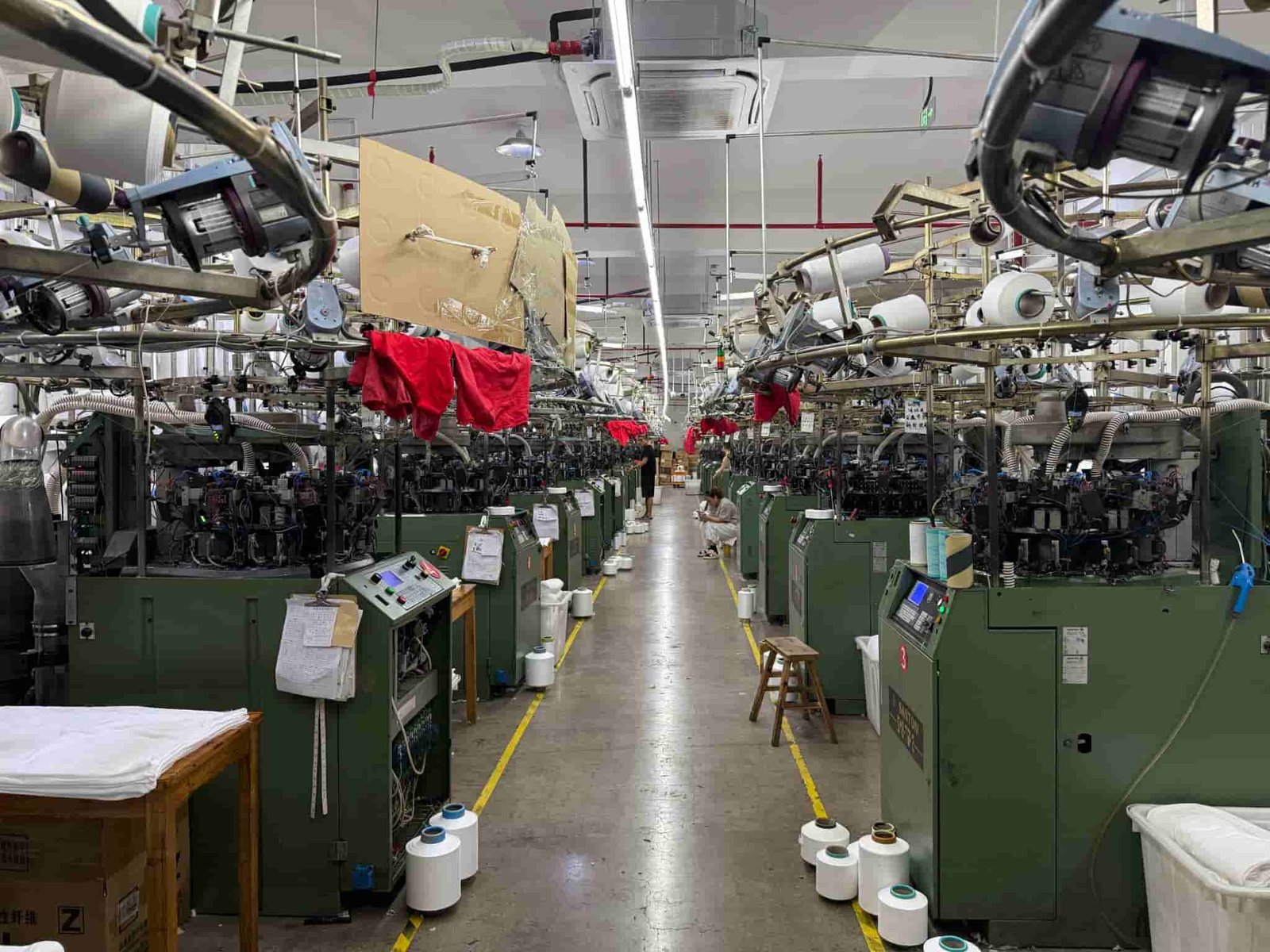
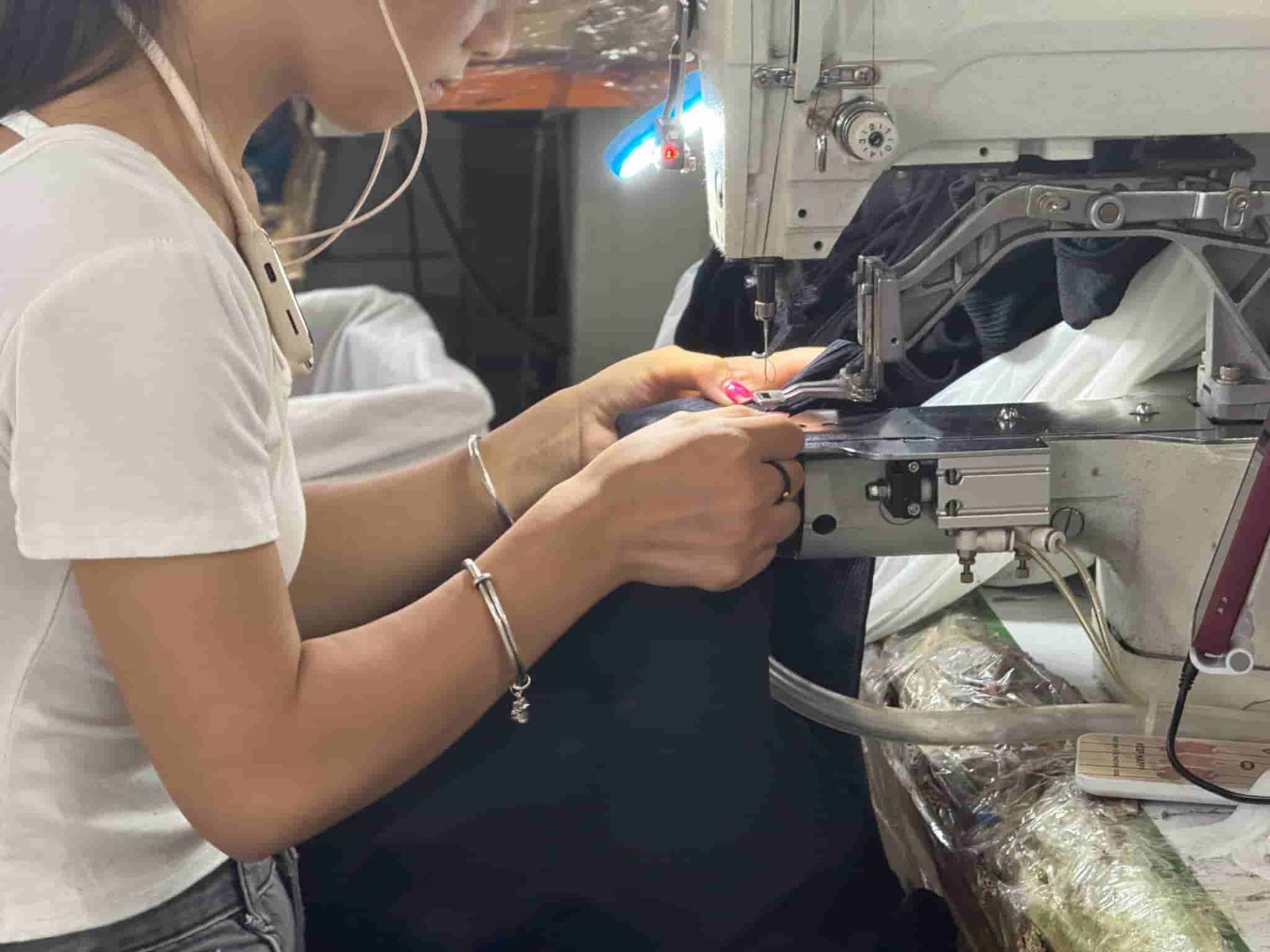
MOVEVOX Santoni seamless knitting production area
MOVEVOX cut-and-sew activewear production and sewing area
Decision AreaSeamless RouteCut & Sew Route
Starting materialYarn and knitting-program systemFinished fabric rolls and pattern pieces
Core equipmentSantoni seamless knitting machinesCutting, sewing and garment equipment
Product engineeringYarn, structure, density and programPattern, fabric direction, cutting and seams
Sizing logicKnitting program and elastic structurePattern pieces and grade rules
Flare developmentRequires technical feasibility reviewPattern-driven flare geometry
Texture optionsRib, mesh, jacquard and programmed textureSmooth, ribbed or textured piece goods
BrandingDepends on material and knit structureMultiple applied or sewn branding methods
Base MOQApprox. 100 pcs/styleApprox. 150 pcs/style
Sample validationKnit structure, fit and dimensionsPattern, construction, fit and measurements
Final routeProject-specificProject-specific
OEM / ODM

Two Development Routes, One Controlled Approval Process

MOVEVOX accepts projects from production-ready Tech Packs as well as clear concepts, sketches, images or legal physical references. The amount of development work changes, but both routes require buyer approval before specifications are released to bulk production.

01

Project Brief

Confirm target product, market, intended use, estimated quantity, color direction, launch timing and available development information. This establishes whether the project enters through an OEM-style execution route or requires more development support.

Project Scope Project dependent

02

Technical Review

Review Tech Pack, measurements, reference sample or concept information together with structure, material, branding and manufacturing feasibility. Missing information is identified before physical sample work begins.

Review Notes Project dependent

03

Material Direction

Confirm the required composition, GSM, handfeel, stretch, recovery, opacity, color and surface direction. Actual material options are evaluated against the product brief rather than selected only by fiber percentage.

Material Direction Project dependent

04

Pattern Development

Convert the approved product direction into pattern, measurements and construction appropriate to the selected manufacturing route. Flare proportion, rise, hip, thigh, inseam and lower-leg geometry are reviewed as project specifications.

Development Pattern Project dependent

05

Sample Development

Produce the physical development sample after the main product details are confirmed. MOVEVOX’s standard sample lead time is normally around 5–10 working days after the required development information and details are complete.

Physical Sample 5–10 days

06

Fit Approval

Review measurements, appearance, movement, material, branding and relevant construction. Buyer feedback is recorded into a new sample or technical version when changes are required rather than overwriting the previous approval history.

Fit Decision Client dependent

07

Production Approval

Lock the final measurement chart, approved or PP sample, material, color, branding, labels, packaging and production requirements. These documents become the reference set for production handover and quality control.

Released Standard Approval dependent

08

Bulk Production

Move the released specification into material booking, First Article, controlled bulk production, in-line checks, finished-garment inspection, packing and shipment release. Regular bulk production is typically around 20–35 days, subject to actual project conditions.

Bulk Order 20–35 days

Private Label System

Build the Product and Brand System Together

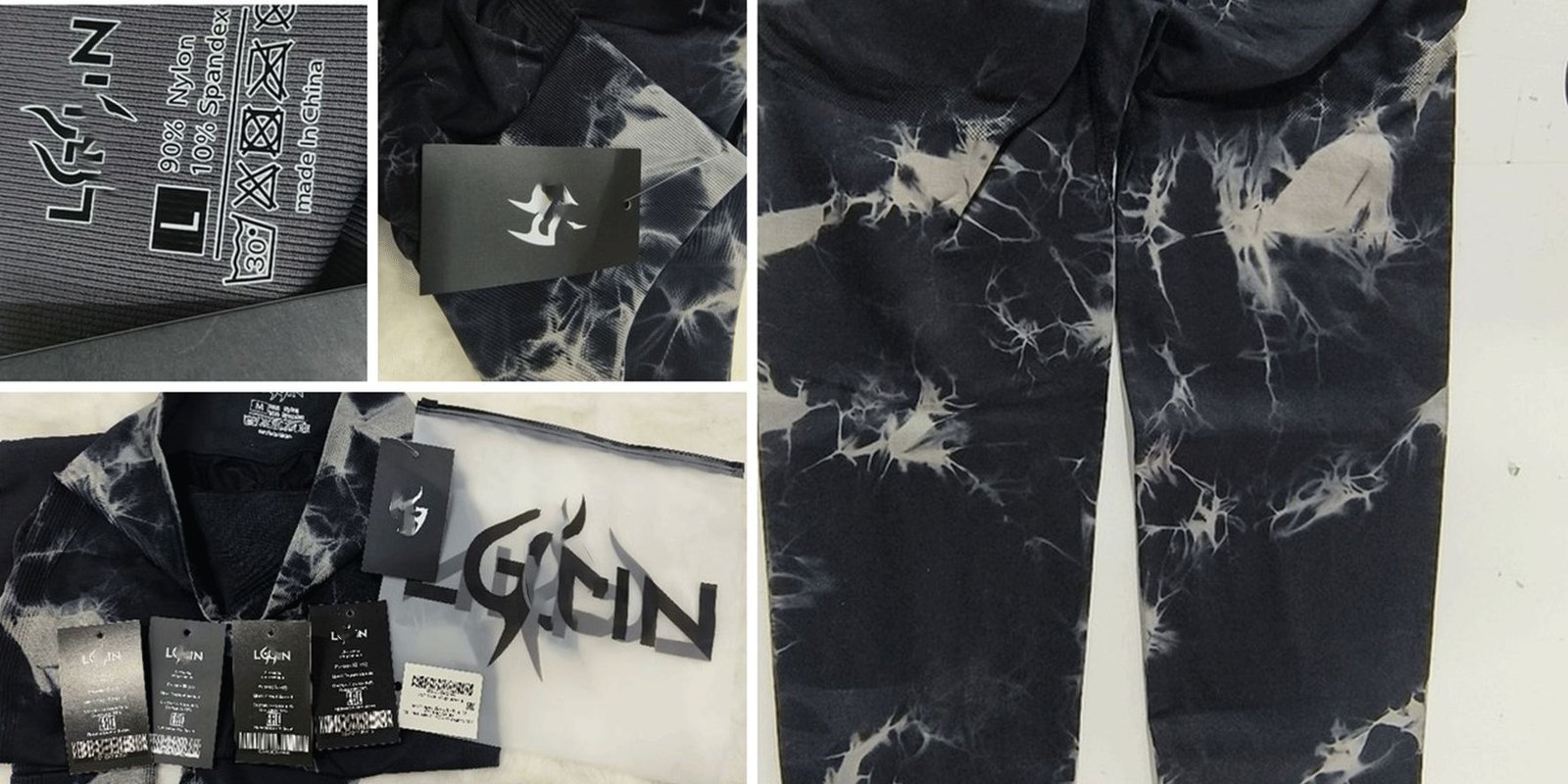
Private label at MOVEVOX can begin during product development rather than after a garment is finished. Fabric, color, fit, branding, labels and packaging are managed as separate approval elements so each can be carried into bulk execution.

Fabric

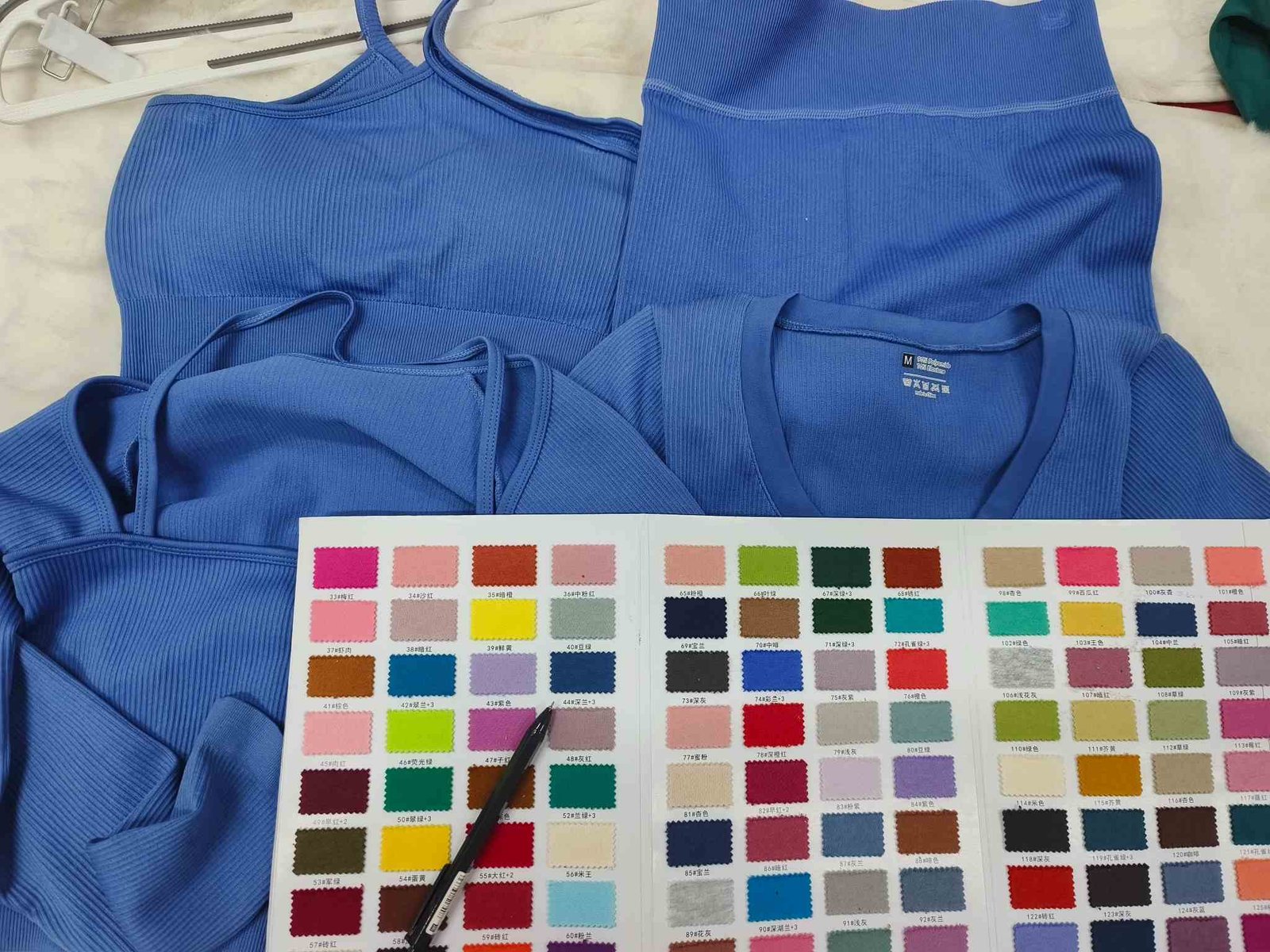
MOVEVOX can source and coordinate Nylon/Spandex, Polyester/Spandex, seamless yarn systems, recycled options, brushed, peach-finish, soft naked-feel, ribbed and textured activewear materials. Buyers should provide the target composition, handfeel, performance direction or reference when available. Material choice can affect product fit, sample development, custom-color MOQ and production timing, so the final option is approved before bulk purchasing.

  • Buyer-specified composition or approved supplier material
  • Soft naked-feel or peach-finished material direction
  • Ribbed or textured activewear material structures
  • Recycled material subject to verified certification scope
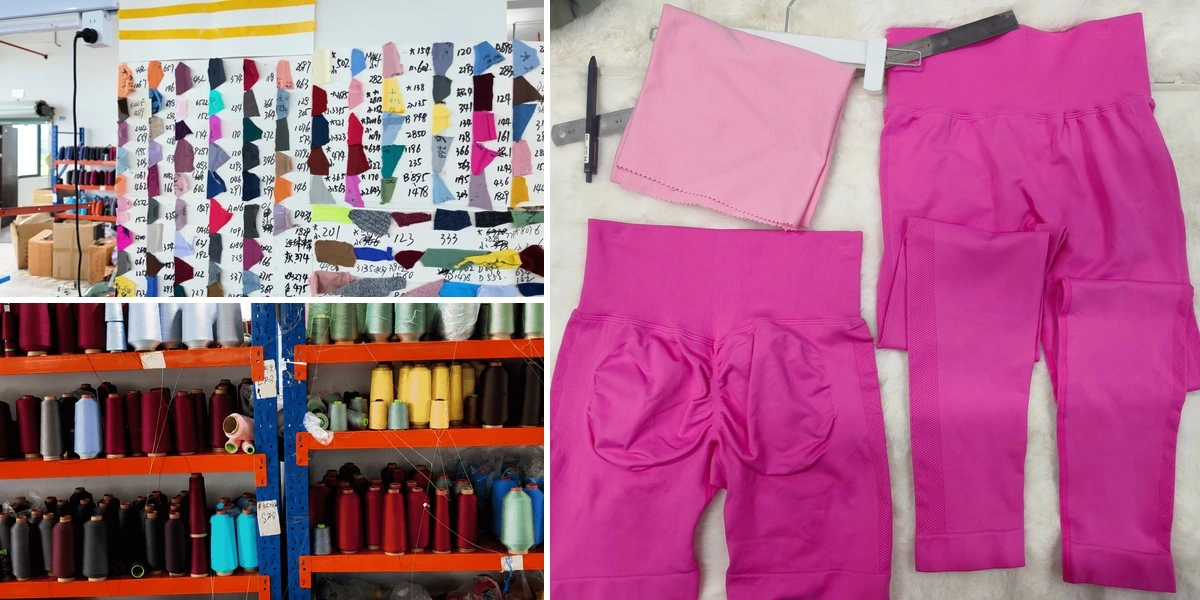
MOVEVOX activewear material swatches, yarn and garment development references
Development Model

Choose the Right Development Model for Your Project

OEM, development-led projects and Private Label overlap, but they do not start from the same buyer input. MOVEVOX defines responsibilities before sampling so design ownership, technical work and approval authority remain clear throughout the project.

DimensionOEMDevelopment-Led / ODMPrivate Label
Design InputBuyer provides developed Tech Pack and specificationsBuyer provides concept, sketch, image or reference directionBuyer defines branded product and retail requirements
Technical ReviewMOVEVOX reviews manufacturability and execution detailsMOVEVOX helps translate concept into production requirementsTechnical review covers garment plus brand components
Pattern WorkBuilt or adjusted to buyer specificationDeveloped from approved design direction and fitDepends on selected or newly developed product
Material WorkFollow buyer specification or approved alternativesMaterial options proposed around target productMaterial selected with brand, cost and MOQ needs
Buyer ApprovalRequired for sample and specification changesRequired throughout concept-to-sample developmentRequired for product, branding and packaging
OwnershipBuyer retains its own design and brand directionBuyer retains brand direction and approves final productBuyer owns brand identity and approved artwork
Lead TimeLower development uncertainty when inputs are completeMore confirmation may extend development cycleDepends on product and branding complexity
Best ForProduction-ready brands with defined technical standardsBrands needing manufacturing translation and sample developmentBrands building complete branded retail-ready products
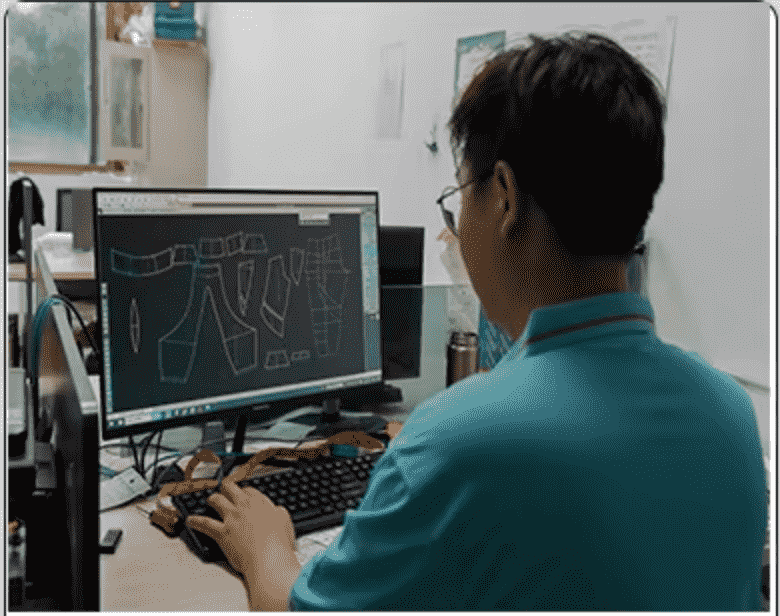
Anonymized MOVEVOX Tech Pack, pattern and physical sample review
Activewear concept, reference and technical input prepared for MOVEVOX development
MOVEVOX private-label activewear with garment branding, labels and packaging
A complete Tech Pack normally reduces ambiguity and makes the project more execution-led. A buyer with only a clear product concept can still work with MOVEVOX, but additional decisions are required around dimensions, material, construction and samples. Private Label describes the brand-execution layer and may operate with either route. MOVEVOX does not treat ODM as unrestricted free design work or reproduce protected third-party products without appropriate rights.
Development Inputs

Prepare the Information That Makes Sampling More Efficient

A flare leggings project can begin without a fully complete Tech Pack, but clearer input reduces unnecessary interpretation. These items help MOVEVOX convert the buyer’s product direction into measurable, reviewable development requirements.

Required / Recommended

Flat Sketch

Provide the front and back product view when available, including key seam lines, waistband treatment, flare shape and special design details. A clear sketch reduces ambiguity between aesthetic intent and the construction that must be developed physically.

Required before approval

Measurement Chart

Provide the buyer’s POMs, target measurements, units and tolerance requirements when available. If development begins without a finished chart, dimensions still need to be established and formally approved before the production version can be released.

Required

Fabric Direction

State the target composition, GSM, handfeel, stretch, support, opacity, surface and color direction. A physical swatch or approved reference is particularly useful when terms such as “soft,” “naked feel” or “supportive” require tactile interpretation.

Required for custom color

Color Standard

Provide a Pantone reference or physical color standard where custom development is needed. Final production color should be confirmed from an approved physical reference rather than only from a computer or mobile screen.

Required when branded

Branding Artwork

Provide final logo artwork, dimensions, intended position and preferred process. MOVEVOX reviews the branding method against the selected material, elasticity and surface so the process can be sampled before bulk production.

Required when applicable

Label Details

Provide Main Label, Care Label, Size Label, Woven Label and other content or artwork required by the brand. Destination-market or buyer compliance information should be supplied or approved by the customer before production.

Required before bulk

Packaging Standard

Define polybag, sticker, barcode, hangtag, folding, size ratio, carton and carton-mark requirements. SKU-sensitive packing should be established early when each color or size has different barcode or retail information.

Optional / Buyer-defined

Testing Requirements

Provide any buyer RSL, target-market testing, approved laboratory or specific performance standard before final material approval. MOVEVOX can coordinate or support testing, but test scope, sample source and acceptance criteria must be defined by the actual project.

When the Tech Pack is incomplete: MOVEVOX can start from a legal physical sample, sketch, image or clearly defined concept and help translate it into material, dimensions, pattern, construction and sample requirements. More incomplete inputs normally require more buyer decisions and revisions before approval, so additional development time and cost should be confirmed before work begins.
Measurement Review

Review Measurements Before They Become Production Problems

MOVEVOX treats the customer Measurement Chart as a technical production document. The purpose of review is not to redesign the buyer’s sizing system, but to identify unclear, conflicting or unmanufacturable information before pattern, sampling and bulk production.

What MOVEVOX Reviews Before Pattern Development Begins

A formal flare leggings project should have a clear relationship between the buyer’s design intent, Point of Measurement definitions and the physical garment expected at approval. MOVEVOX’s pattern and development team reviews the available Tech Pack, Measurement Chart, reference sample and target material before a production pattern is locked.

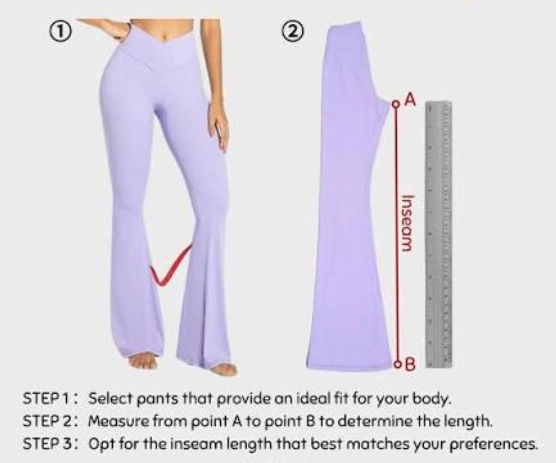
POM clarity: Waist, hip, front and back rise, thigh, knee-related control points, inseam, garment length and leg opening should be defined in a way that can be measured consistently.

Cross-measurement logic: Measurements should be evaluated together because changing rise, hip, thigh or inseam can change overall fit and flare appearance.

Material relationship: Stretch products cannot be reviewed independently from their material because fabric weight, stretch, recovery and compression affect the finished fit.

Buyer authority: The customer’s approved Measurement Chart, Fit decisions and final sample remain the primary technical reference.

Version control: Revised measurements should enter a new controlled version so obsolete specifications do not remain active.
De-identified leggings measurement chart and points-of-measure diagram

How Approved Measurements Become Production Controls

Measurement approval is useful only when the final numbers remain connected to pattern, sample and production. MOVEVOX’s process links the final Measurement Chart with the approved or PP Sample, production version and QC inspection requirements.

Pattern lock: Once fit has been approved, the final production pattern should correspond to the released measurement version.

Size Set review: Representative sizes can be sampled to verify how the buyer’s Grade Rules translate from the base size.

First Article: Representative garments can be checked against the released specification before scale production.

In-line and finished measurement: QC compares actual garments against the applicable buyer specification and tolerance.

Change control: Measurement changes after release pass through the project team before the production site acts on them.

Final principle: Customer specifications, approved samples and confirmed tolerances take priority.
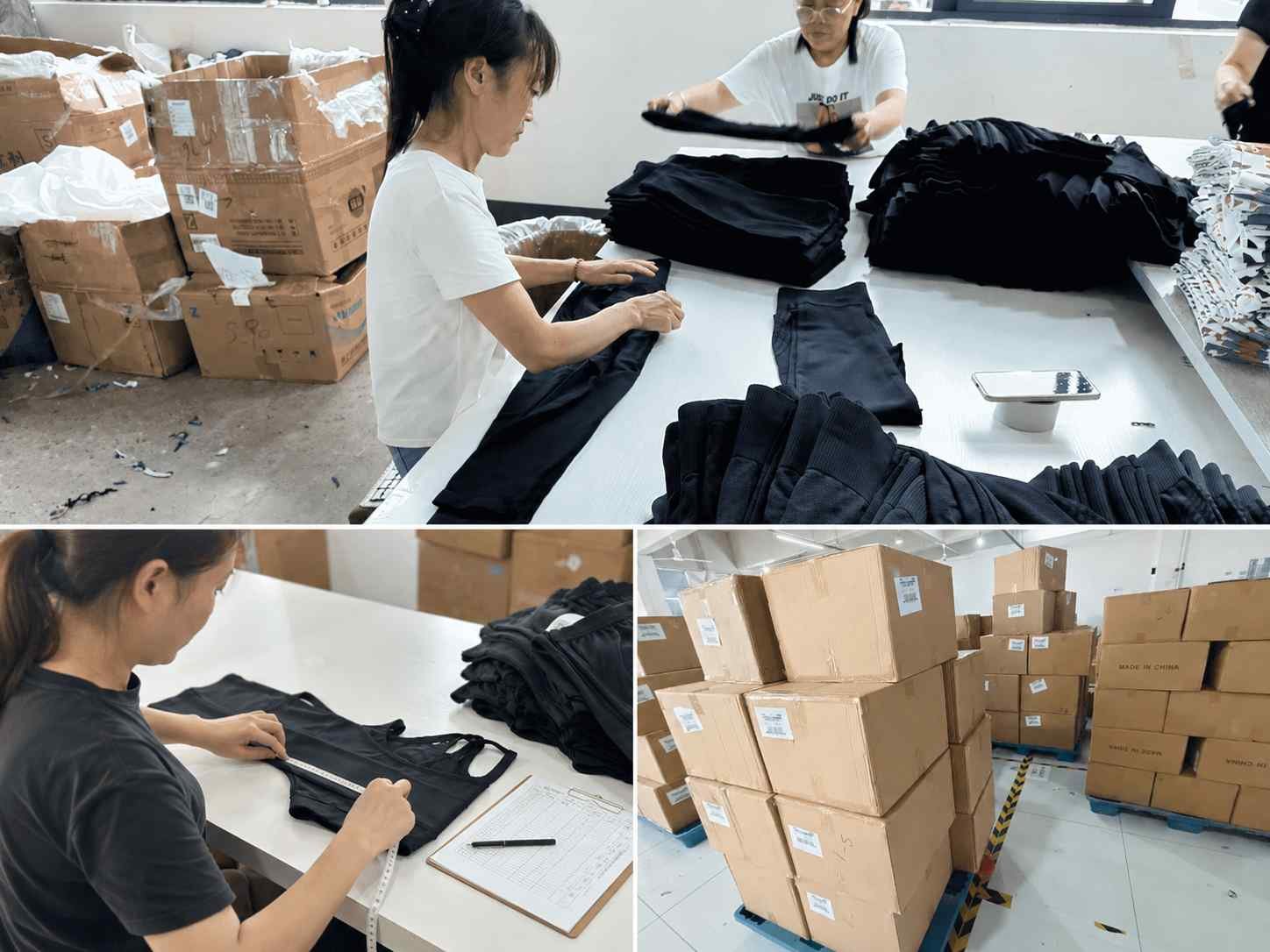
MOVEVOX activewear sample measurement and client review
Fit Sample Review

Review Fit From More Than One Viewing Angle

A Fit Sample should show how the garment sits around the body and how its proportions behave through relevant movement. For flare leggings, one front-facing fashion image is not enough to approve the complete silhouette.
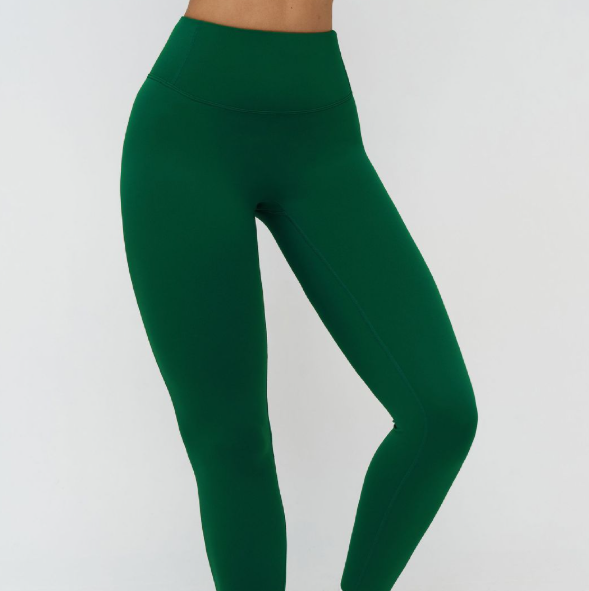
Front view of MOVEVOX leggings used for fit and measurement review

Front Fit

Review waistband position, front rise, hip balance and overall symmetry.
MOVEVOX cut-and-sew leggings standing fit reference

Side Profile

Review rise balance, hip-to-thigh fit and the visible flare start.
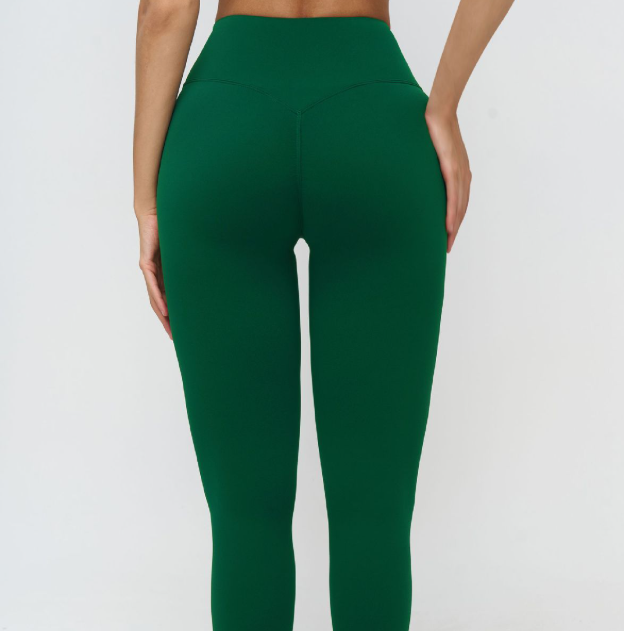
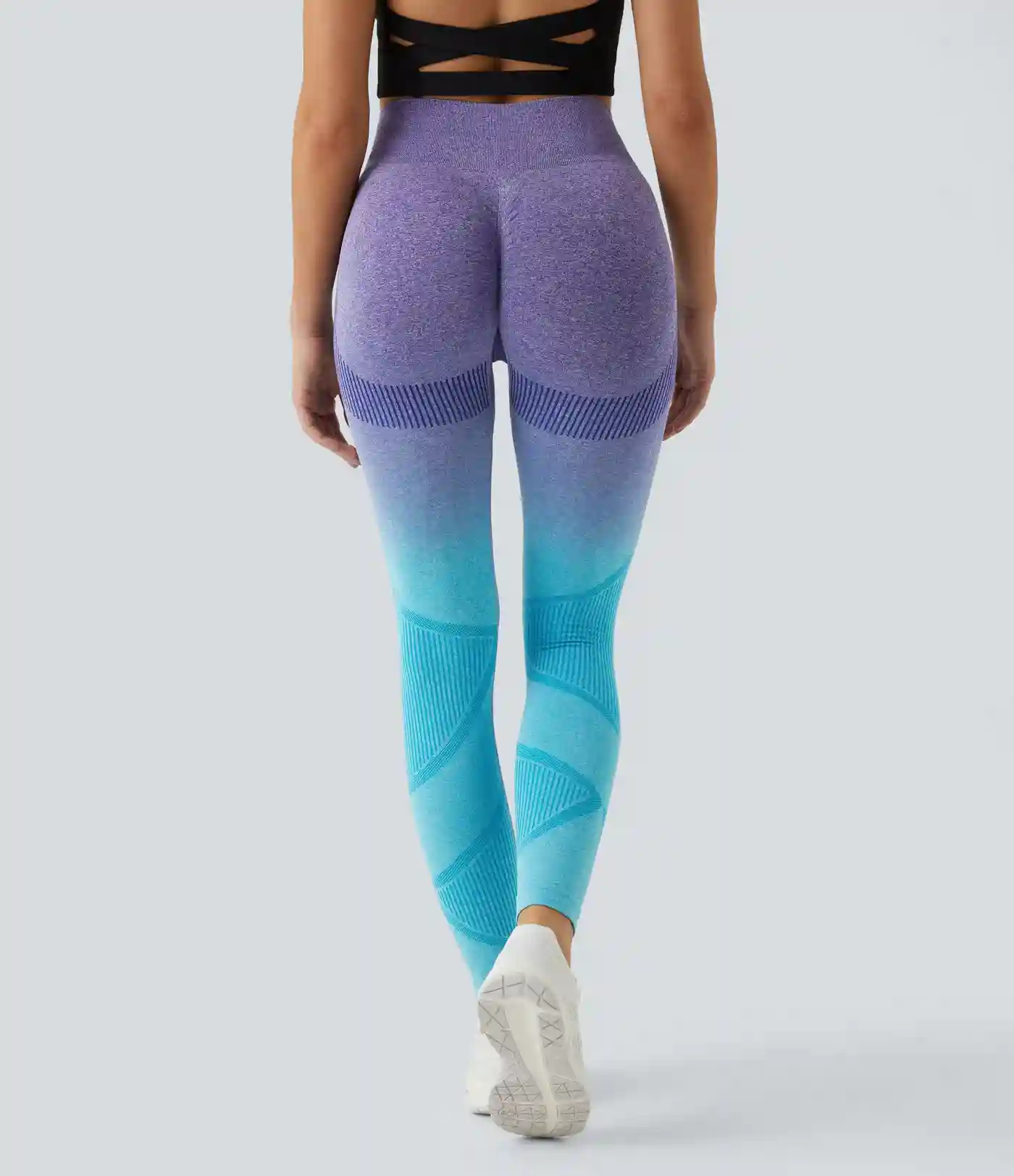
Back view of MOVEVOX leggings used for seat, rise and fit review

Back Fit

Review waistband level, back rise, hip coverage and rear silhouette.

MOVEVOX leggings fitting session in lunge position for crotch and movement review

Flexion Check

Observe waist, crotch and fabric behavior during a Pilates-relevant flexed position.
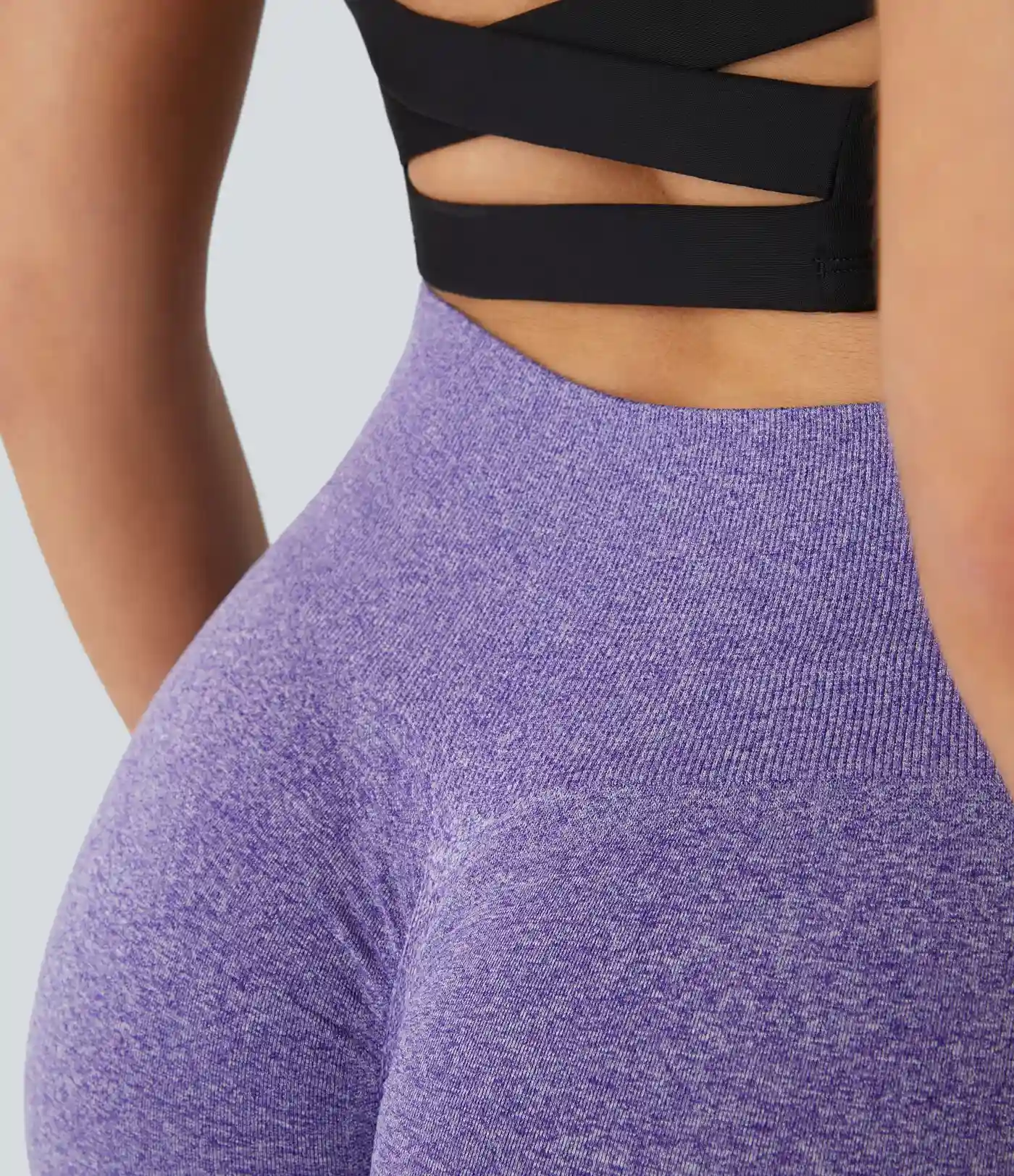
MOVEVOX leggings standing-position waistband fit review

Standing Recovery

Review how material and silhouette return after movement.
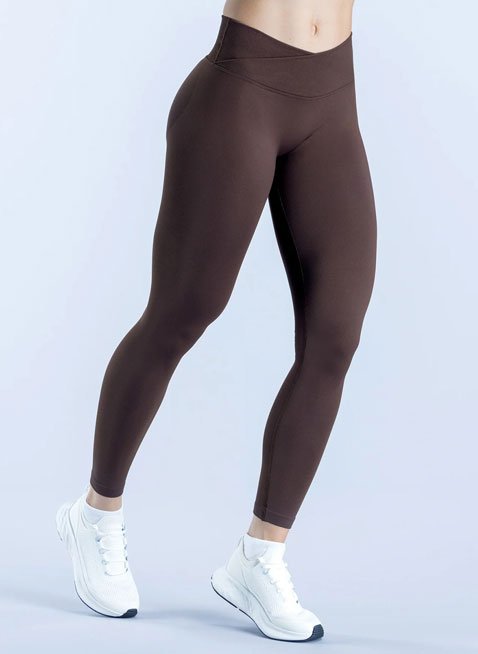
MOVEVOX V-waist leggings construction reference for lower-leg and hem review

Hem Clearance

Confirm finished flare length and lower-leg opening against the intended silhouette.

Fit Revision Evidence

Fit Review Through Controlled Sample Revisions

A documented U.S. activewear project shows how MOVEVOX handled product development through multiple sample stages before bulk. This is an activewear development example, not a claim that the historical style was a Pilates flare legging.

2Sample Versions
5–10Test Samples
~2,000Pieces / Typical Order
3 YearsRecorded Relationship

Development Measures

The buyer provided its own Tech Pack. MOVEVOX first reviewed the technical requirements and produced the first pattern and sample. The buyer then identified design details that did not fully match the intended use case, and the project returned to development rather than moving directly into bulk.

MOVEVOX produced a second version, which the buyer largely accepted. A further five to ten samples were then prepared for practical testing before the buyer confirmed bulk production. The order also required customized packaging, instructions, labels, logo, care label and SKU-specific QR information, which increased the importance of version and packing accuracy.
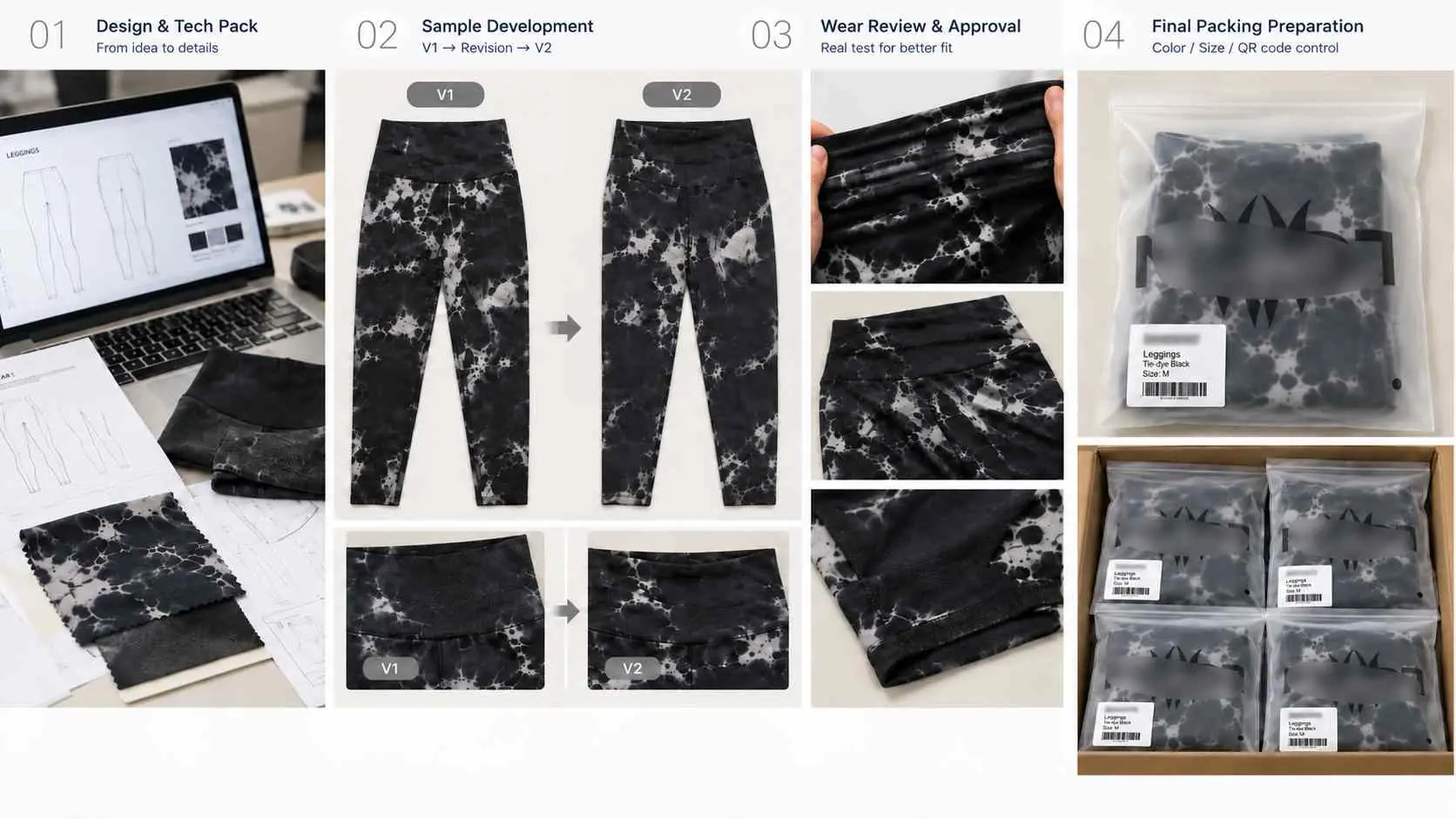
Data scope: These figures come from the documented anonymous U.S. activewear customer case and should be rechecked against current internal PO and customer records before public publication.
Anonymized first-sample evidence from a documented MOVEVOX U.S. activewear project
Anonymized U.S. activewear V1 and V2 sample-development evidence
PP Sample

PP Sample Key Takeaways

  • The PP or final approval sample should represent the released product specification, not an earlier development version that has already been changed.
  • Final measurements must correspond to the approved Measurement Chart, pattern version and agreed tolerance before the bulk order is released.
  • Production material, color, construction, branding and relevant label requirements should be aligned with the approved pre-production reference.
  • For a flare legging, the approved silhouette must remain connected to measurable controls such as rise, inseam and leg opening.
  • Packaging and SKU requirements should be finalized before packing begins when barcode, size or color information differs across the order.
  • Any buyer change after PP approval should enter formal change control rather than being communicated informally to the production line.
Approved activewear pre-production sample and released production specification
Sample-to-Bulk

Carry the Approved Sample Into Bulk Production

The goal is not to promise that every bulk garment is mathematically identical to one sample. MOVEVOX controls production against the buyer’s approved specifications, physical references and agreed tolerances so key variables remain managed through scale-up.

Approved activewear pre-production sample used as bulk production reference

Approved Standard

Final Tech Pack, Measurement Chart, Approved or PP Sample, material, color, branding, labels and packaging create the released production reference set.
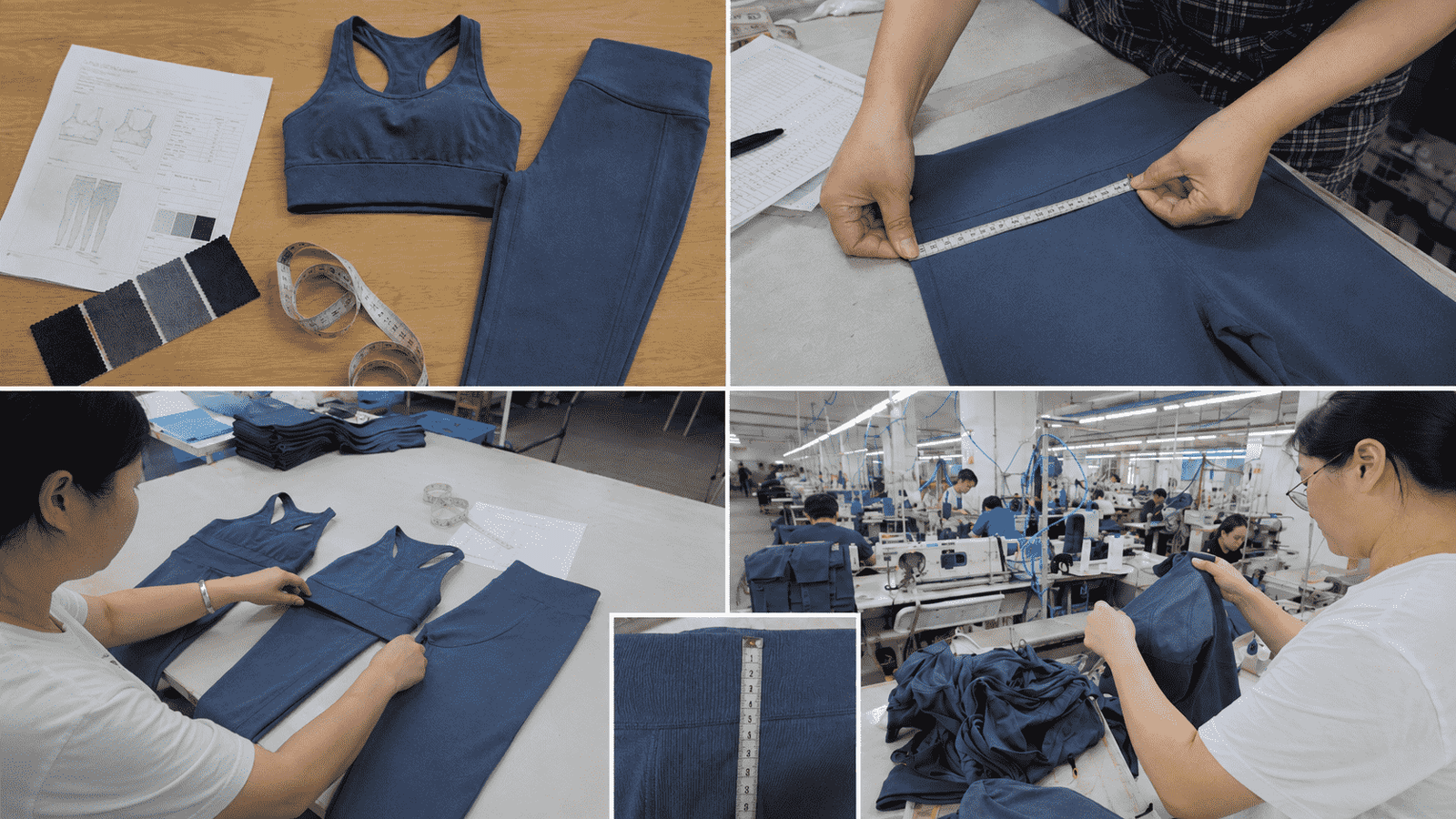
Approved leggings sample compared with measurement, First Article and bulk QC evidence

Bulk Production

Pre-production review, First Article, in-line and final inspection compare actual garments with released standards before shipment release.

Material

Bulk material should correspond to the approved project specification, color and applicable material source rather than being replaced without authorized review.

Measurements

First Article, in-line and finished garments can be checked against the released Measurement Chart and buyer-defined tolerance requirements.

Silhouette

The approved flare shape is supported by the released pattern, measurable lower-leg controls and comparison against the approved physical sample.

Color

Incoming material and finished product color should be checked against the approved physical color reference or agreed project standard.

Branding

Logo size, process, position, labels and related brand components are executed against final approved artwork and placement information.

Packaging

SKU, barcode, hangtag, polybag, size ratio, carton and shipment information are checked against the final buyer packing requirements.

How the handover works: MOVEVOX converts the final Tech Pack, Measurement Chart, Approved or PP Sample, material information, color standard, branding files and packaging requirements into the production reference set. Pre-production review verifies readiness; the First Article provides an early production check; in-line and final inspection compare actual garments with released standards. Material, product or document changes should be updated before production continues.
MOQ Structure

Understand MOQ as Part of Product Engineering

MOVEVOX uses baseline garment MOQ figures for initial project screening, but the final minimum order can change with manufacturing route, custom color, fabric source, special branding, labels, packaging and the way colors or SKUs are divided.

Pilot Program

Validate Before Scale

A Pilot Program is appropriate when a buyer wants to validate a new product before allocating a larger quantity. MOVEVOX’s current base commercial references are approximately 100 pieces per style for standard Seamless customization and approximately 150 pieces per style for standard Cut & Sew customization. These figures are not unconditional guarantees for every flare legging, material or color arrangement.

Quantity: Seamless approx. 100 / Cut & Sew approx. 150

Color/size split: Confirm by project

Price factors: Material, construction, color, branding, packaging

Core Program

Repeat Approved Styles

A Core Program is appropriate for brands that already have an approved style and require regular production across multiple colors, sizes or repeated purchase cycles. MOVEVOX’s typical documented single-order range can cover approximately 300–50,000 pieces depending on project structure. Allocation and commercial conditions remain subject to the actual SKU mix, production route and material requirements.

Quantity: Common project range varies

Color/size split: Based on PO and material conditions

Price factors: Volume, SKU complexity, material and process efficiency

Scale Program

Plan Larger Allocation

A Scale Program begins after the product standard is stable and a larger allocation requires capacity planning. MOVEVOX reviews material availability, production-site allocation, timing, QC capacity and packing requirements before confirming the scalable quantity. The purpose is to grow from a validated product without replacing approved standards simply to increase output.

Quantity: Capacity check required

Color/size split: Forecast and PO dependent

Price factors: Material planning, facility allocation, timing, repeat efficiency

Commercial note: Custom-dyed colors normally require separate assessment and are commonly evaluated around approximately 400–600 pieces depending on product structure, material consumption and dye-lot conditions. Special logo molds, exclusive materials or custom packaging can also carry separate supplier minimums.
Bulk Production

Move From Approved Standard to Controlled Bulk Production

Once development is approved, MOVEVOX uses a production sequence that connects materials, factory readiness, First Article, in-line quality control, finished-garment inspection and packing. Customer approval points and internal release points remain visible through the order.

01

Specification Freeze

Confirm the final Tech Pack, Measurement Chart, Approved or PP Sample, material, color, logo, labels, packaging, quantity and delivery requirements before production instructions are released.

Owner: Project QC: Spec Release

02

Material Readiness

Track main fabric or yarn, trims, branding components, labels and packaging so the production site receives the approved materials and correct versions before scale work begins.

Owner: Sourcing/PMC QC: Incoming

03

Pre-Production Review

Development, sourcing, PMC, production and quality review the order together so manufacturing route, materials, approved sample, critical points and schedule are understood before production starts.

Owner: Cross-Functional QC: PP Review

04

First Article

Produce representative initial units using the released bulk conditions. The First Article is checked before the same product is allowed to move into larger-scale production.

Owner: Production QC: First Article

05

Bulk Production

Execute knitting or Cut & Sew production according to the approved specification, assigned production site and planned capacity. Production progress enters MOVEVOX’s unified order and PMC management.

Owner: Production/PMC QC: WIP

06

In-Line Inspection

QC checks actual production while work is still in progress, including dimensions, appearance, workmanship, branding and relevant product requirements so corrective action can happen before final completion.

Owner: QC QC: In-Line

07

Finished Inspection

Completed garments are checked for measurement, appearance, workmanship, construction, logos, labels and other applicable buyer standards before products move into final packing and shipment release.

Owner: QC QC: Final Check

08

Packing Verification

Approved folding, labels, hangtags, barcodes, polybags, size ratios, carton quantities and carton marks are verified by PO and SKU requirements before the finished shipment is closed.

Owner: Packing/QC QC: Pack Check

09

Shipment Release

Final quantity, QC status, packing information, shipment documents and forwarder requirements are reviewed. Goods that have not completed required release checks do not enter the formal shipment process.

Owner: Logistics/Project QC: Release

Traceability

Trace Materials Before They Enter Bulk Production

Material readiness means more than confirming that fabric has arrived. MOVEVOX links project requirements, material source, color, batch information, production allocation and inspection records so the released product standard remains connected to actual production inputs.

Purchase Requirement

The buyer-approved product specification defines the required main material, color and relevant trims before procurement. Customer-nominated sources take priority when the project requires them.

Material Requirement

Supplier Source

MOVEVOX sourcing manages fabric, yarn and key material suppliers rather than allowing each production facility to independently substitute the approved source.

Supplier Record

Color Reference

Custom or selected colors remain linked to the approved Pantone, physical swatch or other agreed color standard before the production lot is accepted.

Color Approval

Batch Identification

Material batch or lot information should remain identifiable so a later product or quality issue can be narrowed to the affected material rather than treated as an unknown order-wide problem.

Batch Record

Incoming Check

Incoming materials can be reviewed for applicable requirements such as composition information, color, GSM, shrinkage, elasticity, transparency and visible quality before production release.

Inspection Record

Production Allocation

The approved material is linked to the assigned production order, style, SKU and manufacturing location within MOVEVOX’s order and PMC management system.

Production Plan

QC and Shipment

Production and final QC records connect the actual garments to PO, SKU, material, batch, packing and shipment information, supporting later traceability if a problem is reported.

QC Record
Traceability principle: MOVEVOX’s traceability direction is PO → Style → SKU → Material → Production Batch → QC → Carton → Shipment. The completeness of records depends on the actual project and buyer requirements, but the objective is to keep approved inputs and finished-goods evidence connected rather than allowing production sites to create independent material histories.
First Article

Validate Production Conditions Before Scaling the Order

A production First Article is different from a development sample. It is produced after the specification has been released and should represent the actual production material, pattern or knitting program, assigned facility and applicable bulk process conditions.
Released activewear production standard with approved sample and technical references

Approved Production Standard

Before the First Article is made, the production team receives the released specification set: final Tech Pack, Measurement Chart, approved or PP Sample, fabric or yarn requirement, color, logo, labels and packaging instructions. For Seamless projects, the applicable machine, program and yarn requirements may also be relevant; for Cut & Sew projects, the final pattern, material lot and sewing construction need to correspond with the production release. The production standard is therefore a controlled package rather than one reference garment.
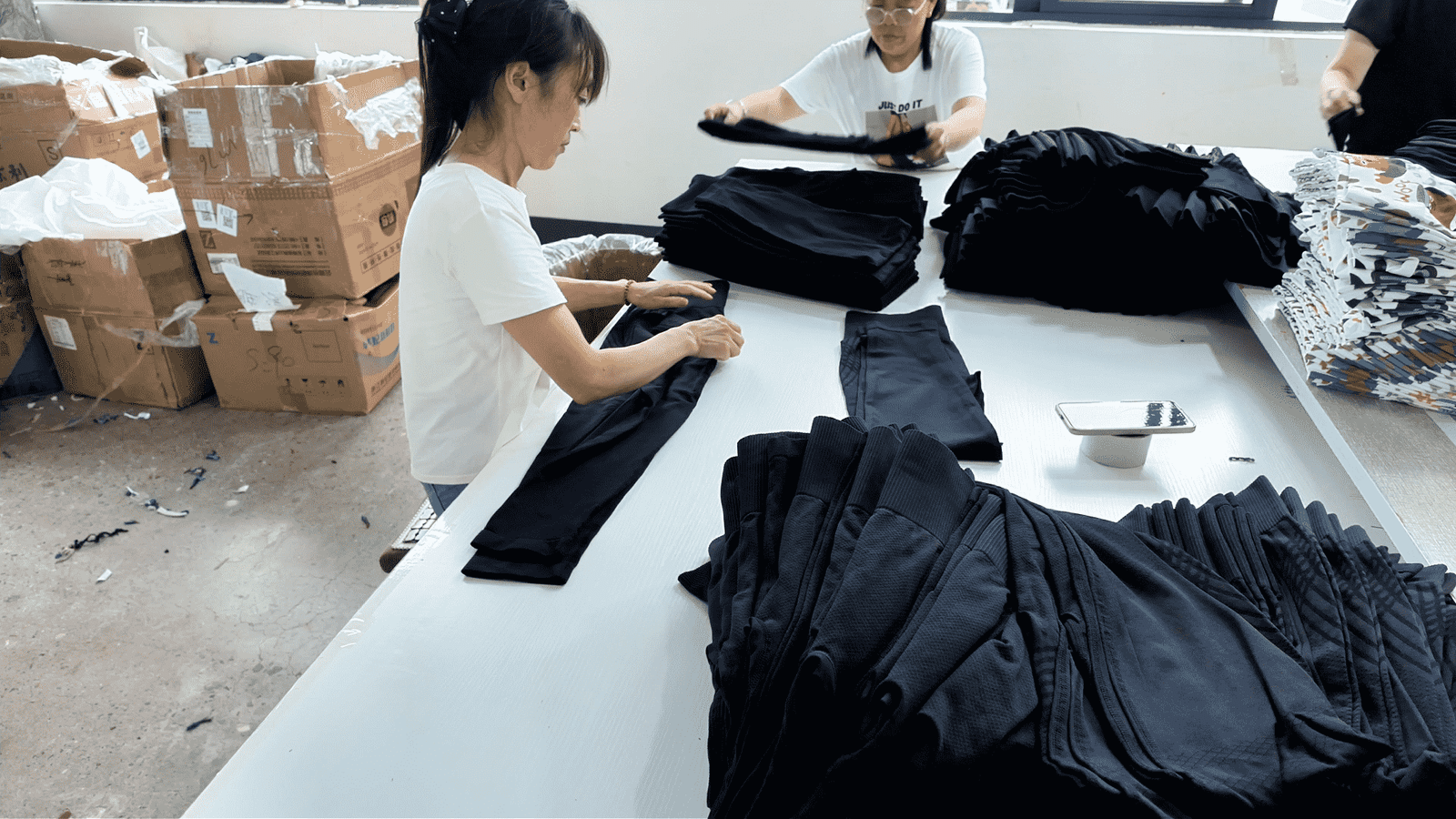
MOVEVOX First Article activewear inspection before bulk scale-up

Production First Article

Representative initial production units are made under actual bulk conditions and then submitted for QA/QC review. The purpose is to detect an incorrect material, old pattern, measurement deviation, branding error or process issue before the same condition is repeated across a larger quantity. First Article completion by the production team is not the same as approval; the relevant quality check must confirm that the garment can proceed against the released buyer standard.

Quality Gates

Quality Control Starts Before the Final Garment Check

MOVEVOX uses customer Tech Packs, PO requirements, approved samples, measurements, color standards, branding files and packaging instructions as the primary quality reference. Control is distributed across materials, pre-production, production and final release.

Gate 01 · Before Production
MOVEVOX incoming activewear material inspection record

Incoming Material

Main fabric, yarn and relevant trims are checked against applicable project requirements before production. The documented inspection scope can include composition information, color, GSM, shrinkage, elasticity, transparency and visible material condition.

  • Approved material and physical color reference
  • Buyer or internal material requirement
  • Applicable batch and supplier identification

Pre-Production Review

Before bulk begins, development, sourcing, PMC, production and quality confirm the released sample, Tech Pack, measurements, material, color, branding, labels, packaging and timing so critical requirements are shared across functions.

  • Latest approved technical version only
  • Approved or PP Sample available
  • Material and branding status confirmed

MOVEVOX First Article inspection record against approved sample and specification

First Article

Representative first production units are reviewed before larger-scale work proceeds. This creates an early control point for measurements, construction, material, logo, appearance and other style-specific requirements.

  • Released measurements and tolerance
  • Approved sample comparison
  • Correct production materials and construction
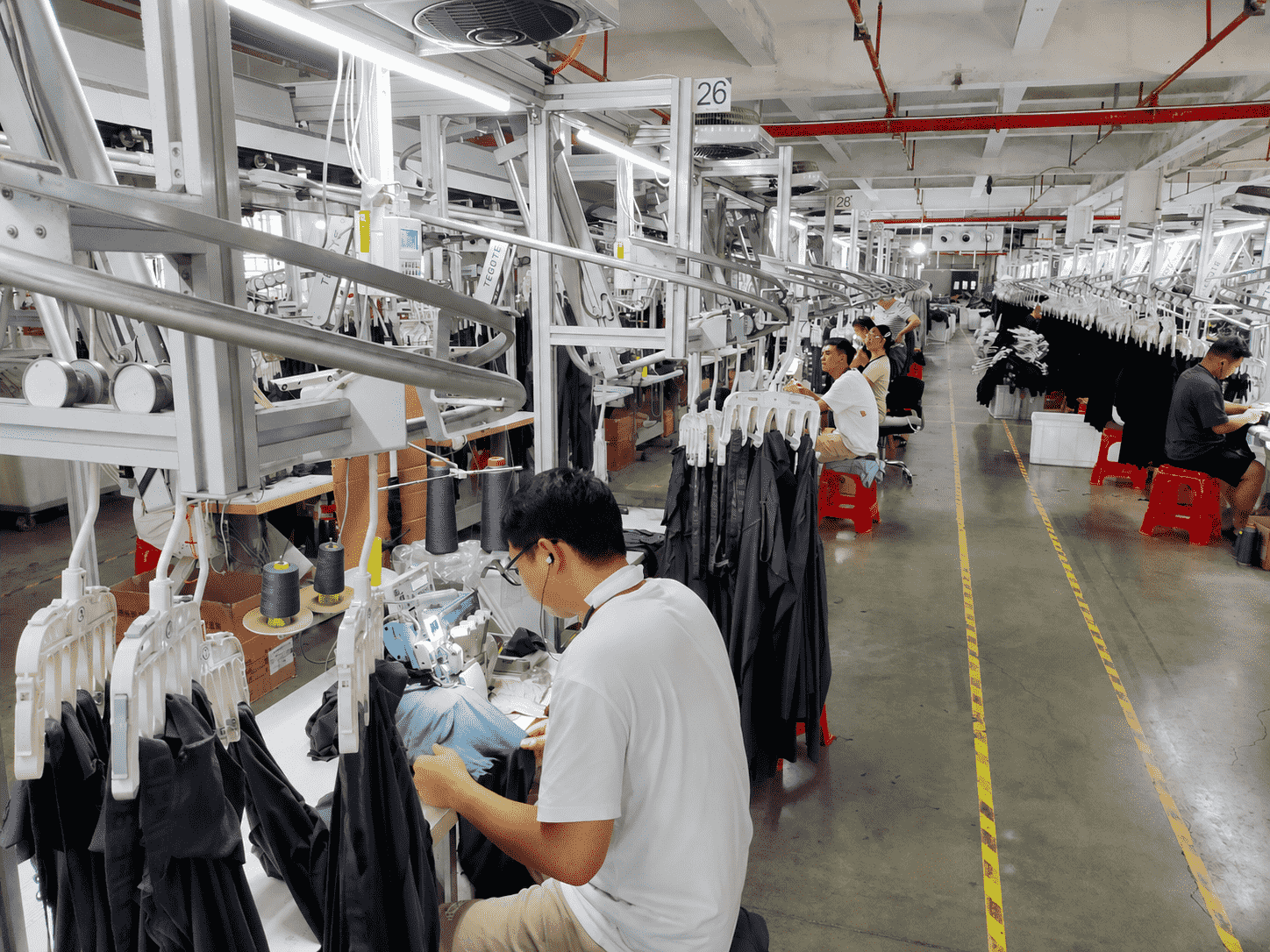
Gate 02 · During Production
MOVEVOX inline activewear quality control during production

In-Line Inspection

QC enters the production process rather than waiting until all units are finished. In-line checks focus on actual workmanship, dimensions, appearance, construction, branding and recurring issues while corrective action can still be taken.

  • Buyer QC Manual where supplied
  • Approved sample and specifications
  • Critical, major and minor issues

Measurement Check

Representative garments are measured against the applicable Measurement Chart and tolerance requirements. The objective is to detect dimensional drift and ensure the released fit standard remains connected to bulk production.

  • Correct POM method
  • Buyer-approved measurement chart
  • Agreed garment tolerance

Finished Garment

Completed products are inspected for applicable workmanship, dimensions, appearance, construction, color, logo, labels and overall product condition before shipment release.

  • Final product requirements
  • Approved sample reference
  • Customer-specific inspection criteria
Gate 03 · Release & Packing
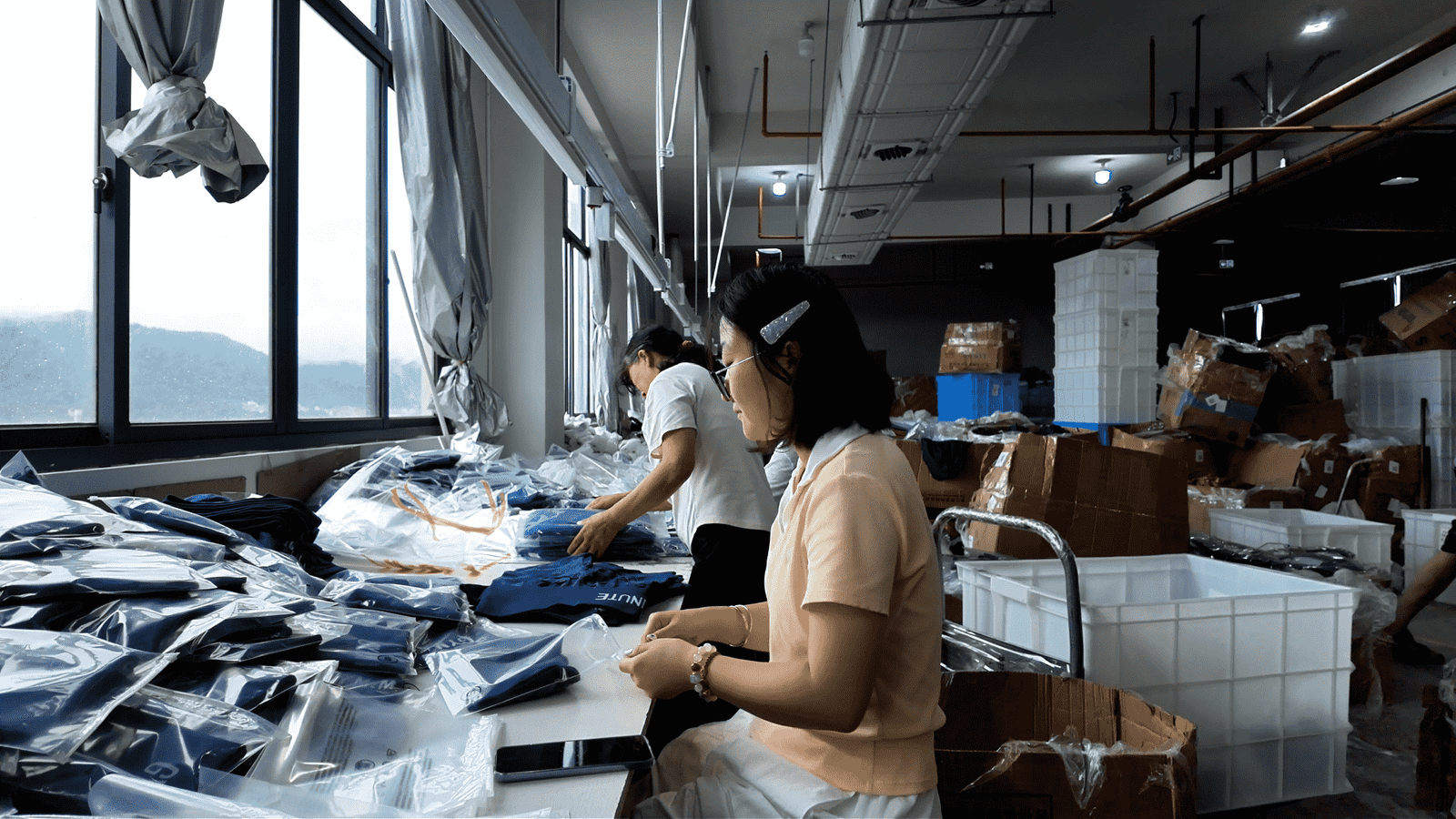
MOVEVOX activewear packing line and finished-goods control

Packaging Check

QC and packing teams verify approved labels, hangtags, barcodes, polybags, SKU information, size ratios, carton quantities and carton marks so packing accuracy is treated as part of product quality.

  • Final buyer packing manual
  • Correct PO, style and SKU
  • Approved barcode and carton information

Pre-Shipment Release

Final shipment readiness includes quality status, quantity, packing and applicable inspection requirements. MOVEVOX supports customer QC and third-party inspection where required before final shipment release.

  • Final inspection completed
  • Required corrective actions closed
  • Packing and shipment records aligned

Nonconformance Control

QC can require production to stop, products to be segregated, rework to be completed or additional inspection to occur when garments do not meet confirmed standards. Delivery pressure does not automatically cancel required quality procedures.

  • Hold affected production
  • Correct and re-inspect
  • Escalate major issues when required
Measurement Evidence

Read a Garment Measurement Report Like a Buyer

A measurement report should show what was measured, which approved value applies, what tolerance is allowed and what actual result was recorded. Buyer, style and commercial information can be anonymized without removing the technical logic.

MOVEVOX activewear garment measurement inspection sheet
Use a real anonymized report here. Do not publish a fabricated inspection sheet that only imitates a real customer record.

Point of Measurement

Each reported value should correspond to a defined POM so the factory, QC team and buyer are measuring the garment using the same method.

Target Measurement

The Target column comes from the applicable buyer-approved Measurement Chart or released specification, not from a generic MOVEVOX website size chart.

Tolerance

Tolerance defines the accepted measurement range around the target. The applicable tolerance depends on the product, manufacturing route and buyer standard.

Actual Result

QC records the actual garment measurement for the inspected sample and compares it with the released target and agreed tolerance.

Result Status

The record identifies whether the measured point is within the accepted specification or requires follow-up, rework, additional inspection or buyer disposition.

Style and Size

The report should remain linked to the correct PO, style, color and size so measurement evidence can be traced back to the relevant production batch.

Inspection Stage

First Article, in-line and final measurement records serve different purposes. The stage should be identifiable so the buyer understands when the data were collected.

Report use: MOVEVOX uses measurement checking within its wider quality process rather than treating one report as proof that every garment is identical. Measurement results support First Article, in-line and finished-garment control and should be interpreted together with the buyer’s sampling method, approved tolerance and applicable inspection plan. Sensitive customer names, prices and unreleased style information should be removed before a report is published online.
Quality Organization

Quality Organization Facts Buyers Can Verify

These figures describe MOVEVOX’s current quality organization and inspection coverage. They are operational company facts, not claims about a universal defect rate, pass rate or guaranteed quality outcome for every future order.

5

QC Personnel

MOVEVOX currently records five QC personnel covering incoming material, pre-production, First Article, in-line, finished garment, measurements, logos and labels, packaging and pre-shipment inspection activities.

MOVEVOX Company Facts Manual · 2026
2

QA Personnel

MOVEVOX’s QA function is normally configured with two people focused on quality planning, Approved Sample management, pre-production review, defect classification, quality-risk analysis and corrective or preventive actions.

MOVEVOX Company Facts Manual · 2026
5–8

Years QA/QC Experience

The documented average experience range for QA/QC roles is approximately five to eight years, with the Quality Manager separately recorded as having around eight years of garment quality experience.

MOVEVOX Company Facts Manual · 2026
9

QC Coverage Areas

Current QC responsibilities list nine operational areas from Incoming Material Inspection through Pre-Shipment Inspection, including measurements, branding and packaging rather than restricting quality control to finished garments.

MOVEVOX Organization Facts · 2026
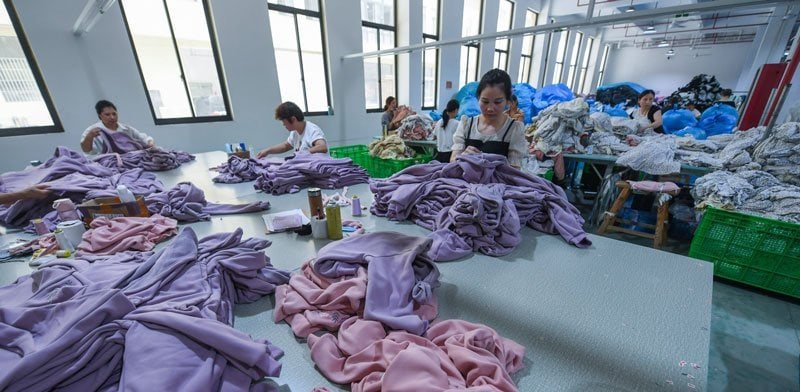
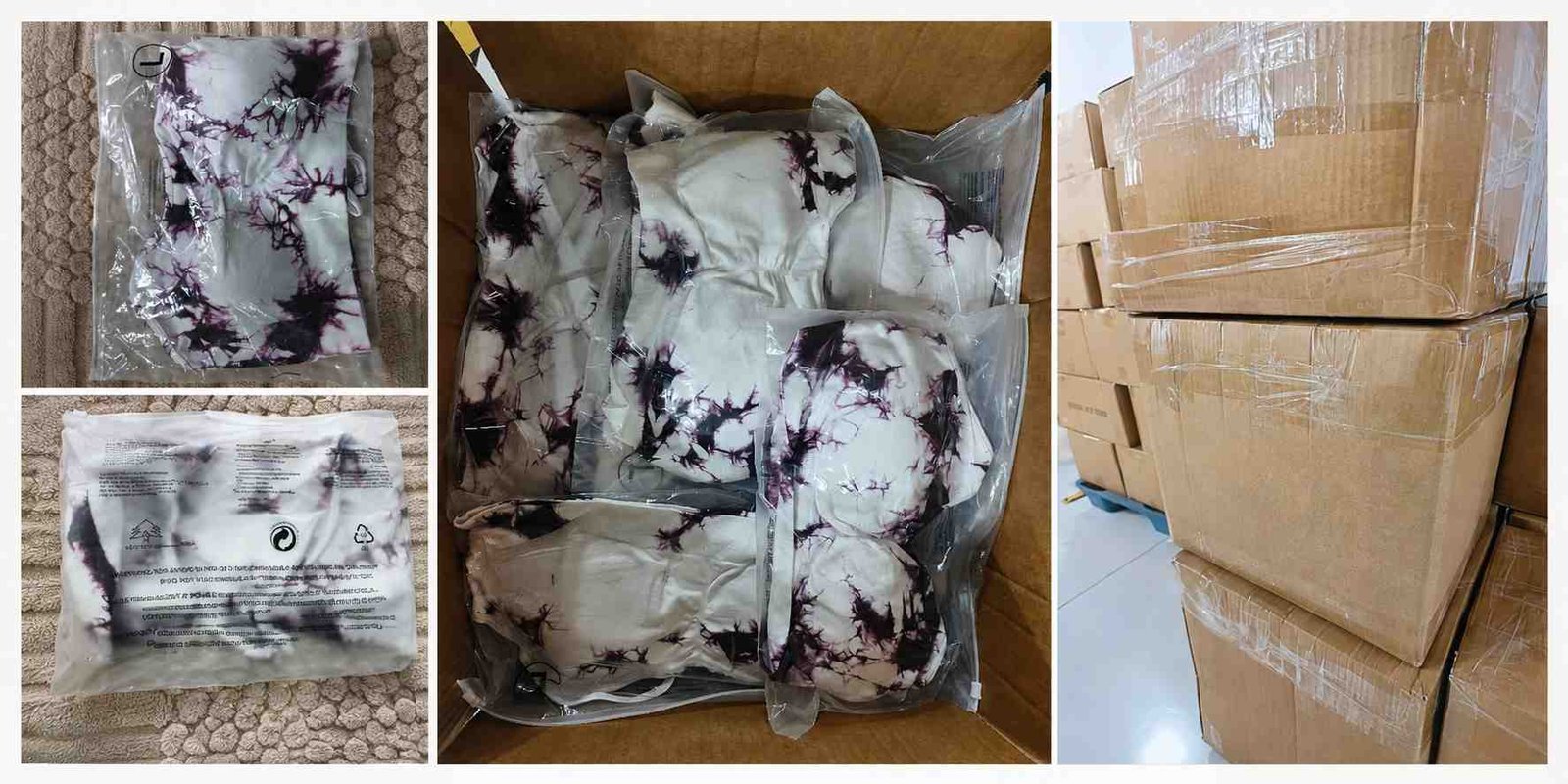
MOVEVOX activewear finished-garment quality inspection
MOVEVOX garment measurement and quality-control activity
MOVEVOX private-label packing checklist with size, color, barcode and SKU verification
These figures should be supported online with real team, inspection and record evidence wherever confidentiality permits. They do not establish a statistical defect rate. A buyer evaluating MOVEVOX should still review actual inspection records, buyer-specific QC procedures and project execution during sampling, trial production or factory audit.
Capacity

Capacity Means Quality-Released Garments, Not Machine Output

MOVEVOX separates equipment capacity, stable production references and combined managed delivery capability. Formal capacity confirmation for a flare leggings program still depends on style complexity, SKU count, material, manufacturing route, production-site allocation and timing.

28

Santoni Machines

The core production system includes 28 Italian Santoni seamless knitting machines used for MOVEVOX’s Seamless activewear manufacturing capability.

~24

Garment Machines

The core production system includes approximately 24 main sewing and garment-production machines supporting the Cut & Sew manufacturing route.

8

Satellite Factories

MOVEVOX manages eight major long-term satellite factories, with the documented network including six in Yiwu and two in Guangzhou.

~300K

Seamless Reference

The current company facts record approximately 300,000 pieces per month as a stable Seamless capacity reference. This figure must not be mechanically added to other capacity figures as a sales claim.

~100K

Cut & Sew Reference

The company facts record approximately 100,000 pieces per month as a stable Cut & Sew capacity reference, subject to actual style and production conditions.

~150K–200K

Managed Delivery

MOVEVOX’s normal combined managed delivery capability is documented at approximately 150,000–200,000 pieces per month across the controlled manufacturing network.
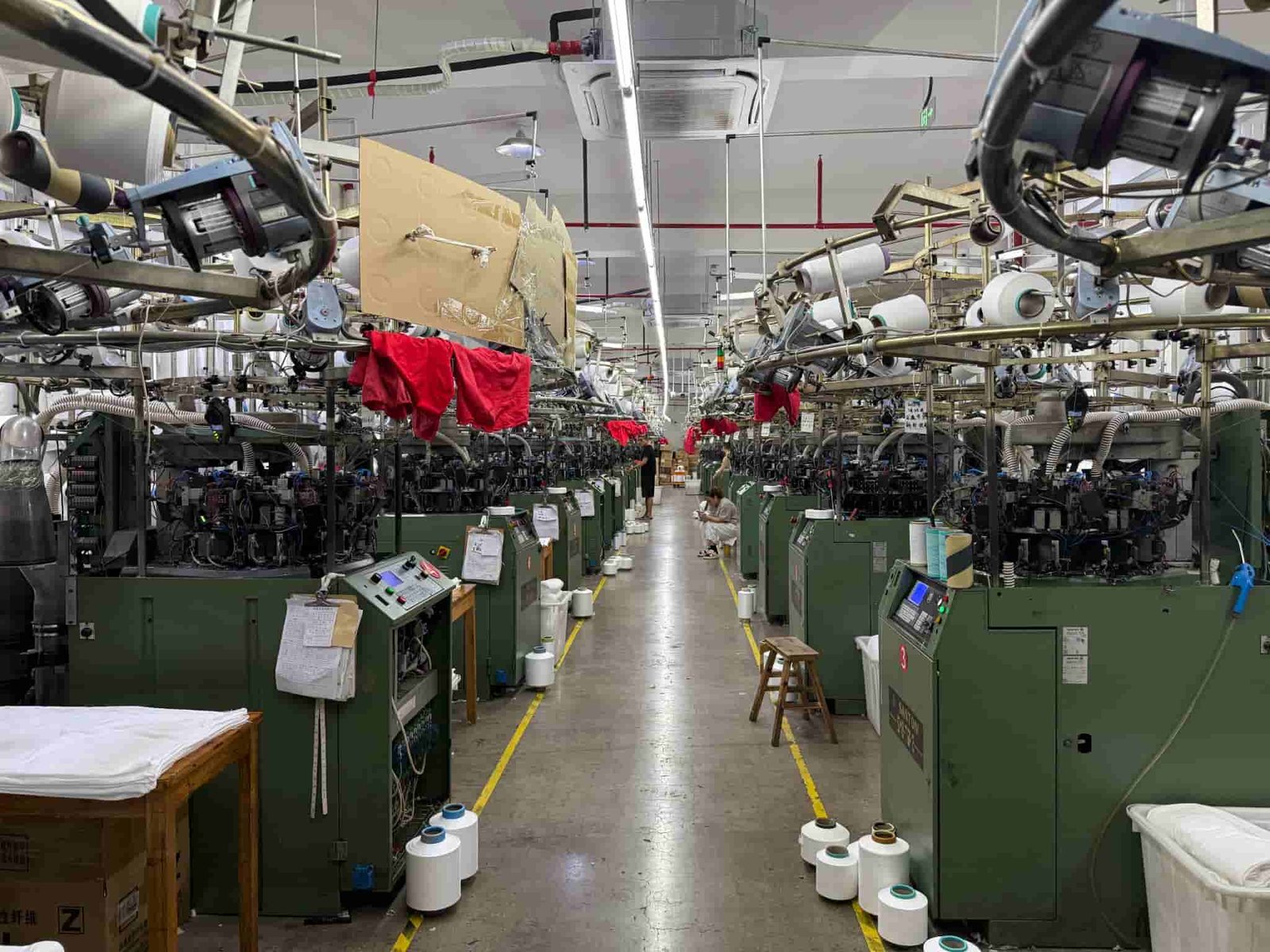
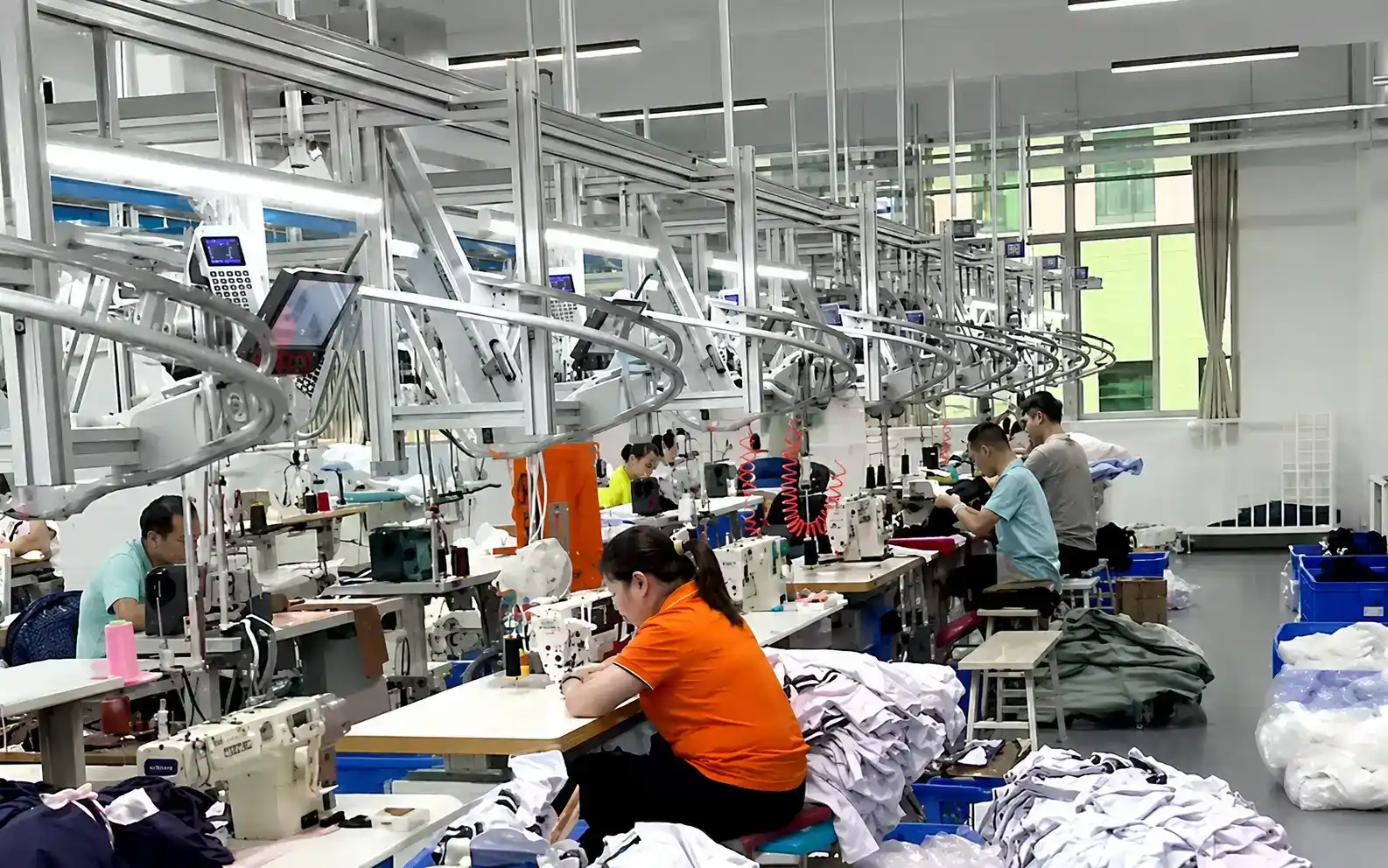
MOVEVOX Santoni seamless knitting area inside the Yiwu core factory
MOVEVOX cut-and-sew activewear production area
MOVEVOX core factory, managed satellite factory and specialist partner production network
Data scope: 2026 company-fact reference. Capacity includes defined core and managed production resources; project capacity requires separate Style/SKU/material/timing confirmation and quality-release planning.
Scale-Up Evidence

How a Real Client Program Expanded After Validation

An anonymous Spanish customer case illustrates MOVEVOX’s “flexible entry, repeat and scale” model. The sequence below is historical case information and should be revalidated against current commercial records before public website use.

Stage 01

Sample Validation

The customer first purchased available samples and evaluated quality, fabric, workmanship, style and detail. After accepting the product direction, the project moved into branded customization rather than immediately placing an untested bulk order.

Sample Validation
First Order

1,200 Pieces

The customer customized care-label details, labels, packaging and logo. MOVEVOX recommended a silicone-logo process and matte zipper-bag packaging. The recorded first bulk order was 1,200 pieces, with part shipped by air and the balance by sea.

First Bulk
Second Week

Repeat 1,200

According to the recorded case notes, the customer placed an additional 1,200-piece repeat order during the second week, before receiving the full first shipment. Branding and packing requirements followed the approved first-order standard.

Early Repeat
Ongoing

Repeat Orders

The case developed into a repeated purchasing relationship, with new styles regularly introduced for the customer to review. The recorded case notes state that cooperation reached approximately two orders per month during the documented period.

Repeat Program
Peak Order

Three Times Normal

One recorded order in May was approximately three times the customer’s normal quantity. MOVEVOX increased production-line allocation and completed the order within the required production window according to the original case notes.

Scale-Up
Inventory Support

Selected Styles

After repeated cooperation, MOVEVOX recorded keeping inventory for customer-selected styles, with approximately 1,500 pieces per color noted in the historical case narrative to support exceptional demand.

Supply Planning
Long-term mechanism: This case is useful because the scale-up was not described as replacing standards with an unknown factory. Product, branding, packaging and QC requirements remained connected to the repeat program while production resources were adjusted as demand increased. Historical order-frequency and inventory figures should be checked annually before they remain public claims.
Time & Action

Manage Delivery Through a Visible Time and Action Plan

A quoted lead time becomes more useful when material, approvals, production, inspection and packing are shown as dependent stages. MOVEVOX uses PMC and project management to identify timing risk before the final shipment date is affected.

Stage
Spec
Sample
Material
PP
Bulk
Inspect
Pack
Ready
Specification Freeze
Confirm
Sampling
5–10d
Material Booking
Project
PP Approval
Client
Bulk Production
20–35d
Inspection
Plan
Packing
Project
Cargo Ready
T&A

Specification Freeze

Timing: Confirm per project

Prerequisite: Tech Pack, measurements and product decisions complete

Buyer checkpoint: Final development information approved

Material Booking

Timing: Confirm per project

Prerequisite: Approved material, color and purchase conditions

Buyer checkpoint: Custom color or nominated material approval where required

Inspection

Timing: Within production plan

Prerequisite: First Article, WIP and finished goods available

Buyer checkpoint: Buyer or third-party inspection where required

Cargo Ready

Timing: Per approved T&A

Prerequisite: Quality release, packing and shipment documentation

Buyer checkpoint: Forwarder and shipping instructions complete

Timing conditions: The standard sample and bulk figures are planning references, not guarantees independent of project conditions. Custom fabric, special dyeing, complex branding, multiple SKUs, peak-season capacity, buyer approval delays or late specification changes can move the critical path. MOVEVOX therefore confirms actual project timing through material availability, capacity review and a working T&A plan.
Supply Network

One Accountable Interface Across a Controlled Supply Network

MOVEVOX does not claim that every operation for every order happens inside one room. The operating model combines a Yiwu core factory, long-term satellite capacity and selected specialist suppliers under unified product, material, order and quality management.

MOVEVOX Core Factory

The Yiwu core factory is the technical, sampling, core-production and quality-control center. Higher-risk development, key production steps, First Article work and controlled small-to-medium production can remain closest to MOVEVOX’s internal technical and QC teams.
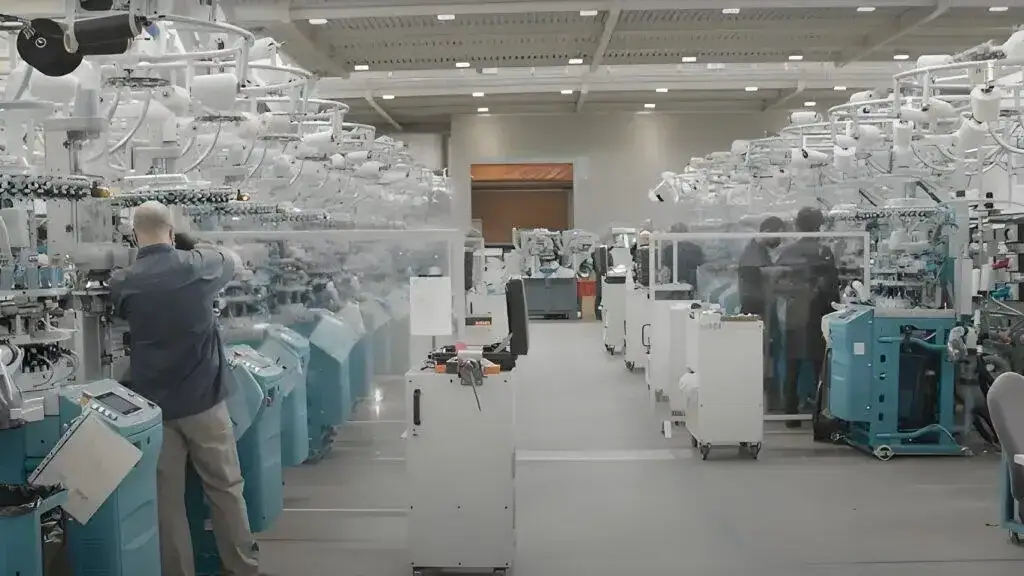
MOVEVOX Yiwu production area prepared for customer qualification review

Satellite Factories

MOVEVOX manages eight major long-term satellite factories, including resources in Yiwu and Guangzhou. Satellite facilities execute work that has already been developed and standardized and do not independently redefine customer materials, technical versions or quality standards.
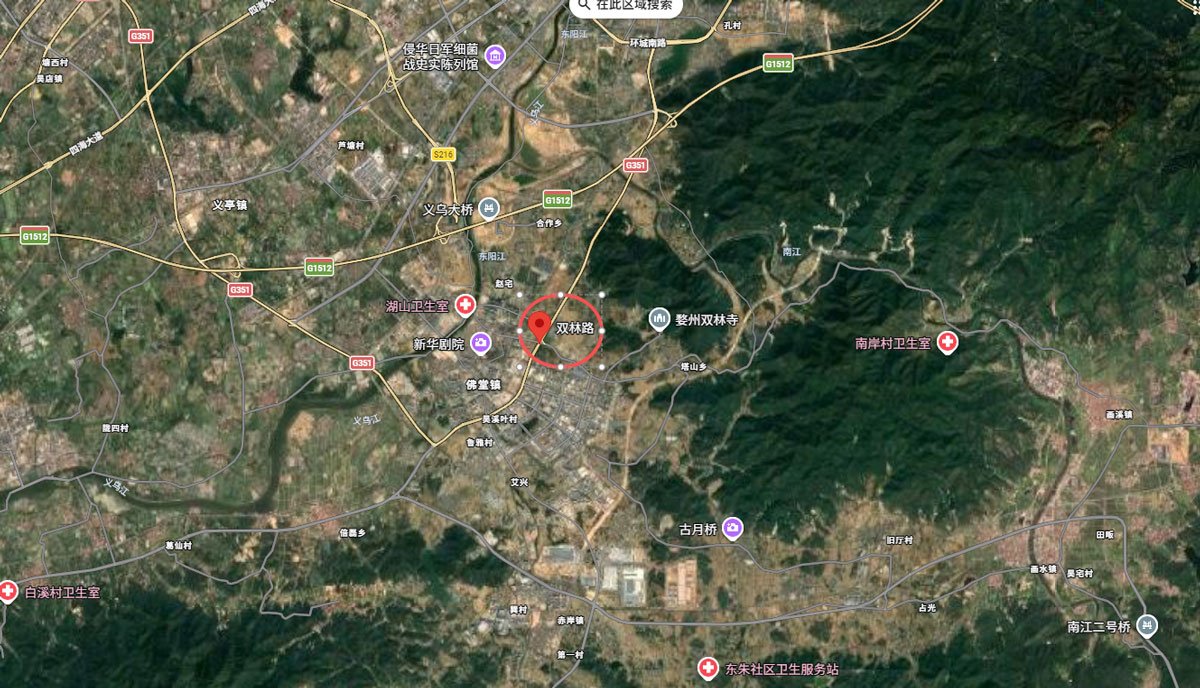
Map showing MOVEVOX Yiwu manufacturing and coordination location

Material Suppliers

Fabric, yarn and key material sourcing are coordinated centrally so production facilities do not independently replace approved sources. Customer-nominated suppliers or materials are followed according to the buyer’s approved requirements.

Branding Partners

Specialist suppliers may support printing, embroidery, silicone logos, labels or other brand components. MOVEVOX coordinates approved artwork, material compatibility, timing and incoming requirements before components enter the order.

Specialist Processes

Selected partner facilities can be used for specialized processes, non-core structures or controlled capacity needs. They are not the default route for every order and remain subject to MOVEVOX project, technical and quality management.
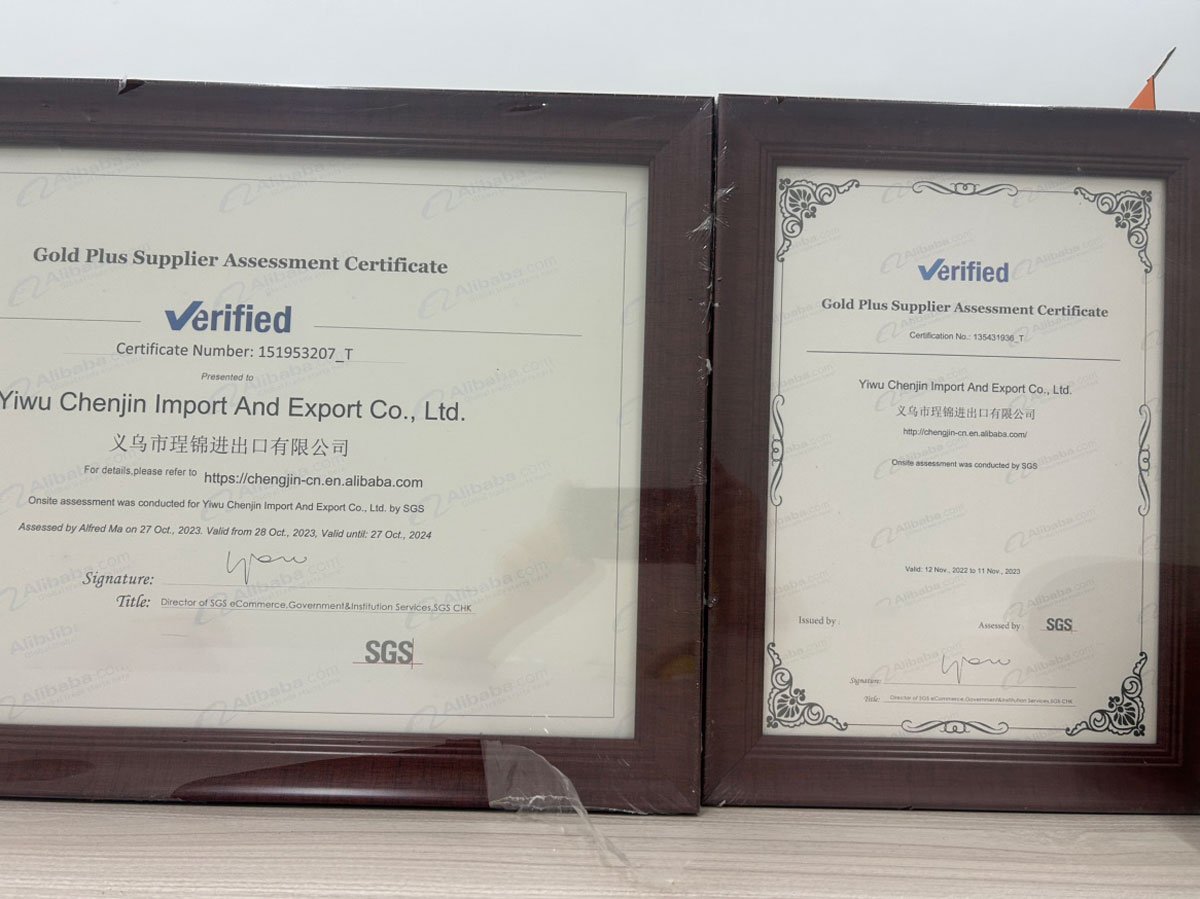
MOVEVOX activewear supply-chain and facility verification evidence

Packaging Supply

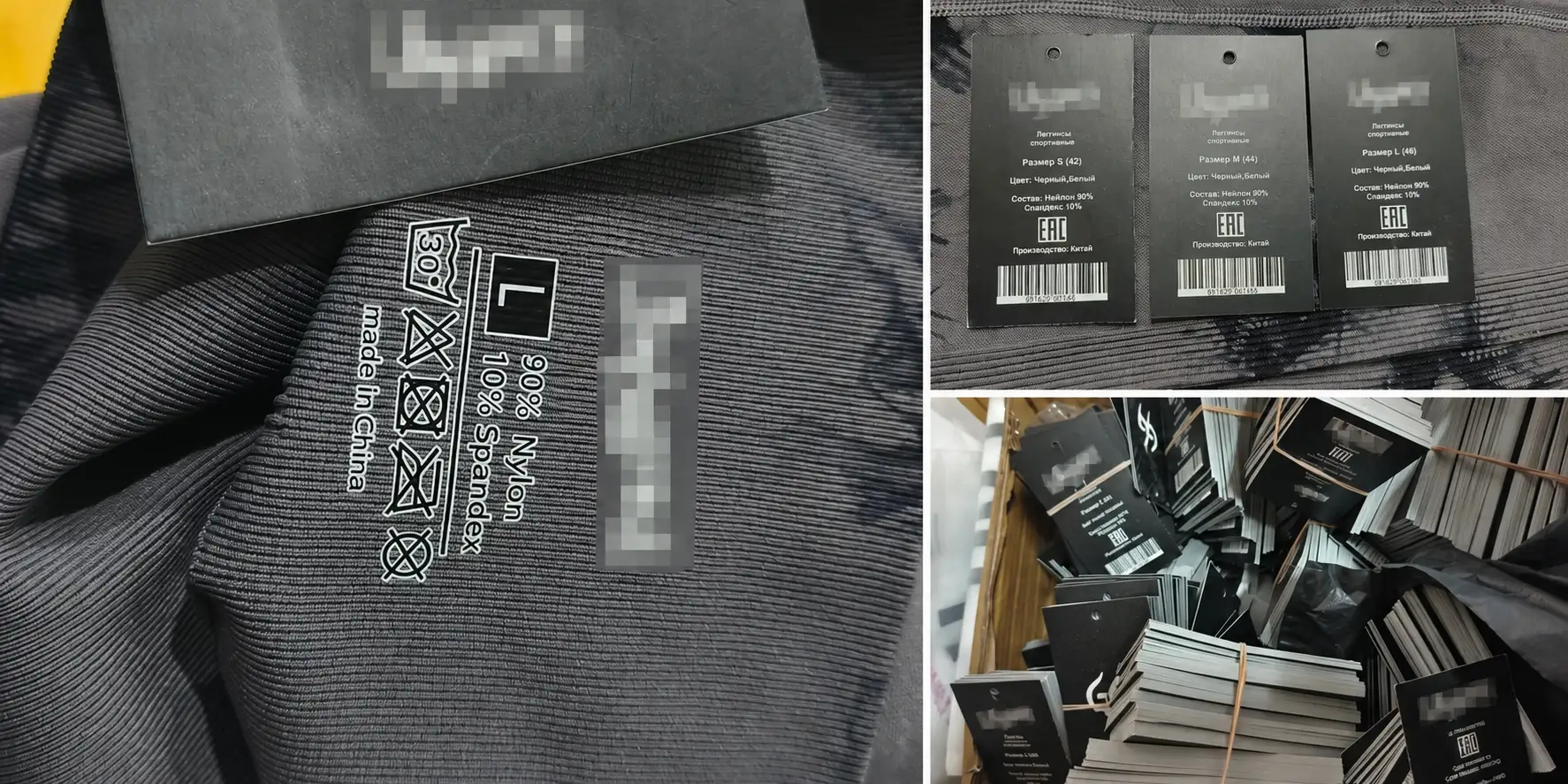
Polybag, sticker, barcode, hangtag, carton and custom-packaging requirements are coordinated against the approved buyer files and linked to the correct PO, style, size and SKU where required.
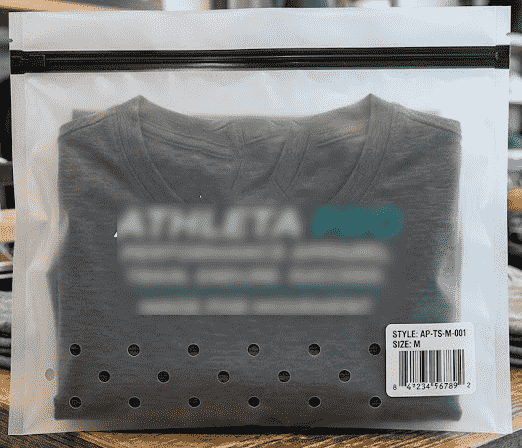
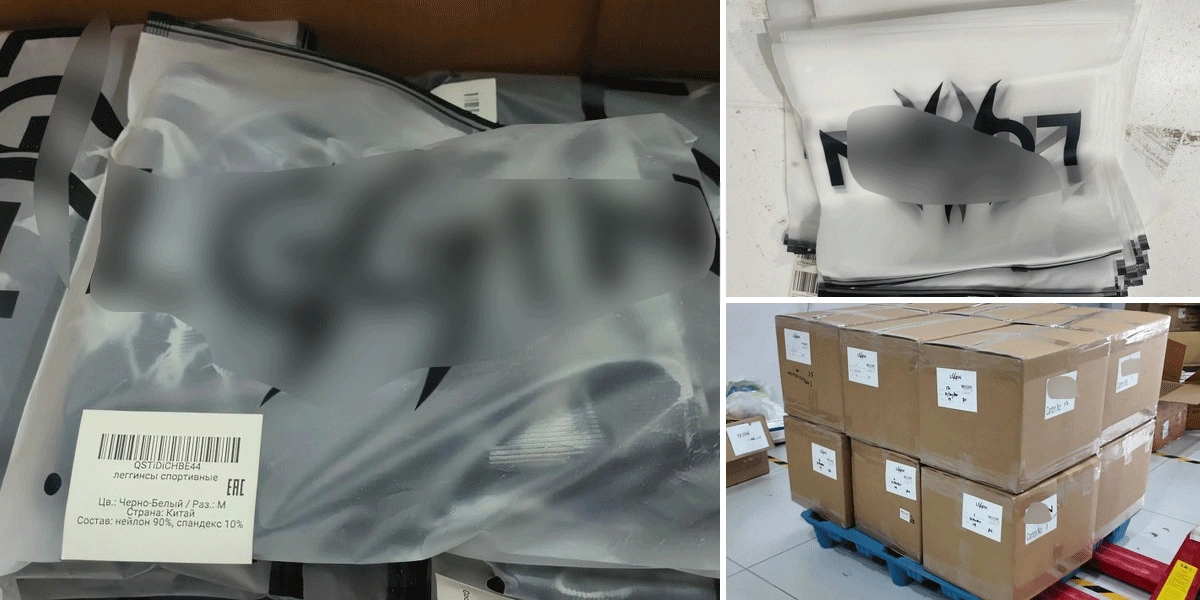
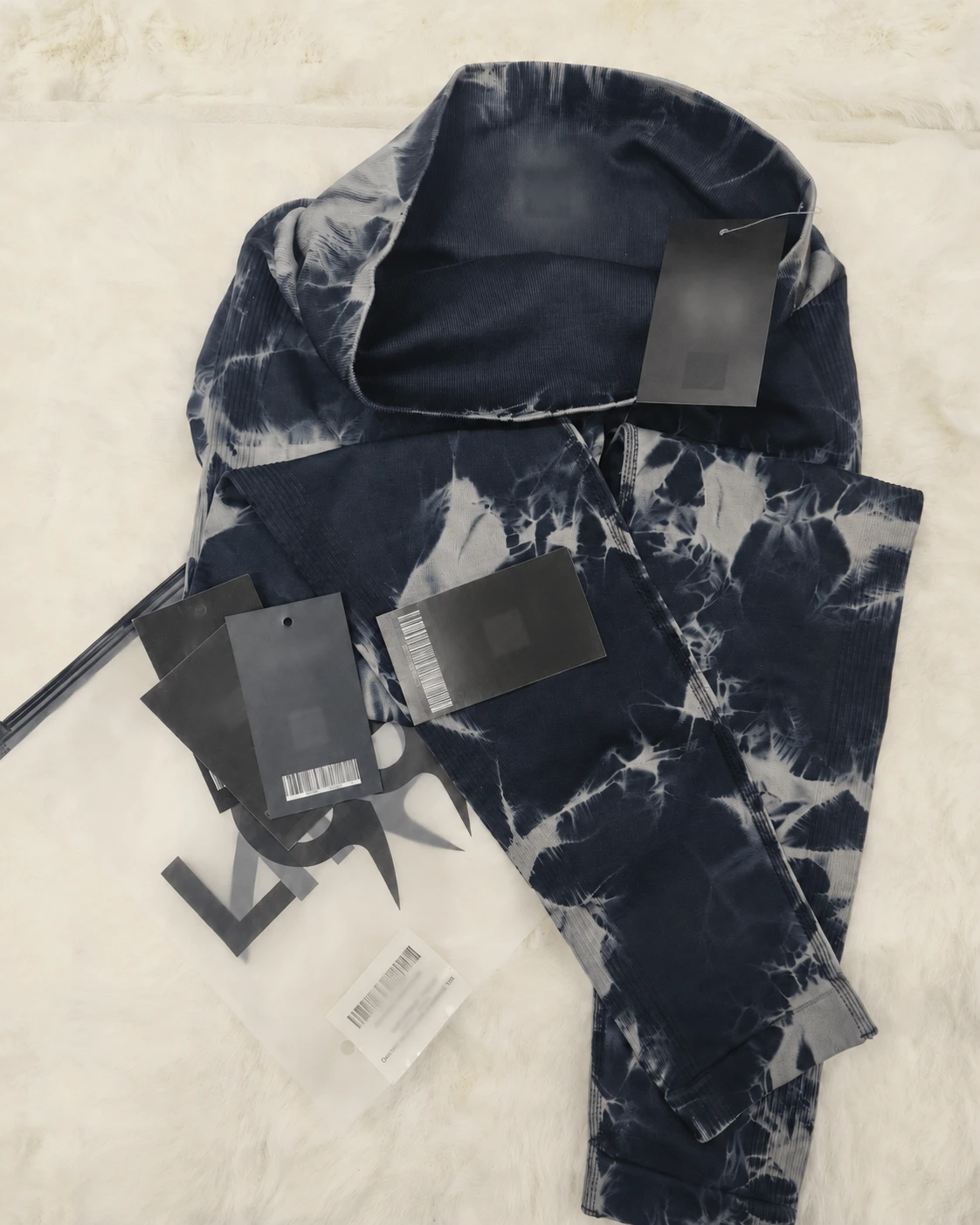
MOVEVOX hangtag, barcode and packaging verification evidence

Logistics Coordination

MOVEVOX coordinates packing lists, carton breakdowns, shipping marks, cargo-ready information and forwarder handover. Buyers can use their nominated forwarder or work with MOVEVOX on agreed logistics coordination.

Unified management: MOVEVOX centrally manages customer requirements, Tech Pack versions, Approved Samples, BOM and materials, facility allocation, production planning, QC, packaging, changes and shipment release. For customers requiring Approved Factory Only production, audit access or specific subcontracting restrictions, production-site changes must follow the buyer’s written requirements rather than being made without disclosure.
Factory Verification

See What a Buyer Can Verify at MOVEVOX

MOVEVOX supports customer factory visits, Technical Audits, Pre-production Visits, Inline Inspection and Pre-shipment Inspection. The objective is audit readiness and transparent verification, not claiming certifications that are not supported by valid documents and applicable scope.

Legal and Site Identity

MOVEVOX is the commercial brand operated by Yiwu Chenjin Import And Export Co., Ltd., which is the current legal entity established in 2020. The self-operated production base is located in Fotang Town, Yiwu, Zhejiang, China. The documented site consists of approximately six floors at around 1,000 square meters per floor, with approximately 6,000 square meters of actual production space.
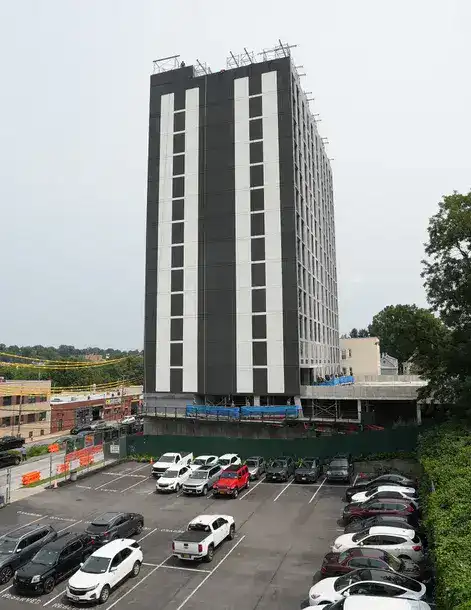
Exterior of the MOVEVOX Yiwu core manufacturing base

Product Development Area

Buyers can verify that product development is a real operating function rather than a marketing statement. MOVEVOX records an approximately eight-person development system consisting of two design staff, two professional pattern roles and four sample-making staff. Development work covers Tech Pack analysis, pattern, measurements, material direction, physical samples, Fit adjustment, revision control and production technical handover.
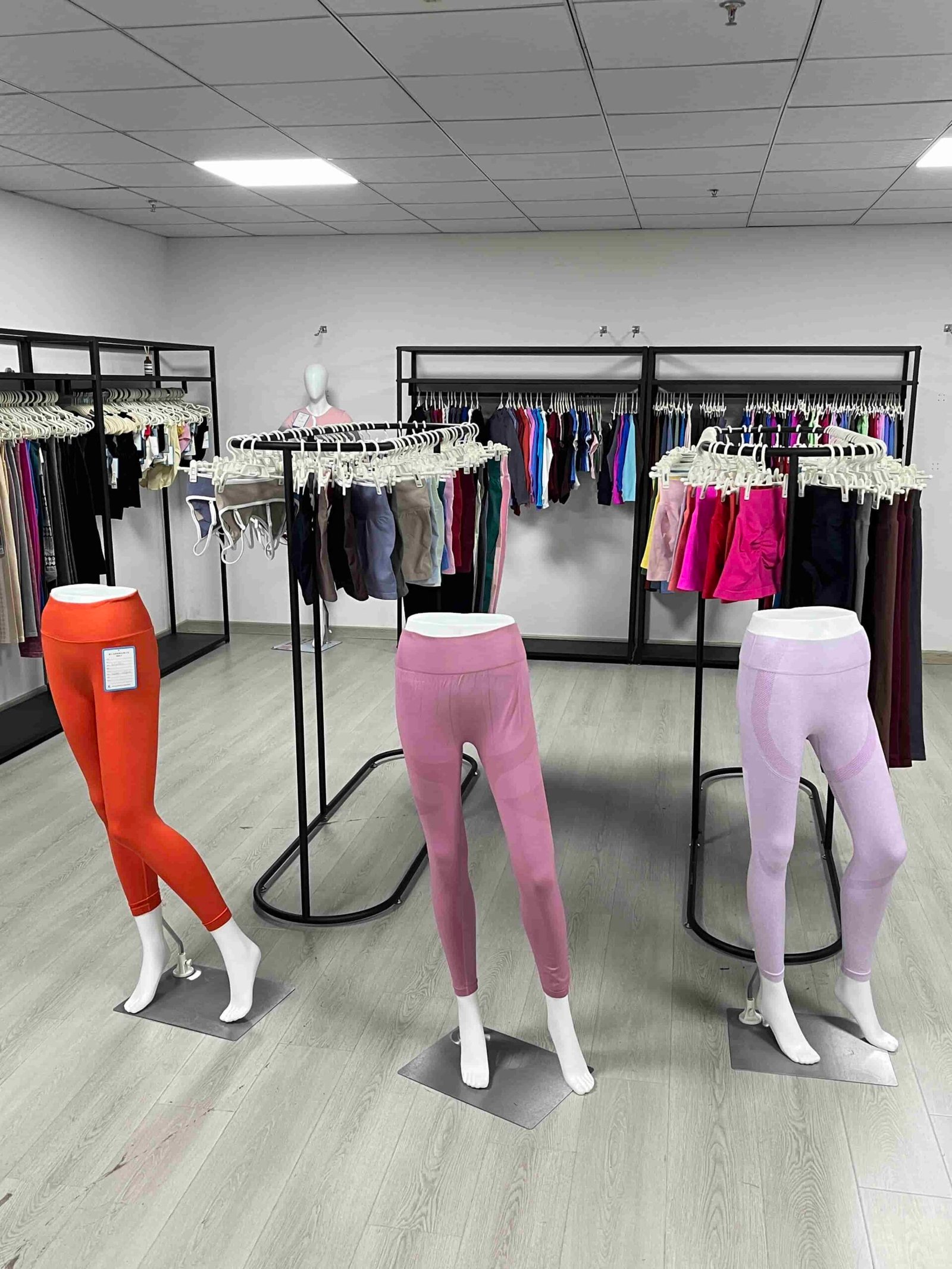
MOVEVOX activewear sample-development workspace at the Yiwu production base

Seamless Production

MOVEVOX’s core production system includes 28 Italian Santoni seamless knitting machines. The Seamless capability is used for activewear structures developed through yarn, knitting organization, machine program and product sizing rather than conventional cut-piece construction. A factory visit or live video can allow buyers to verify actual equipment and production activity subject to confidentiality around other customer projects.
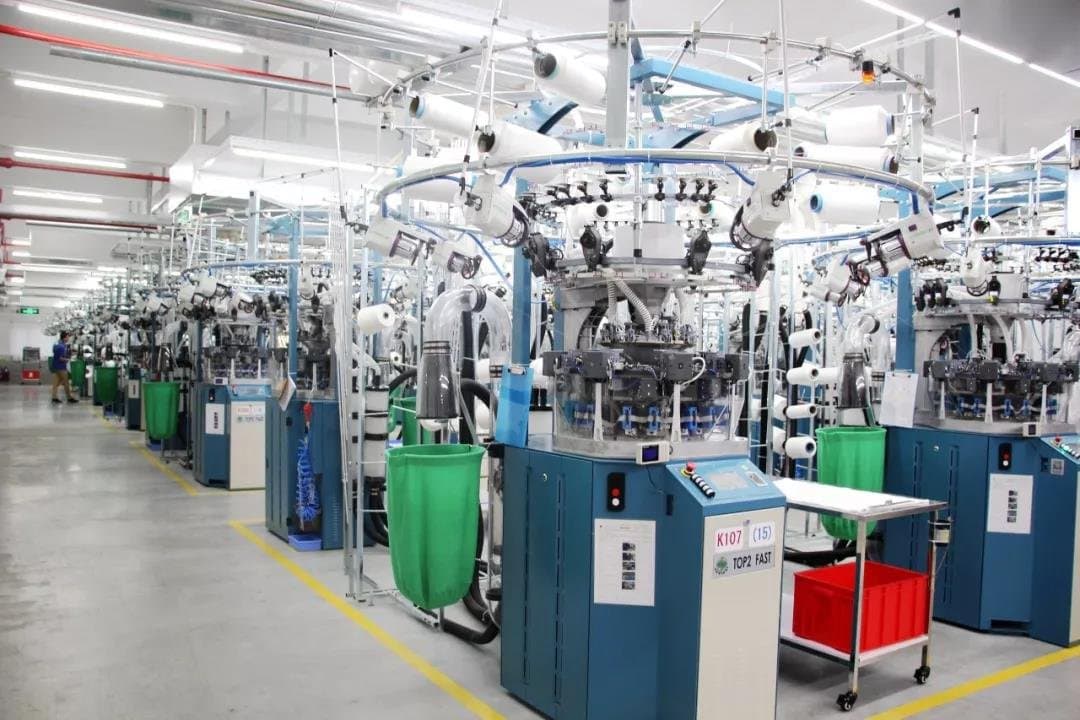
Italian Santoni seamless knitting machine operating inside the MOVEVOX Yiwu core factory

Cut & Sew Production

The core system also includes approximately 24 main sewing and garment-production machines, supporting the Cut & Sew route. Buyers evaluating a flare leggings program can verify cutting, sewing, garment construction and finishing capability rather than assuming that all non-seamless products are sourced through an undisclosed external factory.
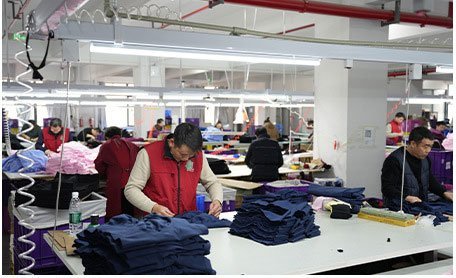
MOVEVOX cut-and-sew pattern and cutting work area

Quality Control

MOVEVOX records five QC personnel and a separate QA function. Audit review can cover incoming material, pre-production, First Article, in-line, finished-garment, measurement, logo and label, packaging and pre-shipment inspection activities. Customers or designated third-party inspection organizations can also inspect according to confirmed project requirements.

MOVEVOX leggings measurement and quality inspection

Packing and Warehouse

Brand-order execution includes folding, hangtags, stickers, barcodes, polybags, SKU checks, size ratios, carton packing and carton marks. Buyers can review whether approved packing information is translated into physical order execution and whether packed goods remain identifiable by PO and SKU before shipment handover.
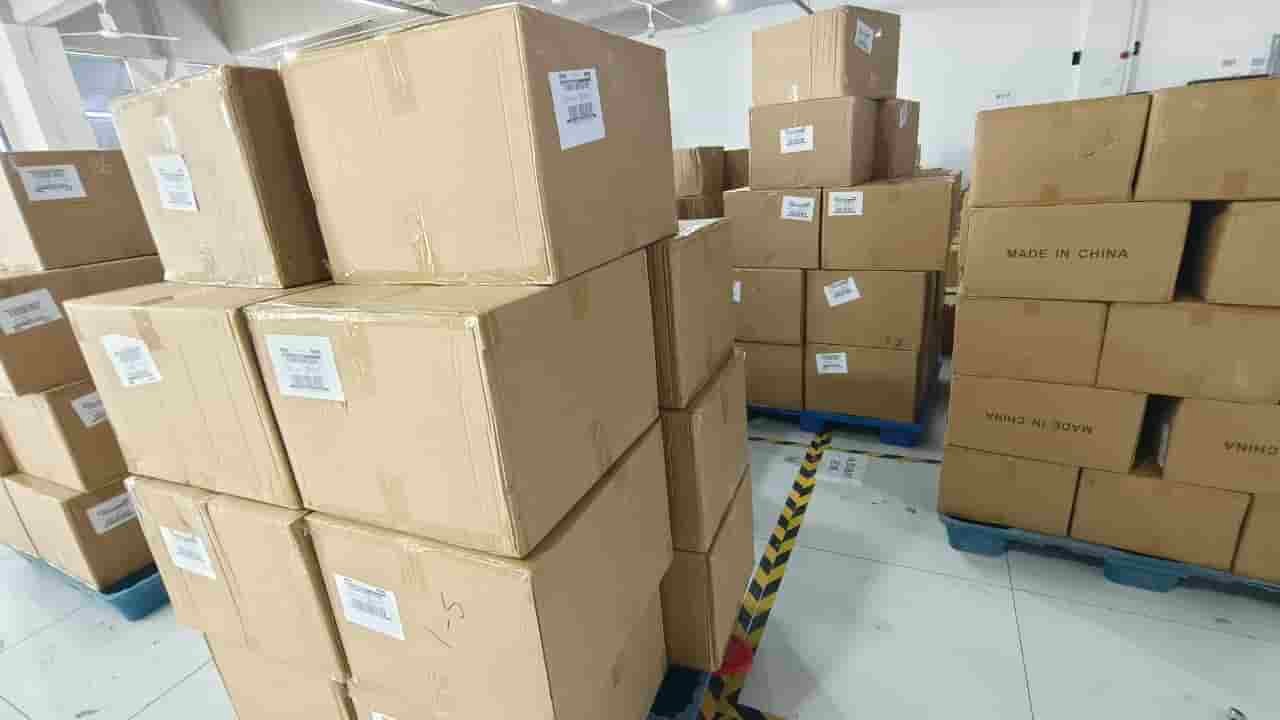
MOVEVOX activewear packing, carton and shipment-release verification

Documents and Traceability

A mature factory audit extends beyond equipment photographs. MOVEVOX’s documented control direction links PO, Style, SKU, Material, Production Batch, QC, Carton and Shipment. Buyers may also review applicable business-license information, approved-production requirements, inspection records, testing scope and production-site transparency according to their onboarding process and confidentiality requirements.
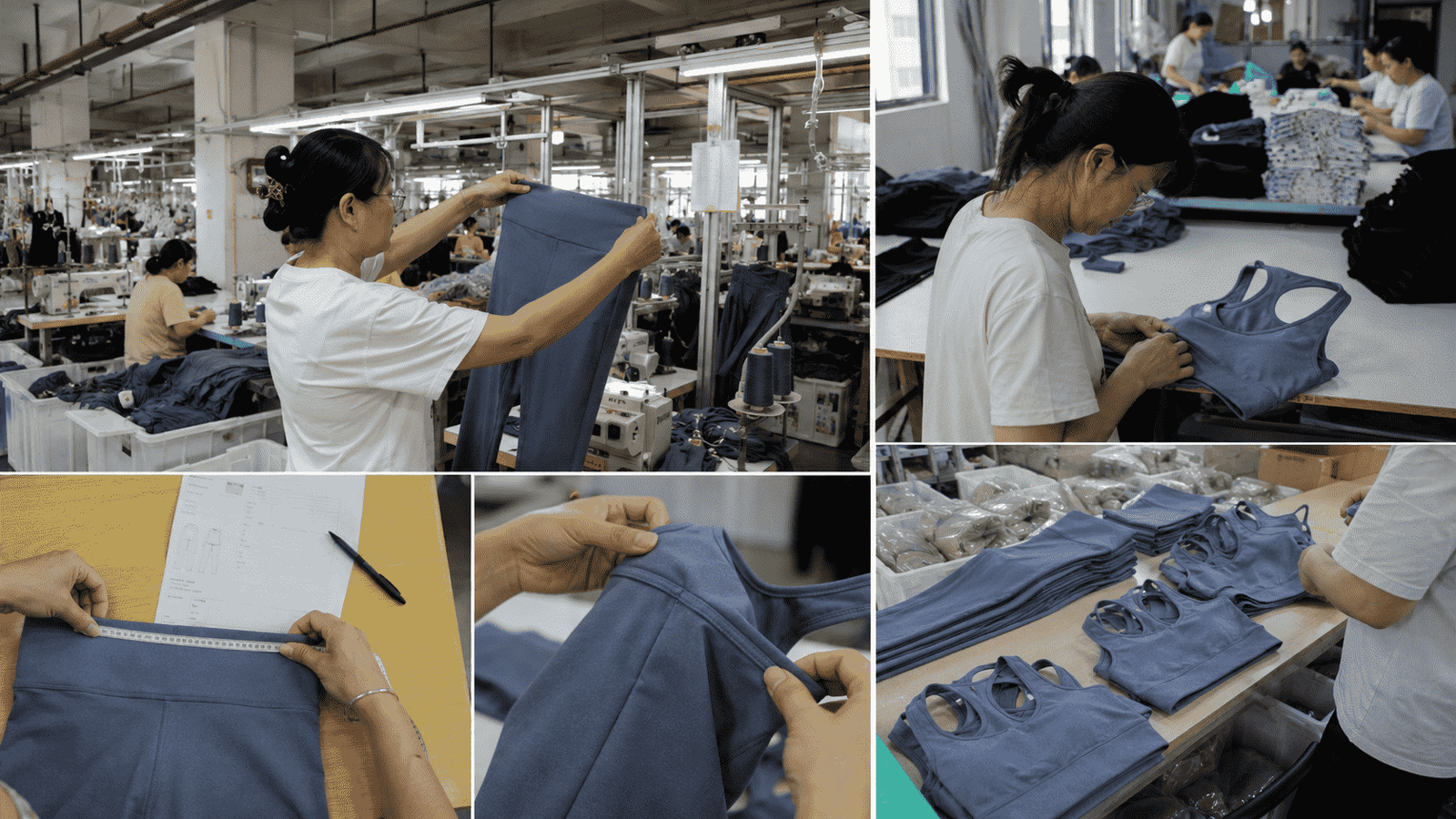
MOVEVOX quality-gate process with real garment measurement and inspection evidence
Testing Support

Testing Support With Clear Scope and Sample Traceability

MOVEVOX can perform or coordinate material and product checks and can support customer-nominated or project-qualified third-party laboratories. A test result applies to the actual tested material, sample and report scope; it is not automatically a factory-wide certification.

Fiber Composition

Purpose: Confirm whether material composition corresponds with the supplier specification, buyer requirement or final labeling information.

Method: Use supplier documentation and, where required, submit the relevant material or product sample to an agreed laboratory method.

Decision: Acceptance follows the buyer specification and applicable test report.

Colorfastness

Purpose: Evaluate whether color performance meets the buyer’s intended quality requirement.

Method: Internal material review or third-party testing according to the buyer’s required standard and sample scope.

Decision: Standard and acceptance level must be project-defined.

Shrinkage

Purpose: Understand dimensional change that may affect garment measurements, pattern allowance and finished fit.

Method: Evaluate material or garment samples according to the buyer’s method, agreed internal procedure or third-party standard.

Decision: Final acceptance follows agreed buyer tolerance.

Stretch Recovery

Purpose: Assess whether the selected stretch material is suitable for the target garment support, recovery and fit.

Method: Review during material development, with formal numerical testing when the buyer specifies a required method or value.

Decision: Do not publish values without actual test data.

Opacity Review

Purpose: Evaluate transparency risk under the intended material color, stretch and garment fit.

Method: Review actual swatches and garments under agreed stretch conditions; formal buyer methods can be incorporated where provided.

Decision: Approval remains product-, color- and fit-specific.

Pilling

Purpose: Assess surface durability where the selected material or finish creates a risk of visible surface change.

Method: Internal assessment can support development; formal grades require an agreed test method and qualified report.

Decision: No pilling grade should be claimed without evidence.
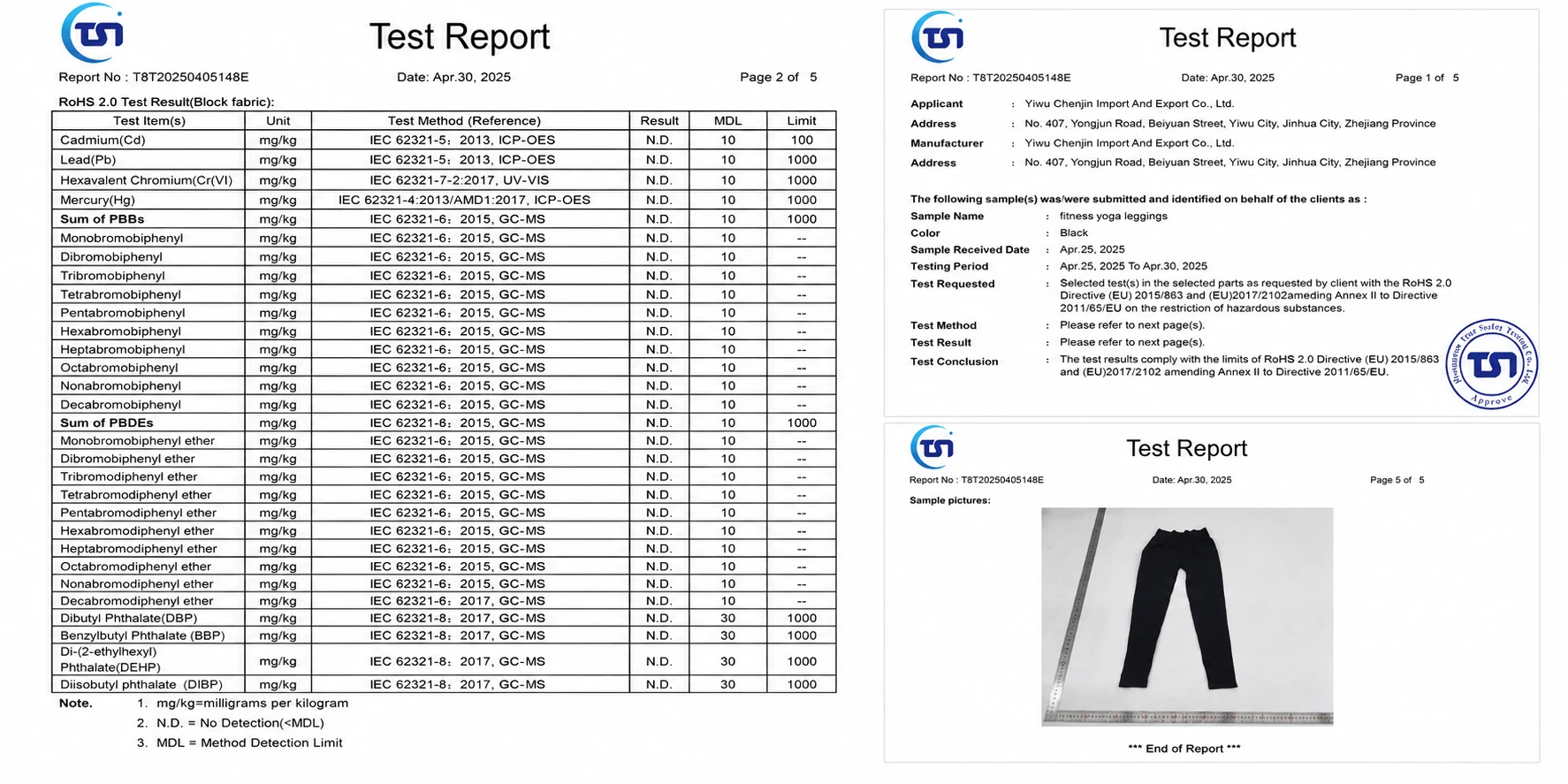
RoHS 2.0 test report for the identified black fitness yoga leggings sample

RoHS 2.0 Sample

Purpose: Document the specific chemical-substance results for the submitted black fitness yoga leggings sample tested in April 2025.

Method: Dongguan True Safety Testing Co., Ltd. tested the submitted sample under the IEC 62321 methods listed in Report TST20250405148E.

Decision: The report concluded compliance for the tested sample only.
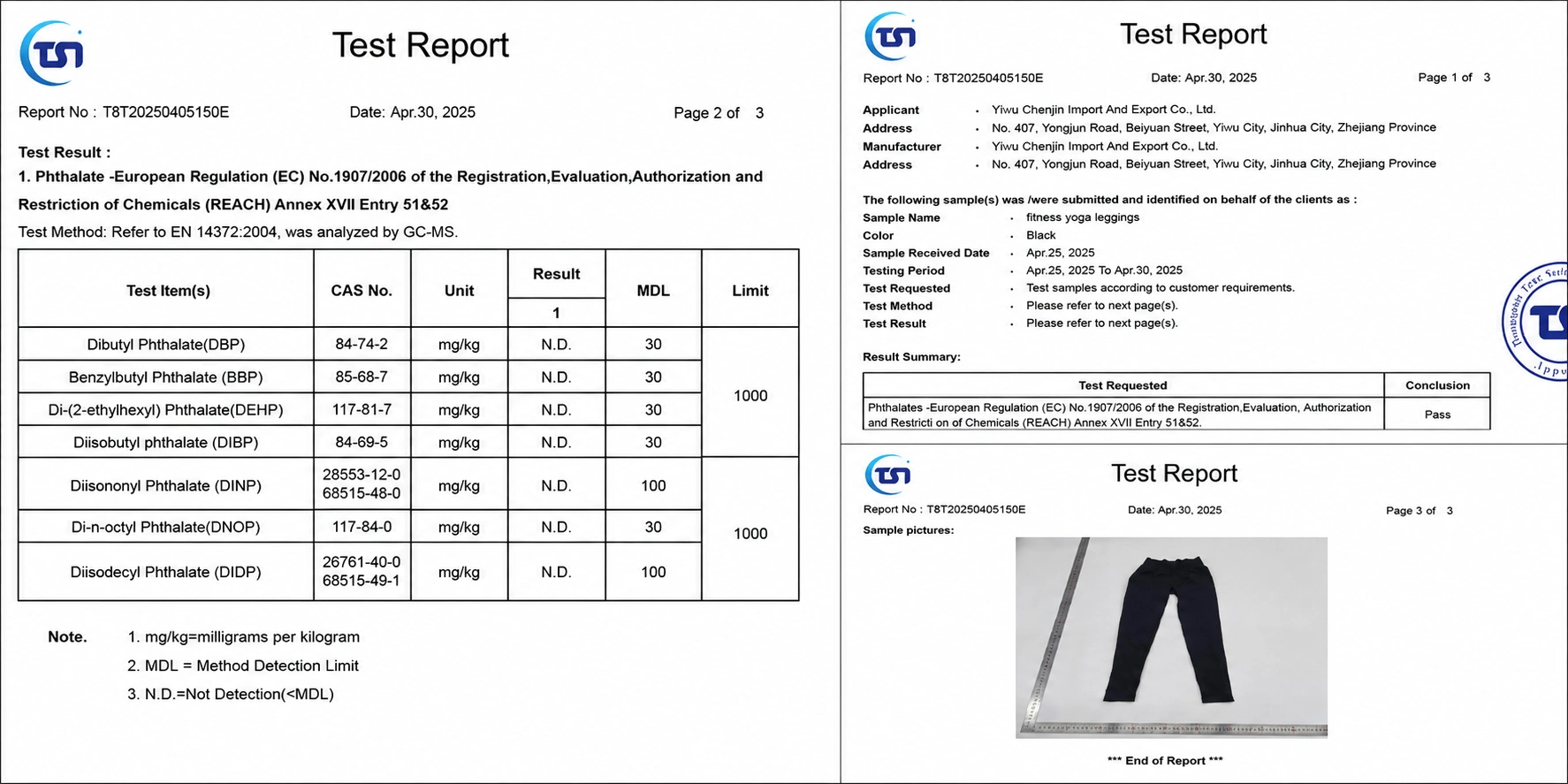
REACH Annex XVII phthalates report for the tested black fabric sample

REACH Phthalates

Purpose: Document phthalate testing for the submitted black fabric from the fitness yoga leggings sample, not certify all MOVEVOX products.

Method: Report TST20250405150E references EN 14372:2004 and GC-MS for REACH Annex XVII Entry 51 & 52 testing.

Decision: Result summary: Pass for the tested sample scope.
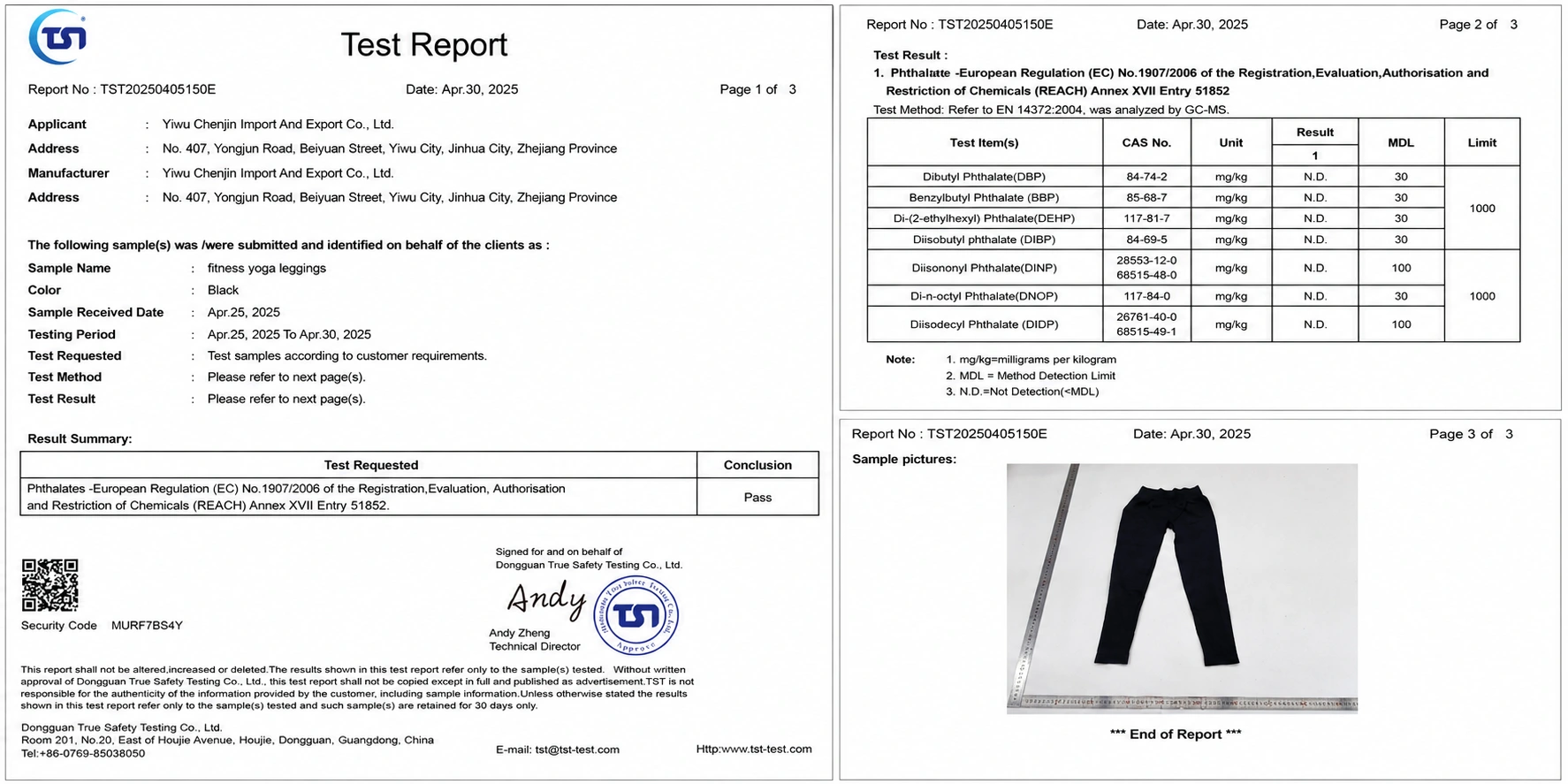
RoHS Certificate of Compliance for the tested black fitness yoga leggings sample

Scope Control

The RoHS certificate TST20250405148EC expressly states that it applies only to the tested sample and does not imply assessment of the whole production. The same evidence discipline applies to future testing: material, sample, batch, laboratory, date and report scope must remain identifiable.

Documented Case

A Documented U.S. Activewear Sample-to-Bulk Project

An anonymous U.S. activewear customer entered the project with its own Tech Pack and a multi-product fitness and yoga range. The cooperation involved sample development, fit revision, user testing, customized branding, labels, instructions, packaging and SKU-specific QR information before repeat bulk production.

Client Background

The documented customer was a U.S.-based fitness creator and activewear buyer with an established online audience. Product demand covered multiple fitness and yoga categories, including leggings, shorts, bras, tank tops, sets and one-piece garments. The buyer had its own technical package and required high-stretch materials, support, opacity, larger sizes, soft handfeel and regular new-product development.

Challenge

The first sample did not fully match the buyer’s intended usage in several design details. The project therefore needed more than a direct Tech-Pack-to-bulk transfer. Fit and design feedback had to be converted into a second physical version, followed by additional samples for practical user testing. Bulk execution also introduced another risk: each color and size used different QR information, while the order included customized packaging, instructions, labels, logo and care-label requirements.

Solution

MOVEVOX reviewed the buyer’s Tech Pack, developed the first pattern and sample, received detailed feedback and produced a revised second version. Once the revised sample was largely accepted, approximately five to ten additional samples were produced for user testing. After approval, the project moved into bulk with the confirmed product and branding requirements. During packing, the team controlled products by style, color and size and used double verification for SKU-sensitive QR information.
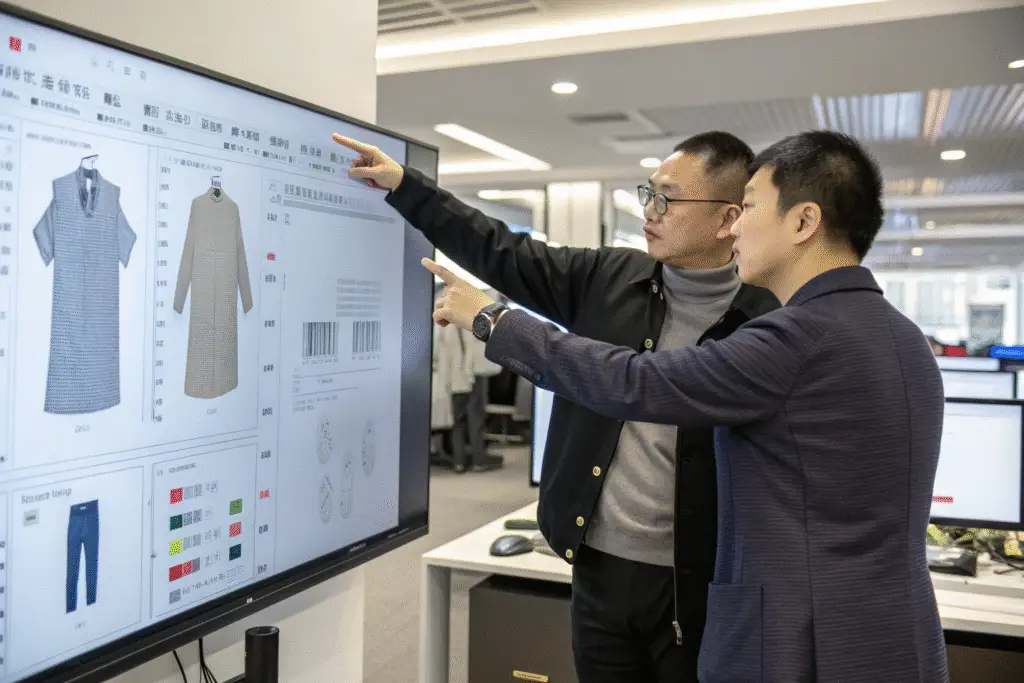
Permission-cleared Tech Pack and project-input evidence from the documented U.S. activewear case
Anonymized approved-sample evidence from a documented MOVEVOX U.S. activewear project
Permission-cleared user-testing sample evidence from the documented U.S. activewear customer case
Anonymized U.S. activewear QR-code and SKU packaging verification evidence
Anonymized quality and packing evidence from a documented MOVEVOX U.S. activewear project

Development Path

Tech Pack Review

The buyer’s own Tech Pack established the starting requirements. MOVEVOX performed production evaluation and converted the technical information into the first pattern and physical sample.

First Sample

The first sample was sent for buyer review. The buyer identified several details that did not fully suit the intended usage and issued development feedback.

Revised Sample

MOVEVOX revised the product and produced a second sample version. The recorded case states that the buyer was largely satisfied after this stage.

Wear Testing

Approximately five to ten samples were then prepared so the buyer could test the product with its audience before committing the style to bulk production.

Bulk Execution

After approval, bulk production incorporated the finalized product specification together with custom logo, labels, care label, packaging, instruction material and SKU-sensitive QR requirements.

Packing Control

Products were verified by style, color and size so QR information corresponded with the garment inside each package. The case records that additional QC and packing time was used to control this risk.

2Sample Versions
5–10Test Samples
~2,000Pieces / Typical Order
~2 / MonthRecorded Order Frequency

Customer Quote

Verified public-use quotation required before publication. The source notes state that the customer was satisfied, but no verified verbatim public-use quotation has been supplied. A direct quote should not be invented.

Evidence note: This case demonstrates a documented activewear development and bulk-execution workflow. It is not presented as a historical Pilates flare leggings case. Order frequency and cooperation-duration claims should be checked against current records before publication.
Supplier Evaluation

Use This Checklist to Evaluate an Activewear Supplier

A supplier evaluation should test product development, manufacturing reality, quality controls, scalability and transparency. Buyers can use the same questions for MOVEVOX or any alternative supplier instead of relying on unsupported claims such as “premium quality” or “best factory.”

Product Development
Can the supplier work from your own Tech Pack?
Can it develop from a legal physical reference or concept?
Are pattern, Fit Sample and revision responsibilities clearly assigned?
Can final measurements and approved samples become production standards?
Materials and Product Control
Can the supplier explain material composition, GSM and handfeel options?
Are custom colors approved against physical references before bulk?
Can material batches remain traceable to the production order?
Manufacturing and Capacity
Can you verify the supplier’s real production equipment and facility?
Are stable capacity and theoretical equipment output clearly separated?
Are satellite or subcontracted production sites transparently managed?
Quality and Evidence
Is there an incoming, First Article, in-line and final inspection process?
Are measurement records linked to buyer-approved specifications and tolerance?
Can the supplier provide real inspection or testing evidence when required?
Audit and Commercial Fit
Can buyers or third parties inspect the actual production site?
Are MOQ, sample time and bulk lead-time conditions clearly defined?
Does the supplier disclose certificate and test-report scope accurately?
Is there one accountable owner for order, quality and delivery issues?
Result interpretation: A high score should not automatically trigger a purchase order. The next step is evidence verification: review the legal entity, actual factory, current production capability, product samples, material records, QC documentation, testing scope and project-management process. For a Pilates flare leggings program, supplier qualification should then be confirmed through technical review, physical sampling and a project-specific capacity and commercial assessment.
FAQ

Pilates Flare Leggings Manufacturing Frequently Asked Questions

These answers cover product development, fabric, sampling, MOQ, production, quality and supplier verification for a MOVEVOX Pilates flare leggings project. Commercial figures are current baseline references and remain subject to actual style and project conditions.

Can MOVEVOX manufacture custom Pilates flare leggings?

Yes. Pilates Wear is part of MOVEVOX’s defined activewear range, and flared leggings are included among products that can be developed for Pilates and studio-oriented customers. Development can begin from a Tech Pack, customer Measurement Chart, legal physical sample, sketch, image or defined product concept. The final structure, material, flare proportion and fit are confirmed through development and physical sample approval rather than taken from one universal stock specification.

How is the flare silhouette developed?

The buyer’s target silhouette is translated into measurable garment controls and a physical sample. Relevant points can include waistband, rise, hip, thigh, inseam, garment length and leg opening, together with the point where the fitted upper leg visually transitions into the flare. MOVEVOX’s pattern team can revise the product from buyer feedback. The final production pattern remains linked to the approved measurements and sample before bulk production begins.

Can you follow our own size chart?

Yes. MOVEVOX supports customer Measurement Charts, target Fit and Grade Rules. Formal brand projects do not use one generic MOVEVOX size chart as the production standard for every market. The buyer’s approved dimensions, Fit Sample and final production version become the technical basis. Where appropriate, Size Set Samples can be used to review how grading translates into additional sizes before bulk production is released.

Can flare leggings be both Seamless and Cut & Sew?

MOVEVOX has both Seamless and Cut & Sew manufacturing capabilities, but the correct route depends on the actual design. Seamless products are engineered through yarn, knitting structure and machine programs, while Cut & Sew products rely on selected fabric, pattern, cutting and sewing construction. A flare design should therefore receive a technical feasibility review before a manufacturing route is confirmed; MOVEVOX does not claim every design is suitable for both methods.

What fabrics can MOVEVOX develop for Pilates leggings?

MOVEVOX’s documented activewear material system includes Nylon/Spandex, Polyester/Spandex, seamless yarn materials, recycled options, brushed fabrics, peach-finish materials, soft naked-feel fabrics, ribbed structures and textured materials. For Pilates-oriented products, material choice can be guided by handfeel, stretch, recovery, opacity, support, surface and intended use. The final bulk specification is based on actual supplier material, approved swatches and physical product samples.

Can you make a soft naked-feel flare legging?

MOVEVOX can develop soft naked-feel material routes. The company defines naked feel as a soft, fine, low-friction, close-to-skin and generally matte experience rather than one single fiber composition. A common documented route uses fine-denier Nylon with Spandex. However, softness does not automatically guarantee opacity, recovery or durability. Those characteristics need to be reviewed with the actual selected material, color, garment fit and approved sample.

Can we customize Pantone colors?

Yes. MOVEVOX can coordinate custom colors from a Pantone reference or physical color sample. Custom dyeing has separate minimum batch conditions and is commonly evaluated around approximately 400–600 pieces, depending on product structure, material consumption and dye-lot requirements. Final production color should be approved using a physical standard rather than only a digital screen. Existing material colors may provide a more flexible commercial entry for some projects.

What private-label elements can be customized?

MOVEVOX can support product material, color, fit, logo, Main Label, Care Label, Size Label, Woven Label, Hangtag, polybag, sticker, barcode, custom packaging and carton marks. Available logo processes include screen printing, heat transfer, silicone print, jacquard, embroidery and woven-label solutions, subject to material compatibility and project feasibility. Special logo molds, exclusive packaging or other custom components may have separate MOQ, cost and development-time conditions.

How long does a sample normally take?

MOVEVOX’s standard sample-development reference is approximately 5–10 working days after the required development details are confirmed. The timing starts after relevant information such as product requirements, material, color, measurements, branding and special-process conditions are sufficiently resolved. Special fabrics, custom dyeing, special logo molds, unique trims or complex structures can extend the development timeline. Buyer change or approval waiting time is not included as automatic sample-production time.

What is the MOQ for Pilates flare leggings?

MOVEVOX’s current baseline customization MOQ is approximately 100 pieces per style for standard Seamless projects and approximately 150 pieces per style for standard Cut & Sew projects. A specific flare legging may require a different effective quantity because of fabric source, color, dye lot, logo process, labels, packaging or SKU structure. Custom-dyed material is typically assessed at a higher level, commonly around approximately 400–600 pieces depending on material and consumption.

Can we start with a sample before a bulk order?

Yes. MOVEVOX’s development model is designed to establish a physical product before bulk. Depending on the project, the process may include Development Sample, Fit Sample, Revised Sample, Size Set and PP Sample stages. Not every style requires every possible sample type, but the objective is to resolve fit, material, construction and branding questions before scale production. Approved sample information is then converted into production and QC requirements for the bulk order.

What should we send before sample development?

A complete Tech Pack is the most efficient starting point, particularly when it includes technical drawings, Measurement Chart, fabric specification, colors, branding artwork, labels and packaging requirements. MOVEVOX can also begin from a legal physical sample, sketch, image or clear concept. When information is incomplete, the development team can help translate the product direction into technical requirements, but additional decisions and revisions may increase development time and cost before approval.

What is the normal bulk-production lead time?

MOVEVOX’s current regular bulk-production reference is approximately 20–35 days. This is a standard planning range rather than an unconditional guarantee. Complex products, special materials, custom dyeing, large quantities, multiple SKUs, peak-season capacity or late buyer changes may require a different schedule. For mature brand programs, MOVEVOX uses PMC and Time & Action planning so material, approval, production, QC and packing dependencies are reviewed before a final project commitment is made.

How do you control sample-to-bulk consistency?

MOVEVOX converts the final Tech Pack, Measurement Chart, Approved or PP Sample, material specification, color reference, logo, label and packaging information into the production standard. Control then continues through pre-production review, First Article, in-line inspection, finished-garment checks, measurements, branding verification and packaging checks. The goal is controlled reproduction against approved standards and tolerances, not an unrealistic promise that every garment will be mathematically identical to one physical sample.

How is bulk garment measurement controlled?

The applicable buyer Measurement Chart and tolerance requirements become the measurement reference. QC can measure representative products at First Article, in-line and finished-garment stages. Measurement records identify the Point of Measurement, target, tolerance and actual result. If a measurement falls outside the confirmed standard, affected production may require isolation, corrective action and re-inspection. MOVEVOX does not replace a brand’s approved chart with one universal public size table.

How many QC staff does MOVEVOX have?

MOVEVOX currently records five QC personnel, supported by a separate QA function. QC responsibilities include incoming material, pre-production, First Article, in-line, finished garment, Measurement Check, logo and label checks, packaging and pre-shipment inspection. The Quality Manager, Nacy Wu, is recorded as having approximately eight years of garment-quality experience. For buyer programs, the customer’s Tech Pack, approved samples and QC standard take priority where they are provided.

What production capacity can MOVEVOX support?

MOVEVOX’s company facts record approximately 300,000 pieces per month as a stable Seamless capacity reference, approximately 100,000 pieces per month for Cut & Sew, and approximately 150,000–200,000 pieces per month as normal combined managed delivery capability. These figures use different operating scopes and must not simply be added together. A specific order still requires a capacity check based on style complexity, SKUs, materials, production allocation, timing, QC and packing requirements.

Does MOVEVOX use satellite factories?

Yes. MOVEVOX’s actual production model combines its Yiwu core factory with eight major long-term satellite factories and selected specialist partners where needed. MOVEVOX centrally manages technical requirements, materials, order information, PMC and quality standards. For buyers with Approved Factory Only rules, audit requirements or contractual subcontracting restrictions, any production-site change must follow the customer’s written requirements. MOVEVOX does not present satellite facilities as if every site were the same self-owned factory.

Can our team audit the factory?

Yes. MOVEVOX supports customer Factory Audits, Technical Audits, Pre-production Visits, Inline Inspection and Pre-shipment Inspection at the relevant production base, subject to production scheduling and confidentiality requirements for other customers. Live video factory verification can also be arranged. Audit readiness does not mean MOVEVOX claims every possible social or sustainability certification. Certificates are only presented when the holder, validity and applicable scope can be verified.

Are all MOVEVOX leggings RoHS or REACH certified?

No. MOVEVOX has specific 2025 third-party test reports for a submitted black fitness yoga leggings sample. Report TST20250405148E records RoHS 2.0 testing, and Report TST20250405150E records REACH Annex XVII phthalate testing for the tested material. The associated RoHS certificate expressly states that it applies to the tested sample only and does not represent an assessment of all production. Future projects require evidence matched to their actual material, product and test scope.

Send Us an Inquiry

Tell us your needs, and our team will get back to you within 24 hours.

START YOUR PROJECT

Ready to Develop Your Private Label Activewear Line?

Tell us what you want to develop, your estimated quantity and customization needs. We will review the details and suggest the next practical step for sampling, quotation or production.

Helpful details to include:

Request MOQ & Sample Details