
Built for Brands Managing Padded Sports Bra Programs
Padded sports bra sourcing becomes more technical once the buyer must control cup position, wash behavior, grading, fit and repeat production rather than simply select a finished style.
Established Activewear Brands
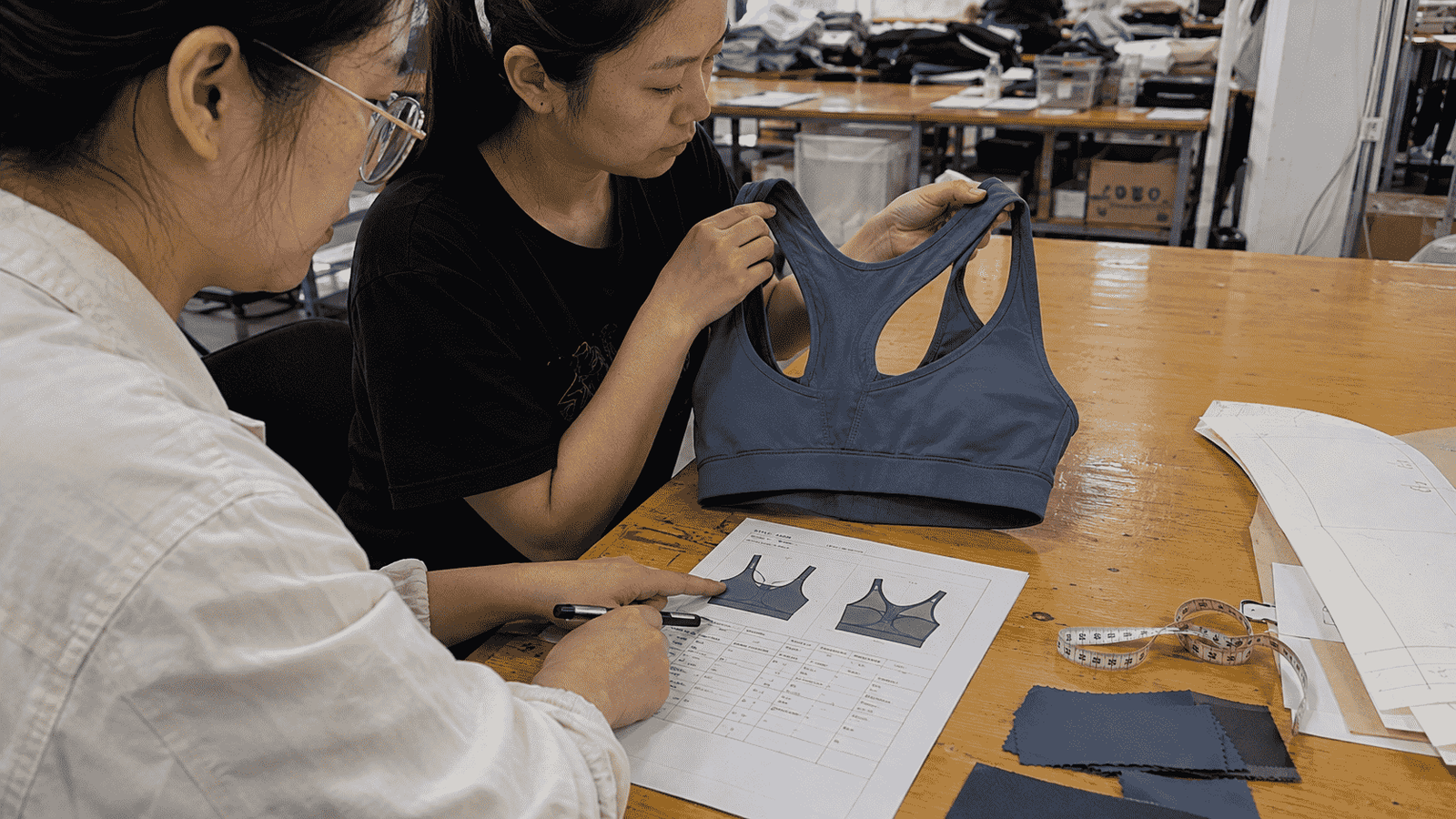
Established activewear brands often already have a consumer profile, Fit language, size range, material direction and existing sports-bra architecture. Their sourcing challenge is not finding a supplier that can insert foam, but finding one that can translate a defined pad or cup requirement into an approved garment and reproduce it in bulk. MOVEVOX can begin from a Tech Pack, legal physical reference, measurement chart or defined development brief and coordinate material, pad, pocket, Fit, sample revision and production requirements through the same project system.
- Existing brand Fit standards must remain the final development reference.
- Cup position must remain coordinated with bust and underbust measurements.
- Sample revisions must be documented before bulk production is released.
Yoga and Studio Brands
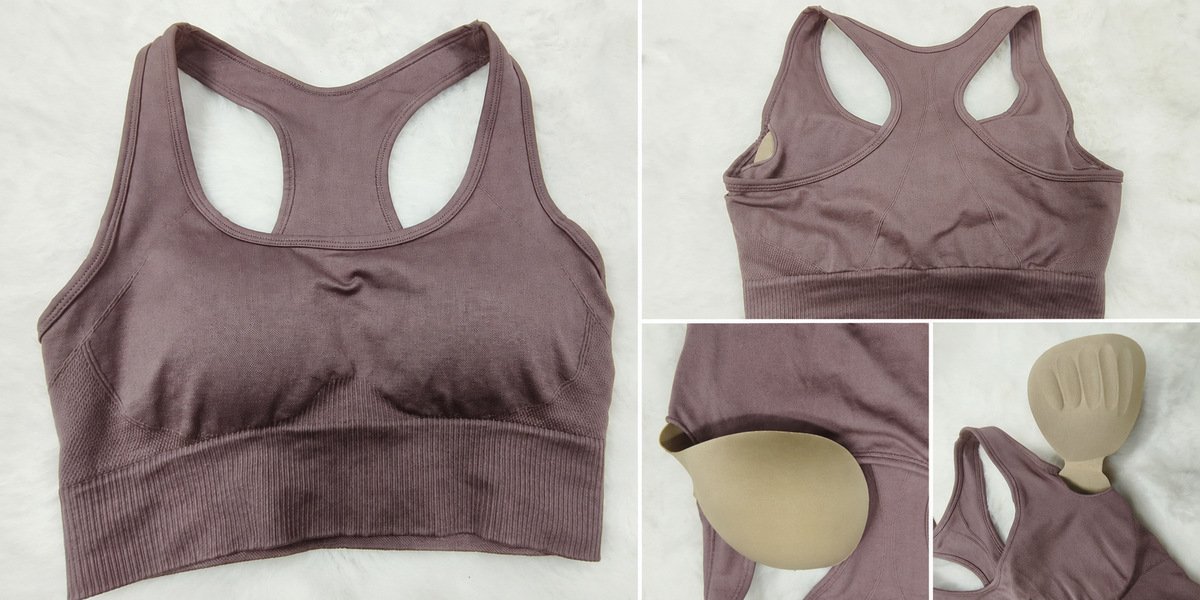
Yoga, Pilates and studio brands often want padding for coverage, shape and consumer convenience while retaining a softer activewear experience. Their product may use removable pads, fixed pads or layered constructions without requiring a highly structured intimate-apparel cup. MOVEVOX can evaluate the pad system together with soft Nylon/Spandex, Seamless knit, ribbed or other approved activewear materials. The development process should confirm how the outer fabric, lining, pad and pocket behave together rather than assuming one standard cup solution fits every studio product.
- Soft handfeel should not create uncontrolled pad show-through.
- Pocket design should balance access with pad movement risk.
- Fit should remain stable during the buyer’s intended activity.
Second-Source Buyers
A second-source project requires more than visual similarity. The new supplier must understand which elements of the existing bra are functional standards and which can be changed. MOVEVOX can review the approved sample, Tech Pack, measurements, pad specification, pocket construction, materials and branding before creating its own controlled sample. The objective is to establish a reproducible production standard rather than silently substituting foam, lining, elastic or construction according to local availability.
- Existing approved components must be identified before substitution.
- Any alternative material requires buyer review and sample confirmation.
- Bulk production must use the latest approved technical version.
Choose the Pad System Before Finalizing the Sports Bra
Different pad systems change user handling, garment construction, washing behavior, MOQ and bulk inspection. MOVEVOX therefore reviews the pad together with the complete sports bra rather than treating it as an isolated accessory.

Removable Pad
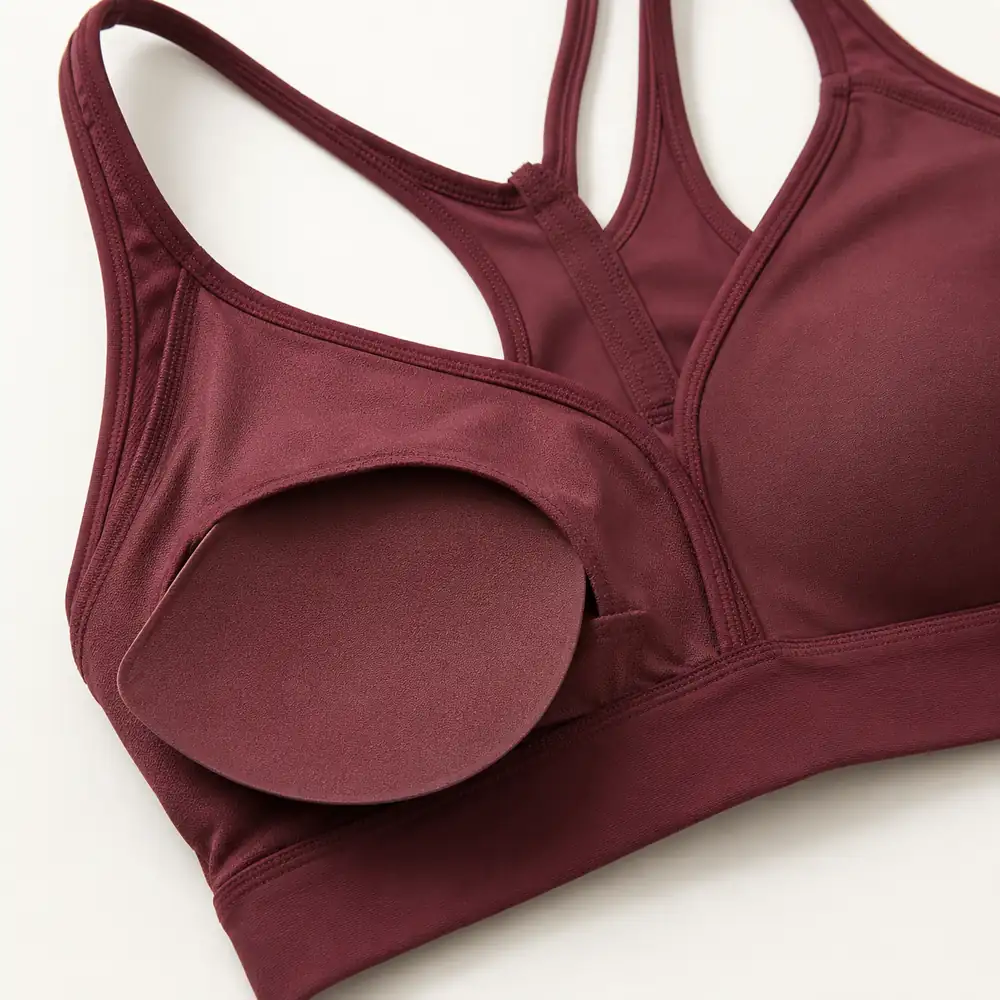
Removable pads are typically placed inside an internal pocket or layered front construction so the consumer can take them out and reinsert them. Development needs to confirm pad shape, thickness, pocket dimensions, opening position, insertion direction and available movement space. A pocket that is too loose can increase rotation or folding risk, while one that is too restrictive can make removal difficult. MOVEVOX currently supports removable-pad development, but does not publish one universal cup shape, thickness or pocket-opening standard for every bra.

Fixed Pad
Fixed padding can reduce consumer handling and help retain a defined pad position, but “fixed” should not be interpreted as a guarantee that no movement, distortion or visibility issue can occur. Depending on the approved construction, the pad may be secured through sewing, layered positioning or another technically validated method. Development must check pad height, symmetry, outer-fabric appearance, lining tension and wash behavior. Bulk QC should verify that left and right pad positions remain consistent with the approved sample.
Molded Project Review
More complex molded-cup projects require a separate feasibility review because cup shape, foam specification, tooling, supplier MOQ, size coverage and integration with the garment can materially change development cost and timing. MOVEVOX should not present molded cups as a standard in-house capability without project-specific evidence. Where a buyer requires a molded solution, the technical team first confirms the target shape, size range, material, expected quantity and suitable component supply route before committing to sampling or production.
See How the Pad Connects to the Entire Bra
A padded sports bra works through the relationship between the outer shell, lining, cup or pad, pocket, side structure, underband and straps. Each area can change Fit and appearance.

Outer Shell
The outer material controls visible surface behavior around the pad. Stretch, recovery, thickness and color can influence whether pad edges or pressure areas become visible.
Lining Layer
The lining separates the pad system from the outer shell and can affect opacity, handfeel, movement space and the relationship between pad and body fabric.
Pad or Cup
Shape, thickness and size influence coverage and appearance. MOVEVOX confirms the actual component during development rather than relying on a generic “standard pad” description.
Pocket Structure
Pocket dimensions and construction determine how the removable pad is inserted, positioned and retained. Opening size must balance usability and movement control.
Side Structure
Side wings and armhole relationships influence coverage and garment position and therefore affect how the pad sits on the body.
Underband
Underbust Fit helps stabilize the complete sports bra. Padding cannot compensate for an underband that does not match the approved garment Fit.
Strap System
Strap length, width, material and attachment influence overall garment position. Pad position should be reviewed together with the strap and upper-body Fit.
Design Pad Stability With Real Use and Washing in Mind
Care is not an afterthought for padded sports bras. Foam, pockets, lining, elastic, logos and body fabric may respond differently during handling and washing, so product configuration should guide care information.
Removable Pad
Pad looks correctly positioned in the new garment, but rotation or folding appears after washing and reinsertion.
Removable Pad
The development team reviews pocket size, opening, pad shape and actual handling before final approval, then aligns care information with the approved product.
Evidence: Wash Review
Fixed Pad
The fixed pad appears stable initially, but the attachment or surrounding material changes after washing.
Fixed Pad
The actual fixed construction is reviewed with the selected material and, where required, subjected to the buyer’s defined washing or durability validation.
Evidence: Sample Test
Lining
Outer fabric and lining recover differently, changing pad appearance or causing local tension after laundering.
Lining
Material compatibility is checked during development and the approved lining remains part of the bulk specification rather than being treated as an interchangeable hidden component.
Evidence: Material Lock
Elastic
The body material remains acceptable, but the underband or strap elastic changes recovery or garment position.
Elastic
Elastic specification, dimensions and construction are retained with the released product standard and checked during production.
Evidence: Fit Standard
Branding
Heat-applied branding or another decorative process is approved visually but is not evaluated with the final material and care method.
Branding
Logo process, fabric and applicable wash requirement are reviewed together before the branding method is released for bulk production.
Evidence: Logo Check
Match Outer Fabric to the Approved Pad System
MOVEVOX evaluates sports-bra materials through composition, GSM, handfeel, stretch, recovery, opacity and end use. The ranges below are development references; bulk approval remains tied to the actual material and sample.
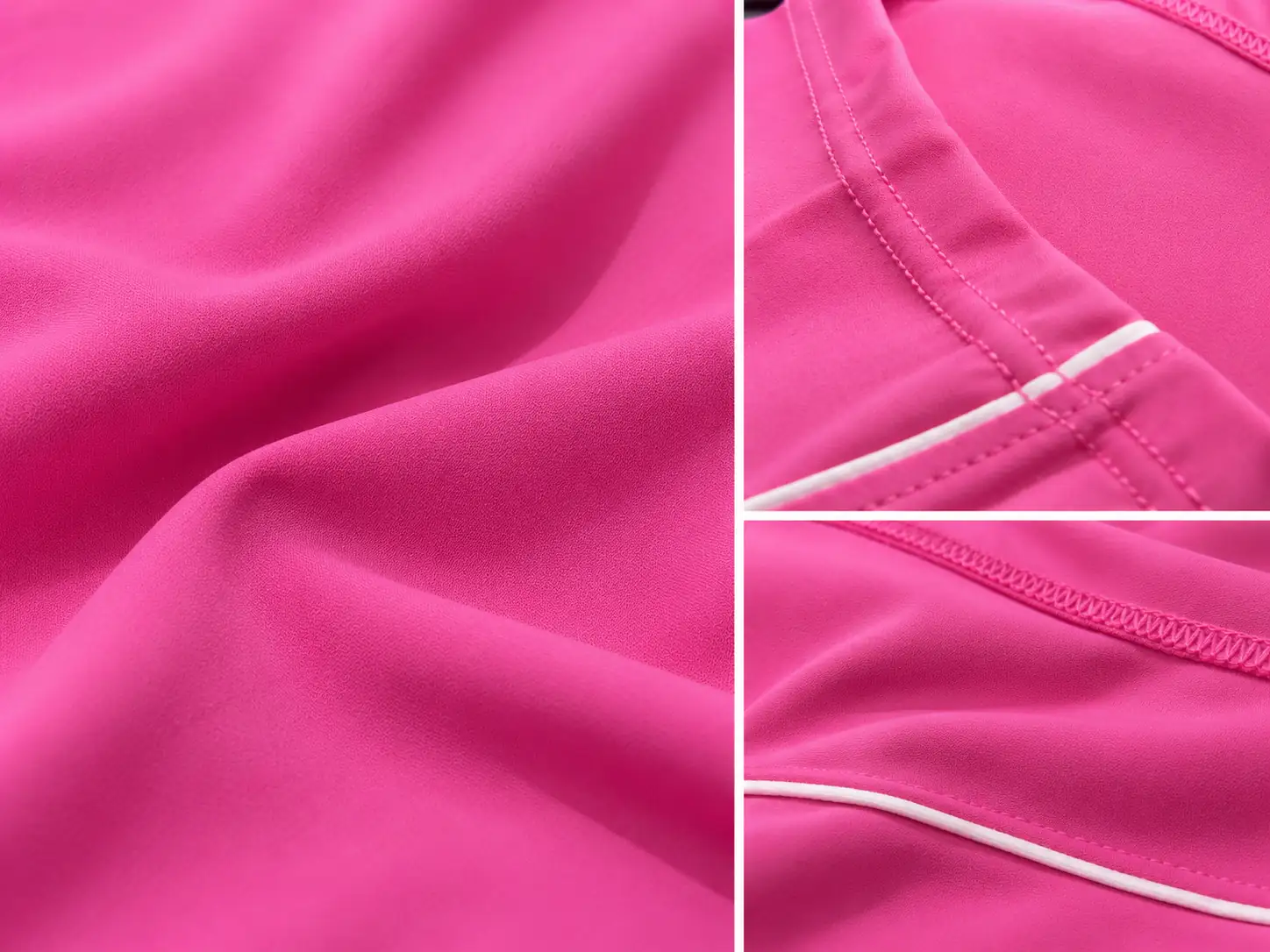
Nylon Stretch
Composition: Approx. 70–82% Nylon / 18–30% Spandex
GSM: Approx. 190–280 GSM
A core activewear route for Sports Bras, leggings and related products. For padded bras, the specific weight, color, stretch and surface need to be reviewed with the pad because thin or highly stretched areas can make cup edges more visible. The material name alone does not establish support or opacity.
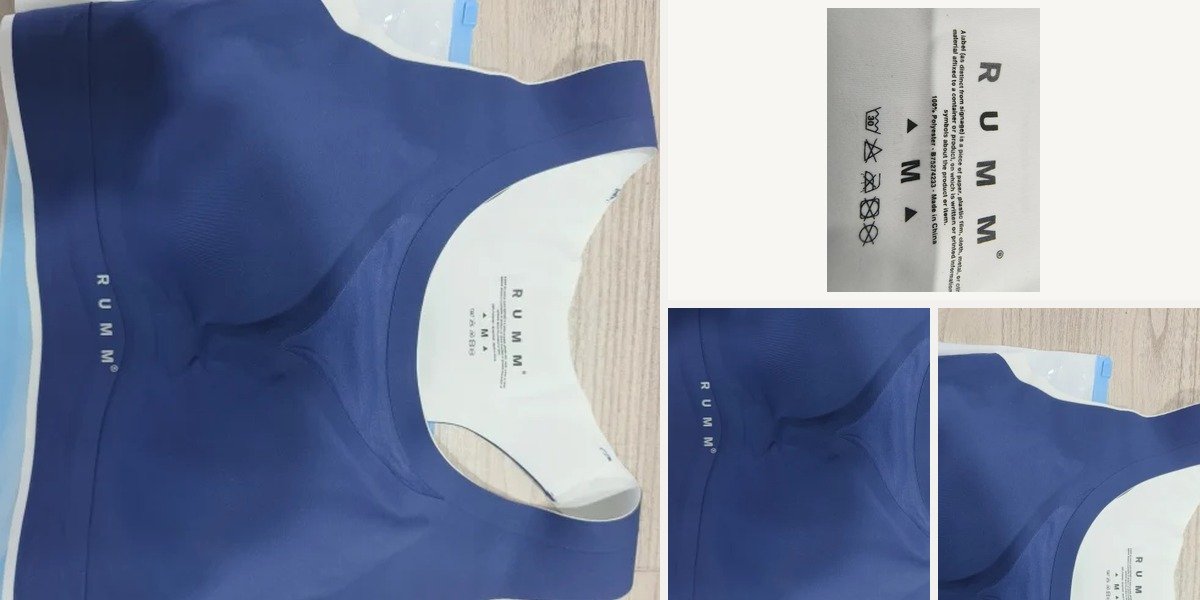
Polyester Stretch
Composition: Approx. 75–90% Polyester / 10–25% Spandex
GSM: Approx. 160–250 GSM
Polyester/Spandex is part of MOVEVOX’s activewear material system and can be evaluated for training-oriented products where the buyer’s handfeel, surface and color requirements are compatible. For a padded bra, the body fabric and lining should be tested with the actual cup or pad before final product approval.

Recycled Nylon
Composition: Approx. 70–82% Recycled Nylon / 18–30% Spandex
GSM: Approx. 190–270 GSM
Recycled Nylon can be evaluated where a buyer requires a recycled-material route. The recycled-content claim must follow valid supplier documentation and the actual project scope. It should not automatically be presented as equivalent to another material in handfeel, color, recovery or padded-bra appearance without sample validation.
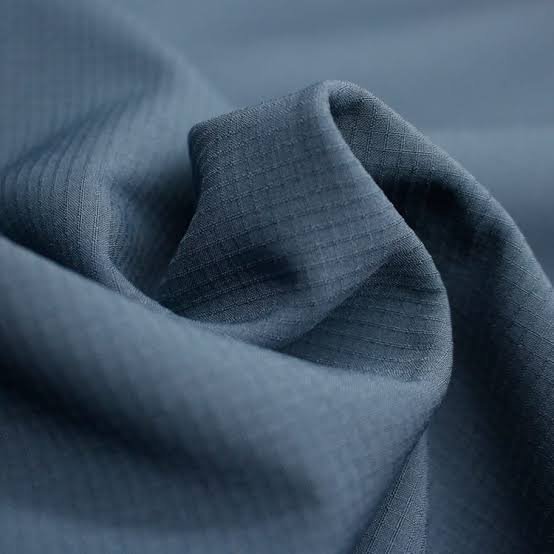
Recycled Polyester
Composition: Approx. 78–90% rPET / 10–22% Spandex
GSM: Approx. 150–230 GSM
A recycled Polyester route may be evaluated for selected activewear products. For padded Sports Bras, the team still needs to confirm opacity, stretch, recovery, surface appearance and compatibility with the approved lining and pad. Environmental and performance claims require their own evidence rather than being inferred from the word “recycled.”

Naked Feel
Composition: Approx. 75–82% Nylon / 18–25% Spandex
GSM: Approx. 200–240 GSM
A Naked-Feel direction can suit softer yoga or studio products, but very soft body fabric can make pad edges or internal structure more visible if the full system is not balanced. MOVEVOX reviews the approved swatch and physical sample rather than assuming every “Naked Feel” fabric will produce the same padded-bra result.
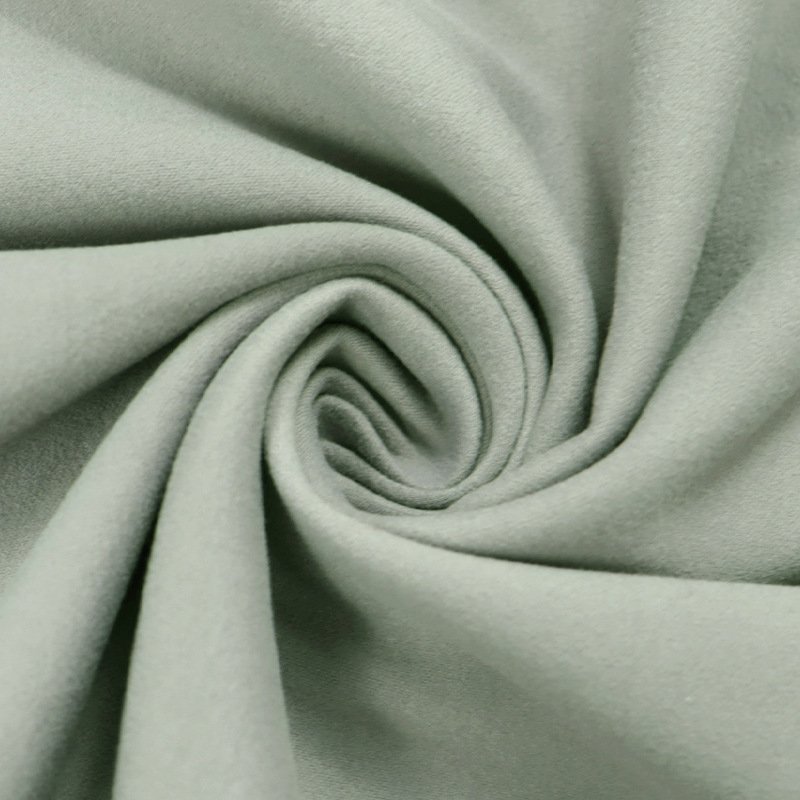
Brushed Stretch
Composition: Approx. 75–82% Nylon/Polyester / 18–25% Spandex
GSM: Approx. 210–270 GSM
Brushed materials provide a different surface and tactile direction. The finish can affect perceived thickness and logo compatibility, while the underlying stretch and recovery still influence Fit. For padded products, the outer fabric, lining and cup should be approved together because the visual result can change after stretch or washing.

Ribbed Stretch
Composition: Approx. 75–90% Nylon/Polyester / 10–25% Spandex
GSM: Approx. 220–320 GSM
Ribbing adds visible structure and changes stretch behavior. A ribbed padded bra should be checked for directional alignment, recovery, pad edge appearance and distortion around the cup area. Cut & Sew rib and Seamless knitted rib use different manufacturing controls, so the route must be confirmed with the actual style.
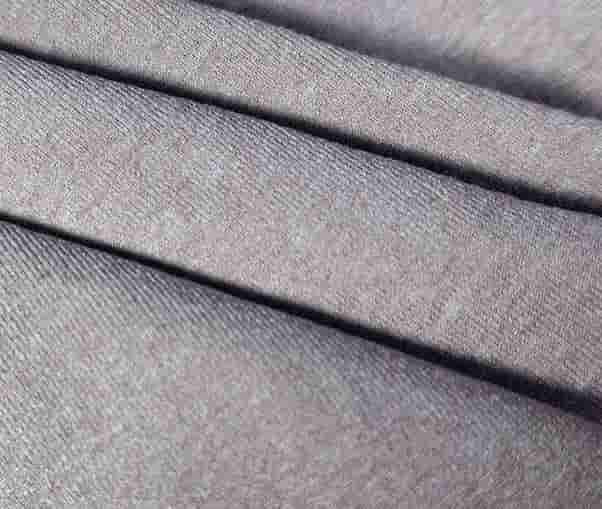
Seamless Yarn
Composition: Approx. 80–94% Nylon/Polyester / 6–20% Spandex
GSM: Garment-structure dependent
A Seamless bra is created from yarn, knit structures and machine programming rather than one conventional fabric roll. Knit density, rib, mesh and elastic-yarn allocation influence the body before the pad pocket and finishing are added. Final performance remains project-specific and should be validated through the approved knitted sample.
Compare Material Behavior Before Approving the Cup Appearance
Composition narrows the material search, but padded-bra appearance depends on the actual fabric’s stretch, recovery, opacity and interaction with the lining and pad. Final approval should use physical material.

Soft Nylon
A softer Nylon/Spandex candidate can support a studio-oriented padded bra where handfeel is important. The buyer should still review cup-edge visibility, recovery, opacity and Fit in the actual garment rather than assuming softness automatically produces a clean padded appearance.

Structured Nylon
A denser Nylon/Spandex candidate can create a more controlled surface around the pad, but additional structure can also change pressure and handfeel. The sample should confirm whether the selected balance is appropriate for the brand’s intended consumer and support direction.
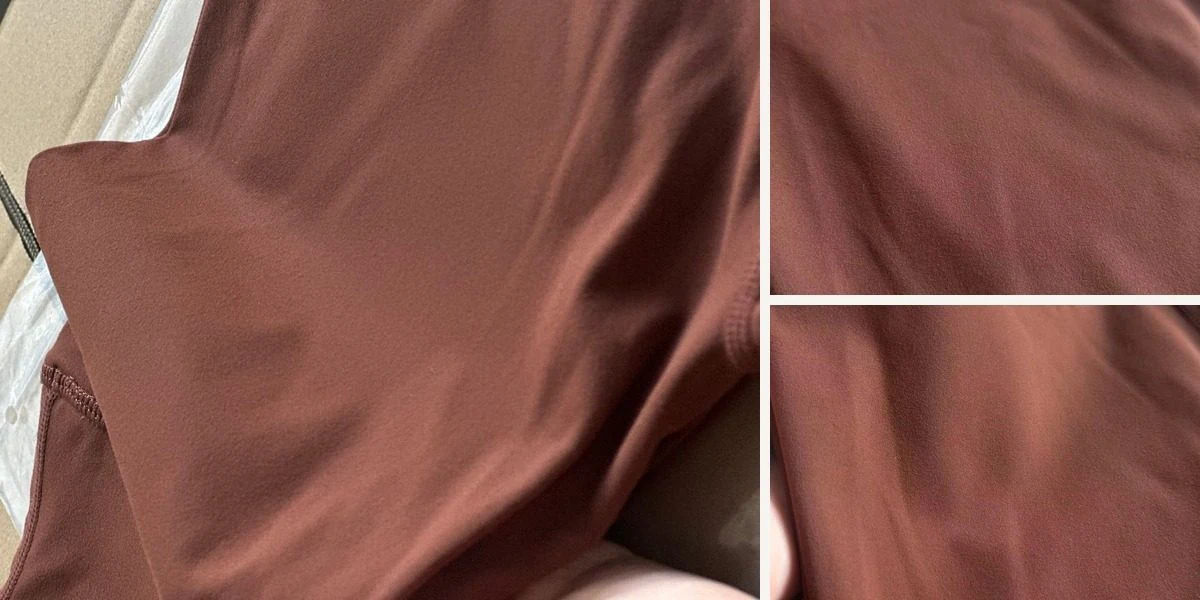
Naked Feel
A Naked-Feel material can provide a low-friction, soft surface. Because it may be visually smooth and highly elastic, the development review should check whether the pad perimeter, lining transition or pocket construction becomes visible when the garment stretches on body.

Ribbed
A ribbed material changes both visual texture and directional stretch. The pad area should be checked for distortion, rib alignment and recovery. A clean flat sample does not automatically prove that the rib structure will remain consistent under actual body stretch.
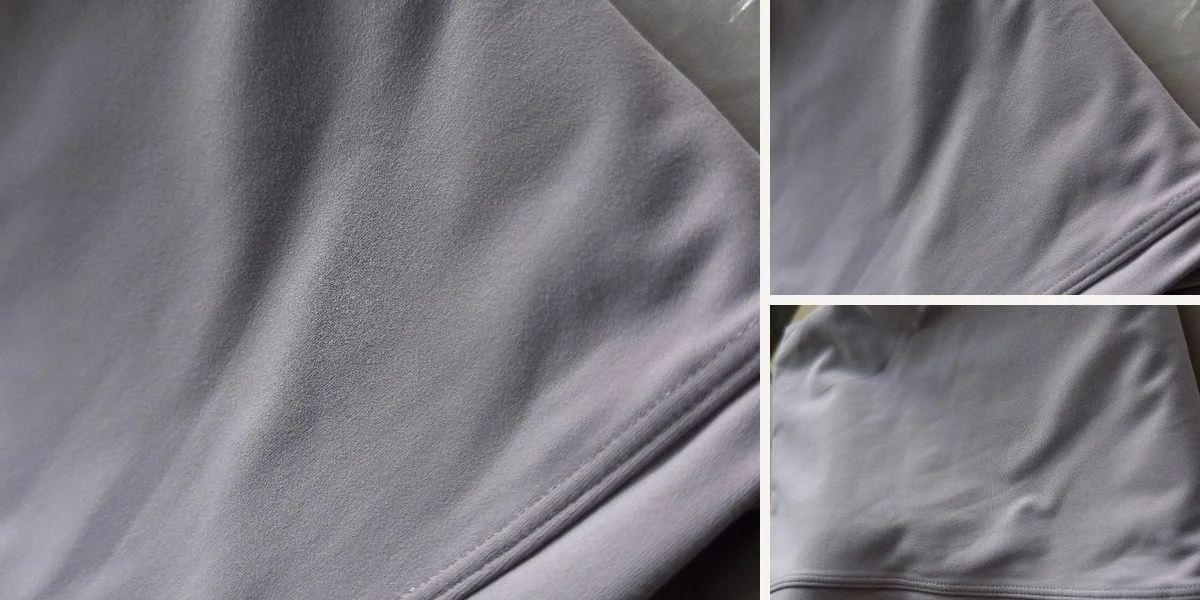
Brushed
Brushed finishes can create a softer, warmer tactile direction. The buyer should confirm that the surface, body stretch and pad system still meet the intended product appearance after handling and applicable wash review.

Seamless Yarn
Seamless yarn selection works together with knit density, machine program and regional structures. The pad pocket and necessary finishing are later integrated with the knitted body, so the final bra—not yarn composition alone—must be the approval reference.

Recycled Nylon
Recycled Nylon can be evaluated for padded sports bras where the project requires it. Supplier certification, material scope and actual batch evidence should support any recycled-content claim; pad and garment performance still require separate product validation.
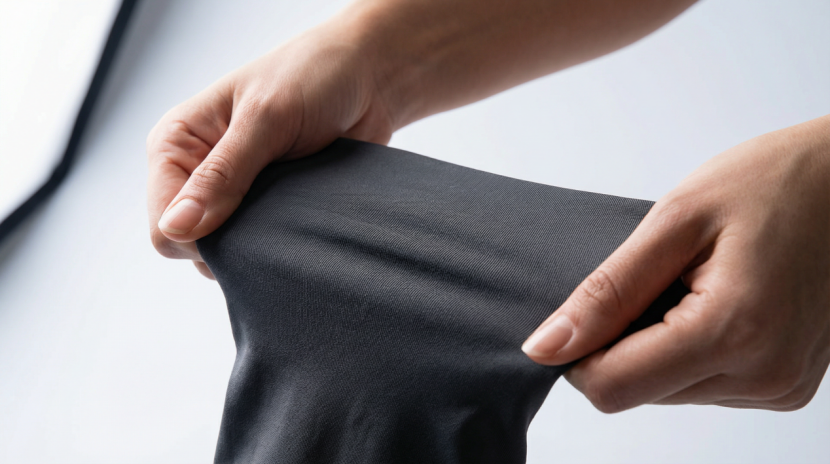
Polyester Stretch
Polyester/Spandex offers another activewear route. The team should compare handfeel, stretch, recovery, coverage and heat/process compatibility with the intended cup and branding method before the material is released.
Review Padded Bra Fit From Multiple Functional Angles
A padded bra should be reviewed as a complete Fit system. Bust, underbust, coverage, straps, cup position, back structure and material recovery all affect the approved garment.
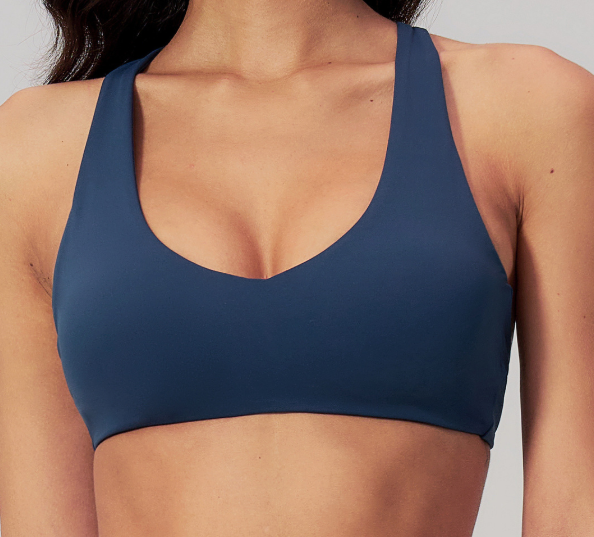
Front Fit
Front evaluation checks neckline, overall coverage, cup or pad position and left-right visual balance. The selected pad should sit within the intended garment geometry without creating uncontrolled edge visibility or asymmetry.
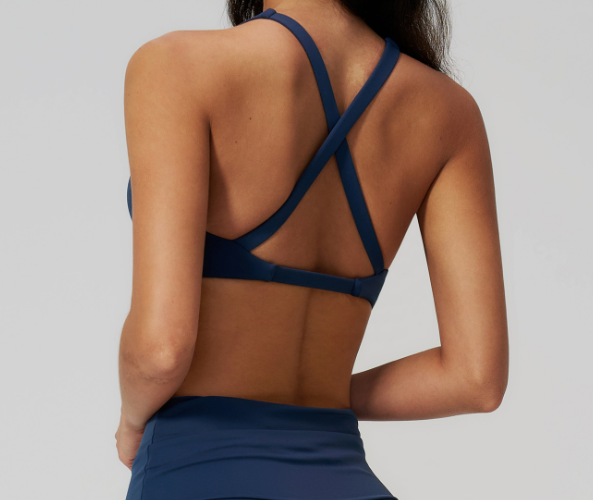
Side Coverage
Side review helps identify armhole pressure, side coverage and pad-edge relationships that may not be visible from the front. The side wing, lining and outer fabric should remain aligned with the buyer’s Fit direction.

Underband Fit
The underband provides a key positional reference for the entire bra. It should follow the buyer’s underbust specification and remain balanced with the body fabric and pad system rather than being tightened simply to create a stronger support sensation.

Strap Fit
Strap length, width, stretch and attachment affect garment position. Strap adjustment should not be used to compensate for an incorrect front body or underband. The approved sample should establish the intended relationship.
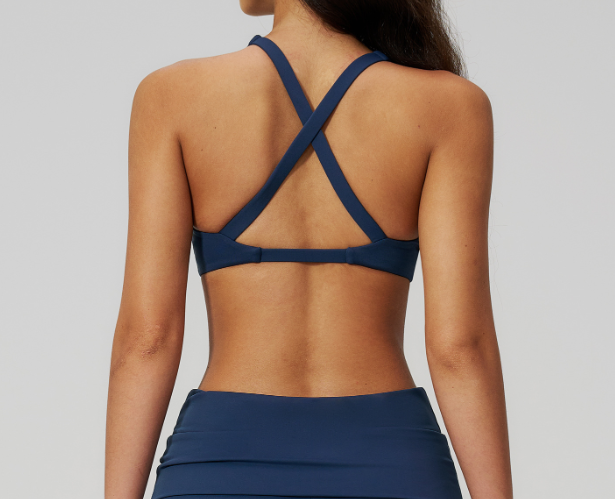
Back Balance
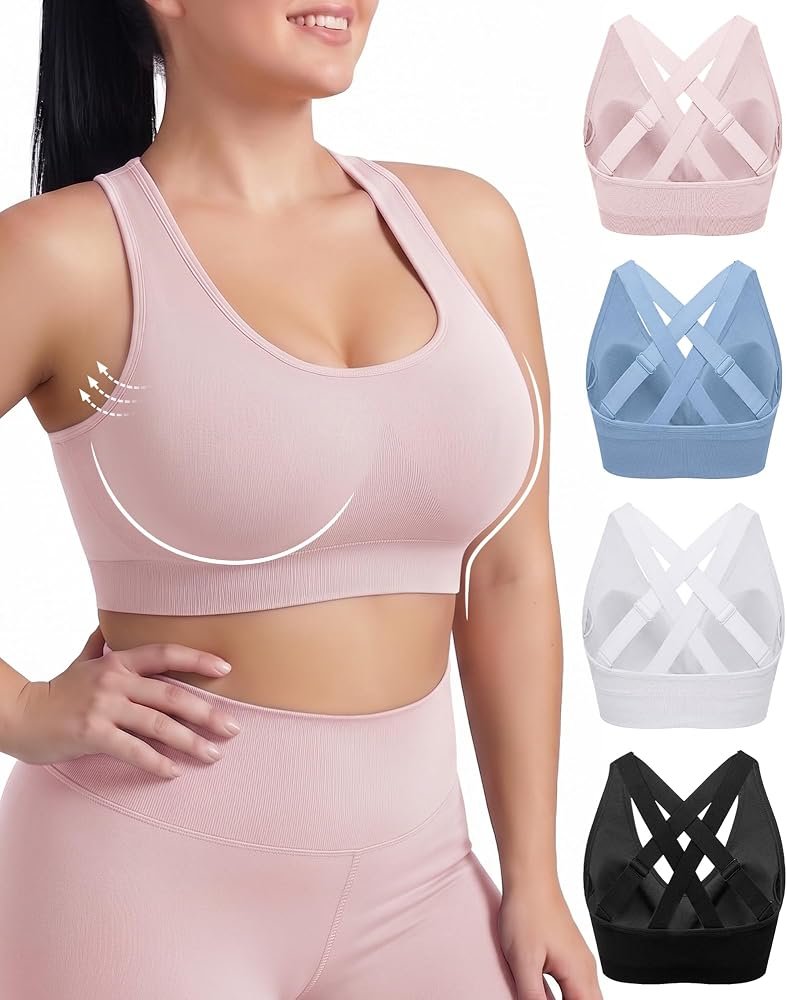
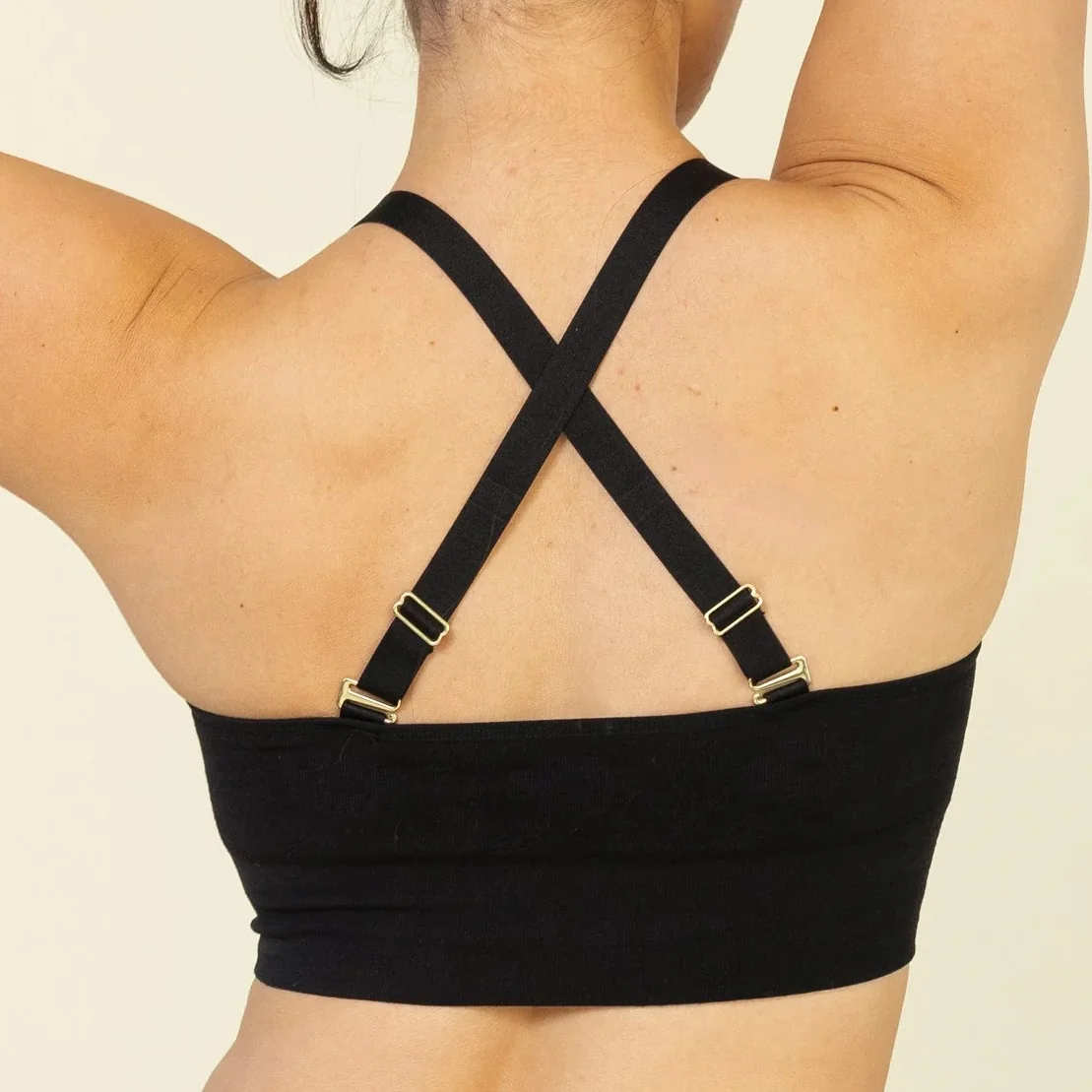
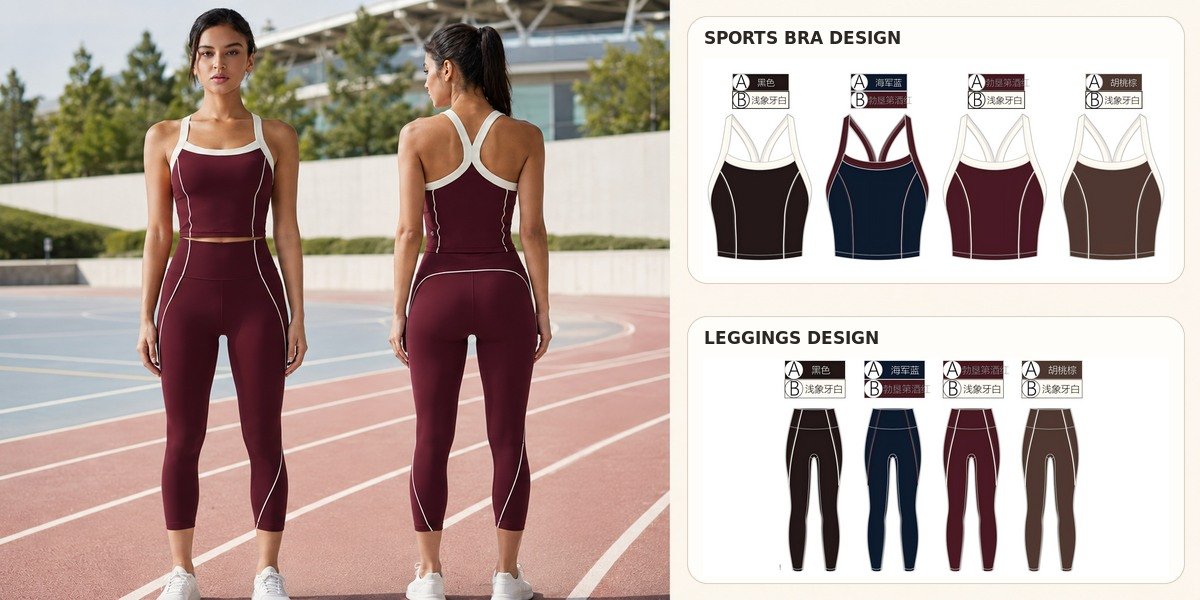
Racerback, cross-back or other back structures influence strap path and symmetry. The back should be reviewed together with underband and front coverage to confirm that the overall garment remains correctly positioned.
Pad Alignment
Pad alignment review checks left-right height, orientation, movement space and visibility in the actual garment. The approved pad and pocket should be used rather than a substitute development component.

Movement Review
Arm raise, forward movement and other buyer-relevant motions can reveal pad shift, strap pressure, band movement or coverage change. Functional Fit therefore requires more than a static standing photograph.
Grade the Cup System With the Complete Bra
Grading a padded bra is not simply enlarging the outer pattern. Bust, underbust, cup position, pocket dimensions, straps, coverage and body length may require different relationships across the size range.
Approved Starting Point
The approved base-size sample establishes the first complete relationship between buyer measurements, material, pad, pocket, straps and underband. It becomes the development reference for grading but does not automatically validate other sizes.
Define the References
Relevant POMs can include bust, underbust, cup or front height, body length, strap length and other buyer-defined points. Measurement methods should remain consistent between sample development and production inspection.
Control Vertical Placement
Pad location should remain visually and functionally appropriate as the garment changes size. A simple scale-up can move the pad too high, too low or too far outward if the relationship is not reviewed.
Match the Component
Pocket dimensions should remain compatible with the selected pad and consumer handling requirement. The pocket does not need to follow one universal proportional rule across all products or sizes.
Review the Extremes
Smaller and larger sizes can expose changes in coverage, pressure, strap position and pad relationship. Representative risk sizes can therefore be selected for additional physical review before the complete range is released.
Validate the Grade
Size Set Samples convert Grade Rules into physical garments. The buyer can review measurements, cup position, underband, strap and coverage before confirming that the grading logic is acceptable.
Freeze the Standard
Once the buyer accepts the Size Set and latest Grade Rules, the released measurements and patterns become the reference for bulk production and measurement control.
Read the Measurement Record Behind Bulk Fit Control
Sample approval becomes useful only when its dimensions and construction are transferred into production. MOVEVOX uses released specifications, First Article and production checks rather than relying only on final visual inspection.

Sample Scope
The record should identify the style, color, size, production stage and inspection scope so the buyer can understand exactly which garments were measured.
Measurement POM
Each measurement should use the agreed buyer method. For padded bras this may include underbust, body length, strap, front height or other project-specific POMs.
Target Value
The target value comes from the latest released Measurement Chart or production specification, not an outdated development version.
Tolerance
The acceptable range should follow the buyer’s confirmed tolerance. MOVEVOX should not replace a customer’s tighter requirement with an internal generic tolerance without approval.
Actual Result
Inspectors record the measured value for the sampled garment so deviations can be identified before the production lot is released.
Exception
Where an item exceeds the agreed tolerance or another Fit-related issue appears, affected work should be identified and reviewed rather than automatically treated as acceptable.
Corrective Action
The production team can stop, segregate, correct or rework affected goods as applicable, then conduct further measurement or inspection before release.
Release Status
The final record should show whether the inspected batch or production stage was accepted, held, reworked or requires further review.
Check Pad Position While the Sports Bra Is Moving
Static Fit can hide movement problems. Arm raising, forward folding and training motions can reveal pad shift, band ride-up, strap pressure or changing coverage that is not visible when the wearer stands still.
Arm Raise
Arm raising can show whether the underband moves upward, side coverage changes or the pad shifts relative to the body. The development team should observe the complete garment rather than trying to judge the cup system in isolation. If the buyer has a defined activity or movement protocol, that protocol should take priority over a generic demonstration.

Forward Fold
Forward movement can expose neckline, coverage and pad-position changes that are less obvious in a neutral standing pose. The pocket, lining, body material and strap system should remain compatible with the buyer’s Fit expectation. A visible change does not automatically mean failure; it should be evaluated against the intended product use and approval criteria.
General Training
Controlled gym or studio movement can reveal repeated shifting, strap movement or local pressure. MOVEVOX can use physical samples to collect buyer comments and revise the product. The final product should not be labeled with a quantified support or impact claim unless the relevant test or buyer method actually supports that statement.
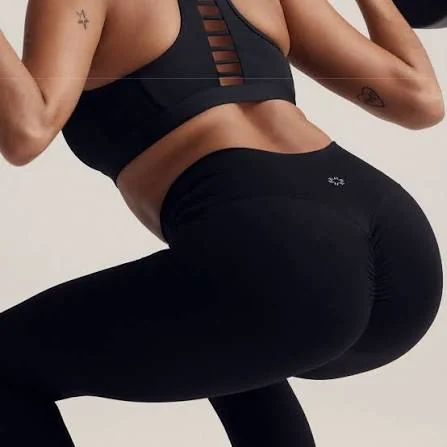
Post-Movement Check
After movement, the team can check whether the pad remains correctly oriented, whether left-right symmetry is maintained and whether the underband returns to the intended position. This practical review helps identify changes that may not be captured by flat measurements alone. Formal approval still belongs to the buyer’s own Fit and performance criteria.
Match Every Padded Bra Claim to Its Evidence
Padded sports bra sourcing involves structural, material, Fit, wash and compliance claims. Each claim should be supported by the evidence that actually applies to the product, material, batch or tested sample.
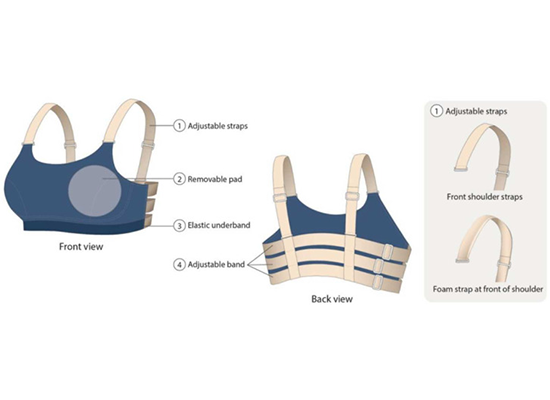
Structural Evidence
Issuer / Validity: MOVEVOX project evidence / project-specific
Scope: Product structure
Photos, physical samples and construction records can show whether the bra includes a removable pocket, fixed pad, lining, elastic or Seamless structure. Structural evidence is useful for verifying what was built, but it cannot independently prove a quantified support rating, wash durability level or chemical-compliance result.
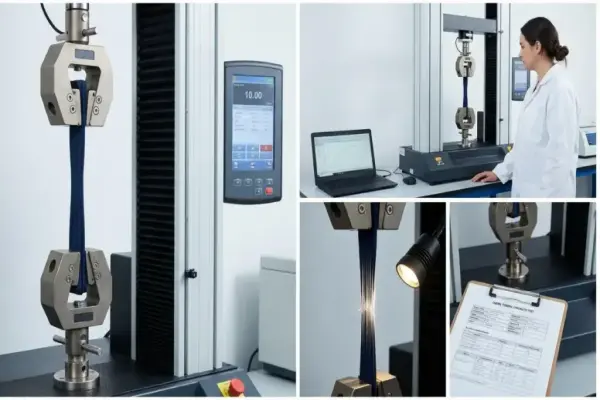
Material Documents
Issuer / Validity: Material supplier / batch- or material-specific
Scope: Specified fabric, yarn or component
Supplier composition, GSM and certification documents can support material identity within their stated scope. They should not be extended to unrelated materials, colors, batches or the performance of the complete sports bra unless the document expressly covers those conditions.
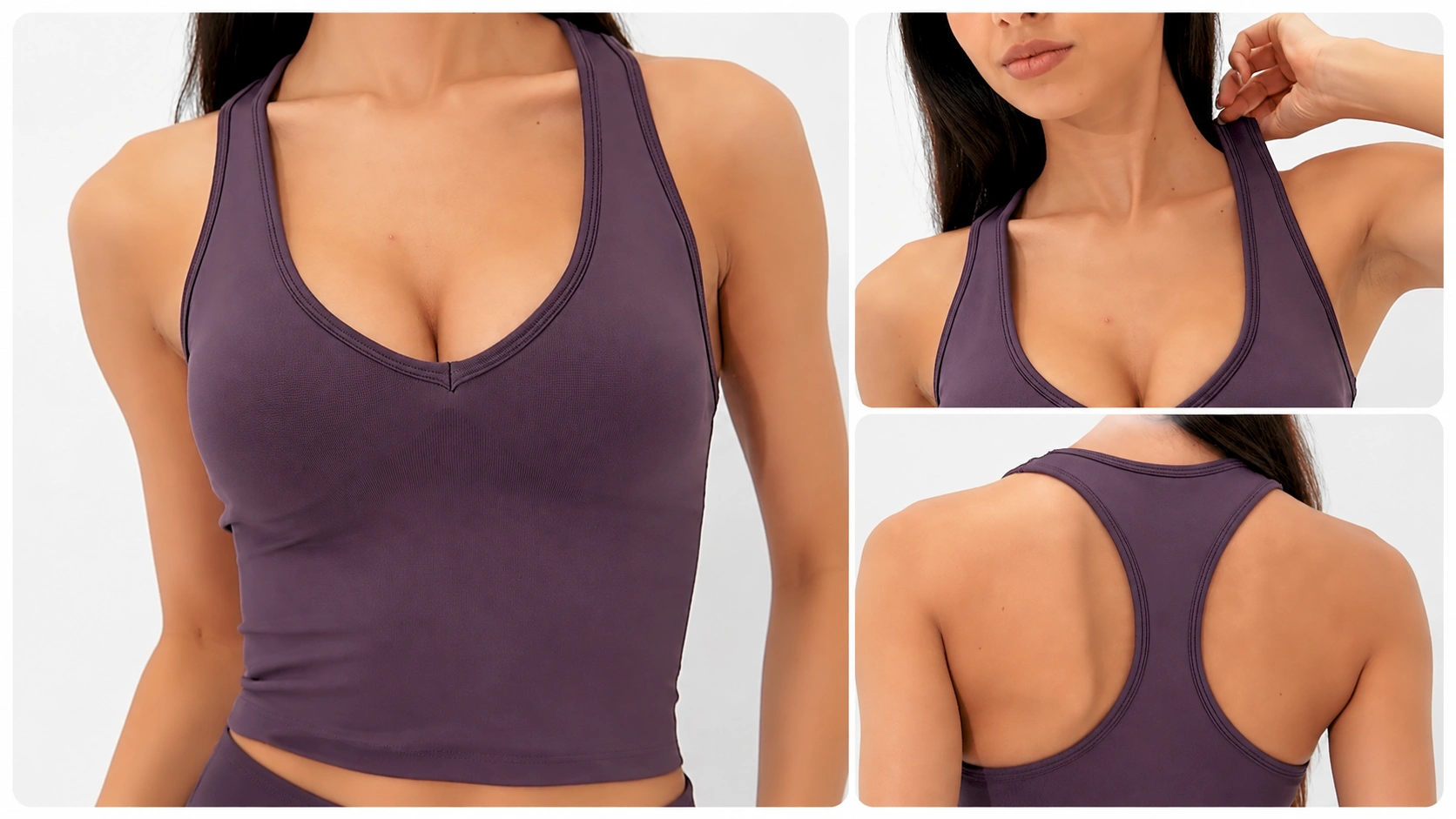
Approved Sample
Issuer / Validity: Buyer / project stage
Scope: Approved physical product
The Approved Sample can establish the buyer’s accepted product appearance, pad position, construction and Fit reference. It remains one important part of the production standard but does not automatically prove durability or performance outside the configuration that was actually approved.
Internal Records
Issuer / Validity: MOVEVOX / project-specific
Scope: Sampling, QC or development activity
Fit comments, measurement sheets, First Article records, in-line inspection and finished-garment checks can show how project requirements were reviewed and controlled. They are internal production evidence rather than third-party certification.
Buyer Validation
Issuer / Validity: Buyer / buyer-defined project
Scope: Customer evaluation method
A buyer may conduct wear trials, fit sessions or other internal product checks before approval. Where documented, those results can support that project’s decision but should not be rewritten as an independent laboratory certification.
Third-Party Report
Issuer / Validity: Named laboratory / report-specific
Scope: Tested sample and listed parameters only
Third-party evidence should always identify the tested item, method, date and report scope. MOVEVOX can arrange or coordinate project-specific testing when required; one report cannot automatically cover other colors, materials, products, batches or future orders.
Choose the Manufacturing Route From the Cup Architecture
MOVEVOX operates both Seamless and Cut & Sew activewear systems. Padded sports bras can use either route depending on body structure, layers, pocket, elastic, components, Fit and commercial requirements.
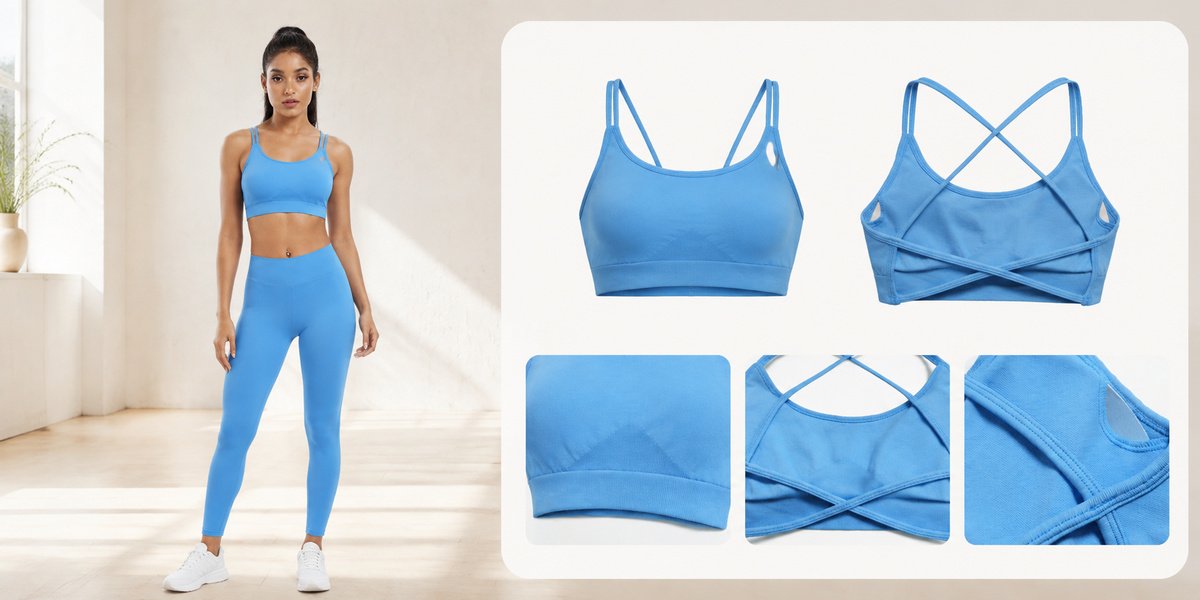
Seamless Padded Bra
A Seamless padded bra begins with yarn, circular-knitting programs and engineered knit structures. Rib, mesh, texture or density can be integrated into the body before post-knitting operations complete openings, labels, pad pockets, pads and necessary sewing. MOVEVOX’s Yiwu core system includes 28 Italian Santoni Seamless machines. Seamless does not mean absolutely zero sewing, and a removable or fixed pad still requires a practical construction that can be produced and checked consistently.
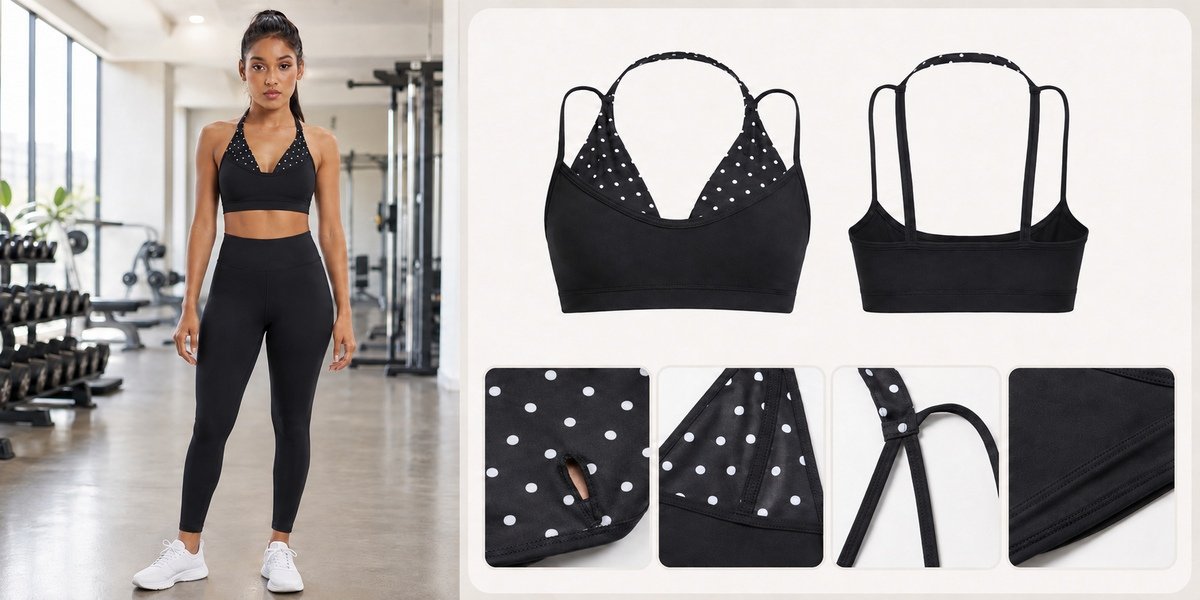
Cut-and-Sew Padded Bra
A Cut & Sew padded bra begins with finished fabric and pattern pieces. The product can combine an outer shell, lining, pad pocket, elastic, straps and other components through conventional garment assembly. MOVEVOX’s core production system includes approximately 24 main sewing / garment-production machines. Cut & Sew provides more freedom for layered materials and separate components, but each additional layer or trim introduces its own sourcing, assembly and QC requirements.
How Seamless Padded Bras Move From Yarn to Bulk
A Seamless padded sports bra combines yarn, knitting structure, machine program, finishing, pad construction and Fit. The approved product must therefore control more than the knitting machine alone.
Product Brief
The buyer defines product use, size range, support direction, pad requirement, visual structure, color and relevant measurements before knitting-program development begins.
Owner: Development
QC Node: Brief Review

Yarn Review
MOVEVOX reviews suitable yarn direction, color, composition and supply conditions. Custom colors or special yarns can introduce separate supplier MOQ and lead-time requirements.
Owner: Sourcing
QC Node: Yarn Approval
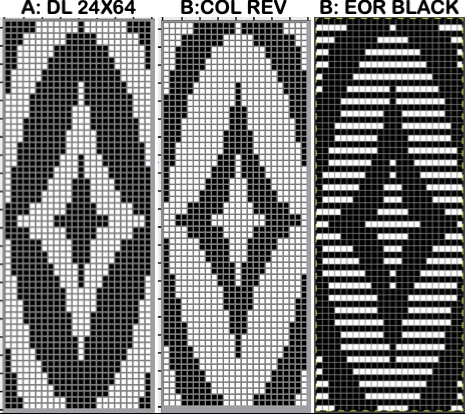
Program Setup
The Seamless structure is translated into machine programming, including body dimensions, rib, mesh, texture and relevant density zones according to the approved development direction.
Owner: Technical
QC Node: Version Check
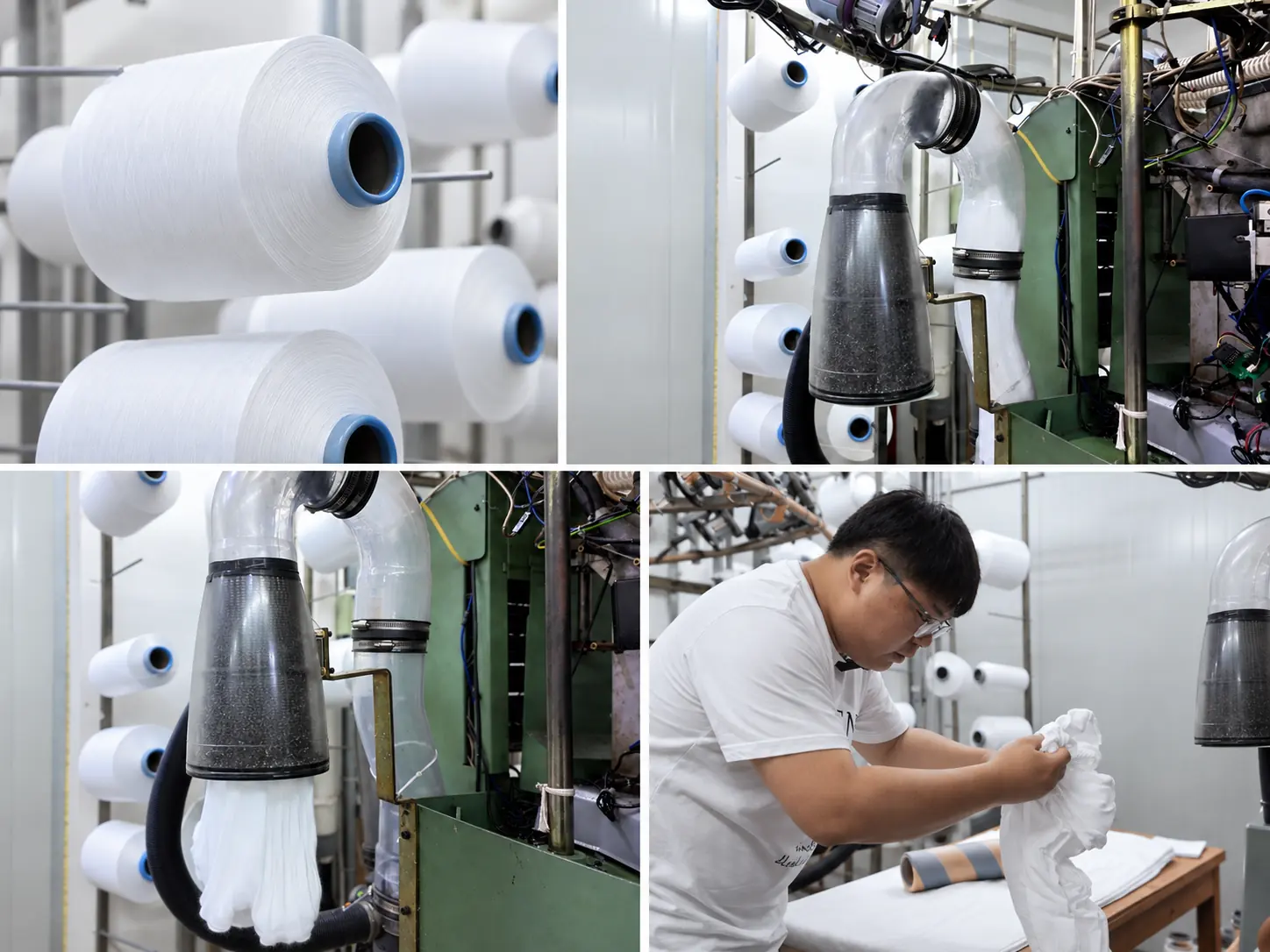
Trial Knitting
Initial knitted bodies are produced to evaluate structure, dimensions, surface appearance and program feasibility before the product moves into complete sample finishing.
Owner: Production
QC Node: Trial Review
Finishing Setup
Necessary sewing, openings, pad pocket, lining or other finishing requirements are integrated into the knitted body. Seamless does not eliminate every post-knitting operation.
Owner: Sample Team
QC Node: Construction Check

Pad Integration
The selected pad is inserted or secured according to the approved construction so position, symmetry, pocket handling and front appearance can be reviewed.
Owner: Development
QC Node: Pad Check
Fit Review
The finished physical sample is reviewed for bust, underbust, straps, coverage, pad position, material recovery and buyer-defined movement requirements.
Owner: Fit Team
QC Node: Buyer Comments
Program Revision
Where the sample requires correction, relevant dimensions, knit structures or finishing details are revised and recorded before the next sample version.
Owner: Technical
QC Node: Version Control
Standard Freeze
The accepted program, yarn, finishing construction, pad and measurement information are released together as the production reference.
Owner: Project Lead
QC Node: Approval Gate
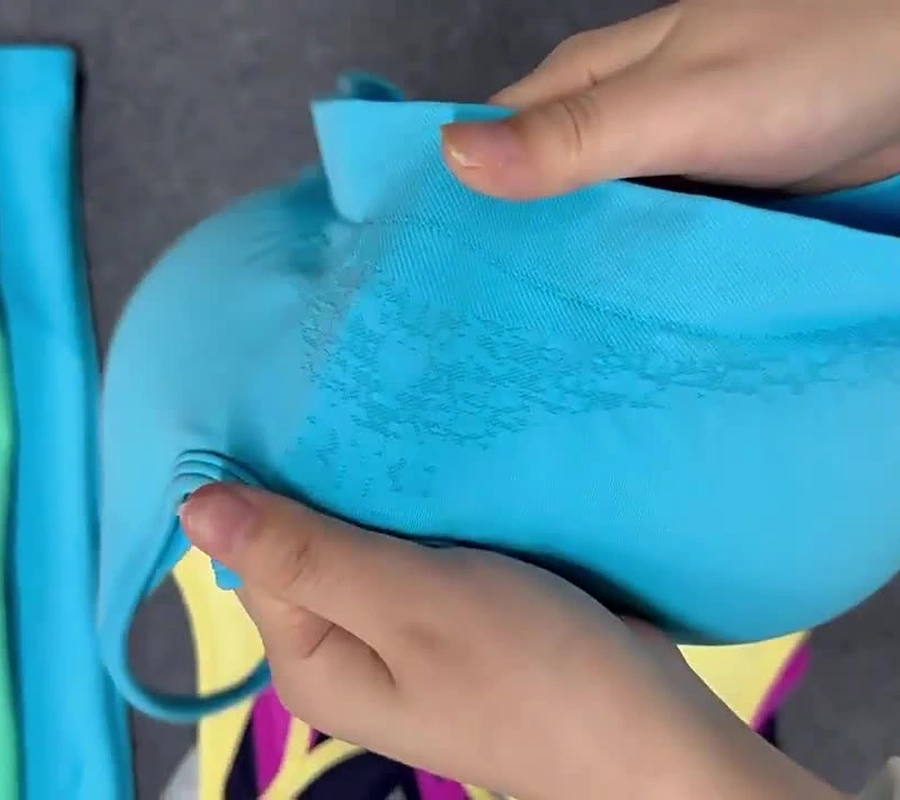
Bulk and QC
Production follows the released program and material requirements, followed by applicable finishing, First Article, in-line, measurement and final-garment inspection before packing release.
Owner: Production
QC Node: Final Release
Build Padded Sports Bras Through Layers and Controlled Assembly
Cut & Sew gives the development team independent control over fabric pieces, lining, elastic, straps and pad construction. That flexibility also creates more component and workmanship variables that must be frozen before bulk production.
Pattern Development Connects the Cup System to the Full Garment
The Cut & Sew pattern should be developed from the buyer’s measurement chart, target Fit and selected material rather than from pad dimensions alone.- Bust and underbust: The body pattern must provide the intended garment space and underband relationship around the selected pad.
- Coverage: Neckline, armhole and side-wing geometry affect how the pad sits and how much of the bust area is covered.
- Pad position: Pocket or fixed-pad references need to align with the approved physical sample.
- Straps: Strap placement influences the front-body position and can change how the cup system sits.
- Grading: Pocket and pad locations may require specific Grade Rules instead of a simple proportional enlargement.
MOVEVOX supports Tech Pack development, legal physical-reference development, measurement adjustment and Fit revision. The pattern becomes valuable only after the actual fabric, lining, pad and garment have been physically reviewed and approved.

Fabric, Lining and Pad Must Work as One Layered System
Cut & Sew padded bras can combine several materials that stretch and recover differently.Outer fabric: The outer shell controls surface appearance, stretch, opacity and contact with the visible pad outline.
Lining: The lining creates the internal layer around the pad and can influence pressure, opacity, movement space and comfort.
Pad or cup: The pad introduces shape, thickness and localized structure. The approved component should be identified in the production specification.
Elastic: Underband and strap elastics can be independent components with their own width, stretch, color and supplier conditions.
Development requirement: Changing only one of these materials can alter the approved result. Bulk substitutions should therefore be reviewed rather than made informally because the hidden internal component is “similar.”

Pocket and Fixed-Pad Construction Create Different Production Risks
A removable pocket and a fixed construction require different assembly and inspection logic.Removable pocket: The team confirms opening position, pocket size, pad orientation and consumer handling. A pocket must be accessible without becoming uncontrolled.
Fixed pad: The team confirms how the pad remains positioned, whether through sewing, layered positioning or another validated method. Left and right height and appearance still require QC.
Molded or complex cup: A more technical molded project may involve external specialist suppliers, tooling and a separate MOQ. MOVEVOX should only confirm this route after the actual project requirements and supplier feasibility have been reviewed.
Sewing and Finishing Must Protect Stretch, Symmetry and Cup Position
MOVEVOX’s core Cut & Sew system uses equipment including overlock, coverstitch, Flatlock and lockstitch according to the product structure.Seam execution: Stretch seams should remain compatible with the material and intended movement.
Underband: Elastic application or body-fabric construction must remain symmetrical and aligned with the approved sample.
Strap attachment: Left and right strap locations require consistent workmanship because small positional changes can alter garment balance.
Finishing: After sewing, the bra still requires appearance review, thread cleanup, measurement, pad insertion or check, labeling and packing inspection.
The goal is not to prove that one seam type is universally superior, but to show that each construction point is selected and controlled according to the actual padded-bra design.

Define the Cup System Before Requesting the First Sample
A complete Tech Pack accelerates review, but MOVEVOX can also begin from a legal physical reference, sketch or defined concept. Missing inputs should be identified before final product approval.
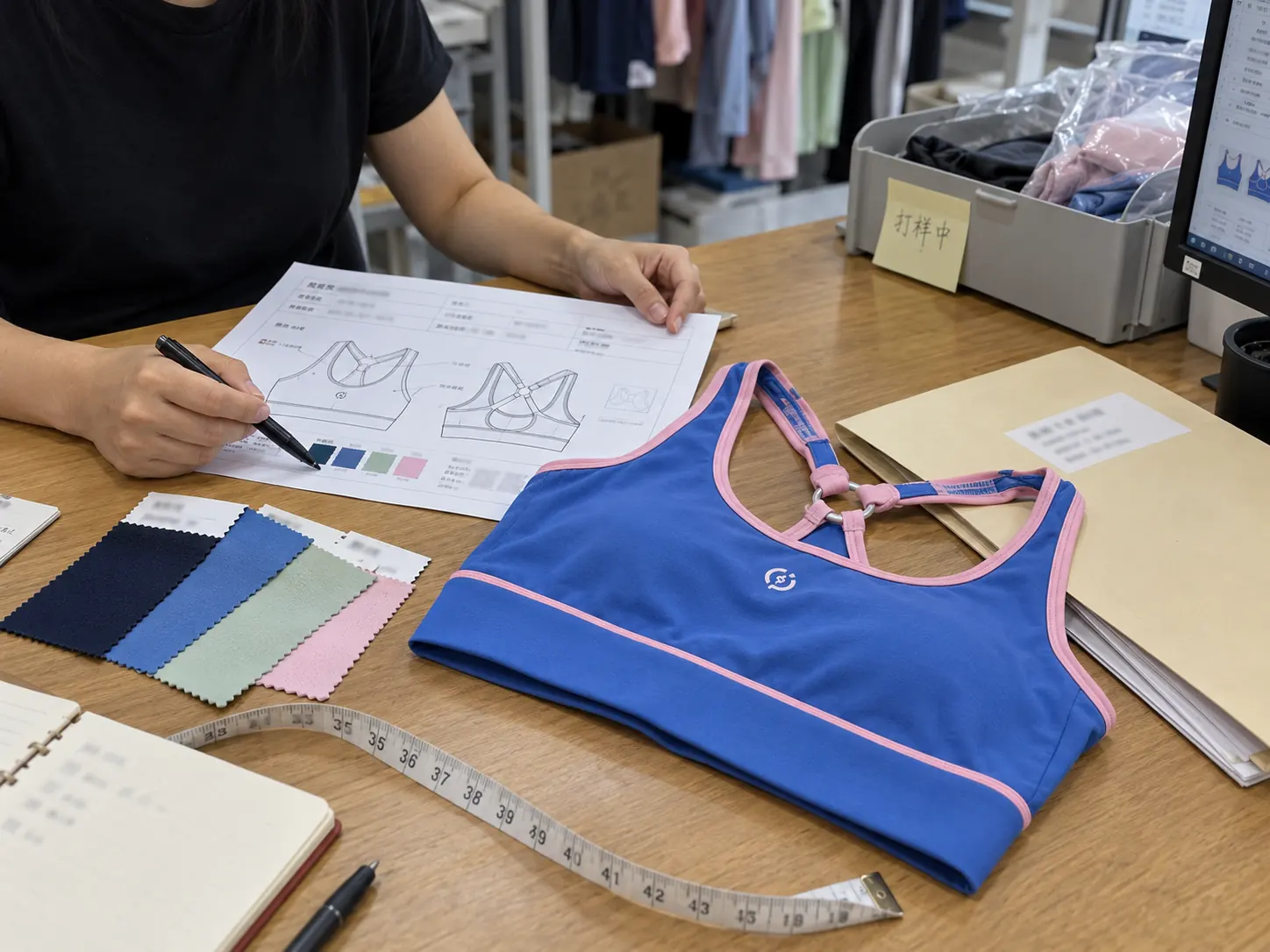
Product Use
Explain the intended wearer and activity so the development team understands whether the priority is soft studio comfort, training stability, everyday activewear or another product direction.
Pad Type
State removable, fixed, pad-free alternative, molded-cup request or an open development question. If the type is not decided, identify the consumer and visual requirement instead.
Pad Specification
Provide shape, thickness, material, dimensions, supplier code or a legal physical reference where available. Custom or molded requests require more information before feasibility can be confirmed.
Measurement Chart
Provide bust, underbust, body length, strap and other relevant POMs together with the buyer’s tolerance and measurement method.
Pocket Structure
Show the intended opening location, pocket construction or any existing reference. MOVEVOX does not impose one standard pocket layout on every customer.
Fabric Direction
Specify composition, GSM, handfeel, color, stretch, recovery, opacity or approved supplier information where the buyer has already selected a material.
Lining
Define full lining, pocket layer or other internal material requirement. If unspecified, lining is reviewed as part of product development.
Strap and Back
Identify fixed or adjustable straps, racerback, cross-back or another back structure, including hardware requirements where applicable.
Size Range
Provide the intended commercial size range and existing Grade Rules where available so pad position and pocket relationships can be reviewed appropriately.
Quantity and Colors
Provide estimated quantities, number of colors and size mix so garment MOQ, custom-color MOQ and component minimums can be assessed.
Branding
Provide logo artwork, position, labels, hangtags, barcode and packaging information required for Private Label execution.
Testing
Share RSL, chemical, material, wash, performance or destination-market testing requirements before final material and component approval.
Review the Padded Bra Before Sampling Begins
Before the first sample is made, MOVEVOX converts product inputs into technical questions covering pad, pocket, material, Fit, construction and commercial feasibility. The objective is to reduce avoidable revision caused by unclear assumptions.
Pad type, shape and position should be defined before final Fit review.
Outer fabric and lining must be reviewed with the actual cup system.
Custom or molded components may introduce independent MOQ and tooling decisions.
Padded Bra Technical Review
The review sheet should record the buyer’s product intent and identify which items are confirmed, proposed, pending or require physical validation before the project proceeds.
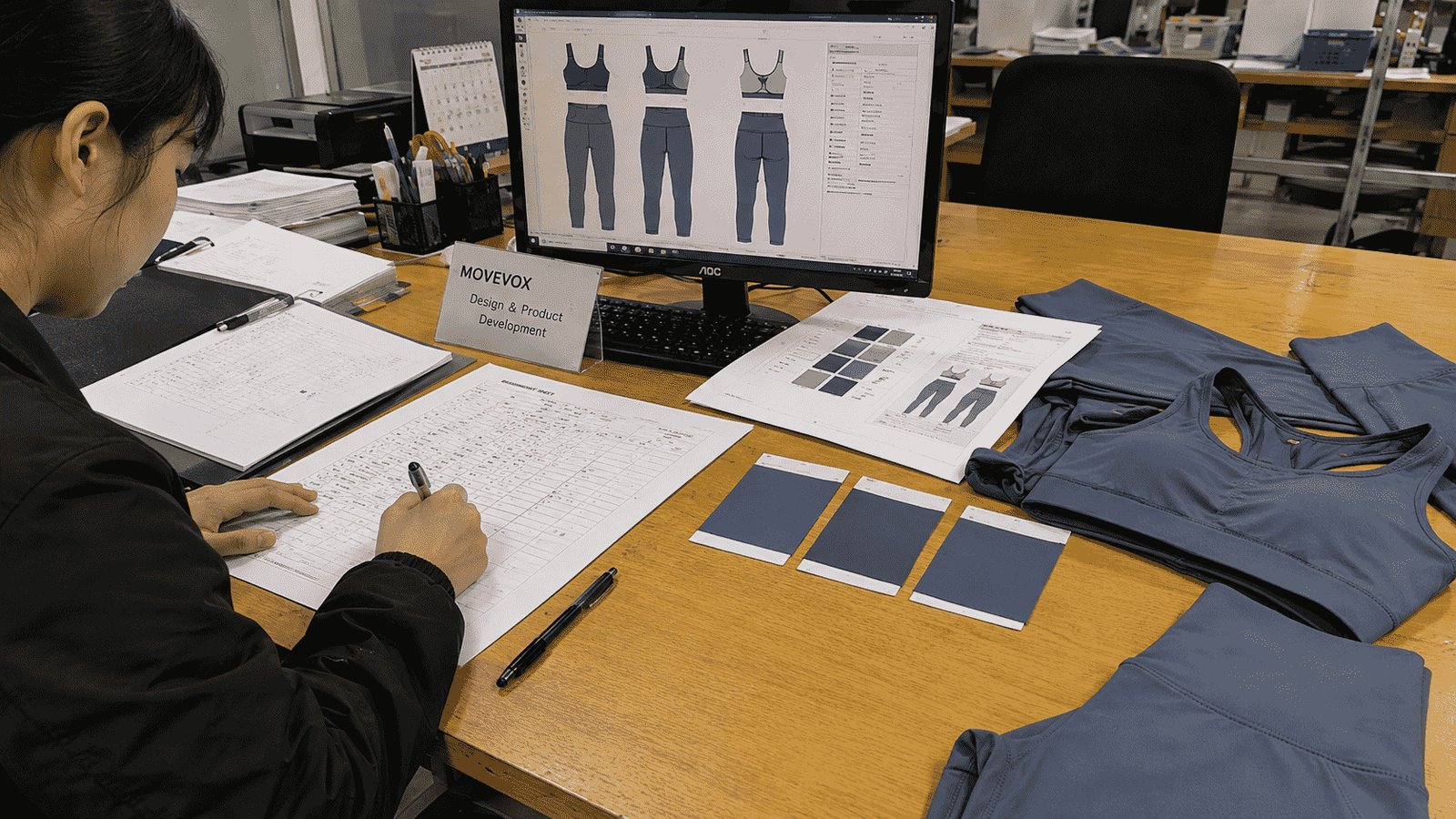
Product Direction
Confirm intended activity, wearer, support direction, visual coverage and product category before selecting a cup structure.
Pad System
Confirm removable, fixed or custom-cup requirement together with shape, thickness, pocket and consumer-handling expectations.
Material System
Review outer material, lining, elastic, color, handfeel, recovery and expected appearance around the pad.
Fit Inputs
Check Measurement Chart, bust, underbust, straps, coverage, size range and existing Grade Rules.
Manufacturing Route
Determine whether Seamless or Cut & Sew better fits the confirmed architecture and whether any specialist component process requires separate review.
Commercial Conditions
Identify garment MOQ, custom-color conditions, special pad/component MOQ, sampling needs and likely lead-time dependencies.
Use Each Sample Stage to Close a Different Risk
A padded-bra sample should progressively validate structure, Fit, cup position and production readiness. The standard 5–10 working-day reference applies only after key development conditions are sufficiently confirmed.
Technical Confirmation
Review Tech Pack, materials, pad requirement, pocket, measurements, branding and open technical questions before the sample team begins physical development.
Material Selection
Confirm available body fabric, lining, elastic and pad options or identify items requiring supplier development, custom color or separate component review.
Physical Sample
Produce the first complete garment with the selected pad system so the buyer can evaluate real construction rather than isolated components.
Wear and Measure
Review bust, underbust, strap, coverage, pad position, pocket behavior, measurements and relevant movement in the actual garment.
Version Update
Convert buyer comments into documented pattern, program, pad, pocket or material changes and produce the next sample where required.
Grade Review
Produce representative additional sizes where required to confirm that the buyer’s Grade Rules preserve Fit, coverage and cup-system relationships.
Production Standard
Confirm the physical sample and relevant technical information that will become the reference for bulk material, construction, branding and QC.
Show How the Cup System Changes Between Sample Versions
A visual Before / After is valuable only when both sides belong to the same verified project. Padded-bra revisions should show what changed, why it changed and what the new sample resolved.
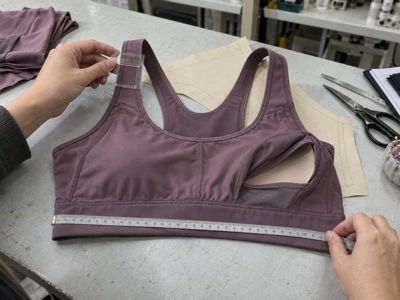
Before Revision
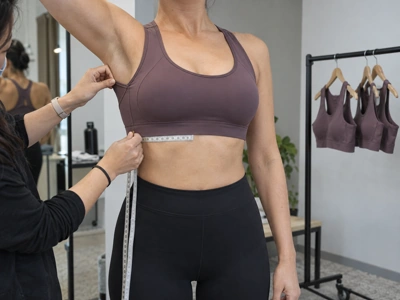
After Revision
Pad Position
The initial pad sits too high, low or outward relative to the buyer’s intended bust coverage and visual balance.
Pad Position
Pocket, pad reference or pattern position is revised and checked again in the same style using the approved component.
Pocket Size
The pad has excessive internal movement or the opening makes insertion and removal difficult during normal handling.
Pocket Size
Pocket dimensions or opening position are revised to balance practical consumer access with better control of the selected pad.
Coverage
Neckline or side coverage does not match the buyer’s intended Fit once the actual pad and material are worn together.
Coverage
Relevant pattern measurements are adjusted and the new sample is reviewed for coverage without changing unrelated areas unnecessarily.
Underband
The lower band shifts, feels inconsistent with the buyer’s target or positions the padded front incorrectly on the body.
Underband
Underbust dimensions, elastic or body construction are revised and assessed together with the cup system.
Strap Balance
Strap length or attachment creates uneven garment placement and indirectly changes the visible height of the left and right pads.
Strap Balance
Strap geometry is corrected so the complete bra sits closer to the buyer’s approved Fit.
See the Evidence That Connects Padded Samples to Bulk
A padded sports bra should move into production with the approved pad, material, pocket, measurements and branding linked to the latest technical version. The strongest proof is a same-project evidence chain.
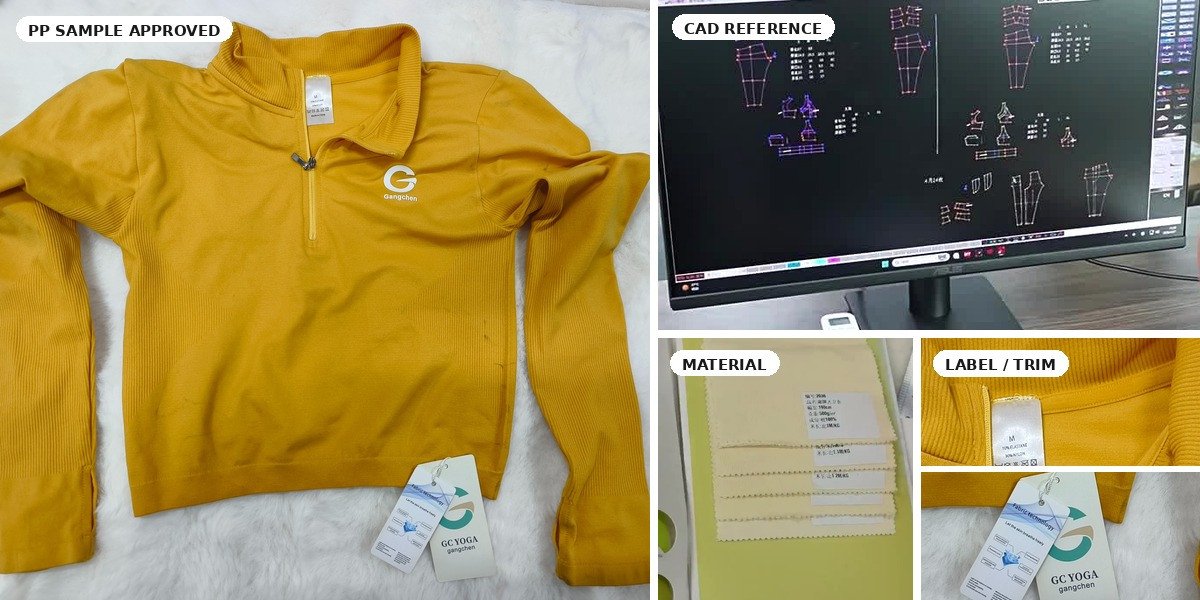
Final Tech Pack
Latest released technical information showing relevant construction, measurement, pad and branding requirements.
Approved Sample
Physical reference accepted by the buyer for Fit, appearance, cup position and construction.
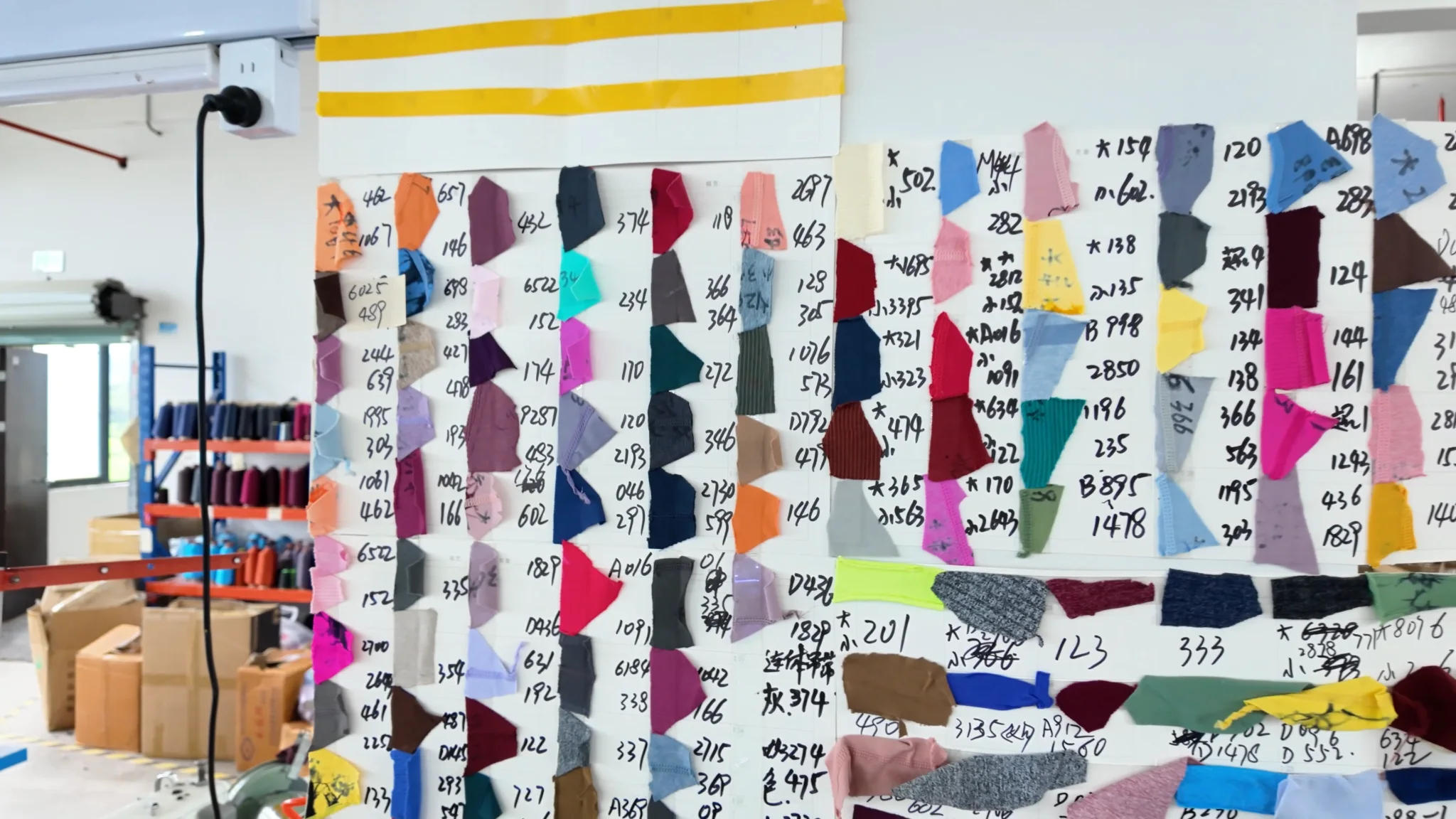
Approved Material
Body fabric, lining, elastic and pad/component references used for production purchasing or incoming confirmation.

First Article
First production garment made under real bulk conditions and checked against the released reference.
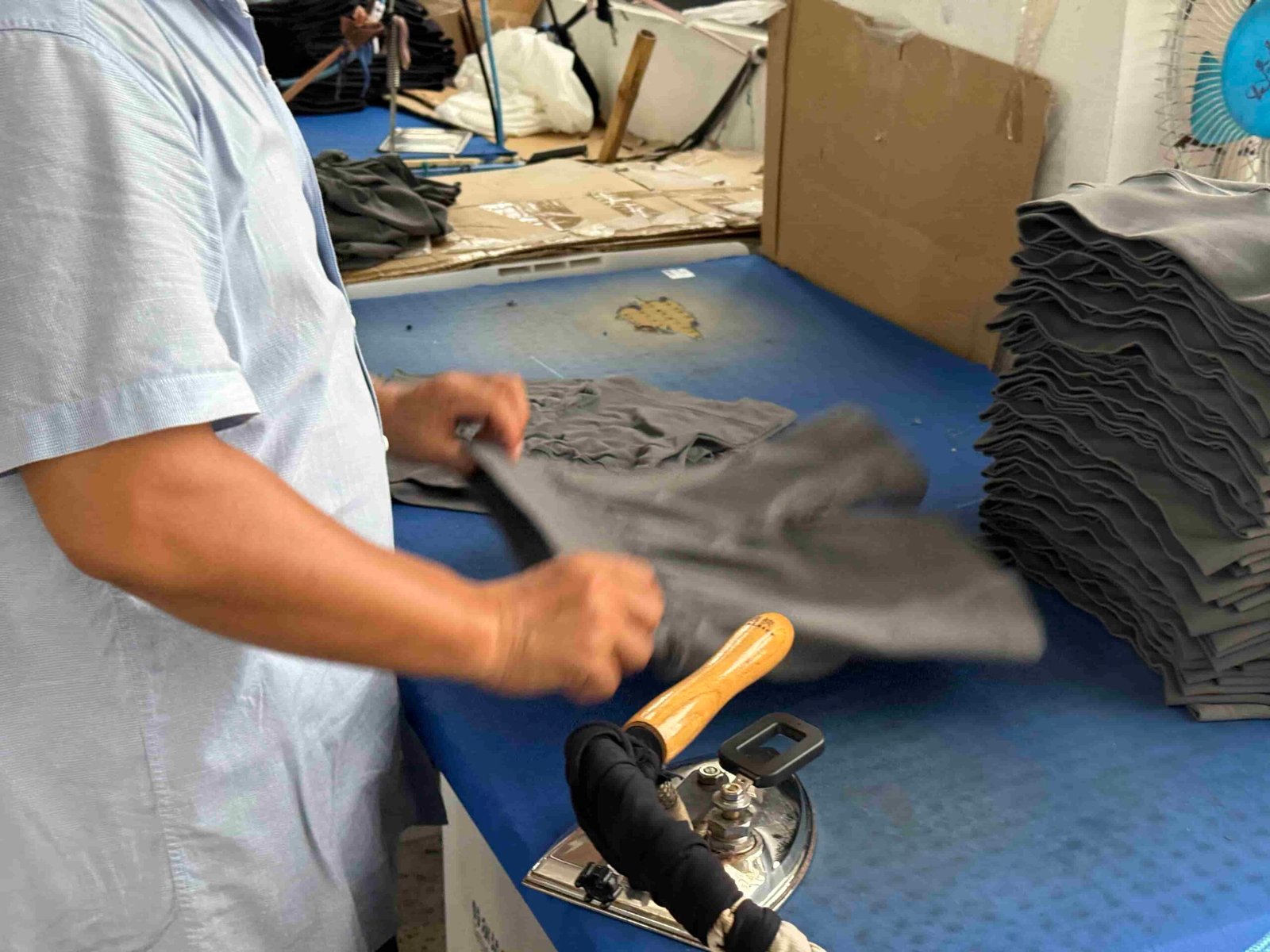
Pad Inspection
Production evidence showing pad quantity, orientation, position, pocket and left-right symmetry.

Measurement Check
Bulk garment measurements compared with buyer POMs and tolerance.
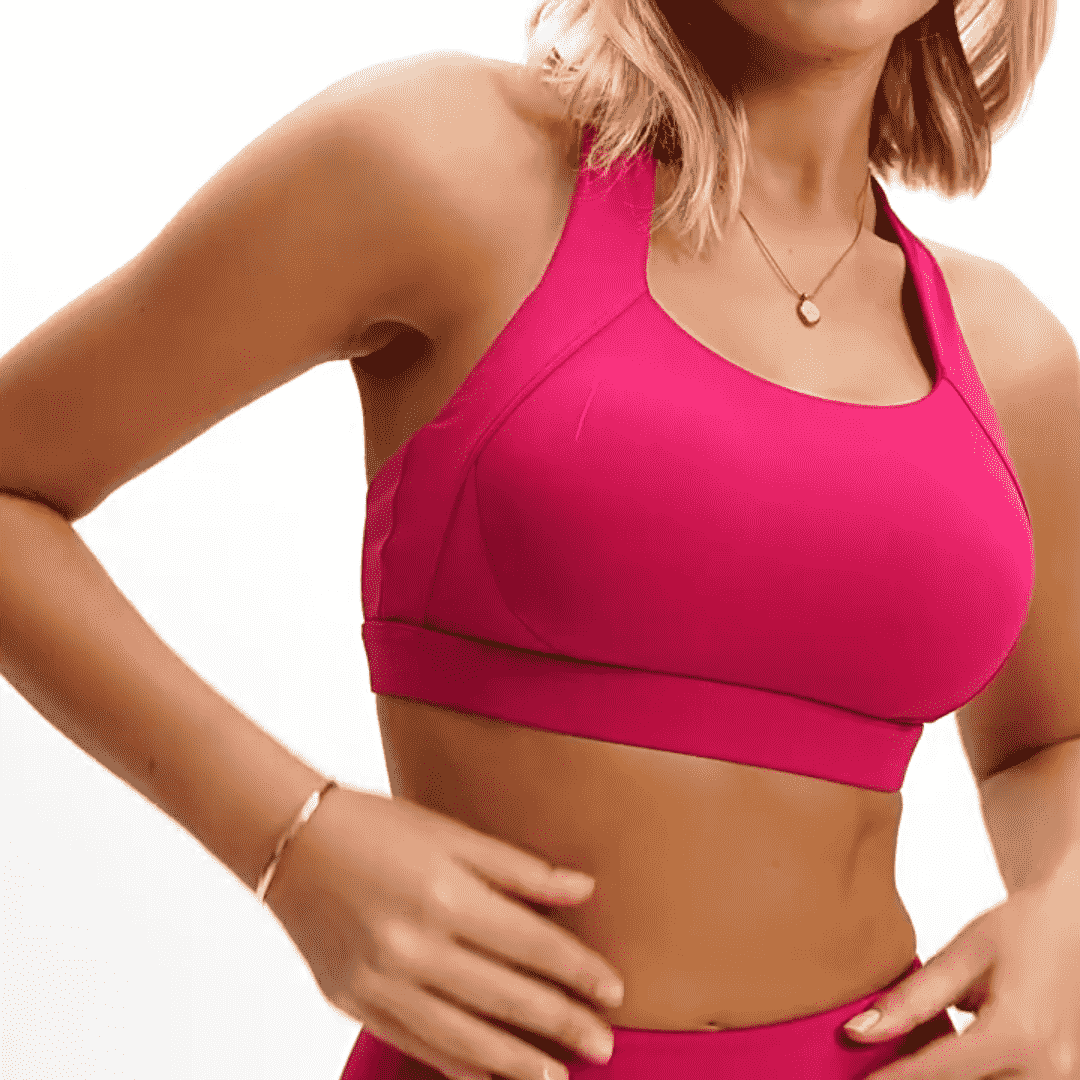
Finished Bra
Finished production garment after relevant workmanship and appearance checks.
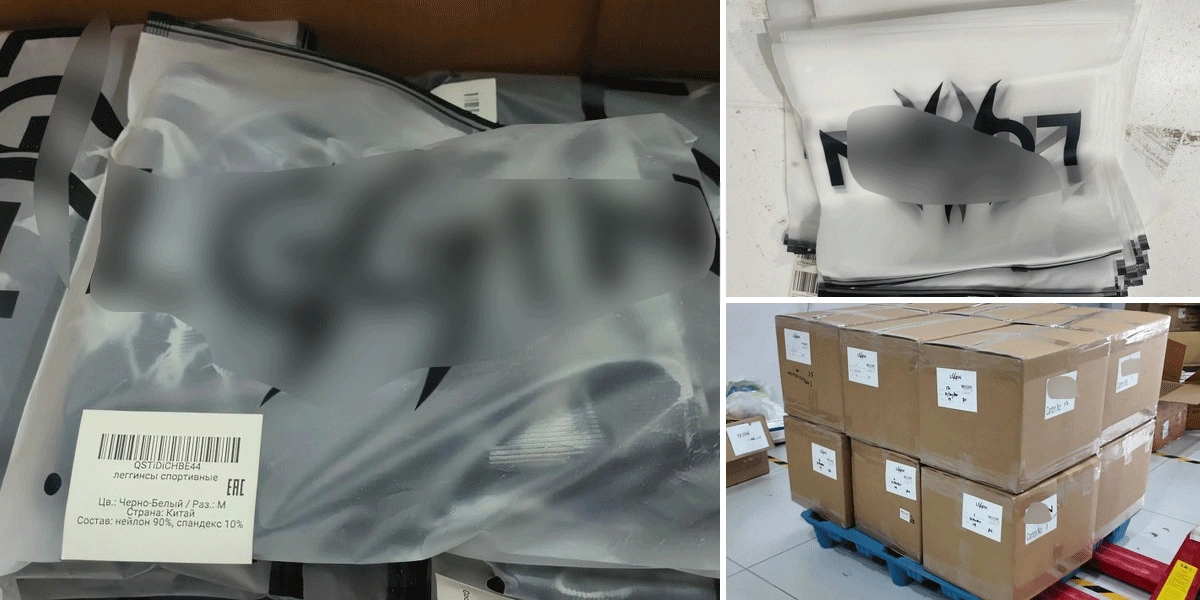
Private Label Packing
Correct size, color, labels, barcode and packaging linked to the SKU before shipment.
Complete the Padded Bra With Retail-Ready Brand Components
The approved garment is only one part of a Private Label program. Labels, tags, barcode and packaging need correct artwork, SKU information, material selection and MOQ planning before bulk packing begins.
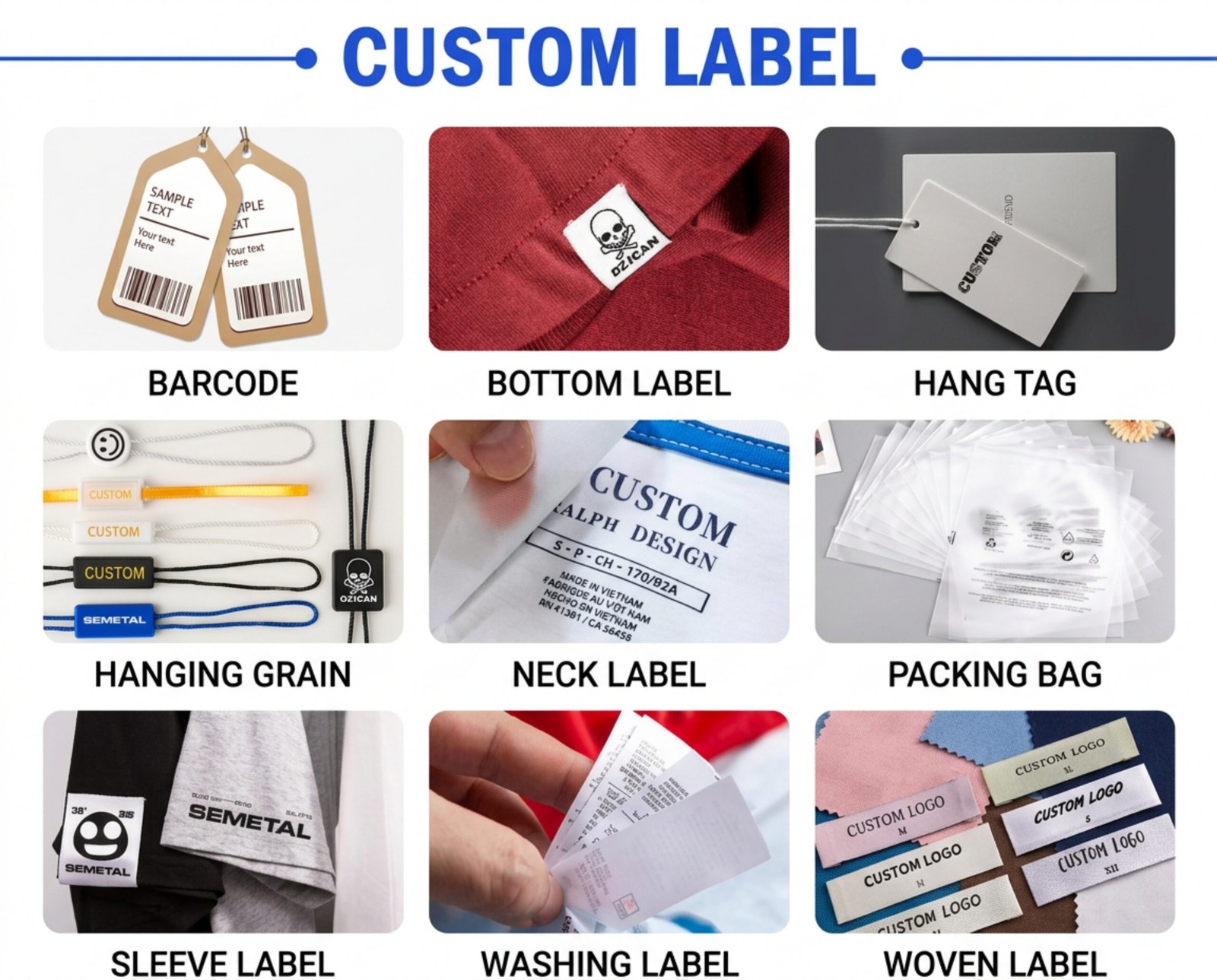
Main Label
Main Labels identify the buyer’s brand and can use an approved woven, printed or other technically suitable solution. Placement and construction need to remain compatible with the sports bra.
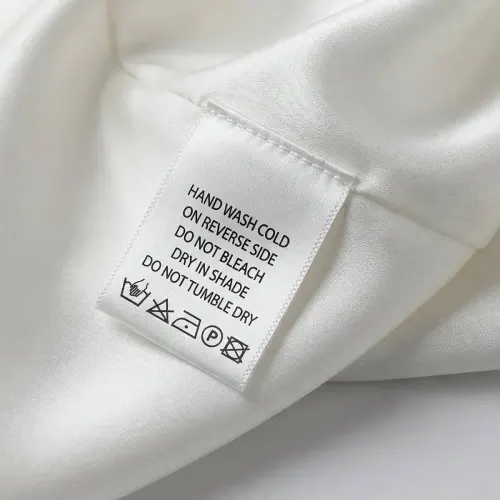
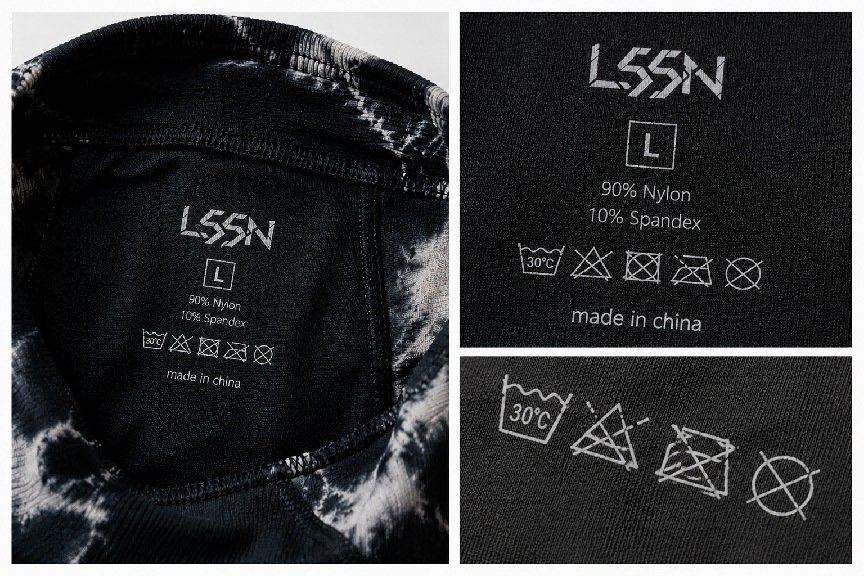
Care Label
Care Labels should reflect the final product configuration, material information and applicable buyer or destination-market requirements rather than using one generic instruction for all padded bras.
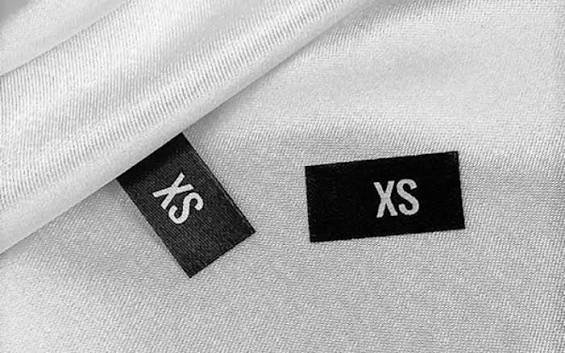
Size Label
Size Labels connect the physical garment with the SKU and packing system. Size information must remain consistent with the buyer’s approved size range and carton documentation.
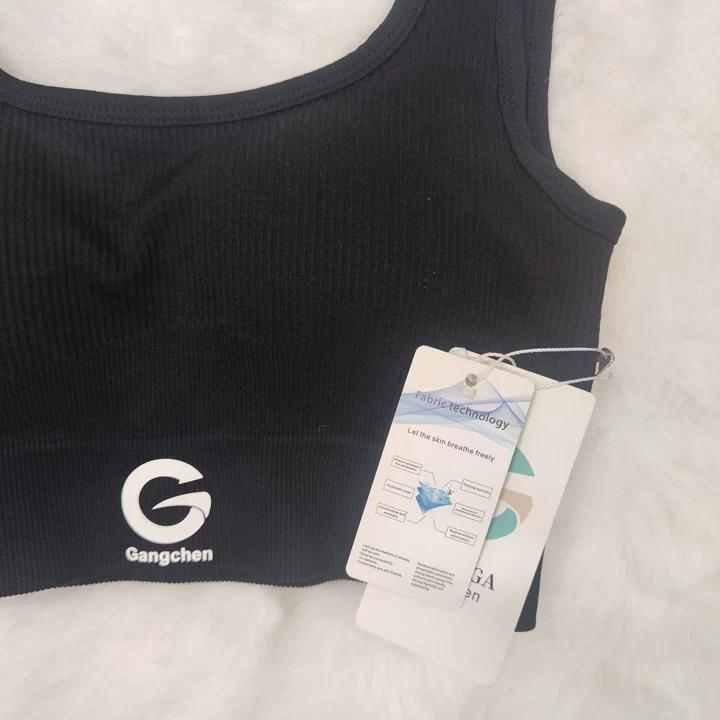
Hangtag
Hangtags can communicate brand and retail information. Artwork, paper, printing, string and attachment should be confirmed before mass production.
Barcode
Barcode information must correspond to the correct style, color and size. Incorrect barcode assignment can create a commercial failure even when the garment itself is acceptable.
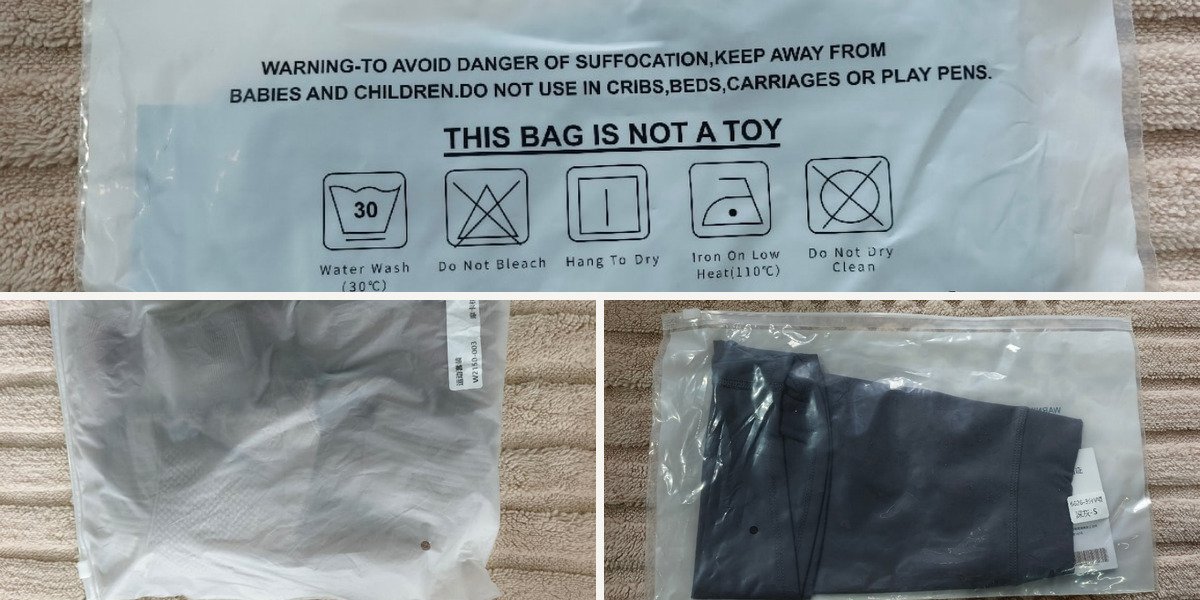
Polybag
Polybags protect the finished garment and may carry warning, barcode, size or recycling information where required by the buyer or destination market.
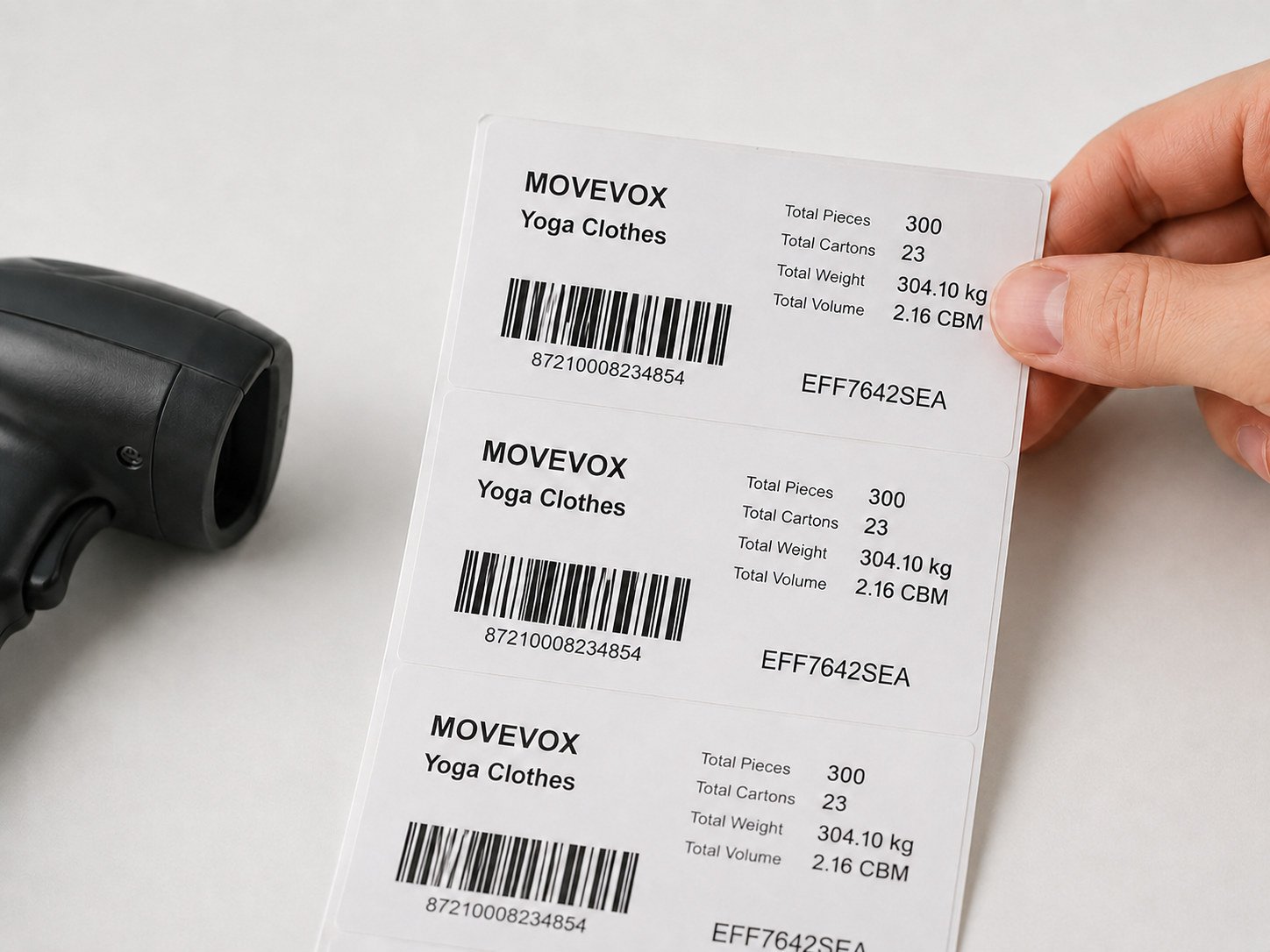
Sticker
Size, barcode or other approved stickers can be integrated into the packing system. Position and data should match the buyer’s packing manual.
Carton
Carton quantity, marks, size breakdown and destination information need to follow the purchase order and approved packing instructions.
Trace Every Critical Padded Bra Component Before Bulk
Padded bras combine body material, lining, pad, elastic and brand components. Production readiness therefore depends on confirming what was purchased, which batch arrived and where each component was used.
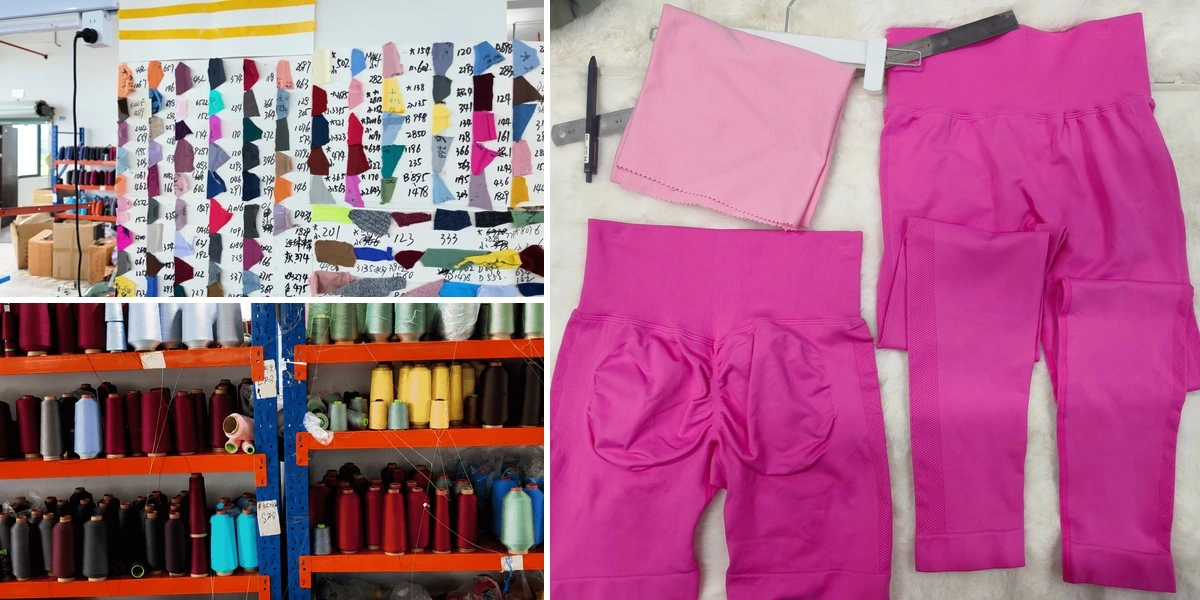
Fabric / Yarn
Record supplier, material code, color and applicable batch or lot information so the production order can be connected to the approved body material.
File: Material PO

Lining
Identify the selected lining or internal pocket material rather than treating hidden layers as unrestricted substitutes.
File: BOM Record
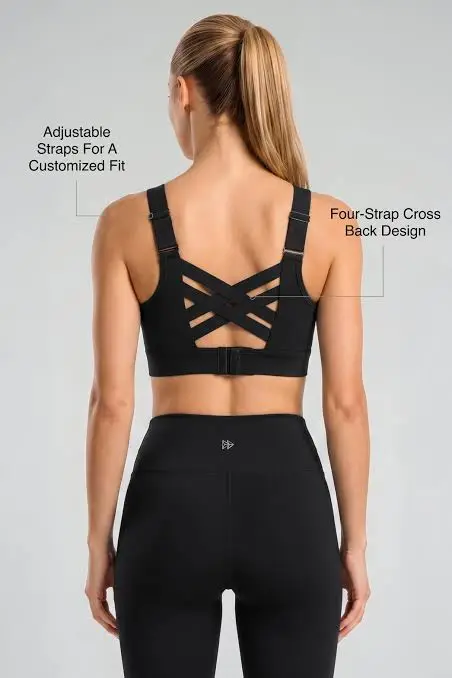
Pad / Cup
Record supplier or approved component reference, type, size range and applicable batch so incorrect shapes or components can be isolated if required.
File: Component Record
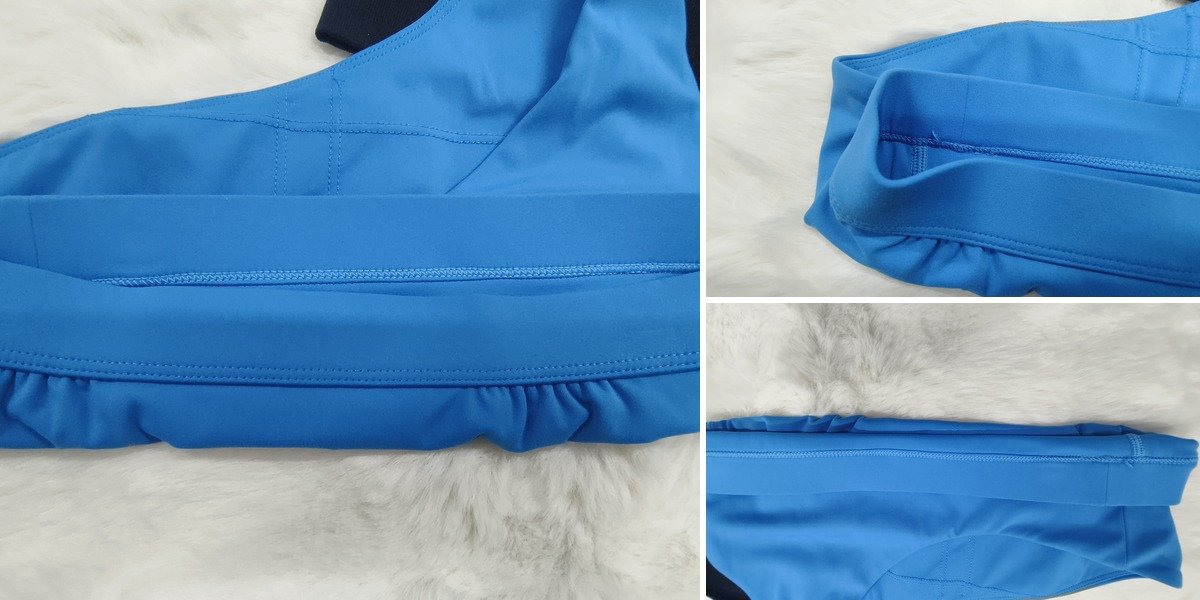
Elastic
Track underband or strap elastic by specification and source where it is a separate material.
File: Trim PO

Hardware
Sliders, rings or other approved hardware should remain linked to the correct style and color.
File: Trim List
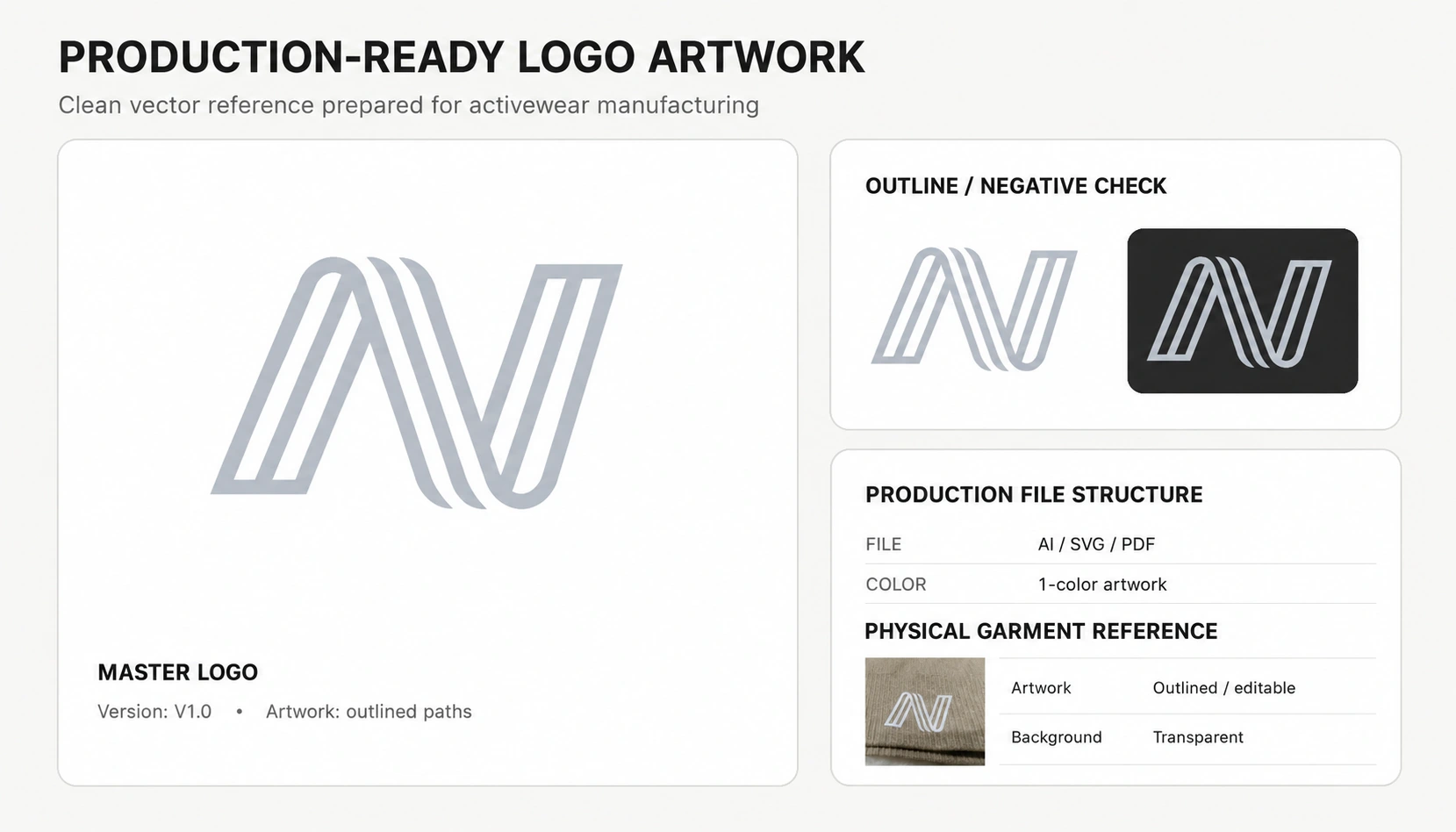
Branding
Logo materials and application files should correspond to the latest buyer artwork and approved position.
File: Artwork Approval
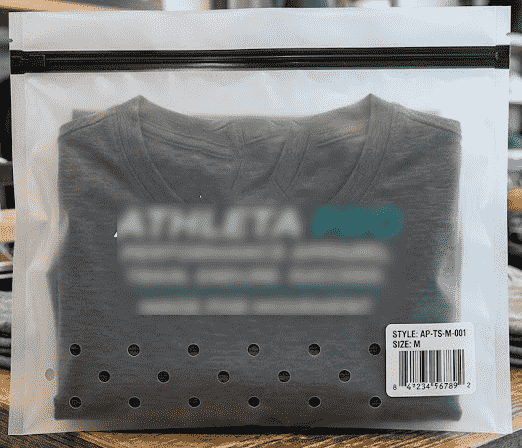
Labels
Main, Care and Size Labels should connect to the correct style, color and size information.
File: Label Record
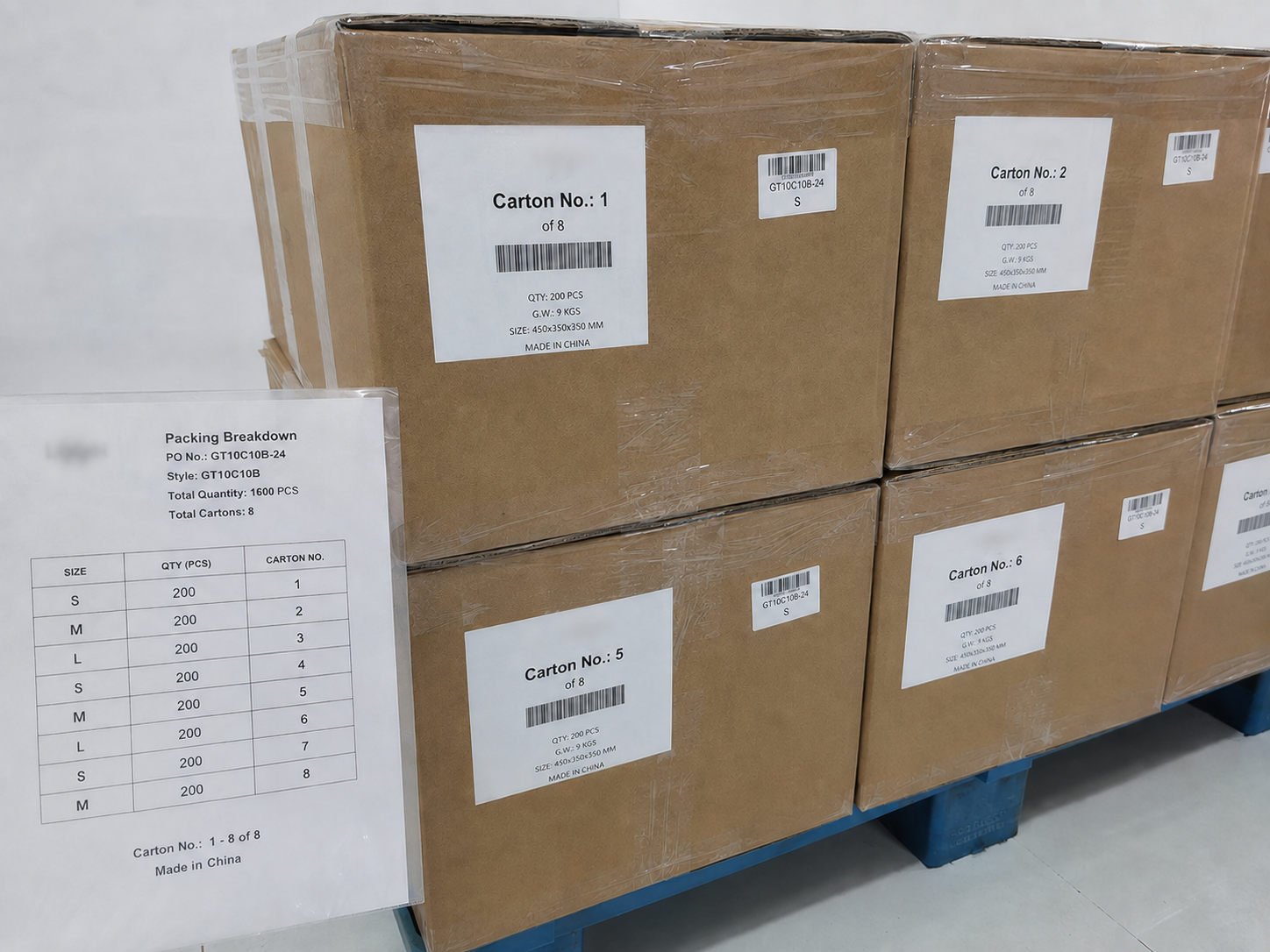
Packaging
Barcode, polybag, carton and SKU packing information should remain traceable to the purchase order and shipment.
File: Packing List
Five Release Gates Before Padded Bra Production Scales
The First Article is the first opportunity to verify whether the approved sample has transferred into actual production conditions. Each gate should use the released project standard rather than marketing assumptions.
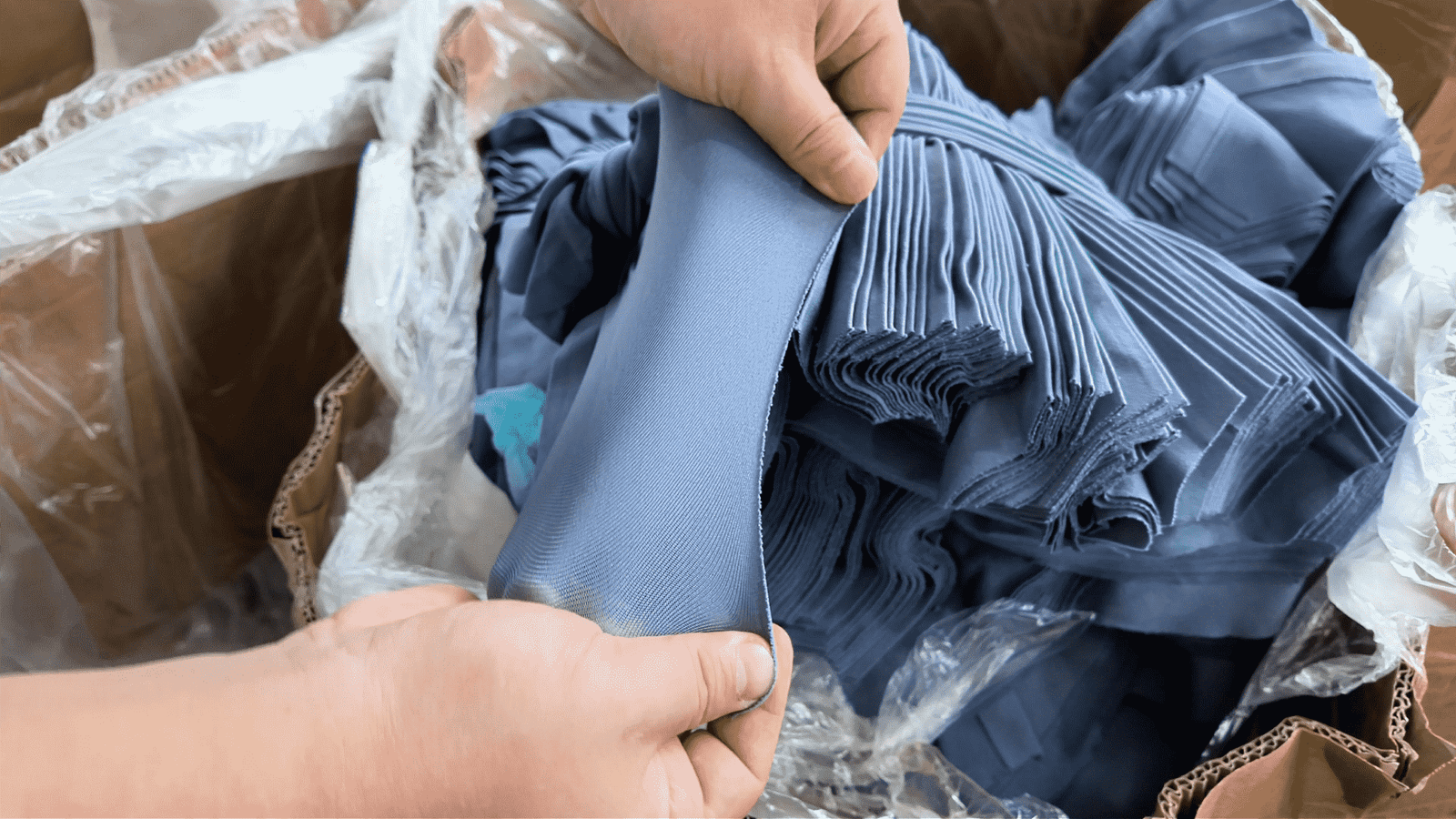
Material Match
Confirm that production is using the approved body material, lining, pad, elastic and relevant trim rather than an unapproved substitute selected after sampling.
Source: Project Specification
Date: Project-specific
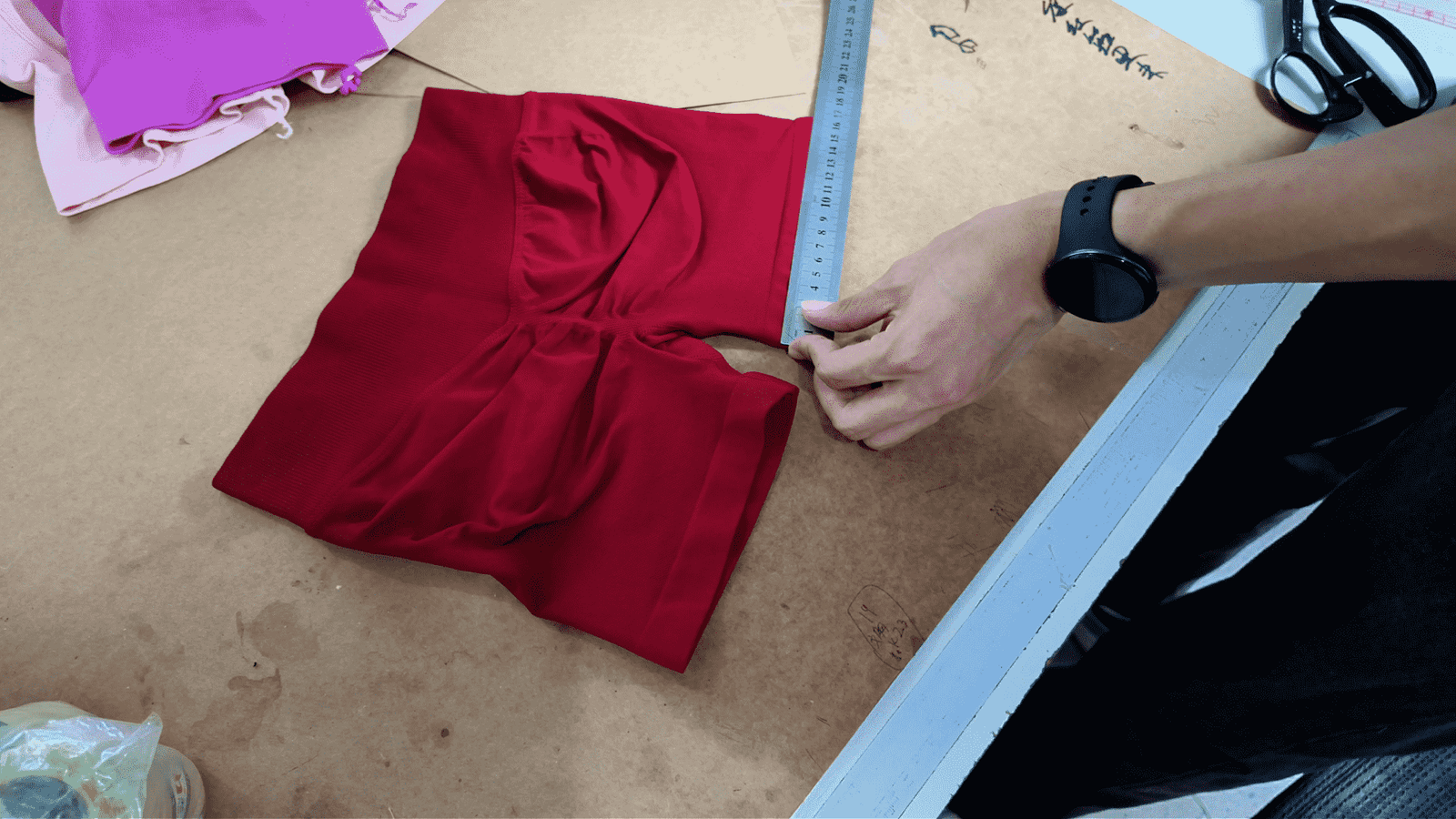
Measurement Match
Measure applicable buyer POMs against the released chart and tolerance so dimensional drift can be identified before a larger quantity is produced.
Source: Measurement Chart
Date: Project-specific

Cup System
Check pad type, pocket, orientation, height, left-right symmetry and surrounding lining or attachment against the approved sample.
Source: Approved Sample
Date: Project-specific
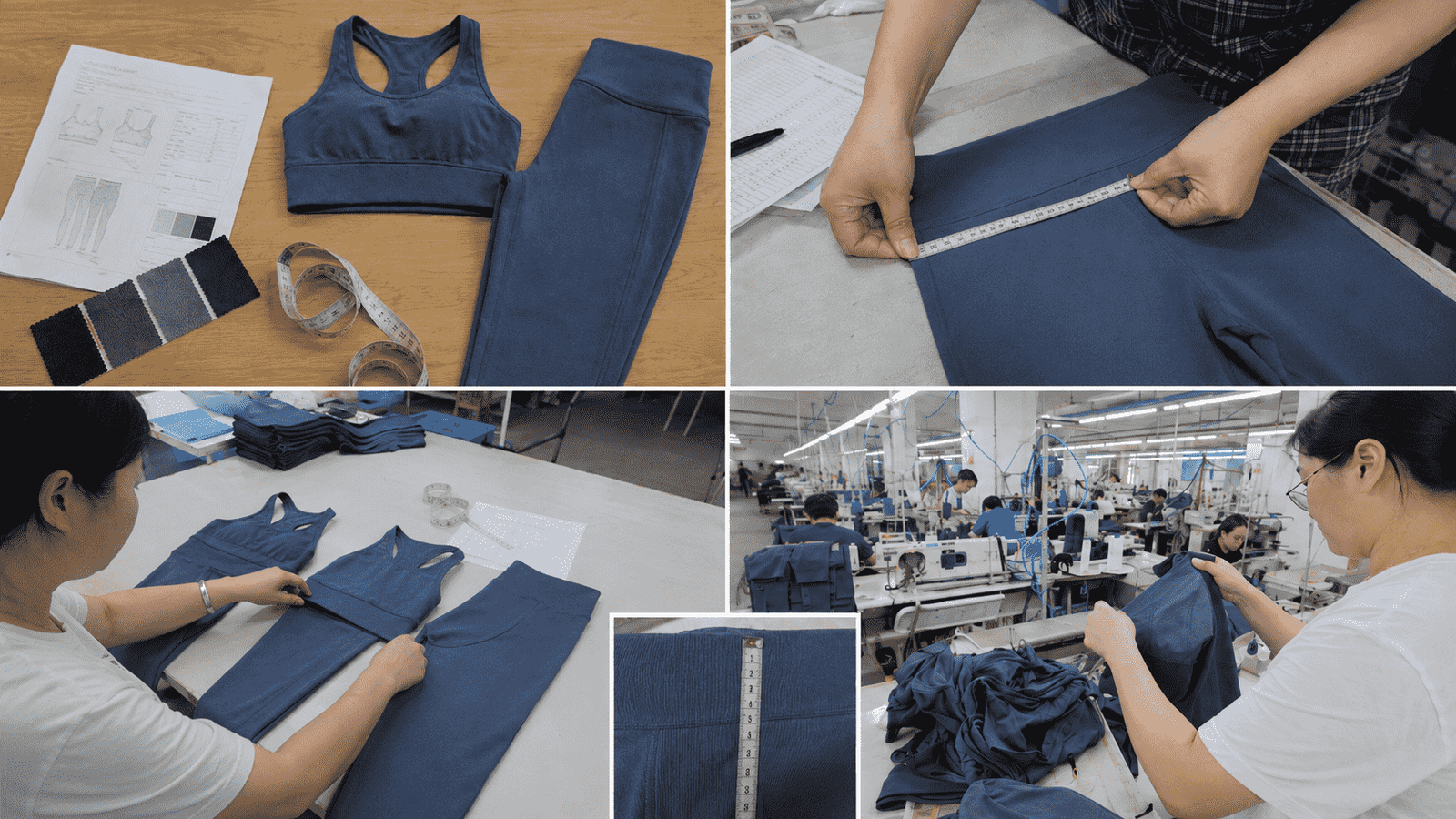
Workmanship
Review underband, straps, seams, pocket opening, surface appearance and other product-specific construction points before the line continues.
Source: QC Standard
Date: Project-specific
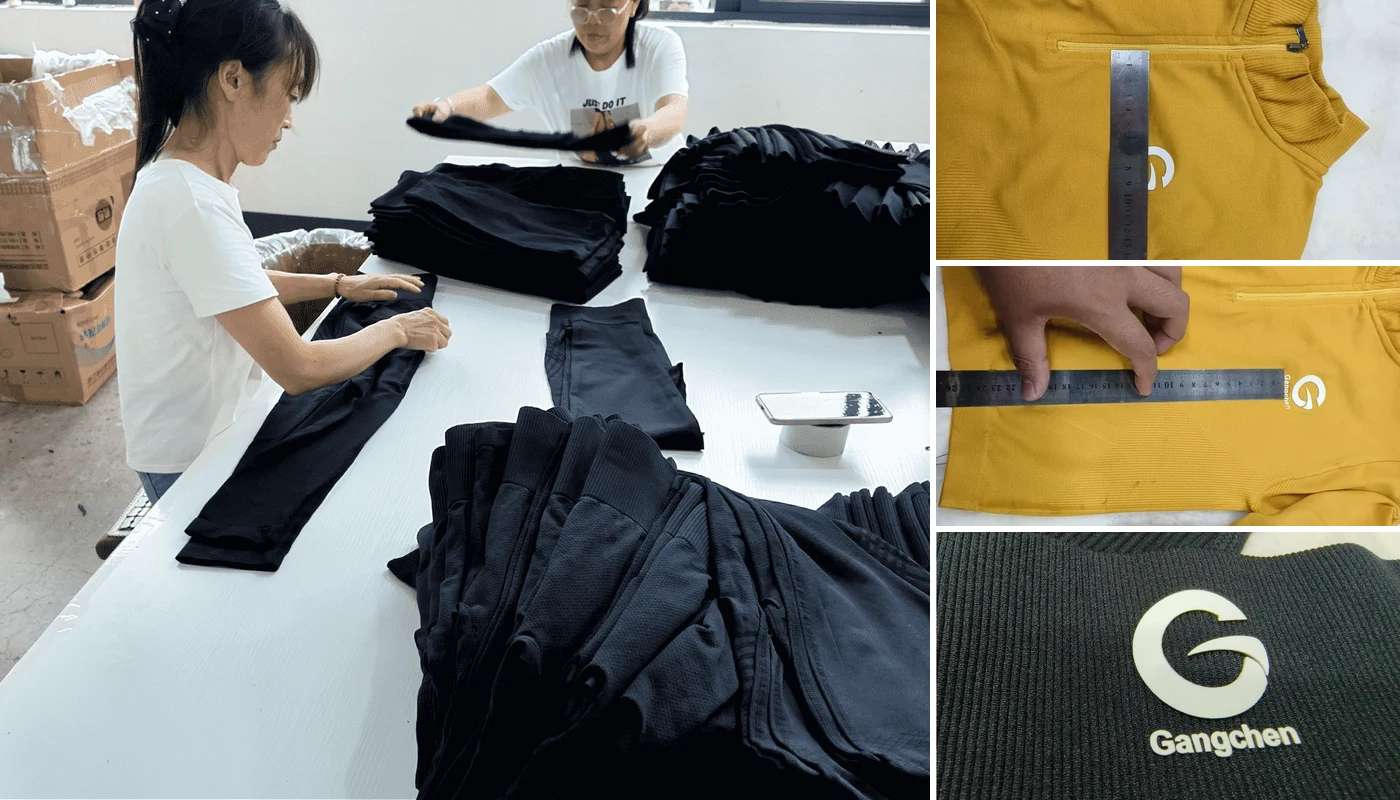
Branding
Verify logo, labels and relevant placement against the latest approved artwork before the same application is repeated across bulk production.
Source: Artwork Approval
Date: Project-specific
Control the Padded Bra Variables Most Likely to Drift
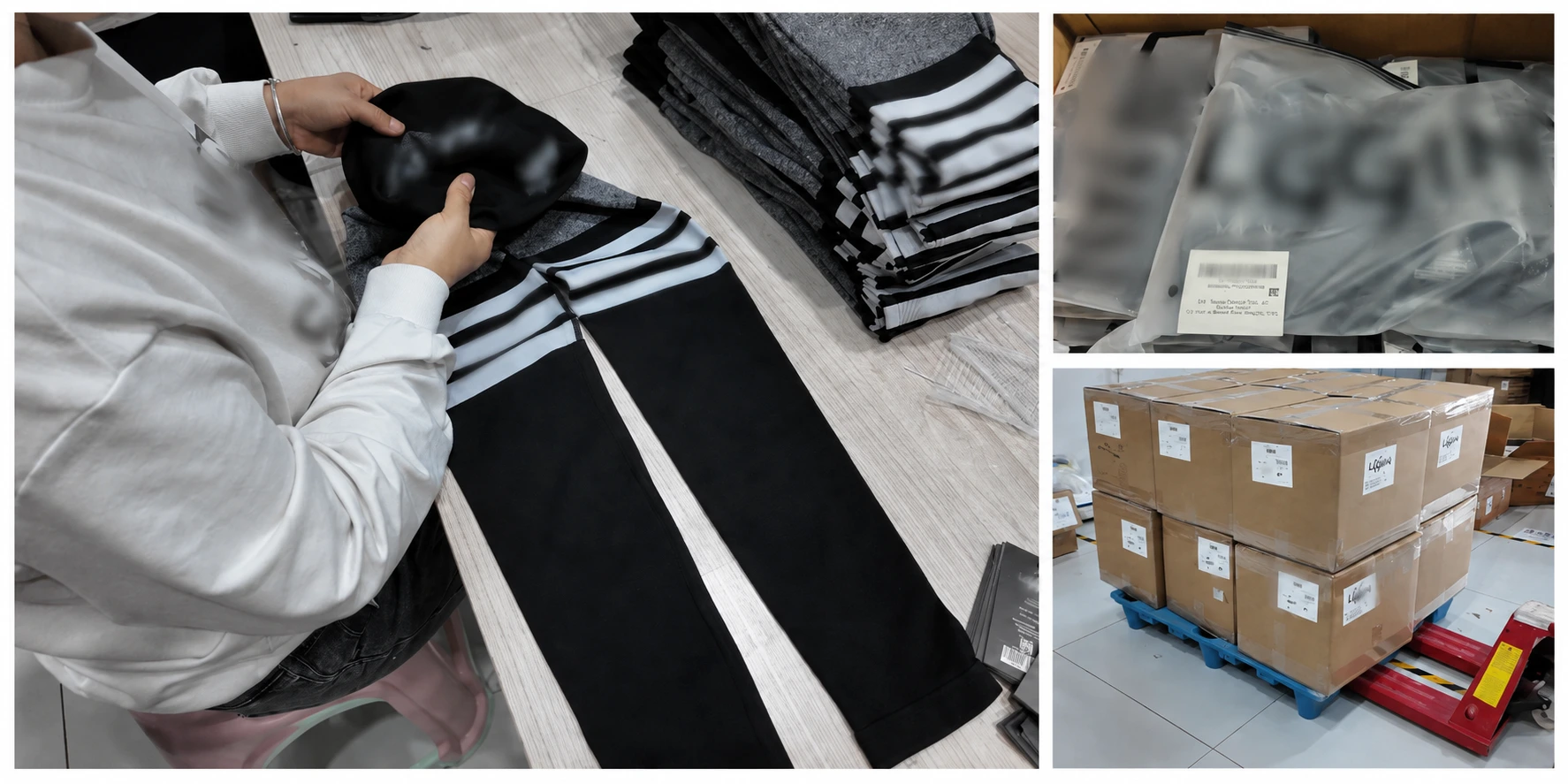
Bulk inconsistency can come from pad supply, material lots, dimensions, pocket execution or assembly—not only visible sewing defects. MOVEVOX uses staged quality checks to connect approved development standards with finished production.
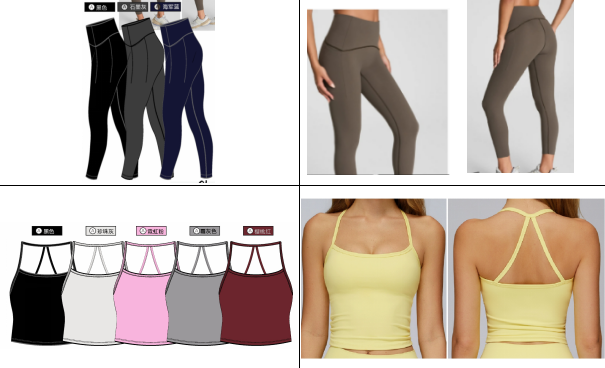
What Buyers Face
- Pad position shifts between sample and bulk production.
- Material changes alter cup visibility and garment Fit.
- Pocket, strap or band workmanship varies across production.
How MOVEVOX Controls
- Approved standards are transferred into First Article checks.
- In-line inspection identifies deviations while correction remains practical.
- Finished garments receive applicable measurement, workmanship and packing review.
Incoming
Confirm relevant material, color, GSM, pad and component information before or during production preparation.
First Article
Review the first production garment against the latest released sample, measurements and construction standard.
In-Line
Inspect work in progress for measurements, pad system, workmanship, symmetry and other project-specific requirements.
Final Release
Check finished garments and packing against the agreed inspection scope before shipment release.
Eight Workmanship Checks for Padded Sports Bra Production
Padded Sports Bra QC should inspect the cup system as well as general sewing. Each check below connects a visible garment detail to a controllable production risk.
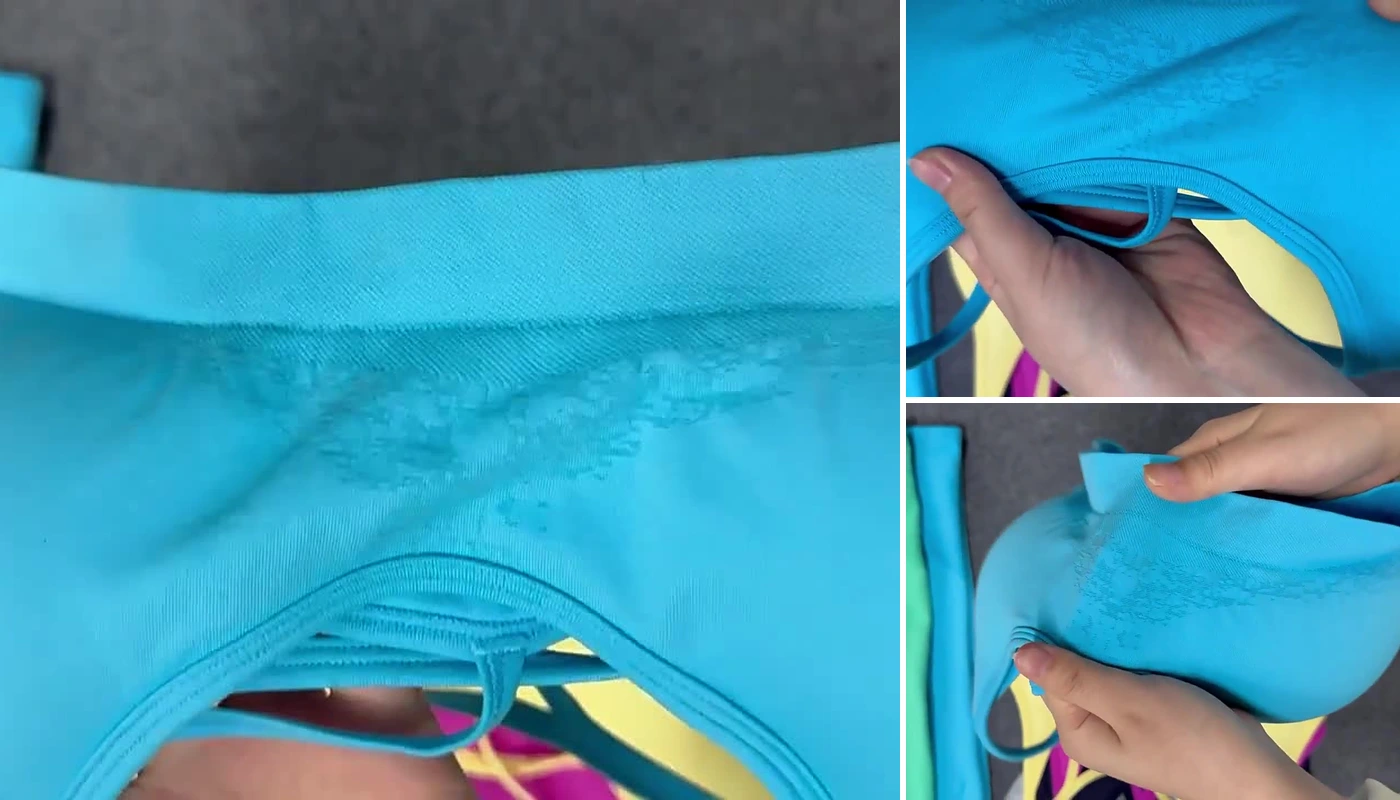
Pad Quantity
Each garment should contain the required pad quantity and correct pad type where removable or fixed padding is specified. QC should not treat “pad included” as a visual assumption; the production order and approved sample establish the correct component. Missing or mixed pad types can create SKU inconsistency even when the garment shell is otherwise acceptable.
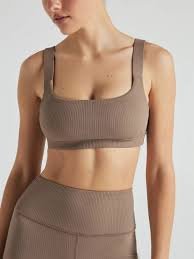
Pad Orientation
Directional pads should be inserted or fixed in the approved orientation. Incorrect top/bottom or inner/outer placement can change coverage and appearance. Production instructions should make orientation clear when the shape is not symmetrical, and finished inspection should confirm that left and right pads follow the same approved direction.
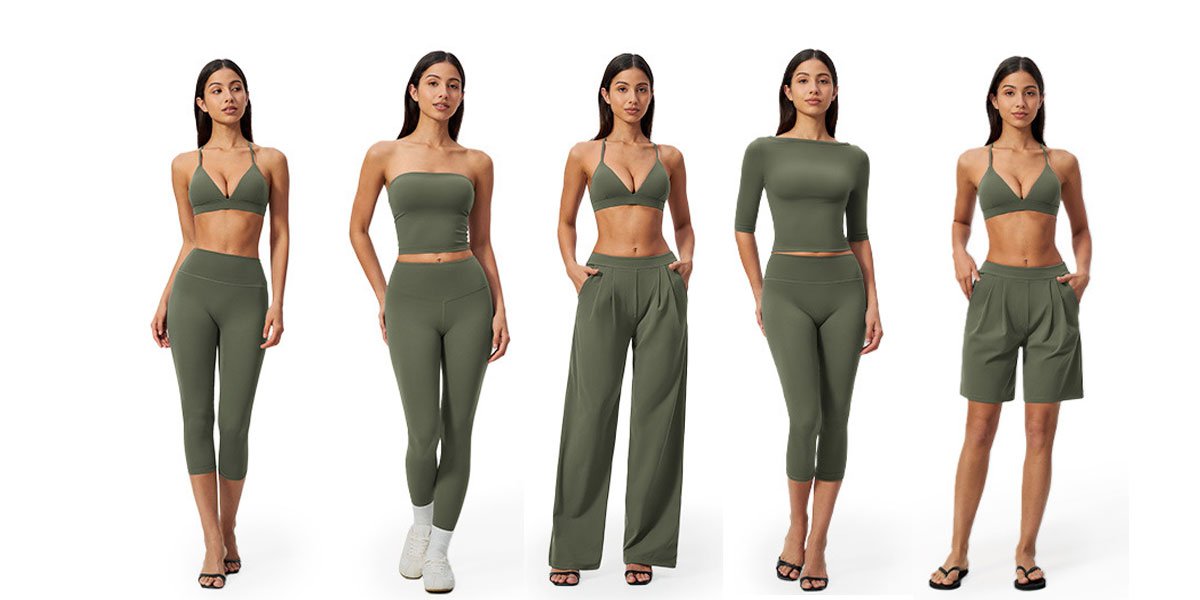
Pad Position
Left and right pad height and placement should correspond to the approved garment. Visible asymmetry can come from pad insertion, pocket construction or pattern alignment. Where the buyer defines measurable references, QC can combine visual comparison with the relevant POM instead of relying on subjective appearance alone.
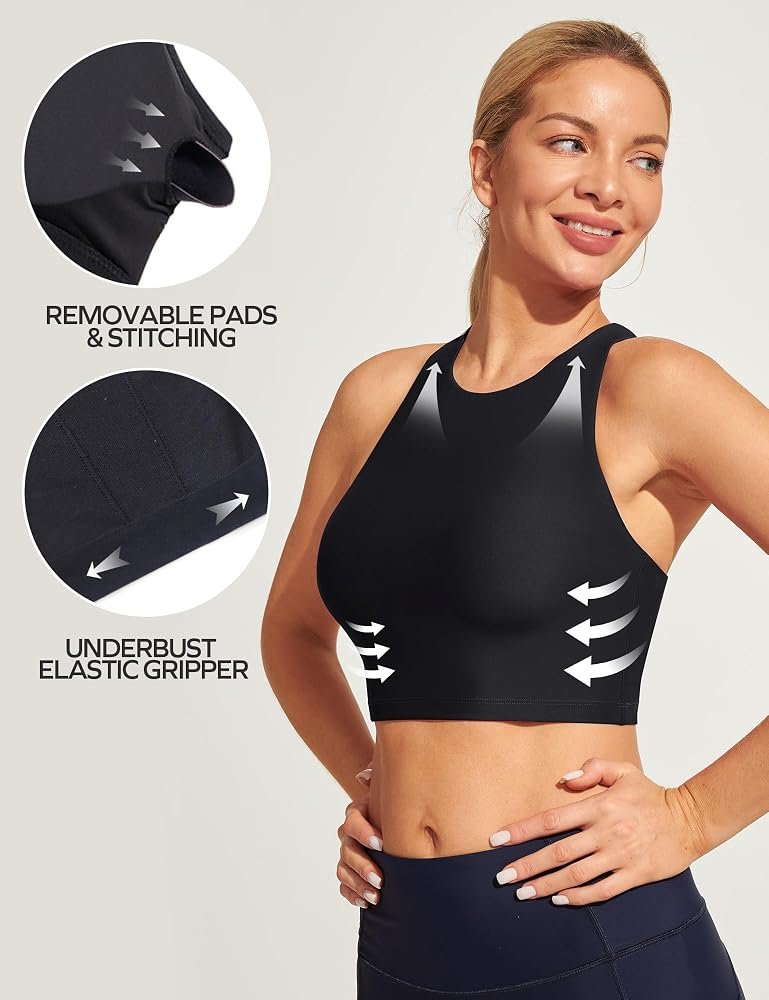
Pocket Opening
A removable-pad pocket should have the approved opening location and workmanship, with no uncontrolled distortion, missed sewing or obstruction that prevents normal insertion and removal. The opening should be checked as a functional construction point because an apparently minor sewing change can materially affect consumer handling.

Lining Alignment
Lining should remain correctly positioned relative to the outer shell, pocket and pad. Twisting, excess tension or uneven attachment can distort the front body and alter how the pad appears. Inspection should therefore include internal alignment rather than checking only the garment’s external surface.
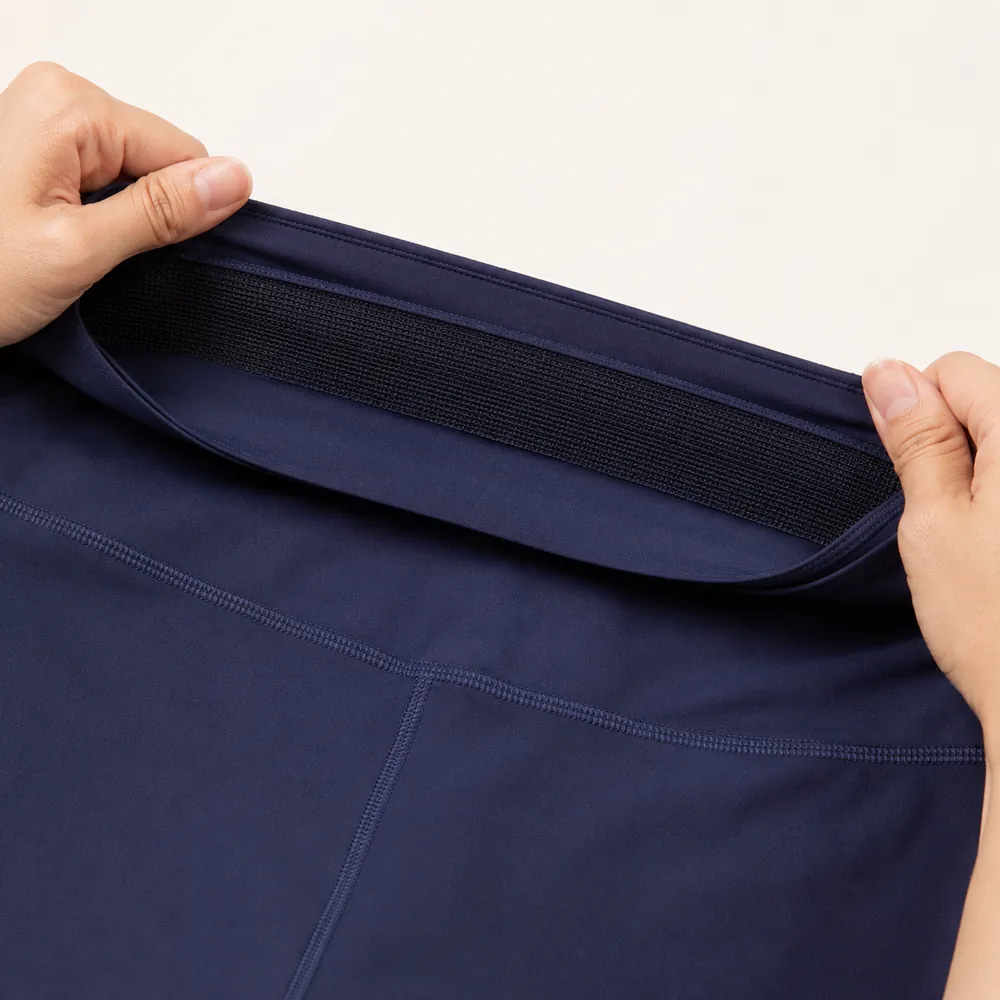
Underband and Strap
Underband seams, elastic application and strap attachment influence the overall position of the padded front body. QC should check workmanship, left-right symmetry and relevant measurements against the approved specification rather than trying to correct an unstable garment by adjusting the pad alone.

Cup Symmetry
The finished bra should be reviewed for consistent left-right visual balance. Symmetry includes pad height, pocket location, neckline and surrounding construction. A padded sports bra can technically contain two correct pads but still fail the buyer’s standard if the complete front-body relationship is uneven.

Surface Finish
Outer material should be checked for pad-edge show-through, impressions, seam marks, contamination, damage or other appearance issues relevant to the approved product. The acceptable appearance depends on the actual material and Fit; QC should use the approved sample rather than a universal “no visible pad” claim.
Read the Record Behind Padded Bra Quality Control
A real quality record is more useful than the phrase “strict QC.” The published example should be anonymized while still showing what requirement was checked, what was found and how release was decided.
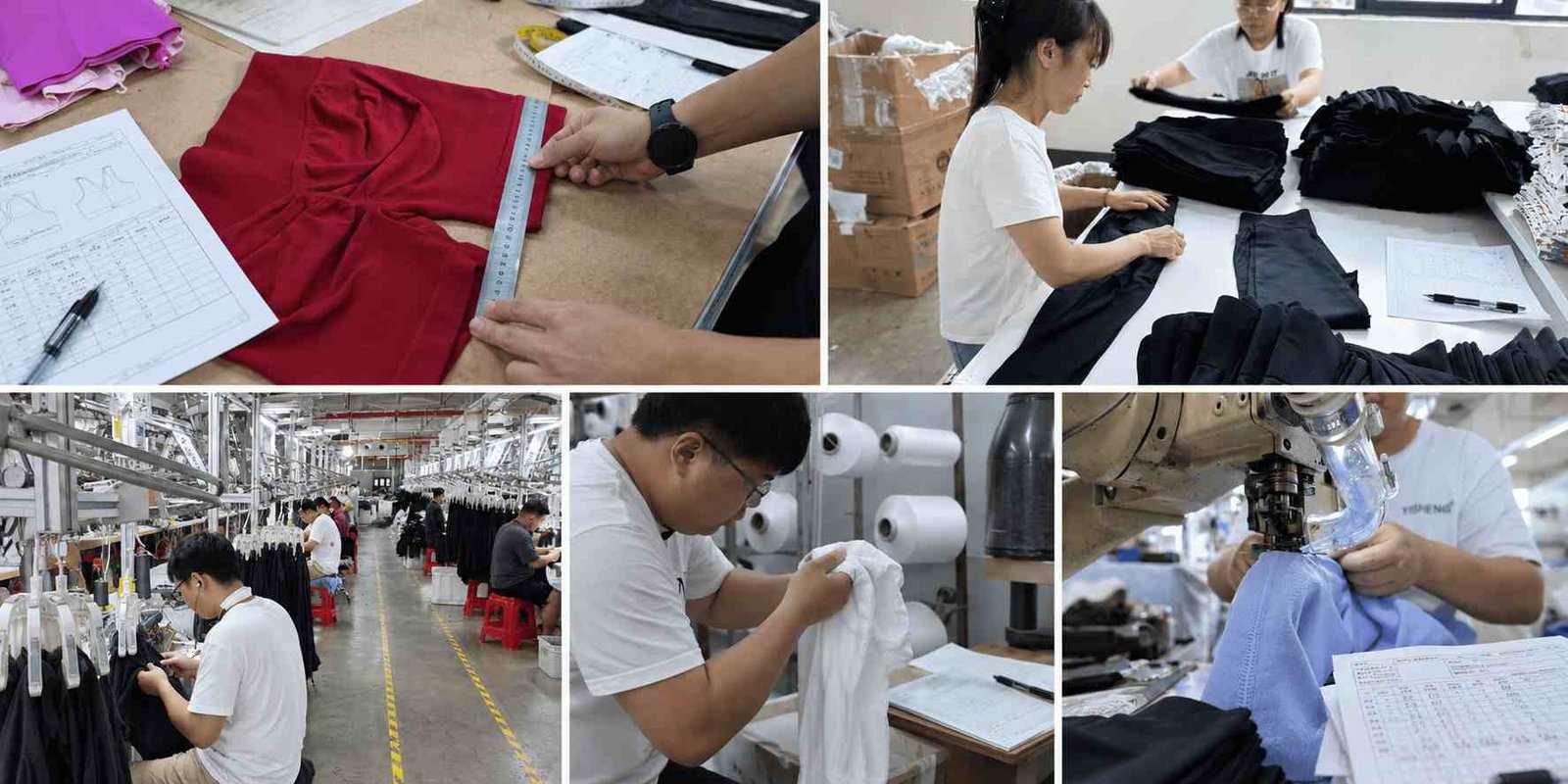
Record Preview Fields
Record Type
Internal production / QC record for the specific project and inspection stage.
Project Stage
First Article, in-line, finished garment or another documented control point.
Product Scope
The actual style, color and size included in the inspected record.
Requirement
Measurement, pad position, workmanship, component or another buyer-defined acceptance point.
Result
Actual inspected condition, accepted range or recorded exception.
Issuer: MOVEVOX internal quality function
Date: Project-specific
Location: Actual inspected production site
Record Type: Internal QC / inspection evidence
Status: Anonymized for publication
Capacity Facts Defined by Real Production Scope
MOVEVOX combines a Yiwu core factory with a managed satellite-production network. Capacity figures are company-level operating references and are not single-SKU Padded Sports Bra guarantees.
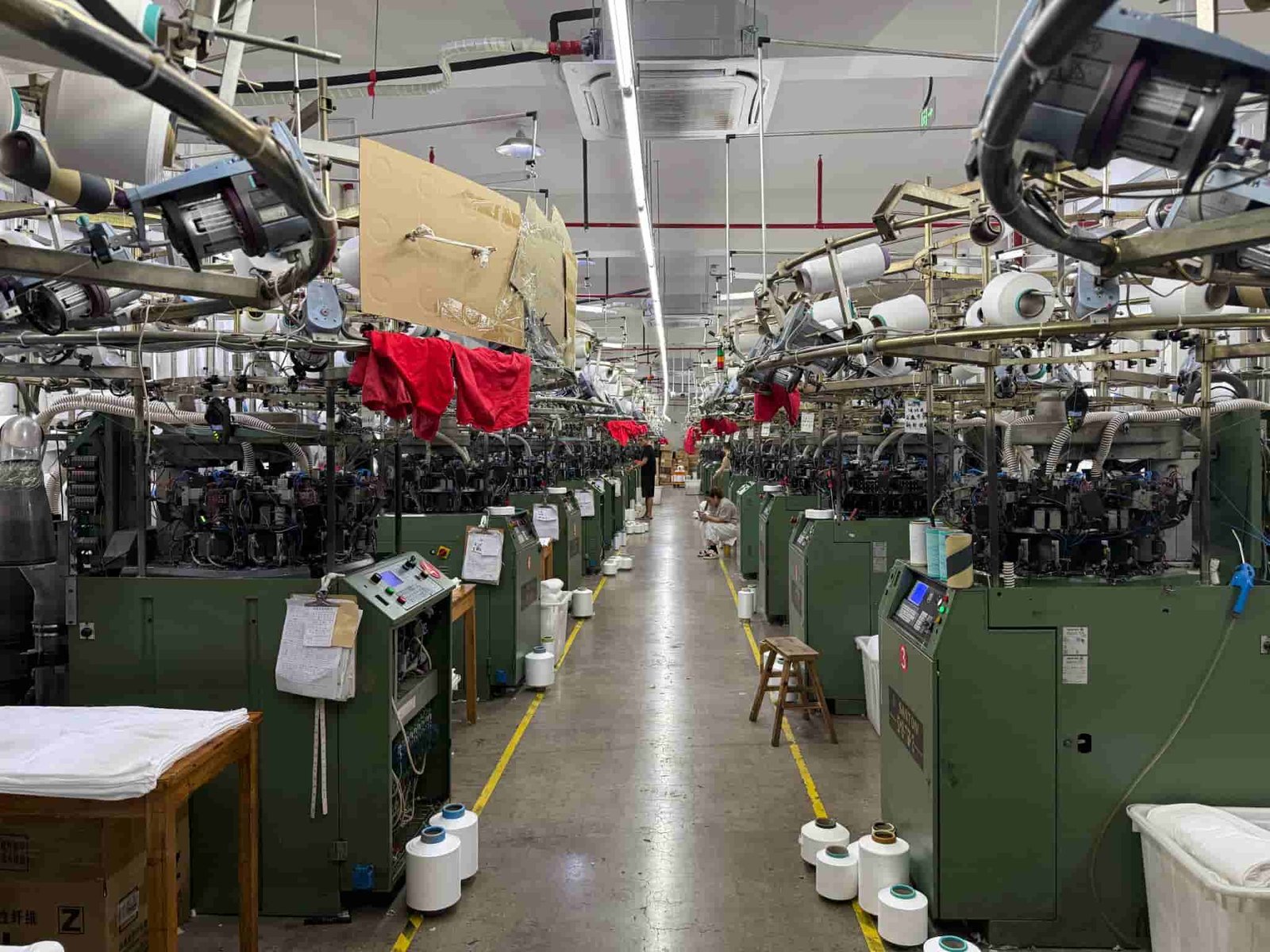
The core production base uses 28 Italian Santoni Seamless knitting machines for Seamless activewear, including Sports Bra development and production.
Approximately 24 main sewing / garment-production machines support Cut & Sew and post-knitting garment operations at the core base.
MOVEVOX manages eight major satellite factories as independent cooperative production resources rather than presenting them as wholly owned plants.
The network-wide normal stable released-finished-garment capacity is managed at approximately 150,000–200,000 pieces per month rather than adding every facility’s theoretical maximum.
Five QC personnel support production inspection activities, together with the company’s quality-management function.
Know What MOVEVOX Owns and What It Manages
Padded bras rely on garment production plus fabrics, pads, elastic, labels and other specialist inputs. MOVEVOX distinguishes its self-operated core base from independent managed production and component suppliers.

Yiwu Core Factory
MOVEVOX’s self-operated core production base in Fotang Town, Yiwu supports development, Seamless knitting, core Cut & Sew work, sample standard establishment and central quality activities. The site is the technical anchor used to convert the buyer’s approved padded-bra requirements into measurable production standards before larger allocation is considered. The recorded core production address is No. 97, Xiazhang Village, Fotang Town, Yiwu, Zhejiang, China.
- 28 Italian Santoni Seamless knitting machines at the core operation.
- Approximately 24 core sewing / garment-production machines.
- Product development and quality functions connect sampling with production.

Managed Production Network
MOVEVOX also works with eight major independent satellite factories used for approved development, Cut & Sew, Seamless-related or capacity-support roles according to project requirements. These facilities are managed production resources, not additional MOVEVOX-owned factories. Product allocation should follow buyer restrictions, approved standards and site-specific capability. MOVEVOX’s network model is intended to expand controlled capacity while retaining centralized technical, PMC and quality responsibility.
- Satellite factories remain independent legal manufacturing entities.
- Production allocation depends on approved project and factory capability.
- Customer Approved-Site or subcontracting restrictions take priority.
What Global Buyers Can Verify Before Supplier Approval
MOVEVOX should be evaluated through legal identity, physical production, development capability, quality records, supply-chain transparency and audit access. Evidence should correspond to the actual company, address or production site.
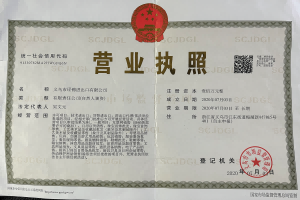
Legal Identity
MOVEVOX is the outward-facing brand and international B2B system operated by Yiwu Chenjin Import And Export Co., Ltd. The legal company—not the brand name alone—should be used consistently in contracts, vendor registration and relevant legal commercial documentation.
Evidence: Business registration

Core Factory
The core production base is located in Fotang Town, Yiwu, Zhejiang, China. A buyer can verify the actual premises, production areas and relationship between the brand, legal entity and operating factory rather than relying on generic factory photography.
Evidence: Site verification
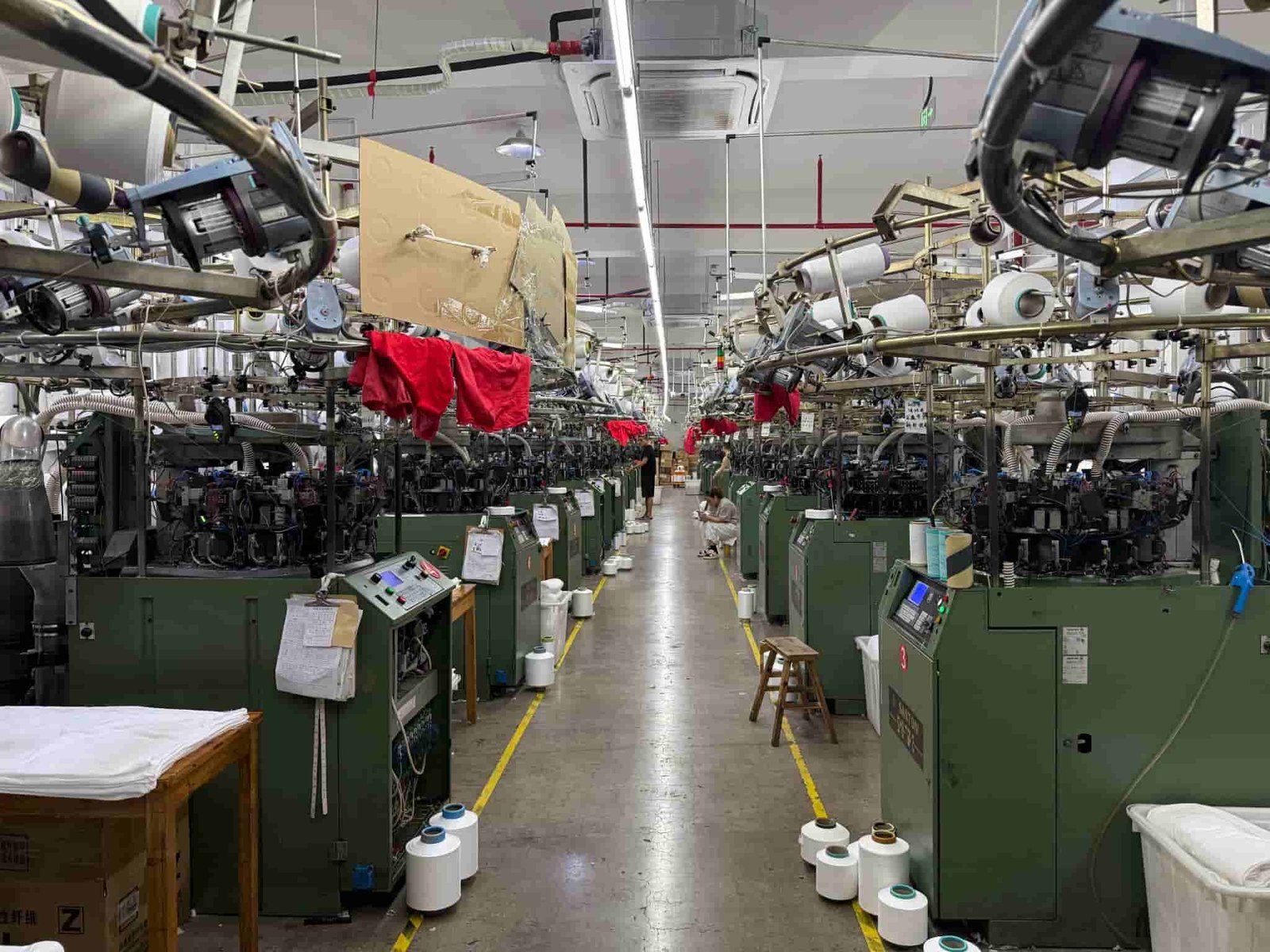
Manufacturing Equipment
Buyers can verify the 28 Italian Santoni Seamless knitting machines and approximately 24 main sewing / garment-production machines that support MOVEVOX’s dual manufacturing model. Equipment verification should be connected to real production use rather than only machine count.
Evidence: Equipment records
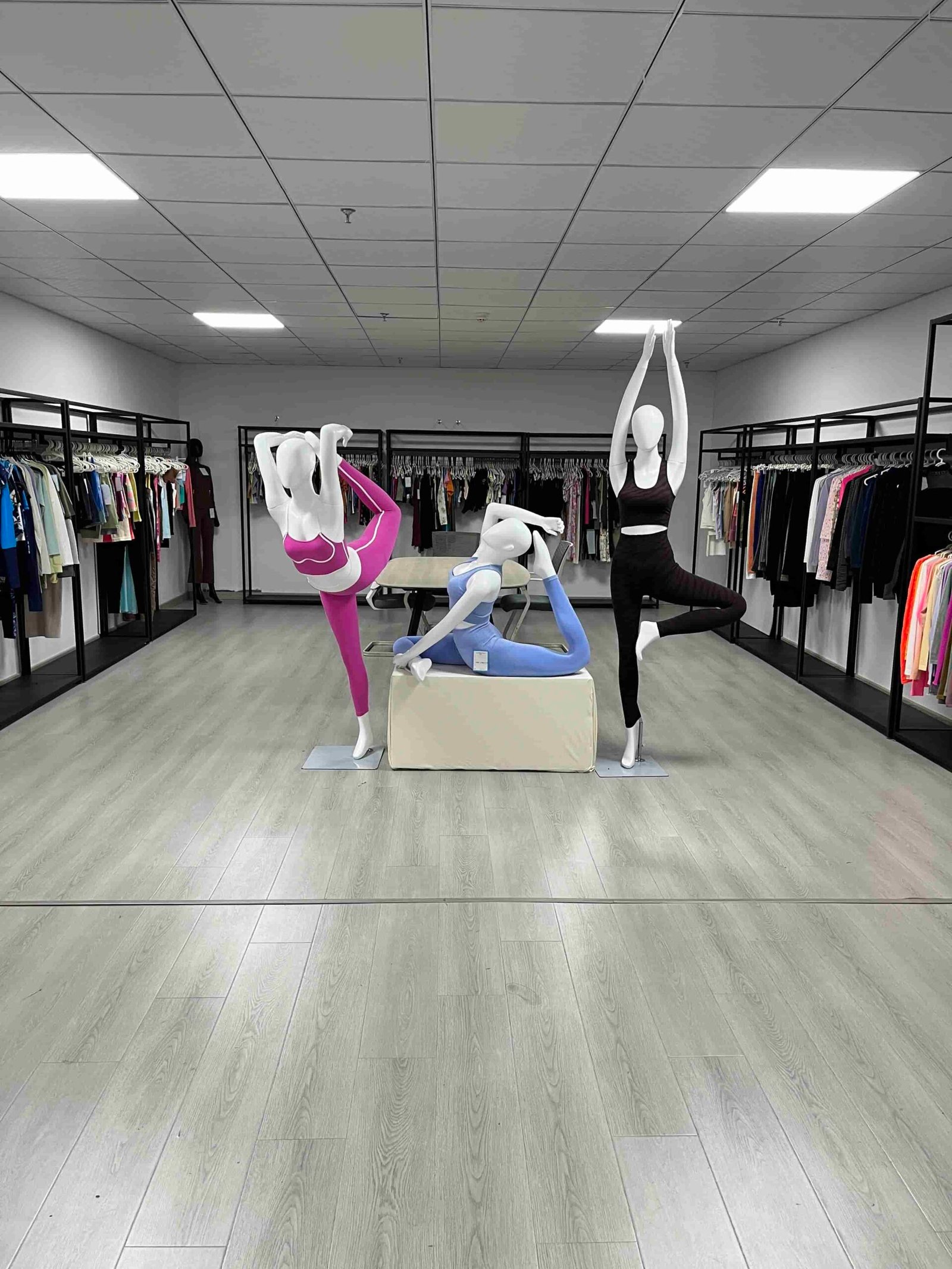
Development and Quality
A supplier qualification can review Tech Pack handling, pattern/sample work, Approved Sample control, Measurement Charts, First Article, in-line checks and the current Quality Manager + 5 QC structure.
Evidence: Development / QC records
Traceability and Packing
Buyers can review how materials, components, style/SKU information, labels, barcodes, cartons and shipment documents remain connected from PO through production and final packing.
Evidence: Traceability records
Audit Access
MOVEVOX supports scheduled customer visits and project-level verification. Depending on buyer requirements, qualification may include factory, technical, production or quality review and third-party inspection. Production-site restrictions or subcontracting requirements should be agreed before allocation rather than discussed only after the order is placed.
Evidence: Audit / visit records
Match Every Test Requirement to the Actual Padded Bra
Testing should begin with the buyer’s market, RSL, material, component and product requirements. MOVEVOX can coordinate third-party testing, but reports apply only to the tested sample and stated scope.
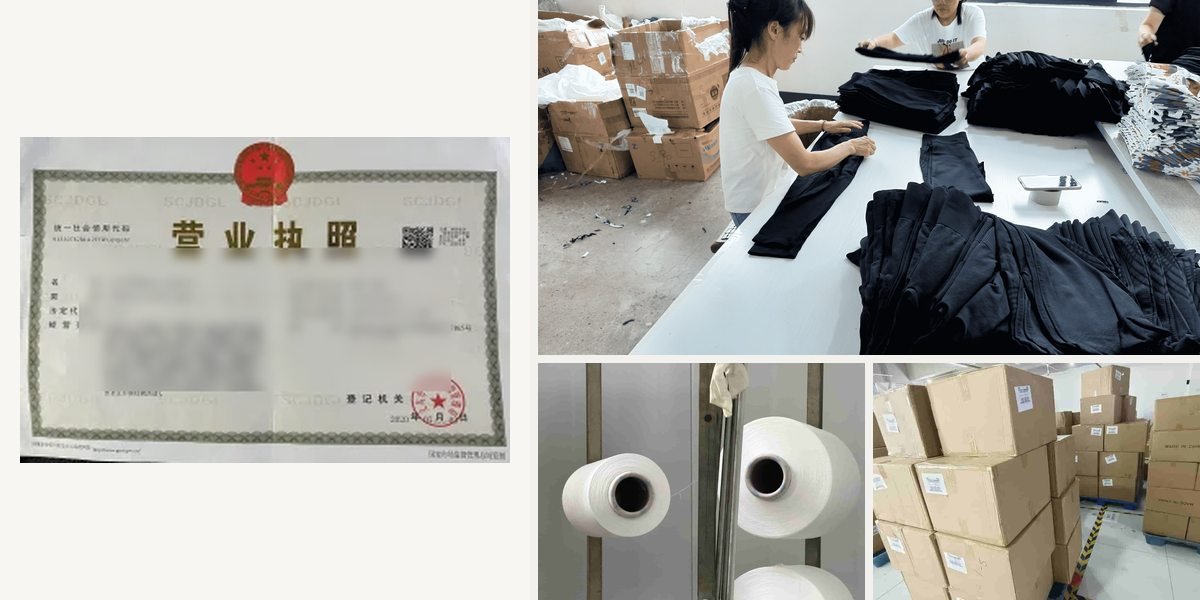
Buyer RSL
A brand Restricted Substances List can define chemical requirements for body fabric, lining, foam, elastic, prints, labels or other components. MOVEVOX should receive the current buyer standard before material approval where the project requires RSL compliance. Testing and supplier documents then need to correspond to the actual component and specified method rather than being replaced by a generic “safe material” declaration.
Scope: Buyer-defined materials and components in the applicable project.
MOVEVOX Response: Review the supplied standard, identify affected materials and coordinate required supplier documents or third-party testing before release.
REACH-Related Requirements
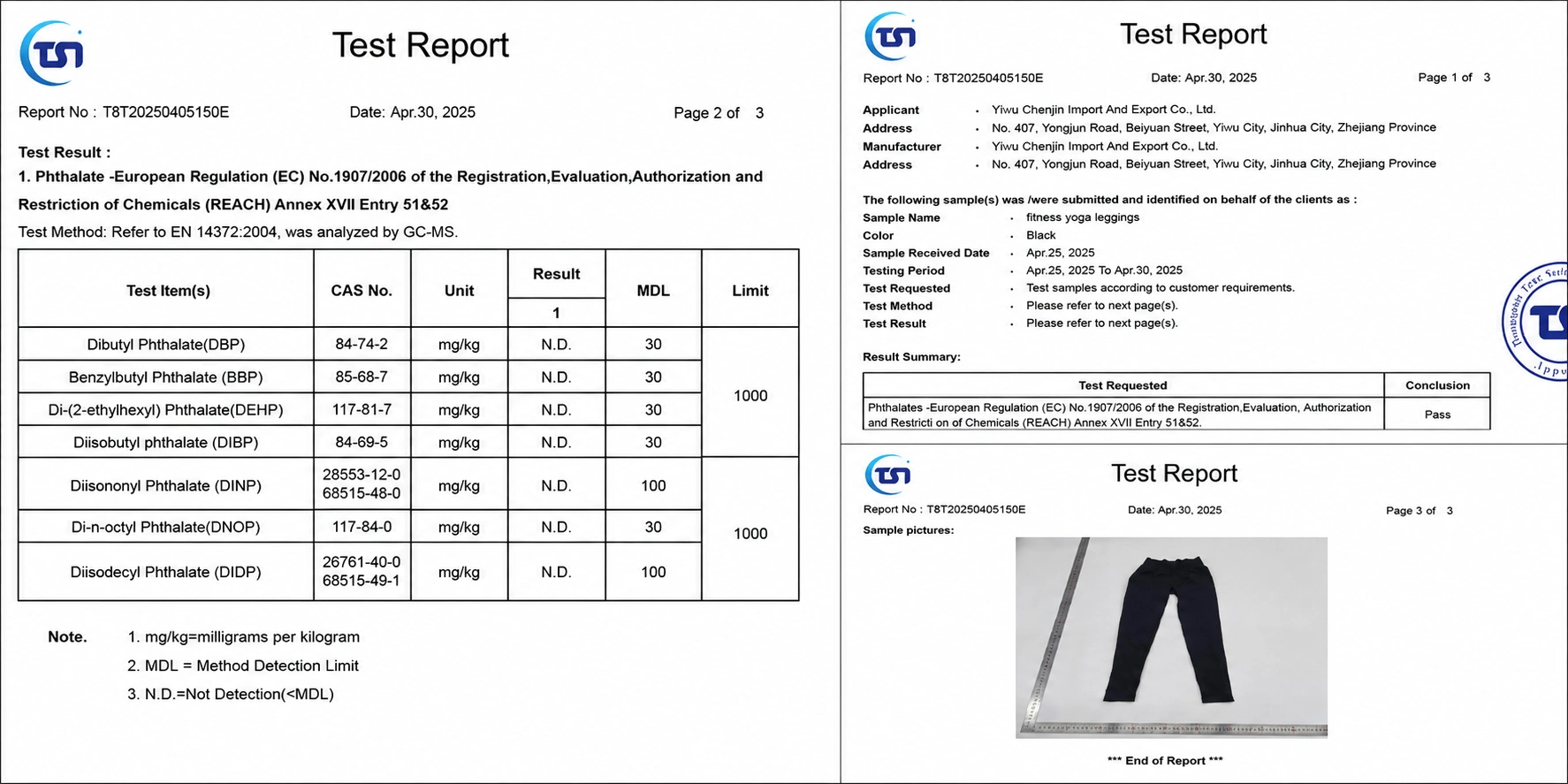
For European projects, the buyer may request REACH-related chemical testing or documentation in addition to its own RSL. The specific substances, test method, sample and applicable material must be defined for the project. A previous report for another garment or color cannot automatically be reused as proof for a new padded sports bra.
Scope: Actual material, garment or component submitted for the defined test.
MOVEVOX Response: Confirm test item, method, sample source, cost and report scope with the buyer and laboratory before interpreting the result.
RoHS-Related Testing
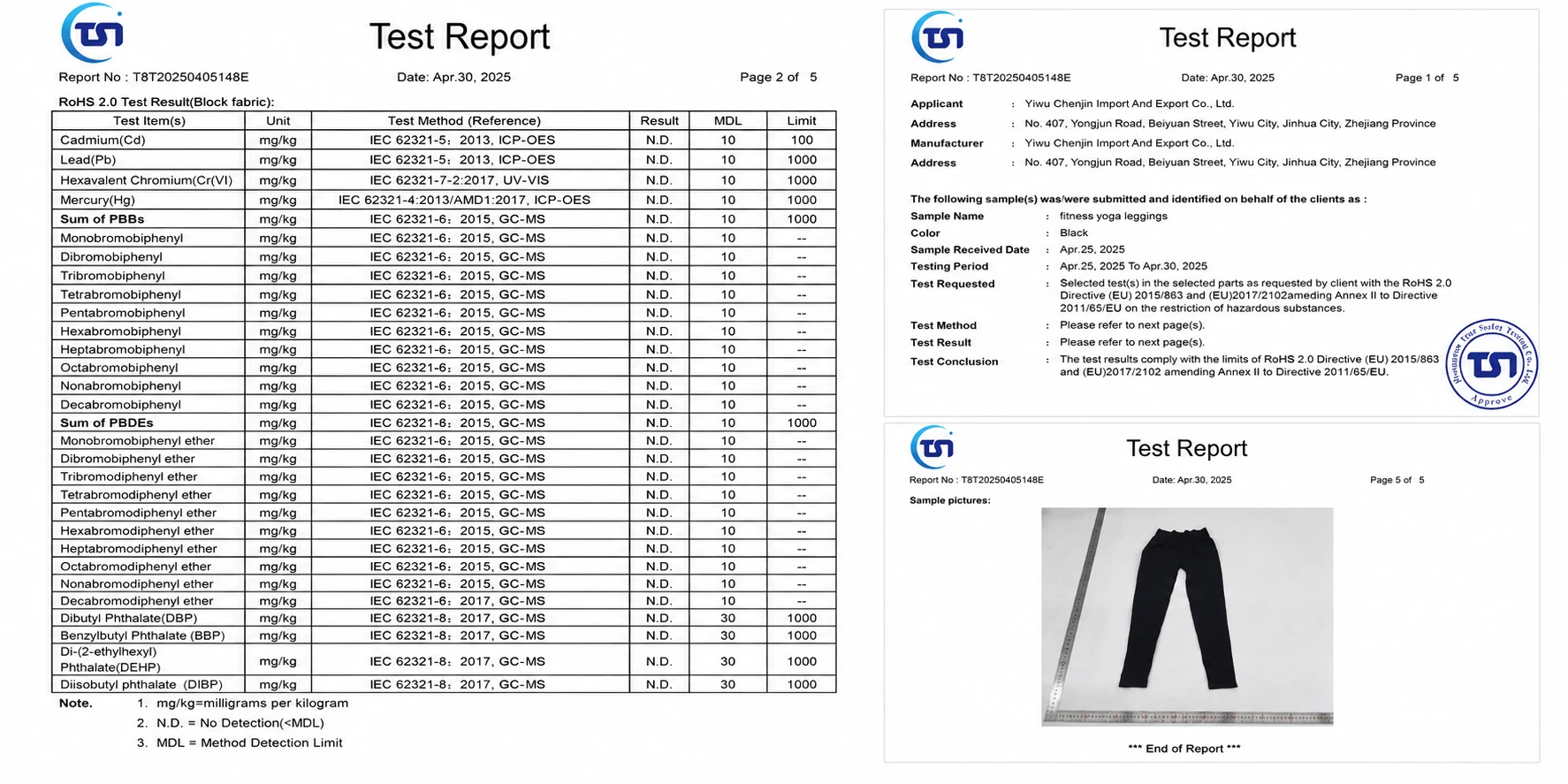
Where a buyer specifically requires RoHS-related testing for a material or component, the submitted item and test scope must be confirmed. RoHS evidence should not be used as a general Sports Bra certification or as proof of cup performance. The existing MOVEVOX third-party RoHS-related evidence in the source materials is tied to a specific leggings test sample.
Scope: Only the actual submitted sample and listed tested parameters.
MOVEVOX Response: Do not generalize previous results; arrange a new project-specific test where the buyer’s requirement applies to the padded bra.
Pad and Foam
A padded bra introduces a foam or cup component that may require separate chemical, material or durability evidence depending on the buyer’s requirements. MOVEVOX does not currently claim one universal certified pad specification covering all Sports Bras. Standard or custom pads should therefore remain linked to the actual supplier, component and project documentation.
Scope: Selected pad / foam component and the buyer-defined requirement.
MOVEVOX Response: Confirm component source and identify whether supplier declaration, material documentation or independent test is required before approval.
Wash Validation
Wash-related evaluation may cover pad folding, fixed-pad attachment, lining, garment measurements, branding or appearance depending on the product. There is no one universal wash claim for every MOVEVOX padded sports bra. The correct method should follow the buyer’s test standard, care requirement or mutually confirmed protocol.
Scope: Actual approved product configuration and selected wash method.
MOVEVOX Response: Use the approved sample or production sample and record the relevant before/after observations instead of extrapolating from another style.
Performance Methods
A buyer may have its own Sports Bra wear, impact, support or functional evaluation. MOVEVOX can develop low-, medium- or high-support directions, but should not publish a verified performance level without evidence from the relevant garment and method. Pad type alone is not a valid support test.
Scope: Actual Sports Bra style, size, material and defined performance method.
MOVEVOX Response: Align sample configuration and test requirement before making any quantified or certified support statement.
A Real U.S. Activewear Development and Repeat-Order Program
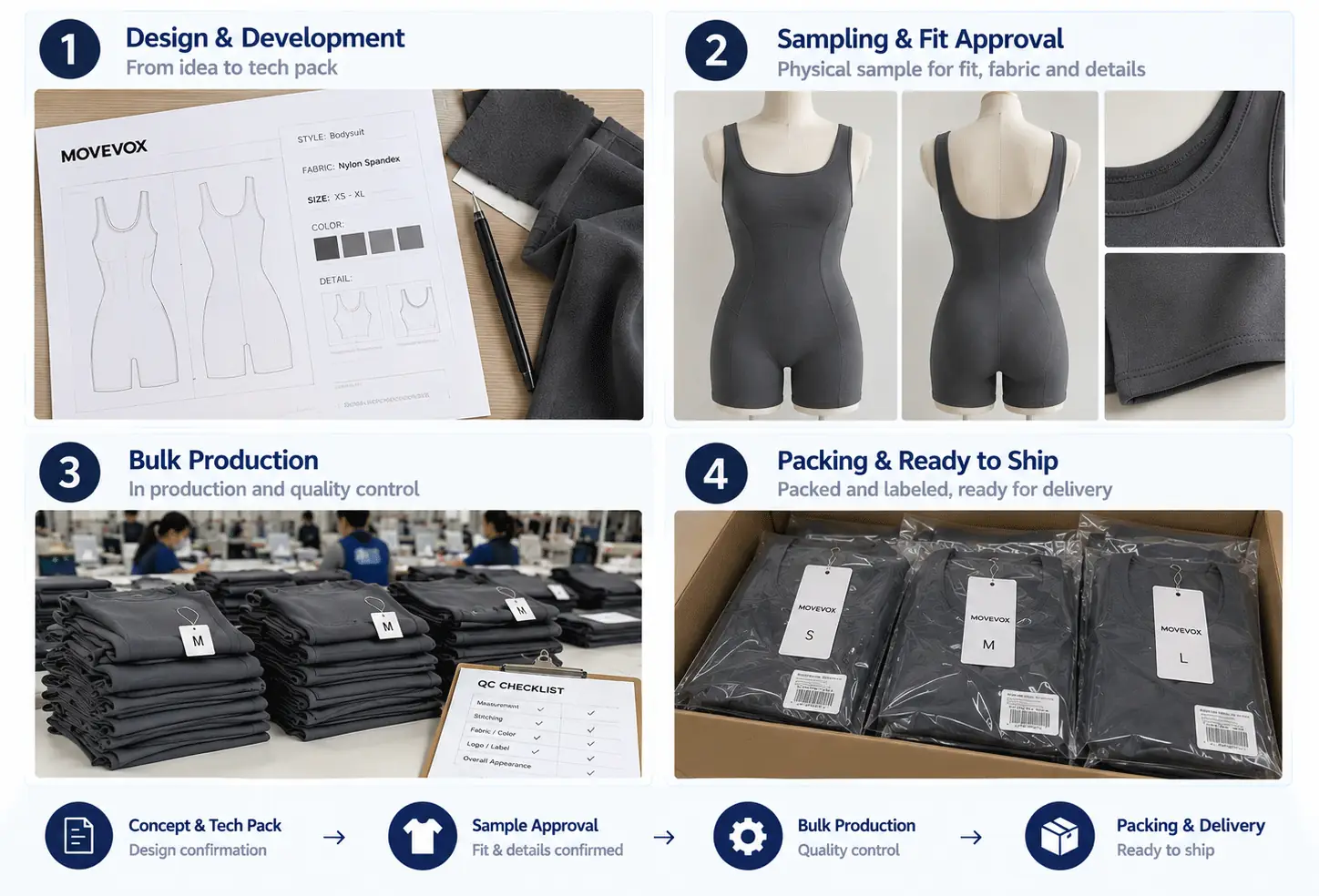
This anonymous U.S. project demonstrates MOVEVOX’s Tech Pack, sample-revision, buyer testing, Private Label and repeat-order workflow. It is a multi-category activewear case and must not be presented as a dedicated historical padded Sports Bra case.
Client Background
The customer is an established U.S. activewear buyer working across multiple product categories including leggings, shorts, Sports Bras, basic tops and sets. The buyer operates with its own Tech Packs and expects product development to follow defined Fit, material and brand requirements rather than selecting only ready-made factory styles. Customer identity remains confidential, so the case is presented through its verified development and order process.
Challenge
The project required MOVEVOX to translate buyer Tech Packs into physical products that could satisfy real fitness-use expectations rather than merely resemble reference images. The first sample did not close every product detail, so the buyer returned development comments. After revision, further samples were required for buyer-side user testing before the product program moved to commercial orders. The program also involved multiple SKUs, branding, labels, packaging and continued product updates, making technical version control and repeat-order execution important.
Solution
MOVEVOX began from the buyer’s Tech Pack, reviewed manufacturability, materials and construction, and produced the first physical sample. Buyer comments were then converted into a second sample version rather than being deferred to bulk production. Once the second version was largely accepted, approximately five to ten further samples were prepared for buyer and audience wear testing. After approval, MOVEVOX coordinated material, production, quality, Private Label components and SKU-specific packaging into commercial orders while continuing to manage new product development and repeat allocation.
Tech Pack
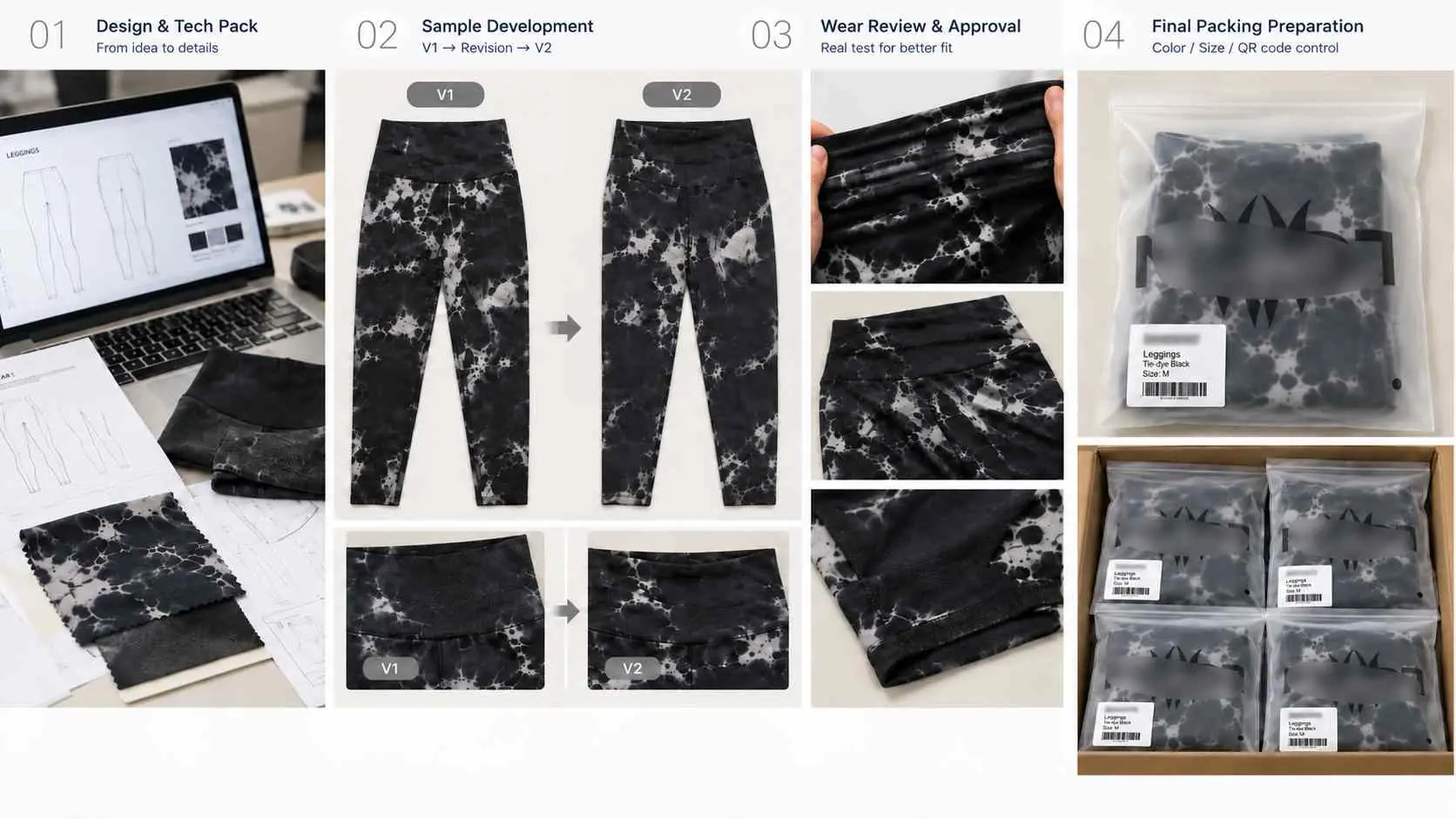
The customer supplied technical product information. MOVEVOX used the Tech Pack as the development starting point rather than replacing the brand’s specification with a standard factory template.
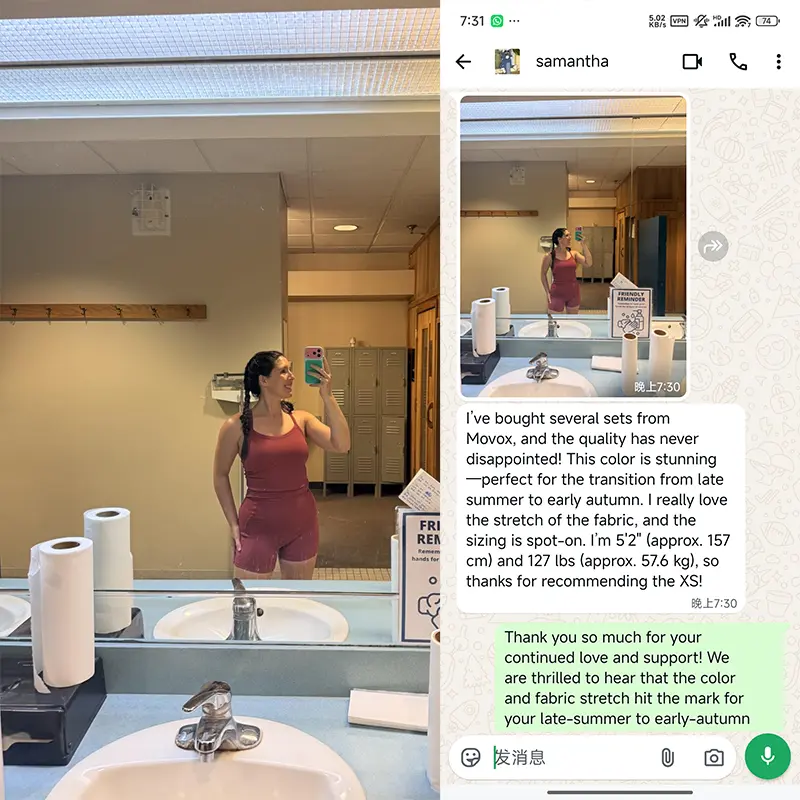
Sample V1
The first sample converted measurements, material and construction information into a physical product that could be evaluated in the buyer’s actual use context.
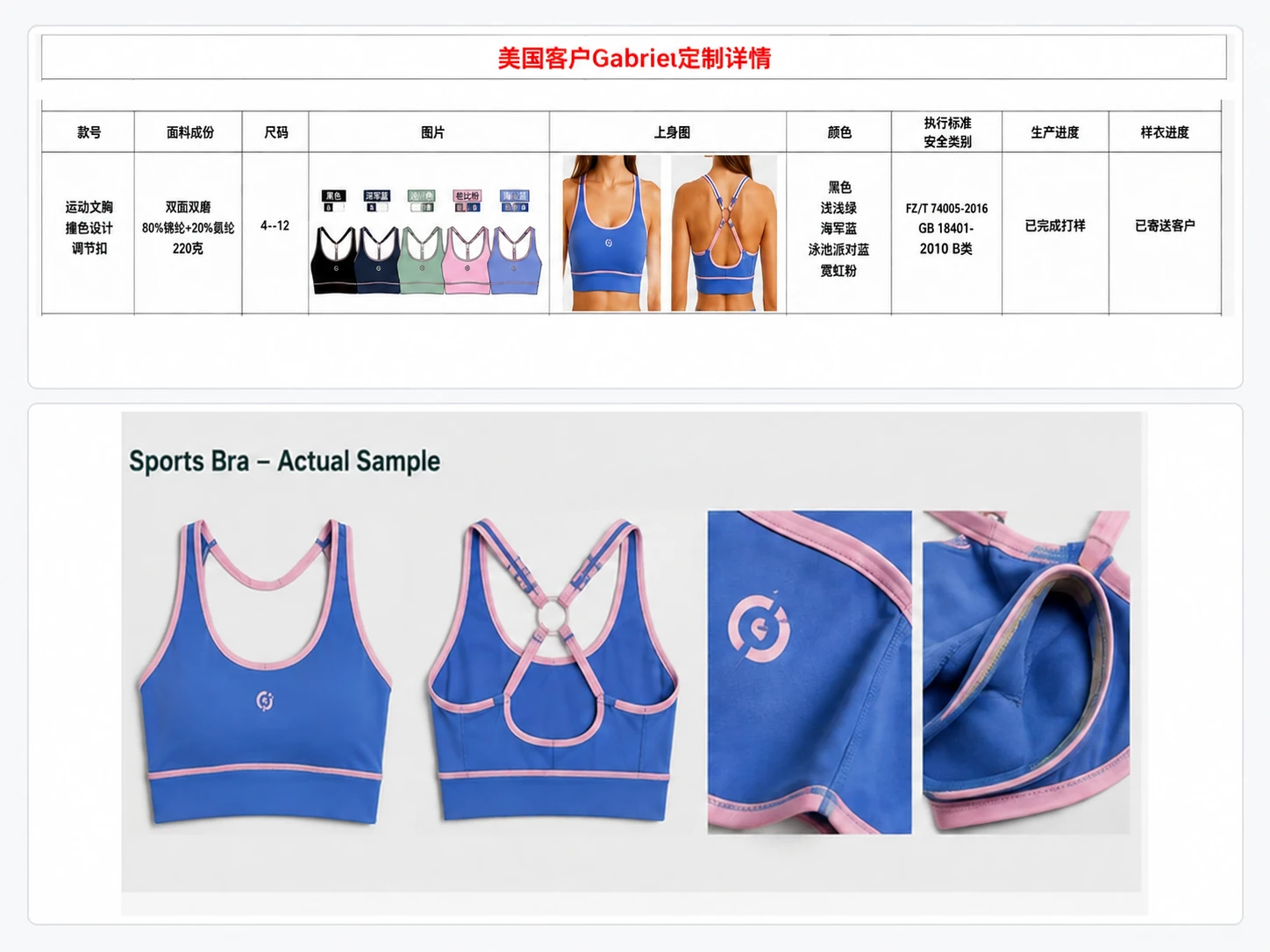
Sample V2
Buyer feedback was documented and incorporated into a second sample. The project did not move into bulk simply because the first sample was physically complete.
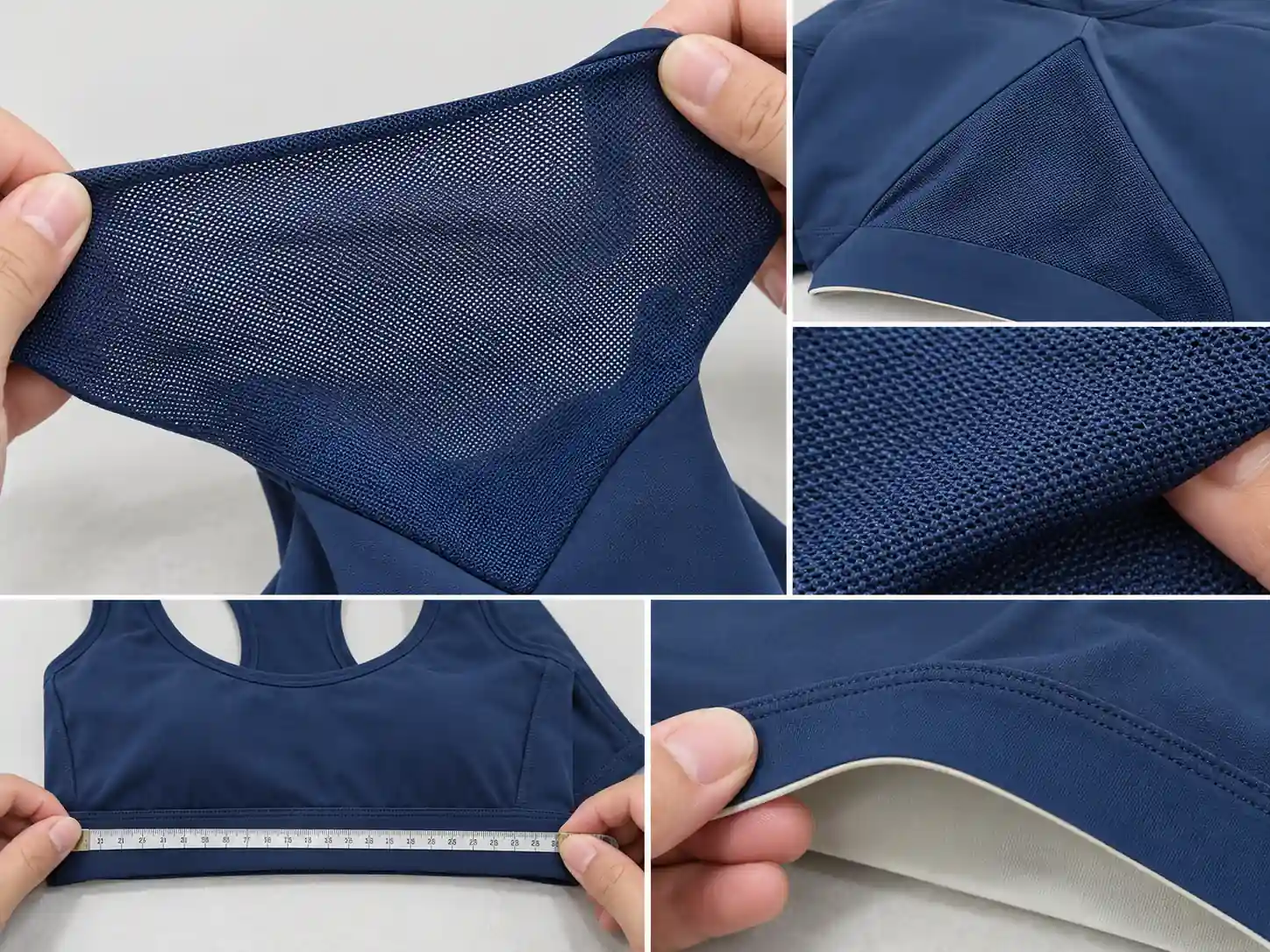
User Testing
After the revised version was largely accepted, approximately 5–10 samples were produced for buyer and audience testing before commercial scale-up.
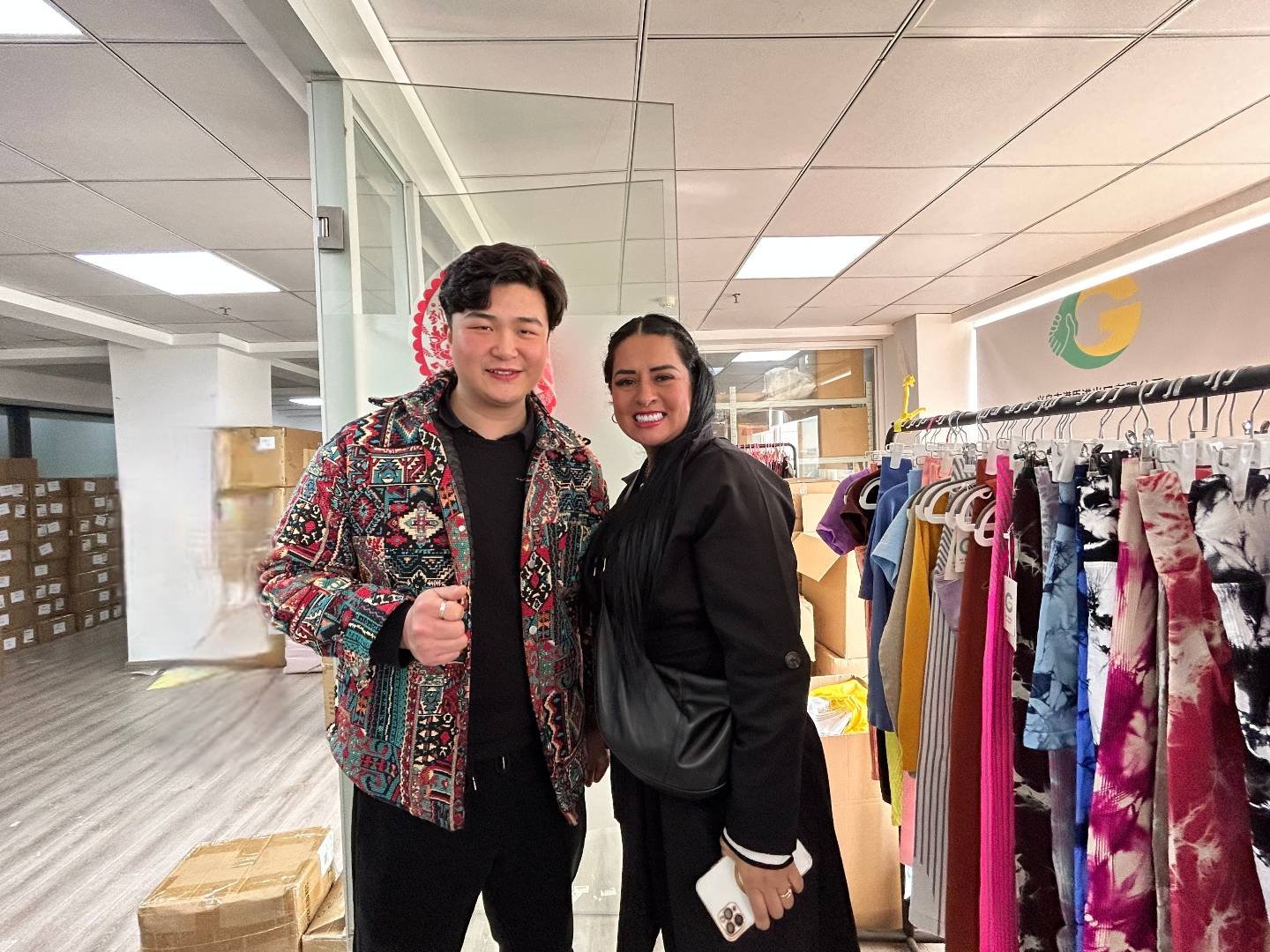
Bulk Program
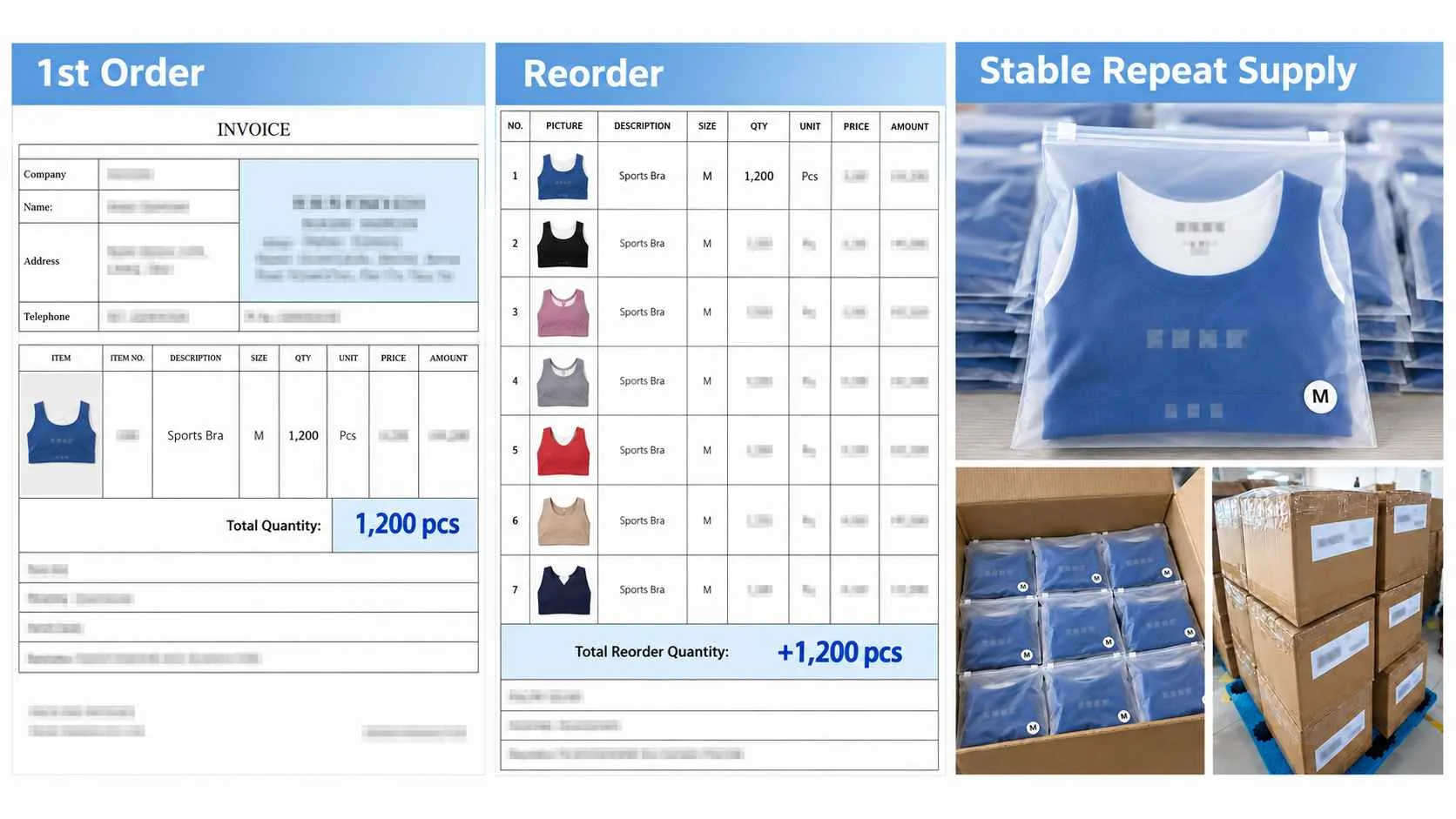
The source case records typical commercial order scale at approximately 2,000 pieces per order across the activewear program and approximately two orders per month during the documented period.
Private Label
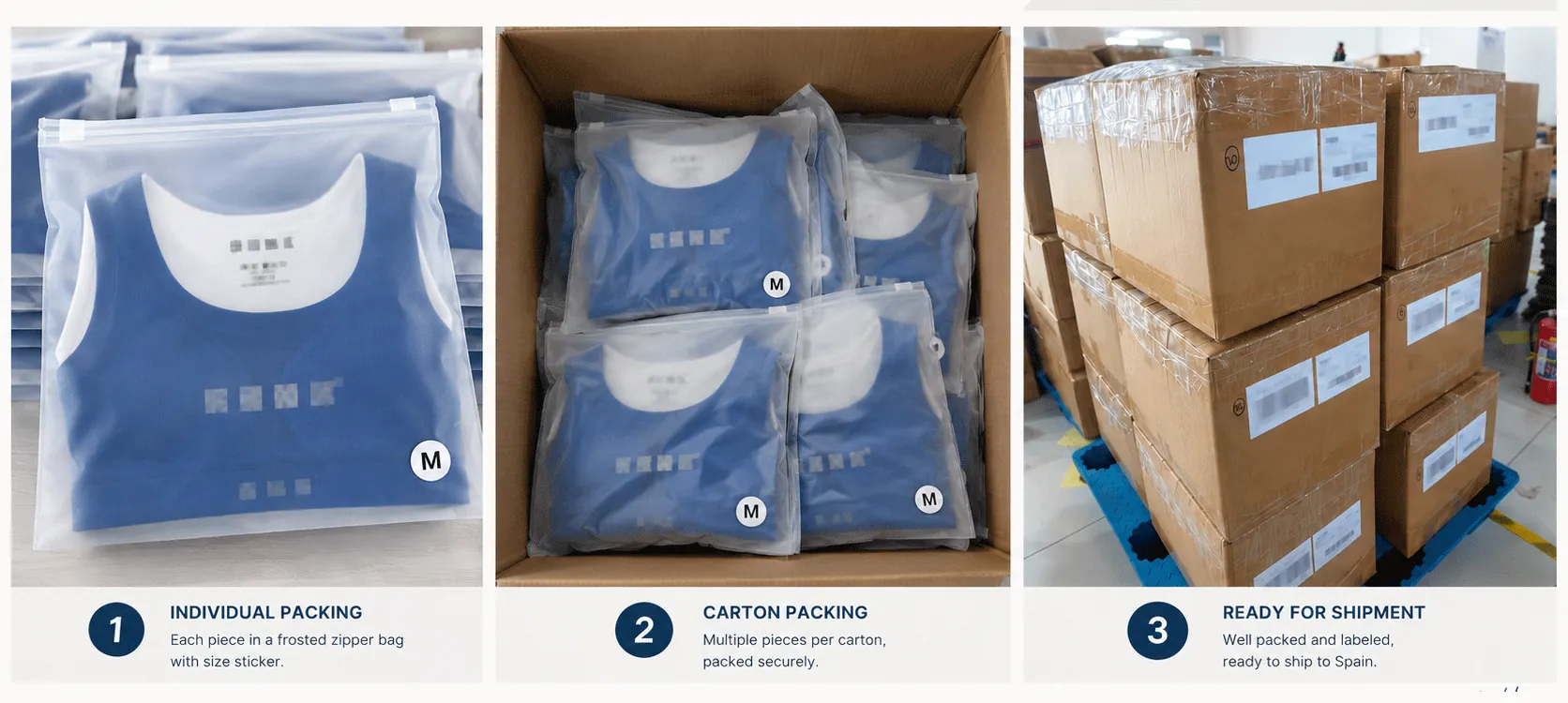
The program included custom logos, labels, Care Labels, packaging and SKU-sensitive information, requiring garment production and retail execution to remain connected.
Results
- 2 sample versions before the documented program moved forward.
- Approximately 5–10 test samples prepared for buyer-side wear evaluation.
- Approximately 2,000 pieces per order in the recorded activewear program.
- Approximately 2 orders per month during the documented period.
- Repeat cooperation recorded in the source case over multiple years.