
OEM Sports Bra Manufacturer for Brand-Controlled Product Programs
From Buyer Specification to Approved Bulk Production
MOVEVOX supports activewear brands that already control, or are in the process of defining, their own sports bra specifications.
Development can begin from a complete Tech Pack, a legally usable reference garment, an existing approved sample, a technical sketch, or another sufficiently defined product brief. Before sampling, the available information is reviewed for manufacturing route, measurements, material requirements, construction, branding, commercial constraints, and unresolved technical points.
Both Seamless and Cut & Sew manufacturing routes are available within the MOVEVOX production system. Once the product direction is confirmed, the project can move through sampling, revision, approval, controlled bulk production, quality inspection, private-label execution, packing, and shipment preparation.
The objective is not simply to make a sports bra that resembles a reference image. The objective is to convert the buyer-controlled specification into a production standard that can be reviewed, approved, and consistently referenced during bulk execution.

What MOVEVOX Reviews in Your Sports Bra Tech Pack
Product Identification
Style number, product category, current revision, intended market, size range, and project status.
Measurement Definition
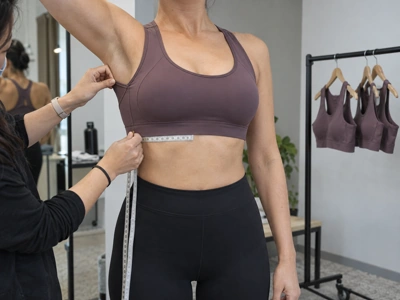
Base-size measurements, points of measure, measurement method, tolerances, and grading information where available.
Sports Bra Structure
Underband, straps, back construction, neckline, armholes, coverage, lining, pad or cup structure, and applicable hardware.
Material Specification
Fabric or yarn composition, GSM where specified, stretch direction, color, finish, hand feel, and approved material reference.
Construction
Seamless program requirements or Cut & Sew pattern, seam, binding, elastic, lining, reinforcement, and assembly details.
Branding and Packing
Logo artwork, label requirements, hangtags, SKU identification, individual packing, and carton requirements.
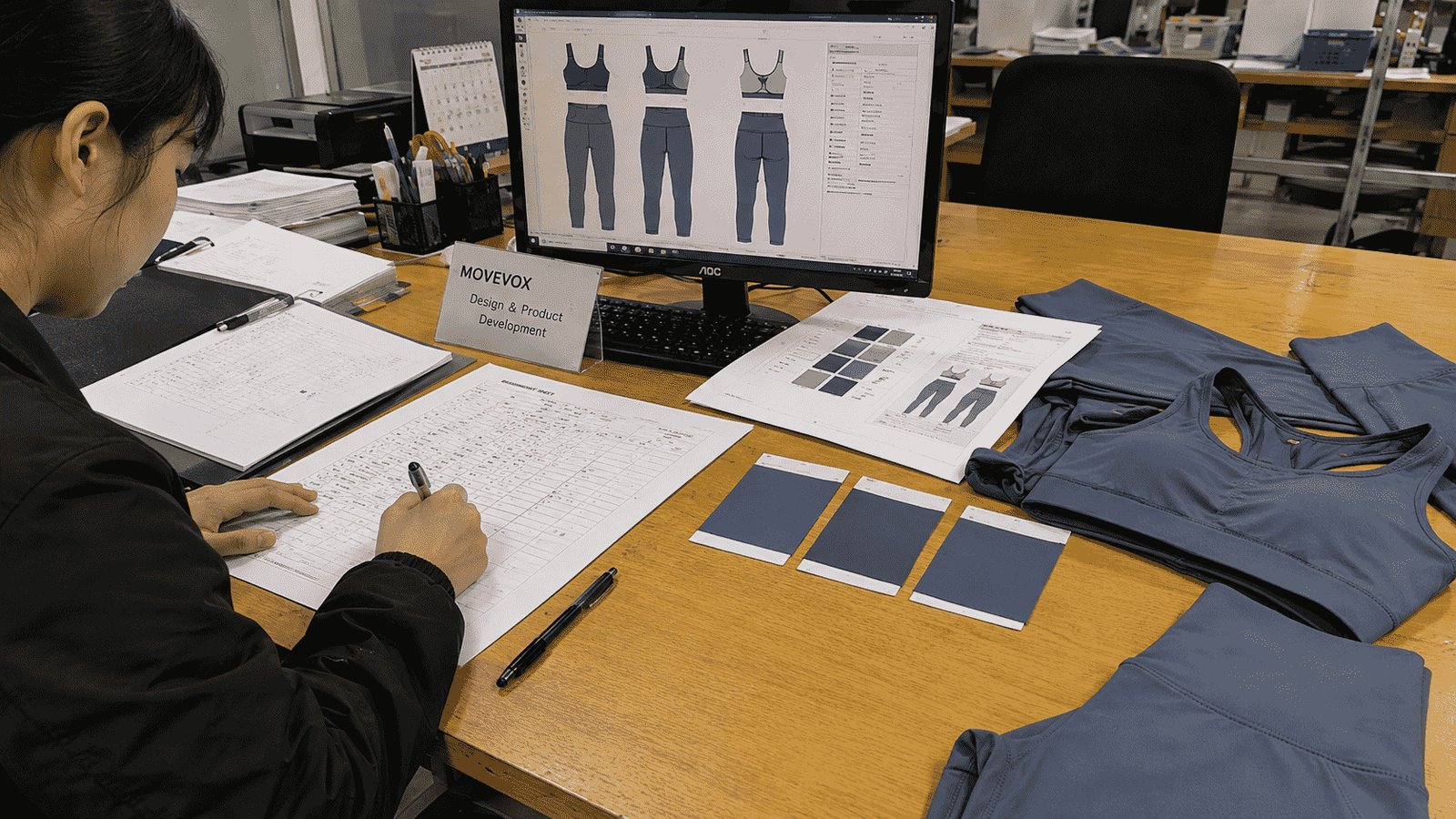
A complete Tech Pack is preferred because it provides a clearer basis for costing, sampling, technical review, and eventual production control. Where information is incomplete, MOVEVOX can identify the unresolved points before the project proceeds further.
OEM Manufacturing Facts Procurement Can Verify
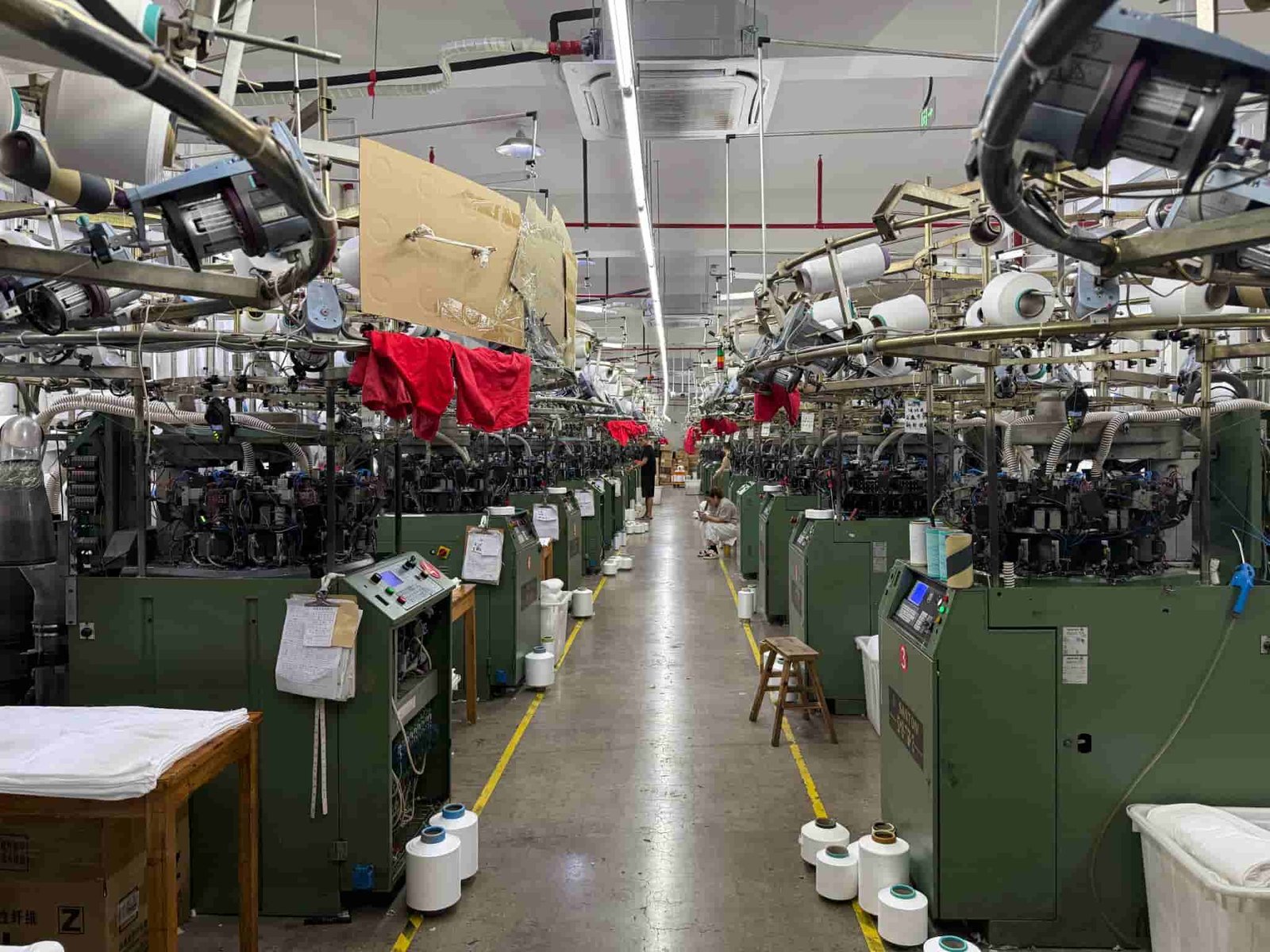
28 Italian Santoni Machines
Supporting technically suitable Seamless activewear development and production.
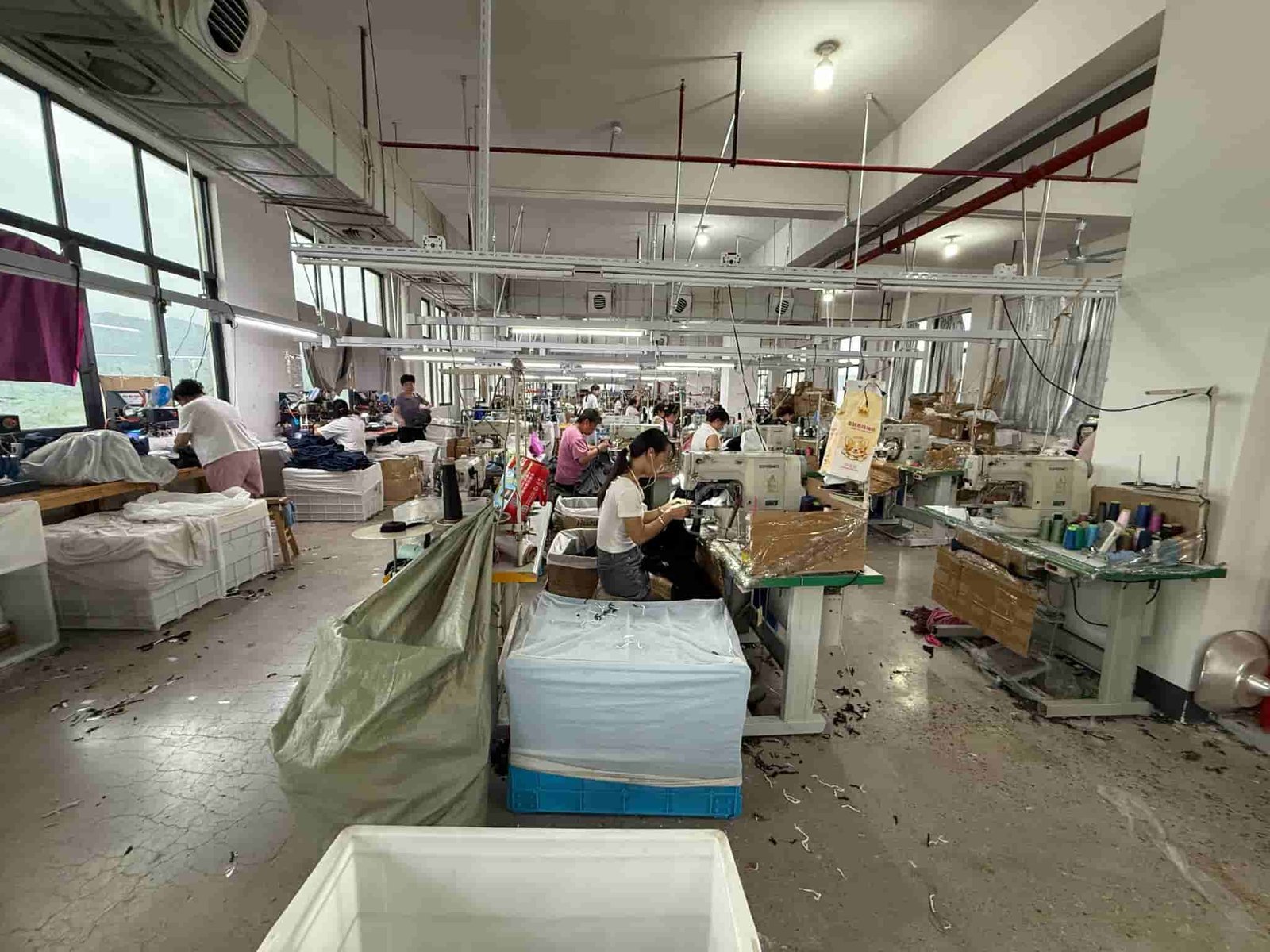
Approximately 24 Core Sewing and Garment Machines
Supporting Cut & Sew development and core production activities.
Approximately 8-Person Development Organization
Including design, pattern, sample-making, and related development functions.
5 QC Personnel
Supporting current production inspection and quality-control execution.
Approximately 6,000 m²
Current actual core production space reference.
5–10 Working Days
Current standard sample reference after necessary product-development details are confirmed.
These figures describe current MOVEVOX operating references within their stated scope. They should not be interpreted as unconditional capacity or timing guarantees for every individual sports bra program.


Choose the Manufacturing Route From the Product Specification
Seamless Sports Bra
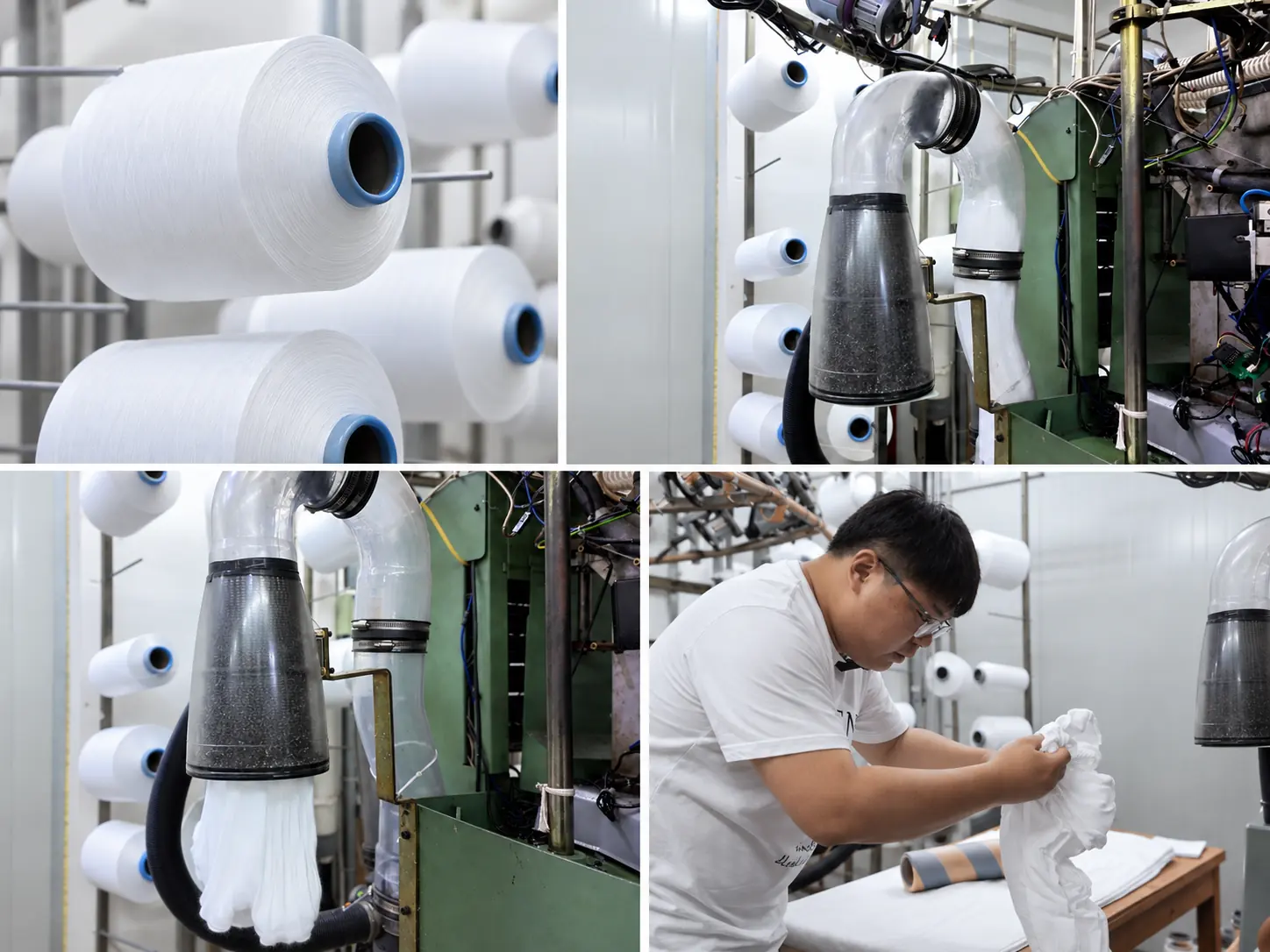
The manufacturing reference is built around the knitting program, yarn, elastane, size, engineered knit zones, rib or mesh structures, finishing, and approved physical sample.
Cut & Sew Sports Bra
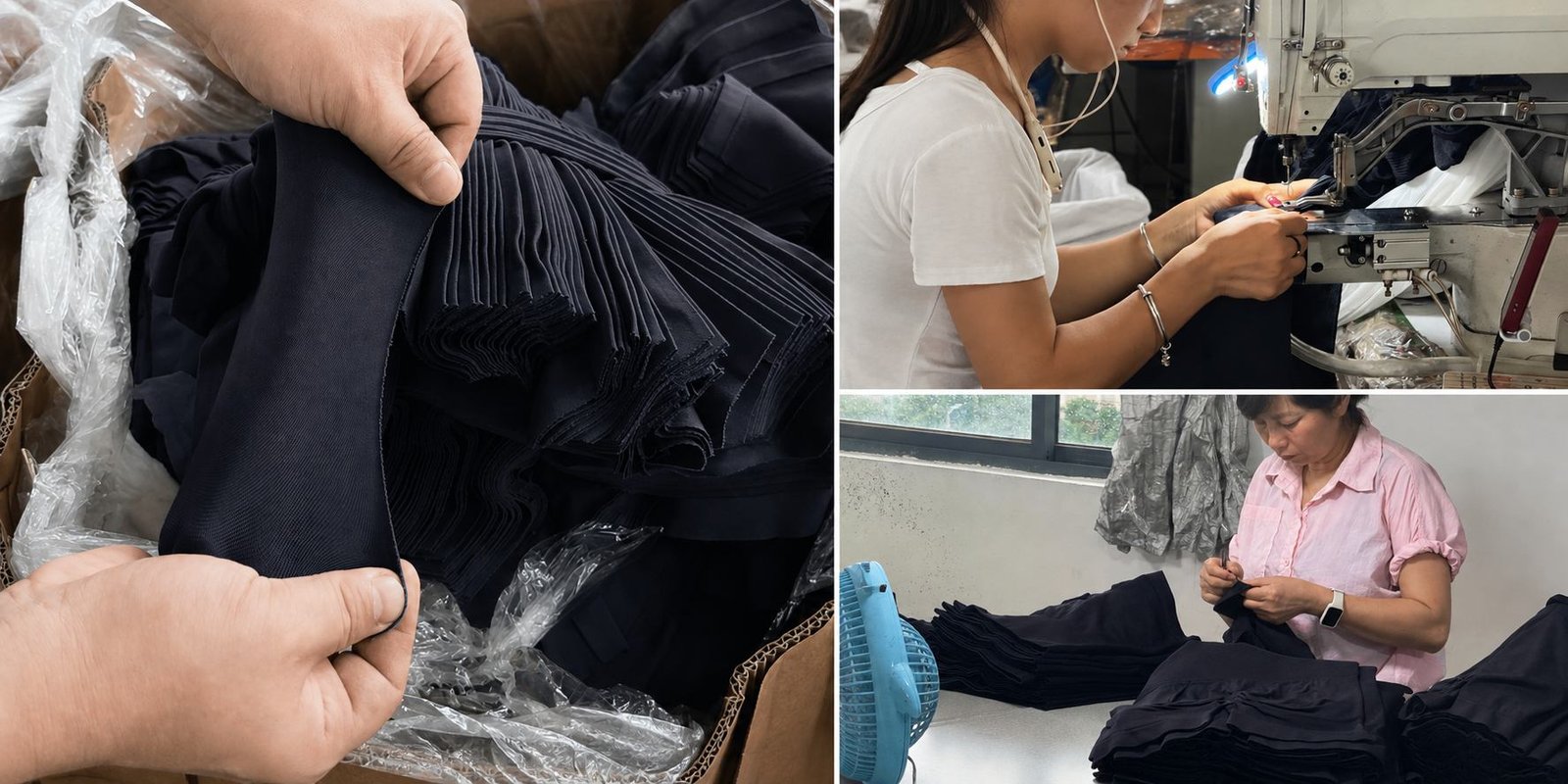
The manufacturing reference is built around the pattern, fabric panels, elastic, binding, straps, lining, padding, hardware, seams, trims, and approved construction.
MOVEVOX supports both Seamless and Cut & Sew manufacturing. The production route should follow the actual product architecture rather than a generic assumption that one method is more suitable for every sports bra.
For OEM programs, the route also changes what must be controlled in the technical file. A Seamless program requires knit-program and yarn consistency; a Cut & Sew program relies more heavily on pattern, material, component, and assembly control.

Four Product Controls That Must Survive OEM Execution
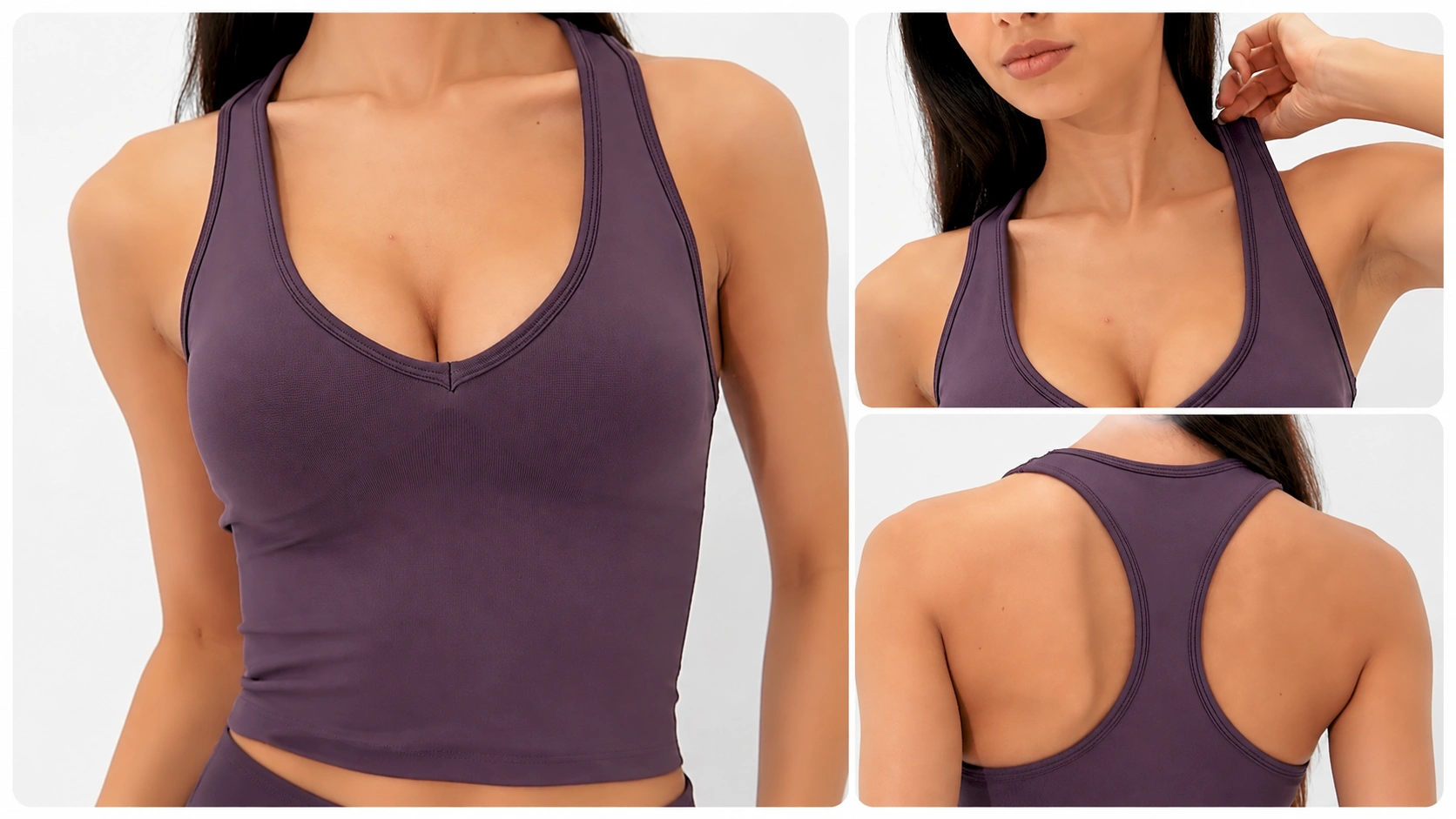
OEM execution is successful only when critical elements defined during development remain controlled through production. A visually similar product is not automatically the same approved product.
Fit
The approved product should be defined through measurable garment dimensions and a physical fit reference rather than verbal descriptions alone.
Underband and Strap Geometry
Dimensions, position, construction, and attachment should remain connected to the approved sample and technical specification.
Material Behavior
The approved fabric or yarn reference must remain connected to the garment specification, because changing material can also change the finished product.
Internal Construction
Padding, lining, pad pockets, elastic, trims, and related components should follow the approved product standard.
Material Approval Is Part of the OEM Product Standard
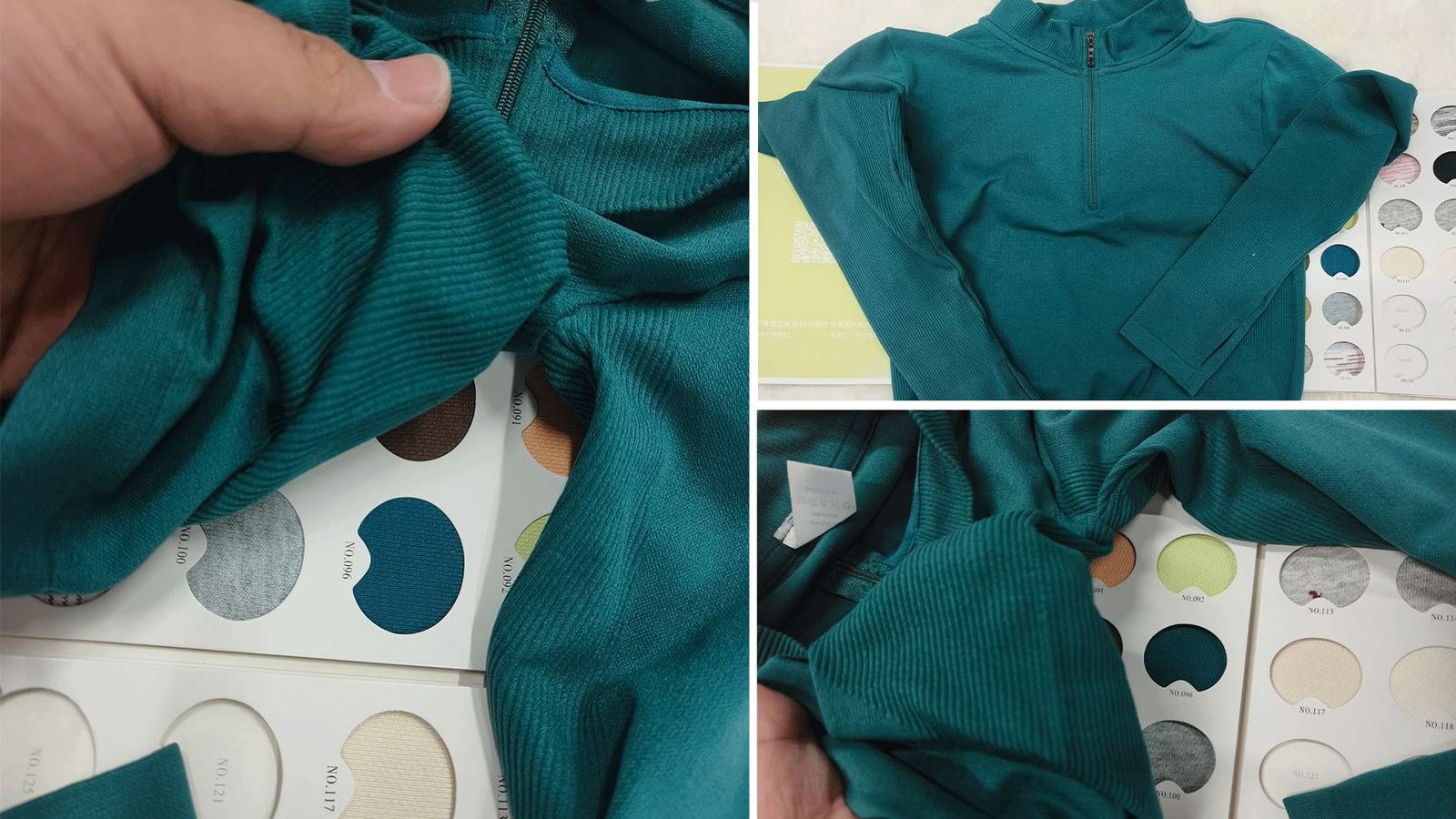
Material Specification
Record the agreed composition, construction, GSM where applicable, stretch direction, finish, hand feel, and relevant supplier reference.
Color
Available material colors and custom color development follow different sourcing and MOQ conditions.
Physical Approval
Where possible, the physical material reference should be connected to the approved garment sample.
Bulk Consistency
A material substitution should not be treated as a neutral change if it alters fit, appearance, construction, or garment behavior.
MOVEVOX can work from buyer-specified fabric requirements, an approved swatch, available material options, or a defined material-development brief. For OEM programs, material approval should happen early enough to avoid approving a fit or construction against one material and producing bulk with another uncontrolled reference.
Control the Construction Details Behind a Cut & Sew Sports Bra
Pattern Panels
The current approved pattern should correspond with the current Tech Pack and approved sample.
Underband and Elastic
Material, dimensions, application, and assembly should follow the approved construction.
Strap Attachment
Position, length, hardware, and attachment method should remain consistent with the approved reference.
Binding and Seams
Relevant seam, binding, overlock, coverstitch, flatlock, or other construction should follow the approved workmanship standard.
Lining and Pad Structure
The internal construction should remain aligned with the approved product.
MOVEVOX's Cut & Sew system includes approximately 24 major sewing and garment-production machines in the core manufacturing setup. Specific construction depends on the buyer's product specification rather than a single default sports bra method.
A Seamless Sports Bra Is Controlled Through More Than the Finished Shape
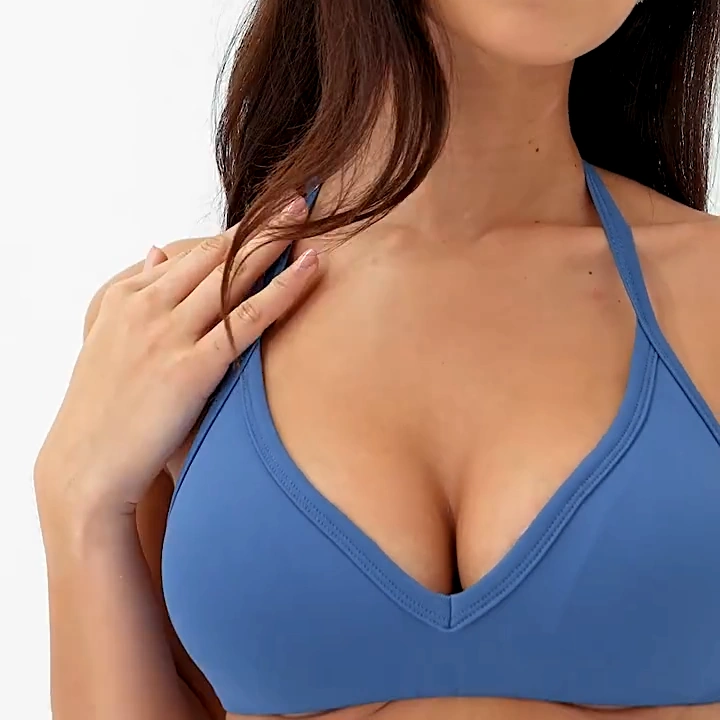
Program Version
The current knitting program should remain linked to the approved product version.
Yarn and Elastane
The approved yarn and elastane references form part of the production basis.
Knit Zones
Rib, mesh, density, texture, and transition areas may form part of the approved structure where applicable.
Size
Size programming must remain linked to the approved measurement and fit direction.
Finishing
Post-knitting finishing can affect the finished garment and therefore forms part of the controlled production route.
MOVEVOX's core system includes 28 Italian Santoni seamless knitting machines. For an OEM Seamless program, the physical approved sample should remain connected to the technical settings and material references used to reproduce the product.
From Buyer Specification to an Approved Sports Bra

Input Review
Review Tech Pack, existing sample, measurements, material, branding, quantity, and target timing.
Technical Clarification
Resolve missing or conflicting information before sampling where possible.
Material and Construction Direction
Confirm the current development basis.
Development Sample
Produce the first physical version against the current information.
Buyer Review
Receive defined comments on fit, measurements, construction, material, or appearance.
Revision
Convert approved comments into a new controlled sample version.
Approval
Freeze the approved physical and technical references.
Production Handover
Release the approved specification into controlled bulk execution.
Approval Is a Production Gate, Not an Informal “Looks Good”
Measurement Approval
Confirm the current POM and tolerance basis.
Fit Approval
Confirm the buyer-accepted physical fit reference.
Material Approval
Confirm the material, color, and applicable component references.
Construction Approval
Confirm the required assembly and workmanship standard.
Branding Approval
Confirm logo, labels, hangtags, and identification.
Packing Approval
Confirm the applicable individual packing and shipment preparation requirements.
An approved sample becomes useful for production only when it is connected to the current technical information. MOVEVOX therefore treats sample approval as a transition point between development and production rather than simply the end of sampling.
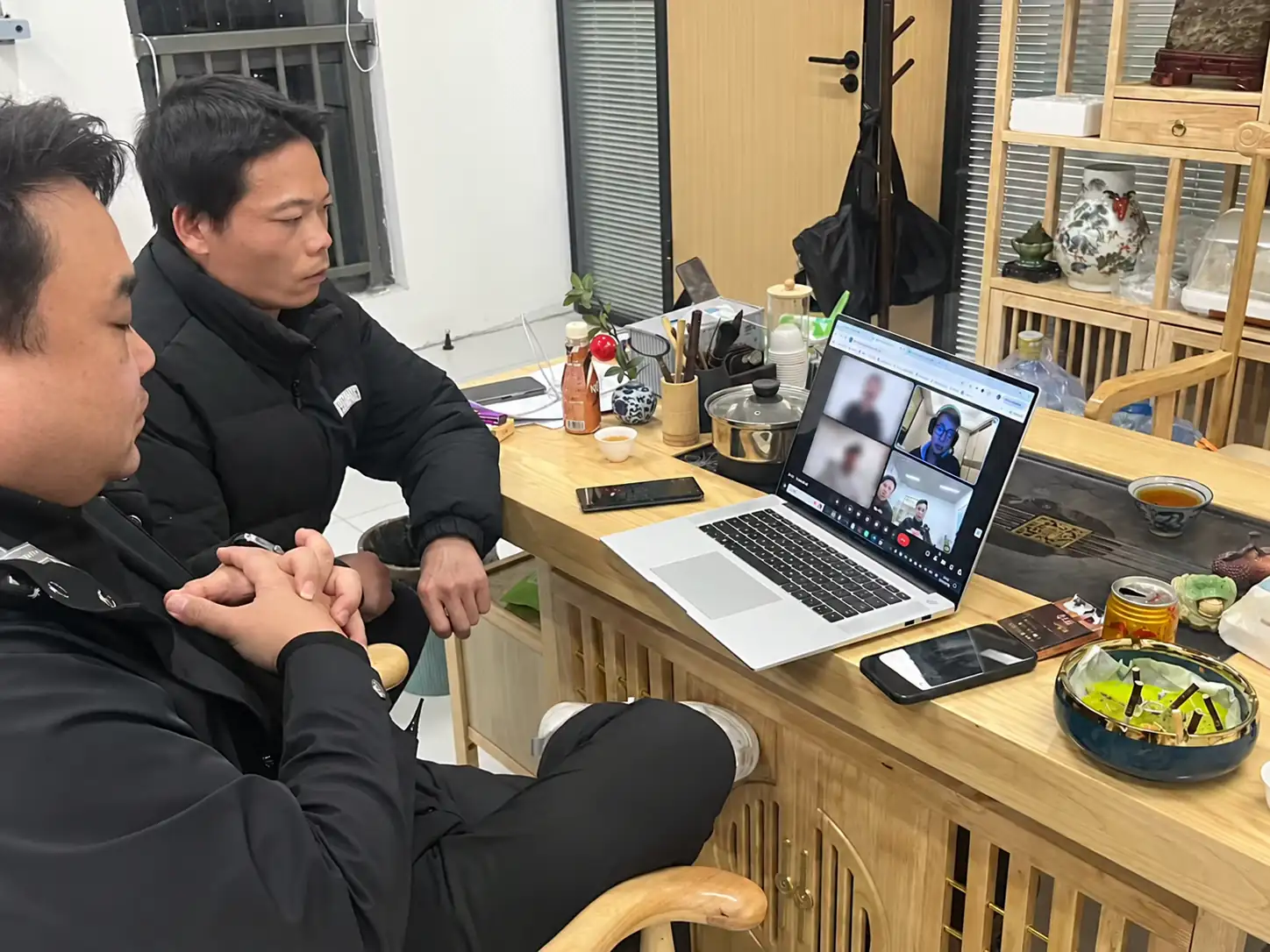
Freeze One Master Standard Before Bulk Production
Current Tech Pack
One clearly identified current version.
Approved Sample
The physical reference used for production comparison.
Measurements
Approved POM, measurement method, tolerance, and grading basis.
Materials and Components
Approved fabric or yarn, elastic, pad, lining, trim, and color references where applicable.
Branding and Packing
Approved logo, labels, hangtags, SKU identification, and packaging.
Bulk production should not rely on a mixture of earlier samples, old comments, and superseded files. Before production release, the product standard should clearly identify which physical sample and which technical information are current. This reduces the risk that a correct development decision is lost during production handover.
How an Approved Sports Bra Moves Into Bulk Production
Approved Product Standard
Development finishes with a defined current reference.
Production Release
Materials, technical files, quantities, colors, sizes, branding, and packing requirements are released for production.
First Article
Early production is compared against the approved basis before wider production proceeds.
Inline Control
Measurement and workmanship issues can be identified while corrective action remains practical.
Final Inspection
Finished products are reviewed against the applicable production and quality requirements.
Packing and Shipment Release
SKU, packing, carton, and shipment requirements are checked before final release.
Keep the Product Reference Connected Through Production
Style and PO
The production order should remain identifiable against the correct style and buyer requirement.
Current Revision
Production should reference the current approved technical version.
Color and Size
The SKU structure should remain linked to the production and packing requirement.
Material Reference
Applicable fabric, yarn, trim, elastic, and component references should correspond with the approved product basis.
Production Allocation
The production location and execution route should remain clear within the MOVEVOX-managed system.
Packing Reference
Finished goods should correspond with the approved packing and SKU requirements.
MOVEVOX uses centrally managed production information, approved samples, specifications, scheduling, QC, and packing requirements to support consistency across production.
Quality Control Starts From the Approved Standard
Material Check
Confirm applicable bulk materials and components against the approved production basis.
First Article
Compare early production with the approved sample and technical information.
Inline Inspection
Identify measurement or workmanship deviations during production.
Finished Garment Inspection
Review applicable measurements, workmanship, appearance, and product details.
Branding and Packing
Check buyer-defined identification and packing requirements.
Release
Resolve applicable issues before shipment release.
MOVEVOX currently has five QC personnel supporting production-quality execution. The exact inspection plan can vary according to product, order, buyer requirements, production allocation, and agreed quality standards.

A Useful Quality Record Connects Specification to Actual Findings
Product Identification
Style, PO, color, size, production stage, and applicable batch information.
POM and Tolerance
Defined measurement reference, actual measurement, and approved tolerance.
Workmanship Finding
Record the actual defect or deviation rather than relying on general quality language.
Corrective Action
Document the applicable containment, adjustment, rework, screening, or other action.
Recheck
Where required, verify the result of corrective action.
Release Status
Identify whether the product is passed, held, rechecked, or released after correction.
Inspection documentation is most useful when it can be traced back to the production standard against which the goods were reviewed.
OEM Manufacturing Still Requires a Complete Brand Execution System
Logo
MOVEVOX supports screen printing, heat transfer, silicone, jacquard, embroidery, woven-label, and other technically suitable branding routes.
Custom LogoMain, Care and Size Labels
Brand and garment-identification requirements can be integrated into the production specification.
Custom Labels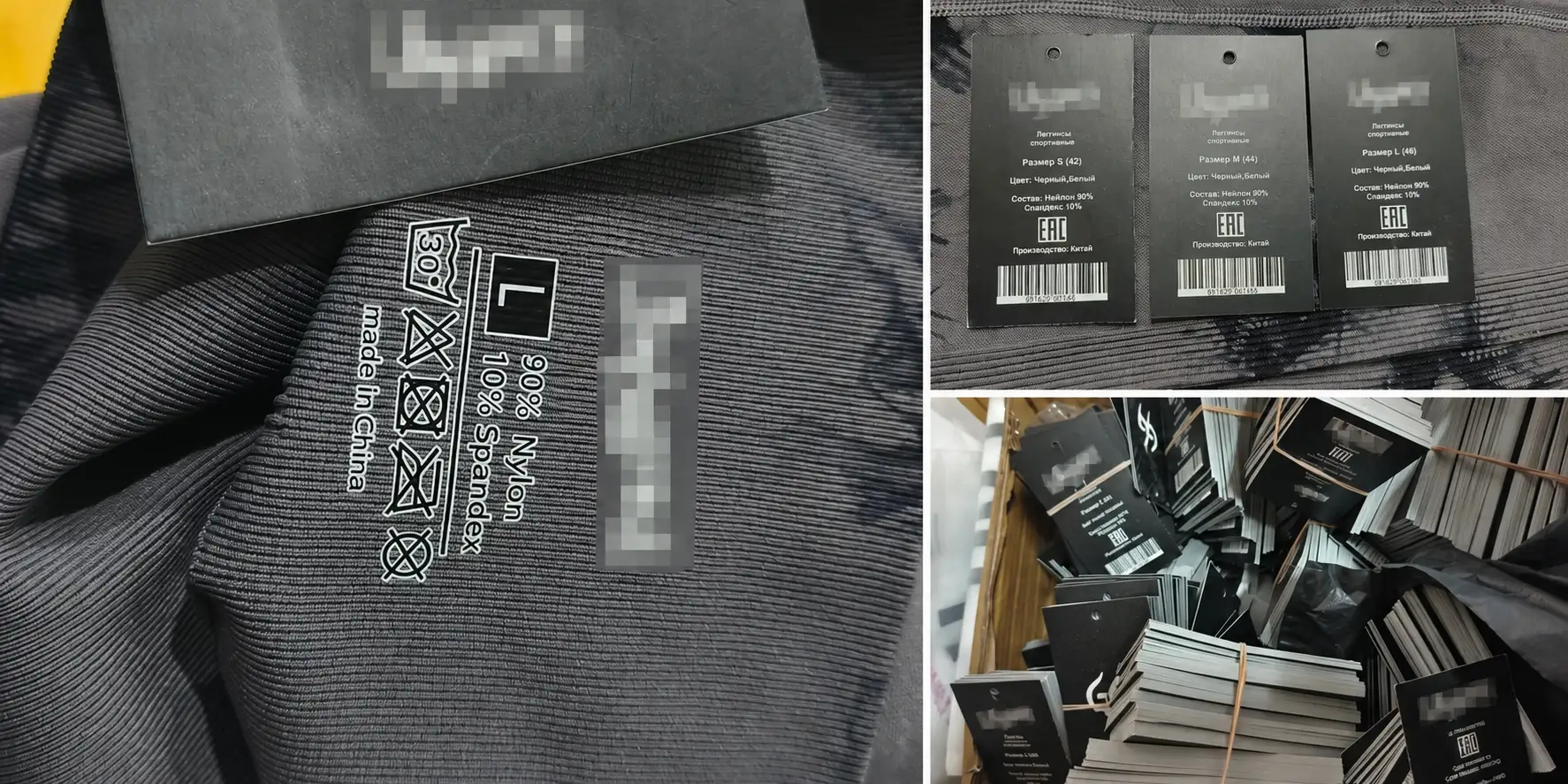
Hangtags
Buyer-defined hangtags can be coordinated with the finished product.
SKU Identification
Barcodes, QR codes, stickers, or other buyer-defined SKU identification can be incorporated where required.
Individual Packaging
Buyer-defined individual packaging can form part of the approved packing standard.
Custom Packaging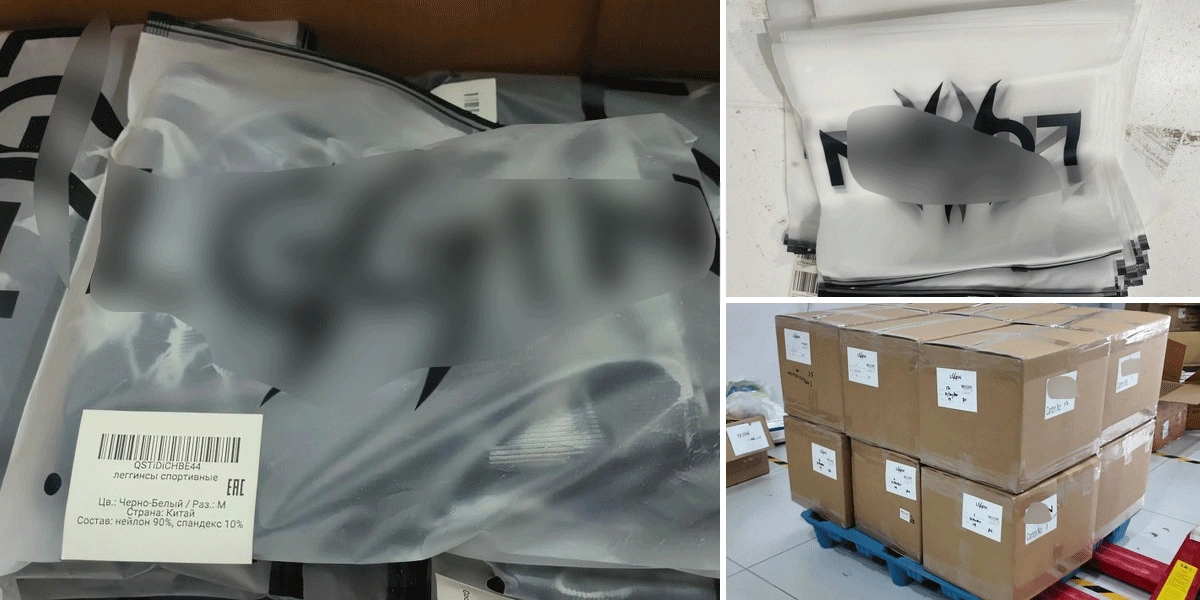
Carton and Shipping Marks
Carton configuration and shipping identification are coordinated before shipment preparation.
Private Label System
Product, branding, identification, and packaging should be coordinated as one approved commercial program.
Private Label ActivewearCan the Approved Style Scale After Sampling?
Approximately 150,000–200,000 pcs / Month
Current normal combined managed delivery-capacity reference across the controlled MOVEVOX manufacturing network.
28 Santoni Machines
Core Seamless production equipment.
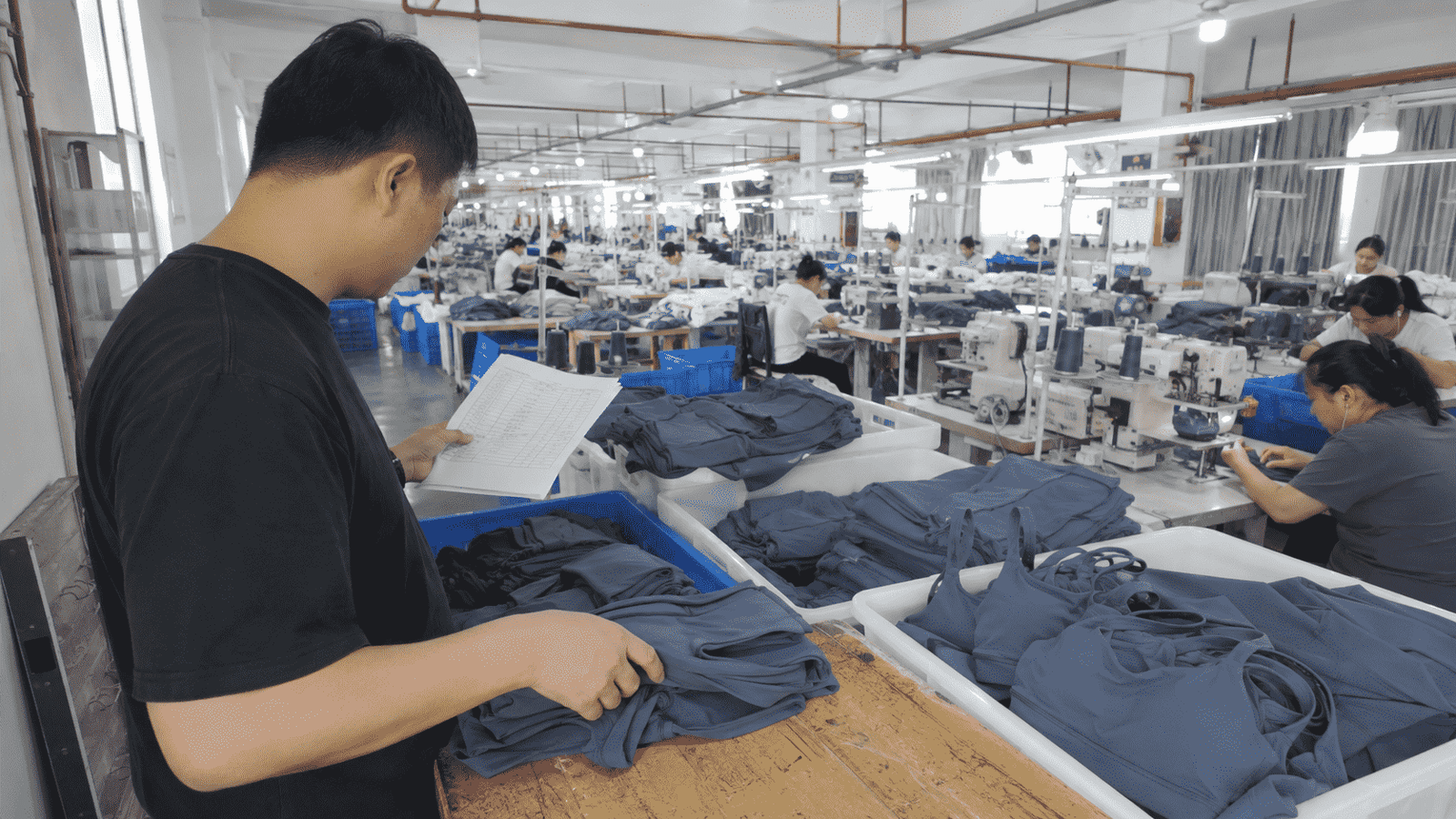
Approximately 24 Main Garment Machines
Core Cut & Sew garment-production reference.
8 Long-Term Satellite Factories
Six in Yiwu and two in Guangzhou.
Approximately 20–35 Days
Current regular bulk-production reference under normal conditions.
Specific sports bra capacity should be confirmed against the actual product structure, manufacturing route, material availability, SKU complexity, production allocation, QC resources, packing requirements, and target delivery. The stated figures are operating references, not unconditional capacity guarantees for every individual PO.
A Core Manufacturing Base Supported by Managed Satellite Capacity
Yiwu Core Base
The core system supports technical development, sampling, selected core production, manufacturing management, QC, and packing functions.
Approximately 6,000 m²
Current actual production-space reference for the core operation.
Central Production Control
Product information, approved references, facility allocation, production planning, QC, packing, exceptions, and release are managed through the MOVEVOX system.
Yiwu Satellite Capacity
Six long-term satellite factories currently form part of the managed network.
Guangzhou Satellite Capacity
Two long-term Guangzhou factories support additional managed production requirements.
MOVEVOX does not describe all production as if it occurred inside one owned factory. The sourcing model combines core internal capabilities with long-term managed production partners where additional or specialized capacity is required.
See the OEM Process, Not Just the Finished Garment
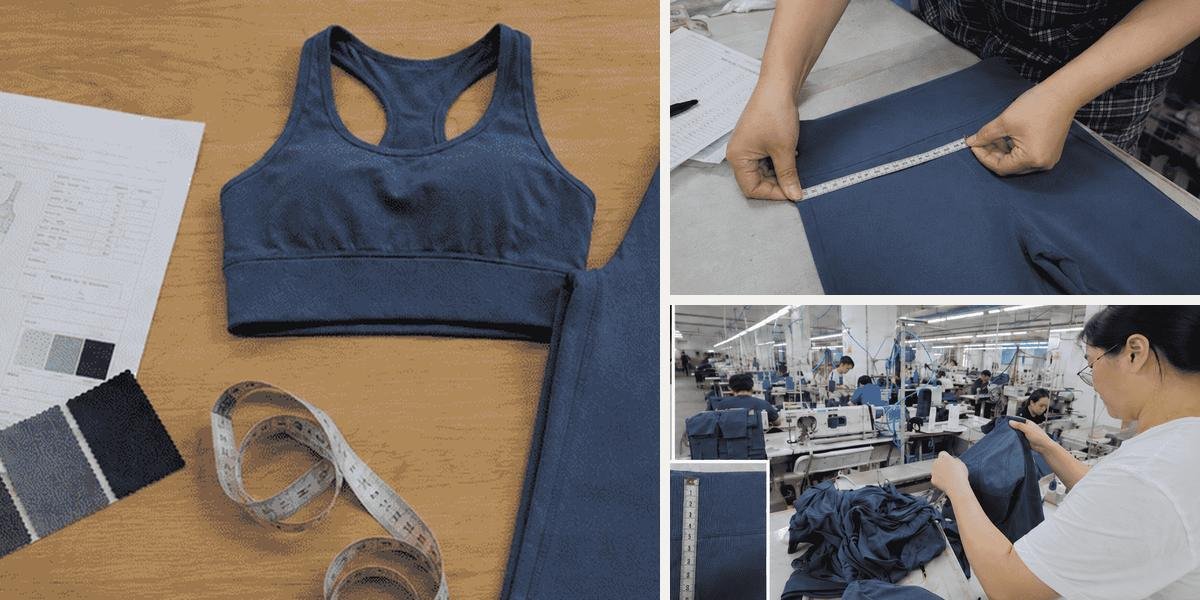
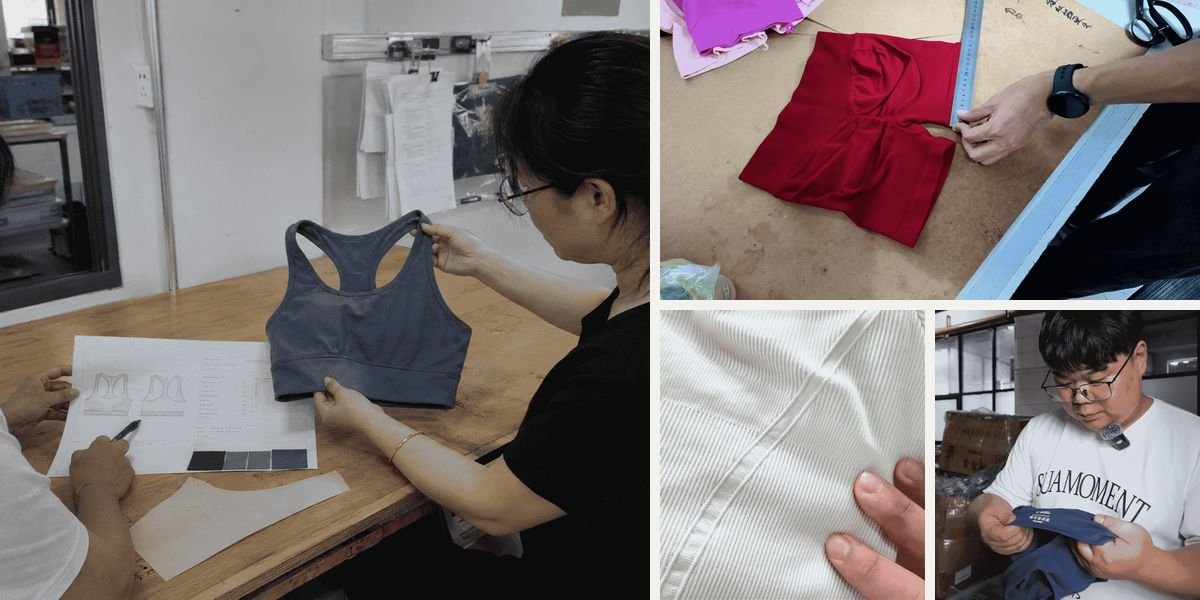
A supplier's finished product images do not by themselves prove how the product was developed or controlled. This evidence set helps procurement teams see the actual steps behind MOVEVOX's development and manufacturing system.
Technical Review
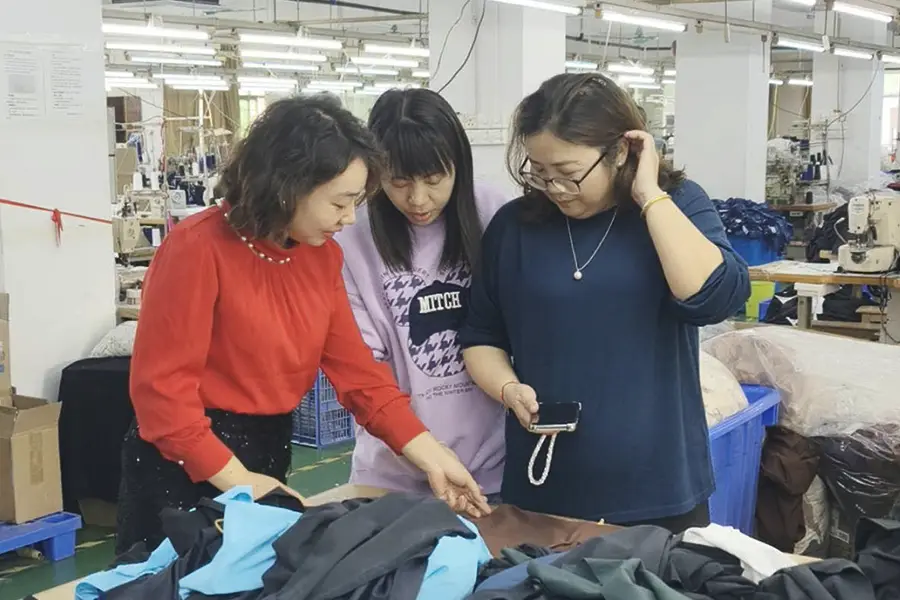
Reviewing Tech Pack, pattern, material, and sample references before the project moves into physical development.
Sampling
Physical sample development in the MOVEVOX sample room before buyer comments, revision, and approval.
Seamless Production
Santoni seamless manufacturing used where the approved sports bra specification requires a Seamless production route.
Cut & Sew Production
Core sewing and garment assembly for Cut & Sew programs according to the approved construction reference.
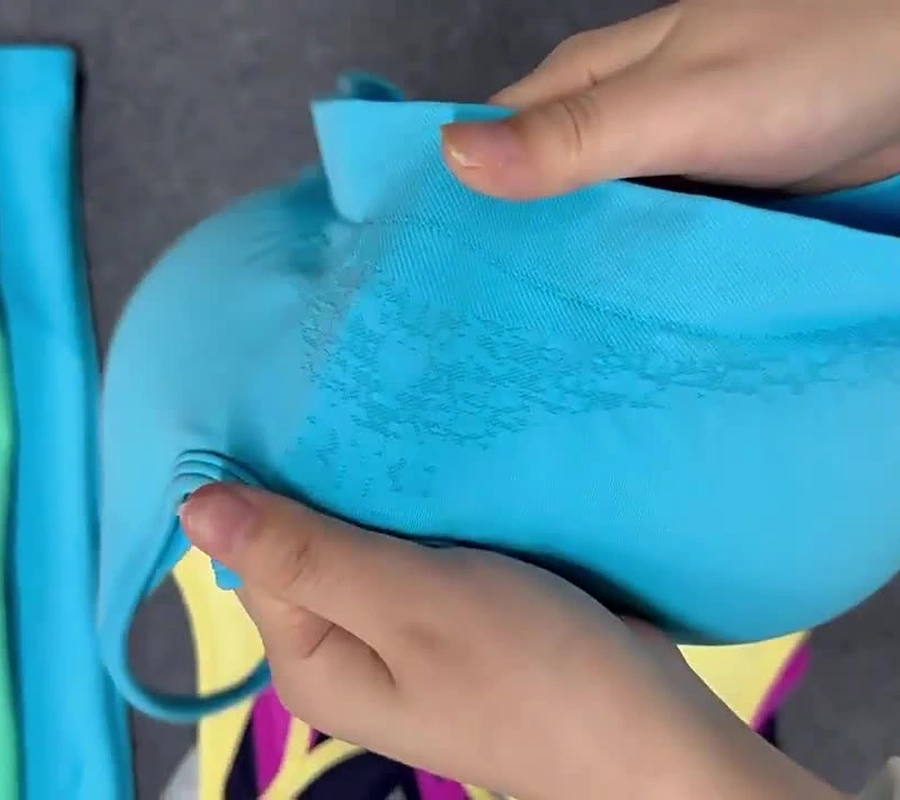
First Article
Early production is compared with the approved product reference before wider bulk execution proceeds.
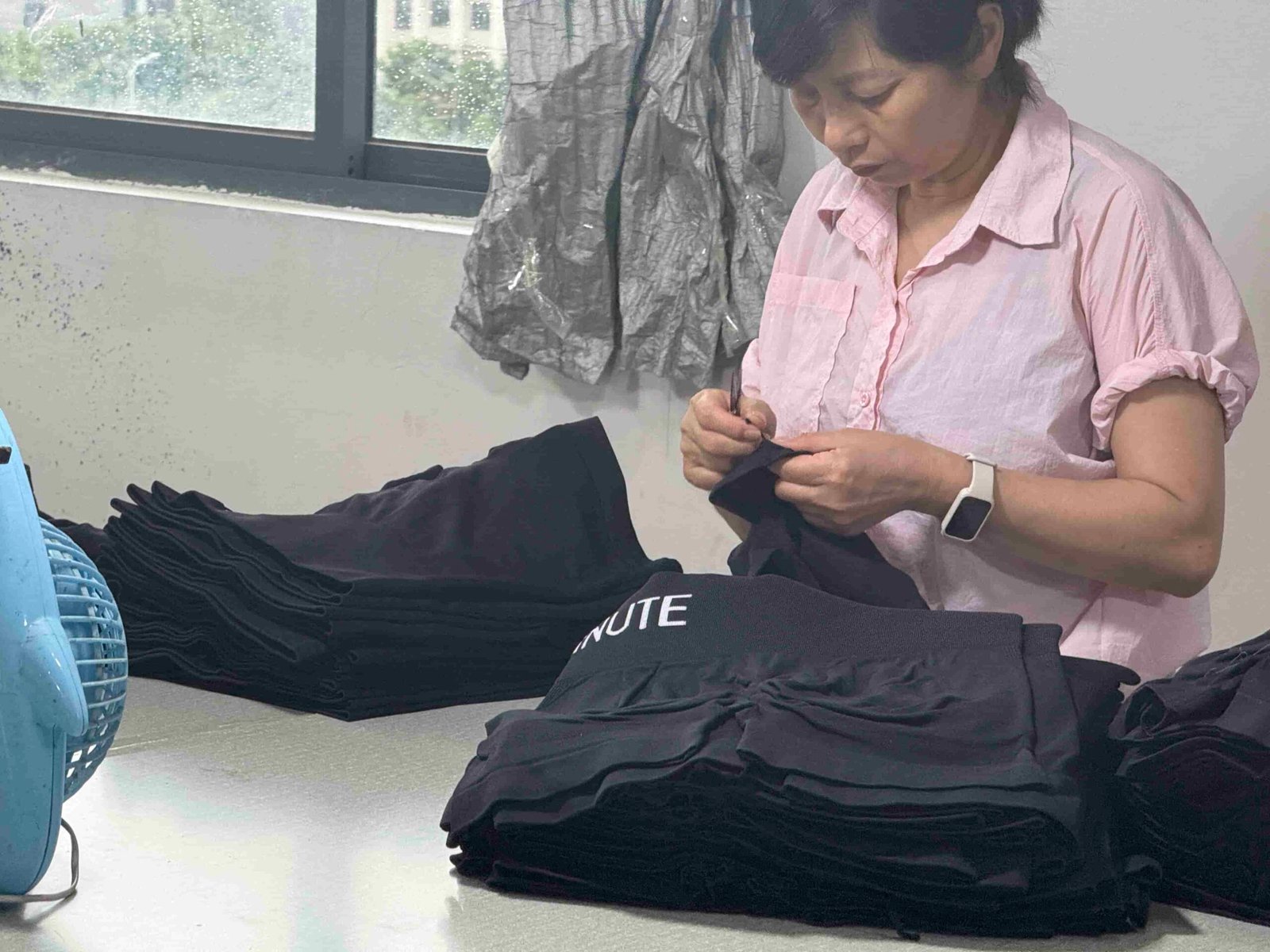
Quality Inspection
Measurement and finished-garment inspection are performed against the applicable approved product and production requirements.
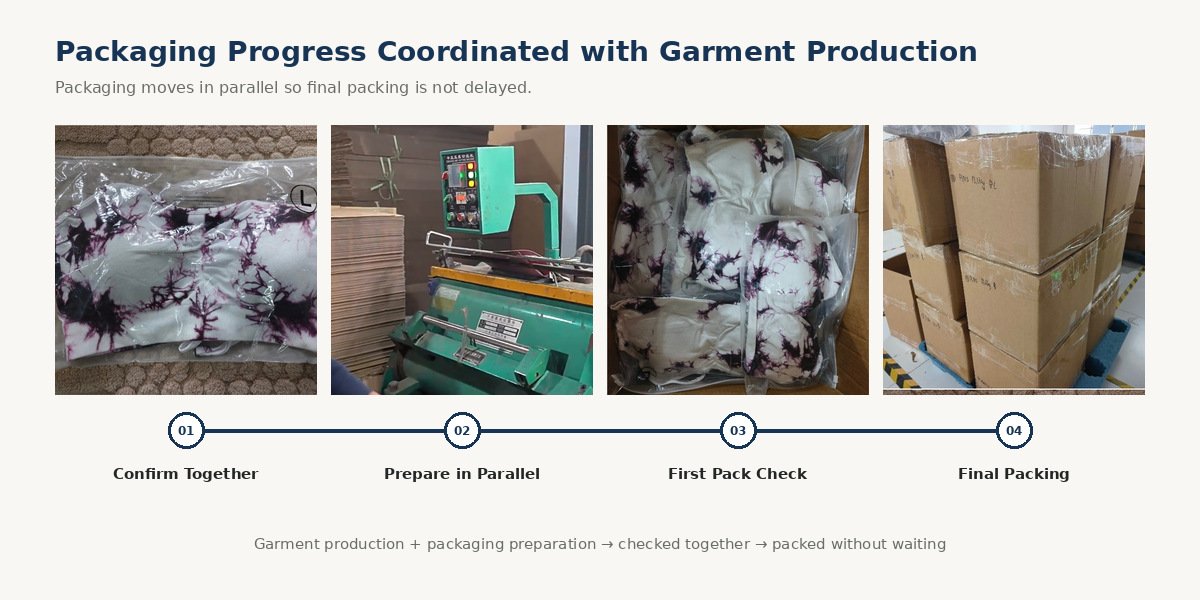
Packing
Individual packing and shipment preparation are executed against the buyer-approved SKU and packaging requirements.
Read Existing Compliance Evidence Within Its Actual Scope
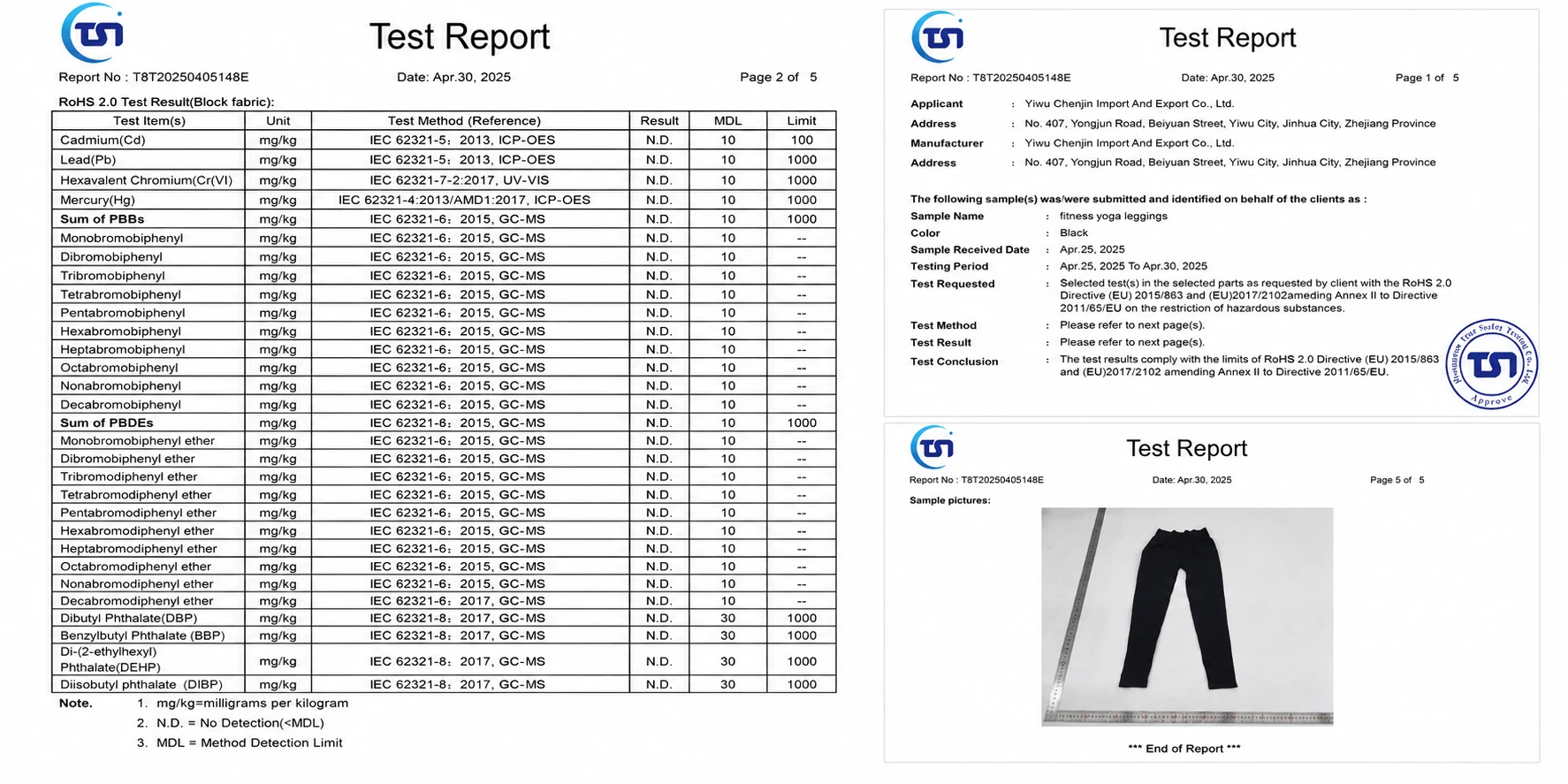
RoHS Sample Evidence
MOVEVOX currently holds documented RoHS evidence for a black fitness yoga leggings sample under the stated report scope. It is not a sports bra test report.
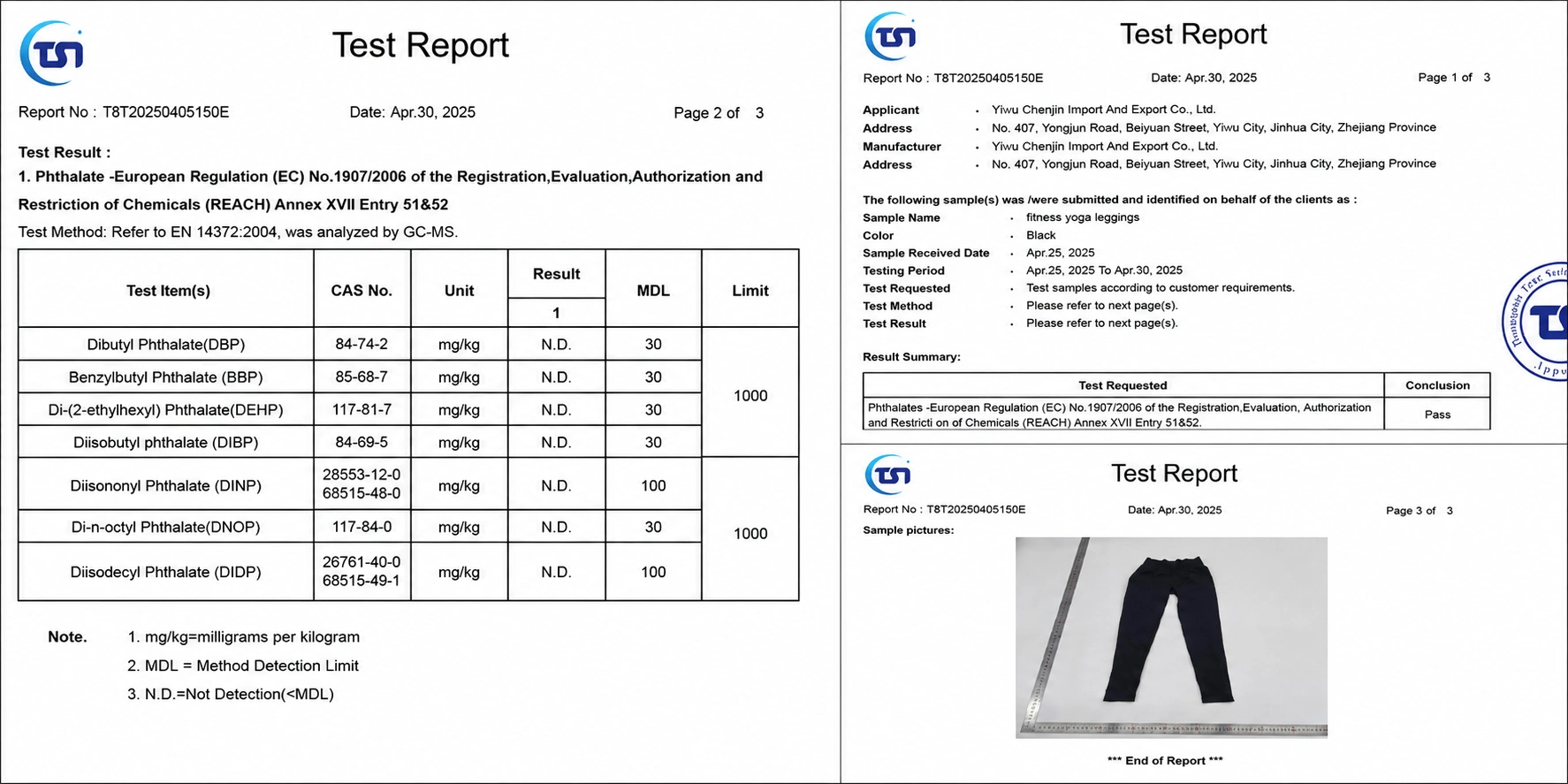
REACH Phthalates Sample Evidence
MOVEVOX also holds documented REACH phthalates test evidence for black fabric from a fitness yoga leggings sample under the stated report scope. It is not proof that all MOVEVOX products, materials, or sports bras have been tested.
Sports Bra Project Requirements
Where a buyer requires testing for an OEM sports bra program, the required scope, sample, method, market, and acceptance criteria should be defined for that project.
Build the OEM Timeline Around Approval Dependencies
Technical Review
Timing depends on whether the submitted information is complete enough to enter development.
Material Preparation
Stock materials and custom-developed materials can follow different timelines.
Standard Sample
Current reference: approximately 5–10 working days after required details are confirmed.
Revision
Timing depends on the number and scope of buyer comments.
Approval
Bulk production should not proceed against unresolved product standards.
Bulk Production
Current regular reference: approximately 20–35 days under normal conditions.
Inspection and Packing
Final timing also depends on QC status, buyer requirements, packing, and shipment preparation.
Custom dyeing, testing, special components, repeated sample revisions, buyer-approval delays, SKU complexity, and packaging development may extend the project timeline.
A U.S. Activewear Program Built Around Tech Pack Development and Revision
Buyer Context
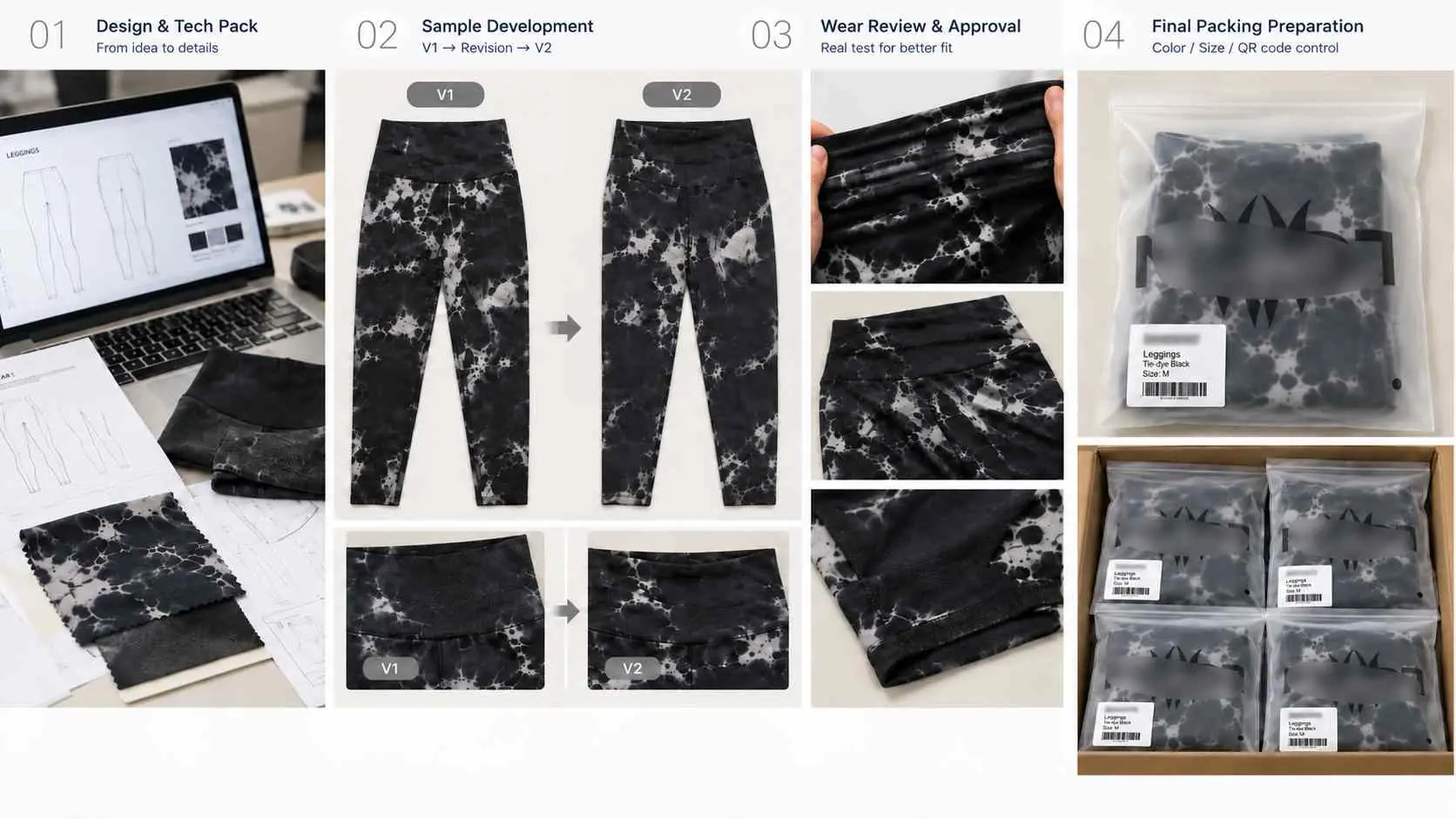
A U.S.-based female fitness influencer with more than 30,000 followers developed multiple activewear categories with MOVEVOX, including sports bras, leggings, shorts, tops, sets, and bodysuits.
Technical Inputs
The project used the buyer's Tech Pack and included specified nylon/spandex material directions such as 88/12, 75/25, and 78/22.
Development Process
The relationship included development samples, a first version, a revised second version, and approximately 5–10 samples for follower evaluation before the referenced bulk decision.
Private Label Execution
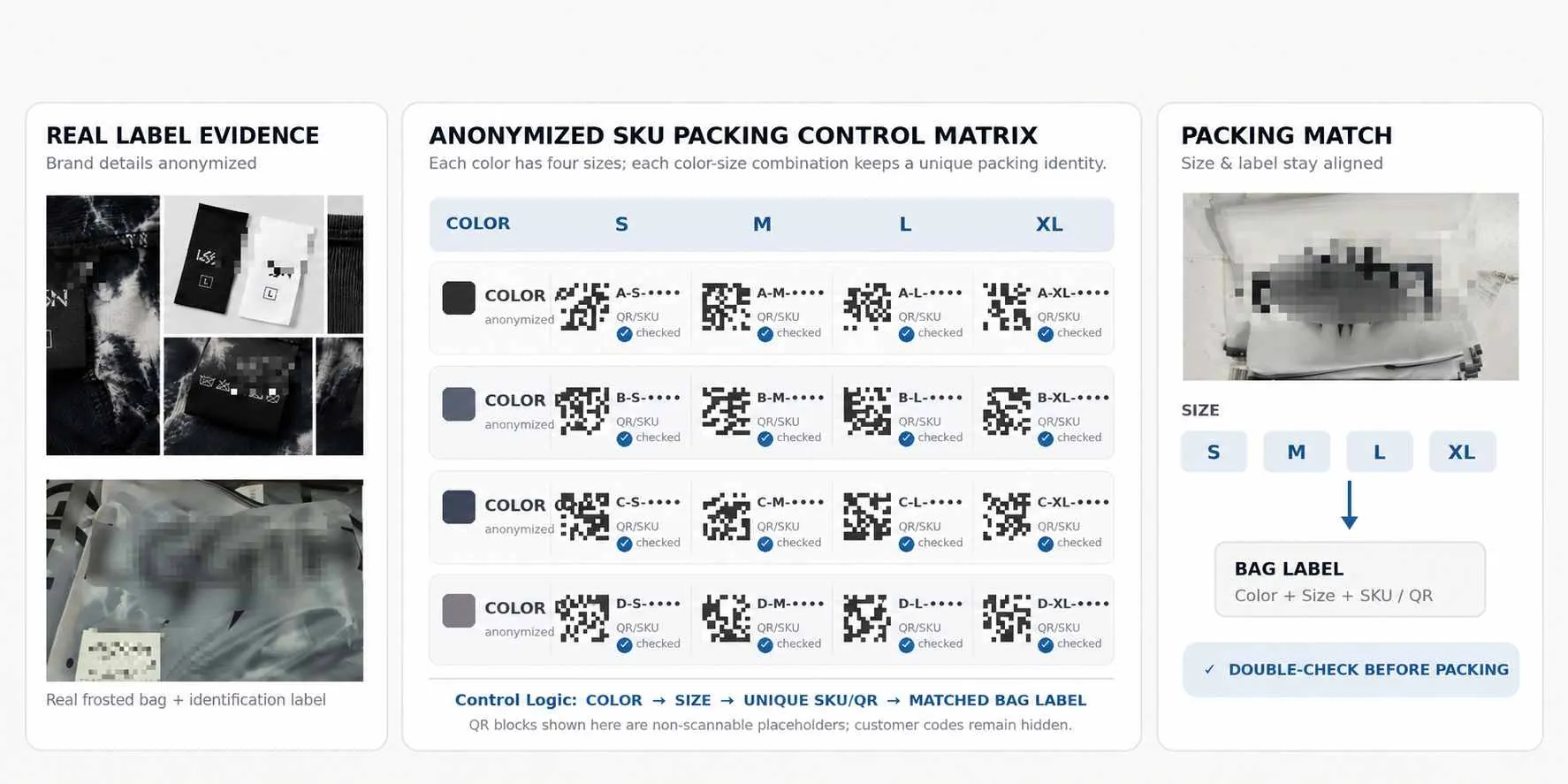
Custom packaging, instructions, tags, logos, care labels, individual packing, and QR-code identification by color and size were included.
Repeat Purchasing
The source case records approximately three years of cooperation, typical orders around 2,000 pieces, and approximately two orders per month during the documented relationship.
This case demonstrates MOVEVOX's ability to work with a buyer-controlled activewear development program through sample revision, user validation, SKU management, private-label execution, and repeat production. Evidence boundary: Sports bras were part of the wider customer relationship, but the existing source does not prove that the documented V1/V2 sample sequence belonged specifically to one sports bra SKU.
From Initial Supplier Evaluation to a Repeat European Purchasing Program
Initial Evaluation
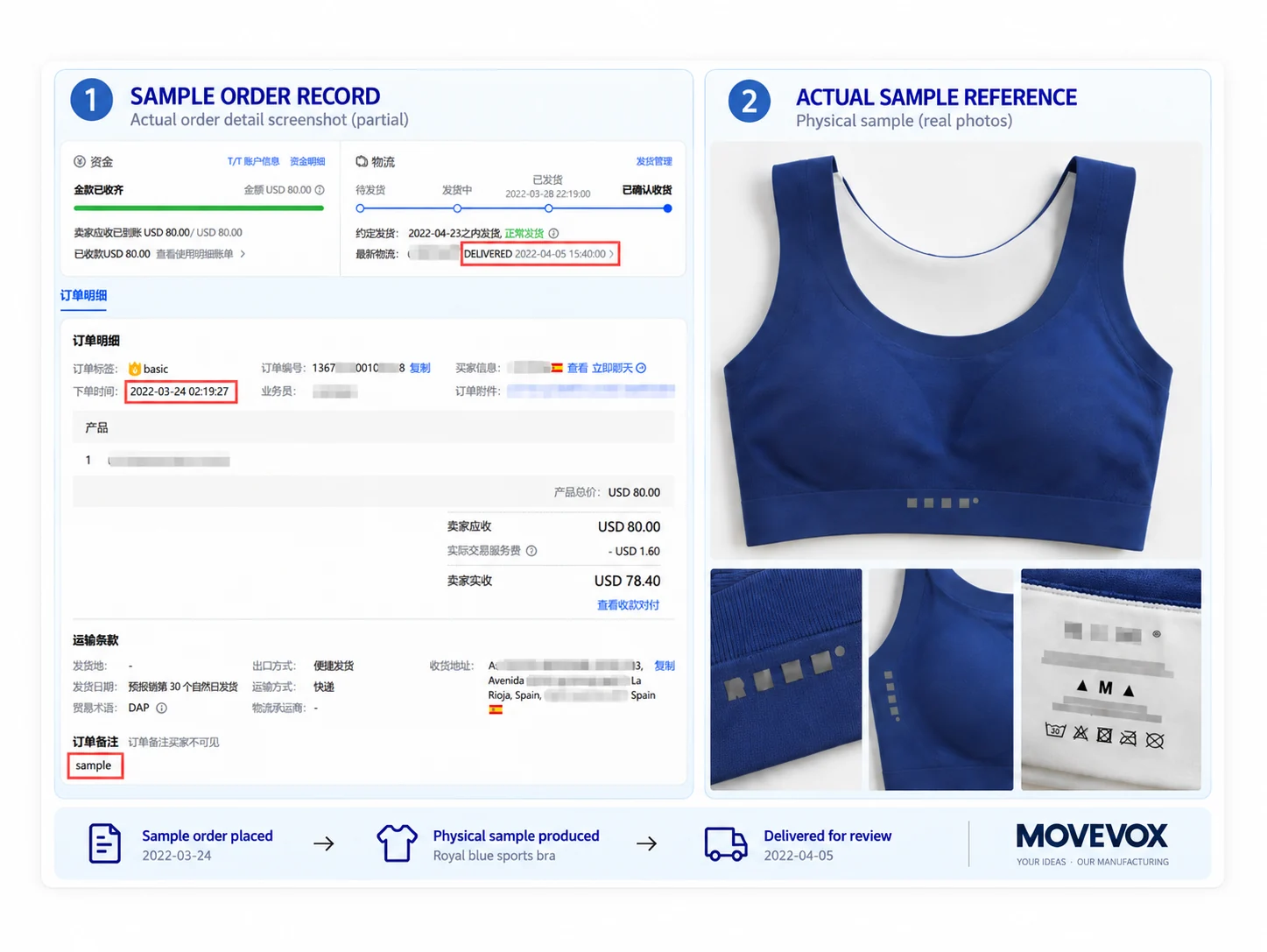
A Spanish customer first purchased stock samples to evaluate material, workmanship, styles, and product details.
Private Label Setup
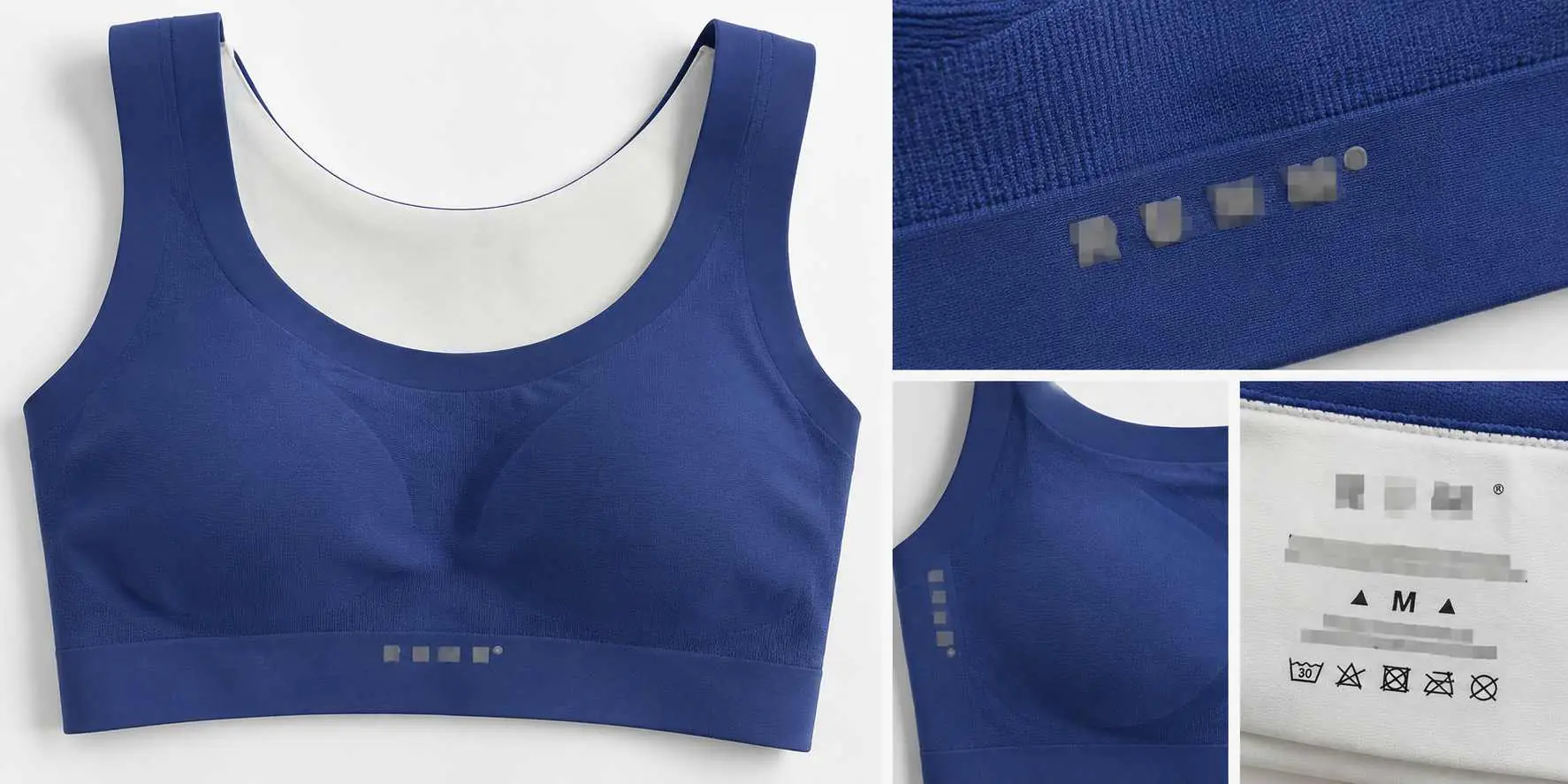
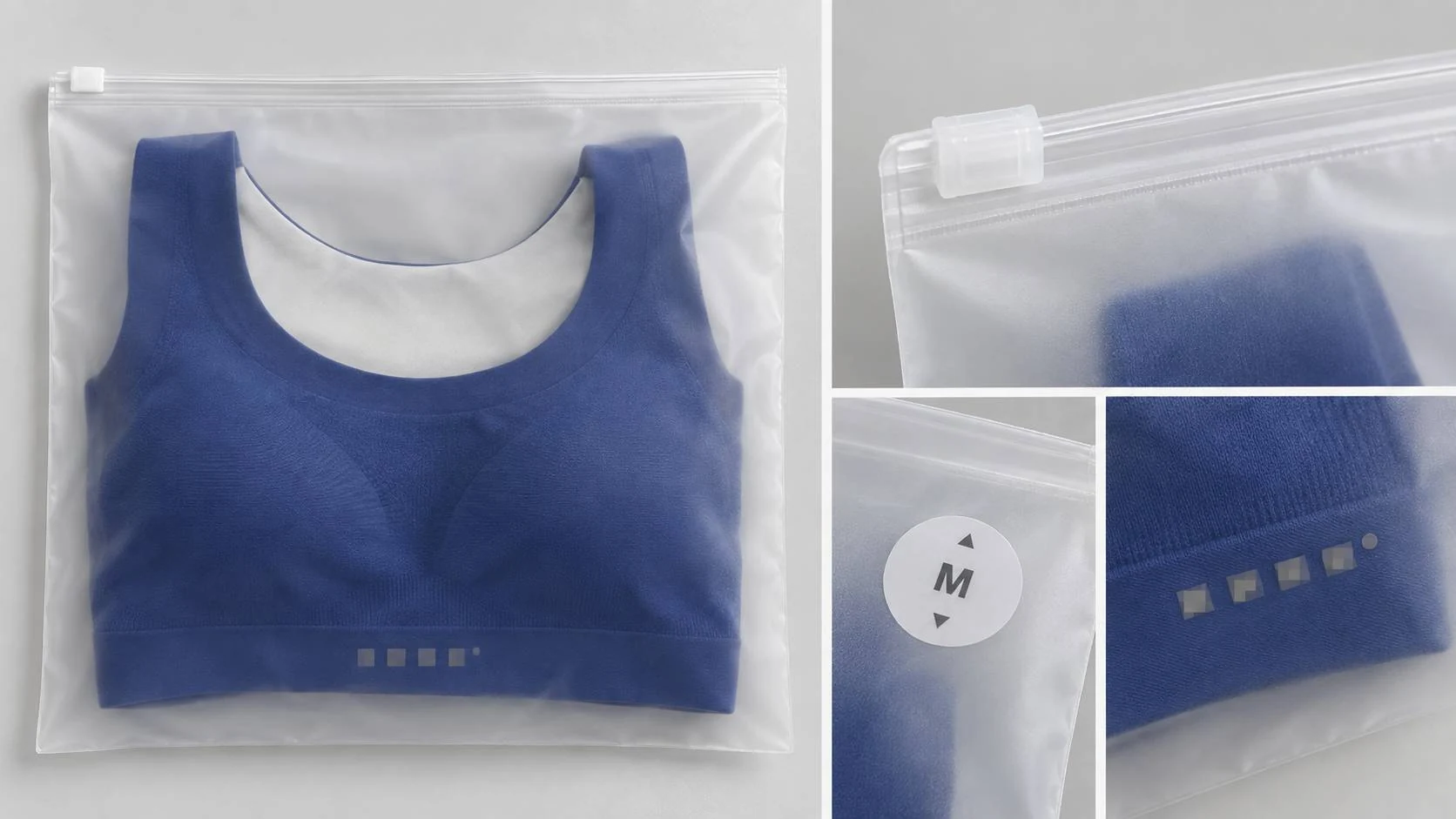
The project developed care labels, tags, packaging, and logo execution. MOVEVOX recommended a silicone logo and frosted zipper bag for the recorded project.
First Bulk Order
The first documented bulk order was approximately 1,200 pieces and was completed in approximately 15 days for that specific order.
Early Reorder
Before receiving the first shipment, the customer placed another order of approximately 1,200 pieces during the second week.
Repeat Program
The relationship later developed into a stated purchasing pattern of approximately two orders per month.
Peak-Demand Response
One recorded May order reached approximately three times the customer's normal volume, requiring temporary production-line expansion.
This case demonstrates supplier evaluation, private-label execution, repeat purchasing, production responsiveness, and forward planning. Evidence boundary: The documented source does not identify this case as a sports-bra-specific program.