
Where MOVEVOX Fits a Low-Support Bra Program
MOVEVOX is most relevant when the buyer expects a sports bra to move beyond a reference image into controlled material, fit, branding and repeat production within a structured commercial program.
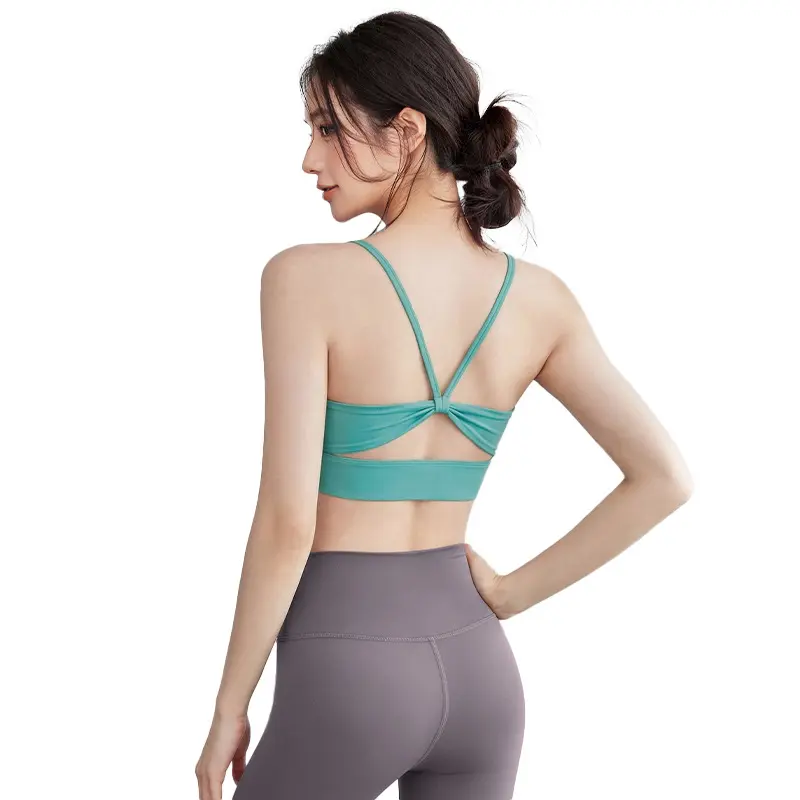
Build a Yoga Collection
A yoga or studio brand may need a soft, minimally structured sports bra that coordinates with leggings, shorts or tops. MOVEVOX can review the desired handfeel, silhouette, underband, straps, pad direction, material and color as one collection-development project rather than treating the bra as an isolated accessory.
- Brand has a defined customer and fit direction
- Coordinated colors or materials matter commercially
- Product is expected to move into repeat orders
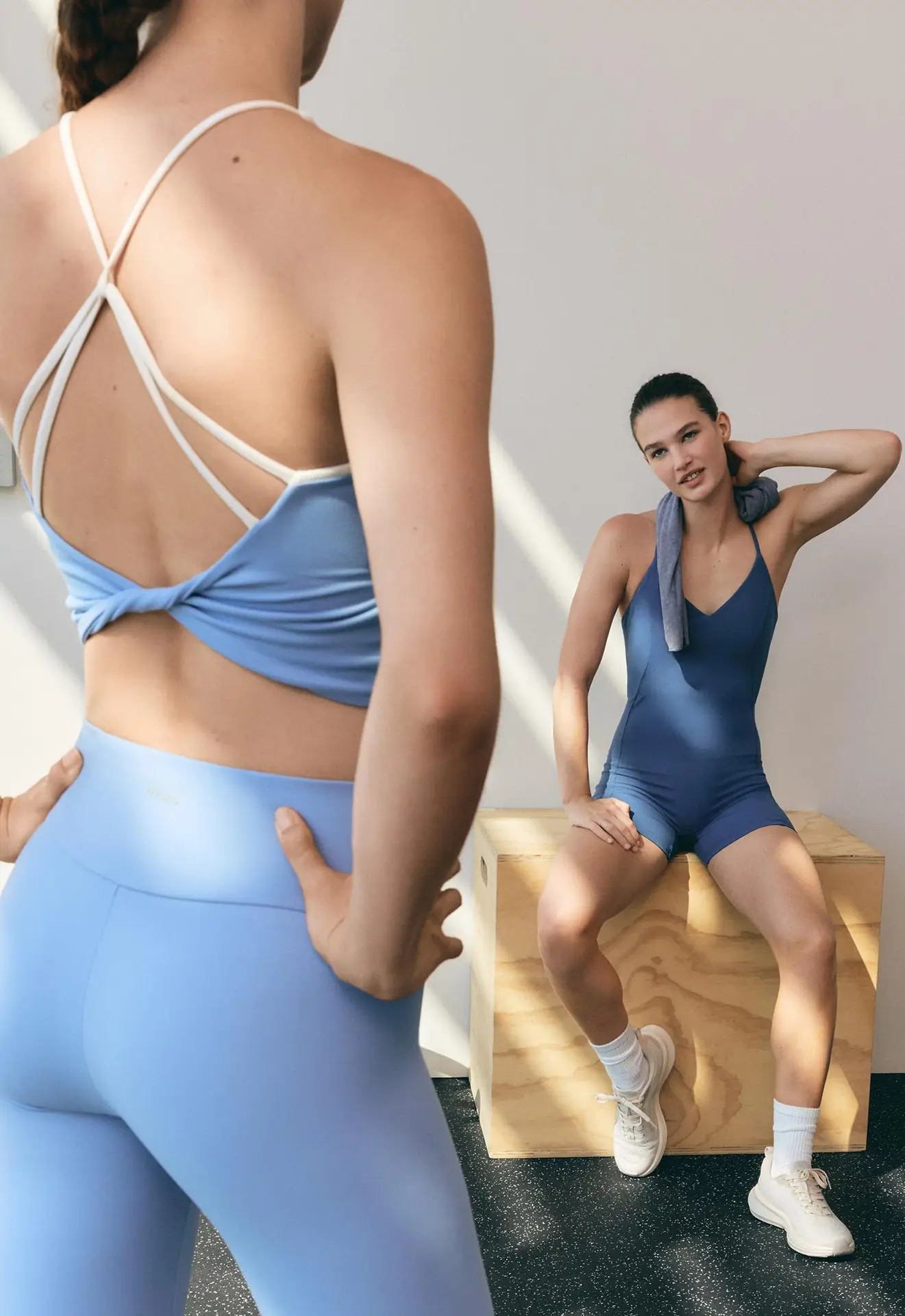
Launch a Pilates Line
Pilates-oriented programs often place strong emphasis on clean silhouettes, controlled coverage, soft surface feel and studio-to-lifestyle styling. MOVEVOX can translate those priorities into measurable garment dimensions and material references while keeping the development process separate from unsupported claims about breathability, moisture management or performance classifications.
- Silhouette and handfeel are key purchase criteria
- Buyer needs bra and bottom coordination
- Multiple product revisions are acceptable before approval
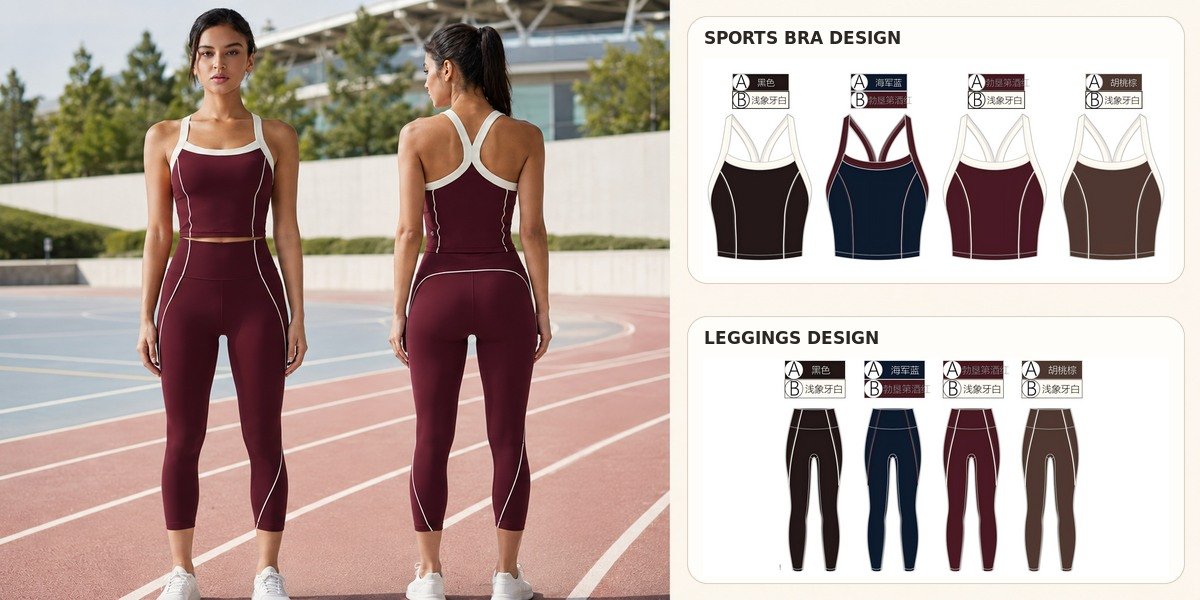
Extend Athleisure Range
An established activewear brand may use a low-support sports bra as both a studio product and a lifestyle layer. Development can therefore consider longline proportion, neckline, back design, logo placement, labels, color and packaging while preserving the technical product standard required for commercial manufacturing.
- Design language is as important as basic function
- Private-label execution must match existing products
- Buyer expects seasonal color or SKU extensions

Improve an Existing Bra
A buyer may already own an approved product and require another manufacturing source, revised material, adjusted fit or improved production consistency. MOVEVOX can work from a legal reference sample, Tech Pack and approved measurements to establish a controlled redevelopment route rather than recreating the product from photographs alone.
- Existing technical references are available
- Supplier comparison requires physical sample validation
- Commercial scale may follow technical approval
MOVEVOX Manufacturing Facts Behind the Product
These figures describe the current manufacturing, development and supply structure. Actual capacity and lead time remain dependent on material readiness, product complexity and active production load.
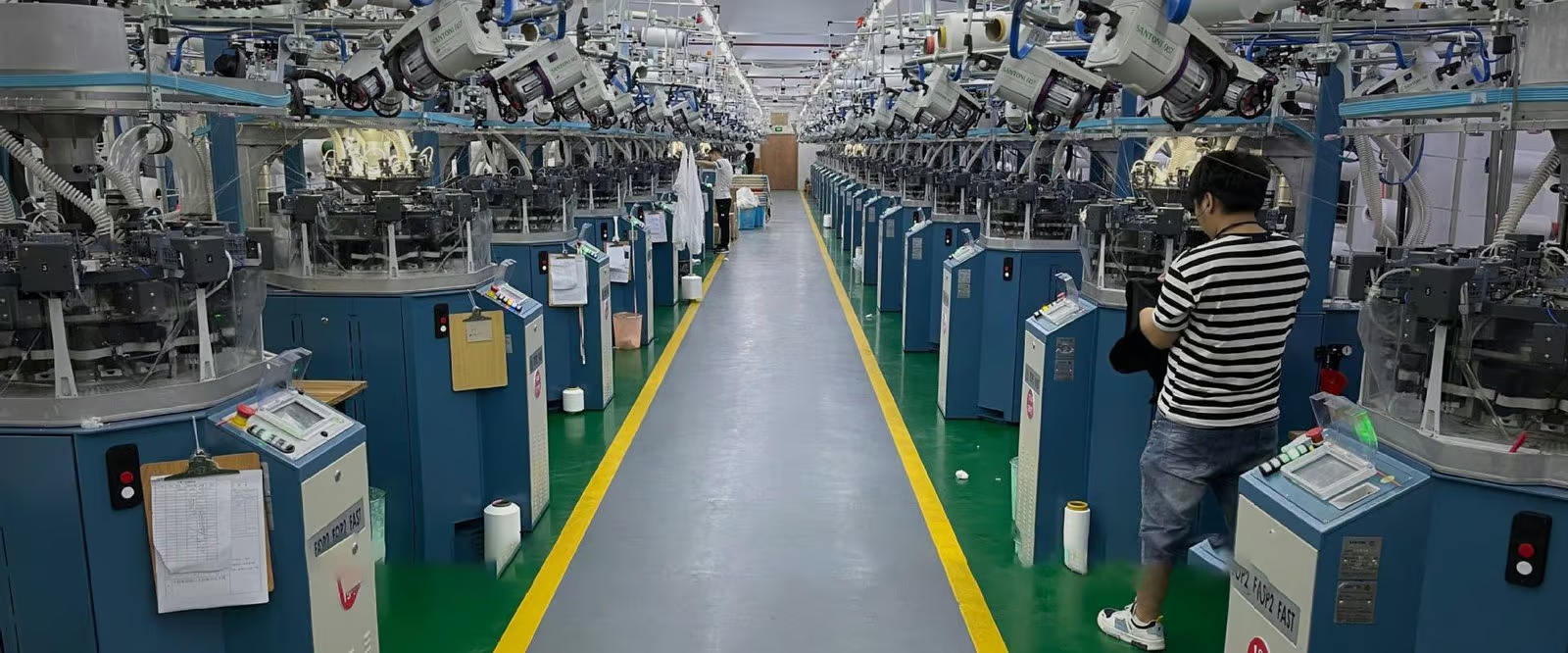
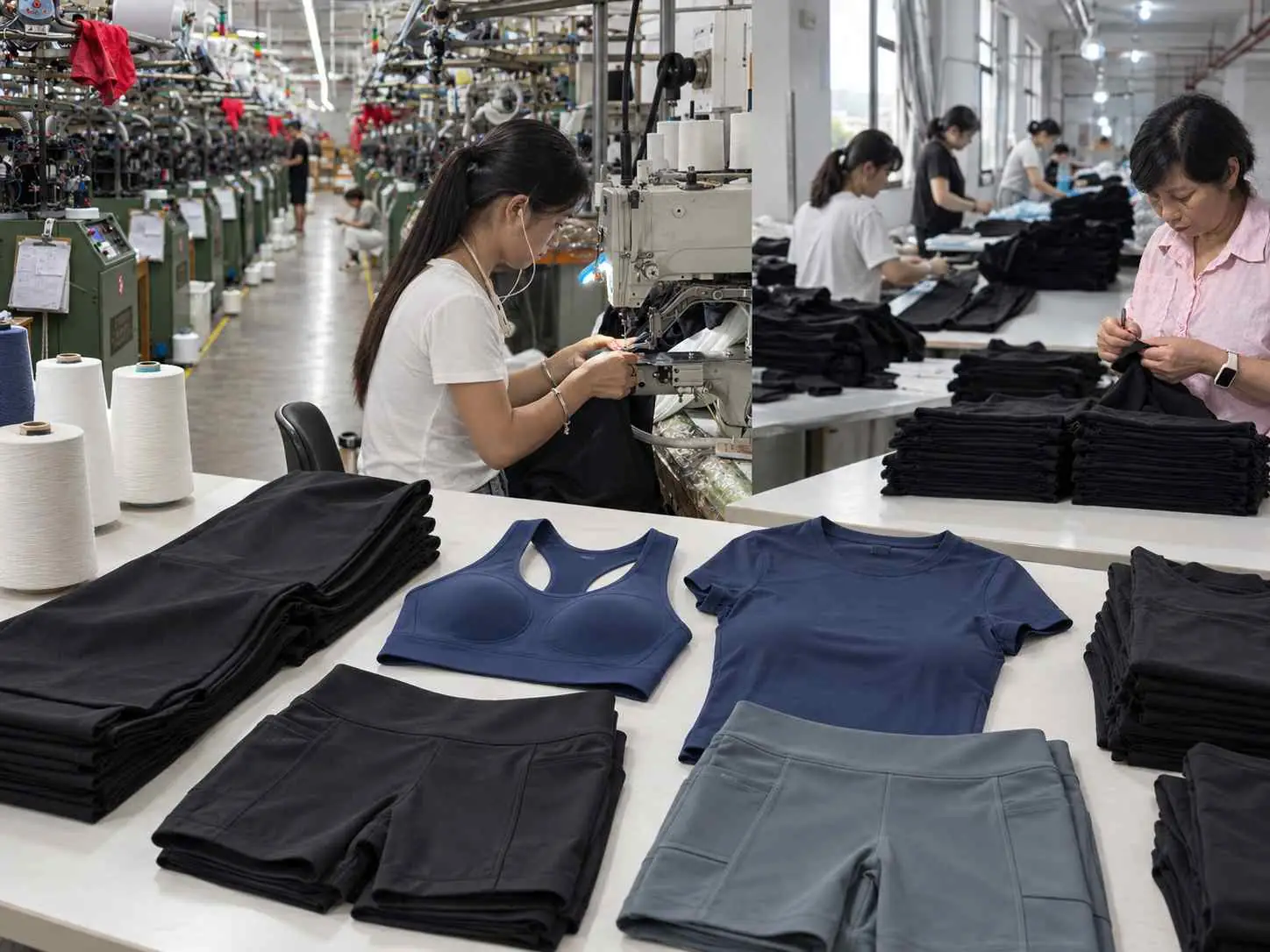
Santoni Machines
The core Seamless operation includes 28 Italian Santoni machines supporting sports bras and other suitable seamless activewear structures.

Garment Machines
The self-operated Cut & Sew system includes approximately 24 principal sewing and garment-production machines for suitable activewear programs.
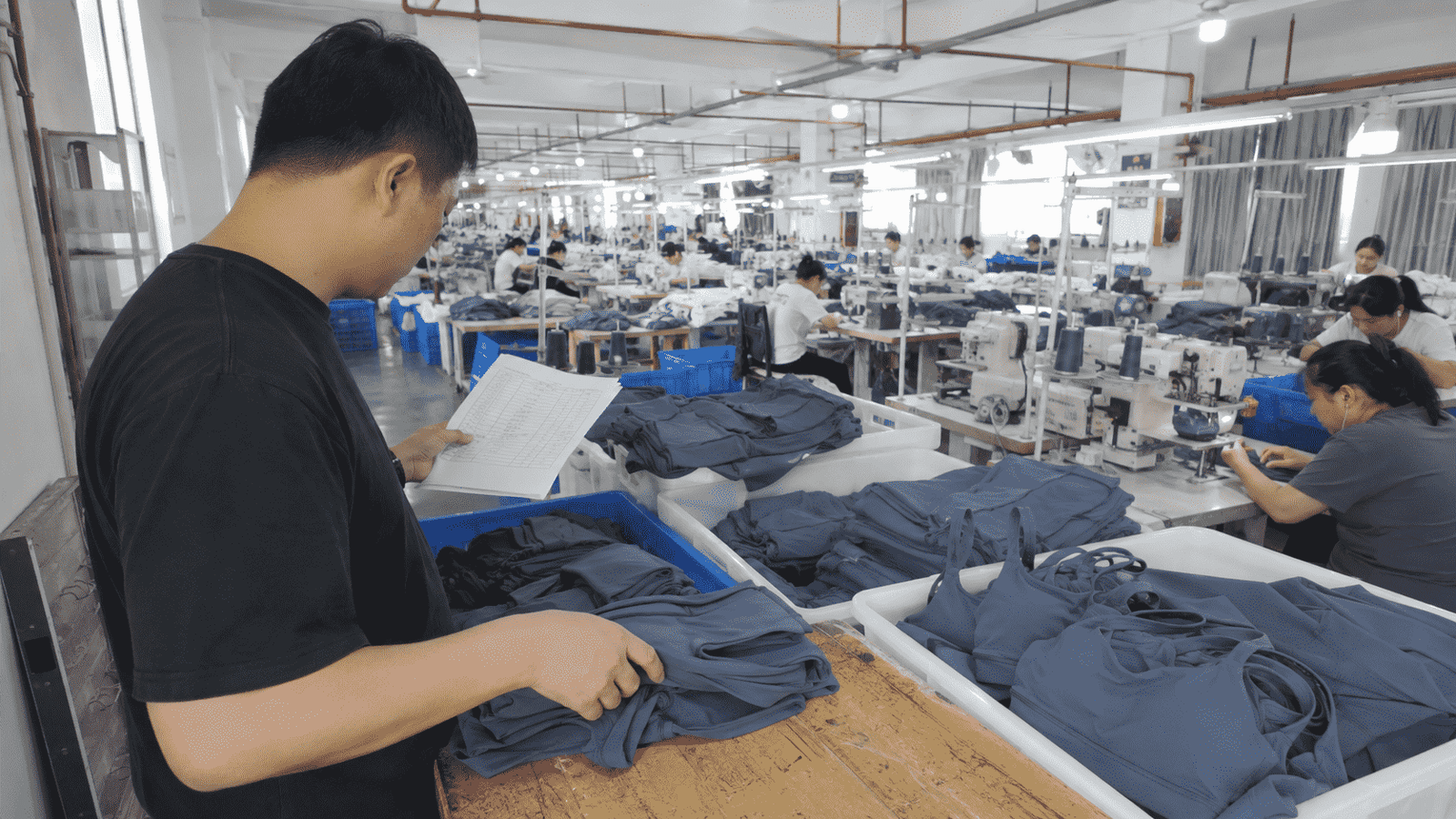
QC + Development
The current organization includes five QC personnel and approximately eight people across design, pattern and sample-related development functions.
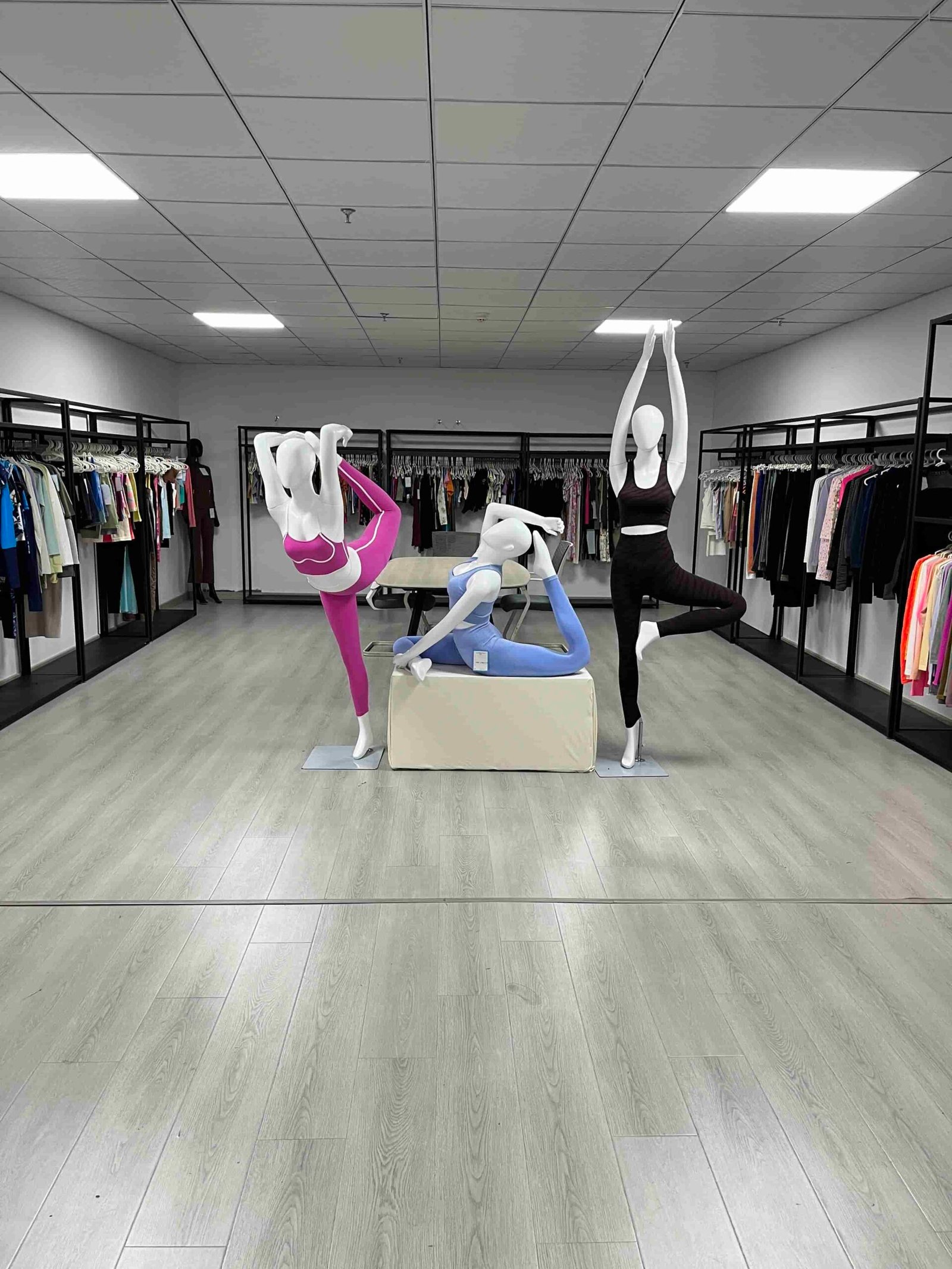
Standard Sample
After the technical information needed for execution is confirmed, a standard development sample normally requires approximately 5–10 working days.
Managed Monthly Capacity
Normal comprehensive managed delivery capability is approximately 150,000–200,000 pieces per month across self-operated and controlled collaborative capacity.
Satellite Facilities
The long-term collaborative production network includes eight satellite facilities: six in Yiwu and two in Guangzhou.
Low-Support Sports Bra Directions for Brand Development
Different studio products can share a low-support direction while requiring different proportions, materials and construction. MOVEVOX reviews each option through the buyer’s intended activity and Fit requirements.
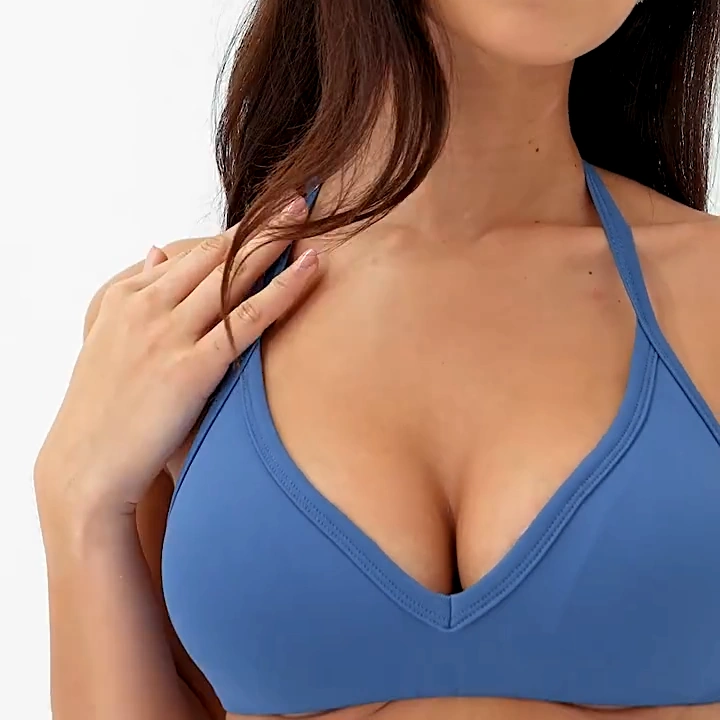
Minimal Yoga Bra
A minimal yoga bra reduces visual complexity while requiring close control of neckline, armhole, underband and strap placement. Soft material should still recover enough to maintain the approved shape. Development can use either Seamless or Cut & Sew depending on the silhouette, internal construction and material selected by the buyer.
Development focus: Clean neckline · Controlled underband · Soft handfeel · Stable straps
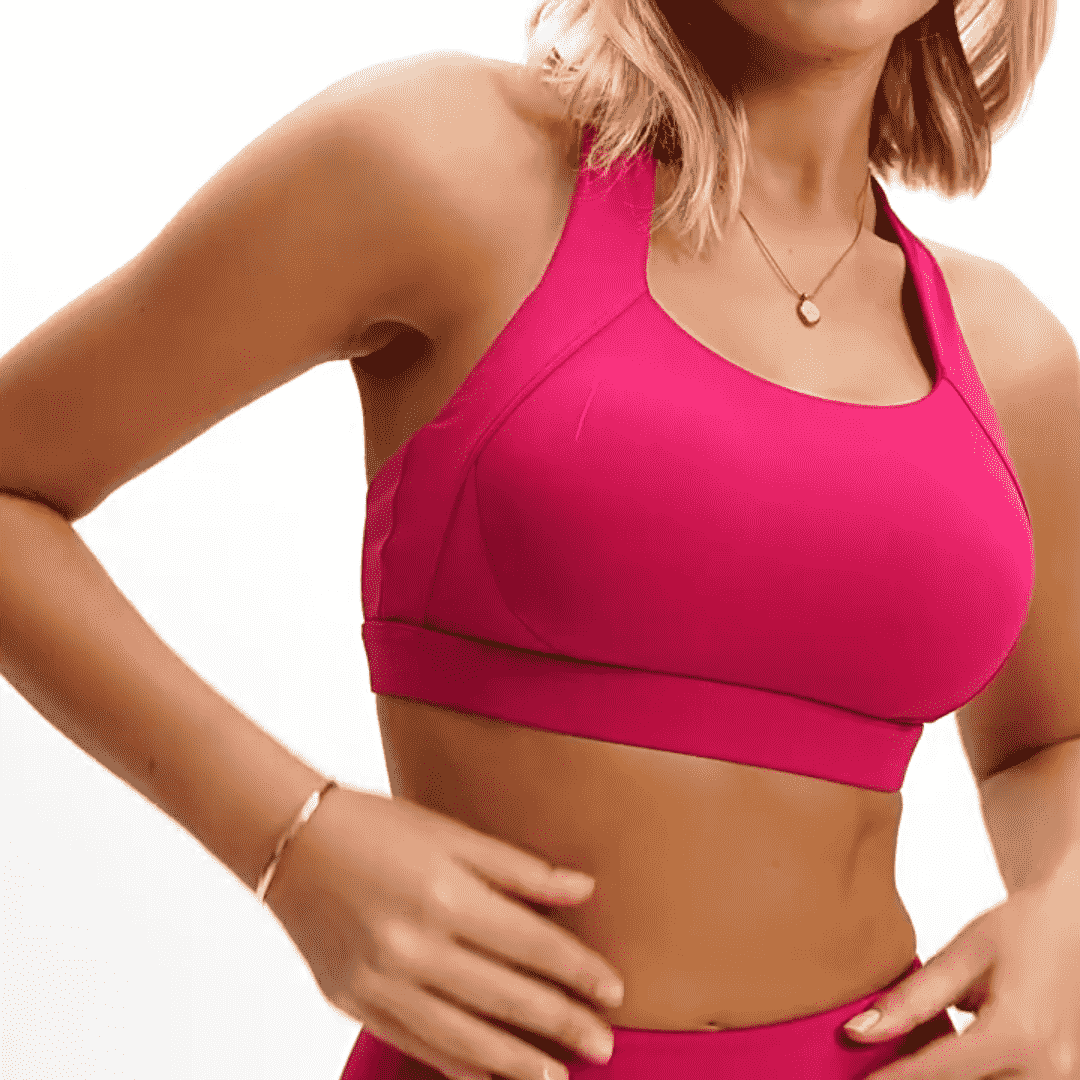
Strappy Studio Bra
Multiple or narrow straps create a lighter visual direction but increase sensitivity to length, symmetry and attachment position. MOVEVOX can review the strap layout through physical samples so the approved design remains consistent without assuming that a decorative strap arrangement automatically provides or reduces a defined support level.
Development focus: Strap symmetry · Attachment position · Shoulder comfort · Back appearance

Longline Yoga Bra
A longer body can provide additional visual coverage and can function as a bra-top hybrid. The longer lower section must still be reviewed for rolling, ride-up and torso proportion. Fabric recovery and body length are therefore developed together rather than assuming additional length automatically improves stability.
Development focus: Body length · Lower-edge behavior · Torso proportion · Matching-set use
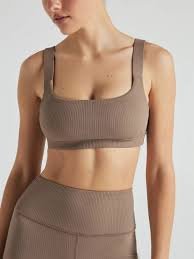
Seamless Rib Bra
A Seamless rib direction can integrate visual texture, knitted underband structure and flexible zones within one garment body. Final comfort depends on yarn, program, density, finishing and garment dimensions. Seamless construction should therefore be sampled as a complete product rather than approved from yarn composition alone.
Development focus: Rib placement · Knit density · Band structure · Program control

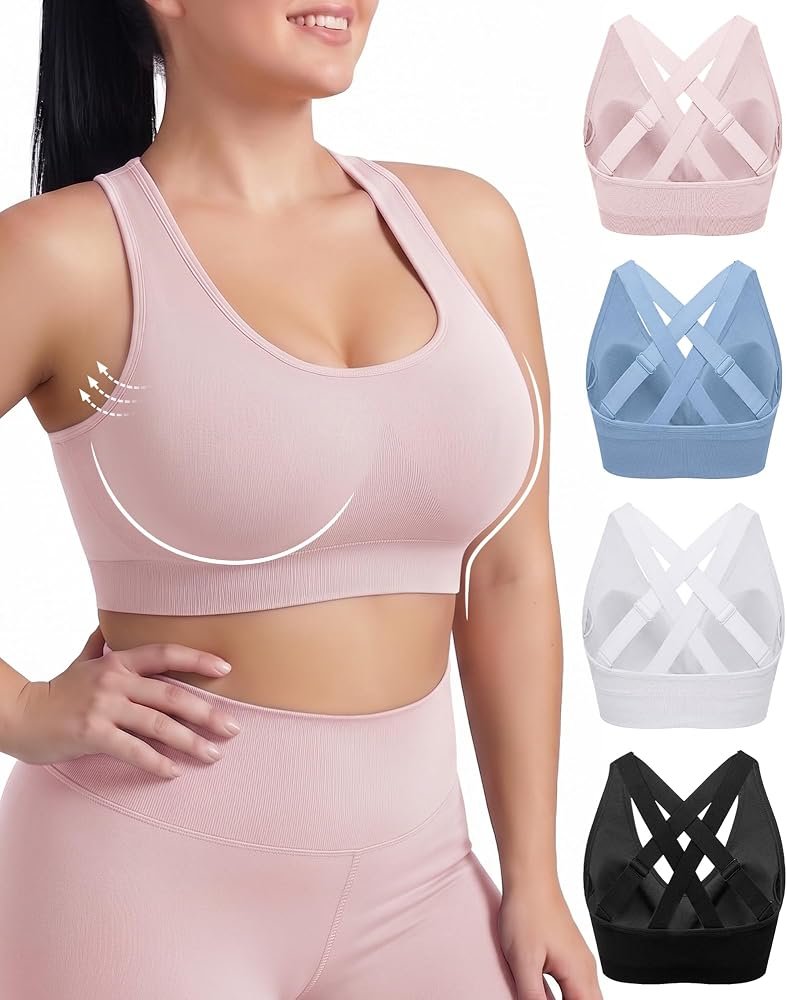
Cross-Back Bra
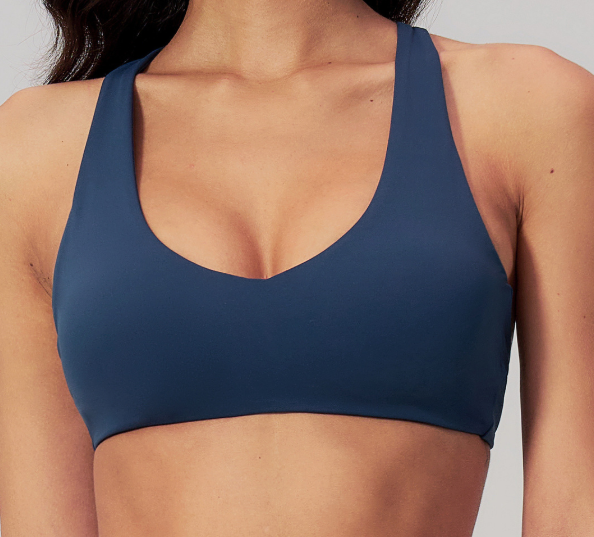
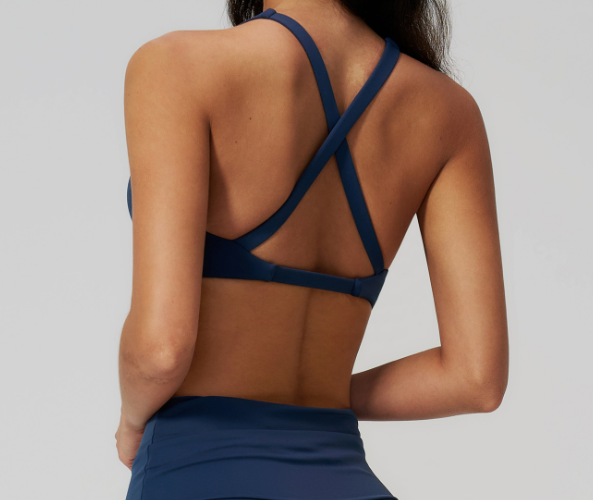
Crossed straps can create a clear studio aesthetic while altering upper-back geometry and shoulder positioning. Strap intersection, left-right symmetry, length and attachment need to remain controlled across approved sizes. The final Fit should be evaluated in relevant movement rather than judged only from a flat product image.
Development focus: Strap crossing · Symmetry · Movement · Size relationship

Bralette-Inspired Bra
A softer bralette-inspired sports bra can prioritize comfort, clean styling and lighter structure for lower-impact use. The product still requires defined underband, neckline, coverage and material-recovery standards. Decorative or intimate-inspired styling should remain within the buyer’s activewear product specification and approved manufacturing route.
Development focus: Soft structure · Coverage · Low bulk · Brand styling
Back Designs for Low-Support Sports Bra Collections
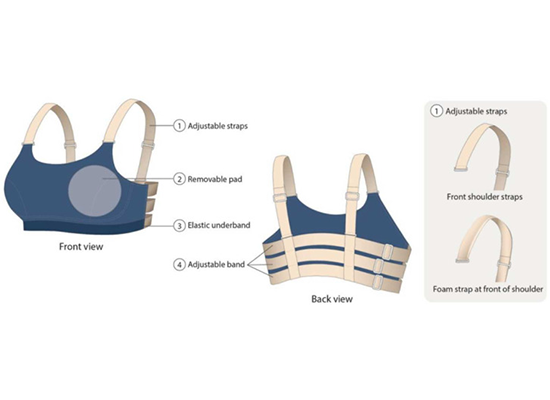
Back structure changes styling, strap geometry and movement. MOVEVOX develops each option against the buyer’s Fit and product direction rather than assigning support levels from appearance alone.

Racerback
A racerback centralizes the upper-back strap arrangement. For low-support development, the key questions are strap length, neckline relationship, arm movement and underband position. The back shape itself does not establish a measurable support rating.

Cross Back
Cross-back structures introduce an intentional intersection and a clear studio-oriented visual language. Strap lengths, crossing height, symmetry and attachment positions must remain consistent.
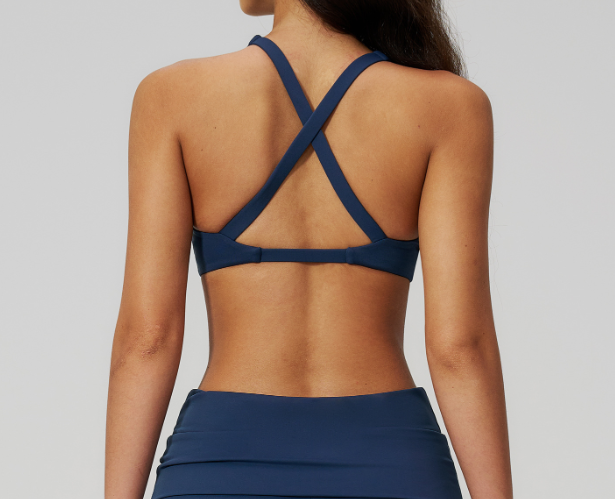
Strappy Back
Multiple narrow straps create a minimal, fashion-led appearance but increase manufacturing sensitivity. Even small differences in strap length or attachment can become visually obvious.

Open Back
An open-back sports bra reduces fabric coverage and changes the relationship between straps, side panels and underband. The design should be evaluated for neckline stability, strap position and movement.
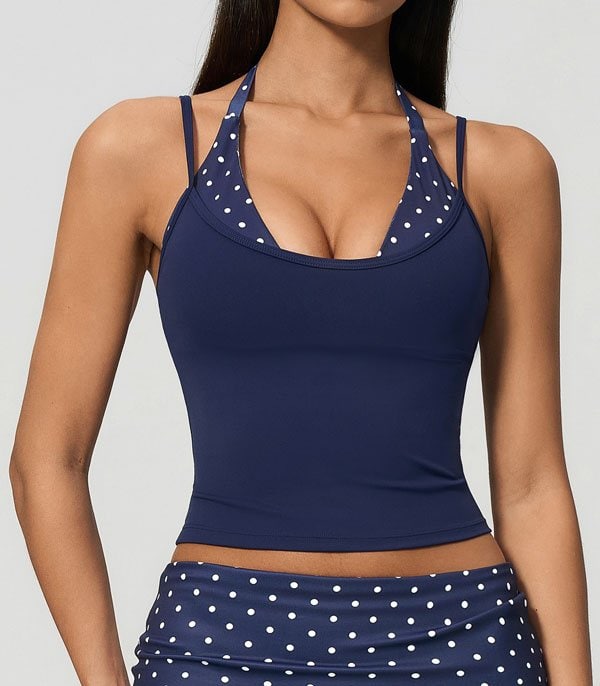
Scoop Back
A scoop-back design can offer a simpler silhouette with wider continuous body sections. Development focuses on back depth, strap location, edge stability and material recovery.
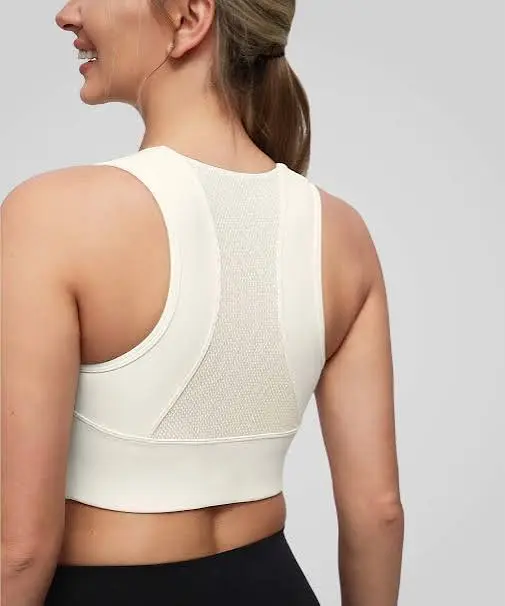
Wide Strap Back
Wider straps can create a clean, understated studio appearance and distribute contact across more shoulder area. Width should be treated as a measurable design variable rather than a universal comfort guarantee.

Minimal Back
A minimal back removes decorative or structural complexity and can suit clean Yoga or Pilates collections. Fewer elements make proportion, stitching and symmetry more visible.
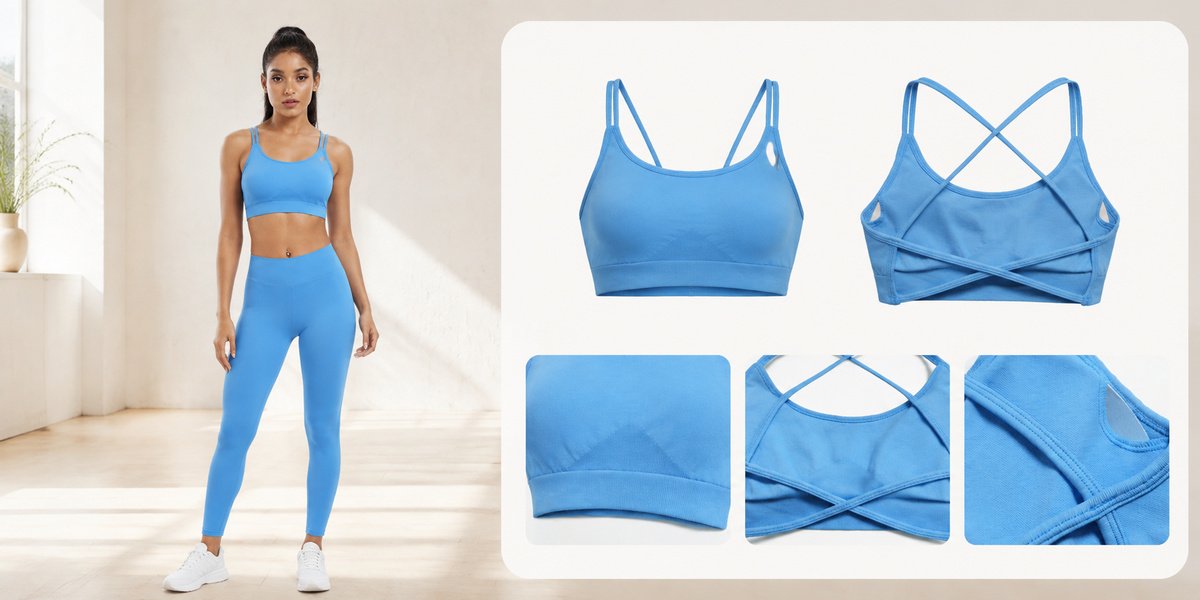
Seamless Back
A Seamless back can integrate rib, mesh-like organization or different knitted densities without conventional panel seams. Each approved structure should remain linked to the correct machine-program version.
Control the Underband Without Creating Unnecessary Pressure
The underband should help maintain the approved garment position while remaining consistent with the buyer’s comfort direction. Construction, dimensions and recovery must therefore be reviewed together.
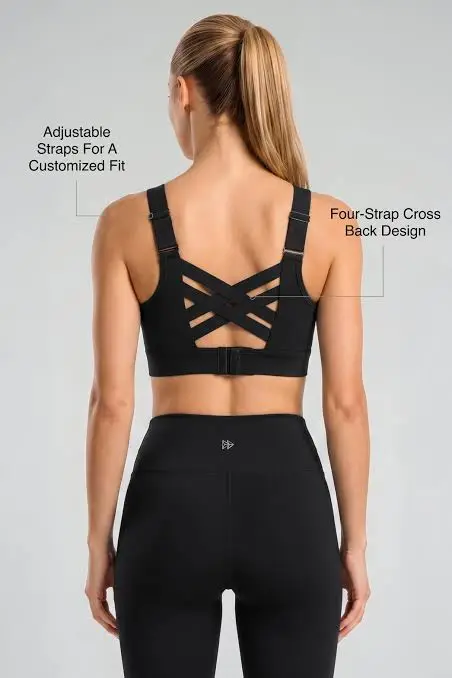
Soft Elastic
A separate elastic can be selected with the required width, handfeel and recovery, then enclosed or exposed according to the approved design. The elastic must be evaluated with the actual outer fabric and finished garment dimensions.
Applicable area: Cut & Sew lower underband construction
Comfort control: Review pressure, recovery and edge feel in Fit Sample

Wide Band
A wider band increases contact area and changes the visual proportion of the sports bra. It can support a longline or clean studio aesthetic, but width alone does not prevent rolling or movement.
Applicable area: Standard or longline sports bra silhouettes
Comfort control: Check finished width, body Fit and lower-edge behavior
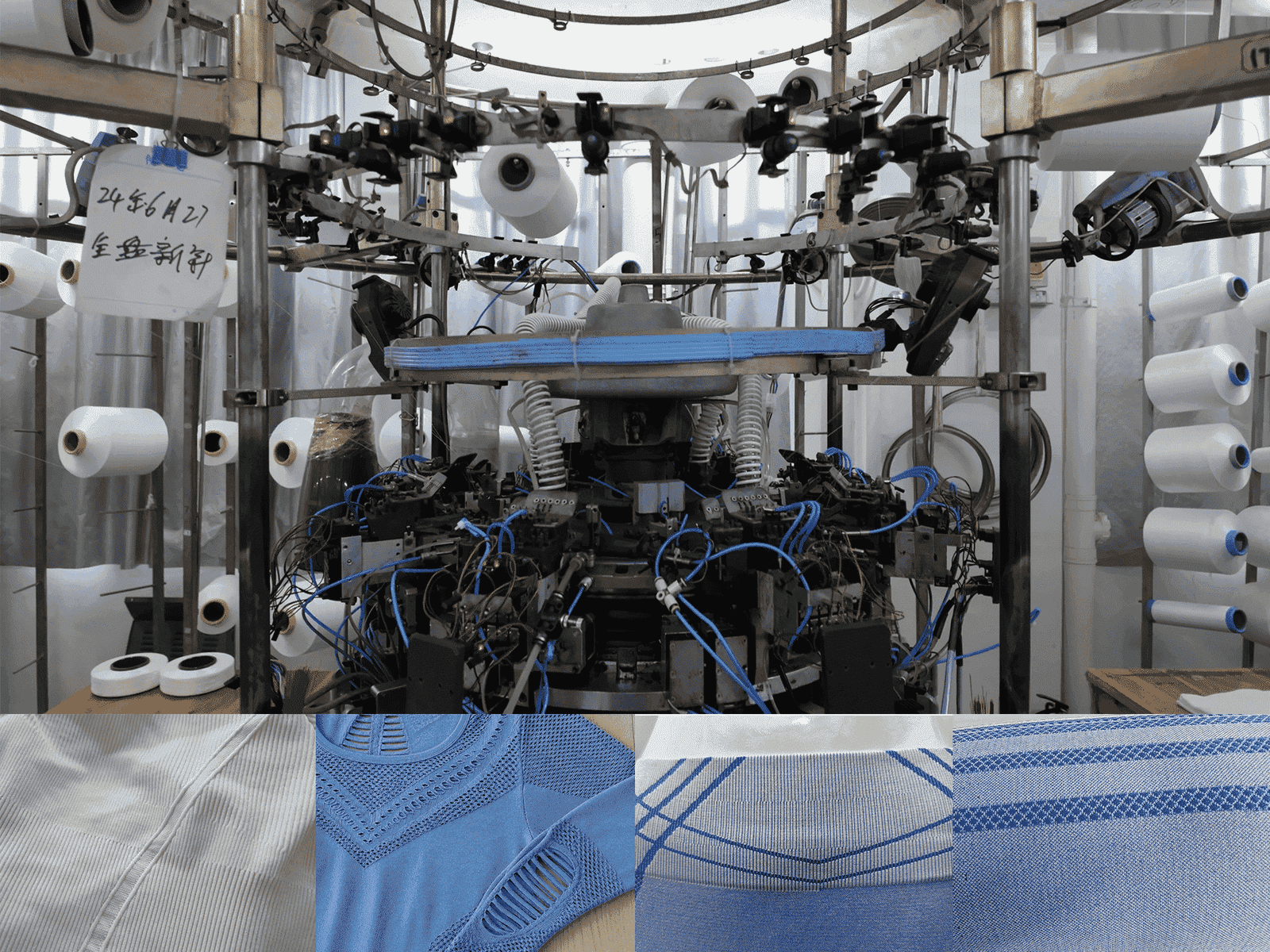
Knitted Band
A Seamless bra can integrate the underband through knitted structure rather than a separately sewn elastic. Yarn, density and machine program influence the final stretch and recovery.
Applicable area: Santoni-based Seamless sports bra programs
Comfort control: Verify size, program, density and finished measurement
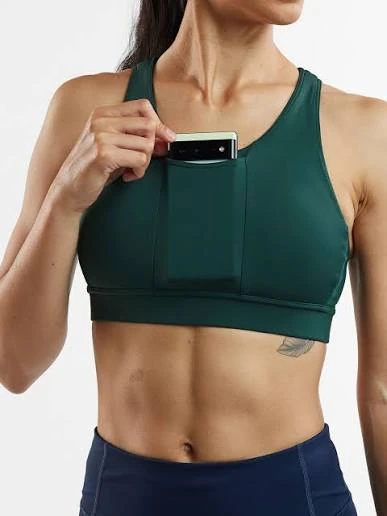
Enclosed Elastic
Elastic can be enclosed within fabric where the approved construction requires a softer visible finish or different surface contact. The fabric, seam and elastic still need to move together without twisting.
Applicable area: Selected Cut & Sew underband structures
Comfort control: Inspect joining, twist, tension and finished edge consistency
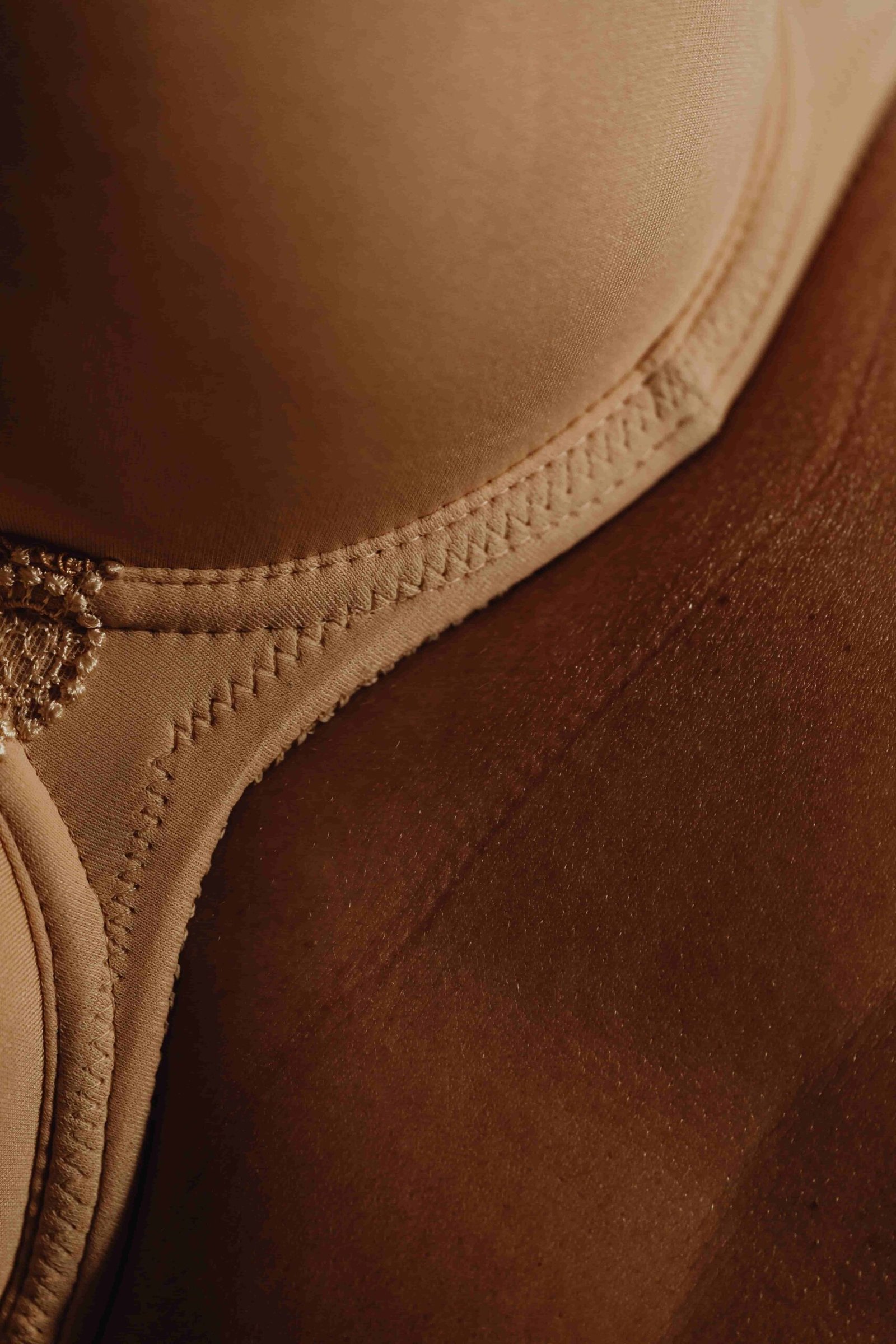
Band Joining
Elastic and fabric joins can become concentrated pressure or workmanship points if seam bulk, overlap or alignment varies. The approved joining method should be established during sampling.
Applicable area: Elastic joins and lower-band assembly points
Comfort control: Control bulk, alignment and garment symmetry
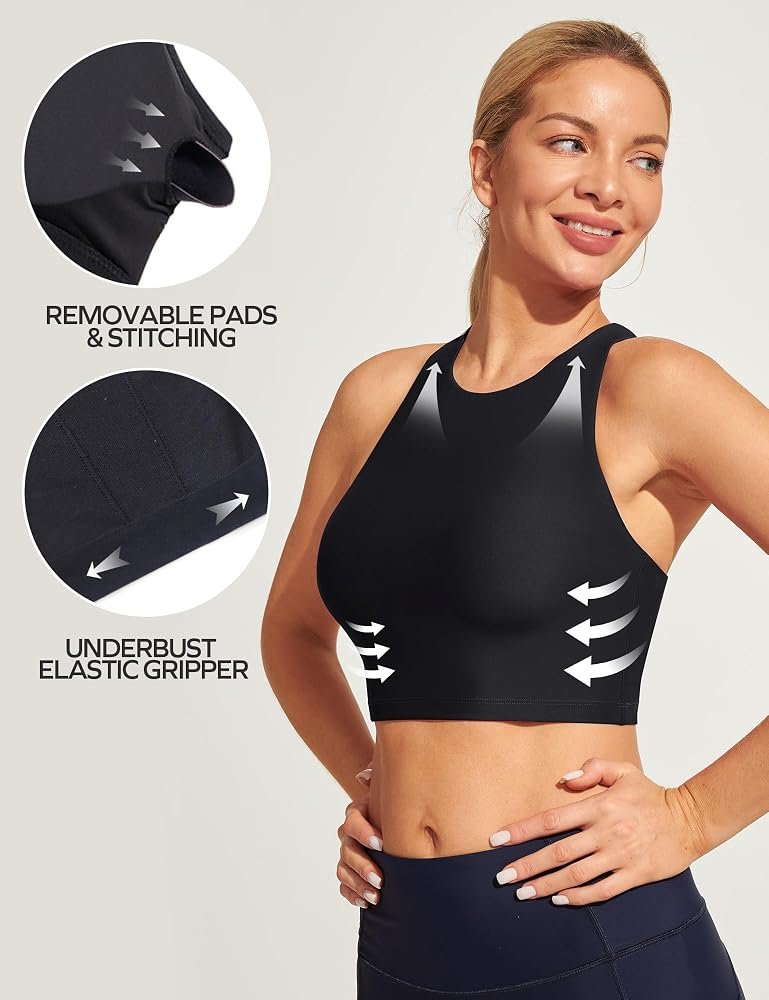
Edge Finish
The edge where the lower band contacts the body should follow the approved construction and remain free from avoidable distortion.
Applicable area: Lower edge and longline body finish
Comfort control: Compare bulk workmanship against approved garment reference
Choose Pad Construction From Coverage and Product Intent
Padding affects shape, coverage and internal garment construction. MOVEVOX does not use pad type as a standalone low-support or high-support classification.

Removable Pad
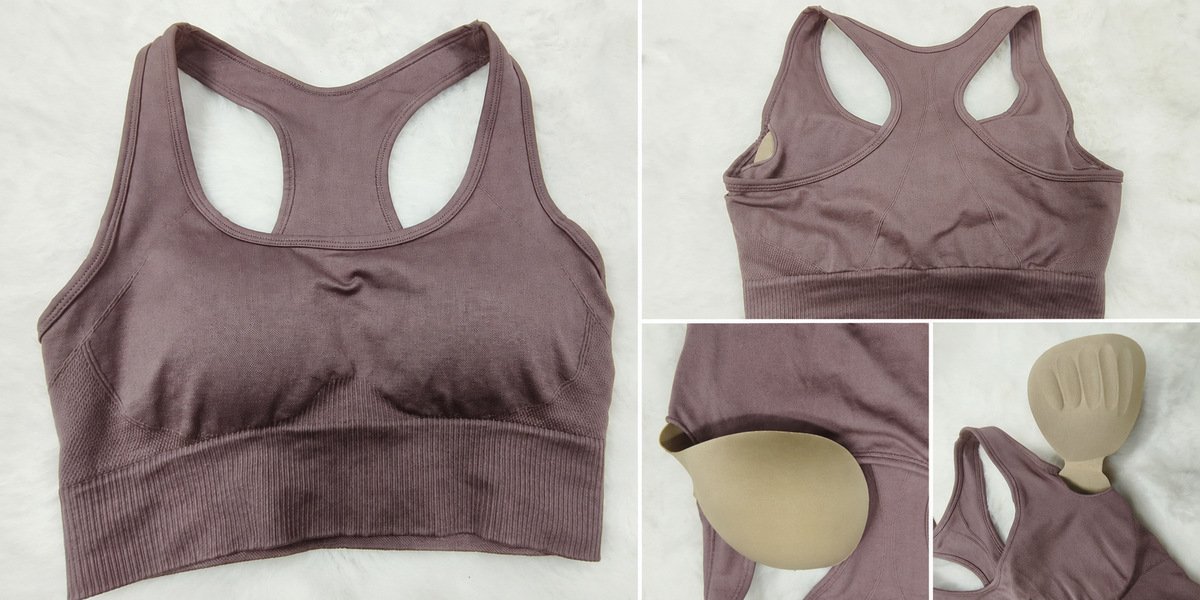
A removable-pad system requires more than inserting a foam component. Pocket dimensions, opening position, pad orientation and internal-layer stretch must be controlled so the pad can be handled without creating unnecessary visibility or distortion.
Development points: Approved pad size · Pocket opening · Pad orientation · Outer-surface appearance

Positioned Pad
Where a buyer chooses a positioned or fixed-pad direction, the location and internal construction need to be approved as part of the actual sports bra. The sample should confirm symmetry, surface appearance and material compatibility.
Development points: Left-right position · Internal attachment · Outer appearance · Bulk consistency

No-Pad Direction
A non-padded low-support sports bra can suit buyers seeking a lighter and simpler product direction. Development still needs to address material opacity, lining if used, neckline, coverage and Fit.
Development points: Coverage · Material behavior · Lining direction · Fit approval
Choose Bra Length Around Movement and Collection Proportion
Body length changes coverage, styling and lower-edge behavior. MOVEVOX develops each direction through buyer measurements and Fit rather than applying one standard length across all brands.
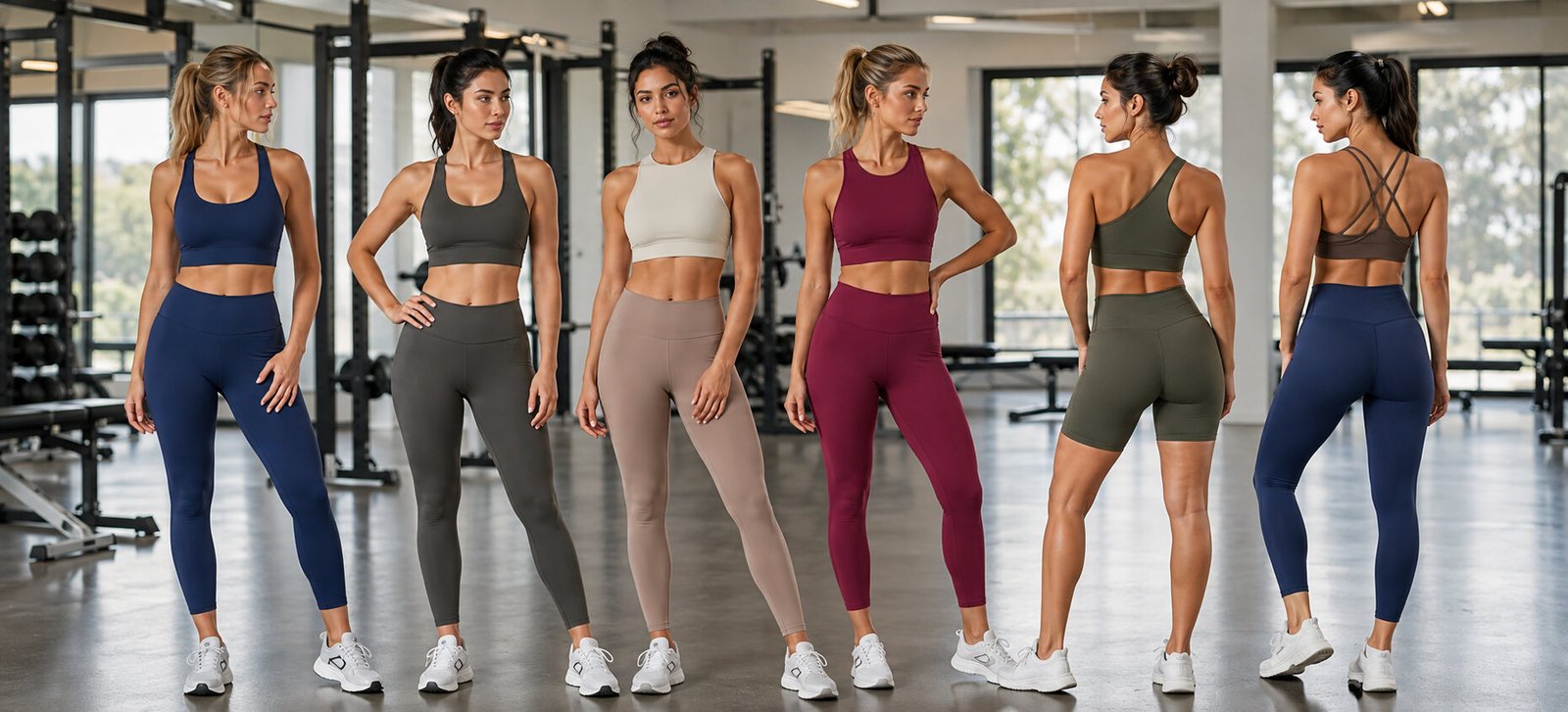
Cropped Length
A cropped low-support sports bra keeps the product visually light and can work as a minimal studio piece or under-layer. Lower-edge position and underbust measurement become especially visible during movement.
Key controls: Underband position · Front and back length · Coverage · Matching-bottom proportion
Standard Length
A standard sports bra length can balance standalone wear and layering while retaining conventional activewear proportions. Development should confirm the relationship between underband, side height, front body length and the selected bottom garment.
Key controls: Body proportion · Side height · Material recovery · Size grading
Longline Length
A longline sports bra extends the lower body and may function visually as a bra-top hybrid. Added length creates considerations including lower-edge rolling, torso proportion and interaction with the wearer’s waist.
Key controls: Lower-edge stability · Torso proportion · Movement · Collection coordination
Reduce Avoidable Pressure in a Minimal Sports Bra
Low-support products often emphasize direct skin comfort. Small construction details can therefore become important quality points even when the garment uses relatively little structure.
Underband Edge
A lower edge can create unnecessary pressure if elastic tension, seam bulk or dimensions differ from the approved sample.
Control: Measurement, construction and Fit Sample comparison
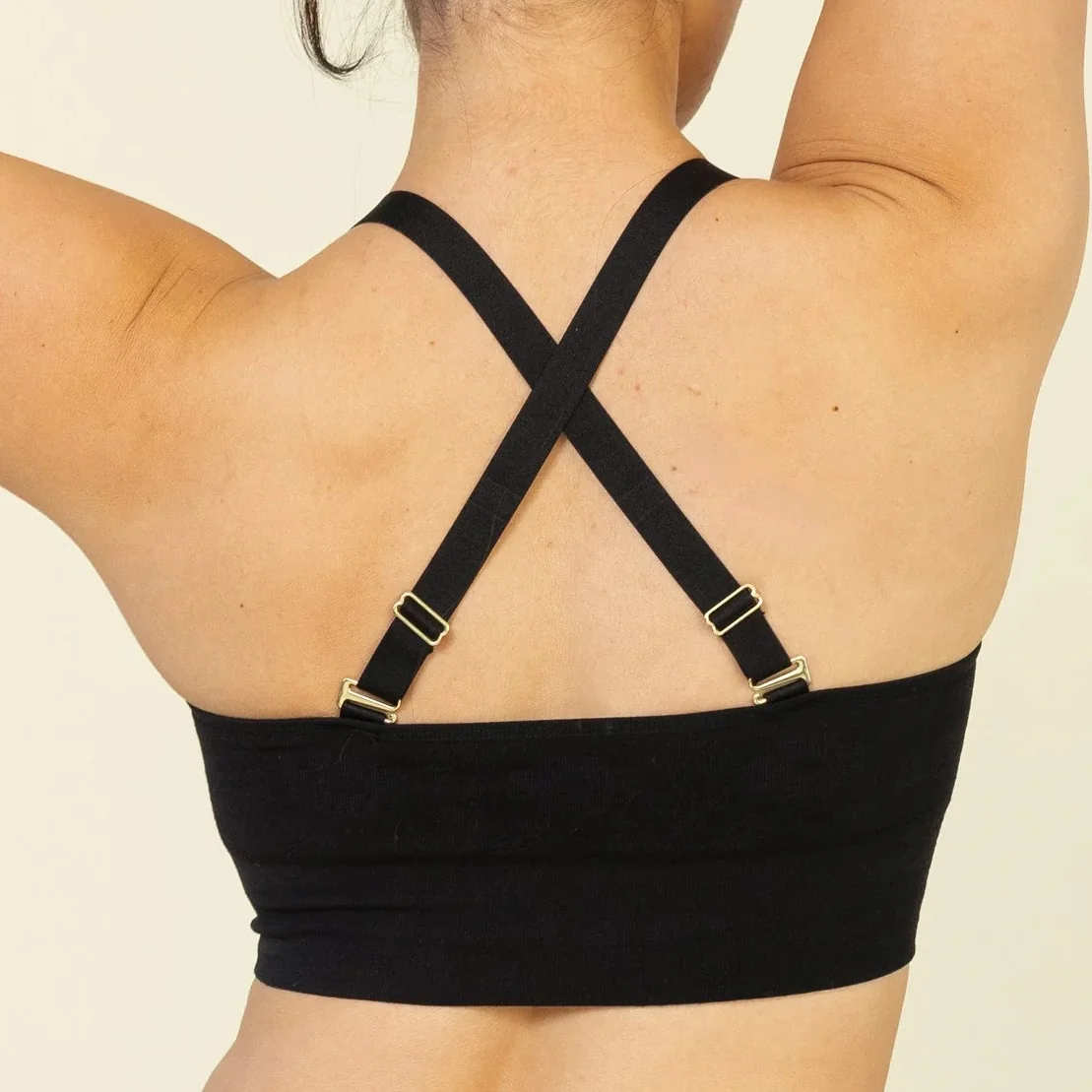
Strap Attachment
Strap joining points can concentrate seam bulk or tension near the shoulder and upper body. Position, reinforcement and finishing should follow the approved sample.
Control: Attachment specification, symmetry and workmanship
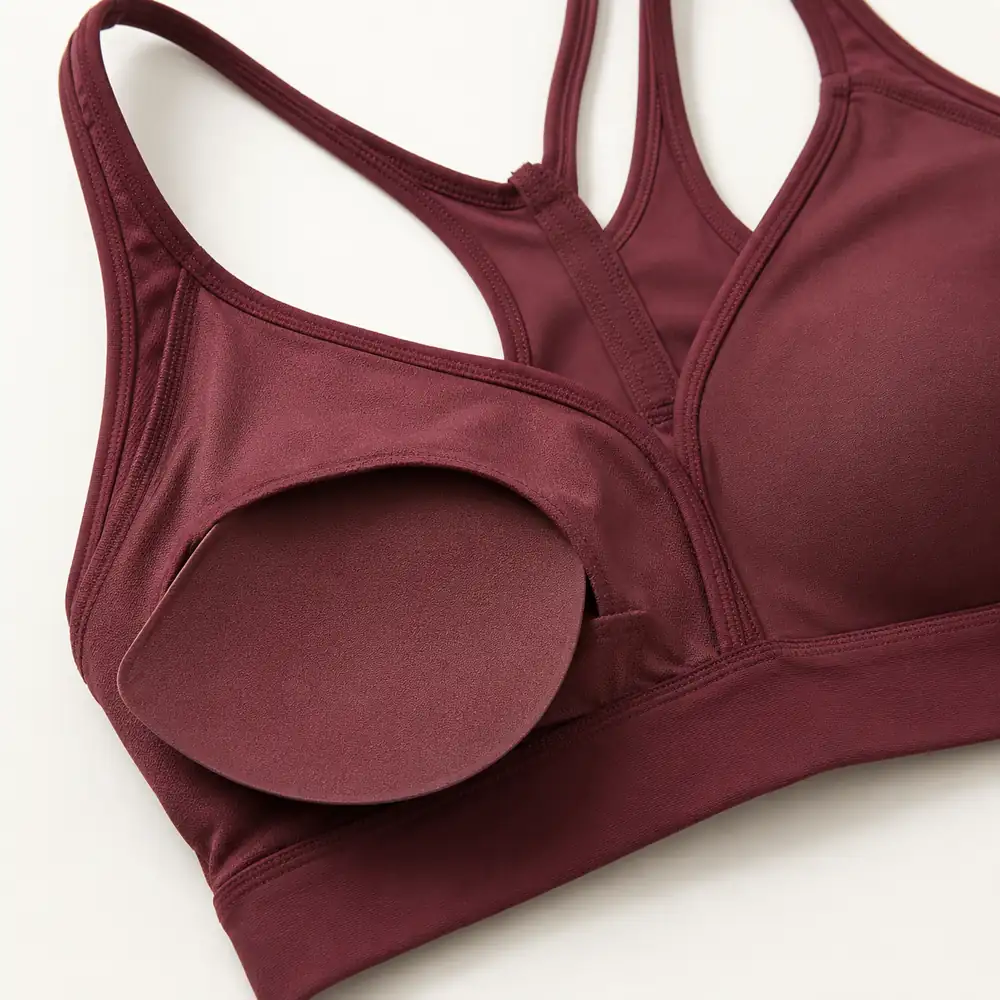
Pad Pocket
Internal pad-pocket openings and edges can affect skin contact and outer appearance. Pocket construction should be stable enough for the intended pad system.
Control: Pocket location, edge finish and internal inspection
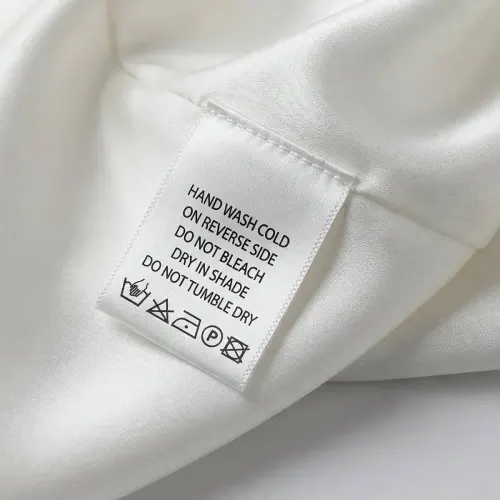
Internal Label
When a sewn label is used in a close-to-skin area, location and edge construction can influence comfort. Label specifications should be included in approved product information.
Control: Label type, placement and attachment
Side Seam
Cut & Sew side seams or panel joins can become noticeable when seam allowance, thread, tension or alignment changes.
Control: Seam method, allowance, tension and appearance
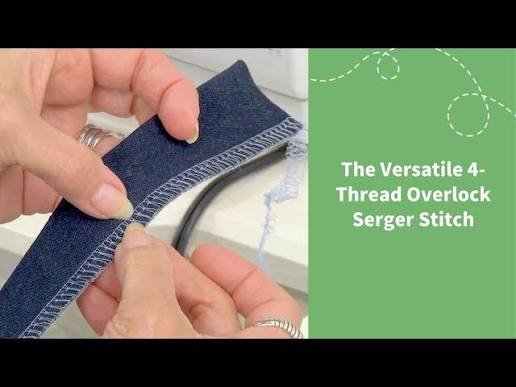
Bulky Join
Multiple layers, elastic and straps can create localized bulk at structural intersections. These areas should be identified during sampling.
Control: Layer count, joining method and approved reference
Validate Low-Support Fit Through Studio Movement
Static measurements establish the base product, but Yoga and Pilates movements can reveal strap, neckline, underband and coverage issues that are difficult to identify on a table.
Use Studio Movements to Expose Fit Changes
A low-support sports bra is intentionally less restrictive than a high-support running product, but the garment should not become uncontrolled during studio movement. MOVEVOX can incorporate buyer-defined movement checks into Fit Sample review so visible or wearable issues become technical development inputs.
- Overhead reach: review lower-band shift, body length and strap position.
- Torso rotation: review lower-body rotation, side coverage and strap symmetry.
- Forward fold: review neckline gaping, pad movement and coverage.
- Arm sweep: review strap movement, restriction and local pressure.
- Studio transitions: review longline rolling and lower-edge movement.
The movement list should be adapted to the buyer’s intended activity. This development review is not a standardized laboratory Low-Support certification.
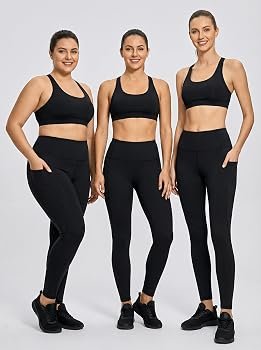
Convert Wearer Feedback Into Technical Revisions
Movement review becomes useful only when comments are translated into measurable product changes. “Too tight,” “strap moves” or “neckline feels loose” should not remain subjective notes with no connection to the production specification.
- Record the issue and movement where it appeared.
- Identify the technical variable: measurement, pattern, program, strap, band, fabric or pad.
- Define a measurable revision.
- Update the development version.
- Repeat the relevant movement check.
- Obtain buyer approval before freezing the bulk standard.
MOVEVOX currently has no verified universal Low-Support laboratory movement score. Quantitative motion analysis requires a separately defined method, sample and acceptance criteria.

Low-Support Fit Priorities Change by Activity
Yoga, Pilates, Barre and Athleisure can share a light-support direction without sharing identical Fit priorities. The intended use should be defined before the product standard is approved.

Yoga
Yoga products often require a broad range of shoulder, torso and hip positions while keeping the garment comfortable against the body. Low-support development can therefore prioritize movement freedom, neckline stability, controlled underband position and soft material behavior rather than maximum compression.
- Movement across multiple body positions
- Soft handfeel with adequate recovery
- Controlled neckline during forward movement
- Underband position without unnecessary tightness
Pilates
Pilates products commonly move between standing, seated and floor-based positions and may have a strong studio-fashion component. The bra should maintain the buyer-approved proportion through controlled movements without introducing unnecessary bulk.
- Clean studio-oriented silhouette
- Lower-edge behavior in floor movement
- Strap and neckline consistency
- Material and color coordination

Barre & Studio
Barre and general studio products may combine repeated arm movement with controlled lower-impact exercise. Product development can prioritize strap stability, low seam bulk and comfort while maintaining enough garment recovery for the approved Fit.
- Repeated upper-body movement
- Low-bulk construction
- Stable but non-restrictive Fit
- Consistent appearance through movement
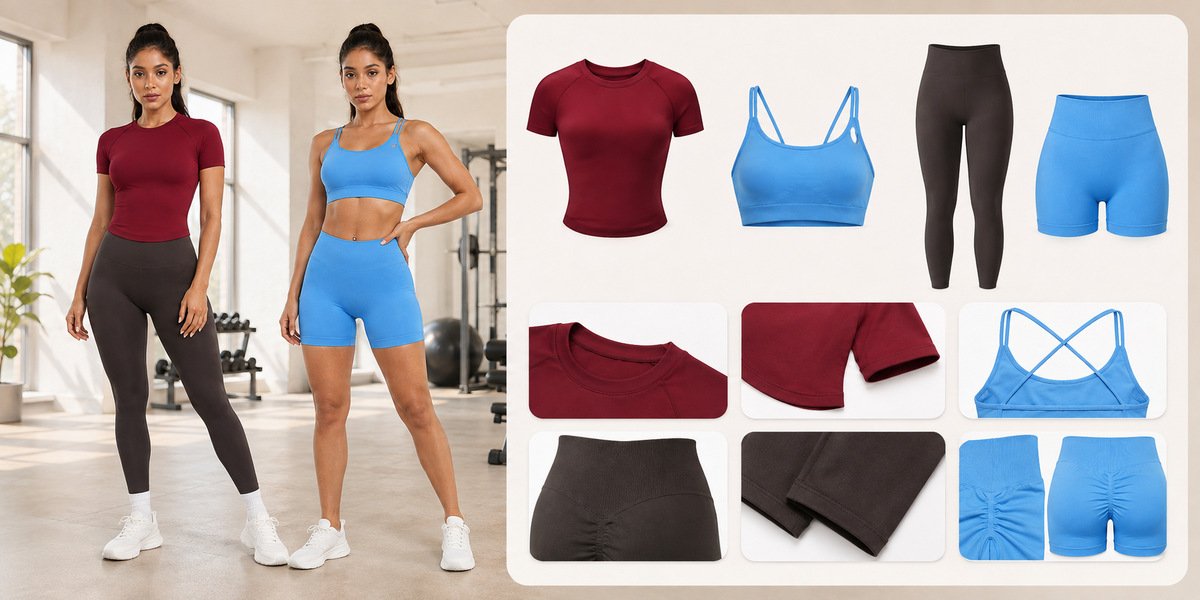
Athleisure
An Athleisure-oriented sports bra may spend more time in everyday wear than in formal training. This increases the importance of handfeel, clean styling, layering and long-duration comfort while still requiring controlled garment dimensions.
- Soft next-to-skin product direction
- Layering and standalone-wear proportion
- Brand-led styling and color
- Repeatable commercial construction
Define Low-Support Fit With Buyer-Specific Measurements
MOVEVOX does not apply one universal sports bra size chart to every brand. Each style should follow the buyer’s Measurement Chart, Fit Model, grade rules and approved product direction.
| POM | XS | S | M | L | XL |
|---|---|---|---|---|---|
| Underbust reference | Project-specific | Project-specific | Project-specific | Project-specific | Project-specific |
| Finished underband | Project-specific | Project-specific | Project-specific | Project-specific | Project-specific |
| Front body length | Project-specific | Project-specific | Project-specific | Project-specific | Project-specific |
| Back body length | Project-specific | Project-specific | Project-specific | Project-specific | Project-specific |
| Strap length | Project-specific | Project-specific | Project-specific | Project-specific | Project-specific |
| Strap width | Project-specific | Project-specific | Project-specific | Project-specific | Project-specific |
| Side height | Project-specific | Project-specific | Project-specific | Project-specific | Project-specific |
| Neckline reference | Project-specific | Project-specific | Project-specific | Project-specific | Project-specific |
| Pad position | Project-specific | Project-specific | Project-specific | Project-specific | Project-specific |
Common Failures in Low-Support Sports Bra Development
Minimal products can make small fit and workmanship problems more visible. Each issue should be connected to a technical response rather than treated as a styling compromise.
Band Rolls Up
Impact: A longline or soft underband that rolls can change garment position, visual proportion and wearer comfort.
MOVEVOX Response: Review lower-body length, material recovery, band construction and finished measurement. Recheck the revised sample in the movement that exposed the problem.
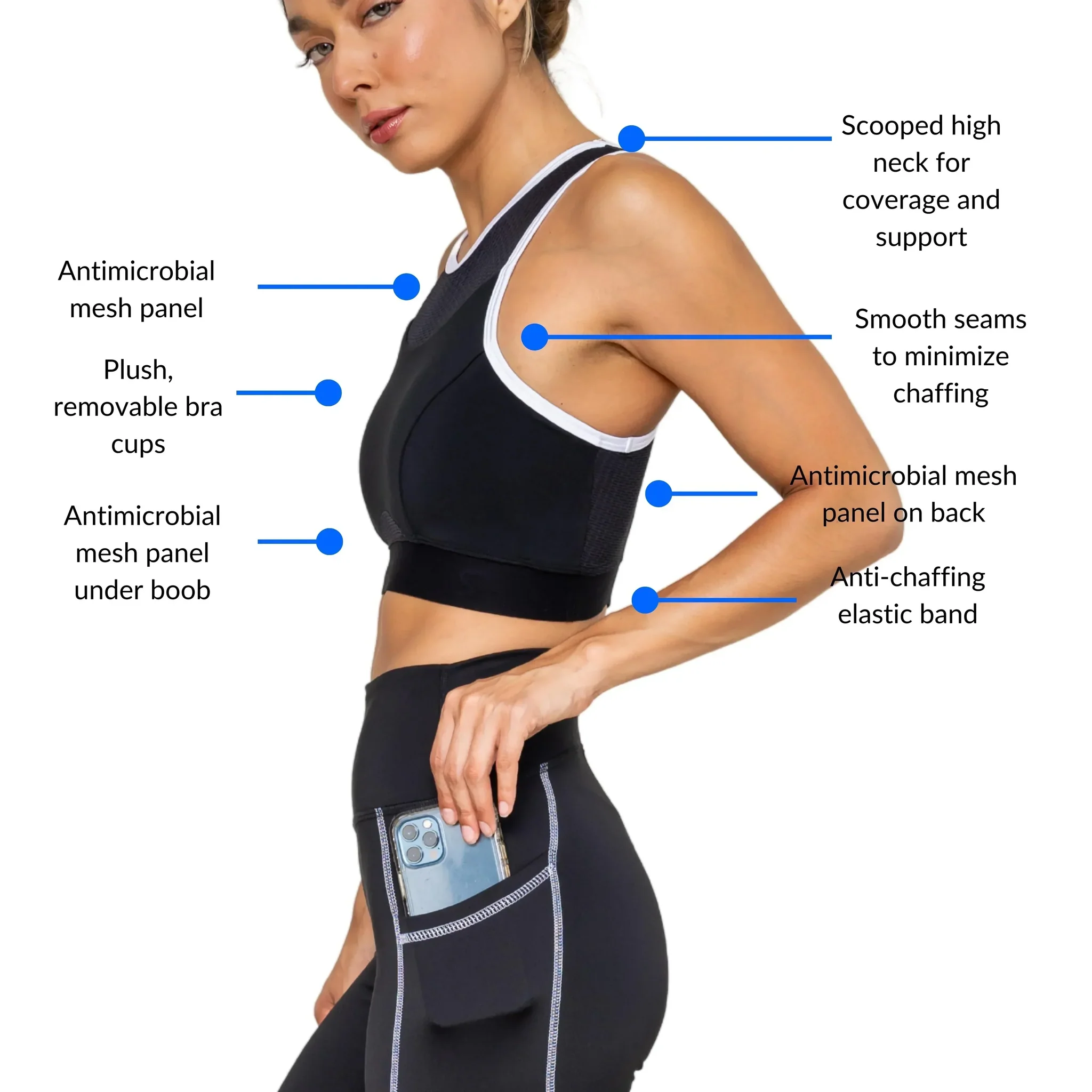
Straps Slide
Impact: Straps that move away from the approved position can change coverage and make a minimal product feel unstable.
MOVEVOX Response: Review strap length, angle, attachment position, material and back geometry. Convert wearer comments into measurable strap or pattern revisions.
Neckline Gaps
Impact: Neckline gaping can become visible during forward folds or seated positions and may create a product result inconsistent with intended coverage.
MOVEVOX Response: Review neckline shape, garment dimensions, material recovery and internal construction. Recheck the approved activity movement.

Pads Move
Impact: Removable pads can rotate, fold or become visually uneven when pocket dimensions or internal material behavior do not match the selected pad.
MOVEVOX Response: Approve pad dimensions and pocket construction together. Inspect pad orientation and revise internal structure if repeated movement appears.
Longline Rides Up
Impact: Additional body length does not guarantee that a sports bra remains lower on the torso. Incorrect proportion or recovery can cause upward shift.
MOVEVOX Response: Review front/back length, lower-edge measurement and material behavior against the Fit Model. Use studio movement to determine whether revision is needed.
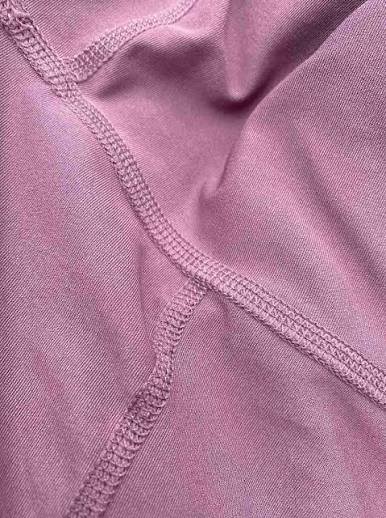
Seams Irritate
Impact: A low-support product may be worn for extended periods and can place construction directly against the skin. Localized seam bulk may become noticeable.
MOVEVOX Response: Review seam method, allowance, label position and joining points during sampling. Keep the approved construction available during First Article and in-line QC.
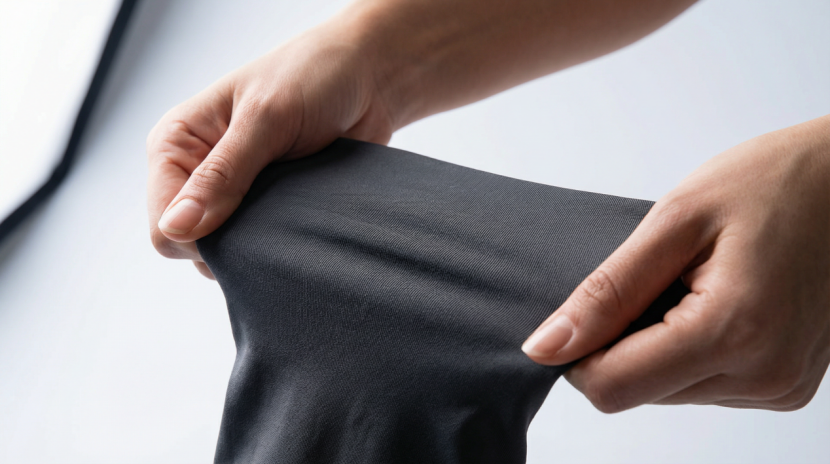
Fabric Over-Stretches
Impact: A very soft, highly extensible fabric can lose the intended neckline, underband or body shape if recovery is insufficient.
MOVEVOX Response: Compare handfeel with stretch and recovery instead of approving softness alone. Validate the selected material in the actual sports bra sample.

Sizes Drift
Impact: A comfortable base-size sample does not guarantee that straps, coverage, body length and underband remain proportionate across sizes.
MOVEVOX Response: Follow the buyer’s grade rules and use Size Set or representative-size review where required. Record style-specific POMs and tolerances.
Compare Soft-Handfeel Fabrics With Technical References
MOVEVOX reviews activewear materials through composition, GSM, handfeel, stretch, recovery and actual garment sampling. The following ranges are development references, not universal product-performance guarantees.
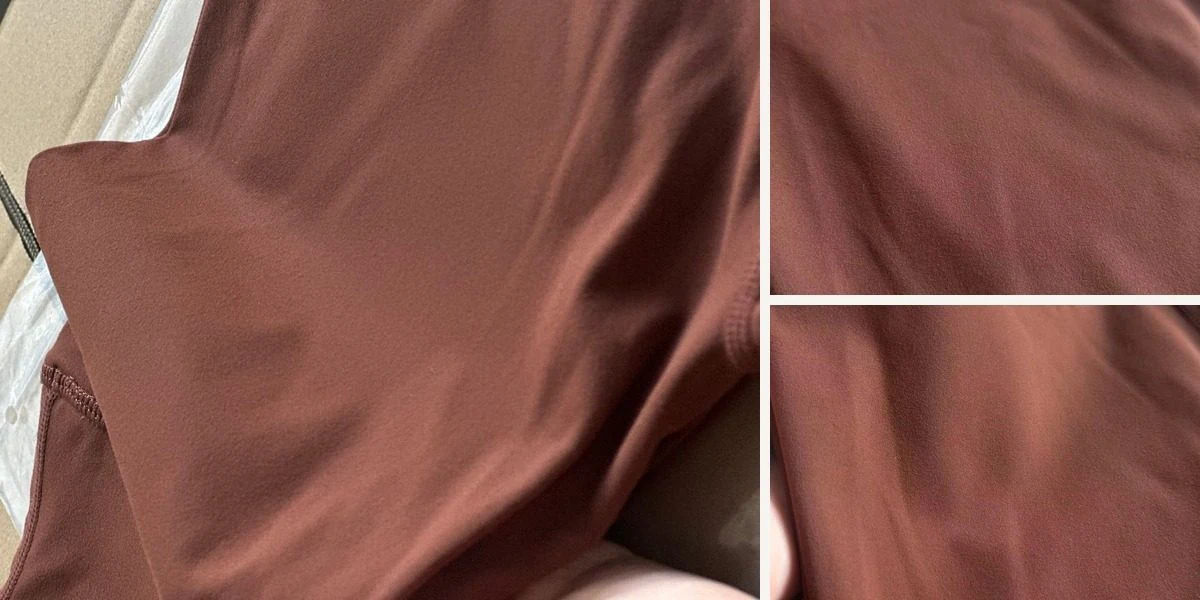
Naked Feel
75–82% Nylon / 18–25% Spandex
200–240 GSM
A Naked Feel direction can suit low-support sports bras where the buyer prioritizes a smooth, soft wearing experience. Material approval should still consider garment recovery, opacity, color and actual underband and neckline dimensions.
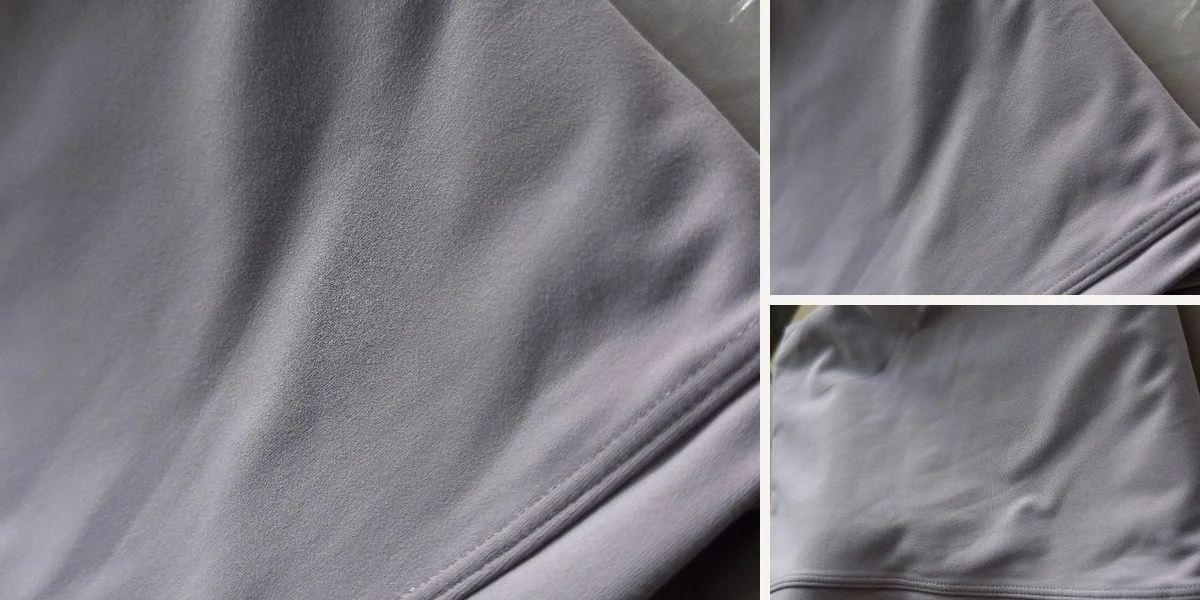
Brushed
75–82% Nylon/Poly / 18–25% Spandex
210–270 GSM
Brushed surfaces can provide a warmer and softer tactile direction. The final result depends on fiber, finishing and construction, so bulk material should be compared against an approved swatch or garment.
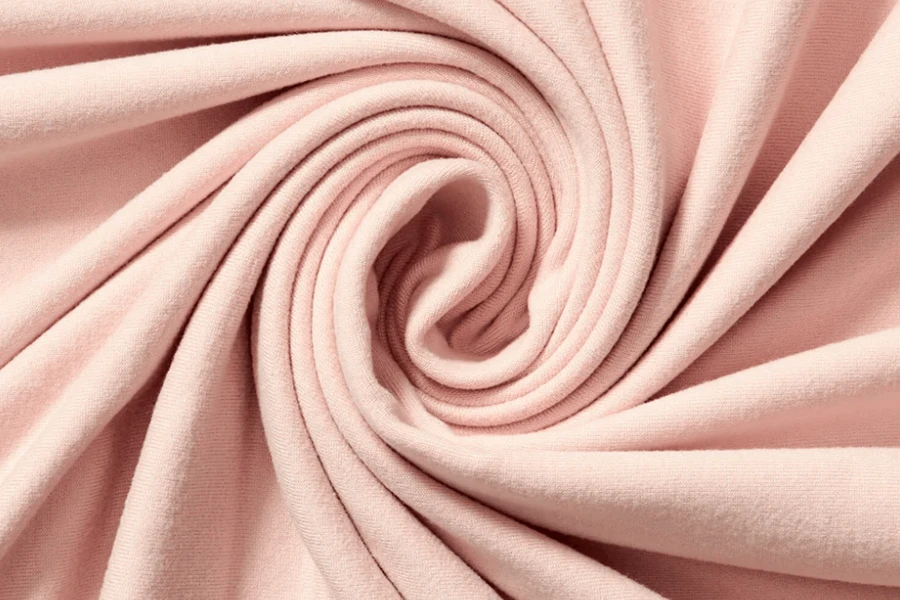
Peach Skin
75–85% Nylon/Poly / 15–25% Spandex
190–240 GSM
Peach-skin finishing can support a soft lifestyle-oriented product direction. Finish consistency should remain part of material approval because surface treatment can affect perceived handfeel.

Ribbed
75–90% Nylon/Poly / 10–25% Spandex
220–320 GSM
Rib materials create visible texture and a different stretch response from smooth fabric. Rib width, recovery and garment construction should be evaluated in the actual bra.

High Stretch
70–85% Nylon/Poly / 15–30% Spandex
180–280 GSM
A high-stretch material can support movement freedom, but greater extensibility does not automatically create better Low-Support Fit. Recovery and finished garment dimensions remain equally important.
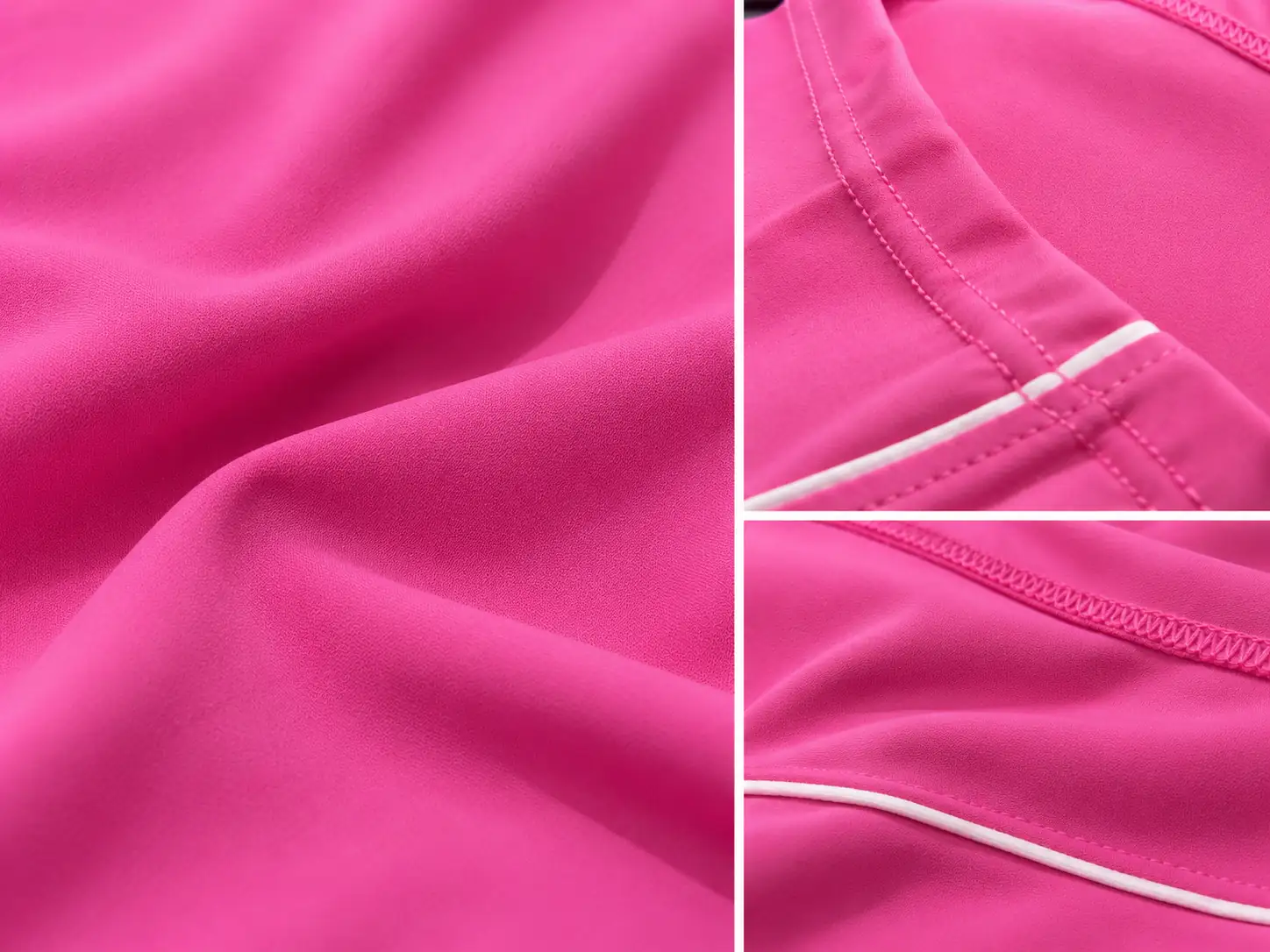
Nylon Spandex
70–82% Nylon / 18–30% Spandex
190–280 GSM
Nylon-Spandex is a broad activewear material route rather than one fixed fabric. Yarn, knit, finishing and GSM can produce substantially different handfeel and recovery.

Polyester Spandex
75–90% Polyester / 10–25% Spandex
160–250 GSM
Polyester-Spandex materials can be evaluated where their surface, cost, stretch and project requirements fit the product. No moisture-management claim should be inferred from polyester content alone.

Seamless Yarn
80–94% Nylon/Poly + 6–20% Spandex
Structure dependent
For Seamless sports bras, yarn composition works together with machine program, rib, density and finishing. Final handfeel is therefore a garment-structure result rather than a yarn-composition result alone.
What Creates a Naked-Feel Material Direction
MOVEVOX treats Naked Feel as a material-development reference rather than a protected universal specification. The wearing result comes from multiple material and garment variables working together.

Fiber Blend
Current internal development references commonly fall around 75–82% Nylon and 18–25% Spandex. Composition establishes a starting framework but does not by itself define surface softness or final garment recovery.
Fabric Structure
Knitting construction influences stretch direction, surface density and dimensional behavior. Two fabrics with similar fiber percentages can therefore feel and recover differently.
GSM Range
A common internal reference is approximately 200–240 GSM. GSM should be evaluated alongside garment layering and product construction rather than treated as a direct softness or support score.

Surface Finish
Dyeing and finishing can change perceived surface feel after the base fabric is produced. An approved physical reference is more reliable than a general description such as “buttery.”
Stretch Behavior
The material should allow the intended Yoga or Studio movement without requiring excessive garment tightness. Stretch needs to be interpreted together with Fit and finished measurements.
Recovery
Internal screening references may target recovery around approximately 92–96%+ for selected Naked Feel development, but this is not a universal guarantee across every material, color or product.
Compare Stretch With Recovery Before Material Approval
A soft low-support sports bra still needs enough recovery to retain its approved dimensions. MOVEVOX compares material direction through actual specifications and garment sampling rather than stretch alone.
| Parameter | Naked Feel | Brushed | Ribbed | Nylon Spandex | Seamless Yarn |
|---|---|---|---|---|---|
| Composition | 75–82% Nylon / 18–25% Spandex | 75–82% Nylon/Poly / 18–25% Spandex | 75–90% Nylon/Poly / 10–25% Spandex | 70–82% Nylon / 18–30% Spandex | 80–94% Nylon/Poly + 6–20% Spandex |
| GSM | 200–240 | 210–270 | 220–320 | 190–280 | Structure dependent |
| Stretch | High | High / project specific | Structure dependent | High | Program dependent |
| Recovery | High reference direction | Project specific | Firmer structure possible | High reference direction | Yarn + structure dependent |
| Surface | Smooth / soft | Brushed | Textured | Project dependent | Knitted |
| Best Use | Yoga / Studio direction | Studio / Lifestyle | Rib collections | Broad activewear | Seamless products |
| Final Approval | Garment sample | Garment sample | Garment sample | Garment sample | Knitted garment |
Material Selection Guidance
MOVEVOX should not approve a low-support material on softness alone. The development team should compare handfeel with stretch, recovery, GSM, opacity direction, color and final garment Fit. If a material changes after sample approval, the affected product characteristics should be reviewed again before bulk use.
Soft Materials Still Carry Commercial Production Risks
Material problems can affect Fit, color, appearance and repeat-order consistency. The control method should match the actual risk rather than assume an approved first sample protects every bulk lot.
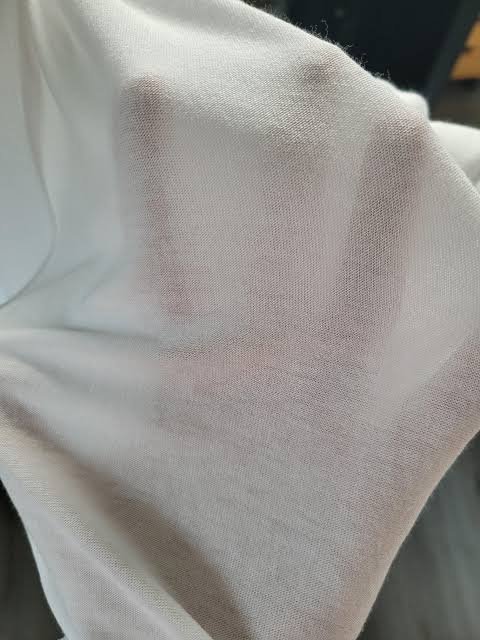
Over-Stretch
Excessive extension or weak recovery can change underband, neckline and body Fit after the material is placed into the garment.
Compare material stretch and recovery with the approved garment sample and review any material substitution before commercial production.
Surface Pilling
A soft or brushed surface may show wear differently depending on yarn, finish and use conditions, affecting repeat-order perceived quality.
Use buyer-required testing where specified and keep approved material references connected to the commercial fabric or yarn lot.
Color Variation
Different dye lots can create visible inconsistency across Bra, leggings and coordinated collection pieces.
Use approved color references and manage color approval before bulk packing of coordinated SKUs.
Opacity Variation
Material stretch, GSM, color and construction can change visual coverage, particularly in lighter colors or highly stretched areas.
Review the actual material and garment under buyer-defined conditions rather than assuming composition or GSM guarantees opacity.
Handfeel Drift
Finishing differences can make two materially similar fabrics feel different, weakening collection consistency or repeat-order matching.
Retain an approved physical material or garment reference and compare new lots when handfeel is critical.
Recovery Drift
A material that becomes more or less resilient can alter the Fit even when pattern or seamless program remains unchanged.
Treat significant material changes as technical changes requiring review rather than automatic purchasing substitutions.
Choose the Manufacturing Route From the Product Design
MOVEVOX operates both Seamless and Cut & Sew. The route should follow the silhouette, internal structure, material and branding requirements rather than factory convenience.
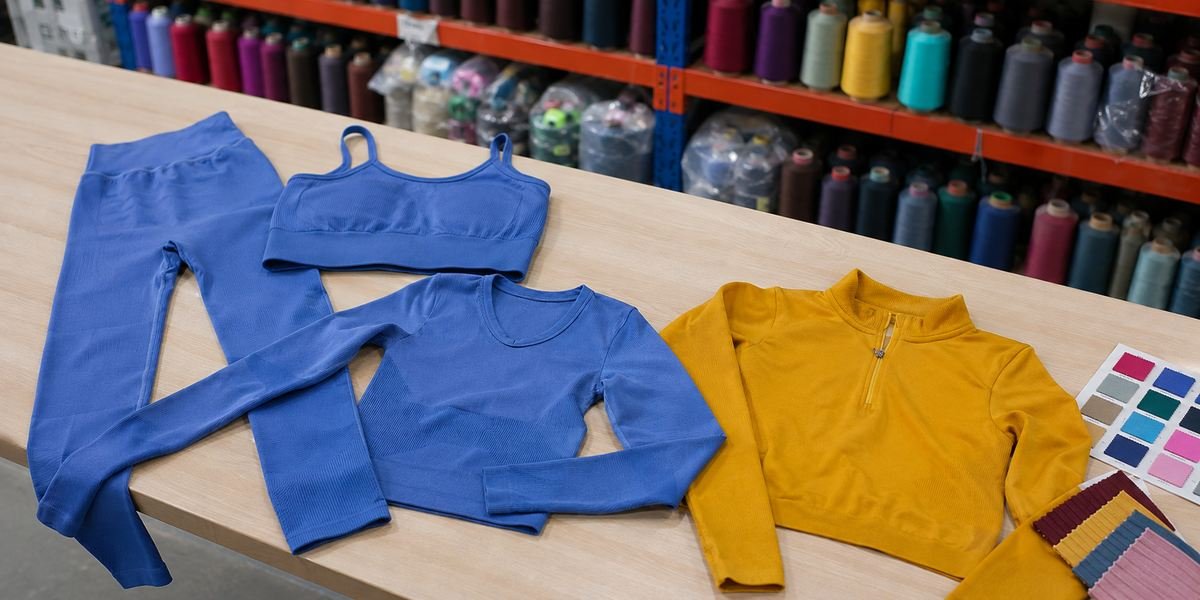
Seamless Route
MOVEVOX’s Seamless manufacturing system uses 28 Italian Santoni machines. A low-support sports bra can integrate rib, texture, knitted underband and different structural zones through yarn and machine programming. Seamless can reduce selected conventional panel seams, but the finished garment may still require sewing for pad openings, labels or other approved details.
- Knitted structure is part of the design
- Rib or texture is commercially important
- Integrated band construction is suitable
- Product architecture fits Santoni development
The final product depends on yarn, program, size, finishing and Fit. Seamless is not automatically more comfortable.
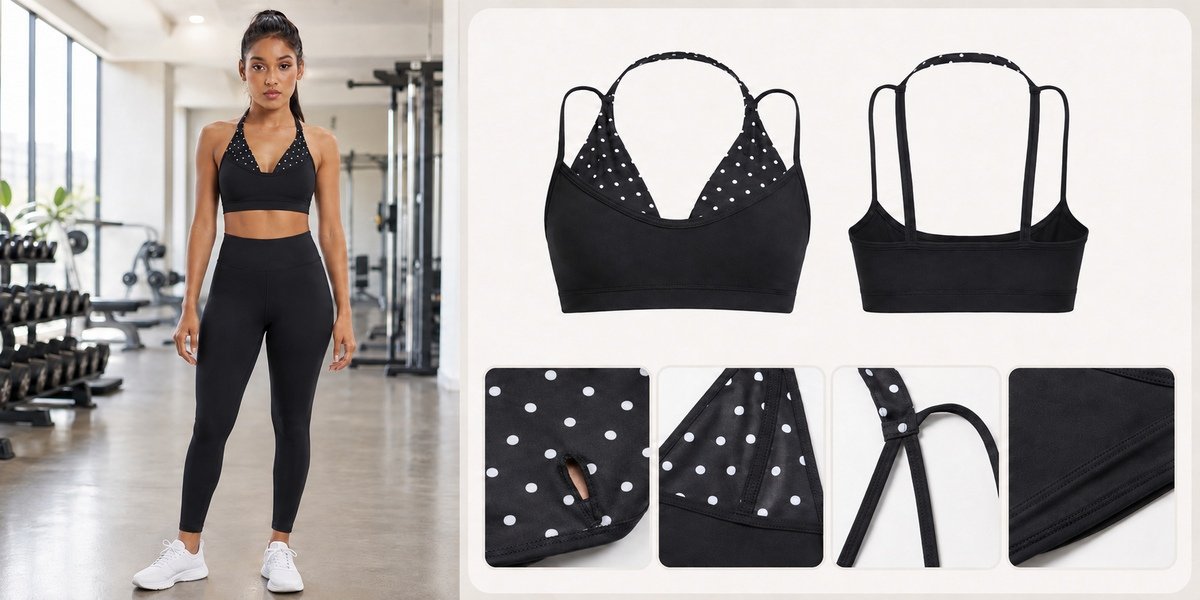
Cut-and-Sew Route
MOVEVOX’s self-operated Cut & Sew system includes approximately 24 principal sewing and garment machines. This route provides greater freedom for shaped necklines, multiple materials, lining, elastic, narrow straps, internal pad construction and selected adjustable details where technically feasible.
- Strap or neckline architecture is detailed
- Multiple materials or layers are required
- Internal components need flexible placement
- Pattern shape is a major design element
Cut & Sew quality depends on the approved pattern, seam method, elastic, material and workmanship rather than the number of panels alone.
Engineer Seamless Comfort Through Knitted Structure
A Seamless sports bra is formed through yarn, machine programming and knitted organization. Different zones can be developed for appearance, stretch and garment stability without implying medical compression.
Soft Body Zone
The main body can use a smoother or less visually structured knitted area where the buyer wants a softer overall appearance. Yarn and density still determine actual finished handfeel.
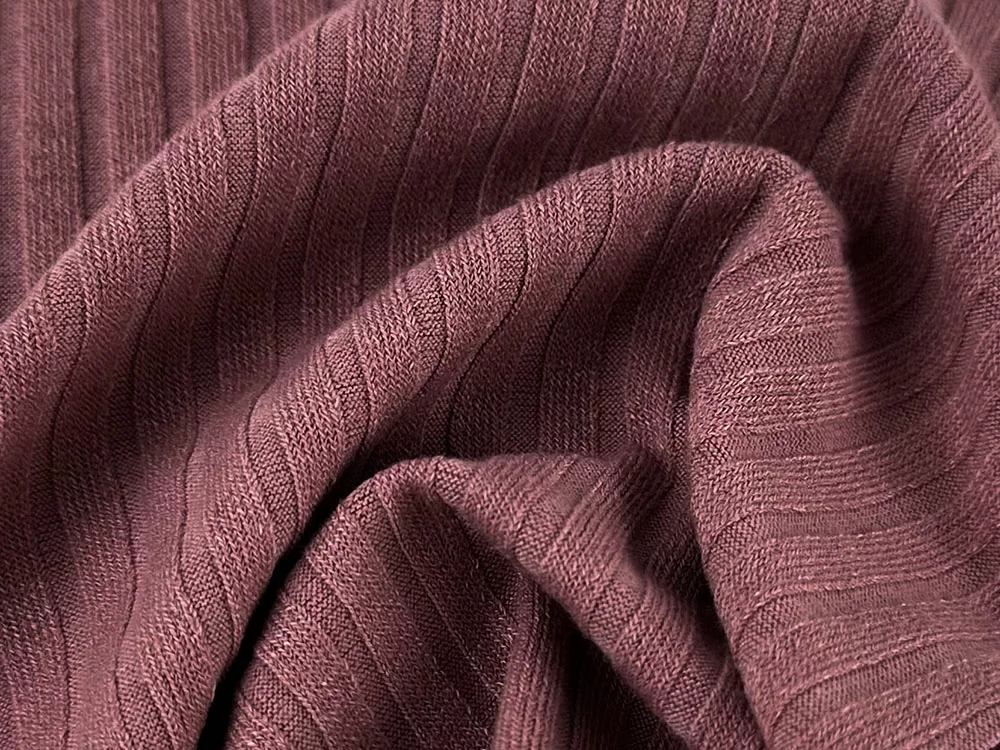
Rib Zone
Rib can create visual texture and a different stretch response. Placement should follow the approved design because density or width changes can alter appearance and behavior.
Open-Knit Zone
A more open knitted structure may be used as a visual or structural design feature where technically appropriate. Any breathability claim requires separate evidence.
Underband Zone
The lower structure can integrate a denser or differently organized knitted band. Finished measurements and recovery still require sample review.
Flexible Zone
Selected areas can be programmed to accommodate movement where greater flexibility is required. The location should correspond to the final garment and buyer-approved design.
Strap Zone
Seamless strap areas require control of width, length, density and transition into the garment body. Small changes can affect both visual symmetry and Fit.
Transition Zone
Where knitted structures change from one zone to another, the transition should remain visually consistent and free from unintended distortion.
Yarn, Program and Finishing
The finished Seamless bra depends on yarn composition, knitting program, machine settings, size and finishing. Program version must remain controlled through production.
Build Low-Support Bras Into a Pilates Collection
A low-support sports bra can function as the center of a coordinated Studio collection when material, color, branding and Fit decisions are shared across related products.

Minimal Studio
A clean low-support bra can pair with simple leggings or shorts to create a controlled studio assortment. The commercial value comes from shared material, color and branding decisions rather than producing each SKU independently with slightly different standards.
- Minimal Sports Bra
- Full-Length Leggings
- Studio Shorts
- Lightweight Top
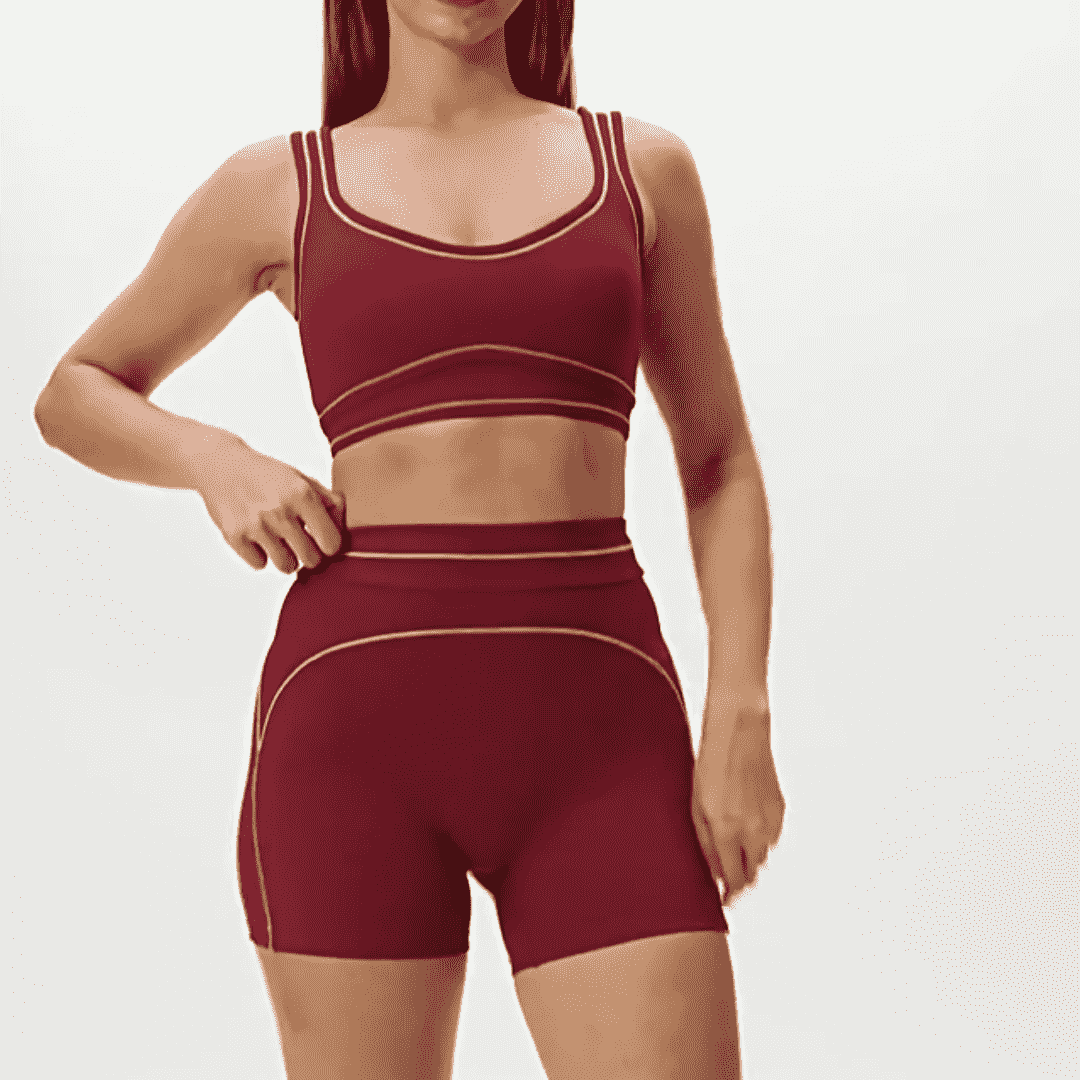
Soft Sculpt
A softer, more body-contouring direction can combine a smooth or Naked Feel sports bra with leggings, flare leggings or related bottoms. The buyer should approve material and color at collection level so handfeel and shade remain intentionally coordinated.
- Soft Sports Bra
- Sculpt Leggings
- Flare Leggings
- Long Sleeve Top
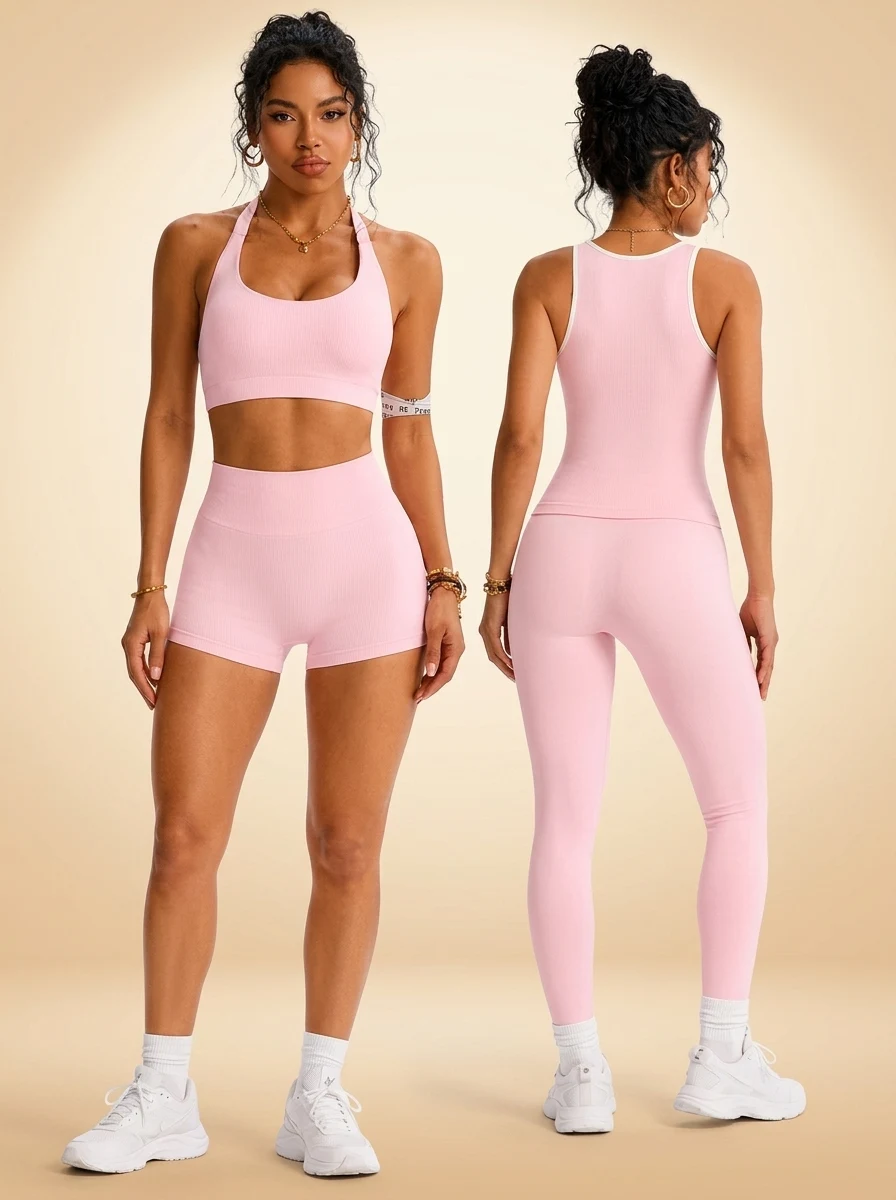
Ribbed Lifestyle
A ribbed Seamless or Cut & Sew sports bra can anchor a more textured Pilates-to-lifestyle collection. Rib structure should be treated as an approved material or knitted reference because changes in rib width, density or recovery can alter both appearance and Fit.
- Rib Sports Bra
- Rib Leggings
- Rib Shorts
- Layering Top
Extend Low-Support Products Beyond the Studio
Low-support sports bras can also sit within an Athleisure range when soft handfeel, proportion and brand styling remain consistent across coordinated activewear products.
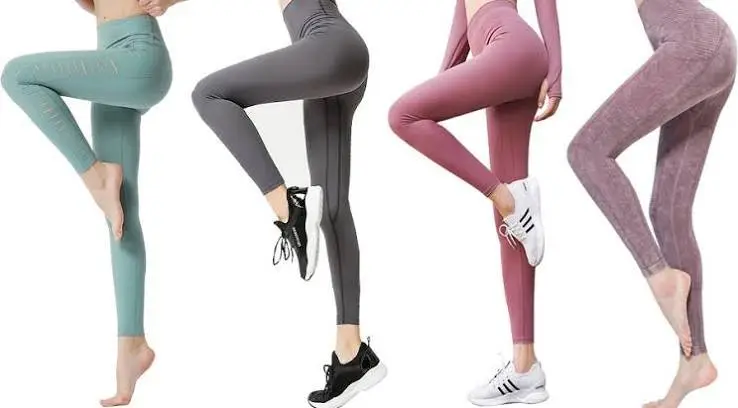
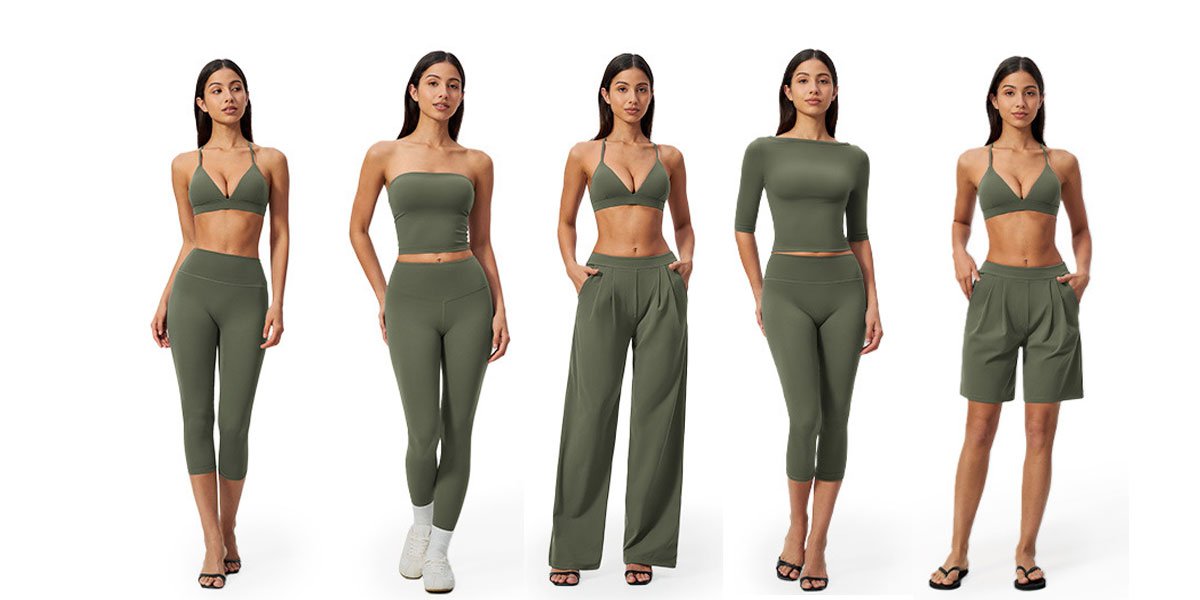
Longline Layer
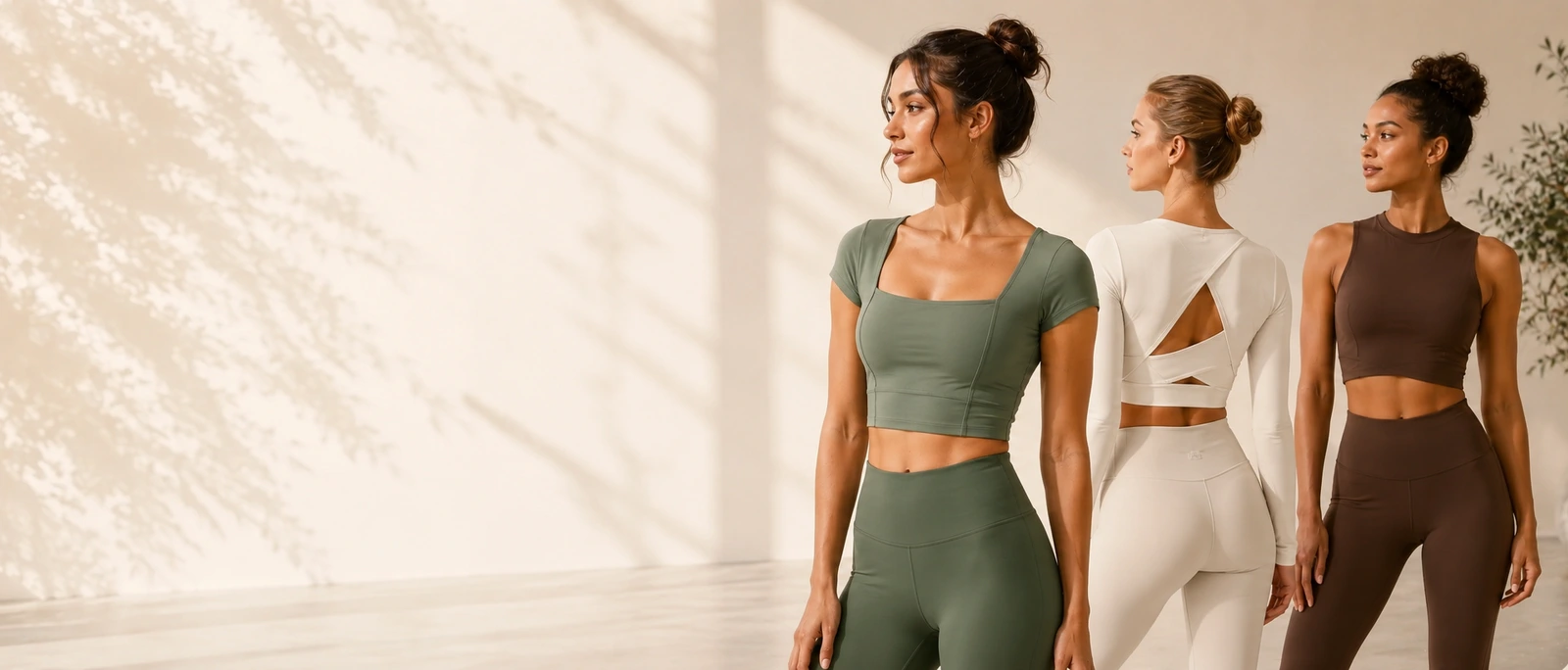
Longline Bra paired with high-waist bottoms creates a controlled proportion suitable for studio and everyday activewear styling.
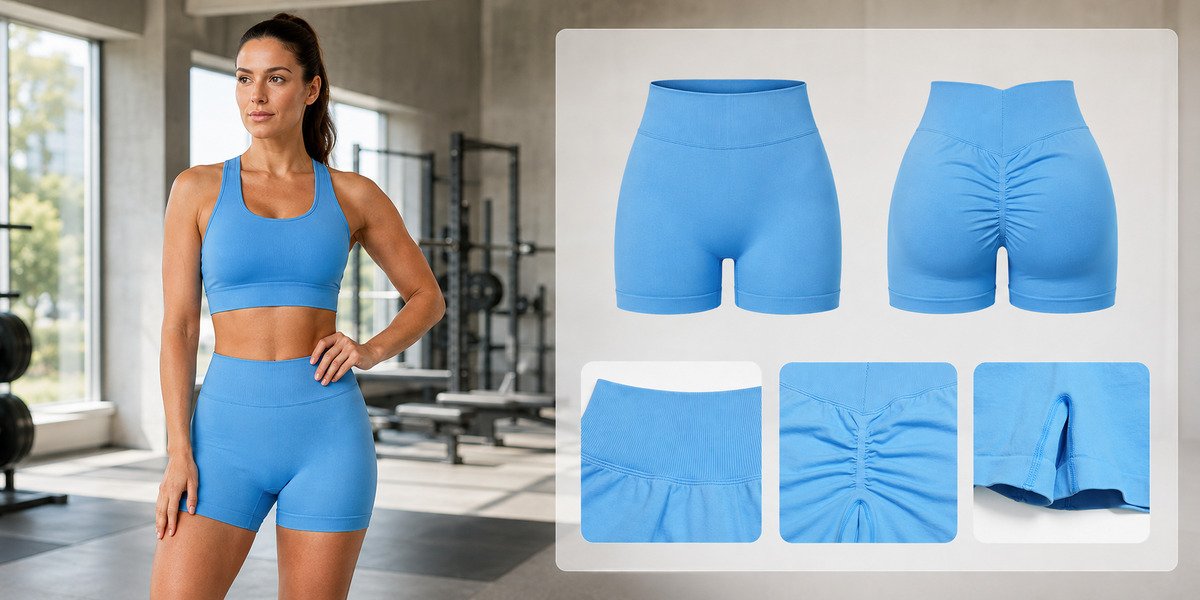
Minimal Set
A clean Sports Bra and matching leggings keep color, logo position and material direction consistent across two core SKUs.
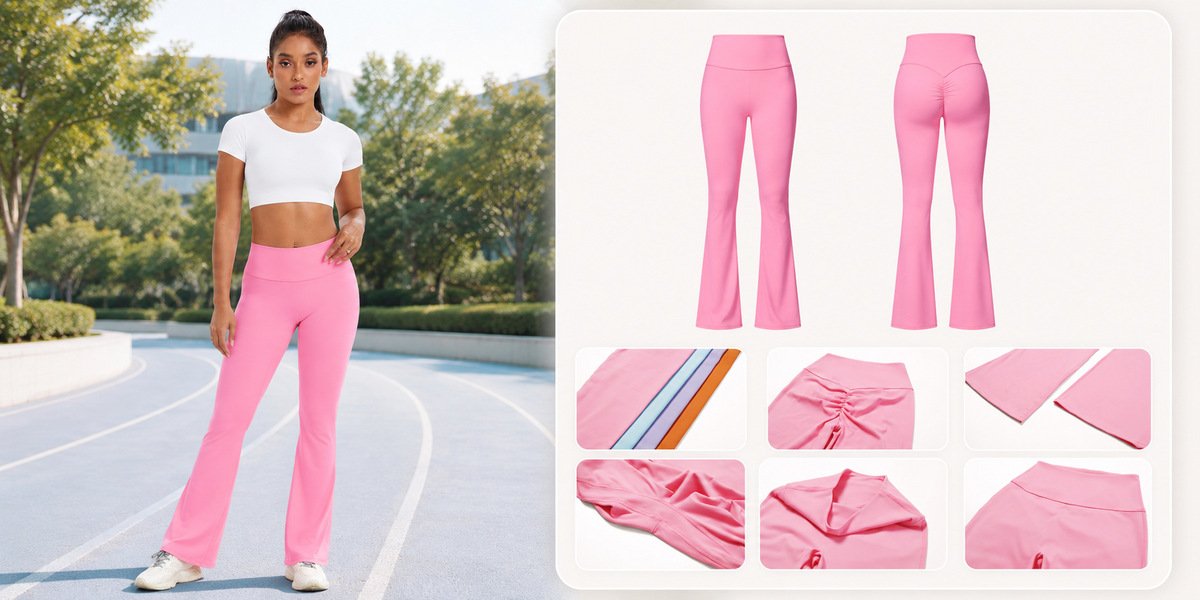
Soft Rib
Ribbed Bra and bottoms introduce texture while requiring coordinated stretch, recovery and approved rib structure across the collection.
Studio Short
A low-support Bra paired with active shorts creates a lighter seasonal assortment without changing the approved material language.
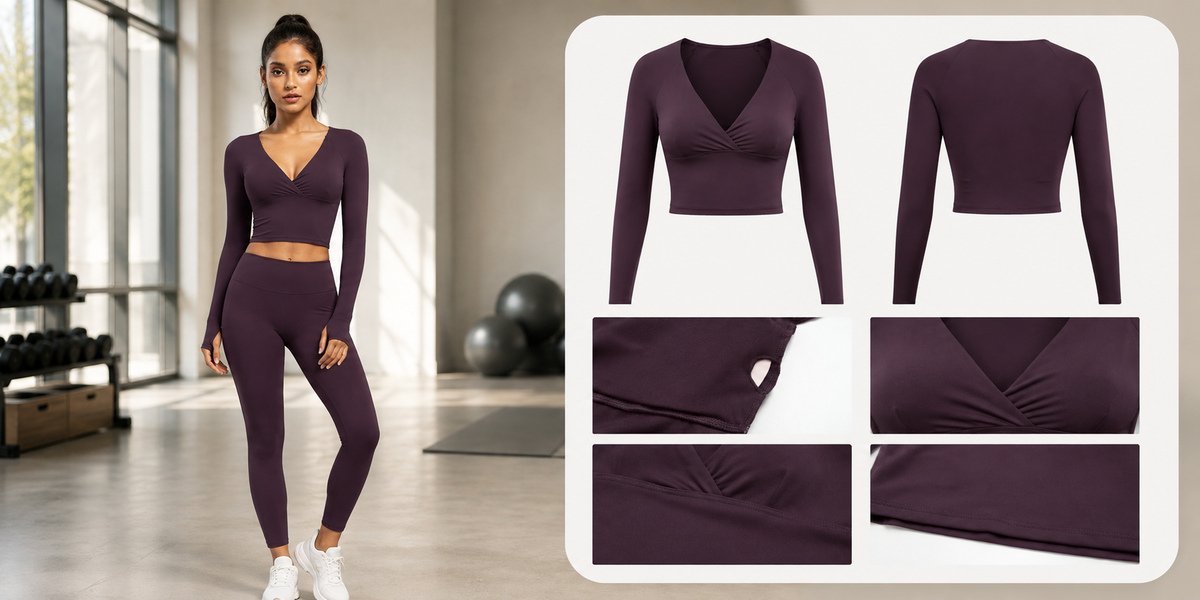
Flare Pairing
A soft Sports Bra can coordinate with flare leggings where color, handfeel and overall silhouette support the same Studio collection.
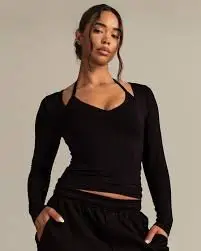
Layered Look
A Bra can sit beneath an approved activewear top or long-sleeve layer while preserving the brand’s core material and color direction.

Color Drop
One approved silhouette can extend into seasonal colors, subject to actual material availability and color-development requirements.
Core Repeat
A commercially stable Bra and bottom combination can become a repeat-order platform when Fit, materials and specifications remain controlled.
Develop One Approved Product Into a Collection Platform
A mature activewear program can reuse approved materials, colors and technical principles across related products while keeping each SKU’s measurements and construction independently controlled.
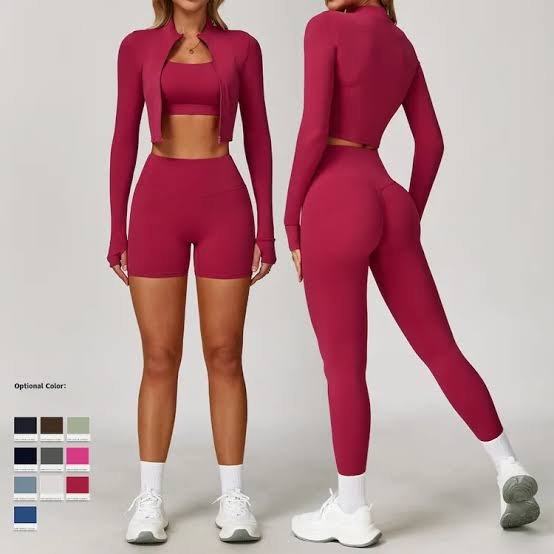
Hero Bra
Begin with one approved low-support sports bra that establishes the primary material, handfeel, color direction and brand visual language. The Bra creates a commercial and technical reference without automatically defining every later SKU.
Shared Material
Where appropriate, approved fabric can be evaluated for coordinated leggings, shorts or tops. Each garment still needs its own pattern, GSM suitability, Fit and opacity review.
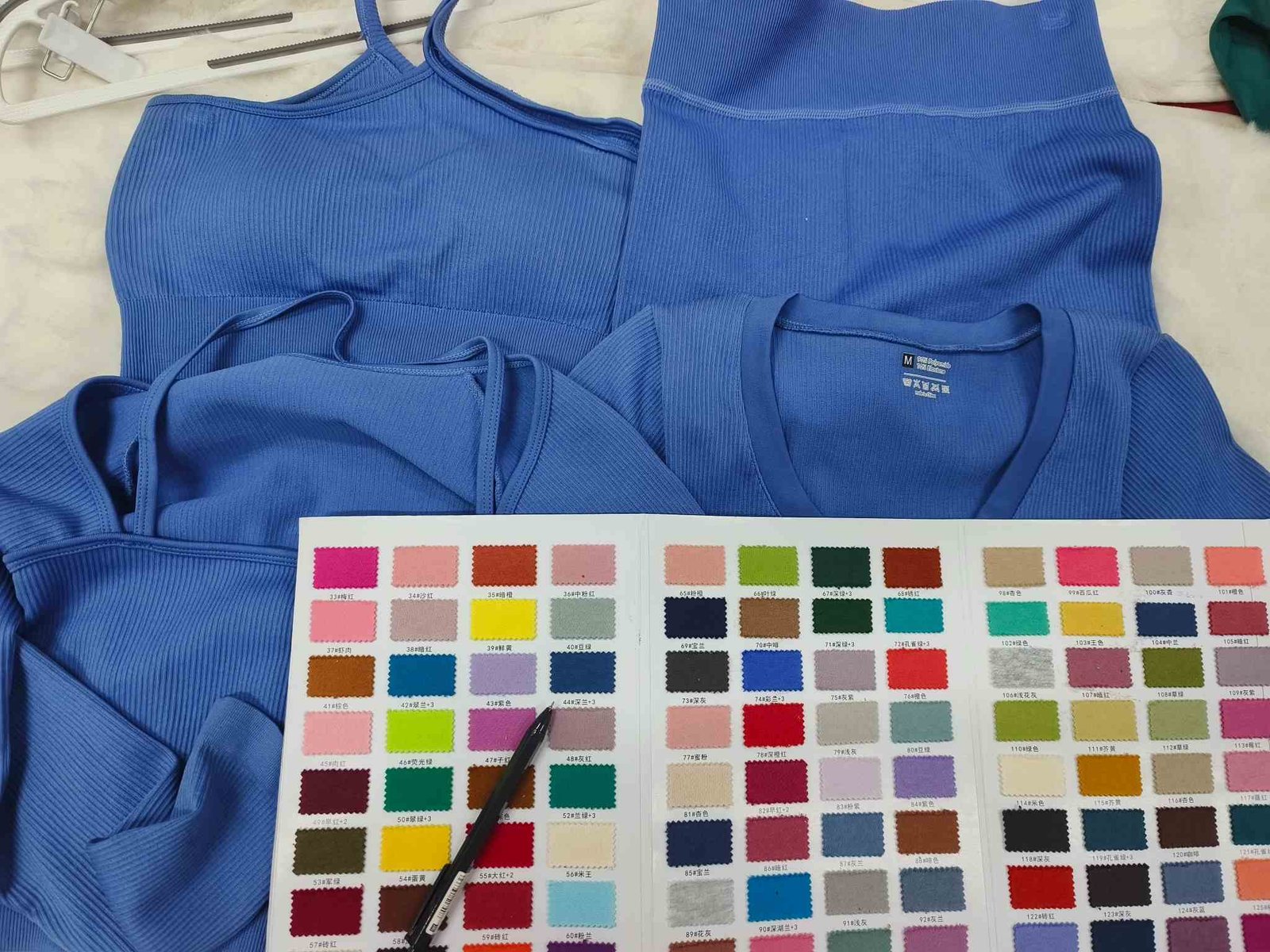
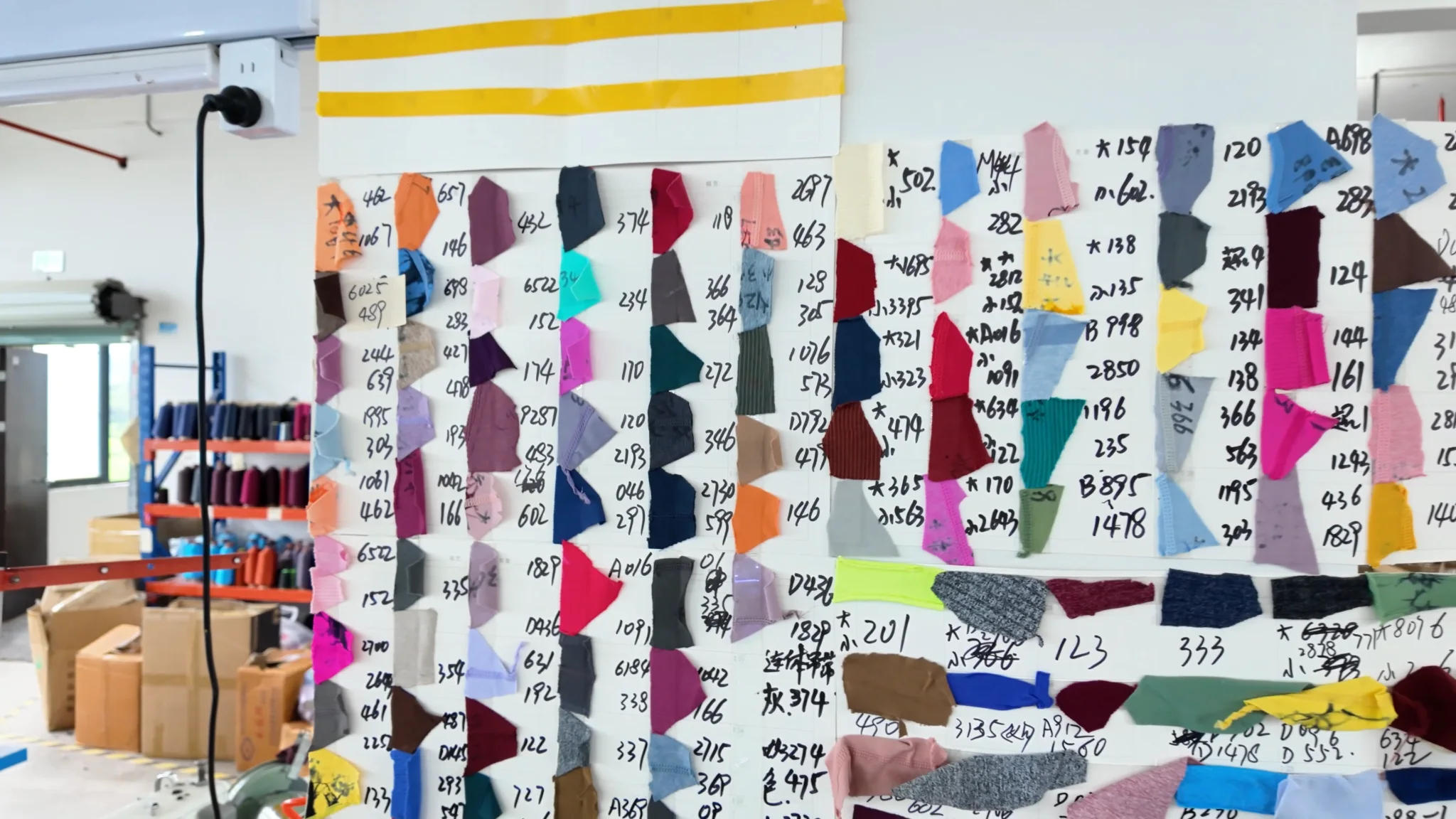
Core Color
An approved color can become the collection reference for multiple SKUs. Color appearance can change across material structures, so exact matching may require separate dye or material review.
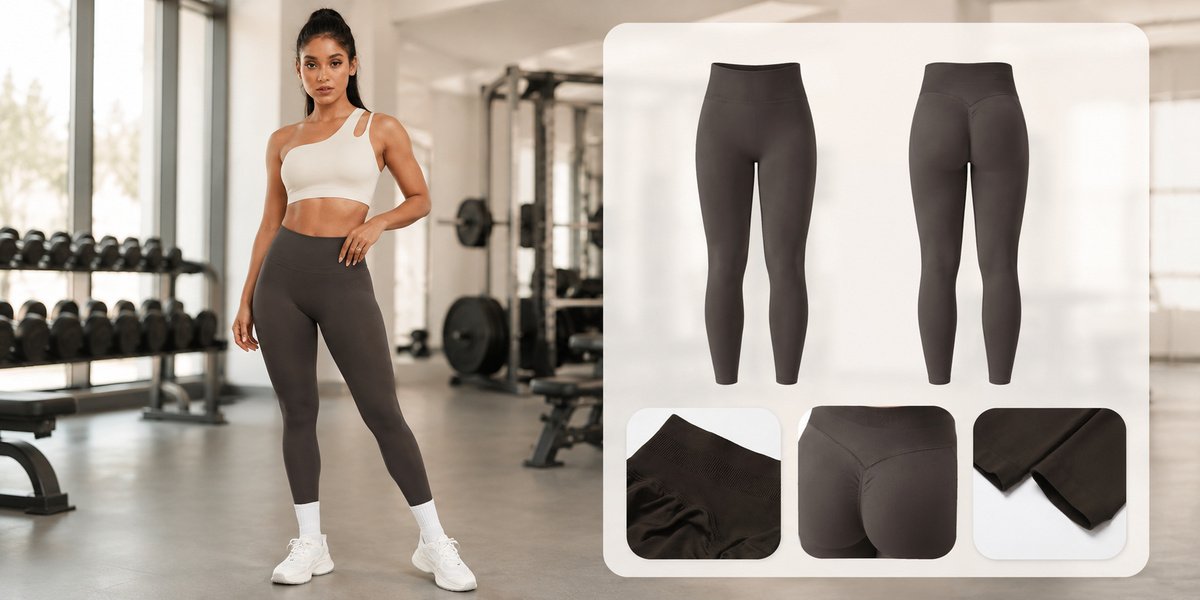
Matching Bottom
Leggings, shorts or flare leggings can extend the sports bra into a coordinated set while keeping SKU-specific measurements and packing separate.
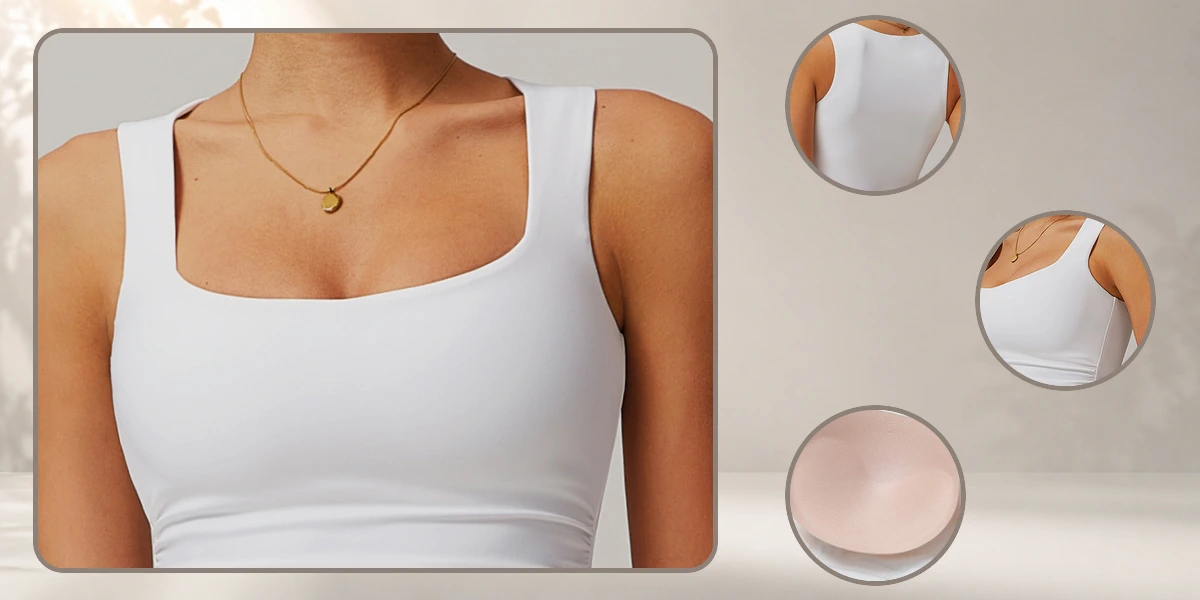
Additional Top
Tanks, long sleeves or related activewear tops can broaden the program without changing the core brand direction. Each item still needs its own development and approval.

Seasonal Extension
Once a base product system is approved, the buyer can evaluate new colors, selected silhouettes or seasonal extensions. Changes affecting material, fit or construction should be reopened for review.
Control Color From Reference Through Bulk Production
Color is commercially important in Yoga and Pilates collections. MOVEVOX treats the approved physical color as a production reference rather than relying only on screen appearance.

Color Reference
The buyer provides a Pantone, physical swatch, approved garment or other defined color reference. The development route depends on whether the material is stock color, custom dyed or yarn based.
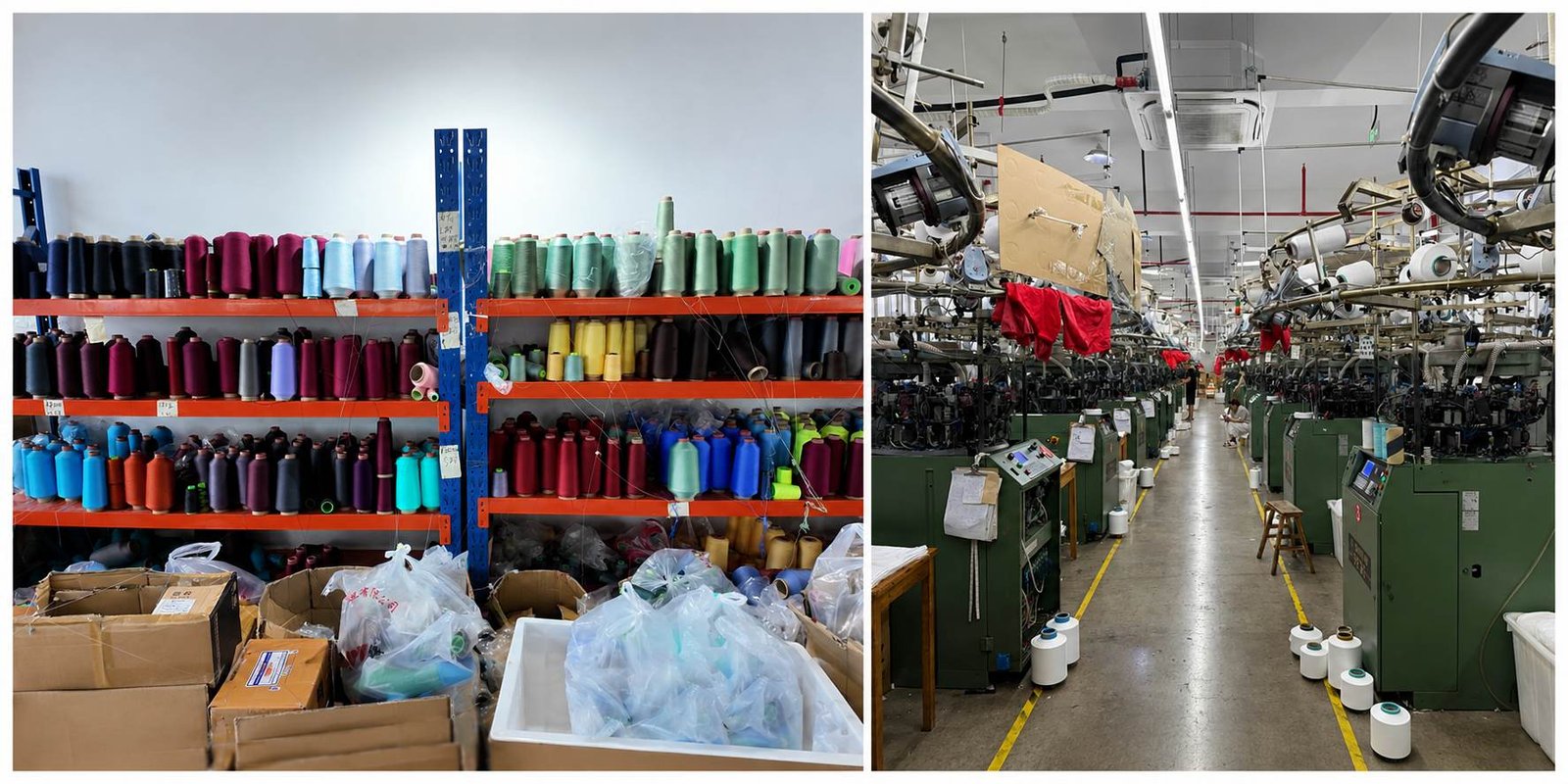
Material Route
MOVEVOX reviews the selected fabric or yarn, supplier conditions and minimum quantity before confirming how the color can be executed.

Lab Dip
Where the material route uses lab dips, candidate colors are compared with the buyer’s reference before bulk dyeing.

Sample Review
The approved color is checked in the actual material or garment because surface, texture, finishing and stretched state can affect visual appearance.

Revision
If the buyer rejects the first color direction, comments should identify the required change clearly enough for the supplier to produce the next version.
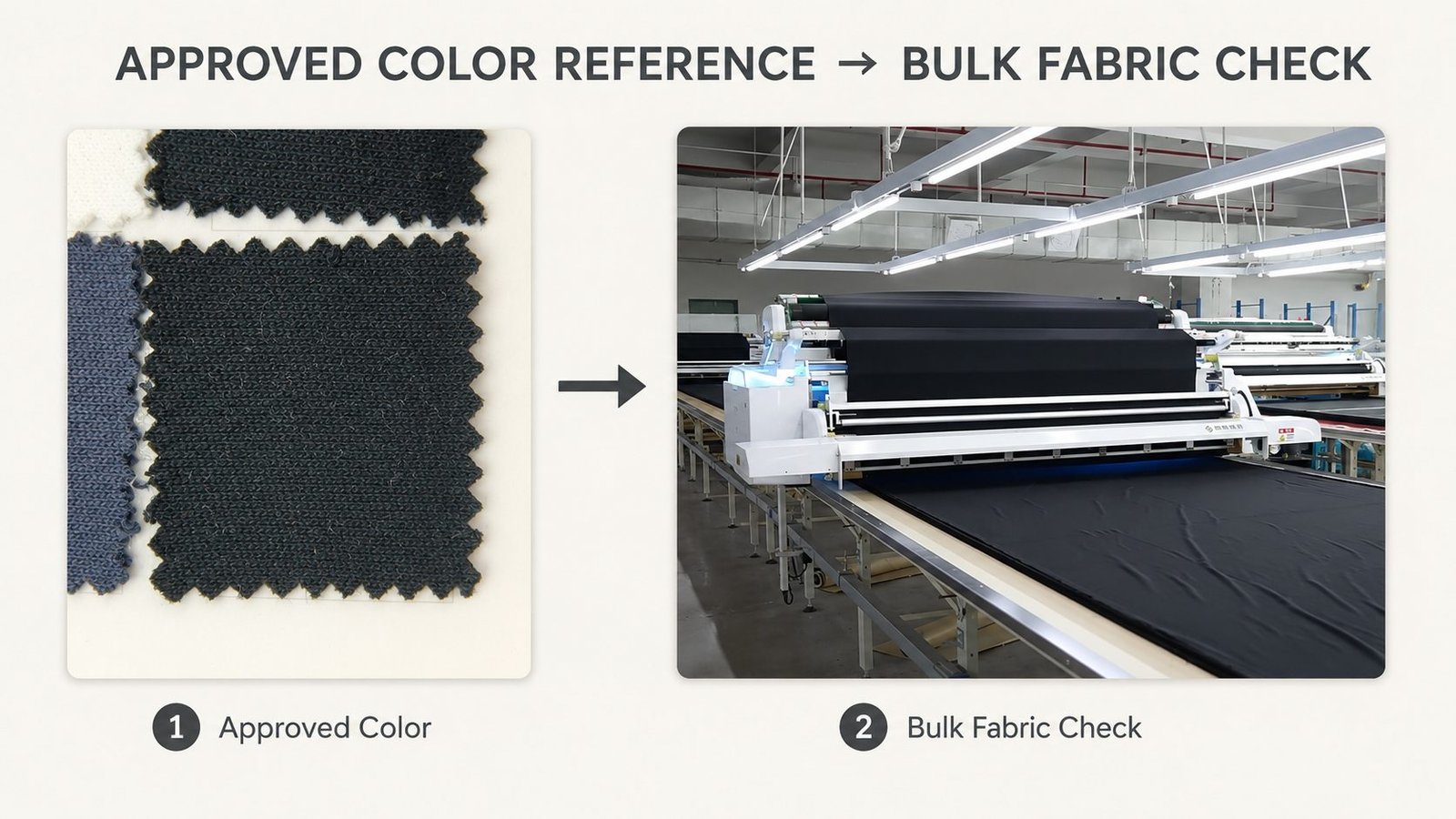
Bulk Shade
Commercial material should be compared with the approved color reference before final product release. Coordinated sets may require attention to visual shade differences.
Coordinate Product Development With Private Label Execution
MOVEVOX can connect product, materials, branding, labels and packaging within one project. Private-label details should be added to an already controlled Fit and construction standard.
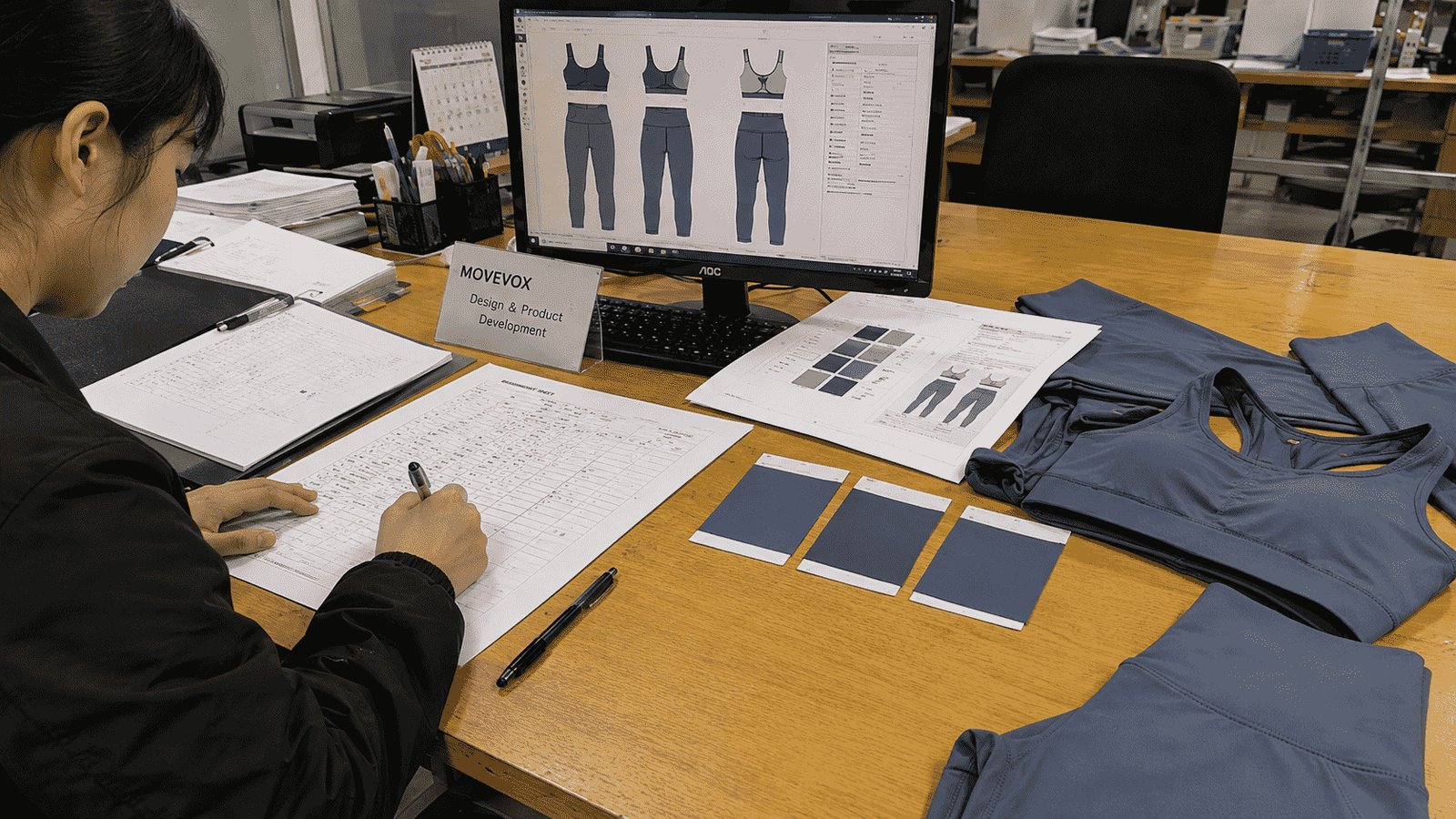
Product
A Low-Support Sports Bra can start from a Tech Pack, legal reference sample, sketch, image or defined product concept. The buyer should identify intended activity, silhouette and key Fit requirements so MOVEVOX can select Seamless or Cut & Sew and develop against clear acceptance points.
- Minimal / strappy / longline directions
- Seamless or Cut & Sew
- Removable / positioned / no pad
- Buyer-specific measurements
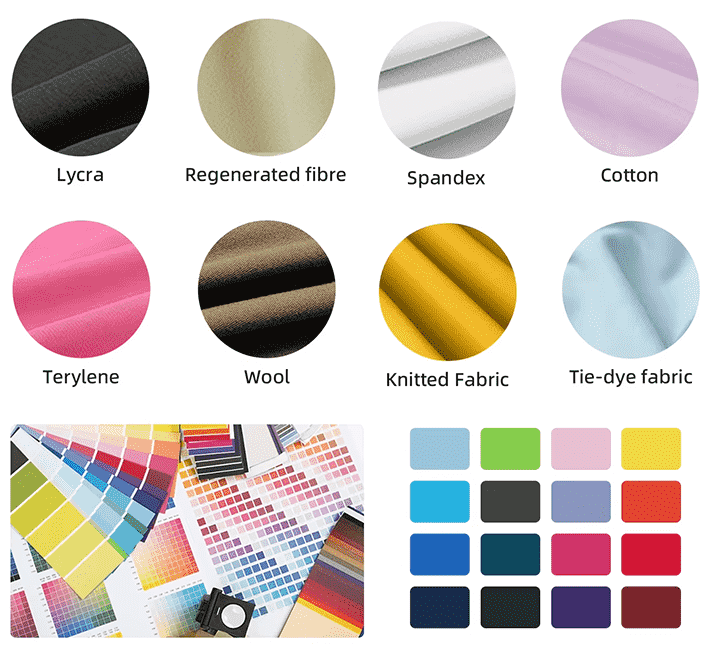
Material & Color
Material approval can consider composition, GSM, handfeel, stretch, recovery, surface and color. Custom color may introduce material or dyeing MOQ beyond the base garment MOQ.
- Nylon / Spandex
- Polyester / Spandex
- Naked Feel references
- Rib / brushed / peach directions
- Seamless yarn
- Stock or custom color
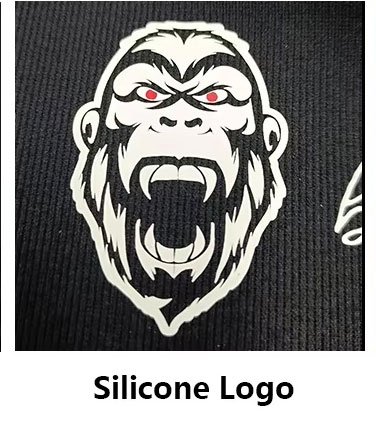
Logo
Branding methods can include heat transfer, screen print, silicone, embroidery, jacquard or other approved routes where technically appropriate. Logo method should be sampled on the actual product because high-stretch areas can change appearance or durability.
- Heat transfer
- Screen print
- Silicone
- Embroidery
- Jacquard
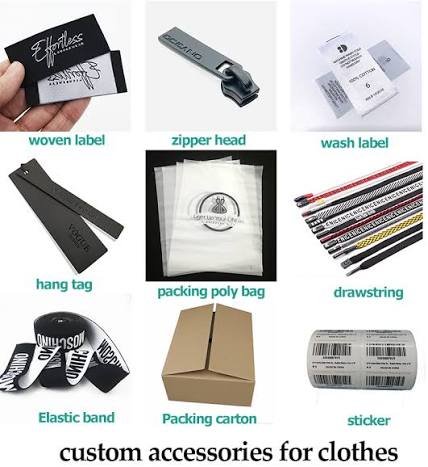
Labels & Trims
Main labels, care labels, size labels, hangtags and relevant trims can be coordinated to the customer BOM and artwork. Close-to-skin label location should remain consistent with the buyer’s comfort direction.
- Main label
- Care label
- Size label
- Hangtag
- Approved trims
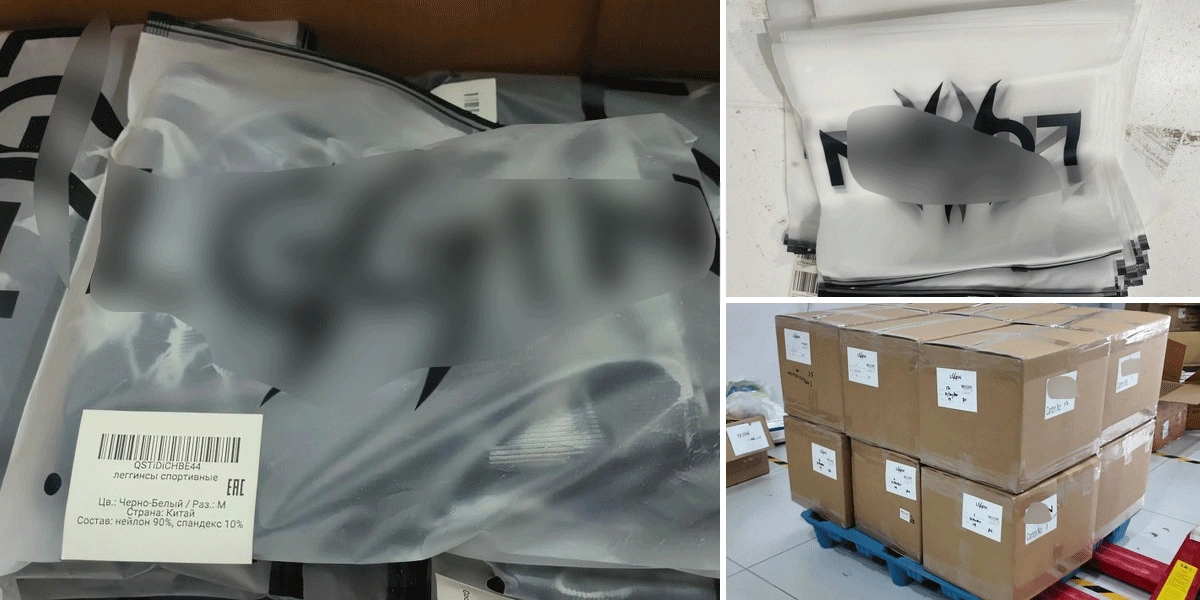
Packaging
Individual polybags, barcode labels, stickers, carton markings and more complex custom packaging can be managed according to the commercial PO. SKU information should remain connected to size, color and product identity.
- Individual polybag
- Barcode / SKU label
- Custom sticker
- Carton marking
- Buyer-defined packaging
What to Prepare Before Low-Support Bra Development
Clear project inputs reduce avoidable sampling cycles. MOVEVOX can begin from incomplete references, but more missing decisions normally mean more development questions and buyer approvals.
Intended Activity
Define whether the product is intended primarily for Yoga, Pilates, studio training, Athleisure or another use.
Product Reference
Provide a Tech Pack, legal reference sample, sketch, image or sufficiently defined concept.
Measurement Chart
Buyer-approved POMs, grade rules and tolerances provide a clearer development target than a size label alone.
Fit Direction
Describe the intended wearing result, including whether the product should feel soft, lightly fitted, longline, minimal or more structured in selected areas.
Fabric Specification
Provide nominated material information or target composition, GSM, handfeel, stretch, recovery and surface direction.
Strap & Back
Specify strap width, length direction, adjustability if applicable, crossing arrangement and back shape.
Pad Direction
Confirm removable pad, positioned pad or no-pad requirements and any known pad dimensions.
Color Standard
Supply Pantone or a physical color reference where color accuracy matters.
Branding Details
Provide logo artwork, position, dimensions and selected branding method plus label and hangtag details.
Packaging Requirements
Packaging can be finalized later than the first garment sample, but barcode, QR or custom packing requirements should be defined before bulk release.
Plan Sample Timing Around the Actual Development Scope
MOVEVOX’s standard sample reference is approximately 5–10 working days after the critical inputs are executable. More complex development can take approximately 10–20 working days or longer.

Inputs
MOVEVOX confirms the current product reference, measurements, material direction, color, straps, pad construction, branding requirements and unresolved questions before sample work begins.
Review
The technical team reviews material availability, Seamless or Cut & Sew route, pattern or program requirements and decisions that must return to the buyer.
Material
Existing material can shorten preparation, while custom color, dedicated yarn or special trims may require additional supplier lead time.
Development
Pattern cutting, Santoni programming, sewing, pad construction and garment assembly proceed according to the selected route and complexity.
Sample
A standard executable project can normally reach a physical development sample within approximately 5–10 working days under normal conditions.
Revision
Complex construction, custom material, major Fit changes or repeated buyer revisions can extend development to approximately 10–20 working days or longer.
Keep the Approved Soft Fit Consistent in Bulk
The Approved Sample becomes commercially useful only when its material, Fit, color and construction are transferred into controlled production references.
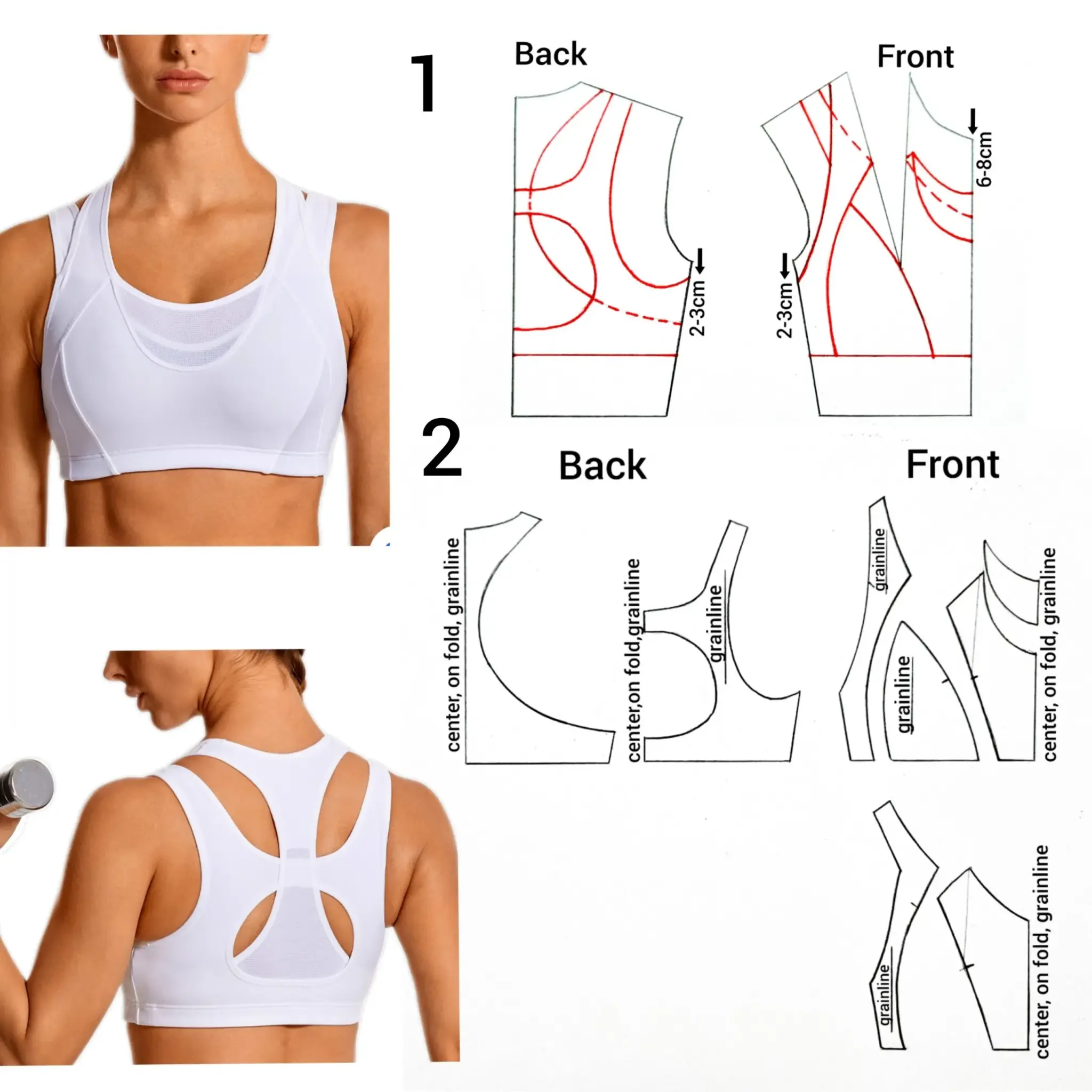
Material
Bulk material should match the approved fabric or yarn reference. Unapproved substitutions can alter handfeel, stretch, recovery and garment Fit.
Handfeel
Where handfeel is commercially critical, an approved physical swatch or garment provides a more reliable reference than descriptive words such as “soft.”
Measurements
Final POMs and tolerances should correspond to the approved product rather than an earlier sample-development version.
Underband
The approved dimensions, elastic or knitted structure and joining method should remain consistent through First Article and bulk production.
Straps & Pad
Strap dimensions, attachment, internal pocket and pad position should follow the current approved construction and be checked for symmetry.
Color & Branding
Approved color, logo process, artwork dimensions and position should remain linked to the correct style and SKU.
Packaging
Barcode, labels, polybag and carton instructions should correspond to the correct size, color and product identity before shipment release.
Handover Control
MOVEVOX should not rely on the Approved Sample alone. Final measurements, materials, pattern or knitting program, color standard, construction, artwork and packaging information must also be distributed to the relevant production and QC functions. First Article and in-line inspection then compare actual output against those approved references.
Control Material Before It Becomes a Garment Problem
Low-support sports bras can be particularly sensitive to handfeel, color and recovery. Incoming material should therefore be checked against the actual project reference before normal production begins.
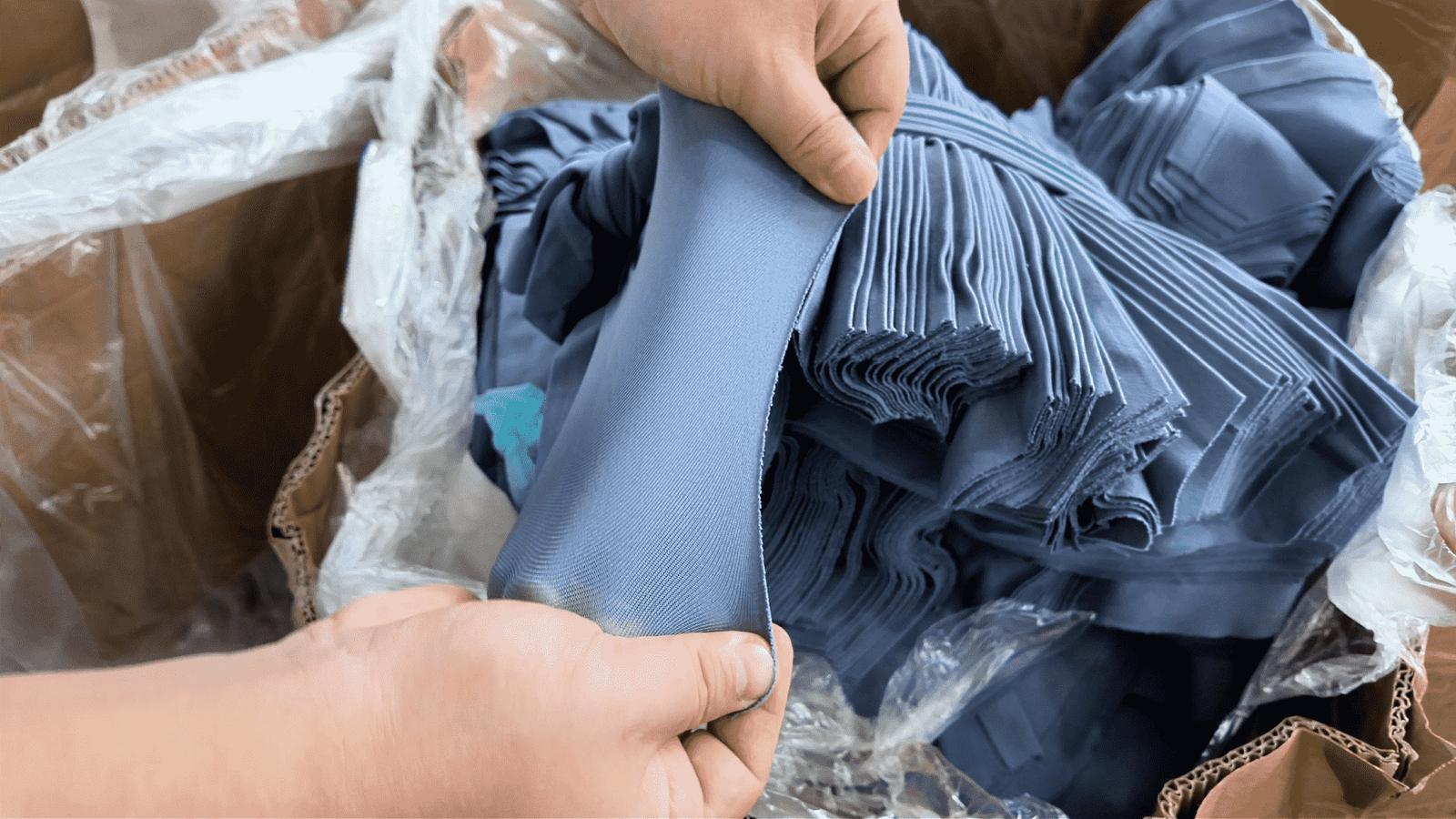
Material Identity
Confirm delivered fabric, yarn or component corresponds to the correct PO, style and approved material reference before production.
Check criteria: Supplier / material reference · PO and style identity · Approved specification
Color
Compare incoming material with the approved color or physical reference under buyer-required conditions where applicable.
Check criteria: Approved shade reference · Lot consistency · Collection coordination
Handfeel Reference
Where the buyer has approved a specific tactile direction, compare the material with the physical swatch or approved garment.
Check criteria: Approved reference · Surface finish · Obvious lot variation
Weight / Width
GSM, width or related parameters can be checked when they form part of the buyer or material specification.
Check criteria: Project requirement · Material specification · Recorded result
Visible Defects
Incoming materials should be reviewed for obvious issues that could create garment defects or unacceptable surface appearance.
Check criteria: Holes / damage · Surface irregularity · Contamination
Stretch / Recovery
Where stretch or recovery is critical, the material should be checked against the approved project method rather than assumed from composition.
Check criteria: Buyer method if defined · Internal reference · Lot consistency
Lot Status
Material should have a clear acceptance, hold or rejection status before it is issued to normal production.
Check criteria: Inspection record · Lot identity · Release status
Match Every Product Claim to the Evidence Scope
Low-support activewear is often described with terms such as soft, breathable, quick-dry or high recovery. MOVEVOX should only use those statements at the level supported by the actual material, garment, test method and document scope.
Handfeel Claims
“Soft,” “brushed,” “peach-skin” or “Naked Feel” can describe a buyer-approved tactile direction, but they are not standardized laboratory performance classifications by themselves.
Applicable scope: Specific approved swatch, fabric or garment reference.
MOVEVOX response: Retain physical references and avoid converting tactile language into unsupported universal technical claims.
Stretch and Recovery
Stretch and recovery can be evaluated through material specifications, internal screening or buyer-defined testing. A fabric result does not automatically prove that the finished sports bra will maintain Fit in every size or use condition.
Applicable scope: Identified material or project-specific garment.
MOVEVOX response: Review material data together with actual garment Fit and reopen approval if critical properties change.
Breathability Claims
Visual mesh, open-knit structures or lightweight materials should not automatically be advertised as quantitatively breathable.
Applicable scope: Only the tested material or garment.
MOVEVOX response: Use structural descriptions unless project-specific breathability test evidence is available.
Moisture Claims
Polyester content, mesh appearance or sportswear use does not by itself prove moisture-wicking or quick-dry performance.
Applicable scope: Product or material covered by the actual test.
MOVEVOX response: Do not use moisture-management claims solely from fiber composition or marketing convention.
Chemical Test Scope
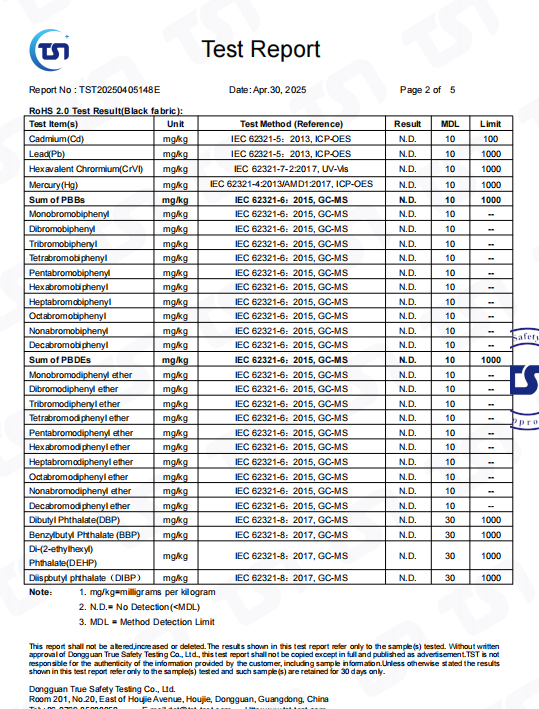
MOVEVOX currently has third-party testing dated April 30, 2025 for a black fitness yoga leggings sample, including RoHS 2.0 and REACH Annex XVII phthalates-related evidence. These documents demonstrate real testing experience but do not prove Low-Support Sports Bra compliance.
Applicable scope: The sample explicitly identified in each report.
MOVEVOX response: Obtain product- or material-specific testing when the buyer requires evidence for a new Sports Bra project.
Scale an Approved Product Through Managed Capacity
MOVEVOX separates normal managed delivery capability from theoretical machine output. Actual sports-bra capacity depends on manufacturing route, complexity, materials, sizes, colors and active production load.
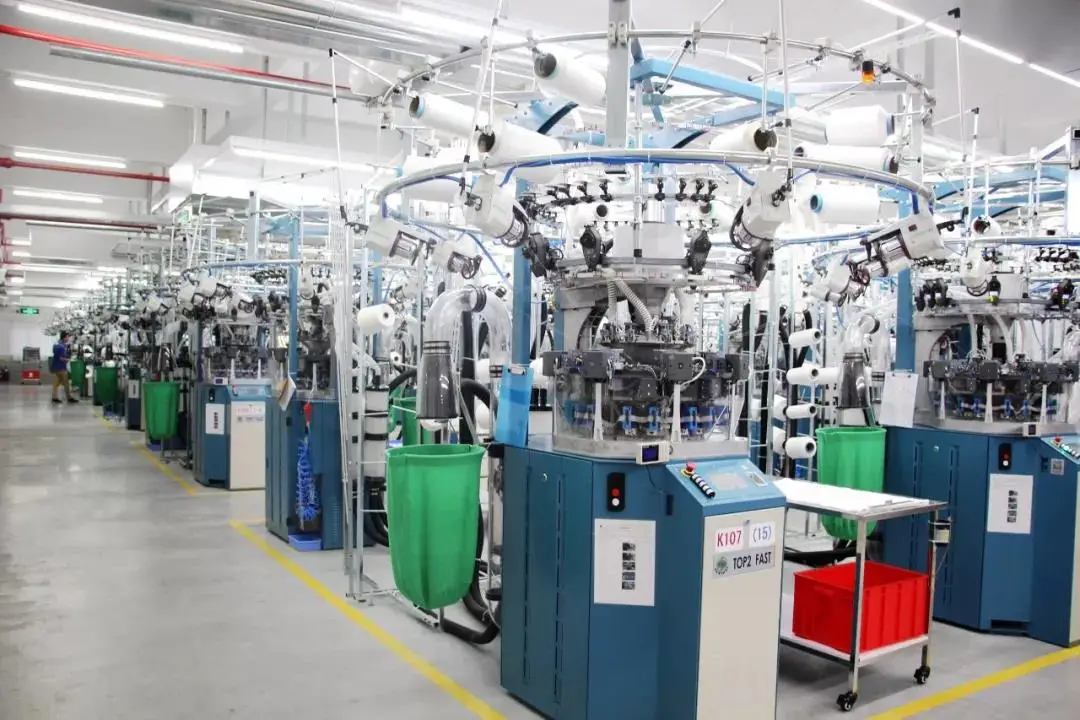
Managed Delivery
Current normal comprehensive managed delivery capability across self-operated and controlled collaborative production, subject to active program conditions.
Santoni Machines
The core Seamless facility contains 28 Italian Santoni machines supporting suitable sports bra and activewear programs.
Garment Machines
Approximately 24 principal sewing and garment-production machines support the self-operated Cut & Sew route.
Satellite Facilities
The long-term collaborative production network contains six facilities in Yiwu and two in Guangzhou.
QC Personnel
Five QC personnel currently support quality activities across the manufacturing system.
Bulk Reference
Normal bulk-production time is approximately 20–35 days under standard conditions after critical production inputs are ready.
Verify the Manufacturing System Behind the Product
MOVEVOX supports onsite and remote verification of relevant manufacturing and quality processes. Audit readiness means buyers can inspect the operating system rather than relying only on website claims.
Legal Identity
MOVEVOX is operated by Yiwu Chenjin Import And Export Co., Ltd. The current legal entity was established in 2020, while MOVEVOX records its activewear manufacturing and supply-chain operations as beginning in 2019.
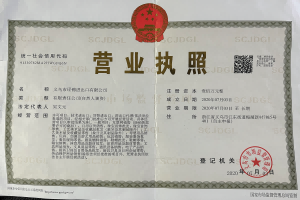
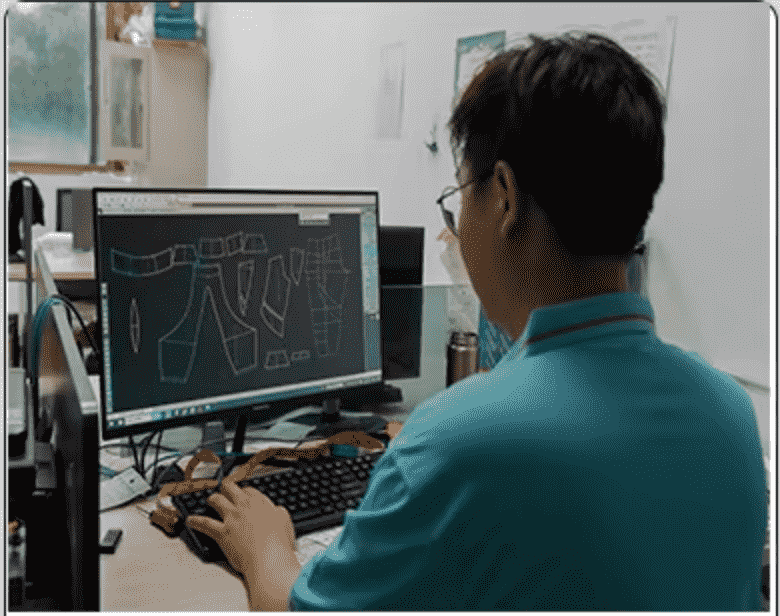
Development Area
The development organization is configured at approximately eight people across design, pattern and sample-related functions. Buyers can review how reference products, patterns, sample versions and development comments move through the technical process.
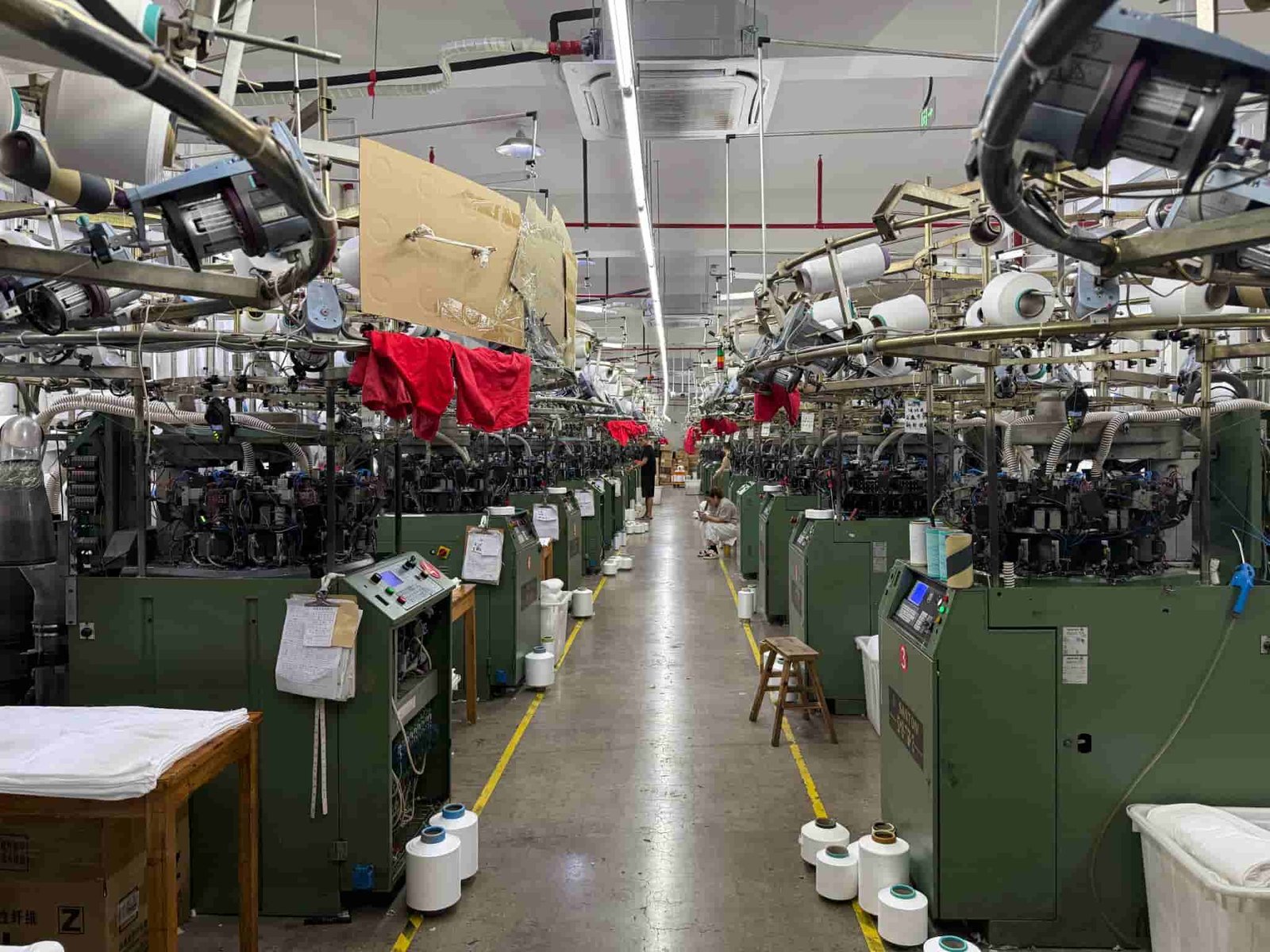
Seamless Facility
The core Seamless manufacturing system contains 28 Italian Santoni machines. A factory review can inspect actual knitting equipment, production organization, yarn handling and downstream operations.
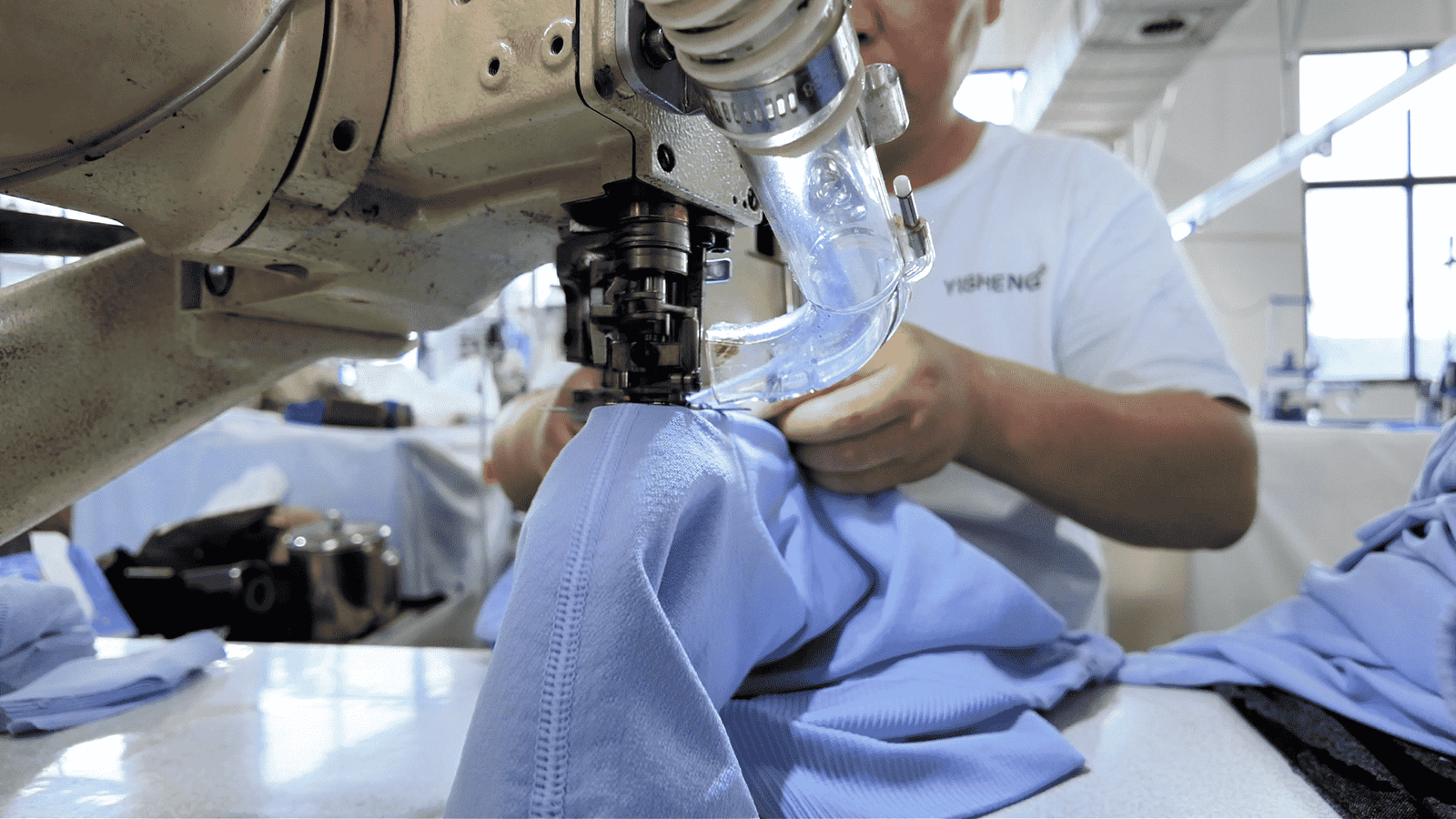
Cut & Sew
The self-operated Cut & Sew operation includes approximately 24 principal sewing and garment machines. Buyers can review cutting and garment assembly for sports bras using panels, elastic, lining, straps or pad pockets.
Quality Control
The current organization includes five QC personnel. A technical or factory audit can review how incoming, First Article, in-line, measurement, finished-garment and packing checks are organized.
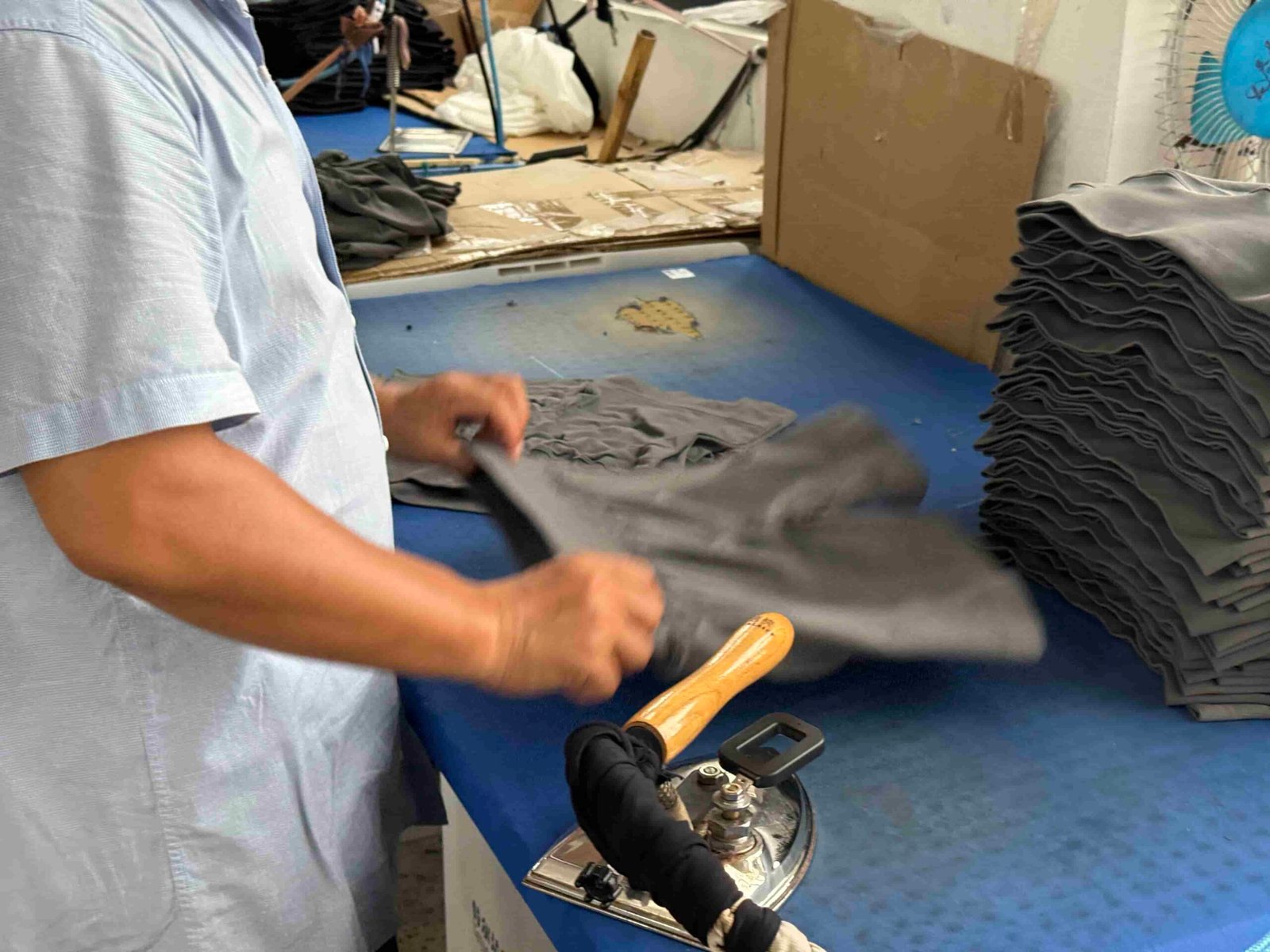
Packing Area
Packing control connects finished garments to size, color, labels, barcode, packaging and carton requirements. SKU accuracy can remain commercially important after workmanship approval.
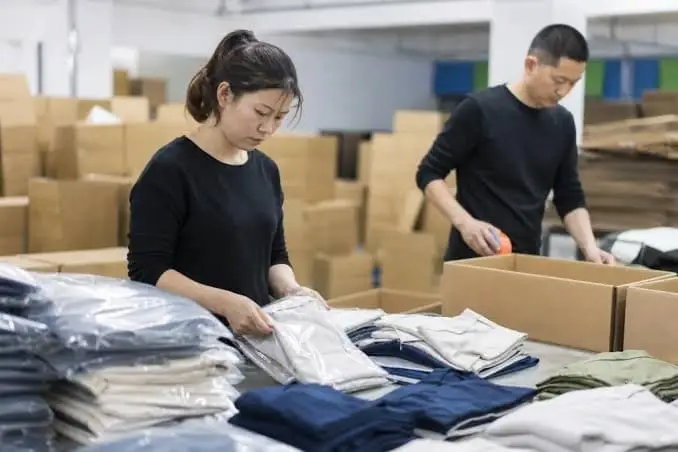
Documents
A mature supplier audit should verify whether technical and production information is controlled in usable records rather than retained only in informal messages.
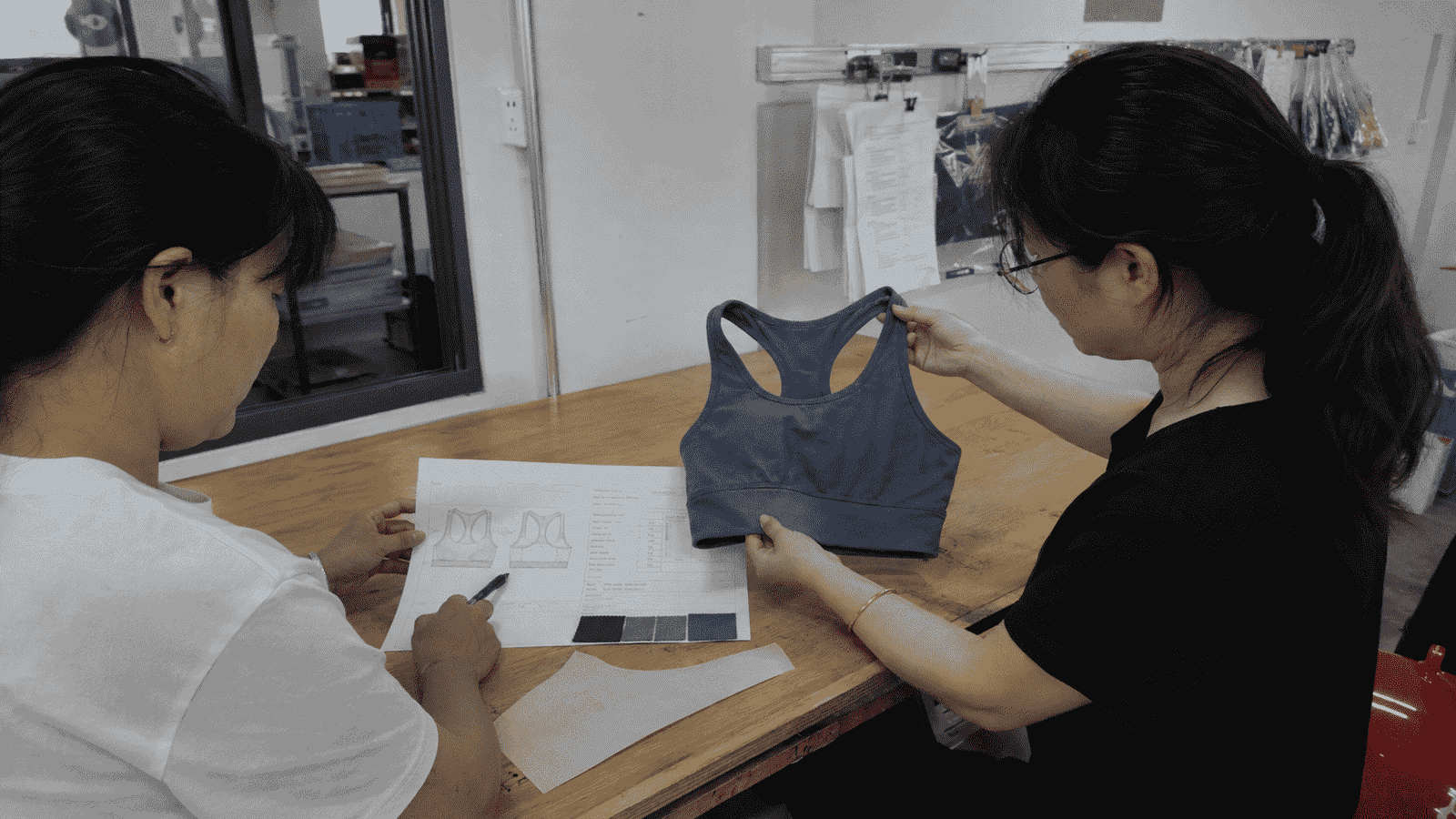
Satellite Production
MOVEVOX’s network contains eight long-term collaborative satellite facilities, including six in Yiwu and two in Guangzhou. Customer requirements and quality responsibility should remain managed through MOVEVOX.

From Development Samples to Recurring Activewear Production
An anonymized U.S. fitness-focused activewear customer worked with MOVEVOX across a multi-product program that included sports bras, leggings, shorts, tops, sets and one-piece products. The case demonstrates structured sampling, wearer-test preparation, branded bulk execution and recurring orders, but is not presented as a specifically validated Low-Support Sports Bra case.
Customer Background
The customer operates in the U.S. fitness market and required a recurring private-label activewear program rather than a single one-off style. Product requirements included stretch-oriented garments, branded execution, extended product development and increasingly complex commercial packing as cooperation developed. The project portfolio included sports bras as part of the broader activewear program.
Challenge
The buyer’s product could not move directly from the initial technical package into large-volume production. Physical fitting and wearer feedback were required to identify areas that needed revision before the product standard became suitable for bulk. Later production also required correct relationships between products, logos, labels, care information, custom packaging, printed material and SKU-specific QR identification.
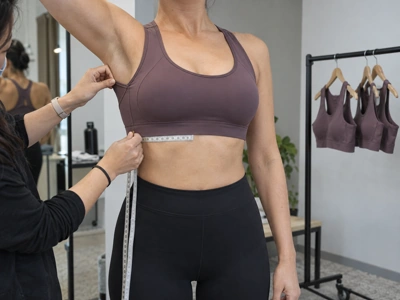
MOVEVOX Solution
MOVEVOX used the customer’s technical package as the initial development reference and produced the first physical sample. After actual use and fitting feedback identified necessary changes, the comments were consolidated into a revised product version. A second sample was prepared for review. Once the revised direction was substantially accepted, approximately 5–10 additional samples were produced for practical wearer testing before commercial production.
For bulk orders, the development standard was combined with private-label execution. Logo, labels, care information, custom packaging, printed materials and SKU-specific QR identification were coordinated with the commercial order. Different sizes and colors required repeated checks so QR and product identity remained correctly matched.
Technical Input
The buyer supplied its technical package and product requirements, providing a structured starting point for sample development.
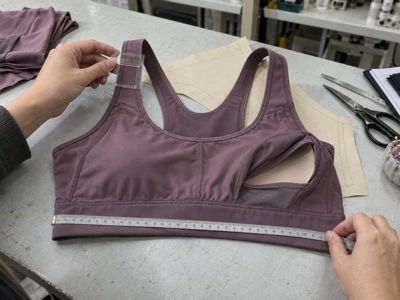
First Sample
MOVEVOX produced the first physical development sample so actual Fit, material and construction could be evaluated.
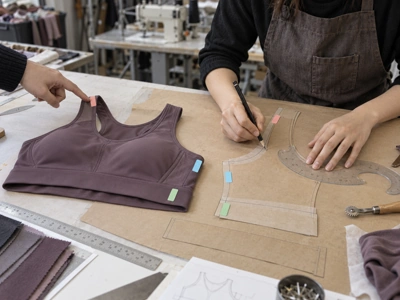
Revision
Feedback from physical review was consolidated into measurable changes, and MOVEVOX produced a second development version.
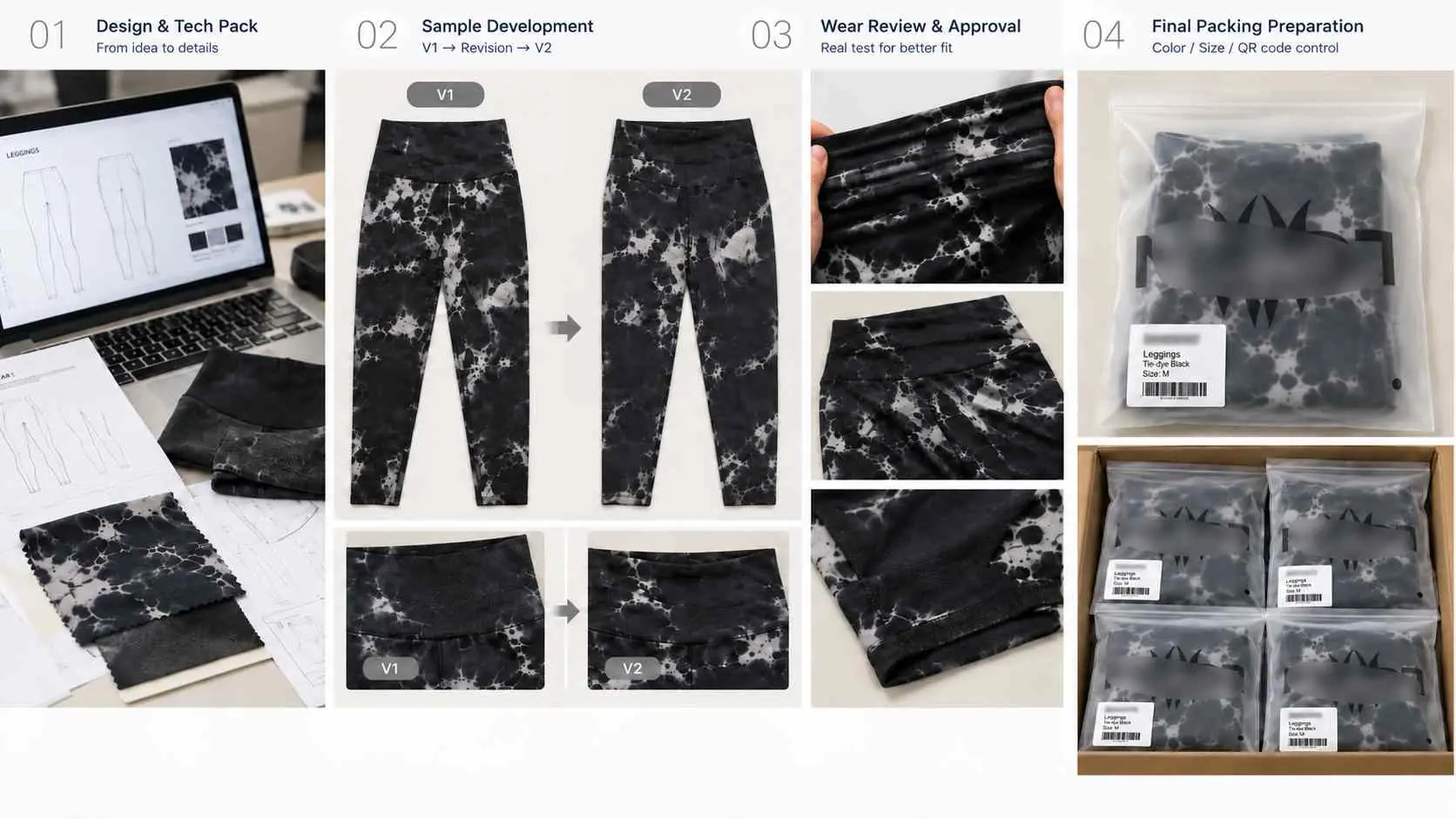
Wearer Samples
After the revised direction was largely accepted, approximately 5–10 additional samples were prepared for practical wearer testing.
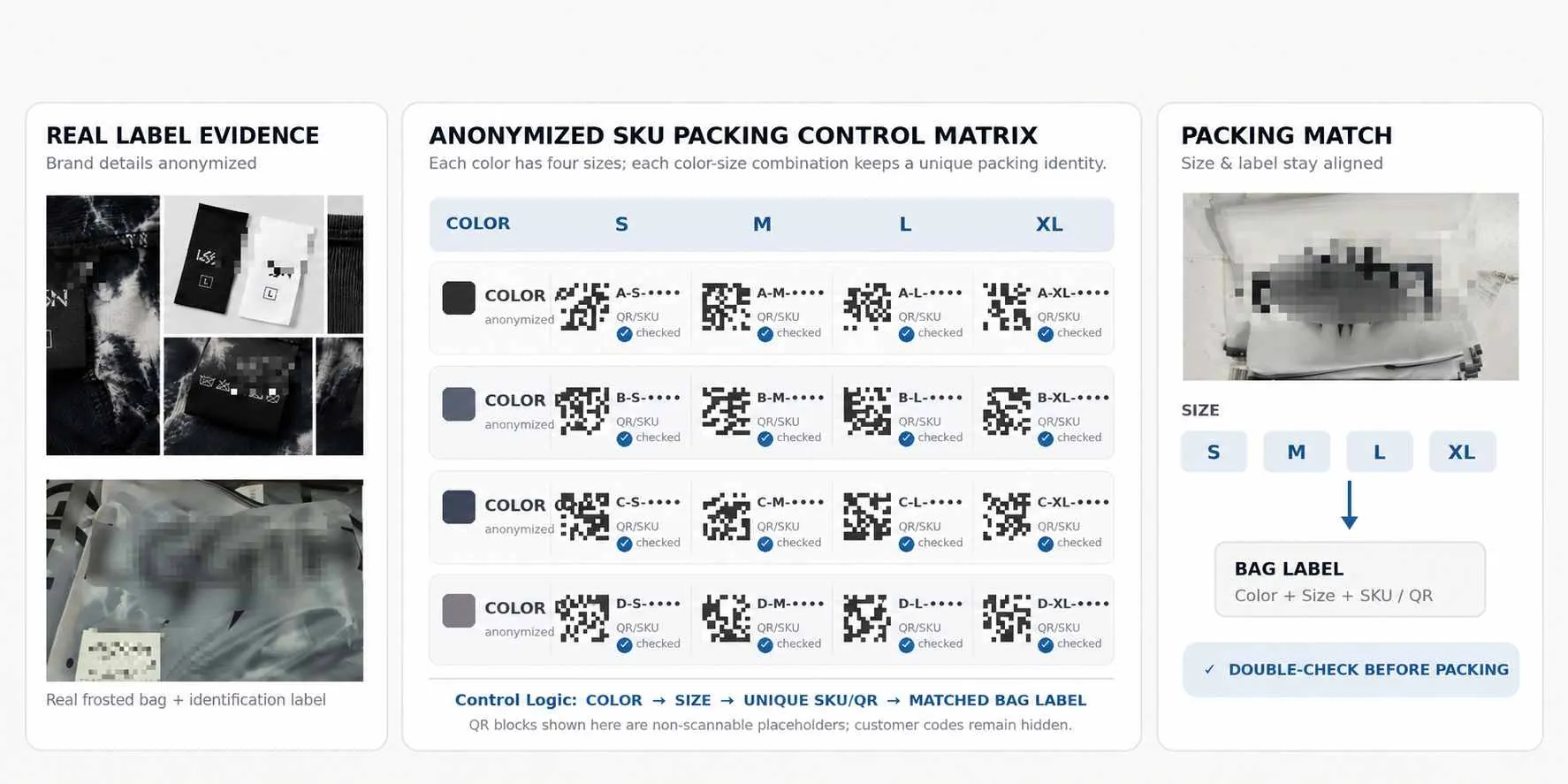
Branded Bulk
Bulk execution incorporated logo, labels, care information, customized packaging, printed materials and SKU-specific QR identification.
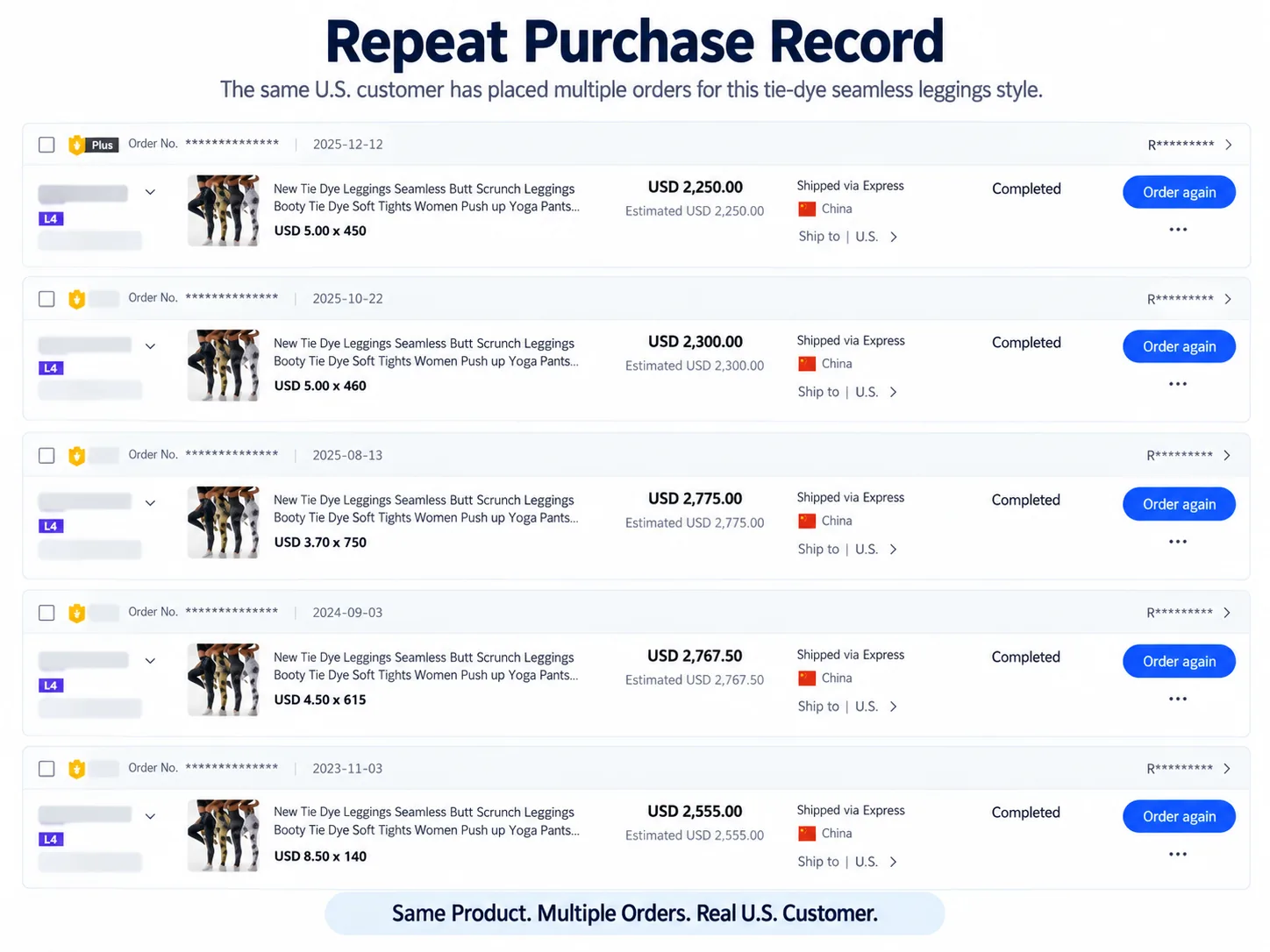
Repeat Orders
The existing case record describes recurring cooperation after the initial development process, allowing approved product and commercial standards to support later orders.
需要真实素材替换
No verified verbatim customer quotation should be invented.