
Leggings Manufacturer
A China-based manufacturing partner for established activewear brands, combining Seamless and Cut & Sew development with controlled sample-to-bulk execution.
MOVEVOX supports leggings programs from technical review and sampling through private-label execution, quality-managed bulk production and supplier verification. The manufacturing route is selected according to product structure, fit requirements, materials and the intended design outcome.
Built for Brands Managing Real Leggings Programs
MOVEVOX is positioned for buyers who need more than a low-cost garment source. The strongest fit is with brands managing formal development, multiple sizes or colors, repeat orders and longer-term supplier relationships.
Established Activewear Brands
You already have a defined consumer, product direction and internal quality expectations. Your supplier must interpret technical requirements accurately, manage revisions, document approvals and reproduce an accepted standard through bulk production. MOVEVOX connects product development, manufacturing, quality control and order coordination instead of treating them as isolated services.
Scaling Yoga & Fitness Brands
Your leggings program may be moving from smaller validation orders into more colors, sizes, constructions or seasonal launches. The manufacturing requirement therefore changes from simply making the product to controlling specifications, materials, sampling, production allocation and repeat orders while the SKU structure becomes more complex.
Second-Source Programs
You may already have a primary factory but require an additional qualified manufacturer for capacity resilience, a different manufacturing route, risk reduction or future growth. MOVEVOX can begin with technical review and sampling so supplier suitability is evaluated against an actual product rather than marketing claims alone.
Structured Private Label
The project may require custom leggings together with Logo execution, labels, hangtags, SKU information, barcodes, individual packaging and carton identification. These elements must remain aligned with the correct Style, Color and Size throughout sampling, production, QC and packing rather than being treated as separate decoration steps.
A Verifiable Manufacturing Base Behind Your Leggings
A leggings manufacturer should be evaluated through real production capability, development resources and quality responsibility—not only through finished-product photographs or a broad OEM claim.
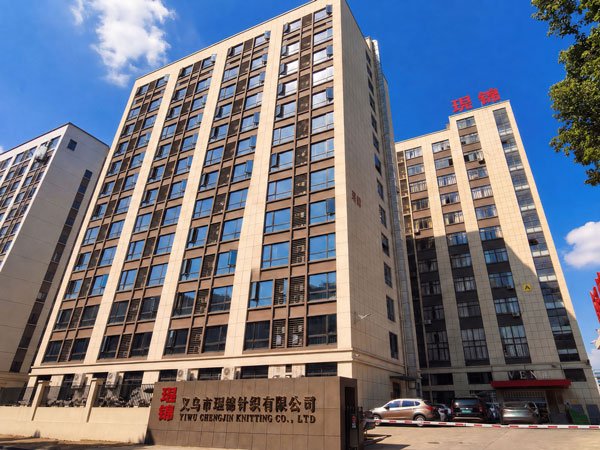
Yiwu Production Base
MOVEVOX operates from Yiwu, Zhejiang, China, with approximately 6,000 square meters of actual production space supporting product development, Seamless manufacturing, Cut & Sew production, inspection, packing and order execution. Buyers may review the manufacturing environment through appropriate on-site or remote verification arrangements.
Seamless Manufacturing
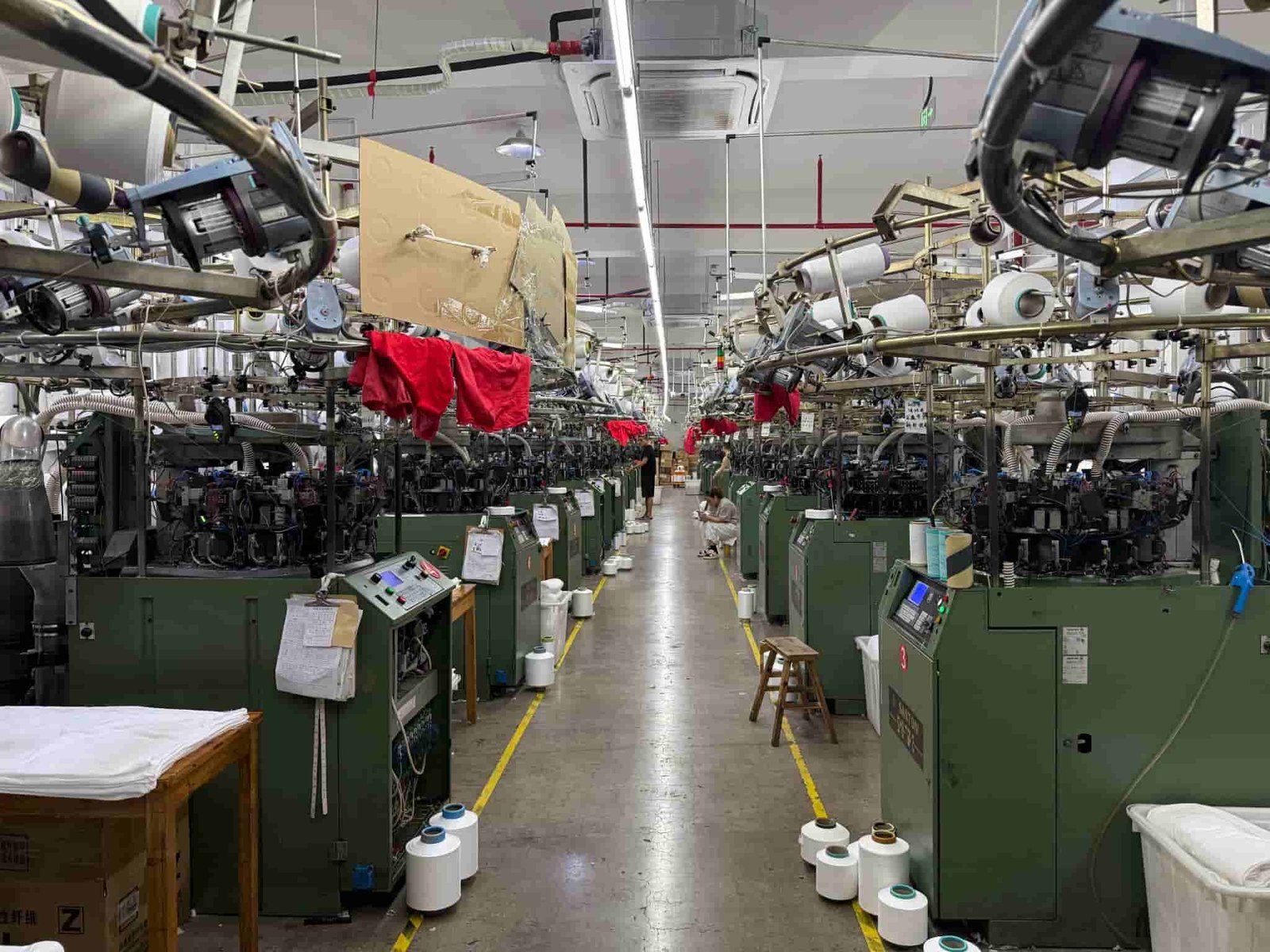
The current manufacturing system includes 28 Italian Santoni seamless knitting machines. Seamless leggings development can involve yarn selection, knitting programs, waistband structures, rib or texture areas, mesh, localized structural zones and fit adjustment before an approved construction is released for production.
Cut & Sew Production
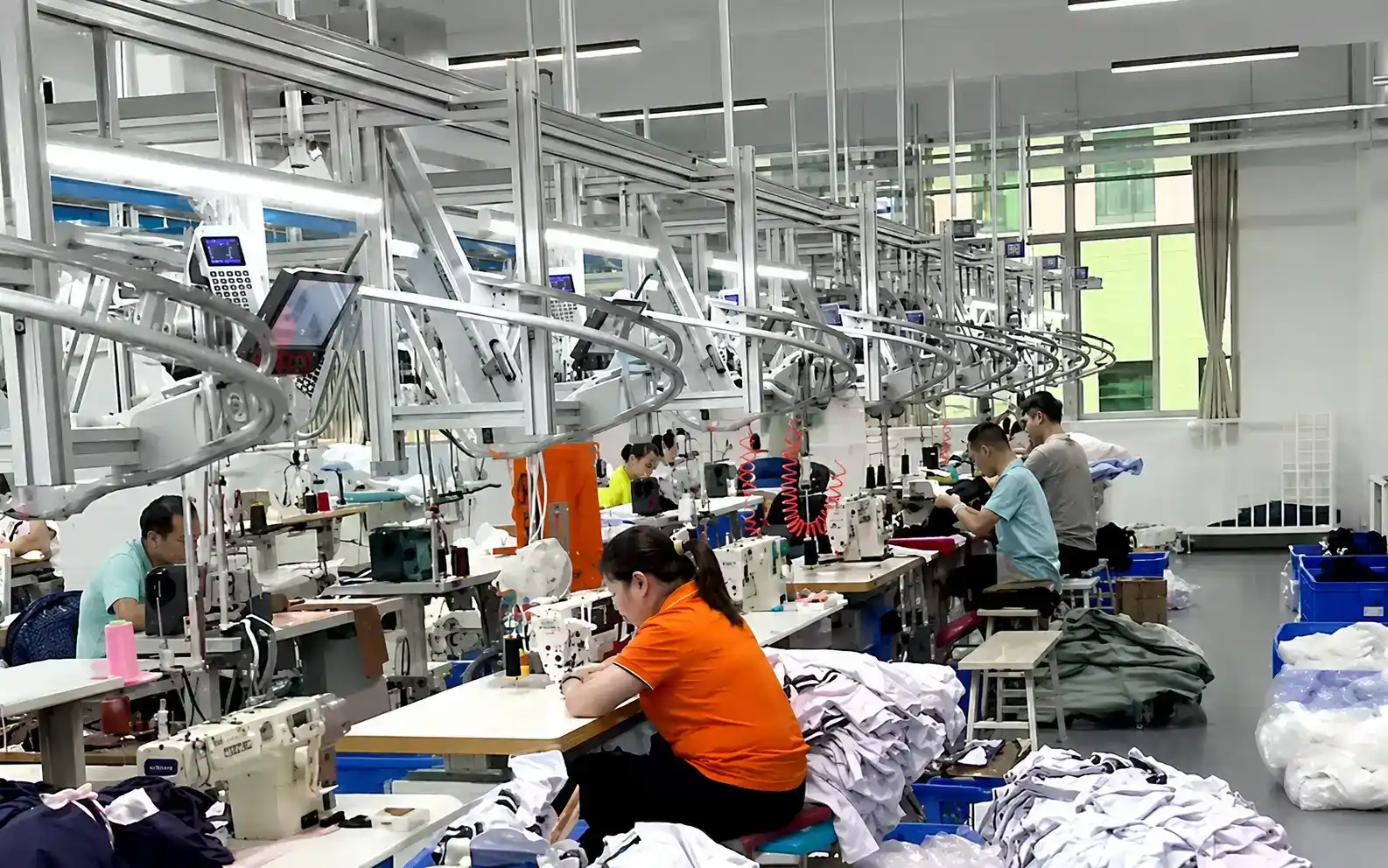
MOVEVOX also maintains a Cut & Sew manufacturing route with approximately 24 main sewing and garment-production machines in its current system. This route supports leggings requiring conventional fabric selection, pattern engineering, cutting, seam construction, panel details, pockets, trims and other cut-panel structures.
Development & Sampling
Product development is integrated into the manufacturing process. Depending on the project, MOVEVOX can review technical inputs, select the manufacturing route, coordinate materials, develop patterns or seamless structures, make samples, record revisions and move an approved product toward bulk-production standards.

Quality & Packing
A dedicated five-person QC team works alongside production responsibility and order-management cross-checks. Quality activities extend from material and pre-production checks to first-article, process, finished-garment and packing controls according to the requirements of the specific order.

Key Manufacturing Facts for Initial Supplier Screening
These figures establish a clear operating profile for supplier evaluation. They describe the current MOVEVOX manufacturing system and should be read together with project-specific capacity and technical review.
What Serious Buyers Should Check in a Leggings Manufacturer
A long-term leggings supplier should be evaluated as a complete operating system. These questions help sourcing teams distinguish product availability from genuine development, production and supply capability.
Product Fit
Buyer question: Can the supplier manufacture the leggings structures our brand actually needs?
MOVEVOX response: Leggings are a core MOVEVOX category, with both Seamless and Cut & Sew routes available. Structure selection is reviewed against waistband, front and back construction, pockets, target handfeel, compression direction and other design requirements.
Development Fit
Buyer question: Can the supplier turn technical intent into an approved production standard?
MOVEVOX response: Projects can begin from a Tech Pack, approved reference material or a defined concept. Technical review, material selection, pattern or seamless structure development, sampling, revision and approval are connected before bulk production.
Production & Delivery
Buyer question: Can the supplier execute the order after the sample is approved?
MOVEVOX response: Production readiness includes specification release, material preparation, production allocation, first-article verification, bulk execution, work-in-progress monitoring, quality checks, packing and shipment preparation.
Quality & Verification
Buyer question: Are quality decisions based on an approved standard and documented checkpoints?
MOVEVOX response: MOVEVOX connects approved specifications and samples with incoming, pre-production, first-article, inline, finished-garment and final-release controls. Buyer or third-party verification can be supported according to project requirements.
Long-Term Scale
Buyer question: Can the supplier support more SKUs, repeat orders and higher volumes without losing control?
MOVEVOX response: Scale-up is reviewed through capacity planning, production allocation, unified documentation, WIP management and quality oversight rather than assuming that a successful small sample automatically proves large-order capability.
Six Capabilities Supporting Reliable Leggings Manufacturing Programs
Each capability addresses a different sourcing question: product route, development, materials, fit, production quality and the ability to move from an approved sample into repeatable commercial execution.
Seamless Manufacturing
MOVEVOX operates 28 Italian Santoni seamless knitting machines. Seamless leggings projects can combine yarn selection, program development, waistband engineering, rib, mesh, texture, localized structure and fit considerations. The objective is to convert the requested visual and functional structure into a controllable knitting program that can be sampled, reviewed and released.
Cut & Sew Manufacturing
Cut & Sew leggings are developed through a different engineering path. MOVEVOX reviews fabric behavior, pattern shape, cutting, seam placement, construction, pockets, panels, Logo or trim requirements and finished measurements. This route is particularly relevant when conventional fabric panels or more complex construction details are required.
Product Development
MOVEVOX supports projects beginning from established Tech Packs as well as projects requiring more manufacturing translation. Development can include technical review, material coordination, pattern or seamless-program preparation, samples, buyer feedback, revisions and approval. The purpose is to establish an executable product standard.
Material & Fit Engineering
Leggings performance is influenced by the relationship between material, construction and fit. MOVEVOX reviews target handfeel, composition, GSM, stretch and recovery, opacity considerations, POM measurements, measurement methods and product structure. Performance claims require suitable project evidence.
Quality Management
Quality controls are linked to the approved product rather than a generic high-quality statement. MOVEVOX uses production responsibility, a dedicated five-person QC team and order-management cross-checks covering incoming, pre-production, first article, production trends, measurements, workmanship, branding, packing and final release.
Scalable Production
Scale is treated as a planning problem, not simply a machine-count claim. Before larger orders are confirmed, MOVEVOX reviews quantity, SKU structure, materials, manufacturing route, production window, quality resources and delivery requirements. Controlled satellite capacity can supplement the core base while accountability remains managed through MOVEVOX.
Leggings Architecture for Different Brand Product Strategies
These are development directions rather than stock styles. Each option should be evaluated against the intended Fit, material, manufacturing route, construction risk and brand positioning before sampling.
High-Waist Structure
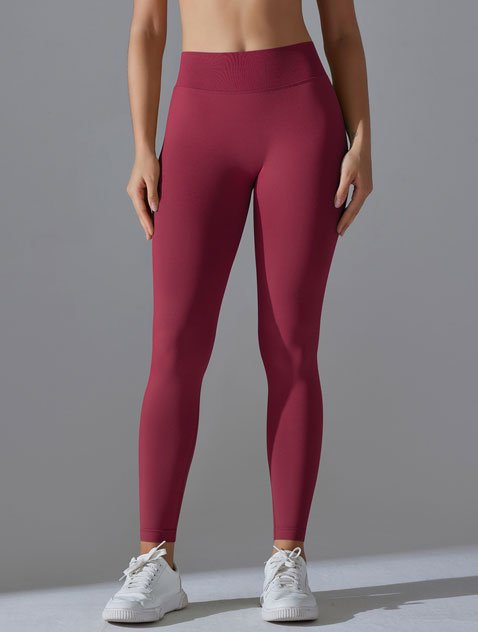
High-waist and extra-high-waist leggings can be developed through Seamless or Cut & Sew construction depending on the intended silhouette and waistband behavior. Key decisions include waistband height, elasticity, negative ease, top-edge stability, body-to-waist proportion and material recovery.
V or Cross Waist
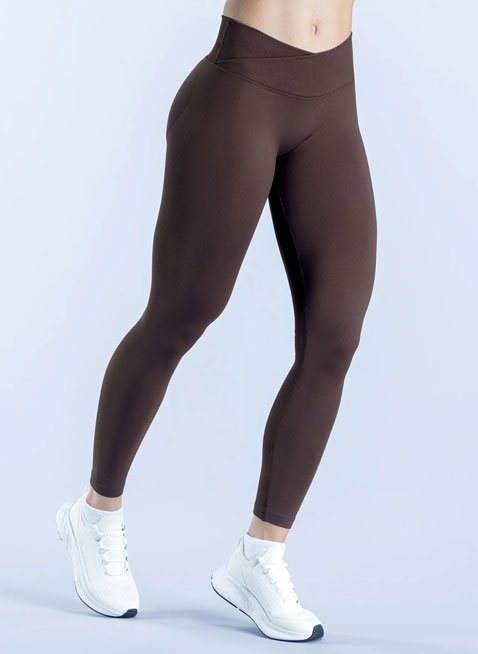
V-shaped and crossover waistband concepts place different stress on the front waist and side transition than a conventional straight band. For Cut & Sew designs, pattern geometry, overlap and seam stability become important; Seamless interpretations require knitting-structure and program evaluation.
No-Front-Seam
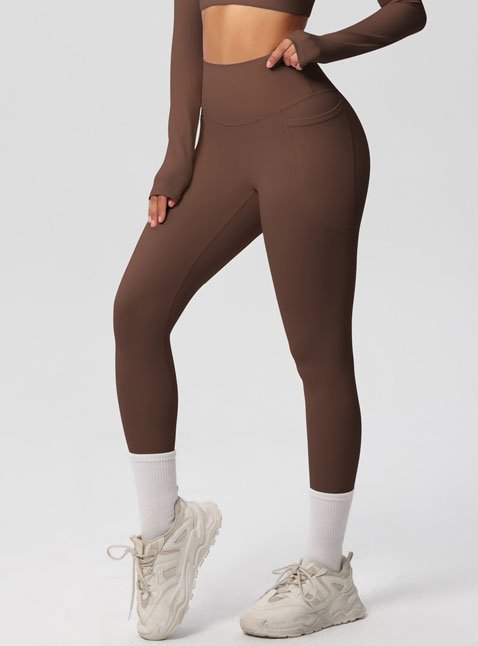
No-front-seam leggings affect crotch shaping, gusset strategy, fit balance and manufacturing route. Seamless and Cut & Sew versions require different engineering solutions. The target look should be evaluated together with measurement, fabric elasticity and pattern or knitting structure.
Contour & Scrunch
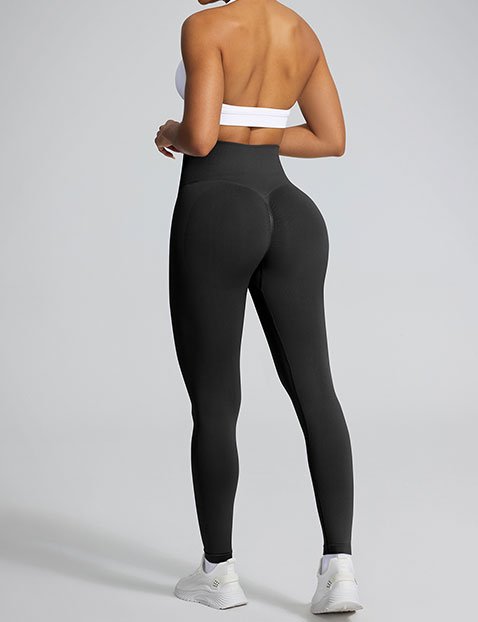
Contour lines, glute-shaping structures and scrunch effects can be developed through pattern, seam construction, gathering or engineered seamless structures. The required visual intensity, comfort, durability and material behavior must be reviewed together.

Pocket Leggings
Side pockets, back-waist pockets and other storage structures affect panel layout, seam placement, fit and garment thickness. Complex pocket or panel arrangements generally suit Cut & Sew construction, while simpler solutions may be evaluated case by case.
Rib & Texture
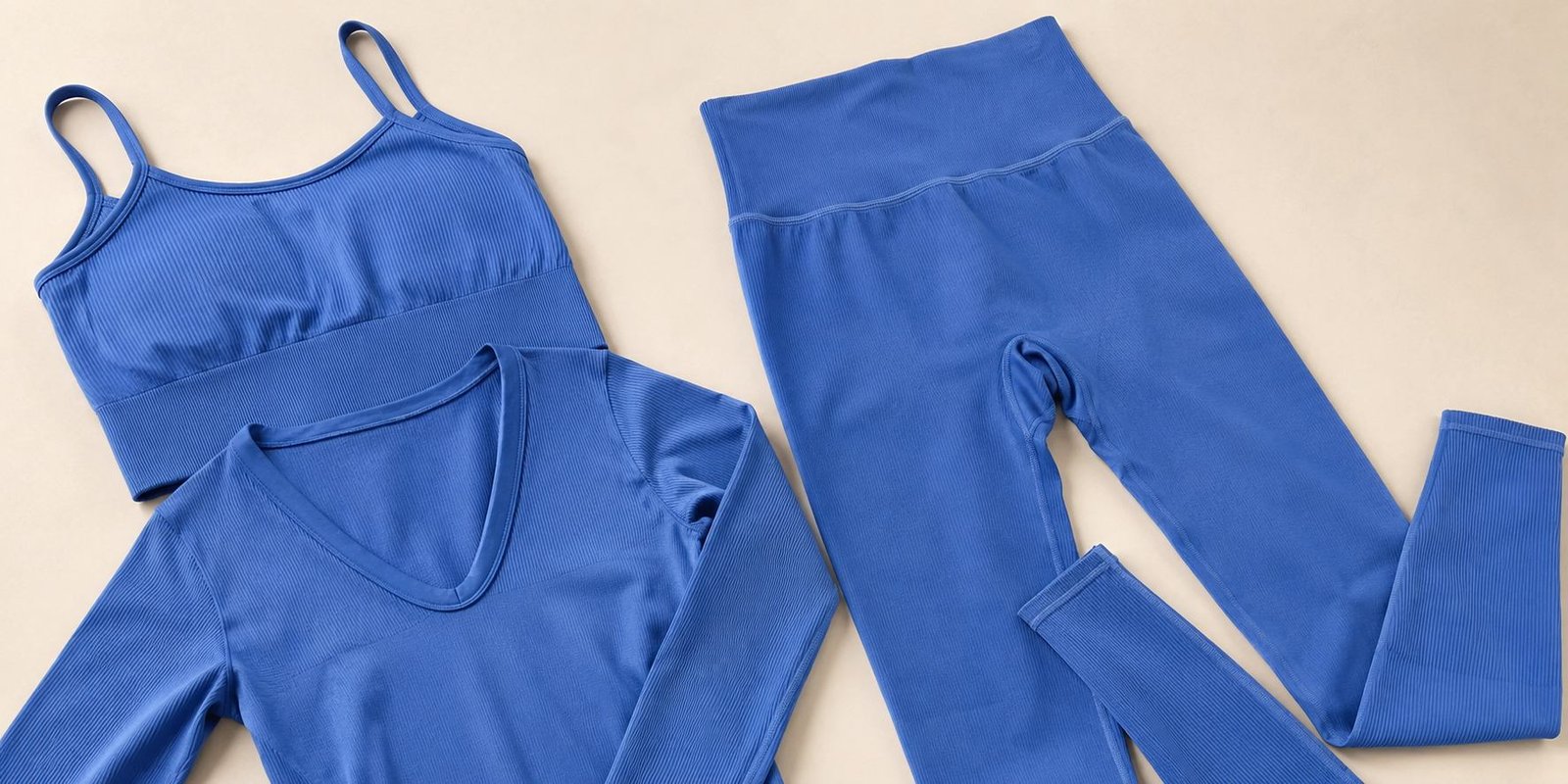
Rib, mesh, texture and other engineered surface structures are particularly relevant to Seamless development. These effects depend on yarn, knitting program, density and transitions between zones, and should be reviewed together with stretch and dimensional behavior.
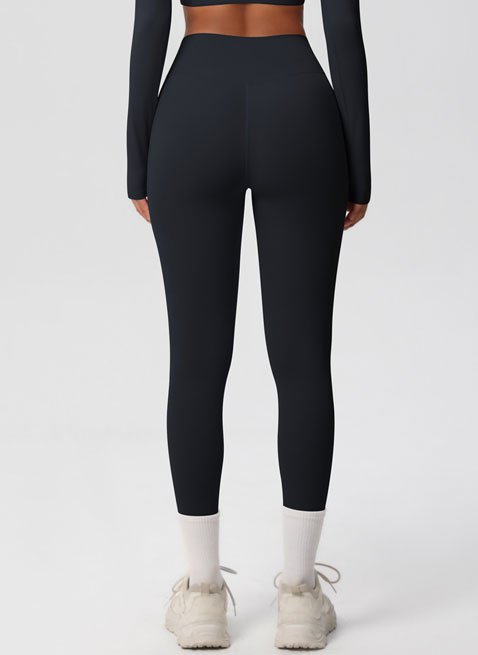
Soft-Handfeel Directions
Brushed, soft-touch or naked-feel directions begin with a target experience rather than a fixed composition formula. Material selection considers surface, GSM, stretch, recovery, opacity, construction compatibility and bulk availability.
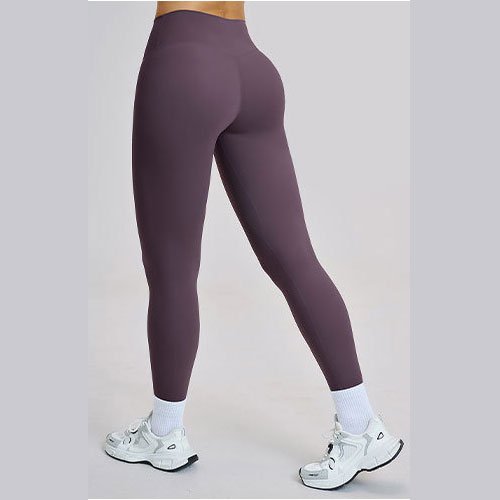
Training & Compression
A firmer or more supportive wearing direction requires coordinated decisions across material modulus, stretch and recovery, pattern or knitting structure, negative ease and localized construction. Numerical compression or medical-performance claims require project-specific evidence.
Seamless Leggings as a Knitting Engineering Program
Seamless leggings are created through the interaction of yarn, machine, program, knitting structure, dimensions and fit. The manufacturing route therefore needs engineering control beyond simply owning circular knitting equipment.
Yarn & Material
Yarn selection influences handfeel, stretch, recovery, visual texture and how the garment responds after knitting and finishing. A suitable yarn direction is reviewed against the product target.
Knitting Program
The program defines how different structures are produced around the garment. Program revisions should be tied to sample versions so an obsolete structure does not continue into production.
Waistband Structure
Waistband height, density, elasticity and transition into the body affect both appearance and fit. These variables are developed and reviewed as part of the complete seamless construction.
Rib & Texture
Rib, mesh, texture and other structural areas can be engineered into the garment. Their density and transition must be considered together with stretch and dimensional balance.
Body Mapping
Localized zones can be positioned according to the design intent, but their function and visual effect depend on material, structure and Fit—not merely on graphic placement.
Fit & Bulk Control
Once the structure is approved, the production reference should connect the current program, material, dimensions, approved sample and relevant QC points before larger-scale knitting begins.
Equipment Is Only the Starting Point
MOVEVOX currently operates 28 Italian Santoni seamless machines. The stronger supplier evidence is whether the factory can translate a design into yarn and program decisions, develop a controlled sample, document revisions and then use the approved version as the reference for first-article and bulk checks. Seamless does not automatically mean zero seams, and every structure still requires project-specific feasibility review.

Cut-and-Sew Leggings Through Pattern and Construction Control
Cut & Sew leggings require control over fabric, pattern geometry, cutting and seam construction. The engineering priorities are different from Seamless production and should be evaluated as a separate manufacturing system.
Fabric Direction
Stretch direction, surface orientation, material recovery and panel placement must be considered before cutting. Incorrect material orientation can change fit, appearance and dimensional behavior even when the pattern itself is correct.
Pattern & Fit
The pattern translates the approved measurement and fit intent into physical panels. Key POM values, negative ease, crotch balance, waistband shape and any pocket or contour structure are reviewed together.
Cutting Control
Bulk cutting should use the released pattern and approved material. Layering, orientation and identification must preserve Style, Color, Size and material-lot control rather than relying on visual recognition.
Seam Construction
Seam type, stitch selection, seam allowance and operator execution affect stretch compatibility and appearance. The appropriate construction is selected according to the product and verified during sampling and first article.
Details & Branding
Pockets, inserts, gussets, Logo placement, labels and other details are integrated into the construction plan. Special techniques are evaluated according to material compatibility and actual production feasibility.
Finished Garment QC
Finished leggings are checked against the applicable released specifications and approved reference, including measurements, workmanship, symmetry, construction, Logo or label execution and appearance.

Different Route, Different Engineering Logic
MOVEVOX maintains approximately 24 main sewing and garment-production machines in the current Cut & Sew system. Product decisions should be based on fabric, pattern, cutting, seam placement and Fit rather than reusing Seamless assumptions.
Select Leggings Fabric From Use and Target Experience
A composition name does not define how leggings will perform. MOVEVOX evaluates material through a chain of product use, target handfeel, specifications, trade-offs, sample verification and final approval.
Target Use
Begin with the intended wearing situation: yoga, studio use, general training, higher-support training, athleisure or another defined activity. Use case determines which material attributes should receive priority.
Handfeel
Soft, smooth, brushed, cool-touch or firmer directions represent different product experiences. These descriptions must ultimately be confirmed with a physical swatch or garment rather than a written adjective alone.
Material Specification
Composition, yarn, GSM, knit structure and surface finishing provide the technical background for material selection. They should be evaluated together instead of assuming one percentage formula guarantees a specific result.
Stretch & Recovery
Adequate stretch is only one requirement. Recovery is also important because poor recovery can affect waistband behavior, knees, seat areas and overall shape after repeated movement.
Opacity & Color
Opacity is affected by material, color, construction, stretch level and Fit. High GSM alone does not automatically guarantee squat-proof performance, so important claims should be physically verified.
Commercial Feasibility
Stock availability, minimum material quantities, custom color, special finishing, development lead time and total order structure may change the most practical fabric choice for the project.
Approval Standard
The final production material should be tied to an approved physical standard or documented specification. Bulk lots can then be checked against the applicable approved reference and lot information.
Material Choice Is a Decision System
The goal is to narrow candidate materials according to target experience, verify the choice with swatches and samples, and then connect the approved material to bulk purchasing and incoming controls. Claims such as quick dry, recycled content, compression level or guaranteed opacity should only be used when the actual project evidence supports them.

Fit Starts With a Controlled Measurement Standard
A manufacturer should not simply copy numbers from a measurement chart. Before sampling, critical POM definitions, relationships, measuring methods, tolerance and compatibility with the intended material need to be understood.
POM Completeness
Key measurements must be sufficiently defined for the product structure. Missing waistband, rise, hip, inseam or related points can leave important Fit decisions open to interpretation.
Measurement Method
The same measurement name can produce different values when the measuring position or garment condition is unclear. The method should therefore be aligned before evaluating whether a sample is correct.
Proportion Logic
Measurements should be checked as a system. Waist, hip, front and back rise, crotch balance and length need logical relationships rather than being reviewed as isolated numbers.
Grade Increment
Adjacent sizes should be reviewed for abnormal jumps or inconsistent increments. Grade rules can differ between POMs because body proportion and functional structure do not grow at identical rates.
Tolerance
Commercial production requires agreed tolerances. A measurement target without a tolerance does not provide a complete basis for production inspection or an objective Pass/Fail decision.
Fabric & Fit Compatibility
A dimension that is reasonable in one material may feel different in another because stretch and recovery alter the relationship between garment measurement and body Fit.
Technical Query
When a specification appears incomplete or contradictory, MOVEVOX raises the question for customer confirmation instead of silently changing the customer’s intended standard.

From Leggings Brief to Production-Ready Product Standard
MOVEVOX supports different development starting points, but the objective remains the same: translate brand intent into documented materials, structure, measurements, samples and approvals that can later guide production.
Tech Pack
For established brands with formal technical files, MOVEVOX first reviews the available specifications, measurements, construction, materials, artwork and open points before preparing the sample route.
Legal Reference Sample
A legally usable reference sample can help communicate Fit, handfeel or construction. It is treated as development input rather than permission to reproduce protected third-party branding or intellectual property.
Concept or Sketch
When the input is less complete, MOVEVOX can help translate the defined concept into manufacturing decisions such as material direction, pattern or seamless structure, basic measurements and sample construction for buyer review.
Technical Review
Material & Manufacturing Route
Pattern or Seamless Program
Development Sample
Buyer Feedback
Revision
Approval
Production Standard
Review Technical Risk Before Leggings Sampling Starts
The lowest-cost time to identify a development problem is before the sample is made. MOVEVOX reviews key inputs so open questions, commercial constraints and manufacturability risks can be clarified early.
Construction
Review waistband, crotch, gusset, pocket, panel, contour or seamless structural requirements and confirm that the intended manufacturing route is appropriate.
Fabric or Yarn
Check material direction, availability and its relationship with Fit, construction, Logo application, commercial MOQ and the intended product experience.
Measurements
Review critical POM information, measuring method, tolerances and obvious conflicts that could make a technically correct sample fail the intended Fit.
Fit Logic
Identify where negative ease, material elasticity, waistband relationship or another structural variable needs to be considered during sample development.
Branding
Check Logo method, artwork, size, color, position and whether the selected application is compatible with the target fabric or high-stretch zone.
Labels & Trims
Review main label, care label, size label, elastic, pocket components or other specified trims that could affect construction, MOQ or lead time.
MOQ
Identify whether the garment MOQ and the effective MOQ of fabric, custom color, Logo, label or packaging components are aligned with the planned order.
Cost Impact
Flag design or material decisions that may materially change production complexity so the buyer can review trade-offs before unnecessary sampling iterations.
Timeline
Identify long-lead or custom materials and unresolved approvals that may influence sample timing, production start or the target launch schedule.
Manufacturability & Risk
Classify important items as executable, requiring customer confirmation, requiring supplier confirmation, or needing risk validation before proceeding.
Sampling Is a Controlled Product Approval Process
For a professional leggings program, sampling is not one isolated prototype. Each sample should have a defined purpose, version, review scope and next decision before the product enters bulk production.
Input & Commercial Check
Confirm available development information, initial commercial conditions and known material or custom-component constraints.
Development Brief
Translate the buyer’s objectives into a working brief covering product structure, material direction, Fit, color, branding and manufacturing route.
Open Points
Record and clarify missing or conflicting information before the next development stage.
Pattern or Program
Cut & Sew projects move into pattern development; Seamless projects move into knitting structure and program development.
Sample Build
Make the development sample using the current project version and the agreed material or an explicitly identified development substitute.
Internal Review
Check relevant measurements, appearance, workmanship, structure and obvious deviations before submission.
Buyer Review
The customer evaluates the sample and returns structured comments using measurements, images, annotations or other relevant feedback.
Revision & Approval
Consolidate changes into a controlled revision list and update sample versions against the current requirements.
Bulk Handover
Complete Fit, Size Set or PP stages as needed before the approved standard and released files are transferred into production control.
What Must Be Clear Before Bulk Release
Sample approval should define exactly what has been accepted. A short looks-good message is not a reliable substitute for a controlled approval covering the relevant product standards.
Style & Version
Confirm the correct Style or SKU, sample type and current version. Any superseded sample or file should be removed from the execution chain.
Measurements
Confirm the applicable measurement specification, measuring method, critical POM and tolerances that will later be used for production inspection.
Fit
Record whether the current sample Fit has been approved, approved with comments or still requires revision. Fit approval should not automatically be interpreted as approval of every size.
Fabric or Yarn
Confirm the approved material reference, composition/specification where applicable, color direction and any known limitations that affect later purchasing or production.
Construction
Confirm the approved pattern, seam construction, waistband, pockets, gusset, seamless structure or other critical product features relevant to the Style.
Branding
Confirm Logo artwork, method, size, position, labels and any version-controlled branding requirements before bulk components are produced.
Appearance & Workmanship
Record relevant visual and workmanship standards so inspection is based on a shared reference rather than a subjective understanding of good quality.
Packaging & Deviations
Where packaging is part of the approved program, confirm SKU, barcode, bag, hangtag or carton requirements. Any accepted deviation should be documented rather than assumed.
Turn the Approved Sample Into a Bulk Standard
The key manufacturing challenge is not making one good sample. It is transferring the approved result into the files, materials, processes and quality references used by commercial production.
What Is Frozen
- Current Tech Pack and measurement file
- Approved POM targets and tolerances
- Approved fabric or yarn and color
- Pattern or Seamless program
- Logo and label versions
- Packaging and SKU requirements
What Production Receives
- Released current technical version
- Bulk material and lot identification
- Construction or machine/program requirements
- First-article inspection basis
- Inline and finished QC checkpoints
- Final packing and release standard
First Article
Representative first production output is checked using actual bulk material, machine or line conditions and the released standard before wider production proceeds.
Controlled Tolerances
Commercial production is managed against approved specifications, tolerances and quality criteria rather than an unrealistic promise that every garment is mathematically identical to one sample.
Version Discipline
Only the current released Tech Pack, measurement file, artwork and related production documents should remain active for execution.
Private Label Execution Beyond Adding a Logo
For established brands, private label is a controlled information system. Garment, Logo, label, SKU, barcode, packaging and carton data must all remain connected to the correct product version.
Garment
The approved leggings Style establishes the foundation: construction, fabric or yarn, color, measurement, Fit and manufacturing route.
Logo
MOVEVOX can support methods such as heat transfer, screen printing, silicone applications, embroidery, jacquard-related executions and woven branding where suitable for the actual project.
Labels
Main labels, care labels, size labels and woven labels should follow approved artwork and remain associated with the correct Style, Size and market requirements.
Hangtag
Hangtags can carry brand and product information according to approved customer artwork and should be checked against the intended product or SKU.
SKU & Barcode
SKU or barcode information is an execution-control issue, not merely graphic design. Each code needs to correspond to the correct product, color and size.
Individual Packaging
Polybag, sticker, folding and other individual packaging requirements are developed according to the customer’s approved packaging specification and supplier MOQ.
Carton Mark
Outer-carton information should correspond with packing data, SKU distribution and shipping requirements so the physical shipment can be reconciled with order records.
Leggings MOQ: Base Quantity Versus Effective Project MOQ
MOQ should be reviewed at both garment and supply-chain level. Fabric, yarn, custom color, Logo tooling and packaging may create a different commercial starting point from the base garment MOQ.
| Requirement | Typical MOVEVOX Starting Point | Important Qualification |
|---|---|---|
| Seamless Leggings | 100 pcs / style | Same core Style and knitting/program logic; yarn, color and custom requirements can increase the effective MOQ. |
| Cut & Sew Leggings | 150 pcs / style | Same primary pattern, fabric and Tech Pack logic; special fabric and trims may create higher upstream minimums. |
| Custom Color / Dyeing | Project evaluation | Custom dye lots are commonly influenced by yarn/fabric supplier minimums and may require a higher total quantity. |
| Custom Fabric / Yarn | Supplier MOQ applies | Independent composition, GSM, finishing, yarn or weaving requirements may override the garment-level MOQ. |
| Logo / Labels | Project evaluation | Some Logo methods, molds, woven components or label orders have independent supplier minimums. |
| Custom Packaging | Project evaluation | Custom bags, printed packaging, stickers, hangtags or other retail components can carry separate MOQs. |
Controlled Bulk Production From Readiness to Shipment
Bulk production should begin only after the project has a released technical standard, material plan and production allocation. Each later stage then adds a specific control or release decision.
Production Readiness
Confirm PO and Style information, released specifications, approved sample status, key open items, capacity window and required production-site conditions.
Material Control
Track fabric or yarn, color, Logo, labels and packaging against required arrival and release dates. Material shortages or unapproved substitutions are treated as project risks.
Pre-Production Alignment
Production, technical, material, QC and order-management teams align the current version, risk points and inspection requirements before wider manufacturing begins.
First Article
A representative first piece or first production output is made under actual bulk conditions and reviewed against the released specification and approved reference.
Bulk Production
After release, production proceeds under the assigned manufacturing route. Work-in-progress status is monitored rather than relying on a single production-started update.
In-Line Quality Control
Production checks focus on early trend detection so repeated measurement, construction, Seamless structure, workmanship or branding issues can be corrected before they multiply.
Final Inspection & Shipment
Finished-garment, packing and pre-shipment requirements are completed before cargo release according to the order and customer standard.
Capacity Is Confirmed Against the Actual Purchase Order
A useful capacity answer must connect product complexity, quantity, materials, production window and QC resources. MOVEVOX reviews the actual project before confirming commercial allocation.
Style & SKU Load
How many Styles, colors, sizes and manufacturing routes will run during the requested delivery period?
Approval Status
Are specifications and samples already approved, or does the project still require development and technical changes before production?
Material ETA
When will yarn, fabric, custom colors, labels, Logos and packaging be physically ready and released?
Facility Window
Which manufacturing unit, machine group or line is appropriate for the product, and when is the required window actually available?
Process Cycle
How long do knitting, cutting, sewing, finishing or other critical operations require for the actual product configuration?
QC Capacity
Is there sufficient inspection capacity for first article, inline checks, finished-product inspection and any buyer or third-party requirement?
Packing Capacity
Does the packaging architecture require additional SKU verification, barcode handling, individual packaging or other labor-intensive control?
Capacity Result
The project can be classified as Confirmed, Confirmed With Conditions, or Alternative Window Required rather than receiving an unrealistic unconditional promise.
Leggings Quality Control Built Around Approved Standards
Quality control becomes meaningful only when inspectors know which approved version, measurements, materials, construction, branding and packaging standards the production order must follow.
Incoming Material
Relevant fabric, yarn, color, trims or packaging materials are checked against the applicable specification, physical reference or documentation before release to production.
Pre-Production Review
The team confirms the released product information, approved standard, major risk points and required checks before production volume expands.
First Article
Representative output produced under actual bulk conditions is compared with the released specification and approved sample before further scale-up.
In-Line Inspection
During production, QC looks for repeated trends in measurement, workmanship, Seamless structure, color, Logo, label or construction so problems can be contained earlier.
Finished Garment
Completed leggings can be checked for applicable measurements, workmanship, symmetry, appearance, branding and other requirements before packing.
Packing & Final Release
SKU, size, color, labels, barcode, packaging and carton requirements are checked according to the order before shipment release.
Verify the People, Equipment and Production Behind MOVEVOX
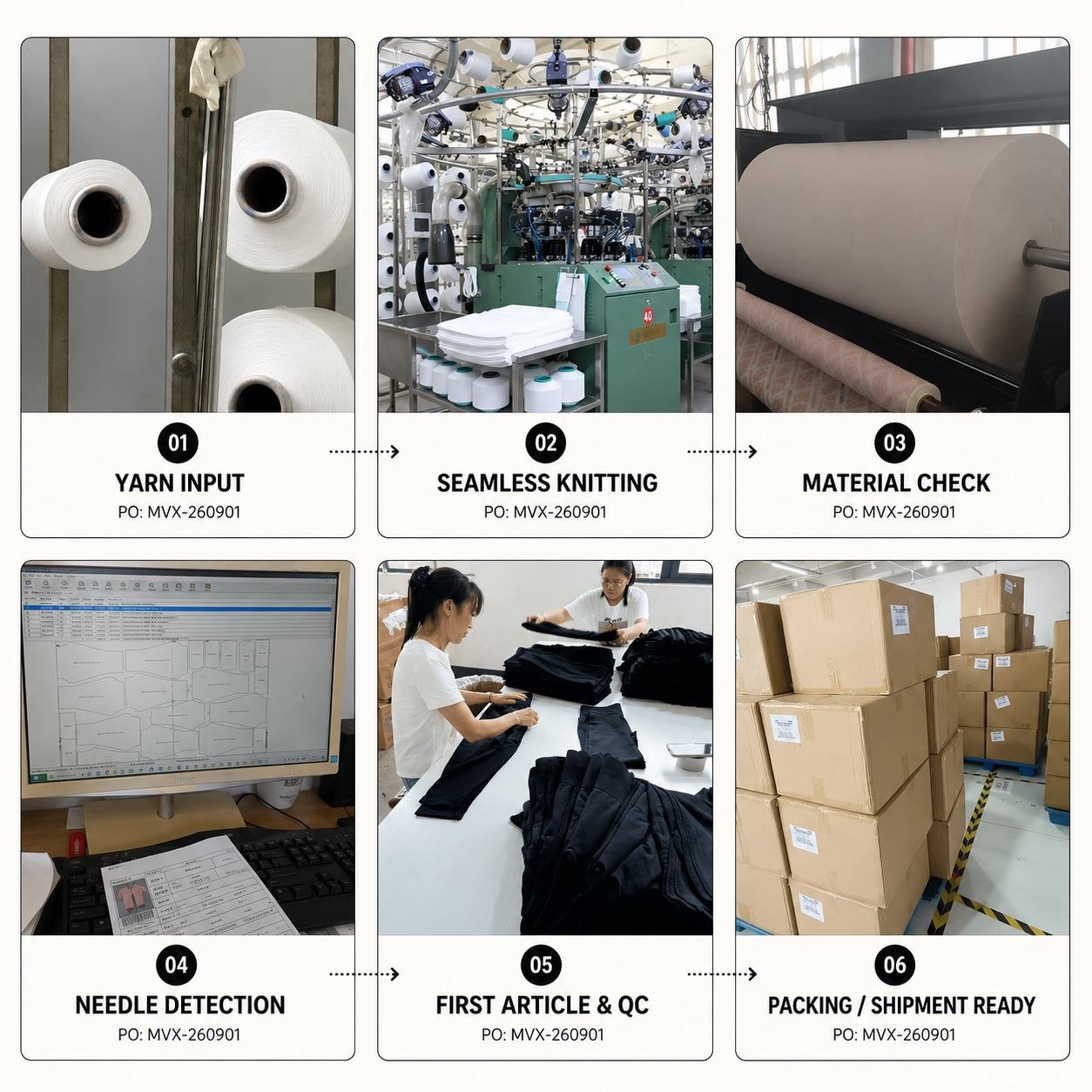
These images should function as direct manufacturing evidence. Each photograph needs to show a real MOVEVOX production area, process or control activity rather than serving as generic factory decoration.

Yiwu Production Base
The image should establish the actual MOVEVOX operating environment in Yiwu and show enough production context for a sourcing manager to recognize a working activewear manufacturing facility.
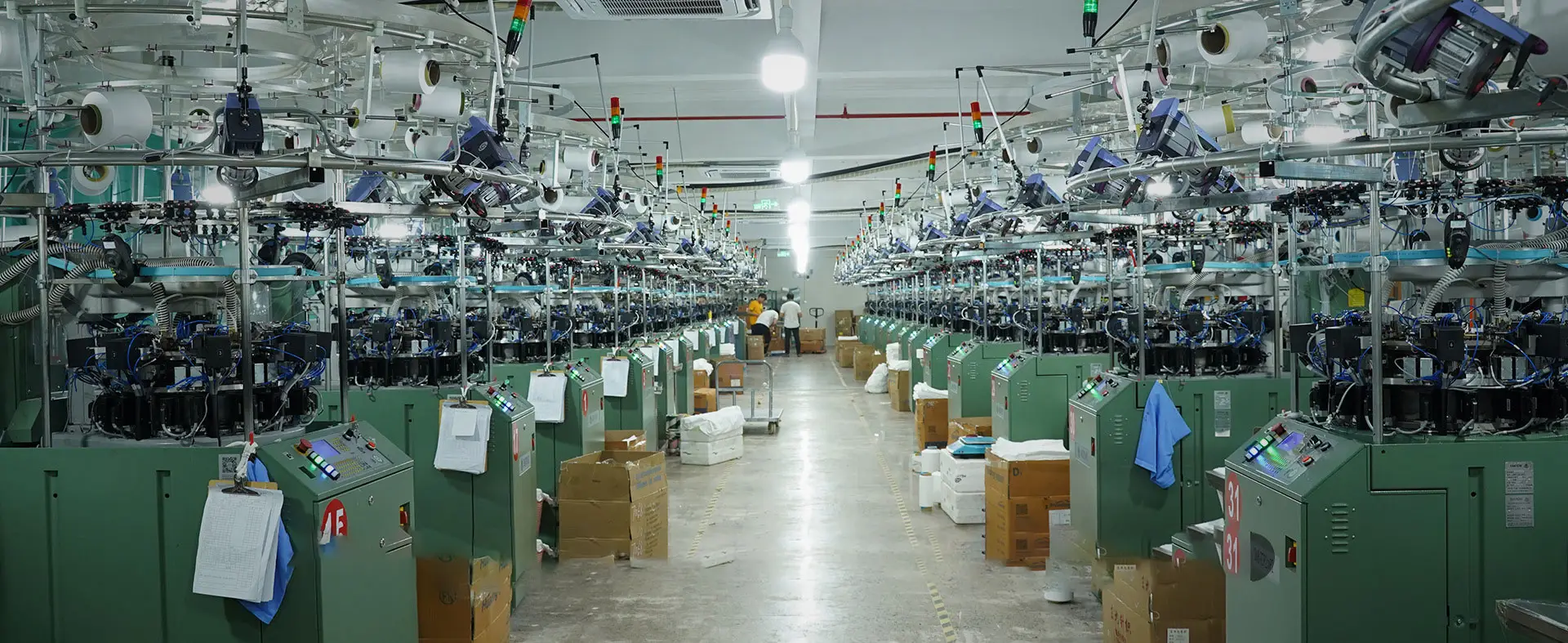
Santoni Area
Show the actual Italian Santoni seamless knitting equipment in operating context with machines, yarn feed, operators or work in progress.

Cut & Sew Area
Show real sewing or garment assembly activity within the Cut & Sew system, including panels, sewing stations or leggings work in progress.

Development & Sampling
Show actual pattern work, sample sewing, garment evaluation or product-development worktables while protecting confidential customer information.

Quality Inspection
Show a genuine QC action such as garment measurement or workmanship inspection rather than a posed team photograph.
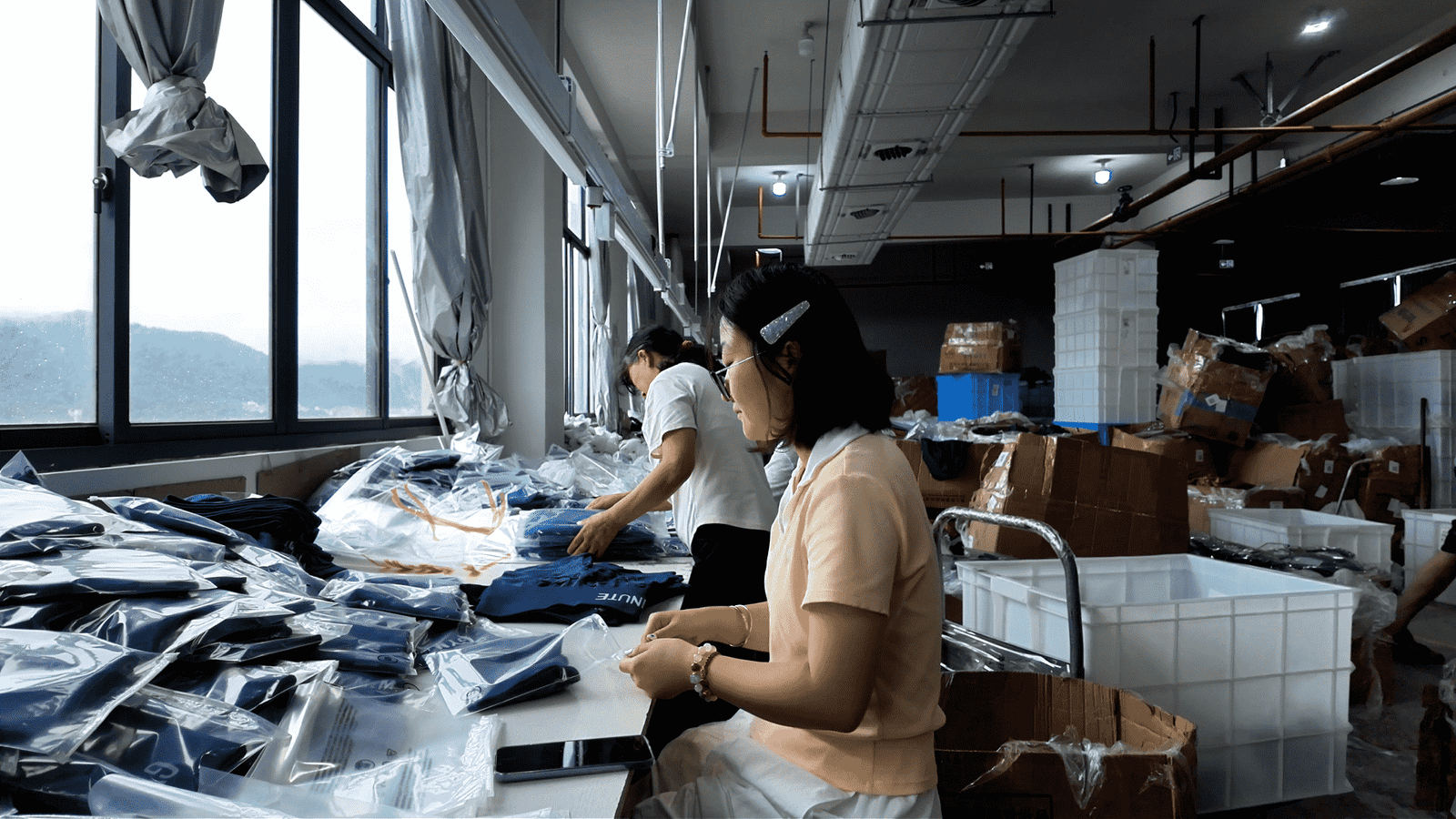
Packing & Warehouse
Show finished goods, packing work, cartons or the relevant warehouse and dispatch environment with sensitive customer information covered.
Testing Evidence Must Be Read Within Its Scope
A test report supports only the sample, material, test method and scope stated in that report. MOVEVOX separates real test evidence from unsupported product-wide marketing claims.
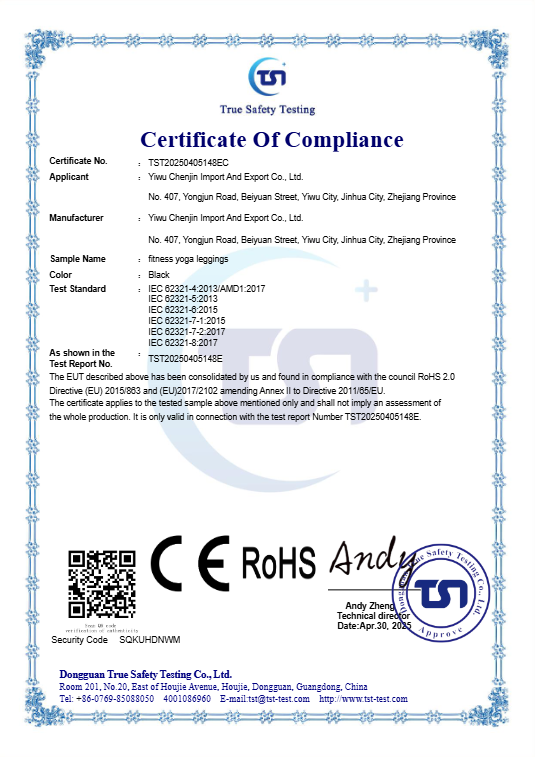
RoHS 2.0 Tested Sample
A black sample identified as fitness yoga leggings was tested by Dongguan True Safety Testing Co., Ltd. in April 2025. The applicant and manufacturer named in the report are Yiwu Chenjin Import And Export Co., Ltd. The reported conclusion states that the tested sample complied with the referenced RoHS 2.0 limits.
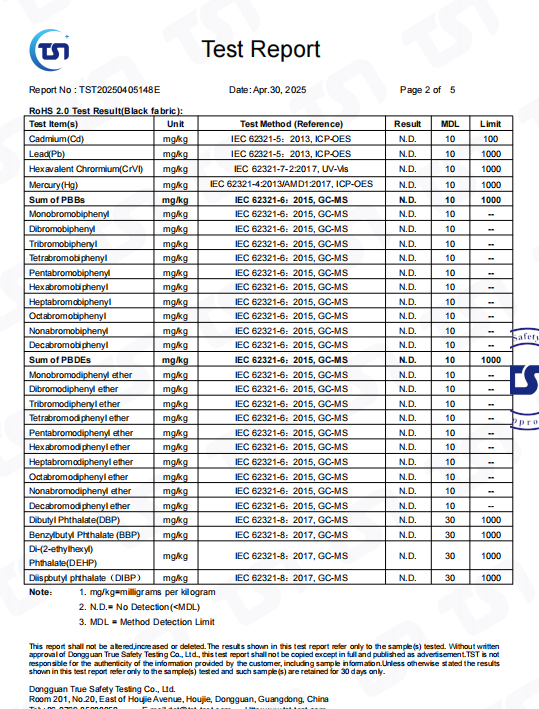
Scope Is Limited
The corresponding certificate explicitly states that it applies to the tested sample only and does not represent an assessment of the whole production. This limitation must remain visible wherever the document is displayed; it is not certification of every leggings Style or future production batch.
Project-Specific Testing
For customer projects requiring material, chemical, performance or other third-party tests, the relevant scope should be defined according to destination market, product, material, buyer manual and claim. Testing may affect sample preparation, cost and lead time and should be discussed before bulk production.
Claim Before Evidence
Terms such as squat proof, quick dry, compression, recycled, colorfast or specific durability levels should not become absolute claims without suitable evidence. Structure and material choices can be described factually, while numerical performance or regulated claims need applicable testing or traceable documentation.
Know Where Your Leggings Are Actually Produced
Large buyers need visibility into production allocation. MOVEVOX distinguishes its own core manufacturing base from controlled satellite capacity and specialist suppliers rather than representing every process as wholly self-owned.
Own Factory
The Yiwu core production base provides the central manufacturing, development, quality and operating foundation for MOVEVOX activewear programs.
Satellite Capacity
MOVEVOX’s current supply structure includes eight controlled satellite Facilities that can supplement manufacturing capacity according to product, order size and allocation needs.
Specialist Partners
Certain upstream or specialized processes may involve appropriate material, branding, packaging or technical suppliers rather than being represented as internal processes.
Allocation Review
Production allocation considers Style, manufacturing route, quantity, technical requirements, available capacity and the buyer’s approved-factory or site restrictions.
Site Disclosure
Where a project requires declared production locations, audit scope or an Approved Factory Only condition, actual production-site requirements should be handled transparently.
Change Approval
A production-location change for a buyer-controlled project should not be treated as an invisible internal decision when the customer’s contract or supplier manual requires approval.
Unified Accountability
Documents, WIP, quality controls and order follow-up remain under MOVEVOX management so controlled external capacity does not remove supplier responsibility for execution.
Ready for Formal Supplier and Factory Evaluation
MOVEVOX can support structured supplier review through company information, manufacturing evidence, process records and on-site or remote verification according to the buyer’s qualification requirements.
Legal Identity
Buyers can review the applicable company identity, registered information and actual operating location as part of supplier due diligence.
Factory & Equipment
The Yiwu manufacturing environment, production areas, Seamless equipment and Cut & Sew resources can be reviewed through appropriate factory-verification arrangements.
Product Development
Audit discussions can include development inputs, Tech Pack handling, pattern or Seamless program development, sample process, revision and approval controls.
Material Control
The review can cover how fabric, yarn, custom color, Logo, labels and packaging are sourced, identified, checked and linked to the applicable project.
Production Control
Buyers can review production readiness, allocation, first article, work-in-progress management and production controls relevant to the actual product program.
Quality System
Quality review can include responsibilities, incoming checks, pre-production control, first article, inline inspection, finished-product checks, nonconformity handling and final release.
Traceability
Where relevant, records can be reviewed to understand links among PO, Style/SKU, materials, facility, inspection, packing and shipment information.
Documentation
Available evidence can be organized according to the buyer’s supplier questionnaire, technical audit, factory review or related due-diligence process.
Audit Readiness, Not Blanket Certification
This section intentionally uses Audit Readiness. It does not imply that MOVEVOX has passed every international brand audit or holds every social-compliance certification. Specific social, environmental or technical audit requirements should be shared for separate confirmation.
From Tech Pack to Repeat Activewear Production
Client identity is withheld for confidentiality. The case below uses documented project facts without disclosing the customer’s name, commercial pricing or other protected information.
Customer Profile
The customer is a U.S.-based fitness content creator operating an activewear business. The documented cooperation has continued for approximately three years and has covered leggings, workout and yoga sets, shorts, sports bras, tank tops and bodysuits. The project required continuing new-product development rather than a single one-time order.
Development Challenge
The customer supplied its own Tech Packs and required products to work in actual fitness use rather than only match a reference appearance. Development priorities included high stretch, supportive wearing experience, opacity considerations, soft handfeel, inclusive sizing and seasonal material directions.
.png)
MOVEVOX Execution
MOVEVOX first reviewed the customer’s technical information and produced a first sample version. The customer tested the product in the intended fitness context and provided revision comments. MOVEVOX produced a second version, and after the second sample was substantially aligned, approximately 5–10 additional samples were prepared for further wearing evaluation by the customer and its audience.
Following validation, the project moved into bulk customization. Brand execution extended beyond the garment itself to Logo, labels, care information, customized packaging and fitness-related printed material according to the order requirements.
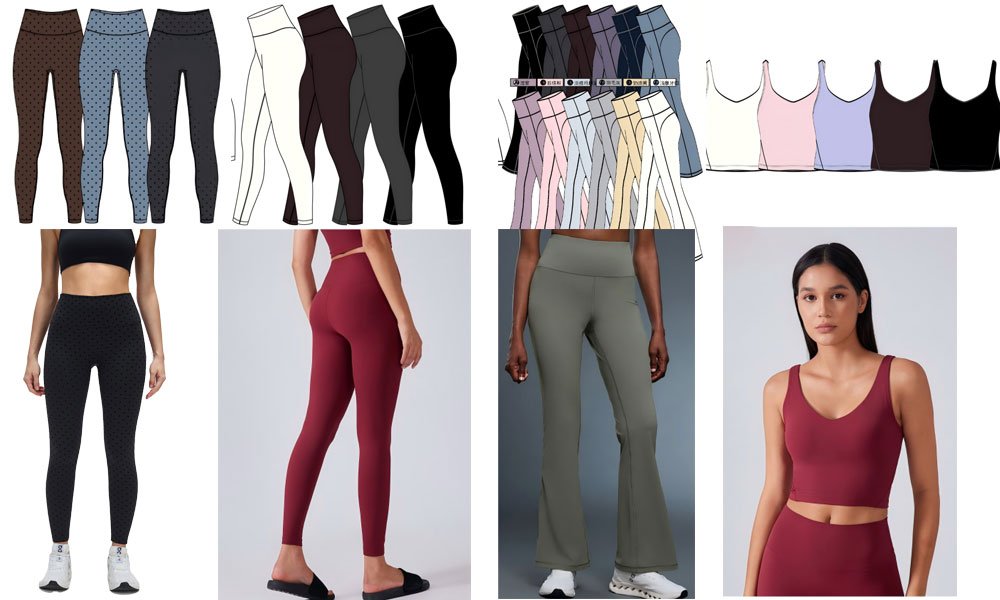
Wear Testing Before Bulk
The customer used small sample quantities for actual fitness testing before confirming the larger customized production stage, creating a practical validation point between development and bulk.
Multi-Size SKU Control
The project included multiple colors and four sizes within each color group, creating a packaging-control requirement because each individual package needed the correct corresponding QR-code label.
QR-Code Verification
MOVEVOX organized packaging by Style and Color group and used a double-check approach to reduce the risk of QR-code mismatch between the label and garment inside. The documented case notes that QC and packing required additional time because of this accuracy requirement.
Which Leggings Supplier Model Fits Your Program?
Different supplier models solve different procurement problems. The purpose is not to label one model universally better, but to clarify which operating structure best fits a specific leggings program.
| Decision Factor | Trading Company | Small Single-Route Factory | Large Traditional Manufacturer | MOVEVOX |
|---|---|---|---|---|
| Manufacturing Proximity | Usually indirect | Direct | Direct | Own core factory + controlled network |
| Seamless + Cut & Sew | Depends on suppliers | Usually one core route | Often available by division | Both routes under one supplier interface |
| Development Support | Varies widely | Often production-focused | Structured, often formal | Tech Pack, sample and manufacturing translation |
| MOQ Flexibility | Can source flexibly | May support small orders | Often higher commercial threshold | 100 Seamless / 150 Cut & Sew base |
| Scale-Up | Supplier-dependent | May become capacity-limited | Strong for large volume | Core + controlled satellite capacity |
| QC Documentation | Depends on management | Often simpler | Usually structured | Dedicated QC + unified project controls |
| Supply Transparency | Must be verified | High if fully in-house | Usually formal | Own/satellite roles disclosed by project |
| Single Accountability | Commercial interface | Factory owner | Corporate system | MOVEVOX project interface |
| Audit Readiness | Depends on sources | Varies | Often strong | Factory and technical review supported |
Leggings Manufacturer FAQs for Professional Sourcing Teams
These answers address the commercial, technical, quality and supplier-verification questions most likely to arise before sample, RFQ or vendor qualification.
What is your MOQ for custom leggings?
MOVEVOX’s standard base MOQ is 100 pieces per Style for Seamless leggings and 150 pieces per Style for Cut & Sew leggings. The effective project MOQ may be higher when custom yarn, independently developed fabric, custom dyeing, Logo molds, labels or packaging have their own supplier minimums. Quantity should be reviewed together with the planned Style, colors, sizes, materials and branding rather than treated as one universal number.
Can we start with a smaller validation order?
Smaller development or pilot quantities can be evaluated, but they should not automatically be treated as standard bulk-production economics. The practical route depends on the manufacturing method, available materials, colors, size distribution and customization. For an established brand evaluating MOVEVOX as a second source, the more useful approach is to share the expected commercial program so the trial can test relevant future production conditions.
What is your typical bulk production lead time?
For standard projects, a general bulk-production reference is approximately 20–35 days after the required specifications, approvals, materials and production conditions are ready. This is not an unconditional delivery guarantee. Custom colors or materials, complex construction, order volume, production-window availability, inspection requirements and packaging complexity can change the actual schedule.
Can you manufacture leggings from our Tech Pack?
Yes. Tech Pack-led development is one of the primary cooperation routes. MOVEVOX reviews construction, measurements, material or yarn requirements, Logo, labels, commercial constraints and open technical questions before sampling. Cut & Sew projects then move into pattern and garment construction; Seamless projects require appropriate knitting-structure and program development.
How long does sample development normally take?
A standard sample is typically around 5–10 working days after the critical development details have been confirmed. Special yarn, custom fabric, new tooling, complicated Seamless programs or multiple revisions can extend the cycle. The purpose of sampling is to establish an approved production standard, not simply to meet the shortest possible calendar target.
How do you select fabric for leggings?
MOVEVOX begins from the target use and product experience, then reviews composition or yarn, GSM, stretch and recovery, surface, handfeel, opacity considerations, color, Logo compatibility, availability, MOQ and lead time. A fabric name or nylon/spandex percentage alone does not guarantee a specific result. Candidate materials should be narrowed through technical review, physical swatches, samples and relevant testing.
How do you control leggings Fit and sizing?
Where the buyer provides a measurement chart, MOVEVOX reviews POM completeness, measurement method, proportion logic, tolerance and obvious conflicts before development. Fit Samples are evaluated against the current material and specification, while size grading requires its own rules and may require Size Set validation. The buyer-approved specification remains the primary reference.
How do you evaluate squat-proof requirements?
Opacity is influenced by fabric structure, GSM, color, stretch, Fit, construction and the degree of extension during movement. MOVEVOX does not claim that one composition or high GSM automatically makes every leggings product squat proof. Where opacity is commercially important, the requirement should be defined during development and verified through the actual fabric, sample and agreed checking or testing method.
How do you reduce sample-to-bulk differences?
The approved sample is converted into a controlled production reference through released Tech Packs, measurements and tolerances, approved materials, color standards, pattern or Seamless program, branding and packaging requirements. Actual bulk materials and production conditions are then used for first-article verification before scale-up. Inline and finished-product checks continue against the applicable approved standard.
Can our QA team or a third party inspect production?
Yes. MOVEVOX can support buyer QA or a customer-nominated third party for appropriate inspection stages according to the project. Inspection should have access to the applicable frozen specification, approved sample or reference, relevant product lot and necessary production information. Significant findings should be held, corrected and rechecked according to the buyer’s requirements.
Do you manufacture both Seamless and Cut & Sew leggings?
Yes. MOVEVOX operates both manufacturing routes. The current Seamless system includes 28 Italian Santoni machines, while the Cut & Sew system includes approximately 24 main sewing and garment-production machines. The two routes are not interchangeable and are selected according to the actual product.
Can we audit or visit the factory?
MOVEVOX can support appropriate factory visits, remote factory review and supplier or technical evaluation. Buyers can discuss verification of company identity, operating location, manufacturing areas, equipment, product-development activities, production controls, QC, packing and relevant project documentation. This is presented as audit readiness, not as a claim that MOVEVOX automatically satisfies every buyer’s compliance program.
How do you manage outsourced or satellite capacity?
MOVEVOX distinguishes its own core manufacturing base from controlled satellite Facilities and specialist suppliers. The current internal production network includes one self-operated core base and eight satellite Facilities. Production allocation, documentation, WIP and QC remain under MOVEVOX management, while buyer requirements concerning production-site disclosure or site-change approval take precedence.
Ready to Evaluate MOVEVOX for Your Leggings Program?
Share your Tech Pack, reference product, quantity plan or current supplier requirement. MOVEVOX can review the manufacturing route, materials, development status, MOQ considerations and production fit before your team decides whether to continue into sampling, factory qualification or RFQ discussion.
Project files can be handled for supplier evaluation, and NDA requirements can be discussed before confidential development information is shared.
Start Your Leggings Manufacturing Review
Provide the information already available for your project. A complete Tech Pack is helpful but not required for an initial manufacturing-fit discussion.