
High Support Sports Bra Manufacturer for Performance Activewear Brands
MOVEVOX supports activewear brands developing sports bras around buyer-defined high-support targets through both seamless knitting and cut-and-sew manufacturing. Product development can begin from a Tech Pack, legal reference sample, sketch, image or defined product requirement, then progress through material selection, fit review, structural development, sampling, approval, controlled bulk production and quality inspection.
High support is not treated as the result of one fabric, strap or pad. The approved product standard is built from the complete interaction of underband, straps, coverage, material recovery, internal construction, fit, size development and intended movement.
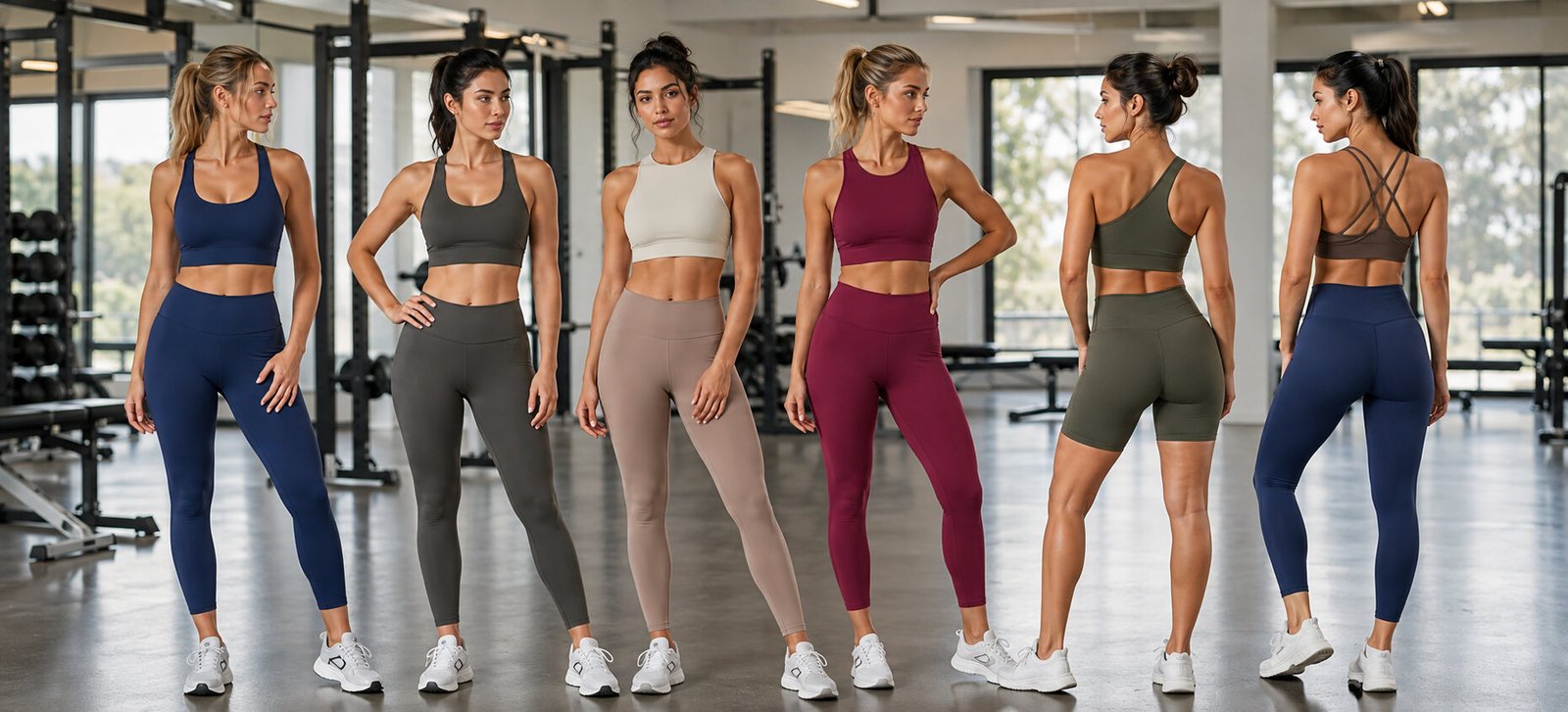
Support Architecture
Underband dimensions, strap geometry, back structure, coverage, material recovery, pad or internal layers and garment proportions are reviewed as one product system.
- Support direction defined by the buyer and intended activity
- Structural variables reviewed during development
- No universal support level inferred from appearance alone

Fit Validation
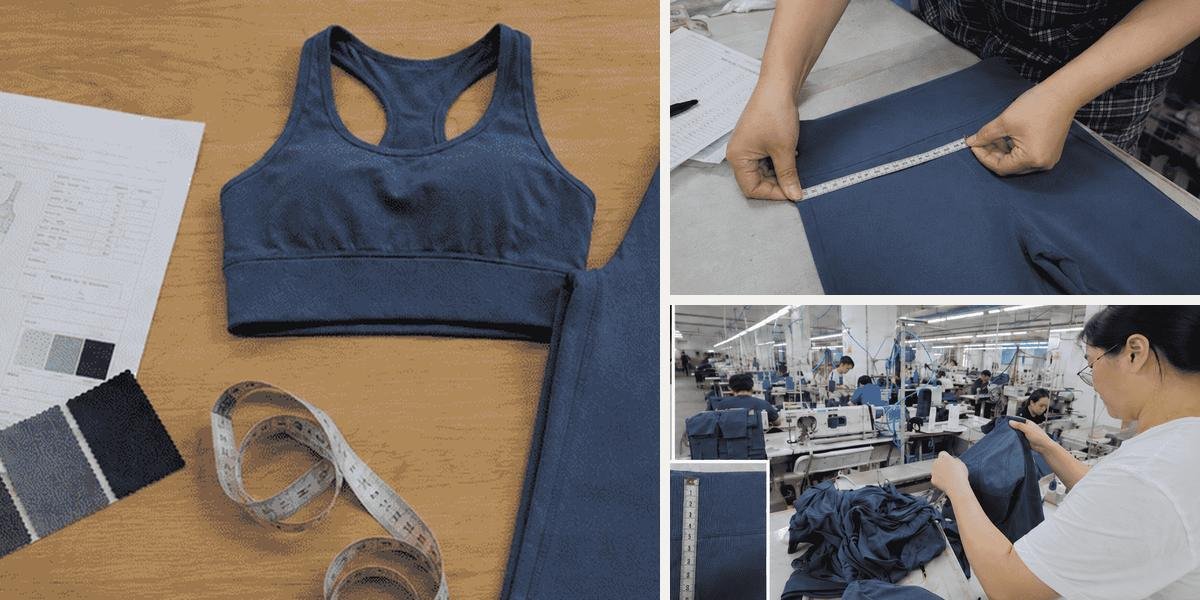
The sports bra is reviewed against the buyer’s Measurement Chart, Fit Sample and intended movement. Product issues are converted into measurable revisions before final approval.
- Underbust, straps, body length and coverage reviewed
- Movement can reveal issues not visible in static fitting
- Size consistency requires project-specific grading control
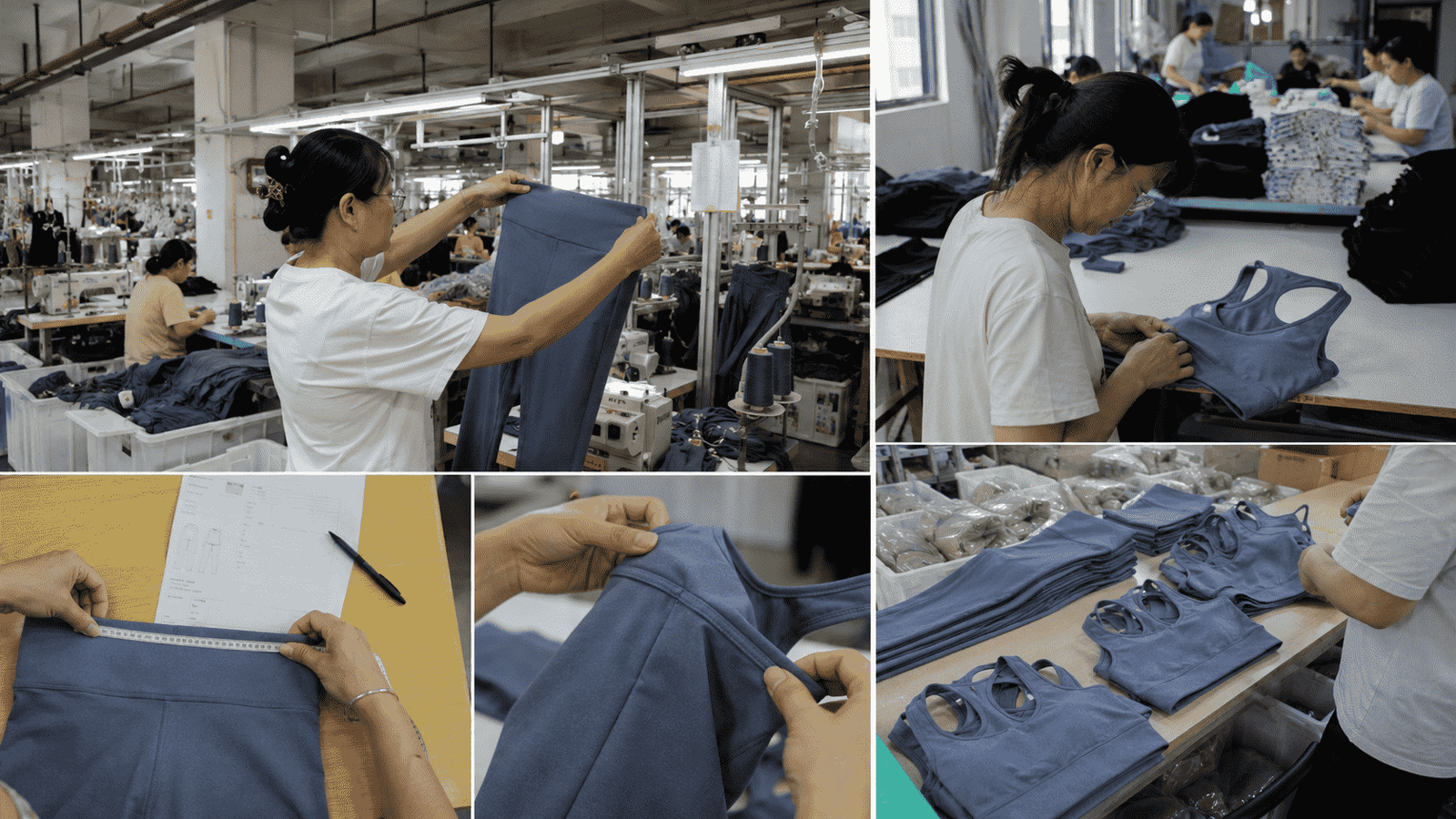
Bulk Control
The approved technical information must remain connected to production. Final measurements, material, construction, artwork and Approved Sample become the reference for First Article, in-line and final quality control.
- Approved version frozen before bulk release
- Production compared against defined standards
- Quality deviations are contained and rechecked
Support Comes From the Complete Sports Bra Architecture
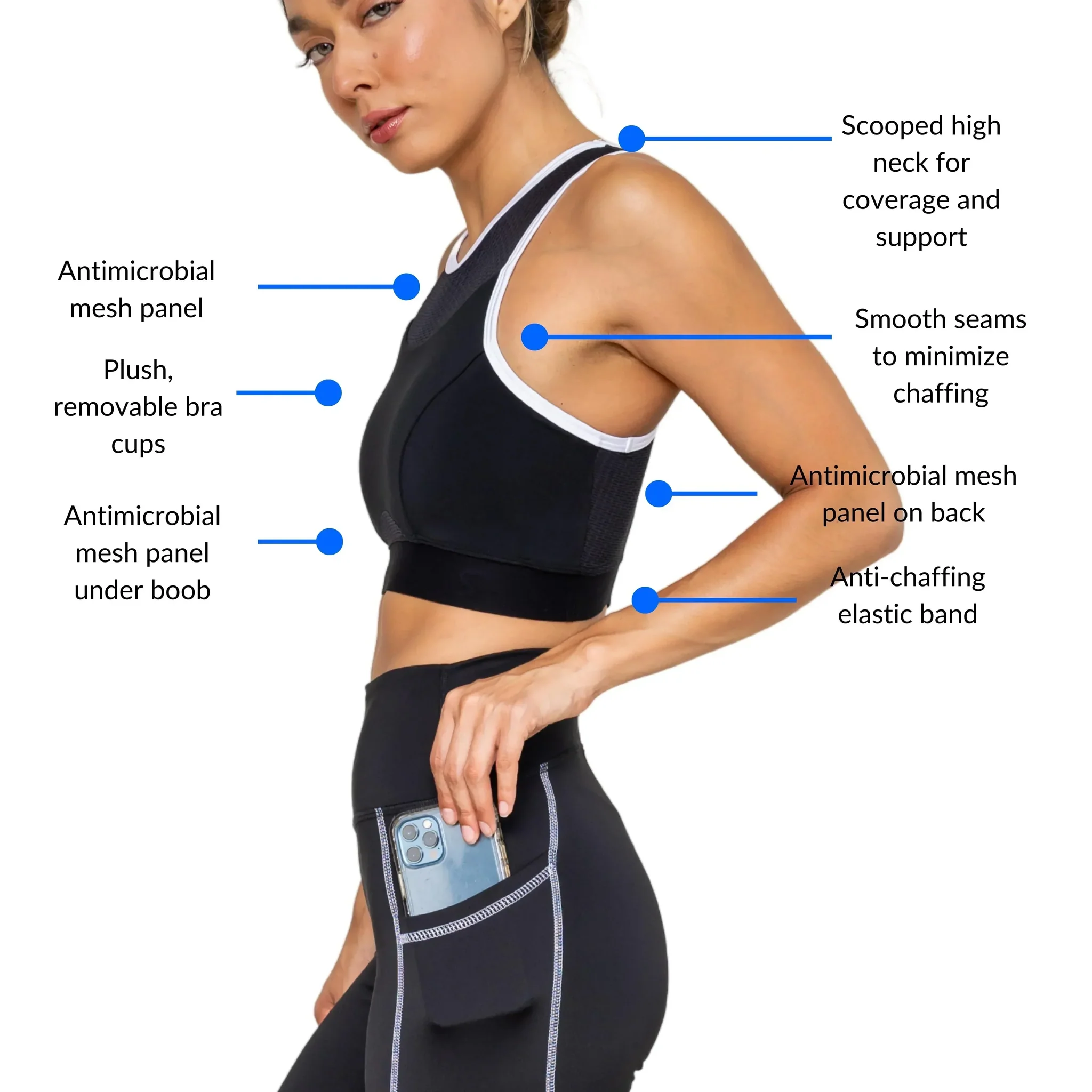
MOVEVOX evaluates a buyer-defined high-support target through the interaction of garment structure, material and fit. No single hotspot below should be interpreted as a standalone support rating.
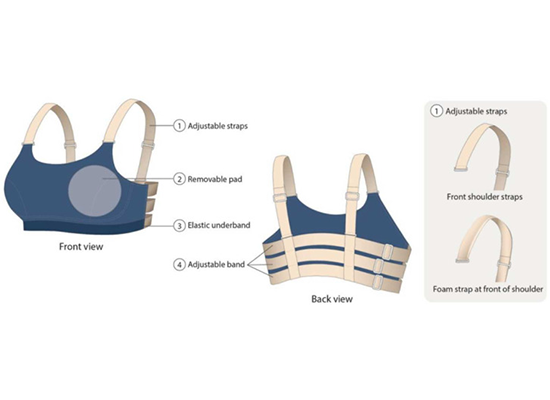
Underband
The underband forms a primary positional control zone. Width, finished measurement, elastic or knitted recovery and construction must work together with the wearer’s underbust measurement.
Straps
Strap width, length, angle, attachment and adjustability influence how forces are distributed through the upper garment. Strap geometry must remain symmetrical and proportionate across sizes.
Back Structure
Racerback, cross-back or other back arrangements change strap geometry and movement. Back shape contributes to the complete system but does not automatically define support level.
Cup / Pad Area
Pads can affect shape, coverage and internal structure. Removable or positioned pads are not, by themselves, evidence of higher support.
Side Coverage
Side height and cup-area coverage influence garment containment and fit. Additional coverage still needs to remain compatible with arm movement and the approved silhouette.
Internal Layers
Lining or double-layer structures can alter stability, handfeel and stretch. Additional layers must be evaluated in the complete garment rather than assumed to improve performance automatically.
Material Recovery
Stretch allows movement, but recovery helps the garment return toward its intended dimensions after extension. Material behavior must be reviewed together with negative ease and the complete product.
Closure / Adjustment
Where a project contains adjustable hardware or back closures, the component dimensions, attachment, position and construction need separate approval. MOVEVOX does not treat complex closure systems as universal requirements for high support.
Strap and Back Structures for Performance Sports Bras
Strap and back geometry influence fit, load distribution, movement and appearance. Each structure still requires product-specific validation and should not be described as high support solely because of its shape.
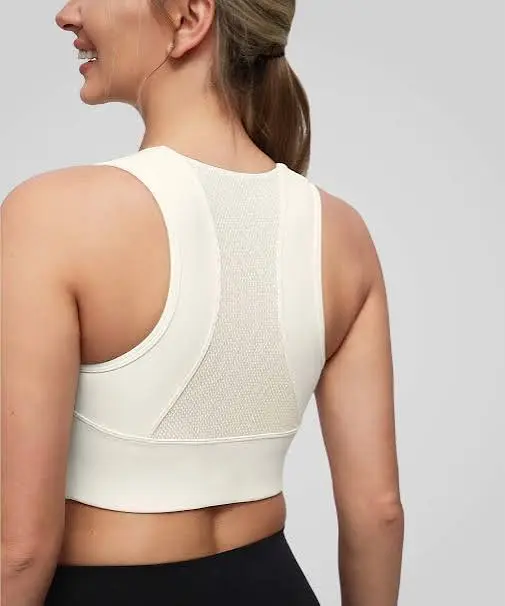
Wide Straps
Wider straps increase shoulder contact area, but final effect depends on material, length, attachment, coverage and complete fit.
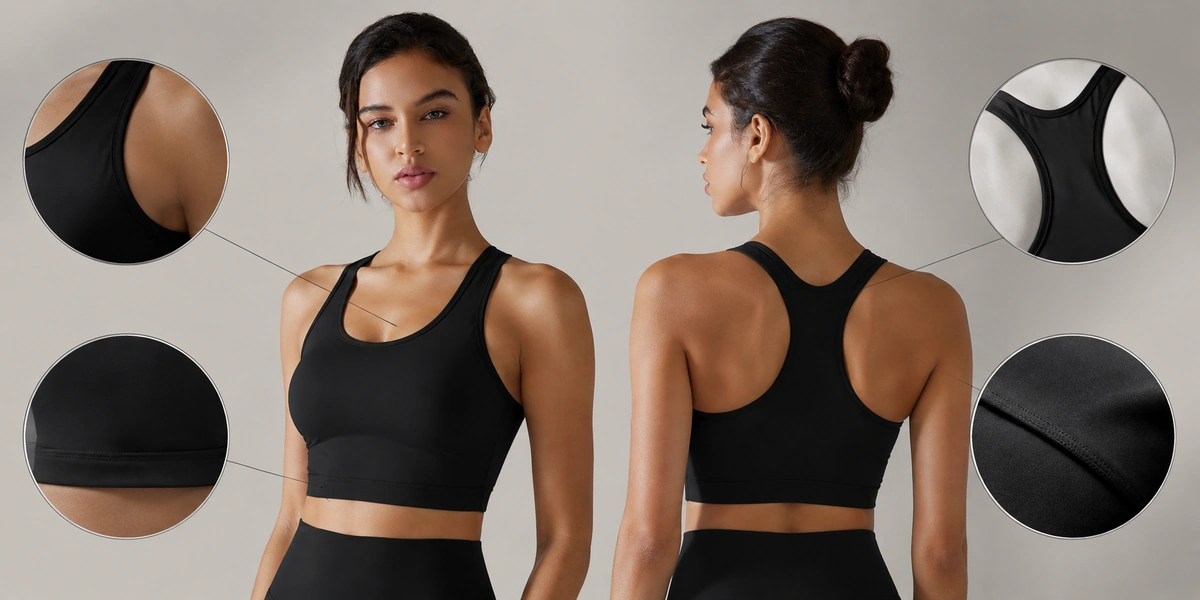
Racerback
A racerback centralizes the upper-back structure. Shoulder position, arm movement, strap length and underband relationship still require sample review.
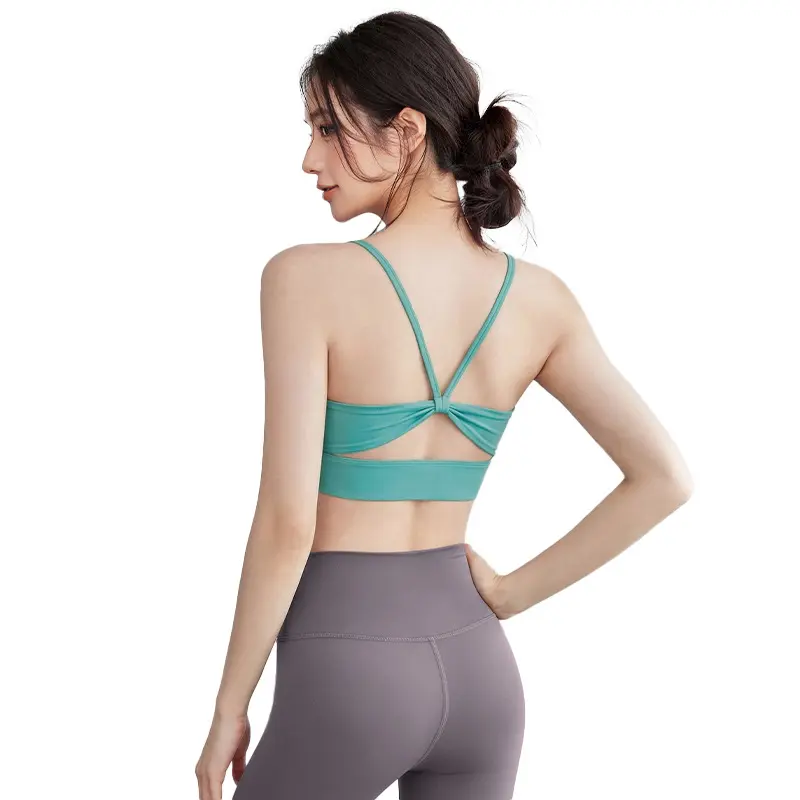
Cross Back
Crossed straps add another upper-body geometry. Intersection position, tension and left-right symmetry become additional development controls.
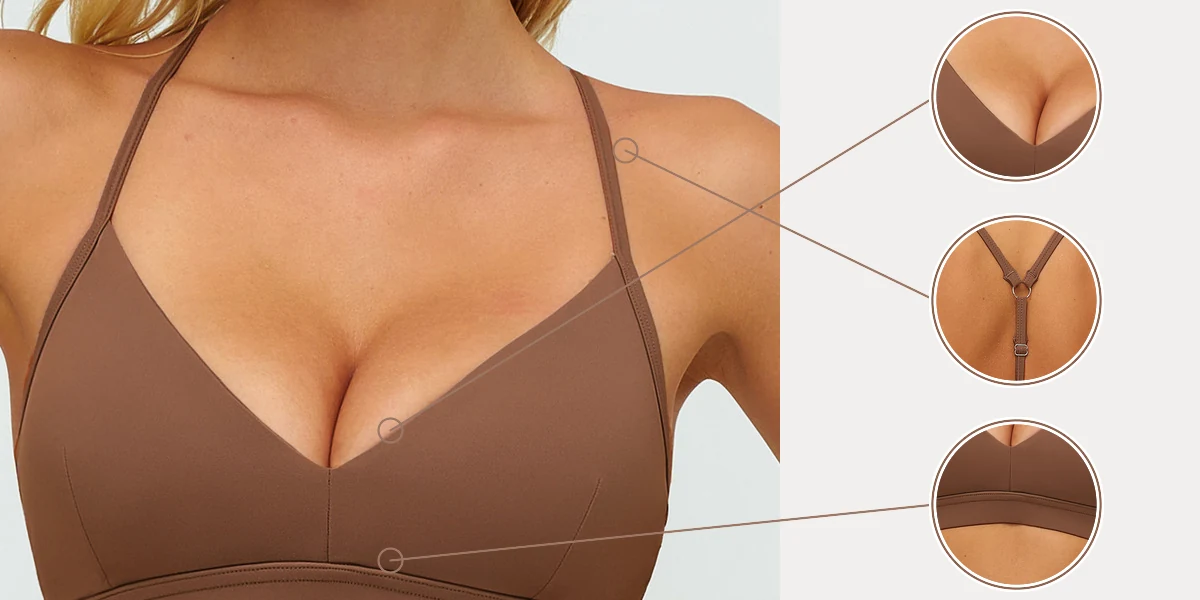
Adjustable Straps
Adjustability gives the wearer a controlled fit variable, but hardware, strap width, adjustment range and assembly must be standardized.
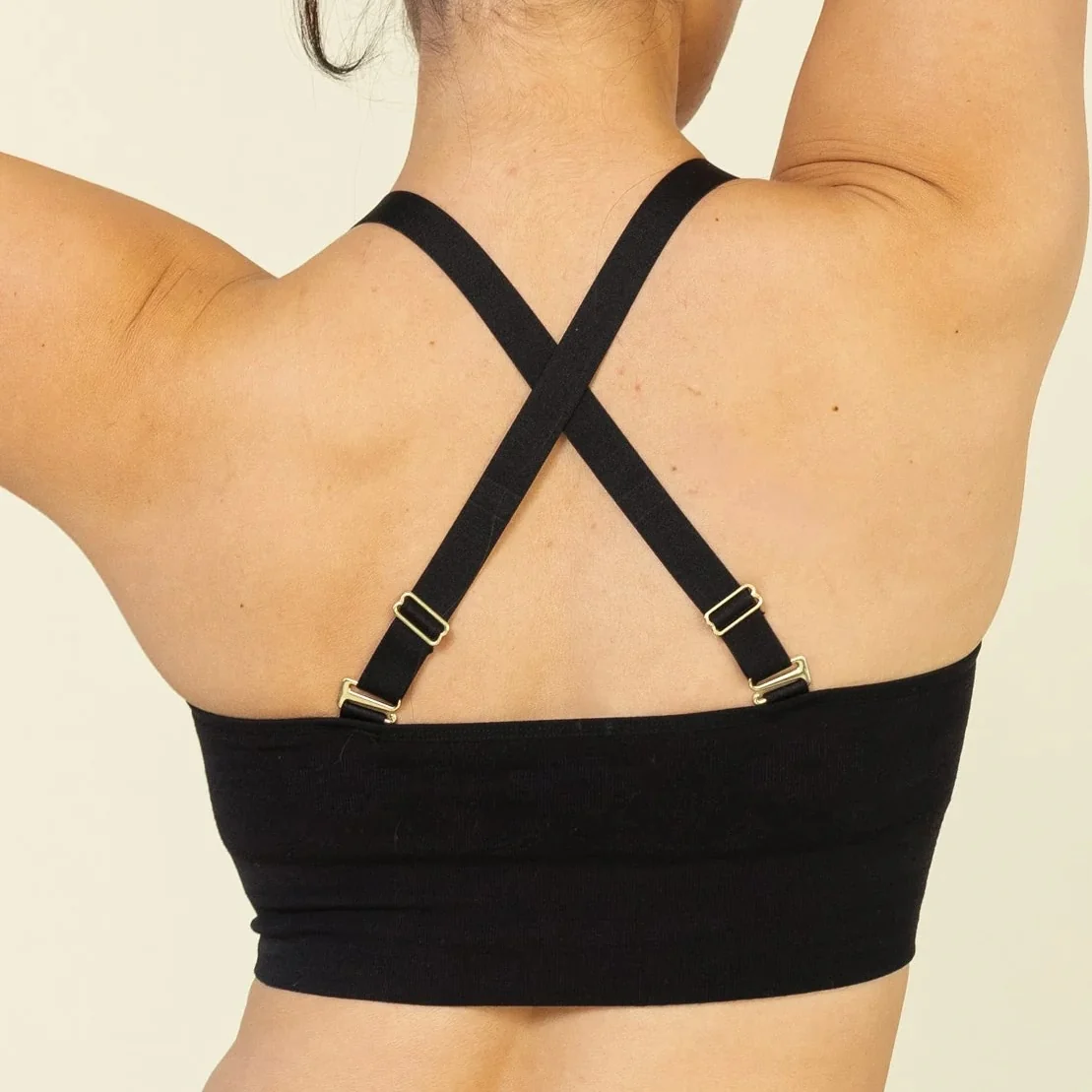
Reinforced Attachments
Selected strap joins may require project-defined reinforcement according to material and construction rather than informal bulk-line additions.

Open or Hybrid Back
Open or hybrid backs can combine mobility with structured straps. The design should be judged through fit and movement, not appearance alone.
Separate Pad Construction From Support Classification
Pads influence coverage, shape and internal garment structure, but the presence of a pad does not establish a high-support rating. MOVEVOX reviews pad systems together with material, lining, fit and the customer-defined product target.
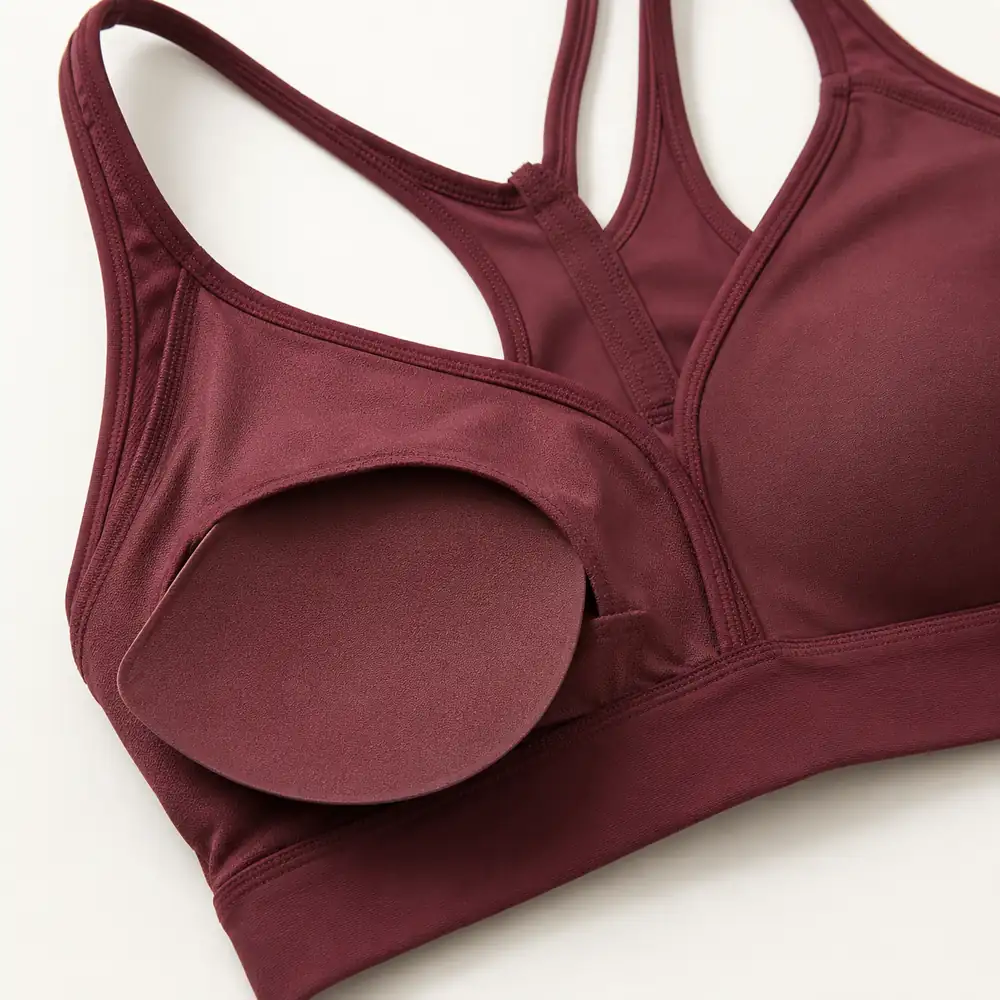
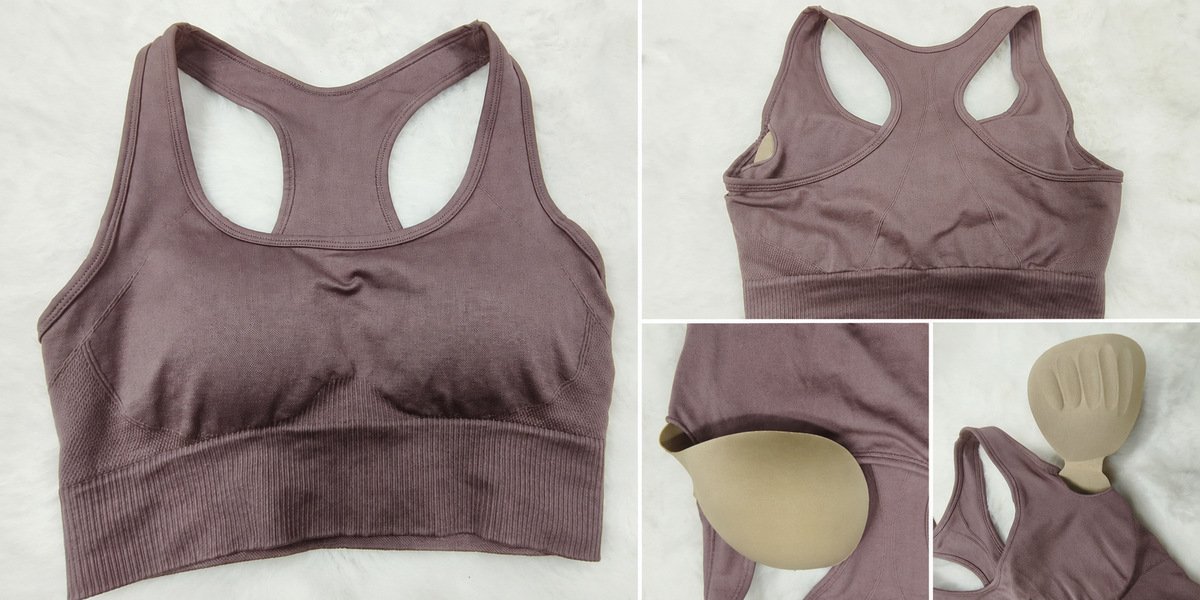
Removable Pad Pocket
Removable-pad construction requires controlled pocket size, opening position, pad dimensions and orientation.
Development focus: Pocket accessibility; edge visibility; left-right pad orientation; interaction with outer material.

Positioned Pad Structure
A positioned or fixed-pad direction can keep the pad in a defined construction location, subject to the approved attachment or internal structure.
Development focus: Position and symmetry; internal layer relationship; outer-fabric appearance; sample-to-bulk consistency.

Non-Padded Direction
A sports bra can be developed without removable or positioned pads where the buyer’s coverage, material and internal-construction requirements support that direction.
Development focus: Coverage; opacity; lining; fit and material behavior.
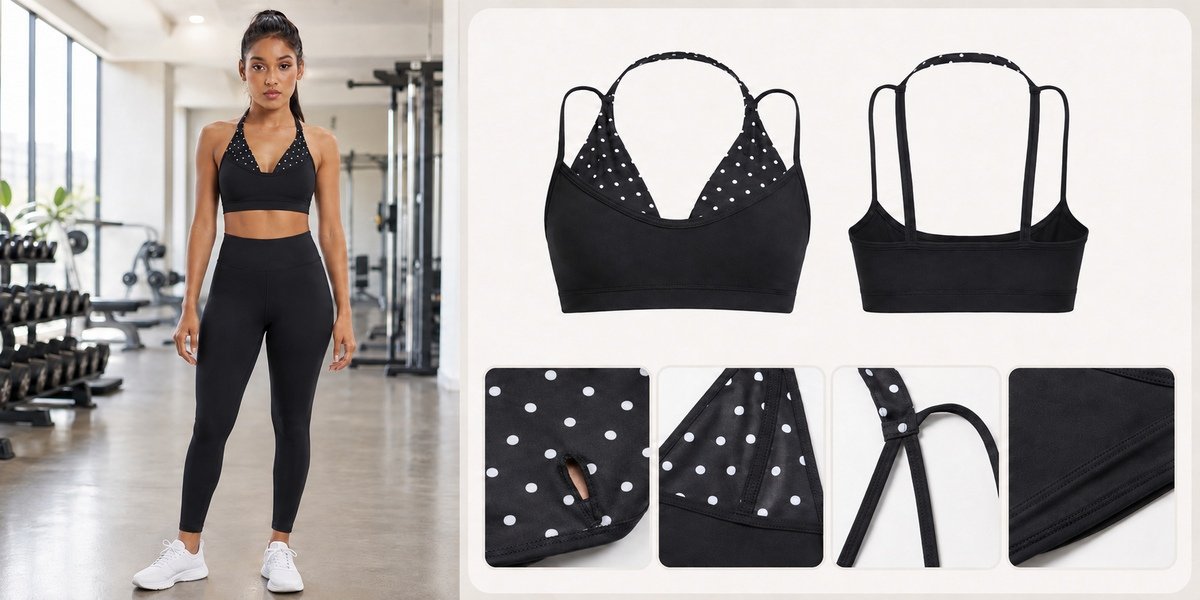
More Complex Cup Structures
More engineered cup, molded-cup, encapsulation or underwire systems should only be confirmed after technical feasibility review. MOVEVOX does not present these structures as standard capabilities without project-specific evidence.
Development focus: Requires project-specific feasibility and real production evidence.
Control the Underband Without Turning Support Into Excessive Tightness
The underband is one of the most important positional areas in a sports bra. Its dimensions, recovery and construction need to stabilize the approved fit without assuming that higher tension always creates better support.
Finished Underband Measurement
The finished garment dimension must correspond to the customer’s Measurement Chart and target fit. The development team should compare the garment measurement with actual Fit Model feedback.
Control focus: POM / tolerance / Fit Sample.
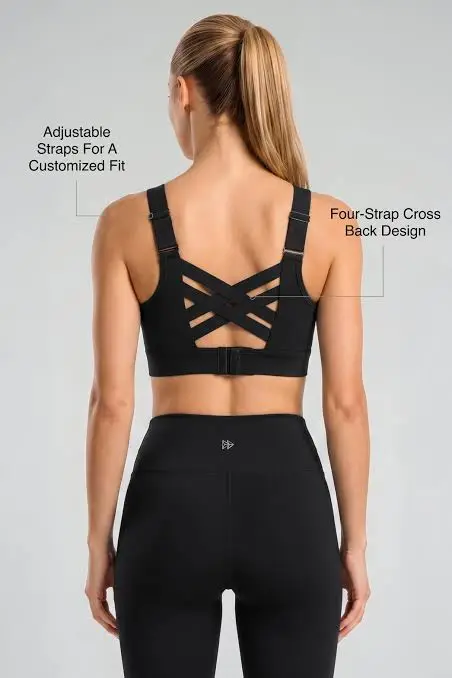
Elastic Recovery
Where separate elastic is used, its stretch and recovery need to work with the outer fabric and garment dimensions.
Control focus: Approved elastic specification and sample behavior.
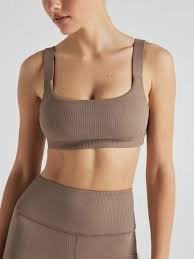
Seamless Knitted Band
Seamless sports bras can use knitted underband structures integrated through yarn, program and density.
Control focus: Program version, yarn, size and structure consistency.

Band Width
Band width influences contact area, visual proportion and wearing feel. A wider band is not automatically more supportive if dimensions or recovery are unsuitable.
Control focus: Width specification and size grading.
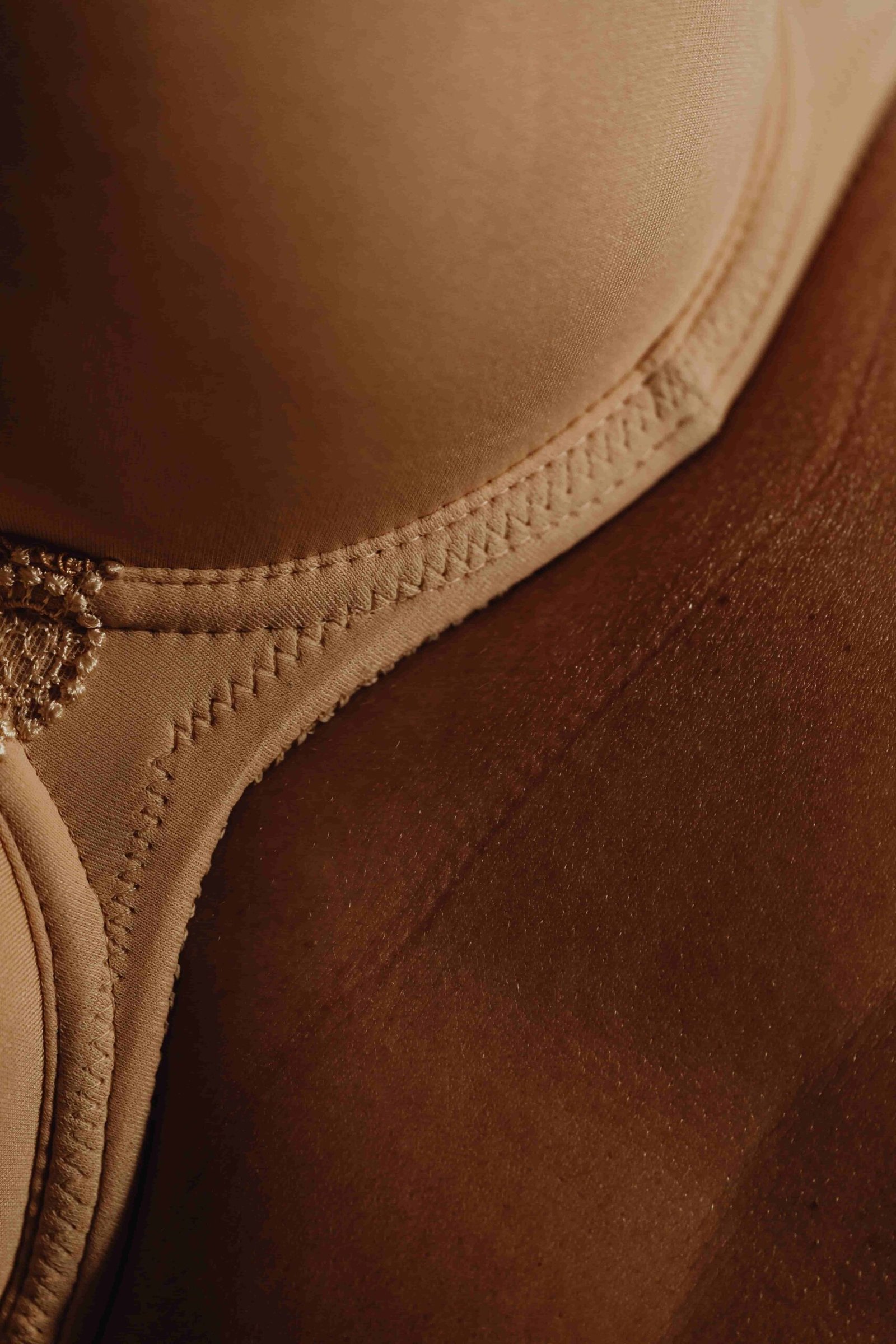
Joining and Twisting
Cut-and-sew elastic joins or structural transitions need consistent positioning and workmanship. Twisting, distortion or localized over-tension can alter fit.
Control focus: First Article and in-line workmanship.
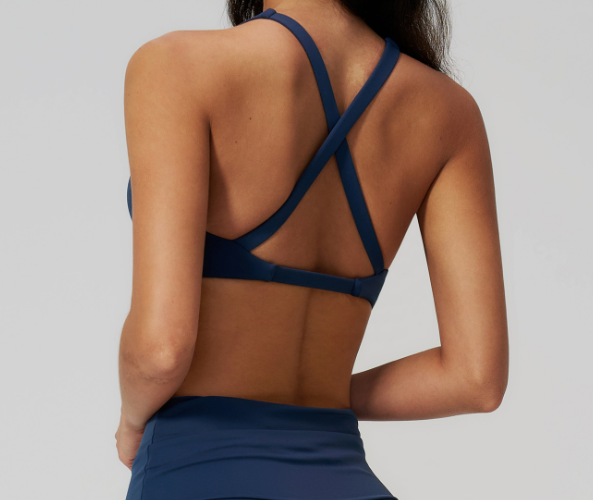
Movement and Ride-Up
The lower band should be reviewed during movement to identify unwanted upward shift, rolling or excessive pressure.
Control focus: Buyer-defined movement evaluation and measurable revision.
Use Localized Stability Instead of Making the Entire Bra Tighter
MOVEVOX can create localized structural differences through Seamless knitted density, rib and organization or through Cut & Sew materials, layers and panels. These structures are sportswear design tools, not medical compression claims.

Underband Zone
A firmer-feeling lower structure can help maintain the approved garment position when dimensions, recovery and wearer fit are correctly balanced.
Side Zone
Side areas can use appropriate material, layering or knitted organization to support the target coverage and fit.
Back Zone
Back structures can combine more stable and more flexible areas depending on the strap geometry and movement requirement.
Cup / Front Zone
The front should not simply be made uniformly tighter. Coverage, internal layers, material behavior and wearer shape need to remain part of the design.
Flexible Movement Areas
Selected areas may require more mobility rather than additional stiffness. A high-support target still needs to allow movement appropriate to the intended activity.
Evaluate the Sports Bra in Movement, Not Only on a Mannequin
A high-support target is relevant because the wearer moves. MOVEVOX can incorporate buyer-defined movement checks into Fit Sample evaluation, but the exact protocol should reflect the intended activity and the customer’s acceptance requirements.
Use Movement to Find Structural Problems
Static fitting can confirm basic dimensions, but it may not reveal unwanted vertical shift, strap movement, lower-band movement or coverage change.
For a running, HIIT or training-oriented product, the buyer may define repeated arm action, overhead reach, torso rotation, controlled jumping or landing movement, bending and transitions between movement positions.
- Underband remains in the intended position
- Straps stay aligned
- Side and neckline coverage remain acceptable
- Internal pads or layers do not move unexpectedly
- Back structure does not twist
- Material recovery remains adequate
- Seams or hardware do not create concentrated pressure
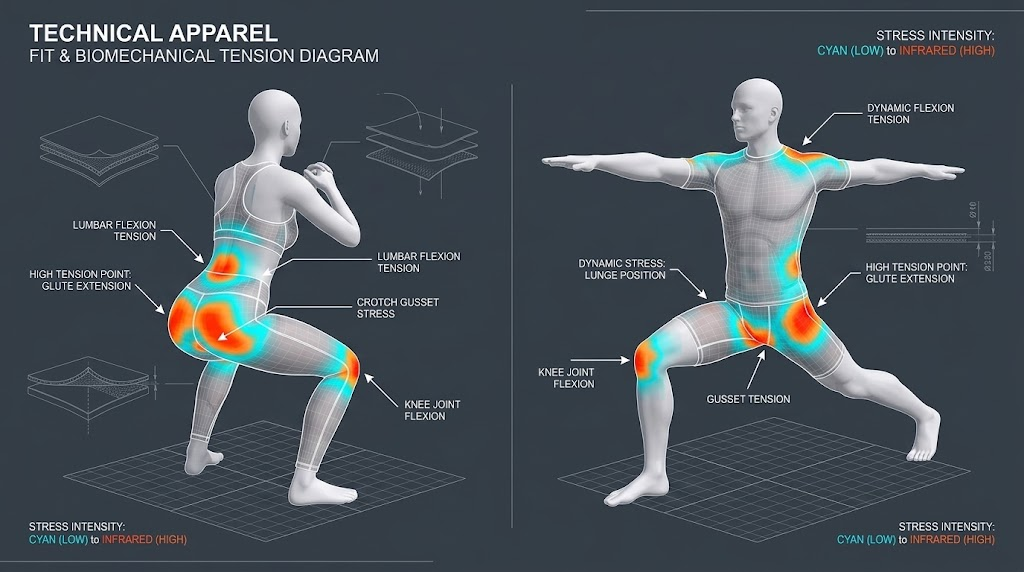
Convert the Observation Into a Measurable Revision
Movement feedback becomes useful only when it leads to a controlled technical change.
- Identify the observed issue.
- Connect it to measurement, material, pattern, strap, band, pad or construction.
- Define the revision.
- Update the development version.
- Produce or modify the sample.
- Repeat the relevant fit or movement check.
- Obtain customer approval.
- Freeze the final production standard.
This approach does not claim that one wearer test represents every end consumer. Body shape, size choice and activity vary.
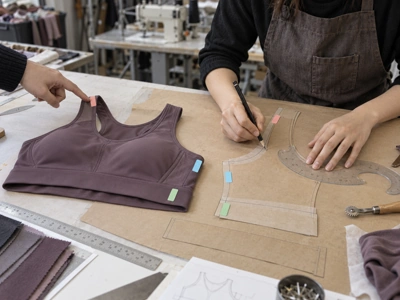
Validate the Support Target Before Publishing a Performance Claim
MOVEVOX distinguishes between a development target and a verified claim. “High support” should be tied to a defined product, activity, wearer or size scope and acceptance method before it is used as measurable performance evidence.
Target Activity
Define whether the product is intended for running, HIIT, gym training or another use.
Method: The buyer identifies the intended activity and the level of movement relevant to the product.
Acceptance: Buyer-defined product brief.
Fit Standard
Establish the measurable garment dimensions and Fit direction required before performance can be evaluated.
Method: Measurement Chart, Fit Sample and approved size-development procedure.
Acceptance: Customer-approved POMs and tolerance.
Material Behavior
Confirm that stretch and recovery remain compatible with the intended Fit.
Method: Material specification, internal review and buyer- or laboratory-defined testing where required.
Acceptance: Project-specific material requirements.
Structural Review
Confirm that underband, straps, coverage, internal construction and back structure work together as designed.
Method: Technical review plus Fit Sample observation.
Acceptance: Approved product configuration.
Movement / Wear Evaluation
Observe product behavior under movements relevant to the intended activity.
Method: Buyer-defined movement or wear protocol.
Acceptance: Customer-established criteria.
Third-Party Testing
Provide formal independent evidence when the buyer requires laboratory or specialist evaluation.
Method: Customer-nominated or project-qualified laboratory using a specified test method.
Acceptance: The actual test standard or buyer requirement.
Santoni-Based Seamless Manufacturing for Engineered Sports Bras
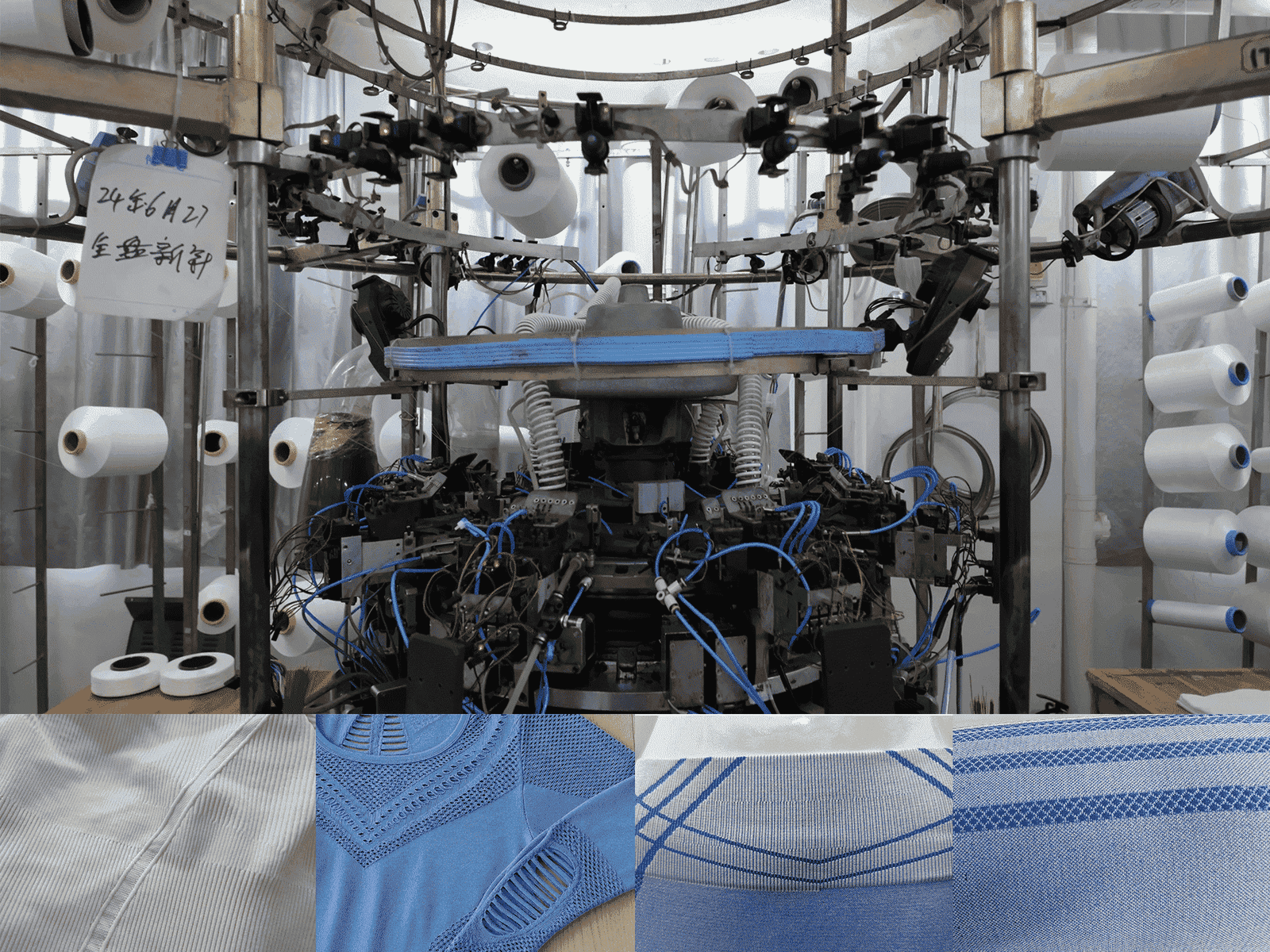
MOVEVOX’s seamless system uses 28 Italian Santoni machines supported by yarn coordination, program development, trial knitting, finishing, necessary sewing and quality control.
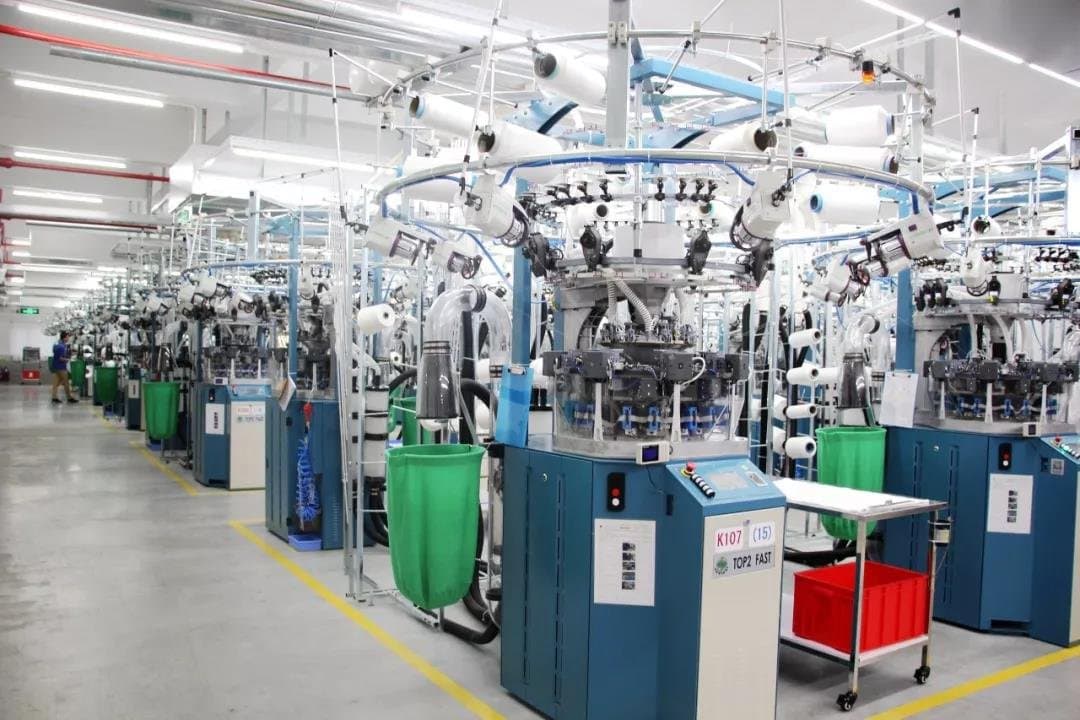
28 Santoni Machines
The current core equipment base includes 28 Italian Santoni seamless knitting machines.
Evidence: Verified machine-area imagery.
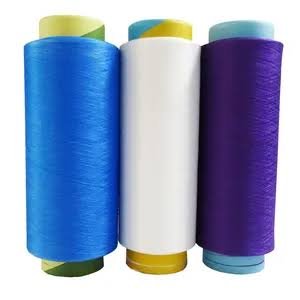
Yarn and Structure
Sports bra behavior can be influenced through yarn selection, knitted density, rib, mesh and other programmed structures.
Evidence: Yarn + knitted structure samples.
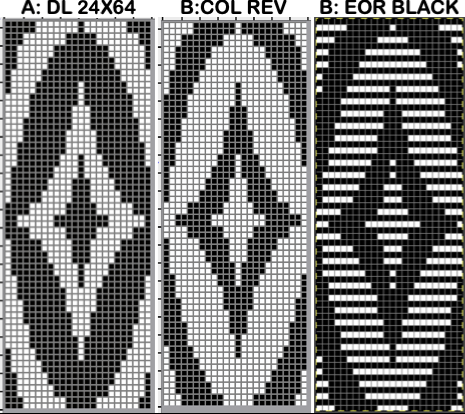
Program Development
The knitting program translates approved structures into executable machine instructions. Program version, size and yarn must remain controlled because changes can alter dimensions and structural placement.
Evidence: Program screen / version record — 需要真实素材替换 if unavailable.
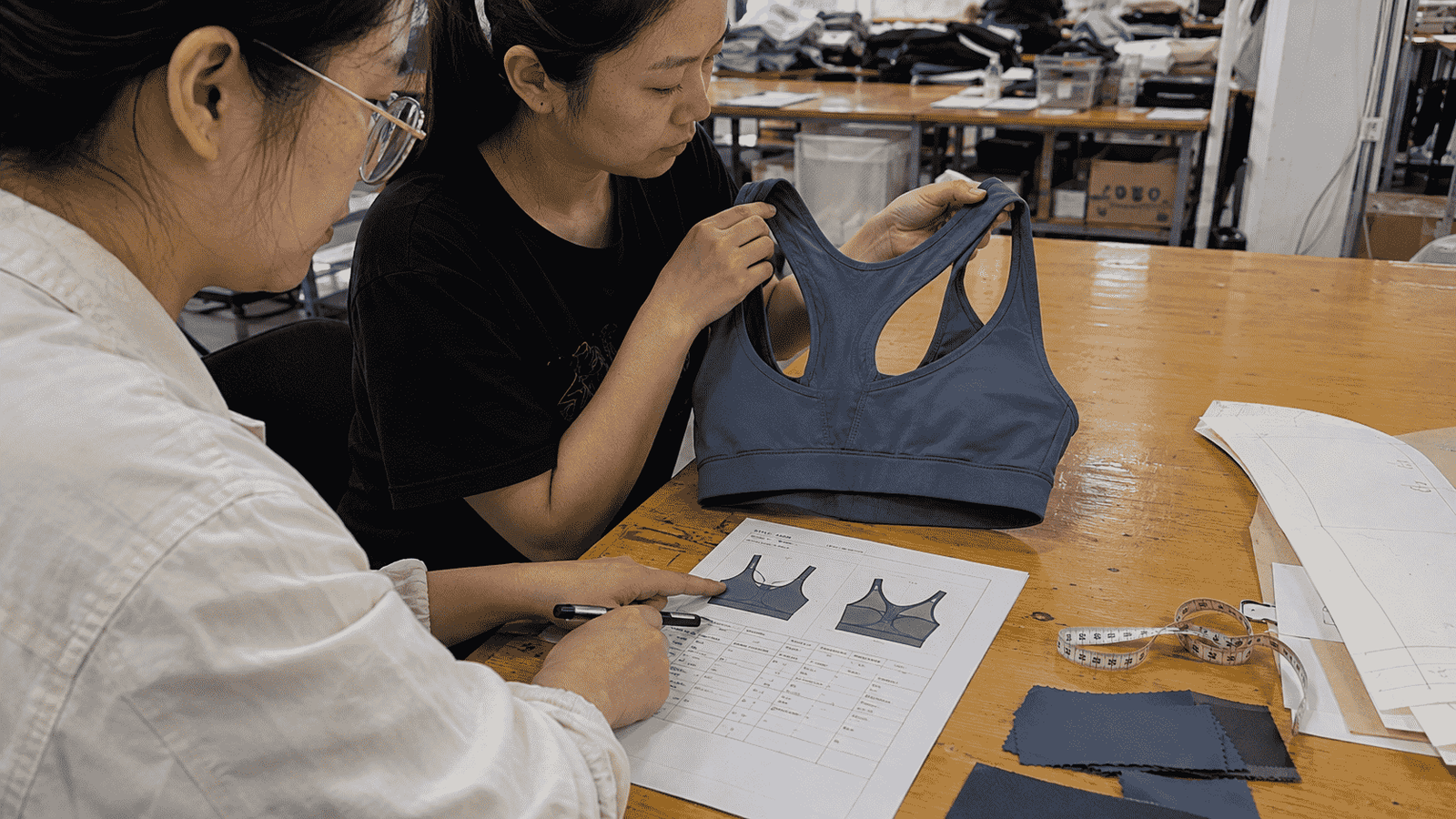
Trial Knitting
Trial units allow the technical team to check actual knitted structure and measurements before normal bulk continuation.
Evidence: Trial-knit sample — 需要真实素材替换 if unavailable.
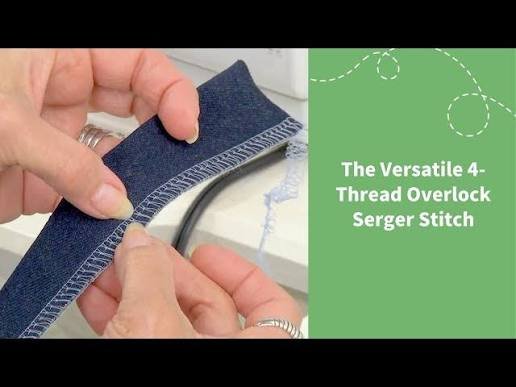
Post-Knit Construction
Seamless does not mean absolutely no sewing. Pad openings, labels or selected finishing may still require downstream operations.
Evidence: Real post-knit sewing detail.
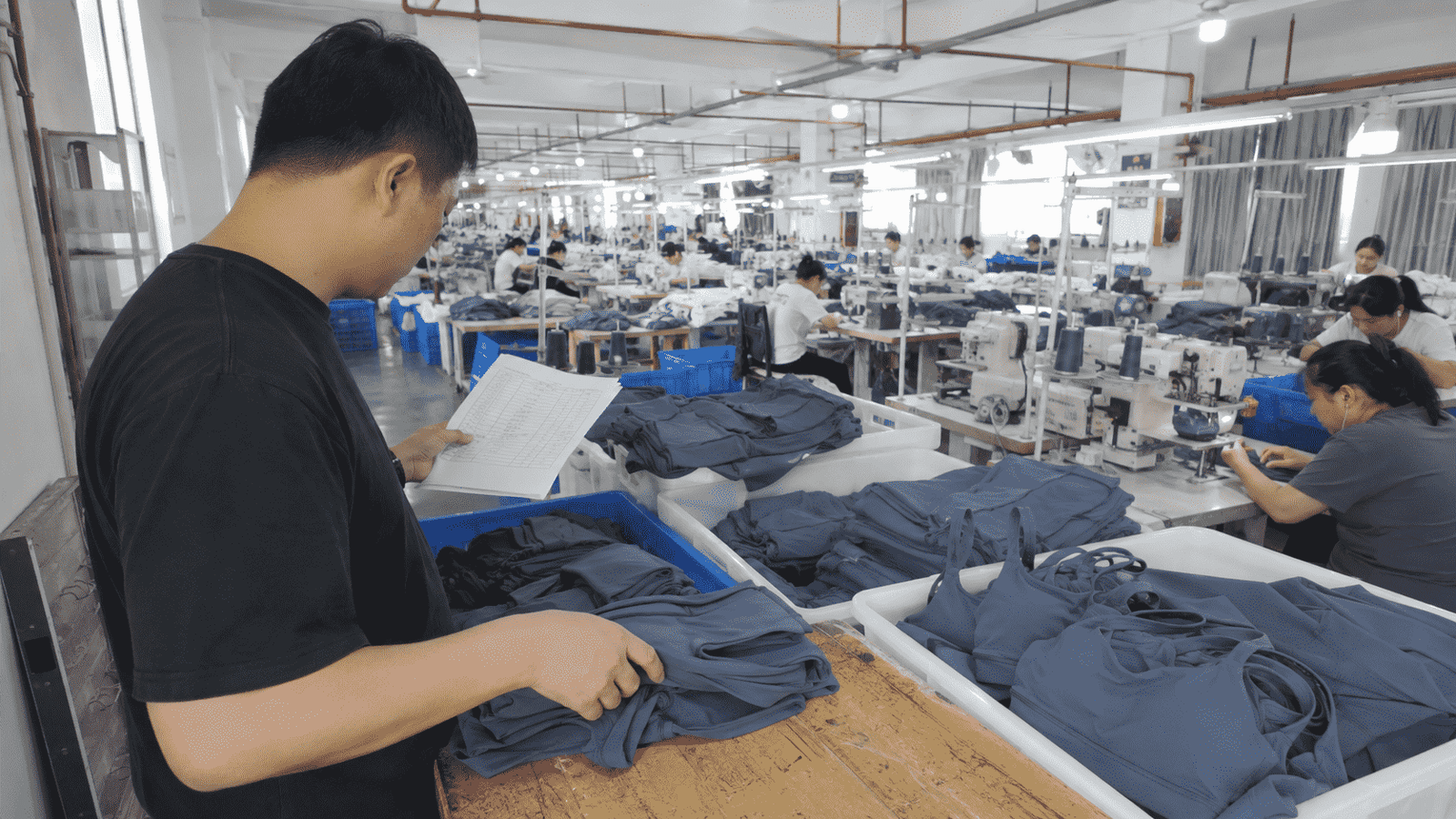
Seamless QC
Quality review can include structure position, symmetry, holes, yarn defects, density, measurements and post-knitting workmanship.
Evidence: Real inspection records / images.
Build Structured Sports Bras Through a Controlled Cut-and-Sew Route
MOVEVOX’s Cut & Sew route links material, pattern engineering, cutting, internal construction, sewing, First Article and quality control to the final approved product standard.
Specification Release
Final Tech Pack, Measurement Chart, material, artwork, construction and Approved Sample are reviewed before production release.
QC Gate: Current version confirmed.
Material Control
Fabric, elastic, pads, lining and trims are checked against the approved BOM and project requirements.
QC Gate: Approved inputs.
Pattern Release
Production patterns follow the final measurements and approved fit.
QC Gate: Pattern version confirmed.
Cutting
Fabric is cut according to pattern, size and planned quantity, with components identified to reduce mixing.
QC Gate: Cut-panel check.
Internal Construction
Lining, elastic, pad pockets and other internal components are prepared according to the approved structure.
QC Gate: Internal structure confirmed.
Sewing Assembly
Panels, straps, underband and approved components are assembled according to the released construction method.
QC Gate: Process workmanship.
First Article
The first completed production unit is checked against the Approved Sample and final specification.
QC Gate: First Article approved.
Inline Inspection
QC reviews production while it is still in progress so repeated defects can be contained early.
QC Gate: Inline release.
Finished Garment
Measurements, workmanship, branding, internal construction and overall appearance are reviewed.
QC Gate: Finished-garment inspection.
Packing Release
Only conforming goods proceed to final SKU, barcode, packaging and shipment preparation.
QC Gate: Packing verification.
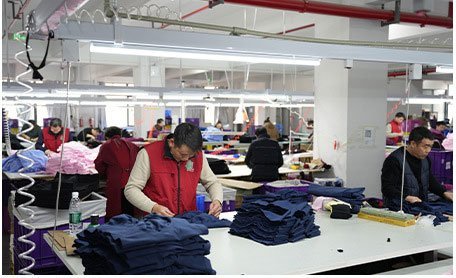




Control Internal Construction Before It Becomes a Bulk Variable
Internal sports bra construction can influence coverage, appearance, stretch and Fit. MOVEVOX develops each internal system against the actual outer material and approved product rather than treating pads or lining as interchangeable components.

Removable Pad Pocket
A removable-pad pocket requires controlled pocket dimensions, opening position, pad size, orientation and internal-layer stretch. Bulk inspection can then verify the correct pad count, orientation and garment appearance.
Positioned Pad Structure
A positioned pad system requires the sample to establish pad location, left-right symmetry, internal attachment or positioning and outer-surface appearance. MOVEVOX should describe the approved construction, not make an absolute claim that the pad can never move.
Layered Internal Structure
Lining and additional layers can change the effective stretch and recovery of the sports bra. The internal and outer layers therefore need to be tested together through the Fit Sample. More complex molded-cup or encapsulation structures require separate feasibility confirmation and should not be presented as standard capability without real evidence.
Turn a High-Support Target Into an Approved Production Standard
MOVEVOX develops the product through defined technical and approval stages. The objective is not merely to create one strong-feeling sample, but to establish a reproducible product standard.
Project Input
The buyer supplies the available Tech Pack, Measurement Chart, reference sample, activity direction, material requirement and product targets.
Deliverable: Development Brief.
Technical Review
MOVEVOX reviews product structure, measurements, manufacturing route, material, internal components and unclear requirements.
Deliverable: Open Point List.
Material Direction
Candidate fabric, yarn, elastic, lining and pad systems are evaluated according to the intended product.
Deliverable: Material Direction.
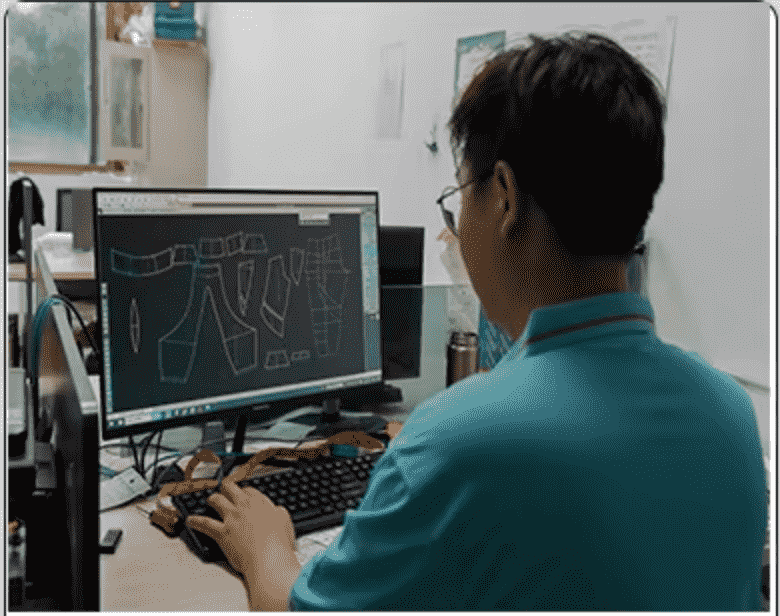
Pattern / Program
Cut & Sew moves into pattern engineering; Seamless moves into program and knitted-structure development.
Deliverable: Development Version.
Development Sample
A physical sample is produced once the necessary inputs are executable.
Deliverable: Standard projects normally enter an approximately 5–10 working-day sample cycle.
Fit & Movement Review
Measurements, underband, straps, coverage, internal structure and buyer-defined movements are reviewed.
Deliverable: Fit / Movement Comments.
Revision & Approval
Required changes are converted into controlled revisions until the customer approves the required product stage.
Deliverable: Approved Sample.
Bulk Standard
Final technical files, materials, artwork, Approved Sample and QC points are consolidated before bulk release.
Deliverable: Production Standard.
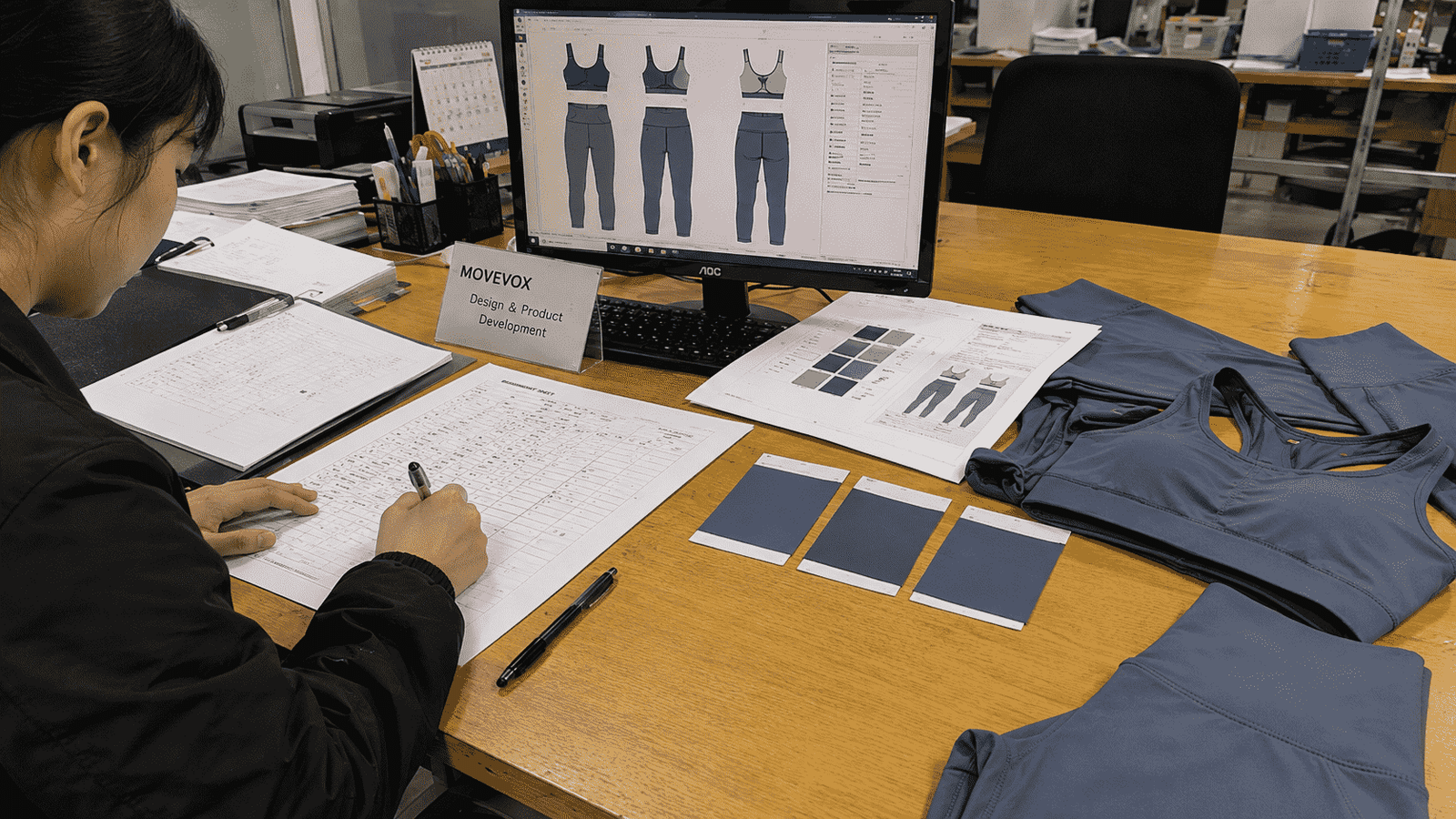
What We Need to Review Before High-Support Sampling
Intended Activity
Define running, HIIT, strength training or another use so the product target is technically meaningful.
Support Direction
Describe the intended support outcome and any buyer-specific classification or testing requirement.
Measurement Chart
Supply the relevant POMs, size range and tolerances where available.
Fit Model / Consumer Direction
Body profile and size expectations influence coverage, underband and grading decisions.
Material Specification
Provide nominated fabric/yarn or the expected composition, GSM, stretch, recovery and handfeel direction.
Underband Requirement
Define width, construction, elastic or seamless direction where specified.
Strap & Back Structure
Confirm width, length, adjustability, attachment and approved back geometry.
Pad / Internal Structure
Clarify removable, positioned, no-pad, lining or other internal requirements.
Branding & Labels
Artwork, location, process, label information and relevant private-label requirements should be confirmed.
Testing Requirement
Buyer RSL, material testing, wearer evaluation or support-validation protocols should be shared before the product is described with measurable performance claims.
Incomplete Tech Pack
MOVEVOX can start from a legal sample, sketch, image or defined concept, but incomplete inputs usually require more technical decisions and customer approvals before sampling is considered production-ready.
Build the High-Support Product and Brand Execution Together
Private label execution can include product, material, branding, labels and packaging. Product performance and Fit remain the priority; branding is added to an already controlled technical standard.
Product
MOVEVOX can develop Seamless or Cut & Sew sports bras from Tech Packs, legal reference samples, sketches or defined concepts. Underband, straps, removable or positioned pad structures, coverage and project-specific Fit are reviewed according to the buyer-defined product target.
- Underband and strap development
- Removable / positioned pad structures
- Project-specific coverage and Fit
- Seamless or Cut & Sew route
Material & Color
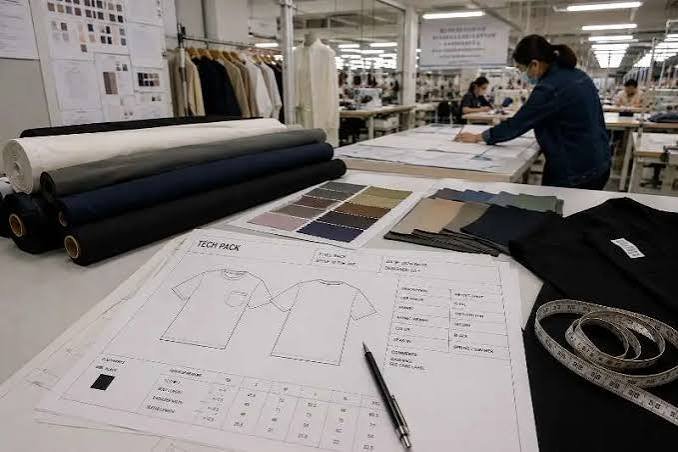
Material selection considers stretch, recovery, GSM, surface, handfeel, support direction and approved color. The final material remains connected to the approved product standard.
- Nylon / Spandex
- Polyester / Spandex
- Seamless yarn
- Firmer-recovery material routes
- Stock or custom color
Branding
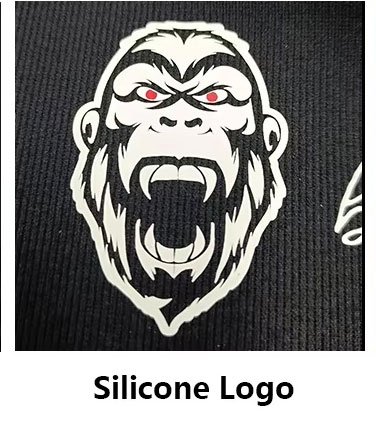
MOVEVOX can support heat transfer, screen print, silicone, embroidery, jacquard and woven-label routes where technically appropriate. High-stretch areas require sample validation before bulk approval.
- Heat transfer
- Screen print
- Silicone
- Embroidery
- Jacquard
- Woven label
Labels & Trims
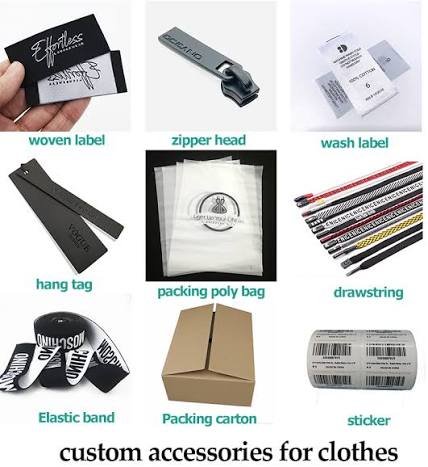
Main labels, care labels, size labels, hangtags and approved trims can be coordinated according to buyer artwork and BOM. Special components may carry separate supplier MOQ.
- Main labels
- Care labels
- Size labels
- Hangtags
- Approved trims
Packaging
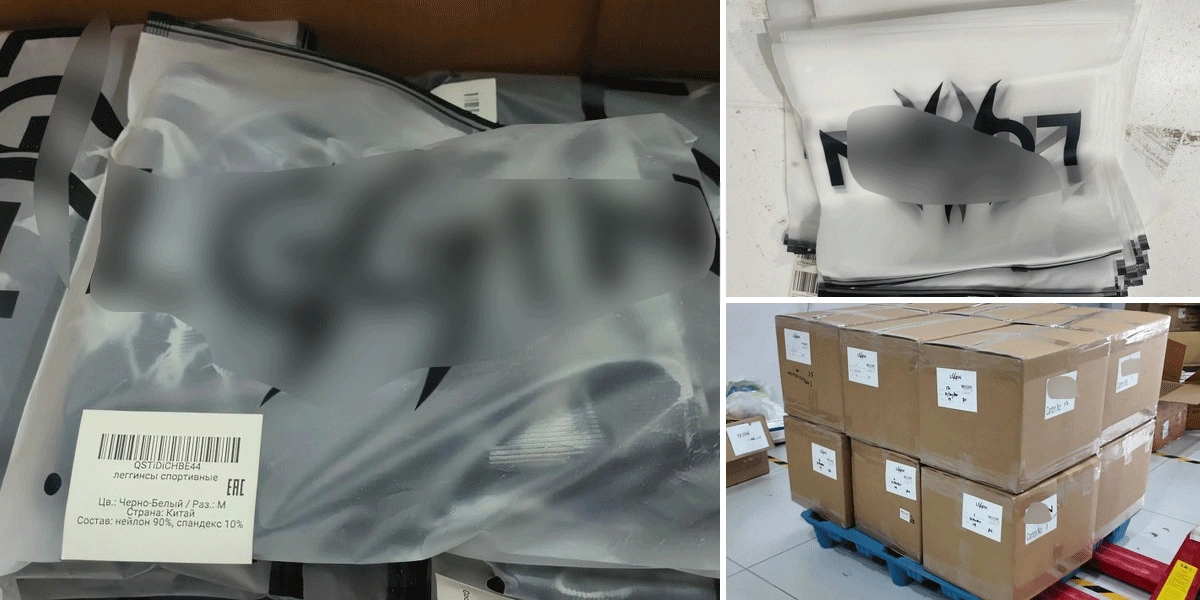
Individual bags, barcode labels, stickers, hangtags, carton marking and custom retail packing can be managed by SKU and PO. Packaging versions should remain linked to the correct product and order.
- Polybag
- Barcode
- Sticker
- Carton marking
- Custom retail pack
Use Each Sample Stage to Answer a Different Technical Question
MOVEVOX separates development, fit, revisions, size validation and pre-production approval so one general “sample approved” comment does not hide unresolved product risks.
Development Sample
Purpose: Confirm the overall structure, material direction and manufacturability.
Pass condition: The basic product direction is technically viable.
Fit Sample
Purpose: Review measurements, underband, straps, coverage, internal construction and intended movement.
Pass condition: Fit issues are either accepted or converted into defined revisions.
Revised Sample
Purpose: Confirm that agreed corrections have been executed without changing already approved areas unintentionally.
Pass condition: Required revisions are completed.
Size / Representative Set
Purpose: Review grading, strap relationships, underband, coverage and pad/cup positioning beyond the base size where required.
Pass condition: Required sizes meet the buyer-approved rules and tolerance.
PP Sample
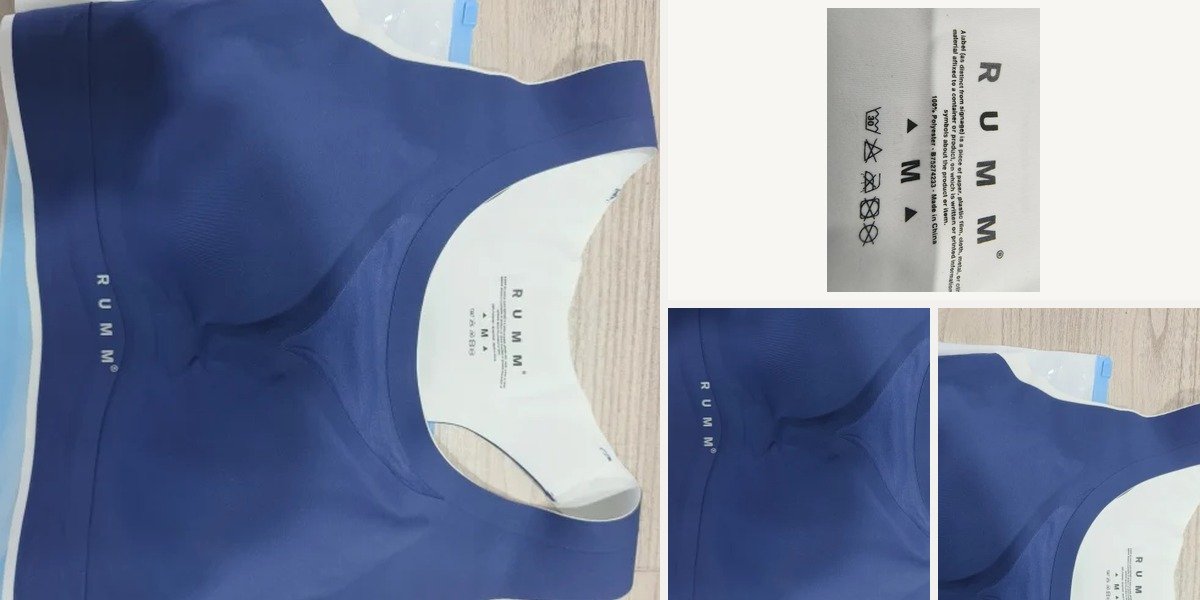
Purpose: Confirm the final production direction with approved materials, construction, branding and relevant details.
Pass condition: Formal customer approval before bulk release.
Bulk Handover
Purpose: Transfer the final product information into production, PMC and QC.
Pass condition: One current approved version is available to all relevant functions.
Protect the Approved Support Architecture Through Bulk Production
The Approved Sample only creates value when its critical standards are transferred into production. MOVEVOX connects approved product information to First Article, in-line inspection and final release.
Approved Standard
Approved Measurements: Bulk POMs follow the final customer Measurement Chart and tolerance rather than an earlier development version.
Approved Material: Fabric, yarn, elastic, lining and other critical material information remain tied to the approved product. Unapproved substitutions require customer re-evaluation.
Approved Structure: Pattern or seamless program, underband, strap, pad system and internal construction remain linked to the production version.
Approved Branding: Logo process, size and position follow the final artwork and sample.
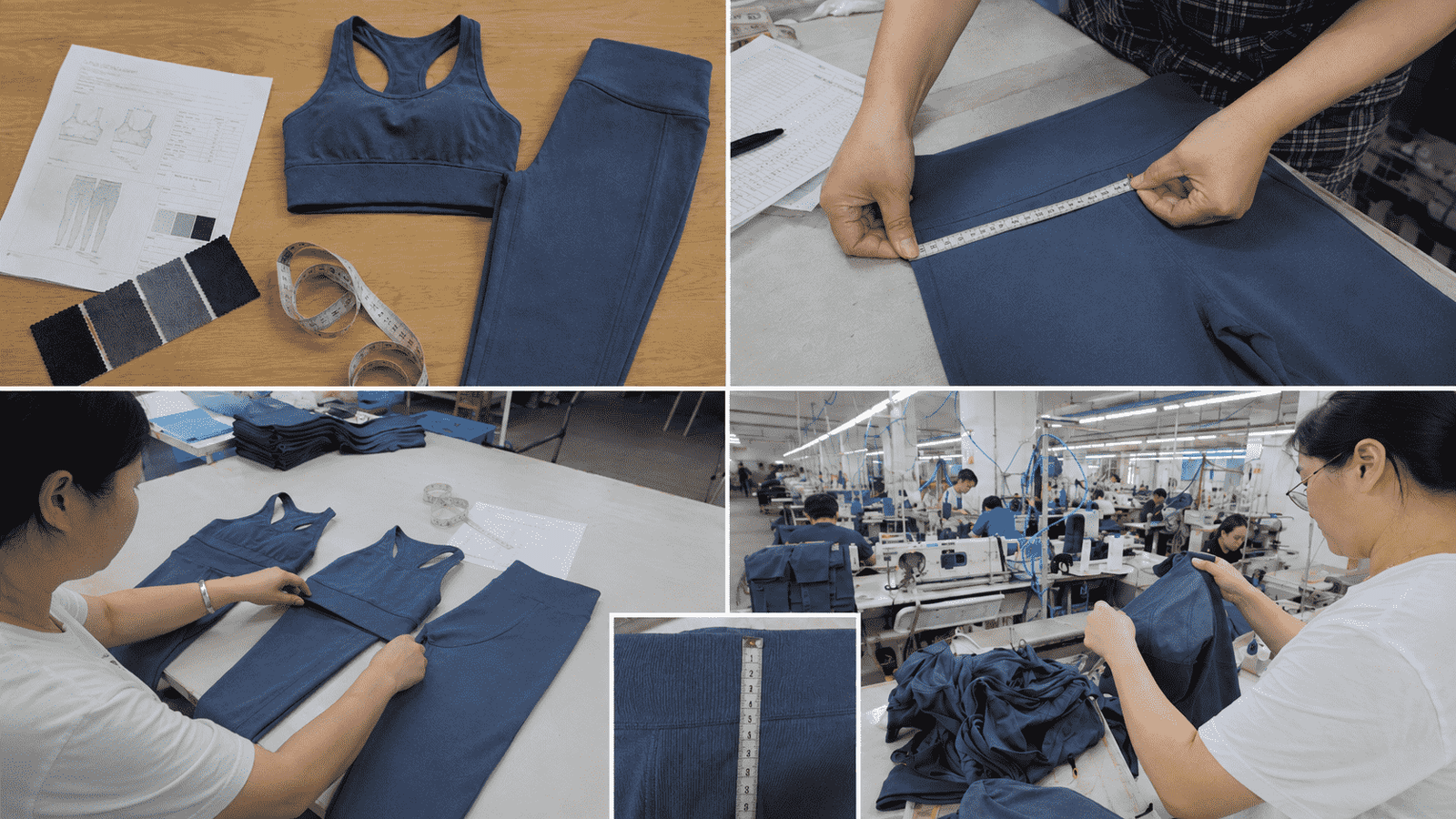
Bulk Execution
First Article: The first production unit checks whether the production line has reproduced the approved standard before normal continuation.
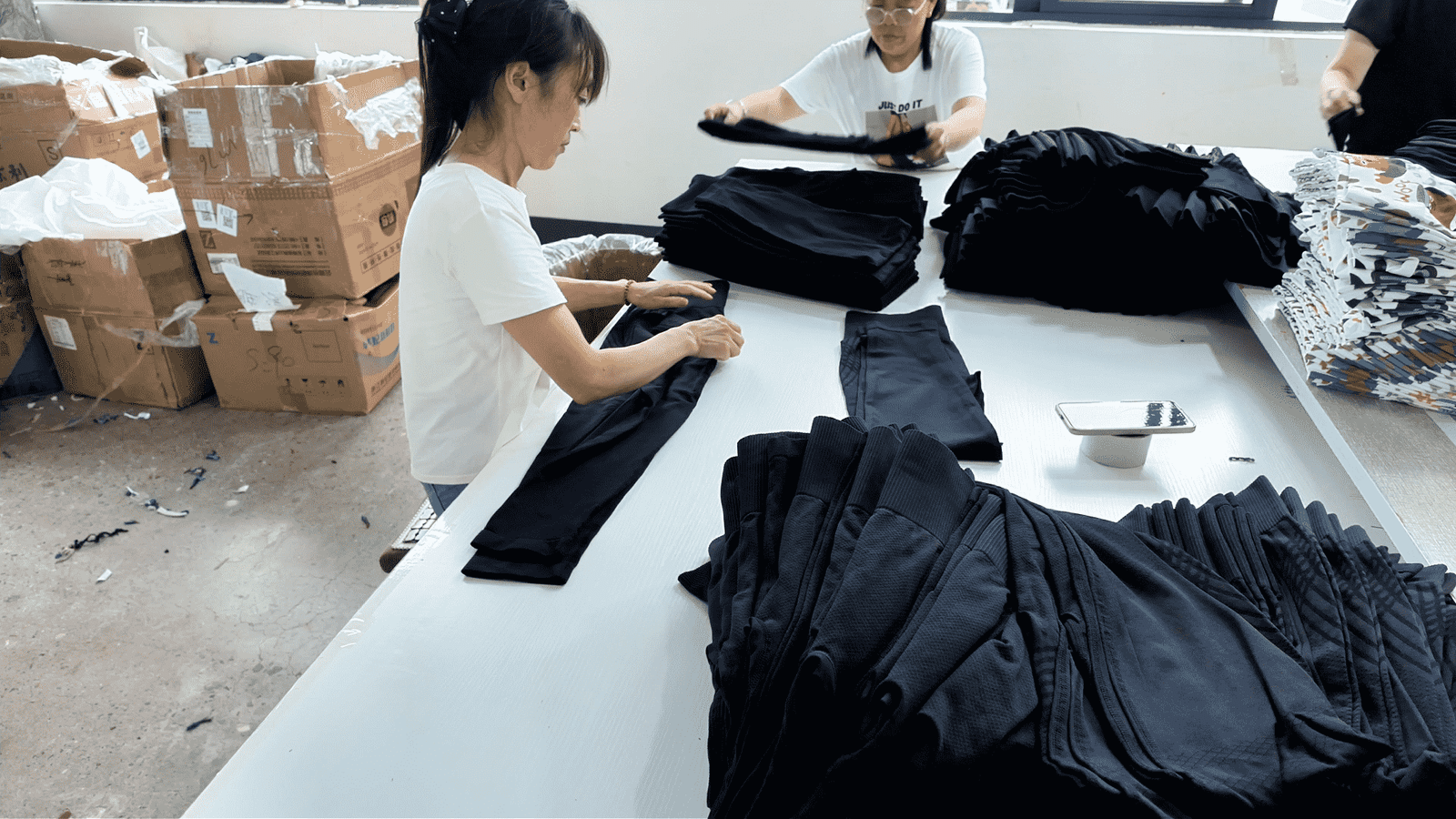
Bulk QC: In-line, measurement, workmanship, finished-garment and packaging inspection identify deviation before shipment release.
Handover Principle: A high-support project should not depend on one physical sample sitting in the sample room. The technical standard must also exist in controlled measurements, materials, patterns or programs, construction instructions and quality checkpoints.
Control Quality Before the Sports Bra Reaches Final Inspection
MOVEVOX’s quality system uses approved standards, incoming checks, First Article, in-process control, finished-product inspection and corrective action. Five QC personnel currently support the quality organization.
Incoming Material
Fabric, yarn and relevant components are reviewed against project requirements.
Check: material / color / project criteria.
Pre-Production Review
Final sample, specifications, material, artwork and packaging instructions are confirmed.
Check: current approved version.
First Article
The first commercial-production unit is compared with the Approved Sample.
Check: measurements / construction / appearance.
Inline Inspection
QC checks production before the entire order is completed.
Check: recurring workmanship and technical deviation.
Measurement
Defined POMs are checked against the customer chart and tolerance.
Check: style-specific dimensions.
Finished Garment
Completed bras are reviewed for workmanship, internal structure, branding and appearance.
Check: finished-product standard.
Packaging
Size, color, barcode, labels and packing information are verified against the PO.
Check: SKU accuracy.
Final Release
Inspection results and required corrective actions are reviewed before shipment release.
Check: order release status.

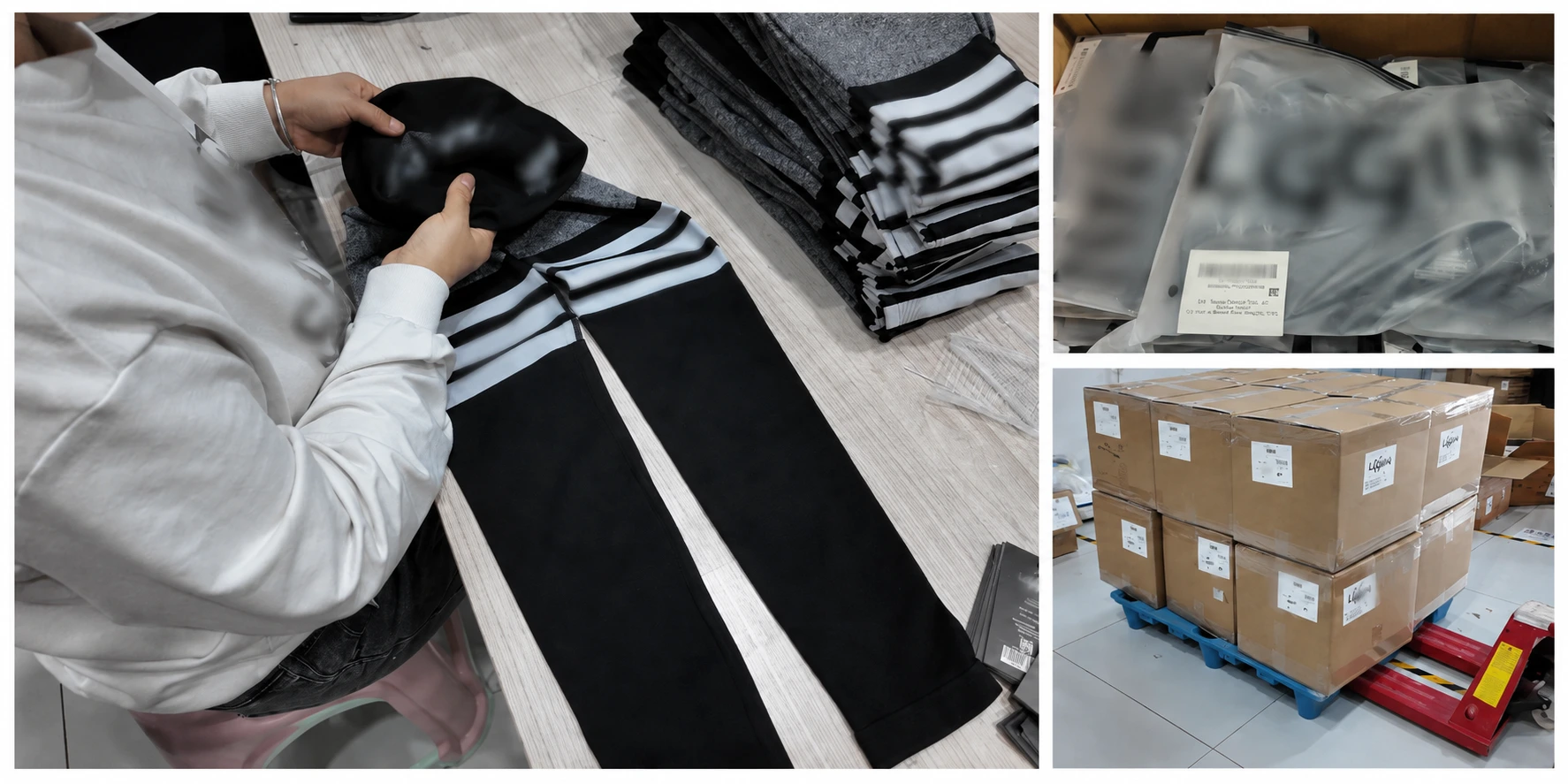
Make Critical Sports Bra Measurements Traceable
MOVEVOX measures production against the customer-approved Measurement Chart and tolerance. High-support sports bras require style-specific POMs rather than a generic factory chart.

Product Identity
Record PO, style, color, size and inspection stage.
Approved POM
Use buyer-approved measurement definitions.
Critical Bra Measurements
Depending on style: underband, body length, strap length, strap width, side height, coverage dimensions and pad/cup position.
Tolerance
Each measurement is judged against the project-specific allowed deviation. MOVEVOX does not publish one tolerance that overrides buyer requirements.
Deviation Record
Out-of-tolerance results should be recorded and investigated rather than hidden by averaging several garments together.
Release Decision
Measurement results contribute to the broader decision alongside workmanship, construction, material, branding and packaging.
Report Principle
A measurement record has value only when it can be connected to the actual order, inspected size and production stage. A real anonymized sports-bra measurement report is 需要真实素材替换 if no publishable project record is available.
Control Seamless Structures Before They Affect Fit and Support Direction
Seamless sports bras have quality risks linked to yarn, program, density, structure placement and post-knit operations. These controls differ from conventional panel sewing.
| Defect / Variation | Likely Cause | Prevention | Inspection Point | Corrective Action |
|---|---|---|---|---|
| Program Mismatch | Wrong or outdated knitting version | Lock approved program by size/style | First Article | Stop, verify version and reproduce |
| Zone Shift | Program or size relationship changes | Approved structure reference | Knit / finished check | Hold batch and correct setup |
| Density Variation | Yarn, machine or setting variation | Approved yarn and parameters | In-line knit check | Review lot and machine setting |
| Asymmetry | Knitting or finishing variation | Define symmetry reference | Laid-flat inspection | Contain and identify cause |
| Yarn / Hole Defect | Yarn interruption or machine issue | Monitor yarn and machine | Knitting + final inspection | Stop affected output and reinspect |
| Measurement Drift | Yarn recovery, structure or finishing | Standard measurement condition | First Article / inline / final | Review size, program and finishing |
| Post-Knit Variation | Sewing, pad or finishing changes | Approved downstream construction | Complete-garment QC | Correct operation and reinspect |
Correct the Process, Not Only the Current Defect
For significant or recurring sports bra quality issues, MOVEVOX’s corrective-action logic should address the affected goods and the process that allowed the problem to occur.
Contain
Identify the affected batch, style, size or material and prevent questionable products from moving forward.
Investigate
Determine whether the issue comes from material, measurement, pattern, seamless program, elastic, sewing, component, workmanship, inspection or packaging.
Correct
Address the current affected production through appropriate rework, replacement, process correction or renewed production.
Prevent
Update the relevant instruction, First Article check, process control, supplier requirement or technical record to reduce recurrence.
Verify
Check later production or reinspection evidence to confirm the corrective action has actually worked.
Record
Document the issue, scope, cause, action, responsible owner and effectiveness evidence before closing the CAPA.
Define the Test Before Using a High-Support Claim
MOVEVOX can cooperate with buyer-defined wearer evaluations, material testing and third-party laboratory work. The correct protocol depends on the product, target market and customer requirement.
Buyer Support Protocol
Some mature brands already have internal High-Support or High-Impact classification methods. MOVEVOX can develop the product against that requirement where the buyer provides the method and acceptance criteria.
Applicable scope: Buyer-specific project.
Wearer / Movement Evaluation
Fit and movement review can help identify underband shift, strap movement, coverage change or other issues during defined actions. This remains a development evaluation unless the buyer has established a formal quantitative protocol.
Applicable scope: Sample development.
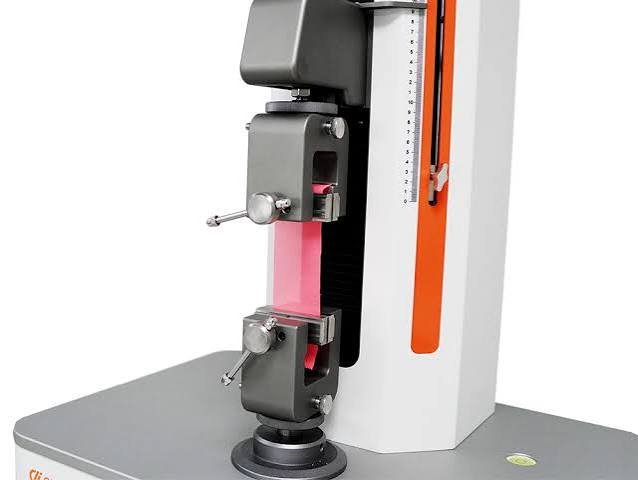
Material Testing
Stretch, recovery, dimensional stability, pilling or other fabric tests may form part of the buyer’s sports-bra validation package. A material result still does not independently establish the final garment’s support level.
Applicable scope: Material / garment-specific.
Third-Party Laboratory
Where the buyer requires formal external testing, MOVEVOX can coordinate with customer-nominated or project-qualified laboratories. The report must identify the actual sample and method.
Applicable scope: Project-specific.
Sample Identity
The test result must be connected to the exact product or material submitted. Changes in material, color, size, construction or supplier may affect whether previous evidence remains applicable.
Applicable scope: Exact tested sample.
Retesting Trigger
Retesting can become necessary when material changes, critical construction changes, buyer requirements change, the existing report does not cover the new product, or previous test results fail.
Applicable scope: Project-specific trigger.
Use Each Document Only for What It Actually Proves
MOVEVOX separates product-performance evidence, chemical testing, material evidence and factory/legal records. One document should not be expanded into a claim it was never designed to support.
Product Performance Evidence
Fit Sample, Size Set, movement review, buyer test protocol and sports-bra-specific laboratory reports can support product-performance decisions when their scope is clear. No public High-Support Sports Bra test report is currently verified.
- Current status: 需要真实素材替换
- Evidence must identify the actual product or sample
- Performance claims remain limited to the defined method and scope
Existing Chemical Test Evidence
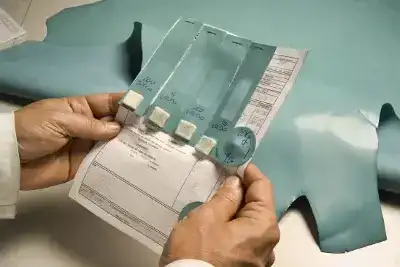
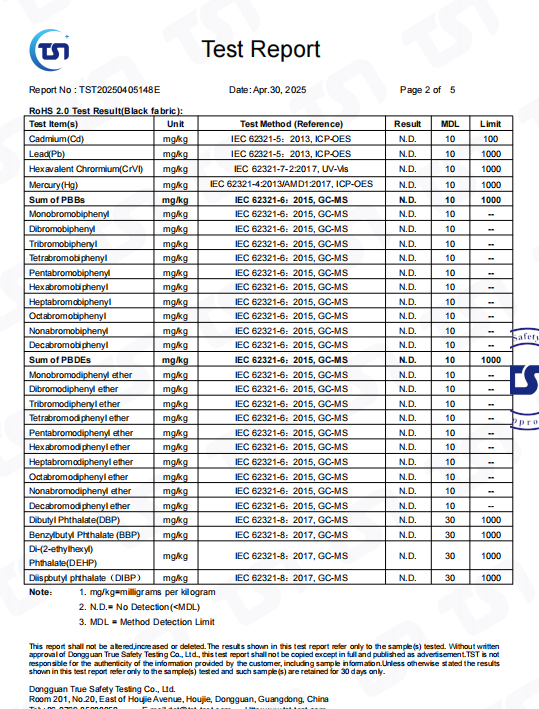
MOVEVOX currently has third-party testing documents dated April 30, 2025 for a black fitness yoga leggings sample: TST20250405148E for RoHS 2.0 testing, TST20250405148EC for the related certificate, and TST20250405150E for REACH Annex XVII phthalates testing.
- Real third-party testing experience
- Scope remains the tested leggings sample
- Does not prove High-Support Sports Bra compliance
Material Certificates
A fabric or yarn supplier may provide material-level documentation for a specific product or batch. Such evidence must retain supplier identity, material scope, validity and relevant lot or certificate information.
- Do not rewrite upstream evidence as MOVEVOX company certification
- Verify material scope and validity
- Connect evidence to the actual PO where required
Legal & Factory Evidence
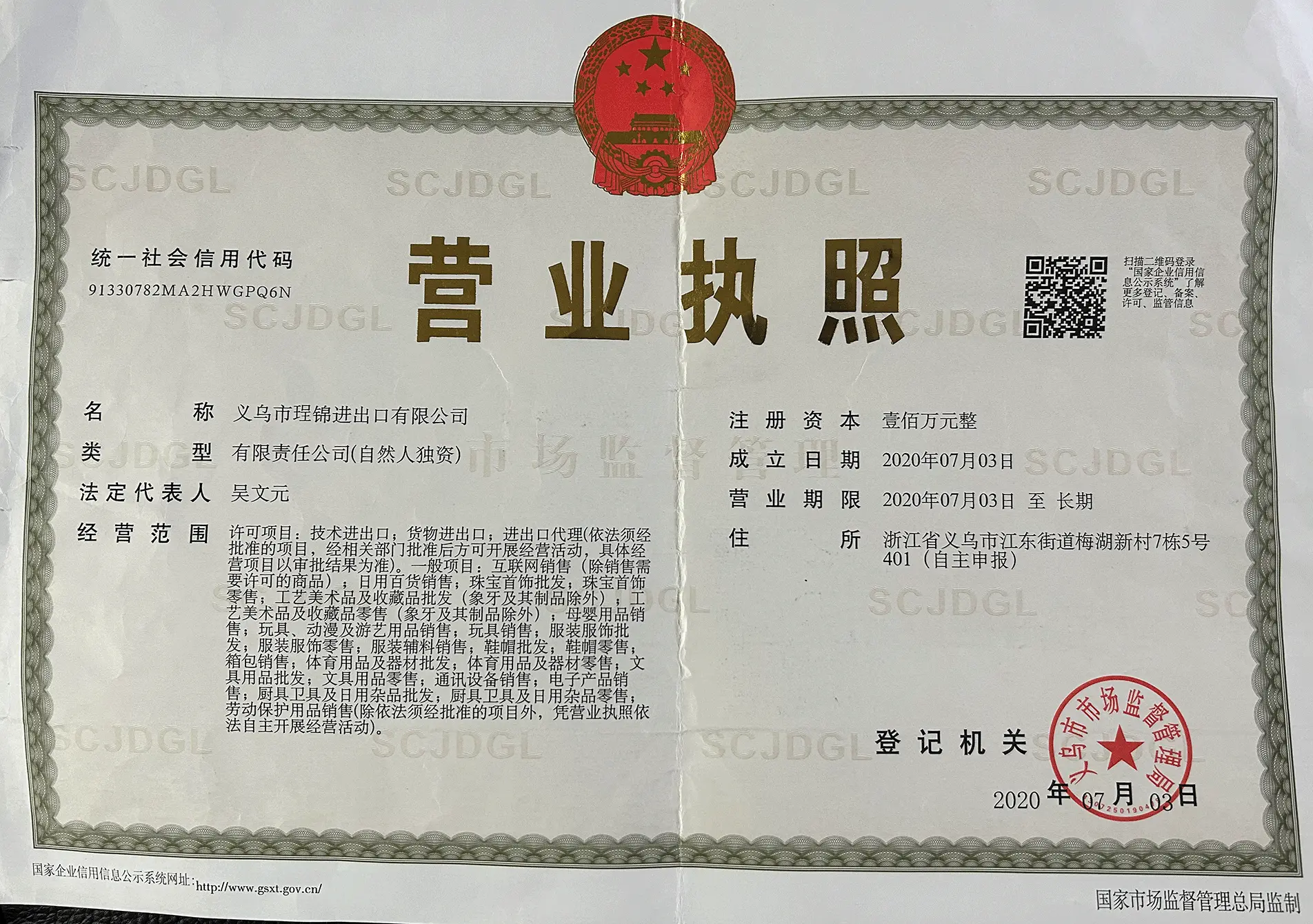
Business-license information, factory location, equipment, audit access and production records support supplier qualification. These documents establish company and manufacturing facts; they do not independently prove sports-bra performance.
- Legal entity and site verification
- Equipment and operating evidence
- Audit-ready manufacturing records
Scale Capacity Only After the Product Standard Is Stable
MOVEVOX distinguishes managed delivery capacity from theoretical machine output. A technically complex sports bra may use different capacity from a basic activewear style.
Managed Delivery Capacity
Current normal comprehensive managed delivery capacity across the self-operated system and controlled satellite network.
Santoni Machines
The core seamless equipment base supporting suitable sports-bra and activewear programs.
Primary Garment Machines
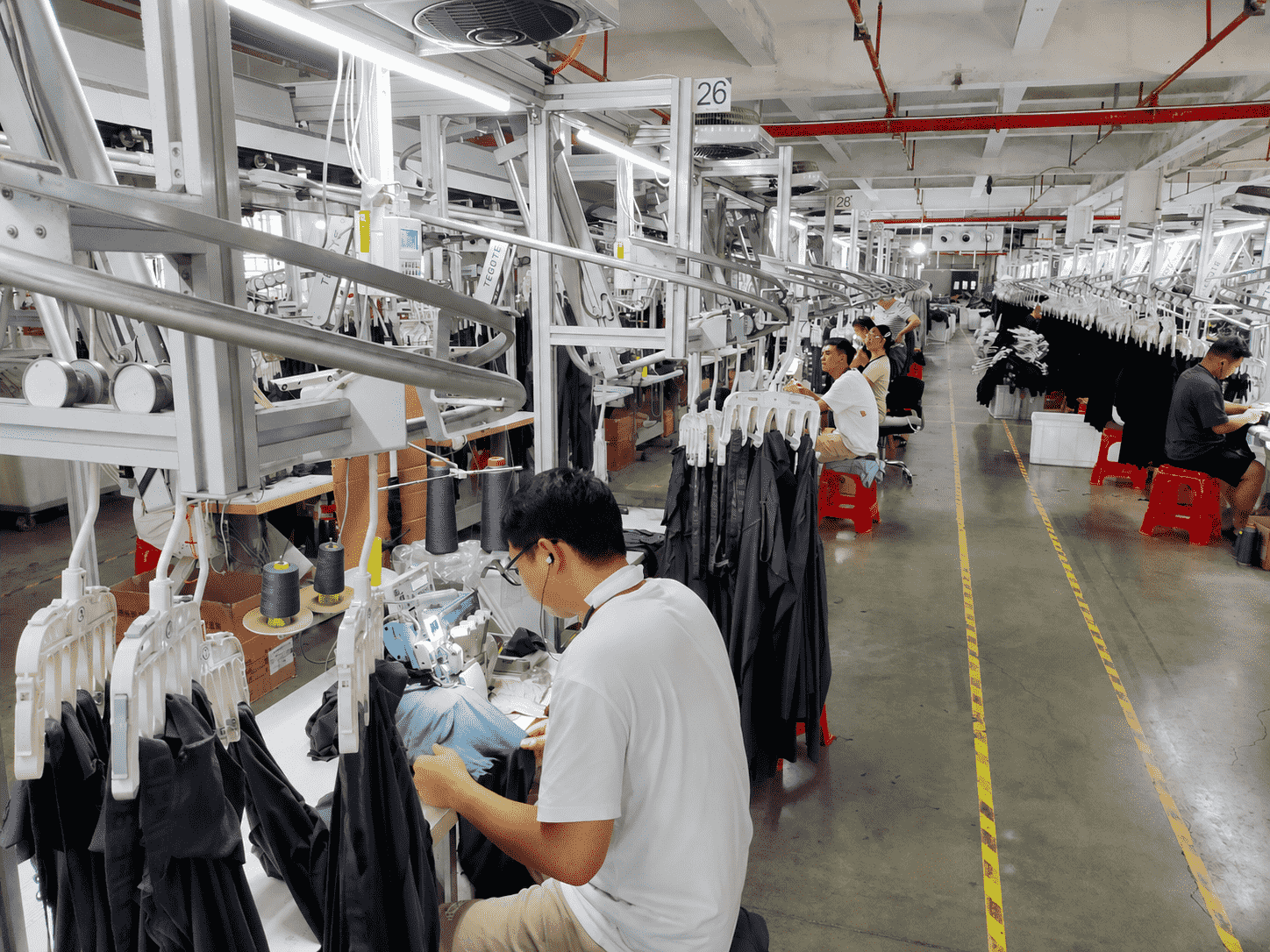
Self-operated sewing and garment equipment supporting Cut & Sew production.
Satellite Facilities
Six long-term collaborative facilities in Yiwu and two in Guangzhou.
QC Personnel
Quality-control resources supporting current production operations.
Normal Bulk Production Reference
Normal bulk-production time is generally approximately 20–35 days after required conditions are ready.
Know Where the Product Is Made and Which Standard Follows It
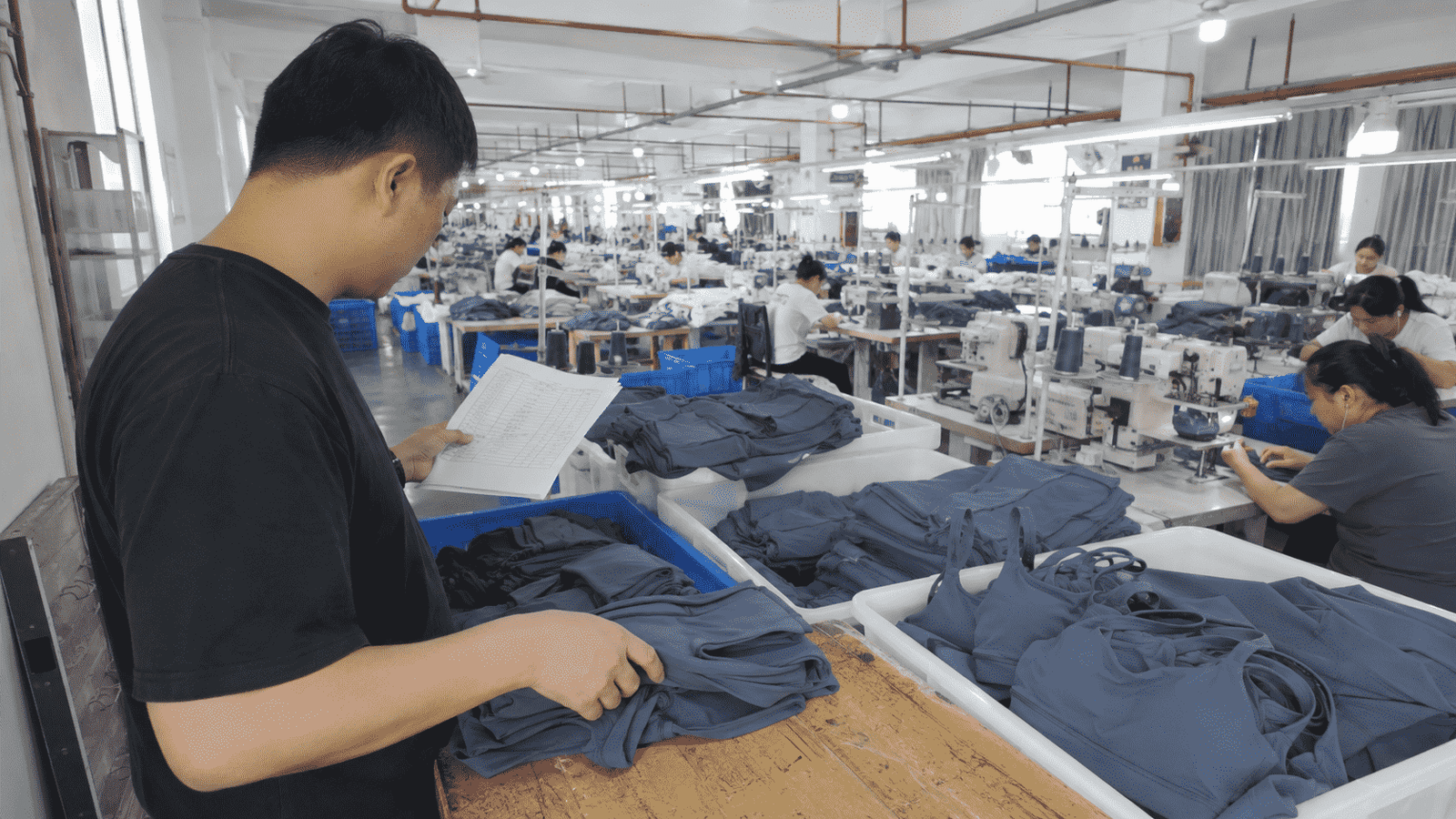
MOVEVOX combines a self-operated Yiwu manufacturing core with long-term satellite capacity and approved specialist resources. Customer technical and quality requirements remain centrally managed.
Own Factory
The Yiwu core factory supports development, sampling, Seamless, Cut & Sew and quality-control activities.
Satellite Capacity
Eight long-term collaborative facilities support suitable programs after production requirements are established. Satellite facilities do not independently change customer-approved materials or technical standards.
Materials
Fabric, yarn, elastic and critical components are coordinated through the project BOM and approval process.
Production Allocation
The manufacturing site used for a particular order should correspond to buyer requirements and project risk. Customers with approved-factory rules can incorporate site-approval conditions.
Quality Control
Approved measurements, sample references and QC requirements remain part of the order regardless of where an approved production operation is performed.
Packing
SKU, barcode, labeling and carton data are connected to the commercial PO and packaging instructions.
Shipment
Released goods move into export documentation and logistics only after required quality and packing checks.
Traceability Chain
A mature program can link PO → Style → SKU → Material → Production Site → Inspection → Packing → Shipment rather than allowing order history to exist only inside informal chat records.
Verify the Manufacturing System Behind the High-Support Project
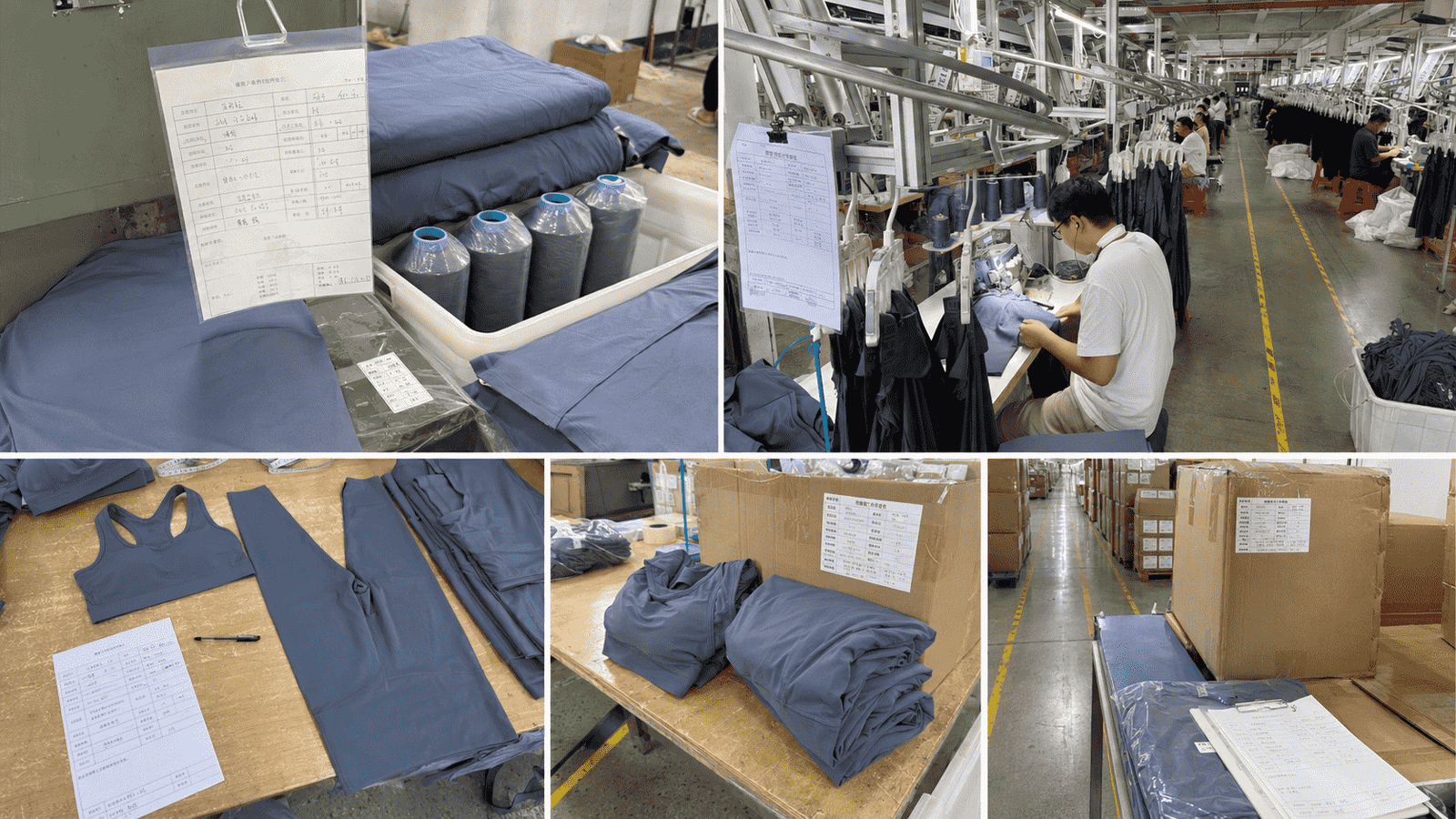
MOVEVOX supports onsite Factory Audits, Technical Audits, Pre-production Visits, Inline Inspection, Pre-shipment Inspection and remote live-video factory review. Audit readiness means allowing relevant capabilities to be inspected rather than claiming unsupported certification status.
Legal Identity
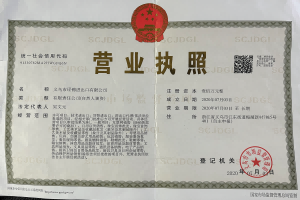
MOVEVOX is operated through Yiwu Chenjin Import And Export Co., Ltd. The current legal entity was established in 2020, while MOVEVOX defines activewear manufacturing and supply-chain operations as beginning in 2019.
Production Base
The Yiwu production base uses approximately 6,000 square meters of operating space.

Development
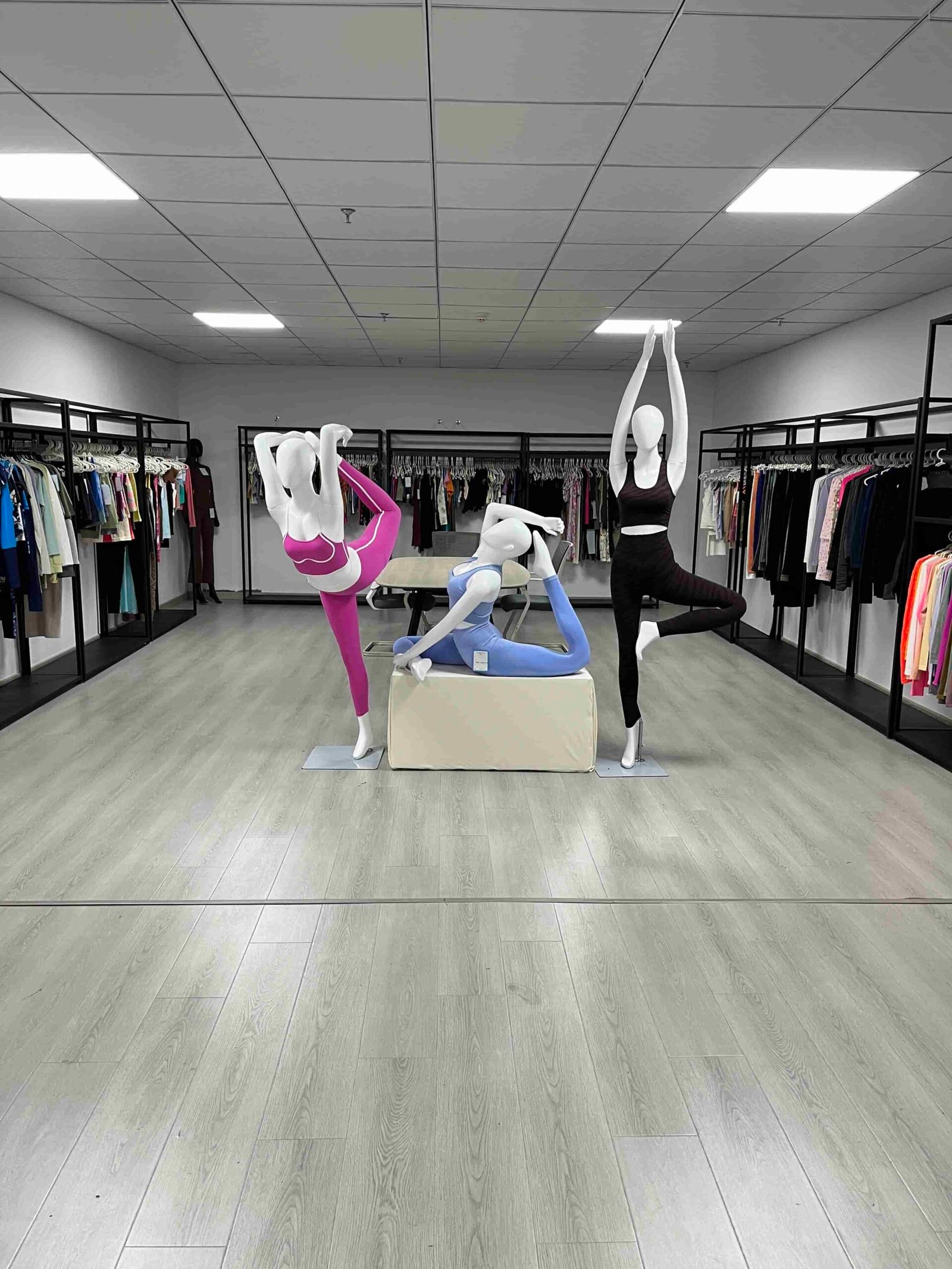
A buyer can review the sample-development, pattern and technical workflow used before bulk production.
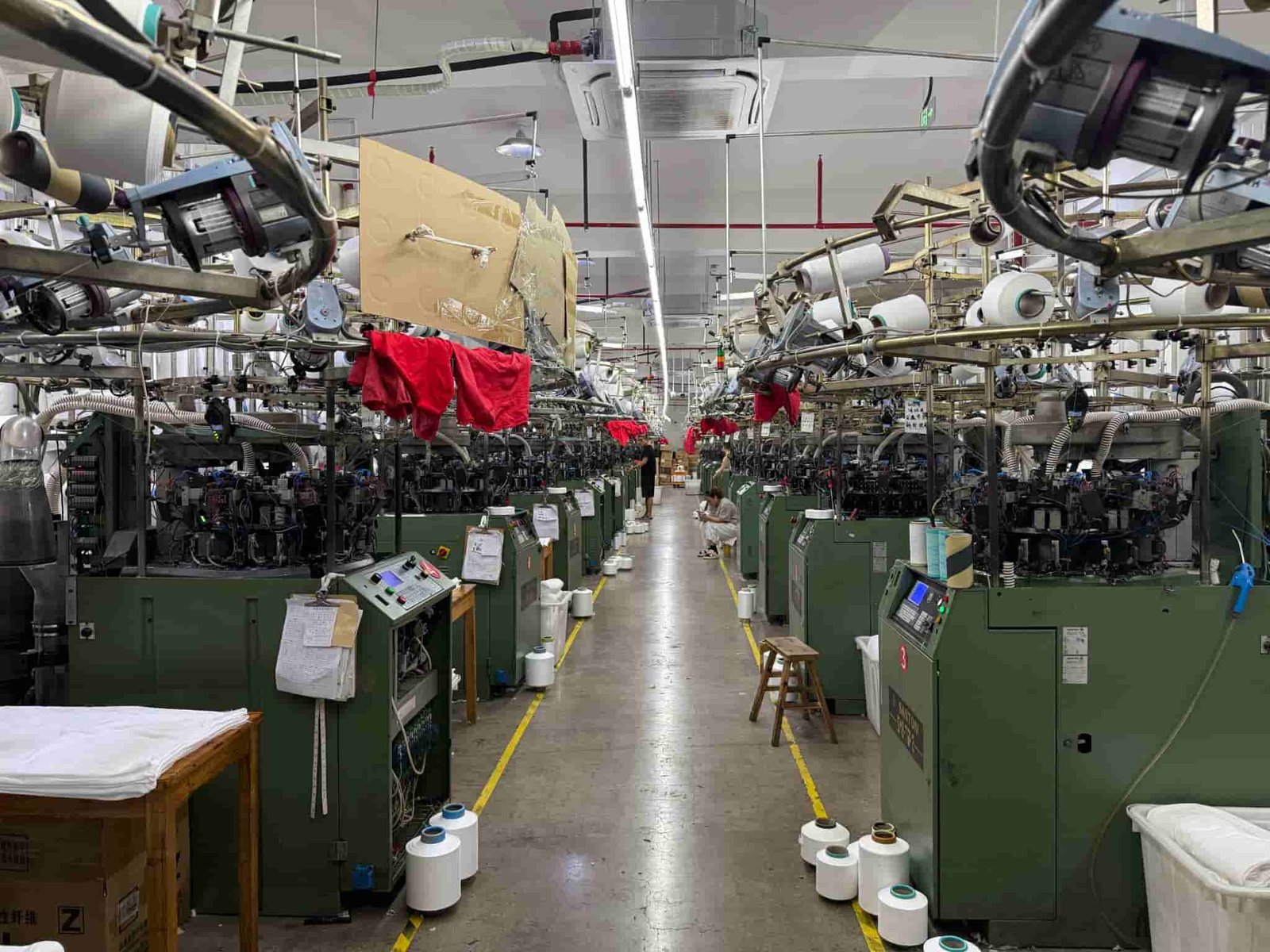
Seamless
The core facility includes 28 Italian Santoni knitting machines.
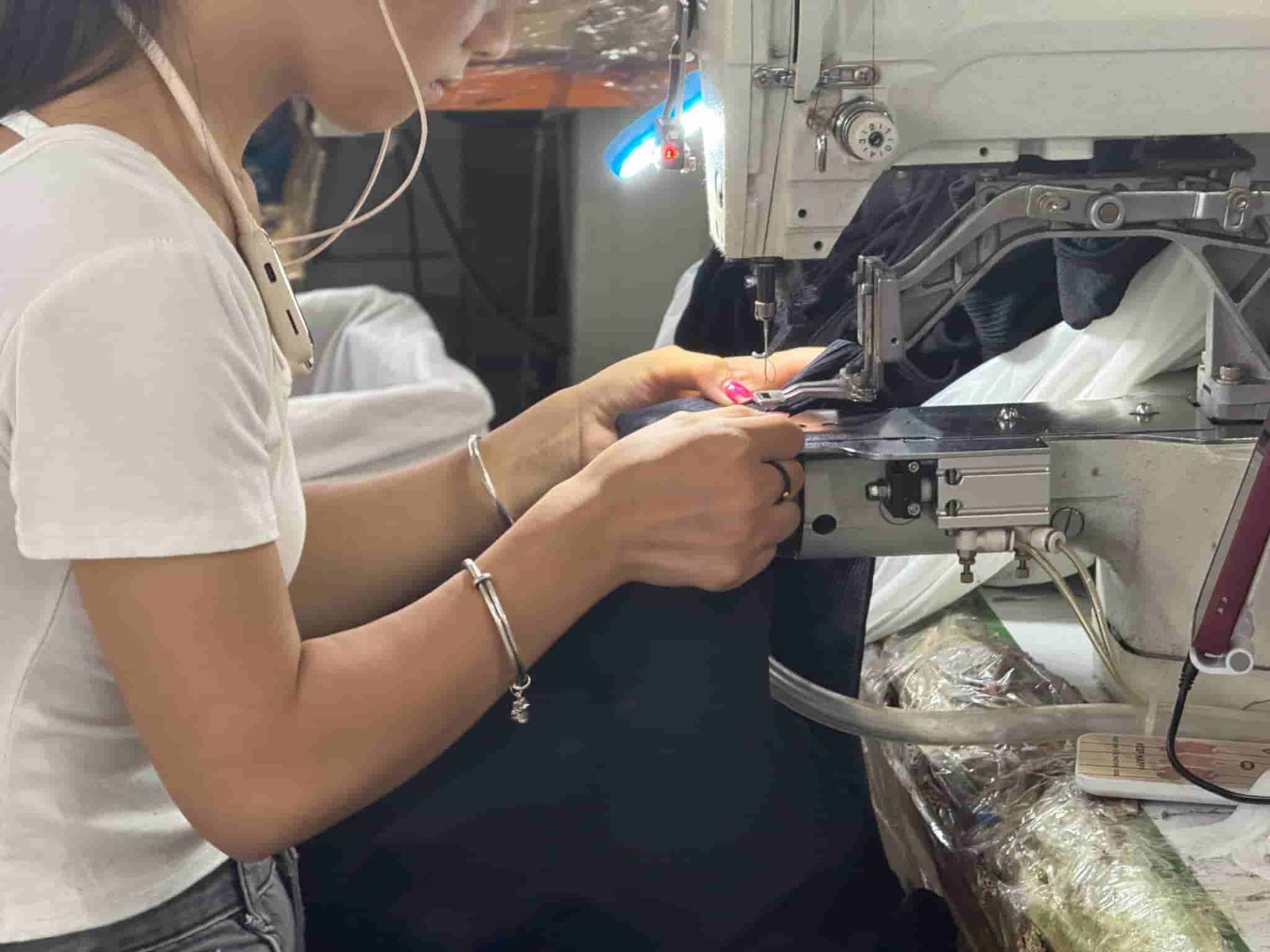
Cut & Sew
Approximately 24 primary sewing and garment machines support self-operated Cut & Sew manufacturing.
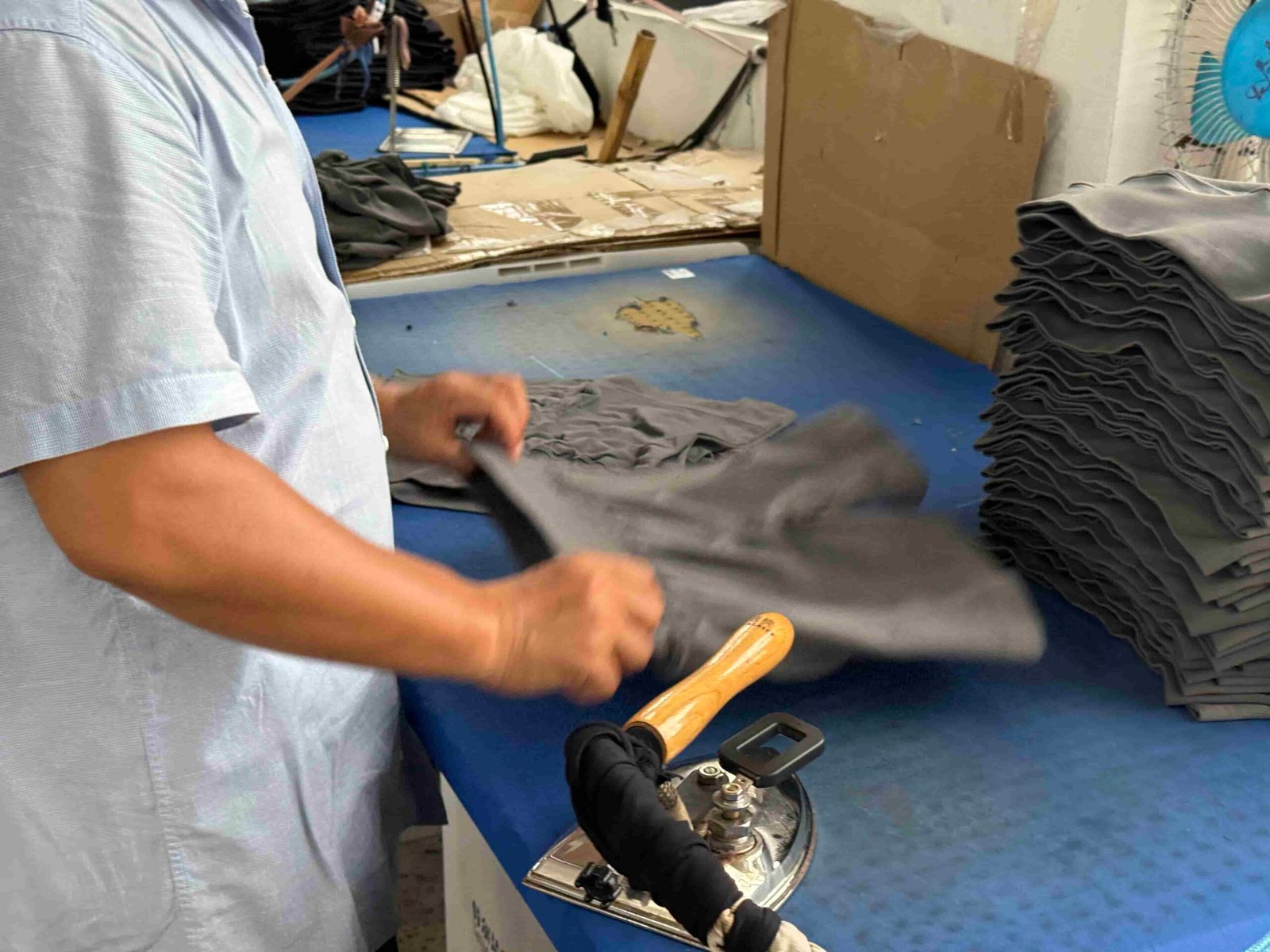
Quality
The current quality organization includes five QC personnel. A buyer can review measurement, in-process, finished-garment and packing controls.
Packing / Warehouse
Final products can be reviewed through packaging, finished-goods and shipment-preparation processes where confidentiality allows.

From Sportswear Development Samples to Recurring Bulk Orders
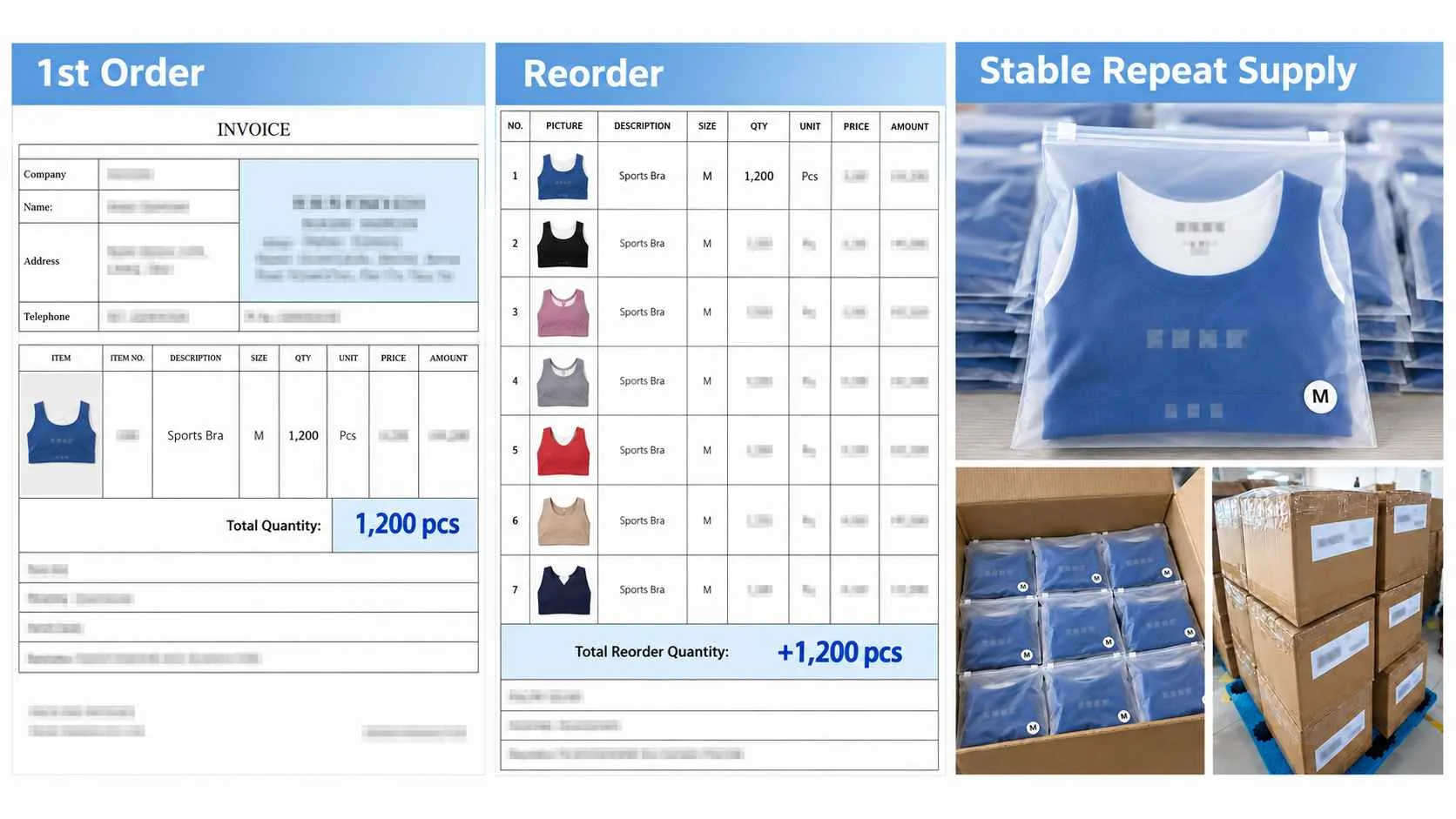
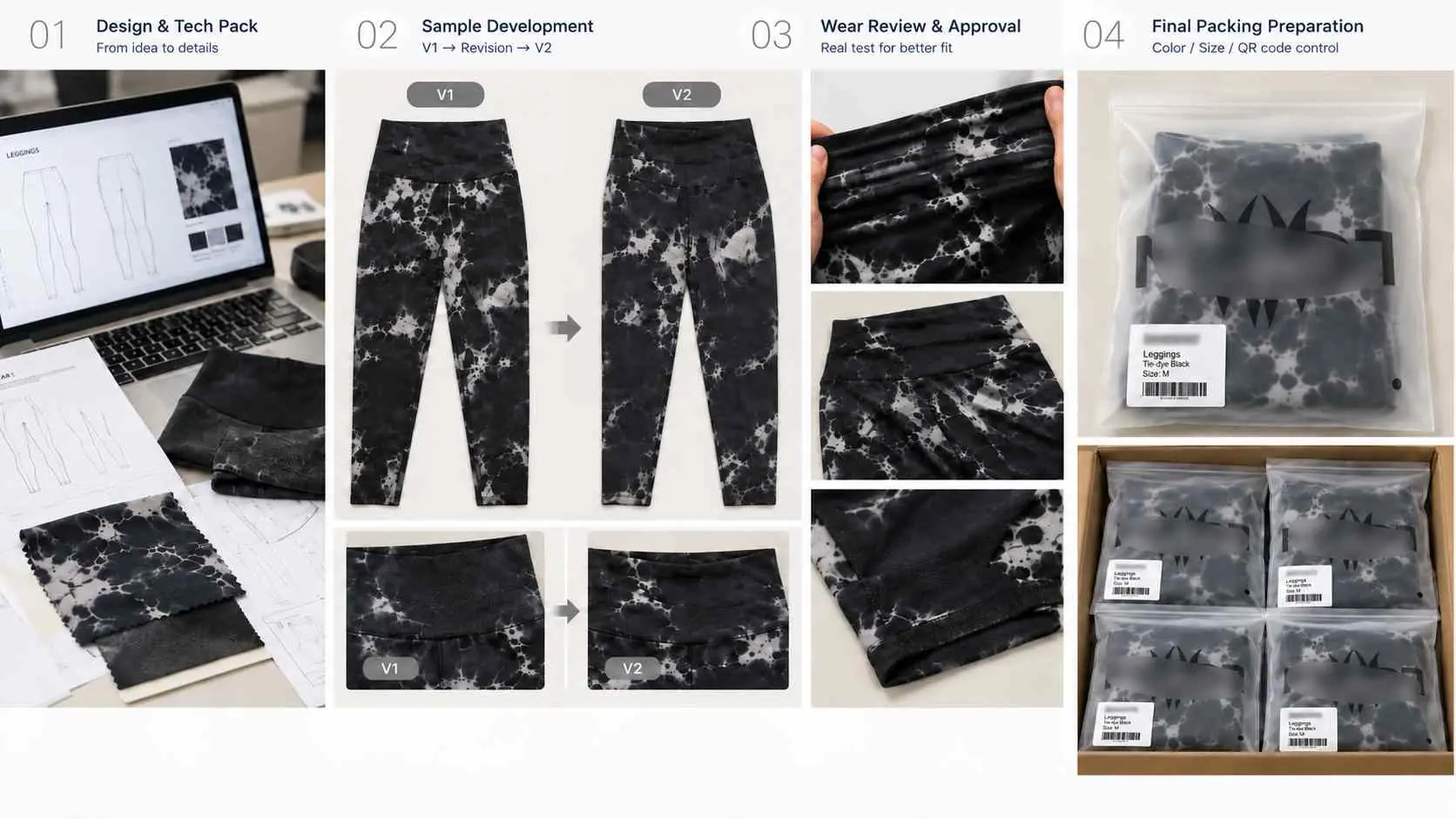
An anonymized U.S. fitness-focused activewear customer worked with MOVEVOX on a multi-product program including sports bras, leggings, shorts, tops, sets and one-piece styles. This is evidence of sports-bra-related activewear development and repeat manufacturing. It is not presented as a formally validated High-Support Sports Bra laboratory case.
Client Background
The customer operated in the U.S. fitness market and required activewear with high stretch, supportive wearing direction, soft handfeel, extended sizing and recurring product development.
Initial Development
The customer provided its own technical package. MOVEVOX produced the first sample for physical review.
Revision
Actual use feedback showed that some areas required adjustment. MOVEVOX produced a second development version based on the consolidated comments.
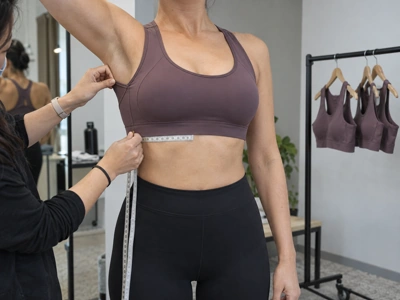
Wearer Testing
After the revised sample was substantially accepted, approximately 5–10 additional samples were prepared for practical wearer testing.
Bulk Customization
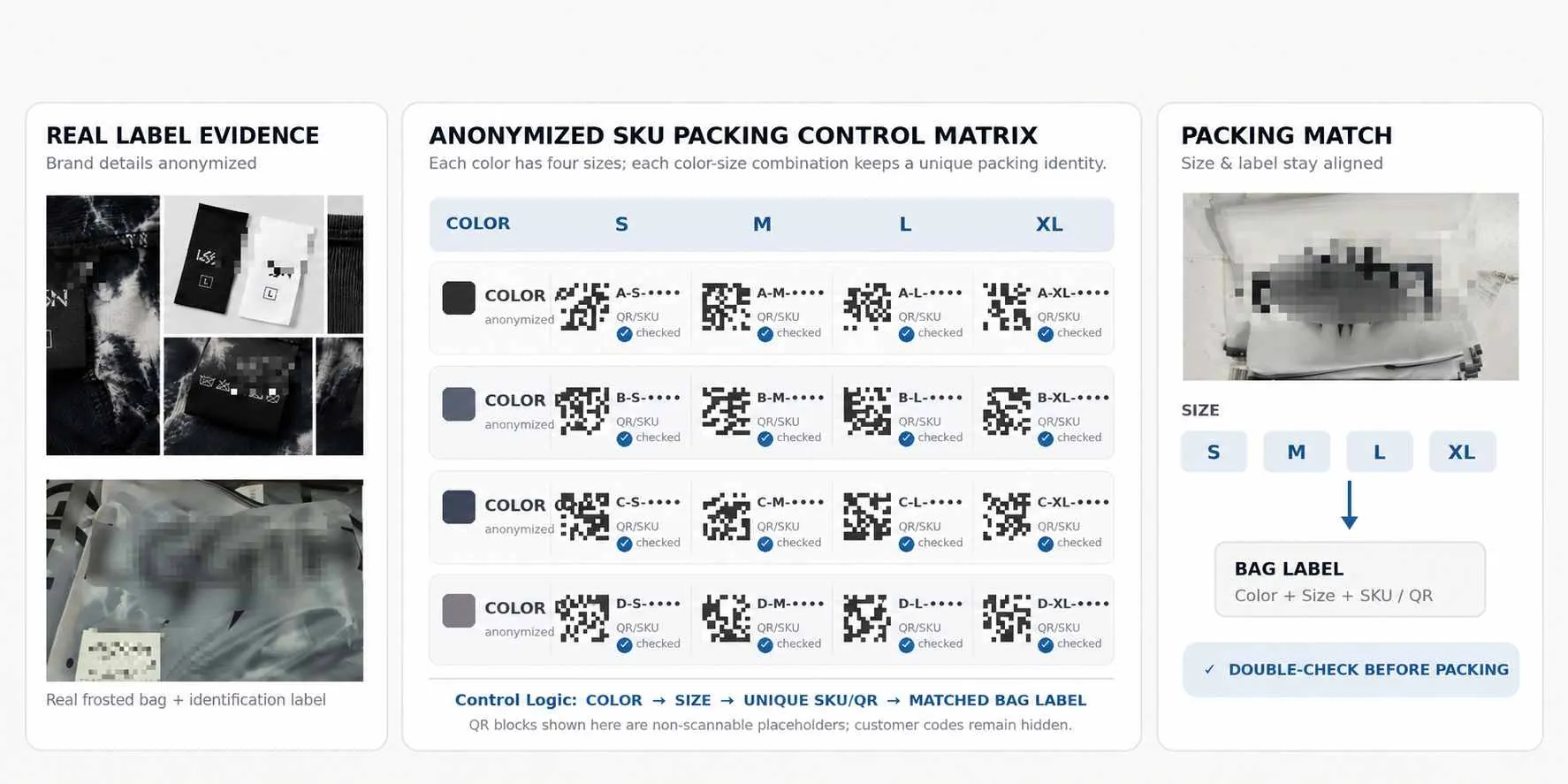
The project then progressed into commercial production with logo, care labels, branding, custom packaging, printed materials and SKU-specific QR identification.
Packing Control
Different colors and sizes required correct matching with QR identifiers, increasing the need for repeated SKU verification during packing.
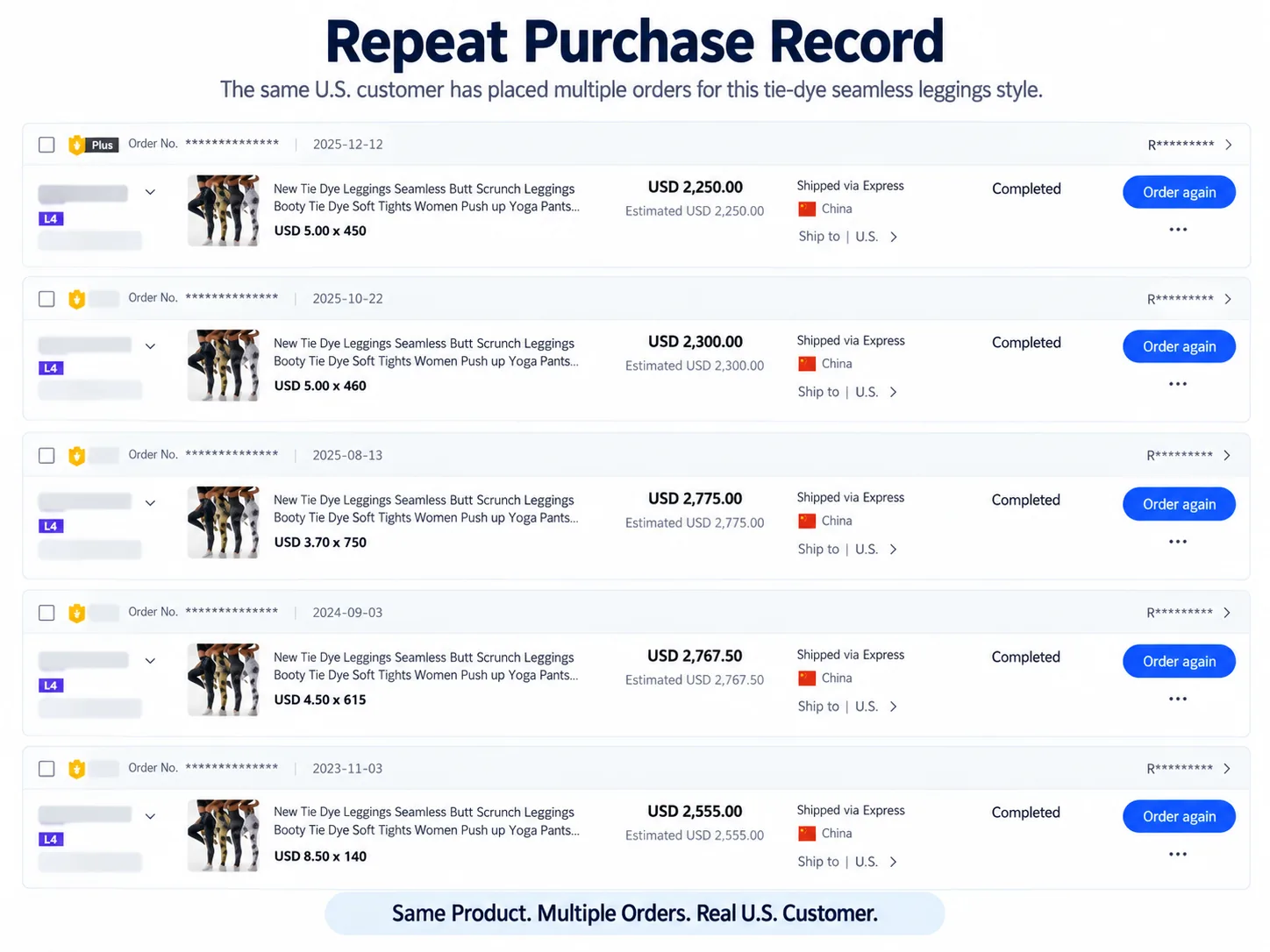
Repeat Cooperation
The supplied case record describes recurring activewear orders after the initial development and bulk process. Historical case references include approximately 2,000 pieces per typical order, approximately two orders per month during established cooperation and approximately three years of cooperation.