
Custom Pilates Wear Manufacturer for Brand-Specific Studio Apparel Development
MOVEVOX supports activewear brands developing custom Pilates clothing through technical specification review, fabric and construction selection, sampling, and controlled bulk production. Based in Yiwu, China, our manufacturing and supply-chain operation combines seamless knitting and cut-and-sew capabilities. Brands can begin with an existing Tech Pack or a defined product concept, with development requirements reviewed before production commitments are made.
Have Your Tech Pack Ready?
If your team has approved sketches, measurement specifications, materials, or existing development samples, MOVEVOX can review the manufacturing requirements and identify questions that must be resolved before sampling.
- Submit technical drawings, measurements, and construction requirements for review.
- Clarify fabric, size range, colors, and intended quantities.
- Identify unresolved fit, material, and production approval requirements.
Developing a New Concept?
If your Pilates collection is still being defined, we can discuss suitable product structures, fabric options, and development inputs before sampling. Your brand retains responsibility for product direction and final approval.
- Define the intended Pilates movements and target wearers.
- Compare garment structures, material options, and fit priorities.
- Establish sample objectives and commercially realistic development requirements.
Built for Brands Developing Distinctive Pilates Apparel Collections
Custom Pilates manufacturing is most relevant when a buyer needs more than an existing garment with a new logo. MOVEVOX works with B2B customers requiring coordinated product development, customization, sampling, and repeatable manufacturing arrangements.
Established Pilates Brands
Established Pilates brands often need new silhouettes without losing the recognizable fit, fabric character, and visual identity of their existing range. A new legging may need to coordinate with an established bra while introducing a different waistband, flare profile, or fabric surface. The manufacturing brief must therefore connect design changes with measurable specifications and approval responsibilities.
MOVEVOX can participate in development discussions using a brand's Tech Pack, approved reference sample, and defined product requirements. Before a new style enters bulk production, its material, construction, dimensions, and branding should be separately approved. An existing fit standard should not automatically be applied to a new silhouette.
Procurement priorities:
- Maintain recognizable fit characteristics across new and established product styles.
- Review technical changes before committing materials or scheduling production quantities.
- Preserve approved specifications for future orders and seasonal product updates.
Activewear Category Teams
A general activewear brand entering Pilates may already understand leggings, sports bras, and performance materials, but still need to define how its products should function in studio use. Its first decision is not necessarily whether to use a new factory; it is which existing materials and fit standards remain appropriate.
MOVEVOX's seamless and cut-and-sew capabilities provide a basis for evaluating different garment constructions. Category teams can review whether a proposed silhouette requires changes to rise, support, fabric recovery, seam positioning, or sizing. These decisions should be addressed during development instead of relying only on familiar gymwear specifications.
Procurement priorities:
- Distinguish new Pilates requirements from existing yoga or training specifications.
- Evaluate material and construction changes before approving the first development sample.
- Coordinate new products with the brand's merchandising and launch requirements.
Studio Retail Brands
Pilates studio groups operating branded retail collections may require coordinated merchandise with consistent styling, size availability, and reorder conditions. Unlike a one-time promotional clothing order, a continuing retail program depends on predictable product specifications and clear decisions about materials, colors, and replacement inventory.
MOVEVOX can evaluate private-label apparel projects where the intended quantities, product structures, and customization requirements are commercially workable. A studio retail program should separately consider garment production, logo application, labels, packaging, and replenishment. Small apparel orders do not automatically qualify for equally small custom fabric or packaging quantities.
Procurement priorities:
- Establish a practical core assortment for instructors, members, and retail customers.
- Distinguish garment minimums from customized fabric and packaging commitments.
- Plan size allocations, approved colors, and repeat-order specifications in advance.
Define Movement Requirements Before Choosing Garment Construction
Pilates clothing may share materials and silhouettes with yoga apparel, but a brand can still define different fit and comfort priorities for its intended sessions. These priorities should be documented before deciding on fabric, compression, seams, or production methods.
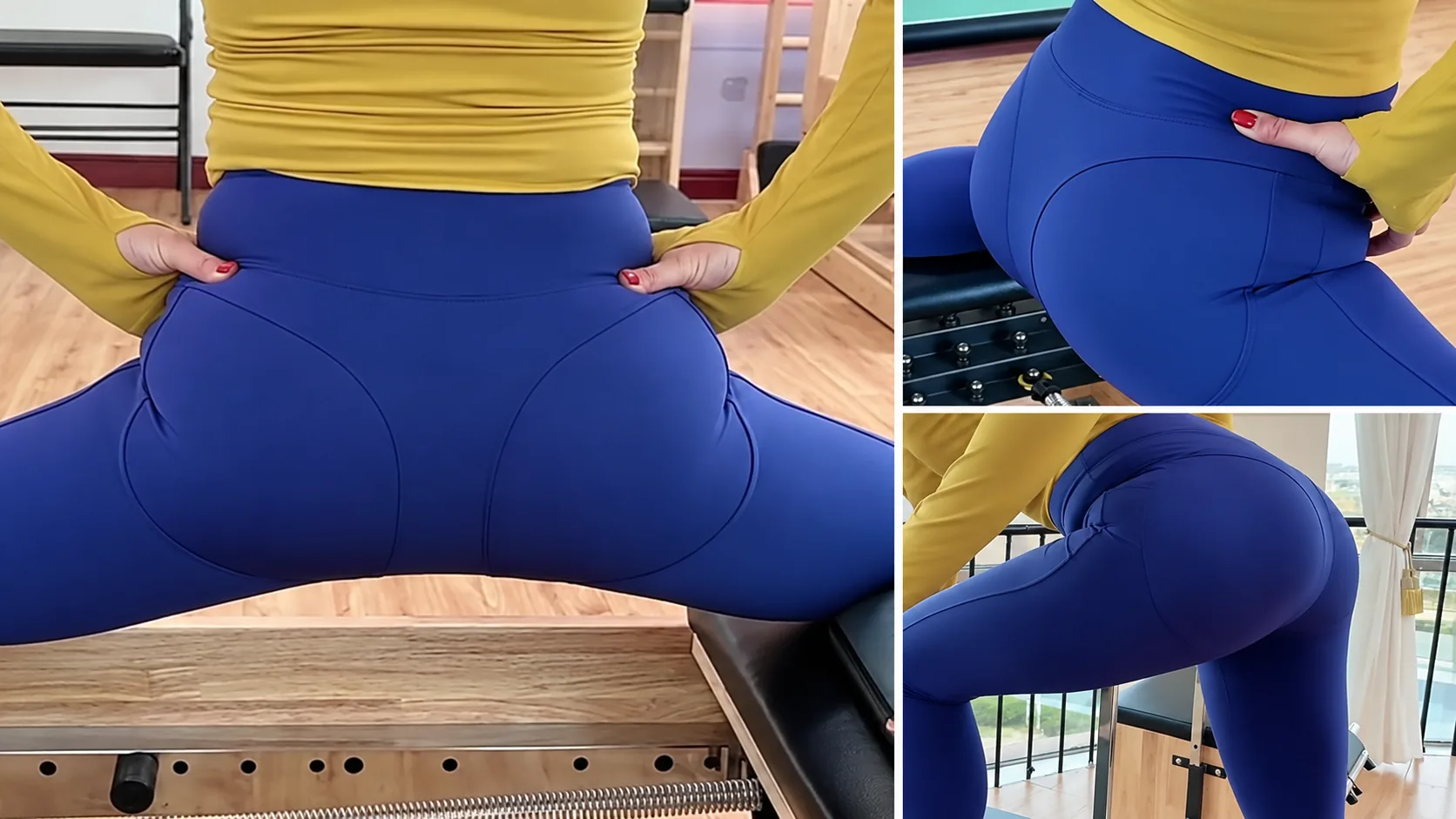
Reformer Pilates
Reformer sessions can involve supine positions, seated movements, controlled leg extension, and contact with upholstered equipment. A garment that fits well while standing may behave differently when the torso bends, the hips flex, or the body rests against a surface. The design brief should identify relevant equipment-contact areas and distinguish ordinary fabric movement from unacceptable garment displacement.
Hardware, labels, back seams, and decorative components deserve attention when their position creates pressure during intended use. No construction method should be assumed comfortable without evaluating the actual garment.
Product requirements:
- Review waistband displacement during seated, supine, and hip-flexion movements.
- Examine raised seams and hardware at relevant body-contact locations.
- Confirm neckline and back coverage throughout the selected movement sequence.
Related product: Custom Pilates Leggings
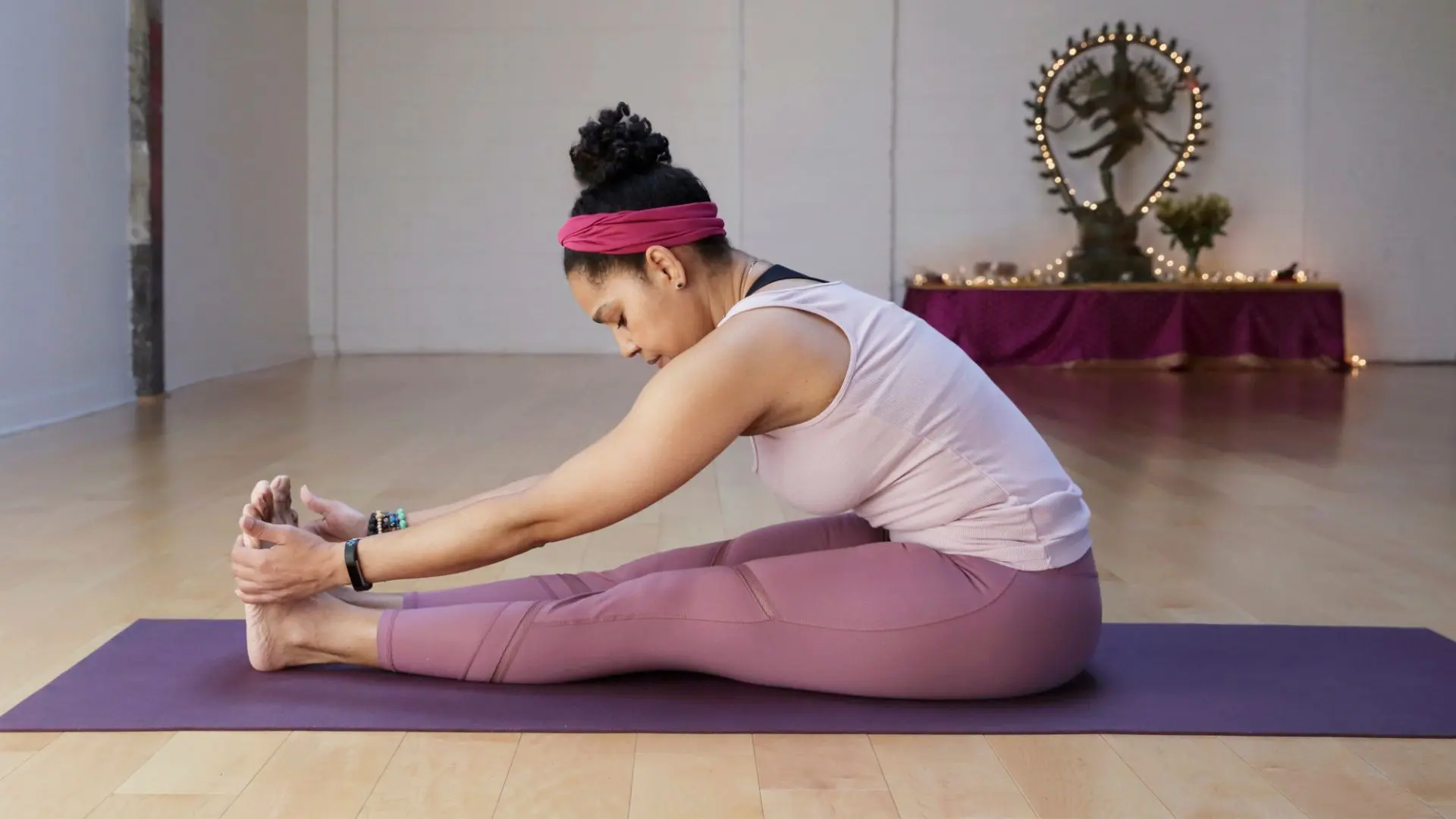
Mat Pilates
Mat-based movements can place different parts of the body against the floor while garments stretch through the waist, hips, shoulders, and knees. Comfortable standing fit does not guarantee that a neckline stays appropriately positioned or that leggings maintain coverage in flexed positions.
Development reviews can include forward bending, side-lying exercises, controlled leg raises, and transitions between sitting and lying. Buyers should define acceptable fit behavior for the intended user rather than relying on general claims such as unrestricted movement or perfect support.
Product requirements:
- Evaluate fabric coverage in the actual stretched garment condition.
- Observe shoulder, neckline, and waistband positions during floor-based movement.
- Record fit concerns separately from normal fabric and garment movement.
Related product: Custom Pilates Sports Bras
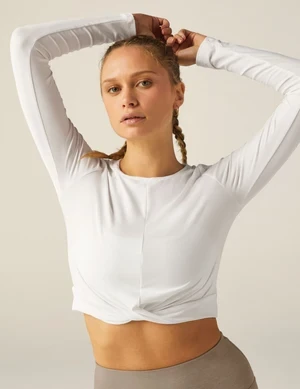
Controlled Mobility Sessions
Mobility-focused classes may combine gradual transitions, repeated bending, upper-body extension, and sustained positions. These movements can reveal insufficient fabric recovery or incorrect distribution of garment tension, even where high-impact support is not a primary requirement.
A development brief should identify the most relevant movements and determine whether the garment needs unrestricted reach, stable coverage, a softer contact surface, or a particular level of body containment. These priorities can conflict, so the brand should decide which characteristics are mandatory and which can be adjusted.
Product requirements:
- Balance intended garment tension with comfortable movement through multiple positions.
- Evaluate recovery after repeated stretching rather than initial elasticity alone.
- Check whether design adjustments create new pressure or coverage issues.
Related product: Custom Fitted Studio Tops
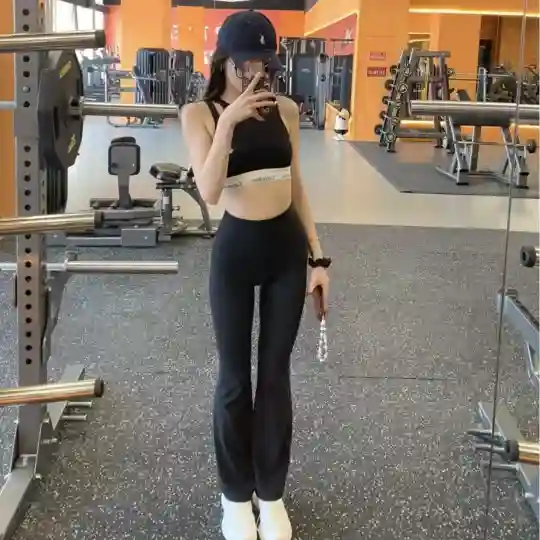
Studio-to-Lifestyle Wear
Some Pilates brands design garments that transition from classes to everyday activities. These collections may prioritize fabric appearance, drape, consistent color, and a recognizable silhouette alongside movement comfort.
A flare legging, fitted tank, or wrap-style top should still meet the functional requirements assigned to it. However, the desired visual shape and material finish may differ from those of a close-fitting training garment. Product development should address these decisions deliberately rather than treating lifestyle appeal as proof of studio performance.
Product requirements:
- Define the intended balance between garment structure and fabric drape.
- Coordinate colors, surfaces, and silhouettes without assuming identical specifications.
- Validate the required exercise movements before approving lifestyle-oriented details.
Related product: Pilates Studio Collection
Select a Development Model That Matches Your Brand
OEM, development-led ODM, and private label are related but not identical commercial arrangements. The best route depends on the completeness of your technical information, required product modifications, ownership expectations, and how much development work remains before approval.
| Decision factor | OEM | Development-Led ODM | Private Label |
|---|---|---|---|
| Design input | Buyer supplies established technical specifications, drawings, or an approved garment reference. | Buyer supplies a concept, reference direction, and intended product performance requirements. | Buyer defines branding requirements for an agreed product platform or customized style. |
| Development work | Manufacturing feasibility review, material confirmation, sampling, and specification execution. | Material, pattern, garment structure, and sample development based on buyer direction. | Brand identity execution, with product modifications defined by the agreed project scope. |
| Design ownership | Customer ownership and permitted use follow the applicable contractual terms. | Ownership and licensing require clear written agreement before development. | Trademark ownership and garment design rights must be considered separately. |
| Fit responsibility | Buyer defines target specifications and approves samples and any proposed deviations. | Fit targets are developed collaboratively and require buyer confirmation. | Existing fit can be retained or changed under an agreed specification. |
| Material choice | Buyer specifies material or approves documented manufacturing alternatives. | Options are evaluated against performance, availability, cost, and manufacturing needs. | Existing or custom materials depend on the product and order conditions. |
| MOQ | Determined by garment construction, materials, color, and project requirements. | Additional development and unique materials may affect minimum quantities. | Garment, branding, labels, and packaging can have different minimums. |
| Approval | Buyer approves the relevant specifications, samples, and final production version. | Buyer approves proposed design decisions, development revisions, and final specifications. | Buyer approves branding artwork, garment specifications, and packaging details. |
| Best suited to | Brands with mature specifications requiring reliable manufacturing execution. | Brands developing new products that require technical manufacturing translation. | Brands prioritizing their own retail identity and defined customization requirements. |
Choosing the Appropriate Route
A Pilates brand with established measurements and material standards will usually benefit from beginning with an OEM-style technical review. A brand introducing a new unitard, support structure, or fabric platform may require development-led work before a final production specification exists. Private label describes how products are presented under the buyer's brand and may overlap with either route.
MOVEVOX can discuss these project types within its documented development and manufacturing capabilities. Each project still requires clear commercial scope, lawful design references, customer approval, and confirmation of manufacturing feasibility.
Prepare the Information Needed for Custom Pilates Development
An effective development brief does more than describe how a garment should look. It establishes who will wear it, how it should perform, what specifications already exist, and which decisions remain open before material ordering or sampling.
Product Purpose
Required
Identify whether the garment is intended for Reformer, Mat Pilates, studio-to-lifestyle wear, or multiple activities. Include the target user, intended fit character, and any movement requirements that are essential to product approval.
Technical Drawings
Required or To Be Developed
Provide front and back sketches, construction views, or a lawful reference garment. Mark features such as waistband shape, bra neckline, strap arrangement, pockets, seams, and hem profile. Flag details that must not change.
Measurement Specification
Required Before Final Approval
Include available points of measurement, base size, grading requirements, and tolerances. Where a complete chart does not yet exist, identify the reference fit and measurements requiring development rather than assuming a standard factory size chart will suffice.
Fabric Performance
Required
Describe intended handfeel, stretch, recovery, opacity, surface finish, and garment support. State whether specific fiber composition, fabric construction, weight, or supplier requirements are mandatory. Distinguish measurable criteria from preferences requiring physical sample review.
Movement Fit Criteria
Recommended
Identify movements that may expose fit or coverage problems. For example, a buyer may wish to review waistband position during seated flexion or bra neckline coverage while lying down. Agree on evaluation conditions before using subjective feedback as a pass/fail decision.
Color and Artwork
Required Before Production
Provide Pantone references, physical color standards, approved artwork, and logo placement information where available. Explain which colors will share one fabric platform and which require distinct materials. Screen images alone should not be treated as final color approval.
Branding and Labels
Required Before Production
Specify logo processes, main labels, care labels, size identification, hangtags, barcodes, and packaging artwork. Confirm the intended destination markets, since product information and labeling obligations may differ between the European Union, United Kingdom, United States, and Canada.
Size and Fit Range
Required
Define the target size range, sample fitting size, expected body proportions, and any special length or support requirements. Flare leggings, sports bras, and unitards may need different measurement systems even when sold within one coordinated collection.
Order Structure
Required for RFQ
Provide estimated units by style, color, and size, along with the expected launch or delivery window. Separate trial quantities from projected reorders. A total collection quantity does not automatically satisfy minimum requirements for every style or component.
Testing and Approval
Project-Dependent
Identify required fabric tests, chemical restrictions, garment performance reviews, inspection methods, and approval documents. Specify which party will arrange testing and who will approve results. Do not treat a supplier's unrelated sample report as certification for the new product.
Incomplete Technical Information
A complete Tech Pack is preferable but not always available at the beginning of development. MOVEVOX can review lawful reference samples, drawings, or clear design concepts and discuss the information needed to establish a workable specification. Missing measurements, performance criteria, artwork, or material requirements should be identified before sampling or quotation assumptions are finalized.
Review Manufacturing Feasibility Before Committing to Sampling
A custom design should enter sampling only after critical assumptions have been identified. The following framework shows how a Pilates project can move from buyer requirements to manufacturing approval. Actual schedules depend on product complexity, material readiness, and customer decisions.
Stage 01 — Receive the Brief
Review the product concept, available technical files, expected quantities, destination market, and required launch date. Identify missing information and confirm whether the project begins from existing specifications, a lawful sample, or development work.
Deliverable: Brief Review
Timing: Project-dependent
Stage 02 — Technical Feasibility
Examine silhouette, fit requirements, pattern complexity, knitting or sewing feasibility, and potential production limitations. Determine which elements can follow existing manufacturing methods and which require additional technical review before any reliable development commitment.
Deliverable: Feasibility Notes
Timing: Review-dependent
Stage 03 — Material Selection
Compare suitable material constructions against handfeel, coverage, stretch, recovery, cost, availability, and any buyer-defined test requirements. Confirm whether standard colors are appropriate or whether customized fabric development changes the commercial terms.
Deliverable: Material Options
Timing: Supply-dependent
Stage 04 — Structure Development
Translate the approved design direction into a paper pattern, garment construction specification, or relevant seamless knitting structure. Confirm measurement priorities and identify features requiring sample review, including waistbands, support zones, seams, and finishing details.
Deliverable: Technical Sample Plan
Timing: Complexity-dependent
Stage 05 — Prototype Sampling
Produce the agreed development sample using confirmed inputs. MOVEVOX's documented reference for conventional sample development is approximately five to ten working days after development details are confirmed; complex styles and custom materials require separate assessment.
Deliverable: Development Sample
Timing: Usually 5–10 working days for standard confirmed projects
Stage 06 — Fit and Revision
Review physical fit, measurement compliance, movement requirements, material behavior, and the buyer's feedback. Record requested changes clearly so that approved corrections can be distinguished from proposals that still need evaluation or another development sample.
Deliverable: Revision Record
Timing: Feedback-dependent
Stage 07 — Final Approval
Confirm the applicable sample version, specification, material, color, construction, branding, and outstanding technical requirements. Where needed, establish additional size-set or pre-production approval steps before authorizing manufacturing materials and bulk execution.
Deliverable: Approved Standard
Timing: Approval-dependent
Stage 08 — Production Readiness
Review final quantities, materials, production allocation, critical inspection points, packing requirements, and shipment conditions. Release the project to manufacturing only after required buyer approvals and commercial conditions have been satisfied.
Deliverable: Production Release
Timing: Order-dependent
Translate Pilates Movement Needs Into Fit Acceptance Criteria
A garment should not be described as suitable for every Pilates movement simply because its fabric stretches. Brands can define specific acceptance criteria for representative activities, target wearers, sample sizes, and expected garment behavior before approving a custom development sample.
Waistband Position Stability
Functional objective: Maintain acceptable waist coverage during selected bending and seated movements.
The fit review should observe whether the waistband rolls, slides, folds, or creates unwanted localized pressure. Any change must be evaluated with the intended body measurements, fabric recovery, rise geometry, and waistband construction. Increased compression alone is not a reliable solution to every stability problem.
Evidence required: Approved fitting size, defined movement sequence, garment measurements, and documented wearer observations.
Coverage Under Stretch
Functional objective: Preserve the brand's intended coverage during realistic garment extension.
An unstretched fabric sample cannot establish that a finished legging will provide acceptable coverage. The evaluation should consider garment size, fabric color, local stretch, lighting conditions, and the intended movement. The buyer must define what constitutes an unacceptable level of visibility.
Evidence required: Identified sample, fabric batch, stretch condition, lighting conditions, and approved acceptance criteria.
Shoulder Mobility and Support
Functional objective: Balance selected upper-body movements with appropriate neckline and underband coverage.
Sports bra development should assess shoulder reach, strap position, underband movement, and neckline behavior without assuming that low-impact activities require minimal support for every wearer. Different bust sizes and garment constructions may require different fitting decisions.
Evidence required: Target body range, sample size, shoulder movement sequence, and recorded fit decisions.
Contact-Area Comfort
Functional objective: Avoid unacceptable pressure from seams, labels, and garment hardware.
Body-contact locations can change when the wearer lies down or uses equipment. Fit assessment should identify any raised construction or accessories that create discomfort during intended activity. Flat seams may help some designs, but positioning and actual garment pressure remain relevant.
Evidence required: Garment construction map, specified contact positions, and documented wear-review observations.
Repeated Movement Recovery
Functional objective: Maintain acceptable garment shape after a defined activity sequence.
Repeated stretching can reveal changes that are not visible during the initial fitting. The review should distinguish fabric growth, garment displacement, size-related fit problems, and normal clothing movement. A buyer-approved observation method is required before reporting performance results.
Evidence required: Measured reference condition, repeated movement protocol, post-activity observations, and version identification.
Identify Development Risks Before They Affect Bulk Production
A custom Pilates project can appear technically complete while important performance, material, and specification questions remain unresolved. These warning signs help buyers distinguish an attractive first sample from a garment that has been adequately defined for repeatable manufacturing.
Unclear Movement Acceptance
A buyer may request comfortable Reformer leggings without defining the positions or fit behavior that matter most. A manufacturer may then evaluate only standing fit, leaving waistband movement, contact comfort, and coverage concerns unresolved until late sampling or after launch.
Verification action: Agree on relevant movements, fitting sizes, observable issues, and approval responsibility before finalizing the garment specification.
Unsupported Fabric Claims
Descriptions such as completely squat-proof, zero pilling, or perfect recovery can create unrealistic acceptance expectations when test methods and conditions are missing. Different garment sizes, colors, fabric batches, and degrees of extension may produce different observed results.
Verification action: Request material specifications, applicable test methods, sample identification, and clearly defined criteria for each performance claim.
Incomplete Pattern Revisions
A waistband adjustment may change body tension, garment rise, or fit across multiple sizes. If only the visible design is revised and corresponding technical specifications remain outdated, later samples or bulk production may follow inconsistent versions.
Verification action: Compare revised patterns, points of measurement, version identifiers, and buyer approvals before accepting the new development sample.
Unconfirmed Manufacturing Route
A complex flare, lined bra, or one-piece garment may be quoted before its construction method has been assessed. Subsequent changes to seams, materials, shaping, or knitting feasibility can alter development effort, pricing, and production expectations.
Verification action: Request a product-specific manufacturing feasibility assessment and confirmation of any unresolved technical or commercial assumptions.
Uncontrolled Material Substitution
Two fabrics with similar fiber compositions can behave differently in stretch, recovery, opacity, appearance, and sewing performance. A replacement material should not be accepted only because its composition appears comparable to that of the original sample.
Verification action: Require documented material identification, relevant property comparison, and renewed buyer approval where a substitution affects the approved product.
Develop Pilates Silhouettes Around Specific Garment Requirements
A Pilates collection may contain visually coordinated products that require very different pattern, material, and manufacturing decisions. MOVEVOX can review custom activewear projects across its documented garment categories, while specialized extensions require project-specific feasibility assessment.
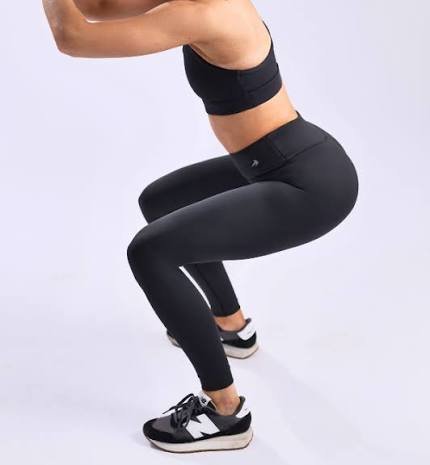
Fitted Pilates Bottoms
Core leggings and fitted shorts require careful coordination of waist circumference, hip shaping, rise, crotch geometry, and fabric extension. A brand may prefer a smooth appearance, a particular waistband feel, or less visual compression, but these preferences need to be translated into measurable construction and fit requirements.
The garment should be evaluated at the intended size and movement conditions rather than approved solely from a standing photograph.
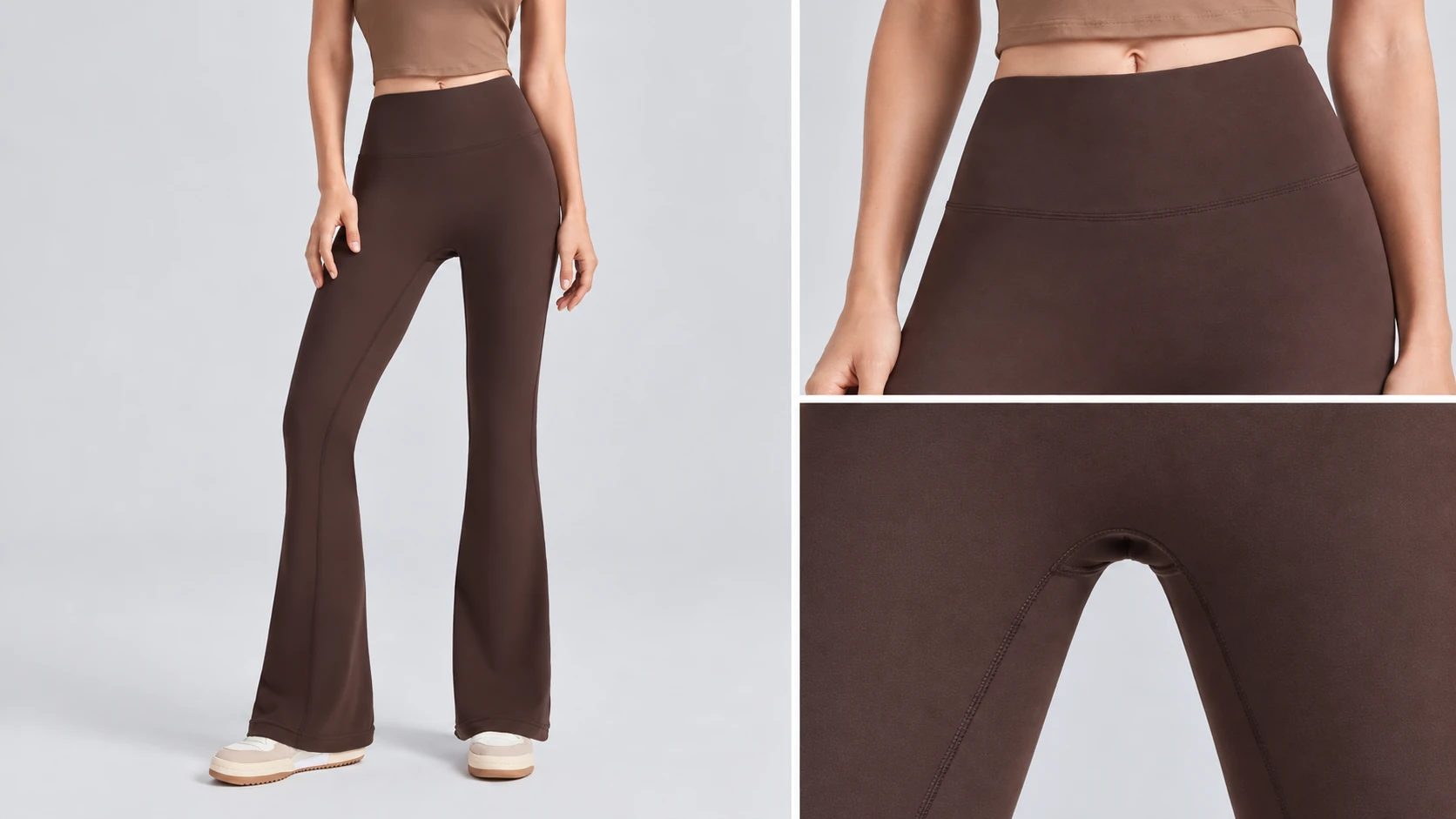
Flare and Stirrup Styles
Flare and bootcut leggings introduce silhouette and drape decisions beyond ordinary fitted-leg construction. Relevant variables include knee position, inseam, flare opening, fabric weight, and how the garment falls during movement.
Stirrup extensions introduce further considerations involving strap length, attachment, tension, and foot positioning. Such features should be treated as design-development options subject to technical assessment, not as proven standard production results.
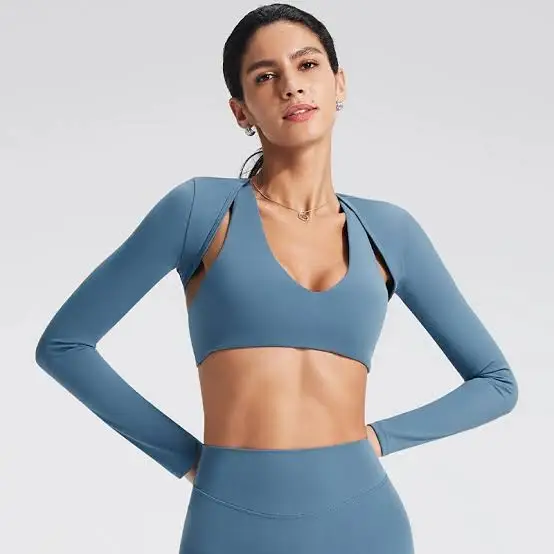
Bras and Studio Tops
Pilates bras, longline tops, and fitted tanks can require different approaches to shoulder mobility, neckline coverage, underband stability, and optional internal support. A coordinated appearance does not remove the need to evaluate each garment's intended function.
Some structures may benefit from engineered knitting, while others are better addressed through cut-and-sew construction, lining, or specific strap arrangements.
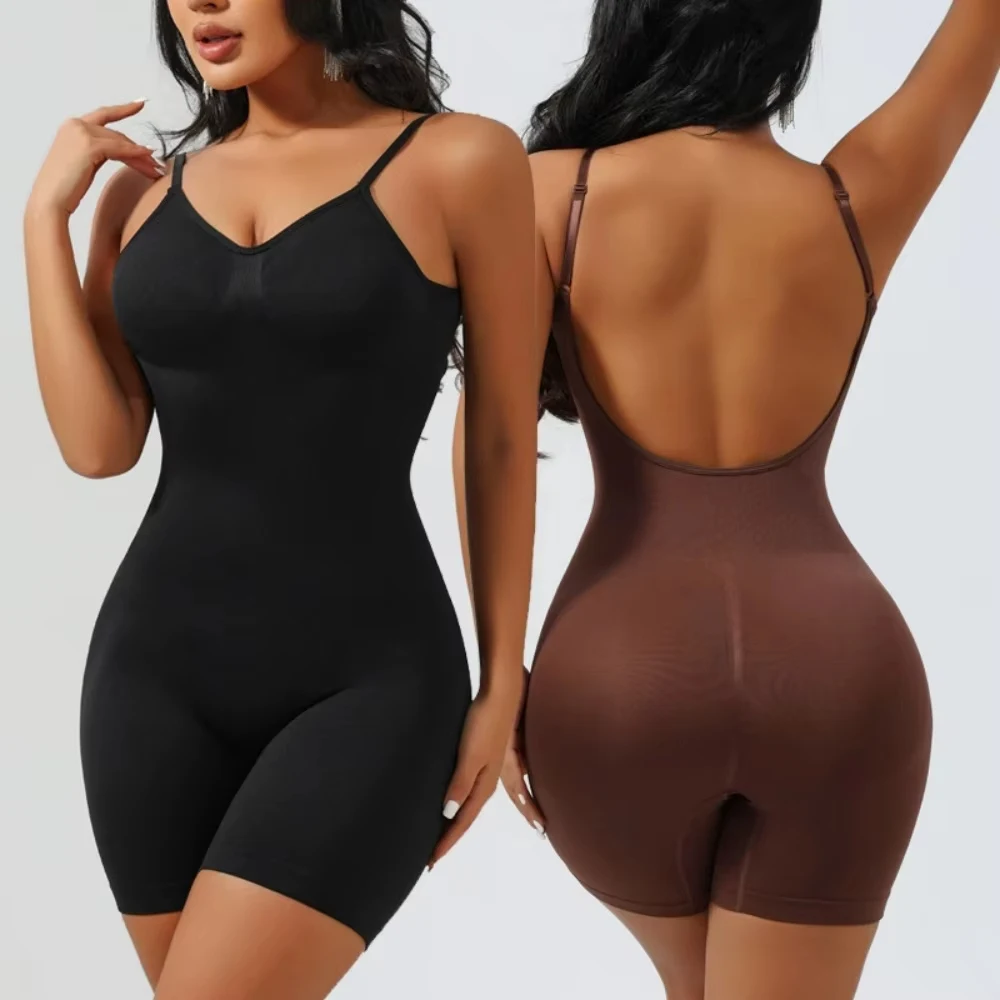
Bodysuits and Unitards
One-piece garments connect shoulder, torso, waist, hip, and crotch measurements within the same structure. Vertical body length and fabric extension can influence multiple fit areas simultaneously, making development more sensitive than a simple separate top-and-bottom combination.
MOVEVOX's existing activewear development capabilities provide a basis for technical evaluation, but each proposed unitard structure and any special hardware require separate confirmation before offering production commitments.
Engineer Waist and Hip Fit for Controlled Movement
A Pilates legging must balance garment containment, fabric recovery, and the wearer's ability to move comfortably. Fit decisions should consider how waistband, rise, hip shaping, and leg construction work together rather than judging each feature independently.
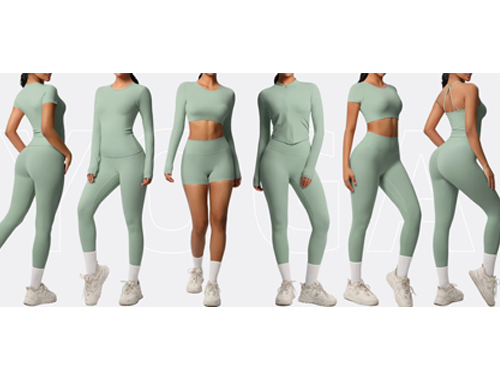
Waistband Opening
The top-edge circumference affects the initial feeling of garment security and comfort. Excessive restriction can create pressure without resolving problems caused by rise geometry or poor fabric recovery.
Waistband Depth
A deeper waistband changes where fabric tension is distributed across the torso. Its performance depends on body shape, construction layers, recovery, and the location of the garment's natural folding points.
Front Rise
The front rise influences how the garment accommodates hip flexion and seated movement. A visually attractive standing fit may still create pulling, folding, or discomfort during controlled bending.
Back Rise
The back rise affects coverage and the relationship between waist placement and seat shaping. Review should include selected flexed positions and the brand's intended waistband position.
Hip Shaping
The garment must provide appropriate accommodation for the hip and seat without creating unnecessary excess fabric or excessive local tension. Stretch alone does not correct every pattern-balance problem.
Crotch Construction
Gusset dimensions, joining seams, and relevant pattern geometry can influence comfort and garment movement. Their suitability should be assessed alongside material behavior and the intended range of motion.
Leg Tension
Thigh and knee dimensions affect how tension is distributed away from the waist and hip. Changes to leg fit may also alter garment recovery and movement at adjacent areas.
Overall Design Logic
No single waistband width, rise measurement, or compression level guarantees stability for every body type. A useful custom development process evaluates the complete garment, selects the most relevant measurement points, and records observations under defined movement conditions. Pattern and material changes should then be reviewed together before the next sample is approved.
Balance Support, Coverage and Mobility in Pilates Bras
Low-impact activity does not eliminate the need for carefully defined support. A Pilates bra should be developed around the target wearer, intended movements, garment structure, and brand-defined comfort expectations rather than a generic low-support label.
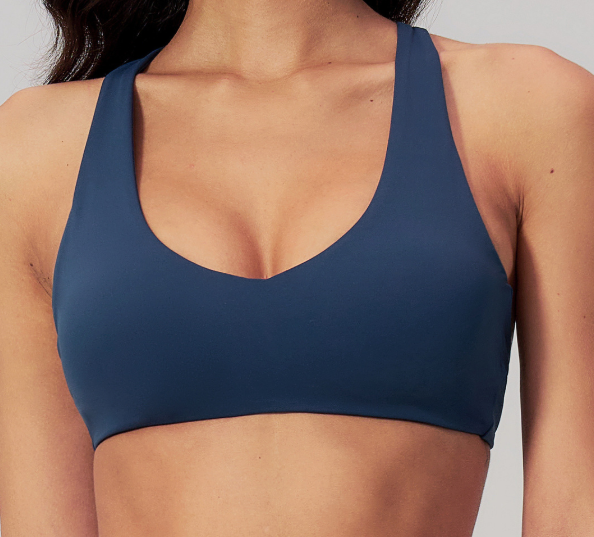
Translate Pilates Bra Fit Requirements Into Technical Specifications
Underband stability: The underband contributes to garment positioning and containment. Its performance depends on circumference, elastic construction, fabric recovery, attachment method, and body proportions. A tighter underband may increase perceived support but can also create unnecessary pressure. Brands should evaluate stability and comfort together.
Strap geometry: Strap width, attachment location, orientation, and elasticity affect shoulder mobility and garment position. A cross-back arrangement may create a particular visual appearance, but it does not automatically improve comfort or support for every wearer. Fit assessment should include relevant reaching and lying positions.
Neckline coverage: Neckline height and shape determine the relationship between bust coverage, garment appearance, and mobility. A style that appears appropriate while standing may require adjustment when the wearer bends or lies down. Acceptance depends on the brand's defined coverage requirements and target body range.
Cup and lining structure: Removable pads, internal shelves, separate lining fabrics, and support panels can change the garment's bulk, movement, drying behavior, and manufacturing complexity. Each option should be evaluated against the desired silhouette, comfort, and maintenance requirements.
Size grading: A single base-size fitting is not sufficient to prove that support and coverage remain appropriate across the entire commercial size range. Different sizes can require review of strap length, neckline geometry, bust accommodation, and underband proportions.
MOVEVOX's documented sports-bra development and cut-and-sew capabilities support discussion of these construction choices. The final support level, fit criteria, and suitability for intended Pilates movements should be confirmed through project-specific sample evaluation and buyer approval.
Plan Seams Around Movement and Body Contact
Stitch selection and seam placement influence appearance, stretch accommodation, durability, and the garment's contact with the body. For Pilates apparel, brands should evaluate construction choices alongside actual positions and equipment use rather than treating any stitch type as universally superior.
Flatlock Construction
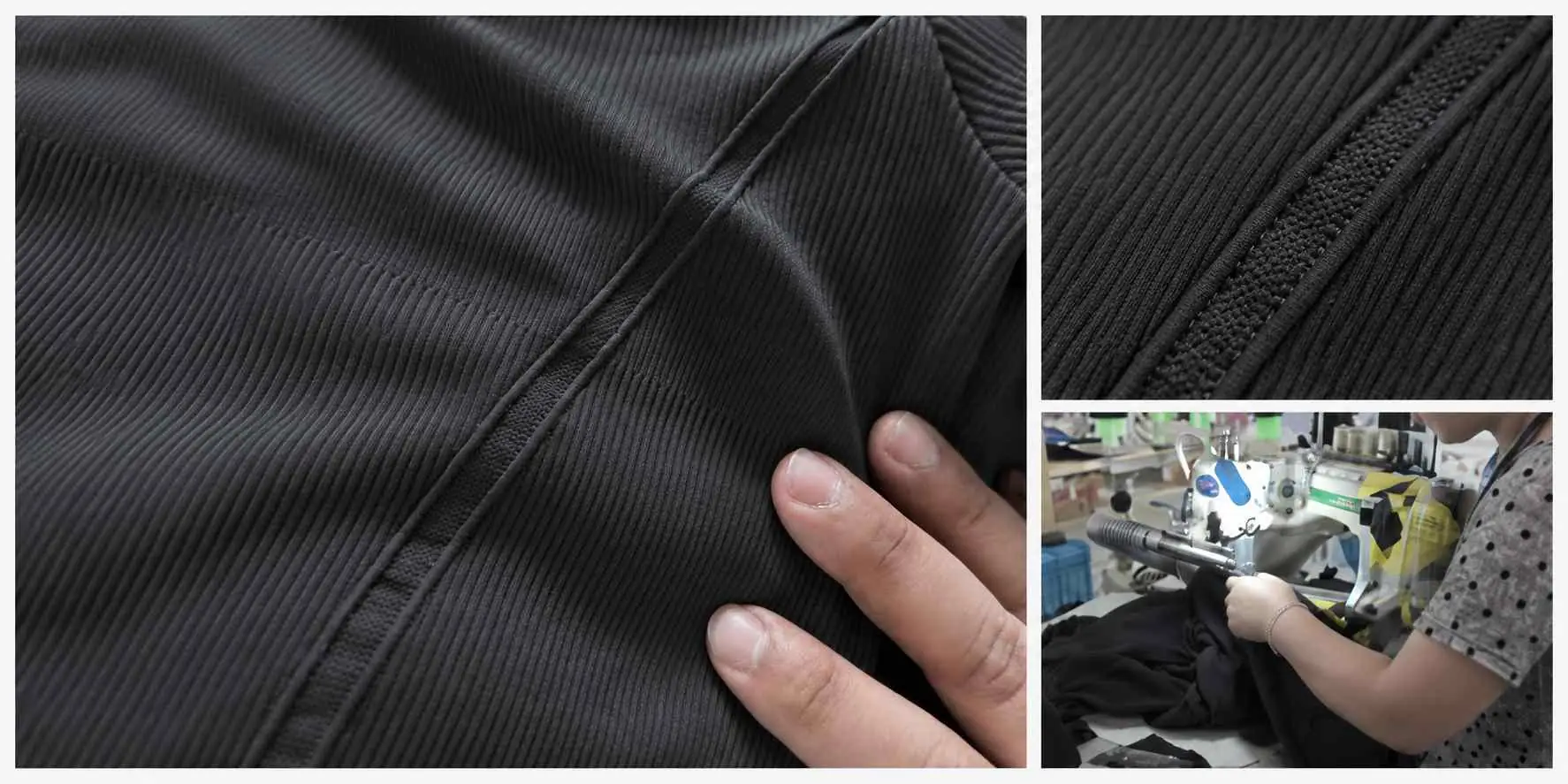
Flatlock structures can reduce some forms of seam bulk and are used in stretch apparel. The selected configuration must still meet the required extension, seam strength, appearance, and comfort expectations.
Applicable areas: Leg seams and other relevant stretch-join positions selected during product engineering.
Comfort and durability: Evaluate local thickness, extension, surface contact, and seam performance against actual garment requirements.
Coverstitch Hem
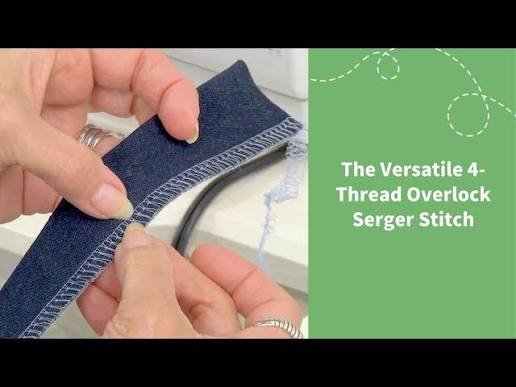
Coverstitch can provide stretch-compatible finishing at hems and other garment edges. Thread selection, stitch density, fabric behavior, and sewing tension affect the result, especially in garments designed for repeated movement.
Applicable areas: Leg openings, top hems, and selected binding or edge-finishing constructions.
Comfort and durability: Review stretch accommodation, seam appearance, edge recovery, and the tendency to distort the fabric.
Overlock Joining
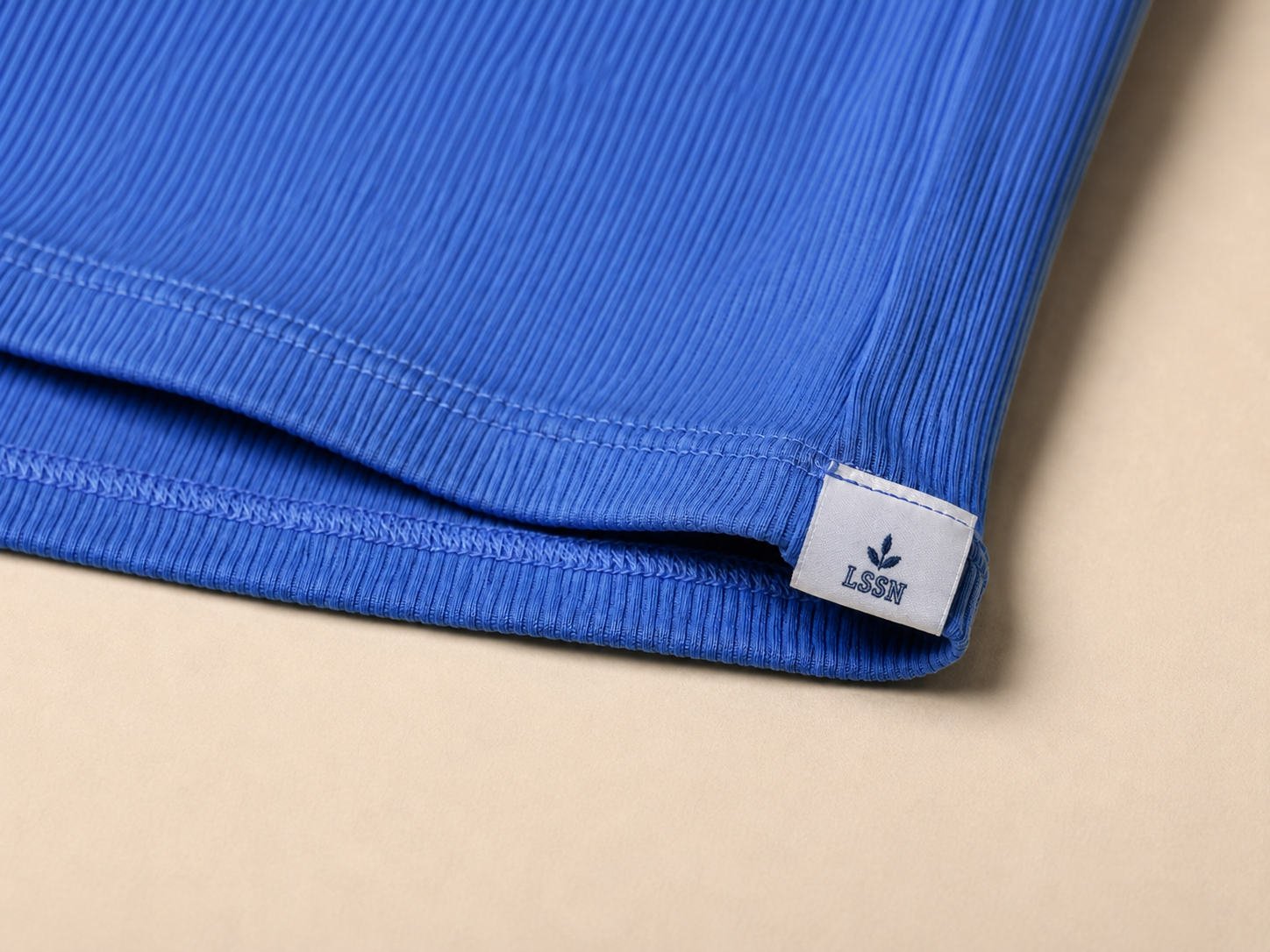
Overlock stitching offers a common method of joining stretch fabrics, but the resulting seam allowance creates a specific internal profile. Its suitability depends on placement, fabric thickness, extension, and expected contact.
Applicable areas: Internal garment seams where joining strength and construction efficiency are relevant.
Comfort and durability: Assess seam allowance direction, thread tension, local bulk, and extension under intended use.
Gusset Seam Construction
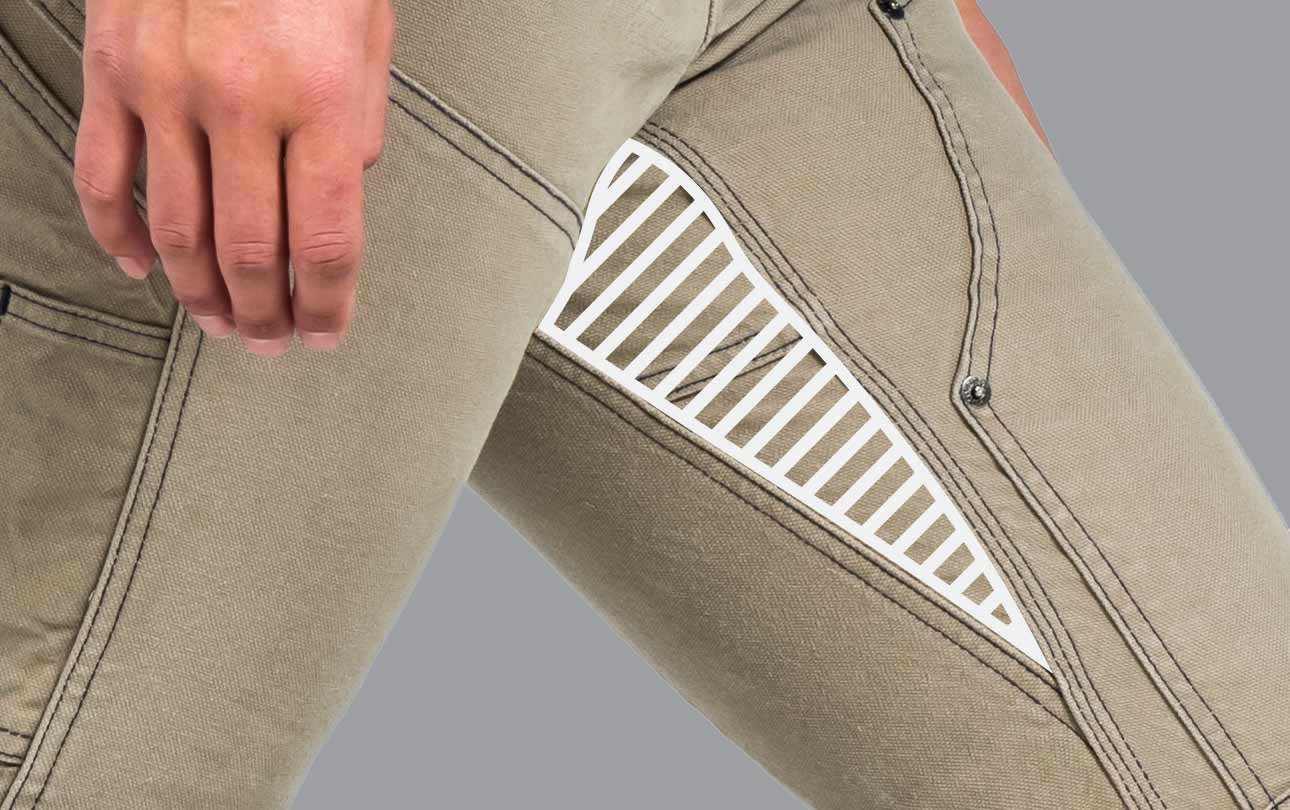
The geometry and attachment of a gusset can influence fit through the crotch and inner-leg area. A gusset should not be treated as a guaranteed comfort solution without reviewing its shape and attachment.
Applicable areas: Legging crotch construction and inner-leg junctions selected for the approved pattern.
Comfort and durability: Confirm tension distribution, seam position, joining quality, and the wearer's observed fit.
Elastic Attachment
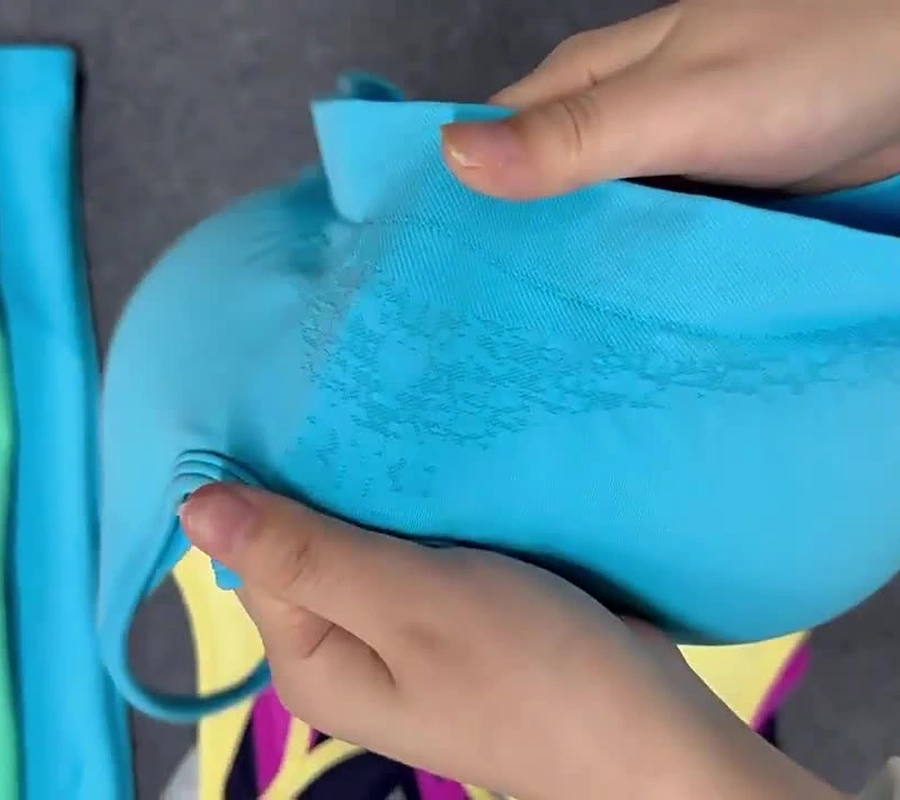
Elastic attachment methods influence underband performance, waistband feel, and the movement of garment edges. Stretch balance between elastic and fabric is important, since incompatible recovery can cause distortion or uncomfortable pressure.
Applicable areas: Sports-bra underbands, waist openings, and selected garment edges requiring elastic retention.
Comfort and durability: Check stretch balance, attachment security, local pressure, and dimensional change after care.
Label and Hardware Position
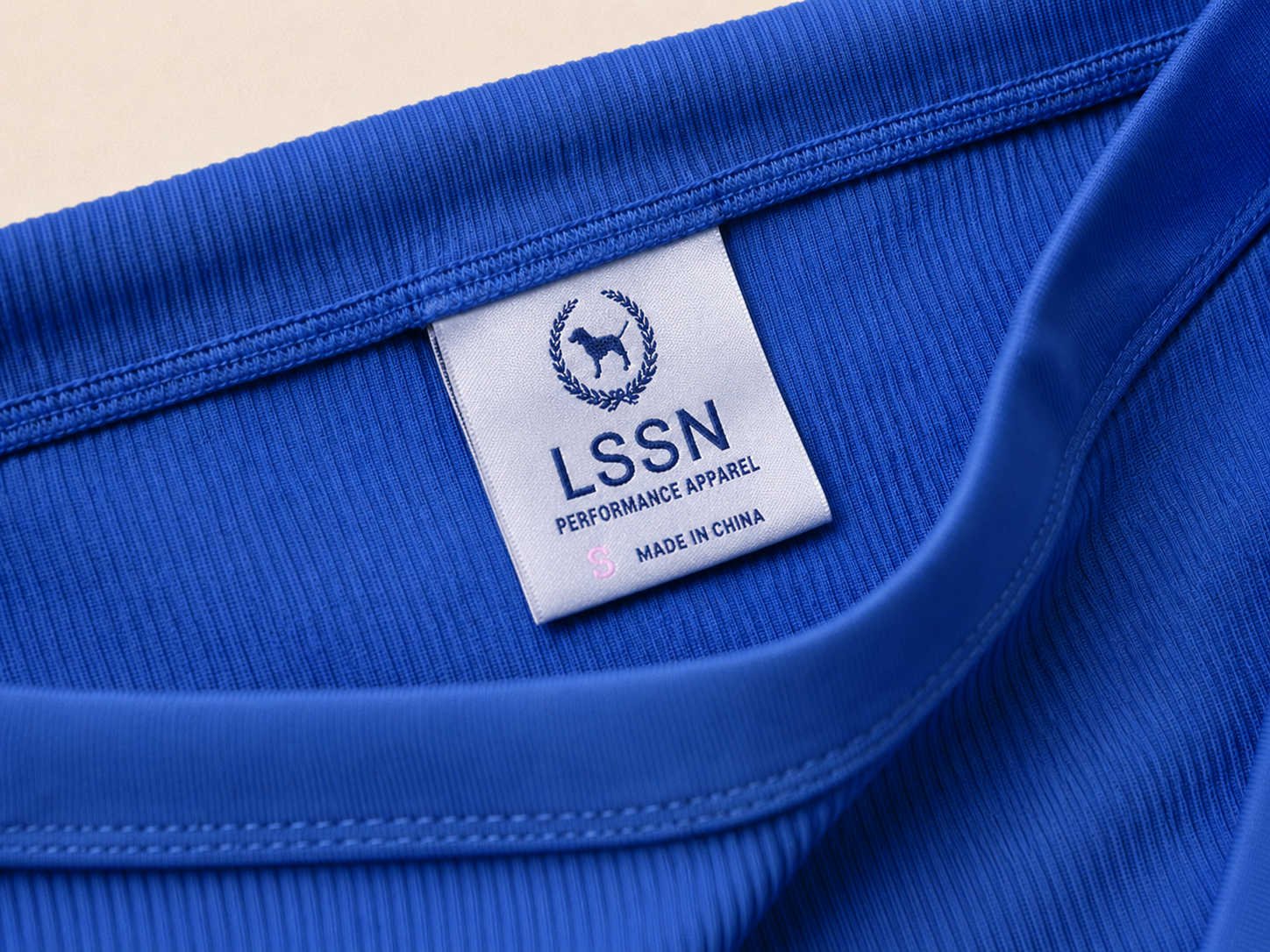
Woven labels, printed transfers, adjustment hardware, and decorative components can create contact points. A placement that works during standing use may be uncomfortable when the body rests against equipment.
Applicable areas: Bra backs, waistbands, necklines, side seams, and garment contact zones.
Comfort and durability: Review placement, profile, attachment security, and any pressure created during intended movements.
Choose Pilates Fabrics Through Product-Specific Performance Priorities
A fabric should be selected for the intended silhouette, wearer, movement, and visual finish rather than its marketing name alone. Custom development is more predictable when the buyer distinguishes essential performance requirements from preferences that can be balanced against cost and availability.
Decision Questions
Q1: What garment are you developing?
Options: Fitted Leggings / Flare Bottoms / Sports Bra / Studio Top
Q2: Which fit characteristic matters most?
Options: Soft Containment / Defined Support / Flexible Drape / Balanced Fit
Q3: What surface finish is preferred?
Options: Smooth / Brushed / Ribbed / Engineered Texture
Q4: Which performance concern is critical?
Options: Recovery / Coverage / Contact Comfort / Appearance
Q5: Does the project require exclusive materials?
Options: Standard Material / Custom Color / Special Construction
Smooth Stretch Knits
Smooth stretch-knit constructions can be considered for fitted leggings, tops, and coordinated apparel where consistent surface appearance is important. Selection should account for garment extension, recovery, weight, opacity, and seam compatibility. A smooth appearance does not establish performance by itself.
Parameters: Composition To Confirm / GSM To Confirm / Recovery To Test
Brushed Comfort Knits
Brushed fabrics may support a softer tactile character for studio collections, but finishing processes can influence surface wear and maintenance. The buyer should assess softness alongside recovery, pilling, abrasion, color performance, and the garment's intended contact conditions.
Parameters: Surface Finish / Abrasion Review / Care Performance
Ribbed Stretch Fabrics
Rib constructions introduce texture and potentially different directional behavior. Their suitability depends on rib size, fiber content, stitch structure, fabric recovery, and how the garment is patterned or knitted. Rib appearance alone should not be interpreted as evidence of functional compression.
Parameters: Rib Construction / Stretch Direction / Shape Recovery
Engineered Seamless Structures
Seamless knitting can provide garment-specific structures and transitions within suitable product designs. Development should evaluate knitting feasibility, stitch density, size behavior, finishing requirements, and the limits of individual garment geometry. Not every desired flare, panel, or support construction is suitable for the same knitting route.
Parameters: Knit Structure / Size Feasibility / Program Review
Compare Fabric Behavior Beyond Initial Stretch and Softness
A fabric that stretches easily may not return to its original dimensions as expected. Buyers should compare fabric structures using consistent specifications, test methods, and representative garment conditions. The following categories are evaluation options, not tested MOVEVOX material grades.
| Evaluation factor | Smooth Interlock | Brushed Jersey | Ribbed Knit | Engineered Seamless |
|---|---|---|---|---|
| Composition | Supplier specification required | Supplier specification required | Supplier specification required | Yarn specification required |
| Fabric weight | Actual GSM required | Actual GSM required | Actual GSM required | Construction-specific weight required |
| Widthwise stretch | Test selected sample | Test selected sample | Test selected sample | Review knit-zone behavior |
| Lengthwise stretch | Test selected sample | Test selected sample | Test selected sample | Review structure and orientation |
| Recovery | Record test conditions | Record test conditions | Record test conditions | Evaluate relevant knitted zones |
| Opacity | Test garment extension | Test garment extension | Test garment extension | Check density and fit |
| Surface behavior | Smoothness and abrasion | Brushing and pilling | Rib deformation | Texture and snagging |
| Handfeel | Physical sample approval | Physical sample approval | Physical sample approval | Physical sample approval |
| Best-use assessment | Fitted garment review | Comfort-led collection review | Texture-led design review | Structure-specific development review |
Material Selection Guidance
These construction categories should not be ranked without actual comparable samples. Composition and fabric weight alone cannot demonstrate that one material has better recovery, coverage, or comfort.
For custom Pilates leggings, the brand may prioritize coverage at the intended extension and shape retention after repeated movement. For a flare style, drape and fabric weight may receive greater attention. For a sports bra, the combined performance of fabric, elastic, lining, and pattern construction matters more than any single fabric property.
A valid comparison should identify material supplier, lot, test method, conditioning, direction, and acceptance limits.
Understand the Trade-Offs Behind Low-Impact Apparel Performance
No fabric or construction should be selected only because it is described as soft, seamless, lightweight, or supportive. These terms represent different properties whose practical value depends on product structure, target wearer, and the method used to evaluate them.
Myth: Softer Fabrics Always Perform Better
Fact: Soft handfeel can be an important studio-wear attribute, but it does not establish durability, recovery, or coverage. Brushed surfaces may require particular attention to abrasion and pilling. A responsible fabric decision balances tactile preference against relevant measurable properties and maintenance expectations.
Condition: Compare actual fabric samples under agreed use and care conditions.
Myth: Higher Elastane Content Guarantees Better Recovery
Fact: Fiber composition is only one influence on fabric behavior. Yarn type, knitting structure, finishing, conditioning, and elongation can affect recovery. Two fabrics with similar elastane percentages may perform differently and therefore require direct comparison.
Condition: Use an appropriate test method on identified samples, not composition percentages alone.
Myth: Low-Impact Activities Require Minimal Support
Fact: Support needs vary with garment design, body proportions, personal preferences, and movement. A Pilates bra should balance underband stability, coverage, shoulder mobility, and the brand's intended support level rather than applying one universal low-support specification.
Condition: Define target wearers and fitting scenarios before approving support requirements.
Myth: Higher Fabric Weight Guarantees Opacity
Fact: Fabric weight does not independently determine coverage. Fiber type, knit construction, dye color, garment extension, surface finish, and lighting can influence observed opacity. Evaluation should represent the stretched condition of the intended garment.
Condition: Test the approved sample and color at defined extension and lighting conditions.
Myth: Seamless Means No Contact or Friction
Fact: Seamless manufacturing can reduce some joining operations and enable engineered knit structures, but a finished garment may still require seams, elastic, finishing, or attached components. Actual comfort depends on placement, surface profile, fit, and movement.
Condition: Inspect the complete garment, not only the main knitting technology.
Myth: One Approved Size Proves the Entire Range
Fact: Grading can change strap geometry, garment tension, rise, and coverage across different sizes. A satisfactory base-size sample cannot confirm every size without appropriate measurement checks and, where required, fitting evaluation.
Condition: Establish size-set or representative-size approval according to product complexity and buyer standards.
Match Pilates Garment Construction to the Intended Design
MOVEVOX combines Santoni seamless knitting equipment with cut-and-sew manufacturing capabilities. The appropriate production method should be selected according to garment geometry, structure, material, fit requirements, customization needs, and project economics.
| Design requirement | Seamless knitting considerations | Cut-and-sew considerations |
|---|---|---|
| Fitted leggings | Can support suitable knitted shapes and engineered texture or support zones. | Supports pattern-based shaping, gussets, panels, and selected fabric constructions. |
| Waistband design | Engineered knit structures can be evaluated for the intended waistband behavior. | Multiple layers, elastic configurations, and shaped panels can be evaluated. |
| Flare silhouettes | Feasibility depends on knitting geometry, finishing, and silhouette specifications. | Pattern shaping can provide greater flexibility for particular flare profiles. |
| Sports bra support | Suitable knitting zones can support selected garment structures. | Lining, elastic, shaping, and more complex strap arrangements can be constructed. |
| Bodysuit / unitard | Requires technical evaluation of knitting dimensions and garment structure. | Pattern-based torso shaping and joined components offer alternative construction routes. |
| Surface texture | Knit patterns can create engineered visual or structural variation. | Fabric selection and panel placement largely determine the surface result. |
| Pockets and hardware | Separate attachment may be required depending on design. | Pockets, trims, and hardware can be integrated through garment construction. |
| Development changes | Knit-program modifications may affect structure and production setup. | Pattern and sewing adjustments may be more suitable for certain localized changes. |
| MOQ and cost | Yarn, knitting program, color, and production setup influence feasibility. | Fabric minimums, cutting, sewing operations, and trim requirements influence feasibility. |
A brand does not need to choose the manufacturing method before the garment requirements are sufficiently defined. The technical review should determine whether seamless knitting, cut-and-sew construction, or a combination of capabilities offers the most appropriate route for the approved specification.
Convert Wearer Feedback Into Measurable Development Decisions
Statements such as too tight, insufficient support, or uncomfortable while seated should trigger a structured investigation rather than an immediate assumption about the solution. The objective is to identify whether the problem concerns pattern, material, construction, size, or their interaction.
| Development problem | Potential product or business impact | Technical review and proposed correction |
|---|---|---|
| Waistband rolls during flexion. The garment may lack a suitable balance of waistband structure, rise, and local tension. | Repeated adjustment can reduce wearer satisfaction, while arbitrary tightening may create another comfort problem and require additional sampling. | Review waistband depth, top-edge circumference, material recovery, front and back rise, and fitting positions before selecting a pattern or material correction. |
| Bra straps move during reach. Strap geometry and garment support may not suit the intended movement and body range. | Unresolved strap movement can affect coverage, perceived support, and confidence in the approved product, particularly when the style is sold across multiple sizes. | Review strap length, attachment points, elasticity, neckline geometry, and underband performance; repeat relevant fitting checks after any structural modification. |
| Fabric becomes visibly transparent. Coverage may change under extension or different lighting conditions. | Buyers may reject an otherwise attractive sample, and a late material change can affect price, fit, color approval, and production timing. | Define the unacceptable condition, review garment extension and material structure, and obtain buyer approval for any revised fabric or pattern solution. |
| Crotch tension restricts movement. The issue may involve rise geometry, gusset construction, sizing, or fabric behavior. | Poor movement fit can require multiple sample rounds and may cause different outcomes across commercial sizes if only the base size is adjusted. | Examine relevant points of measurement, front-to-back pattern balance, gusset shape, and movement positions before authorizing a revised pattern. |
| Flare drape differs from the design. Fabric weight, knee position, opening width, or leg proportions may be unsuitable. | The product can meet basic dimensions while failing to express the intended brand silhouette, potentially delaying collection approval and associated merchandising photography. | Review knee-to-hem geometry, fabric drape, inseam, opening dimensions, and the buyer's visual reference; confirm the revised shape on a physical sample. |
Keep Pattern Changes and Sample Decisions Under Control
Custom Pilates development often involves interconnected adjustments. A change to waistband circumference, bra underband tension, or unitard torso length can affect other garment measurements. A documented revision sequence helps buyers approve the correct technical version.
Initial Development Sample
The first sample should establish whether the proposed materials, proportions, and construction can reasonably represent the design brief. It may expose unresolved requirements, so it should not automatically be treated as ready for production.
Buyer inputs:
- Provide the target fit reference and prioritized design requirements.
- Identify intended movement scenarios and critical garment measurements.
MOVEVOX development outputs:
- Prepare the agreed sample according to confirmed development inputs.
- Record relevant construction questions requiring buyer review and approval.
Approval criterion: The sample is ready for review when its identity, construction, and unresolved technical questions have been clearly documented.
Structured Fit Feedback
Buyer feedback should be organized by garment area and linked to observable issues. Comments must distinguish desired visual changes from performance concerns, so the revised sample can be assessed against clear objectives.
Buyer inputs:
- Return consolidated fitting comments with photographs where appropriate.
- Identify mandatory corrections and optional styling preferences for review.
MOVEVOX development outputs:
- Review feedback against the existing pattern and material specifications.
- Identify proposed changes and any related technical consequences.
Approval criterion: Revision instructions are sufficient when the required changes, affected measurements, and remaining decisions are clearly identifiable.
Revised Development Sample
The next sample should address the agreed revision list without unintentionally changing approved characteristics. Material substitutions, seam changes, or proportion adjustments should be documented as separate technical decisions where relevant.
Buyer inputs:
- Approve the proposed revision scope before additional sampling work.
- Confirm whether new fit or movement checks are required.
MOVEVOX development outputs:
- Develop the revised sample using the agreed technical changes.
- Record the updated sample identity and relevant specification differences.
Approval criterion: The revised garment is acceptable when required changes meet agreed criteria and unrelated approved features remain consistent.
Size Range Review
A base-size approval does not prove that every commercial size maintains the intended coverage, support, or garment proportions. The size range may require further checks according to the style and buyer requirements.
Buyer inputs:
- Confirm the commercial size range and target grading expectations.
- Identify representative sizes requiring additional fit or measurement review.
MOVEVOX development outputs:
- Prepare agreed grading information and relevant size-sample requirements.
- Document any size-related technical issues identified during development review.
Approval criterion: Size requirements are ready when the buyer has approved the applicable grade rules, checks, and remaining exceptions.
Production Standard Approval
The final approval stage should identify the controlling sample, specification version, materials, components, branding, and relevant inspection expectations. Outstanding issues must be resolved or explicitly documented before the release decision.
Buyer inputs:
- Approve the controlling sample and final technical specification version.
- Confirm quantity, colors, packaging, and any project-specific tests required.
MOVEVOX development outputs:
- Organize approved technical inputs for manufacturing and order planning.
- Identify unresolved manufacturing or supply conditions before final production release.
Approval criterion: Production readiness requires the necessary customer approvals and confirmation that the applicable manufacturing requirements are documented.
Confirm the Full Specification Before Authorizing Production
An approved sample must be supported by enough documentation to guide manufacturing and inspection. The checklist below is a buyer-facing approval framework. Individual project requirements may differ, and completion should be recorded against the actual product and controlling version.
| Approval area | Buyer confirmation required | Recommended evidence |
|---|---|---|
| Style identification | Confirm SKU, style number, description, and product version. | Approved style record |
| Measurement specifications | Confirm critical POM, size chart, grading, and tolerances. | Signed measurement chart |
| Movement fit | Confirm defined fitting scenarios and unresolved exceptions. | Approved fit review |
| Fabric and yarn | Confirm composition, construction, weight, color, and supplier-approved specifications. | Approved material reference |
| Support and construction | Confirm waistband, bra lining, elastic, seams, and relevant garment structures. | Approved construction details |
| Color | Confirm physical or agreed color standard and approved deviations. | Lab dip or color approval |
| Surface and branding | Confirm logo position, method, labels, trims, and artwork. | Approved artwork |
| Testing requirements | Confirm applicable tests, acceptance limits, and responsibility for arranging them. | Project test plan or report |
| Size set | Confirm required representative sizes and grading review. | Size approval record |
| Packaging | Confirm labeling, barcode logic, packing method, and destination-market requirements. | Approved packing specification |
| Production release | Confirm controlling sample, documents, open issues, and buyer authorization. | Final approval record |
A sample should not be considered fully approved simply because its appearance has been accepted. Unresolved material, size, performance, or labeling decisions may still affect the bulk order.
Ready to Review Your Custom Pilates Product Brief?
Share your Tech Pack, product sketches, target silhouettes, material preferences, estimated quantities, and launch requirements. MOVEVOX can review the available information and discuss relevant development and manufacturing considerations before a formal project plan or quotation is agreed.
Send Pilates Tech Pack Discuss Your Concept
Technical feasibility, sampling, MOQ, and delivery arrangements remain subject to individual project review.
Coordinate Custom Pilates Styles Without Standardizing Every Garment
A collection can share visual identity, selected fabric platforms, colors, and branding while maintaining separate engineering standards for each style. The following are proposed merchandising structures, not confirmed MOVEVOX customer collections or existing stock ranges.
Minimal Studio Essentials
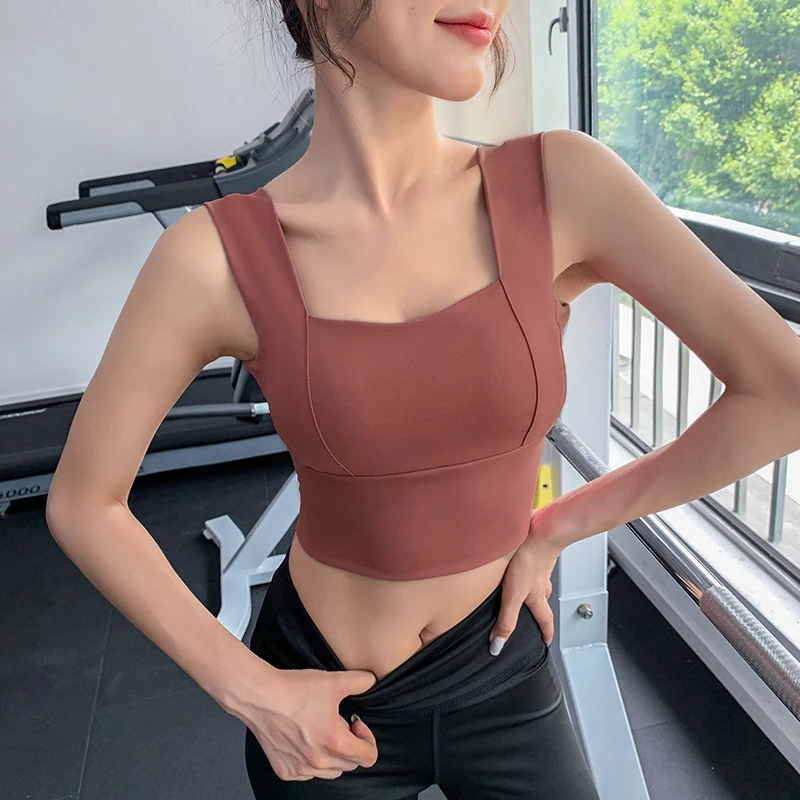
A focused collection could connect fitted leggings with a matching bra and tank, using a coordinated color palette and compatible surface finishes. Each garment would still need its own measurement specification and fit approval. Matching colors do not guarantee identical fabric behavior, especially where bra support and legging coverage require different constructions.
Potential components:
- High-Waist Leggings
- Coordinated Sports Bra
- Fitted Studio Tank
Soft Sculpt Studio Range
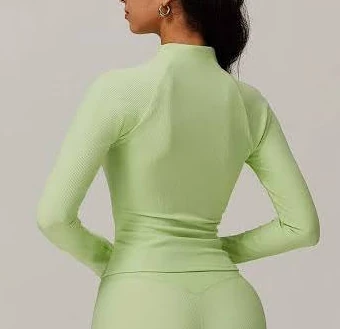
A soft-sculpting range could include leggings with a defined waistband, a longline bra, and a coordinated fitted top. The development challenge is maintaining a recognizable brand feel without assuming that all products need the same pressure or support characteristics. Material selection and grading may differ across the range.
Potential components:
- Sculpted Studio Leggings
- Longline Support Bra
- Coordinated Fitted Top
Flare Lifestyle Collection
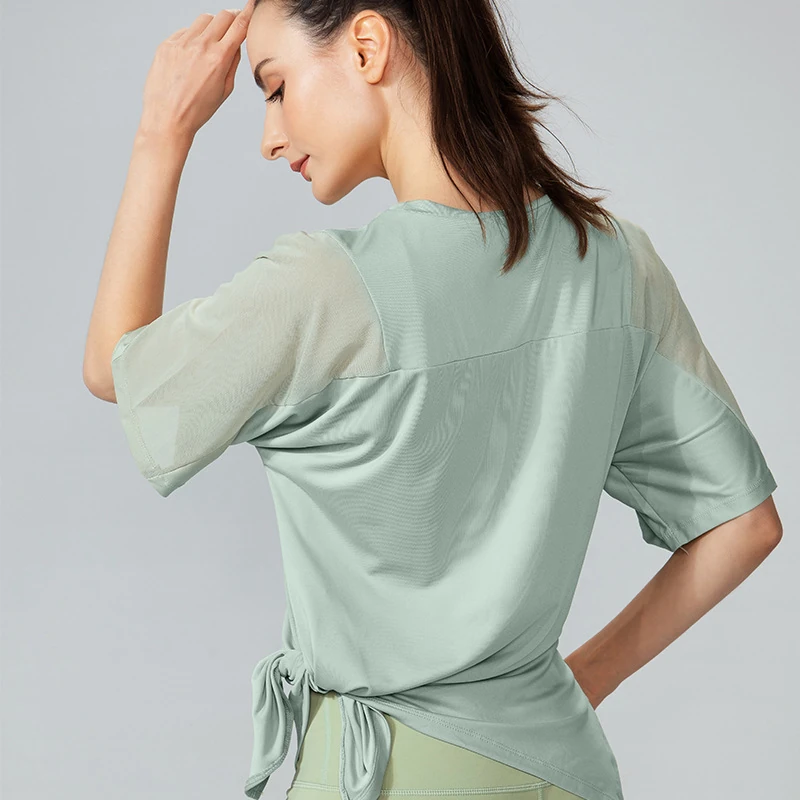
A studio-to-lifestyle capsule could combine flare leggings, a supportive fitted top, and selected layering pieces. Its fabric decisions may place greater weight on drape, surface appearance, and garment silhouette. Those visual priorities should be reviewed alongside the movement requirements defined for each individual item.
Potential components:
- Flare Studio Leggings
- Fitted Support Top
- Optional Studio Layer
Understand Minimum Orders for Custom Pilates Apparel Programs
MOVEVOX's documented starting references are approximately 100 pieces for conventional seamless customization and 150 pieces for conventional cut-and-sew customization. Final quantities depend on style, color, fabric, manufacturing route, and any independent component minimums.
Initial Product Trial
An initial trial may involve one or two styles with an established fabric and limited colors. This arrangement can reduce development complexity, but every proposed style must still meet its applicable manufacturing conditions.
The documented starting references are not combined collection minimums, and a custom-dyed fabric or exclusive trim may require a different quantity. The appropriate trial structure should be confirmed after reviewing actual SKU and material specifications.
Quantity basis: Seamless approximately 100 pieces; cut-and-sew approximately 150 pieces, subject to conditions.
Color/size allocation: Confirm per style and material.
Pricing factors: Sample work, components, setup, and allocation.
Coordinated Core Program
A core program may combine several styles sharing approved materials, color standards, and brand identity. Shared inputs can simplify some purchasing and coordination work, but minimum requirements may remain separate where garments use different constructions or materials.
MOQ review should examine quantities by style, color, and size, along with fabric supplier conditions. A total program quantity does not automatically remove the production minimum or component cost of a specific garment.
Quantity basis: Quoted by confirmed SKU and order structure.
Color/size allocation: Review individually and across shared materials.
Pricing factors: Material allocation, grading, trims, and multiple production operations.
Repeat and Scale Program
A repeat program can benefit from previously approved specifications, established material references, and a clearer forecast. However, new colors, design changes, or different material batches can introduce fresh approval requirements.
Before discussing larger quantities, buyers should confirm production allocation, material lead times, inspection expectations, and shipment scheduling. MOVEVOX's own factory and coordinated capacity network provide a basis for evaluation, not an unconditional capacity guarantee.
Quantity basis: Confirm through project production planning.
Color/size allocation: Coordinate against approved versions and demand forecasts.
Pricing factors: Batch management, capacity, materials, and delivery requirements.
Evaluate the Full Cost of Custom Pilates Development
Two apparel programs with the same total quantity may involve very different development and production costs. Unique materials, separate patterns, multiple colors, product testing, and shipment arrangements should be included when evaluating sourcing options.
| Cost factor | Shared Fabric Platform | Unique Material per Style | Mixed Manufacturing Program |
|---|---|---|---|
| Material purchasing | Shared materials may simplify procurement, provided all garments meet their different performance requirements. | Separate materials can improve individual garment suitability but may create independent supplier minimums and stock exposure. | Seamless yarn and cut-and-sew fabrics require separate sourcing, specifications, and manufacturing coordination. |
| Sampling | Shared fabric references may reduce some material decisions, while fit approval remains style-specific. | Additional material evaluations and samples may be needed before product specifications are finalized. | Different construction methods may require separate pattern or knitting-development work and sample schedules. |
| Manufacturing setup | Similar materials do not eliminate separate pattern, sewing, or knitting setup requirements. | Each style may require distinct cutting, handling, or manufacturing process settings. | Different manufacturing technologies introduce different setup and scheduling constraints. |
| Quality review | One material reference can simplify selected checks, but garment-level performance still differs. | Additional incoming material and performance checks may be required for each product. | Production-site controls and process-specific checks must be coordinated under an agreed standard. |
| Inventory exposure | Common materials may improve flexibility when styles use compatible and approved constructions. | Unique fabrics can create unused inventory if individual styles underperform or change. | Materials and components cannot always be moved freely between seamless and cut-and-sew orders. |
| Communication | A common material specification can reduce repeated discussions while preserving independent style approvals. | More material suppliers and specifications may increase review and version-management work. | Separate manufacturing teams require accurate documentation and a clear project responsibility structure. |
| Delivery coordination | Shared materials may support common purchasing milestones if production schedules remain aligned. | Different supply lead times can complicate launch synchronization and consolidated shipments. | Production routes must be coordinated before confirming shared packing and shipping schedules. |
| Repeat orders | Existing approved materials may reduce some redevelopment effort if specifications remain unchanged. | Reorders may depend on continued availability of several distinct material constructions. | Each manufacturing route should retain its own approved product and production references. |
Procurement Interpretation
The lowest quoted unit price is not necessarily the lowest total sourcing cost. Buyers should include development revisions, material commitments, quality checks, inventory exposure, communication work, and delivery arrangements when comparing program structures.
This comparison contains no fabricated numerical cost savings. The commercially preferred option depends on which product requirements are mandatory and whether shared materials genuinely remain suitable for all selected garments.
For MOVEVOX projects, a meaningful RFQ should identify style quantities, fabric choices, construction methods, branding requirements, and approval status. Only then can the supplier evaluate the actual commercial structure.
Translate the Approved Pilates Sample Into Production Controls
An approved garment becomes useful for manufacturing only when its controlling technical documents, material references, components, and quality expectations are clearly identified. MOVEVOX's documented QC process includes material inspection, first-article confirmation, in-process checks, finished inspection, and packing inspection.
Specification Release
Confirm the controlling Tech Pack, sample version, measurement chart, material reference, and branding files. Unresolved design comments should not be allowed to create conflicting instructions during production preparation.
Check standards:
- Confirm buyer-approved version and critical points of measurement.
- Identify current specifications and superseded technical instructions.
Material Verification
Incoming yarn, fabric, and relevant components should be checked against the approved purchasing and production requirements. A similar composition is not sufficient evidence that a replacement material will behave identically.
Check standards:
- Match incoming material identity against approved project documentation.
- Review specified color, weight, and relevant material requirements.
Pattern and Program
The released paper pattern or seamless knitting program should correspond to the approved garment version. Updates made during development must be communicated before the relevant production operation begins.
Check standards:
- Confirm correct pattern or knitting-program revision identification.
- Review affected dimensions and construction details before production.
First Article Review
An initial production garment can reveal differences between the sample process and planned bulk execution. Critical measurements, construction, finishing, and specified material characteristics should be checked before continuing the relevant production operation.
Check standards:
- Compare first article against approved garment and specification.
- Resolve critical deviations before authorizing continued production.
In-Process Inspection
Manufacturing inspection should examine relevant workmanship, measurements, material handling, and construction characteristics. Pilates-specific attention may include waistbands, bra support components, legging gussets, flare hems, and other identified garment features.
Check standards:
- Inspect agreed critical areas under applicable quality requirements.
- Document nonconforming results and follow the established correction process.
Finished Garment Review
Finished apparel requires assessment against the approved product and applicable order requirements. Product-specific inspection should remain separate from any additional laboratory or wearer tests requested by the customer.
Check standards:
- Verify garment dimensions, appearance, branding, and construction.
- Apply the project-approved inspection plan and acceptance criteria.
Packing and Identification
Correct garments can still create downstream issues if sizes, colors, labels, or barcodes are incorrectly matched. Packing controls should correspond to the approved order and market-specific documentation.
Check standards:
- Match SKU, color, size, barcode, and packaging specifications.
- Confirm carton identification and final order packing instructions.
Final Release
Final inspection and shipment authorization should follow the agreed commercial and quality conditions. Outstanding nonconformities, corrective work, and relevant release decisions must be resolved or formally handled before dispatch.
Check standards:
- Verify completion of required inspections and approved corrections.
- Confirm agreed shipment documentation and release responsibility.
Handling Nonconforming Results
A nonconforming item should be separated from acceptable production according to the applicable control process. The affected lot, type of deviation, required corrective action, and reinspection need to be identified.
The objective is not to promise zero defects, but to establish whether production is consistent with the approved standard and whether unacceptable departures are detected and addressed before the relevant release decision.
Prevent Critical Pilates Fit Deviations During Bulk Production
Pilates apparel may require particular attention to garment tension, size stability, and the behavior of specialized construction details. The following matrix outlines technical control considerations; exact tolerances and corrective actions must follow the buyer-approved specification and actual production records.
| Defect | Likely cause | Prevention | Inspection point | Corrective action |
|---|---|---|---|---|
| Waistband dimension drift | Material recovery, cutting or knitting variation, or elastic attachment may produce dimensions outside the intended garment specification. | Confirm material characteristics, released measurements, and relevant production settings before the affected operation reaches full output. | Review first-article waistband measurements, applicable in-process samples, and finished garments against agreed tolerance limits. | Identify affected production, investigate material or process variation, and apply approved correction or disposition before release. |
| Bra underband variation | Elastic length, joining tension, fabric behavior, or construction inconsistency may alter the intended fit and support relationship. | Define elastic and garment specifications and review the relevant construction during sample approval and production setup. | Examine underband measurements, elastic attachment, and relevant finished-garment criteria using the approved project inspection plan. | Check the affected lot, identify whether materials or production settings caused the variation, and determine corrective handling. |
| Rise measurement deviation | Pattern version errors, cutting variation, seam allowances, or material behavior may change front or back rise dimensions. | Maintain the approved pattern revision and critical POM requirements, with pre-production review of relevant operations. | Compare first articles and selected in-process garments against the approved measurement chart and representative sample. | Verify pattern and process settings, identify affected garments, and recheck dimensions after the required correction. |
| Flare silhouette inconsistency | Differences in leg-panel geometry, cutting alignment, fabric drape, or sewing distortion may create inconsistent finished profiles. | Approve knee-to-hem specifications, relevant fabric behavior, and manufacturing instructions before repeated production. | Review representative finished leg shapes, opening dimensions, symmetry, and comparison against the buyer-approved visual standard. | Assess whether the problem originates in pattern, fabric, or sewing; correct and re-evaluate affected output. |
| Garment seam distortion | Thread tension, feed settings, fabric stretch, or handling can create puckering, twisting, or unintended seam extension. | Establish construction requirements and suitable machine settings using approved materials and representative production samples. | Inspect relevant seams after joining, finishing, and garment handling, including areas subject to repeated movement. | Adjust the identified process, evaluate repair feasibility, and re-inspect any garments affected by the issue. |
| Material performance variation | Different fabric or yarn batches may vary in stretch, recovery, color, or surface characteristics despite similar stated compositions. | Maintain approved material references, supplier information, and relevant incoming inspection criteria for every affected order. | Check material identification and required properties before cutting or knitting and investigate unexpected garment-fit changes. | Isolate questionable material, compare with approved requirements, and obtain buyer approval for any necessary substitution. |
Connect Approved Product Versions With Manufacturing Records
A long-term custom program benefits from clear links between buyer approvals, material identity, production instructions, inspection findings, and shipment records. The following is a recommended traceability framework based on MOVEVOX's documented coordination and quality-control capabilities, not a claim of an unverified digital tracking platform.
Buyer Approval
Identify the approved garment, technical specification version, and applicable customer decision. The production team should understand which changes are authorized and whether any approvals remain outstanding before manufacturing proceeds.
Record: Approval Record
Material Identification
Identify the material supplier, approved specification, relevant color, and available batch information. Records should allow the team to recognize whether materials correspond to the approved product requirements.
Record: Material Reference
Technical Release
Connect the garment to the applicable paper pattern, seamless knitting program, construction details, measurement chart, and artwork files. Superseded versions should not become accidental production instructions.
Record: Technical Version
Production Assignment
Record the manufacturing location or coordinated production unit assigned to the project. Production responsibility, approved requirements, and relevant process information should be clear whether work occurs in MOVEVOX's core facility or through coordinated manufacturing capacity.
Record: Production Allocation
First Article
Connect the initial production review to the intended product version and critical requirements. Findings can identify whether production preparation corresponds to the controlling approved sample.
Record: First-Article Check
Process Inspection
Inspection records should identify the applicable order, product, production stage, and relevant nonconforming findings. Corrective decisions should be documented according to the project's established quality requirements.
Record: Inspection Record
Packing and Shipment
Relate finished SKUs and quantities to approved packaging, labeling, carton identification, and shipment documentation. Correct identification is especially important when styles, colors, and size distributions overlap across an activewear collection.
Record: Packing List
Review Capacity Against Your Actual Pilates SKU Plan
Capacity cannot be evaluated accurately from total monthly piece volume alone. A custom Pilates order requires assessment of material availability, approved styles, manufacturing processes, individual SKU quantities, quality requirements, and the requested shipment window before production dates are confirmed.
| Planning stage | Time reference | Key dependency | Buyer confirmation |
|---|---|---|---|
| Development review | Project-dependent | Complete enough specifications for meaningful technical assessment | Confirm development scope |
| Material sourcing | Supplier-dependent | Approved material, colors, trims, and component availability | Approve material requirements |
| Sampling | Typically 5–10 working days for standard confirmed projects | All relevant development details confirmed | Approve sample or revisions |
| Production approval | Approval-dependent | Controlling specifications and required pre-production decisions | Release approved version |
| Bulk manufacturing | Conventional projects often approximately 20–35 days, subject to conditions | Confirmed order, material readiness, capacity, and production allocation | Confirm production schedule |
| Inspection | According to approved quality plan | Production progress and applicable inspection requirements | Review any required hold points |
| Shipment preparation | Booking-dependent | Inspection release, packing, documentation, and logistics arrangements | Confirm delivery terms |
Capacity and Schedule Interpretation
MOVEVOX's documented stable managed delivery reference is approximately 150,000–200,000 pieces per month across its managed production system. This is not a claim that its own factory independently produces that amount or that the same quantity is available for every Pilates project.
Manufacturing feasibility should be confirmed for the actual SKU mix, approved materials, planned production locations, and requested delivery dates. Development changes, custom colors, component shortages, additional testing, or buyer approval delays can affect the final schedule.
See the Manufacturing Resources Behind Custom Product Development
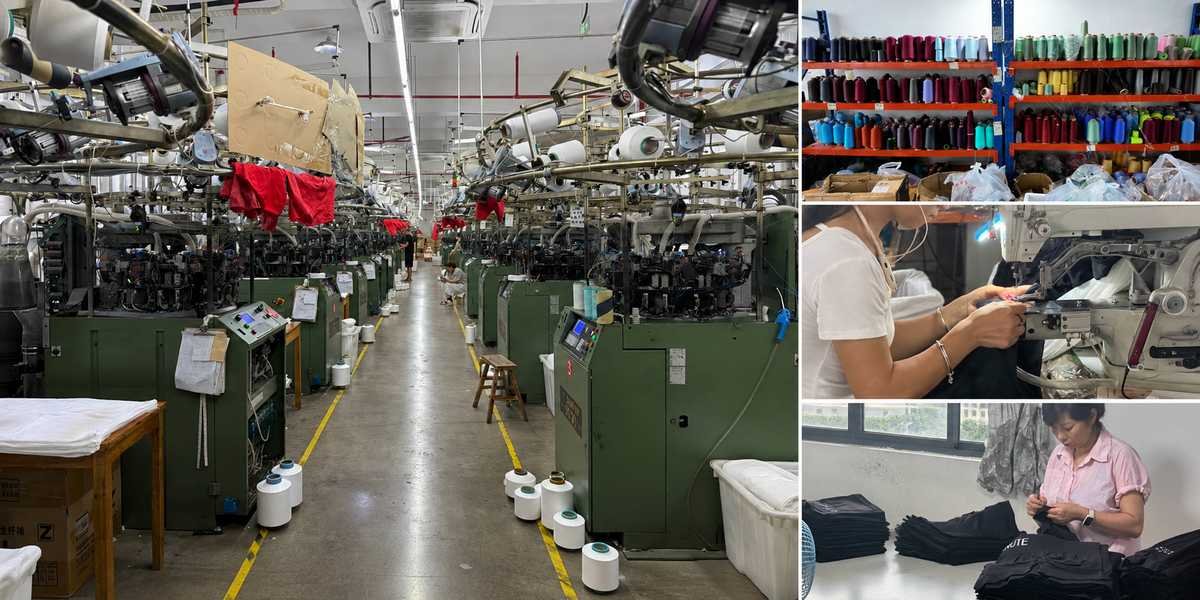
MOVEVOX operates from Yiwu, Zhejiang, China, using a core manufacturing base and coordinated satellite production resources. Its documented production system includes 28 Italian Santoni seamless knitting machines and approximately 24 main sewing and garment-production machines. These facilities support different parts of the development-to-bulk process.

Product Development Area
Product development begins with interpreting the buyer's requirements and identifying workable construction decisions. MOVEVOX's documented development configuration includes approximately two design staff, two pattern personnel, and four sample-making personnel.
For a custom Pilates project, technical discussion may include fabric selection, critical garment measurements, waist or bust fit, seam position, and intended sample approval conditions. A development-area photograph should demonstrate the real working environment rather than imply that every specialist performs every activity for every order.
Image caption: Genuine MOVEVOX development workspace, showing the documented sampling and technical review environment in Yiwu.
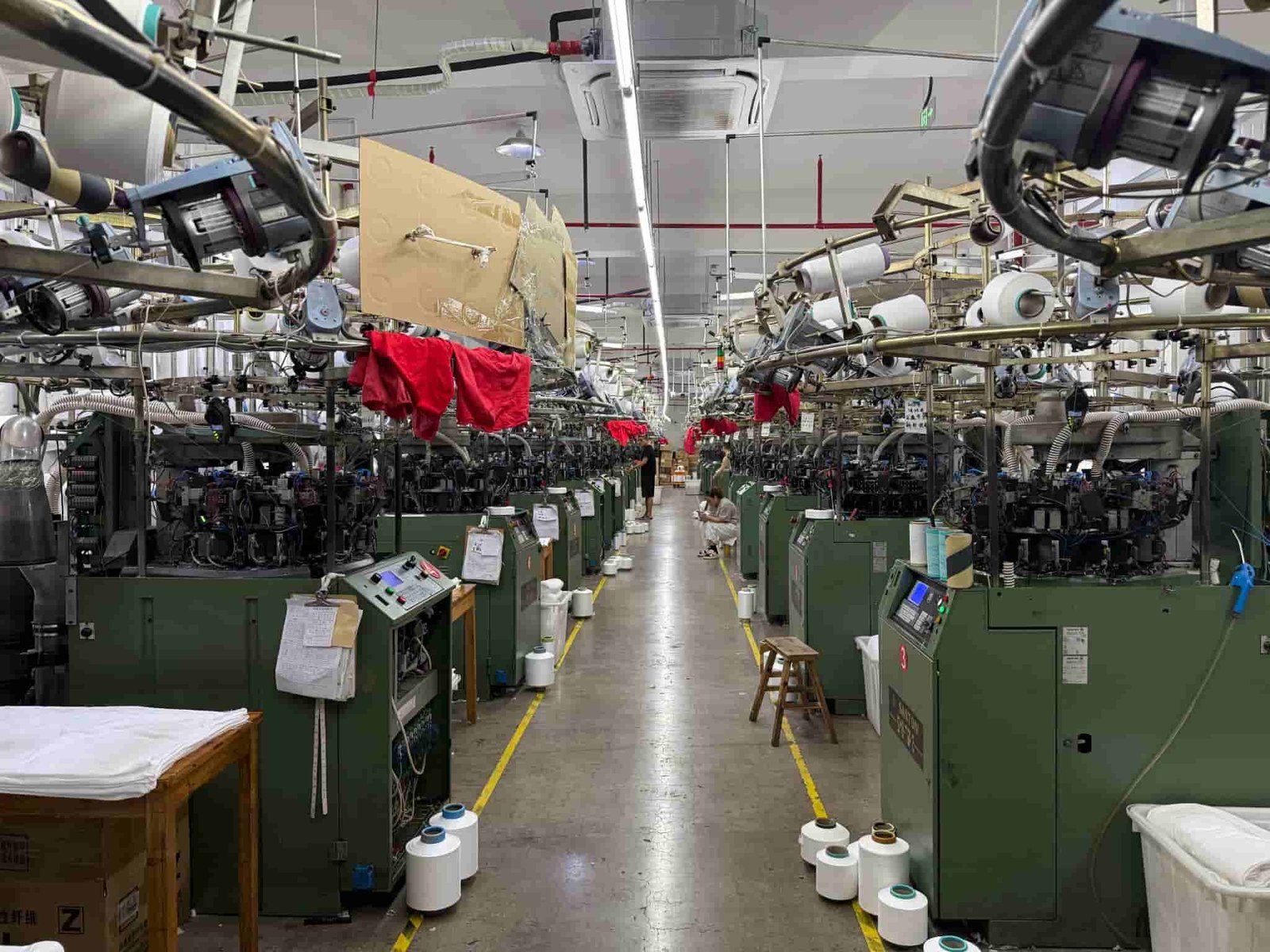
Santoni Knitting Area
MOVEVOX's 28 Santoni seamless knitting machines provide an established manufacturing basis for evaluating suitable seamless activewear structures. Seamless production can be relevant to selected leggings, bras, tops, and other compatible garments.
The presence of knitting equipment does not prove that any proposed engineered support zone or silhouette is immediately production-ready. A custom design still requires assessment of knitting geometry, yarn selection, program feasibility, size behavior, finishing, and sample approval. Factory imagery should show actual machines and their production context.
Image caption: Actual Santoni knitting equipment at the MOVEVOX core production base, photographed for manufacturing verification.
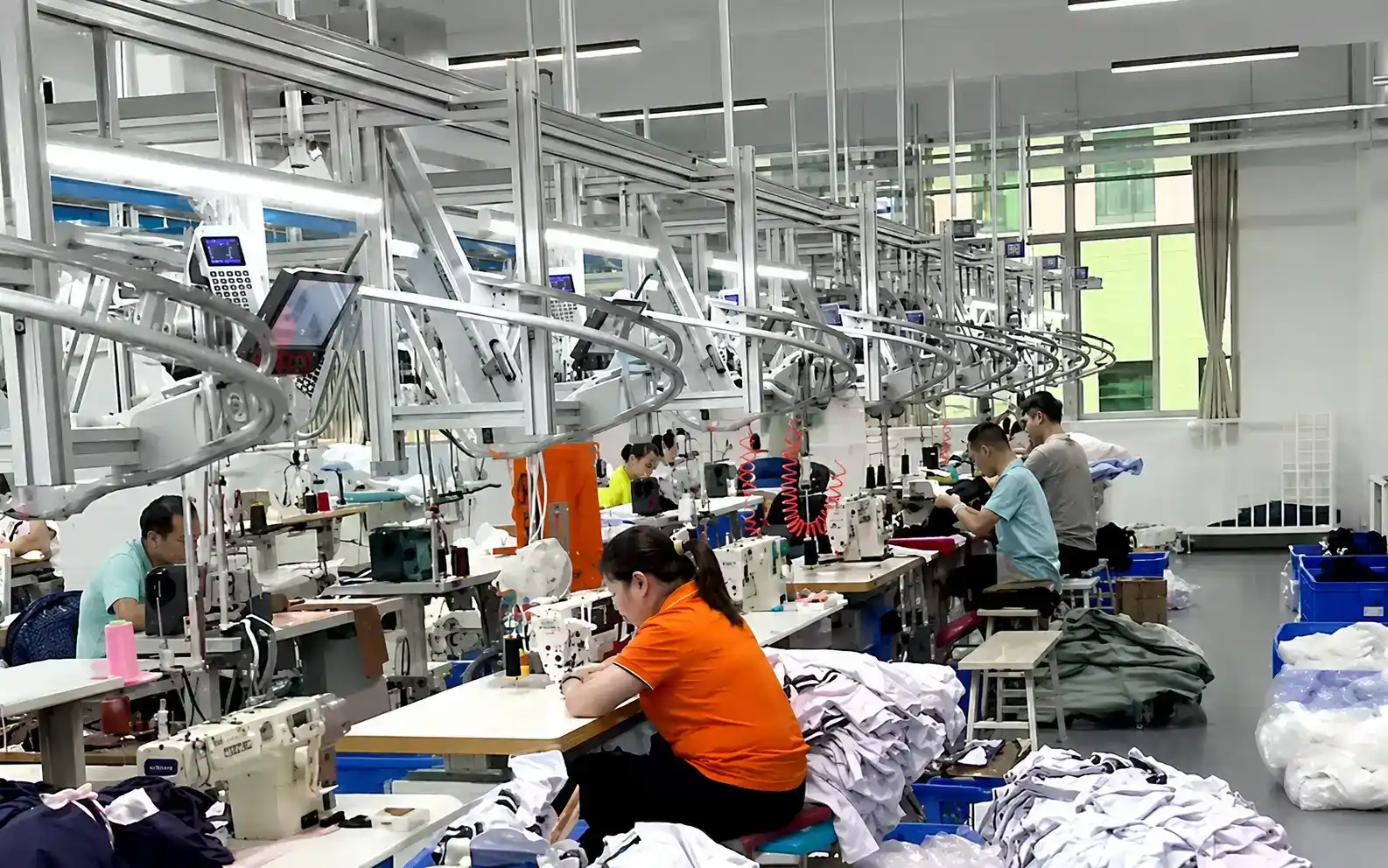
Cutting and Sewing
The cut-and-sew capability is important when garment geometry, fabric choice, structural panels, or accessories are better served by pattern-based construction. Custom Pilates projects may involve fitted leggings, sports bras, tops, and selected silhouette extensions.
Relevant manufacturing decisions include pattern version, cutting accuracy, stitch selection, seam placement, elastic attachment, finishing, and critical measurements. Photography should establish actual operational capability without claiming specialized joining equipment that is not documented in the fact base.
Image caption: Real cutting and sewing operations supporting approved activewear patterns and garment construction requirements.

Sampling and Fitting
Sample development is the point where design intentions can be compared with physical results. A development sample provides an opportunity to assess the garment's proportions, materials, construction, and buyer-defined fitting priorities.
MOVEVOX's documented standard sample-development reference is approximately five to ten working days after the necessary details have been confirmed. Complex Pilates silhouettes or new custom materials may need additional evaluation. Evidence of a real sample is more useful than an unrelated model image because it can be connected to a technical requirement.
Image caption: Genuine sample garment and development activity, with customer-identifying materials removed where confidentiality applies.
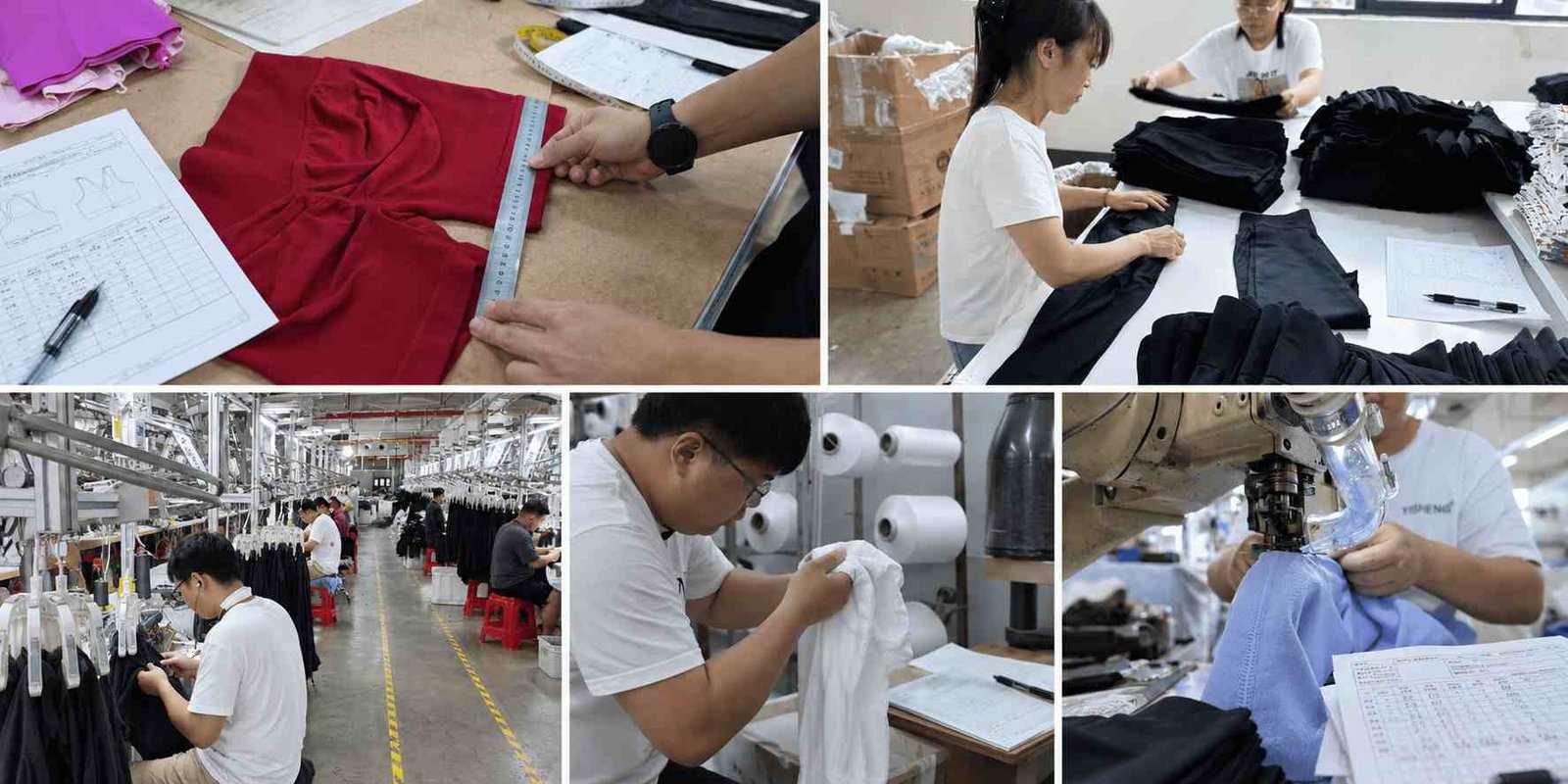
Inspection and Quality Review
MOVEVOX's documented team includes five QC personnel and inspection activities covering materials, first articles, production, finished garments, and packing. These controls provide a basis for confirming that approved specifications are understood during order execution.
For a custom Pilates program, the relevant checkpoints may include waistband dimensions, bra construction, material identification, size labels, and specific finishing requirements. Genuine QC photographs should show identifiable production activities, not imply that unperformed movement or laboratory tests have been completed.
Image caption: Actual MOVEVOX garment inspection, measurement review, or in-process quality activity with appropriate project context.
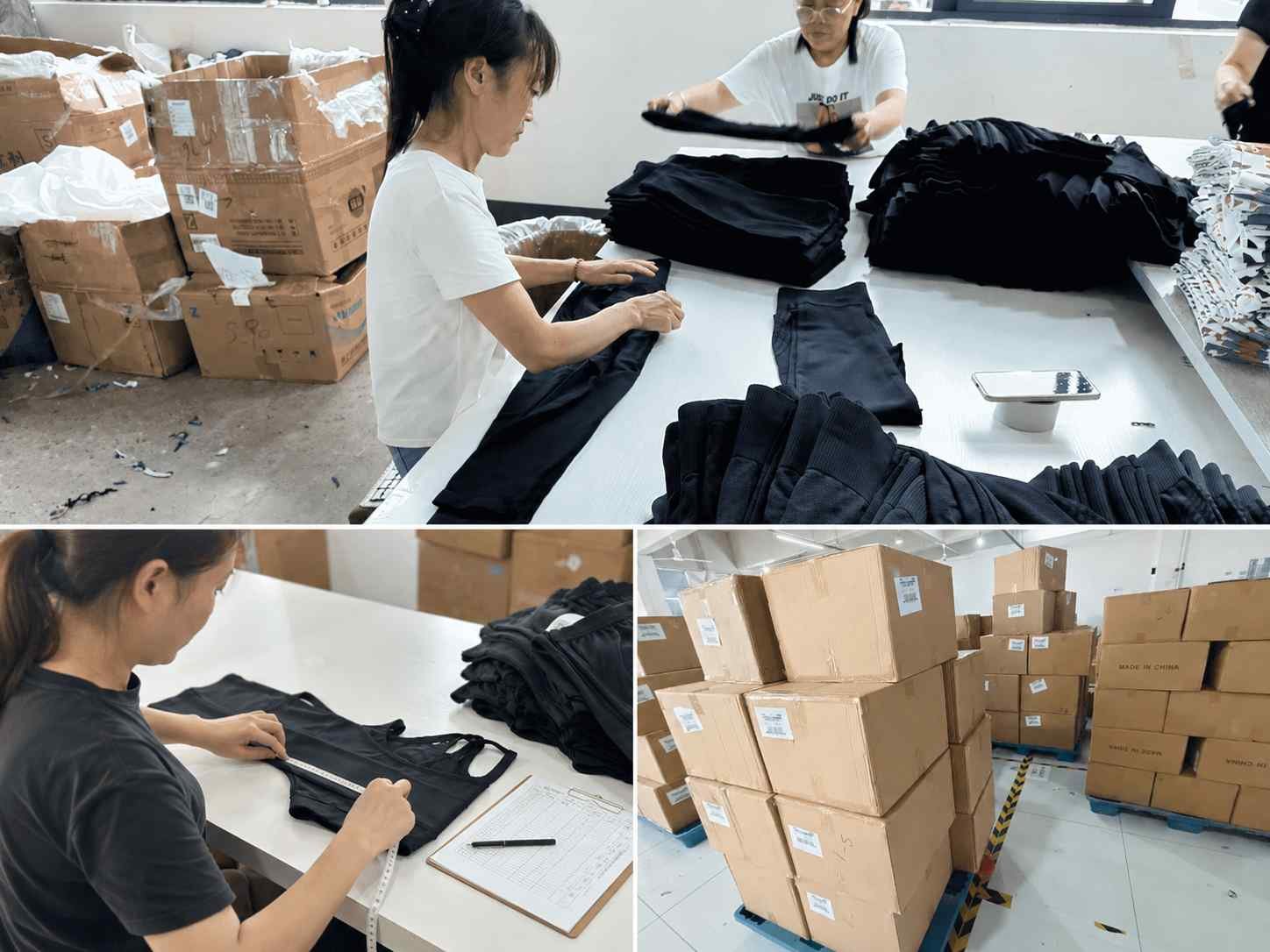
Packing and Shipment Preparation
Final order execution includes checking garment identity, colors, sizes, branding, packing requirements, and relevant shipment information. This becomes particularly important where several custom Pilates styles share a common color palette but use different sizes or packaging identifiers.
MOVEVOX's broader manufacturing arrangement also involves coordinated production resources. The responsible production site and control arrangements should be clear to the buyer. Packing photographs may help demonstrate operational work, but they do not replace underlying order or inspection records.
Image caption: Genuine completed-garment packing and shipment-preparation activities within the appropriate MOVEVOX production workflow.
A Real Activewear Project Involving Technical Sample Revisions
MOVEVOX's internal customer records describe a U.S. fitness creator-led activewear business that commissioned multiple garment categories. The project illustrates development, sample feedback, branding, and packaging control. It is not presented as a verified Pilates-specific testing or manufacturing case.
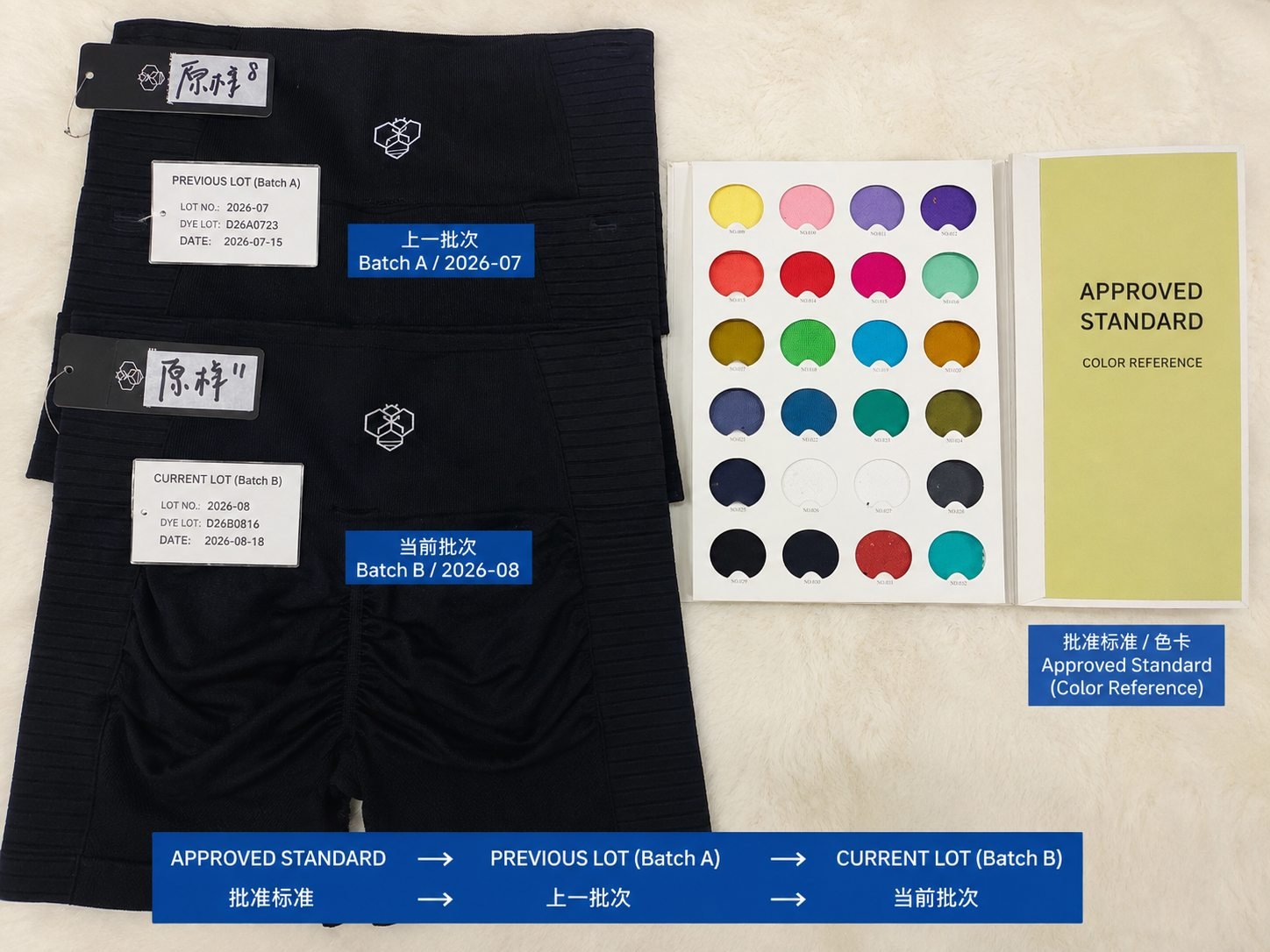
From a Customer Tech Pack to Approved Custom Activewear
The customer provided her own technical design information for the intended apparel products. According to MOVEVOX's internal project account, the team reviewed the specification and prepared an initial development sample. The customer identified elements that did not adequately meet her intended use, and a revised sample was subsequently developed for further assessment.
The record describes later sample confirmation and preparation of additional trial garments for the customer's own evaluation process. It also describes a broader activewear assortment, including leggings, shorts, bras, tops, and related fitness garments. These are genuine internally documented project activities, but exact quantities, testing outcomes, and customer endorsements should not be converted into public claims without checking underlying files.
The project also involved detailed branding and packaging requirements. The customer required customized labels, logos, packaging, and product identification information. Different sizes and colors carried corresponding identification requirements, creating a risk of mismatching garments and packaging. The internal account describes additional checking work to manage this complexity.
Why this matters for custom Pilates development: The case provides a relevant example of coordinating technical input, sample revision, customer approval, and SKU-specific packaging. It does not prove that the same customer purchased Pilates apparel, approved a Reformer movement test, or achieved any quantified product-performance improvement.
A suitable published case should be supported by permission-appropriate product images, redacted sample correspondence, relevant order records, and verified quality or packing documentation. Customer identity and commercially sensitive data must remain protected.
Evaluate Product Test Evidence Within Its Actual Scope
European and North American buyers may require different labeling, chemical, product-safety, and supporting documentation for their destination markets. Test reports should be reviewed against the actual sample, holder, method, date, scope, and relevant legal obligations before being used in supplier qualification.
Sample-Specific Chemical Testing
MOVEVOX has a report dated April 30, 2025, numbered TST20250405148E, relating to selected RoHS-referenced substances in a submitted black fitness yoga leggings sample. The report states compliance with the specified limits for the sample and test items covered.
The associated certificate TST20250405148EC explicitly limits its statement to the tested sample and does not represent an assessment of entire production. Such documentation cannot establish that every MOVEVOX product or future Pilates garment has completed the same testing.
Applicable scope: The identified black sample, reported substances, methods, and stated test conditions.
MOVEVOX response: Provide accurately identified reports where publication and disclosure are permitted, while reviewing whether a new project's materials require separate applicable tests.
REACH Phthalate Test Evidence
Report TST20250405150E, also dated April 30, 2025, records testing of selected phthalates in a submitted black fitness yoga leggings sample, referencing relevant REACH Annex XVII restrictions. The report records a passing conclusion for the tested items.
This result should not be described as complete REACH certification or a guarantee for all garment colors, materials, accessories, and future orders. The product, material composition, test scope, and intended market still determine which documentation is relevant.
Applicable scope: The submitted black sample and the reported phthalate test items, not an entire activewear product range.
MOVEVOX response: Review the buyer's restricted-substance requirements and identify the material-specific documentation or additional testing needed for the actual project.
Supplier and Factory Certifications
Factory certifications, social audit reports, material certificates, and product laboratory reports serve different purposes. A material supplier's certificate does not automatically certify an apparel manufacturer, and one production site's audit cannot be applied to every connected factory.
MOVEVOX's current fact base does not establish verified public claims for ISO 9001, amfori BSCI, SMETA, WRAP, GRS, RCS, or OEKO-TEX certification of the company or all relevant production sites. Statements about such certificates should therefore not appear as completed achievements.
Applicable scope: Only the actual certificate holder, production location, process, covered product, and validity period.
MOVEVOX response: Assess customer audit requirements against actual facilities and supply-chain documents, disclosing verified status rather than assuming certification.
European and North American Requirements
Garment compliance should be evaluated for each destination market. Relevant topics can include fiber content, origin, care instructions, product identification, applicable chemical restrictions, and importer or responsible-party obligations. Requirements are not identical across the European Union, United Kingdom, United States, and Canada.
Brands should also distinguish mandatory regulations from voluntary certifications or customer-specific testing standards. The presence of a laboratory report with an EU directive reference does not independently establish the legal status of all apparel products under every market framework.
Applicable scope: The specific destination market, garment category, buyer requirements, and current relevant legislation.
MOVEVOX response: Review the buyer's requirements and relevant supporting documents before confirming what can be supplied for that product and market.
Reference Documents
- TST20250405148E — sample report, April 30, 2025.
- TST20250405148EC — related sample-specific certificate, April 30, 2025.
- TST20250405150E — phthalate test report, April 30, 2025.
- EU Regulation (EU) No 1007/2011 — textile fiber labeling; current amendments require review.
- EU REACH Regulation (EC) No 1907/2006 — applicable restrictions require scope review.
- U.S. FTC textile labeling and care rules — verify current provisions.
- Canadian textile labeling requirements — verify current provisions.
Evaluate Custom Pilates Manufacturing Partners With Relevant Evidence
An attractive collection photograph does not establish manufacturing qualification. Use this checklist during RFI or supplier review to assess a manufacturer's development capability, product-specific engineering, production controls, and commercial fit. Scores should be assigned by the buyer using verified evidence.
Product Development and Fit
- ☐ Can the supplier review our existing Tech Pack or defined product concept?
- ☐ Can it explain garment-specific Pilates fit and movement evaluation requirements?
- ☐ Can it identify material, pattern, and construction trade-offs before sampling?
- ☐ Are technical revisions and customer approvals documented against identifiable versions?
Manufacturing and Quality
- ☐ Are actual manufacturing locations, machinery, and production responsibilities clearly identified?
- ☐ Can proposed garments be assigned to suitable seamless or cut-and-sew processes?
- ☐ Are approved specifications used during first-article and in-process inspection?
- ☐ Can size consistency and critical construction requirements be verified through records?
Evidence and Traceability
- ☐ Are material specifications and test reports linked to their actual samples?
- ☐ Are factory and material certifications supported by valid holder-specific documents?
- ☐ Can the supplier distinguish approved samples from unverified development concepts?
- ☐ Is the production location disclosed for each relevant project or order?
Commercial and Supply Fit
- ☐ Are garment, material, branding, and packaging minimums explained separately?
- ☐ Are sample and bulk schedules conditional on specifications and approvals?
- ☐ Can the supplier review multi-SKU quantities and repeat-order requirements?
- ☐ Are quotation assumptions, change responsibilities, and escalation contacts clear?
Score Interpretation
Buyers may score each item from one to five using their own evidence requirements. A strong total should not override a missing mandatory requirement, such as unacceptable production-site uncertainty, unverified material claims, or unresolved product safety obligations.
A manufacturer can be appropriate for development discussions without yet being fully qualified for production. Shortlisting, sample approval, commercial acceptance, and vendor qualification are related but separate decisions. No predetermined MOVEVOX score is claimed.
Frequently Asked Questions About Custom Pilates Wear Manufacturing
The following answers address the practical decisions involved in developing custom Pilates apparel with MOVEVOX. Project-specific commitments depend on confirmed designs, materials, manufacturing methods, quantities, and customer approval requirements.
Can MOVEVOX Develop Pilates Wear From Our Tech Pack?
Yes. MOVEVOX supports product development from customer Tech Packs and can review lawful reference samples or clearly defined product concepts. The technical review should identify pattern, material, construction, sizing, and branding requirements before a sample plan is agreed.
A complete Tech Pack helps reduce assumptions, but missing details can be discussed during development. Feasibility remains dependent on the actual project.
Can We Customize More Than the Logo?
Yes. Relevant customization can include fabric, color, garment dimensions, fit, construction details, logo application, labels, and packaging. The extent of any modification depends on the product platform, chosen manufacturing route, materials, minimum quantities, and development requirements.
A major structural change may require new patterns, samples, or technical assessment rather than a straightforward branding operation.
Can We Develop Reformer-Specific Pilates Leggings?
A Reformer-focused legging brief can be reviewed against the intended movement, waistband stability, seam positioning, fabric behavior, and wearer requirements. These are appropriate development considerations, not automatic claims that a particular garment has passed Reformer-specific tests.
The customer should agree on the fitting method and approval criteria. A physical sample may be required to evaluate the proposed design.
Does Low-Impact Pilates Require Low-Support Sports Bras?
Not necessarily. Support and coverage should reflect the target wearer, body dimensions, intended activities, and garment construction. Underband, shoulder straps, neckline, lining, and cup options should be evaluated together.
MOVEVOX can discuss available sports-bra construction and development options, while the buyer should approve the actual fit and desired support characteristics.
Can Seamless Knitting Be Used for Every Pilates Design?
No. Seamless knitting is suitable for certain garment structures, but each design must be checked against knitting geometry, yarn, sizing, finishing, and other technical limitations.
Some complex flares, linings, pockets, or structural details may be better served by cut-and-sew construction. MOVEVOX has documented capabilities in both manufacturing systems and can review the appropriate route.
What Is the Minimum Order for Custom Pilates Apparel?
MOVEVOX's documented conventional starting references are approximately 100 pieces for seamless projects and 150 pieces for cut-and-sew projects, subject to style and material conditions.
The final MOQ also depends on colors, customized materials, trims, packaging, and production complexity. One total collection quantity does not automatically satisfy the minimum of every individual style or component.
How Long Does Custom Sampling Take?
MOVEVOX's documented reference for standard sample development is approximately five to ten working days after relevant development details are confirmed.
New fabric sourcing, complicated garment structures, additional approvals, and repeated modifications may require more time. A reliable project schedule should distinguish initial sampling from revisions, size-set development, and pre-production approval.
How Are Sample Revisions Managed?
Revisions should be recorded by sample identity, fitting comments, affected measurements, pattern or construction changes, and buyer approval.
The appropriate number of rounds depends on the design and unresolved requirements. The important issue is not guaranteeing that one revision will always be enough, but preventing an outdated sample or specification from becoming the production reference.
How Does MOVEVOX Control Bulk Production Quality?
MOVEVOX's documented quality activities cover incoming materials, first articles, in-process inspection, finished garments, and packing checks.
For custom Pilates products, the buyer and manufacturer should agree on critical measurement points, garment-specific construction details, approved materials, and any additional tests or inspection requirements. Routine garment QC does not substitute for specialized laboratory or wear testing.
Can European and North American Buyers Request Factory Verification?
MOVEVOX supports scheduled customer factory visits and live video factory tours, subject to operational arrangements and client confidentiality.
Buyers may request relevant manufacturing information, sample records, and project-specific documentation for review. Certification or testing status must always be presented according to the actual holder, production location, document scope, and validity.
Send Us an Inquiry
Tell us your needs, and our team will get back to you within 24 hours.
START YOUR PROJECT
Ready to Develop Your Private Label Activewear Line?
Tell us what you want to develop, your estimated quantity and customization needs. We will review the details and suggest the next practical step for sampling, quotation or production.
Helpful details to include:
- Product type or reference image
- Estimated quantity
- Logo, label or packaging needs
- Target market or size range
- Expected timeline