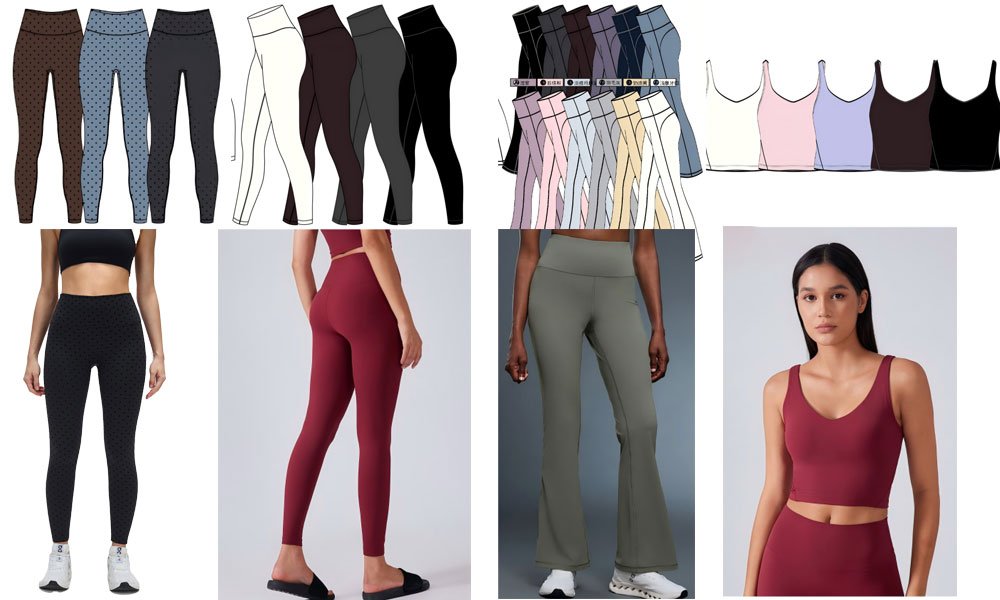
Athletic Leggings Manufacturer for Technical Development and Scalable Production
Develop athletic leggings through fabric, fit, seamless or cut-and-sew engineering, approved sampling and controlled bulk production under one MOVEVOX manufacturing system.
MOVEVOX works with established activewear brands and B2B buyers developing yoga, gym, training and performance leggings. Projects can begin from a Tech Pack, legal reference sample or defined product requirement, then move through fabric and structure review, sample approval, production control and bulk quality inspection before commercial delivery.

Italian Santoni equipment supports engineered seamless leggings with rib, texture, mesh and localized structural zones.
Core garment equipment supports pattern-based leggings, pockets, panel construction and stretch-activewear sewing operations.
Standard sample development normally takes approximately five to ten working days after executable development details are confirmed.
Current normal managed monthly delivery capability includes MOVEVOX's own manufacturing resources and controlled production network.
Built for Brands With Serious Leggings Programs
MOVEVOX is best suited to buyers treating leggings as an ongoing product category rather than a one-time stock purchase. The strongest projects combine clear product direction with formal sampling, bulk approval and repeat-order potential.
Established Activewear Brands
Established activewear brands usually arrive with existing fit language, target consumers, sales channels and product standards. They may already have a Tech Pack or reference style and need a manufacturer capable of translating these requirements into repeatable production. MOVEVOX can support fabric review, pattern or seamless development, sampling, private-label execution, quality control and repeat orders under one project structure.
- Existing leggings specifications need a new manufacturing partner.
- Fit and fabric consistency matter across repeated production seasons.
- New colors or structures require controlled development before bulk.
- Supplier capability must support both trial and scale-up orders.
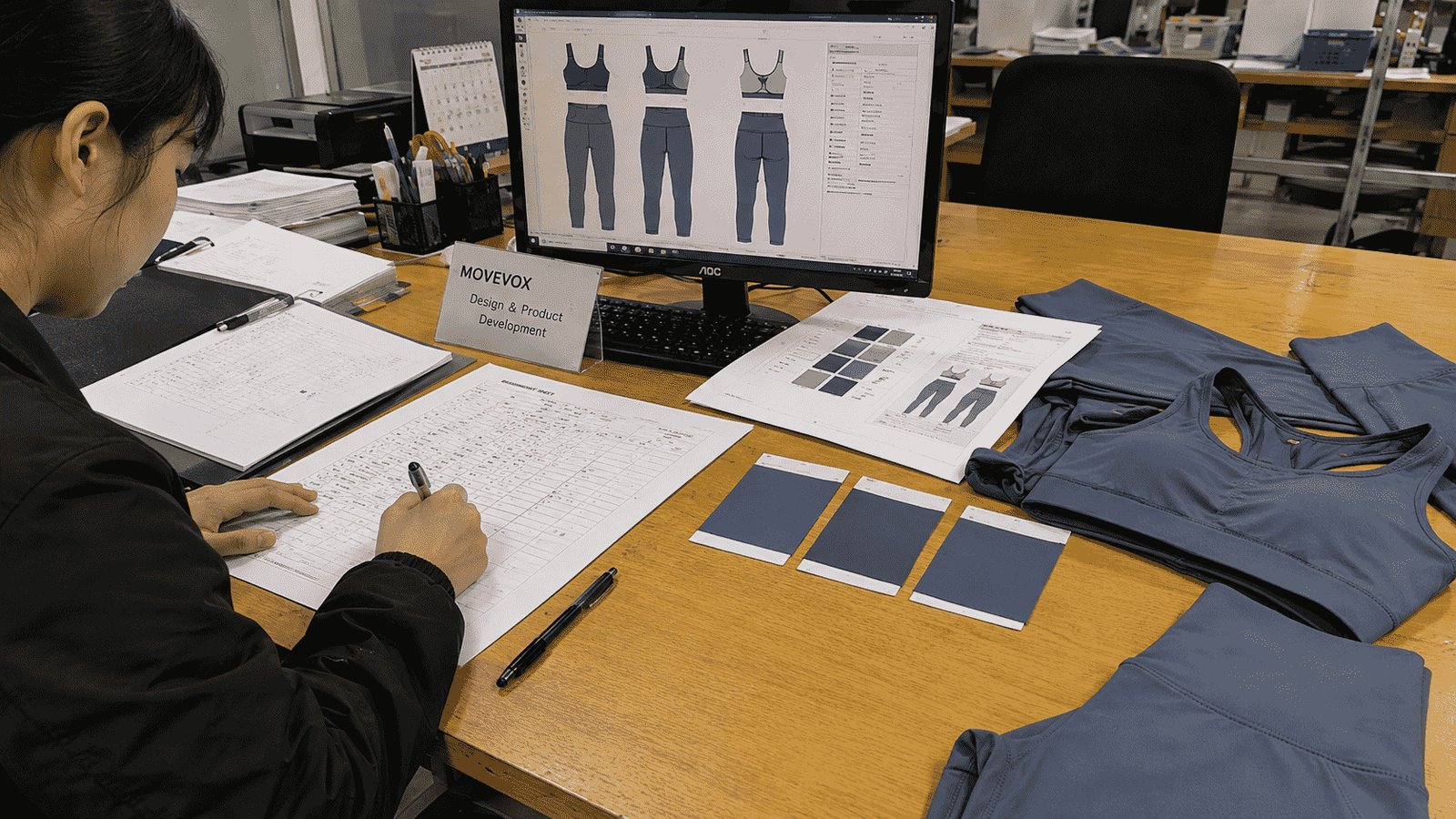
Yoga and Studio Brands
Yoga, Pilates and studio brands often prioritize softer hand feel, high stretch, controlled opacity, stable waistbands and a clean close-to-body fit. MOVEVOX's leggings development capability covers seamless and cut-and-sew routes, including high-waist, V-waist, no-front-seam, ribbed, textured, brushed, naked-feel and different support directions, subject to project-specific development and approval.
- Soft hand feel must still maintain useful stretch recovery.
- Waist stability matters during bending and repeated movement.
- Light colors require independent opacity and fit verification.
- Collection consistency may extend across leggings, shorts and bras.
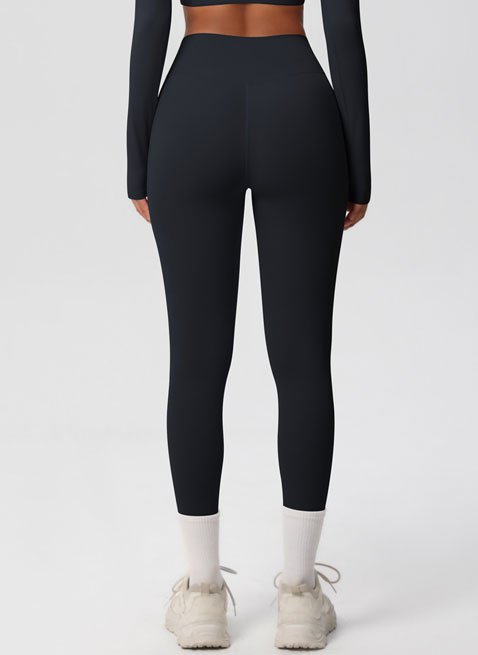
Gym and Training Brands
Training-oriented leggings can require greater structural support, higher recovery, secure waist fit, pocket functionality and controlled coverage during repeated movement. MOVEVOX can evaluate compression-oriented materials, seamless zones, cut-and-sew panels, pockets and glute-contour structures according to the intended training use rather than assuming one construction works for every athletic application.
- Support should not remove necessary freedom of movement.
- Pocket loading must be tested against fit and garment balance.
- High-stretch areas require seam and recovery verification.
- Performance language must remain within actual product evidence.
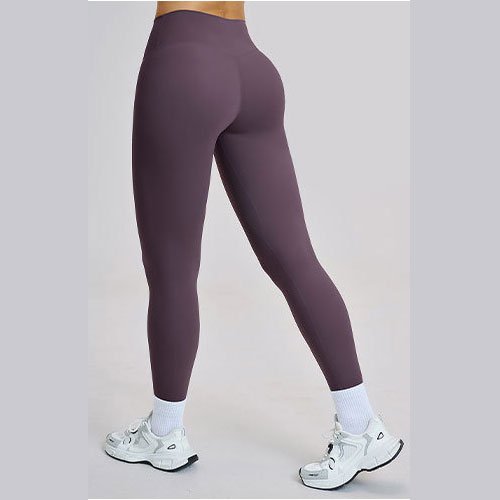
Second-Source Programs
Brands adding a second leggings manufacturer may already have approved specifications and an established product. MOVEVOX can review the existing Tech Pack, measurement chart, legal reference sample, fabric direction and construction before developing a comparison sample. The objective is to determine whether the style can be reproduced through MOVEVOX's manufacturing system before larger sourcing allocation decisions are made.
- Existing approved standards can become the development reference.
- Actual manufacturing route is reviewed before commercial commitment.
- Trial sampling can precede larger supplier allocation decisions.
- Factory and quality verification can support vendor qualification.
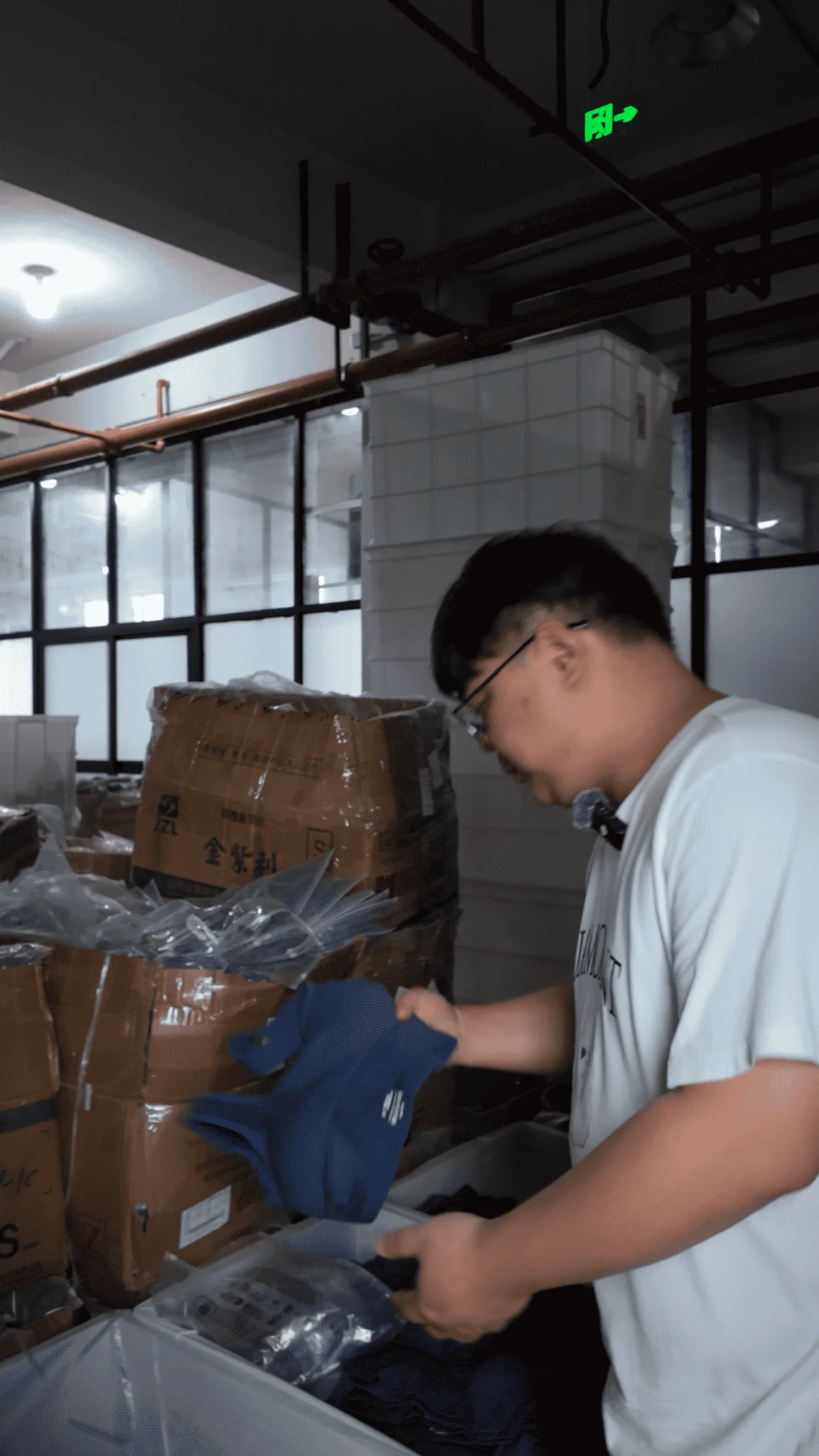
What Makes an Athletic Leggings Manufacturer Technically Relevant?
An athletic leggings manufacturer should control more than garment assembly. The product depends on fabric stretch and recovery, waist-to-hip fit, rise, inseam, opacity, seam or knitted structure, sample approval and bulk measurement control.
Product Engineering
Athletic leggings are close-fitting performance garments. Waistband dimensions, front and back rise, hip fit, inseam, leg opening and negative ease interact with the selected material and intended activity.
Material Compatibility
Fabric composition alone does not define performance. GSM, knitting structure, stretch, recovery, surface finish, color and garment fit all influence coverage, comfort and dimensional stability.
Manufacturing Route
Seamless leggings are developed through yarn, knitting programs and engineered structures. Cut-and-sew leggings rely on fabric, pattern, cutting, sewing construction and controlled garment measurements.
Approval Discipline
An acceptable development sample is not enough by itself. Approved measurements, material direction, production references and quality checkpoints must move together into commercial bulk production.
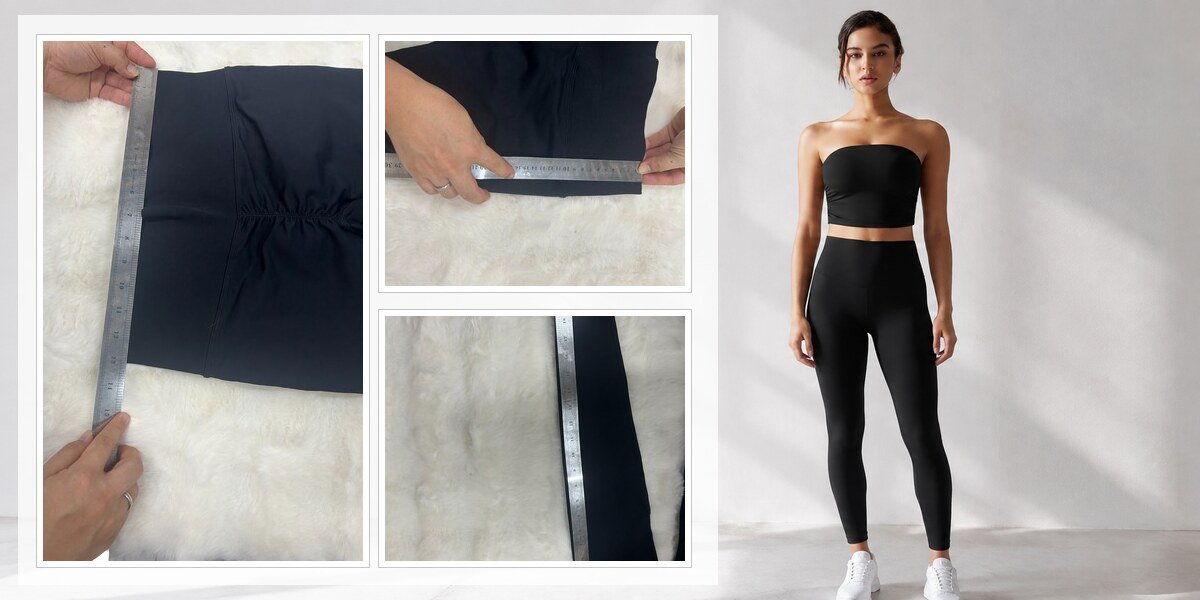
Choose Leggings Structures Around Use and Brand Positioning
MOVEVOX develops leggings through both Seamless and Cut & Sew manufacturing. Structure selection should follow intended activity, fit, material and brand direction rather than choosing features only from visual references.

High Waist
A higher waistband increases torso coverage but still requires correct rise, waist-to-hip balance and material recovery to remain stable during movement.
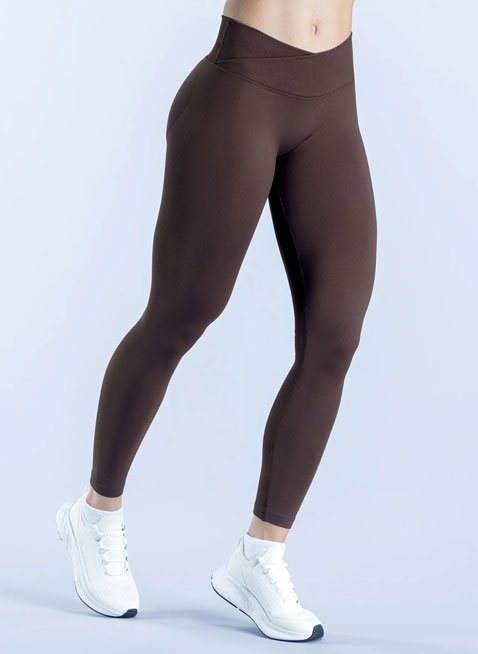
V Waist
V-shaped waistlines create a different front or back visual line and require careful symmetry, pattern or knitted-structure control and fit validation.
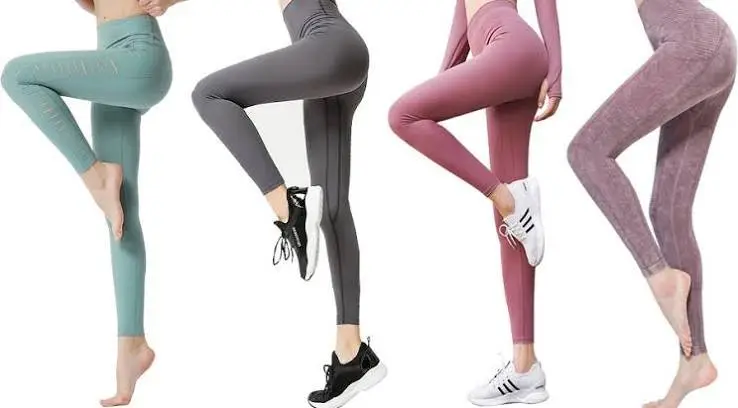
Cross Waist
Cross-waist structures add overlapping visual construction and are generally evaluated for edge stability, symmetry, stretch balance and movement behavior during sampling.
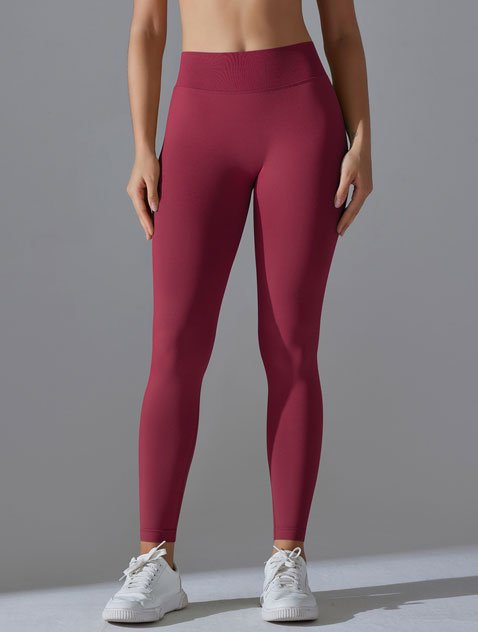
No Front Seam
Removing a front center seam changes how rise, crotch space, stretch and front coverage work together; final comfort and appearance require fit verification.
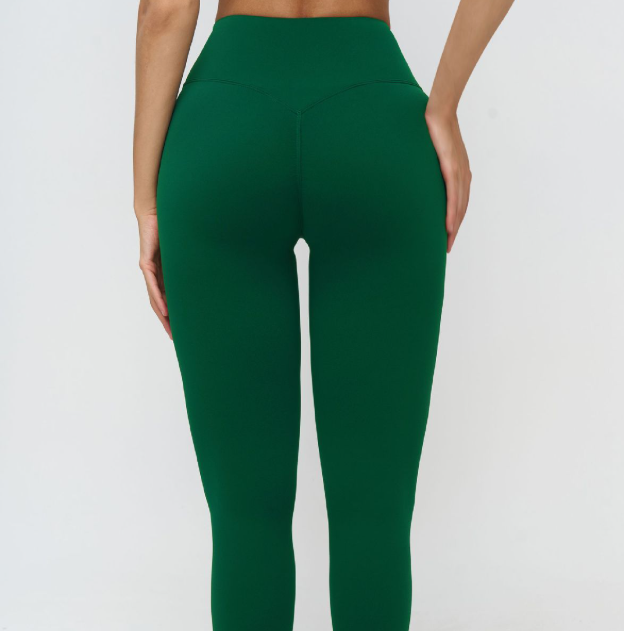
Glute Contour
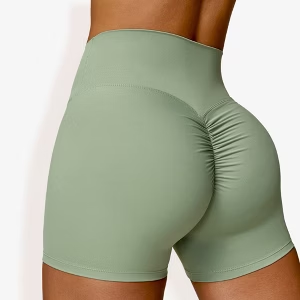
Contouring may use knitted density, texture, back-yoke shaping or curved seams to influence visual lines without making unsupported claims about changing body structure.
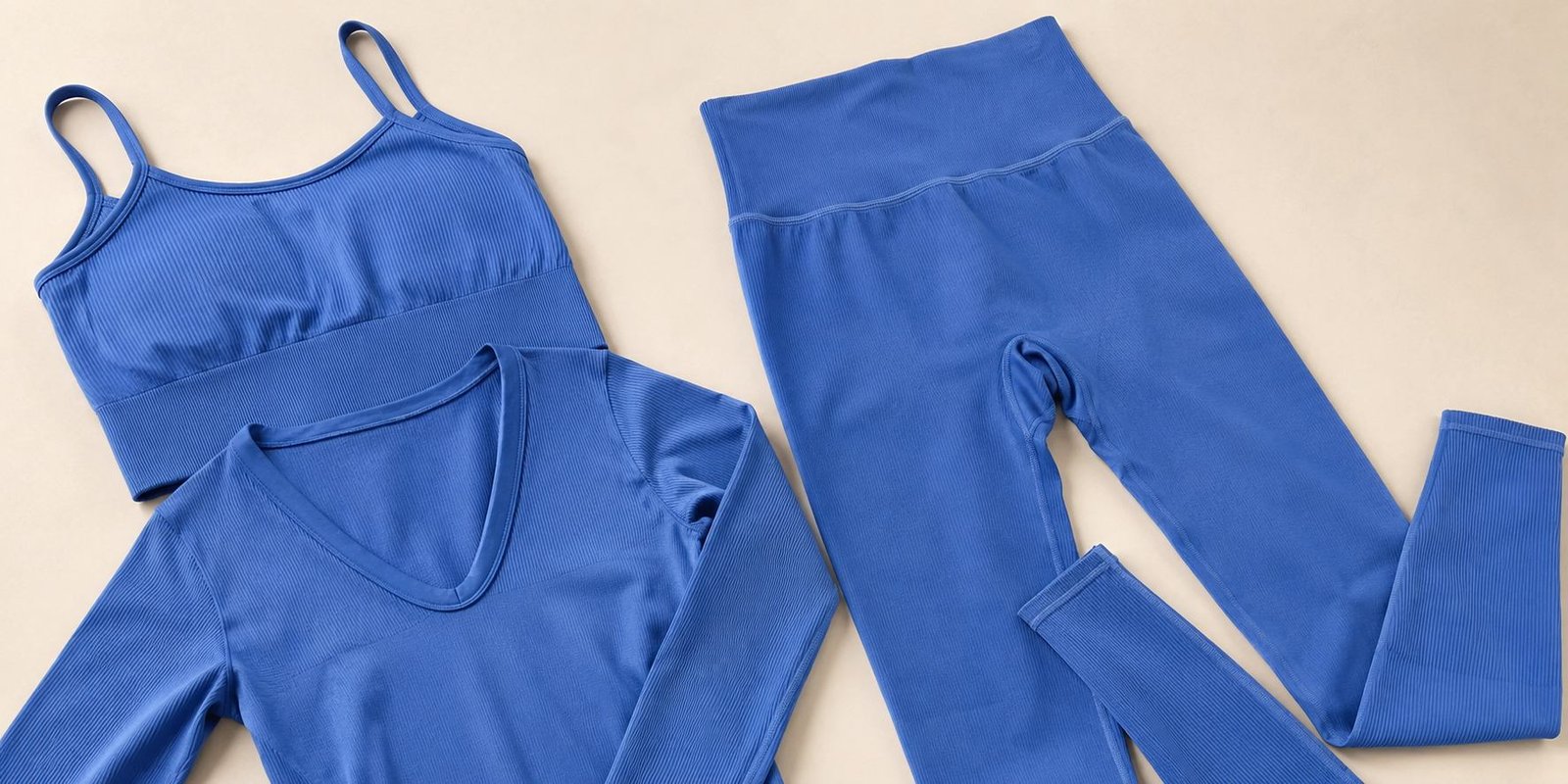
Pocket Leggings
Side, waistband or back-waist pockets can be integrated when storage requirements, fabric stretch, pocket load and garment balance are considered during development.

Ribbed Texture
Ribbed or textured structures can add visual differentiation and localized feel, but changes in structure also affect stretch, recovery, thickness and opacity.
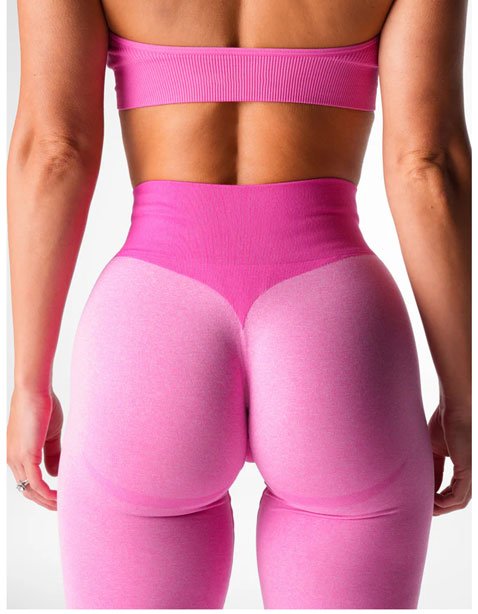
Compression Direction
Higher-support leggings can use higher-recovery fabric, tighter fit or seamless structural zones, while remaining non-medical unless specific pressure evidence supports another claim.
Engineer Waistbands for Stability, Fit and Brand Silhouette
A waistband is controlled through height, upper and lower circumference, rise, waist-to-hip ratio, material stretch and recovery. Visual height alone does not determine whether the waistband stays stable during movement.
High Waist
High-waisted leggings increase coverage above the natural waist area, making waist height, front and back rise and lower-waist circumference important development variables. If the waistband is simply made taller without matching the hip-to-waist relationship, the garment can still slide, fold or create pressure. MOVEVOX can develop high-waist structures through Seamless or Cut & Sew routes and verify waist height, symmetry, stretch and recovery during sampling.
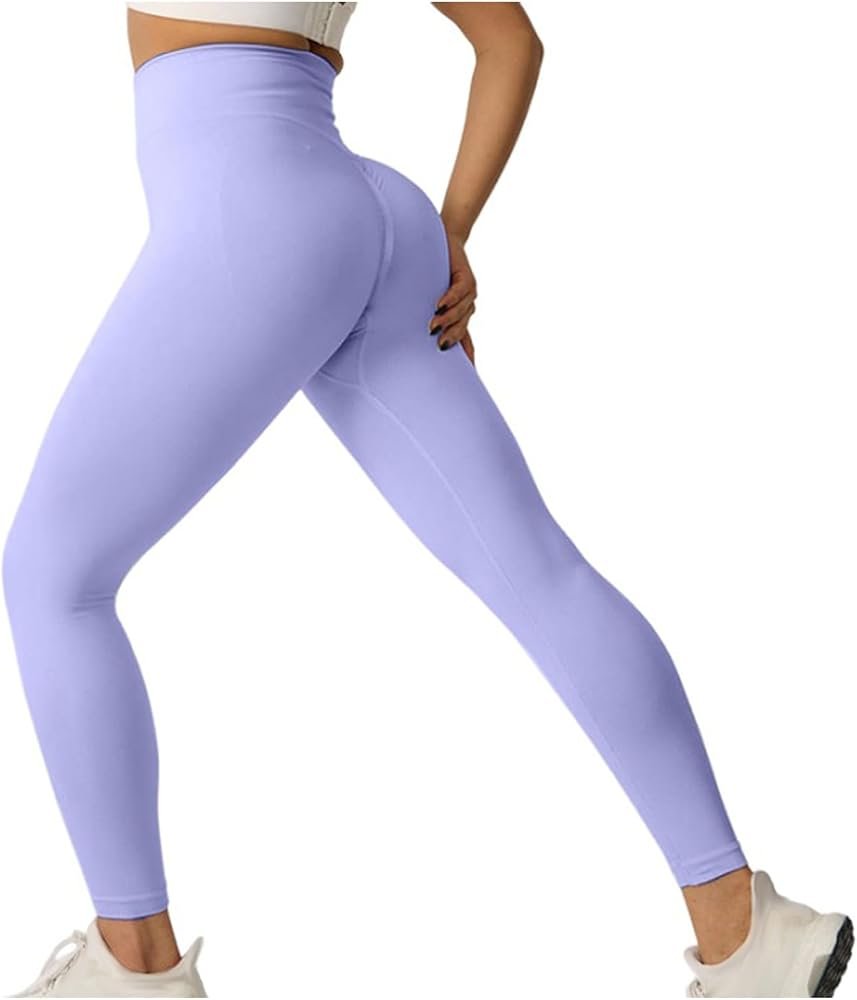
Ultra High Waist
Ultra-high waist structures extend coverage further and therefore amplify any mismatch between torso shape, rise and material recovery. The upper edge must remain secure without creating excessive pressure, while the lower waistband needs enough compatibility with the hip and abdominal area. Development should include actual fit review rather than relying only on flat measurements. Final dimensions and tolerances follow the customer's approved measurement specification.
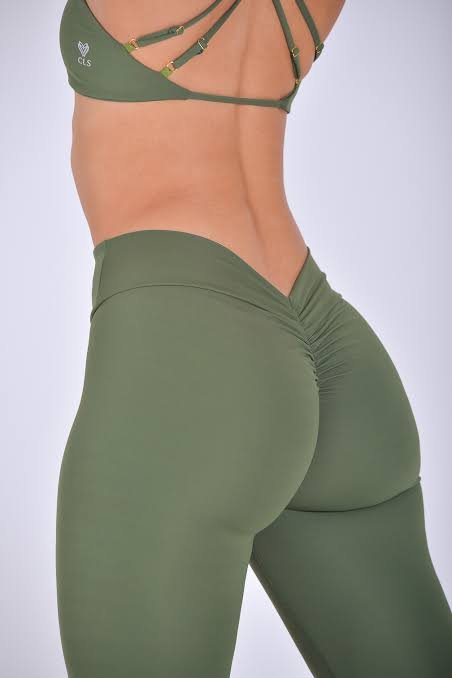
V Waist
A V-shaped waist can create a different front or back silhouette and may be implemented through cut-and-sew pattern shaping or suitable seamless structure development. Symmetry is especially important because even a small left-right shift is visually obvious. MOVEVOX reviews the V depth, center position, rise relationship, edge stability and material recovery before the design becomes the approved production standard.
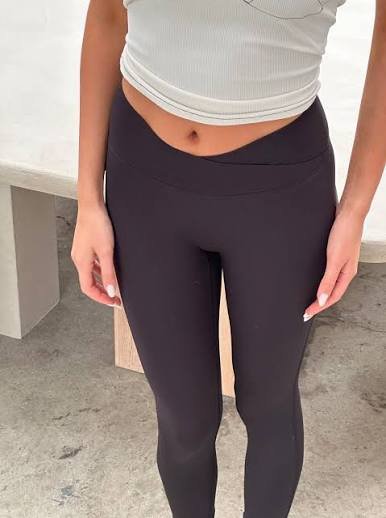
Cross Waist
Cross-waist designs introduce overlapping or intersecting pattern sections around the waist. The structure must balance visual direction with stretch, seam stability and body movement so that overlap areas do not twist or distort. Cut-and-sew construction generally provides greater freedom for complex intersecting shapes, while the final route depends on the customer's design and material. Sampling should verify symmetry, edge behavior and pressure.
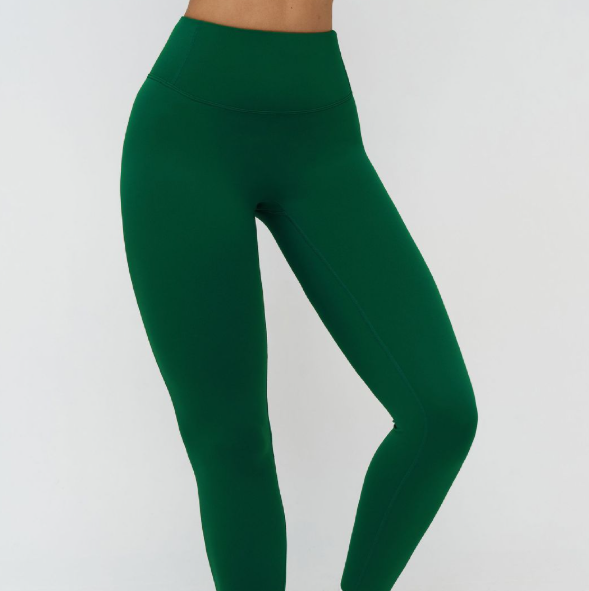
Straight Waist
A straight or clean waistband offers a simpler visual line but still depends on controlled circumference, rise, recovery and waistband height. It can be executed in both seamless and cut-and-sew leggings. The apparent simplicity makes dimensional consistency especially important because uneven height, twisting or loose upper edges are easy to identify. MOVEVOX checks the approved waist dimensions and symmetry during production.
Structured Waist
Higher-support waistbands can use denser seamless structures, higher-recovery materials or layered cut-and-sew construction. The objective is controlled support rather than maximum tightness. Excessive restriction can reduce movement comfort or create visible pressure. MOVEVOX evaluates the intended support direction through material, dimensions and physical samples, and does not present sports waist compression as a medical-pressure claim without appropriate evidence.
No-Front-Seam Leggings Require More Than Removing One Seam
No-front-seam construction changes how front rise, crotch space, stretch, coverage and body movement work together. The design can create a cleaner front appearance, but the result still depends on fabric, fit and physical wear testing.
Engineer the Front Rise Around Fit and Movement
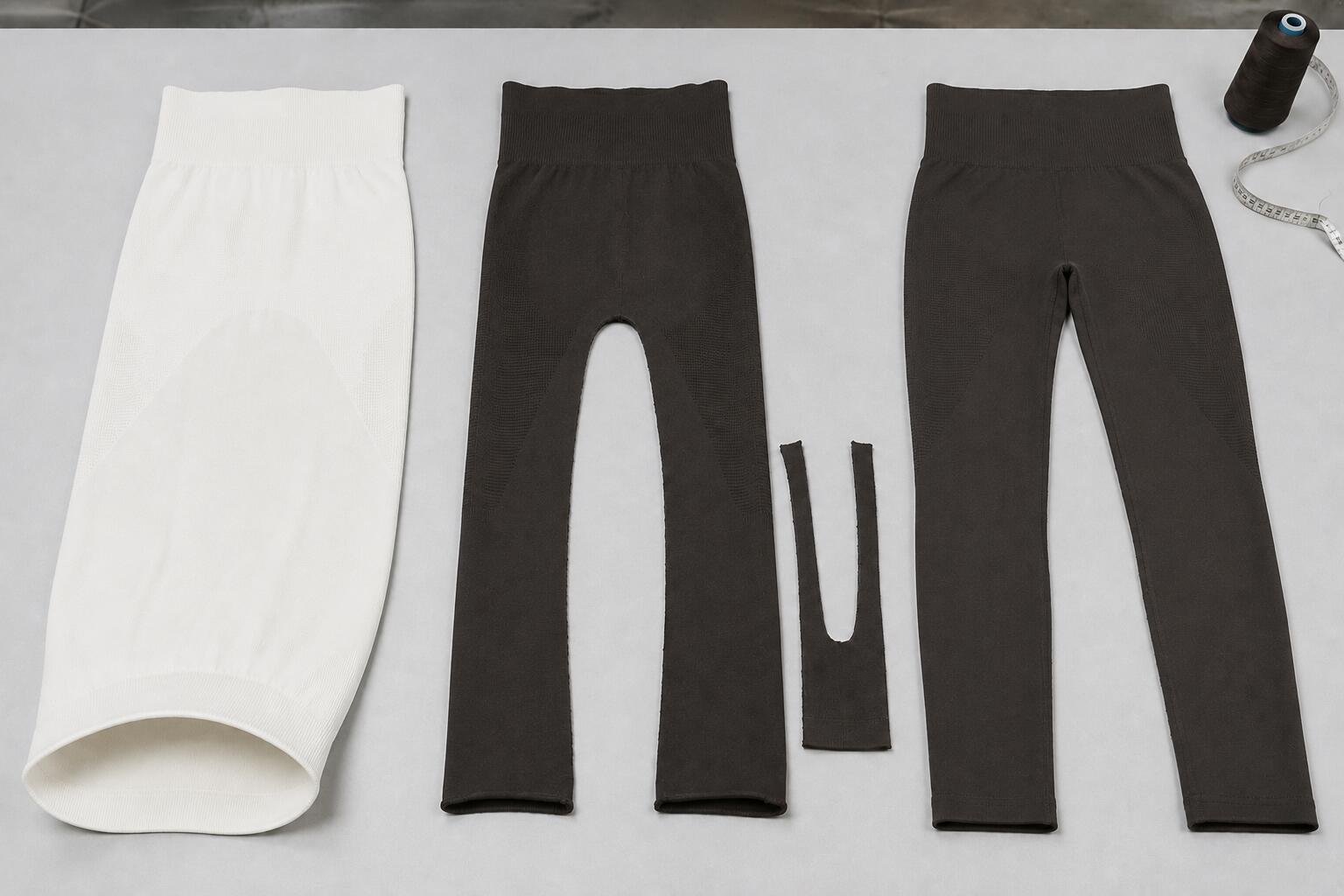
A conventional leggings pattern often uses a center-front seam to help form the front rise and crotch curve. Removing that seam changes the way shape is created, so the product cannot simply be redrawn as one flat front piece without reviewing the total fit system.
- Front rise: enough vertical and anatomical space is required for the intended fit.
- Hip and crotch relationship: front fit must be reviewed with hip circumference, back rise and crotch depth.
- Fabric stretch: stretch does not compensate for poor pattern balance; recovery and opacity also matter.
- Gusset strategy: a gusset or alternative crotch structure may support movement without restoring a visible center-front seam.
- Wear validation: samples are reviewed for front appearance, crotch comfort, opacity and movement stability without absolute body-anatomy guarantees.
Choose Seamless or Cut-and-Sew by Product Structure
MOVEVOX can develop no-front-seam leggings through both manufacturing systems, but the engineering logic is different.
- Seamless route: Santoni knitting forms a tubular or shaped garment structure through yarn, program, organization and localized density while accounting for size, crotch space, hip shape and stretch.
- Cut-and-sew route: pattern engineering controls front rise, crotch contour, gusset construction, panel direction and fabric negative ease, with greater freedom for complex pockets or paneling.
- Fit review: squats, bends and lunges can expose pressure, pulling, opacity or crotch-fit issues that are not visible in static measurement.
- Bulk control: approved measurements, material, pattern or knitting program and sample reference become production controls.

Build Glute Contours Through Structure, Not Exaggerated Claims
MOVEVOX can develop visual contouring through seamless knitted structures or cut-and-sew shaping. The objective is controlled garment silhouette and supportive visual lines, not unsupported claims that clothing permanently changes body shape.

Knitted Contour
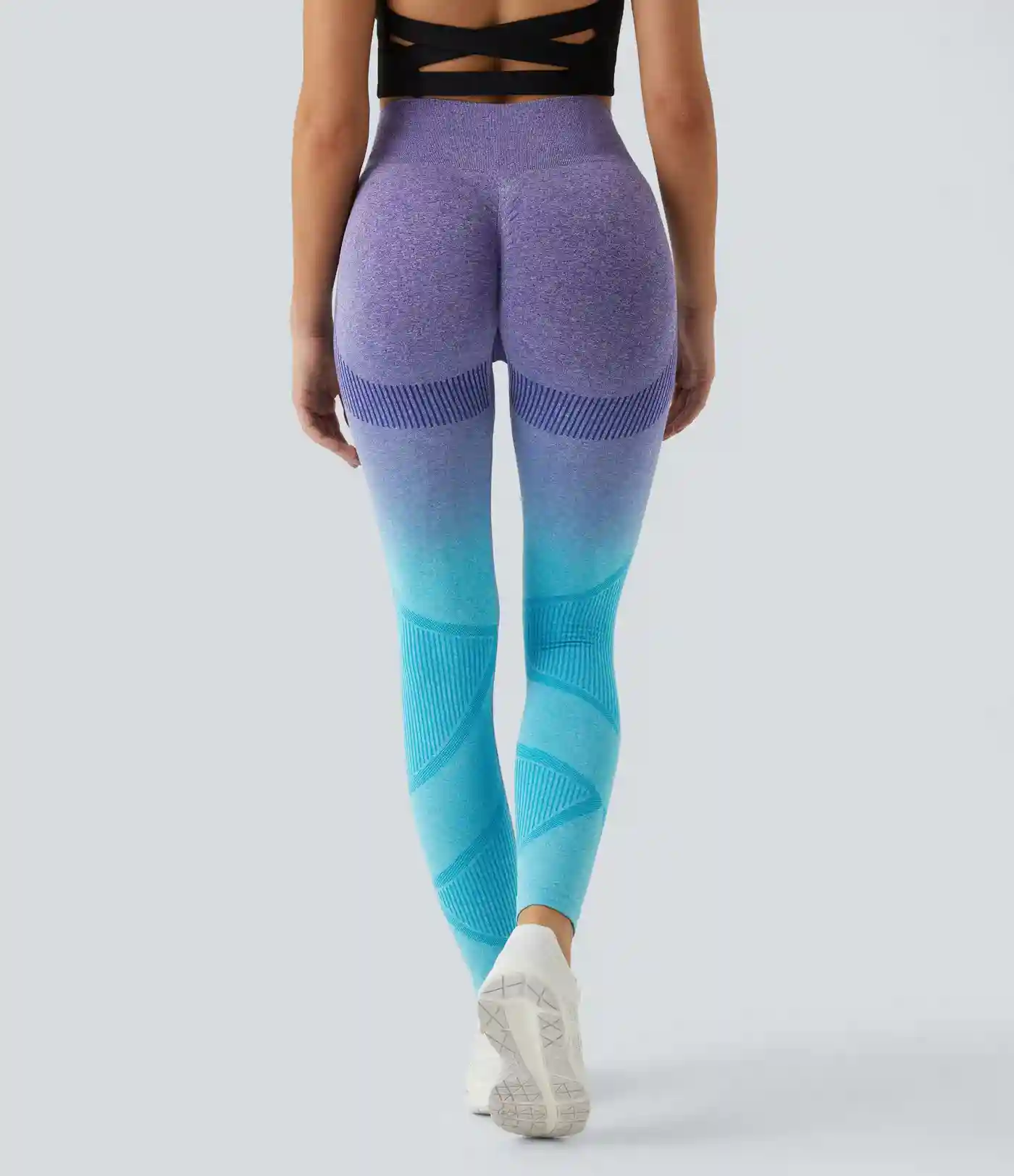
Seamless density or texture changes can create visual contour zones around the back body without adding separate fabric panels.
Back Yoke
A shaped cut-and-sew back yoke can influence visual proportions while allowing controlled pattern development and seam placement.
Curved Panels
Curved construction lines can follow the approved garment silhouette and create defined visual shaping across the back body.
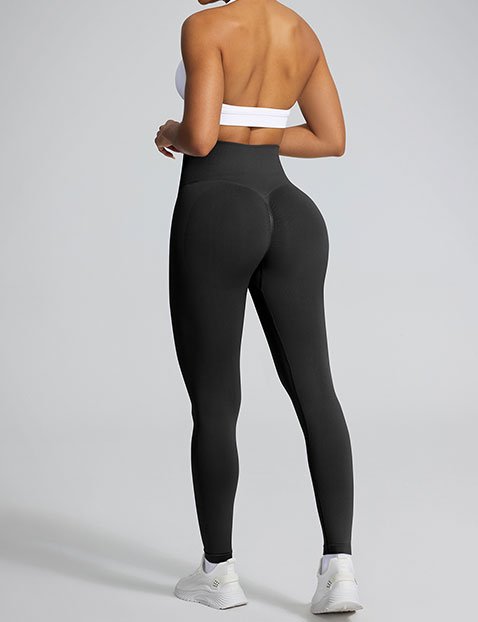
Center Scrunch
A controlled center-back structure can create stronger visual gathering, but positioning and tension require physical sample validation.
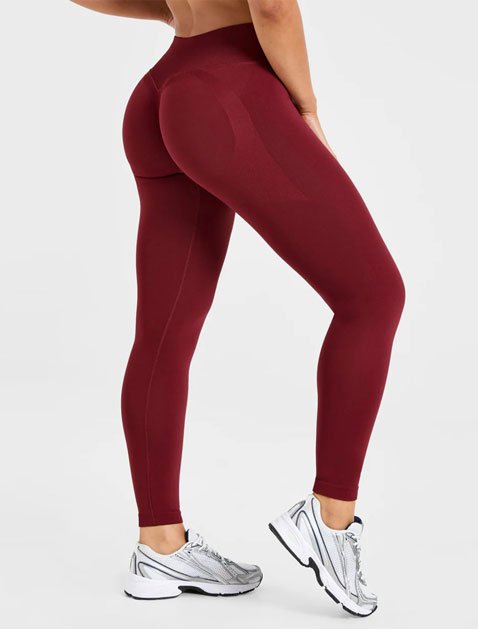
Under-Glute Zone
Seamless density or shaped seam lines can create an under-glute visual zone when aligned correctly with the intended fit.
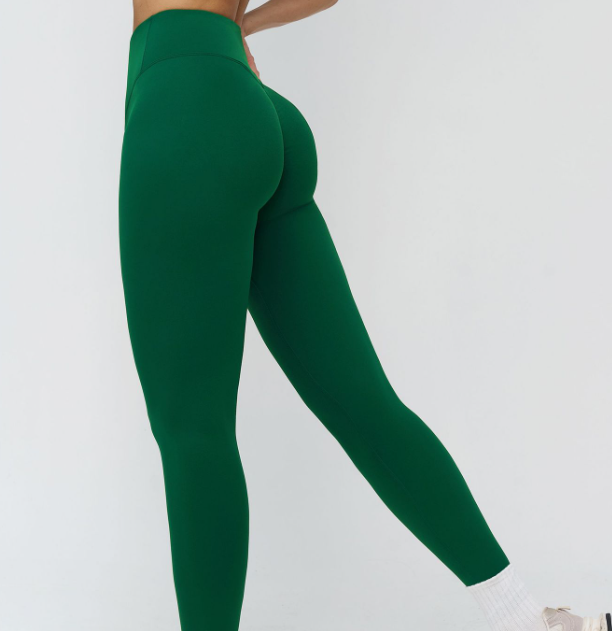
Smooth Contour
A cleaner back construction can rely primarily on pattern, fabric recovery and fit rather than highly visible shaping details.
Design Leggings Pockets Around Real Athletic Use
Pocket placement affects storage, garment balance, stretch and fit. MOVEVOX reviews what the wearer needs to carry, where the load sits and how the pocket interacts with fabric and movement.
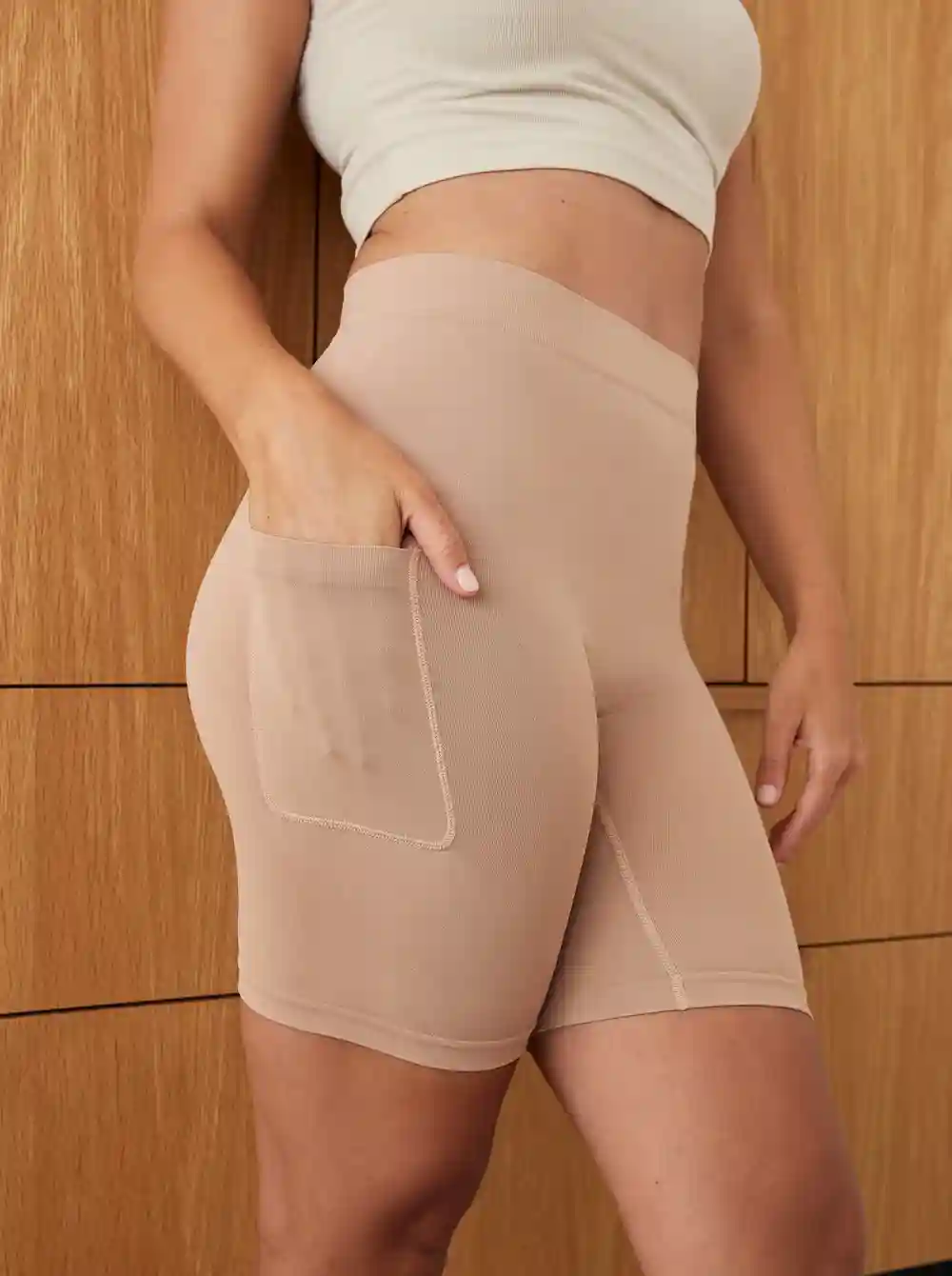
Side Phone Pocket
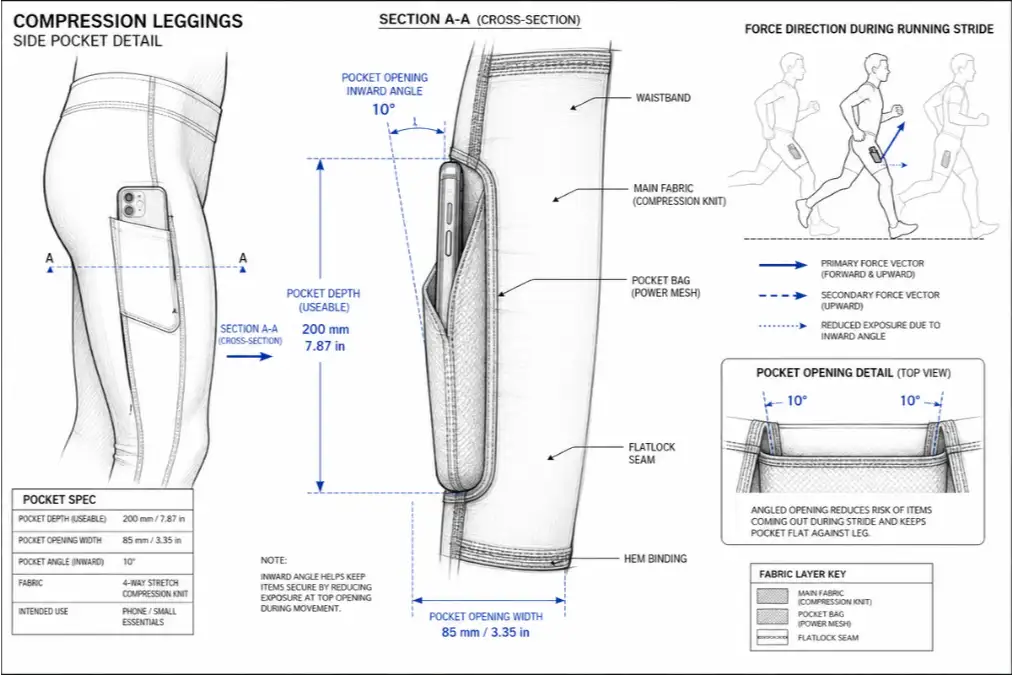
A side pocket can hold a phone or similar flat item while keeping access straightforward during training. The pocket opening, depth, fabric recovery and panel construction should prevent excessive sagging or movement without creating unnecessary bulk along the thigh. This structure is generally suited to cut-and-sew leggings where panel and pocket placement can be accurately controlled.
- Pocket depth should match the intended device or use.
- Opening recovery should remain stable after repeated insertion.
- Loaded fit should be checked during representative movement.
Related: Pocket Leggings
Waistband Pocket
A waistband pocket provides discreet storage for smaller items such as cards or keys. Because the pocket sits inside an area already responsible for waist stability, its opening, lining, seam position and contents must not distort the waistband or create excessive localized bulk. Physical sampling should confirm both storage function and the original fit of the waist structure.
- Pocket construction must preserve waistband stretch and recovery.
- Opening position should avoid uncomfortable concentrated pressure.
- Capacity should match the intended small-item storage use.
Related: Waistband Engineering
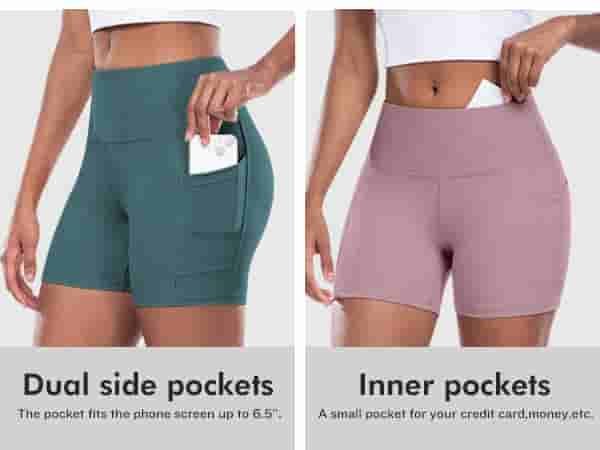
Back Waist Pocket
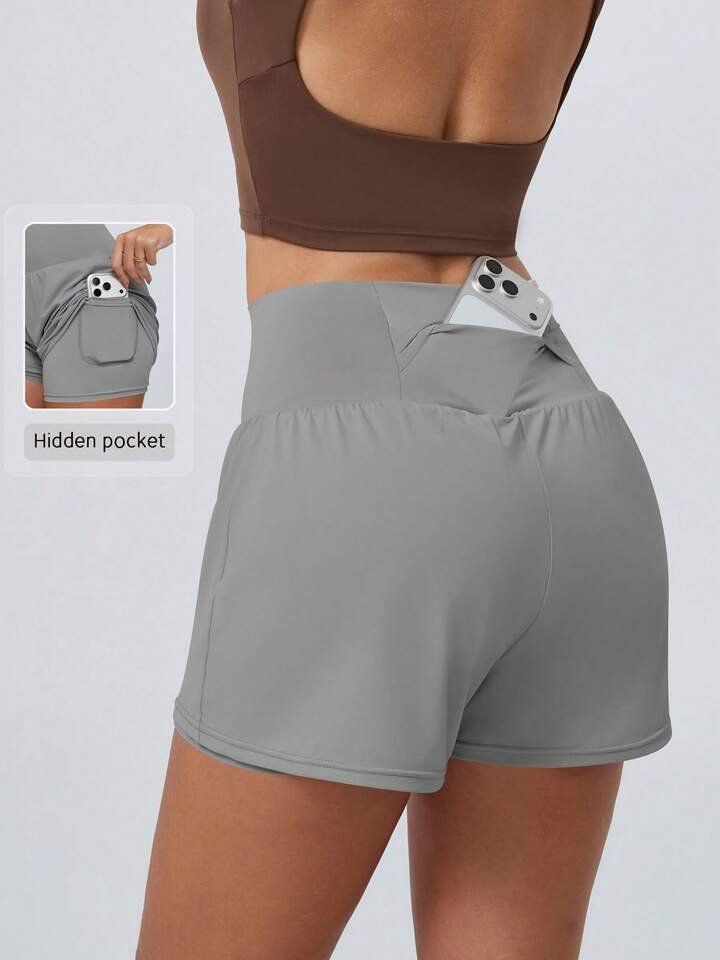
A back-waist pocket can keep small items centered around the rear waistband. Development needs to consider pocket height, closure method if any, access and interaction with back rise. A poorly positioned pocket can create visible bulging or affect the waistband during bending. MOVEVOX therefore treats the pocket as part of the fit system rather than an isolated accessory.
- Back-pocket location must follow the approved rise and waistband.
- Stored items should not destabilize the waistband during movement.
- Symmetry and opening dimensions require bulk inspection.
Related: Functional Waist
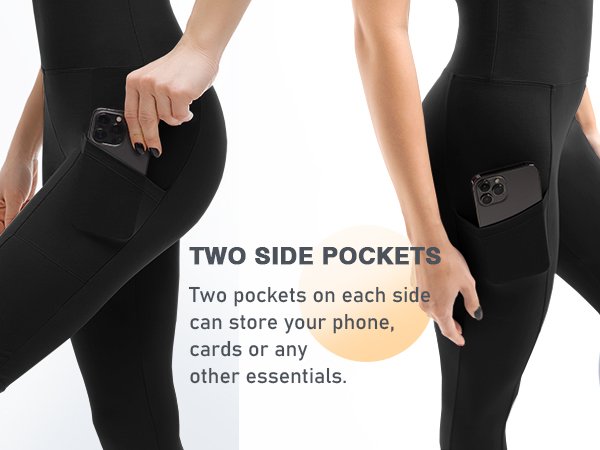
Dual Side Pockets
Dual side-pocket leggings can provide balanced storage on both legs, but they increase pattern complexity and require careful left-right symmetry. Pocket panels also change local stretch and may create more seam lines around the thigh. Fabric direction, panel dimensions, opening recovery and pocket position should therefore be verified through the approved sample before commercial production.
- Left and right pockets require consistent placement and dimensions.
- Panel stretch should remain compatible with the main fabric.
- Loaded pockets should not pull the garment out of balance.
Related: Training Leggings
Place Support Where the Leggings Actually Need It
MOVEVOX treats compression as a non-medical garment-engineering direction. Seamless density changes or cut-and-sew materials can create different support sensations by zone, but greater tightness is not automatically better performance.
Upper Waist
A denser waistband or higher-recovery construction can create a firmer waist sensation while keeping the approved stretch and garment dimensions.
Lower Abdomen
Localized structural density or layered construction can increase coverage and support sensation without a medical compression or therapeutic claim.
Side Waist
Side-waist zones can use seamless structural variation or cut-and-sew reinforcement while preserving lateral movement and garment symmetry.
Under Glute
Localized density, texture or shaped construction can establish a supportive visual boundary under the glute area when aligned with the approved garment fit.
Upper Thigh
Higher-recovery material or zoned seamless structure can create a firmer thigh sensation while movement freedom and visual whitening remain within the approved result.
Lower Leg
Calf and lower-leg zones can use different structural tension where the design requires it; defined pressure values require an appropriate dedicated test method.
Support zones should be developed together with size, material, stretch and movement requirements. Seamless compression can be created through yarn, elastic content, structure and local density, while cut-and-sew products may use higher-recovery fabrics, panel shaping or layered construction. MOVEVOX validates the physical sample for comfort, dimensions, recovery, appearance and movement before bulk approval.
Place Leggings Seams Around Load, Comfort and Visual Balance
Cut-and-sew seam position influences garment construction, stretch, friction, symmetry and appearance. MOVEVOX evaluates seam type and location together with fabric, pattern and intended movement instead of treating stitching as decoration.
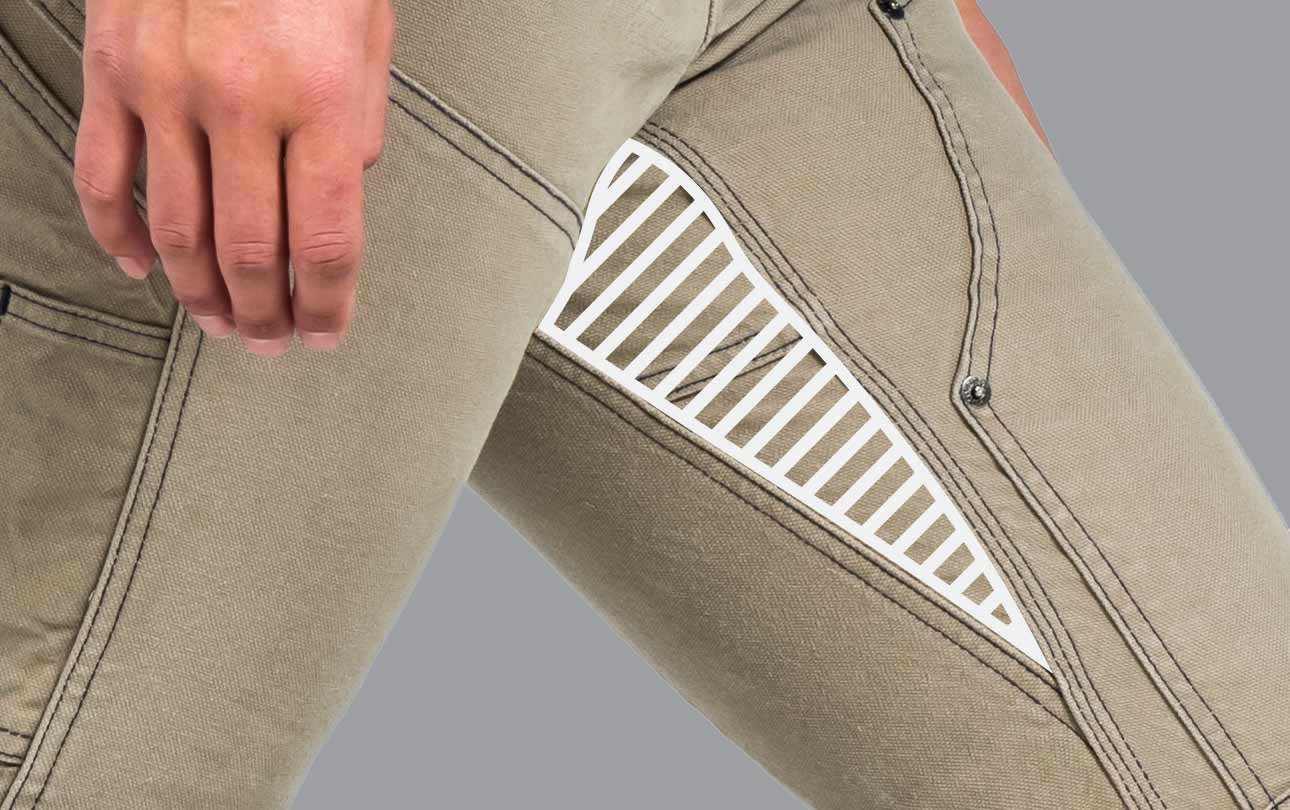
Inseam Construction
The inseam runs through a high-movement area and needs enough stretch and seam integrity for repeated bending and leg movement. Pattern balance, fabric direction and stitch configuration all influence whether the seam remains stable. During development, MOVEVOX reviews inseam alignment, crotch transition and movement comfort. Bulk inspection checks visible twisting, stitch quality and left-right consistency against the approved product.
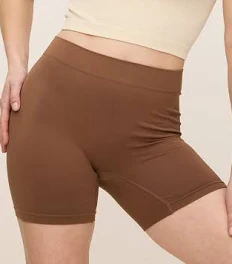
Flatlock Seam
Flatlock construction can reduce seam bulk and create a flatter surface on selected activewear areas. The seam still needs correct thread tension, width and fabric compatibility to remain stable when stretched. MOVEVOX can use flatlock in suitable leggings constructions and verifies appearance, stretch behavior and seam integrity through physical samples before using the approved configuration in bulk.
Side Seam
A side seam can support pockets, panel shaping, color blocking or conventional pattern construction. Its position influences visual line and panel balance, especially when the product includes stretch fabrics with different directions. MOVEVOX checks left-right placement, pocket alignment, seam consistency and garment symmetry during production so the side line remains consistent with the approved pattern.

Contour Seam
Curved or contour seams can create visual shaping around the waist, hip or glute area. Because these lines are deliberately visible, small positional differences can become obvious after stretching. Pattern shape, seam allowance, fabric recovery and size grading therefore require control. MOVEVOX verifies contour placement through samples and checks symmetry and seam alignment during commercial production.
Squat-Proof Performance Depends on More Than Fabric Weight
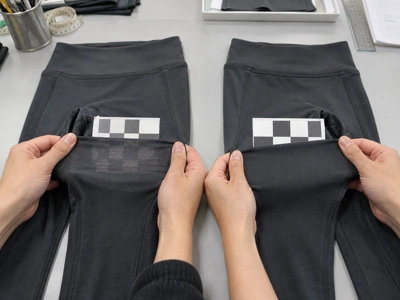
MOVEVOX treats opacity as the combined result of material density, color, GSM, stretch, garment dimensions and construction. No fabric should be described as absolutely opaque in every size, pose and lighting condition without supporting evidence.
Material Density
Denser structures can improve coverage under stretch.A higher-density Nylon/Polyester + Spandex construction can provide better visual coverage than a very light or open structure. MOVEVOX's opacity-oriented development range commonly sits around 210–290 GSM, but GSM alone does not establish squat-proof performance because color, stretch and garment fit still affect the result.
Approved material, standard stretch state and garment-level opacity review.
Color Selection
Dark colors are generally easier to manage for opacity.Black and other dark shades commonly provide more stable visual coverage than white, light pink, fluorescent or very pale colors using the same general material construction. MOVEVOX therefore treats light-color leggings as an independent verification case rather than assuming the performance of a darker approved color automatically transfers.
Color-specific material and finished-garment assessment.
Stretch Ratio
Excessive stretch can reduce effective fabric coverage.When a garment is stretched beyond the range expected during development, the knitted structure can open and the surface can visually whiten or become more transparent. Fabric elasticity therefore needs to be matched with actual garment dimensions and intended negative ease, especially across the hip and during deep flexion.
Material stretch, garment dimensions and wear-state review.
Garment Fit
Smaller sizing is not a reliable opacity solution.A fabric can perform acceptably in one size but become visibly overstretched if the same fit logic creates excessive tension on another body or size. MOVEVOX therefore connects opacity assessment with waist, hip, rise and size-set development rather than treating opacity as a material-only property.
Fit Sample, representative sizes and approved measurement standards.
Movement Verification
Static inspection does not represent athletic use.Leggings that look opaque when standing may behave differently during squatting, bending or stretching. MOVEVOX therefore treats movement-state review as part of development when opacity is a buyer requirement. Final criteria should follow the buyer's specified method when one is provided.
Approved sample under agreed movement and viewing conditions.
Control Waist-to-Hip Fit Across the Full Size Range
MOVEVOX does not apply one universal leggings size chart to every buyer. Waist, hip, rise and inseam values follow the customer's approved measurement specification, fit direction and grading rules for the actual product.
| Size | Waist | Hip | Inseam | Rise | Fit Standard |
|---|---|---|---|---|---|
| XS | Per approved spec | Per approved spec | Per approved spec | Per approved spec | Buyer approved |
| S | Per approved spec | Per approved spec | Per approved spec | Per approved spec | Buyer approved |
| M | Per approved spec | Per approved spec | Per approved spec | Per approved spec | Buyer approved |
| L | Per approved spec | Per approved spec | Per approved spec | Per approved spec | Buyer approved |
| XL | Per approved spec | Per approved spec | Per approved spec | Per approved spec | Buyer approved |
| XXL | Per approved spec | Per approved spec | Per approved spec | Per approved spec | Buyer approved |
Choose Leggings Fabric From Performance and Fit Requirements
MOVEVOX evaluates leggings materials by intended use, hand feel, support, GSM, stretch, recovery, opacity, color and construction. Material recommendations are development starting points; final standards come from approved fabric and garment samples.
1. What activity will the leggings support?
2. What hand feel is required?
3. What support direction is required?
4. What coverage risk exists?
5. Which manufacturing route applies?

Naked-Feel Nylon
For yoga, Pilates and low-to-medium support leggings, MOVEVOX can evaluate fine-denier Nylon + Spandex fabrics designed around soft hand feel, lower surface friction and four-way stretch. Typical internal development references are approximately 75–82% Nylon with 18–25% Spandex and around 200–240 GSM. Light-color opacity, snagging, heat-transfer marking and recovery still require project-specific validation.

High-Stretch Performance
For training or versatile athletic leggings, MOVEVOX can evaluate high-stretch Nylon/Polyester + Spandex materials with a typical internal development range of approximately 70–85% main fiber, 15–30% Spandex and around 180–280 GSM. High stretch is not treated as unlimited extension; recovery, seam integrity, whitening and waistband stability remain important development checks.

Compression Direction
For firmer training or support-oriented leggings, MOVEVOX can develop non-medical compression directions using higher-recovery fabrics or seamless structures. Cut-and-sew reference materials commonly fall around 65–78% Nylon/Polyester with 22–35% Spandex and approximately 230–320 GSM. Final support sensation depends on material, fit, construction and size; any defined pressure value requires dedicated testing.

Brushed Soft Fabric
For colder-season yoga, studio or soft training products, brushed high-stretch fabrics can provide a warmer and softer surface direction. MOVEVOX's typical internal development range is approximately 75–82% Nylon/Polyester with 18–25% Spandex and around 210–270 GSM. Pilling, nap direction, batch hand feel, color consistency and Logo-process compatibility should be verified before bulk.
Compare Leggings Fabrics Beyond the Fiber Percentage
The same Nylon/Spandex label can produce different fit and hand feel depending on GSM, knitting density, finishing, stretch and recovery. These ranges are MOVEVOX development references, not substitutes for approved batch specifications.
| Parameter | Nylon + Spandex | Polyester + Spandex | Naked Feel | Brushed | Compression |
|---|---|---|---|---|---|
| Reference Composition | 70–82% Nylon / 18–30% Spandex | 75–90% Polyester / 10–25% Spandex | 75–82% Nylon / 18–25% Spandex | 75–82% Nylon/Poly / 18–25% Spandex | 65–78% Nylon/Poly / 22–35% Spandex |
| Reference GSM | 190–280 | 160–250 | 200–240 | 210–270 | 230–320 |
| Stretch Direction | Four-way, high | Four-way, medium-high | Four-way, high | Four-way, medium-high | Four-way, strong |
| Recovery Reference | 90–95%+ | 88–94%+ | 92–96%+ | 90–95%+ | 92–97%+ |
| Hand Feel | Smooth to project-defined | Project-defined | Soft / smooth | Soft / brushed | Firm |
| Opacity | Project validation | Project validation | Light colors require review | Project validation | Generally denser; verify |
| Surface Risk | Batch / finish dependent | Finish dependent | Snag / surface marking | Pilling / nap direction | Whitening / excessive pressure |
| Best Use | Yoga / Training | Training / Running | Yoga / Pilates | Yoga / Seasonal | Training / Support |
| Manufacturing Route | Cut & Sew | Cut & Sew | Cut & Sew | Cut & Sew | Cut & Sew / Seamless equivalent |
| Final Standard | Approved fabric | Approved fabric | Approved fabric | Approved fabric | Approved fabric |
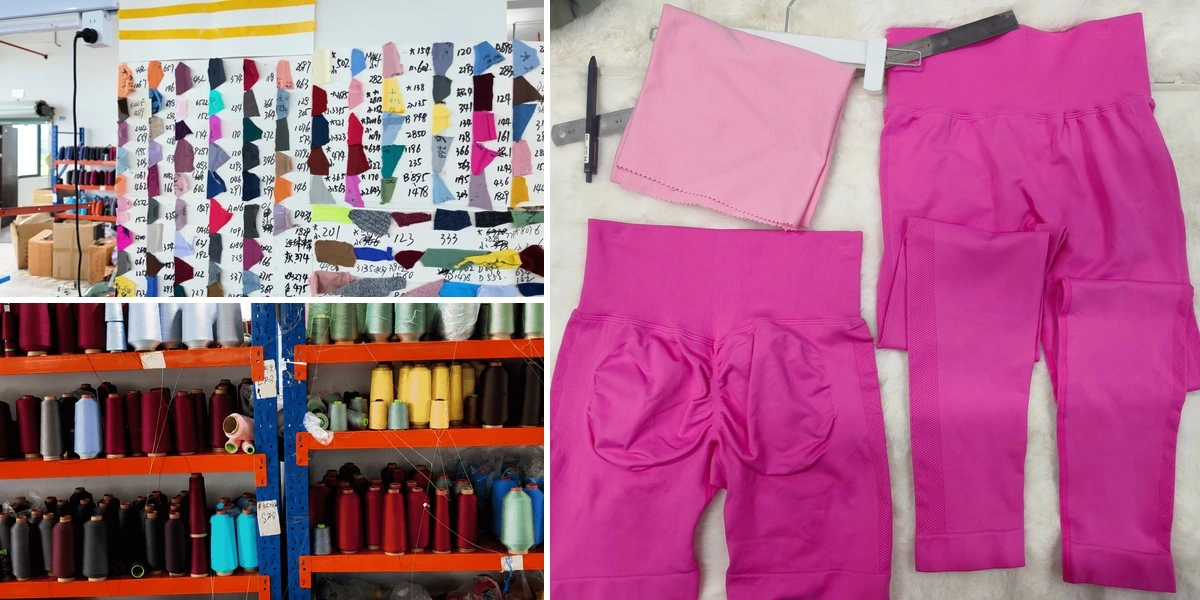
Balance Stretch With Recovery for Long-Term Leggings Fit
High elasticity helps movement, but leggings also need enough recovery to return toward the approved dimensions after extension. MOVEVOX therefore evaluates stretch and recovery together rather than promoting Spandex percentage alone.
Naked Feel
Naked-feel materials prioritize soft touch, low friction and close-to-body comfort. MOVEVOX's engineering reference range commonly targets approximately 92–96%+ dimensional recovery after release under internal development conditions, but any formal buyer requirement must use the buyer's specified test method, cycles and pass criteria.
Stretch: High Recovery: High reference direction Use: Yoga / Pilates
Nylon Performance
Nylon + Spandex performance materials can balance stretch, coverage and recovery across multiple leggings programs. Internal engineering references typically target approximately 90–95%+ recovery. Final behavior still changes with fabric construction, finishing, GSM and garment negative ease, so the approved material and finished sample remain the commercial reference.
Stretch: High Recovery: High reference direction Use: Yoga / Training
Brushed Performance
Brushed materials can maintain useful elasticity while adding softer surface feel, but finishing can affect recovery, pilling, hand feel and dimensional behavior. Internal development references commonly sit around 90–95%+ recovery. MOVEVOX also checks nap direction, batch consistency and Logo-process compatibility before approving the material for bulk.
Stretch: Medium-high Recovery: High reference direction Use: Yoga / Seasonal
Compression Direction
Compression-oriented materials use higher elastic content and stronger recovery as one part of the support system. Internal development references may reach approximately 92–97%+ dimensional recovery, but MOVEVOX does not convert this engineering reference into a medical-pressure claim. Final fit, comfort and support remain dependent on the complete garment structure.
Stretch: High Recovery: Strong Use: Training
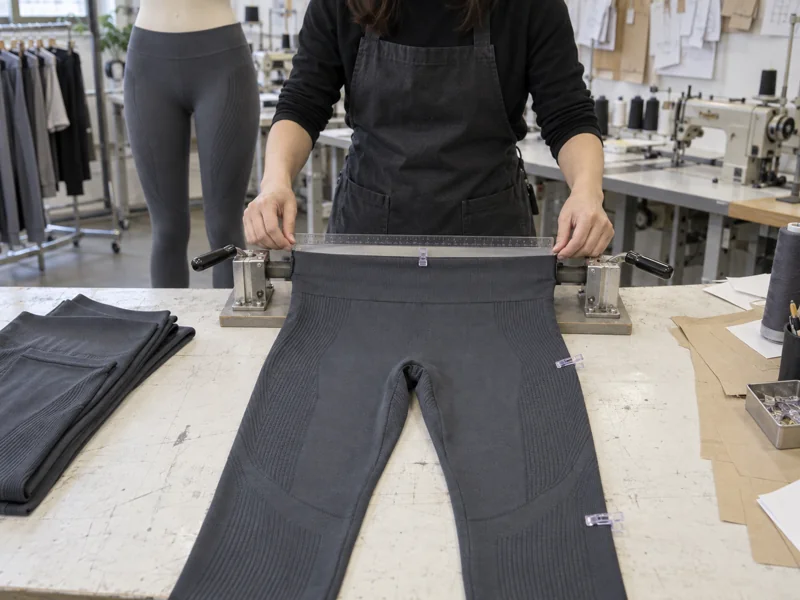
Pattern Engineering Connects Leggings Design With Repeatable Fit
Cut-and-sew leggings depend on pattern, fabric behavior and grading working together. MOVEVOX uses professional pattern-making capability to carry the approved development direction from the first sample into representative sizes and commercial bulk.
Technical Input Review
Pattern development begins with the customer's Tech Pack, measurement chart, legal reference sample or confirmed development brief. The pattern team reviews waist and hip relationships, front and back rise, inseam, leg opening, waistband construction, pocket or panel positions and material stretch direction. Conflicts or missing measurements should be clarified before the pattern becomes the basis for an approved sample.
Fit and Revision
The first pattern is a development tool, not a permanent bulk standard. Fit Sample feedback can require changes to rise, waist, hip, inseam, crotch shape, panel positions or other measurements. MOVEVOX updates the pattern according to consolidated buyer comments and checks how each change interacts with fabric stretch and the rest of the garment rather than adjusting one measurement in isolation.
Grade and Bulk Lock
After the base fit is approved, size grading and representative Size Set review can confirm whether the fit language is maintained across the commercial range. Large sizes, specialized support and unusual fit programs can require dedicated grading logic rather than simple proportional enlargement. Final pattern versions, measurement specifications and approved samples become the reference for cutting and bulk quality control.
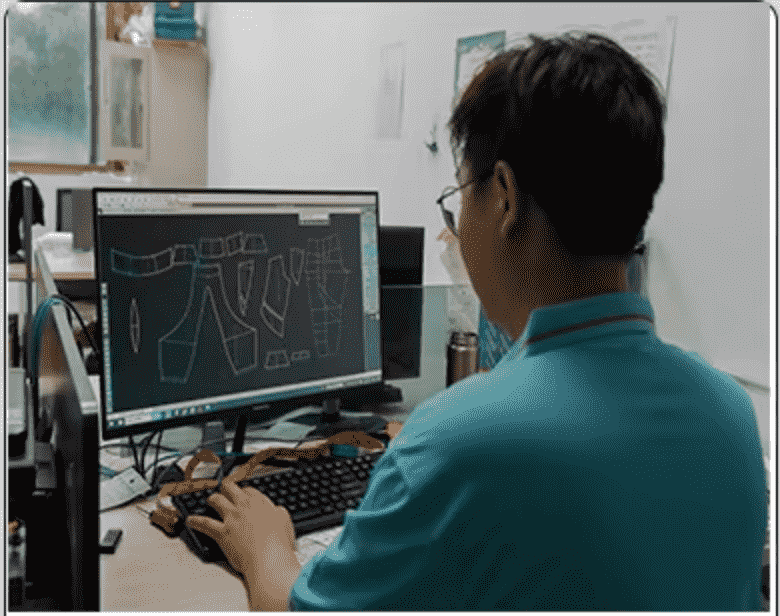
Choose the Manufacturing Route Around the Leggings Structure
Neither seamless nor cut-and-sew is automatically better. MOVEVOX uses both systems and recommends the route according to structure, material, fit, pockets, texture, volume and the buyer's approved product direction.

Seamless Leggings
MOVEVOX's seamless system uses 28 Italian Santoni machines and develops leggings through yarn, knitting programs, structural density and engineered zones. Seamless is particularly relevant when the design uses integrated rib, mesh, texture, jacquard or localized support without multiple conventional cut panels. Product dimensions still depend on yarn, program, size and finishing, so machine ownership alone does not guarantee stable bulk. Approved samples, program versions and yarn requirements need to remain controlled.
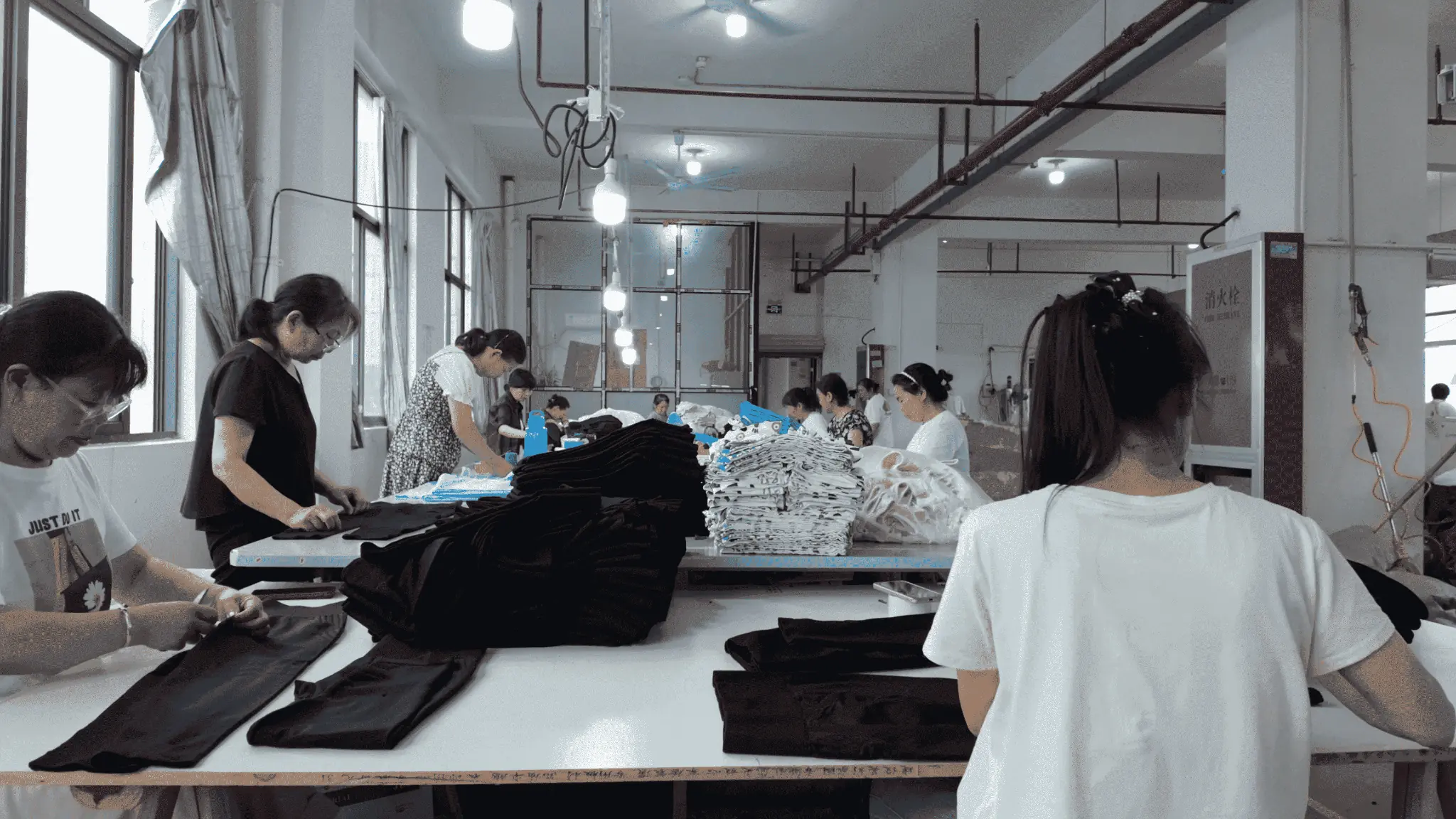
Cut-and-Sew Leggings
Cut-and-sew leggings begin with selected fabric, pattern, cutting and sewn construction. This route offers strong flexibility for side pockets, back-waist pockets, complex panel shapes, curved contour seams, color blocking, multiple fabrics and precise seam placement. MOVEVOX's core system includes approximately 24 garment-production machines and additional controlled capacity. Pattern version, fabric direction, seam construction, measurements and workmanship become the key production standards for bulk.
Engineer Seamless Leggings Through Yarn, Structure and Program Control
MOVEVOX uses Santoni circular knitting equipment to build leggings through yarn and programmed structures rather than cutting finished fabric into conventional panels. Each functional or visual zone must remain connected to the approved program and size.
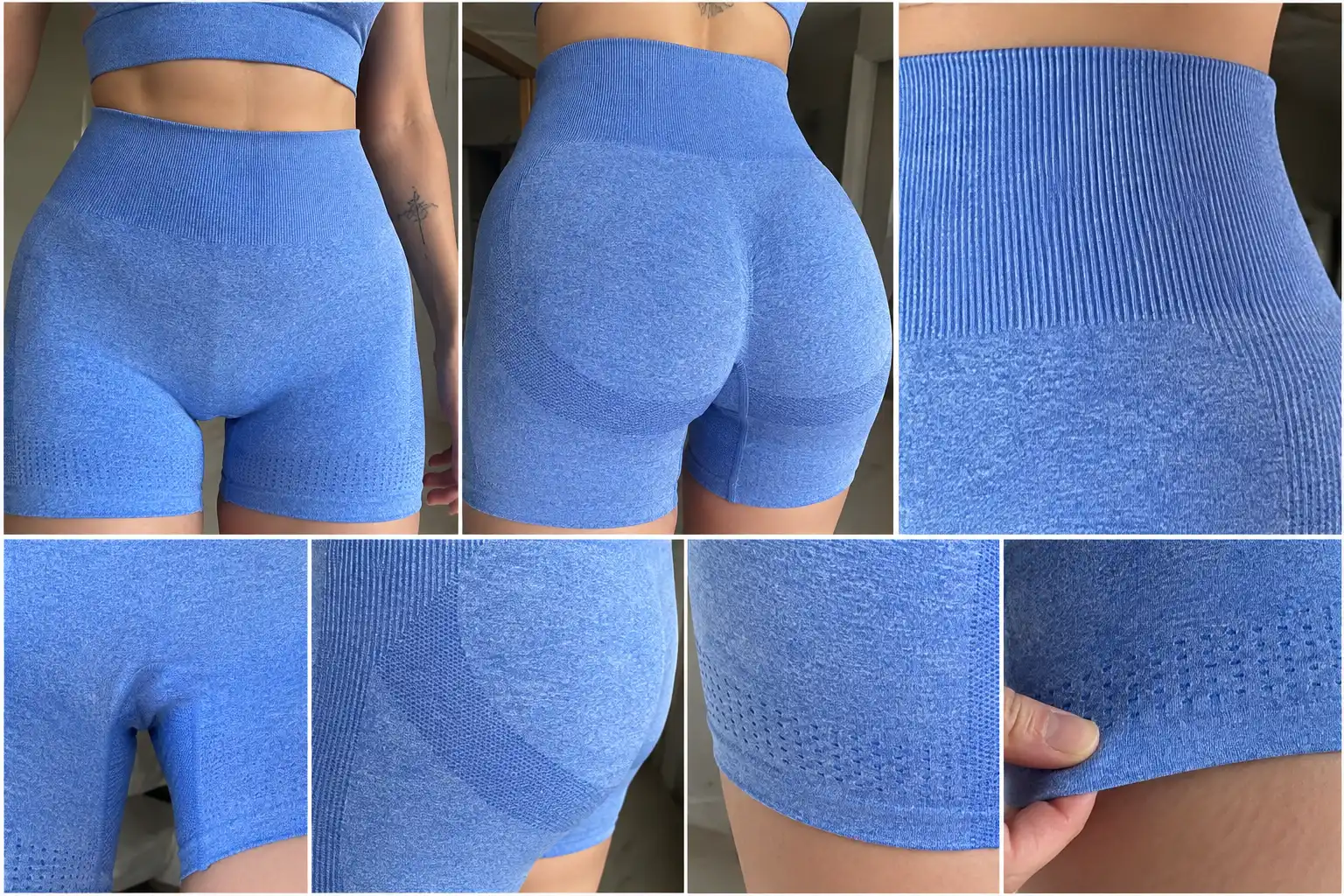
Waist Rib
Rib structure, elastic yarn and knitting density can create a more stable waistband sensation while keeping the approved stretch and garment dimensions.
Abdominal Density
Selected density changes can create a firmer local support sensation around the front waist without representing a medical compression or therapeutic claim.
Glute Contour
Texture, density and visual knitted lines can create contouring around the back body when aligned with the intended size, stretch and fit.
Under-Glute Support
A localized knitted zone can provide a different support or visual transition under the glute area without introducing a separate sewn fabric panel.
Thigh Structure
Different organization, rib or density can create visual or support differentiation along the thigh while maintaining movement and dimensional requirements.
Ventilation Mesh
Engineered mesh areas can reduce local structural density where greater ventilation is desired, while placement must still consider coverage, durability and stretch.
Seamless leggings performance is created by the interaction of yarn specification, Elastane content, knitting organization, machine program, local density, garment size and finishing. Changing one variable can alter dimensions, hand feel, support or appearance. MOVEVOX therefore links approved samples with program versions and yarn direction, while bulk inspection checks structure position, defects, dimensions, elasticity, opacity and finished appearance.
Build Cut-and-Sew Leggings Through Pattern and Construction Control
Cut-and-sew leggings rely on approved fabric, pattern direction, accurate cutting and stretch-compatible sewing. MOVEVOX uses the route when products require greater freedom in panels, pockets, seams or multi-material construction.
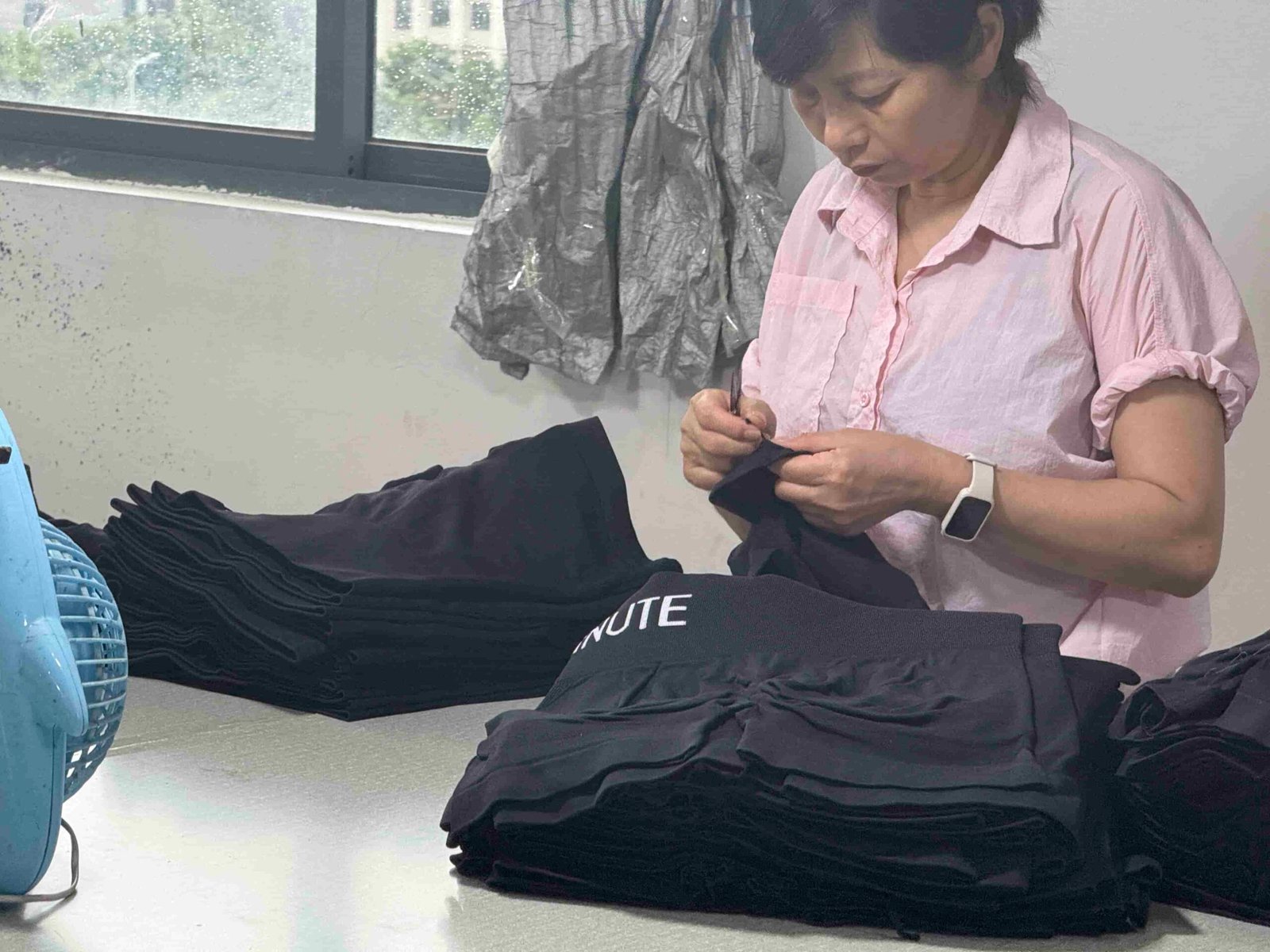
Pattern Cutting
Approved patterns are transferred into controlled cutting according to fabric direction, material condition and style requirements. Incorrect fabric orientation or cutting variation can change stretch, symmetry and fit before sewing even begins.
Application: Main leg panels, waistband components and shaped construction pieces.
Control: Pattern version, fabric direction, symmetry and bundle identification.
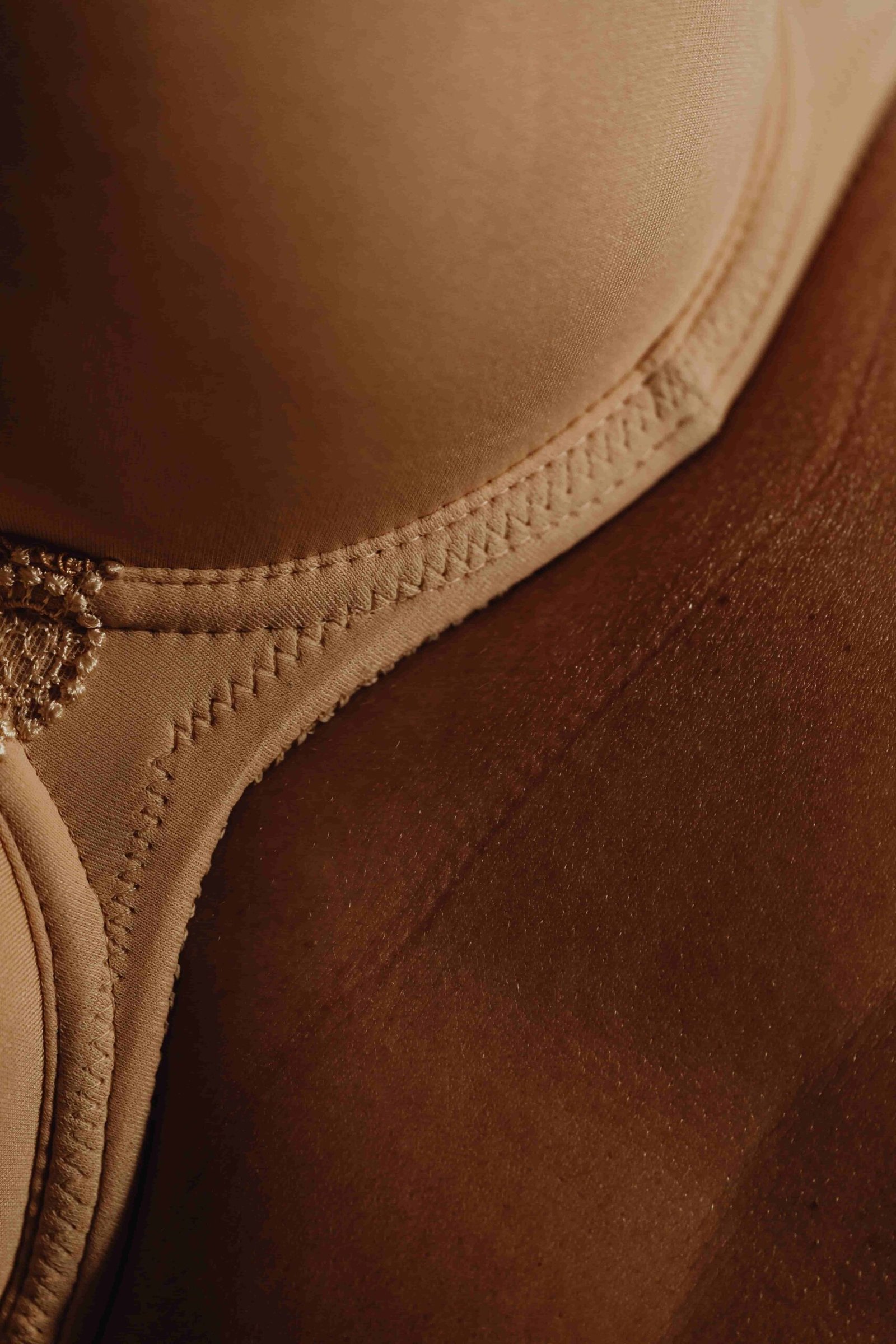
Overlock Joining
Overlock construction can join stretch-fabric panels while controlling raw edges. Thread tension and stitch configuration must remain compatible with fabric stretch so the seam does not become the weakest point during movement.
Application: Internal panel joining and selected activewear assembly seams.
Control: Seam coverage, stretch response, thread integrity and appearance.
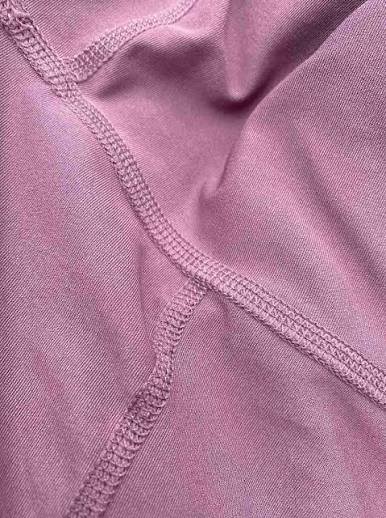
Flatlock Construction
Flatlock can create a flatter seam profile on suitable athletic leggings areas. The method requires controlled tension, width and thread configuration to remain stable during extension without creating excessive bulk or irritation.
Application: Selected leggings seams where a flatter finish is required.
Control: Seam width, thread tension, stretch behavior and visual consistency.
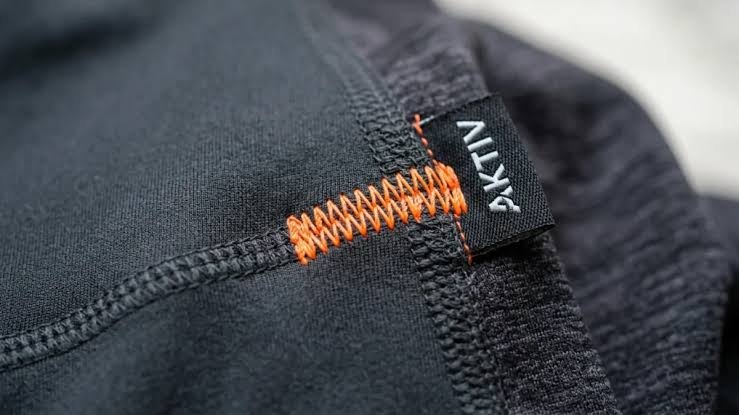
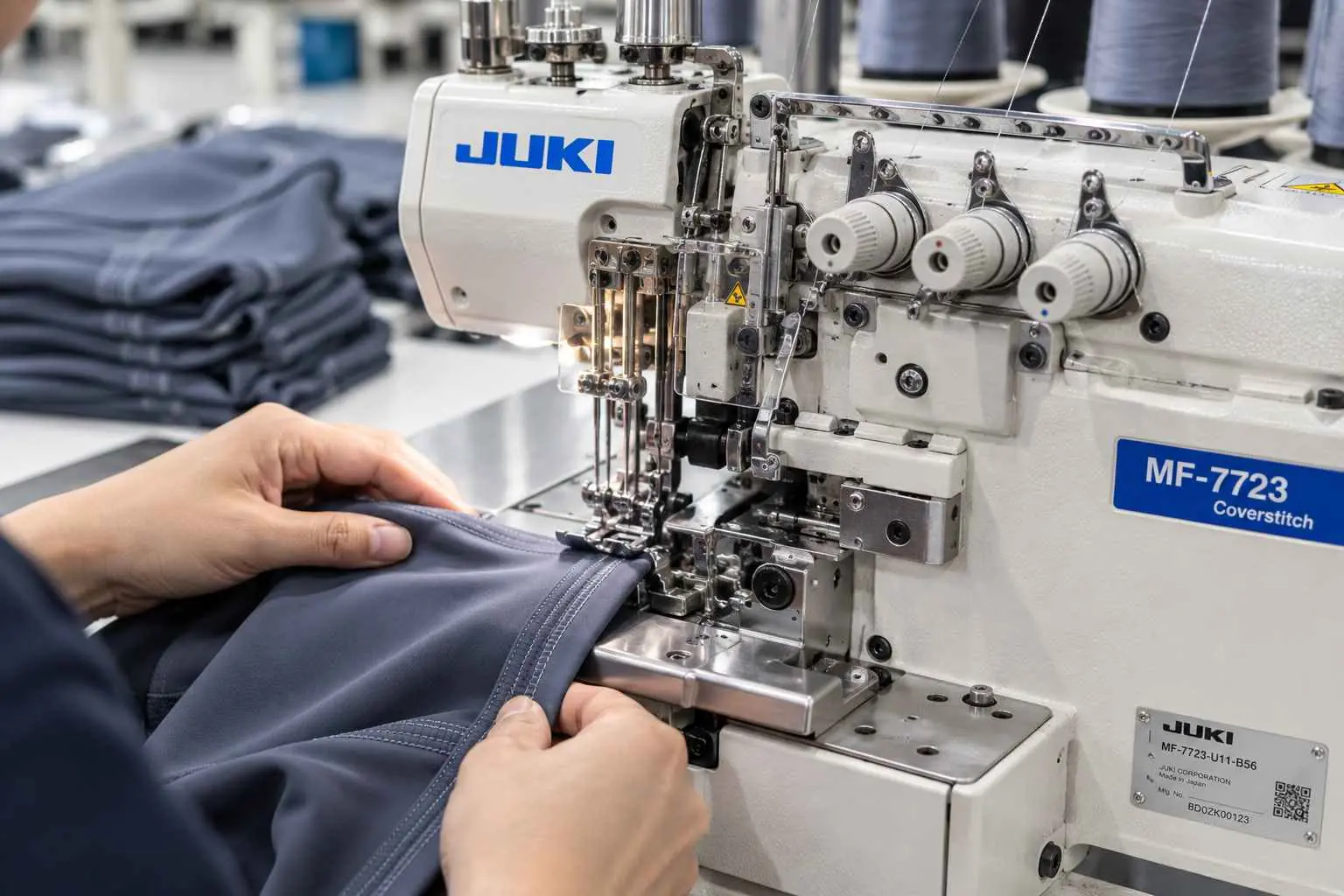
Coverstitch Finish
Coverstitch can be used around selected stretch hems or finishing areas. Good execution requires stable feed, controlled differential behavior and compatible thread tension so the finished edge remains straight after stretching.
Application: Leg openings and selected stretch-garment finishing points.
Control: Edge shape, stitch straightness and post-stretch thread integrity.
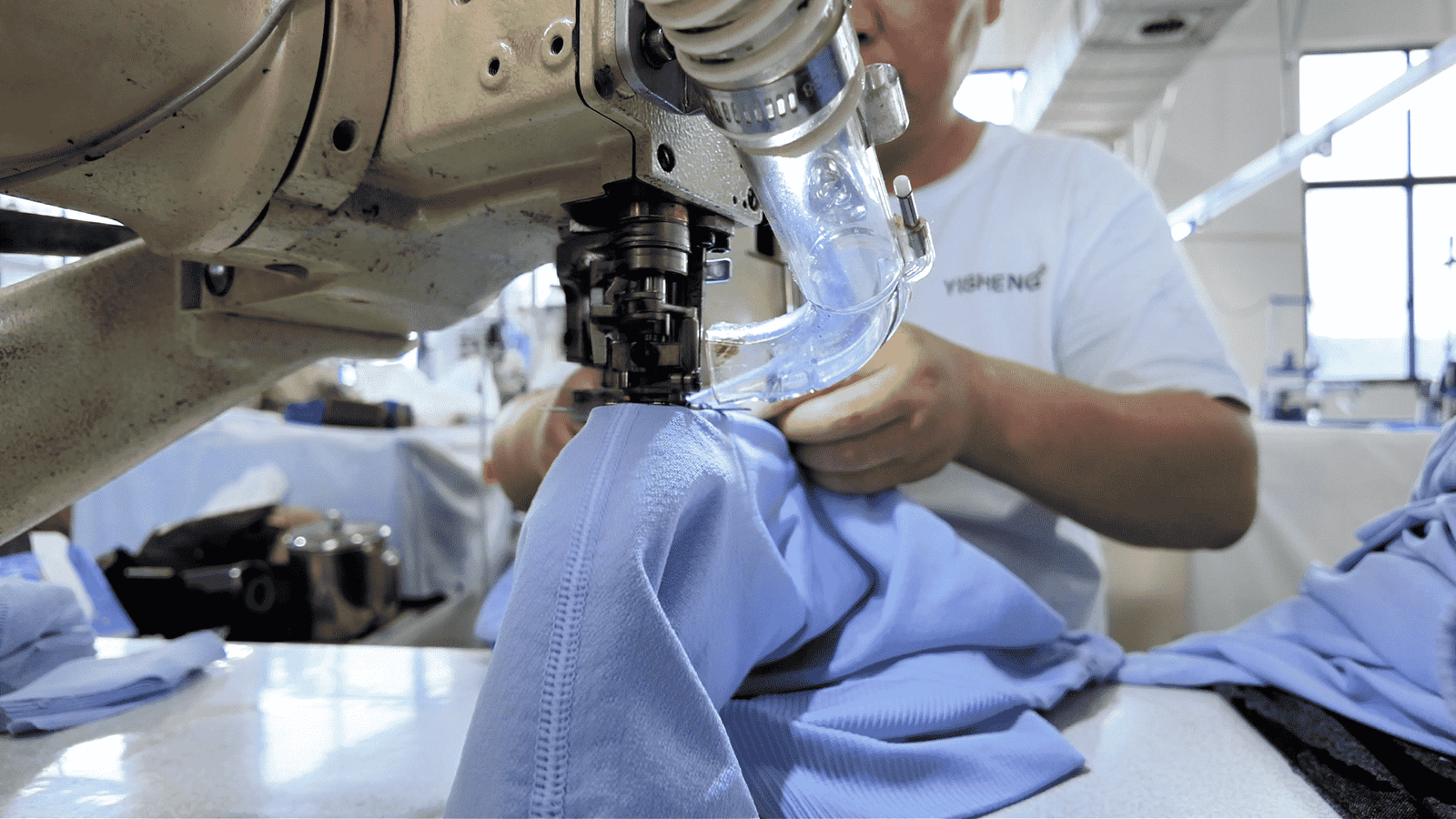
Pocket Assembly
Side or waistband pockets introduce additional fabric layers, openings and load points. Pocket construction must remain aligned with the approved pattern and fabric stretch so storage does not unnecessarily distort the main leggings fit.
Application: Side pockets, hidden waist storage and functional panels.
Control: Position, depth, opening recovery, symmetry and loaded appearance.
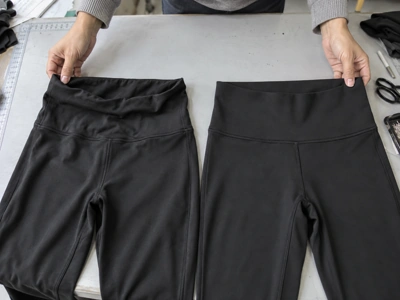
Waistband Assembly
Cut-and-sew waistbands can use shaped panels, double layers or intersecting structures depending on the design. Assembly accuracy affects waist height, symmetry, stretch balance and finished fit.
Application: High waist, V waist, cross waist and structured waistbands.
Control: Waist height, alignment, circumference, twisting and seam flatness.
Turn a Leggings Concept Into an Approved Production Standard
MOVEVOX product development connects technical input, fabric, fit, manufacturing route and sample approval before bulk. Timing begins when enough executable information exists to move the project into a defined development step.
Project Brief
The project begins with a Tech Pack, legal reference sample, sketch, image or clearly defined leggings requirement. MOVEVOX reviews intended activity, design direction, quantities, target materials, customization and expected launch timing.
Deliverable: Development Brief
Timing: Project specific
Technical Review
The team reviews measurements, waistband, rise, inseam, pockets, seams or seamless structure and identifies conflicts, missing information or manufacturing risks before physical sample development proceeds.
Deliverable: Review Notes
Timing: Before sampling
Fabric Direction
Material sourcing evaluates composition, GSM, hand feel, stretch, recovery, color, opacity risk and supply conditions against the intended use. Existing or custom materials can follow different MOQ and timing paths.
Deliverable: Material Direction
Timing: Project specific
Pattern or Program
Cut-and-sew leggings enter pattern engineering, while seamless products require knitting-program and structural development. The manufacturing route follows the design rather than forcing every product into one process.
Deliverable: Technical Build
Timing: Complexity dependent
First Sample
After executable development details are confirmed, MOVEVOX produces the first development sample. Standard sample timing is normally approximately five to ten working days, excluding buyer review and special-material delays.
Deliverable: First Sample
Timing: 5–10 days*
Fit Revision
The buyer reviews fit, measurements, waist stability, material, opacity, structure and relevant movement behavior. Consolidated feedback becomes the next controlled development version.
Deliverable: Revised Sample
Timing: Feedback dependent
Final Approval
A final approved or PP sample aligns the product direction with confirmed measurements, material, construction, branding and key packaging details before commercial bulk is released.
Deliverable: Approved Standard
Timing: Approval dependent
Bulk Handover
Final technical information, approved samples and order requirements move into PMC, production and QC so bulk follows the same controlled project standard instead of being independently reinterpreted.
Deliverable: Production Release
Timing: Before bulk
*Standard sample timing applies after executable development details are confirmed.

Send the Right Inputs for a Faster Leggings Review
A project can begin with limited information, but better technical inputs improve sample accuracy and commercial evaluation. The following checklist separates useful starting data from information normally required before bulk production.
Product Sketch
Provide a Tech Pack flat sketch, reference drawing or clear garment images showing front, back and important details. This gives MOVEVOX enough visual direction to identify waistband, seam, pocket, contour and other construction requirements before technical review.
Measurement Chart
A measurement chart should define intended sizes, POM, measurement method, units and tolerances where available. Waist, hip, rise, inseam, total length, leg opening and waistband height are especially important for leggings fit.
Fabric Target
Provide composition, GSM, hand-feel target, stretch direction, support requirement or a physical reference when possible. If the material is not finalized, MOVEVOX can evaluate suitable existing or project-specific alternatives.
Color Standard
Pantone numbers, physical swatches or other approved color references help establish a consistent development target. Custom dyeing may require separate yarn or fabric MOQ and additional material-development time.
Logo Artwork
AI, SVG or another suitable vector file is preferred when branded artwork is ready. Placement, size, method and fabric compatibility should be confirmed in sampling before commercial bulk production.
Label Details
Main Label, Size Label, Care Label and Woven Label details become important before private-label bulk production. Final fiber content and care information should reflect the real approved product and market requirements.
Pocket Requirements
If the leggings include a side, waist or rear pocket, provide intended use, approximate dimensions and any device or storage requirement. Functional loading can influence panel, pattern and fit development.
Performance Priorities
Clarify whether the project prioritizes soft hand feel, firmer support, opacity, stretch recovery, no-front-seam appearance or other product outcomes. Unsupported numerical or medical claims should not be used as design targets without evidence.
Order Structure
Provide estimated quantity, number of colors, size range and expected repeat volume where known. This information affects material sourcing, MOQ, production route, costing and realistic timing.
Launch Timing
Share the target sample date, bulk-ready date or commercial launch window. MOVEVOX can then review development dependencies, material requirements and production capacity before promising a schedule.
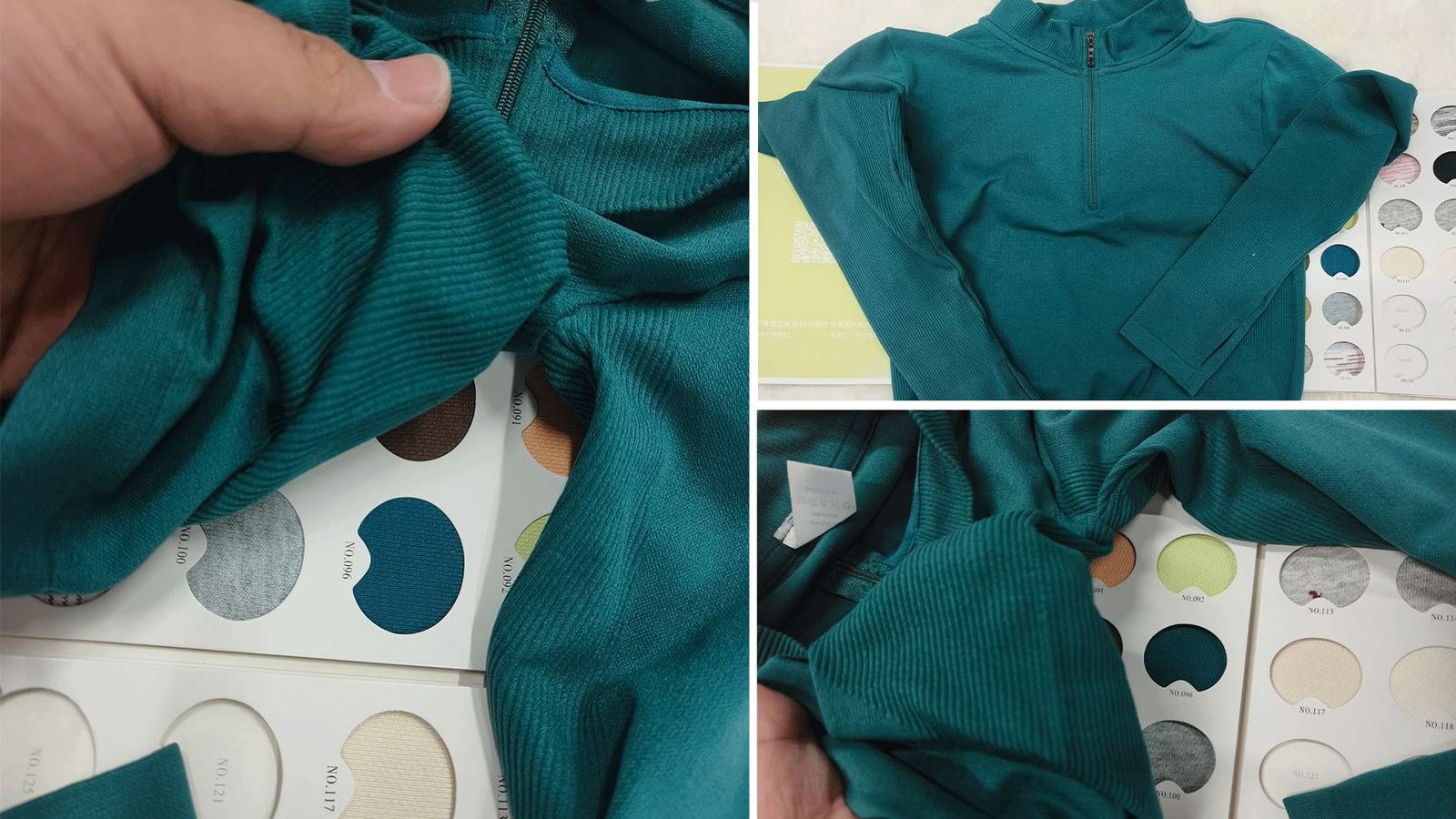
Use Each Leggings Sample to Approve a Defined Risk
Sampling should answer specific technical questions instead of producing repeated versions without clear approval criteria. MOVEVOX can use development, fit, revision, size and PP stages according to product complexity and buyer requirements.
Development Sample
The first sample determines whether the proposed fabric, construction, measurements and product direction can be translated into a physical legging. It is an engineering checkpoint rather than an automatic bulk standard.
Customer inputs: Tech Pack or reference product direction; Initial measurement and material expectations
MOVEVOX outputs: First physical development sample; Initial technical questions or observations
Pass criterion: Product direction is sufficiently executable to proceed into fit and technical refinement.
Fit Sample
The Fit Sample focuses on waist, hip, rise, inseam, crotch comfort, leg opening and movement-related fit. Material stretch and recovery are considered together with the measurement specification.
Customer inputs: Fit comments and measurement feedback; Intended wearer or fit-direction information
MOVEVOX outputs: Updated measurements or pattern/program direction; Fit-focused sample for confirmation
Pass criterion: Critical fit issues are resolved or clearly defined for the next controlled revision.
Revised Sample
A Revised Sample incorporates consolidated buyer feedback from the previous version. Changes should be identifiable rather than becoming an uncontrolled reinterpretation of the whole product.
Customer inputs: One consolidated revision list; Updated artwork or material direction if required
MOVEVOX outputs: Revised garment sample; Updated technical development version
Pass criterion: Requested revisions are correctly implemented and major product differences are closed.
Size Set
Representative sizes can verify whether the approved fit language and grade rules remain appropriate beyond the development base size. The exact size-set requirement depends on buyer standards.
Customer inputs: Approved grade rules or size chart; Required representative sizes
MOVEVOX outputs: Requested size samples; Measurement results for review
Pass criterion: Critical size progression is approved for the commercial range.
PP Sample
The PP or final approved sample should represent the intended bulk direction for key material, measurements, construction, branding and relevant packaging requirements before production release.
Customer inputs: Final approval decision; Confirmed production specification
MOVEVOX outputs: Pre-production reference sample; Bulk-ready project alignment
Pass criterion: Formal approval is sufficient to transfer the product into controlled bulk production.
Transfer the Approved Leggings Standard Into Bulk Production
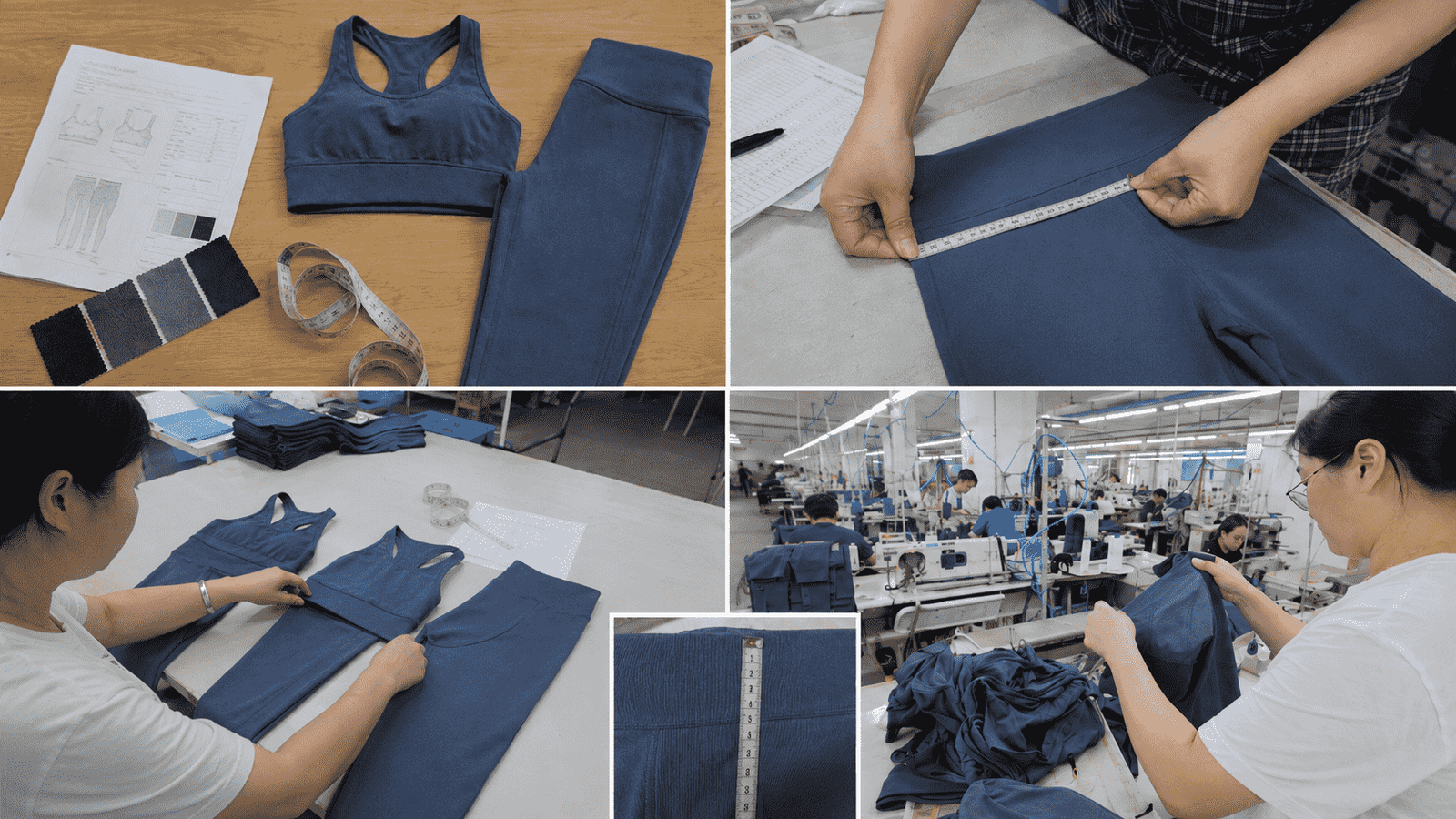
A successful sample must become a controlled production reference. MOVEVOX links final product specifications, approved materials and sample decisions with pre-production review, first article and production inspection before commercial bulk is released.
Approved Sample Standard
The approved sample and final technical information establish the physical and documented reference before production release.
- Measurements: Waist, hip, rise, inseam, length, leg opening and other buyer-defined POM are checked against the approved measurement specification and tolerance.
- Fabric: Bulk material follows the approved composition, GSM, hand feel, stretch, color and relevant production-lot requirements rather than being substituted without review.
- Waistband: Waist height, upper and lower circumference, symmetry, stretch and structural execution are compared with the approved sample and production standard.
Bulk Production Control
First Article, in-line and final inspection keep commercial production connected to the approved product direction.
- Construction: Seam placement, pockets, contour lines or seamless structure follow the approved pattern or program instead of being independently reinterpreted during production.
- Opacity: Where coverage is a defined requirement, the approved material, garment fit and relevant stretch condition become the reference for bulk evaluation.
- Branding: Logo method, position, dimensions, labels and related private-label execution follow the final approved artwork and sample standard.
Build Private Label Leggings as a Controlled Brand System
Private label extends beyond adding a Logo. MOVEVOX can coordinate the approved leggings product, material, fit, brand artwork, labels, SKU data and packaging so each commercial element remains linked to the same project version.
Product
The private-label system starts with the actual leggings product. Buyers can develop Seamless or Cut & Sew structures, including high-waist, V-waist, no-front-seam, pockets, contour, rib, texture and different support directions. Final feasibility depends on the Tech Pack, material and manufacturing review. Product structure is approved before commercial branding should be treated as finalized.
- Seamless or Cut & Sew development
- High-waist and contour structures
- Pocket or no-front-seam designs
- Buyer-approved fit and measurements
Fabric
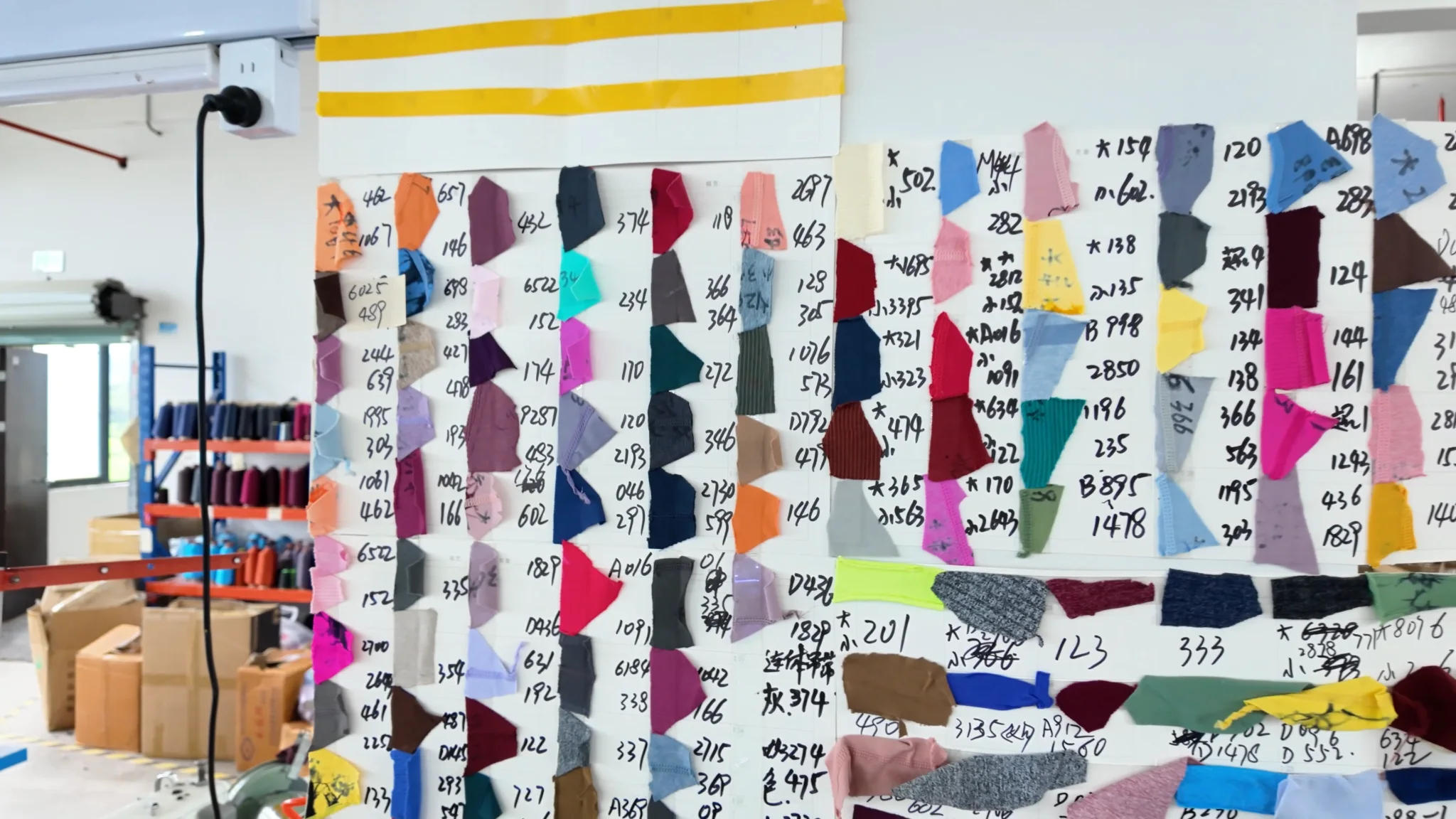
MOVEVOX can work with Nylon/Polyamide + Spandex, Polyester + Spandex, seamless yarn systems, brushed, peach, naked-feel, ribbed, textured and compression-oriented materials within actual project requirements. The buyer can provide a material target or physical reference. Custom materials may introduce separate minimums, development timing and testing requirements.
- Existing material resources
- Buyer reference or nominated source
- GSM and hand-feel matching
- Project-specific material development
Fit
Fit customization can cover waist, hip, rise, inseam, leg opening, waistband height and other product-specific POM. Buyer Measurement Charts and approved Fit Samples provide the main development standard. MOVEVOX does not apply one universal sizing chart to every private-label customer because fit language, target consumer and material stretch differ between brands.
- Buyer measurement specification
- Fit Sample and revision
- Size Set validation
- Buyer-specific tolerance
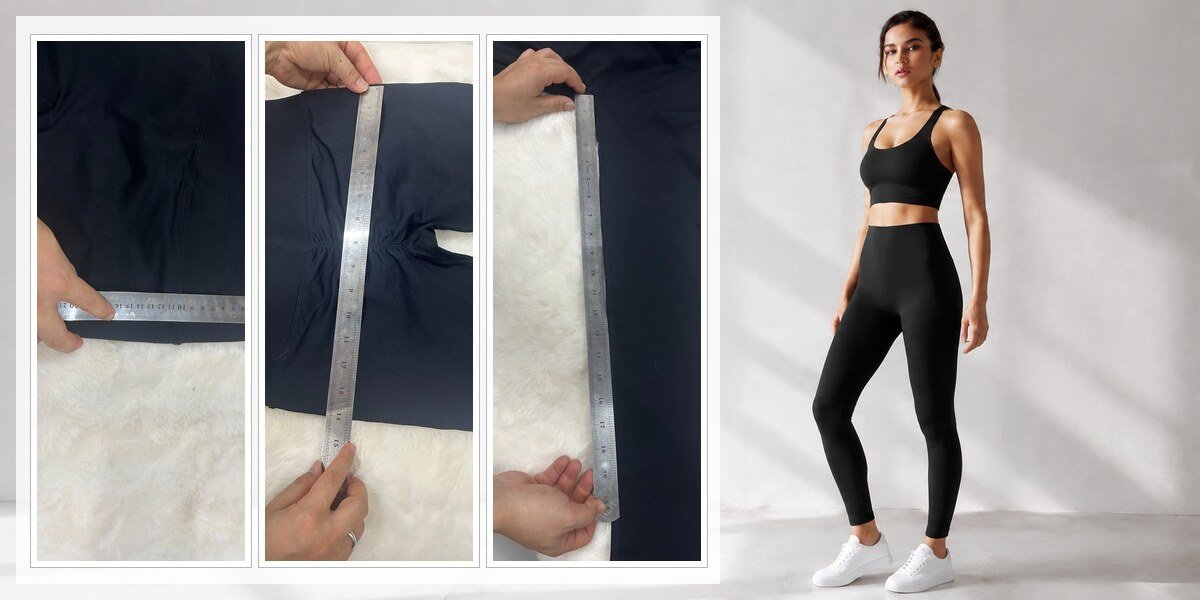
Color
Colors can follow existing material options, Pantone references or approved physical standards. Custom yarn or fabric dyeing is possible when the project meets actual supplier minimums. Customized color is normally affected by material type, dye lot and order structure and may require roughly 400–600 pieces per dye batch depending on the product.
- Existing colors
- Pantone reference
- Physical swatch approval
- Custom dyeing evaluation
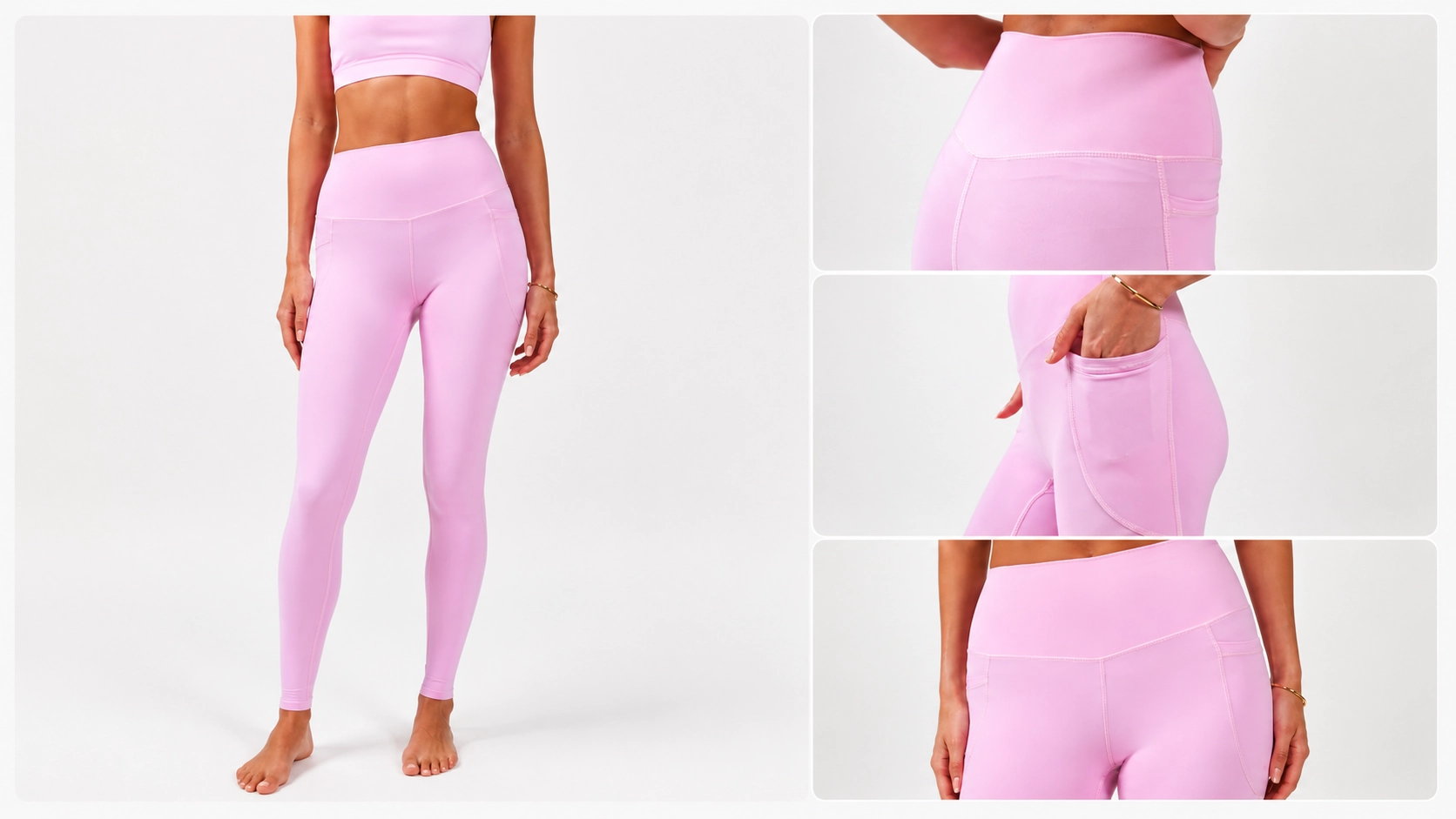
Branding
MOVEVOX supports suitable screen printing, heat transfer, silicone printing, jacquard, embroidery, woven labels and related branding methods. Logo selection should consider fabric stretch, surface and placement. Artwork size, position and physical appearance are approved before bulk. Specialized tooling or materials may create separate MOQ or lead-time requirements.
- Heat transfer
- Screen print
- Silicone branding
- Jacquard / embroidery / woven label
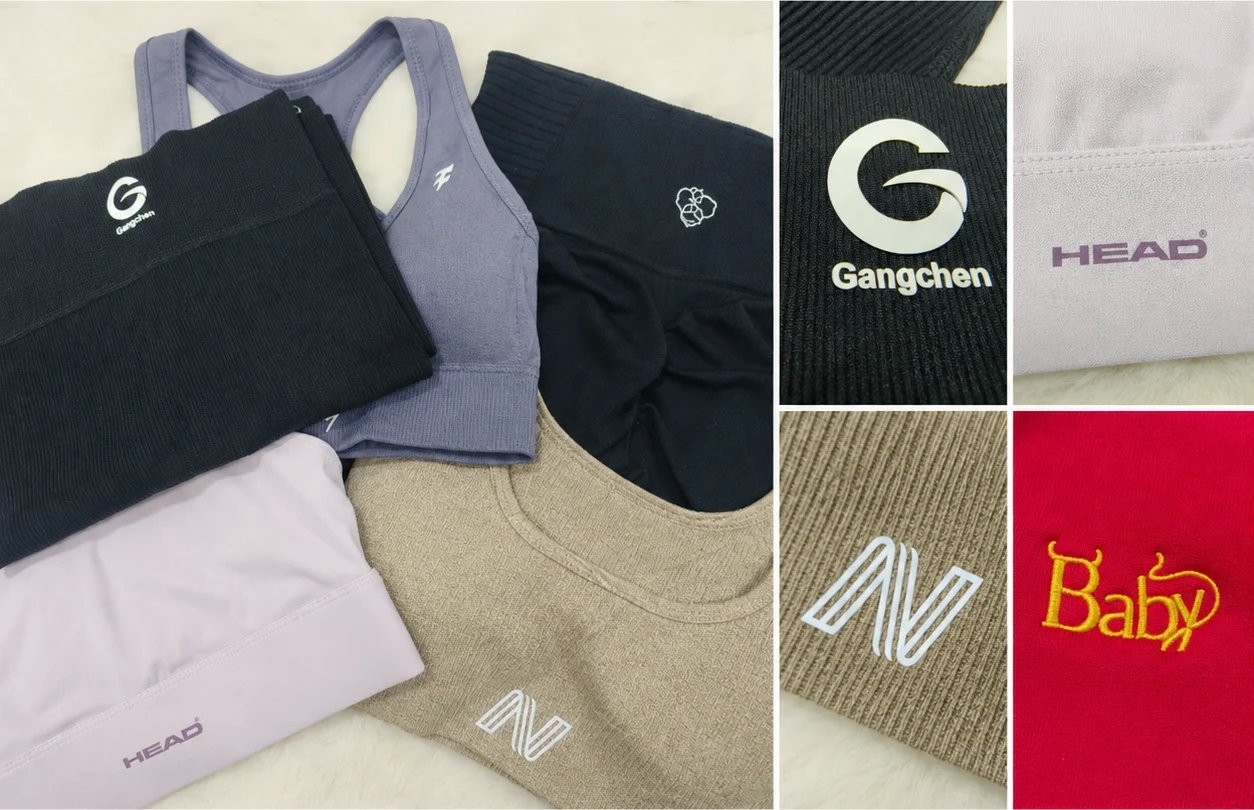
Labels and Data
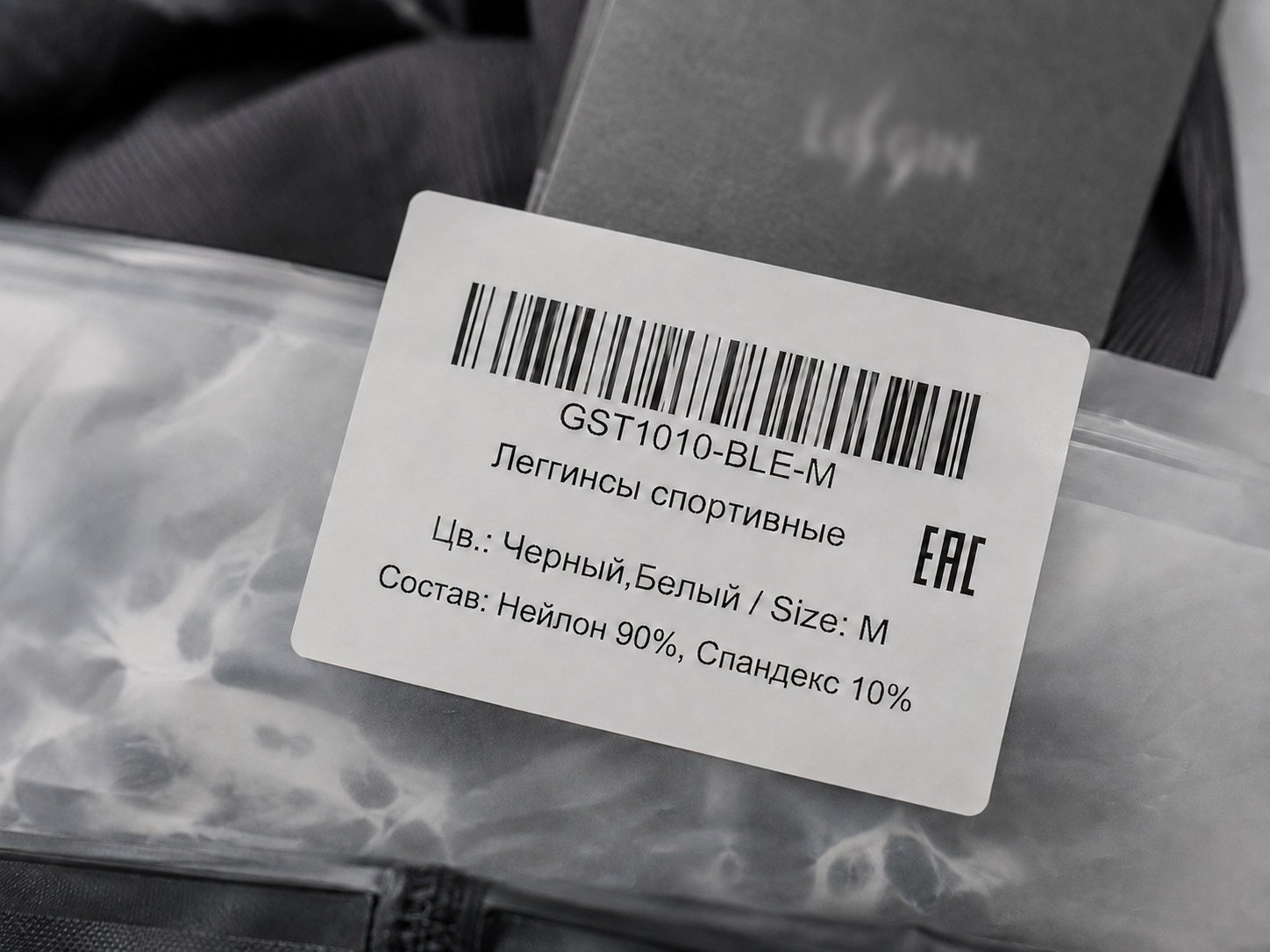
Main Labels, Size Labels, Care Labels, Hangtags, Stickers, Barcodes and SKU information can be coordinated as part of the private-label package. Final data should remain linked with Style, Color and Size information so packing teams do not work from obsolete files. Buyer-approved fiber content and care information must reflect the actual product.
- Main and size labels
- Care labels
- Hangtags and stickers
- SKU / barcode mapping
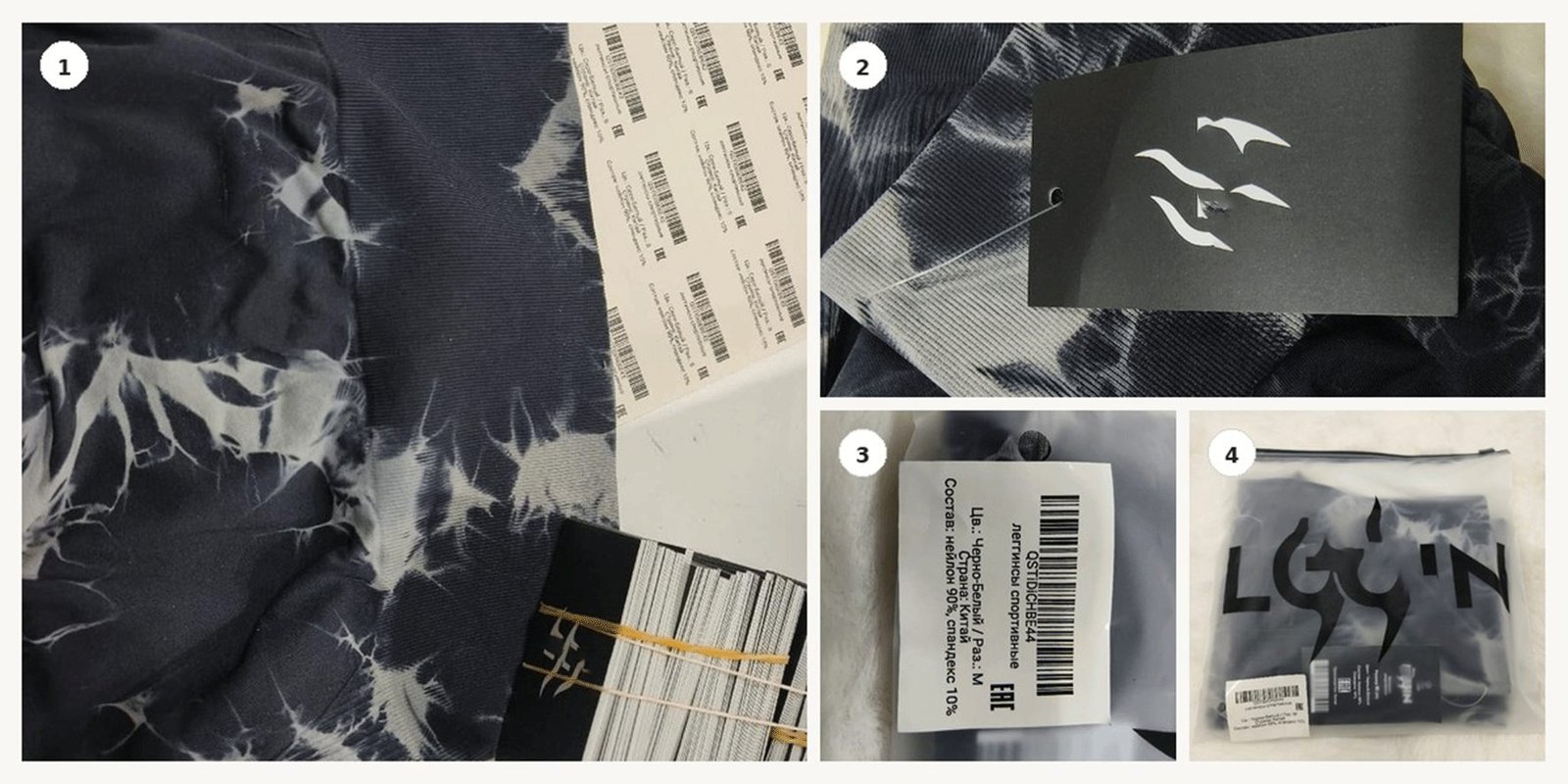
Packaging
Private-label packaging can include polybags, folding requirements, stickers, barcodes, carton packing and Carton Marks. Customer-exclusive packaging may have separate supplier minimums from garment MOQ. Final packaging specification should be frozen before bulk packing so the correct material and data enter First Pack and final quality inspection.
- Individual polybags
- Custom printed packaging
- Barcode / SKU execution
- Carton Mark requirements
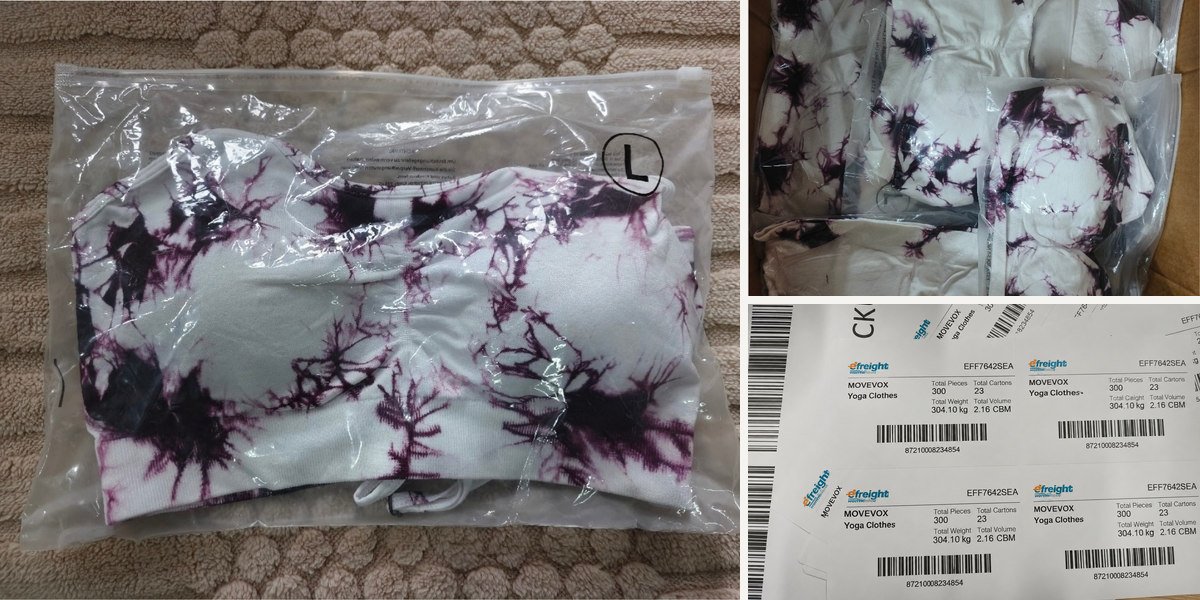
Ready to Review Your Athletic Leggings Project?
Send your Tech Pack, legal reference sample or product brief with target fabric, quantity, size range and intended activity. MOVEVOX can review the likely manufacturing route, development inputs, MOQ considerations and sampling requirements before commercial production planning begins.
NDA support is available when buyers need to share confidential Tech Packs, designs or unreleased product information.

Walk Through the MOVEVOX Leggings Manufacturing System
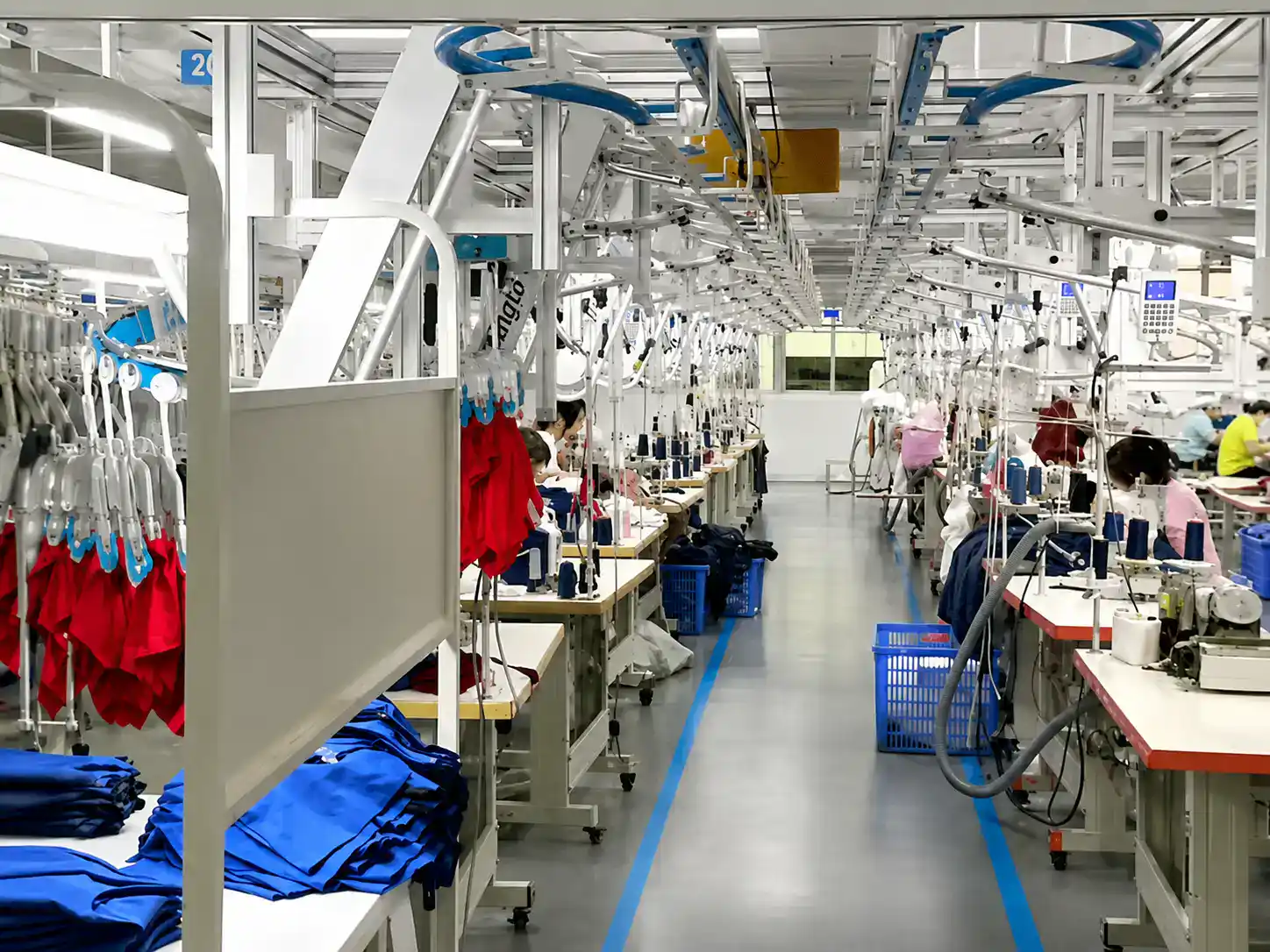
The Yiwu production base combines product development, Seamless manufacturing, Cut & Sew capability and quality control. Controlled satellite factories provide additional capacity without removing MOVEVOX from project, technical and final quality responsibility.
Product Development Area
MOVEVOX's product-development structure includes approximately eight people across design, pattern-making and sample development roles. Leggings projects can begin from Tech Packs, legal reference samples or defined product concepts. The development team reviews material, measurements, waistband, rise, pockets, seam or seamless structure and sample requirements before the product is transferred into commercial production.
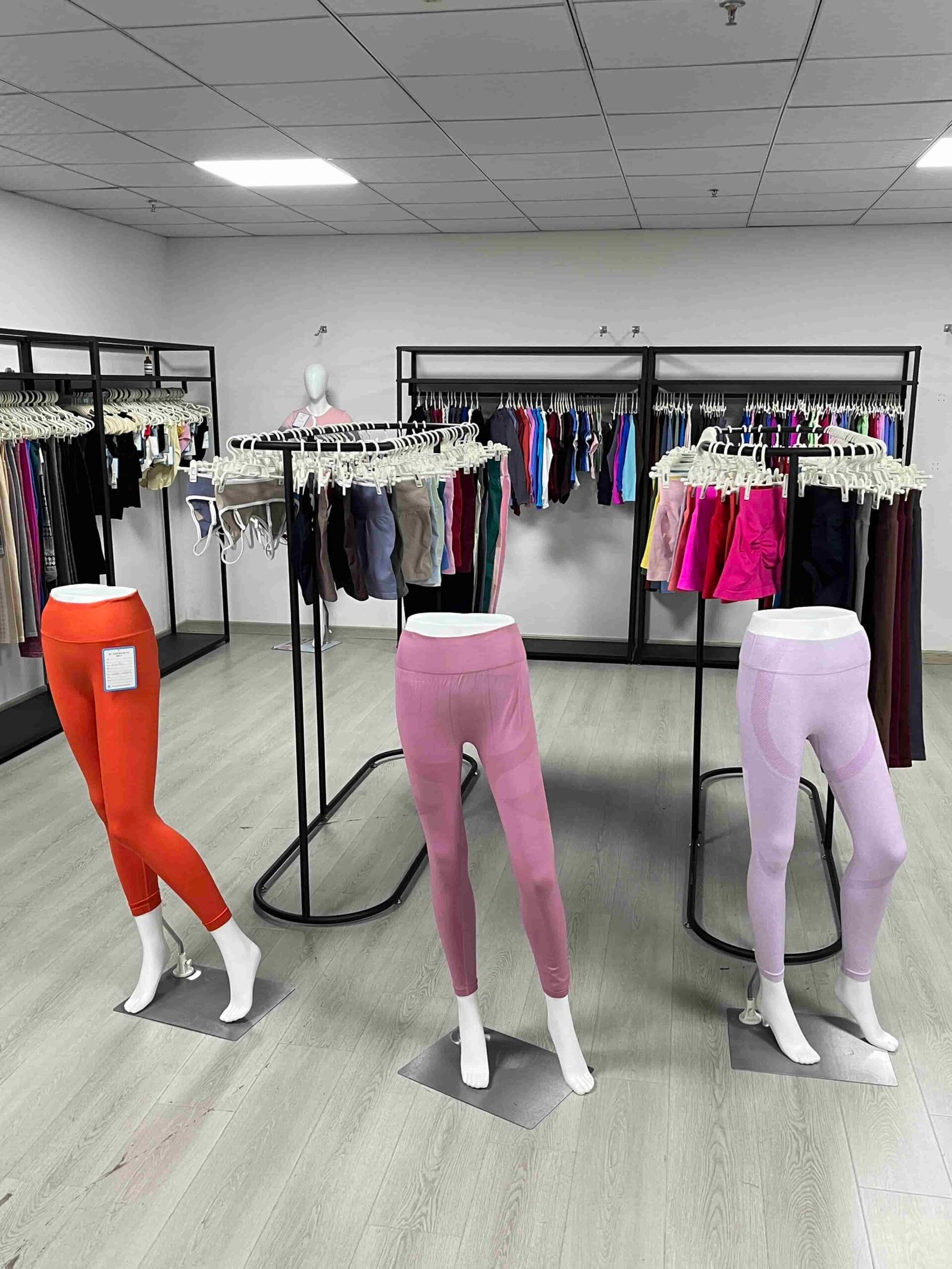
Santoni Seamless Area
The own manufacturing system includes 28 Italian Santoni seamless knitting machines. This area supports leggings where yarn, program, rib, texture, mesh and localized structural zones form the garment instead of conventional fabric-panel construction. Machine capability is controlled through approved samples, program versions and yarn specifications rather than being treated as an automatic guarantee of product performance.
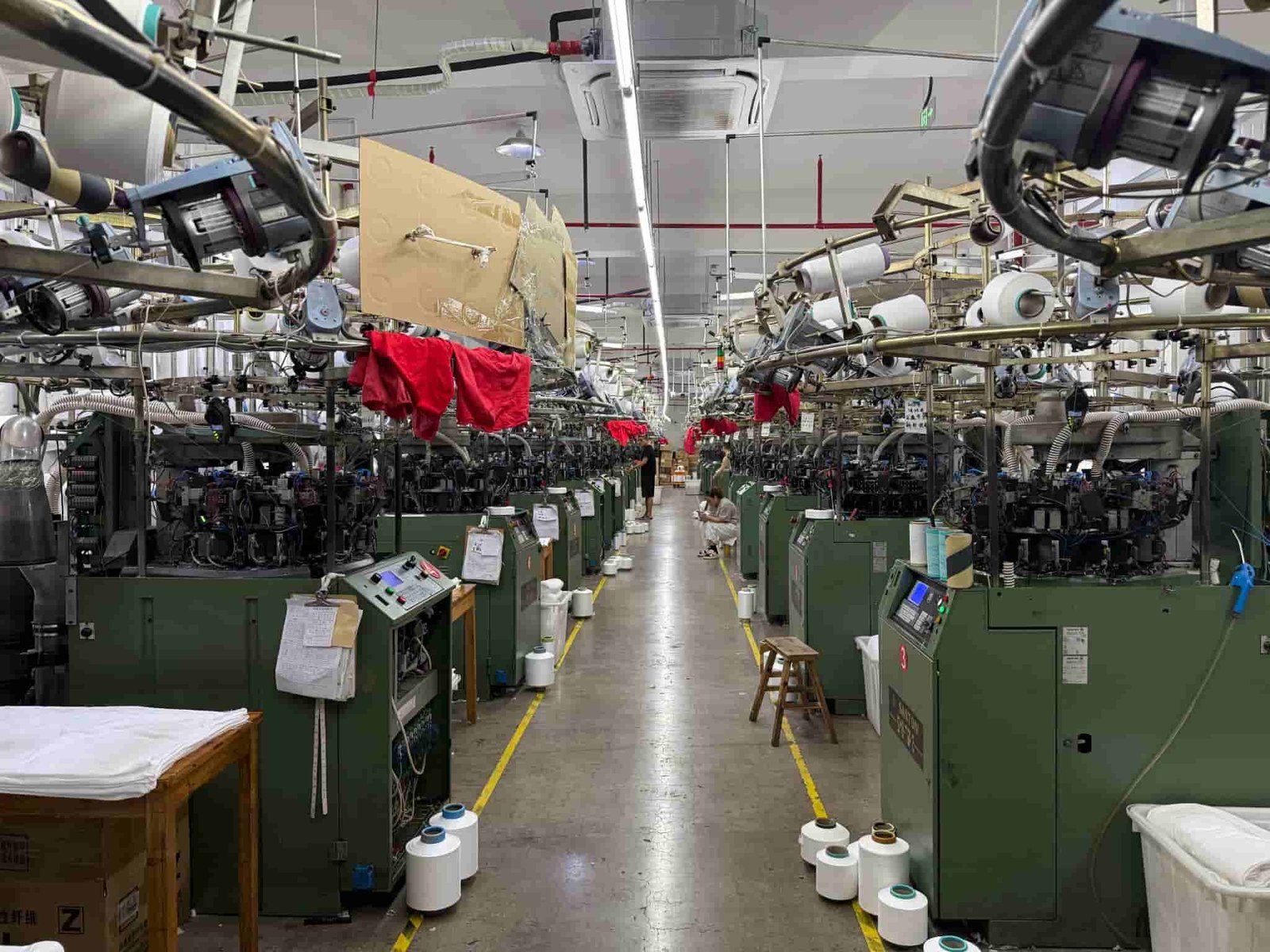
Cut-and-Sew Area
MOVEVOX's core cut-and-sew system includes approximately 24 main sewing and garment-production machines. The route supports leggings requiring pattern engineering, side or rear pockets, complex panels, contour seams, multiple fabrics and other construction details that benefit from conventional cutting and sewing. Production follows approved pattern, fabric, construction and measurement information.
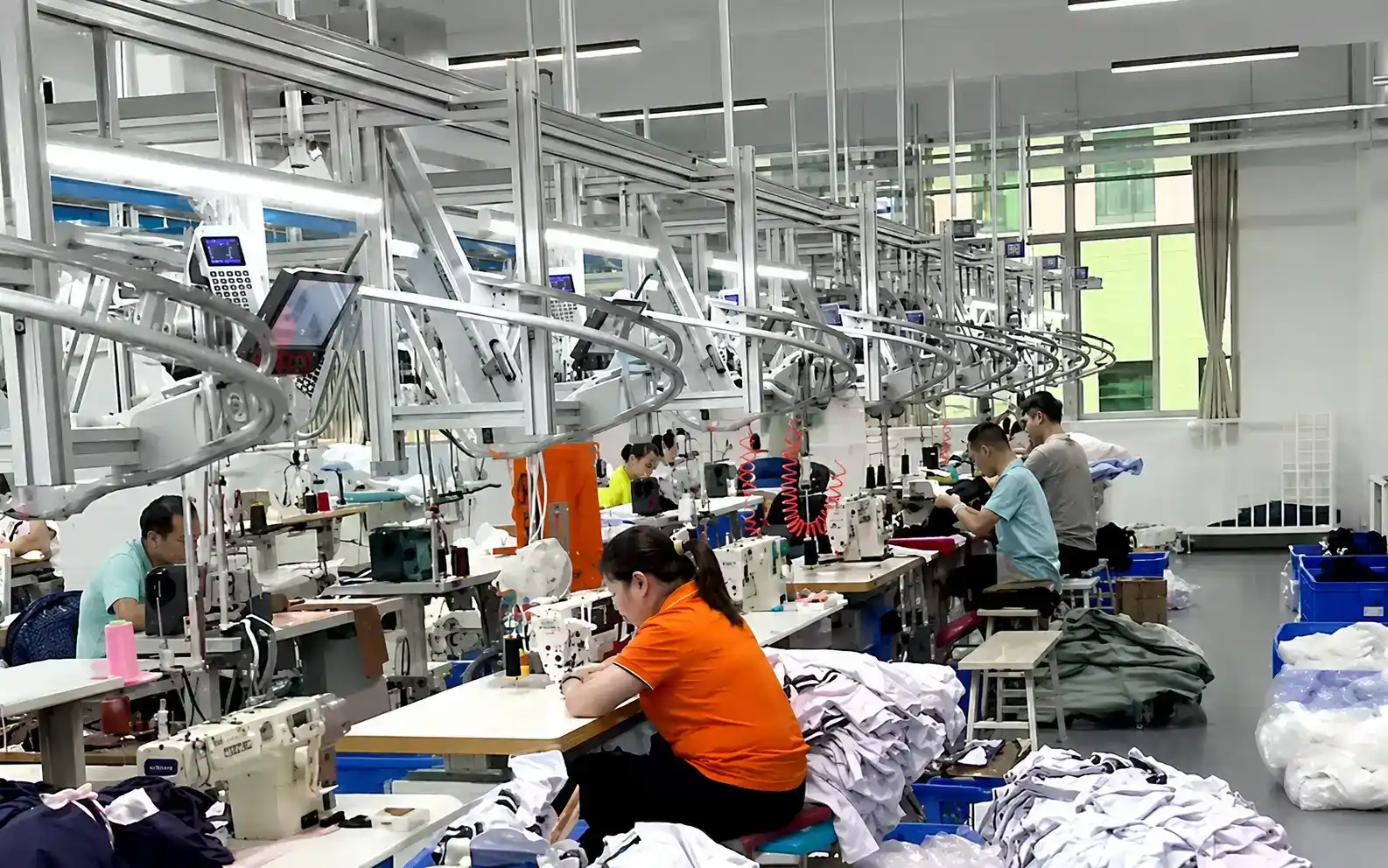
Quality Control Area
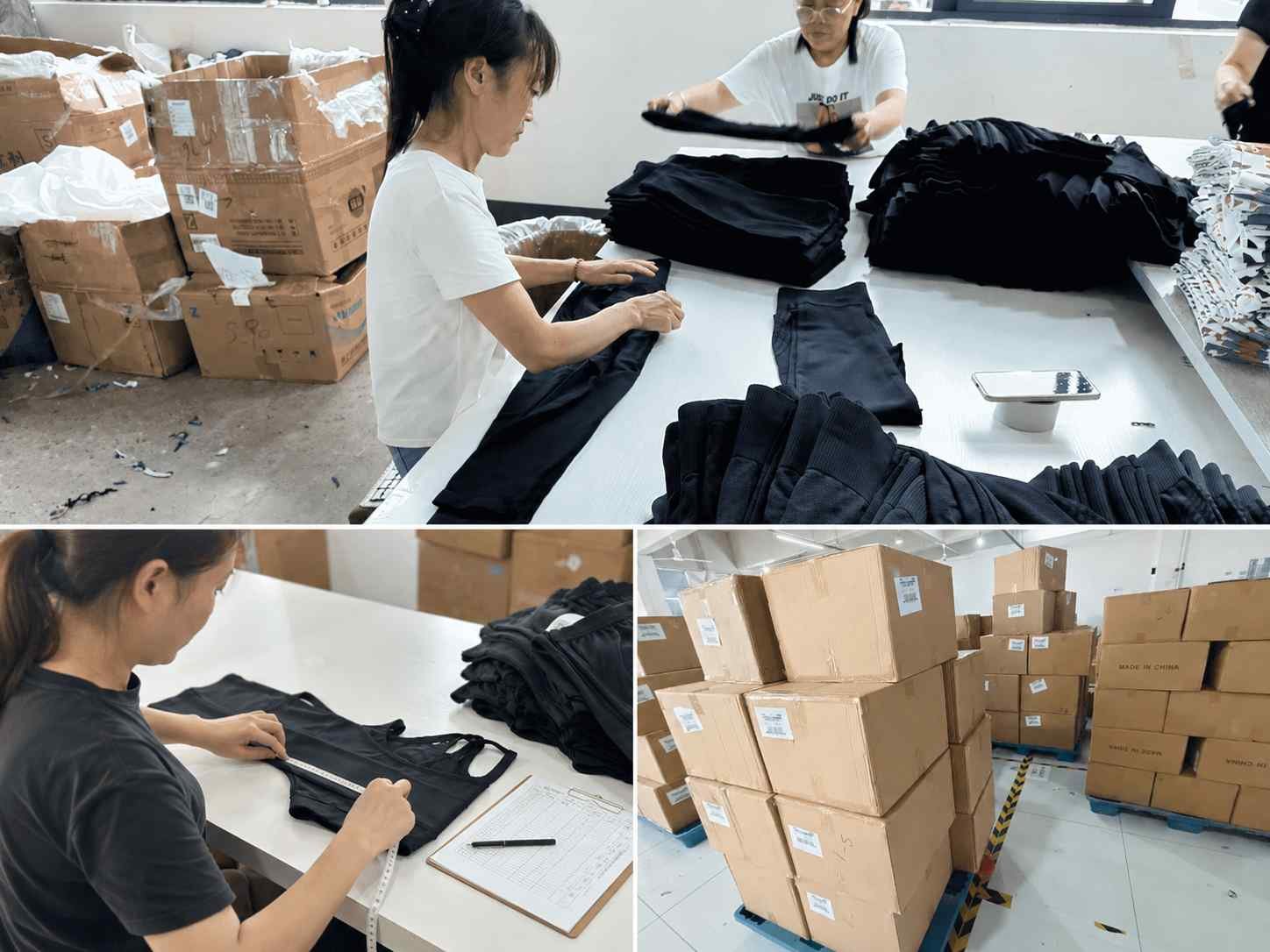
MOVEVOX currently has five QC personnel covering material, production, finished-garment and pre-shipment inspection activities. For leggings, important checks can include waist and hip dimensions, rise, inseam, symmetry, waistband stability, transparency, stretch and recovery, workmanship, branding and packaging against the approved project requirement.
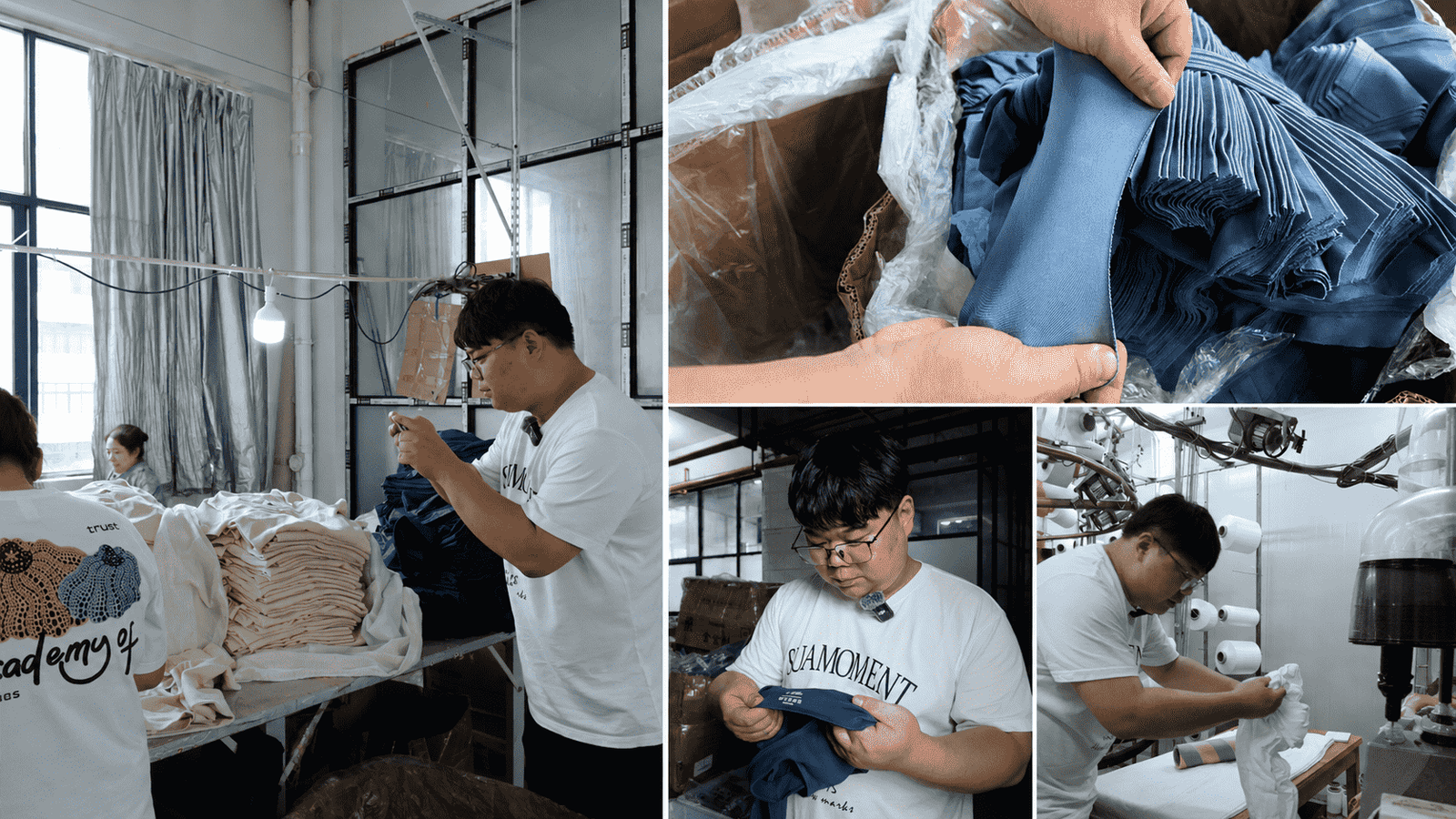
Packing Area
Private-label leggings enter packing only after the required garment checks and approved branding information are in place. Packing execution may involve hangtags, size labels, care labels, barcodes, polybags, SKU confirmation, carton quantity and Carton Marks. Data accuracy is particularly important for multi-color and multi-size programs where incorrect SKU mapping can create commercial receiving problems.
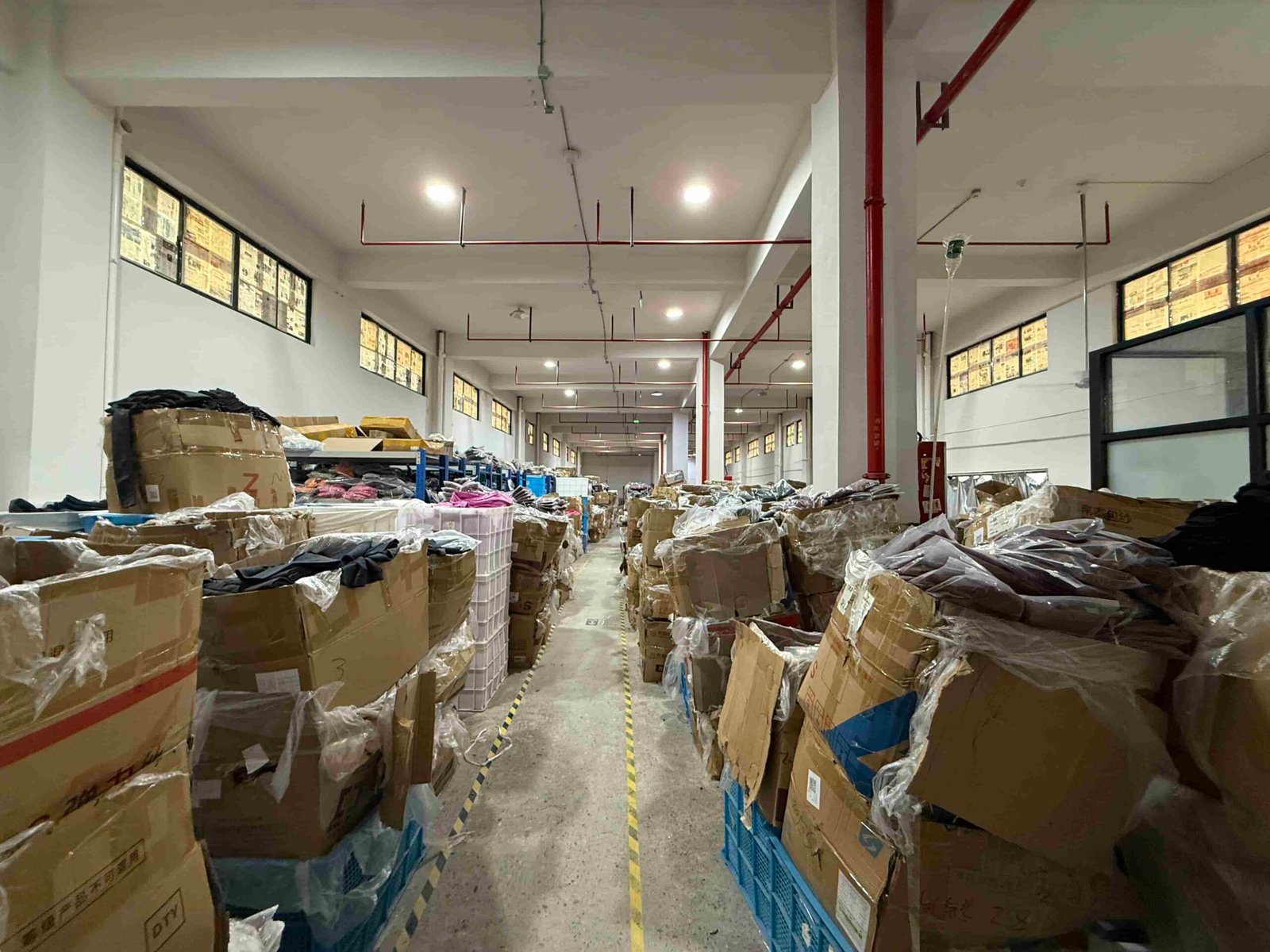
Warehouse and Handover
Finished cartons and shipment information are coordinated against the order's Packing List, carton breakdown and logistics instructions before handover. MOVEVOX can work with international courier, air, sea or customer-nominated forwarders depending on the order. Shipment execution follows the released order and logistics information rather than independent production-site decisions.
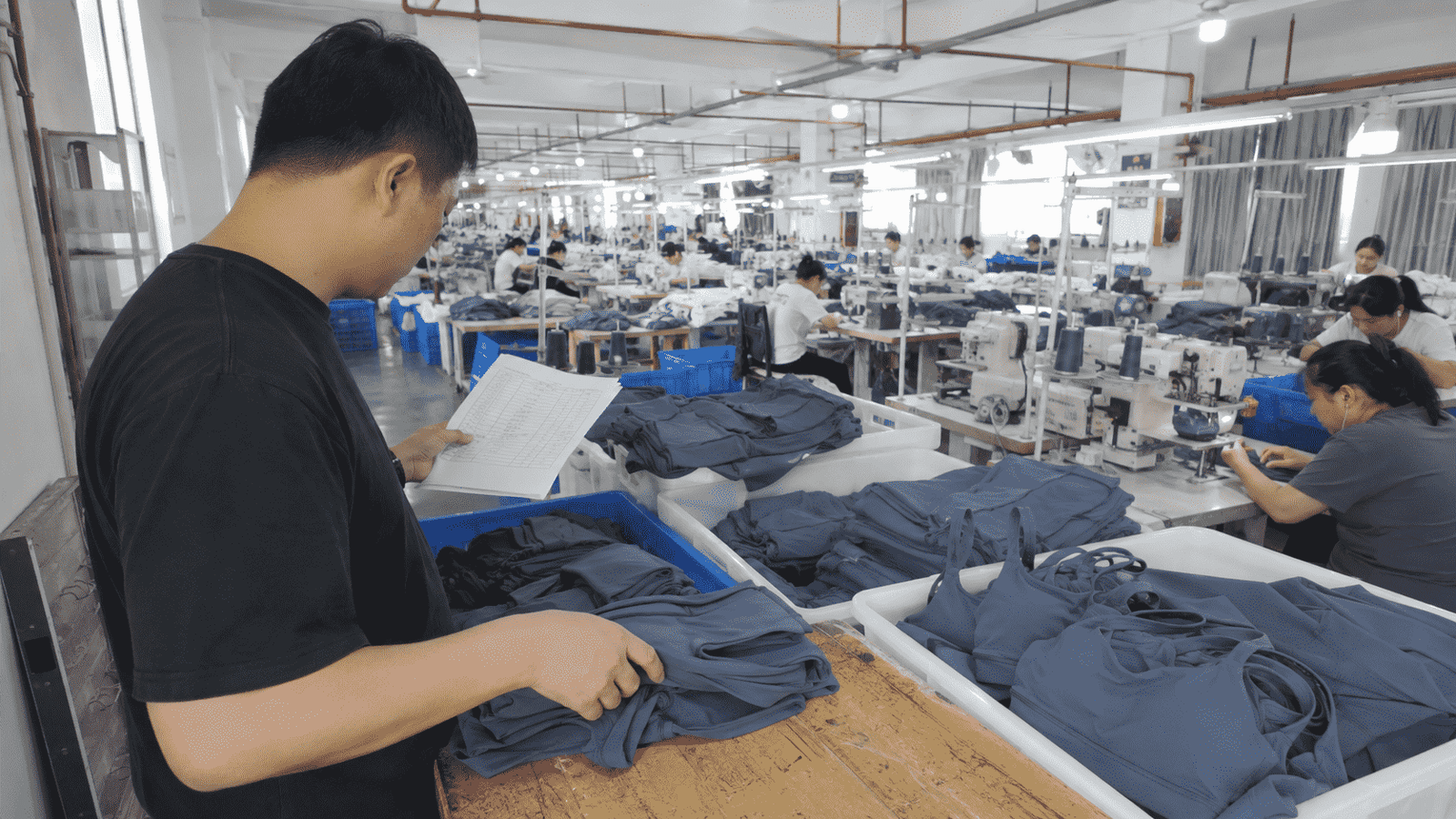
Measure Leggings Capacity by Quality-Released Commercial Output
MOVEVOX distinguishes machine capability from stable managed delivery capacity. Final capacity depends on manufacturing route, style complexity, colors, materials, SKU load, quality requirements and current production allocation.
Managed Delivery
Current normal comprehensive managed monthly delivery capability across MOVEVOX's own and controlled manufacturing resources.
Santoni Seamless
Own Italian Santoni equipment supports core Seamless Leggings and other engineered seamless activewear production.
Garment Core
Approximately 24 main sewing and garment-production machines support core Cut & Sew activewear execution.
Satellite Network
Eight long-term satellite factories provide controlled supplementary capacity and suitable specialist production resources.
Quality Team
Five current QC personnel support quality control across materials, production, finished garments, packaging and shipment preparation.
Production Space
MOVEVOX's current own production base uses approximately 6,000 square meters of operating manufacturing space.
Control Leggings Quality From Material Through Shipment Release
MOVEVOX uses approved technical information, samples and product standards across material, pre-production, process and finished-garment inspection. Leggings QC focuses on the variables that directly affect fit, coverage, structure and commercial usability.
Incoming Material
Incoming fabric or yarn is checked against the approved project direction before normal production. Relevant items can include material identity, color, GSM, appearance, elasticity and batch information.
- Approved material and supplier direction
- Color and surface appearance
- GSM or project-specific material requirement
- Material-lot identification where required
Pre-Production Review
Before bulk, the team aligns final Tech Pack, measurement specifications, approved sample, material, color, construction, branding and packaging information so production does not begin from conflicting versions.
- Current technical version
- Approved material and color
- Measurement and construction standards
- Branding and packaging requirements
First Article
Initial production output is reviewed before normal volume continues. This confirms whether the actual pattern, program, sewing setup and materials reproduce the approved technical direction.
- Key leggings measurements
- Waistband and rise execution
- Construction or seamless structure
- Visible branding where applicable
In-Line Inspection
QC performs inspection while the order is running so recurring problems can be corrected before they affect the full quantity. Significant deviations can be escalated for corrective action.
- Measurement consistency
- Seam or knitted structure
- Left-right symmetry
- Visible workmanship defects
Measurement Check
Leggings measurement inspection focuses on buyer-defined POM and tolerances, including relevant waist, hip, rise, inseam, length, leg opening and waistband dimensions.
- Correct POM method
- Buyer-approved tolerance
- Representative size measurements
- Symmetry where applicable
Performance-Related Appearance
Where the buyer has defined opacity, stretch, recovery or support as product requirements, the finished garment is compared with the approved development direction and any customer-specified verification method.
- Approved opacity direction
- Stretch-related appearance
- Waist stability
- Material and fit compatibility
Packaging Control
Before carton packing, labels, hangtags, barcodes, polybags, size information and SKU data are checked against the current approved packaging specification.
- Correct garment and size
- Barcode / SKU mapping
- Approved label set
- Carton and packing requirements
Final Release
Final inspection confirms the required quality status, quantities and packing information before normal shipment release. Buyer or third-party inspection requirements can also be coordinated when agreed.
- Finished quality status
- Order quantity
- Packing List alignment
- Shipment-ready release
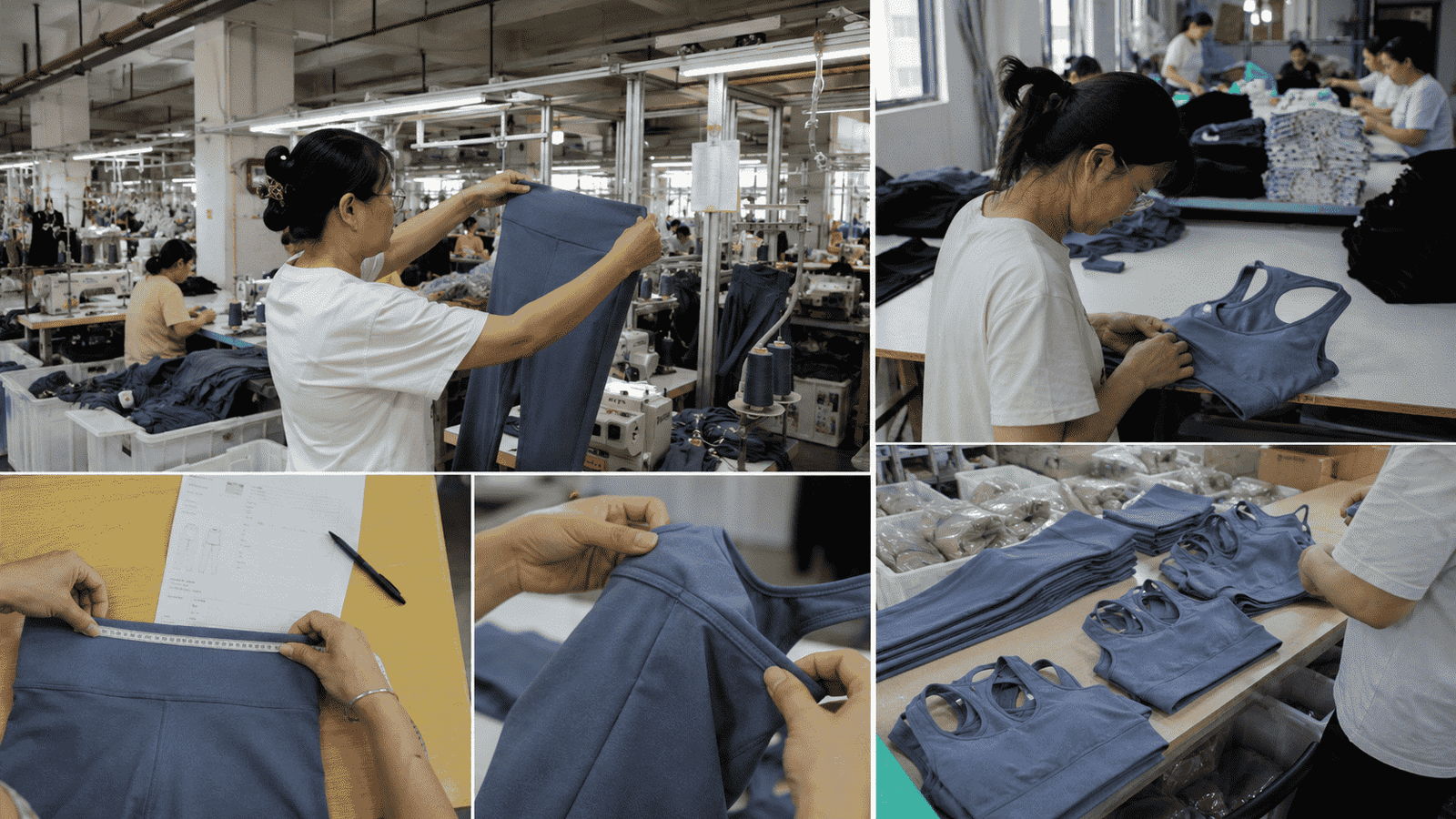
Scale Leggings Production Through Transparent Controlled Capacity
MOVEVOX combines an own manufacturing core with eight long-term satellite factories and selected specialist resources. Production flexibility does not remove MOVEVOX's responsibility for technical information, planning, QC and customer communication.
Own Factory
The Yiwu factory acts as the core development, seamless, cut-and-sew and quality-control center. New products and higher-risk technical standards are established within the MOVEVOX-controlled manufacturing system.
Yarn and Fabric
MOVEVOX coordinates approved yarn, fabric, color and important material requirements instead of allowing individual production resources to replace them independently without project review.
Satellite Capacity
Eight long-term satellite factories provide supplementary capacity for suitable standardized bulk work or product structures requiring additional resources under centralized MOVEVOX project management.
Specialist Processes
Selected Logo, printing, embroidery, packaging or other specialist partners can support project requirements where appropriate, using approved customer information and controlled material or artwork standards.
PMC Control
Production planning coordinates material readiness, facility allocation, current loading, WIP, quality status and target delivery before confirming larger order schedules.
Quality Control
MOVEVOX's quality requirements remain linked to the approved specification regardless of which authorized production resource performs an approved operation within the supply chain.
Delivery Coordination
Packing information, quantities, shipment documents and logistics instructions return to one customer-facing order system before commercial shipment handover.

Questions Buyers Ask Before Approving a Leggings Manufacturer
MOVEVOX supports buyer verification of its manufacturing and quality system. Audit readiness means the supplier can be inspected and reviewed; it does not mean MOVEVOX claims every possible third-party certification without verified evidence.
Can our sourcing team visit the MOVEVOX factory?
Yes. Buyers can arrange Factory Audit, Technical Audit, pre-production visits, in-line inspection or pre-shipment visits at the relevant production site. Advance scheduling allows the appropriate production, development and quality personnel to participate. MOVEVOX can show the real Yiwu manufacturing environment while protecting unrelated customer-confidential products, documents or unreleased designs where confidentiality obligations require limited access.
Can we verify the factory by live video?
Yes. Live video can be arranged to review relevant production areas such as Santoni seamless equipment, cut-and-sew operations, sample development, QC, packing and warehousing. Video verification is intended to help international sourcing teams confirm real manufacturing activity when an immediate physical visit is not practical. Confidential customer projects may be excluded from filming without misrepresenting the facility itself.
Does MOVEVOX use satellite factories?
Yes. MOVEVOX operates an own manufacturing core together with eight long-term satellite factories and selected specialist partners. The company does not present all controlled capacity as wholly owned. Satellite resources are used for suitable production under centralized technical, planning and quality requirements. Where buyer policies require production-site disclosure, MOVEVOX can provide the relevant project location information.
Can we restrict production to an approved factory?
Yes, when this requirement is agreed before production. If a customer's contract or vendor policy specifies an Approved Factory Only model, MOVEVOX should not move production to another site in conflict with that requirement. Any necessary change to an approved production location must be reviewed with the customer and receive the required approval before implementation.
Can our third-party inspector inspect the order?
Yes. MOVEVOX can cooperate with customer-appointed third-party inspection when required. Inspection timing, scope, sampling method, product status and access should be coordinated in advance. The buyer's quality standard can be used when clearly provided, and final release should reflect the inspection requirements actually agreed for the order rather than an assumed generic standard.
What evidence can support supplier qualification?
Available evidence can include legal-entity information, actual factory information, production capability, quality-control records, applicable project documents and verified third-party reports where relevant. Certifications or tests should only be used within their real holder, facility, sample, material and validity scope. MOVEVOX should not present an unverified BSCI, SMETA, WRAP or similar certification merely because a buyer commonly requests it.
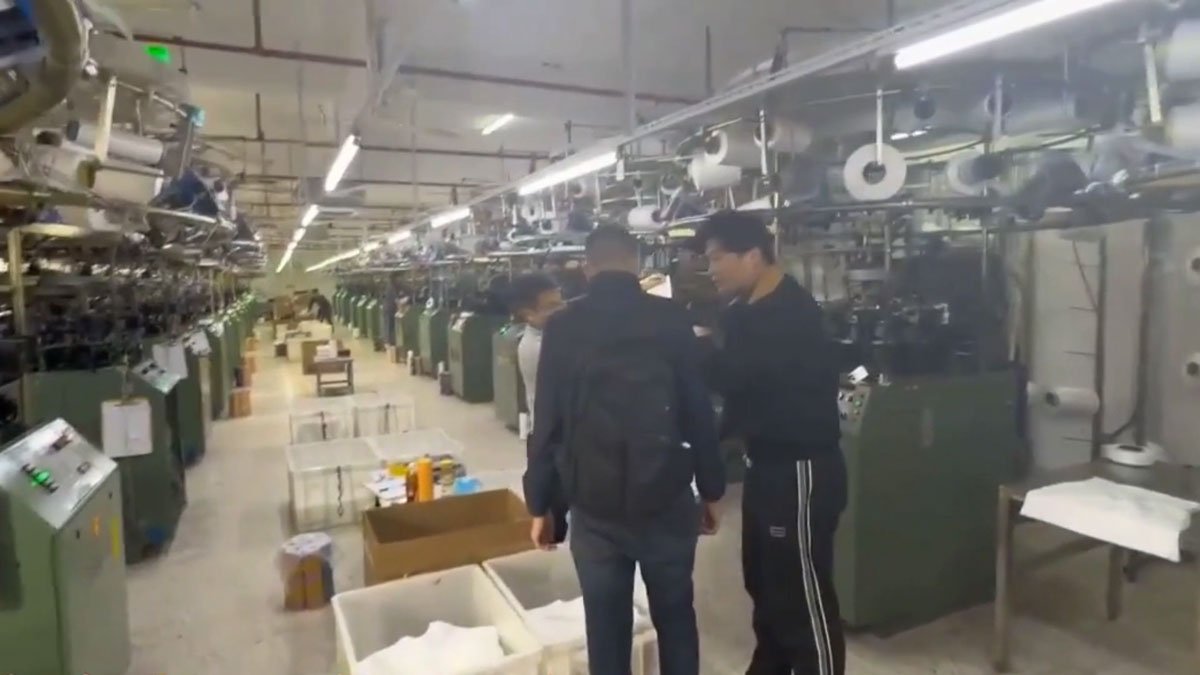
Case Study: From Leggings Tech Pack to Repeat Production
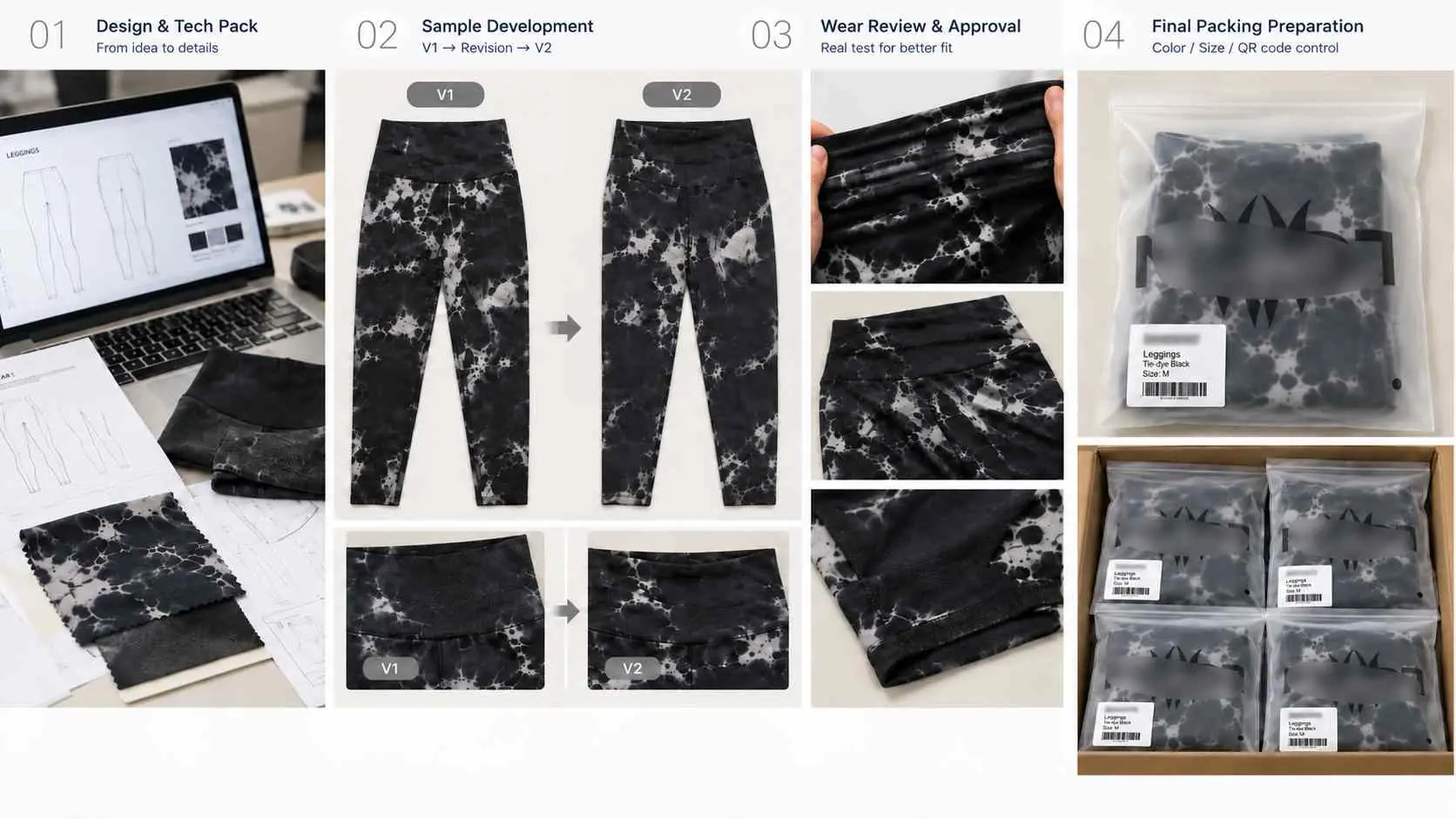
A U.S. fitness-content creator and activewear customer used MOVEVOX to develop performance-focused products from a customer-owned Tech Pack through sample revision, wear testing, private-label execution and repeat commercial orders.
Customer Background
The customer is based in the United States and operates an activewear business connected with a fitness-focused social audience. The documented relationship has continued for approximately three years. Products have included leggings, shorts, sports bras, workout sets, bodysuits and tank tops, with recurring requirements for high stretch, support, opacity, soft hand feel, inclusive sizing and seasonal fabric direction.
Challenge
The buyer did not only require a visually similar garment. Products needed to work for real fitness use and therefore combined material, fit, support, coverage and packaging requirements. The customer already had a Tech Pack, but the first physical sample revealed design points that did not fully match the intended use. In addition, the commercial program included multiple colors and sizes, branded packaging and different QR codes that had to correspond correctly with each garment variation.
Solution
MOVEVOX first reviewed the customer's Tech Pack for manufacturing feasibility and produced the initial sample. After the buyer evaluated the product in the intended fitness context, several details were adjusted and MOVEVOX developed a second version. When the revised sample was largely accepted, the buyer requested approximately five to ten additional samples for practical testing with the customer's audience.
After the wear-test direction was approved, the project progressed into commercial production. The order included customized packaging, a fitness-related instruction insert, labels, Logo, care labeling and outer packaging. Because each color and size used different QR-code information, MOVEVOX organized packing by style and color and used double confirmation to reduce SKU-to-QR mismatches.
Execution
Tech Pack Review
The customer supplied its own product Tech Pack. MOVEVOX reviewed the information for manufacturing feasibility before creating the first development sample.
First Sample
The initial sample translated the technical information into a physical garment that the buyer could evaluate under the intended product-use conditions.
Sample Revision
The buyer identified design details that did not fully meet practical fitness-use expectations. MOVEVOX revised the sample and produced a second controlled version.
Wear Testing
After the second version was largely accepted, approximately five to ten samples were produced for practical product testing before commercial bulk commitment.
Bulk and Branding
Commercial production included garment manufacturing together with Logo, labels, care labeling, custom packaging, instruction materials and other private-label requirements.
SKU Control
Different colors and four sizes per color required different QR-code information. Packing therefore used grouped processing and double confirmation to reduce data mismatch risk.
Documented cooperation period.
Typical order quantity in the case record.
Approximate purchasing rhythm.
Additional samples used for practical product testing.
QR-code mapping complexity in the commercial order.
Customer Quote
No quotation is invented from the internal statement that the customer was satisfied. Publish only an authentic, authorized customer statement.