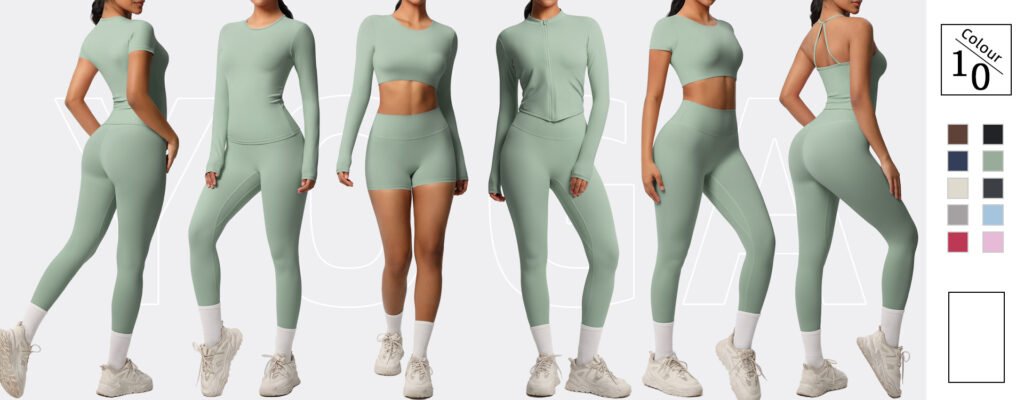
Activewear Factory China
Seamless and cut-and-sew activewear manufacturing in Yiwu, China, for established brands requiring product development, controlled bulk production and accountable supply-chain management.
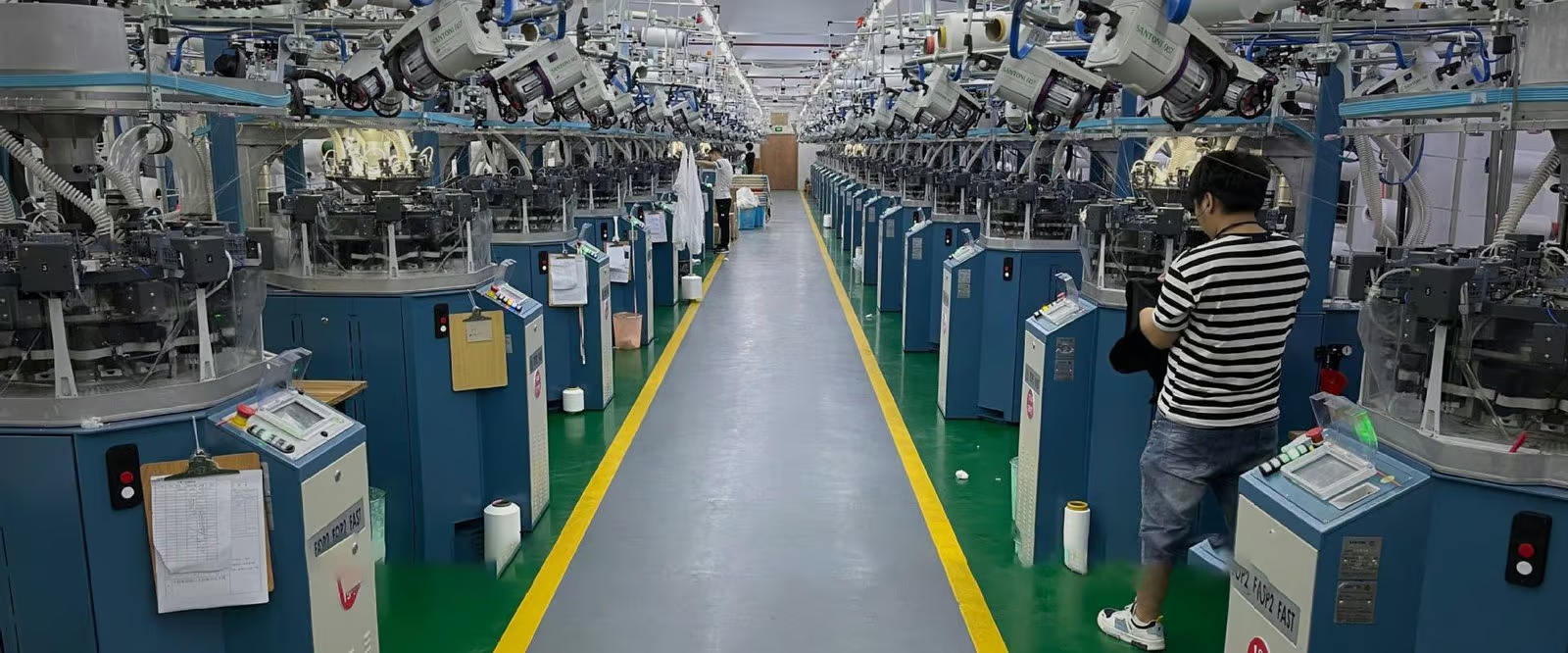
- Seamless manufacturing with 28 Italian Santoni machines at our Yiwu core facility.
- Cut-and-sew development and production supported by approximately 24 main sewing and garment machines.
- Standard sample development typically takes about 5–10 working days after key development details are confirmed.
- One accountable project interface coordinates development, materials, production, quality, packaging and shipment execution.
What Makes MOVEVOX an Activewear Factory in China?
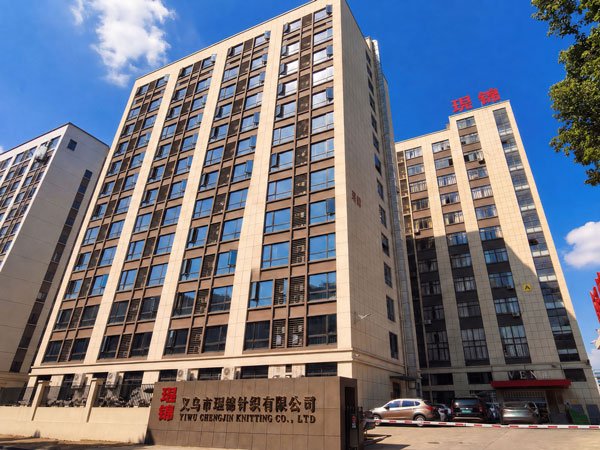
MOVEVOX operates a core activewear manufacturing facility in Yiwu, Zhejiang, combining seamless knitting and cut-and-sew production with product development, sampling, quality control and order management. The core facility establishes technical and quality standards, while controlled satellite capacity may support approved bulk programs when additional or specialized capacity is required.
Own Core Facility
The Yiwu core facility functions as a manufacturing, development, sample-validation and quality-control center, rather than simply an administrative sourcing office.
Two Manufacturing Systems
MOVEVOX operates both seamless and cut-and-sew capabilities, allowing different SKUs within an activewear collection to follow the manufacturing route that best fits their construction.
Controlled Extended Capacity
Additional production may use qualified satellite facilities under MOVEVOX allocation, document, quality and order-control systems rather than being presented as undisclosed in-house production.
Verifiable Operations
Customers can evaluate manufacturing reality through factory visits, live video communication, technical audits and project-specific inspection arrangements.
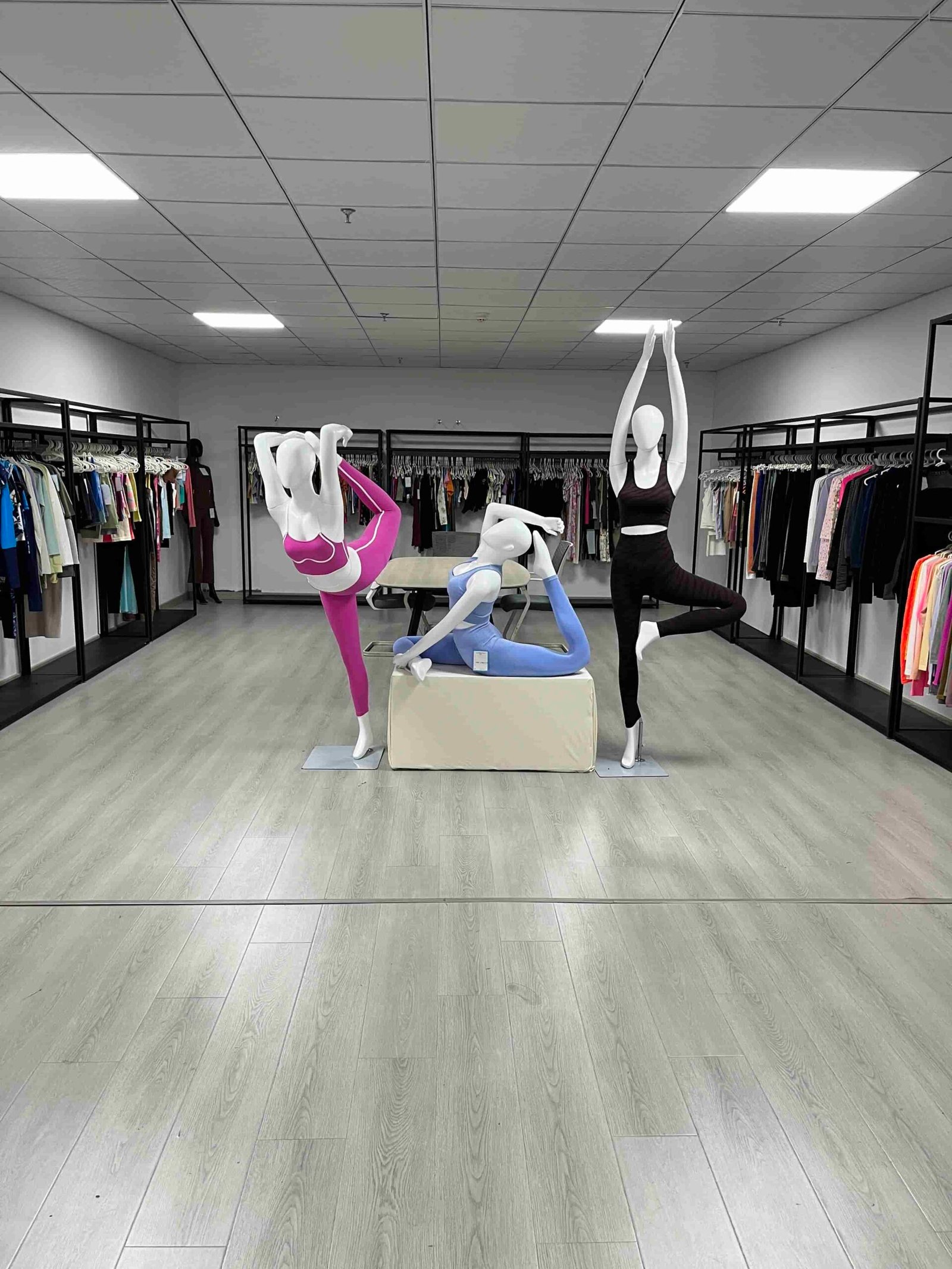
Women’s Activewear Categories We Develop and Manufacture
MOVEVOX’s most established product system is women’s activewear. The range combines core yoga and training categories with selected extended products, using seamless or cut-and-sew manufacturing according to the product structure.
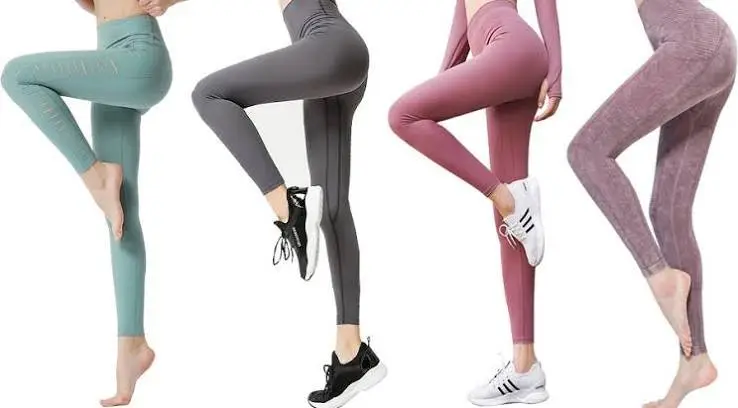
Yoga Leggings
A core MOVEVOX category available through seamless or cut-and-sew development depending on the required fit, knitted structure, panels, pockets, seams, material system and visual design. Final manufacturing route is confirmed during technical review rather than selected by product name alone.
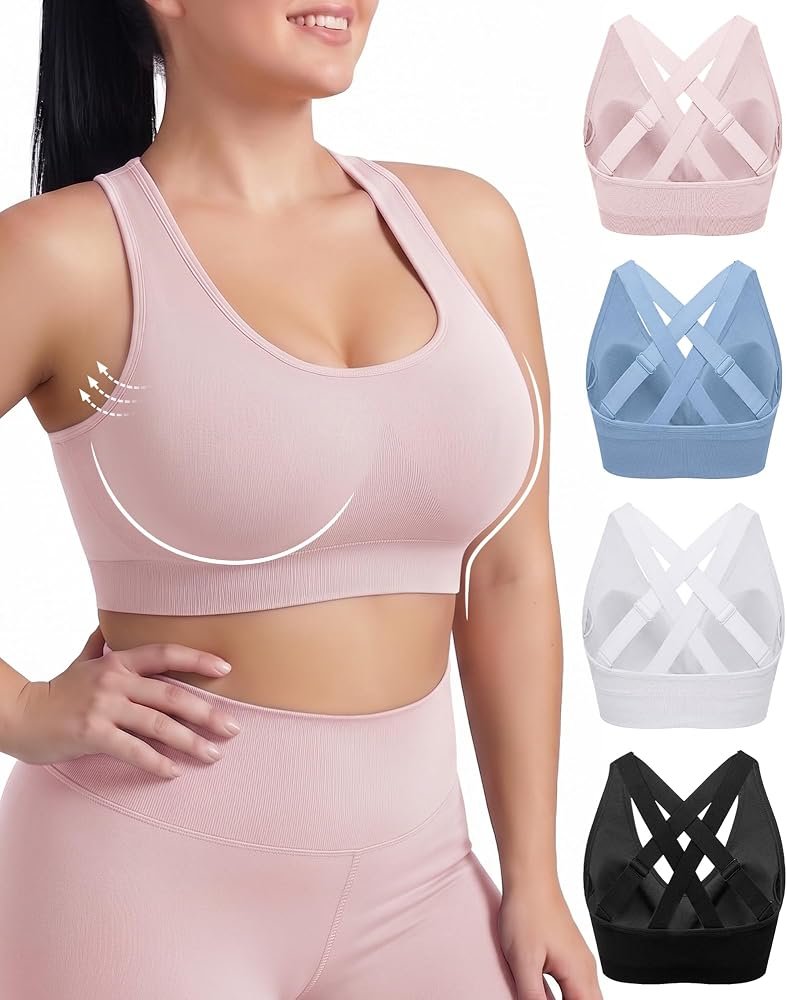
Sports Bras
Sports bra development may use seamless knitted structures or cut-and-sew construction. Development control focuses on fit, underbust and body measurements, strap or back structure, pad construction where applicable, materials, branding and approved workmanship before bulk production.
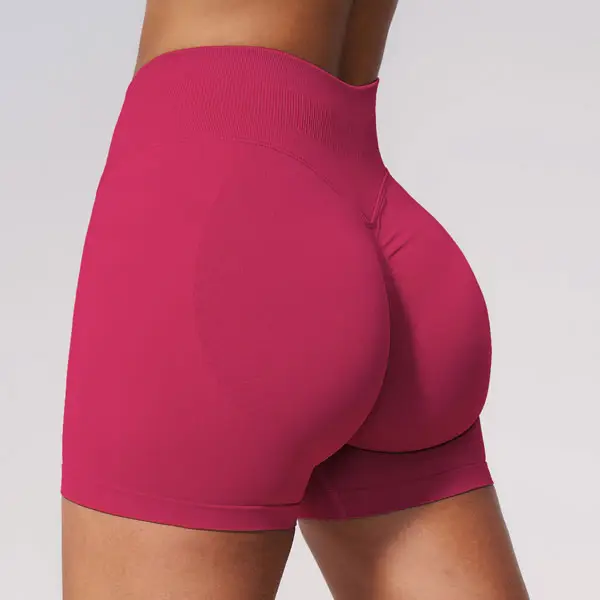
Yoga Shorts
Yoga and training shorts form part of the core product range. Options may include seamless engineered structures or cut-and-sew construction, with waistband, inseam, rise, fit, color, logo and material requirements defined through the sample and approval process.
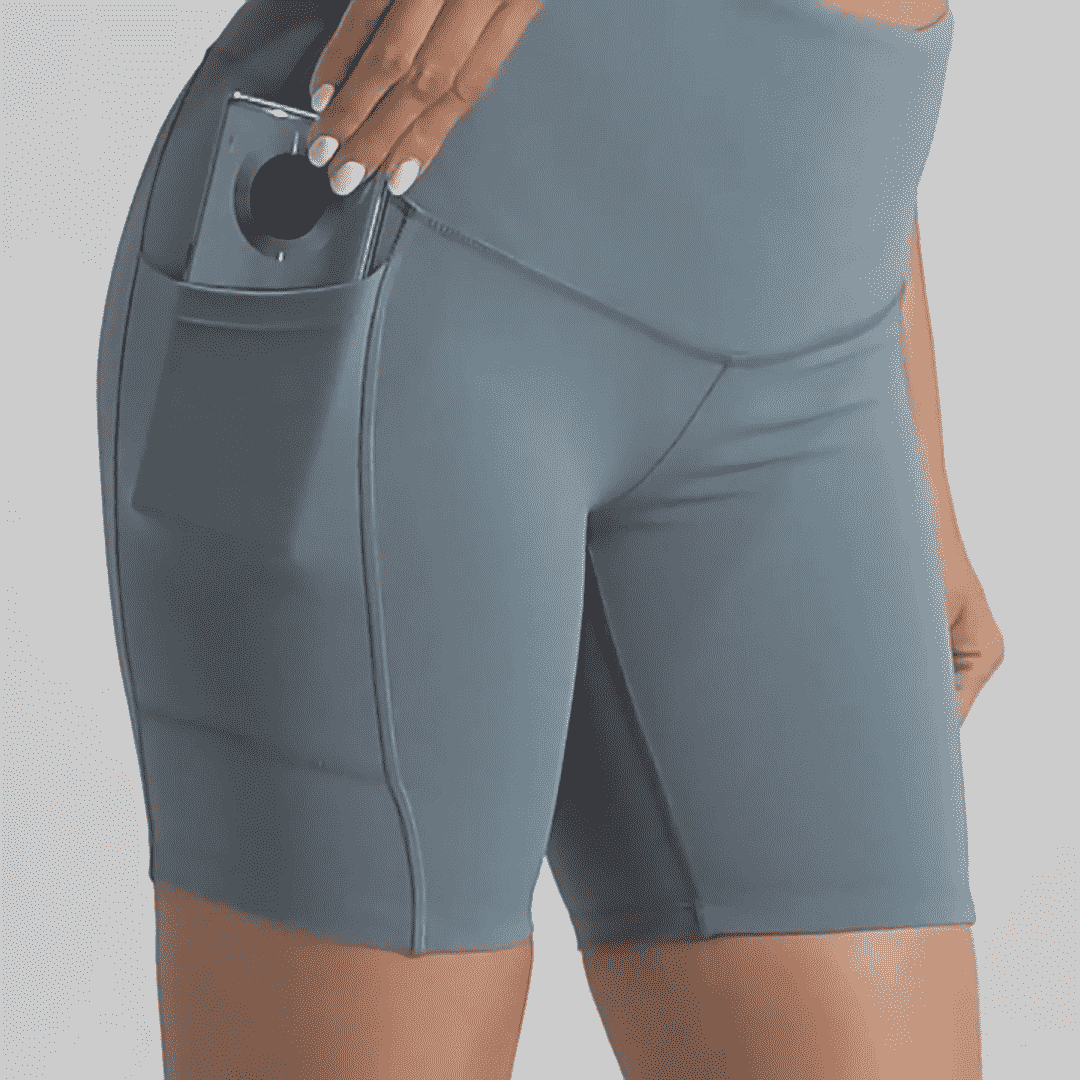
Biker Shorts
Biker shorts can be developed as part of coordinated yoga, gym or athleisure collections. Relevant decisions include length, waistband construction, fit, fabric or yarn, seamless zones where applicable, pockets or panel construction, branding and size requirements.
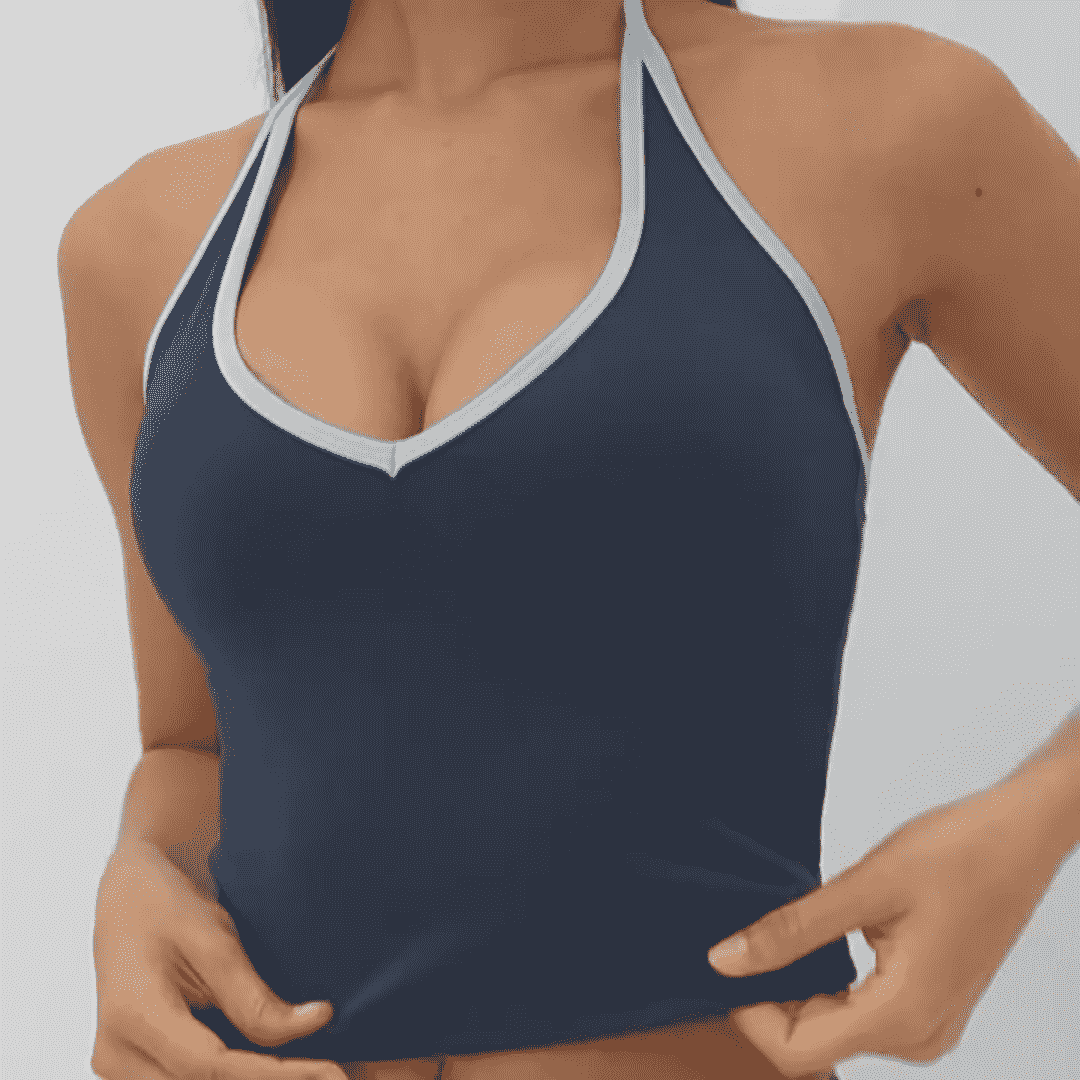
Tanks and Tops
Activewear tanks can support yoga, Pilates, gym and training collections. Depending on design, MOVEVOX can evaluate seamless or cut-and-sew routes and translate neckline, armhole, body fit, hem, fabric, logo and label requirements into development specifications.
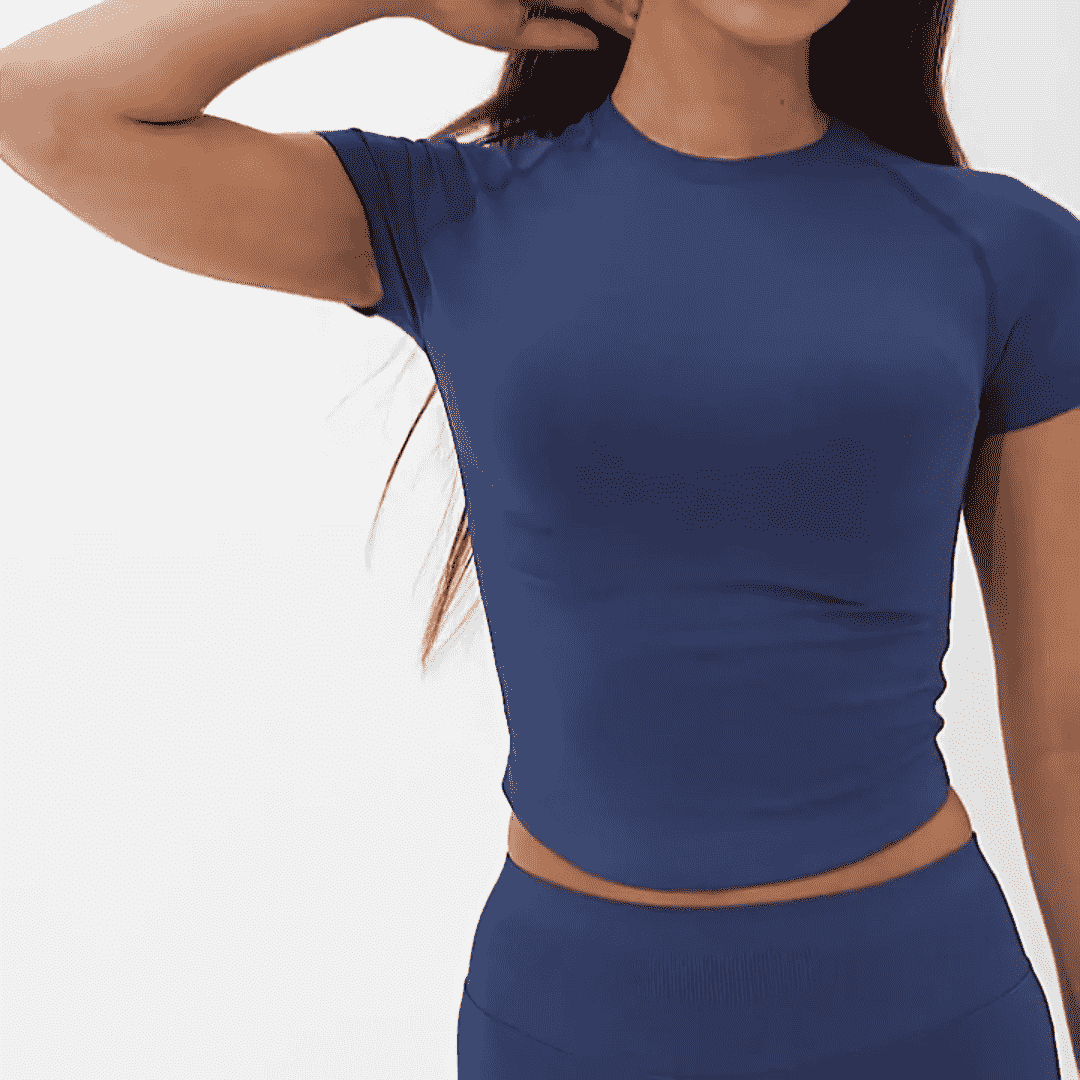
T-Shirts
Activewear T-shirts are part of MOVEVOX’s stable regular range. Development can cover fit, fabric, neckline construction, sleeve proportions, seam or finishing requirements, branding and retail-label execution, with material and workmanship standards confirmed before bulk.
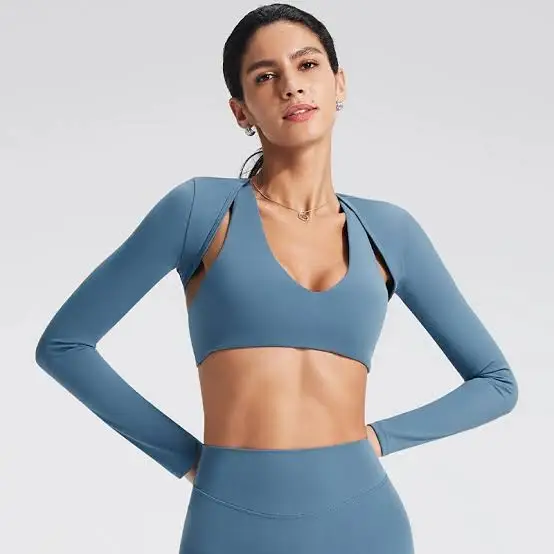
Long Sleeves
Long-sleeve activewear tops can extend an existing fabric, color and branding platform across a broader collection. Key controls include body fit, sleeve dimensions, neckline or cuff construction, fabric behavior, logo placement and approved measurements.
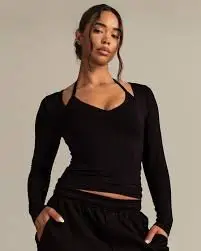
Activewear Sets
Coordinated sets allow buyers to carry common material, color and brand language across leggings, bras, shorts or tops. MOVEVOX can review which styles should be seamless, which should be cut-and-sew and which standards can be shared across the collection.
How MOVEVOX Manufactures Seamless Activewear
Seamless manufacturing is an engineered knitting system, not simply a garment with fewer visible seams. MOVEVOX’s Yiwu core facility operates 28 Santoni machines and manages programs, yarns, sizes and knitted structures by style.
Yarn and Color
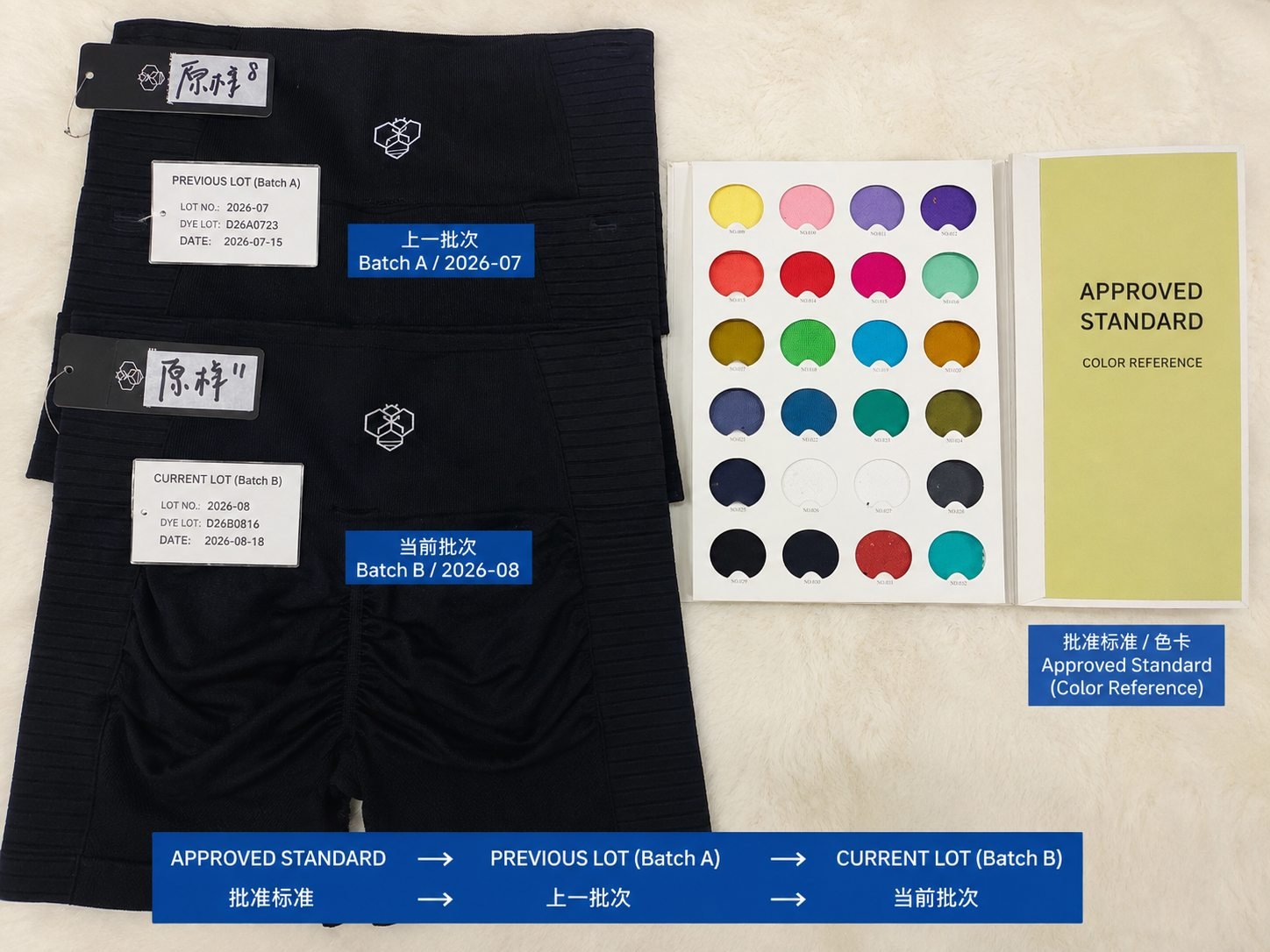
Seamless development begins with the yarn system and color requirement. Yarn composition, yarn lot and color influence handfeel, appearance, stretch behavior and knitted structure, so bulk execution should reference the approved material and relevant lot information.
Knitting Program
The knitting program translates design requirements into machine-executable structures. Program versions should remain linked to the relevant style and size so approved rib, mesh, texture, shaping or compression-zone effects can be reproduced during bulk knitting.
Rib Structures
Rib structures can be engineered into areas such as waistbands or selected body zones. Their density and appearance need to be evaluated in the actual yarn and garment structure because visual and elastic behavior cannot be judged independently from material and program settings.
Mesh Zones
Mesh can be created as an integrated knitted structure where the product design requires it. Placement, openness, stretch behavior and visual effect are confirmed during development rather than being treated as a generic “breathability” performance claim without testing.
Engineered Zones
Local compression, texture or shaping zones can be created through knitted structures when suitable for the product. Development requires trial knitting and measurement or structure review before the relevant program and material combination is released for bulk.
Necessary Sewing
“Seamless” does not mean an absolutely seam-free finished garment. Crotch, shoulder, neckline, pad opening, label or other areas may still require sewing or finishing, depending on the product design and construction.
How Cut-and-Sew Activewear Moves Into Bulk Production
MOVEVOX’s cut-and-sew system starts with approved patterns, fabric and construction standards. The Yiwu core facility has approximately 24 main sewing and garment-production machines covering the principal activewear sewing processes.
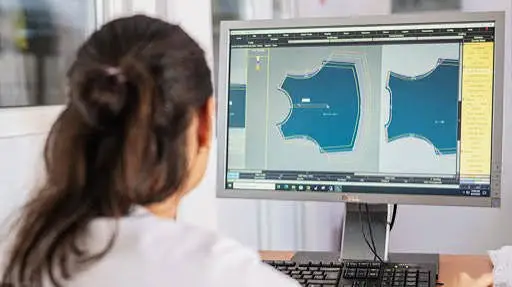
Pattern Engineering
The approved pattern defines garment geometry before cutting begins. Fit comments, measurement changes and construction decisions made during sampling need to be incorporated into the current released pattern rather than carried forward through informal production instructions.
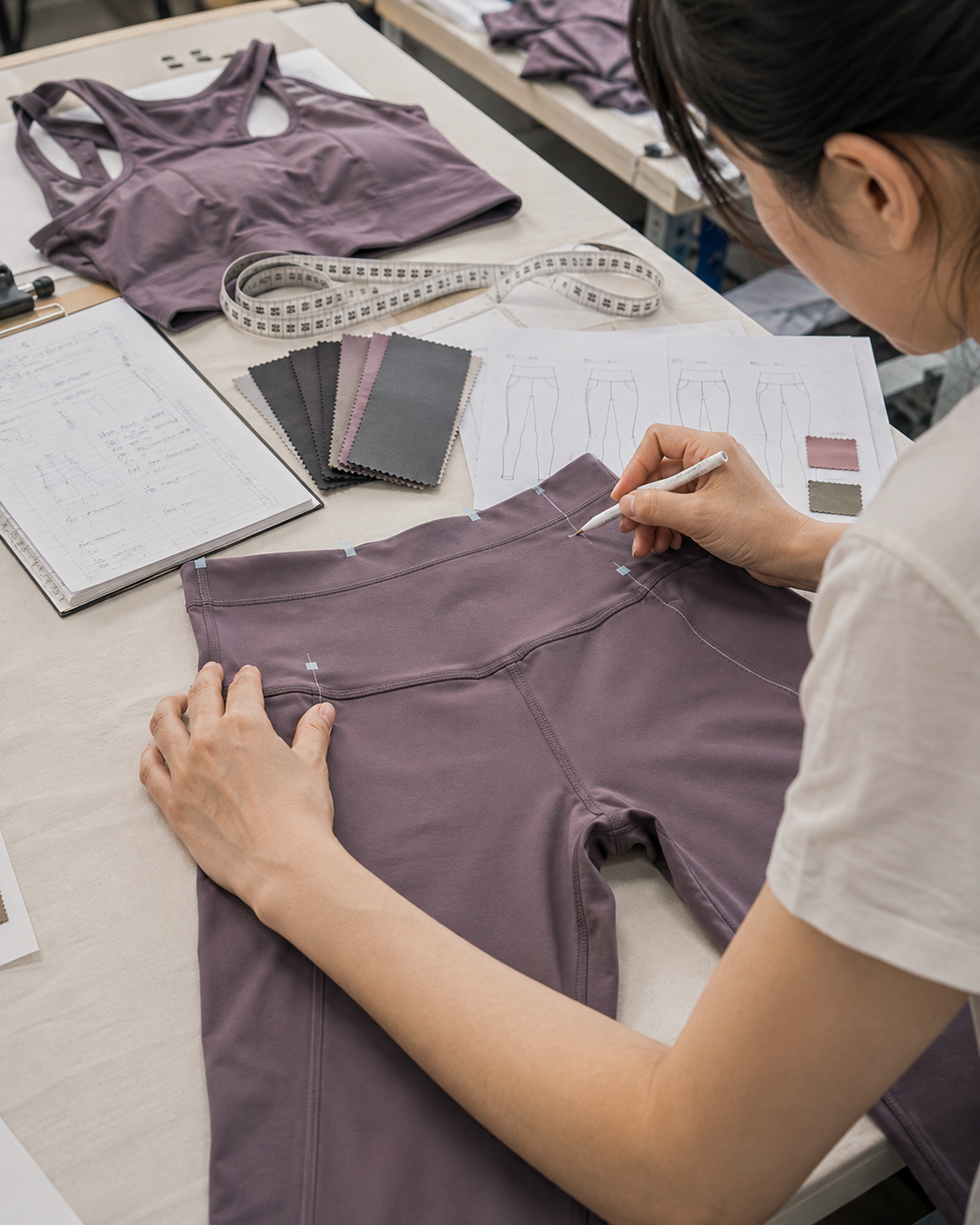
Fabric Cutting
Fabric lot, direction, stretch behavior, marker and cutting accuracy influence downstream fit and assembly. Cutting therefore follows approved product information and the selected material rather than assuming that visually similar fabrics will behave identically.
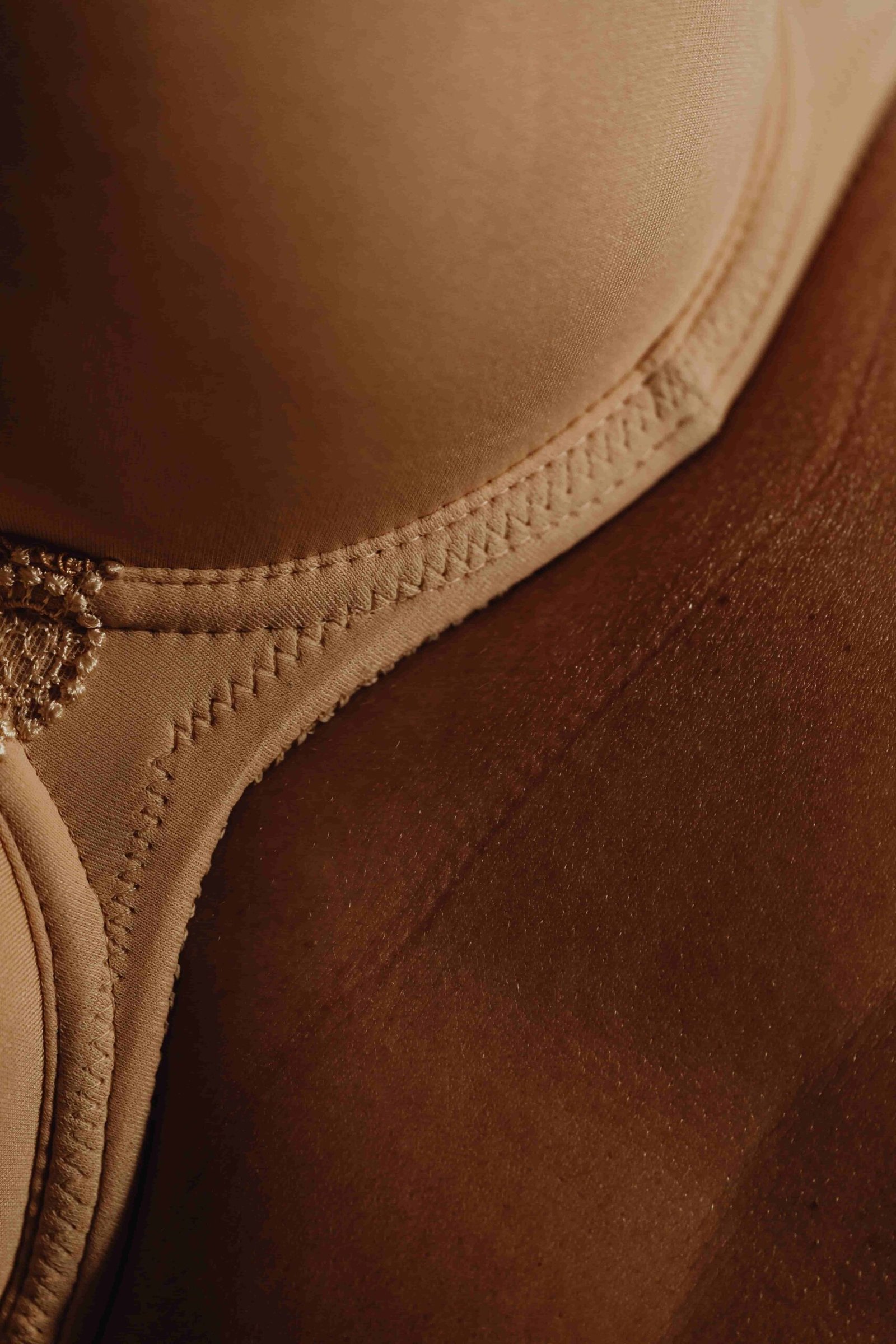
Overlock Construction
Overlock is used where the approved garment structure requires edge joining or seam construction. Thread, seam execution and the interaction between stretch fabric and construction need to be assessed within the actual product rather than as an isolated stitch choice.

Flatlock Construction
Flatlock can be used for selected activewear seams where the design and construction specify it. Seam appearance, alignment, stretch and workmanship are reviewed during sample development and become part of the approved standard for production.

Coverstitch Details
Coverstitch or related finishing methods may be used on hems, edges or selected construction points. Finished appearance and measurements need to match the released specification and approved sample during first-article and in-line inspections.
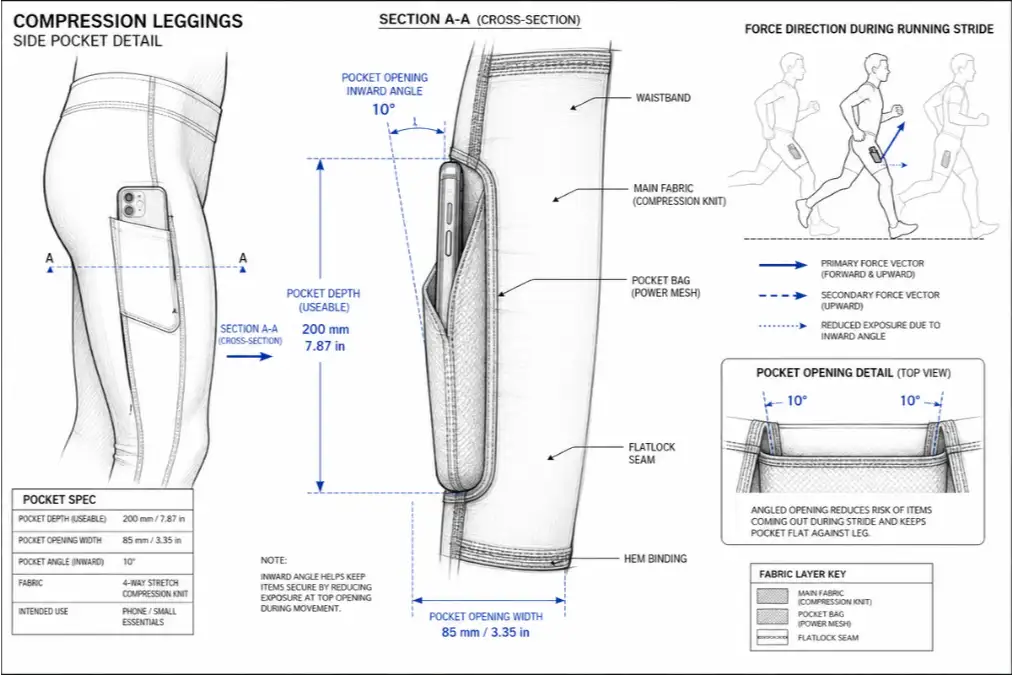
Complex Components
Pockets, panels, zippers, binding, elastic, pads or multiple materials create more production and alignment points. These styles require clearer BOM, construction, sample and quality references before bulk production is released.
From Product Input to Bulk-Ready Activewear Specifications
MOVEVOX treats product development as a controlled translation process. The objective is not only to produce a sample, but to convert the buyer’s requirements into specifications that can be approved, released and repeated in bulk.
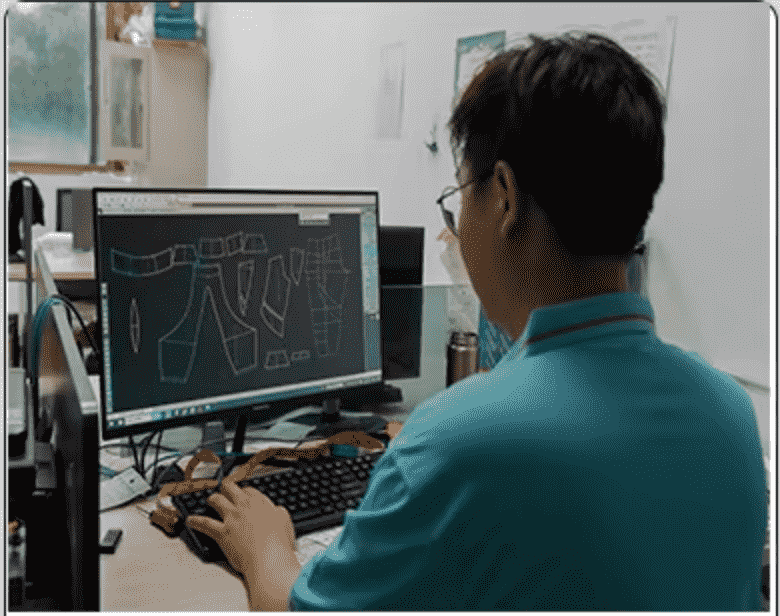
1. Input
Development may begin from a Tech Pack, physical sample, product images, sketch, fabric reference or a defined product concept. The available input determines how much technical clarification is required before sample work starts.

2. Engineering
Product requirements are translated into measurements, pattern or seamless-program decisions, materials, construction, color, branding and other execution details. Open questions are identified before they become hidden assumptions in the sample.
3. Sample
The relevant development sample is produced using the current agreed inputs. MOVEVOX then checks the sample internally before customer review, with the exact sample type selected according to the development stage and risk.
4. Approval
Customer comments are consolidated into revisions. The current version, measurements, fabric or yarn, color, construction, logo, labels and other applicable requirements are updated until the agreed approval level is reached.
5. Bulk-Ready
Approved information is carried into pre-production review, first-article validation and bulk QC. The goal is to make the approved development result usable as a production standard rather than leaving critical knowledge only in the sample room.
How We Review a Full Activewear Tech Pack
A complete Tech Pack can shorten technical interpretation, but it still requires manufacturing review. MOVEVOX checks whether dimensions, materials, construction, branding and commercial requirements are internally consistent and executable.

Technical Drawing
Confirm product views, key design features and construction intent. Any areas that are visually shown but not technically defined should be raised as questions rather than interpreted silently.
Measurement and Fit
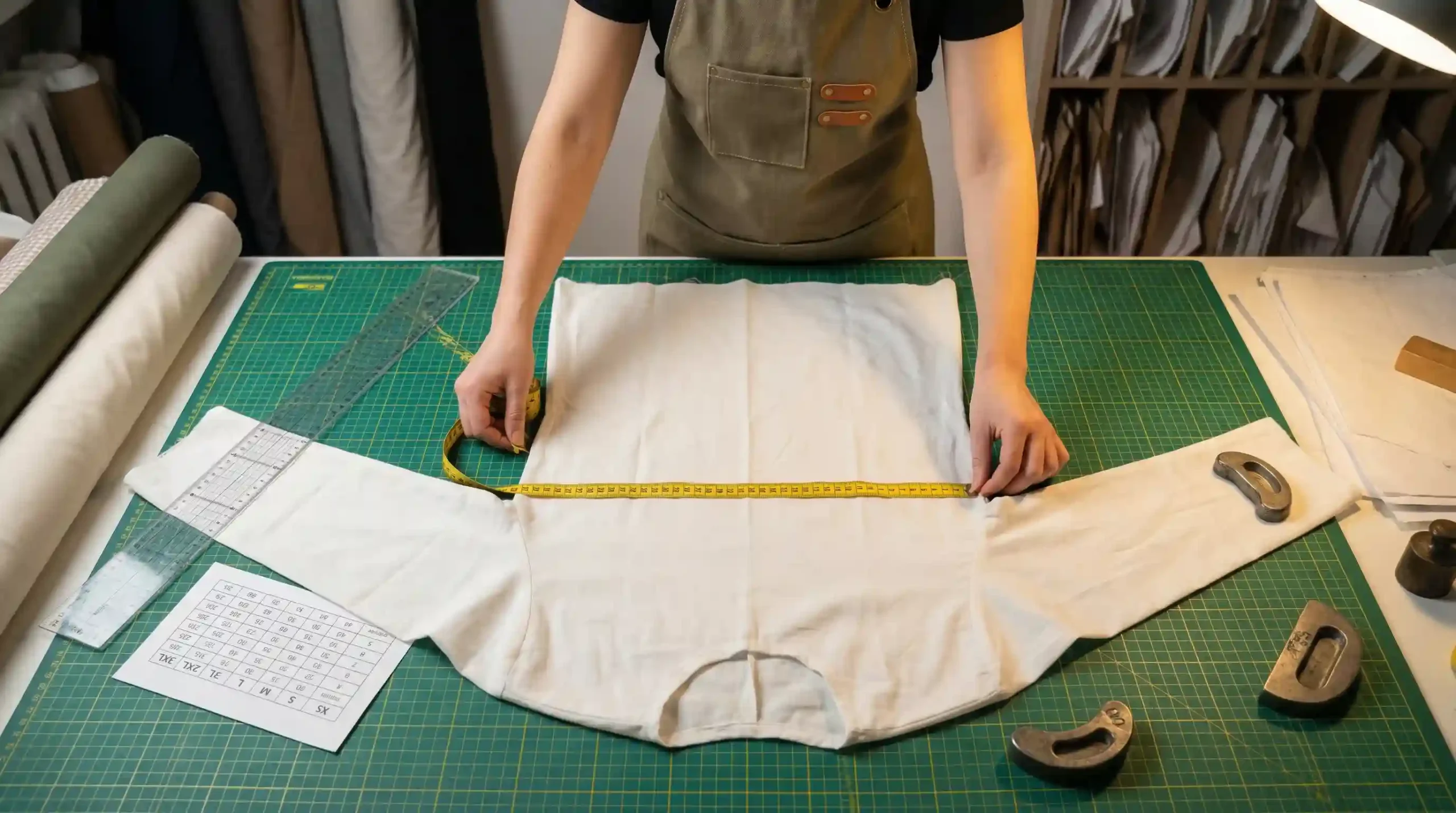
Review base-size measurements, POM definitions, grading information where supplied, and construction points that may influence finished measurements. Any unclear measurement method should be resolved before approval.
Fabric or Yarn
Map the specified material, composition, structure, color and relevant properties to the proposed product. Availability, MOQ, color requirements and substitution risks should be identified before bulk commitment.
Construction
Translate seam, stitch, panel, seamless-zone, waistband, pocket, pad, elastic or other construction requirements into the appropriate manufacturing route and sample execution.
Branding and Packaging
Review logo artwork, placement, labels, hangtags, barcode or packaging specifications that affect sampling, MOQ, sourcing, production or final inspection.
Open-Point Review
Consolidate missing, conflicting or technically uncertain information into a controlled question list. Once confirmed, updates should be reflected in the current development version instead of remaining in disconnected emails.
Fabric Selection Starts With the Product Requirement
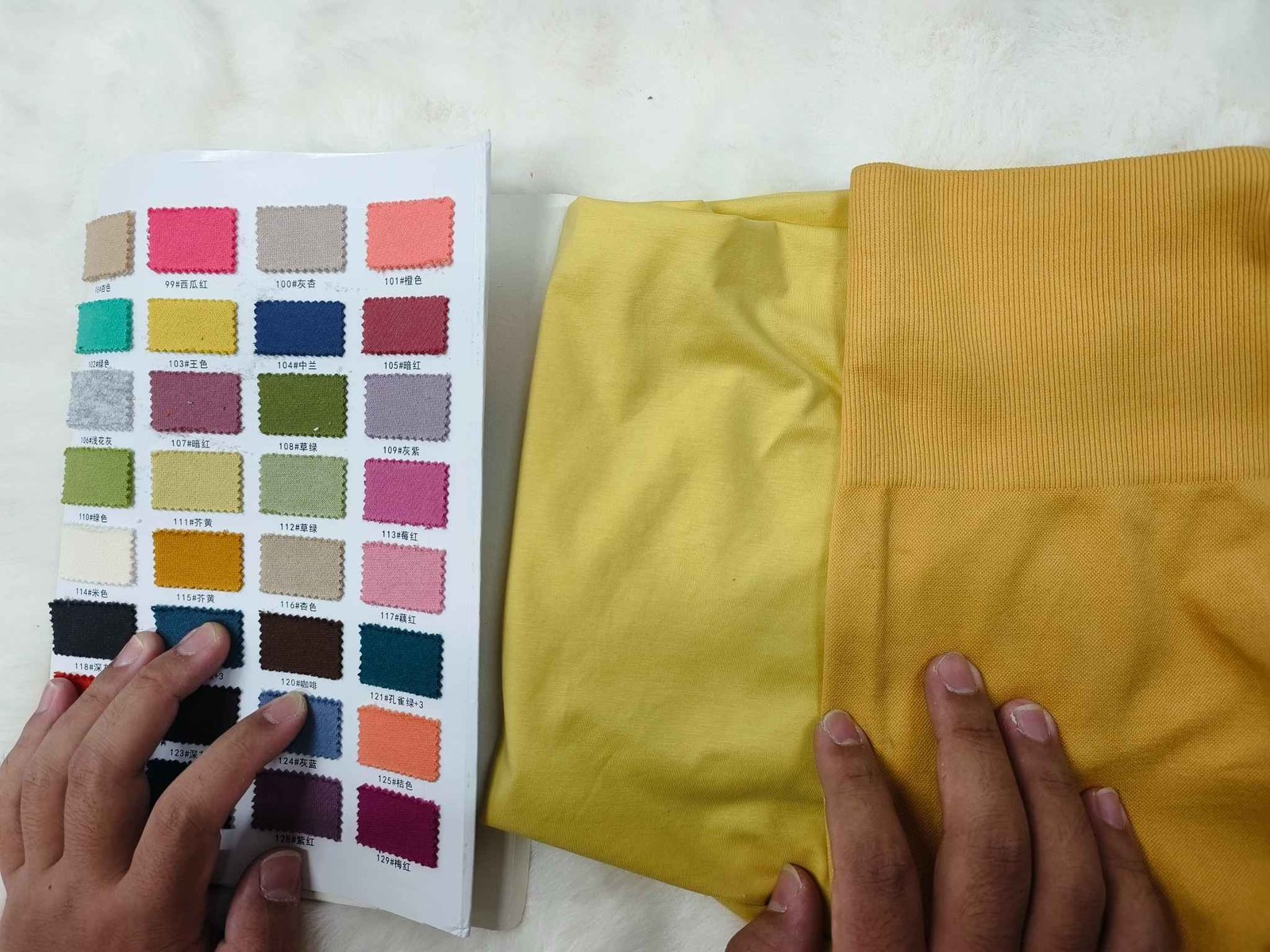
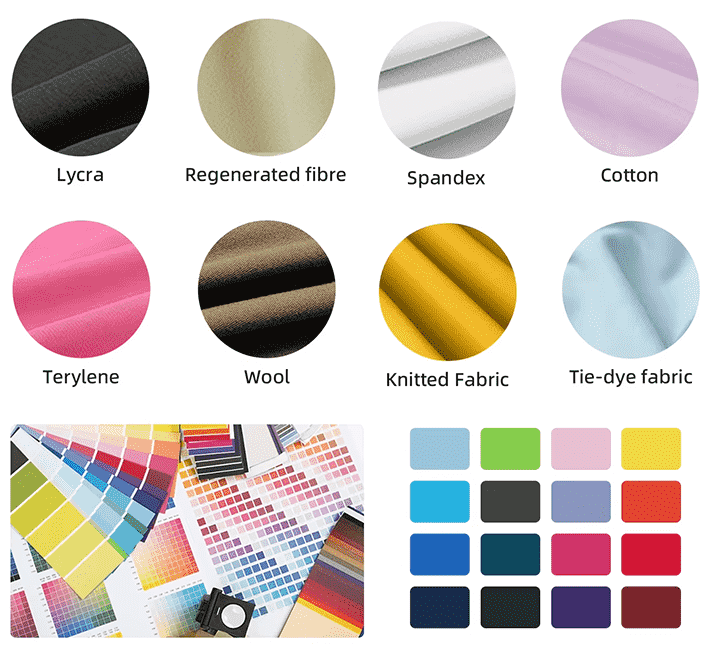
MOVEVOX does not treat fabric selection as a color-card exercise. Material choice needs to be considered together with fit, construction, handfeel, stretch behavior, appearance, MOQ, color development and testing requirements.
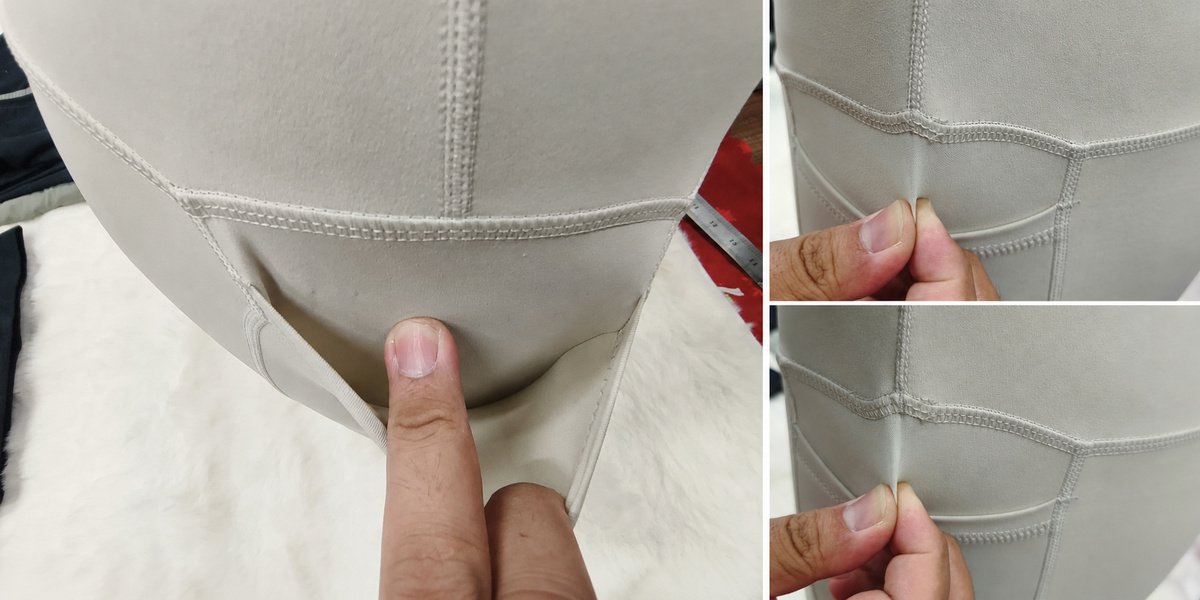
Nylon-Spandex
Nylon-and-spandex constructions are commonly evaluated for activewear where the buyer requires a particular balance of stretch, surface feel, recovery, thickness and appearance. Final fabric choice should be approved on the actual development swatch or garment rather than by composition alone.

Polyester-Spandex
Polyester-and-spandex options can be evaluated according to the product’s handfeel, surface, stretch, weight, color requirement, construction and commercial target. The exact fabric and finish should be confirmed before performance or durability claims are attached to the product.

Seamless Yarns
Seamless garments require yarn selection to work together with machine program, knitted density, garment size and engineered structures. A yarn that works for one seamless design cannot automatically be treated as an equivalent input for every style or program.

Brushed Options
Where a project calls for a brushed or warmer surface, the actual material should be assessed for handfeel, thickness, stretch, appearance and its effect on pattern, fit and sewing. Brushing should not be treated as an independent feature without checking the complete garment.

Recycled Options
Recycled-material options can be reviewed where required by the buyer, subject to actual material availability, supplier evidence, project specifications and any required certification or testing scope. MOVEVOX should not convert a supplier-level material claim into a finished-garment claim without supporting evidence.
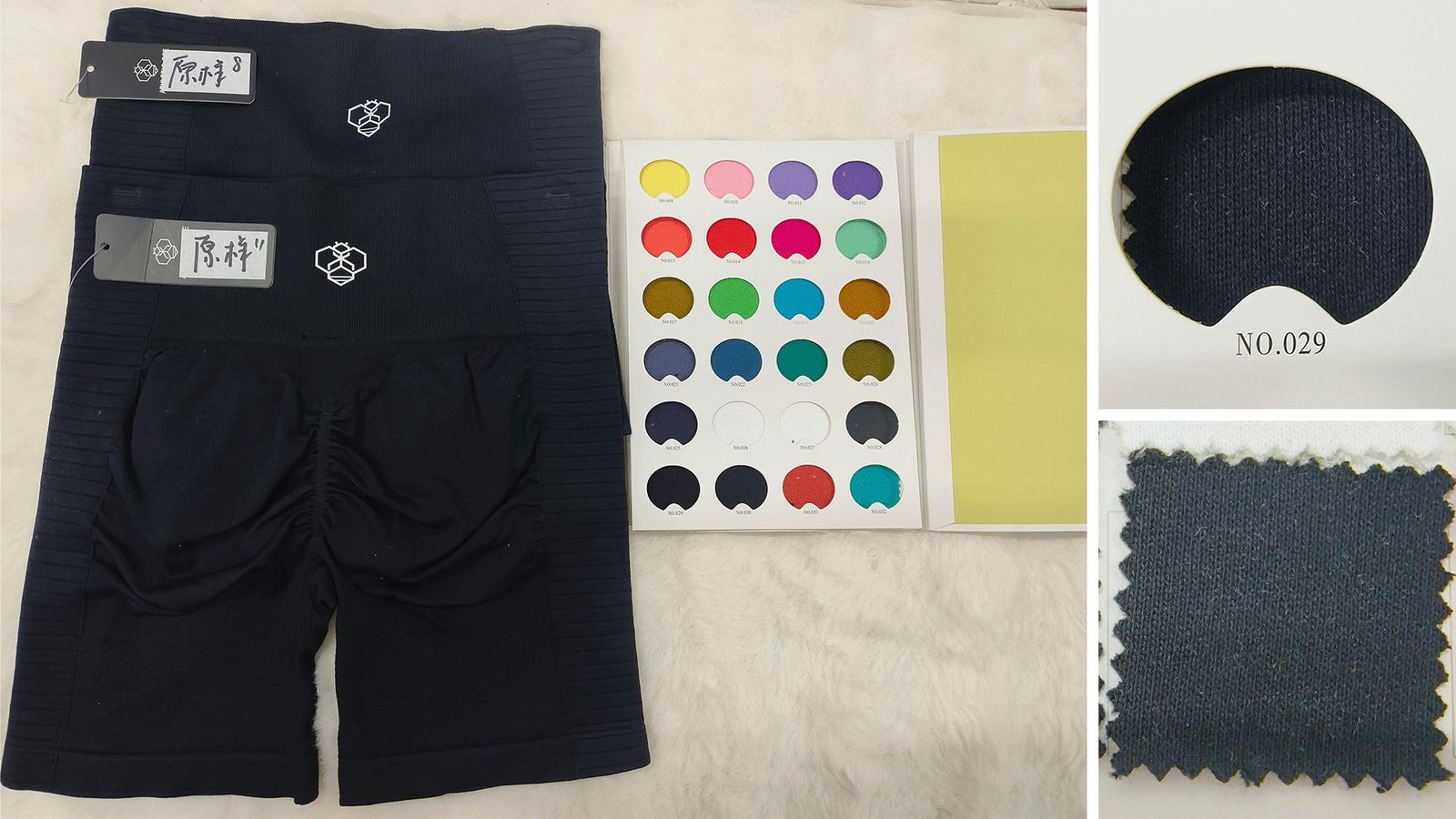
Specified Materials
When a brand nominates a fabric, mill or approved reference, MOVEVOX can review manufacturability, MOQ and project implications. Any alternative should be clearly identified and approved rather than substituted without documented customer agreement.
Build the Product and the Brand Execution Together
Private label production is more than adding a logo to an existing garment. MOVEVOX can coordinate product customization, brand identification and retail packaging as connected parts of the same approved product specification.
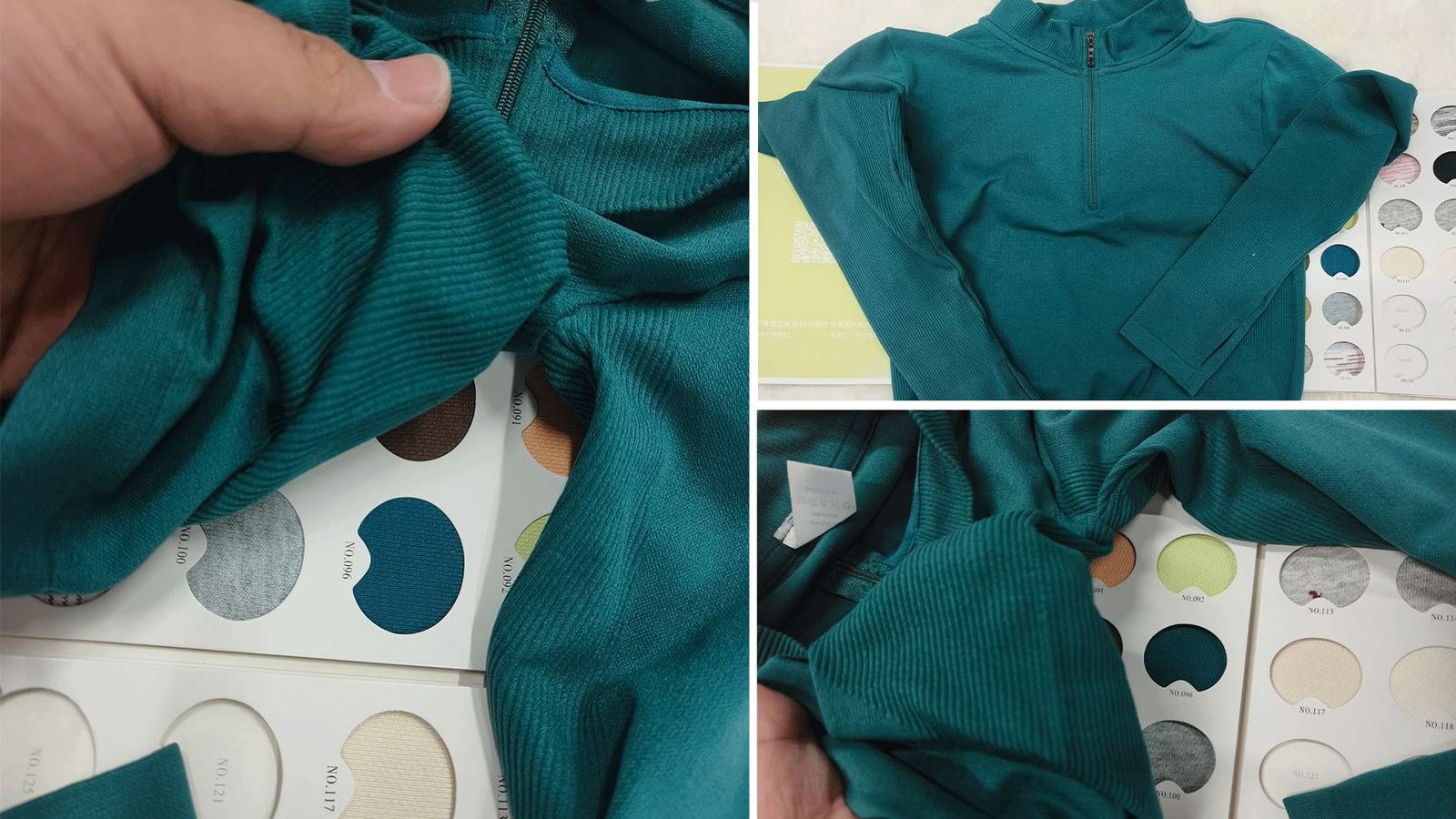
Product System
Start with the garment itself: product category, fit, material or yarn, construction, color, measurements and manufacturing route. These decisions form the technical base that branding and retail execution must follow. MOVEVOX supports development from Tech Packs and other defined inputs and can coordinate the product through sampling and approval before bulk.
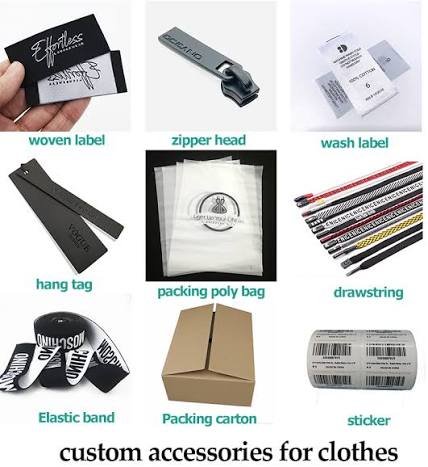
Brand Identity
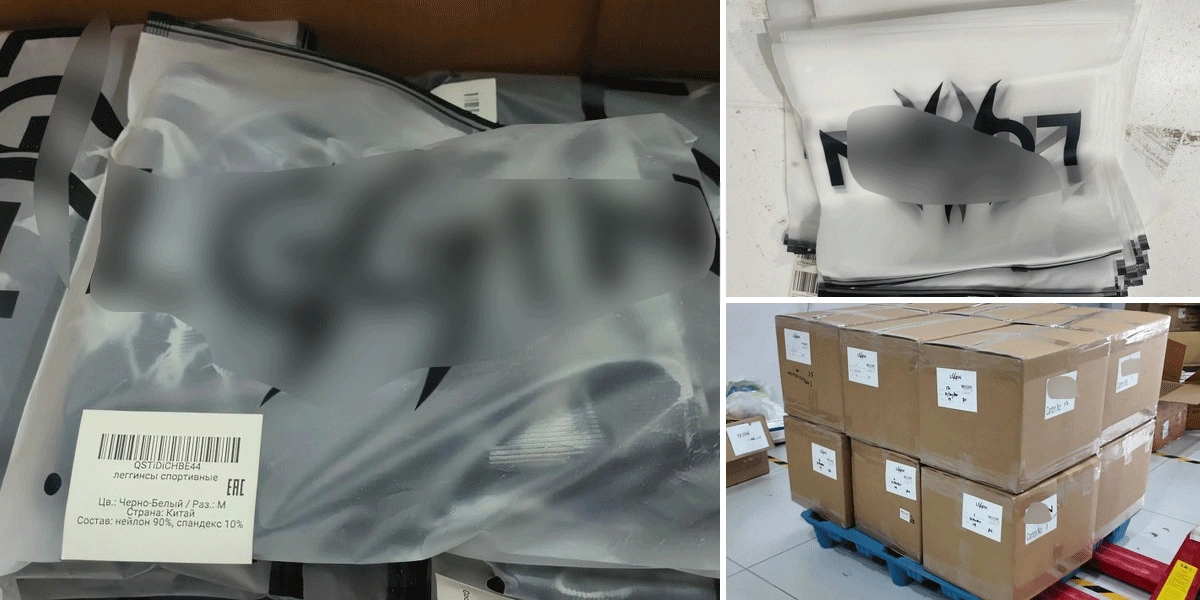
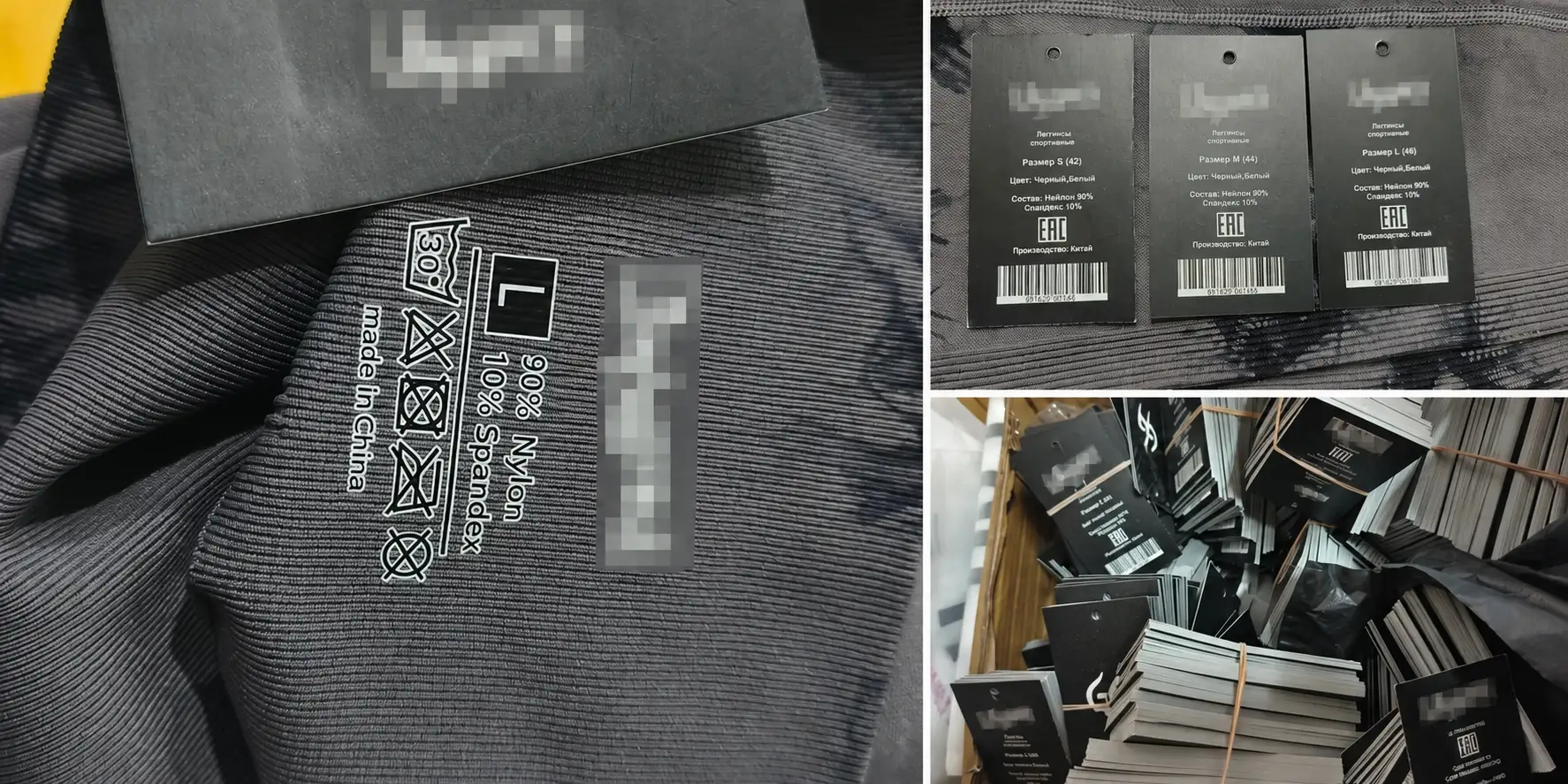
Brand execution can include logo methods, main labels, size labels, care labels, woven labels and hangtags, depending on the project. Artwork, size, color, placement and relevant material or process should be approved before production. Different logo or label suppliers may have their own MOQ and development conditions.
Retail Packaging
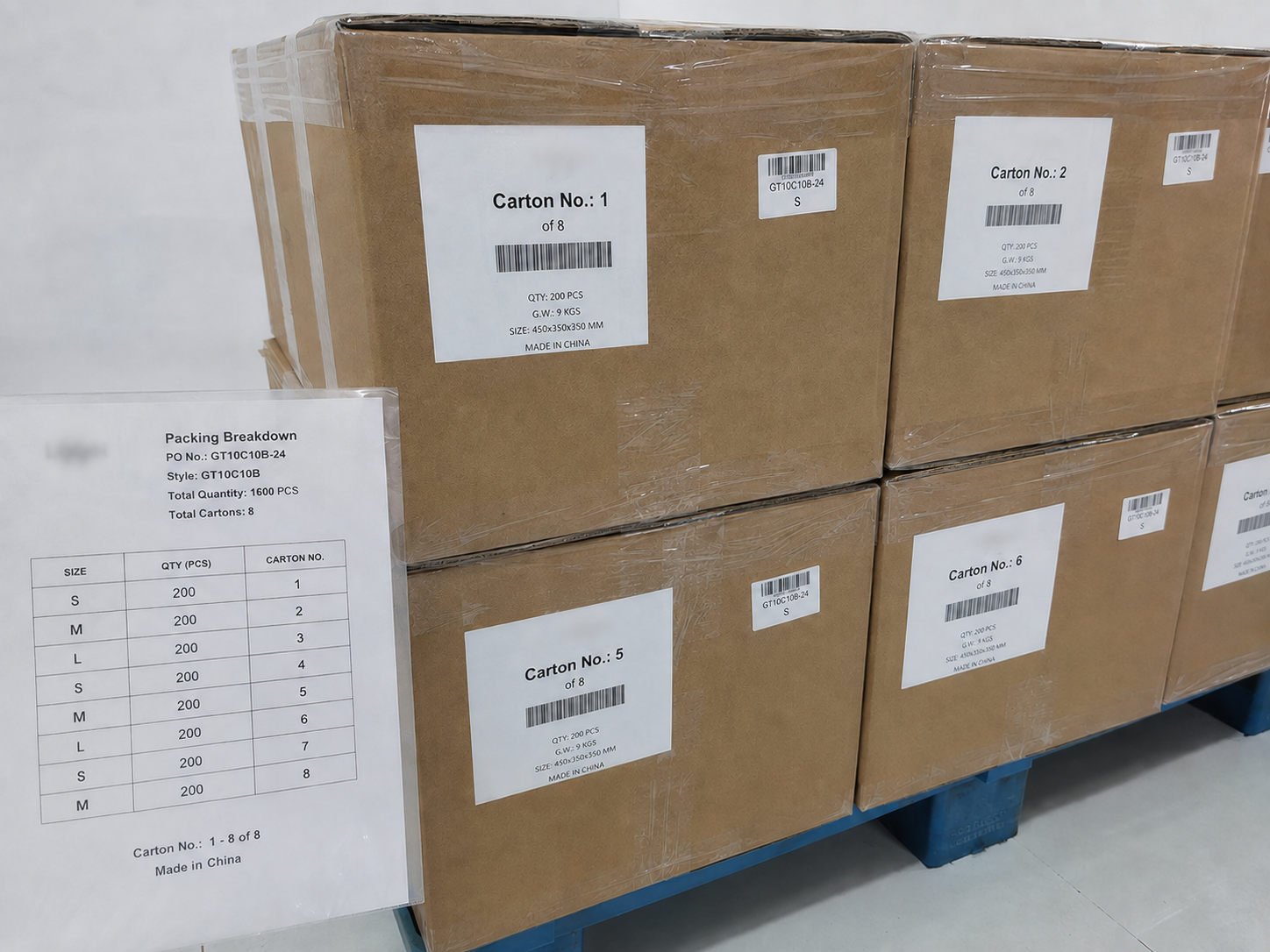
Packaging can include polybags, stickers, barcodes, custom packaging and carton marks where required by the project. Packaging instructions should be treated as controlled order information so SKU, size, barcode and carton execution can be checked during packing rather than added informally at the end of production.
Sampling Is an Approval Process, Not a Single Garment
Each sample should answer a defined development question. MOVEVOX uses sample types, revision control and approval records so accepted development decisions can later be transferred into bulk-production and QC standards.
1. Input Review
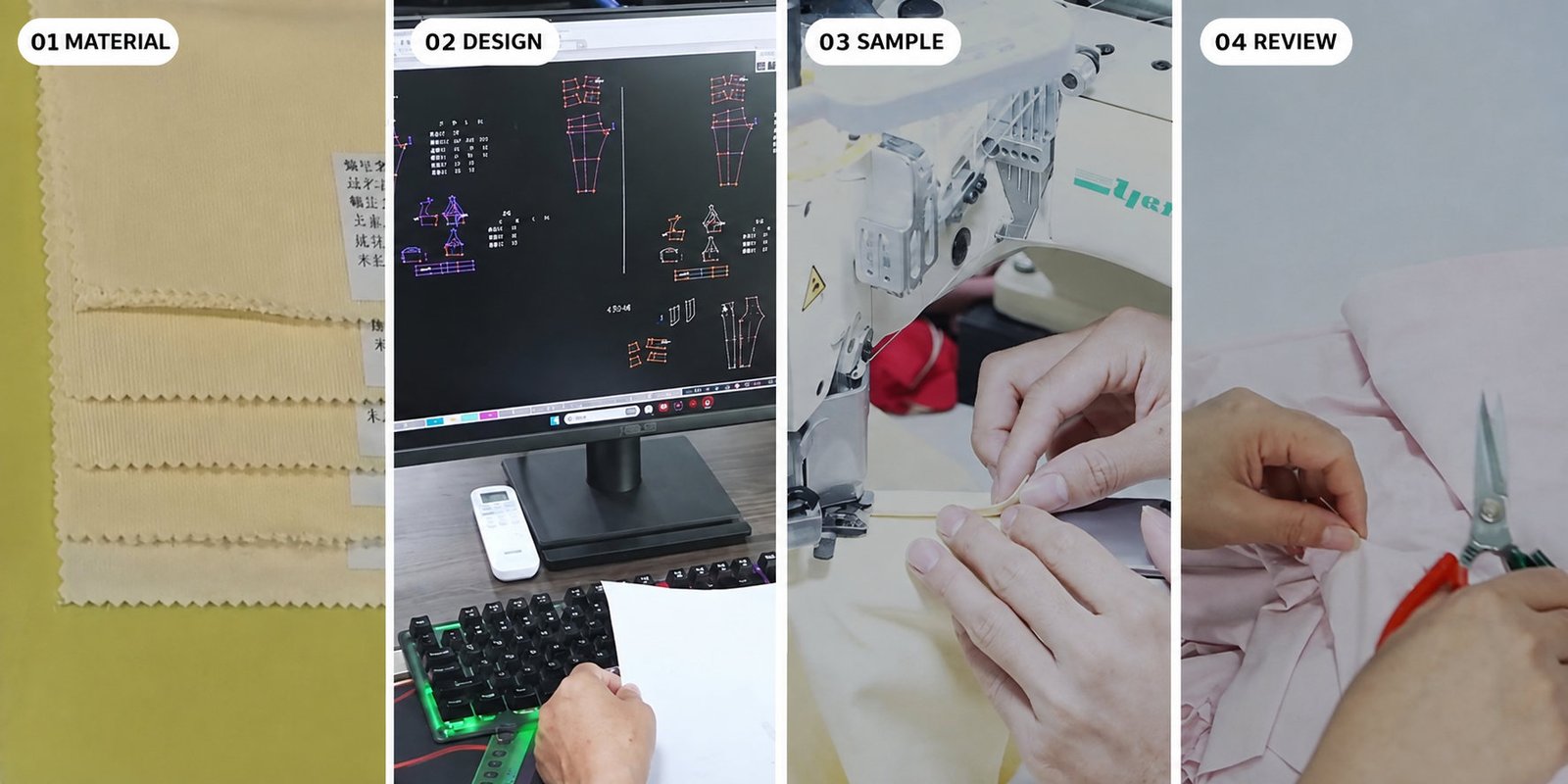
Confirm the current Tech Pack, reference, measurements, fabric or yarn, color, branding and unresolved questions before physical sample work begins.
2. Sample Build
Create the relevant development sample through pattern and sewing or seamless-program development, depending on the chosen manufacturing route.
3. Internal Check
Review key measurements, construction, workmanship and the development requirements that can be checked before the sample is released to the customer.
4. Buyer Review
The customer evaluates the sample against the intended product standard and consolidates fit, measurement, fabric, color, logo or workmanship comments.

5. Revise and Approve
Required changes are incorporated into the current version. The next sample is checked against the revised requirements until an agreed approval state is reached.
What Must Be Locked Before Bulk Production Starts
An approved sample is valuable only when the relevant decisions are written back into production information. MOVEVOX uses a controlled handover so bulk teams do not rely on memory, assumptions or outdated development versions.
Approved Product Standard
The approved or PP sample acts as one physical reference together with the current Tech Pack, final measurements and other approved specifications. It does not replace the written production information.
Material and Color
Fabric, yarn and color decisions confirmed during development need to be linked to the material used for bulk. Any proposed change requires evaluation before production.
Branding and Packaging
Approved logo, label, trim and packaging requirements need to become controlled production and inspection references.
Released Production Version
Bulk teams should work from the current released Tech Pack, measurement information, BOM or material reference and approved construction—not from previous sample versions.

Actual Bulk Inputs
The first article verifies the approved requirements using actual bulk material, machine, program, pattern, line and relevant production conditions.
Quality Verification
First-article, in-line and final checks compare actual production against the released specification and approved standards before shipment release.
From Approved Standard to Controlled Bulk Production
Bulk production begins only after the project is sufficiently ready. MOVEVOX connects order review, material release, production validation, WIP control and final quality release rather than treating production as a single sewing or knitting step.
1. Production Readiness
Confirm PO, styles, quantities, released technical information, approved sample status, materials, branding, quality requirements, packaging and delivery requirements before bulk is released.
2. Material Release
Confirm the intended fabric, yarn, trim, label, logo and packaging inputs. Material changes that affect an approved standard should not enter production without the required review and approval.
3. First Article
Produce a representative first article using actual bulk inputs and operating conditions. Check measurements, fit, construction or seamless structure, color, branding, labels, accessories and appearance before wider production.

4. Bulk and WIP
Proceed with seamless knitting or cut-and-sew production while tracking WIP, production progress, material status and relevant risks against the project plan.
5. In-Line Control
Inspect production while work is still in progress so measurement, construction, fabric, color, seamless structure, logo or workmanship trends can be identified before they become larger finished-goods issues.
6. Final Release
Complete finished-garment, packaging and final checks according to the applicable customer or agreed project standard before the shipment is released.
Inside the MOVEVOX Core Activewear Factory in Yiwu
The Yiwu core facility is more than one production location in the network. It establishes technical standards, validates samples and processes, handles core production and supports quality and order control before standards are scaled elsewhere.
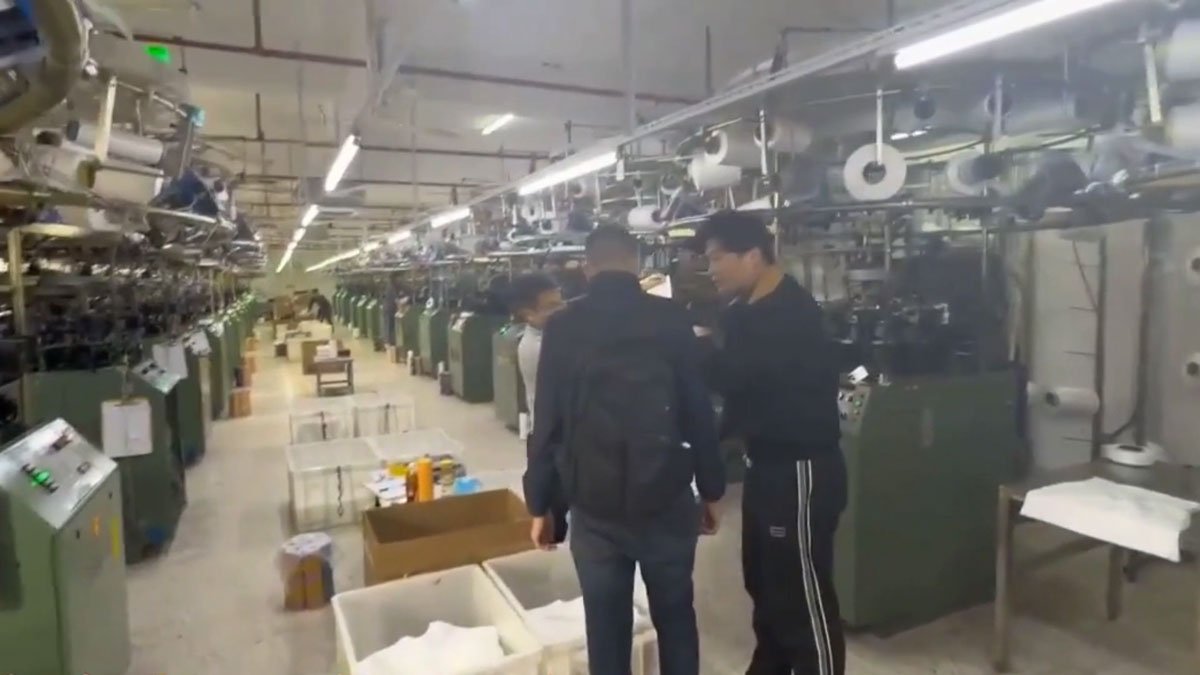
Seamless Manufacturing Area
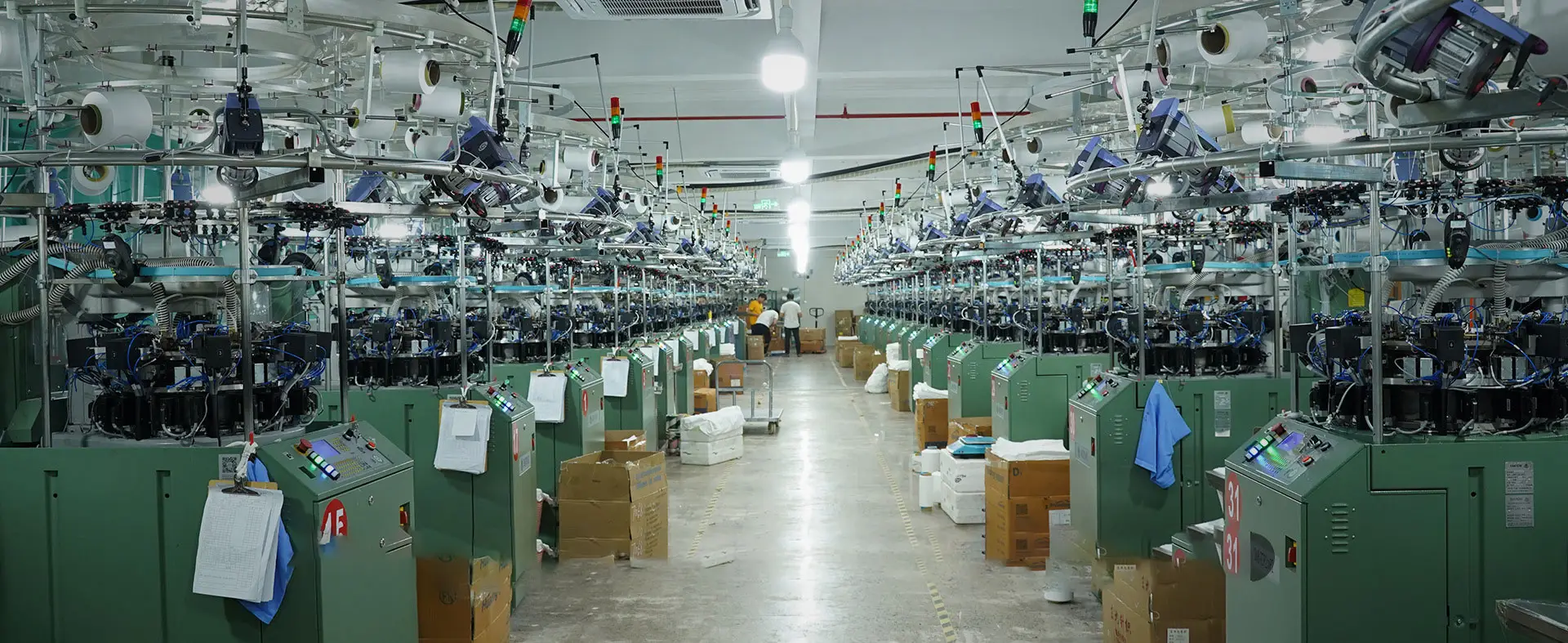
The core facility houses 28 Italian Santoni seamless knitting machines. Seamless programs are managed by style, size, yarn lot and program version so knitted structures can be validated during development and referenced again during bulk execution.
Cut-and-Sew Area
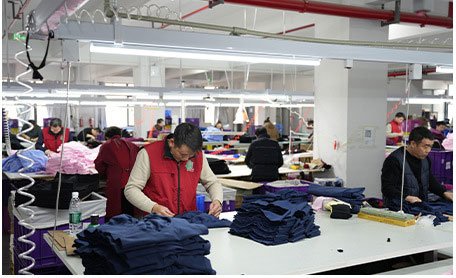
Approximately 24 main sewing and garment-production machines support flat sewing, overlock, coverstitch, flatlock and related garment operations. Cut-and-sew work follows approved patterns, materials, construction requirements and quality references.
Product Development
The core base supports product development, pattern or seamless-program work and sample validation. Complex, first-order or higher-risk projects can establish the initial executable standard before broader production allocation is considered.
Quality Control
The factory functions as an important quality-control and validation point. Approved standards, measurements, materials, first articles, production checks and finished products can be reviewed within the same overall order-control system.
Packing and Release
Finished garments, branding and packaging remain part of the controlled order process. Final release should reflect the customer’s approved instructions and applicable inspection requirements rather than treating packing as an unrelated final operation.
See the Manufacturing Environment Behind MOVEVOX Activewear
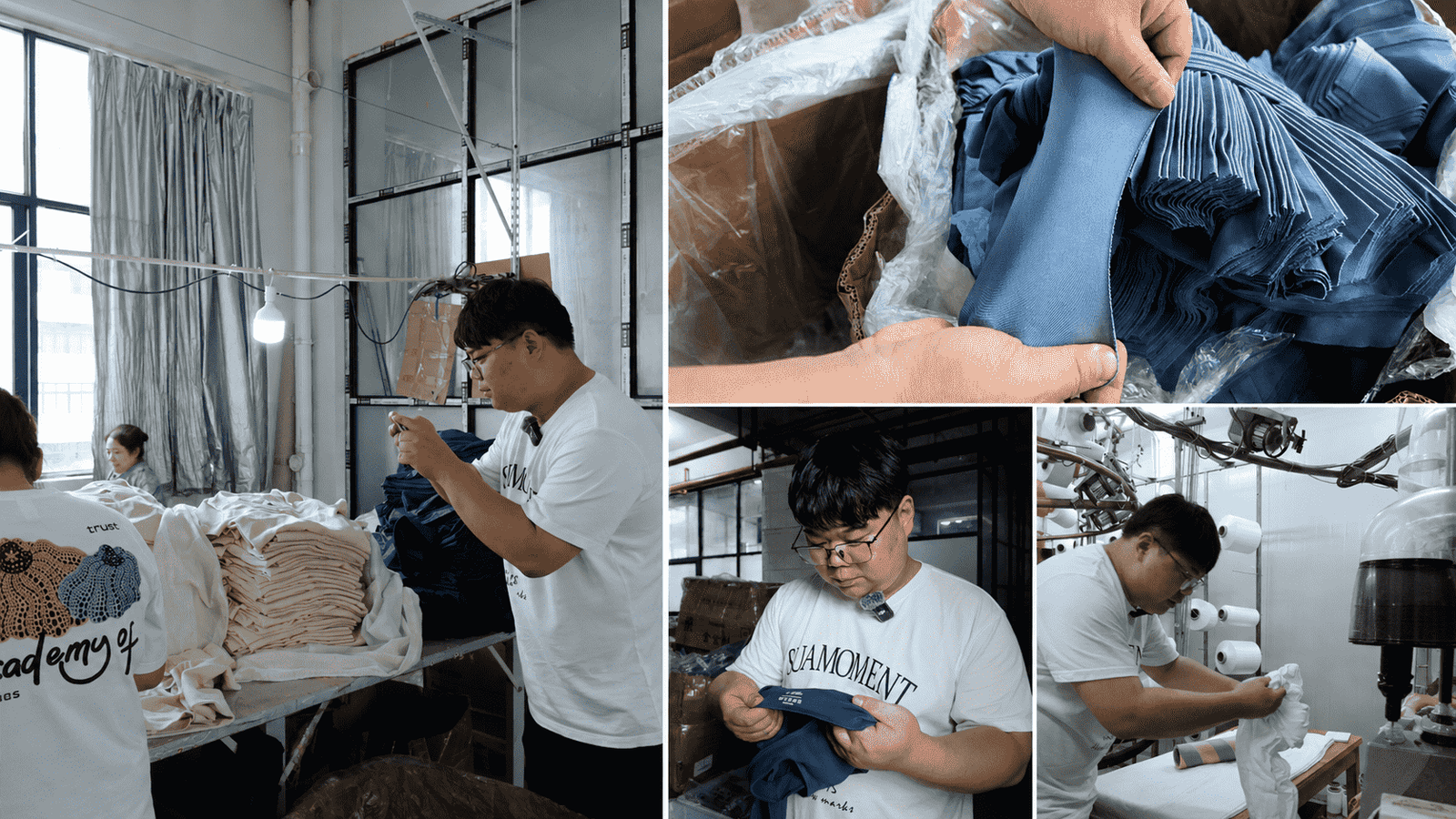
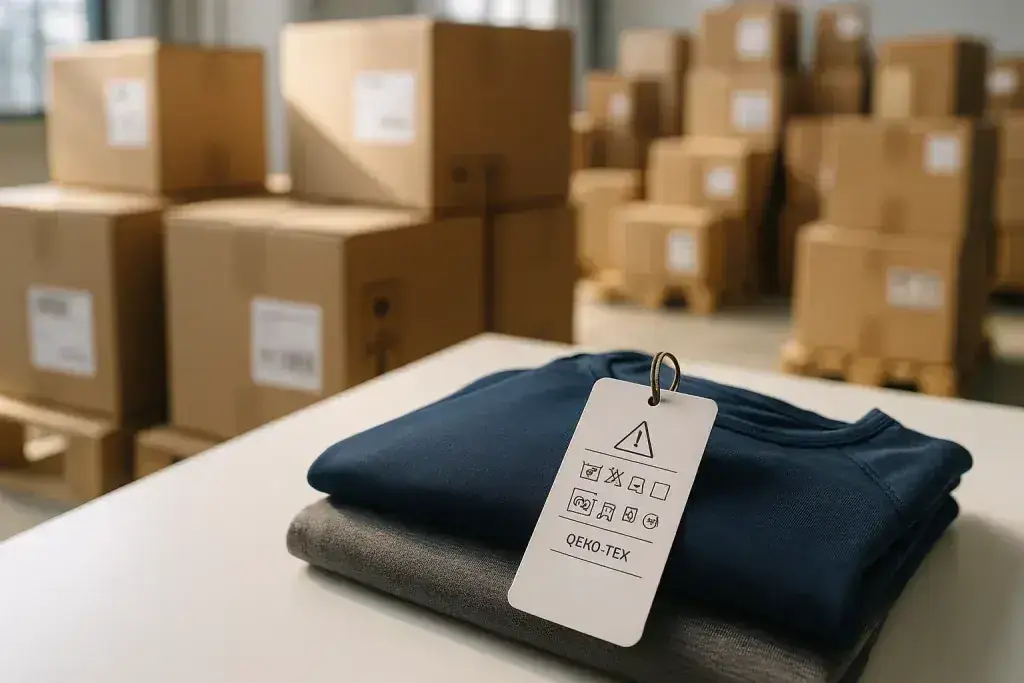
These images function as manufacturing evidence rather than decoration. Each image should identify the actual area, process or equipment shown and help a sourcing or technical team verify what takes place there.
Yiwu Core Facility
The actual MOVEVOX core manufacturing location, shown with enough surrounding context for the building and production environment to remain recognizable across factory photos and live video verification.
Santoni Seamless Area
Actual Italian Santoni machines operating within the Yiwu seamless area, with machine context, operators and work in progress shown where confidentiality permits.
Cut-and-Sew Floor
The real sewing and garment-production area with activewear work in progress and principal equipment visible, demonstrating an actual cut-and-sew manufacturing environment.
Sample Development Area
The actual sample-development workspace, showing pattern, garment sample, measurement or technical-review activity without exposing confidential customer information.
Material Control
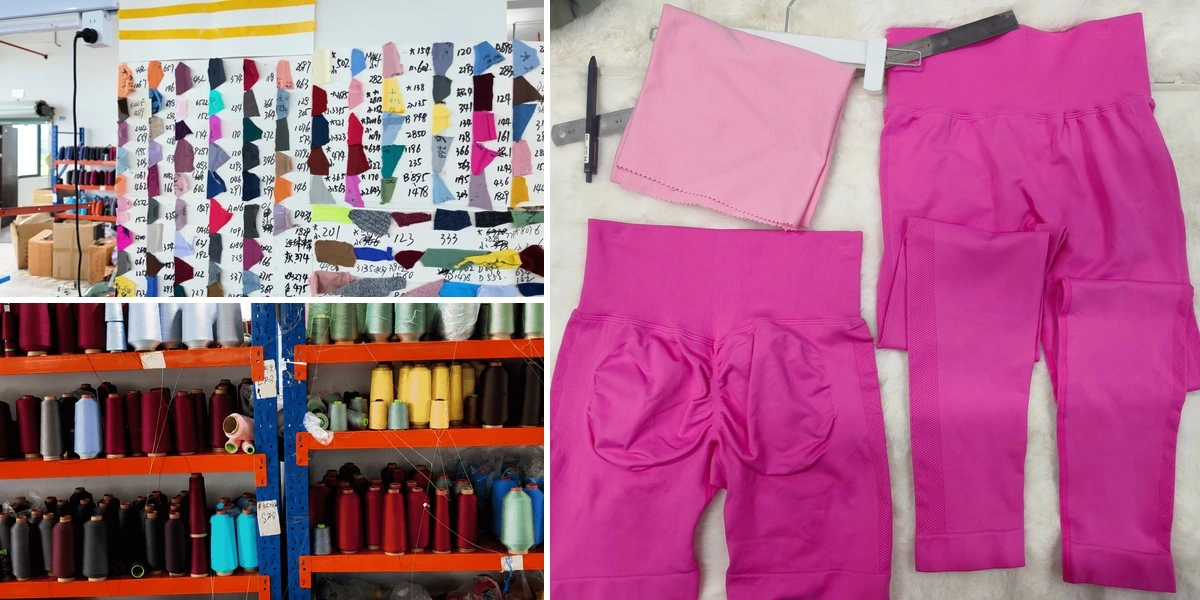
Fabric, yarn or trim identification and an actual checking or staging context showing how project materials remain linked to sampling or production information.
In-Line QC
A real QC action in which the measurement or workmanship requirement being reviewed can be understood, rather than a generic person holding a finished garment.
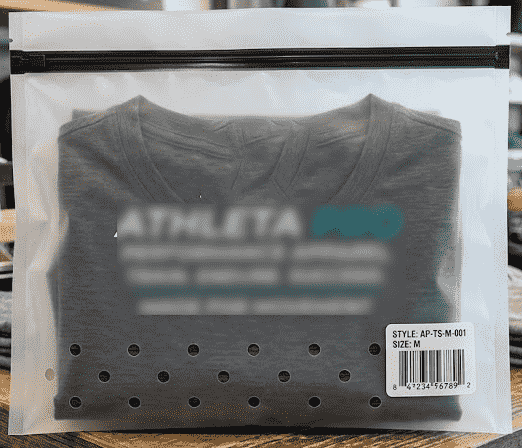
Packing Execution
Garments being checked, folded, packed or verified against approved packaging instructions, with customer-identifying barcode or label information concealed where required.
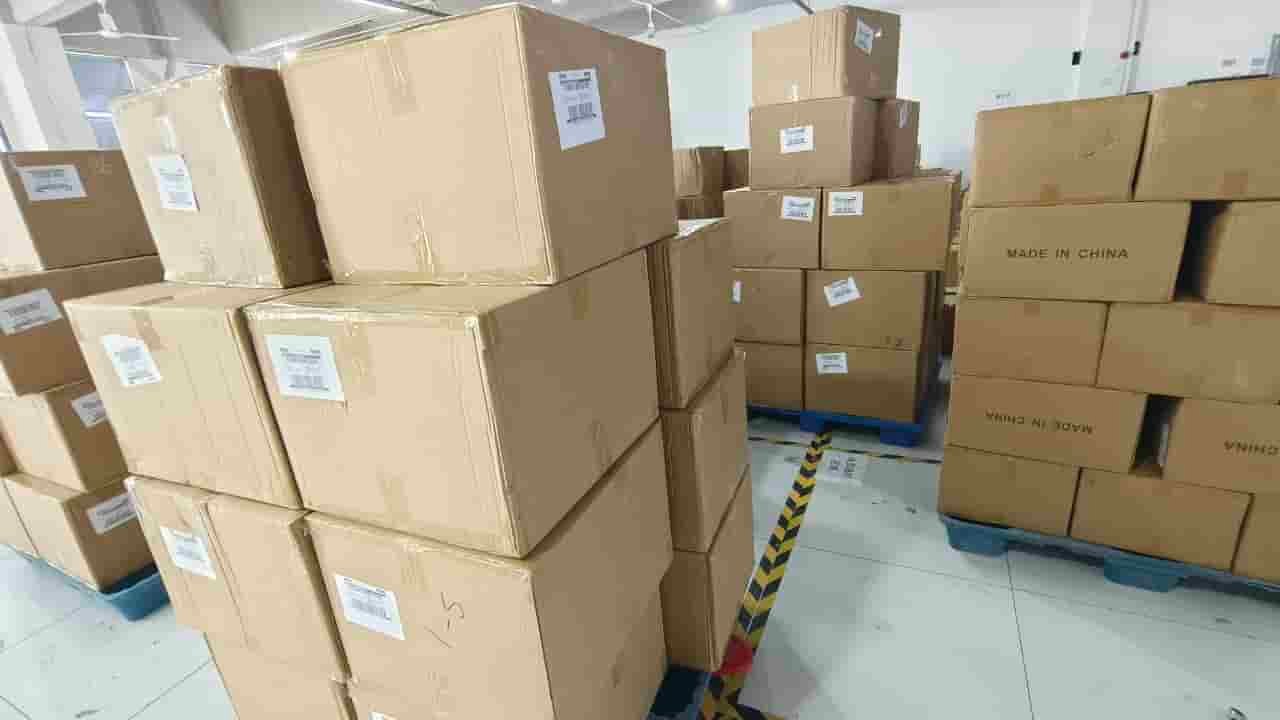
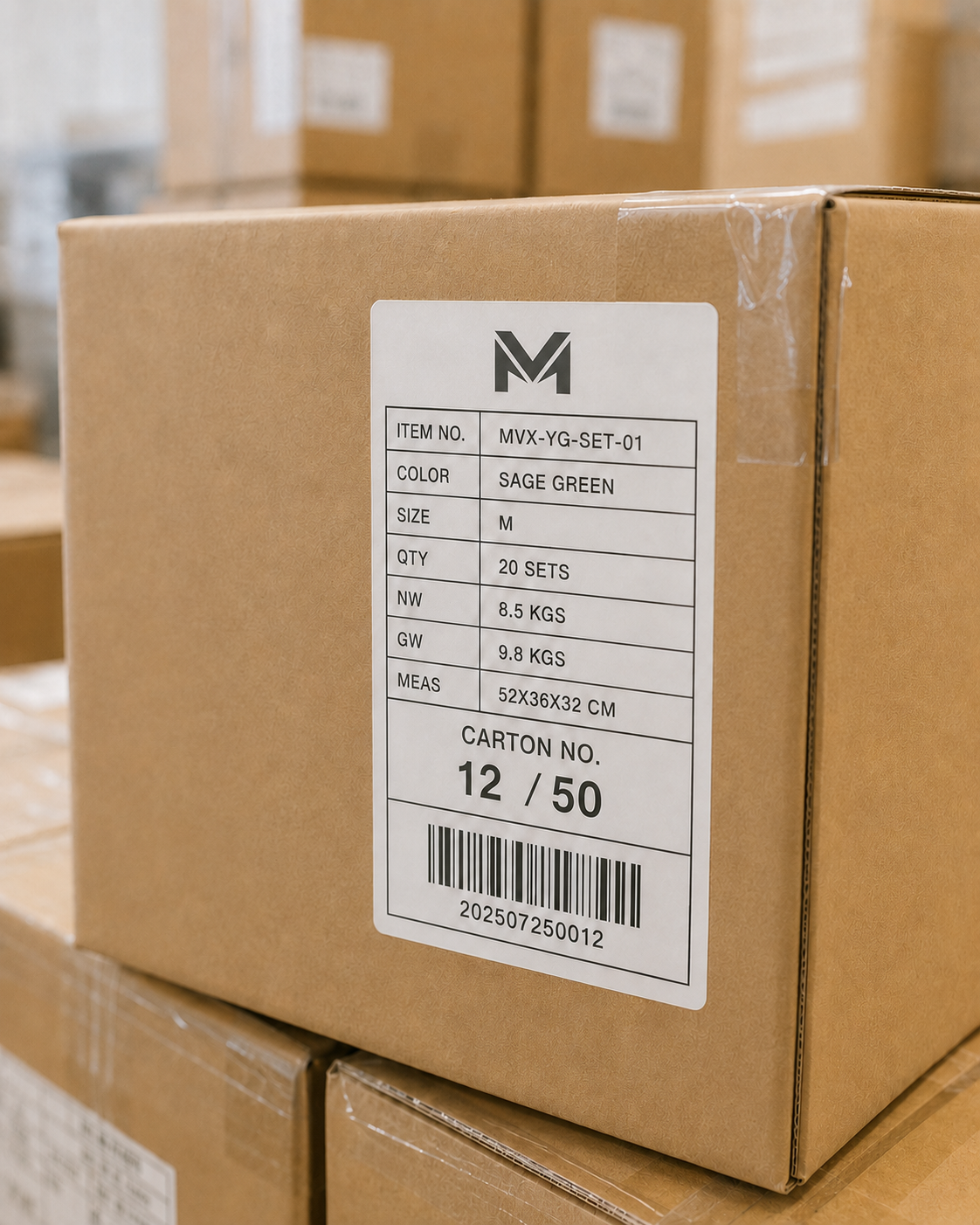
Finished Order Staging
Finished cartons or completed order staging before shipment, with sensitive PO, customer and destination information removed while preserving evidence of controlled release.
Quality Control Starts Before Final Inspection
MOVEVOX quality management is built around the buyer’s approved requirements and multiple production checkpoints. Final inspection is important, but it cannot replace material, pre-production, first-article and in-line controls.
Incoming Materials
Fabric, yarn, trim and other relevant incoming materials are checked against the applicable project requirements before use. Material identity, color, appearance or other agreed characteristics may require confirmation depending on the product.
Pre-Production Review
Before bulk, the current PO, Tech Pack, measurements, approved sample, materials, branding, packaging and quality requirements are reviewed so production does not begin from incomplete or conflicting information.
First Article
A representative first article is checked using actual bulk inputs and manufacturing conditions. A failed first article should be corrected and re-approved before wider production is released.
In-Line Inspection
Production-stage checks look for trends in measurements, fit, material, color, construction, seamless knitting, logo, labels and workmanship while corrective action can still contain the issue.
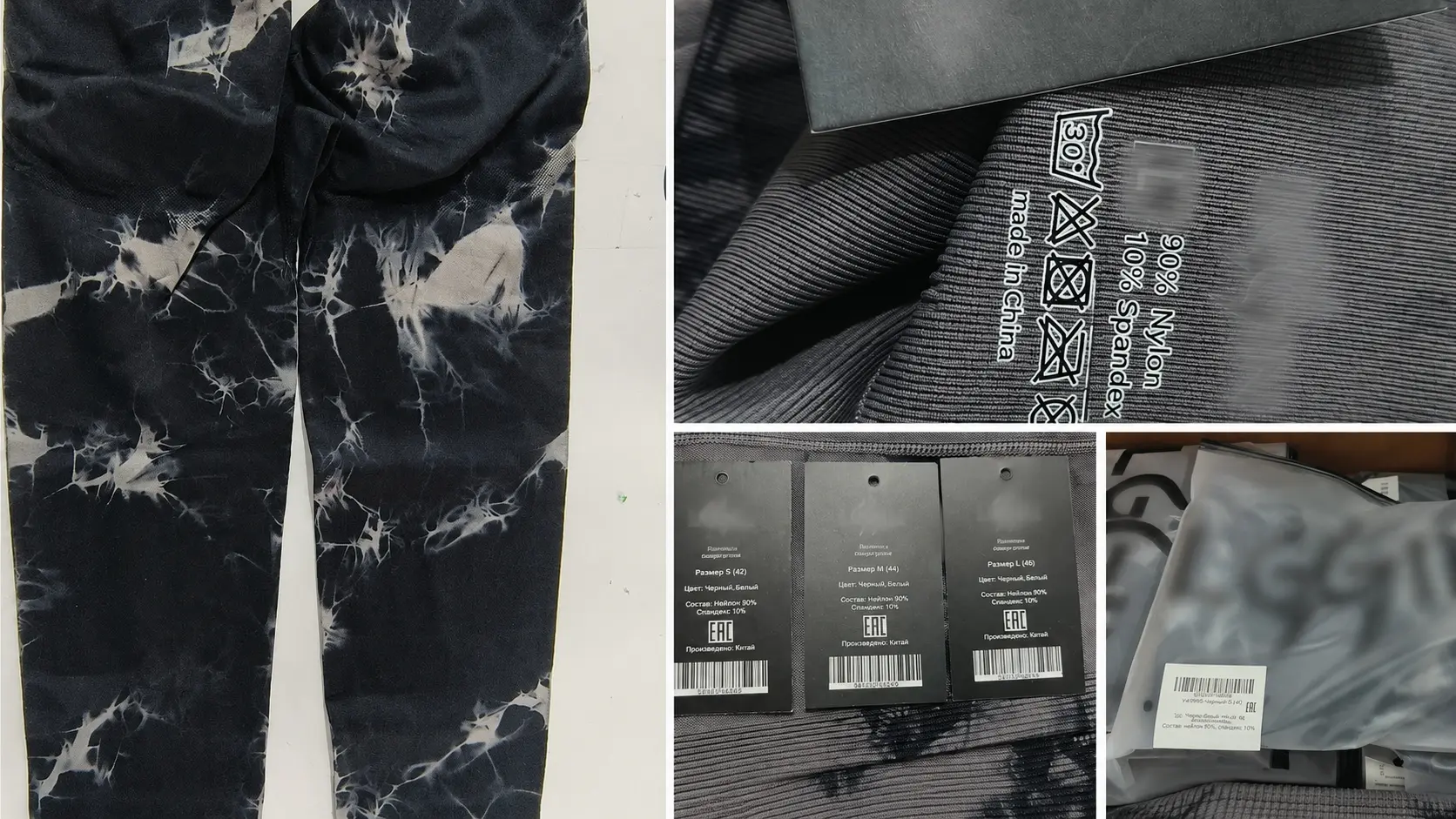
Finished-Goods Check
Completed garments are reviewed for relevant measurements, construction, appearance, branding and workmanship before they move through final packing and shipment preparation.

Final Release
Final inspection and packaging checks are completed against the applicable customer or project standard. Failed or held goods require correction and re-inspection before release.
What Useful Activewear Quality Evidence Looks Like
Quality evidence should show the actual inspection action, the standard being checked and the resulting record. Generic photographs of finished garments are not enough for a mature supplier-qualification process.
Measurement Check
A garment measured at a defined POM with the relevant measurement sheet or record shown in anonymized form.
Fabric Inspection
Actual fabric or material checking with material identity or lot information visible where it can be safely disclosed.
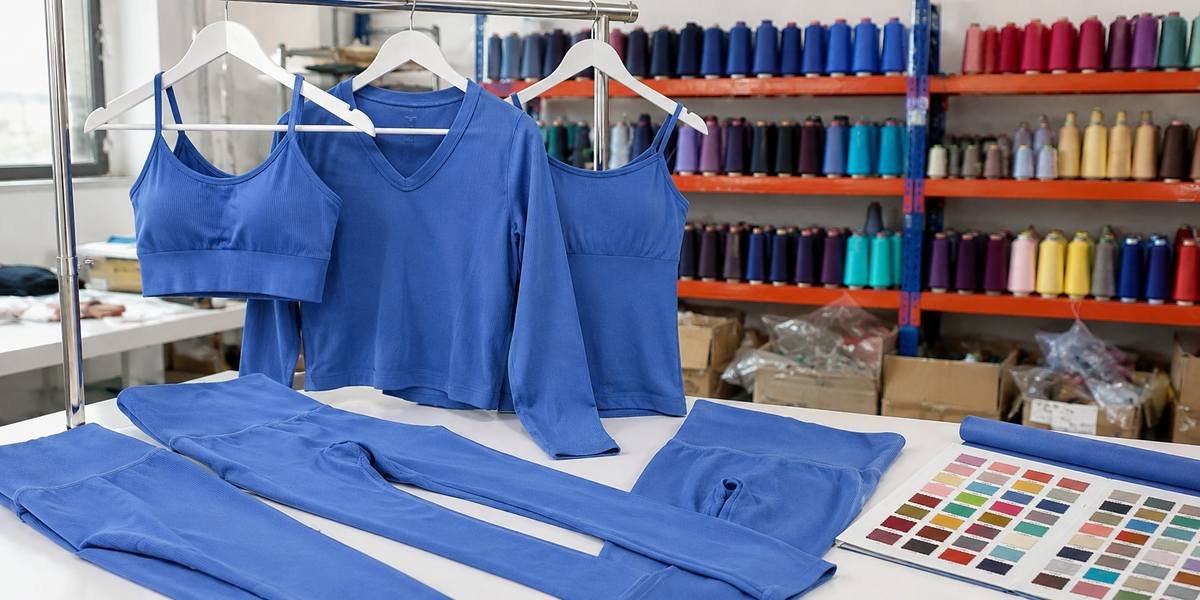
First Article
A representative first article together with its style, size, facility or production reference and approval result after sensitive data is removed.
In-Line Inspection
QC reviewing real work in progress at the sewing line or seamless production stage, with the requirement being checked visible where practical.
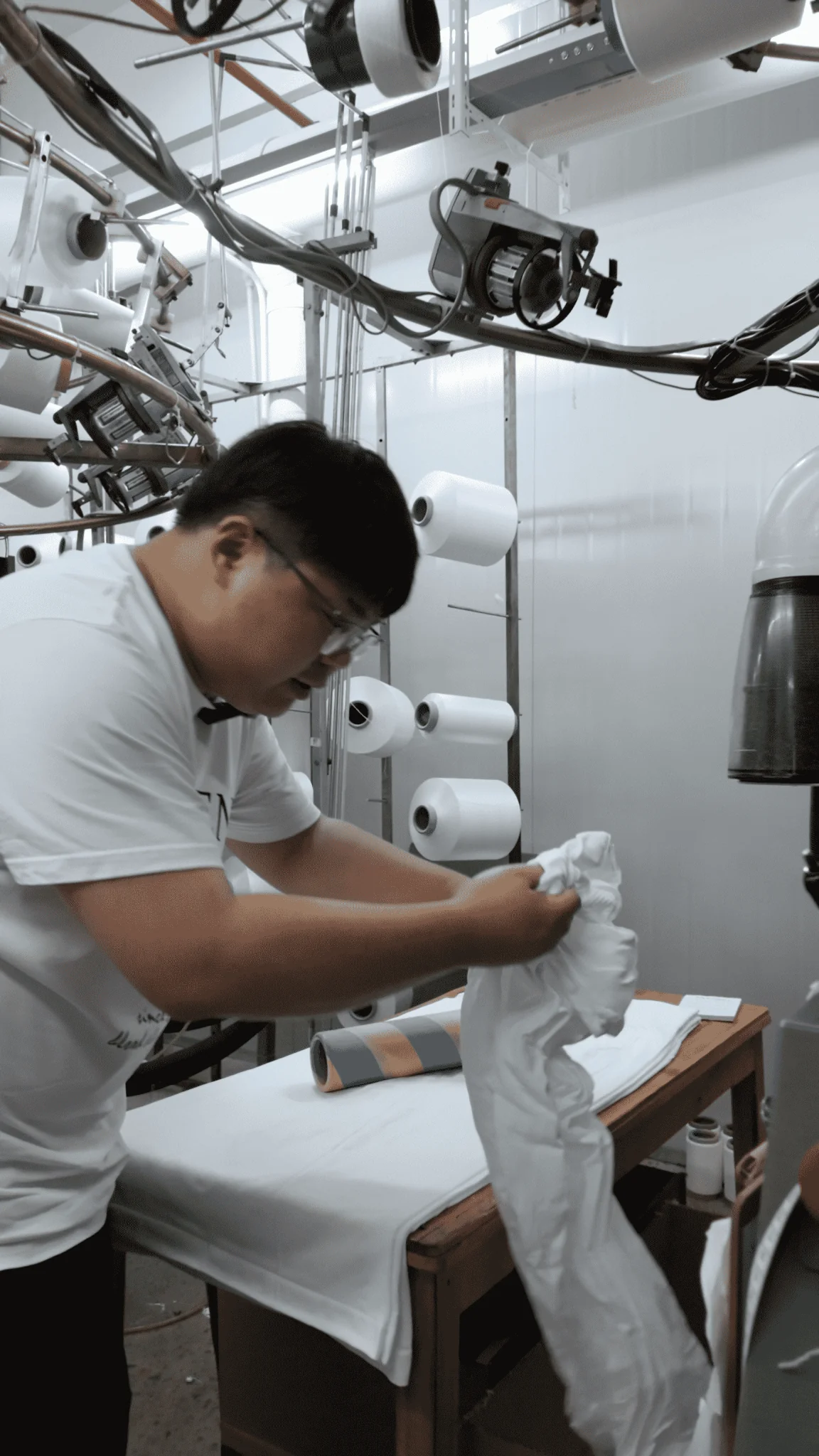
Seamless Structure
A knitted structure, measurement or workmanship check linked to the relevant seamless style, machine or program context.
Logo and Label
Logo size, position, label or branding verification against an approved reference without exposing confidential customer identity.
Packaging Check
SKU, size, barcode, polybag or carton verification against an approved packing instruction.
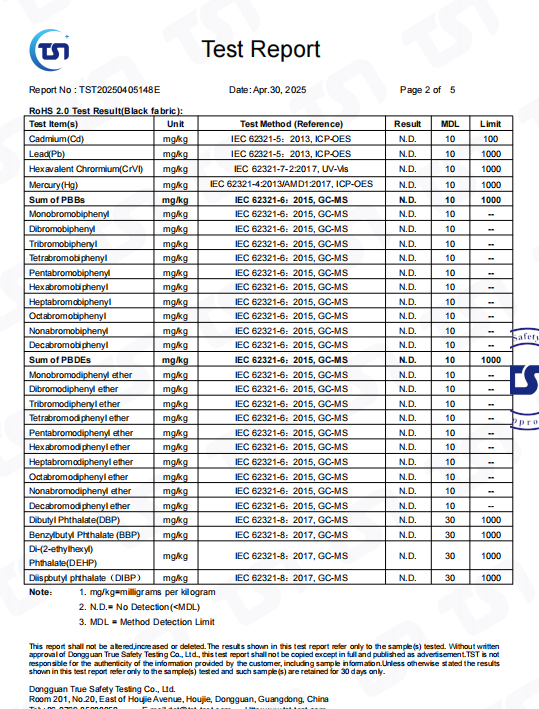
Final Record
A properly anonymized final inspection, re-inspection or release record rather than a generic certificate-style graphic.
Independent Inspection Can Be Built Into the Order
MOVEVOX can support buyer-nominated or agreed third-party inspection before shipment. The inspection standard, sampling method, product specifications and required documentation should be confirmed as part of the project rather than added after production is complete.
Replace this placeholder with a real, permission-cleared report or inspection record. Do not add inspection-agency logos unless the underlying document supports their use.
Buyer or Agency Standard
The inspection can follow the customer’s QC manual, approved specifications or an agreed third-party inspection method. Customer-defined standards take priority where they are provided and applicable.
Random Product Selection
The inspector should have appropriate access to finished goods and relevant order information so sampling can reflect the agreed inspection scope rather than a supplier-prepared display sample.
Frozen Reference
Tech Pack, approved or PP sample, measurements, branding and packaging requirements should be available as applicable references for inspection.
Pass, Hold or Correct
Inspection findings are reviewed against the agreed criteria. Where corrective action is required, affected goods can be held, corrected and re-inspected before final release.
Independent Release Support
Third-party inspection adds an independent verification layer, but it does not replace earlier material, first-article and in-line controls.
Audit Ready Means Our Operations Can Be Verified
MOVEVOX supports customer factory audits, technical audits, pre-production visits and production-stage inspection. The correct public position is audit readiness—not claiming certifications or passed factory-audit programs without the corresponding verified documents.
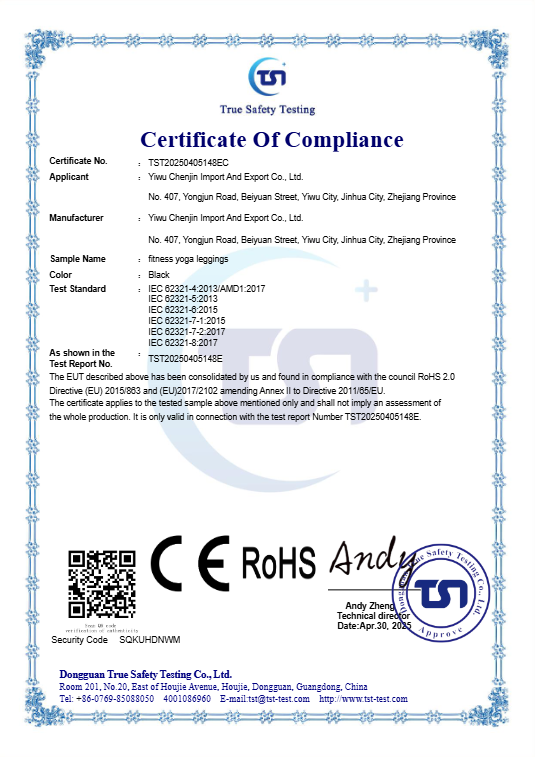
Public claim boundary: Audit Ready. Replace this placeholder with a real, permission-cleared document if a current audit report is published.
Factory Identity
The Yiwu core factory, manufacturing equipment and relevant legal or business identity can form part of the customer’s supplier-verification process.
Process Review
A technical audit can review development, Tech Pack control, samples, materials, first article, production, measurement, QC, packaging and traceability.
Production Access
Customers can arrange factory visits, live video review and agreed pre-production, in-line or pre-shipment verification according to project requirements and confidentiality boundaries.
Finding Closure
Where an audit identifies a gap, the expected management logic is Finding → Owner → Corrective Action → Evidence → Closure rather than treating the audit as a marketing event.
From First Private-Label Order to Repeat Scale
This anonymized case shows how one Spanish customer moved from sample evaluation into customized bulk orders, repeat purchasing and a temporary volume increase. The figures below describe this specific customer program and are not general delivery promises for every MOVEVOX project.
1. Sample Evaluation
The customer first purchased available samples after finding MOVEVOX online. The samples were shipped by DHL with a 5–7 day transit service. After reviewing fabric, workmanship, style and details, the customer continued into a customized private-label program.
2. Private-Label First Order
The customer customized the care label, tags, packaging and logo. MOVEVOX recommended a silicone logo process and a frosted zipper bag. The first bulk order was 1,200 pieces and was completed in 15 days for this specific project, with part of the shipment sent by air and the balance by sea.
3. Early Repeat
Before the customer had received the first bulk shipment, a second 1,200-piece order was added in the following week using the same approved branding and packaging execution. This reduced redevelopment because the product and private-label standards had already been confirmed.
4. Temporary Volume Spike
During a later May order, the customer’s quantity increased to approximately three times the usual volume. MOVEVOX temporarily added production-line resources and completed the order within the same planned time window for that project. This is presented as a documented case event, not as a universal capacity or lead-time guarantee.
5. What the Case Demonstrates
The strongest evidence is not the headline volume alone. The program shows a path from sample review to approved private-label execution, repeat ordering and a controlled response to a temporary volume increase. Relevant PO, production, QC, packing and shipment records should be used as the underlying evidence when the case is published.