Manufacturing-Led Collection Development
Activewear Collection Development Manufacturer for Brand-Led Product Ranges
MOVEVOX supports activewear product development through its design, patternmaking, sampling, seamless knitting and Cut & Sew resources. For established brands planning a new collection, the first task is not simply producing samples. It is identifying which styles belong in the range, what technical information is available, which shared decisions affect several garments, and what must be confirmed before development can progress toward approved production references.
Three Development Priorities
- Define the intended role and technical requirements of each proposed collection style.
- Identify material, construction and fit decisions affecting several garment SKUs.
- Separate development-ready specifications from decisions requiring physical sample approval.

What Does Collection Development Mean Before Manufacturing Begins?
Collection development connects a brand's intended product range with the garment-specific information needed for technical evaluation and sampling. A manufacturer can contribute construction, material and production feasibility knowledge while the brand retains responsibility for its commercial positioning, design decisions and final approvals. The objective is to establish which styles are sufficiently defined to proceed.
Collection Range Definition
A range plan identifies the proposed styles and their roles within the collection. It should distinguish core products, complementary items and conditional extensions without assuming that every visual concept deserves immediate sampling or production investment.
Style-Level Technical Development
Each garment needs appropriate construction, material, fit and sizing information. A leggings specification cannot automatically define a sports bra or training layer, even when the products are intended to share a color direction.
Cross-SKU Dependency Review
Some technical decisions influence several garments. A shared material, special color or branded trim may create related development conditions, while other styles can proceed independently without waiting for every collection decision.
Buyer Approval Responsibility
The manufacturer can identify feasible options, missing technical information and relevant production considerations. The brand remains responsible for approving product direction, accepted samples, commercial priorities and the specifications released for its own collection.
Technical Reference Release
The end of front-end development is not simply an attractive sample presentation. Applicable material, fit, construction and version information must be sufficiently verified and approved before being treated as a manufacturing reference.
Why It Matters
A collection can look visually coordinated while still containing unresolved material, construction and approval requirements that prevent reliable sampling or manufacturing decisions.
Define Each Style's Role Within the Collection
A collection should contain garments selected for identifiable product and commercial reasons, not merely several items presented in matching colors. Establishing style roles helps buyers decide where technical definition should begin and which proposed products may require further evaluation.

Core Anchor
Range Label: Core
Core leggings may establish important fit, material and brand references for a collection. Their role should be defined around the intended activity, target wearer and approved technical requirements. Other garments can refer to relevant attributes, but their different construction and performance needs still require independent review.
Core Companion
Range Label: Companion
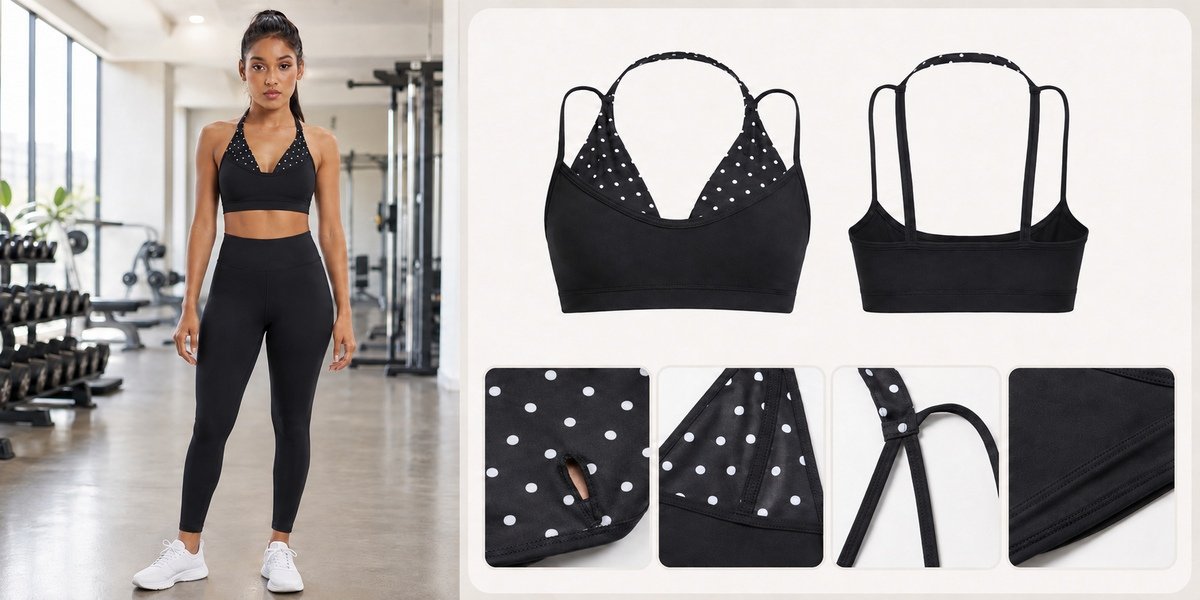
A sports bra can complement the core leggings while requiring its own underband, strap, coverage and material decisions. The two products may share collection color or branding, but visual coordination does not establish the bra's intended support or confirm the suitability of a common fabric.
Range Extension
Range Label: Extension
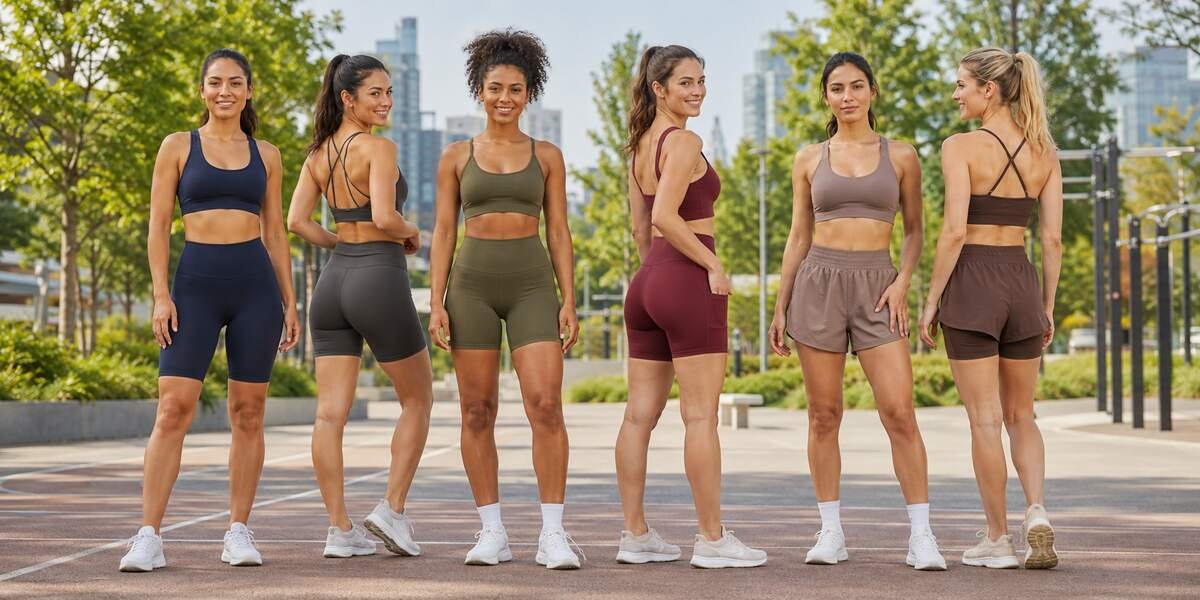
Fitted shorts or training tops may extend an established collection direction. Development should identify which existing references remain useful and which new inseam, leg-opening, shoulder or other construction requirements must be defined. The extension should have a clear role rather than duplicate another style without purpose.
Conditional Concept
Range Label: Conditional
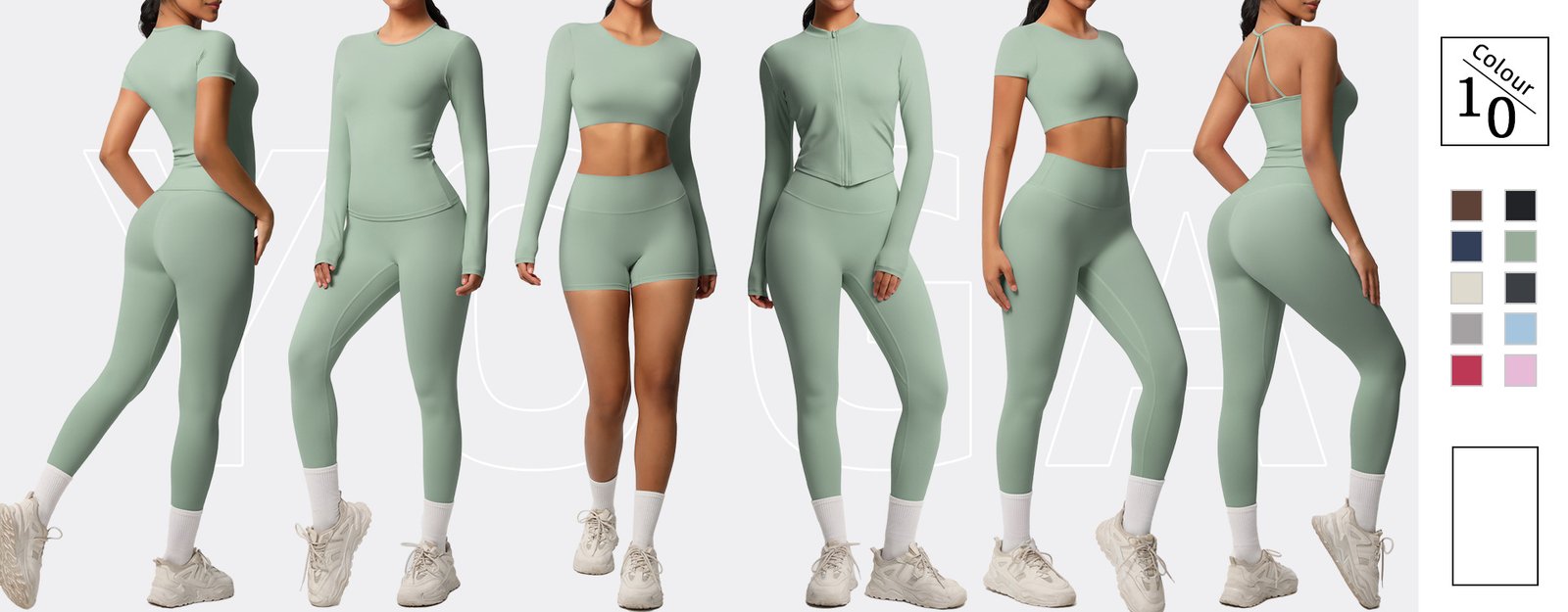
A lightweight training layer may be commercially attractive but remain technically incomplete. Zipper selection, garment weight, materials, trim sourcing or pattern requirements may need clarification before meaningful sampling. A conditional concept should remain visible in the range plan without being presented as approved or production-ready.
How the Range Fits Together
These roles are planning categories, not a fixed collection formula. The brand decides which garments support its product strategy, while the manufacturer can discuss their separate technical and sourcing requirements. A focused core range may be more practical for one project; another may justify more specialized styles. Each decision should be evaluated against actual development readiness.
Five Readiness States Before Activewear Sample Development Starts
Different garments in one collection may be at different stages of technical definition. The following suggested readiness states help buyers identify what can progress, what information is missing and which approvals cannot yet be assumed.
Concept Only
The proposed garment may have a mood board, photograph or design direction without sufficient information about its structure, fit or material. It should remain a concept until the buyer defines the relevant development objectives and essential product requirements.
Review Evidence: Request a basic style brief, intended use and suitable reference material.
Development Brief Defined
The product category, intended activity, construction direction and initial material requirements are sufficiently described for technical discussion. Critical design decisions may still be open, and approval of the brief does not establish a finished pattern or validated physical garment.
Review Evidence: Identify the style scope, open questions and responsible buyer decision-maker.
Sampling Inputs Ready
The available drawings, references, specifications and agreed assumptions are adequate for the proposed sample stage. Missing information should be explicitly addressed, rather than silently converted into permanent production requirements or unapproved supplier decisions.
Review Evidence: Confirm the applicable sample brief, technical inputs and unresolved conditions.
Physical Sample Reviewed
An identifiable garment sample has been examined against relevant requirements. Findings may lead to accepted specifications, conditional decisions or further revisions. Review completion does not automatically mean that every material property or production size has been approved.
Review Evidence: Link observations, sample identity and decisions to the actual product version.
Approved Technical Reference
The applicable physical sample and supporting technical information have received the required buyer approval. The approved scope should identify material, construction, dimensions and other relevant conditions, with any subsequent changes assessed before production use.
Review Evidence: Confirm approved samples, effective technical versions and release authorization.
Readiness Is Not a Universal Score
These categories are a proposed buyer evaluation framework, not a MOVEVOX proprietary software system or validated numerical qualification scale. A style may advance in some respects while a material decision remains unresolved. Buyers should identify the information needed for the next specific development action rather than automatically move every SKU through an identical schedule.
Map Shared Technical Decisions Across Proposed Collection Styles
A shared material or design reference may connect several garments, but its effect should be examined rather than assumed. The following matrix identifies possible development dependencies and the buyer decisions needed to keep unrelated styles from being delayed unnecessarily.
Six-Decision Dependency Matrix
| Technical Issue | Potential Buyer Impact | Proposed Review Decision |
|---|---|---|
| Primary Fabric — Several planned garments may refer to one proposed fabric, although each style has different extension, coverage, fit or construction requirements. The shared material has not necessarily been approved for every product. | An unresolved material decision can affect several sampling briefs, material quotations and garment specifications. Other styles using different materials may still be able to continue technical development independently. | Identify which garments genuinely require the proposed fabric. Review material suitability against each product's intended function and construction. Record the affected SKU references and define which decisions must be resolved before the relevant sample or material approval. |
| Color Standard — A collection may use one approved color direction across different fabrics, yarns or finished surfaces. The same color name does not establish matching appearance under all applicable conditions. | New fabrics or knit structures may require additional physical color evaluation. Treating one color reference as automatic approval for every garment can produce unresolved appearance decisions later in development. | Identify the reference standard, material and viewing conditions. Determine which styles require separate color samples or garment comparisons. Preserve valid existing approvals while specifying new material or appearance evaluations where necessary. |
| Fit Reference — Core leggings, sports bras and training tops may share a size identity without sharing identical measurements, grading or intended fit characteristics. | Incorrect transfer of fit requirements can lead to unnecessary pattern revisions or unsuitable garment specifications. A single core product cannot serve as the complete size and construction standard for unrelated styles. | Specify which measurements or fit objectives may serve as useful references. Define independent POMs, construction requirements and sample observations for each garment category, and obtain buyer approval before treating any carried-over requirement as applicable. |
| Construction Route — Some designs may suit circular seamless knitting, while others require cut panels, assembly, lining or specialized finishing. A common collection appearance does not determine one manufacturing process. | Prematurely selecting one route for every SKU can conceal construction limitations, unnecessary redesign or material compatibility questions. Development requirements may also differ between knitting and Cut & Sew options. | Review each garment's actual design, material and assembly needs. Identify possible seamless, Cut & Sew or further-review routes, supported by appropriate manufacturing evidence. Confirm feasibility before converting a preferred route into an approved technical requirement. |
| Shared Trim — A label, zipper, elastic or other component may be proposed for multiple styles, although its construction and placement requirements can vary. | Minimum purchasing quantities, material compatibility and design changes may affect several styles simultaneously. An unsuitable shared trim can also create new product-specific assembly or fit questions. | Confirm the actual component specification and supplier conditions. Identify which garments use the trim, where additional construction evaluation is required and whether alternative components need separate buyer approval before sampling or sourcing commitments. |
| Critical Style Approval — Certain garments may establish important references for related products, but their approval does not automatically qualify every extension or companion style. | Delayed decisions about a core material, fit platform or critical construction may affect dependent styles. Conversely, unnecessarily holding independent products can restrict development without solving the underlying problem. | Map each style to the technical decisions it relies upon. Distinguish genuine approval dependencies from optional visual or design relationships. Discuss which work can continue and what evidence is necessary before dependent specifications are confirmed. |
Six Feasibility Decisions Required Before Activewear Sampling Begins
A product concept can look complete without being ready for technical sampling. Manufacturing-led review should identify which construction, material, fit and commercial assumptions require confirmation, using actual product information rather than an unsupported promise of production feasibility.
Garment Construction
Functional Claim: Confirm the garment structure before committing to a sample construction.
Evidence Explanation: A drawing may communicate the intended appearance without defining required panels, seam types, lining, closures or knit regions. These features influence how the garment can be developed and manufactured. The buyer should distinguish approved construction requirements from details that need further technical discussion or physical verification.
Technical Basis: Technical flats, reference samples, construction notes and relevant pattern or knit information.
Material Availability
Functional Claim: Check whether suitable materials are available under the proposed conditions.
Evidence Explanation: A desirable fabric or yarn may be technically relevant but unavailable in the requested color, composition or purchasing quantity. Material feasibility therefore involves both product suitability and actual sourcing information. No garment should be declared material-ready solely from a generic fiber name or supplier catalog.
Technical Basis: Actual material specifications, supplier availability and relevant lot or minimum-purchase conditions.
Critical Fit Definition
Functional Claim: Identify garment-specific fit requirements before preparing development samples.
Evidence Explanation: Sports bras, leggings, fitted shorts and training tops need different measurement and fit references. A concept should establish intended coverage, silhouette and relevant activity conditions, while recognizing which dimensions require patternmaking or physical sample evaluation. Generic retail size labels do not replace product-specific technical information.
Technical Basis: Intended activity, garment POMs, fit references and physical sample requirements.
Manufacturing Route
Functional Claim: Match proposed construction with an appropriate feasible manufacturing approach.
Evidence Explanation: Circular seamless knitting and Cut & Sew offer different construction possibilities. A design requiring particular knit zones may suit one route, while complex panels, lining or assembled details may require another. The route should be reviewed against the actual garment rather than selected to match a collection-wide marketing description.
Technical Basis: Garment construction, yarn or fabric requirements and verified production resource suitability.
Commercial Quantity
Functional Claim: Review style and material minimums before confirming development scope.
Evidence Explanation: A proposed collection quantity does not automatically satisfy every garment, color, material or trim requirement. Special yarn, fabric or dyeing arrangements may introduce separate minimums. Early quantity review helps the brand reconsider design options before investing in samples that may be commercially impractical.
Technical Basis: Garment quantities, colors, material purchasing units and project-specific supplier conditions.
Verification Method
Functional Claim: Define how unresolved technical requirements will be evaluated.
Evidence Explanation: Some decisions can be discussed from technical drawings or material specifications. Others, including relevant fit, coverage, construction behavior or finished appearance, require physical samples or appropriate testing. The buyer should agree on applicable evidence and acceptance conditions rather than assume every claim is resolved by one laboratory report.
Technical Basis: Defined requirements, sample identities, applicable methods and buyer acceptance criteria.
Six Risks That Can Change Collection Development Priorities
A collection's development sequence should reflect important technical and commercial constraints, not merely the order in which sketches were completed. The following risks are possible purchasing concerns, not recorded MOVEVOX customer failures or verified cost-saving outcomes.
Unapproved Shared Fabric
Buyer Impact: Several garments may depend on one proposed material whose extension, appearance or sourcing conditions remain unresolved. Proceeding as though it were approved can create new decisions across multiple styles and samples.
Proposed MOVEVOX Review: Identify affected styles, document relevant material requirements and review available alternatives. Discuss which technical work can continue independently, while keeping final fabric suitability subject to actual specification and sample evidence.
Evidence Tag: Material Dependency
Undefined Critical Fit
Buyer Impact: A style may be visually clear but lack essential measurements, intended fit or activity requirements. Sampling without agreed objectives can make later observations difficult to interpret and leave product approval responsibilities unclear.
Proposed MOVEVOX Review: Identify the critical POMs, fit objectives and relevant physical references for each garment. Clarify which information must be defined before sampling and which dimensions need subsequent sample-based confirmation.
Evidence Tag: Fit Definition
Unconfirmed Complex Construction
Buyer Impact: Specialized seams, pockets, lining, engineered knit regions or closures may affect material and manufacturing feasibility. A design feature that looks straightforward in a sketch can require additional construction review.
Proposed MOVEVOX Review: Break the feature into applicable materials, assembly details and production options. Identify missing technical information and request appropriate construction evidence before assuming the design is feasible at the proposed development scope.
Evidence Tag: Construction Review
Material Minimum Conflict
Buyer Impact: A custom color, yarn or trim requirement may be incompatible with the proposed quantity for a style. Total collection volume cannot automatically resolve separate material purchasing units or color minimums.
Proposed MOVEVOX Review: Compare requested quantities with available sourcing conditions and consider feasible alternatives. Explain the implications for affected SKUs without presenting an unconfirmed quote or universal material minimum as guaranteed.
Evidence Tag: Sourcing Review
Target Cost Mismatch
Buyer Impact: Complex garment construction or special materials may be inconsistent with the brand's early target cost. Delaying this discussion can require broader redesign after technical work has already progressed.
Proposed MOVEVOX Review: Identify principal material, construction and development cost drivers. Discuss possible technical alternatives while preserving buyer-defined essential features, and distinguish indicative feasibility discussion from an accepted manufacturing quotation.
Evidence Tag: Cost Feasibility
Unresolved Buyer Decisions
Buyer Impact: A garment may be technically discussable while final design, material or product-positioning decisions remain with the brand. Treating supplier assumptions as approval can introduce version confusion and unwanted development work.
Proposed MOVEVOX Review: Record the open question, affected styles and decision owner. Present technically feasible options where appropriate and request explicit buyer confirmation before incorporating consequential changes into an effective sample or production specification.
Evidence Tag: Decision Ownership
Select Materials Based on Each Collection Style's Requirements
Material selection should follow the intended garments and activities rather than a single preferred fiber composition. A shared fabric can be useful only when the resulting construction, performance expectations and purchasing conditions remain suitable for the relevant styles.
Five Material Decision Questions
Q1. What activity is each garment intended for?
Options: Studio / Gym / Running / Mixed
Q2. Which garment properties are essential?
Options: Coverage / Recovery / Support / Comfort
Q3. Is an approved material reference available?
Options: Yes / No / Review
Q4. Which garment construction is proposed?
Options: Seamless / Cut Sew / Undecided
Q5. Do material minimums fit the range?
Options: Suitable / Reconsider / Confirm
Existing Approved Reference
An existing approved material may provide useful information about composition, construction, appearance and previous garment use. Its suitability for a new style must still be checked against that style's actual requirements. A fabric approved for leggings may not automatically satisfy a sports bra's lining or support needs. Reusing a reference should mean examining what remains valid, rather than treating prior acceptance as unlimited approval.
Parameter Tags: Existing Reference / Suitability / Approval Scope
Shared Material Candidate
A shared material platform may support visual coordination and common sourcing references across multiple garments. Before selecting it, compare each style's fit, construction, extension, opacity and material-contact conditions. Any benefits from common purchasing should be weighed against individual garment needs and the actual availability of the relevant fabric or yarn. Shared composition should not be represented as proof of equivalent performance across the collection.
Parameter Tags: Cross-SKU Use / Material Performance / Sourcing
Product-Specific Material
Some garments need materials or assemblies that should not be forced into the wider collection platform. Sports bra lining, structured leggings fabrics, lightweight training tops and technical outer layers can have different requirements. Selecting separate materials may be appropriate even when it creates additional purchasing conditions. The brand should evaluate these decisions according to actual product purpose, technical necessity and commercial feasibility.
Parameter Tags: Garment Function / Construction / Independent Review
Special Development Required
A custom yarn, material construction, finish or color may be considered when available alternatives do not meet essential product requirements. The initial discussion should identify the intended property, realistic supply conditions, applicable test evidence and potential minimum-purchase implications. Development should not be assumed complete until the resulting material and its relevant garment applications have been appropriately reviewed and approved.
Parameter Tags: Custom Material / Technical Evidence / Minimums
Compare Candidate Materials Against Different Garment Requirements
A useful material comparison identifies what can be verified, what remains unknown and which garments may benefit from each construction. The table below describes candidate categories, not measured MOVEVOX performance results or approved project specifications.
Proposed Material Comparison Matrix
| Parameter | Stretch Interlock | Performance Jersey | Seamless Rib Knit | Lightweight Technical Fabric | Sports Bra Lining |
|---|---|---|---|---|---|
| Composition | Confirm actual blend | Confirm actual blend | Confirm selected yarn | Confirm actual blend | Confirm lining fiber |
| GSM | Test actual material | Test actual material | Construction dependent | Test actual material | Test actual lining |
| Stretch | Evaluate directionally | Evaluate directionally | Knit-zone specific | Evaluate directionally | Confirm intended use |
| Recovery | Test if relevant | Test if relevant | Yarn and program dependent | Test if relevant | Application dependent |
| Opacity | Review finished garment | Review finished garment | Review knit and extension | Evaluate product use | Consider layer coverage |
| Pilling | Verify if required | Verify if required | Verify if required | Verify if required | Verify if required |
| Drying | Method required | Method required | Method required | Method required | Method required |
| Hand Feel | Physical approval | Physical approval | Knit-specific approval | Physical approval | Skin-contact review |
| Construction | Often Cut & Sew | Often Cut & Sew | Circular knit candidate | Design dependent | Assembly dependent |
| Best Use | Evaluate fitted bottoms | Evaluate versatile tops | Evaluate engineered seamless | Evaluate lightweight styles | Evaluate applicable bras |
Material Selection Guidance
A material platform should be approved through relevant garment requirements, not only fiber percentages or a generic performance label. Sports bras, leggings, shorts and training tops may need different fabric weights, structure, coverage or finishing. Technical data should identify the actual sample, construction and test method. Where a fabric is proposed for several styles, buyers should document its applicability separately. MOVEVOX can discuss material selection using existing sourcing and manufacturing resources, but the suitability of any untested material remains subject to confirmation.
Translate a Collection Sketch Into Executable Technical Requirements
A product illustration can establish the desired appearance without defining every construction detail. Core leggings offer a useful example of how visual direction must be translated into identifiable garment requirements before technical sampling and subsequent approval.
Waistband Geometry
Define the intended waistband height, structure and finished dimensions. The sketch alone cannot establish the correct fit or elastic behavior; the final requirements must reflect material choice and relevant sample evaluation.
Front Back Rise
Specify the front and back rise relationships and appropriate measurement references. Pattern balance, fit and coverage must be considered together rather than inferred solely from the model photograph or design silhouette.
Hip Fit
Identify the proposed hip dimensions, garment ease and wearer reference. Material stretch can influence the intended fit, but does not eliminate the need for garment-specific measurements and physical sample review.
Gusset Construction
Show the intended crotch construction and any gusset requirements. The selected method should reflect the actual fabric, pattern or knit structure, movement needs and relevant assembly feasibility.
Seam Knit Structure
Determine whether important regions use cut panels, stitching or engineered seamless knitting. Visual appearance does not establish manufacturing method, and each proposed construction may involve different materials, technical programs or finishing.
Material Extension
Describe required stretch behavior and relevant evaluation conditions. A general four-way-stretch description does not establish acceptable recovery, opacity or fit across all sizes and intended uses.
Critical POMs
Identify the key points of measurement, size range and relevant grading principles. Measurements must refer to the actual garment design and should be distinguished from provisional concept-stage estimates.
Finishing Branding
Specify hem treatment, Logo location, labels and relevant finishing details. The buyer should confirm the compatibility of decorations and materials before treating these components as final manufacturing requirements.
Overall Construction Logic
The eight areas interact. A change to material extension may alter pattern development assumptions, while a different waistband or gusset can affect relevant fit requirements. Technical drawings should therefore connect dimensions, materials and construction details rather than function as decorative artwork. The same principle applies to bras, shorts and tops, using specifications appropriate to each garment category.
Twelve Inputs for a Useful Collection Development Brief
A manufacturer can begin technical discussions before every final specification exists. However, identifying the available references, intended products and unresolved decisions helps determine which styles can enter development and which require further definition.
Collection Purpose
Status: Required
Describe the intended product range, principal customer or activity requirements and commercial role of the collection. The manufacturer does not need to determine the brand's market strategy, but does need enough information to understand why the proposed garments are being developed.
Target Product Categories
Status: Required
Identify the intended garment categories, such as leggings, sports bras, fitted shorts, training tops or technical layers. Separate confirmed products from possible additions. A category label alone does not establish detailed construction or manufacturing feasibility.
Style Range List
Status: Required
Provide an initial style list with a unique working reference for each proposed garment. Indicate core, complementary and conditional products where applicable. This allows technical questions and material dependencies to be linked to the appropriate styles.
Intended Activity
Status: Required
Specify whether each garment is intended for studio activity, gym training, running or another identified use. The intended activity influences garment fit and relevant evidence requirements; it should not be replaced by generalized activewear performance claims.
Approved References
Status: Optional
Share identified existing samples, materials or technical specifications that may inform new development. Clarify which references are formally approved and which are examples only. Previous approval should not be extended to new garments without reviewing its relevance.
Sketches Tech Packs
Status: Required
Provide available sketches, technical flats, Tech Packs or physical references, even if some styles remain incomplete. Mark important design or construction uncertainties clearly. Final production specifications are not required for a preliminary feasibility discussion.
Fit Size Direction
Status: Required
Describe target fit, intended size range and any available measurement standards. Critical garment dimensions may still need patternmaking and sample evaluation. Avoid assuming that shared brand size labels establish identical measurements across product categories.
Material Yarn References
Status: Optional
Include preferred fabric compositions, approved swatches, yarn requirements or intended material properties where available. Identify materials proposed for several styles and any critical unknowns. Actual performance and purchasing suitability remain subject to further confirmation.
Construction Preferences
Status: Optional
Describe preferred seamless knitting, Cut & Sew, linings, pockets, closures or special finishes. Preferences help guide technical review, but should not be treated as confirmed manufacturing feasibility before the design and available resources are assessed.
Target Cost Position
Status: Optional
Provide indicative target costs or a commercial price positioning where appropriate. This helps identify potential material and construction conflicts early, but does not constitute a fixed manufacturing quotation or prove that every proposed style can meet its target.
Planned Product Quantities
Status: Optional
Supply estimated garment quantities by style, color and relevant sizes if available. Preliminary numbers can support MOQ and material feasibility discussion. Final minimum purchases and commercial commitments depend on actual product and sourcing conditions.
Open Approval Decisions
Status: Required
Identify unresolved design, material, fit and commercial questions and the brand representative responsible for deciding them. This prevents supplier assumptions from becoming unauthorized technical requirements and helps distinguish sampling inputs from items that remain open.
Starting With Incomplete Information
MOVEVOX's development team can discuss projects from Tech Packs, authorized samples, sketches or product concepts. Where details are missing, a proposed gap review can identify information required for the next development decision. The appropriate next step may be clarifying garment construction, confirming a material candidate or preparing a sample brief. Incomplete documents should not be represented as fully approved production specifications.
Compare Development Scope Before Committing the Collection Budget
A collection's commercial feasibility depends on more than estimated garment prices. Product count, construction complexity, shared materials and approval requirements can change the development work needed before manufacturing decisions become reliable.
Three Proposed Scope Options
| Cost Factor | Focused Core Range | Shared Material Capsule | Broad Technical Range |
|---|---|---|---|
| Development Inputs | Concentrates technical definition on selected essential styles, with fewer initial product references to review. | Requires coordination of material and design references across related products before confirming each style. | Includes more garment concepts and potentially a wider range of unresolved technical information. |
| Material Minimums | May simplify early material consideration when the core styles use suitable available materials. | Could share some sourcing requirements, provided actual materials meet each garment's needs. | May introduce separate special materials, colors or trim minimums across different products. |
| Pattern Program Work | Limits initial development to the construction requirements of the chosen core garments. | Requires both individual garment engineering and review of legitimately reusable reference attributes. | May involve additional pattern types, knit programs, assemblies or specialty constructions requiring evaluation. |
| Sample Requirements | Focuses initial physical review on the most relevant core product specifications and open questions. | May require samples confirming that shared materials remain suitable across different garment types. | Can create more separate sample paths, particularly where materials, fit requirements or construction differ. |
| Critical Approvals | Keeps the initial approval scope concentrated on the selected styles and necessary materials. | Needs clear distinction between shared references and individual garment-specific acceptance conditions. | May contain more independent technical requirements and decisions requiring buyer authorization. |
| Revision Exposure | Fewer initial styles may reduce the number of development decisions under active discussion. | One changed shared material can affect several dependent styles and require targeted reassessment. | Greater construction variety may increase the number of separate technical questions and potential revisions. |
| Commercial Feasibility | Tests whether the core range can satisfy its intended technical and preliminary purchasing conditions. | Evaluates whether real cross-style material compatibility supports the proposed sourcing arrangement. | Requires careful examination of product-specific complexity, development scope and commercial minimums. |
Why the Lowest Initial Price Is Not Always Best
These comparisons are illustrative planning considerations, not historical MOVEVOX cost data or calculated savings. A narrow range may be appropriate when the brand needs to establish critical product references. A shared material capsule can be useful where separate garments genuinely meet their technical requirements using compatible materials. A broader range may be justified by the brand's commercial priorities, but could require more independent development and sourcing decisions. Buyers should consider the required technical work, material conditions and relevant approval scope before interpreting an indicative unit price as the complete cost of developing the collection.
Distinguish Development Decisions From Approved Production Technical References
Different development stages approve different information. A confirmed collection direction, executable sample brief and final production specification should remain distinguishable, especially when several garments progress at different rates.
Tab 01 — Range Direction
Range direction confirms which garments the brand intends to consider and their provisional roles within the collection. The buyer may accept an anchor style, companion product or conditional extension without approving its final material or construction. Manufacturers can discuss technical suitability and identify unresolved questions, but the brand controls the commercial and creative scope. This stage should not be treated as evidence that all listed styles are sampling-ready. The outcome is an identifiable product direction and the decisions needed to define each garment more precisely.
Buyer Inputs
- Identify proposed garment categories and their intended collection roles.
- Clarify target activities, customers and relevant design references.
- Nominate decision owners for unresolved product scope questions.
Proposed MOVEVOX Outputs
- Summarize technical questions associated with selected garment categories.
- Identify possible construction and material feasibility considerations for discussion.
- Distinguish confirmed development scope from conditional garment concepts.
Tab 02 — Development Brief
A development brief defines the information necessary for the proposed technical work. It may include product purpose, garment structure, preliminary materials, target fit and unresolved decisions. Some details can remain open if they are not required for the next stage, but consequential assumptions should be documented. Confirmation of the brief allows more focused technical discussion; it does not establish that actual garments have met buyer fit requirements or that final production BOMs are released. Each style may require a different level of technical detail.
Buyer Inputs
- Provide available style sketches, references and relevant product requirements.
- Identify material, fit or construction decisions already confirmed.
- Specify which technical questions remain open for manufacturer review.
Proposed MOVEVOX Outputs
- Identify additional information needed for proposed sampling activities.
- Discuss possible construction and material development directions where relevant.
- Separate current brief assumptions from requirements needing future approval.
Tab 03 — Sampling Specification
A sampling specification should contain the technical information required to prepare an identified sample version. It may establish provisional measurements, selected materials, construction notes and evaluation objectives. Some details can be confirmed for sampling while the buyer continues to assess fit or performance. Each sample should remain linked to the applicable document version and design requirements. Releasing a sampling specification is not equivalent to approving the final production garment, particularly where construction, material or size validation has yet to occur.
Buyer Inputs
- Confirm the specific garment version and intended sample purpose.
- Provide relevant construction, material, measurement and artwork references.
- Define which attributes require observation during the proposed sample review.
Proposed MOVEVOX Outputs
- Discuss whether supplied information is sufficient for current sample preparation.
- Identify remaining sample-stage assumptions or questions requiring buyer decisions.
- Coordinate proposed sample-development work within confirmed project capabilities.
Tab 04 — Physical Review
Physical sample review addresses requirements that cannot be resolved reliably from sketches or preliminary documents alone. The buyer may assess fit, construction, appearance and applicable material or performance evidence under defined conditions. Findings should be linked to the actual garment and version. The result may be approval, conditional acceptance or required revision. A successful review of one sample size or material color should not automatically be interpreted as approval of every size, fabric or product application without the relevant agreement.
Buyer Inputs
- Identify the actual sample and relevant review conditions.
- Record accepted findings, technical deviations and requested changes.
- Define the additional evidence required before applicable final approval.
Proposed MOVEVOX Outputs
- Discuss sample-related construction observations and possible technical changes.
- Identify information that may need updating in current garment specifications.
- Clarify proposed additional sampling or verification questions for buyer review.
Tab 05 — Production Reference
An approved production reference should identify the effective garment sample, technical specification, material and relevant acceptance information. The required approvals must be appropriate to the product and commercial project. A revised material, structure or fit requirement may trigger new review before further manufacturing use. Collection-level readiness should be determined from individual garments and their applicable dependencies rather than one generic completion date. This is a proposed document decision framework; it does not claim that MOVEVOX operates a proprietary five-stage software platform.
Buyer Inputs
- Authorize relevant garment samples and effective technical versions.
- Confirm approved materials, measurements and applicable production requirements.
- Identify unresolved exceptions requiring disposition before manufacturing release.
Proposed MOVEVOX Outputs
- Review applicable technical references for proposed manufacturing discussions.
- Clarify remaining material or construction information necessary for production readiness.
- Identify changes requiring buyer review before revised documents are released.
Review Your Activewear Collection Before Further Development Commitments
Share your proposed style range, available sketches or Tech Packs, material references and unresolved technical questions. MOVEVOX can discuss relevant development and manufacturing resources and identify information needing clarification before sampling. Actual feasibility, project responsibilities, development terms and approval requirements depend on the specific garments and confirmed technical inputs.
Trust Note: Initial discussions may use authorized technical references; confidential information handling should follow agreed project terms.
Resolve Collection Development Gaps Without Losing Technical Control
Incomplete technical information does not always prevent every style from progressing. The important task is to identify the specific unanswered decision, its effect on other garments and the evidence needed before a valid specification can be released.
Identify Missing Decisions
An initial review can separate missing design information from material, fit, construction and approval questions. Some items may be necessary before a sample is prepared, while others can be evaluated using physical samples. The buyer should identify the intended garment and applicable stage rather than treat every blank field as equally urgent.
Buyer Inputs
- Provide available style briefs, drawings and garment reference information.
- Identify known uncertainties affecting the intended next development activity.
Proposed MOVEVOX Outputs
- Discuss missing technical inputs requiring clarification before relevant sampling.
- Distinguish immediate requirements from questions appropriate for later review.
Pass Criterion: Each critical missing decision is identified, linked to the relevant style and assigned an appropriate next review condition.
Classify Cross-SKU Impact
An unresolved material or design choice may affect several products, while other issues belong to one garment only. Understanding the affected styles prevents unnecessary changes to unrelated references. The buyer should distinguish technical dependencies from mere similarities in color or collection appearance. This classification supports development planning without claiming a fixed automated dependency system.
Buyer Inputs
- Identify other proposed styles using the relevant material or specification.
- Clarify whether current approved references must remain unchanged for those products.
Proposed MOVEVOX Outputs
- Discuss the possible scope of the unresolved technical dependency.
- Identify potentially independent work that does not require the same decision.
Pass Criterion: The affected product references and the unresolved decision are documented without assuming all collection styles must pause.
Discuss Technical Alternatives
Where an intended material, structure or manufacturing route is uncertain, suitable alternatives may be considered. The comparison should respect the brand's essential product requirements. A substitute that appears available or economical cannot automatically be accepted if it changes fit, appearance or function. Feasibility discussion must distinguish options from approved technical decisions.
Buyer Inputs
- Confirm essential design features and acceptable areas for technical alternatives.
- Provide material, cost or manufacturing restrictions affecting the decision.
Proposed MOVEVOX Outputs
- Discuss potentially suitable construction or sourcing alternatives for consideration.
- Clarify which proposed changes may need physical validation or buyer approval.
Pass Criterion: Relevant options and their unresolved consequences are understood, with no unapproved change incorporated into final specifications.
Request Buyer Confirmation
Technical advice does not replace the brand's authority over design direction or final product acceptance. When a proposed change affects appearance, fit, materials or commercial requirements, the relevant decision owner should explicitly confirm the chosen direction. The documented decision should identify what changed, what remained valid and whether further sample evidence is required.
Buyer Inputs
- Identify the authorized decision-maker and the applicable garment version.
- Confirm acceptance, rejection or further review of proposed technical options.
Proposed MOVEVOX Outputs
- Present relevant technical implications and remaining questions for decision.
- Clarify proposed specification updates and additional validation requirements.
Pass Criterion: The decision and its approval status are recorded against the relevant garment and technical information.
Update Development References
After an authorized decision, the current development reference should reflect the applicable material, construction or sample requirement. Obsolete drafts should not be silently substituted for released instructions. Where the decision remains provisional, that status should remain visible. Updating a document does not itself prove final garment approval; physical verification and buyer acceptance may still be required.
Buyer Inputs
- Approve the updated requirement or identify conditions remaining unresolved.
- Confirm applicable style references and effective development document versions.
Proposed MOVEVOX Outputs
- Discuss revisions needed to reflect authorized technical decisions accurately.
- Identify outstanding evidence before any production-reference release discussion.
Pass Criterion: The current document state accurately distinguishes accepted decisions, provisional assumptions and items awaiting buyer approval.
Choose Relevant Evidence Before Approving Final Technical Requirements
Not every development question needs the same type of evidence. Technical drawings, material specifications, appropriate tests and physical fitting observations address different properties. Buyers should choose methods based on the actual product and approval requirement.
Material Specification Review
Purpose: Confirm the identity and relevant attributes of the material proposed for a garment. A generic fiber label cannot establish every required property or prove suitability across different product categories.
Method: Examine the actual material reference, composition, construction, applicable measurements and supplier documents. Identify any further testing needed for the intended garment requirements.
Acceptance / Evidence: Identified material specimen, relevant specifications and buyer-approved material conditions.
Garment Fit Assessment
Purpose: Evaluate whether a garment meets its intended silhouette, dimensional and relevant movement-fit objectives. Drawing proportions do not establish actual body fit or coverage.
Method: Review identified physical garments under buyer-defined fitting conditions, using appropriate sizes, measurement references and relevant activity observations where needed.
Acceptance / Evidence: Approved garment identity, fit criteria, sample size and recorded buyer disposition.
Fabric Stretch Recovery
Purpose: Determine relevant material extension and recovery properties under defined conditions. Fabric-level results can support development decisions but do not directly establish every finished-garment performance claim.
Method: Select a test applicable to the actual textile construction, direction and property. Record specimen details, conditioning and procedure before interpreting results.
Acceptance / Evidence: Applicable test method, identified specimen and agreed result criteria.
Garment Construction Assessment
Purpose: Determine whether relevant seams, knit regions, panels, closures or assembled components meet actual construction requirements. A visually similar sample may still use a different manufacturing method.
Method: Compare physical product details with the applicable technical drawing, construction reference and buyer-approved workmanship requirements.
Acceptance / Evidence: Identified sample, construction specification and documented findings or revisions.
Color Appearance Review
Purpose: Assess whether the actual material or garment appearance is acceptable for the intended collection. Shared color codes alone do not establish approval across different substrates.
Method: Compare relevant physical standards and product samples under agreed viewing conditions. Use applicable tests where separate colorfastness requirements exist.
Acceptance / Evidence: Identified color standard, garment or material sample and approved assessment conditions.
Product Performance Review
Purpose: Evaluate requirements specific to the garment, such as bra coverage, leggings opacity or other defined functional objectives. No general activewear label proves all performance conditions.
Method: Select physical or laboratory assessments appropriate to the actual property. Distinguish component, material and finished-garment evidence.
Acceptance / Evidence: Product-specific requirements, relevant method and an identifiable report or review.
Document Sample Consistency
Purpose: Confirm that the proposed approved garment corresponds to the current material, dimensions, construction and technical version. Conflicting records can undermine reliable manufacturing preparation.
Method: Compare the physical sample, current Tech Pack, material references and buyer decisions. Identify superseded or unresolved information.
Acceptance / Evidence: Effective document version, physical sample identity and recorded buyer approval status.
Trace Technical Documents Before Releasing Final Product Specifications
A collection may contain several valid document types at once, including provisional briefs and approved physical references. The following suggested document chain helps distinguish development information from effective manufacturing instructions.
Range Plan
The range plan identifies proposed garments and their roles within the collection. It is a product-selection reference, not a final technical specification. Changes to the range may alter which styles require further definition.
Style Brief
A style brief establishes garment purpose, appearance direction, target fit and other available inputs. Unresolved construction or material decisions should remain identifiable rather than being converted into implied approvals.
Technical Drawing
The drawing expresses relevant garment geometry and design details. It should correspond to the intended style version, while distinguishing dimensions that are confirmed from those requiring pattern or physical sample review.
Preliminary BOM
A draft bill of materials identifies proposed fabrics, yarns, trims and related components. It may include alternatives and unresolved sourcing conditions. Draft status must not be mistaken for a released production BOM.
Sampling Specification
A sampling specification identifies current technical information and requirements for a particular sample version. It should clarify relevant assumptions and evaluation objectives without pretending that the finished garment has already received final approval.
Sample Review
Physical sample observations should be linked to the actual garment identity, size and relevant conditions. Accepted findings, rejected features and further revision requests need to remain distinguishable for subsequent technical decisions.
Buyer Approval
The buyer should identify which sample and technical requirements have been accepted and whether conditions remain outstanding. An approved style does not automatically establish approval of every related material, garment or size.
Released Technical Reference
Once applicable requirements are confirmed, the effective manufacturing reference should identify the approved sample, construction, measurements, materials and current technical version. Later changes may require new review before production use.
Document Scope
This eight-node relationship is an illustrative technical document framework, not evidence of a proprietary MOVEVOX platform or a completed customer collection. Individual garments may occupy different approval states. Records should describe actual conditions and distinguish current approved information from preliminary development assumptions.
Protect Brand Design Ownership During Early Collection Development
Unreleased collections may involve confidential designs, material decisions and commercial information. Buyers should clarify ownership, permitted use and access conditions before sharing sensitive documents, rather than rely on general confidentiality claims.
Who owns the original collection concept?
A brand should identify its pre-existing sketches, artwork, product concepts and other intellectual property before beginning supplier collaboration. Ownership of original or newly developed materials depends on applicable rights and agreements; it should not be assumed solely from which party prepared a technical drawing. A manufacturing partner can provide technical suggestions without automatically receiving rights to the brand's original designs. Both parties should understand which development outputs are covered by their arrangement and whether any third-party rights must also be considered.
Can technical advice be provided without taking design ownership?
Manufacturing advice may concern seams, yarn, garment dimensions, material compatibility or construction alternatives. Such advice does not by itself determine ownership of the original collection or of all resulting work. The brand should distinguish its approved creative direction from supplier-proposed technical options, with the ownership and permitted use of new deliverables defined through suitable agreements. The purpose is to allow useful engineering discussion without introducing ambiguity about who controls product decisions and which materials may be used outside the agreed project.
How should unpublished sketches and Tech Packs be handled?
Unpublished technical information should be shared under appropriate agreed confidentiality and permitted-use terms. Relevant documents may contain sensitive product specifications, brand strategies, materials and target costs. The parties should clarify which people or external providers may need access for legitimate development tasks. Buyers should avoid assuming that all contractors automatically have identical obligations; confidentiality protections and permitted disclosures should reflect the actual arrangements. MOVEVOX should not be presented as offering a particular contractual guarantee unless it is available and confirmed.
Can physical reference samples be reviewed confidentially?
Physical samples may contain distinctive construction, patterns, materials or unreleased product details. Buyers should identify whether they own or are authorized to share those samples, and specify the intended review purpose. Any permitted examination, disassembly, photography, retention or use outside the project should be clarified before proceeding. Where return or destruction terms are important, those requirements should be addressed through the actual agreement. A reference sample should never be displayed publicly as a MOVEVOX customer product without appropriate authorization.
How are third-party material and intellectual property rights handled?
Collection development may involve patented components, licensed prints, proprietary yarns, brand marks or designs originating from other suppliers. The availability of a physical reference does not necessarily establish that it may be copied or commercially reproduced. Buyers should identify known licensing or ownership restrictions and clarify who is responsible for securing necessary permissions. A manufacturer can discuss technical alternatives where appropriate, but neither technical feasibility nor sample production automatically resolves legal rights or contractual restrictions.
Who may approve public use of project images?
Permission to develop or manufacture a garment should not be treated as permission to publish its sketches, samples, factory records or brand identity. A real collection case study may involve confidential launch timing, technical information or customer agreements. Specific public use should be confirmed with the appropriate rights holder and within the relevant contractual terms. If consent is unavailable, MOVEVOX should use accurate illustrative diagrams or non-customer evidence rather than infer permission from an existing business relationship.
What happens when a development proposal is rejected?
A manufacturer may suggest changes that the brand decides not to accept. The affected proposal should remain distinguishable from the buyer-approved design. Depending on the actual agreement, relevant drafts, material samples and technical records may need different handling or retention. Rejection of one technical alternative does not automatically cancel the wider collection project, nor does it give the manufacturer authority to substitute the rejected design. Subsequent work should proceed from the applicable accepted instructions and confirmed project conditions.
Actual MOVEVOX Resources Supporting Activewear Product Development Reviews
MOVEVOX has existing product-development, seamless knitting, garment-making and quality personnel. These resources support initial manufacturing partner evaluation, while any collection-specific allocation or technical feasibility must be determined for the actual project.
Label: Product Development Personnel
The existing development organization includes design, patternmaking and sample-making functions, supporting product specification discussions and garment development work.
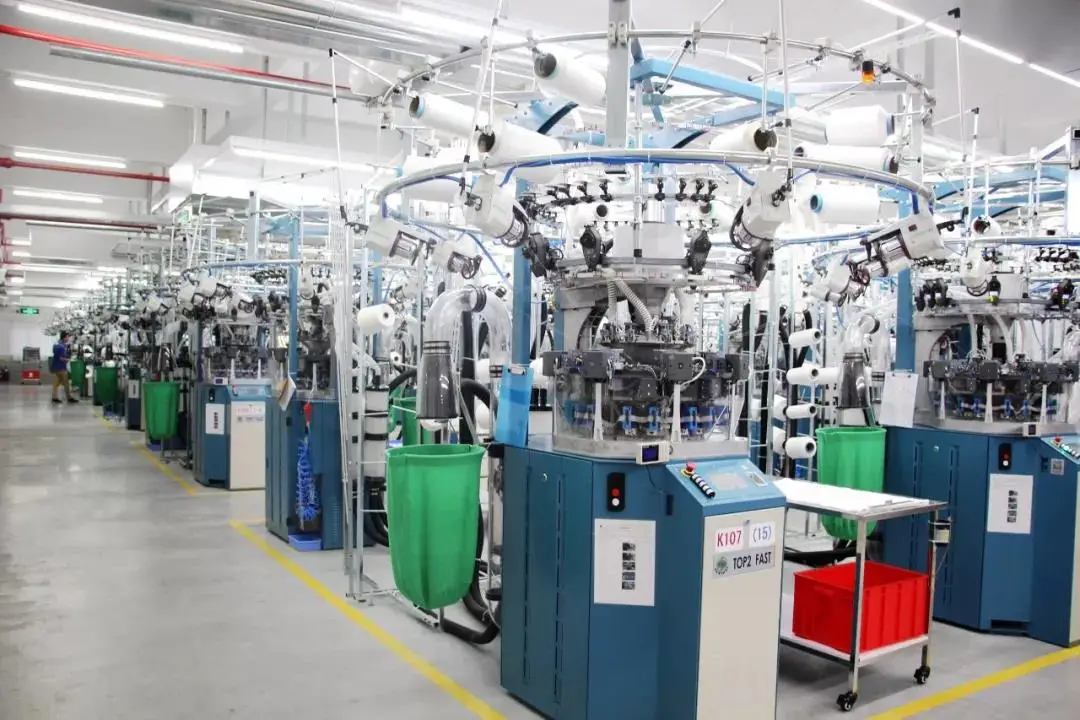
Label: Italian Santoni Machines
The existing seamless knitting equipment provides a technical manufacturing foundation for suitable garments requiring circular-knit structures and relevant development programs.
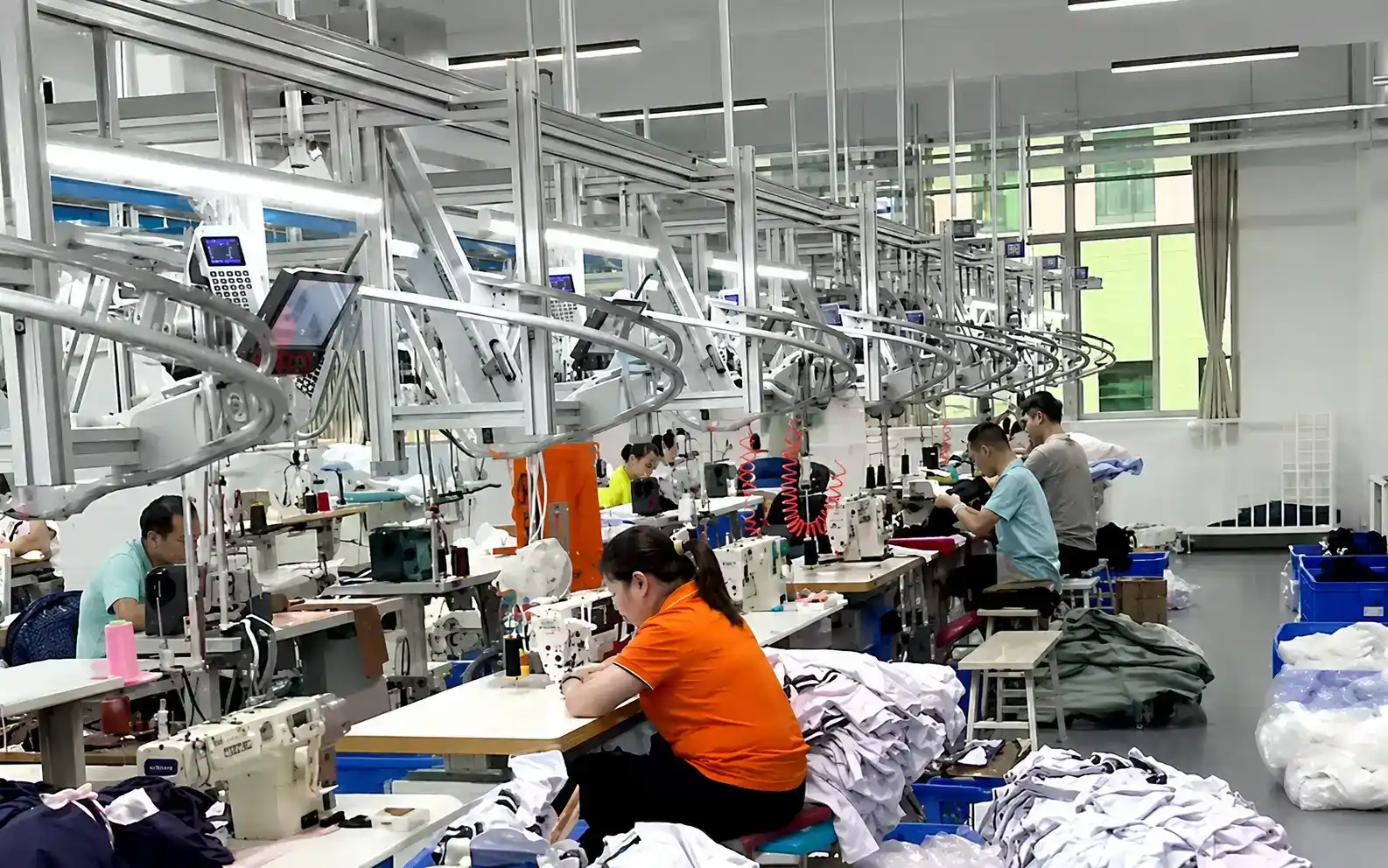
Label: Garment Production Equipment
Principal sewing and garment-making equipment provides Cut & Sew manufacturing resources for applicable activewear patterns and assembled constructions.
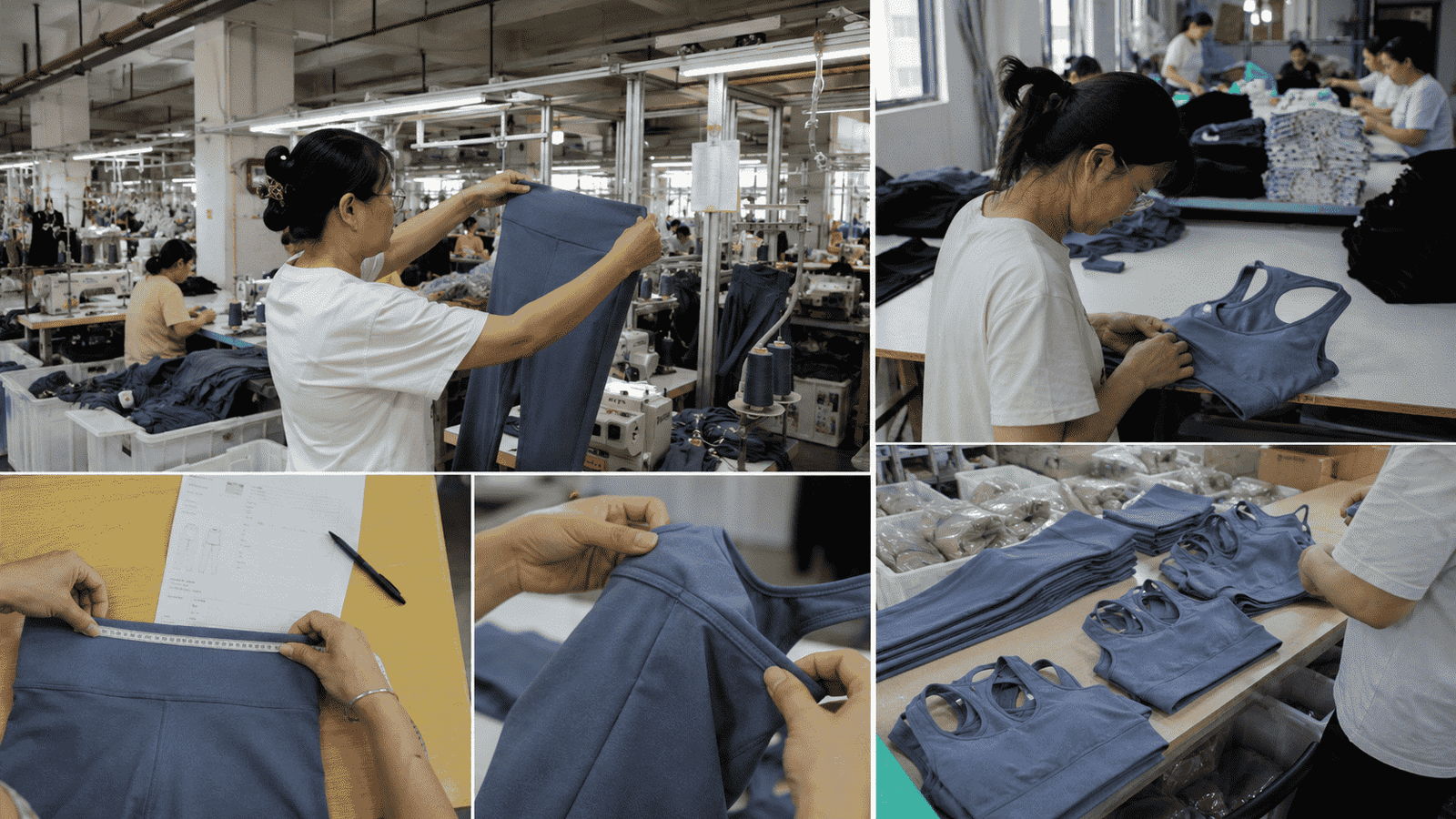
Label: QC Personnel
The existing quality inspection organization supports garment quality management, without establishing that every proposed collection test or approval has already been completed.
Data Scope: Existing organizational resources are not all dedicated to one collection development project.
Technical Qualification Checklist for Collection Development Manufacturing Partners
A mature brand should assess whether a supplier can contribute meaningful technical review, identify actual manufacturing responsibilities and communicate unresolved decisions. This checklist is a buyer evaluation framework, not a completed MOVEVOX audit or certification.
Development Responsibility
Response: Yes / No / Further Evidence Required
- Confirm the supplier's actual design, patternmaking and sample-development resources.
- Distinguish brand-controlled creative decisions from supplier technical recommendations.
- Identify the responsible personnel for discussing each proposed garment category.
- Clarify which development operations require coordination with external providers.
Style Material Feasibility
Response: Yes / No / Further Evidence Required
- Confirm whether individual styles have sufficient inputs for proposed development work.
- Review the suitability of relevant materials against actual garment requirements.
- Identify unresolved shared materials, trims or construction decisions affecting multiple styles.
- Examine proposed seamless and Cut & Sew routes against verified manufacturing resources.
Evidence Approval
Response: Yes / No / Further Evidence Required
- Confirm that current technical drawings and material references are identifiable.
- Match relevant physical sample observations to the appropriate garment version.
- Identify unresolved technical questions and the evidence required for closure.
- Verify who has authority to approve samples and release technical specifications.
Commercial Development Scope
Response: Yes / No / Further Evidence Required
- Define the requested technical review and sampling responsibilities for each style.
- Check relevant material minimums and special sourcing conditions before committing work.
- Review whether construction choices align with the brand's indicative cost position.
- Confirm which project conditions remain open before firm development terms are agreed.
Interpreting the Evaluation
A positive response should be supported by relevant evidence, while an unresolved answer should identify what needs further review. Not every technical or commercial question carries the same risk. Buyers should prioritize critical manufacturing responsibility, material and approval issues according to their project. A supplier may be suitable for one garment category but require additional evaluation for another. No checklist response alone qualifies a factory, and the proposed format must not be presented as a completed certification or verified MOVEVOX audit result.
Submit a Collection Brief for Manufacturing Feasibility Review
A meaningful development inquiry should distinguish available technical references from unresolved product decisions. The following six information groups help brands communicate their current collection status without pretending that every Tech Pack or production specification is already complete.
Tab 01 — Collection Scope
Tab Title: Range
Identify the product categories, working style references and intended role of each proposed garment. Explain whether the collection is built around established core products or contains several new concepts requiring initial technical definition. The brand should decide its commercial assortment and launch priorities, while the supplier can discuss which product structures and manufacturing resources may be relevant. A useful style list also distinguishes confirmed development work from conditional items that should not yet be included in technical or commercial commitments.
Selectable Inputs
- Core garments and their proposed collection development roles.
- Supporting products intended to complement approved core styles.
- Conditional styles requiring additional commercial or technical decisions.
- Current product categories and appropriate target activity information.
Tab 02 — Design References
Tab Title: References
Provide available sketches, technical flats, Tech Packs, approved samples or lawful reference garments. Identify which documents are current and whether their specifications have already received buyer approval. Different products may have different reference quality, and that difference should be explicit. An image can communicate intended appearance without proving material, pattern or fit suitability. Manufacturers can review the available information and identify further technical questions, but should not silently treat unapproved examples as binding production requirements.
Selectable Inputs
- Current technical drawings or suitable product design sketches.
- Physical garment references with clearly identified source and authorization.
- Existing approved product measurements, material specifications or construction notes.
- Artwork, branding and finishing requirements relevant to each proposed style.
Tab 03 — Development Readiness
Tab Title: Readiness
Describe the current technical status of each SKU: concept, defined brief, sampling inputs available, physical sample reviewed or approved reference. The purpose is to establish which development decisions can be made now and which require additional information. A completed design presentation does not automatically mean the garment is sampling-ready. Conversely, a missing detail in one product need not delay unrelated styles. The buyer should identify the relevant next decision and the person responsible for confirming it.
Selectable Inputs
- Style-by-style current development stage and supporting technical references.
- Missing material, construction or fit decisions affecting sample preparation.
- Available physical samples and any documented review outcomes.
- Unresolved approval matters assigned to identifiable buyer representatives.
Tab 04 — Material Dependencies
Tab Title: Materials
Identify proposed fabrics, yarns, colors, trims and other components used across the collection. State where several garments are expected to share a reference and where separate technical properties may require different materials. Actual availability and sourcing minimums should be reviewed before concluding that one platform is commercially feasible. Shared material identity cannot establish equivalent garment performance. The relevant supplier discussion should identify which styles depend on an unresolved material decision and which can continue independently.
Selectable Inputs
- Approved materials and other physical fabric or yarn references.
- Shared component proposals linked to the relevant garment SKUs.
- Special color, trim or sourcing conditions requiring supplier confirmation.
- Product-specific functional requirements needing separate material evaluation.
Tab 05 — Commercial Boundaries
Tab Title: Commercial
Provide indicative garment quantities, requested colors, target cost positions and any important launch considerations. These inputs support initial technical and sourcing feasibility discussion but do not constitute confirmed production instructions. A proposed total collection quantity should be separated from individual styles and relevant material minimums. The supplier may identify commercial constraints or possible technical alternatives, while the brand retains authority over assortment, price positioning and acceptance of any revised product direction. Final quotations and schedules require actual project confirmation.
Selectable Inputs
- Indicative quantities broken down by garment style and color.
- Target cost directions and non-negotiable product requirements.
- Special material or trim purchasing conditions requiring review.
- Planned development or launch milestones and their relevant dependencies.
Tab 06 — Open Questions
Tab Title: Questions
List the technical and commercial decisions that remain unresolved, including affected styles, relevant reference documents and responsible brand contacts. Questions may concern fit, manufacturing route, material availability, target cost or the evidence required for later approval. A useful inquiry does not ask the manufacturer to assume all answers. It clarifies which matters need professional options, which require physical samples and which must be resolved by the buyer. This supports a more meaningful feasibility discussion than a generic request for the lowest garment price.
Selectable Inputs
- Unresolved technical questions assigned to individual garment references.
- Shared decisions affecting more than one proposed collection style.
- Required evidence or proposed sample evaluation for important decisions.
- Authorized buyer contacts responsible for confirming final development choices.
Activewear Collection Development Technical Glossary for Brand Buyers
These terms help development, sourcing and technical teams distinguish early collection decisions from sample validation and approved manufacturing instructions. The definitions describe common professional concepts, not proprietary MOVEVOX software or certified internal stage names.
Collection Range Plan
A collection range plan identifies proposed garment styles, their intended roles and relevant product relationships. It supports assortment and development discussions but does not itself establish technical feasibility or final garment approval. The brand normally retains authority over which products belong in its commercial range.
Anchor Style
An anchor style is a core product used to establish important collection direction or technical references. It may help guide materials, fit or design consistency, but its specifications do not automatically qualify other garments. The appropriate anchor depends on the brand's actual collection goals.
Development Readiness
Development readiness describes whether a garment has sufficient confirmed information for the next relevant technical action. A style can be ready for preliminary review without being ready for sampling or production. The status should identify the decision and evidence still required.
Shared Material Platform
A shared material platform involves considering related fabrics, yarns or material standards for several products. Its value depends on actual technical suitability and sourcing conditions. A common composition or color direction does not establish identical fit, support, opacity or garment performance.
Technical Dependency
A technical dependency exists when one product decision materially affects another development task or garment specification. Examples may involve shared materials, components or approved references. Dependencies should be identified precisely; an unresolved issue in one style does not necessarily prevent unrelated products from progressing.
Manufacturability Review
A manufacturability review considers whether a proposed garment construction can be developed and manufactured using suitable materials, processes and relevant quality requirements. It may identify changes or missing inputs before sampling. It does not automatically guarantee bulk feasibility, final costs or product performance.
Development Brief Freeze
A development brief freeze confirms the current scope and required inputs for a specified development stage. It may establish product direction and provisional technical assumptions while leaving sample-dependent requirements open. It is not equivalent to an approved final production Tech Pack.
Sampling Specification
A sampling specification identifies technical information used to develop a particular physical garment sample. It may contain provisional measurements, materials and construction details. The resulting sample must still be reviewed before any applicable production specifications are treated as fully approved.
Approved Physical Sample
An approved physical sample is an identifiable garment accepted under specified buyer requirements and review conditions. Its approval should be linked to the relevant technical version and material references. It does not automatically approve every future material substitution, size or different garment category.
Production Specification Release
Production specification release refers to authorizing the applicable technical information for manufacturing use after relevant approvals. The reference may include effective drawings, measurements, construction, materials and sample identity. Changes made afterward may require further technical or buyer review before implementation.
Activewear Collection Development Frequently Asked Questions
These answers explain how established brands can define product ranges, review technical feasibility and confirm development references before committing to manufacturing. Actual project capabilities and approvals depend on the individual garments.
1. What does an activewear collection development manufacturer do?
A collection development manufacturer can contribute garment engineering and manufacturing knowledge during product-range definition. This may include reviewing construction, materials, technical information and sampling feasibility across several styles. The brand still determines its commercial positioning and final product selection. The manufacturer's relevant capability should be supported by actual development and production resources rather than a general claim to handle any concept from design to bulk.
2. Can MOVEVOX review a collection without complete Tech Packs?
MOVEVOX has an existing team supporting design, patternmaking and sample development from client-provided technical information and references. An initial discussion can identify which documents are available and what information remains necessary for the proposed next step. Some styles may require additional fit, material or construction decisions before sampling. Incomplete technical inputs should not be represented as approved production requirements or a guarantee of final manufacturing feasibility.
3. Who decides which styles belong in the collection?
The brand should control its commercial assortment, target customers, design direction and final style selection. A manufacturer can discuss the technical complexity, material needs and production implications of proposed garments. Those findings may help the brand prioritize or revise its range. Manufacturing advice should not be mistaken for authority to change brand strategy or substitute an unapproved product concept.
4. How should brands prioritize styles before sampling?
Development priority may depend on core product importance, unresolved construction, shared materials, fit requirements and sourcing constraints. A critical material decision may deserve early review if several styles depend on it. Other garments can progress independently where their necessary inputs are already available. The appropriate sequence should be agreed against the brand's commercial priorities rather than dictated by one universal manufacturing timeline.
5. Can several products use one fabric or yarn platform?
They may share a material platform when actual specifications, garment construction and relevant performance requirements permit. Sports bras, leggings, fitted shorts and training tops can require different opacity, extension, support or finishing conditions. A material approved for one product should therefore be reviewed before being applied to another. Shared purchasing may be commercially useful, but genuine compatibility must come before assuming savings or a single universal material specification.
6. What if one material decision affects several styles?
The buyer should identify which styles actually depend on the material and determine the technical questions that remain unresolved. Some garment work may need to wait for material approval, while independent design or pattern decisions may continue. A clear dependency review helps avoid unnecessary changes to unrelated product references. Any new material selection must still be assessed against the affected garments' own requirements.
7. Can seamless and Cut and Sew products share one collection?
Yes, a coordinated collection may include garments made by different processes when their designs and manufacturing arrangements are suitable. MOVEVOX has Santoni circular seamless knitting equipment and Cut & Sew resources. Each garment should be assessed for its actual knit, pattern, lining, seam and finishing requirements. Shared branding or color direction does not mean that the garments need identical manufacturing routes.
8. What is the difference between a development brief and specification freeze?
A development brief defines the current product direction, technical inputs and questions appropriate to the next development step. A production specification freeze requires the applicable garment requirements and relevant evidence to be appropriately reviewed and approved. Drawings and preliminary BOMs may support sampling without being final production references. Technical documents should therefore identify their effective status and the decisions still awaiting confirmation.
9. When is a style ready for manufacturing handover?
A style can be considered for manufacturing handover when its relevant garment sample, material, construction, measurements and applicable technical requirements have received the necessary approvals. The effective production reference should be identifiable and consistent with those approvals. A garment may be ready while other styles in the same collection are still under development. Unresolved changes should be dispositioned according to their actual impact before production use.
10. What should we submit for an initial collection review?
Submit an initial style list, target product categories, relevant sketches or Tech Packs, existing approved samples and available material references. Identify the intended use, approximate quantities, commercial constraints and important open questions. Final production documents are not always required for a preliminary technical discussion. Clear information about the current status of each style will help establish a realistic development scope and identify where further evidence is needed.
Start Your Activewear Collection Development and Technical Feasibility Review
MOVEVOX supports activewear product development with existing design, patternmaking, sampling, Santoni seamless knitting and Cut & Sew resources. Brands planning a new collection can share their style range, available references and unresolved technical questions to begin a feasibility discussion. Depending on the project, the next step may involve defining garment requirements, reviewing material options, considering manufacturing routes or preparing specifications for sampling. Valid product approvals and manufacturing commitments depend on the actual designs, relevant evidence and agreed project conditions. MOVEVOX does not assume responsibility for a brand's complete commercial strategy or guarantee the feasibility of unreviewed concepts.
Review My Range Plan
Share your intended products, style roles and available development references. This route suits brands that have established their collection direction but want to examine which garments and technical questions should be addressed first.
Resolve Development Questions
Submit incomplete technical documents, material concerns or construction requirements needing clarification. This route is appropriate when some styles are defined while others require further technical decisions before relevant samples can be prepared.
Qualify MOVEVOX
Review existing development personnel, manufacturing resources and applicable technical responsibilities. This route serves established product development and sourcing teams evaluating whether MOVEVOX is suitable for the proposed collection scope.
Send Us an Inquiry
Tell us your needs, and our team will get back to you within 24 hours.