
Critical Construction Zones in a Performance Crop Top
Crop top performance depends on how individual garment areas work together. Review the following points against the intended silhouette, body movement and approved measurements before treating a sample as ready for production.
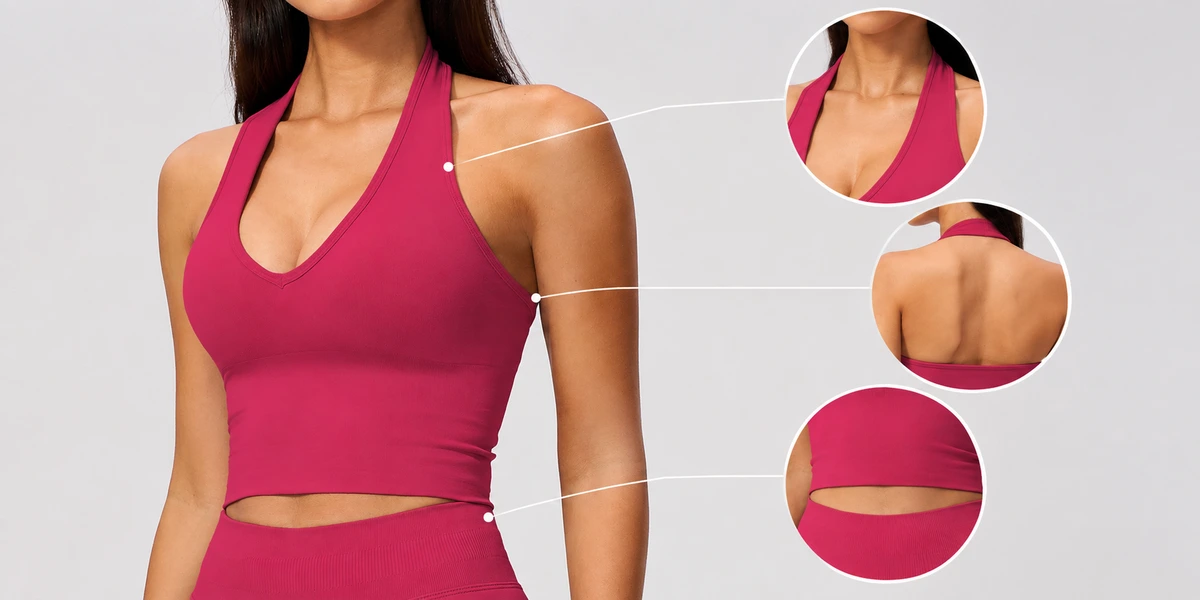
Crop Hem
The bottom edge defines the cropped silhouette and influences garment stability. Hem width, fabric recovery, finishing method and movement-related tension should be reviewed together rather than evaluated only by appearance.
Bust Measurement
Bust width influences how the garment stretches over the body. Both relaxed garment measurements and the intended wearing fit matter, especially when high-stretch fabrics or fitted silhouettes are specified.
Armhole Shape
Armhole depth and contour affect comfort, movement and coverage. Excessive restriction may cause pulling, while insufficient coverage can conflict with the brand's intended training or lifestyle application.
Shoulder Balance
Shoulder width and construction influence garment positioning during movement. The relationship between shoulder fit, neckline tension and body length should be examined during fitting and revision.
Neckline Edge
The neckline must achieve the approved appearance without unwanted stretching, distortion or pressure. Edge construction should be compatible with the material and any selected branding or finishing techniques.
Side Seam
For Cut & Sew designs, side seam alignment contributes to body symmetry and garment appearance. Twisting may relate to cutting orientation, fabric behavior, sewing conditions or pattern balance.
Sleeve Connection
For sleeved styles, sleeve shape and its connection to the body affect shoulder mobility. Fit evaluation should identify whether arm movement pulls the cropped body upward beyond the approved range.
Logo Placement
Shorter garments provide less available branding space. Artwork position should be approved in relation to seam allowances, stretch zones, hem movement and the intended visible area during wear.
Overall Design Logic
An approved crop top should be treated as a connected construction system. Changing body length can alter proportions; changing hem tension may influence ride-up; changing shoulder or sleeve geometry can affect the position of the entire garment. A technical review should therefore consider measurements, material behavior and movement together before approving a final specification.
Which Manufacturing Route Fits Your Crop Top Design?
Seamless and Cut & Sew manufacturing offer different construction possibilities. The decision should follow the approved design, material requirements, size range and order structure—not a general assumption that one method always produces a better garment.
| Decision Factor | Seamless Knitting | Cut & Sew Manufacturing |
|---|---|---|
| Typical design direction | Ribbed, body-contouring or engineered-knit crop tops | Cropped T-shirts, panelled tops, sleeved garments and varied silhouettes |
| Material input | Yarn selection, knitting program and finishing requirements | Fabric specification, cutting pattern and sewing construction |
| Fit control | Knitted dimensions, stretch zones and finishing behavior | Pattern dimensions, grading, fabric behavior and seam construction |
| Surface design | Knit textures, rib structures and compatible engineered zones | Fabric textures, panels, prints, binding and sewn detailing |
| Hem construction | Knitted edge or compatible finishing, subject to design feasibility | Folded hem, coverstitch, elastic construction or other approved finishes |
| Size development | Knitting dimensions and structure assessed against the requested size range | Pattern grading and marker development across the approved size range |
| Complex panels | Must be evaluated against equipment and knitting constraints | Often more adaptable to multiple cut panels and unusual seam locations |
| Integrated support | Requires an additional construction feasibility review | Internal support structures can be evaluated through layered pattern construction |
| Logo application | Jacquard or compatible applied branding, depending on design | Printing, transfers, embroidery or labels, subject to material compatibility |
| MOQ and cost | Influenced by yarn, knitting setup, size programming and quantities | Influenced by fabric sourcing, cutting efficiency, sewing complexity and quantities |
| Approval priority | Knitting structure, dimensions, stretch and post-finishing stability | Pattern fit, seam construction, dimensions and workmanship |
MOVEVOX has both manufacturing routes available within its production and supply-chain system. Final selection is made through project-specific feasibility evaluation.
Define Crop Length and Grading Before Approving Production
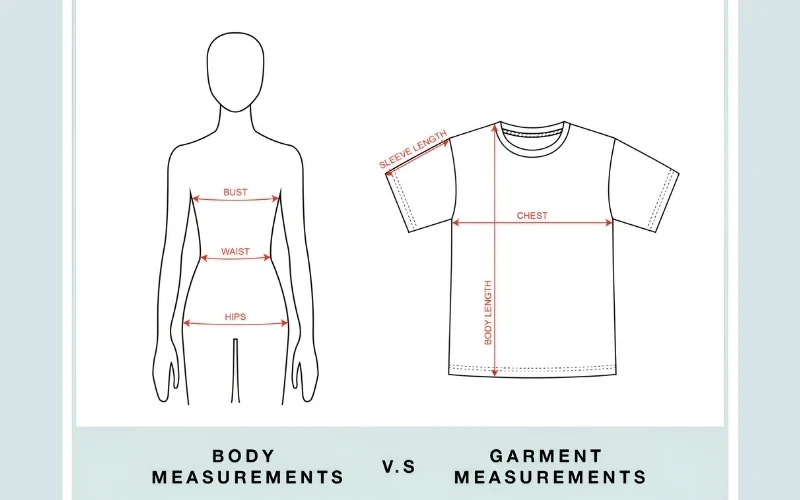
Crop top sizing must preserve the intended relationship between body length, circumference, shoulder position and hem fit. A single nominal length or universal size table cannot adequately describe every silhouette, material or intended wearer.
Brand-Specific Size Review
| Size | Garment Length | Bust Width | Hem Width | Shoulder / Sleeve | Fit Approval |
|---|---|---|---|---|---|
| XS | Brand-defined | Brand-defined | Brand-defined | Style-specific | Pending project review |
| S | Brand-defined | Brand-defined | Brand-defined | Style-specific | Pending project review |
| M | Brand-defined | Brand-defined | Brand-defined | Style-specific | Pending project review |
| L | Brand-defined | Brand-defined | Brand-defined | Style-specific | Pending project review |
| XL | Brand-defined | Brand-defined | Brand-defined | Style-specific | Pending project review |
Units: cm / in
Grading and Tolerance Review
The values above are intentionally unfilled because no universal MOVEVOX crop top measurement specification has been approved for publication. During project development, the brand's measurement chart should define the measuring condition, base size and grading increments. A fitted knit crop and a relaxed cropped T-shirt may need different dimensional relationships. Tolerances should be determined from material behavior, production feasibility and the customer's acceptance requirements, rather than copied from another product.
Three Approval Notes
- Measurement Reference: Specify exactly where garment length begins and ends.
- Fabric Condition: Define relaxed measuring conditions and treatment after relevant care tests.
- Size Proportion: Review end sizes for unintended changes in cropped coverage and fit.
Evaluate Crop Top Fit Across Real Movement Scenarios
A crop top should be assessed for its intended use rather than fitted only in a stationary pose. Movement, material extension and garment balance affect coverage and comfort differently across training and everyday activities.
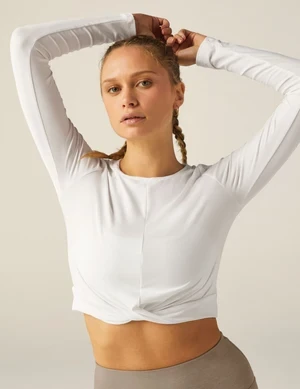
Yoga Stretch and Extension
Yoga positions can involve upward reaching, torso extension and sustained movement that changes the relationship between hem position and waist coverage. During development, the brand should define expected exposure and determine whether the top must remain close to its original hem position or permit controlled movement.
- Define acceptable hem movement during overhead reaching and torso extension.
- Review neckline and armhole coverage in relevant yoga positions.
- Assess material recovery after repeated stretching and garment repositioning.

Strength and Gym Training
Resistance training can combine repeated arm elevation, upper-body rotation and changes in torso posture. A fitted crop top may need close attention to shoulder balance and fabric tension, while a relaxed crop may require review of shifting coverage and excess fabric movement.
- Check shoulder mobility during pressing, pulling and overhead movements.
- Observe whether sleeve tension causes unintended upward body movement.
- Compare relaxed and extended garment behavior against approved fit expectations.

Pilates and Controlled Movement
Pilates often involves controlled transitions between upright, reclined and flexed positions. Garment evaluation should consider whether the cropped body changes position uncomfortably or exposes more than the intended design allows, particularly when a high-waisted bottom forms part of the collection.
- Review coverage in supine, seated and forward-folded body positions.
- Check hem comfort where fabric contacts the waist or ribcage.
- Evaluate coordinated fit with the intended Pilates leggings or shorts.
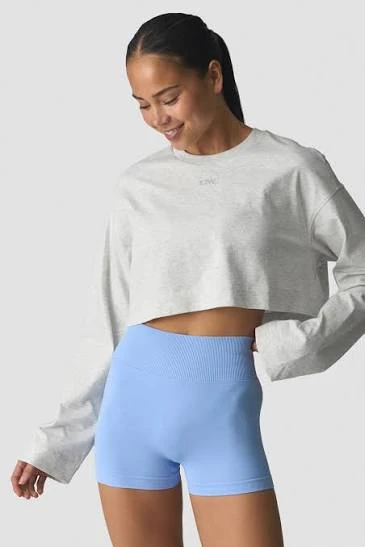
Everyday Athleisure Wear
Athleisure styles may prioritize silhouette, softness and visual proportion more than high-intensity support. Even so, the garment should retain acceptable appearance during routine arm movement, sitting and laundering. A relaxed cropped T-shirt and a close-fitting ribbed top require different approval criteria.
- Maintain intended cropped proportions across the complete approved size range.
- Confirm neckline, shoulder and hem appearance after normal movement.
- Evaluate drape, comfort and dimensional stability for the specified fabric.
Prepare the Technical Inputs for Your Crop Top Program
An effective manufacturing review begins with consistent product information. Providing the following documents helps establish the design, clarify unresolved decisions and distinguish approved specifications from assumptions that still require development or sample evaluation.
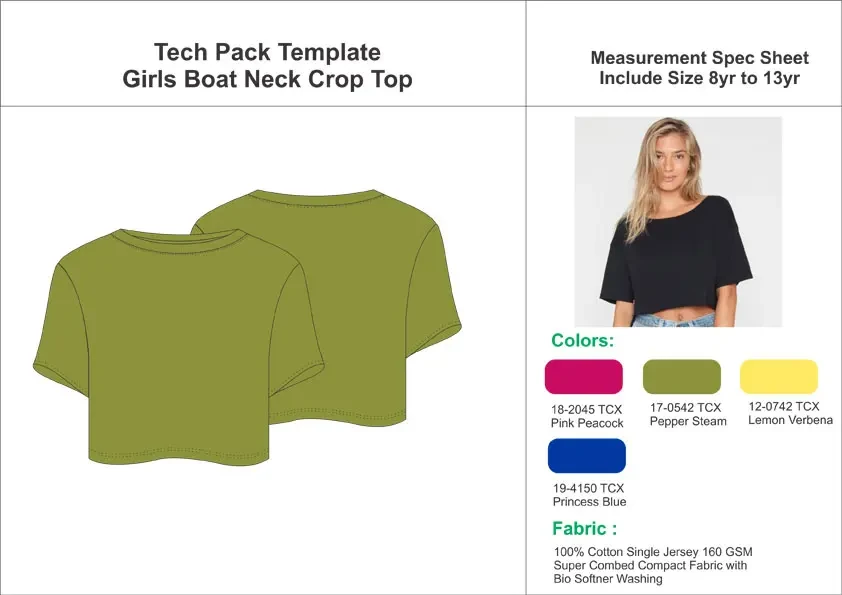
Flat Technical Sketch
Provide front and back technical drawings showing the intended crop silhouette, neckline, armhole, sleeve configuration, seam placement and hem construction. Identify unusual details and indicate whether the reference represents the finished design or an exploratory concept.
Measurement Specification
Define base size, critical points of measure, target crop length, size range, grading rules and any proposed tolerances. Include measuring instructions where interpretation could differ between product development, sample preparation and finished garment inspection teams.
Target Fit Reference
Explain whether the intended fit is relaxed, close-fitting or compression-oriented. Reference fit photographs or legally usable sample garments where appropriate, and describe the intended body coverage and movement behavior rather than relying on adjectives alone.
Fabric or Yarn Brief
Provide desired composition, weight, structure, stretch direction, recovery characteristics and hand feel where available. For Seamless projects, include preferred yarn characteristics or a reference material so knitting feasibility can be evaluated before commitment.
Construction Requirements
Identify hem finishing, seam preferences, neckline treatment, sleeve construction and any integrated lining or support components. Distinguish mandatory construction requirements from preferred alternatives that can be assessed during technical feasibility review.
Color Standards
Provide color names, Pantone references or approved physical swatches. Specify whether colors must coordinate with existing leggings, bras or other collection items, and identify any color differences that would be unacceptable across materials.
Branding Artwork
Supply vector artwork, placement dimensions and preferred application methods for logos and graphic elements. Placement should account for cropped garment proportions, stretch behavior, seams and the possibility of distortion during wear.
Label and Packaging
Define brand labels, care information, size identification, hangtags, retail packaging and barcode or SKU requirements. State destination markets so the correct commercial and labelling questions can be reviewed before final specification approval.
Performance Requirements
Identify tests or acceptance standards for dimensional stability, colorfastness, stretch recovery, opacity, seam performance and other relevant properties. Separate mandatory brand specifications from preferences that remain subject to development and verification.
Order and Launch Plan
State estimated quantity by style and color, expected size distribution, target market, intended approval date and launch schedule. These inputs help evaluate sourcing conditions, manufacturing route, MOQ dependencies and production planning.
Reference Sample Notes
If a legally usable reference sample is supplied, identify which elements should be retained and which must change. A reference garment should support technical interpretation without implying permission to copy third-party intellectual property.
Approval Responsibilities
Identify who will approve fit, material, color, construction and the final production specification. Establish how revisions will be communicated and which version becomes the reference for subsequent sampling and bulk-production discussions.
Incomplete Documentation
A complete Tech Pack is preferable for detailed quotation and production feasibility review. MOVEVOX can also begin discussions from a lawful reference sample or clearly described concept. Missing measurements, materials or performance requirements should be identified as open decisions, then resolved through technical review and customer approval before production assumptions are finalised.
Evaluate Stretch Recovery Before Approving Crop Top Performance
Material claims should be supported by defined properties, relevant methods and the intended wearing conditions. For cropped garments, the interaction between fabric extension, construction and hem tension can be more important than a single published stretch percentage.
Stretch Recovery
Claim: The material returns towards its original dimensions after extension.
Evidence Explanation: Stretch recovery should be assessed in the relevant fabric directions and under specified conditions. A fabric that extends comfortably does not necessarily recover sufficiently to maintain the original garment fit. Repeated stretching and appropriate recovery intervals may be important when evaluating body-fitting crops.
Required Basis: Material specification, applicable recovery method, sample conditioning and recorded results.
Hem Stability
Claim: The approved hem remains within defined movement and appearance limits.
Evidence Explanation: Hem behavior depends on garment width, edge construction, fabric recovery and body movement. A stationary photograph cannot establish resistance to rolling or upward displacement. Product-specific fit assessment should identify the intended performance, observation method and acceptable changes during movement.
Required Basis: Approved hem construction, fit observations and relevant dimensional comparison.
Shape Retention
Claim: The garment maintains acceptable proportions after specified care conditions.
Evidence Explanation: A cropped silhouette can change noticeably when body length or width shifts after washing. Both relaxation and dimensional change may affect the appearance of the garment. The brand should define the required care conditions and permissible changes before evaluating results.
Required Basis: Pre-care and post-care measurements under a defined test protocol.
Coverage Performance
Claim: The top provides the level of coverage specified for its intended use.
Evidence Explanation: Coverage depends on fabric appearance under extension, body fit, neckline, armhole and crop length. The evaluation should reflect the relevant garment color, size and activity. Opaque appearance at rest is not proof of adequate coverage under every movement or extension condition.
Required Basis: Agreed fit reference, fabric condition and movement-based assessment criteria.
Comfort and Seam Behavior
Claim: The construction avoids unacceptable pressure or irritation during intended wear.
Evidence Explanation: Seams, binding, elastic edges and transitions between materials may create local tension. Comfort assessments should distinguish measurable construction properties from subjective wearer feedback. A brand-defined fit and wear evaluation can identify problems that are not visible from dimensional data alone.
Required Basis: Construction specification, fit feedback and documented revision decisions.
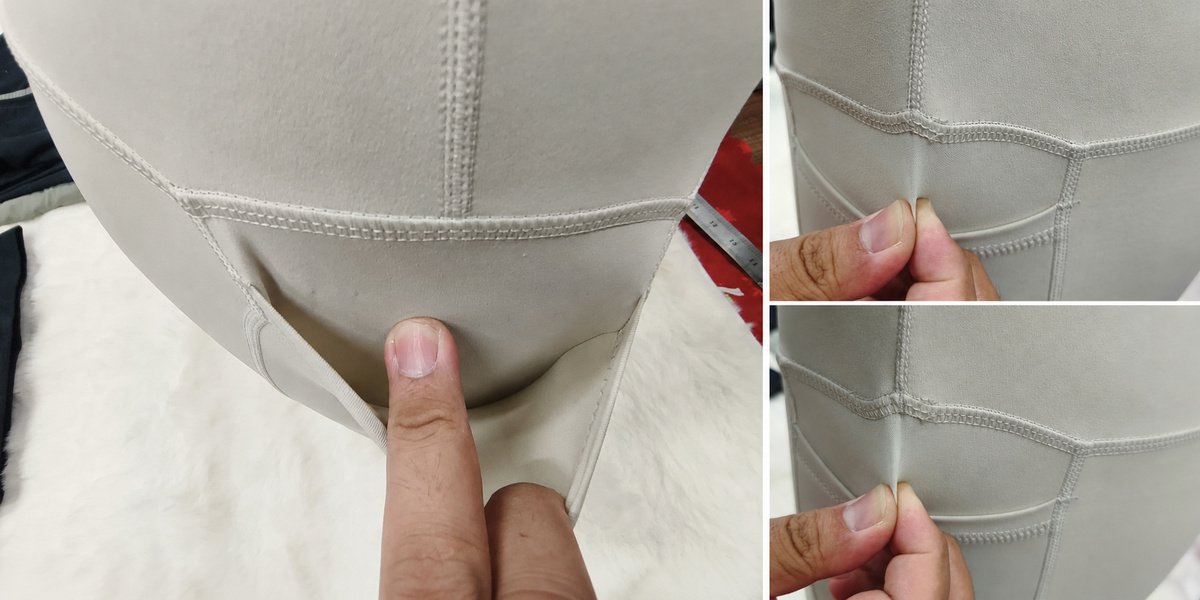
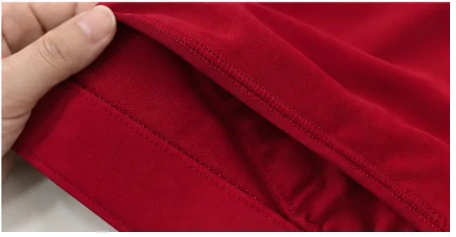
Select Sewing Constructions Around Movement and Garment Fit
For Cut & Sew crop tops, construction decisions influence stretch, comfort, visual finish and dimensional stability. The following methods represent technical options for evaluation, not a claim that every method has been used on a completed MOVEVOX crop top.
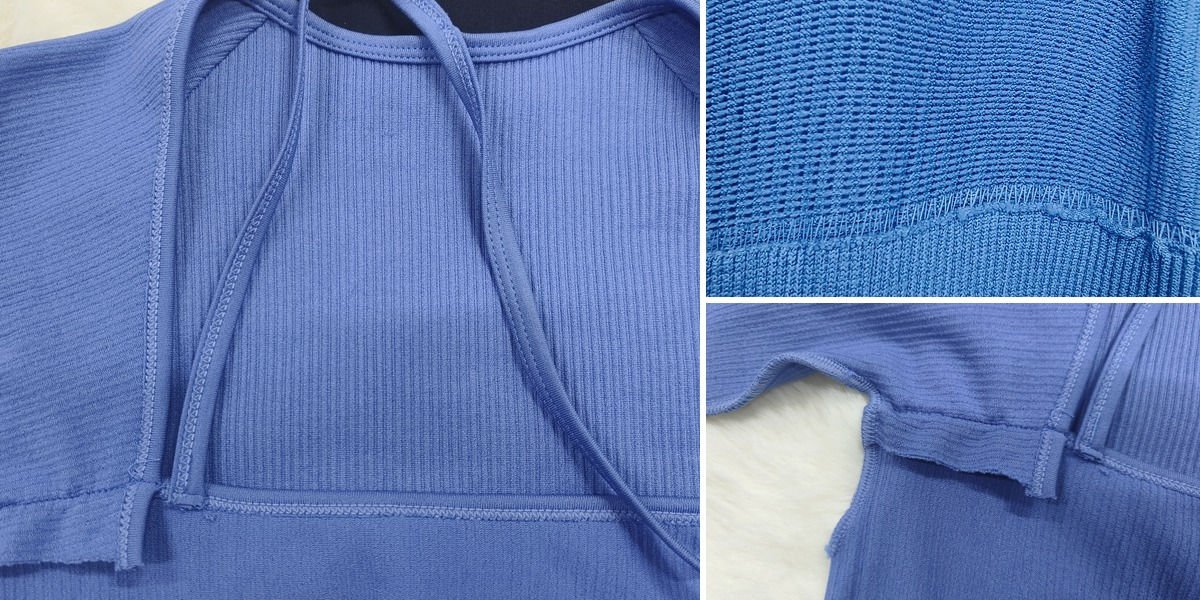
Overlock Seaming
Overlock construction joins fabric edges while controlling fraying and seam allowance. Stitch configuration, thread and differential feed should suit the material's stretch behavior. Poorly balanced construction may create puckering, restricted extension or inconsistent seam appearance.
Applicable Areas: Side seams, sleeve attachments and compatible knitted fabric joining points.
Comfort / Strength Consideration: Review seam elasticity, thread tension and bulk against the intended wearing conditions.
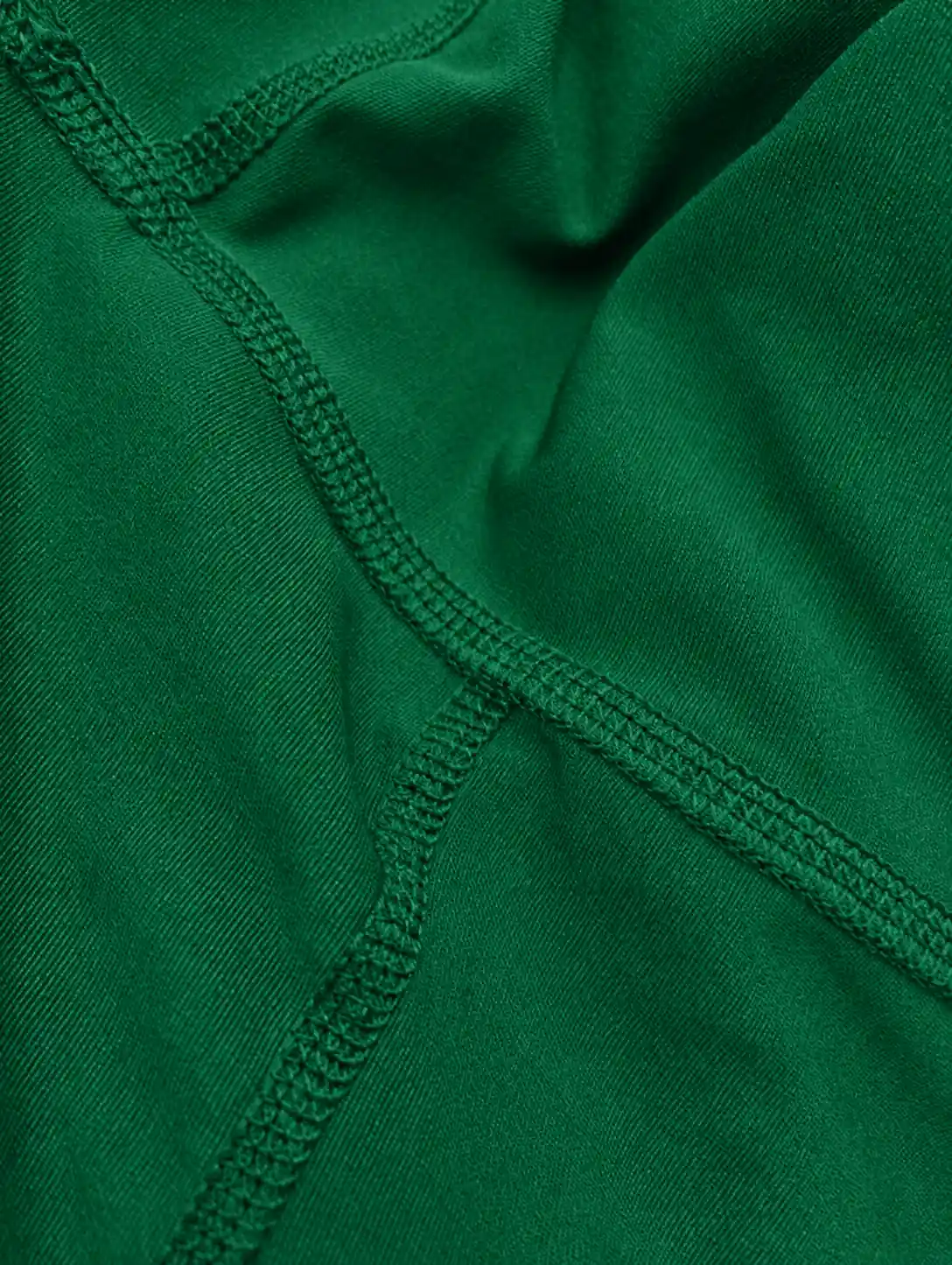
Coverstitch Hem
Coverstitch is commonly considered for stretch-knit hems because it can provide a relatively flat finish with suitable extension. The hem allowance, stitch balance and fabric recovery require evaluation to limit tunnelling, waviness and uncomfortable stiffness.
Applicable Areas: Bottom crop hems, sleeve hems and selected stretch-fabric finishing details.
Comfort / Strength Consideration: Assess extension, hem appearance and recovery after fitting and relevant care.
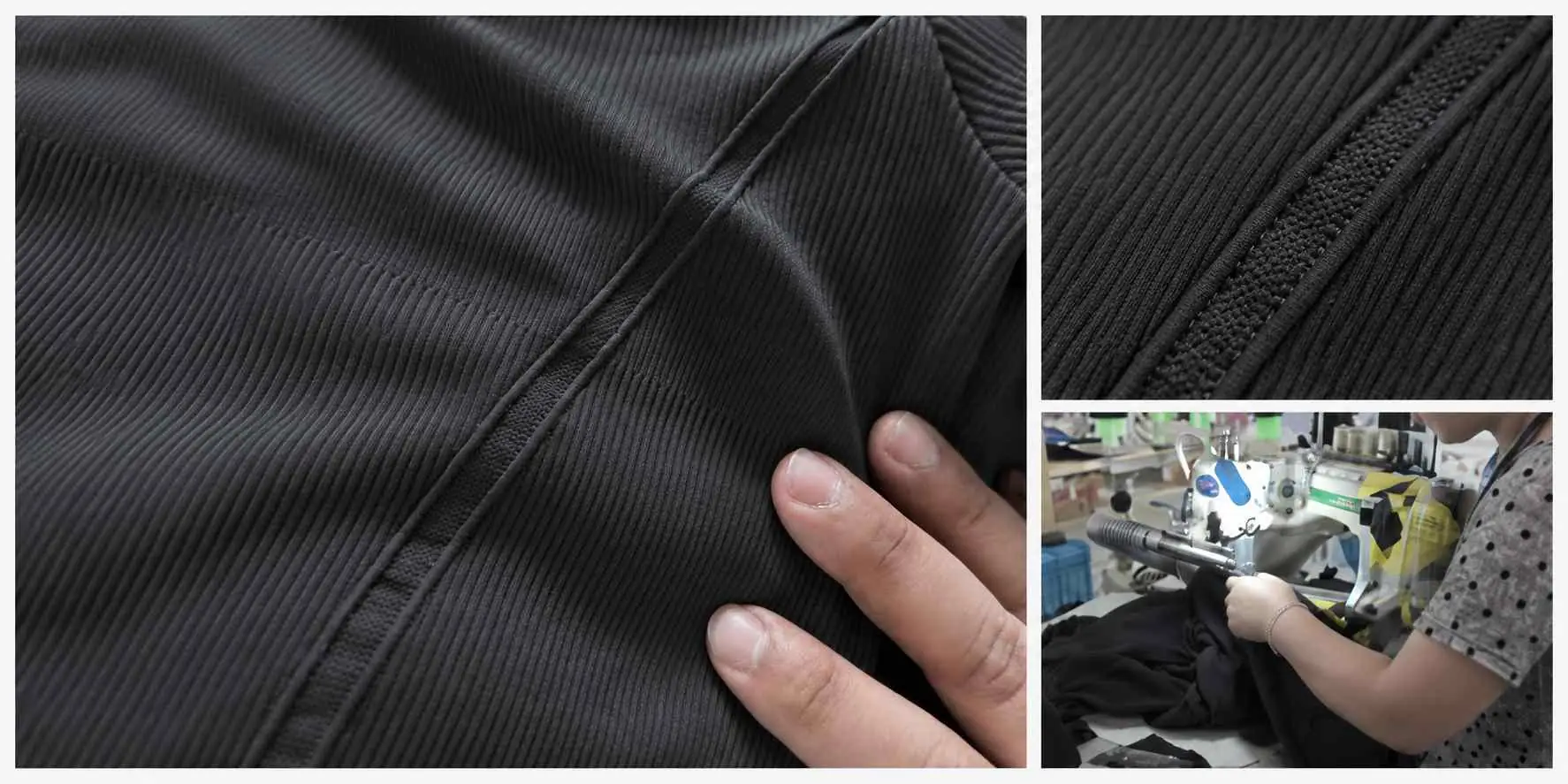
Flatlock Construction
Flatlock-style joining may reduce seam bulk and create a visible performance aesthetic. Compatibility depends on material, seam configuration and equipment. A flat appearance does not automatically establish the seam's required elongation or durability.
Applicable Areas: Selected performance panels and seams where reduced bulk is required.
Comfort / Strength Consideration: Verify seam extension and local pressure under the intended body movement.
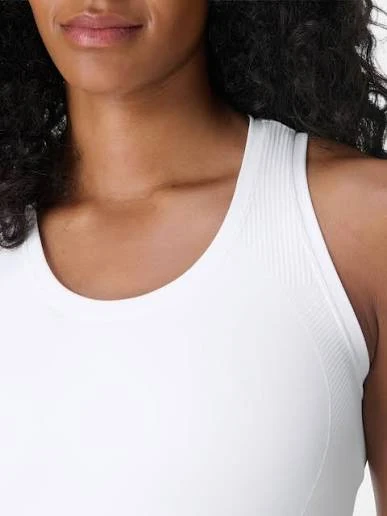
Neckline Binding
Binding encloses an edge and influences neckline appearance, tension and stability. Binding width and extension must be compatible with the neckline geometry and fabric. An excessively tight binding can distort fit, while insufficient recovery may cause gaping.
Applicable Areas: Necklines, sleeveless armholes and selected decorative edge treatments.
Comfort / Strength Consideration: Check edge pressure, opening recovery and appearance after repeated wearing movements.
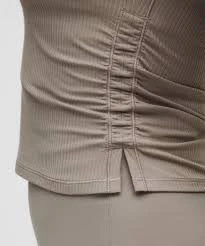
Reinforced Stress Point
Specific attachment or tension points may require reinforcement depending on pattern design and stress distribution. The reinforcement method should not introduce uncomfortable bulk or restrict necessary stretch, particularly near shoulders and the upper torso.
Applicable Areas: Selected strap attachments, seam intersections and other engineered stress locations.
Comfort / Strength Consideration: Assess stress concentration and reinforcement suitability rather than assuming reinforcement is always necessary.
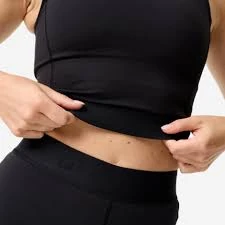
Hem Finishing Alternatives
Folded, elasticated, bound and other hem constructions influence the finished silhouette differently. Selection should depend on the intended crop proportion and material characteristics. An attractive edge treatment may still be unsuitable if it encourages rolling or excessive upward tension.
Applicable Areas: Cropped bottom edges across fitted and relaxed Cut & Sew styles.
Comfort / Strength Consideration: Compare hem stability, local tension, extension and appearance before final approval.
Engineer Seamless Crop Top Zones for Defined Fit
Seamless crop tops may use different knitted structures across the garment to influence appearance, extension and local fit. The following zones should be treated as design assessment areas, with feasibility confirmed against the selected yarn, knitting equipment and finishing requirements.
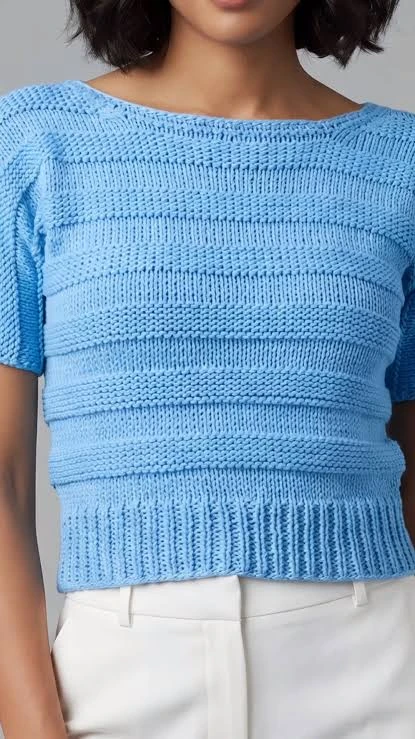
Torso Rib
Rib structures can influence extension, recovery and the visual appearance of a fitted garment. Rib dimensions and placement should follow the approved design rather than an assumed compression specification.
Bust Area
The bust area may require a different extension profile from the lower torso. Knitted structure and dimensions should be evaluated against the intended fit without implying built-in support performance.
Lower Hem
The bottom knitted zone influences the cropped edge, including tension and stability. Structural choices should be assessed for rolling, local pressure and movement-related garment displacement.
Neckline Edge
A knitted neckline requires controlled dimensions and suitable finishing. The structure should be evaluated for shape retention, comfort and compatibility with the brand's intended appearance.
Armhole Edge
Armhole geometry influences mobility and coverage. Knit structure, edge dimensions and finishing may affect how the garment behaves around the shoulder during repeated movement.
Back Panel
The back panel can contribute to overall garment balance and extension. Any change in texture or knitted structure should be evaluated for both appearance and fit consistency.
Shoulder Transition
The shoulder transition connects areas with different dimensions and movement requirements. Its structure should avoid unintended pulling that changes neckline position or lifts the cropped body.
Yarn and Knitting Interaction
Yarn count, material composition, stitch construction, machine settings and post-knitting treatment interact to determine the final garment dimensions and feel. A proposed rib or engineered zone should not be judged from a digital drawing alone. Manufacturing feasibility must be reviewed against available equipment specifications, and the finished sample should be evaluated after the relevant finishing and conditioning processes. If yarn or knitted structure changes, previously approved dimensions and performance assumptions may need reassessment before bulk production.
Turn Crop Top Fit Feedback into Approved Specifications
Sampling should resolve specific technical questions rather than generate repeated versions without decision criteria. The following proposed approval sequence assigns inputs, review outputs and release conditions to each development stage.
Step 01 — Technical Review
The initial review identifies open decisions concerning crop length, size specification, material, garment construction and intended use. The objective is to establish a workable technical direction and distinguish approved requirements from details that still require customer selection or feasibility testing.
- Current Tech Pack, legal reference or clearly defined concept.
- Intended size range, crop proportion and target market.
- Initial fabric, yarn and performance requirements.
- Identified technical questions and potential construction constraints.
- Proposed manufacturing route for further feasibility discussion.
- Development requirements requiring customer approval.
Pass Criterion: Proceed when the buyer and development team have agreed which requirements are fixed and which remain open for sampling.
Step 02 — First Fit Sample
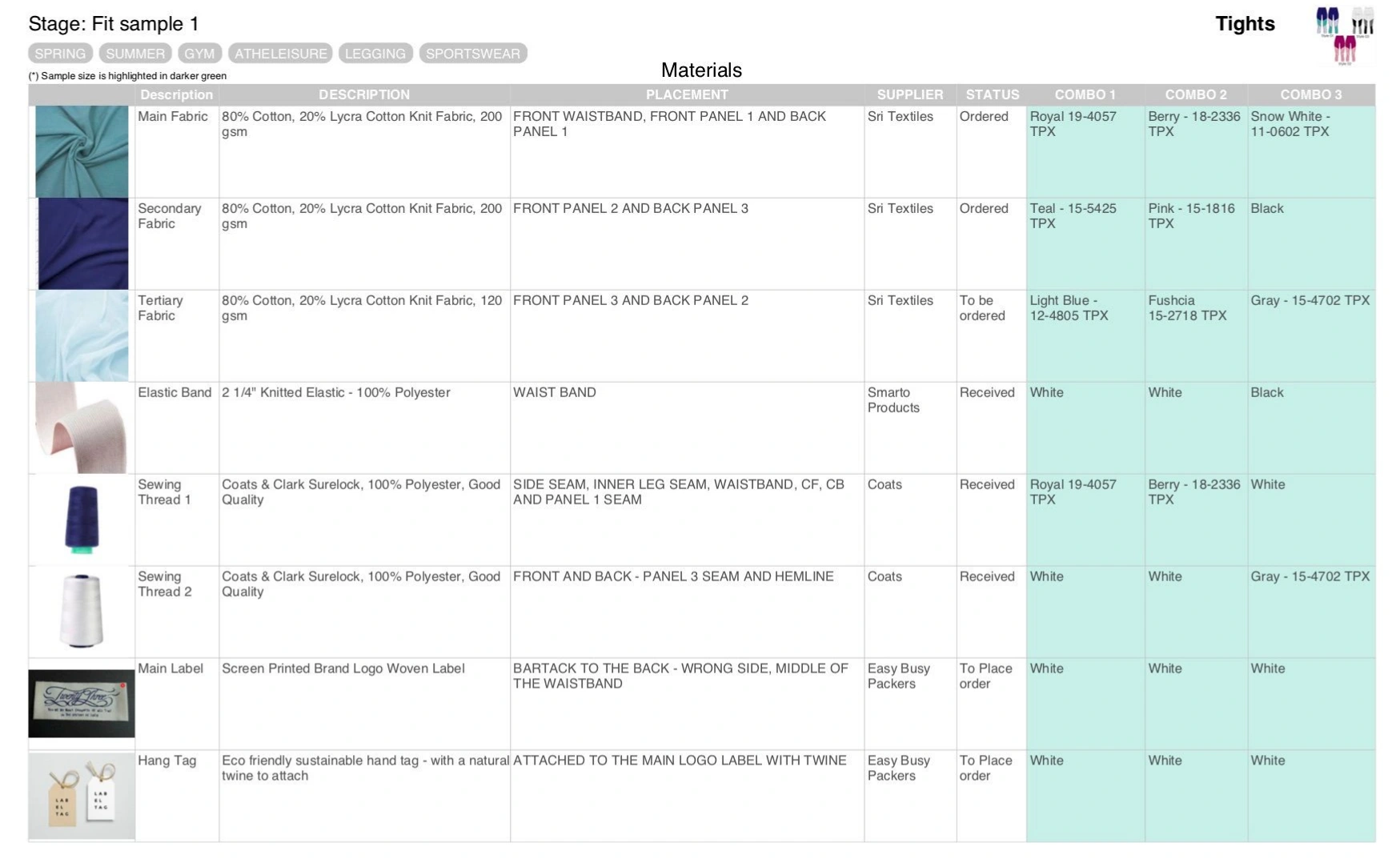
The first physical sample provides a basis for assessing the selected silhouette, material and construction. The review should establish whether the proposed crop length and garment proportions match the brand's design intent and identify problems that require measurement or construction changes.
- Fit model or approved fit reference requirements.
- Movement scenarios and intended coverage expectations.
- Initial sample comments and identified discrepancies.
- Measured sample dimensions against the supplied specification.
- Construction observations and suggested corrective actions.
- Revised technical points for the next sample.
Pass Criterion: Record the first sample's acceptable elements and required changes before authorising the next revision or moving towards approval.
Step 03 — Fit Revision
Revisions should address documented findings rather than create uncontrolled changes. A shorter body length, altered hem width or changed shoulder geometry can affect other fit areas, so the next sample should be evaluated against the complete revised specification.
- Consolidated and prioritised fit correction comments.
- Approval of any proposed material or construction changes.
- Updated drawings or measurements where required.
- Revised sample and corresponding specification version.
- Comparison of corrected and remaining fit issues.
- Updated record of decisions requiring final approval.
Pass Criterion: Continue only when the revised sample meets agreed review requirements or remaining deviations have clear, approved resolutions.
Step 04 — Size Set Review
Once the base size is acceptable, the intended size range should be evaluated for proportional consistency. This review may reveal grading or material effects not evident from the original fit sample, particularly at the smallest and largest sizes.
- Approved size range and grading specification.
- Base-size fit approval and measurement tolerances.
- Requested fit priorities for additional body sizes.
- Size-set measurements and proportional comparison.
- Identified grading or construction adjustments.
- Updated size specifications for customer review.
Pass Criterion: The buyer approves the size grading direction and resolves any remaining fit inconsistencies before final production reference approval.
Step 05 — Production Reference
The final pre-production reference should represent the approved combination of measurements, material, construction and appearance. If bulk material or manufacturing conditions differ from earlier samples, the resulting implications must be reviewed before the sample can serve as a production reference.
- Approved size and construction specification.
- Final color, branding and packaging requirements.
- Written disposition of remaining technical issues.
- Production reference sample and version identification.
- Finalised list of controlled specifications.
- Outstanding production conditions requiring confirmation.
Pass Criterion: Production proceeds only under agreed commercial and technical approvals, with unresolved changes controlled through documented customer decisions.
Define What Approval Really Means for Crop Top Production
A finished-looking sample is not automatically an approved manufacturing standard. Brand and supplier should identify which measurements, visual details, material characteristics and performance requirements are fixed before production preparation proceeds.
Approve the Cropped Silhouette and Fit Across Sizes
The approved fit standard should start with the brand's intended silhouette. For a crop top, that means defining more than a short body length: the relationship between the neckline, bust, waist, hem and shoulder can determine how the garment looks and moves.
Measurement Basis: The specification should identify base size, critical points of measure, measuring conditions, grading increments and permitted tolerances. Crop length requires a consistent reference point so different sample reviewers and inspectors measure the same feature.
Dynamic Fit: Stationary measurements cannot establish how the top behaves when the wearer reaches, bends or rotates. The brand should identify relevant activities and decide what level of garment movement is acceptable. The resulting approval criteria should reflect the intended product application rather than an unspecified performance promise.
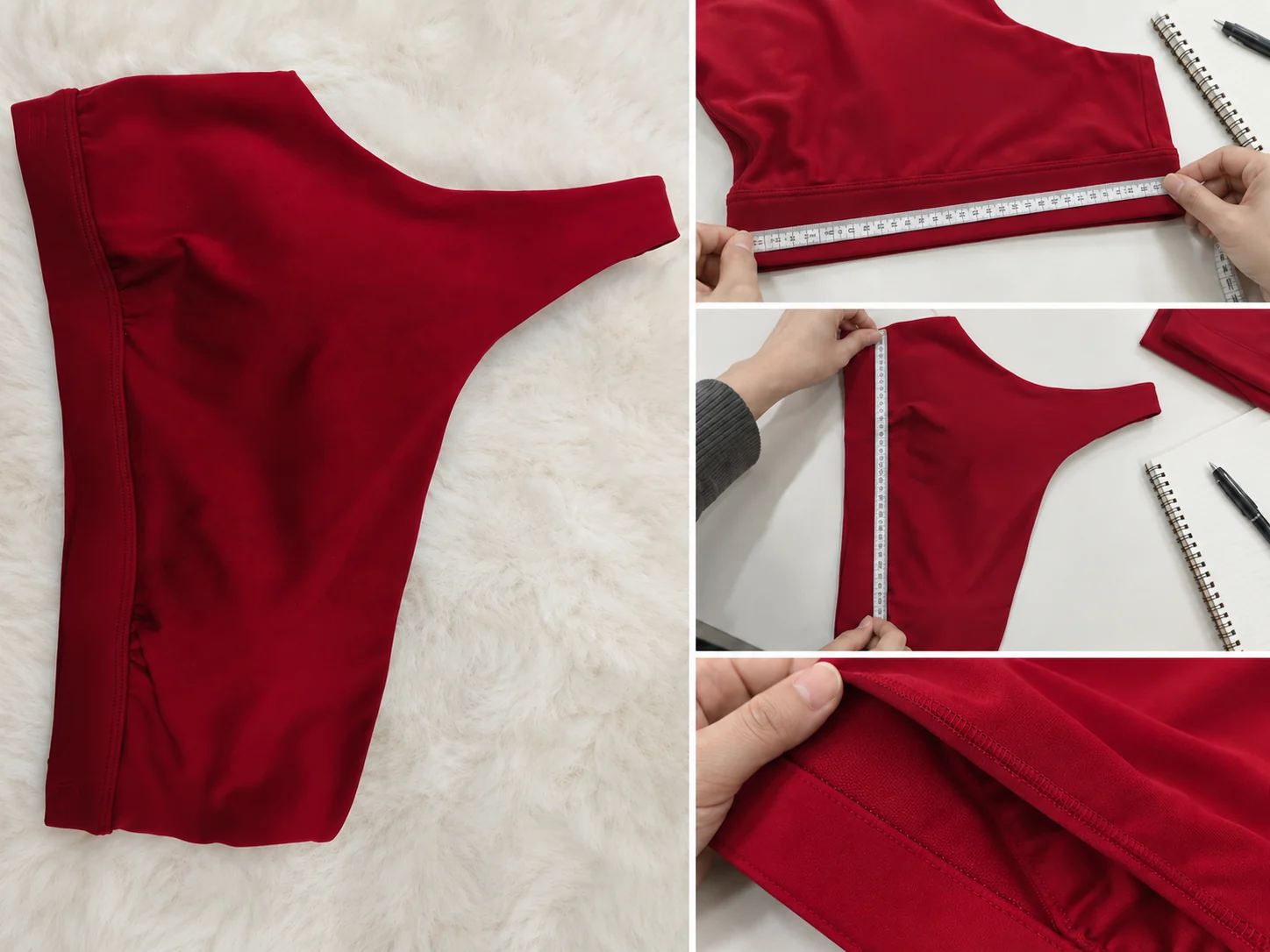
Size Consistency: Approval of one sample does not establish every size. A size-set review should evaluate whether the approved cropped proportion, neckline appearance and hem fit remain acceptable at the ends of the size range.
Revision Responsibility: Each requested change needs a documented decision. Adjusting hem width may affect comfort; modifying the shoulder may influence garment position; selecting another fabric may change dimensions. The next version should reflect all authorised changes, not only the latest comment.
The final approval should identify the relevant garment version and the brand's acceptance decision. MOVEVOX can support the development and production coordination, while the brand remains responsible for approving its design direction and final requirements.
Approve the Material, Construction and Production Reference
A reliable production reference must connect the physical garment with supporting documents. The sample alone may not reveal material specifications, shrinkage requirements, allowed measurement variation or branding instructions. These details need to be identifiable in the approved technical information.
Material Confirmation: Define composition, fabric or yarn reference, color standard and any performance requirements that matter to the project. Equivalent appearance should not automatically be treated as equivalent material behavior.
Construction Confirmation: Review seam types, edge treatment, hem finish, label placement and any support or lining components. These decisions affect both workmanship and how the crop top functions during movement.
Sample-to-Bulk Handover: The proposed production reference should link to the latest approved Tech Pack, specification revision and customer comments. Materials, equipment requirements and key process controls can then be reviewed against the production plan before release.
Acceptance and Change Control: A customer-approved sample provides an important comparison reference, but it does not remove the need for production checks. Where an agreed change affects size, material, color or construction, the corresponding documentation and acceptance requirements should be updated.
Evidence and Responsibility: Meaningful approval consists of traceable decisions, not an undocumented statement that the sample looks good. The buyer should know which requirements have been accepted, who approved them and what remains subject to further testing or production confirmation.
This approach supports a clearer technical handover while avoiding the assumption that any unverified sample or measurement automatically represents a completed MOVEVOX production case.
Translate Approved Crop Top Specifications into Production Controls
After product approval, the next challenge is preserving the agreed garment characteristics during production. The following proposed handover sequence connects technical decisions with material preparation, production responsibilities, inspection checkpoints and final release.
Specification Freeze
Confirm the current Tech Pack version, approved sample, key measurements, construction details and color references. Identify open deviations and prevent obsolete specifications from being treated as current production instructions.
Owner: Development Team
QC Gate: Customer specification approval
Material Confirmation
Review the selected material or yarn against the approved reference, including composition, appearance and relevant dimensional or performance requirements. Material differences that could affect fit should be escalated before production use.
Owner: Materials Team
QC Gate: Material suitability review
Production Allocation
Confirm whether the design is assigned to Seamless or Cut & Sew operations and identify the necessary production resources. The allocation should reflect technical compatibility, approved quantities and current scheduling conditions.
Owner: Production Planning
QC Gate: Route and readiness review
Construction Release
Translate approved hems, necklines, seams, knitting zones and branding positions into practical production instructions. Special attention should be given to details that control the cropped silhouette or movement-related fit.
Owner: Technical Team
QC Gate: Construction specification confirmed
Preproduction Review
Review production readiness, physical references and unresolved risks with the responsible teams. Confirm which conditions require customer approval before bulk execution and establish how deviations should be reported.
Owner: Project Team
QC Gate: Preproduction release decision
First Article
Compare the initial production output with the approved reference, including critical measurements and construction. The first article should be evaluated against agreed criteria before broader production is released.
Owner: Production & QC
QC Gate: First article approval
Inline Monitoring
Check identified risk areas during production, including crop length, hem appearance, seam construction and relevant size consistency. Findings outside agreed limits should trigger containment and corrective decisions.
Owner: QC Team
QC Gate: Inline inspection review
Finished Garments
Assess finished garments according to the applicable inspection plan. Use the agreed measurement methods, workmanship criteria and product references rather than introducing new acceptance conditions at the final stage.
Owner: QC Team
QC Gate: Finished garment assessment
Packaging Match
Check that garment color, size, labels, branding and packaging information correspond to the approved order requirements. SKU identification should remain clear where several similar crop top variants are produced.
Owner: Packing Team
QC Gate: SKU and packaging verification
Shipment Release
Review outstanding inspection findings, applicable documents and delivery arrangements before authorising shipment. Any unresolved deviation should follow the agreed customer communication and disposition process.
Owner: Project & QC
QC Gate: Final shipment release

How to Read a Crop Top Inspection Record
A measurement record becomes useful when buyers can identify the inspected product, measurement method, acceptance criteria and disposition. This review framework explains the fields needed to evaluate crop top dimensional consistency without inventing inspection results.
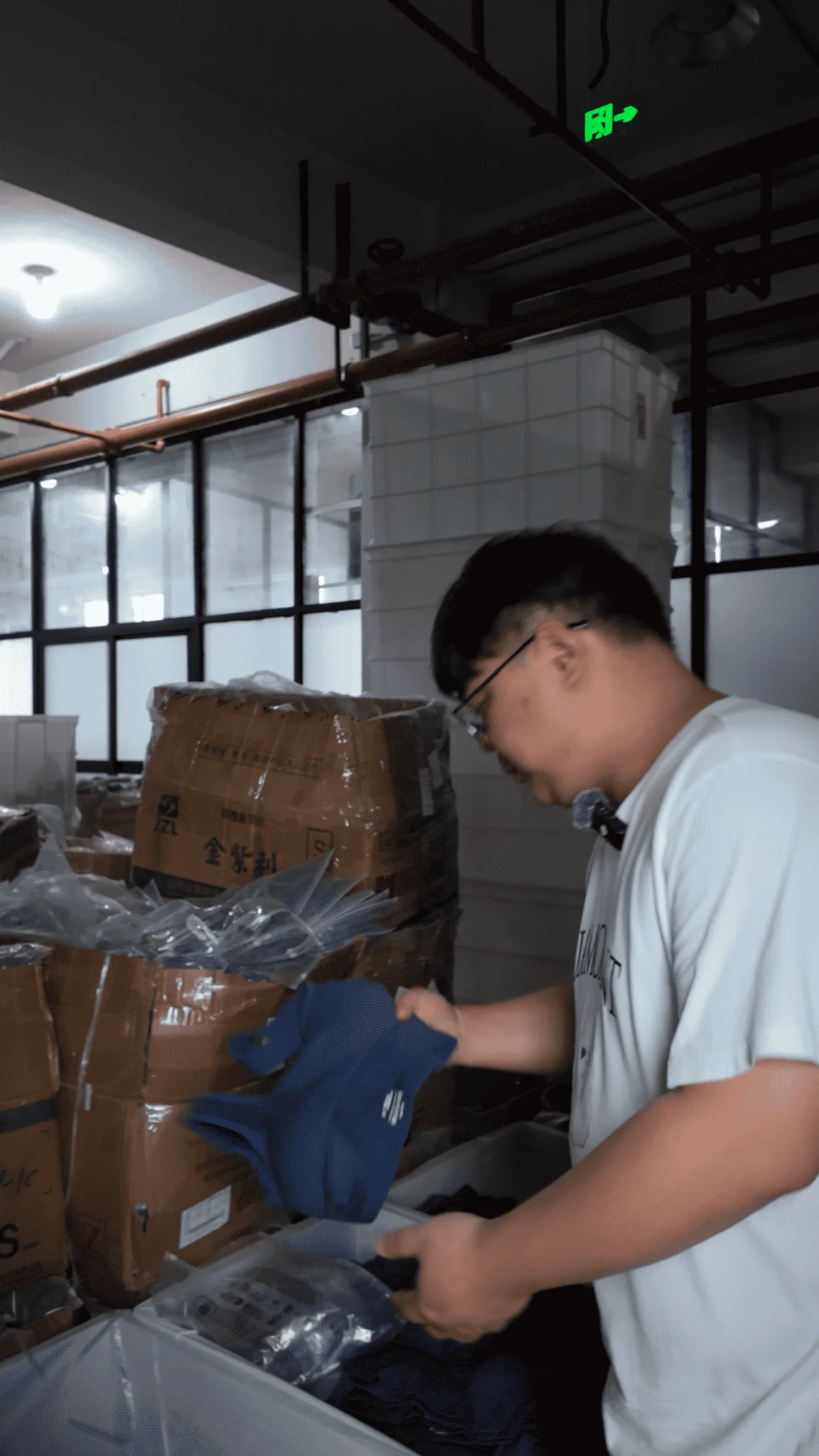
Product Identification
The report should identify the relevant style, size, color, specification revision and inspected lot. Without this information, a measurement cannot reliably be linked to the correct purchase order or approved garment.
Measurement Reference
Critical points of measure should correspond to the accepted specification and defined garment condition. Crop length, bust and hem width need consistent measuring instructions to avoid differences caused by interpretation.
Sampling Basis
The report should identify the inspection stage, sampling approach and number of garments examined. AQL may be relevant to an agreed inspection plan but should not be presented as universal evidence of quality.
Acceptance Tolerance
Each critical dimension requires an approved target and tolerance, or another agreed acceptance method. The inspector should distinguish an actual measured deviation from a design specification that was never finalised.
Defect Classification
Where defect categories are used, they should follow the customer's approved quality standard. Critical, major and minor classifications must not be assigned retrospectively merely to make an inspection outcome appear acceptable.
Corrective Action
Nonconforming findings should indicate what was contained, investigated or corrected, together with the relevant verification status. A record of corrective action is more informative than an unexplained statement that the issue was resolved.
Final Disposition
The report should make clear whether the inspected goods were accepted, held, reworked or referred for customer decision. Completion of an inspection does not automatically authorise shipment.
Report Interpretation
MOVEVOX has an existing quality-control organisation and uses production and finished garment checks. For an activewear crop top program, a buyer-specific inspection record should connect the approved technical specification with actual findings and documented disposition. The information above describes the fields that a useful record should contain; it does not represent completed measurements, a predetermined AQL level or a claim that any particular crop top lot has passed inspection.
Real Manufacturing Resources Supporting Activewear Crop Top Development
Manufacturing feasibility depends on equipment, technical input and production organisation. MOVEVOX combines in-house Seamless and Cut & Sew manufacturing resources with coordinated supply-chain capabilities. Each operation should be linked to the relevant product requirement.
Santoni Seamless Knitting
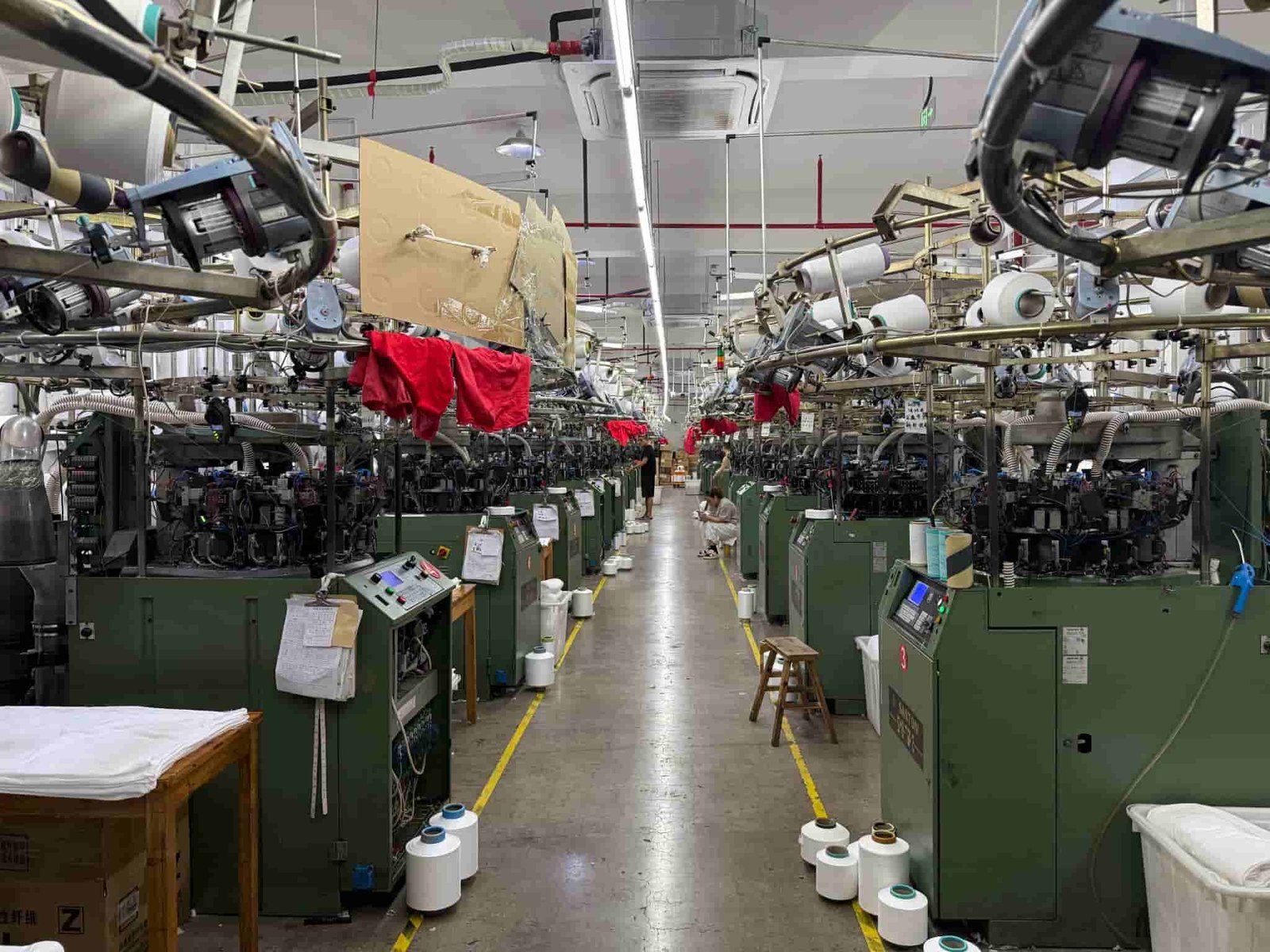
MOVEVOX's own production system includes 28 Italian Santoni seamless knitting machines. These resources support the company's Seamless product development and manufacturing activities, subject to machine compatibility, yarn selection and the requirements of the proposed garment.
28 Italian Santoni machines
Cut & Sew Equipment
The core manufacturing system includes approximately 24 major garment sewing and related production machines. Their application depends on the approved product structure, selected fabric and required seam or finishing processes.
Approximately 24 major garment machinesPattern Development
Pattern review and development help translate fit requirements and measurement specifications into cutting or garment construction instructions. Crop top development should consider garment length, shoulder balance, neckline shape and proportion across the size range.
Technical development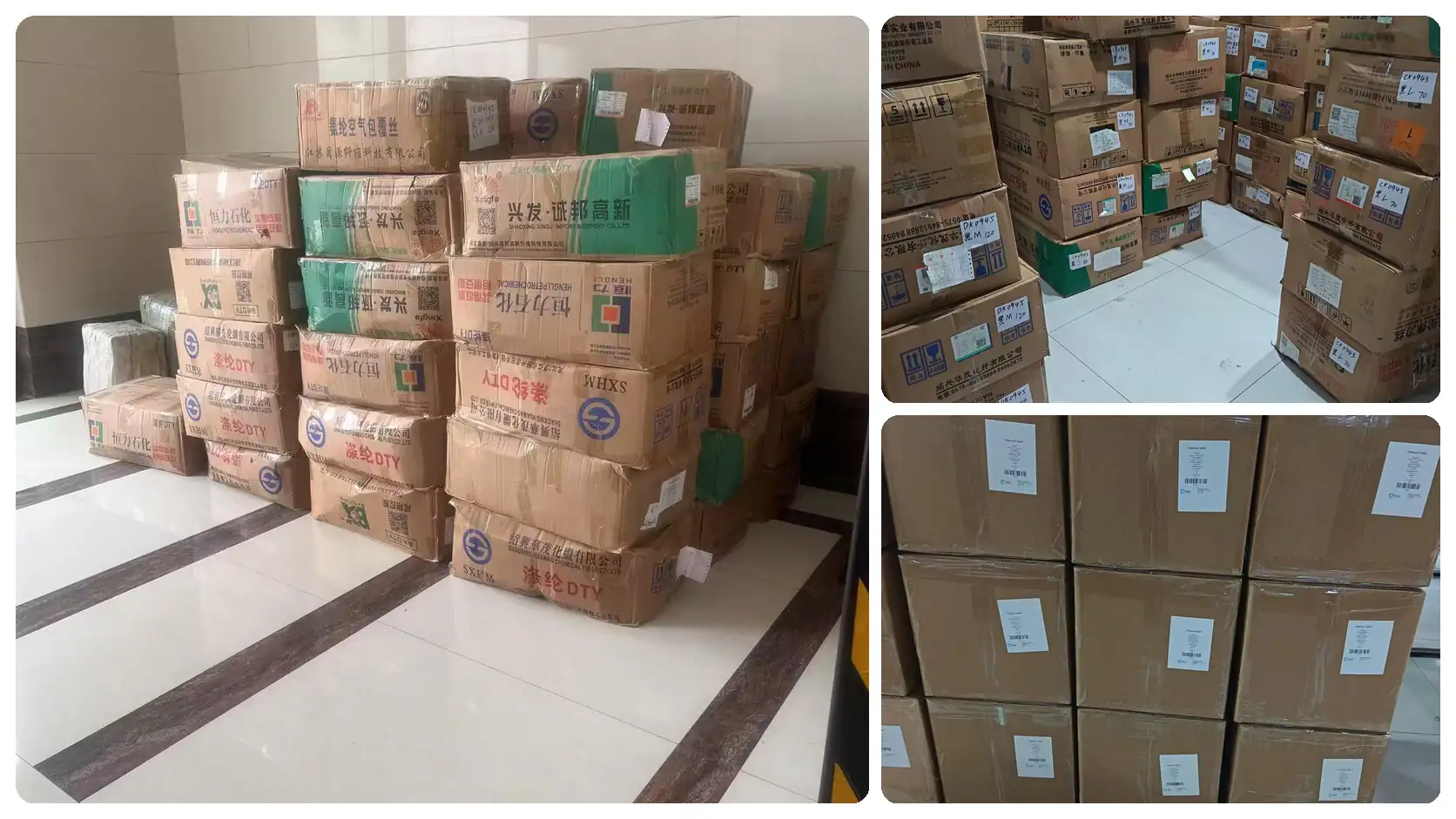
Fabric Preparation
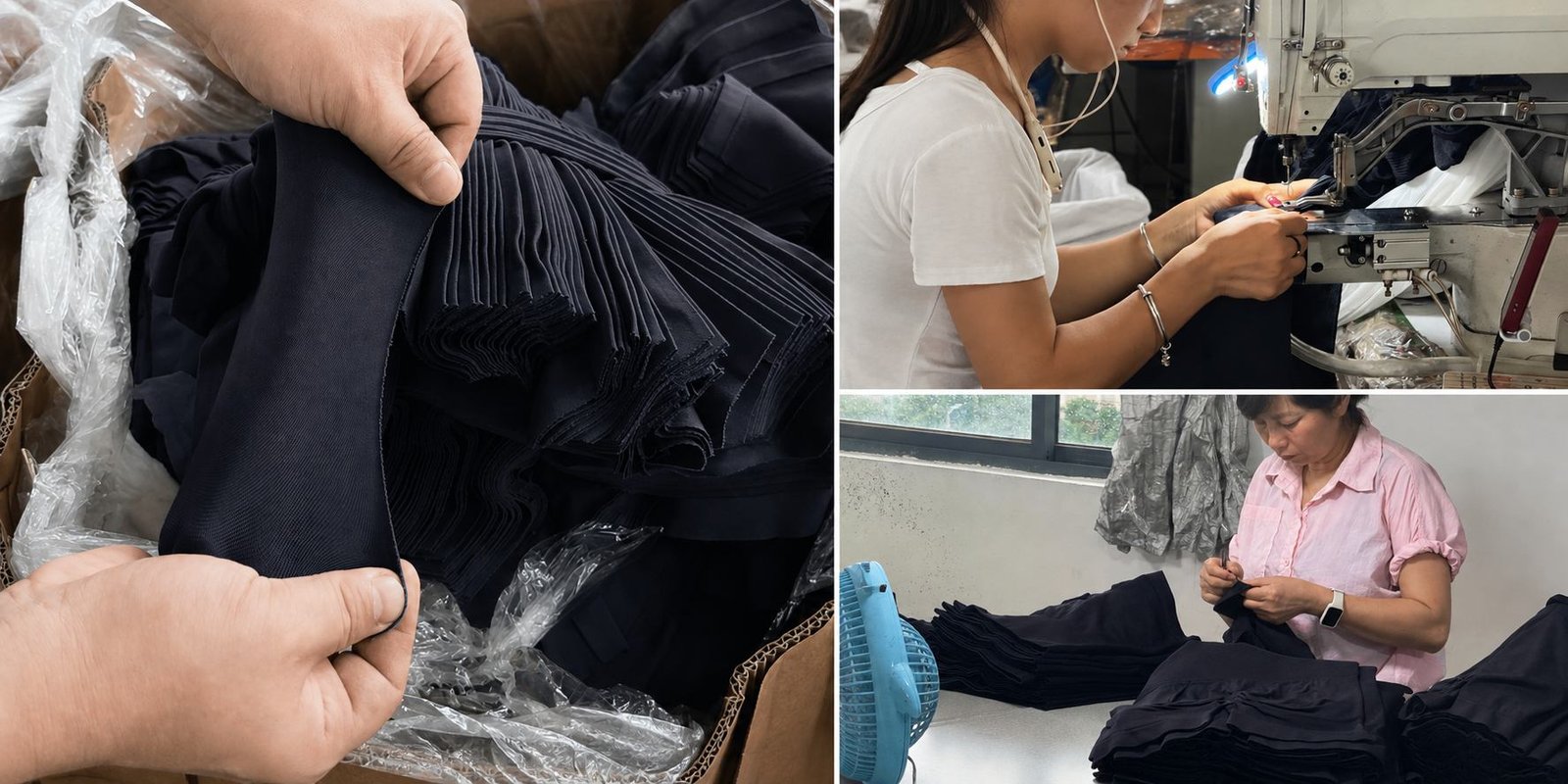
Fabric preparation and handling influence dimensional consistency before cutting and sewing. Material type, relaxation conditions, cutting direction and approved specification should be considered when establishing the production method for applicable garments.
Material preparation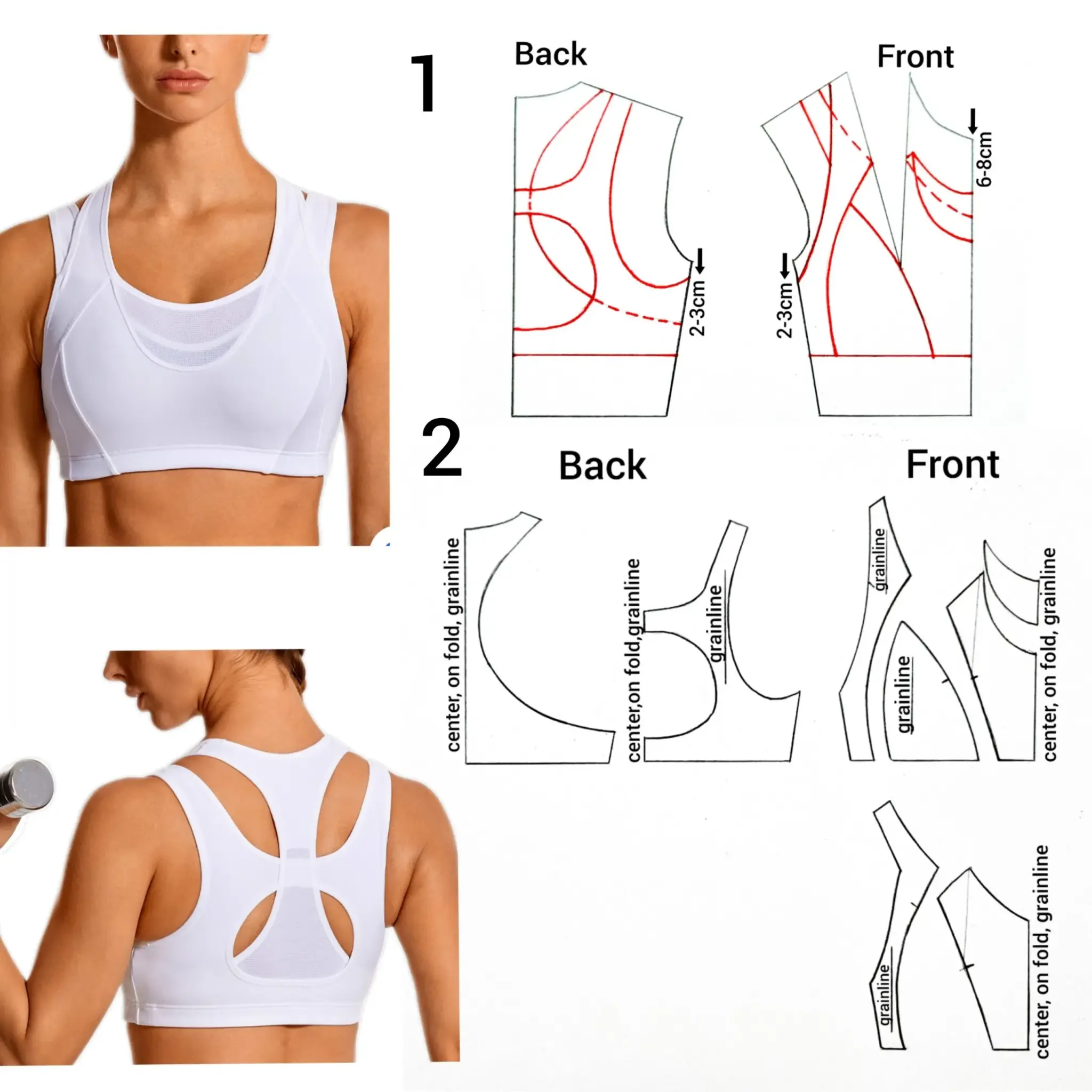
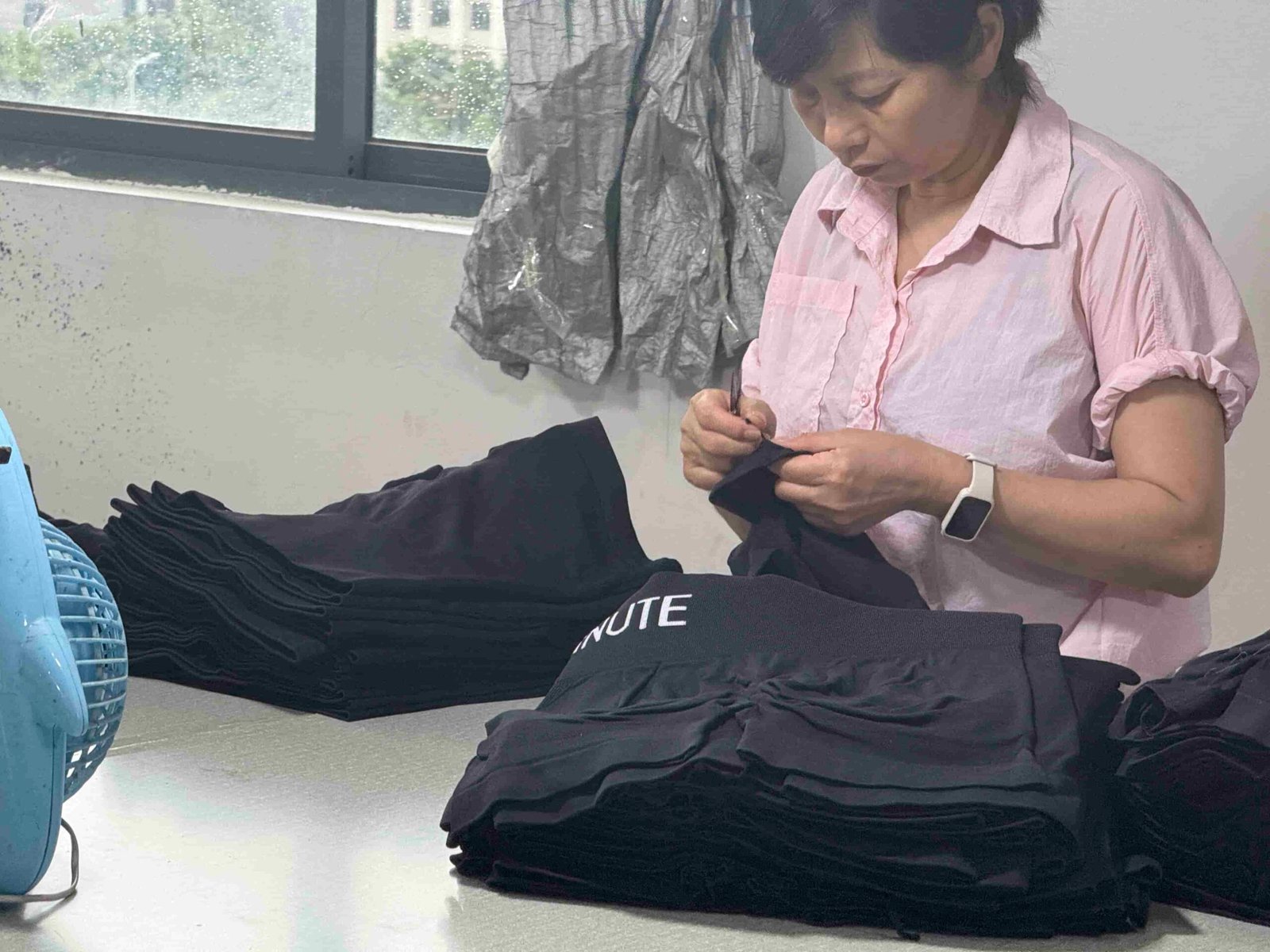
Garment Construction
Actual sewing operations should demonstrate how approved neckline, shoulder, sleeve and hem details are produced. Showing the relevant stitch and operation provides stronger evidence than a generic photograph of sewing machines.
Construction operationsQuality Inspection
MOVEVOX has a five-person QC team in its documented operating structure. Inspection evidence should connect the actual garment to applicable measurements, workmanship criteria, process observations and documented findings rather than relying solely on personnel numbers.
Five QC personnel
Finishing and Packing
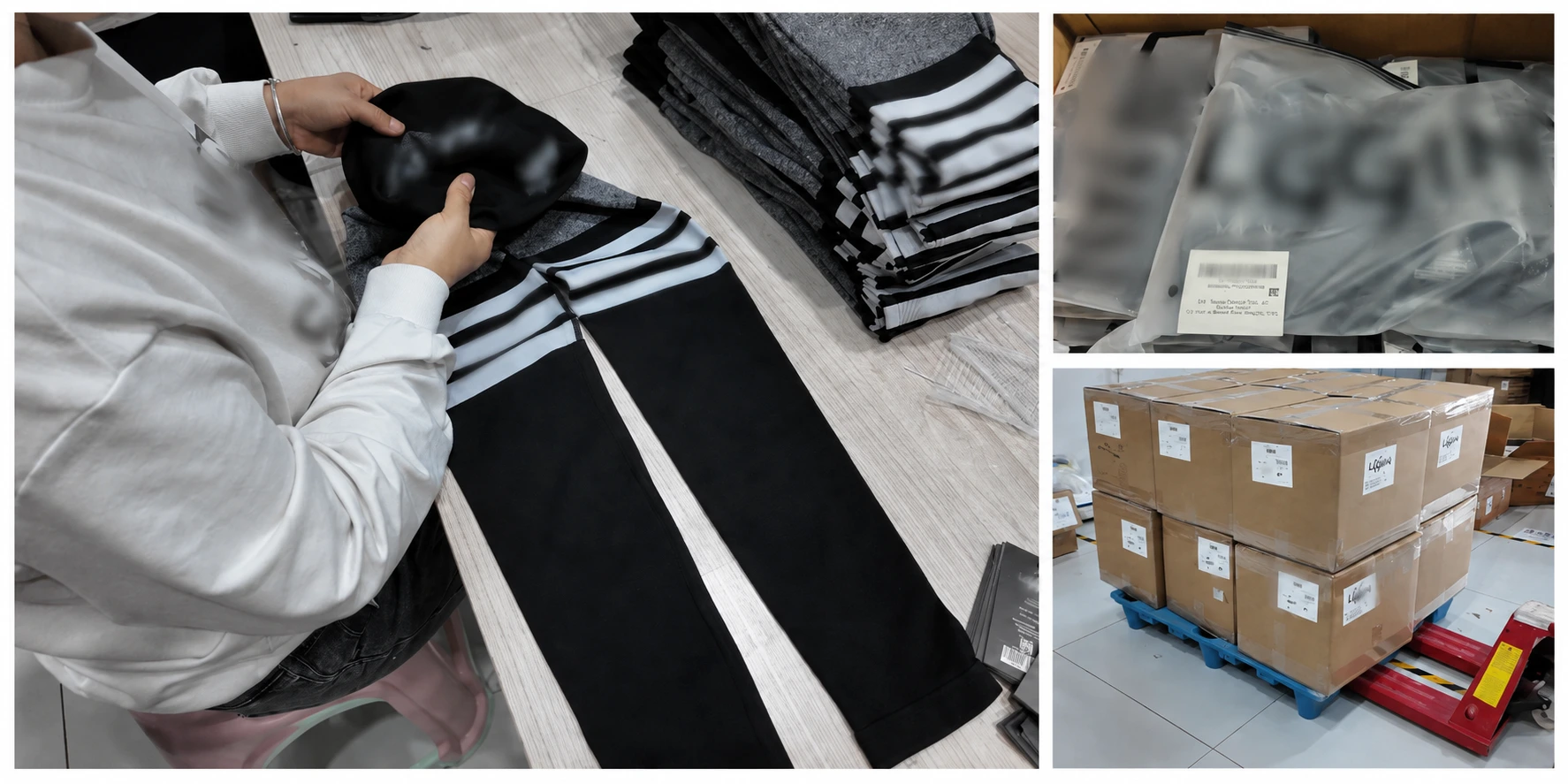
Finishing and packing operations help prepare garments against approved appearance, size, label and SKU requirements. Crop top programs with multiple colors or similar structures require clear identification to prevent packing and labelling mismatches.
Order finishing and packingCustomize Crop Tops Without Losing Approved Design Consistency
Brand execution is more than adding a logo. Crop top customization involves material, color, fit, construction, identification and presentation decisions that may change manufacturing feasibility. Each option should be evaluated against the approved garment and commercial requirements.
Material Selection
Material choice determines much of the crop top's fit behavior, appearance and production route. A Cut & Sew cropped T-shirt may require a stable knitted fabric with the intended drape, whereas a fitted seamless crop requires suitable yarn and knitting structure. The buyer should provide a composition target, hand-feel reference, intended weight and functional priorities where available. MOVEVOX can assess sourcing and manufacturing options against these inputs. New yarn, custom material or special finishing may change development requirements, MOQ and lead time.
- Existing suitable fabric or yarn with available color choices.
- Brand-specified material composition and performance requirements for feasibility review.
- Reference swatch evaluation against the intended stretch and recovery characteristics.

Color Coordination
Crop tops frequently belong to a coordinated training collection. Matching a top with leggings or other garments may require attention to differences between yarns, fabric structures, dyeing conditions and surface finishes. A Pantone reference can establish color direction, but physical approvals remain relevant when different materials are involved. Buyers should identify which items must coordinate and the permissible variation. Standard available colors may support a different order structure from custom-dyed materials, whose minimums and timelines require separate evaluation.
- Existing colors from available material or yarn selections.
- Pantone-referenced custom colors with physical sample confirmation.
- Cross-material color matching for coordinated crop tops and leggings.
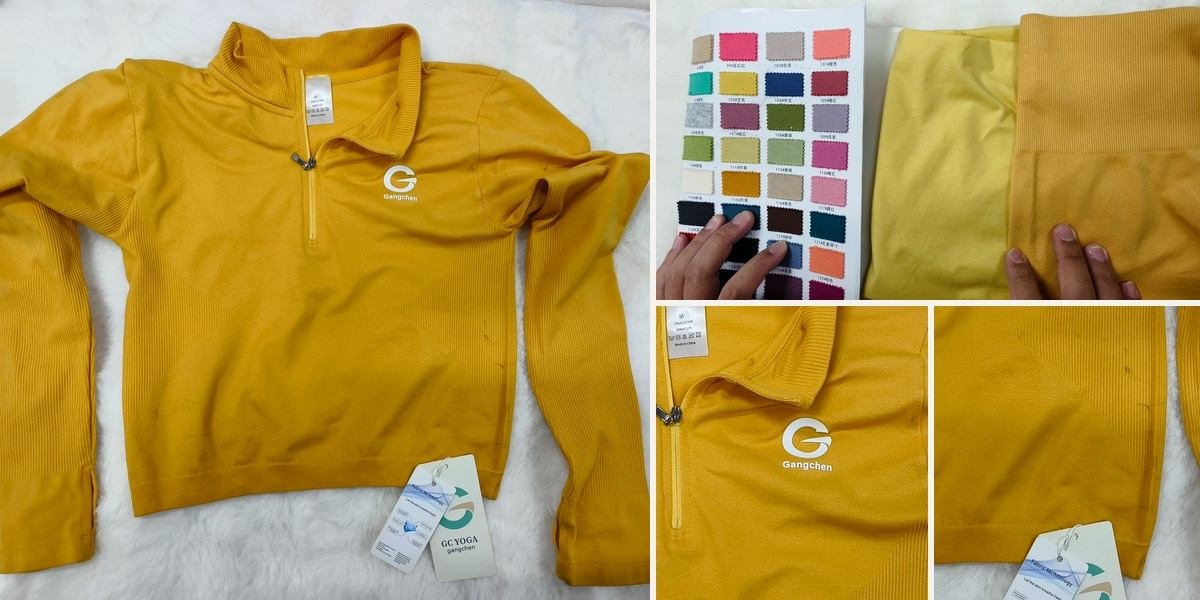
Cropped Silhouette Control
A brand-defined crop top may require changes in neckline shape, body length, sleeve design, armhole, hem or panel arrangement. These variables should be reviewed together because changing one measurement can influence movement-related fit elsewhere. The buyer should provide intended proportions, sizes and technical references. MOVEVOX can participate in development and sampling according to manufacturing feasibility. Major structural changes may require new patterns, revised knitting specifications or additional fitting, rather than being treated as simple cosmetic customization.
- Fitted or relaxed crop proportions with defined measurement references.
- Alternative necklines, sleeve lengths and technically feasible hem finishes.
- Construction adaptations evaluated against Seamless or Cut & Sew capabilities.
Branding Application Review
A logo positioned near a cropped hem or high-stretch region may behave differently from the same artwork applied to a relaxed T-shirt. Branding methods should therefore be evaluated for compatibility with material, movement, surface texture and laundering requirements. MOVEVOX's documented customization capabilities include printing, transfers, silicone applications, jacquard, embroidery and labels, subject to the chosen product. Buyer-provided artwork should define color, dimensions, position and acceptable appearance. Application-specific minimums and sample requirements may differ from garment MOQ.
- Applied logos positioned outside critical stretch or seam areas.
- Knit-integrated branding where technically feasible for the selected structure.
- Approved artwork placement based on finished garment size and proportion.
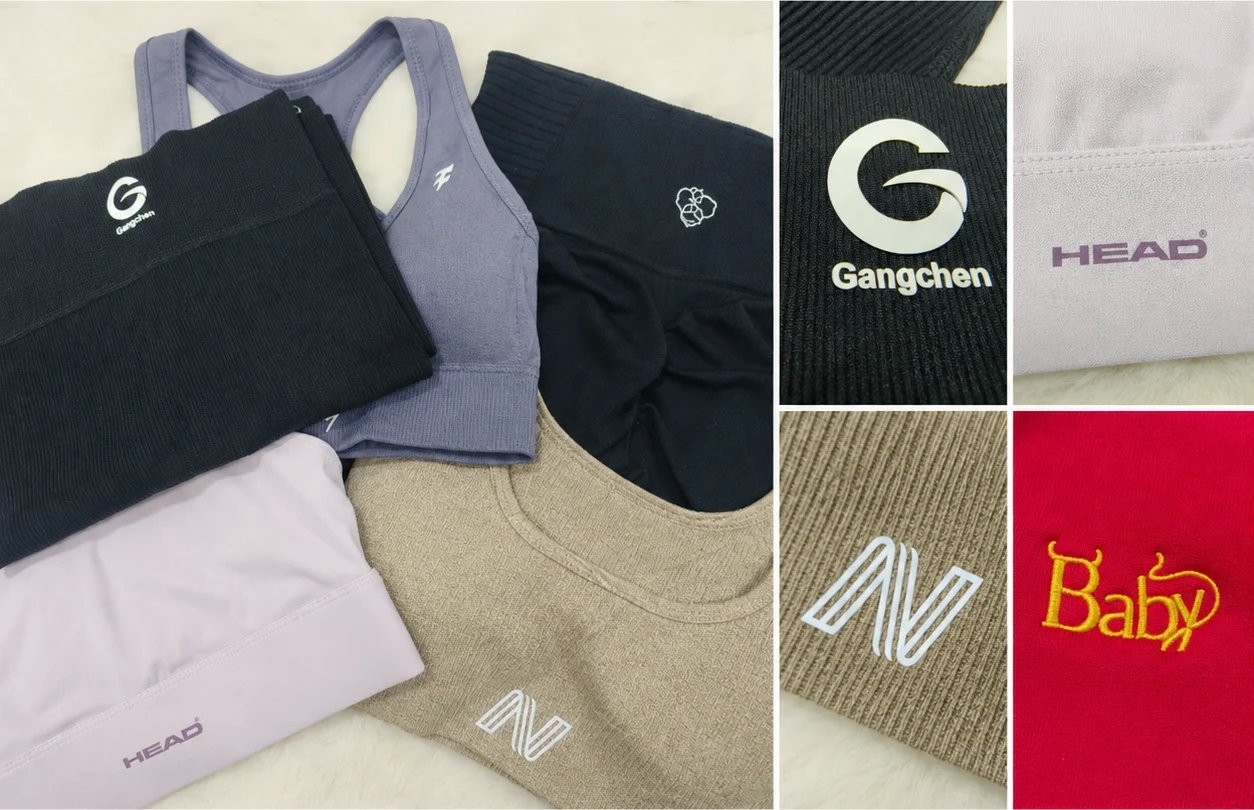
Retail Execution Details
Private-label completion requires accurate product identification as well as appearance. Buyers should define main labels, size labels, care content, hangtags, packaging type and SKU identification in relation to the target market. Crop tops with similar silhouettes but different lengths, support structures or materials may require precise packing instructions. MOVEVOX supports brand label and packaging coordination, while legal label requirements and the final approved content must be established for the order. Special materials or packaging components can have independent sourcing constraints.
- Main labels, size labels and approved product identification details.
- Customer-defined hangtags, packaging bags and garment presentation requirements.
- SKU-specific packaging artwork, barcode and color-size matching instructions.
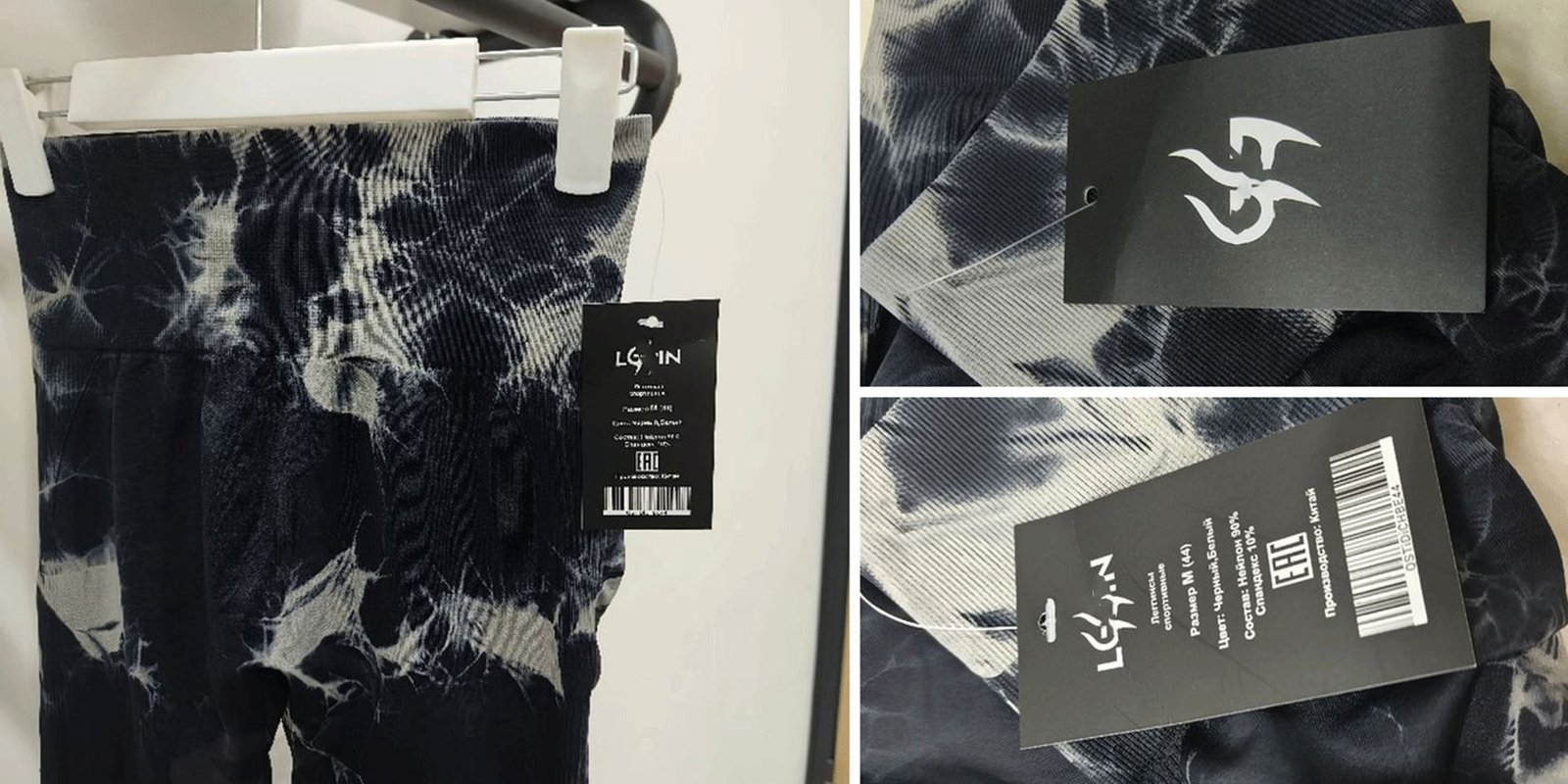
Specify Performance Tests According to Crop Top Use
A meaningful test plan follows the material, structure, intended activity and customer's performance requirements. The following methods are technical considerations for evaluation, not claims that MOVEVOX has completed these tests for a specific crop top.
Stretch and Recovery
Purpose: Evaluate material extension and the extent to which dimensions recover after loading, particularly where body fit and hem behavior depend on elastic properties.
Method: Select a suitable agreed test method for the fabric or yarn structure. Specify testing direction, extension, conditioning, repeated loading where relevant and the period allowed for recovery.
Acceptance Basis: Customer-approved material specification and recorded results under defined testing conditions.
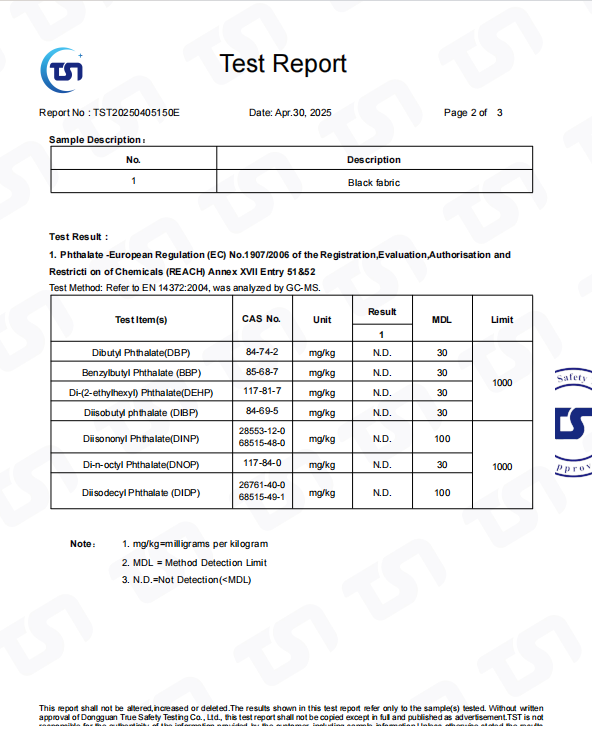
Dimensional Stability
Purpose: Identify changes in body length, width and garment proportions after defined care procedures that may affect the approved cropped silhouette.
Method: Measure identified dimensions before and after the agreed laundering or care process. Report the conditioning, reference dimensions and resulting percentage or absolute dimensional changes.
Acceptance Basis: Brand-approved dimensional change limits and the applicable care procedure.
Colorfastness
Purpose: Evaluate resistance to color transfer or visible color change under conditions relevant to intended wear, laundering and contact with other garments.
Method: Select appropriate methods for washing, rubbing, perspiration or other specified exposures. Define the testing conditions and grading system before interpreting the reported outcome.
Acceptance Basis: Required grade, method reference, tested color and product application.
Pilling Resistance
Purpose: Assess the potential for objectionable surface fuzzing or pill formation, particularly on materials exposed to repeated friction in activewear use.
Method: Use a suitable specified method and evaluation cycle for the fabric type. Record the tested face, sample preparation and visual grading procedure.
Acceptance Basis: Customer-defined visual grade after the agreed test exposure.
Seam Performance
Purpose: Determine whether joining seams achieve the required extension, appearance and resistance to failure when the cropped garment is worn or stretched.
Method: Define the relevant seam type and agreed test approach. Consider seam elongation or strength as appropriate, and assess visible opening, stitch damage or material distortion.
Acceptance Basis: Approved seam performance criteria for the specified construction.
Coverage and Opacity
Purpose: Determine whether fabric and garment coverage meet the brand's expectations under relevant colors, body fits and material extension conditions.
Method: Agree whether the evaluation uses a controlled visual protocol, instrumental measurements or both. Specify material state, extension and observation conditions rather than assuming universal opacity.
Acceptance Basis: Project-specific coverage criteria under the agreed evaluation conditions.
Artwork Durability
Purpose: Examine whether applied branding maintains acceptable appearance and adhesion through specified stretch, handling and care conditions.
Method: Select relevant assessments for the actual printing, transfer or decoration technique. Evaluate the applied design on a representative material under agreed test conditions.
Acceptance Basis: Customer-approved adhesion, cracking, distortion or appearance criteria.
Develop Crop Tops Within a Coordinated Activewear Collection
A crop top program may form part of a broader assortment. Coordinated development should consider color, material, fit positioning, brand identity and SKU planning while retaining separate technical approvals for garments with different functions.
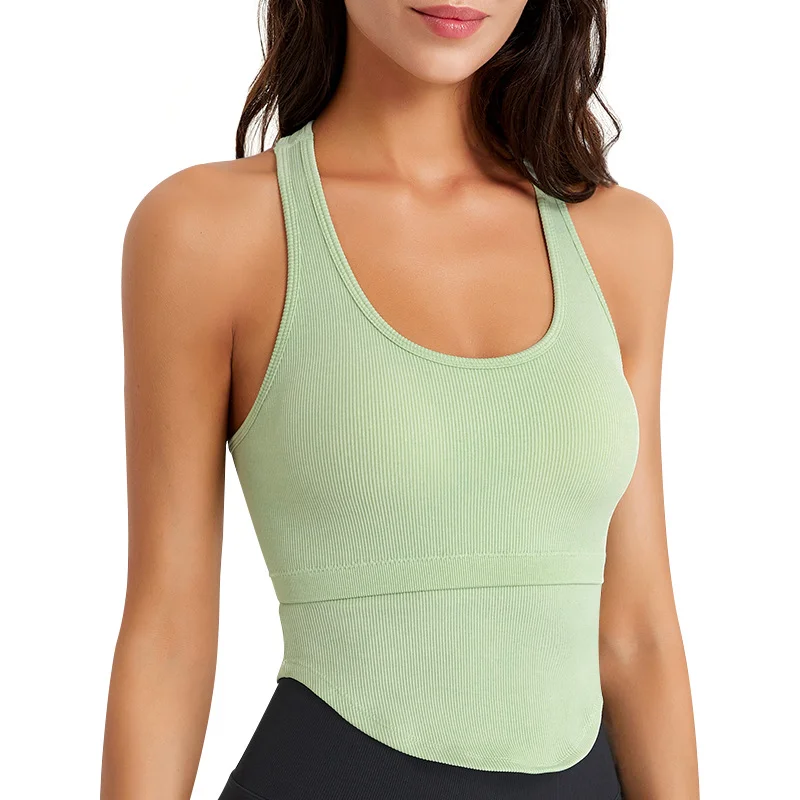
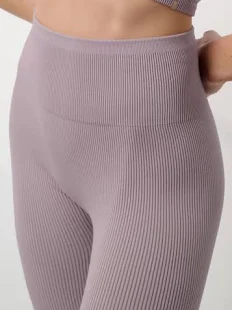
Seamless Crop and Leggings
A seamless cropped top and leggings combination can create a consistent ribbed or textured collection direction. The brand should evaluate yarn, color, knit structure and visual coordination while allowing each garment to retain appropriate size and fit standards. Shared color direction does not guarantee identical performance.
Collection Components- Ribbed Seamless Crop Top
- Matching Seamless Leggings
- Coordinated Color Options
- Brand Labels and Packaging
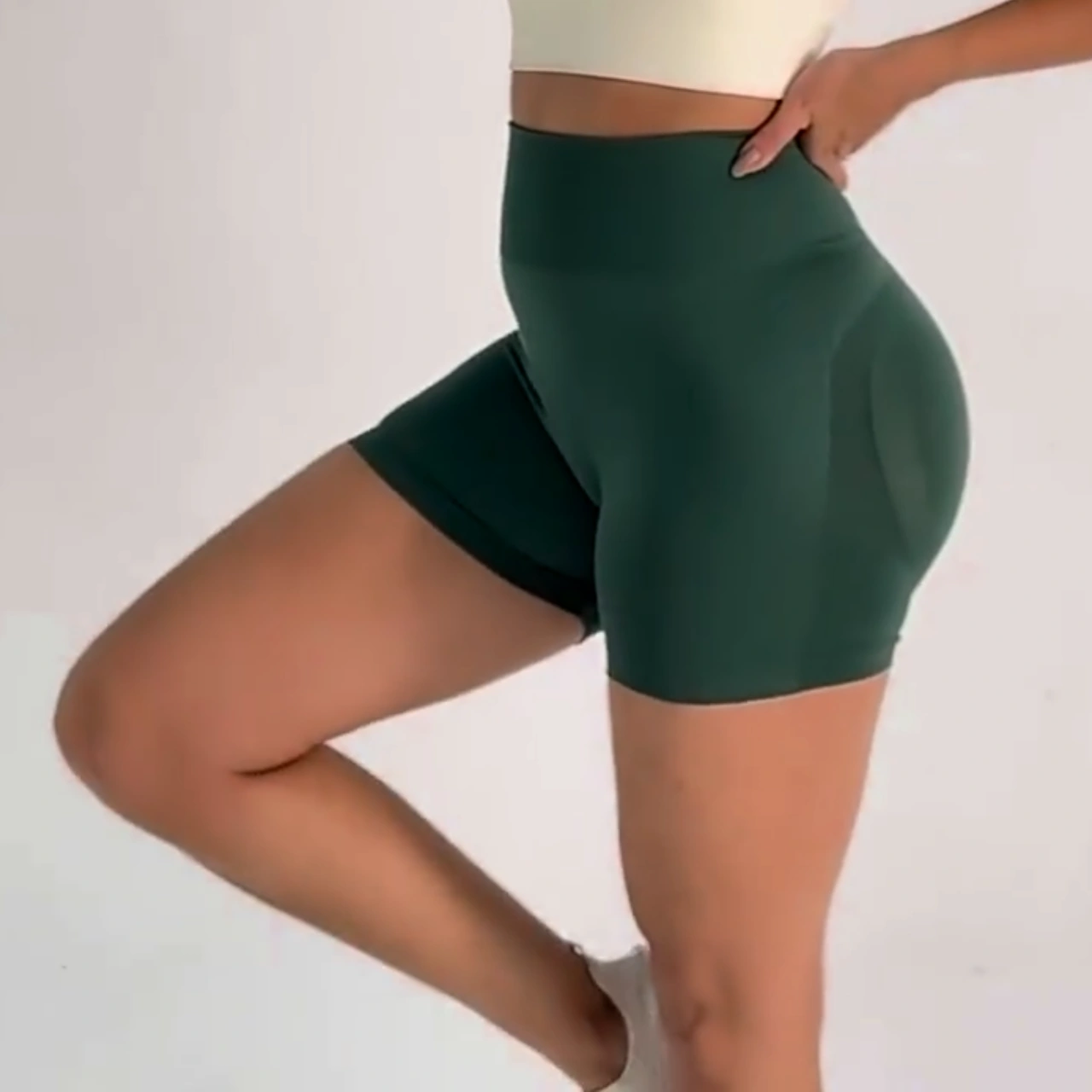
Training Crop and Shorts
A fitted training crop can be coordinated with performance shorts through a defined material palette, brand artwork and appropriate fit references. The upper and lower garments may require different stretch and construction priorities. The development plan should address each product's use separately.
Collection Components- Fitted Training Crop Top
- Performance Training Shorts
- Coordinated Artwork Placement
- Color and Size Assortment
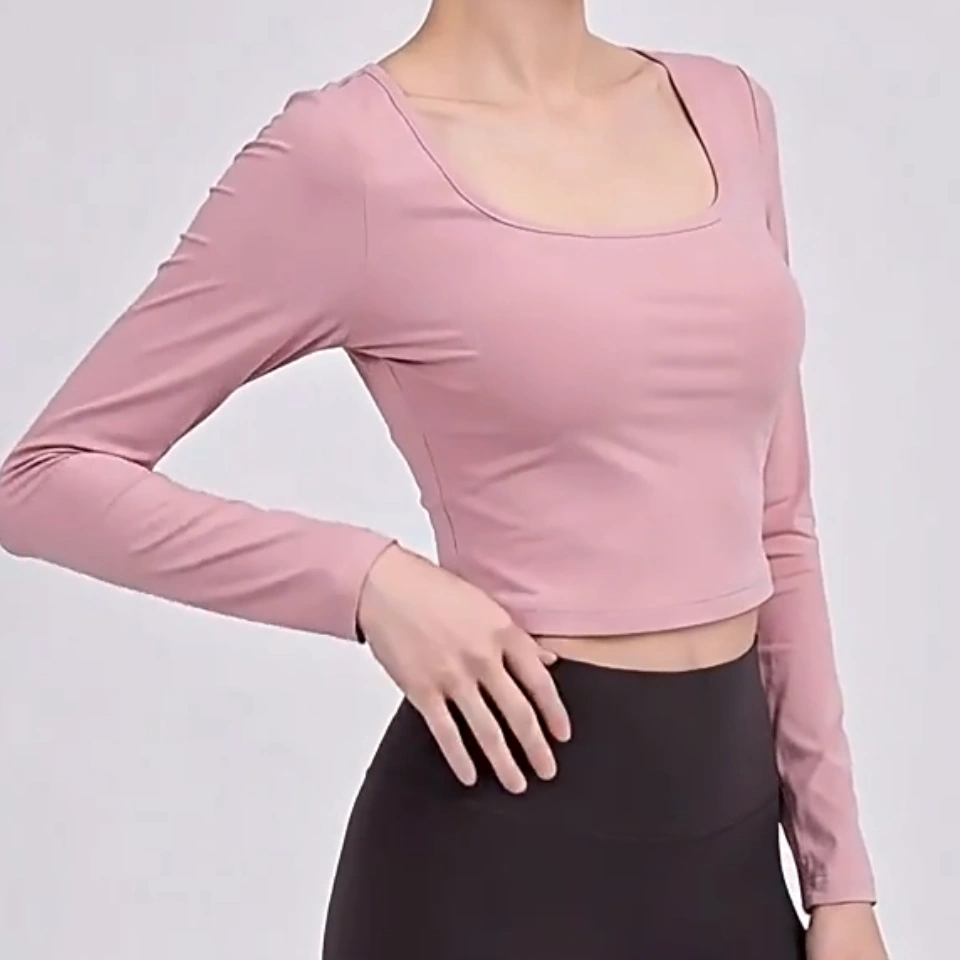
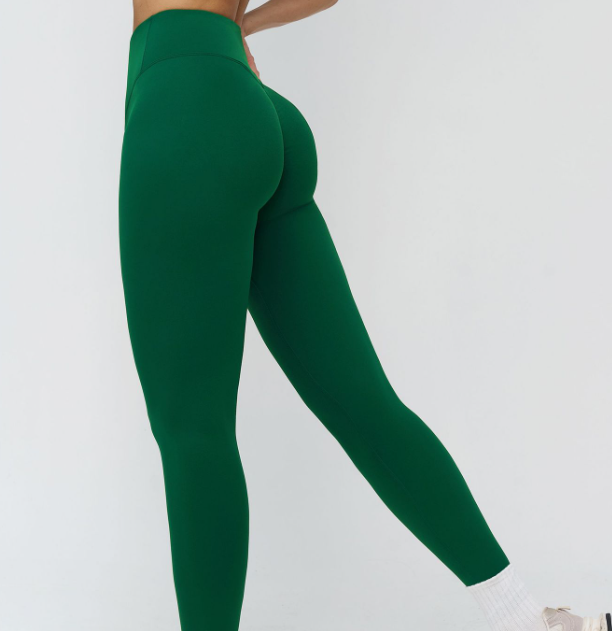
Cropped Long Sleeve and Leggings
A cropped long-sleeve top and leggings combination requires attention to the relationship between top length and waistband rise. Sleeve mobility, torso movement and fabric recovery should be assessed alongside the collection's visual direction. Compatible color does not remove the need for independent garment approvals.
Collection Components- Cropped Long Sleeve Top
- High-Waisted Leggings
- Approved Color References
- Coordinated Private Labels