Built for Brands That Already Know the Support Direction They Need
This page is intended for activewear buyers that have moved beyond a generic sports-bra brief and are evaluating manufacturers for a defined medium-support product or collection.
Established Fitness Brands
Established fitness brands often enter development with a known target consumer, existing size system, material direction and clear visual language. Some already have a Tech Pack and existing Fit block; others are replacing or adding a supplier for an existing category. MOVEVOX can work from the buyer’s technical information and translate approved requirements into pattern, material, sample and production controls.
Studio and Activewear Brands
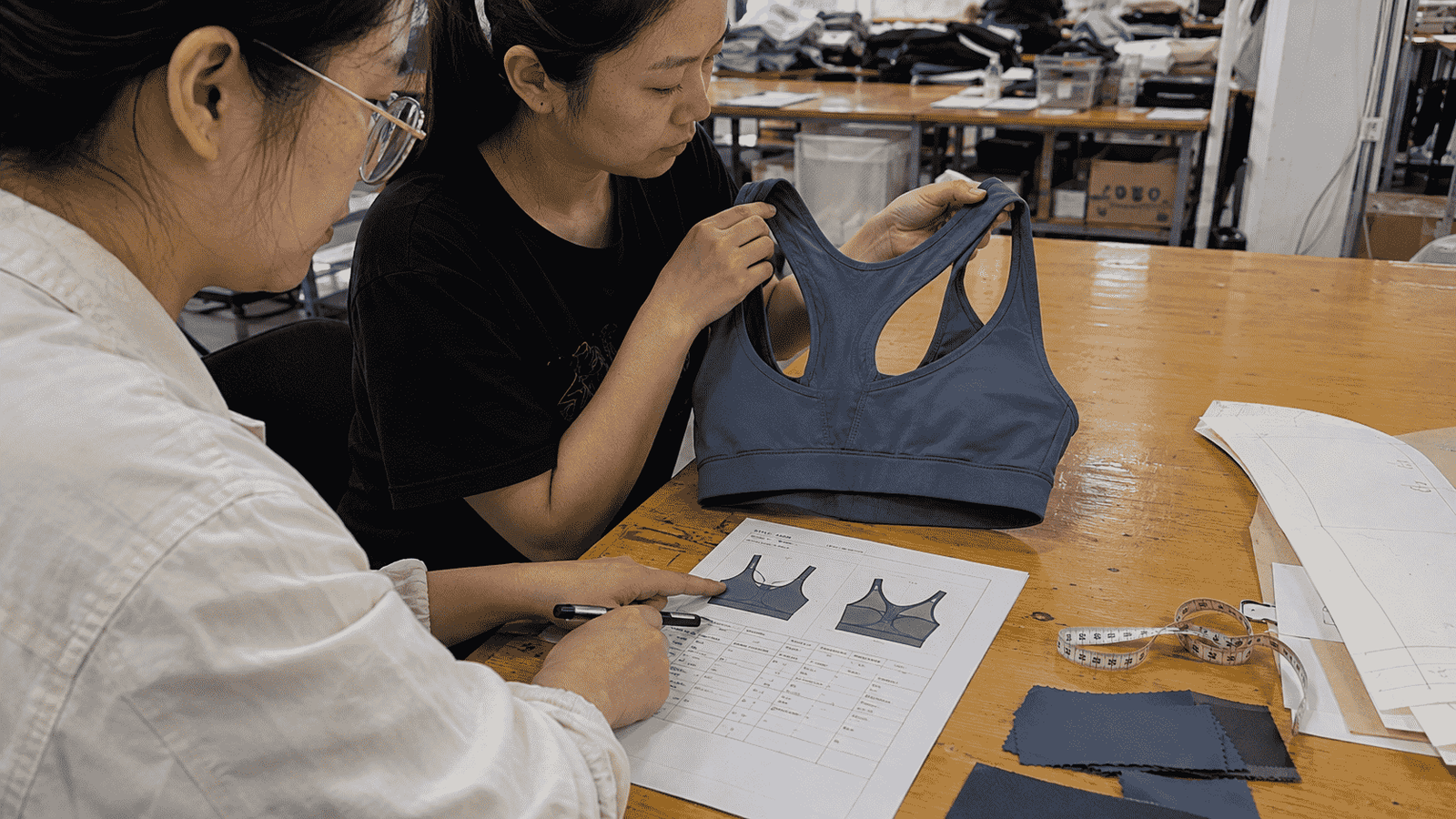
Studio-oriented brands may prioritize a different balance between stability, softness, coverage and movement than a more compression-led training product. MOVEVOX therefore does not assume that the term “medium support” automatically defines one universal material or structure. The project brief, buyer measurements and physical sample remain the basis for approval.
Second-Source and Scale-Up Buyers
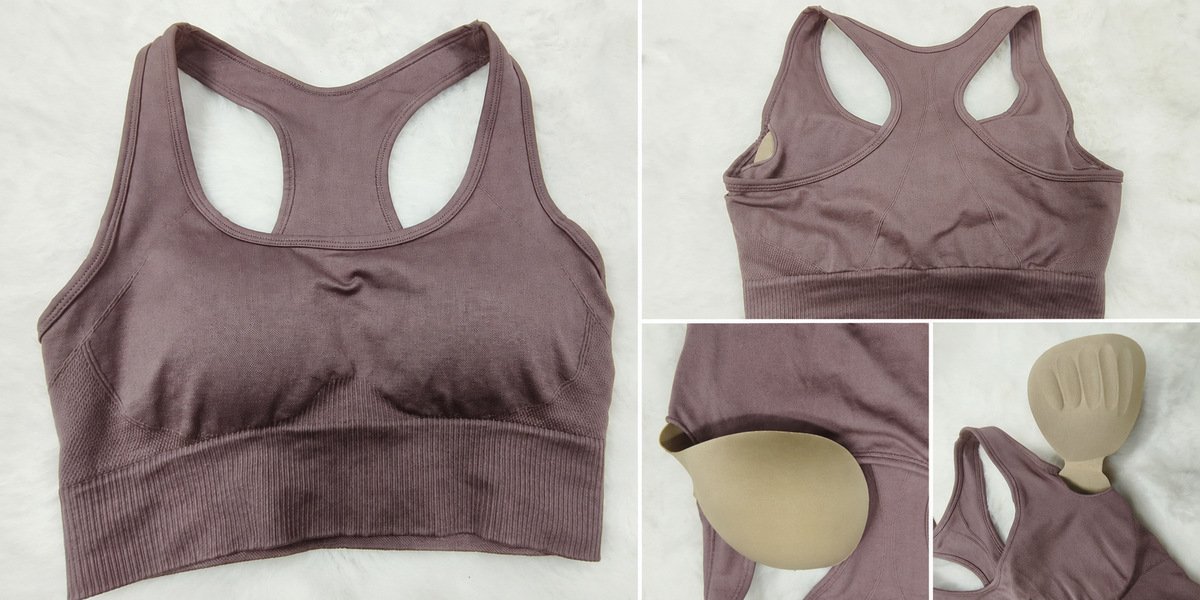
Brands searching for another production partner normally need more than a similar-looking sample. They need a manufacturer that can understand the existing standard, reproduce the required product through its own development and manufacturing system, and retain approved specifications as order quantities and SKU counts increase.
Start With the Buyer’s Activity Brief Before Defining Support
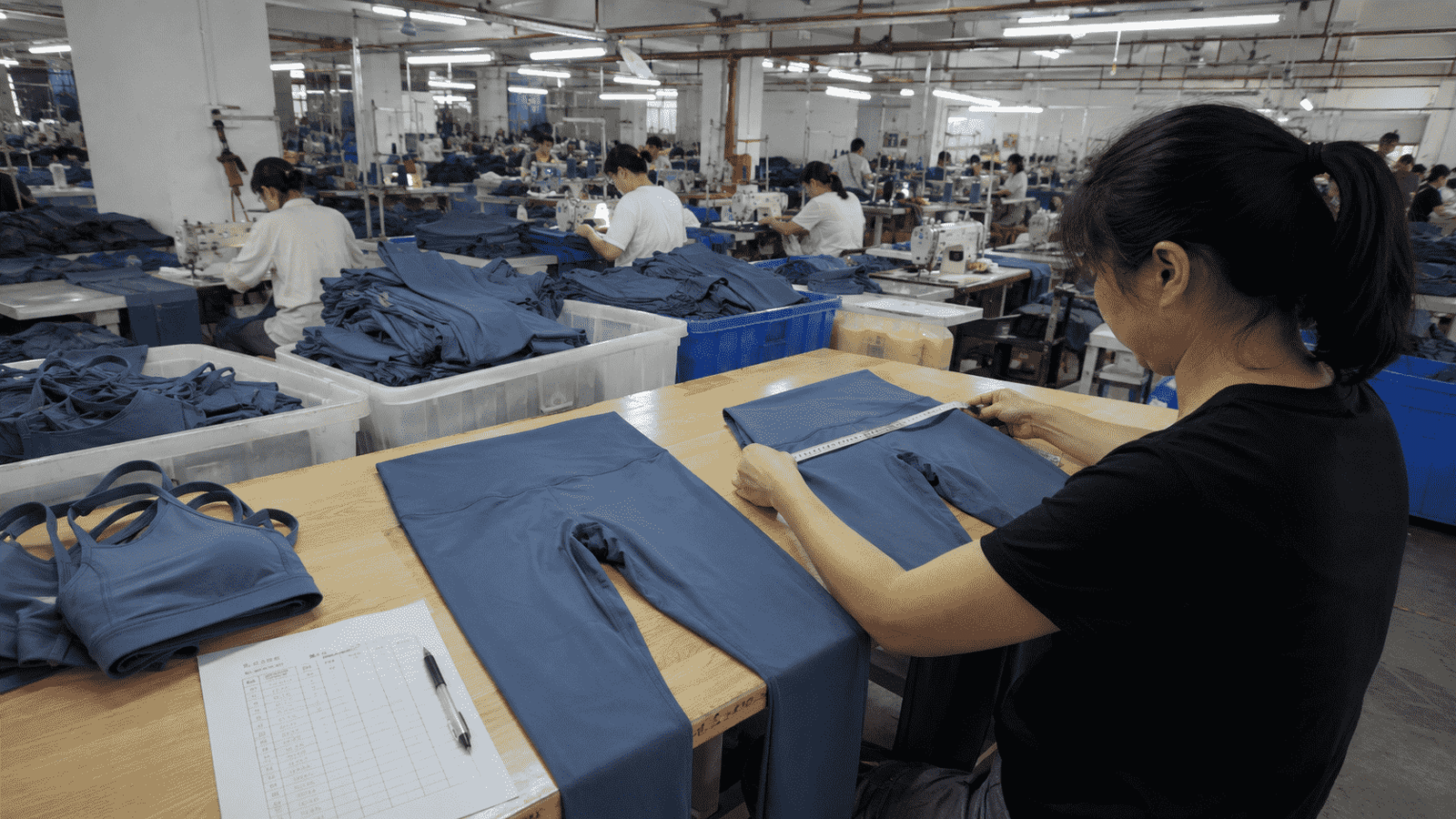
MOVEVOX does not use one universal activity-to-support formula. The buyer’s intended use is treated as an input for product development, and the final construction is confirmed through the actual sports bra rather than the activity name alone.
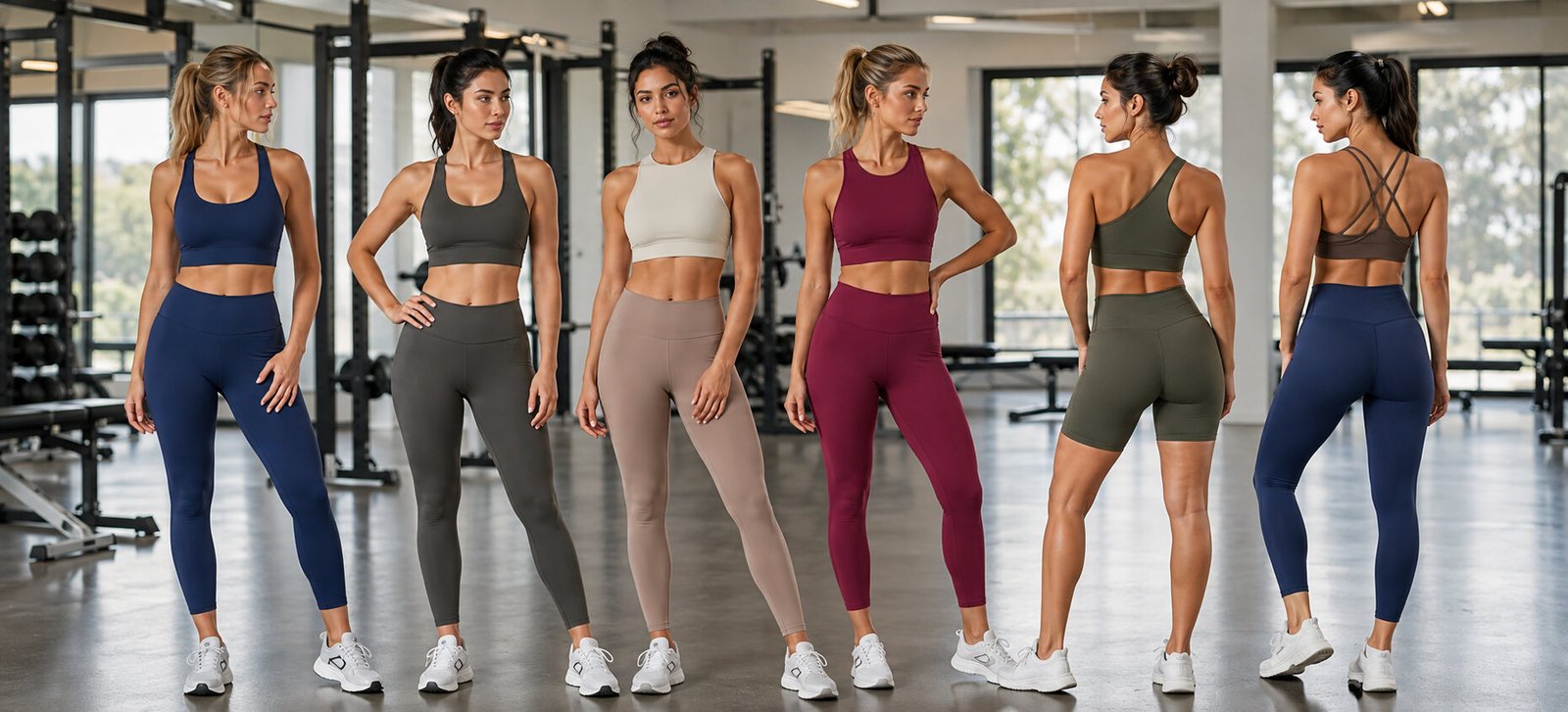
Strength and Gym Training Brief
A buyer may request a sports bra for controlled gym or strength-training use where stability is important but maximum compression is not the design objective. MOVEVOX reviews the brief through underband position, strap construction, coverage, material recovery and the customer’s Fit requirements.
- Stable underband position
- Controlled strap relationship
- Coverage defined by buyer
- Material recovery confirmed by sample
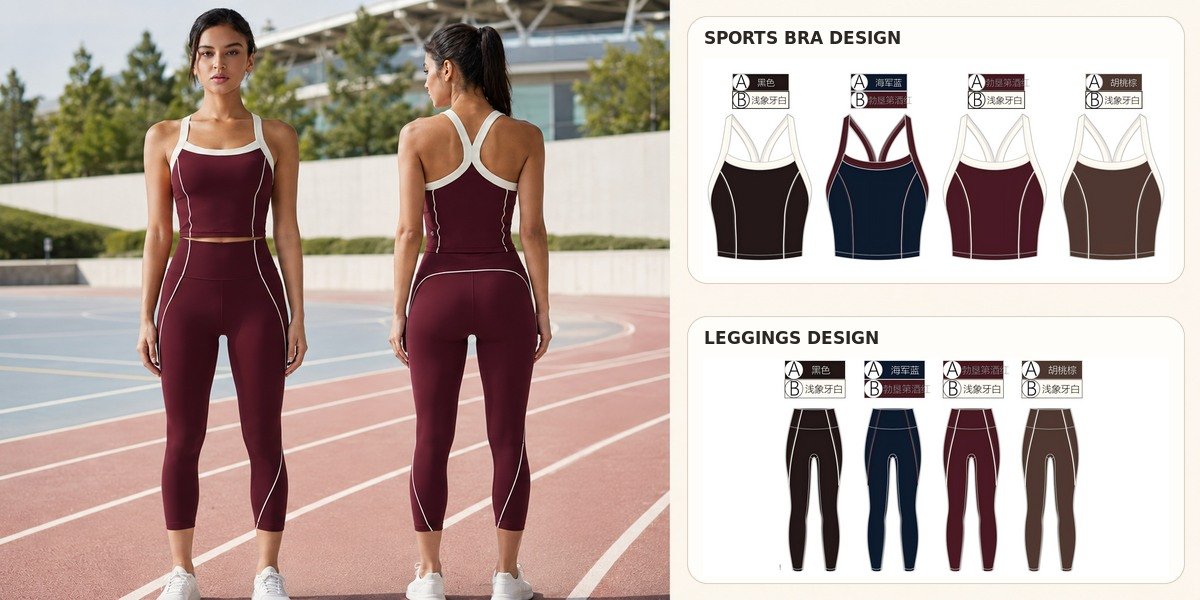
Cycling / General Fitness Brief
A fitness-oriented brief can require repeat movement and a secure garment position while maintaining acceptable comfort. The buyer’s intended Fit, body coverage and fabric direction are clarified before support wording is finalized.
- Movement stability
- Strap and back balance
- Underbust Fit
- Approved material behavior

Studio Training Brief
Studio-oriented projects may place greater emphasis on mobility, soft handfeel and a clean activewear appearance while still requiring more structure than a low-support lounge or light studio product.
- Comfort and mobility
- Moderate structural control
- Smooth coverage
- Brand-defined Fit language
Pilates / General Activewear Brief
Where the buyer wants a product that crosses Pilates, studio and general activewear use, the development team reviews whether the material, straps, underband and coverage can support the intended multi-use brief without overclaiming a universal performance category.
- Softness and recovery balance
- Stable but non-excessive hold
- Movement review
- Product-specific approval
Four Reasons Medium-Support Development Requires More Than a Stock Bra
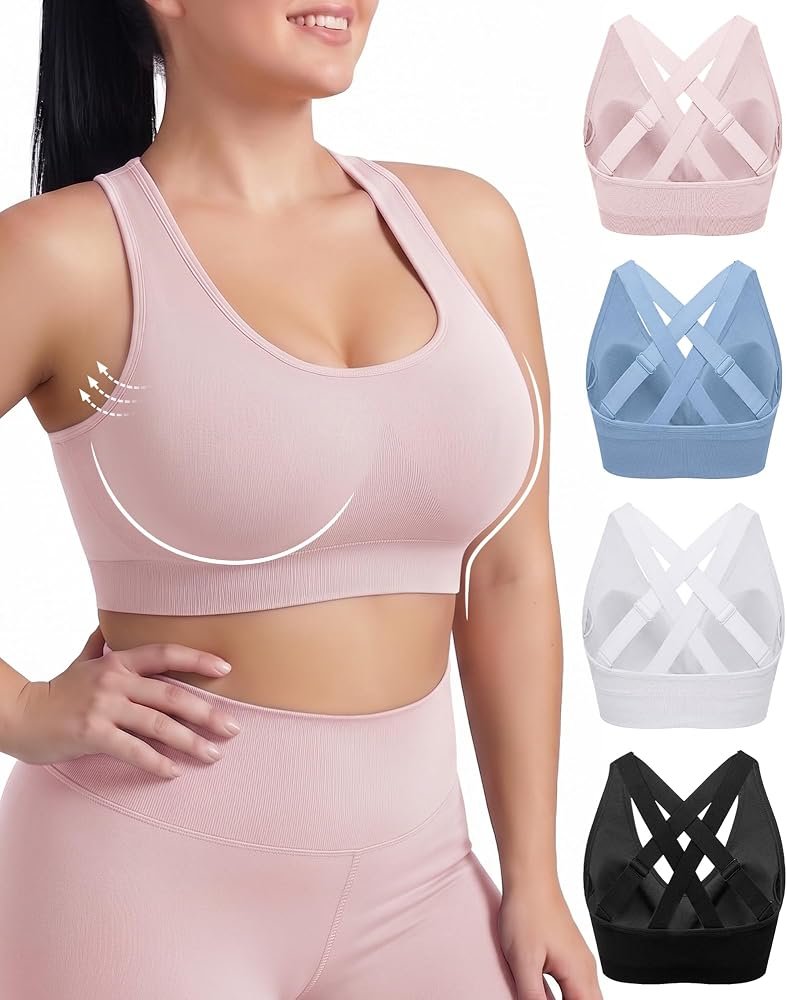
Balanced Support
MOVEVOX treats the product as a system of underband, straps, coverage, padding, fabric and Fit. No single element is presented as the sole reason a sports bra achieves its intended support direction.
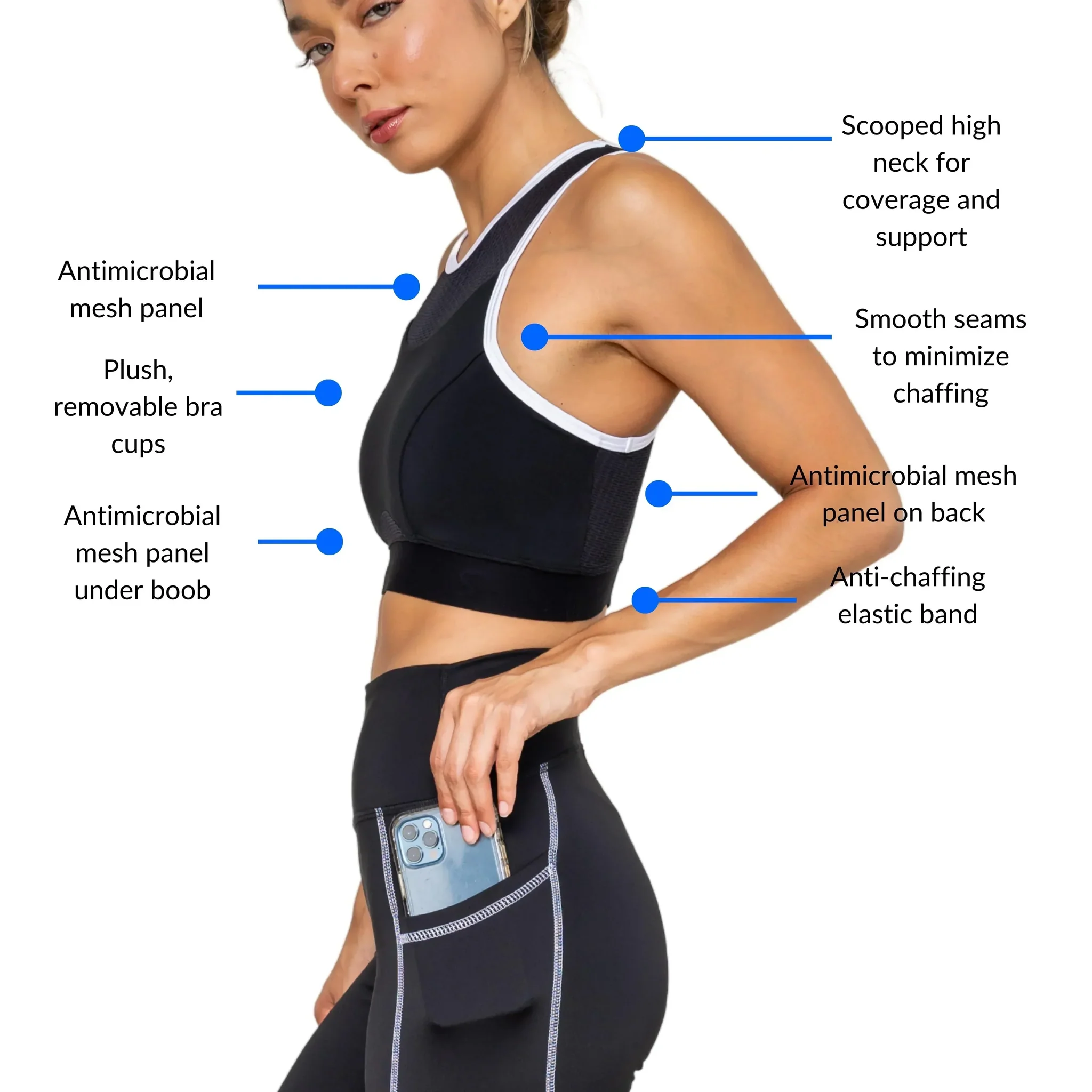
Product-Specific Fit
Formal projects follow the buyer’s Measurement Chart, Grade Rules, Fit comments and Approved Sample. MOVEVOX does not replace a mature brand’s Fit system with one universal public size chart.

Dual Manufacturing Capability
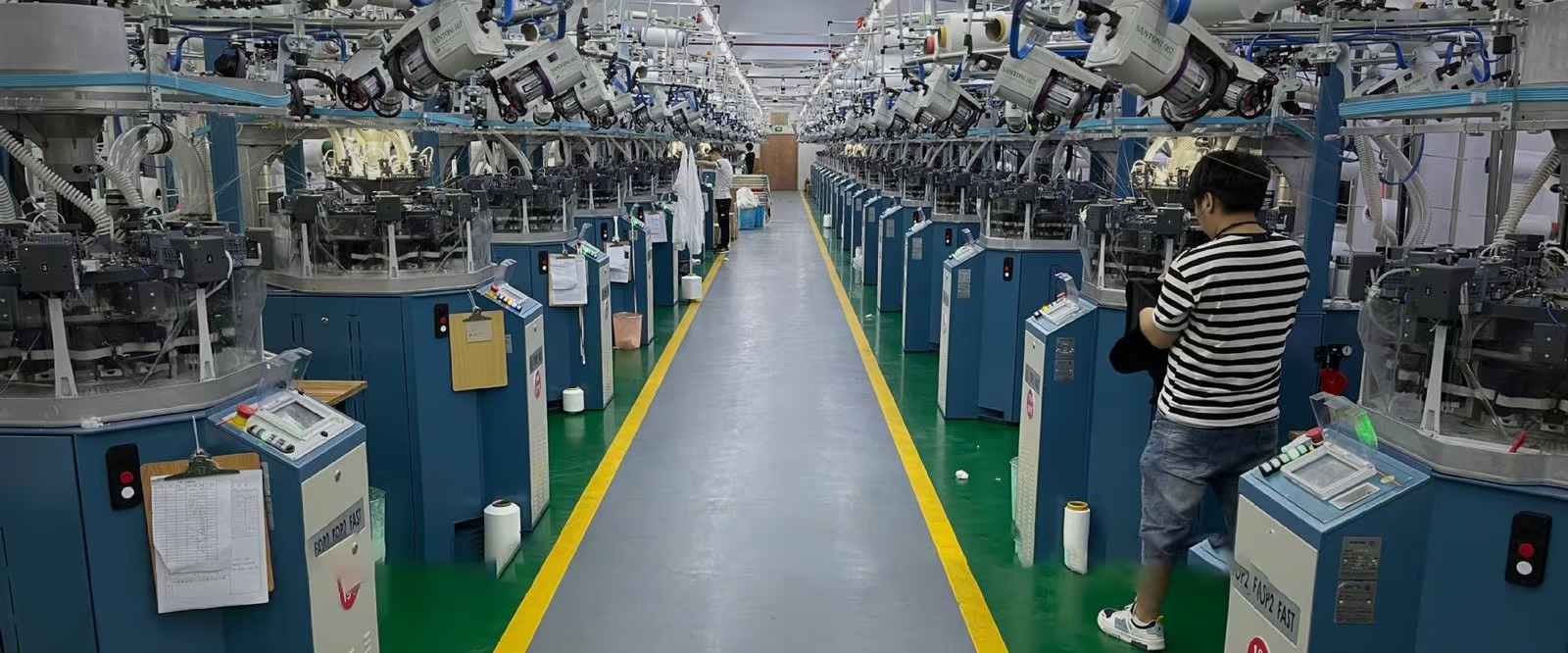
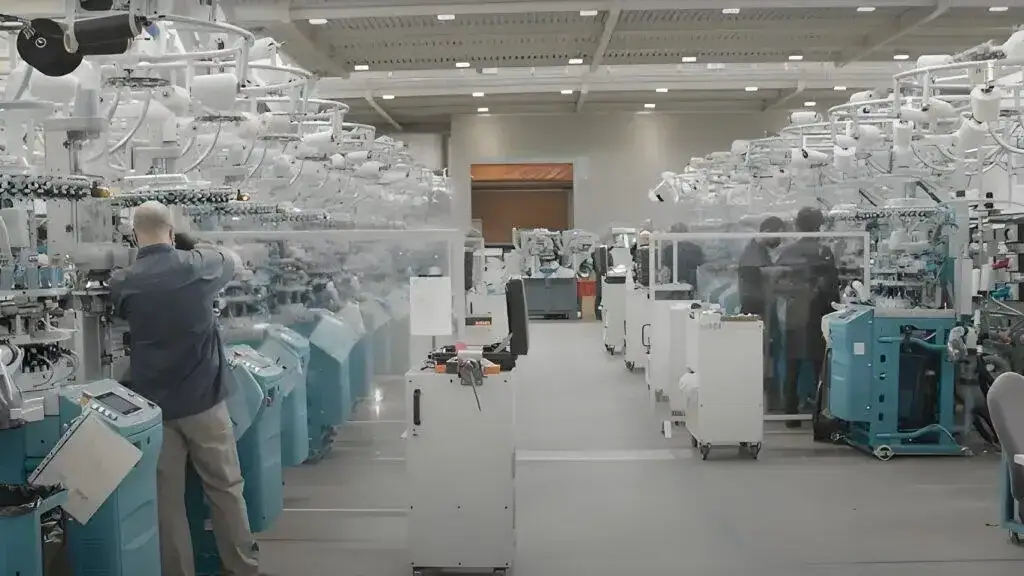
MOVEVOX has both Seamless and Cut & Sew manufacturing capabilities, including 28 Italian Santoni Seamless machines and approximately 24 core garment-production machines. The actual route is selected around the product structure.
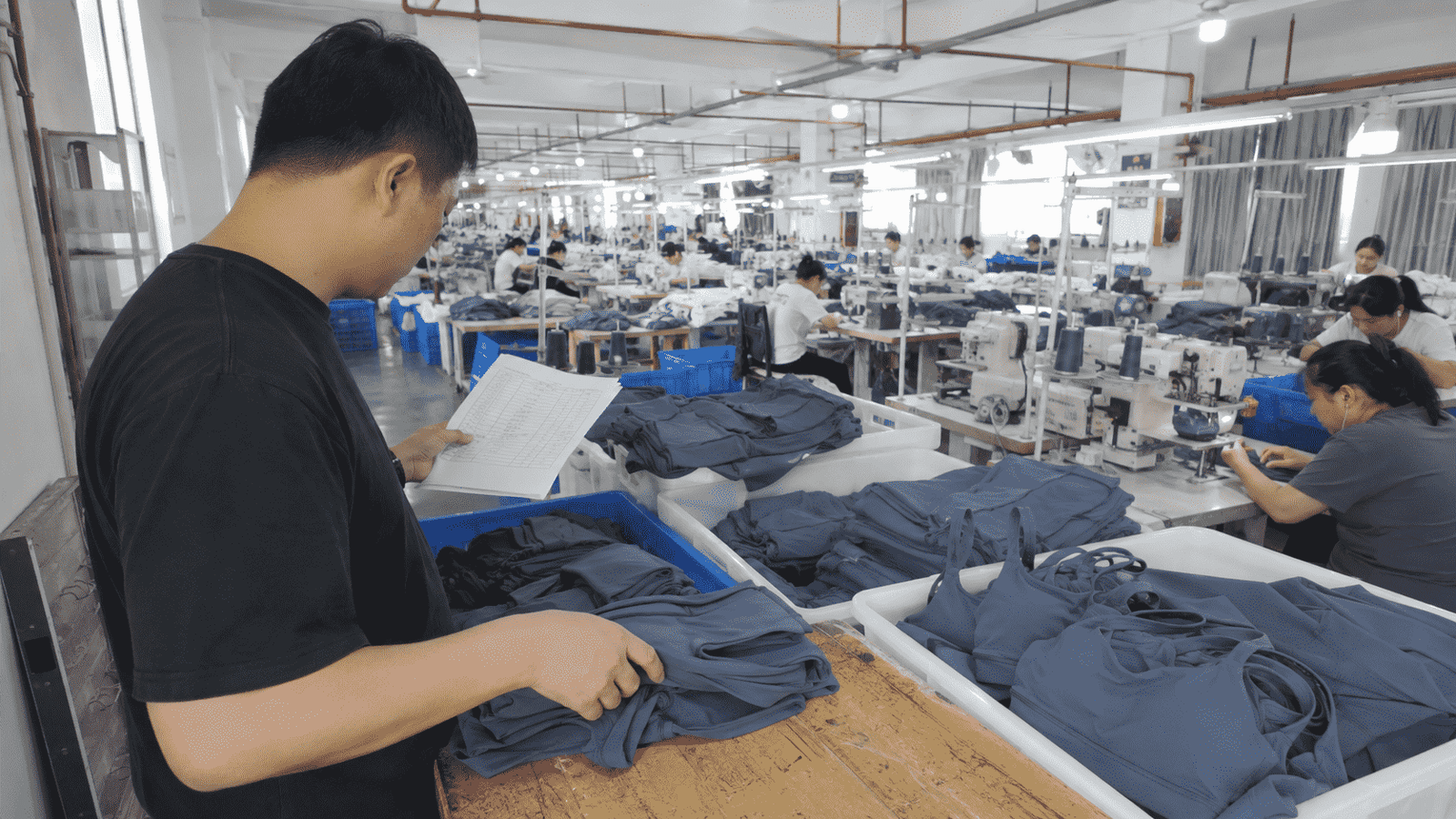
Sample-to-Bulk Control
The development process connects Approved Sample, final specifications and approved materials to First Article, in-line inspection, measurement checks and final release.
Treat the Underband as a Functional Fit Component
Band Width
Claim: Width affects contact area and visual proportion but does not independently determine support.
Evidence: Approved construction and buyer Fit review.
Elastic Recovery
Claim: Elastic or fabric recovery influences how the lower band returns after stretch.
Evidence: Supplier specification, physical sample and project-level check.
Negative Ease
Claim: Finished dimensions need to be evaluated with actual material stretch rather than treated as isolated measurements.
Evidence: Measurement Chart, material and Fit Sample.
Band Position
Claim: The lower band should remain in the intended position through the buyer’s wear review.
Evidence: Physical Fit Sample.
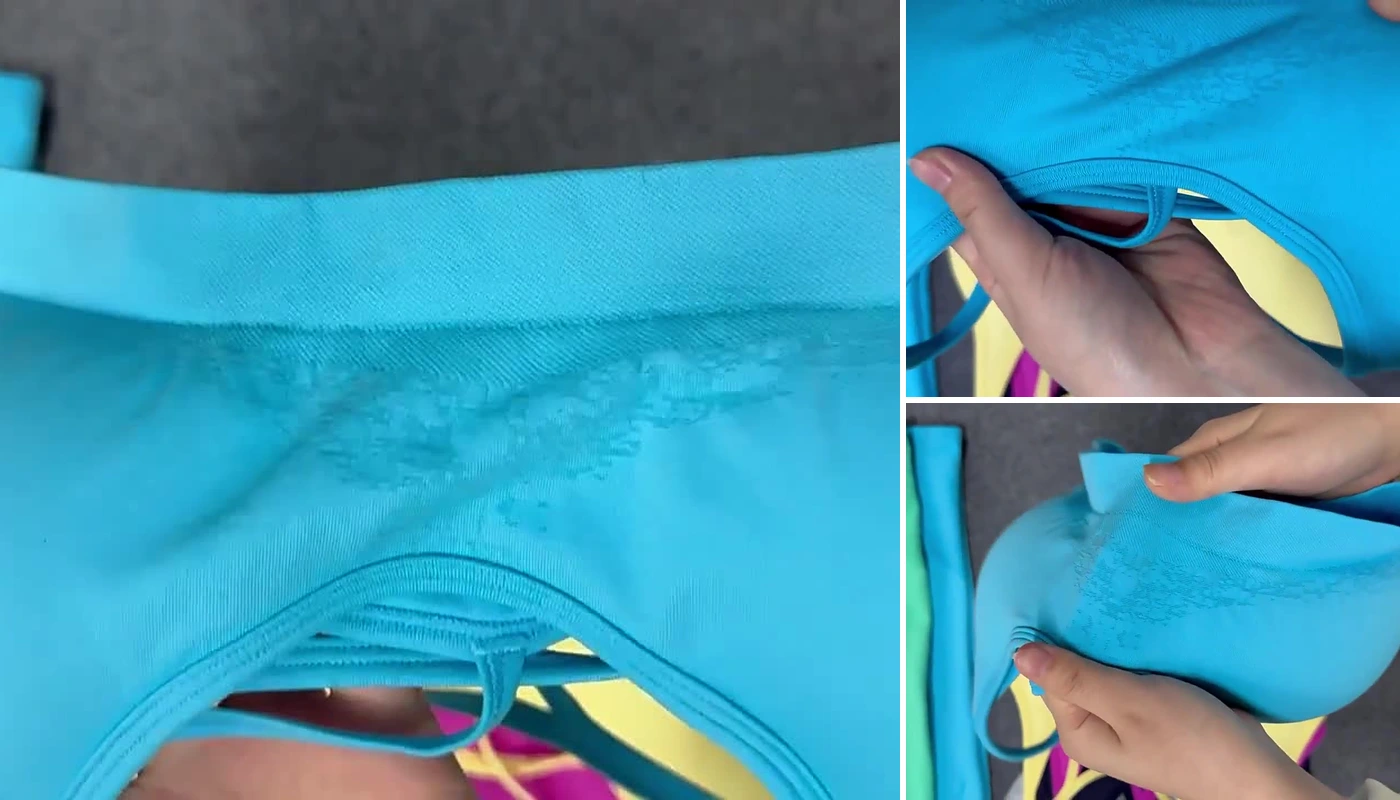
Join Quality
Claim: Elastic joins or garment seams should remain secure and sufficiently flat for the intended construction.
Evidence: Workmanship inspection.
Ride-Up Review
Claim: A stable-looking flat garment does not prove underband stability during wear.
Evidence: Wear evaluation and final approved sample.


Use Strap and Back Structure to Support the Approved Fit
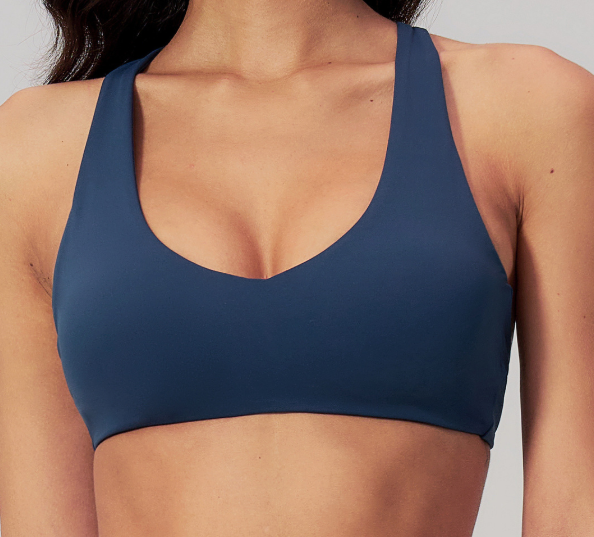
Racerback
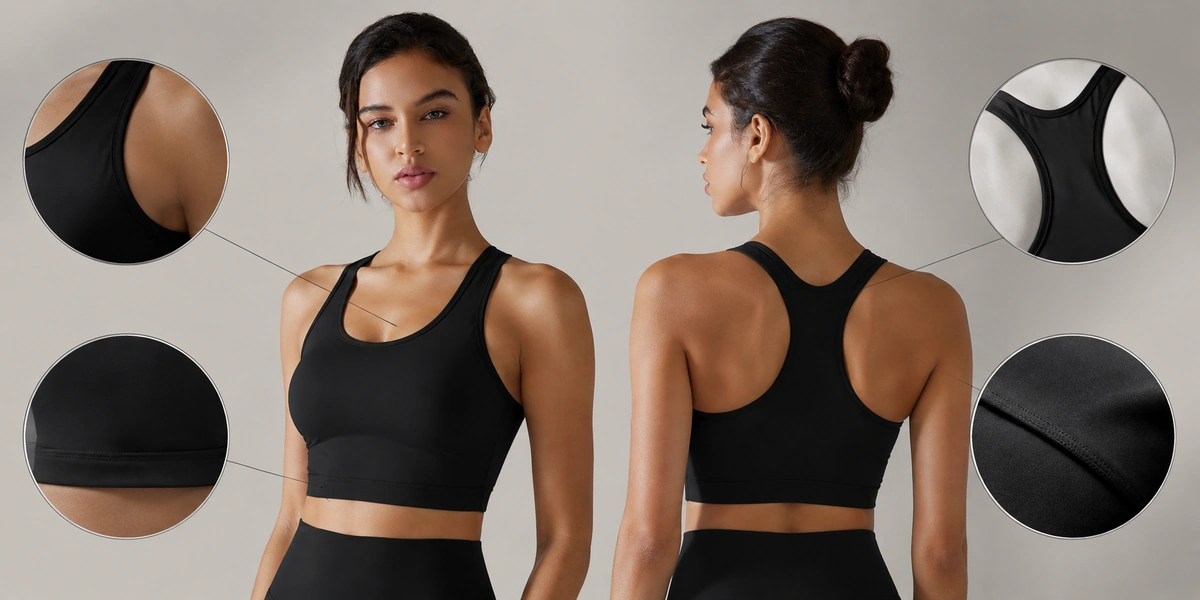
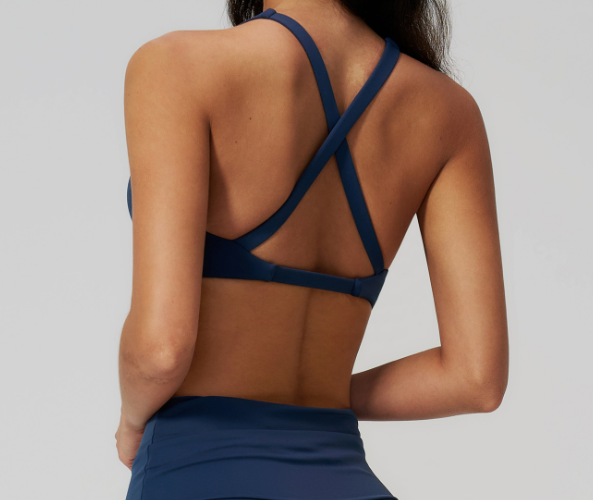
A racerback can create a compact rear structure and centralized strap path. MOVEVOX reviews back width, armhole, strap position and underband together during development.
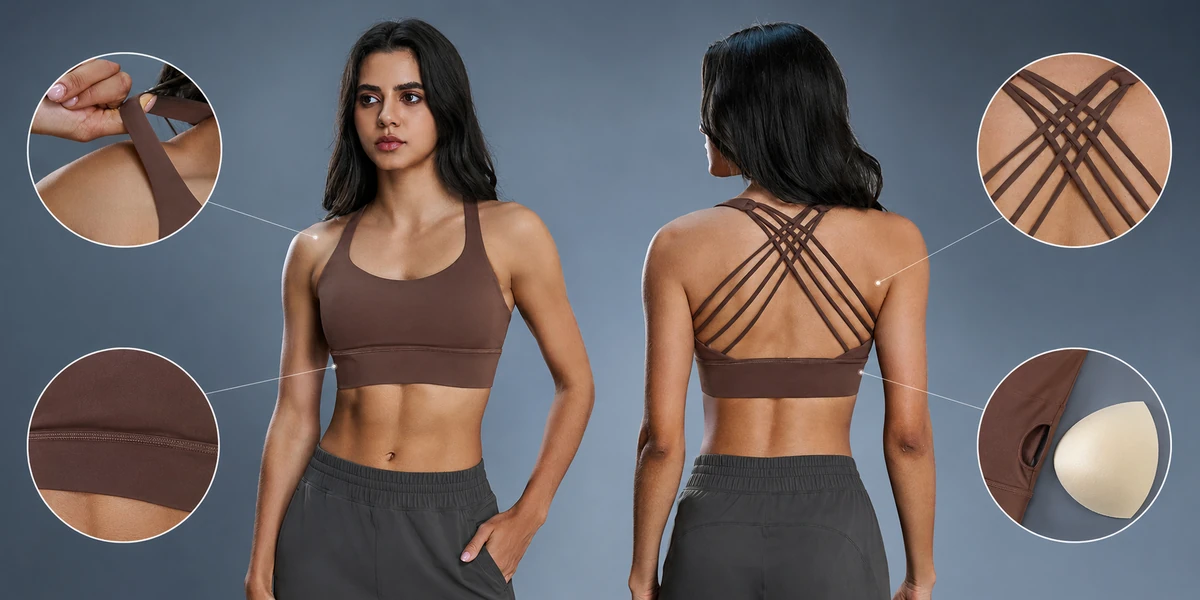
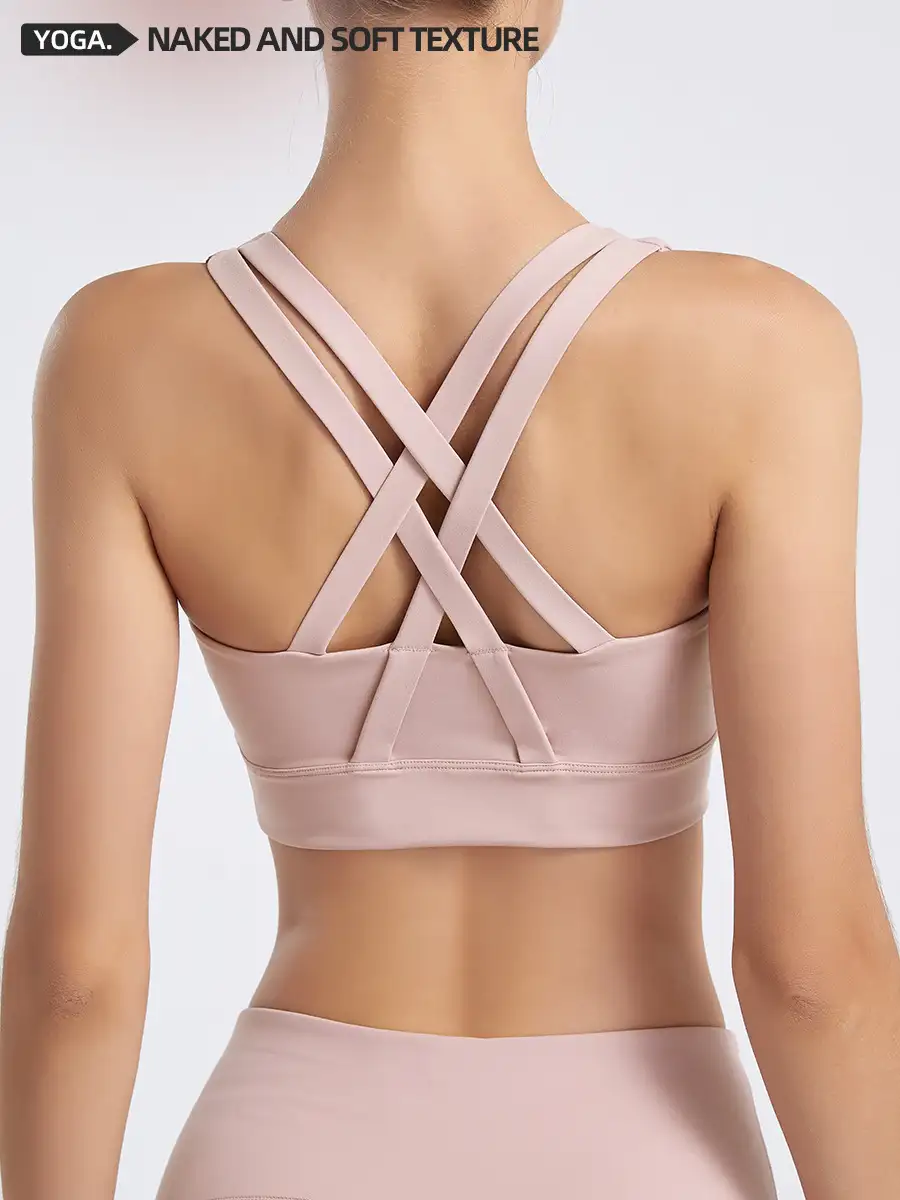
Cross-Back
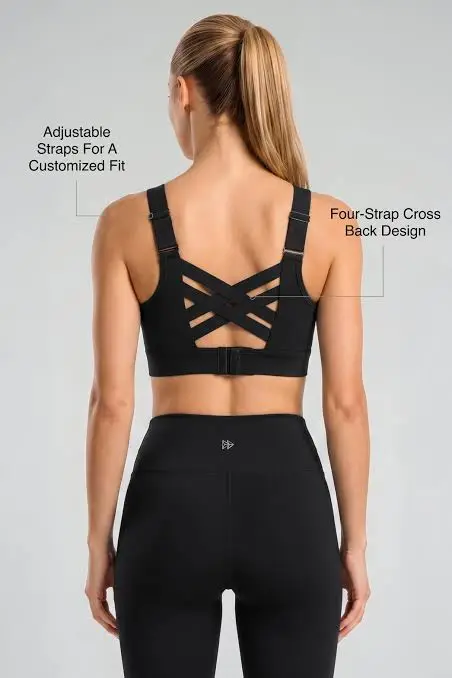
Cross-back designs require control of intersection, strap length and symmetry. Left and right strap paths should remain consistent through bulk production.

Wide Strap
A wider strap can distribute contact over a broader area, but width alone does not establish medium support. Strap material, length and body construction remain part of the Fit.

Thin Strap
Thin straps create a lighter visual language and may be used where technically suitable. Pressure and stability still require physical evaluation.
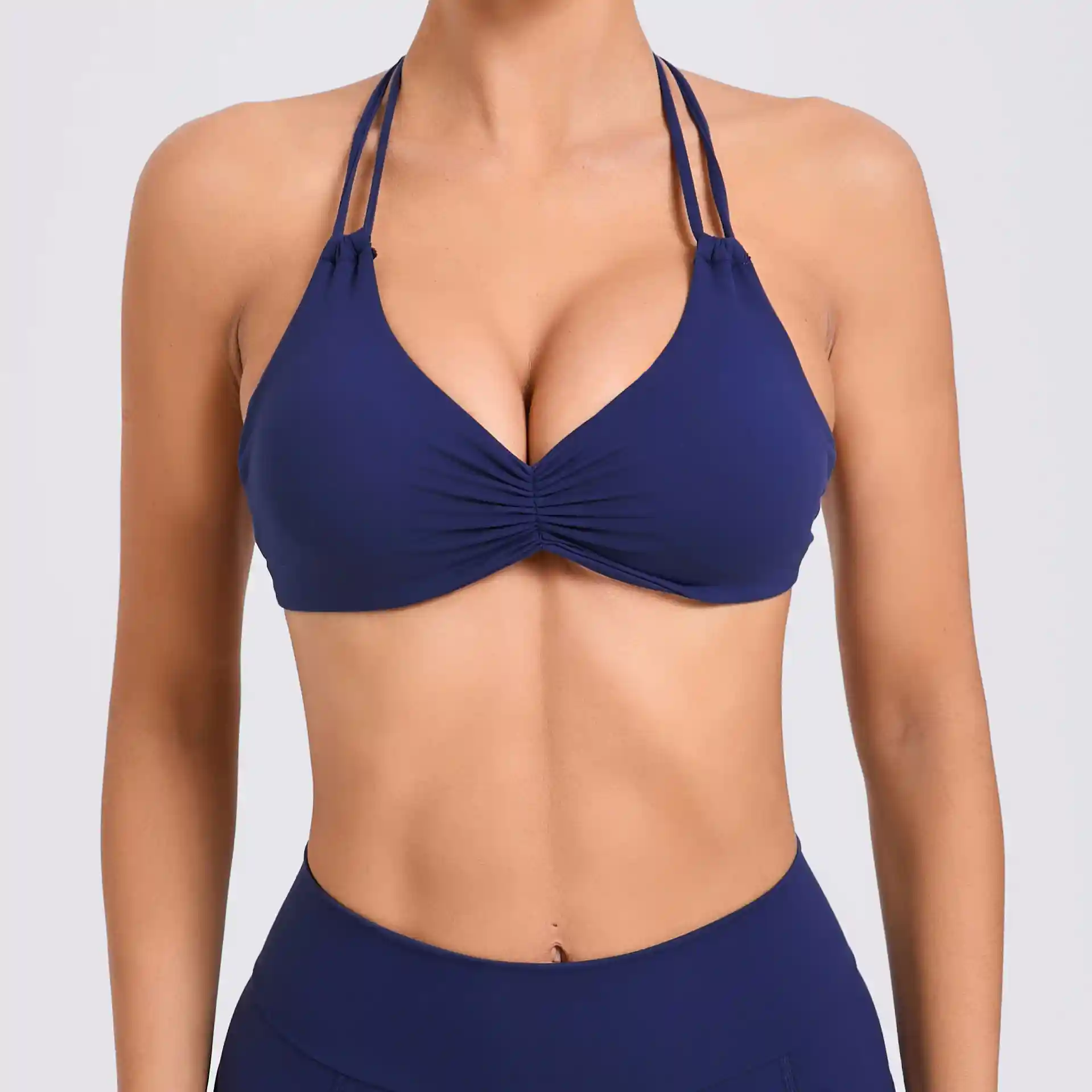
Adjustable Strap
Adjustable straps can use sliders or approved hardware. Component quality, adjustment range and position need confirmation before production release.
Multi-Strap
Multi-strap structures introduce additional attachment points and symmetry risks and therefore need clear pattern and production control.
Control Coverage Without Turning Medium Support Into Excess Compression
| Problem | Buyer Impact | Development Response |
|---|---|---|
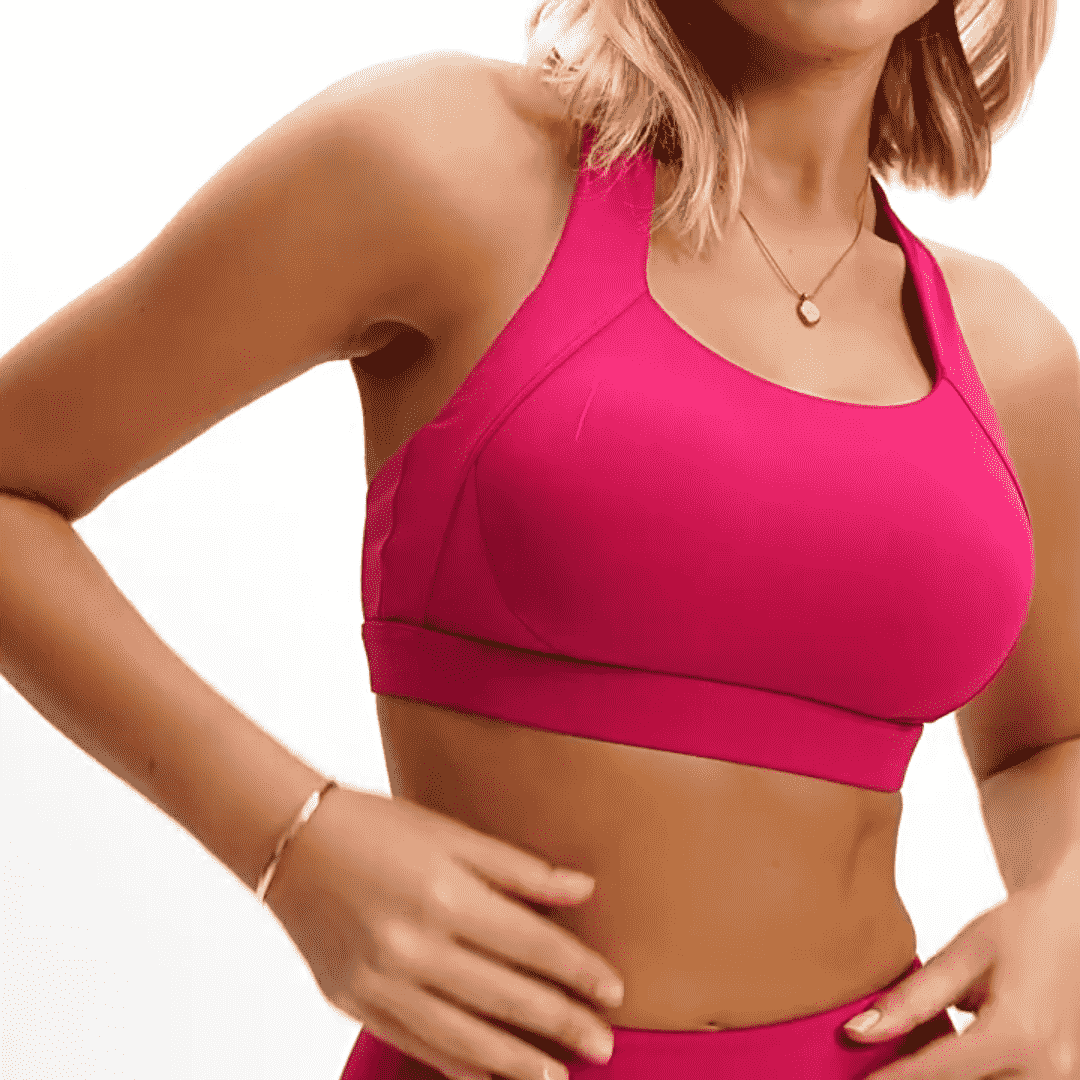
| Neckline Too Open | Buyer may feel the garment does not match the intended coverage direction. | Review neckline dimensions together with bust Fit, strap position and actual garment stretch. |
| Neckline Too Restrictive | More fabric or tighter dimensions can reduce comfort without necessarily improving the complete support system. | Confirm coverage through the physical sample rather than assuming “more covered” is always better. |
| Side Coverage Too Low | Side Fit can change containment and visual balance. | Review armhole, side wing and underbust relationships. |
| Armhole Too Tight | Local pressure or movement restriction can appear even when the flat pattern looks correct. | Use physical Fit and movement review. |
| Coverage Changes by Size | Mechanical grading can alter neckline and side relationship. | Validate Grade Rules and representative Size Set Samples. |
| Fabric Opens Under Stretch | Coverage can change when the approved material stretches on body. | Evaluate actual selected fabric and garment Fit together. |
Select Padding and Lining for the Product, Not the Support Label
| Decision Area | Removable Pad | Fixed Pad |
|---|---|---|
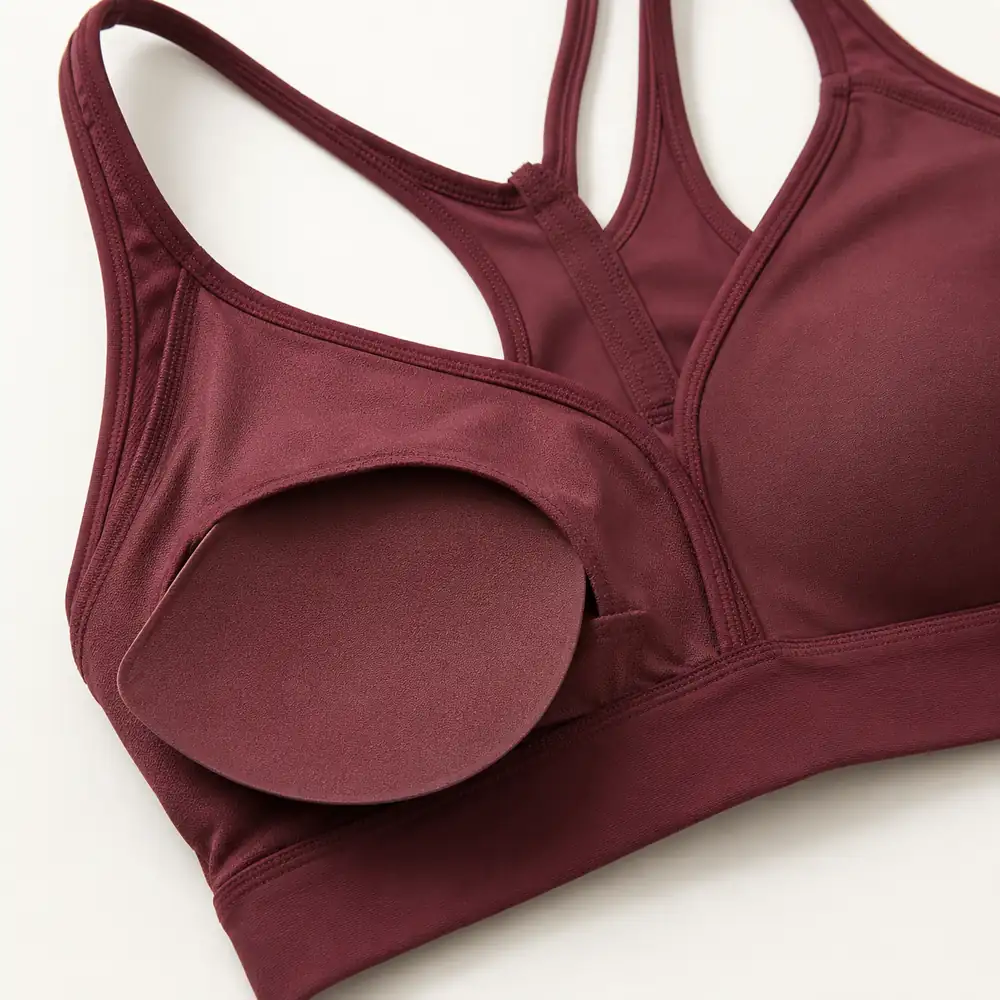
| Pad Access | Internal pocket opening | Permanently located in garment |
| Consumer Handling | Pad can be removed | No routine removal |
| Development Risk | Rotation, folding, pocket fit | Edge visibility, attachment, wash stability |
| QC Focus | Quantity, direction, pocket, symmetry | Position, symmetry, attachment, appearance |
| Support Meaning | Does not independently define support | Does not independently define support |
| Best Decision Basis | Buyer brief + sample | Buyer brief + sample |
Lining
Lining material influences opacity, handfeel, localized structure and the relationship between pads and outer fabric. The lining should remain compatible with the body fabric rather than creating uncontrolled tension.
Pad Pocket
Pocket dimensions and opening position are developed around the selected pad and garment structure.
Pad Position
Left and right pad position should remain symmetrical and consistent with the approved sample.
Underband Relationship
Padding and lining do not replace the underband. All components must work together within the approved Fit.


Choose Fabric From the Medium-Support Brief

Nylon / Spandex
MOVEVOX’s activewear material system includes Nylon/Spandex options across different weights and elastane percentages. The actual candidate is selected according to the product brief and approved through the physical sample.

Compression-Oriented Fabric
A denser, higher-recovery activewear route may be appropriate when the buyer wants a more structured medium-support result. It still requires Fit confirmation.

Ribbed Structure
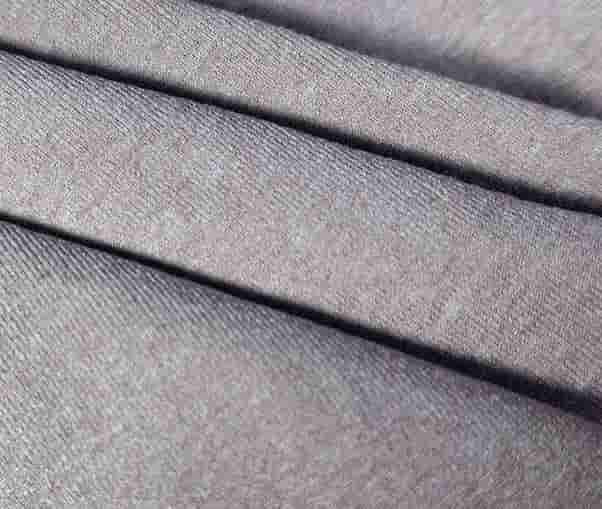
Ribbed fabrics or Seamless rib structures can provide visible texture and different stretch behavior. Recovery, opacity and direction need sample validation.
Seamless Yarn System
A Seamless sports bra begins from yarn and knitting structure rather than a finished fabric roll. Yarn, program and regional knit density become part of the product engineering.
Compare Stretch and Recovery With Real Material Evidence
MOVEVOX does not assign universal numerical scores to fabric families without actual test or supplier data. Composition and handfeel help narrow options, but the approved sports-bra Fit depends on the actual material.

Soft Nylon Route
A soft Nylon/Spandex material can support a comfort-led medium-support direction when the body pattern, underband and straps provide the required structure.

Structured Nylon Route
A denser activewear fabric can create a more controlled feel, but additional compression should still be checked for comfort and mobility.
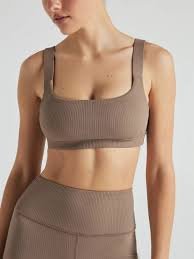
Ribbed Route
Rib structures behave differently from smooth fabrics and can change recovery and visual stretch across the garment.

Seamless Yarn Route
Seamless support is influenced by yarn, knit density, rib, mesh and program rather than a conventional fabric GSM alone.

Recycled Route
Recycled materials can be evaluated where the buyer requires them, but recycled-content claims depend on the actual certified material and transaction scope.
Prevent Medium-Support Failures Before Final Inspection
| Failure Point | Likely Cause | Prevention | Verification |
|---|---|---|---|
| Band Ride-Up | Underbust, elastic or material recovery mismatch | Confirm band dimensions, elastic and approved Fit | Fit Sample + measurement |
| Strap Slip | Strap length, angle or attachment mismatch | Control strap spec and attachment | Wear review + QC |
| Strap Pressure | Excess tension or narrow contact area | Review total support system instead of shortening strap only | Fit review |
| Pad Shift | Pocket / pad dimensions not balanced | Confirm pad, pocket and opening | Finished-garment check |
| Coverage Drift | Pattern or grade changes | Lock latest pattern and measurements | Approved Sample + Size Set |
| Asymmetry | Paired components or assembly vary | Use pattern and QC symmetry checks | Finished inspection |
| Recovery Loss | Material differs from approved requirement | Control material source and batch | Incoming material check |
| Measurement Drift | Cutting, knitting, sewing or finishing variation | First Article + in-line measurements | Measurement Report |

Keep Medium Support Coherent Across the Size Range
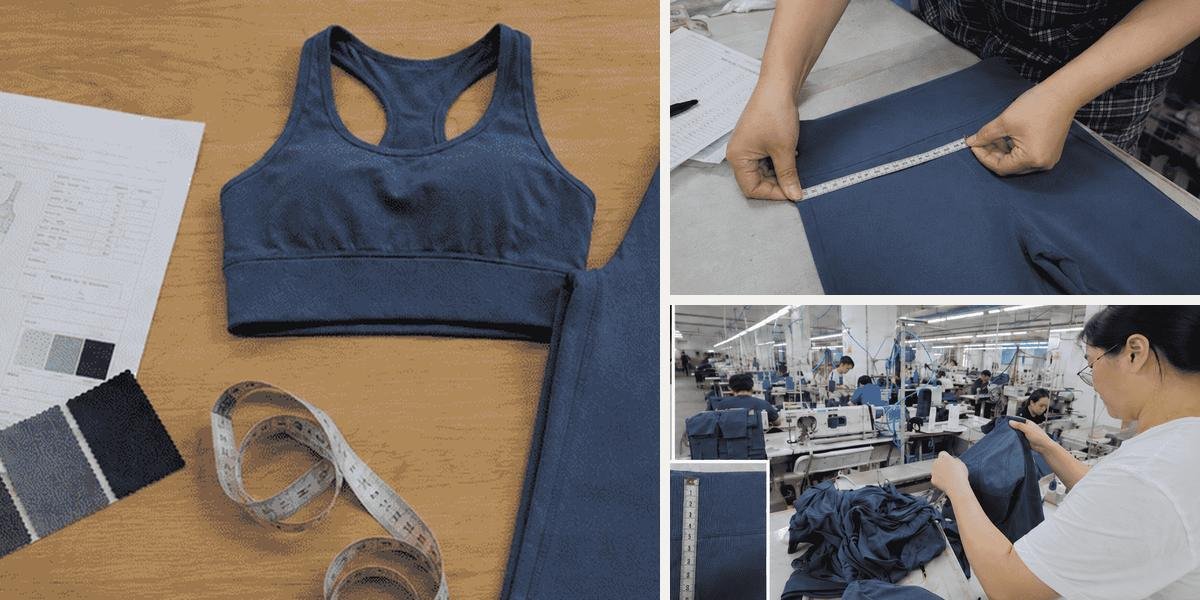
Formal brand projects follow the buyer’s Measurement Chart and Grade Rules. MOVEVOX does not publish one universal medium-support size specification.
| Size | Bust | Underbust | Strap | Cup / Pad | Body Length | Coverage |
|---|---|---|---|---|---|---|
| XXS | Client-approved | Client-approved | Client-approved | Client-approved | Client-approved | Client-approved |
| XS | Client-approved | Client-approved | Client-approved | Client-approved | Client-approved | Client-approved |
| S | Client-approved | Client-approved | Client-approved | Client-approved | Client-approved | Client-approved |
| M | Client-approved | Client-approved | Client-approved | Client-approved | Client-approved | Client-approved |
| L | Client-approved | Client-approved | Client-approved | Client-approved | Client-approved | Client-approved |
| XL | Client-approved | Client-approved | Client-approved | Client-approved | Client-approved | Client-approved |
| 2XL | Client-approved | Client-approved | Client-approved | Client-approved | Client-approved | Client-approved |
Use the Right Evidence Before Calling a Product Medium Support
Structural Facts
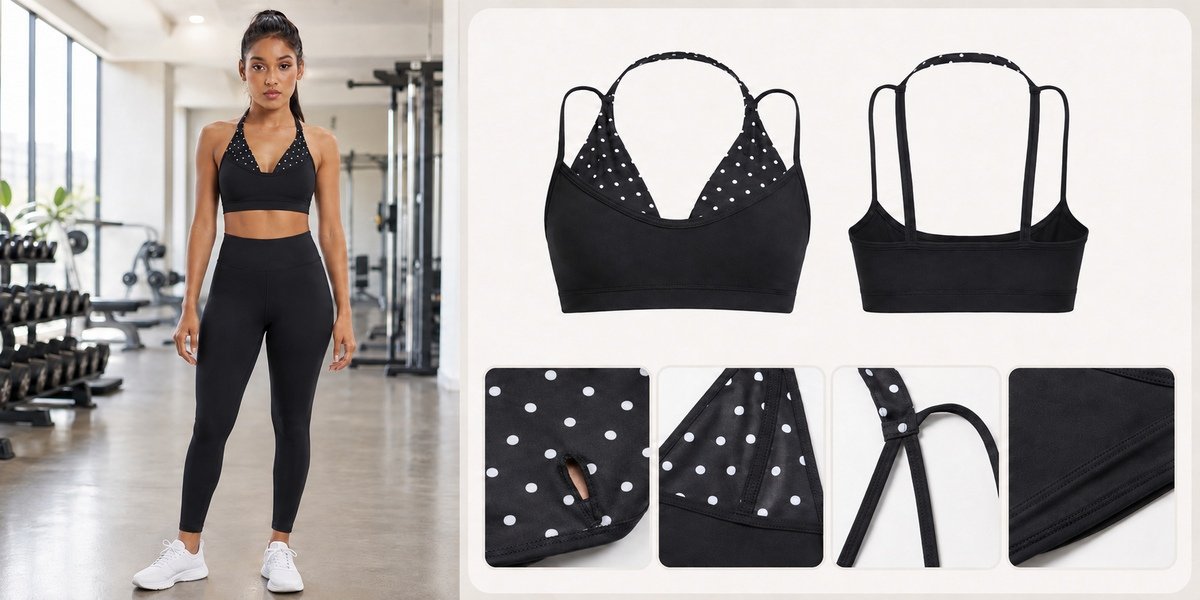
What it can prove: Underband construction, strap structure, lining, pad pocket, layers, Seamless zones and other visible physical features.
What it cannot prove alone: A final support rating.
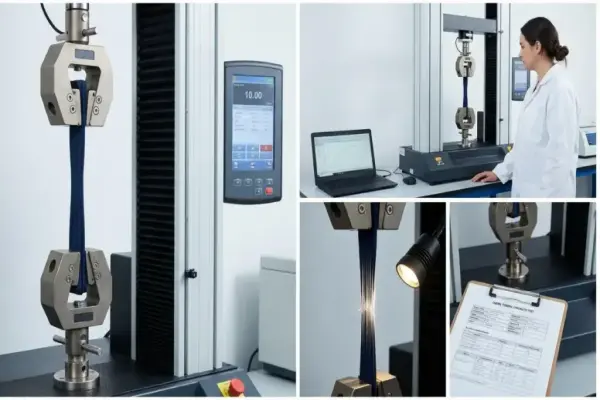
Supplier Material Data
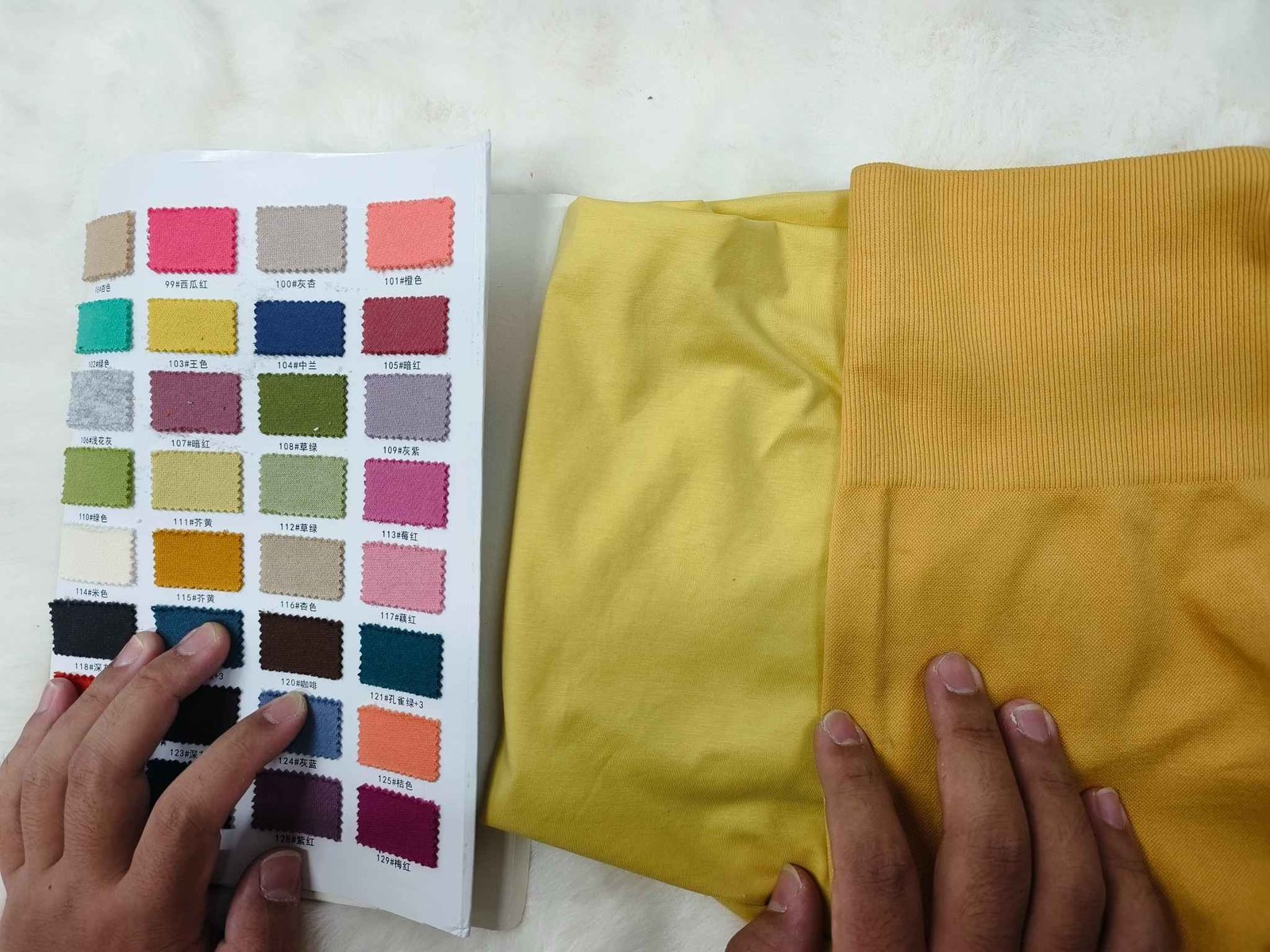
What it can prove: Composition, GSM and supplier-documented material characteristics for the specified material.
What it cannot prove alone: Finished-garment support.
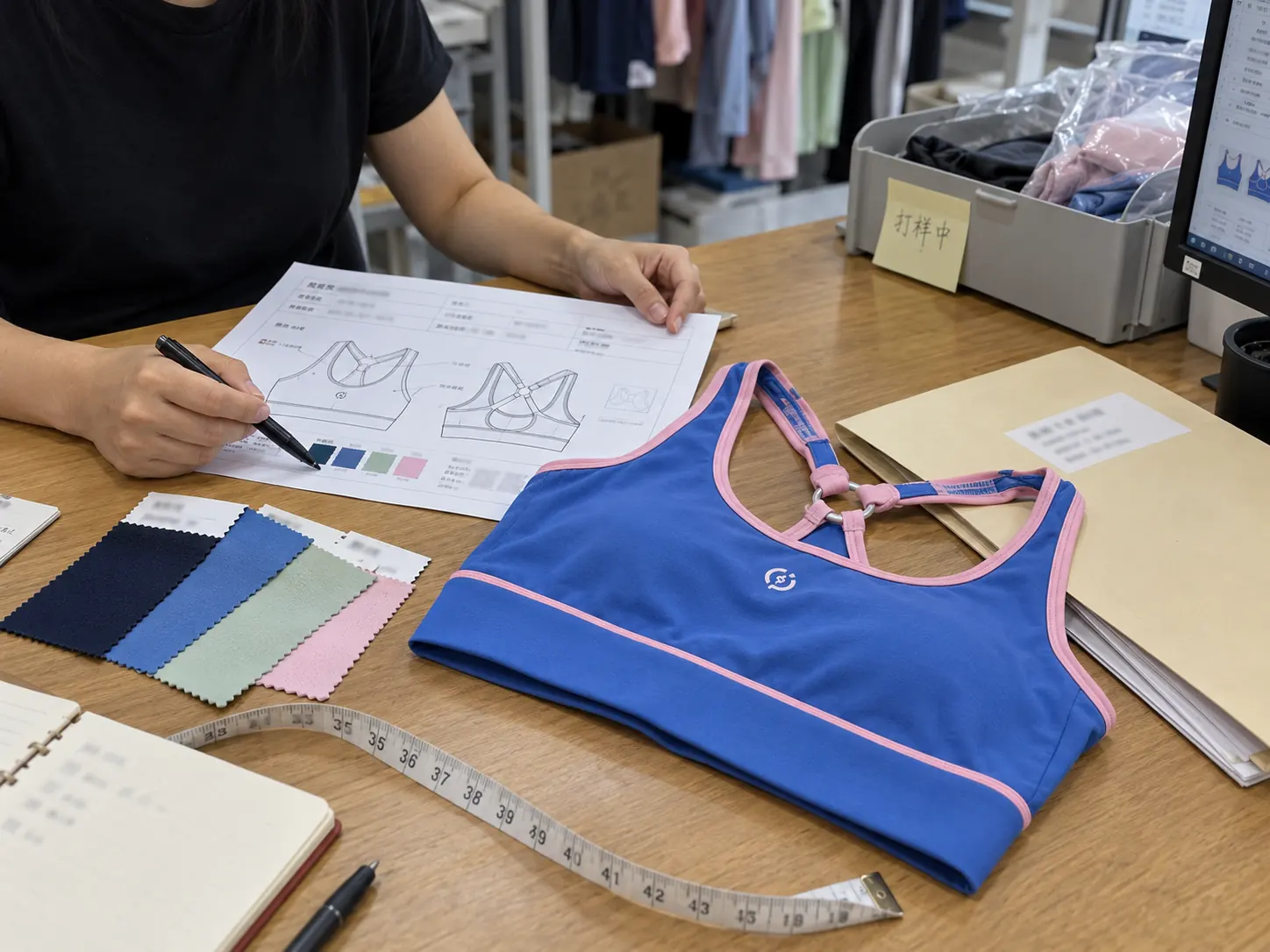
Approved Sample
What it can prove: Physical construction, appearance, Fit reference and buyer approval for the project.
What it cannot prove alone: Universal performance across unrelated sizes or materials.
Internal Fit / Wear Record
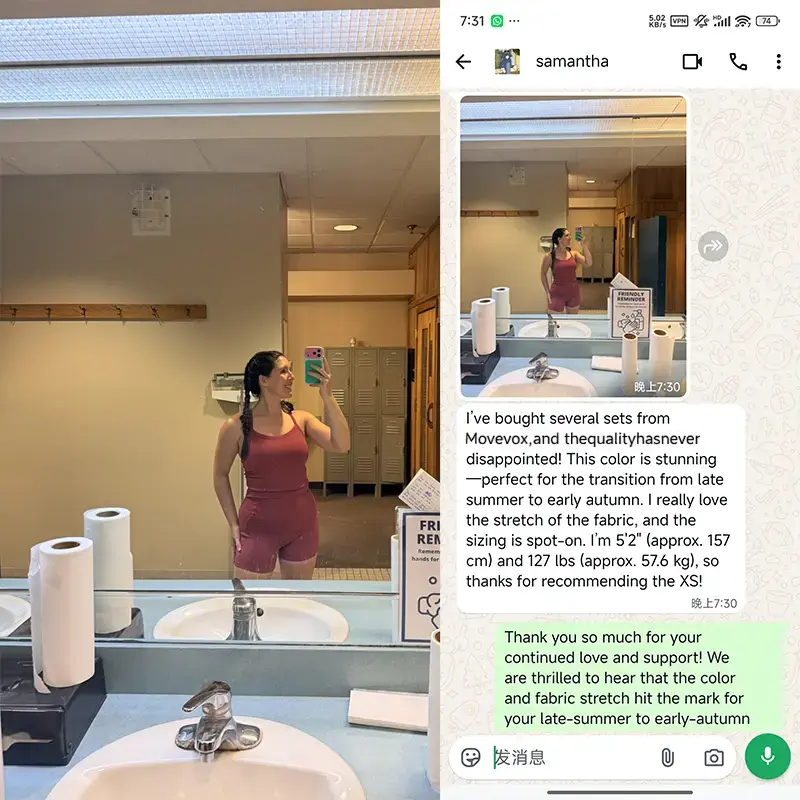
What it can prove: Project-specific observations of stability, pressure, movement and product behavior.
What it cannot prove alone: Independent third-party certification.
Buyer Test
What it can prove: Compliance with the buyer’s own defined evaluation where the method and result remain documented.
What it cannot prove alone: A universal claim beyond that buyer-defined method.
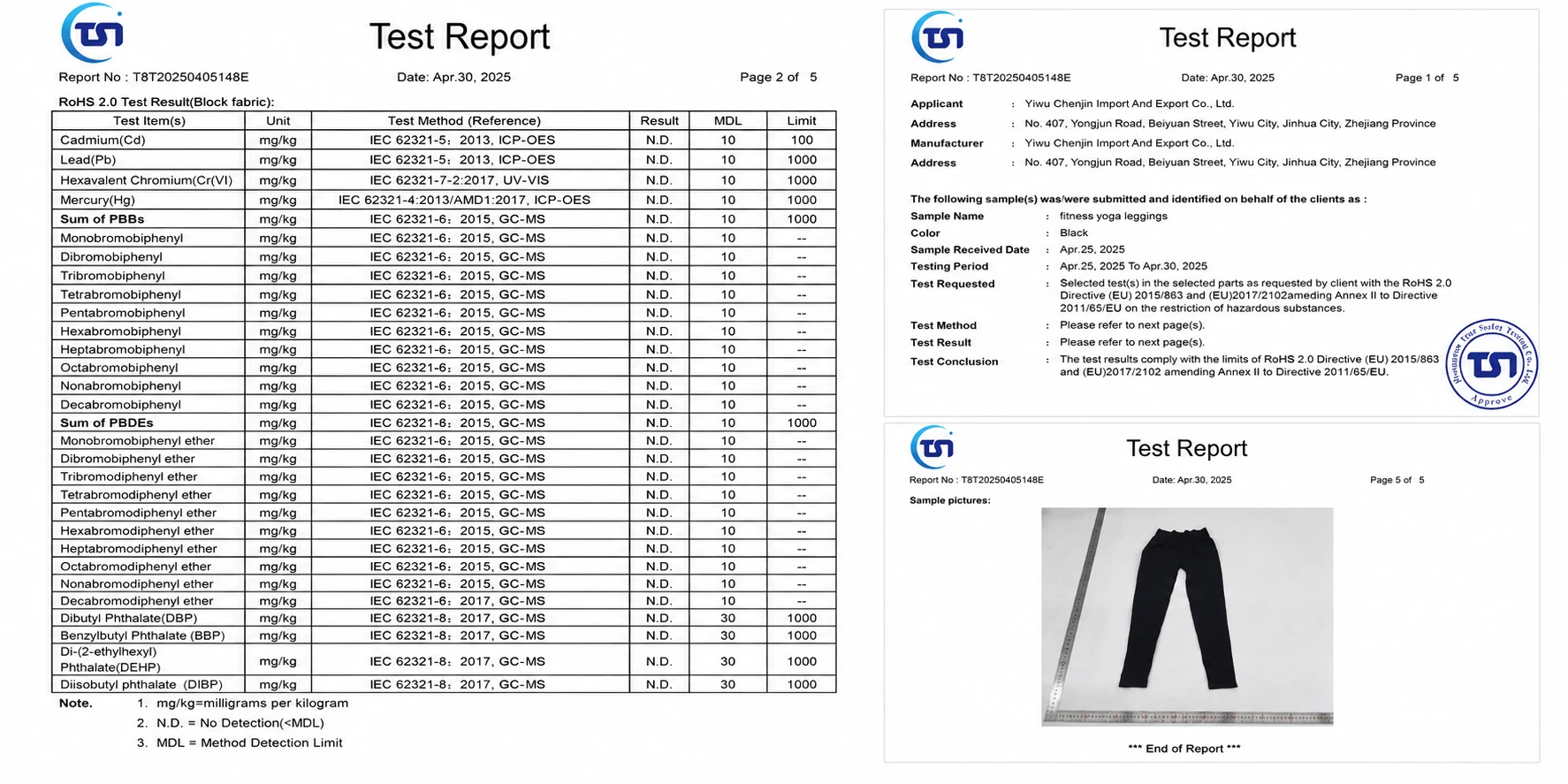
Third-Party Report
What it can prove: Only the tested sample and stated method / parameter within the report scope.
What it cannot prove alone: Unrelated styles, materials or support claims.
Choose the Manufacturing Route From the Product Architecture
Seamless Medium-Support Route
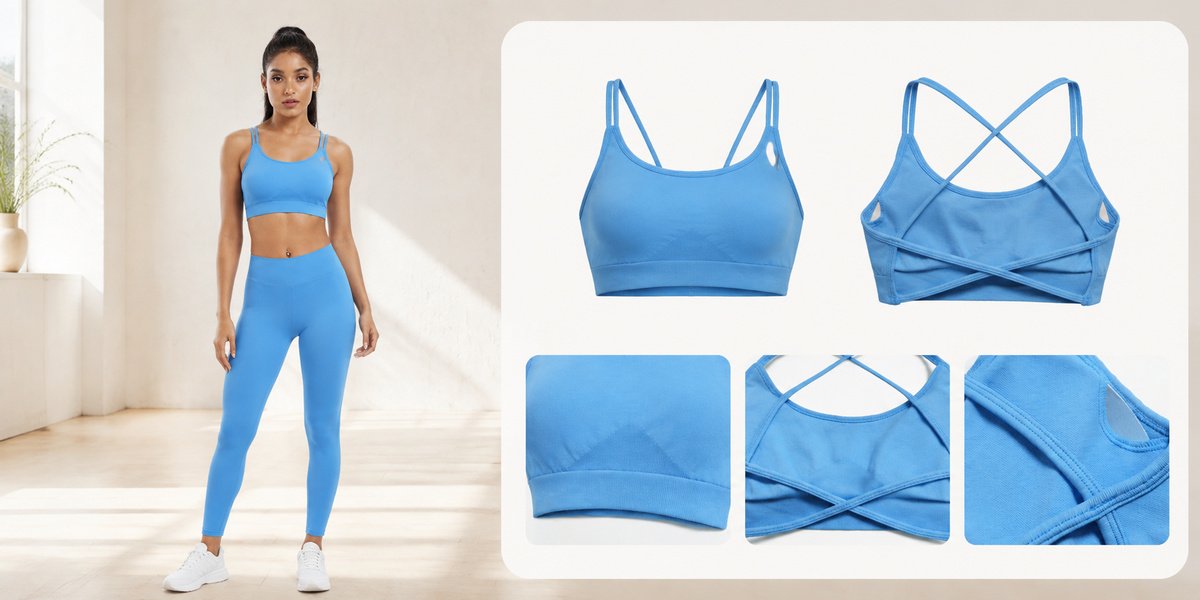
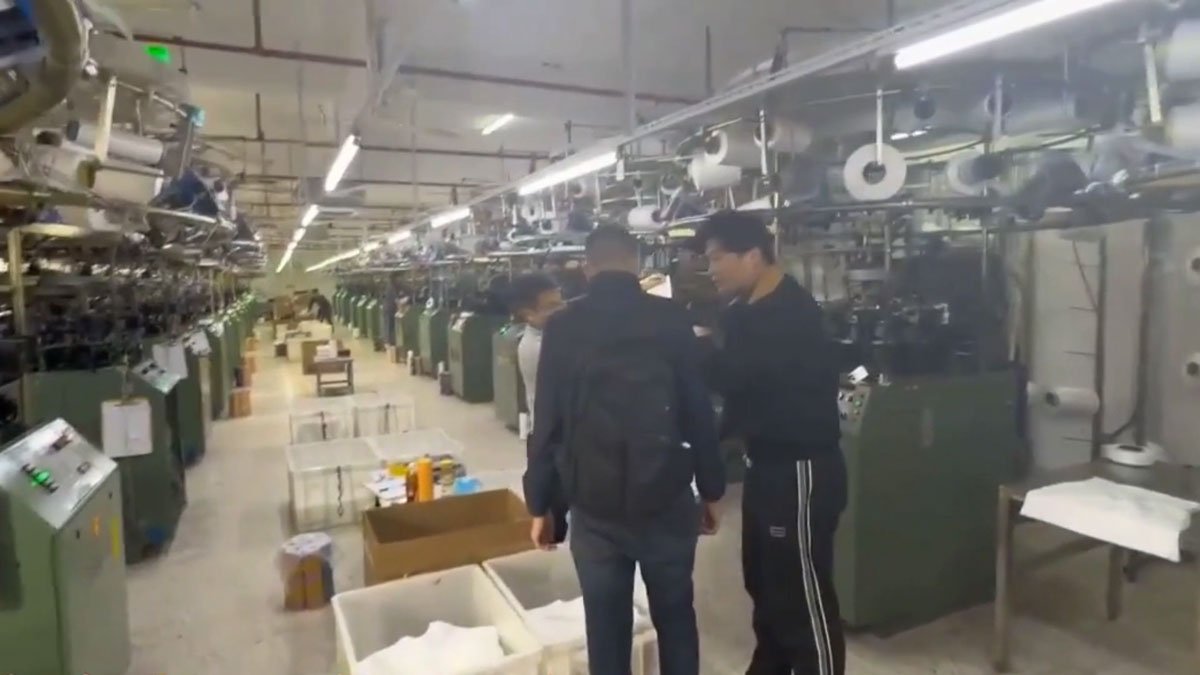
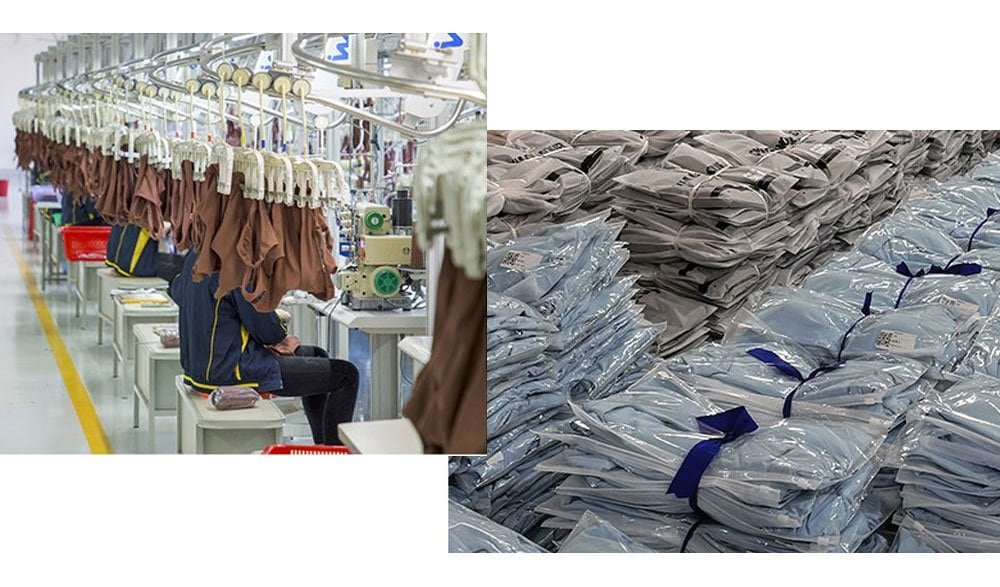
Seamless sports bras are engineered through yarn, knitting programs, rib, mesh, jacquard, density changes and regional structure. MOVEVOX’s core production system includes 28 Italian Santoni Seamless machines. This route can integrate localized knit structures while reducing traditional cut-piece seams, but selected openings, labels or components may still require sewing and finishing.
Cut & Sew Medium-Support Route
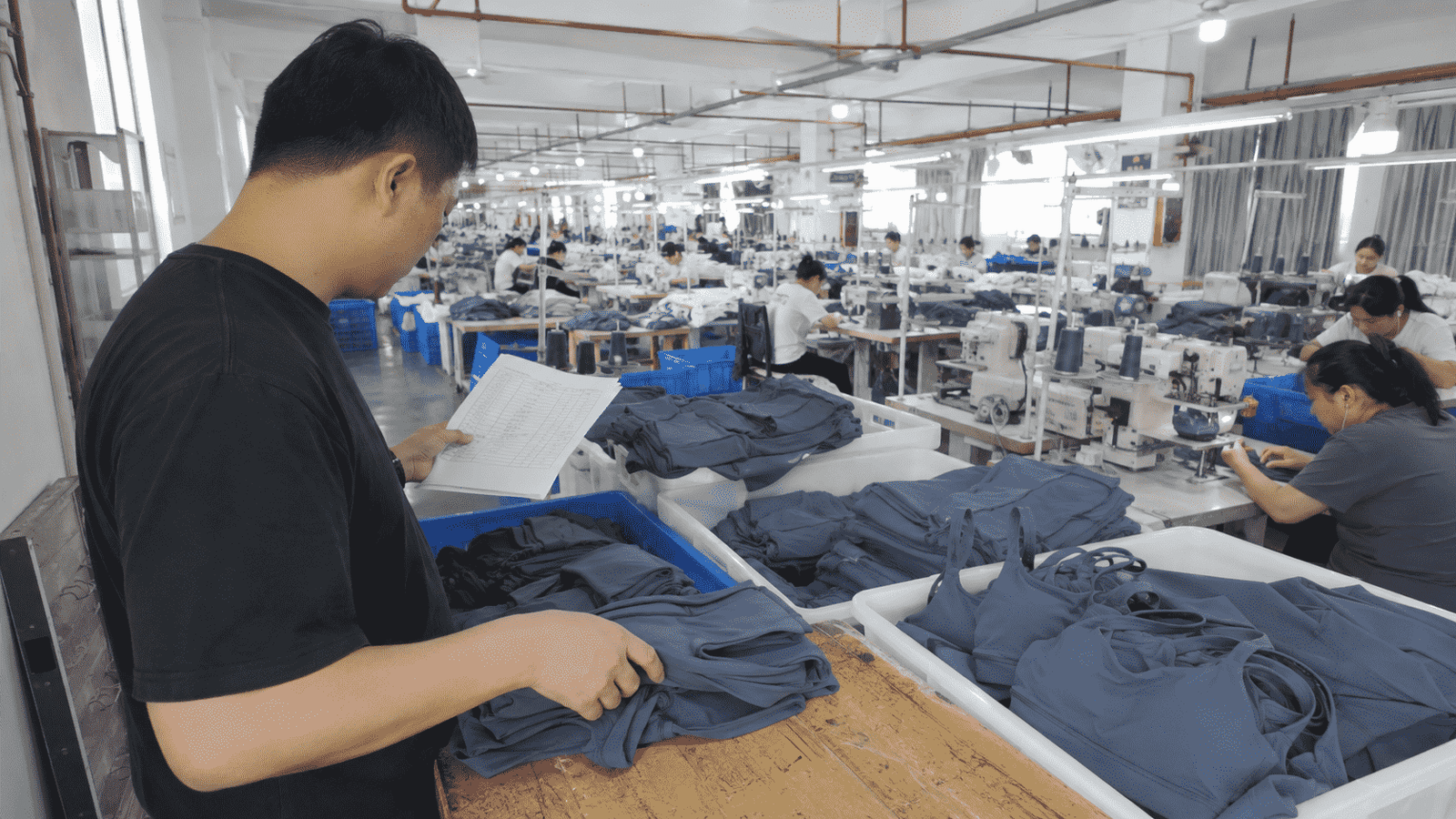
Cut & Sew sports bras use finished fabric, pattern pieces, layered construction, elastic, lining, pads and conventional garment equipment. MOVEVOX’s core system includes approximately 24 main garment-production machines. This route provides greater freedom for multi-material structures, applied elastics, complex panels and component combinations.
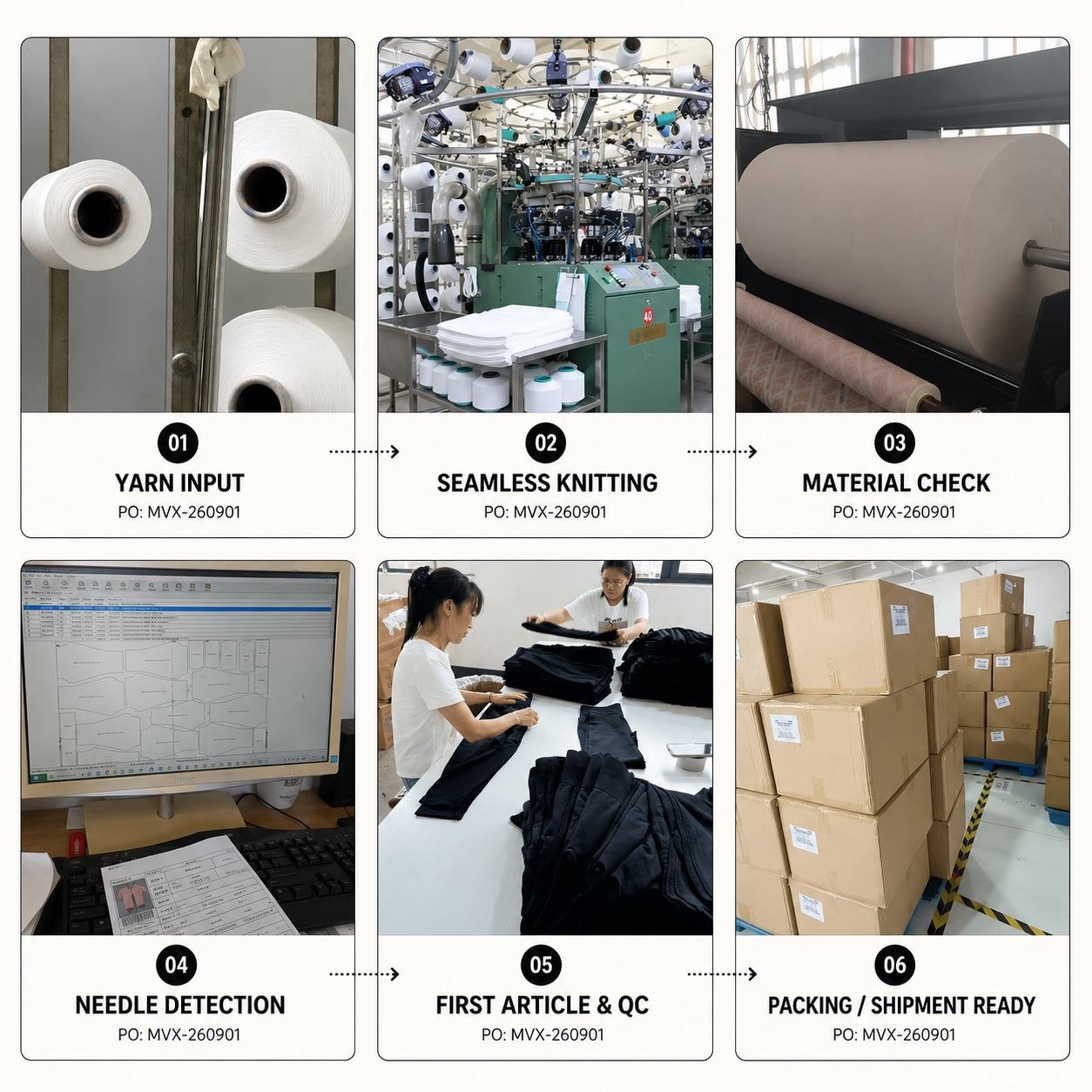
How a Seamless Medium-Support Sports Bra Moves From Yarn to Bulk

Yarn Direction
Confirm yarn composition, color, handfeel and stretch direction according to the product brief.
Control: Approved yarn/material requirement
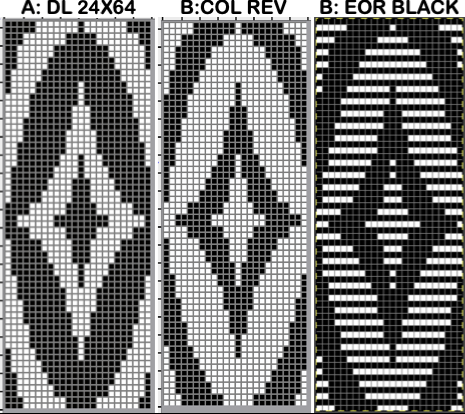
Program Development
The Seamless structure is translated into machine programming for body shape, rib, mesh and relevant density changes.
Control: Program version
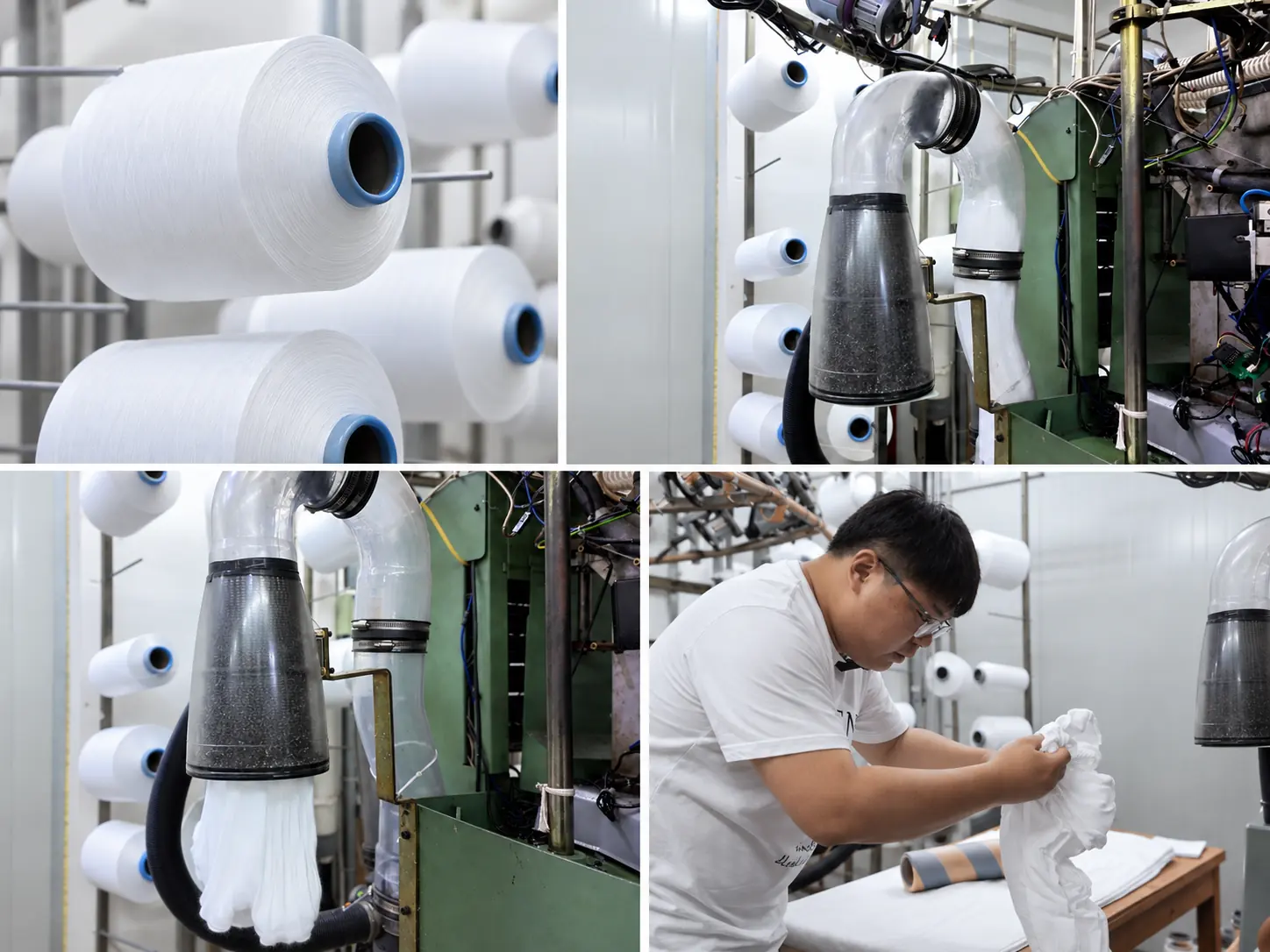
Trial Knitting
Initial knitted bodies are produced to review structure, dimensions, surface and technical feasibility.
Control: Trial body review
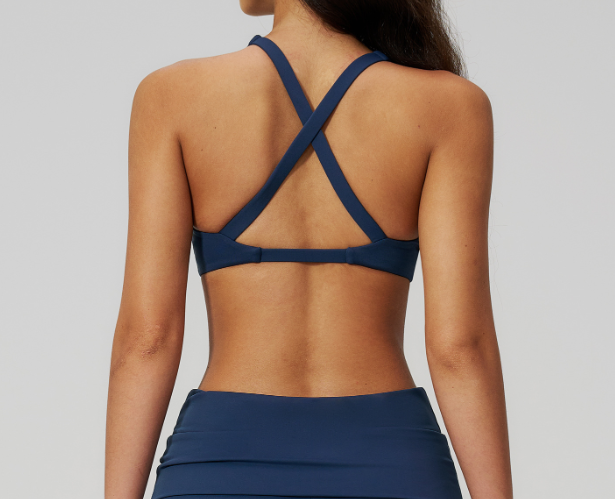
Fit and Construction
The knitted body is finished into a physical sample and evaluated for underbust, straps, coverage, pad arrangement and overall Fit.
Control: Fit Sample
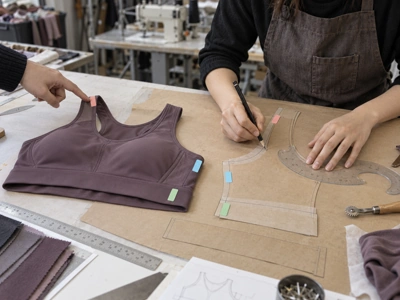
Program Revision
Where required, knit structure or dimensional settings are adjusted and a new sample version is produced.
Control: Version record
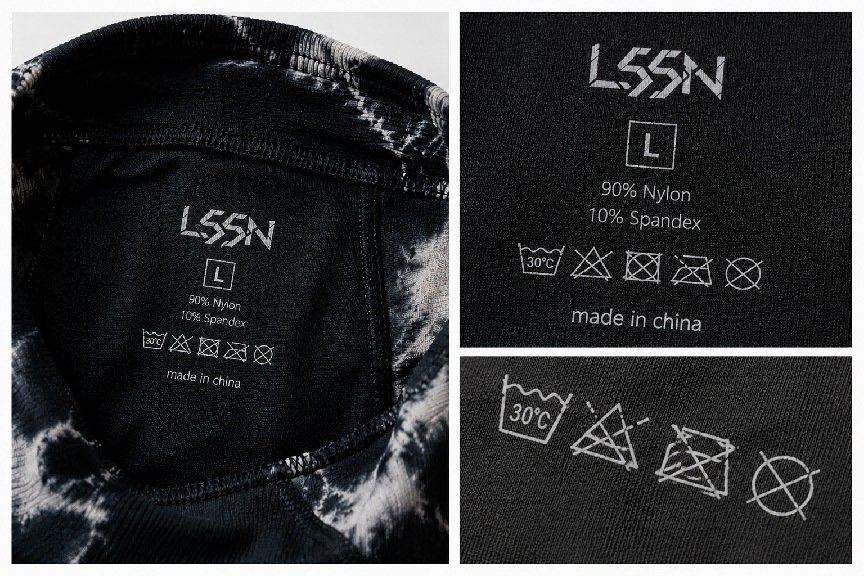
Approved Program
The final program, yarn and sample become the released reference for production.
Control: Approved technical version
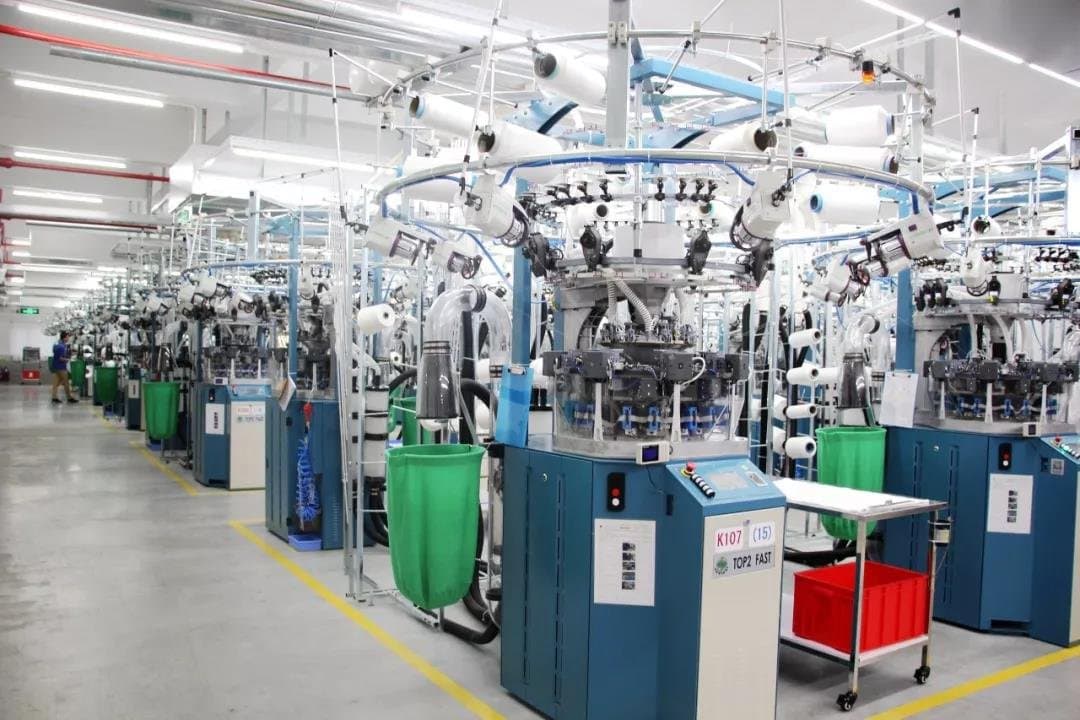
Bulk Knitting
Production runs against the released machine program and specified yarn lot.
Control: Machine / program / lot identification
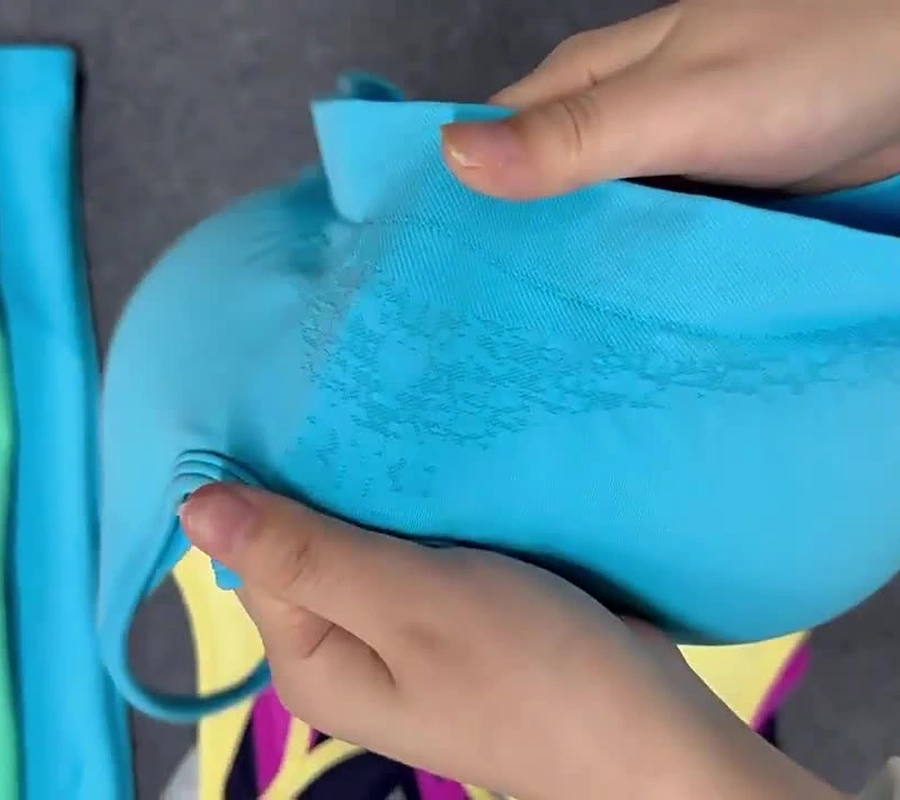
Finishing and QC
Post-knitting sewing, pads, labels, finishing, measurement and inspection are completed before final release.
Control: QC and packing records
Build Medium Support Through Pattern, Layers and Components
Pattern & Fit Definition
Cut & Sew development starts with the buyer’s measurements, support direction and Fit requirements. Front, back, lining, straps, side areas, pad pockets and underband structures are converted into production pattern pieces rather than developed independently.
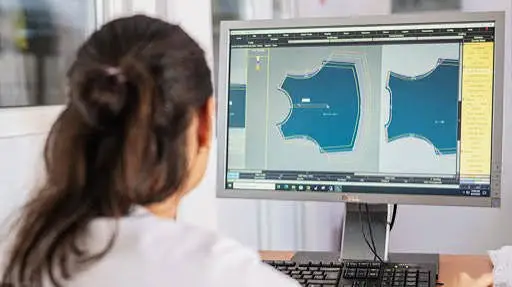
Fabric & Layering
The selected body fabric, lining and any additional structural layer need compatible stretch and recovery. The same pattern can behave differently when material weight or recovery changes.

Elastic & Underband
Underband and strap elastics can be specified separately from the body fabric, which gives more component freedom but also introduces more incoming-material and assembly controls.

Padding
Removable or fixed-pad systems can be developed through internal pockets, layers and attachment methods appropriate to the selected garment structure.

Sewing & Finishing
MOVEVOX uses overlock, coverstitch, Flatlock, lockstitch and other garment equipment according to the construction rather than applying one seam type to every sports bra.
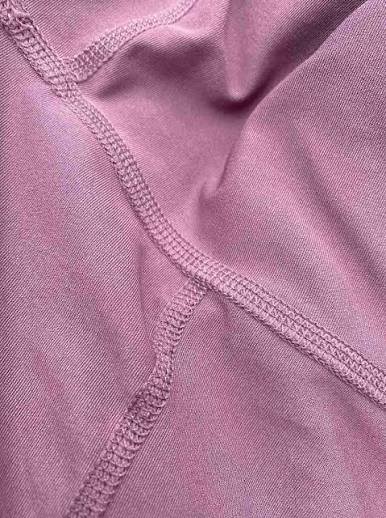
Fit & QC
The finished physical sample is reviewed before the production pattern and specifications are released. Bulk then follows First Article, in-line, measurement and final checks.
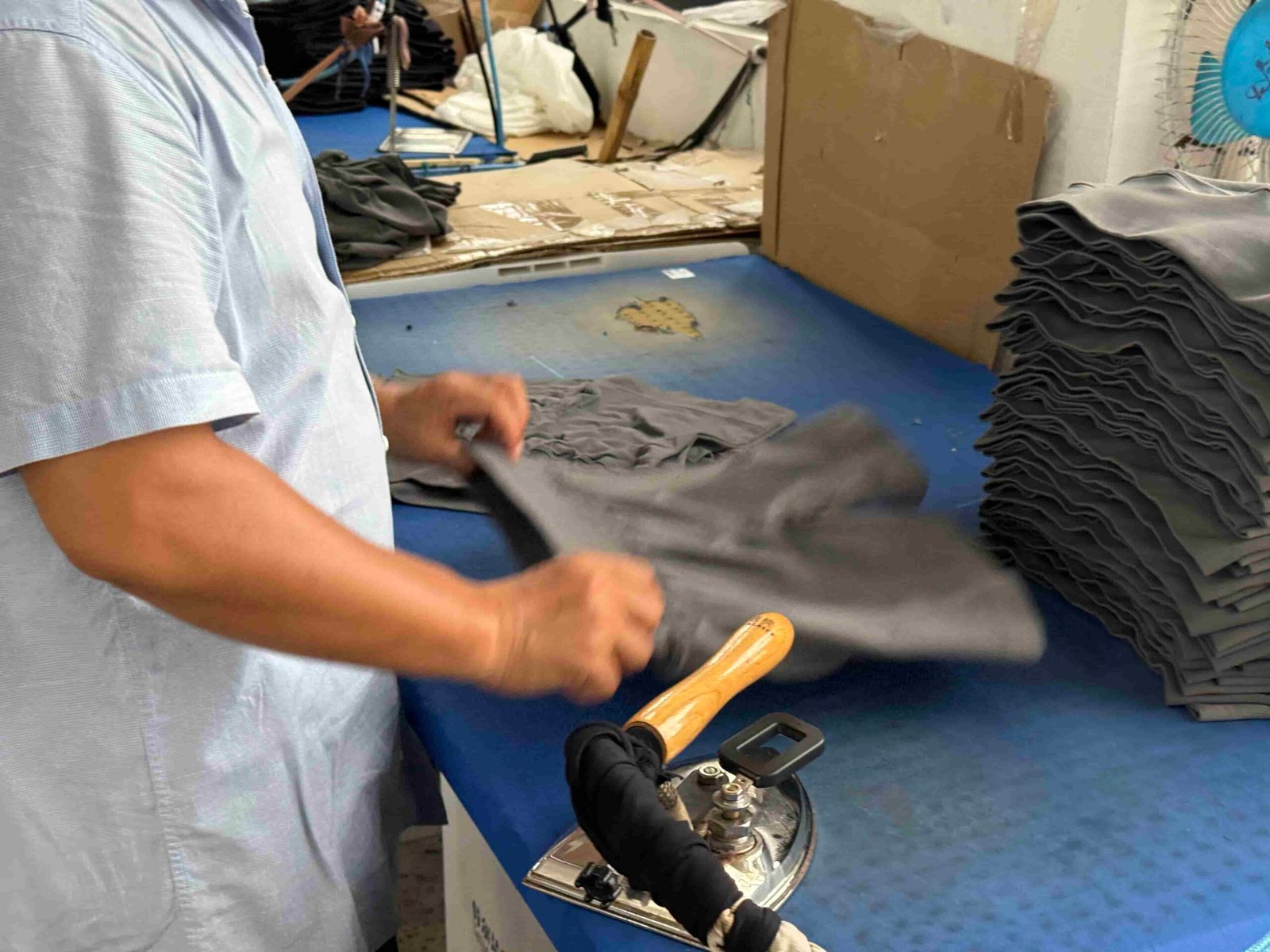
Choose the Development Route That Matches Your Product Readiness
| Dimension | OEM | Development-Led / ODM | Private Label |
|---|---|---|---|
| Buyer Input | Developed Tech Pack and specs | Concept, sketch, legal reference or partial specs | Product direction plus brand requirements |
| MOVEVOX Role | Technical review and execution | Translate concept into material, Fit and production requirements | Coordinate garment plus branding and packaging |
| Pattern | Follow / adjust buyer spec | Develop from approved direction | Depends on product route |
| Material | Buyer specified or approved alternative | Proposed according to product brief | Selected with brand / MOQ requirements |
| Support Direction | Buyer-defined | Jointly translated into product requirements | Integrated into branded SKU |
| Buyer Approval | Required | Required through development | Required for product and branding |
| Best For | Mature product specification | Product concept requiring engineering support | Complete branded retail program |
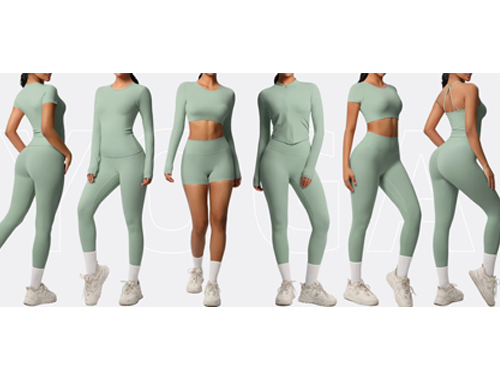
Give the Development Team Enough Information to Define Medium Support
Intended Use
Describe where and how the product is expected to be worn. MOVEVOX uses this as a development input, not a standalone support certification.
Support Direction
State the intended Low / Medium / High direction and the buyer’s practical expectations for stability, pressure and mobility.
Measurement Chart
Provide buyer POMs, target measurements and tolerances where available.
Fabric Direction
Specify composition, weight, handfeel, stretch, recovery, surface and color expectations.
Strap / Back Structure
Define racerback, cross-back, fixed, adjustable or other structure and any hardware.
Padding
Define removable, fixed, no-pad or more complex cup requirement.
Branding
Provide logo artwork, size, placement and preferred process.
Quantity & Color Split
Define estimated order volume, colors and size range so material and component minimums can be reviewed.
Testing Requirement
Provide RSL, material, garment or performance testing requirements before final material approval.
Use Each Sample Stage to Close a Different Risk

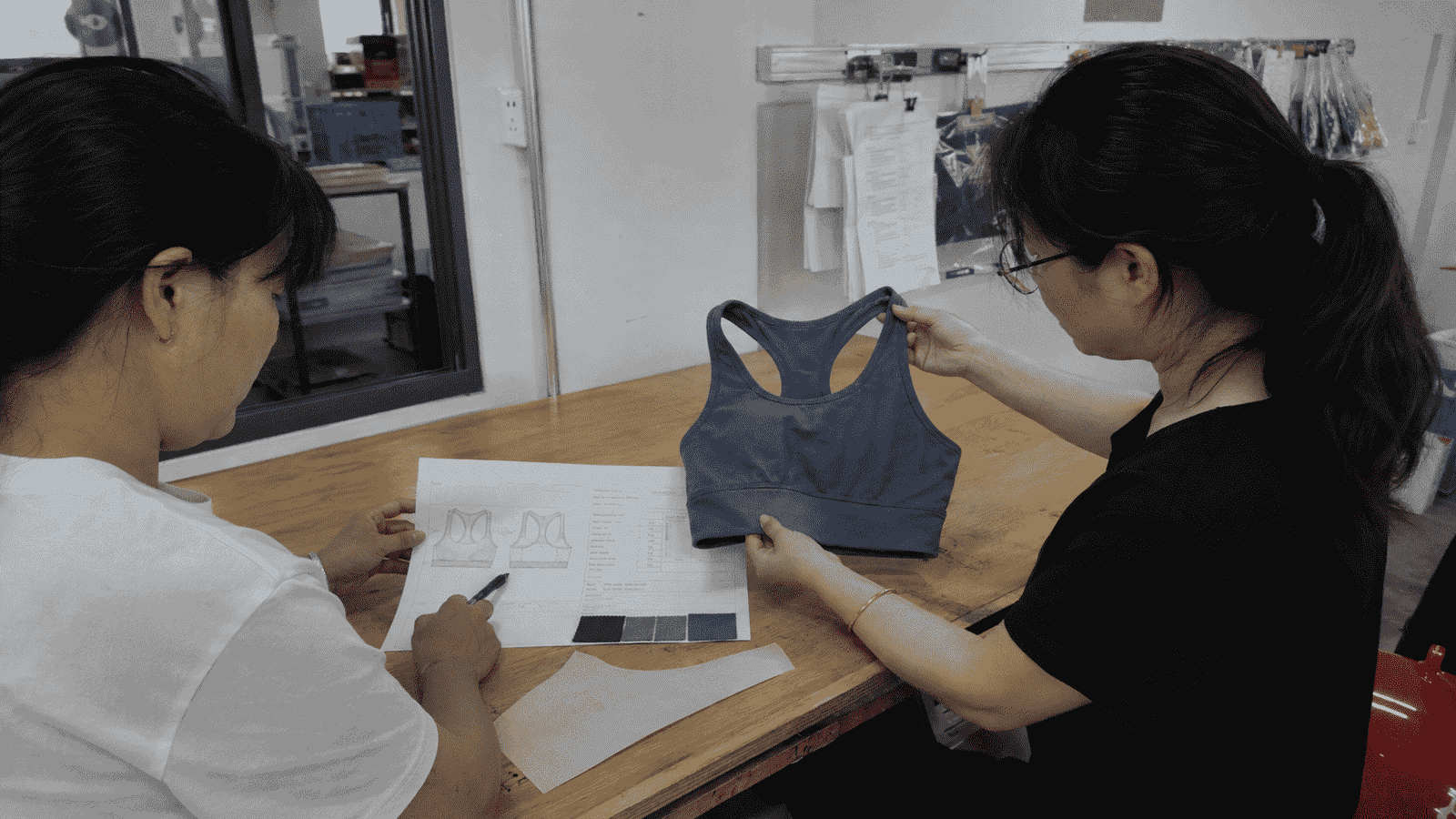
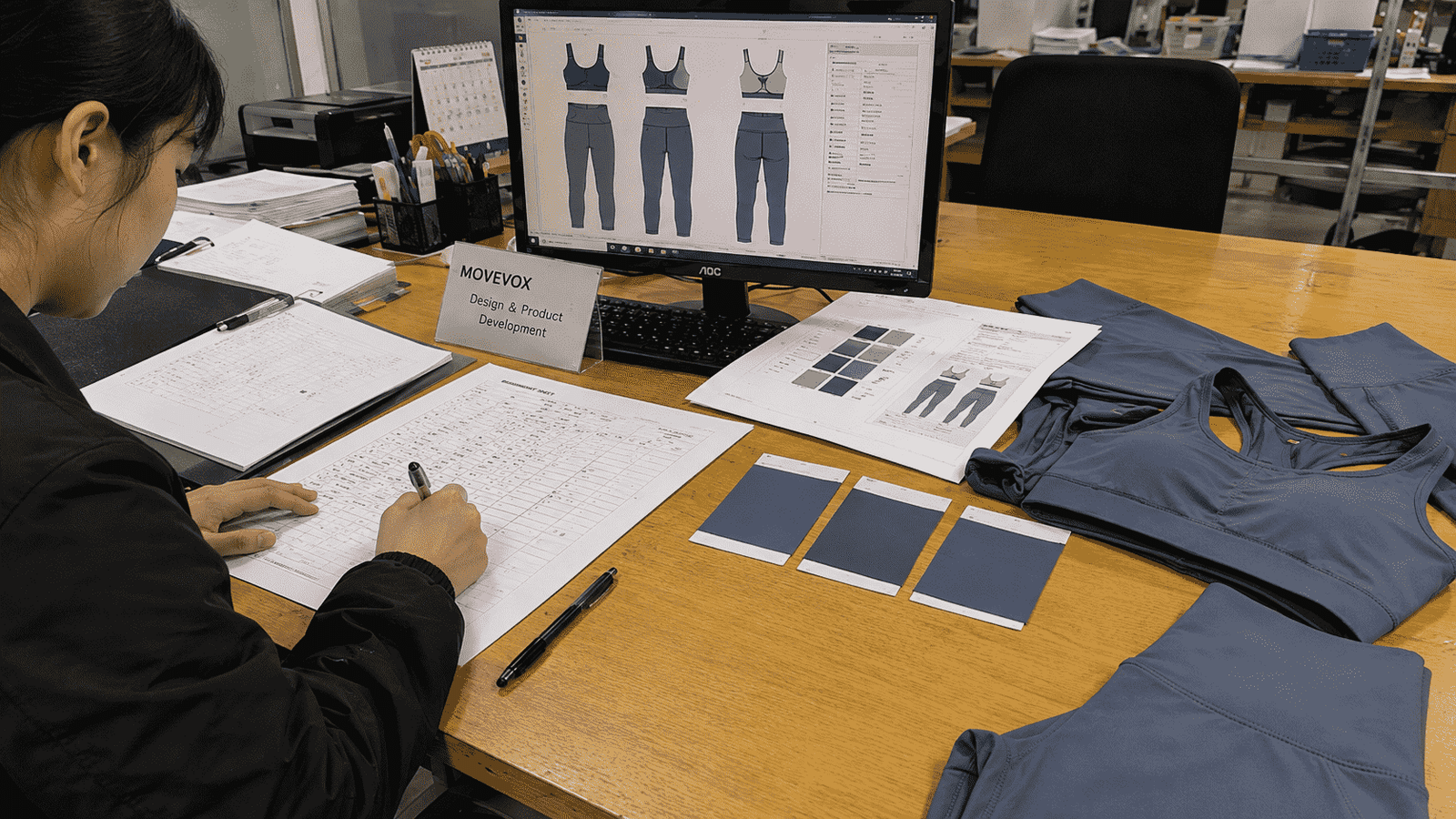
Development Sample
Objective: Convert the technical brief into the first physical product.
Review: Structure, material, visual direction and core measurements.
Pass condition: Product is ready for detailed Fit evaluation.
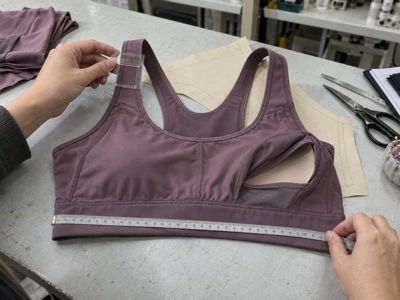
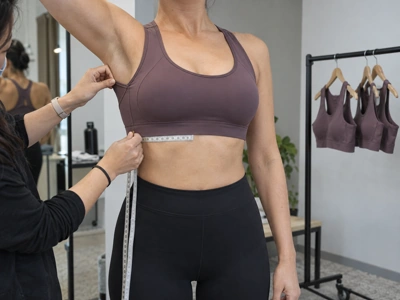
Fit Sample
Objective: Review the sports bra on body against buyer Fit requirements.
Review: Underbust, straps, coverage, pads, body length, measurements and movement.
Pass condition: Main Fit direction is approved or specific revisions are issued.
Revised Sample
Objective: Confirm that documented Fit or construction changes have been correctly applied.
Review: Changed areas plus interaction with unchanged product elements.
Pass condition: Requested corrections are accepted.
Size Set
Objective: Confirm the buyer Grade Rules in representative additional sizes.
Review: Coverage, underbust, straps, pad position and measurements.
Pass condition: Size relationships meet buyer requirements.
PP / Approved Sample
Objective: Establish the final physical production reference.
Review: Material, measurements, construction, branding and relevant packaging details.
Pass condition: Buyer authorizes bulk production.
Show the Technical Difference Between Sample Versions
Underband
First sample does not fully match the buyer’s intended position or pressure.
Underbust dimensions, elastic, material or pattern are revised and confirmed in a new sample.
Strap
Strap length or position creates incorrect garment placement or uneven pressure.
Strap dimensions or attachment are corrected against buyer Fit feedback.
Coverage
Neckline or side coverage differs from the buyer’s intended Fit.
Pattern and measurements are revised while retaining the approved visual direction.
Padding
Pad position, pocket size or visible edge requires correction.
The internal structure is adjusted and reviewed in the next physical sample.
Back Structure
Cross-back, racerback or strap relationship is visually or functionally unbalanced.
Pattern and strap geometry are revised and checked for symmetry.
Turn the Approved Sports Bra Into a Complete Private Label SKU
Garment
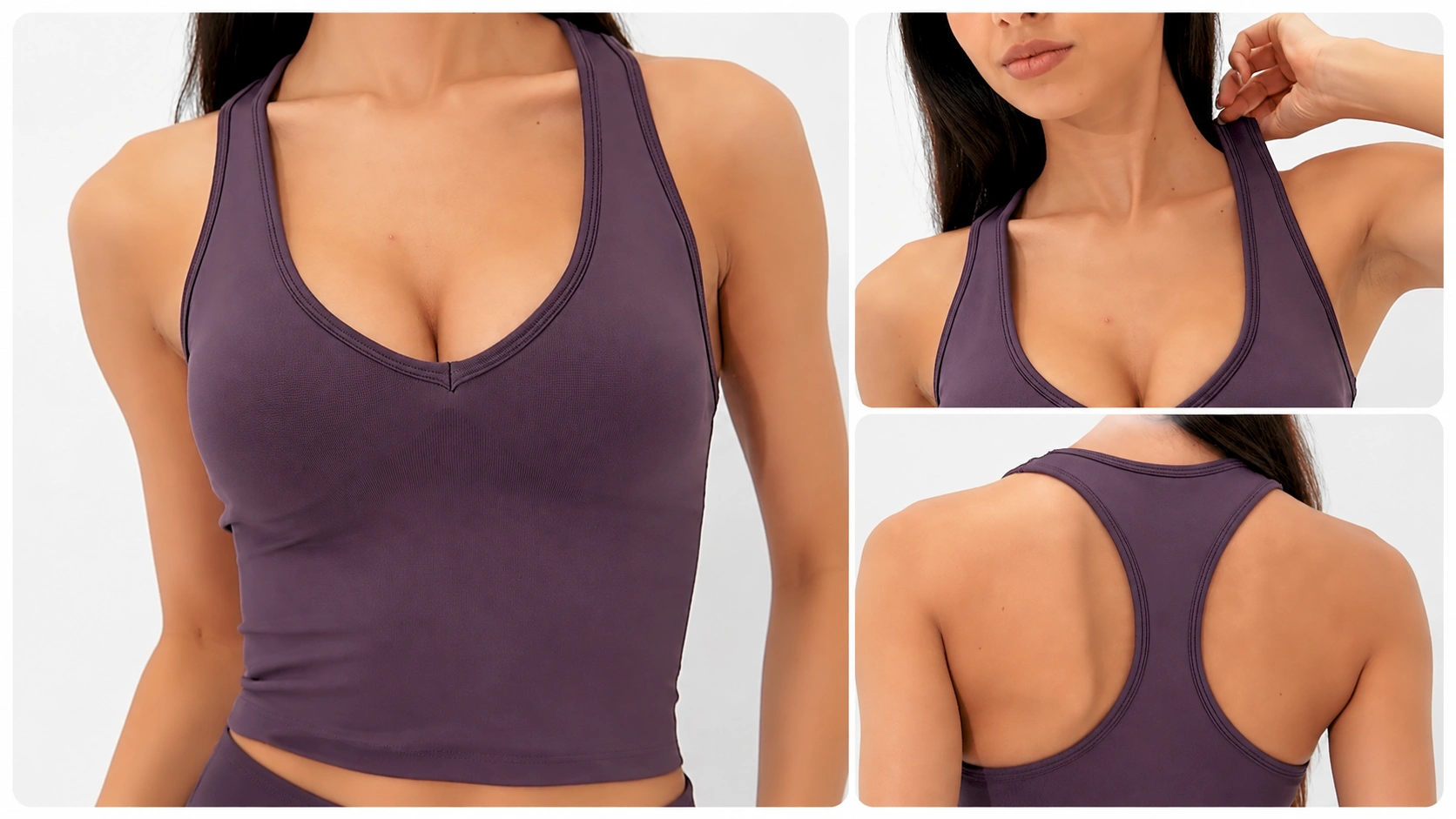
Develop the sports bra structure, material, Fit and construction as the primary product standard.
- Seamless or Cut & Sew
- Strap / back customization
- Removable / fixed pads
- Longline / cropped structures
Color
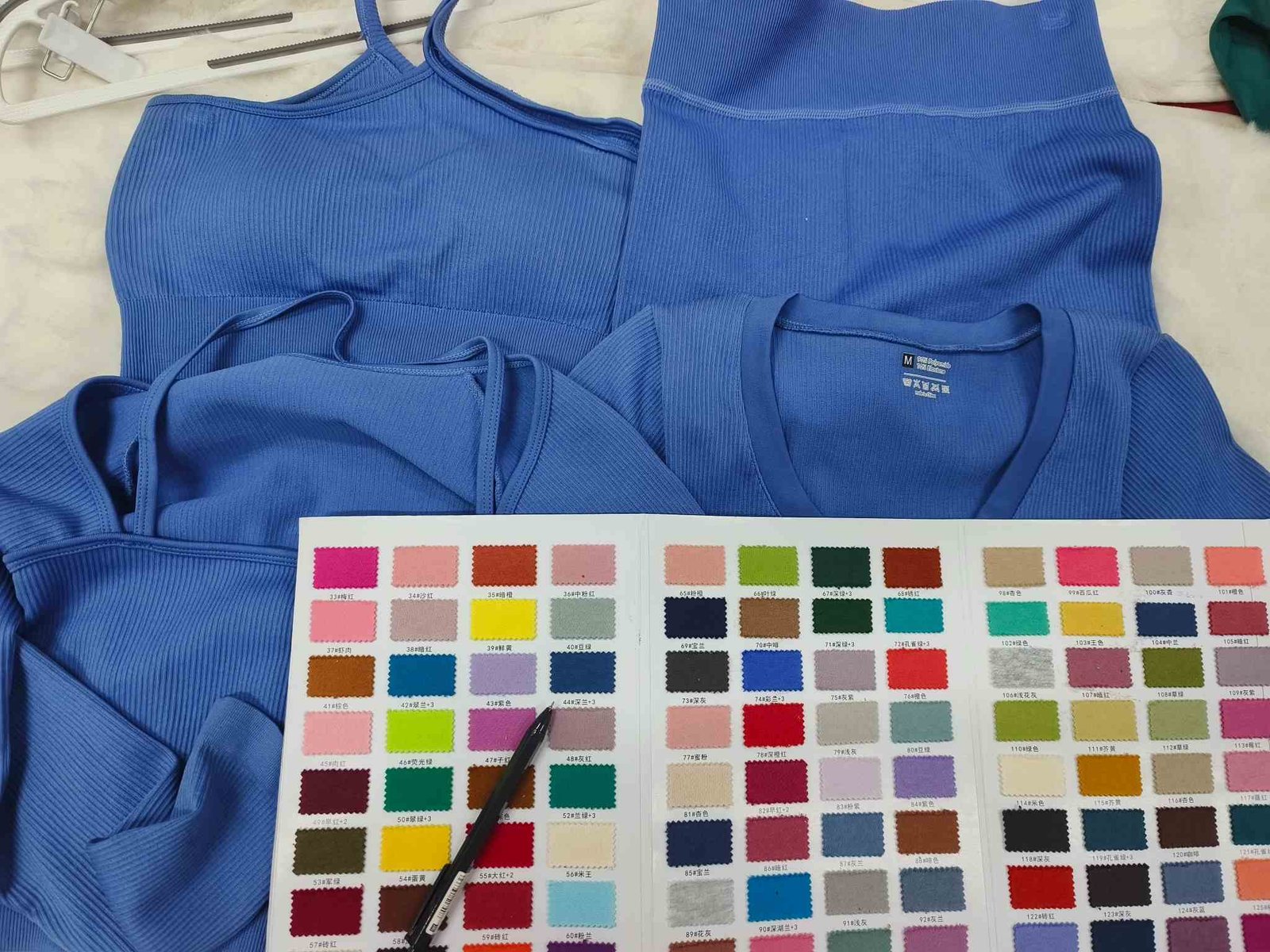
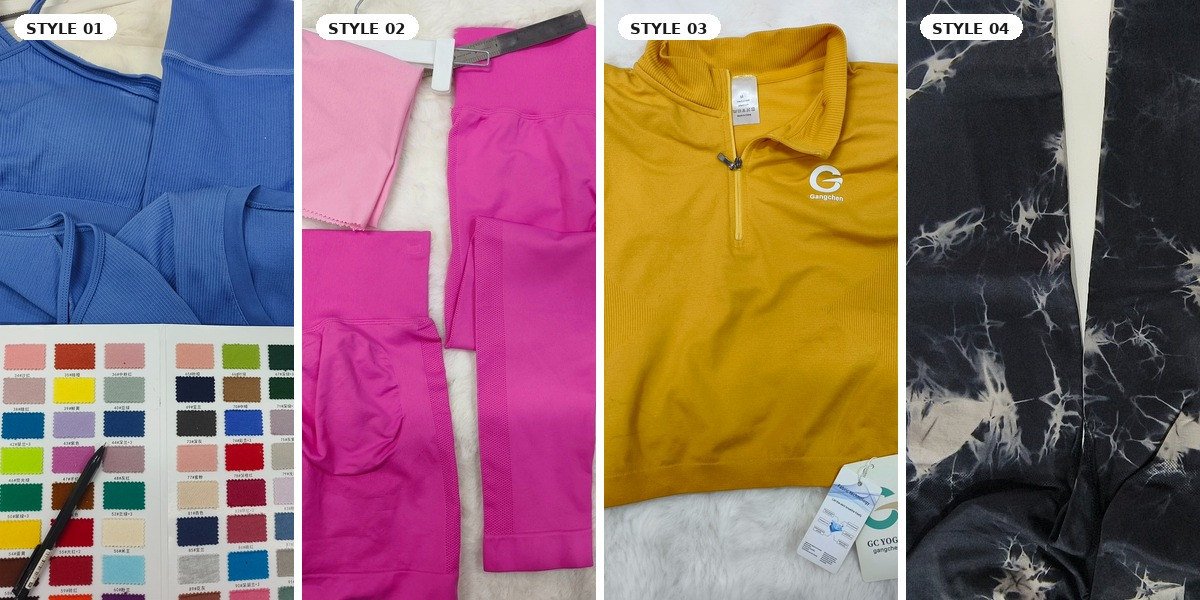
MOVEVOX supports available colors and custom Pantone / physical-reference color development.
- Existing supplier color
- Custom dye
- Physical color approval
- Multi-SKU coordination
Logo
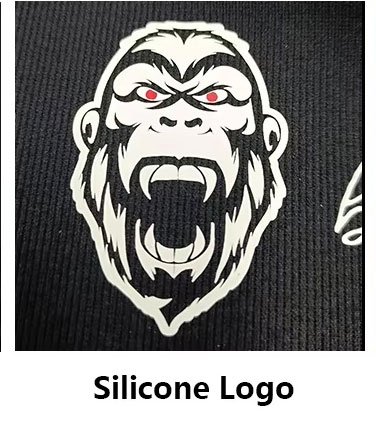
Branding can include screen print, heat transfer, silicone, jacquard, embroidery or woven elements where technically appropriate.
- Artwork approval
- Material compatibility
- Placement control
- Process-specific MOQ
Labels
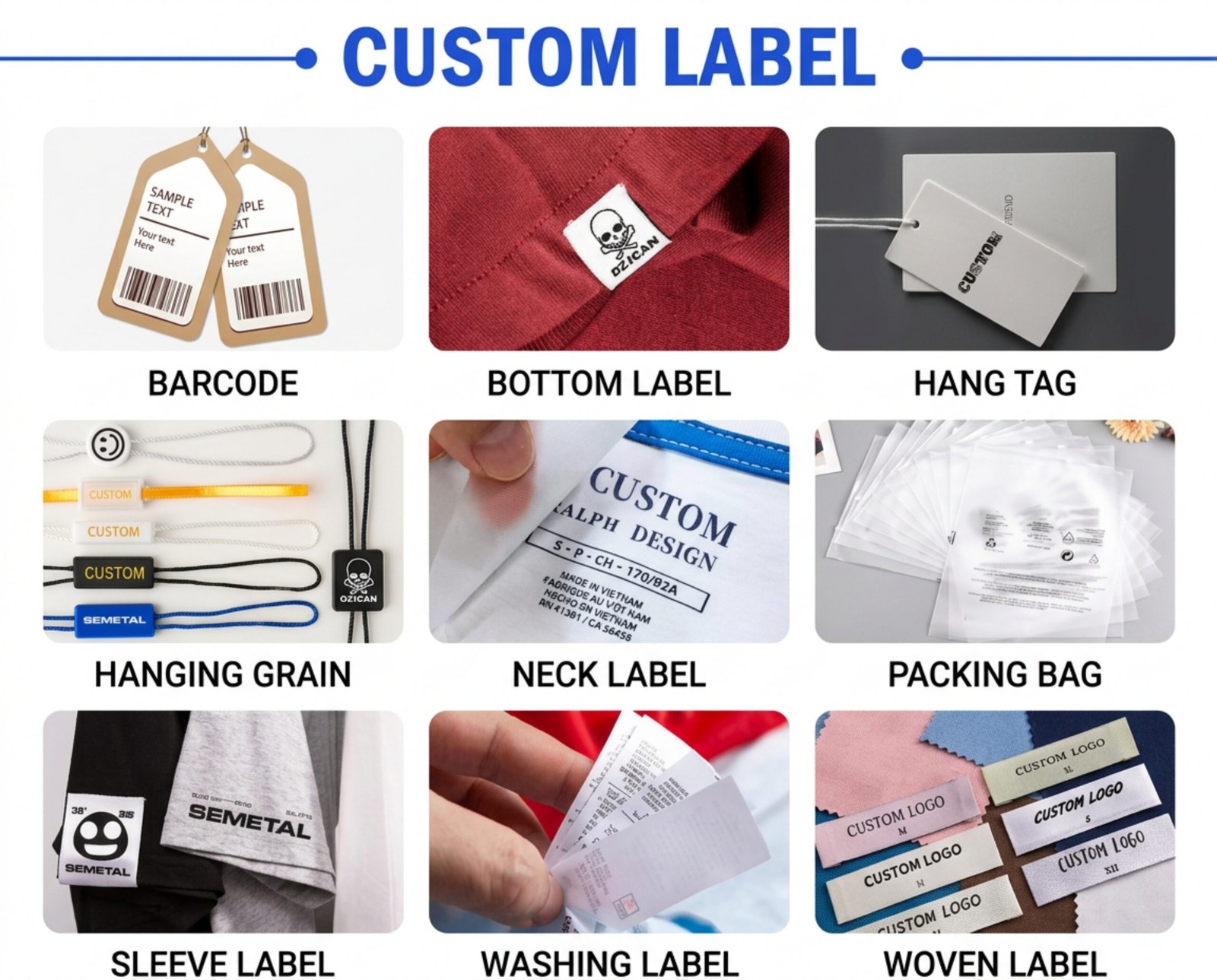
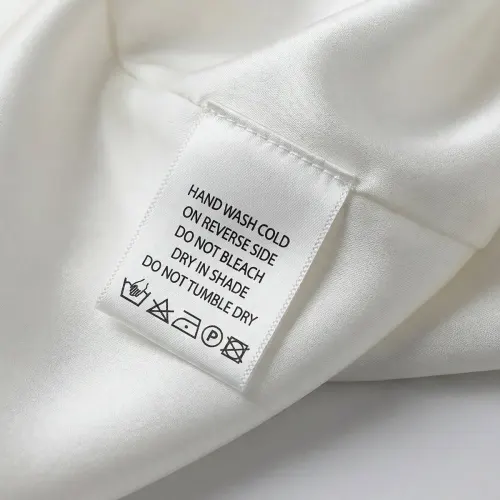
Main Label, Care Label, Size Label, Woven Label and other approved components can be integrated into the product.
- Main label
- Care label
- Size label
- SKU identification
Packaging
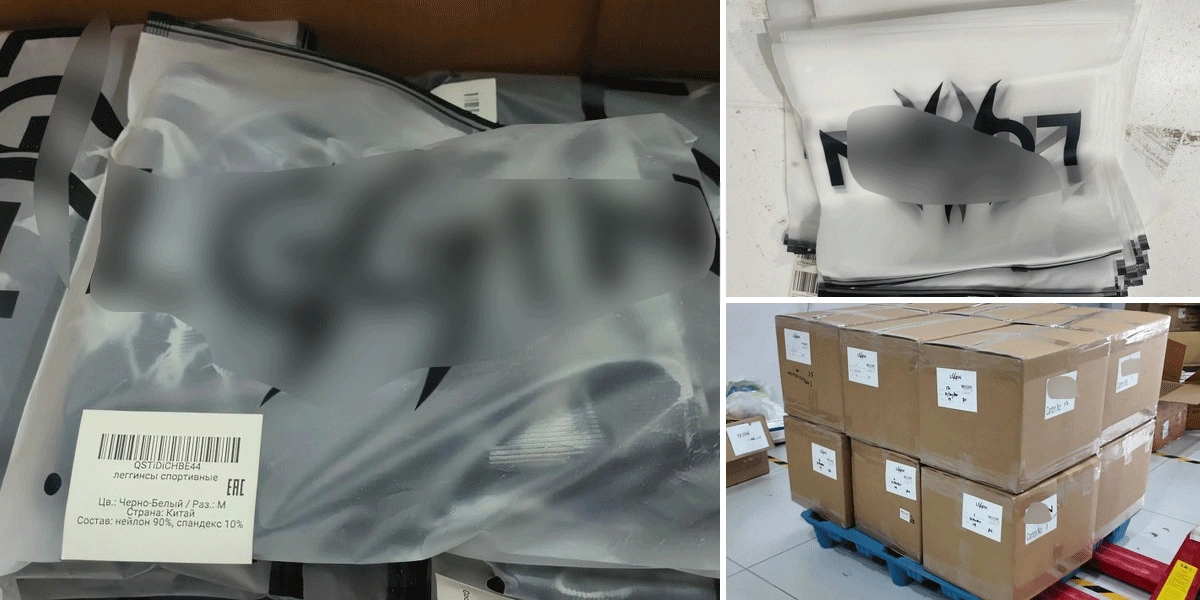
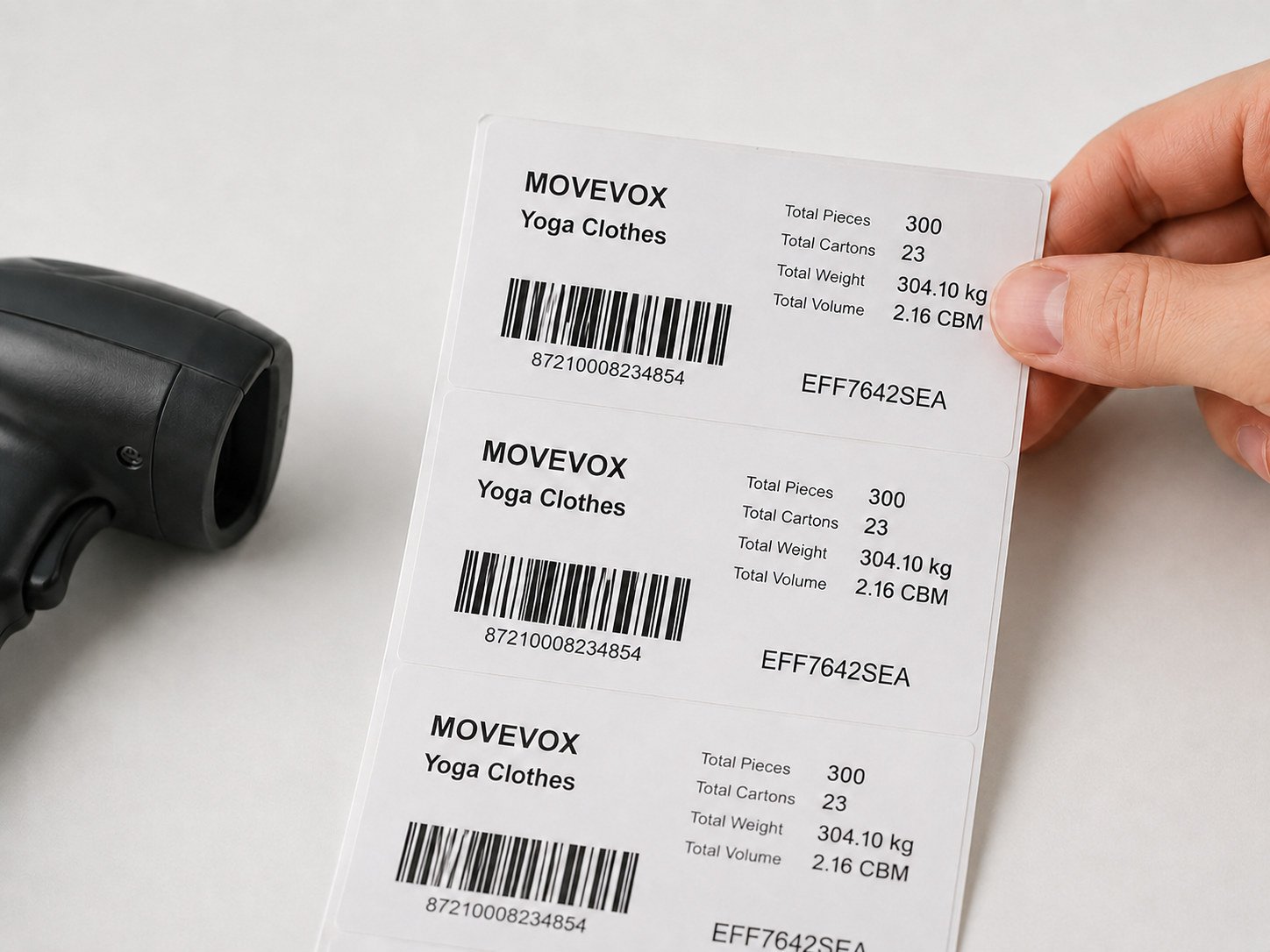
MOVEVOX can coordinate hangtags, stickers, barcode, polybags, carton marks and approved retail or shipment packaging.
- Hangtag
- Barcode
- Polybag
- Carton mark
Understand the MOQ Behind a Medium-Support Sports Bra
Standard Seamless Entry
MOVEVOX’s current baseline for regular Seamless customized garments is approximately 100 pieces per style where suitable yarn, color and structure conditions permit.
Standard Cut & Sew Entry
The current baseline for regular Cut & Sew customization is approximately 150 pieces per style.
Custom Color
Custom fabric or yarn colors usually follow supplier dye-lot requirements. MOVEVOX currently uses approximately 400–600 finished pieces per color/material as a planning reference, subject to actual material consumption and supplier conditions.
Pads
Standard pads can be more flexible, while custom pad shape, color, thickness or molded structures may have separate minimums.
Elastic and Hardware
Standard elastic and hardware may be available close to garment quantities. Custom-color or branded elastic can introduce separate supplier MOQ.
Branding and Packaging
Custom logo molds, jacquard trims or specialized packaging can carry independent minimum quantities.
Trial Order
A trial quantity can be evaluated where the material and component supply chain allows it. Lower quantity does not reduce Fit or QC requirements.
Keep the Medium-Support Standard From Drifting in Bulk

Confirm Every Critical Material Before Production Release
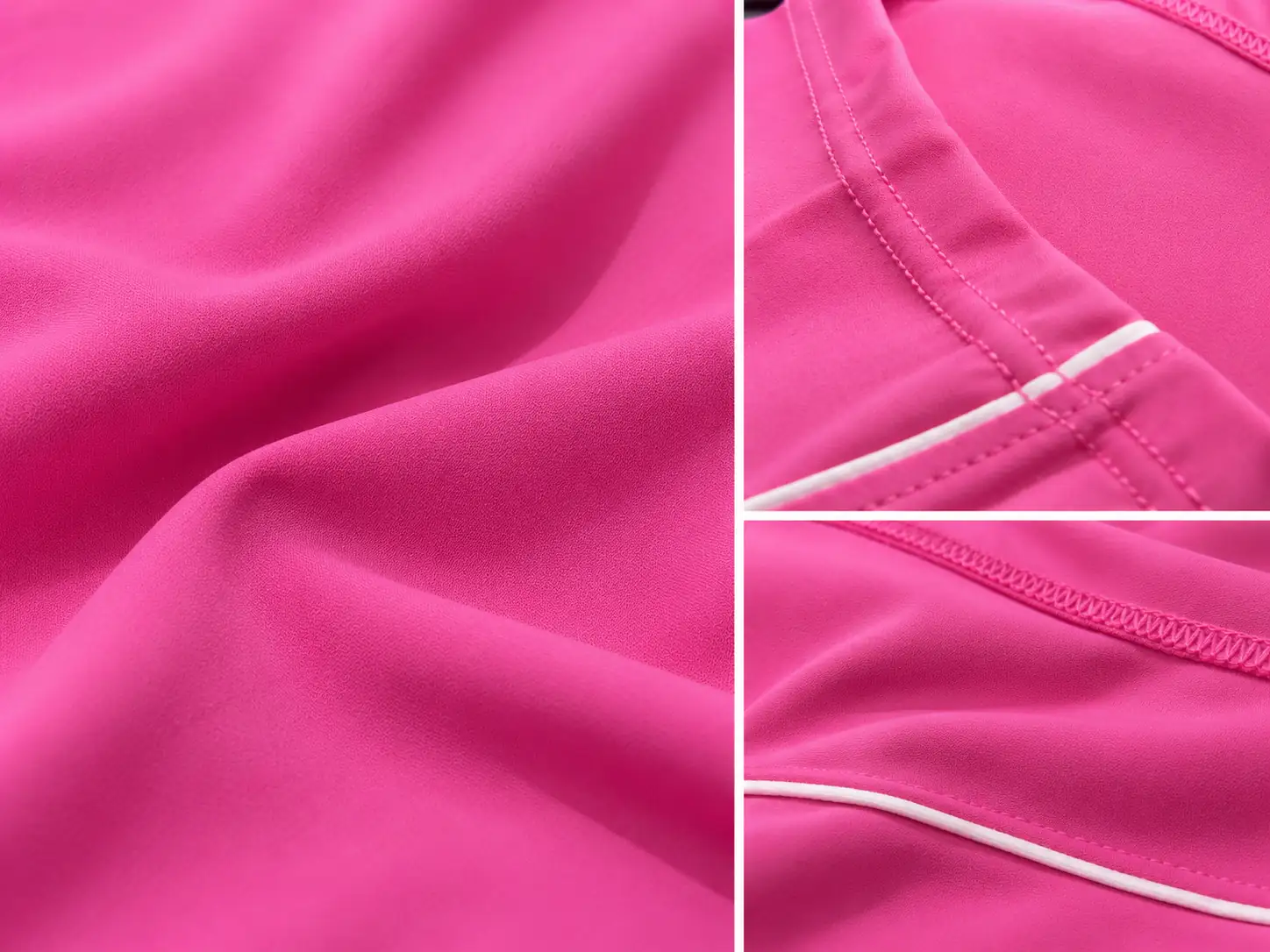
Main Fabric / Yarn
The approved body material remains linked to the production order by specification, color and supplier information.

Lining
Where used, lining needs to correspond to the approved structure and stretch relationship.
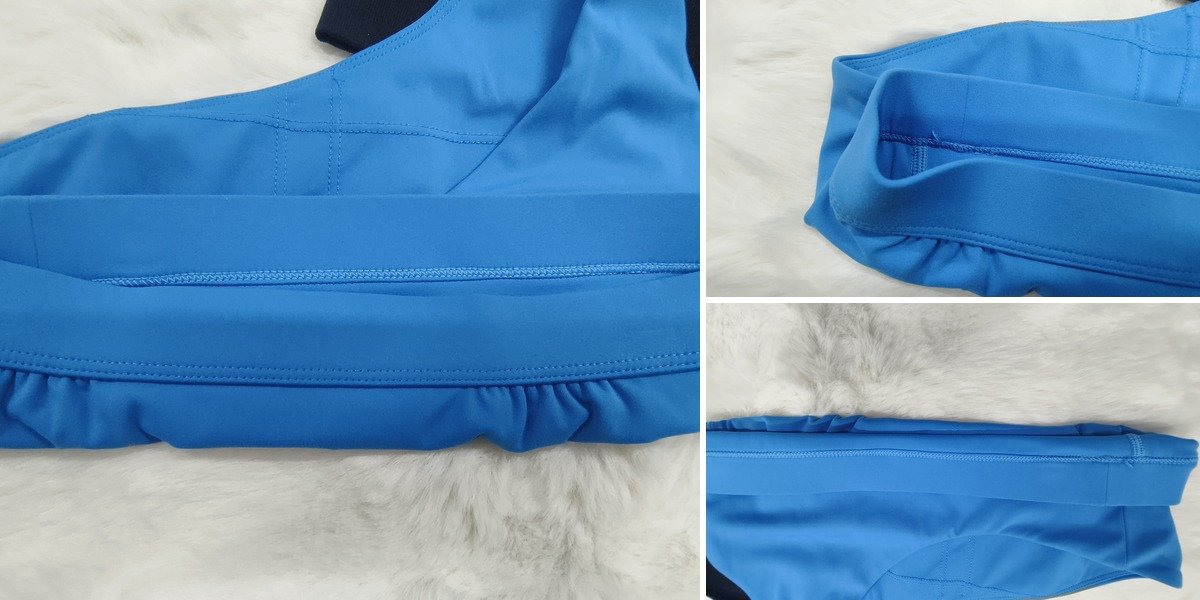
Elastic
Underband and strap elastics are checked against the approved width, color and project requirement.
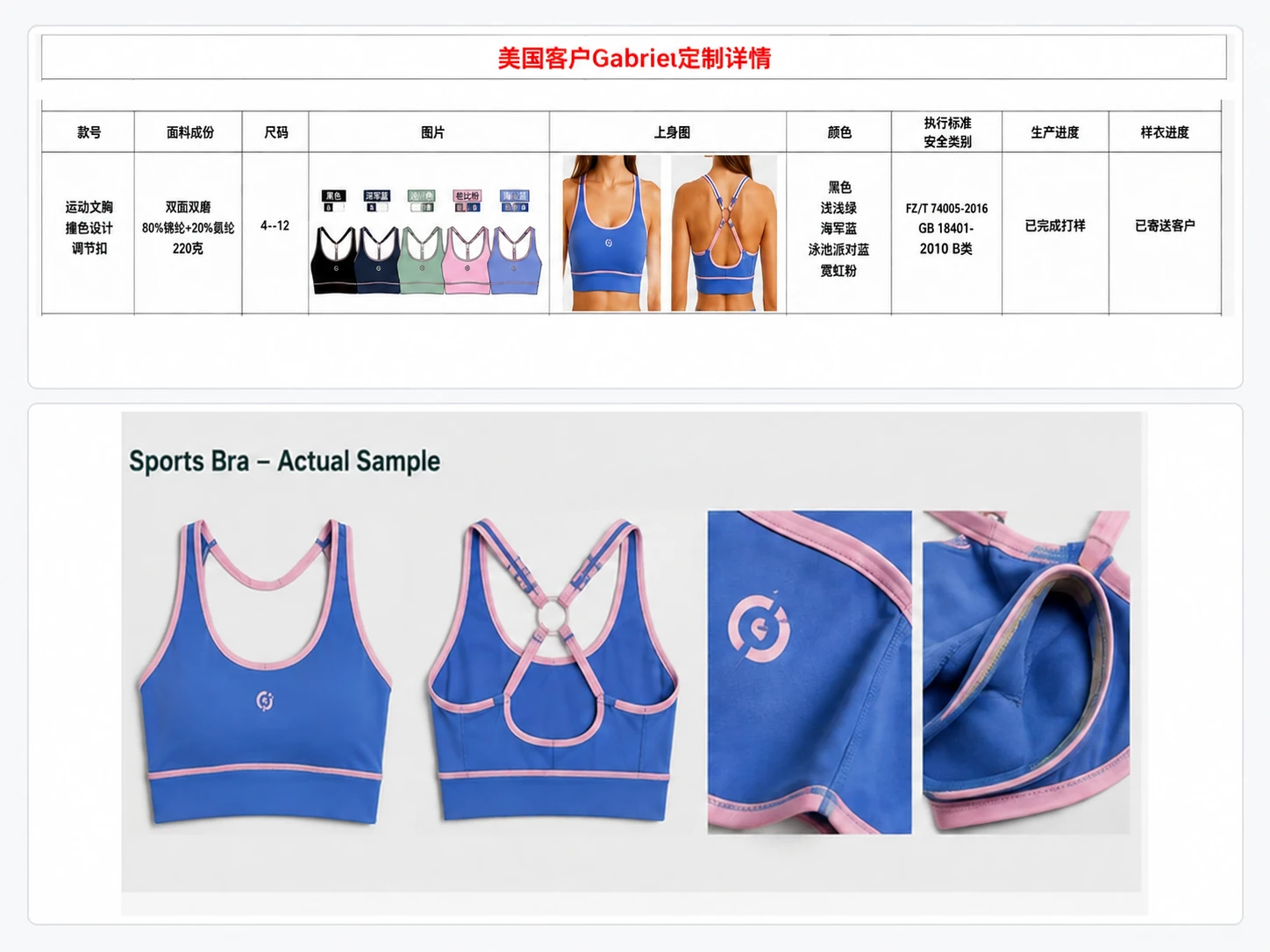
Pad
The correct pad type, thickness, shape and quantity must be available before production.

Hardware
Sliders, O-rings or other components should match the approved material and visual specification.
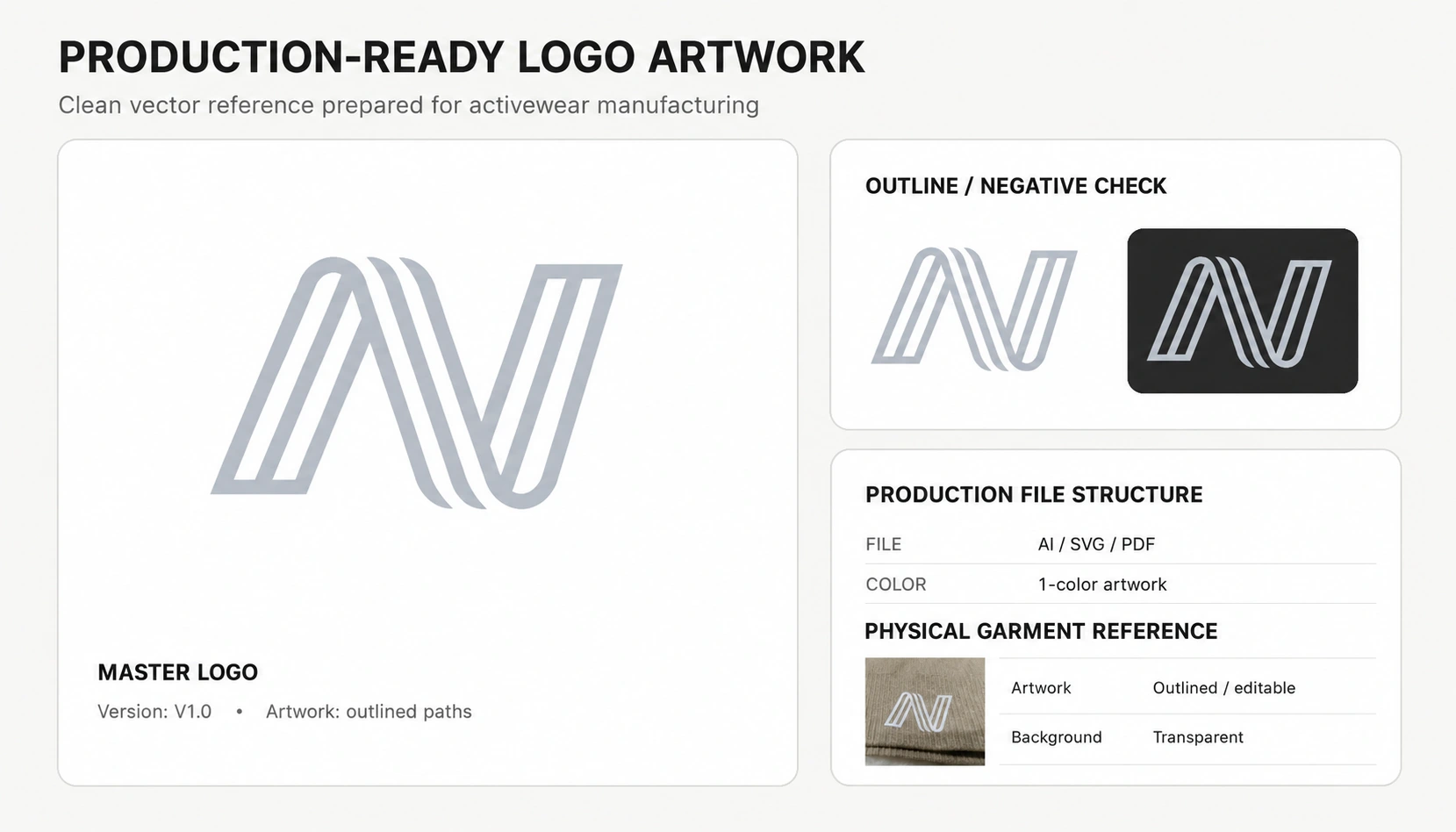
Branding
Logo components or transfer materials are prepared from the latest approved artwork.
Labels
Main, Care, Size and other labels are linked to the correct style, color and size.
Packaging
Polybags, stickers, barcodes and carton information are confirmed before packing begins.
Use the First Article to Verify Real Bulk Conditions
Material
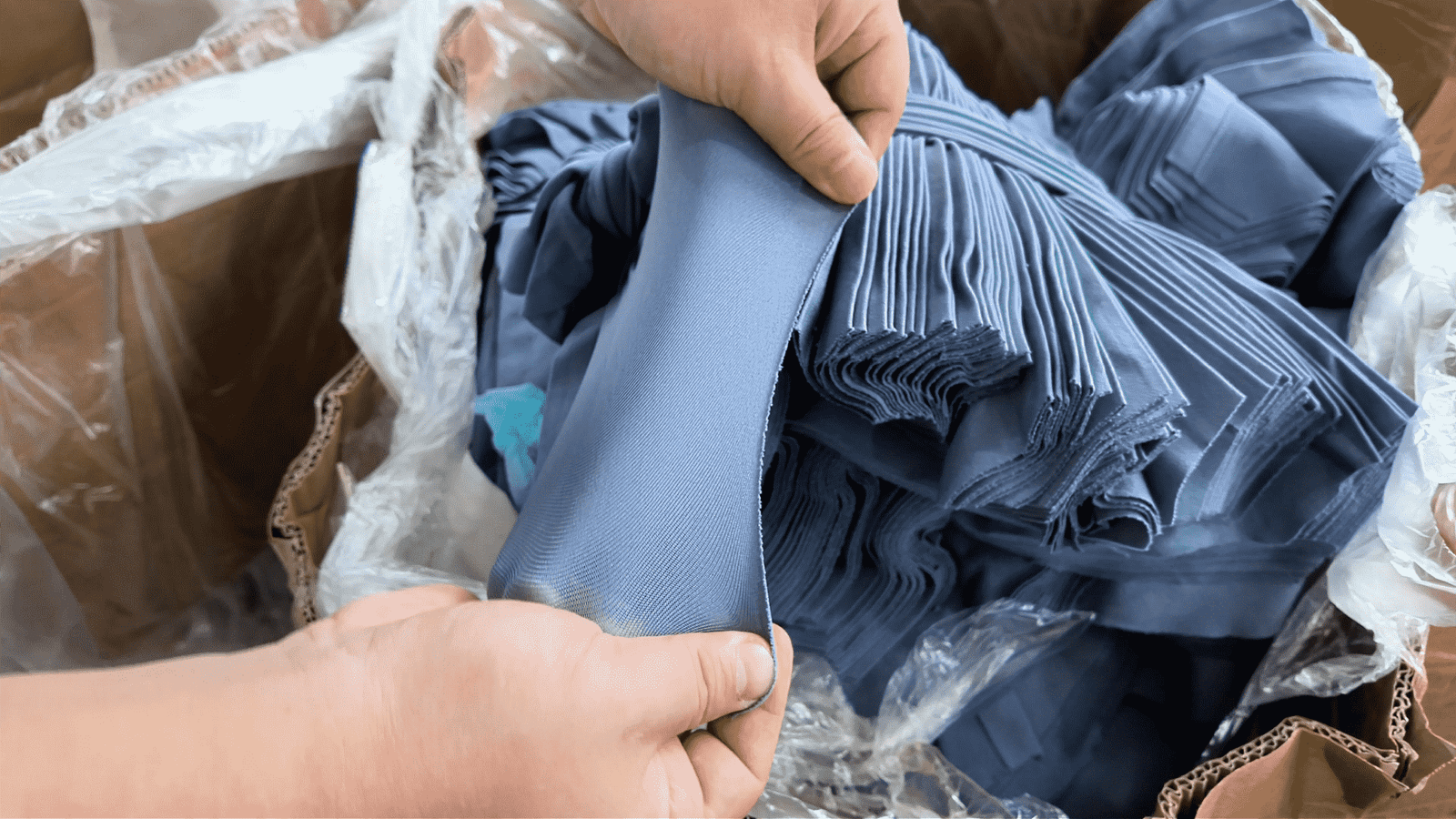
Confirm that actual production uses the approved body material, lining, elastic and pad configuration.
Measurements
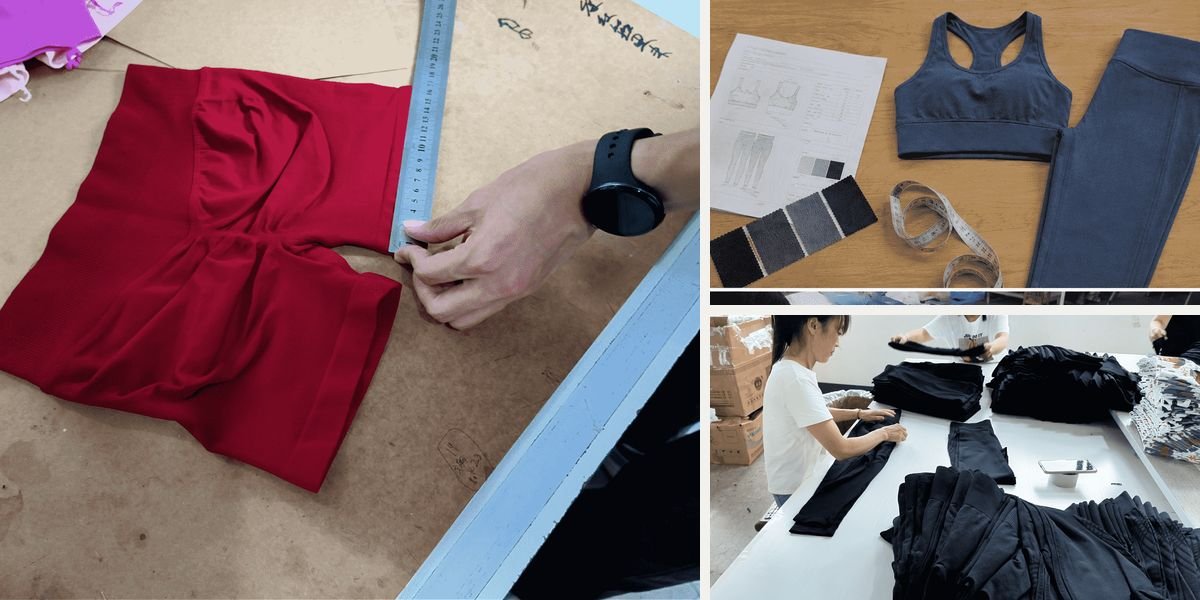
Measure applicable POMs against the latest released specification and buyer tolerance.
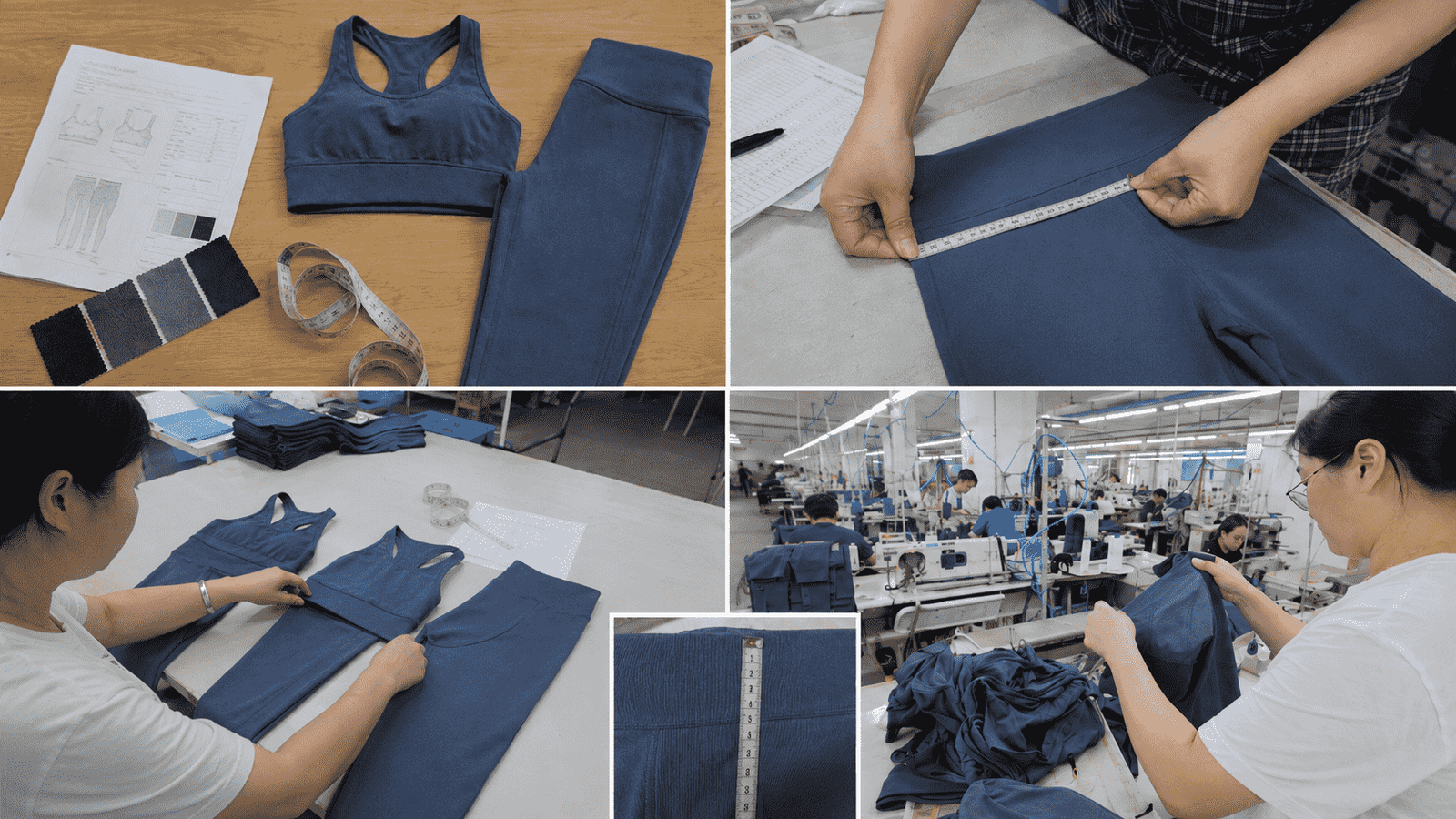
Underband and Strap
Check band construction, strap position, symmetry and relevant functional execution before larger-scale production proceeds.
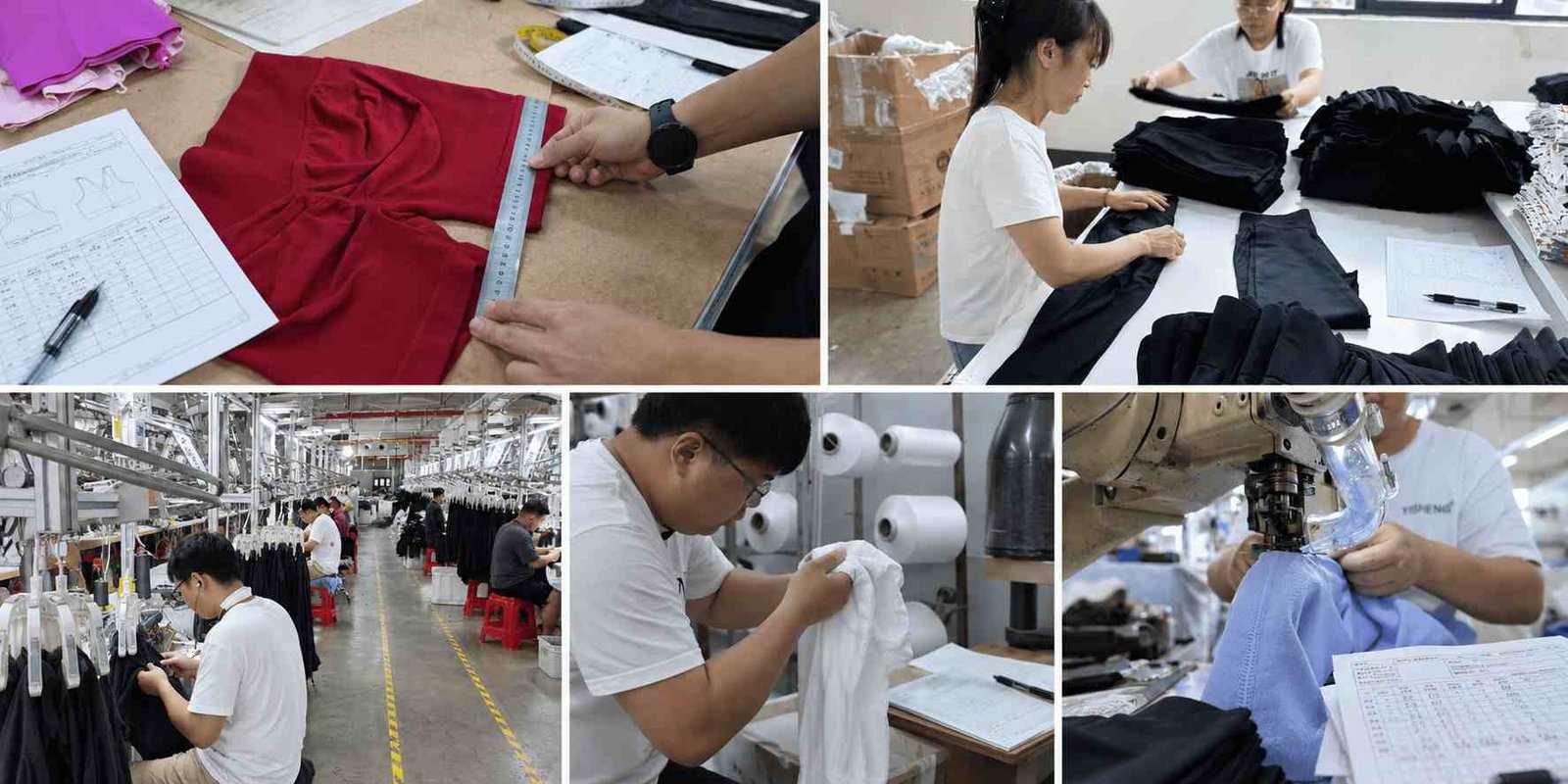
Pad and Appearance
Confirm pad position, pocket, external appearance and left-right balance.
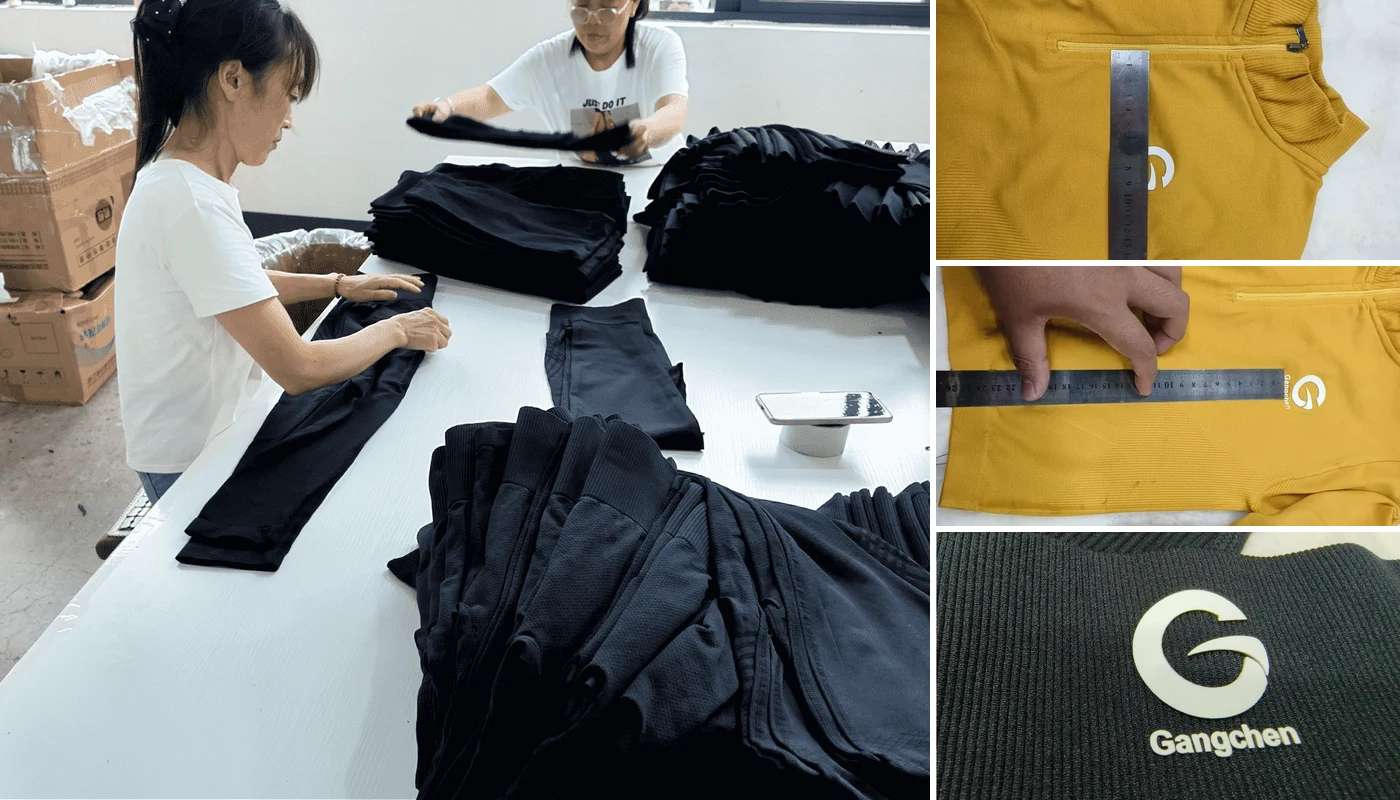
Branding
Verify logo size, position, color and application against approved artwork.
Control Medium-Support Quality Through Production Gates
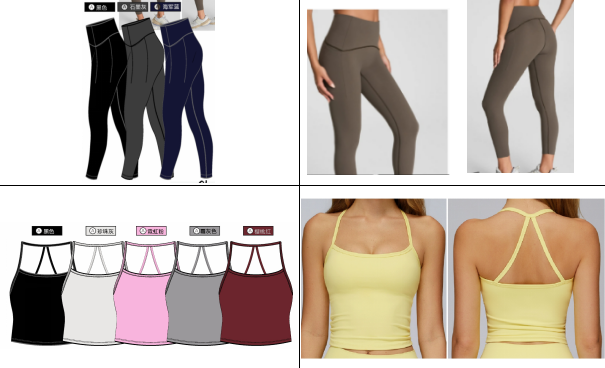
Before Production
Confirm latest Tech Pack, Approved Sample, Measurement Chart, material, color, pads, elastics, branding and packaging requirements.
Gate result: Production readiness
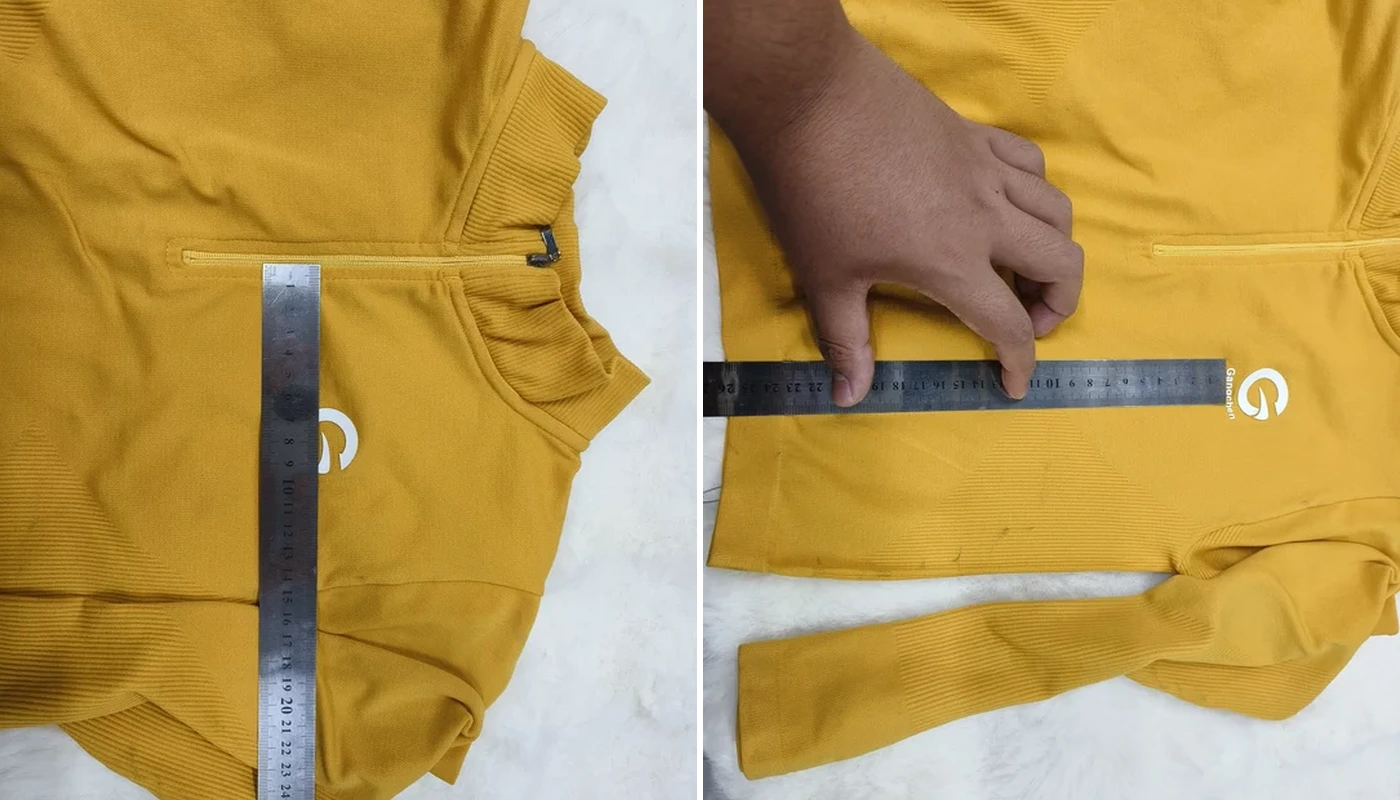
First Article
Review actual production material, measurements, underband, straps, pads, workmanship and branding before the line scales up.
Gate result: First production approval
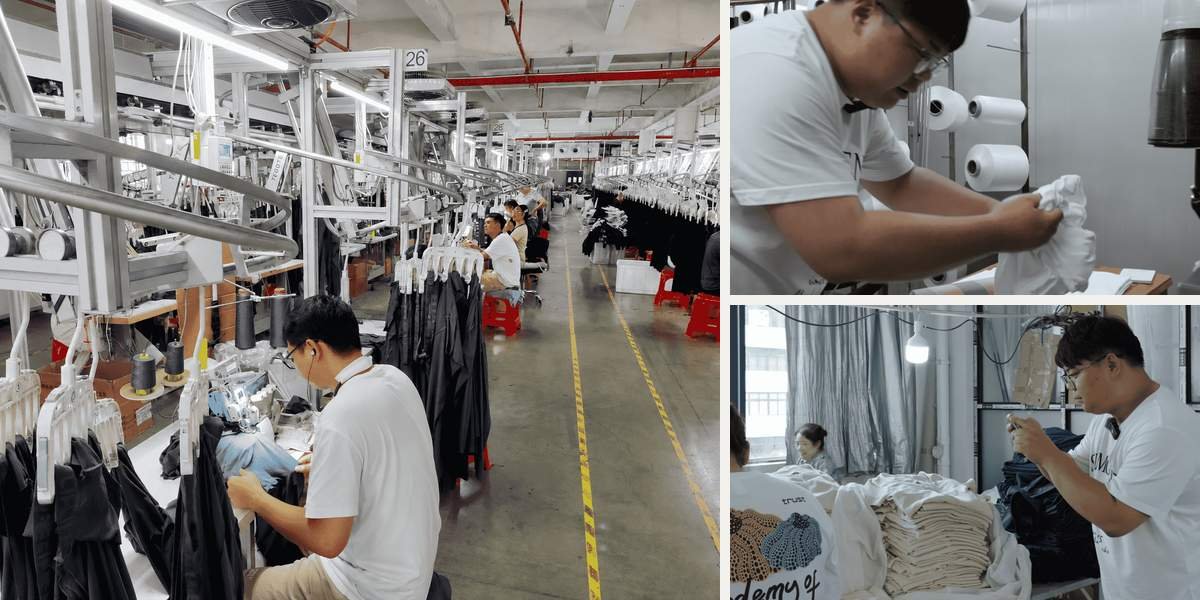
In Process
QC reviews recurring production for measurements, construction, symmetry, components, branding and other buyer requirements while corrective action is still possible.
Gate result: Controlled work in progress
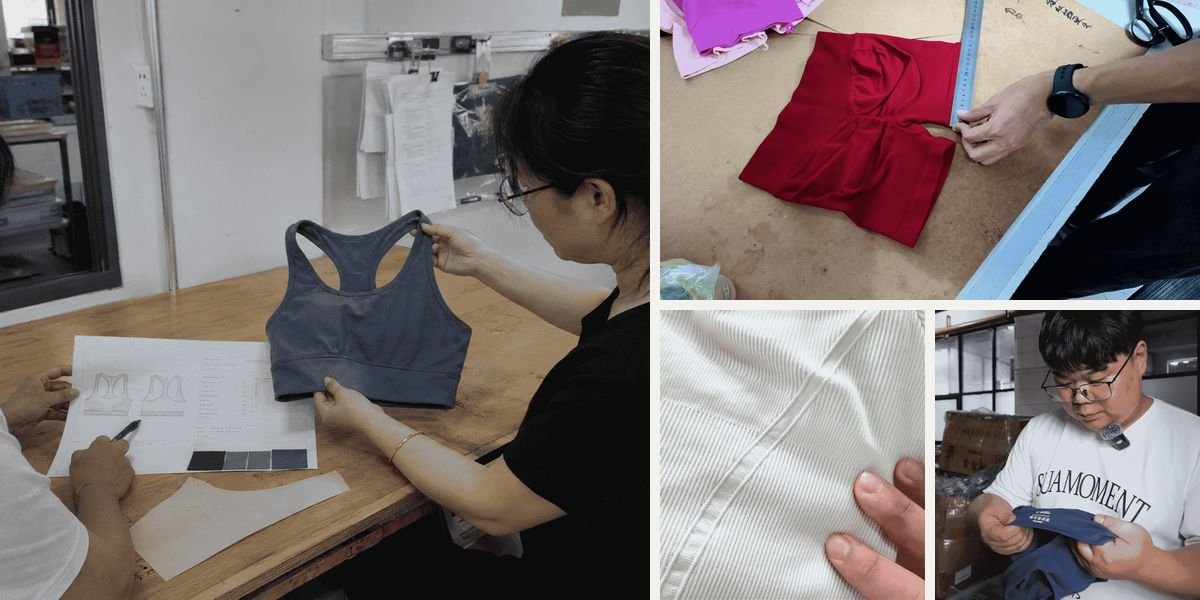
Final Release
Finished garments are checked for applicable measurements, workmanship, pads, straps, labels, branding and packing before shipment release.
Gate result: Shipment-ready goods
Use Measurement Data to Keep Fit Connected to Bulk

A key sports-bra POM where the buyer-defined target and tolerance can be compared against actual production.
Body or longline length influences garment position and should follow the buyer’s approved measurement method.
Where strap length is measurable, the method must remain consistent between development and QC.
Relevant cup, front-body or coverage POMs can be included where the buyer’s Tech Pack defines them.
The target value comes from the latest released buyer specification.
The allowed range follows the buyer’s confirmed product standard.
QC records the inspected garment measurement.
The measurement is identified as accepted or requiring corrective action / further review.
Capacity Means Approved, Quality-Released Production
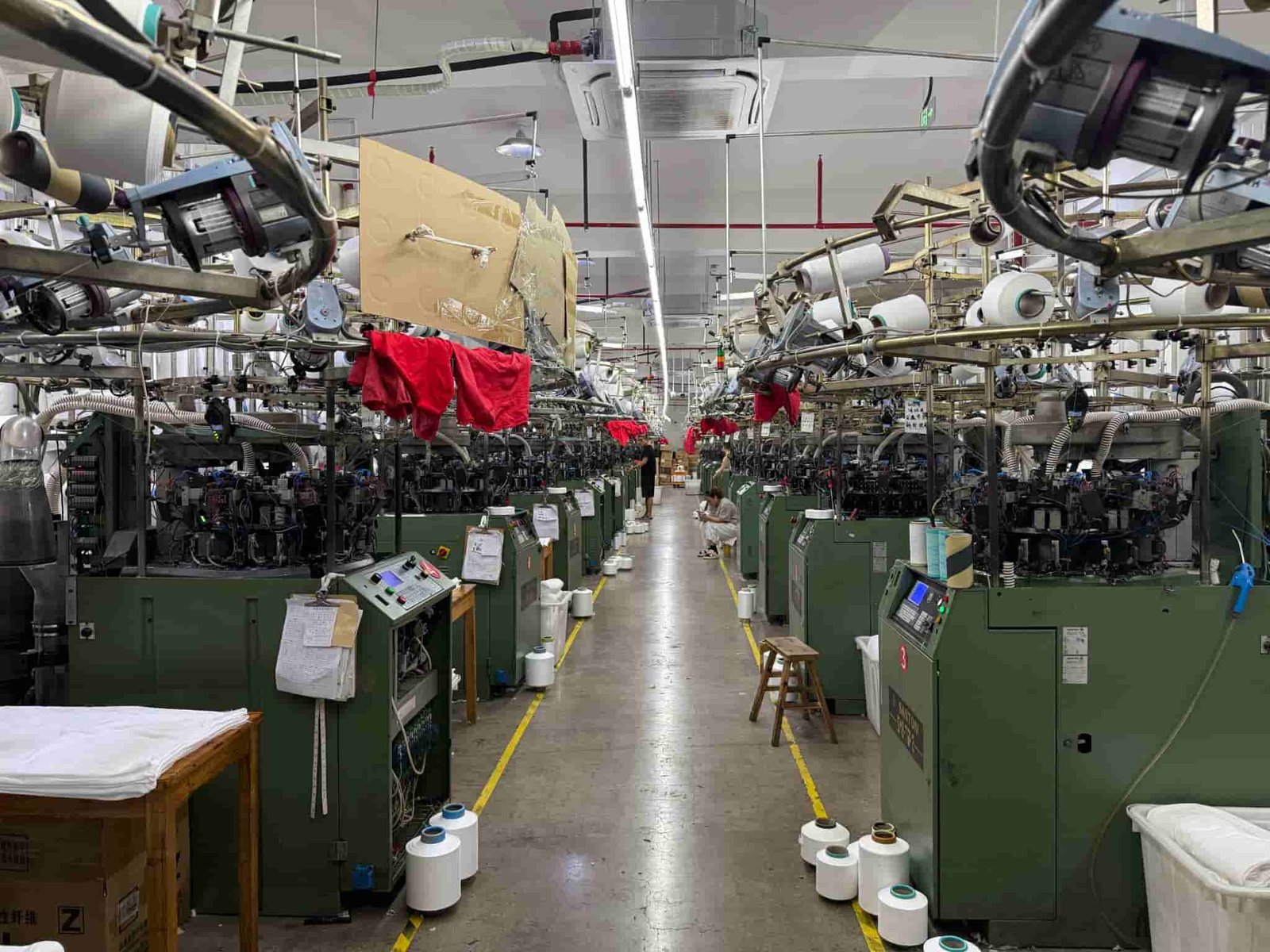
The Yiwu core system includes 28 Italian Santoni Seamless knitting machines supporting Sports Bras and other activewear products.
Approximately 24 main garment-production machines support Cut & Sew and post-knitting assembly work.
MOVEVOX manages eight major long-term satellite factories within its controlled production network.
The company facts record approximately 300,000 pieces per month as a stable Seamless capacity reference. This should not be mechanically added to other figures.
Approximately 100,000 pieces per month is recorded as the stable Cut & Sew reference.
Normal combined managed finished-garment delivery capability is approximately 150,000–200,000 pieces per month.

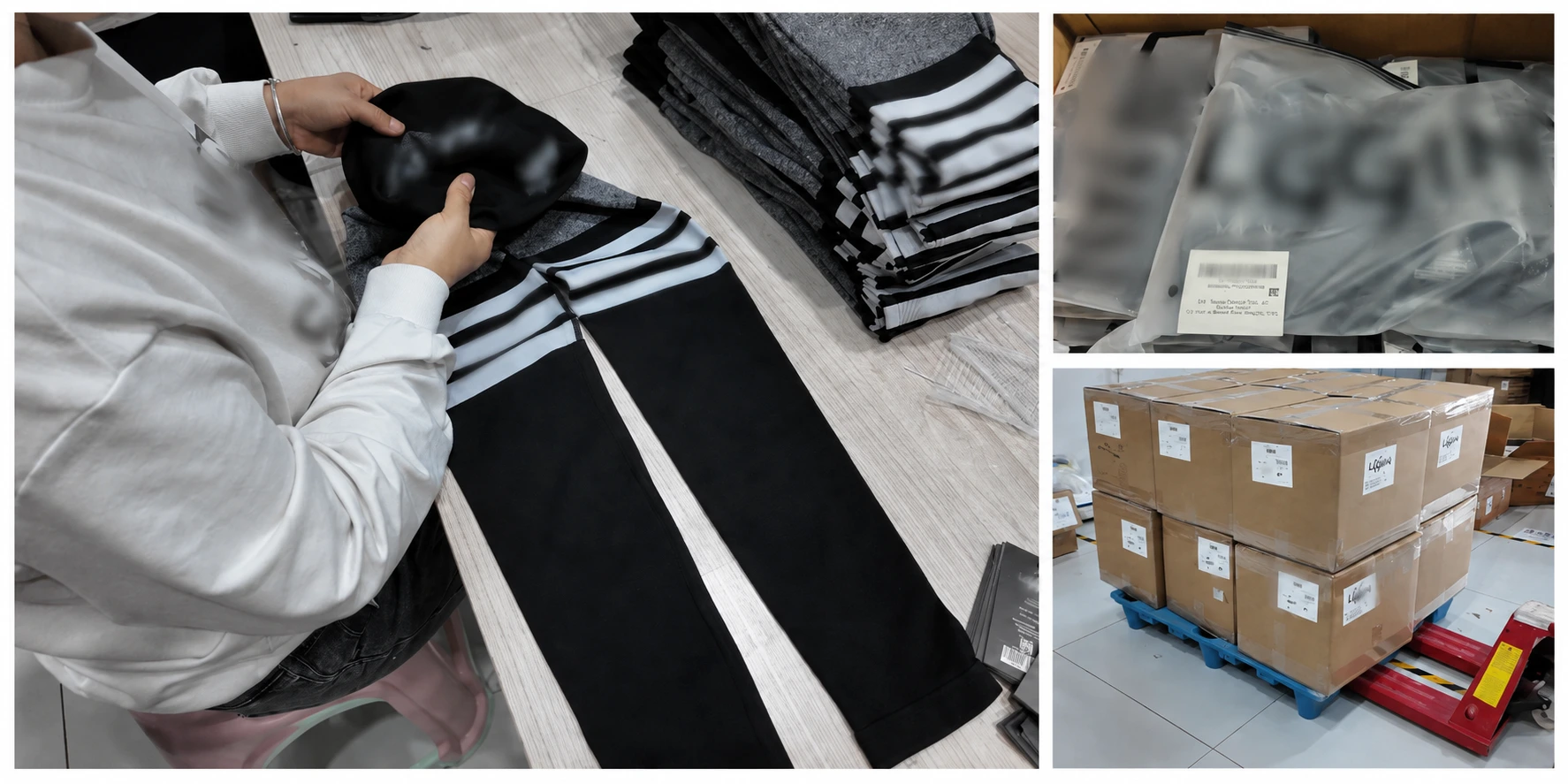
Scale a Validated Sports Bra Without Abandoning the Approved Standard
Development
Create and approve the product through technical review, material, Fit and physical sampling.
Trial Order
Use the released standard to verify real production conditions, QC and packing in a commercial order.
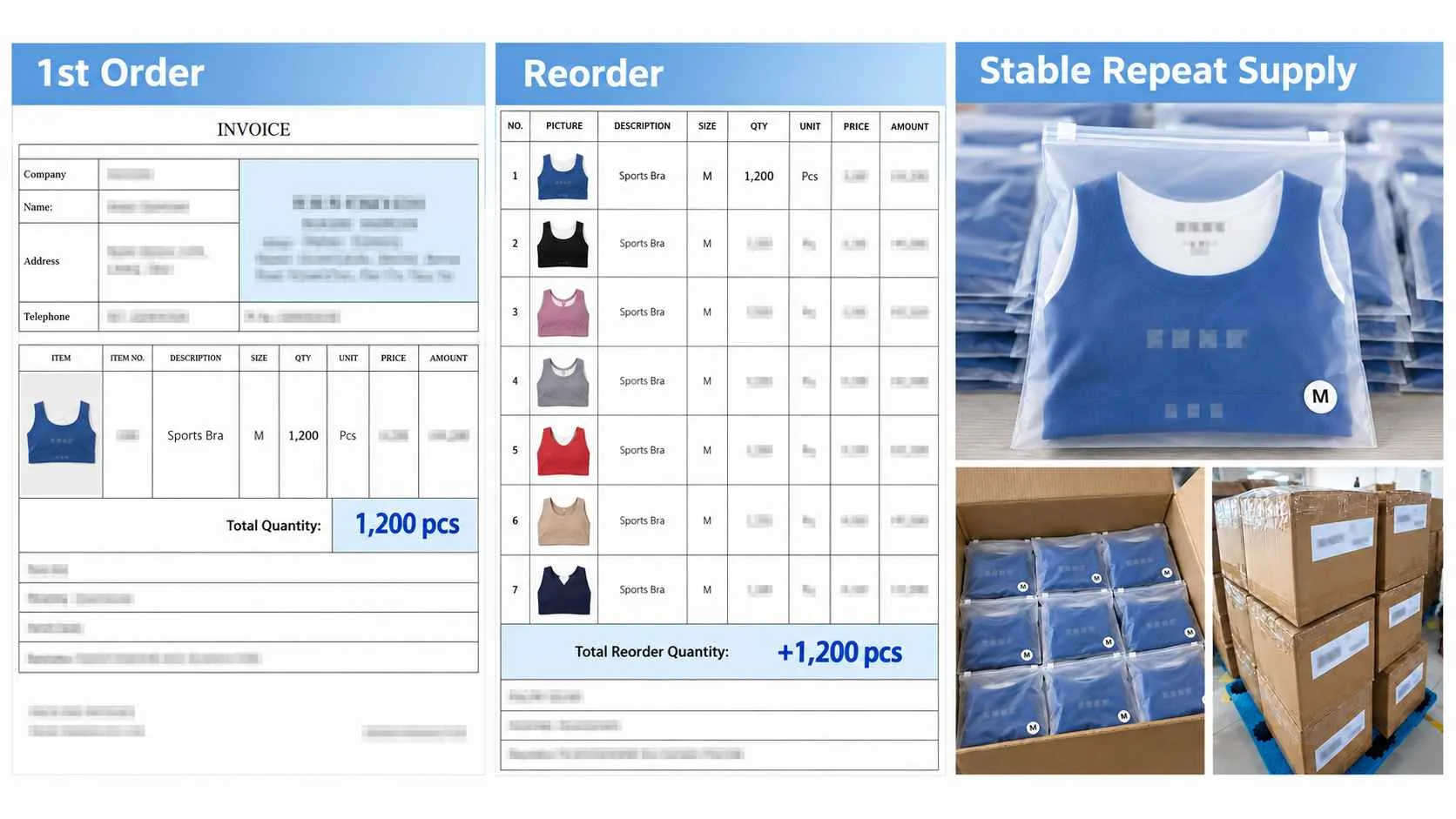
Repeat Order
Reuse approved technical information where unchanged, while rechecking material, versions and production readiness.
Multi-Color Expansion
Introduce additional colors with appropriate material and color approvals rather than assuming every dye lot behaves identically.
Multi-SKU Program
Expand the collection into related sports bras or matching activewear while managing each SKU’s own Fit and manufacturing requirements.
Larger Allocation
Increase production capacity through planning and controlled allocation while retaining the same technical and QC responsibility.
A Medium-Support Project Requires More Than One Sales Contact
Project Lead
Coordinates customer communication, technical questions, approvals, commercial updates and escalation across functions.
Product Development
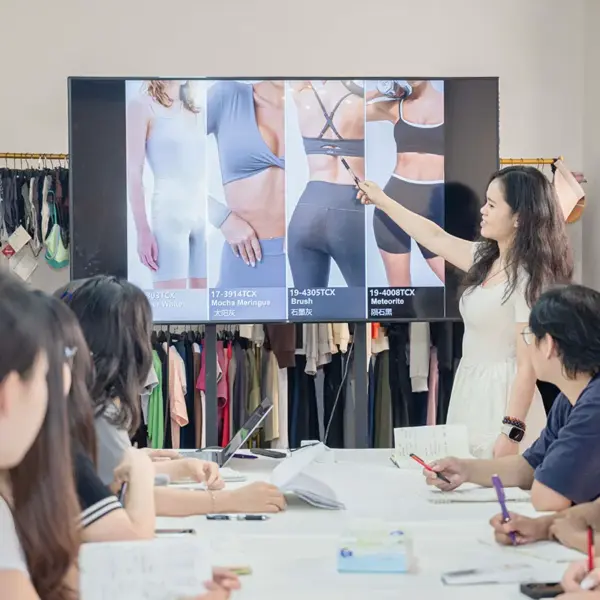
MOVEVOX’s development system is approximately eight people across design, pattern and sample-making functions. The team supports Tech Pack review, pattern / structure, measurements and physical samples.
Pattern / Technical
The technical role translates buyer Fit and measurements into Cut & Sew patterns or supports the product-development logic required before production release.
PMC / Supply Chain
PMC coordinates main materials, production allocation and schedule so material and capacity risks remain visible before delivery is affected.
QA / QC
The Quality Manager and current five-person QC function support incoming, First Article, in-line, measurement, finished-garment and packing control.
Production
Core and controlled satellite production teams execute approved technical versions rather than independently redefining buyer standards.
Know Which Parts MOVEVOX Manufactures and Which Parts It Manages

Yiwu Core Factory
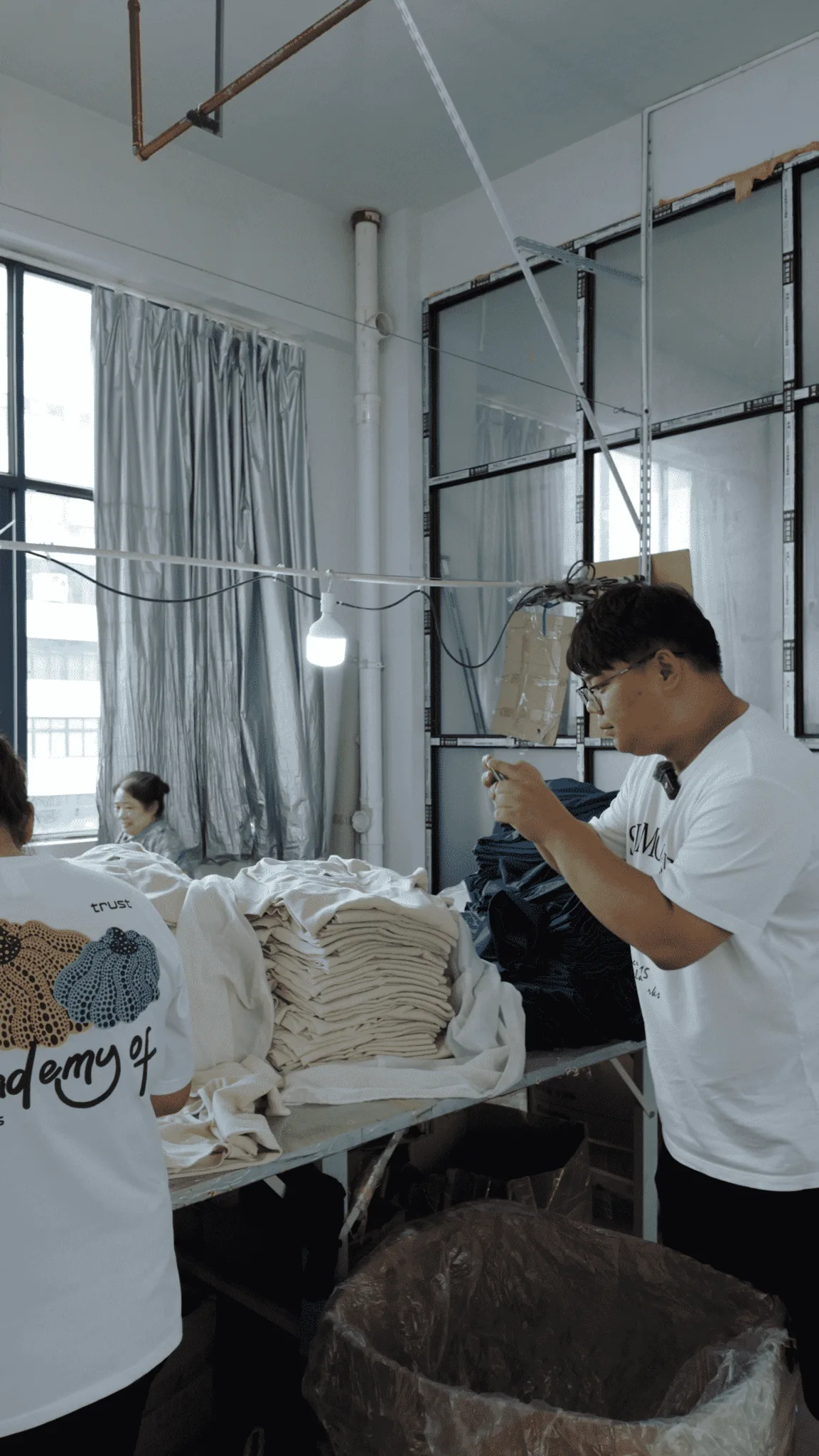
The self-operated Yiwu core base acts as the technical, sampling, Seamless, Cut & Sew and central quality-control center.
Managed: Product development; Santoni production; core C&S production; First Article / QC; technical standard ownership
Satellite Production Network
MOVEVOX manages eight major long-term satellite factories for controlled capacity and selected execution needs.
Managed: Approved specifications; production allocation; PMC; QC responsibility; customer production-site requirements
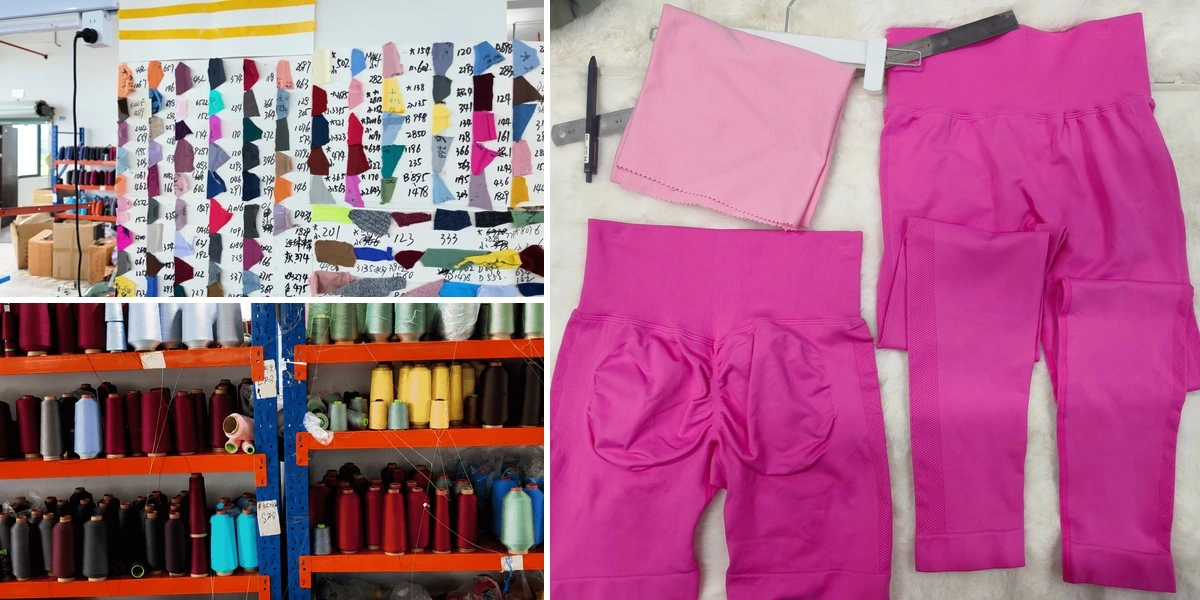
Material Suppliers
Fabric, yarn and major components are coordinated through sourcing rather than allowing production facilities to independently substitute materials.
Managed: Approved source; material specification; incoming checks
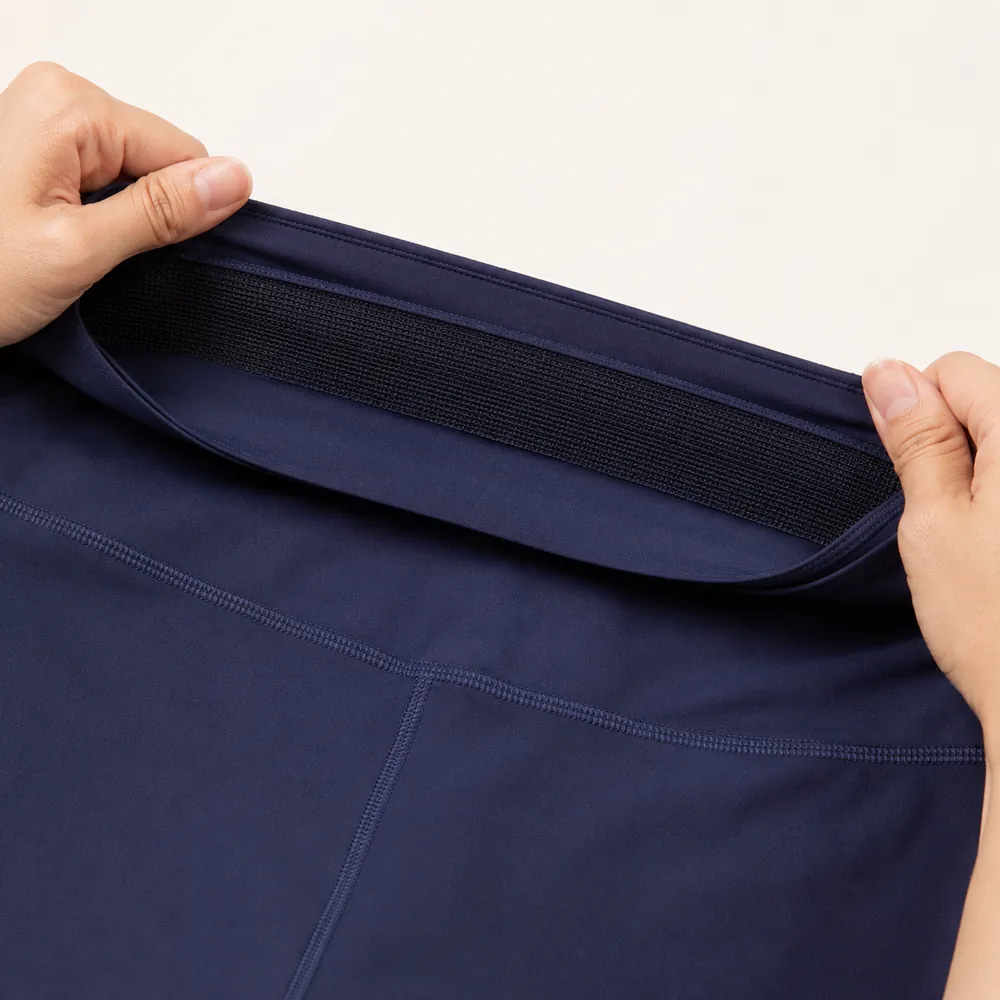
Elastic / Pad / Hardware Suppliers
Sports-bra components can involve specialized external suppliers. Their MOQ, specification and incoming quality are managed as part of the project.
Managed: Elastic; pads; sliders; rings; specialist components
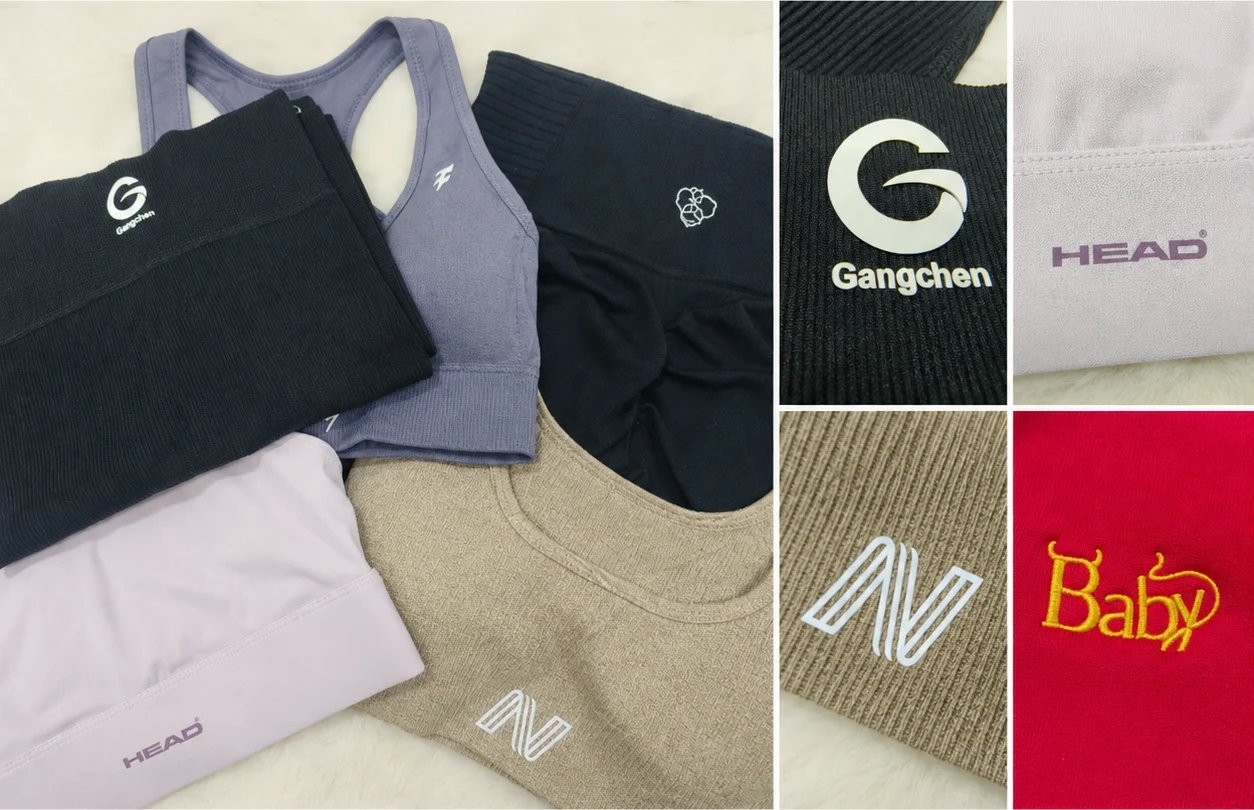
Branding & Packaging Suppliers
Logo applications, labels and packaging may involve specialist partners, but final artwork and order requirements remain under project control.
Managed: Logo; labels; barcode; polybag; carton
What a Brand Can Verify Before Supplier Approval
Legal Entity
MOVEVOX is operated by Yiwu Chenjin Import And Export Co., Ltd., the current legal commercial entity.
Evidence: Business registration / legal-company records.

Core Factory
The self-operated production base is located in Fotang Town, Yiwu, Zhejiang, China, with approximately 6,000 square meters of production space recorded in the company facts.
Evidence: Site, address and real factory images.
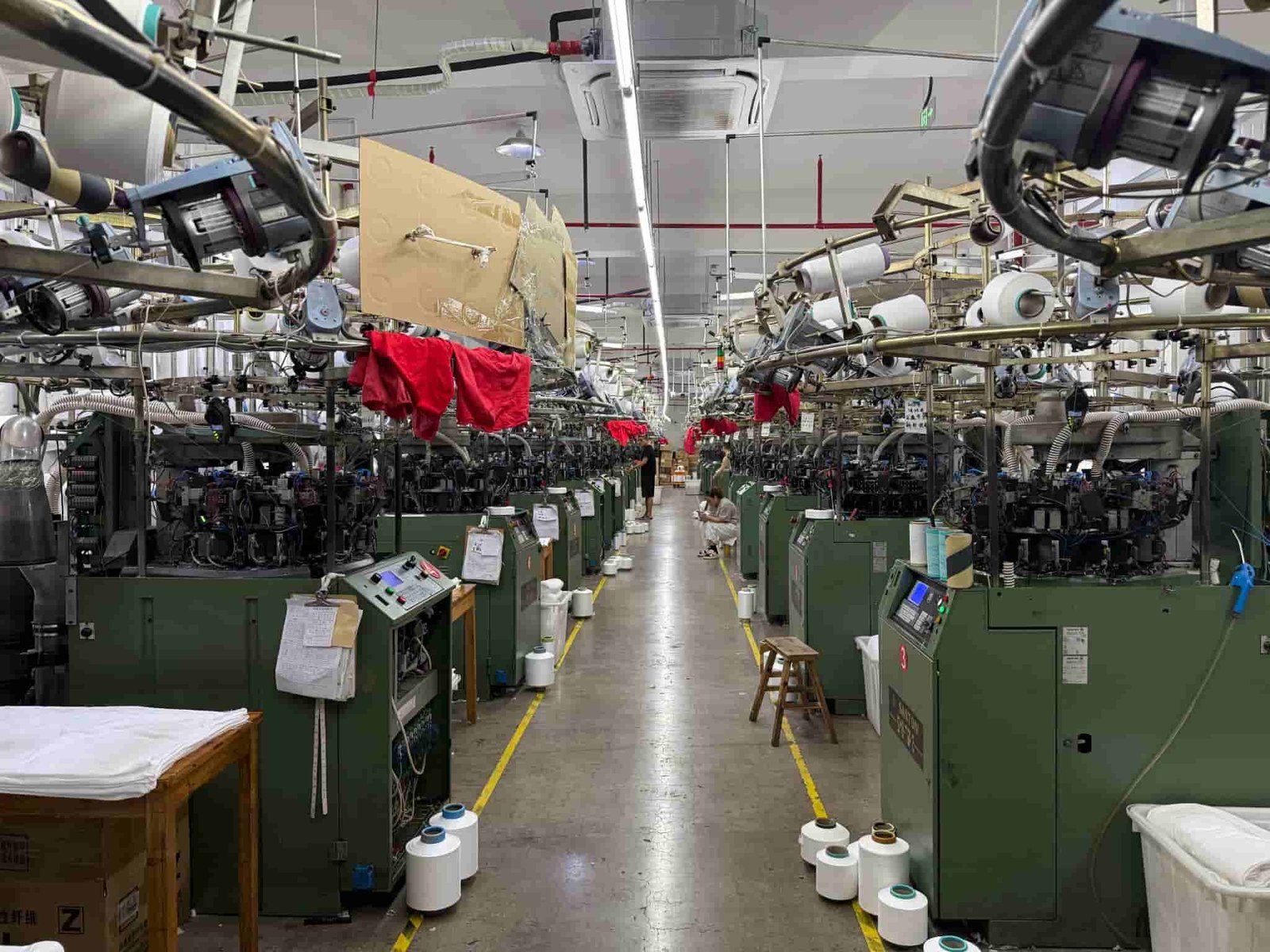
Seamless Equipment
The core production system includes 28 Italian Santoni Seamless knitting machines.
Evidence: Real equipment and production.
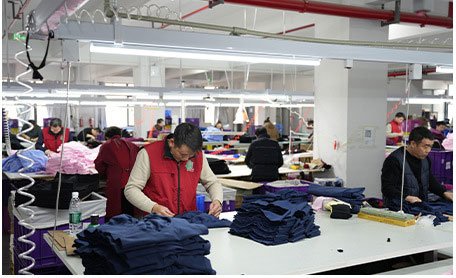
Cut & Sew
Approximately 24 main garment-production machines support the Cut & Sew route.
Evidence: Actual sewing / cutting production area.
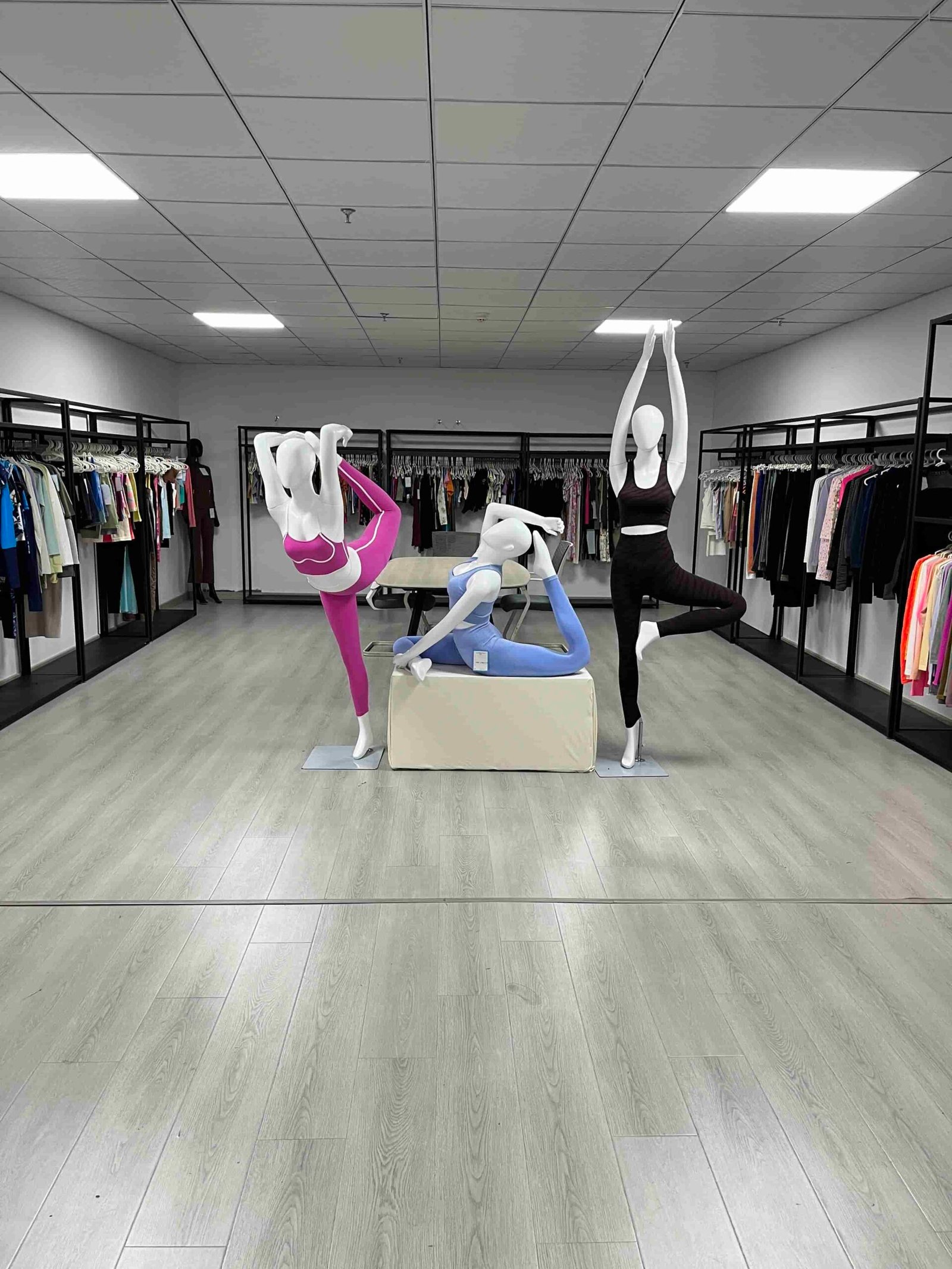
Sampling
The development system includes design, pattern and sample-making roles.
Evidence: Pattern / sample room and physical project work.
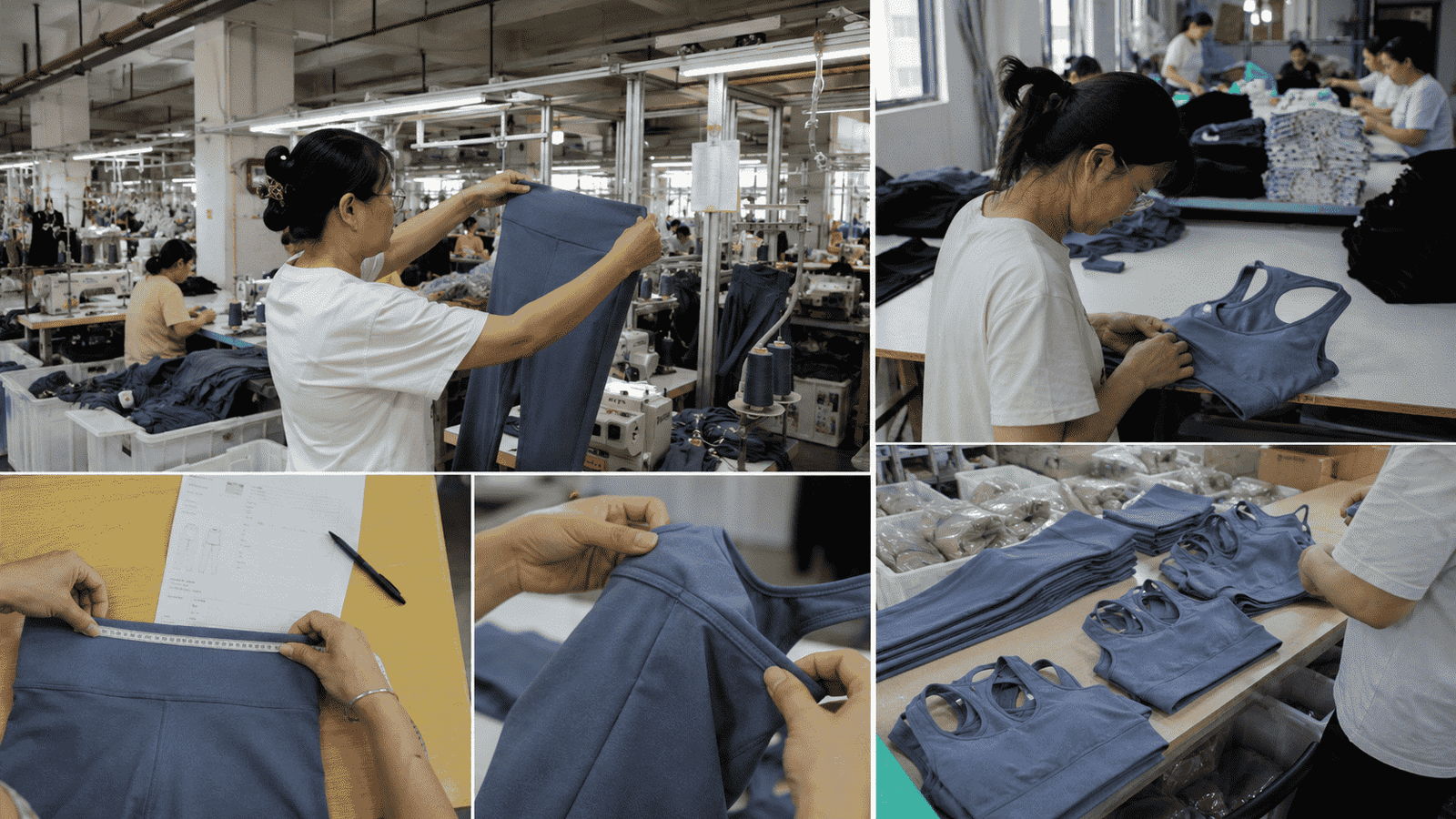
Quality
Current quality operations include five QC personnel and a separate QA function.
Evidence: Inspection, measurement and records.

Packing
Private-label packing can include labels, barcodes, polybags, carton marks and SKU control.
Evidence: Real packing area and anonymized records.
Audit Access
MOVEVOX supports factory visits, Technical Audits, Pre-production Visits, Inline Inspection, Pre-shipment Inspection and video verification, subject to project scheduling and confidentiality.
Evidence: Actual site access and audit preparation.
A Real Activewear Project Showing the Development-to-Bulk Process
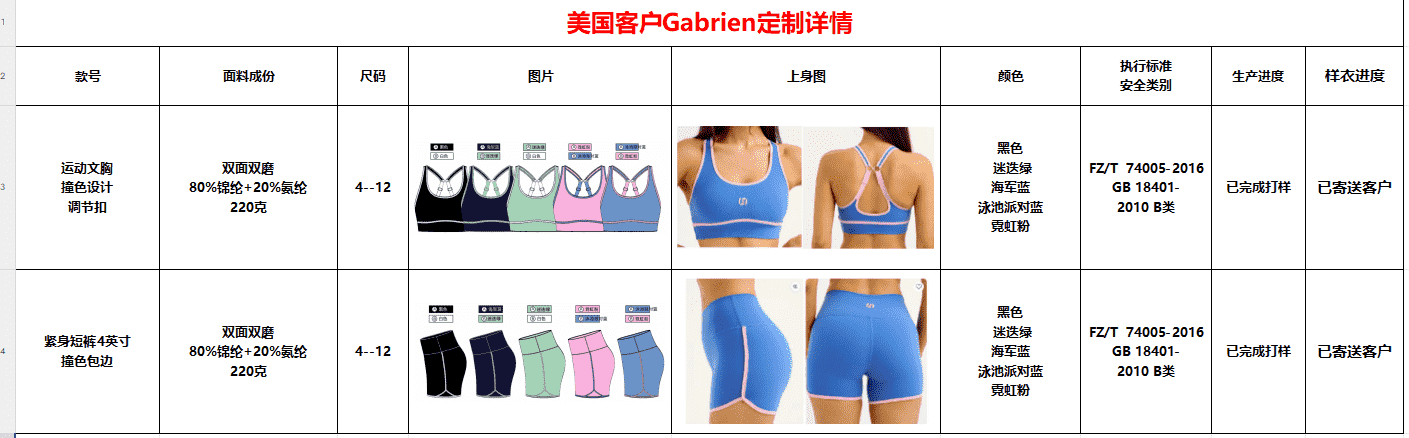
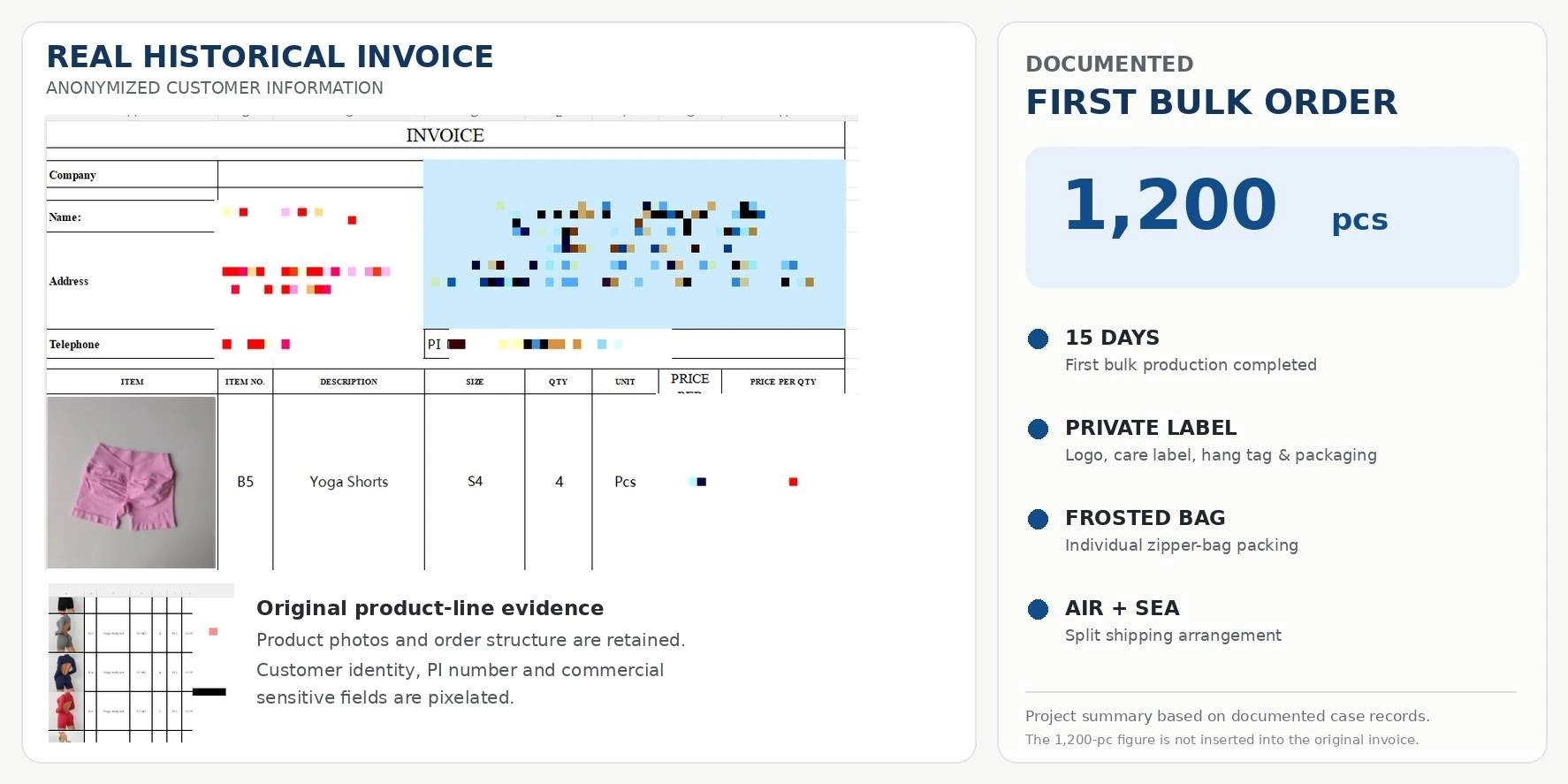
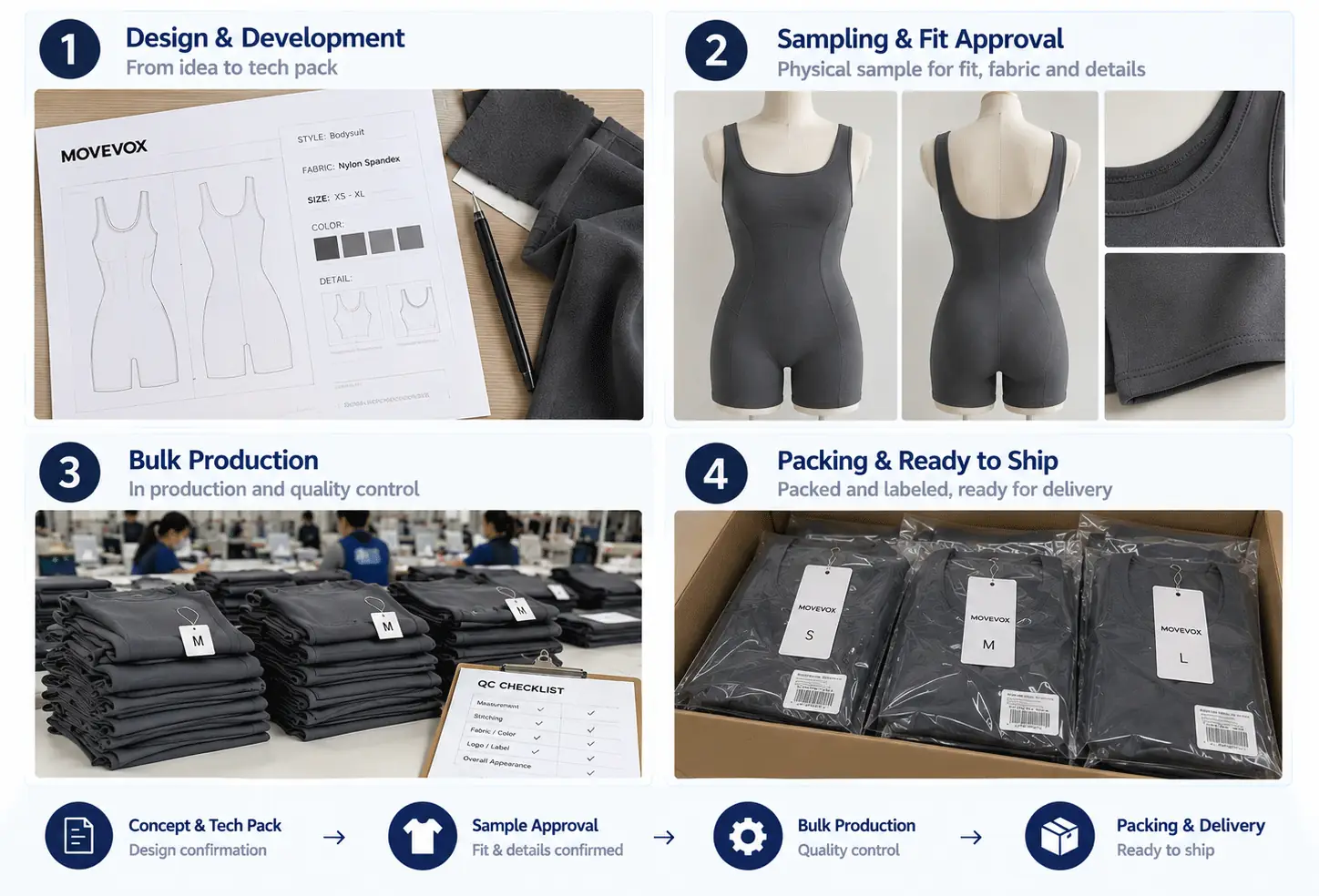
This anonymous U.S. activewear case demonstrates MOVEVOX’s sample, revision, testing, private-label and bulk-execution process. It is a multi-category activewear program and should not be presented as a dedicated historical medium-support sports bra case.
Client Background
The customer operated an activewear range including leggings, shorts, sports bras, tank tops, sets and other fitness products and provided its own Tech Pack for product development.
Challenge
The first sample did not fully match the buyer’s intended use in several design details. The project therefore required a second sample version and further buyer-side testing before bulk production.
Solution
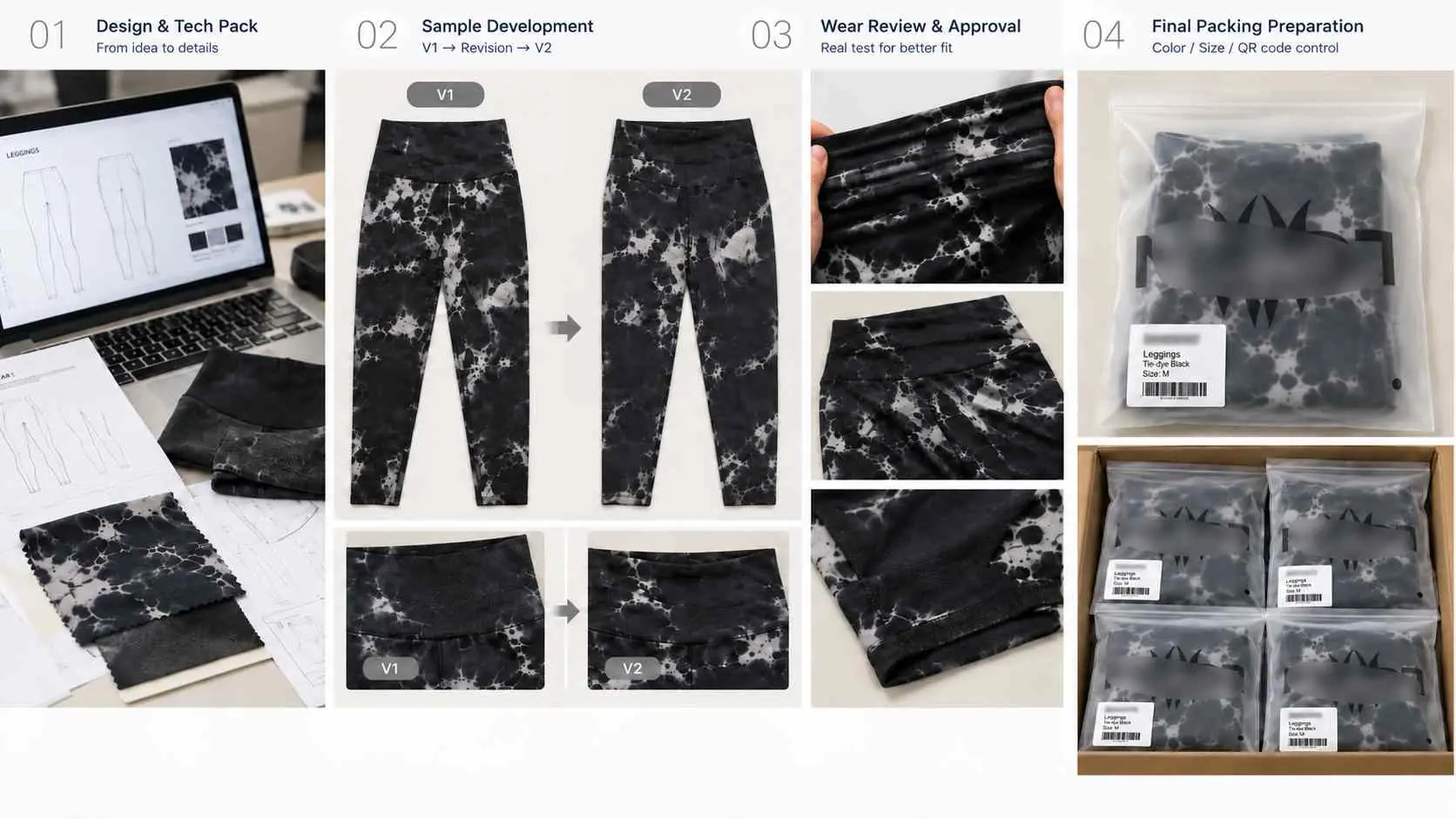
MOVEVOX reviewed the Tech Pack, developed the first physical sample, received buyer comments and produced a revised second version. After the second version was largely accepted, approximately five to ten additional samples were prepared for user testing. The approved program then moved into bulk production.
V1 Sample
The first sample converted the buyer’s technical information into a physical product for review.
V2 Revision
Development feedback was translated into a second sample rather than moving directly into production.
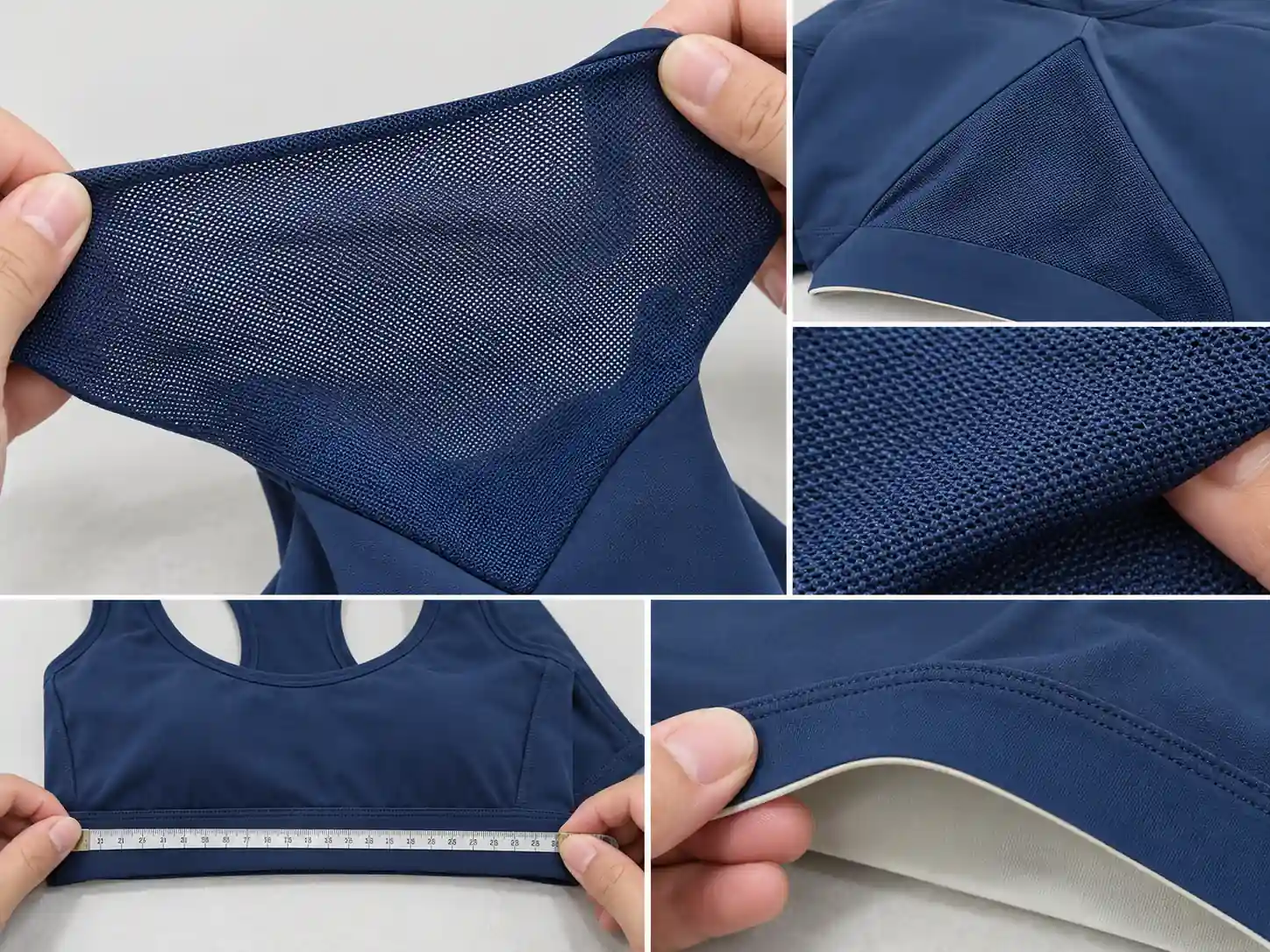
User Testing
Approximately 5–10 samples were prepared for buyer-side testing after the revised sample was largely accepted.
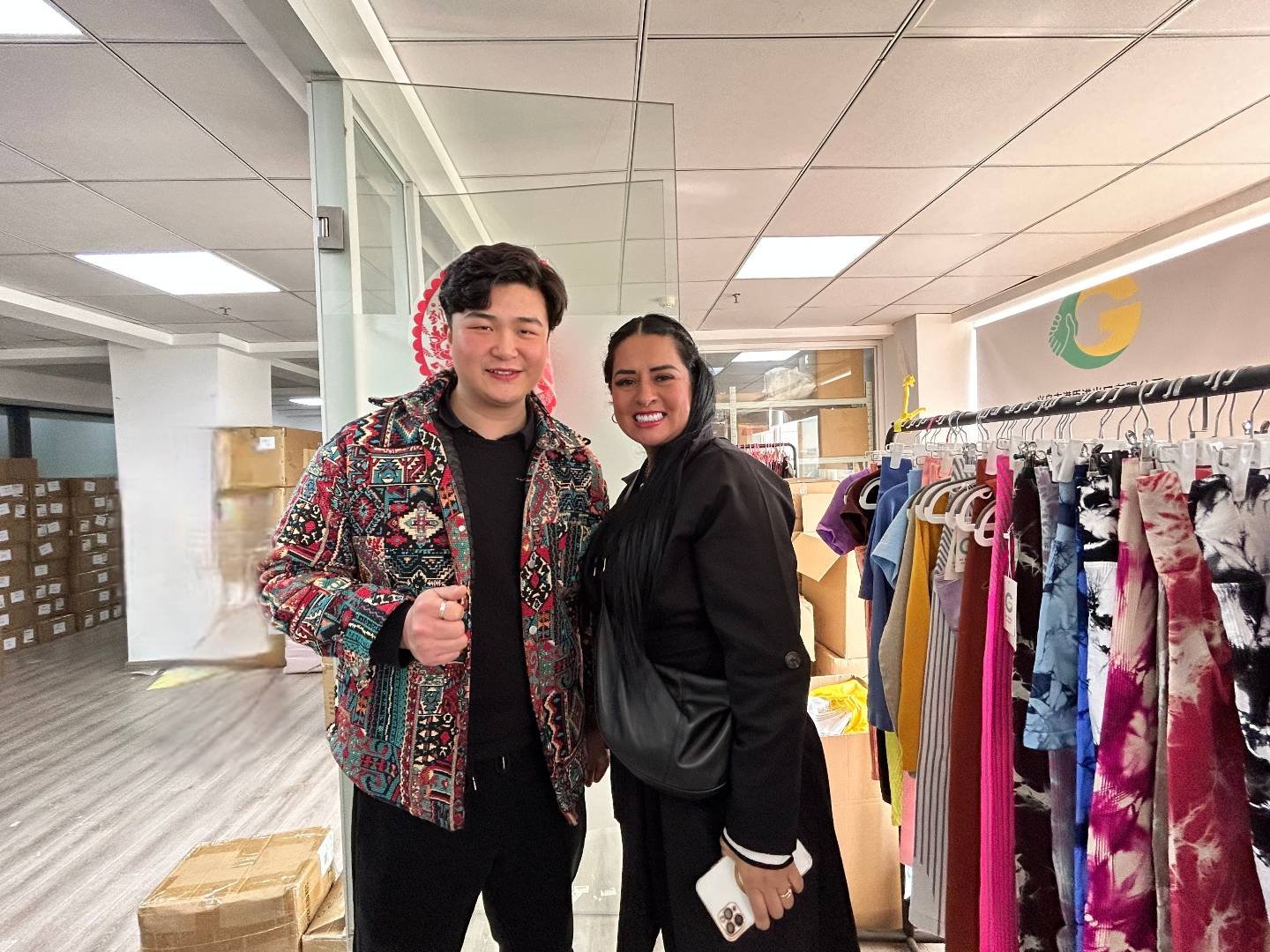
Bulk Order
The documented case records a typical order scale of approximately 2,000 pieces across the activewear program.
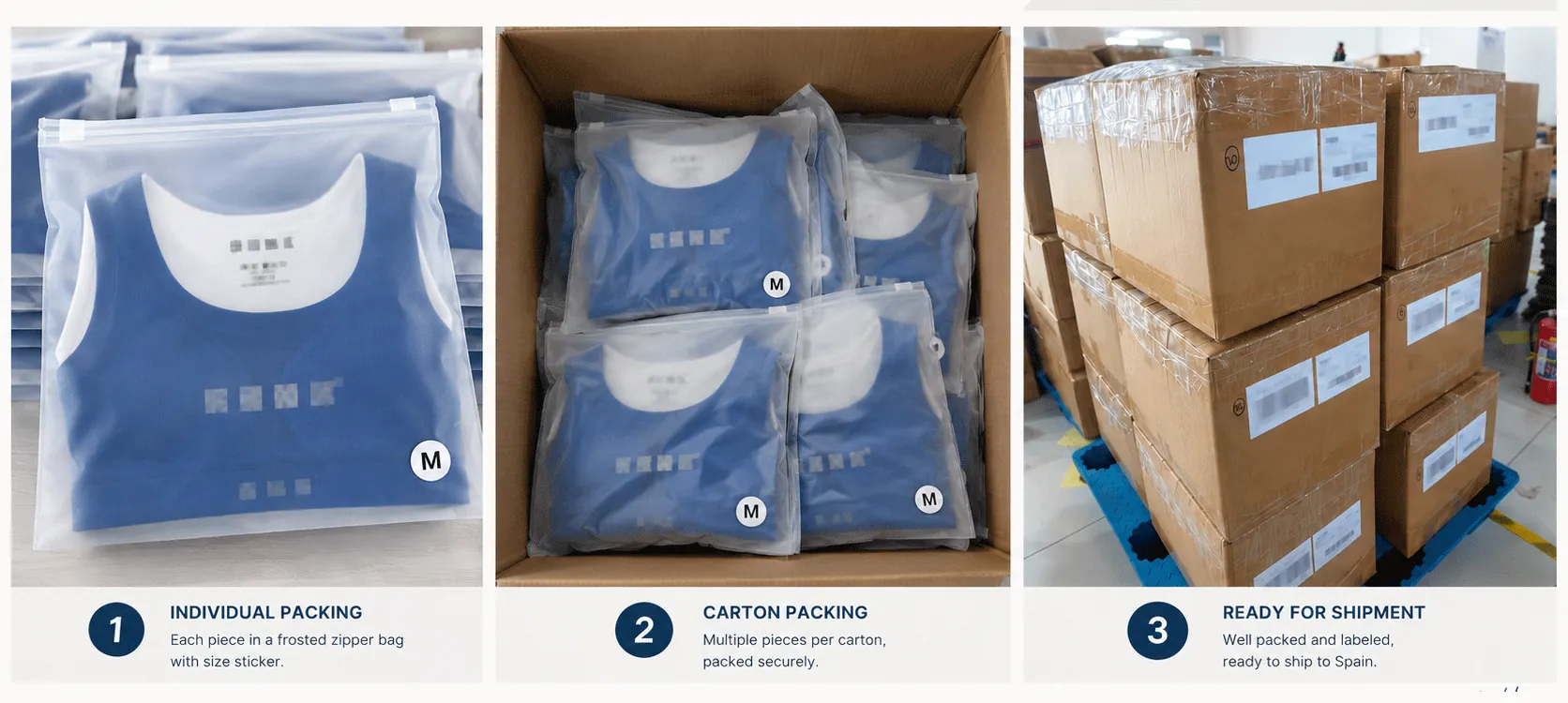
Private Label Execution
The order included custom logo, labels, care labels, packaging and SKU-sensitive QR information.
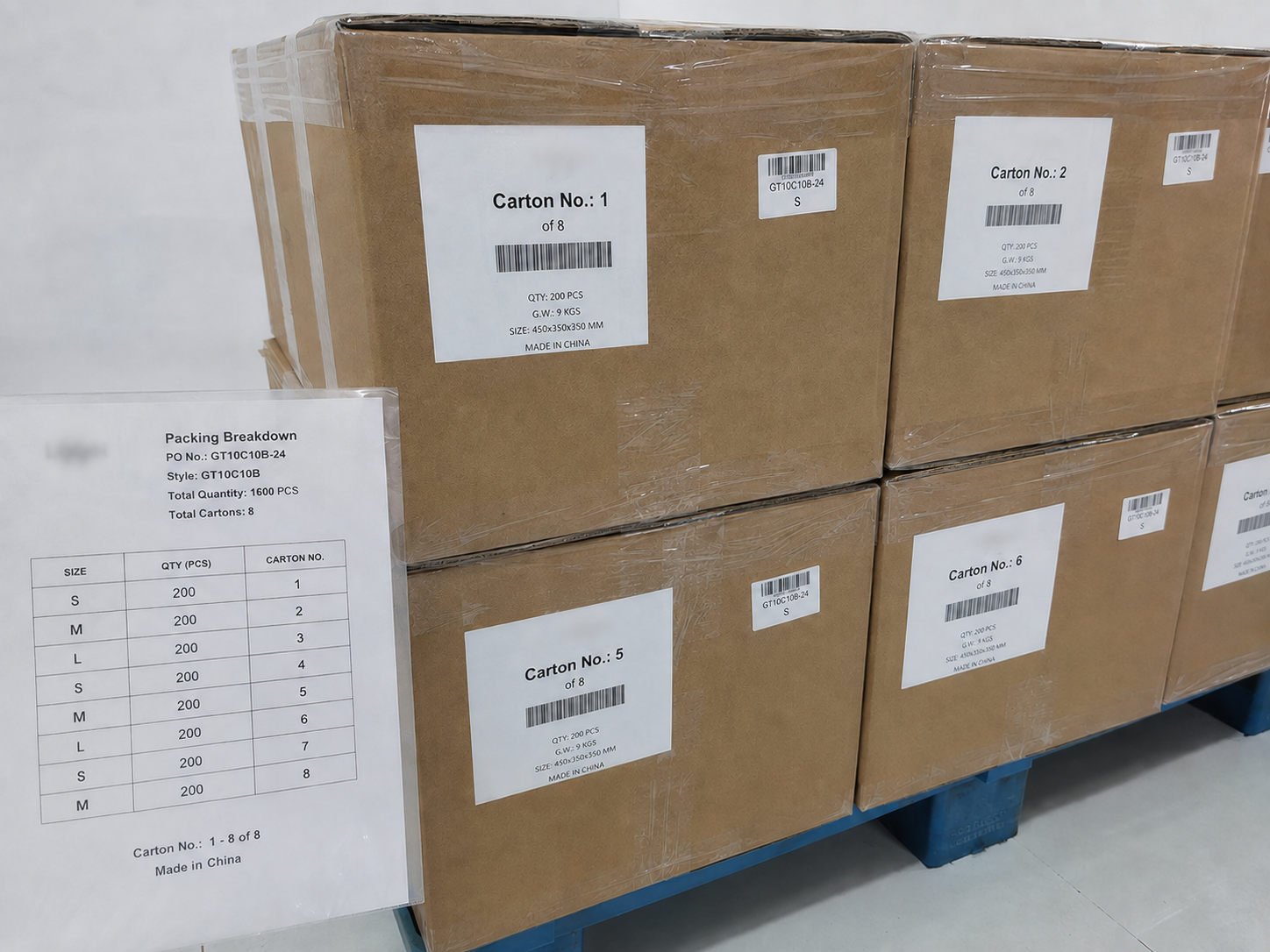
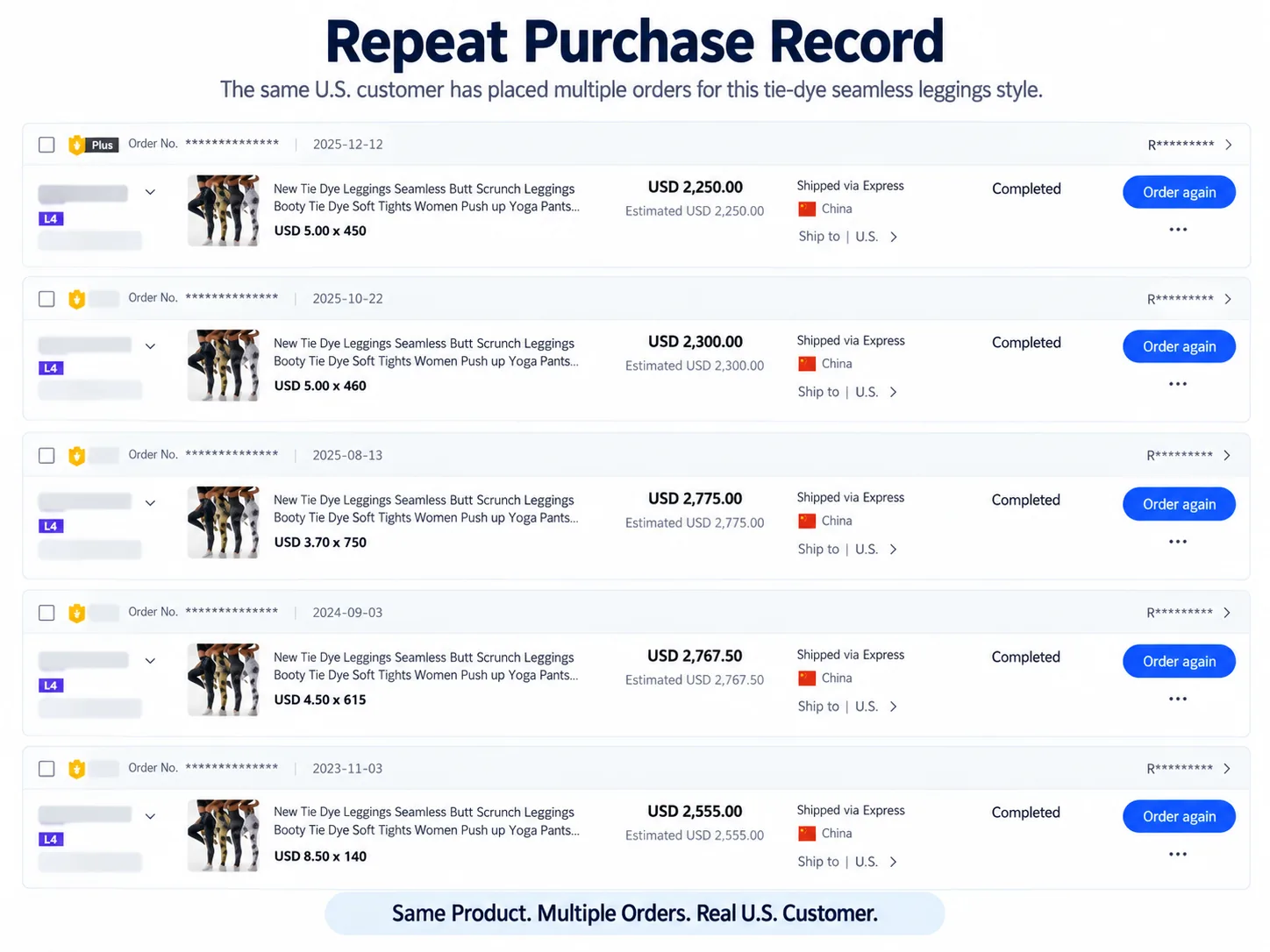
Repeat Cooperation
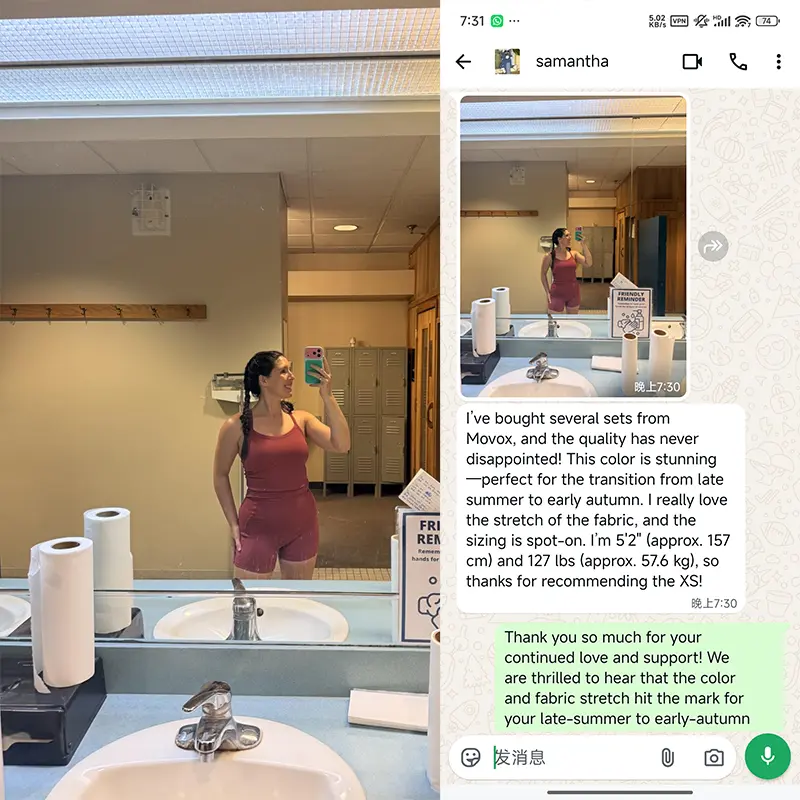
The source case records an ongoing repeat relationship, including approximately two orders per month during the documented period and three years of cooperation at the time the case was prepared.